
by Steve Laug
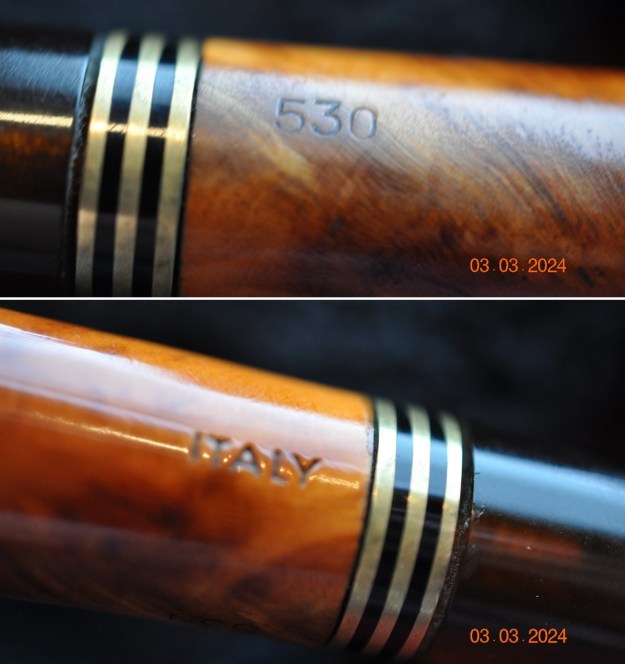
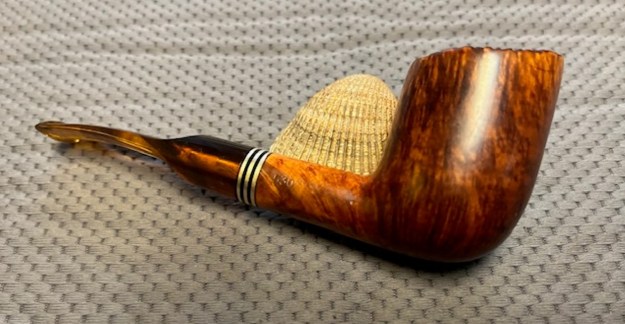
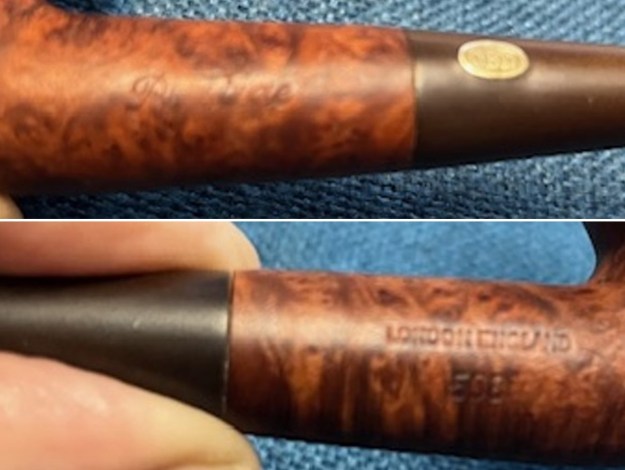
This pipe has been in my to-do box for almost a year now and some how I continue to pass over it and go on to something else. It came to us from an eBay seller in Jordan, Minnesota, USA on 01/22/2024. This afternoon I picked it up to fit in between my restoration of Peterson’s Pipes that I am working. This one is stamped Thompson in script on the left side of the shank. On the right side of the shank it reads 530 the shape number. On the underside of the shank it is stamped ITALY. It is well grained freehand shape with a faux plateau rim top that has been stained with a mix of black and brown stains. The shank is banded with three brass bands. The stem is amber acrylic and looks quite nice. The pipe is dirty and the stain and finish has come off the sides of the bowl and there is a lot of oils and hand grime ground into the finish on both sides. The shank still has some heavy varnish on it that leaves it shiny. The bowl has a thick cake and there is a lave overflow into the rusticated/faux rim top. The stem is also dirty and has some tooth chatter on both sides ahead of the button. Otherwise the stem is in better condition than the bowl. Jeff took photos of the pipe before he started his clean up work.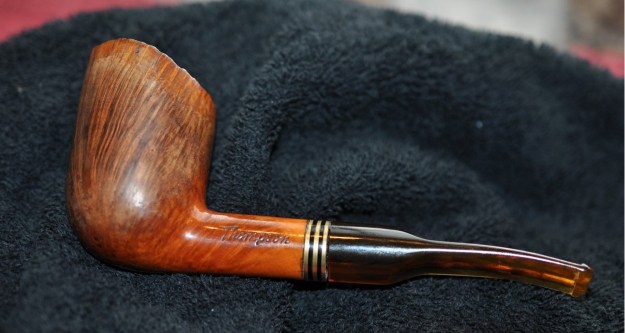
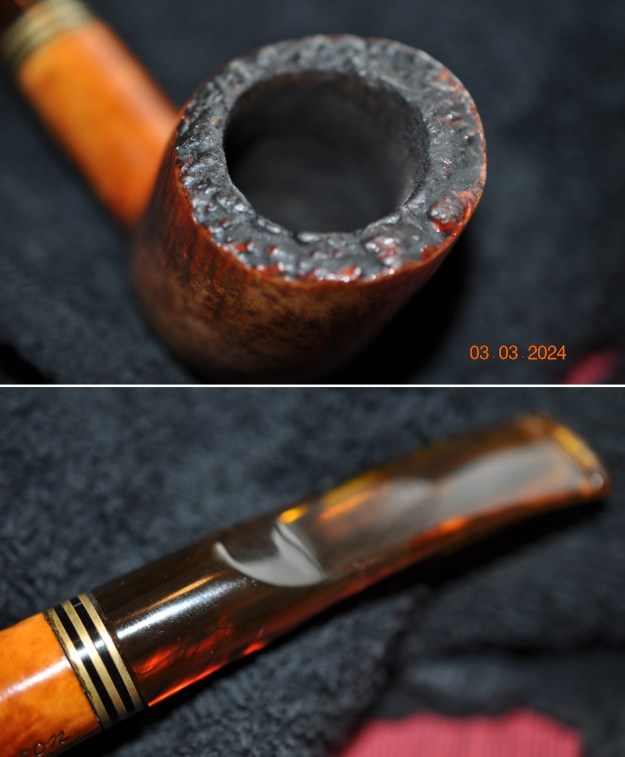
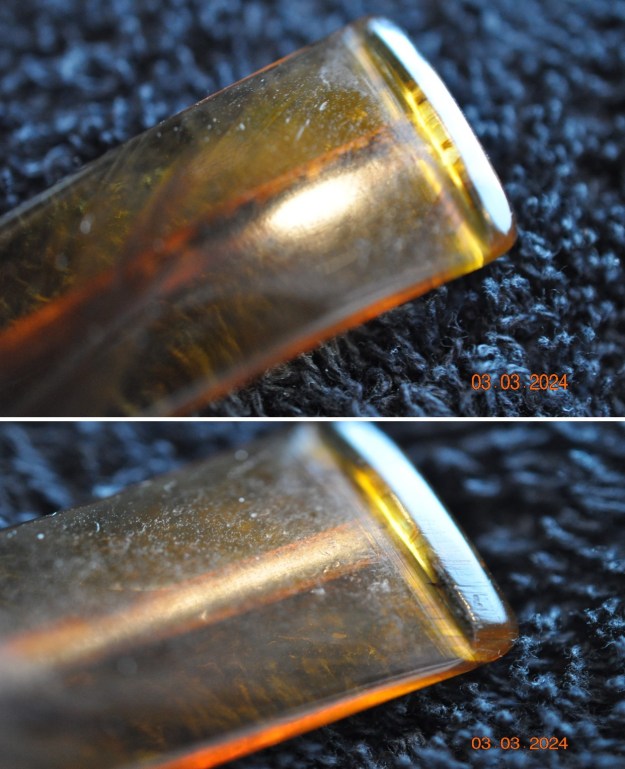
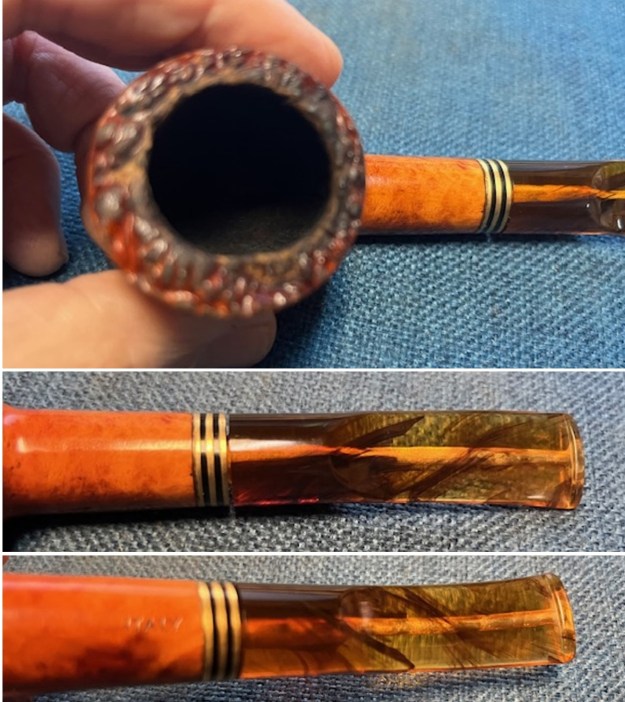
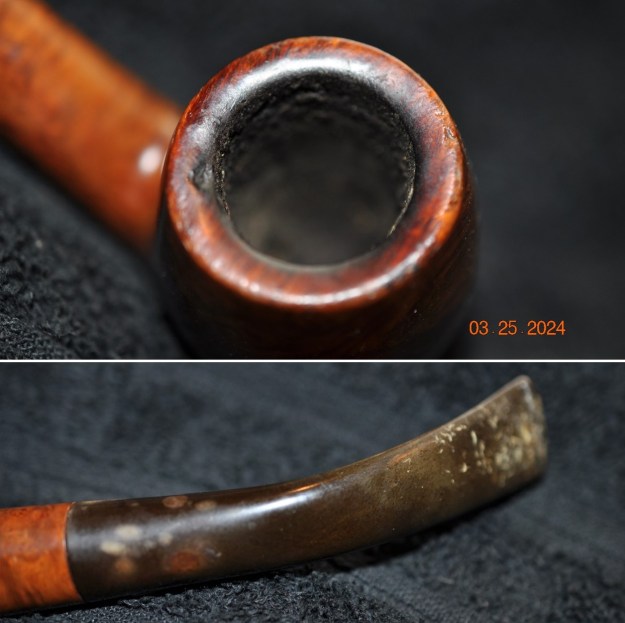
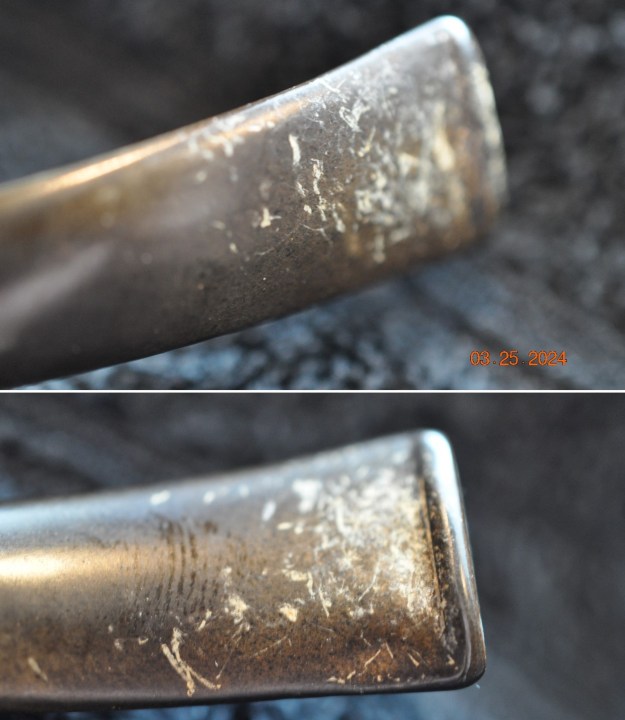
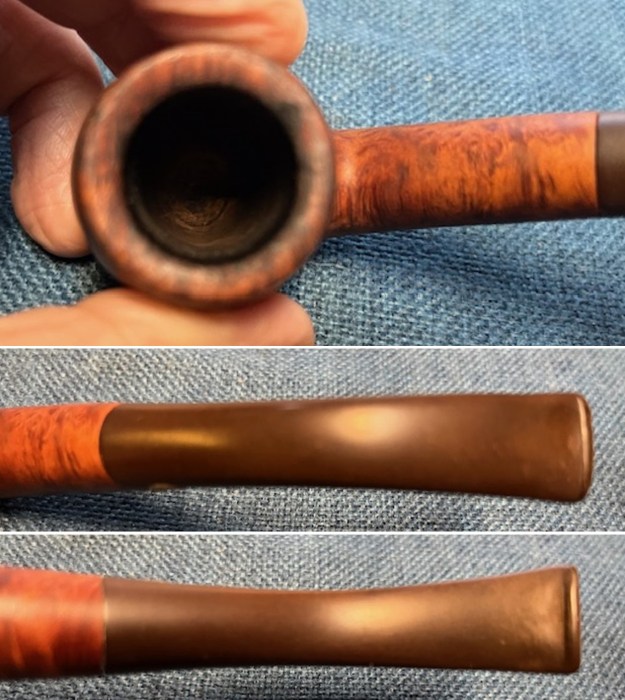
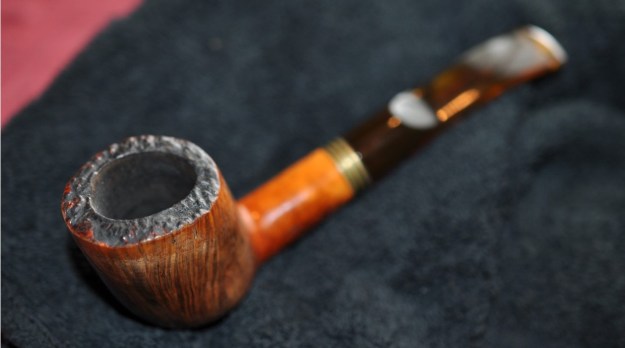 He took photos of the rim top and stem to show the general condition of the pipe. The bowl is heavily caked and the rim top and edges have a significant lava overflow. The stem looks good but it has light tooth marks on the top and underside near the button.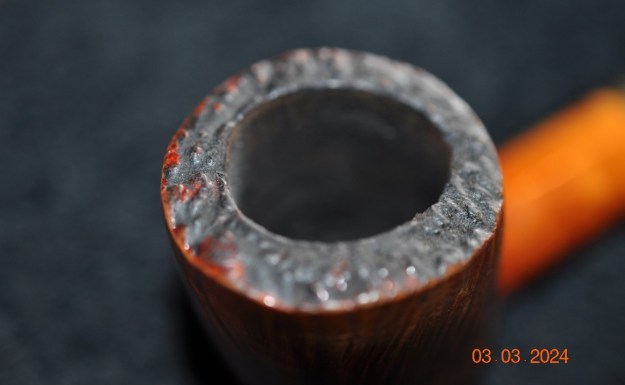
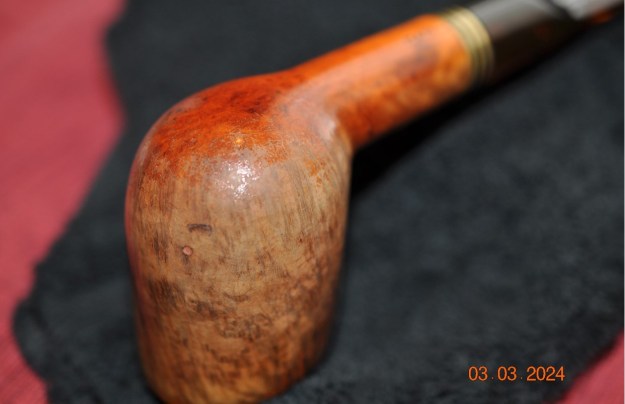
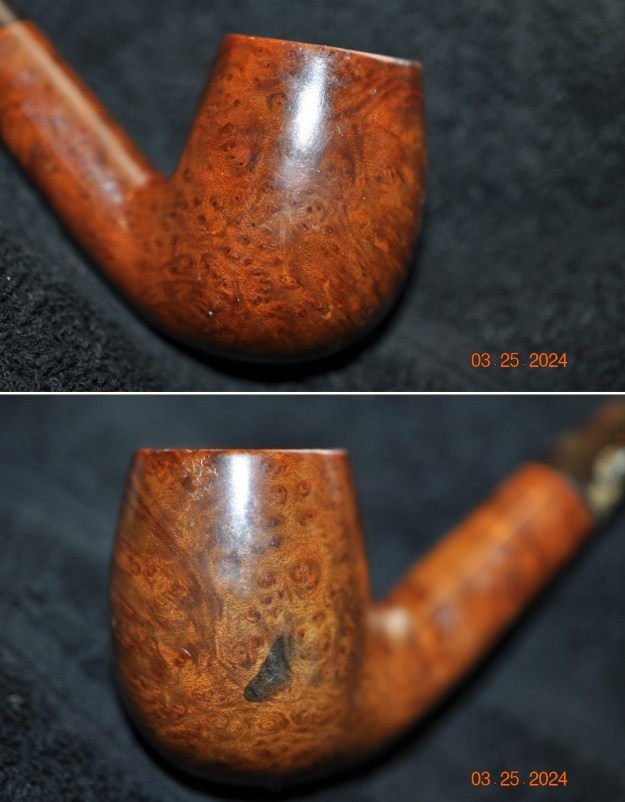
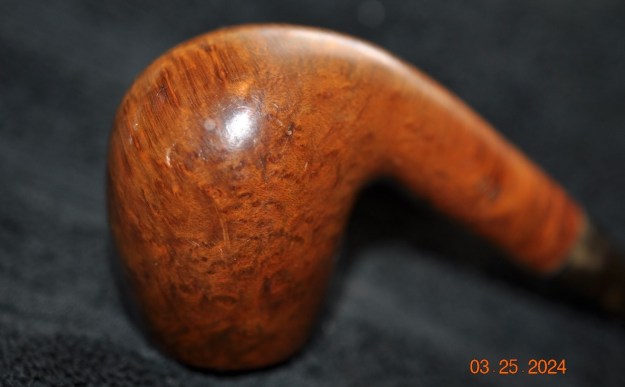
 He took photos of the sides and heel of the bowl to show the grain and the damaged finish that was very visible around the bowl and shank.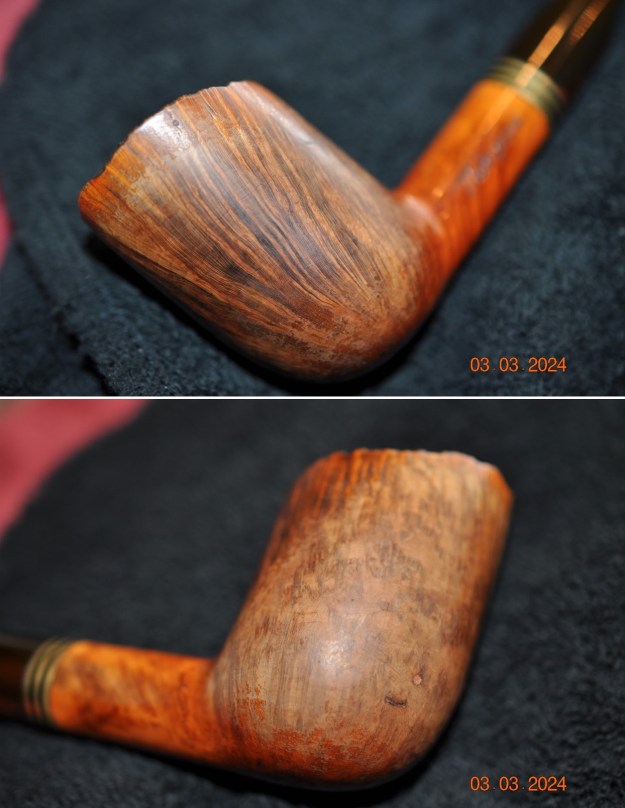
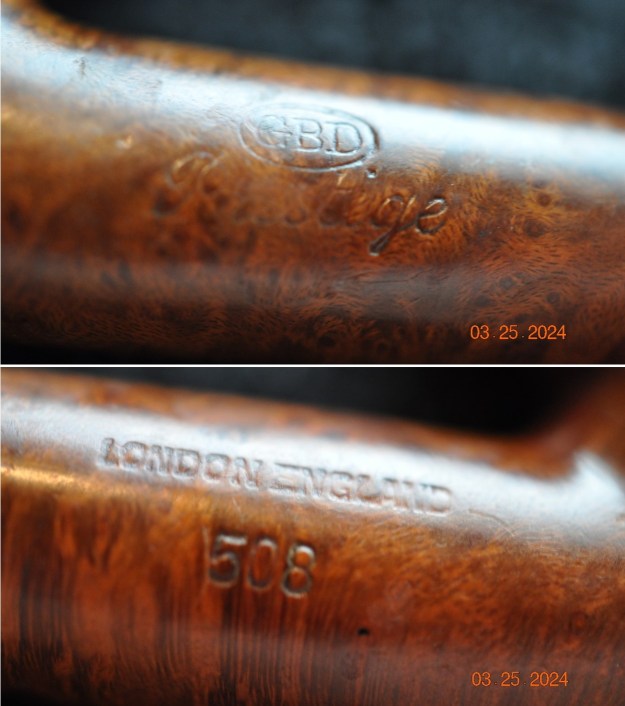
 He took photos of the stamping on the shank sides and read as noted above and was clear and readable.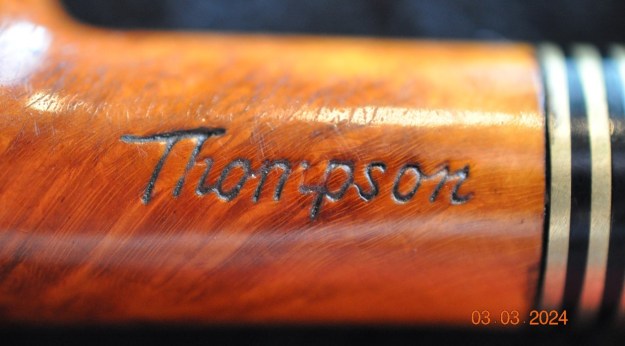
 Before I started working on the pipe itself, I turned to Pipedia and looked up Thompson and in this case Norm Thompson. I found a bit of information that gave me the background I was interested in finding. Here is the link (https://pipedia.org/wiki/Thompson,_Norm).
Norman Anchor Thompson, Sr. (known as “Norm Thompson”) was an immigrant from Britain. He had settled in Salt Lake City before fighting for Canada in World War I. After the war he lived briefly in Los Angeles before settling in Portland, Oregon. Norm Thompson started a mail order only business in 1949 as a way to sell his homemade flies for fly-fishing by placing an advertisement in Field & Stream. I understand tobacco products were sold via the mail order business, as well, to a limited degree. Around 1951 he handed over the mail order business to Peter Alport, his son-in-law. Alport worked to expand the company’s product offerings beyond fly-fishing items and into clothing and other outdoor merchandise, plus he developed the company’s slogan of “Escape from the ordinary”.
Norm Thompson would go on to own seven pipe shops, the first one in 1959, and later two nightclubs, all in the Portland area. Norm Thompson Pipe Shops sold higher end pipes, from the likes of Dunhill, Charatan, and Savinelli. Norm Thompson died in 1968 from complications related to his exposure to mustard gas during his World War I military service in Europe.
The First Edition Norm Thompson Pipe Catalogue (right column of this article) was likely a publication that was a product of Peter Alport, as the slogan “Escape from the ordinary” (a slogan credited to Alport) is clearly seen in the publication. No date can be seen on the publication, but we conclude it is late 1960s to early 1970s. Of interest, is the evidence of collaboration between Norm Thompson and Charatan, with Charatan credited with making the Norm Thompson “Regent”. This would have been during the Lane Era. It is also likely that Norm Thompson pipes stamped “Made in Italy” were a Norm Thompson – Savinelli collaboration.
I did some more searching and found an interesting thread on the brand on Pipesmagazine.com (https://pipesmagazine.com/forums/threads/thompson-pipes.72989/). There was a comparison between pipes made for the Thompson Cigar Company and those made for Norm Thompson.
I stumbled on to a pipe that has impressed me. Thompson. Initially, I found a Thompson pipe commissioned by an American company known as, Thompson Cigar Company. They have a following and a fine reputation. I assumed the Thompson pipe I had acquired was a Thompson Cigar Company pipe. I was wrong. In fact, I had purchased a “Norm Thompson” (only designated as “Thompson”) : out of England. Norm Thompson (a B&M tobacco shop in England) had pipes commissioned as well. Both Thompsons were old school B&Ms that had pipes manufactured by reputable pipe makers. From what I have ascertained, Thompson Cigar Company had a lot of free-hands made. Norm Thompson (England) had more traditional English pipe-shapes made (makes sense). Thompson-USA display the name “Thompson” in cursive. Thompson-England display Thompson in block letters. Both Thompsons get rave views from those who own them. You can still find them for reasonable prices on EBeast.
The thread went on with more information as well as folks expounding on the qualities of the pipes. They also confirmed that the Thompson Italy pipes were more than likely collaborations with Savinelli. Now it was time to work on the pipe.
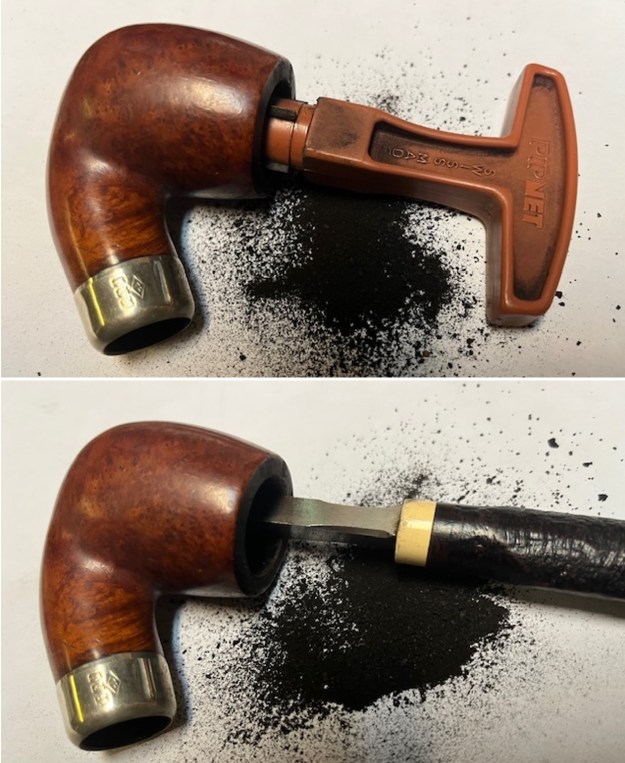
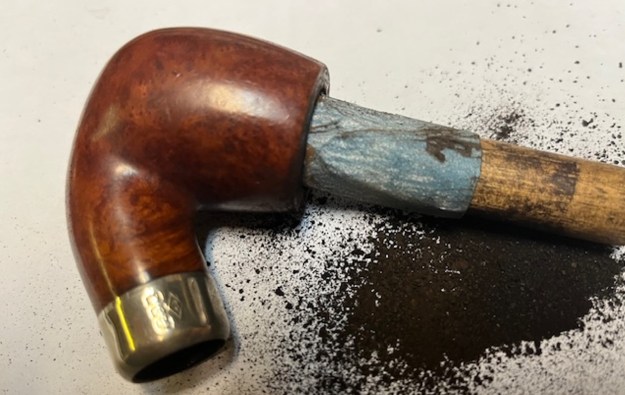
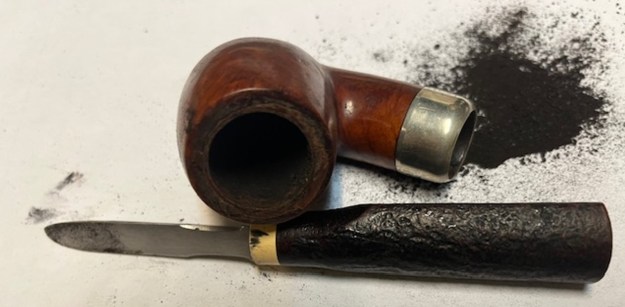
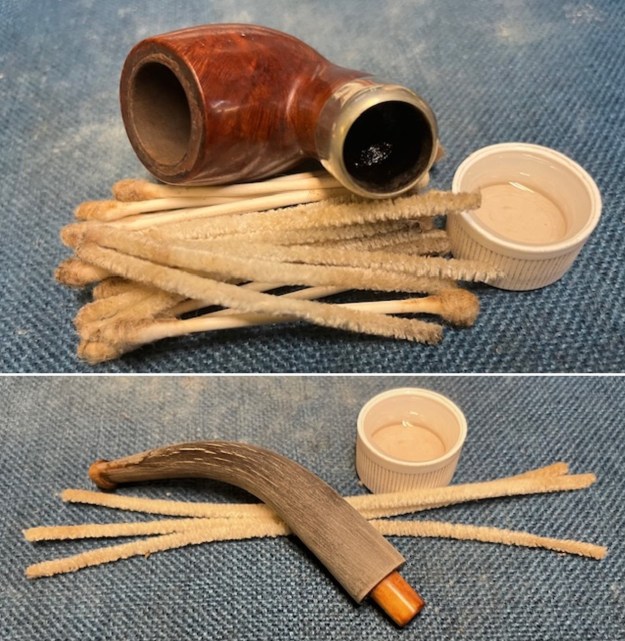
Jeff had cleaned up the pipe with his usual thoroughness. He reamed the pipe with a PipNet Pipe Reamer and cleaned up the remnants with a Savinelli Fitsall Pipe Knife. He scrubbed the bowl with undiluted Murphy’s Oil Soap with a tooth brush. He rinsed it under running warm water to remove the soap and grime. He cleaned out the inside of the shank and the airway in the stem with alcohol, cotton swabs and pipe cleaners. He soaked the stem in Before & After Deoxidizer and rinsed it off with warm water. Somewhere along the way as it sat here it picked up some stickiness on the top of the stem that looks a lot like what is left behind by a gummed label. I took photos of the pipe 3 years later when I finally got around to working on it. As you can see it is another beautiful looking pipe.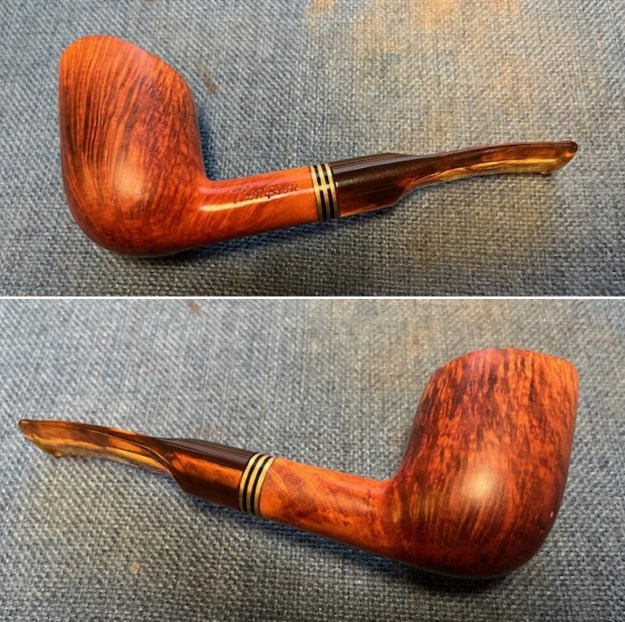
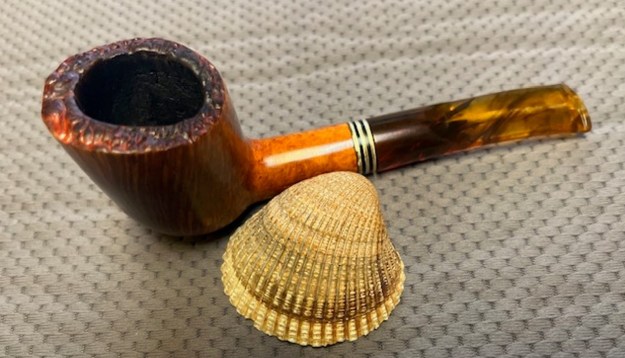
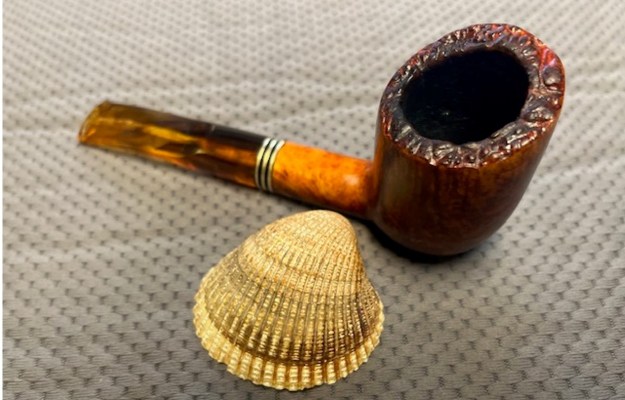
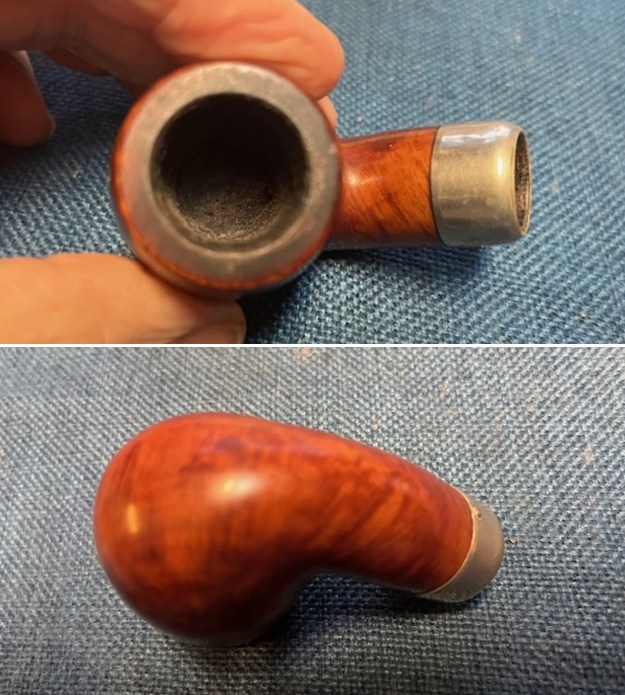
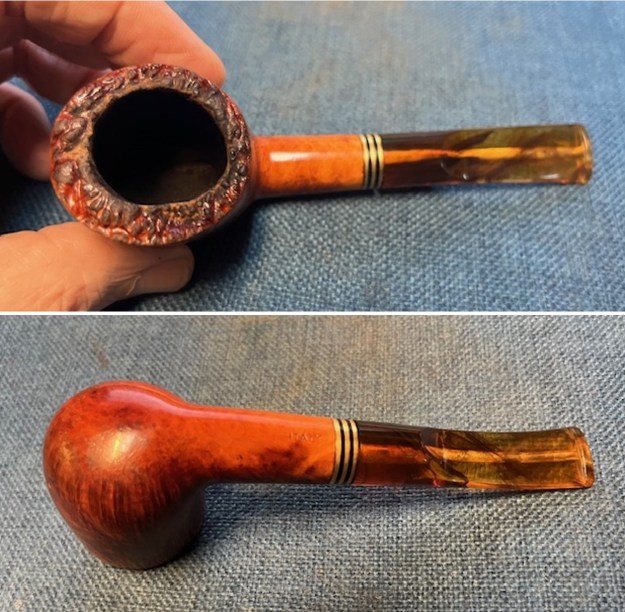 I took photos of the rim top and bowl as well as the stem to give a sense of the condition of both. The faux plateau rim top and the inner edge had some darkening and burn damage on the inner edge on the back of the bowl. The bowl is slightly oval and out of round. The stem was clean but had light tooth marks and chatter on the top and underside ahead of the button.
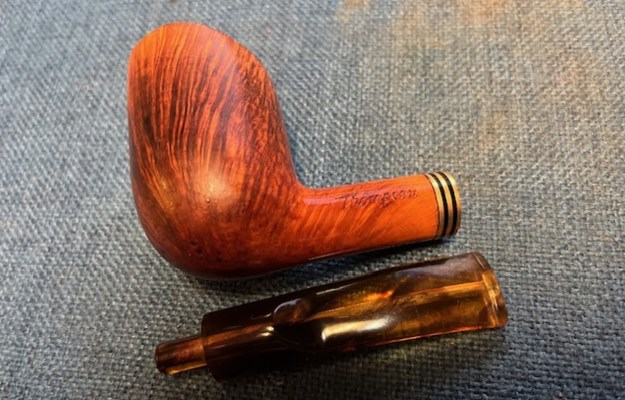
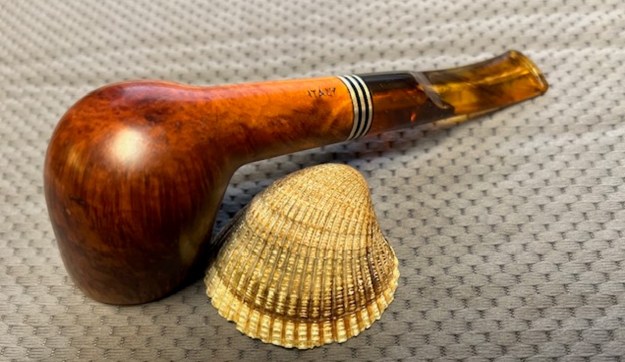
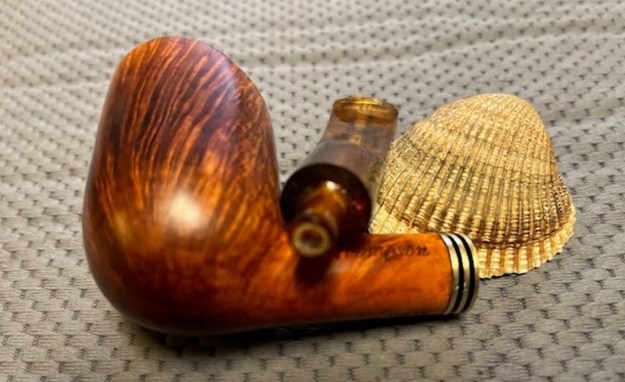
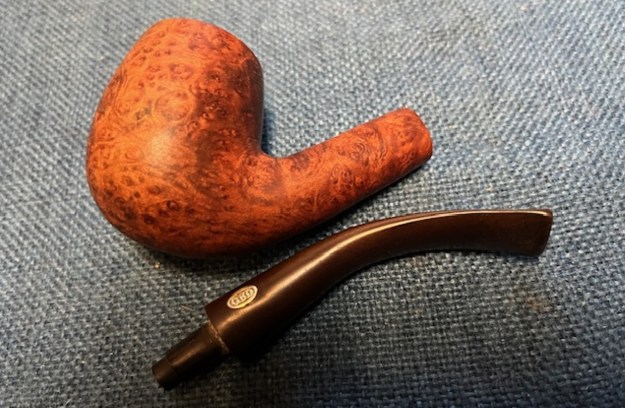
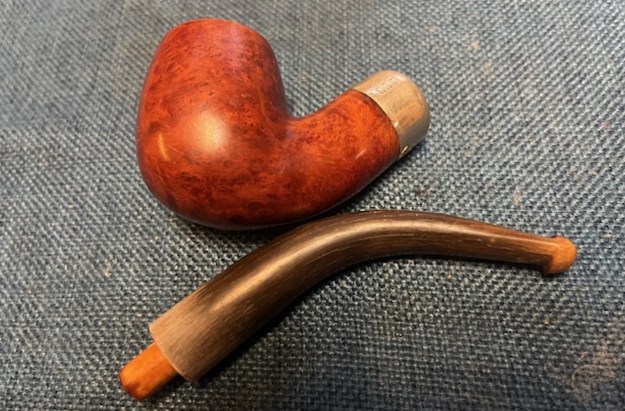
 I took photos of the stamping on the sides of the shank. They are clear and readable as noted above. I took the stem out of the shank and took a photo of the overall look of the pipe. It is another beauty. There are a few small dings from the journey of the pipe that will remain as a part of its story.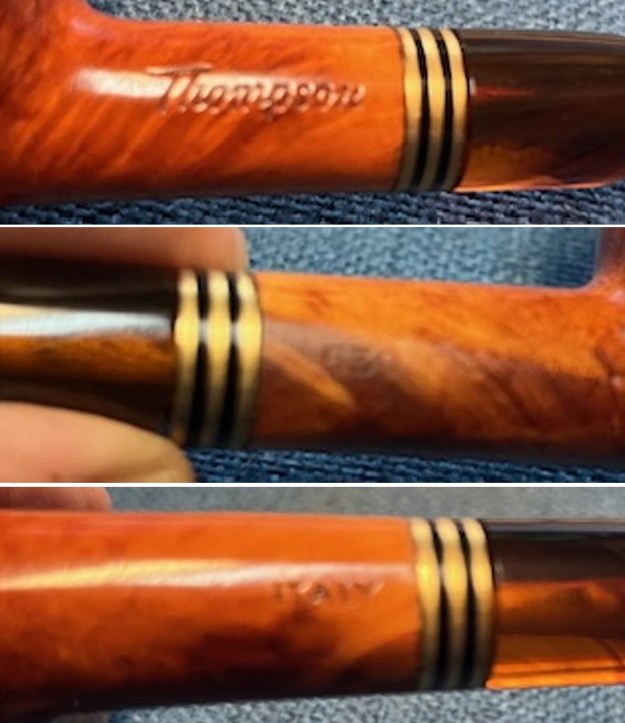
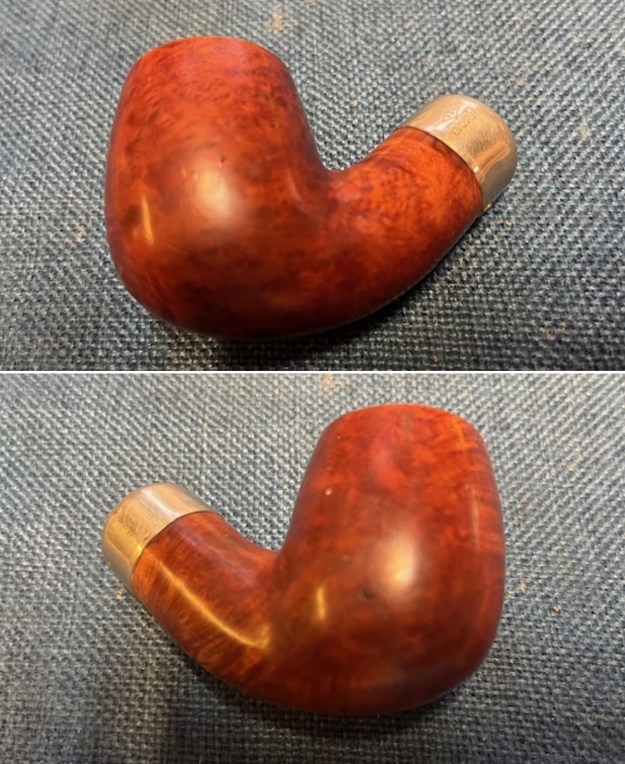
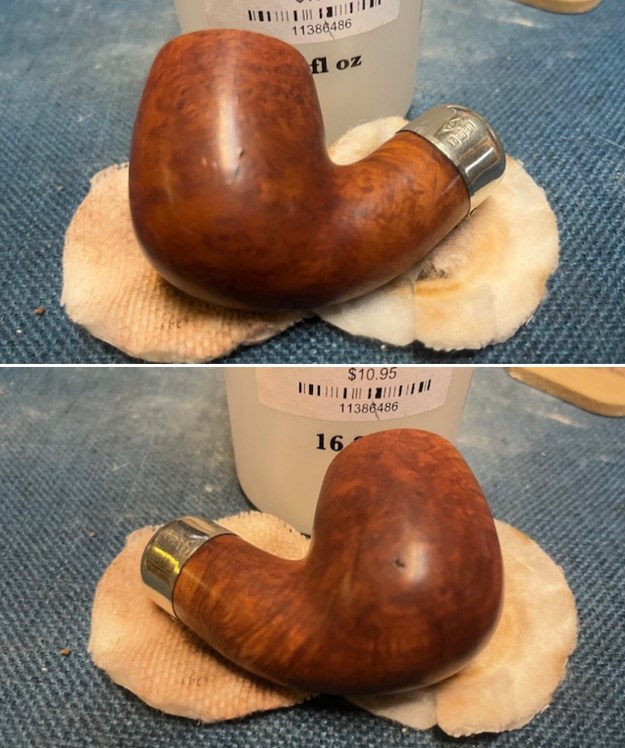
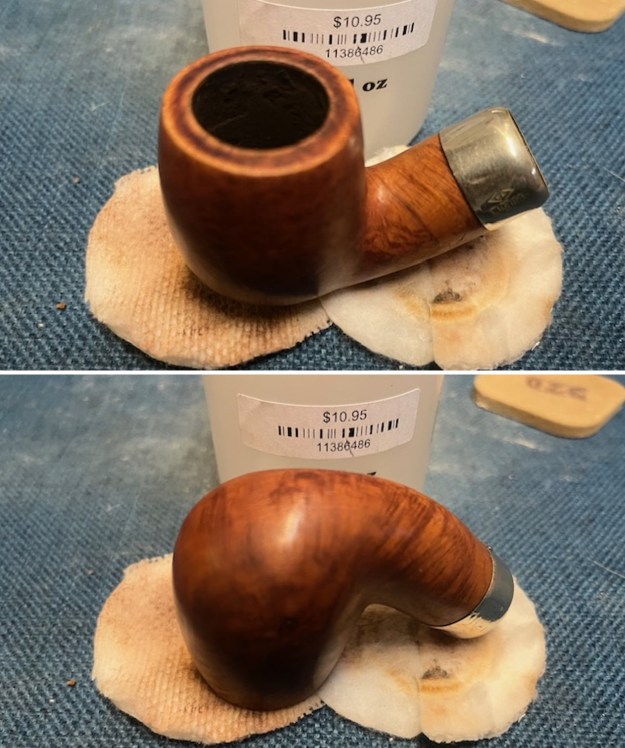
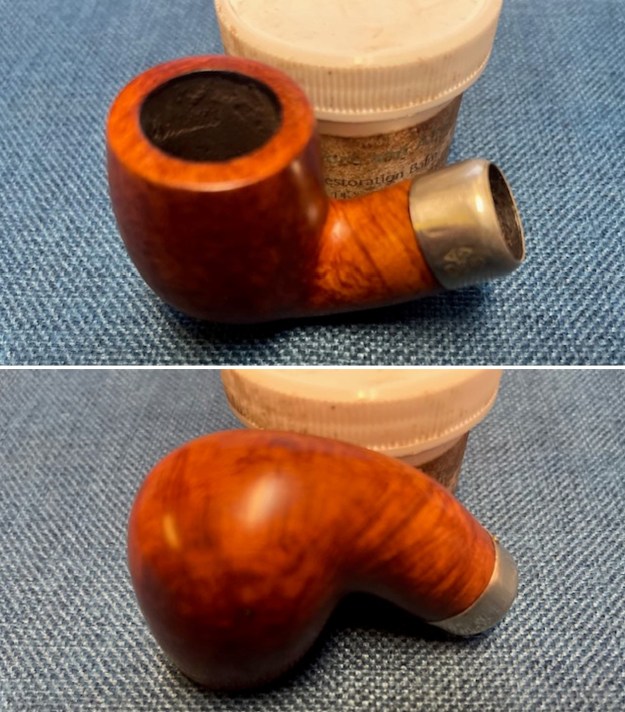
 The sides of the bowl had some darkening on the sides of the bowl caused by the oils from the hands. I scrubbed the walls down with acetone on cotton pads to remove the oils. It looked better but still showed some darkening.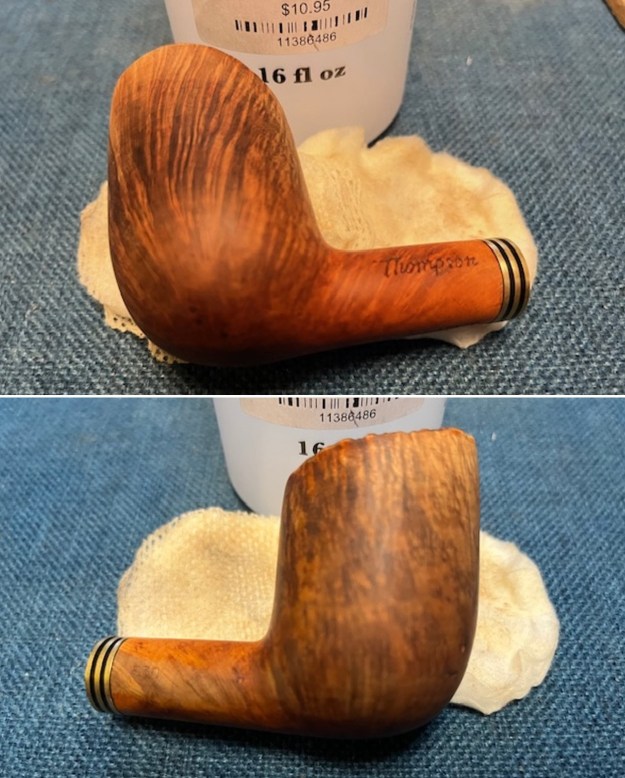
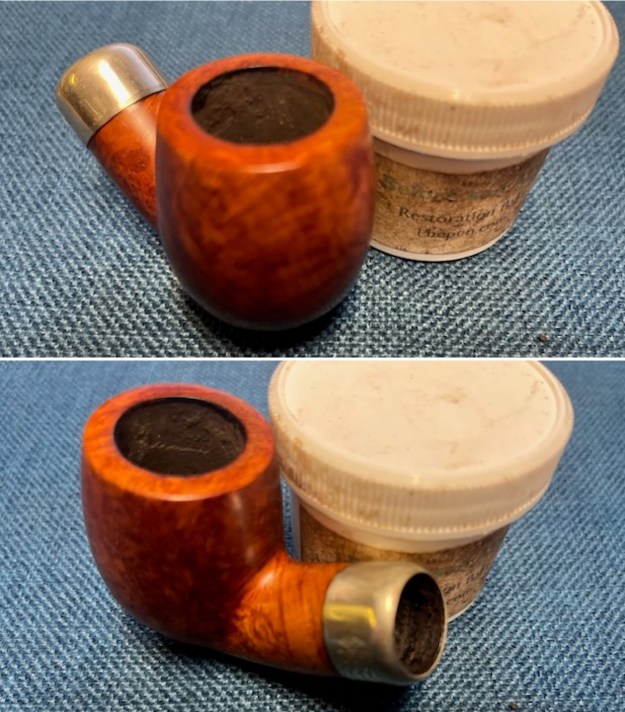
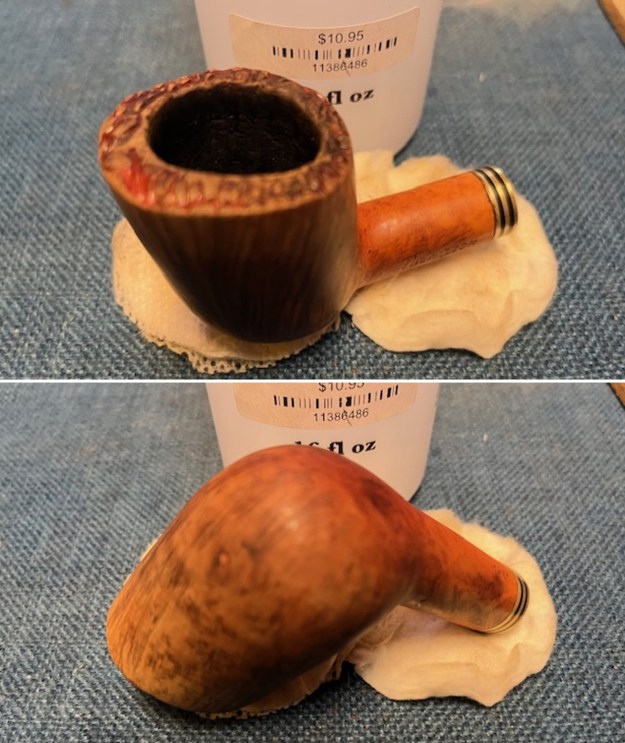 I was still not happy with the situation on the sides and rim top of the bowl. I scrubbed the briar with a tooth brush and some Before & After Briar Cleaner to remove more of the oils. I wiped off the cleaner with a paper towel and took some photos of the pipe at this point.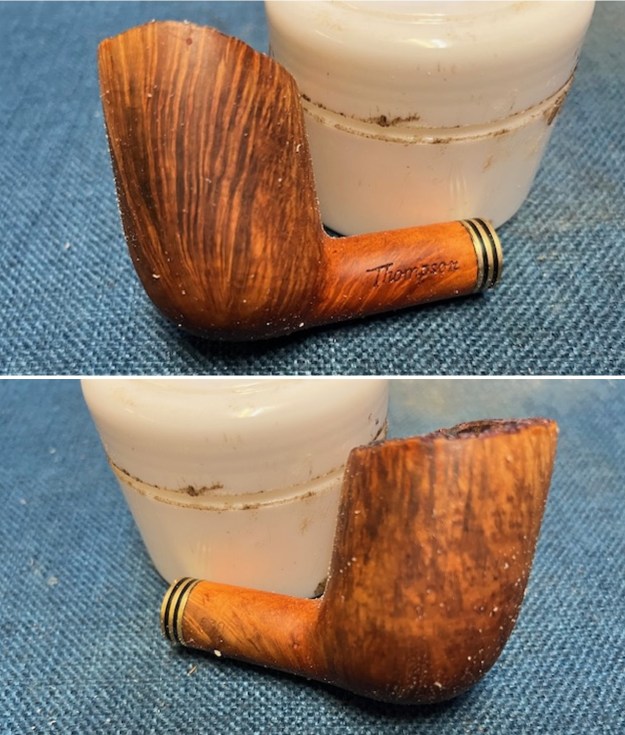
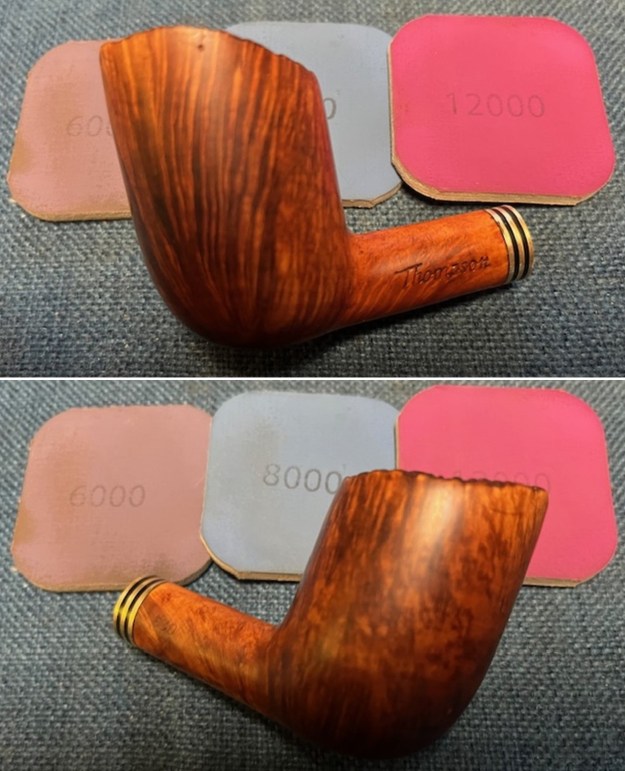
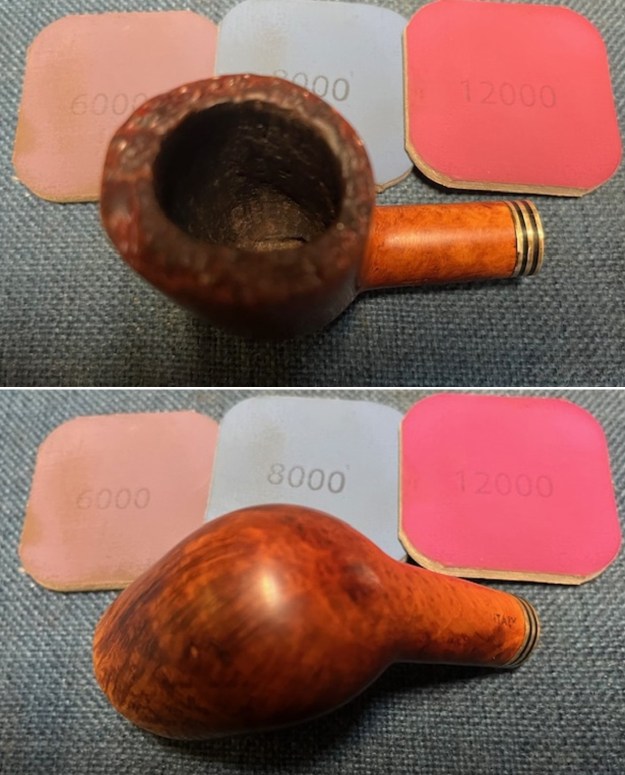
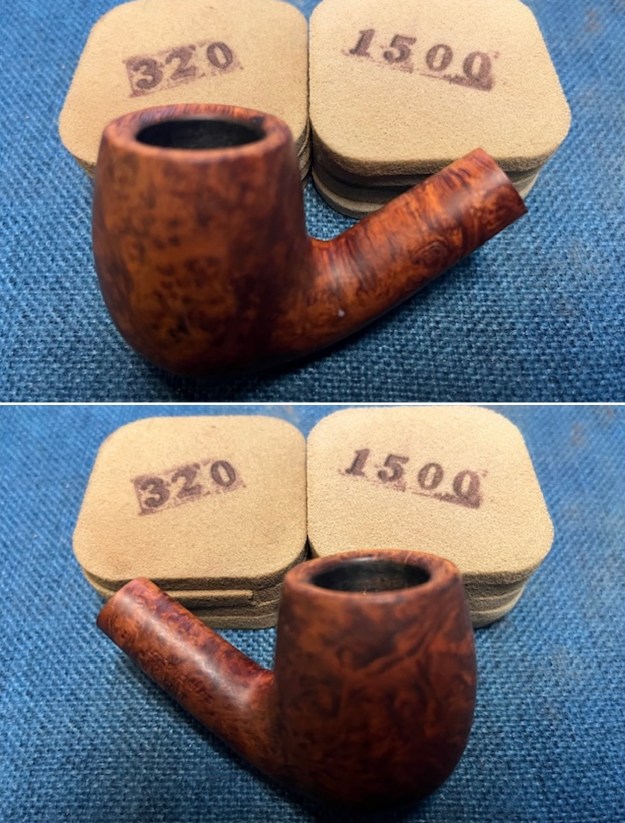
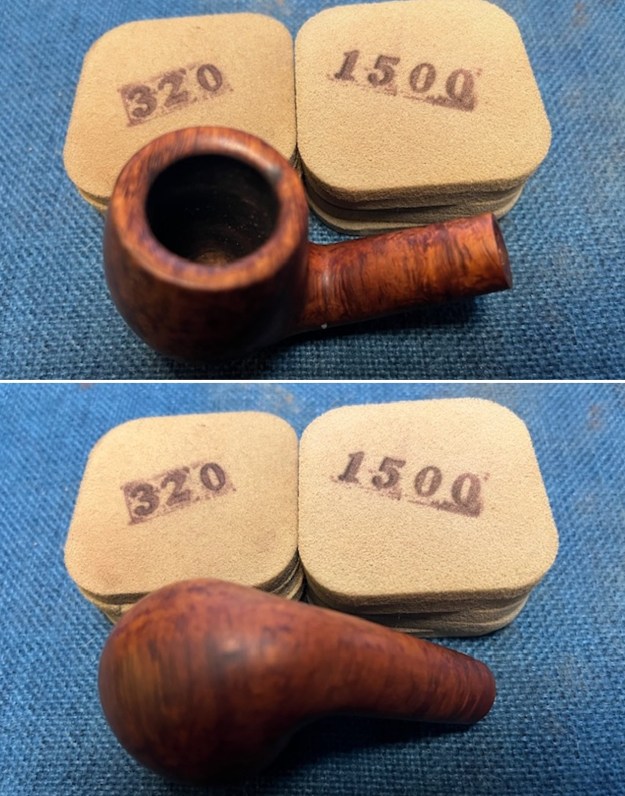
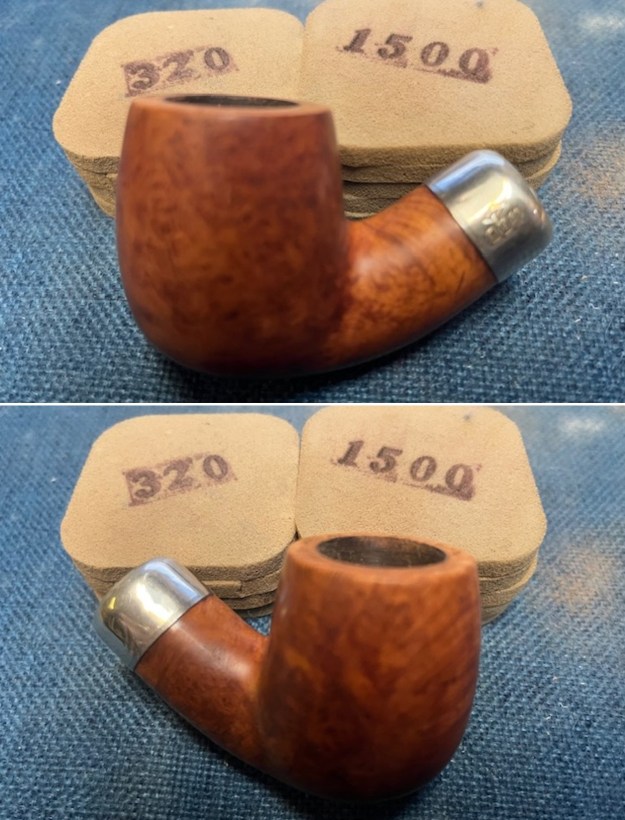
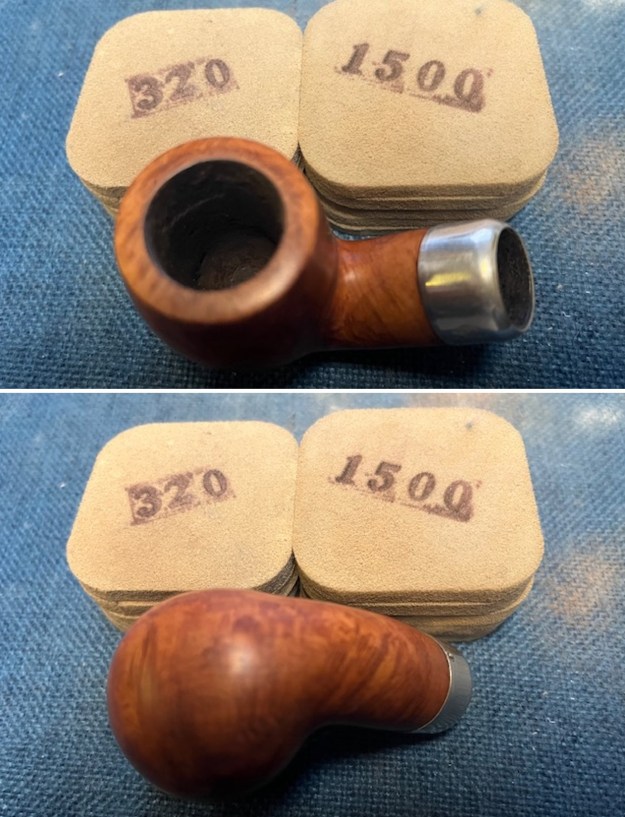
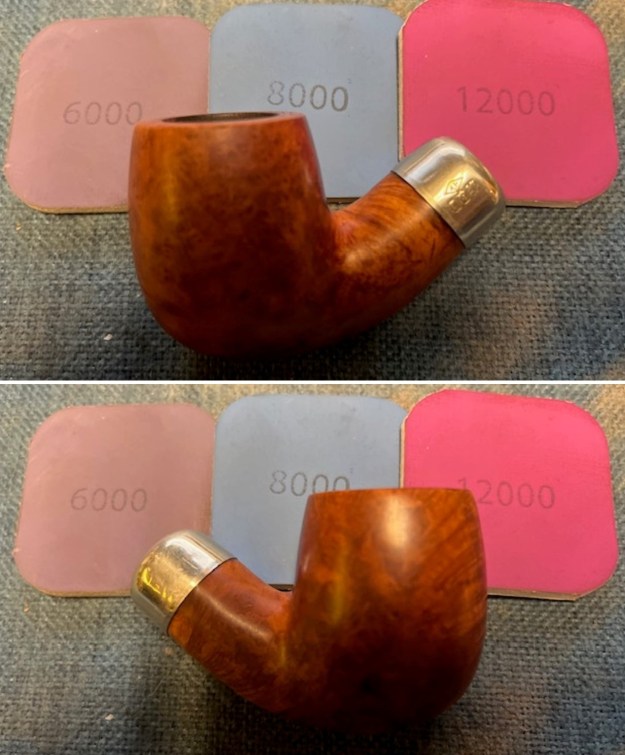
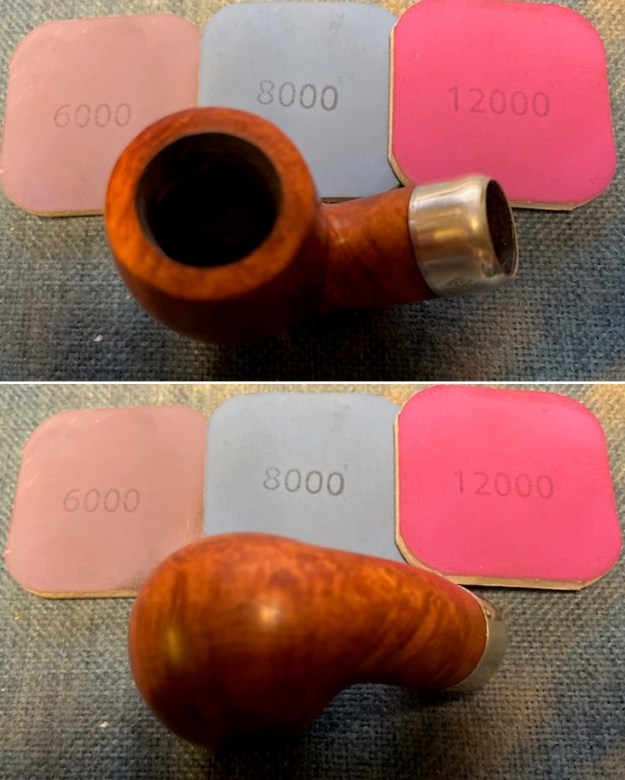
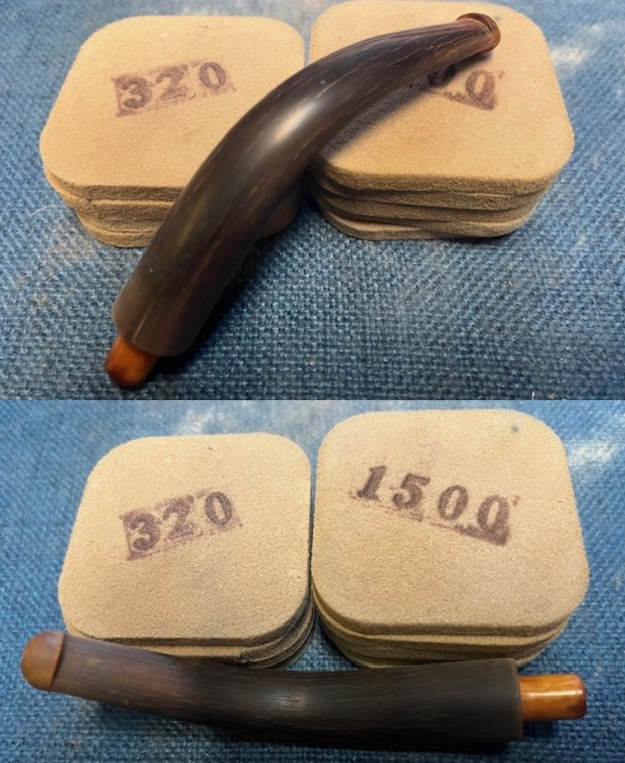
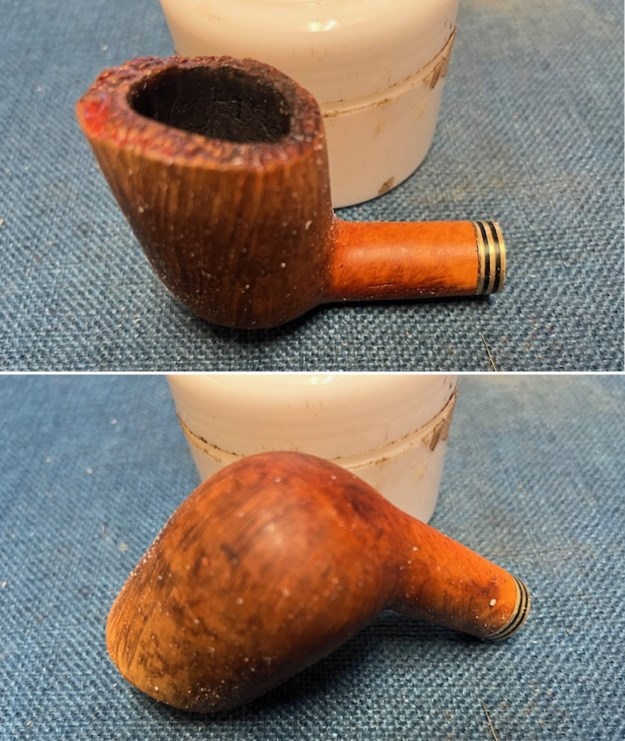 I sanded the bowl with 320-3500 grit sanding pads to smooth out the finish and remove the scratches and small nicks in the finish. It looked much better once I had finished.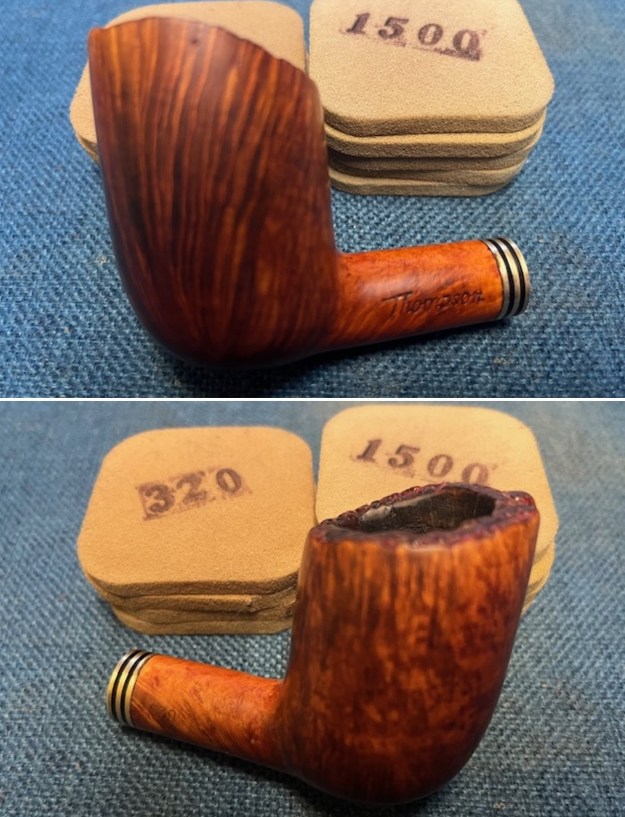
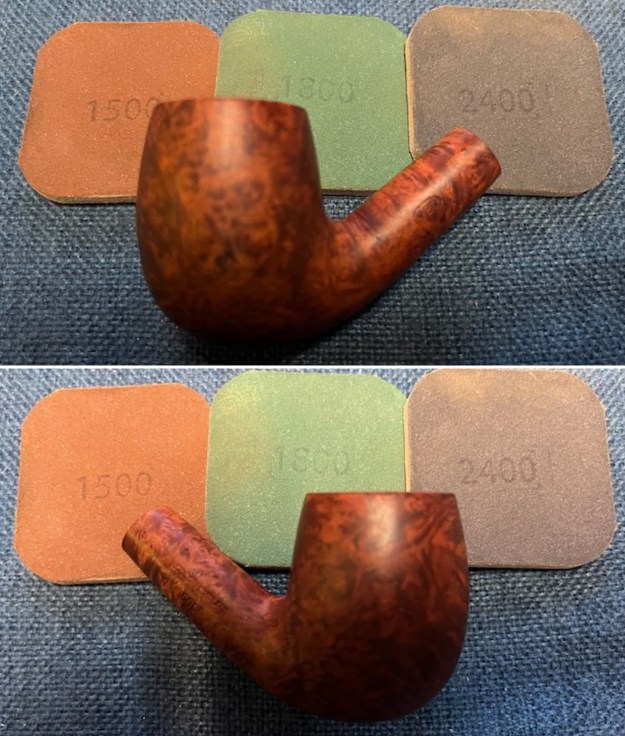
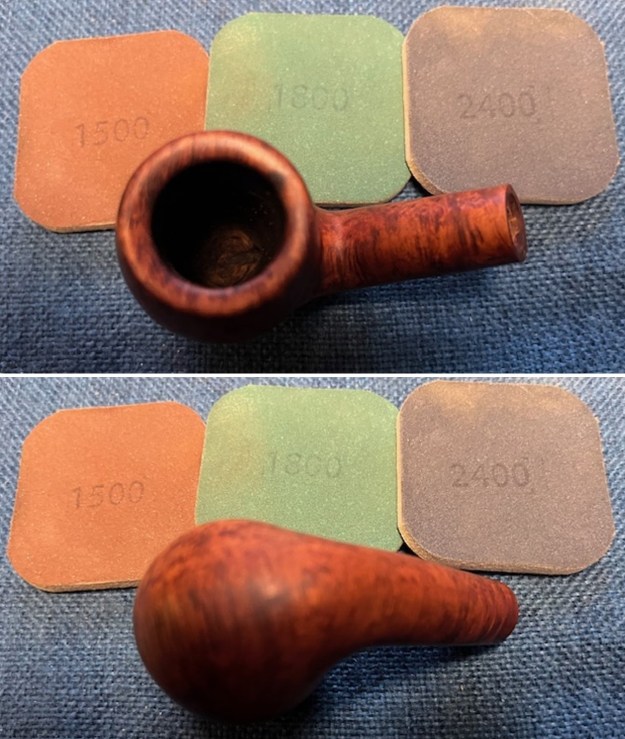
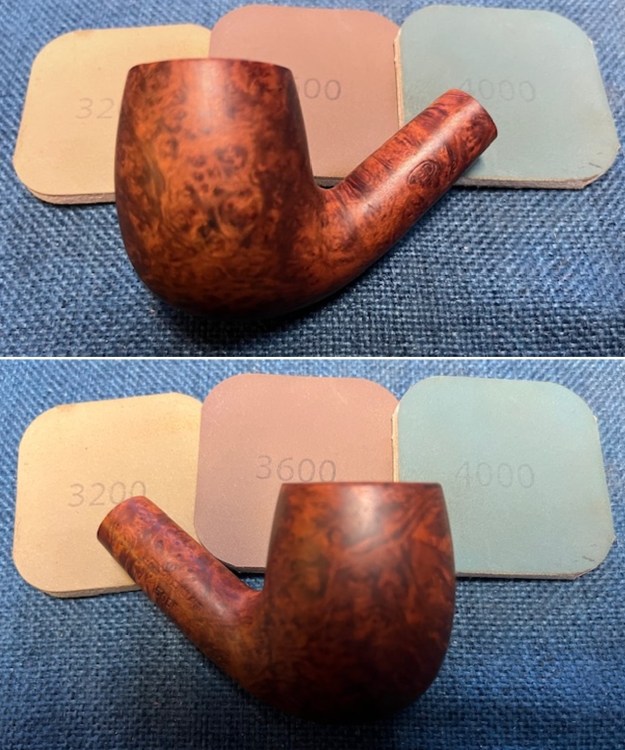
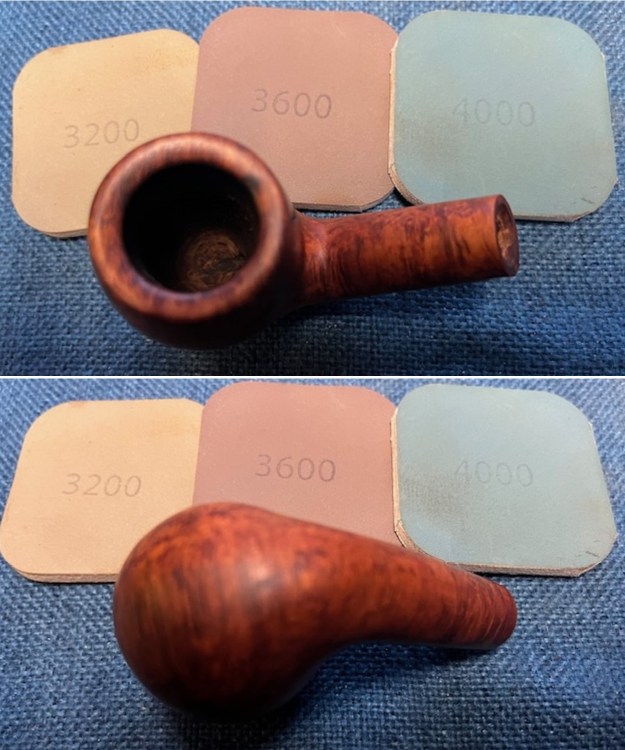
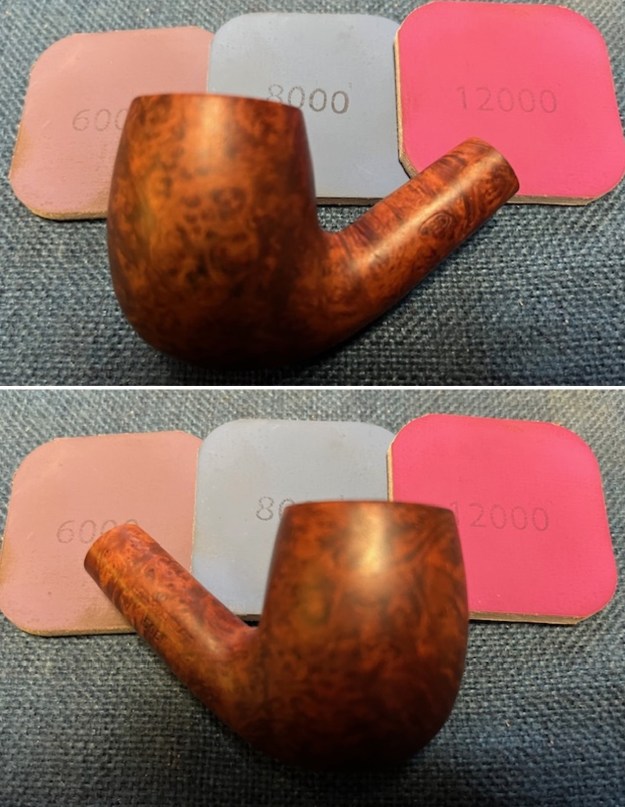
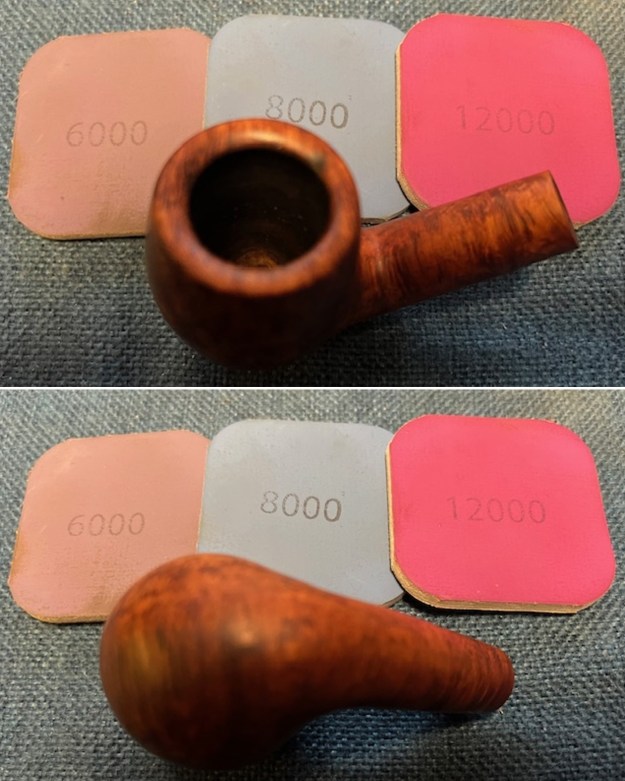
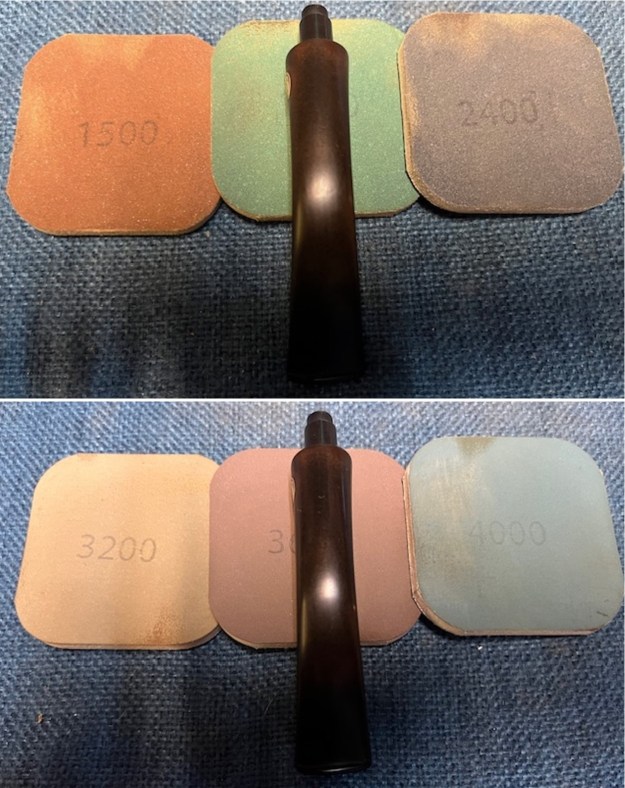
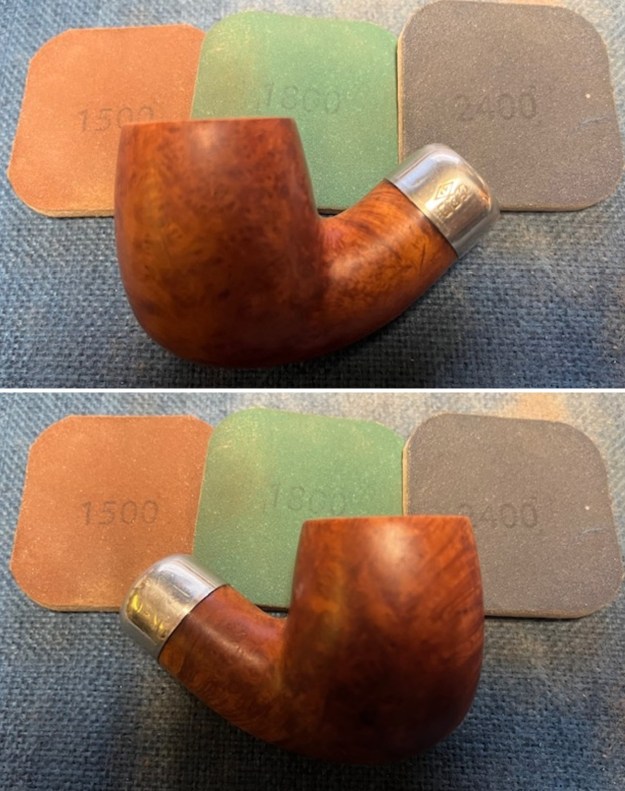
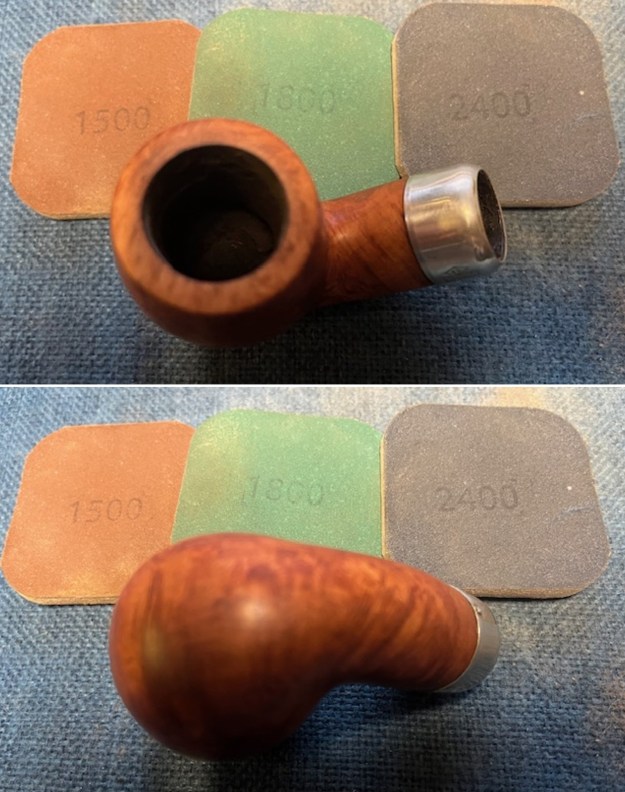
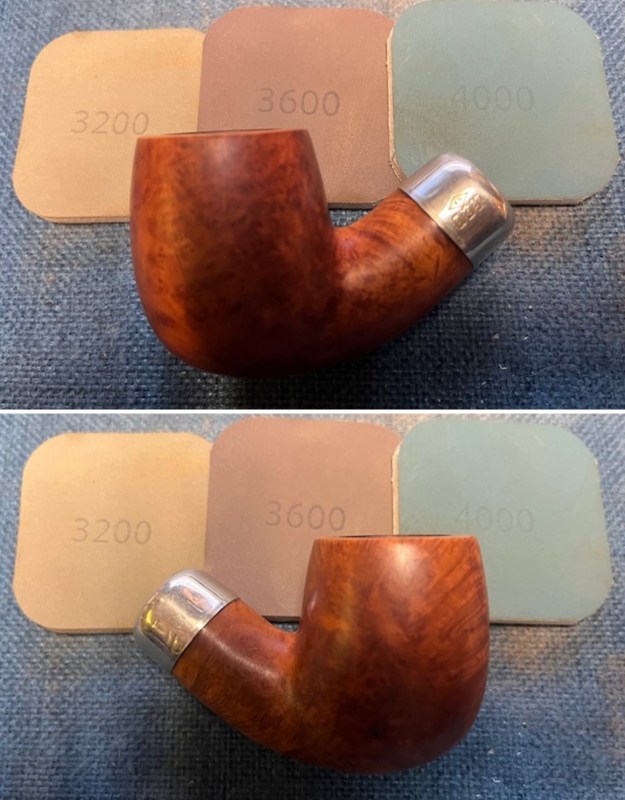
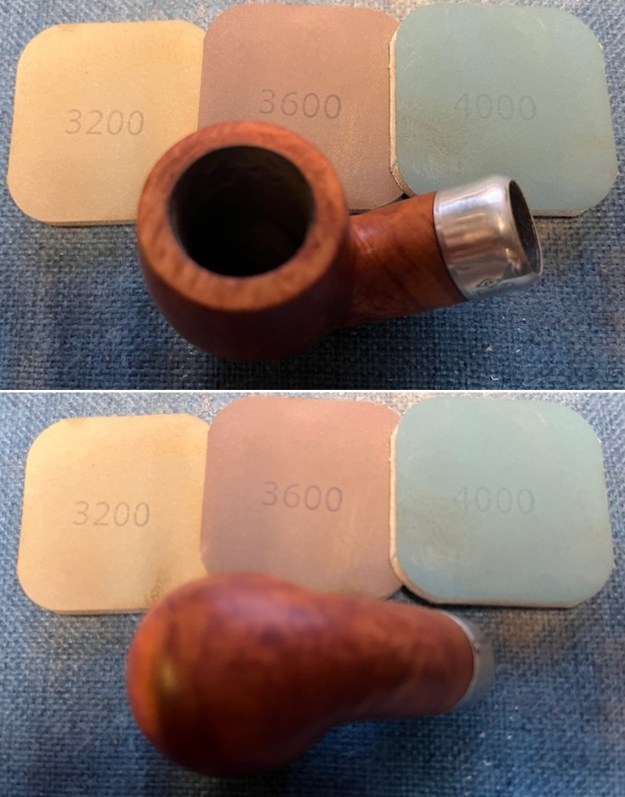
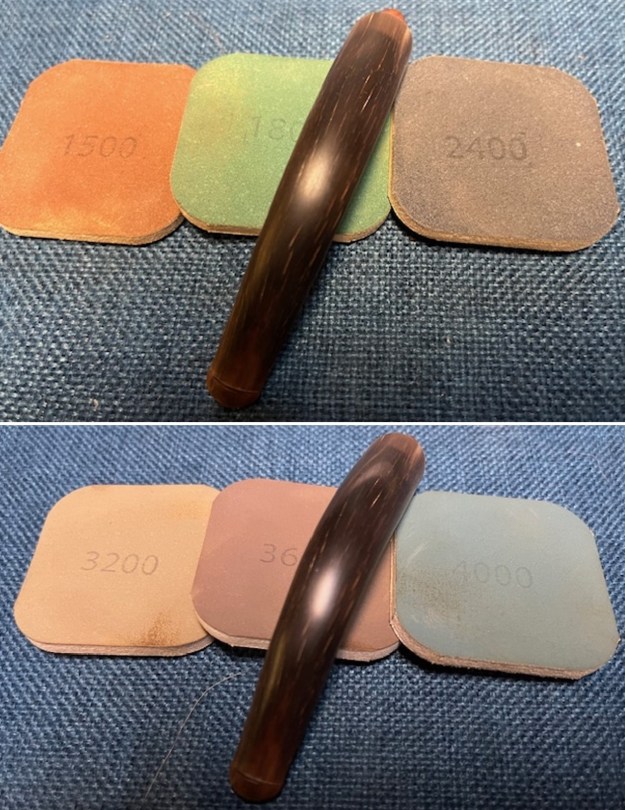
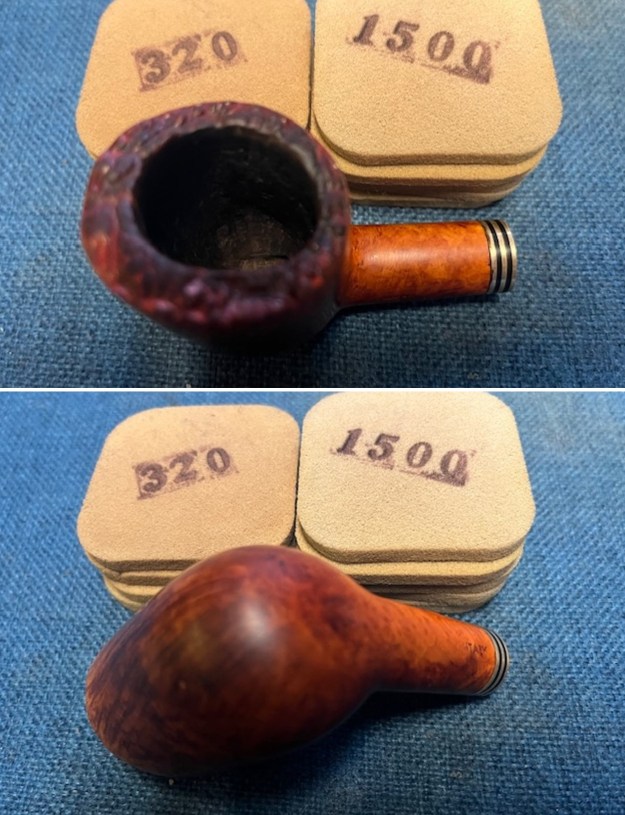 I polished the briar with micromesh sanding pads – wet sanding with 1500-12000 grit pads. I wiped the bowl down after each pad with a damp cloth.
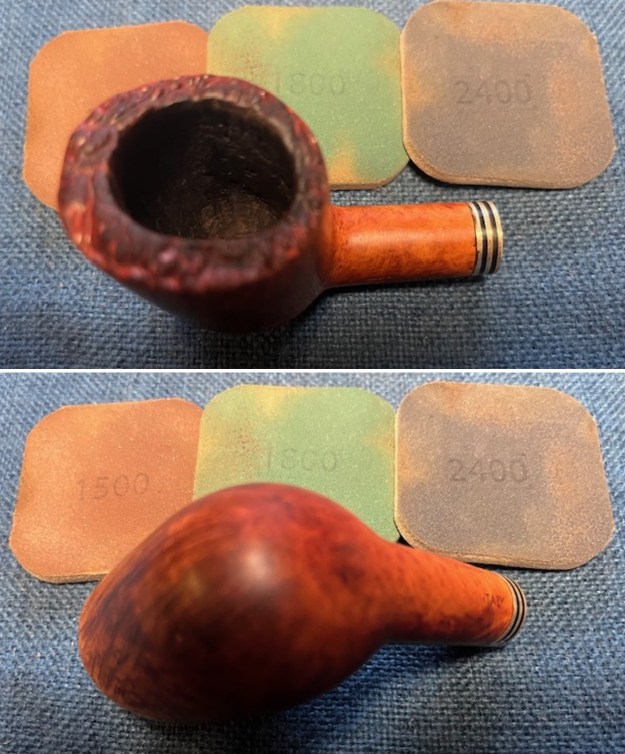
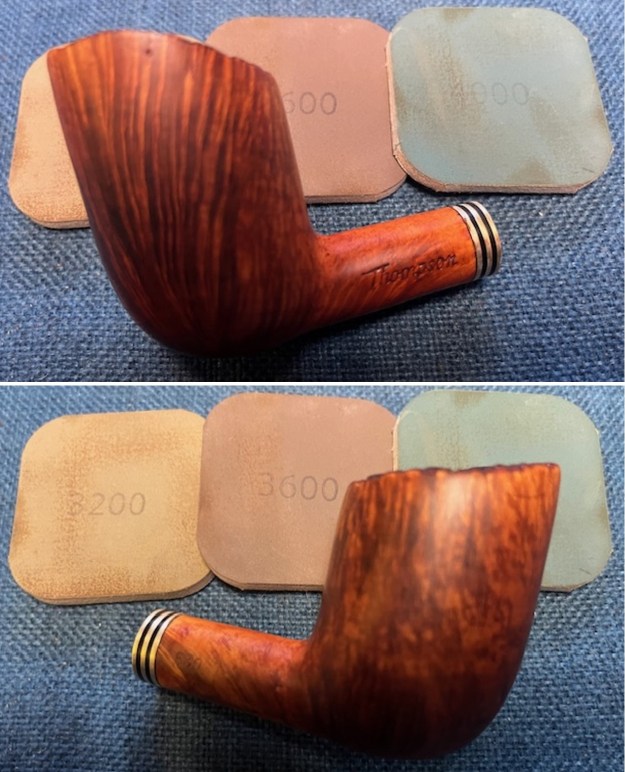
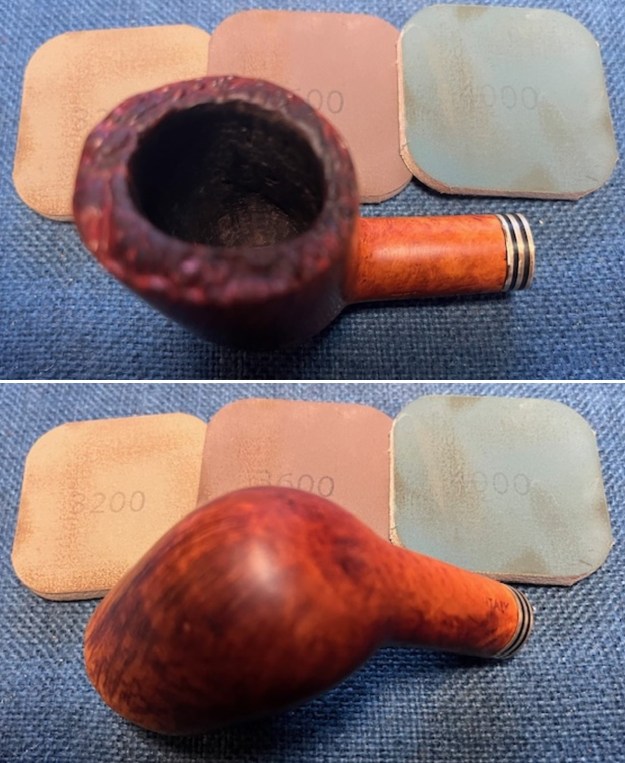
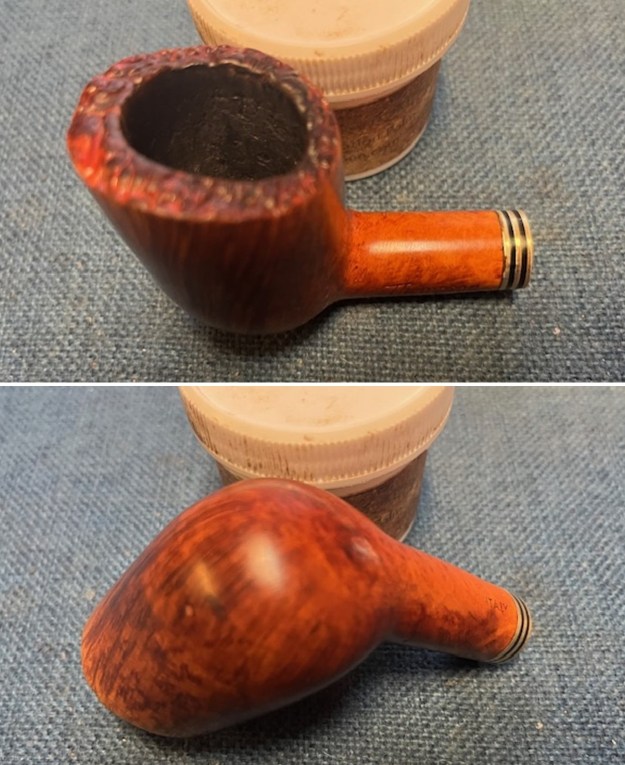
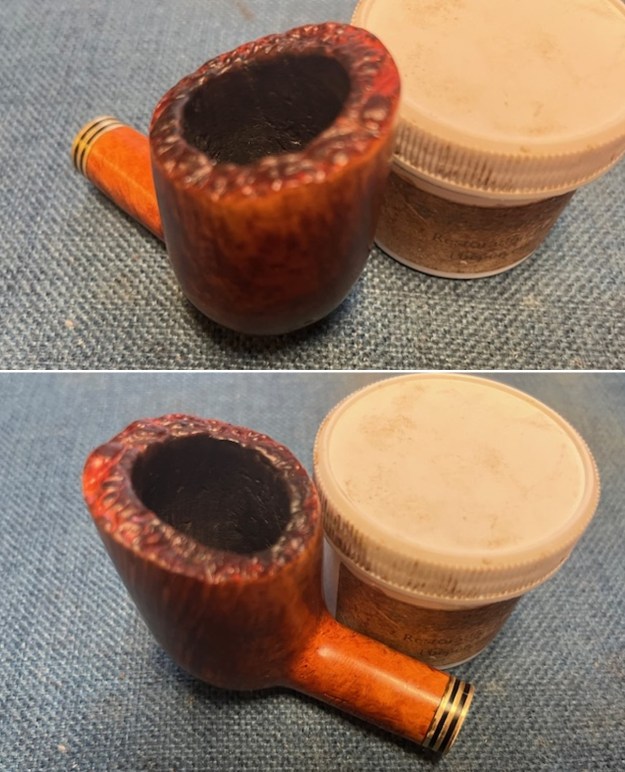
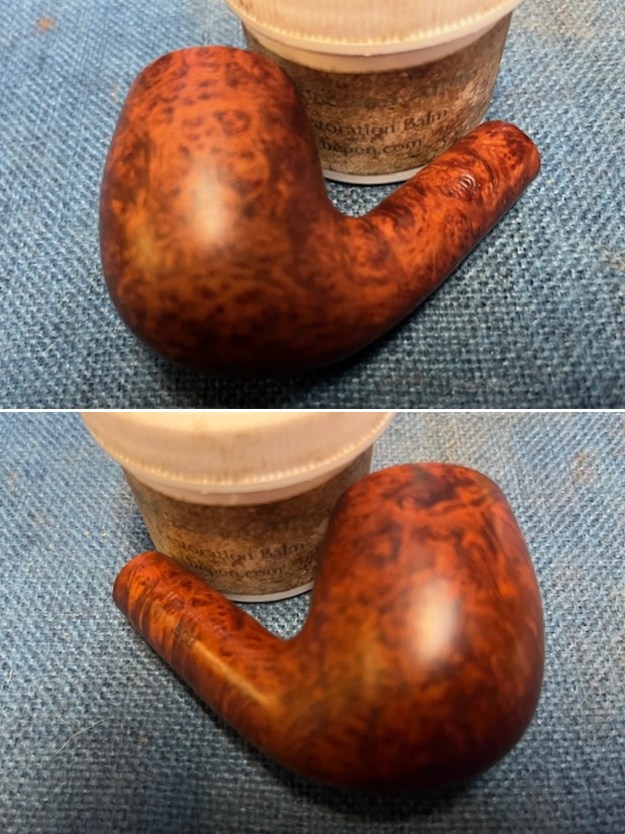
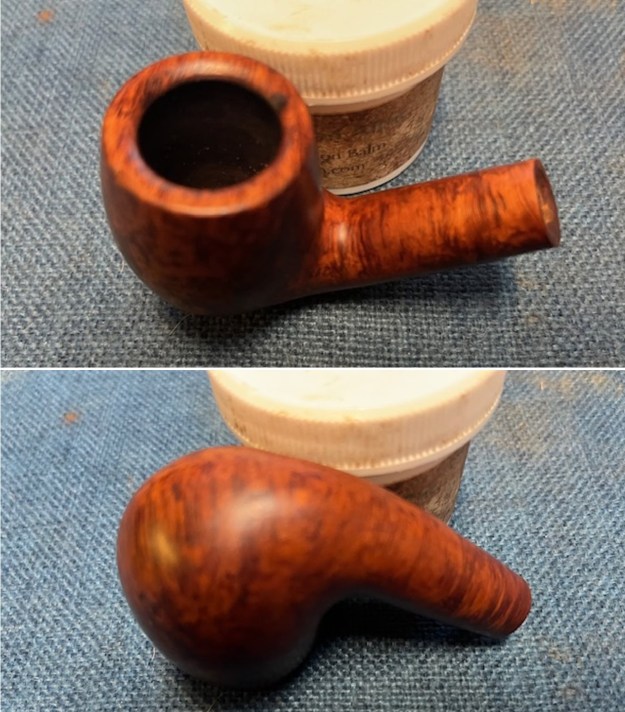
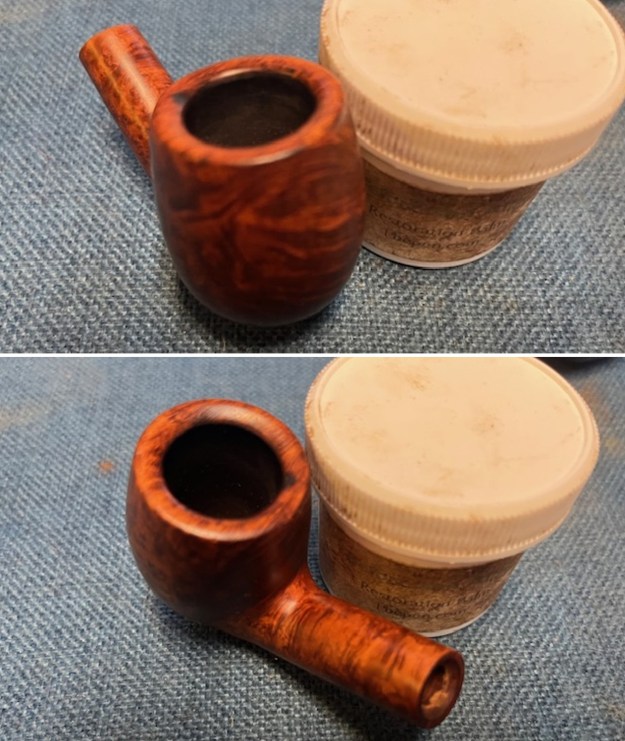
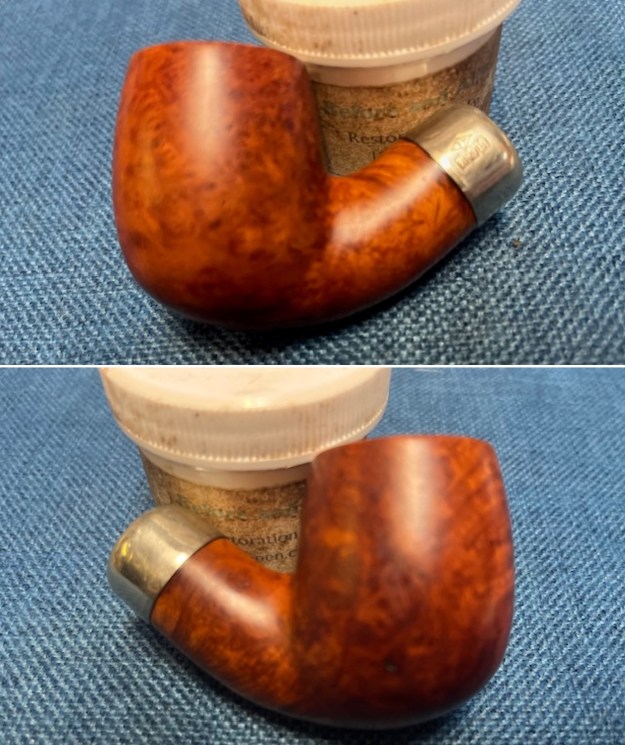
 I rubbed the bowl down with Before & After Restoration Balm. I worked it into the surface of the bowl sides and shank with my fingertips. The product works to clean, enliven and protect the briar. I let the balm sit for a little while and then buffed with a cotton cloth to raise the shine.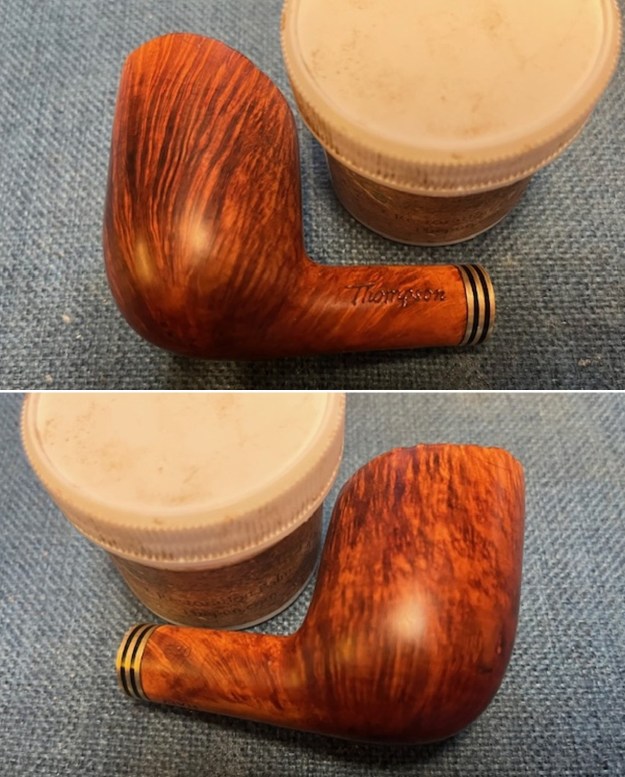
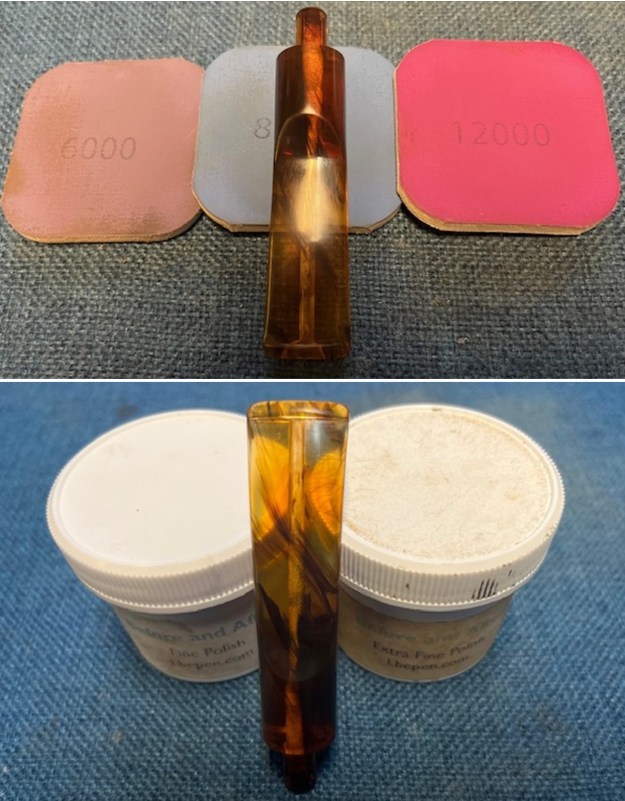
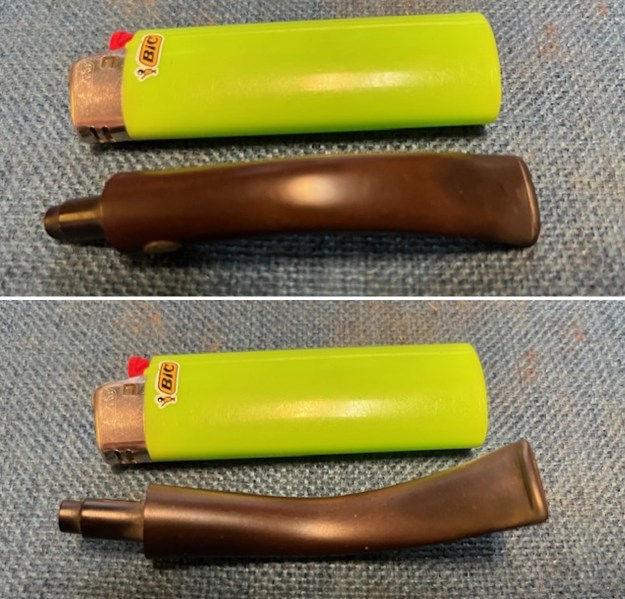
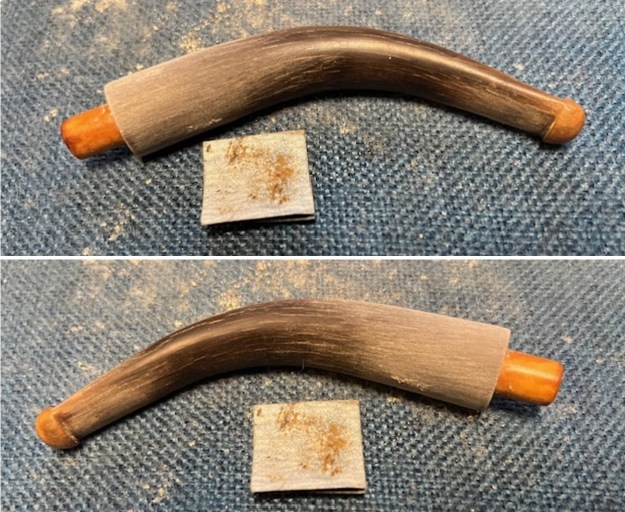
 I set the bowl aside and turned to work on the stem. I polished the stem with micromesh sanding pads – 1500-12000 grit pads. I wiped it down with Obsidian Oil after each sanding pad. I used Before & After Pipe Polish – both Fine and Extra Fine to further polish the stem. I gave it a final coat of Obsidian Oil and set it aside to dry.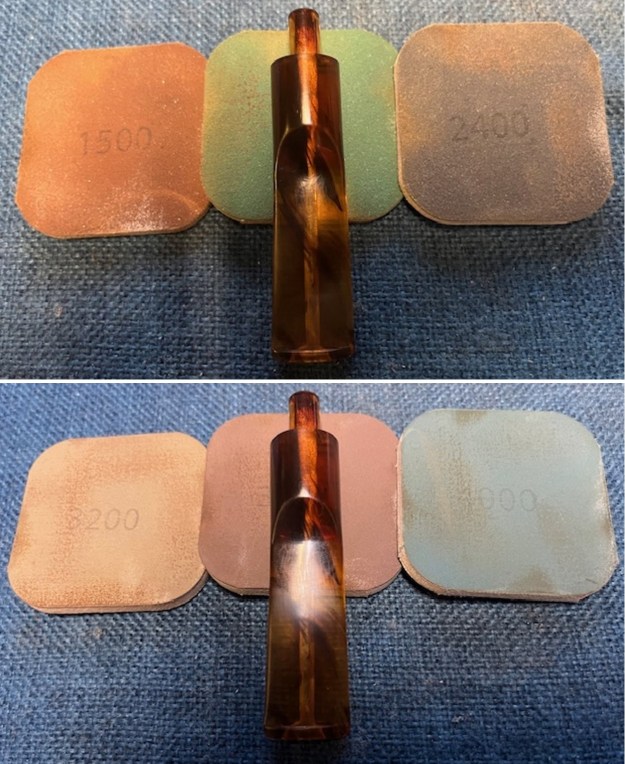
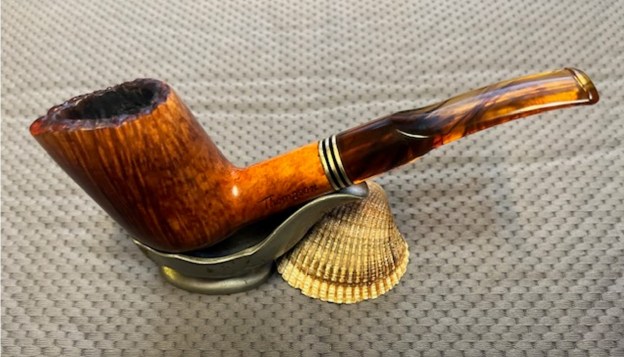
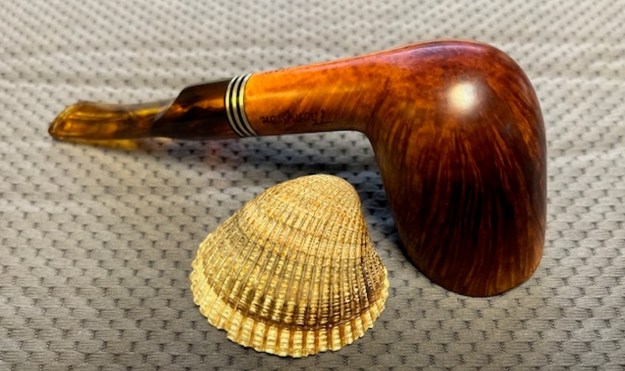
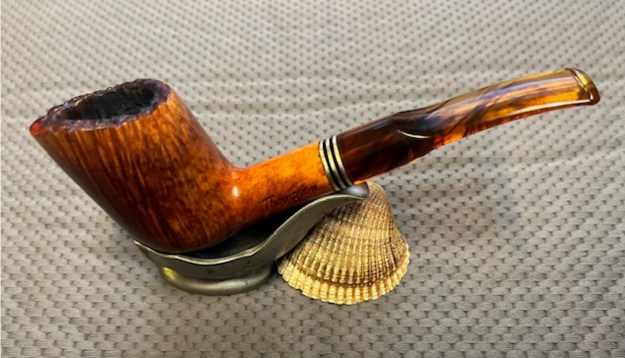
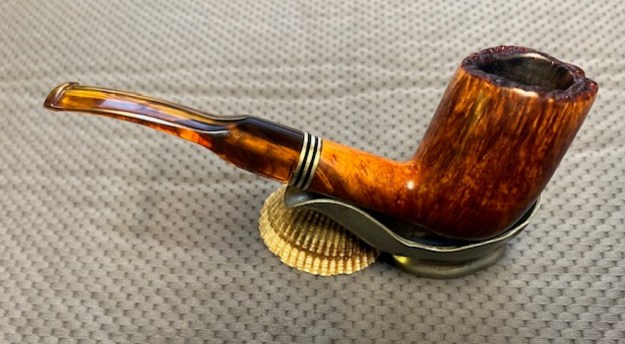
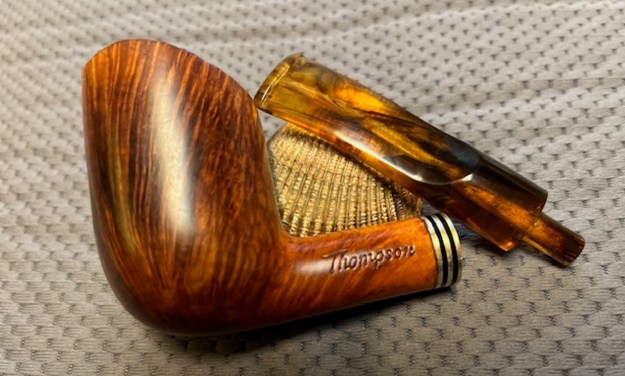
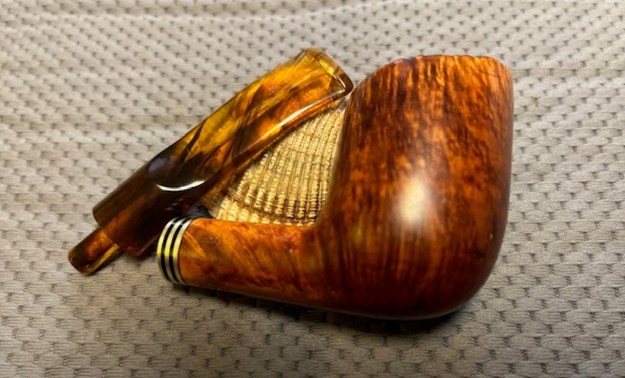
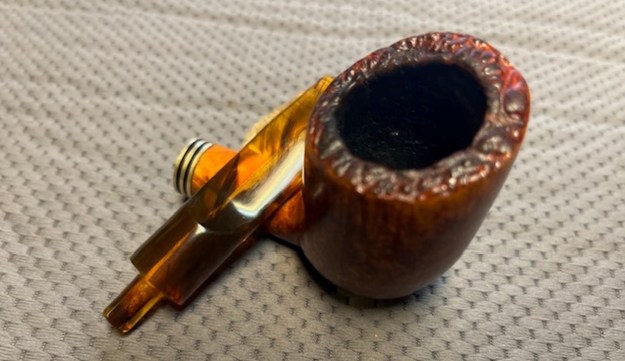
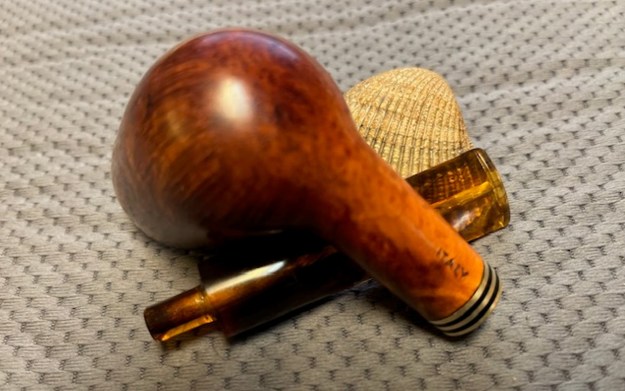
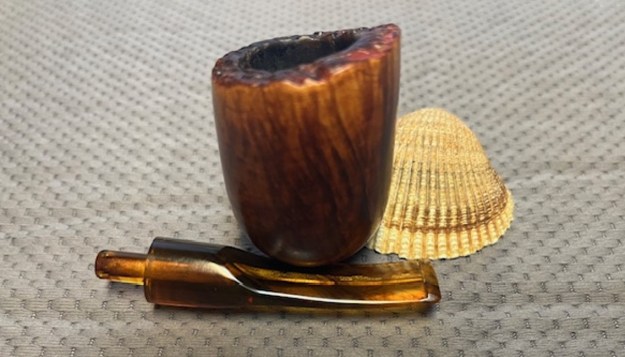
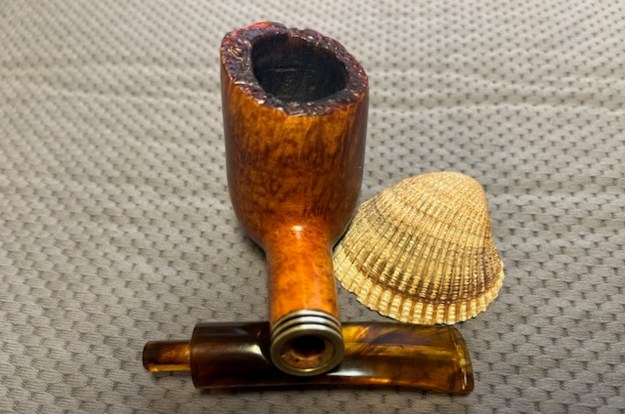
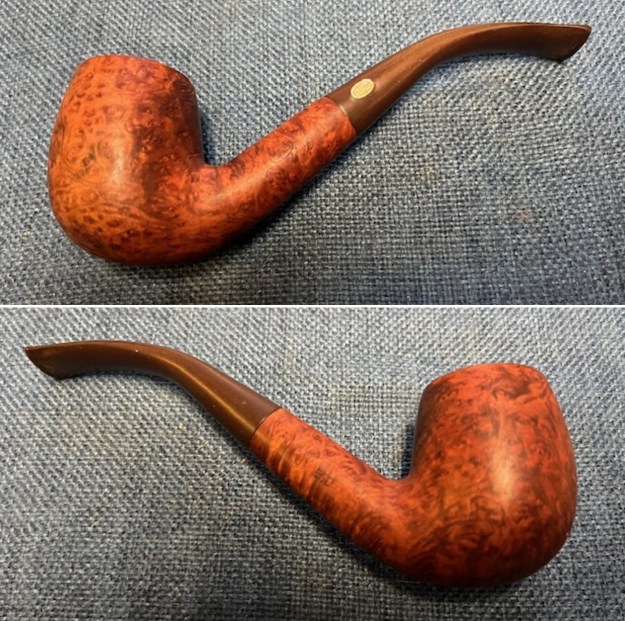
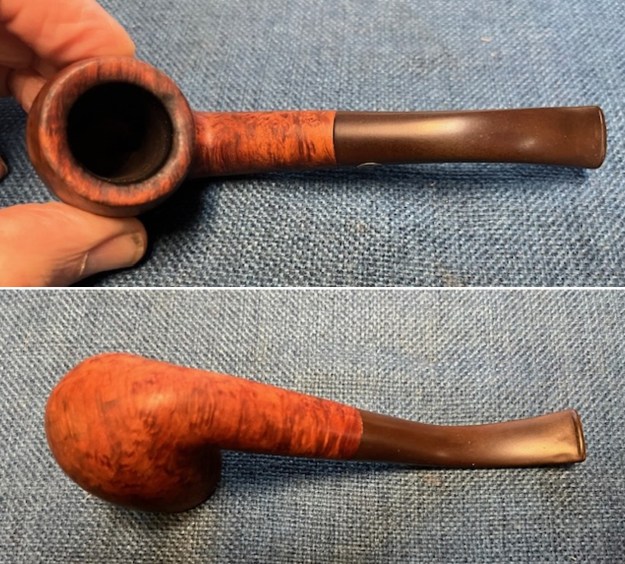
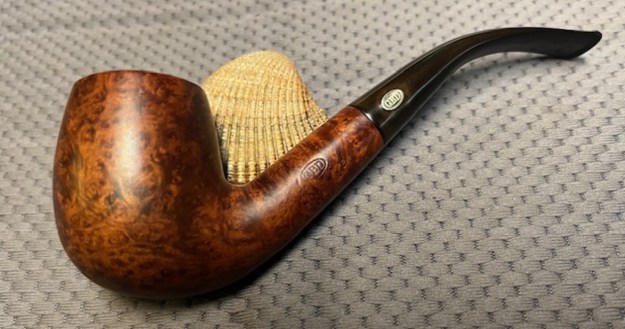
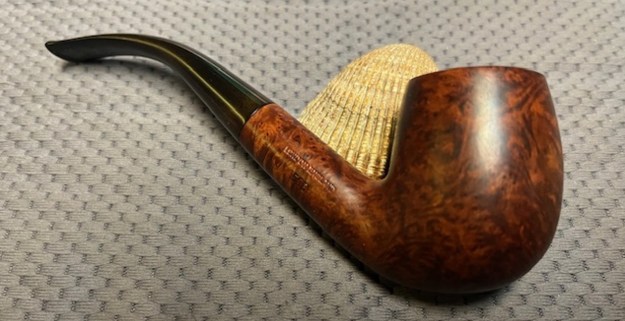
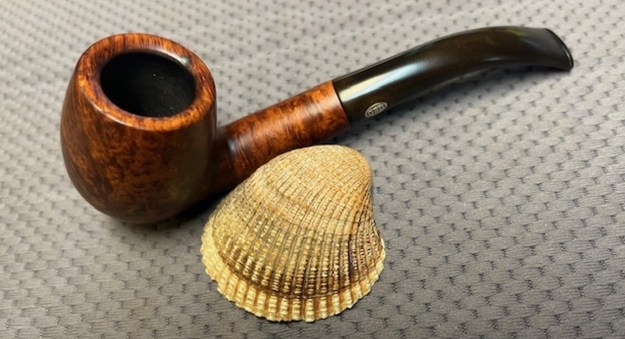
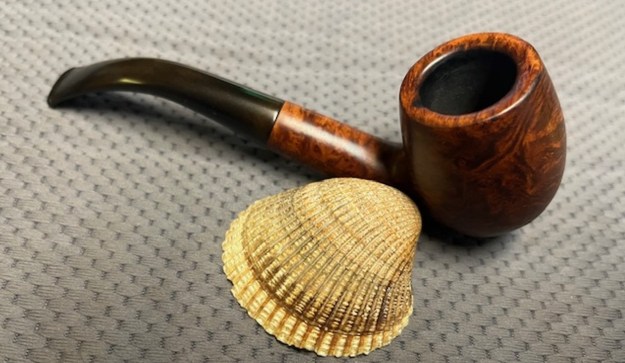
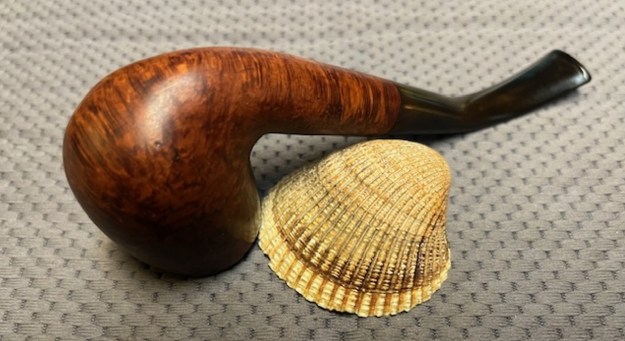
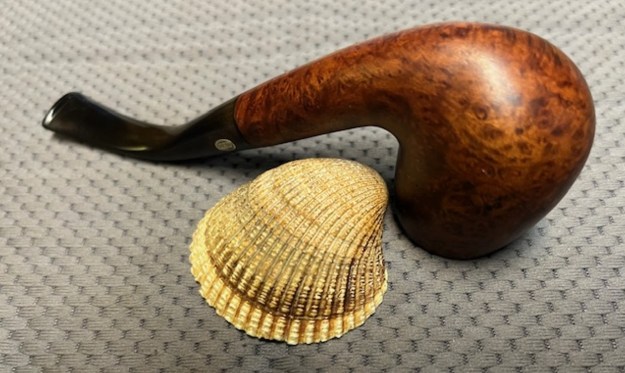
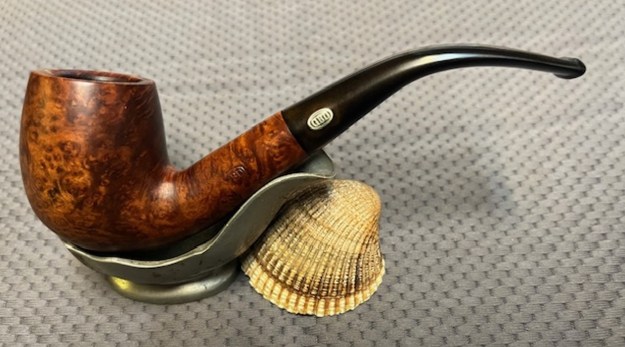
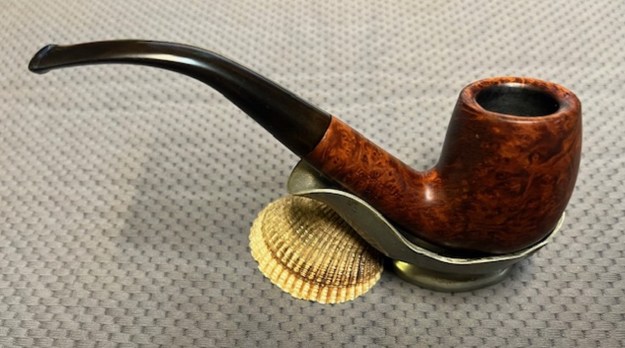
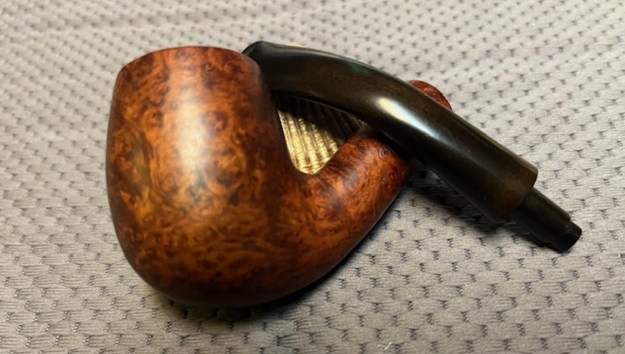
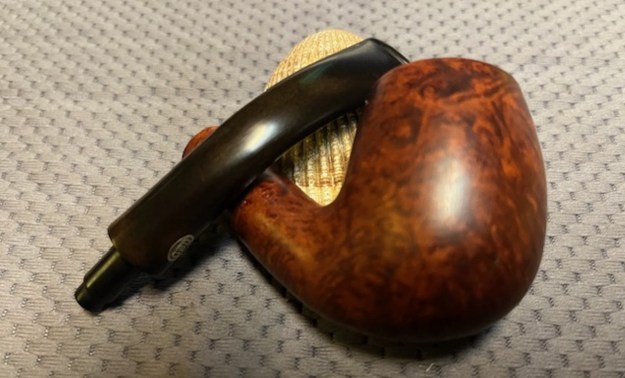
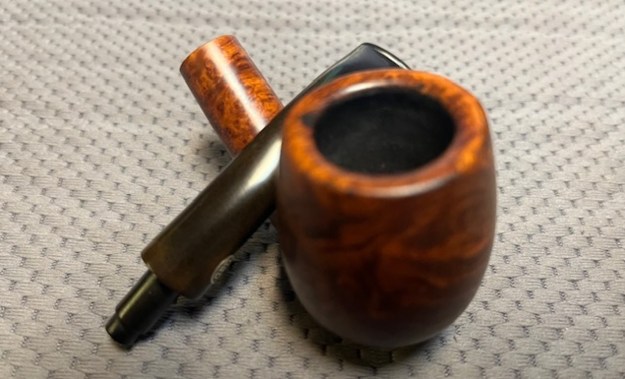
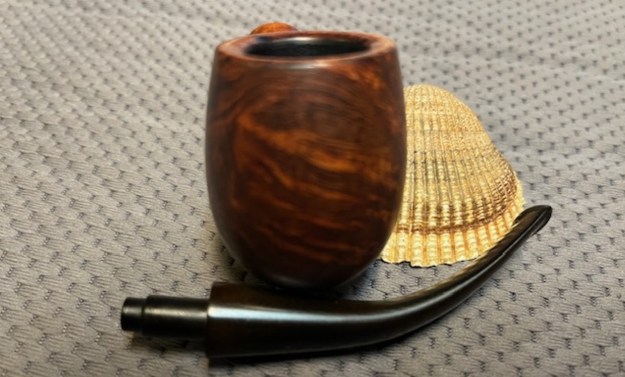
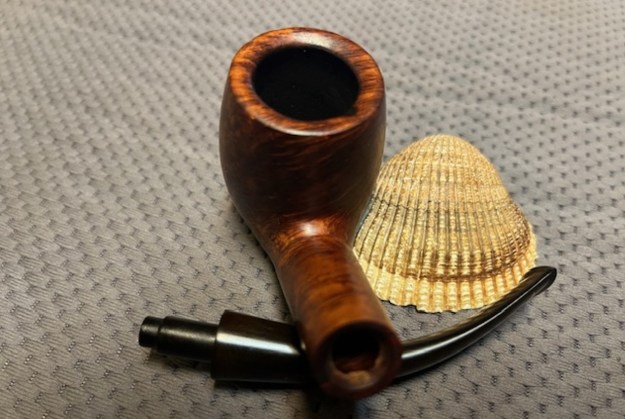
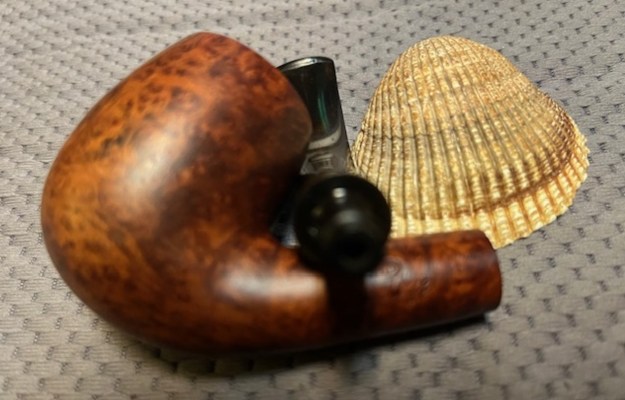
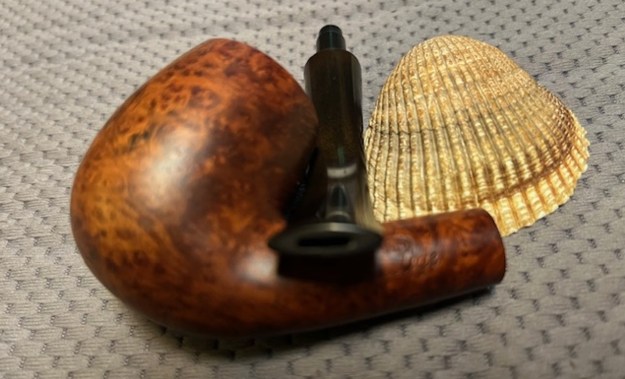
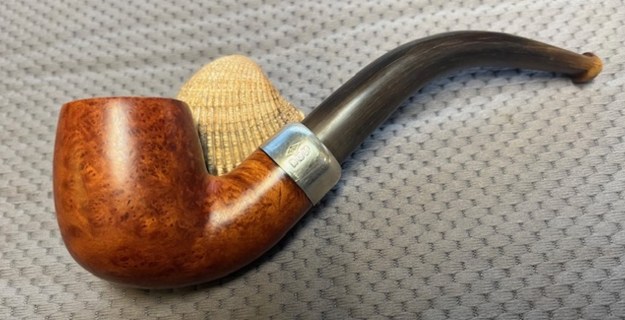
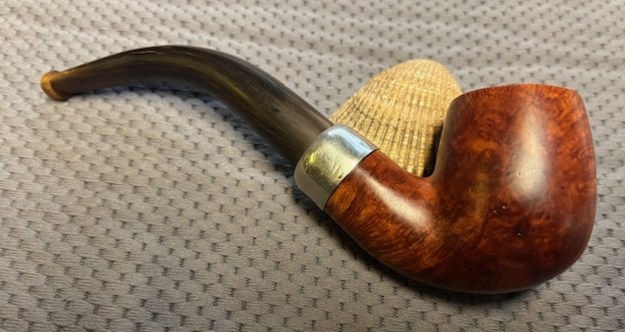
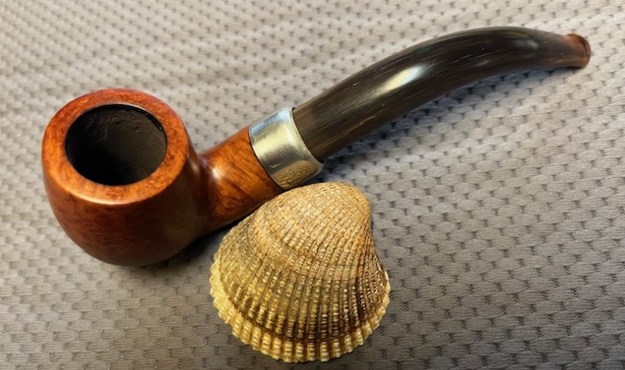
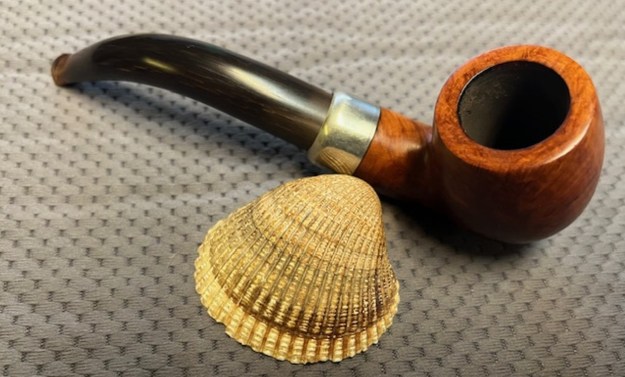
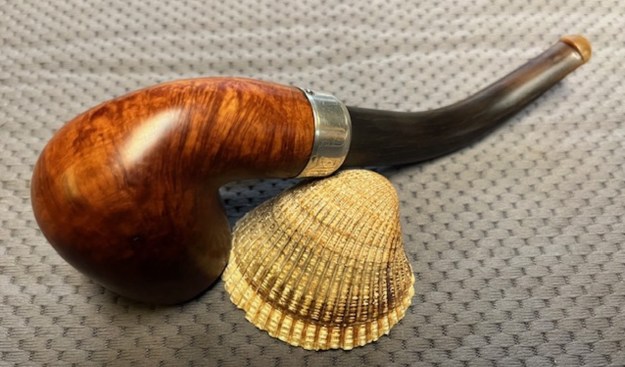
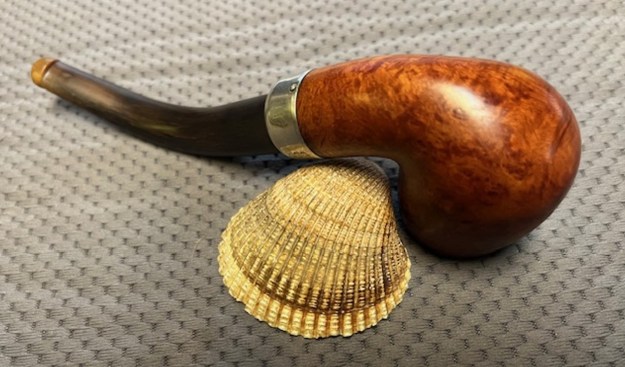
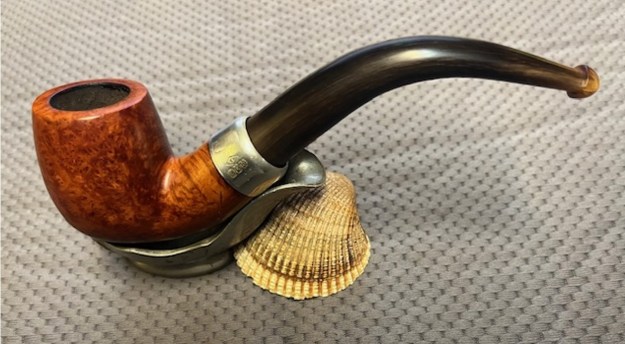
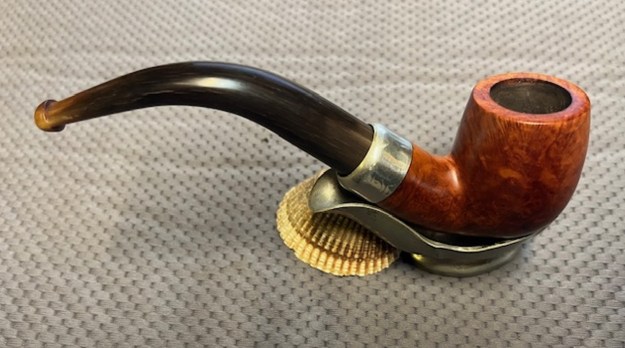
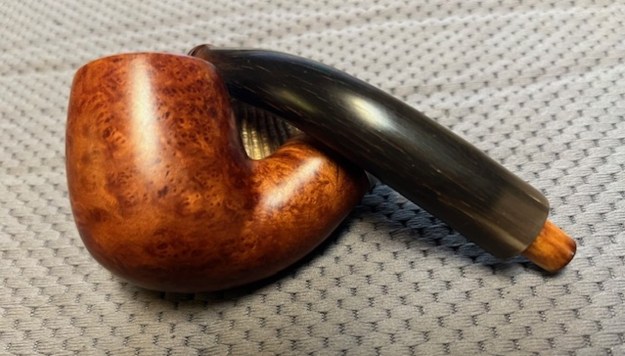
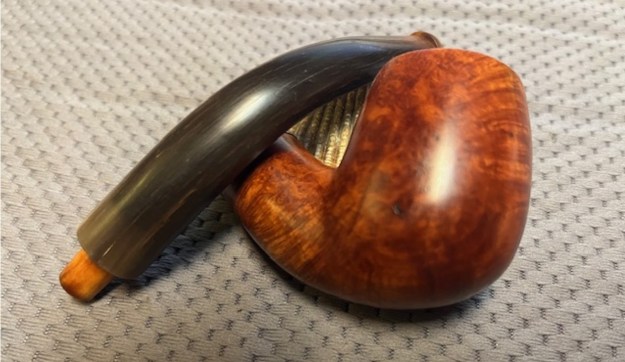
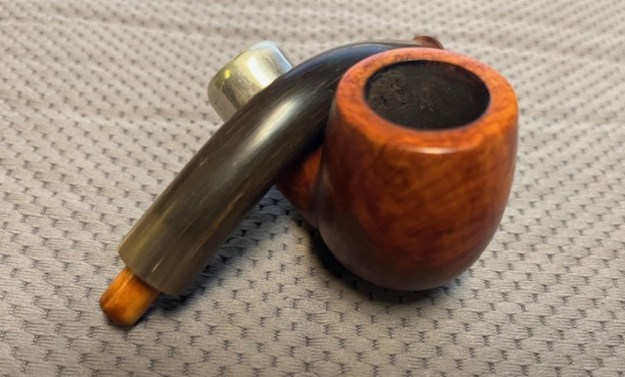
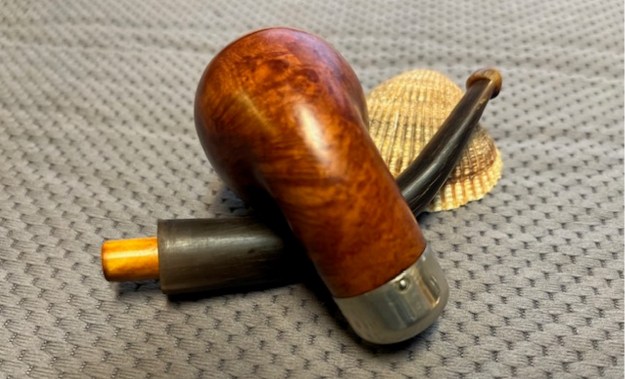
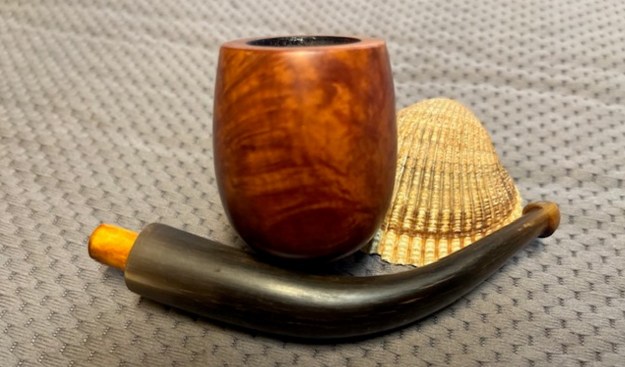
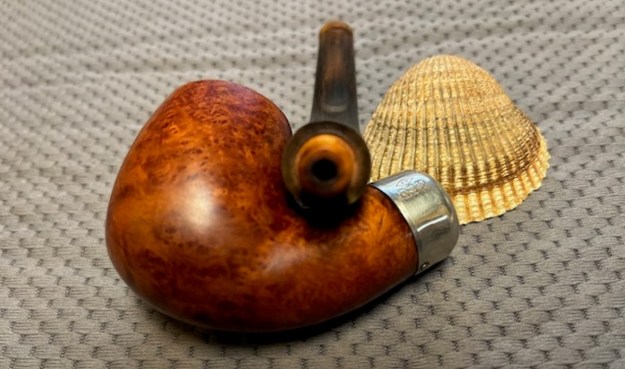
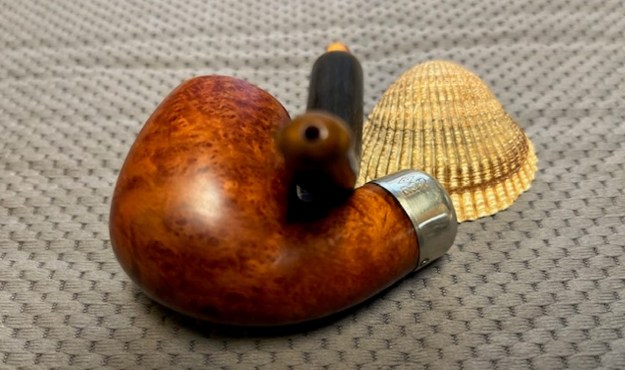
 This Thompson 530 Italian Made Freehand is a nice looking pipe. The Medium Brown stain highlights some excellent grain around the bowl sides and the heel. The faux plateau on the rim top looked very good. The finish on the pipe is in excellent condition and the contrasting stains work well to highlight the grain on the pipe. The polished amber acrylic saddle stem adds to the mix. With the grime and debris gone from the finish and the bowl it is eye-catching. I put the stem back on the bowl and buffed the pipe with Blue Diamond on the buffing wheel. I gave the bowl and the stem multiple coats of carnauba wax on the buffing wheel and followed that by buffing it with a clean buffing pad. I hand buffed the pipe with a microfiber cloth to deepen the shine. The finished Thompson 530 Freehand is quite nice and feels great in the hand. Give the finished pipe a look in the photos below. The dimensions of the pipe are Length: 5 ¾ inches, Height: 2 inches, Outside diameter of the bowl: 1 ½ inches, Chamber diameter: 7/8 of an inch. The weight of the pipe is 1.76 ounces/50 grams. Thanks for walking through the restoration with me as I worked over another beautiful pipe. This pipe will be added to the Italian Pipe Makers Section of the rebornpipes store soon. If you want to add it to your collection send me an email or a message! Thanks for your time.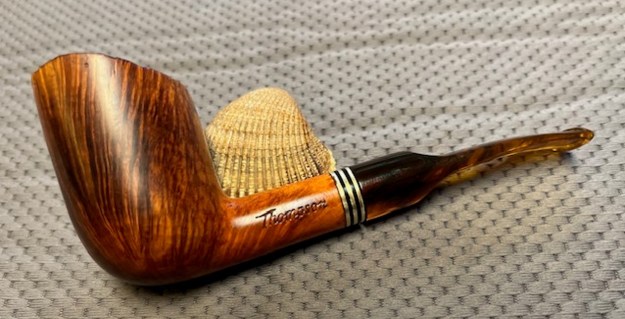











 rebornpipes