Tag Archives: oxidized stems

An Amphora Extra Saddle Billiard Reborn


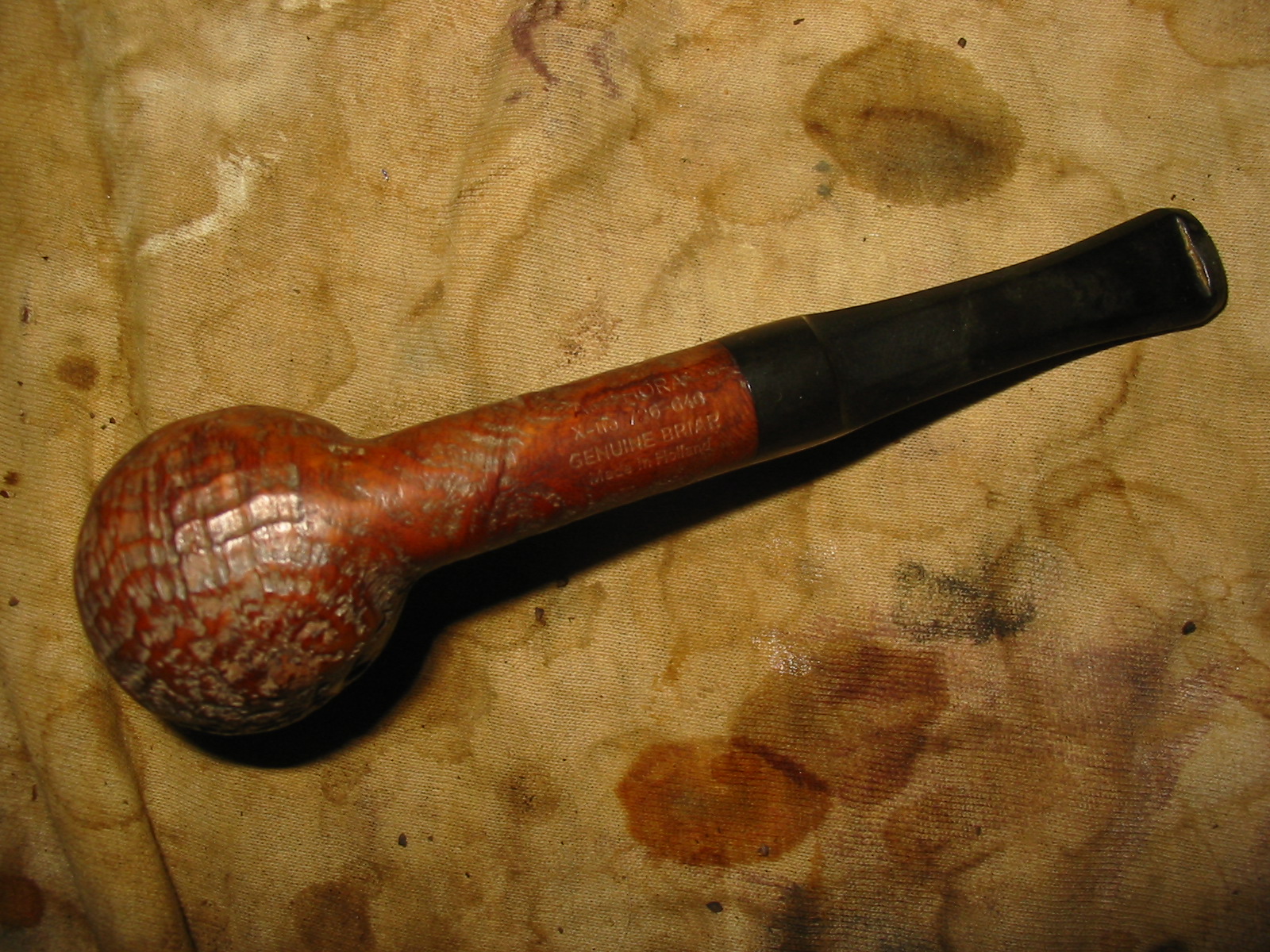
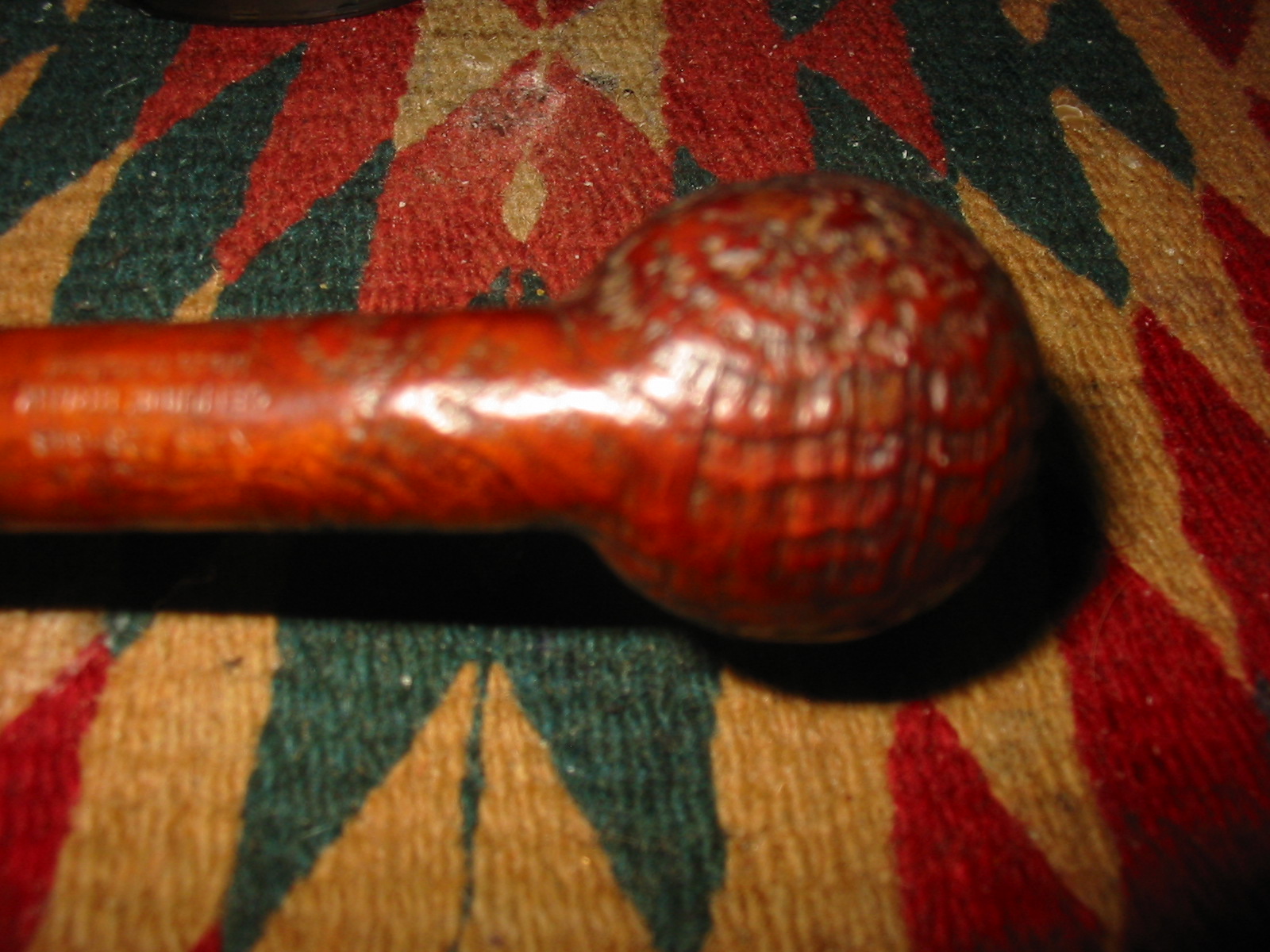
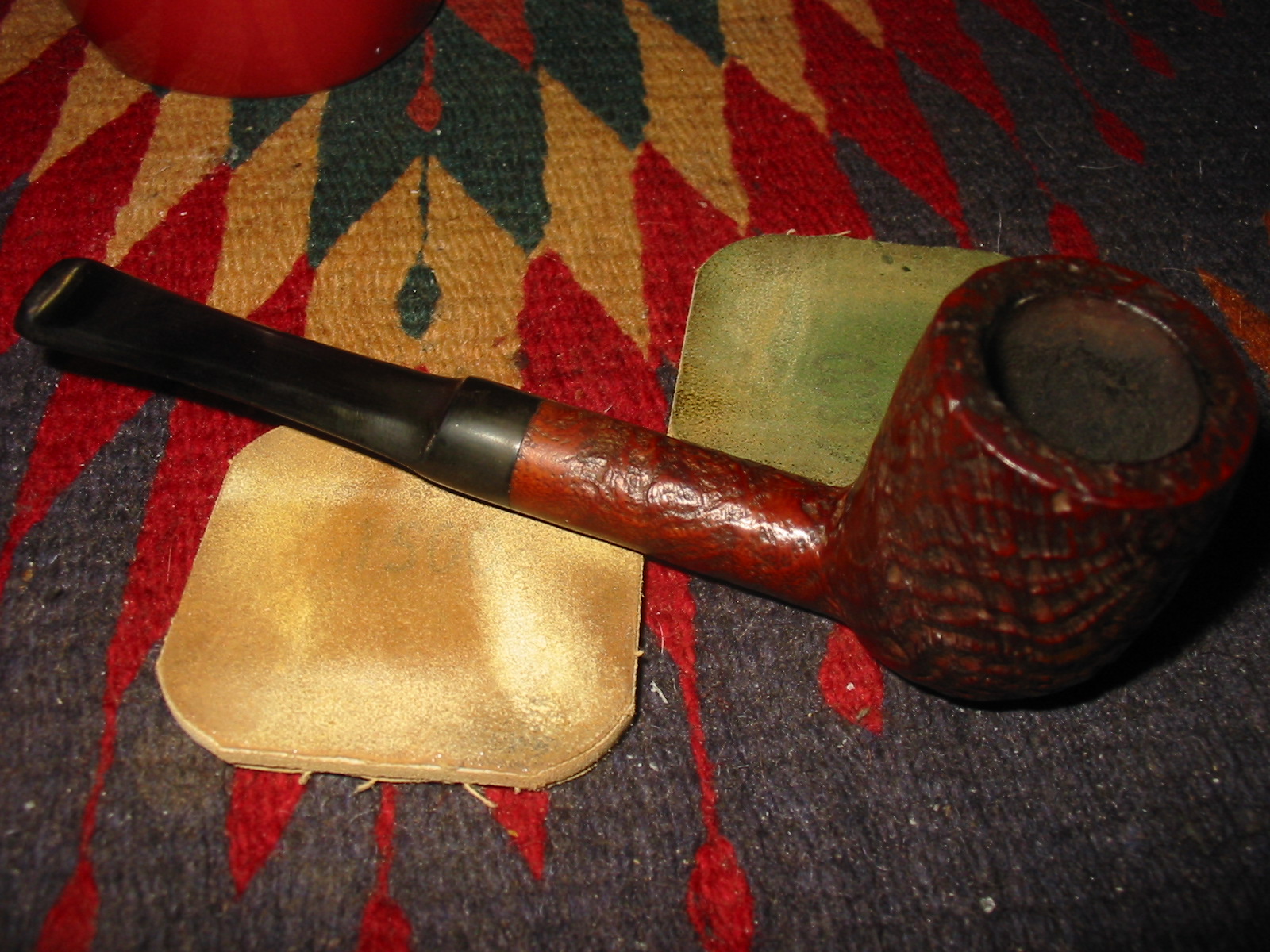
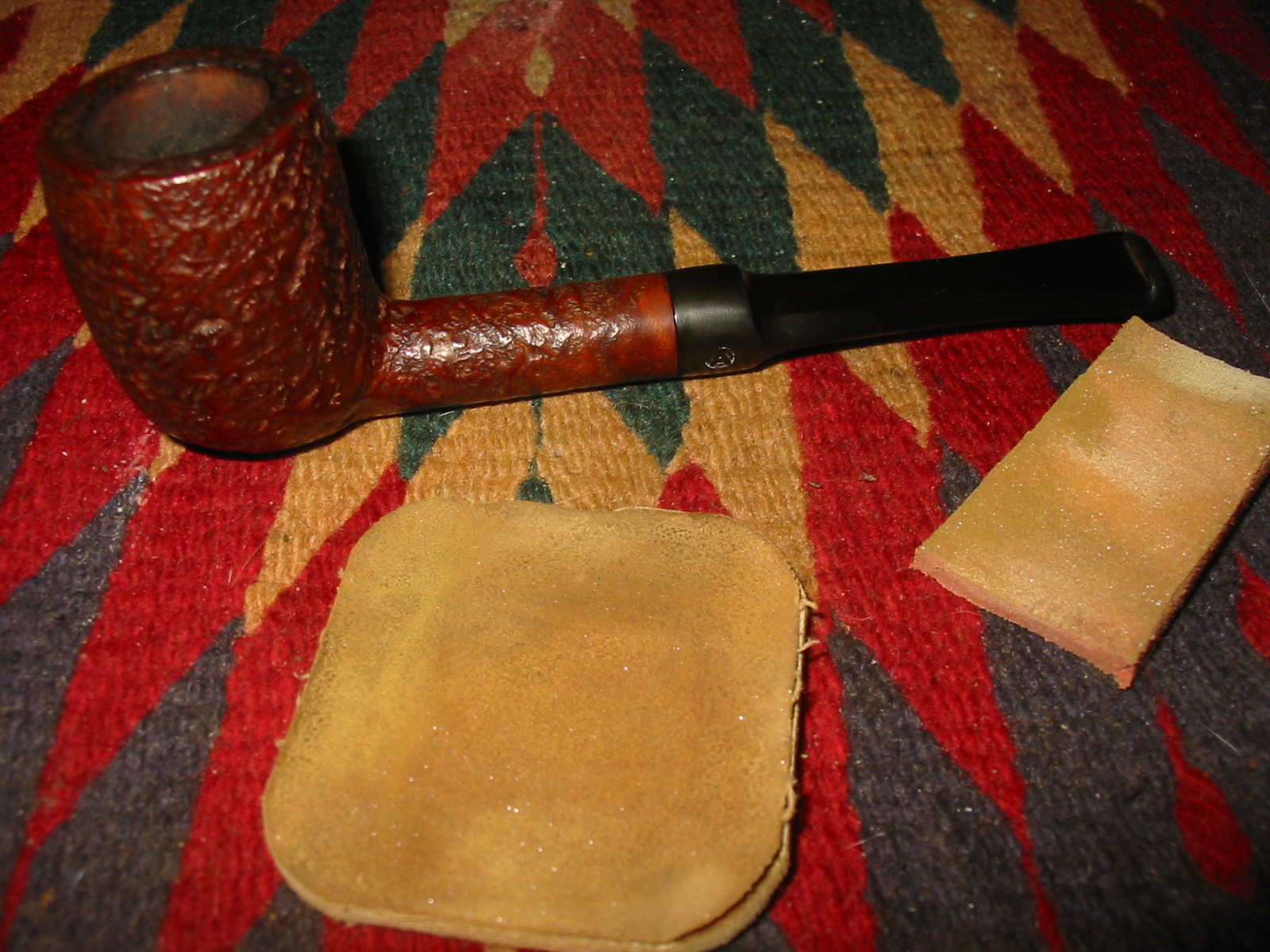
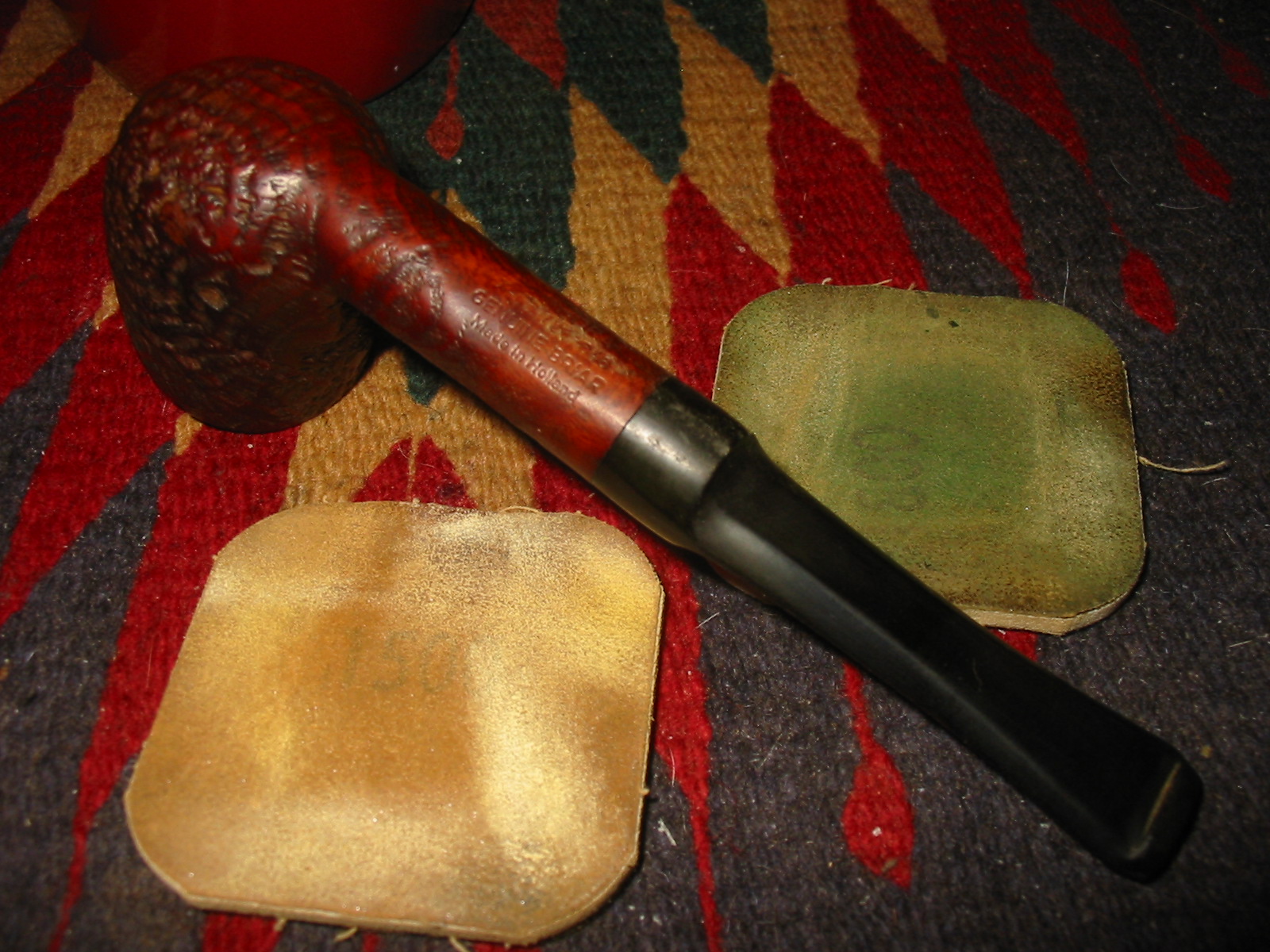
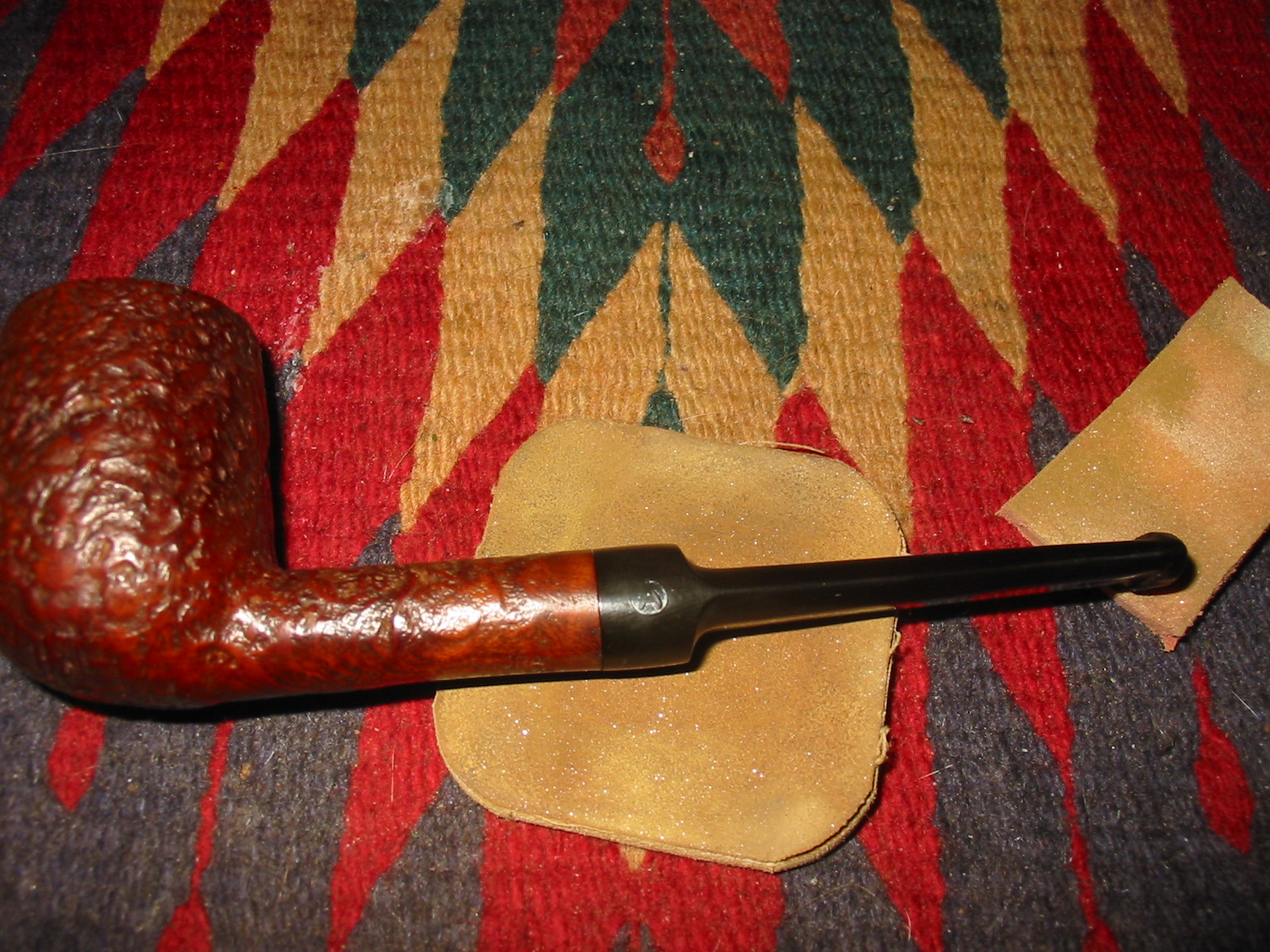
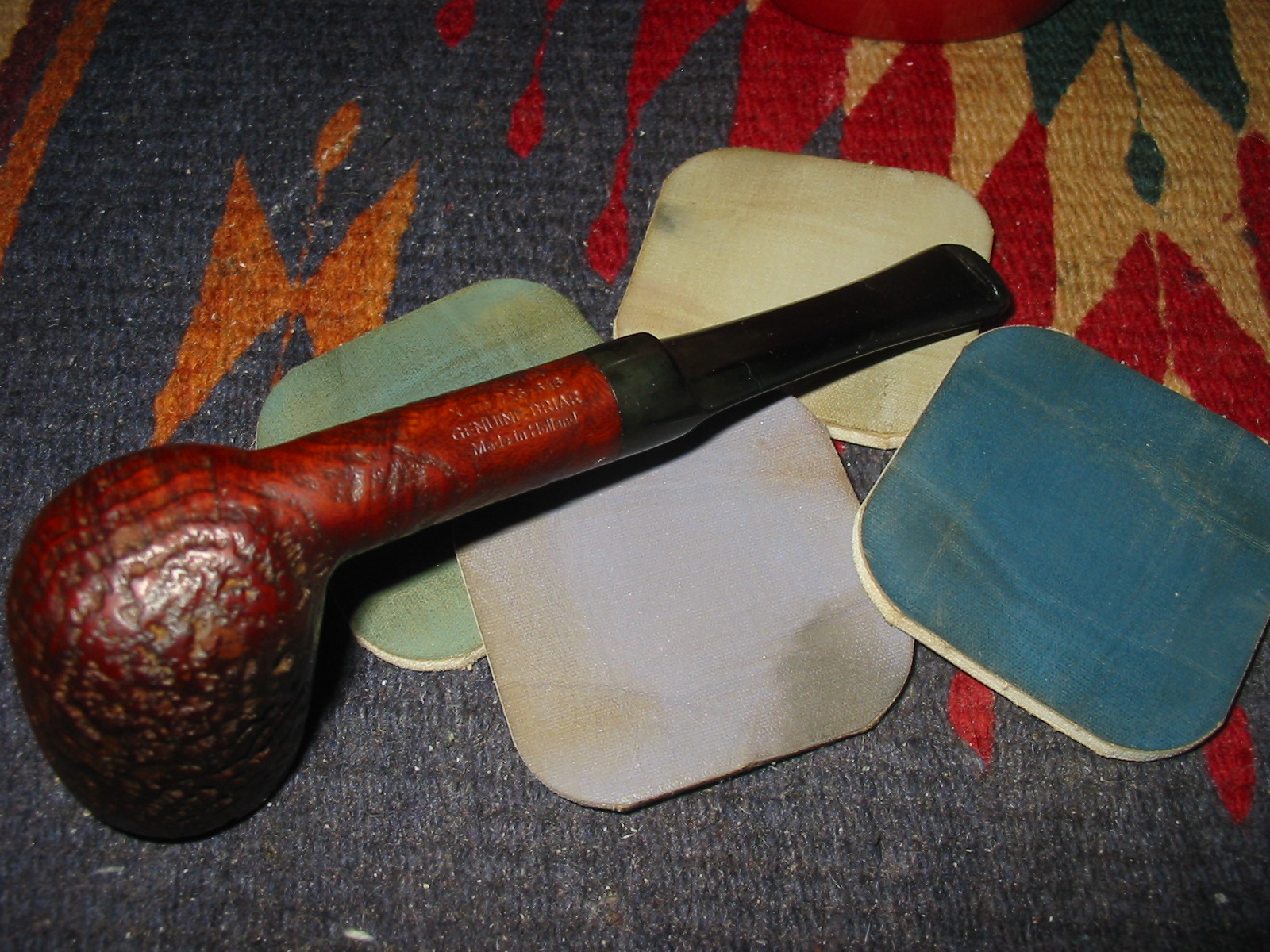
This one is the third of the three I bought at an antique mall in Edmonton, Alberta on a recent trip. It is stamped on the bottom of the shank as follows:
AMPHORA
X-tra 726-649
GENUINE BRIAR
Made in Holland

IMG_0302

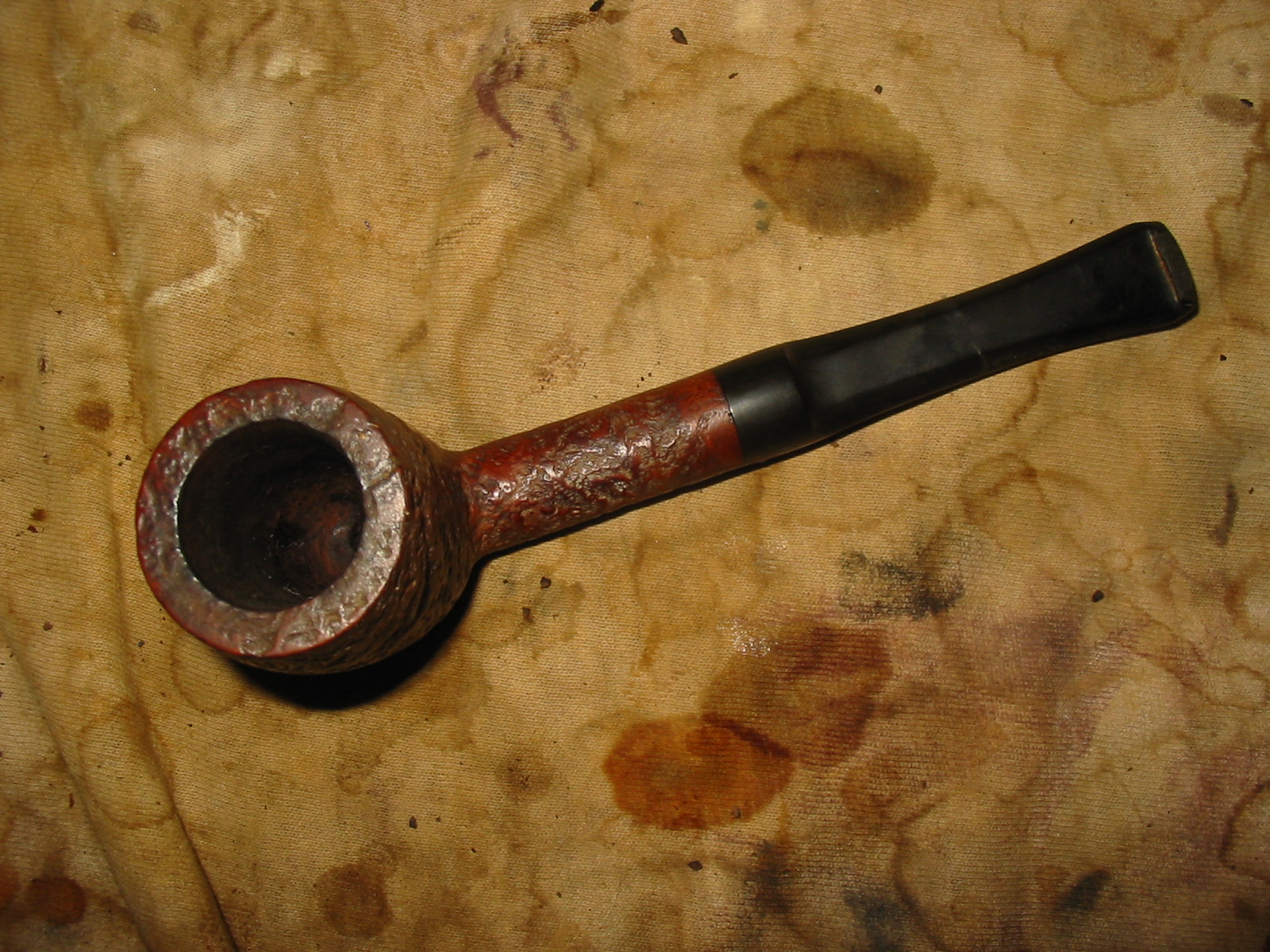
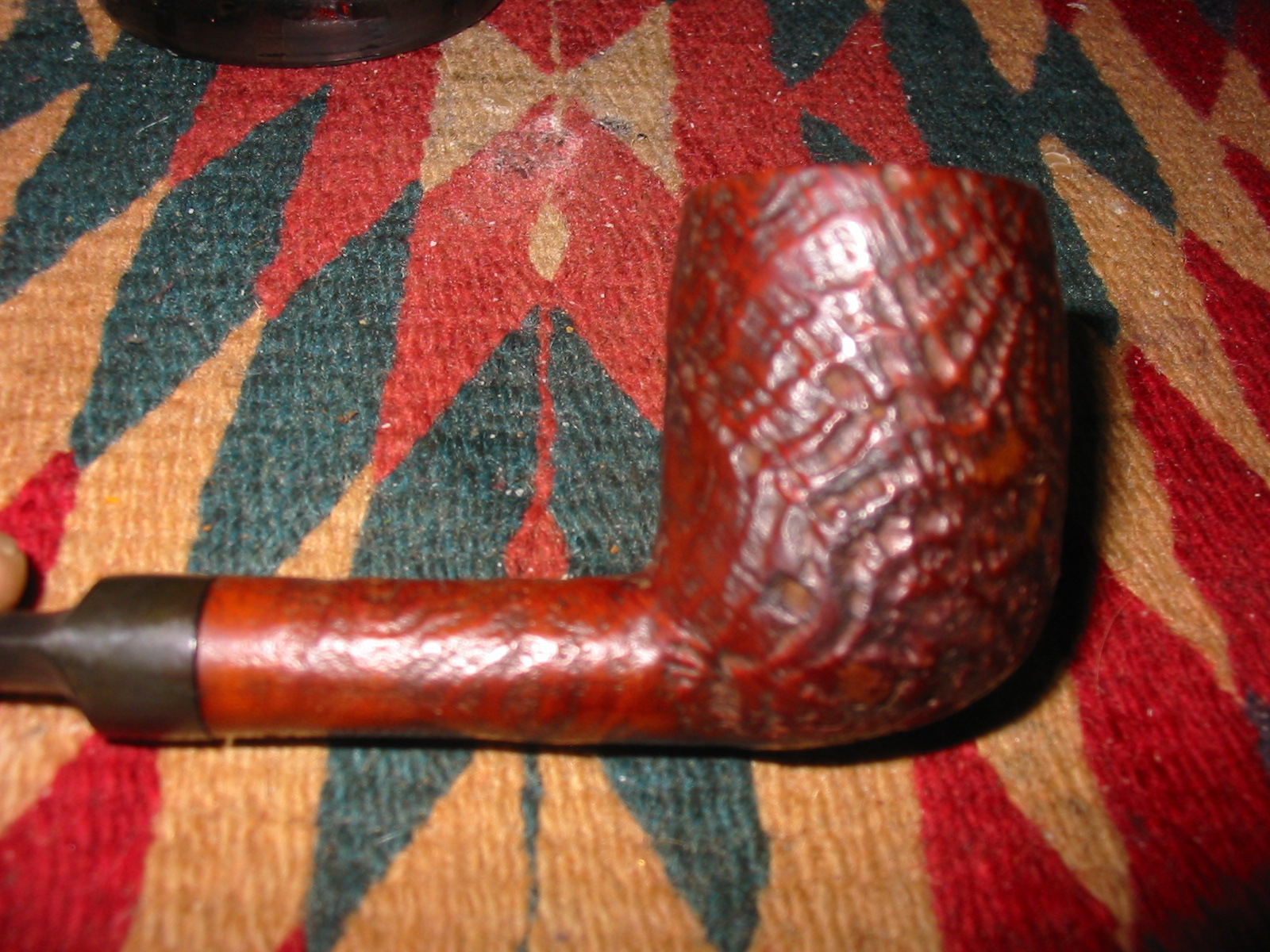
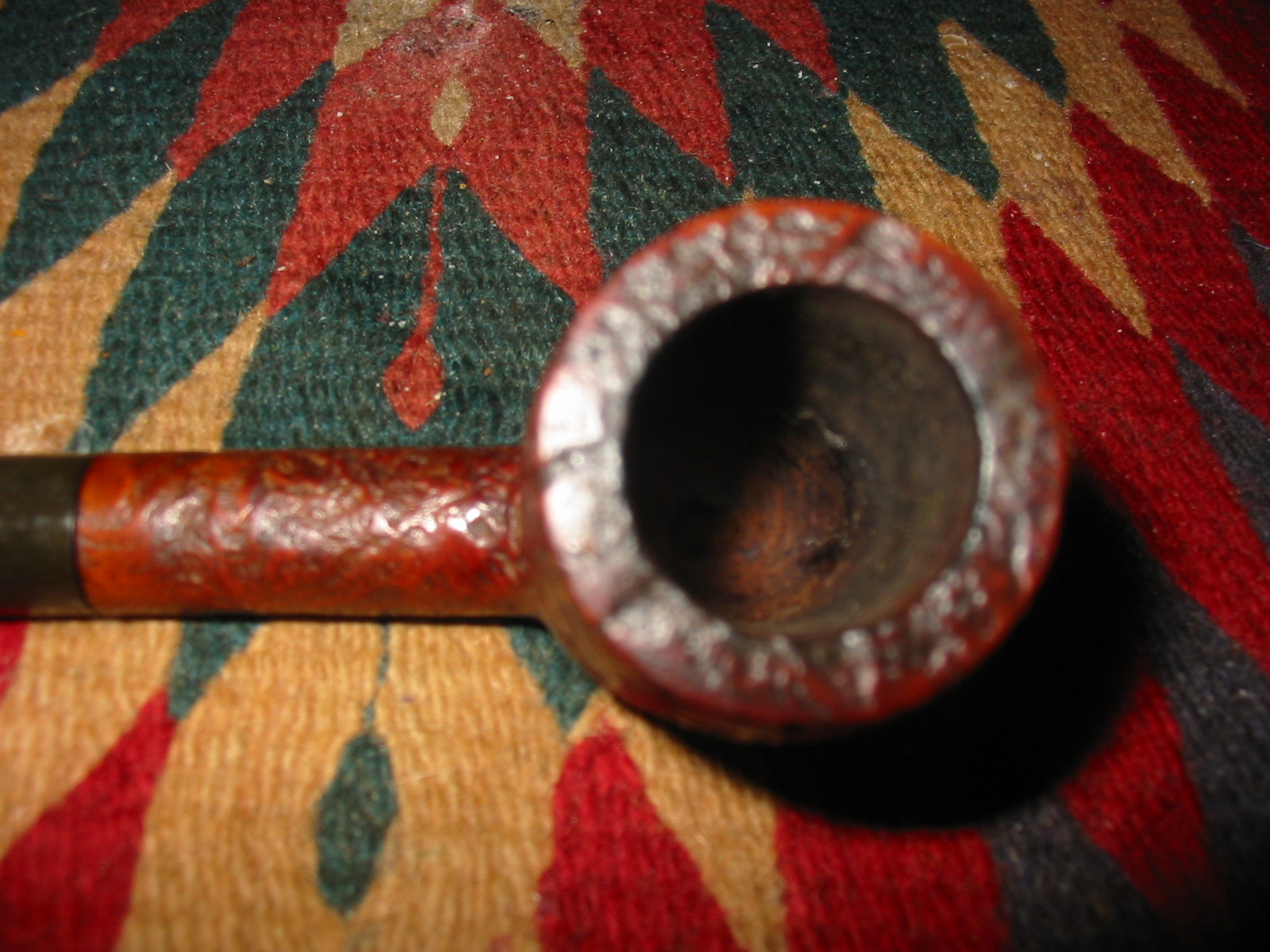
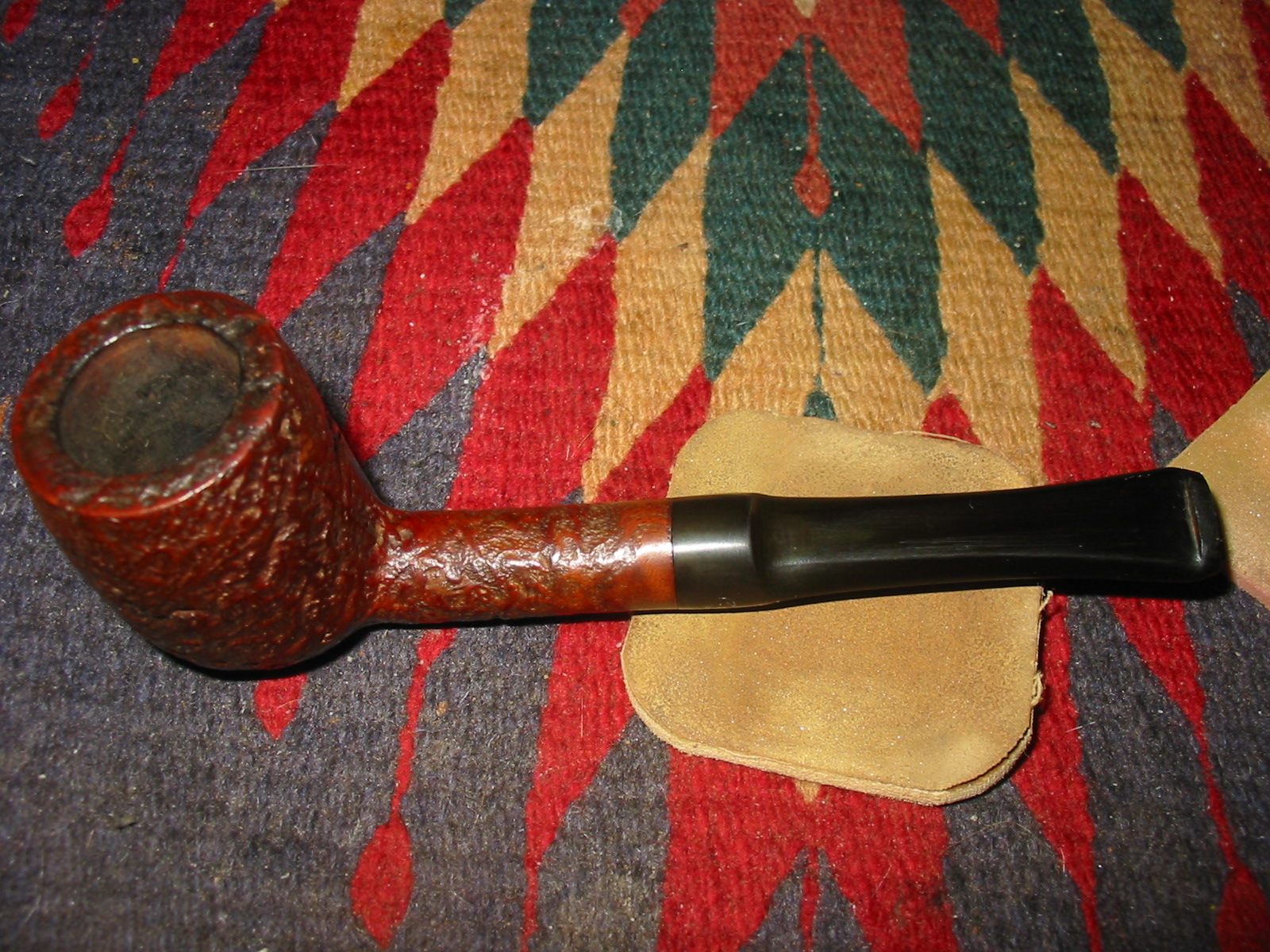
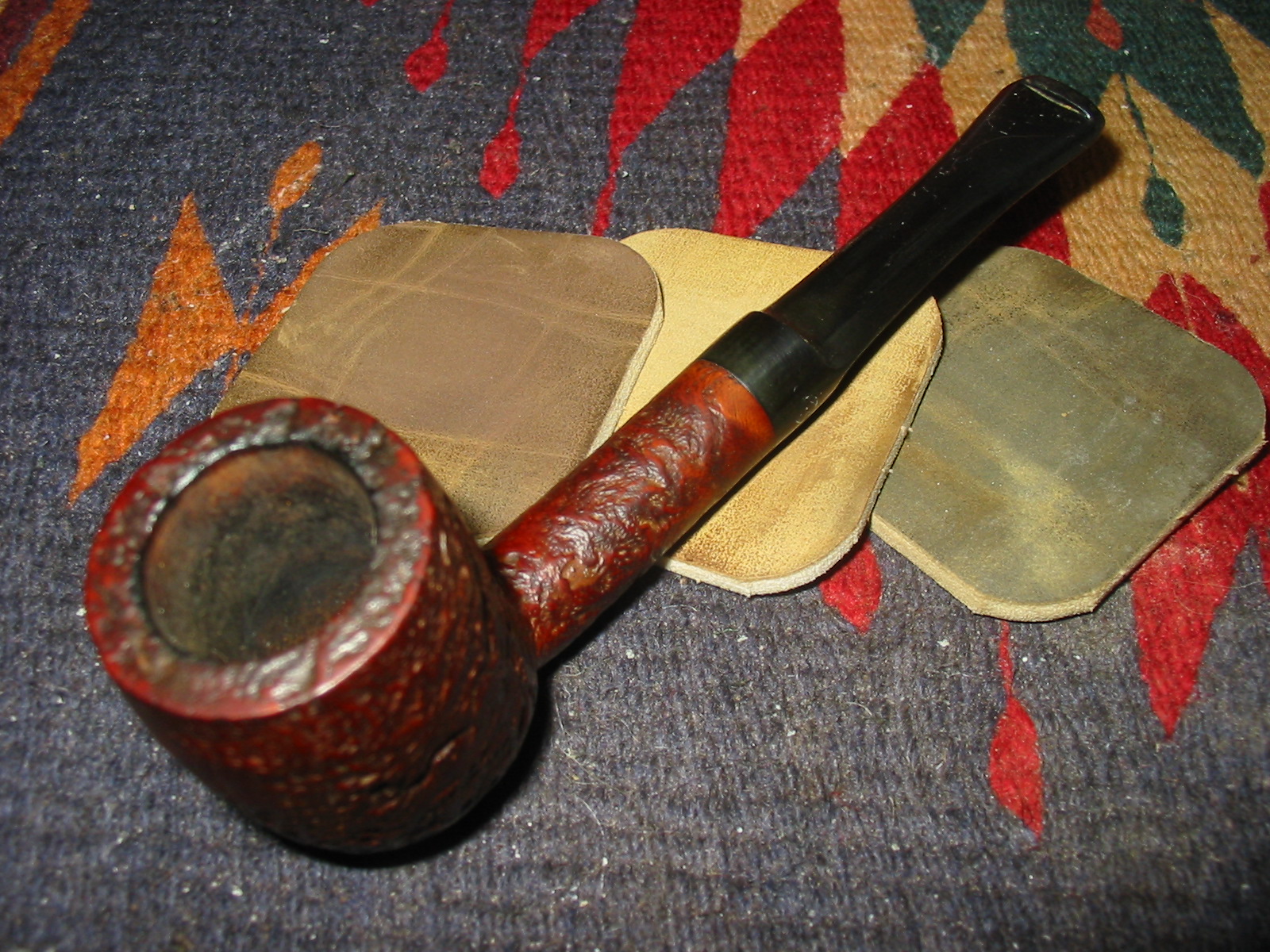
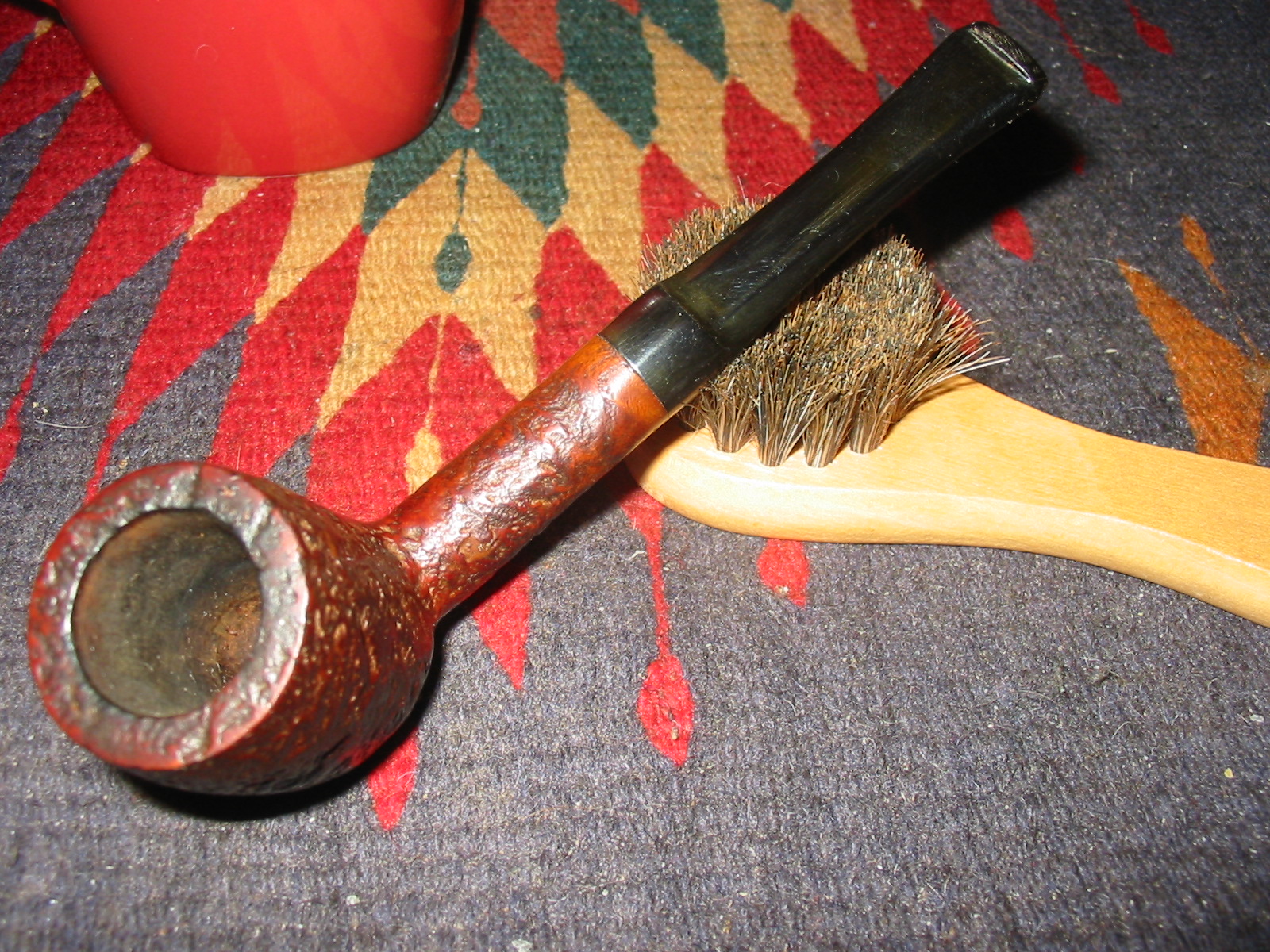
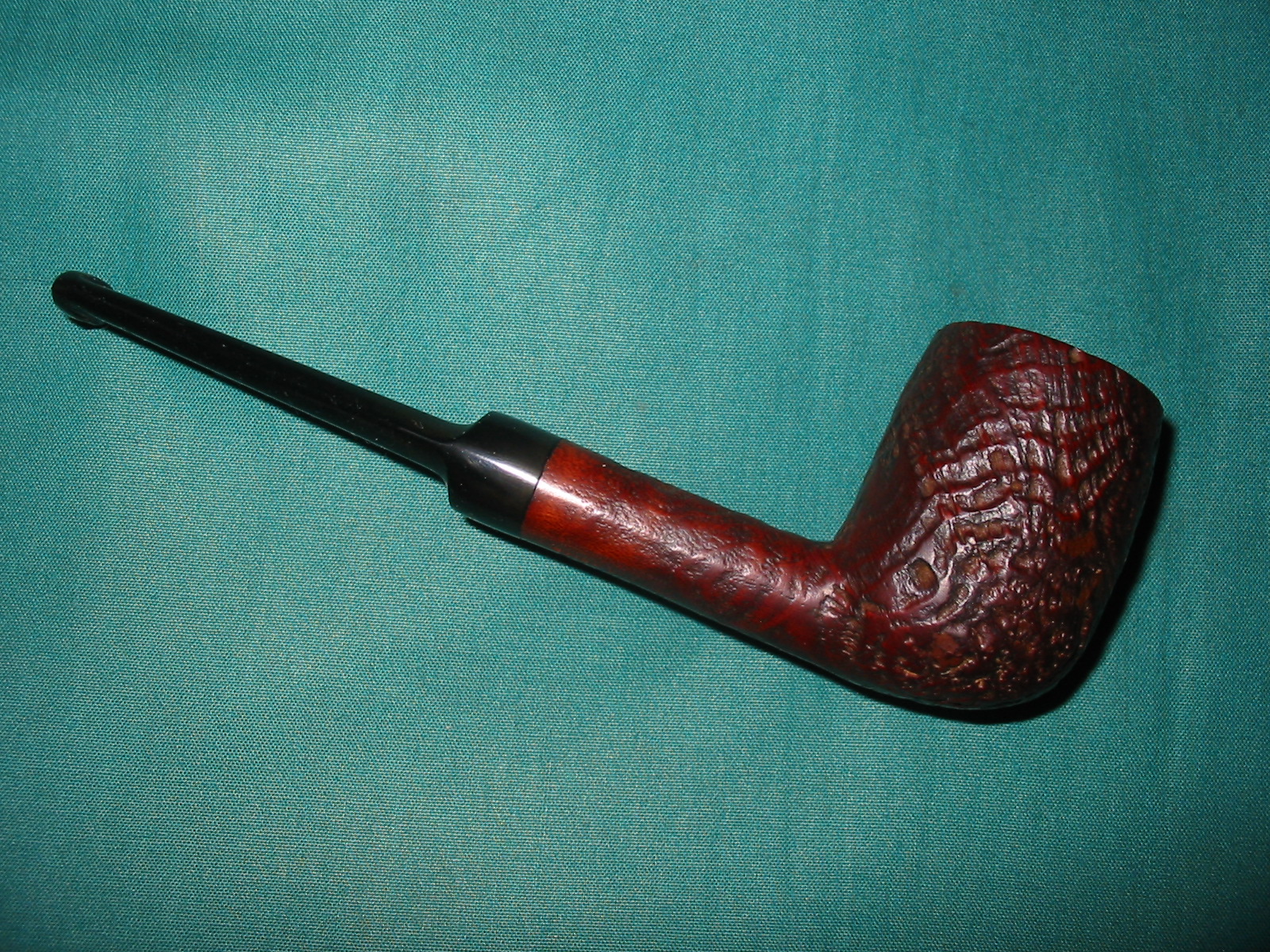
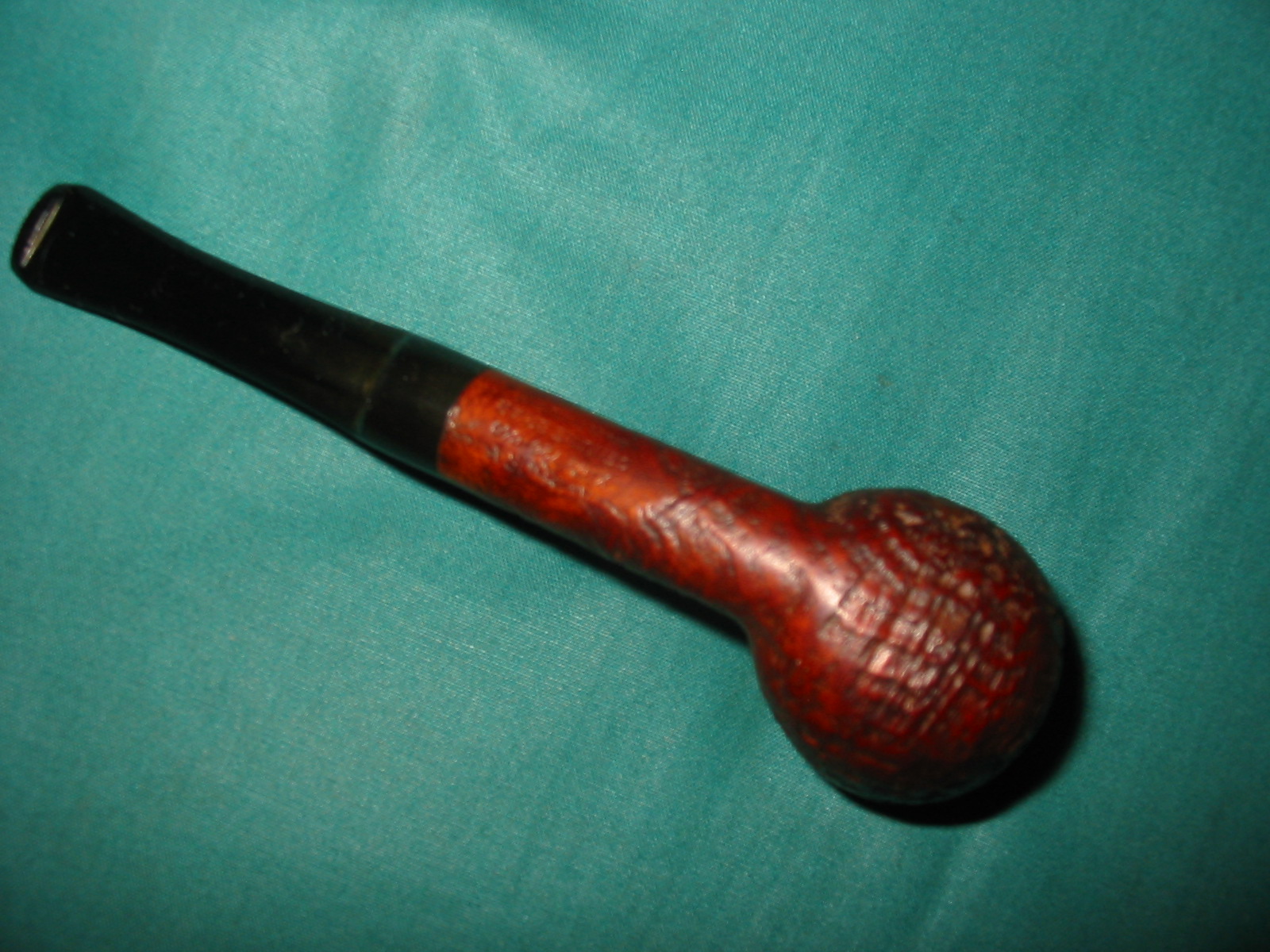
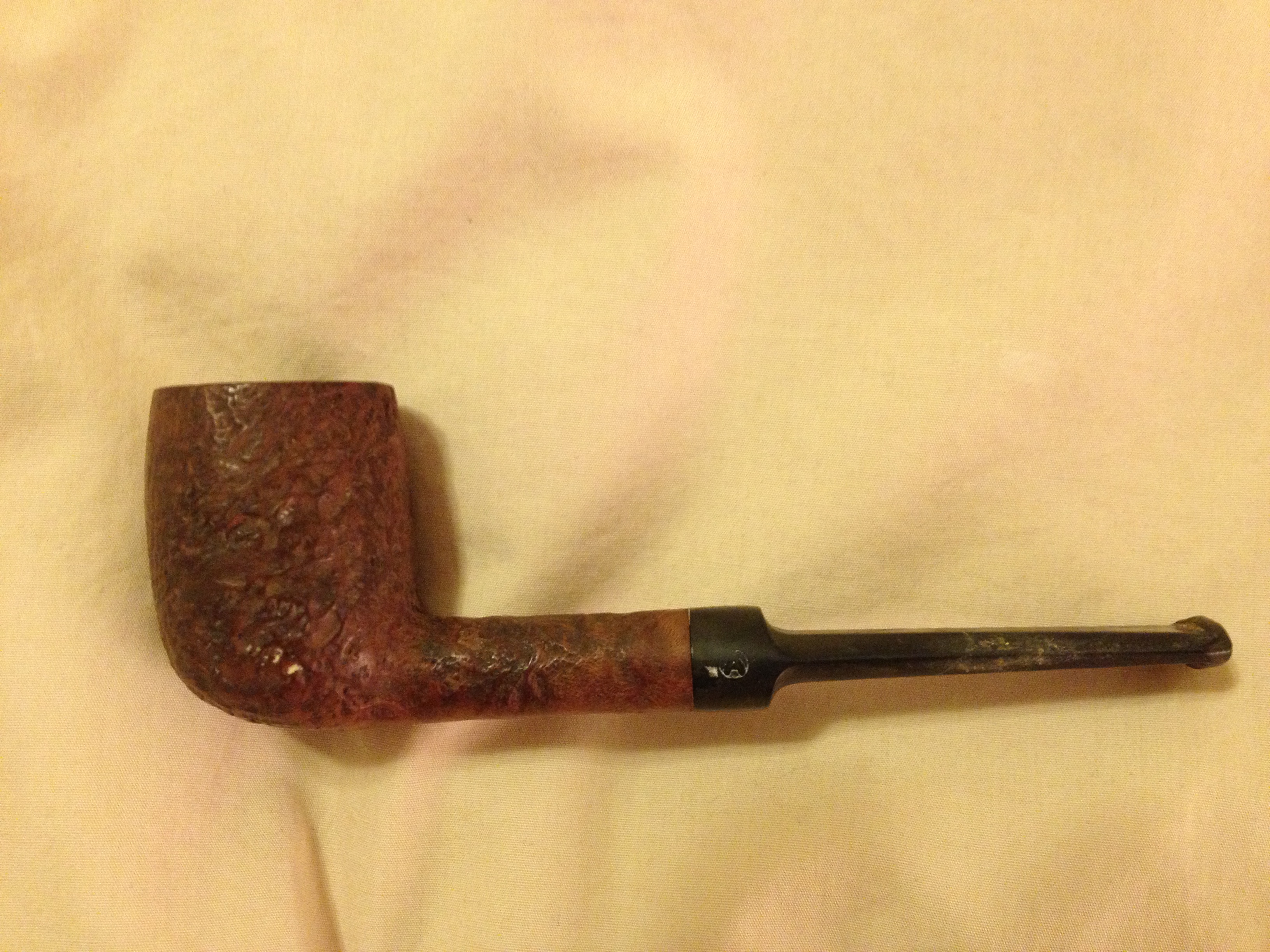
It has a deep craggy blast that attracted me to the pipe in the first place. The briar was dirty and the finish was gone. The remaining stain was very spotty and dirty. The grime of many dirty hands had ground into the blast leaving dark spots all around the bowl and shank. The state of the finish can be seen in the photo below. The bowl was dirty and had a slight cake with dottle still in the bowl. The rim had some darkening from the lighter and there was lava on the surface hiding most of the blast. The beauty was that the bowl did not have any damage from tapping it out or burning on the edges. It would clean up very nicely. The stem was slightly oxidized and had a calcified buildup in several spots. It also had a few faint tooth marks about a ¼ inch back from the button. The button itself had several dents in it as well. The slot in the button was too tight to even take a thin pipe cleaner. The inside of the shank was thick with a tarry buildup and the stem was clogged with buildup as well. I am pretty sure the stem had never been cleaned out as a pipe cleaner would not pass through the slot.
IMG_0305

I removed the stem from the bowl and dipped the bowl in an alcohol bath and scrubbed it with a brass tire brush to remove the grit and grime in the blast. I then dropped it into the bath to soak overnight. In the morning I removed it from the bath and gave it another quick scrub with the tire brush. I flamed the alcohol in the bowl to dry it before I cleaned it. This is a simple process of lighting the alcohol on fire with a lighter. It burns blue and burns fast. No harm is done to the briar. I then cleaned the bowl and shank with pipe cleaners to remove as much of the tars and oils as I could before I used the retort to give it a final cleaning.
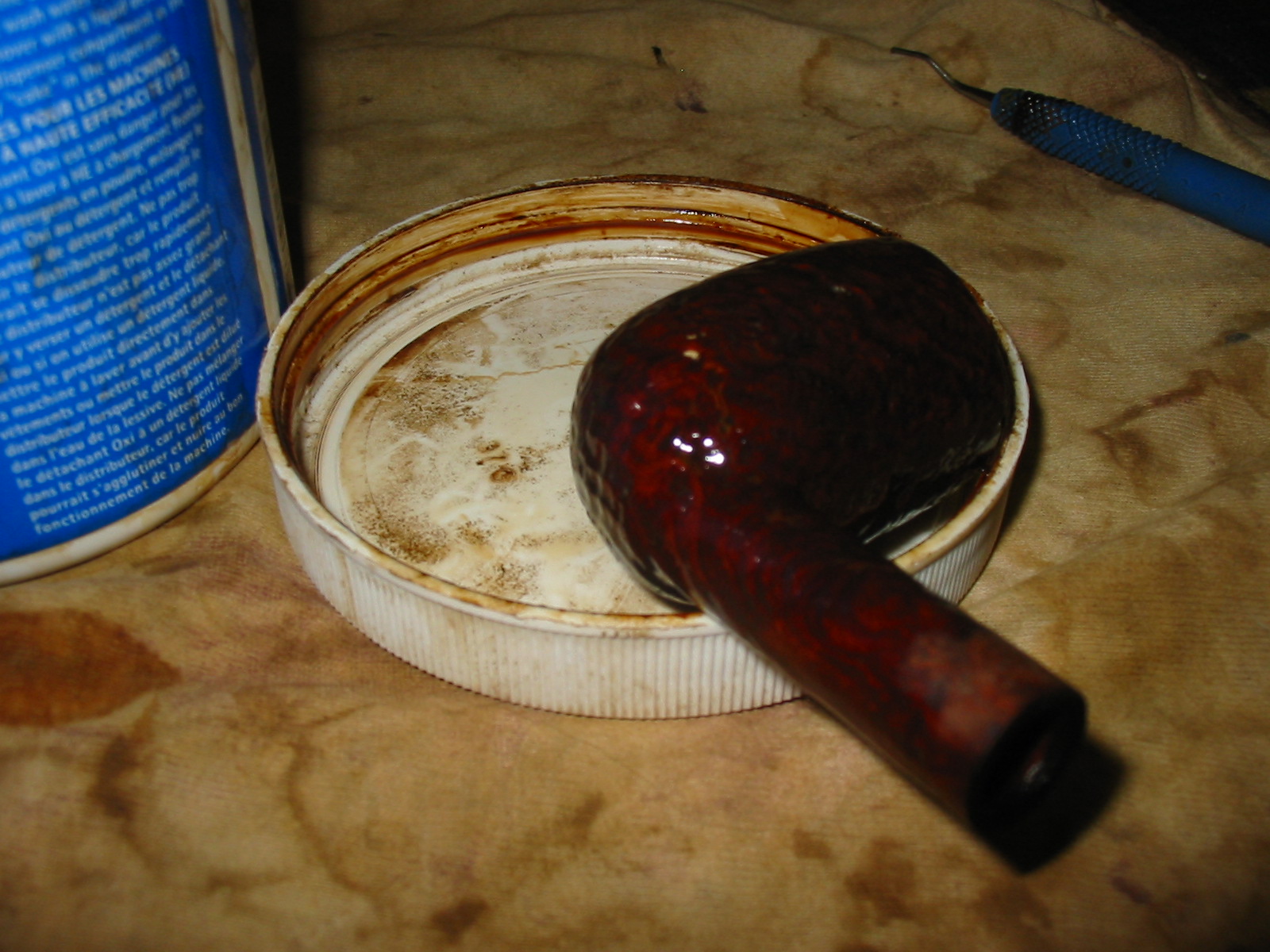
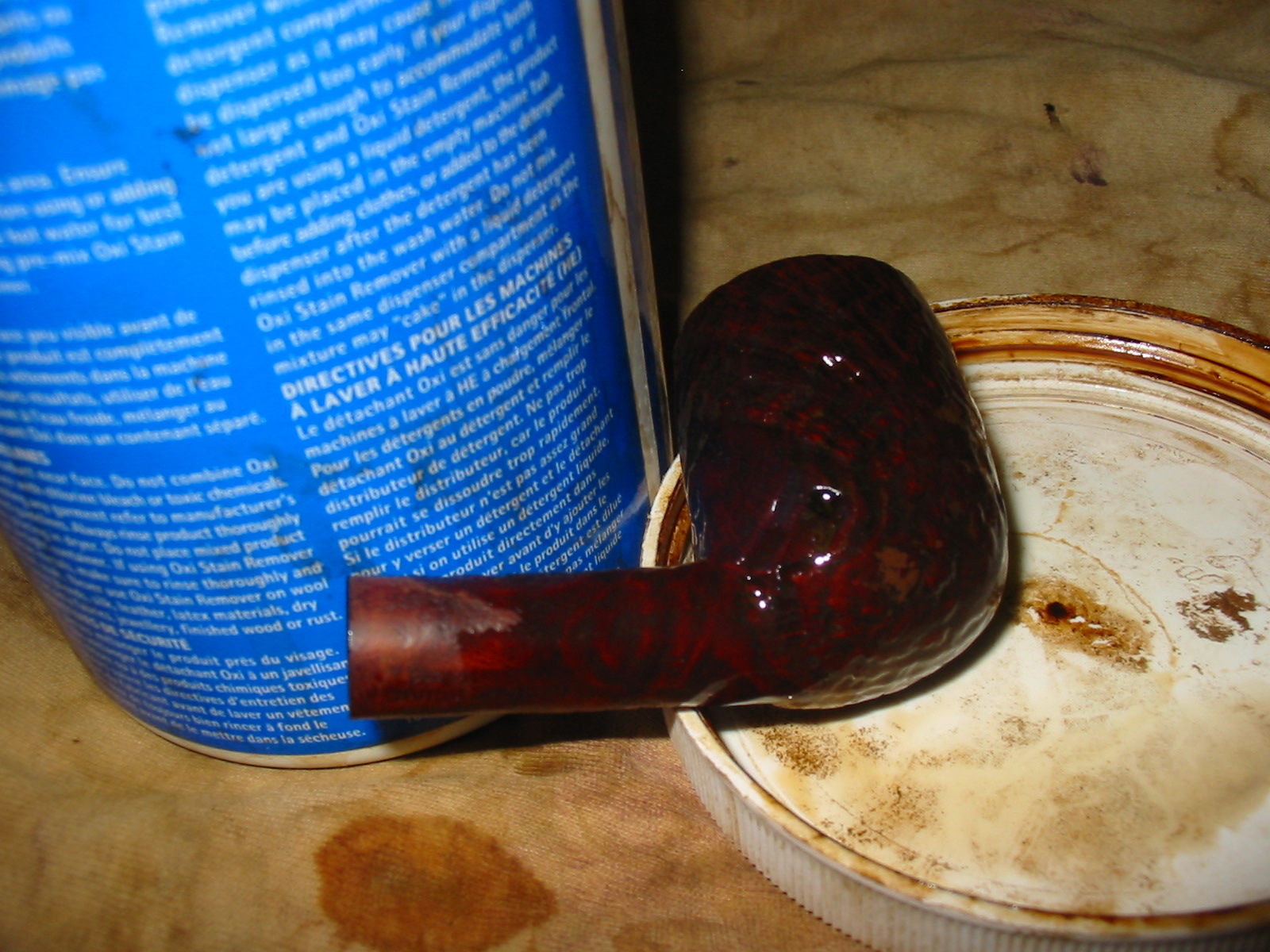
IMG_0782

IMG_0783

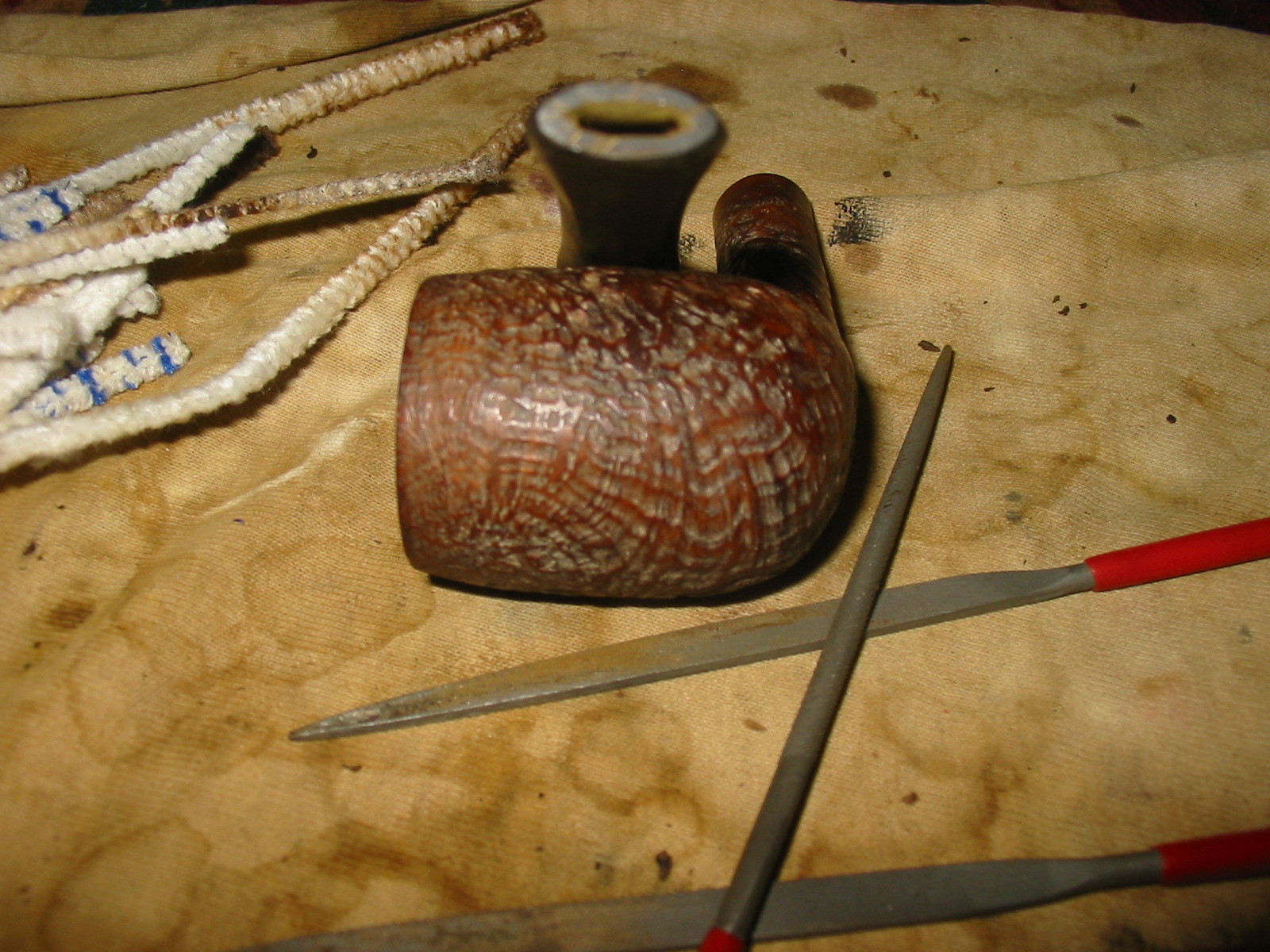
I decided to open up the button with needle files before I used the retort on the pipe. I was unable to run a pipe cleaner through the stem so I wanted to be able to remove some of the grit before I hooked up the retort. I used three different needle files to open the slot. The next four photos show the opening of the slot from start to finish. When I was done a pipe cleaner went through very easily and I was able to remove much of the tars and oils from the stem.
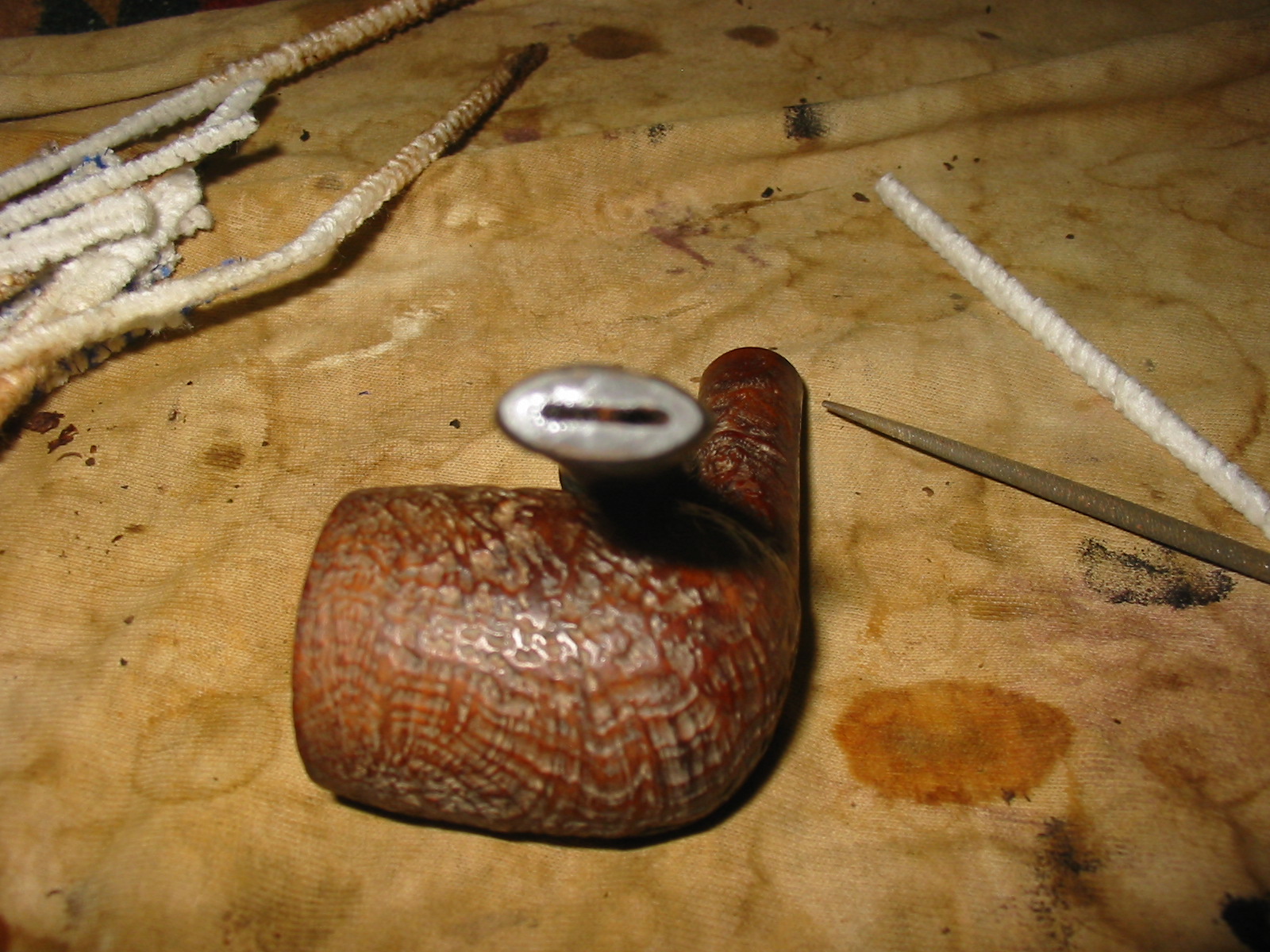
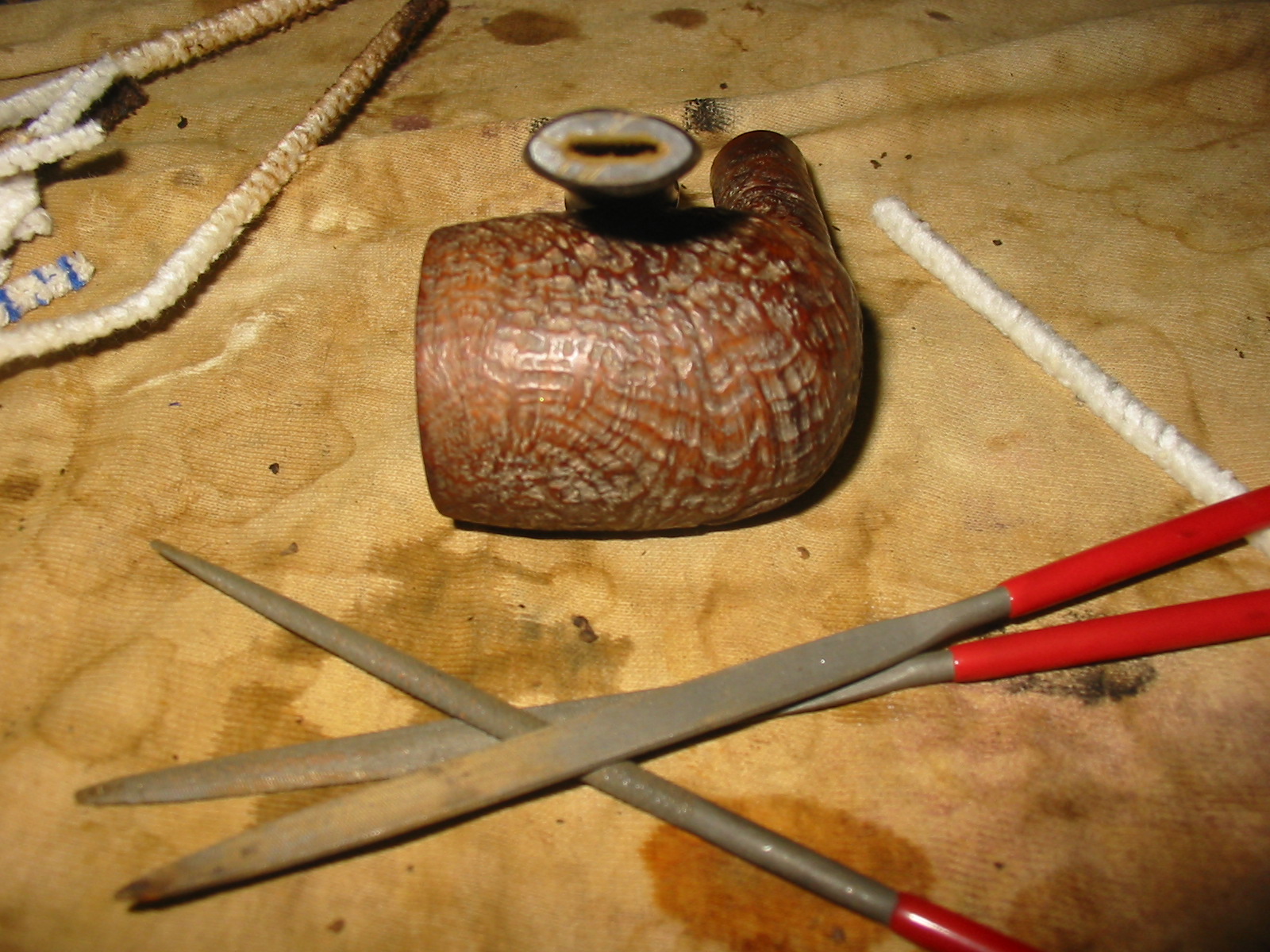
IMG_0791

IMG_0792

IMG_0793

IMG_0794

To finish the reformed slot I used some folded medium grit emery paper and then 340 grit sandpaper to smooth out the new edges and give it a finished look. I also sanded the surface of the button to remove the scratches from the files. Once that was done put the stem back on the pipe and ran a few more pipe cleaners dipped in Everclear through to clean out the airway. The next two photos show the pipe at this stage in the cleanup.

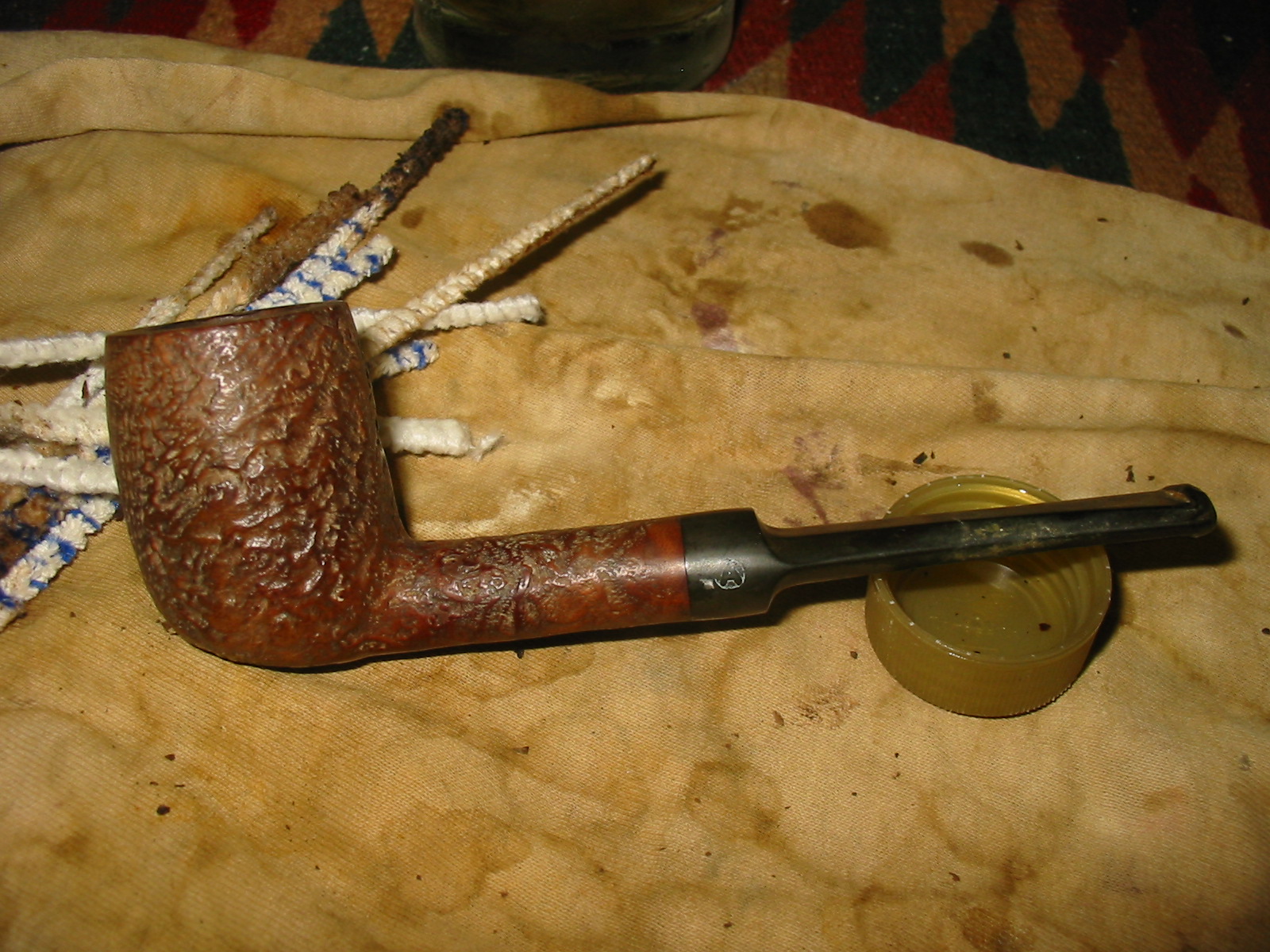
IMG_0784

IMG_0785

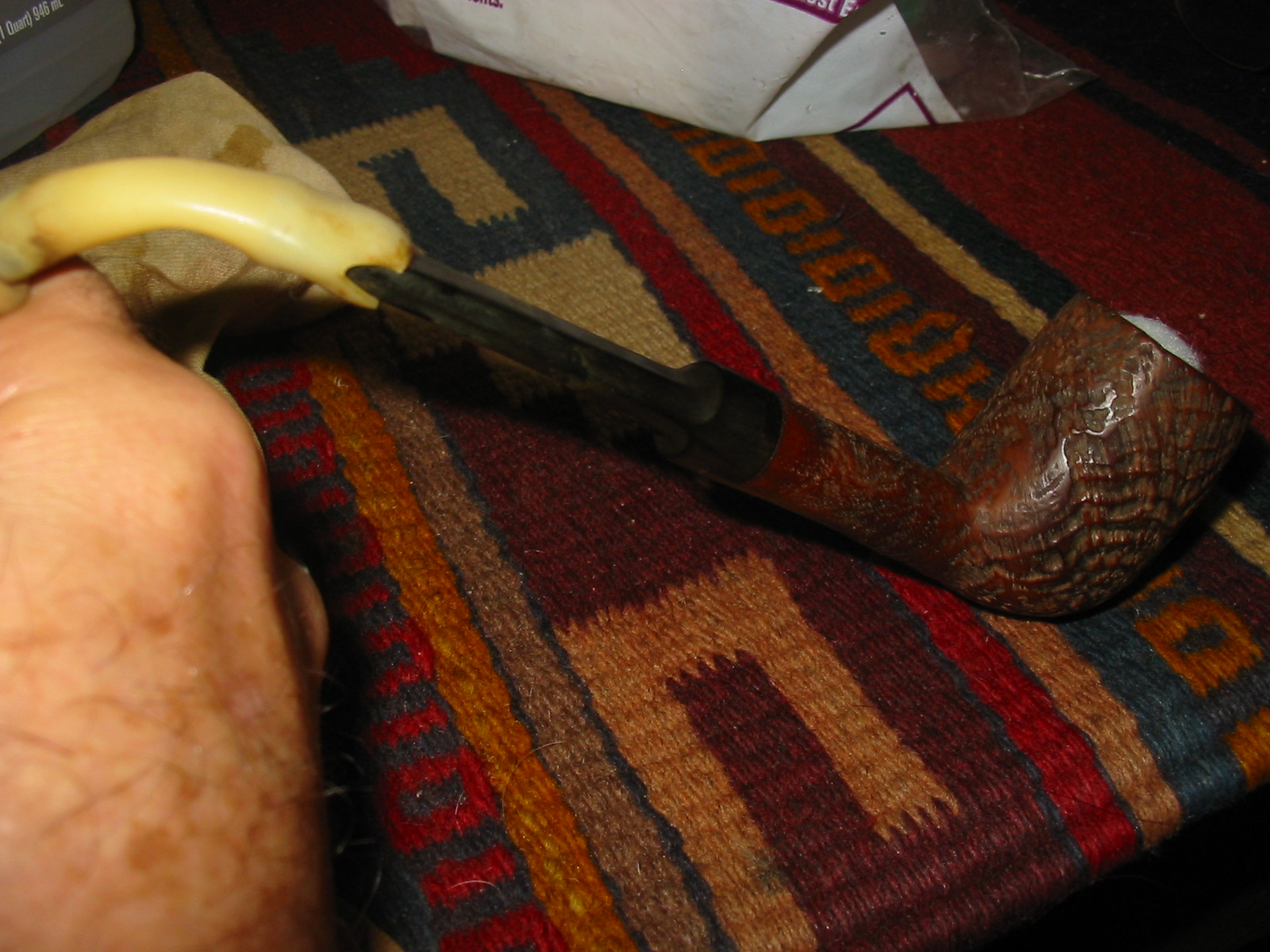
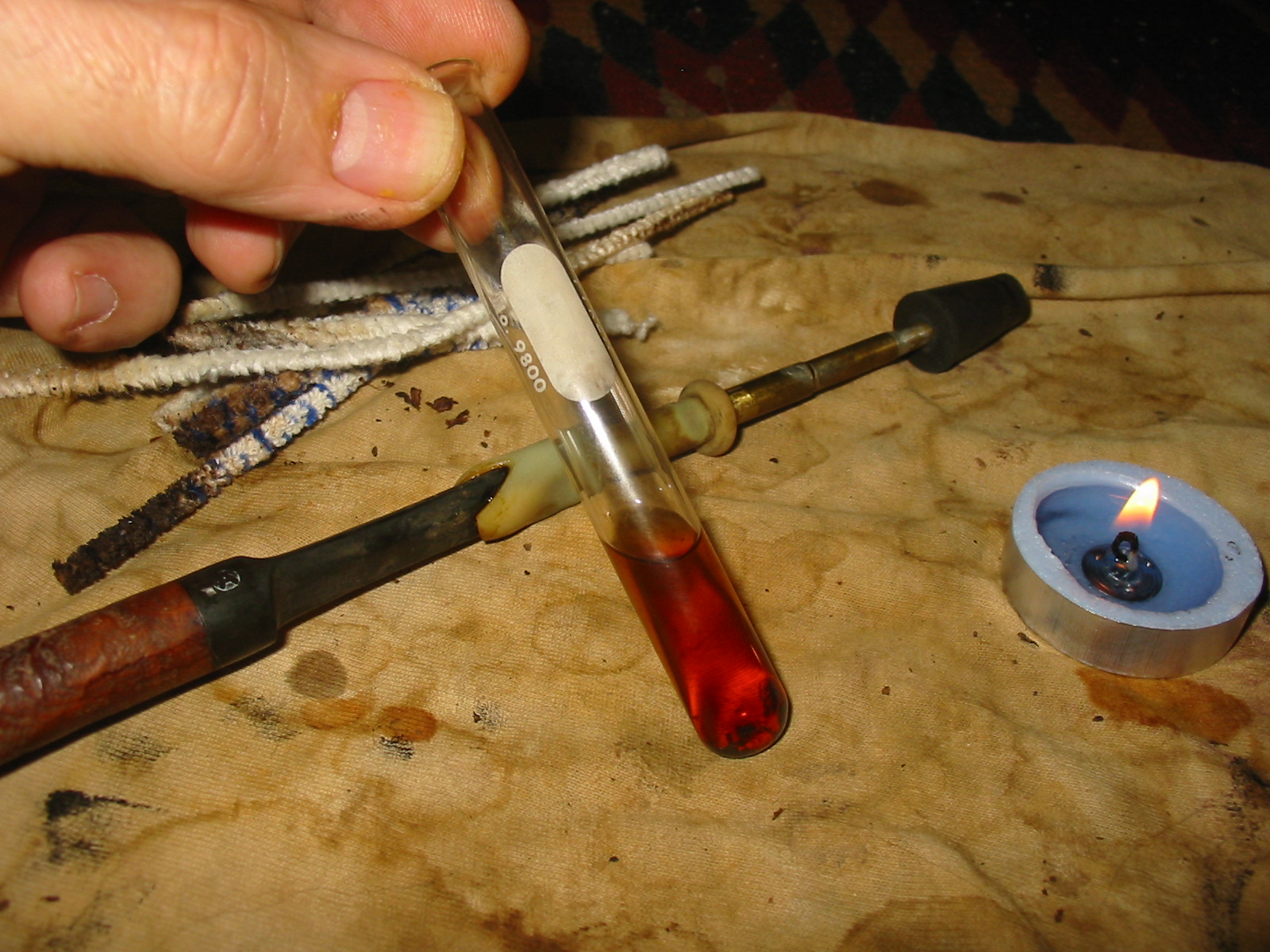
With the slot opened and the interior surface cleaned it was time to set up the retort. I placed a cotton boll in the bowl to keep the boiling alcohol from coming out the top of the bowl. I slid the rubber surgical tubing over the end of the stem and slid it on about ½ an inch. I want a good tight seal at this point because as the alcohol boils it can bubble out the sides of the stem and give a good burn while you are holding the stem. I put about 1 inch of 99% isopropyl in the test tube and put the rubber stopper in place in the mouth of the tube. I lit a small tea light and held the bottom of the test tube over the flame. The alcohol has a low boiling point so it does not take long for it to boil and the gaseous alcohol migrates up the surgical tubing and into the stem, shank and bowl. It is great to feel the shank warm up as the alcohol moves into the shank. I remove it from the flame after several minutes and let it cool off. As the alcohol cools it runs back into the test tube and cools. The next series of three photos show the heating and boiling process.
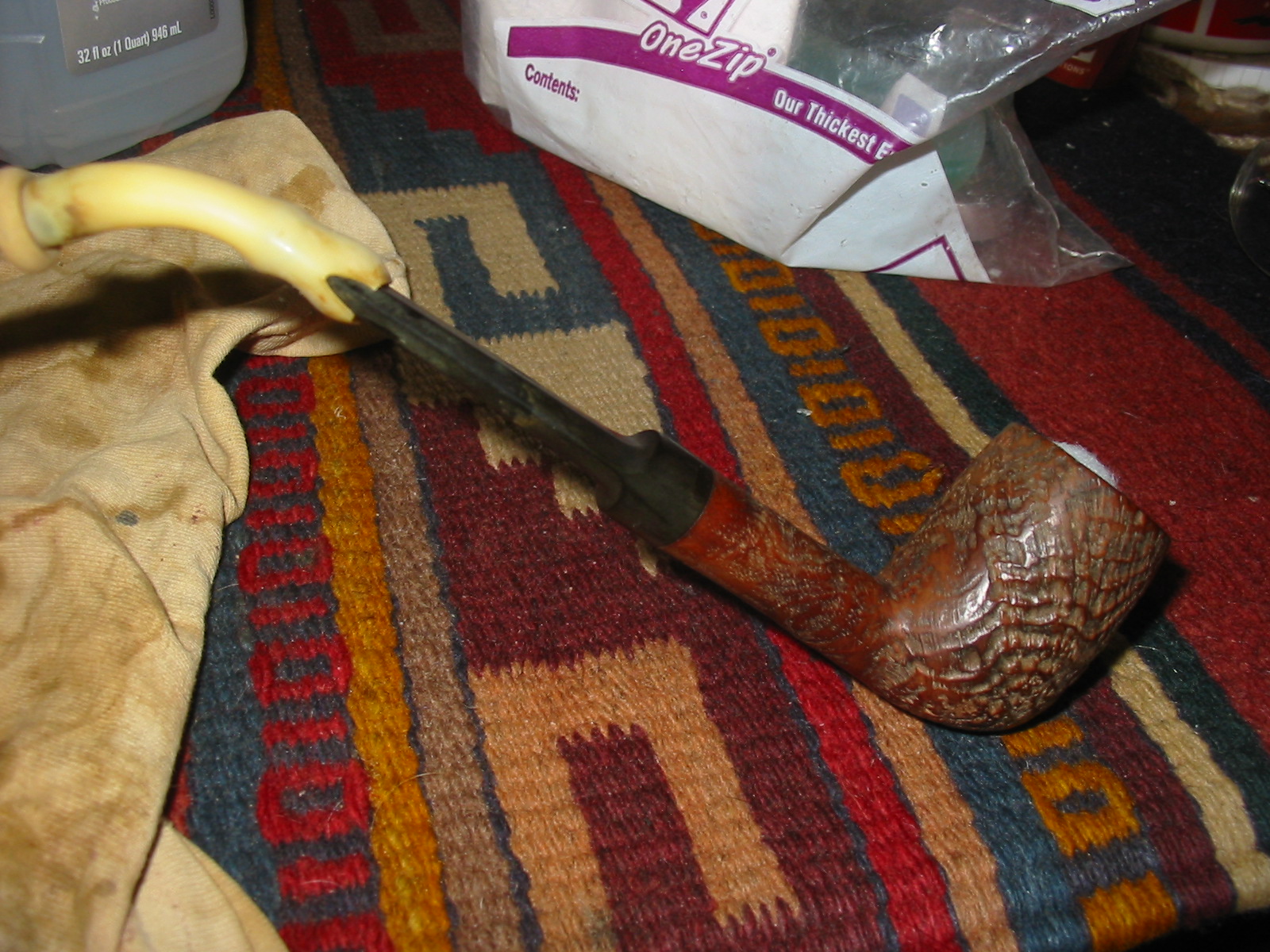
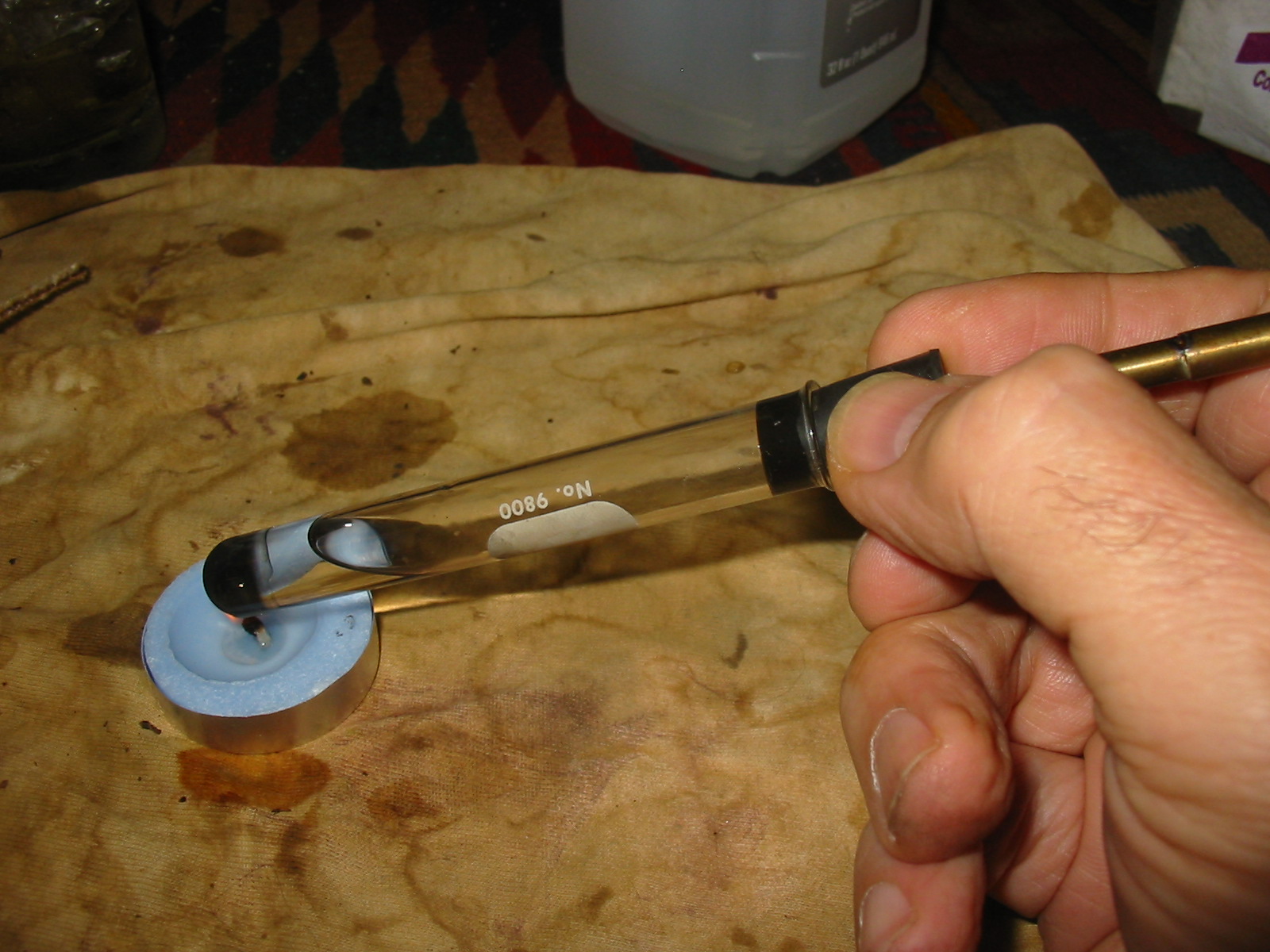
IMG_0786

IMG_0787

IMG_0788

As it cools the alcohol migrates back into the tube. It is generally a very dark amber colour – like nice amber ale! In the first photo below show the tube removed from the flame and the alcohol beginning to refill the tube. The flame is actually behind the stopper not under it – lest anyone wonder about that. I blew out the candle at this point and continued to let the alcohol cool and drain. I then poured out the dirty alcohol, rinsed the tube with warm water, dried it out and refilled it. I reattached the apparatus and used the retort a second and third time until the alcohol came out as clean as when I started using it.
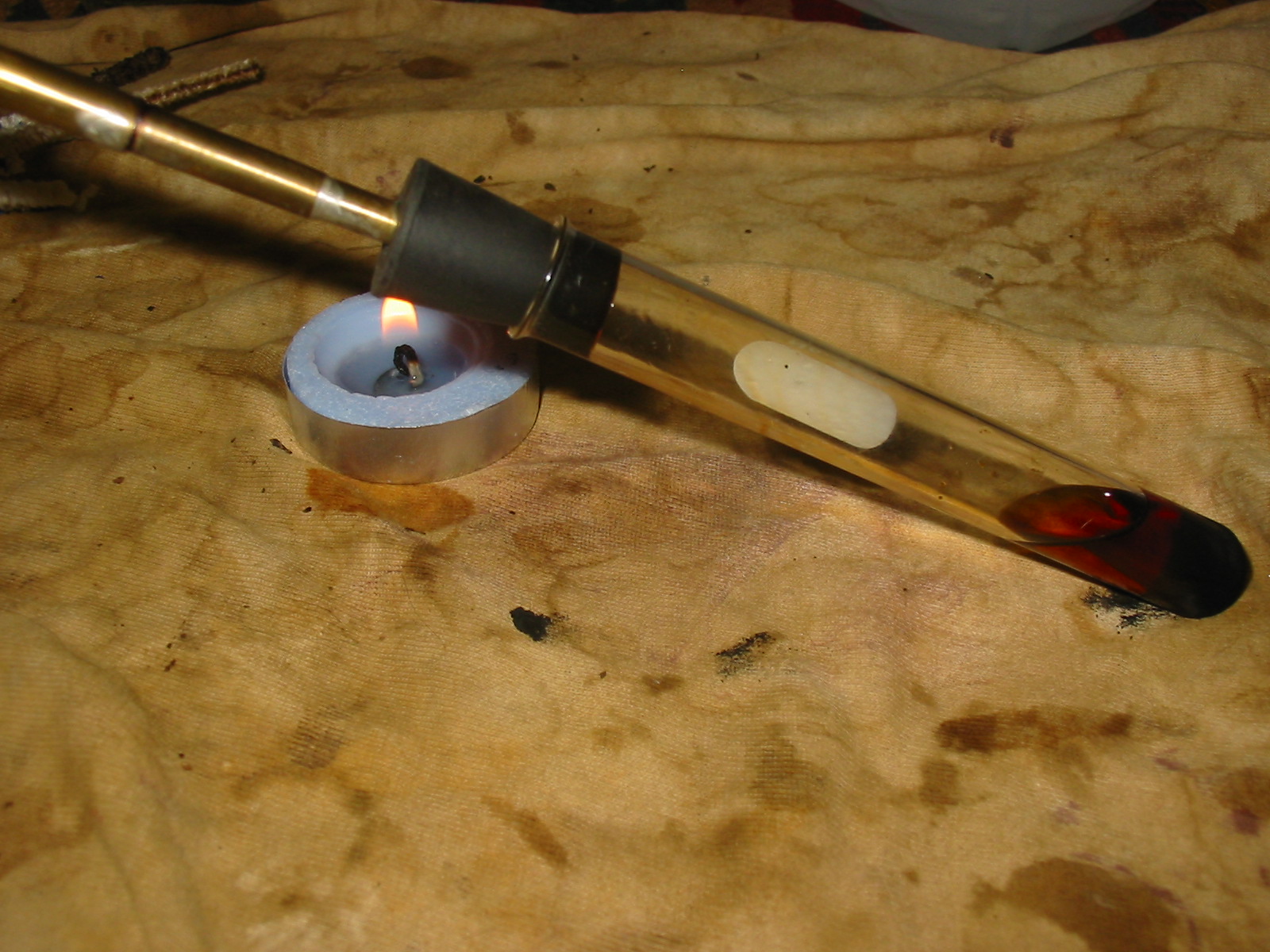
IMG_0789

IMG_0790

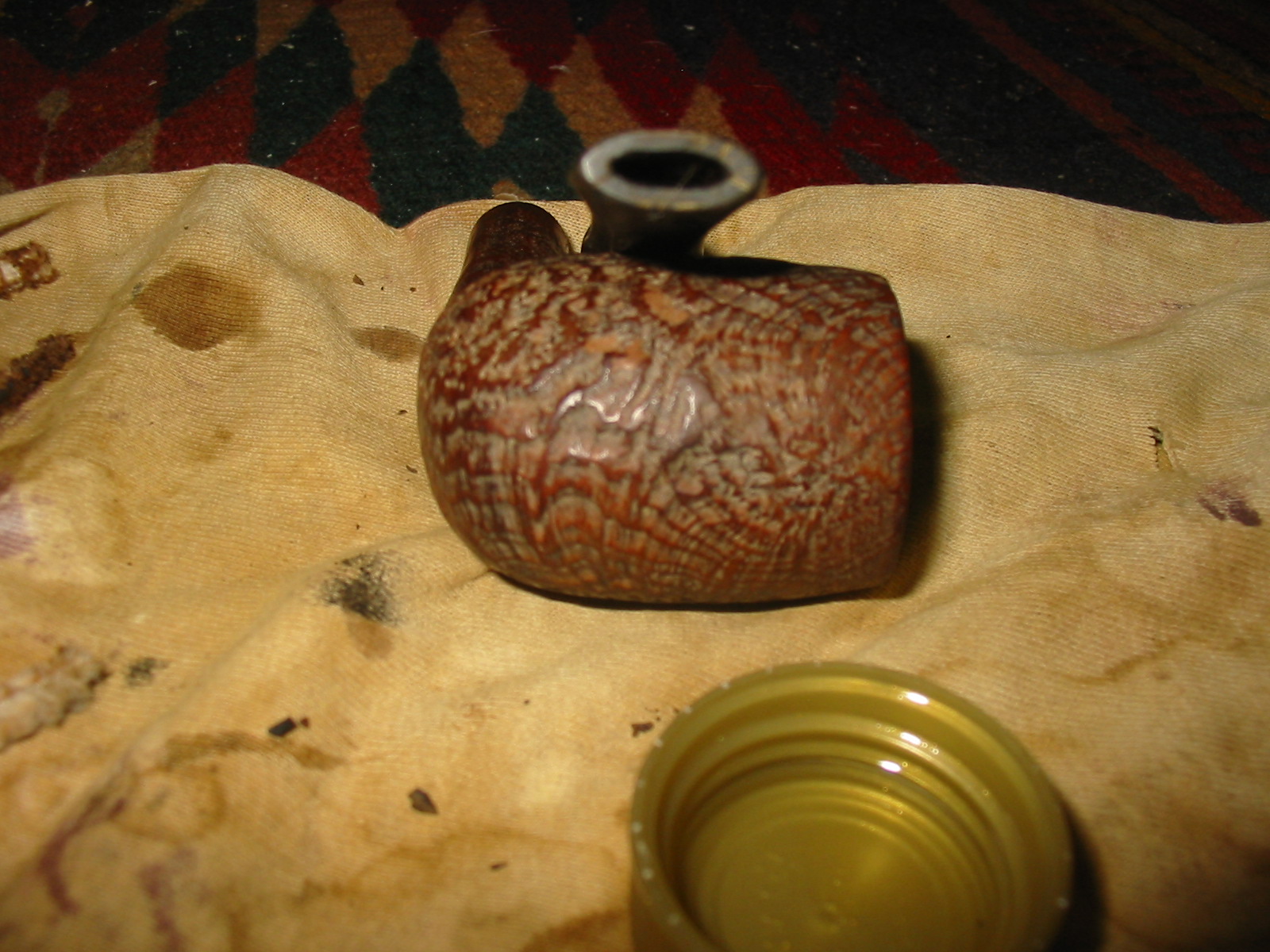
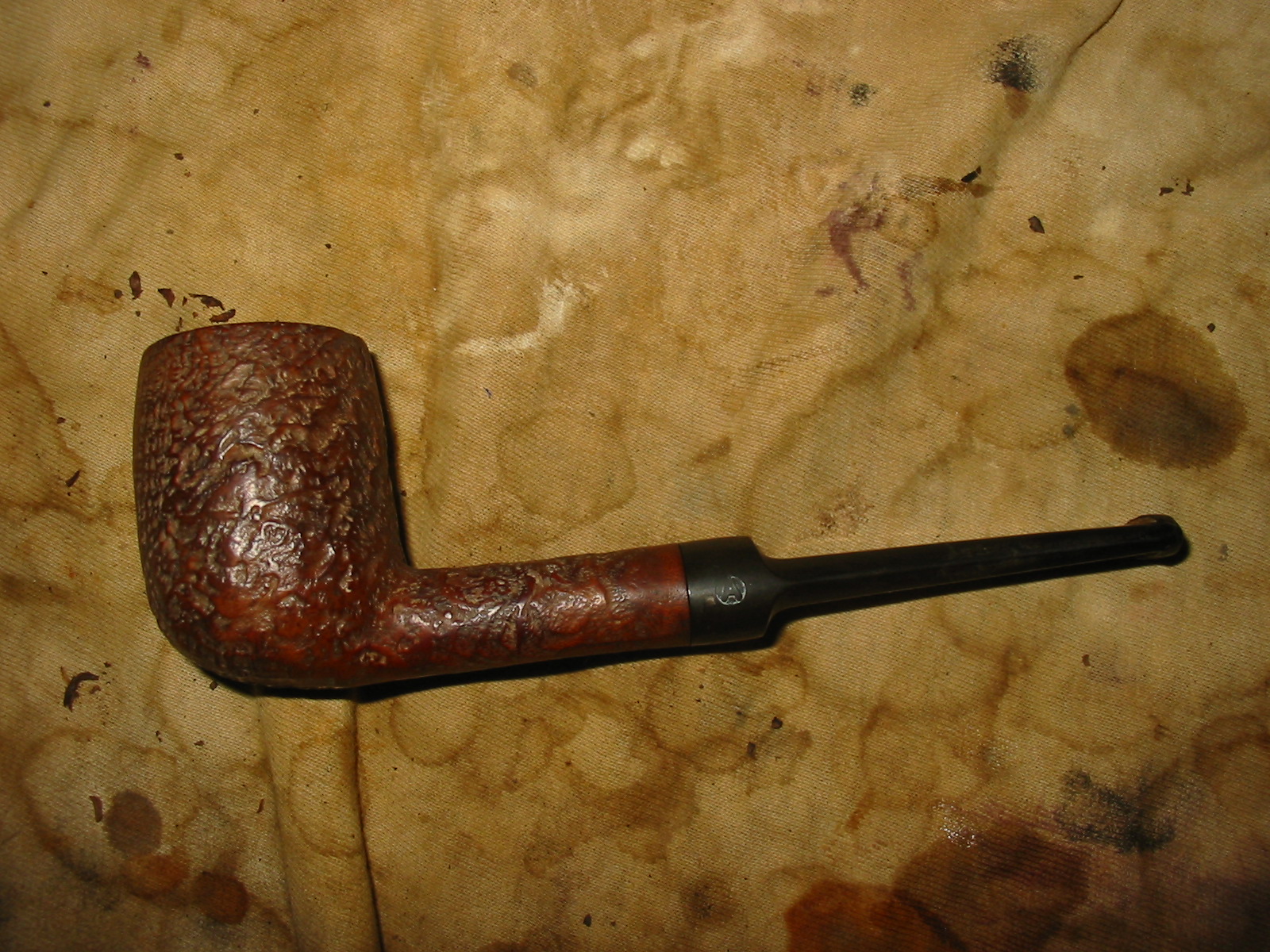
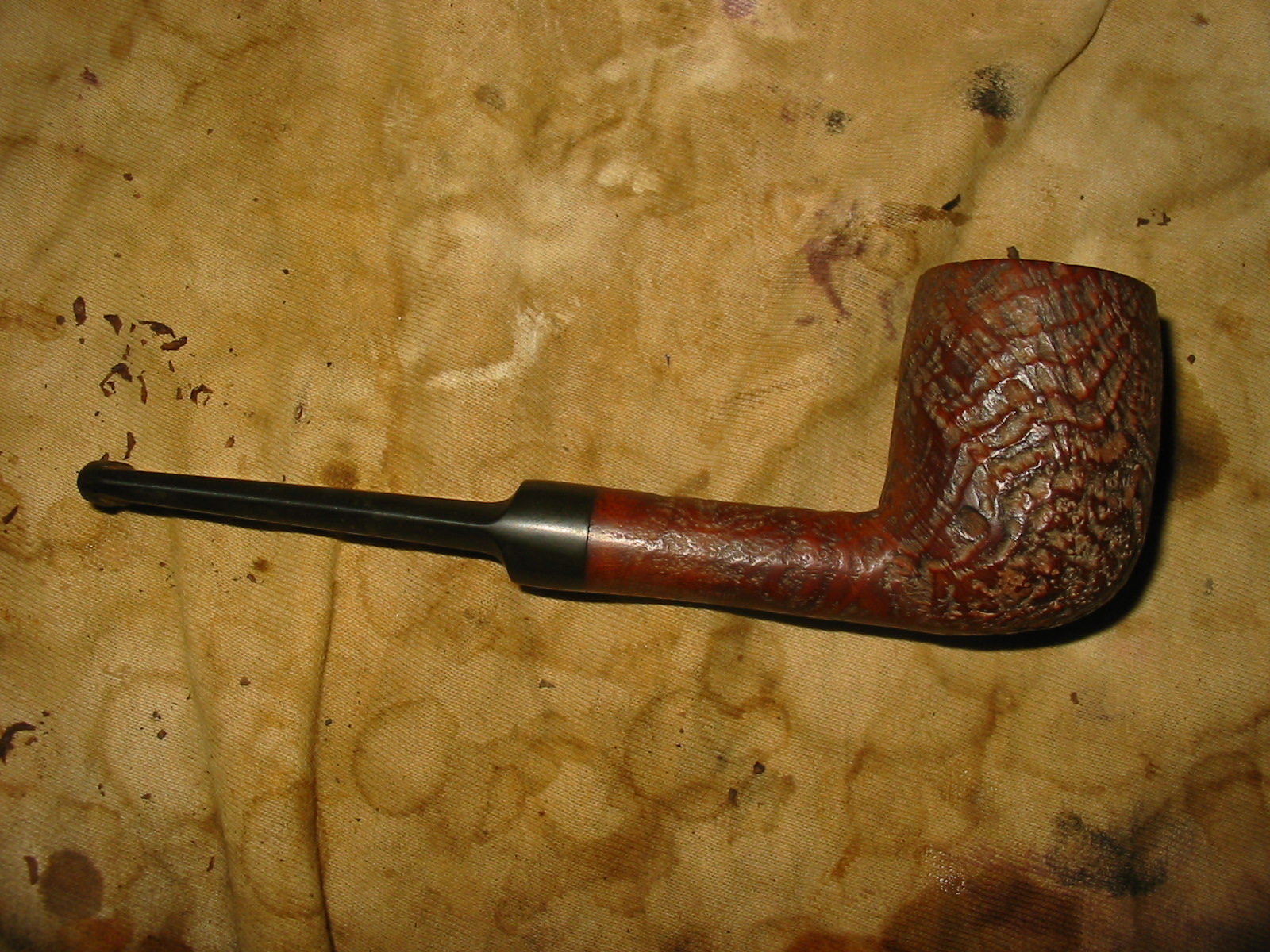
Once the insides were clean I used a soft bristle tooth brush and some isopropyl to scrub down the exterior of the bowl to prepare it for restaining. The next four photos show the scrubbed and prepared bowl.
IMG_0795

IMG_0796

IMG_0797

IMG_0798

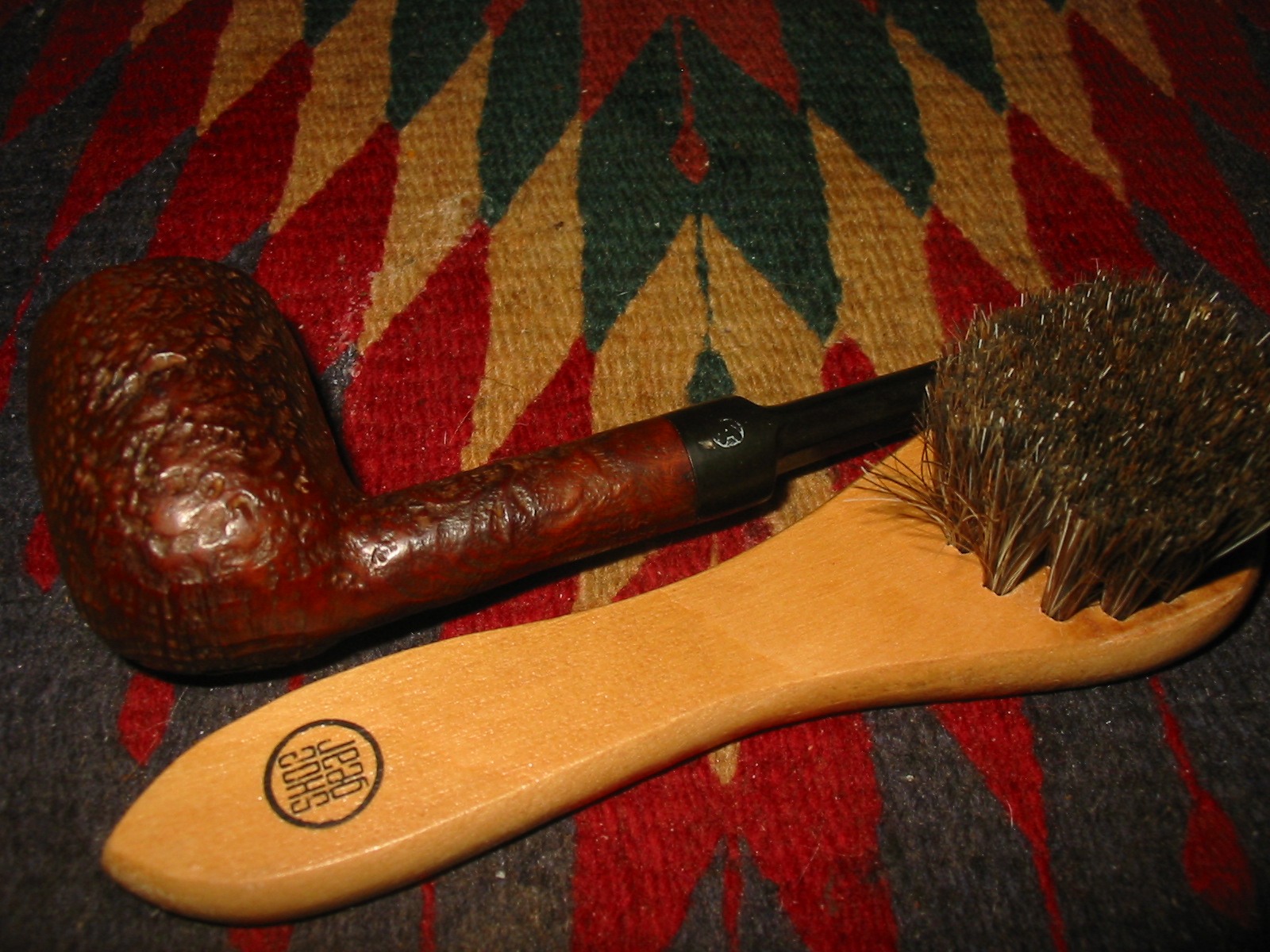
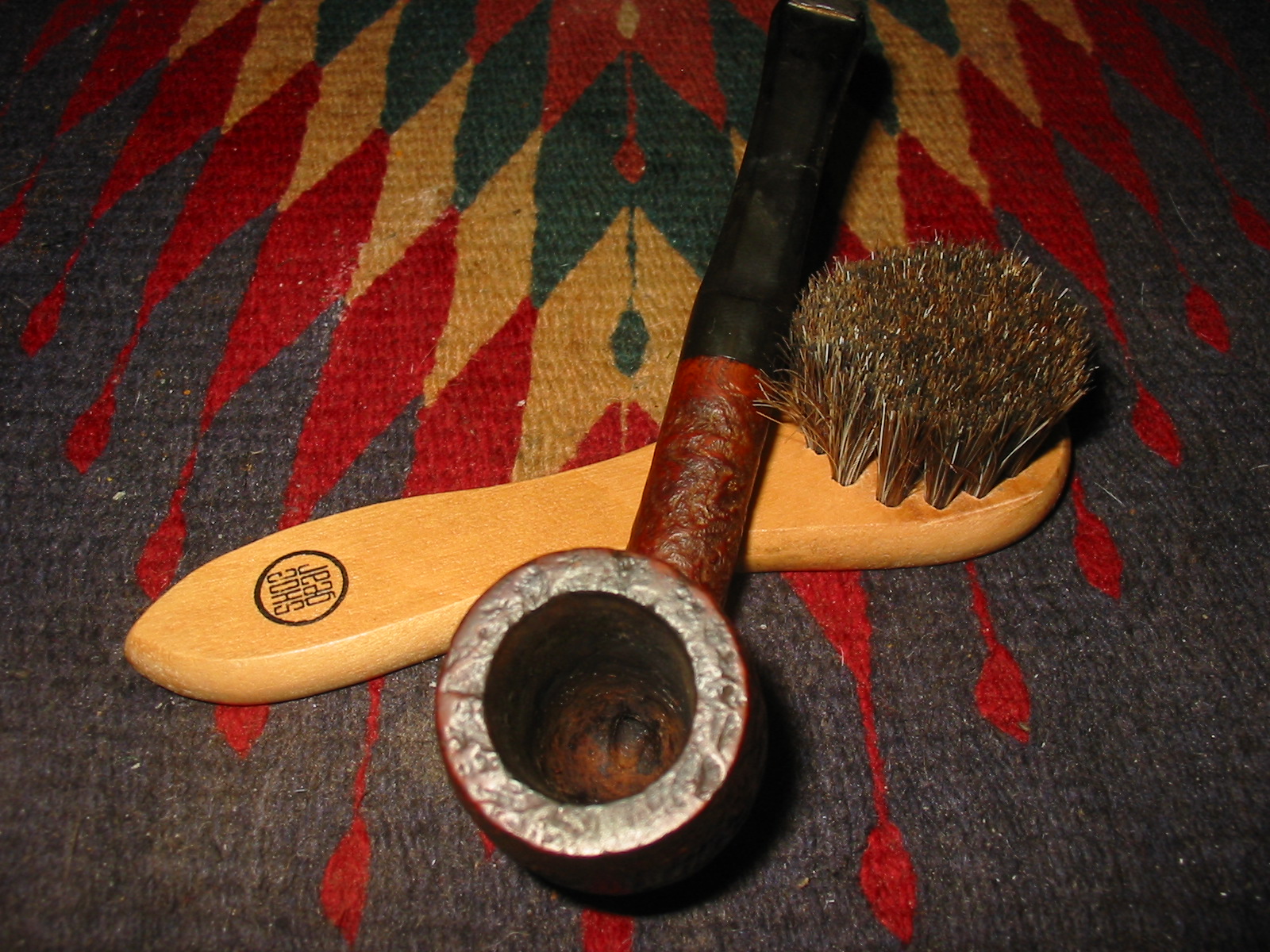
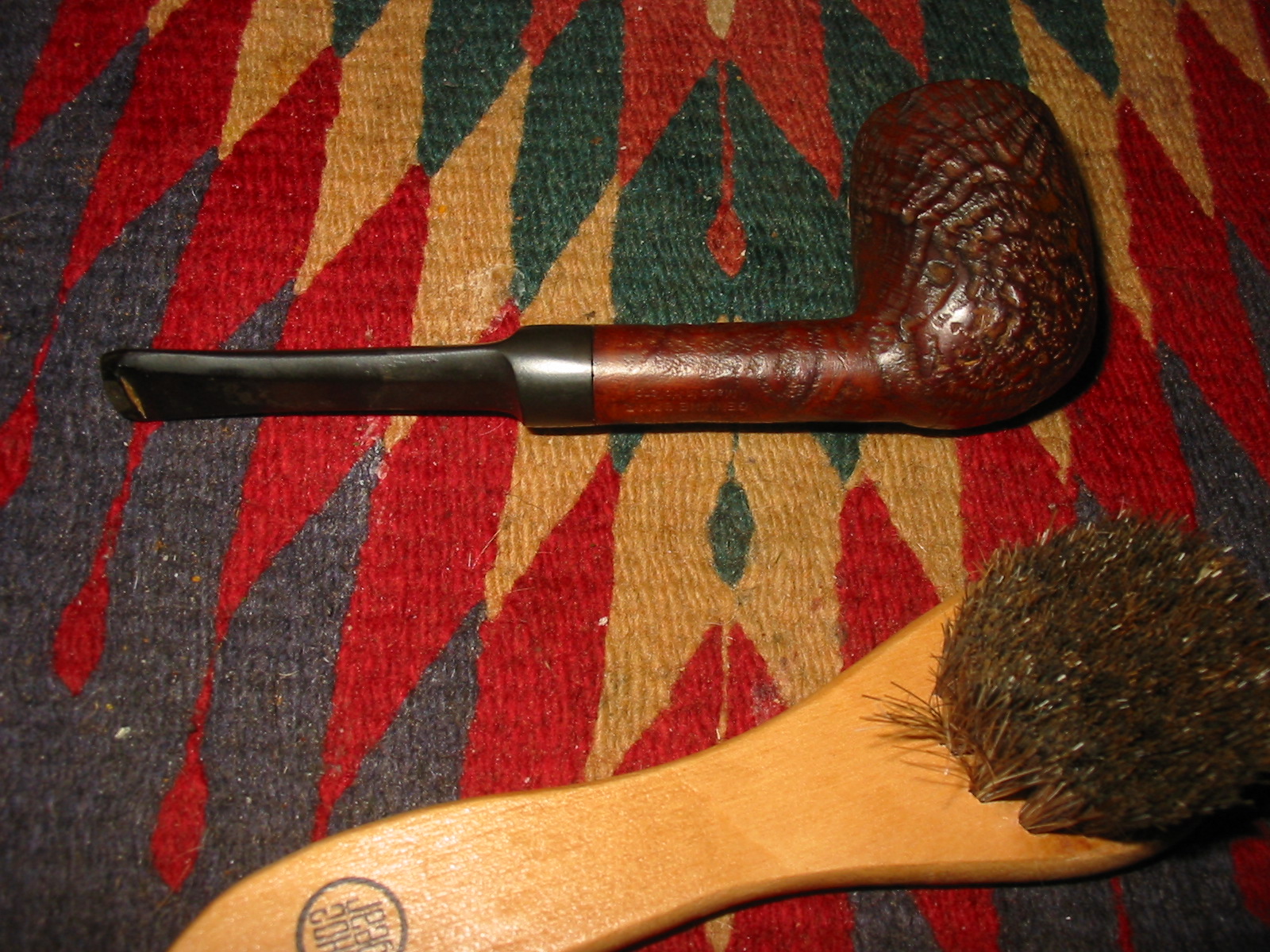
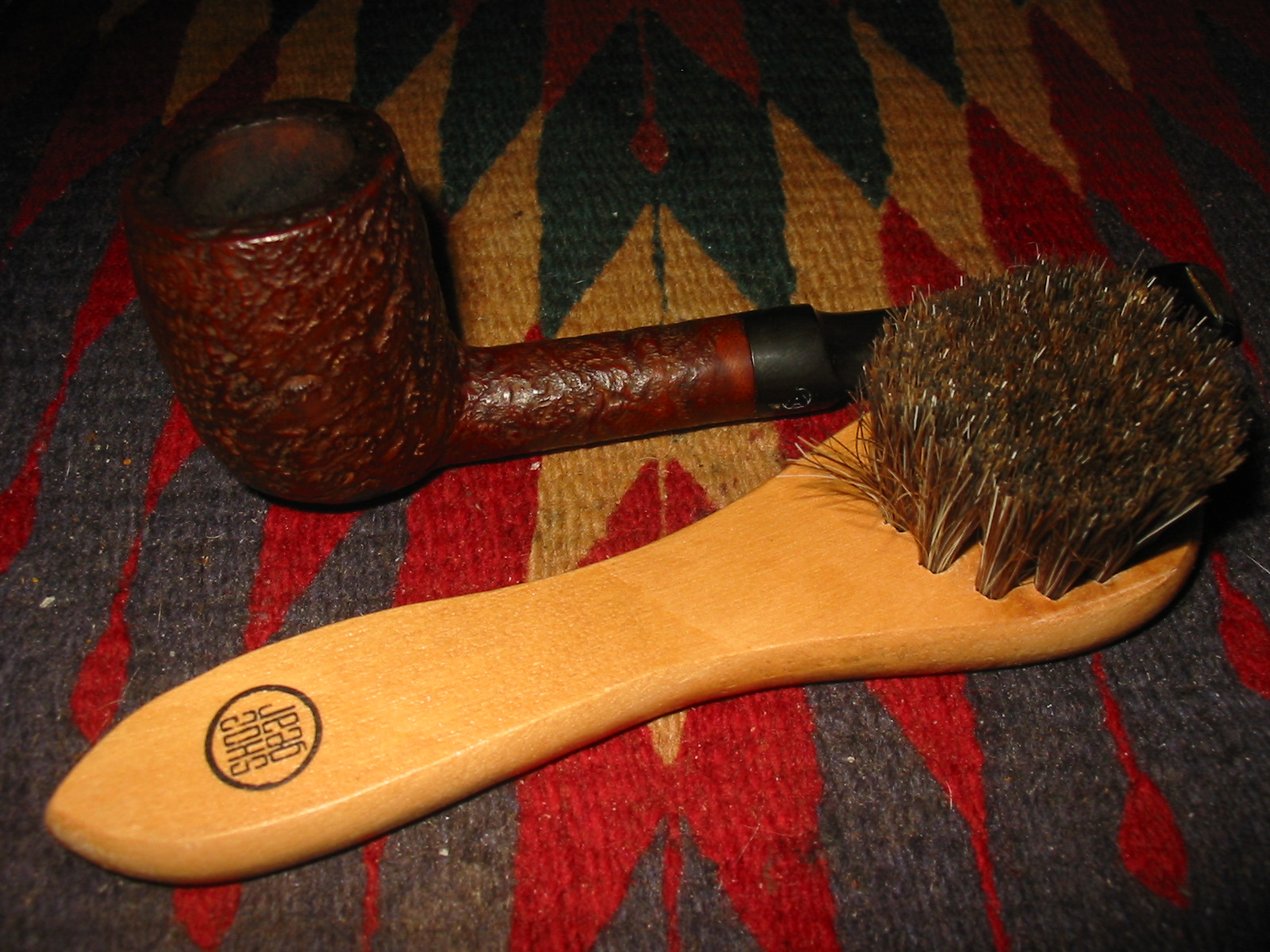
I chose to restain the bowl with a dark brown aniline stain that I thinned 2:1 with isopropyl alcohol. I applied the stain heavily to the pipe with a folded pipe cleaner to make sure I got it into the nooks and crannies of the sandblasted surface. Once it was covered I flamed it with a lighter to set the stain. I gave it a second coat of stain and flamed it a second time. Once it was dry I buffed it with a shoe brush to get a soft shine on it. The next series of four photos show the restained bowl after the buffing with the show brush. I find that the bristles on the shoe brush work really well to buff sand blasted and rusticated pipes. I used to use my buffer and keep a light touch on the wheel because I did not want to soften the ridges of the blast. I have since resorted to using the shoe shine brush instead.
IMG_0799

IMG_0800

IMG_0801

IMG_0802

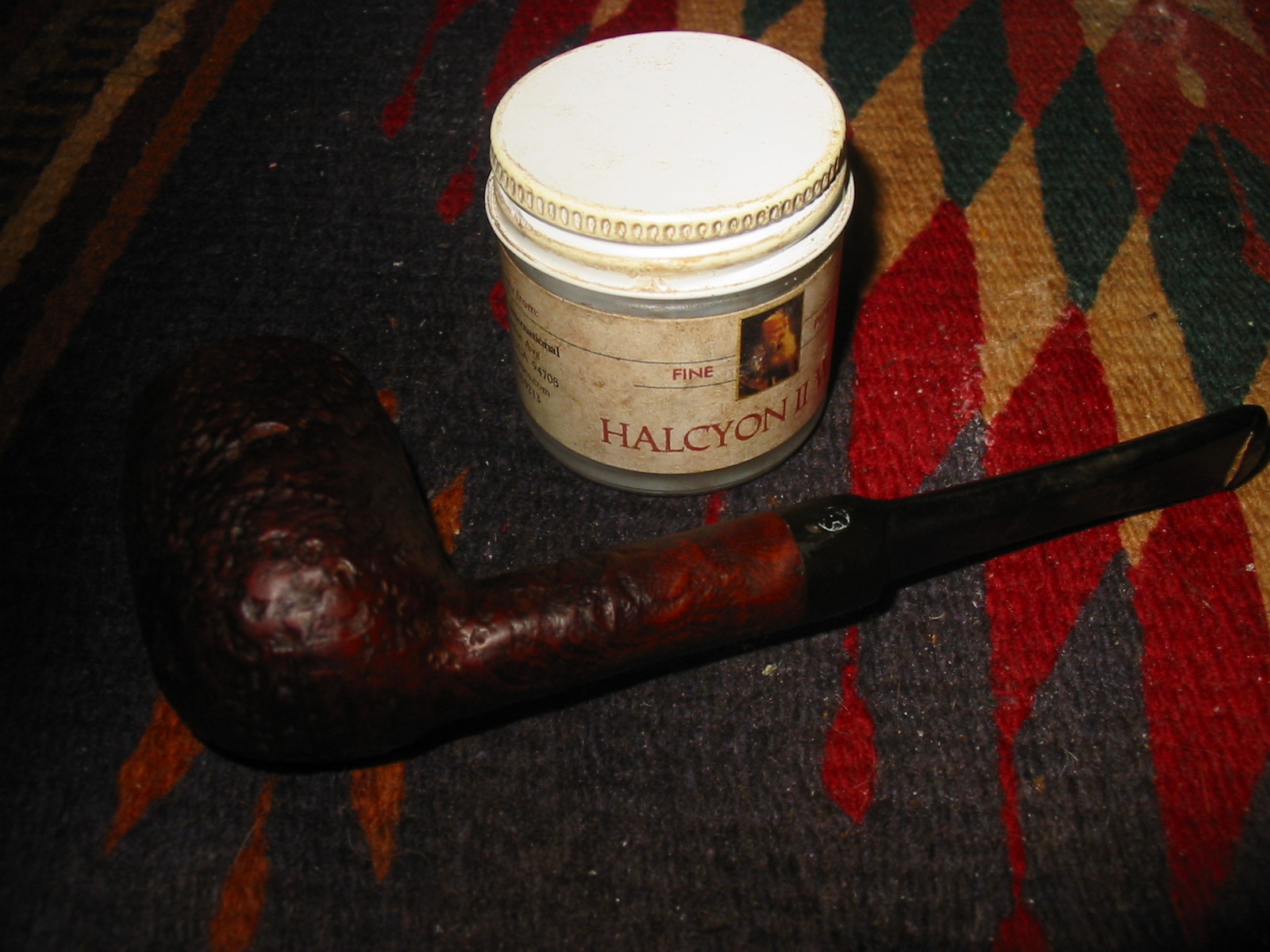
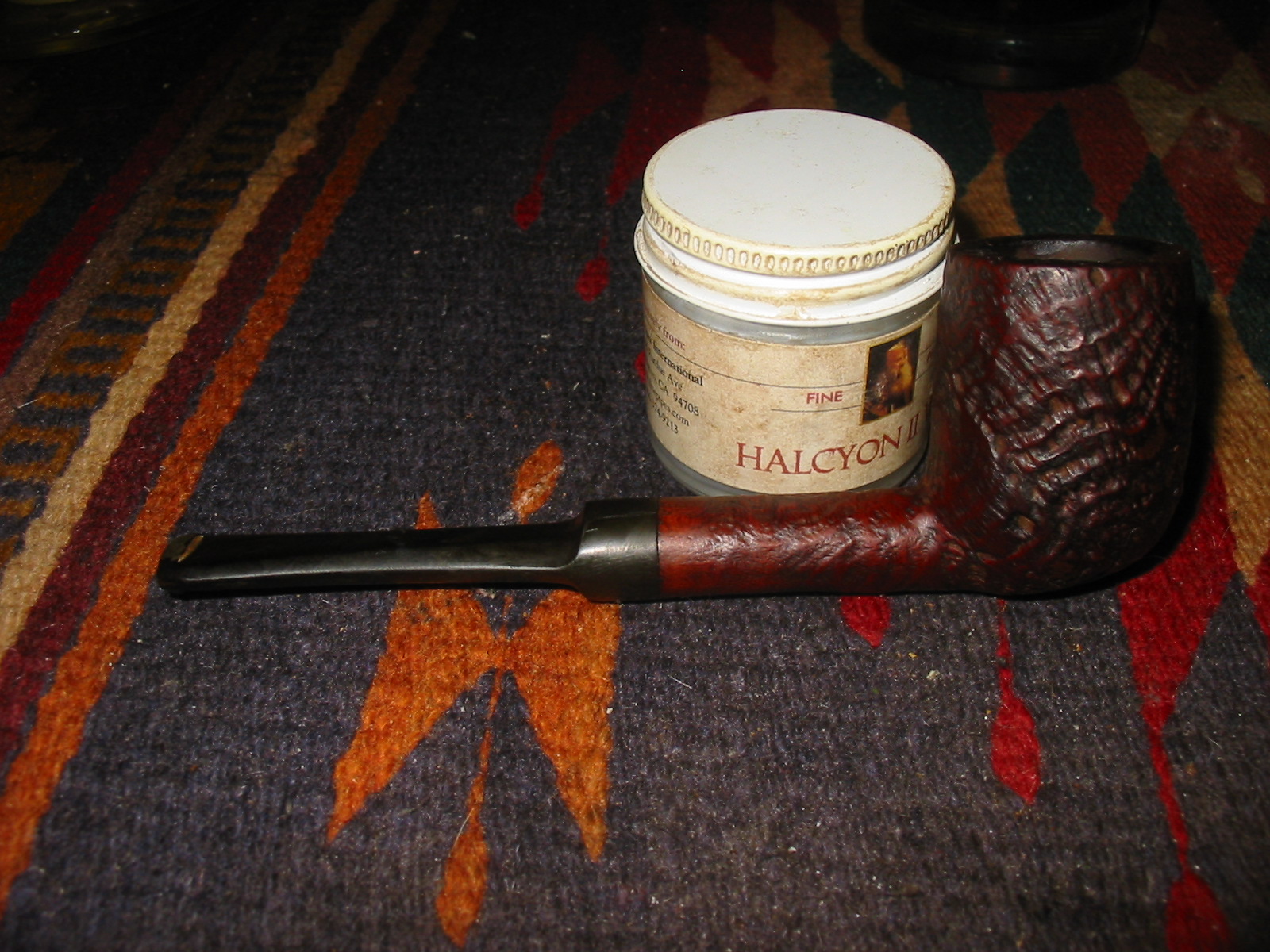
I hand applied some Halcyon II wax to the bowl and shank and buffed it a second time with the shoe brush to give it a shine. The next series of six photos show the bowl and shank during and after the shine with Halcyon II and the shoe brush buffing.
IMG_0803

IMG_0804

IMG_0805

IMG_0806

IMG_0807

IMG_0808

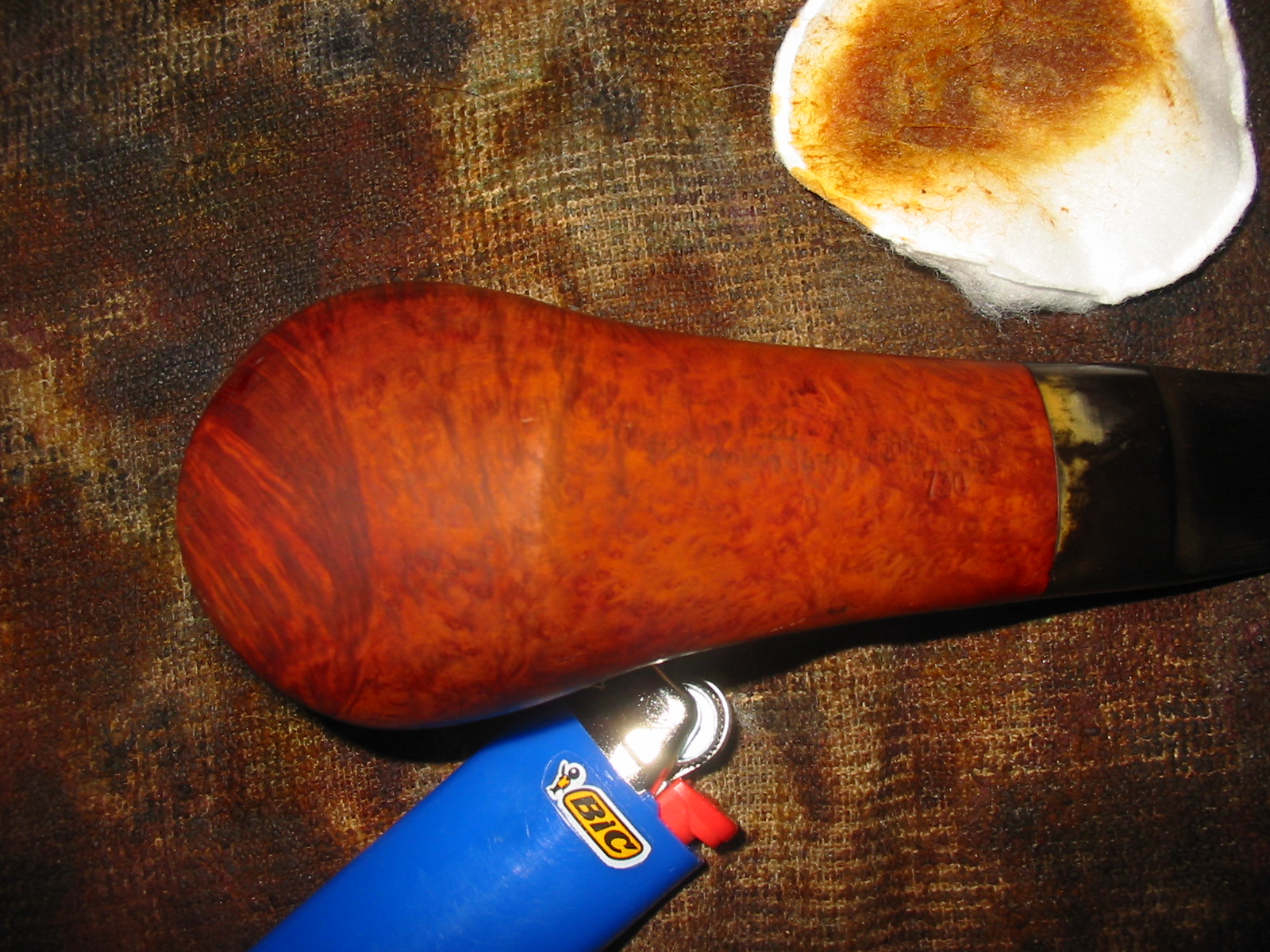
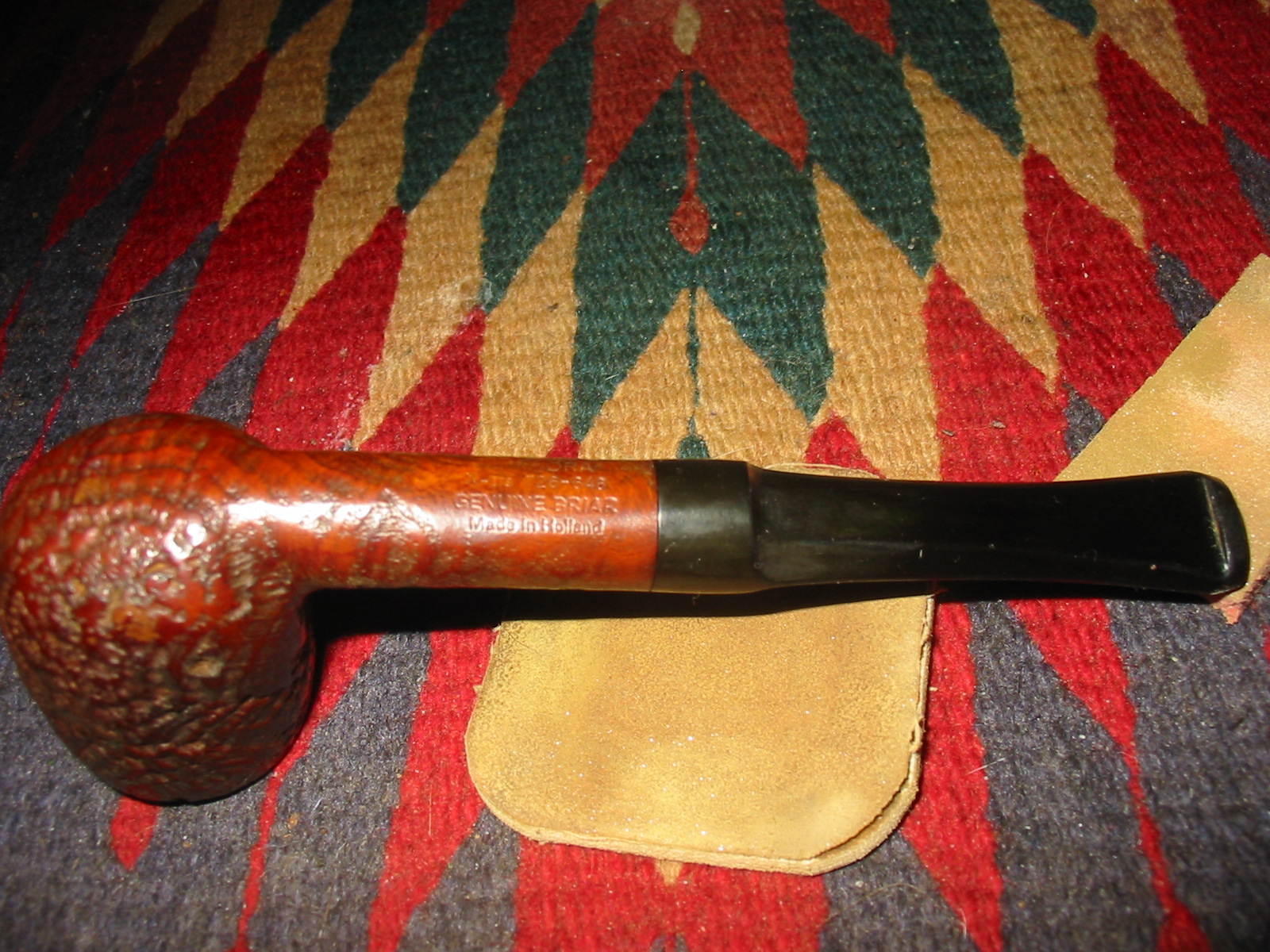
After finishing the bowl it was time to work on the stem. I sanded the blade area where the tooth marks were to cause them to stand out a bit more clearly. I used a fine grit sanding sponge first. I then heated the slight tooth dents with a Bic lighter to lift them. I find that this works very well for light dents in vulcanite. I do not leave the flame in one place but move it quickly across the surface of the dent and it literally lifts with the heat. I then wet sanded the stem with 1500-2400 grit micromesh sanding pads and followed that by dry sanding with 3200 and 3600 grit micromesh pads. The next series of eight photos gives you a look at the progress of the sanding.
IMG_0811

IMG_0816

IMG_0812

IMG_0813

IMG_0809

IMG_0814

IMG_0810

IMG_0815

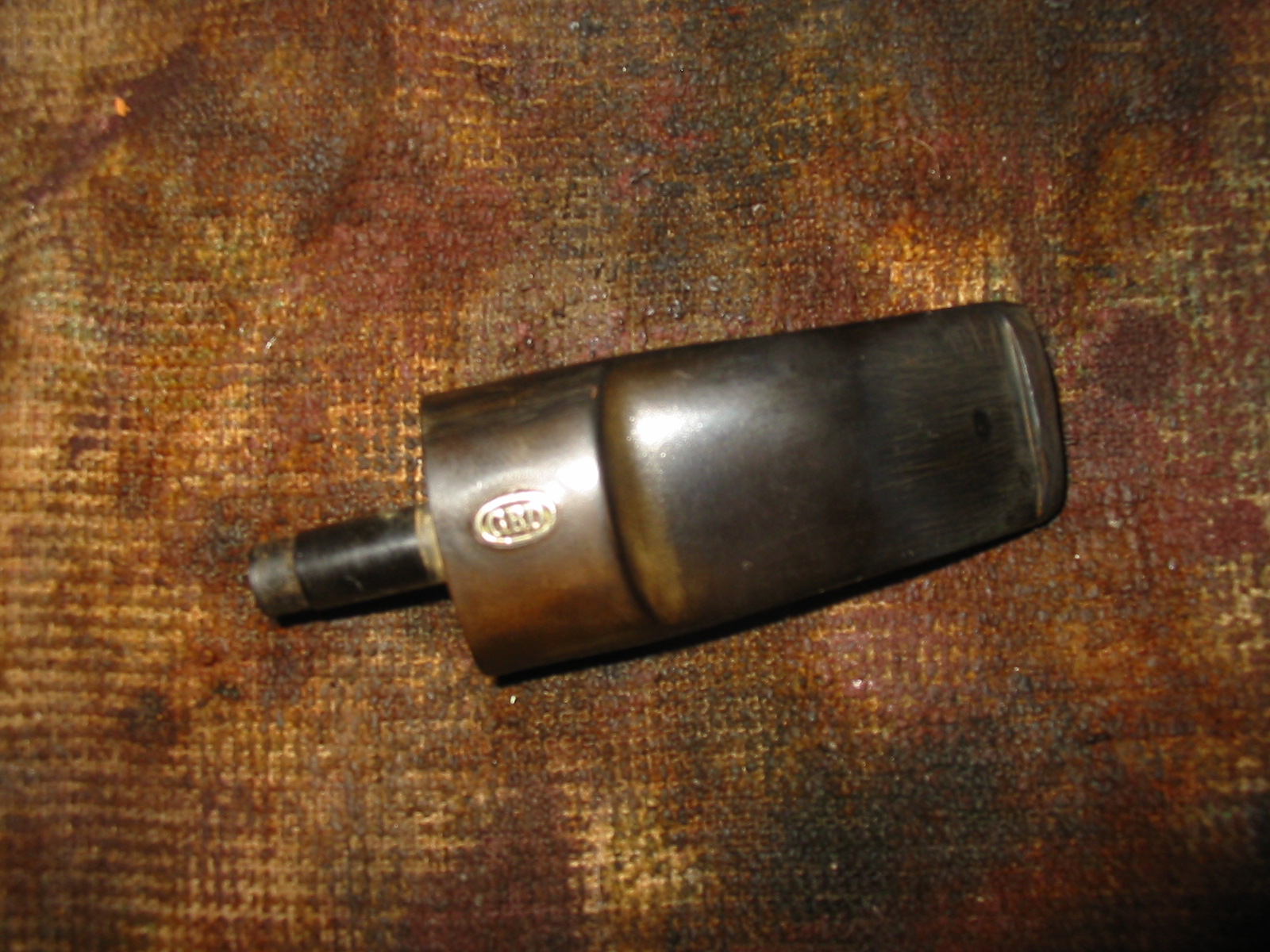
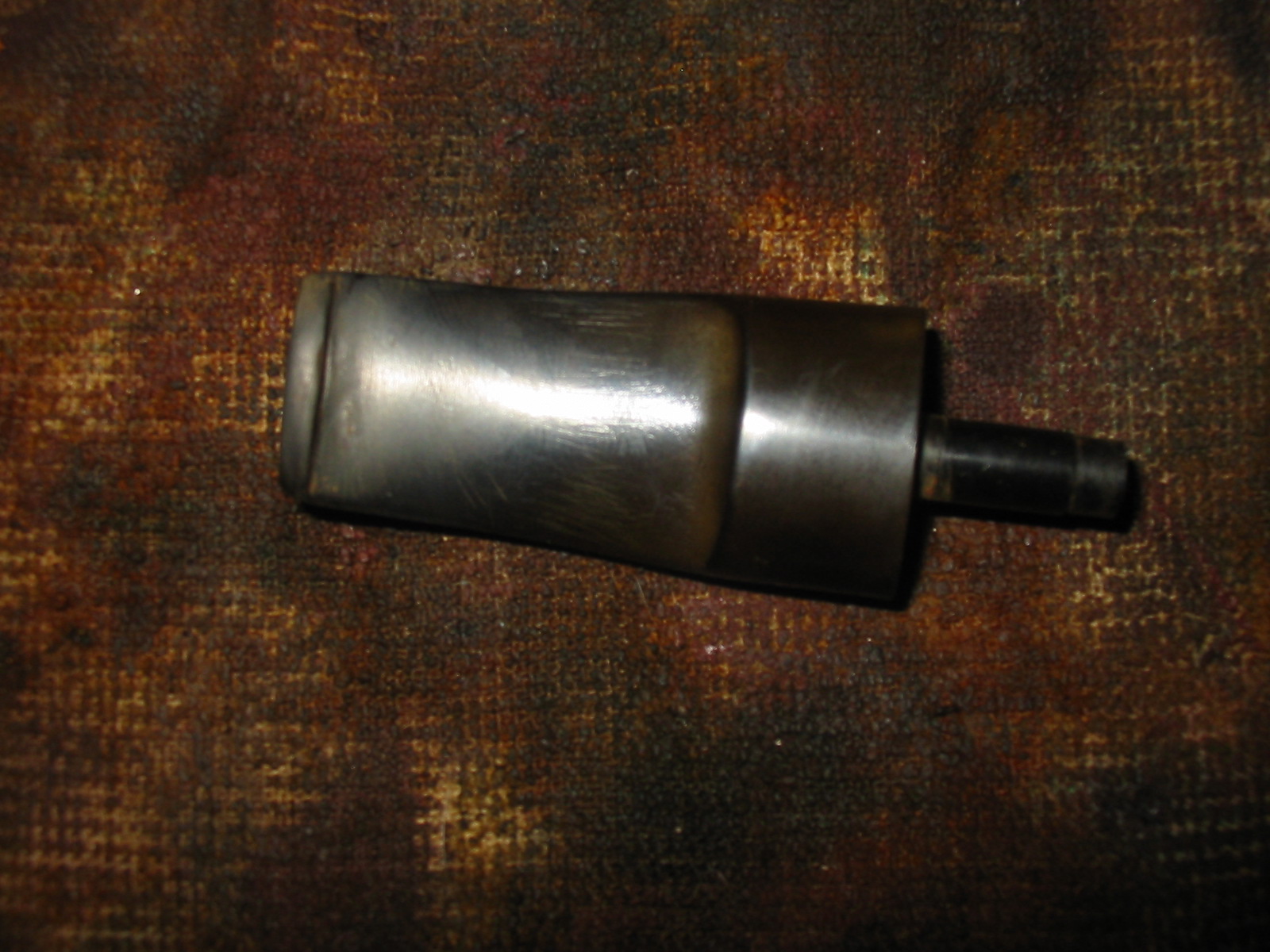
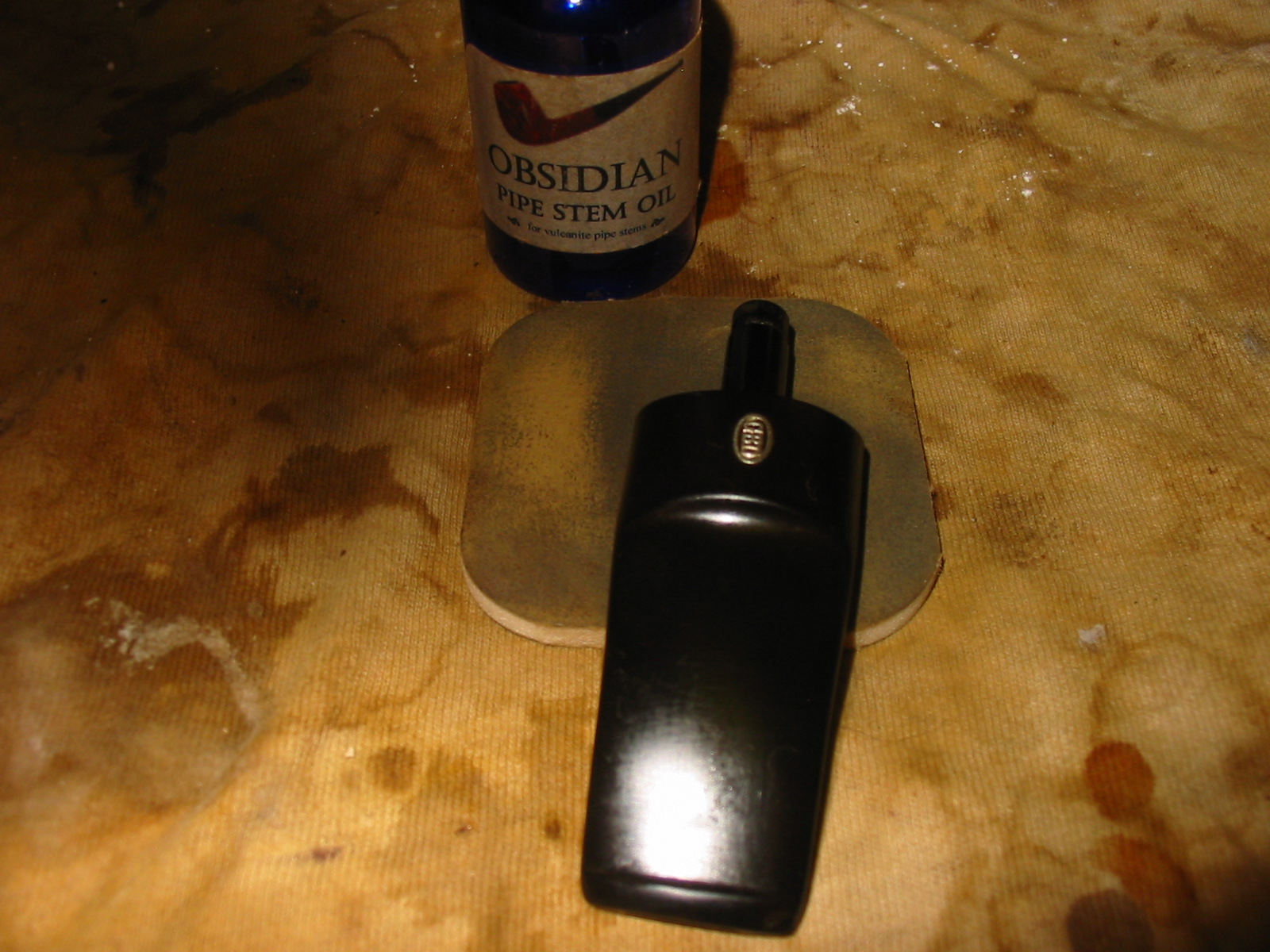
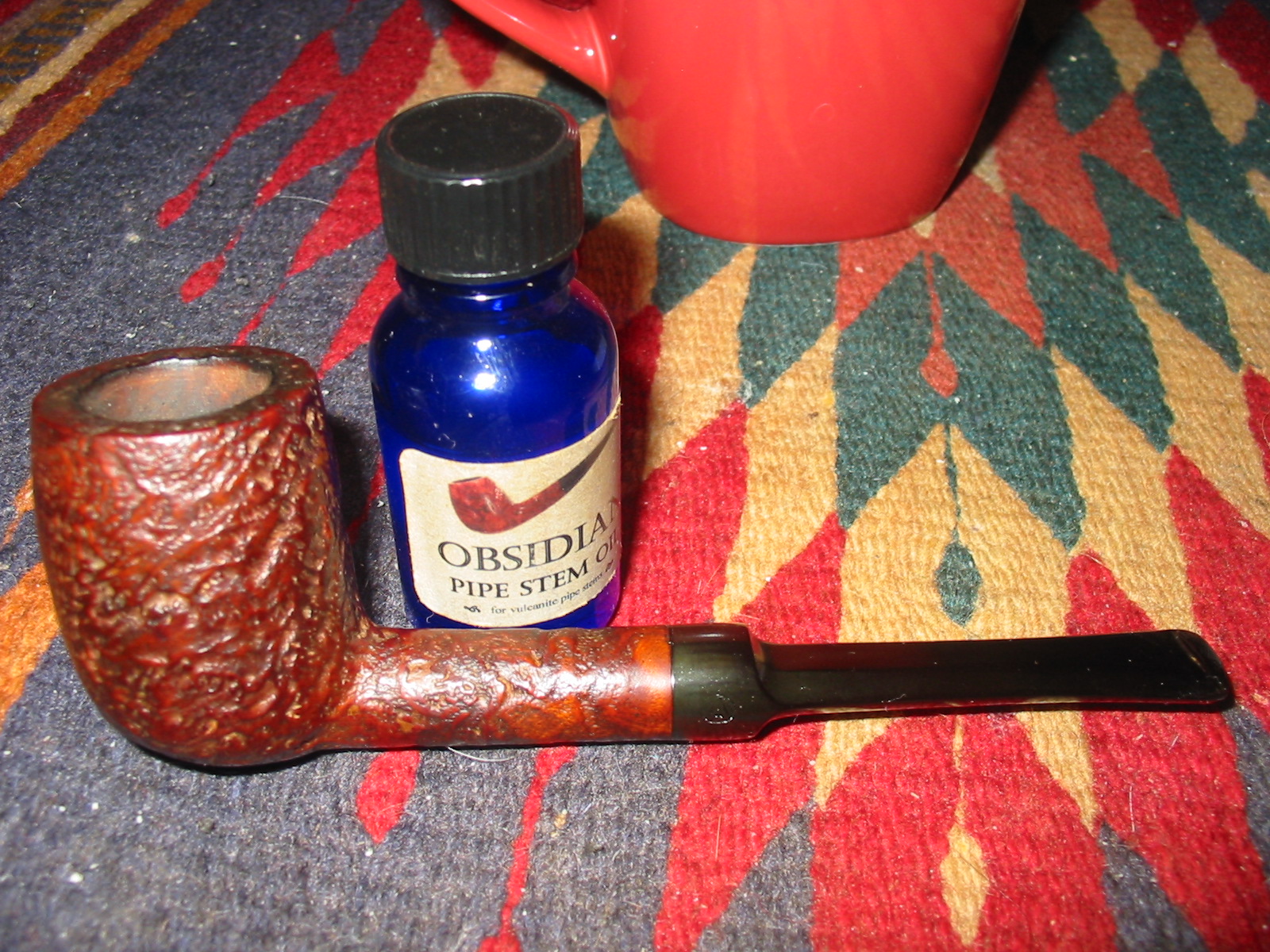
At this point in the process I wiped down the stem with Obsidian Oil and rubbed it into the vulcanite. I wanted to see where the remaining oxidation was so that I could do some more work on those areas.
IMG_0817

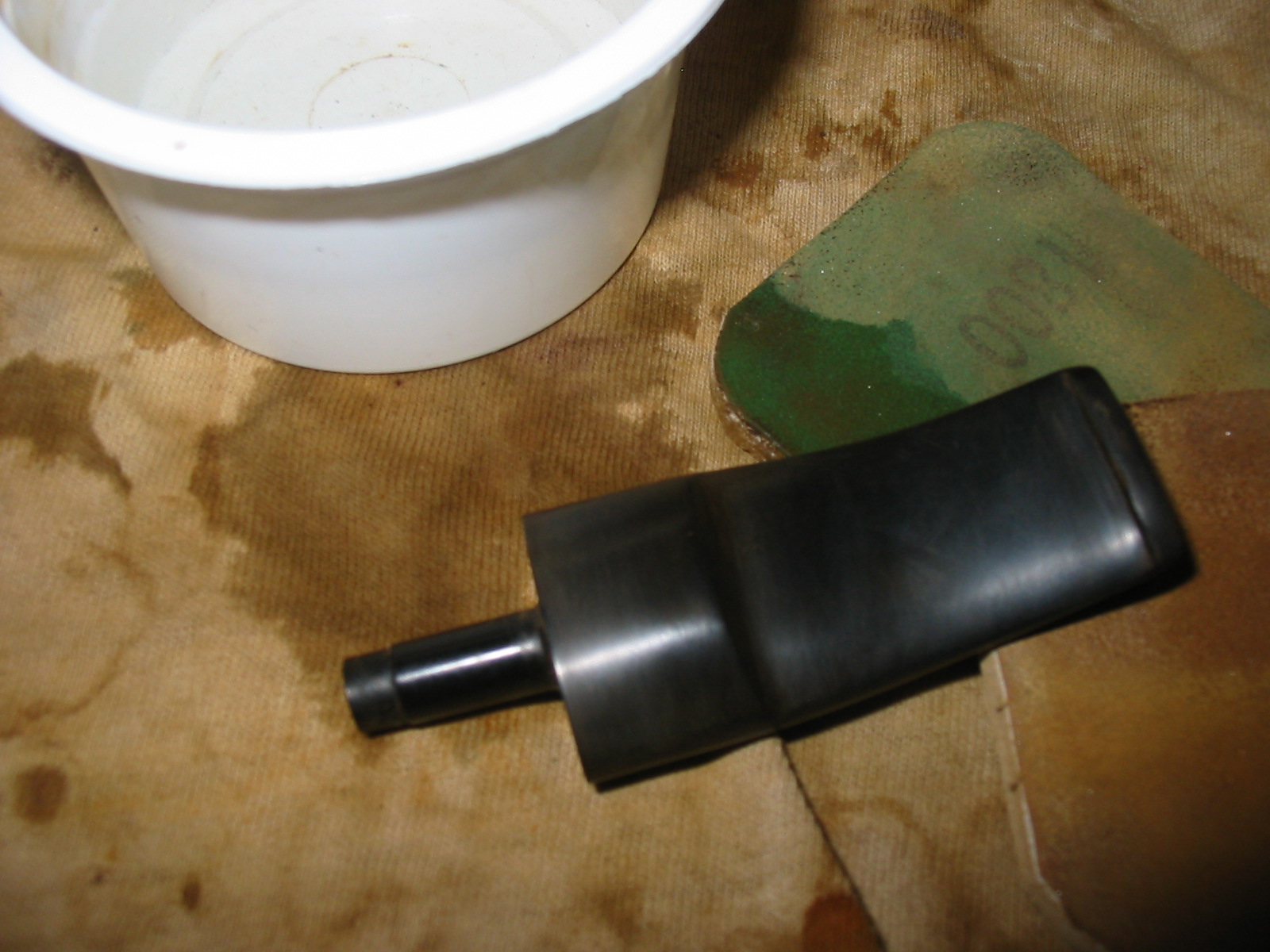
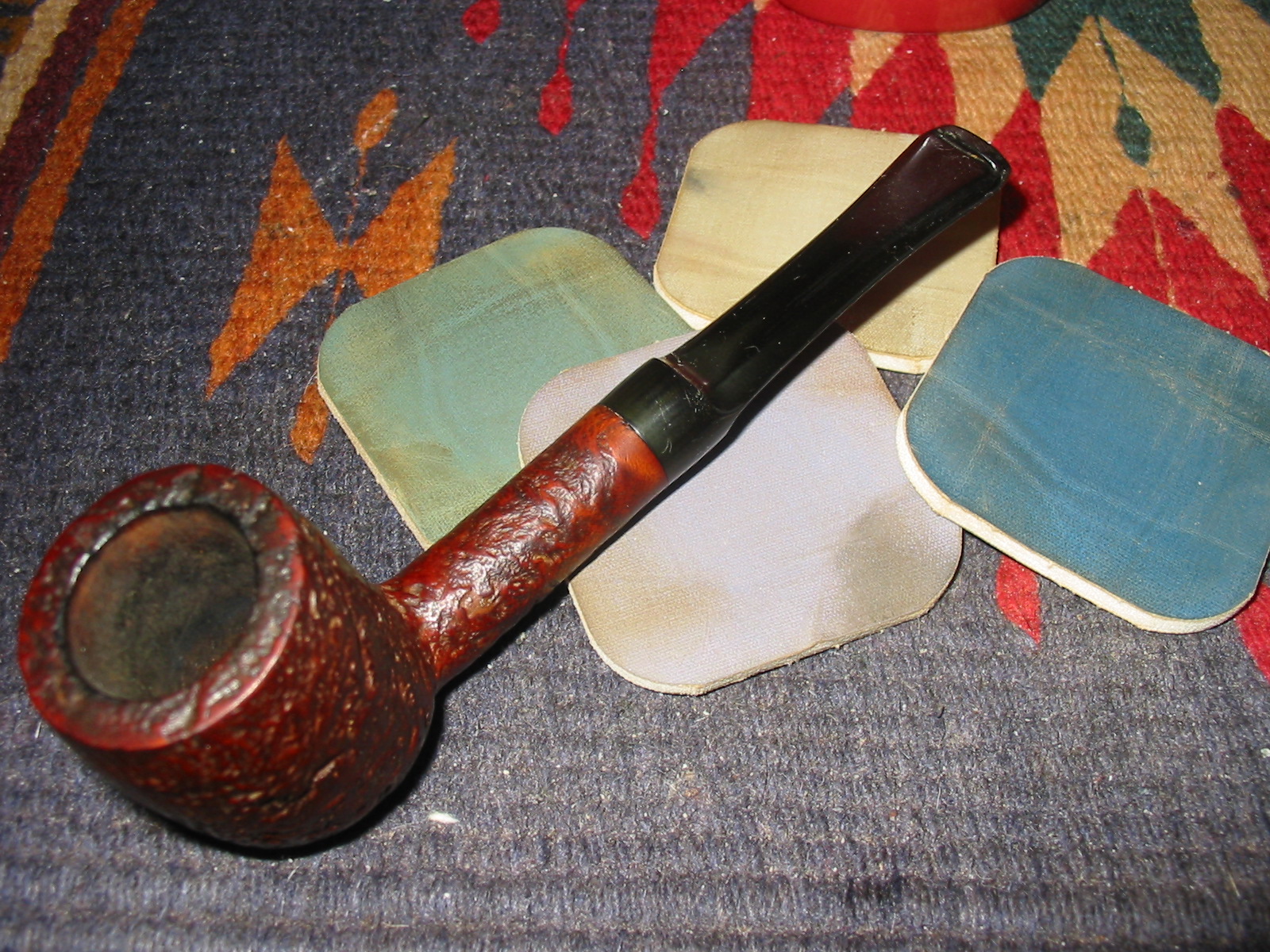
I continued sanding the stem with 4000, 6000, 8000 and 12,000 grit micromesh sanding pads. The next three photos show the progress of the shine on the stem. There was still some deep seated oxidation on the stem. I used a Bic lighter and went over the surface of the stem to burn off the oxidation. I wiped it down with a soft cloth and repeat the process until the stem was a shiny black and the oxidation was gone.
IMG_0818

IMG_0819

IMG_0820

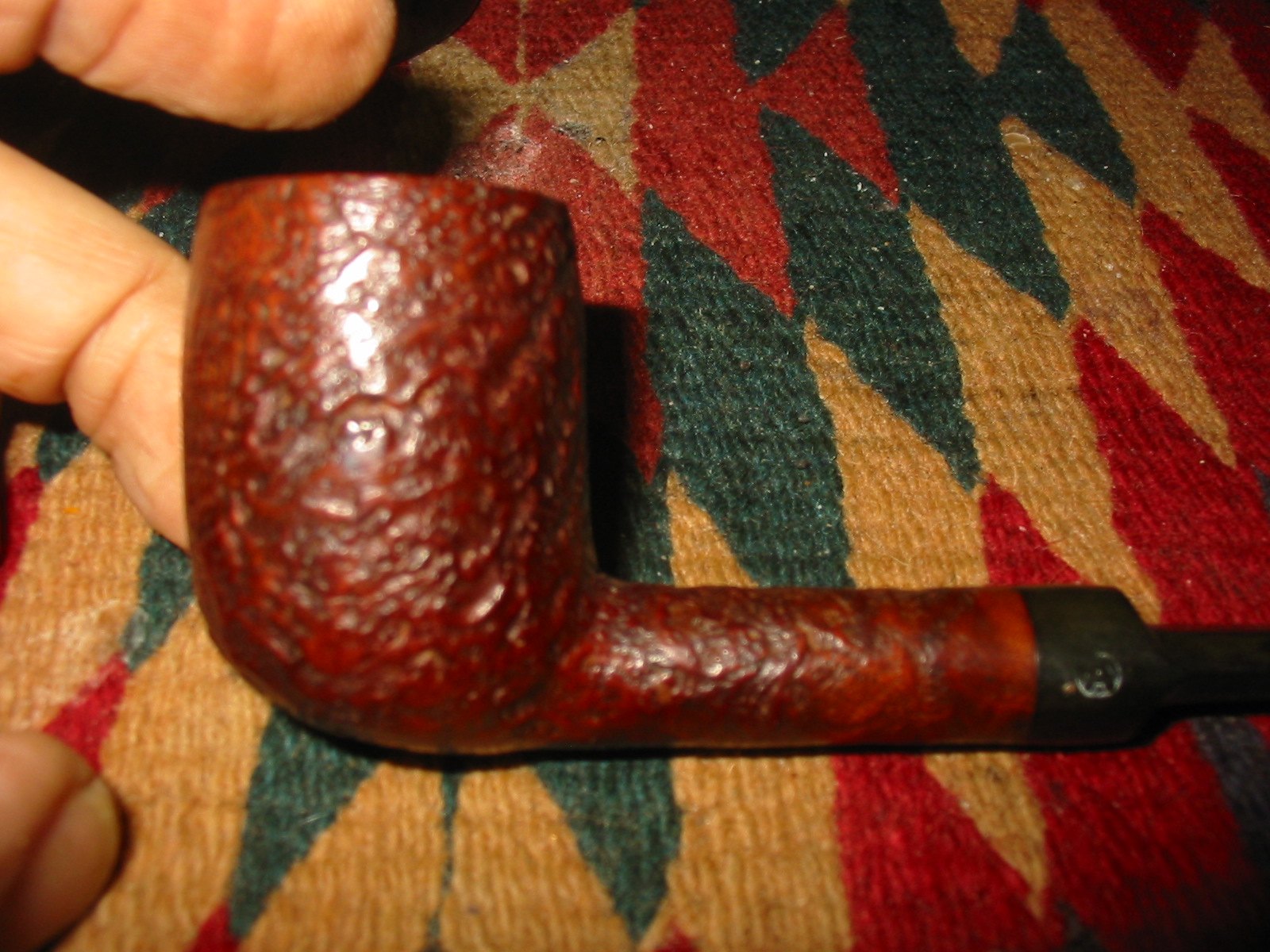
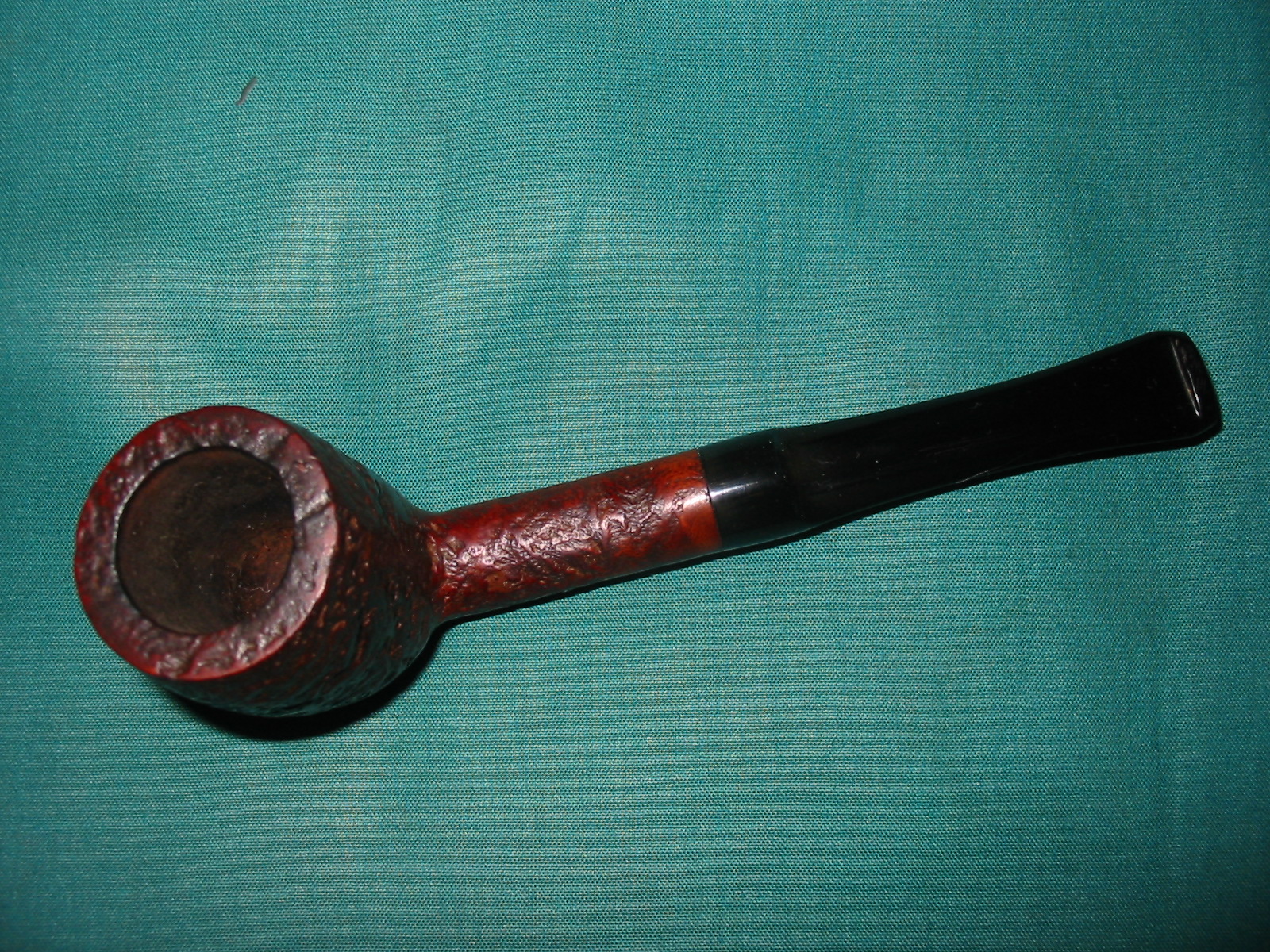
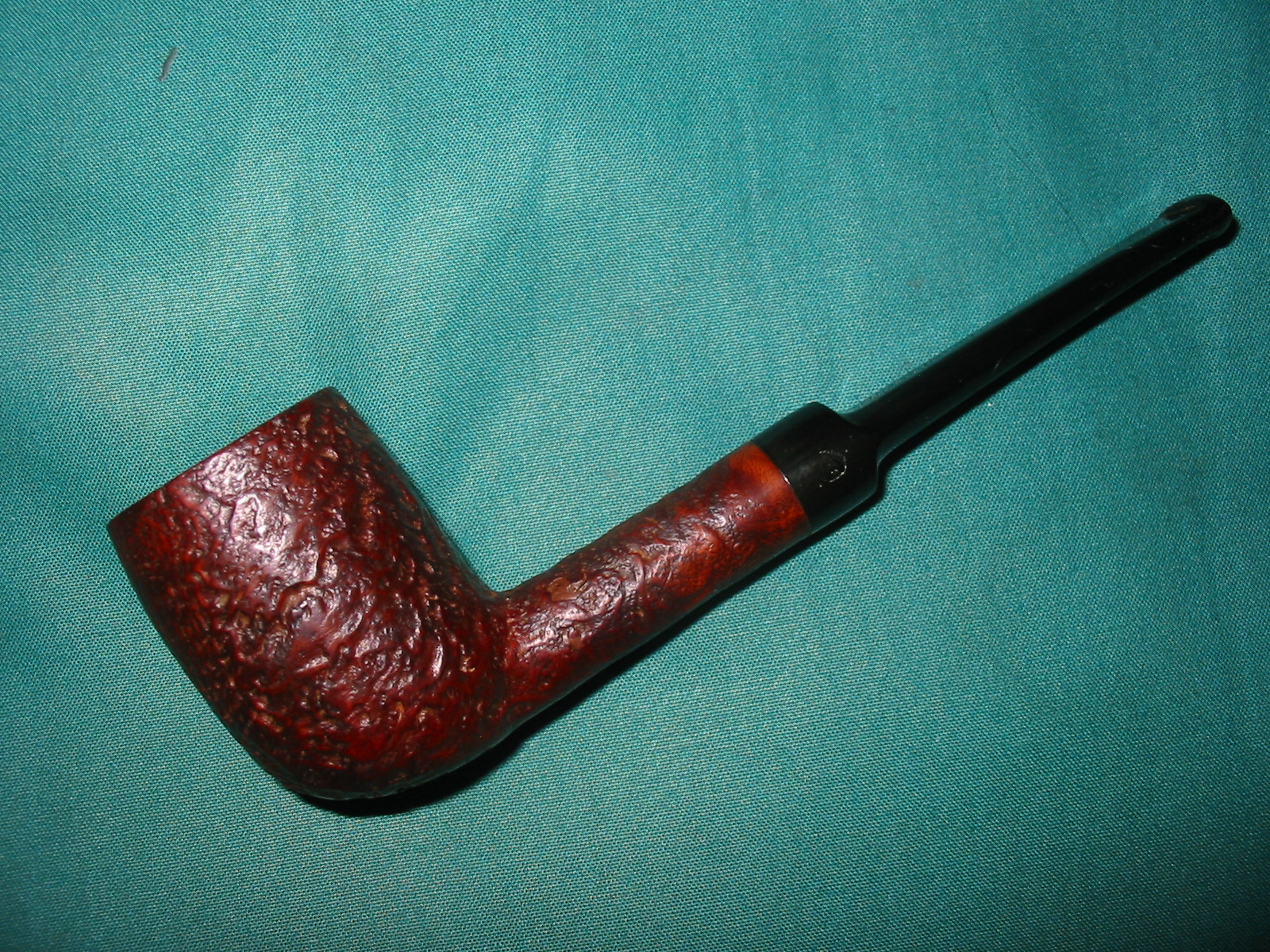
The final series of four photos show the finished pipe. I gave the stem a final rub down with Obsidian Oil and I buffed the stem on my buffing wheel (attached to the bowl) using White Diamond. I did not buff the bowl. I gave the stem several coats of carnauba wax and then buffed it with soft flannel buffs. I also rebuffed the bowl by hand with the shoe brush. The pipe smells fresh and clean. It is ready to smoke.
IMG_0821

IMG_0822

IMG_0823

IMG_0824

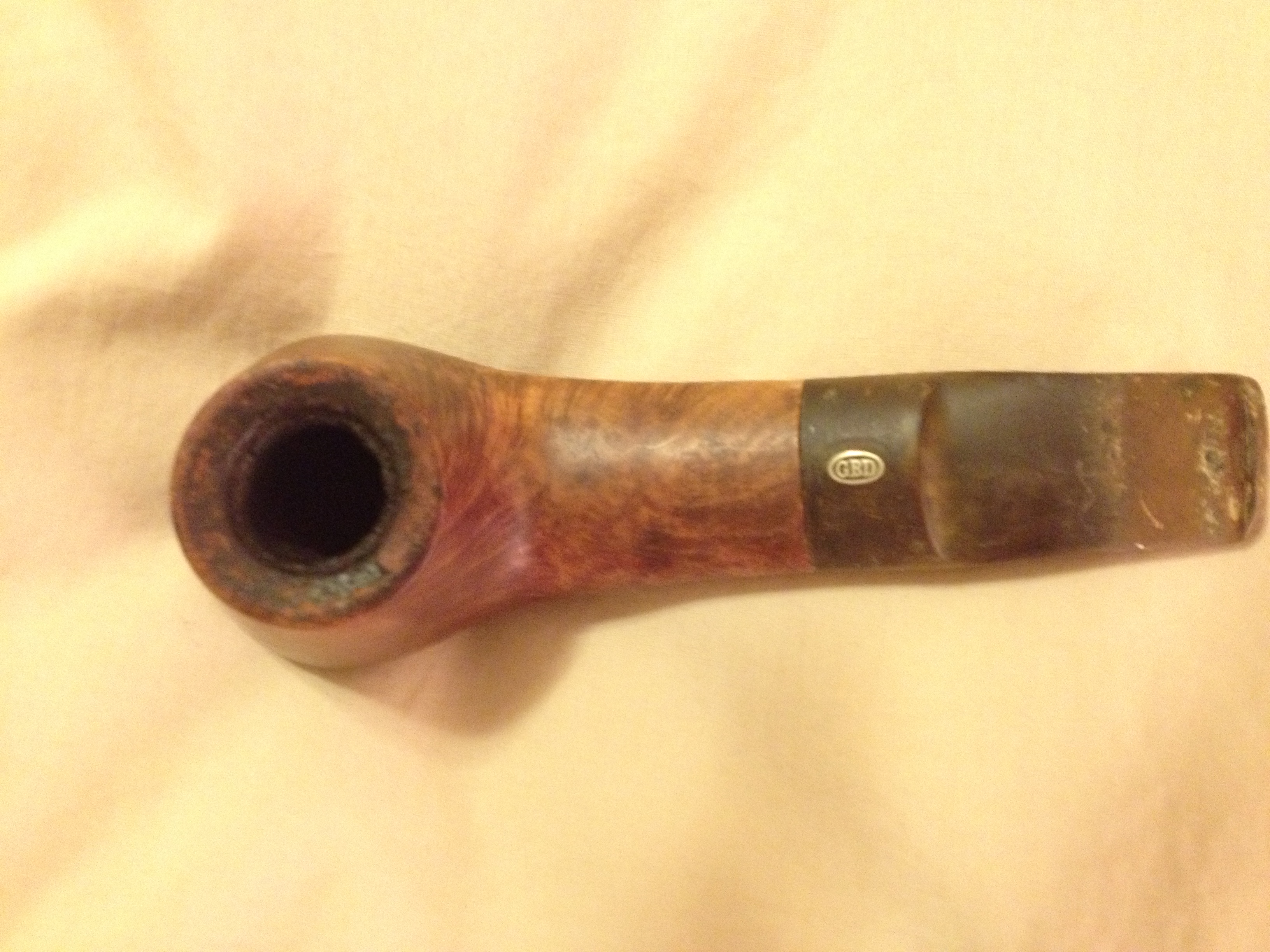
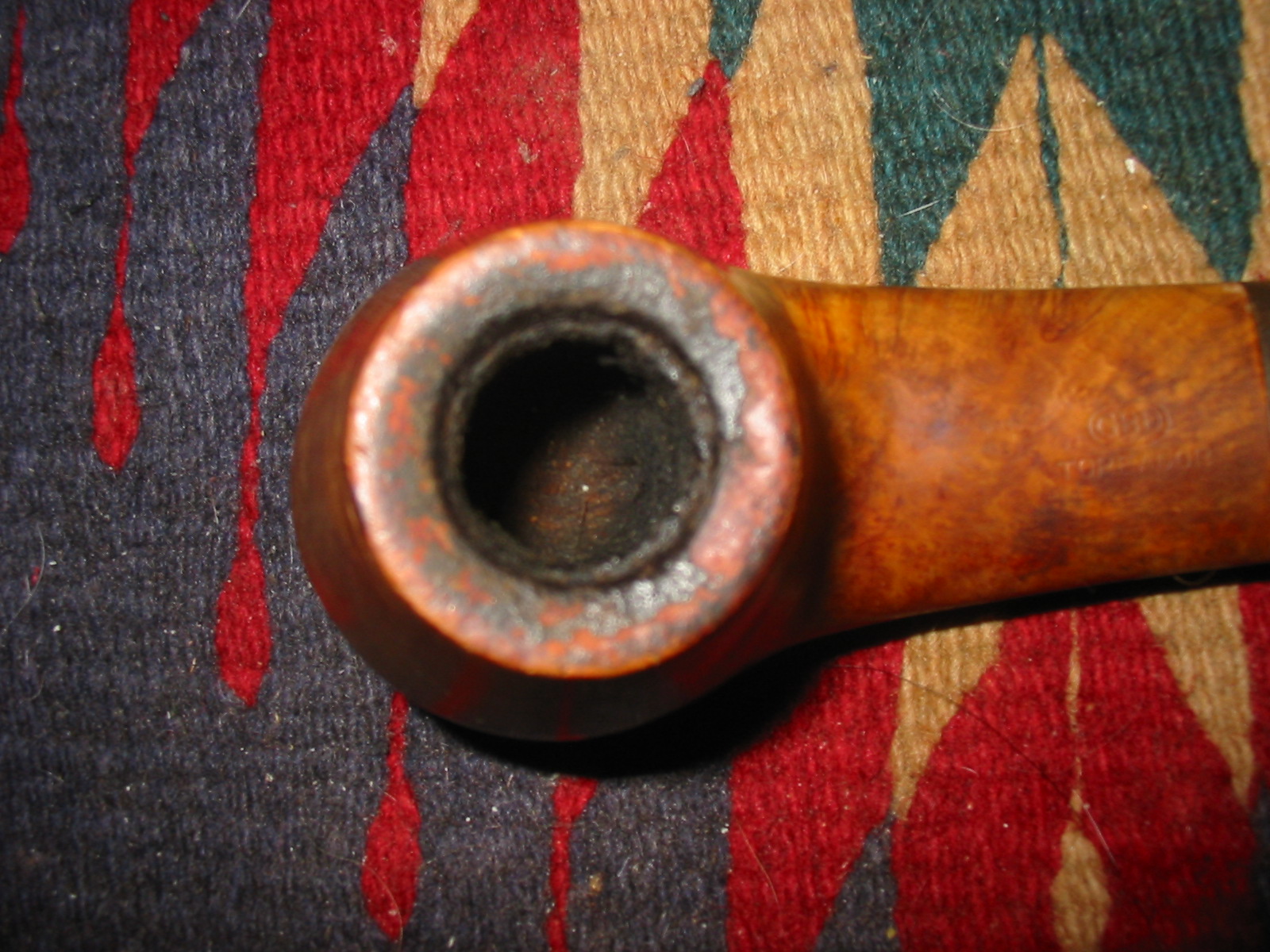
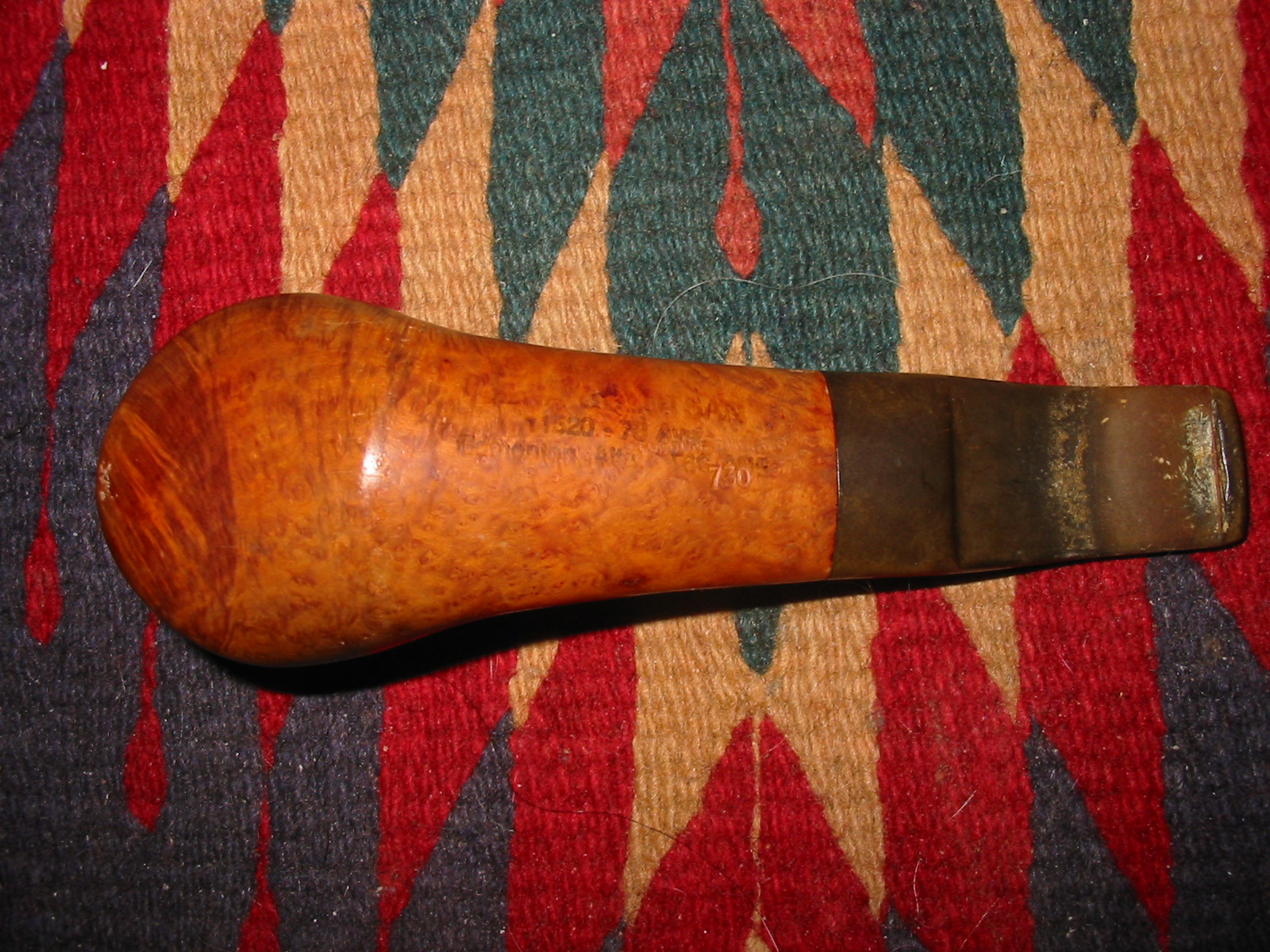
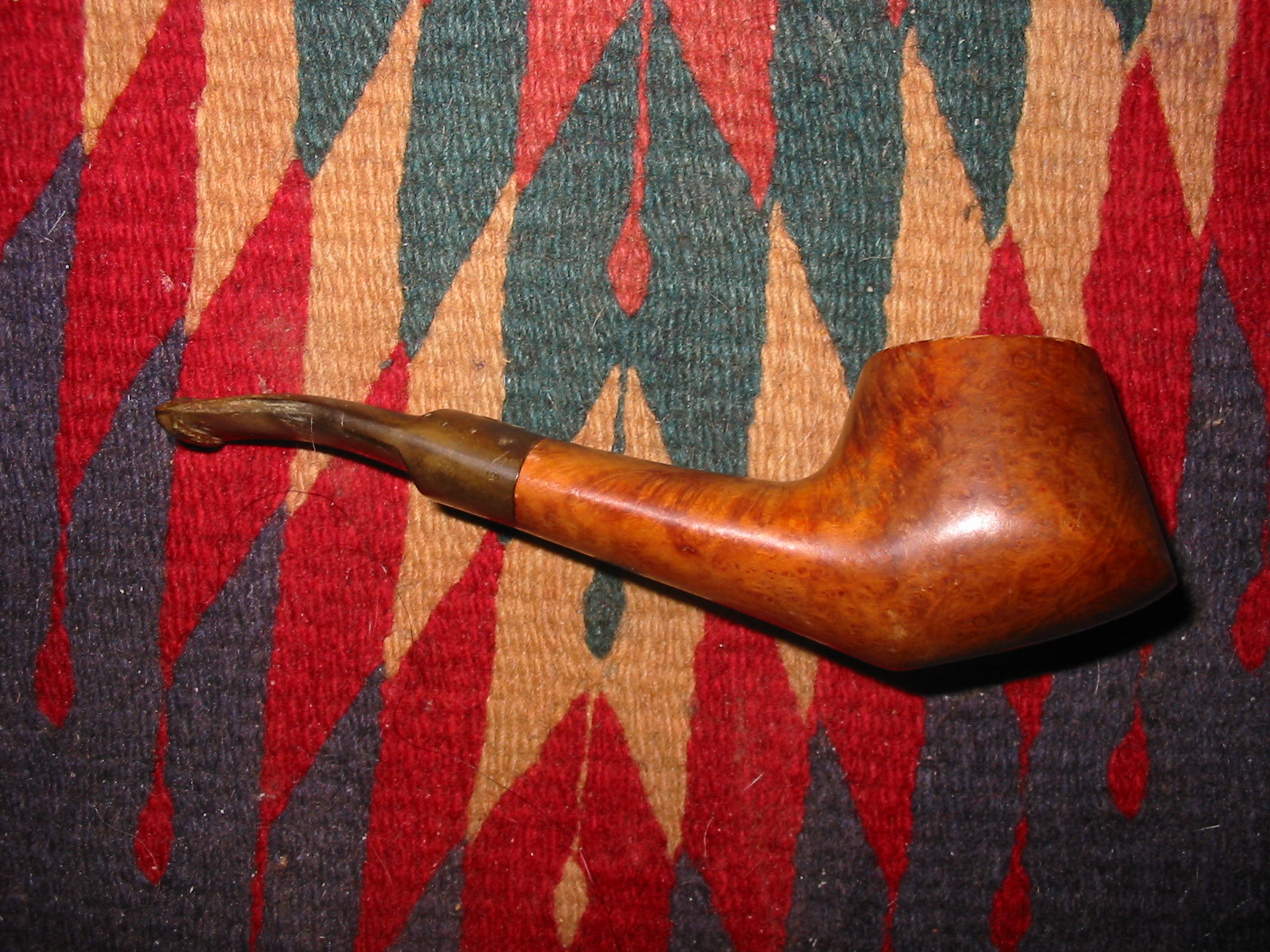
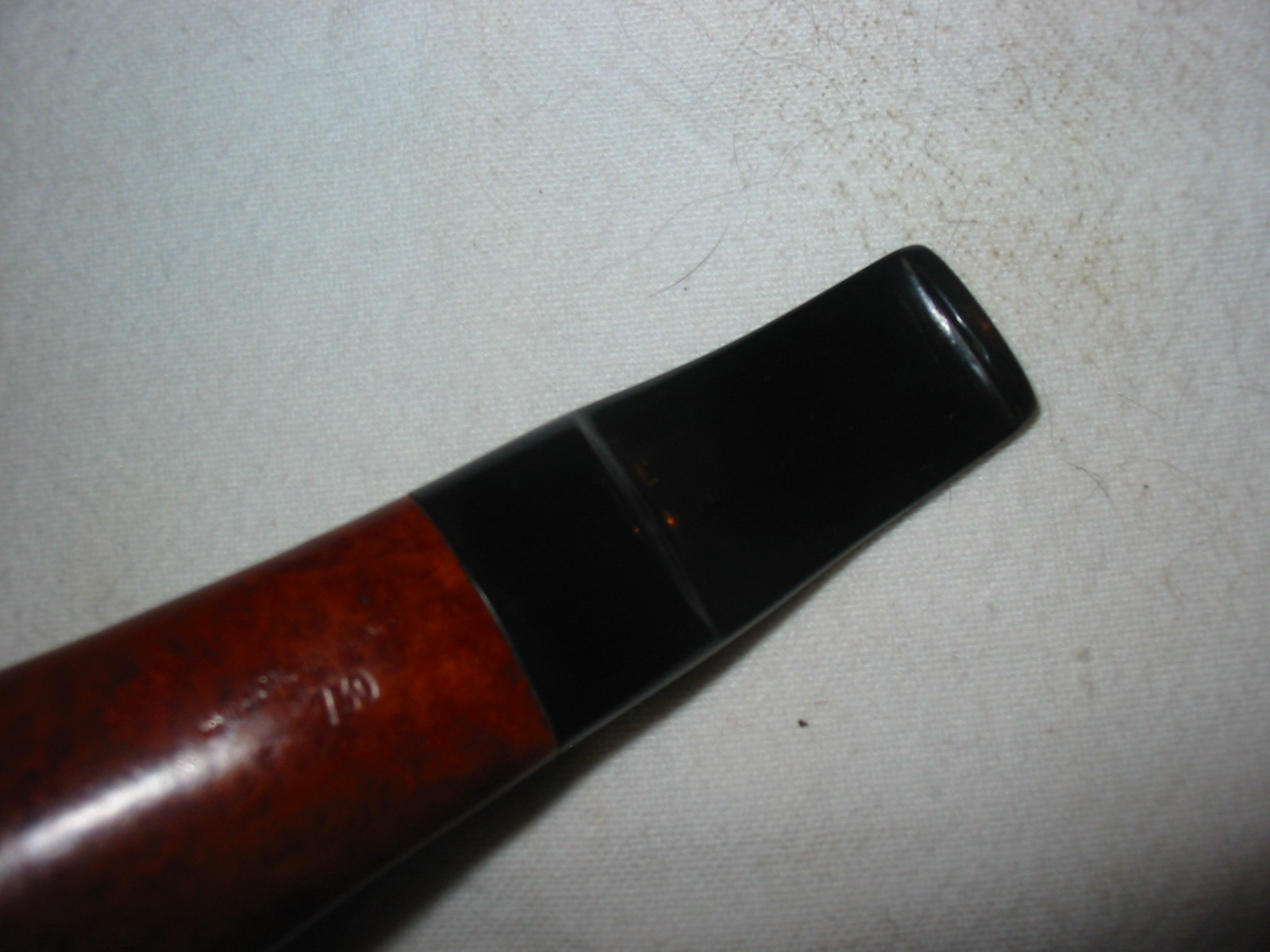
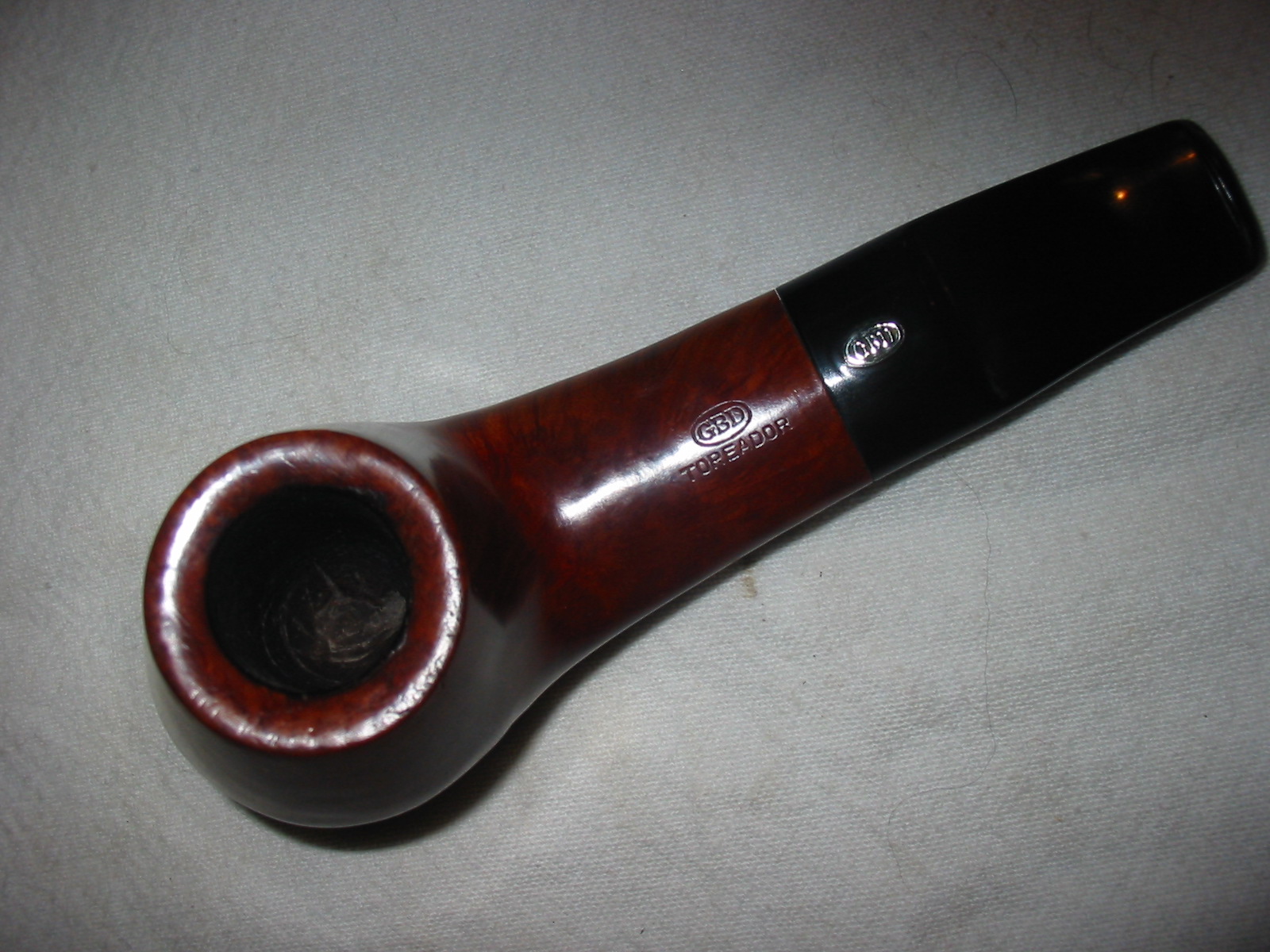
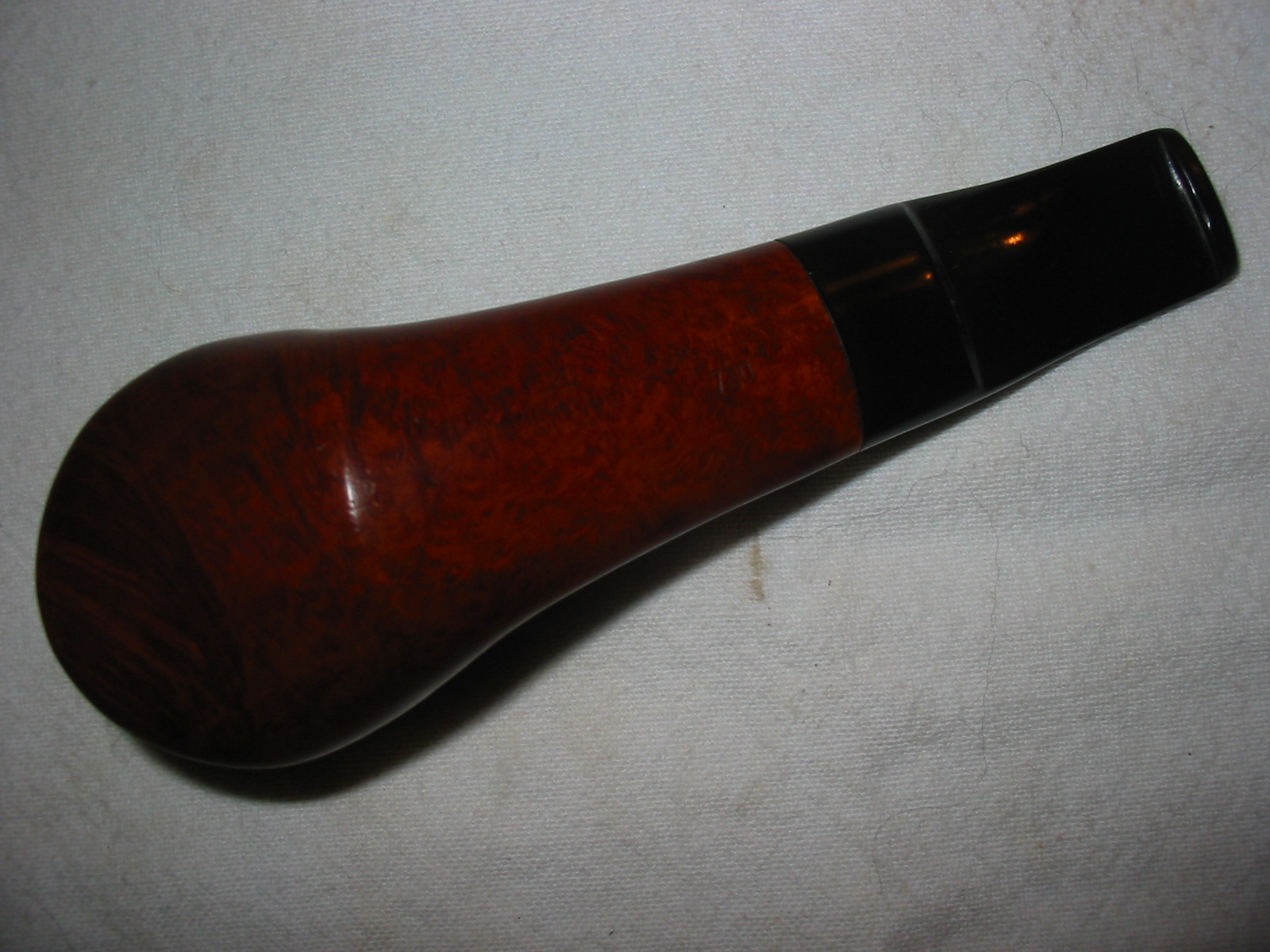
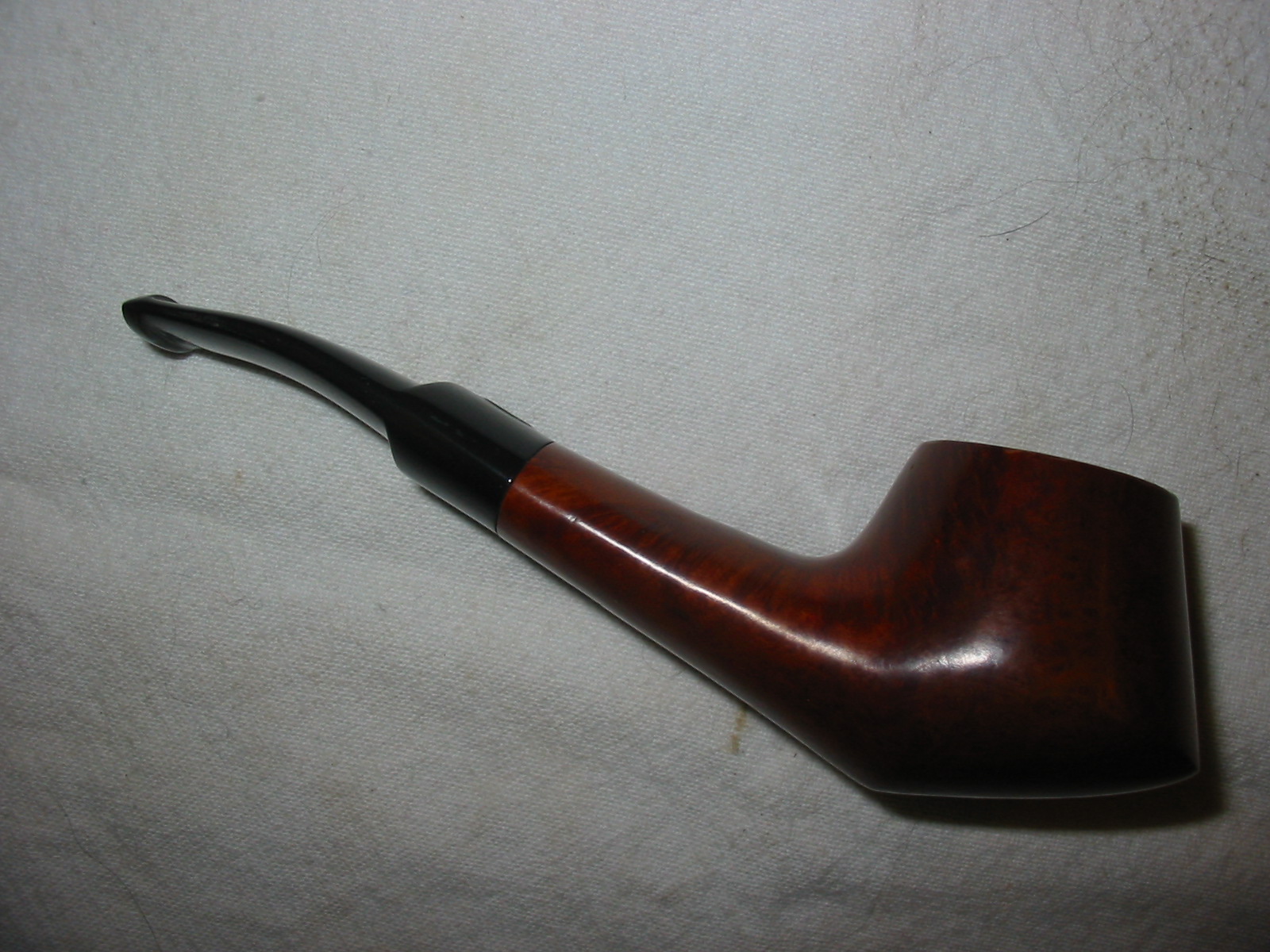
Restoring a GBD 730 Toreador Volcano


I picked this old-timer up at an antique mall in Edmonton, Alberta two weeks ago. It was part of the threesome of pipes and tobacco and pipe cleaners that I purchased at the mall that day. In the photo below it is the pipe on the bottom of the picture.
IMG_0302
I had never seen the stamping on a GBD nor had I seen the shape number. It is not listed on any of the GBD name or shape charts that I have on my computer. I wrote to a friend who works with a lot of GBDs and he replied as follows: “I have not heard of a “Toreador” line, but nothing surprises me on GBD lines. They had a seemingly endless array of model lines. The 730 shape isn’t listed on my shape charts, but they are full of holes and I constantly see shape new shape numbers pop up. The pre-Cadogan key is the “London, England” stamp coupled with a metal rondel. “Made in London England” in a circle is Cadogan era, even with a metal rondell”. From my research and his I looked at the stampings on this pipe. It is stamped GBD in an oval over Toreador on the top of the shank. On the underside it is stamped London, England over 730. This would seem to put the date of this pipe in the pre-Cadogan era.
The next series of six photos show the pipe as it was when I found it. The first picture was taken at the antique mall with my iPhone. The remaining five photos were taken at my work bench before beginning to work on the pipe. The bowl was thickly caked with a hard buildup of carbon. The rim was coated with tars and buildup as well. The stem was upside down when I picked it up and very tight. I was able to turn it and straighten it out for the picture. It was oxidized and there was a line across the stem that showed where it had a rubber bite guard in place on it. There were two tooth marks on the top of the stem visible below and also two on the underside of the stem near the button. The slot in the end of the button was closed off with tar and the shank and inside of the stem were filthy.
IMG_0303

IMG_0595

IMG_0596

IMG_0597

IMG_0598

IMG_0599
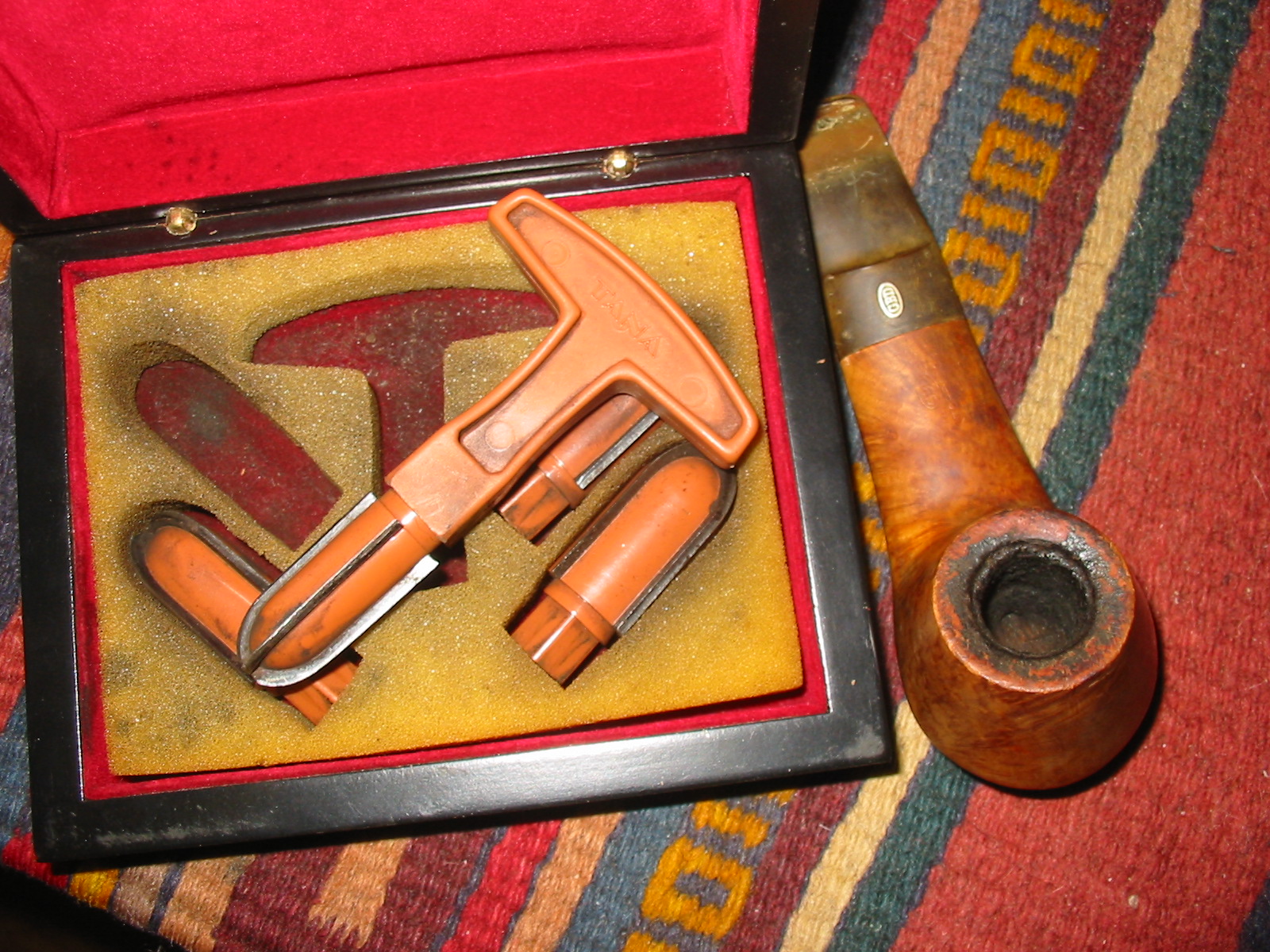
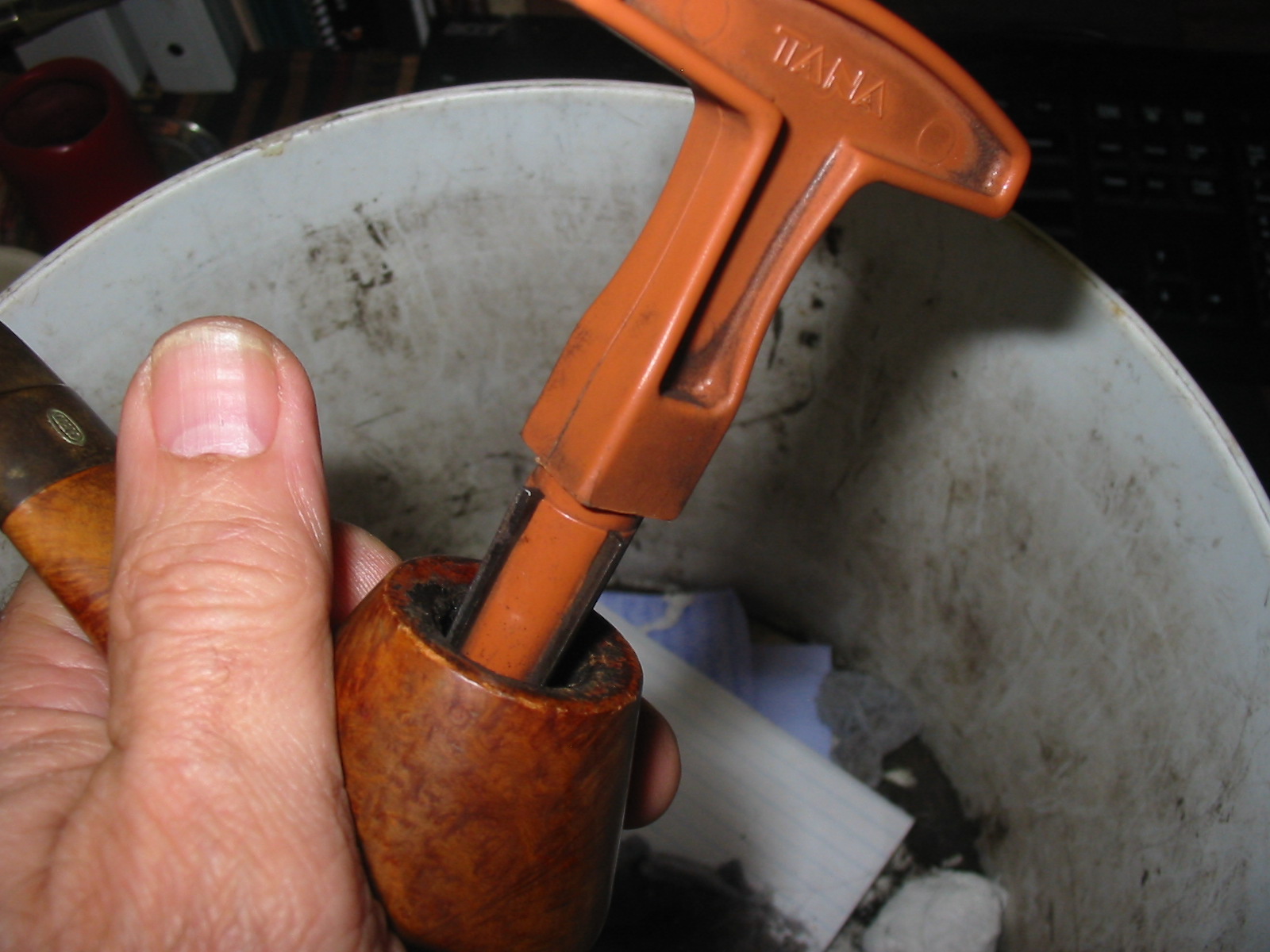
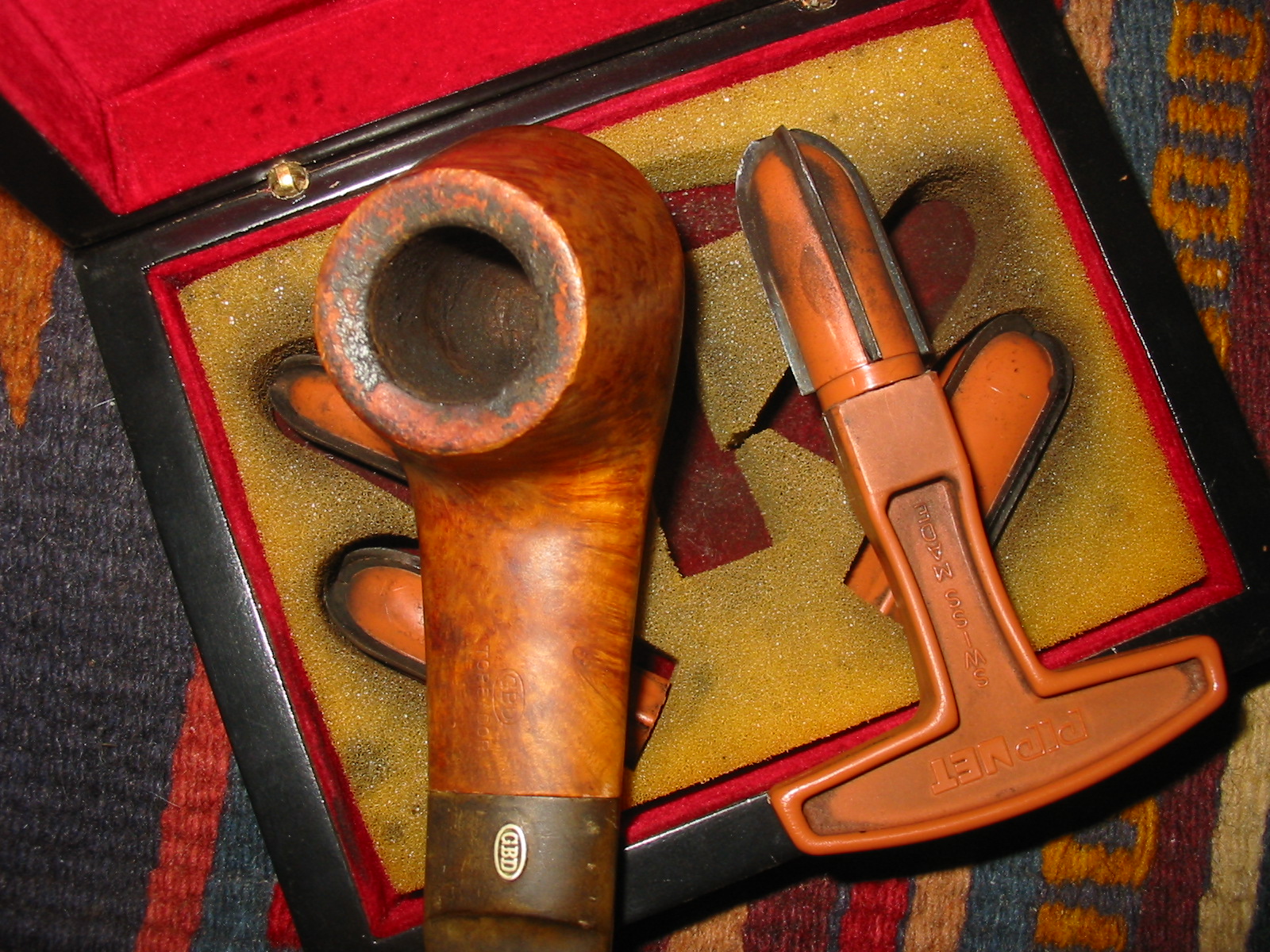
I decided to use my PipNet reaming set on the bowl. I started with the smallest bit and worked it around. Once I dumped out the cuttings I used the next size up to take the cake back to the briar. I like to start over and build my own cake in the bowl. I find that I can develop a hard cake when I work at it slowly.
IMG_0600

IMG_0601

IMG_0602
Once I reamed the bowl out to the way I like it I worked on the rim of the bowl. I used some fine grit emery cloth to start breaking up the hard tars and then a fine grit sanding sponge to remove what remained. I work to keep the sharp inner and outer edge of the rim. I do not like it when it is rounded. This rim was also chamfered in toward the bowl and I wanted to keep the angles on that even when I was finished working it over. The next two photos show the cleaned rim. It has been sanded and the buildup is removed. There is a bit of rim darkening that will come off with a bit more work.
IMG_0603

IMG_0607
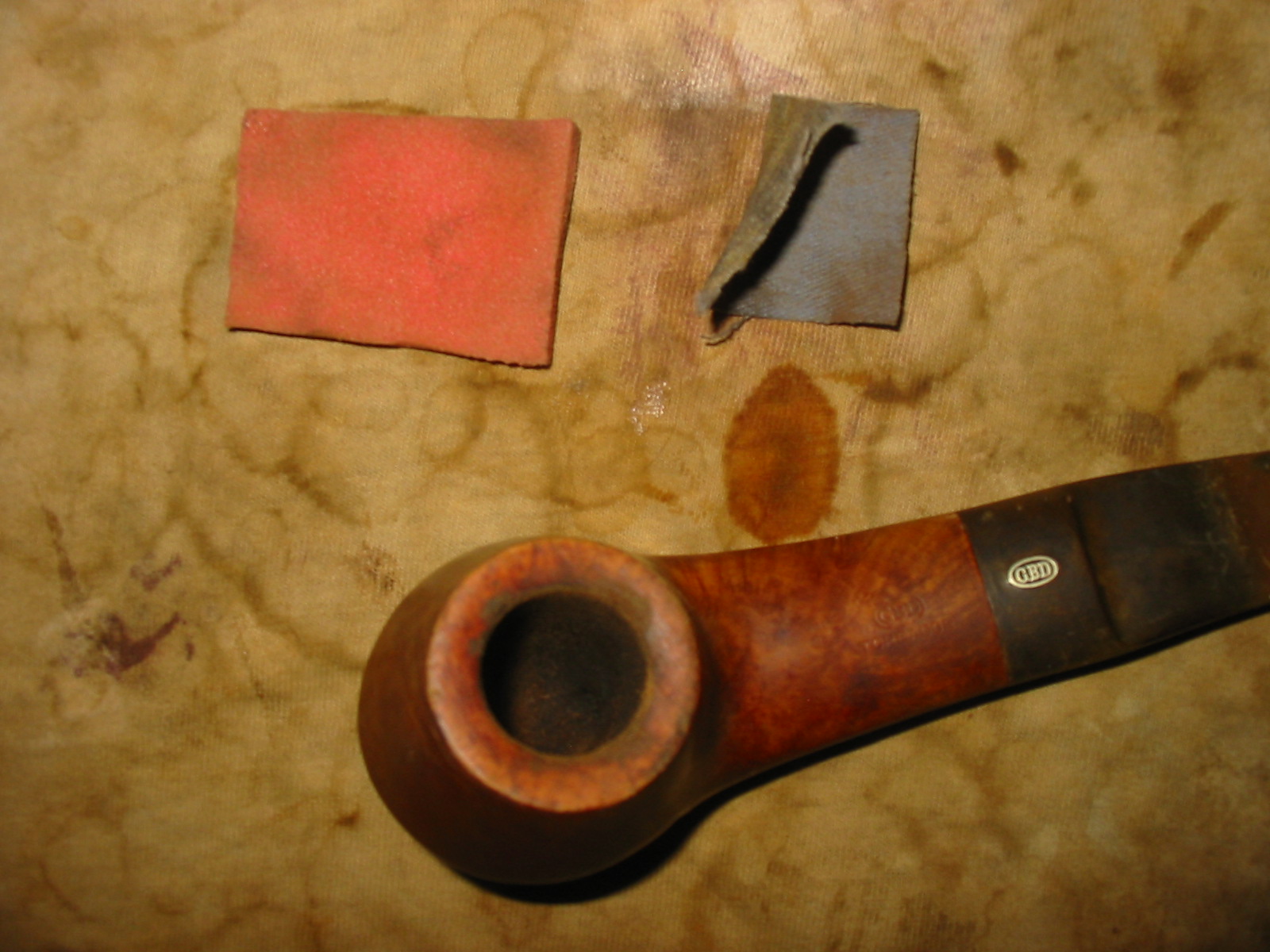
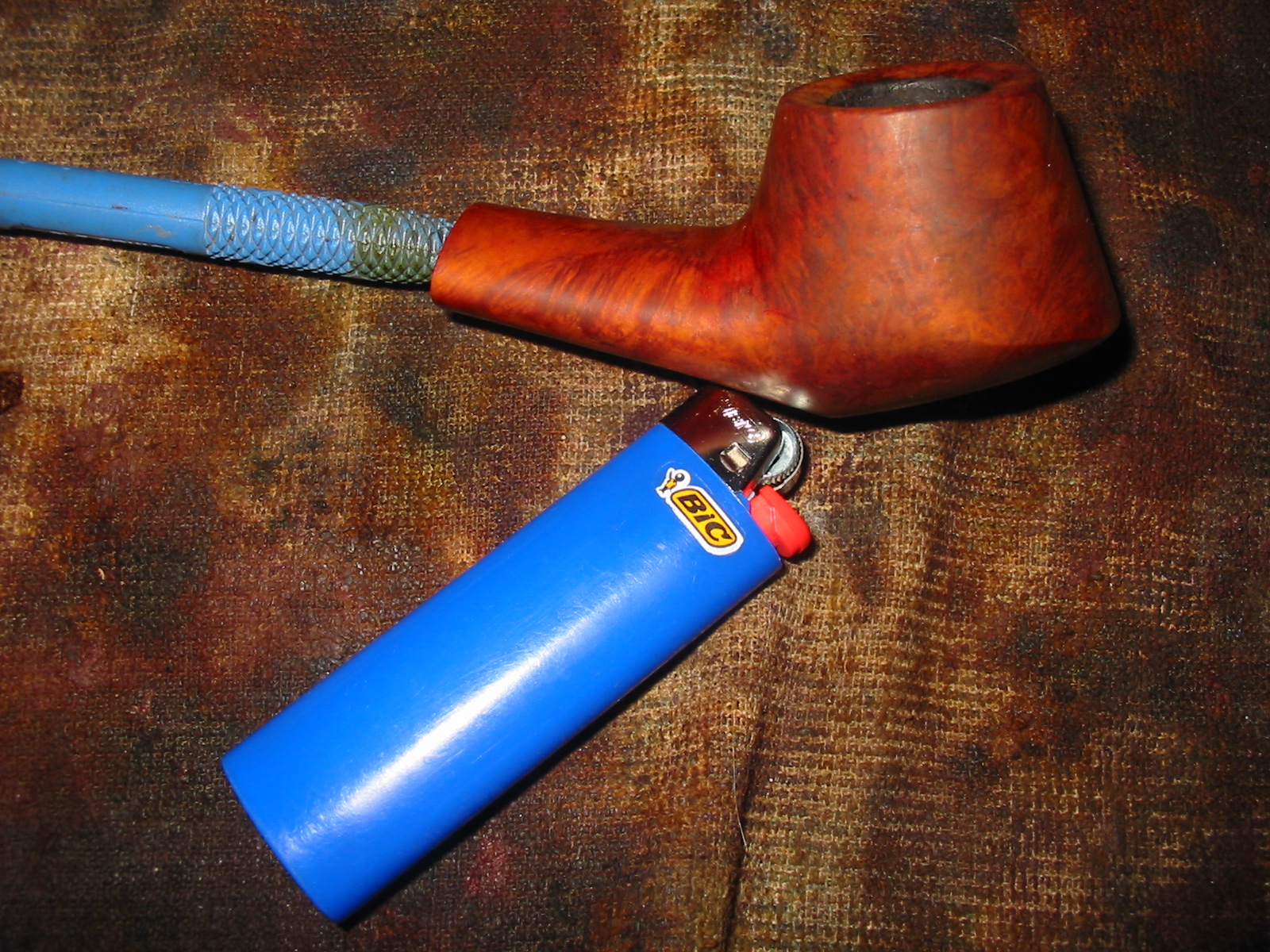
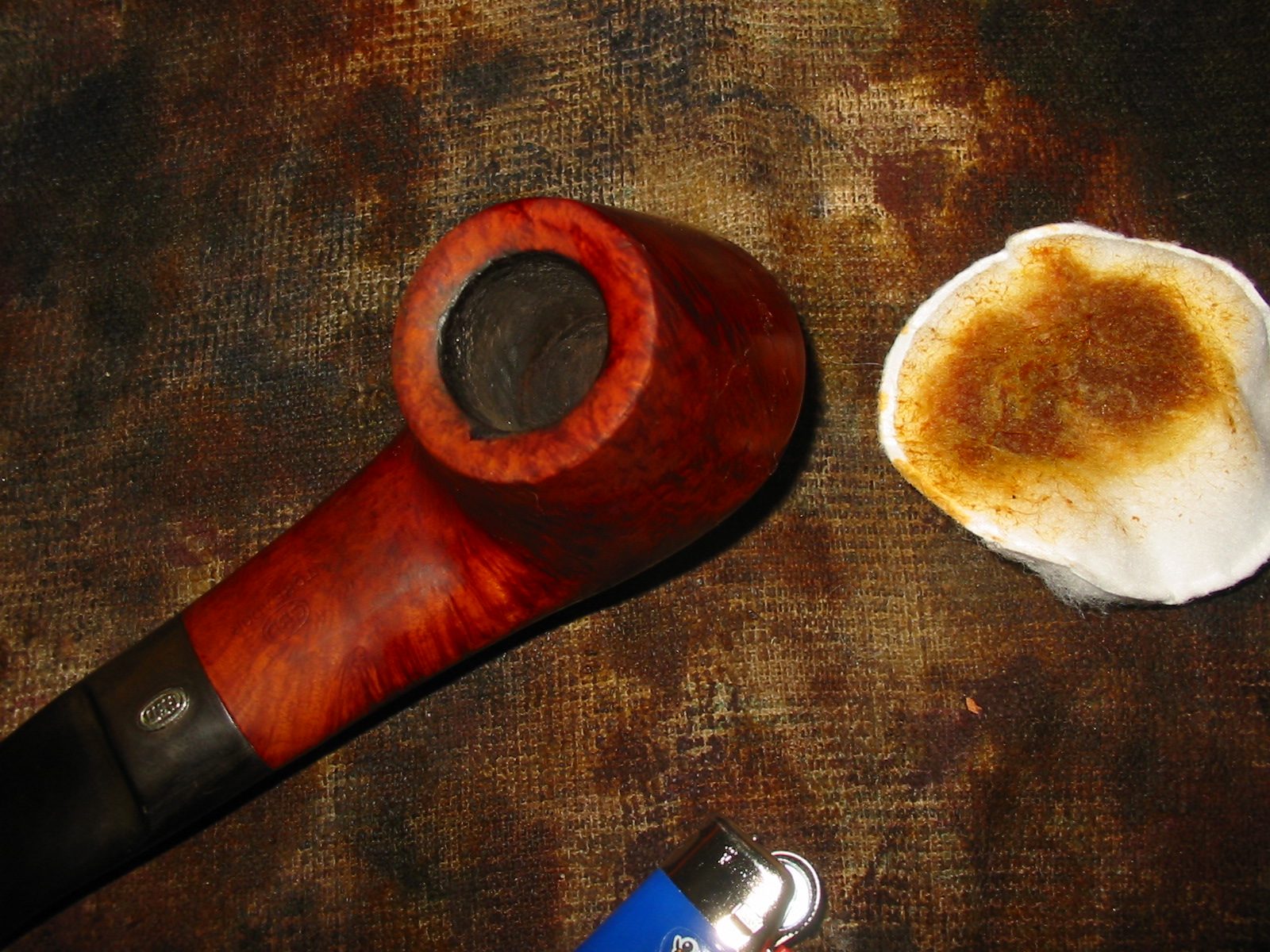
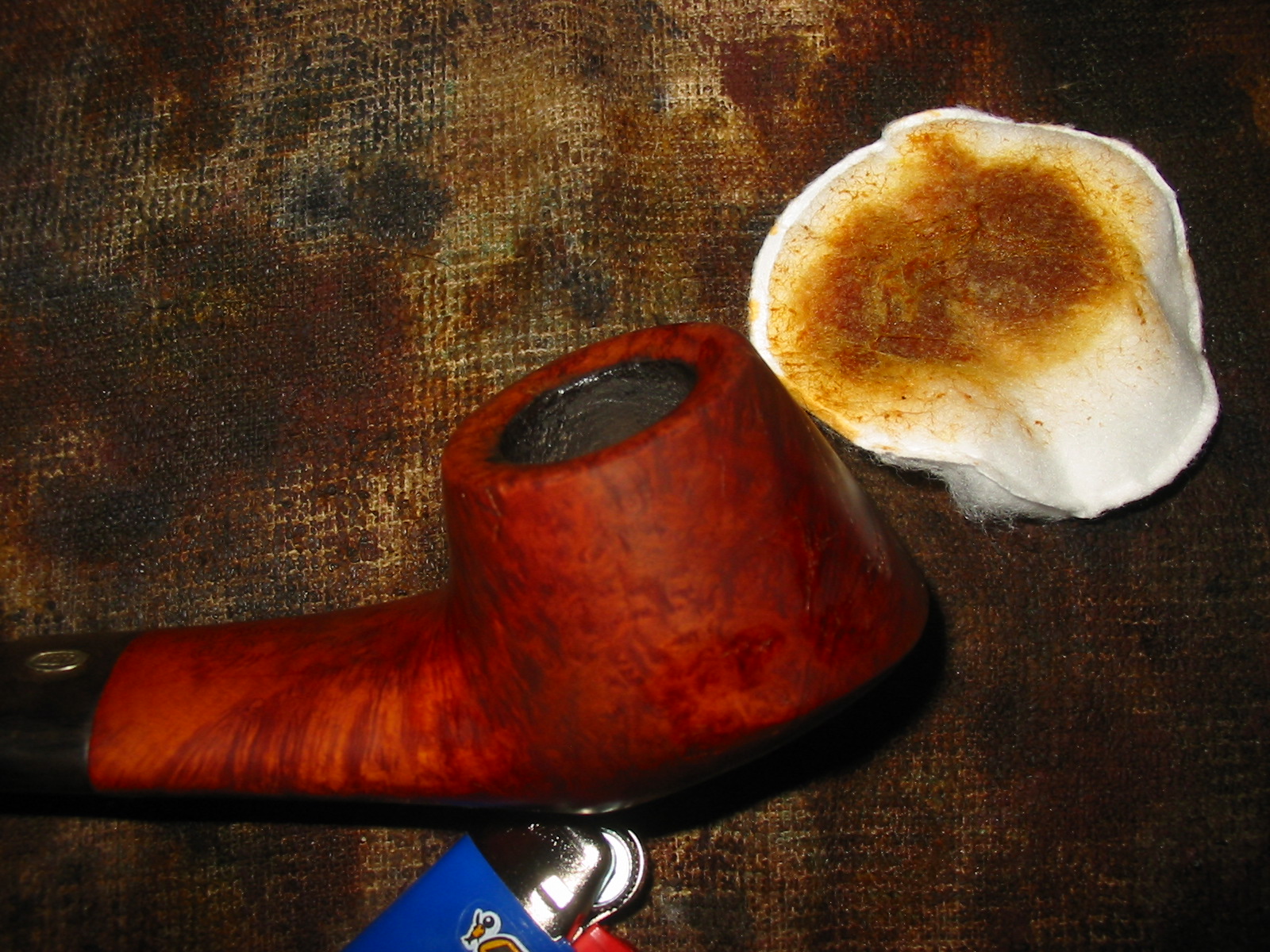
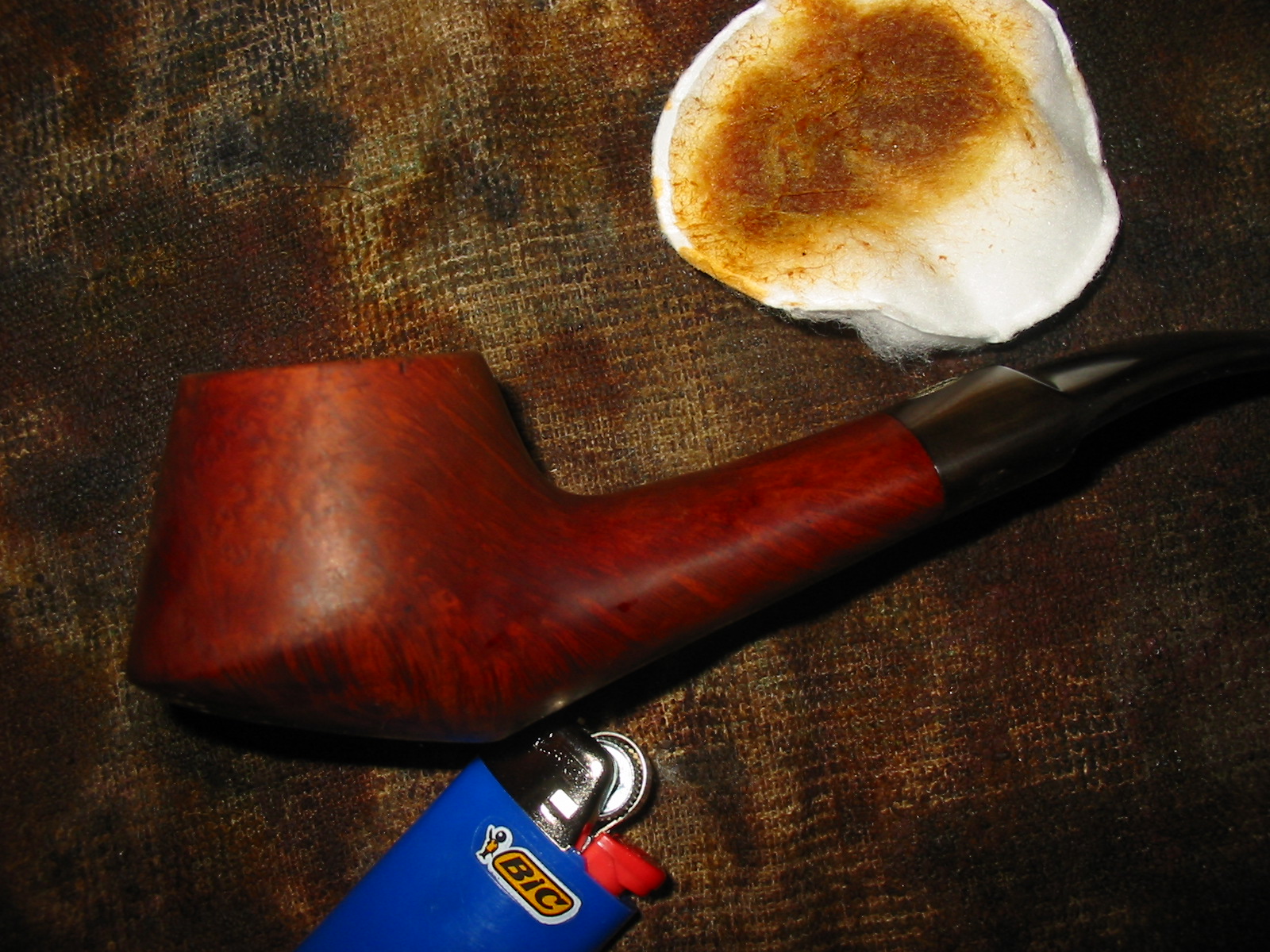
The next four photos show the bowl after I have wiped it down with acetone on a cotton pad. The darkening on the rim is growing fainter with each wipe. The pads are coloured from the dirt and grime as well as the stain from the pipe. I have found that the dark and medium brown wipe off and leave a yellow colour on the pads. I repeated the wipe down several times until the surfaces were clean.
IMG_0608

IMG_0609

IMG_0610

IMG_0611
After wiping the bowl down I cleaned out the stem and the shank. I used pipe cleaners and Everclear to scrub out the insides of the stem and shank. I scrubbed until they came out clean. I worked on the area of the button slot to clean out the tar buildup in that area. Then I decided to work on the stem. I sanded out the calcification on the stem from the rubber stem bite protector. It leaves a white sediment buildup that is rock hard so I sand it with medium grit emery paper. Removing this buildup also reveals the depth and nature of the tooth marks in the stem. The first picture below shows the topside of the stem and the tooth marks. The second picture shows the underside of the stem and the two tooth marks next to the button.
IMG_0612

IMG_0613
I then sanded the stem with 240 grit sandpaper and the medium grit sanding sponge to further remove the scratches and clean up around the tooth marks. Once I had the stem cleaned up of the white buildup and the scratches reduced I wiped down the stem with Everclear. I heated the surface of the stem with a lighter to lift the tooth marks as much as possible and then I picked out the grit and grime in the tooth marks with a dental pick to provide a clean surface for the superglue repair. The first two photos show the sanded stem and cleaned surface. The third and fourth photos below show the superglue patch. On this stem I chose to use clear superglue rather than the black glue. I often use them interchangeably.
IMG_0614

IMG_0615

IMG_0616

IMG_0617
I set the stem aside to dry and worked on the bowl again. I wiped it down a final time with acetone on a cotton pad. I chose to stain it with a dark brown aniline stain, thinned 2:1 with isopropyl alcohol. I did not want to darken the colour of the pipe but merely bring it back to its original colour as determined from several other smooth GBD pipes of this era. I gave it a coat of stain and flamed it with a lighter. I reapplied the stain and also flamed it a second time. The next series of four photos show the pipe after it has been stain. I wiped it down with a soft cloth. It had not been buffed at this point.
IMG_0618

IMG_0619

IMG_0620

IMG_0621
After the initial staining the colour was a bit dark and opaque to my liking so I use a cotton pad and wiped the bowl down with Everclear to lighten it and make the grain stand out a bit more. The next four photos show the bowl after wiping it down.
IMG_0624

IMG_0625

IMG_0626

IMG_0627
With the bowl finished it was time to work on the stem once again. The superglue was dry and it was time to do some sanding. The next two photos below show the stem after sanding on the patches. The topside and the underside tooth marks are repaired and even with the surface of the stem at this point. Now the stem needed to be worked on with further sandpapers and the micromesh sanding pads.
IMG_0622

IMG_0623
I wet sanded the stem with 1500 and 1800 grit micromesh sanding pads to remove the scratches left by the other sandpapers. I wet the sanding pads and then sanded the stem, wiped off the grime and water and resanded it until the majority of the scratches were removed from the surface of the stem. I worked the pads around the GBD rondel so as not to sand it and remove surface or stain in the metal. The next two photos show the stem after sanding with these two grits.
IMG_0632

IMG_0633
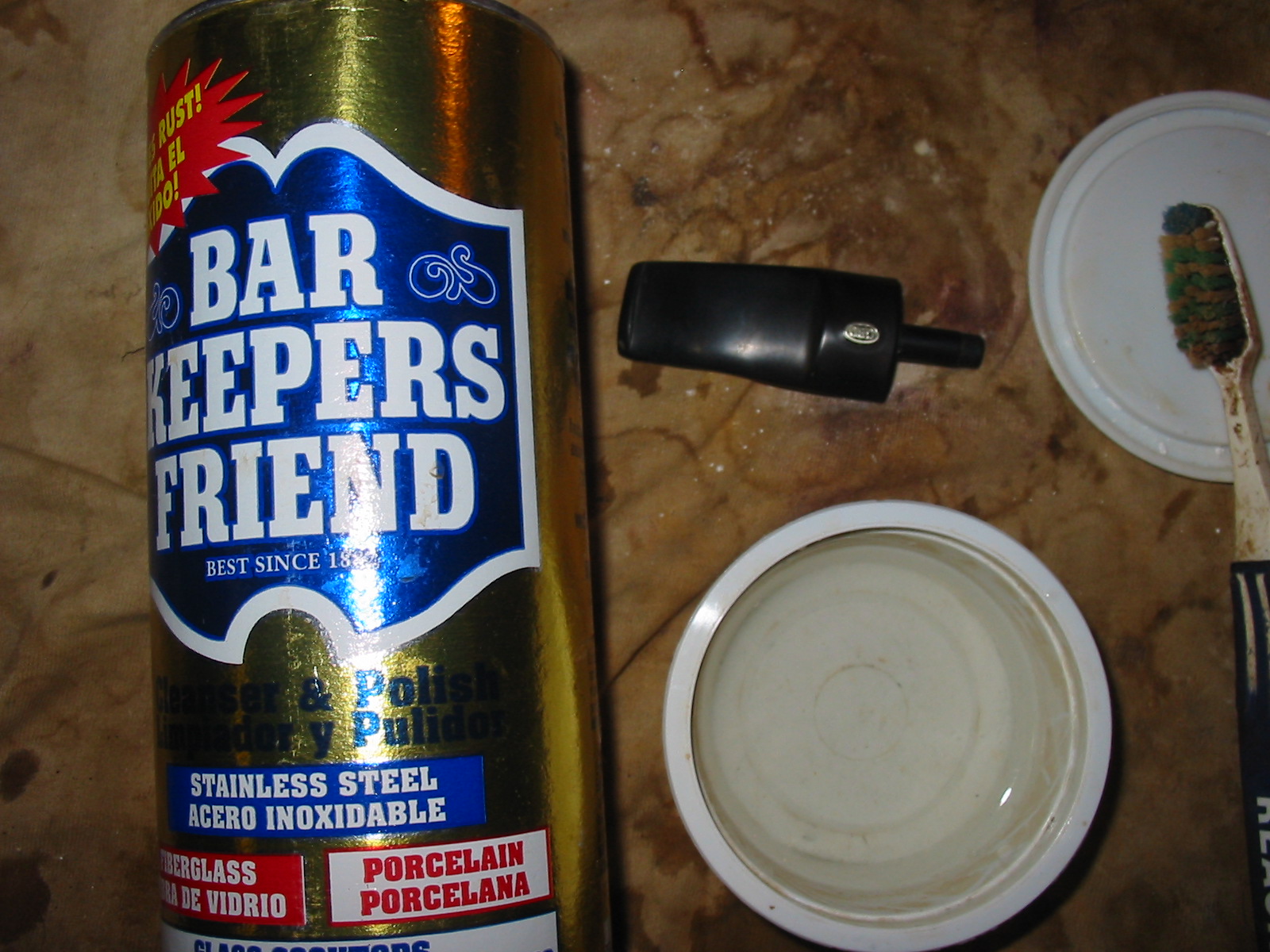
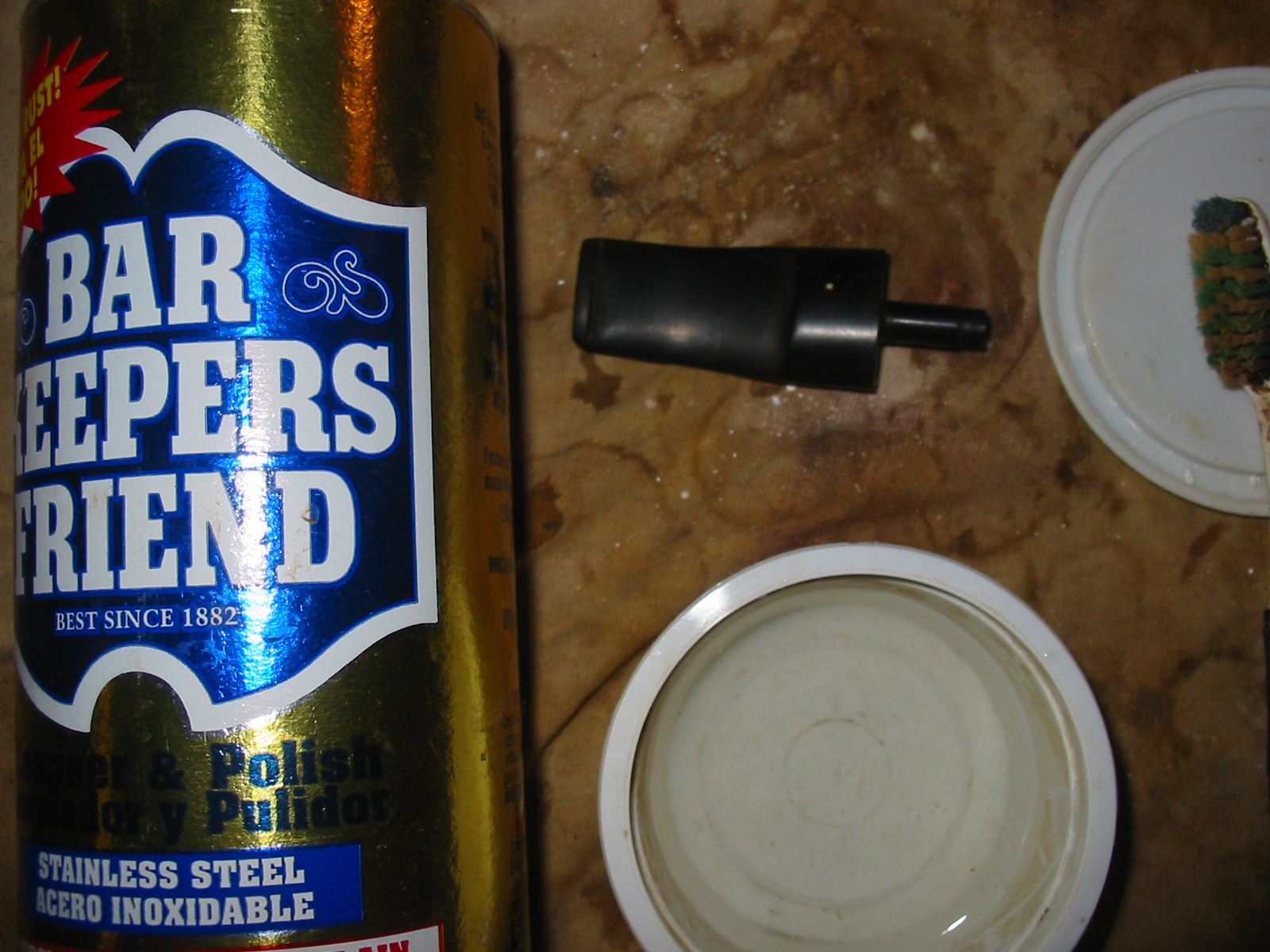
I had read much about using the Barkeepers Friend cleaner to remove oxidation so I mixed up a paste of the powder and scoured the stem with a tooth-brush. The paste worked very well to remove the oxidation around the rondel and around the sharp edges of the button. It really took care of the remaining oxidation. I applied the paste, wiped it off, rinsed, reapplied and repeated the process until I was satisfied with the results. The next two photos show the stem after polishing with the paste.
IMG_0634

IMG_0635
I then sanded the stem with 2400 and 3200 grit micromesh sanding pads to begin to bring out the shine. I also applied a coat of Obsidian Oil to the stem, rubbed it in and let it dry. The first two photos below show the stem after this treatment. Photos three and four show the stem after I had dry sanded it 3600 grit micromesh sanding pads. Photos five and six show the stem after I had finished sanding it with the remaining 4000 – 12,000 grits of micromesh sanding pads. I gave it another coat of Obsidian Oil before I took the pipe to the buffer and gave it a final buff with White Diamond.
IMG_0636

IMG_0637

IMG_0638

IMG_0639

IMG_0645

IMG_0646
The final series of four photos show the finished pipe. There are some dents remaining in the surface of the rim that show up under the light of the flash. They are not nearly as visible in normal light. The pipe is ready to be put to use. It came a long way from the shelf of the Edmonton Antique Mall to the finished pipe it is now.
IMG_0640

IMG_0641

IMG_0642

IMG_0643

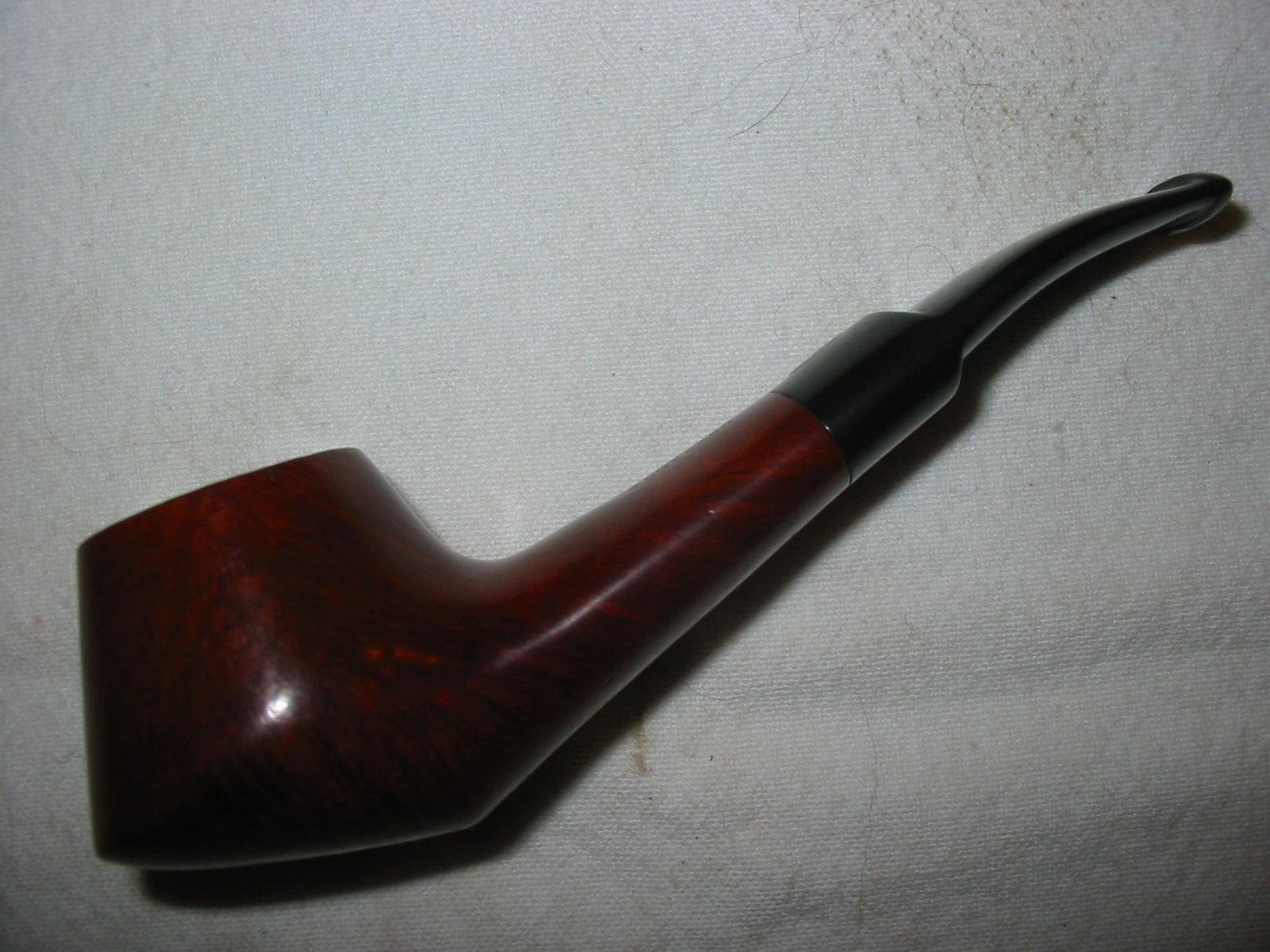
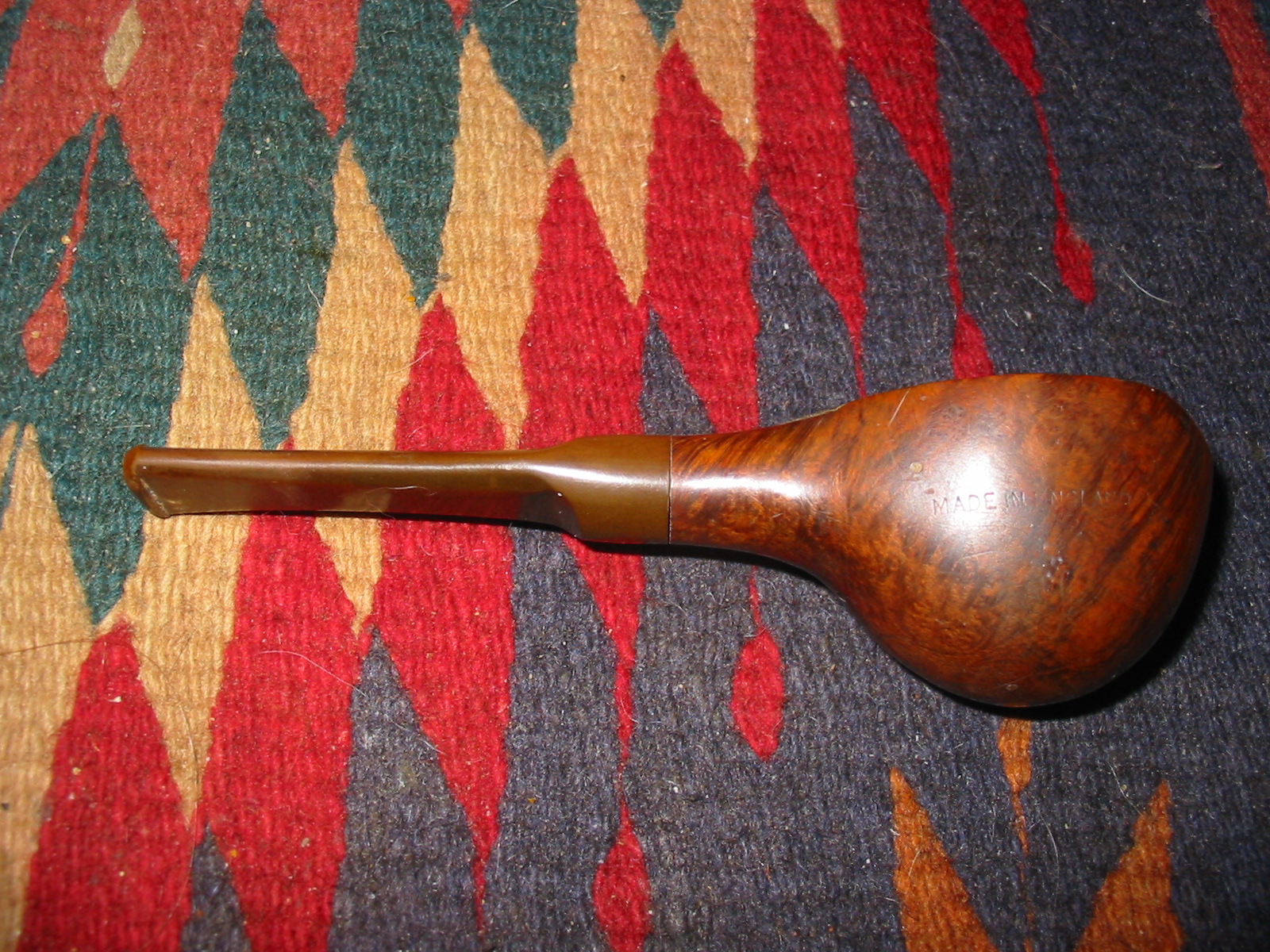
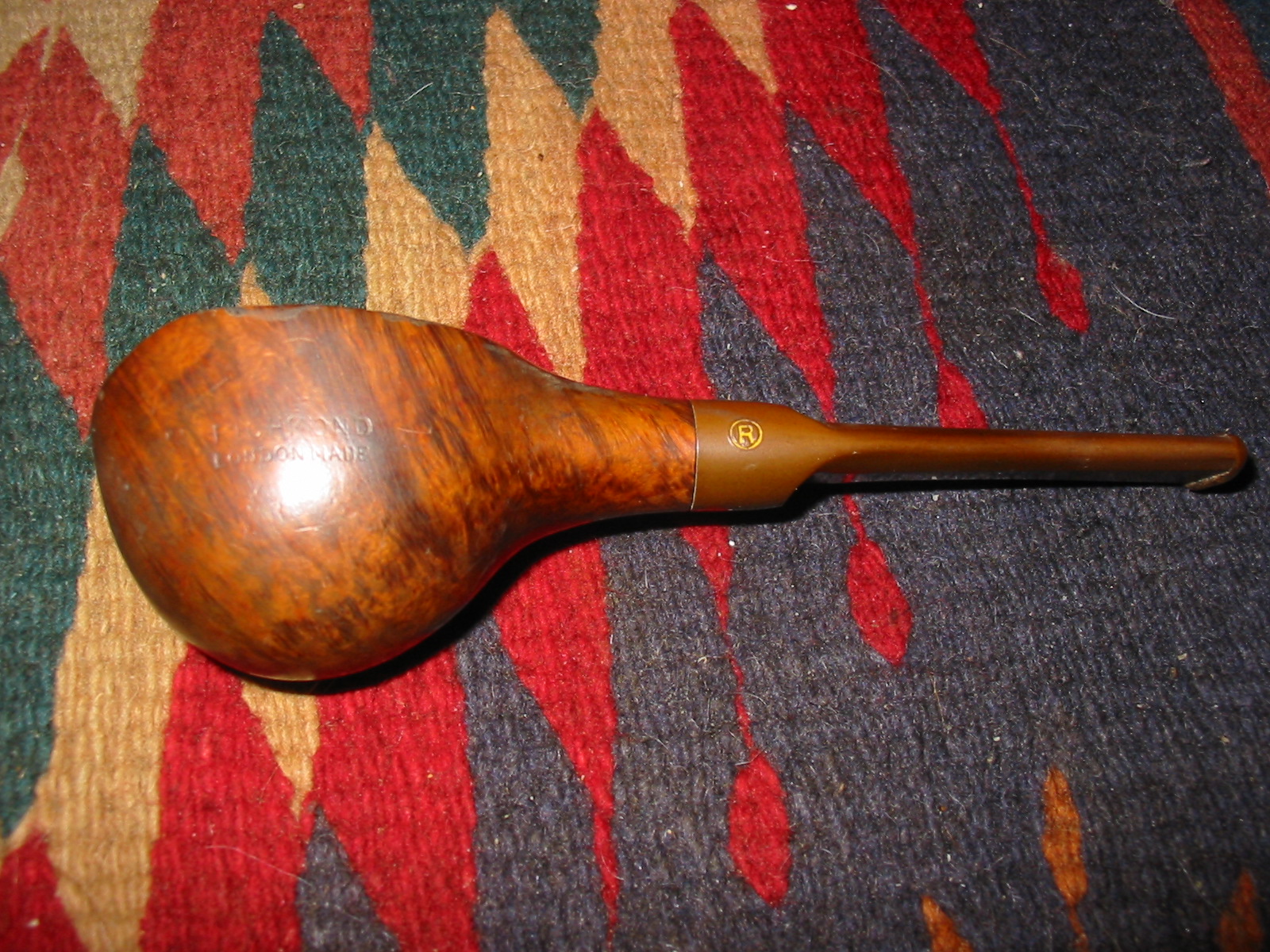
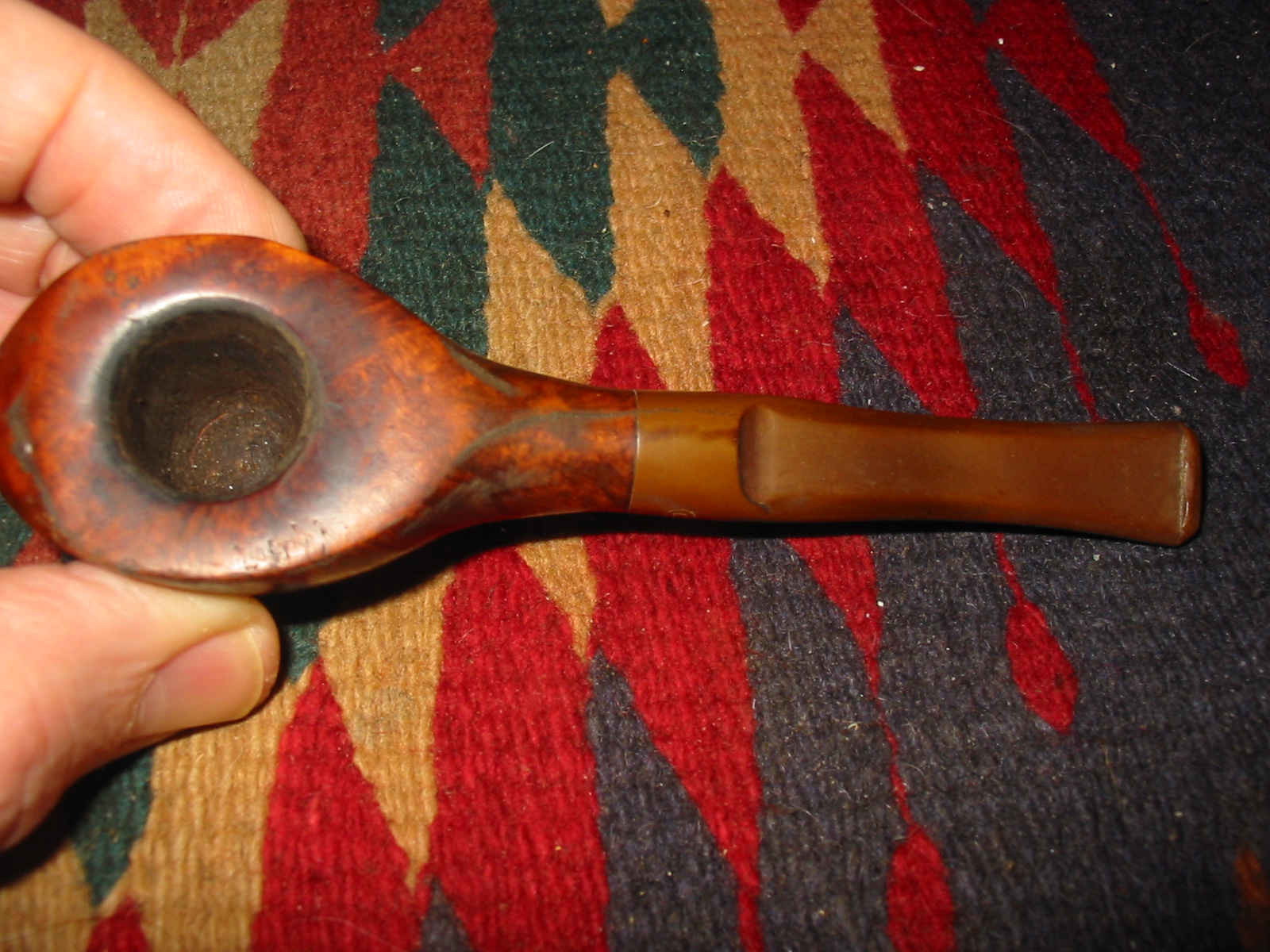
An Odd Pipe Restored – Richmond London Made


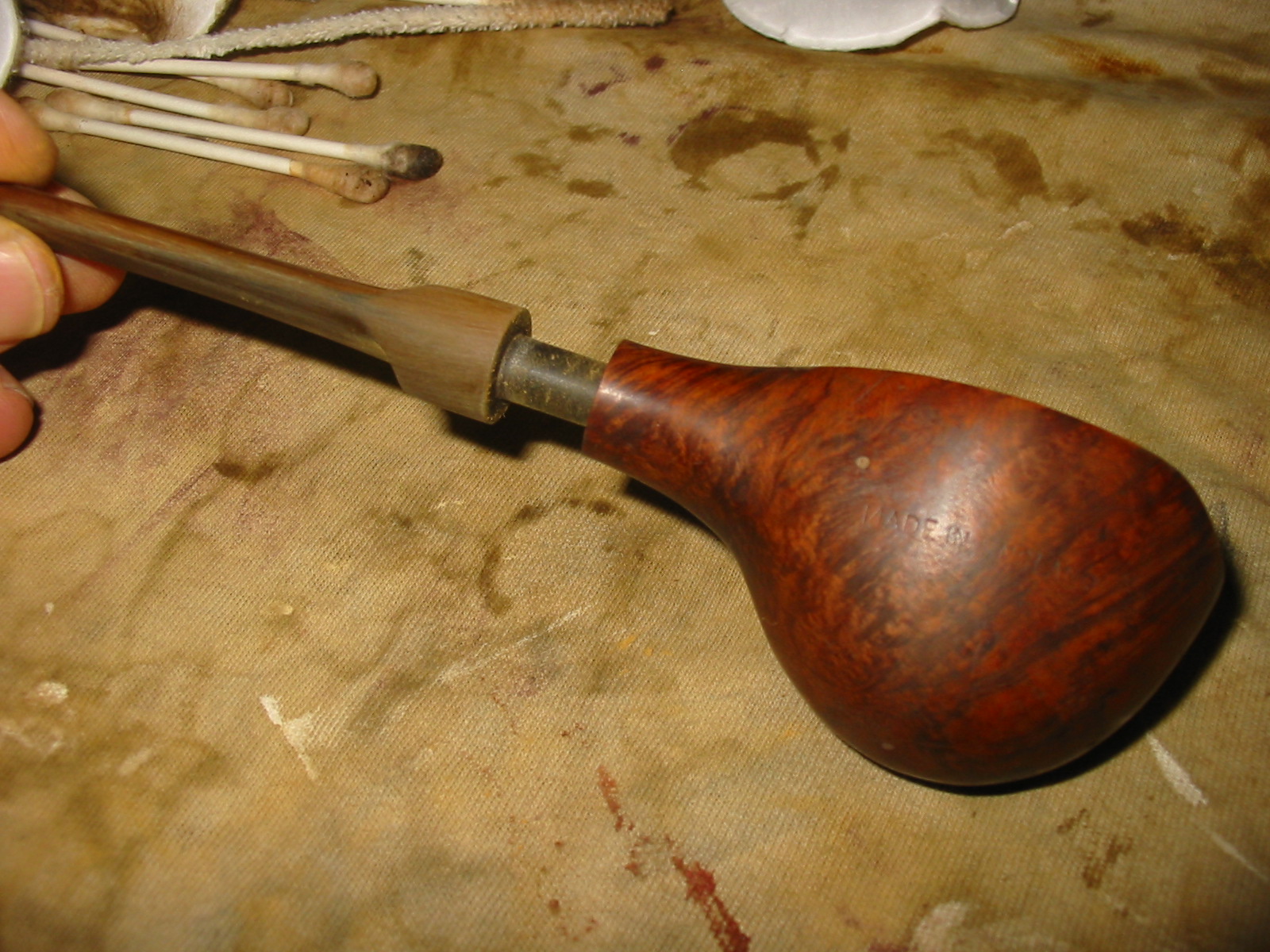
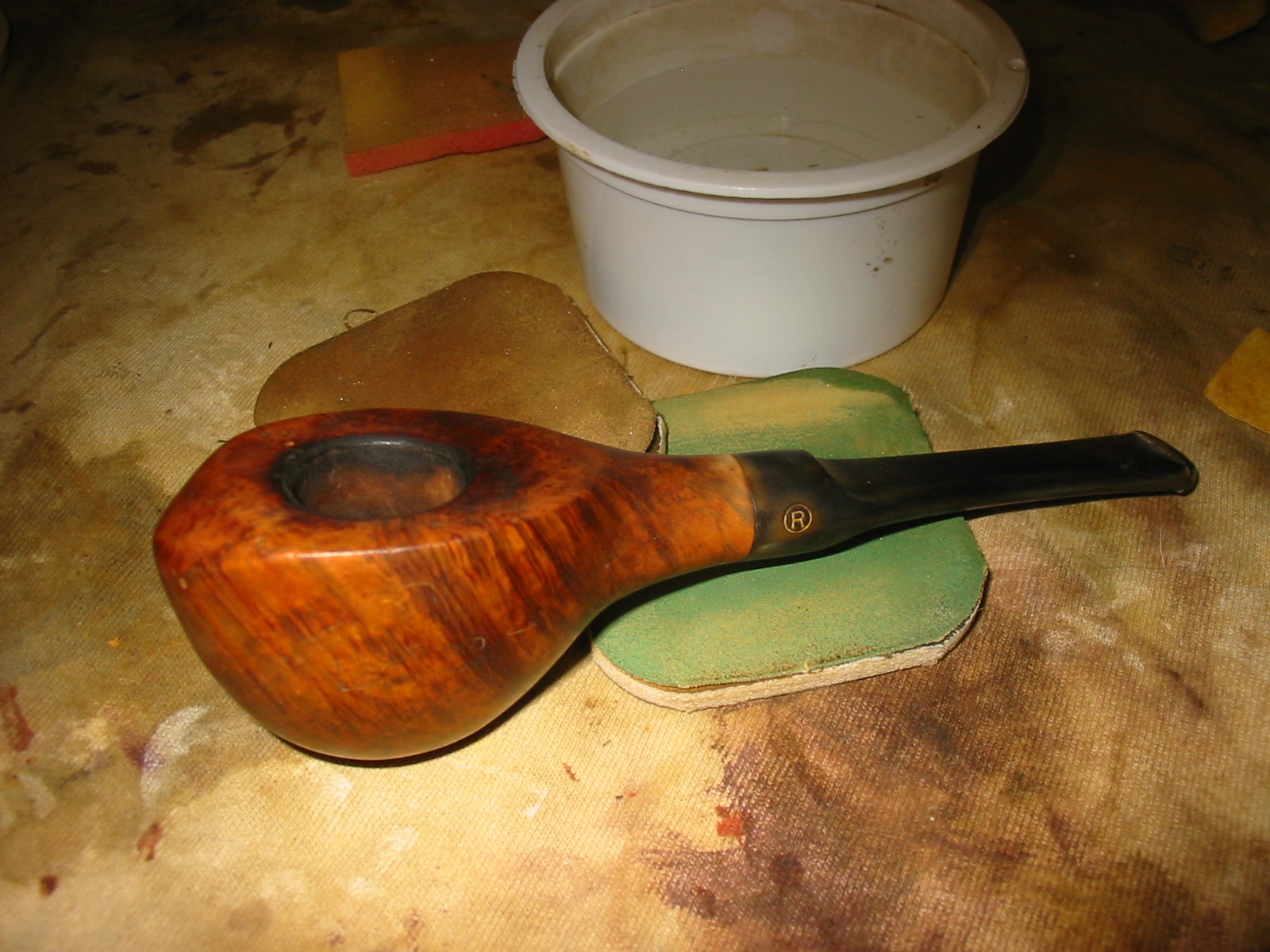
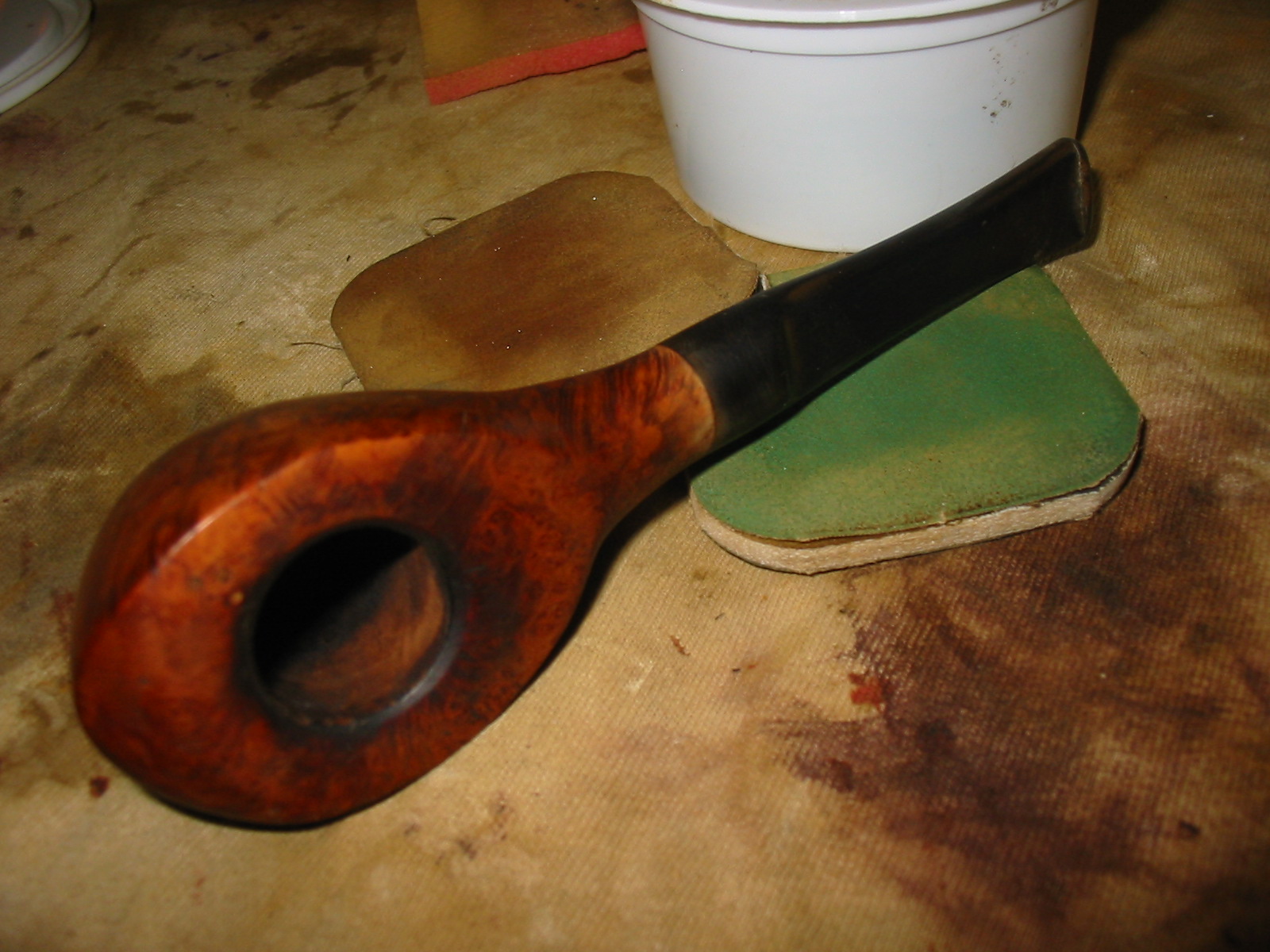
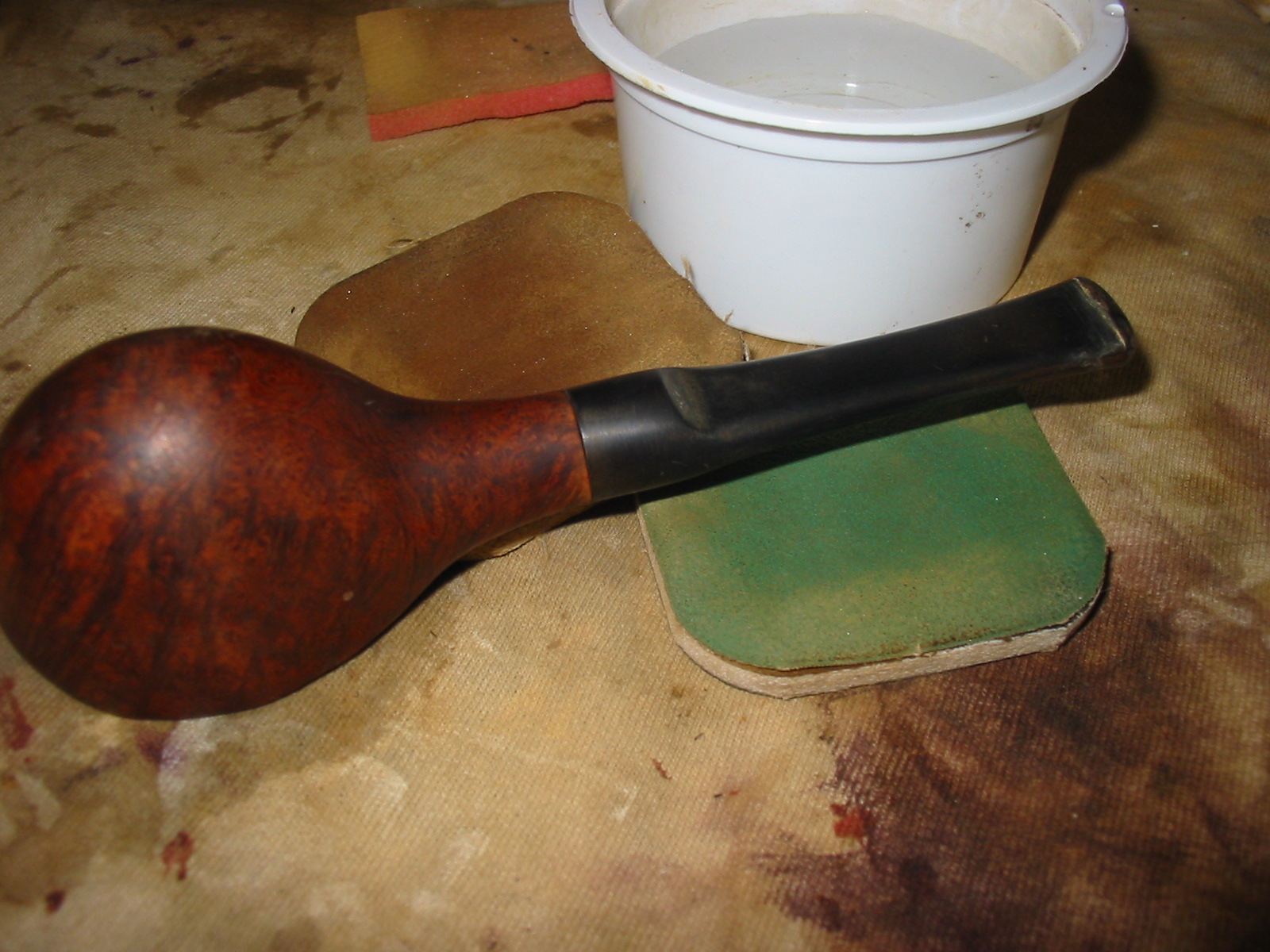
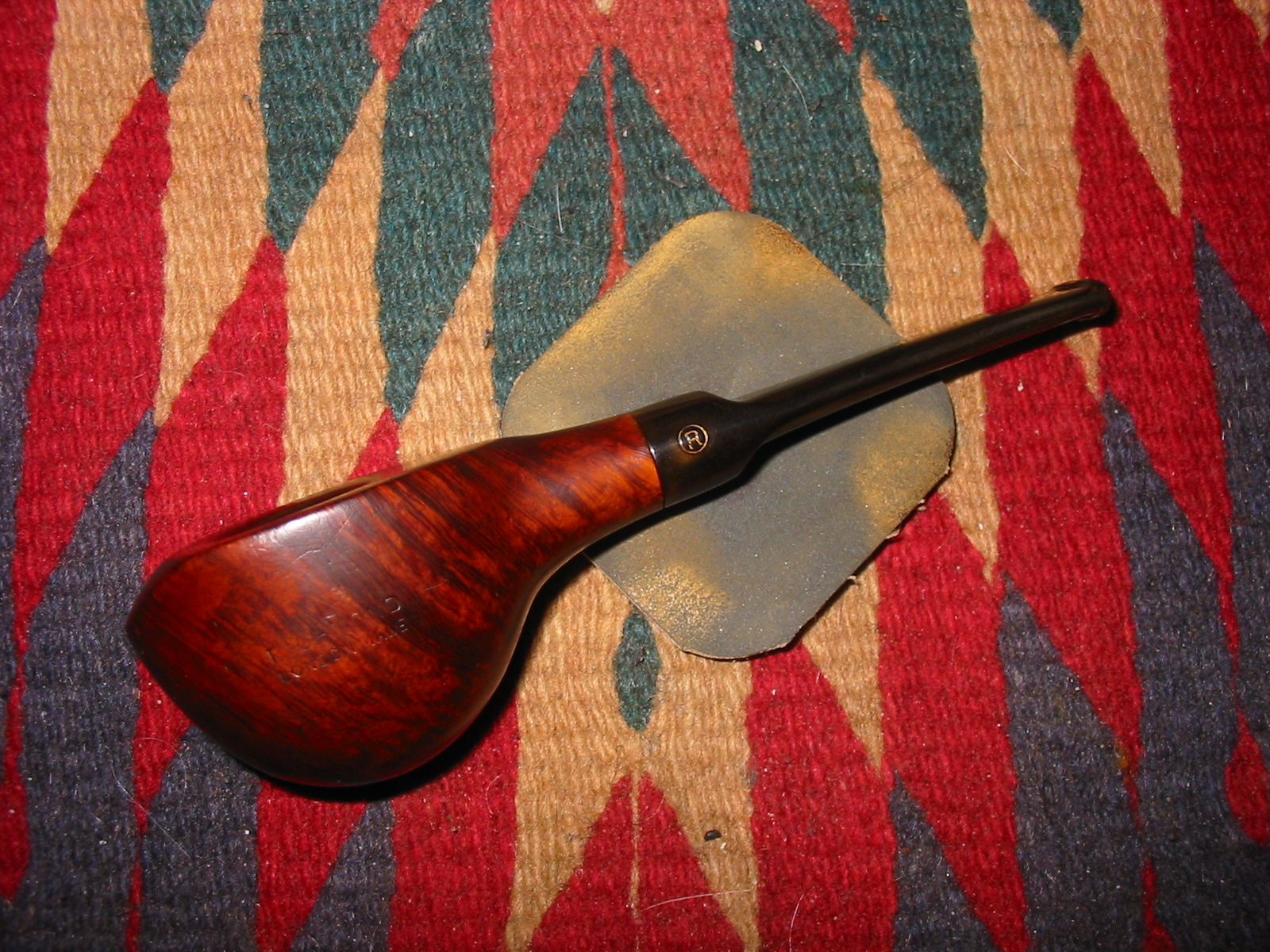
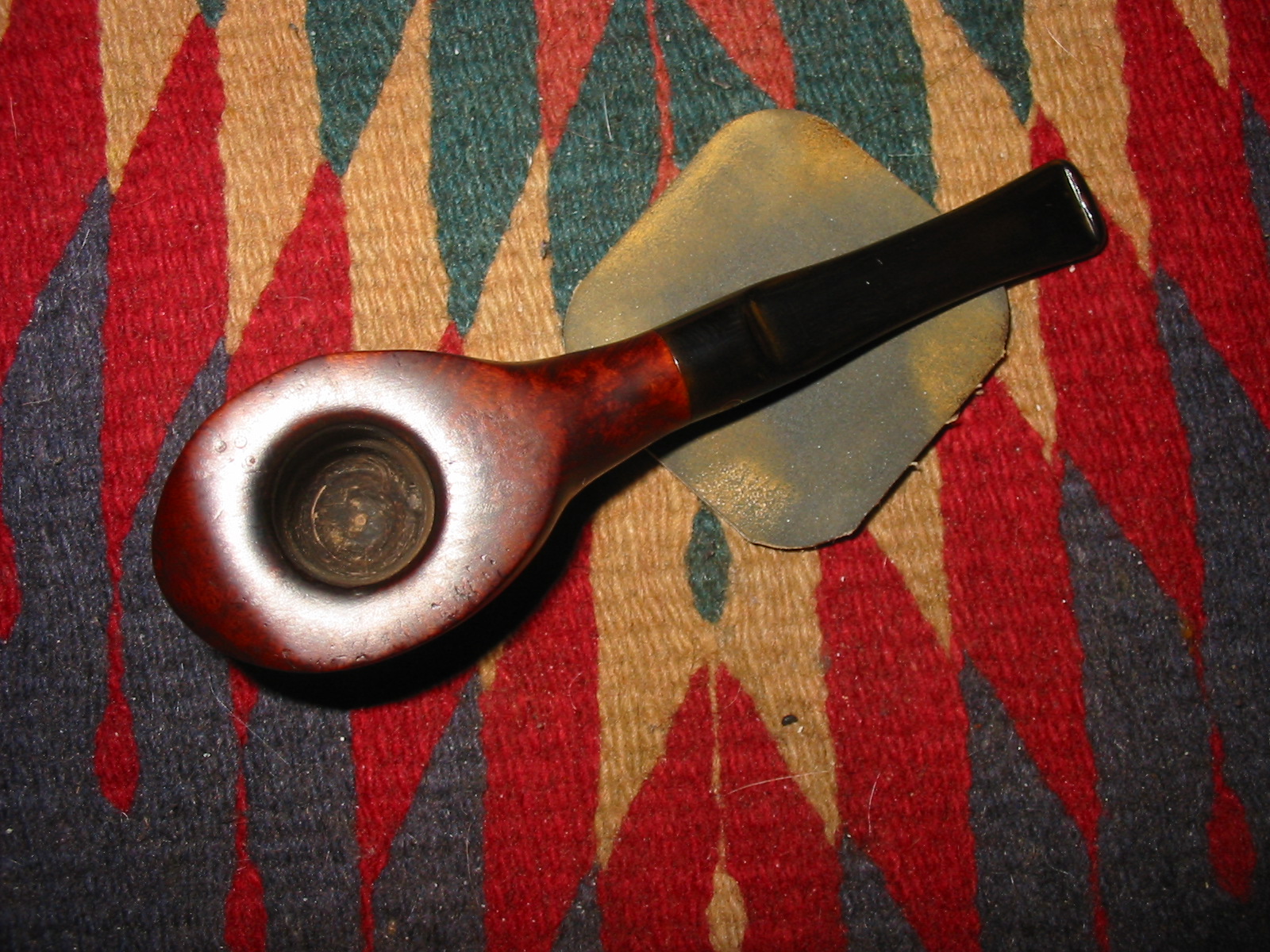
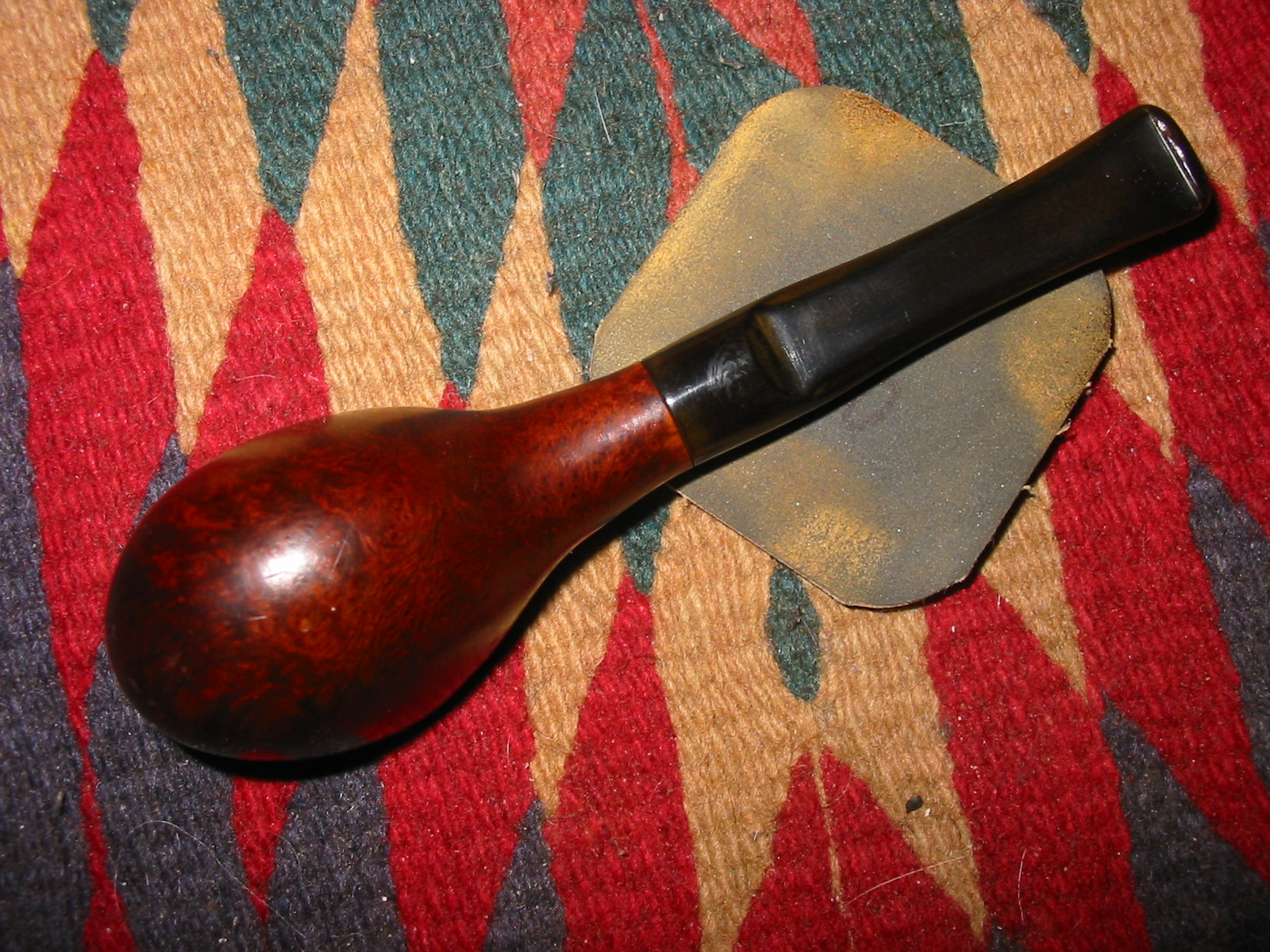
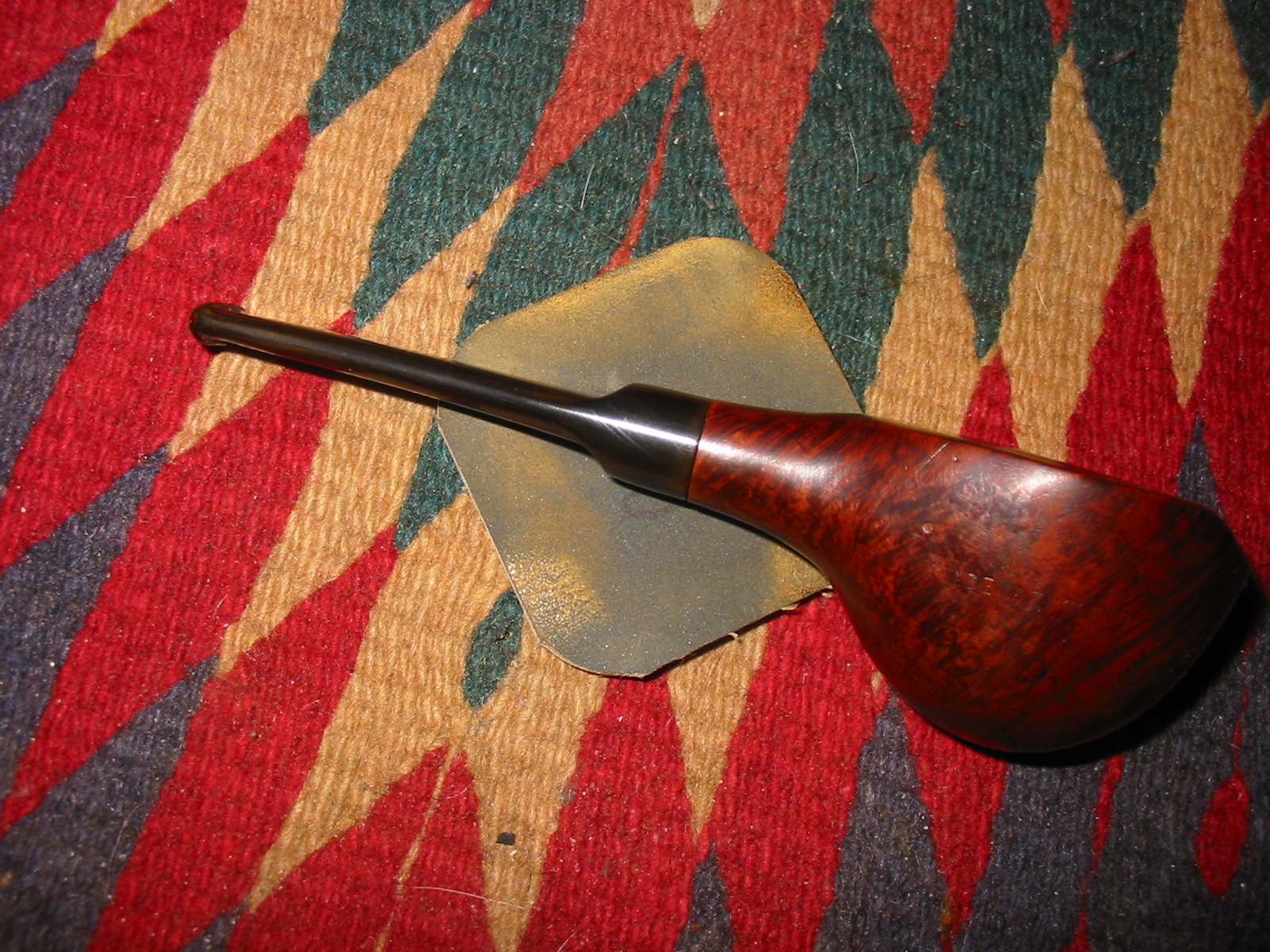
This old timer is an odd shaped pipe with the bowl hanging below the height of the shank. The line from the rim to the stem is straight and the bowl hangs below that. It is stamped Richmond over London Made on the left side of the bowl and on the right it is stamped Made in England. From the information that I can find the pipe was made by either Saseini or Comoys. Both stamped pipes with the Richmond label. The first series of four photos show the pipe as it was when it arrived here at my workbench.

ImageImageImageImage

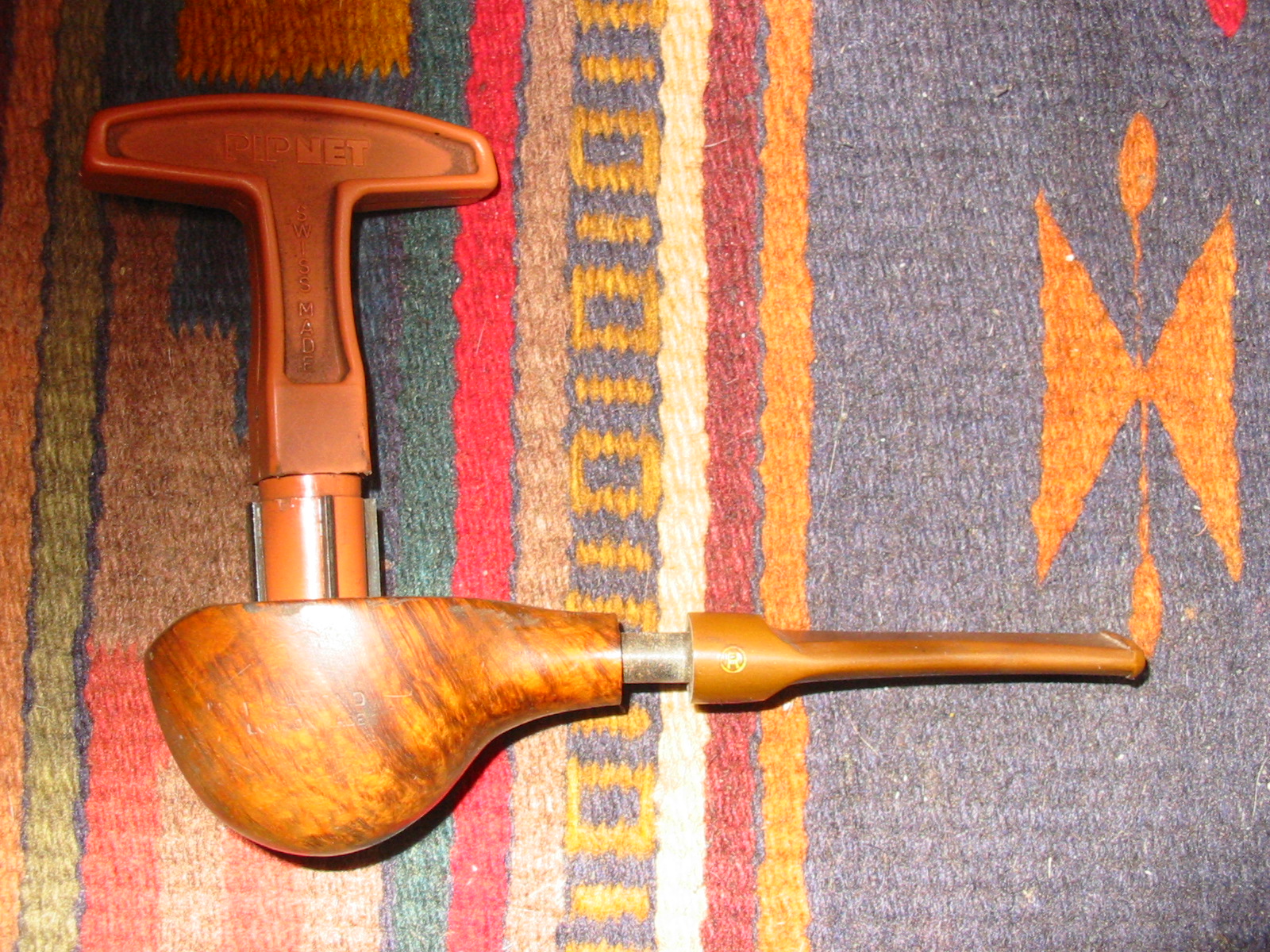
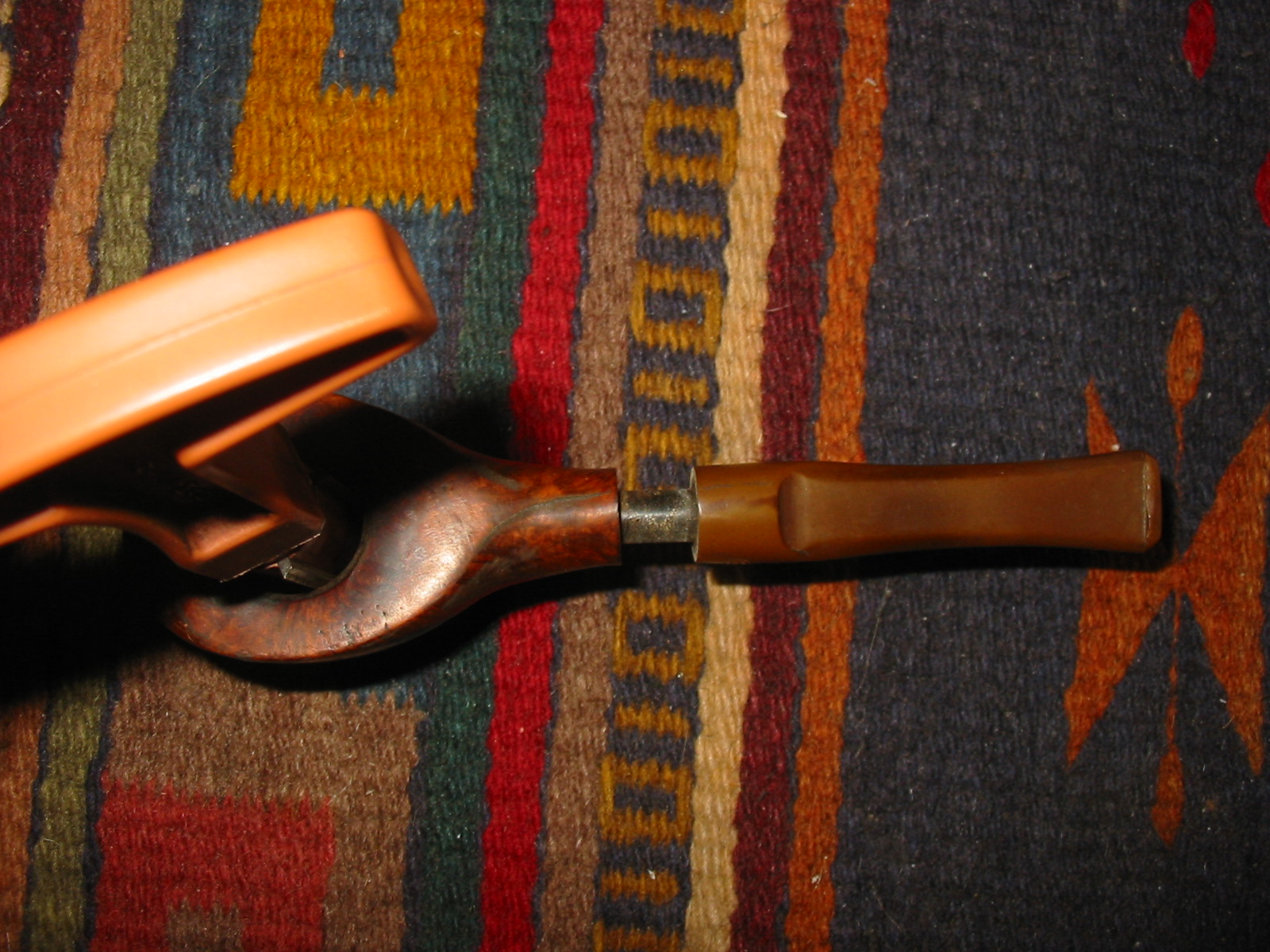
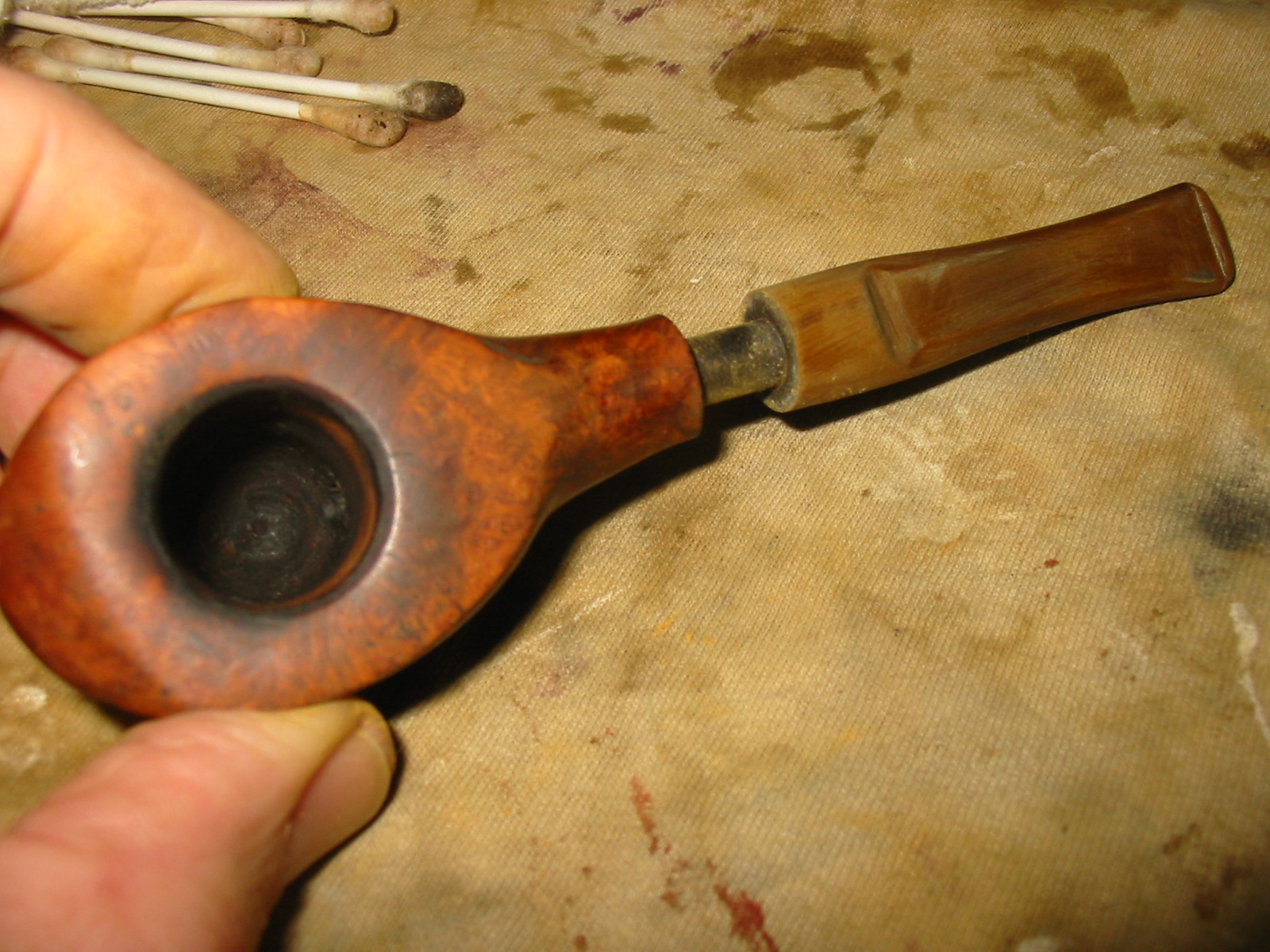
I cleaned the bowl and shank with Isopropyl alcohol. I reamed out the cake in the bowl. I use a Pipnet T handle reamer. In this case I started with the smallest blade set and worked up to the one that is pictured below in the next two photos.

ImageImage

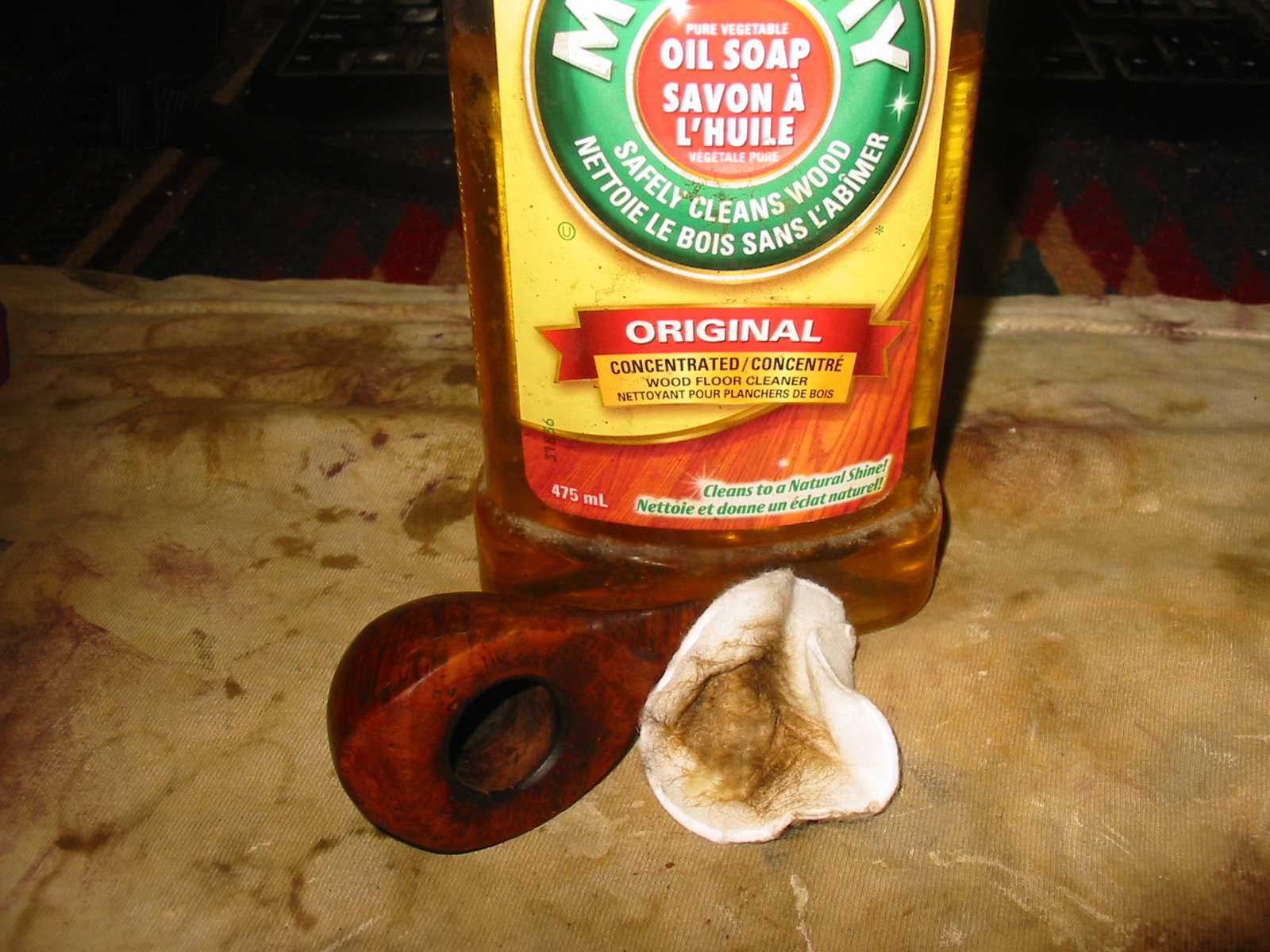
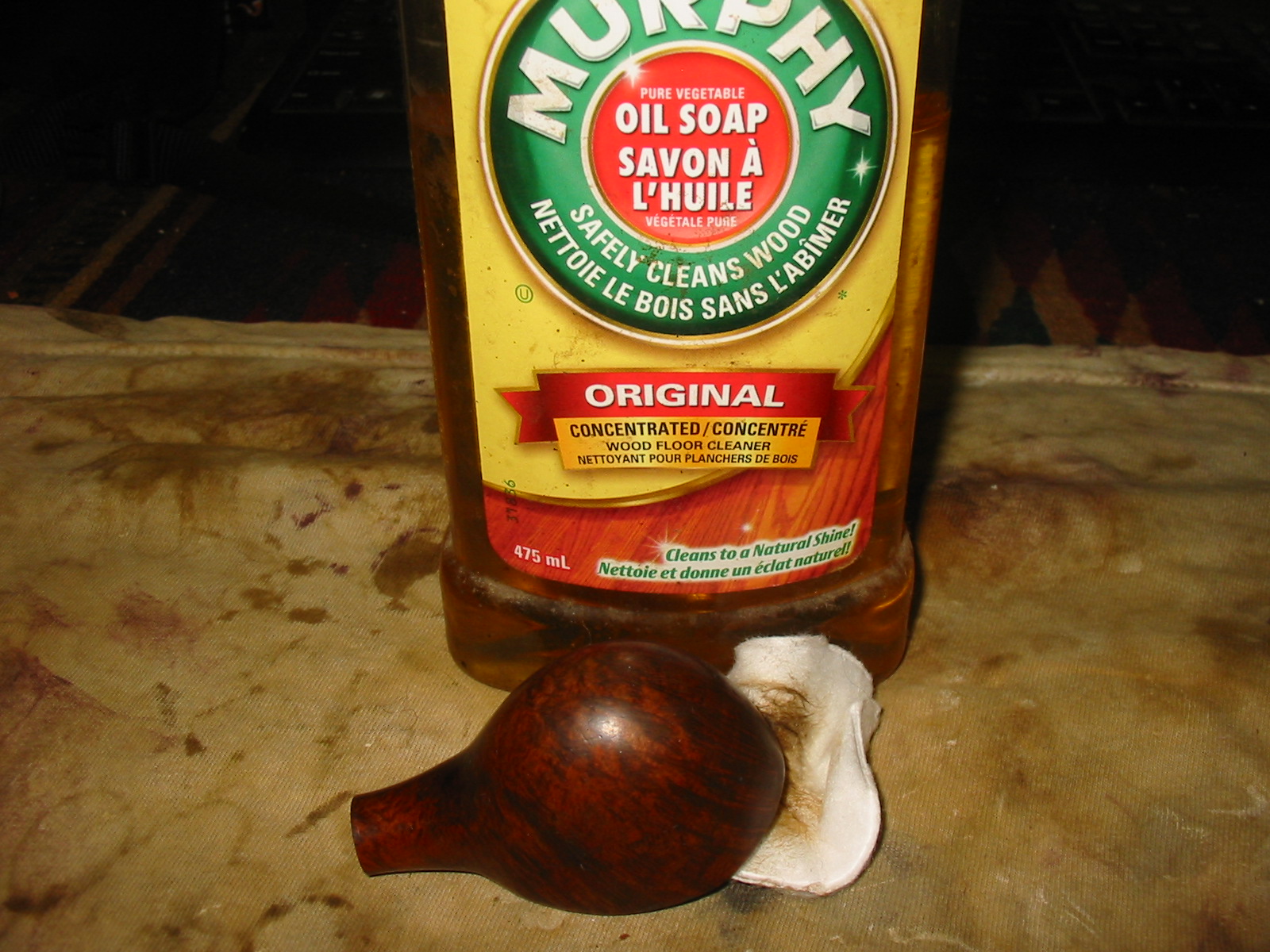
After reaming the bowl I scrubbed the outside of the bowl with Murphy’s Oil Soap on a cotton pad. I wanted to remove as much of the old waxes and grime that was on the surface of the bowl and the rim.

ImageImage

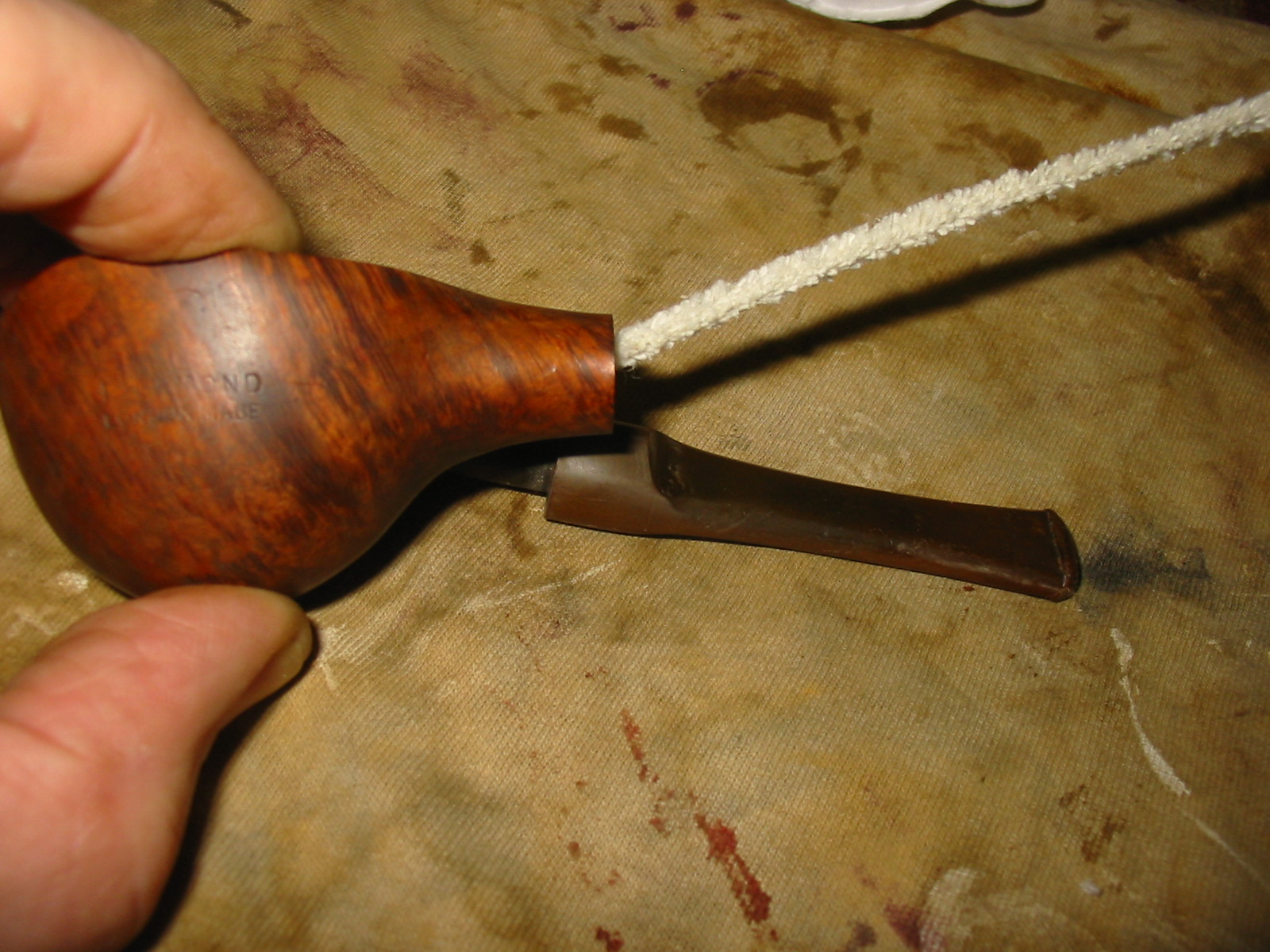
After the scrubbing I worked on the inside of the shank. I scrubbed it out with alcohol on pipe cleaners and then scrubbed the mortise with cotton swabs dipped in isopropyl alcohol. The two photos below show the angle of the drilling from the shank to the bottom of the bowl. The drilling started at the bottom edge of the mortise and came out at the centre of the bottom edge of the bowl. It is a well drilled pipe.ImageImage

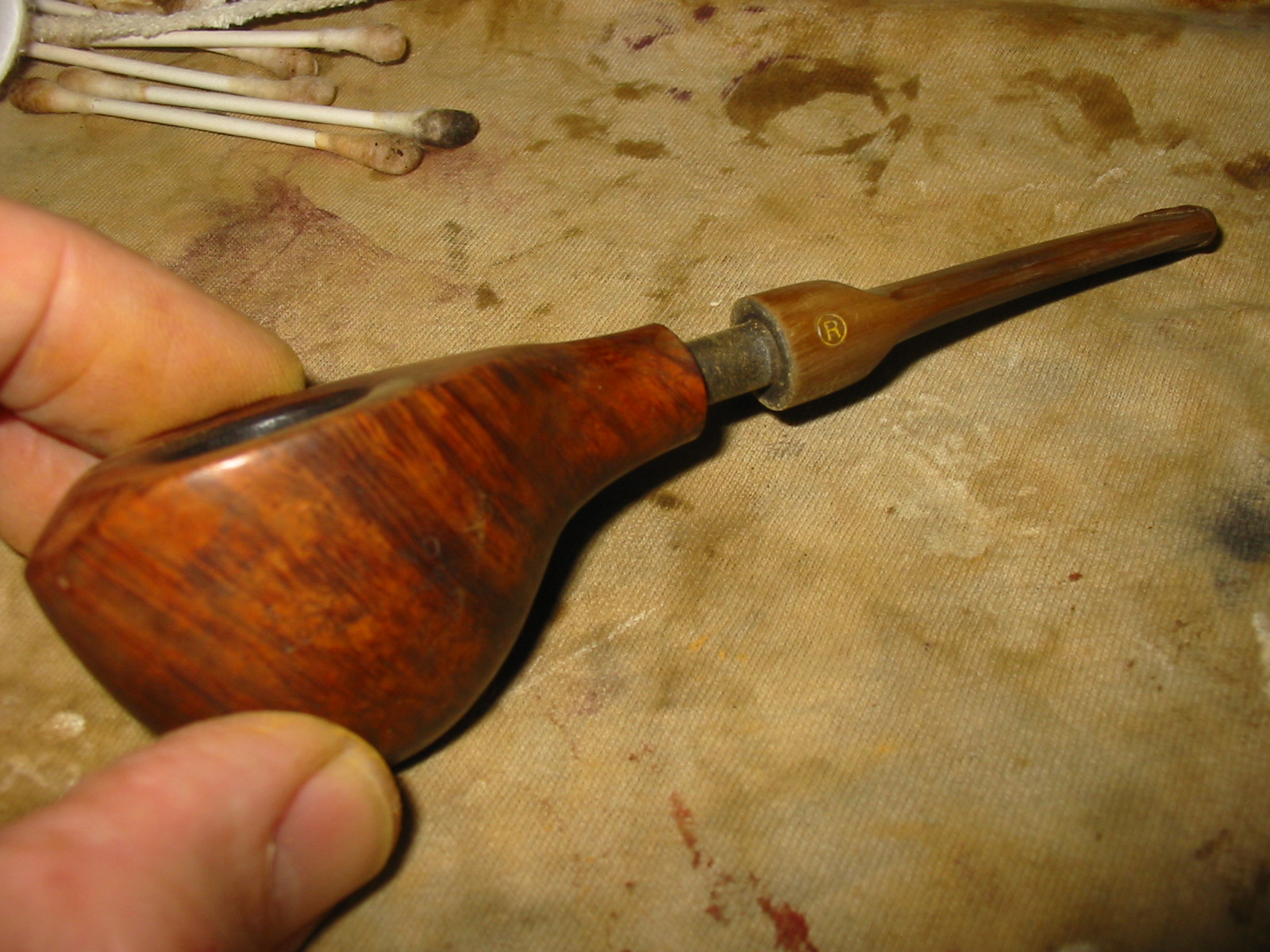
The next three photos show the bowl after I had scrubbed it. I also used the Murphy’s on the stem to remove some of the surface oxidation. I wanted to preserve the Circle R stamping on the stem so I carefully worked around that area.

ImageImageImage

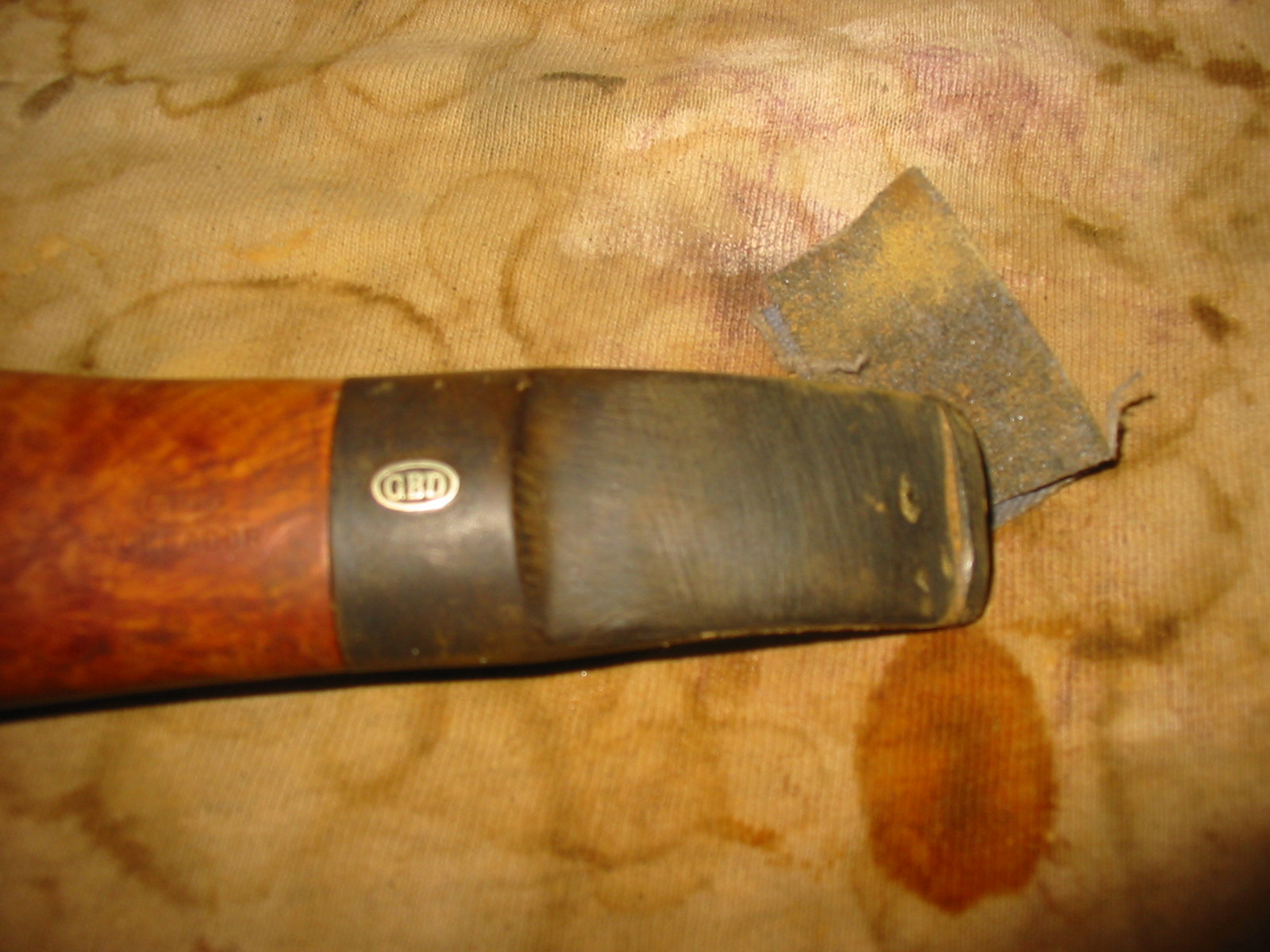
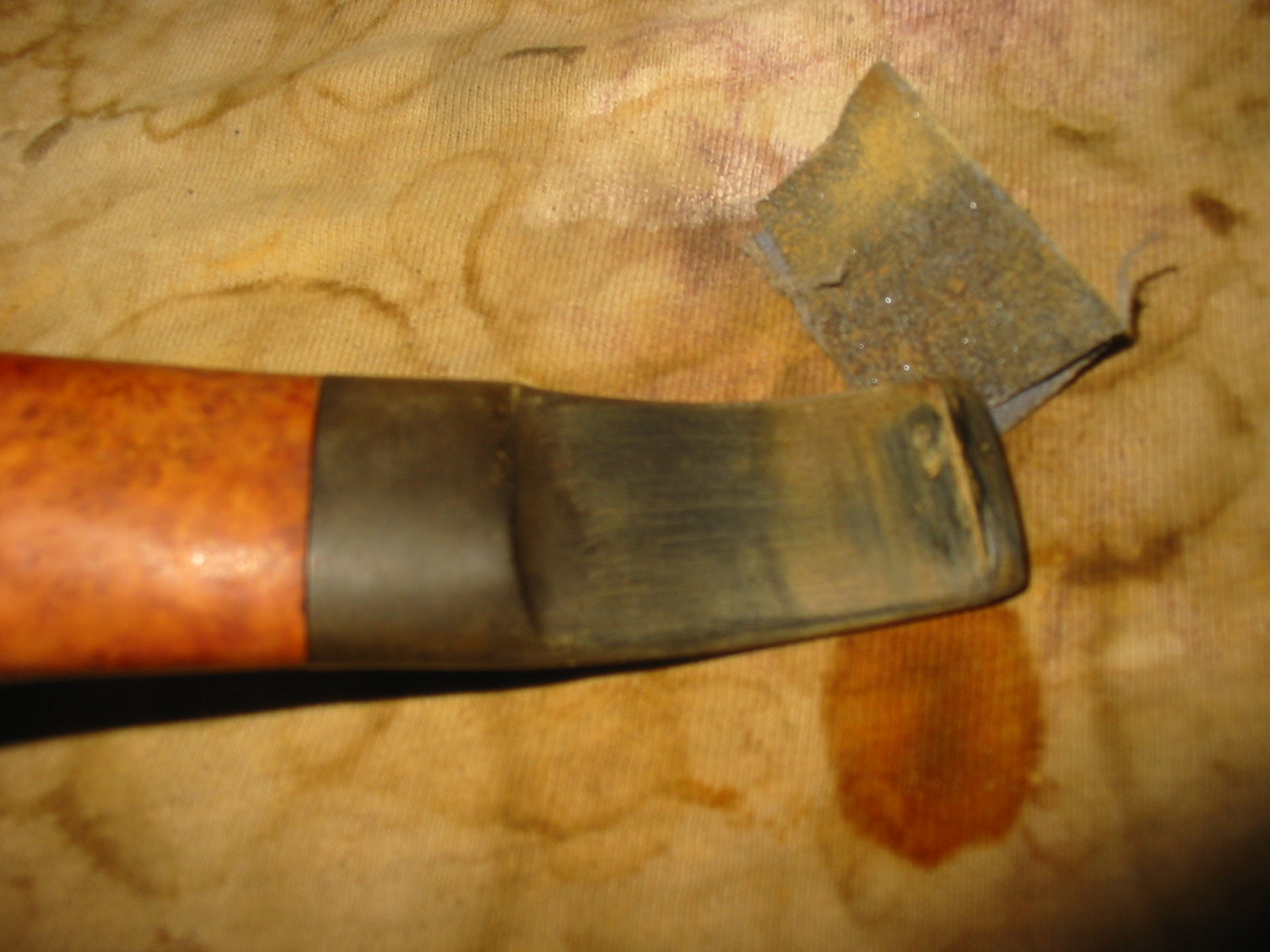
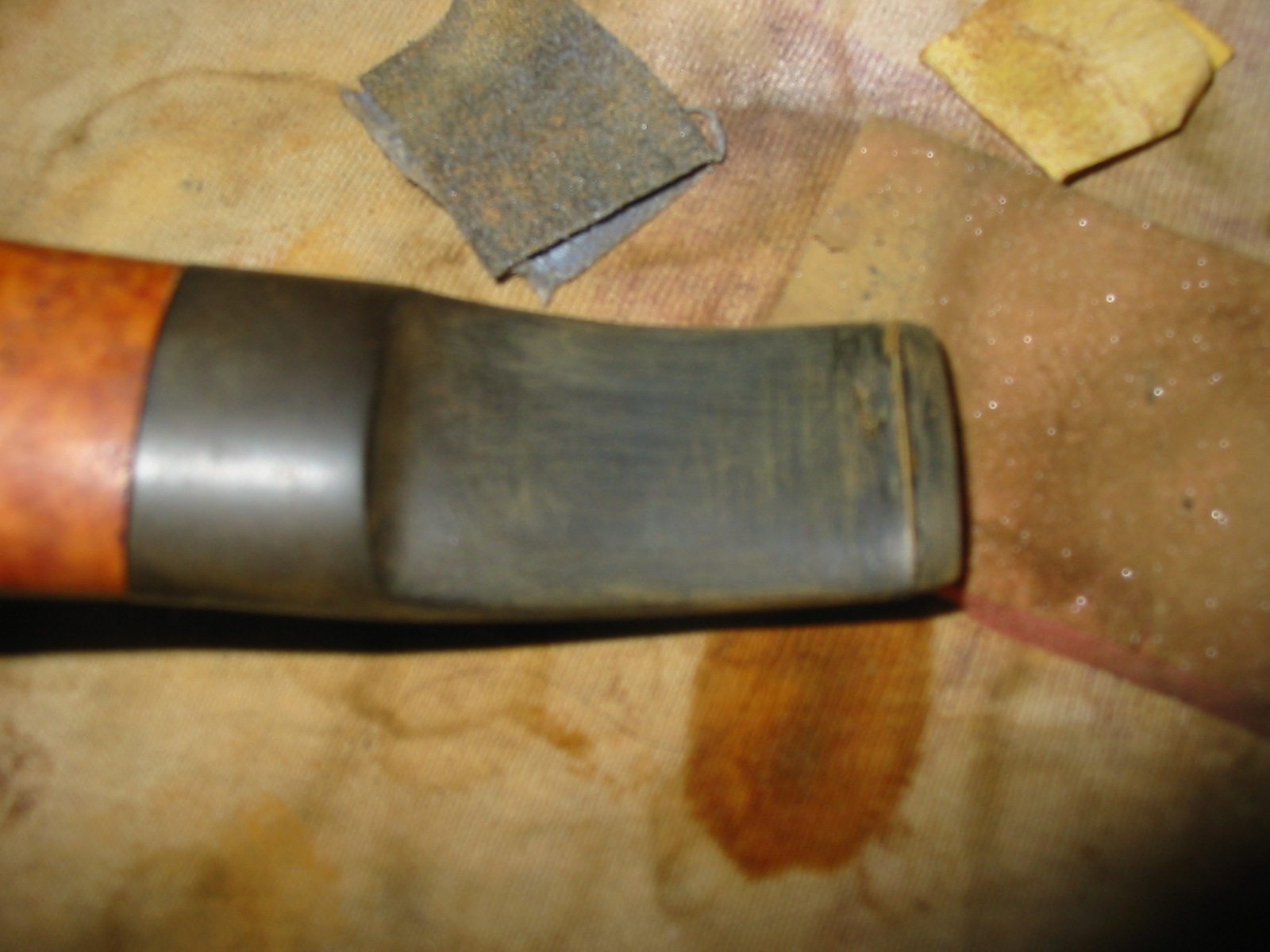
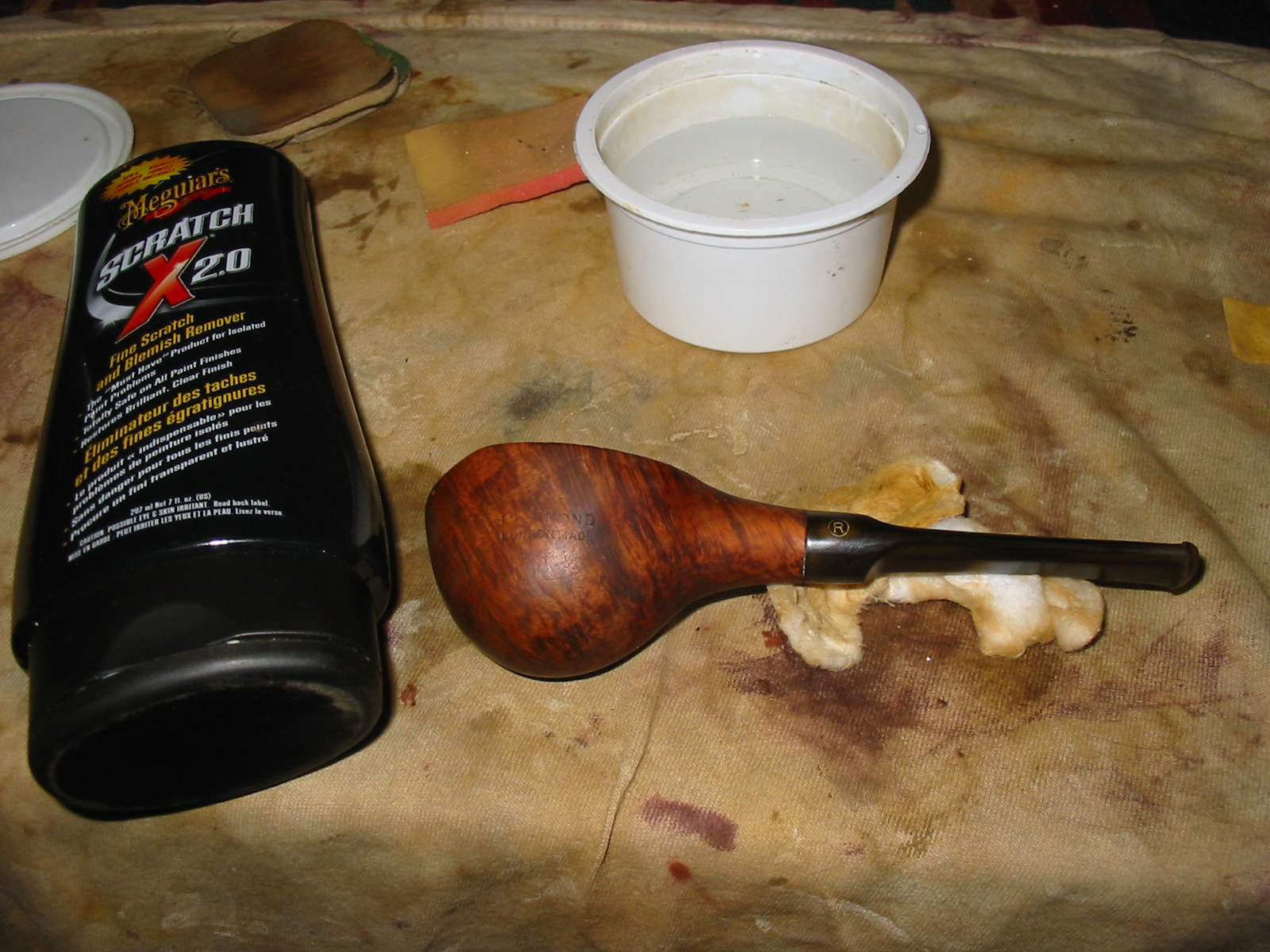
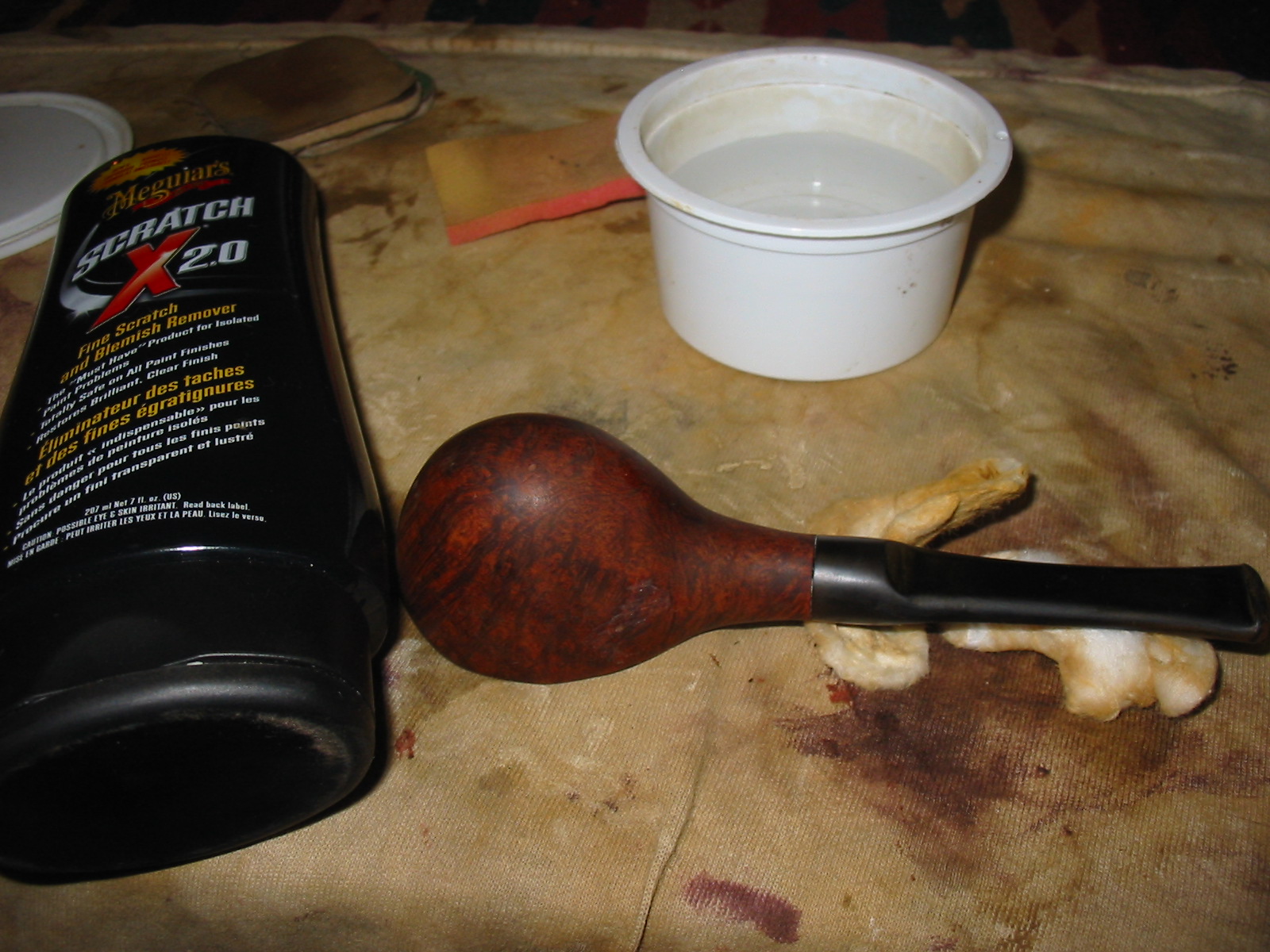
The next four photos show the stem after I had scrubbed it with the oil soap and then polished it with the Maguiar’s Scratch X2.0. The majority of the surface oxidation came off. What remained was deeply embedded in the stem and would require more work.

ImageImageImageImage

At this point I worked on the remaining oxidation on the stem using the micromesh sanding pads. The next series of six photos show the process. I wet sanded with 1500 and 1800 grit micromesh and then polished the stem with Maguiar’s Scratch X2.0 polish.

ImageImageImageImageImageImage

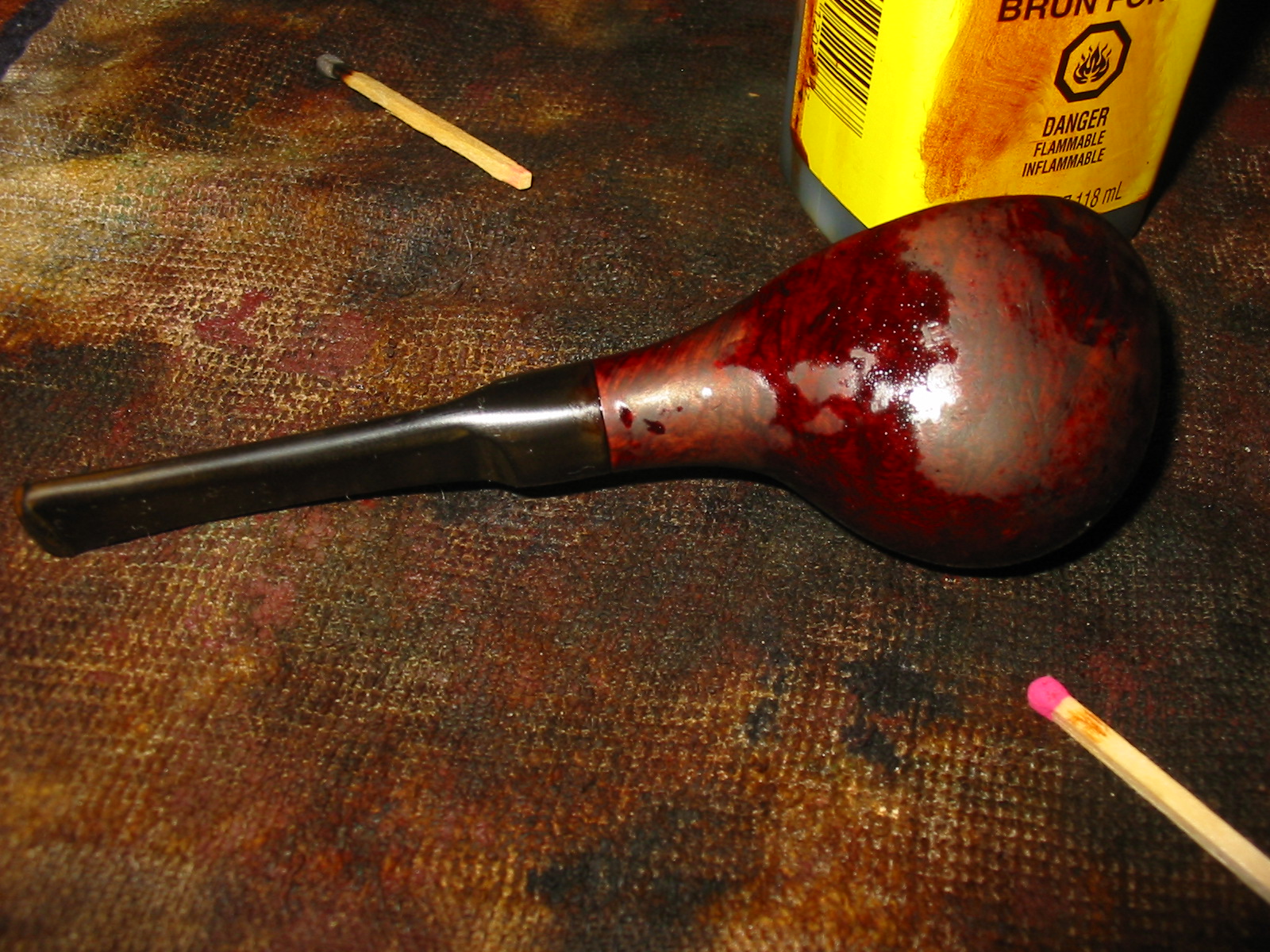
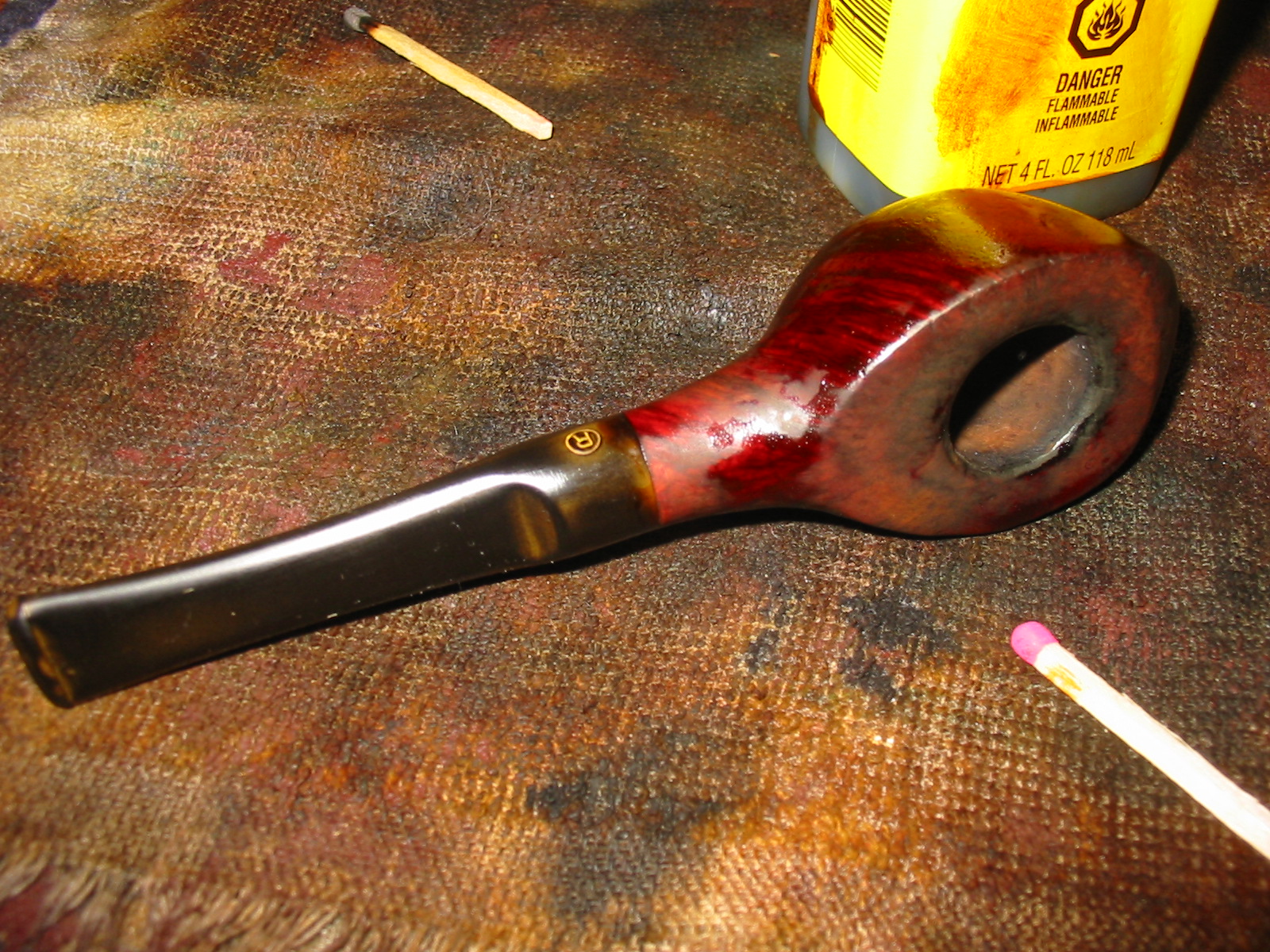
After polishing I stained the bowl with a dark brown aniline stain mixed 2:1 with isopropyl alcohol to restore the finish to the bowl. I stained it, flamed it, restained and reflamed it to set the finish coat. The first two photos below show that process. I took it to my buffer and gave it a buff with White Diamond. The next three photos show the pipe after I had buffed it.

ImageImageImageImageImage

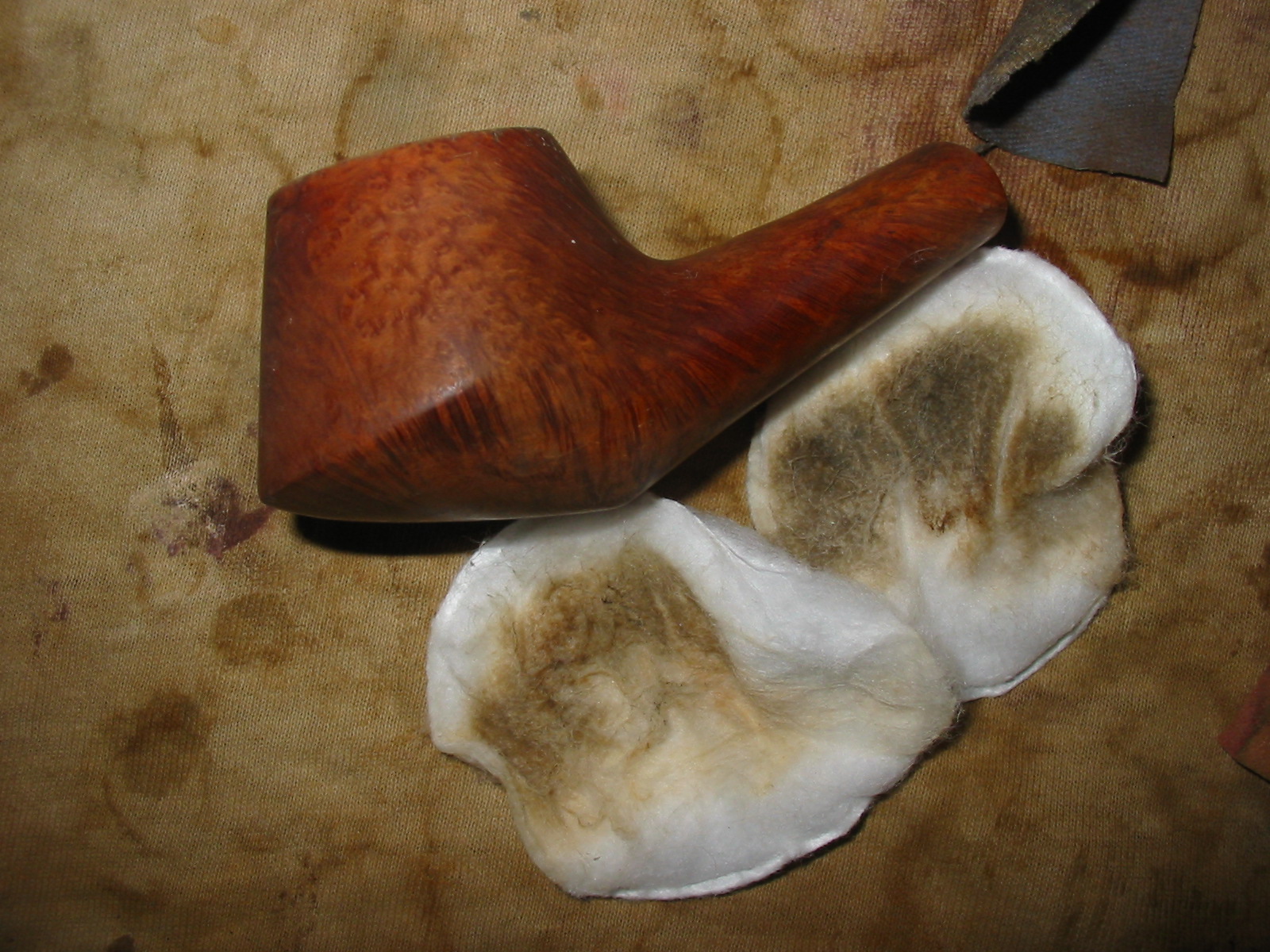
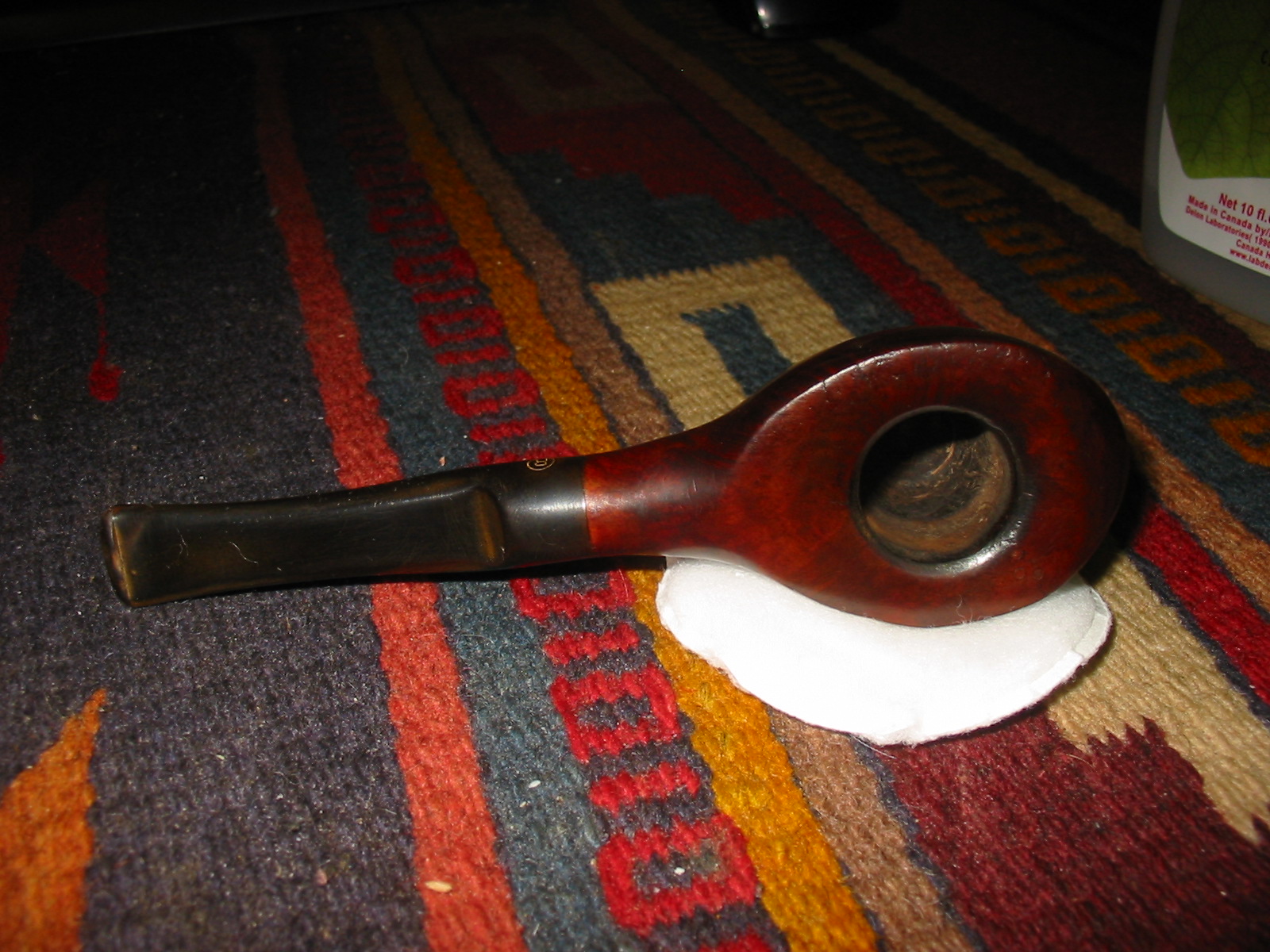
The finished colour was too dark to my liking and obscured the grain rather than highlighting it so I used acetone on cotton pads to reduce the intensity of the colour. The next series of three photos show the new look to the colour after wiping it down with acetone. Note the stain on the cotton pads in the photos.

ImageImageImage

I took the pipe to the buffer again and buffed it with White Diamond. The next series of photos show the finished look of the stain at this point. They also show the ongoing work on the oxidation on the stem using the further grits of micromesh. I dry sanded with 2400-12,000 grit micromesh to finish polishing the stem. After I had finished with the micromesh I used the Maguiar’s again to do a final hand polish. I rubbed the stem down with some Obsidian Oil.

ImageImageImageImage

The next five photos show the finished pipe. I took it to the buffer a last time and buffed the stem using White Diamond. I also lightly buffed the bowl. I gave the stem and bowl several coats of carnauba wax and buffed it lightly with a soft flannel buff to bring up the shine. You will note a little oxidation remaining around the logo on the stem. I decided to leave that and not damage the stamping on the stem.

ImageImageImageImageImage

Refurb on the Weingott Billiard


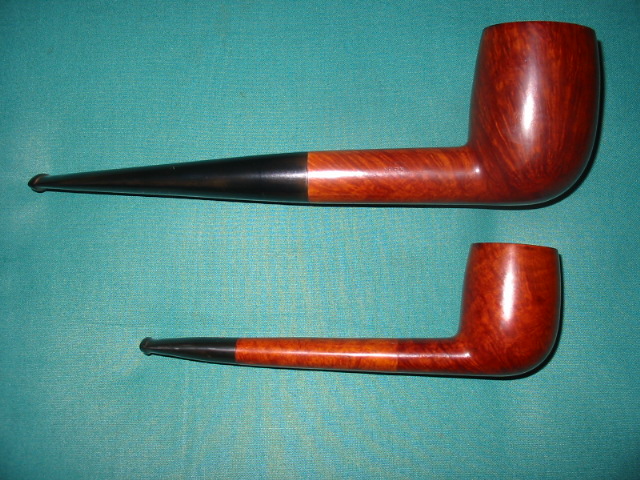
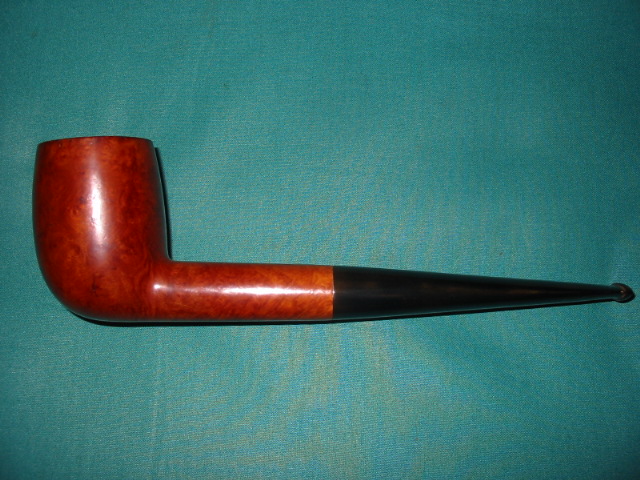
I finished up refurbishing this large Weingott Billiard that was a part of the threesome I picked up on EBay. All three were huge pipes and were ones that I would definitely recycle to someone else once they were refurbished. The Weingott is a BIG piece of briar – the pipe has a length of 8 inches, height 2 1/2 inches, the bowl inside diameter is 7/8 inches, outside diameter 1 1/2 inches. I took a picture of it next to a Dunhill group 4 to show the size of this big fellow in a picture.

The overall condition of this pipe was poor. Obviously it was a much loved pipe as it had been smoked hard. I had to ream and clean it – the bowl was very caked and the shank and stem almost clogged with a goopy tar substance. The finish was blackened on both sides of the bowl and the rim was caked and dented. The dents and scratches were deep and the surface was rough from knocking the pipe out on something hard. The stem had a very deep oxidation and was greenish brown. There were not tooth marks on the stem – at least the pipe had that going for it.

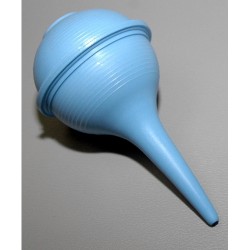
I reamed the bowl and cleaned out the shank. That took some work to unclog the airway. I ended up using a piece of wire to break through the accumulated tars and residue. I then used a drill bit and turned it into the shank until the airway was clean and open. Then I used a shank brush and many pipe cleaners and isopropyl alcohol to clean out the remaining residue. I packed the bowl with cotton bolls and used an ear syringe to fill the bowl with alcohol so that I could leach out the tars and oils in the bowl. I put a cork in the shank and set the pipe aside overnight.

Image

The oxidation on the stem took a lot of work as it was deep. I quickly buffed the stem with Tripoli to remove the surface oxidation and see how deep it went. The first coat of greenish brown seemed to be untouched by the Tripoli. It was hard and it smelled bad! I then sanded it with emery clot (fine grit) to break the surface of the oxidation. From there I sanded with 240 grit for a long time until I finally got the stem to the point that it was just a brown haze in the stem. I then put the stem in a soak of Oxyclean overnight to let it soften and draw out the remaining oxidation.

In the morning I took the cotton bolls out of the bowl and dumped them in the rubbish bin. They were dark brown and in places almost black. I let the bowl dry out and had a coffee. Then I topped the bowl to remove the damage that was on it. Once it was smooth and clean I put it in the alcohol bath to soak in order to remove the finish and the grime on the surface. It sat for about an hour and ½ before I took it out of the bath and dried it off. I sanded it with micromesh pads 2400-6000 grit and then restained it with a cherry stain.

I removed the stem from the Oxyclean soak and dried it off. I buffed it again with Tripoli and then sanded it with 400 and 600 grit wet dry sandpaper. Then I polished it with micromesh pads 1500-6000 grit to bring the stem back to black. Once finished I put it back on the pipe and buffed the whole pipe with White Diamond and several coats of carnauba. The pipe is now finished and ready for the new owner!

ImageImageImage