Tag Archives: Medico pipes

A Sentimental Journey – the Restemming and Restoration of a Medico Rhodesian


Blog by Steve Laug

For years now I have had a special spot in my heart for Medico pipes. I don’t like the paper filter system, or the cheap stems with the split aluminum tenon, or the heavy varnish on the briar, or the fills that are hidden below the thick varnish, or any endless number of complaints that come to the surface with these old US made briar pipes. But I can’t get past the fact that the first pipe I ever owned was a Medico – paper filter and all, and that the first pipe I picked up when my first daughter was born years later was a Medico as well. Because of that whenever I am given an old Medico bowl I restem it and restore it. I strip away the varnish and rework the fills, make a new stem and bring it back to life in even better condition that it was when it was first sent out.

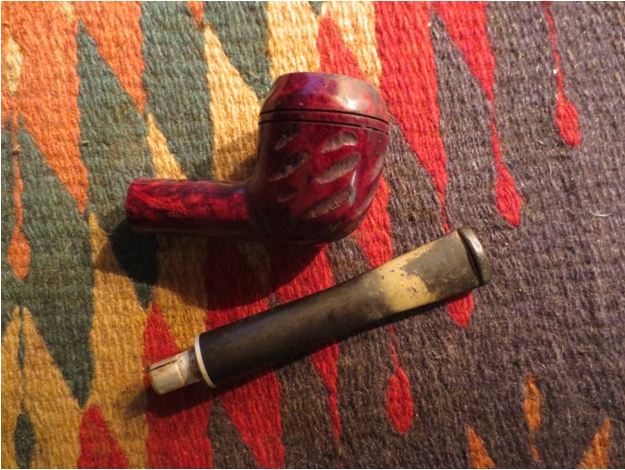
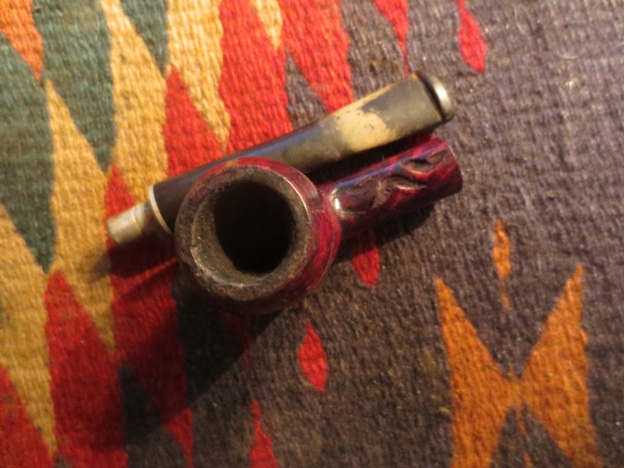
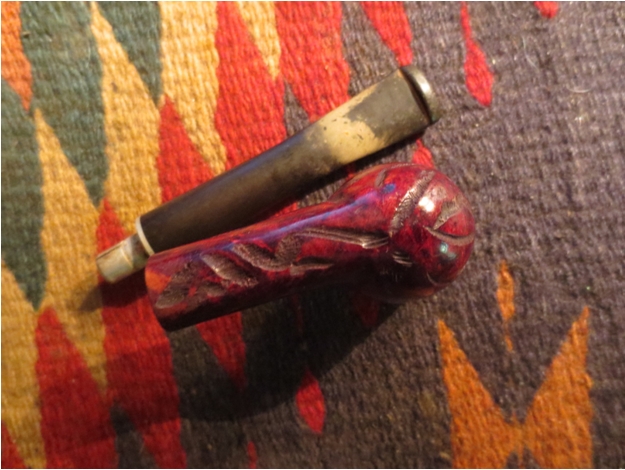
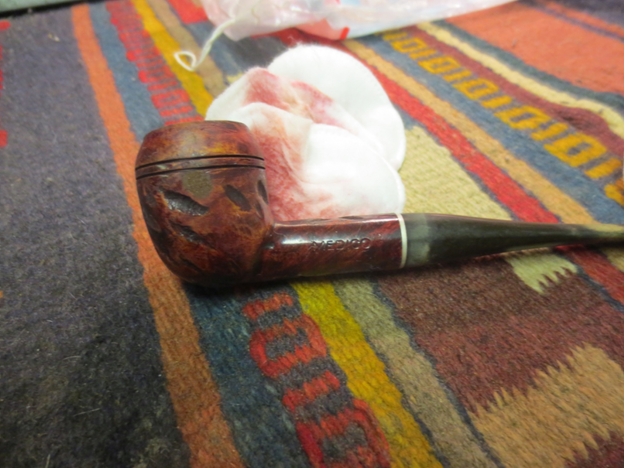
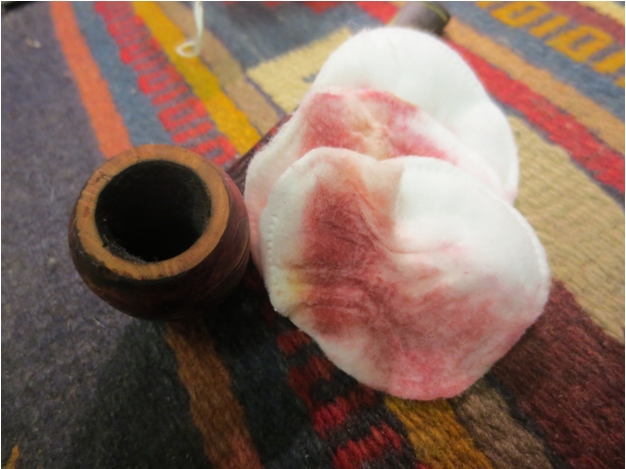
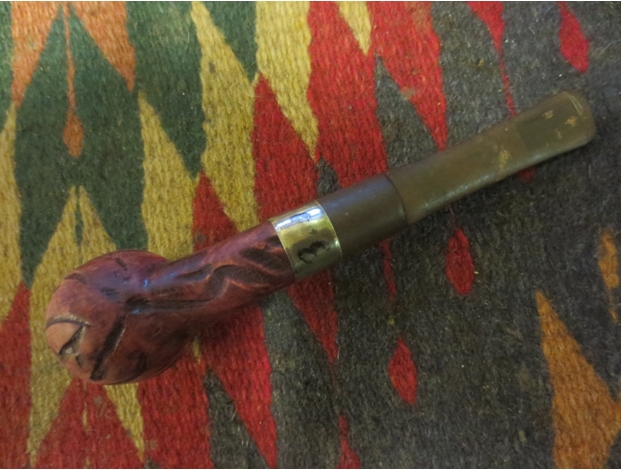
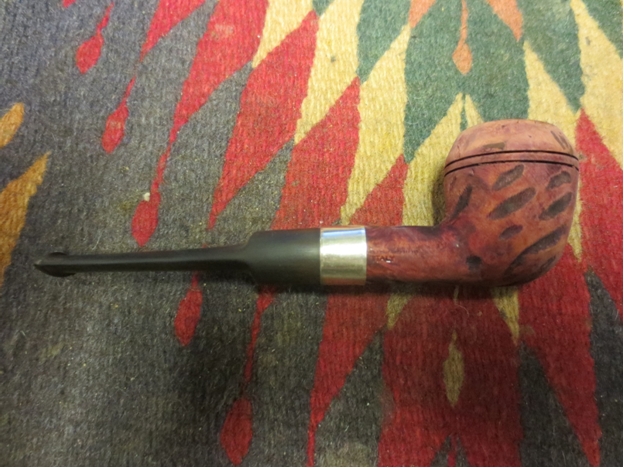
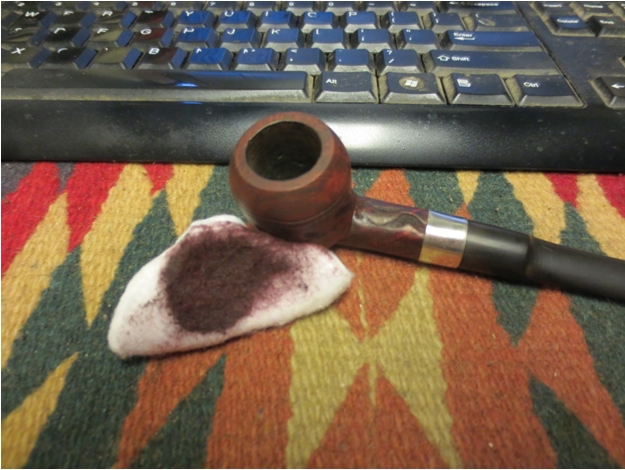
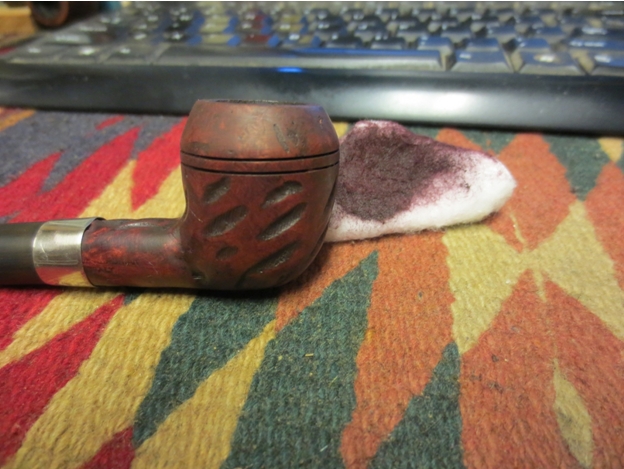
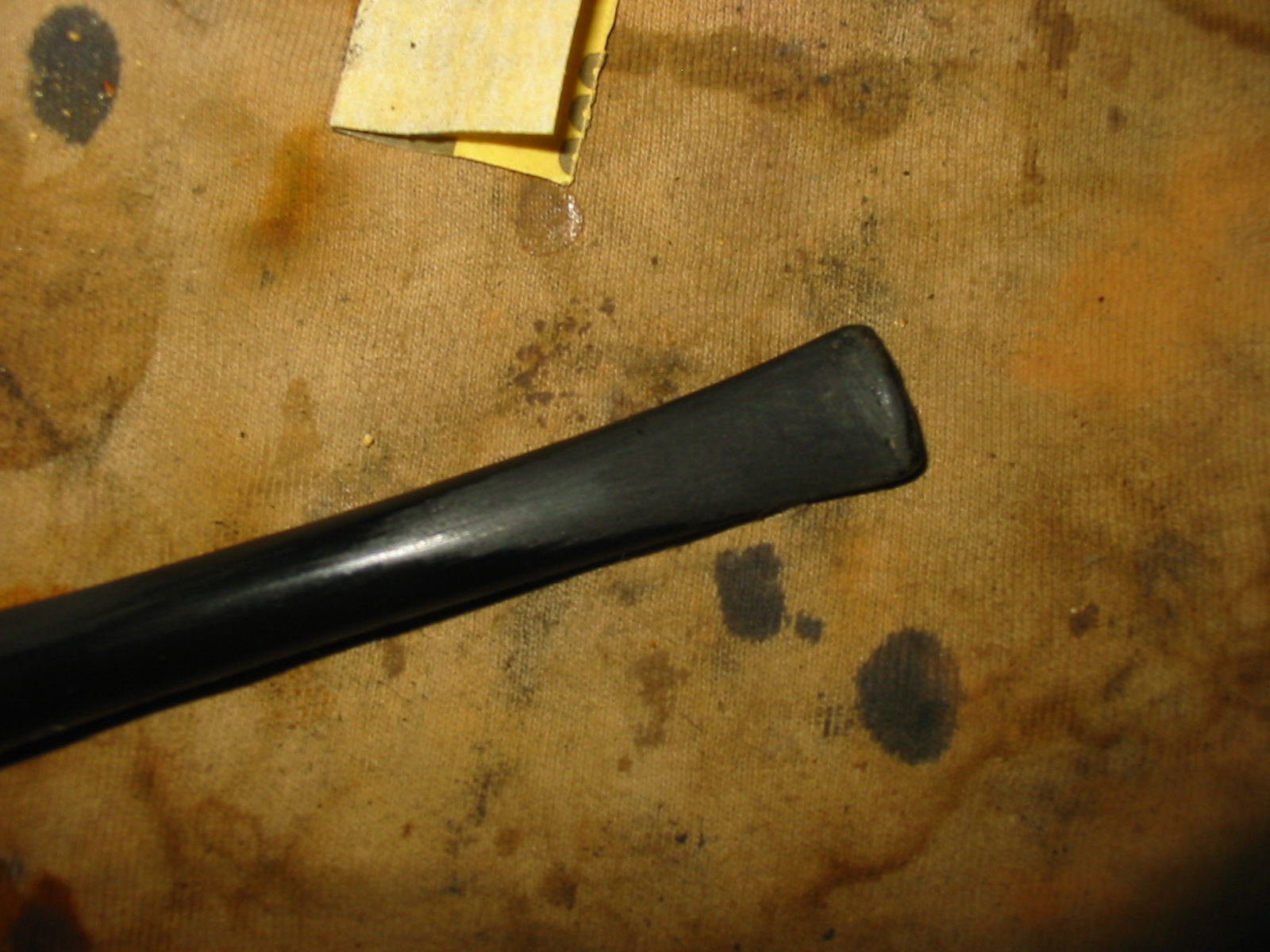
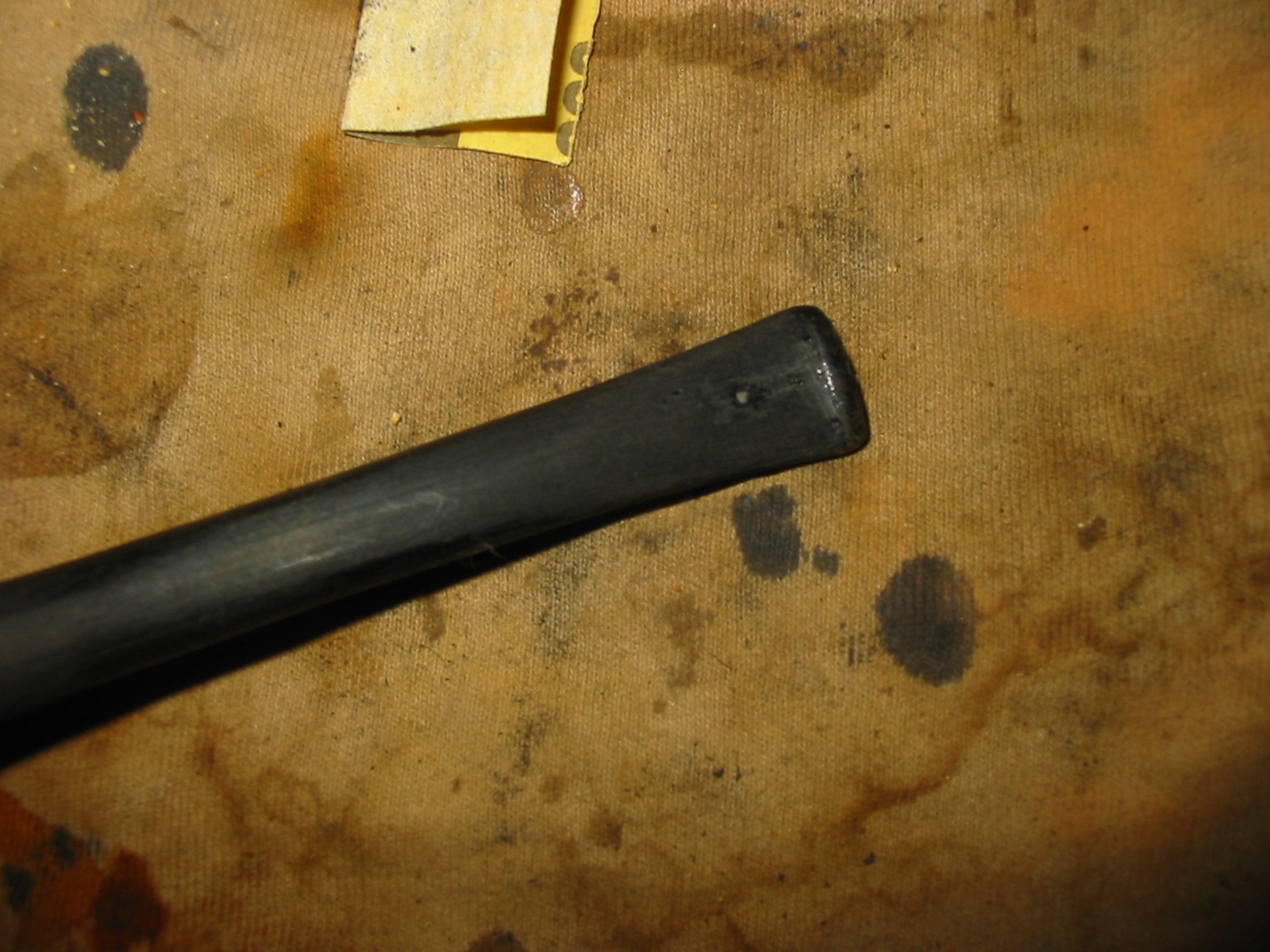
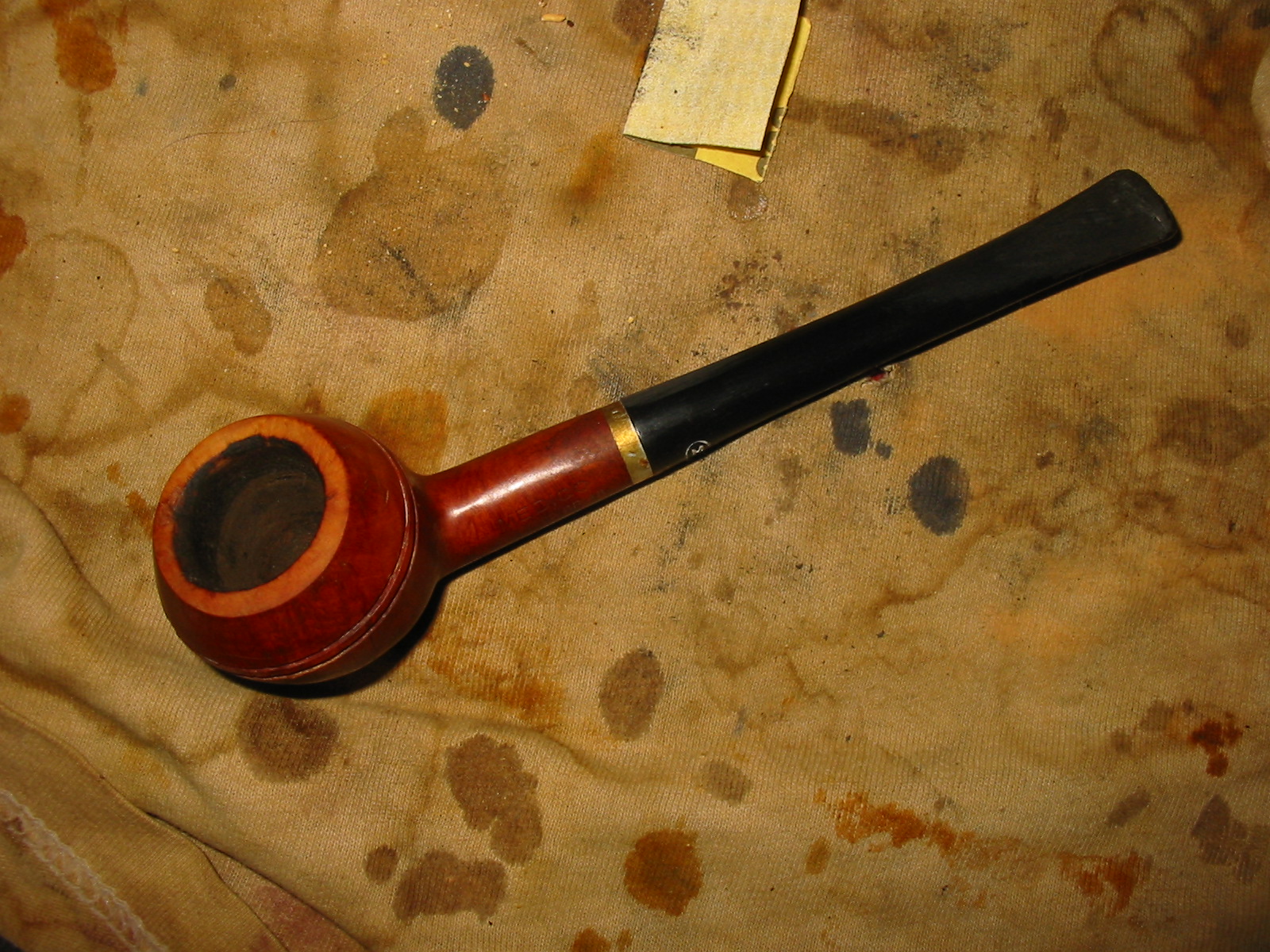
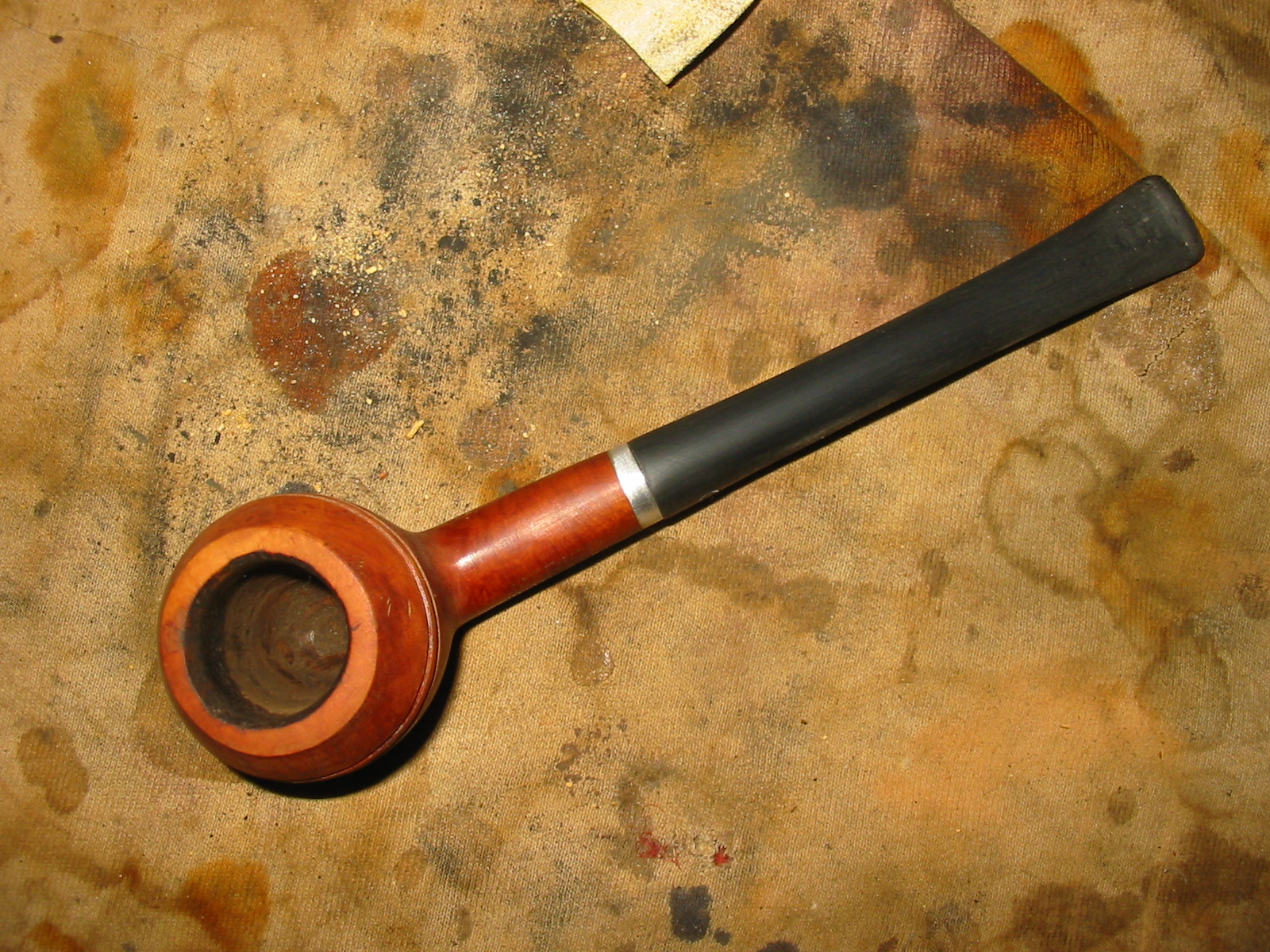
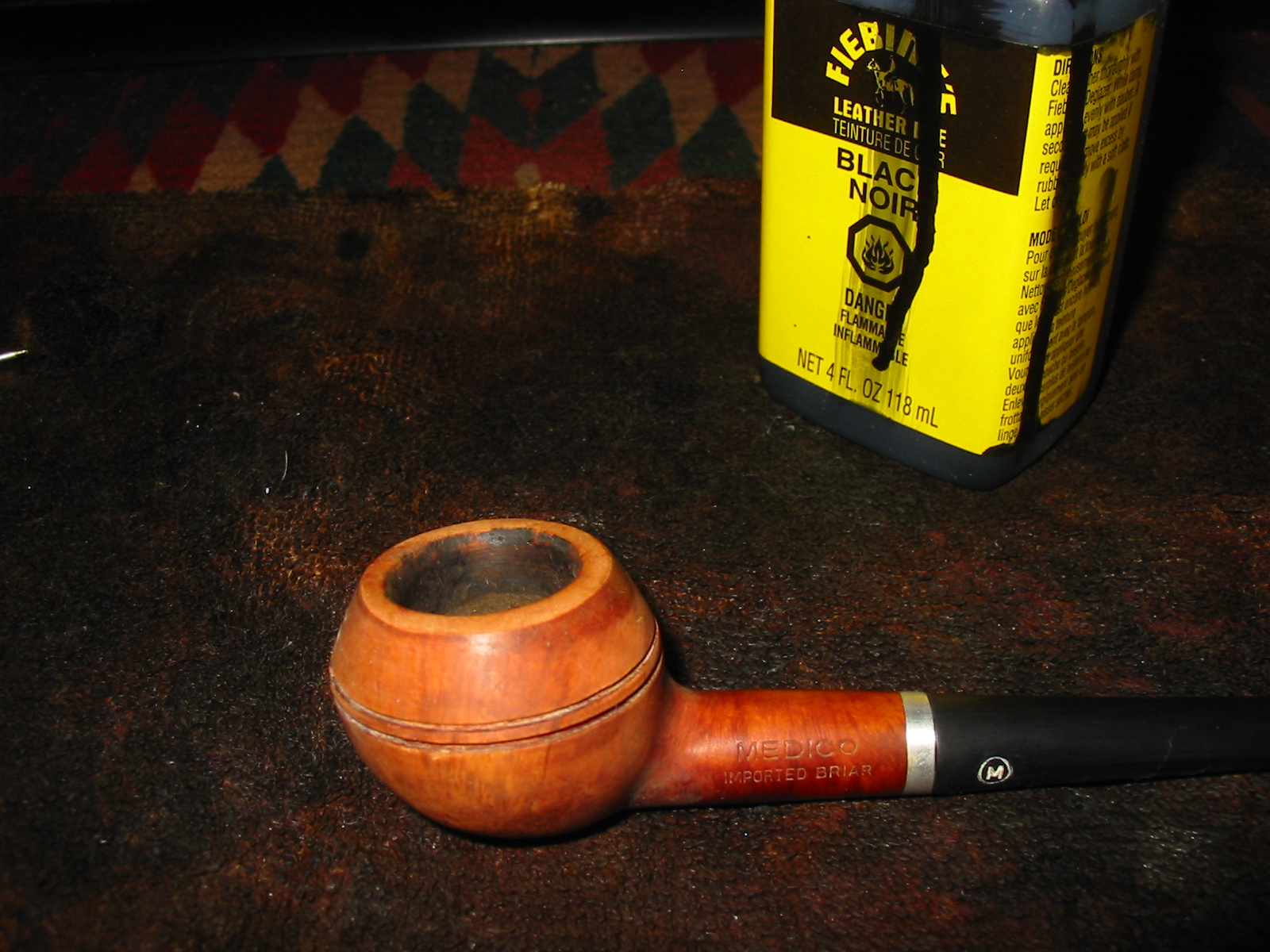
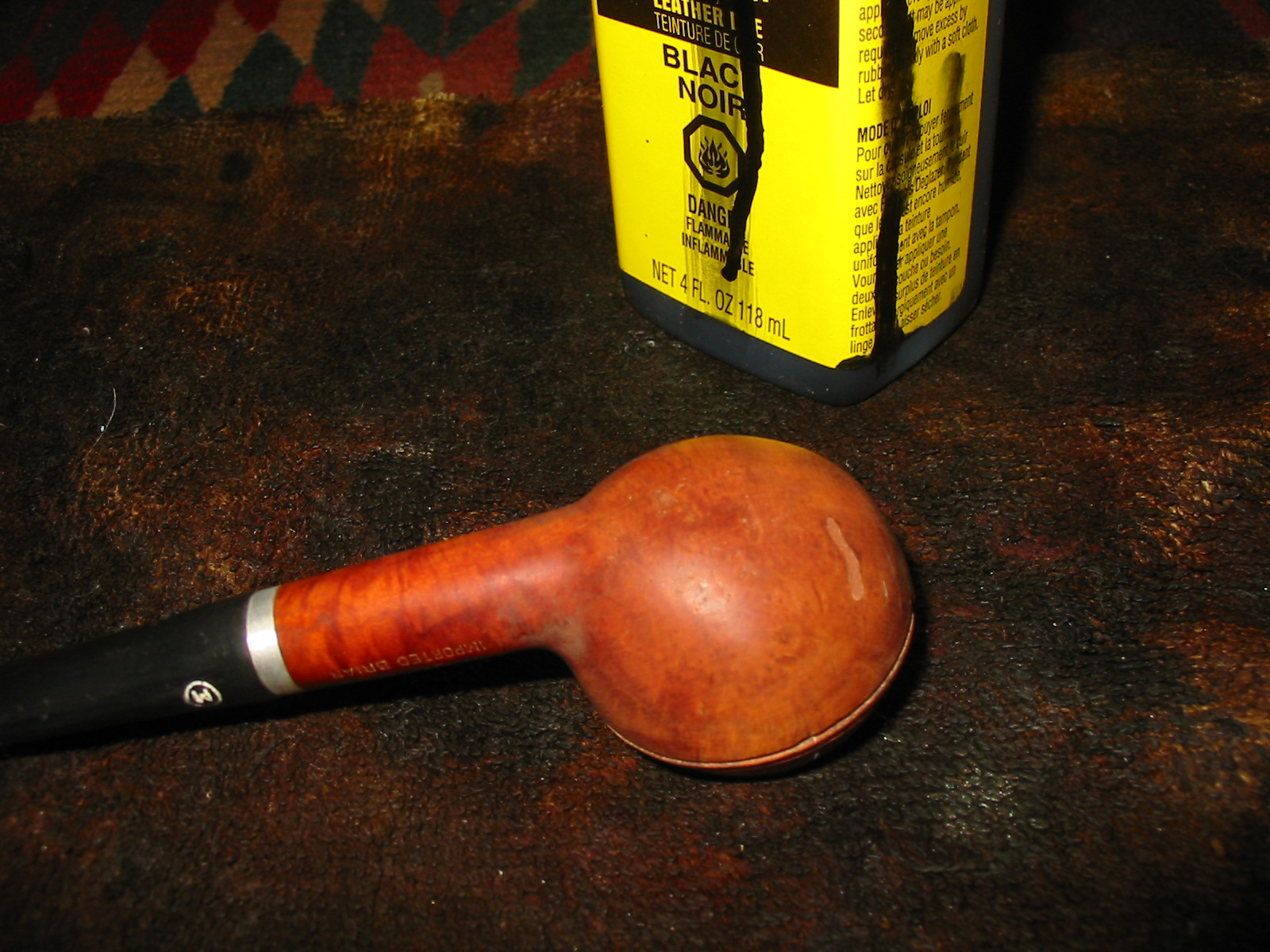
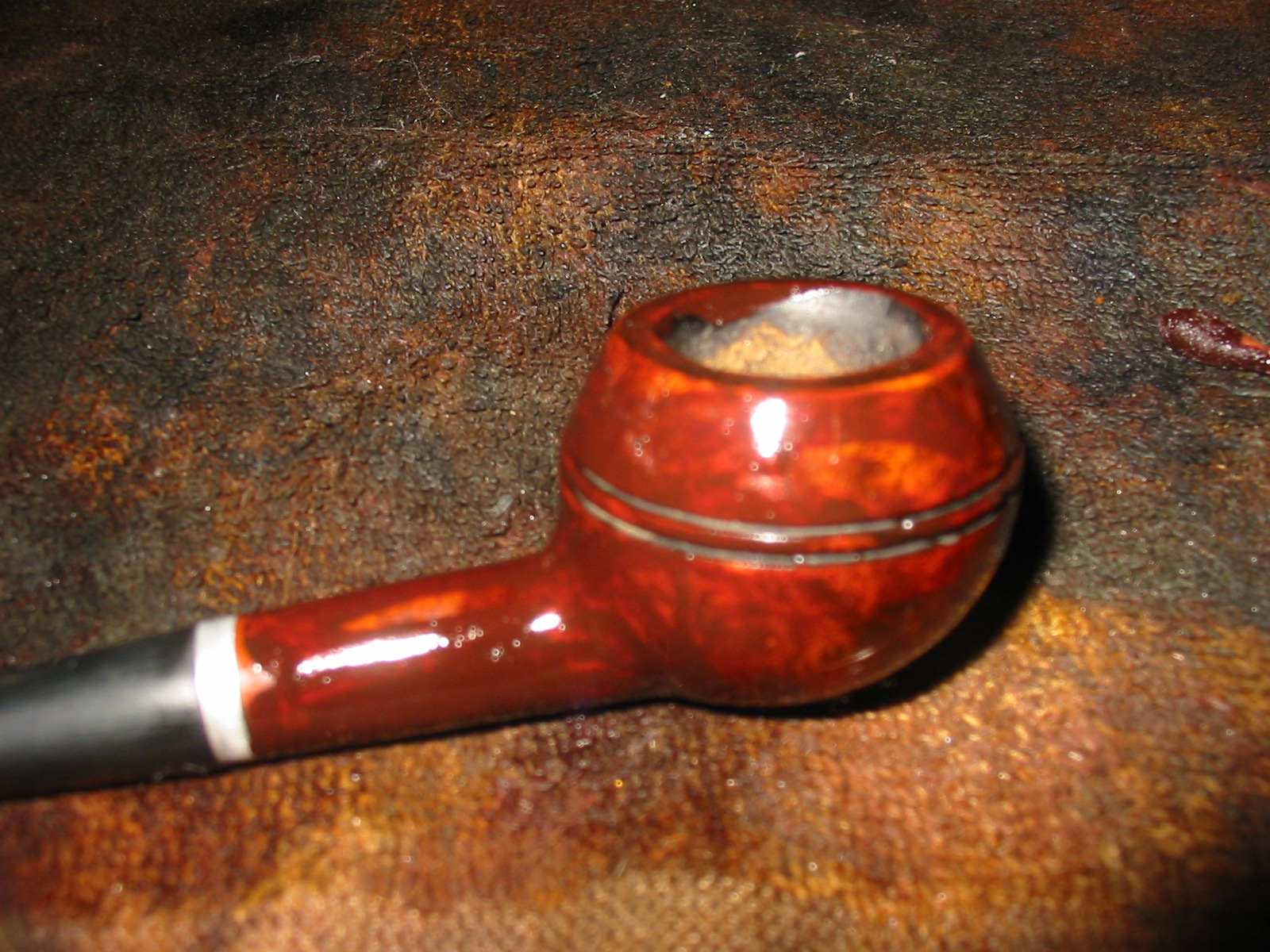
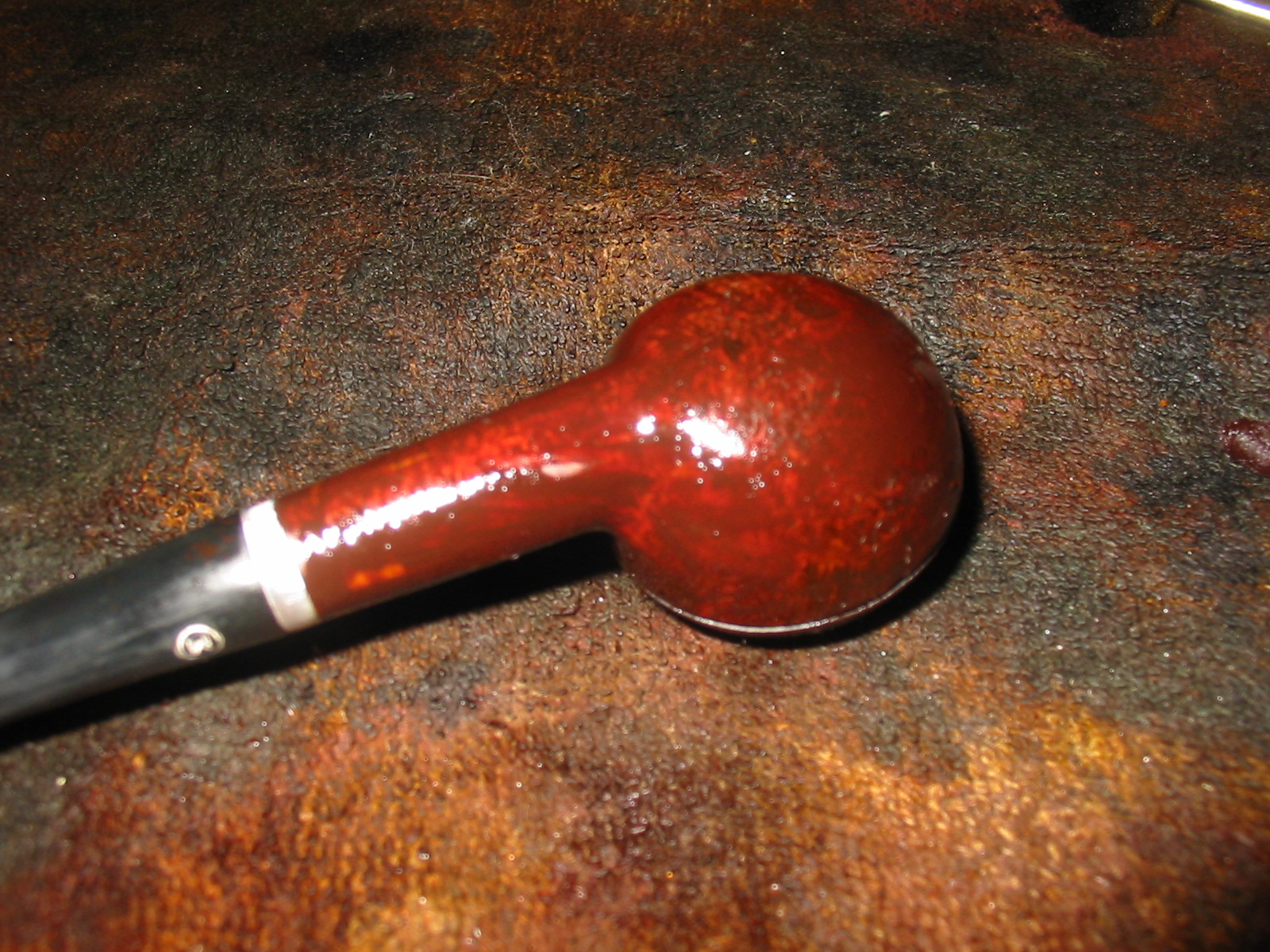
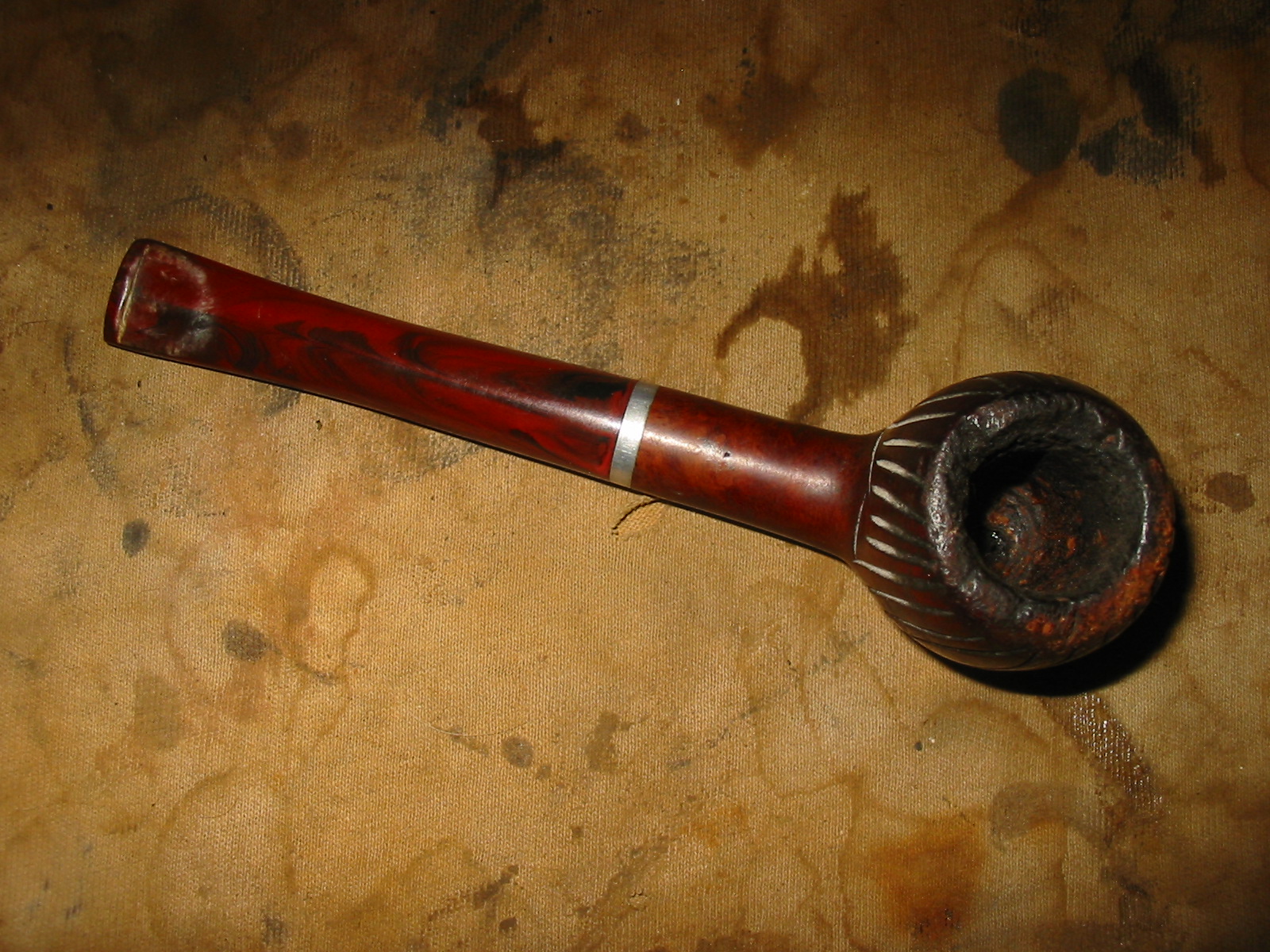
The Medico that I worked on in this restoration was a straight shank Rhodesian that came to me in a gift box of bowls. It was stemless and I had two potential stems that would work for it. There truly was nothing particularly redeemable that I saw in the bowl so the reason was as stated above solely sentimental. The bowl was dirty and worn with a thick cake. The rim had been battered and had deep nicks on the outer edge. There was a thick dark red varnish on the briar. It was stamped MEDICO on the left side of the shank and Imported Briar Italy on the right side. On the left side of the bowl was a large brown putty fill that stood out like a sore thumb. The first stem I tried was a split metal tenon Medico style stem. It was worn but usable.Med1 Med2 Med3 Med4 It fit the shank perfectly and looked good on the pipe. I thought for sure this would be a simple and quick restoration. I should have learned by now that whenever I think that problems would pop up on the way to the finish. I cleaned the shank with cotton swabs, pipe cleaners and isopropyl alcohol.Med5The top of the bowl was badly damaged with large dents and missing chunks on the outer edge of the rim so I decided to top the bowl. I used the topping board with 220 grit sandpaper and worked on the rim until it was smooth and clean. There were still several places on the outer front edge that would need to be worked on but the finished look of the topped bowl was far better than when I had started.Med6 Med7I wiped down the bowl with acetone on cotton pads to remove the thick varnish coat and clean up the finish on the bowl. I wanted to remove it back to the briar. In the process the dark red stain coat also was removed from the bowl.Med8Once the stain coat and varnish were removed I could see several problems that I would need to address. The front edge of the bowl needed to be sanded and the slope on the cap would need to be modified by hand sanding to remove the damage on the front edge and face of the cap. There was also a fine crack that had seeped tobacco oils on the top right edge of the shank. It had been hidden by the dark stain. When I move the stem it was not visible and did not open or spread but it was definitely present. I would need to clean up the shank, band it and with the band a different stem would need to be fit to the shank. The stem I had previously chosen had a metal face that would not work against the band. I scrubbed the bowl and shank until all the red stain that I could remove was gone.Med9 Med10 Med11I used a Dremel with a sanding drum to sand back the shank so that I could fit a band on the shank. I also wanted to smooth out the surface of the rustication pattern and clean up the crack so that I could glue and clamp it before banding.Med12I put the band around the end of the shank and then heated the metal band with a Bic lighter until I could press it into place on the shank. It took several reheats with the lighter before I had a flush fit on the band. At that point I took the second stem I had chosen and lightly sanded the tenon to get a good tight fit in the shank and pushed it in place.Med13 Med14 Med15 Med16I reamed the bowl with my PipNet reamer and the smallest cutting head until I had taken the cake back to bare wood. I wanted the bowl to be clean so that I could see if there was any damage to the interior of the bowl.Med17Once I had reamed the bowl I reshaped the angle on the cap with 220 grit sandpaper and medium and fine grit sanding sponges. Once I had the angle correct around the entire rim and had removed the damage on the front of the cap I sanded the entire bowl with the sanding sponges. I also sanded the stem with the same sandpaper and sanding sponge combination to remove the oxidation and tooth chatter near the button. The newly shaped bowl and freshly sanded stem is shown in the next series of four photos below.Med18 Med19 Med20 Med21I stained the bowl with some oxblood aniline stain and flamed it. I wanted the red colour of the stain but I did not want it to be as opaque as the original stain had been. The aniline stain seems to be more transparent. It did however, do a great job in hiding the big fill on the left side of the bowl.Med22 Med23 Med24I sanded the stem with 220 grit sandpaper, then a medium and fine grit 3M sanding sponge. I followed that with my usual array of micromesh sanding pads – wet sanding with 1500-2400 grit pads and dry sanding with 3200-12,000 grit pads. I rubbed the stem down between each set of three pads with Obsidian Oil before moving on to the next three pads. I finished by giving it a final rubdown with the oil before taking it to the buffer.Med25 Med26 Med27I buffed the entire pipe with White Diamond and then gave it multiple coats of carnauba wax to protect and polish both bowl and stem. With that completed my sentimental journey with this old Medico was complete and it was ready to go back into service. I am sure I will gift this pipe to some new pipeman somewhere along the way as it should smoke very well and give many years of service. It is not a thing of beauty and never will be but it is a good serviceable pipe that will deliver a good smoke. The finished pipe is pictured in the photos below.Med28 Med29 Med30 Med31
Restoring a Princely Rhodesian Medico – New Stem and New Life


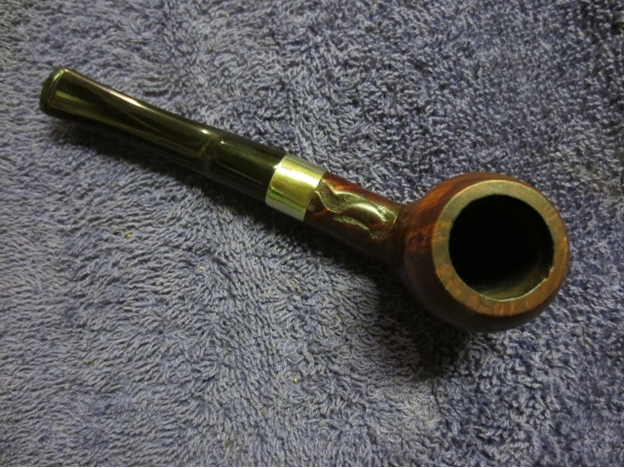
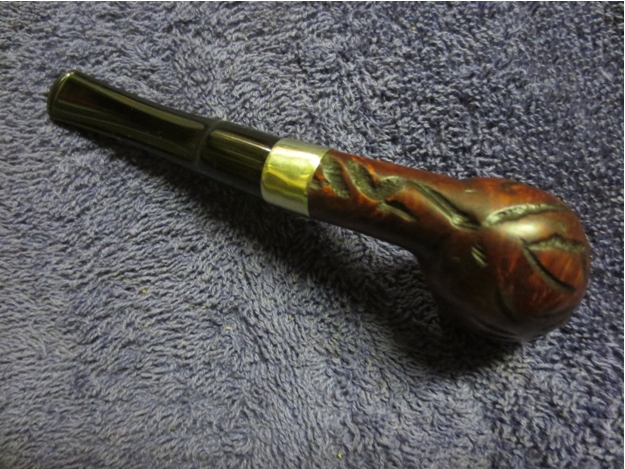
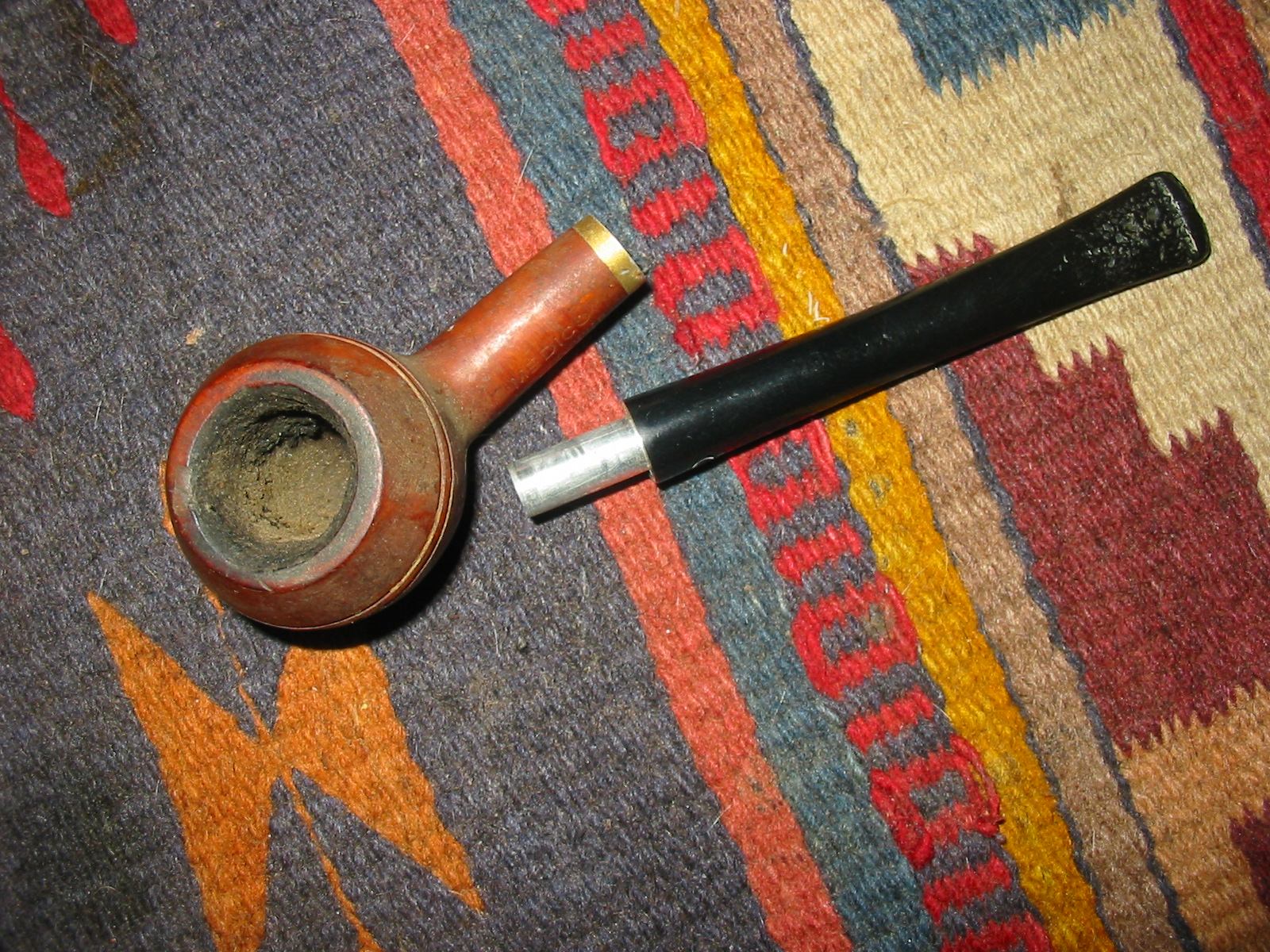
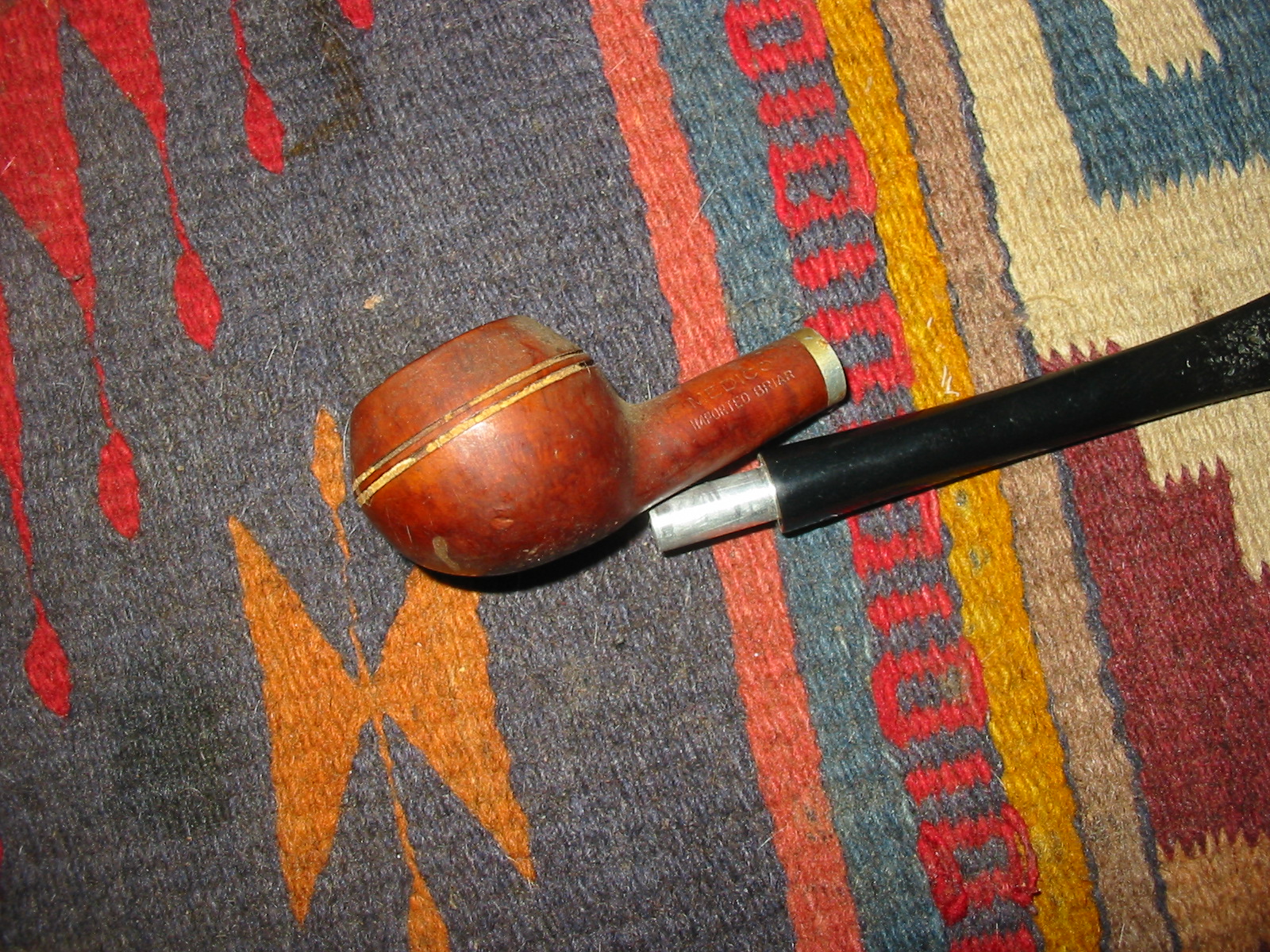
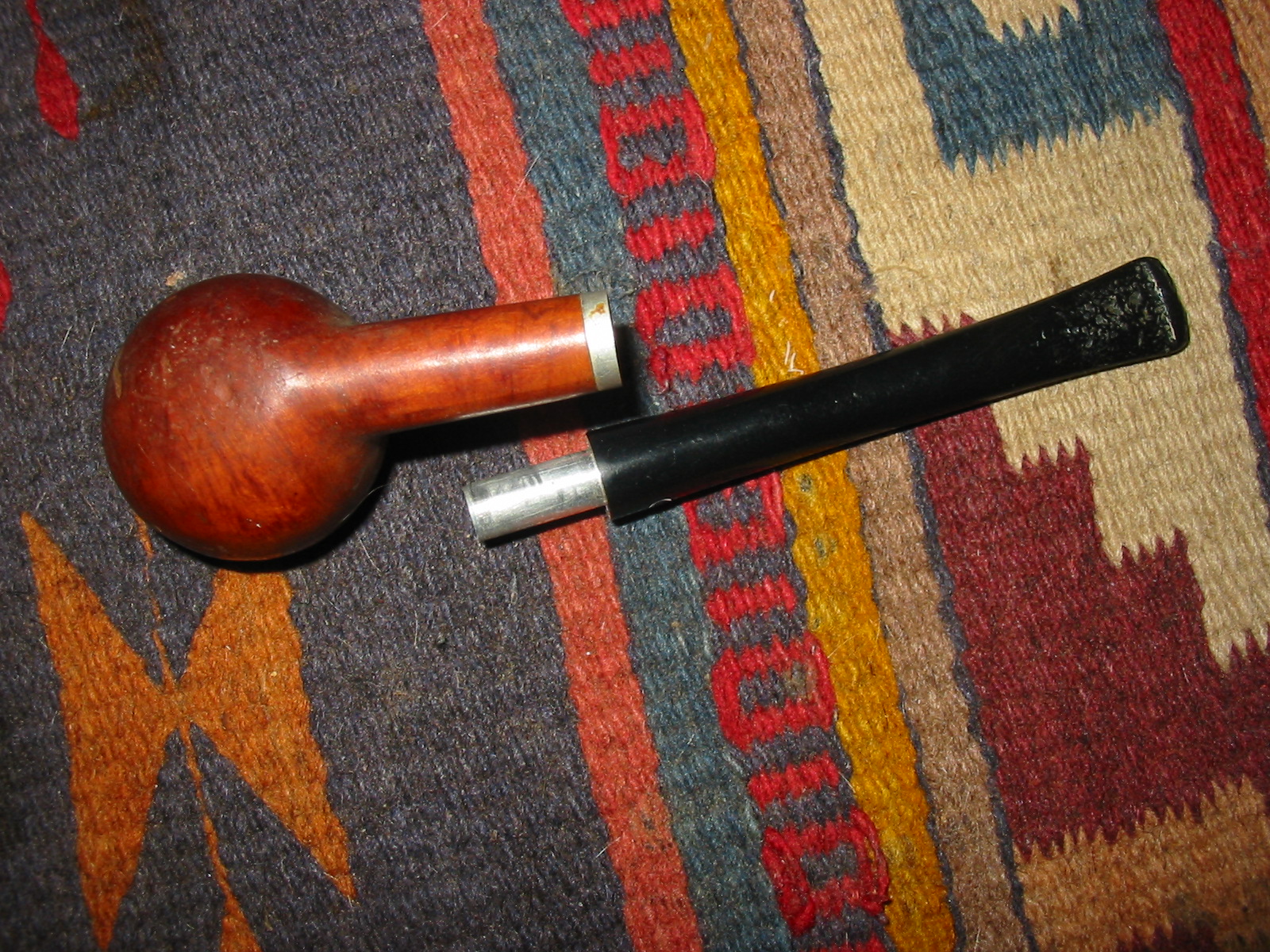
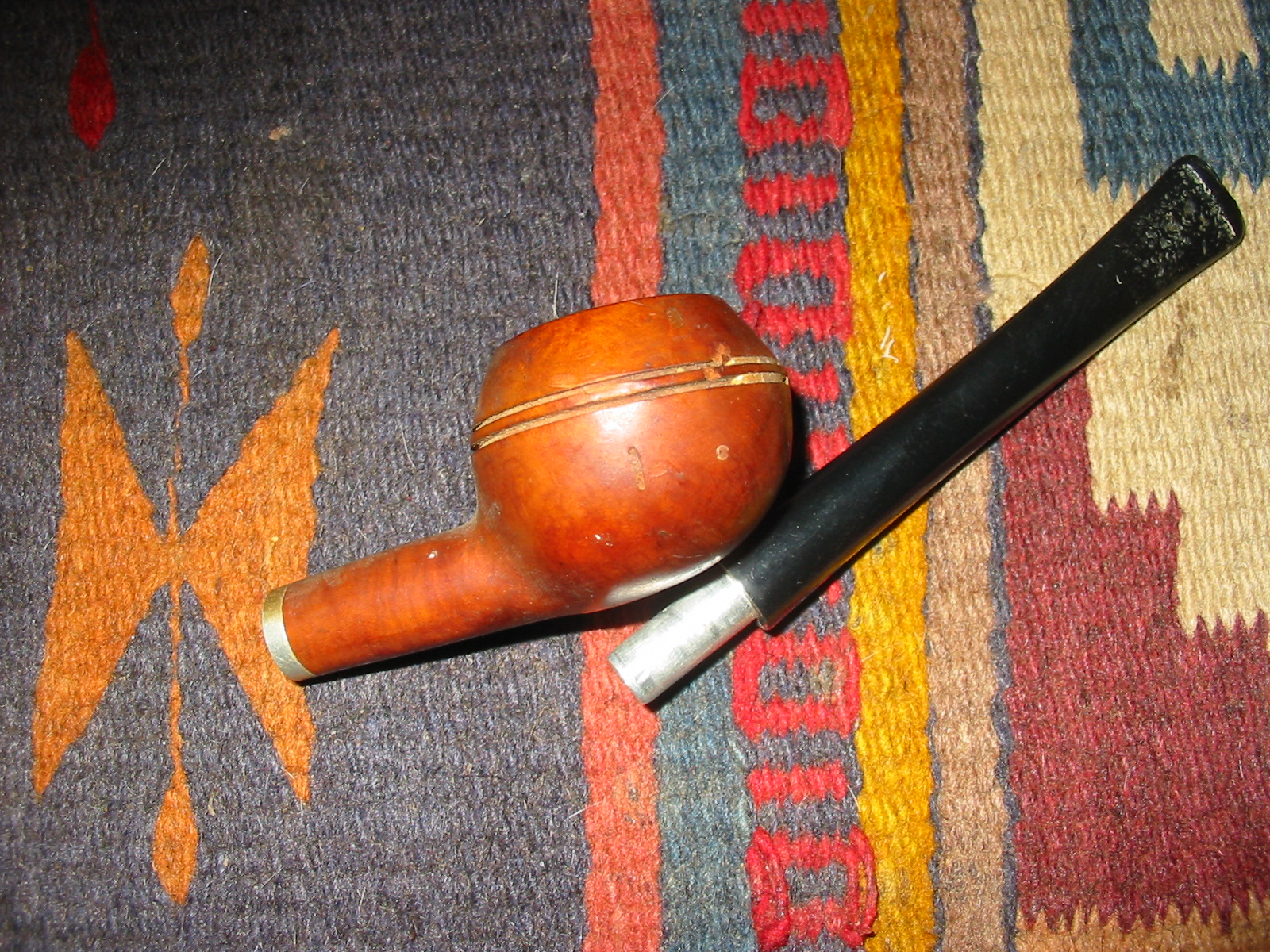
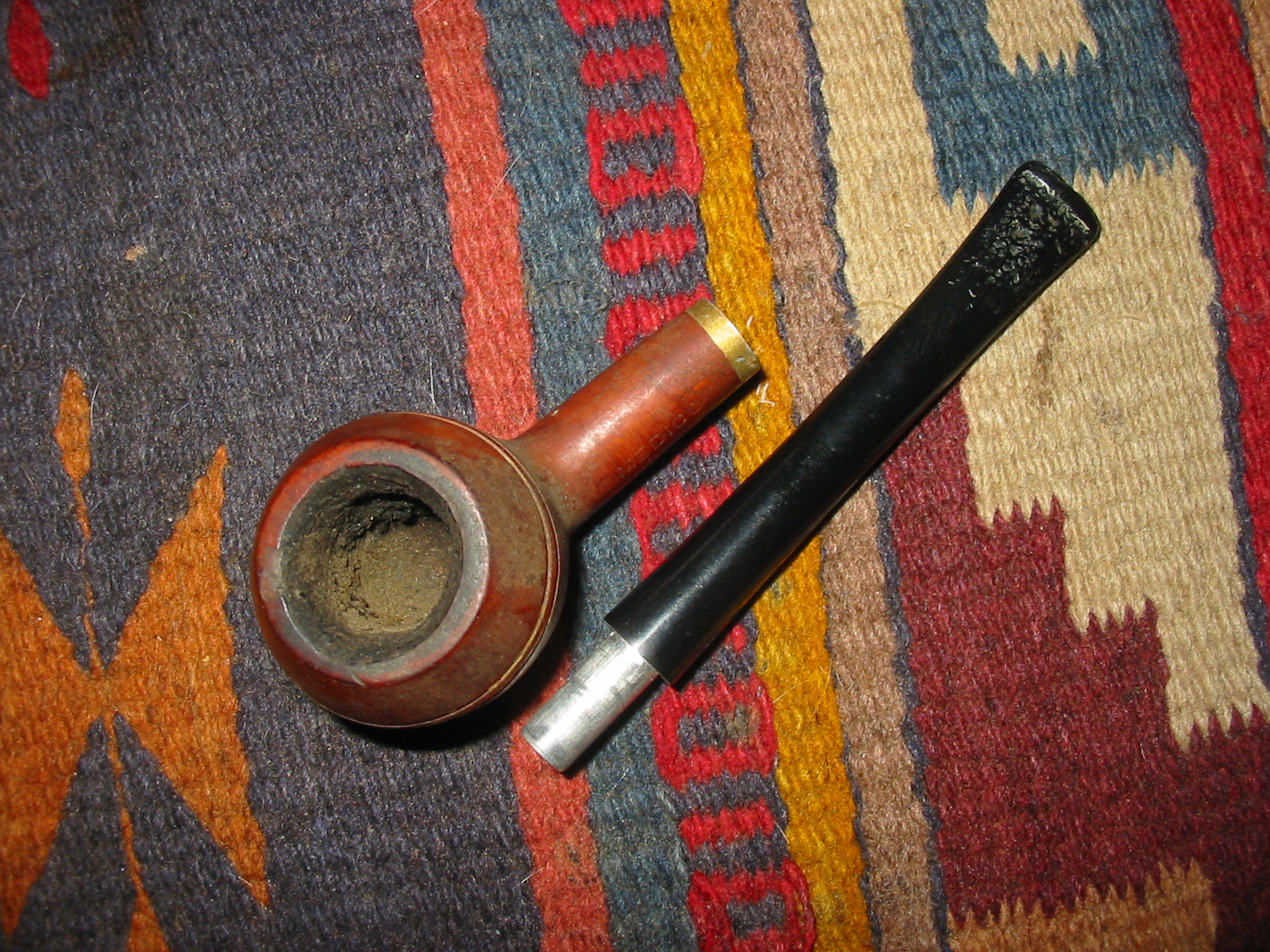
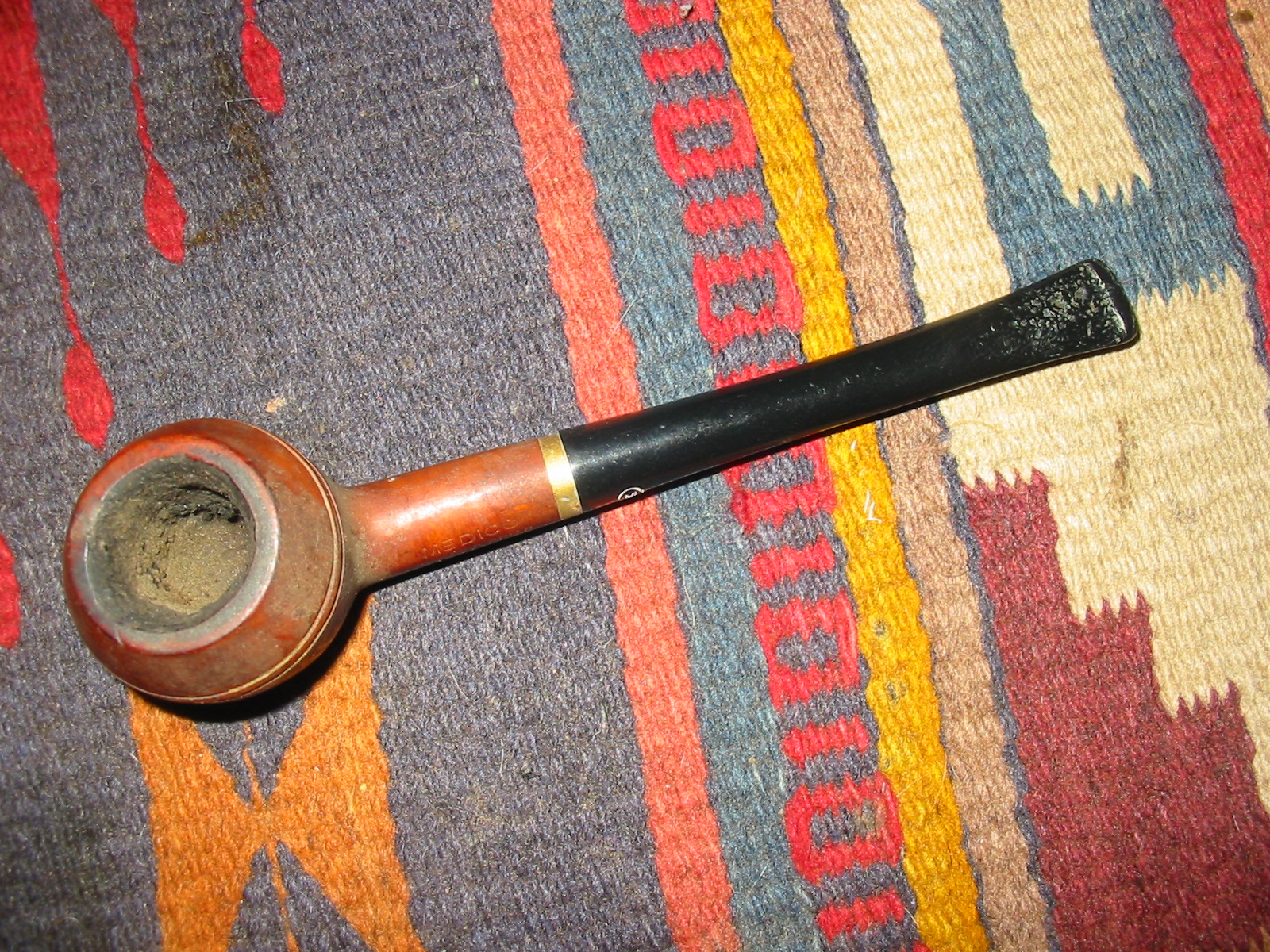
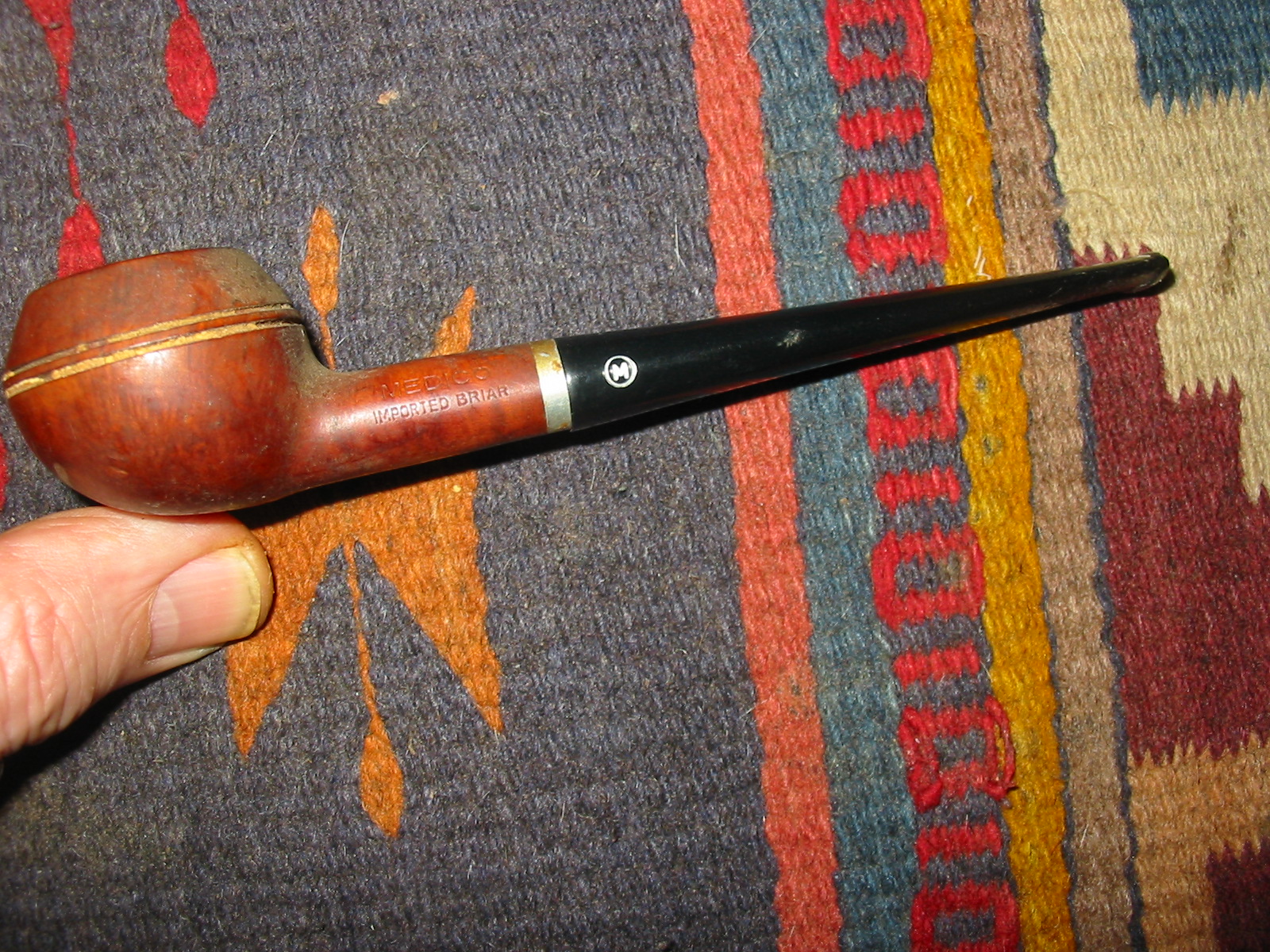
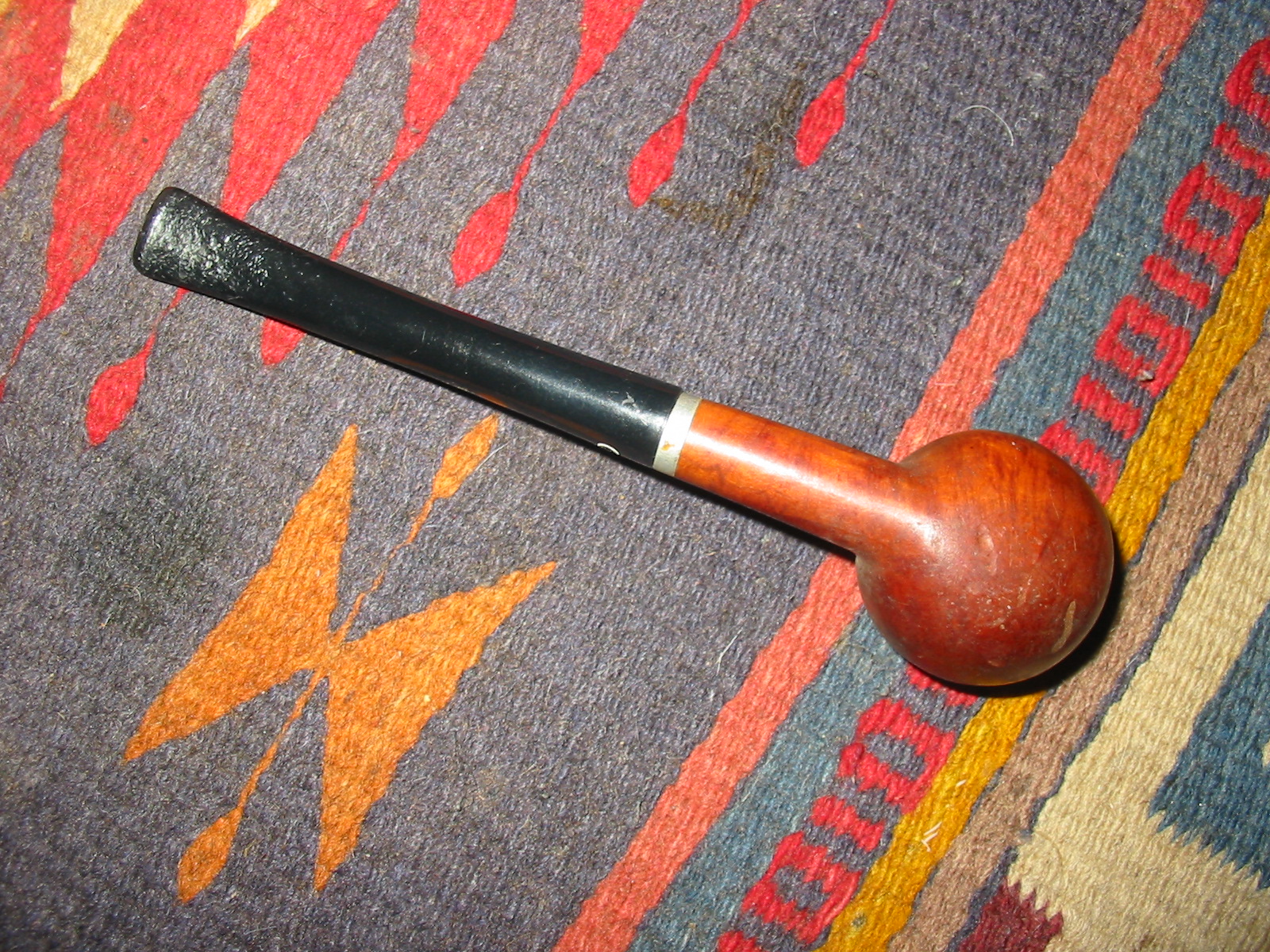
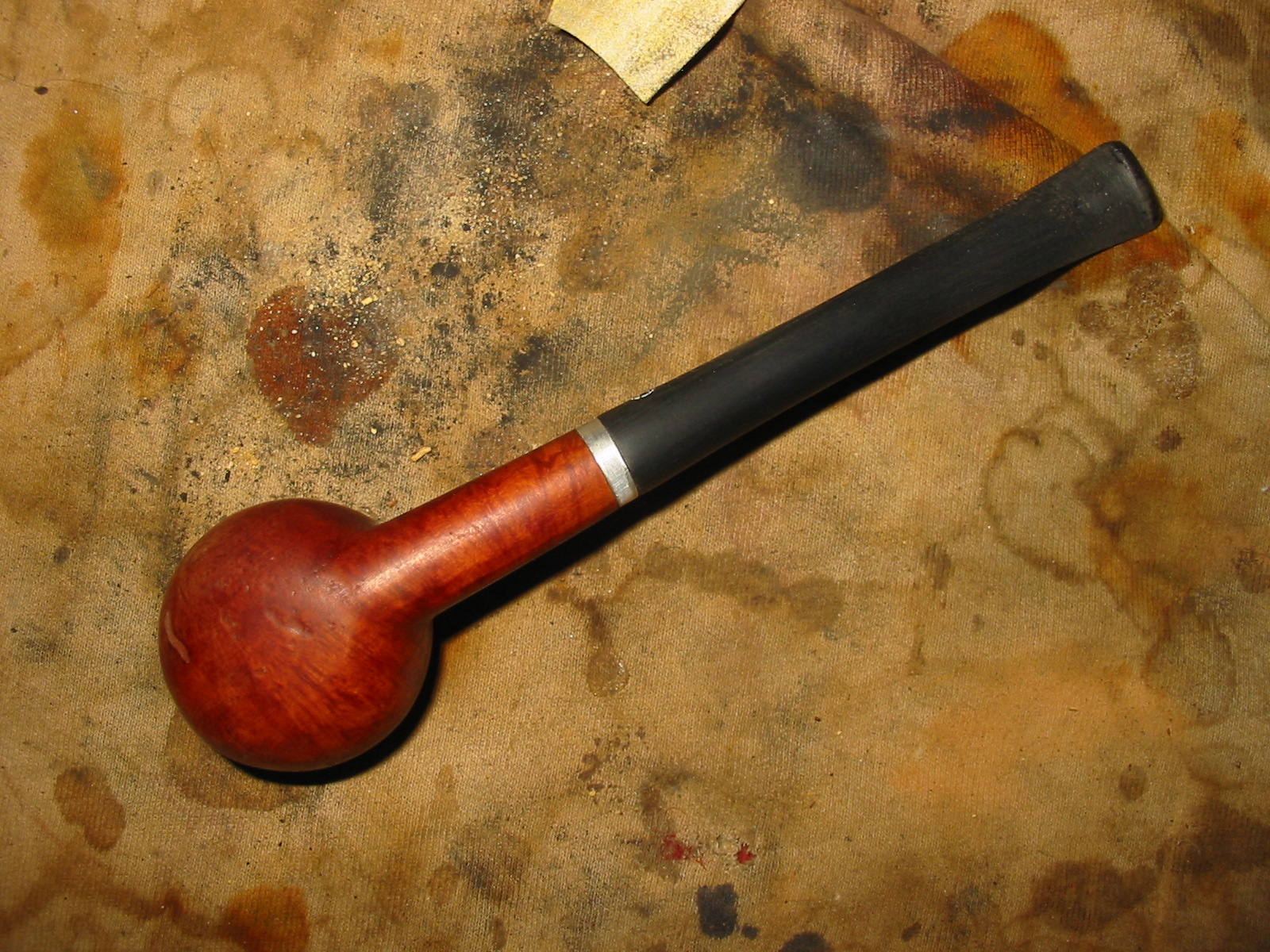
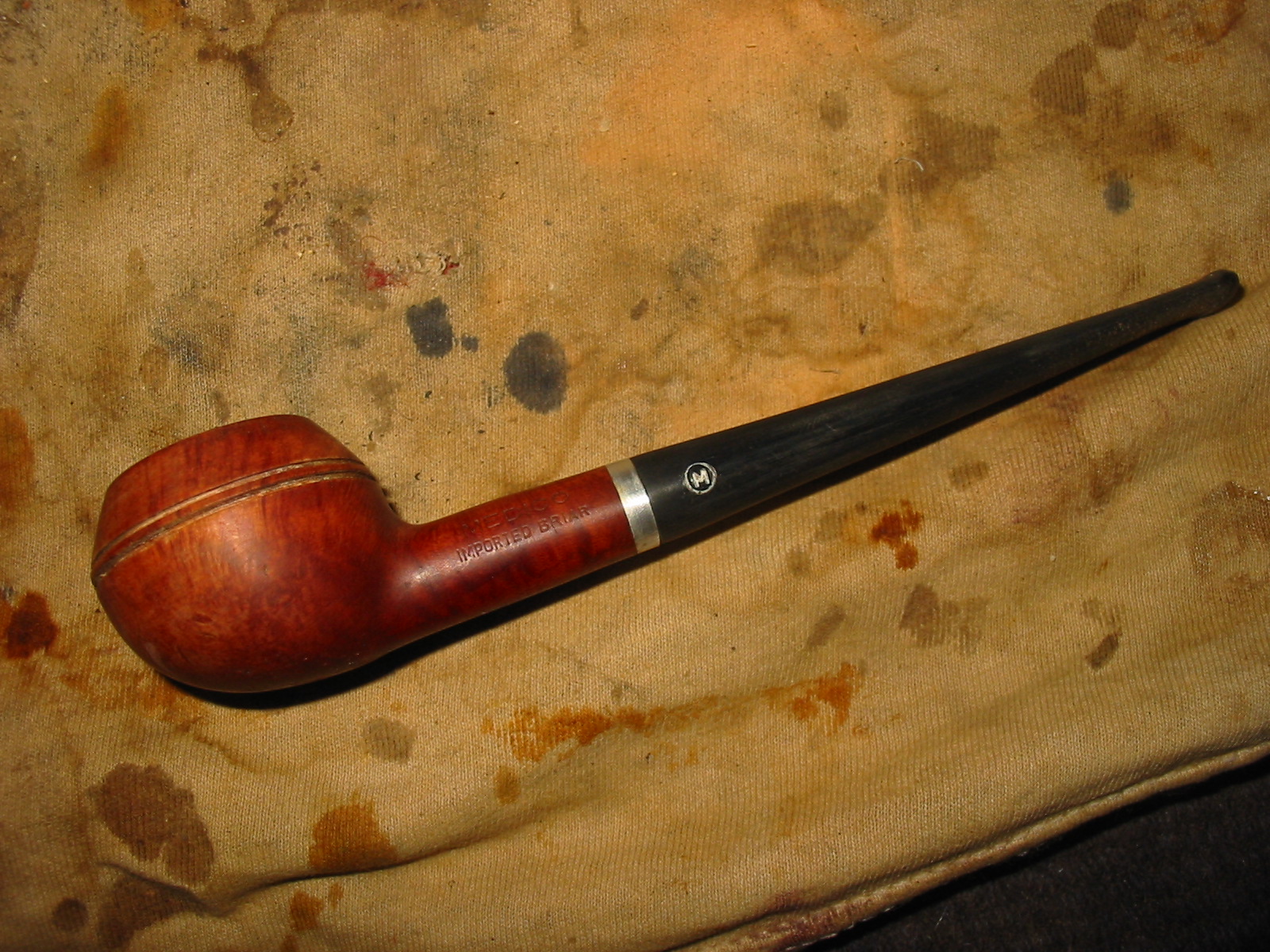
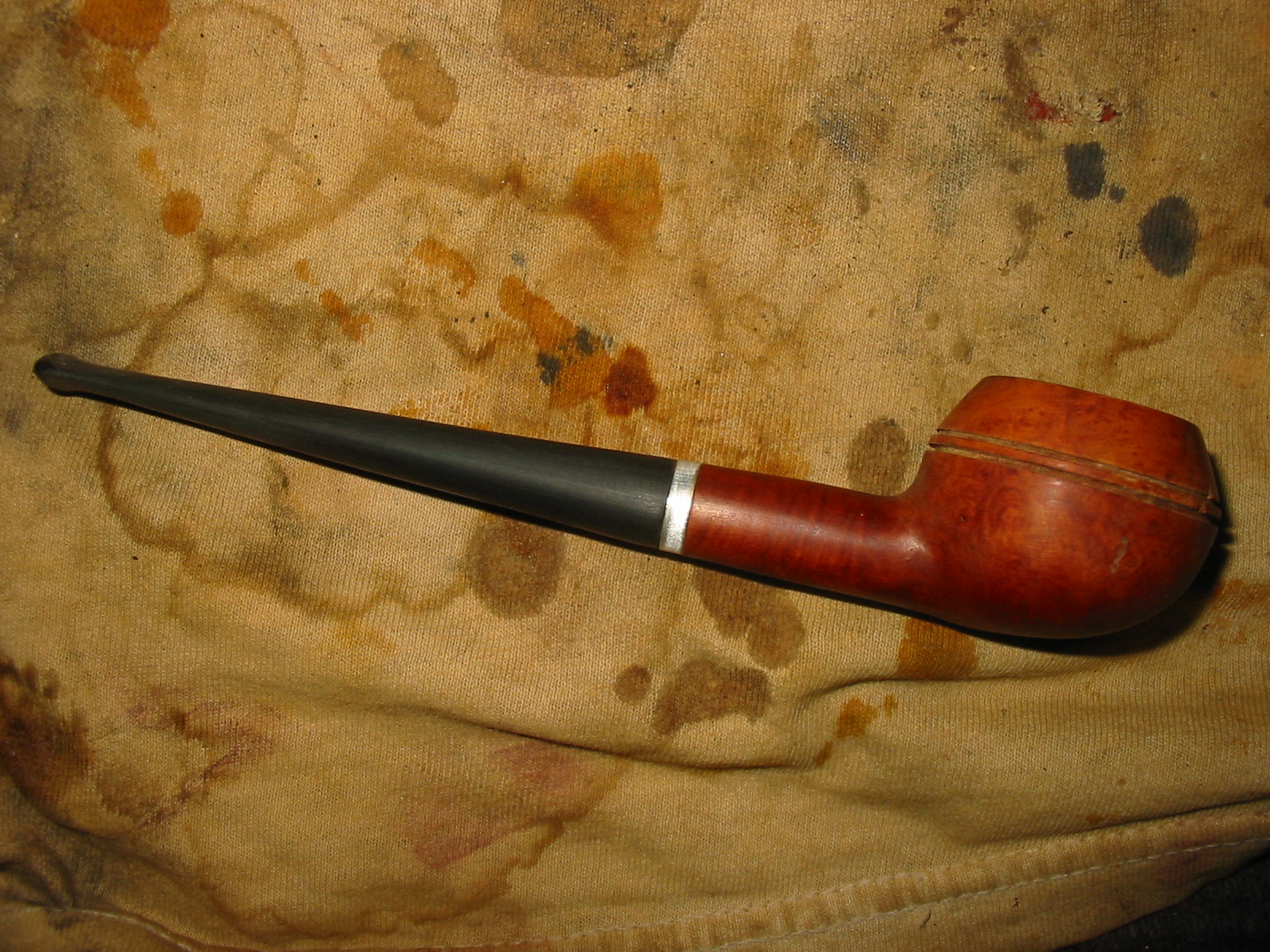
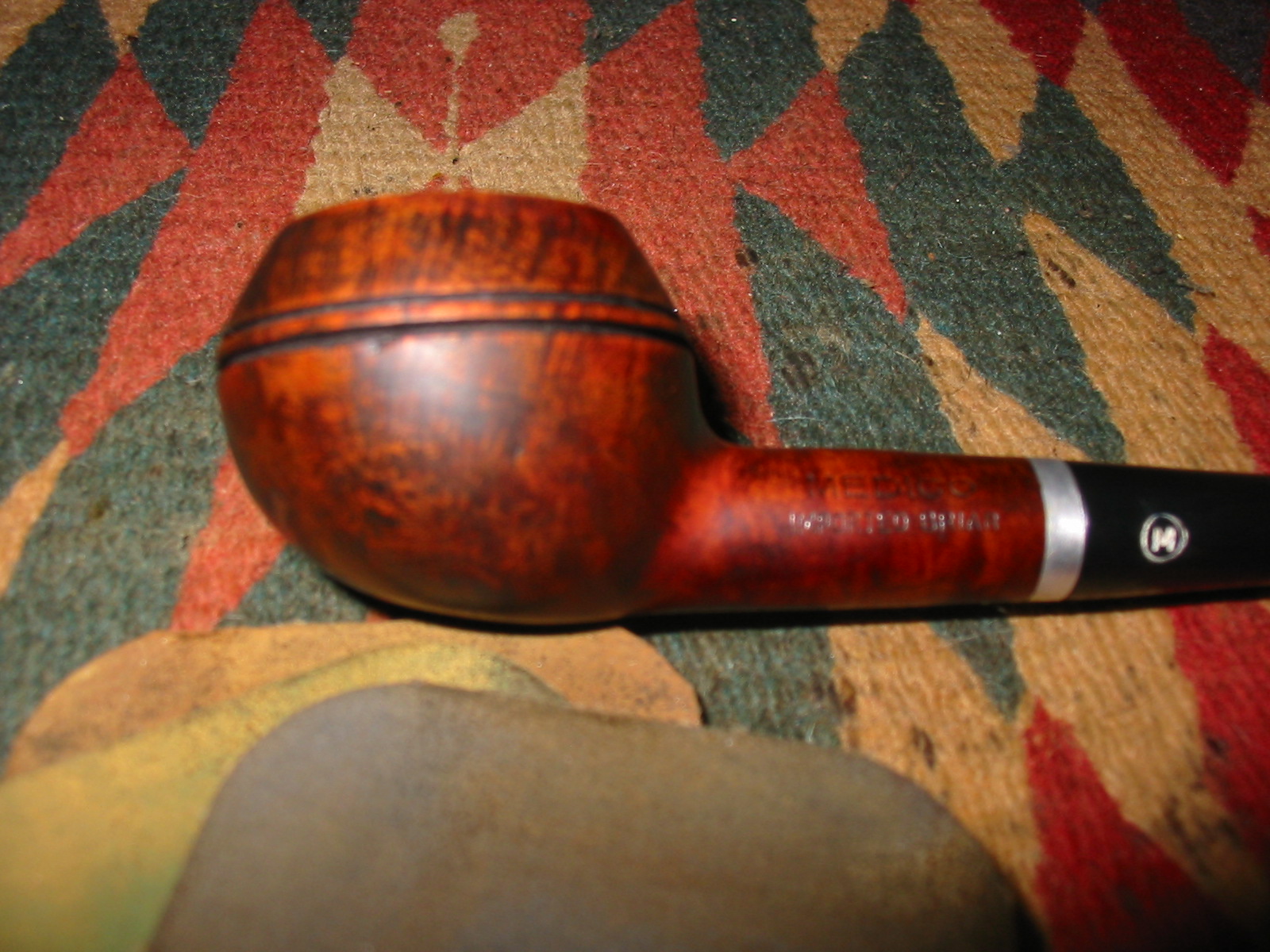
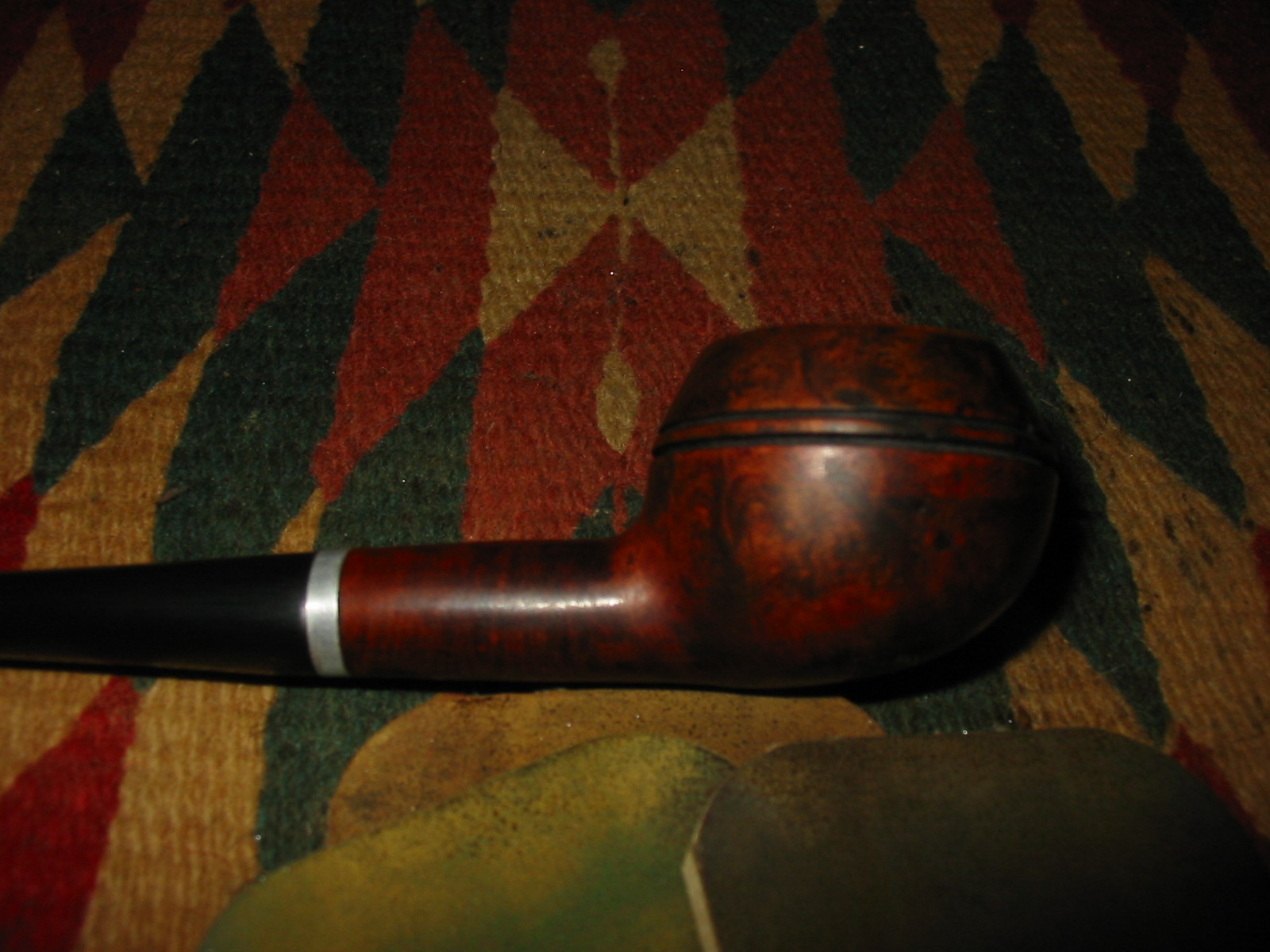
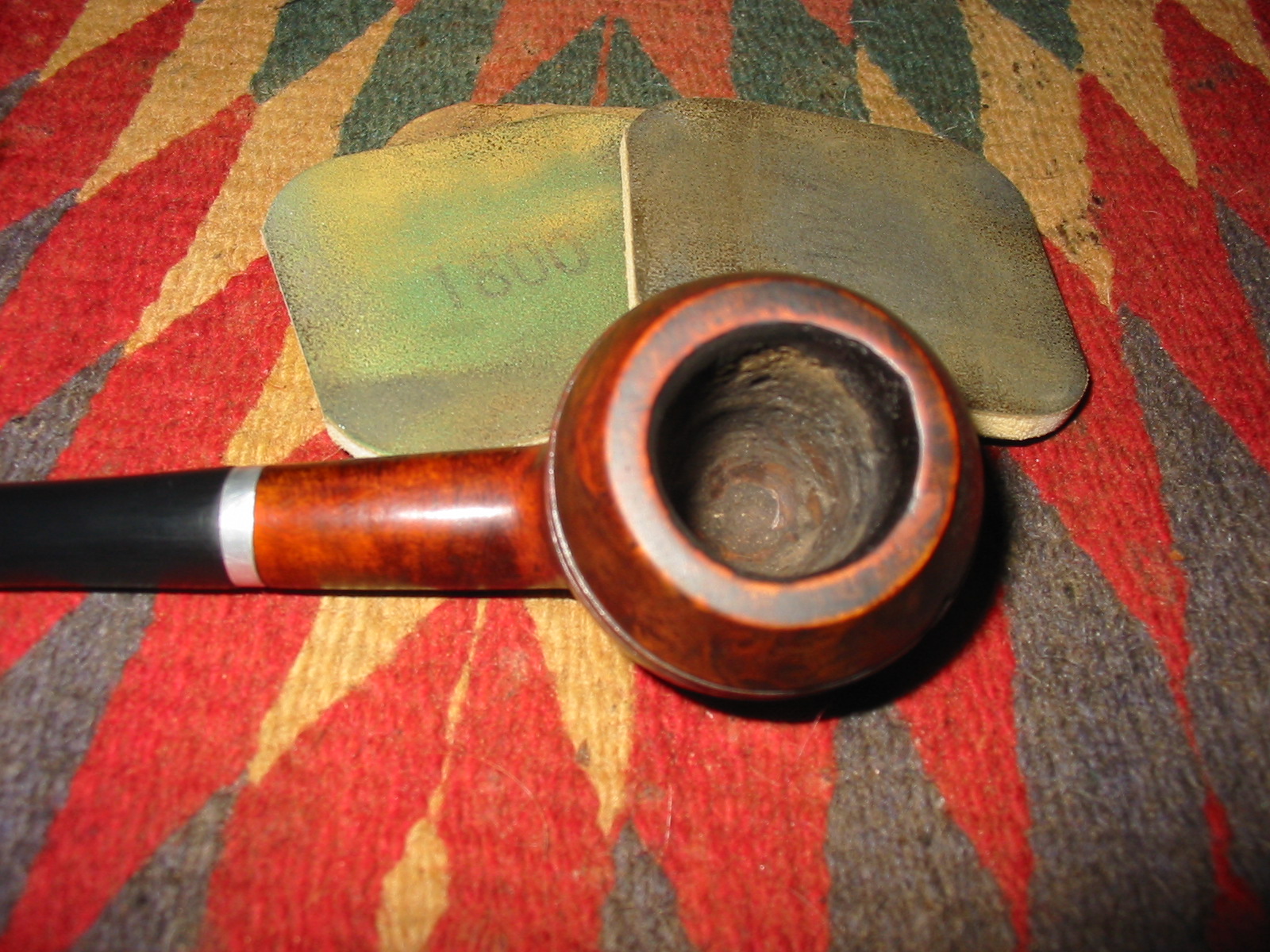
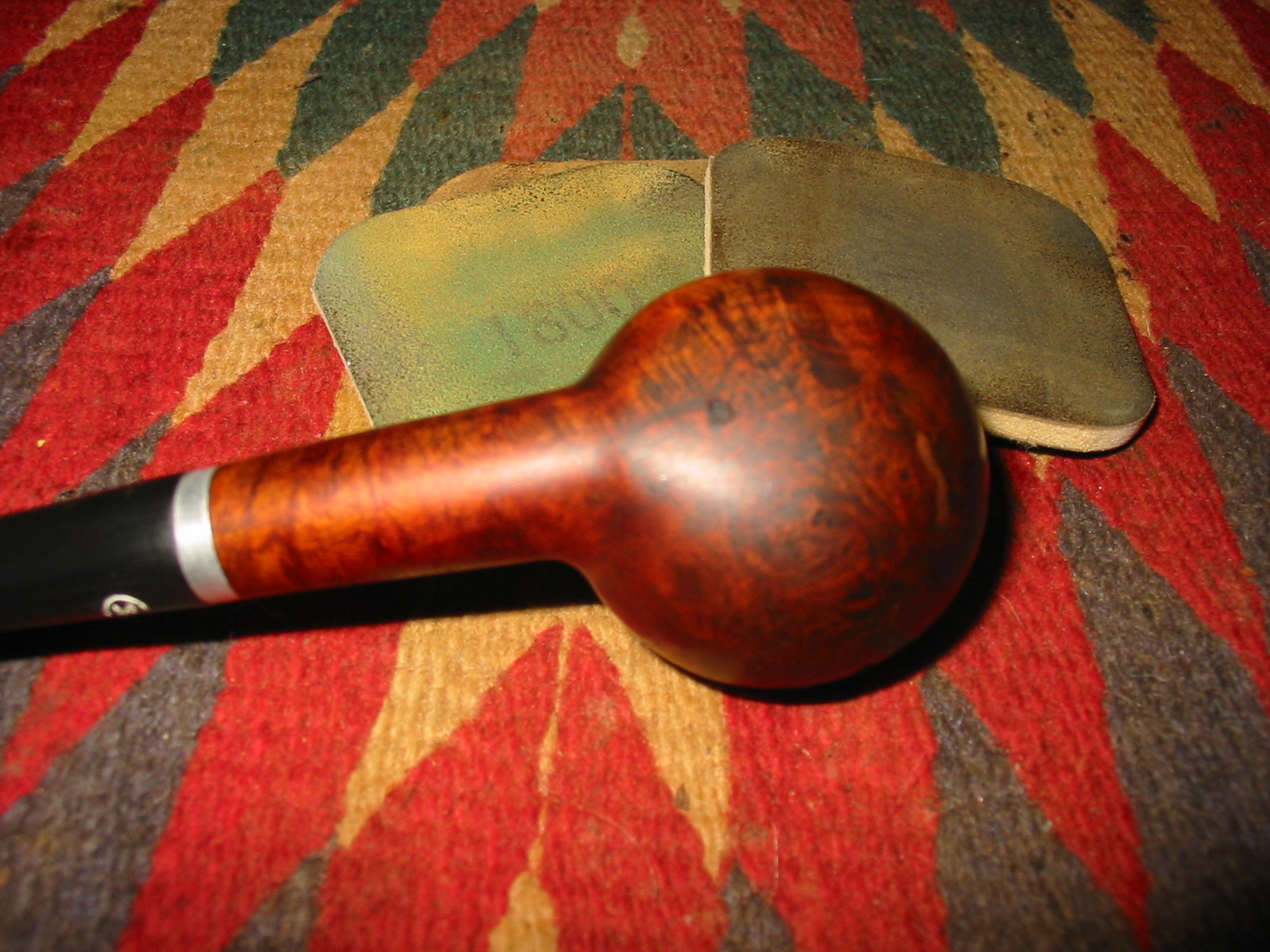
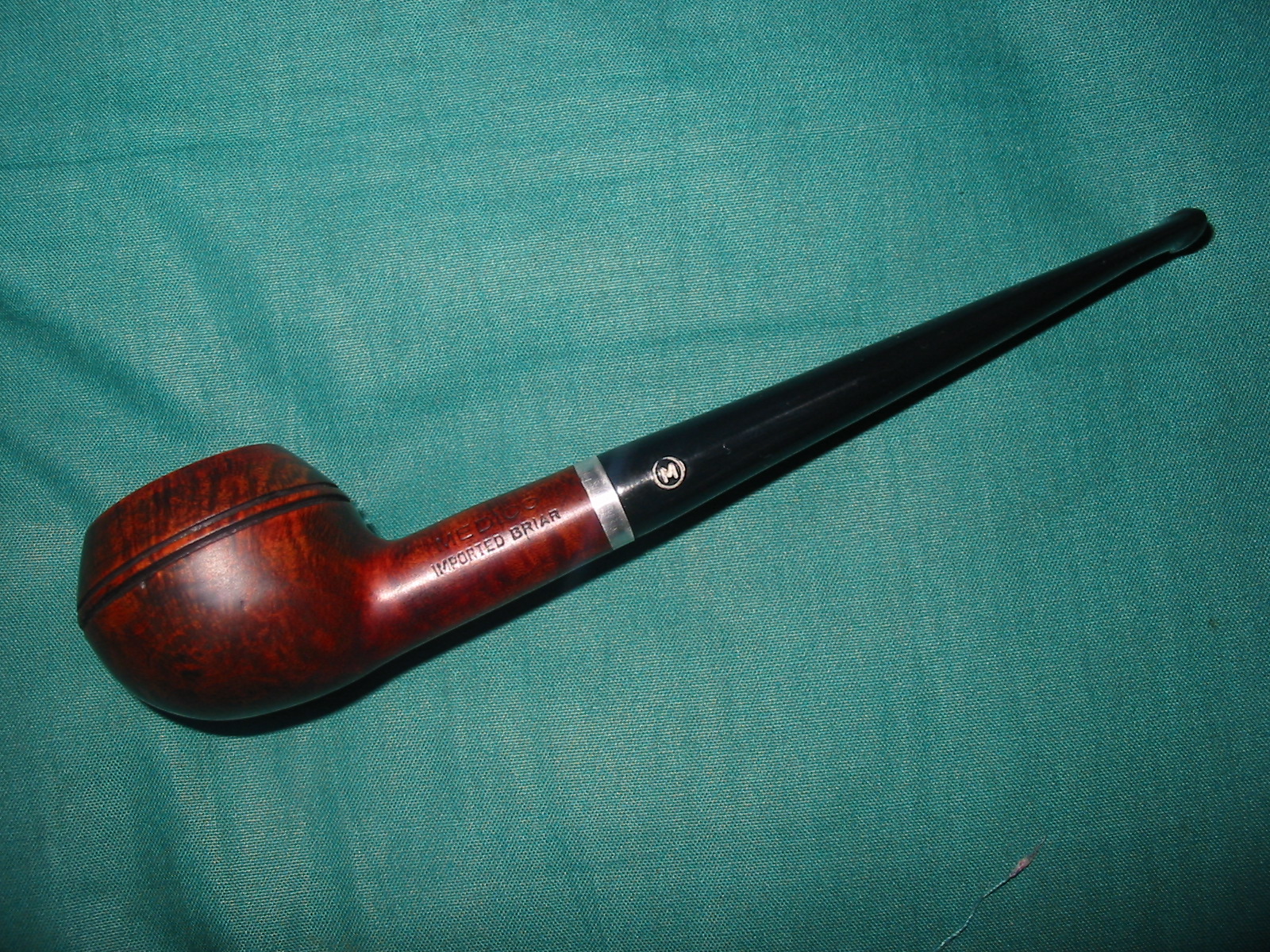
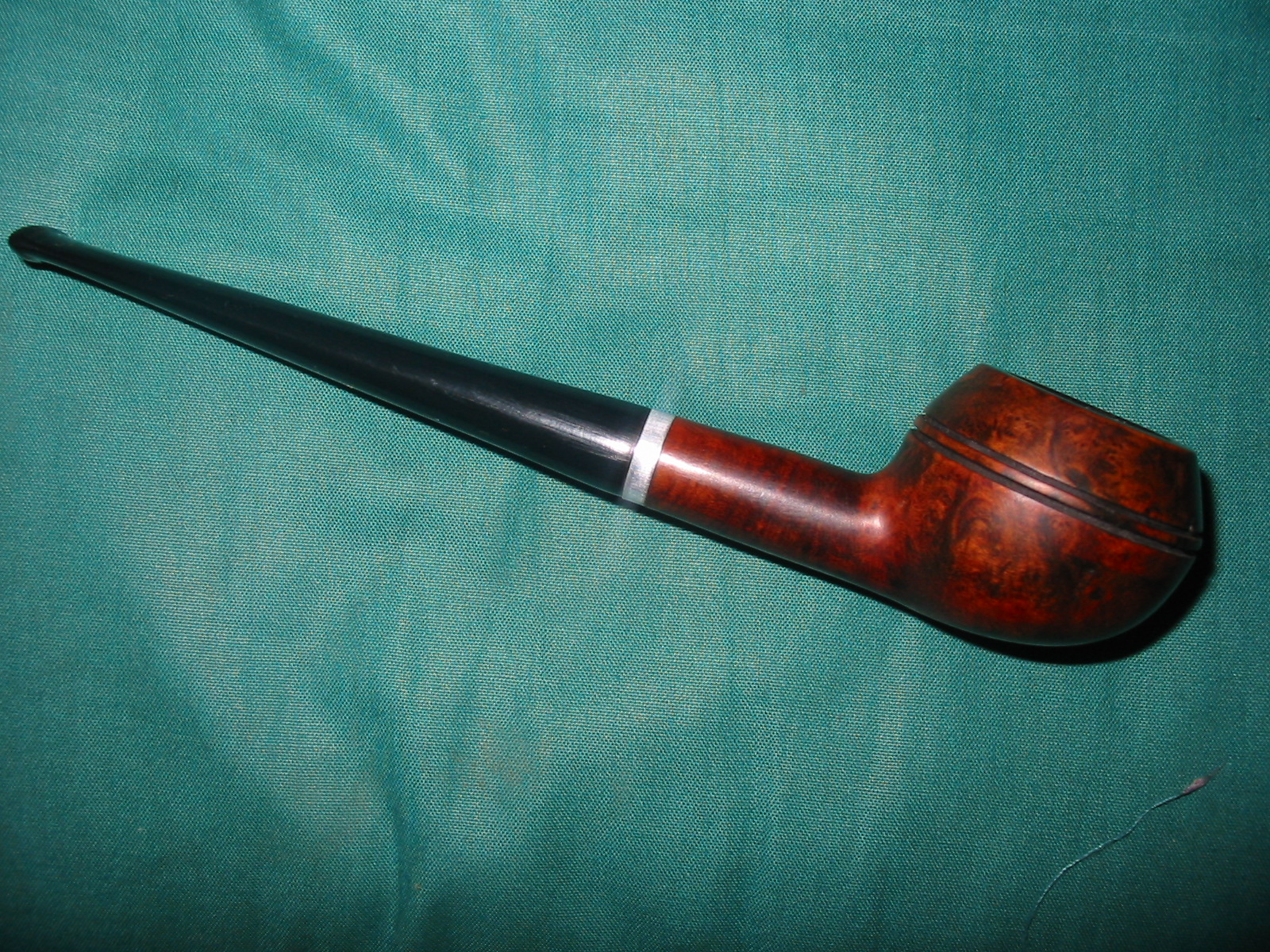
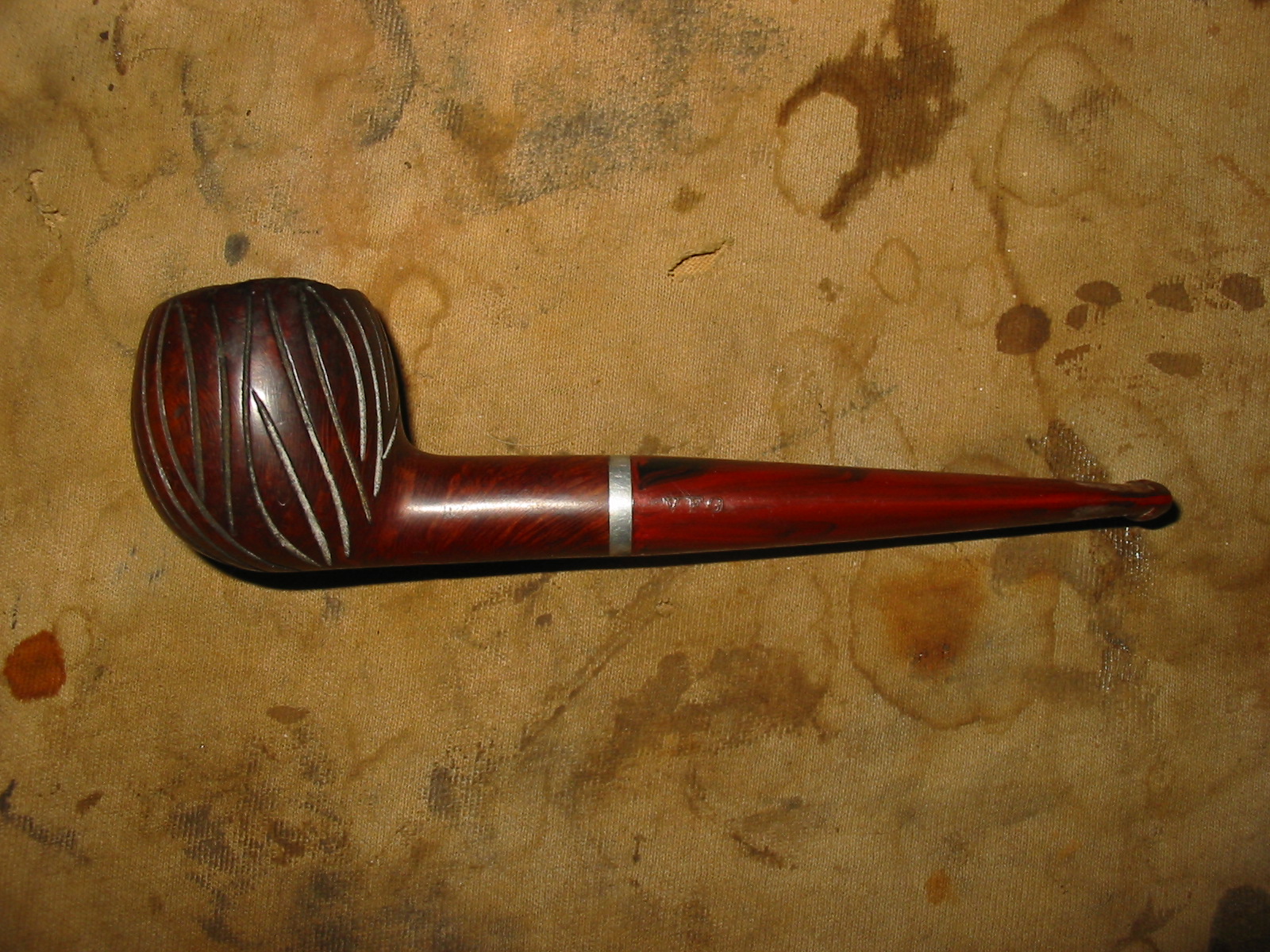
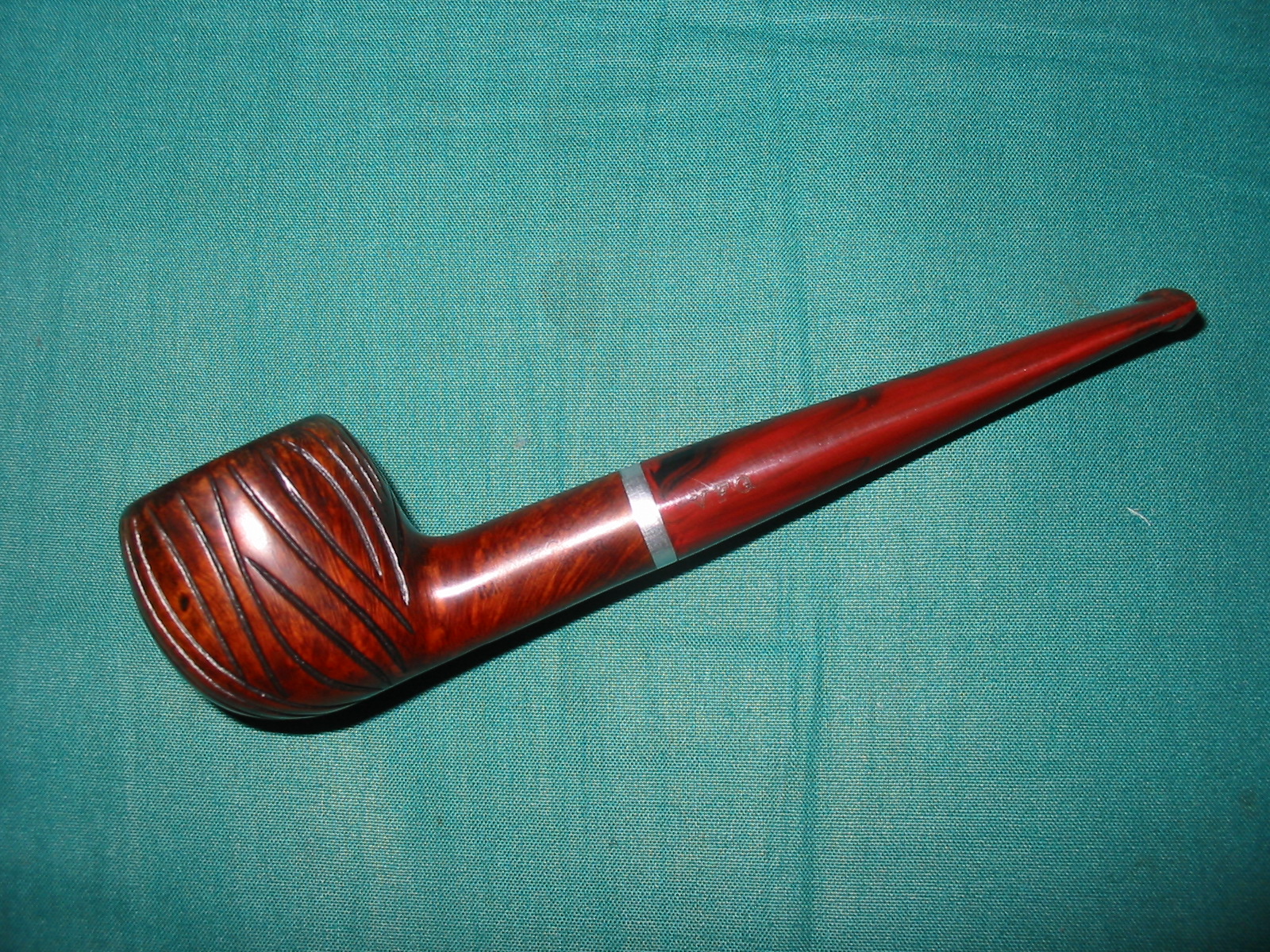
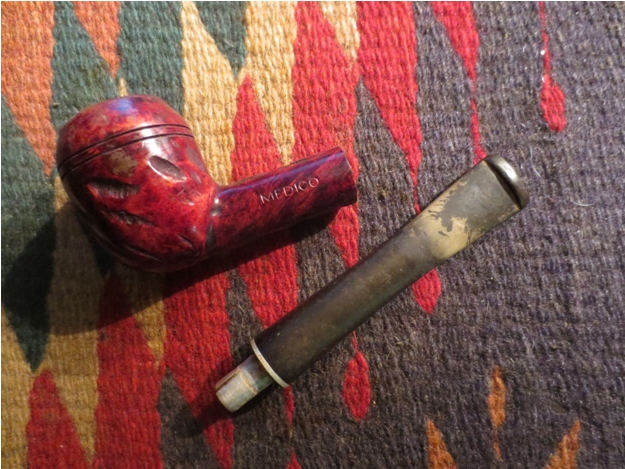
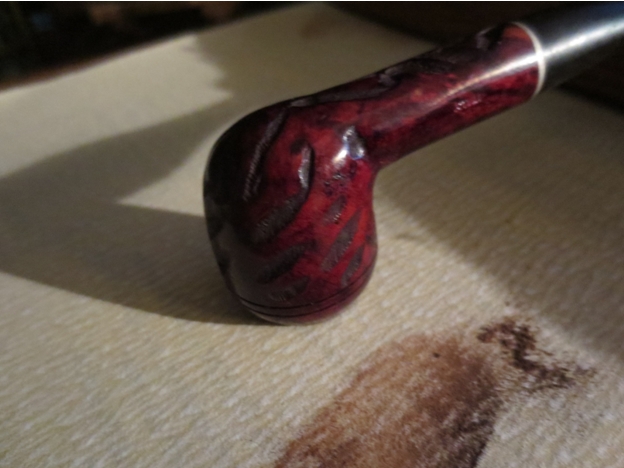
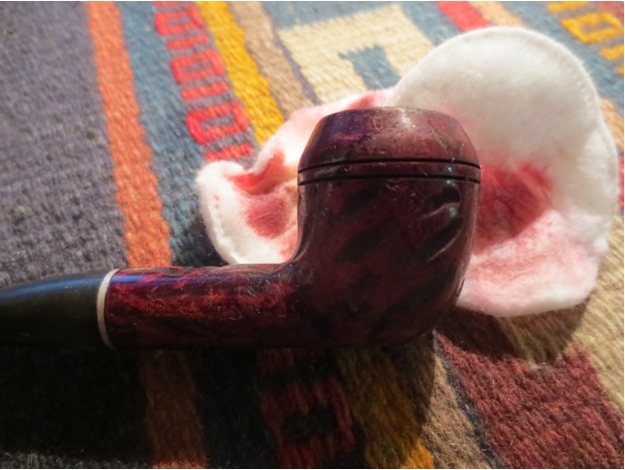
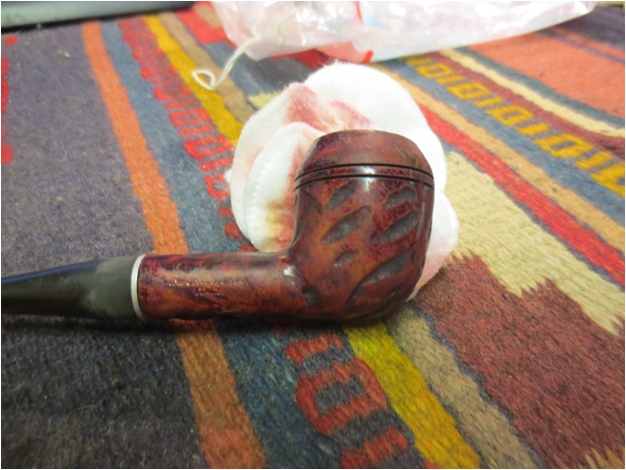
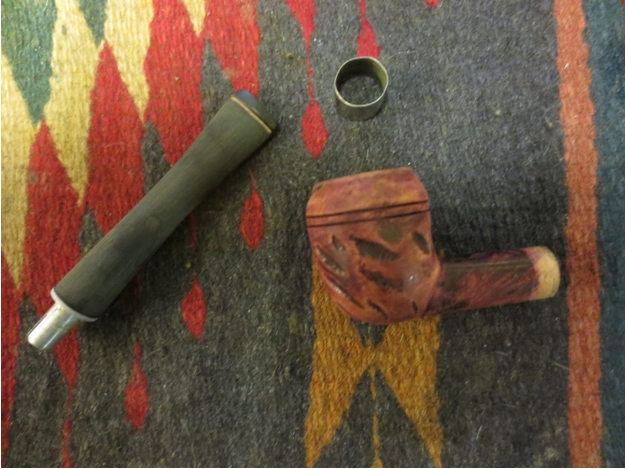
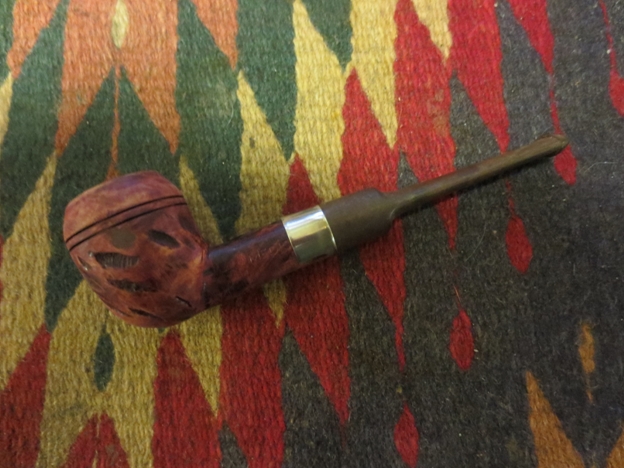
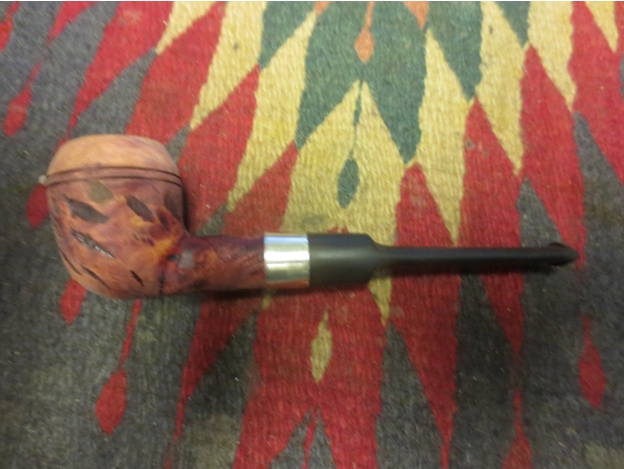
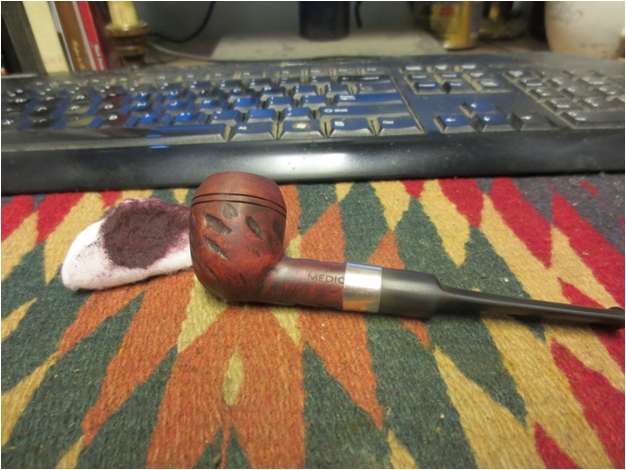
The second pipe I took out of the box of finds from the weekend antique mall score was a little Medico Prince. It is stamped Medico over Imported Briar on the left side of the shank. It had an aluminum band that was coated with a plastic coat that made it appear to be gold. This coating was peeling leaving the band looking unusable. The bowl also did not have a stem. The bowl itself had several fills on the sides and bottom, nicks around the double scored lines on the bowl and the lines themselves were filled in with hard white putty like substance. I am not sure what the purpose of the filling of the lines was but it gave the old pipe a despairing look. The rim was rough and slightly out of round. The cake was built up in the bowl and overflowing onto the rim. I looked through my stem can and found a Medico stem that had originally been on a pipe I made into a Churchwarden. It was from one of my first pipes when I came back to pipes in 1982. The stem was nylon and covered with tooth chatter and deep tooth marks. The metal tenon and the diameter of the stem were a perfect fit. I would only have to make a slight adjustment on the bottom side of the stem and the right side to make the transition smooth.
IMG_6048

IMG_6049

IMG_6050

IMG_6051

IMG_6052
The next series of four photos show the stem in place. The tooth marks are visible on the top and bottom sides of the stem and the shank union on the bottom and right side show the need of adjustment.
IMG_6053

IMG_6054

IMG_6055

IMG_6056
I reamed the bowl with a PipNet reamer to remove the cake so that I could work on the out of round inner edge of the rim.
IMG_6057
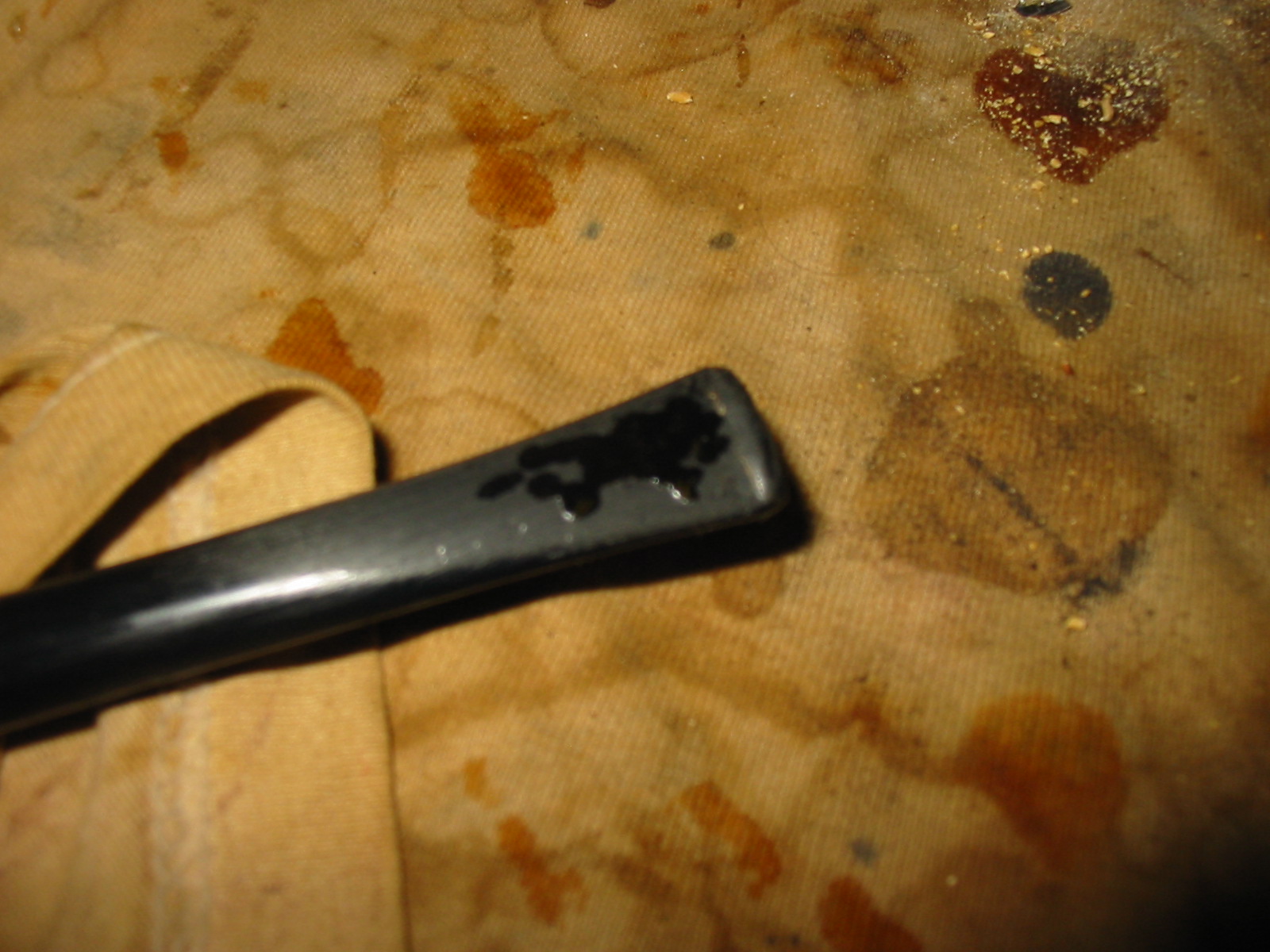
I sanded the tooth chatter on the nylon stem to remove as much of the surface chatter as possible and wiped it down with a wet cotton pad to wipe off the dust. Don’t use acetone or alcohol on nylon stems as they potentially can make a mess of the stem material. I used clear superglue to repair the deep tooth marks because heating the nylon does not raise the dents. It is yet another problem to be avoided as heating only makes the material quite soft and it easily collapses. I repaired the topside first and when it dried I repaired the underside of the stem with the super glue.
IMG_6058
When the glue dried I sanded it with 220 grit sandpaper to smooth out the surface of the stem and blend in the repairs. I sanded until the surface was smooth and the patch was flush with the stem material. I followed that by sanding with a medium and a fine grit sanding sponge to remove the scratches left behind by the sandpaper.
IMG_6062

IMG_6063
I lightly topped the rim to remove the surface damage and to remove some of the damage on the inner edge. I sanded the inner edge with a folded piece of 220 grit sandpaper to smooth out the rough edges and give it a more rounded appearance. I wiped down the bowl and rim with acetone on a cotton pad and then isopropyl on a cotton pad to remove the finish. I used a dental pick to remove the white putty like substance that filled the two parallel bands around the bowl and then wiped it down a final time with alcohol. I also removed the stem and wiped down the aluminum band to remove the plastic coating that was on it.
IMG_6061

IMG_6064

IMG_6065

IMG_6066

IMG_6068
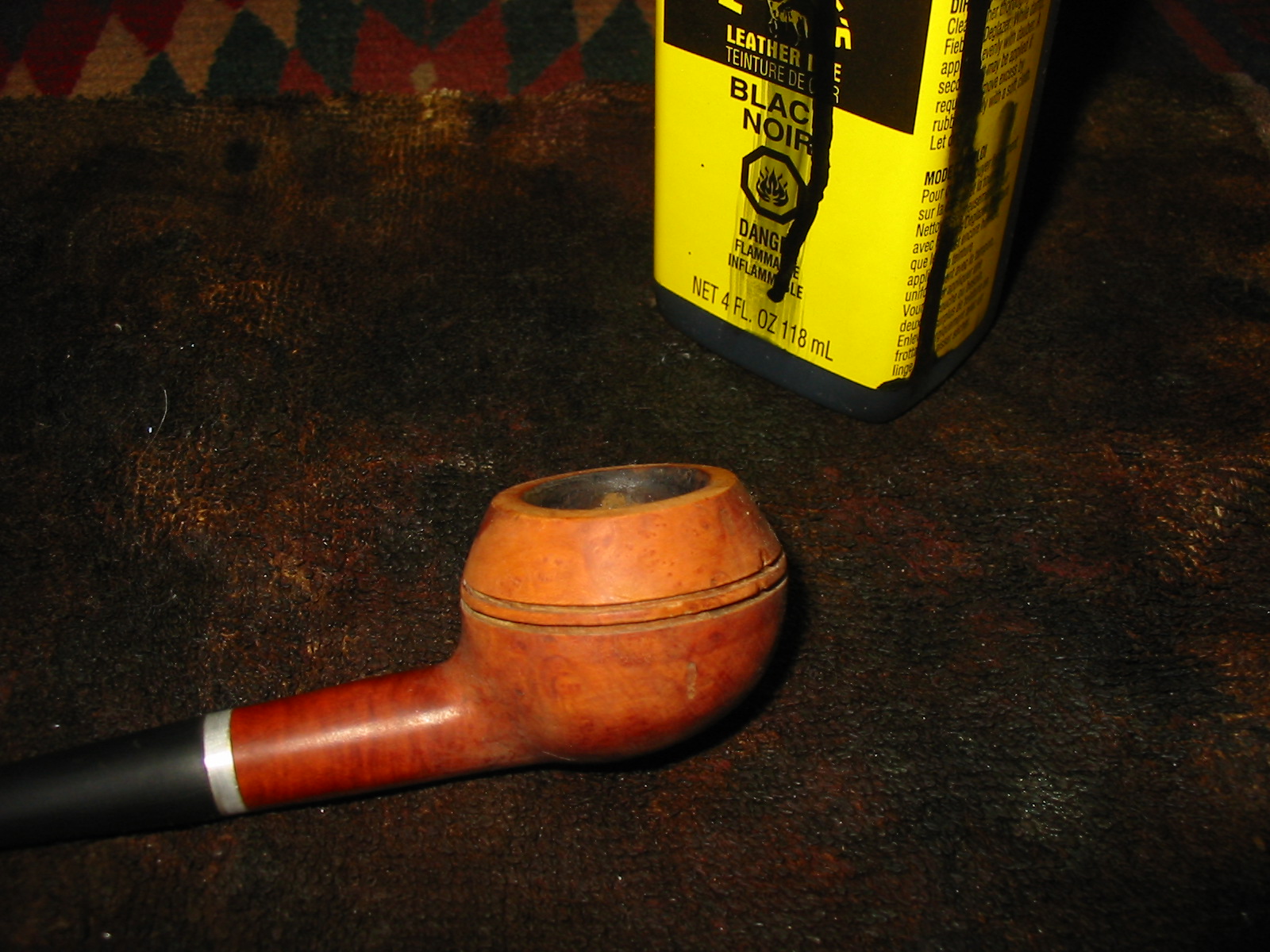
I decided to give the bowl a contrast stain. The first coat of stain was a black aniline stain. I heated the bowl and then applied the stain, flamed it, applied it and flamed it again until the stain coat was even across the bowl. My photos of the black stained bowl did not turn out do to camera failure. For some reason the flash did not work and the four photos of the black stained bowl were not visible. I applied the stain with a wool dauber and made sure that the black stain went into the parallel rings around the bowl.
IMG_6069

IMG_6070

IMG_6071
I wiped down the bowl with cotton pads and alcohol to remove the majority of the black stain and to leave it in the deep grain. I buffed the pipe with Tripoli and White Diamond and then wiped it a final time with alcohol. The finish at that point had black deep in the grain of the bowl highlighting the grain variations on the briar. It also served to provide some blending for the fills that were obvious on the bottom of the bowl. I sanded the bowl with a fine grit sanding sponge and 1500-2400 grit micromesh sanding pads to further remove the top finish. Once it was done I gave the bowl a coat of oxblood stain as a topcoat. I wanted the red stain to highlight the red of the briar and to be a contrast to the black grain on the bowl.
IMG_6072

IMG_6073
After the stain was applied I wiped it off with a rag and hand polished the bowl. The contrasting stains went a long way toward giving the pipe a great look and blending the fills into the background of the bowl.
IMG_6077

IMG_6078

IMG_6079

IMG_6080
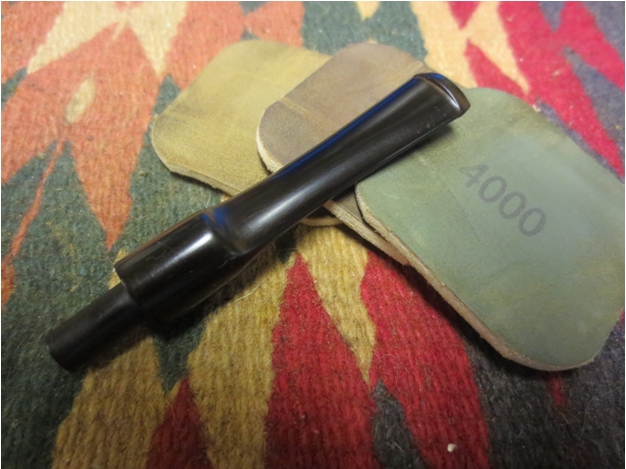
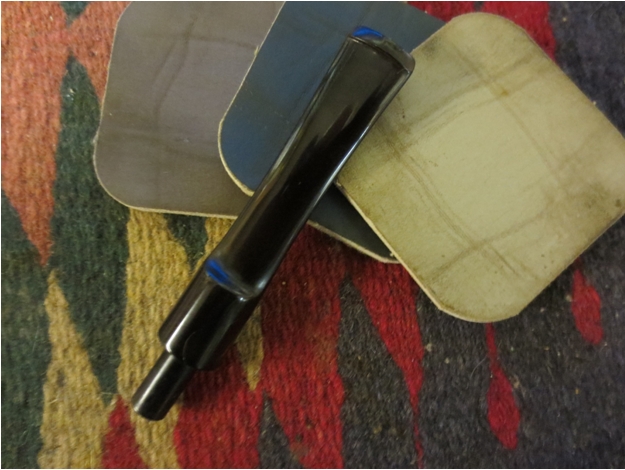
I sanded the stem with medium and fine grit sanding sponges and then followed up that with my usual stack of micromesh sanding pads – wet sanding with 1500-2400 grit pads and dry sanding with 3200-12000 grit pads. The progressive rich blackness of the nylon is revealed with each successive set of sanding pads.
IMG_6074

IMG_6075

IMG_6081

IMG_6082
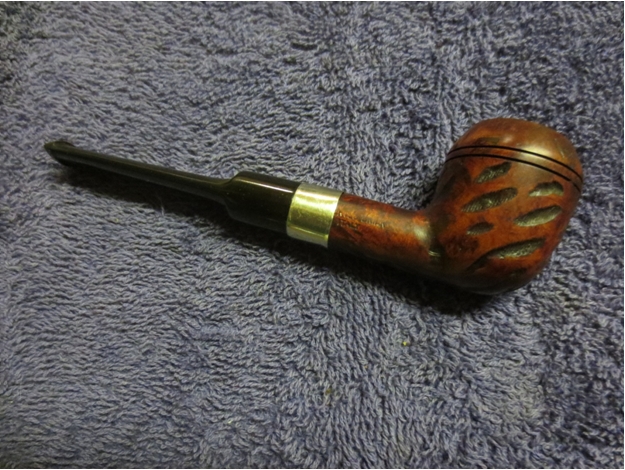
When I finished sanding I rubbed the stem down with Obsidian Oil and then gave it multiple coats of Paragon Wax and hand buffed it. I reinserted it in the shank and gave the entire pipe a light buff with White Diamond and then gave the bowl multiple coats of carnauba wax. I am very careful with nylon stems on the buffer after having several of them damaged by the heat of the wheel and having to start over. I have learned to hand buff the stems and if I am using the wheel at all with them to do it lightly and quickly. The finished pipe is pictured below. It is as good as new and ready to provide a good smoke to the next pipeman who carries on the trust.
IMG_6086

IMG_6088

IMG_6089

IMG_6090

Reworking a Couple of Pipes with my Son in Law on a Grey Vancouver Day


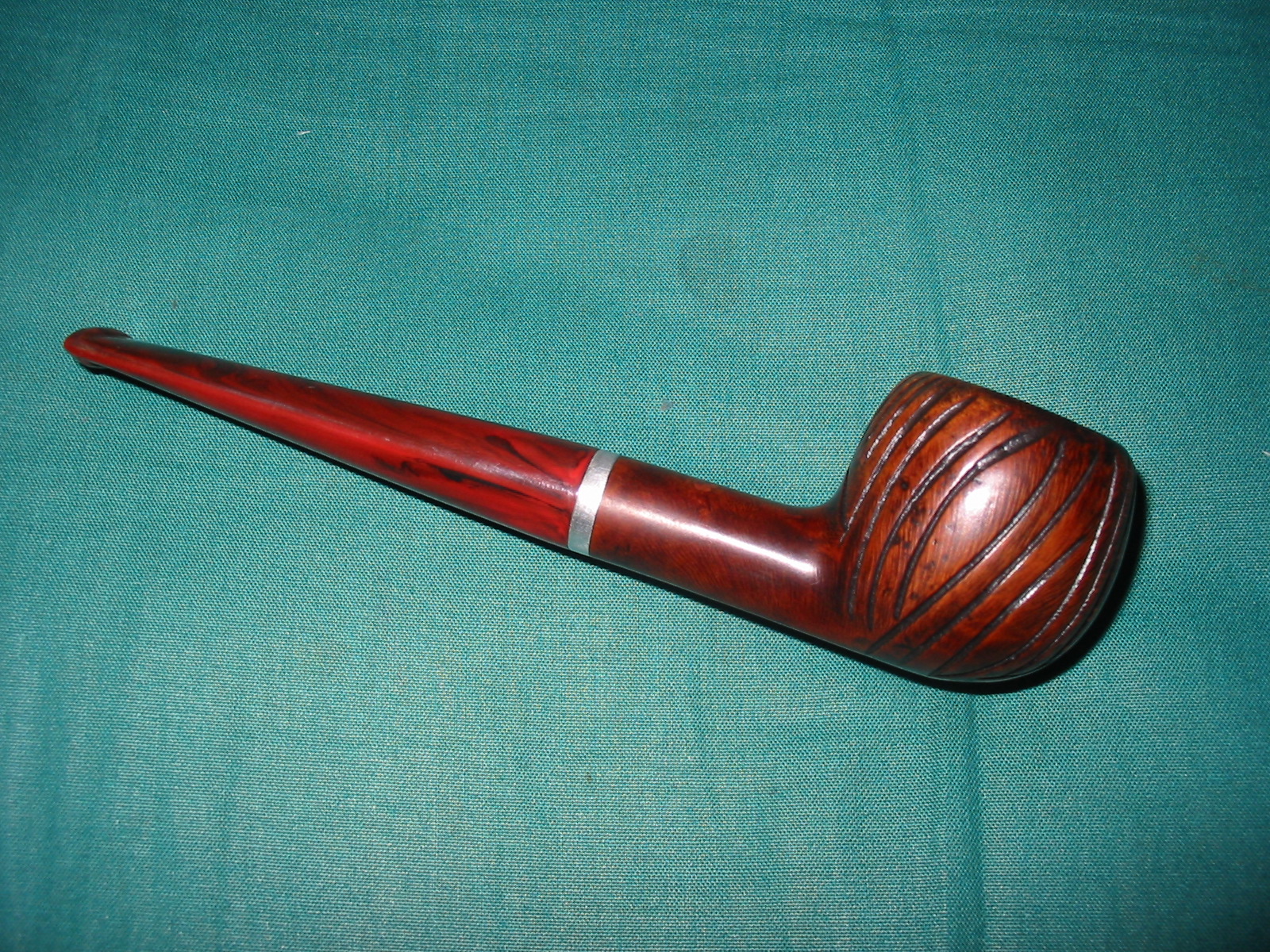
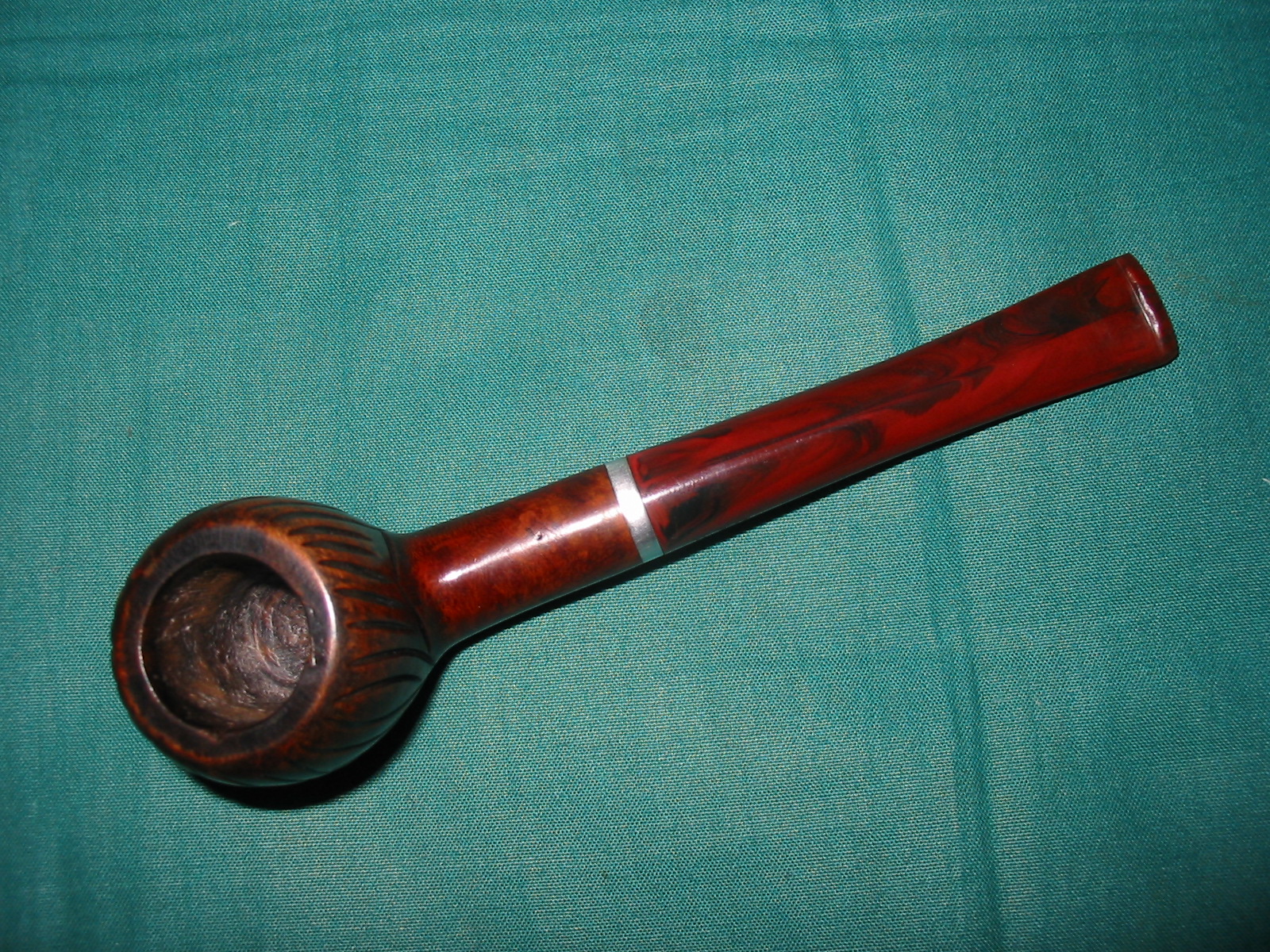
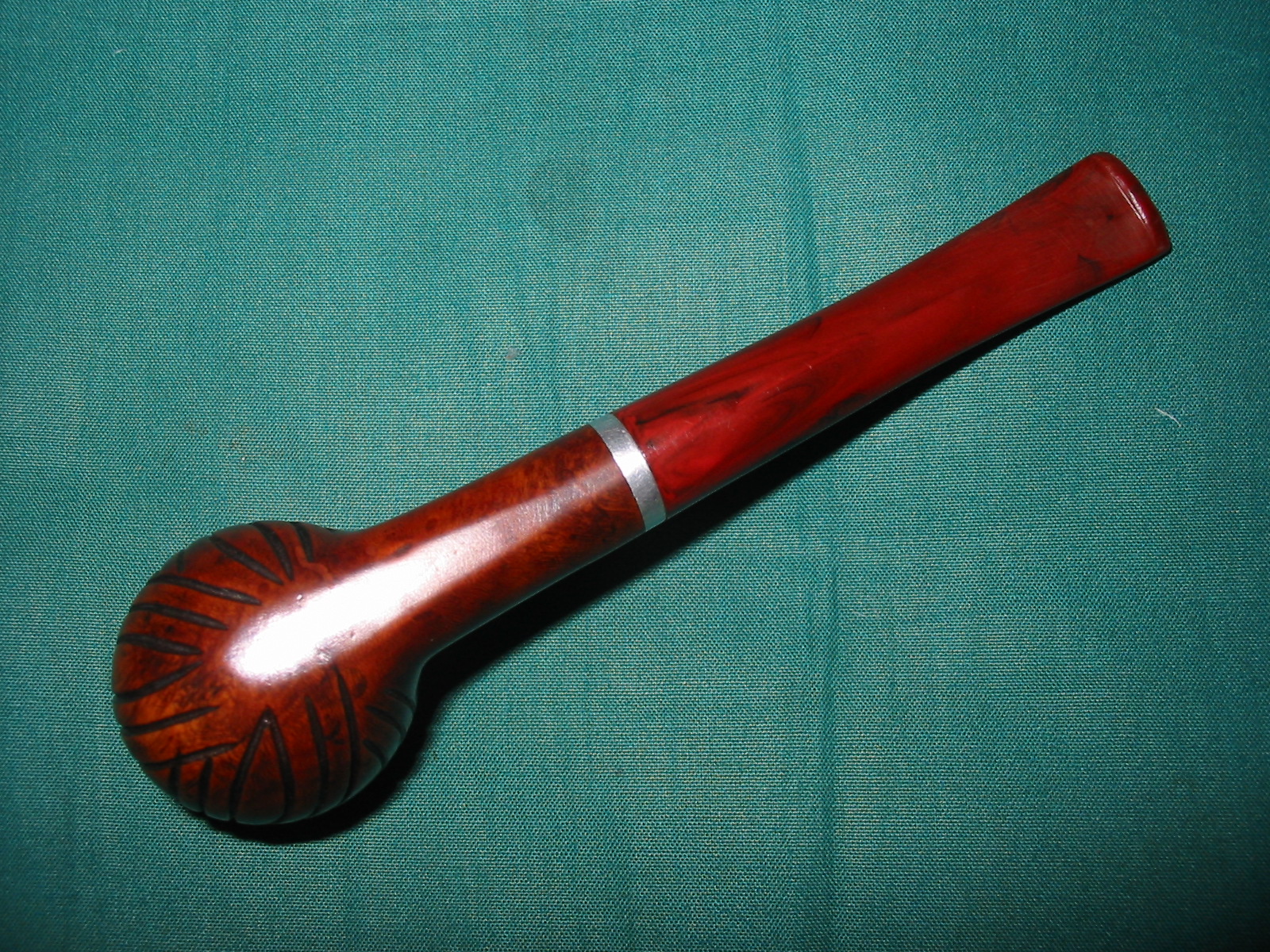
On a recent pipe hunt my son in law went with me and picked up a couple of pipes of his own. The first one was an interesting little Medico VFQ apple with a red stem. The stem was not too badly damaged. It was a filter pipe and still had the old paper Medico tube in the shank. The bowl was a mess. The rim had been burned and chipped and the bowl was badly caked and it looked as if the previous owner had smoked gooey aromatics in it that left behind a heavy residue of tar in the bottom of the bowl. It had hardened into lava like material. He liked the stem colour and the shape of the old pipe so I said to go ahead and pick it up and the two of us could work on it and bring it back for him. So he shelled out the $12.50 for the pipe and it became his first estate purchase of the trip.
IMG_3549

IMG_3551

IMG_3553

This old pipe took every trick I had up my sleeves to refurbish. The stem was nylon not rubber so it was fussy to clean up. Every scratch shows in nylon and it cannot be buffed except with a very gentle hand. Everything had to be done by hand. I worked on the stem while Lance worked on the bowl. I sanded the stem from the button up the stem for about an inch to remove the calcification on the end and remove the tooth chatter on the top of the stem. On the underside there were a couple of deeper tooth marks that needed attention. I heated the nylon carefully with a lighter to try to raise the dents in the stem. I moved quickly across the surface so as not to melt the nylon. All but one of them lifted nicely – it remained a stubborn part of the sanding process. I sanded the stem with 220 grit sandpaper and then with a medium grit sanding sponge. I finished by sanding the stem with micromesh sanding pads from 1500-12,000 grit – wet sanding with the first three grits and then dry sanding with the remaining grits. I rubbed the stem down with Obsidian Oil. I also sanded the aluminum tenon with the 2400 grit micromesh pad to remove the oxidation on it. I polished it with a silver polishing cloth.

In the mean I had Lance top the bowl and flatten out the rim surface. Then he beveled the outer edge to give the pipe a rounded look like it had previously. He gave the inner edge a slight bevel as well. There were three flaws in the rim surface where the fills were missing. I had him repair these with briar dust and super glue. He then topped the bowl lightly a second time to smooth out the fill repairs. He wiped the bowl down with acetone and sanded it with the sanding sponge. He gave it a quick sand with 1500-2400 grit micromesh as well and then stained it with a black undercoat making sure that the stain went into the grooves that were carved in the bowl surface. He then wiped it down with acetone and sanded it again to remove the black stain from the surface of the bowl leaving it deep in the grooves and around the rim. The black feathered out down the bowl sides and at the tenon shank union. He sanded the aluminum band with a 3200 grit micromesh sanding pad to polish it and then restained the bowl with a red mahogany Miniwax stain. We buffed the pipe with White Diamond and then gave the stem very lightly making sure to not let it heat up. We gave the entirety several coats of carnauba wax. Here is the first pipe he had ever refurbished after it was finished.
IMG_3565

IMG_3566

IMG_3567

IMG_3570

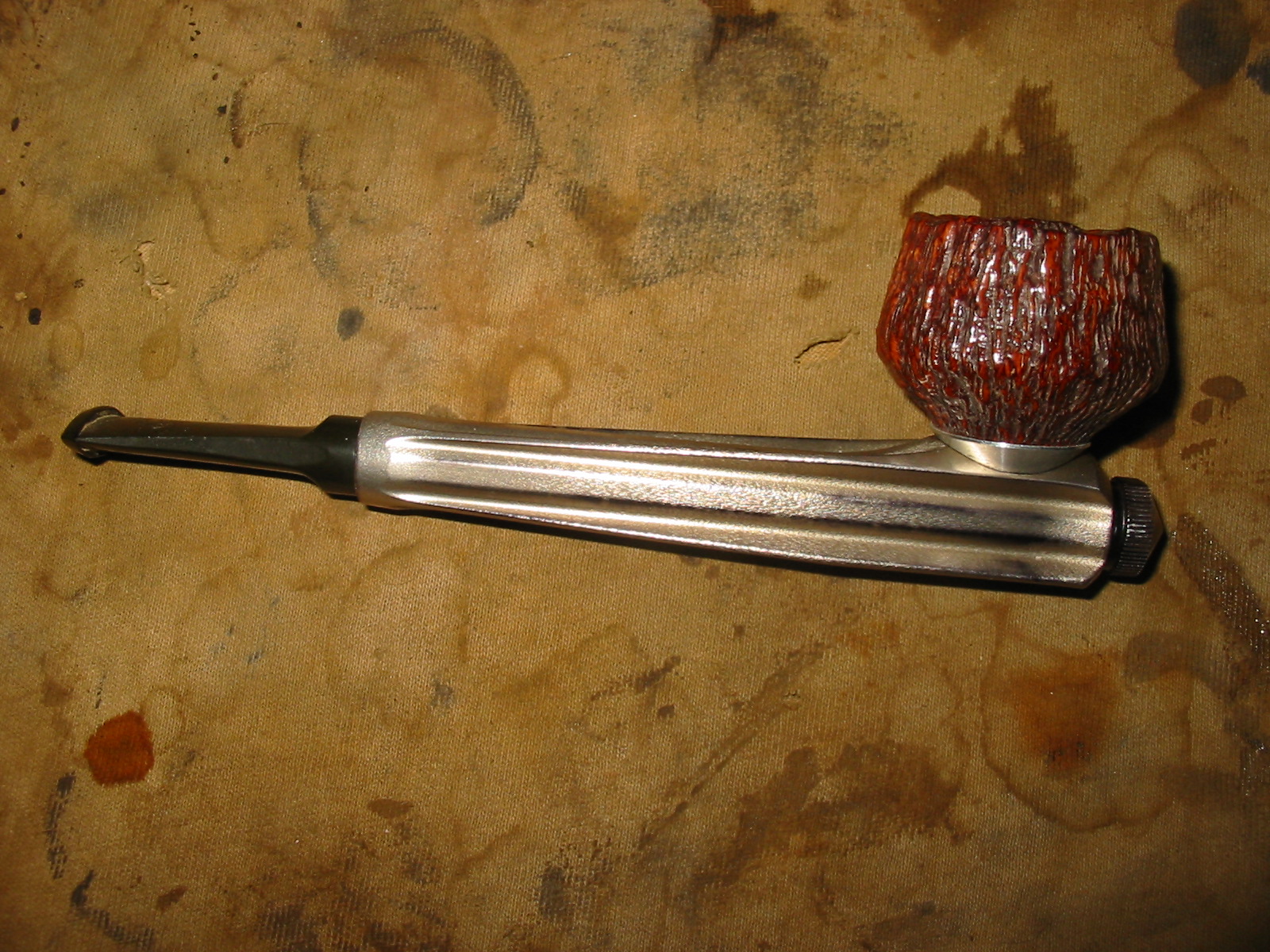
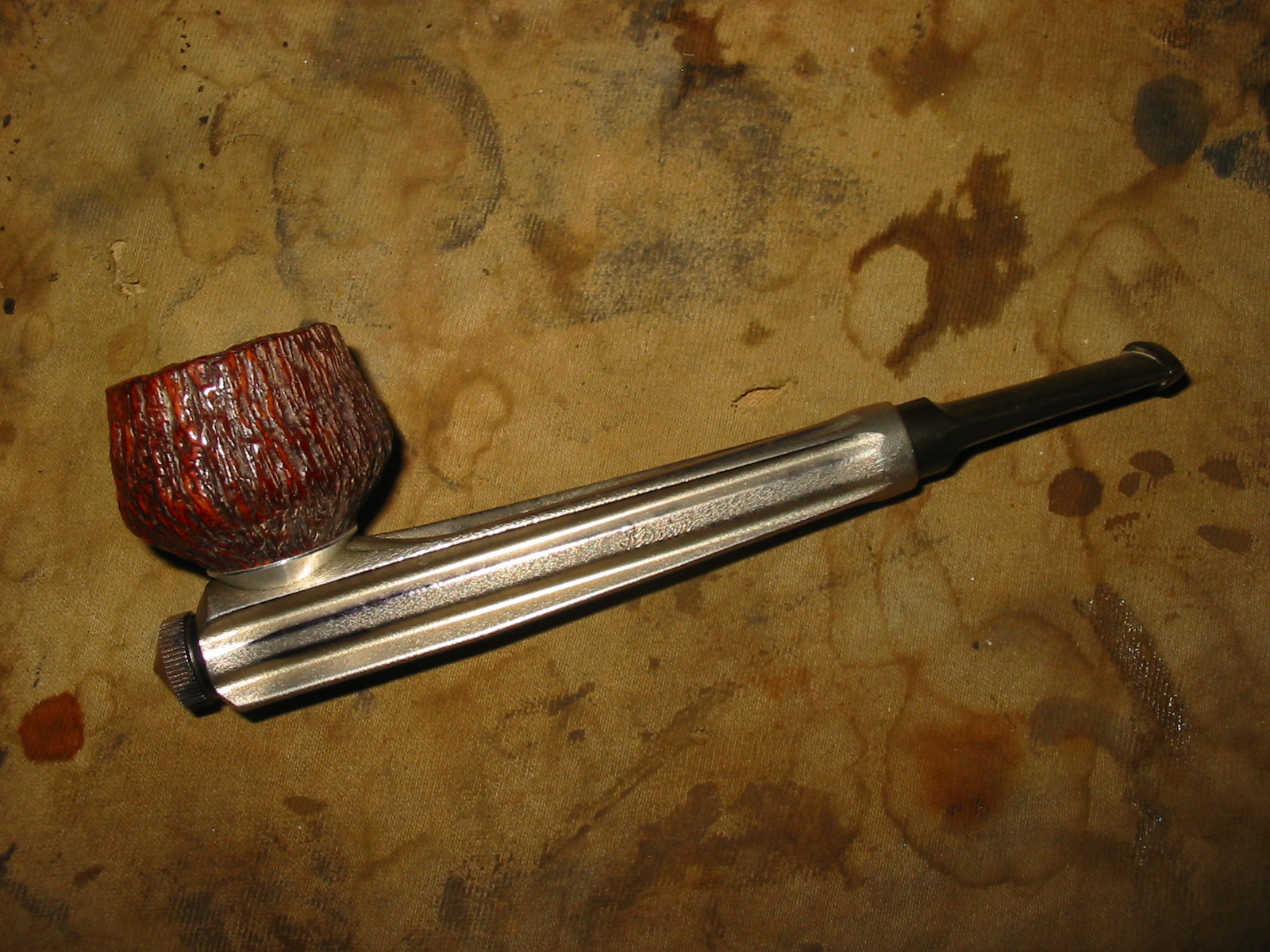
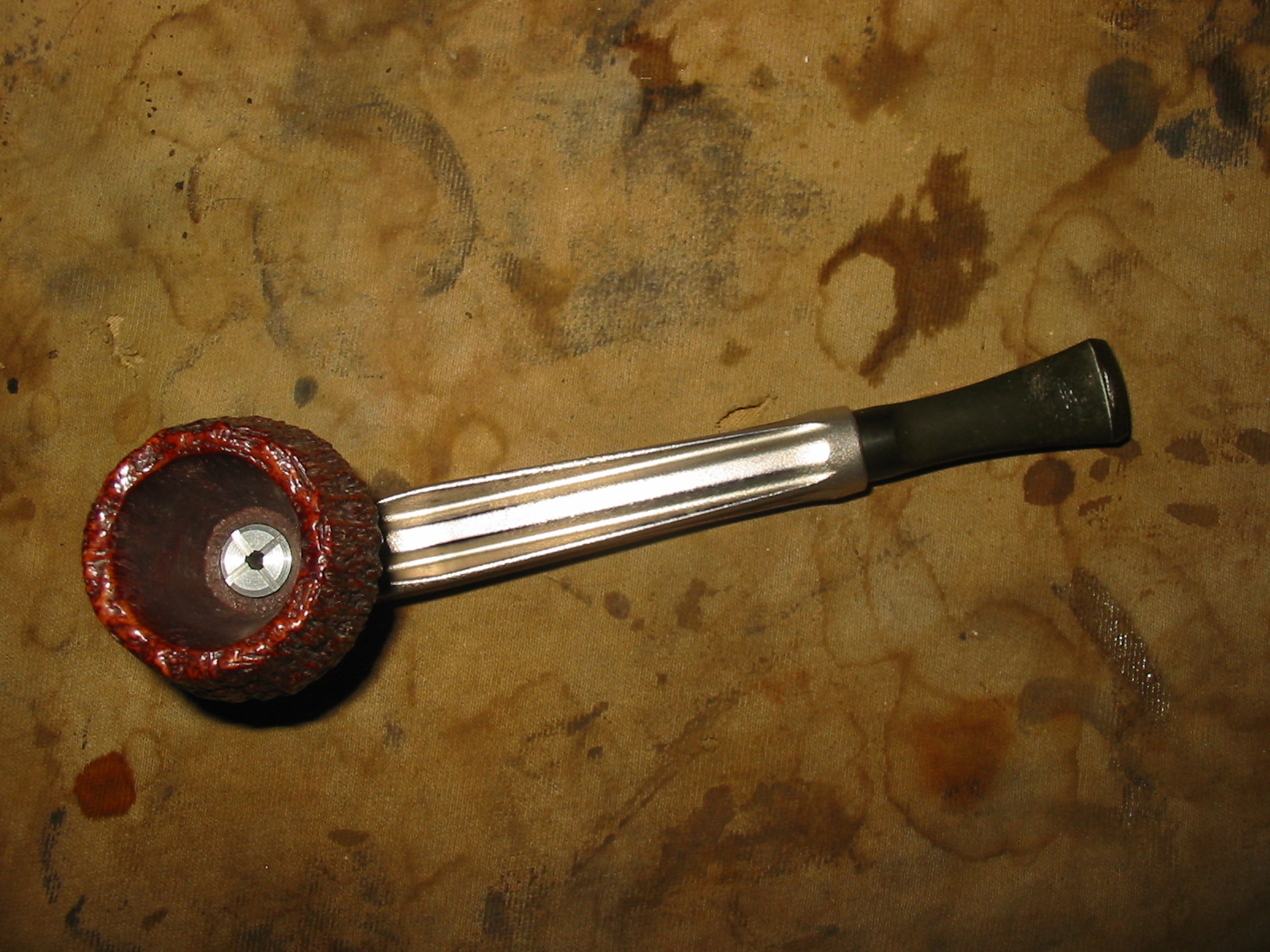
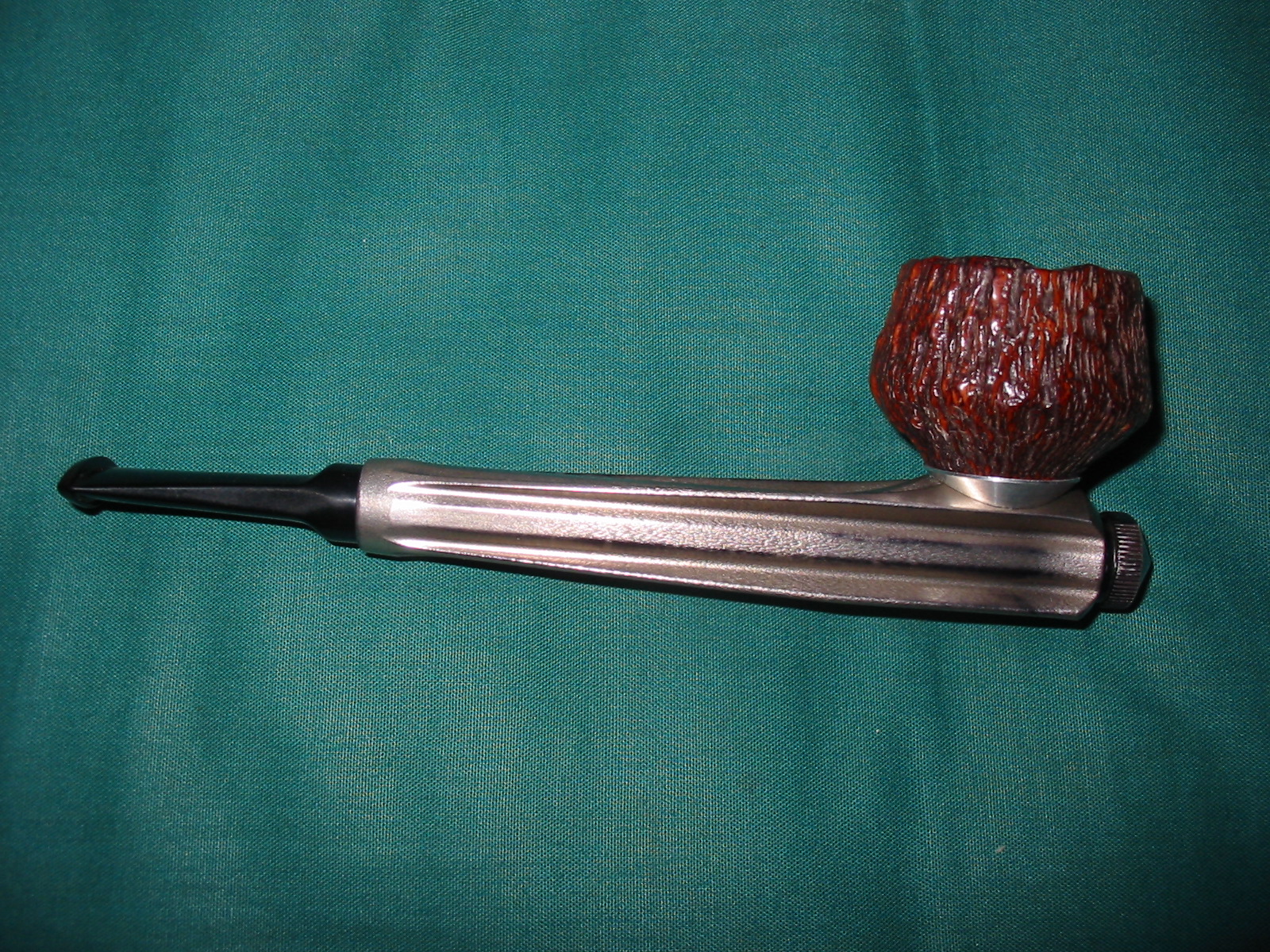
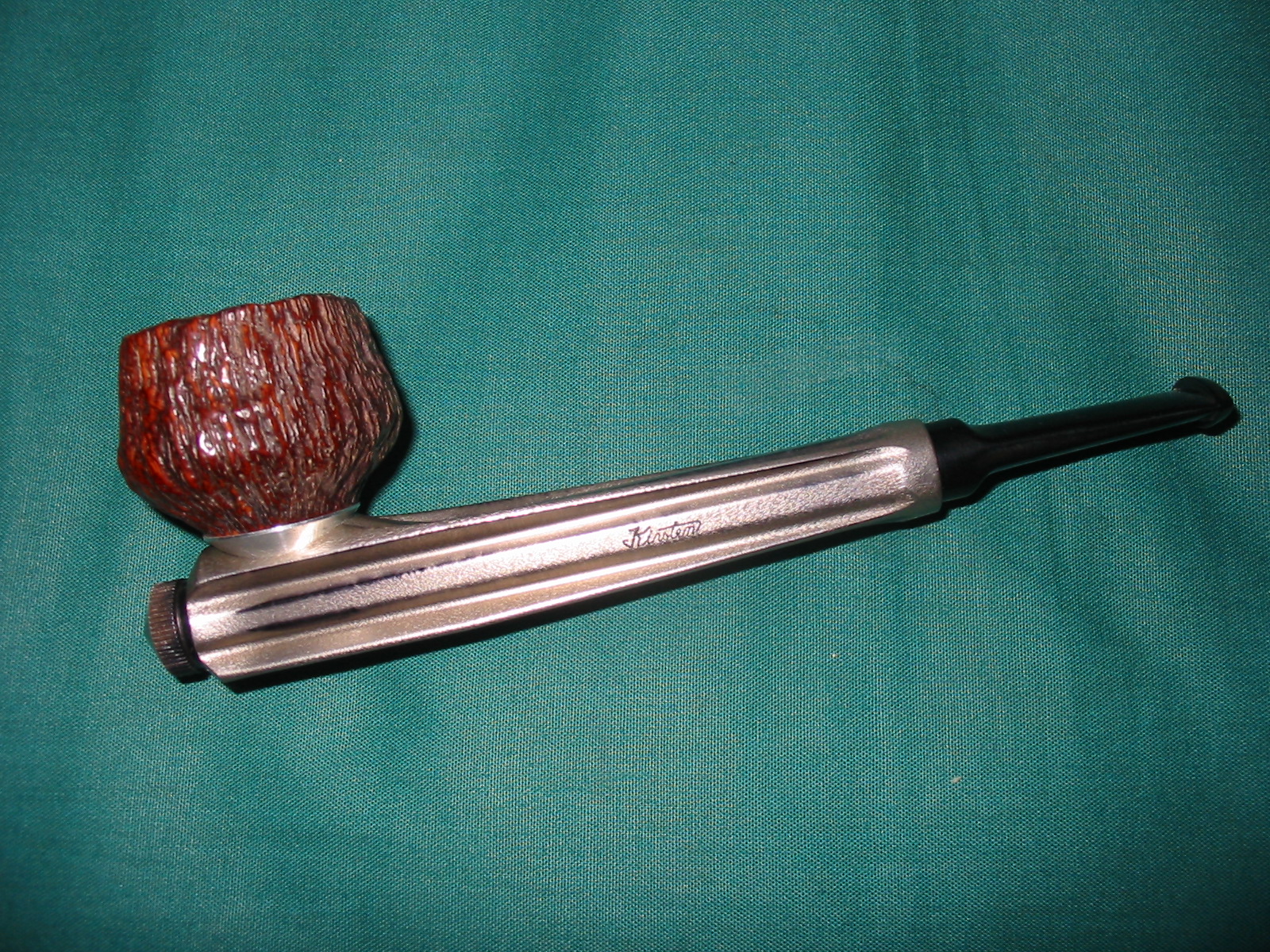
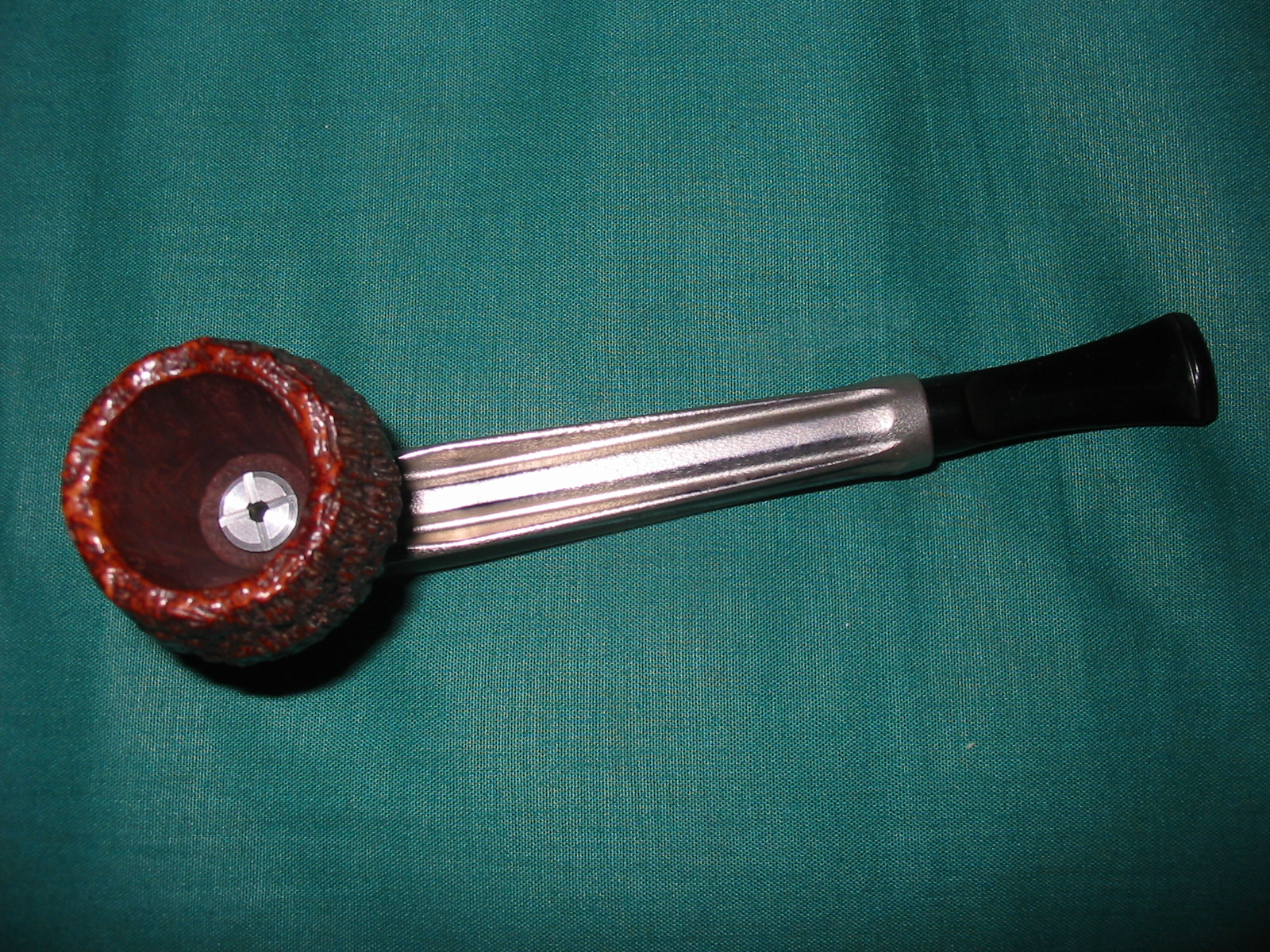
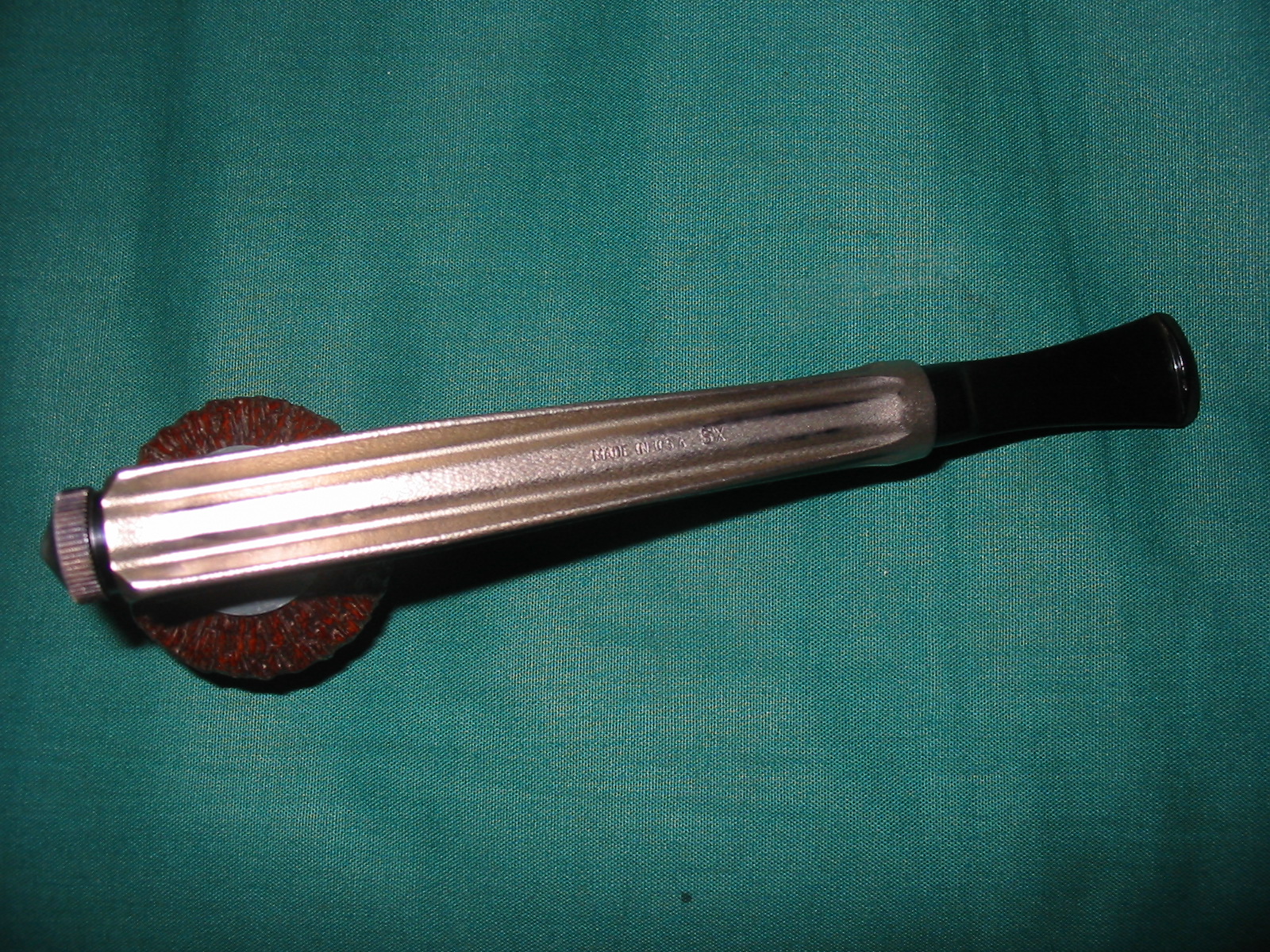
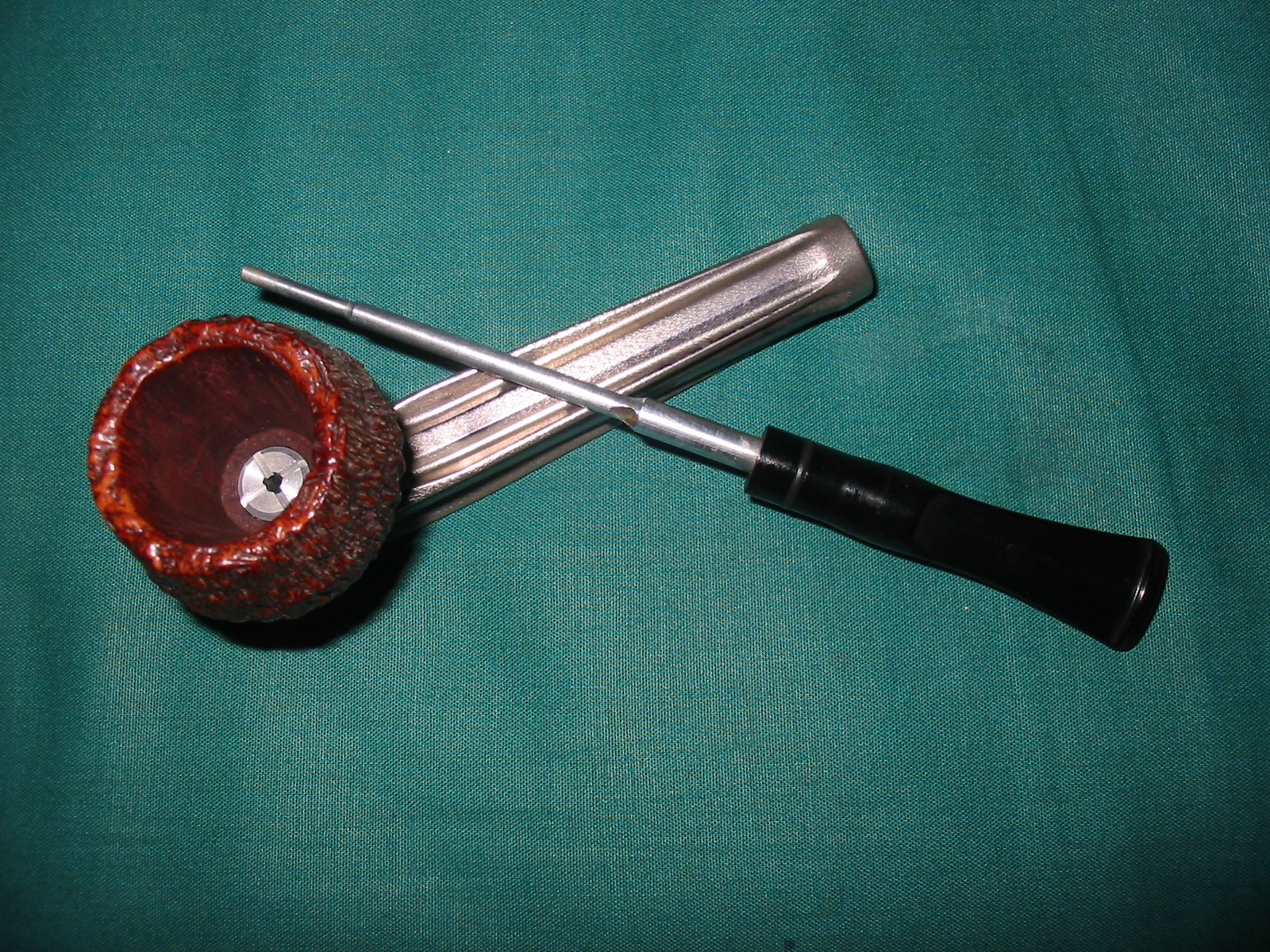
The second pipe was less of a challenge and it was found second on the hunt. It is a Kirsten SX. With a little research we found out that the X designation added to the shape and size S usually meant Brass but that during the 1960’s there was a brief period of time where the SX was an antiqued black and silver finish. That is what he had! Thus we were able to date the pipe a bit for him. The bowl was unsmoked new stock and was probably a replacement. The stem was oxidized and covered with tooth chatter. The barrel was oxidized and much of the antiquing had worn of the finish. The valve at the end was stuck in place. The ramrod was oxidized and dirty. It would be a very easy refurbishing job. Considering the pipe cost him $15 it was well worth the effort.
IMG_3554

IMG_3555

IMG_3556

IMG_3557

Lance took the pipe apart unscrewing the bowl and removing the stem and ramrod from the barrel. The valve at the end was stuck so we had to drive it out with piece of rod I have here. Once it was apart we each went to work cleaning the parts. Lance worked on the barrel and the valve cleaning the outside and the inside of the parts. I worked on the ramrod and the stem. He cleaned out the valve with cotton swabs, pipe cleaners and Everclear and also cleaned out the inside of the barrel with the same. He polished the barrel with silver polish to remove the oxidation and then we washed the barrel with a wash of black aniline stain to give it a bit of an antique look. I sanded out the tooth marks on the stem and polished the ramrod. Lance then sanded the stem with micromesh sanding pads from 1500-12,000 grit. Once the stem was polished he rubbed it down with Obsidian Oil and then we gave the stem a quick buff with White Diamond on the buffer. We rubbed Vaseline into the O-rings on the valve and the stem/ramrod then reassembled the pipe. We gave the entire pipe a light buff with carnauba wax and a soft flannel pad to polish it. Here is the finished pipe.
IMG_3559

IMG_3560

IMG_3561

IMG_3562

IMG_3564

When we finished we filled a bowl with well aged Balkan Sobranie Virginian No. 10 and retired to the porch to have a bowl and a visit. It was a great way to spend a grey Vancouver day and get to know my son in law a bit better. We are already planning more hunts and pipe refurbishing sessions. It is great to have someone working with me who is interested in learning the tricks of the hobby living so close by.

Memories of that first pipe


I still remember the day when I first started smoking a pipe. I was 16 years old and had friends who smoked cigarettes all the time. But those never interested me the way a pipe did. I was employed as a waiter at a local hotel and restaurant. Each shift we were given break times where everyone grabbed a drink and a smoke in the hallway away from the customers. Those were the days where employers provided a place for their staff to smoke. It even had a big black ashtray and nice chairs to sit and rest a bit. It was a perfect time and place for a young man to learn to smoke a pipe.

I had a regular customer I waited on who smoked a pipe after each meal I served him. I can see him to this day, pushing back his chair and packing his pipe and then lighting it with a silver Dunhill lighter as I cleared his table. He would sit and enjoy the smoke and order a scotch to complete his dinner. I can still smell the smoke in my memory and the smells were delightful. His pipe smoking brought to mind my uncle Gene and his pipe. I loved my uncle and I loved the smell of his pipe. So the time, the place, the tutors all combined to open the world of pipe smoking for me.

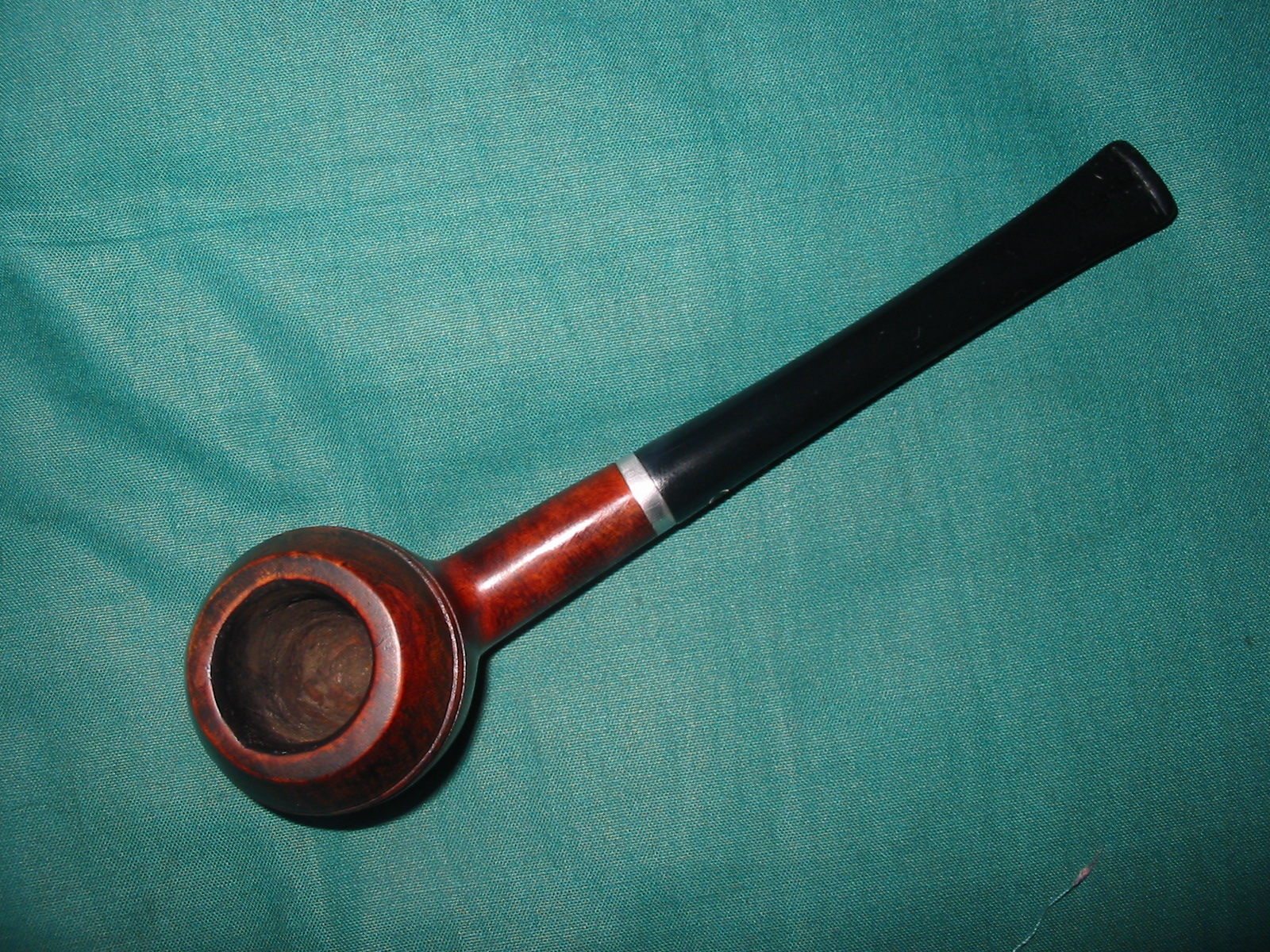
I remember leaving work on my dinner break that evening and driving across the river to a Rexall Drugstore on Shoup and A Street to pick up my first pipe, a lighter and some tobacco. I took my time looking at the pipes on display and chose a nice Medico briar – a matte finish straight Dublin, no shiny flashy pipe for me. I believe that it was actually sandblasted and stained an oxblood colour (it is gone now and how that happened is a story for another time). The lighter was a disposable Bic and the tobacco was Borkum Riff Whiskey Soaked. I carried my new treasures back to the car and sat fondling them for quite awhile before heading back to work.

I served my customer their meals and drinks and waited with growing anticipation for my first break. I would not say I was patient because actually I was not. I wanted to try break out my new pipe and try it now! When the break time finally came I went back to the smoking hallway, opened the packaging of the new pipe and blew air through it and enjoyed the feel and weight of it in my hand and mouth. I peeled the tape off the pouch of Borkum Riff and opened it. I inhaled the fresh smells and felt very “adult”. I stuffed the bowl of the pipe with tobacco to the brim. I had no clue what I was doing and I packed it so tight there was not much draw. But hey, what did I know. I tried to light the thing but could not keep it going. It was like sucking air through a coffee stirrer. I spent most of that break trying to light my new pipe. I ended up not smoking a bowl at all that time around. I emptied the tobacco out and tried it again… still too tight. Break was over, I had not smoked my pipe yet and I was a frustrated.
The later dinner crowd came in and my pipe smoking customer arrived. I served him his meal and he ate a leisurely dinner. He ordered his scotch and while he was waiting pulled out his pipe and a tin of tobacco. My eyes lit up as I watched him. Maybe I could ask him for help; at the very least I could watch how he went about packing his pipe and learn that way. The dinner hour was over and the restaurant was pretty empty. I watched as he loaded his pipe but could no help but politely interrupt him to ask for his help with my new pipe. He took my pipe his hands like it was a precious thing. Looking back I realize how kind he was. He smoked Dunhill pipes and Dunhill tobacco, but he never batted an eye at my “cheap” pipe and drugstore tobacco. He handed it back to me and agreed to help me out. He took out his pipe and had me hold mine then we both packed them at the same time. He had a great teaching method. He had me put the amount of tobacco needed for a bowl on a paper napkin. We each took the same amount of tobacco. Then he showed me how to pack the bowl in thirds with each one packed a bit more firmly. We lit our lighters and we gave it what he called a charring light and then tamped and did a second light. I saw that I needed to pick up a tamper, but even as I thought about it, he reached into his pocket and handed me a pipe nail. He pulled out a chair and had me join him. He told me to suck gently and take my time so as not to singe my tongue. I tried and succeeded in at least smoking the whole bowl with him. Many lights and relights later, my bowl was finished far before his was. I thanked him profusely for teaching me how to pack a pipe. He laughed and encouraged me to keep practicing.

As I cleared his last dinner items away I remember that he winked at me and told me not to drink any alcohol or carbonated beverages as it would cause me a bit of pain. He seemed to know that I had singed my tongue and was suffering a good case of tongue bite. He recommended apple juice or a cup of tea as a soothing drink to ease the discomfort. I thanked him again. I finished my shift for the night and sat down for a second bowl in my pipe. I packed it right this time first try. I fired it up and used his nail to tamp it. It burned my tongue like the dickens. My tongue felt like raw meat. I wanted to lay the pipe down but persevered until the bowl was finished. I may not have been the brightest young pipeman but I was committed. Over the next days I worked with that pipe and practiced smoking slowly. The tongue bite healed and lessened. I was well on the road to being a pipe smoker, not a small feat when you consider what I was smoking!

I have never forgotten that old gentleman who initiated me into the art of being a pipeman. The memory of his kindness is what keeps me passing on the same to other new pipe smokers. I do so with care packages of refurbished pipes and samples of tobacco as well as lessons on how to pack that first bowl. The pipe nail he gifted me is still in my cabinet… I think(I say I “think” because over the years I have handed out dozens of them and may well have given away the original). I continued to smoke that Medico for the next couple of years and it became a well seasoned pipe. I soon added several other pipes to my bag and I was on my way to building a collection. Somehow though, during university years my pipes lay idle. I have no real idea why that was as I look back. There was no real reason for it. Maybe as I think about it something will trigger my memory and later it could be the reason for another story. But I do know that I did not pick them up again until the morning my first daughter was born some seven or eight years later. I have no idea what happened to that old Medico and the other pipes. It may well be sitting in a cupboard in my parents’ house. However, the lessons learned from my old friend made the next time I picked up the pipe much more enjoyable.