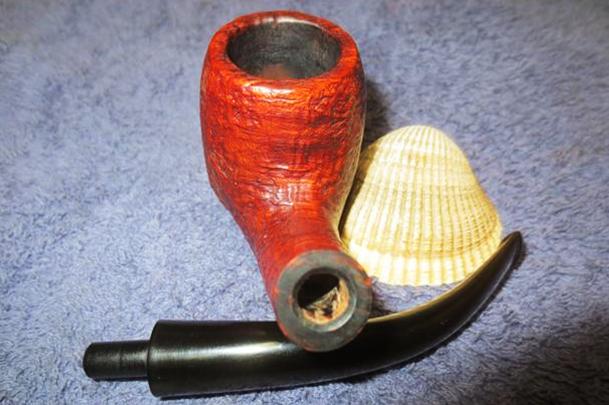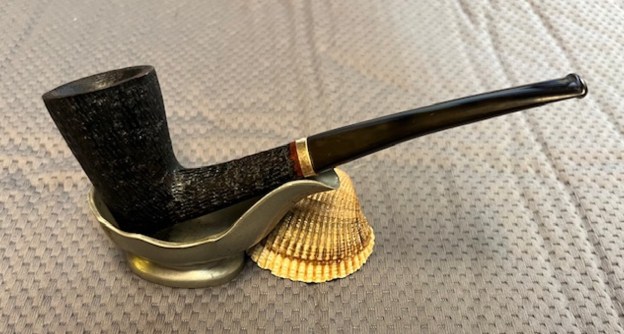
Tag Archives: Kriswill Pipe Lines

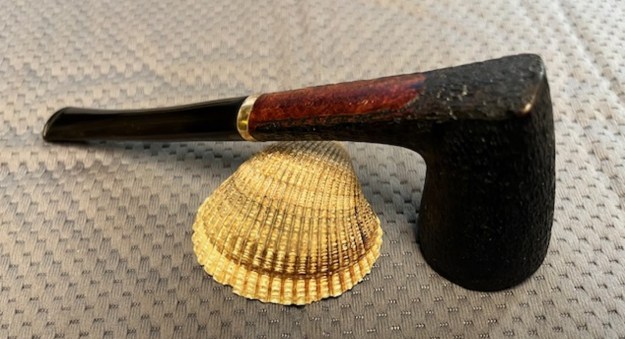
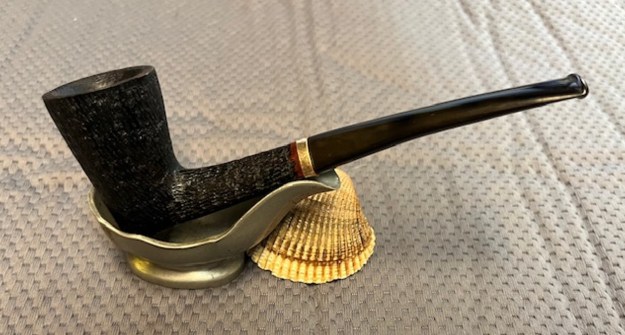
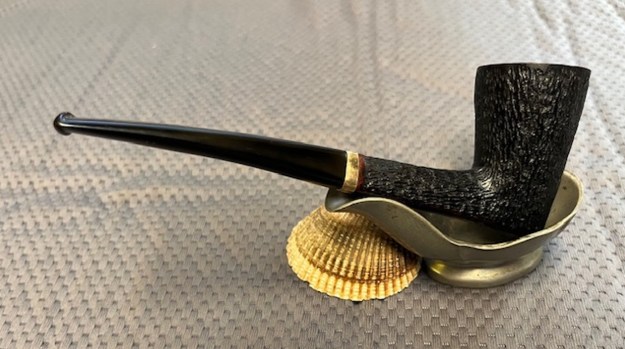
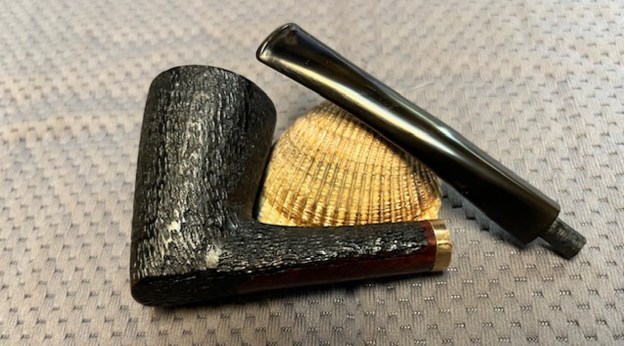
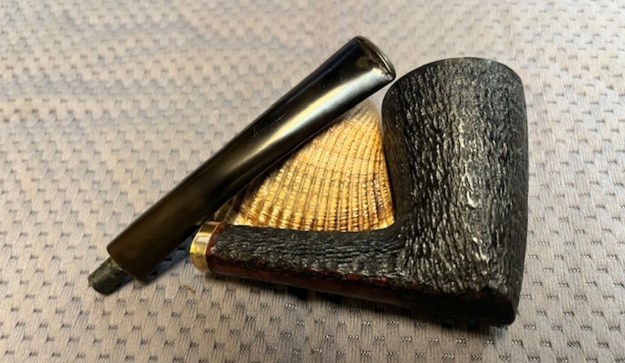
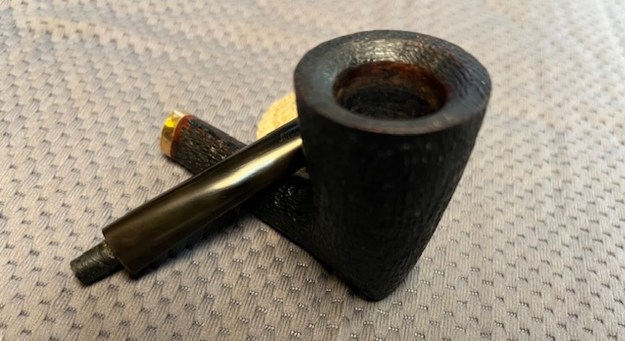
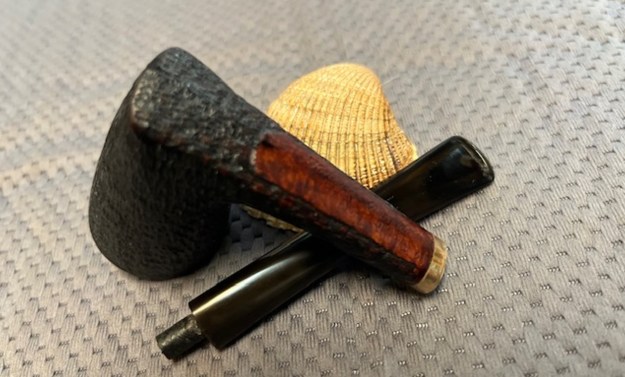
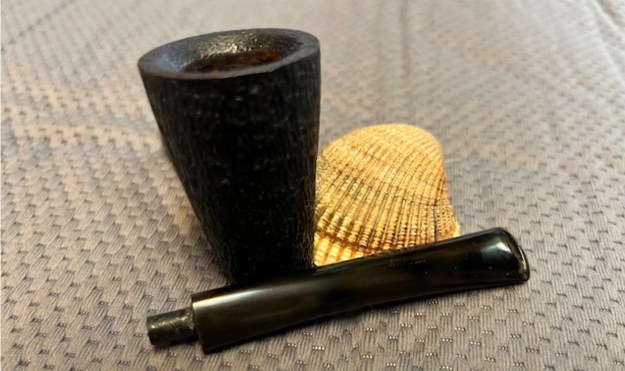
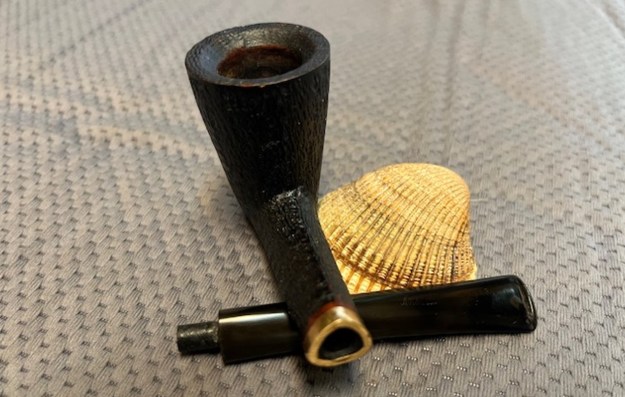
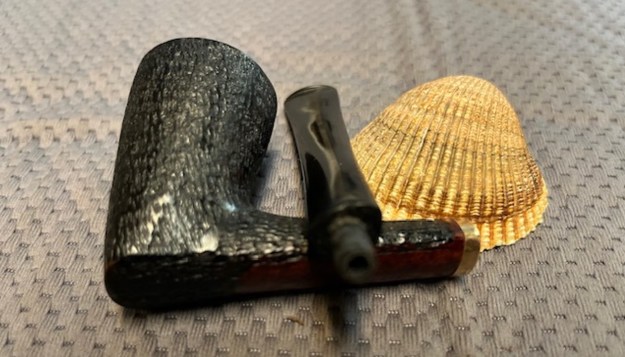
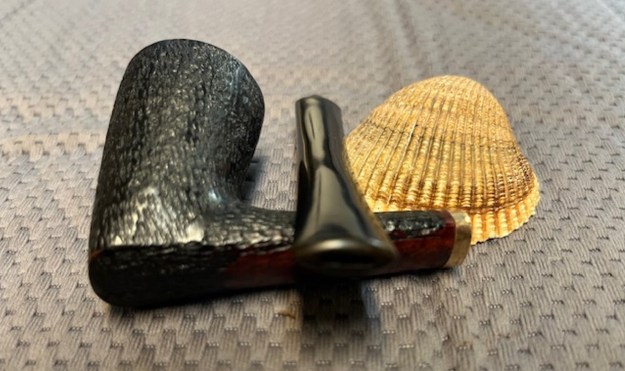
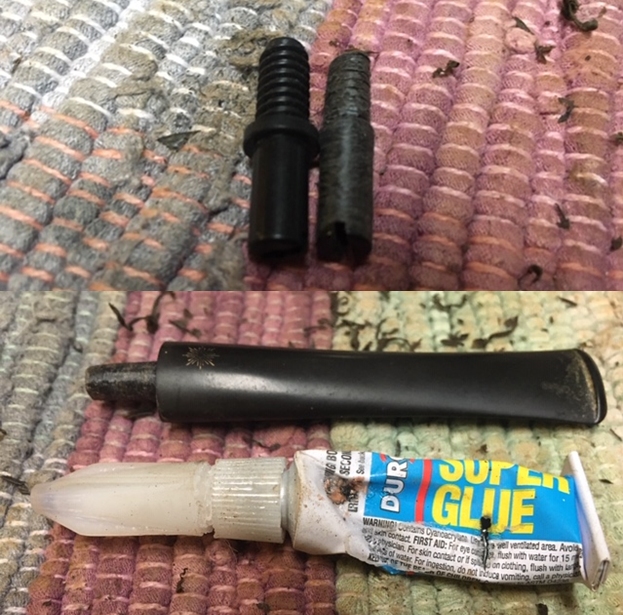
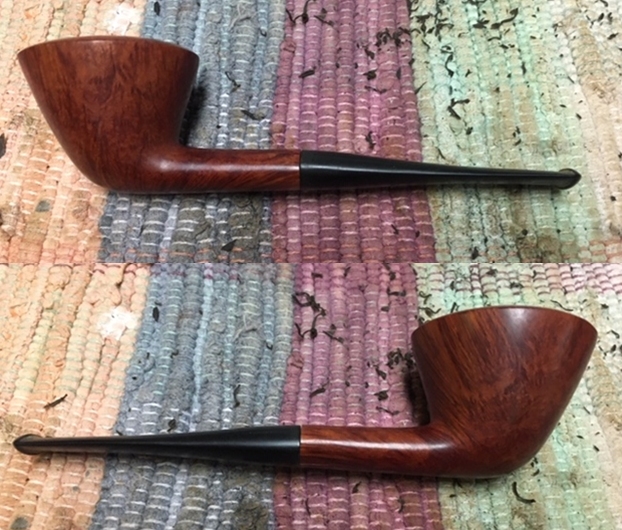
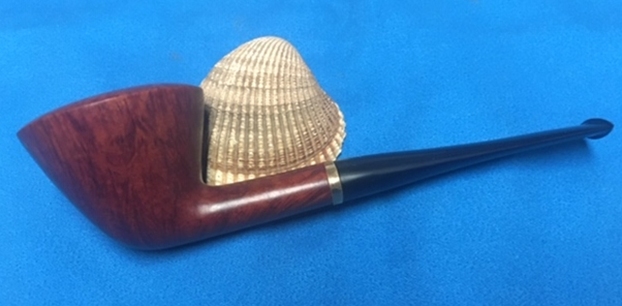
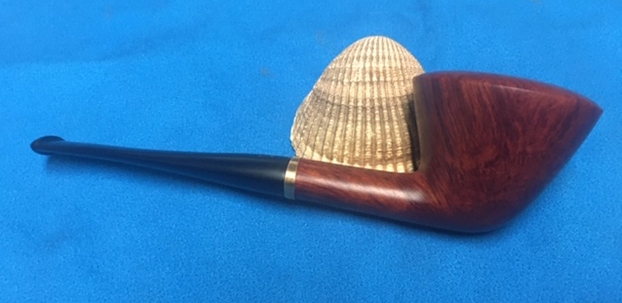
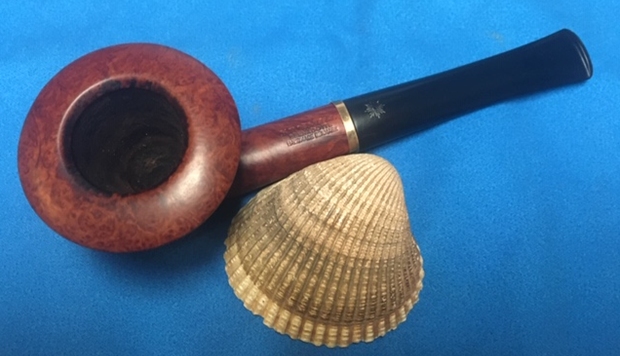
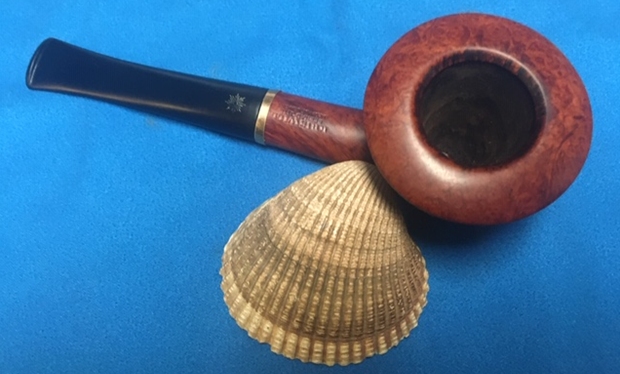
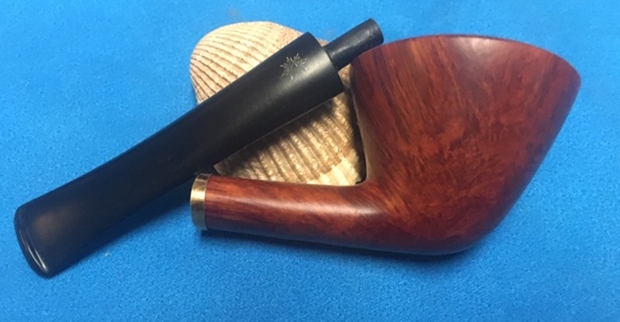
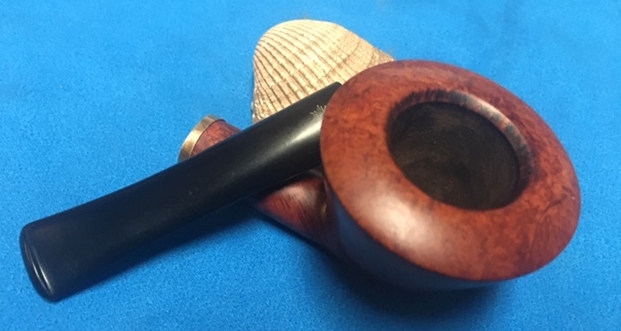
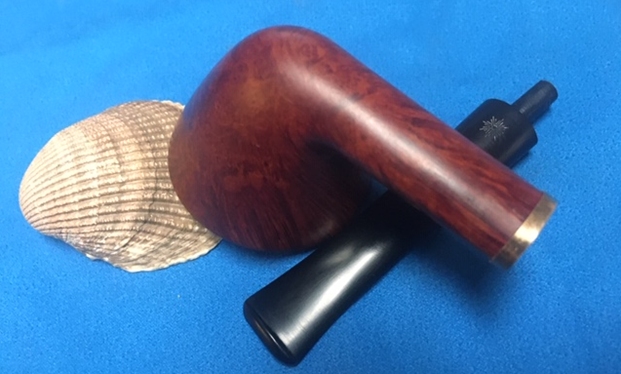
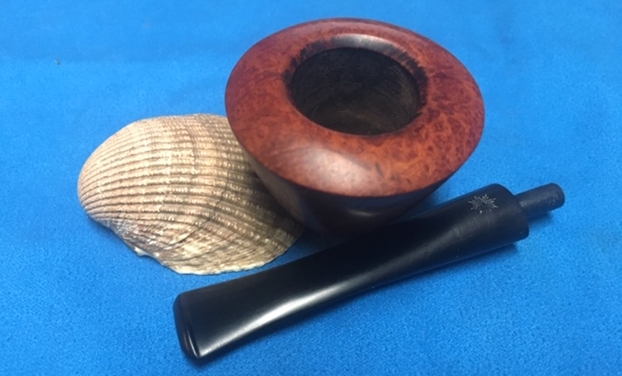
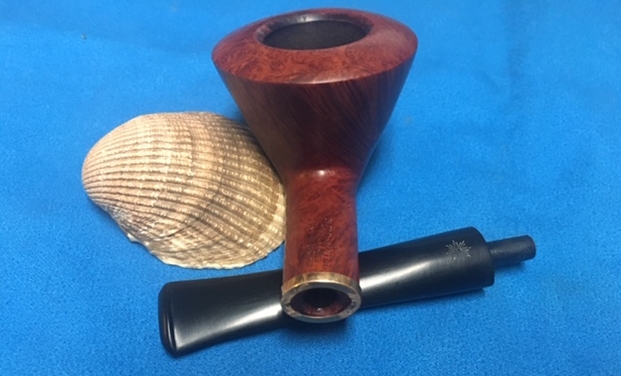
Repairing a Broken Tenon and Cracked shank on a Rusticated Kriswill Bernadotte Design 1210


Blog by Steve Laug

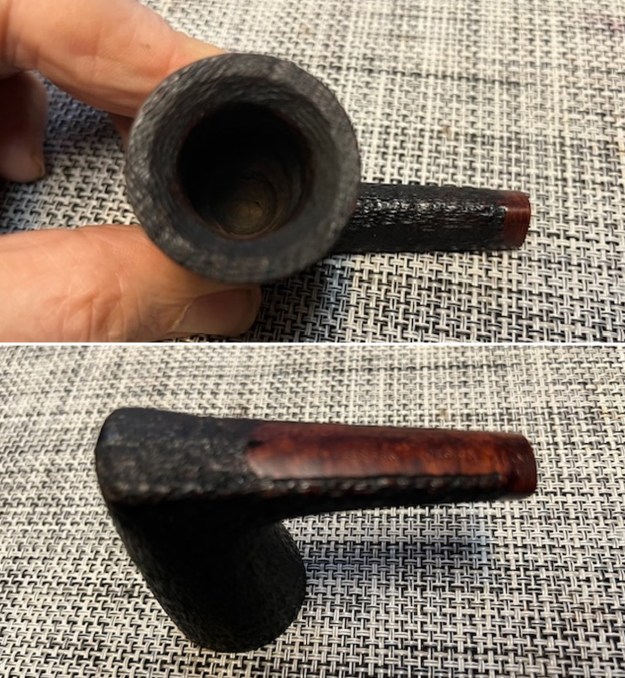
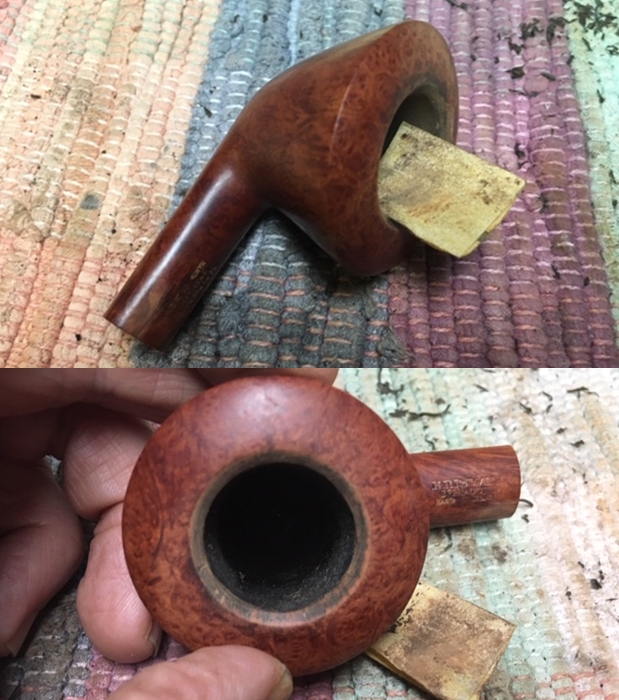
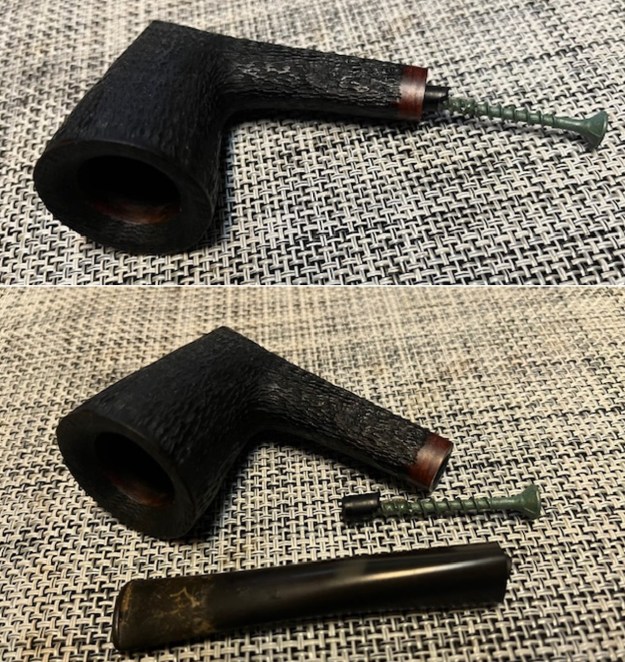
I decided to put my hand to something different this afternoon. I have been working on a lot of pipes that Jeff and I have purchased. The one on the table this after was a pipe that I received for repair from a fellow in Toronto. We had been chatting via email and phone about a nice Kriswill Handmade Bernadotte that he had purchased. When it arrived in Toronto the stem was stuck in the shank and in trying to remove it he had managed to snap the tenon in the shank. He wanted me to repair the tenon for him so I told him to ship it my way. He did a thorough cleaning of the bowl, shank and stem so it was in good condition. It arrived this week and I brought it to the work table and looked it over and put it back in the box. Today, Sunday afternoon I was ready to tackle the task. I took some photos of the bowl and the stem to give a sense my first impression as I looked at quickly.

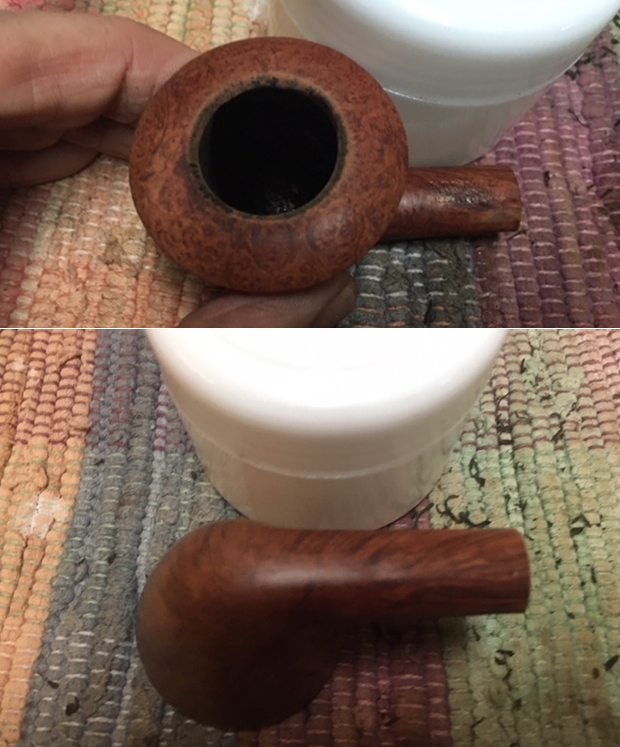
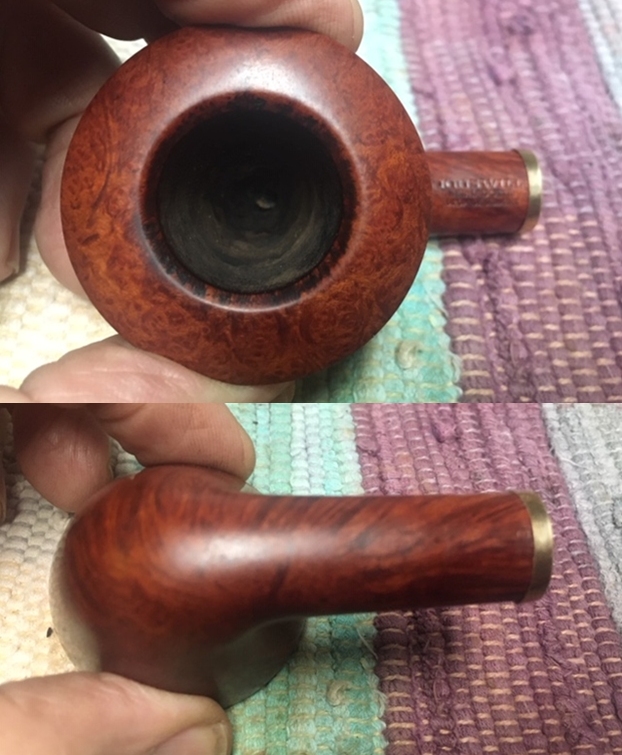
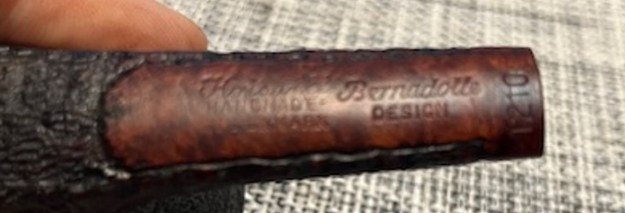
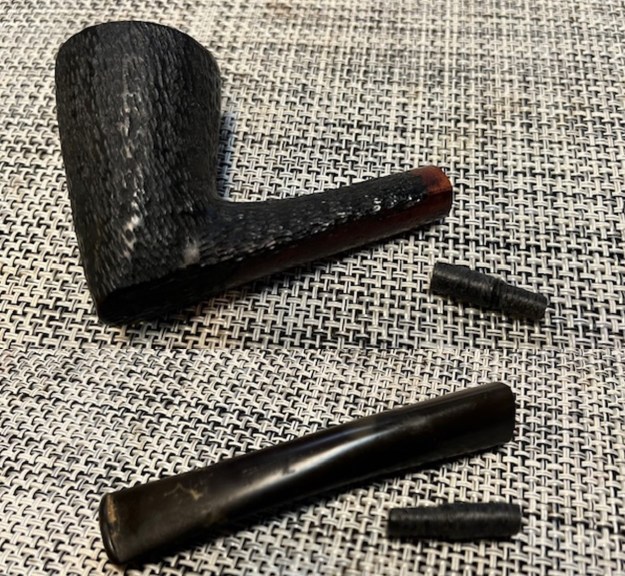
Here are my thoughts as I turned it over in my hands. The pipe has a conical shaped bowl that is pretty clean. There was little or no cake on the walls. The rim top was rusticated and quite clean. There was an inward bevel on the rim edge that was also clean and excellent condition. The shank was triangular with a smooth band on the shank end. There was a smooth panel on the underside of the shank that was stamped Kriswill [over] Handmade [over] in Denmark. That is followed by Bernadotte in script [over] Design in block letters. There is the shape number 1210 stamped on the end of the shank right along the edge. The tenon was snapped evenly in the shank leaving just a little bit of debris on the stem end. The tenon was stuck and I would need to do the freezer trick to remove it. The stem was lightly oxidized and there was debris and sticky marks from price tags on the stem surface. There were light tooth marks on both sides just ahead of the button. It really is a beautiful little pipe. I took a photo of the stamping on the smooth panel on the underside of the shank. It is clear and really readable as noted above.To start my work on the pipe I decided to pull the broken tenon from the shank. I used a screw and tuned it into the airway and it was very tight. I put the bowl in the freezer for 30 minutes and when I took it out the screw easily removed the broken tenon from the shank. I took photos of the process. Before I went any further in the process I decided to do a bit of background work on the pipe. I turned to Pipephil’s site first (http://www.pipephil.eu/logos/en/logo-k3.html). I did a screen capture of the section on the Kriswill Bernadotte Handmade in Denmark pipe. I have included it below and the pertinent sidebar information below that.Kriswill is a brand of Kriswork Briar Trading, in Kolding (Denmark) established about 1955.
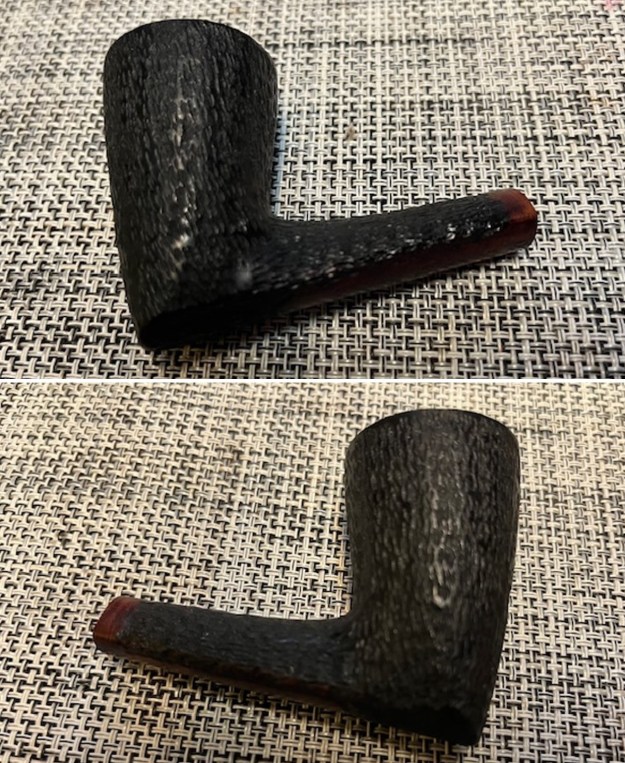
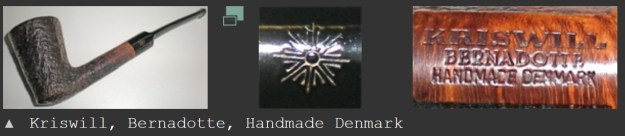
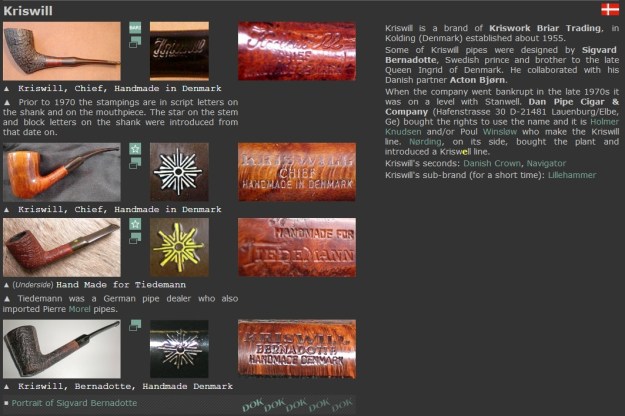
Some of Kriswill pipes were designed by Sigvard Bernadotte, Swedish prince and brother to the late Queen Ingrid of Denmark. He collaborated with his Danish partner Acton Bjørn.

At the end of the quote above there was a link to the photo below. It is a series of portraits of Sigvard Bernadotte the designer of the pipe that I am working on.
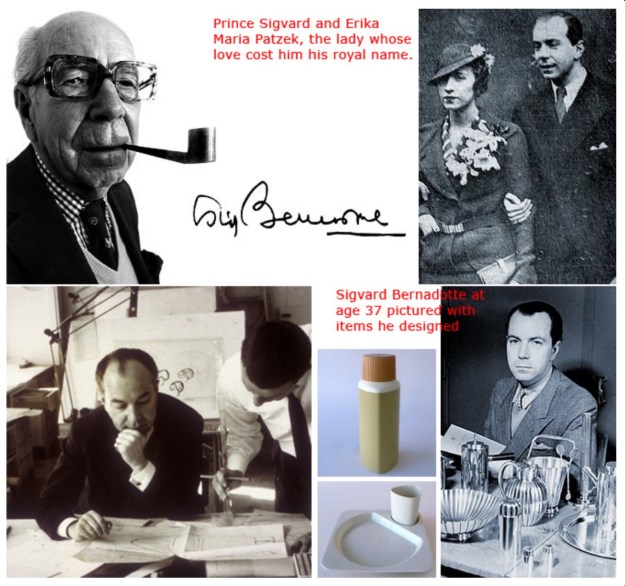
I turned to Pipedia (https://pipedia.org/wiki/Kriswill) for more detailed information. There is a great writeup there on the history of the brand that is fascinating. I have quoted the pertinent section below. I have also highlighted the connection to Sigvard Bernadotte in red in the last paragraph. He is one who designed his own series of pipes for Kriswill.

Kriswill began immediately after World War II. Karl Robert Kris, an engineer for the shipping company AP Møller at the time, was in port (undoubtedly in the Mediterranean) when he encountered a shipment of briar. The briar blocks awakened his curiosity and he took some home. About this time the the shipping trade become difficult due to the war, causing Kris to consider other business opportunities. In 1947, Kris (then 47 years old) established himself as a pipe maker in his hometown of Kolding.

Kriss started his pipe making operation in a house located at Haderslevvej 115 in Kolding, and was soon joined by 3-4 employees. The pipes were sold under the name Rocky and supplied the domestic market. Within 6 months the company had grown, more employees hired, and their sales expanded to markets abroad.

Due to increasing production and marketing, Karl Robert Kris decided in the mid-1950s to expand. An entirely new factory was built at Sdr. Ring road on the outskirts of Kolding. At that time the pipes were branded Kriswell. That name did not last long, however, as Stanwell believed that name was too close to theirs. The compromise was to change the name to Kriswill. Kriswill soon grew to become a serious competitor to Stanwell, especially in the export markets. The Kriswill factory logo, stamped on the stem, became the stylized compass rose – as a reference to the manufacturer’s maritime background.

Kriswill pipes excelled in design and craftsmanship. Karl Robert Kris was not afraid of new designs and had a good eye on the US market, where larger and more innovative designs were increasingly popular. Craftsmanship was given top priority throughout Kriswill’s production. A local designer / architect had designed the first models. Later, the famous architects Sigvard Bernadotte (Swedish prince and brother of Queen Ingrid) and Acton Bjørn designed their own series, which were known as Bernadotte designed.

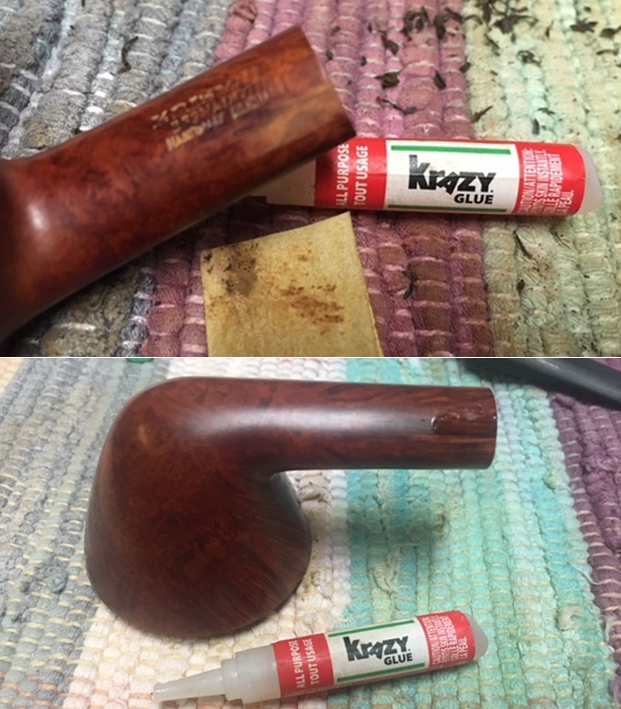
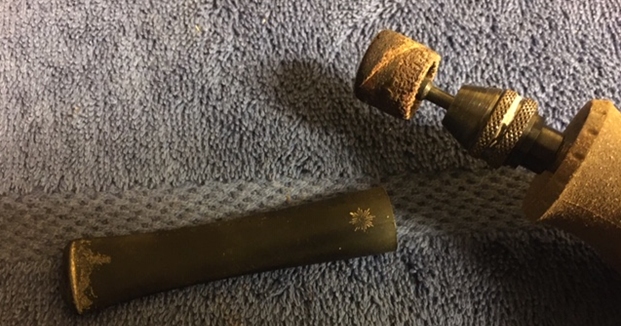
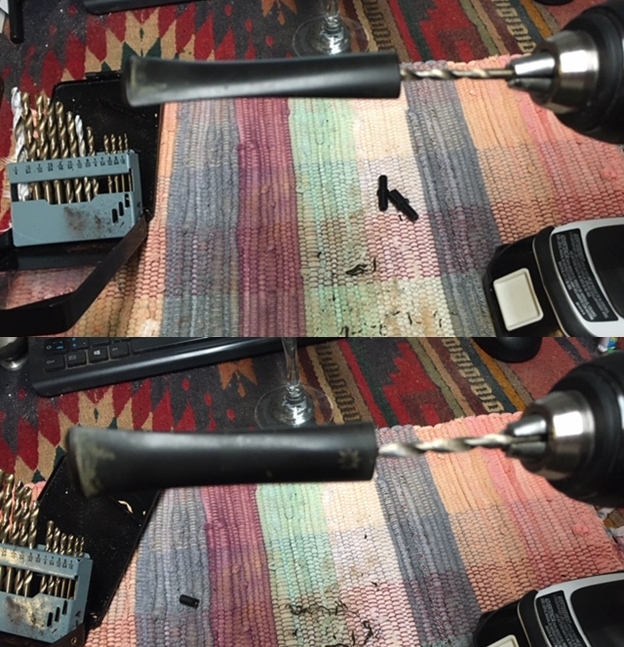
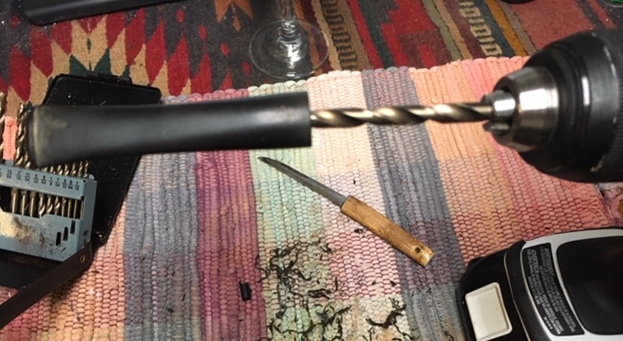
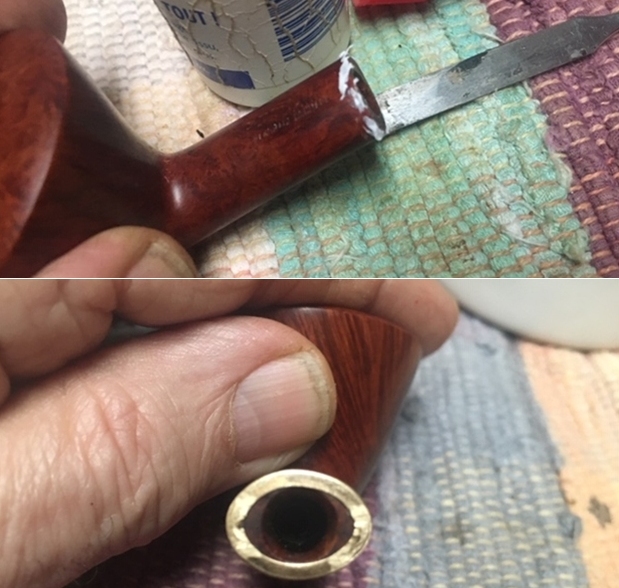
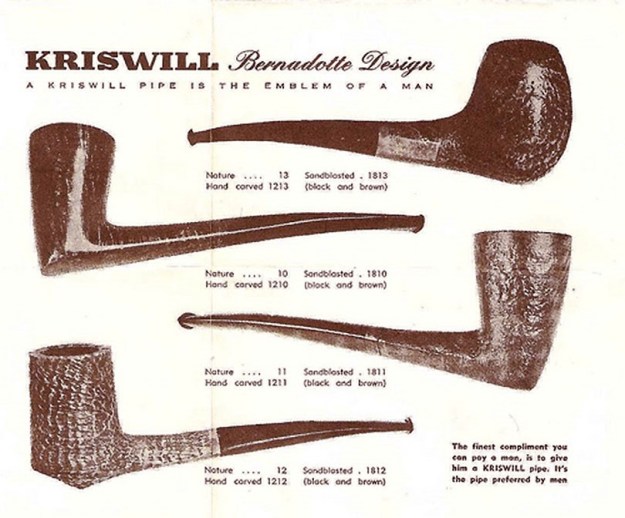
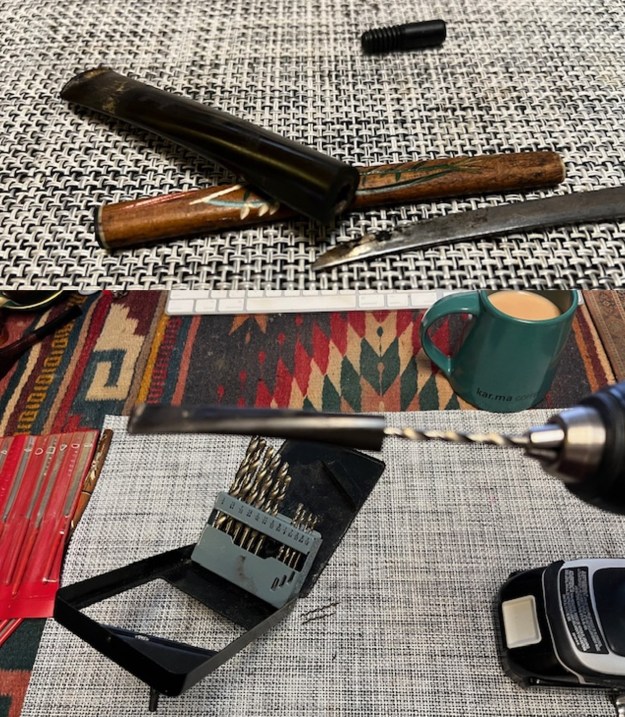
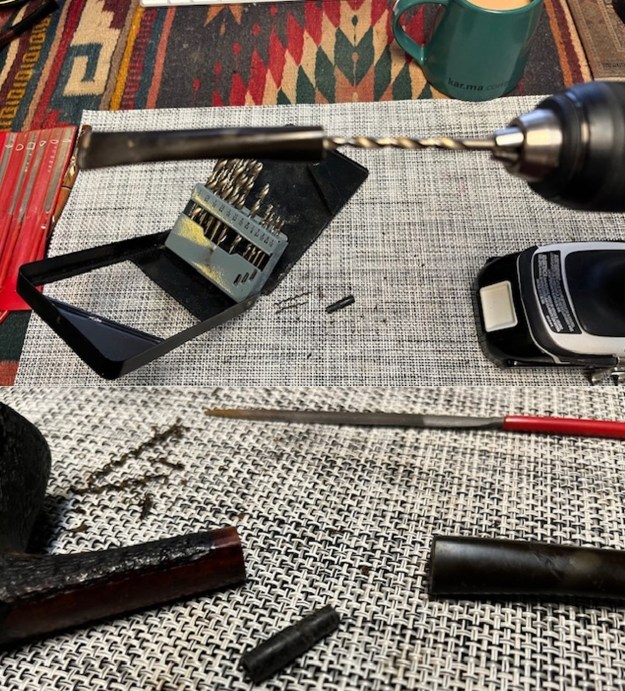
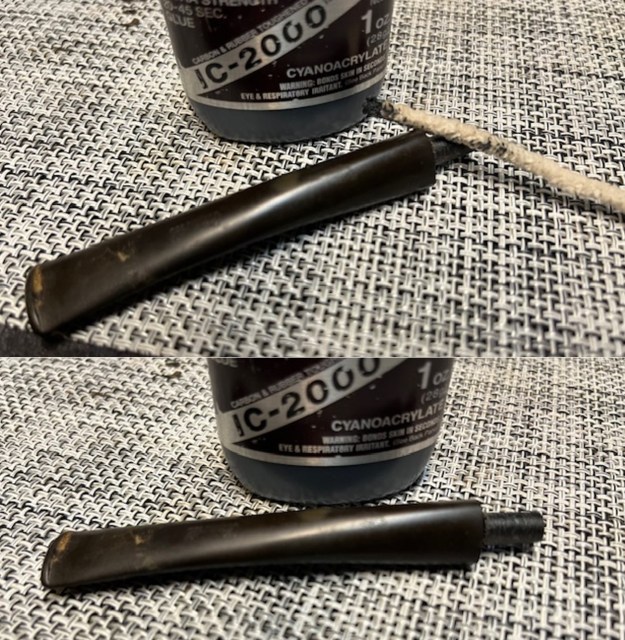
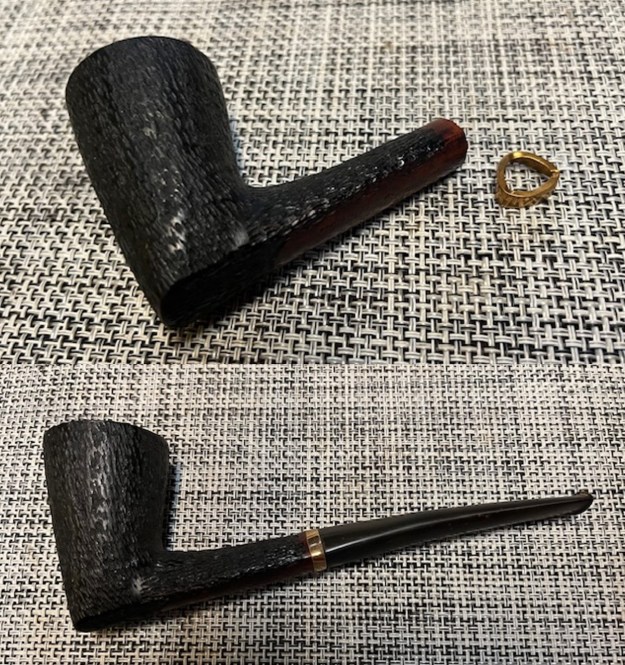
There was also a catalogue page on the Bernadotte Design line that shows the various pipes in the line. The second pipe down is the Hand carved 1210 which was made in black and in brown.I repaired chip and crack in the underside of the triangle shape stem with black CA glue. I wanted to do this prior to drilling the airway and opening it up for the new tenon end. I set the stem aside to let the repair cure.While I waited for the stem repair to cure I went through my tenons and found one that was very close in diameter to the shank. I reduced the diameter of the portion that would go into the stem with a Dremel and sanding drum. I repeated the process on the end of the tenon that would go in the shank. It was ready for the fit once the repair on the stem had cured and I was able to drill out the airway.I was a bit nervous drilling out the thin walled stem with the repair on the underside. I envisioned it splitting and ruining everything. I used a thin pen knife to begin the process of opening up the airway. I opened it to be large enough to take the first of the drill bits. I put the drill bit in my cordless drill and slowly turned it into the airway. I opened it up with several drill bit until the new tenon end fit in the stem. I cleaned up the airway with a set of needle files to make the airway the same diameter the depth of the drill. The fit in the stem was perfect. I painted the end of the tenon with black CA glue and pushed it in place in the airway. I set it aside to let the glue cure.I set the stem aside to allow the glue to cure. I wanted the tenon to be set in the stem so that once I put it in the shank it would not come out of the stem. I turned my attention to the bowl and shank. The shank had two small hairline cracks in in on the right side of the triangle. It would need to be glued and banded to accomplish a tight repair. I shaped a round brass band into a triangle and sanded it against a sanding board to thin the depth of the repair band. I fitted on the shank and put the stem in place to get a sense of what it would look like. I sent a few picks to the trustee in Toronto to show him what was going on. He approved of the repair.
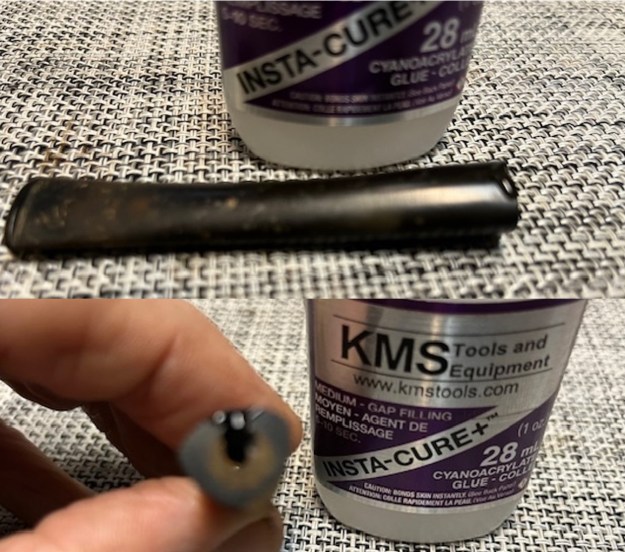
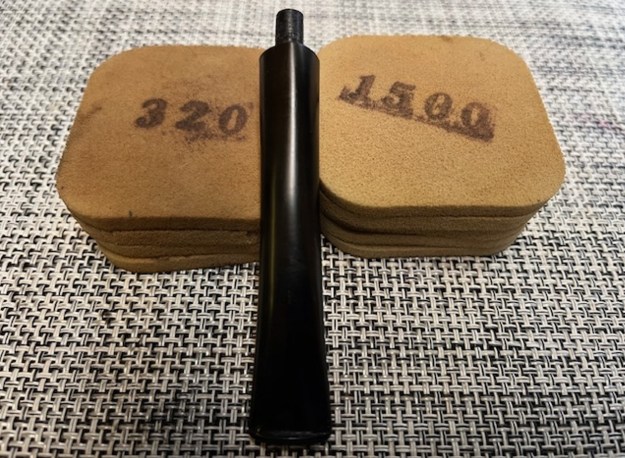
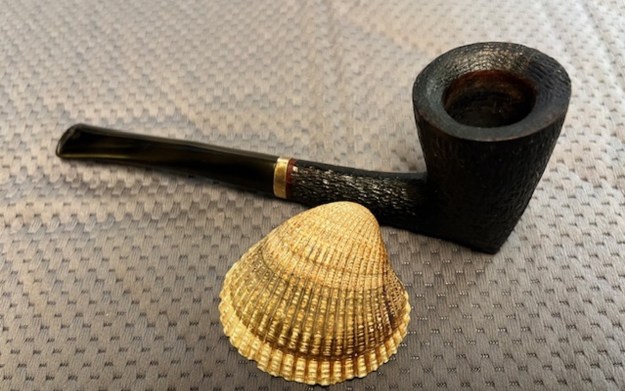
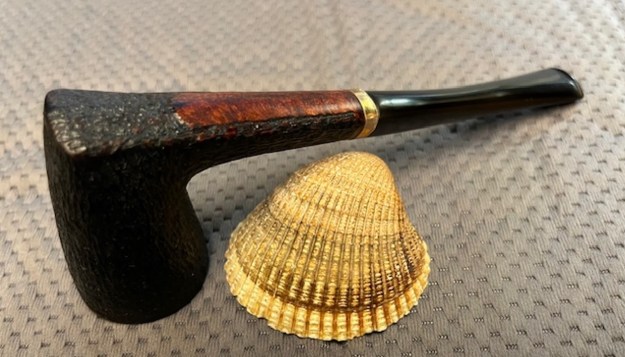
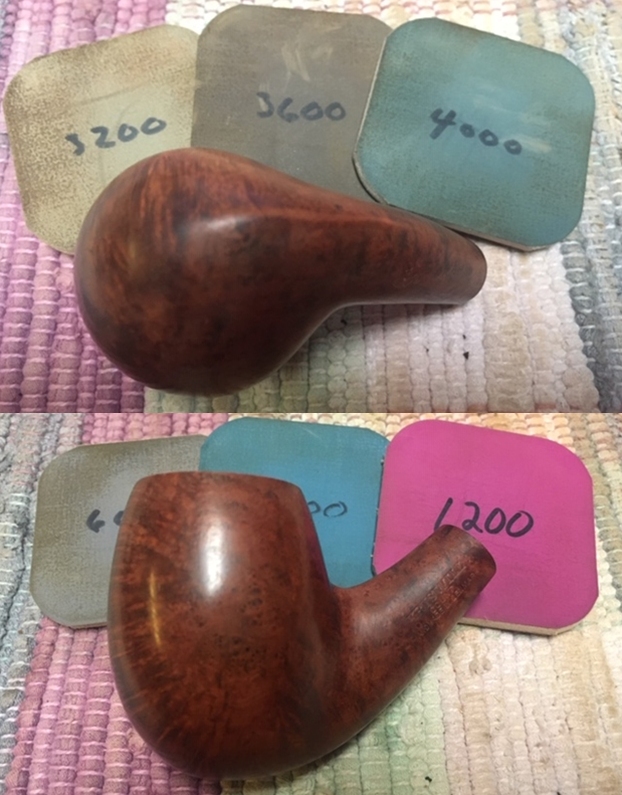
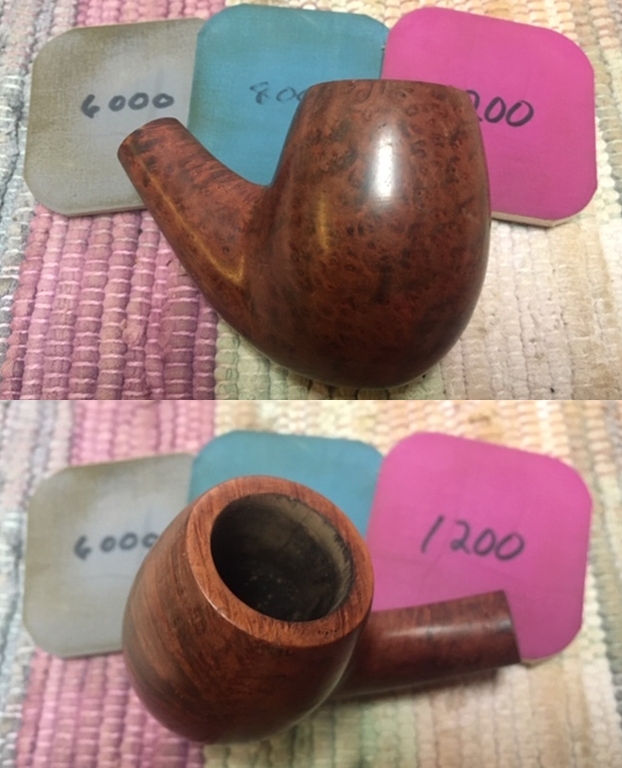
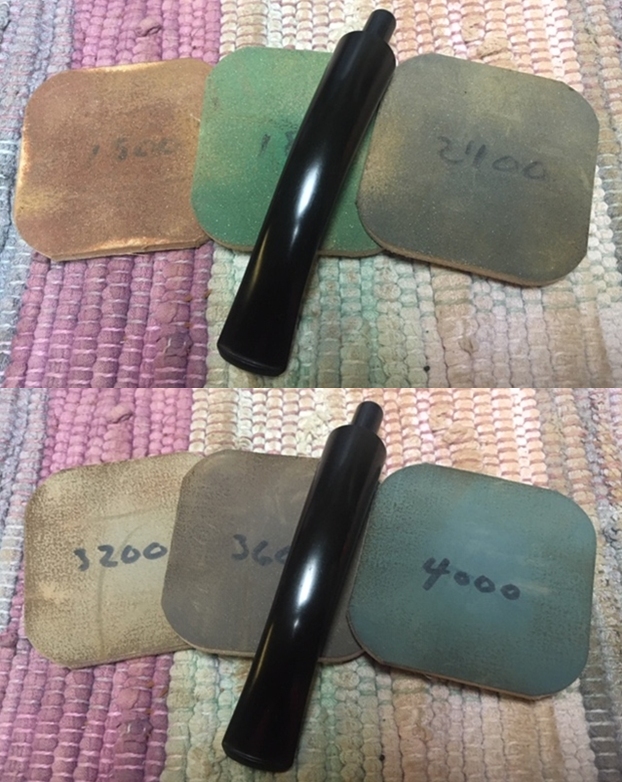
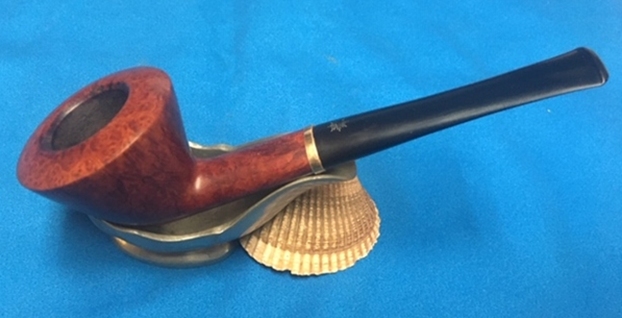
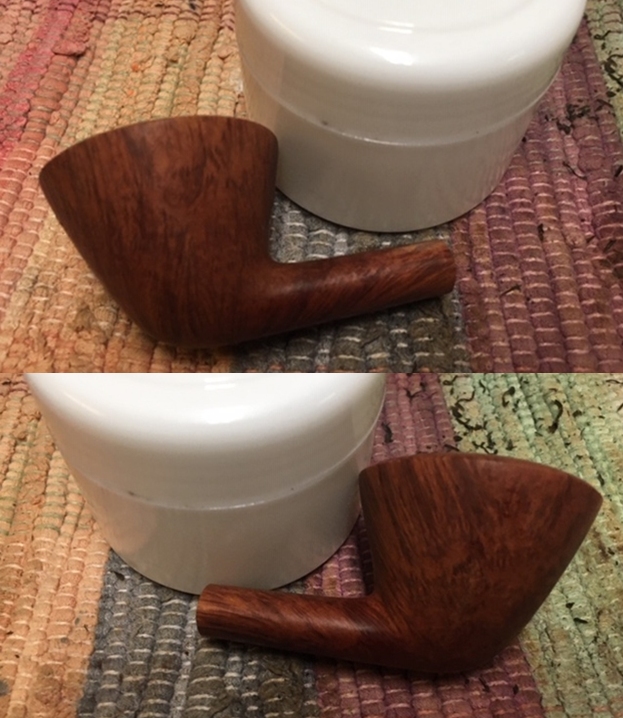
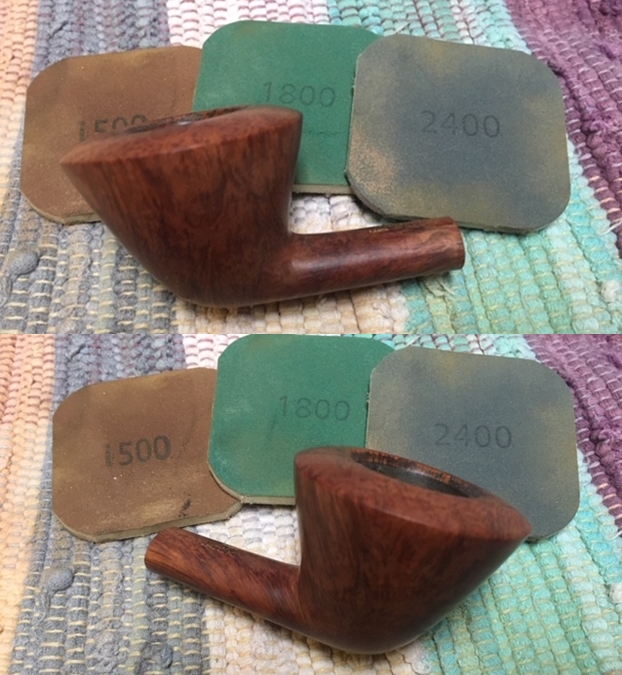
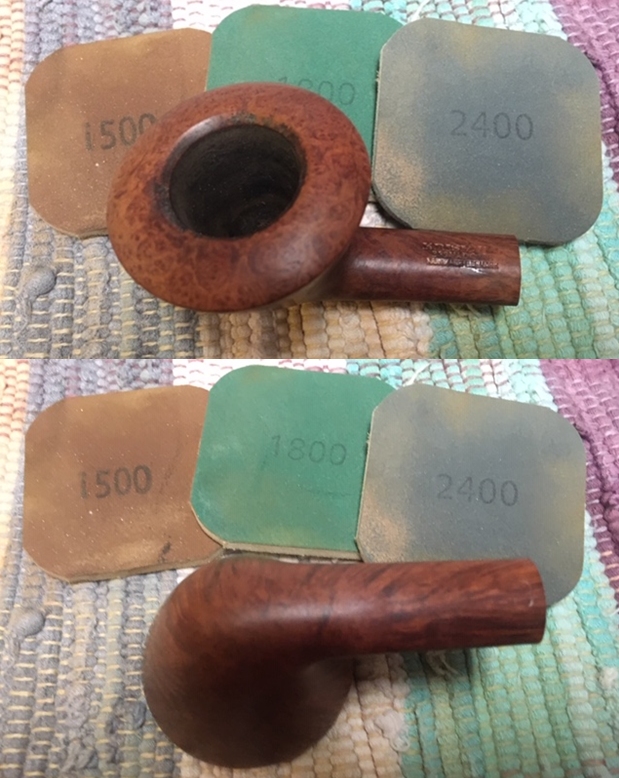
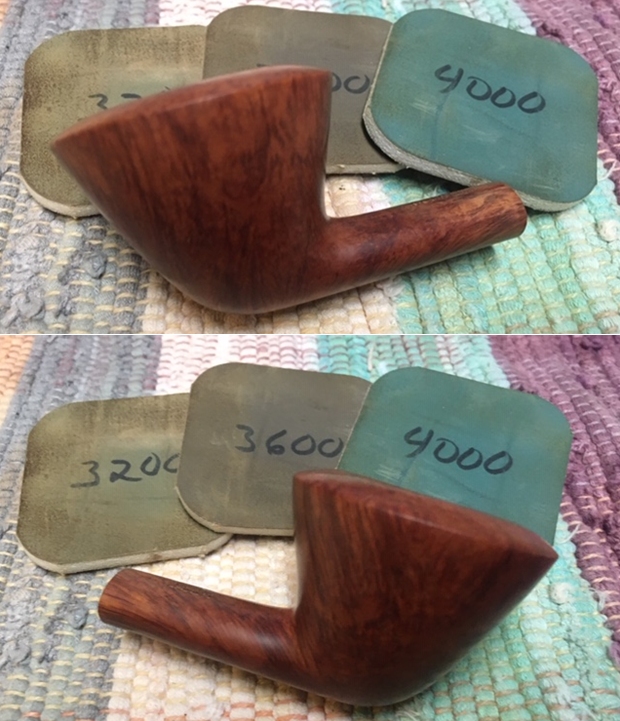
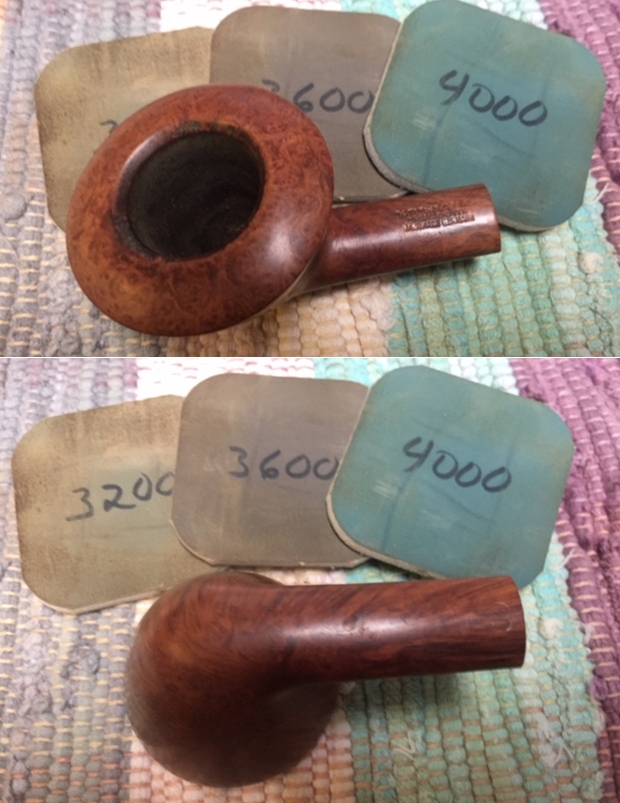
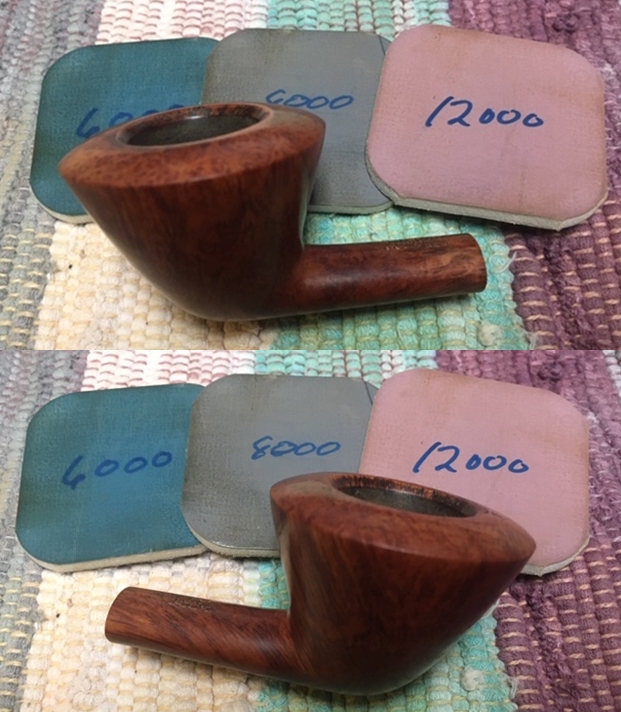
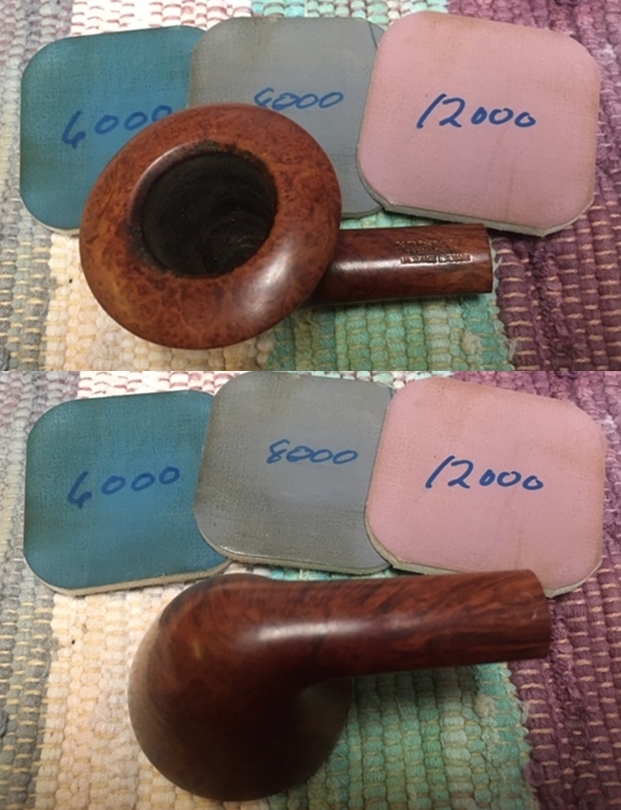
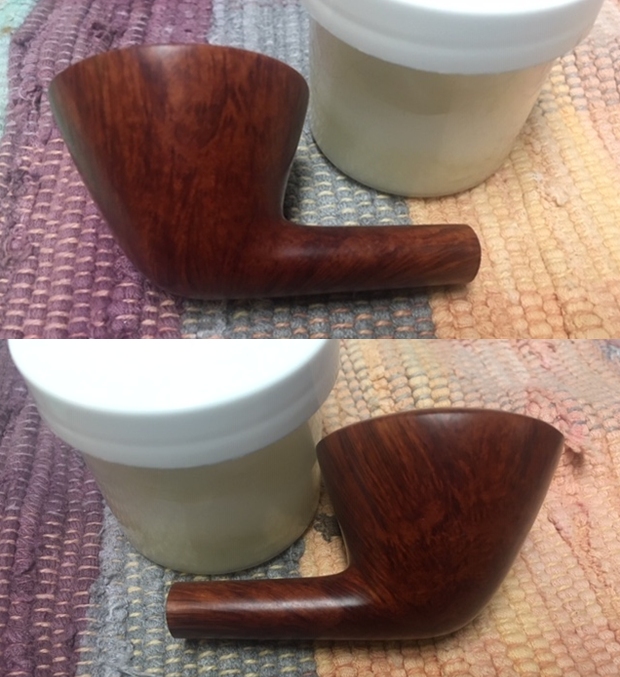
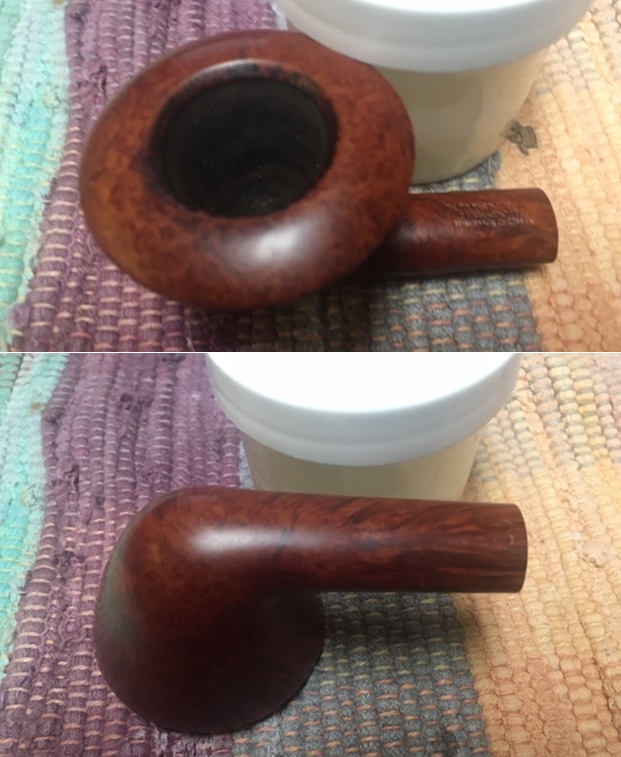
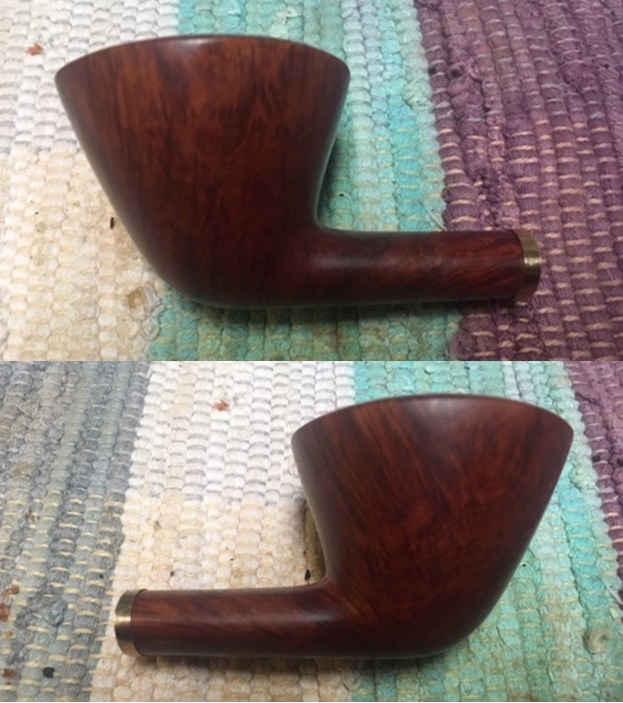
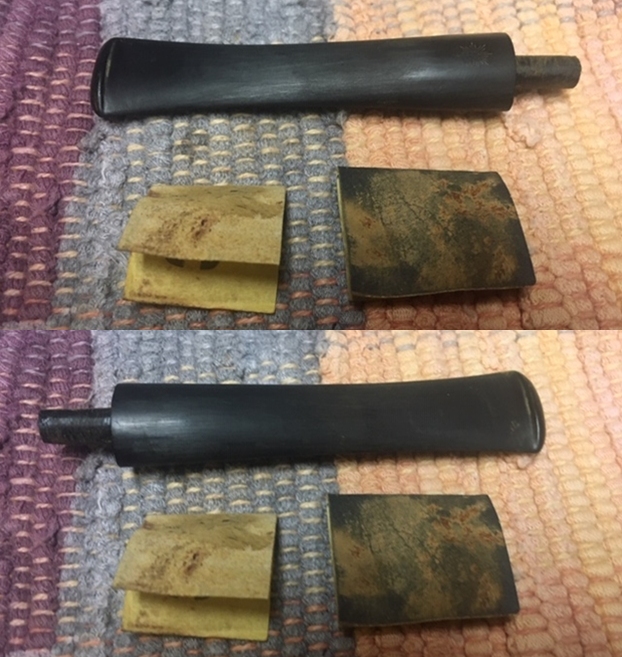
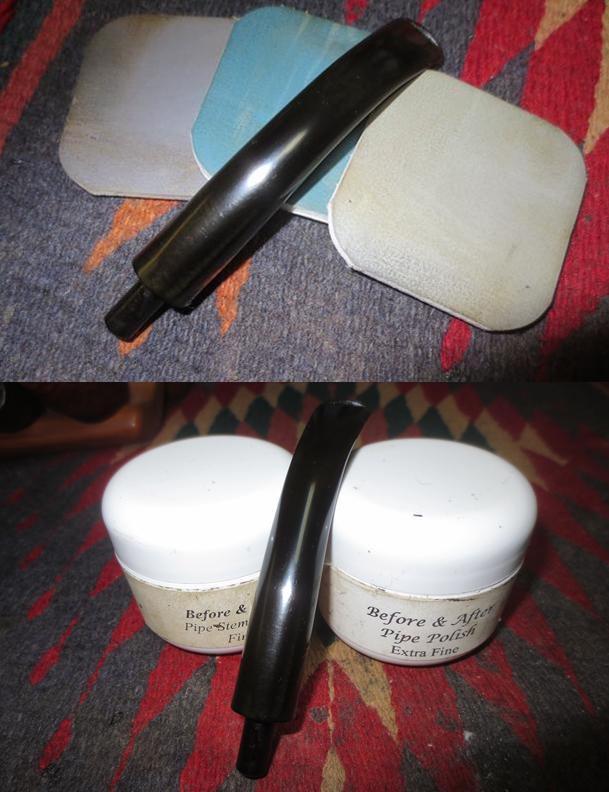
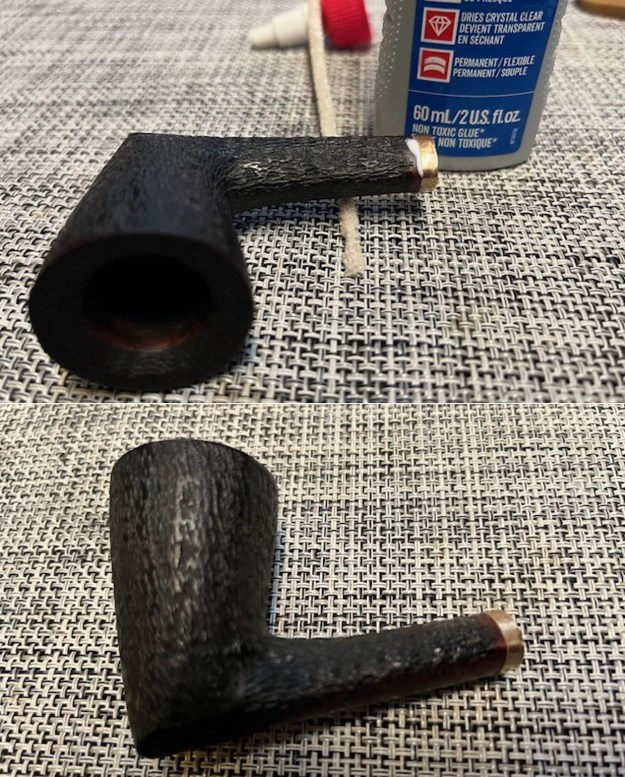
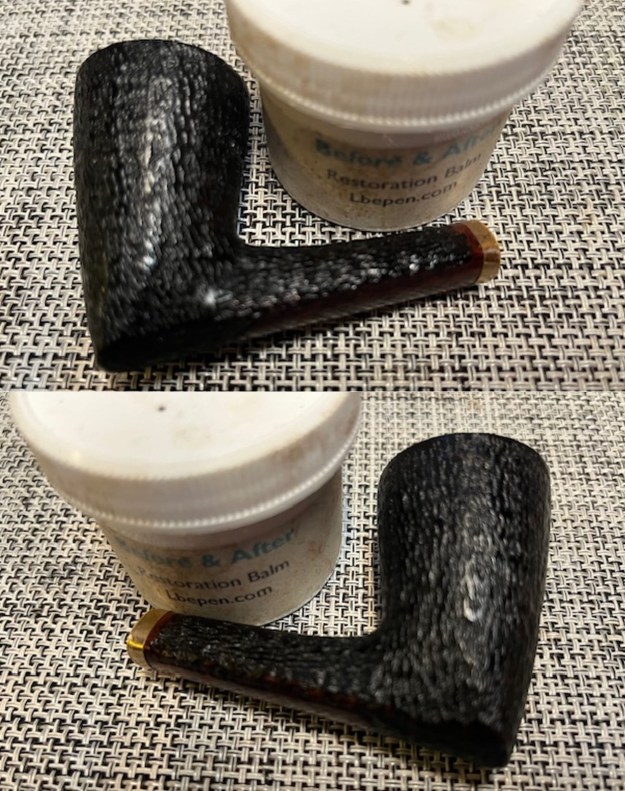
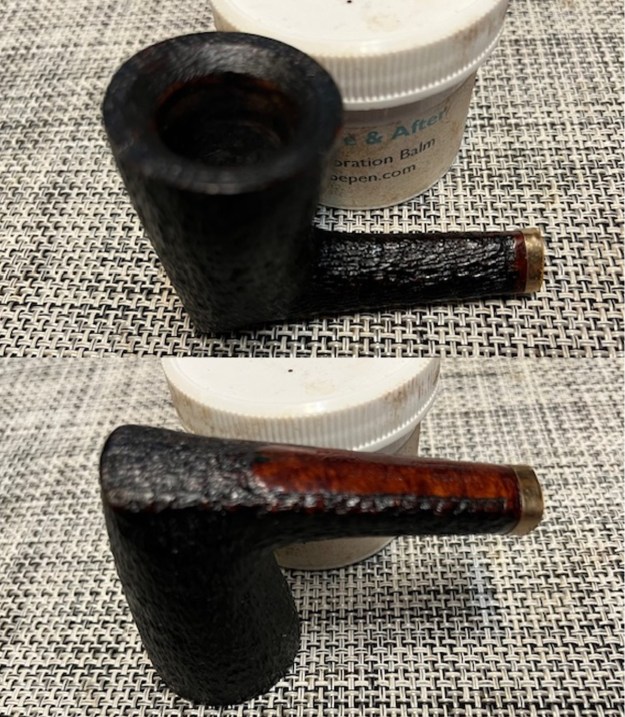
I glued the band on the shank with some all purpose white glue. I painted the surface of the shank with the glue making sure to get into the cracks. I pressed the band on the shank and wiped off the excess glue with a damp cloth.I rubbed the briar down with Before & After Restoration Balm. I worked it into the briar with my fingertips and a horsehair shoe brush to work it into the nooks and crannies of the rusticated finish. The product works to clean, enliven and preserve the briar. I let it sit for 10 minutes then I buffed it with a cotton cloth to deepen the shine. The briar really comes alive with the balm. I set the bowl aside and turned to finish the stem. To address the scratches and marks in the surface of the vulcanite I sanded it with 320-3500 grit sanding pads. I wiped it down after each sanding pad with a damp cloth. By the final 3500 grit sanding pad the rim top had a shine.I polished the vulcanite with micromesh sanding pads – 1500-12000 grit pads. I wiped it down with Obsidian Oil after each sanding pad. I used Before & After Pipe Polish – both Fine and Extra Fine to further polish the stem. I always look forward to this part of the restoration when all the pieces are put back together. I put the Kriswill Bernadotte 1210 pipe back together and buffed it with Blue Diamond on the buffing wheel. I gave the bowl multiple coats of Conservator’s Wax and the stem multiple coats of carnauba wax. I hand buffed the pipe with a clean buffing pad to raise the shine. It is fun to see what the polished bowl looks like with the new brass band on the shank end. The combination of grain and the thin band add some elegance to the pipe when combined with the polished black vulcanite stem. This royalty designed Kriswill Bernadotte 1210 Skater is nice looking and feels great in my hand. The pipe is another light weight that could be clenched and smoked while doing other things as it is very well balanced. Have a look at it with the photos below. The dimensions are Length: 5 ¾ inches, Height: 2 inches, Outside diameter of the bowl: 1 ¼ inches, Chamber diameter: ¾ of an inch. The weight of the pipe is 1.06 ounces/30 grams. This one will be heading back to Toronto soon. I am looking forward to what the pipeman who sent it thinks of this restoration. Lots more to do in this lot! Thanks to each of you who are reading this blog. Remember we are not pipe owners; we are pipemen and women who hold our pipes in trust until they pass on into the trust of the next pipeman or woman.
Breathing New Life into a Kriswill Handmade Count 370


Blog by Steve Laug

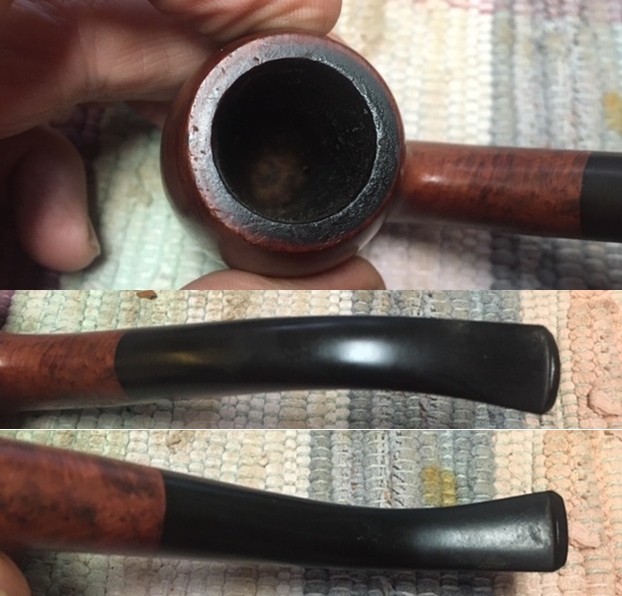
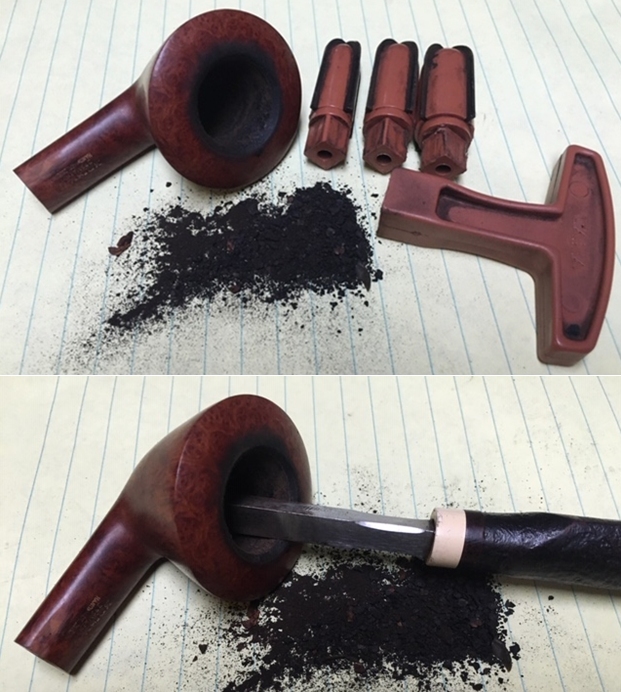
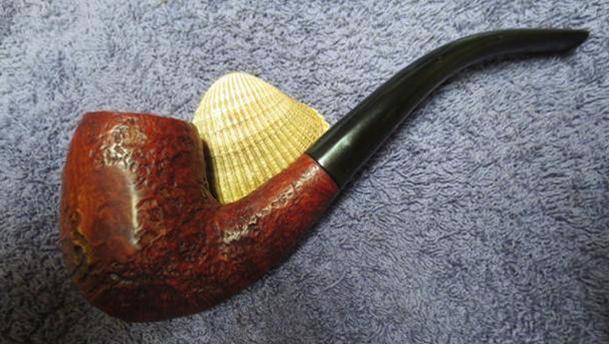
The next pipe on the table is one that has been around here for quite a while and today was its day to be cleaned up. It is a Kriswill Handmade pipe. It is a pretty pipe with a nice looking shape. The condition is a bit rough. The left side of the shank is scratched and there is a significant road rash toward the bottom of the bowl. There was a think cake in the bowl and there was a thick lava overflow on the rim top. The pipe was dirty and grimy feeling. The pipe is stamped on the left and underside of the shank and reads Kriswill Count over Handmade in Denmark on the left side and on the underside it has the shape number 370 at the shank/stem junction. The vulcanite taper stem is not too bad – there is light oxidation and tooth marks and chatter near the button on both sides. It has the Kriswill Snowflake Logo on the left side of the stem. I took photos of the pipe before I started my clean up work. I took photos of the rim top and stem to show the condition of the bowl, rim top and edges and stem. The bowl has a thin cake and a thick overflow of lava on the rim top. The inner edge is dirty and caked so it is hard to know what the condition was like. I was hopeful that the edges were in good condition! The next photos show the condition of the stem. It is also clean and has light oxidation. There are tooth marks and chatter on both sides near the button.I took a photo of the stamping on the left side of the shank. You can see that it is clear and readable. I forgot to take a photo of the shape number 370 stamp on the underside. There is also the snowflake logo on the left side of the taper stem. I took a quick photo of the damaged area on the lower left side of the bowl – the road rash!I took the stem off the shank and took a photo of the pipe.I turned to the Pipephil website to do a quick review of the brand and try to see if there was any information on the Count line (http://www.pipephil.eu/logos/en/logo-k3.html). I have included a screen capture of the section on the site:I quote from the side bar on the above screen capture:

Kriswill is a brand of Kriswork Briar Trading, in Kolding (Denmark) established about 1955.

Some of Kriswill pipes were designed by Sigvard Bernadotte, Swedish prince and brother to the late Queen Ingrid of Denmark. He collaborated with his Danish partner Acton Bjørn.

When the company went bankrupt in the late 1970s it was on a level with Stanwell. Dan Pipe Cigar & Company (Hafenstrasse 30 D-21481 Lauenburg/Elbe, Ge) bought the rights to use the name and it is Holmer Knudsen and/or Poul Winsløw who make the Kriswill line. Nørding, on its side, bought the plant and introduced a Kriswell line.

I turned to Pipedia (https://pipedia.org/wiki/Kriswill) and sure enough I found catalogue page Circa 1970, courtesy Doug Valitchka. Unfortunately it did not have the 370 shape on the page.

I also have included a large part of the history from the article.

Founded in the late 1950s, Kriswill was one of two large pipe manufacturers in Denmark during the 1960s and 1970s, on par with Stanwell as measured by number of employees, pipes produced, and quality. The Kriswill catalog cover reads “By Appointment to the Royal Danish Court, KRISWILL, Kriswork Briar Trading, Briar Pipes Hand Made in Denmark.”

Kriswell began immediately after World War II. Karl Robert Kris, an engineer for the shipping company AP Møller at the time, was in port (undoubtedly in the Mediterranean) when he encountered a shipment of briar. The briar blocks awakened his curiosity and he took some home. About this time the the shipping trade become difficult due to the war, causing Kris to consider other business opportunities. In 1947, Kris (then 47 years old) established himself as a pipe maker in his hometown of Kolding.

Kris started his pipe making operation in a house located at Haderslevvej 115 in Kolding, and was soon joined by 3-4 employees. The pipes were sold under the name Rocky and supplied the domestic market. Within 6 months the company had grown, more employees hired, and their sales expanded to markets abroad.

Due to increasing production and marketing, Karl Robert Kris decided in the mid-1950s to expand. An entirely new factory was built at Sdr. Ring road on the outskirts of Kolding. At that time the pipes were branded Kriswell. That name did not last long, however, as Stanwell believed that name was too close to theirs. The compromise was to change the name to Kriswill. Krisill soon grew to become a serious competitor to Stanwell, especially in the export markets. The Kriswill factory logo, stamped on the stem, became the stylized compass rose – as a reference to the manufacturer’s maritime background.

Kriswill pipes excelled in design and craftsmanship. Karl Robert Kris was not afraid of new designs and had a good eye on the US market, where larger and more innovative designs were increasingly popular. Craftsmanship was given top priority throughout Kriswell’s production. A local designer / architect had designed the first models. Later, the famous architects Sigvard Bernadotte (Swedish prince and brother of Queen Ingrid) and Acton Bjørn designed their own series, which were known as Bernadotte designed.

Two other series were the Golden Clipper and the Chief. The Golden Clipper pipes were smaller, lighter, more reserved, and popular in Europe. The Chief series was especially designed for the Americans, who wanted larger pipes. These pipes were light for their size, however, very different from the “Danish Free Style” pipes that other Danish makers were sending to the US market. Kriswill pipes that did not meet the requirements of the main lines were sold as “seconds” under the names Danish Crown and Navigator…

…Karl Robert Kris died in 1966. The factory was well-run, and Kris’s widow wanted the family to continue the business. Karl’s son, Jens was groomed as director and remained with the company until 1975. The 1970s were difficult times for pipe-making in Denmark, as in the rest of the world. In addition to declining demand, they struggled with runaway inflation and annual wage increases of 18-20 percent. It was challenging to maintain the level of craftsmanship without raising prices, yet customers had difficulty accepting large price increases. As a result manufacturing become less profitable. Soon Jens Kris left Kriswell and new management and staff were hired at the factory.

Shortly after Jens departed Kriswill the company failed. The Kriswill name and model series were sold to the Norwegian pipe factory Lillehammer. The machines were acquired by Erik Nørding, and the property was sold.

After a few years Lillehammer also ceased production. Kriswills were made for a while in the 1980s at the Catalan factory, Iberica de Pipas. But these pipes were far from the quality of the originals, and became Kriswills in name only.

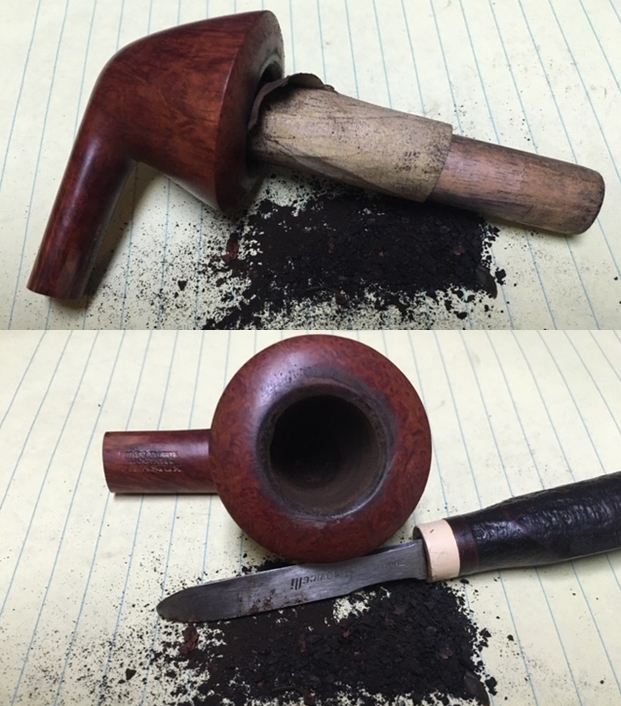
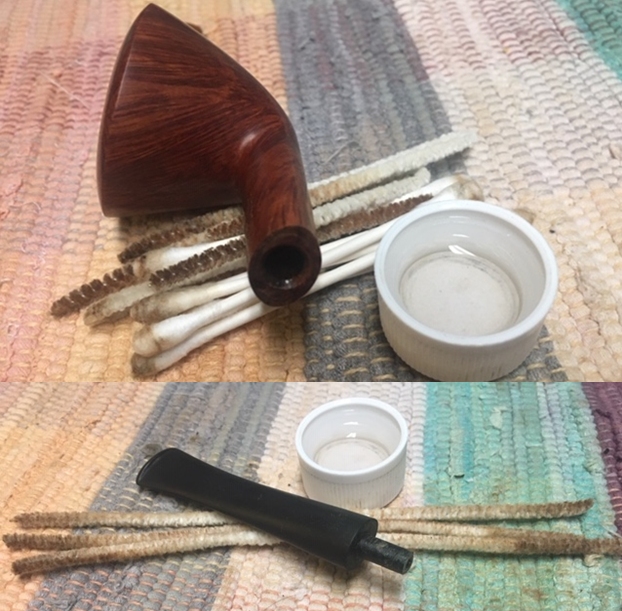
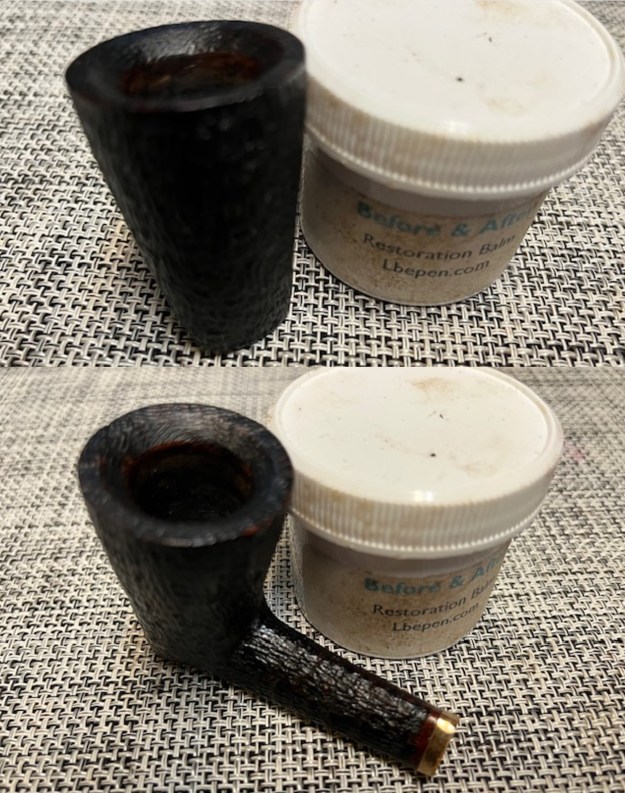
I now knew that the Count I had on the table was made between the start of the company in 1950 and the sale of the company in the late 1970s. Armed with that information I turned to work on the pipe. I started by reaming the cake back to bare briar with a PipNet pipe reamer so I could check out the integrity of the bowl. I cleaned up the remnants of cake with a Savinelli Fitsall Pipe knife. I finished by sanding the walls of the bowl with a piece of 220 grit sandpaper wrapped around a piece of dowel. I scrubbed the interior of the bowl and shank with pipe cleaners, cotton swabs and alcohol to remove the tars and oils. I scrubbed the inside of the stem with alcohol and pipe cleaners. The shank was very dirty and appeared to not have been cleaned. The stem was much better.I scrubbed the exterior of the bowl and rim top with a tooth brush and undiluted Murphy’s Oil Soap. I rinsed it off under warm running water and dried it off with a soft towel. With the bowel cleaned inside and out it was time to address the remaining lava on the rim top. I scraped it off with the edge of the Savinelli Fitsall knife. I sanded off the remaining tars and cleaned up the darkening on the inner edge of the rim with a folded piece of 220 grit sandpaper. I started to polish the rim top and edges with a piece of 400 grit wet dry sandpaper. When I finished the rim top looked far better. I also sanded out the road rash on the lower left side of the bowl with 220 and 400 grit sandpaper. I was able to smooth it out and blend it into the surrounding briar. I polished the briar with micromesh sanding pads – wet sanding with 1500-12000 grit pads. I wiped the briar down with a damp cloth after each sanding pad. I rubbed the briar down with Before & After Restoration Balm. I worked it into the briar with my fingertips. The product works to clean, enliven and preserve the briar. I let it sit for 10 minutes while I worked on the stem. After the time passed I buffed it with a cotton cloth to deepen the shine. The briar really comes alive with the balm.  I set the bowl aside and turned my attention to the stem. I “painted” the stem with the flame of a Bic lighter to lift the tooth marks and chatter on the vulcanite. I was able to lift all of them.I sanded what remained and blended them into the stem surface with 220 grit sandpaper. I started polishing the stem with 400 grit wet dry sandpaper. At this point it is starting to look much better.  I polished the vulcanite with micromesh sanding pads – 1500-12000 grit pads. I wiped it down with a damp cloth after each sanding pad. I used Before & After Pipe Polish – both Fine and Extra Fine to further polish the stem.   This Kriswill Count 370 turned out to be a great looking pipe. The mix of brown stains highlights the mix of grain around the bowl sides, top and bottom. The finish on the pipe is in excellent condition and the contrasting stains work well with the polished vulcanite taper stem. I put the stem back on the bowl and carefully buffed the pipe with Blue Diamond on the buffing wheel using a light touch on the briar. I gave the bowl and stem multiple coats of carnauba wax on the buffing wheel and followed that by buffing the entire pipe with a clean buffing pad. I hand buffed the pipe with a microfiber cloth to deepen the shine. The finished Kriswill Count fits nicely in the hand and feels great. Give the finished pipe a look in the photos below. The dimensions of the pipe are Length: 5 ½ inches, Height: 2 ¼ inches, Outside diameter of the bowl: 1 ¼ inches, Chamber diameter: ¾ of an inch. Thanks for walking through the restoration with me as I worked over another beautiful pipe. This pipe will be going on the rebornpipes shortly. If you are interested in adding this one to your collection let me know. Thanks for your time.
Replacing a Broken Tenon and Restoring a Kriswill Bernadotte Dublin


Blog by Steve Laug

This is another one of the pipes that came to me from a fellow in Kitchener, Ontario that needed some cleaning and in this case a tenon replacement. He had been referred to me by my local pipe and cigar shop. While I am not currently adding more pipes to my queue of repairs I have made a commitment to the shop to work on pipes for their customers. Generally they have one or two pipes that need a bit of work. This fellow sent me the following email:

I just came across my smoking pipes that I’ve had in storage for about 40 years. I’m wondering what you’d charge to have them refurbished. There are 17 in total (11 are Brighams and 6 are various).

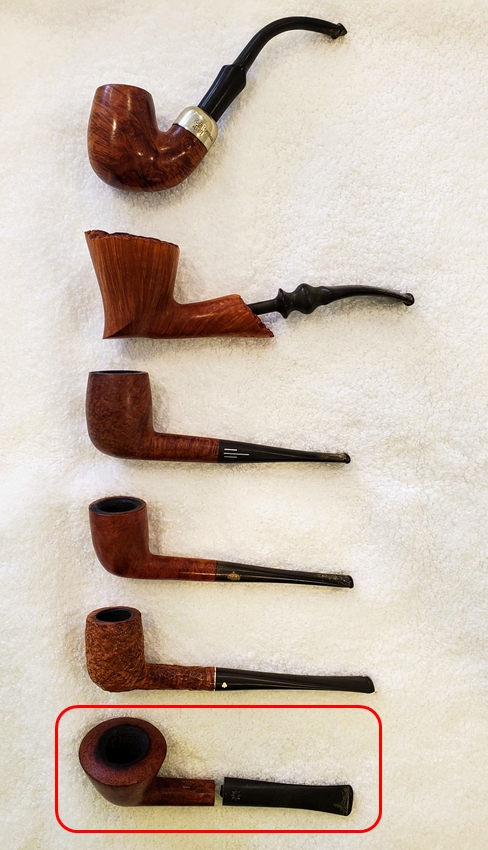
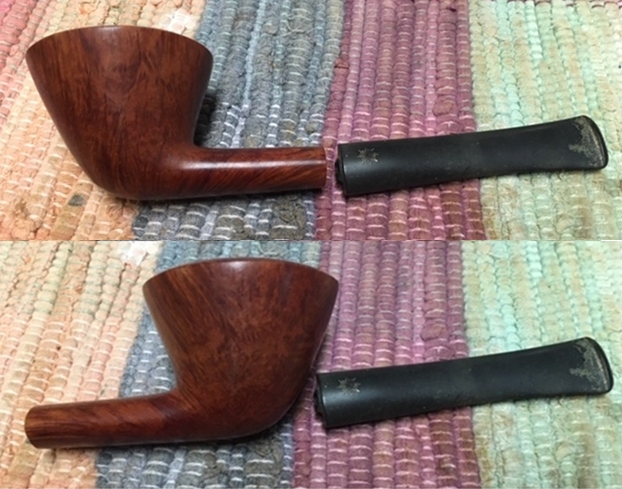
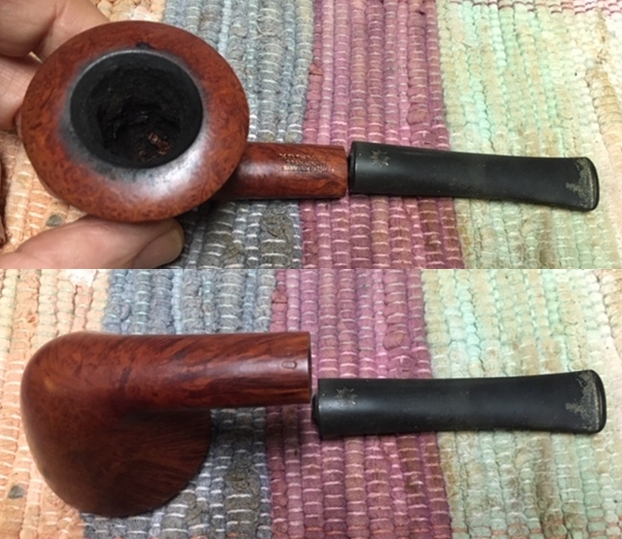
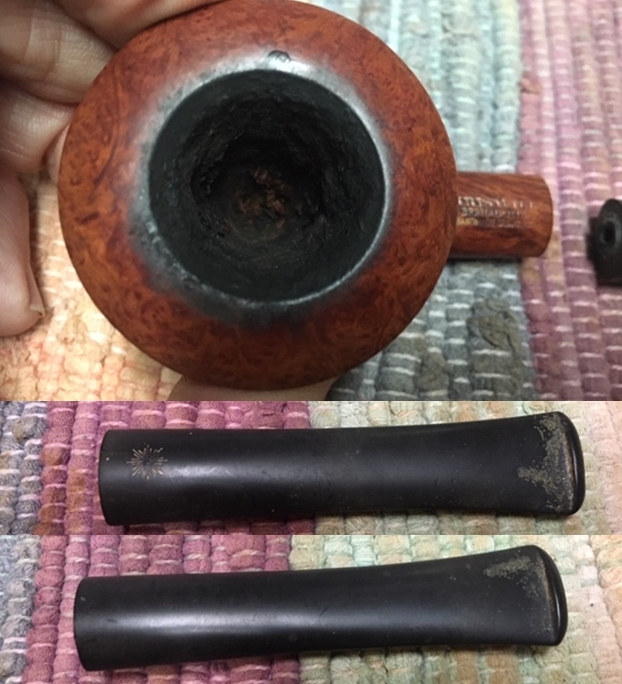
It turns out he said he had 17 pipes. That was certainly more than I expected but I communicated that there was a large queue ahead of him and I would have to fit them in as I could. He was fine with whatever time it took. He sent me the following photos of his collection that he wanted restored. The first photo shows his eleven Brigham pipes – all very interesting shapes. The second photo shows the six various pipes in the collection – A Republic Era Peterson’s System 1312 (Canadian Import), A Bjarne Hand Carved Freehand, a Comoy’s Everyman London smooth billiard, a GBD Popular Dublin 12, an English made Kaywoodie Rustica 72B, a Kriswill Bernadotte 60 with a broken tenon. When the box arrived there were two additional pipes included for a total of 19 – a Ropp 803 Deluxe Cherrywood Poker and a Comoy’s Sandblast Everyman Canadian 296. It was a lot of pipes! I have been randomly choosing the next pipe to work on and chose the Kriswill that needed a tenon replacement and general over haul. I have drawn a red box around it in the photo below.Unlike the other pipes that I unwrapped this one needed much more work than the Brighams that I had worked on so far. It was a Kriswill Bernadotte Oval Shank Dublin. It was stamped on the top of the shank Kriswill over Bernadotte over Hand Made Denmark. On the underside of the shank next the shank/stem junction it bears the shape number 60. It had great grain that the shape not only followed but captured. The rim top had a lava overflow from the thick cake in the bowl and some darkening and lava on the beveled inner edge of the rim. It was a dirty pipe but appeared to be in okay condition under the grime. There was some shiny substance in the stamping of the portion that read Hand Made Denmark. As I examined it I saw a small hairline crack in the shank area just below the stamping and into that portion noted above. It appeared to have been glued. I would need to clean that up and re-glue it. The tapered stem was oxidized and had tooth marks and chatter near the button on both sides. There was a classic Kriswill snowflake logo on the top of the stem. The tenon was snapped off cleanly in the shank and was stuck there. I took close up photos of the bowl and rim top to show the condition of the bowl and rim as well as the thick cake and lava overflowing onto the rim top. I also took close up photos of the stem to show its condition as mentioned above.   I took a photo of the stamping on the top and underside of the shank to show what I was speaking about above. It is very clear and readable. You can see the shiny substance in the Hand Made Denmark portion of the stamp. I have also drawn an oval around the hairline crack in the shank in the photos below. The repair seems to have left glue in the stamping as the crack is not that long. I also have included a photo of the shape number stamp on the underside of the shank. There was also a hairline crack in the underside of the shank to the right of the shape number.I remembered that Pipephil had a great summary of the brand so I turned to that site and reviewed the history (http://www.pipephil.eu/logos/en/logo-k3.html). It was much as I expected but there was a part of the history there that I had not noted before. I have included a screen capture of the section on the site regarding Kriswill pipes.I quote the new information (at least for me) regarding the Bernadotte line. Kriswill is a brand of Kriswork Briar Trading, in Kolding (Denmark) established about 1955. Some of Kriswill pipes were designed by Sigvard Bernadotte, Swedish prince and brother to the late Queen Ingrid of Denmark. He collaborated with his Danish partner Acton Bjørn.

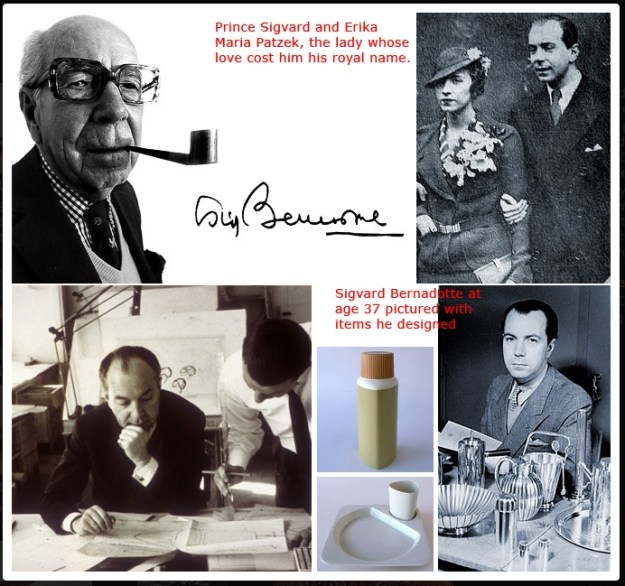
There was a small line at the bottom of the section that said Portrait of Sigvard Bernadotte. I clicked on it and was taken to the second screen capture I have included.From the site and the information on Sigvard Bernadotte I learned that the pipe I had in hand was designed for Kriswill by Sigvard Bernadotte, Swedish prince and brother to the late Queen Ingrid of Denmark. That was new information to me. I have worked on a lot of Kriswill pipes before but never made that connection. But now I knew… a pipe designed by royalty! I would never have guessed that prior to reading this.

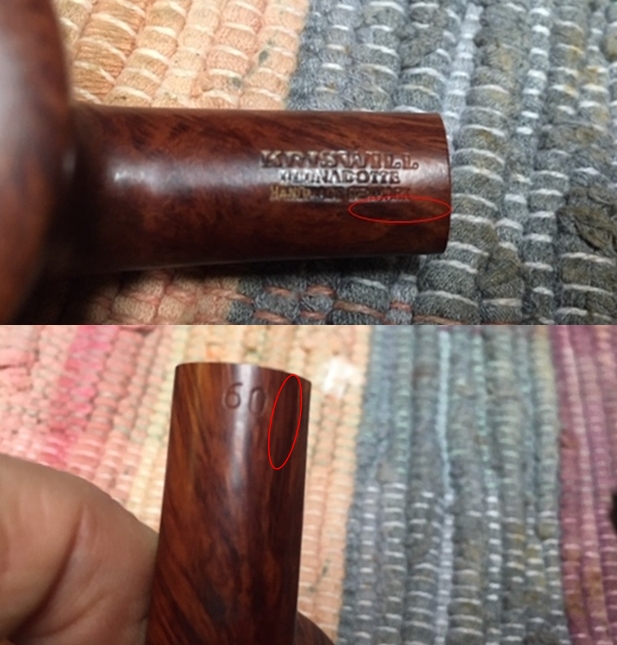
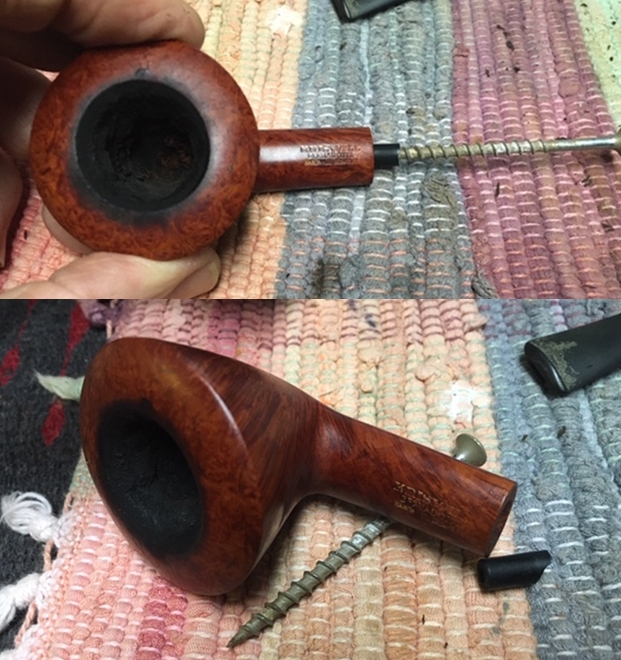
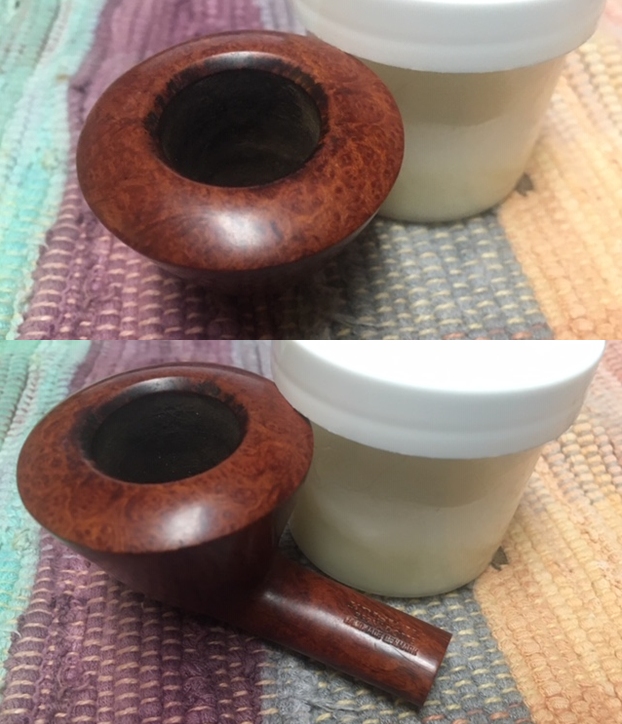
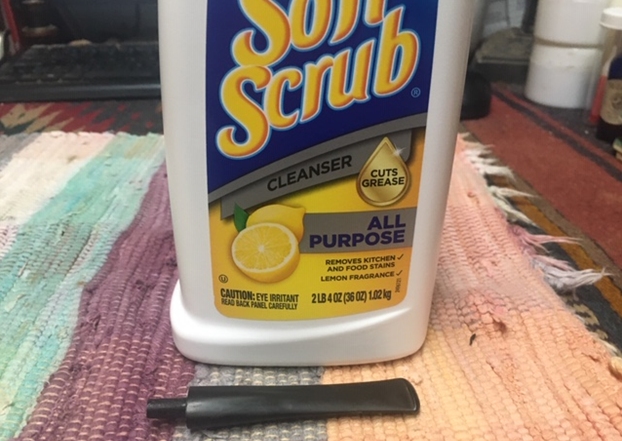
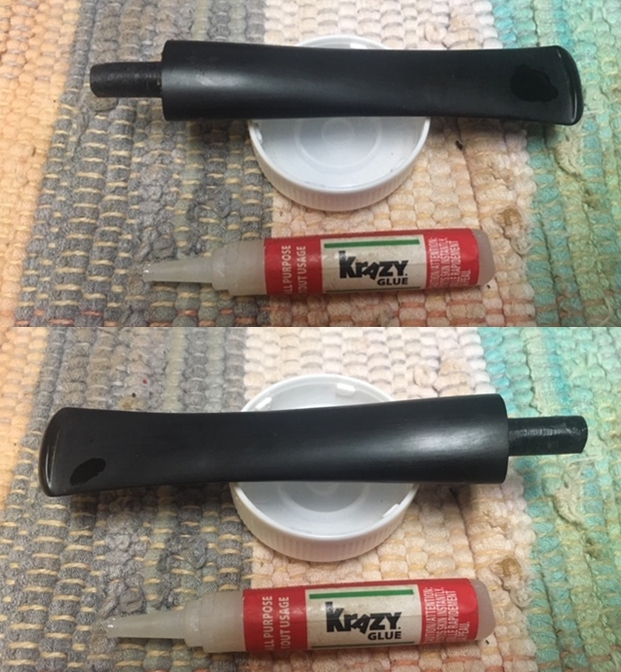
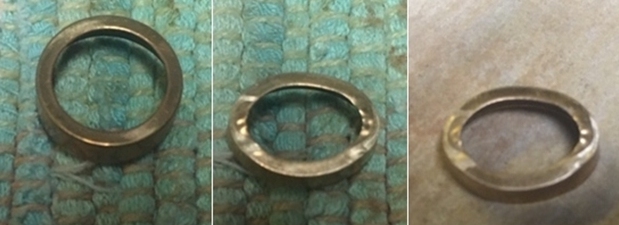
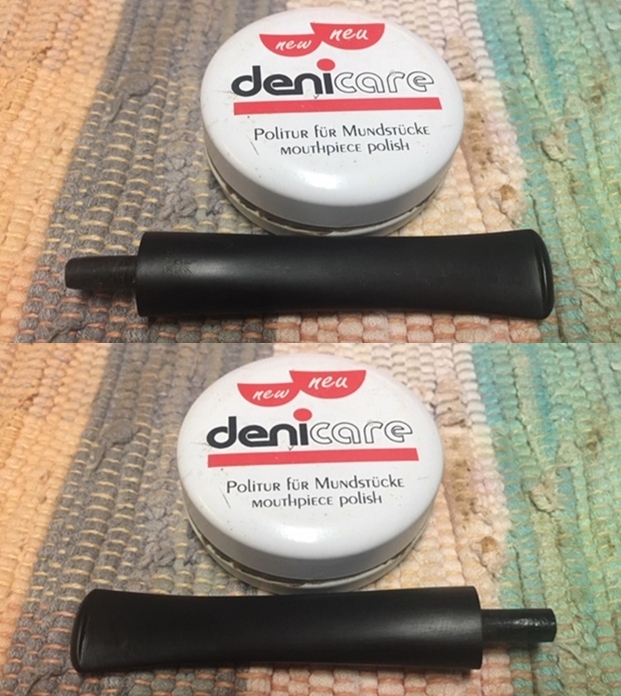
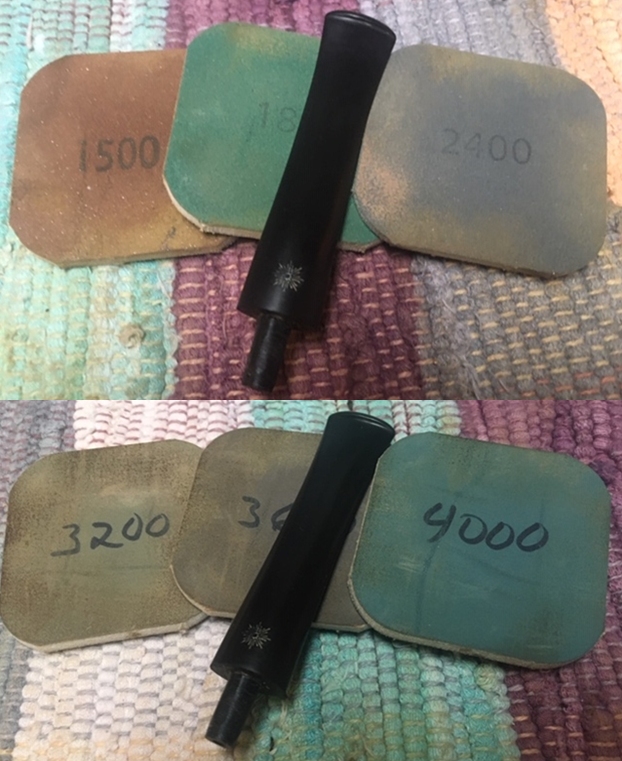
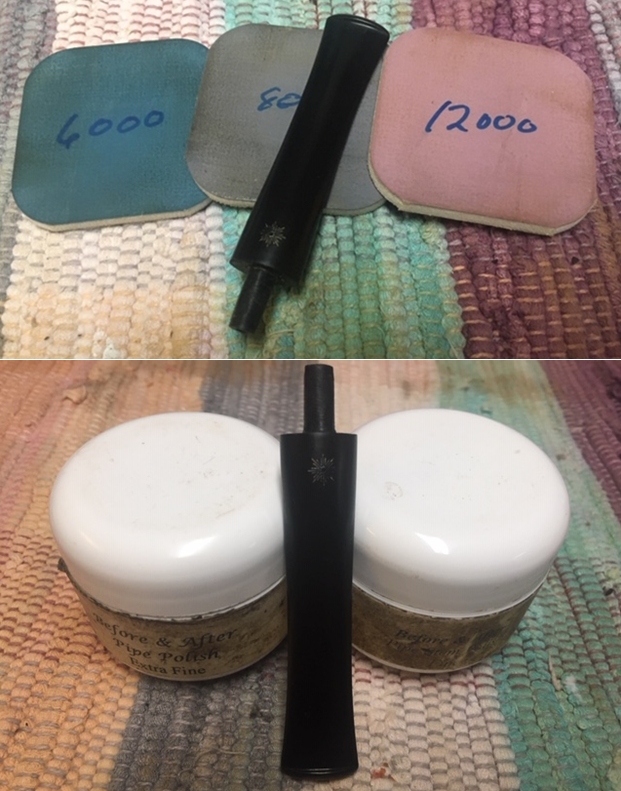
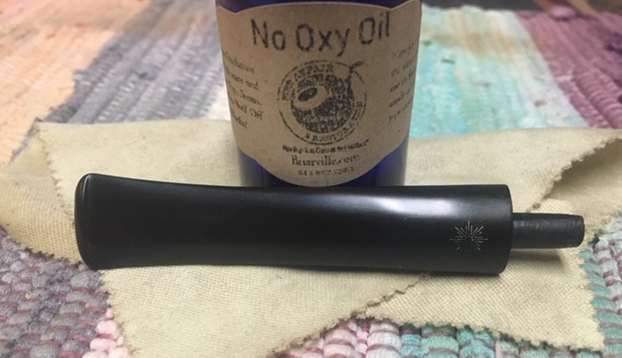
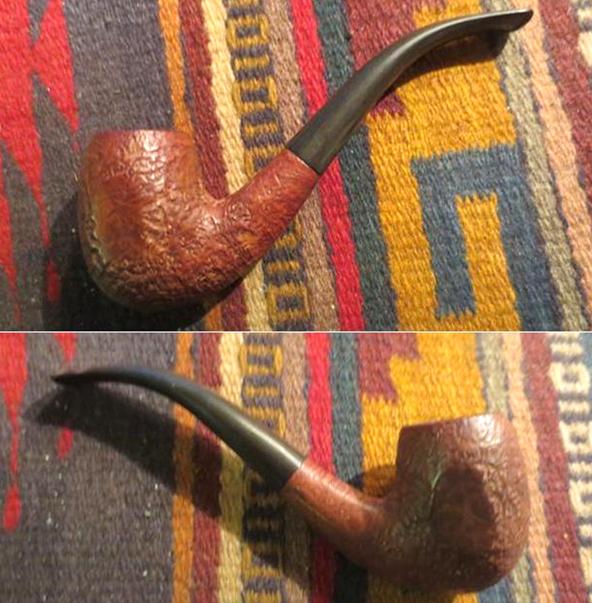
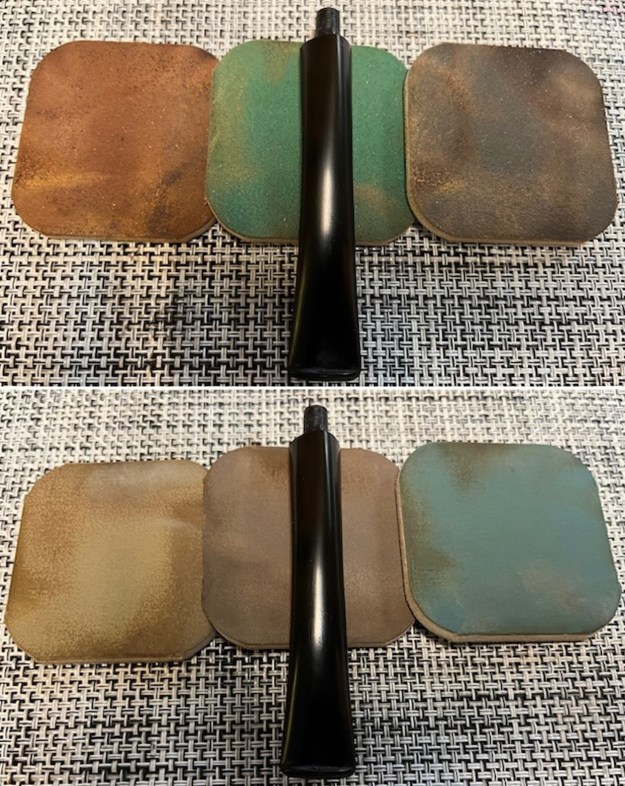
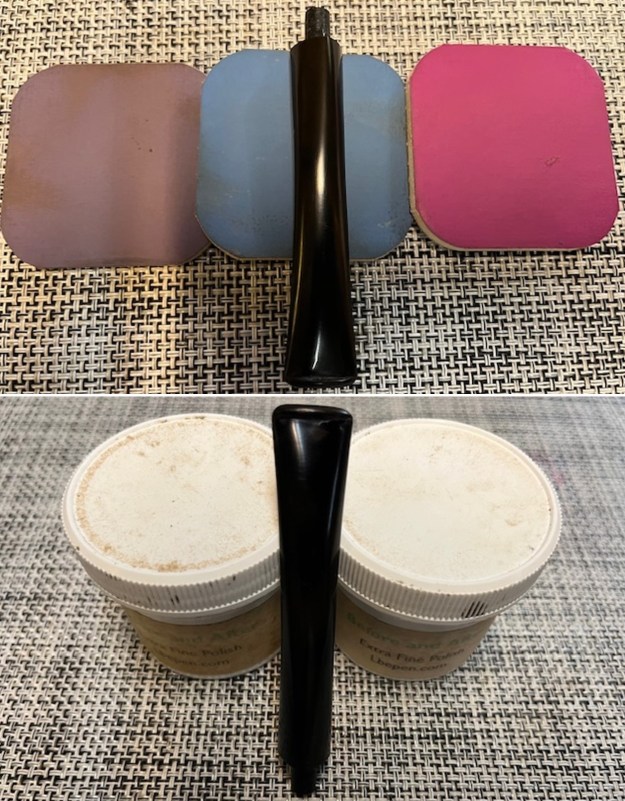
Armed with that information I was ready to start on the Bernadotte pipe. I decided to start my work by addressing the broken tenon. I put the bowl in the freezer for about 10 minutes and then pulled the broken tenon from the shank with drywall screw. It was an easy pull. I then cleaned up the glue on the stamping with acetone on a cotton pad. I opened the hairline crack on both sides of the shank and put clear superglue in the crack. I pressed it together and clamped it until it cured. With the crack on both sides I am going to recommend to the pipeman that we put an elegant thin band on the shank. I set the bowl aside to let the repairs cure while I waited to hear from the pipeman regarding possible banding of the pipe. I turned my attention to replacing the tenon. I used the Dremel and sanding drum to flatten the face of the stem and remove the broken bits of vulcanite from the broken tenon.I started drilling out the airway with a bit slightly larger than the existing airway in the stem. I complication was that the airway was not centered in either the broken tenon or the stem at this point. I used a sharp pen knife to funnel the airway and straighten it out before I drilled. I was able to center the airway. I worked my way through three different drill bits to get the airway open enough to receive the new tenon. The next photo shows the threaded tenon before I went to work on it with the Dremel. My issue with this replacement was that the stem tapered quickly and did not allow much room. I used the Dremel and sanding drum to remove the hip on the new tenon and reduce the diameter of the portion going into the stem. I glued it into the stem with thick super glue. In the photo it looks like it is tapered a bit. I cleaned that up with a file so that the flow was smooth and the fit was snug in the airway.Once I made the flow of the tenon straight and smooth I slid it into the repaired shank to have a look. Some fine tuning to do for sure but I like the look of the new fit.I set the stem aside to let the tenon cure. I turned back to the bowl. I reamed it with a PipNet pipe reamer. The bowl was conical so I started with the small reaming head to take care of the bowl and worked my way up to the third head. I cleaned up the transitions with a Savinelli Fitsall Pipe Knife and trimmed the cake back so I could examine the walls. I sanded the walls of the bowl with 220 grit sandpaper on a piece of dowel. I scraped off the lava on the inner beveled rim with the Savinelli Fitsall knife. I worked on the inner beveled edge with a folded piece of 220 grit sandpaper to smooth it out and clean off the darkening.I scrubbed the bowl with a tooth brush and some of Mark Hoover’s new Briar Cleaning product. He sent me some to experiment with so this was the first test. I tried the Extra Strength version. It worked fairly well. The verdict is still out for me whether it is better than Murphy’s Oil Soap. I rinsed it off with warm water and dried the bowl off with a cotton cloth. I cleaned out the mortise area and airway to the bowl and the stem with pipe cleaners, cotton swabs and alcohol.I wet sanded the rim top and the bowl sides with micromesh sanding pads – 1500-12000 grit sanding pads. I wiped the bowl surface down with a damp cloth after each sanding pad to remove the sanding dust. Once I finished the bowl looked good.   I rubbed the bowl and shank down with Before & After Restoration Balm. I worked it into the surface of the briar with my fingertips to clean, enliven and protect it. I let the balm sit for a little while and then buffed it with a cotton cloth to raise the shine. It really makes the grain stand out on this pipe. I set the bowl aside and turned my attention to the stem. When I was in the US visiting Jeff and his wife I picked up some Soft Scrub. Jeff swears by this stuff as the first tool to use to remove a lot of the oxidation on the stem. I rubbed it on with a cotton pad and sure enough it removed the oxidation and the calcification build up. It looked a lot better.I cleaned out the marks with alcohol and a cotton swab. I filled them in with clear super glue and set the stem aside to cure.   While the repairs to the stem surface were curing I made a call to Neil in Eastern Canada to talk with him about banding the shank on this beautiful little pipe. I have some small brass bands that I can reduce to 1/8 of an inch in height that will allow me to band the pipe and still keep the stamping free and readable. He gave the go ahead so I worked on the band. I found a band that was the right diameter in my collection of bands. I tapped it with a small hammer to make it oval and put it on the shank. I tapped around the shank to smooth out the fit. I tapped the end of the shank to smooth out the small dents. I took it off and used the topping board to reduce the depth of the band to just under 1/8 of an inch. I topped the dented top of the band as well.Once I had it smoothed out and the shape correct for the shank I spread some all-purpose glue on the shank and pressed the band in place on the shank. The band looks great to me and should do the job in binding the cracked shank together.I took photos of the newly banded shank to give and idea of the new look to the pipe. What do you think? I set the bowl aside and returned to the stem. I smoothed out the repairs and sanded out the remaining oxidation with 220 grit sandpaper and started the polishing with 400 grit wet dry sandpaper.  I rubbed down the stem with Denicare Mouthpiece Polish and a cotton pad to remove the remnants of oxidation and to blend in the sanding. The stem is starting to show promise at this point in the process.  I polished the stem with micromesh sanding pads – wet sanding it with 1500-12000 grit pads. I wiped the stem down after each sanding pad with a cotton pad to remove the sanding debris. I finished polishing the stem with Before & After Pipe Stem Polish – both fine and extra fine. I finished by wiping it down with Briarville’s No Oxy Oil and buffing it to a shine. I always look forward to this part of the restoration when all the pieces are put back together. I put the pipe back together and buffed it with Blue Diamond on the buffing wheel. I gave the bowl and the stem multiple coats of carnauba wax. I hand buffed the pipe with a clean buffing pad to raise the shine. It is fun to see what the polished bowl looks like with the new brass band on the shank end. The combination of grain and the thin band add some elegance to the pipe when combined with the polished black vulcanite stem. This royalty designed Kriswill Bernadotte 60 Dublin is nice looking and feels great in my hand. The pipe is another light weight that could be clenched and smoked while doing other things as it is very well balanced. Have a look at it with the photos below. The dimensions are Length: 5 ¾ inches, Height: 1 ½ inches, Outside diameter of the bowl: 2 inches, Chamber diameter: 7/8 of an inch. This is the fifth of the pipes sent to me from Eastern Canada for restoration. Once again I am looking forward to what the pipeman who sent it thinks of this restoration. Lots more to do in this lot! Thanks to each of you who are reading this blog. Remember we are not pipe owners; we are pipemen and women who hold our pipes in trust until they pass on into the trust of the next pipeman or woman.
Restoring a Kriswill Made Danish Special Smooth Panel Bent Billiard


Blog by Steve Laug

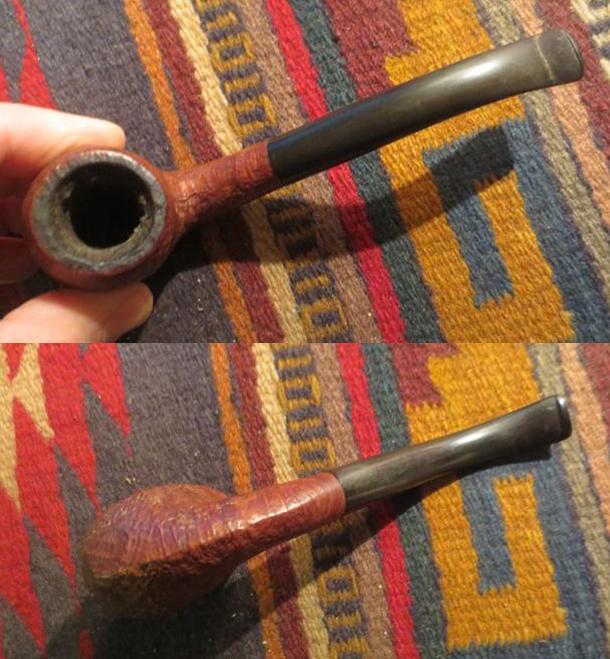
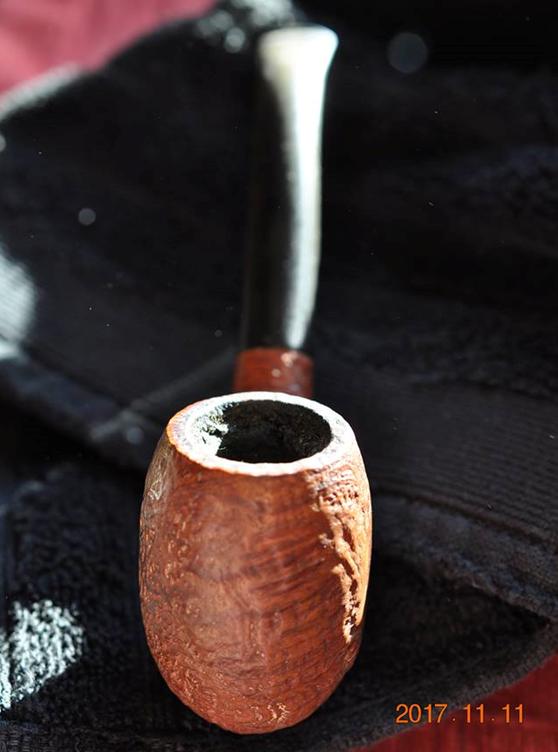
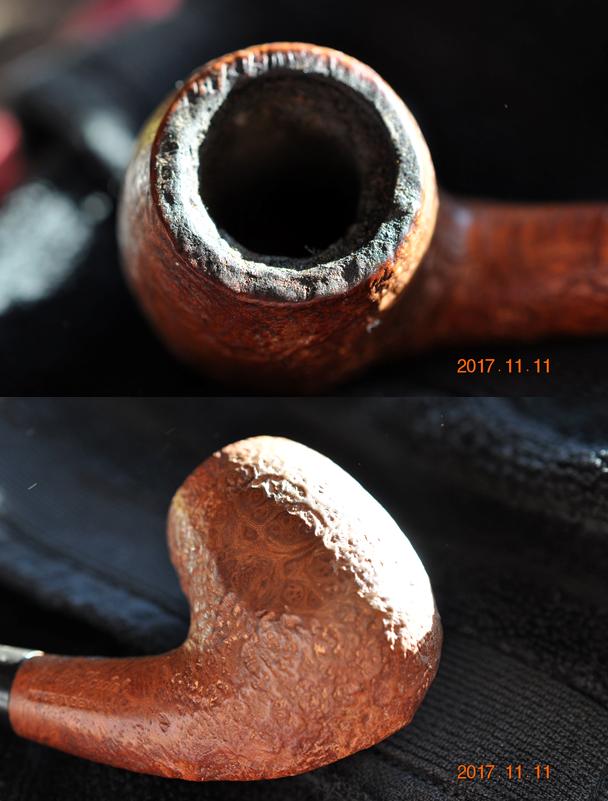
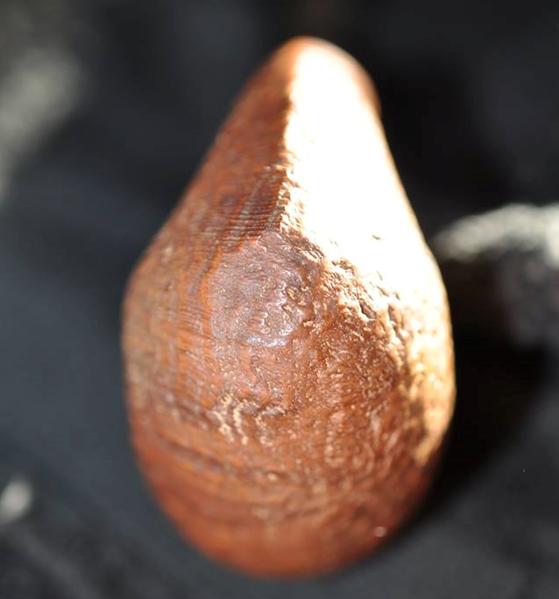
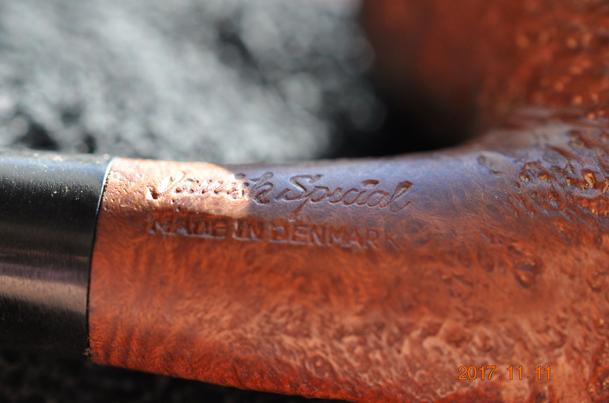
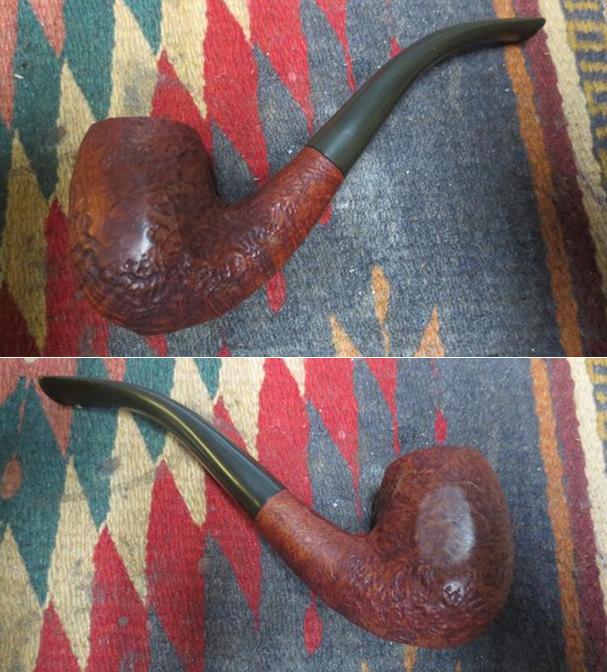
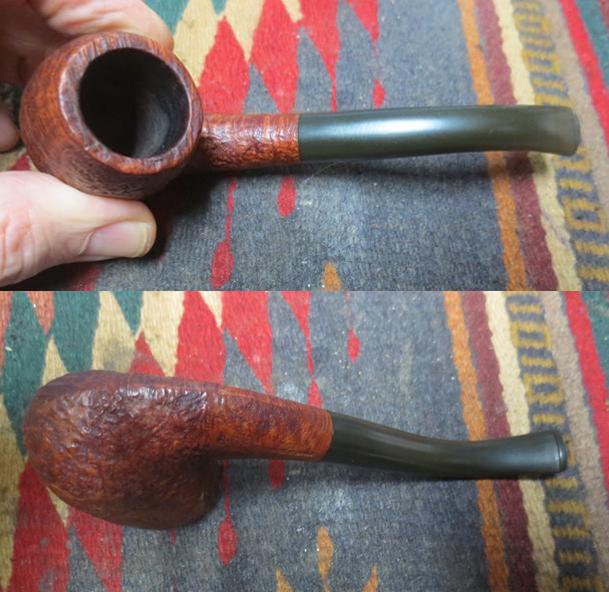
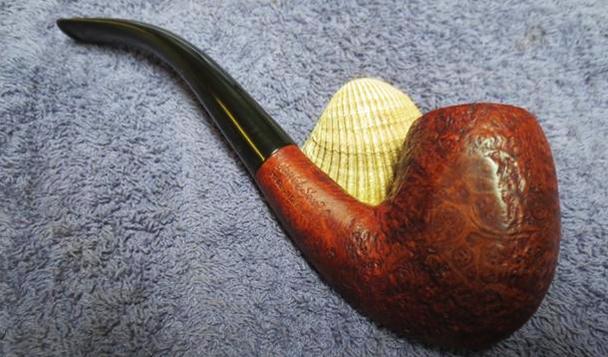
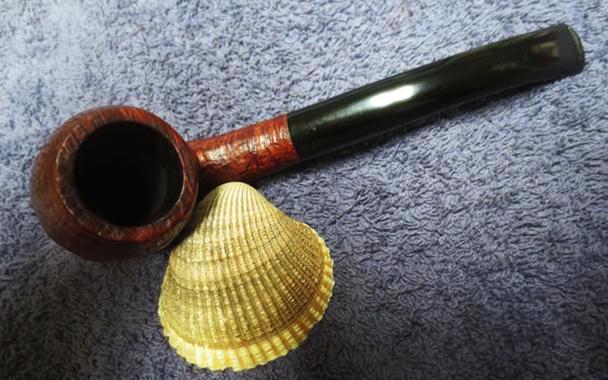
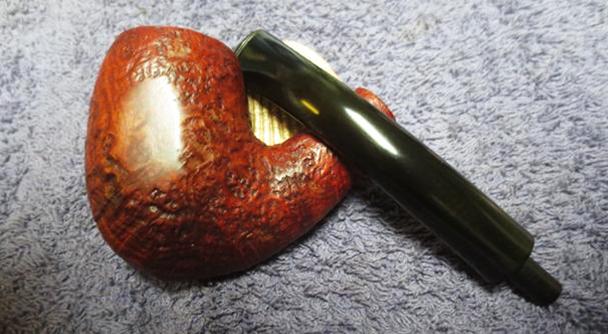
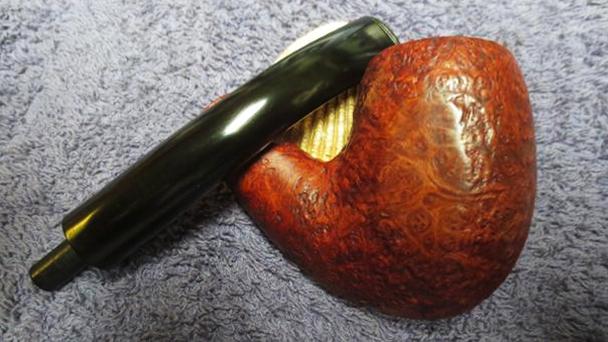
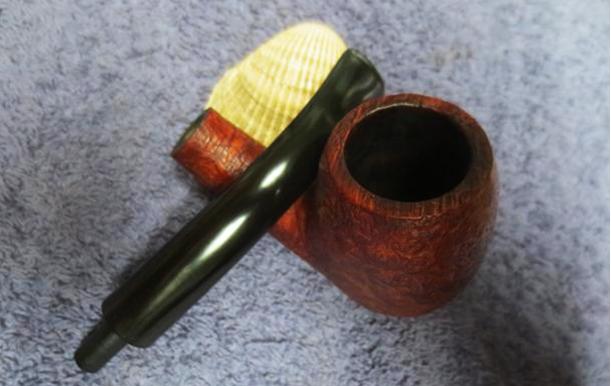
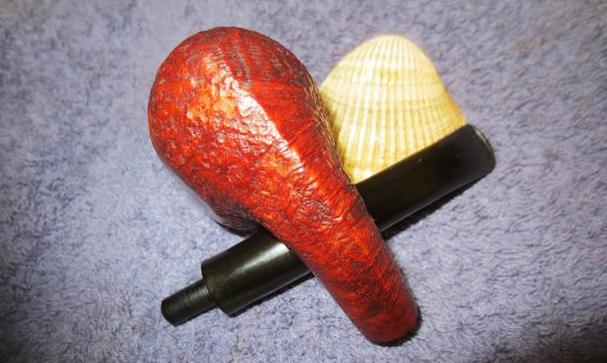
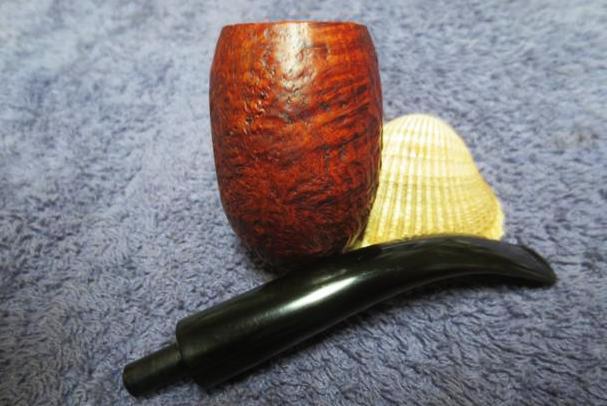
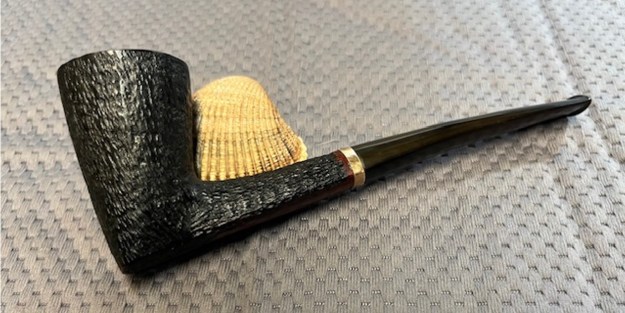
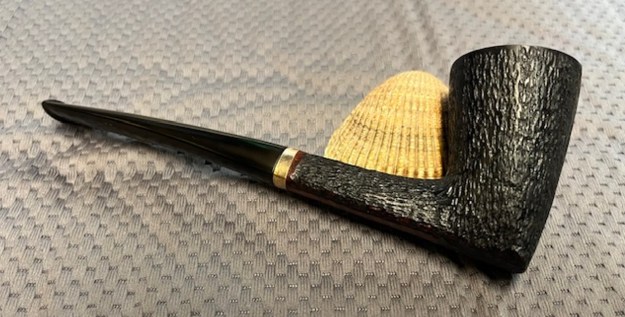
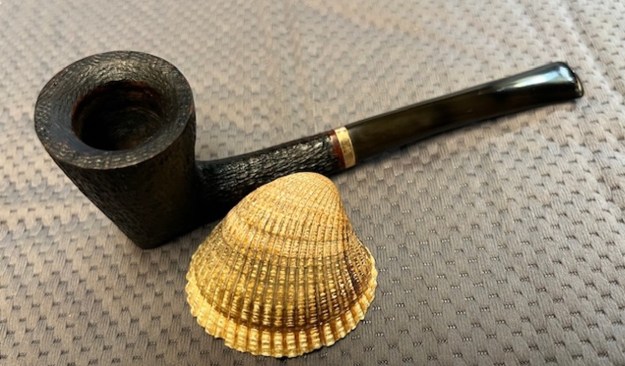
The next pipe on the table is one from a local pipe shop. It came from the estate of an older gentleman whose wife returned them to the shop for restoration and resale. This one is an interesting sandblast finish bent billiard. The sandblast is interesting showing a variety of grain around the bowl. It has smooth panels on the right and left side of the bowl and the right side of the shank. It is stamped on the smooth right side of the shank Danish Special over Made in Denmark. The finish on the pipe was dusty and some of the grooves were almost filled in with grime and dust. The rim top had lava built up in the blast on the flat surface. The bowl had a thick, hard cake almost filling it in. The stem had several tooth marks and was lightly oxidized. I sent the pipes off to my brother for cleaning. I have about 50 of them to rework and a waiting queue of pipes to repair. I really appreciate his willingness to clean and ream the pipes for me. When he received the pipe he took a series of photos of it to show its condition. He took a close up photo of the rim top showing the cake and the lava on the flat top of the bowl. The cake is quite thick and the lava has filled in the sandblast on the surface of the rim. He also took photos of the sandblast around the sides and underside of the bowl. His final photo shows the stamping on the right side of the shank. It is clear and readable. The brand Danish Special was unfamiliar to me. I had heard of Danish Pride, Danish Star, Royal Danish and other Stanwell brands but this one was unfamiliar.I Googled the name and found that the brand was a sub-brand or second brand of Kriswill pipes. From there I did some reading on Pipedia on the Kriswill Brand and found the following:  Kriswill was one of the large pipe manufacturers in Denmark during the 1960s and 1970s, and I believe closed around 20 years ago. Their catalog cover read “By Appointment to the Royal Danish Court, KRISWILL, Kriswork Briar Trading, Briar Pipes Hand Made in Denmark.” https://pipedia.org/wiki/Kriswill

I also went to the PipePhil logos and stamping site and found more on the date of the brand. It had no explicit ties to the Danish Special that I had but it was interesting nonetheless.

Kriswill is a brand of Kriswork Briar Trading, in Kolding (Denmark) established about 1955. Some of Kriswill pipes were designed by Sigvard Bernadotte, Swedish prince and brother to the late Queen Ingrid of Denmark. He collaborated with his Danish partner Acton Bjørn. When the company went bankrupt in the late 1970s it was on a level with Stanwell. Dan Pipe Cigar & Company (Hafenstrasse 30 D-21481 Lauenburg/Elbe, Ge) bought the rights to use the name and it is Holmer Knudsen and/or Poul Winsløw who make the Kriswill line. Nørding, on its side, bought the plant and introduced a Kriswell line. http://www.pipephil.eu/logos/en/logo-k3.html

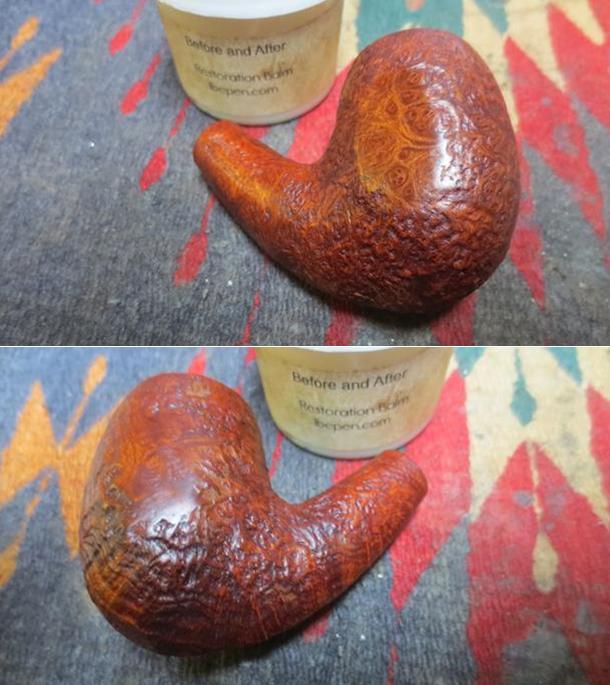
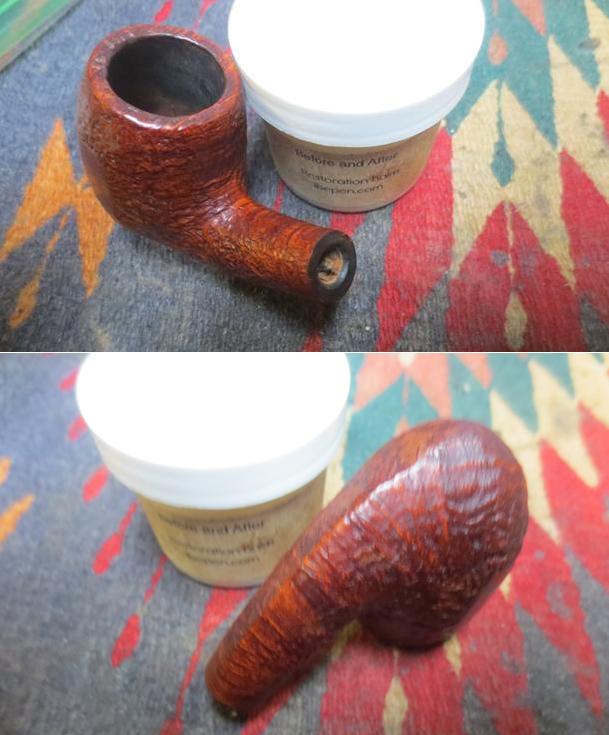
Jeff did his usual thorough cleanup on the bowl and stem. He carefully reamed the bowl back to bare briar with a PipNet Pipe Reamer and cleaned up the remnants with a Savinelli Fitsall Pipe Knife. He cleaned the internals with alcohol, pipe cleaners and cotton swabs – scrubbing out the mortise as it was dirty. He scrubbed the exterior of the pipes with Murphy’s Oil soap and a tooth brush and was able to remove all of the oils and dust in the smooth finish on the briar. He was able to remove all of the lava and grime from the rim top and left it looking very clean. The inner and outer edges of the rim top were in good shape. He soaked the stem in an Oxyclean bath to raise the oxidation to the surface of the vulcanite. It was clean and the remaining oxidation was very light. When the pipe arrived I took some photos to show how it looked before I did the restoration.  Jeff was able to remove the lava buildup on the rim top and clean grooves and crevices of the sandblast surface and edges of the rim. The inner and outer edges of the rim were in excellent condition and the rim top looked new. The stem was lightly oxidized and had tooth chatter and marks on both sides of the stem near the button.I rubbed the bowl down with Before & After Restoration Balm to deep clean the nooks and crannies of the finish, enliven and protect the briar. I hand rubbed it with my fingers to get it deep into the grooves. I let it sit for a few minutes and then wiped it off with a soft cloth and buffed it with a horsehair shoe brush. The briar really began to have a deep shine. The smooth panels showed some nice grain patterns and the sandblast looked really good. I took some photos of the bowl at this point to mark the progress in the restoration. I set the bowl aside and turned my attention to the stem. I sanded out the tooth chatter and many of the tooth marks with 220 grit sandpaper. There was a small tooth mark on the top and underside of the stem that I cleaned up and filled it in with a drop of clear super glue. When the glue cured, I sanded the repaired areas smooth to blend them into the surface of the stem. I worked over the stem with micromesh sanding pads. I polished out the sanding scratches and marks in the vulcanite – wet sanding it with 1500-2400 grit pads and dry sanding it with 3200-12000 grit pads and wiped it down with Obsidian Oil after each one. When I finished with the 12000 grit pad I gave it a final coat of oil and set it aside to dry. I polished it with Before & After Stem Fine Polish and wiped it down. I followed that by polishing it with the Extra Fine Polish. I buffed it with a microfiber cloth to raise the shine. I put the stem back on the bowl and took the pipe to the buffing wheel to work it over. I buffed the bowl with Blue Diamond to polish the briar. I buffed the stem at the same time to raise the gloss on the vulcanite. I gave the bowl and the stem multiple coats carnauba wax. I buffed the entire pipe with a clean buffing pad to raise the shine. I hand buffed it with a microfiber cloth to deepen the shine. The finished pipe is shown in the photos below. The dimensions of the pipe are: Length: 6 1/2 inches, Height: 2 1/4 inches, Outer Diameter of the Bowl: 1 1/8 inches, Diameter of the Chamber: 7/8 inches. I will be adding this one to the rebornpipes store shortly if you are interested in adding it to your collection. It is a beautiful Kriswill made pipe that feels comfortable in the hand. It will make a great pipe addition to the rack and should smoke dry and cool. If you are interested email me at slaug@uniserve.com or send me a message on Facebook. Thanks for looking.