Tag Archives: Churchwarden pipes

Spiffing Up a Handsome Churchwarden


Blog by Kenneth Lieblich

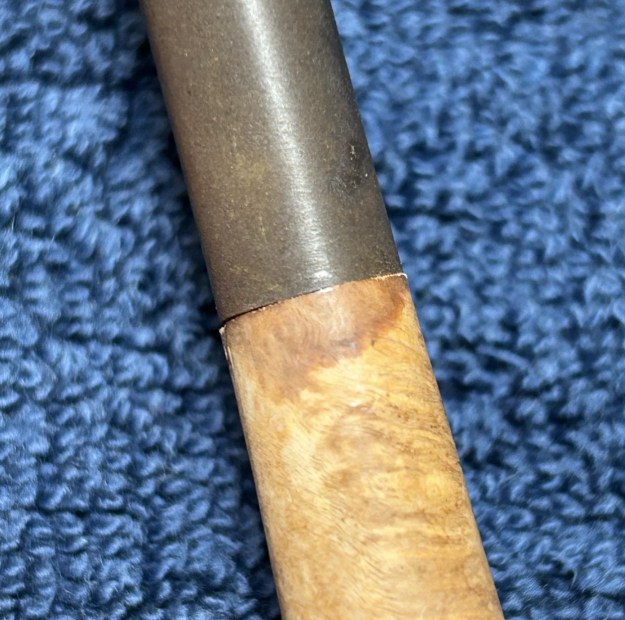
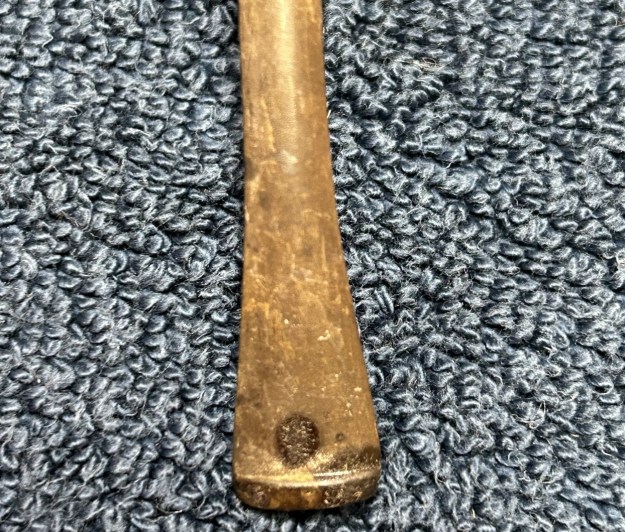
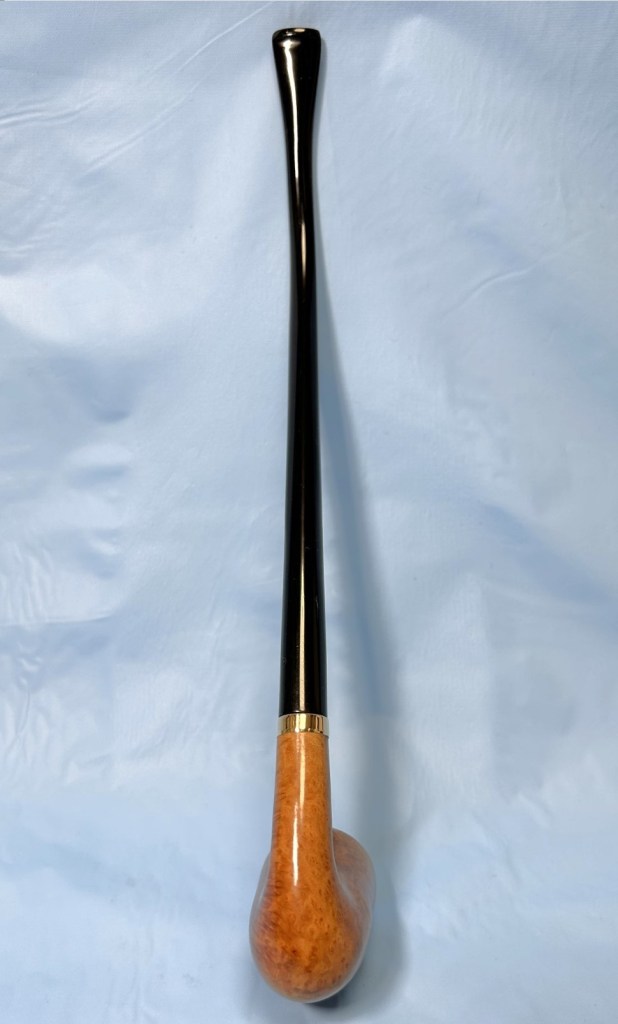
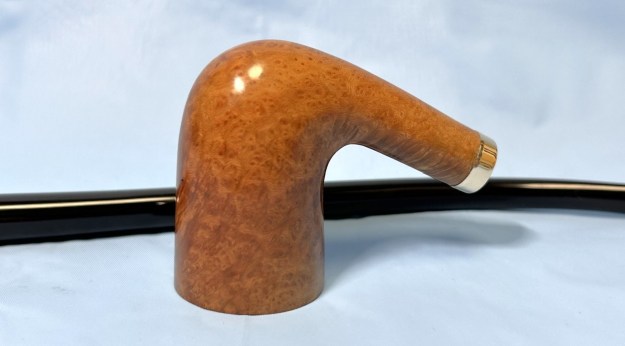
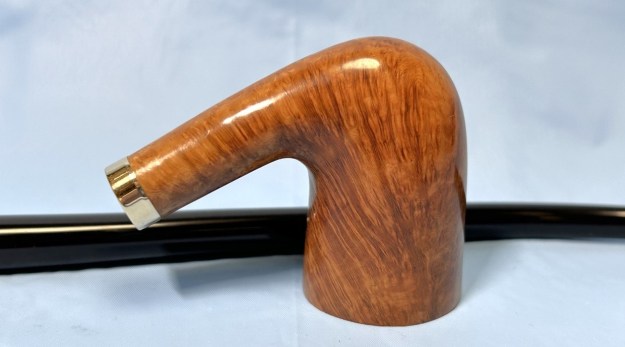
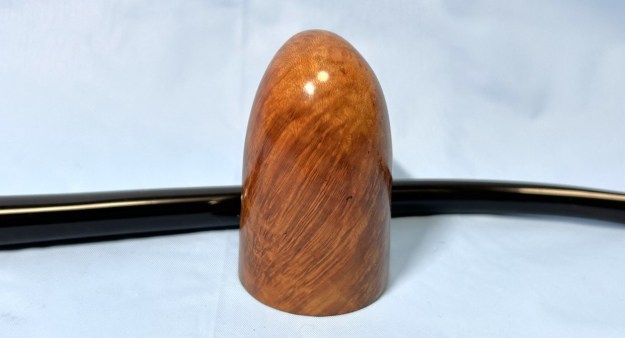
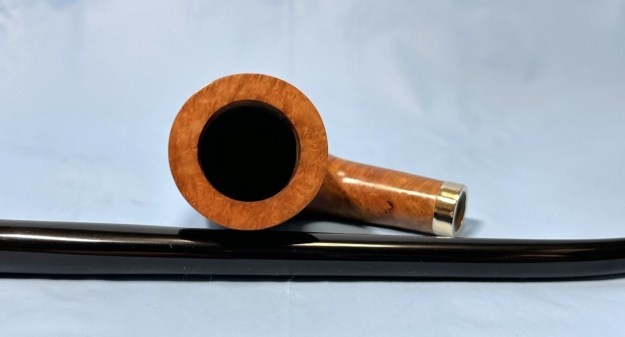
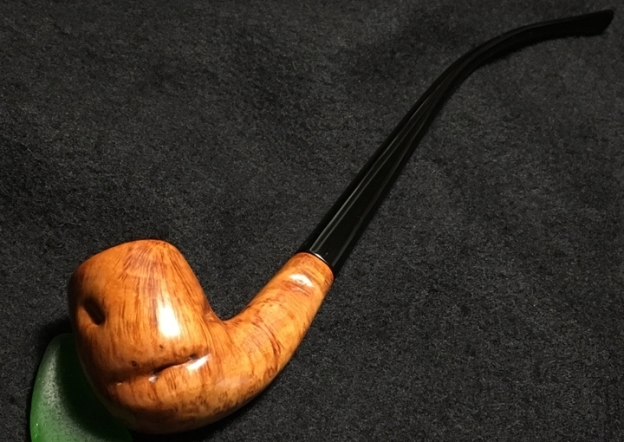
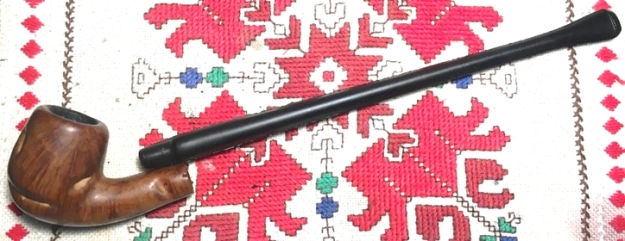
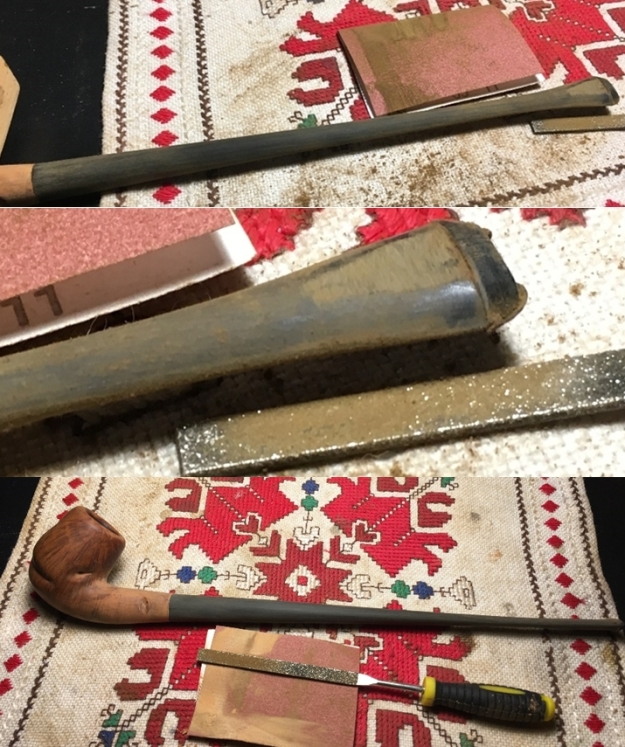
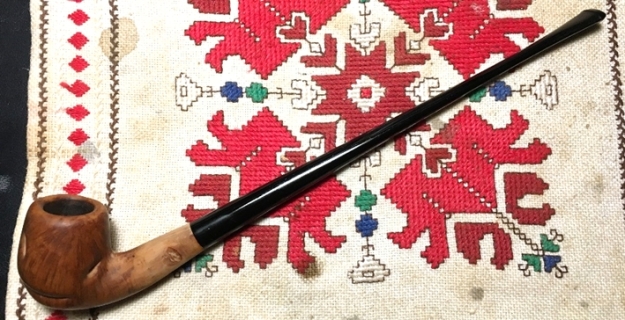
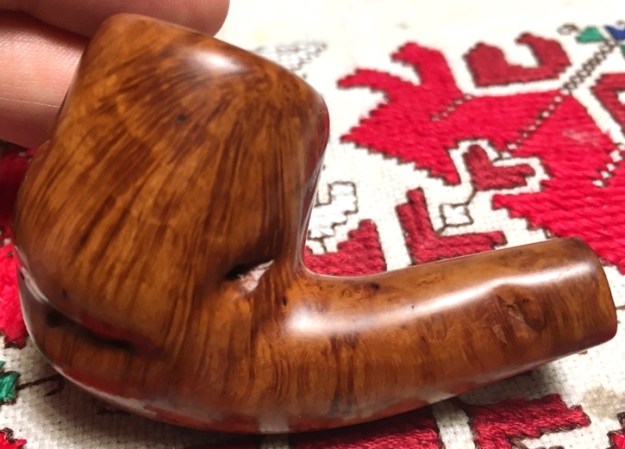
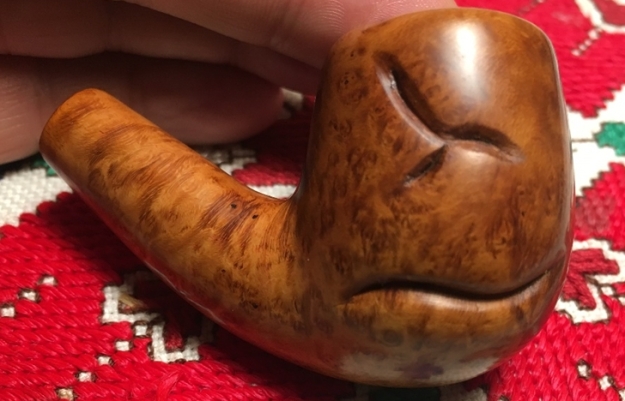
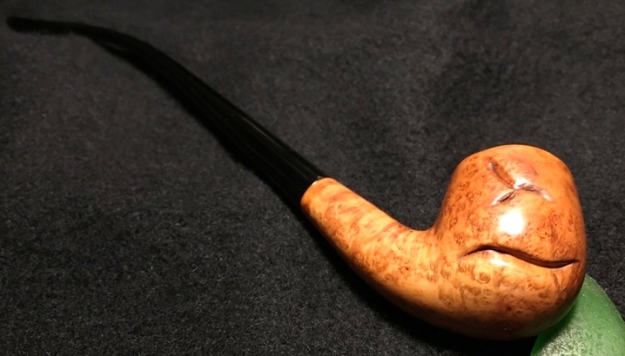
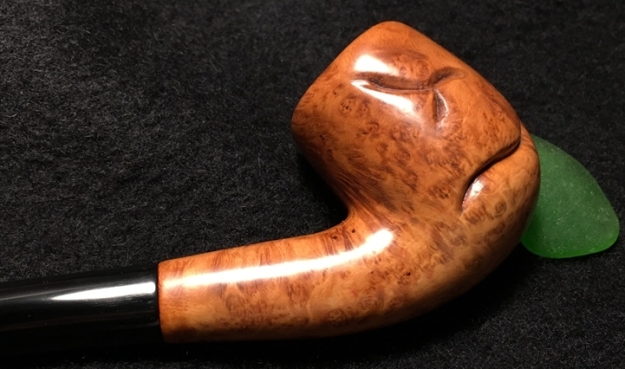
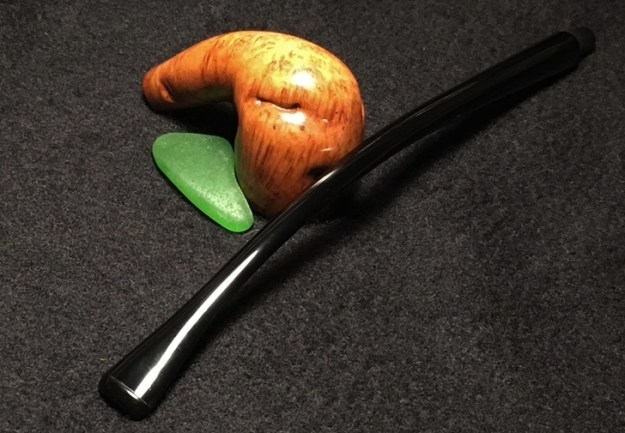
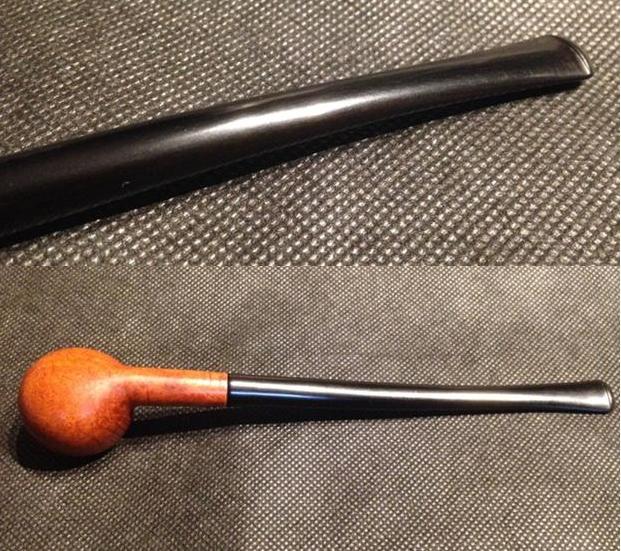
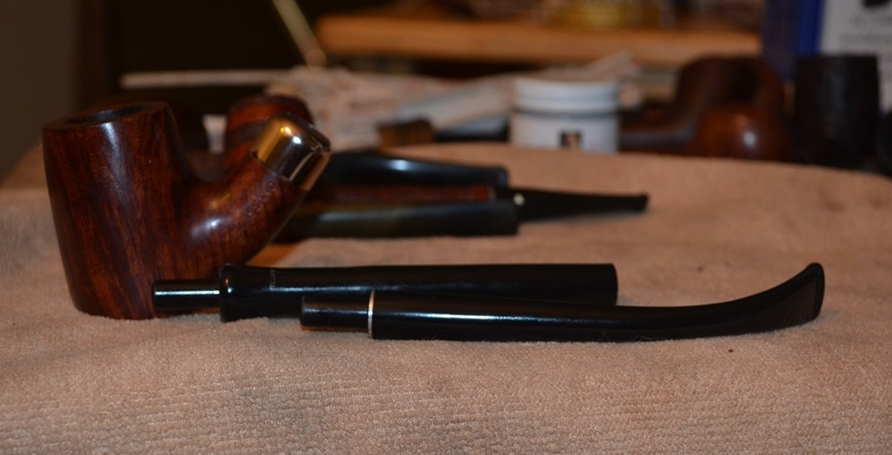
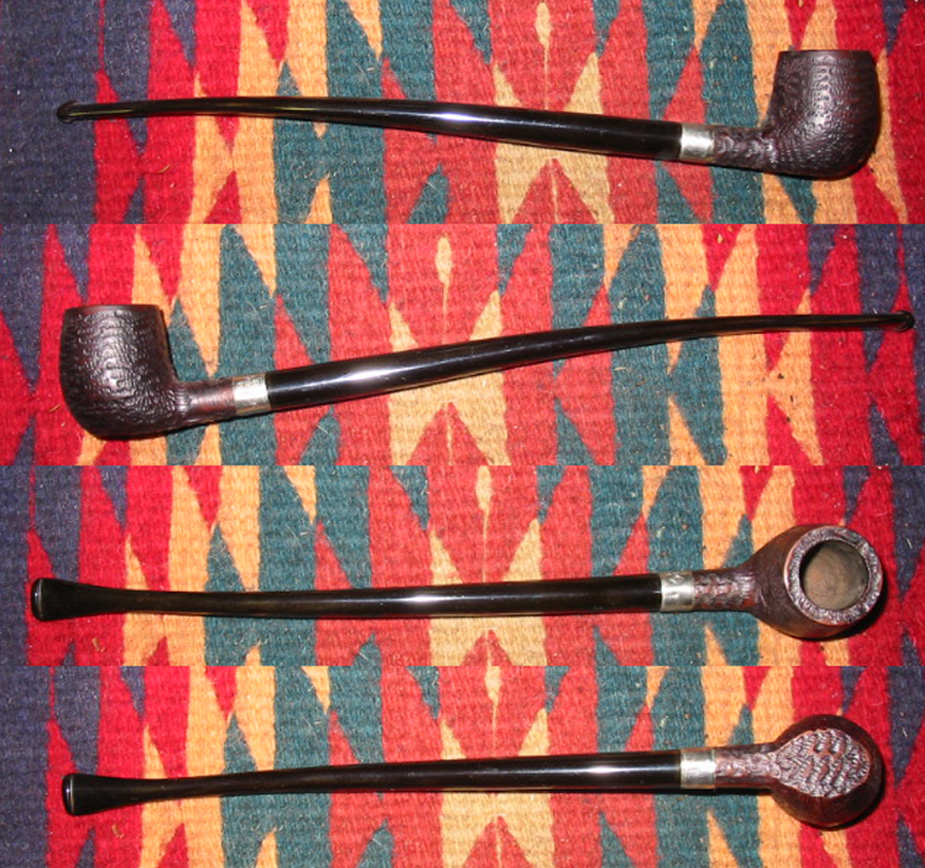
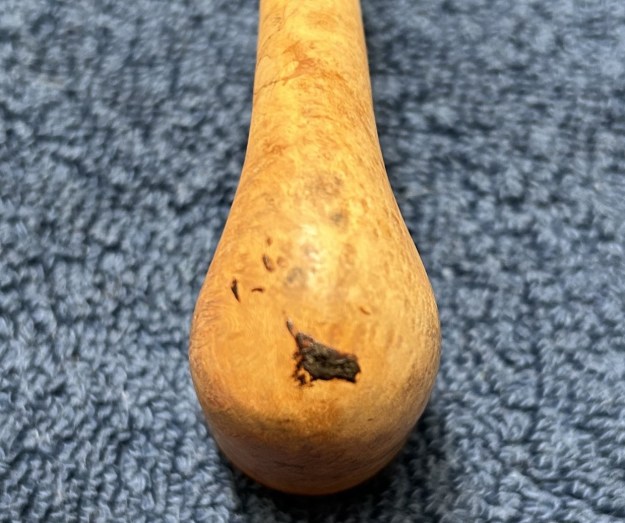
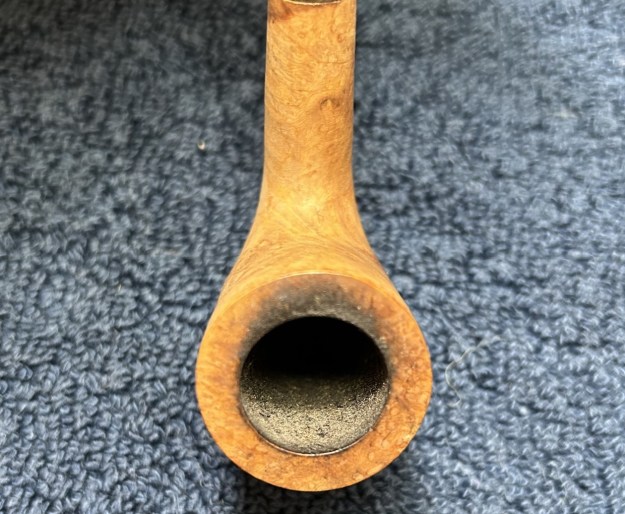
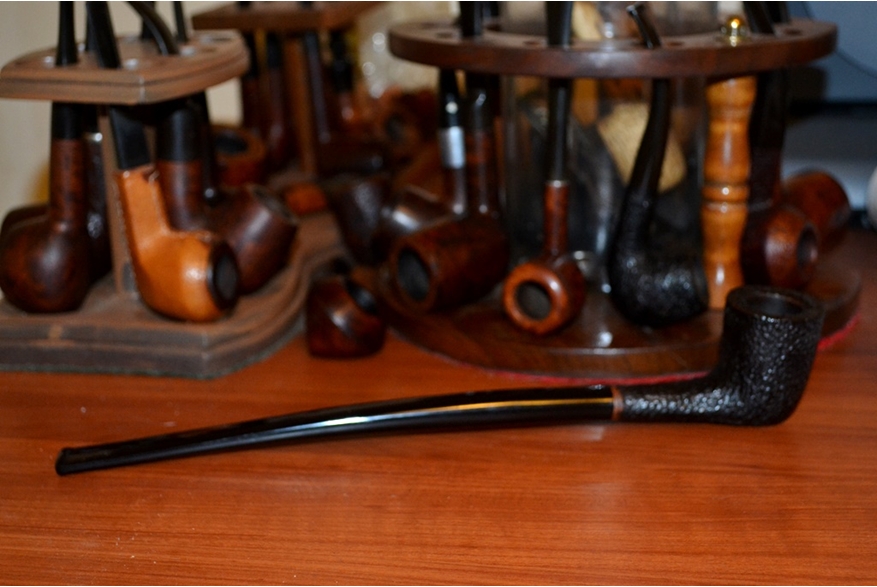
Next on the chopping block is a charming bent Dublin churchwarden (ten inches long), commissioned for a priest friend of mine. He expressly asked for a churchwarden (of course, he did). Fortunately, I had one on hand and I did a nifty restoration job on it. This is just a quick-and-dirty report for two reasons. First, I lost most of the photos I took of the restoration. Grrr. Second, this pipe has literally no markings on it, so I have no information to provide on its origins.The pipe was in decent condition. It had been well-smoked, but the bowl and shank were fairly clean. The bowl had notable cake on the inside and some lava on the rim. I felt that some burning was possibly there too. On the bottom of the stummel, there was a strange, hard, brown substance – possibly wood glue or putty. Not sure what it was, but it wasn’t supposed to be there! Similarly, the stem was relatively clean – not much oxidation to speak of, and what I would describe as “typical” tooth marks on the bit. The stem was slightly bent out of shape (in the yaw and roll axes) and would need to be corrected. The stem was first on my list. I wiped the outside down with Murphy’s Oil Soap on some cotton pads. I cleaned out the insides with lemon-infused isopropyl alcohol and some churchwarden pipe cleaners.
I then heated the stem with my heat gun and gently worked the twisted stem back into place. I have bent many stems before, but churchwardens always seem trickiest – perhaps because they’re so long. In the end, I got it looking just as it should.

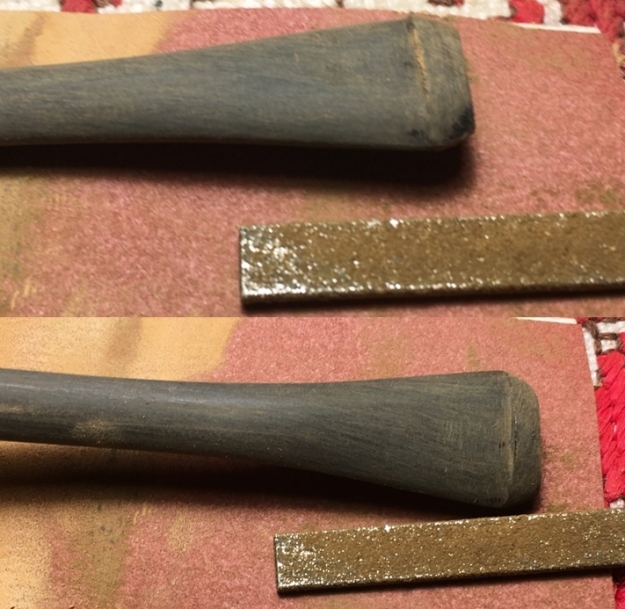
I scrubbed the stem with SoftScrub on some cotton pads. I built up the remaining marks on the stem with black cyanoacrylate adhesive and then cured it with the aid of some CA glue accelerator. I then carefully sanded the adhesive down with 220- and 400-grit sandpapers to meld seamlessly into the stem. I then used all nine Micromesh pads (1,500 through 12,000 grit) to bring out the lovely black lustre on the stem. I also used Obsidian Pipe Stem Oil in between each pad scrubbing (from 3,600 onward).

Now for the stummel. I reamed out the bowl to remove the built-up cake and followed that with 220-grit sandpaper taped to a dowel to eliminate as much as I could. I took the chamber down to bare briar, as I wanted to ensure there were no hidden flaws in the wall. Fortunately, there were none.

I then proceeded to clean out the insides of the shank with Q-tips, pipe cleaners, and lemon-infused isopropyl alcohol. There was quite a bit of filth inside this stummel and it took a fair amount of cotton to get it clean. I used cotton rounds and some Murphy’s Oil Soap to scrub the outside of the stummel. I followed that up by cleaning the insides of the stummel with some Castile soap and tube brushes.

Next, I decided to de-ghost the pipe in order to remove any lingering smells of the past. I thrust cotton balls into the bowl and the shank and saturated them with 99% isopropyl alcohol. I let the stummel sit overnight. This caused any remaining oils, tars and smells to leach out into the cotton. The bowl was nice and clean after this.

In order to safely remove the damage on the rim, I “topped” the pipe – that is to say, I gently and evenly sanded down the rim on a piece of 220-grit sandpaper. This effectively removed the damage, without altering the look of the pipe. I used some 220-grit sandpaper to remove the brown stuff on the bottom. No harm done. Then I sanded the stummel down with all nine Micromesh pads (1,500 through 12,000 grit).

Finally, I applied some Before & After Restoration Balm and buffed it with a microfiber cloth. During the restoration, I noticed some previously repaired damage to the end of the shank. The repair was sound but ugly, so I decided to add a charming band to the shank. I think it suits the pipe quite well and brings a bit of “bling”.

I then took the pipe to my bench polisher and buffed it with White Diamond and a few coats of carnauba wax. Wow – the pipe really looks lovely.

This churchwarden will suit my priest friend very well and I know that he will enjoy smoking it for many years to come. I hope you enjoyed reading the story of this pipe as much I as I did restoring it. If you are interested in more of my work, please follow me here on Steve’s website or email me directly at kenneth@knightsofthepipe.com. Thank you very much for reading and, as always, I welcome and encourage your comments.

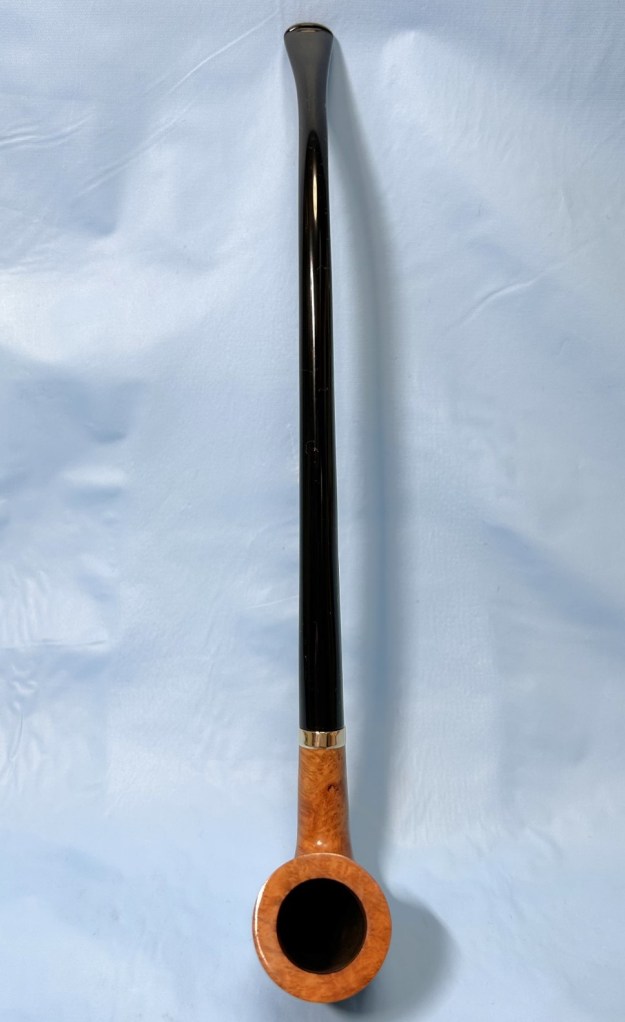
Fashioning a Churchwarden from a Dimpled Bent Billiard Bowl


Blog by Dal Stanton

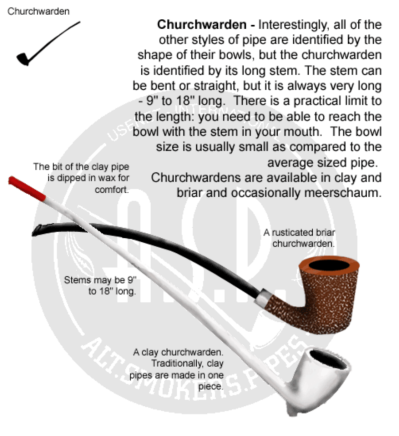
The great thing about the Churchwarden shape is that it is the only pipe that is identified not strictly by the shape of the bowl but by the length of the stem.  Bill Burney’s Pipedia Pipe Chart explanation describes this unique characteristic of the Churchwarden shape.  When I received an email from Coleman, he was looking to add a Churchwarden to his collection.  He wrote:

Hey Dal, I was browsing your website love the pipes, wanted to see if you had any more churchwardens available for commission or sale. I’ve always wanted one, and I can’t think of a better place to buy one than from Daughters of Bulgaria. The longer the stem the better. I really liked the billiard churchwarden, and the French imperial one in the shop that’s already sold. Do you think you’ll get anymore?

Last time I was with Coleman was he was an intern serving with us here in Bulgaria about 5 or so years ago.  He was single then, but as life happens, he is now happily married to Rebecca for 4 years!  He had spoken to Rebecca about adding a Churchwarden to his collection from The Pipe Steward and was agreeable to Coleman’s acquisition because the sales benefit the Daughters of Bulgaria – women and girls who have been trafficked and sexually exploited.  Thank you, Rebecca!

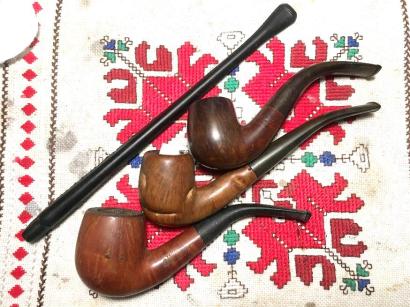
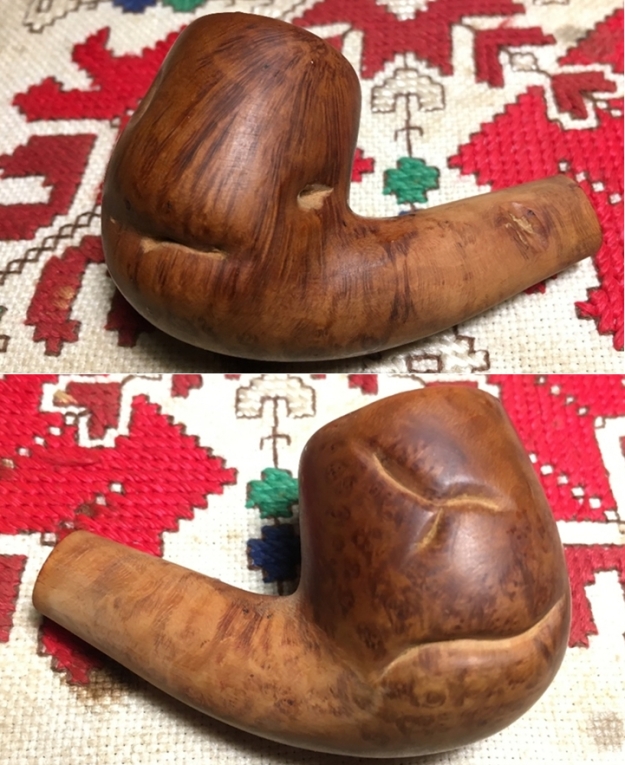
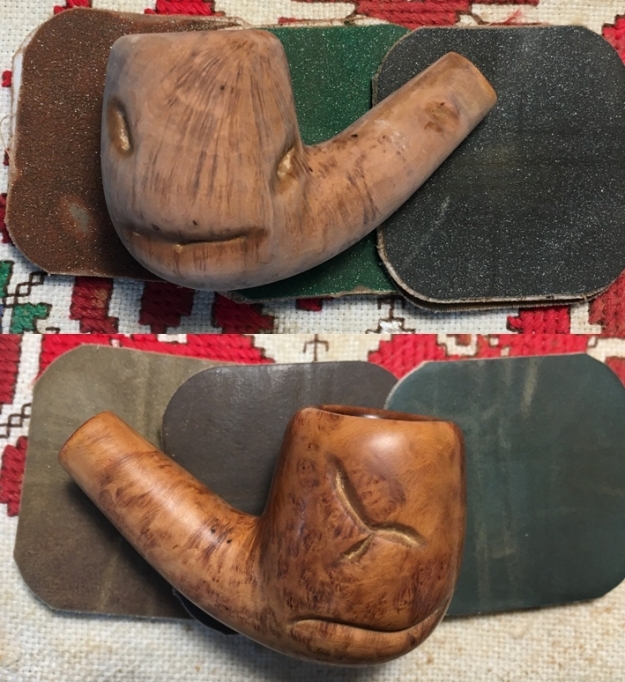
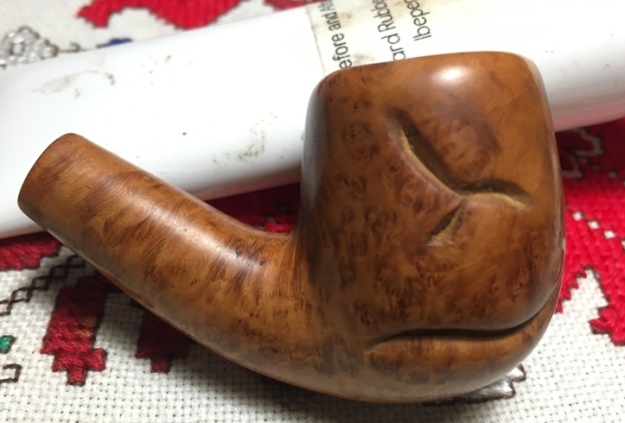
Coleman described wanting a Billiard stummel with a bent shank.  I rummaged through potential stummels that could be repurposed to fashion an acceptable Churchwarden for Coleman.  I found three good candidates and sent pictures to him.  In the end, he settled on the Dimpled Bent Billiard in the center which has great promise for a beautiful display of natural briar grain with interesting rusticated accents.  We discussed the terms and came to an accord and I placed Coleman’s Churchwarden project in the queue.
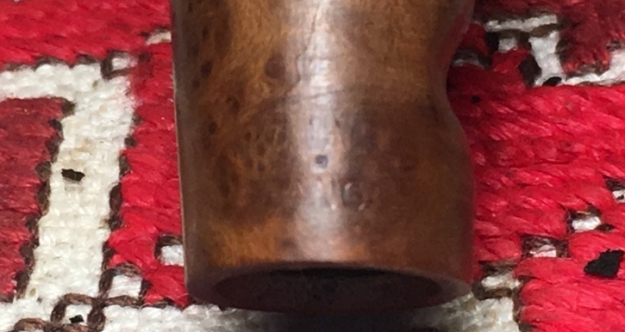
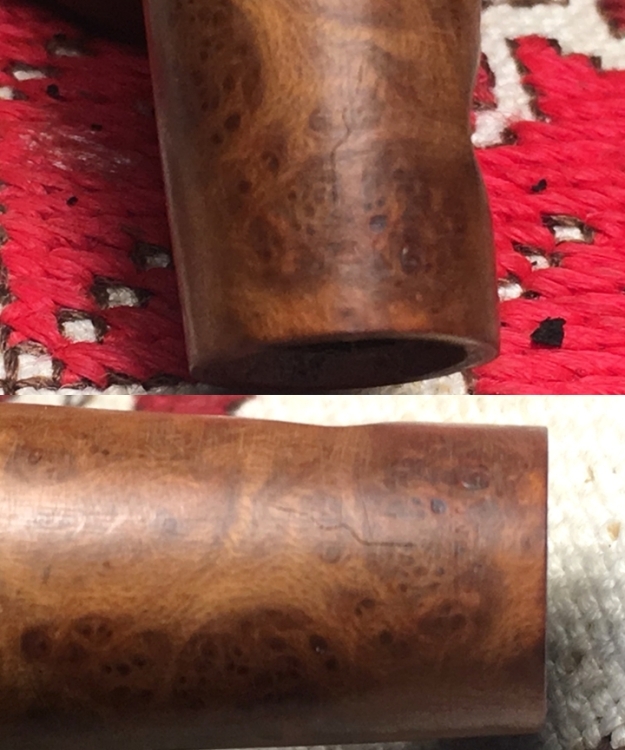
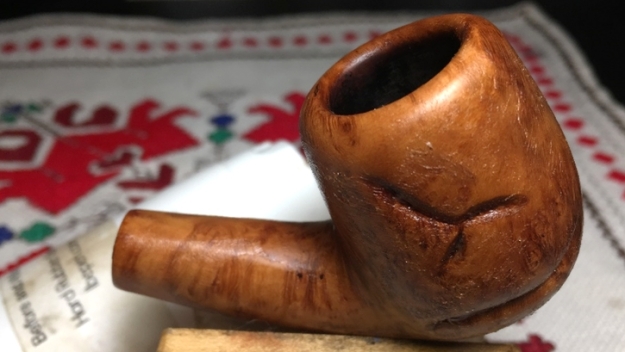
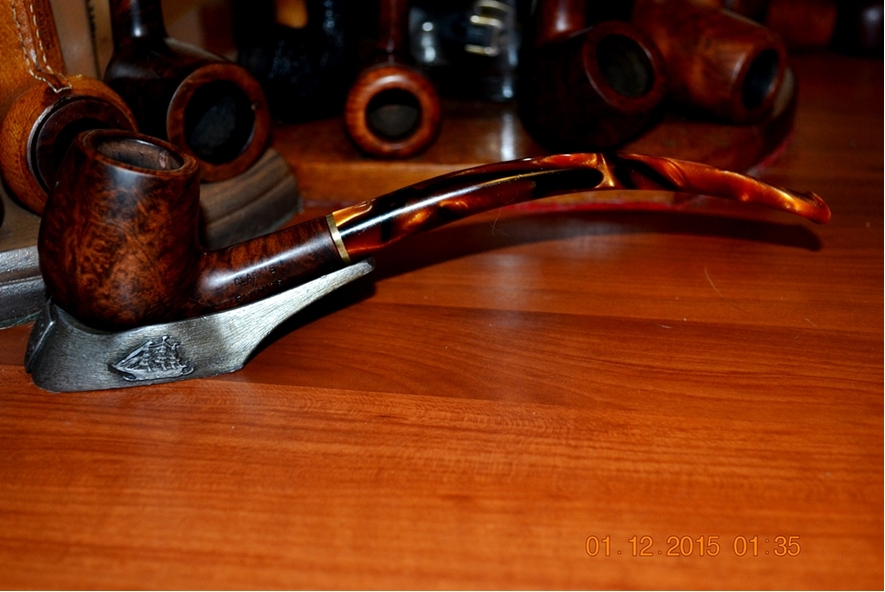
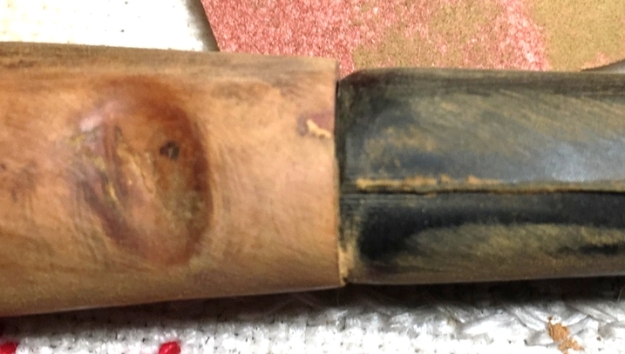
Taking the stummel out and placing it on the work table, when I first acquired the Dimpled Bent Billiard, it came in the Lot of 66 I got off the eBay auction block.  When I initially looked at it, I did not see anything that looked like markings.  With a closer look now, I can just make out on the lower side of the shank the COM being France – I can barely make out ‘ANCE’.  The markings are now so thin that they have nearly passed out of remembrance and undoubtedly will with this fabrication.  I take a closeup of the ghosted marking on the lower shank.What I was not looking for but what is obviously revealed in the closer look at the lower shank is a small stress fracture in the briar.  I take a few more pictures with different angles of light highlighting it.  The good news is that the crack is isolated – not going through to the shank end. I’m assured of this after inspecting closely looking at the shank end and mortise.  My guess is that the small, barely visible crack was formed from a fall where the stem was the first to hit and it pressed up and in opposite reaction, the tenon pressured downwardly on the lower mortise wall and the stress crack resulted on the lower shank. A guess.  I’ll think about what needs to be done about the crack and address it later.The accenting rusticated dimple effect is interesting giving the smooth briar contoured, rustic relief – I like it, and so did Coleman.  The grain shows nice potential in the pictures below. The chamber has some carbon cake build up – I’ll be removing it to give the briar a fresh start.Finally, I take a picture showing the stummel and the Warden stem together – what we’re aiming for!  The bend of the shank sets the stage for a nice, long sweeping Warden stem.I start the Warden fabrication by cleaning the stummel.  Starting with reaming the chamber, I use only the smallest blade head from the Pipnet Reaming kit and follow by scraping the chamber wall with the Savinelli Fitsall tool.  Finally, after wrapping 240 grit paper around a Sharpie Pen, I sand the chamber removing more of the carbon and getting down to the briar.  To remove the carbon dust, I wipe the chamber with a cotton pad wetted with alcohol.  After an inspection of the chamber, it shows no signs of heat damage with cracks or fissures.To clean the external briar, I use undiluted Murphy’s Oil Soap and a cotton pad to scrub.  I also get into the dimples to clean them.  On the rim, the internal lip of the rim is darkened from scorching.  I use a brass wire brush to clean the rim, but even after scrubbing the darkened briar is still evident. The internals of this stummel was no picnic!  Using pipe cleaners and cotton buds dipped in isopropyl 95%, I clean the mortise and airway.  I also do a lot of excavating of tars and oils by scraping the mortise walls with a dental spatula which you can see wiped in plenty on the cotton pad in the picture below.  Using a long shank brush, I’m able to scrub the airway.  It took a good bit of time, but the buds started lightening until enough progress had been made.  Later, I will continue the cleaning by giving the bowl a kosher salt and alcohol soak.I decide to move forward with the stummel repair before beginning the shaping of the Churchwarden stem.  I have two issues to address before moving on.  The rim is scorched and even after cleaning a dark ring persists around the inner lip of the rim.  With the rim already rounded, I will simply go with that flow and bevel out the internal rim damage.  The other challenge is to address the small stress crack on the lower shank.

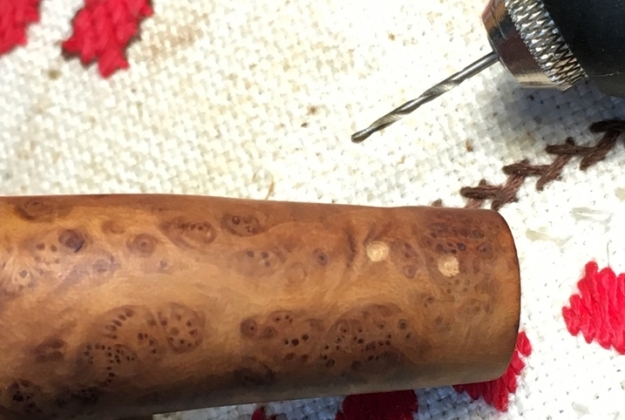
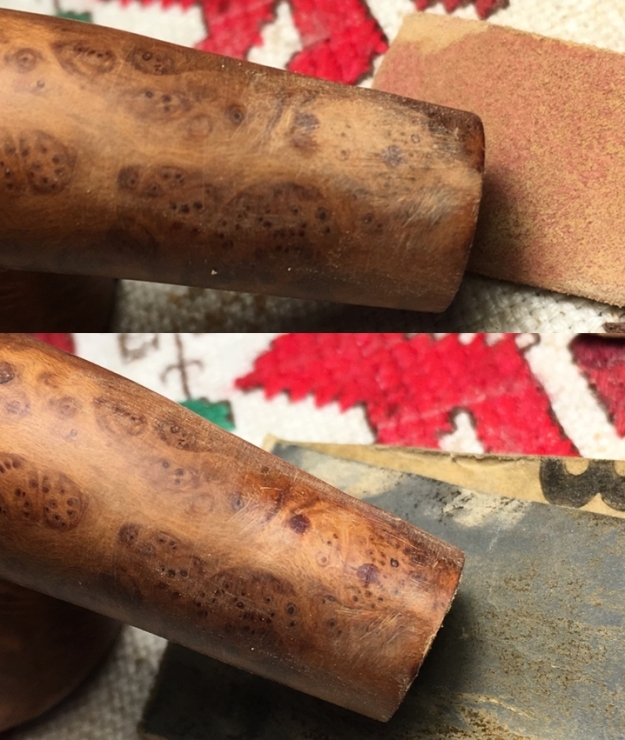
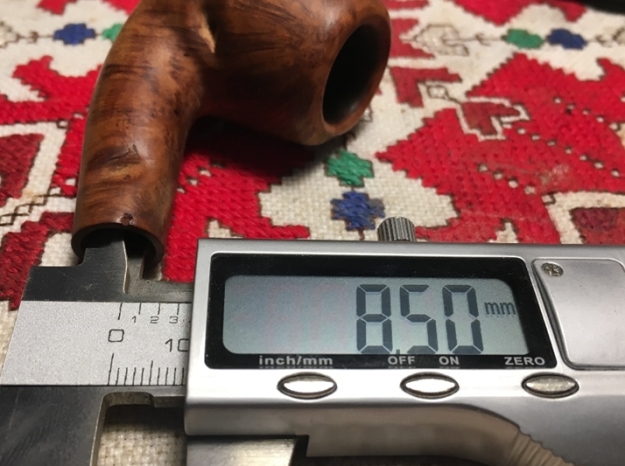
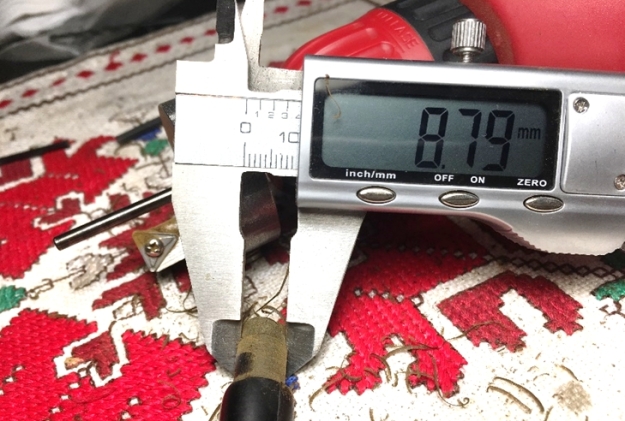
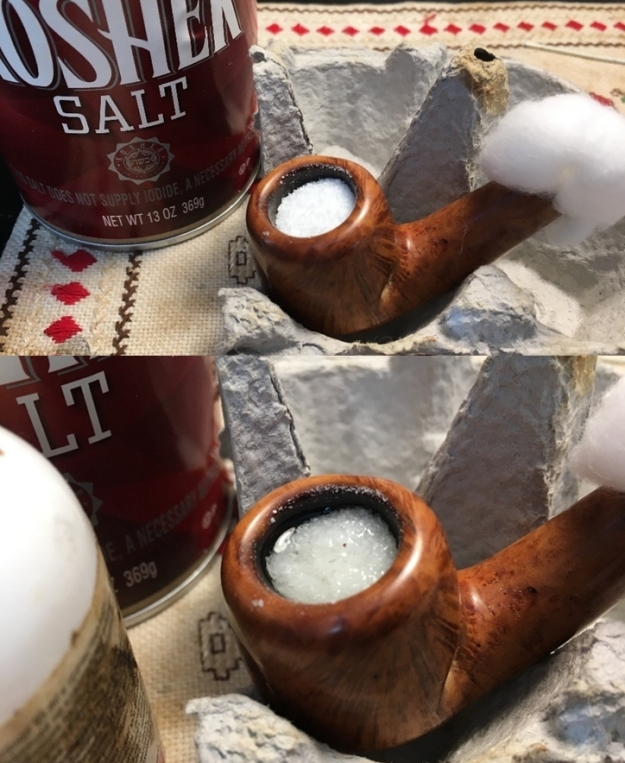
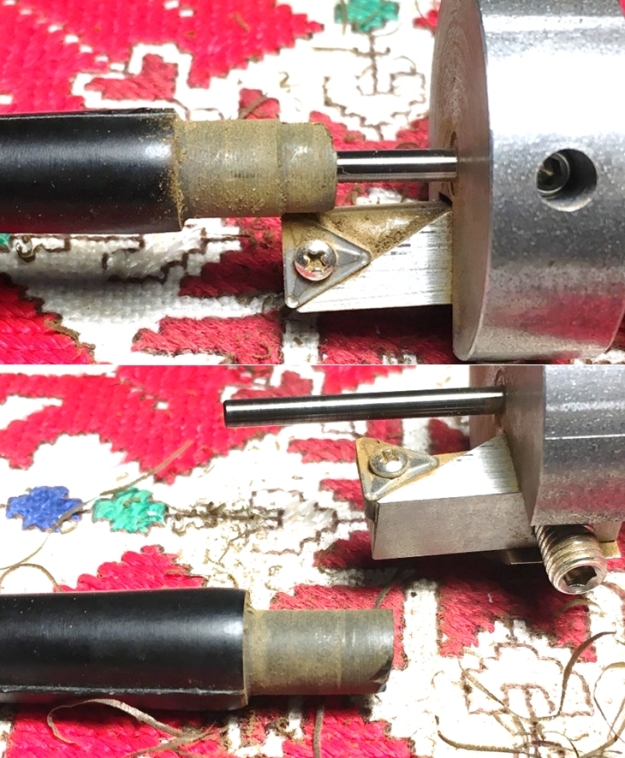
First, I address the rim.  After taking a close-up of the rim to mark the starting point.  In succession, I pinch rolled pieces of sanding papers between my thumb and the inner rim from coarser to less coarse grades: first 120, then, 240, 470 and 600 grade papers.  This removes the damaged briar and freshens the rim and it looks much better.  The rounded rim will look good as a Churchwarden.  Before and after pictures follow: Now, I decide to address the pressure crack on the lower shank.  I will drill two counter-holes at the ends of the crack to guard against the crack growing.  This stops the possibility of the crack creeping in the future.  Drilling these holes is not easy using a hand held Dremel extension with a 1mm drill bit.  Not only do I have the ‘shakes’ as an obstacle of accomplishing a good, true hole drilling, but the depth of the drilling is also of concern.  The shank is not a thick piece of briar!  I do not want to see sunlight coming into the mortise! The first picture is simply of the crack – difficult to see with a magnifying glass.  In order to help guide the drilling, I use a sharp dental probe, again with the aid of a magnifying glass, to mark the ends of the crack with an imprint where the counter-holes will be drilled.Next, I change out the Dremel clamping and mount a 1mm drill bit into the handheld extender.  This is where the jitters really start jittering.  Perhaps, one day I’ll secure a more stable drilling platform but today is not that day!  Thankfully, and I do mean thankfully, the drilling goes well.  Not too much shaking nor too deep. Next, I use thin CA glue because the crack is very subtle, and I want the CA glue to fill and penetrate what it can.  I apply CA glue to the two holes and crack and apply briar dust to the patch.  Hopefully, this aids the holes to later blend.  I put the stummel aside to allow the patch to cure.Several hours later I make it back to the work table and the shank patch has cured and I begin filing the mound with a flat needle file until the patch mound is almost flush with the briar surface.  I then switch to sanding with 240 grade paper to bring the patch flush with the surface and finish at this point with 600 grade paper to smooth it out and blend it.  The patch looks good and I believe the repair was necessary.  It should blend well with the surrounding bird’s eye grain. Time to focus on fashioning the Warden stem with the use of the Pimo Tenon Turning tool which has been a very useful addition to my instruments in my restoration toolbox.  I keep the directions on the wall in front of me!  The visuals give an idea of how this tool works to quickly and accurately resize a tenon.The precast stem is 8 5/8 inches long.  I begin by measuring the inside diameter of the mortise using an electronic caliper.  The measurement is 8.50 mm.  This represents the critical target width of the tenon to fit the mortise.  The precast tenon is obviously fat and I use the Pimo Tool to take off a layer of the fat tenon simply to serve as a starting point.I first pre-drill the airway with the drill bit provided by the Pimo kit to allow the guide pin of the Turning Tool to fit into the airway.After the first ‘fat’ cut of the tenon, the tenon is 9.60mm.  My goal is not to cut the tenon exactly at 8.50mm for a ‘perfect’ fit, but to give myself about .40mm of extra width to then conservatively sand my way to a good tenon/mortise fit. Every mortise is different, and I have found it better to go at it slowly.  So, adding .40 to 8.50 gives me a tenon target width of about 8.90 to aim for using the Pimo tool. With the hex wrench provided I turn the set screw to the left to reduce or tighten the Carbide Cutter Arm of the Pimo tool.  Again for an initial measurement, I only cut small portion of the tenon and measure (picture below).  There’s always the chance of taking too much off!  The test measurement is 8.79mm.  This cut results in the tenon being underneath the 8.90 conservative target but still above the 8.50mm critical measurement.  I take the tenon down to that measurement and begin sanding. To smooth off and form the end of the rough tenon, I make quick work of it with a sanding drum mounted on the Dremel.Gradually sanding with 240 grit paper as well as using a flat needle file, eventually I achieve a good fit.  The tenon is snug but not too snug.You can see in the next picture the overhang of the shank which needs to be sanded down flush with the stem butting against the shank face.  What I also notice is that the face of the stem is shouldered – or down-turned.  This is from not taking off enough vulcanite to have a flat face surface for the stem face to seat against the shank face.  Not shown is remounting the Pimo tool onto the drill and shaving off a bit more of the stem face to improve the junction.  With the flattening of the stem face the tenon seats well.  I go to work sanding the shank to bring it flush with the stem.  I also taper the sanding up the shank to achieve more flow – not having the stuffed pants look.  After sanding the shank/stem junction looks great. Even though the Warden stem is a new precast stem, it must be shaped, filed and sanded to remove vulcanite ripples and manufacturing seams.  I work on the button area with the flat needle file and then 240 grade paper.  I also fully sand the entire stem with 240 grade paper.  You can see manufacturing ripples in the new stem which the sanding smooths out. After completing the sanding with the 240 grade paper, I wet sand the entire stem with 600 grade paper followed by applying 0000 steel wool.  The Warden stem is looking great.  It’s difficult to take good pictures of the Warden stem because the view is always from orbit to get the full length!  So, I provide a few close-ups as well.To hydrate the vulcanite, I then wipe it down with paraffin oil, a mineral oil.I refit the stem with the Dimpled Billiard stem to get a look at the progress.  I’m liking what I’m seeing.Now I need to bend the stem.  I use a hot air gun to heat the vulcanite to make it supple and bendable.  I first put a pipe cleaner in the airway just to make sure the airway does not collapse during the bending.  The general aim is to give the Warden stem a gentle and flowing bend so that the end of the stem is generally in a parallel orientation with plane of the rim.In the end, I re-heat, re-bend, re-heat and re-bend a few times until I was satisfied. I think it looks good.  I go for the flowing look which is more ‘Gandalf-like’ – the subjective bar for all Churchwardens!  I think this will be agreeable to Coleman.With the Warden stem bent, I start the micromesh process by wet sanding the stem with pads 1500 to 2400, then dry sanding with pads 3200 to 4000 and 6000 to 12000.  After each set of 3 pads I apply Obsidian Oil to continue to hydrate the vulcanite.  There is a pop to the freshly sanding/polished vulcanite!Turning now to the stummel, I use sanding sponges to clean the surface of the Dimpled Billiard removing minor cuts and nicks.  I first take some starting pictures then sand the stummel with a coarse sponge followed by medium and then, finish with a light grade sponge.  The sanding goes over the top of the rusticated dimples.  To get into and clean, sand and polish the dimples, later I will use the compounds and the Dremel to do this. I then go directly to sanding with micromesh pads starting with wet sanding pads 1500 to 2400, then dry sanding with pads 3200 to 4000 and 6000 to 12000.  I enjoy watching the grain emerge during the micromesh process. Before going any further with the stummel polishing, I continue the internal cleaning using kosher salt and isopropyl 95% as I indicated earlier. I begin by forming a wick by stretching and twisting a cotton ball to insert into the mortise.  I then fill the bowl with kosher salt, which unlike iodized salt, does not leave an after taste.  I then place the stummel in an egg crate for stability and add isopropyl 95% to the bowl until it surfaces over the salt.  I wait a few minutes while the alcohol is absorbed and top it off once again.  I then set the stummel aside to soak for several hours. The soak did the job.  The discoloration of the salt and wick show the absorbing action of the salt and alcohol.  I toss the expended salt in the trash can, wipe the bowl out with a paper towel and blow through the mortise as well to dislodge remnant salt crystals.  I finish off by expending a few more alcohol wetted pipe cleaners and cotton buds to make sure all is clean, and it is.  Moving on. With Coleman’s agreement, I’m staying with the natural grain color and because of this I utilize Before & After Restoration Balm to condition the briar surface.  The Balm deepens and enriches what is already present in the grain and I like the subtle improved results of using it.  I put some Balm on my finger and rub it into the surface.  The Balm’s texture begins as a thinner oil-like thickness and then gradually thickens into a wax-like texture.  I work the Balm into the rusticated dimples as well. After fully covering the surface, I wait about 30 minutes and then wipe/buff the excess Balm. I use a toothpick also to make sure the dimples are not holding collected Balm.  A few ‘After’ pictures to compare.  It looks great! With the Balm applied, I mount a cotton cloth buffing wheel to the Dremel at 40% speed.  I then apply Blue Diamond compound to the stummel surface taking special care to work the compound into the rusticated dimples. The sanding processes do not get into the crevasses but pass over.  Using the smaller buffing wheel, I’m able to direct the compound into the crevasses.  I also apply Blue Diamond to the Churchwarden stem.  Its easier to keep the stem and stummel separate because of the size of stem and the rotating motion I use with the Dremel.  After completing application of the Blue Diamond, I apply carnauba wax to the stem and stummel using another cotton cloth buffing wheel and leaving the speed the same.  After completing application of the wax, I unite stem and stummel and give the newly born Churchwarden a rigorous hand buffing to raise the shine.

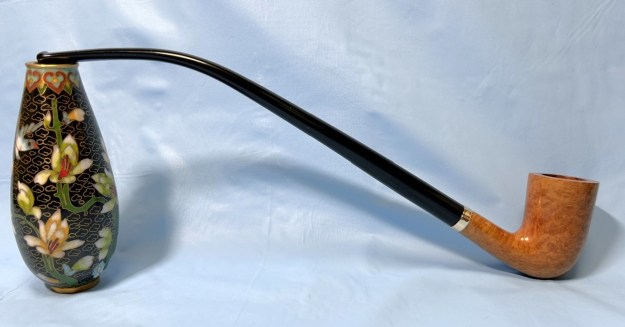
The fabrication of this Dimpled Billiard Churchwarden came out great.  I’m pleased.  The rusticated Dimpled Billiard has beautiful grain with a splay of grain spreading to the rim and much bird’s eye populating the heel of the stummel.  Often, rustication is used to hide blemishes in a lesser quality bowl, but this is not the case with this stummel.  The rusticated dimples are interesting shapes on a beautiful canvas of briar grain.  I believe Coleman will be pleased.  He commissioned this Dimpled Billiard Churchwarden and has the first opportunity to acquire it from The Pipe Steward Store.  This pipe benefits the Daughters of Bulgaria – women and girls who have been trafficked and sexually exploited.  Thanks for joining me!

Chacom Churchwarden Resurrected


Blog by Joshua Fairweather

I received an email from Joshua about one of the Gourd Calabashes and a grab bag of pipes for refurbishing that I was selling. We made a deal on the pipes. At the end of his email he included some photos of some of the pipes he had already refurbished. His work looked really good so I invited him to submit a write up of some of his work to rebornpipes. Here is the first of those pieces that he submitted. A warm welcome and a thank you Joshua for your contribution to the blog. – Steve

I came across this pipe at an antique mall in London, Ontario. I almost passed it by had it not been for the vendor who was cleaning his case, he was kind enough to say ‘hi’ and ask what I was looking for. He just so happened to have a few pipes hiding in a glass case in the back of his store.

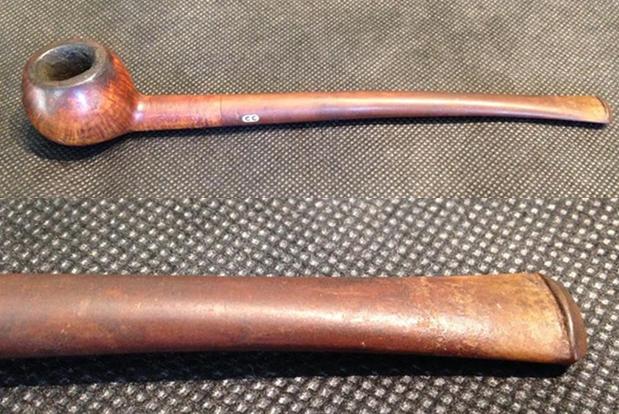
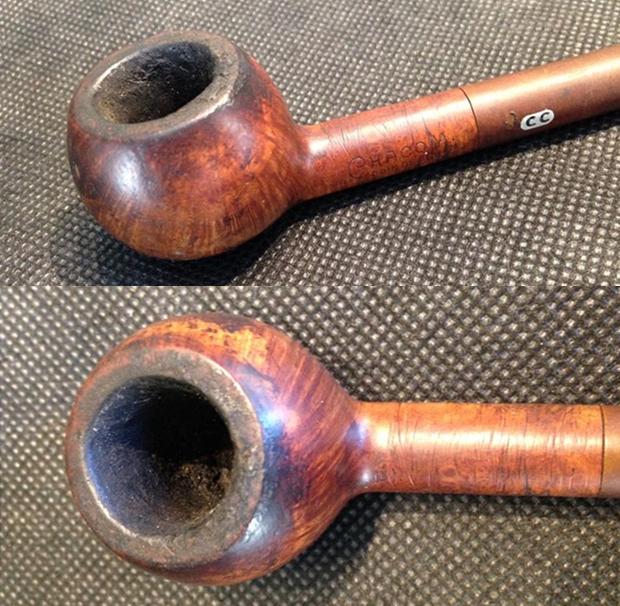
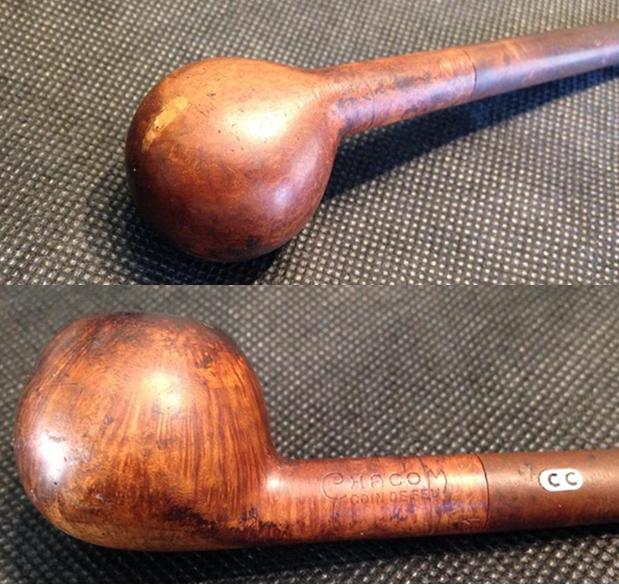
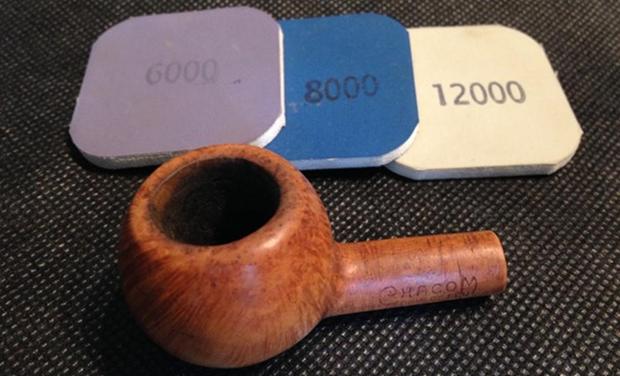
As you can see from the picture the pipe is heavily oxidized with little to no chatter marks. The bowl has a thick cake and tar on the bowl rim. Overall the bowl was in great condition with a small white mark on the bottom of the bowl (I think it was glue). The wood grain of the bowl also had nice appeal.

The brand of the pipe was marked on the bowl – ‘Chacom coin osseu’.

Now, I want to walk you through how I cleaned and restored this pipe. Step 1
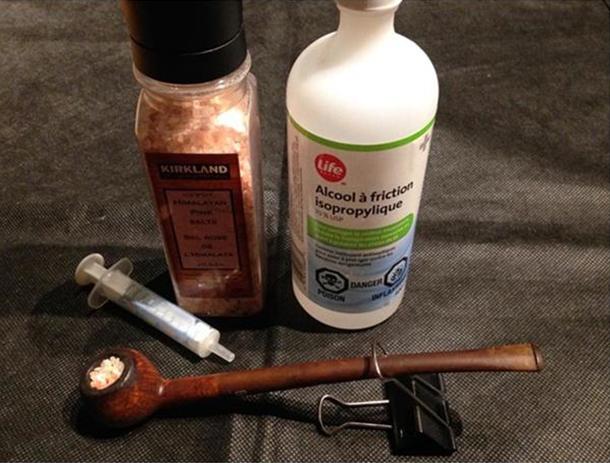
When a pipe has a heavy cake inside the bowl, I like to put it through a salt and alcohol treatment. This method does a great job at cleaning the pipe, softening the hardened cake making it easier to remove from the bowl. It also, freshens up the bowl and gets ride of any ghosting left from prior tobaccos smoked.

I fill the bowl to the brim with larger grained salt. Using the syringe, I add the alcohol to the salt, topping it up to the bowl brim. I usually leave this treatment in the bowl overnight.Step 2
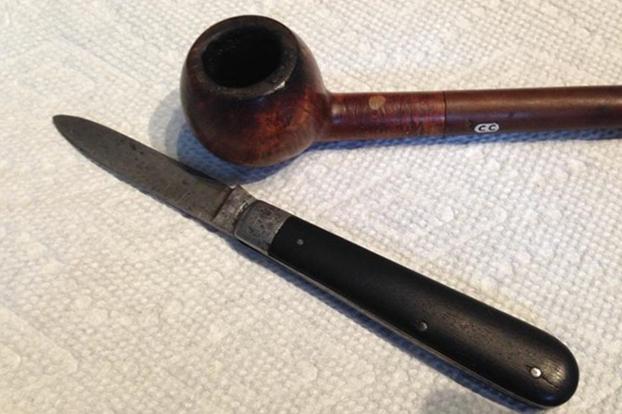
I prefer to use my old trusty friend (pocket knife) to clean the cake from the bowl. It has a more rounded tip and I find it a perfect tool to clean out most pipes without damaging the bowl.Step 3
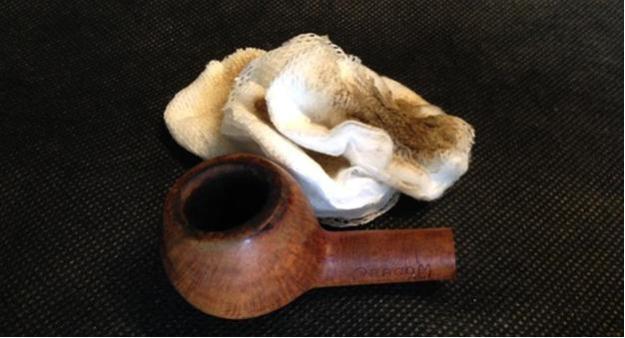
With the same alcohol I use cotton pads to remove the finish off the pipe. Alcohol also does a great job at removing tar from the bowl rim. If the tar is heavy then a light sanding works better.Step 4
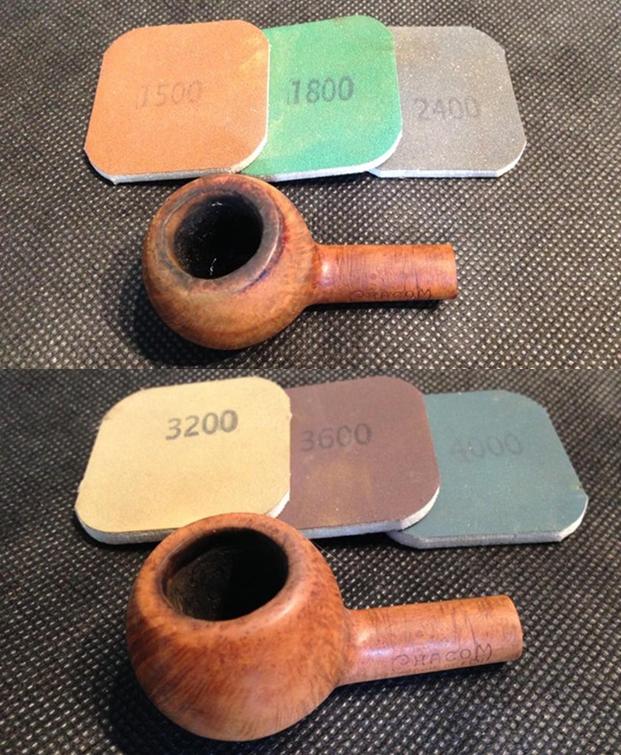
I don’t know what it is about sanding that brings so much satisfaction; I think it is the results you get on the pipe finish; it looks like glass. I use these foam padded Micro-Mesh pads to bring out the best finish on the briar wood. Step 5
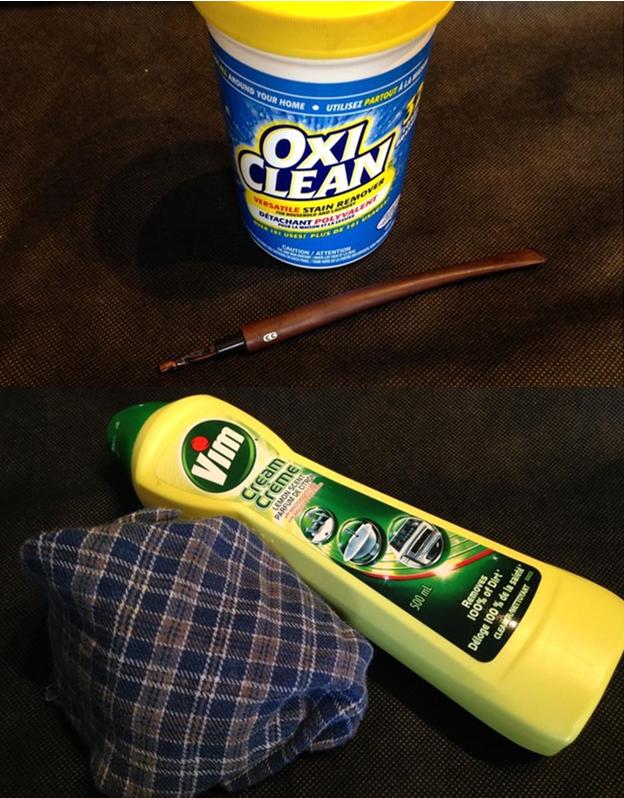
Two of my favourite household products that do a fantastic job at cleaning pipe stems are OxiClean and Vim. Soak the stem in an OxiClean bath for about an hour maybe two hours. It will depend on how oxidized the pipe stem is, a heavy oxidized stem, leave in the solution for longer. This stem needed a longer soak.

After the bath I use Vim and a dry clean rag to wipe clean. Vim has a corrosive component that acts like a sand paper to buff the pipe stem back to a clean black colour again.

I will say, if the pipe stem is heavily oxidized it will take more than just Vim to bring out that black finish. I refer back to the Micro-Mesh foam sanding pads, which also do an amazing job at bringing out that preferred finish. I use alcohol and pipe cleaners to remove left behind tar inside the pipe stem. I repeat this process until the pipe cleaners come out clean.Step 6
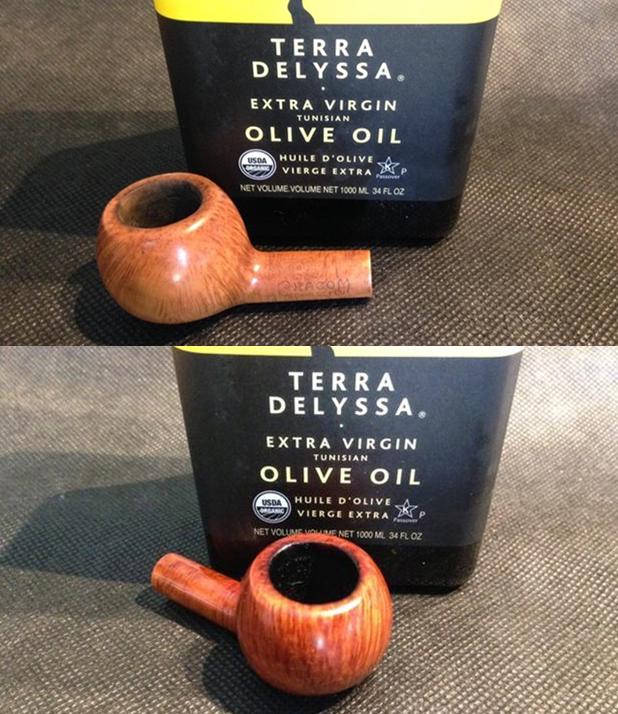
To bring out the beauty of the natural grains of the wood, I use a variety of products and natural substances to do this. For this pipe I used an extra virgin olive oil.

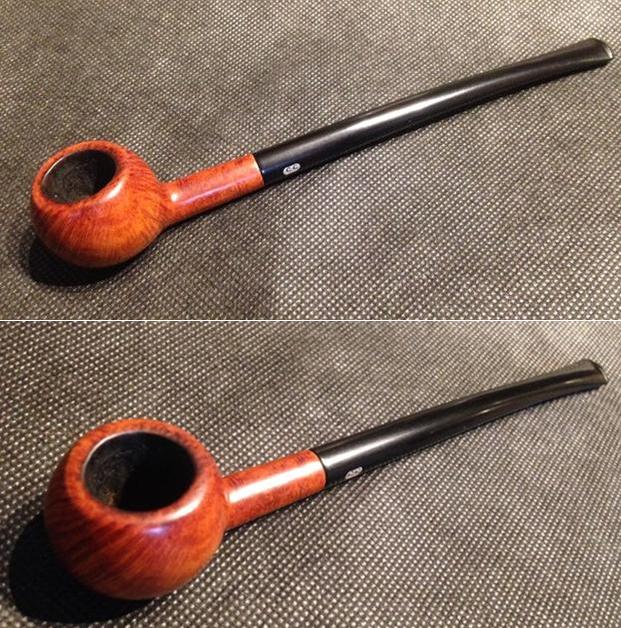
With the combination of the sanded finish, adding the olive oil turns the pipe a darker colour. Well you can see the finished results for yourself!Conclusion:
Overall, I am pleased with the results. This pipe I will probably put into my private collection, as I do not have a churchwarden styled pipe as of yet.

Hope you have enjoyed my process.

Concerning the Rising Popularity of Churchwardens in General, a Little about Their History and the Cleanup of a Barely Smoked Savinelli Rustic Aged Briar


Guest Blog by Robert M. Boughton
Member, North American Society of Pipe Collectors
http://www.naspc.org
http://www.roadrunnerpipes.com
http://about.me/boughtonrobert
Photos © the Author, except as noted

“The supreme accomplishment is to blur the line between work and play.”
― Arnold J. Toynbee (1889-1975), British historian

INTRODUCTION
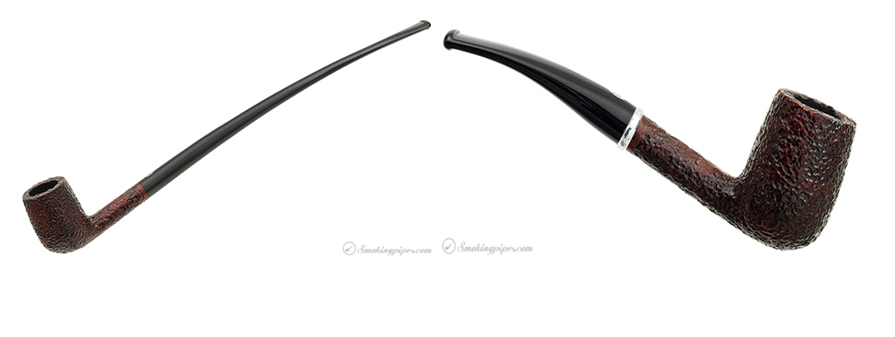
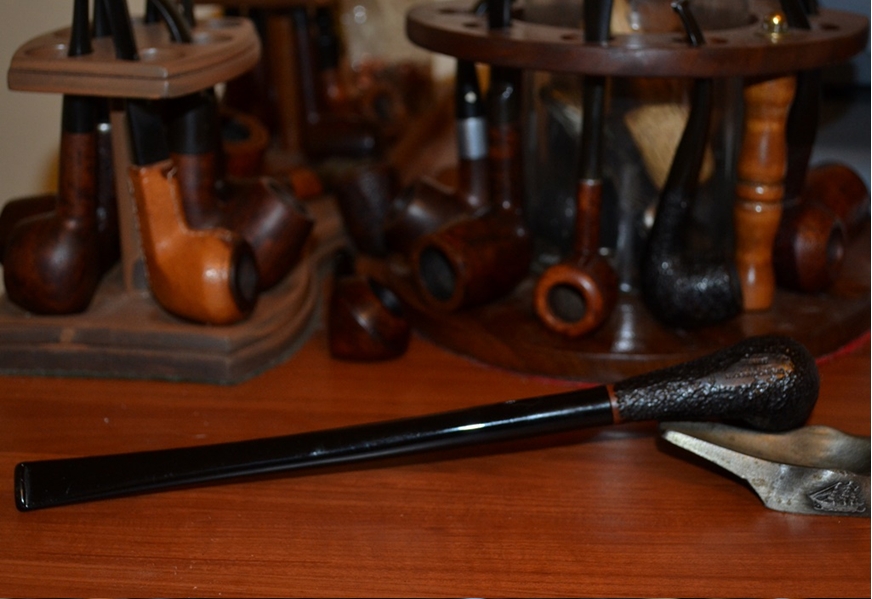
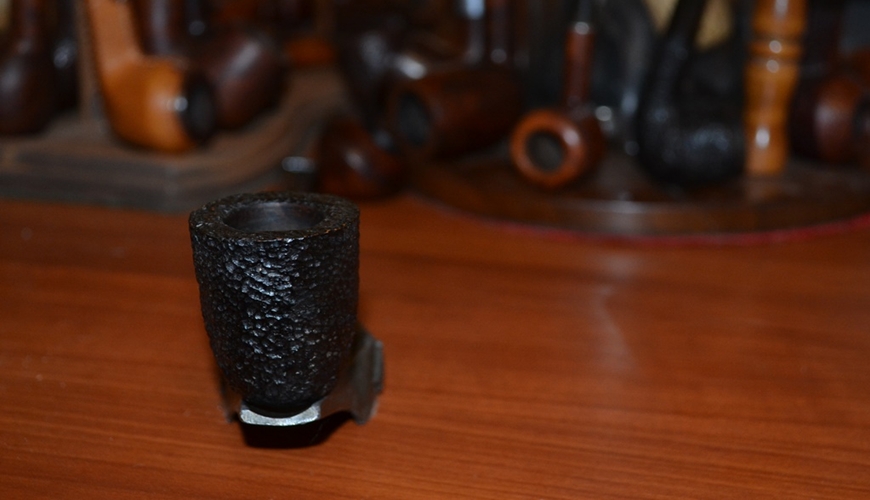
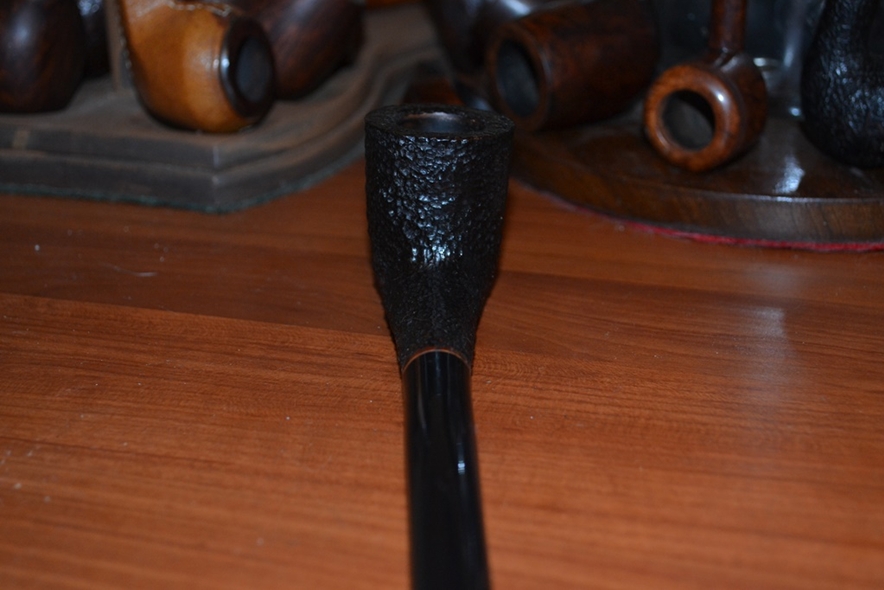
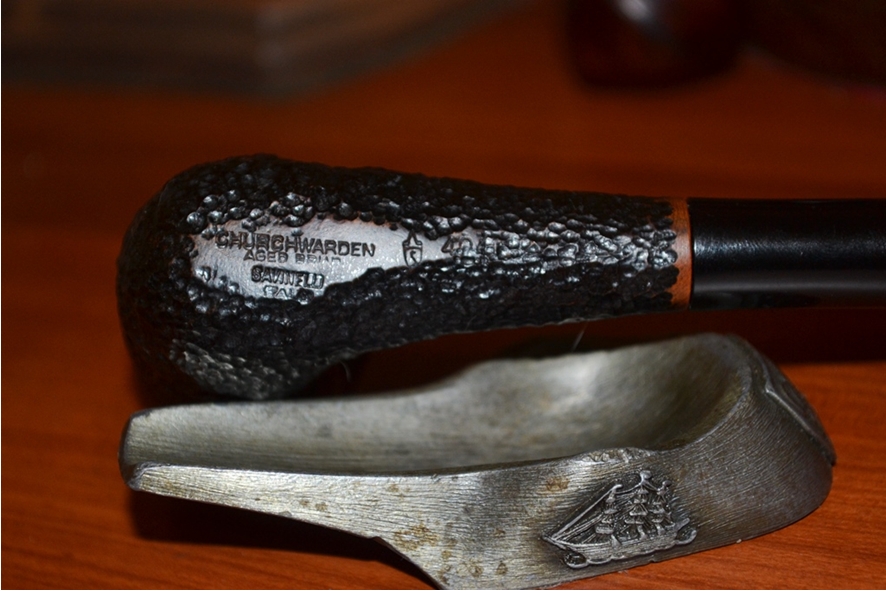
If ever a pipe found its way into my possession and was sheer play and no work to clean up, this black Savinelli Rustic Aged Briar Dublin Churchwarden is it. I bought the long, sleek, exquisite example of the fine Italian pipe crafter’s genuine labor as a perfect addition, not to my own collection but to the growing and diversifying line of brands and styles I sell. Based on the requests I have received for churchwardens in general, as well as my eavesdropping at the local tobacconist I favor, this classic old style appears to be experiencing a comeback in popularity.

Perhaps the shift in supply and demand – as well as the corresponding rise in average churchwarden prices, at my preferred tobacconist and online, compared to the not so distant past – are due in part to the timeless popularity of the classic fantasy novels of J.R.R. Tolkien, starting with “The Hobbit” [1937] and “The Lord of the Rings” trilogy [1954-1955]. This year, in fact, marks the sixtieth anniversary of “LOTR,” and the recent releases of movie versions of both of these can only have spurred interest in the centuries-old pipe shape thanks to the churchwarden-puffing Hobbits, wizards, elves, dwarves and – yes – men. Or maybe the increase in sales and prices is just a sign of greater discernment among pipe enjoyers, and those new to the pleasure in particular, who seek the smoother, cooler satisfaction of a good tobacco’s flavor that the longer shank and bit can provide.

Whatever the cause of this apparent resurgence, I am doing my best to follow the tide by locating and restoring more of this venerable style’s many examples at affordable prices. I already went so far as to clean up a beloved but no longer often enjoyed Clark’s Favorite from my own collection. I bought the lovely pipe several years ago, restored, for about $40 (at which time a quick check online showed the same but new pipe on sale at $69) and sold it to a prospective customer who was bent on a medium-length church or nothing.Rob1 I still miss the Clark’s Favorite, which I supposed I could always replace for the new price noted above. Today, the same smooth version, with its orange-black acrylic bit, is on sale for $112 compared to the MSRP of $140.
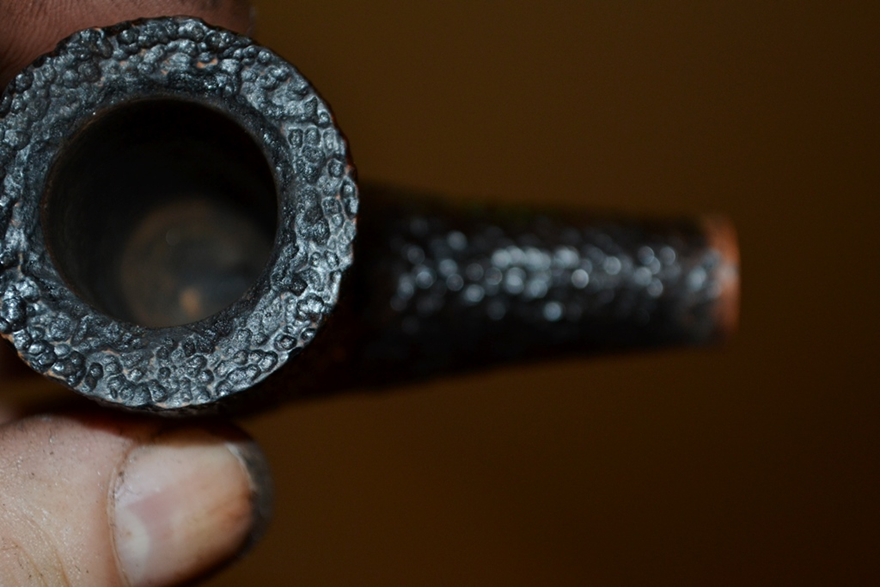
Savinelli for one, seeming to recognize the inconvenience of carrying a long, fixed-bit church about town to enjoy on the go, now offers a nice selection of “Tandem” versions that can be enjoyed at home in their full glory and, when traveling anywhere, with a second short bit. The model shown below, the Tandem Rusticated #112, comes with two completely separate bits – the longer Vulcanite and the shorter acrylic.Rob2 This particular Tandem, by the way, is now on sale for $108 as opposed to its regular price of $130.

There are, however, still other “churchwardens” with the two bits combined as one, where the entire bit can be twisted off at the shank and the shorter part at the top, with the button, replaced in the shank. Of course, these models carry a higher price tag. Take, for example, this adjustable Cassano smooth billiard, which I bought last night at my tobacconist’s shop for $175. The full churchwarden large poker is 13” in length, and the smaller option is 8½”.Rob3

Rob4

Rob5 A BIT OF HISTORY
The churchwarden is one of the oldest of pipe shapes. The earliest use was in the Orient, where the bowls were likely made (for the most part to smoke opium) not only of known materials – including amber, ivory, various metals such as brass, different kinds of wood, bone and clay – but also jade and other exotic minerals. The bits (without buttons) often matched the bowls, although combinations of brass, wood, bone and/or ivory were not uncommon.

However, the clay bowl and long wooden shank without a bit was the design adopted and quickly adapted in late 18th or early 19th century Europe. So popular were the original Western World churchwardens that many Eastern European taverns kept supplies on hand for their customers’ use, and the habit of biting off the end of the wood shank for a fresh smoke developed. Until the mid- to late-1800s, clay bowls with wood shanks, open where the bit would now be found, remained the prevailing materials of construction.

As for the origin of the name churchwarden, there are three main theories, given here in reverse order of likelihood: the first, that smoking was permitted almost everywhere, including churches, in those dear lost days, and the long length and design of the pipe allowed it to rest on the pews; the second, that certain individuals, erroneously called churchwardens and trusted with guarding England’s churches in the 1800s, very much enjoyed their pipes and fancied the popular style, and the third, that real churchwardens (who by every official definition were not guards but honorary officers of local parishes or district churches entrusted with administrative and other minor duties) became known for their love of the pipe later named for them.

And contrary to popular myth created by various actors who have performed the role of Sir Arthur Conan Doyle’s brilliant mystery solving character, Sherlock Holmes, using fancy Gourd Calabashes or sundry churchwardens as props – which falsehood was adored and perpetuated by generations of Sherlockian fans – these are the facts: the shape or material of pipe most often cited by Holmes’ fictional chronicler, Dr. John H. Watson, was cherry wood (six references), followed by several mentions of standard-sized clay pipes and some appearances of briars. You can read the entire “Adventures of Sherlock Holmes” at https://www.gutenberg.org/files/1661/1661-h/1661-h.htm and locate all of them yourselves.

THE CLEANING
Rob6

Rob7

Rob8

Rob9

Rob10

Rob11

Rob12 To start on an honest note, I only show the few following steps needed to clean this almost-new Savinelli Rustic Dublin Churchwarden beauty for the sake of showing the pipe itself and the ease with which it was spruced up. The bit had no signs whatsoever of having been touched by any hands, much less placed in a mouth and smoked. In other words, its outside was buffed to the highest sheen, as if it came fresh from the factory in Barasso, Italy, in the Varese province. And so I began by running a long, soft cleaner dipped in alcohol once through the 7½” bit, which was all but 3” of the total length, removing the smallest amount of tobacco residue, and again for good measure.

The rim had minor blackening, not part of the stain. I removed that with a quick brush using 1800 micromesh and proceeded to the chamber. Two easy turns of a reamer followed by about 30 seconds of sanding with 200-grit paper and then 320 made the chamber as smooth as it ever was.

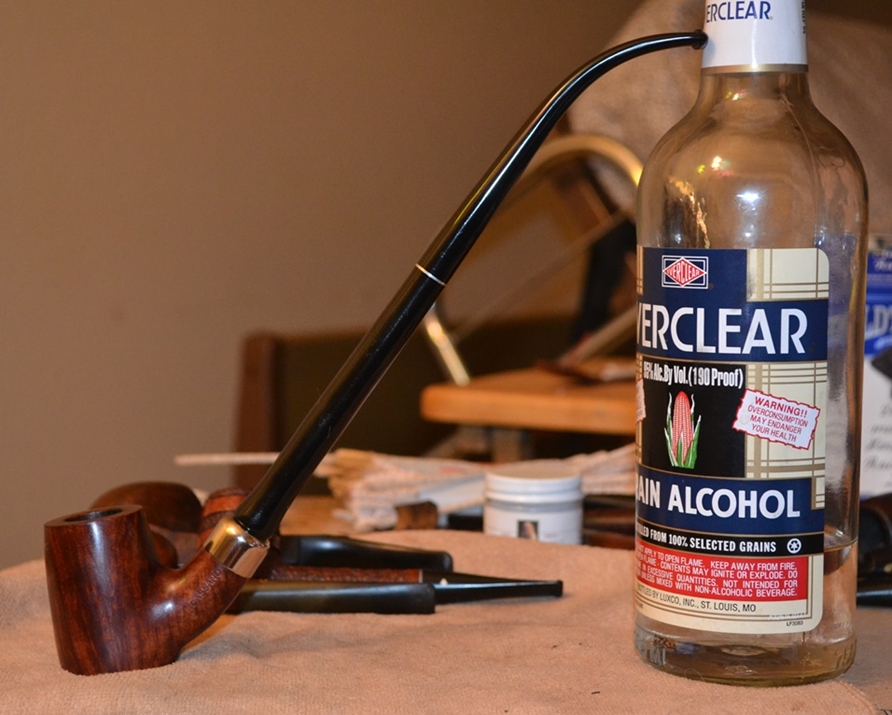
For the sake of thoroughness, I attached an otherwise useless small bit with a tenon that fit the shank and retorted the inner shank and chamber. To my amazement, one Pyrex test tube of boiled Everclear came back from the first passage with the lightest shade of brown, and despite about six more tries to make the alcohol darker, the barely tested briar was clean.

Then I noticed a spot on the outer edge of the shank opening that appeared to be smooth and dark red. With a small scrap of super fine steel wool, I probed the narrow strip of briar around the opening and watched it come clean. Below are before and after photos.Rob13

Rob14 I could have left the briar in the excellent shape it already was, but as chance happened, I had just received my order of a new jar of Halcyon II wax, and had to try it out. Therefore, I gave the wood a spin on the clean buffer and with one finger applied a dab of the Halcyon as far as it would spread before adding a smidge more to finish coating the bowl, shank and rim. Setting the wood on a cotton rag, I waited about 10 minutes and again took the duller-looking briar for a fast spin on the clean wheel. Whether or not these steps were necessary, here are the final results.Rob15

Rob16

Rob17

Rob18

Rob19

Rob20

Rob21 CONCLUSION
That is all.

SOURCES
(in haphazard order)

http://www.onlineoriental.com/Merchant2/merchant.mv?Screen=CTGY&Store_Code=1&Category_Code=14
http://www.quora.com/What-kinds-of-pipes-did-Sherlock-Holmes-smoke-according-to-Sir-Arthur-Conan-Doyles-writings
http://www.sherlockian-sherlock.com/jeremy-brett-churchwarden-pipe.php
http://www.pipedia.org/wiki/Churchwarden_Pipes

Guide to Tobacco Pipes & Pipe Smoking


http://www.smokingpipes.com/pipes/new/savinelli/index.cfm?tag=Clark’s%20Favorite
http://www.smokingpipes.com/pipes/new/savinelli/moreinfo.cfm?product_id=160492

Helping fulfill the “Gandalfian” Dreams of a Hungarian Friend


Blog by Steve Laug

Last month Laci, a friend from Hungary, came to our offices for training and work related ventures. We spent quite a bit of time together in training sessions over the course of his stay in Vancouver. Each day I picked him up at the bed and breakfast where he was staying and drop him off again in the evening. We talked, walked and ate together. The first day he was here he was sitting in my office next to my desk and we were planning our week. At this point in the visit I was utterly unaware that he was a pipe smoker. He noticed the pipe on my desk and asked about it. I told him about my love of restoring old pipes and all things pipes and tobacco. We started talking about pipes and tobacco and he shared what he liked to smoke and what pipes he had in his collection. He was by and large an aromatic smoker as he liked the sweet tastes that came with the tobaccos.

That evening we went out to dinner near his bed and breakfast and continued the conversation we had begun at the office. He spoke of the friends he had in Budapest who he met with to enjoy a pipe and the conversations to be had while smoking their pipes. He talked about the pipe he had and what shapes he particularly like. The conversation was no different from a hundred other conversations that I have had with pipe smokers around the world. You can probably fill in the blanks of the conversation and pretty accurately because I am sure you have had the same conversations yourself. Eventually the conversation came around to the types of pipe he dreamed of one day owning. He spoke of liking apple-shaped pipes whether bent of straight. He spoke of his dream of one day acquiring a Lord of the Rings style churchwarden pipe and smoking some LOTR tobacco. He said it like this “…the ultimate dream of mine is something like what Gandalf had…” At the moment he had no plan or date in mind for acquiring the pipe but he knew he wanted to get one.

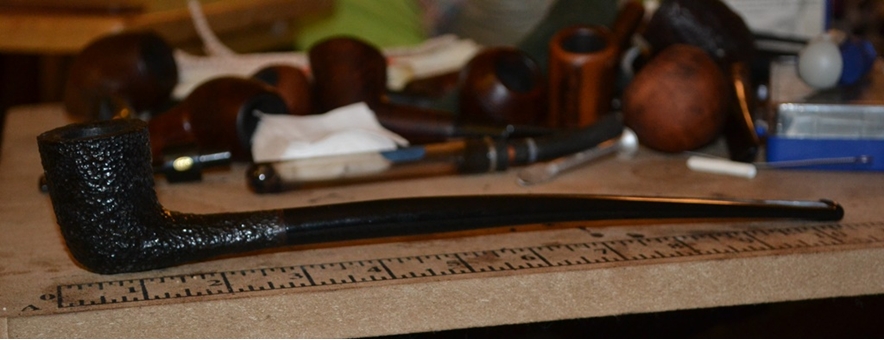
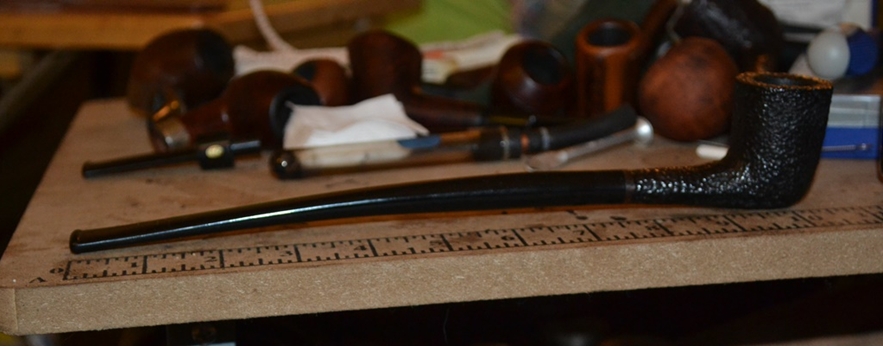
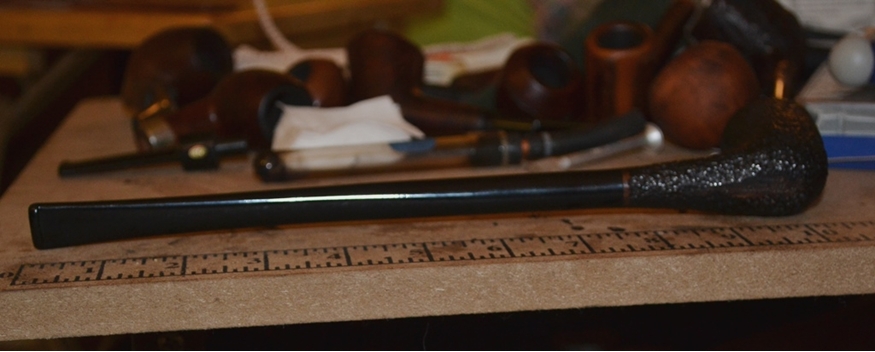
We parted company that evening and I went home and looked in my pipe cabinet. I had several churchwarden pipes in my collection and most of them I smoke regularly. But there was one that I rarely picked up. There was nothing wrong with it but I don’t often pick up a CW to smoke and the one I made with the pipe I had purchased the day my eldest daughter was born always seems to get the attention. I took it out of the cupboard and turned it over in my hands. I waxed it again with a new coat of carnauba wax and buffed it with a soft flannel buff. It is stamped either VI-RA or VERA but it is hard to be certain of the spelling. I have hunted down both names online and in my reference books and have not found any information on the brand. The stem is vulcanite and the bowl is a sturdy briar with a rusticated finish. The base of the bowl was flattened so that the pipe can be set down on the desk or table and it remains upright. The stain is a medium brown with some black undertones. It was clean and had only been smoked once or twice since I bought it.

The pipe was my first churchwarden. I had been looking for one for quite a while and I purchased the pipe at an antique mall in Langley, British Columbia many years ago for a pretty decent price. The stem was badly oxidized and the bowl was dirty and worn. The finish was gone and the stain was spotty. I cleaned and restained the bowl with the brown stain. I polished and waxed the stem. The shank had a small crack in it on the right side so I pressure fit it with a nickel band. The band really sets off the pipe nicely and gives it a touch of class.VarioWarden Several days later Laci came to our home for dinner with the family and I presented him with his wished for churchwarden. I wish I had taken a picture of the look on his face when he took it in his hands and turned it over to take in all he could. He was excited with his new pipe. I included some tobacco with the pipe to further meet his wish – a Tolkien LOTR blend from Burlington on Whyte Tobacconist of Edmonton, Alberta called Longbottom Leaf. It is a gentle aromatic with a delightful smell in the bag and a great room note for those who are in the room when it is smoked.

The next morning he brought his pipe to work and we were able to take a walk along the Fraser River and smoke our pipes. He packed a bowl of the Longbottom Leaf in the CW and entered the world and realm of LOTR. We walked for about a half hour and then settled on a park bench overlooking the river to enjoy the rest of our bowls. We walked back to the office when we had finished quite satisfied with the day. I could tell that once he went home this new pipe would occupy a central place in his pipe collection. I gave him several other tobacco samples to take home with him including one made by Robert Boughton who writes on the blog. These will be shared with his Hungarian pipe smoking cadre the next time they gather.

Laci, if you happen to read this post let us know how the pipe is smoking for you. Give us a glimpse of the folks you smoke the pipe with and be sure to give them our greetings.