Category Archives: Examples of Refurbished Pipes

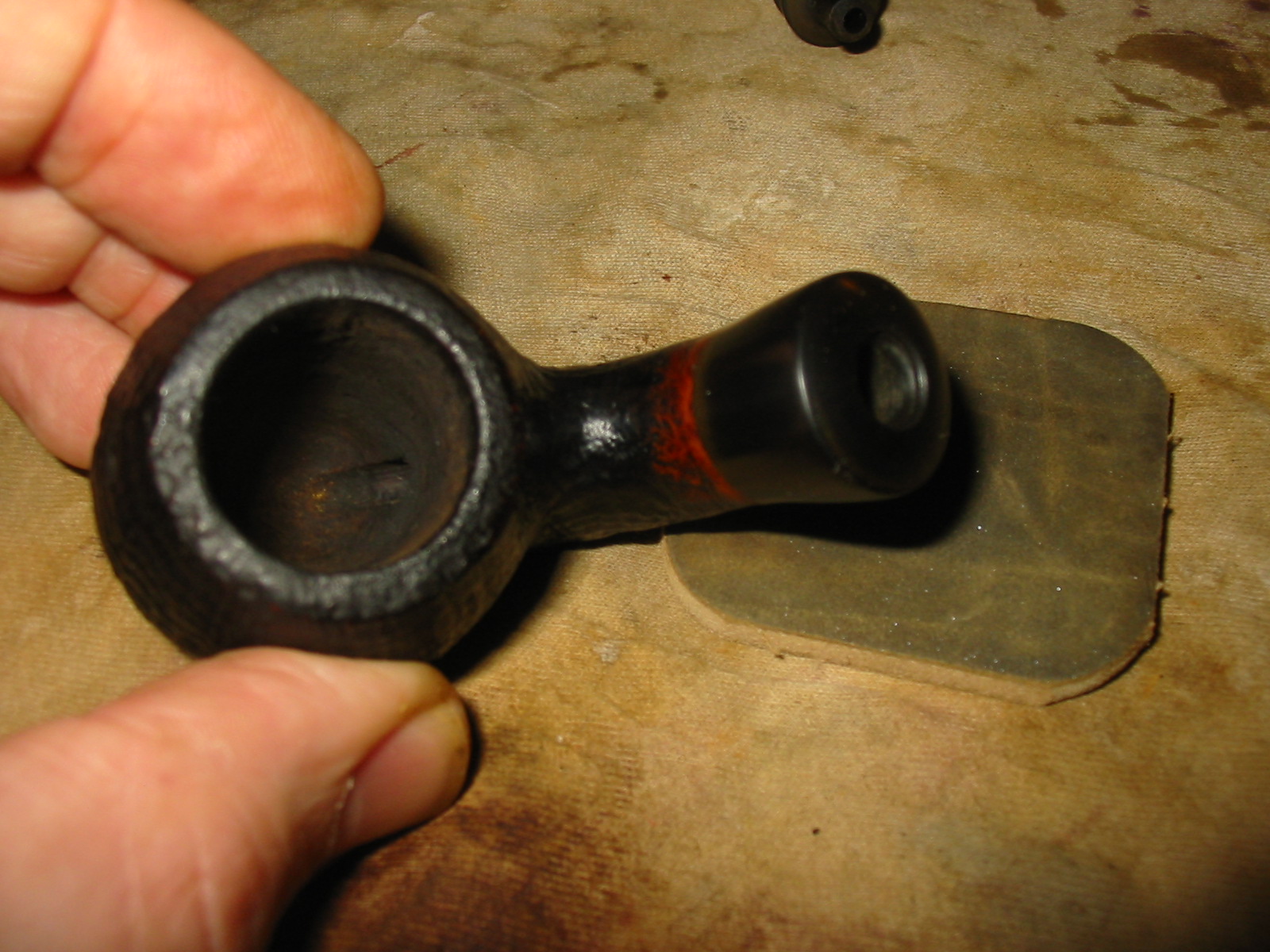
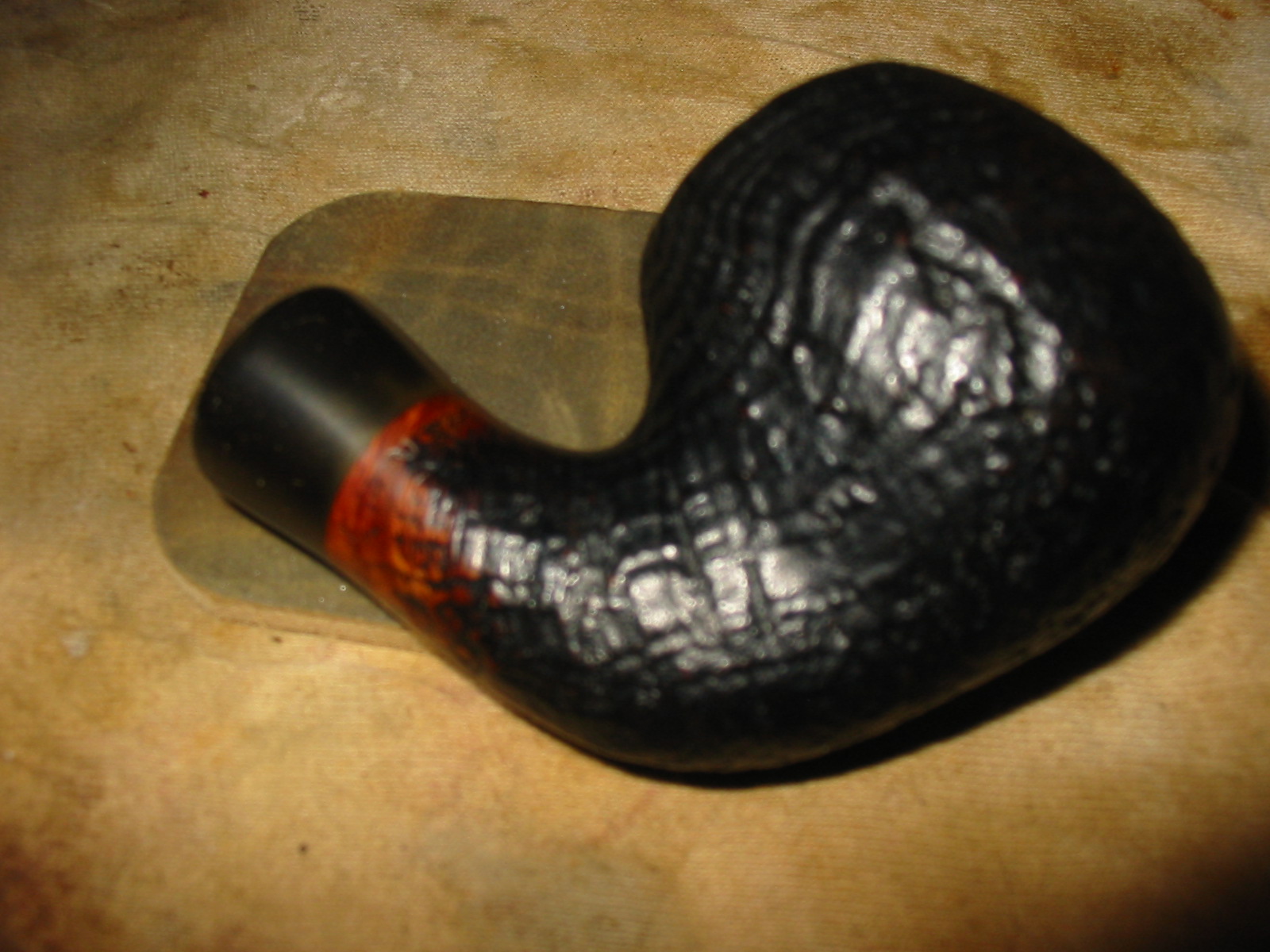
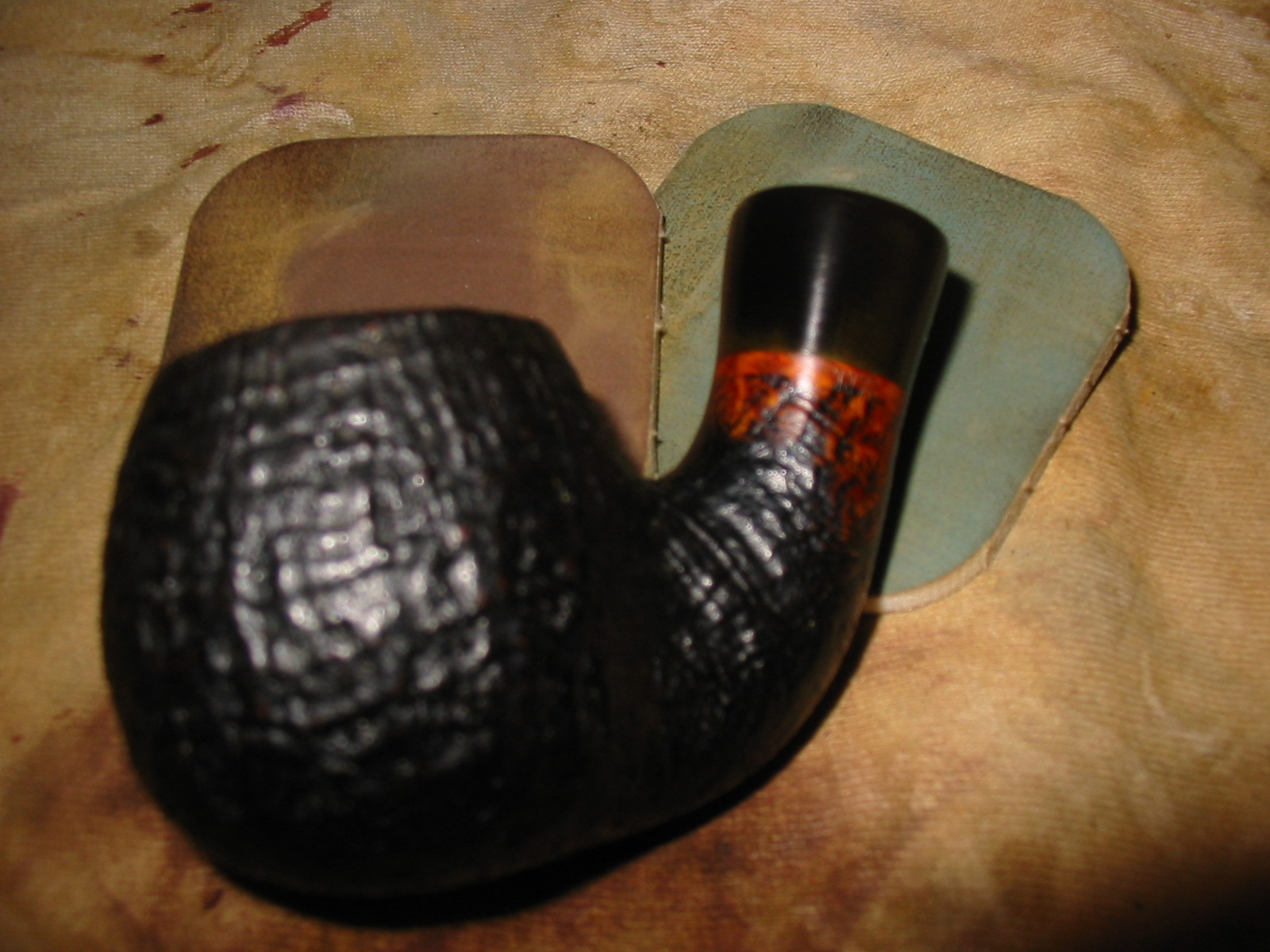
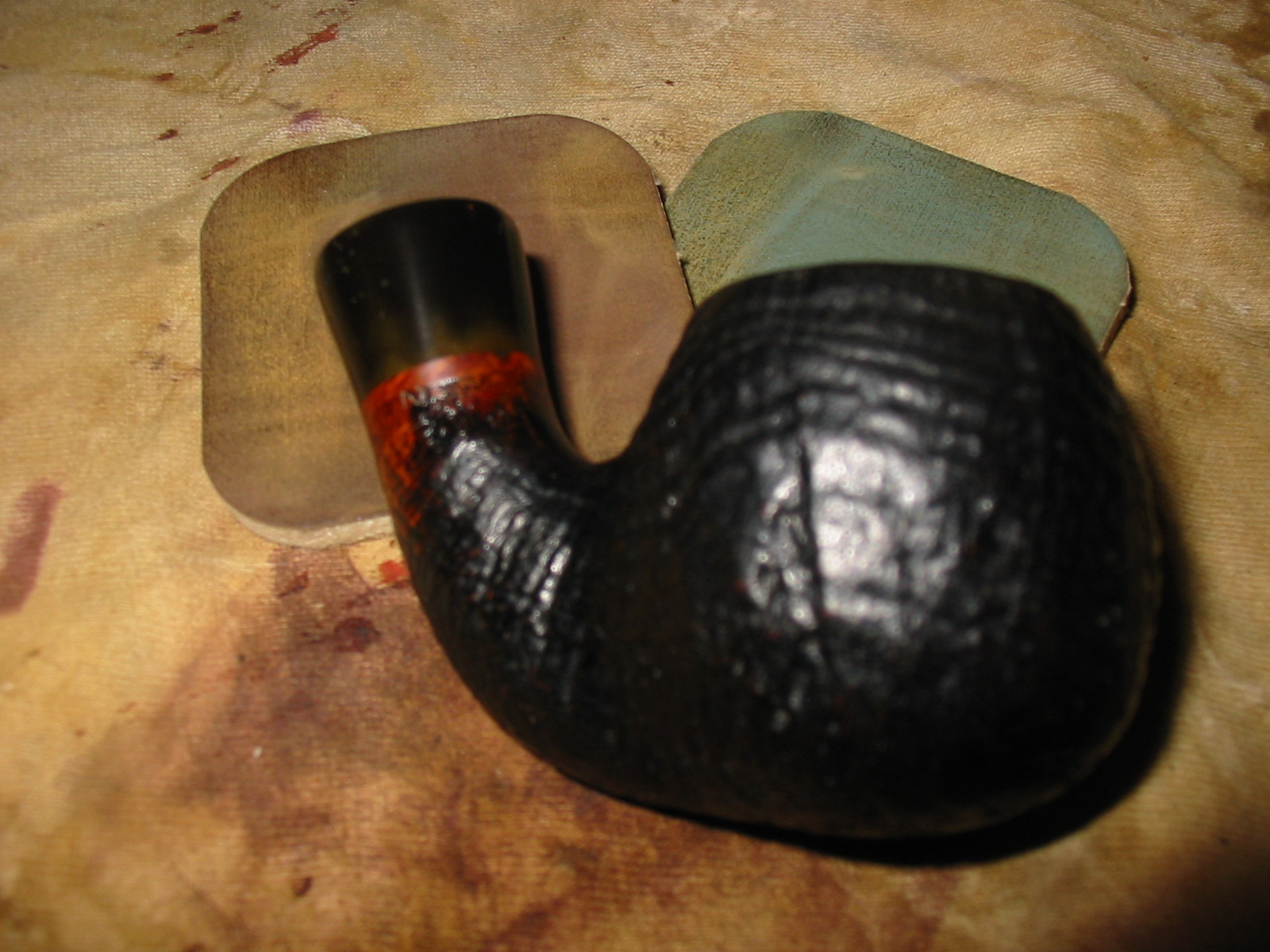
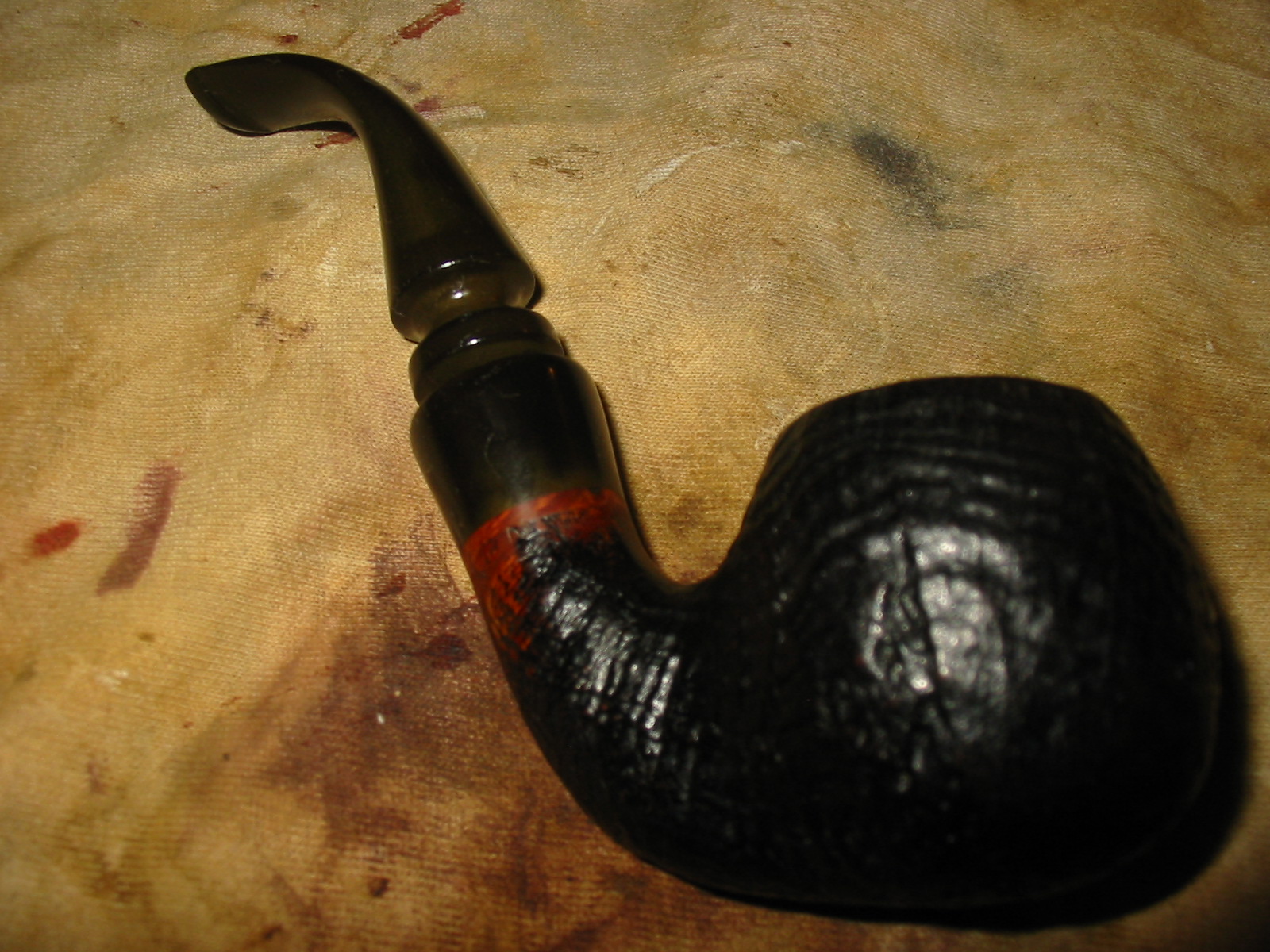
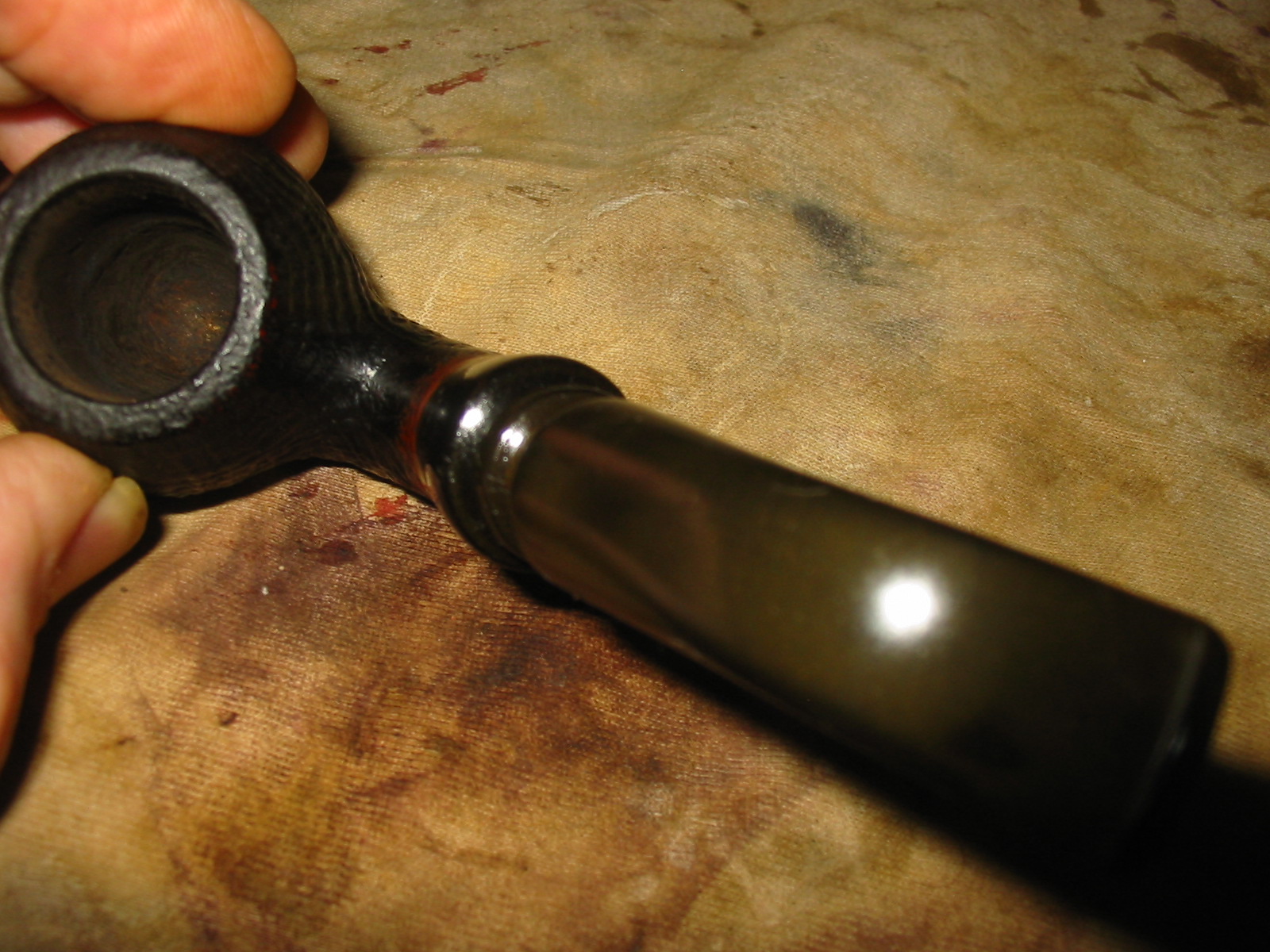
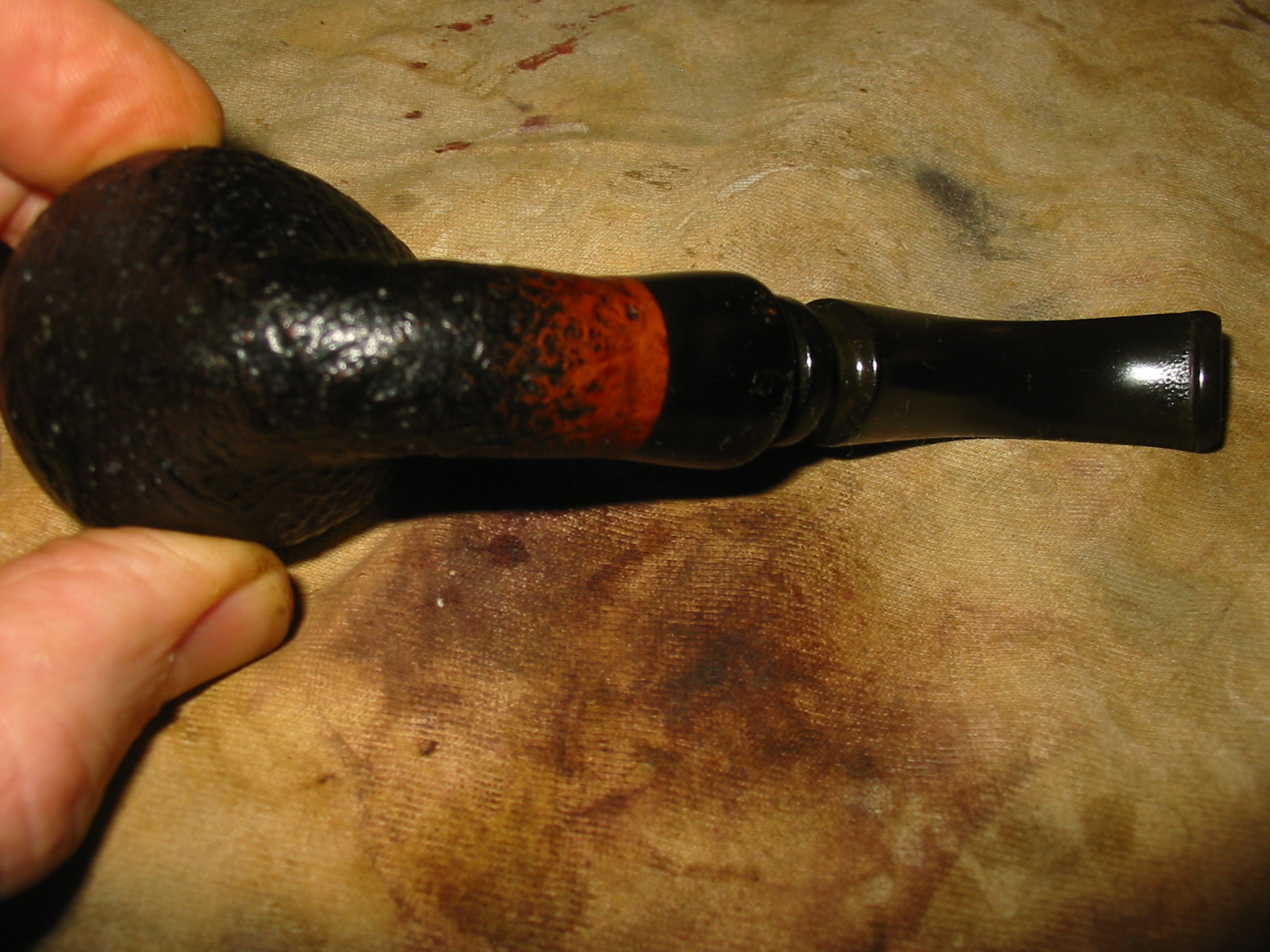
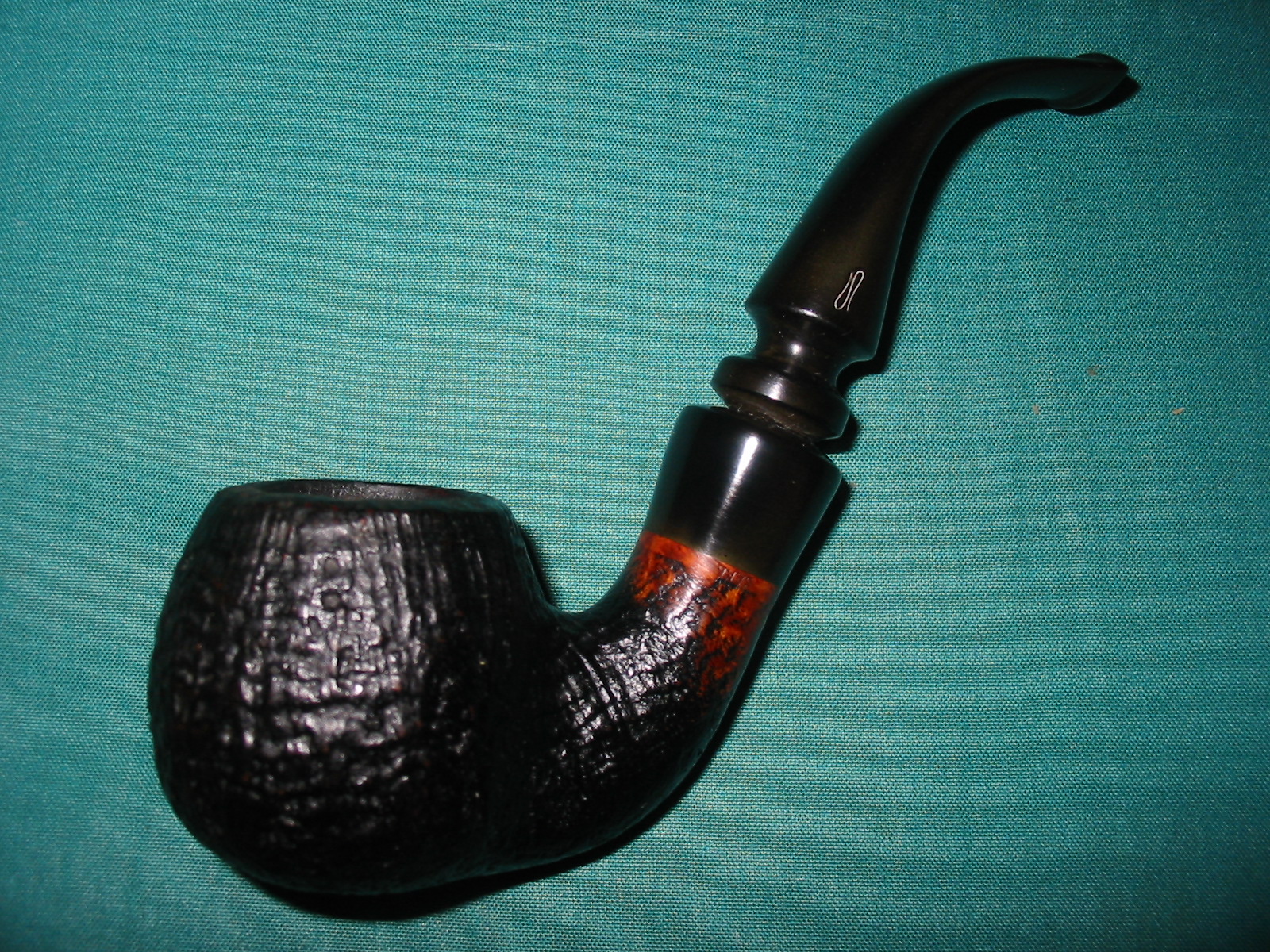
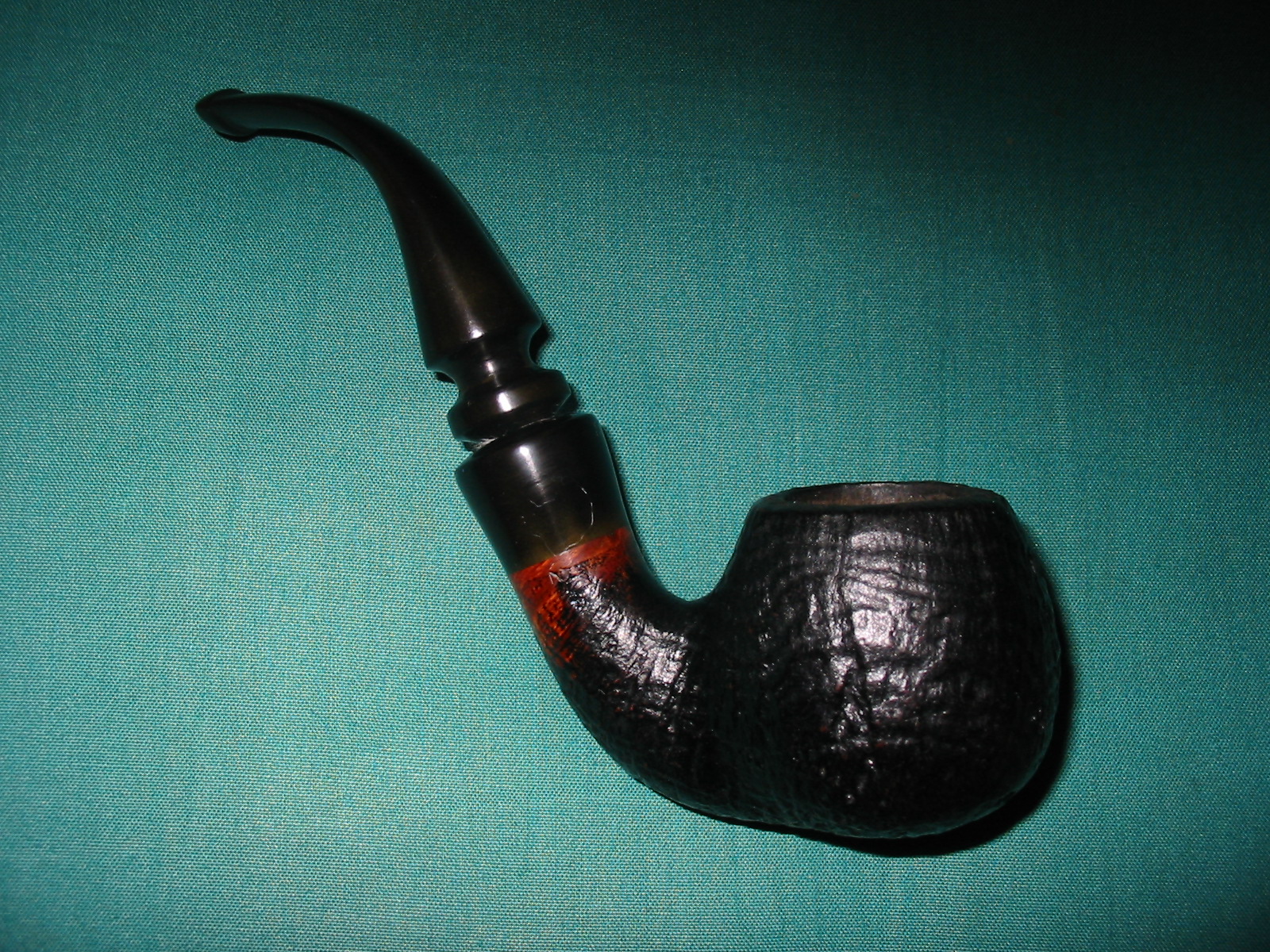
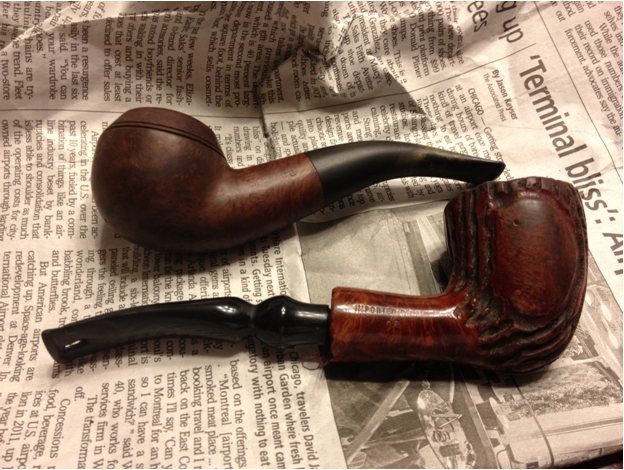
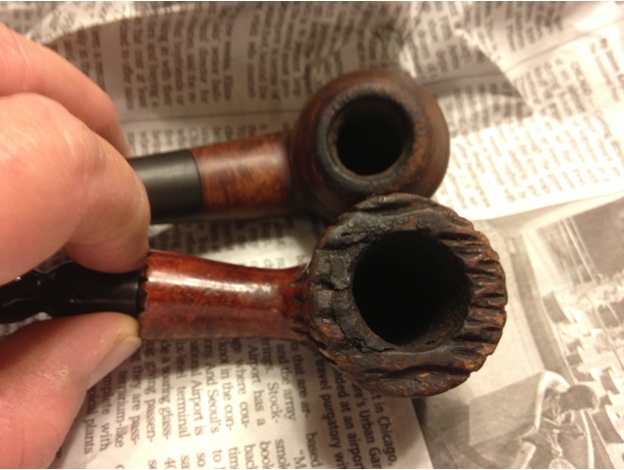
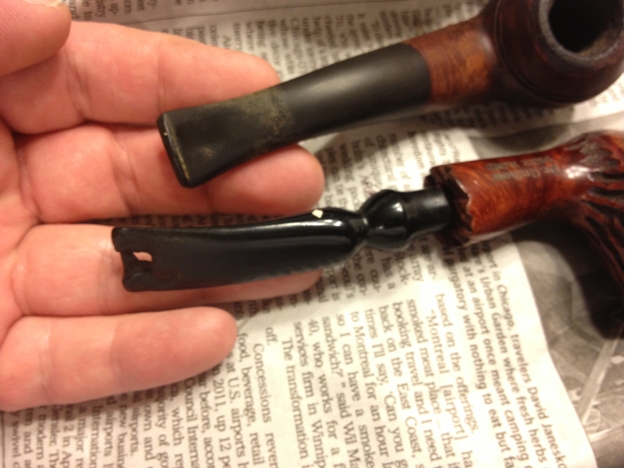
In this section of the blog you will find before and after pictures of pipes that I have reworked. In each of them I give a summary of the work done to them. There are tips on working with different materials in these posts as well. For instance I have posted two horn stem pipes that I did work on the horn stems to removed tooth damage.

Restoring and Reclaiming a Byford Prince


I was gifted three old pipes by a friend on Smokers Forums. The first that caught my attention was an older Byford Prince. It was pretty worn but the wood was in good shape under the wear and tear. The stem was shot. It had a split along the stop side and was missing a few pieces. When I removed it I found that it was quite brittle. Once I took the stem off I found the most interesting system inside. The shank had an aluminum attachment which held two metal tubes inside of it. On the inside of the broken stem was a third metal tube. These formed three concentric, nested circles which wicked out the moisture of the smoke while not hampering the flow of air in the pipe from bowl to button. The photo below shows magnified picture of the interior of the stem and shank.
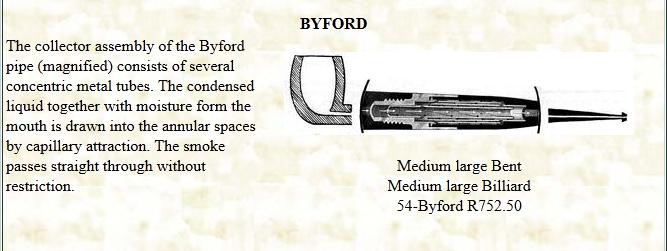
Byford Pipes

The stem was so broken and damaged that I was not sure how the flow of the angles on the taper was supposed to look. I did not know what the button and the stem were supposed to be like. I did a search on the internet and found this photo of a Byford stem that showed the proper angles on the stem. I used the stem in the photo as a template for my replacement stem. I made one modification which I will speak about in the explanation of the restemming below.
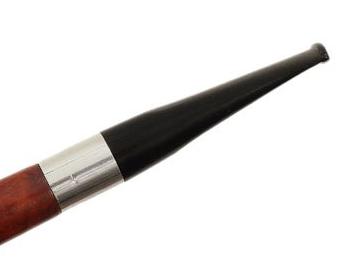
Byford stem

The next photo shows the interior of the stem and shank – the system part of the pipe. The tube in the stem sits between the other two tubes in the shank creating three rings on the inside of the shank and stem. It looked like this stem apparatus would be a bear to clean up. I would have to used cotton swabs, folded pipe cleaners and whatever I could to get in between the layers.

Byford2

The bowl was badly caked with a broken cake. It was soft rather than hard. There was also a buildup of some blue substance on the bowl. I am not sure what it was but it smelled suspiciously like a mold. The stem as you can see in the poor quality pictures below was damaged beyond repair. The aluminum band or shank end was oxidized and rough. Underneath all of the grime it was a beautiful piece of briar. The shape is a well executed prince. The old stem seemed a bit long to my liking so the new one would be slightly shorter and accommodate the lines of the one in the photo.

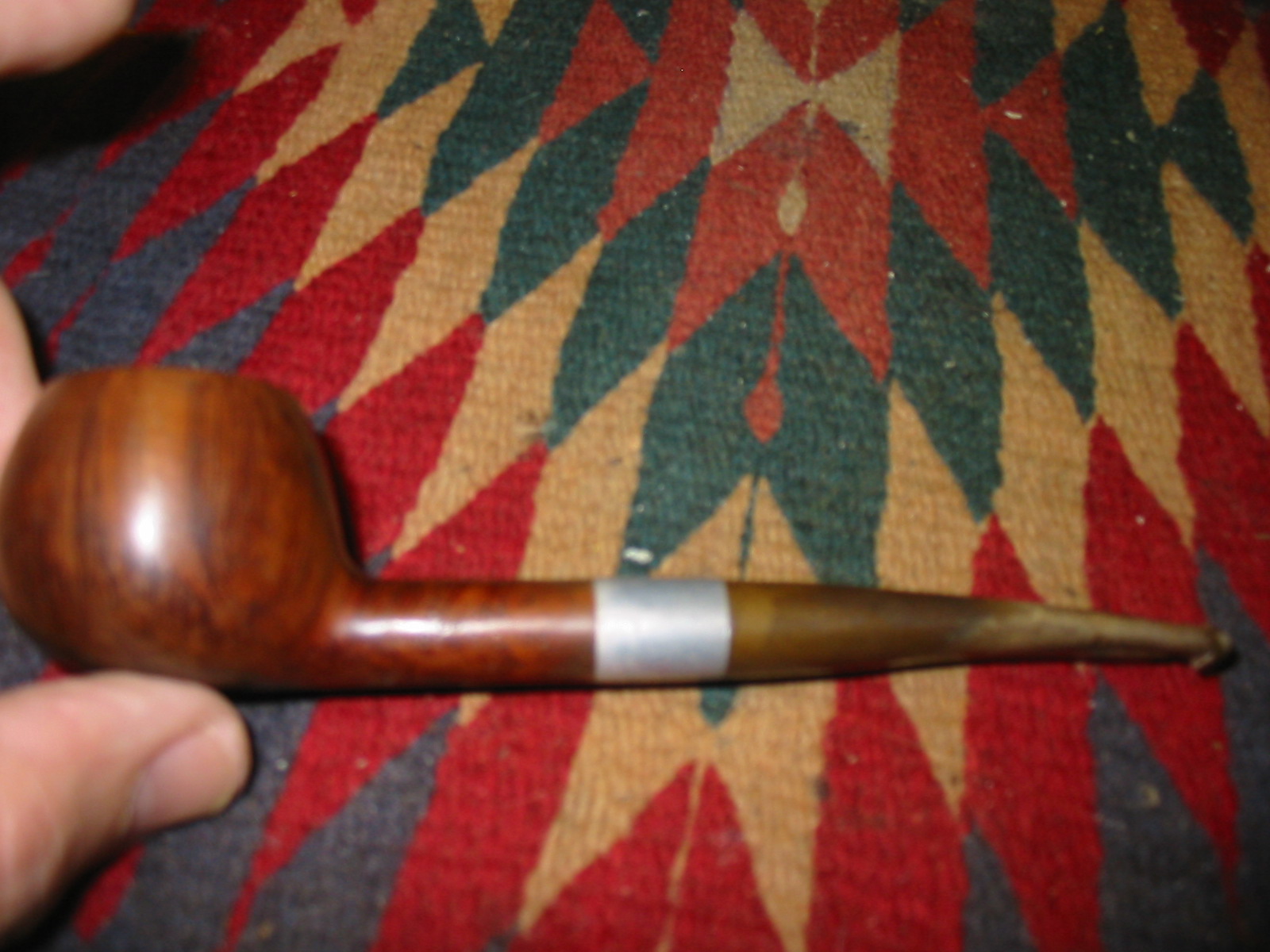
IMG_1012

IMG_1013

IMG_1014

I removed the old stem and went through my box of stem and found what I was looking for. The drilling on this had to be very wide to accommodate the apparatus on the system of the Byford pictured above. This older style stem had exactly the right fit. It slipped into place and looked good. It was a bit flared on each side and on the top and bottom so that would need to be sanded back to a flush angle. In the photo below you can see the fit of the new stem before I did any shaping on it. You can also see the blue/green substance on the bowl.
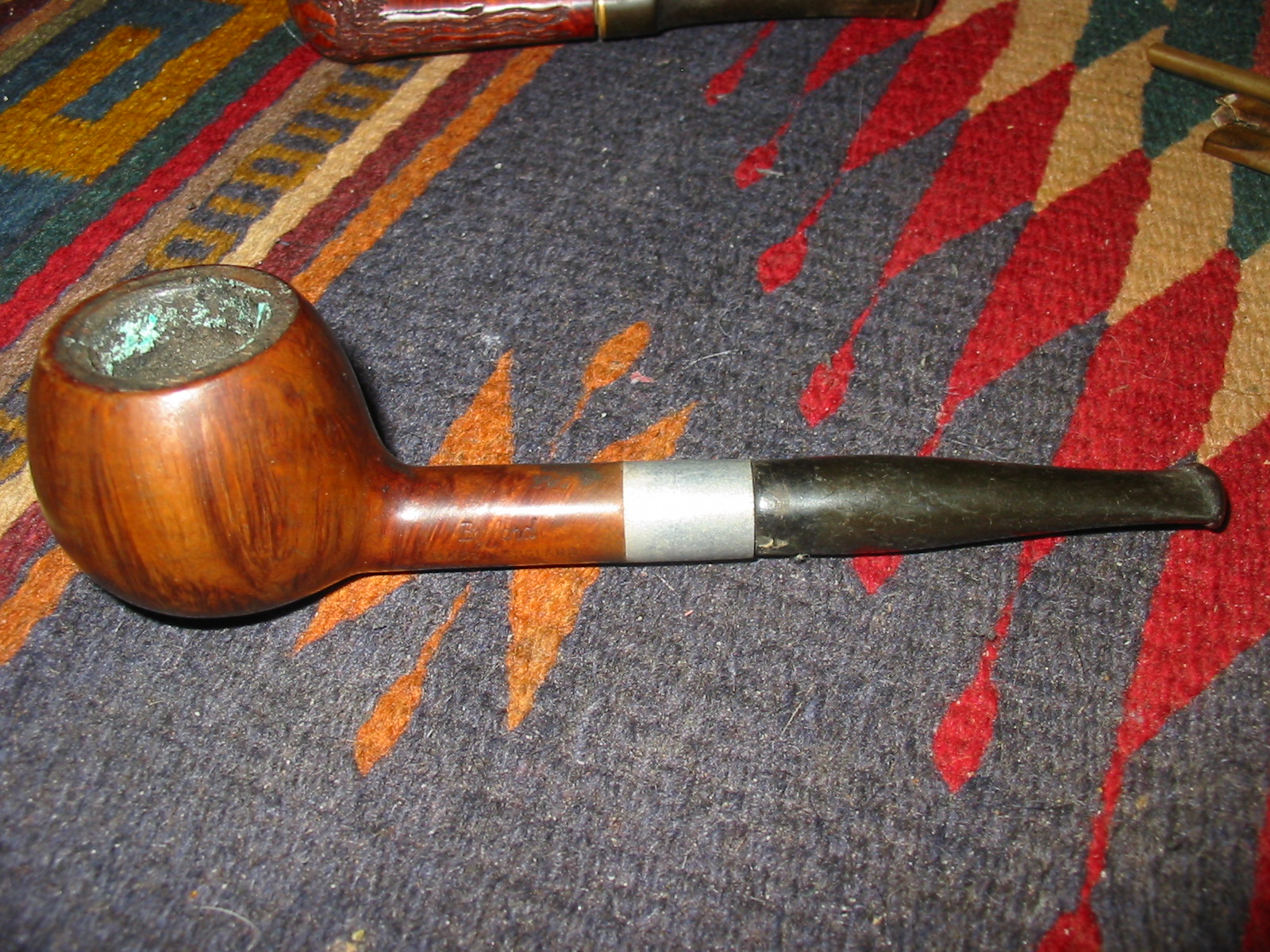
IMG_1019

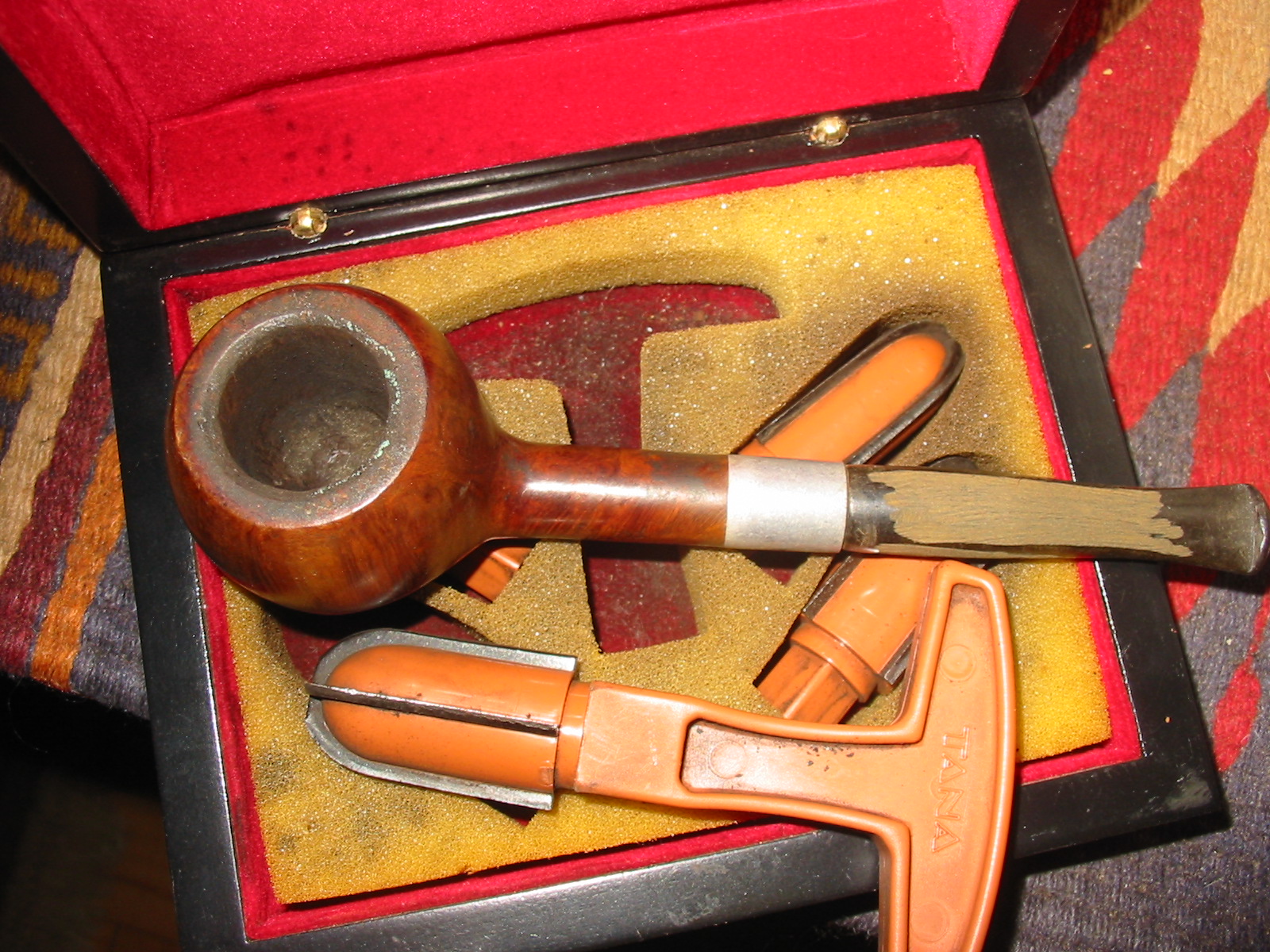
I used a Dremel with a sanding drum to remove the excess vulcanite and shape the stem to the proper angles. I reamed the bowl with a PipNet reamer starting with the smallest head and working up to the third head which took the cake back to bare wood. I wanted to remove the cake and whatever the buildup on the bowl and rim that was there.
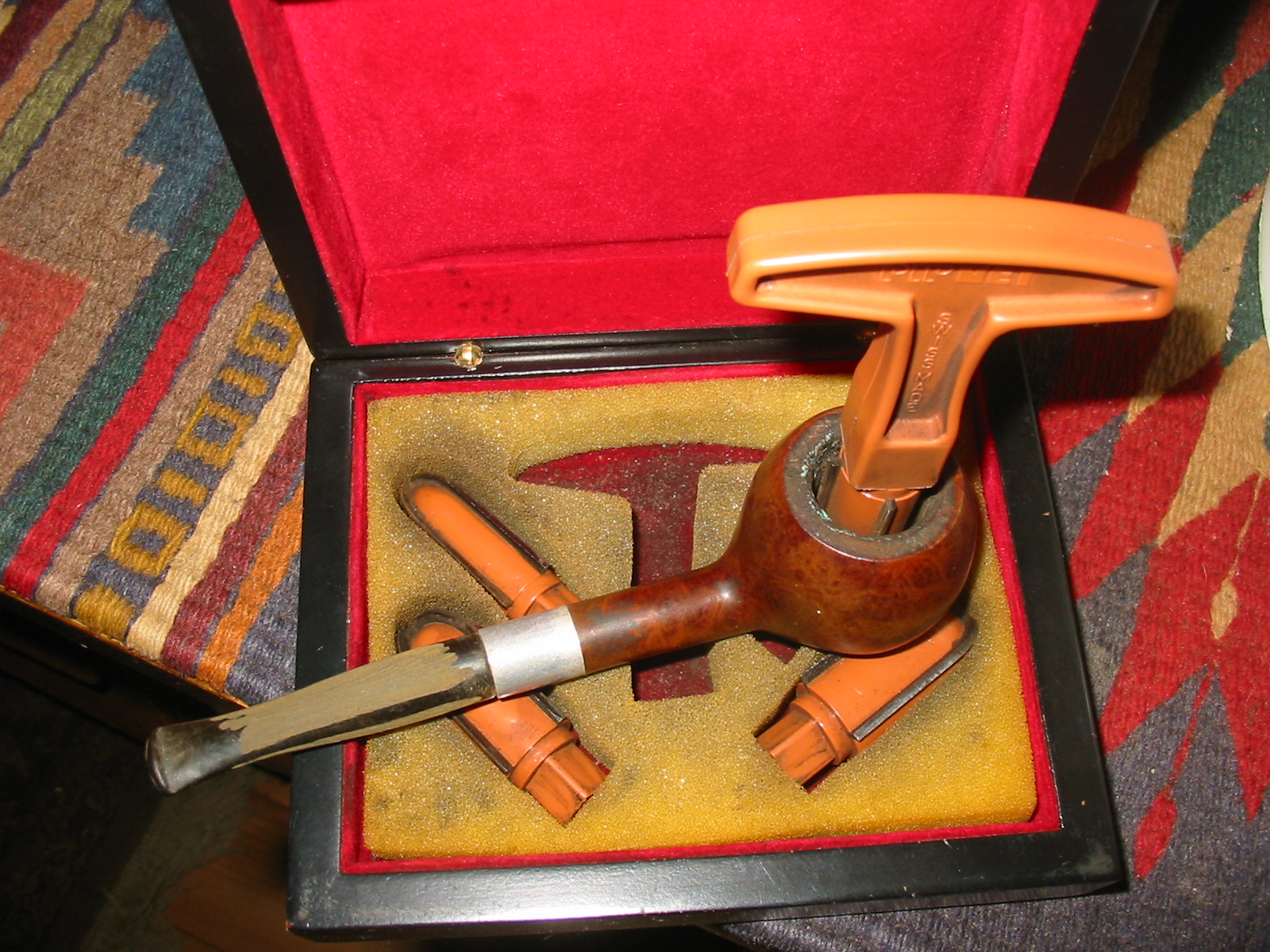
IMG_1024

IMG_1025

IMG_1026

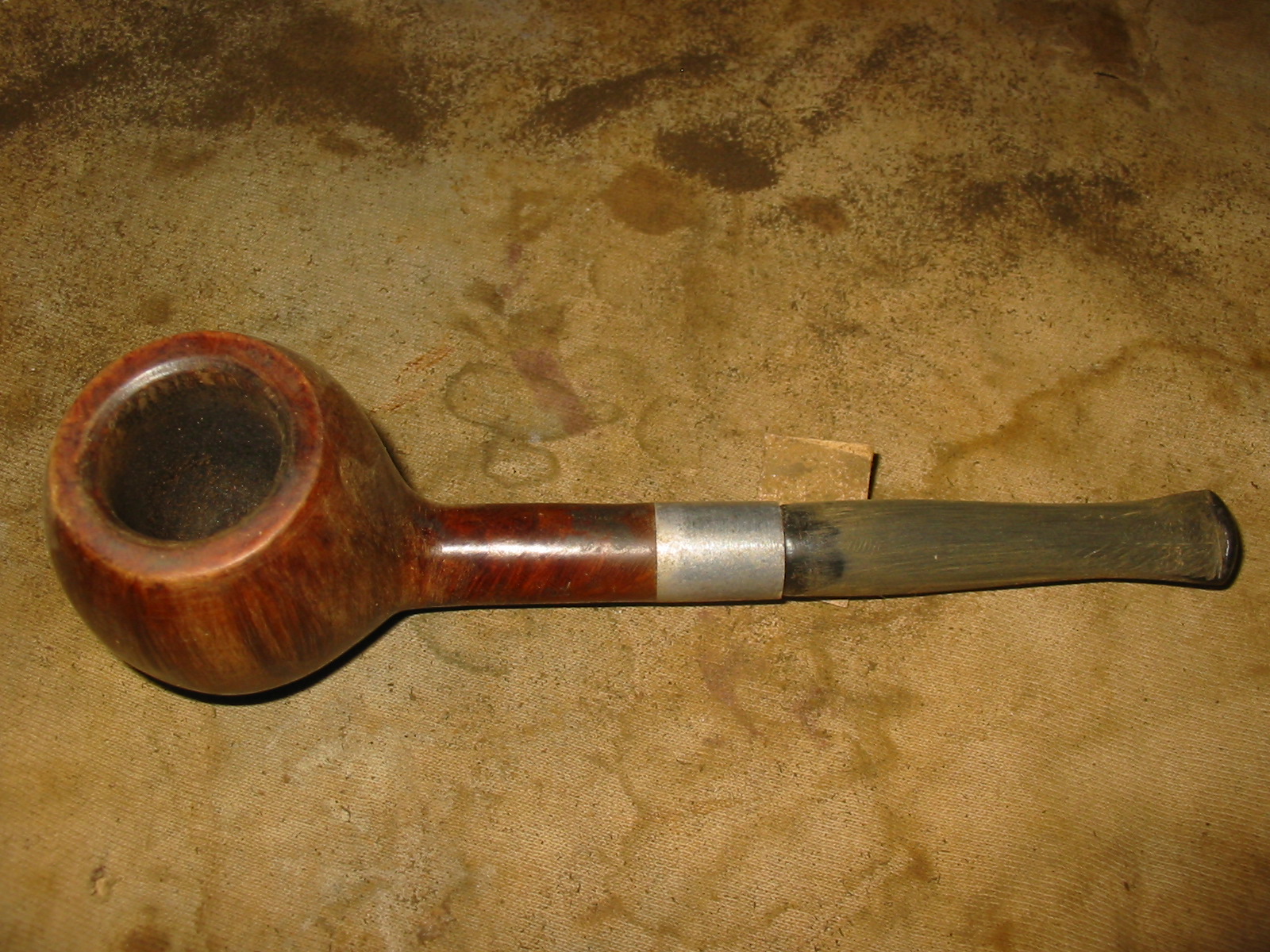
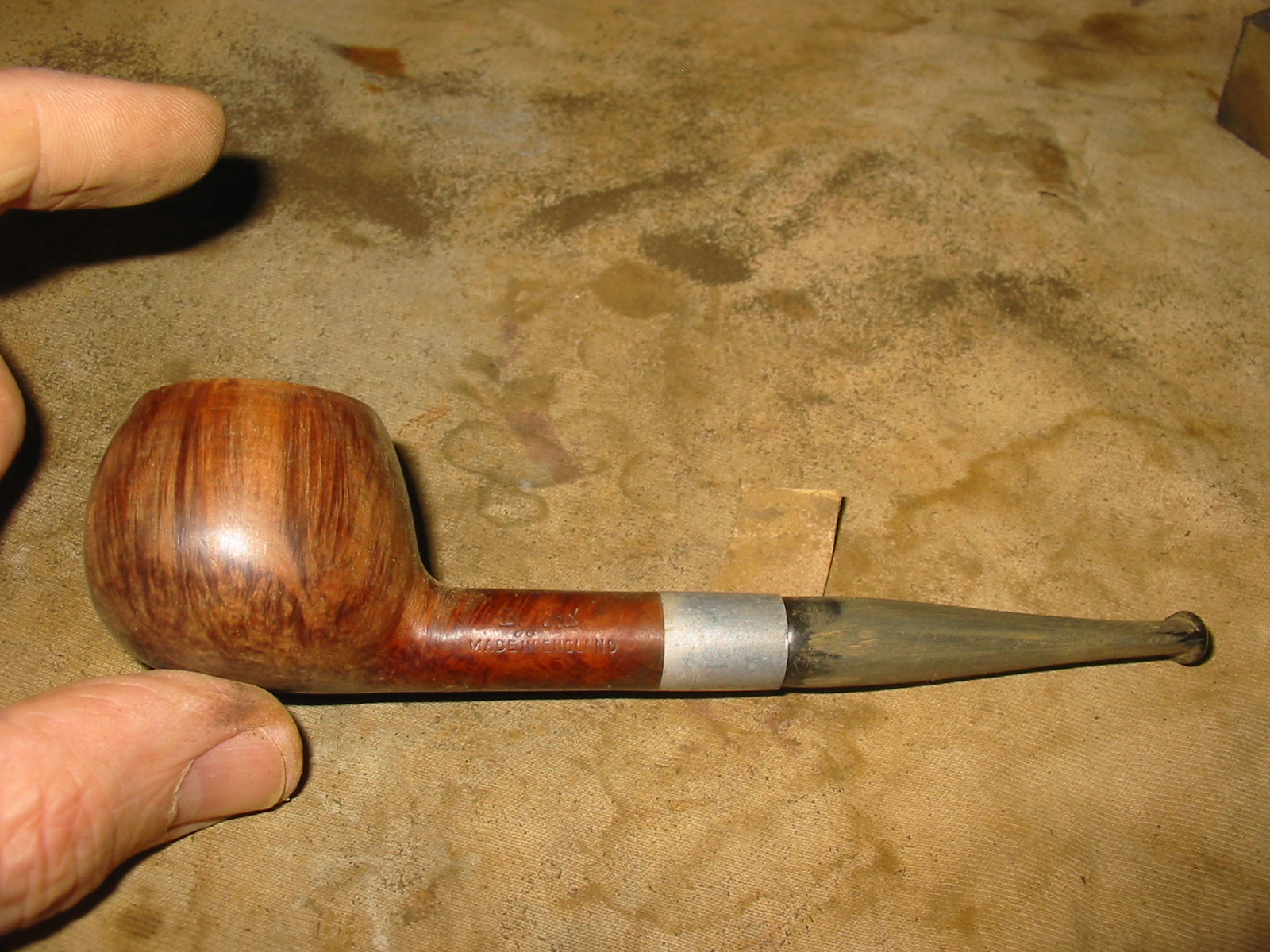
After reaming the bowl back I sanded the rim and inner edge with a fine grit sanding sponge to remove the remaining blue/green substance. I also sanded the inside of the bowl smooth to remove any thing that was buildup on the inside edges. I sanded the stem with 220 grit sandpaper to remove the scratches caused by the Dremel and sanding drum. I sanded the exterior of the bowl and the oxidized aluminum on the shank end with the fine grit sanding sponge as well. The next three photos below show the state of the bowl and stem at this point in the process.
IMG_1031

IMG_1032

IMG_1033

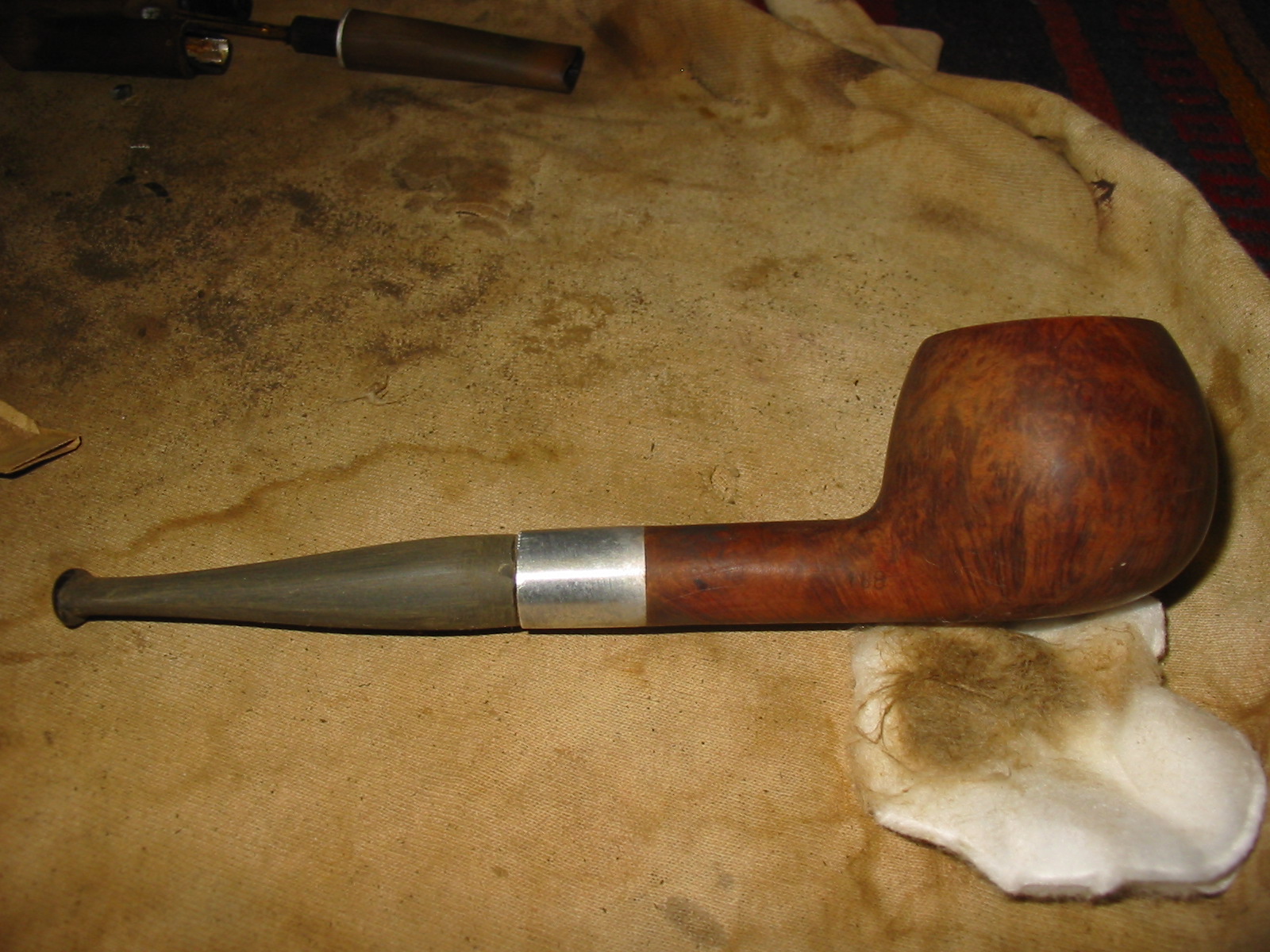
I wiped the bowl down with an acetone wetted cotton pad to remove the grime and the old finish. The next two photos show the bowl at this point. The cotton pad is below the bowl to show the amount of finish and grime that came off. I find that the acetone will even out the finish and clean up any remaining grime.
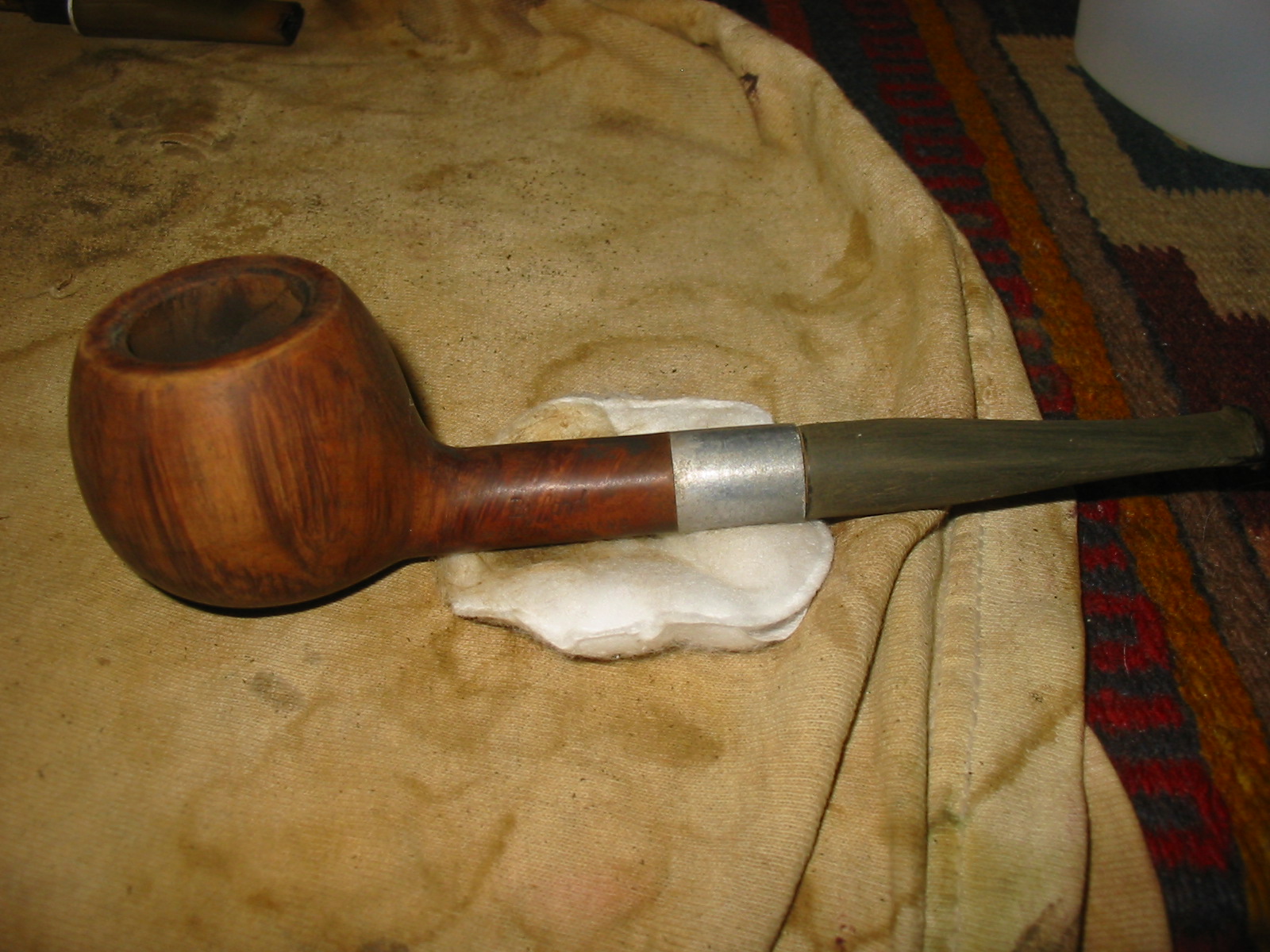
IMG_1034

IMG_1035

I continued to sand the stem with 220 grit sandpaper and also cleaned out the shank apparatus with Everclear and cotton swabs. That was a challenge! The grime that built up in the concentric tubes took some bends and twists of cotton swabs and pipe cleaners to remove from the shank. I also scrubbed down the interior of the bowl with Everclear on the cotton swabs and then scoured it out with 0000 steel wool. I did not want any remnants of the blue/green stuff. While the bowl was wet with the alcohol I also flamed the inside with a lighter. The alcohol burns quickly and should destroy whatever remnants of the sludge that may have been resident in the briar. I sanded the aluminum with 1500 grit micromesh sanding pads to remove the oxidation and crust that had built up at the junction of the aluminum and the briar.
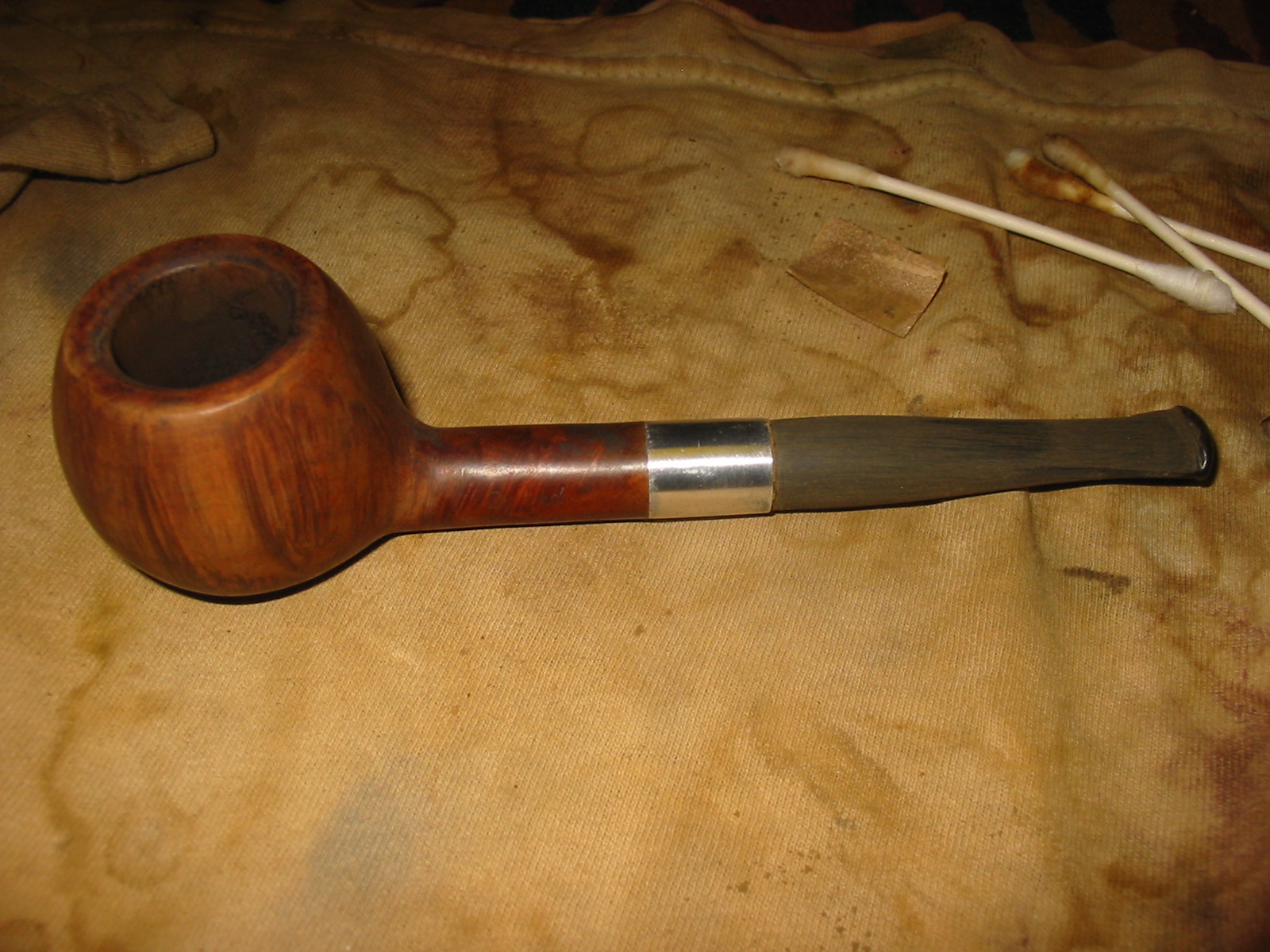
IMG_1036

IMG_1037

The next two photos show the stem after the pipe and stem have been cleaned and after I had finished shaping the stem with the 220 grit and 340 grit sandpaper. The angles matched the photo above that I was trying to duplicate.
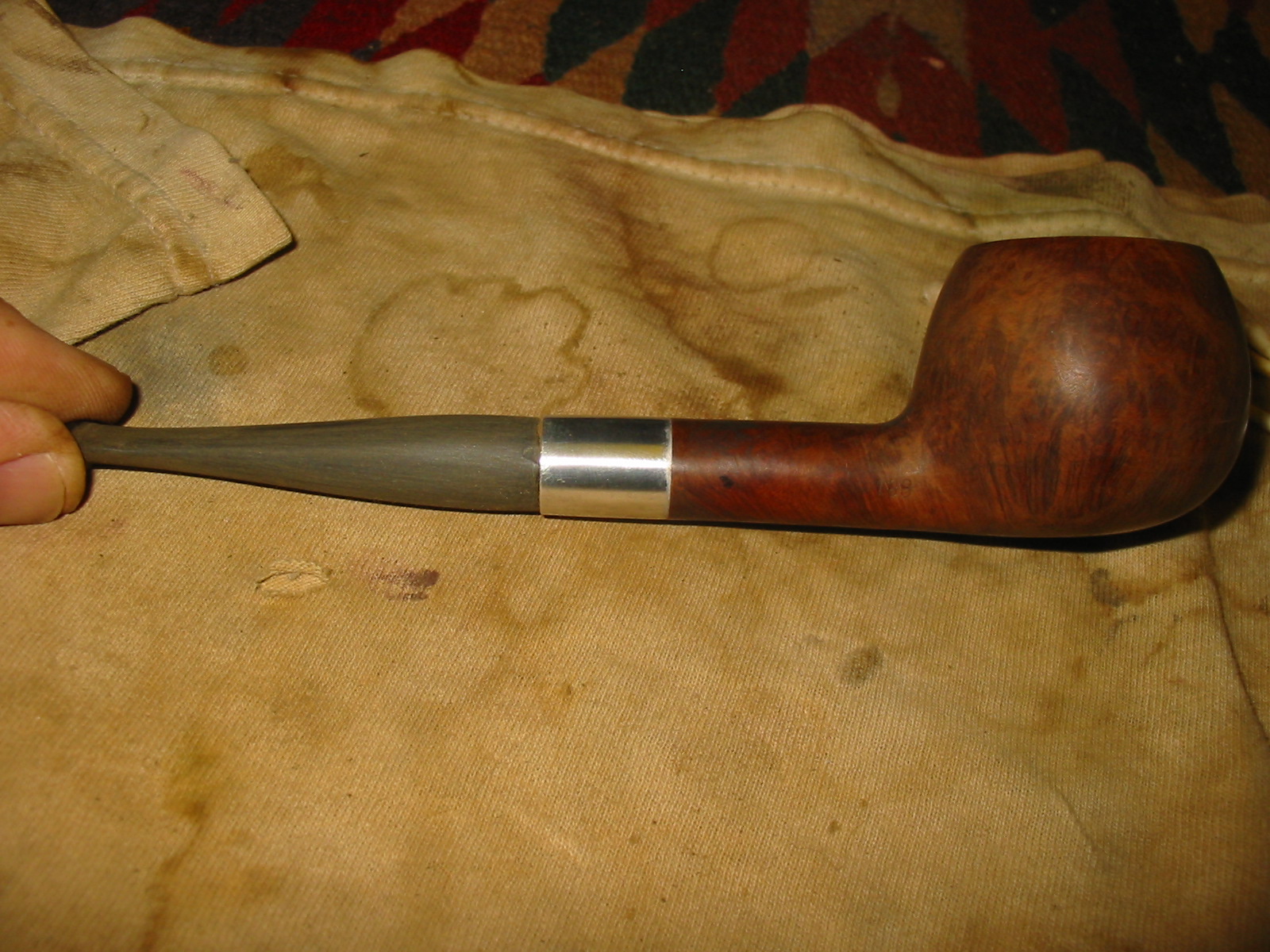
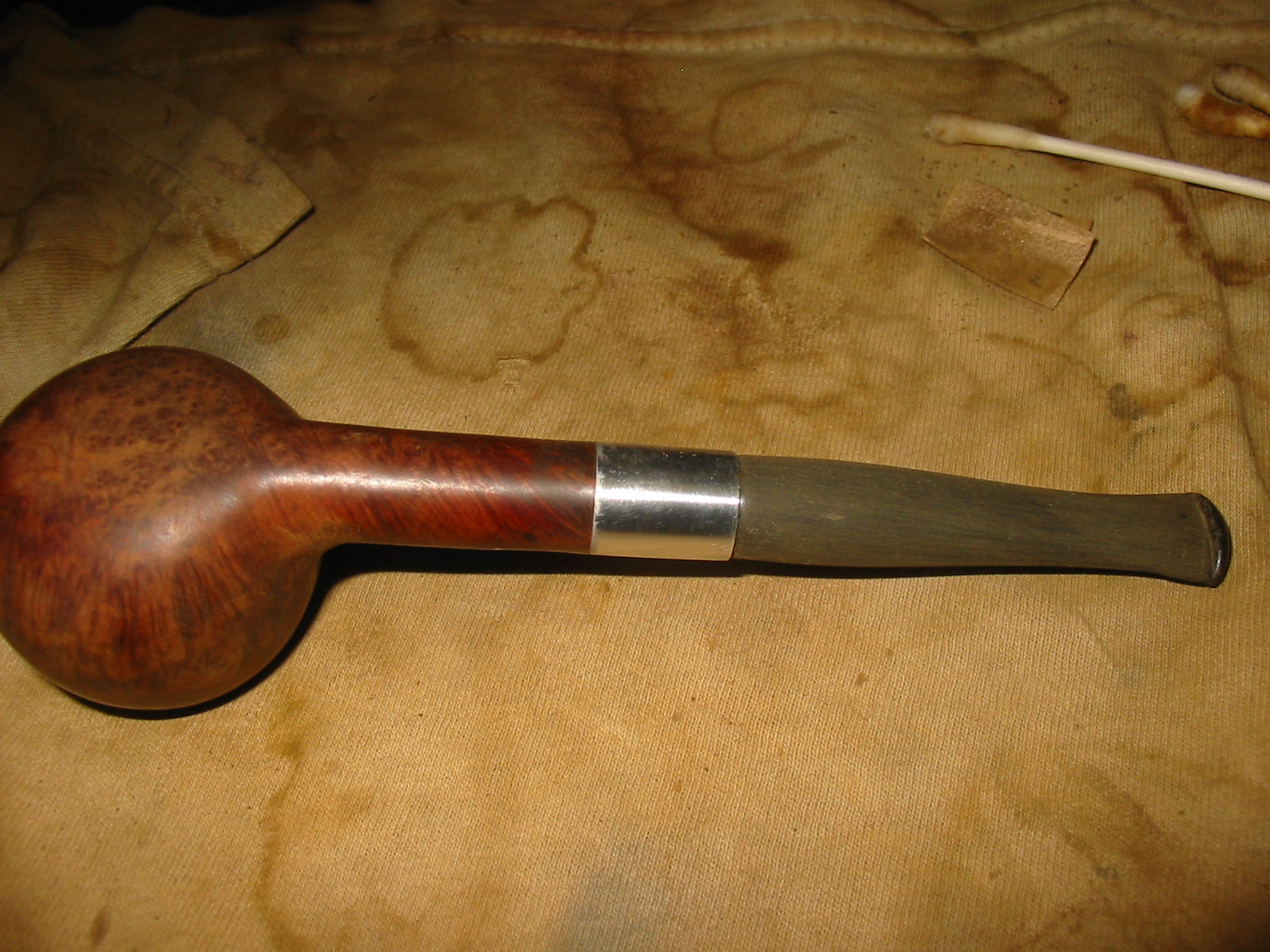
IMG_1038

IMG_1039

At this point it was time to sand with the micromesh sanding pads. The next series of five photos show the progressive shine that comes through the micromesh. I wet sanded with 1500 and 1800 grit micromesh to remove the scratches and begin to give the stem a polish. I also sanded the bowl with these two grits as well. I followed up by dry sanding with the remaining grits of micromesh from 2400-12,000. I sanded the bowl, the aluminum shank end and the stem.

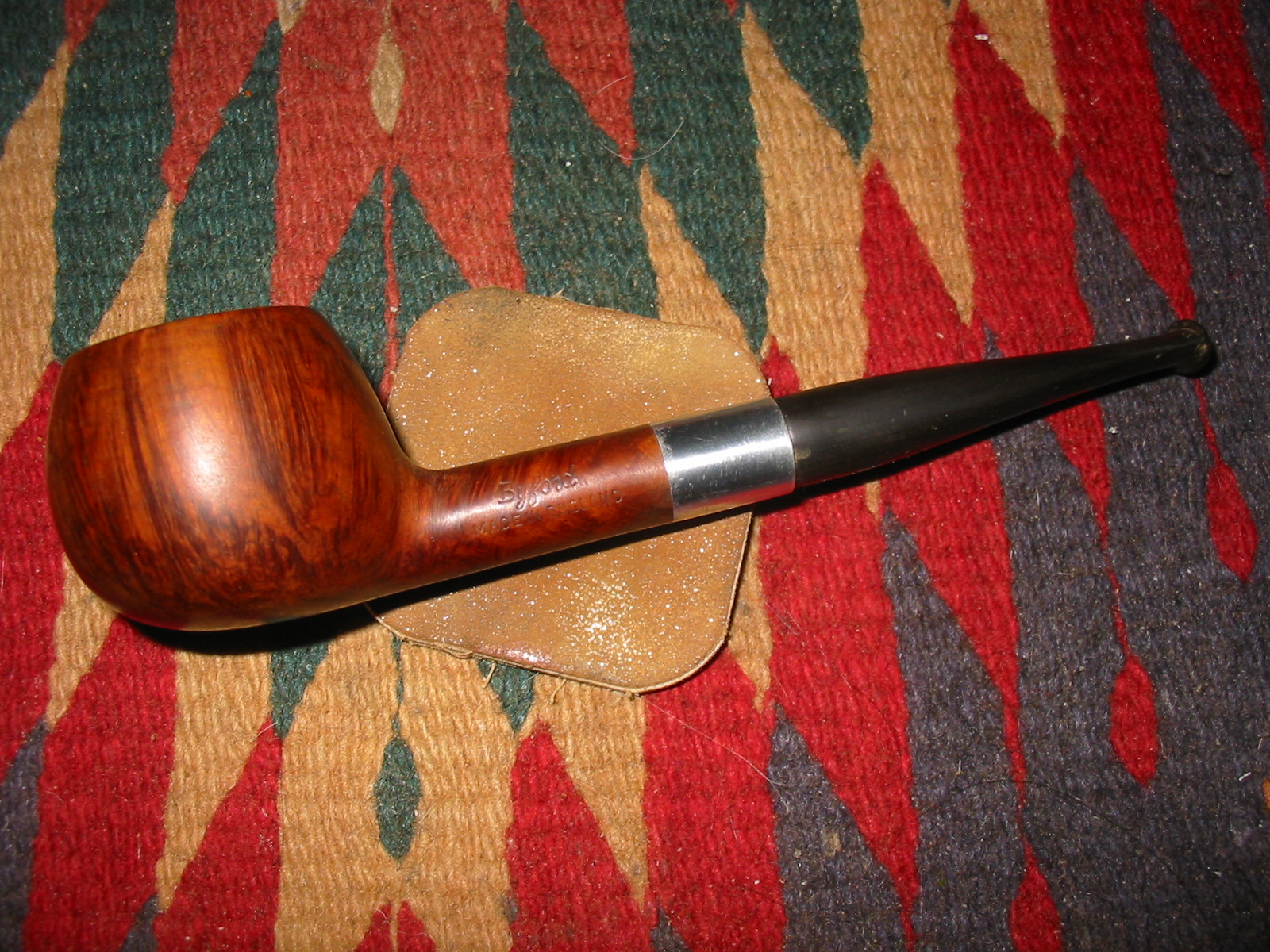
IMG_1040

IMG_1041

IMG_1042

IMG_1043

IMG_1044

Upon completing the sanding and polishing with the micromesh pads I took the pipe to the buffer and buffed the stem and bowl with White Diamond on the wheel. It brought out the shine and help highlight the grain. I wiped down the stem with Obsidian Oil to protect it and then gave the entire pipe several coats of carnauba wax and buffed it to a shine. The last series of four photos show the finished pipe.
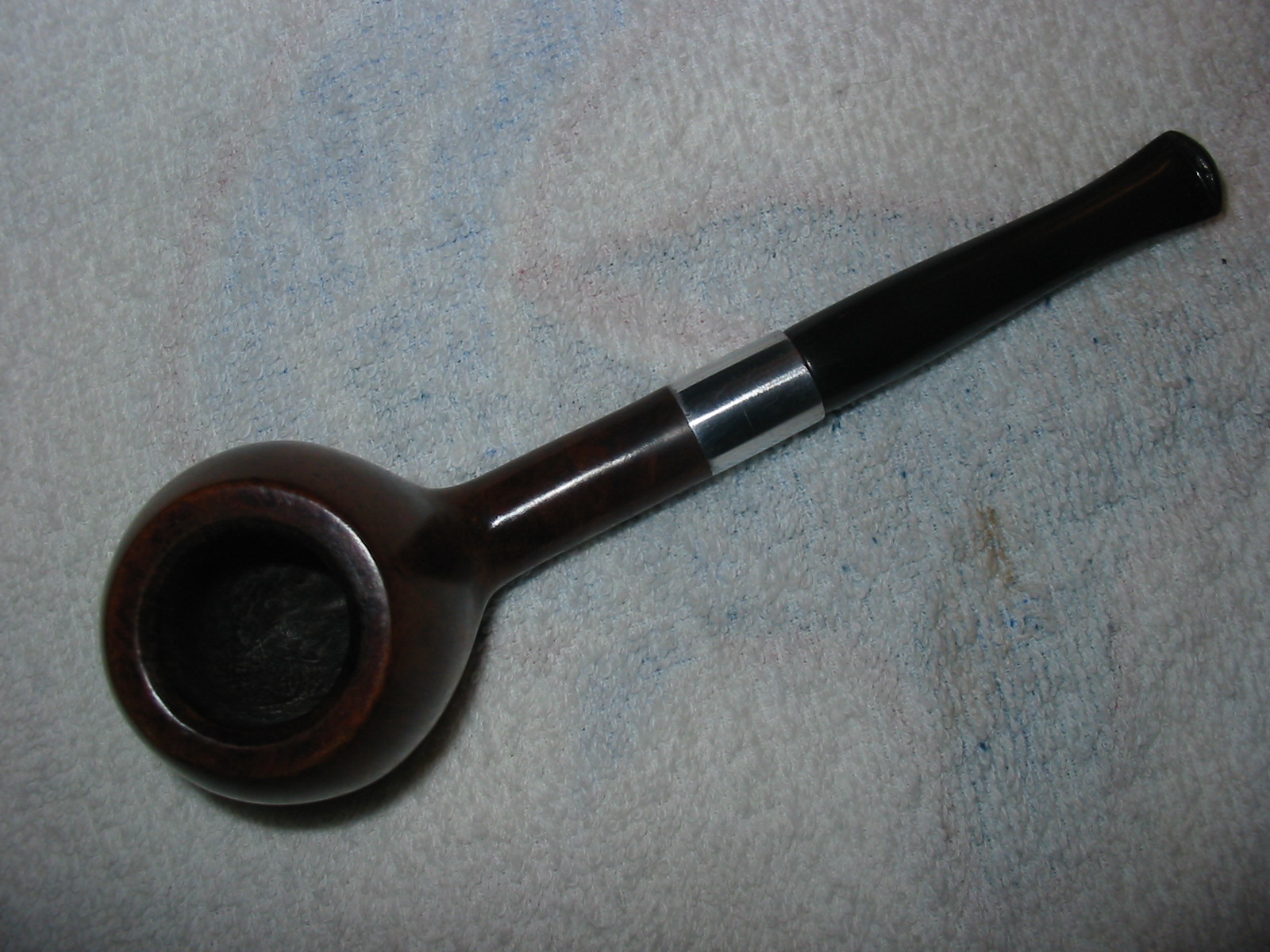
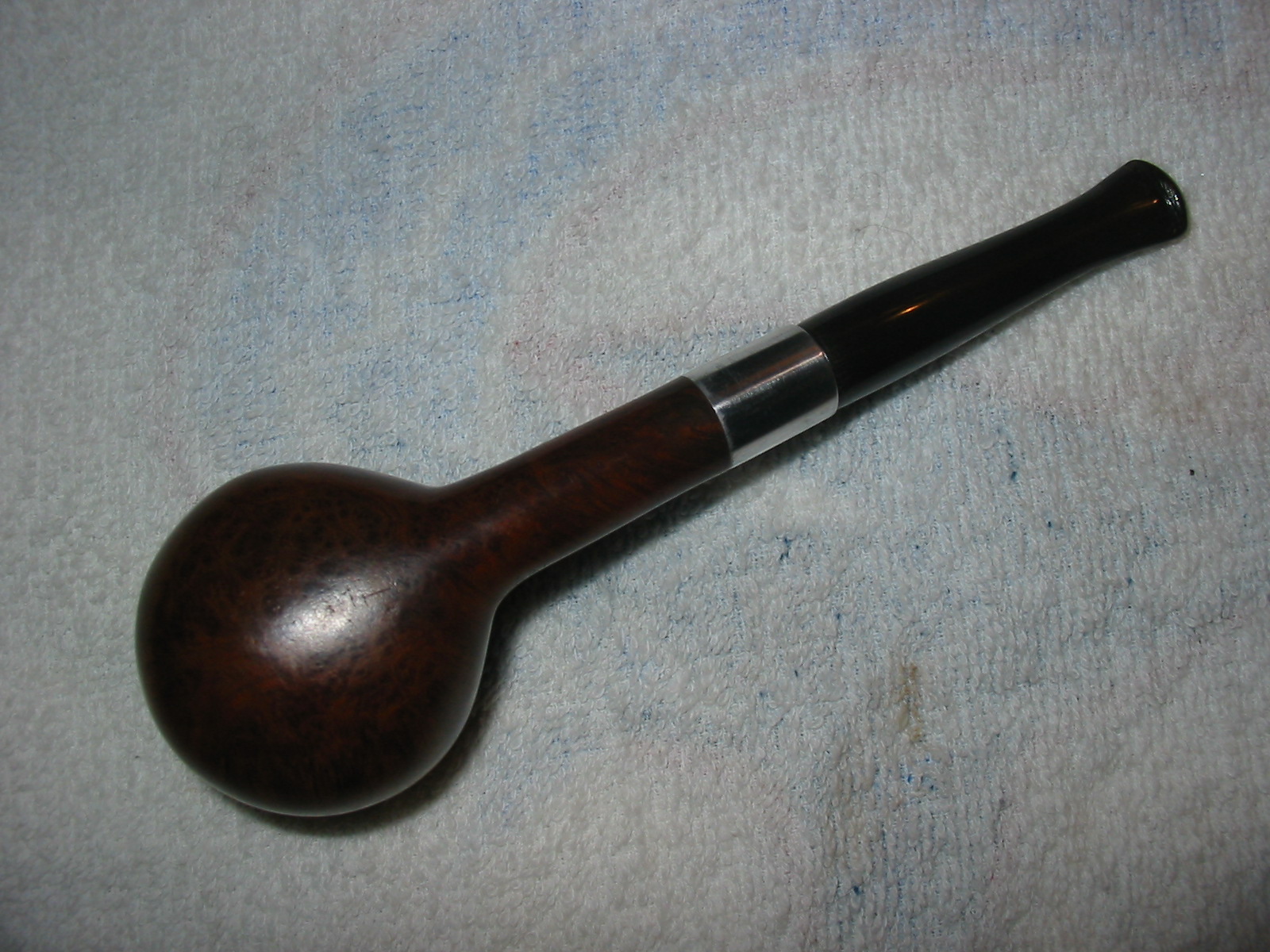
IMG_1045

IMG_1046

IMG_1047

IMG_1048

ADDENDUM 03/07/15
Just recently I discovered this interesting piece on the Byford pipes. They were originally made by Orlik. Here is a page from their catalogue.
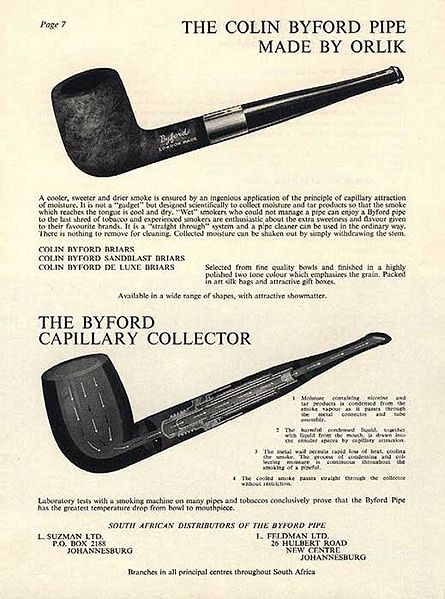
445px-Orlik_70S07

A Unique Piece of Pipe Design History – Doodlers by Tracy Mincer


Blog by Steve Laug

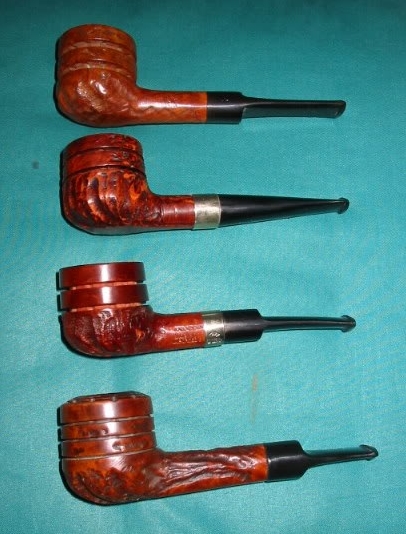
The Doodler pipe designed and made by Tracey Mincer of Custombilt/Custom Bilt fame has always intrigued me. It may be the oddity of the design that first caught my attention. The rusticated bowl with one, two or three grooves around the circumference of the bowl and then holes drilled vertically connecting the rim to the bottom of the last ring just had my attention. I went on the prowl looking for them, both on EBay and on my treasure hunts through antique malls and thrift shops. When I had seen the drawings and photos in Bill Unger’s book on Custombilt pipes I wanted at least one. If you are a pipeman you know how that works it seems that one is never enough.

I looked for quite a while before finding the first pair of Doodlers. They are pictured below (the second and third pipes from the left). Honestly, I think that the only reason I got them was that the seller miss identified them as Boodlers and they were missing their stems. The first one on the left in the picture below is a complete pipe with stem that I picked up at an antique shop in Washington State in the US. The last one pictured below is stamped Holeysmoke.It came to me via EBay as well and did not have a stem either. Everything about it said it was a Doodler so I bought it and added it to the group. I liked the longer shank on it and the solidity of the pipe. I did a bit of research and found that the Holeysmoke pipes were made by Claude Stuart who worked with Tracy Mincer. After the Mincers sold The Doodler to National Briar Pipe Co. in 1960, Claude Stuart continued to make replicas of The Doodler using the Holeysmoke brand name http://pipephil.eu/logos/en/logo-h3.html

Doddler2

I restemmed the two “Boodlers” (Doodler) and also the Holeysmoke. The Doodlers needed to be banded as well as they both had significant cracks in their shanks. I repaired the cracks with superglue and then pressure fit nickel bands on the shank. The restemming was quite simple. I used some stem blanks, turned the tenons and shaped the stem to fit the size of the shank. They are very light weight and all are pot shaped. The Holeysmoke is a long shanked pot. Some might call it a lovat but the shape of the bowl says pot to me. The Doodlers all have two lines cut around the circumference of the bowl. The Holeysmoke has three lines. I have seen up to four lines around the bowl on pipes on EBay and also billiard shaped pipes. I have not seen other shapes.

Doodler1

The crazy design, intended to make the pipe smoke cool, seems to work well as all smoke cool and dry. I notice though that several have cracks in the rings and in the rims. The vertical drilling seems to weaken the integrity of the pipe along the drilled holes and also along the cut bands in the bowl – just a note on the thinness of the walls outside the drilling. Even though this may be true, the fact is that they have still lasted until they came to me so the durability is not bad. I am glad to have a few in my collection as they are a unique piece of pipe memorabilia.

Two of My Older Blatter and Blatter Pipes of Montreal


Blog by Steve Laug

I have always been an advocate of collecting Canadian pipes and have a good representation of many of the carvers in my collection. John Calich, Micheal Parks, Stephen Downie, are a few of those that are in cupboard along side of the two older Blatter and Blatter pipes. Their website http://www.blatterpipes.com/history.htm gives a detailed history of the brand. They do some beautiful work and offer some great smoking blends from their shop on 375 President Kennedy Avenue, Montreal, Quebec. They are a pleasure to do business with and well worth a visit should you find yourself in Montreal.

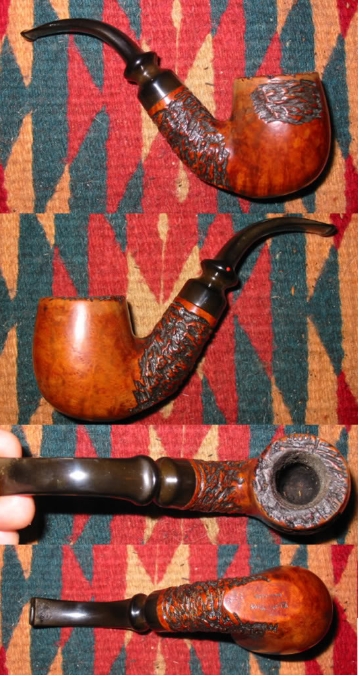
The first is a bent billiard with a chairleg style stem. It has one red dot on the stem and is partially rusticated. It is a sitter and balances nicely on the flat bottom of the bowl. It comes from an earlier time in the history of the company. I am not sure of the dates on it but I believe it comes from the time of the father of the present owner of the company. It is a good smoking pipe. Well made and comfortable in the hand and mouth. As can be seen in the pictures of it below it is in need of some TLC on my part. The stem shows both oxidation and tooth chatter. These need to be cleaned up. The rim and bowl are in good shape. It has a good solid cake in it and has been used to smoke only Virginias.

Blatter1

The second pipe is an older Lovat. I purchased this off EBay after looking at some bad photos that were out of focus. The seller had written that it was gently used and in excellent shape. The only photos of the pipe did not show the bowl at all so I trusted his description. When the pipe arrived in Vancouver it was a mess. Maybe even describing it as a mess is understatement. The bowl was a mess and had been reamed out by the seller. The shank and stem were filthy but the worst part of the sale was that the bowl was burned out. It had a huge divot in the back side of the bowl the size of my thumb and it was plain carbonized wood. There was a hole the size of a pencil through the wall of the pipe to the outside of the bowl. I immediately sent an email to the seller who was willing to refund part of my purchase price (1/3 if my memory is correct) and asked that I send the pipe back to him. I promptly refused both offers and fumed for a few days. Then my wife suggested I give a call to Blatter and Blatter and see if they would do a repair on the pipe. I was not even sure it was salvageable but it was worth a call.

I called and talked with Robert Blatter who asked about the colour of the dot on the stem and the stamping. He was pretty certain that the pipe was old and made by his grandfather. I cannot remember the dates at this time but it was at least three generations back as the shop was currently managed by him and his sons were working with him. He was keen to see the pipe as it was a piece of his family history. I packed it up and sent it off to him with little hope of a repair. The weeks went by and one day I went to the mail box for the mail and a surprise awaited me. There was a package from Blatter and Blatter. I carried it home and cut the tape to open the box. Inside was a nice note from Robert assuring me that the pipe was indeed an old one made by his grandfather. He also went on to describe the repairs that had been made on the pipe. He had cut out the burned out area of the pipe. At this time, some 15 years or more ago, I had no idea that such a thing could be done. He had then fit a briar plug into the burned out area. He matched the rustication to the rest of the pipe perfectly and restained it the original colour. From the outside of the bowl the repair was invisible. It was extremely well done. On the inside of the bowl the repair was also not visible. He had fit the plug with precision and then coated the inside of the bowl with a bowl coating. He said the repair was a pleasure for him to do as it was a piece of family history. The bill was minimal for the work that was done.

The old pipe was ready to be smoked and he suggested a break in rhythm for it. I followed his detailed plan to the letter. Today, fifteen or more years later the pipe still is going strong with no sign of the burnout returning or the patch showing up on the outside or inside of the bowl. I smoke primarily English blends in this pipe as it delivers a full flavoured smoke. It is a pleasure to smoke and enjoyable even more knowing a bit of the history of the pipe. The fact that it was carved by Grandfather Blatter and repaired by his Grandson Robert gives it quite a bit of character in my mind. It is a pipe that will inevitably outlive me and continue to serve pipemen for years to come.

Blatter2

Refurbished Svendborg Full Bent Apple


Blog by Steve Laug

From http://www.pipephil.eu/logos/en/logo-s8.html I learned the following information: The Svendborg brand founded in 1970s by Henrik Jørgensen, Poul Ilsted and Tao Nielsen. They bought an old factory (Nordisc Pibefabriker) in Svendborg on Funen Island. Poul and Tao gradually bowed out from machine manufactured pipes (1982) and Henrik Jørgensen managed the brand until it was taken over by Design Berlin (D) in the late 90’s. Kaj C. Rasmussen joined the firm for several years. 17 employees worked for this brand under Henrik Jørgensen direction. I was given this pipe by a good friend last weekend when I visited him on Vancouver Island. The bowl was in great shape and the stem merely oxidized. There were no bite marks and some minimal tooth chatter on the underside of the stem near the button. The pipe is stamped on the underside Svendborg over Danish over Hand Made and on the left side of the shank is stamped Bark. The stem has the squashed S logo on the left side. The stem is a chairleg type saddle near the shank. The shank has a vulcanite shank extension. (I apologize for the blurry quality of several of the before cleanup pics I am adjusting to a new camera.)

ImageImageImageImage

I reamed the pipe and cleaned the rim with a soft bristle tooth brush and Murphy’s Oil Soap. It quickly removed the buildup on the rim. I wiped down the outside of the bowl with a soft cloth and a light dampening with Murphy’s Oil Soap. The blast cleaned up very nicely. The sand blast on the bowl is well done with blast in the birdseye on the rim and the bottom of the bowl. The sides have ring blast that looks great. There is a smooth patch on the underside that has the stamping present in it and there is a smooth band around the shank at the shank extension junction. I sanded the shank extension with 1500 grit micromesh sanding pads. I chose to sand this section dry as I did not want to risk loosening the joint of the extension. The next five photos show the sanded extension during and after I finished with this grit.

ImageImageImageImageImage

The next three photos show the extension after I sanded it with 1800 and 2400 grit micromesh sanding pads. The oxidation is beginning to disappear as I work on it.

ImageImageImage

I then sanded it with the 3200, 3600, and 4000 grit micromesh pads. I wiped the extension down between the various grits of micromesh. I then polished the extension with Maguiar’s and rubbed it into the vulcanite and then wiped it off with the cotton pads. I finished sanding with the remaining grits of micromesh from 6000-12,000. Then polished it again with Maguiar’s before taking it to the buffer and buffing with White Diamond.

ImageImageImage

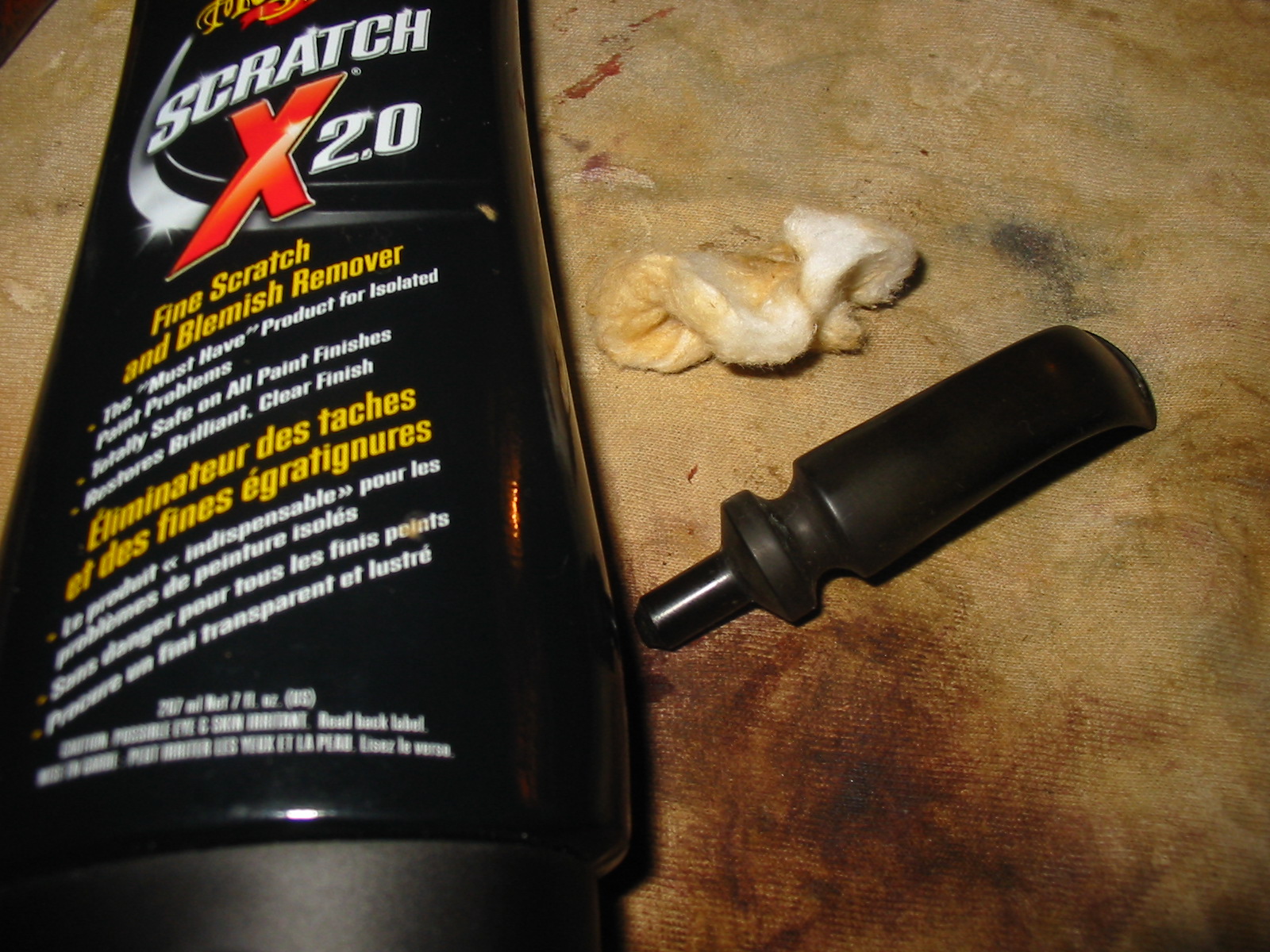
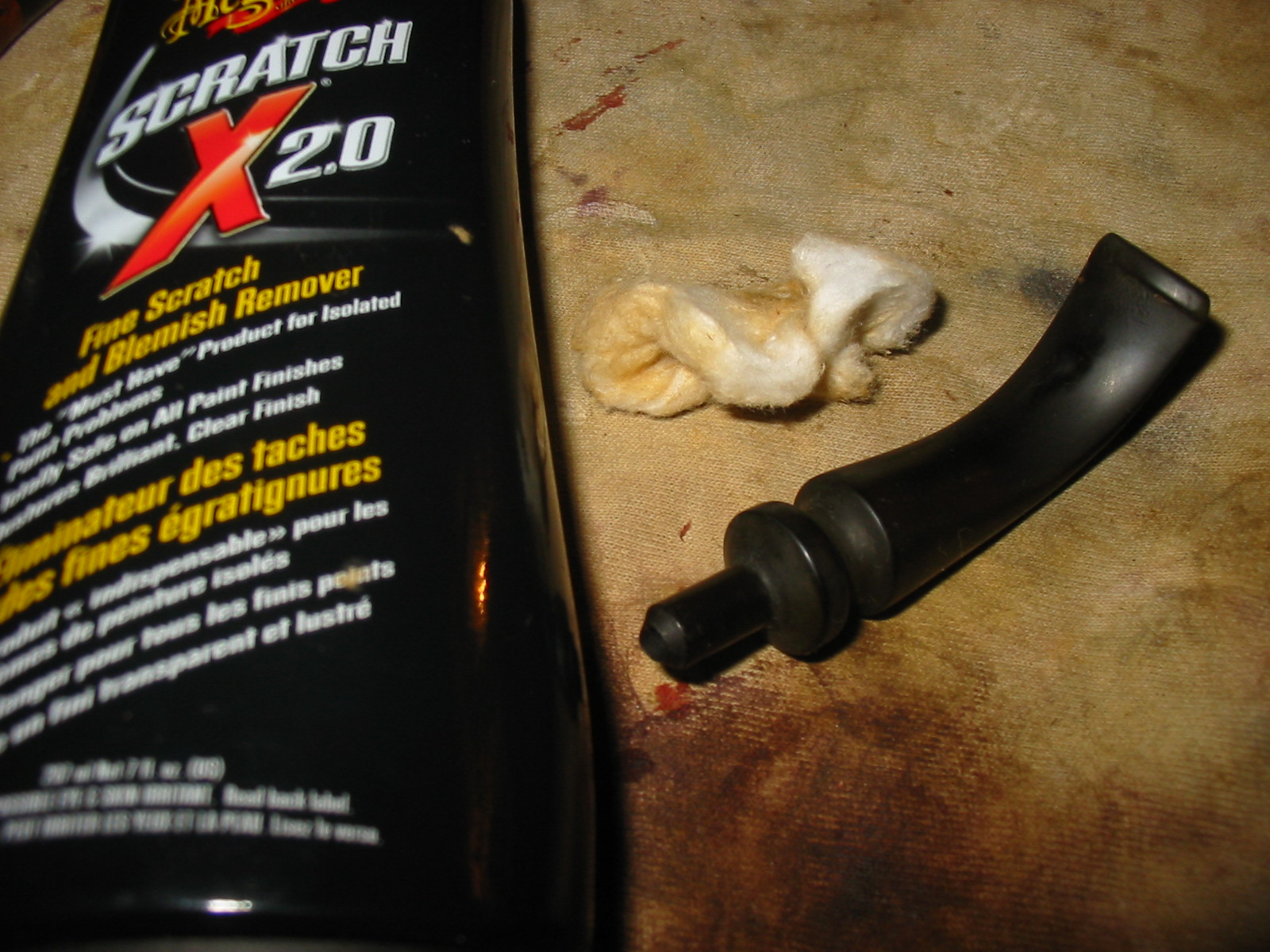
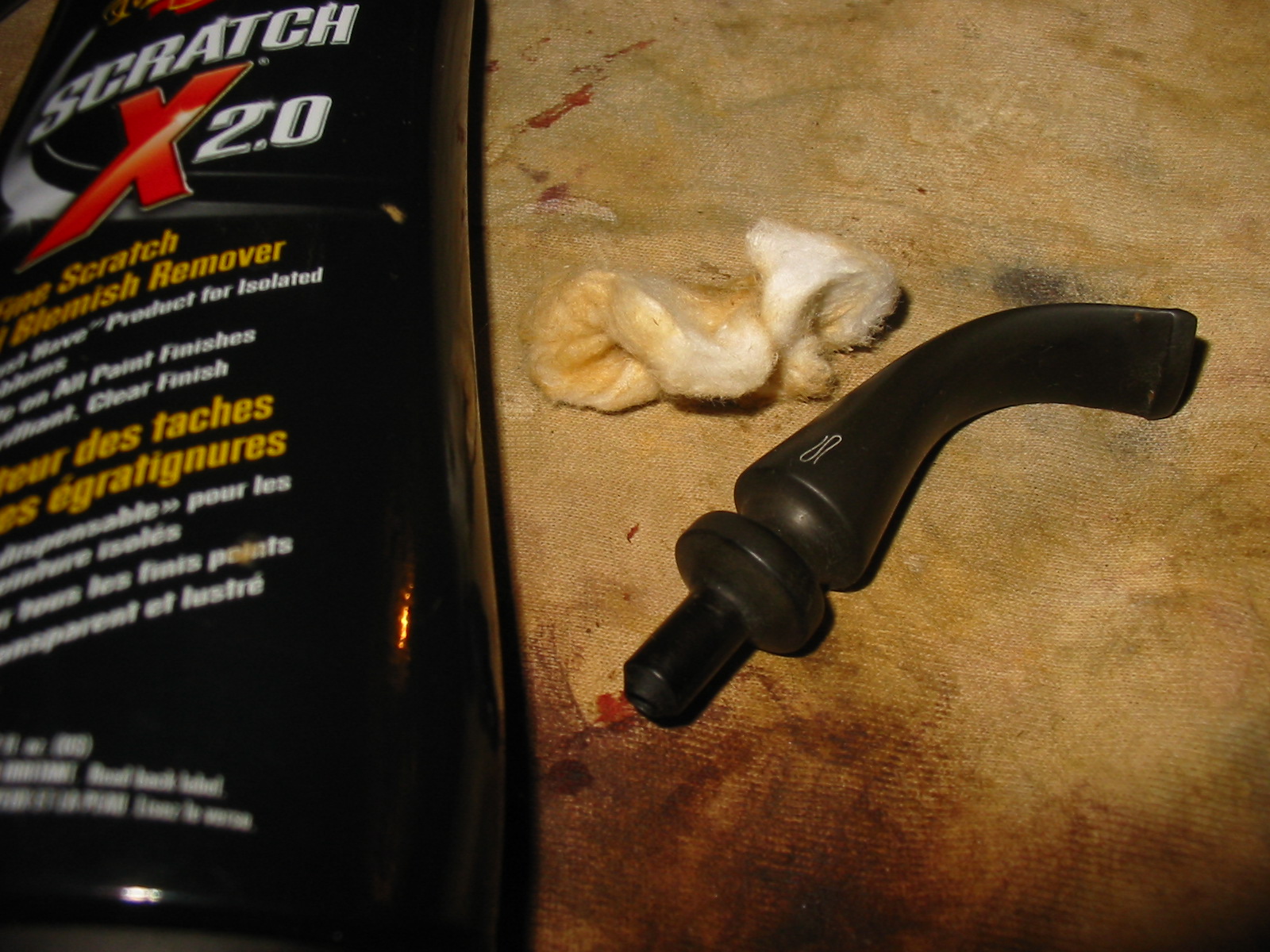
The next six photos show the process and progress of polishing the stem with Maguiar’s. I wanted to preserve the stamping on the stem so I was careful around that. I rubbed the polish into the stem, wiped it off and reapplied and rewiped until I had removed most of the oxidation.

ImageImageImageImageImageImage

The next series of four photos shows the progress on the stem. I reinserted it in the bowl and shank to give me a clear picture of the progress in removing the oxidation. The shank extension was a bright black and the stem still needed some work to remove the oxidation. The chairleg portion of the stem was the hardest to work on, that and around the stamping on the stem.

ImageImageImageImage

I worked on the stem with 320 grit sandpaper to remove the tooth chatter that is visible in the photo above. I also used the micromesh pads to address the oxidation on the top and underside of the stem. I restarted with 1500 grit micromesh and worked through the rest all the way to 12,000. The next series of four photos show the stem at the finish of much sanding. The oxidation was beginning to disappear even in the chairleg part of the stem. You can still see the tooth chatter in the photos and the oxidation. More work needed to be done on the stem to remove it all.

ImageImageImageImage

I reworked the stem with 320 grit sandpaper and micromesh sanding pads to remove the tooth chatter and to address the remaining oxidation. I polished it again with the Maguiar’s polish and then buffed it with White Diamond. The finished pipe is pictured below. It is ready to load up and enjoy today while I am at work.

ImageImageImageImage

Dr Grabow Restoration and Stem Repair


Blog by Greg Wolford

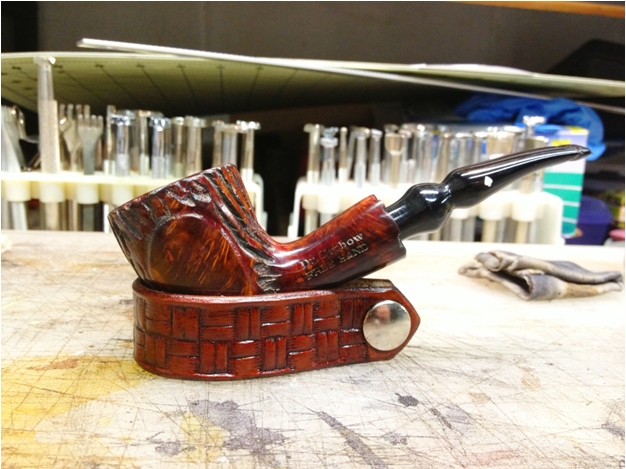
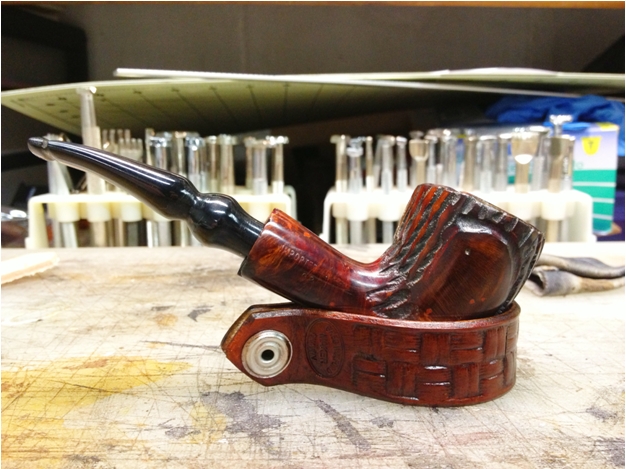
I picked up this Dr Grabow Freehand at an antique mall about a month ago when I got the Wally Frank that is visible in the photos, too. It was scratched to heck on all the smooth briar and the stem was chewed completely through. But I went ahead and bought it for three reasons:

– I’ve  never had a freehand
– I have been wanting to restore a stem with a hole or, in this case, a lot of damage
– I got a pretty decent price
So, I picked it up.Greg1

Greg2

Greg3

Greg4

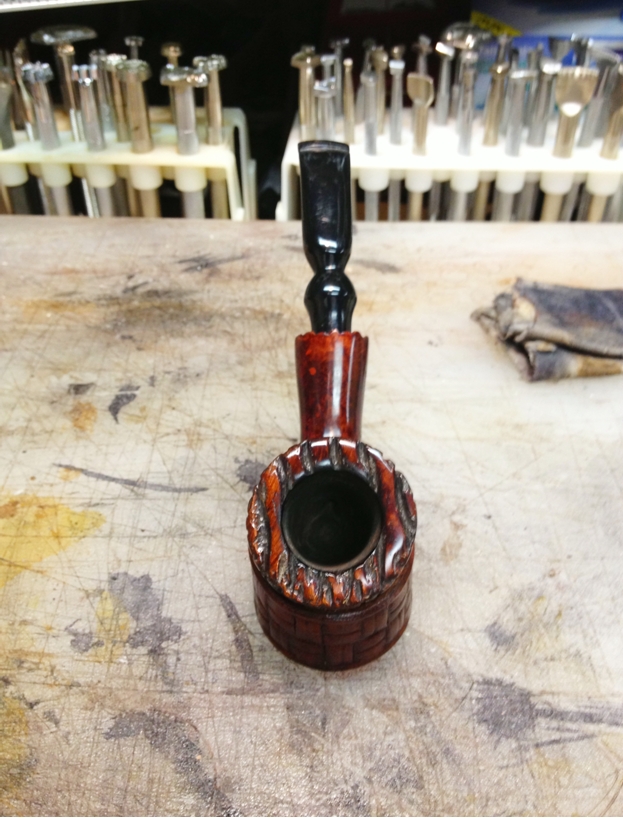
Greg5 I decided to deal with the bowl first, by stripping it with acetone and soaking it overnight in an alcohol bath; I also put the stem in a OxiClean soak at this time.  After removing the bowl from the alcohol bath I then used a brass bristle brush to get all the tar and gunk out of the rusticated top grooves. Then I sanded it to remove all the scratches from the smooth briar and take the old stain off the high points using 400 grit wet/dry sandpaper.Then I used some water based black leather dye on it, getting into the recesses well and wiping of the smooth portions as I went; I wanted to keep that darker contrast in the grooves. After I had it covered to my liking I dried it with the heat gun. Next I went back to 400 grit to take down the high points and smooth areas to remove the small amount of black color from the water based dye. When that looked good to my eye I polished it with 600 grit, wiped it down with 91% isopropyl alcohol on a cotton pad to remove any left over dust and dirt.  I heated it with the heat gun again to make sure the briar was good and dry. When it was nice and warm I applied Fiebing’s dark brown spirit-based leather dye, diluted 2:1 with 91% alcohol and flamed it in; I did this twice. The color was a bit too dark now so I wiped the pipe down, taking care to not soak my cotton pad too heavily or get into the recesses too much, with alcohol until it looked right to me. I then set it aside.Greg6

Greg7 When I soaked the bowl in the alcohol bath I also left the stem in a OxiClean soak overnight. I had removed and washed it well before starting on the bowl so it was ready now to work on.Greg8 I decided to shorten and reshape the stem instead of replacing it or trying to fix the gaping holes. I used a coping saw to cut off the end, saving as much of the stem as I could. The bottom hole had also cracked so it required removing quite a lot of the stem to get most of the crack out. The next step was to grease a pipe cleaner with petroleum jelly and insert it into the stem. I then dripped some Super Glue into the crack and let it set up while I worked on something else.

When I came back to it, the glue was hardened and I was ready to move on to the next step: making a new button. I began this process by scoring a line along the top and bottom of the stem where I wanted the button with a cutoff wheel on my Dremel. After I had the new button laid out, I then started to shape it with various needle files. I began shaping from the button back, forming it into shape with the rest of the stem. This took considerable time to get it even and “natural” looking. When I was satisfied I then began to shape the end of the button.Greg9

Greg10 I shaped the bit with needle files, too, again using several to get the shape right. The first step for this was getting the angle to look right on the top; this didn’t take as long as I expected. I then began to form the bottom of the bit, trying to match the shape of the top as close as I could; this took more time and effort than I’d expected.

Making a new drought hole was something new to me. And was not without its challenges either. I used my needle files, again, to start shaping the new hole, making it a bit taller as well as wider than the hole that was left in the cut off stem. I took the extra time to fan the drought hole, too, partly because I wanted to and partly to see if I could do it. This ended up being some of the most time-consuming and tedious work of the entire project: I needed to make sure I didn’t go too thin in any direction but I wanted the hole to really funnel out well. I am pleased with the results and the way it smokes and would say it was worth the extra time and effort to accomplish it.Greg11

Greg12 After all the shaping I wiped the stem well with alcohol to clean it off for a test fit – to my mouth. The test failed; the bit was too long and too steep. So back to the files I went. I filed, tested, filed, tested a few times until it felt comfortable in my mouth and looked good to me. Now time to get it shiny again.

I began with a fine/medium grit sanding sponge. It worked very well to get in and around the bit to smooth it a bit more and to take out the file marks. I then began wet sanding with grits 220/320/400. At this point I applied some Novus 2 plastic polish. The Novus line come in three grades: 3 – the most course, 2 – the second, and 1 – the final polish. I began using this product on my motorcycle windshield a few years ago and loved it. I have numbers 1 & 2 but have yet to try 3.

After using the Novus, I began with the micro mesh, wet sanding with grits 1500/1800/2400/3200/4000 (I’m not looking at the numbers but I believe that was the correct grit numbers. I applied the Novus 2 again and then polished with micro mesh 6000/8000/12000. Now it was off to the buffer with pipe and stem.

I buffed the pipe several times around with Tripoli to get the color just where I liked it. I then moved onto the white diamond for both the pipe and stem. I took a little extra time on the stem to make sure I fine tuned the button a little more, testing it every so often. After buffing the pipe and stem with white diamond I changed to a metal buffing wheel with blue rouge to polish the metal tenon on the stem; I hate a nicely polished stem that hasn’t has the metal (if there is any) not polished, too.Greg13

Greg14

Greg15 Several coats of carnauba wax was then applied to both pipe and stem. I did the final buffing with my “mushroom” on my cordless drill. I like the control I have with it and also the fact it’ll reach almost anyplace with little effort. The final touch was to polish the rustication with a soft toothbrush to make sure I didn’t have any wax residue left.Greg16 There were, and still are, some fills in the pipe but I wasn’t particularly concerned with them. Several are on the shank and it would have been “dicey” to try to fix them without ruining the nomenclature. There was one fill on the side that fell out, presumably from the softening of the putty in the alcohol bath. I missed that one until after I had already started smoking it.  If I’d seen it earlier in the process I would have fixed that one but now it’s there for the duration.Greg17 (I couldn’t get a good focused shot of the finished button.)

A Pair of Rare Dunhill Cobs – Dunhillbillies


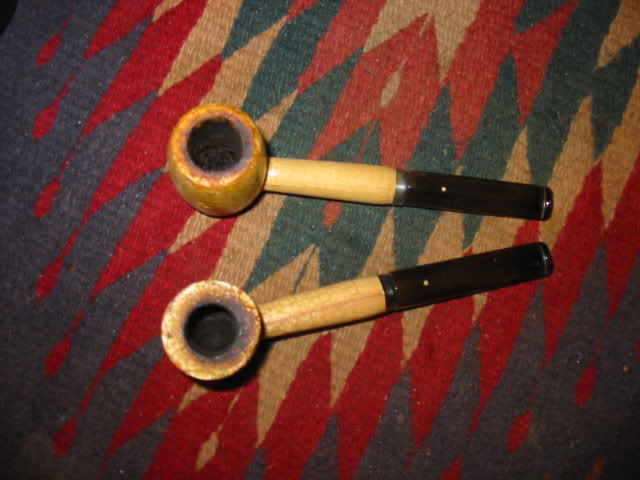
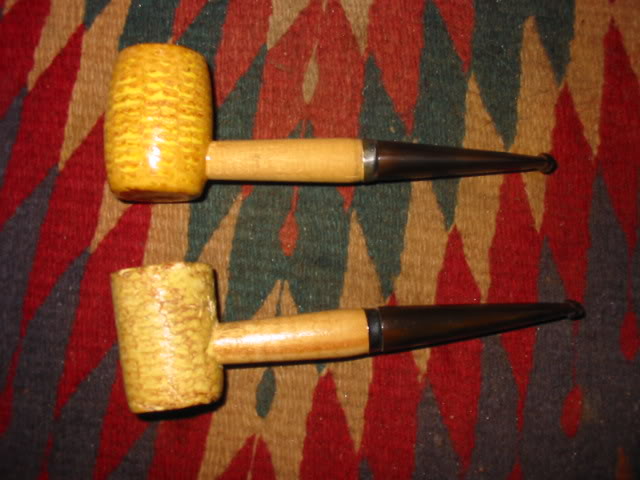
On a lark I restemmed a couple of my Missouri Meerschaum cobs a while back for a special pipe cleaning and polishing night hosted by our local Dunhill and Brigham Representative. He told us that if we brought our old pipes with oxidized stems he would buff them and polish them for us – no charge. Being a bit of a joker and handyman I scavenged in my can of stems and found two oxidized Dunhill white spot stems. These had just the right sized tenons to fit on a couple of old cobs that I had here. So with very little effort, I made them fit the shank. Just in case some of you are worried that I might have ruined them by trimming them back, I assure you that I did nothing to the stems other than clean them up a wee bit and then insert them into my cobs.

Thus armed I packed my trusty pipe bag – holds eight pipes. I included some other nice pipes that I wanted to have the benefit of having buffed but I also included the pair of Dunhill cobs. I waited for an opportune moment when the handy rep was at the buffing wheel. There was a lag in the number of gents coming to him for buffing work so I sidled over and handed him my good pipes first and he did a magnificent job cleaning and waxing them on his wheels. When he had finished them he asked if I had any others that I wanted him to take care of. I hemmed and hahed a bit and then said I had a couple but that they were very special and rare. I wanted to make sure that he would not damage them in any way. I emphasized the fact of their rarity by stating that in fact I had never seen or come across any like them in all the years I had been smoking a pipe.

With that I had hooked him and he turned off his buffer and looked inquiringly. I could see the look in his eye – full of questions. What kind of pipes could I possibly have that I was worried he would harm them? What could I have in my bag that I was slow to pull out and have him buff? I think he was a bit put out by my slow response. So now that I had him hooked I decided to work him a little bit and play with the hook. I began to spin the tale I had worked on earlier in the afternoon. I was enjoying every moment of this so I dragged it out a bit longer than necessary probably, but as I talked a small group of other pipesmokers had gathered around the wheel. We were all puffing on pipes of chosen tobaccos and everyone was interested.

I spun the tale of how I had come across these two special pipes in a cabinet at a local antique mall in Fort Langley, British Columbia. I had gotten the clerk to unlock the cabinet and carefully removed the pair from the cabinet. I looked each of them over carefully so as not to break them. After all I did not want to buy something that was worthless. Both pipes were a bit worn from wear and showed some charring at the rim but otherwise they were clean and seemed to be solid. The clerk said they were rare and who was I to argue as I had never seen anything like the two of them. The price for each was a kingly sum. At this point in my tale I looked at each of my listeners. But in particular I fixed my eyes on the buffing king. I wanted to emphasize the cost of these gems. Now my tale had captured the most dubious of them so I began to reel them in. I explained the stems and the slight oxidation that each had. I explained how they each had a white dot set in the vulcanite of the stems. At this point I am sure the buffing king was wondering if I had stumbled on a pair of early patent era Dunhills. All those listening to the tale know my proclivity for pipe scavenging and how I am pretty lucky in my finds. I honestly think that I had struck the motherlode of pipes finds.

The Dunhill Rep/buffing king was beside himself now. He wanted to see them now. He wanted to handle the two old timers and get a feel for their age and ply his skill in bringing the shine back to life on them both. But I wanted to set the hook a bit deeper so I continued talking about how I had carefully carried them to the cashier and shelled out the money for them. I talked of the deep shell finish on both and the almost amberlike brown of the bowls and shanks. Then as they were almost salivating I pulled the pair out of my bag and handed them to him with the bowls and shanks hidden in my hands. Just the two white spot stem poked out of my hands. I slowly and carefully opened my hands to reveal the treasure. I told him they were called Dunhillbillies. And with that everyone but him was just about rolling on the floor in laughter. They just shook their heads and few of them had choice comments for me. But the buffing king looked at me with a grimace and then he laughed loudly, shaking his head. I have to hand it to him as he did a great job buffing the pair. The pictures below show the twosome after his hard work. What do you think? Are they treasures or not?

ImageImage

Refurb – a Lovely Jobey Poker


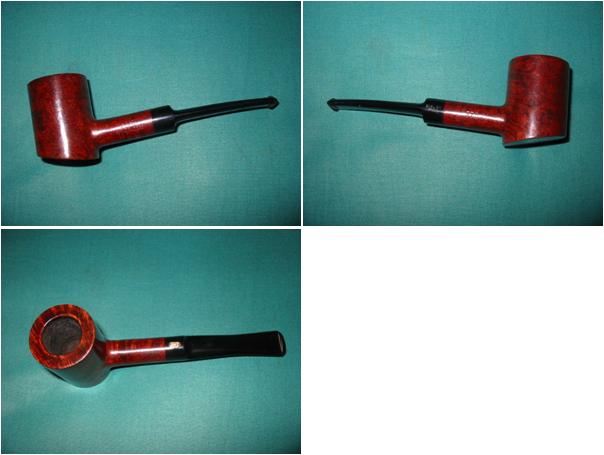
This came across my desk as part of a lot I picked up somewhere along the way. It gets pretty bad when you cannot remember where you found a certain pipe. When I picked this up I figured it would be one that came and went. I have bought, sold and traded many Jobey pipes over the years and kept none of them. Nothing personal against Jobey’s I just always used them as a step towards something else I wanted more. This one was a bit unique. I had not had a Jobey like this or a poker before so this one was a new one for me. In terms of a Jobey it does not have the patented Jobey connector for the stem and shank. I was a normal push tenon. The tenon also was stepped down. The pipe is stamped English Para on the stem. The bowl itself is quite a nice piece of briar – no fills. It is stamped Jobey in script and Hand Rubbed under that. The other side of the shank gives the shape number 370.
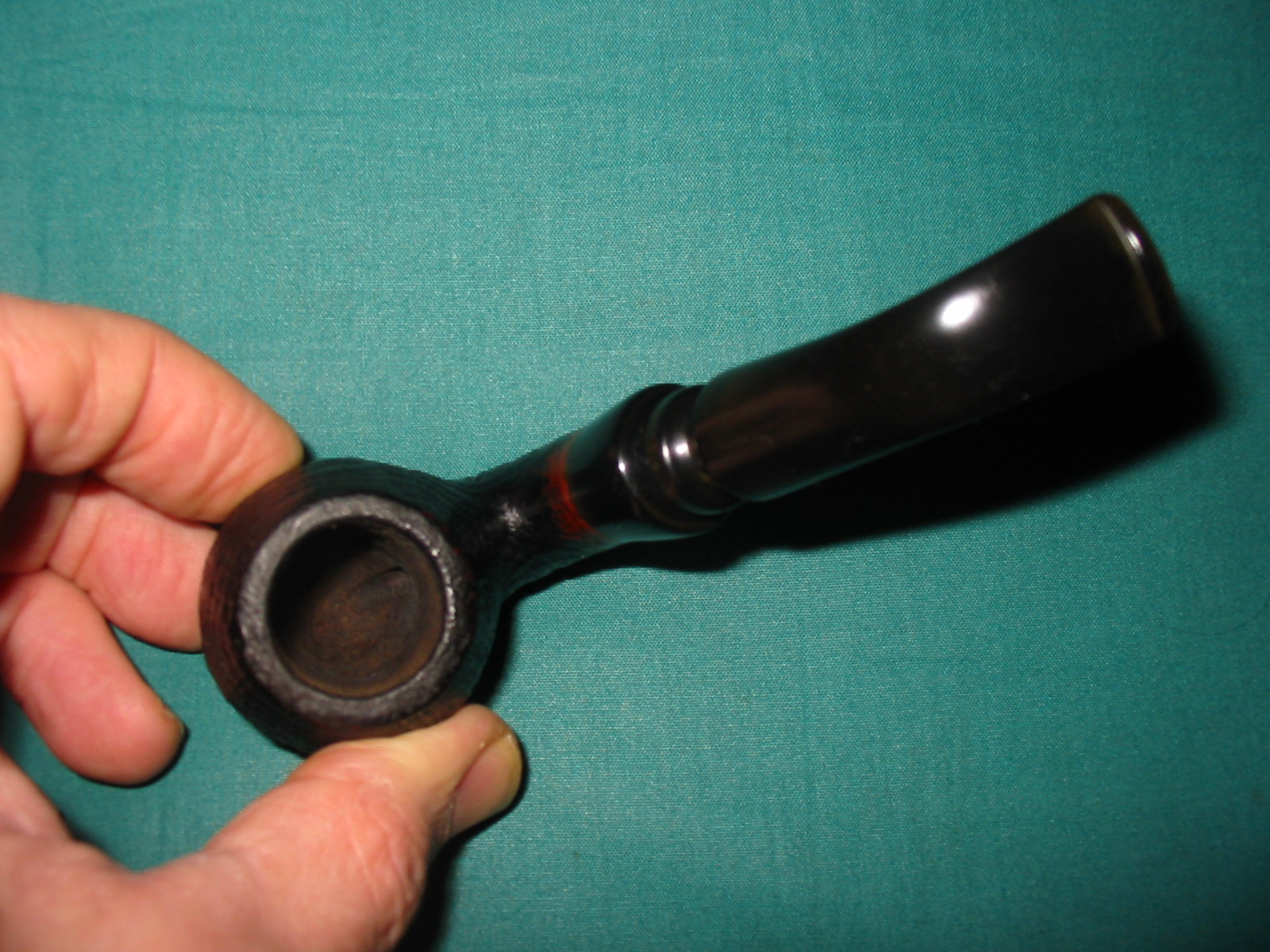
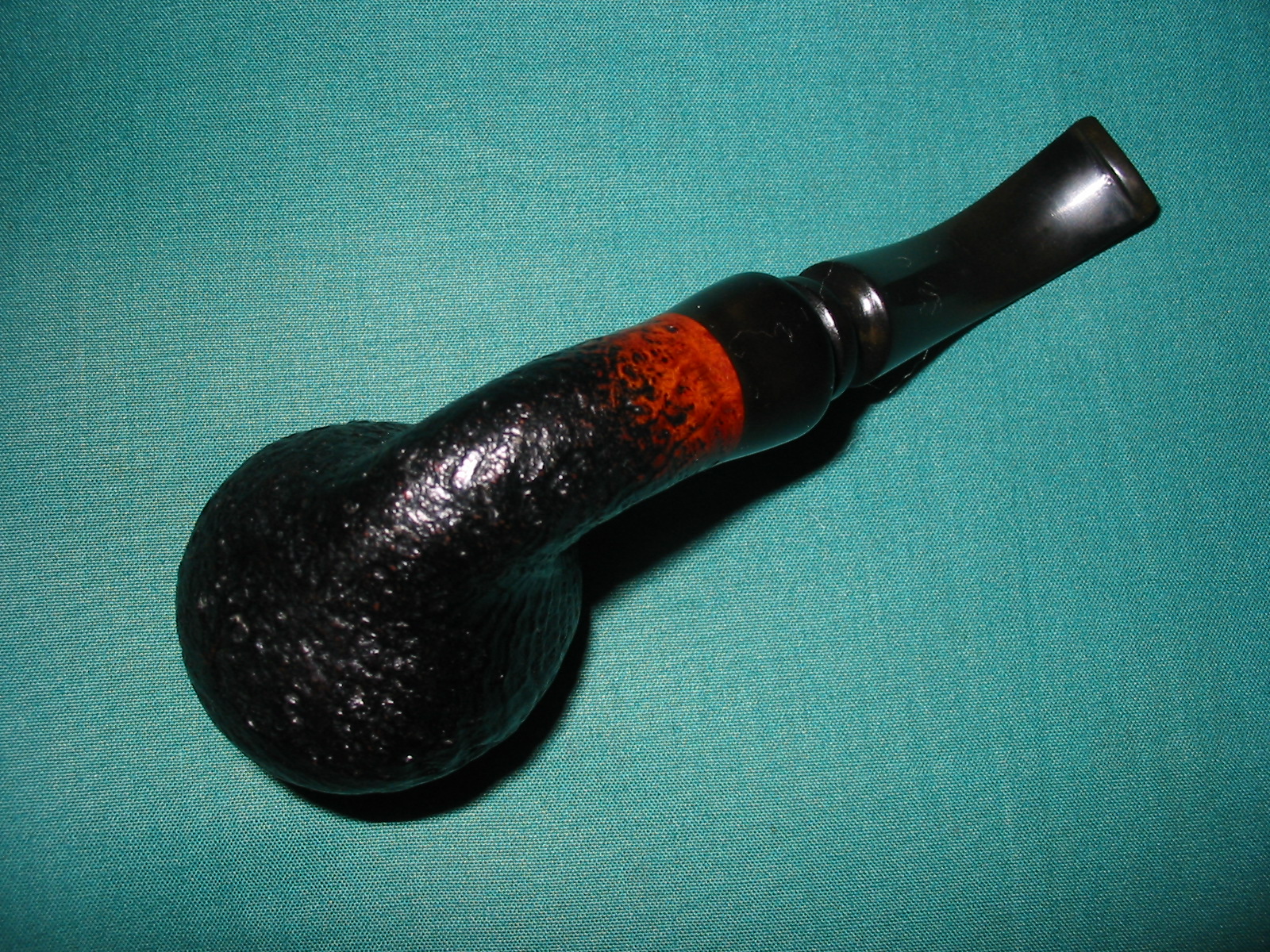
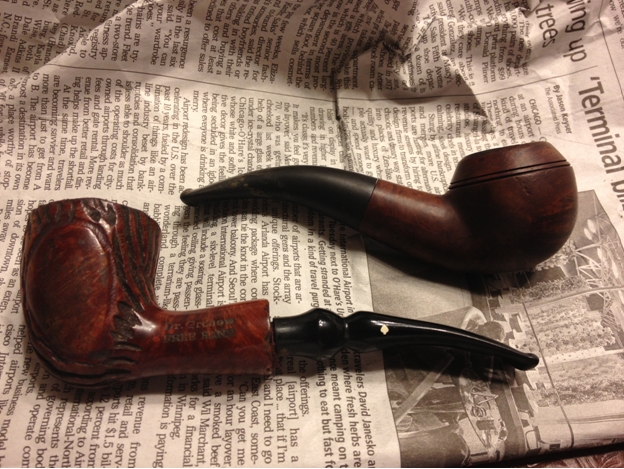
Its condition was quite easy to work on and needed only to be reamed and cleaned. The finish was only dirty and had become cloudy from the many coats of wax that it carried. I wiped it down with a cotton bad dampened with 99% isopropyl alcohol to remove some of the grime. I do this carefully so as not to remove the underlying finish. In this case it worked beautifully and the finish remained. The grain was once again very clear and had a matte look. I took it to my buffer and used some White Diamond to buff it and then gave it several coats of carnauba wax.
Jobey

Do something crazy, I dare ya! – Piet Binsbergen, 27 October 2012


Well I am a painter by trade. www.art.co.za/peterbinsbergen

I have not painted in some time as I have taken time out to work on a PhD in the field of art. I must admit, the timing is good as I kind of painted myself into a corner over the last 10 years. My passion is pipes. For some years I have been learning the trade of repair which was born from the need to be self-sufficient. I came to learn that imitating textures on canvas has become limiting. I surround myself with exotic woods and various metals which have tickled my senses and opened doors. I have no idea where I will be going in future but my research may reveal the way ahead.  For now I am having fun, and here is my way of expression.

It started in the form of Hot Rods. Pipes I could express myself with and push the boundaries. I have still felt that I am holding back. I spend much time with the South African pipe maker Jean du Toit, aka Jan Pietenpauw (www.pietenpauw.co.za). We get into interesting debates about pipes and pipe lore and I have learnt much from him over the past few years. Sometimes we collaborate, sometimes argue about shape and form but in essence the man is a sculptor. For this reason I will not carve pipes from scratch. I simply cannot compete with master carvers of our time. Besides, my interests lie elsewhere.

While working on my Hot Rod pipes I came to realise that I may be dabbling in art of some sort. The conceptualization process is the same, the medium differs. I decided that the pipes need to tell a story, places I have been, found objects I may have collected while being out and about. This idea came to me while making up the S.A.Y. 15 Plumbing pipe after a visit to my father-in-law out of town. I have nothing to lose; the pipes belong to me and not my clients.

I admire Ollie Sylvester for doing what he does. Steven Downie is the Guru. These are people who are really pushing the boundaries. In no way do I compare myself to these people; I just set about doing what I do.

Here is my “Davey Jones” pipe inspired by watching “Pirates of the Caribbean”, I noticed that “Mr. tentacles” himself smokes a real basic pipe. Here is my version.

This is a collaboration piece between Jan Pietenpauw and myself. He is in the process of carving the BIPS form 2013 poy’s. This stummel was misjudged on his part while in the jig on the lathe. The shank cracked in the process and it landed up in his trash box. Now I love his trash box. I have lifted many “Not good enough” stummels from that box in the past. Nothing wrong with them at all, they just do not fit the master’s creative bill, but they sure fit mine at times.

The shank ring is aluminum. It was polished at first but it looked to new so that too ended up under the Dremel. The idea was to create something that looked like it came from Davey Jones’ locker, polished and cleaned. It is the first time I have taken a Dremel to a stem. This is a pre-moulded stem with an olive shank ring added. I went crazy trying to create the same texture as on the pipe so it would eaten or drift wood rotten. The contrast between the textured area and the high polished stem was a little close so I got the needed contrast by adding an oil paint white wash to the textured are before polishing the stem. Finally, to add to the craziness I heated the stem and formed the bend.

Here is the craziest pipe I have ever done!

Enjoy.
crazy1

crazy2

crazy3

crazy4

crazy5

Refurbished Peterson Sherlock Holmes 1994


I worked on this Peterson Sherlock Holmes pipe with hallmarks on the silver band that date it to 1994. It has since found a new home and is being smoked and enjoyed by the new owner. The stamping on it was very light but still visible. The finish is in decent shape but very dirty. All of the crevices on the pipe were filled with grime and grit. The stem had oxidation and a light brown undercoating of brown throughout. The band was in great shape and just needed polishing. The bowl was a real question mark for me. It appears to have been drilled significantly larger. The bowl sides are smooth and they are still straight and clean. There was some blackening at the bottom of the bowl. I am thinking that the previous owner decided to open the bowl up and make it larger in order to hold more tobacco. The new owner says that it still smokes well so the drilling did not ruin the pipe.
Pete1

I scrubbed the bowl surface with some undiluted Murphy’s Oil Soap and a soft bristle tooth brush to get the grime out of the crevices. I repeated it until it was clean the grime was gone. I know many people do not like oil soap as it removes some of the stain on a pipe. But in this case it worked wonders. Once I had finished scrubbing it I washed it off with warm water and dried it with a soft cotton cloth. When it was dry I polished it with Halcyon wax and buffed it on my buffer with a soft clean flannel buffing pad. The oxidation on the stem came off easily with my buffer and Tripoli and White Diamond. I finished the stem by buffing it with carnauba wax.
Pete2

Pete3

Restemmed Petersons 69 – Second Try was a Charm


I had this old Peterson 69 bowl in my refurb bin for quite awhile. It is stamped also on the other side K&P Dublin, Made in the Republic of Ireland. I cleaned and reamed the bowl and cleaned out the mortise area with cotton swabs. I wiped the bowl down with acetone to remove the surface grime. I topped the bowl as it had major dents and roughening on the top from abuse. It needed a stem so I researched the kind of stem it needed and called a Peterson repair person in the states to have one sent to me.

Here is where the story gets a bit dicey. All I really wanted was to have the stem sent and I would fit it to the pipe but I let myself be talked into sending it south. It came back with the wrong stem on it and also had some serious cut marks on the tenon end. It also was a stem for a p-lip system pipe and the 69 is not a system pipe as far as I can tell. I was a bit frustrated to say the least so I set it aside for a week or two before calling the repairman and letting him know what I was feeling. I have to say that it is frustrating to expect one thing and get another. It is also frustrating to know that I could have done the work myself in less time if only I had a stem blank that I could have used.

I sent it back to him for a redo and included this internet photo of the pipe with the stem.
peter1

When it finally came back it was better – see the photos below. It was much better so I decided I was done with sending it back. Two times is enough. Once it was back I finished working on the rim and the rest of the bowl. I stained it with a medium brown aniline stain. It took the stain well and came out a reddish brown colour. I buffed it with Tripoli and White Diamond to polish the stem so the grain would show through. I finished it with several coats of carnauba wax and buffed with a soft flannel buff. The silver ferrule was polished with silver polish. It is a good smoker and is comfortable in the mouth.
Peter2

peter3

peter4

peter5