Author Archives: upshallfan

Unknown's avatar

About upshallfan

Moderator on the PipesMagazine forum since 2011. Guest contributor on the Reborn Pipes Blog by Steve Laug.

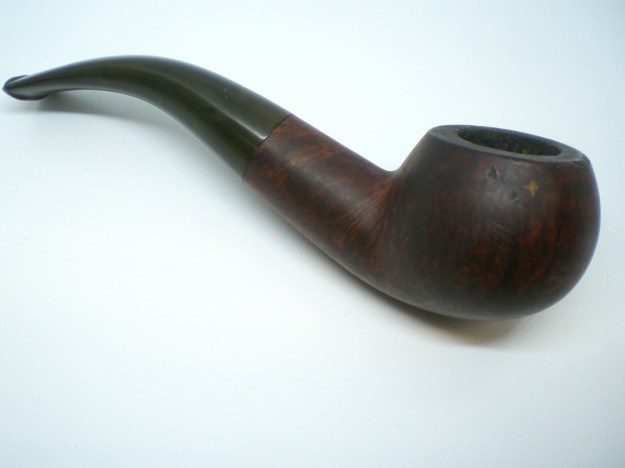
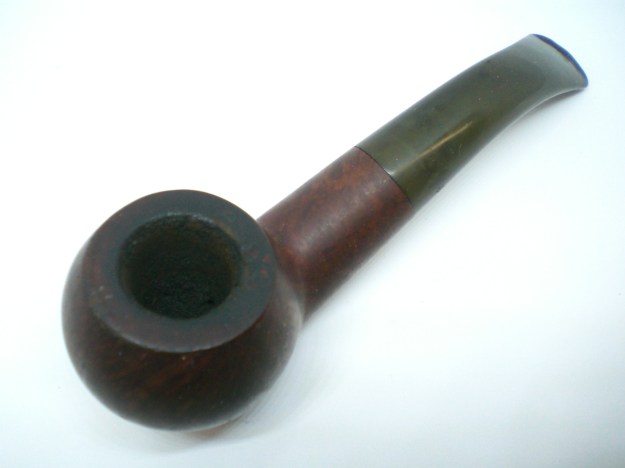
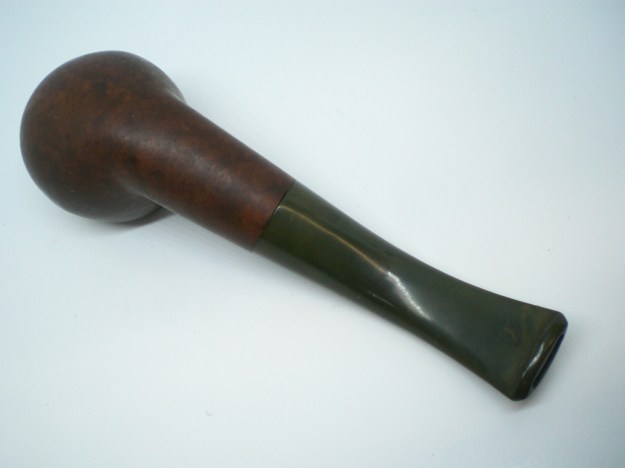
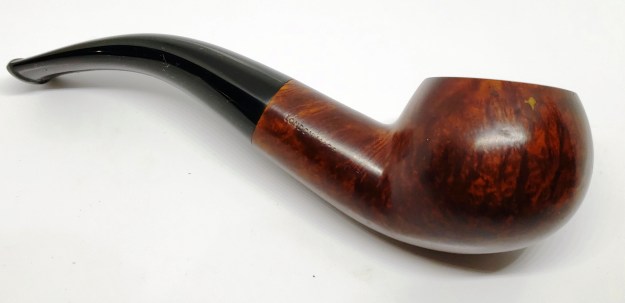
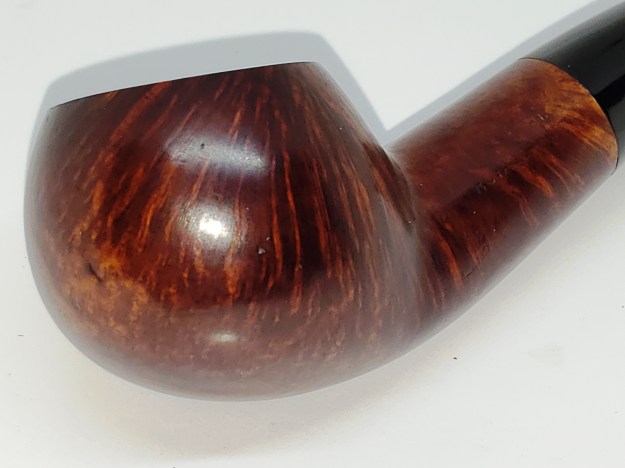
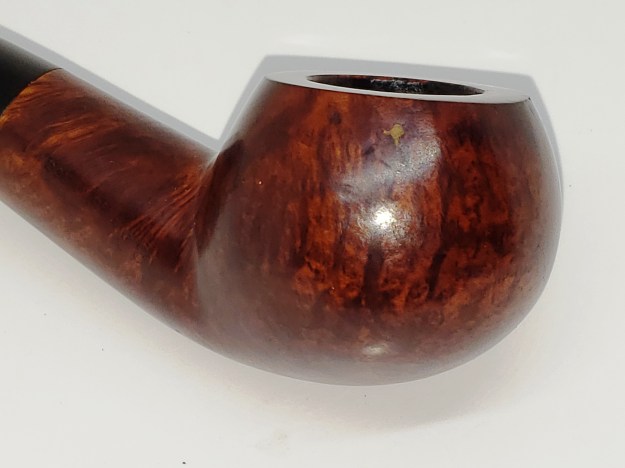
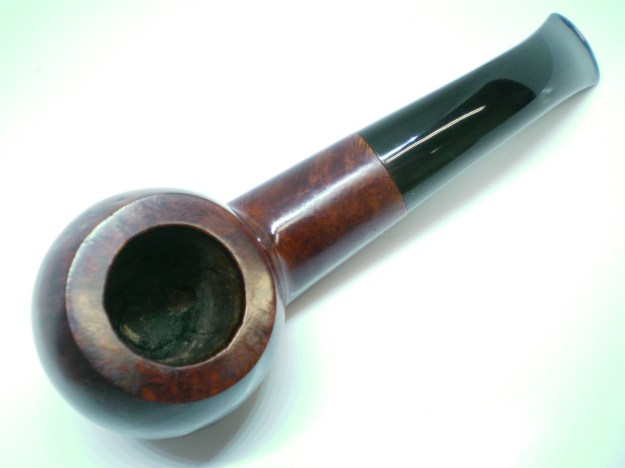
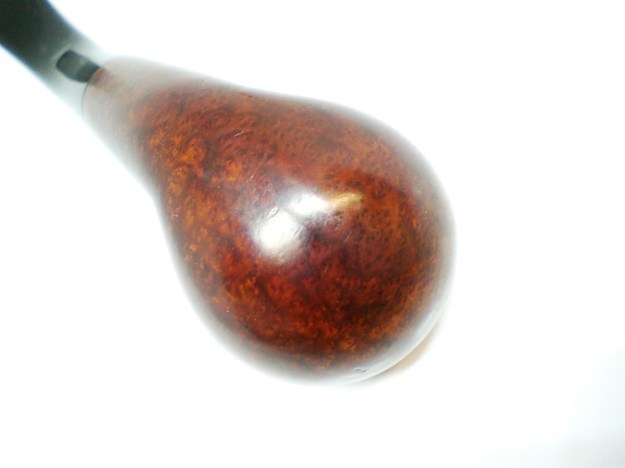
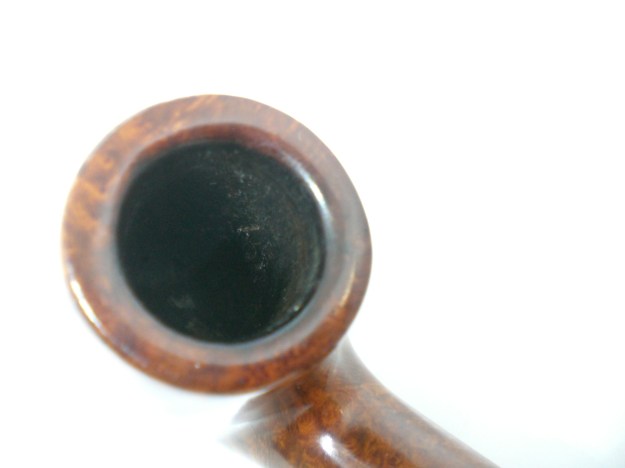
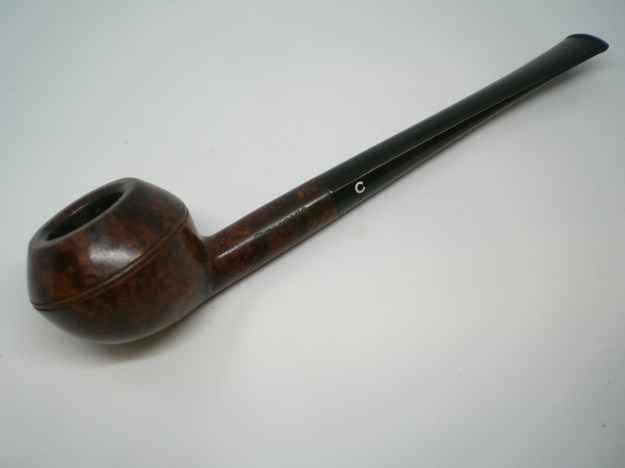
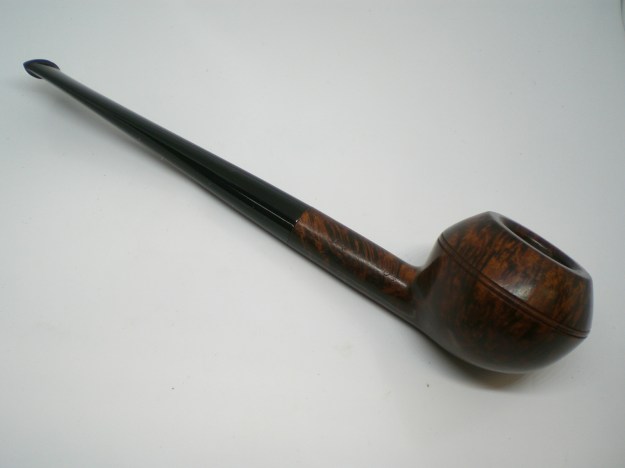
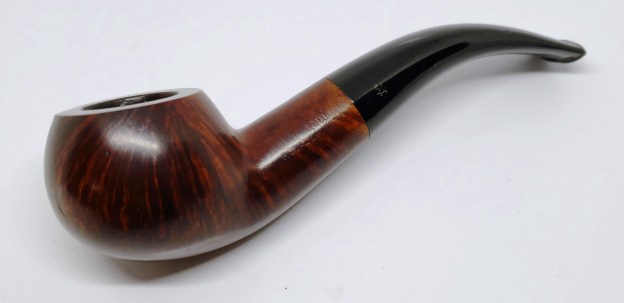
Comoys Supreme Grain Bent Billiard Restoration


By Al Jones

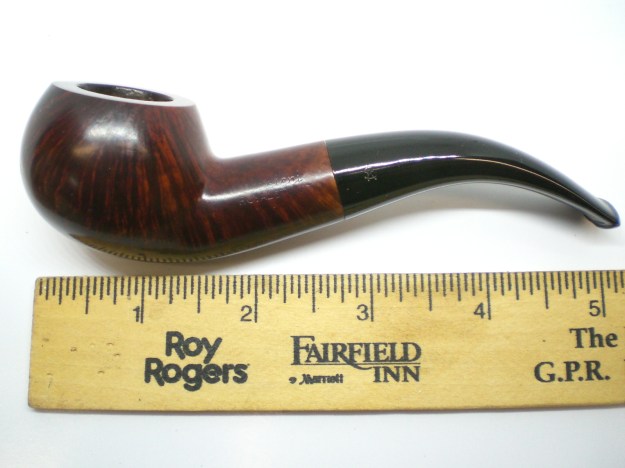
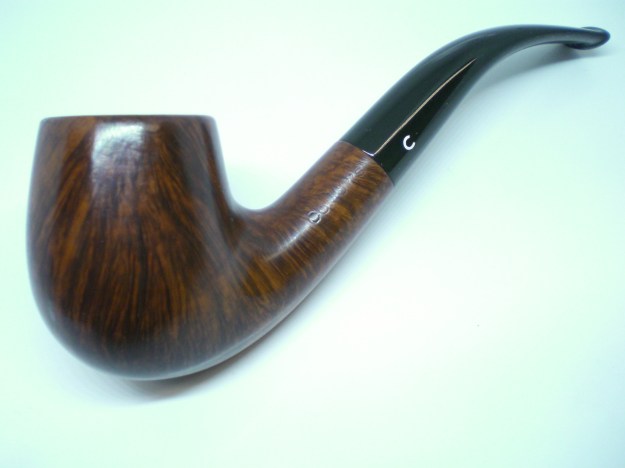
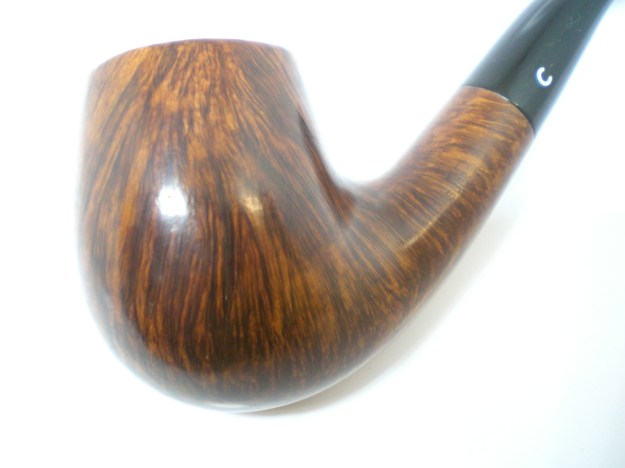
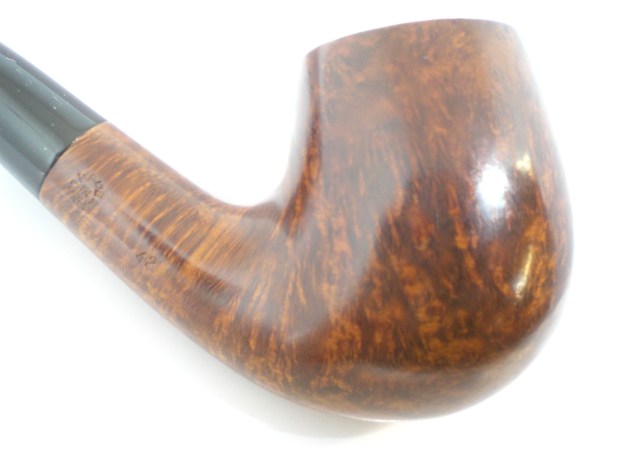
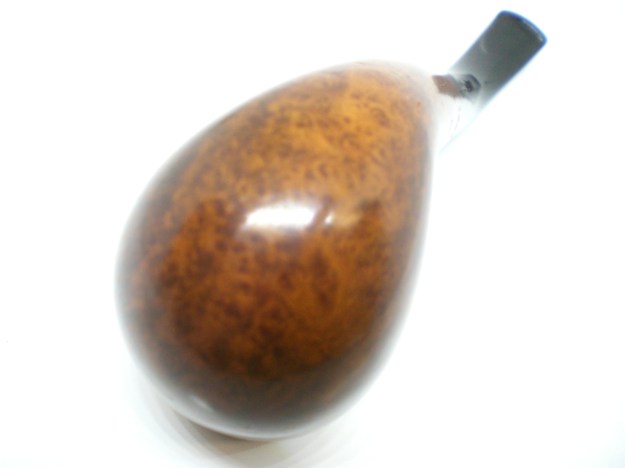
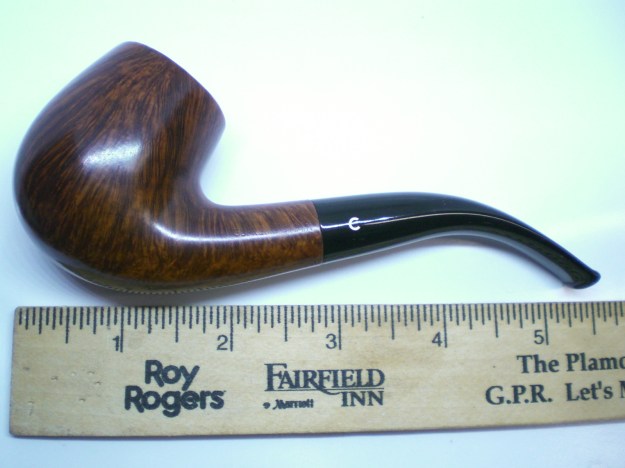
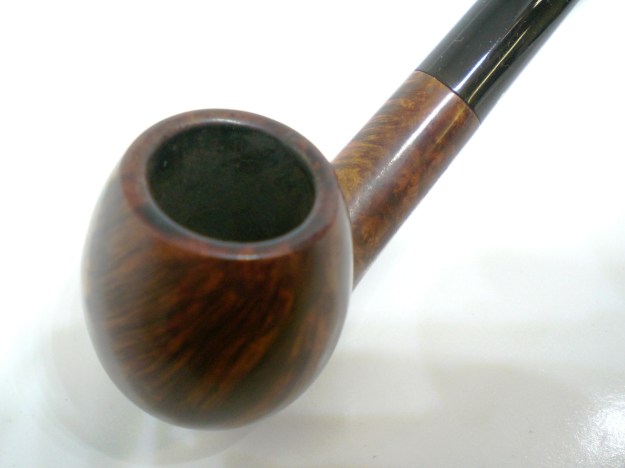
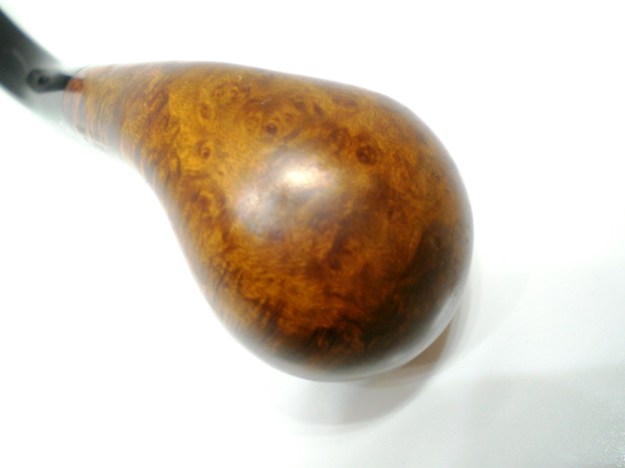
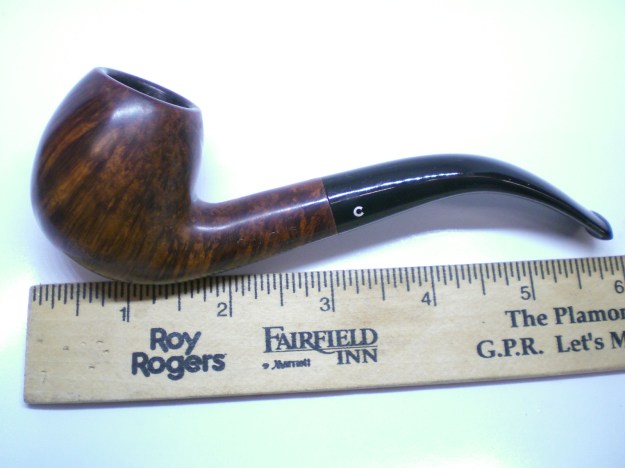
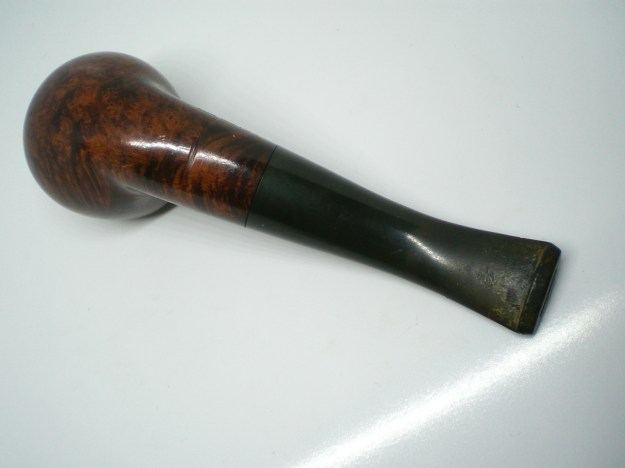
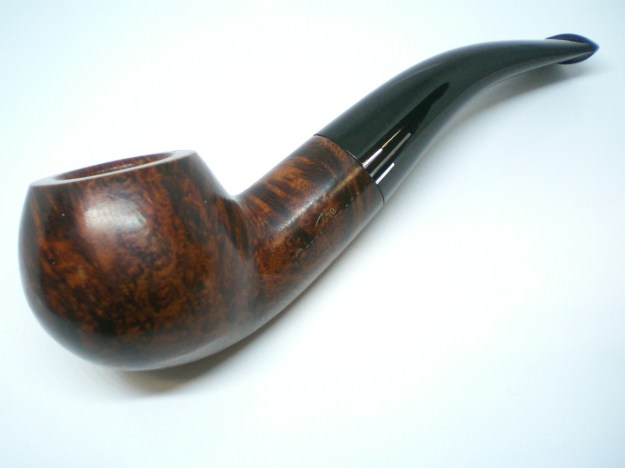
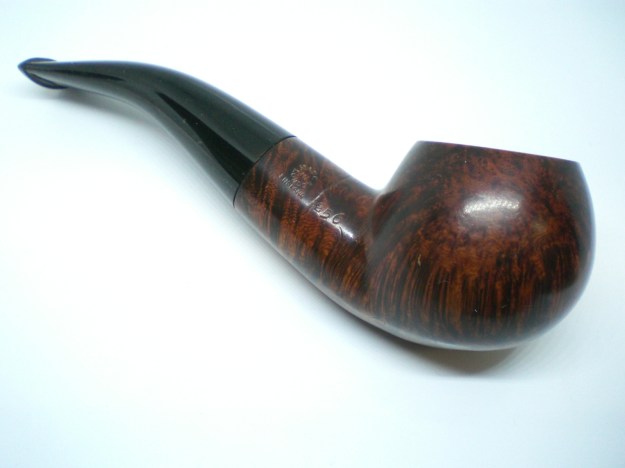
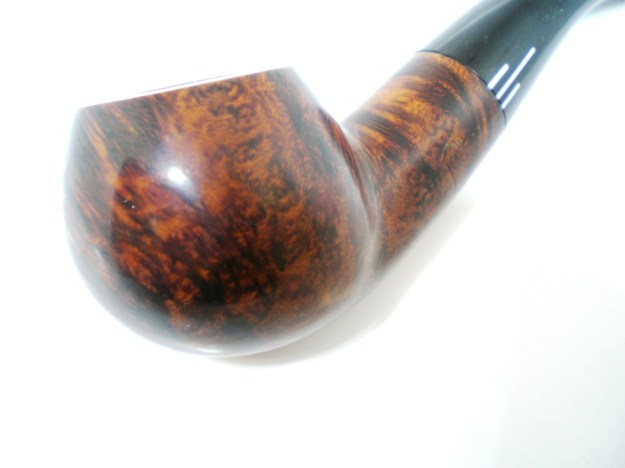
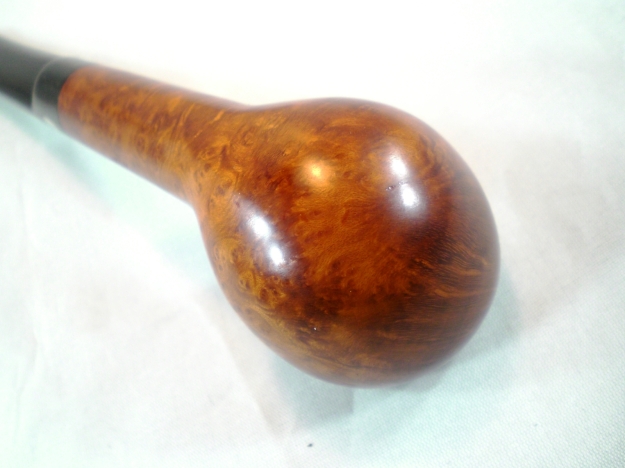
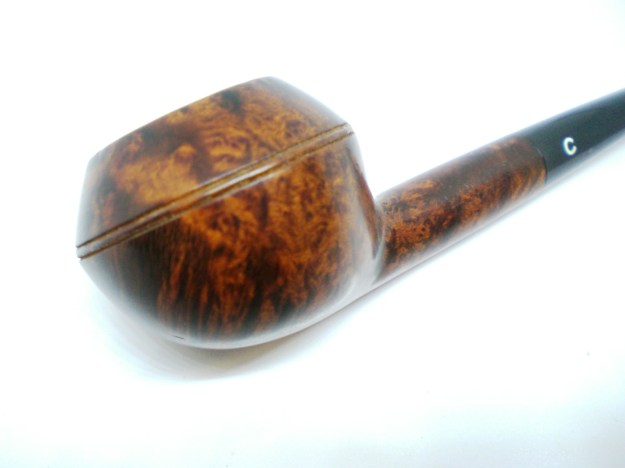
This is the 2nd Comoys that I restored this weekend.  And, the first “Supreme Grain” that I’ve ever seen.  I found a few examples on the web.  The pipe was in very solid condition.  Unfortunately, I also lost the before pictures of this pipe and only have the sellers.  As you can see, it is aptly named, and better grain than some Blue Ribands that I’ve seen.

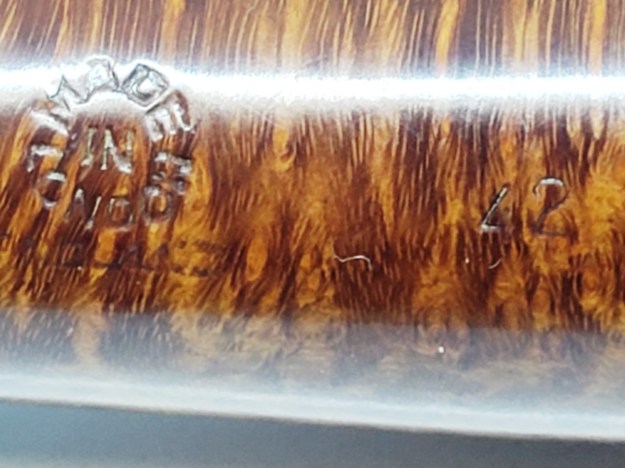
The pipe had very light oxidation and a few dings and bruises in the briar.  The shape 42 is the larger of the two Comoy’s bent billiards.

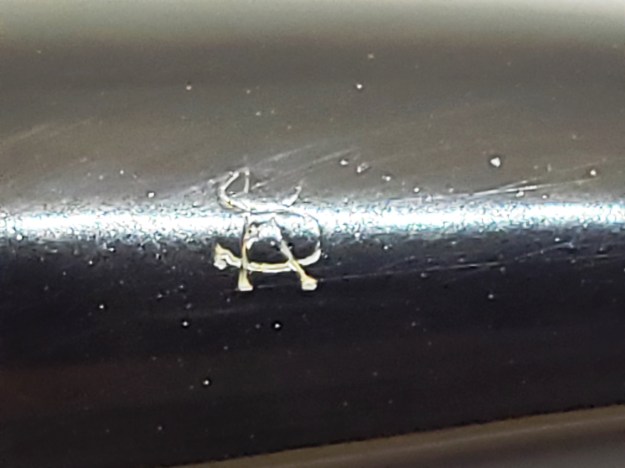
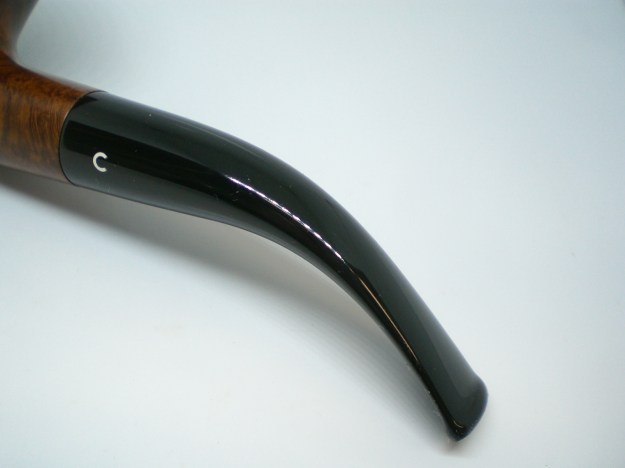
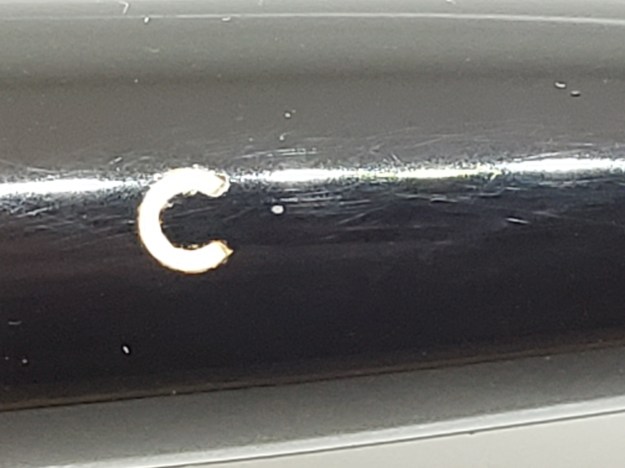
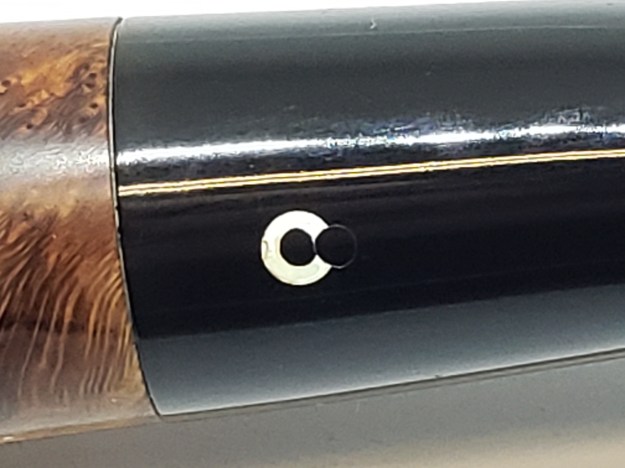
I initially thought it had a drilled C and started restoration the restoration with my usual regiment, which involves sanding right over the very durable logo.  I was horrified on closer examination to find out that the logo was not drilled.  However, it is seemingly quite deep and almost looks like an insert of sorts.  I’ve done a lot of Comoys pipes from every era, but not yet encountered one quite like this one.

I removed the very light oxidation with 800, 1,500 and 2,000 grit wet paper, this was followed by 8,000 and 12,000 micromesh. The stem was then buffed with White Diamond and Meguiars Plastic Polish.

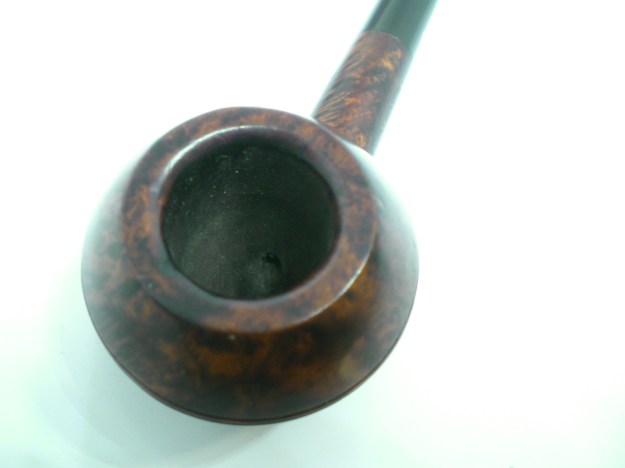
The bowl was reamed and soaked with alcohol and sea salt.  I used an electric iron on high with a wet cloth to steam out most of the dings around the bowl.  The bowl was then buffed with White Diamond and several coats of Carnuba wax.

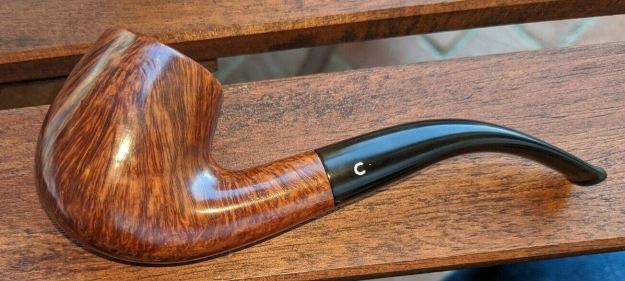
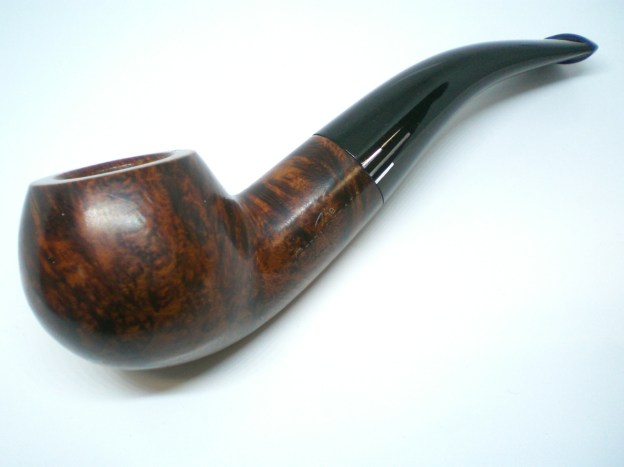
Below is the finished pipe.

Comoys 184 Golden Grain Restoration


By Al Jones

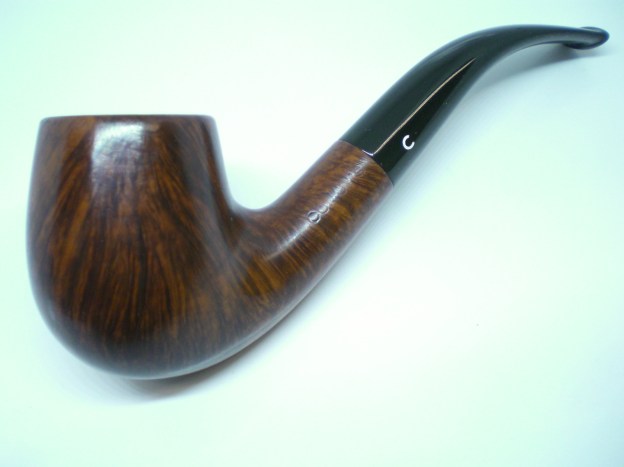
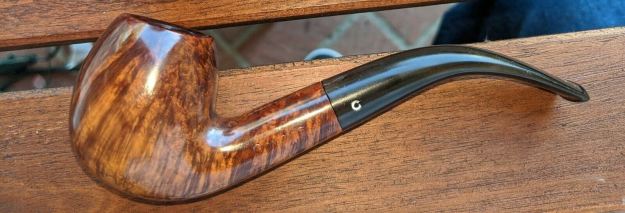
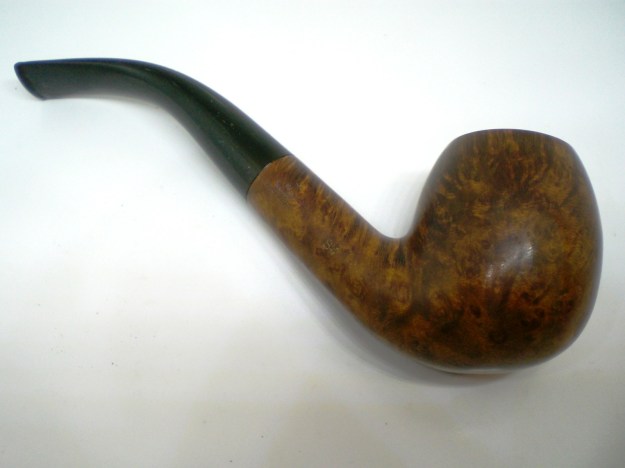
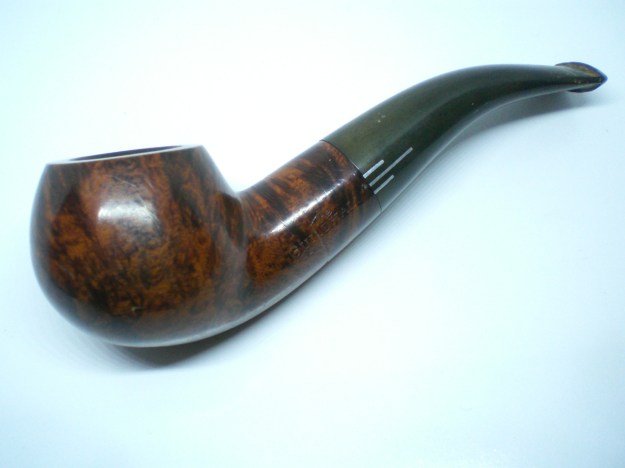
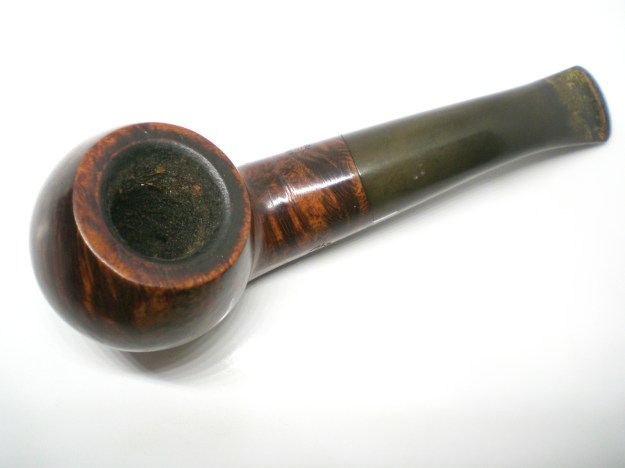
This looked like an easy restoration, but once in hand, it presented a few challenges.  I somehow deleted the “before” pictures, so I can’t share them.  This sellers picture shows that it was in pretty decent shape.  The shape 184 is listed as a Bent Apple on the Comoys shape chart and catalogs.

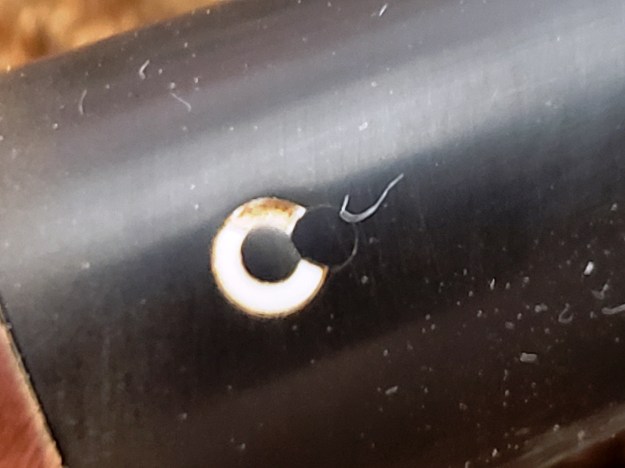
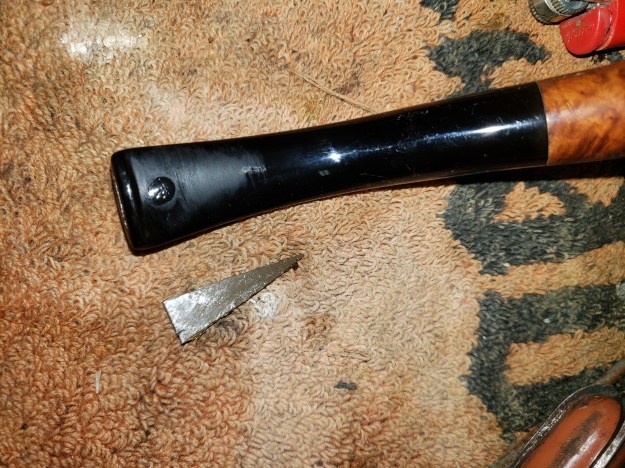
There was a white piece of the drilled, C stem logo and the button had what appeared to be a very poorly done hole repair.

The briar only needed to be reamed and soaked.  There were a few dents that I steamed out with an electric iron and cloth.

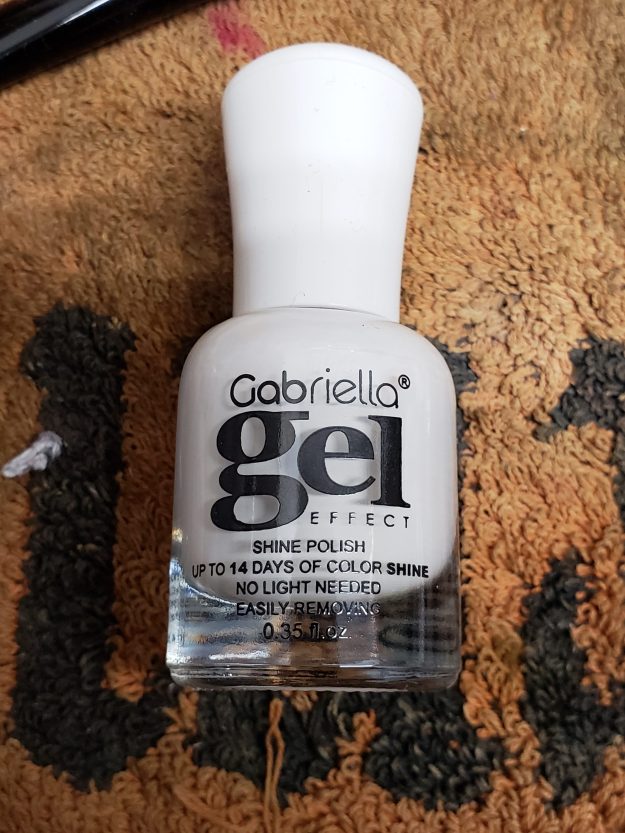
For the C logo fix, I entered a local beauty shop for the first time in my life and they recommended a white gel nail polish.  I applied the polish,let it sit overnight, than sanded smooth with 800 grit paper, it worked quite well and to the naked eye, is invisible.

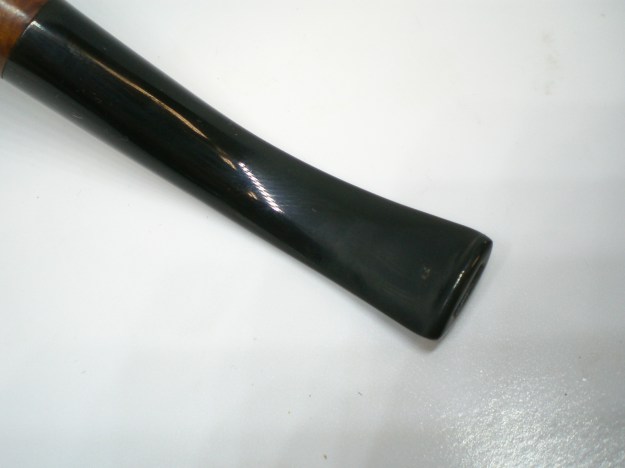
I removed the very light oxidation with 800, 1,500 and 2,000  grit wet paper, this was followed by 8,000 and 12,000 micromesh.  This removed the poor repair job to a tiny pin hole underneath the bottom. I used the black superglue and accelerator to make that repair.  I cut a small v-shaped piece from an old credit card, coated that in grease and inserted it into the button to keep glue from sealing the draft hole.  Once the glue set, the plastic card is removed.

The stem was buffed with White Diamond and Meguiars Plastic Polish.

The briar was buffed lightly with White Diamond and several coats of Carnuba wax.

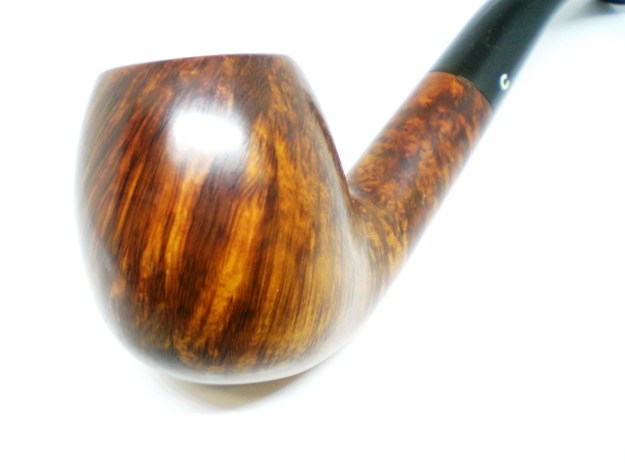
Below is the finished pipe.

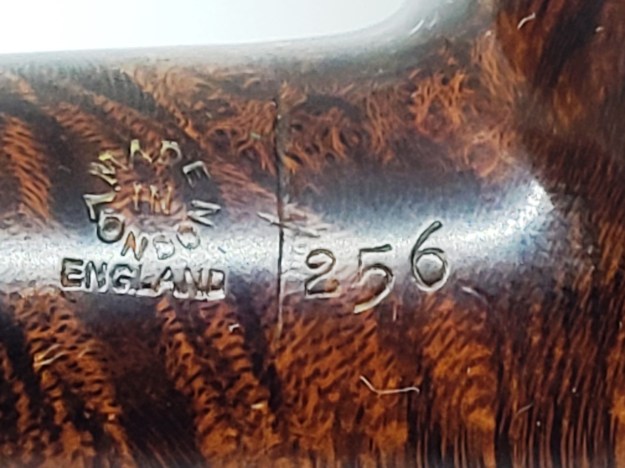
The Guildhall Shape 256 Restoration


By Al Jones

The Comoy’s Author shape, the 256 is one of my favorites and quite rare.  I’ve never been able to find this shape in any Comoy’s catalog, perhaps that contributes to it’s rarity. Three years ago, I was fortunate to find an Old Bruyere finish 256, and detailed that restoration here:

https://rebornpipes.com/2017/05/13/finally-comoys-old-bruyere-256-restoration/

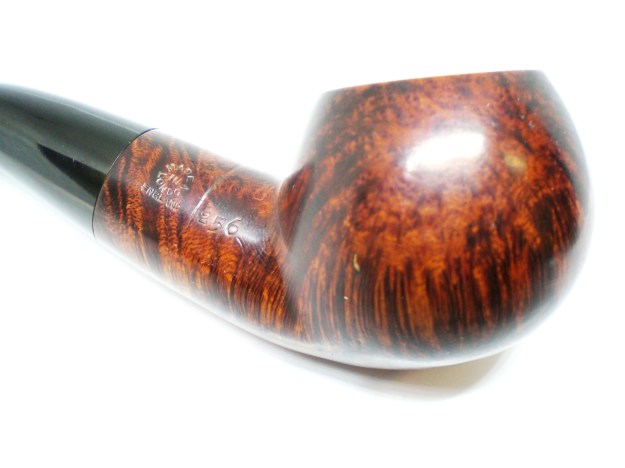
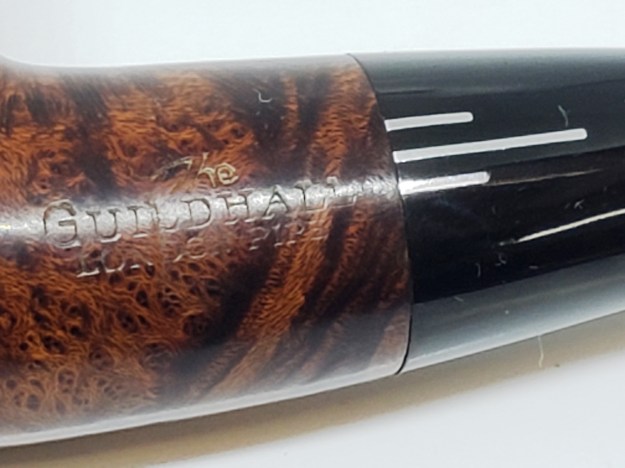
This pipe, is a Comoy’s second-line “The Guildhall”, instantly recognizable by the metal strats stem logo, which always captivates me.   The pipe arrived, with a one surprise, there were some deep circular marks in the briar, right around the shank.  I can’t imagine what created those marks, but I knew it was going to be a challenge to remove or minimize them.    Otherwise, it looked like a straightforward restoration.  There was minimal build-up on the bowl top and the stem was in very good condition.  Below is the pipe as it was received.

I used a piece of worn 2,000 grit wet paper to remove the build-up on the bowl top.  The bowl was then reamed and treated to an alcohol and sea salt soak.  While the bowl was soaking, I soaked the stem in a mild solution of Oxy-Clean.  Following the bowl soak, I cleaned the shank with a bristle brush dipped in alcohol and worked in some twisted paper towel, until it came out clean.

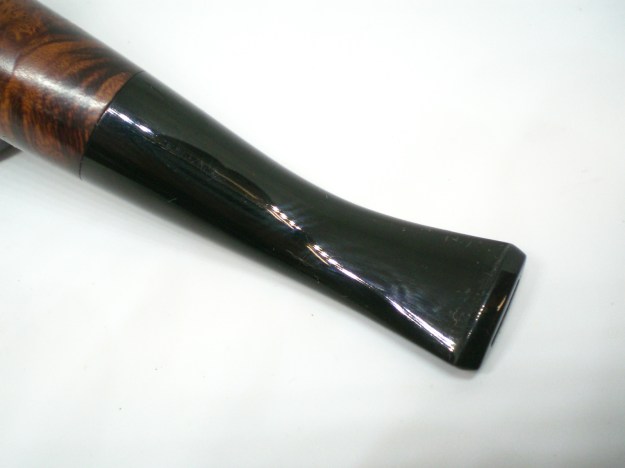
The stem was mounted and I used a lighter to lift the slight dents around the button.  The slight oxidation was removed with 800, 1,500 and 2,000 grit wet paper, followed by 8,000 and 12,000 micromesh sheets.  The stem was then buffed with White Diamond and Meguiars Plastic Polish.

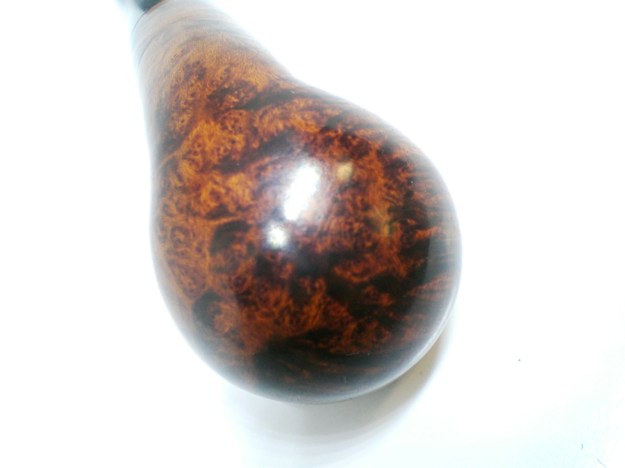
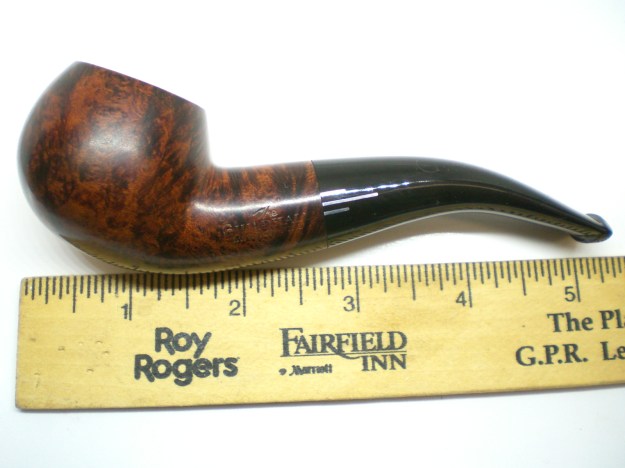
I then turned my attention to the briar and marks.  I used a wet cloth and an electric iron set on high to steam out some of the deep marks on the bowl.  I had some success, lifting nearly all on the bottom of the bowl but some remain on the other areas.    The bowl was then buffed with White Diamond and several coats of Carnuba wax.

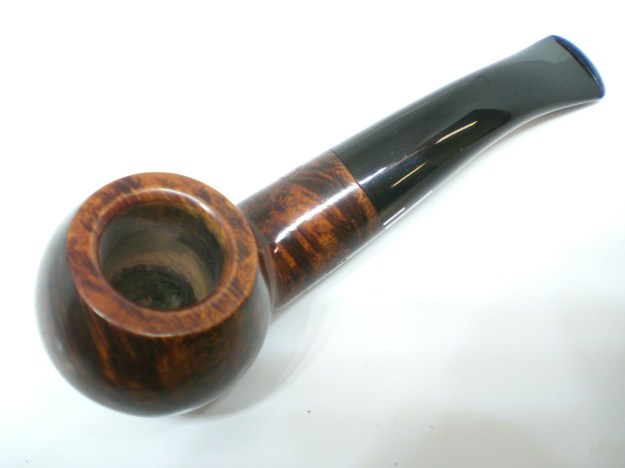
Below is the finished pipe.


GBD New Era “Collector” Oddity


By Al Jones

This GBD shape is odd in that it has no shape number and it is unlike any GBD shape that I’ve seen.  The bowl walls are thick, also unlike any GBD that I’ve previously encountered.  The pipe is a New Era grade and it sports a somewhat rare “Hand Cut” stem stamp.  New Era grade briar can be very nice and this one, in a light stain, is a great example.  Why was this pipe chosen for a unique shape and deemed worthy of a “Hand Cut” stem?  Who knows, those details now lost to time.

The “Collector” stamp denotes one of three stamps GBD used on oversized pipes, with Collector in the middle between Conquest and Colossus.

The pipe arrived in very good condition, with some darkening of the bowl top and mild oxidation on the stem.

The bowl had a very slight cake, but the rim was slightly out of round.  I removed the cake and used some 320 paper to smooth out the bowl shape.  The bowl was soaked with alcohol and sea salt.  There were several handling dings on the briar, most of which steamed out with an electric iron on High and a wet cloth.  The briar was then lightly buffed with White Diamond and several coats of Carnuba wax.

Following the sea-salt soak, the stem was mounted and oxidation removed with 800,  1,500 and 2,000 grade wet paper.  I was careful to work around the “Hand Cut” stem stamp.  Oxidation around the stamp was removed with a Magic Eraser pad, which doesn’t diminish the stamping. This was followed by 8,000 and 12,000 grade micromesh sheets and then buffed with White Diamond and Meguiars Plastic Polish.

Below is the finished pipe.


GBD 2006 Virgin Bulldog Restoration (Perspex)


By Al Jones

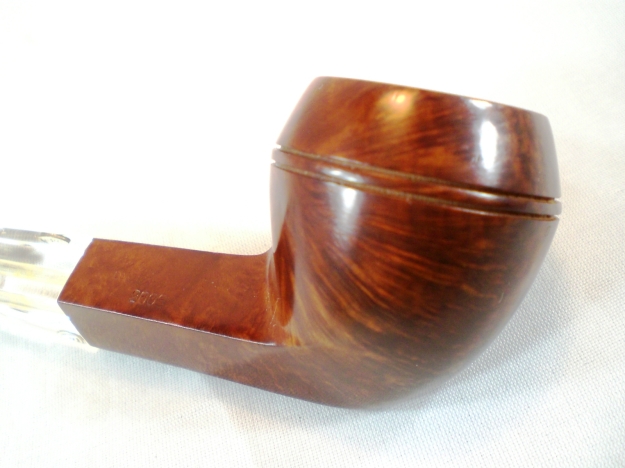
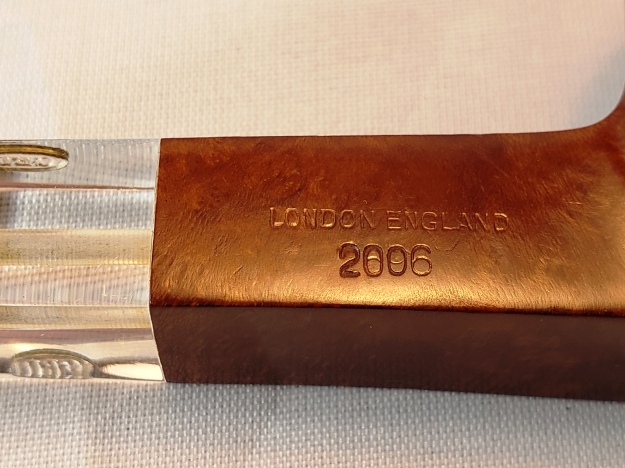
The 2006 is the classic straight bulldog shape from the GBD catalog.  This one was a Virgin and grade and like many came with a Perspex stem.  The sellers photographs were sparse, but the price was right so I bit.

The bowl top has some build-up, but that is not always a bad thing.  While the Perspex acrylic stem was brown and discolored, it had very little teeth marks.  Below is the pipe as it was received.

I used some bristle cleaners dipped in alcohol to remove most of stains inside the stem.  I always run a dry cleaner thru to avoid hazing.  That didn’t quite get all of the brown so I used a little acetone (finger-nail polish remover) also on a bristle cleaner.  That had the stem looking like new.  The very slight teeth chatter was removed with 1,500 and 2,000 grit wet paper followed by 8,000 grade micromesh. The stem was then polished with White Diamond and Meguiars Plastic polish.  I was very pleased with this outcome and it now looked like a nearly unused stem.

I used a worn piece of scotch-brite to remove the build-up on the bowl top.  The cake was removed with my reamer set and a piece of 320 grit paper on a reamer bit to finish it.  The bowl was soaked with alcohol and sea salt.  There were several handling marks on the bowl and I used an electric iron and wet cloth to stem them out.  The briar bowl was then buffed with White Diamond and several coats of Carnuba wax.

Below is the finished pipe. With no oxidation to remove from the stem, this was all completed rather quickly compared to a vulcanite stemmed pipe.  The biggest challenge was photographing the clear Perspex stem on a white background!


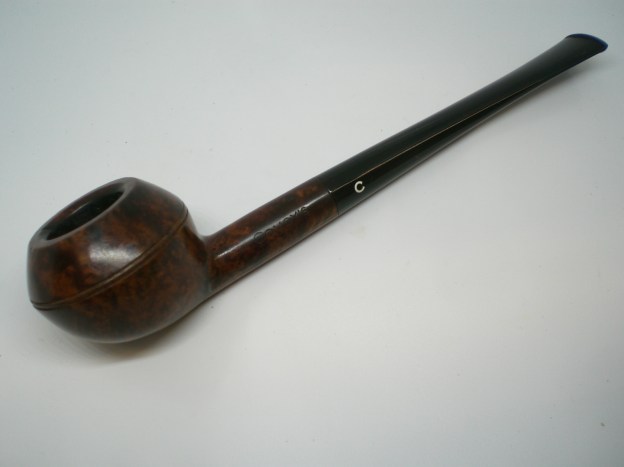
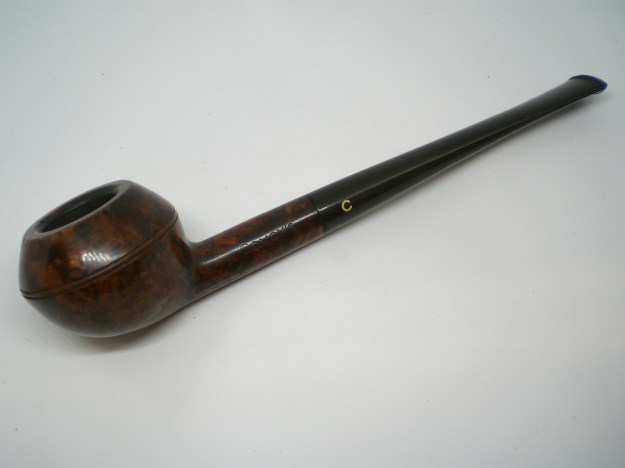
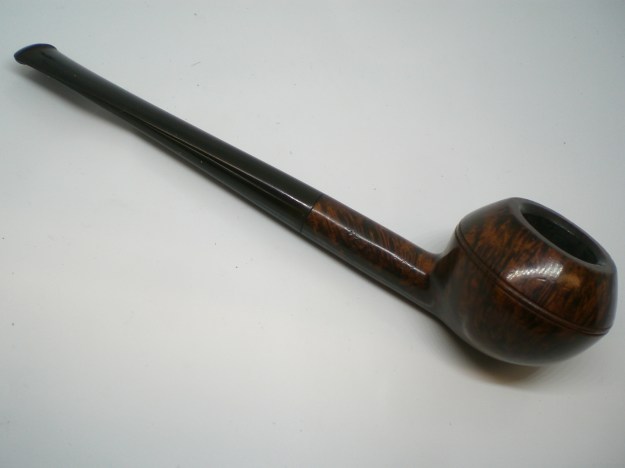
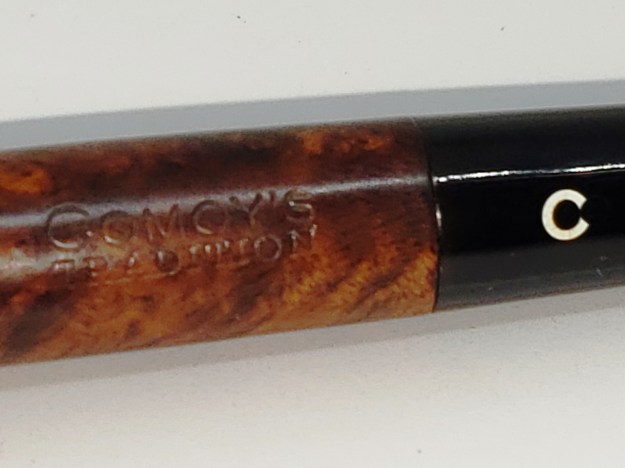
Comoy’s Tradition Bullcap Restoration (Shape 364)


By Al Jones

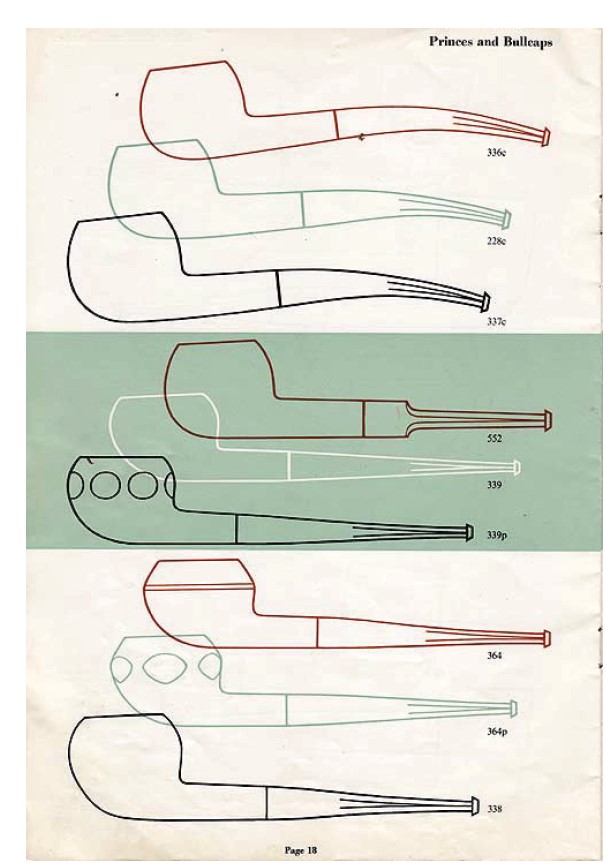
I’m almost embarrassed to call this a restoration, as the pipe was in very good condition.  I’ve never seen this Shape 364 before but find one example in an old Ebay ad (a Blue Riband sold by the late Tony Soderman).  This example is in Tradition finish.  Pipepedia has the shape number on their Comoys’ list and calls it a Bullcap.  Tony titled his pipe a Prince.  I did find the shape in a 1964 catalog, that shows the shape with bowl rings.  A similar shape without rings is listed as a 364P (for Prince?).

The round COM and 3 piece, drilled C stem logo indicate the pipe was made between the late 1940’s and the merger point in 1981.

The pipe had just a slight layer of oxidation on stem.  The stem had a softee tip on it, so the famous Comoy’s button was pristine.  There were a few handling marks around the bowl, with very little cake.

I used a piece of 800 grit paper to remove the slight cake.  The bowl was then soaked with alcohol and sea salt.  Once the bowl soak was completed, I cleaned the shank with a soft bristle brush dipped in alcohol and paper towels scrunched into the shank.

The stem was mounted and oxidation removed with 800, 1,500, 2,000 wet paper, followed by 8,000 and 12,000 micromesh. The stem was then polished with White Diamond and Meguiars Plastic Polish.

I was able to steam out some of the marks around the bowl, with an electric iron and wet cloth. The bowl was then buffed with White Diamond and several coats of Carnuba wax.

Below is the completed pipe.  I would call this pipe a Group 2 in size and it weighs a scant 25 grams.

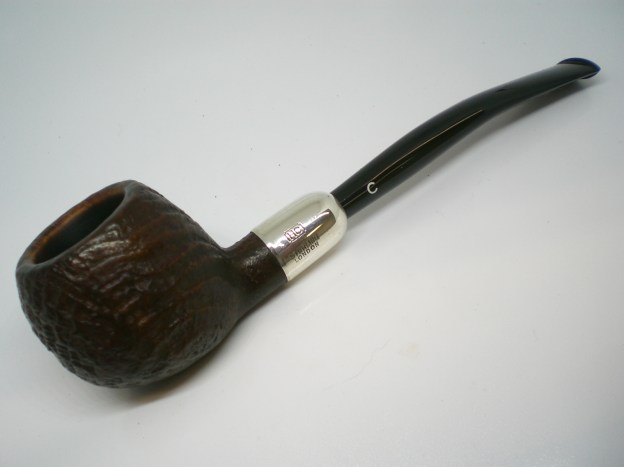
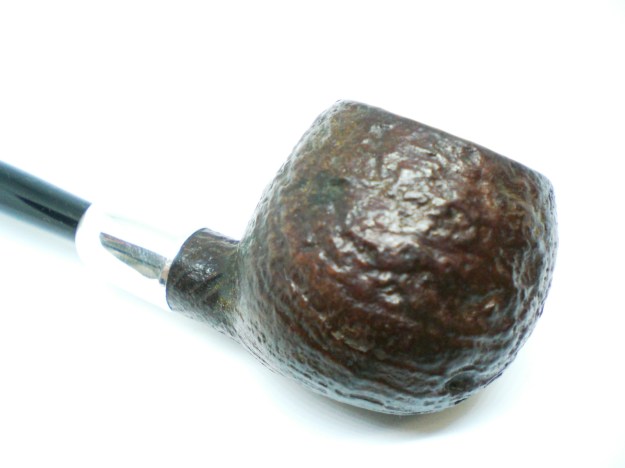
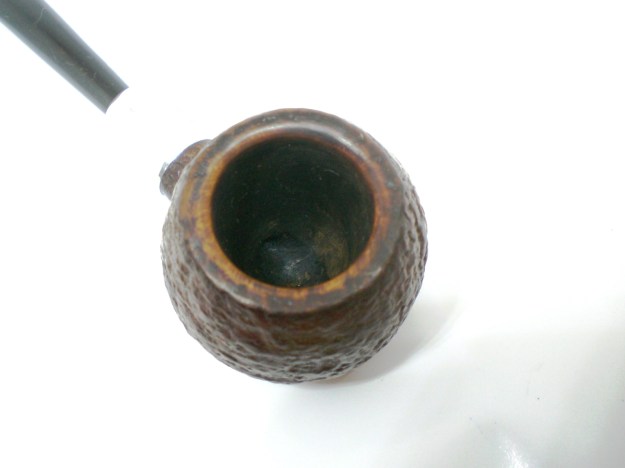
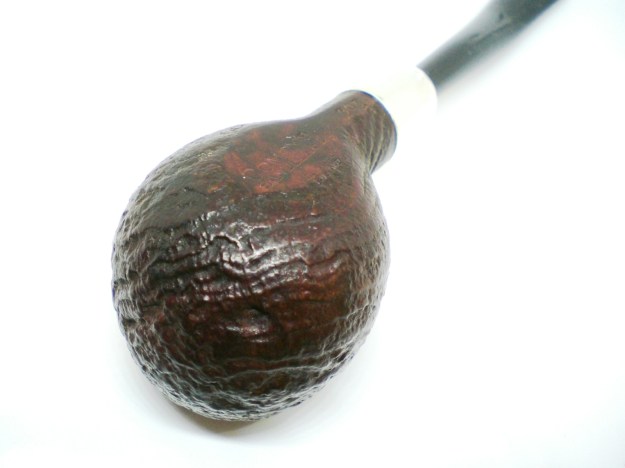
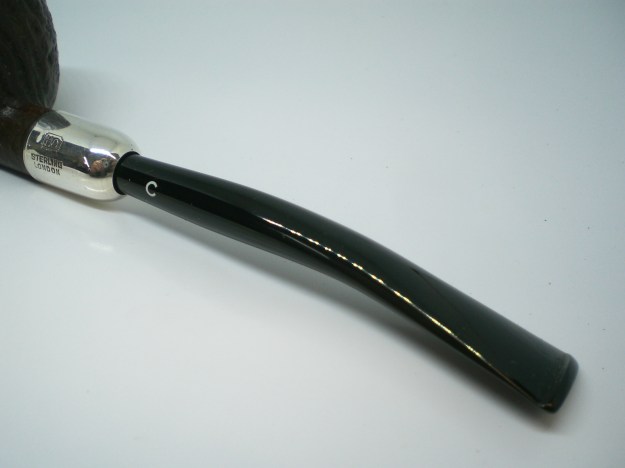
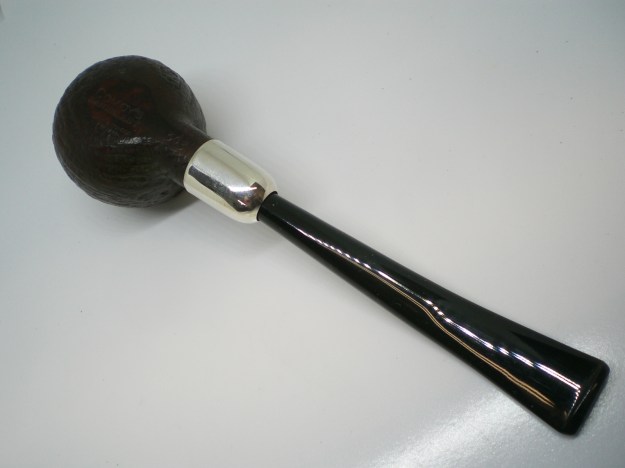
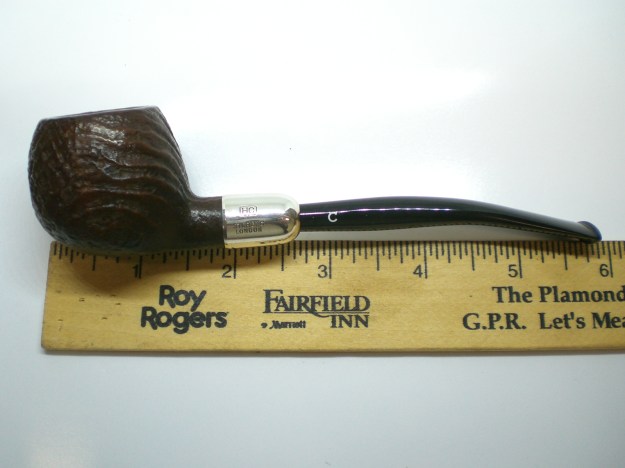
Comoy’s Shape 303 Sandblast/Sterling Prince Restoration


By Al Jones

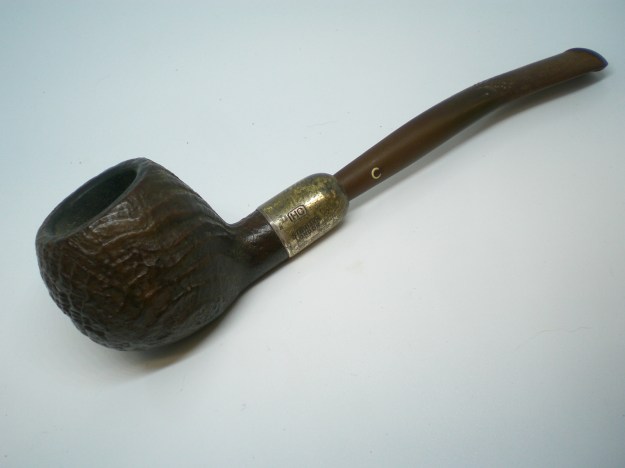
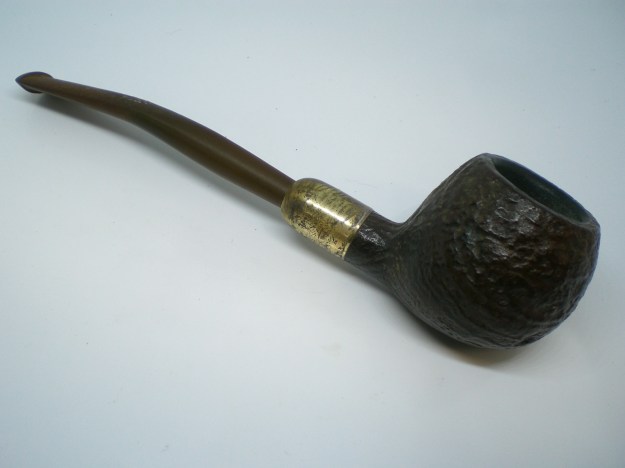
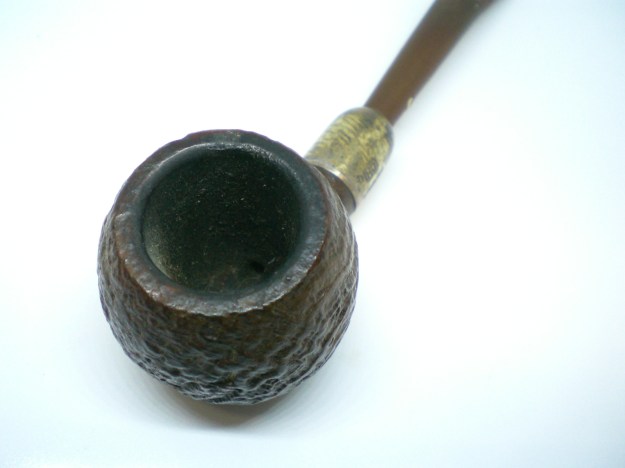
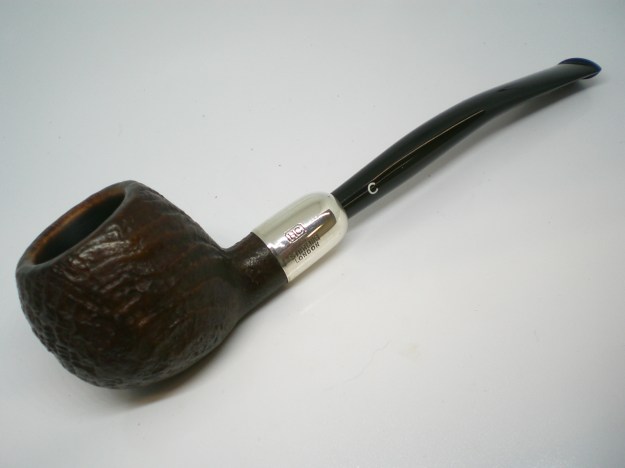
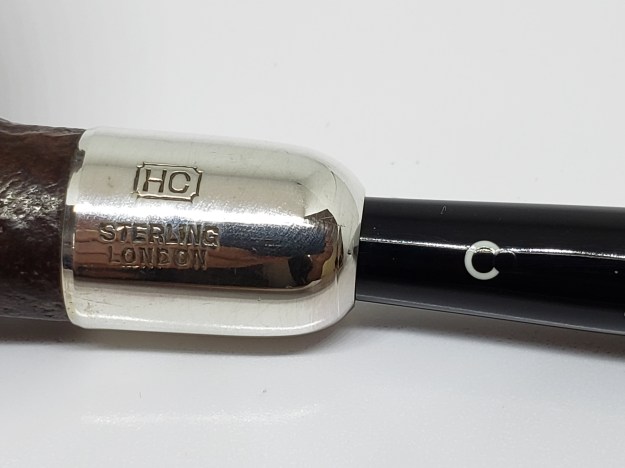
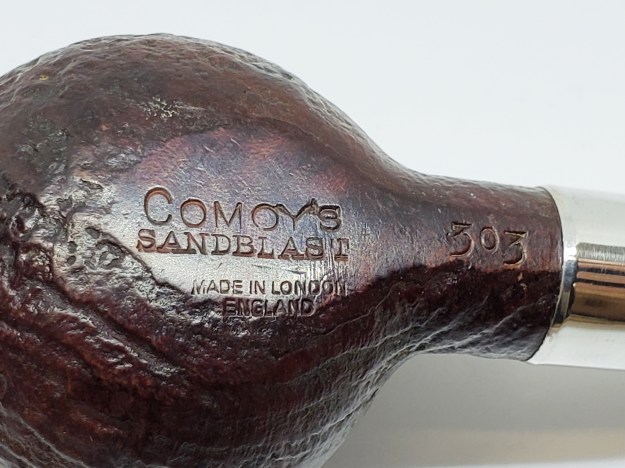
A silver ferrule Comoy’s sandblast Prince shape has been on my wish list, and I’ve always managed to lose the few that have come up on auction.  I thought this was the Comoy’s 337 Prince shape more commonly seen, but was surprised to see it is was a shape 303.  I managed to win the auction for a pipe that looked to be in really good condition.  I was a little surprised to discover no other examples of the 303 shape and it is not on any of my vintage Comoy’s catalogs.  Too bad the silver cap is not hallmarked.

Below is the pipe as it was received.

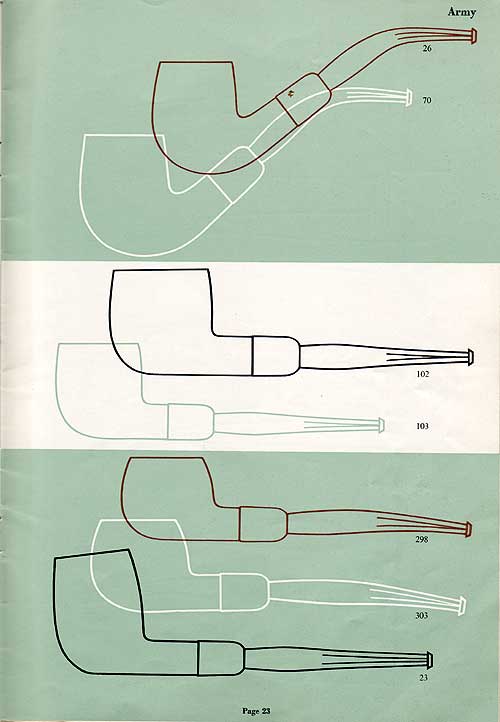
Thanks to PipesMagazine.com forum member “snagstang”, a fellow British pipe enthusiast – who found this 1964 Comoy’s catalog page showing the Shape 303.  I suspect this pipe was from the “Deluxe” line, an Army mount series.  They were available in Walnut and Sandblast finishes, with a silver cap.  I’d love to find out why these were not hallmark dated.

Catalog_shape_303

This one was in great shape with only some bowl top build up and a heavily oxidized stem to clean.  The silver cap was oxidized, but appeared to be undamaged.  The bowl had very little cake and was quickly cleaned up and not surprisingly, it was in very good condition.  I soaked the three piece “C” logo stem in a mild solution of Oxy-Clean solution.  I used a piece of worn Scotch brite to remove the build-up on the bowl top.  The bowl still had most of the trademark Comoys beveled rim.

I used a jewelers cloth to remove the tarnish on the silver cap.  After the stem soak, I pondered how to clean the oxidation from the stem.  The stem didn’t have any teeth marks and the button was mint.  Same for the drilled C stem logo, which I never tire of admiring.  I decided to hold it free hand versus mounting on the bowl.  With the military stem mount, I didn’t need to worry about rounding off the stem profile.  I used 800 grit paper to remove the heavy coating of oxidation, stopping about 1/8″ short of the end of the tenon, which would be inserted into the shank and not visible.  This was followed by 1,500 and 2,000 grade wet paper, followed by 8,000 and 12,000 micromesh sheets.

The stem was buffed with White Diamond rouge and Meguiars Plastic Polish.  I hand buffed the briar with Halycon wax.

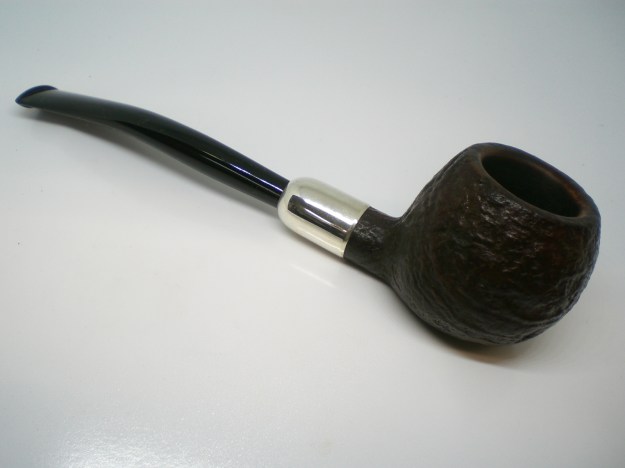
Below is the finished pipe.  I don’t add too many pipes to my collection these days, but this one definitely goes in my cabinet.

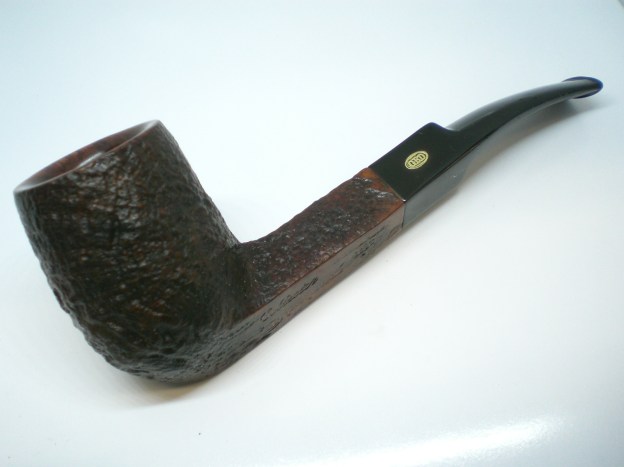
GBD Prehistoric Collector Bent Billiard Restoration


By Al Jones

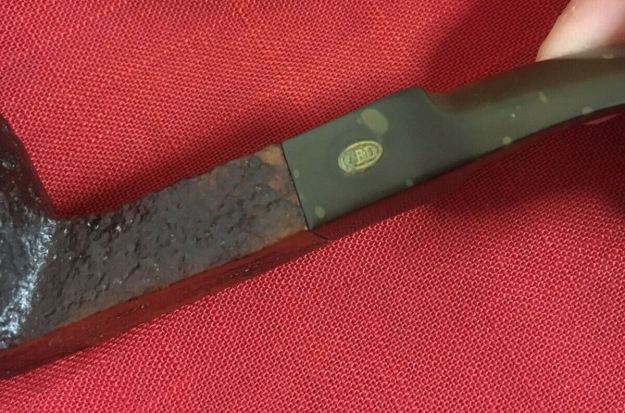
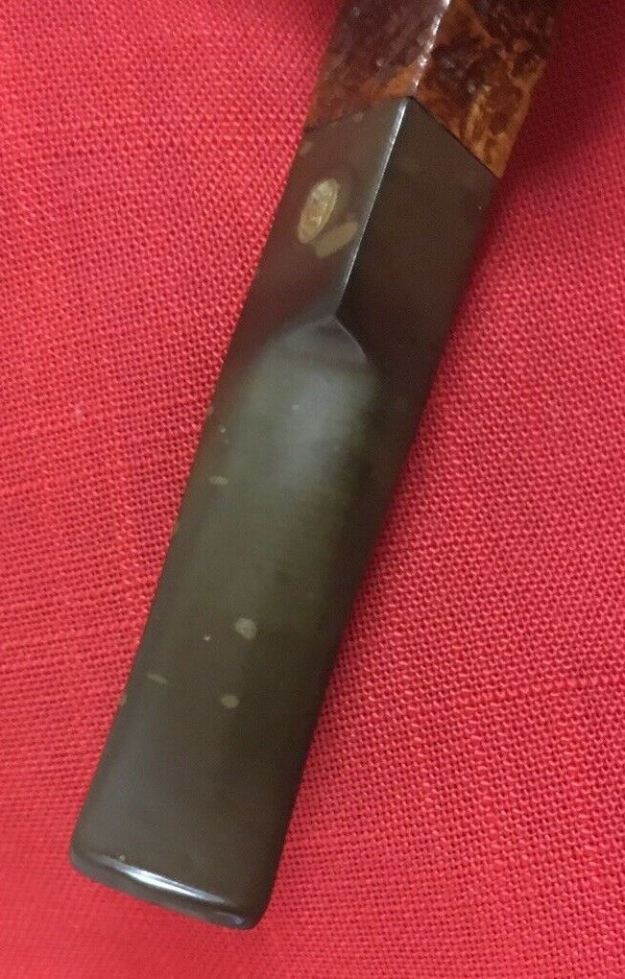
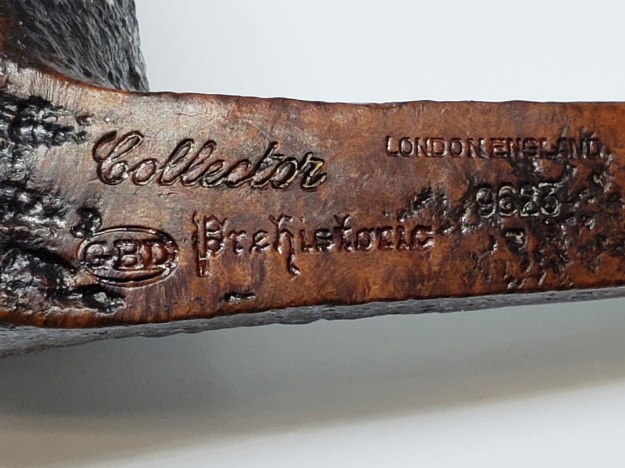
I can’t resist a GBD Prehistoric finish pipe – the combination of the rugged sandblast and the beveled, polish bowl top really works.  The 9623 is the first of that shape on my work bench.  It has a tall, bent billiard style bowl with a bulldog like diamond shank.  The brass rondell indicates it was made before the merger in 1981 (along with the “London,England” COM stamp).  The Collector stamp means it was one of three over-sized pipe designations used by GBD.  The pipe had a lightly oxidized stem with a few tooth indention’s.  it looked like an easy restoration.

I forgot to take before pictures, but the seller photos below were very accurate.

There was very little cake in the bowl, so I used a piece of 320 grit paper wrapped around a reamer bit to clean up the bowl interior.  The polished bowl top was buffed with White Diamond and several coats of carnuba wax.  I filled the bowl with sea salt and alcohol for a soak.  The stem was soaked in a mild Oxy-Clean solution.  Following the soak, I used heat to lift out several small tooth indention’s.  One under the button could not be removed, but it wasn’t deep enough to fill it.

The stem was mounted and oxidation removed with 800, 1,500, 2,000 wet sandpaper followed by 8,000 and 12,000 grade micromesh sheets.  The stem was buffed with White Diamond and Meguiars Plastic Polish.  I hand polished the bowl with Halycon wax.

Below is the finished pipe.

A Passion for the Ashford (Royal Stuart Shape 88 Restoration)


By Al Jones

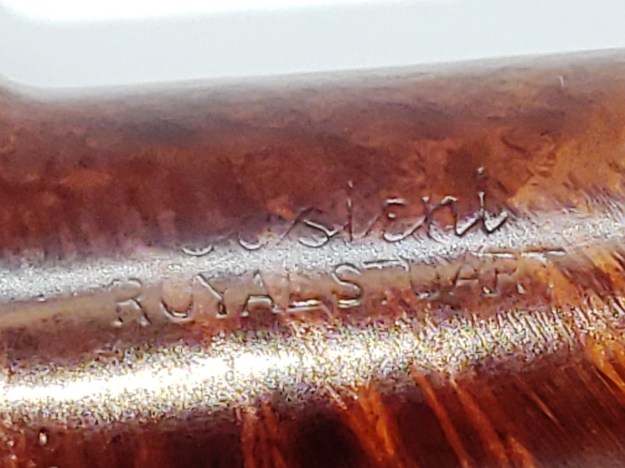
The Sasieni Ashford Author is a classic shape for that brand, with the shape chart number 88.  The shape was used by first line Four Dot pipes as well as a myriad of second-line brands.  This second line pipe is stamped a “Royal Stuart”.

I found this one on Ebay and I had been following this seller, since she had a number of shape 88 pipes listed.  The listing said that the pipes were from her fathers collection.   I missed on several similar shapes and was pleased to win the auction for this one.  I messaged the seller and asked if she could tell me more about the pipes or her father.  We exchanged a number of messages and the seller agreed that I could share her personal recollections.    The pipes sold belonged to her father and perhaps her grandfather and she describes them below.  They lived in Dayton, Ohio.

My father was Victor Waltz and he and his father smoked pipes. My father died about 23 years ago and in my house I found a box of pipes labeled pipes box #2. I have no idea what happened to box #1? It is possible that the 32 pipes in the box about the size of a shoebox may have included some that were my grandfather’s, also Victor Waltz. I just remember the pipe tobacco as smelling sweet and mellow and being kept either in a round green humidor of a leather zipper pouch. The smoke shop in Dayton may be been Bob White’s. In the box there were three pipes with this name on them and a cranky old man told me that was the name of a smoke shop in Dayton at one time.

Question is why would one or two men even three need so many pipes- lol. Guess if you forgot your pipe may be easier to walk to the shop than drive home?

She also included a picture of her father below.  You can see a Dutch Masters cigar box on the table!  She does have his silver-hallmarked smoking stand to remember him.
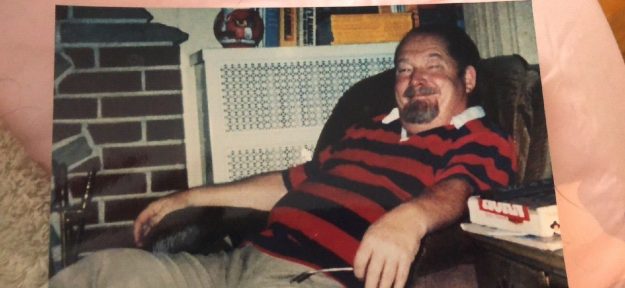
This question made me chuckle a bit and I explained to her that collecting was the nature of pipe smokers – but her father/grandfather certainly had a passion for Sasieni second lines and more specifically the Shape 88/Ashford.  In her auctions, I counted 19 Shape 88 or similar shape pipes!  As a collector who definitely has a shape focus, I understand the focus on this group.  I wish that it was possible to speak to her father about his fondness for this shape and the Sasieni brand.

I reached out to pipe historian, Jon Guss, to see if he had any information about Bob White’s shop in Dayton.  Sure enough, Jon delivered quite a bit about Bob Whites.  From the details below, and what Victors daughter shared, I believe the pipes were acquired during the Carlson era of the shop, which ended in 1991.

Robert D. White (1911-1966) established Bob White’s Cigar Stand in the lobby of the Winters Bank building, located at 42 Main in downtown Dayton Ohio, about 1937.  He continued to operate it until his death almost thirty years later.  The business was taken over by Carl M. Carlson (1926-2005) and operated with the help of his wife, Helen.  Within a couple of years it had been renamed the Bob White Cigar and Pipe shop.  The original location in downtown Dayton was closed by the Carlsons in early 1971, and moved to 2415 Far Hills Avenue in nearby Oakwood where it remained until the business was closed for good in early 1991.

Since its earliest days Bob White had been advertising the availability of Sasieni and Peterson pipes.


Thanks to Rob Schlef, on the Pipes & Tobacco Facebook page who read the blog entry and was familiar with the Bob White shop.  He posted this business card for the shop, which mentions Sasieni and Peterson pipes.

Bob_White_Pipe_Shop

The pipes were all well-loved by Victor with all typical bumps and bruises found on a 50 to 60 year old pipe, that had been stored in a shoe box.  The bowl top was a little rough, and there were some blemishes and one fill.  The stem was tight fitting with a few shallow teeth indentions.  Below is the pipe as it was received.
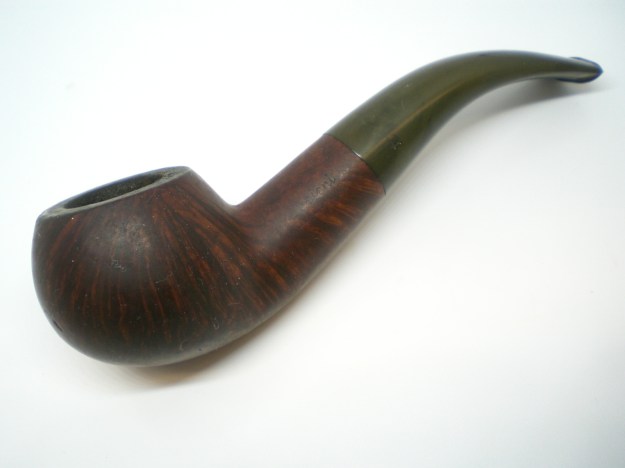
 

The first order of business was to clean up the bowl top. Once the build-up on the top was removed, it showed a number of very shallow chips and marks.  I decided that a slight topping was in order and I thought that I could match the finish.  I used 400 paper wet, flat on my work bench to get the bowl top back to an original condition.
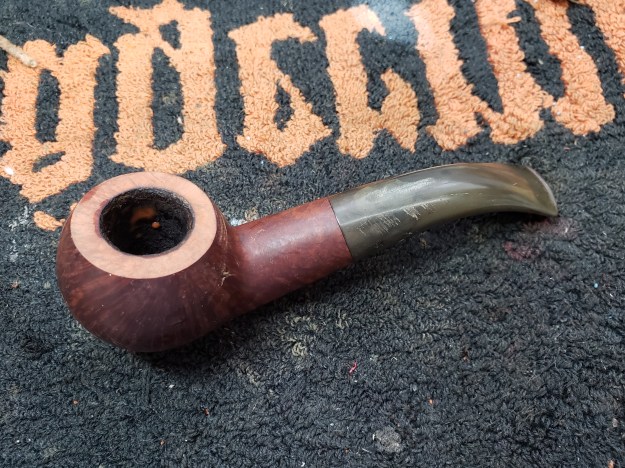
I applied a coat of Fieblings Dark Brown stain, then sanded it smooth with 800, 1,000 an 1,500 wet paper, than another coating of stain, set with a flame  The Dark Brown matched very nicely.  I used an electric iron on High and a wet cloth to steam out several dings.  A few remain, but the patina seems to fit and a part its past and use by Victor.  I reamed the cake and found the bowl in very good condition.  I then did the alcohol and sea salt soak.    The shank was cleaned thoroughly and the briar was buffed with White Diamond and several coats of Carnuba wax.  I was careful around the shallow nomenclature stamping.

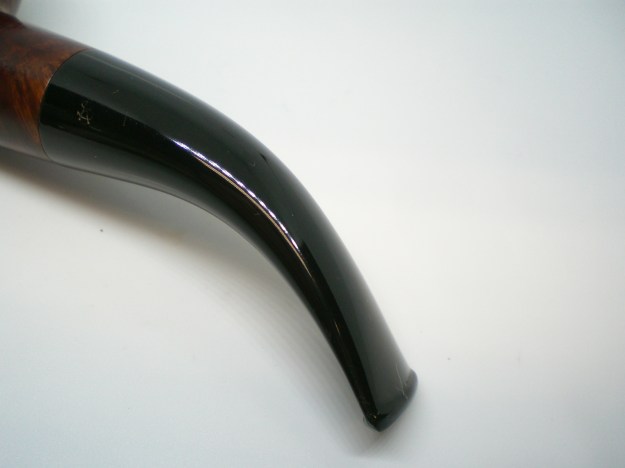
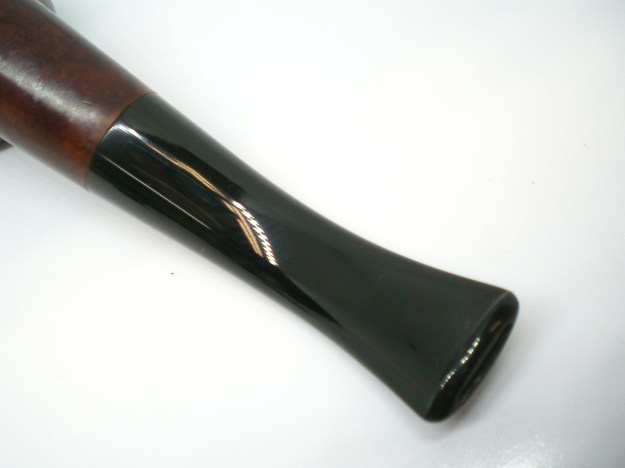
Following the soak, I turned my attention to the stem. Mounted back on the pipe, I used a flame to lift the shallow teeth indentions.  The mild oxidation was removed with 800, 1,500 and 2,000 grade wet paper.  I used a Magic Eraser pad around the shallow RS stem stamp.  This was followed by 8,000 and 12,000 micromesh sheets.  The stem was then buffed with White Diamond and Meguiars Plastic Polish.  I find Sasieni seconds line stems to be first rate and this one is a great example

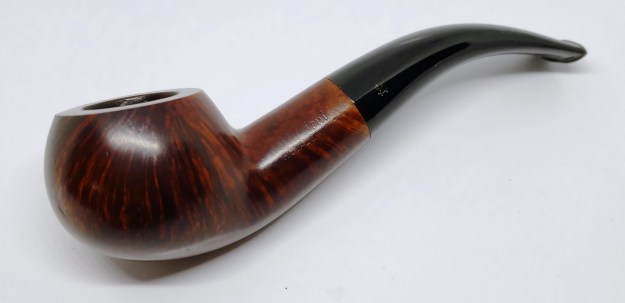
The bowl was buffed lightly with White Diamond and several coats of Carnuba Wax.    Below is the finished pipe.  A raised pipe to Victor Waltz for such great taste in pipes!
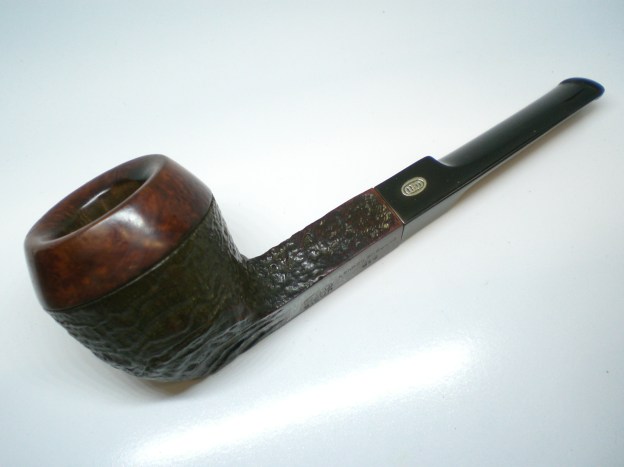
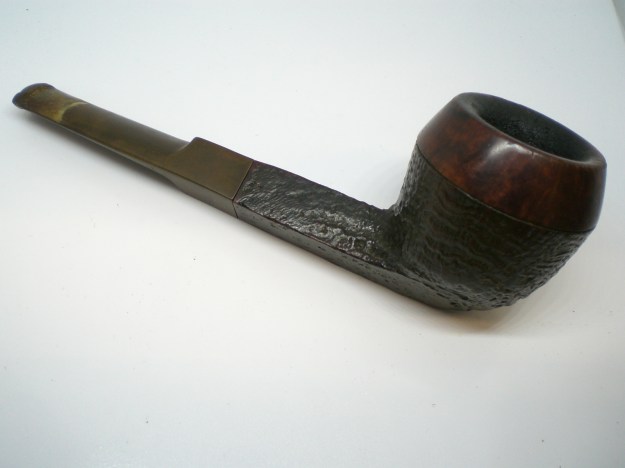
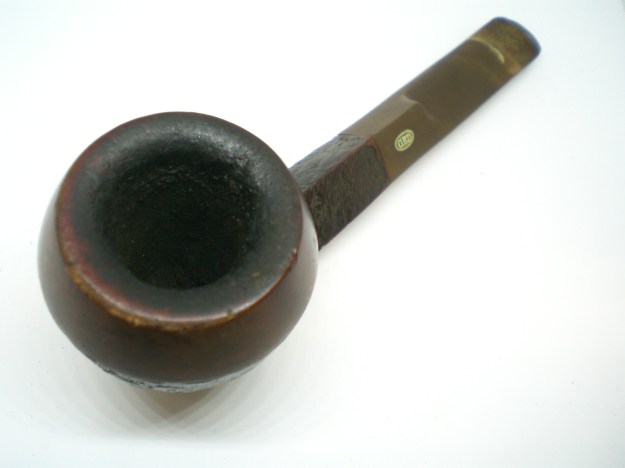
GBD “Sieur” Finish (Bulldog) Restoration


By Al Jones

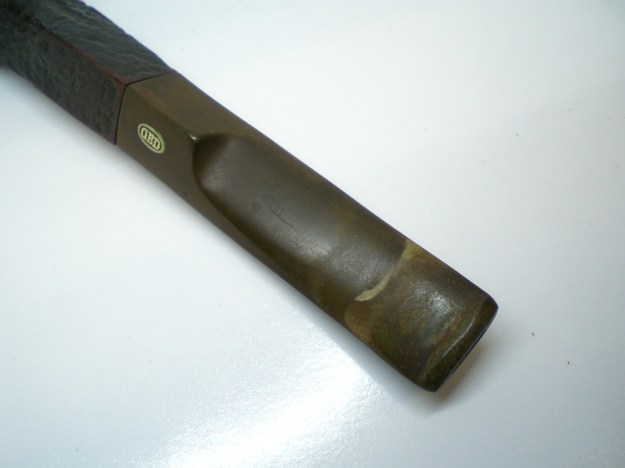
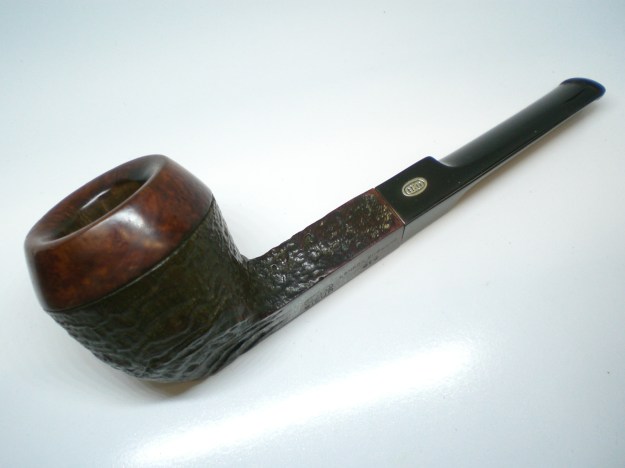
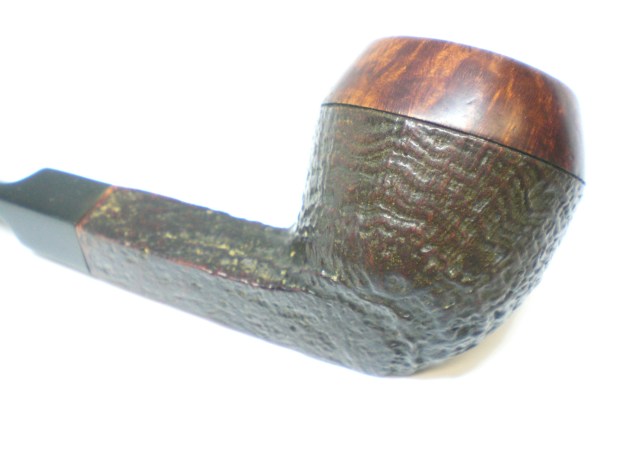
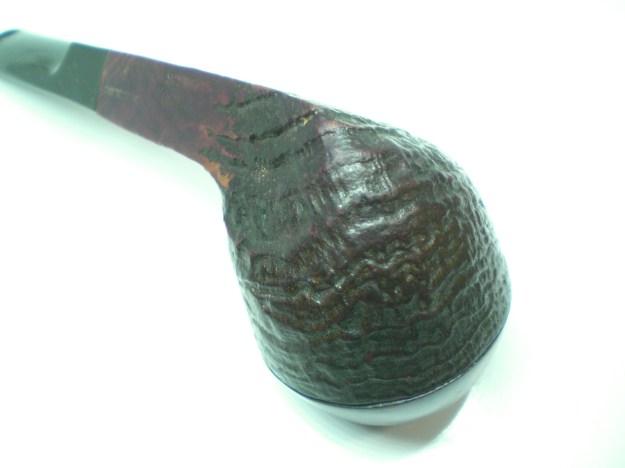
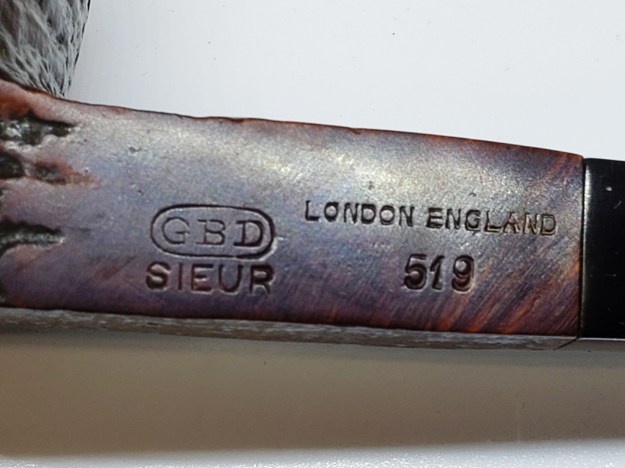
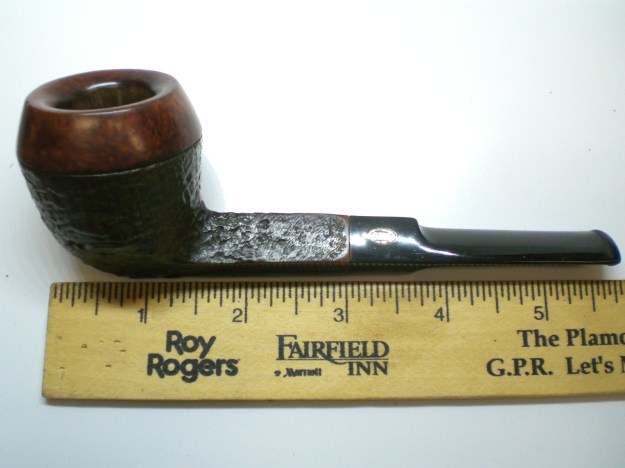
I’ve restored over 200 pipes in the past few years, many of which were GBD’s, a marque that continues to be a favorite.  I thought that I had seen every finish they’ve made, so I was surprised to find this “Sieur” finish listed on Ebay.  I had to check out the Pipedia site to make sure this was a pre-Cadogan era finish.  GBD and Comoy’s both added a number of new lines after the merger, bu the Sieur was definitely a pre-Cadogan era pipe, with the brass rondell and “London,England” COM.  The 519 shape, a straight bulldog was also new to me.

Pipepedia didn’t have much on the Sieur finish and the 519 shape was not listed on the old Jerry Hannah site.  Over the years, I’ve shared a few emails with Jerry and he even sent me a 1970’s era GBD catalog.  Jerry’s old GBD website information was moved with permission to Pipedia a few years ago.  I’ve tried emailing him, but the address is no longer valid.  I always wonder what happened to him.   Jerry did have the Sieur finish listed on his site and it is described below.  From this pipe, we do now know it was also made in England in addition to the French production.


  • Sieur — France, unknown if also made in England: dark brown blast w/wide ring groove -BJ

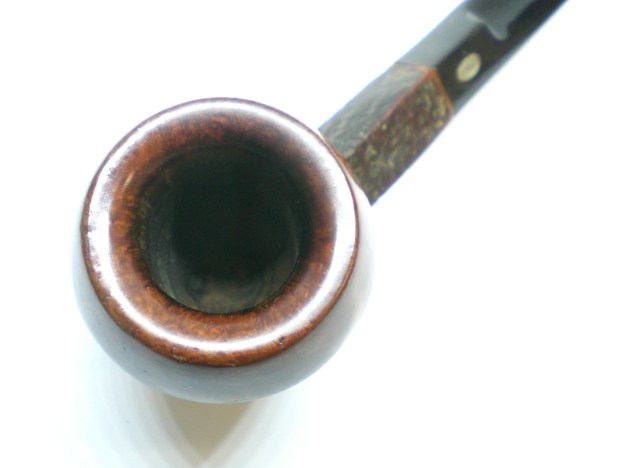
The pipe arrived with a typically oxidized stem, with few dents and some build-up on the polished and beveled bowl top.

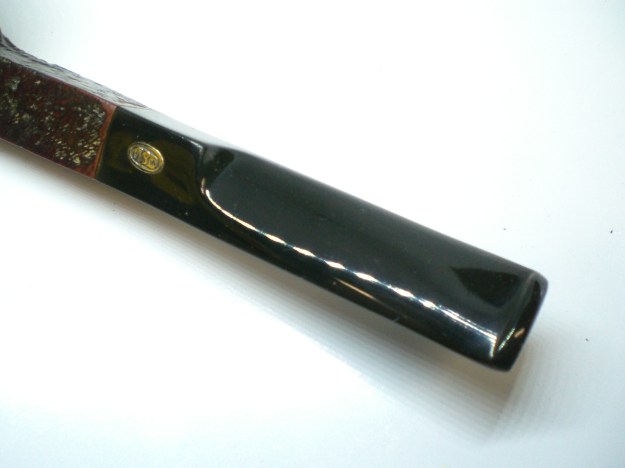
I put a dab of grease on the rondel and soaked the stem in a mild Oxy-clean solution.  I reamed the mild cake from the bowl and soaked it with alcohol and Kosher sea salt.  A worn piece of scotchbrite was used to remove the build-up on the bowl top.  There were a few dents on the bowl top, but most steamed out nicely with an electric iron and a wet cloth.  The bowl top was then buffed with White Diamond and several coats of carnuba wax.  I hand waxed the sandblasted briar section with Halycon wax.

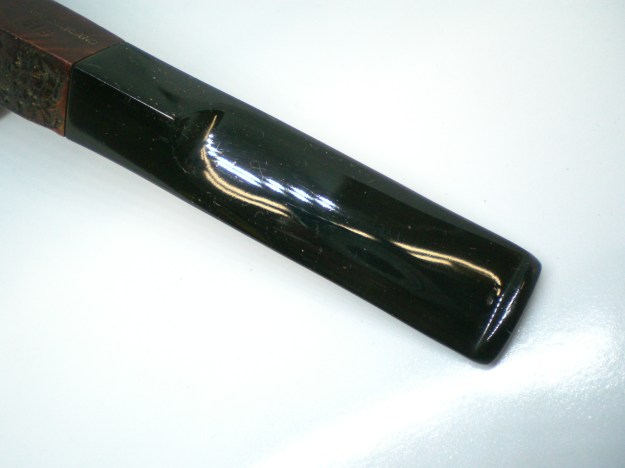
The stem was mounted on the bowl and to remove the oxidation.  I used a flame to raise the bents on the bottom of the stem, leaving only one tiny tooth mark.  I used 800, 1,500 and 2,000 grade wet paper to remove the oxidation, followed by 8,000 and 12,000 grade micromesh sheets.  The stem was then buffed with White Diamond and Meguiars Plastic polish.

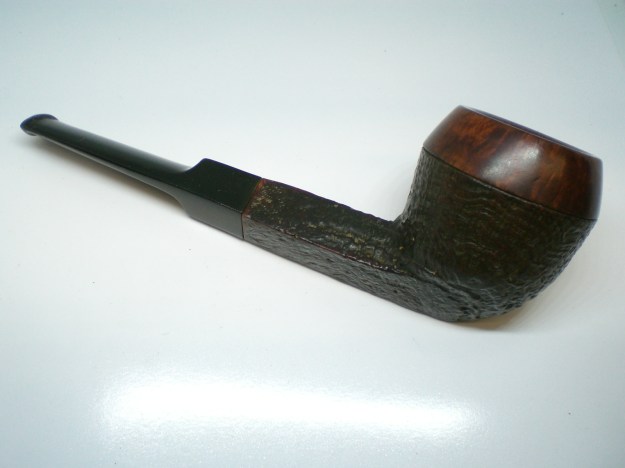
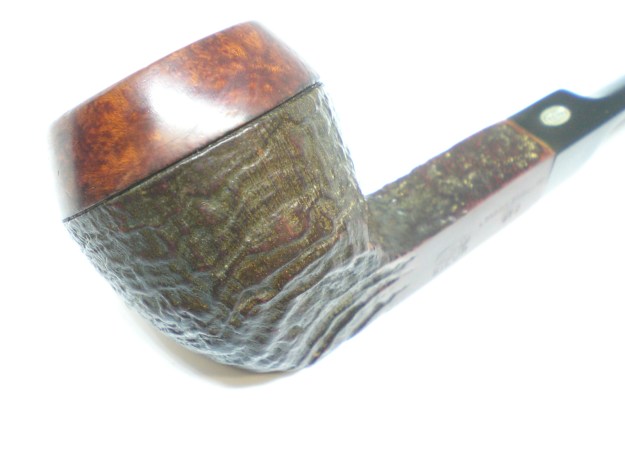
Below is the finished pipe.