Author Archives: upshallfan

Unknown's avatar

About upshallfan

Moderator on the PipesMagazine forum since 2011. Guest contributor on the Reborn Pipes Blog by Steve Laug.

Comoy’s Regent Prince Restoration


By Al Jones

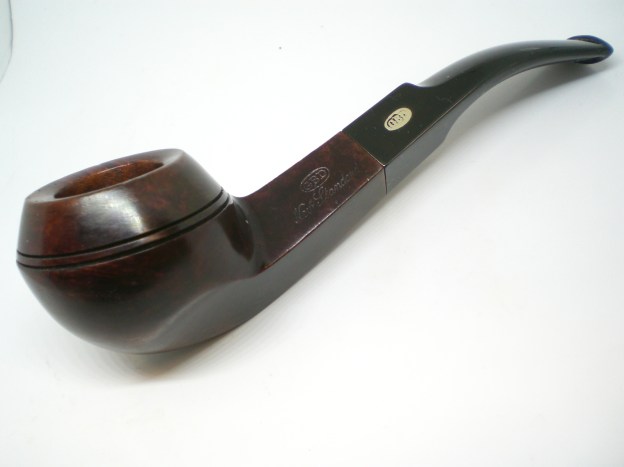
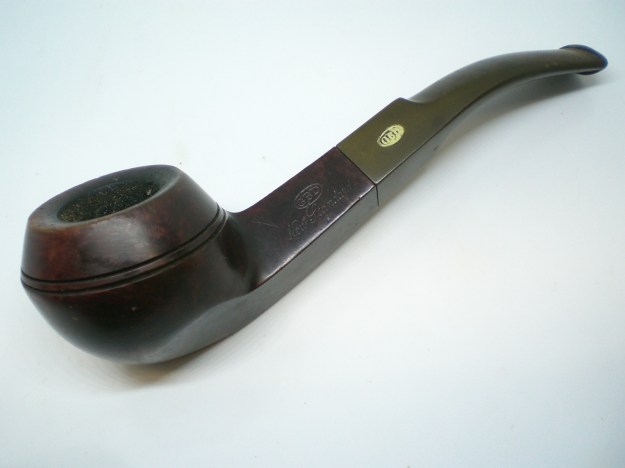
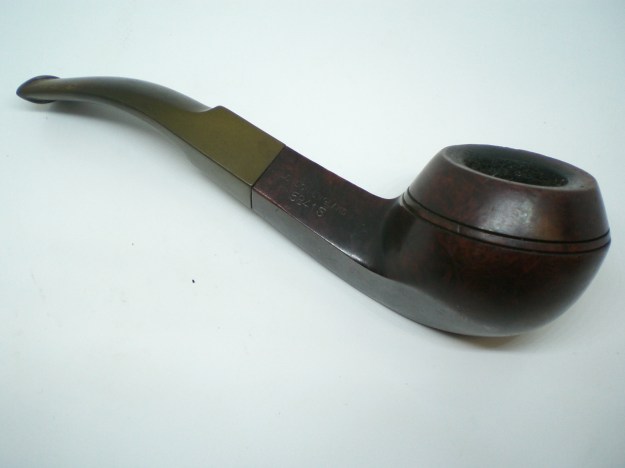
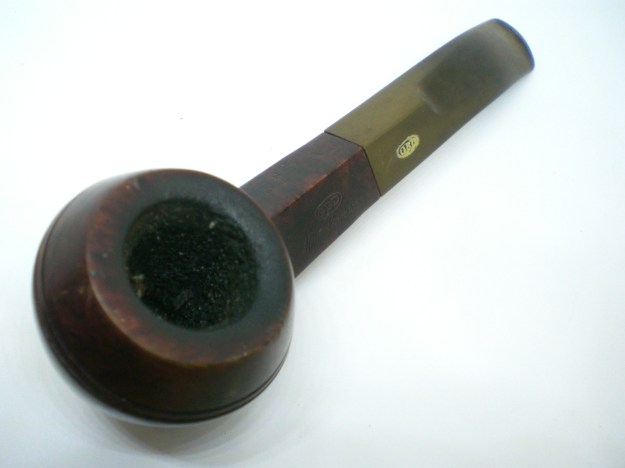
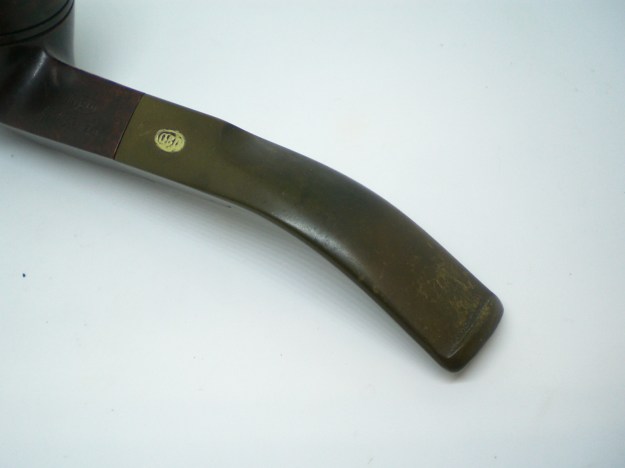
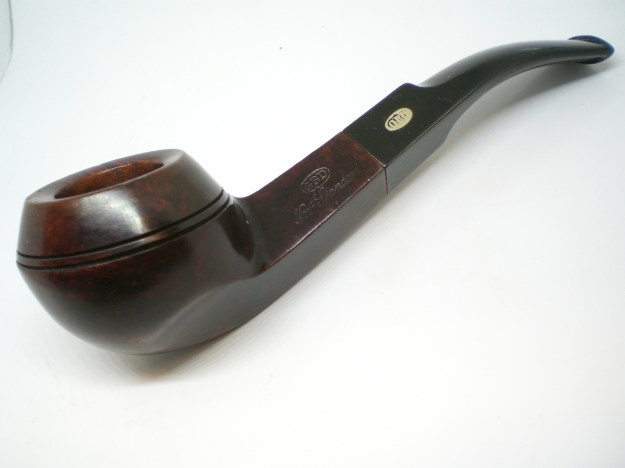
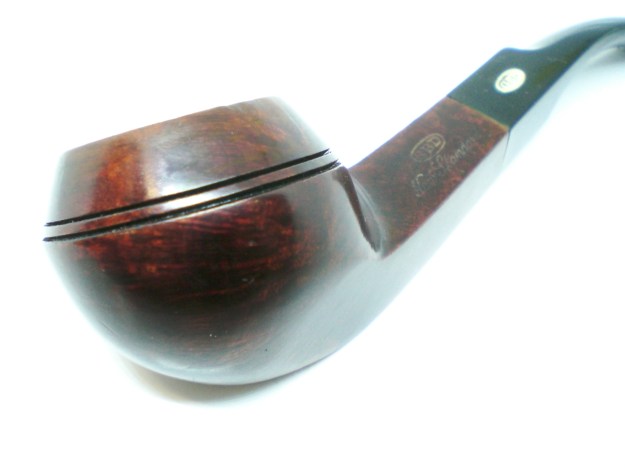
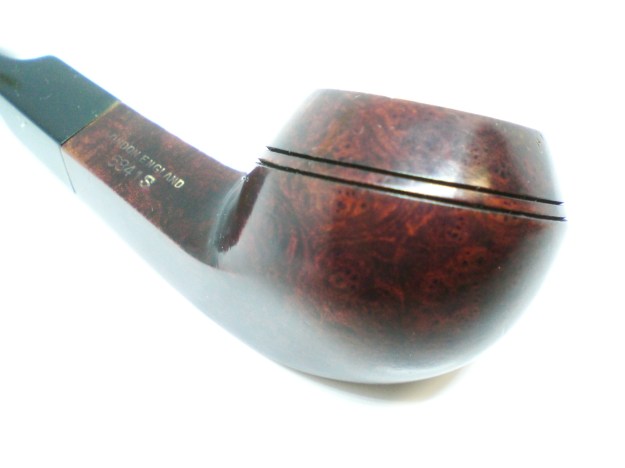
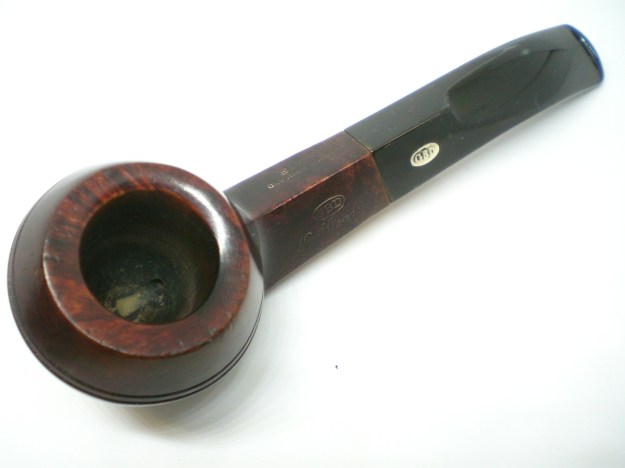
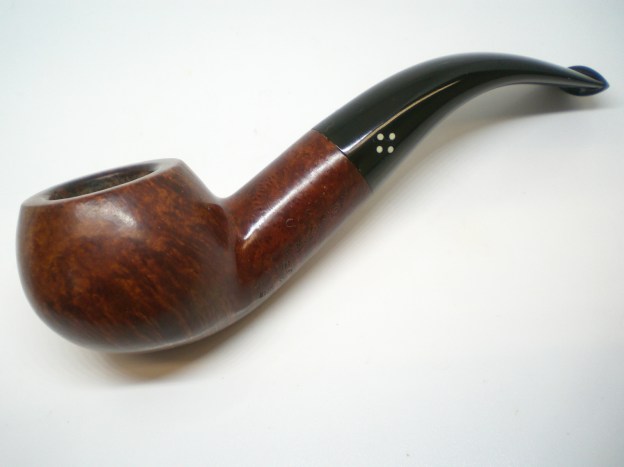
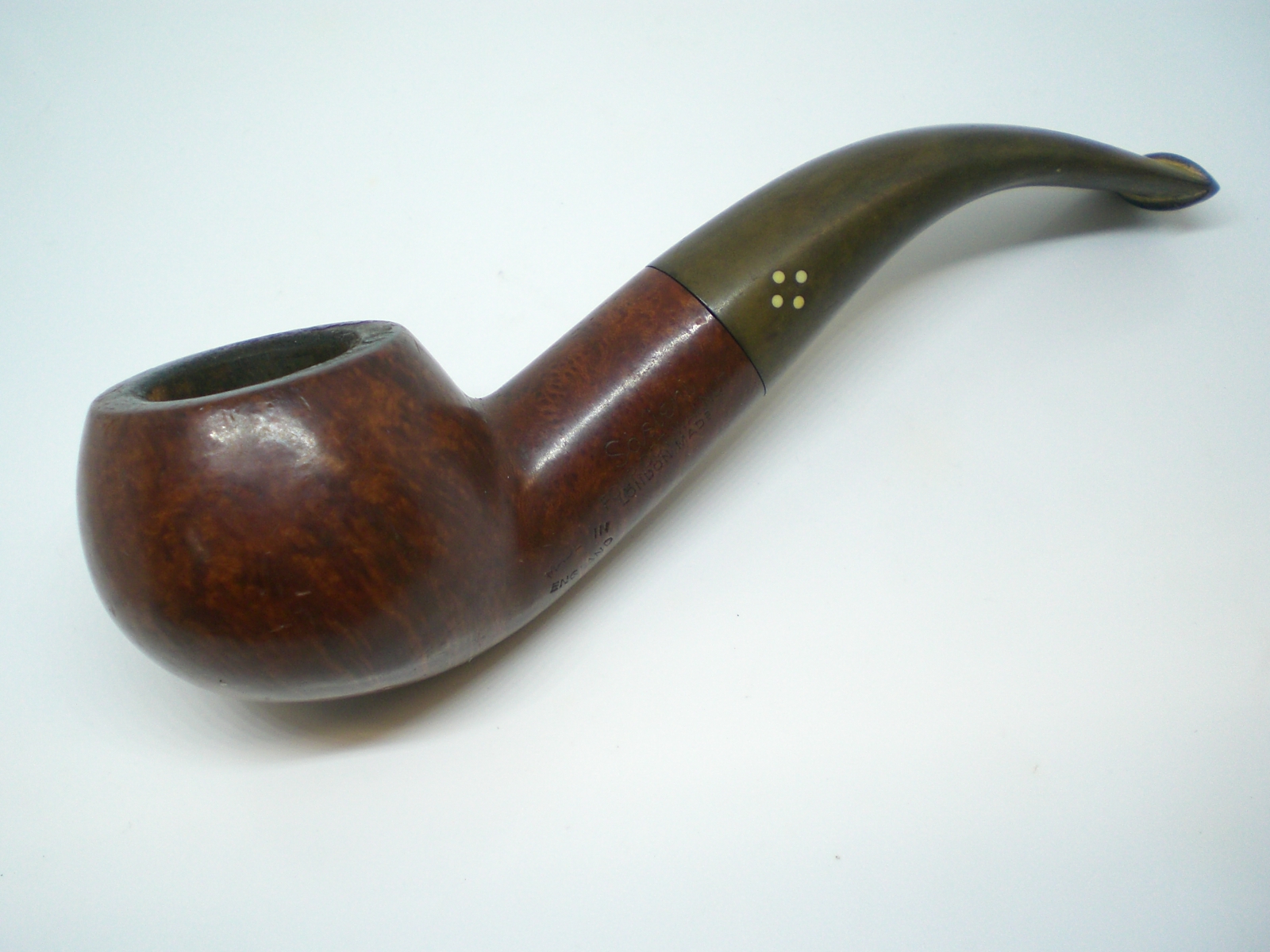
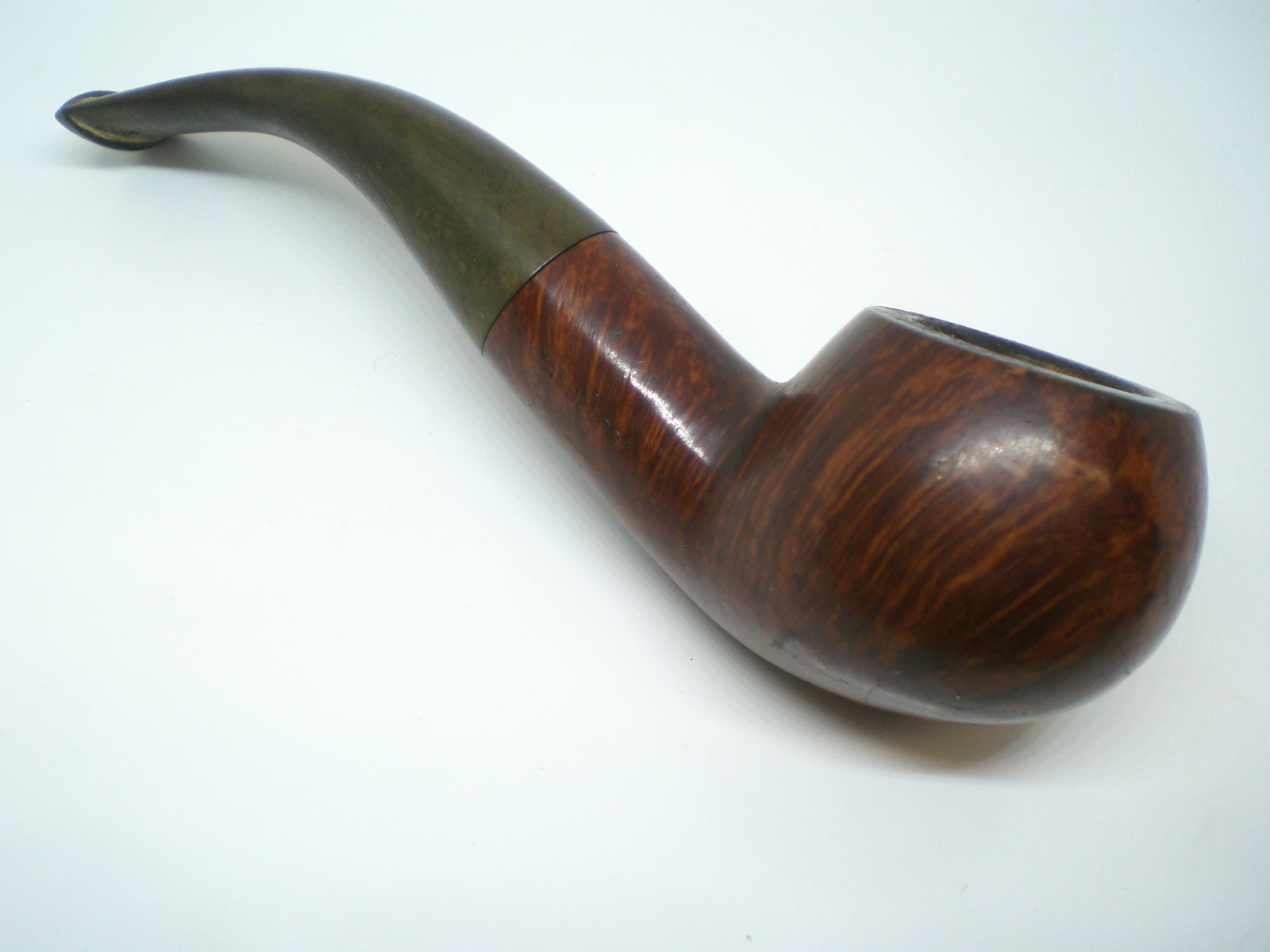
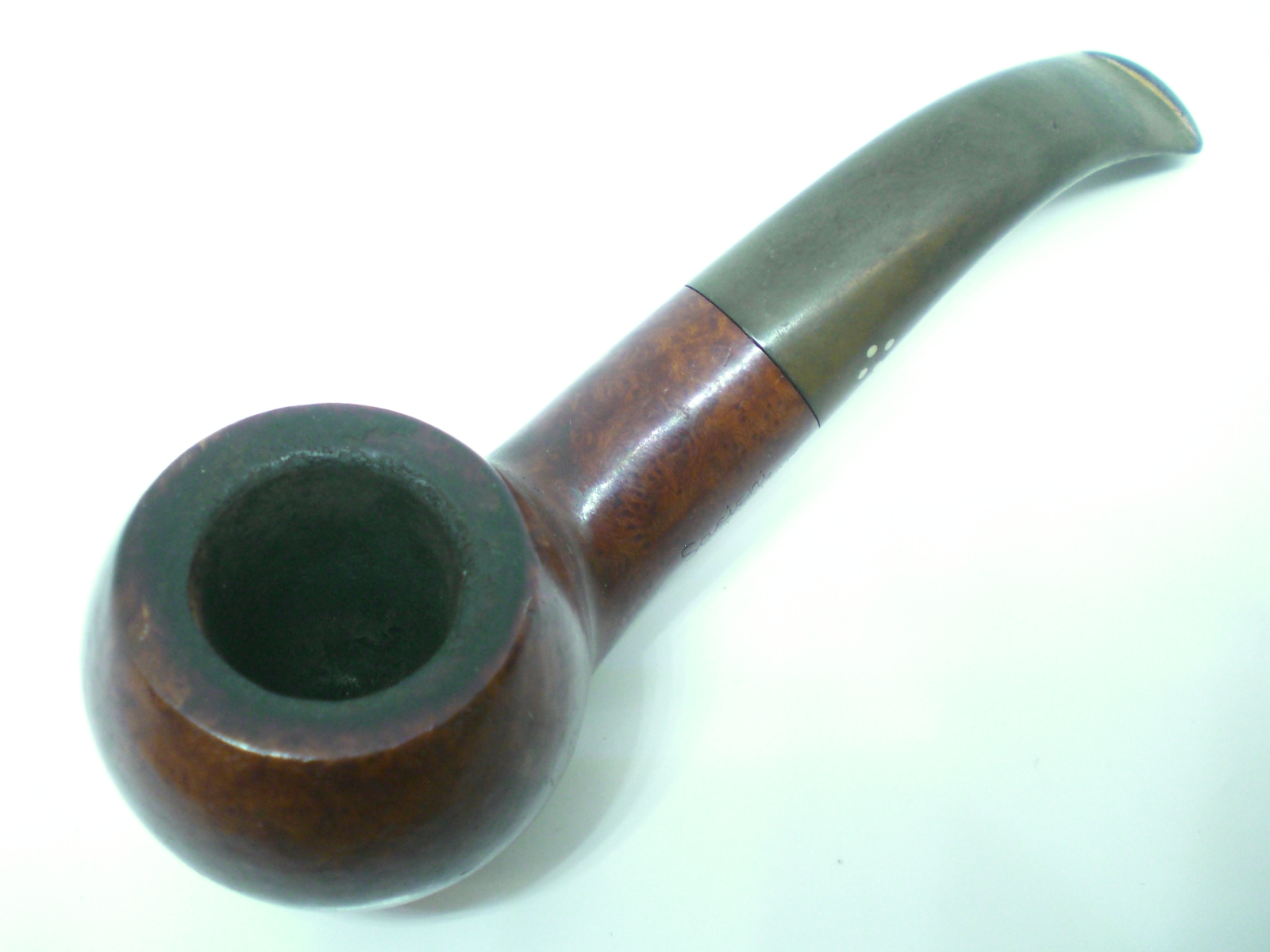
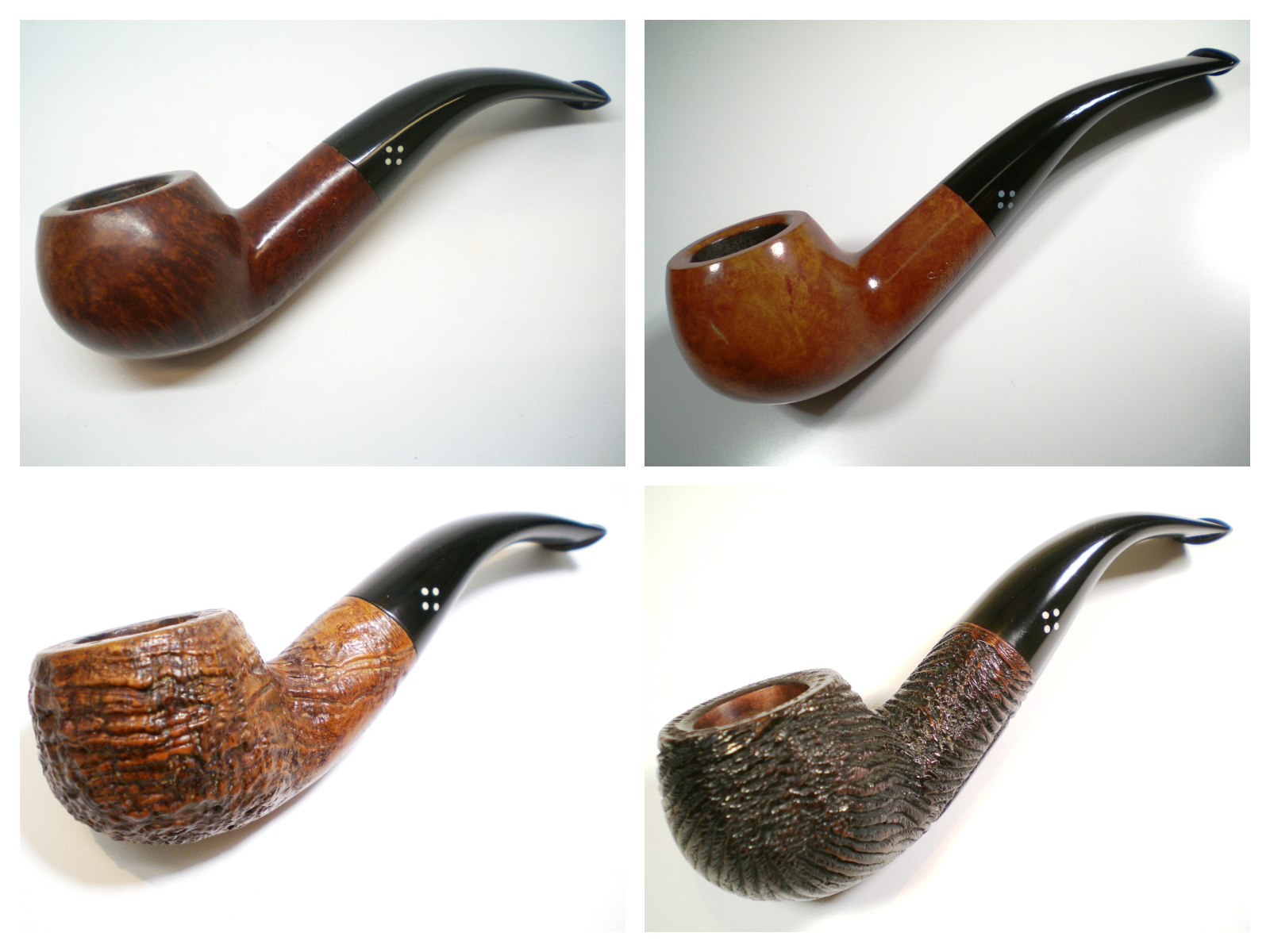
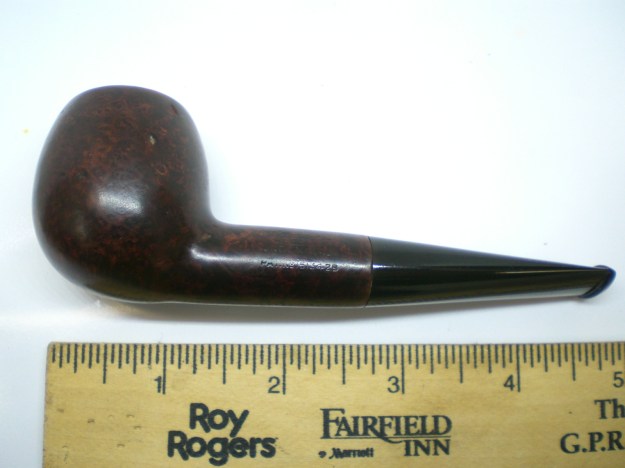
The 337 is one of several Prince shapes in the Comoy’s catalog.  I was unable to determine when the shape was first seen.   This pipe is a “Regent” and the first I’ve seen on my bench fro that line.  This one didn’t require much work, there was mild oxidation on the stem, a few light teeth indentions, a mild cake and some build-up on the bowl top.  Below is the shape from a 1970’s Comoy’s catalog, and the pipe as it was received.

I used a lighter to lift the two light teeth indentions. The build-up on the bowl top was removed with 2,000 grade wet paper and a 8,000 grade micromesh sheet. I reamed the slight cake and the bowl was soaked with alcohol and sea salt. Following the soak, the stem was mounted and oxidation removed with 800, 1,500 and 2,000 grade wet sandpaper. This was followed by 8,000 and 12,000 grade micromesh sheets. The stem was then buffed with White Diamond and Meguiars Plastic Polish. The bowl was buffed with White Diamond and several coats of Carnuba wax.

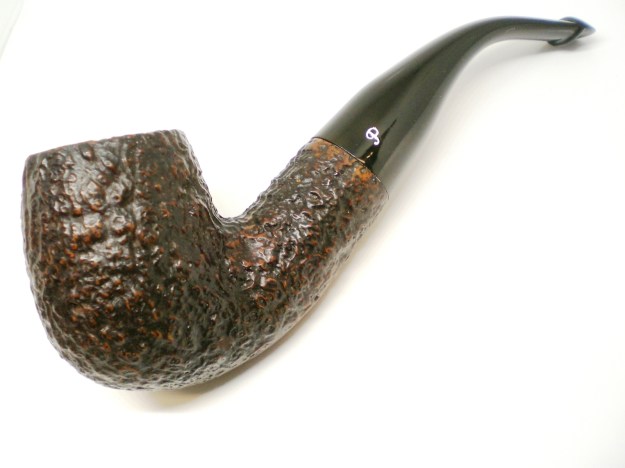
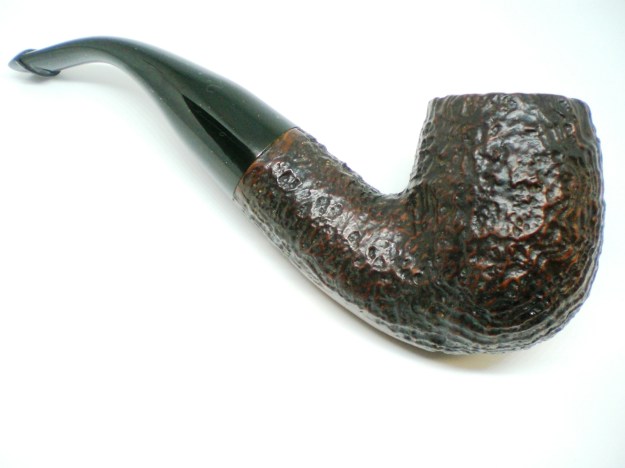
Below is the finished pipe.

Comoy’s Sandblast Bulldog Restoration


By Al Jones

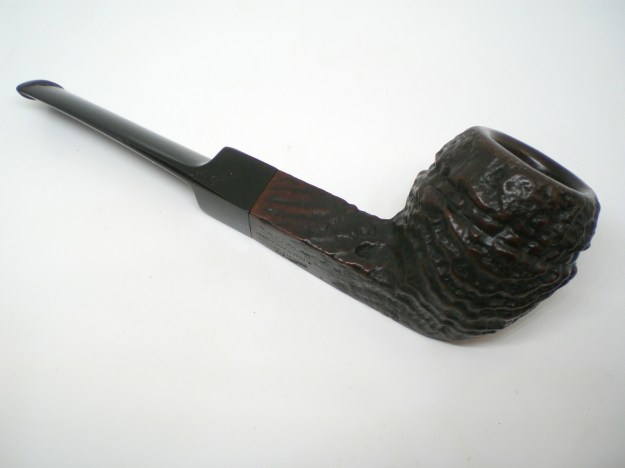
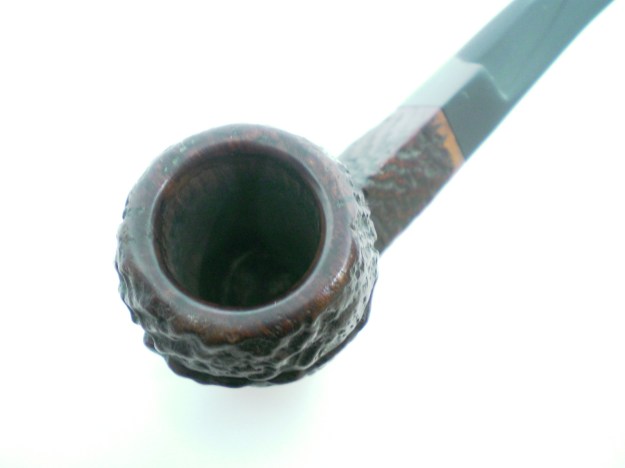
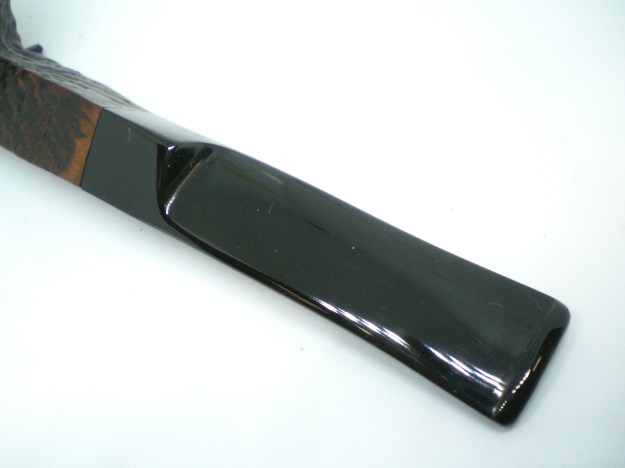
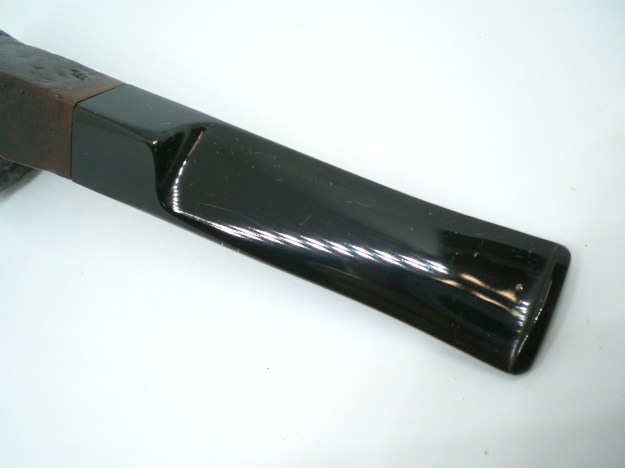
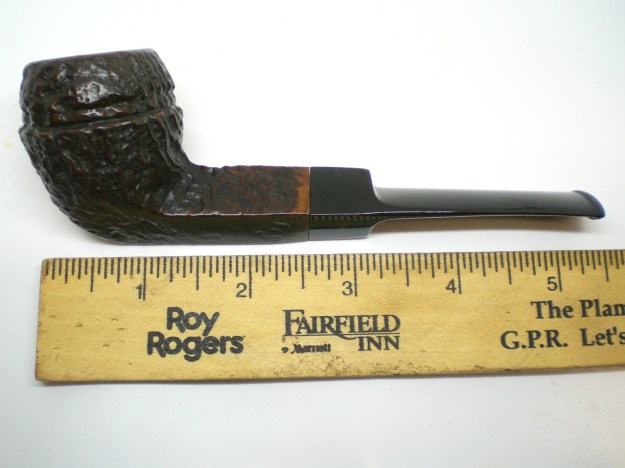
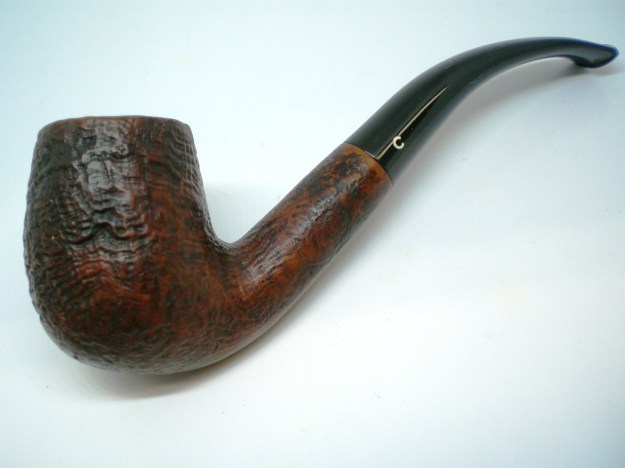
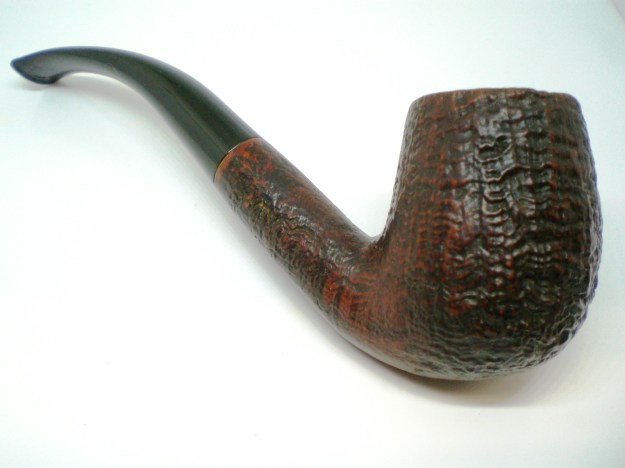
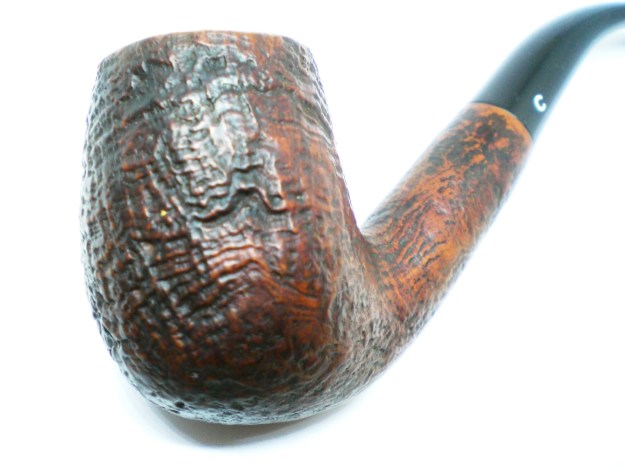
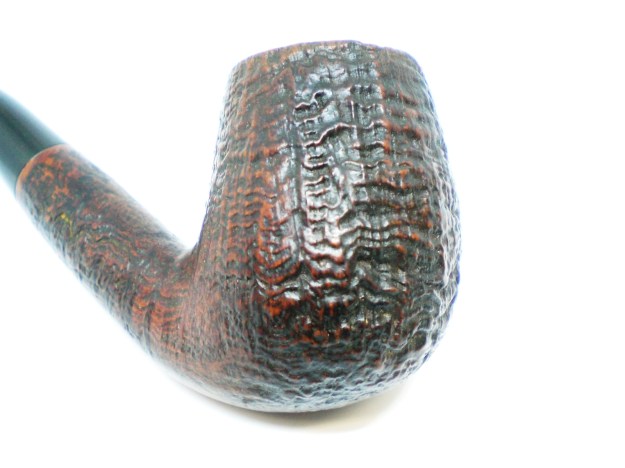
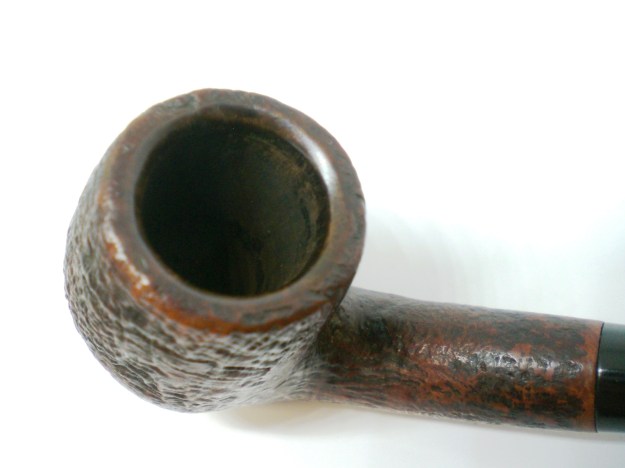
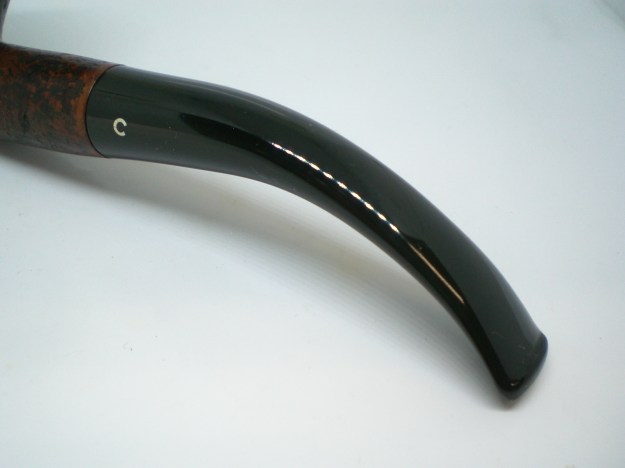
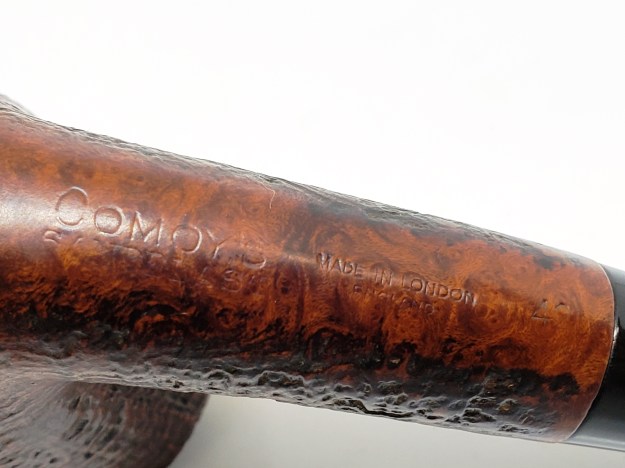
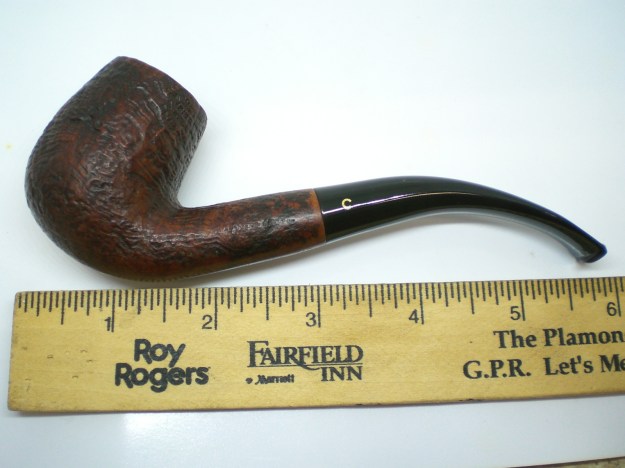
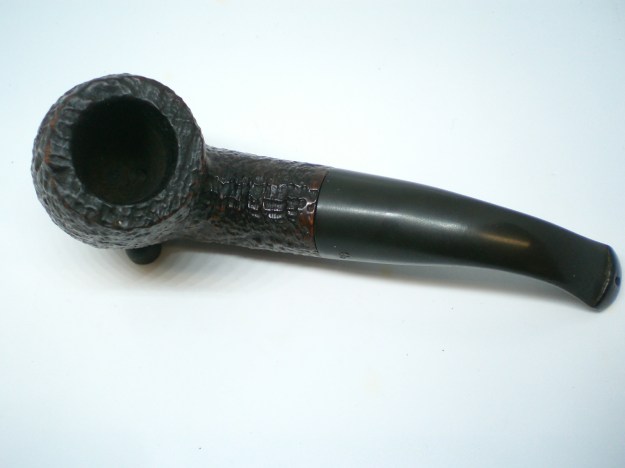
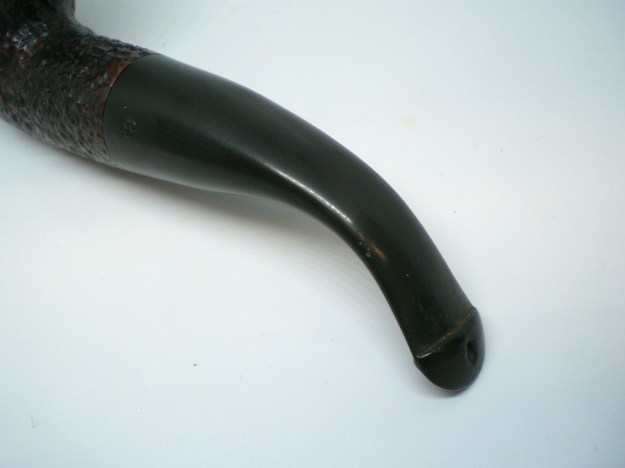
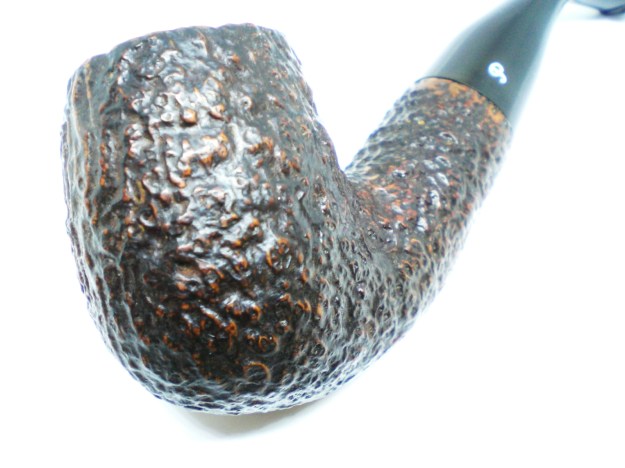
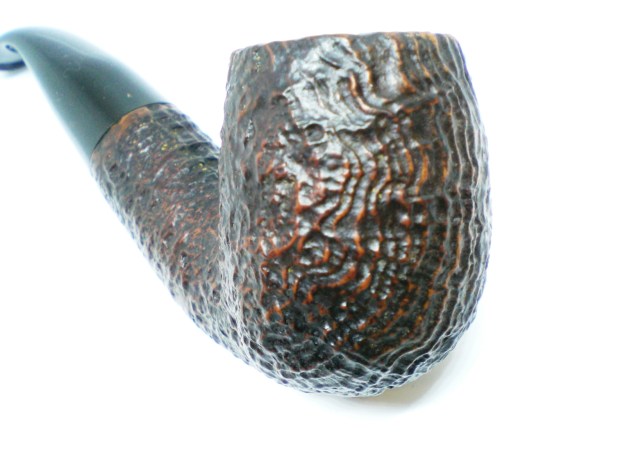
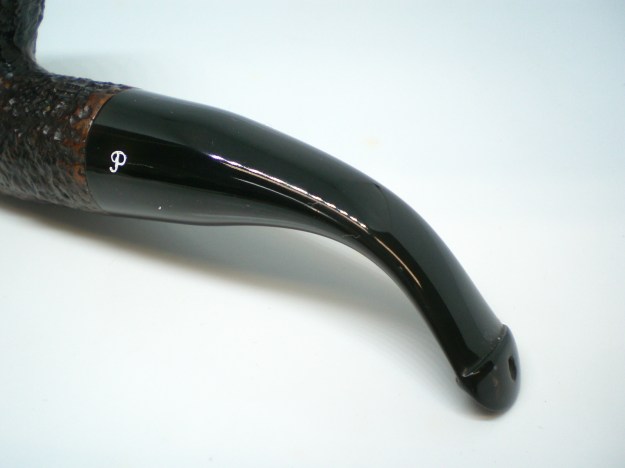
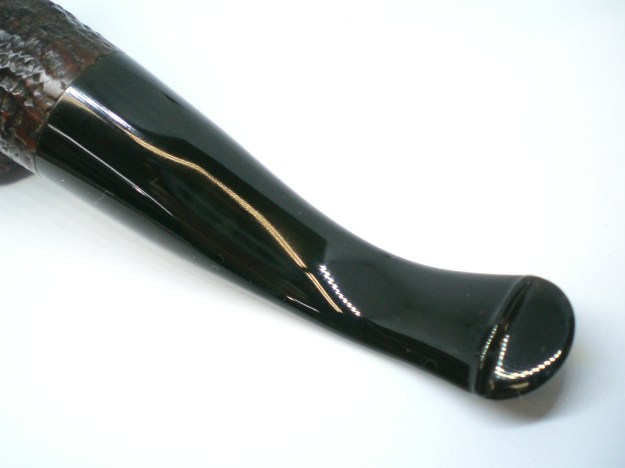
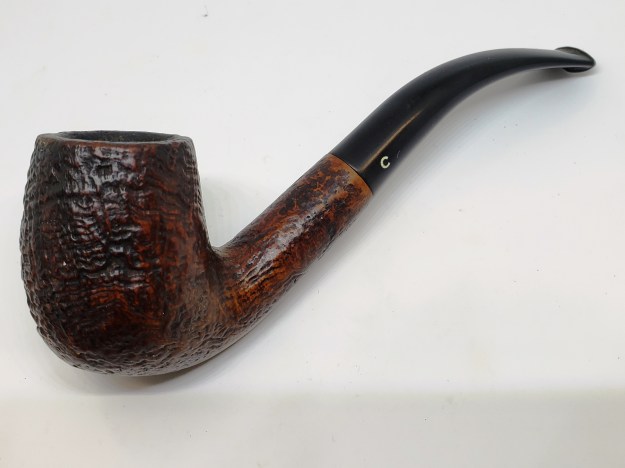
This Comoy’s Sandblast, Shape 5, immediately caught my eye, despite not having the original stem.  I’ve handled many Comoy’s Sandblast pipes, and this one, without a doubt, has the most rugged blast I’ve ever seen on a Comoy’s.  I made a modest offer to the seller and it was heading my way.  I was surprised to find the replacement stem to be of a very high quality, which was only heavily oxidized.  The bowl top has a lot of build-up and a mild cake.

Below is the pipe as it was received.
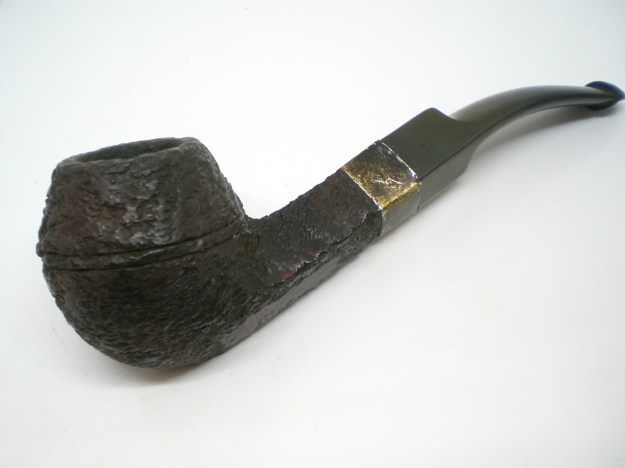
I used a worn piece of Scotchbrite to remove the bowl top buildup, and my reamer kit to remove the cake. The bowl was in excellent condition. 

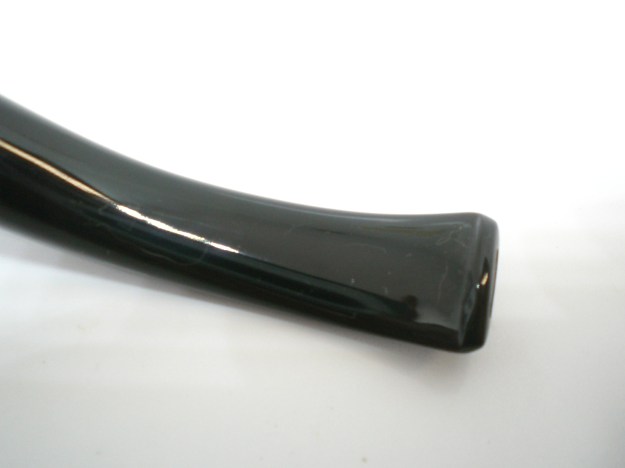
The bowl was soaked with alcohol and sea salt.  The stem was then mounted and oxidation removed with 600/800/1000/1500 and 2000 grit wet sandpaper. Next up was 8000 and 12000 micromesh sheets.  The stem was then buffed with White Diamond and Meguiars Plastic Polish.

I gave the bowl a “wash” using a heavily diluted Fieblings Medium Brown stain.  The bowl was then waxed by hand with Halycon wax. 

Below is the finished pipe.

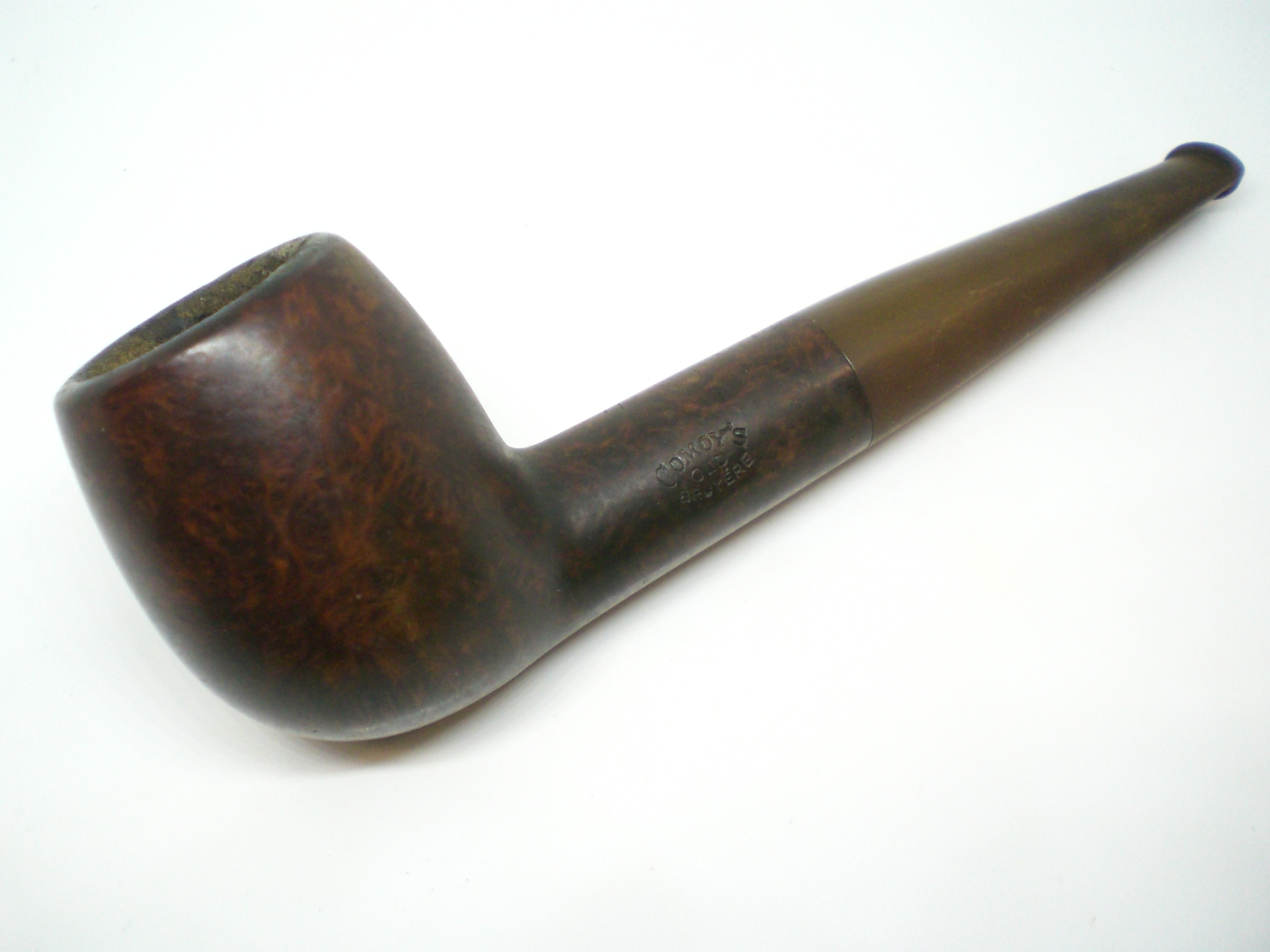
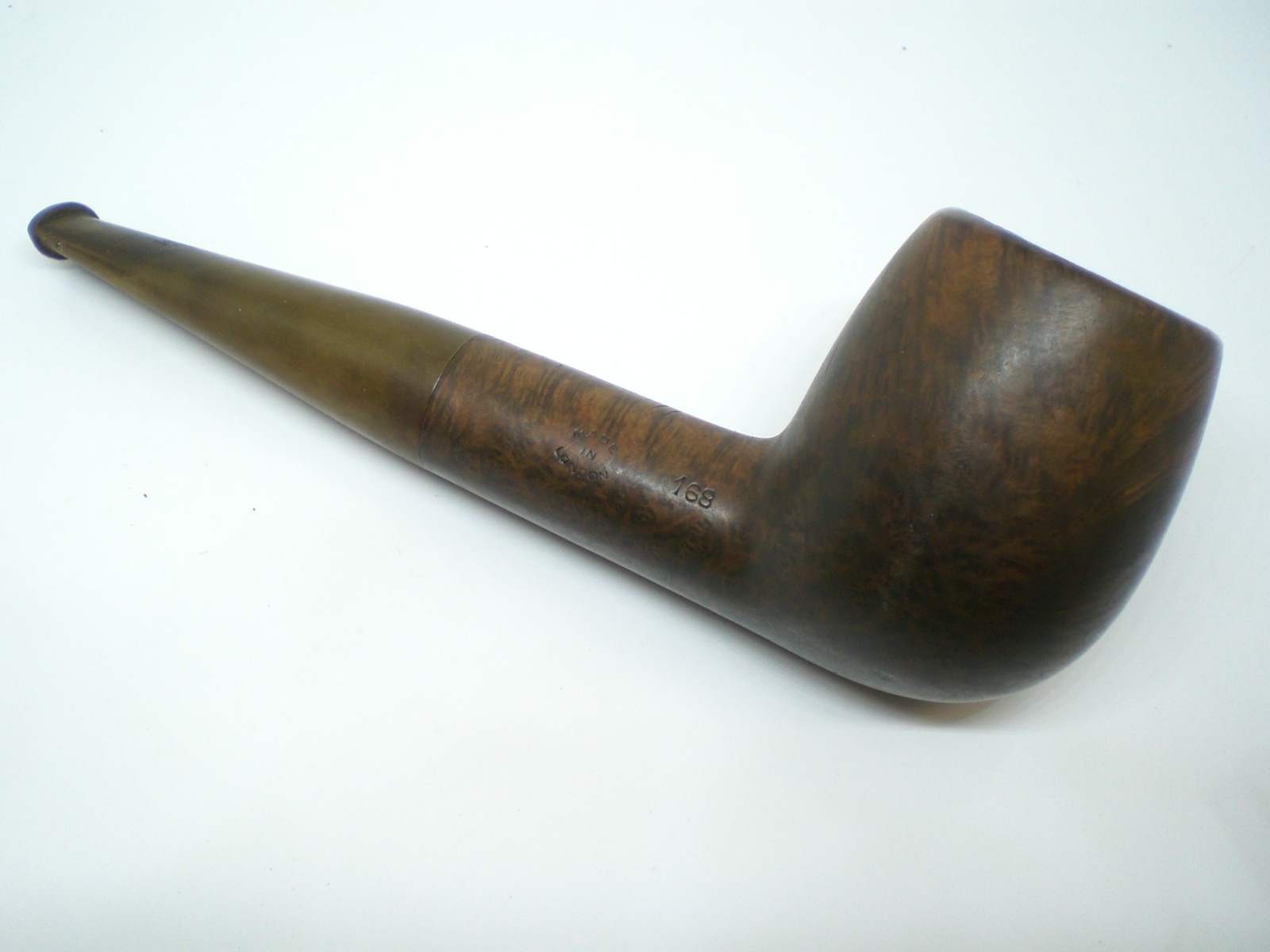
Comoy’s Surprise (168 Apple Restoration)


By Al Jones

Al_Pipes_@SMALL

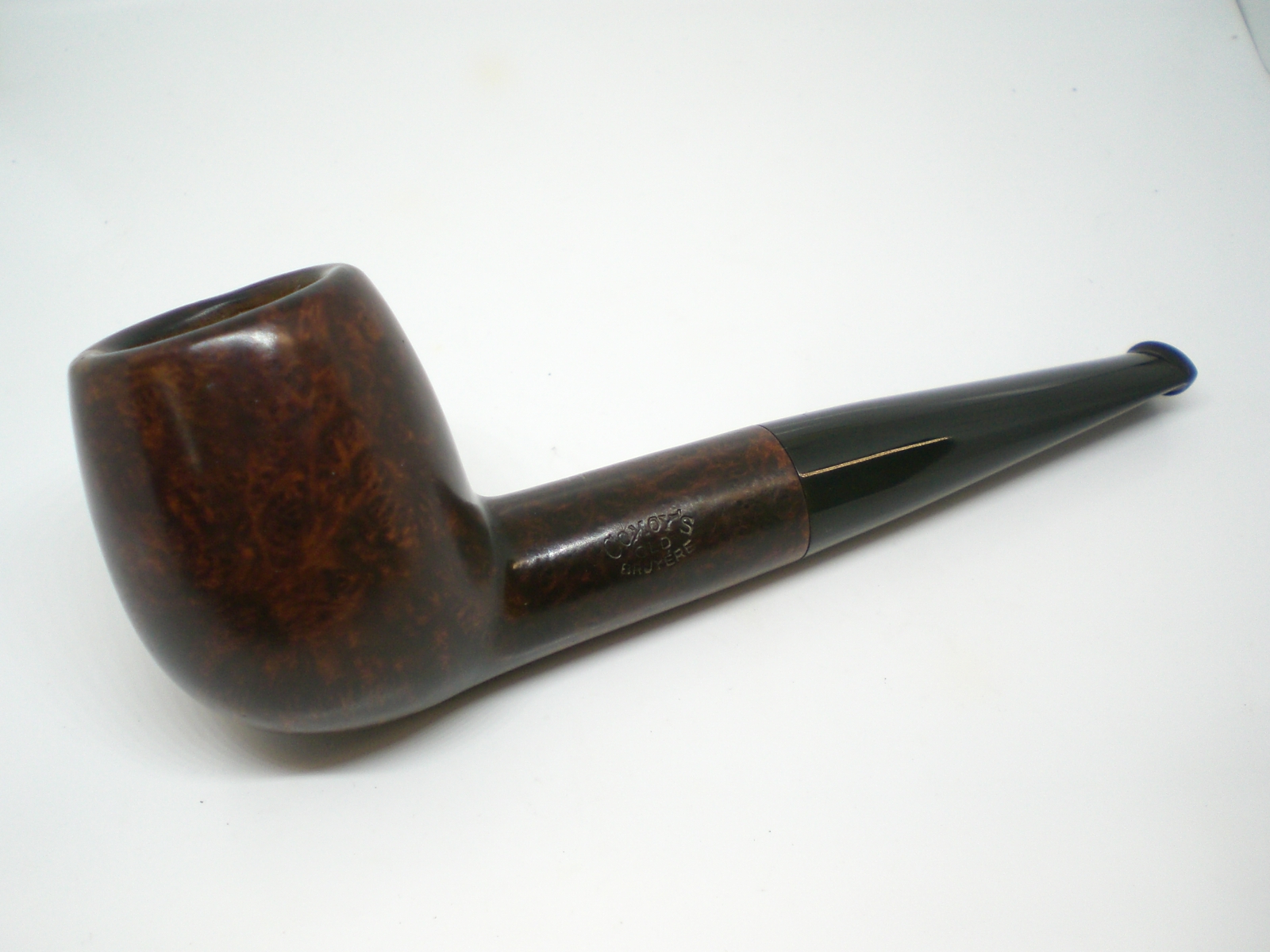
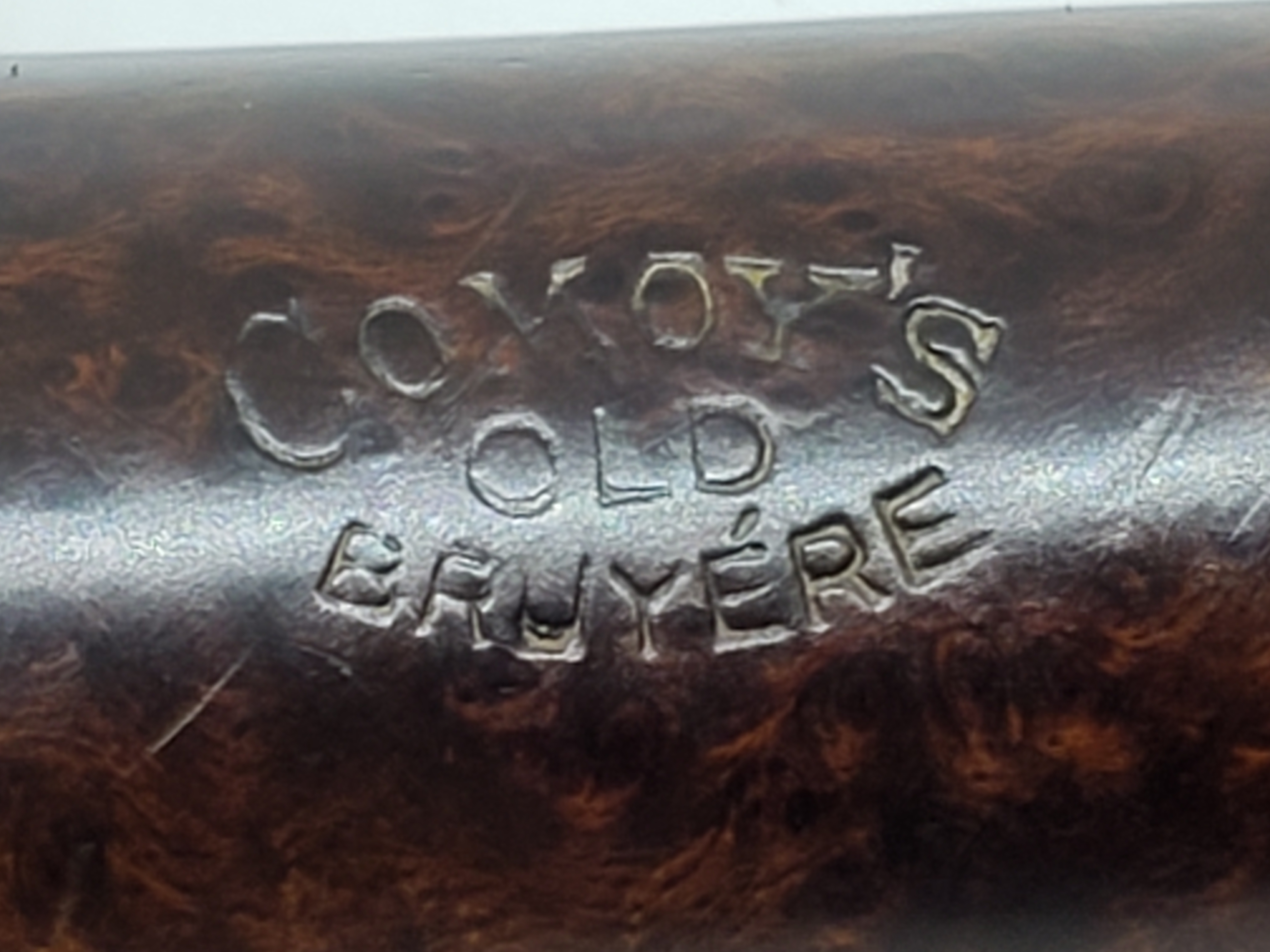
This wonderful Comoy’s Old Bruyere belongs to a West Coast friend I know from the PIpesMagazine.com forum.  We have similar tastes in British pipes, with the exception that he prefers straight pipes.  When I received this one, and opened the package, I was a little disappointed.   At first glance, I thought that the stem could not be original and it didn’t appear to match up to the nomenclature.  In fact, I emailed him and hoped he didn’t over pay for the pipe.  However, on closer examination and a little research, I started to second guess my early conclusion.  

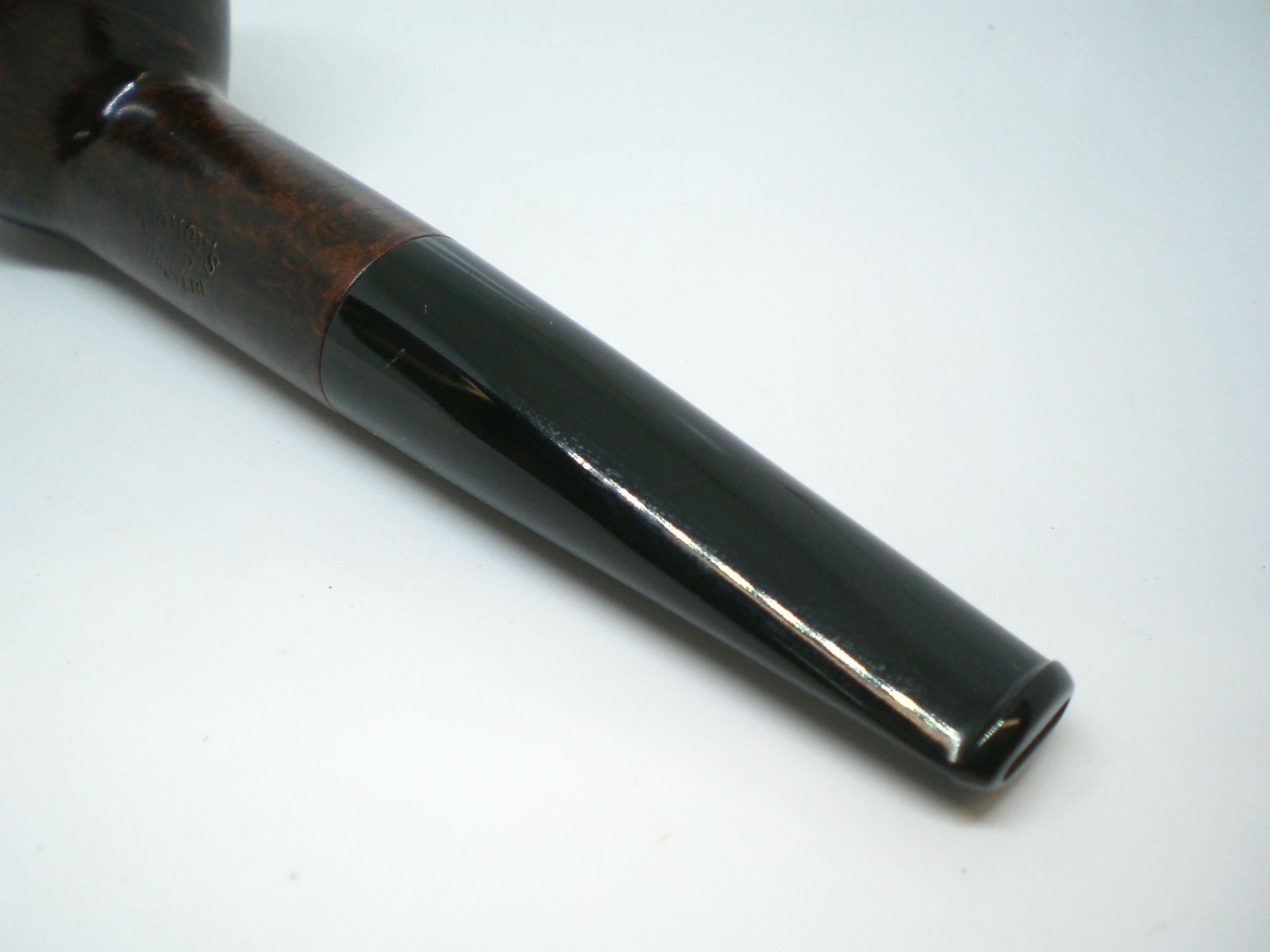
The stem had several visual cues that I thought made it authentic.  First, the tenon detail was strictly Comoy’s.  The slightly “orific” button didn’t seem to match, what I thought was later nomenclature.  A quick check on the Pipepedia site showed that i was way off the mark on my early assumption.   Derek Green writes in his “A History Of Comoy’s and A Guide Toward Dating the Pipes:

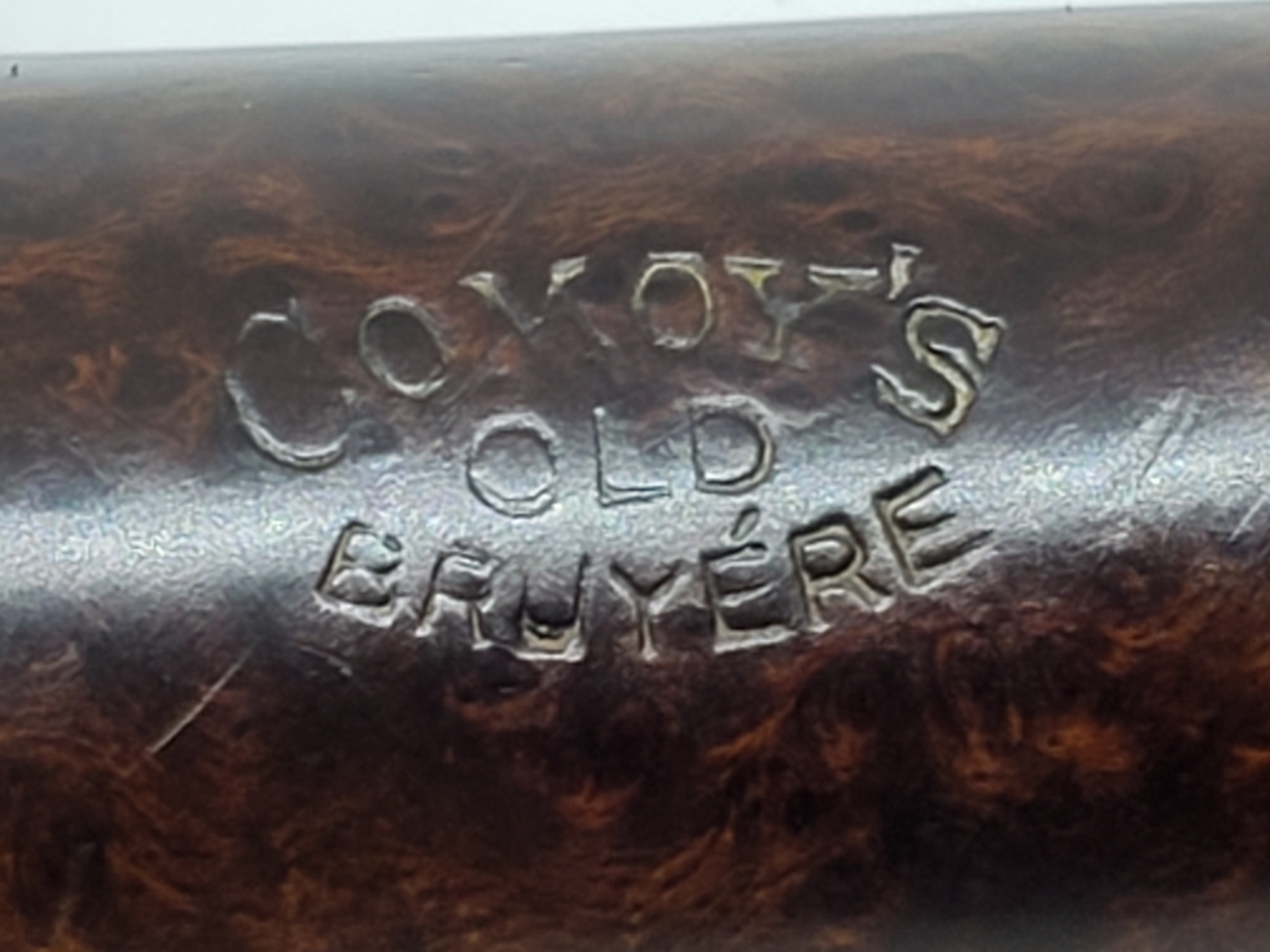
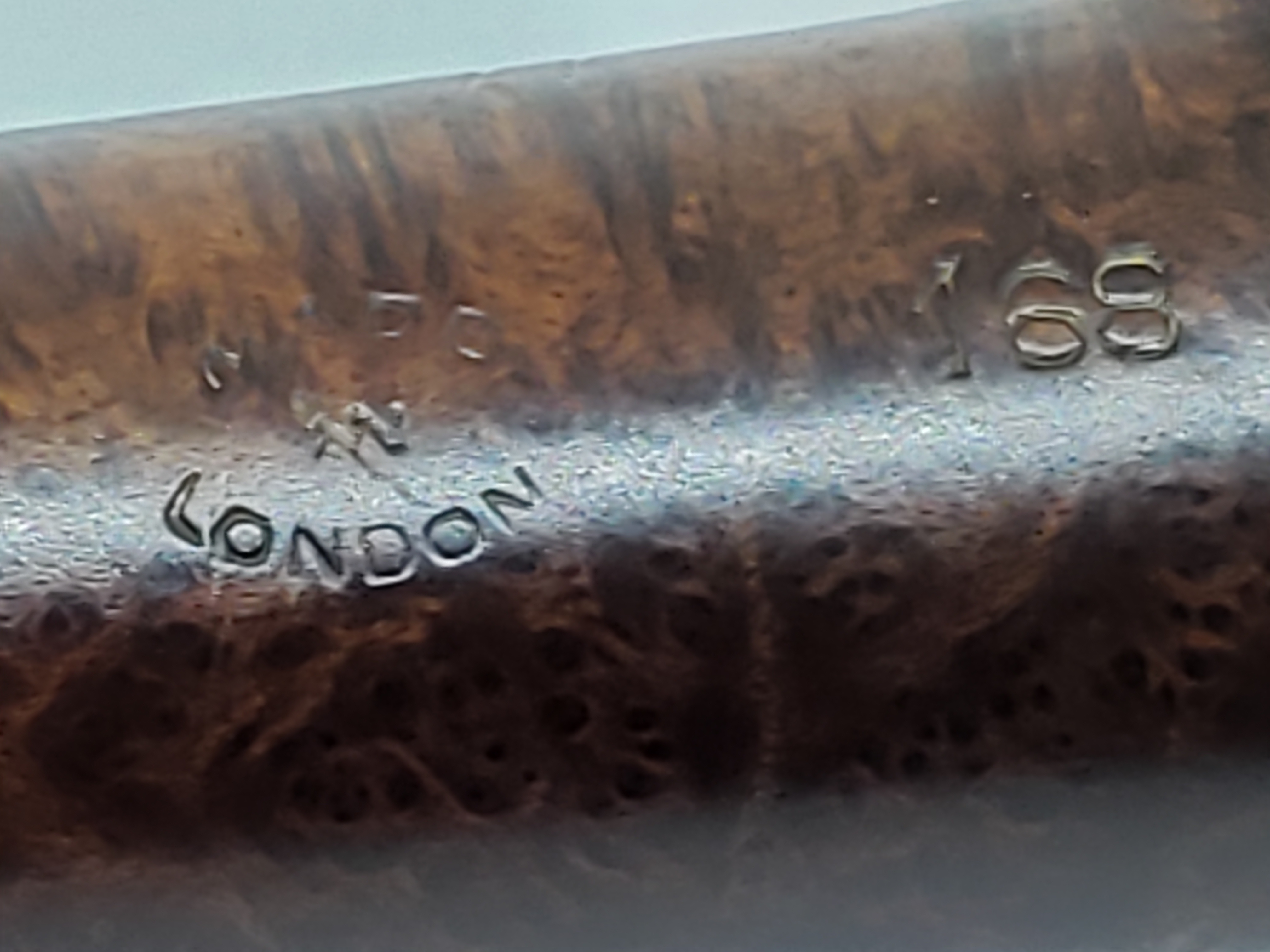
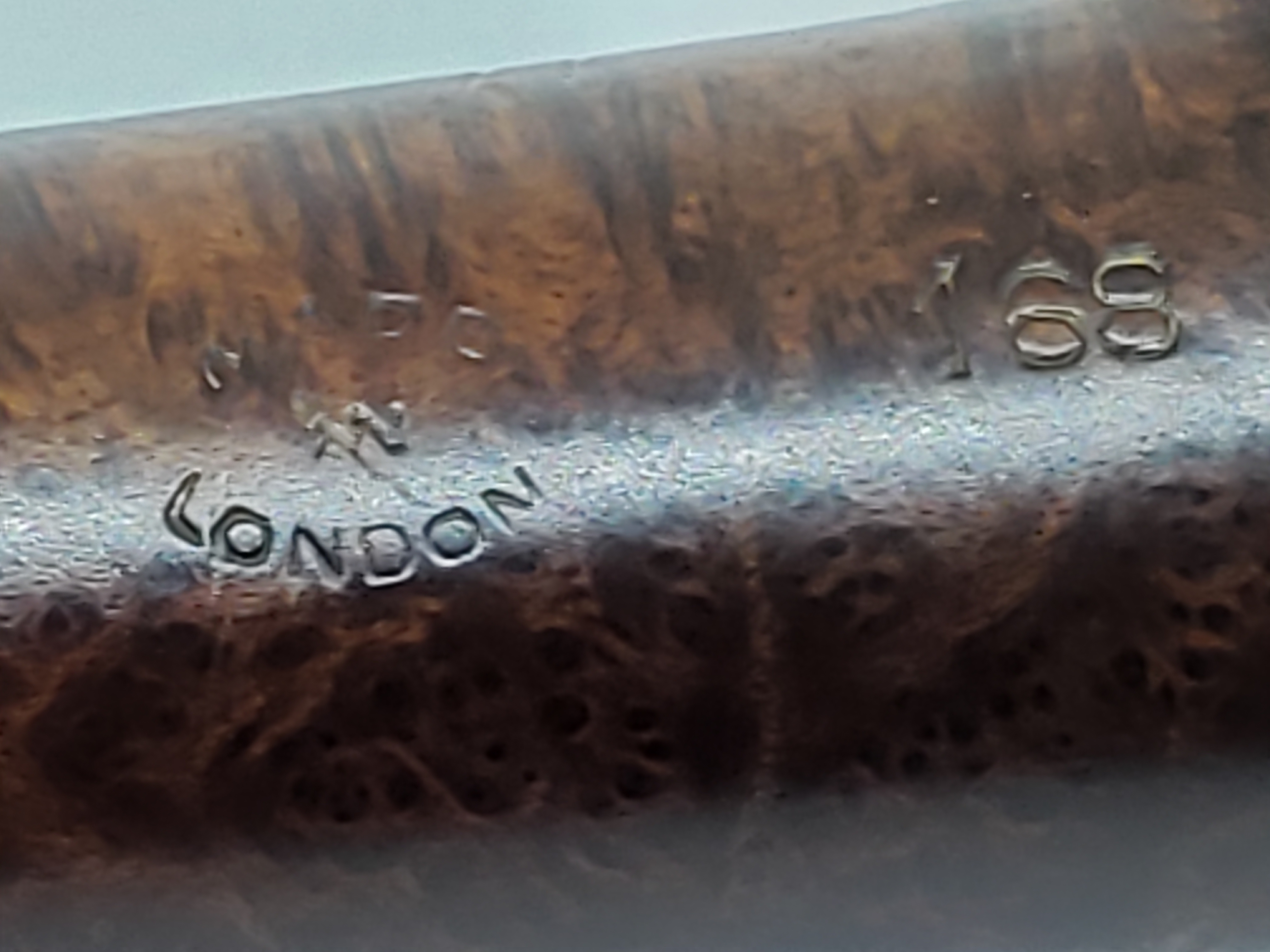
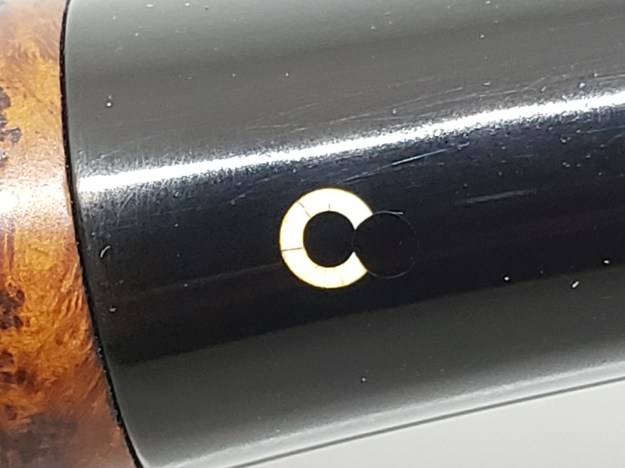
1921 Old Bruyere with hallmarked gold band. “Comoy’s” arched with “in” below and “Bruyere” arched the other way. On the other side, “Made” arched, “in” below, and “London” arched the other way. These stamps are an oval rugby-ball shape rather than a round football. There is no C on the mouthpiece

Regarding the Old Bruyere finish, he adds:

1921 Old Bruyere with hallmarked gold band. “Comoy’s” arched with “in” below and “Bruyere” arched the other way. On the other side, “Made” arched, “in” below, and “London” arched the other way. These stamps are an oval rugby-ball shape rather than a round football. There is no C on the mouthpiece

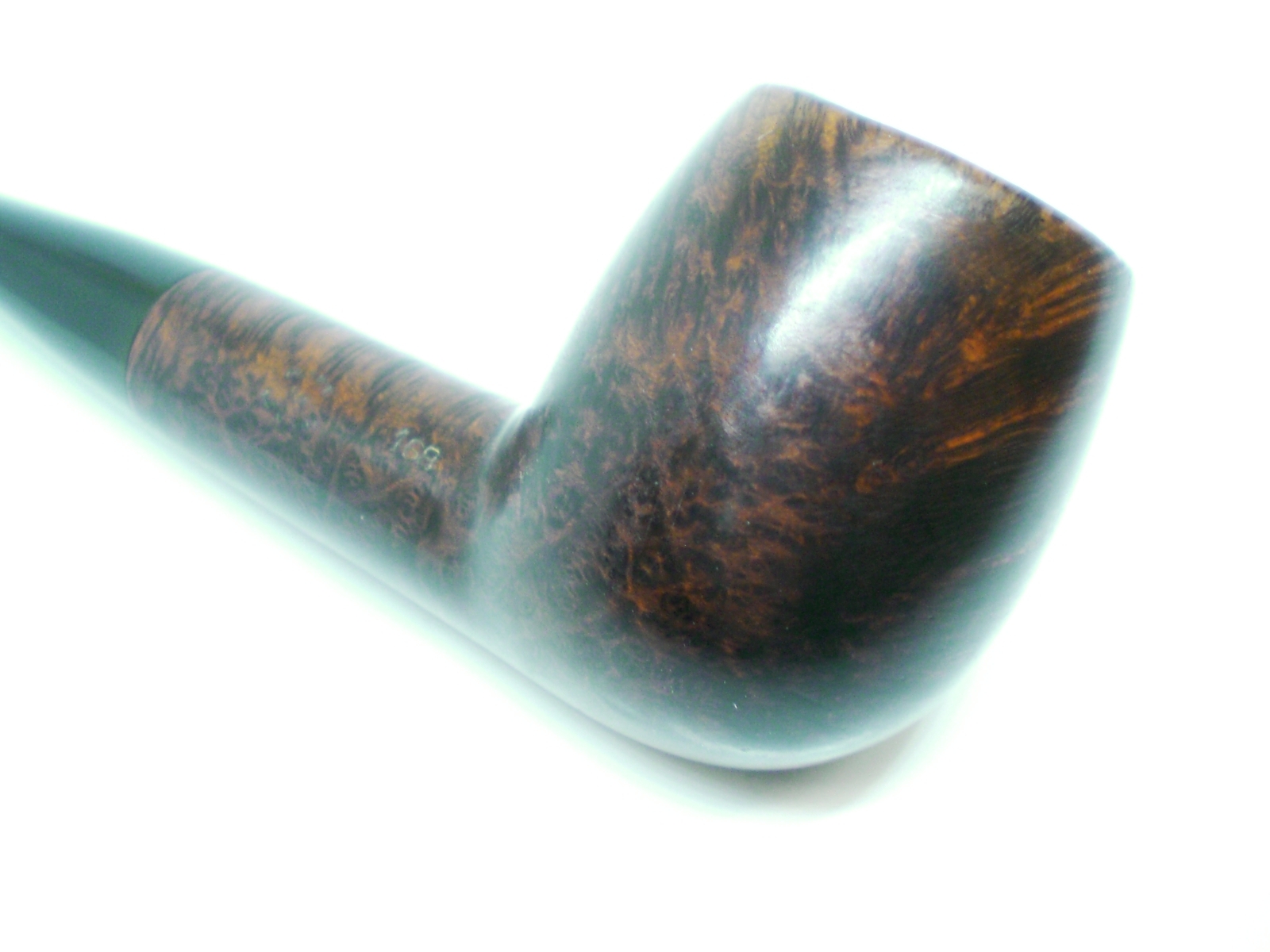
See the nomenclature below.  This one only lacks the hallmarked band.  I believe that this pipe was made in the 1920’s and it is nearly a century old!  Another identifying feature is that I cannot find the 168 shape number in any of my Comoy’s catalog pages.   I believe this would be the Apple shape, similar to the Shape 150, but perhaps a tad more stout.   As you can see, the nomenclature was in excellent condition, a real bonus. 

Comoys_168_Old_Bruyere_FIN (11)Comoys_168_Old_Bruyere_FIN (12)

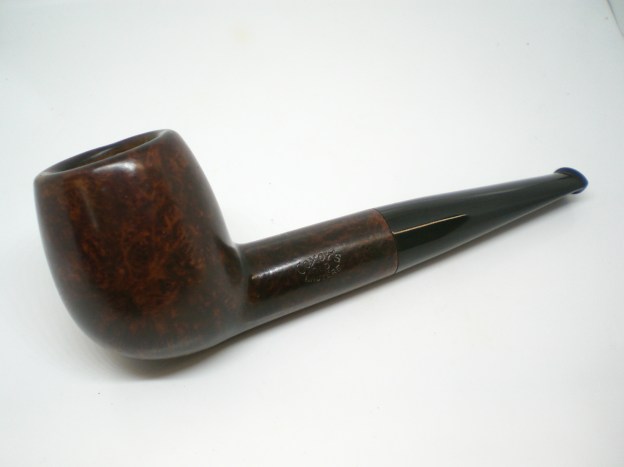
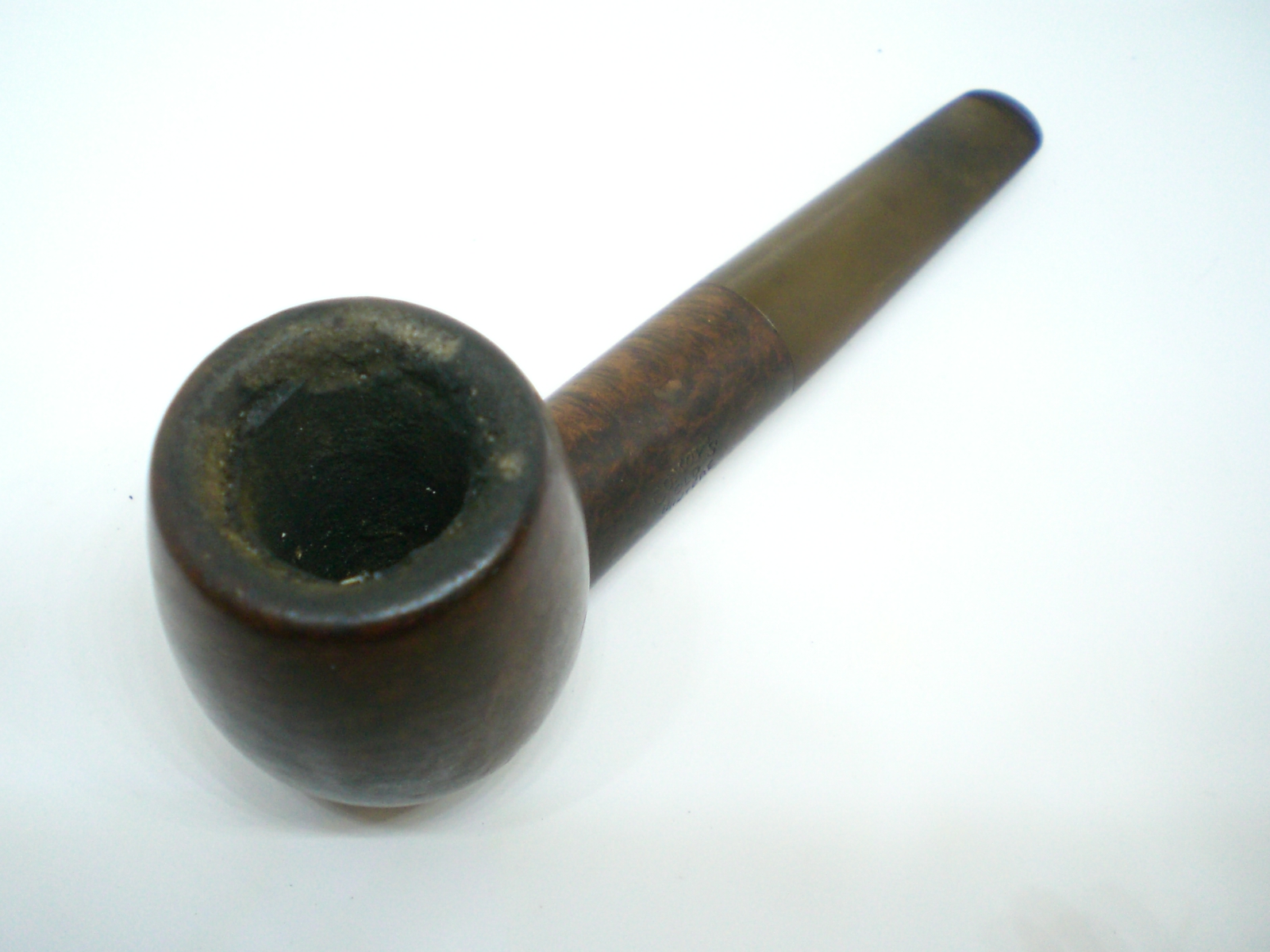
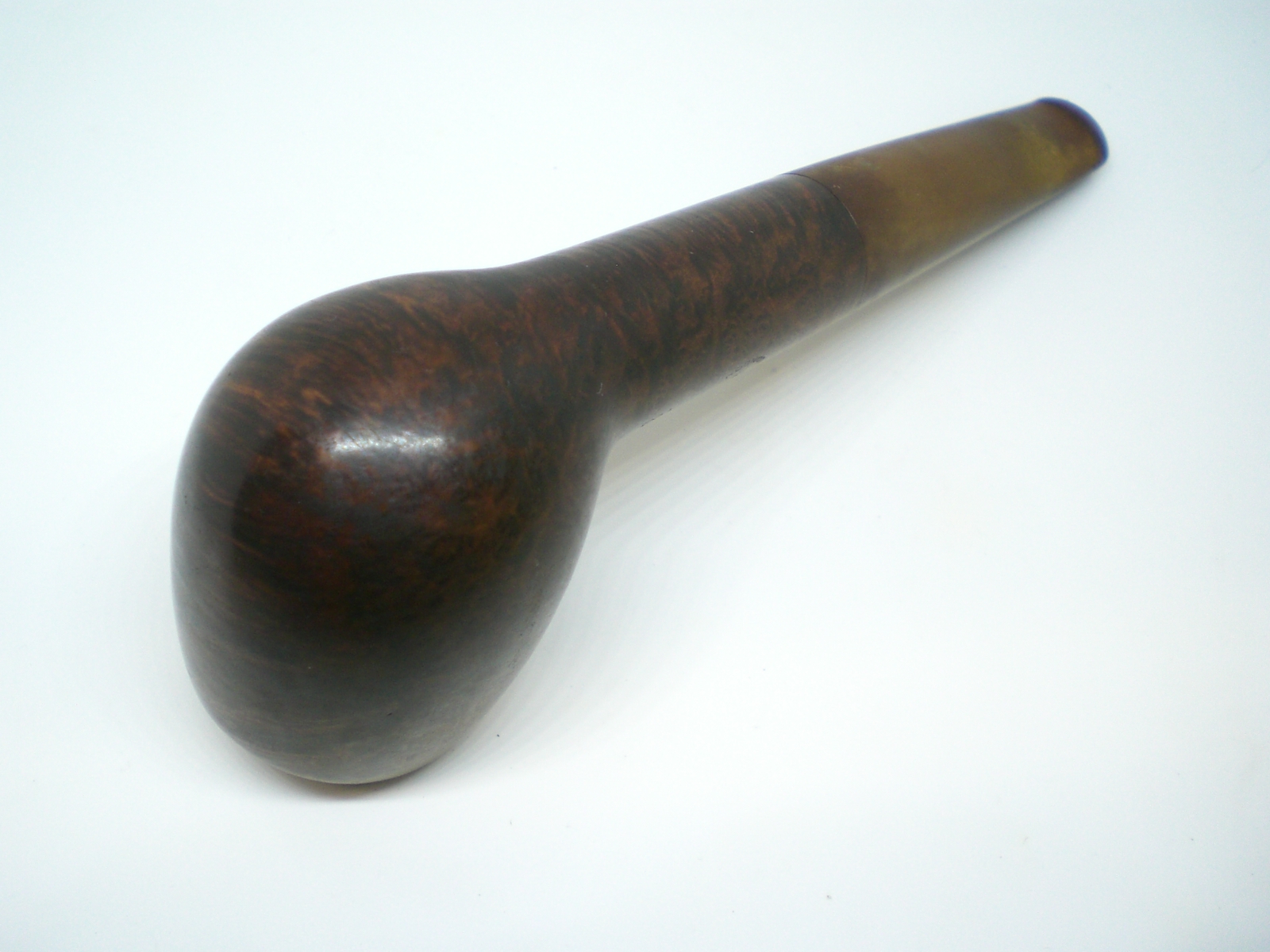
The pipe was definitely well loved.  There was some scorching on the bowl top, a very heavy cake and the stem was heavily oxidized.  The stem was also very loose.  I was pleased to find that the stem had virtually no teeth marks.  The briar also had several handling dings that would need to be addressed.  Below is the pipe as it was received.
Comoys_168_Old_Bruyere_Before (1)Comoys_168_Old_Bruyere_Before (2)Comoys_168_Old_Bruyere_Before (3)Comoys_168_Old_Bruyere_Before (4)

I used a worn piece of Scotchbrite to remove the bowl top build-up, finished with micromesh.  The bowl was reamed and I found the interior to be in excellent condition. The draft hole was nearly completely plugged, but the bit on my Senor reamer cleared that obstruction.   I decided against my usual practice of soaking the briar with alcohol and sea salt, as to not make the stem any looser. I did clean the shank with a brush dipped in alcohol, until the brush was clean. 

The oxidation on the stem was removed with 600, 800, 1000, 1500 and 2000 grade wet paper.  This was followed by 8,000 and 12,000 grade micromesh sheets (wet).  I used a wet cloth and an electric iron to stem out most of the handling marks.  A few remain, but they were well earned after nearly 100 years.

The stem was mounted and after a day of drying, a bit more snug (from the wet sanding).  I’m confident it will snug nicely after a few careful initial uses.  I buffed the stem with White Diamond and Meguiars Plastic Polish. The bowl was lightly buffed with White Diamond and several coats of Carnuba wax.

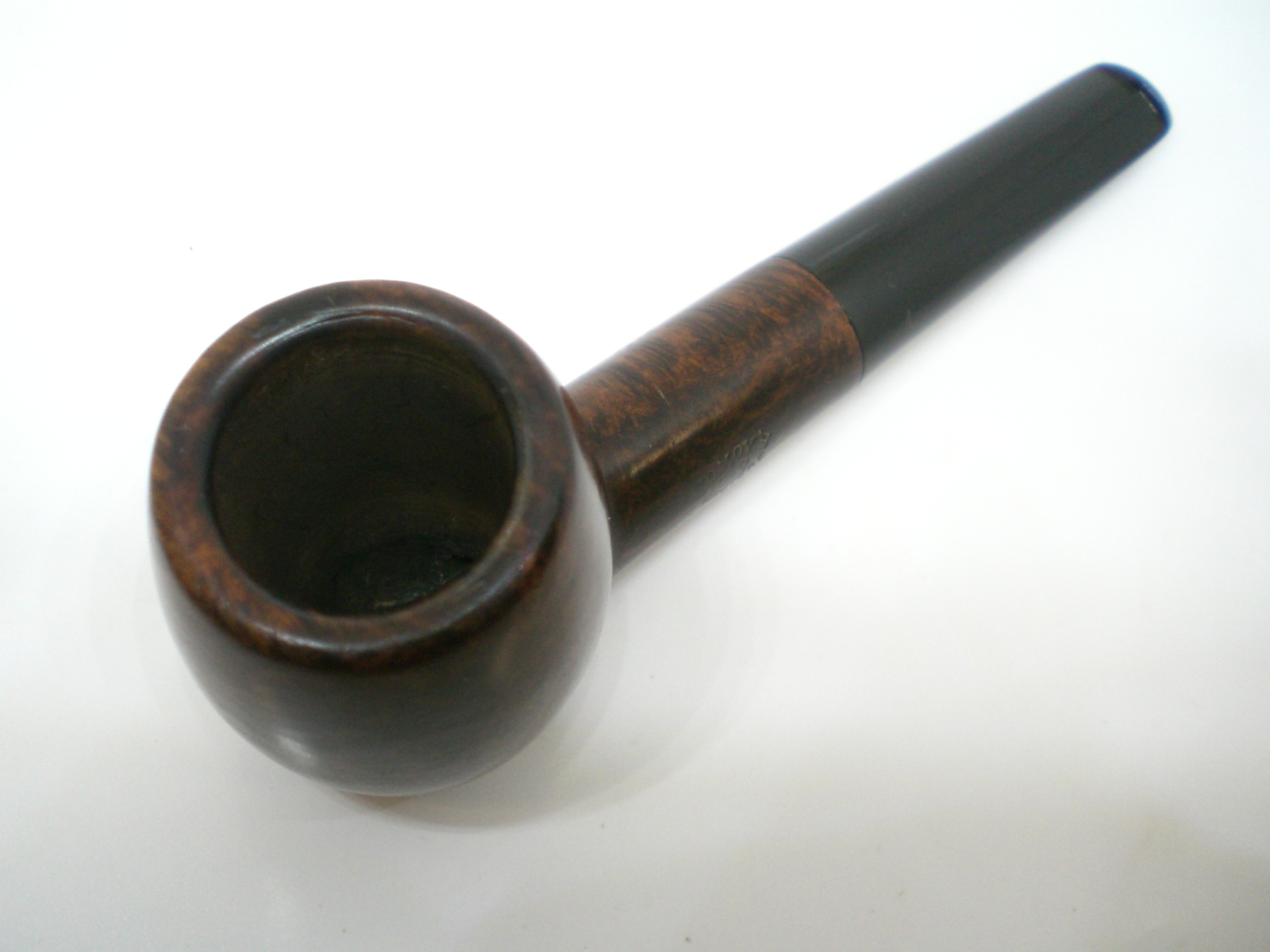
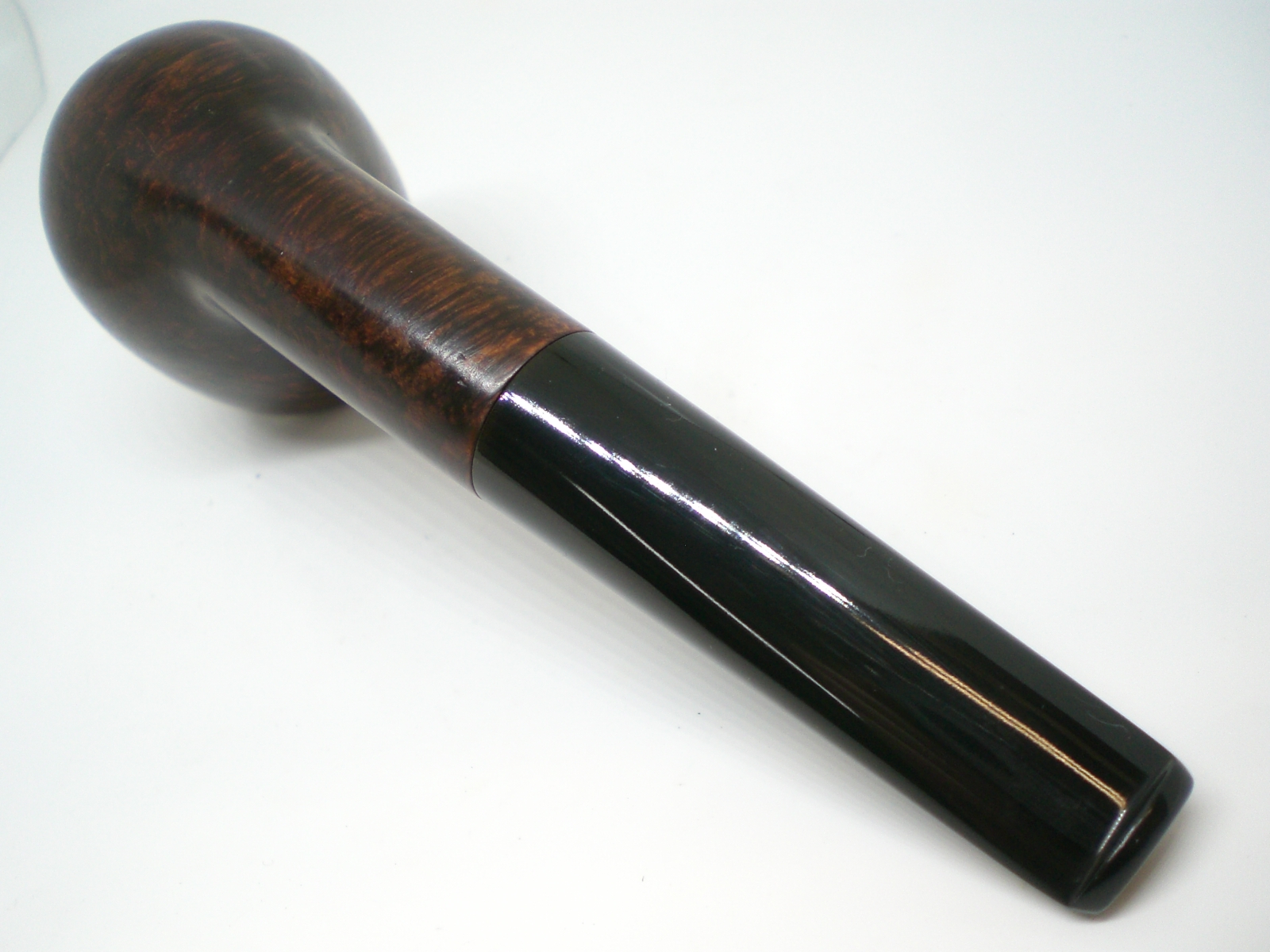
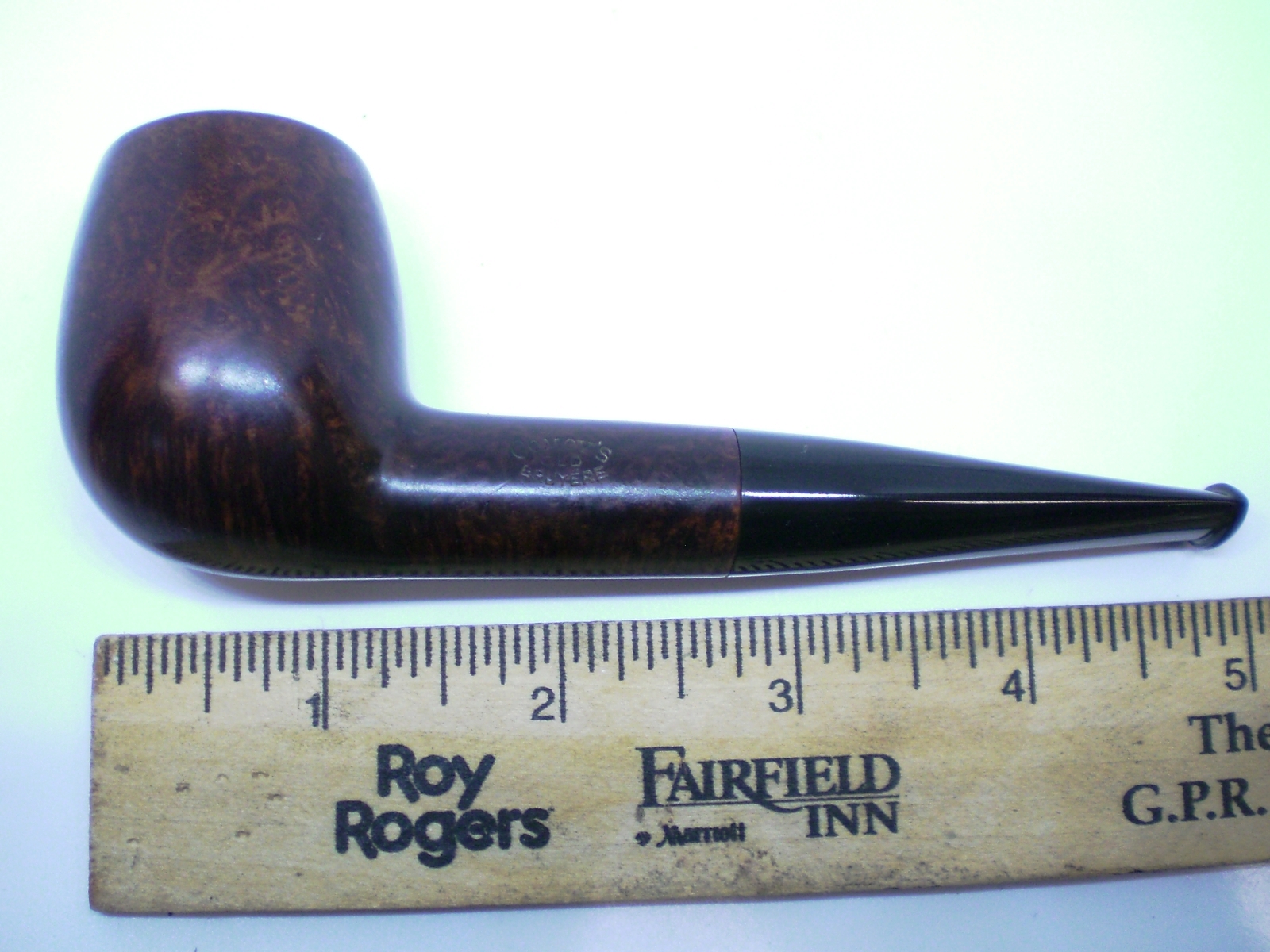
Below is the finished pipe.  I sure wish we could know the story on this pipes journey – who owned it, where was it purchased?  Where has it rested after the last smoke?  All that lost to time, but it’s ready for another century of use. 

Comoys_168_Old_Bruyere_FIN (1)Comoys_168_Old_Bruyere_FIN (2)Comoys_168_Old_Bruyere_FIN (3)Comoys_168_Old_Bruyere_FIN (4)Comoys_168_Old_Bruyere_FIN (5)Comoys_168_Old_Bruyere_FIN (6)Comoys_168_Old_Bruyere_FIN (7)Comoys_168_Old_Bruyere_FIN (8)Comoys_168_Old_Bruyere_FIN (10)Comoys_168_Old_Bruyere_FIN (11)Comoys_168_Old_Bruyere_FIN (12)Comoys_168_Old_Bruyere_FIN (9)

Sasieni Ashford Walnut – the Band is Back Together!


By Al Jones

Al_Pipes_@SMALL

Wow, things have changed at WordPress!  It’s been several months since my last submission and the new format is going to take some getting used to.

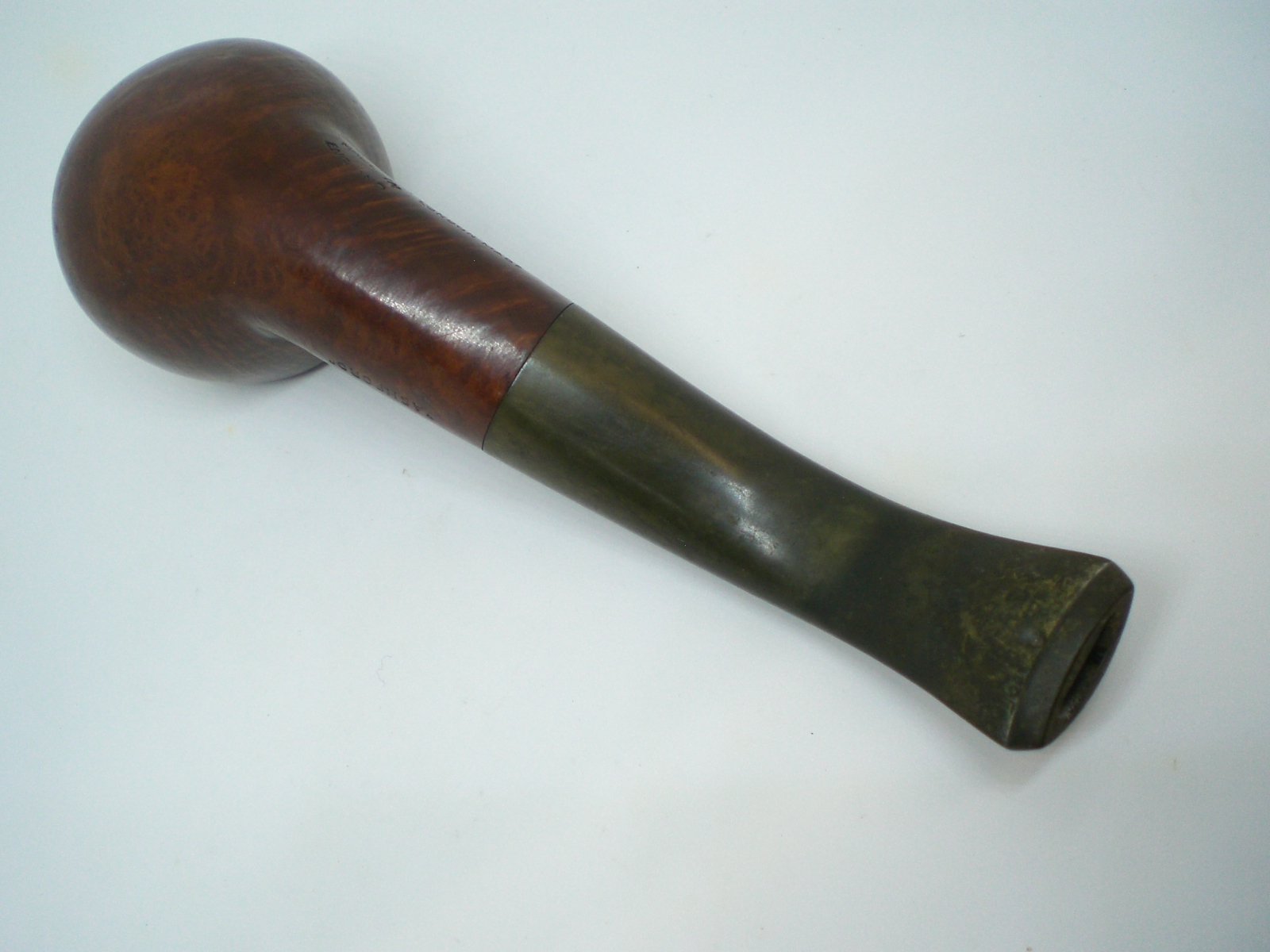
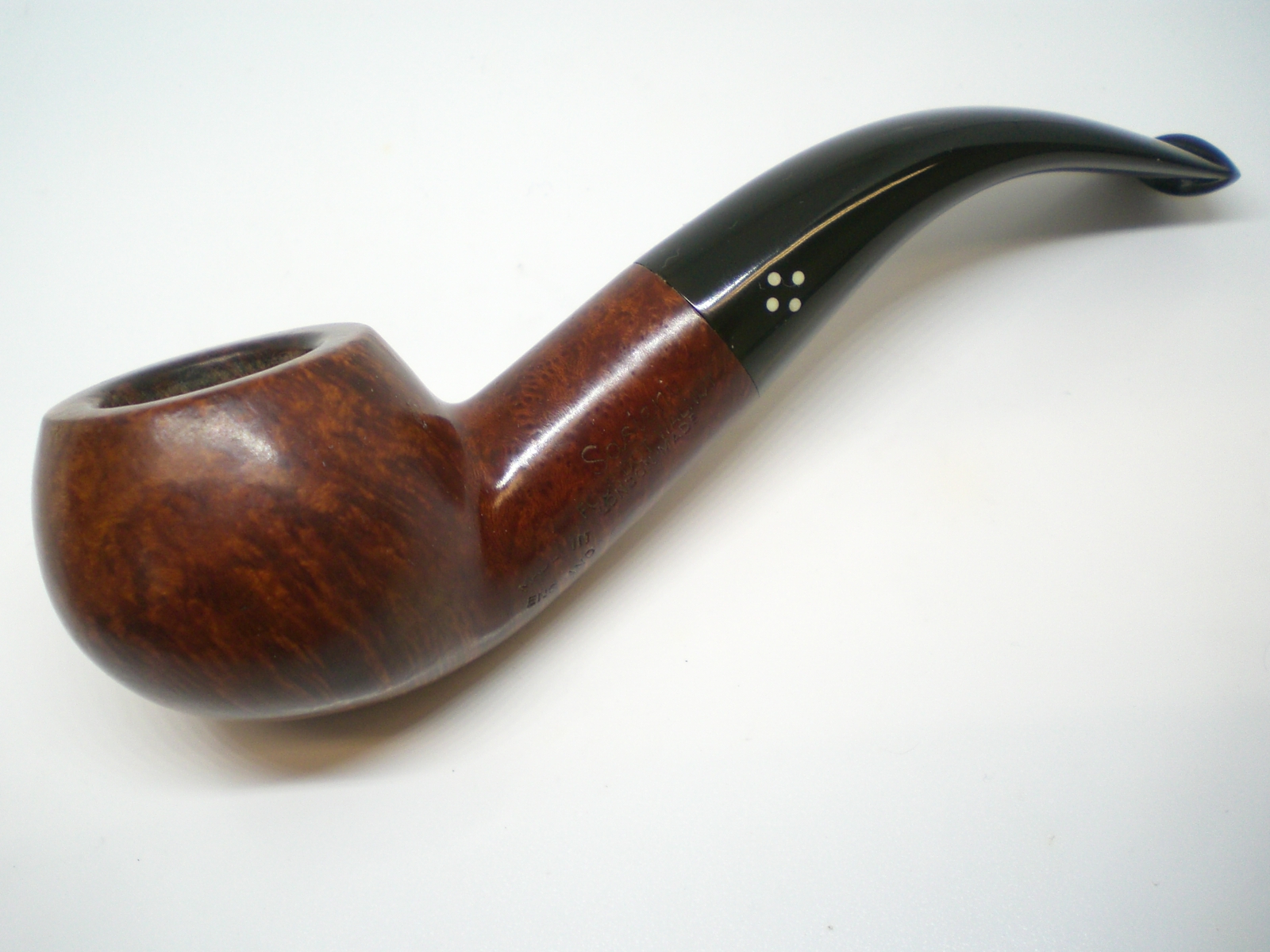
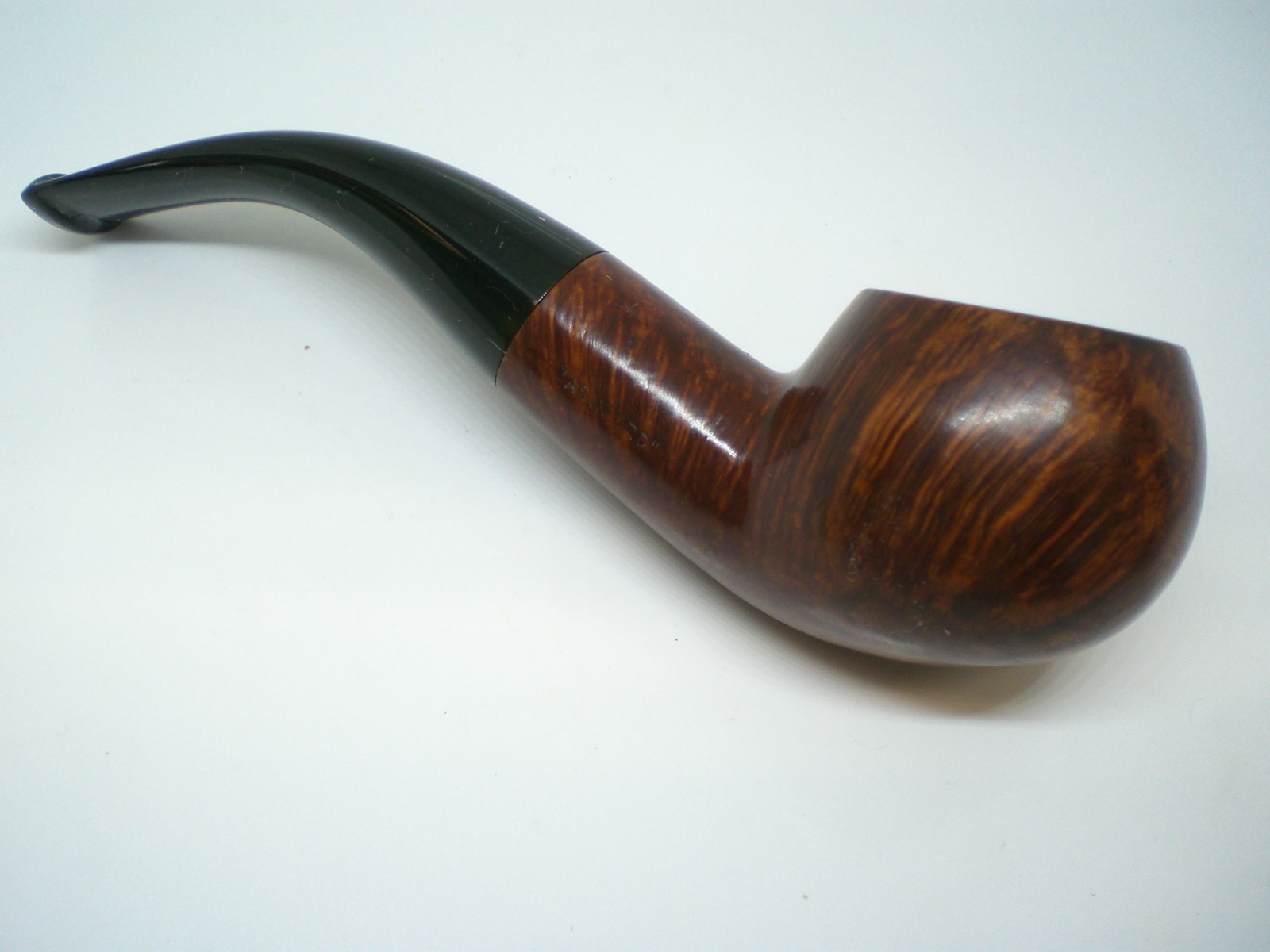
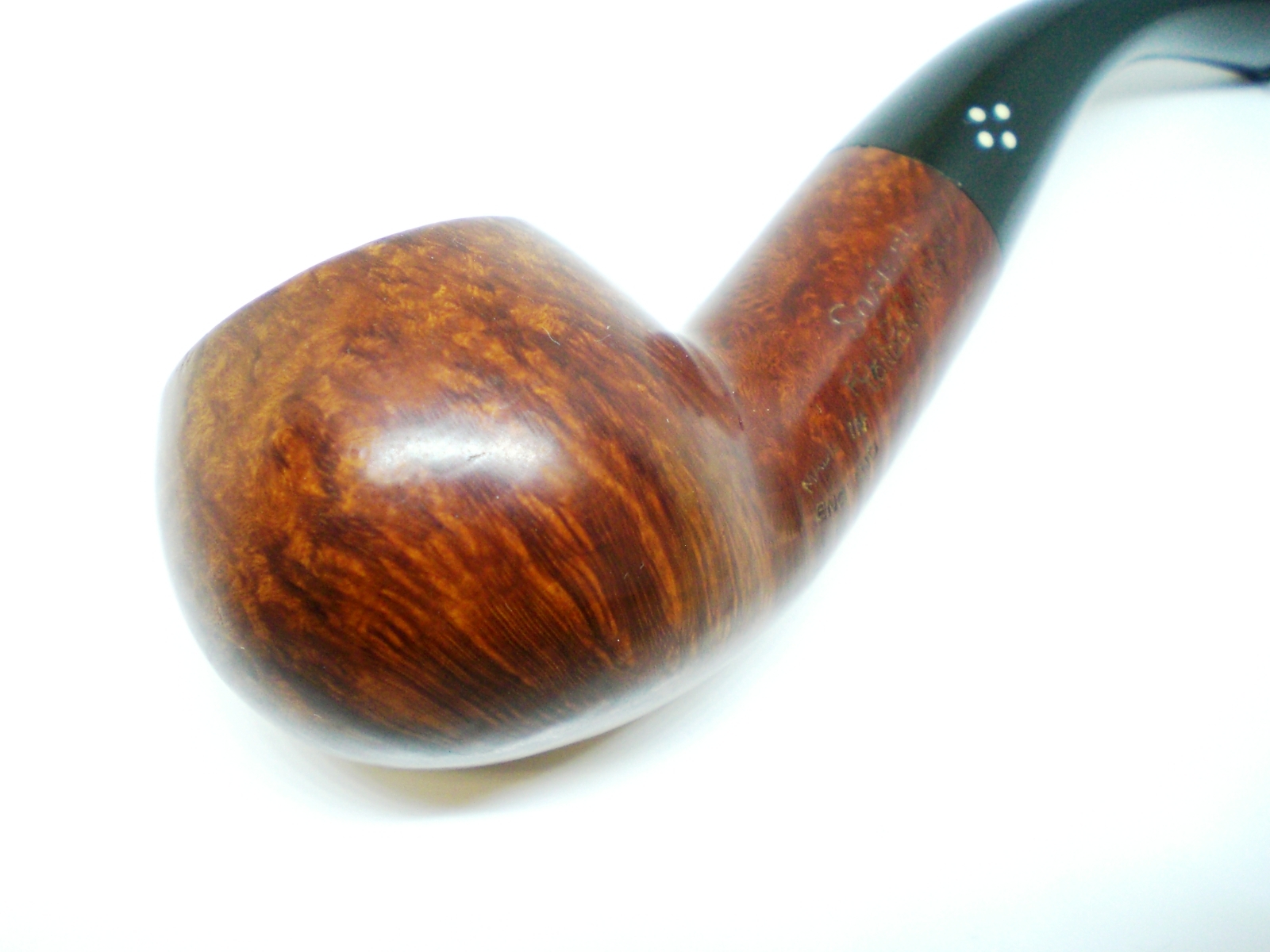
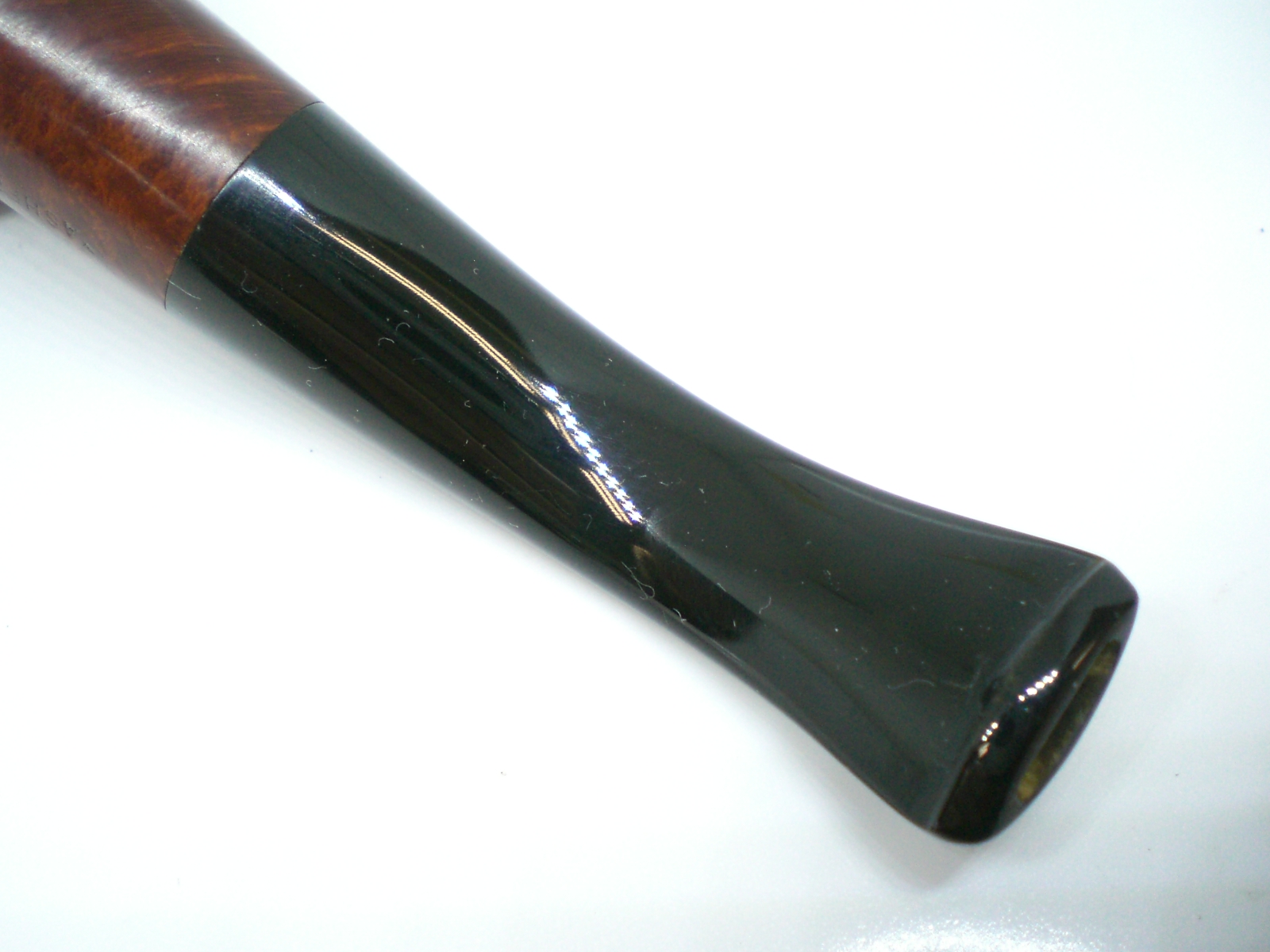
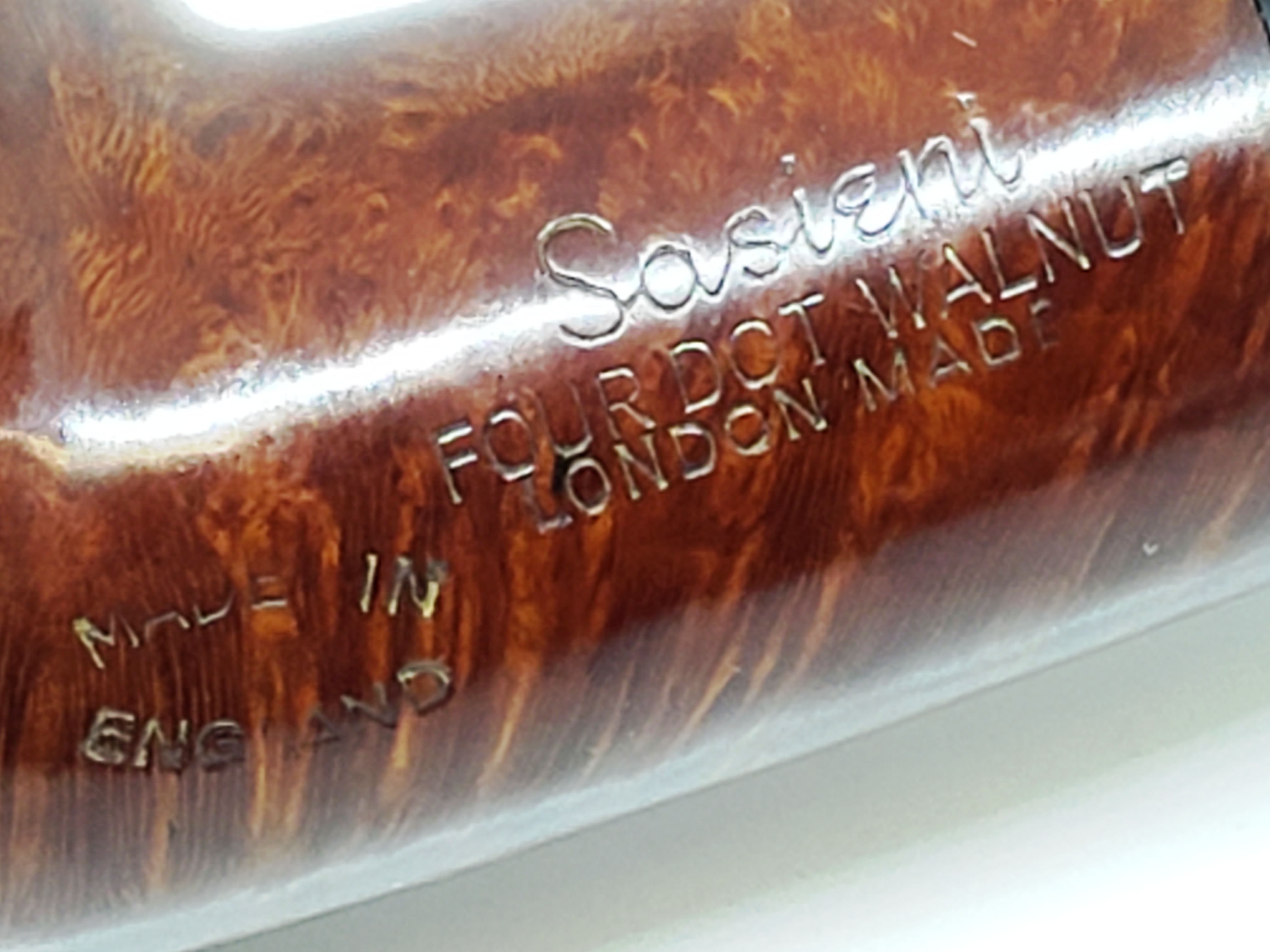
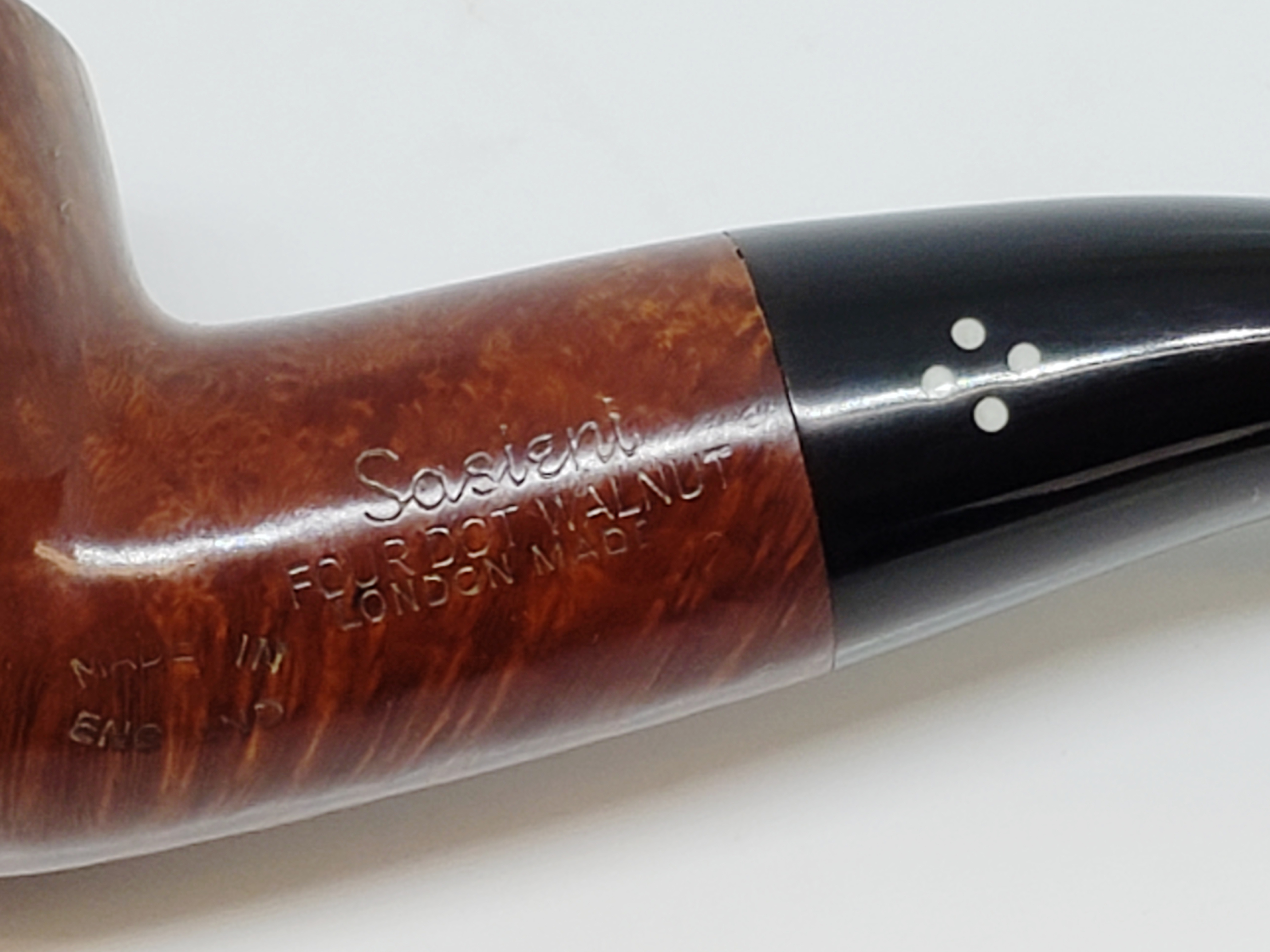
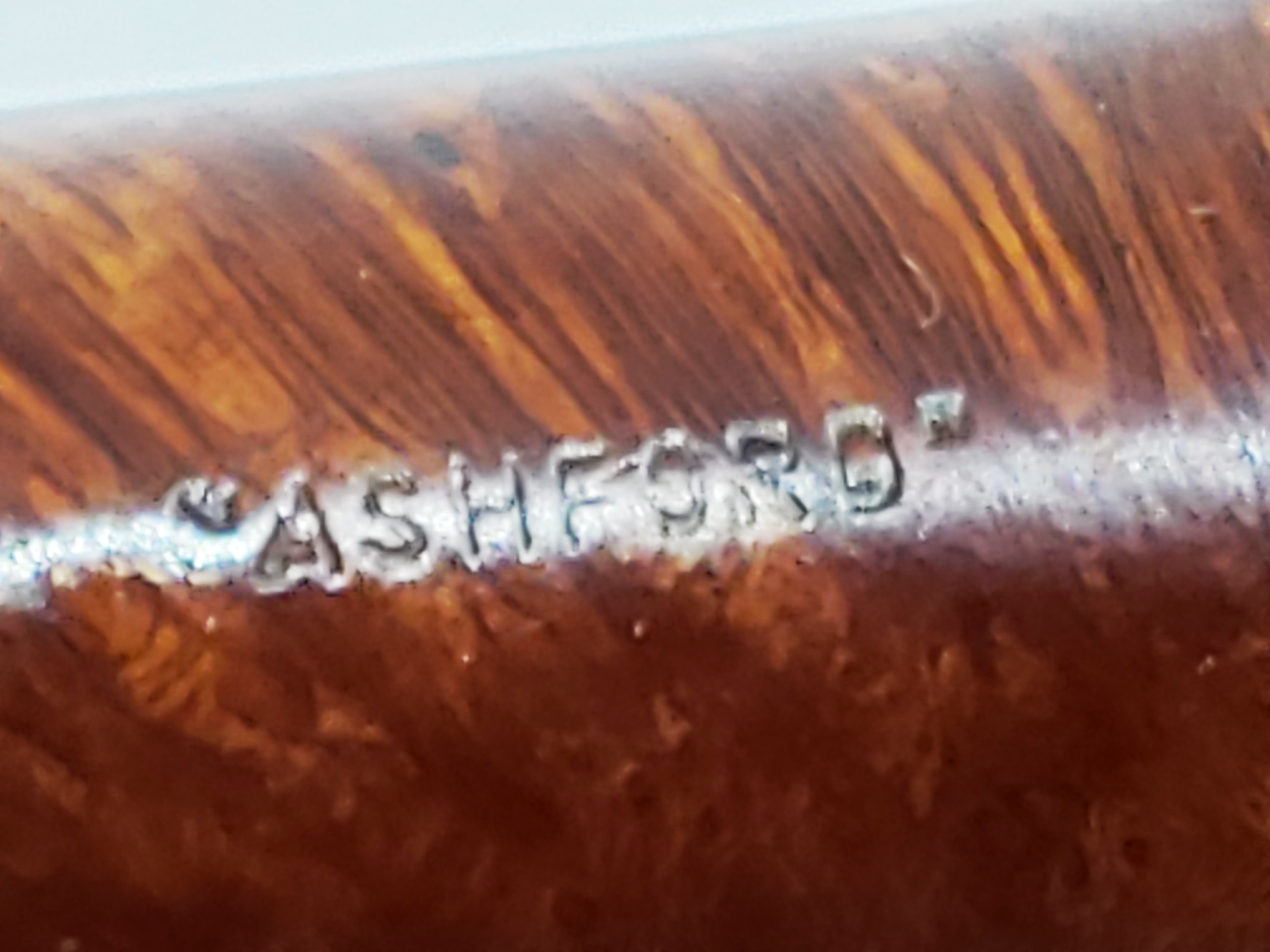
I wasn’t necessarily looking for another Sasieni Ashford, but this Four Dot Walnut appeared in my Ebay search engine and it looked like a great candidate to join  my three other Ashfords. I previously had a Walnut Ashford, but sold it several years ago, to fund the purchase of my Ashford Natural, which was unsmoked and by my standard, pricey.  Selling that Walnut was always one that I regretted.

This example, shown below looked well loved, but solid.  There were some dings around the bowl, and build-up on the bowl-top.   The most problematic would be the deep tooth indention on the bottom of the button.  Stem fitment was excellent as was the nomenclature.

Sasieni_Ashford_Walnut_Before_01Sasieni_Ashford_Walnut_Before_02Sasieni_Ashford_Walnut_Before_03

Sasieni_Ashford_Walnut_Before_04

I used a worn piece of Scotch-Brite and a Micromesh sheet to remove the build-up on the bowl top.  The briar had some small handing dings. I used an electric iron an a wet cloth to raise them, which worked well. The bowl was then soaked with alcohol and sea salt. Following the soak, the shank and draft hole were scrubbed with a bristle brush dripped in alcohol. 

The tooth indention on the bottom of the stem was deep, and the rubber protruded into the draft hole.  I used a heat gun to soften the vulcanite and using a small needle file, I was able to push the material back into it’s original shape. There was only a scratch underneath.  I used some black superglue to fill that in and give the button some extra stability.  It seemed solid, and under magnification, there was no break, so that was precautionary.

The oxidation was removed with 400, 800, 1200 and 2000 grade wet paper, followed by 8,000 and 12,000 micromesh sheets.  The stem was then buffed with White Diamond and Meguiars Plastic Polish.

The briar was buffed lightly with White Diamond and several coats of Carnuba Wax.  Below is the finished pipe.

Sasieni_Ashford_Walnut_01Sasieni_Ashford_Walnut_02Sasieni_Ashford_Walnut_03Sasieni_Ashford_Walnut_04Sasieni_Ashford_Walnut_05Sasieni_Ashford_Walnut_06Sasieni_Ashford_Walnut_07Sasieni_Ashford_Walnut_08Sasieni_Ashford_Walnut_09Sasieni_Ashford_Walnut_11

Sasieni_Ashford_Walnut_12

Below is the Fab Four of Ashfords, as I’ve taken to calling them. I liken the Natural to Paul, the Walnut to John, the Ruff Root to George and the Rustic to Ringo (so far, my favorite to smoke)

Sasieni_Ashford_Collage

Comoy’s Shape 42 Sandblast Restoration


By Al Jones

It’s been over two months since I’ve had a pipe on my work bench, life, work and the pandemic have made life somewhat hectic.

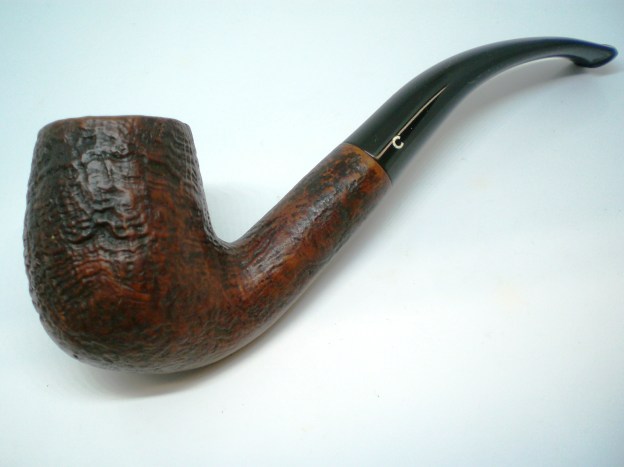
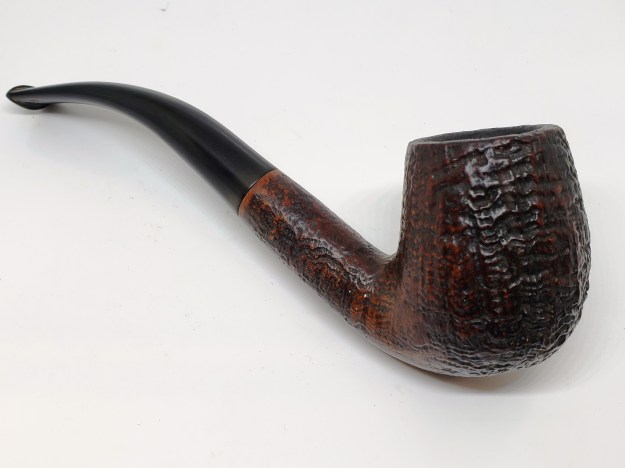
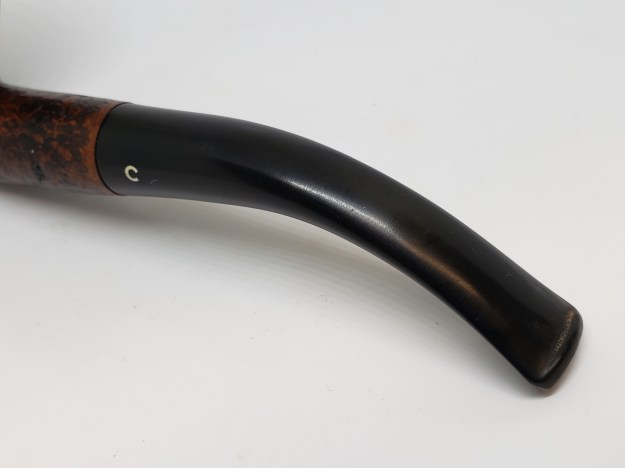
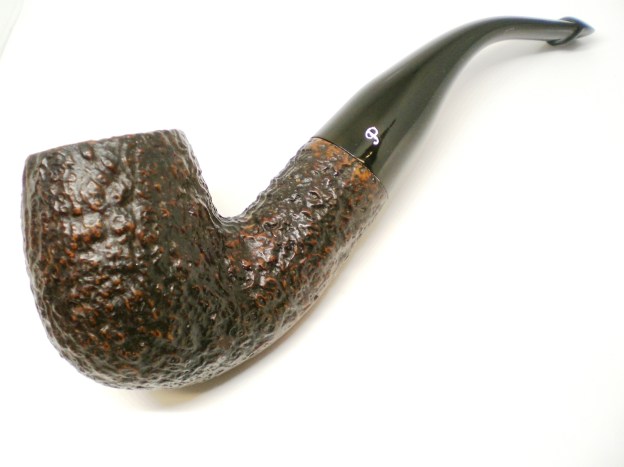
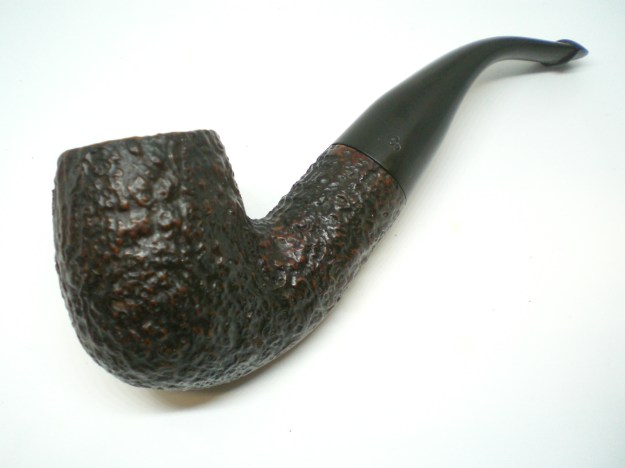
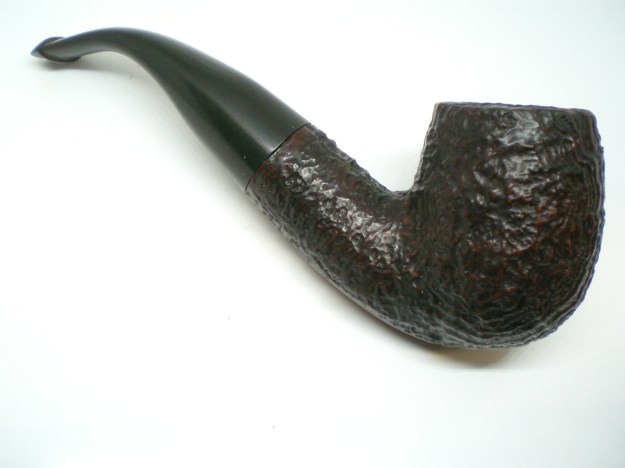
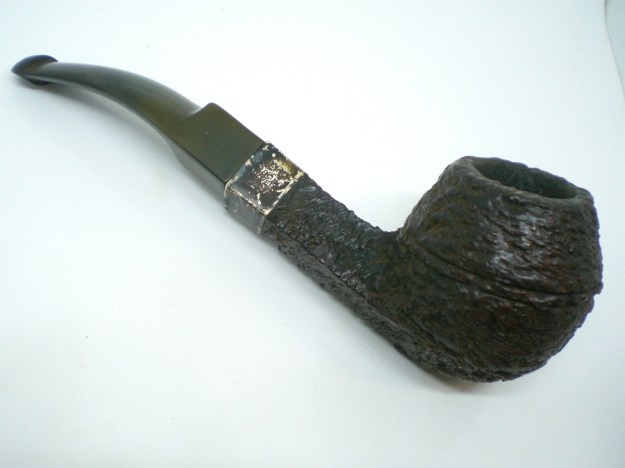
The shape 42, is the classic Comoy’s medium size bent billiard.  This one had the 3 piece stem stem logo, denoting a pipe made before the merger in 1981.  The pipe only made mild oxidation on the stem, some build-up on the bowl top and a few minor teeth indentions.

Below is the pipe as it was received.
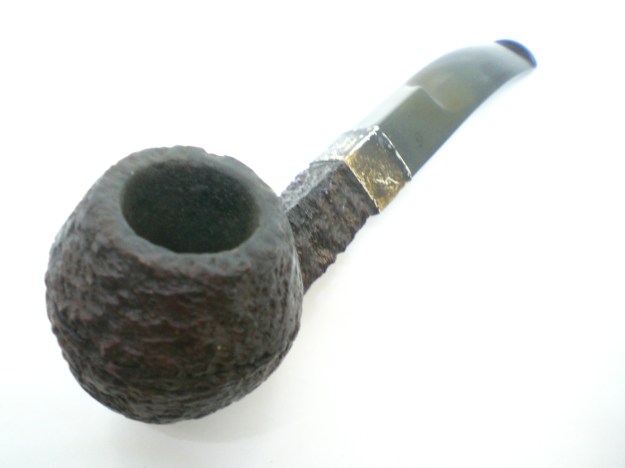
I used a heat gun to work out the teeth indentions.   A worn piece of Scotch-brite was used to remove the build-up on the bowl top.  I used a piece of 2000 grit wet paper to revive the polished, beveled bowl edge.  The pipe was reamed of the modest cake and soaked with sea-salt and alcohol.

Following the soak, the shank was thoroughly cleaned with alcohol on a small bristle brush and twisted up paper towels, till they came out clean.  A bristle pipe cleaner was used to clean the inside of the stem.

The stem was mounted and oxidation removed with 800, 1,500 and 2,000 grade wet paper.  This was followed by 8,000 and 12,000 micromesh sheets.  The stem was then polished with White Diamond and Meguiars Plastic Polish.

The bowl was hand polished with Halycon wax.

Below is the finished pipe.


Sasieni “Putney” Restoration


By Al Jones

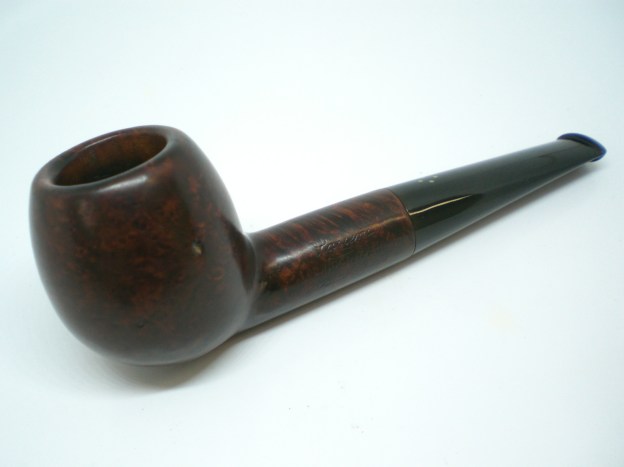
Last week marked my 10th anniversary as a pipe smoker and I’ve been restoring pipes for nearly that long.  So this wonderful Patent era Sasieni was a great way to mark that date.  The pipe came via Ebay, from a seller who only showed three, very dark photos.  The seller accepted returns, I took the gamble.  When it arrived, I’m glad that I did!

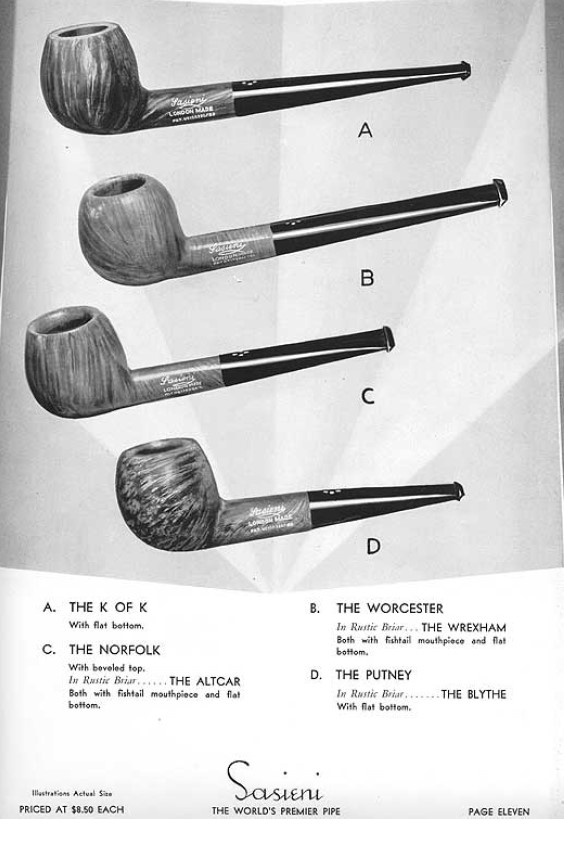
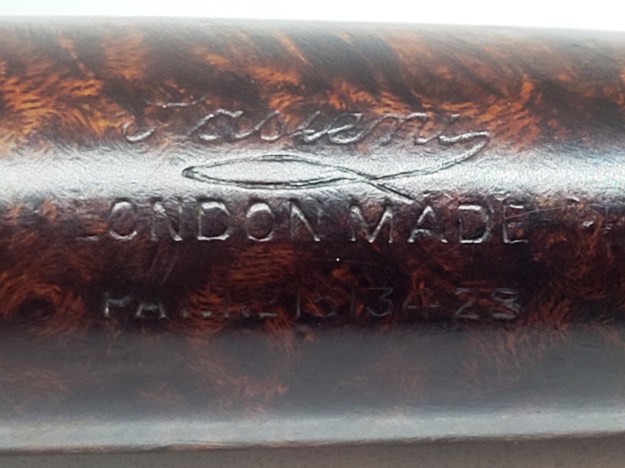
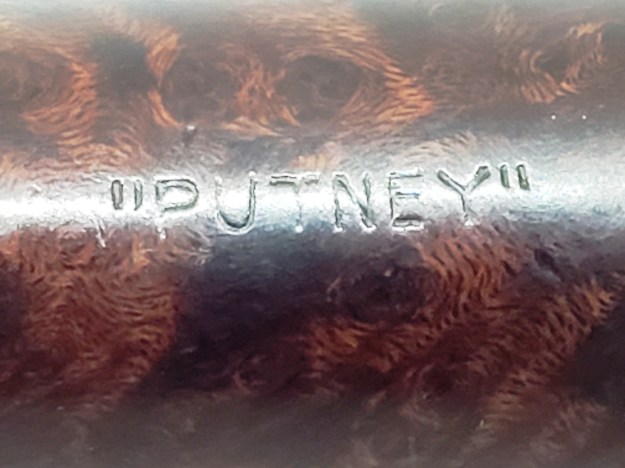
The pipe  is a Patent era pipe that I would date from the late 1920’s to before World War II.  I like to confirm pre-WWII pipe dates with my PipesMagazine forum friend Dave (member dmcmtk).  He is very knowledgeable on most British pipes and I appreciated his confirmation.  Dave suspects that because of the stinger style, it could be closer to the late 20’s versus World War II.  These details helped date the pipe:

– It was sold in the US, with a Patent number ending in 28

– The florid “Sasieni” style script

– town name

– threaded stinger

Below is a page from a 1930 era Sasieni catalog, showing the Putney shape.

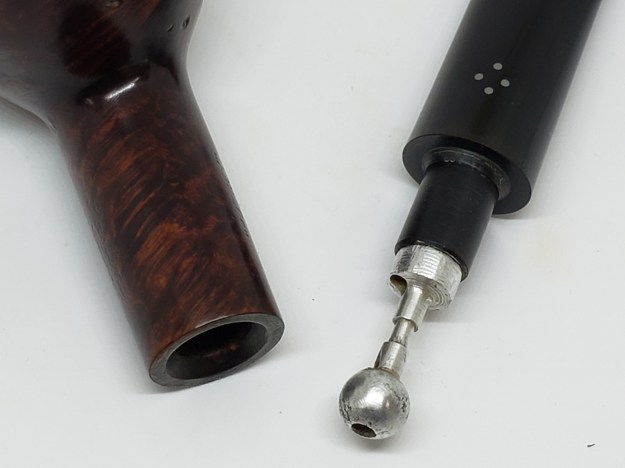
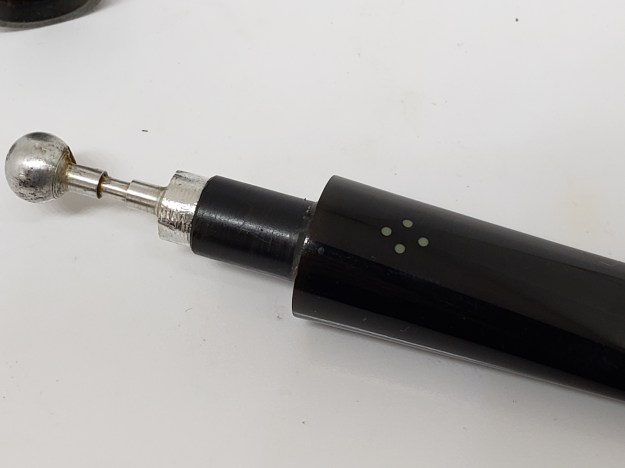
The stem was firmly stuck in the shank, but 30 minutes in the freezer released its grasp.  I was pleased to find the original stinger intact, a real bonus!  Below is one of the sellers photographs and as it was received.  I had already removed the stem before these pictures, and because of build-up in the shank, I was reluctant to insert it fully.  The pipe came with half a bowl of tobacco, and plenty of dings and gouges on the briar.  Somehow the stem was mint – so I presume that the damage to the briar occurred after the owners demise (tossed in a box or drawer?)  The last photo shows the original stinger – which was also stuck fast.

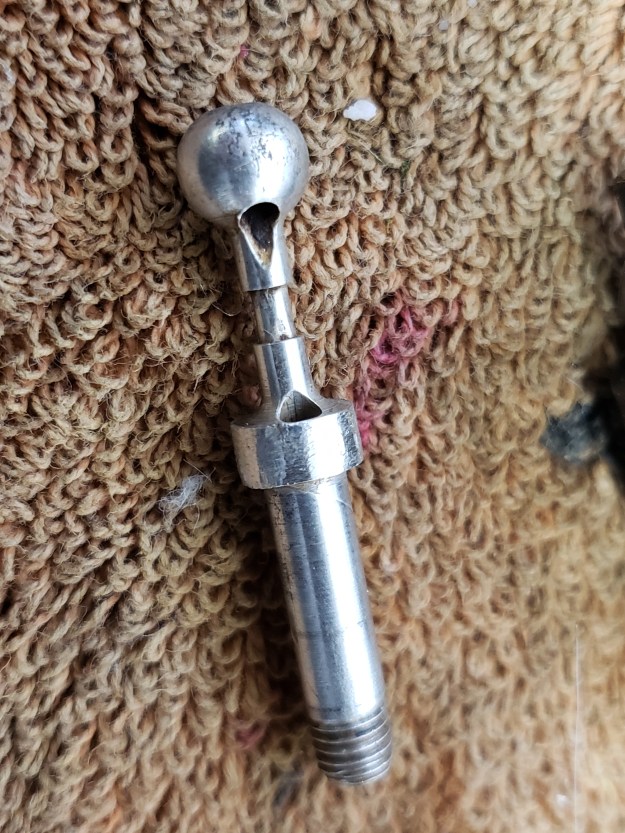
The first order of business was to unscrew the stinger.  The threads below the base of the tenon, so that is a nerve wracking experience.  I tried soaking the stinger end in alcohol and inserted alcohol dipped stingers – but no dice.  Next up a more dangerous method – I used a heat gun to warm the aluminum stinger, then pliars to screw the stem.  Great care is required here – you only need enough heat to soften the threads (or loosen the gunk) but not break or move the tenon.  This did allow the stinger to be fully unscrewed. I’m always surprised how deep these go into the stem.  I used some superfine steel wool to clean the stinger.  I was going to use the stinger when I smoke the pipe – otherwise I’ve learned that the draw is way too open for my taste.

I reamed the cake and removed the bowl top build-up with a worn piece of Scotch-brite.  I soaked the briar with alcohol and sea salt and the stem was soaked in a mild Oxy-Clean solution.  Following the soak, the shank was cleaned with a bristle brush and paper towels screwed into the shank.  It was a mess, I gather the owner had never cleaned this pipe.

I used a wet cloth and electric iron to stem some of the dents from around the bowl.  The gouges did not change much.  I mulled over filling them, but that would have required a restain and I didn’t feel that I could do justice to the finish.  I decided to leave them as patina, which seemed fitting.

The stem was mounted and oxidation removed with 400, 800, 1500 and 2000 grit wet paper, followed by 8,000 and 12,000 micromesh sheets.  The stem was then buffed lightly with White Diamond and several coats of Carnuba wax.

Below is the finished pipe, ready for a bowl of My Mixture 965 to celebrate my 10th anniversary as a pipe smoker/restorer.

Another Peterson Shape 56 (9BC)


By Al Jones

For the 2nd time in less than one year, I found yet another Peterson Shape 56.  Last year, I discovered this shape, which was a bit of a puzzle.  It looked nearly identical to my favorite Peterson shape, the 9BC.  Thanks to some pipe sleuthing by Steve Laug, we learned that the shape 56 was indeed the Canadian version of the 9BC.  The Canadian importer, Genin, Trudeau & Co. used their own unique numbering system.   Full details for that first Shape 56 can be found at this blog entry:

https://rebornpipes.com/2019/07/25/peterson-shape-56-mystery/

One definite point of difference between the two shapes is that the shape 56 has a more slender profile of the stem near the button.  I’ve learned to prefer this slimmer profile.

This one was also a Kapruff and it had a splash of grain on one side.  The pipe was in very good shape.  The stem had light oxidation, the P stamp was deeply impressed and it was nearly bite free.  The briar was unblemised, including the bowl top and nomenclature.  There was only a slight hint of tobacco in the chamber and it looked well cared for.

The first step was to apply some white Gel nail polish to the P and the stem was set aside to dry for a day.  I used a piece of Micromesh to remove the excess nail polish.

There was no need to ream the pipe, so I used a piece of 320 grit paper on a reamer bit to clean up the bowl.  The pipe was soaked with alcohol and sea salt.  Following the soak, the stem was mounted and I started to remove the oxidation.  There was a small tooth indention on the underside of the button, which raised nicely with heat from a lighter flame.  The oxidation was removed with 800, 400, 1500 and 2000 grit wet paper.  The stem was buffed with White Diamond and Meguiars Plastic polish.

Below is the finished pipe.


Kaywoodie Yacht (Shape 35) – 1936?


By Al Jones

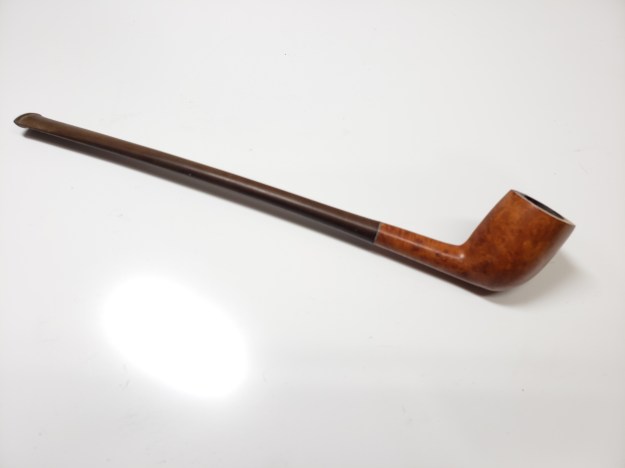
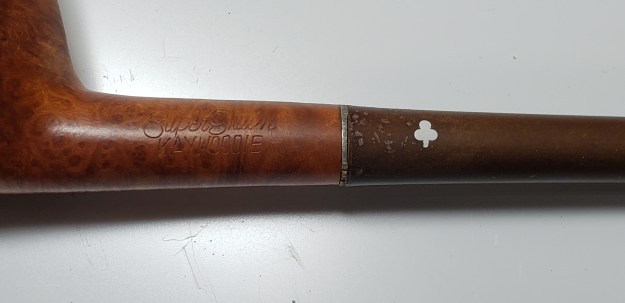
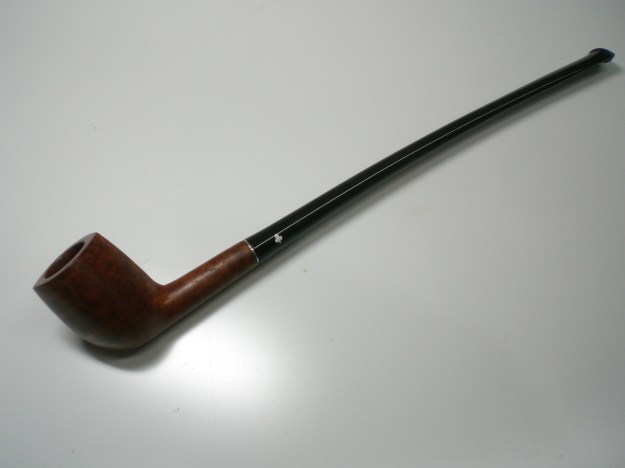
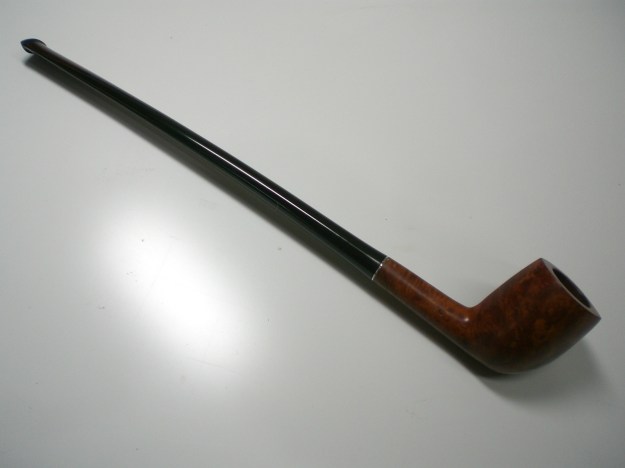
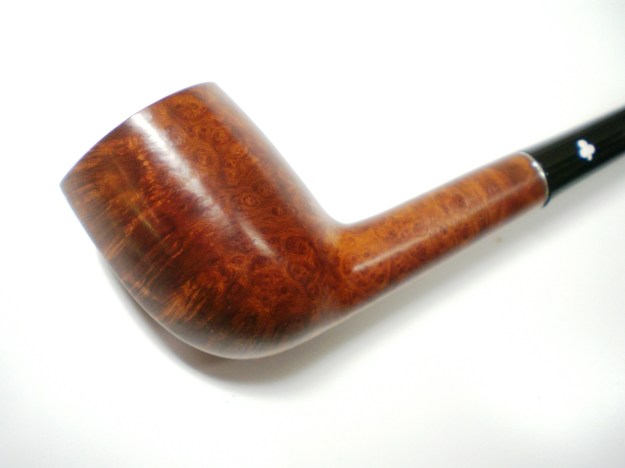
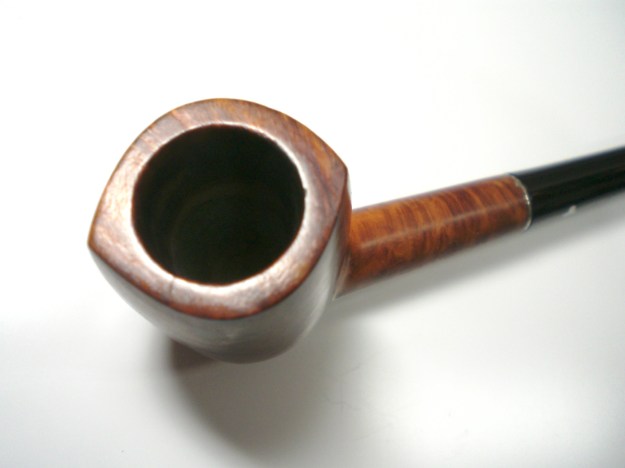
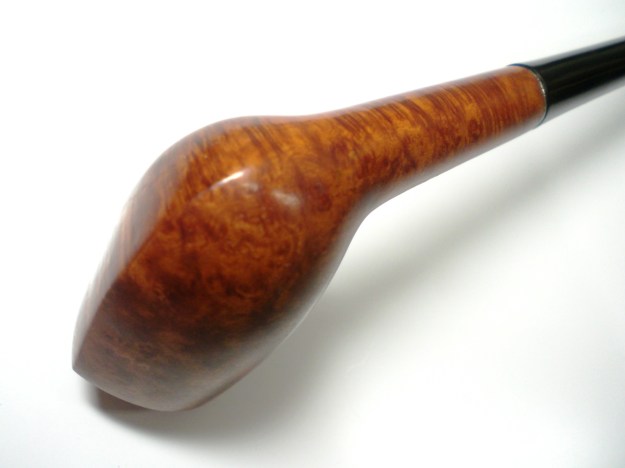
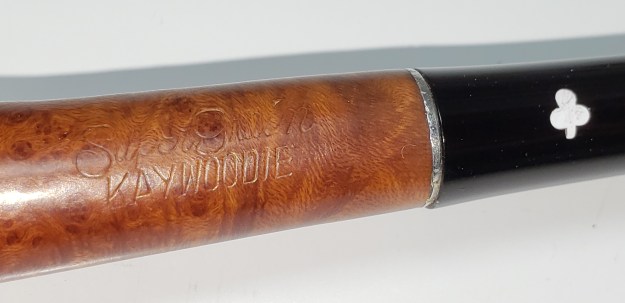
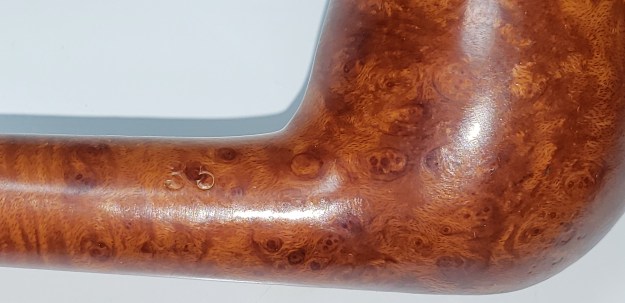
This Kaywoodie caught my eye as I didn’t recall seeing the Shape 35 previously.  It looked like a Churchwarden, and similar to the more common Shape 95.  I didn’t find much on the Shape 35.  Pipepedia shows alternately, that it is listed in the 1927 catalog, then elsewhere shows it was in the 1936 catalog.  I found no picture of the shape in any catalog, only the reference to the shape number.  This pipe clearly has the Yacht bowl.  Apparently there was also a 35L.  Was “In Between” a reference to a shape slightly smaller than the 95 Churchwarden?  By the 1940’s, the is no longer shown in catalogs.

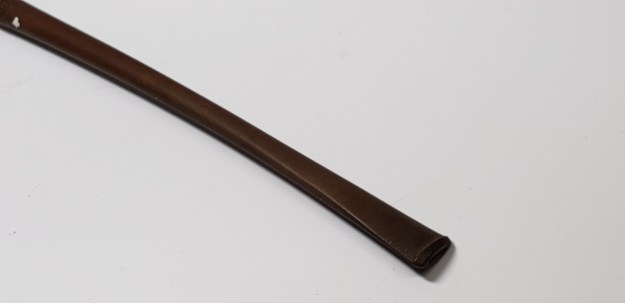
Dating this pipe was made more difficult because the stinger has been cut off.    This was good and bad news.  Good in the fact that my Shape 95 had the original 4-hole stinger but the draft was very tight and it did not smoke well.  I always wondered how it would smoke without the stinger.   I found the long, Shape 95 awkward to smoke, so I’m curious to see how this one fits my style.

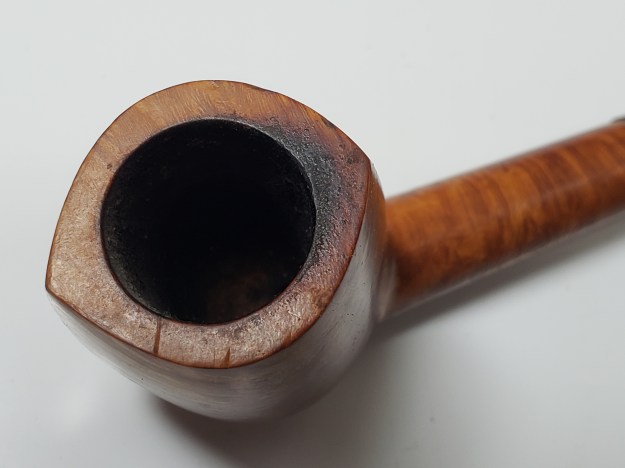
The pipe was in relatively good condition, given its age.  Like most longer pipes, there was some scorching on the bowl top.  The stem was over clocked, but otherwise in good shape.   The nomenclature was as new.

The first order of business was to re-orient the stem.  I used a heat gun to warm the aluminum singer end, which softened the glue into the stem.  It has a very fine thread, so care is needed.  I removed the stinger, and after determine the proper orientation, re-glued it with wood glue.

I used micromesh to remove the bowl top scorching.  There were a few minor dings around the bowl, I used a wet cloth and electric iron to steam them out.

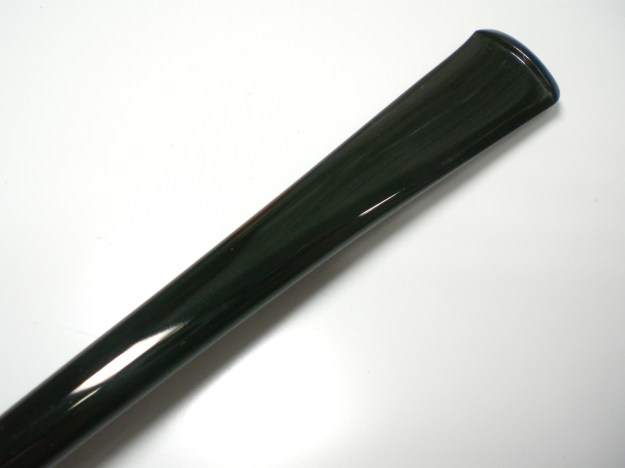
I removed the heavy oxidation on the stem with 400>800>1500 and 2000 grade wet sandpaper, followed by 8000 and 12000 grade micromesh.  The stem was then buffed with White Diamond and Meguiars Plastic polish.

The bowl had a very slight cake, but even my smallest reamer wouldn’t fit.  I used a piece of 320 grit paper on the end of a marker cap to remove the very slight cake.  The bowl was then soaked with alcohol and sea salt.  The bowl was then carefully buffed with White Diamond and Carnuba wax.

Below is the finished pipe.


Comoys 337C Restoration


By Al Jones

The 337C is a classic Prince shape from the pre-Cadogan era for Comoys.   This 1975 shape chart, courtesy of Pipepedia shows the 337.  However, I’ve never seen a 337 without the C designation

This one has stamping that is consistent with those made from the late 1940’s to the merger point in 1981.   The pipes condition made for a relatively simple restoration with only some bowl top build-up and an oxidized stem.

Below is the pipe as it was received.
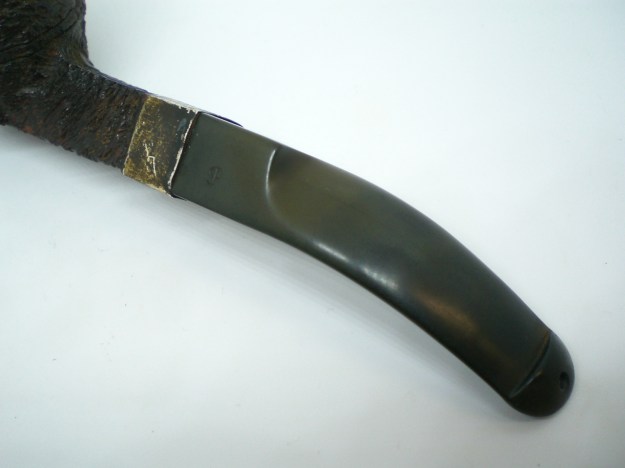
I reamed the modest cake, and soaked the bowl with sea salt and alcohol.  While the bowl was soaking, I put a dab of grease on the C stem logo, and soaked it in a mild solution of Oxyclean.  Following the soak, the shank was cleaned and stem inserted.

I used a piece of worn scotchbrite to clean the bowl top.  The briar was lightly buffed with White Diamond and several coats of Carnuba wax.  I used a lighter flame to lift the slight dents in the stem near the button.  The oxidation was removed with 800, 1,500 and 2,000 grit wet sandpaper, followed by 8,000 and 12,000 micromesh sheets.  The stem was then buffed with White Diamond rouge and Meguiars plastic polish.

Below is the finished pipe.
 

Selected Straight Grain Author (256) Restoration


By Al Jones

It’s  been several years since I’ve had the opportunity to restore a Selected Straight Grain pipe.  Selected Straight Grain pipes were 2nd line offerings from Comoy’s and represent a good value for a pipe that might have a few flaws or fills.

Pipepedia describes the line as:

Selected Straight Grain. These were in effect a “Specimen Straight Grain” second that exhibited some small flaw or sand pit. They were listed in the 1965 catalogue at $15 or $17.50 in Extraordinaire size.

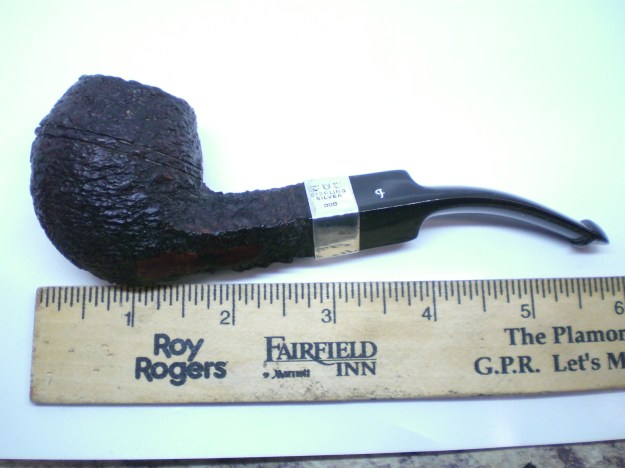
This one had a little bit of competition on Ebay, despite somewhat poor photos.  It appeared to be in good condition with no visible issues.  On arrival, the condition was as expected, but I was somewhat disappointed to not find the shape 256 stamp (indeed, no shape stamp) and the Country of Manufacture stamp was also a bit odd.  When I pulled the stem, I was pleased to see the Comoy’s metal reinforcing ring in the shank and in the tenon.

The pipe has some slight build-up on the bowl top,  mild cake and a lightly oxidized stem.  The button only had mild abrasions.  Below is the pipe as it was received.

I used a worn piece of Scotchbrite to remove the black build-up on the bowl top, then 8,000 grit micromesh. The cake was removed with my Pipenet reamer set and a piece of 320 grit sandpaper to finish the interior of the bowl, which was in great shape.  The pipe was soaked with alcohol and sea salt.

Following the soak, the stem was mounted.  I removed the oxidation with 800, 1500 and 2000 grit wet sandpaper, followed by 8,000 and 12,000 micromesh sheets.  The stem was buffed with White Diamond rouge and Meguiars Plastic Polish.
I lightly buffed the bowl with White Diamond and several coats of Carnuba wax. Below is the finished pipe.