Author Archives: upshallfan

Unknown's avatar

About upshallfan

Moderator on the PipesMagazine forum since 2011. Guest contributor on the Reborn Pipes Blog by Steve Laug.

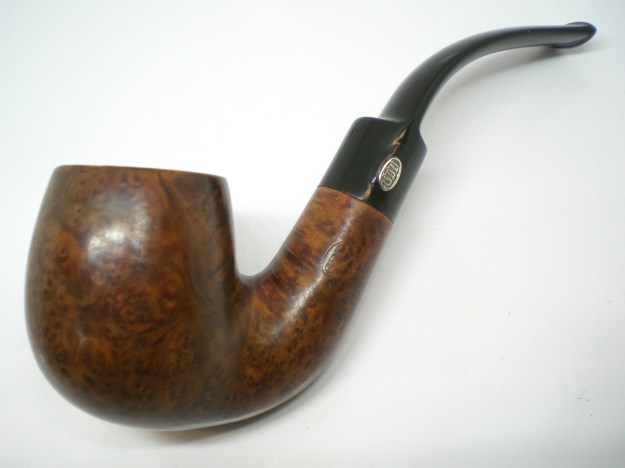
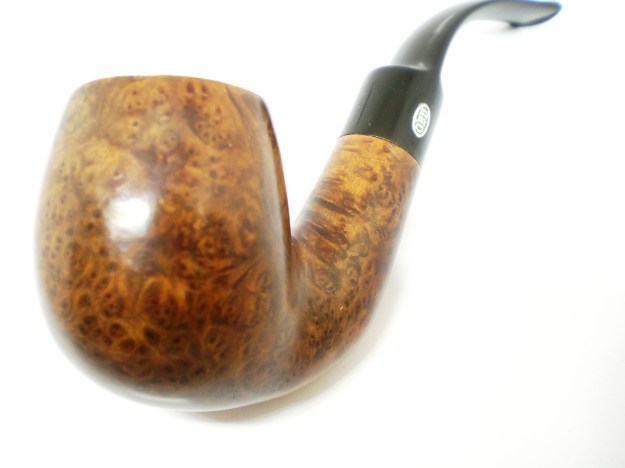
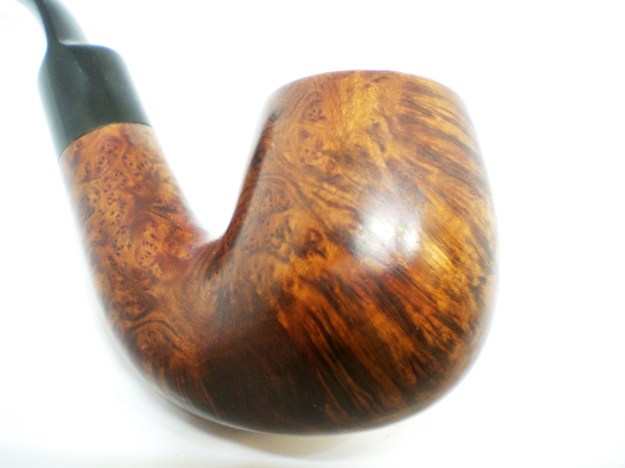
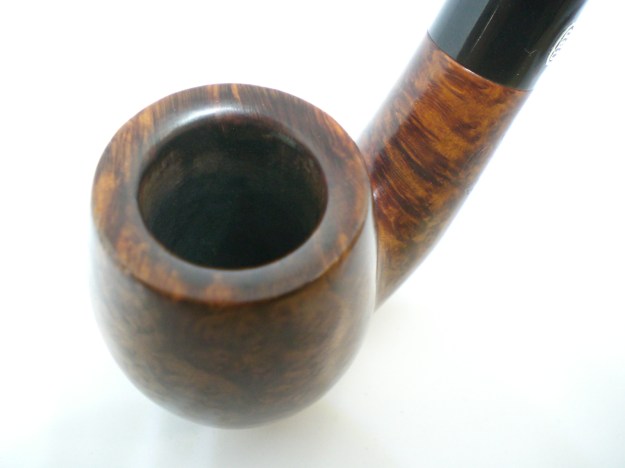
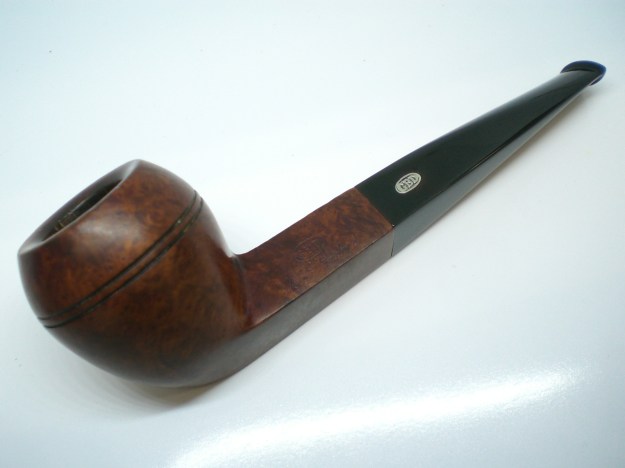
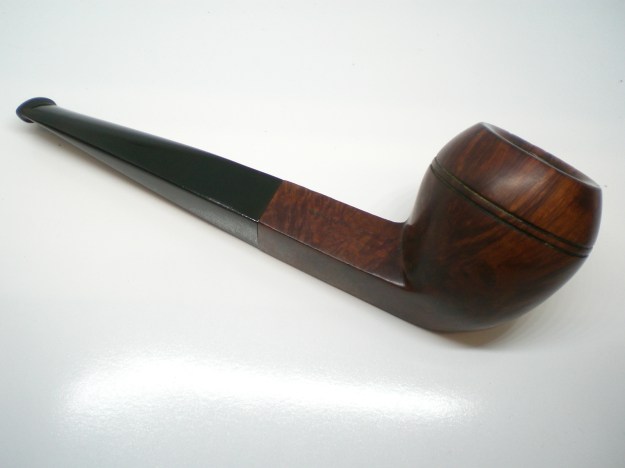
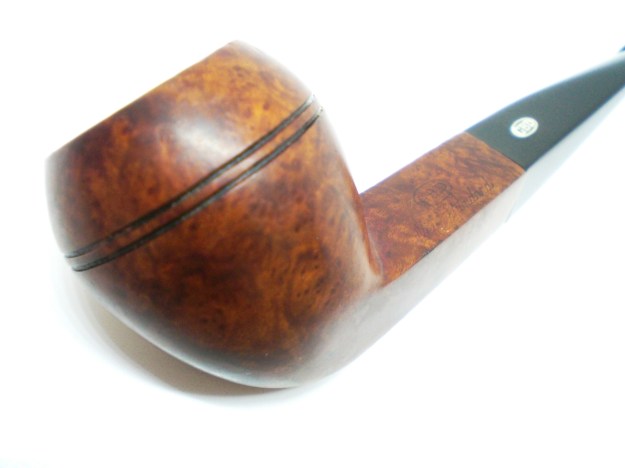
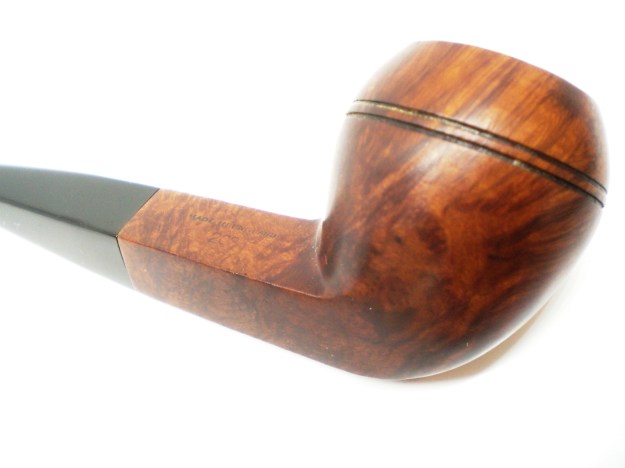
GBD Prehistoric Collector Bent Billiard Restoration


By Al Jones

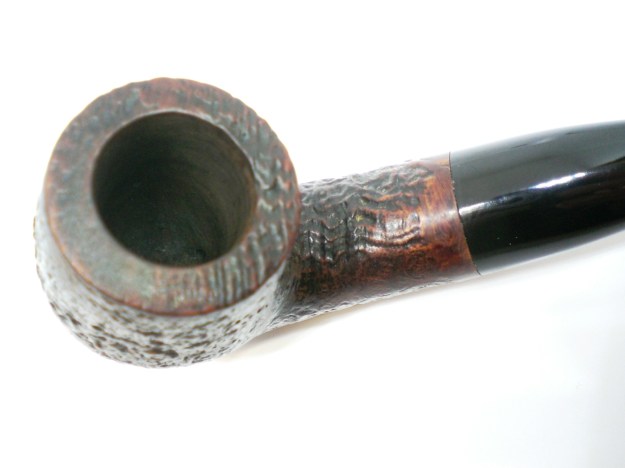
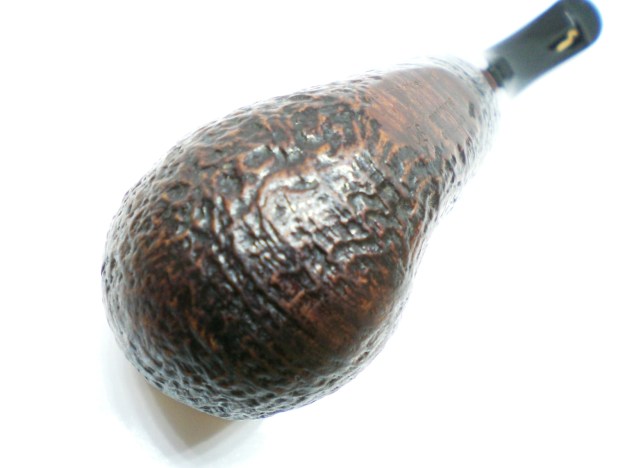
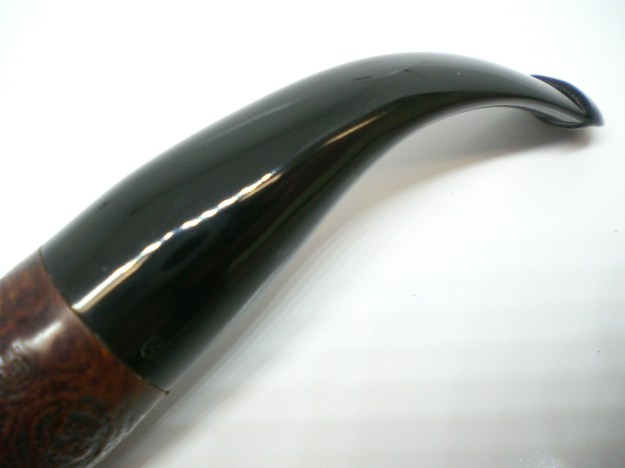
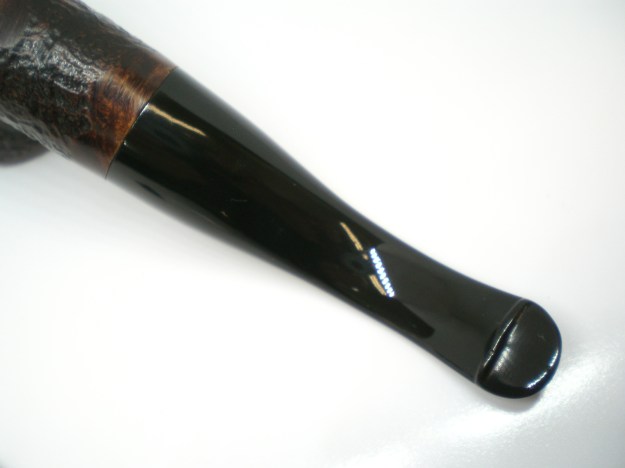
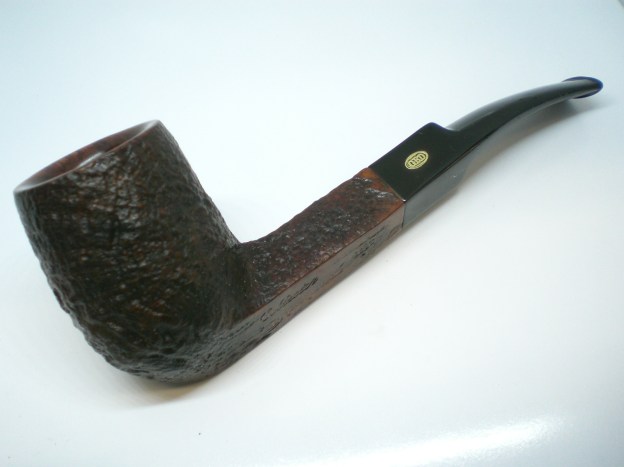
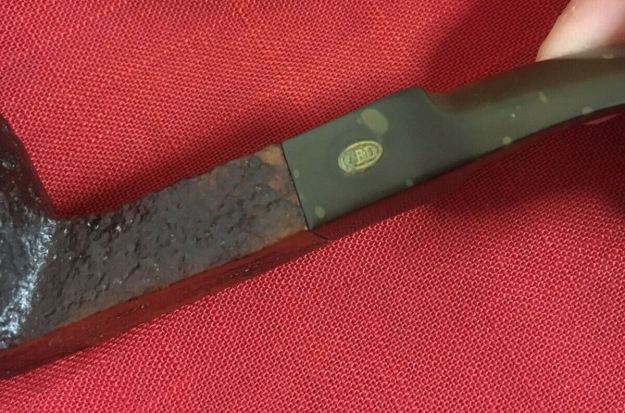
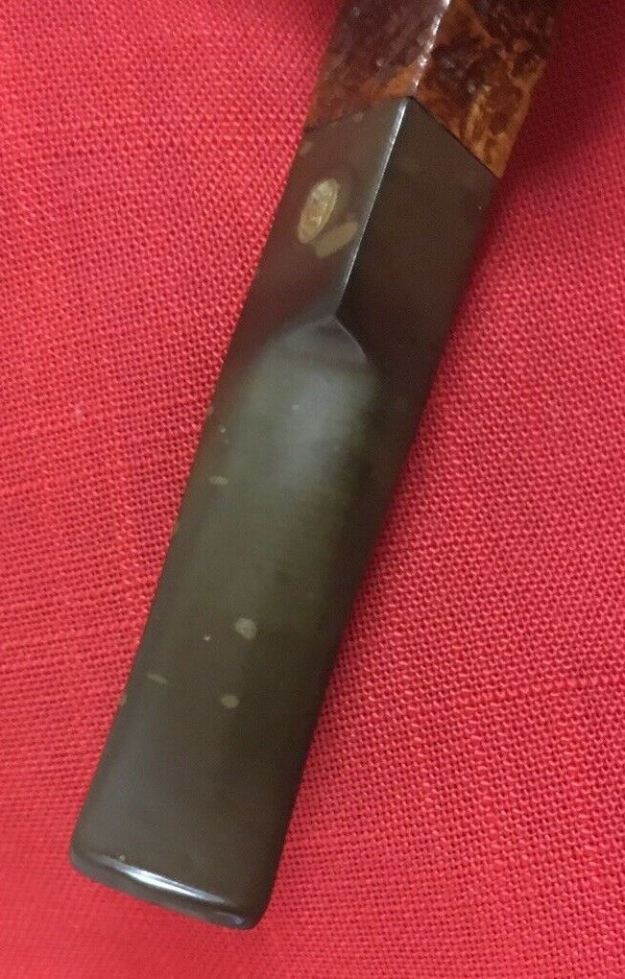
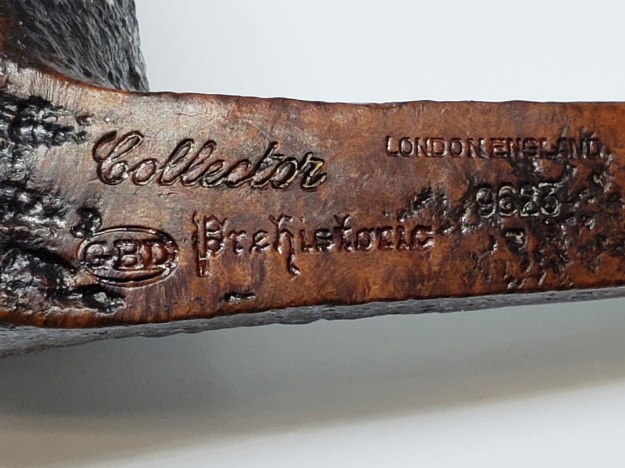
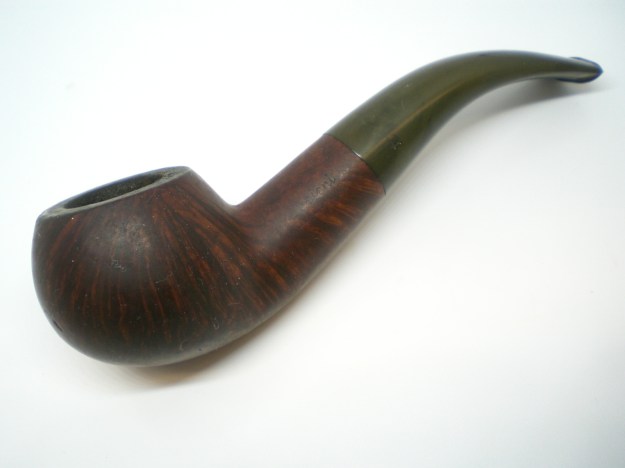
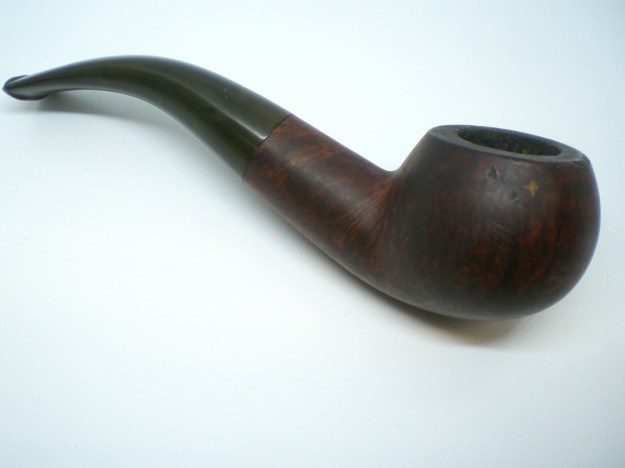
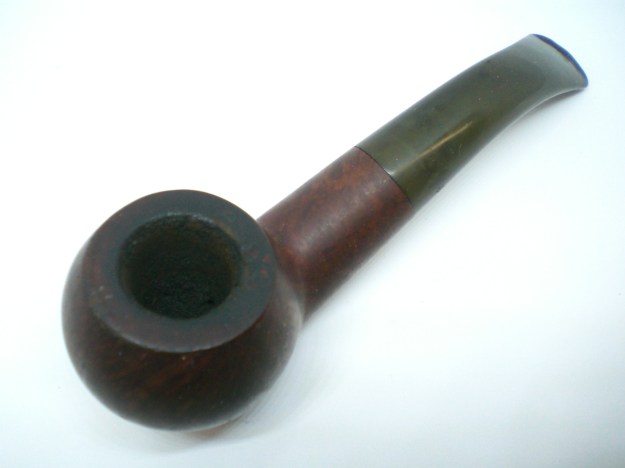
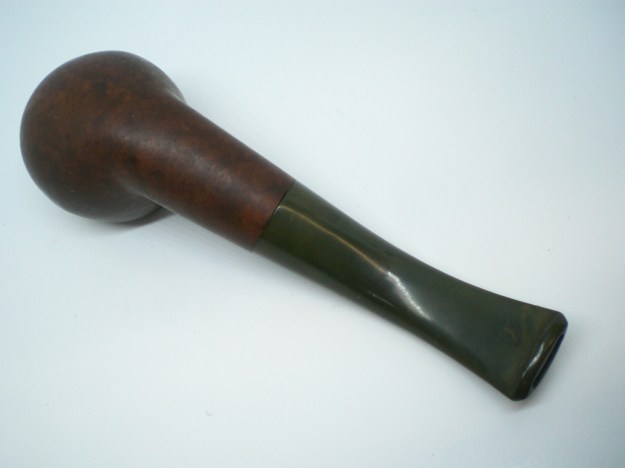
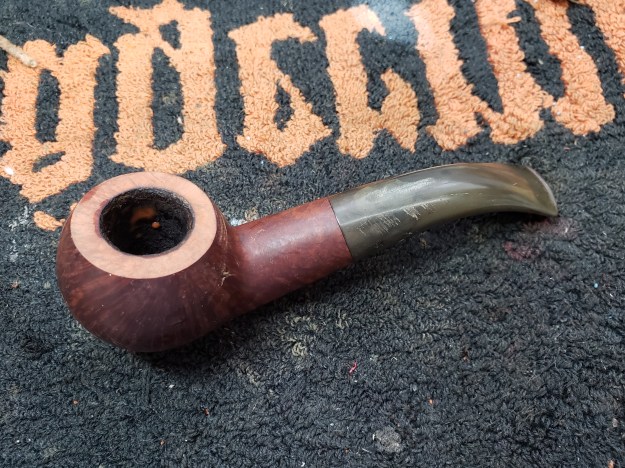
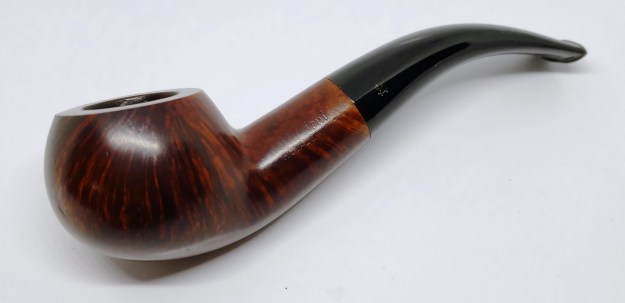
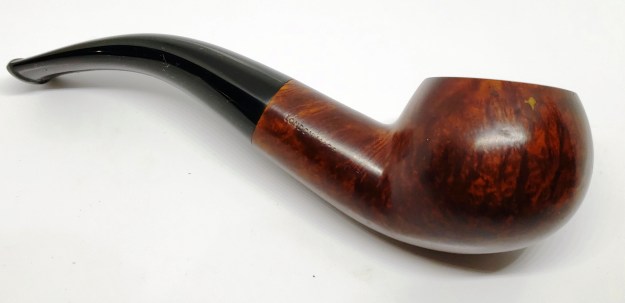
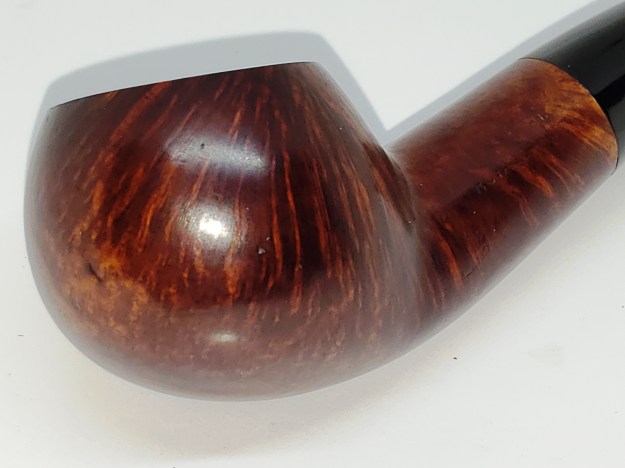
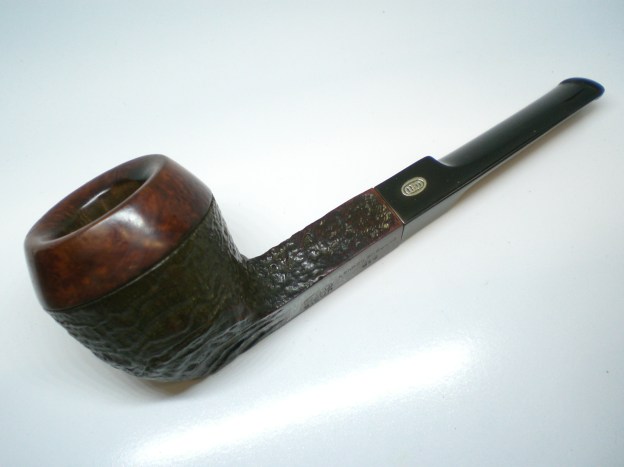
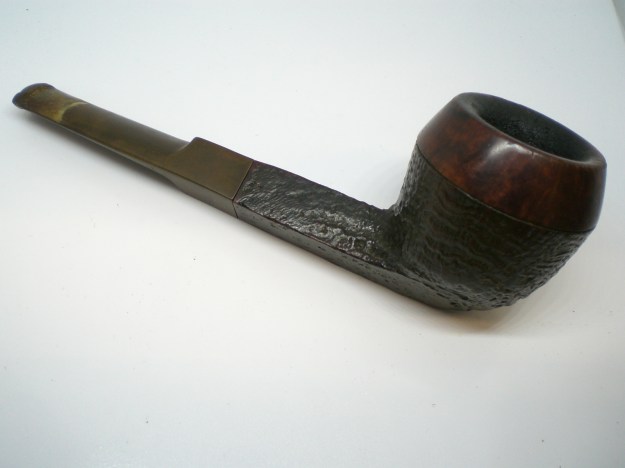
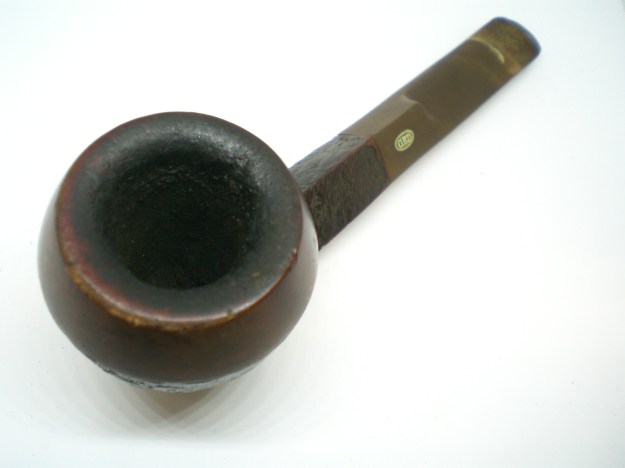
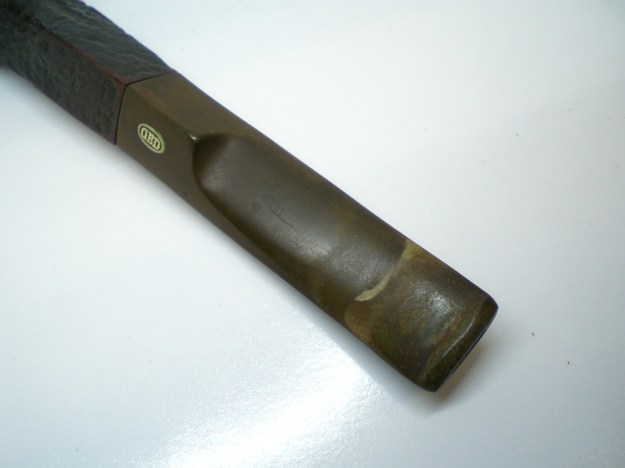
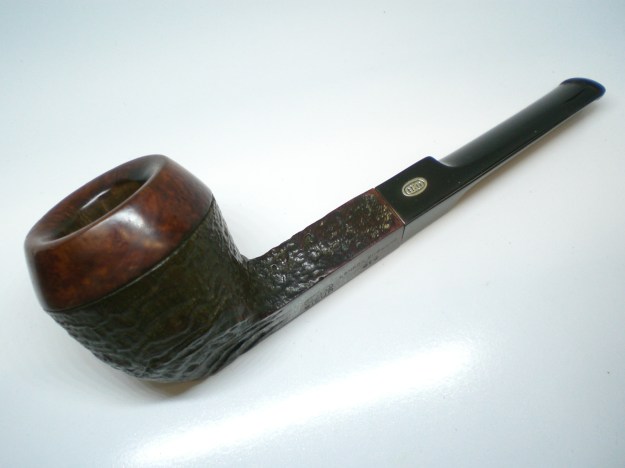
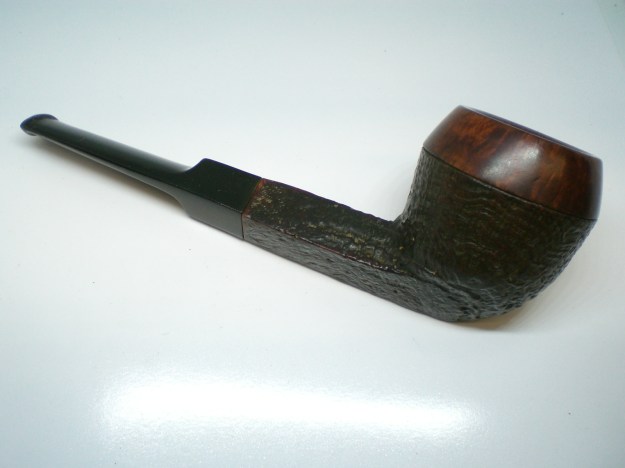
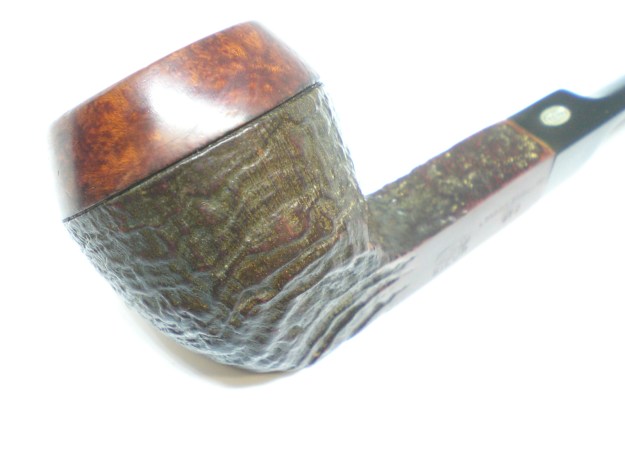
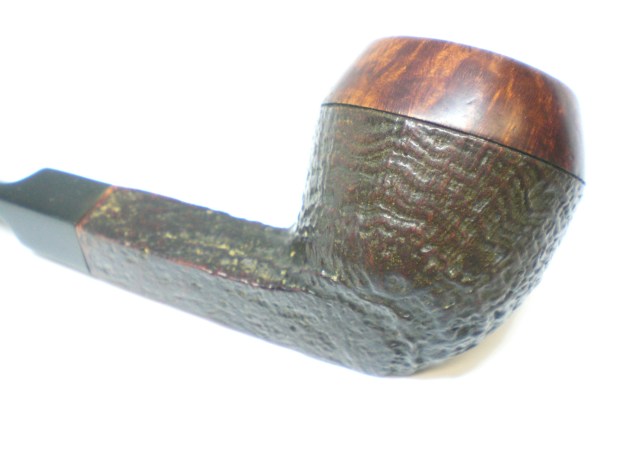
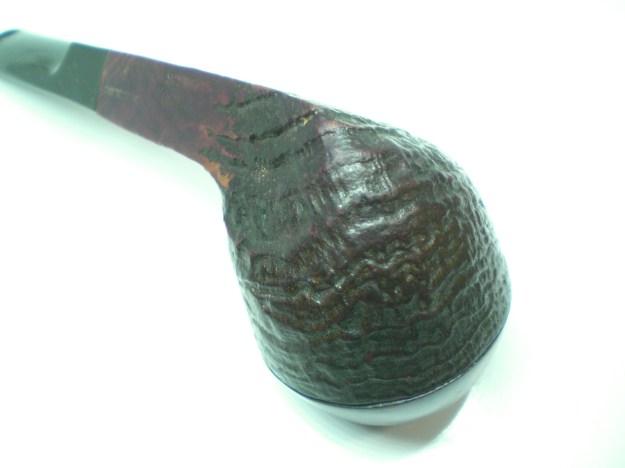
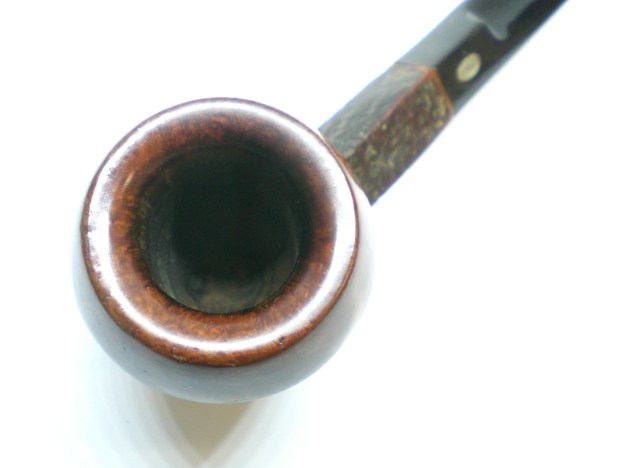
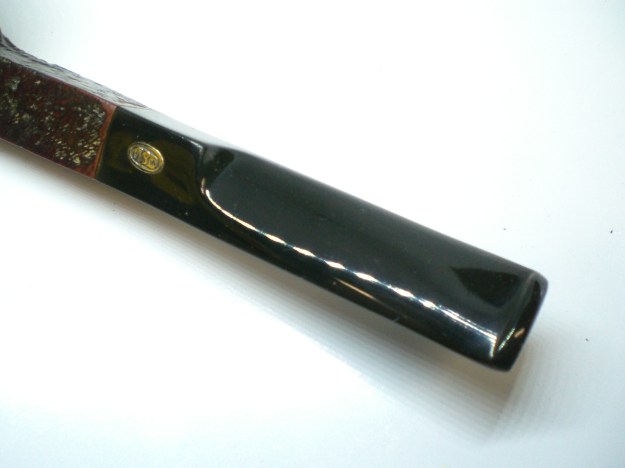
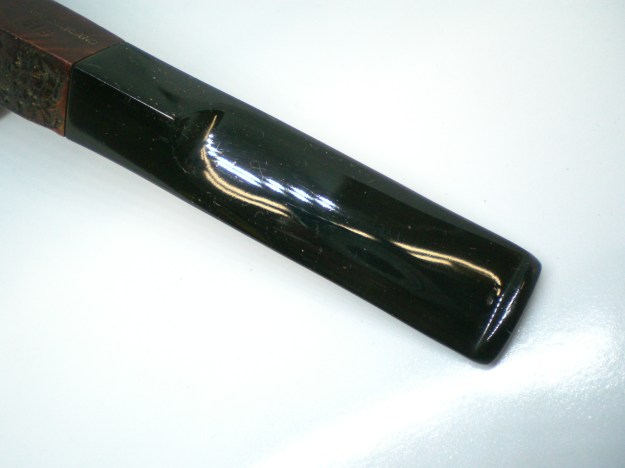
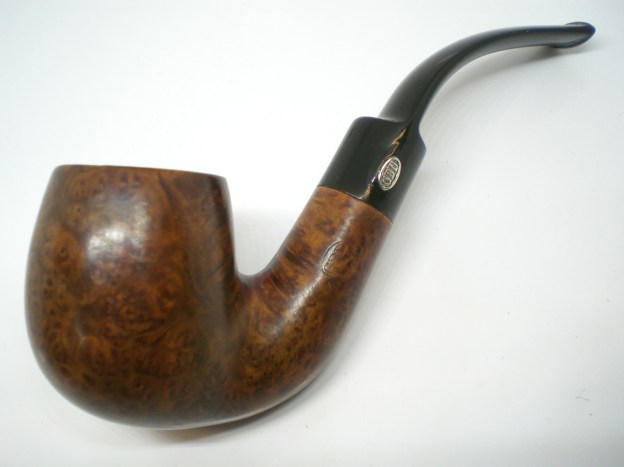
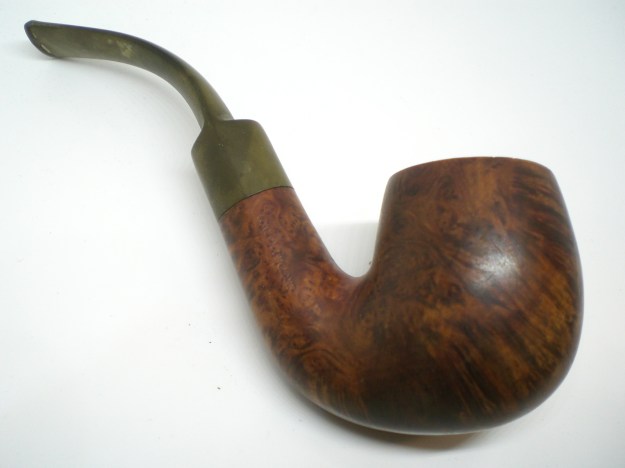
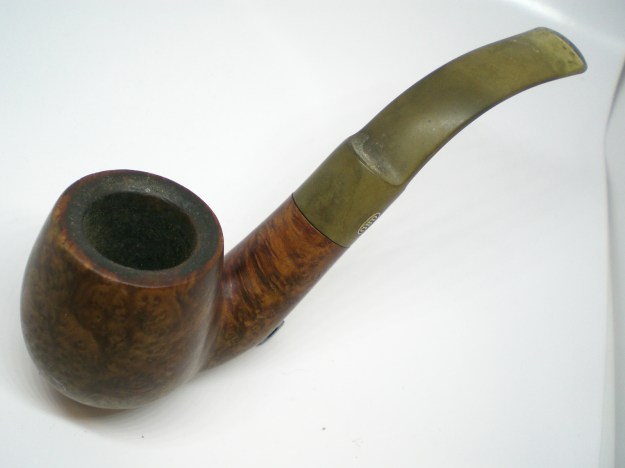
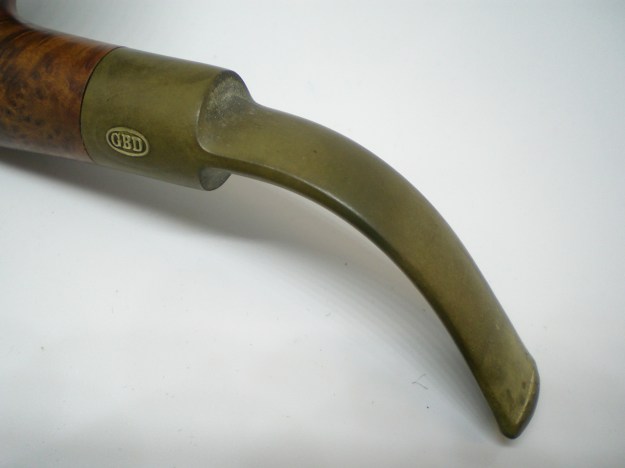
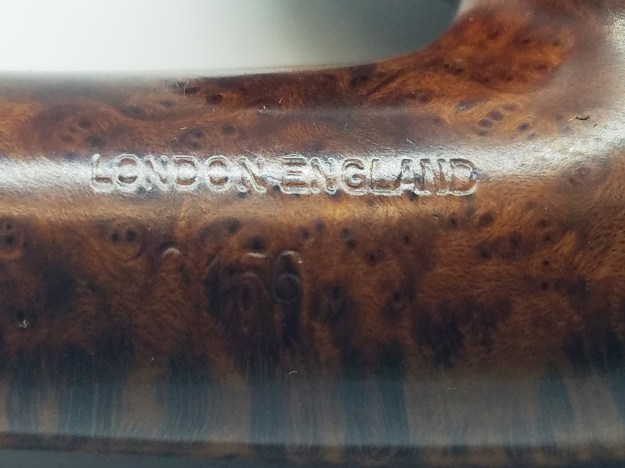
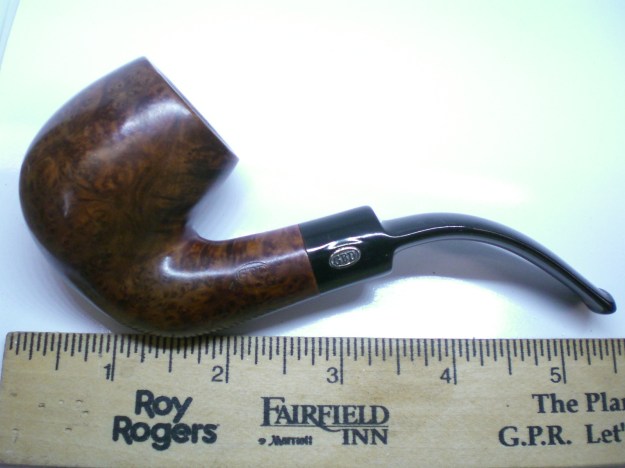
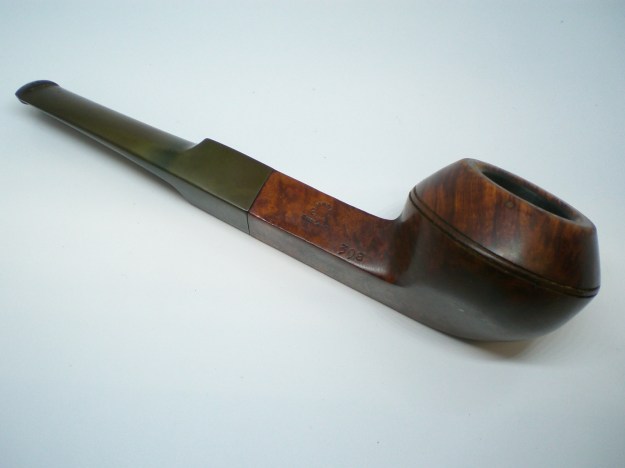
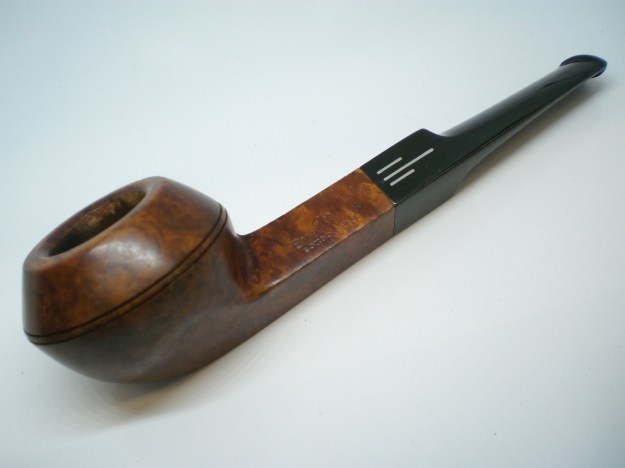
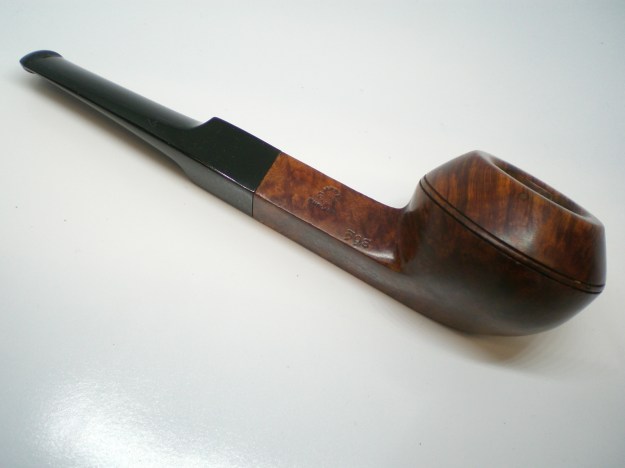
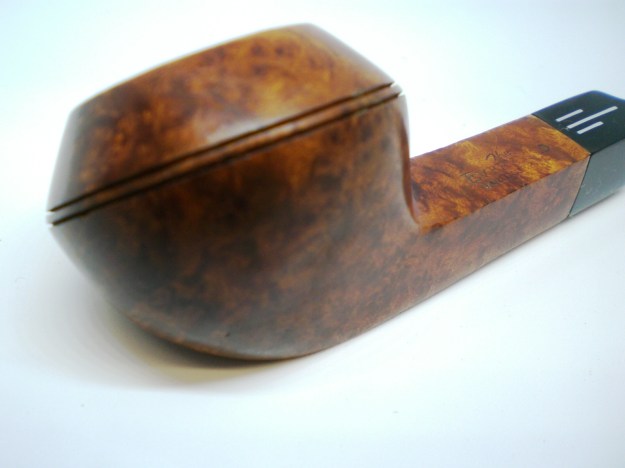
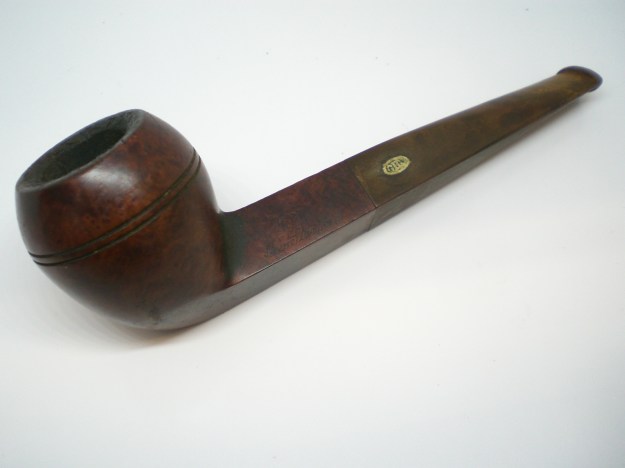
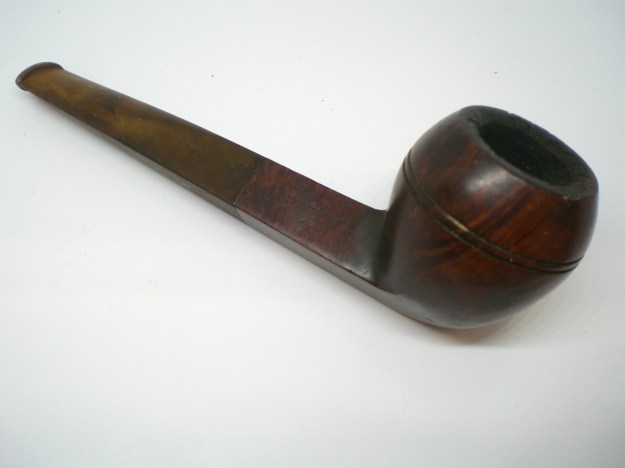
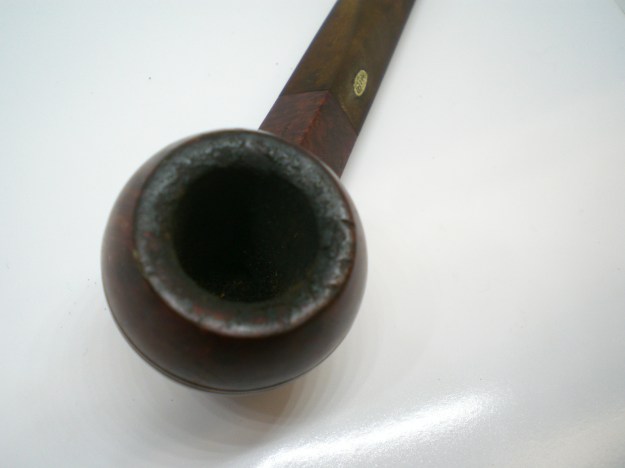
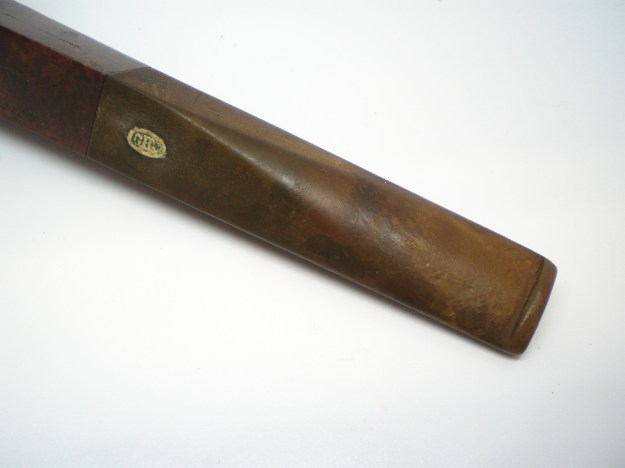
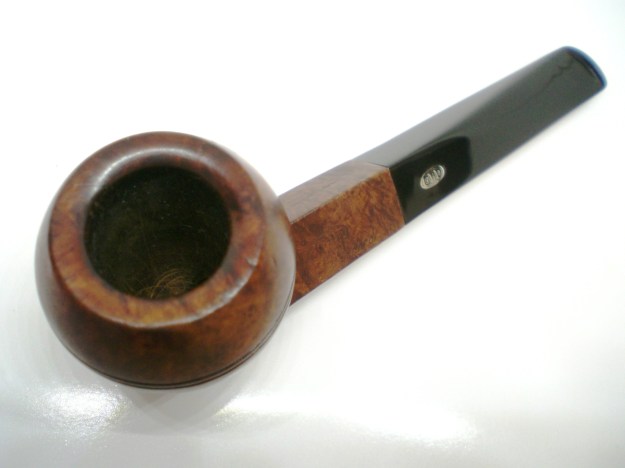
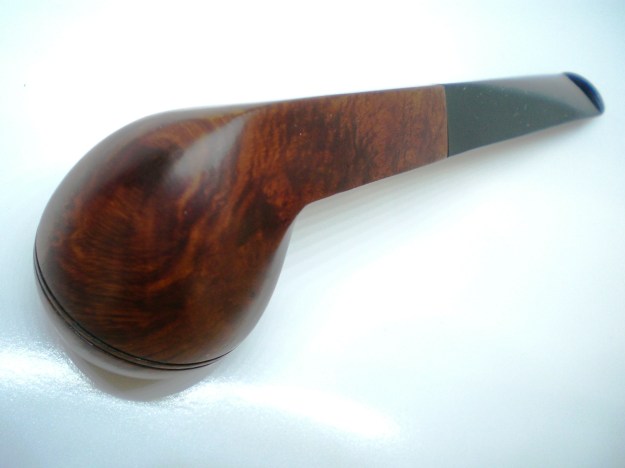
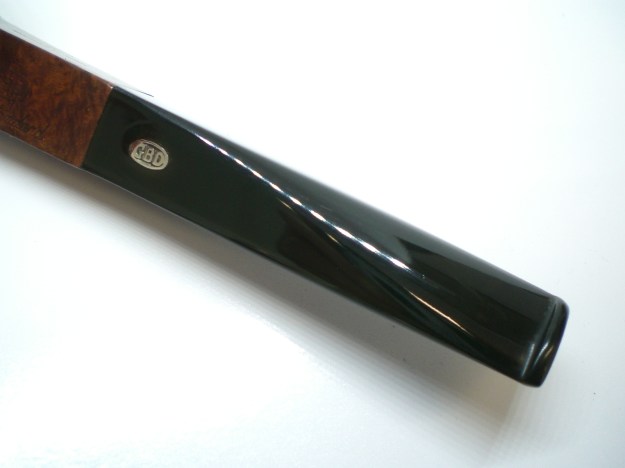
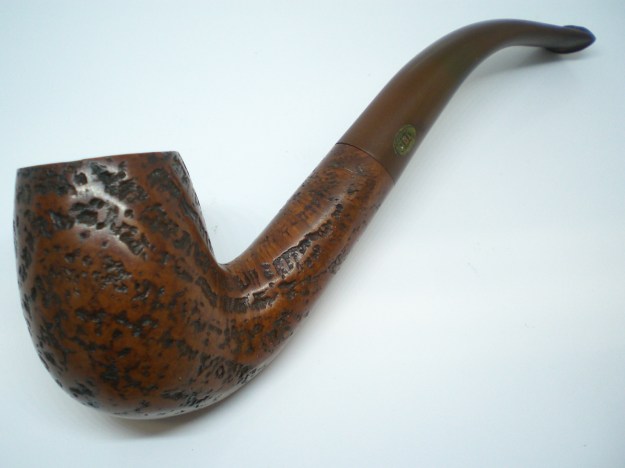
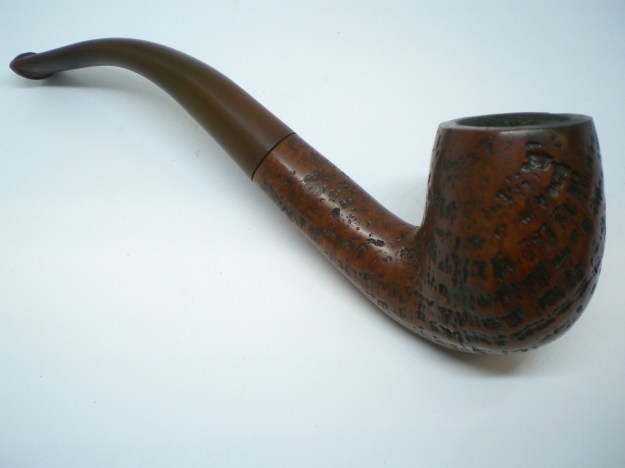
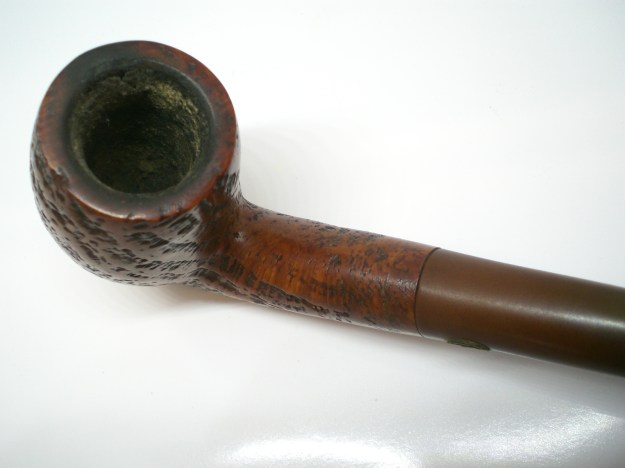
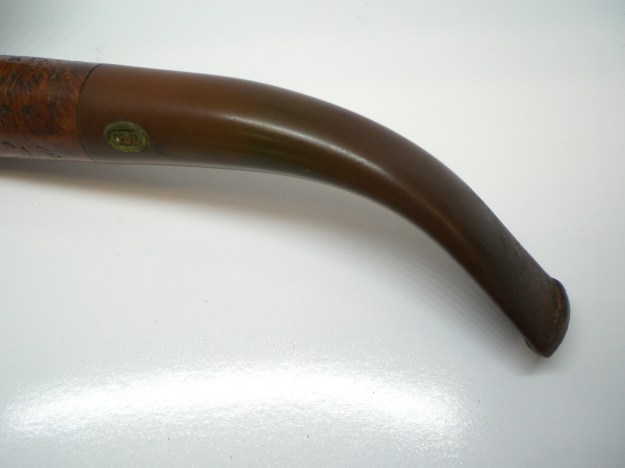
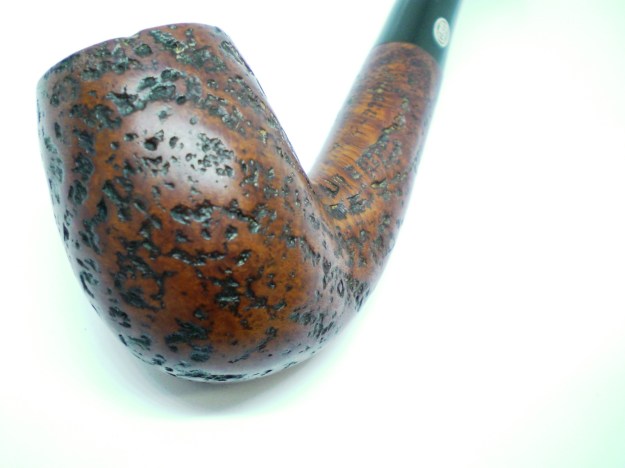
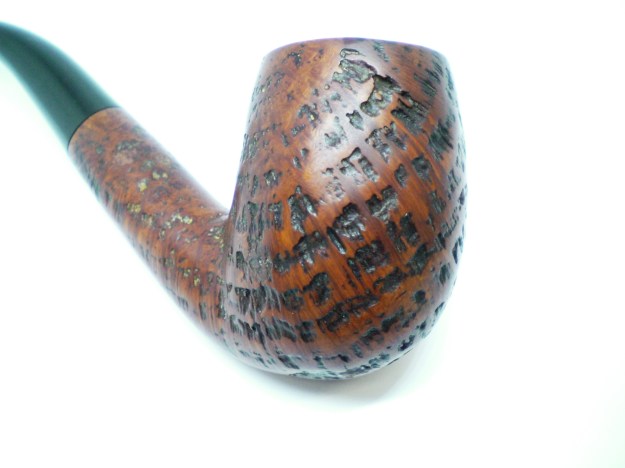
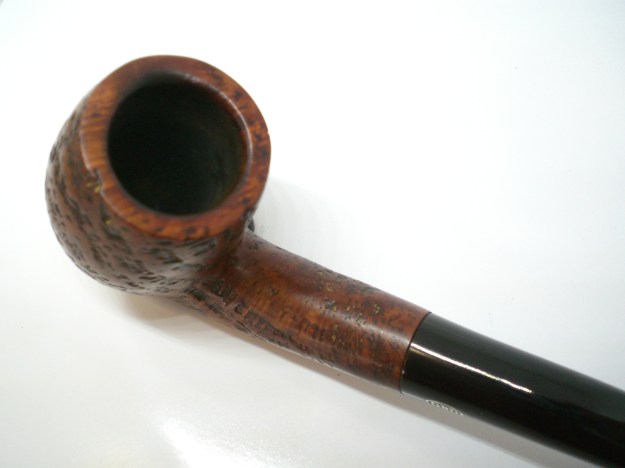
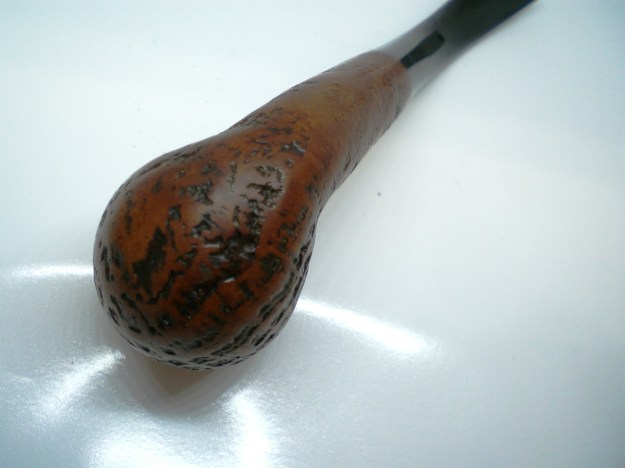
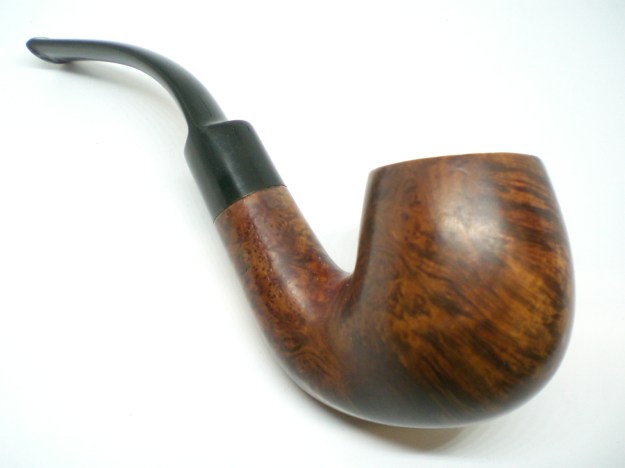
I can’t resist a GBD Prehistoric finish pipe – the combination of the rugged sandblast and the beveled, polish bowl top really works.  The 9623 is the first of that shape on my work bench.  It has a tall, bent billiard style bowl with a bulldog like diamond shank.  The brass rondell indicates it was made before the merger in 1981 (along with the “London,England” COM stamp).  The Collector stamp means it was one of three over-sized pipe designations used by GBD.  The pipe had a lightly oxidized stem with a few tooth indention’s.  it looked like an easy restoration.

I forgot to take before pictures, but the seller photos below were very accurate.

There was very little cake in the bowl, so I used a piece of 320 grit paper wrapped around a reamer bit to clean up the bowl interior.  The polished bowl top was buffed with White Diamond and several coats of carnuba wax.  I filled the bowl with sea salt and alcohol for a soak.  The stem was soaked in a mild Oxy-Clean solution.  Following the soak, I used heat to lift out several small tooth indention’s.  One under the button could not be removed, but it wasn’t deep enough to fill it.

The stem was mounted and oxidation removed with 800, 1,500, 2,000 wet sandpaper followed by 8,000 and 12,000 grade micromesh sheets.  The stem was buffed with White Diamond and Meguiars Plastic Polish.  I hand polished the bowl with Halycon wax.

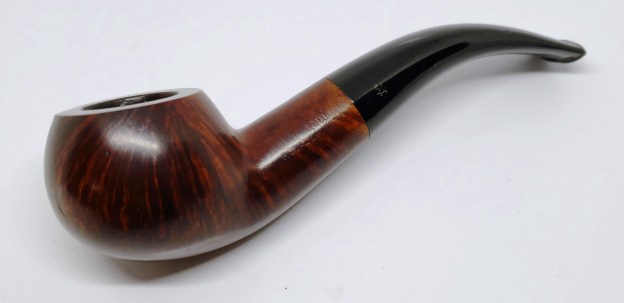
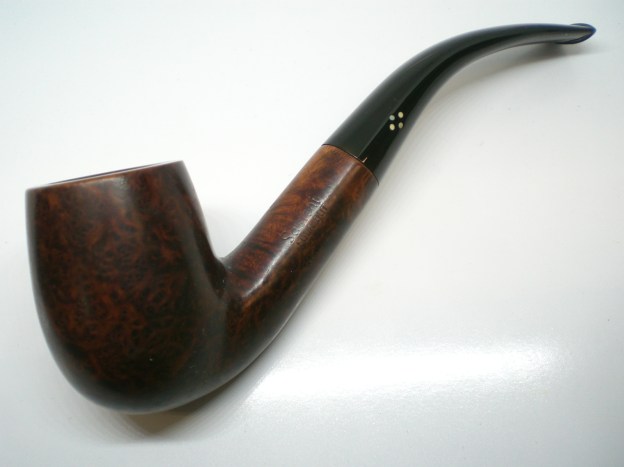
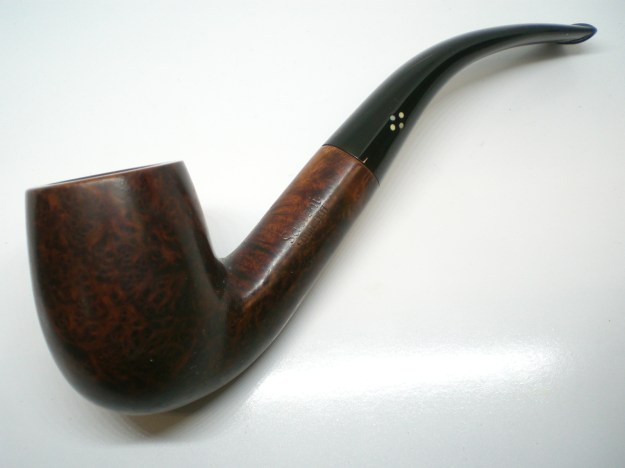
Below is the finished pipe.

A Passion for the Ashford (Royal Stuart Shape 88 Restoration)


By Al Jones

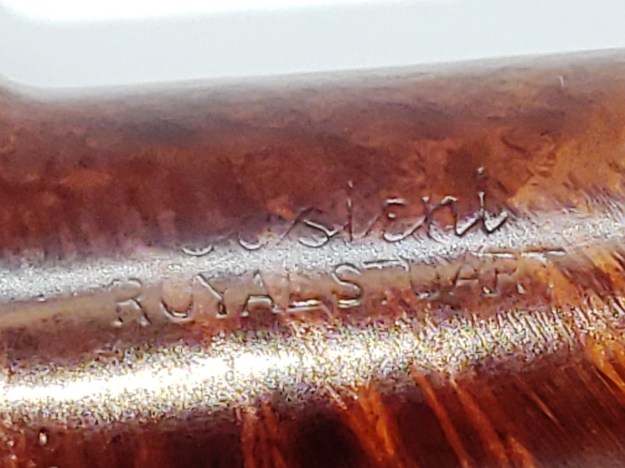
The Sasieni Ashford Author is a classic shape for that brand, with the shape chart number 88.  The shape was used by first line Four Dot pipes as well as a myriad of second-line brands.  This second line pipe is stamped a “Royal Stuart”.

I found this one on Ebay and I had been following this seller, since she had a number of shape 88 pipes listed.  The listing said that the pipes were from her fathers collection.   I missed on several similar shapes and was pleased to win the auction for this one.  I messaged the seller and asked if she could tell me more about the pipes or her father.  We exchanged a number of messages and the seller agreed that I could share her personal recollections.    The pipes sold belonged to her father and perhaps her grandfather and she describes them below.  They lived in Dayton, Ohio.

My father was Victor Waltz and he and his father smoked pipes. My father died about 23 years ago and in my house I found a box of pipes labeled pipes box #2. I have no idea what happened to box #1? It is possible that the 32 pipes in the box about the size of a shoebox may have included some that were my grandfather’s, also Victor Waltz. I just remember the pipe tobacco as smelling sweet and mellow and being kept either in a round green humidor of a leather zipper pouch. The smoke shop in Dayton may be been Bob White’s. In the box there were three pipes with this name on them and a cranky old man told me that was the name of a smoke shop in Dayton at one time.

Question is why would one or two men even three need so many pipes- lol. Guess if you forgot your pipe may be easier to walk to the shop than drive home?

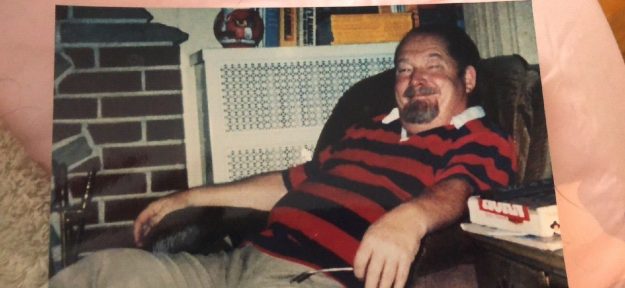
She also included a picture of her father below.  You can see a Dutch Masters cigar box on the table!  She does have his silver-hallmarked smoking stand to remember him.

This question made me chuckle a bit and I explained to her that collecting was the nature of pipe smokers – but her father/grandfather certainly had a passion for Sasieni second lines and more specifically the Shape 88/Ashford.  In her auctions, I counted 19 Shape 88 or similar shape pipes!  As a collector who definitely has a shape focus, I understand the focus on this group.  I wish that it was possible to speak to her father about his fondness for this shape and the Sasieni brand.

I reached out to pipe historian, Jon Guss, to see if he had any information about Bob White’s shop in Dayton.  Sure enough, Jon delivered quite a bit about Bob Whites.  From the details below, and what Victors daughter shared, I believe the pipes were acquired during the Carlson era of the shop, which ended in 1991.

Robert D. White (1911-1966) established Bob White’s Cigar Stand in the lobby of the Winters Bank building, located at 42 Main in downtown Dayton Ohio, about 1937.  He continued to operate it until his death almost thirty years later.  The business was taken over by Carl M. Carlson (1926-2005) and operated with the help of his wife, Helen.  Within a couple of years it had been renamed the Bob White Cigar and Pipe shop.  The original location in downtown Dayton was closed by the Carlsons in early 1971, and moved to 2415 Far Hills Avenue in nearby Oakwood where it remained until the business was closed for good in early 1991.

Since its earliest days Bob White had been advertising the availability of Sasieni and Peterson pipes.


Thanks to Rob Schlef, on the Pipes & Tobacco Facebook page who read the blog entry and was familiar with the Bob White shop.  He posted this business card for the shop, which mentions Sasieni and Peterson pipes.

Bob_White_Pipe_Shop

The pipes were all well-loved by Victor with all typical bumps and bruises found on a 50 to 60 year old pipe, that had been stored in a shoe box.  The bowl top was a little rough, and there were some blemishes and one fill.  The stem was tight fitting with a few shallow teeth indentions.  Below is the pipe as it was received.


The first order of business was to clean up the bowl top. Once the build-up on the top was removed, it showed a number of very shallow chips and marks.  I decided that a slight topping was in order and I thought that I could match the finish.  I used 400 paper wet, flat on my work bench to get the bowl top back to an original condition.

I applied a coat of Fieblings Dark Brown stain, then sanded it smooth with 800, 1,000 an 1,500 wet paper, than another coating of stain, set with a flame  The Dark Brown matched very nicely.  I used an electric iron on High and a wet cloth to steam out several dings.  A few remain, but the patina seems to fit and a part its past and use by Victor.  I reamed the cake and found the bowl in very good condition.  I then did the alcohol and sea salt soak.    The shank was cleaned thoroughly and the briar was buffed with White Diamond and several coats of Carnuba wax.  I was careful around the shallow nomenclature stamping.

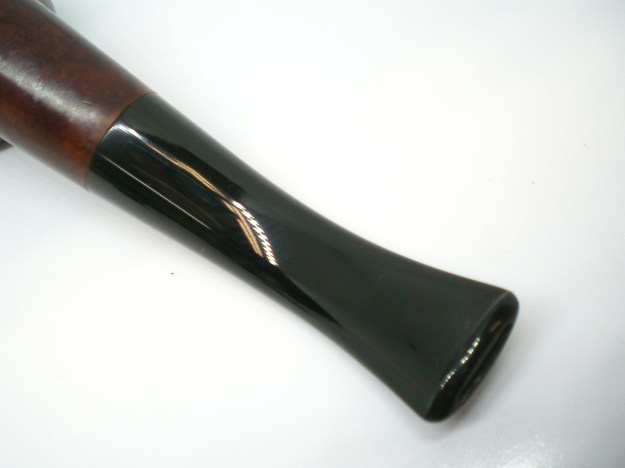
Following the soak, I turned my attention to the stem. Mounted back on the pipe, I used a flame to lift the shallow teeth indentions.  The mild oxidation was removed with 800, 1,500 and 2,000 grade wet paper.  I used a Magic Eraser pad around the shallow RS stem stamp.  This was followed by 8,000 and 12,000 micromesh sheets.  The stem was then buffed with White Diamond and Meguiars Plastic Polish.  I find Sasieni seconds line stems to be first rate and this one is a great example

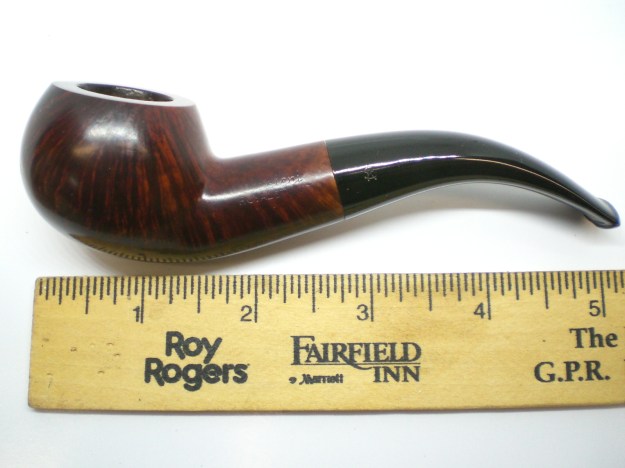
The bowl was buffed lightly with White Diamond and several coats of Carnuba Wax.    Below is the finished pipe.  A raised pipe to Victor Waltz for such great taste in pipes!

GBD “Sieur” Finish (Bulldog) Restoration


By Al Jones

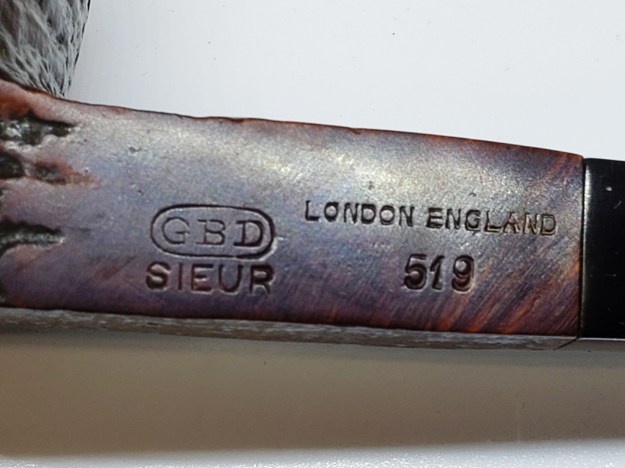
I’ve restored over 200 pipes in the past few years, many of which were GBD’s, a marque that continues to be a favorite.  I thought that I had seen every finish they’ve made, so I was surprised to find this “Sieur” finish listed on Ebay.  I had to check out the Pipedia site to make sure this was a pre-Cadogan era finish.  GBD and Comoy’s both added a number of new lines after the merger, bu the Sieur was definitely a pre-Cadogan era pipe, with the brass rondell and “London,England” COM.  The 519 shape, a straight bulldog was also new to me.

Pipepedia didn’t have much on the Sieur finish and the 519 shape was not listed on the old Jerry Hannah site.  Over the years, I’ve shared a few emails with Jerry and he even sent me a 1970’s era GBD catalog.  Jerry’s old GBD website information was moved with permission to Pipedia a few years ago.  I’ve tried emailing him, but the address is no longer valid.  I always wonder what happened to him.   Jerry did have the Sieur finish listed on his site and it is described below.  From this pipe, we do now know it was also made in England in addition to the French production.


  • Sieur — France, unknown if also made in England: dark brown blast w/wide ring groove -BJ

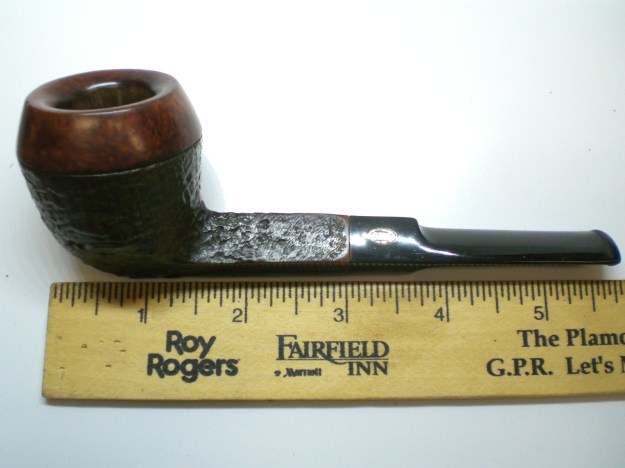
The pipe arrived with a typically oxidized stem, with few dents and some build-up on the polished and beveled bowl top.

I put a dab of grease on the rondel and soaked the stem in a mild Oxy-clean solution.  I reamed the mild cake from the bowl and soaked it with alcohol and Kosher sea salt.  A worn piece of scotchbrite was used to remove the build-up on the bowl top.  There were a few dents on the bowl top, but most steamed out nicely with an electric iron and a wet cloth.  The bowl top was then buffed with White Diamond and several coats of carnuba wax.  I hand waxed the sandblasted briar section with Halycon wax.

The stem was mounted on the bowl and to remove the oxidation.  I used a flame to raise the bents on the bottom of the stem, leaving only one tiny tooth mark.  I used 800, 1,500 and 2,000 grade wet paper to remove the oxidation, followed by 8,000 and 12,000 grade micromesh sheets.  The stem was then buffed with White Diamond and Meguiars Plastic polish.

Below is the finished pipe.


Sasieni Four Dot Regent Patent Era Restoration


By Al Jones

I was genuinely thrilled to open the package on this Sasieni. The Sasieni “Regent” is one of my favorite shapes from that maker, and it will compliment the “Ruff Root” Regent already in my collection.  The “Regent” is a smaller Sasieni shape, and at 45 grams, is perfect for my taste.

The Ebay seller only included a few poor photographs, but it was priced right and the pipe showed promise.  When I opened the package and saw the Patent number stamping, that put a big smile on my face.

The pipe had some build-up on the bowl top and the stem looked to be in great shape, with no tooth dents and a decent fit.  The Four Dots stem logo had faded with time, but were of the smaller style, so I knew that the stem was original.

Because the pipe has these details, it could have been made as early as 1935 but before 1946.

Four Dot & Town Name – town names started in 1935

Patent Number – used before WWII

Football style COM with no finish name (finishe names, Walnut, etc started after 1946)

Smaller Dot style pattern

The pipe as received:

A piece of worn scotch brite was used to remove the build-up on the bowl top, which revealed an almost perfectly preserved top.  There was a slight cake and once removed, I found that the interior was also in excellent shape.  The briar was lightly buffed with White Diamond and several coats of carnuba wax.  I was careful around the already faded nomenclature.

The stem fitment was slightly loose, but once the tenon was warmed with a heat gun, it expanded back to it’s original size, for a perfect fit.  I removed the oxidation with 800, 1,500 and 2,000 grade wet paper, followed by 8,000 and 12,000 grade micromesh.    The stem was then buffed with White Diamond and Meguiars Plastic Polish.  The stem really gleamed and it has a very nice feel.  I’m looking forward to smoking this one.

My photography skills and equipment don’t capture the depth of the grain finish on this one.  Below is the finished pipe.

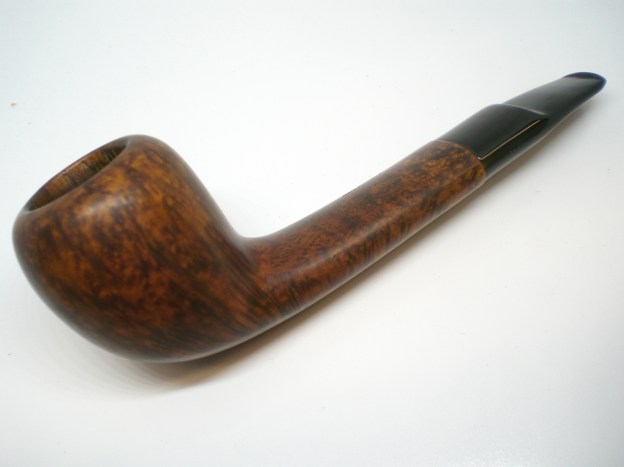
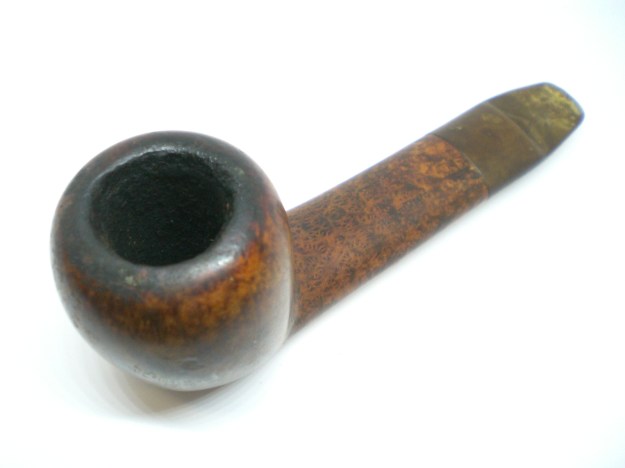
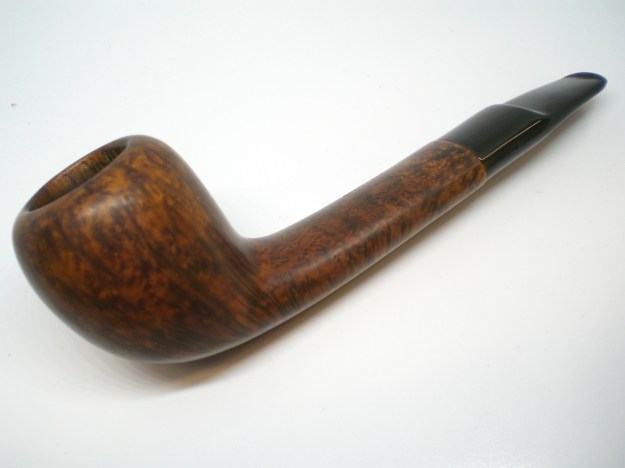
Stanwell Selected Briar Restoration


By Al Jones

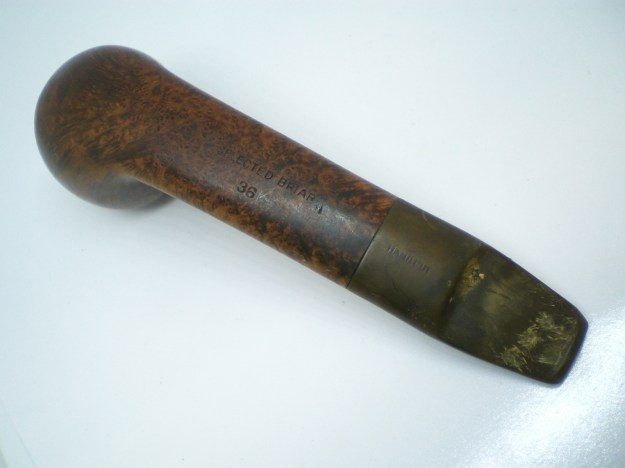
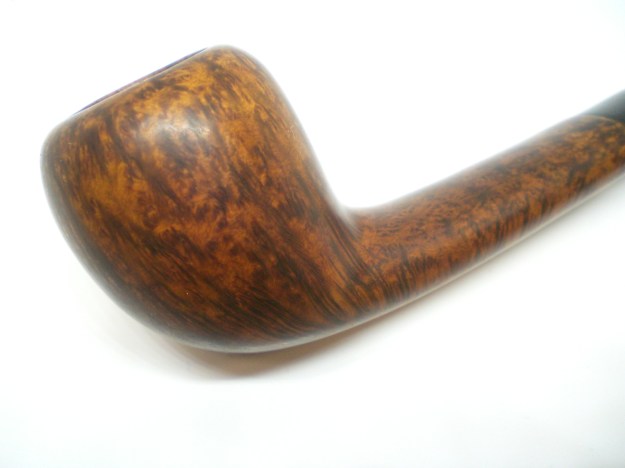
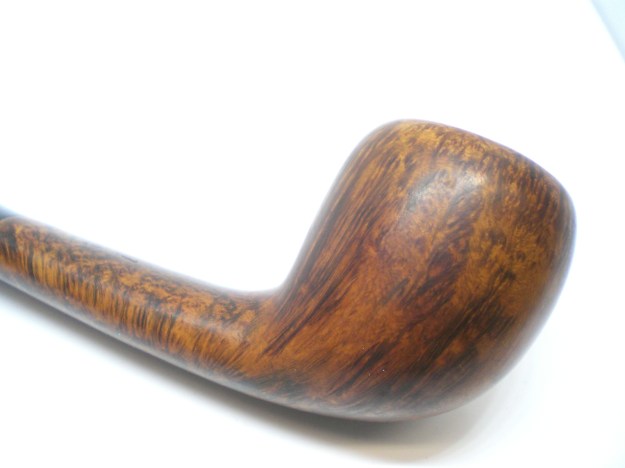
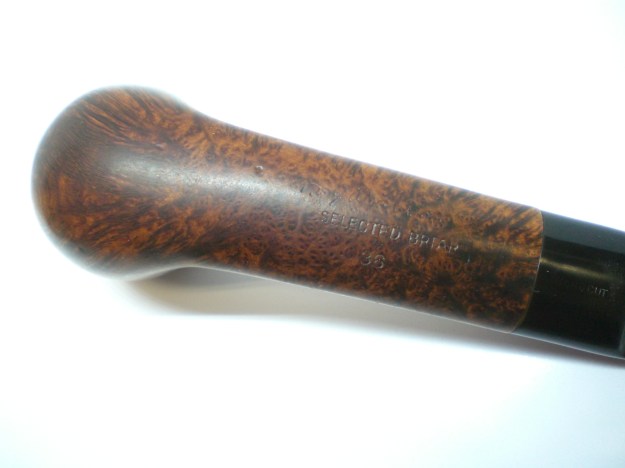
It’s been quite a while since I’ve had a pipe on my work bench that wasn’t made in Britain, but this Stanwell caught my eye. It looked pretty well loved, but the details below made me give it a second glance, and make a modest offer to the seller. I know next to nothing about Stanwell pipes, but only that a Reg number meant an older pipe. The “Hand Made” stamp on the briar and “Hand Cut” stamps also drew my attention. Registration number pipes were apparently made in the late 60’s to the early 70’s when it was discontinued. The previous owner thought enough of the pipe to scratch in his name, thankfully lightly, and on the bottom of the shank.

The shape 36 was a little bit of a puzzler, but I later learned thru a friend and Pipedia that this was a Sixten Iversson shape. Stanwell made the shape 36 in two versions, an earlier one by Ivarsson, like this one and in the 1970’s by Anne Julie. From Pipepedia:

36. Two versions of this shape number

a) Freehand, slightly bent, oval stem and mouthpiece, saddle mouthpiece, by Sixten Ivarsson.
b) Freehand, bent, oval stem and mouthpiece, by Anne Julie – 1975.

I did find this catalog page showing the Ivarsson shape 36.

I didn’t find any other information the combination of Selected Briar, Hand Cut and Handmade nomenclature.

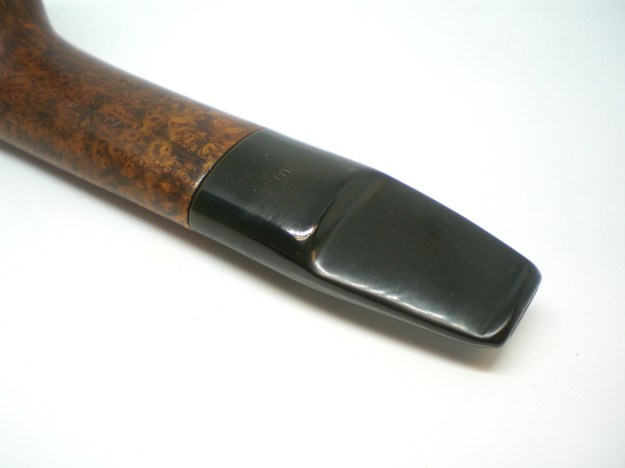
Below is the pipe as it was received. The bowl top had been abused, it had some dents and dings and the heaviest oxidation coating I’ve seen in a long time. Getting that off and preserving the stem stamps was going to be a challenge.

I used a piece of worn scotch-brite the get the build-up from the bowl top, than a piece of 2,000 wet paper to remove some of the darkening. A wet cloth and an electric iron were used to lift out some of the dings. The cake was removed with my reamer set and a piece of 320 sandpaper wrapped around one bit to finish it. There was one section of the bowl that was slightly irregular and the 320 paper smoothed that out a bit. The bowl was buffed lightly with White Diamond and several coasts of carnuba wax. Getting the oxidation from the stem was challenging, particuarly working around the stamping. There were several tooth marks, most of which were raised with heat. I avoided those areas and used a piece of Magic Eraser to diminish the oxidation around the stamps. I started with 800, than 1500 and 2000 grit wet paper, than 8,000 and 12,000 micromesh sheets. The stem was buffed with White Diamond rouge and Meguiars Plastic Polish. A few teeth pin pricks remained, but didn’t seem necessary to fill. Below is the finished pipe.

GBD 9456 New Era Restoration


By Al Jones

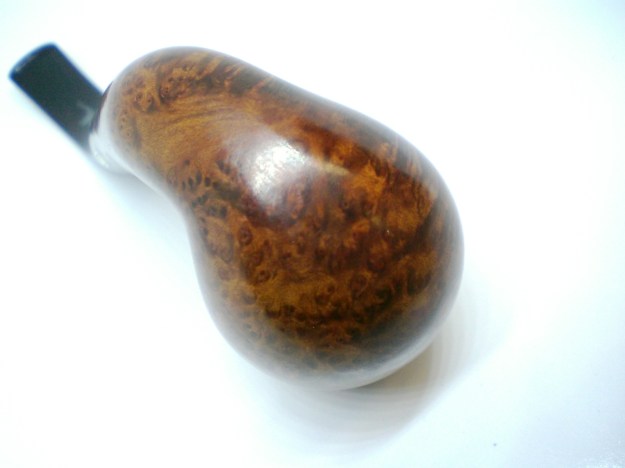
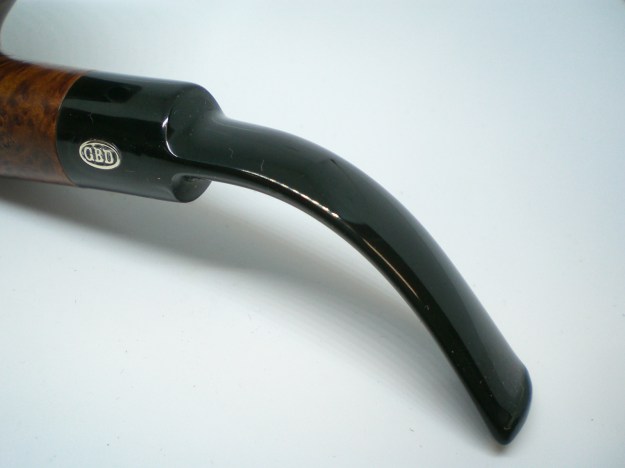
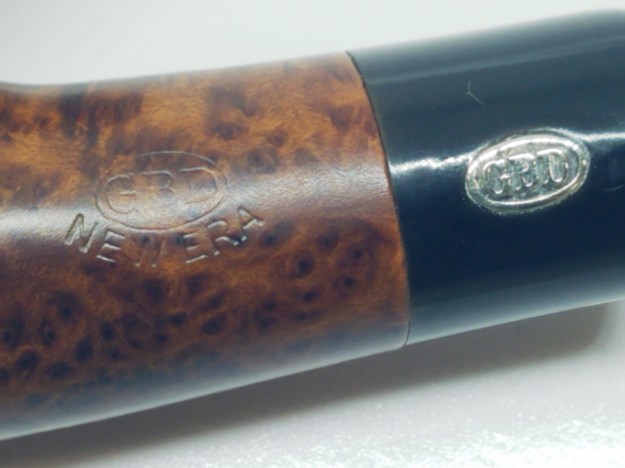
I’ve restored a number of GBD shape 9456 bent billiards before, but this is the first “New Era” finish that I’ve had in that shape. I’ve learned that New Era pipes are definitely a step up the GBD quality scale, regarding the briar. This one is no exception and has a nice mix of grain and birdseye. The brass rondell and “London, England” stamp show the pipe was made before the merger with Cadogan in 1981.

New Era finish was describe in a catalog from the 1970’s as:

New Era: “The beauty of this pipe’s perfect briar is accentuated by the richness of the ‘take-off’ dual finish.”

Some New Era pipes had the “Hand Cut” stamp on the stem, but according to Pipedia, not all Hand Cut stems were stamped as such. This stem does have the bullet-style tenon that I always see on stems withe the Hand Cut stamp.

The pipe had some build-upon the bowl top, the finish was faded and the stem heavily oxidized. The bowl had some small handling marks and a mild cake. The stem, while in great condition, was quite loose. Below are pictures of the pipe as it was received.

I use a piece of worn scotchbrite to remove the bowl top build-up, which revealed a nicely beveled bowl top. The cake was reamed with my Pipenet set and finished with a piece of 320 grit paper wrapped around one of the reamer bits. The bowl was soaked with alcohol and sea salt. Following the soak, the stem was fitted to the pipe. I use a heat gun to warm and expand the tenon and was fortunate that it expanded back to it’s original size, with a proper fit, but not too snug.

I removed the oxidation with 400, 800, 1,500 and 2,000 grit wet paper, followed with 8,000 and 12,000 micromesh sheets. The stem was then buffed with White Diamond rouge and Meguiars Plastic Polish.

The handling marks on the bowl steamed out nicely with a wet cloth and an electric iron. The bowl was then buffed with White Diamond rouge, followed with several coats of Carnuba wax. This revived the faded finish nicely and no re-stain was required.

Below is the finished pipe.

?

Everyman 398 Squat Bulldog Restoration (Comoy’s 2nd)


By Al Jones

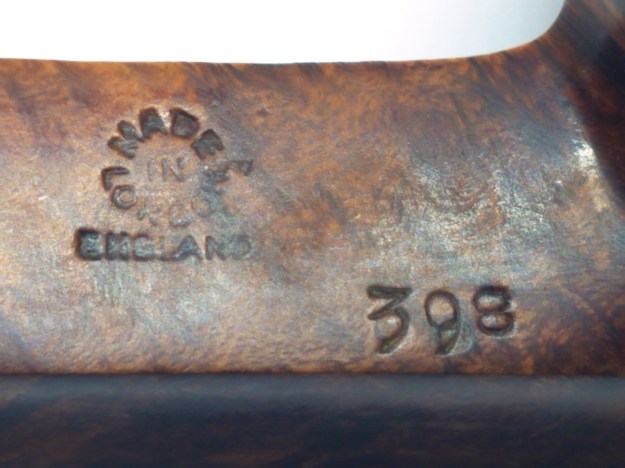
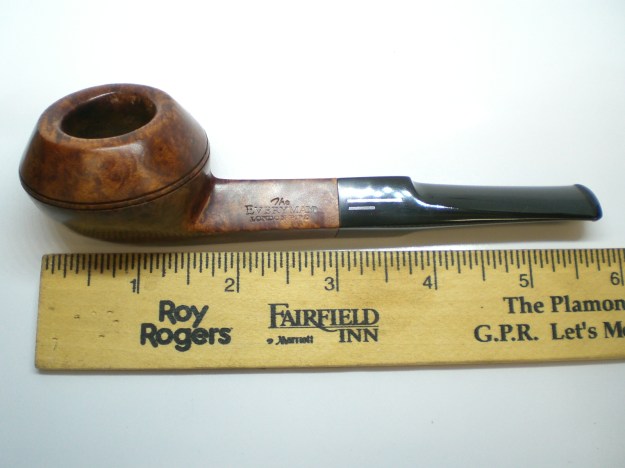
I’ve had a Comoy’s shape 398 squat bulldog on my workbench before, but it’s not a shape I see very often. This pipe, a seconds line “The Everyman” pipe looked like a simple restoration. I have a number of Comoy’s catalogs and shape charts in my files, but I can’t find this shape on any Comoy’s literature.

The pipe arrived with a very clean bowl, with a little darkening on the rim and a heavily oxidized stem. The stem still held the push in “stinger” apparatus, that presented a little challenge to remove. The stem had no teeth marks, save for two tiny specs on the button. The original owner definitely took care of this pipe. Below are pictures of the pipe as it was received.

I used some micromesh on the bowl top, then reamed the very mild cake. The bowl was then soaked with sea salt and isopropyl alcohol. The stem was soaked in a mild Oxy-clean solution. After the soak, I used a bristle brush to thoroughly clean the shank of the tars trapped by the stinger. The bowl was then buffed lightly with White Diamond and several coats of carnuba wax.

Next, I turned my attention to the stem. Not many modern pipe smokers would want to use the factory stinger, so I attempted to remove it. This one had apparently never been removed and was stuck from years of storage and/or tars. I inserted an alcohol soaked bristle cleaner in the stem, and after a few hours, I was able to carefully twist the stinger out of the tenon. I used a pair of mini vise-grips to hold the stinger. You have to be careful to not crush or break the aluminum stinger because if that occurs, the broken piece has to be removed with a series of drill bits. Thankfully, the stinger did not break.

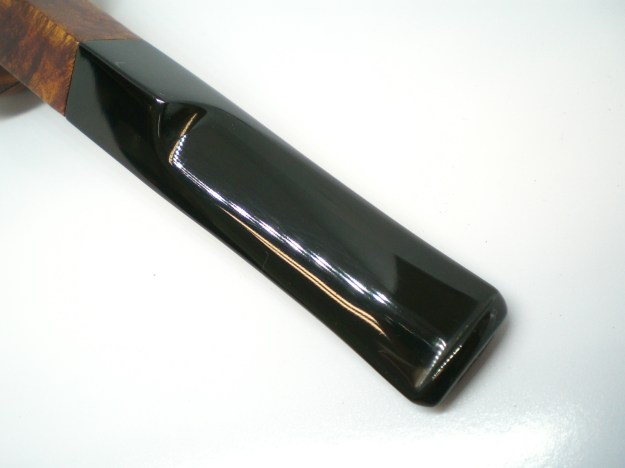
The stem was mounted and oxidation removed with 400,800, 1,500 and 2,000 grades of wet sandpaper. 8,000 and 12,000 micromesh sheets followed. The stem was then buffed with White Diamond and Meguiars Plastic Polish. This was no doubt the best quality Everyman stem I’ve encountered.

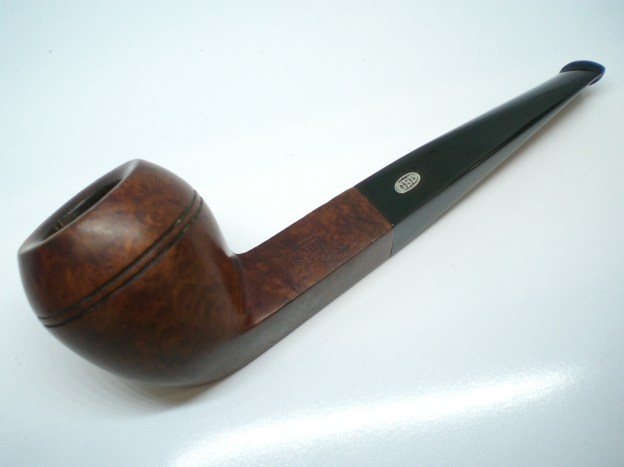
Below is the finished pipe, ready for use.

GBD 206 New Standard Bulldog Restoration


By Al Jones

This is yet another GBD shape that was new to my work bench. I thought for certain that it was a 2006, that was incorrectly listed. But on arrival, it was indeed a 206. I didn’t find many examples of the shape on the web, but learned that it was a smaller profile bulldog shape

The pipe was in decent shape, with a heavily oxidized stem (but great fitment), with the typical bowl-top build-up and a mild cake. The brass rondell had some fuzz on it, but was in otherwise great shape. Below is the pipe as it was received.

I reamed the cake with my Pipenet set and used a piece of worn Scotchbrite on the build-up. Once removed, a nicely beveled bowl top was revealed but it had a few dents and nicks. I used an electric iron on High, with a wet cloth to steam out some, but not all of the dings. Oh well, they add a little character.

The bowl was then soaked in Sea Salt and alcohol. While the bowl was soaking, I soaked the stem in a mild Oxy-clean solution, with a dab of heavy grease on the rondell. Following the soak, I used a bristle brush and alcohol to clean the shank. The stem was mounted and I used 800, 1500 and 2000 grade wet paper to remove the oxidation. This was followed by 8,000 and 12,000 micromesh sheets. The stem was then buffed with White Diamond and Meguiars Plastic Polish.

The bowl was buffed with White Diamond and several coats of Carnuba wax.

I found one curious item in the stem. While running thru a bristle cleaner soaked in alcohol, it seemed to hang up in the stem. On closer inspection, I could see metal inside the stem. I used a series of drill bits to work the metal out of the stem. It appeared to be perhaps a stinger that had broken off inside. I’ve never seen a GBD with a stinger, so I assume a previous owner may have tried to insert some homemade remedy. Thankfully, it came right out.

Below is the finished pipe.

?

Peterson Shape 56 Mystery – Solved!


By Al Jones

July 31,2019 UPDATE:
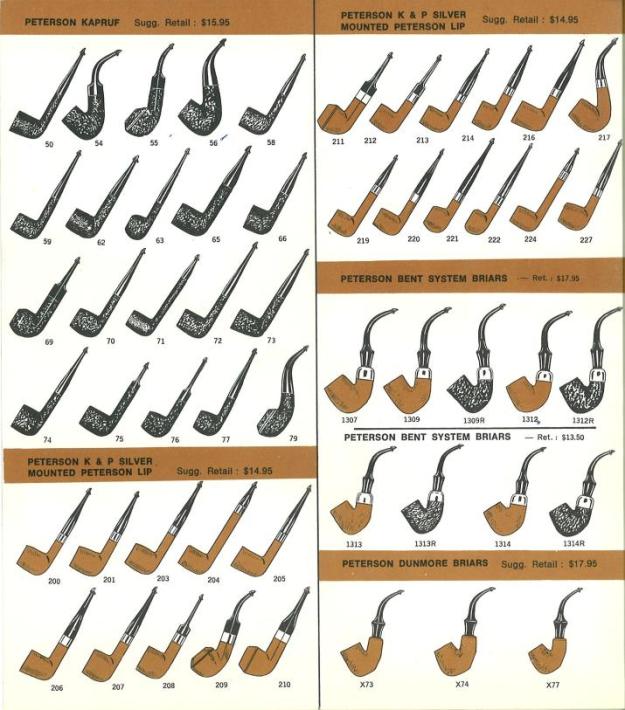
Well, the Shape 56 mystery is now resolved. Despite all my google efforts, I yielded only two other hits on the Shape 56, as detailed below. Mark Irwin was also stumped but came up with the theory below, that the Shape 56 was for the British market only. Well, further sleuthing from the worlds foremost Peterson authority yielded an answer – which came directly from a blog entry here on Reborn Pipes, by our very own Steven Laug. In 2015, Steve posted a catalog from Canadian importer, Genin, Trudeau & Co. which shows their unique numbering system. I even comment that the Shape 56 looks like a 9BC! So, all the while, the answer was hiding on this blog! Below is that brochure page showing the Shape 56. Steven comments that the postal code used in the address dates the brochure to between 1962 and 1969. I guess not many Canadians appreciated the shape, so they are pretty uncommon. Thanks to Mark Irwin for his superior memory and to Steve for making this type of ephemera available, you never know when it will come in handy.

Genin, Trudeau & Co. Brochure
Original Entry:

If you read any of my posts here or on the PipesMagazine forum, you’ll quickly learn that I am partial to a few select pipe shapes, primarily the Rhodesian. But my all-time favorite shape is the Peterson 9BC, chubby bent billiard. I learned about this shape several years ago on Mark Irwins blog, “Peterson Pipe Notes”.

Peterson Pipe Notes

Mark is a great friend and incredible resource for all things Peterson. He is also the co-author of The Peterson Pipe, a must have for anyone who enjoys and collects Peterson pipes.

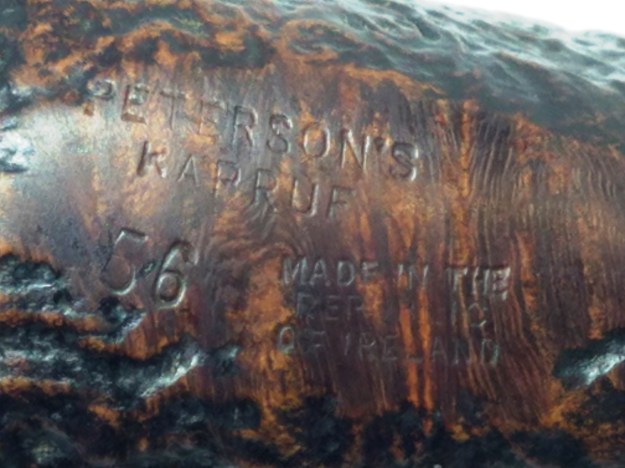
Over the past few years, I’ve acquired several 9BC’s in various finishes, including a Shamrock that I featured in this blog a few months ago. I can usually spy a 9BC, despite the way it may be listed. I found this pipe advertised as a Shape 56 Kapruf, which puzzled me, as I never encountered this shape number. It definitely looked like a 9BC or the modern version, the XL90. However the nomenclature did indeed look like it was a “56”. The 9BC is a pre-Republic shape and this pipe was stamped “Made in the Republic of Ireland”, so I assume it was made after 1949. It’s not too often that I get a thrill from an estate pipe. However working on a shape I’ve never encountered definitely gets me excited.

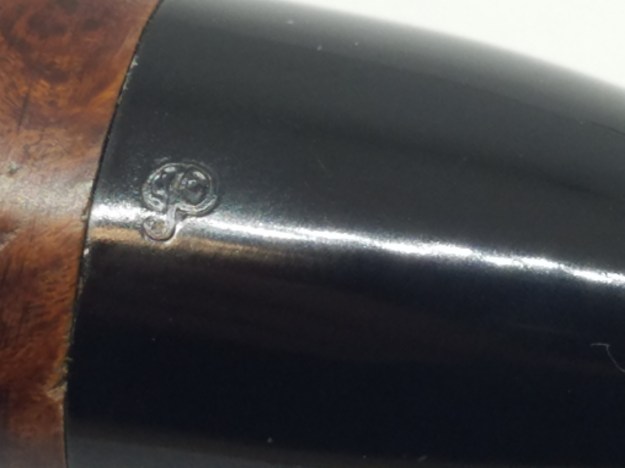
When the pipe arrived, sure enough, it was identical to my 9BC’s in all aspects, save one. The button was significantly slimmer than those on either my 9BC’s or XL90. The stem had what looked like a factory P stamp. I searched thru my old catalog scans and pored over Mark’s new book, looking for this shape number, but to no avail. I then spent a good bit of time Googling the Peterson Shape 56 and I found only two other examples. One theory I had about the shape was that it was a transition piece, between the 9BC and XL90. However, that theory didn’t hold as one of those two found also had pre-Republic stamping.

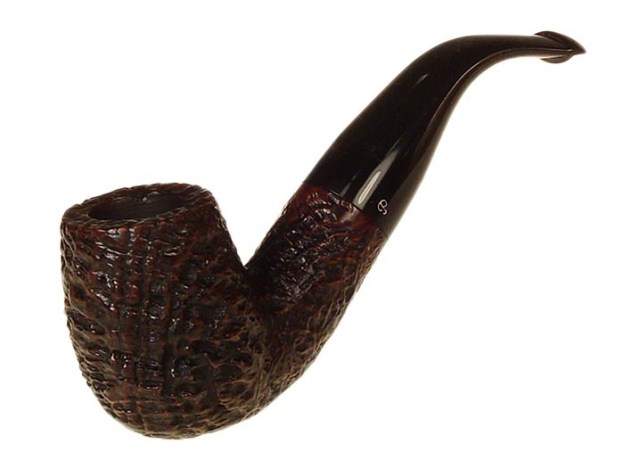
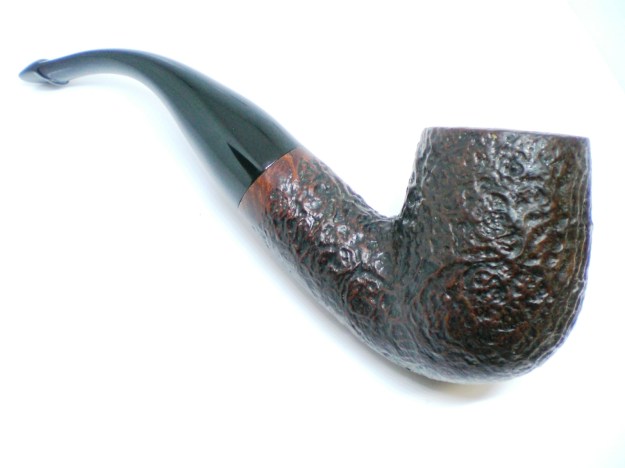
One Republic era Shape 56 Kapruf was sold by Smokers Haven. It had an incredible blast, pictured below.
The other was from an undated Ebay ad, and it was advertised as belonging to noted collector, Barry Levin. This one had pre-Republic stamping.
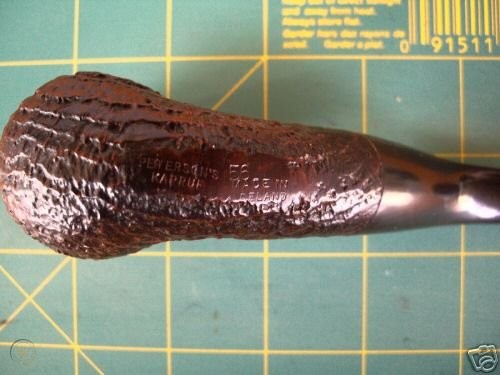
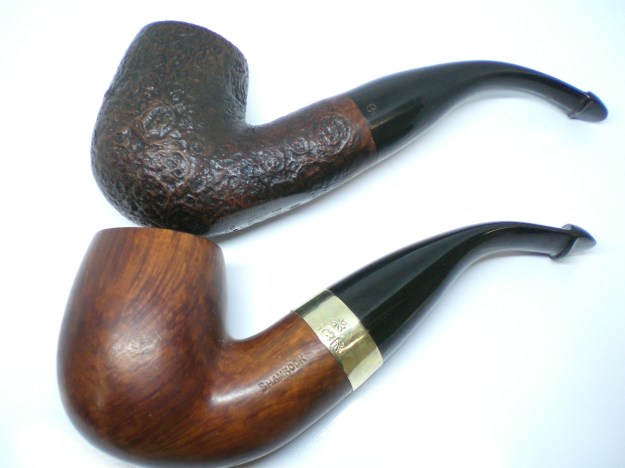
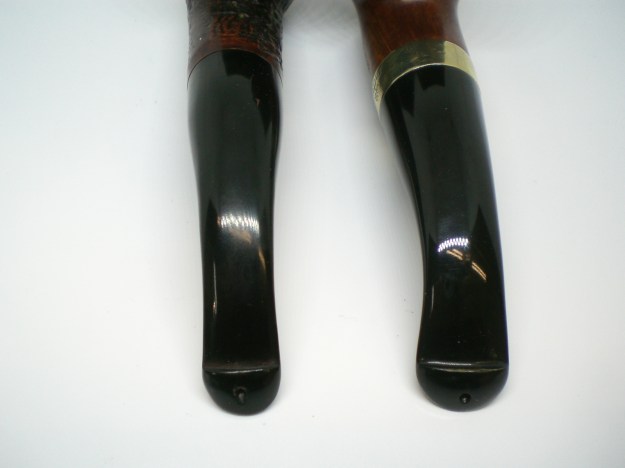
These pictures show the slim button of the 56 versus the 9BC, which flares out at the P-lip. It is also shown with my 9BC Shamrock, and as you can see, they are nearly identical. This includes a flat nomenclature panel. I suppose the original owner could have sent the pipe back to Peterson for a replacement stem, which might explain the slimmer button profile. The other two shapes above, don’t show this detail, so I have no comparison.
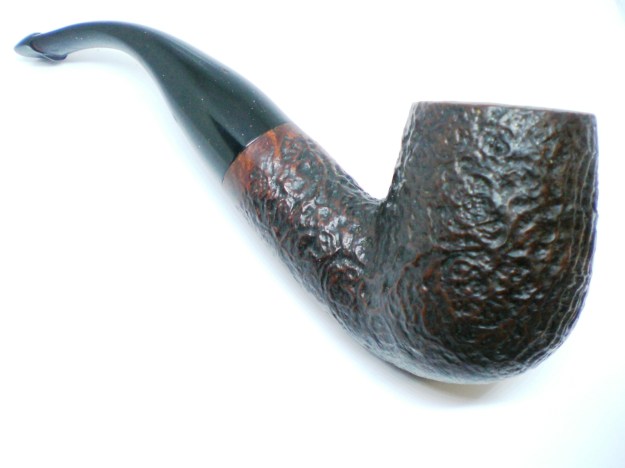
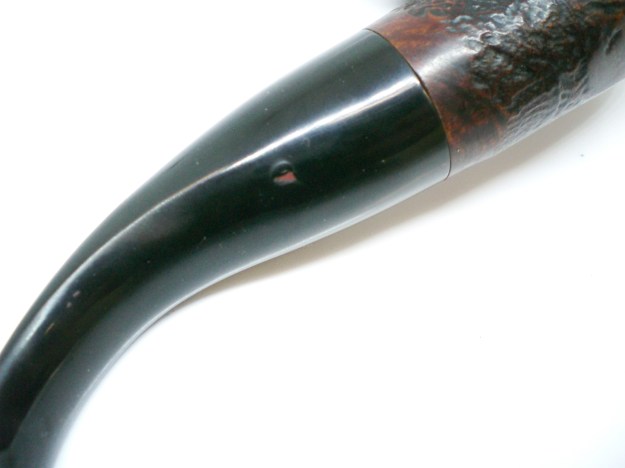
The pipe was in very good condition, but had some curious damage marks on the stem. It appeared as though someone had pierced the stem in two places with a hot nail, creating gouge-like marks. The bowl interior looked terrific, with very little cake. There were a few shallow dents on the underside of the button and just a small amount of oxidation. Below is the pipe as it was received. The sandblast was terrific, particularly on the cross-grain section, which had a lunar landscape like appearance.
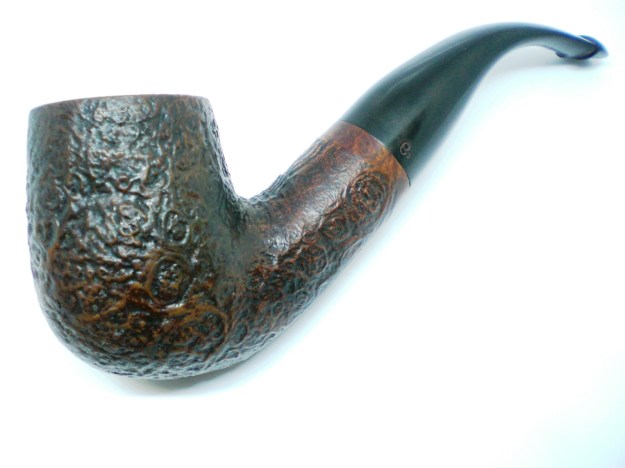
This picture shows the most severe of the two gouge marks.
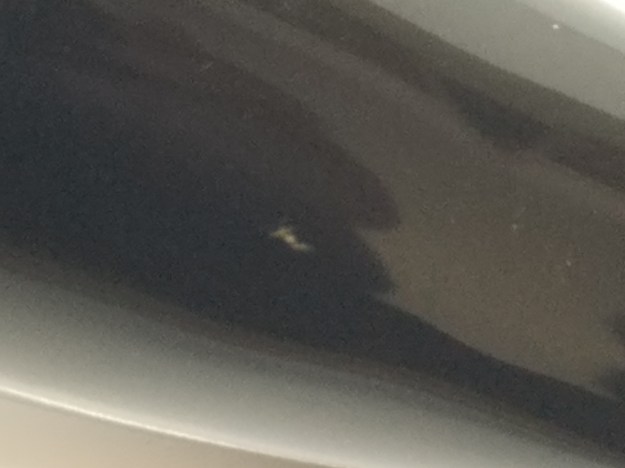
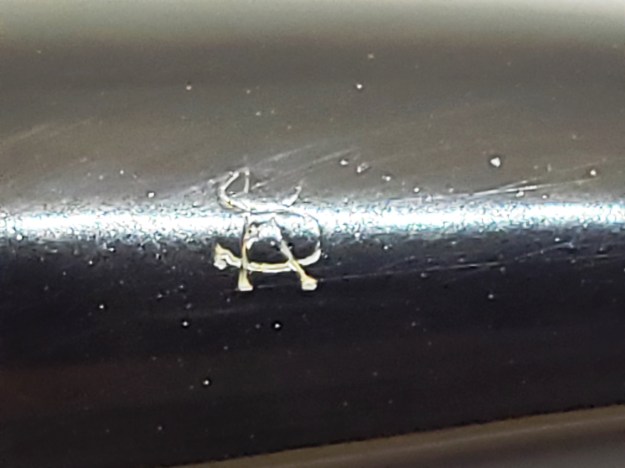
I used some 320 sandpaper to remove the very slight cake reside from the bowl and filled it with sea salt and isopropyl alchohol and let it soak for several hours. While the bowl was soaking, I used a heat gun to warm the two gouge marks and I was able to work some of the rubber back into the mark. After the soak, I removed the salt/alcohol and cleaned the shank. The stem was mounted and the gouge marks smooth with 400 grit wet paper, then 1500, and 2000 grades. One mark all but disappeared and the other had only a slight mark remaining. It was underneath, so I left well enough alone. I worked around the P stamp. The stem was then buffed with White Diamond and Meguiars Plastic Polish. I used some Halycon wax on the briar to bring up the luster.

After the repair and buff, the gouge mark was barely visible.
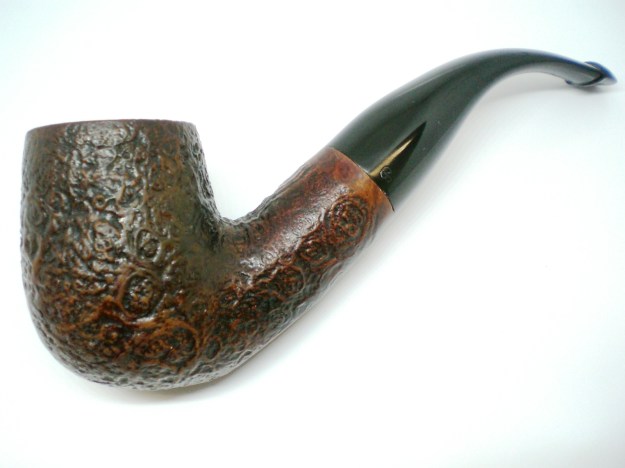
I’m hopeful that Mark might be able to dig out some additional information about this mystery shape, and I’m quite pleased to add it to my collection. I’m particularly interested in how the slim button smokes, as a smaller profile button is typically my preference. Below is the finished pipe.

UPDATE – July 28, 2019:
Mark Irwin did get back to me with a theory about this shape. He noticed that the 9BC shape is only listed in US or Rogers catalogs. I noticed in the recent 1939 Peterson/Rogers catalog recently shared thru his blog that that the Kapruf finish is described “the earthy finish of Kapruf is achieved by a special carving proceess”. In the 1940 Peterson catalog scan he shared several years ago, the Kapruf finish is described as sandblasted. He further comments below.

I thought I’d figured it out, but my best guess at this point has to do with the two-digit shape numbers assigned to Classic Range pipes through the 1950s. None of the catalogs I have shows a 56, of course, but there the 1955 London & Dublin catalogs shows a 65, 69 and 70 bent billiard. I’m speculating that the 56 was part of that numbering system, which may explain why you found the button slightly different than the 9BC. I also believe the 9BC to be a US-market Rogers Imports number, as I don’t see it in any of the European or non-Rogers catalogs.
Oh well, a brilliant pipe and a wonderful problem to have. Whatever they used to do the blast is also quite singular. I have an 02 Shamrock that’s close, with those circular, almost lunar patterns, but how they achieve that is shrouded, as is so much in our hobby, in pipe smoke and mystery.
?
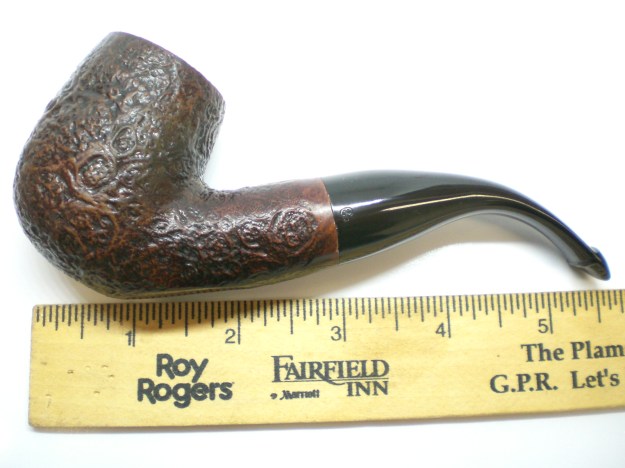
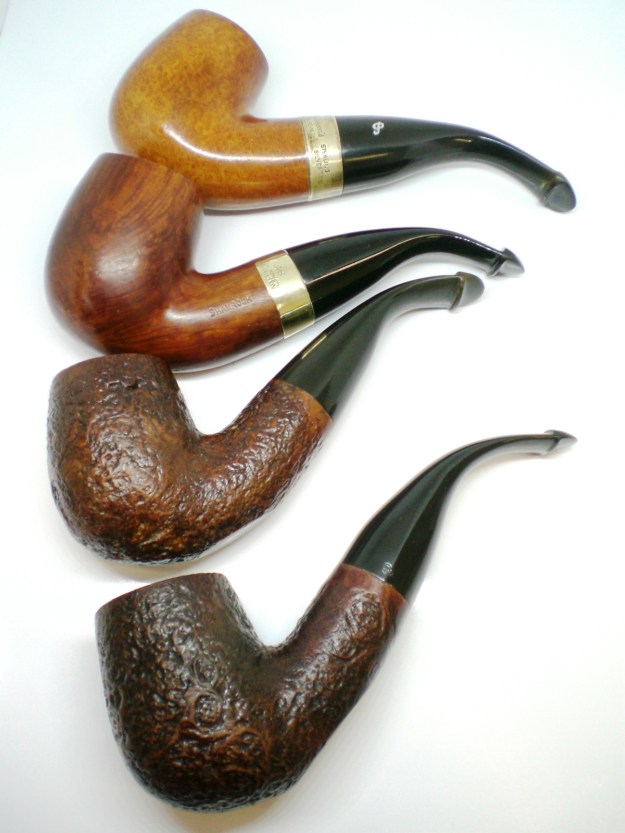
Pictured below is a group comparison shot, from top to bottom:
XL90 Supreme
9BC Shamrock
9BC Kapruff
56 Kapruff
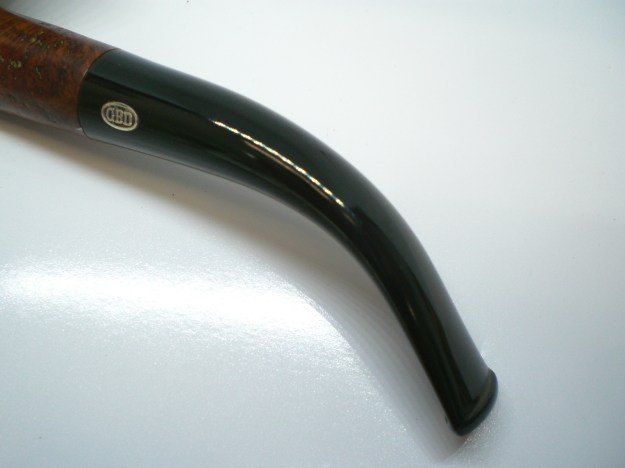
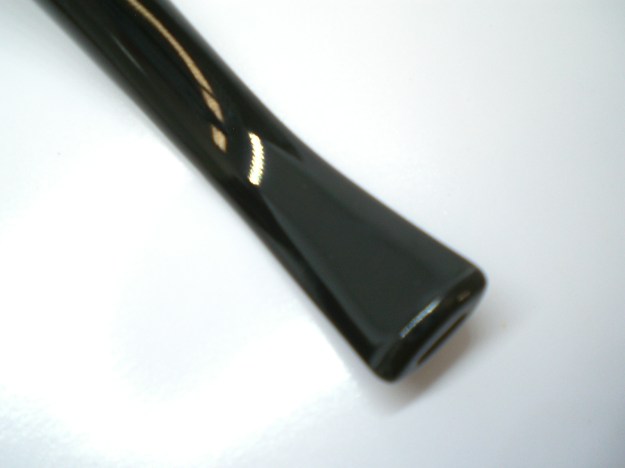
GBD Granitan Bent Billiard Restoration


By Al Jones

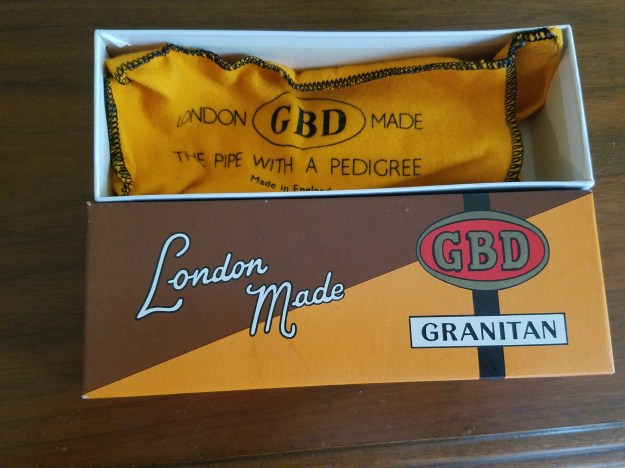
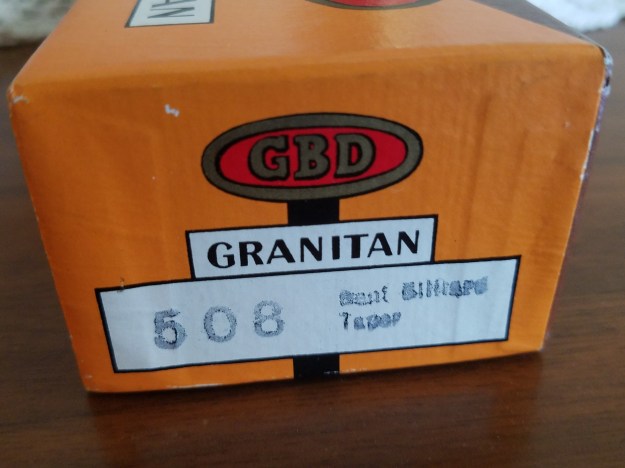
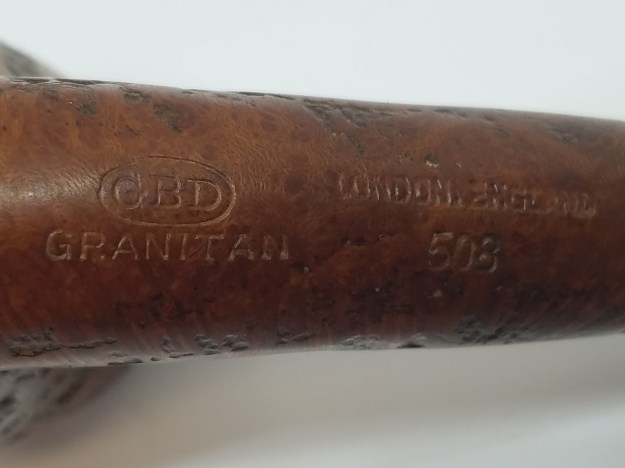
Here’s another GBD from that collector in Ohio, who owned the Century finish pipes I posted recently. This one is a Granitan finish in the Shape 508. This one also came with a carefully preserved box and bag. Below is the pipe as it was received. The stem was in great shape, with some heavy build-up on the bowl top. Like the others, the GBD rondell was a bit oxidized as well.

I don’t see too many Granitan finishes, which is a sandblasted briar, then polished. The finish description on the Pipepedia page says this about the finish. The reference to Virgin finish seems a bit of a stretch and perhaps some creative marketing from GBD. When did the Granitan first appear or when did it end? This information is seemingly lost to time.
Granitan — England, unknown if also made in France: sandblasted, then partially sanded smooth, resulting in a pebbley texture, stained light yellowish brown. -TH: “An acceptable concept in a finish which combines the light weight of a sandblasted pipe, the beauty of a Virgin finish and the attractiveness of two-tone brown coloring.” -catalog ( 1976 )
Like the others, this one also came with a carefully preserved box and bag.

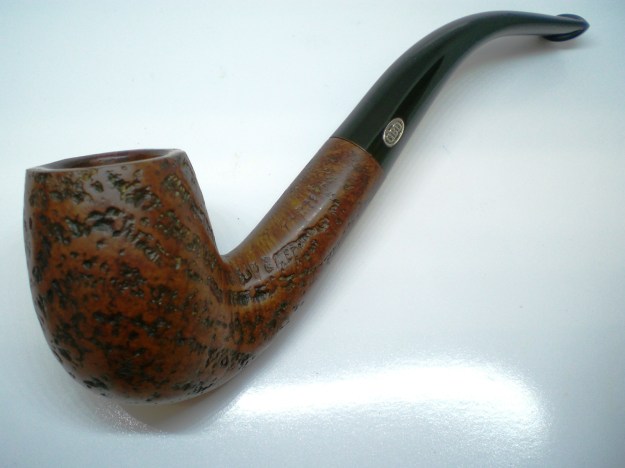
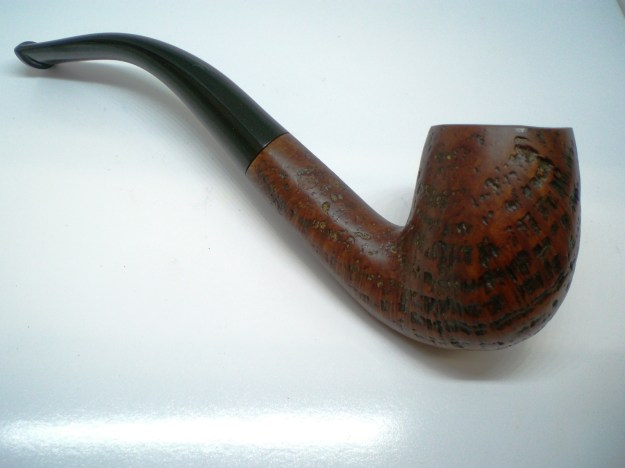
I reamed the bowl, then used a piece of worn scotchbrite to remove the build-up. This lightened the bowl top stain a bit, but some carnuba wax restored the original color. The briar was soaked with alcohol and sea salt. The Scotch-brite piece also successfully removed the oxidation from the rondell, without damaging the fragile coating. After the soak the stem was mounted and oxidation removed with 800, 1,500 and 2,000 wet paper, than 8,000 and 12,000 grade micromesh sheets. It was then buffed with White Diamond and Meguiars Plastic Polish. The briar was buffed lightly with White Diamond to bring back the finish, than hand rubbed with several coats of Halycon wax.

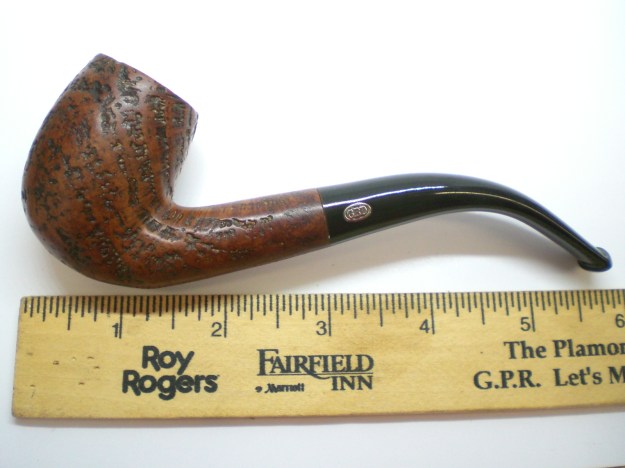
Below is the finished pipe.