
by Steve Laug
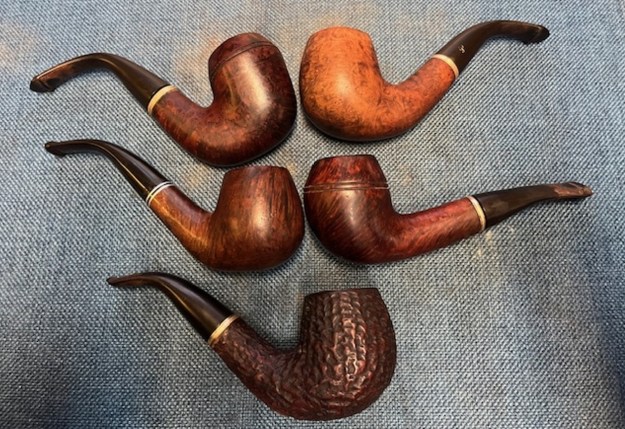
Yesterday afternoon I was visited by a pipe man here in Vancouver named Sergey who had five Peterson’s pipes that he wanted me to work on. They are shown in the photo below. In the left column from top to bottom: Peterson’s of Dublin Kinsale XL17, Peterson’s of Dublin Filter 68, Peterson’s of Dublin Kinsale XL16 Rusticated Pipe. In the right column from top to bottom Peterson’s of Dublin Kinsale XL16 and the bottom pipe is a Peterson’s of Dublin Kinsale XL14. All five pipes were all thickly caked and had thick lava on the rim top. The cake is so thick that I could not put my little finger in the bowl it was so heavily caked. My guess was that the bottom of the bowl was lower than the entrance of the airway into the bowl. The Rusticated Kinsale XL17 also had a burn out in the front bottom of the bowl that would take a lot more time than just a simple clean up. I would know more about the condition of each of the bowls once I had reamed and cleaned them. Sergey was travelling soon and he chose at least two of them that he wanted to take with him on his trip so those would be first. I have finished four of the five pipes and he picked them up and was pleased with them. The fifth of these was in the worst condition. I left it until last and now it was time to work on it – a Peterson’s of Dublin Kinsale XL16. I was not sure I would finish but he would love to take it on his travels.
 I took photos of the Peterson’s of Dublin XL16 before I started working on it. This was Sergey’s favourite pipe and his concern was that it had a hole in the bottom toward the front. The finish is very dirty with oils and dirt ground into the briar. The rim top is thickly covered with tarry lava overflowing from the heavy cake in the bowl. The cake was thick and heavy all the way to the bottom of the bowl. In the heal of the bowl there was a hole about the size of pencil lead and the bowl was quite a bit deeper than the entrance of the airway from the shank. The vulcanite stem is also very dirty. There was oxidation, calcification and the P-lip had been cut off on the end. There was no button edge and he would like to have that added on the bottom of the stem surface. There oxidation, calcification and also some light tooth damage on both sides ahead of the remaining button. The P stamp on the left side of the stem is a gold P that is damaged.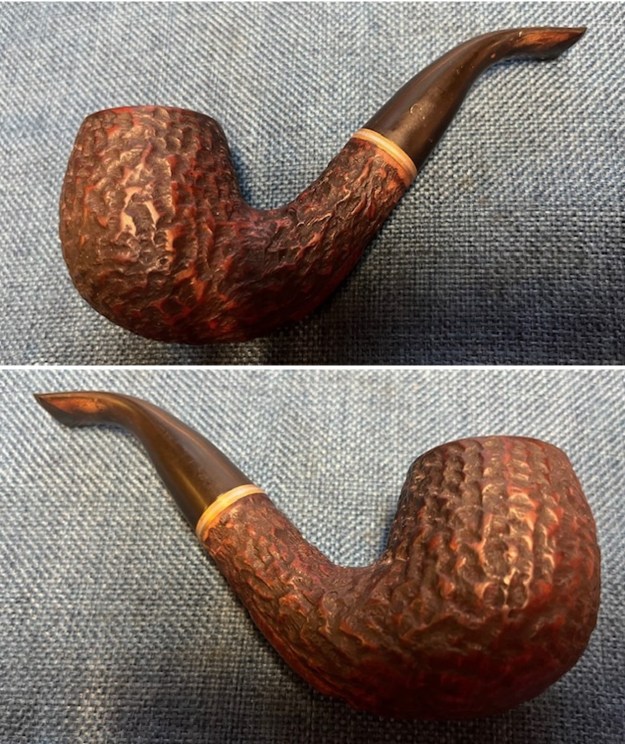
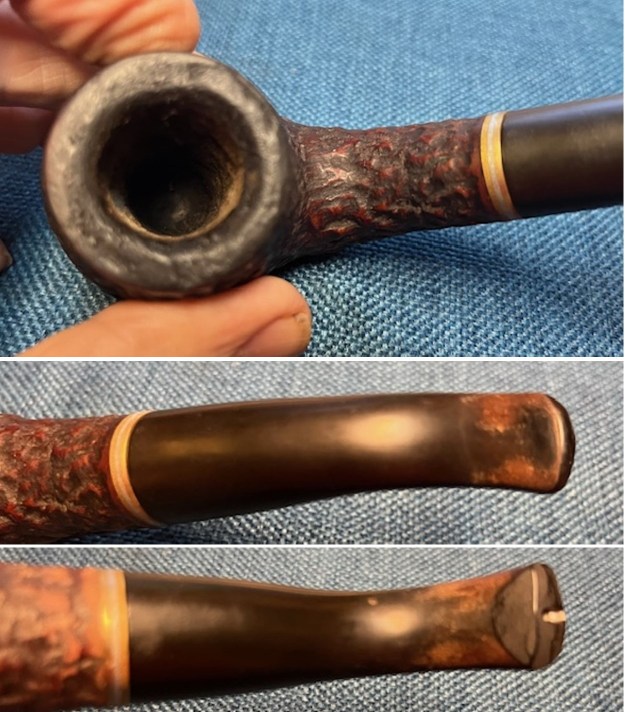
 I took closeup photos of the rim top and bowl to give a sense of the dirty condition of the pipe and the thickness of the cake and lava on the bowl top. The rim top and edges look to be damaged under the lava coat but the cleanup will reveal the facts. I also took photos of the stem to show the top and underside ahead of the button.
 I took photos of the stamping on the shank sides. It was faint but readable through the grime and debris. It read as noted in the above paragraphs. I also took the stem off the shank and took a photo of the look and proportion of the pipe.
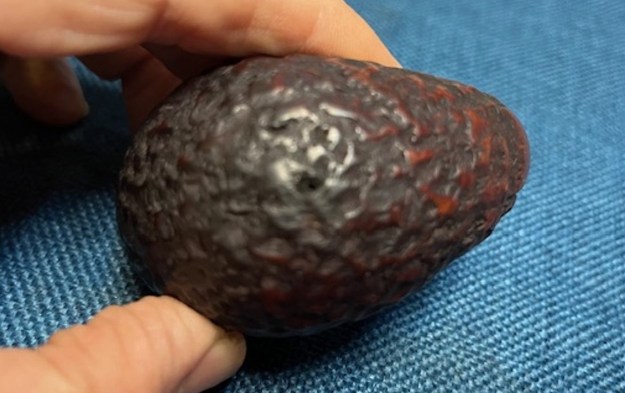
 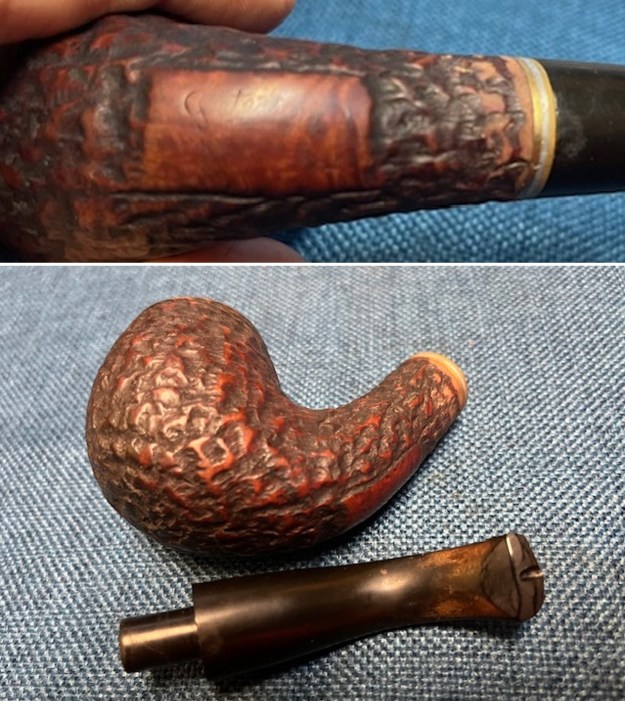 I took a photo of the burnout in the heel of the bowl. It was about the size of pencil lead on the outside but the inside of the bowl was more extensively damaged. This one would take some extra work to bring it back to life.
 I started my work on the pipe by reaming the thick cake in the bowl. I could not even assess fully the burnout damage until it was reamed and cleaned. I used a PipNet pipe reamer with the first cutting head to take back the cake. I followed that with the second and the third cutting head. I was able to remove all of the cake. The cake in the bottom third of the bowl was incredibly hard and took a repeated reaming of that portion. I used a Savinelli Fitsall Pipe Knife to scrape the remainder of the cake out of the bowl and clean up the bottom of the bowl. I sanded the bowl walls with 220 grit sandpaper wrapped around a piece of dowel. With the bowl cleaned out I was able to determine that the bowl bottom was significantly below the entrance of the airway. It was quite thin and the hole on outside was only the beginning of the issues. I would need to repair the burn through and then build up the bottom of the bowl to the entrance of the airway. It would be further protection for the repaired bottom of the bowl and help it from further burning out. The issues with the rim top and inner edge would also need to be addressed.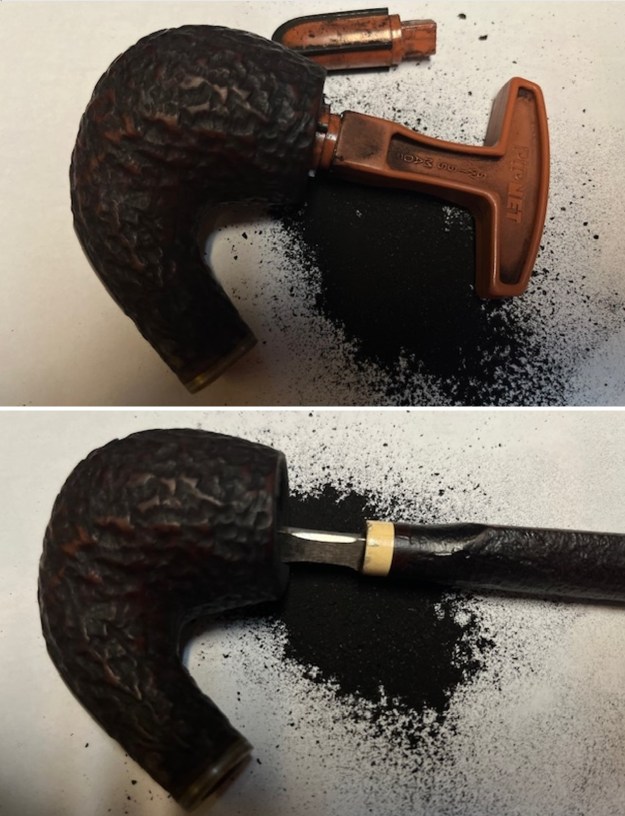
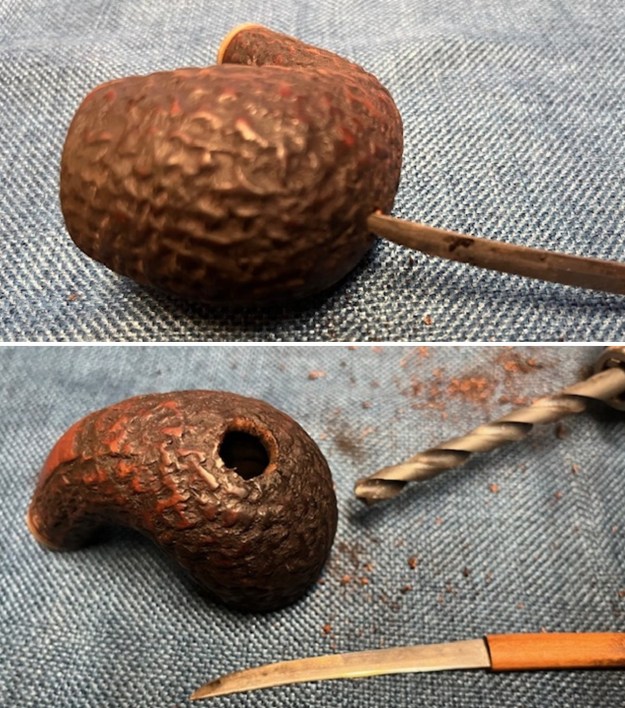
 I decided to open up the burned-out area and see how extensive it was and how deep it was into the briar surrounding pin hole. I started with a sharp blade and cleaned up the opening and took out the brittle pieces of briar around the hole. I opened the hole further with a large drill bit and smoothed out the edges of the hole to the point it was solid briar.
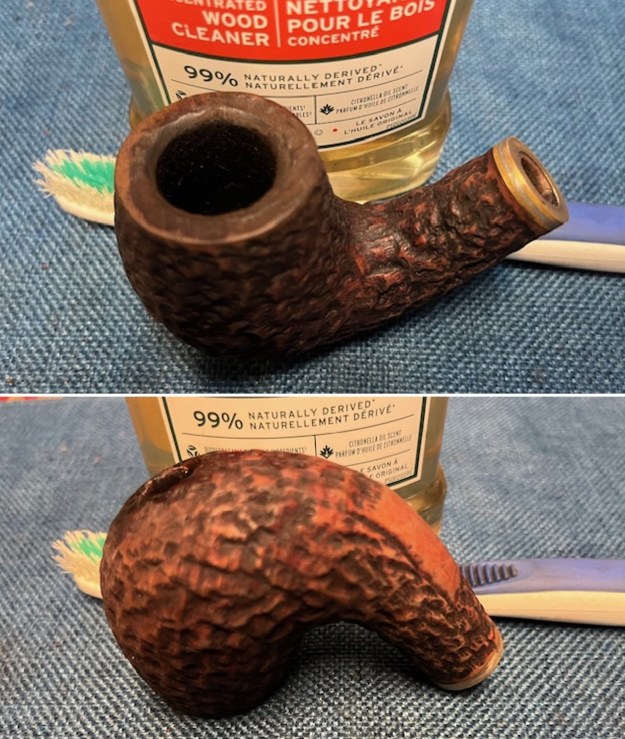
 I scrubbed the externals of the bowl and shank with undiluted Murphy’s Oil Soap and a tooth brush. I rinsed it with warm running water and repeated the scrubbing and rinsing process until the pipe was clean and looked better.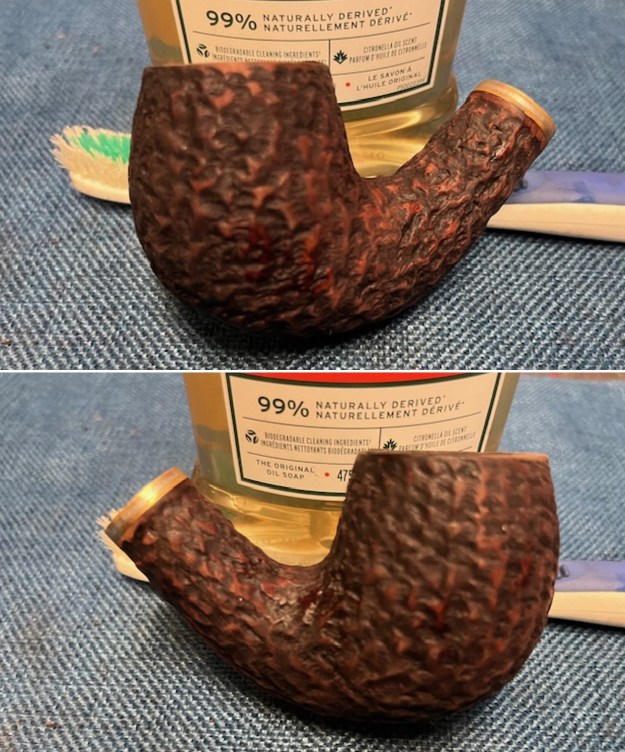
 I cut a piece of briar and shaped it with my Dremel and sanding drum to fit the hole. I gave the inner edge a bevel to fit the edges of the hole. I rounded the inside of the plug with the Dremel to follow the flow of the bowl bottom. It would help build up the bottom significantly.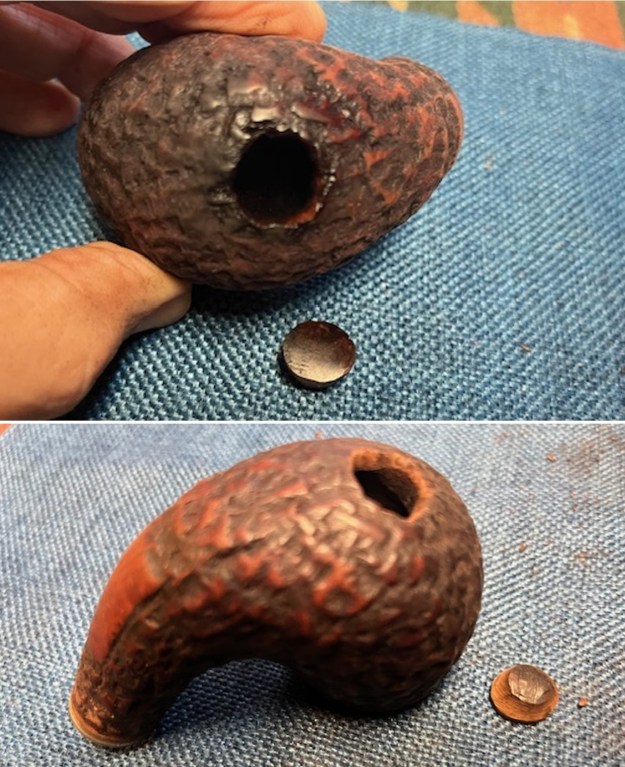
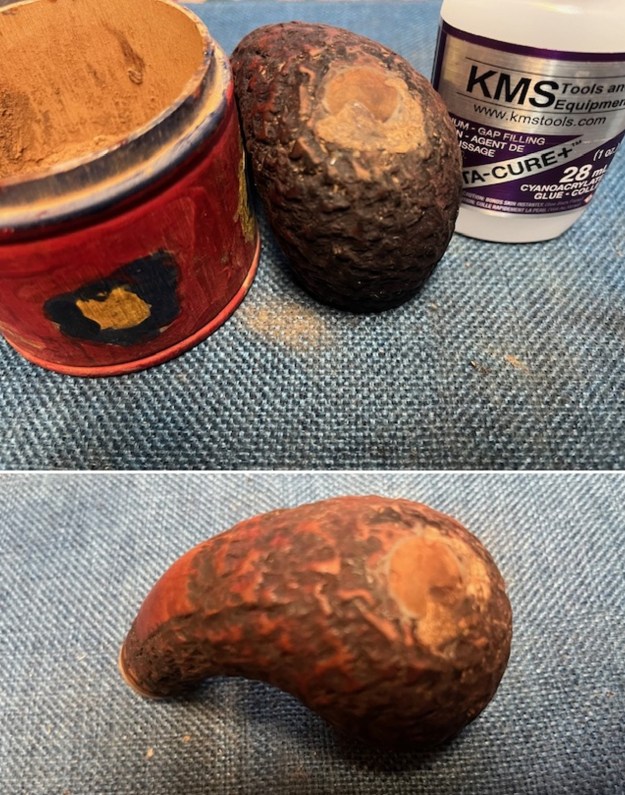
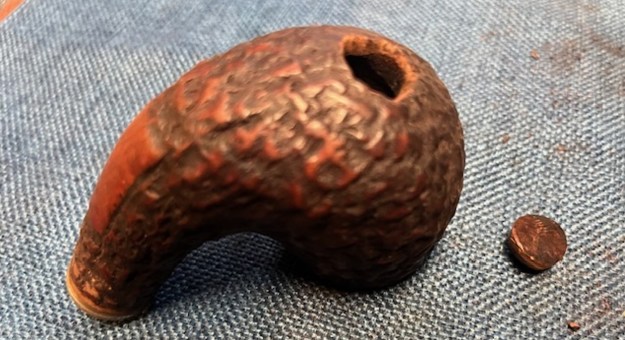 I fit the plug in place on the bowl bottom and took some photos to give a sense of the look. Once it is glued in place and cured I will rusticate the patch to match the rest of the bowl.
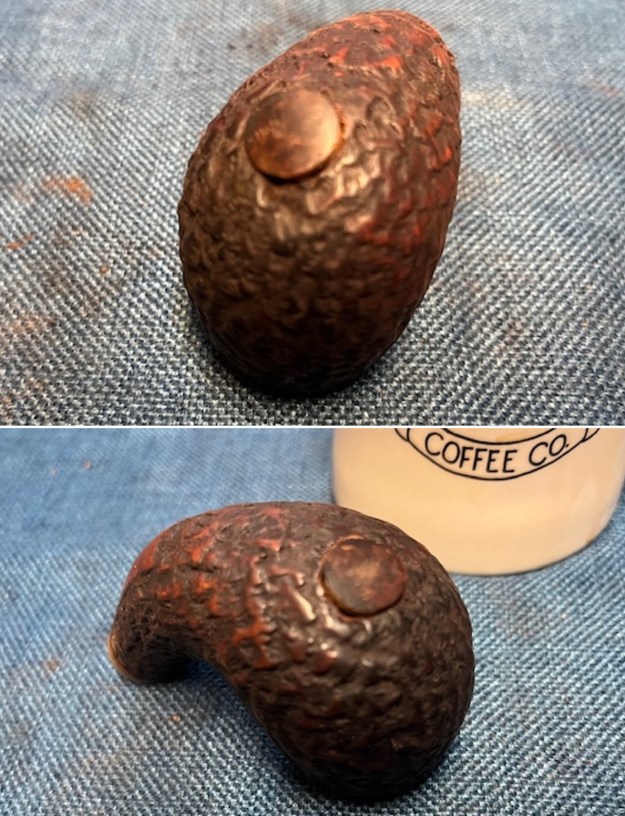 I mixed up a batch of two part JB Weld and coated the inner edge of the drilled out hole in the bowl bottom. I inserted the plug in the hole and used a tooth pick to fill in the gaps around the plug on the exterior of the bowl. I used a dental spatula to fill in the edges around the inside of the bowl and pressed it in place with a folded pipe cleaner. I built up the bowl bottom to the bottom of the airway entrance. I set it aside for the night to harden and cure.
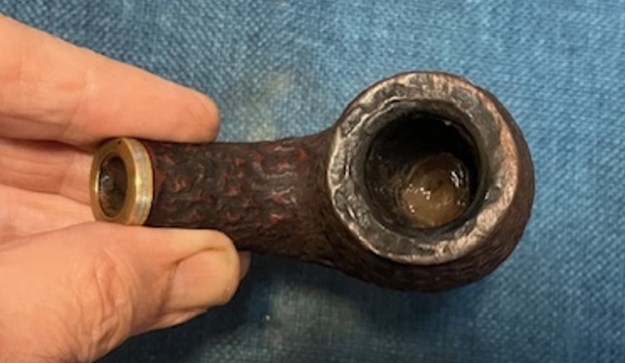 In the morning when I got up I shaped the plug with my Dremel and sanding drum to follow the flow of the bowl bottom. I clean up the edges of the plug and the surrounding briar with a folded piece of 220 grit sandpaper. It was looking pretty good at this point. I used a piece of dowel with 220 grit sandpaper wrapped around it to smooth out the bowl walls.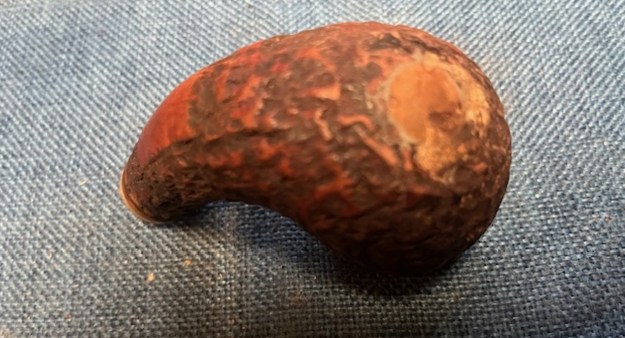
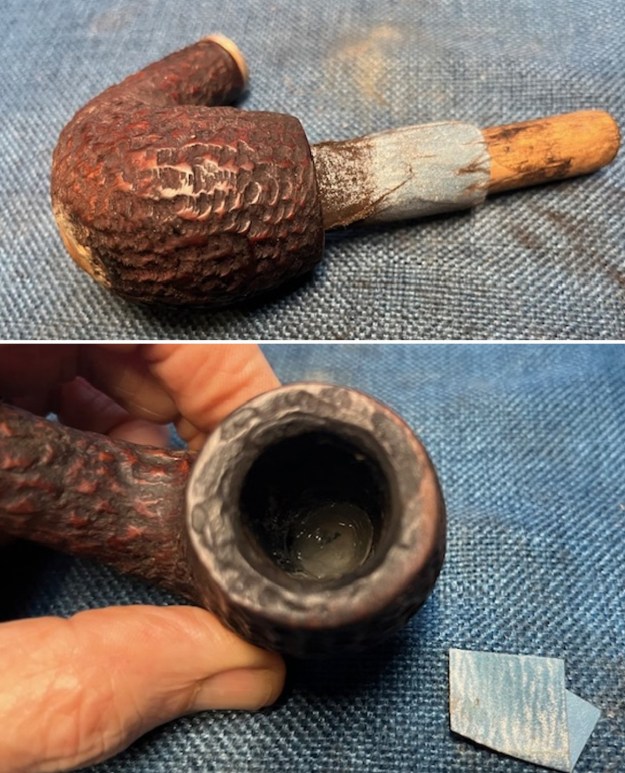 I used some clear CA glue and some briar dust to fill in low spots around the front of the plug. I cleaned it up once it dried with a brass bristle wire brush to clean up the repair area. I sanded the edges of area with a folded piece of 220 grit sandpaper. It was a solid, smooth finish. All that remained was for me to rusticated it to match the surrounding briar.
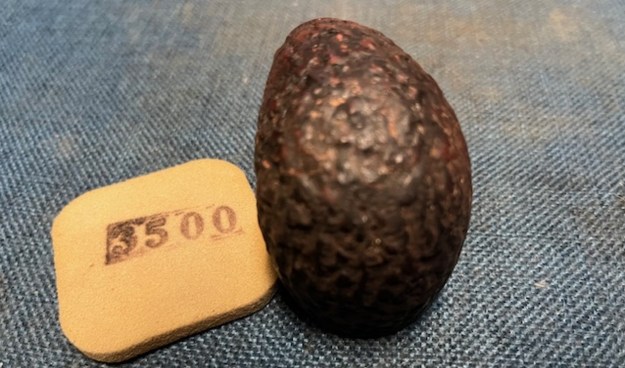
 I rusticated the repaired area with a Dremel and a series of burrs to match the rustication to the surrounding briar. I failed to take a photo of the bowl before I stained it. However, I used an Oak and a Mahogany stain pen to approximate the colour of the briar surrounding the repair. I took a photo of the various burrs I used with the Dremel to achieve the rustication patter that matches the rest of the bowl. I used a 3500 grit sanding pad to knock off the colour on the high points and give it a sense of depth.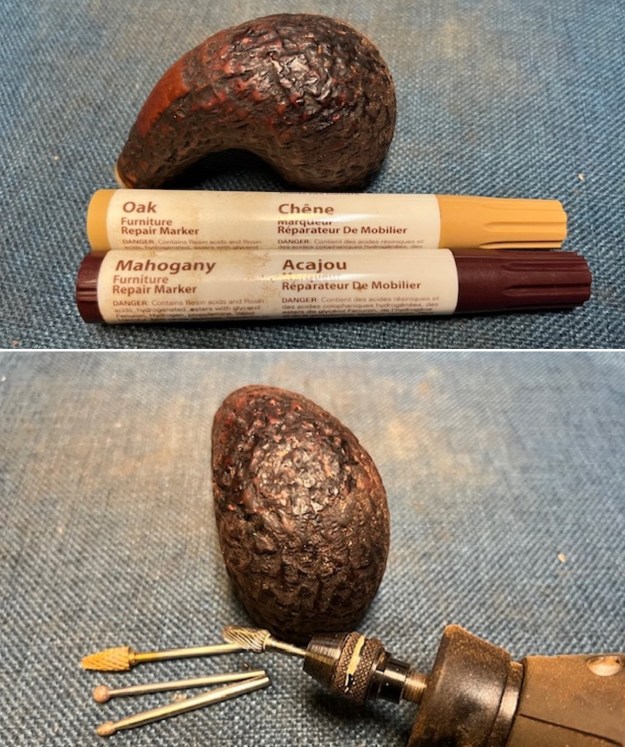
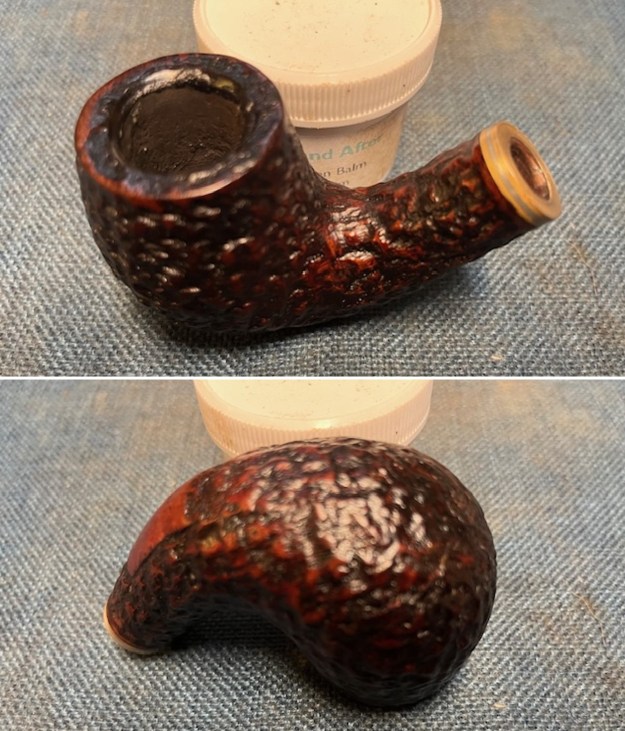
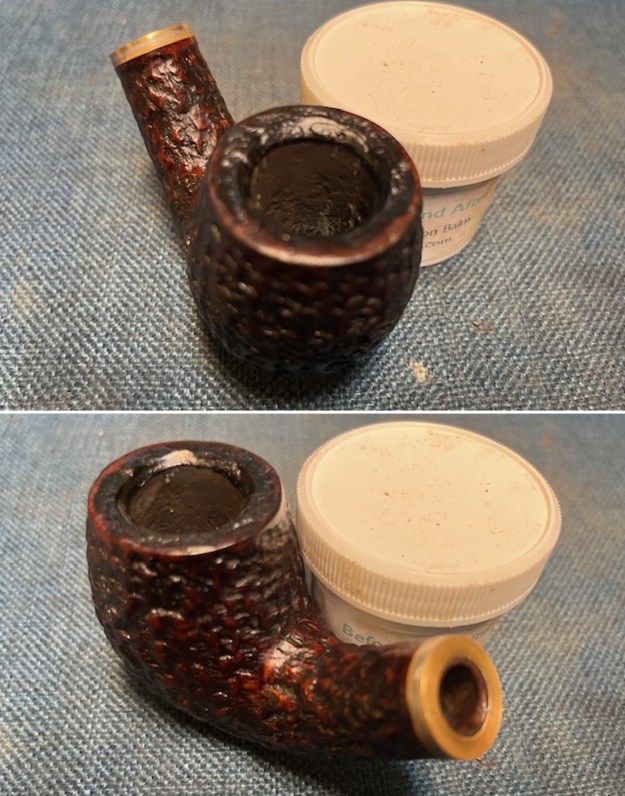
 I rubbed the briar down with Before & After Restoration Balm. I worked it into the briar with my fingertips to work it into the finish. The product works to clean, enliven and preserve the briar. I let it sit for 10 minutes then I buffed it with a cotton cloth to deepen the shine. The briar really comes alive with the balm.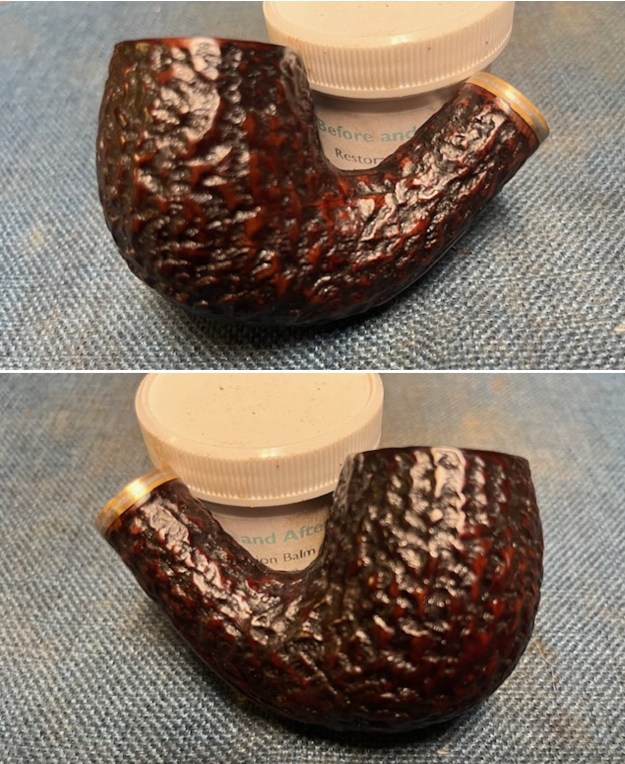
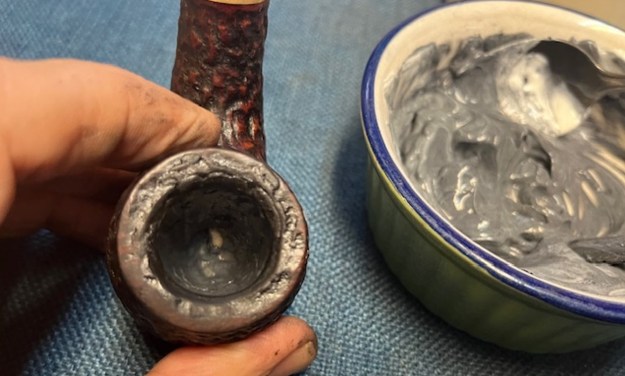
 I mixed a bowl coating of sour cream and charcoal powder and painted the walls and bottom of the bowl to protect it during the break in period. I applied it to the walls and heel of the bowl with a folded pipe cleaner. I set it aside to let it cure. It would take about 24 hours for it to cure.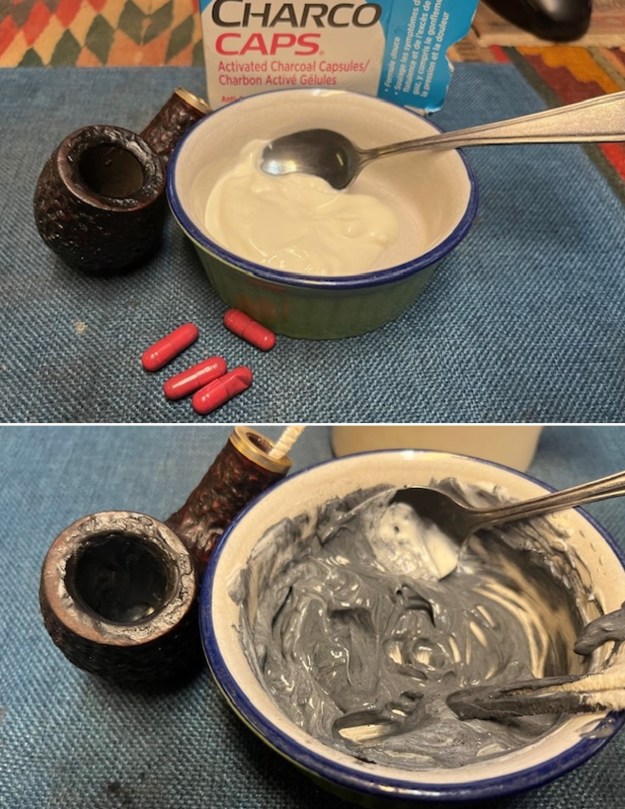
 I set the bowl aside and turned my attention to the stem. The stem was in as much of a mess as the bowl. The P-lip had been cut off and the underside of the stem was flat at an angle toward the opening of the airway in the end. The top of the P was missing other a thin ridge to approximate a button. It was roughly done and did not leave much to work with. I looked through my Peterson stems for a replacement but the tenon was odd sized and it was made for a 5MM filter so I had nothing. That left me with a decision. I decided to shape the stem end and build a fishtail button on the end. I would have to build up the button edges on both sides and I would need to try to cut a slot instead of just an odd shaped hole. With that in mind I had my hands full on this stem.
I rebuilt the button end on the top and bottom with rubberized black CA glue. I layered it in place after each layer cured. It took time to build up the layers and reshape it with files and sandpaper, but I like the new look much better.  Once the button was solidly in place and the shaping was finished on it I still needed to clean up the shape and smooth it out and give it more of a sense of flow. I sharpened the edge on the top and underside of the button. I used several needle files to smooth out the edge and top. I smoothed out the top surface of the button on each side and on the end with a piece of 220 grit sandpaper.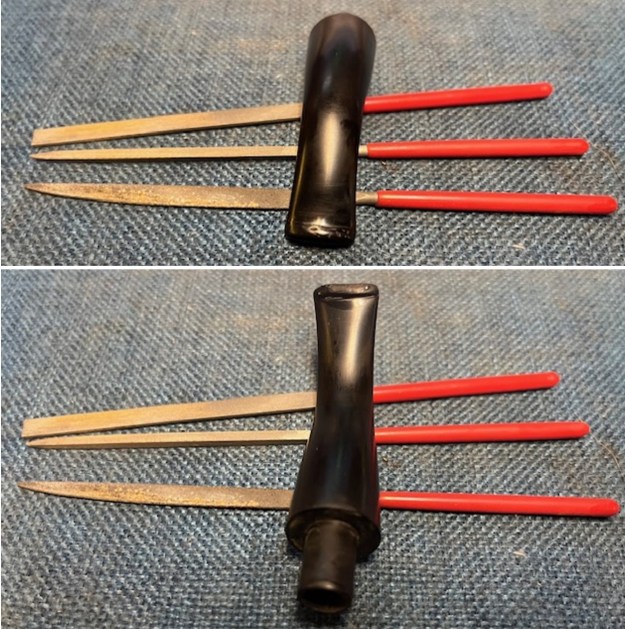
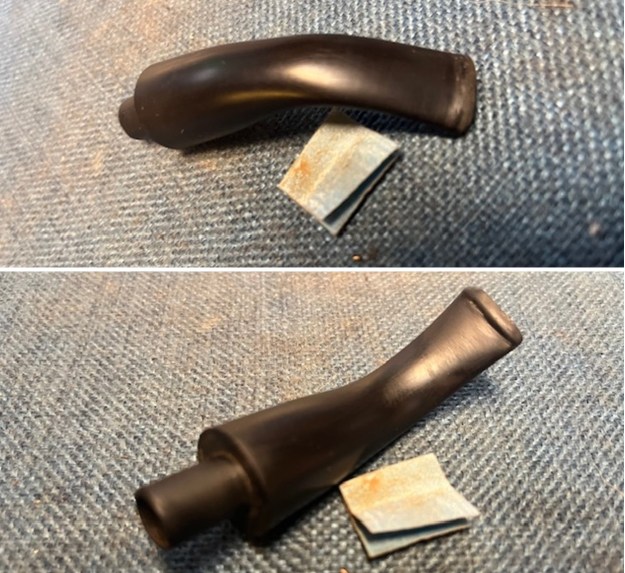 I used a series of round and oval needle files to shape the slot in the stem end. I took it for an out of round airway exit to an oval. I also used a slot cutting tool to continue to reshape the slot. I used a folded piece of 220 grit sandpaper to smooth out the inside of the slot. Once finished the slot looked much better.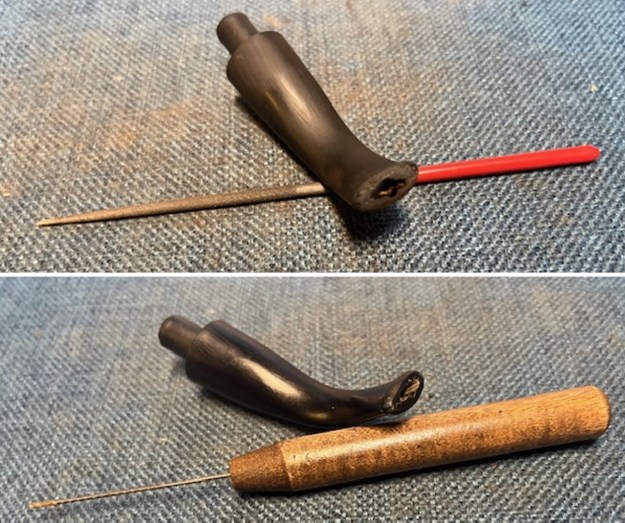
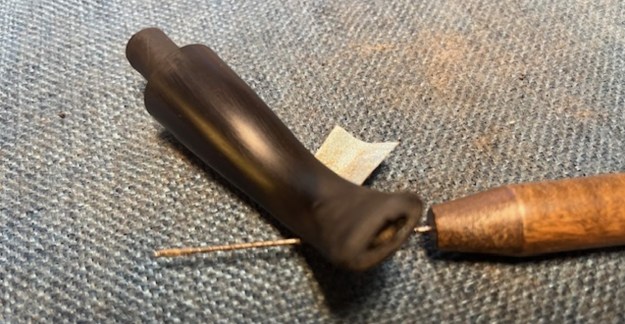 I polished the stem and the button with 320-3500 grit sanding pads. I wiped it down with a cloth impregnated with Obsidian Oil after each sanding pad to protect and polish the stem surface.
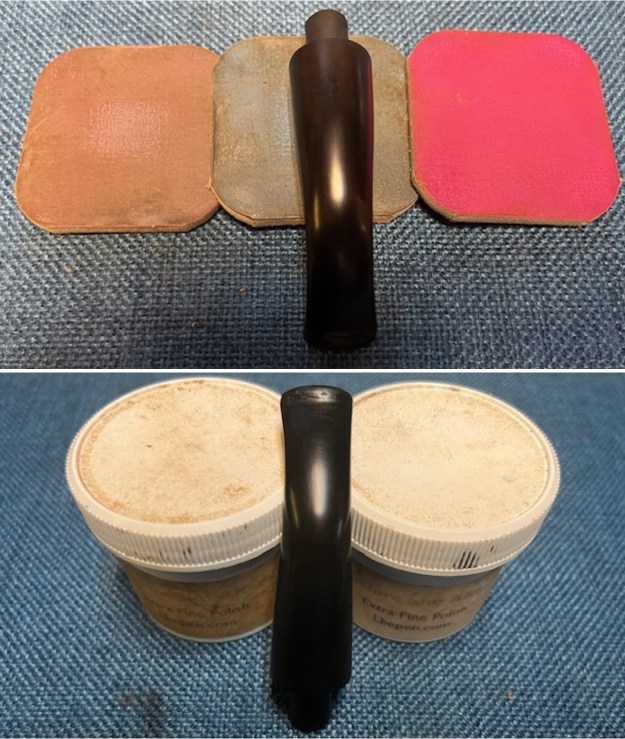
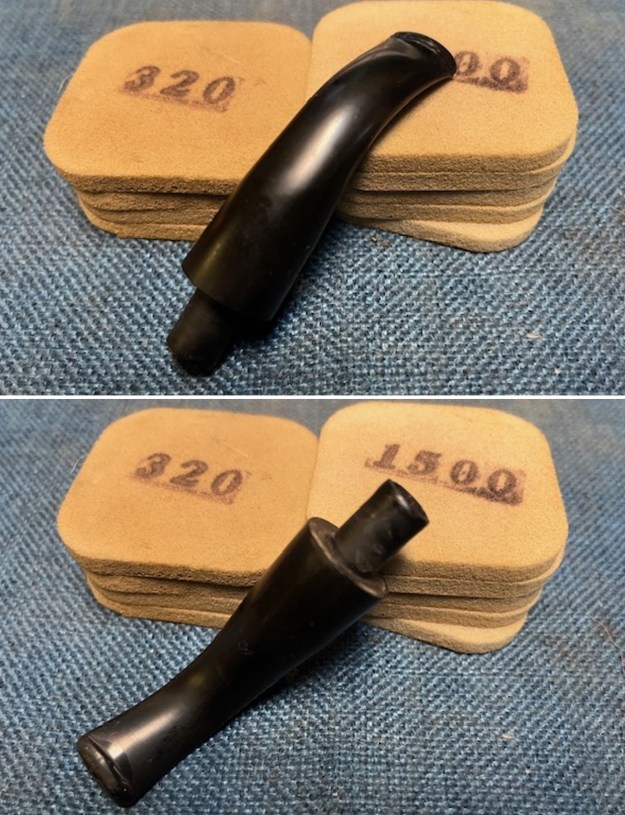 I polished the stem with micromesh sanding pads – dry sanding with 1500-12000 grit pads. Once again I wiped it down between each pad with Obsidian Oil. I further polished it with Before and After Stem Polish – both Fine and Extra Fine. It looked very good.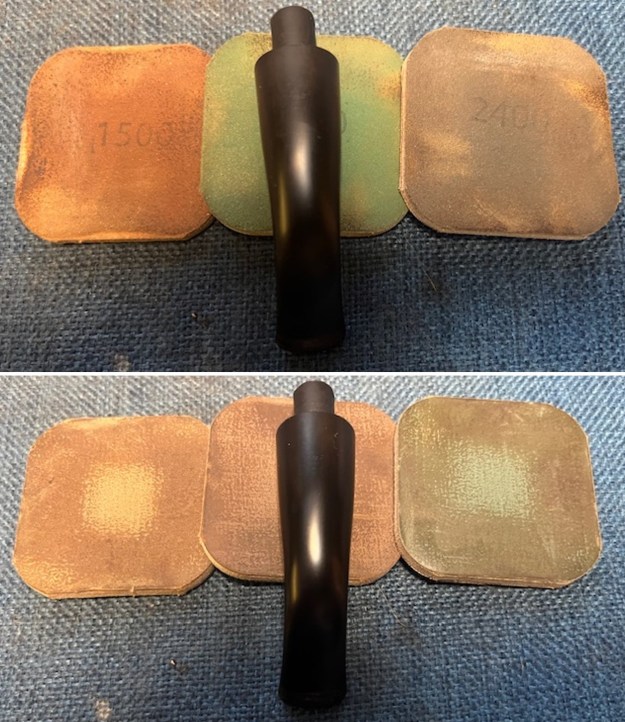
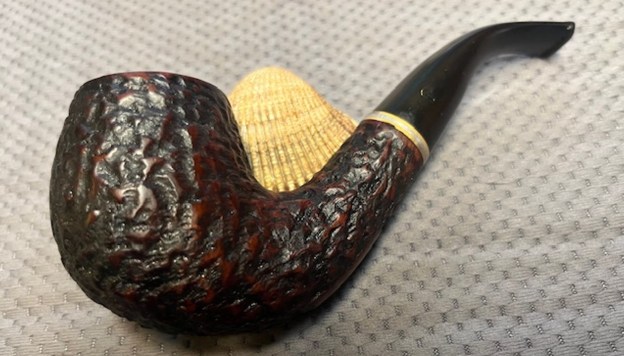
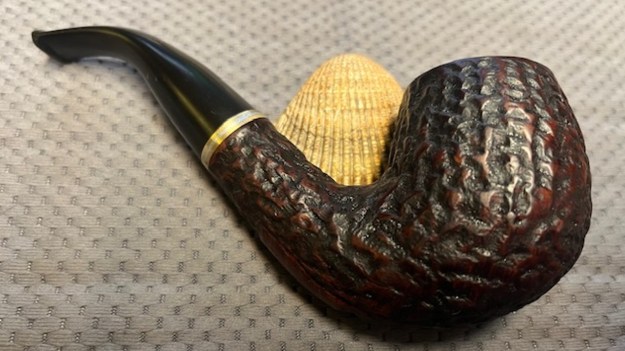
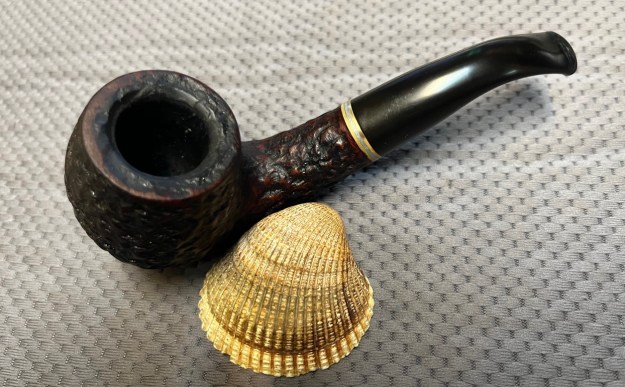
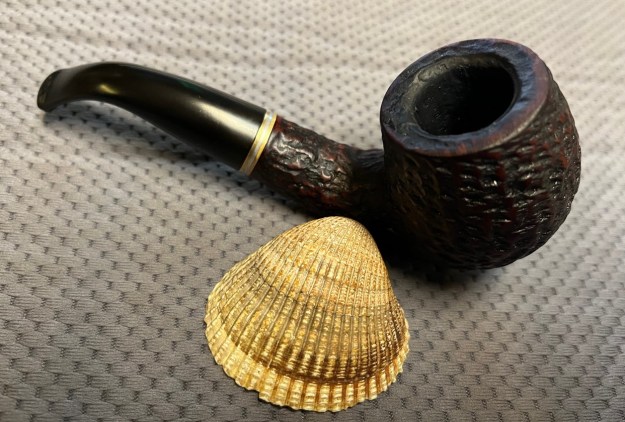
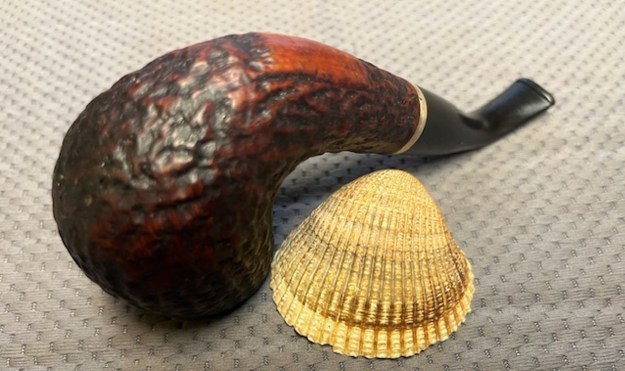
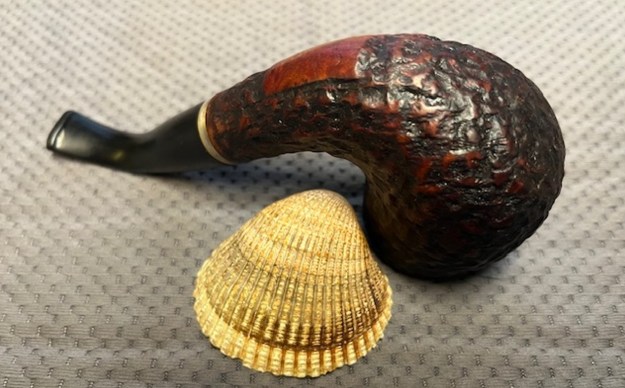
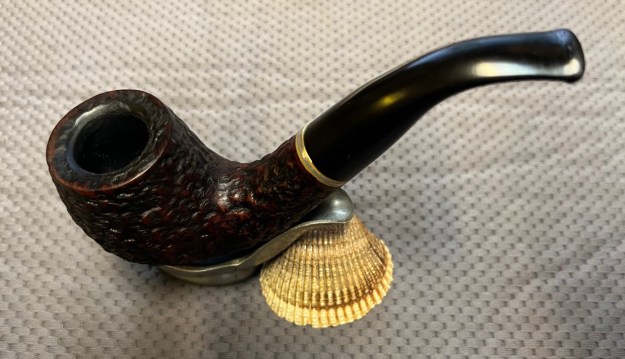
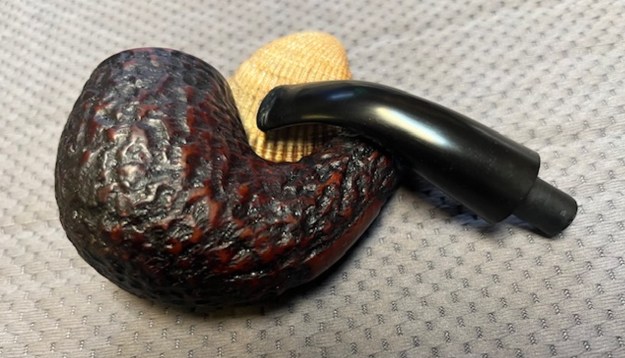
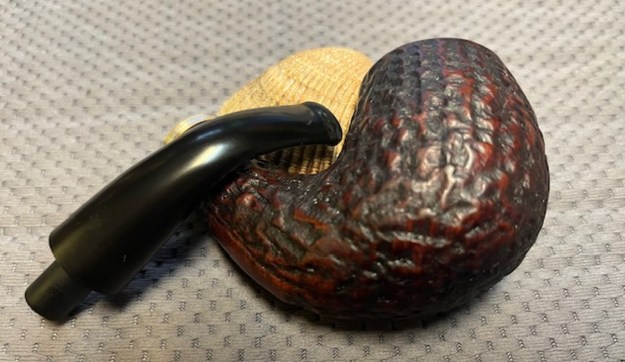
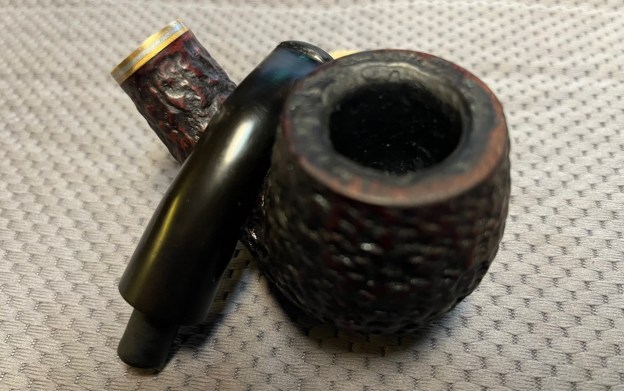
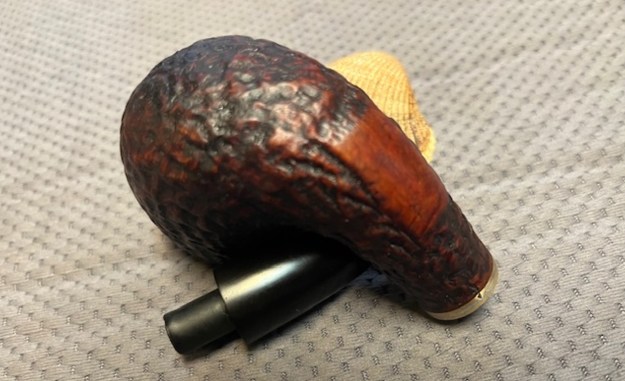
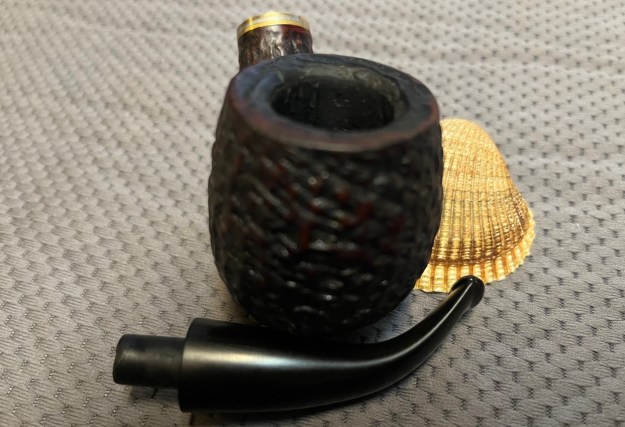
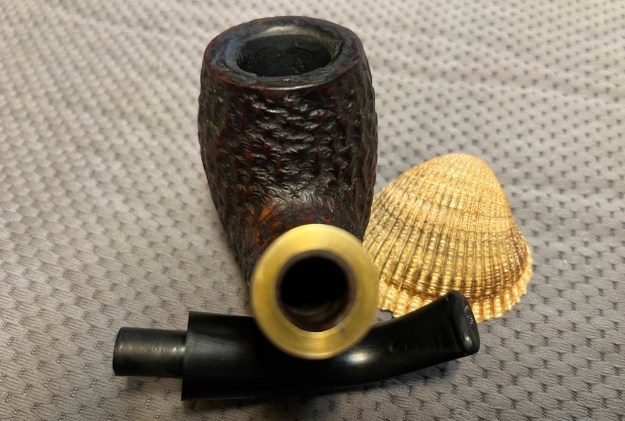
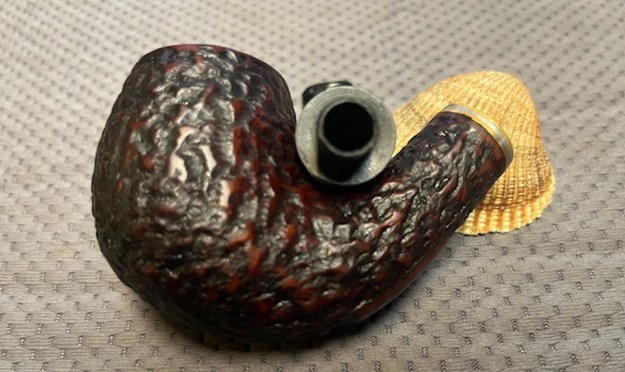
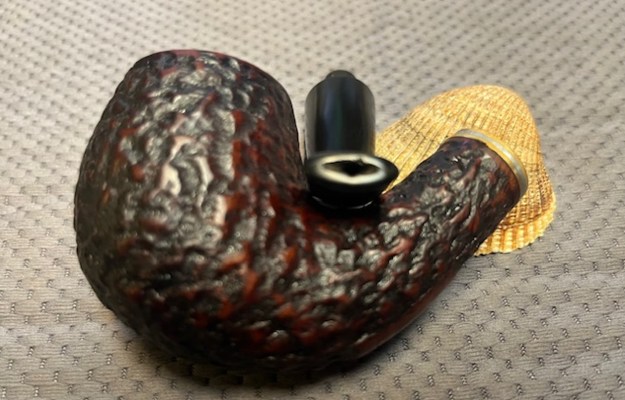
 This Rusticated Peterson’s of Dublin Kinsale XL16 Bent Billiard with a Taper Stem has a beautiful rusticated finish that has a new lease on life. I repaired the burnout in the heel of the bowl by fitting it with a briar plug and then rusticating it to match the rest of the bowl. The medium brown/black/mahogany finish gives depth to the rustication around the bowl and shank. It has a classic look of a Peterson’s pipe. The rebuilt and polished black vulcanite taper stem adds to the mix. I put the stem back on the bowl and buffed the pipe with Blue Diamond on the buffing wheel being careful to not buff the stamping. I gave the bowl multiple coats of Conservator’s Wax and the stem multiple coats of carnauba wax on the buffing wheel and followed that by buffing it with a clean buffing pad. I hand buffed the pipe with a microfiber cloth to deepen the shine. The finished Peterson’s of Dublin Kinsale XL16 Rusticated Bent Billiard is quite nice and feels great in the hand. Give the finished pipe a look in the photos below. The dimensions of the pipe are Length: 6 inches, Height: 2 inches, Outside diameter of the bowl: 1 ½ inch, Chamber diameter: 7/8 of an inch. The weight of the pipe is 2.68 ounces/78 grams. Thanks for walking through the restoration with me as I worked over another beautiful pipe. Sergey picked up the other four pipes on Monday. He pressed to pick this one up on Friday evening. I did not promise but I know it is his favourite pipe so it is ready for him.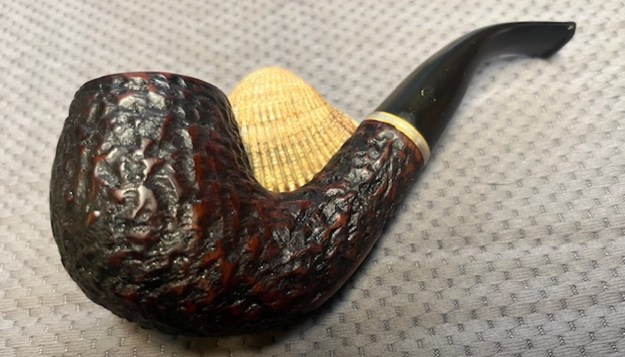

 rebornpipes