Monthly Archives: March 2014

An Old Kaufman Brothers & Bondy CPF Catalogue


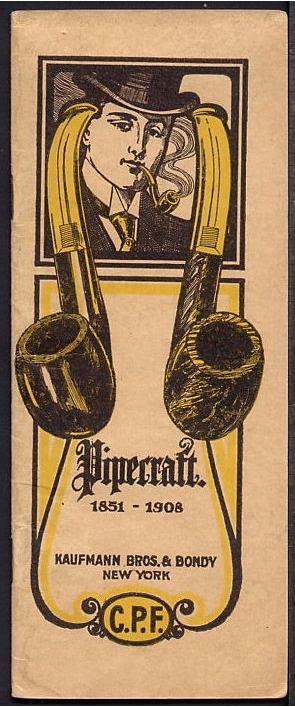
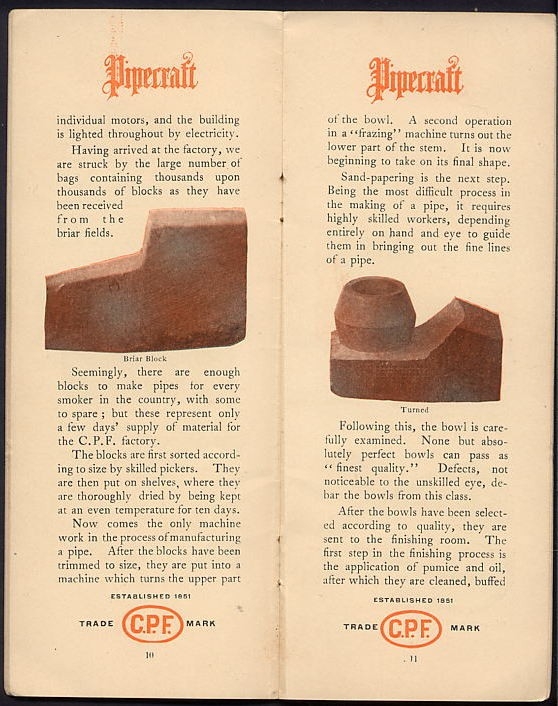
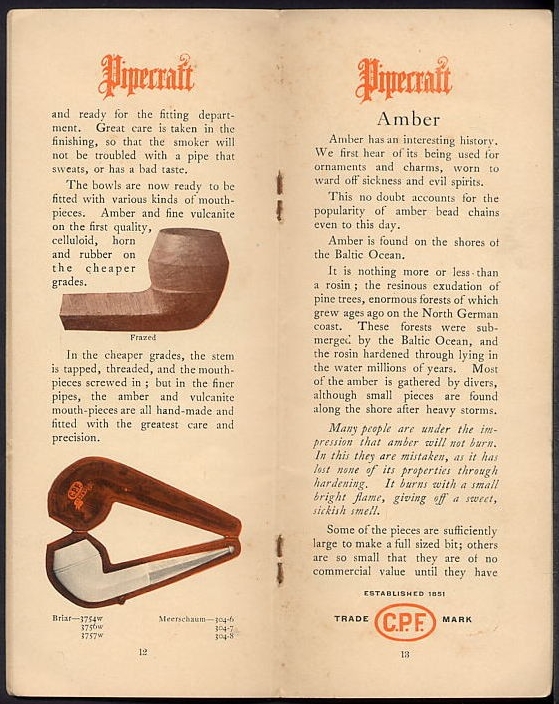
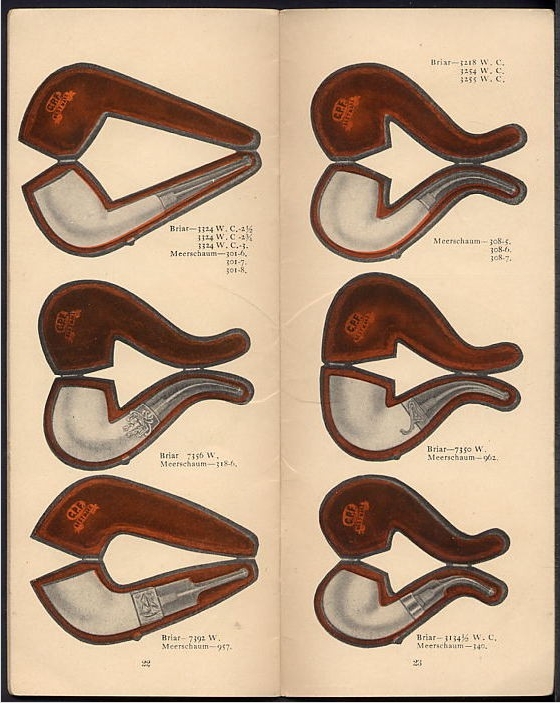
I am not sure where I came across this old Kaufmann-CPF (Colossus Pipe Factory) Catalogue but it is a great old piece of pipe history. It links the CPF brand to Kaufmann Brothers and Bondy, perhaps better recognized by the stamping on their pipes: KB&B. In an earlier piece on the blog I wrote that I had learned through my online research that by the mid 1890’s CPF was owned by Kaufman Brother & Bondy (KB&B). This catalogue further confirms the connection and adds information to the history and background of one of my favourite old brands. I love the old photos of the CPF pipes as many of them reflect shapes of some of the pipes in my own collection. The ornate bling that is added to the pipes not only dates them to an era that is far more refined than our own in many ways but also gives the CPF pipes a distinctive and recognizable look. The photos also provide a great hunt list for me as I am on the lookout for various CPF pipes.
Kaufmann CPF Catalogue

Kaufmann CPF Catalogue2

Kaufmann CPF Catalogue3

Kaufmann CPF Catalogue4

Kaufmann CPF Catalogue5

Kaufmann CPF Catalogue6

Barling’s Guinea Grain Restoration


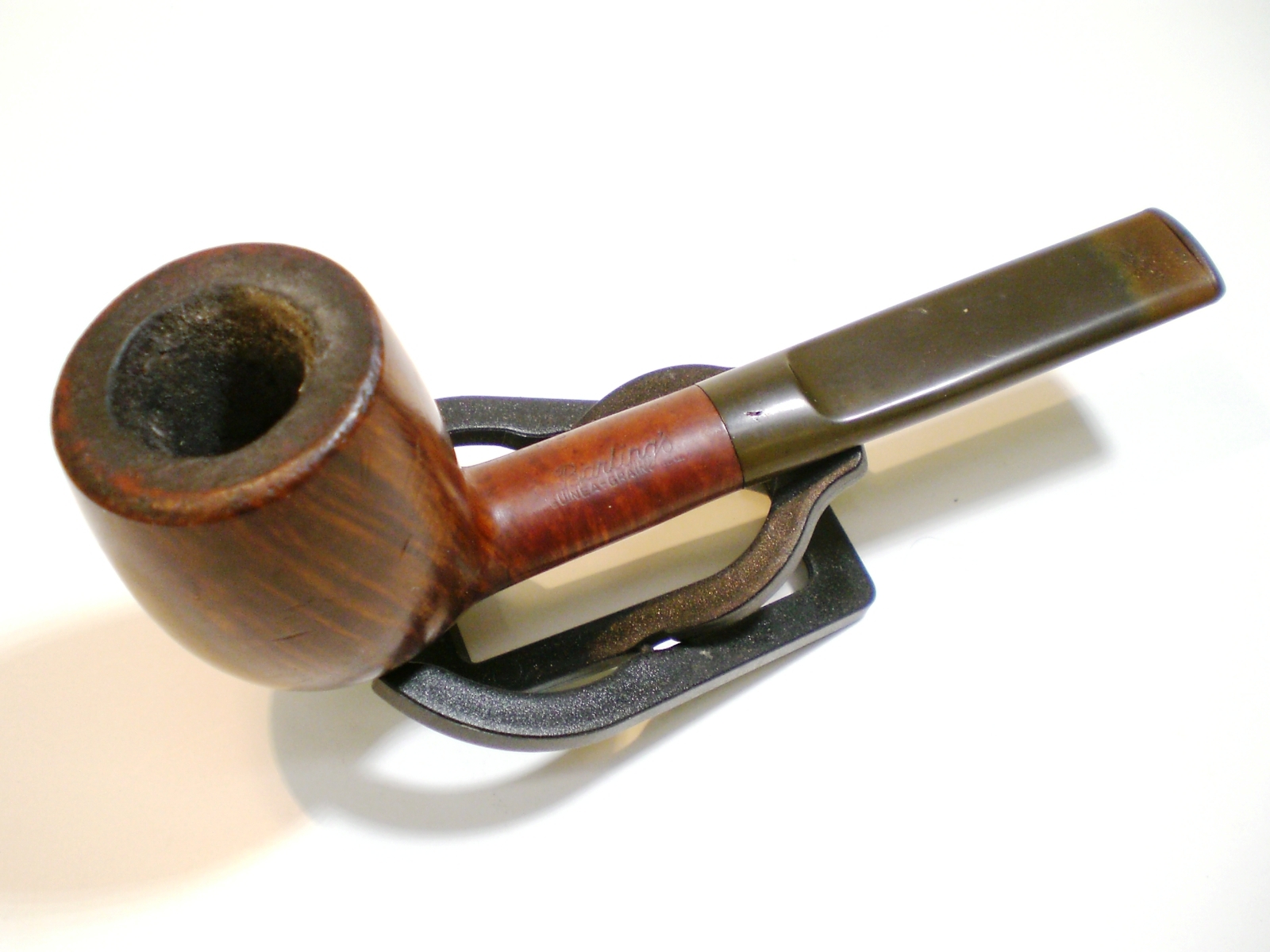
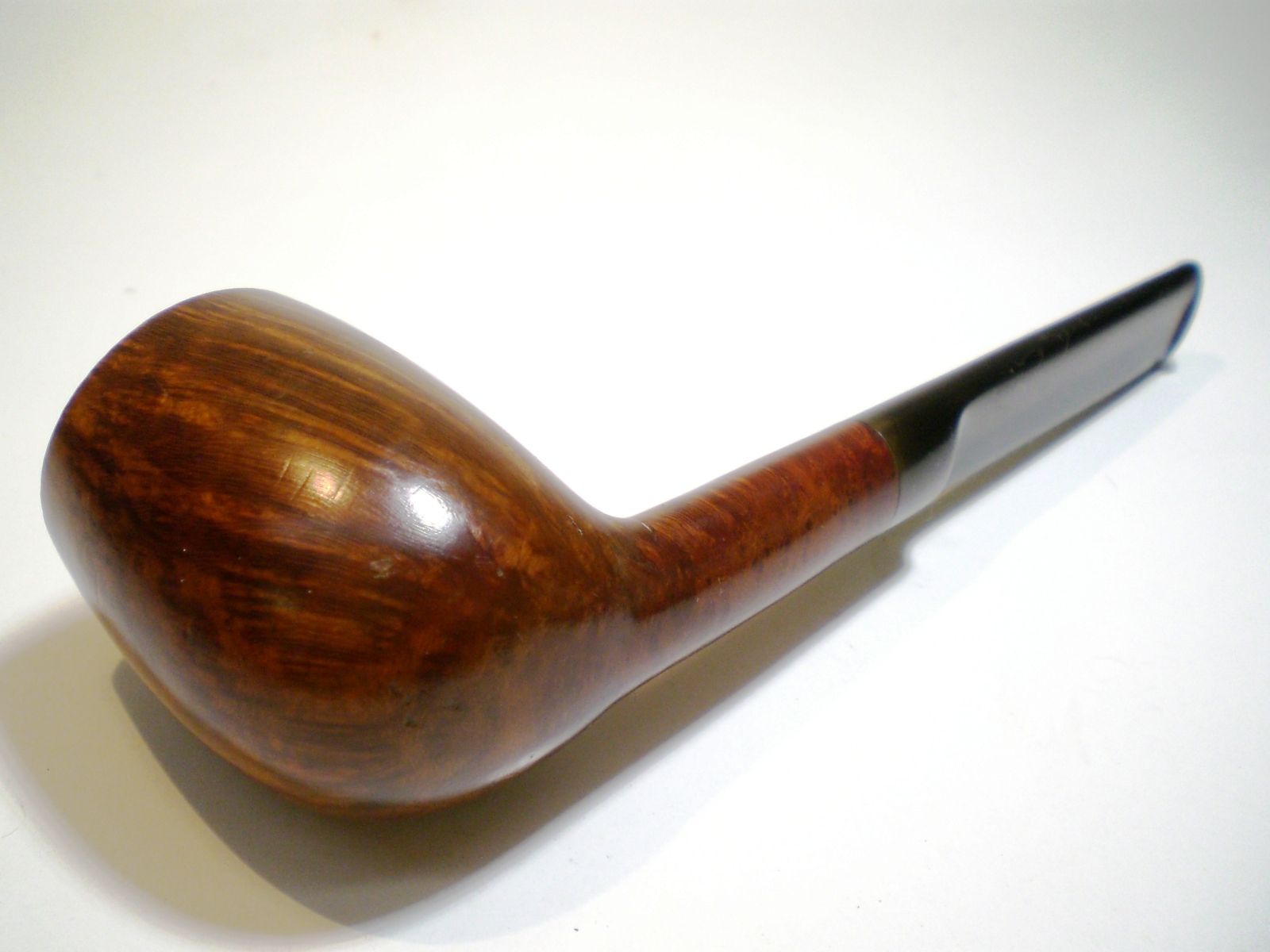
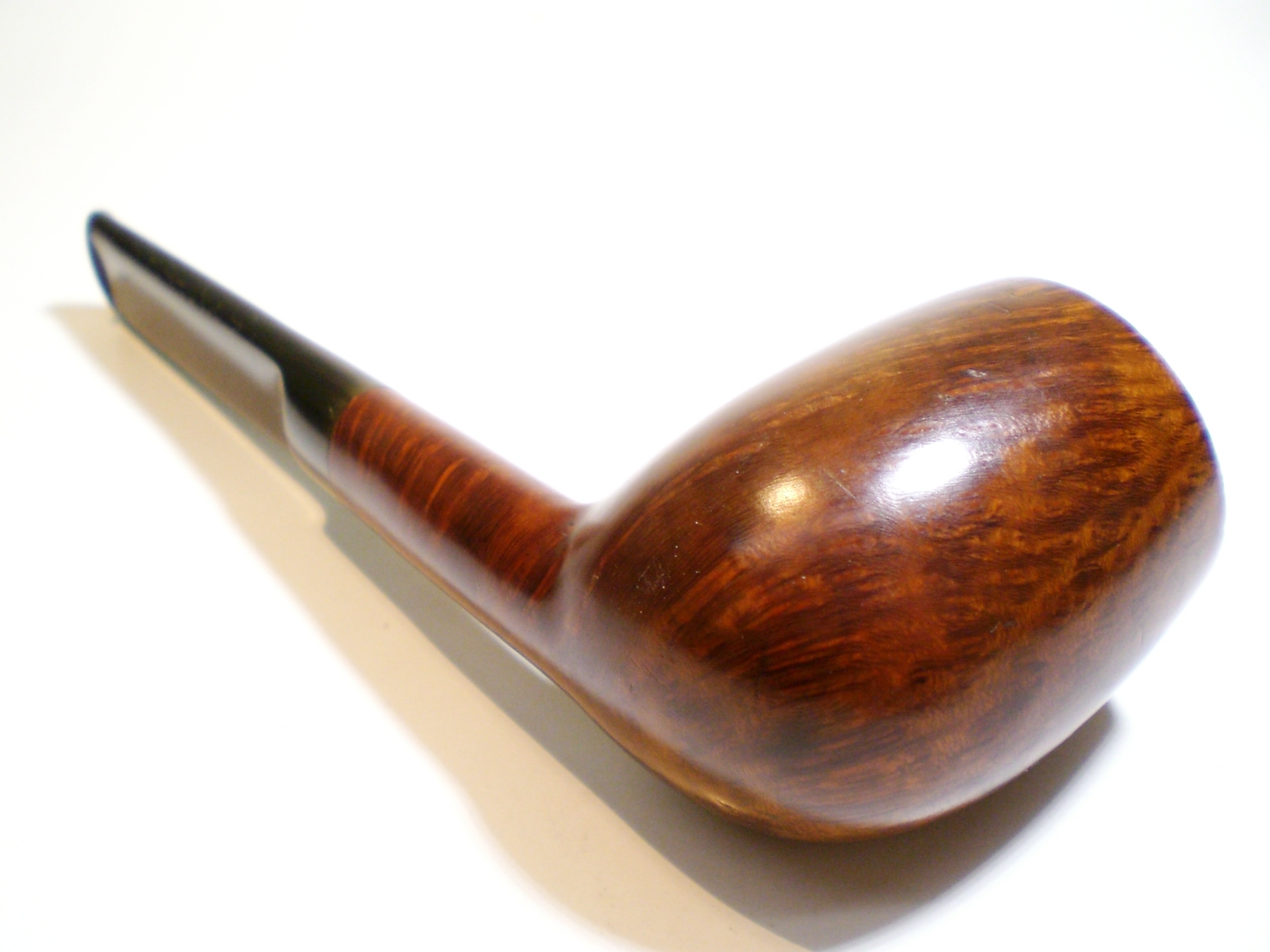
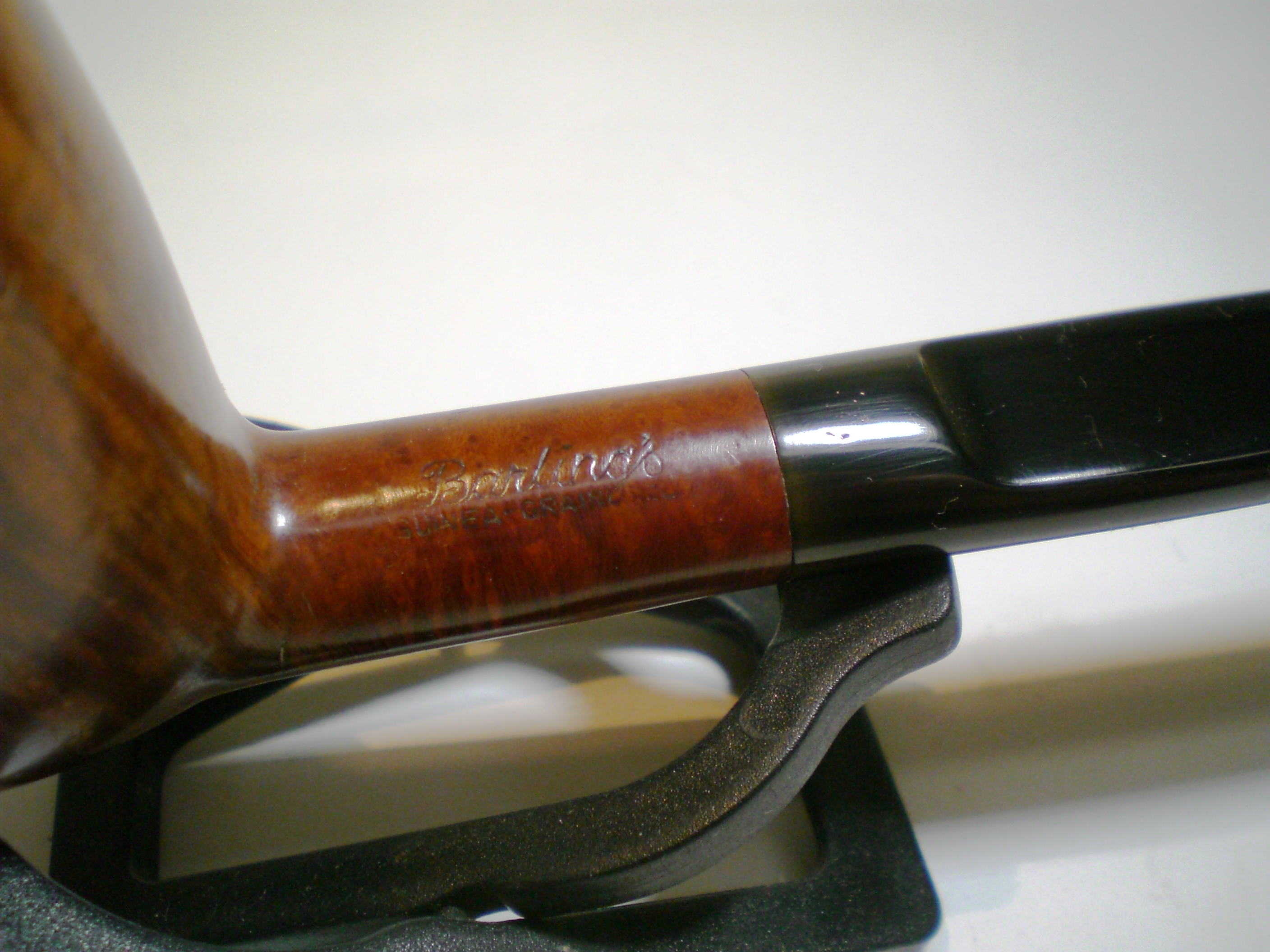
A member on the Pipe Smokers Forum recently acquired this Barling’s “Guinea Grain” pipe and I jumped at the opportunity to restore it for him. I don’t currently own a Barling’s pipe, but recent posts by brand authority, Jesse Silver, had piqued my interest. In conversation with Jesse about the pipe, he shared that “Guinea Grains are a higher grade designation and distinctive for several reasons. They’re the only Family Era pipes with a cursive “Barling’s” logo and they’re the only pipes that Barling also used oil in the curing process to bring out the contrast of the grain.” I enjoyed learning more about this fabled British pipe maker as much as working on it. I need to thank Jesse for his input and information. It is really wonderful to have such a brand authority available for comment. Since the pipe is stamped “Barling’s” in the possessive, Jesse dates the pipe to the 1940’s as a pre-Transition piece. The pipe is stamped EXEXEL, a size grade started in 1940. It also has a very faint “Reg” stamp and the letter “E”. Jesse tells me this is most likely the remnant of EB WB (Edward and William Barling), whose initials form the Barling sterling makers stamp and were used as part of the company nomenclature. Their initials were used on 1940’s era Guinea Grain pipes.

The pipe as I received it.

Barlings_Guinea_Before

Barlings_Guinea_Before (7)

Barlings_Guinea_Before (1)

Barlings_Guinea_Before (5)

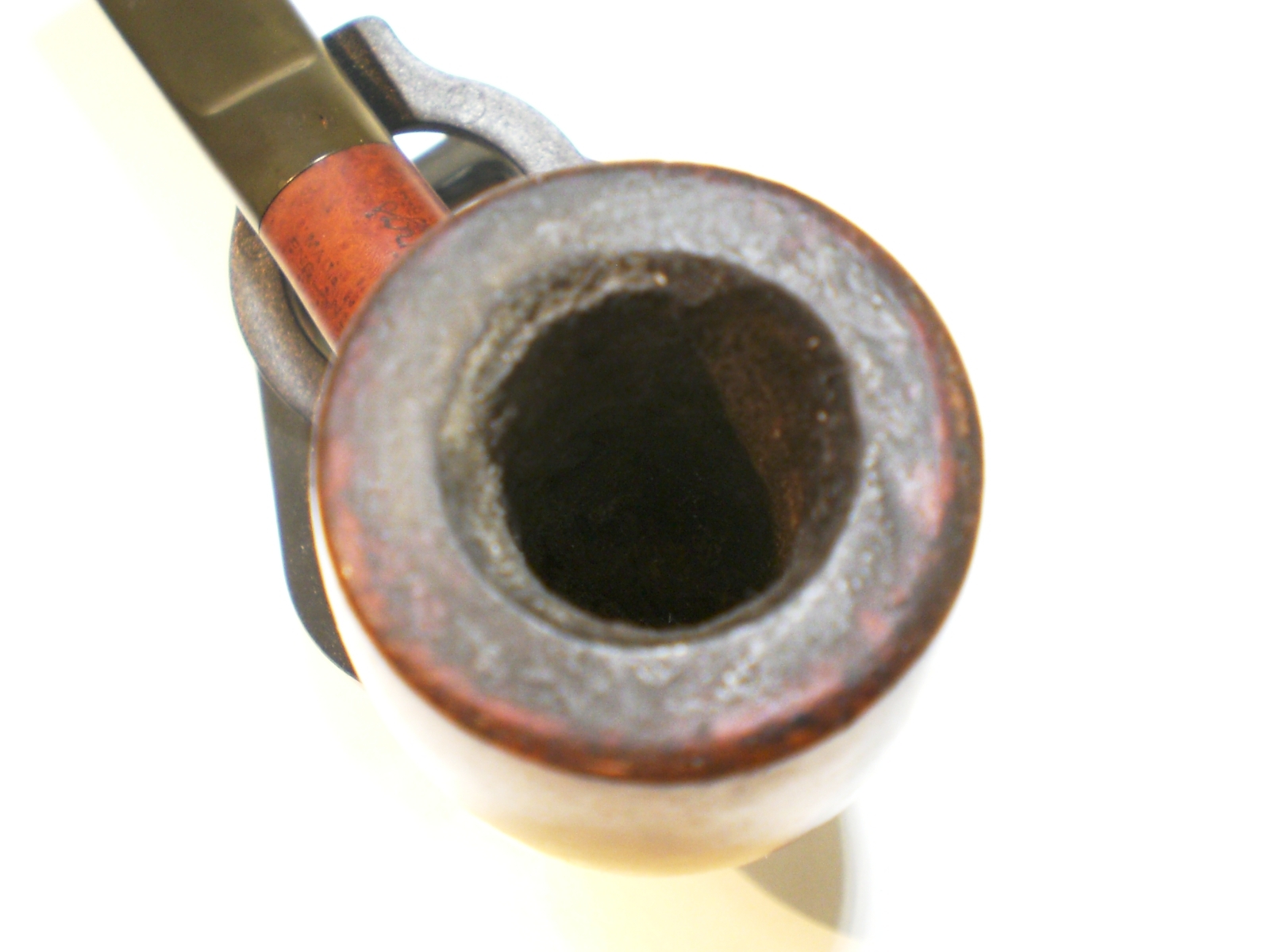
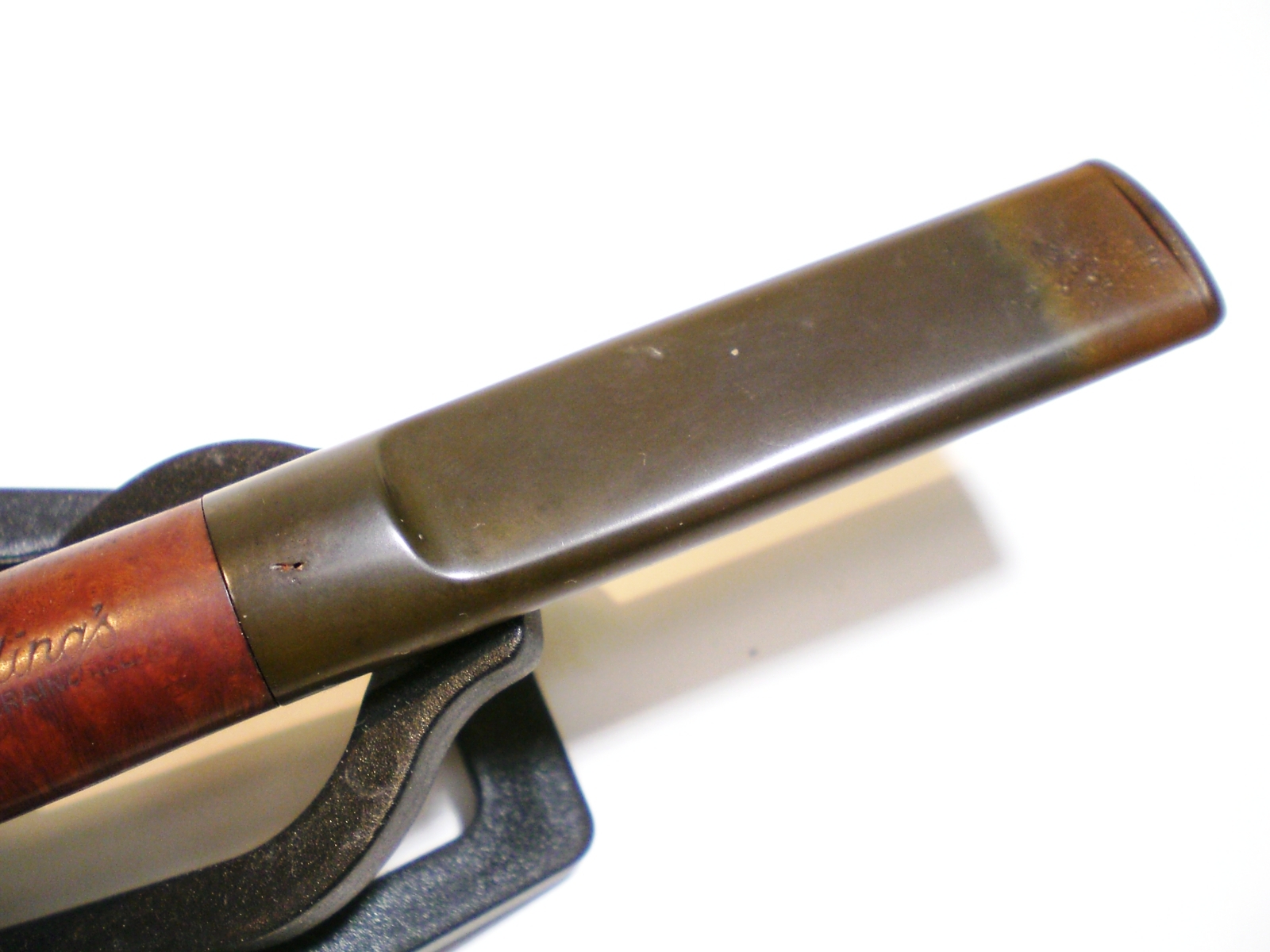
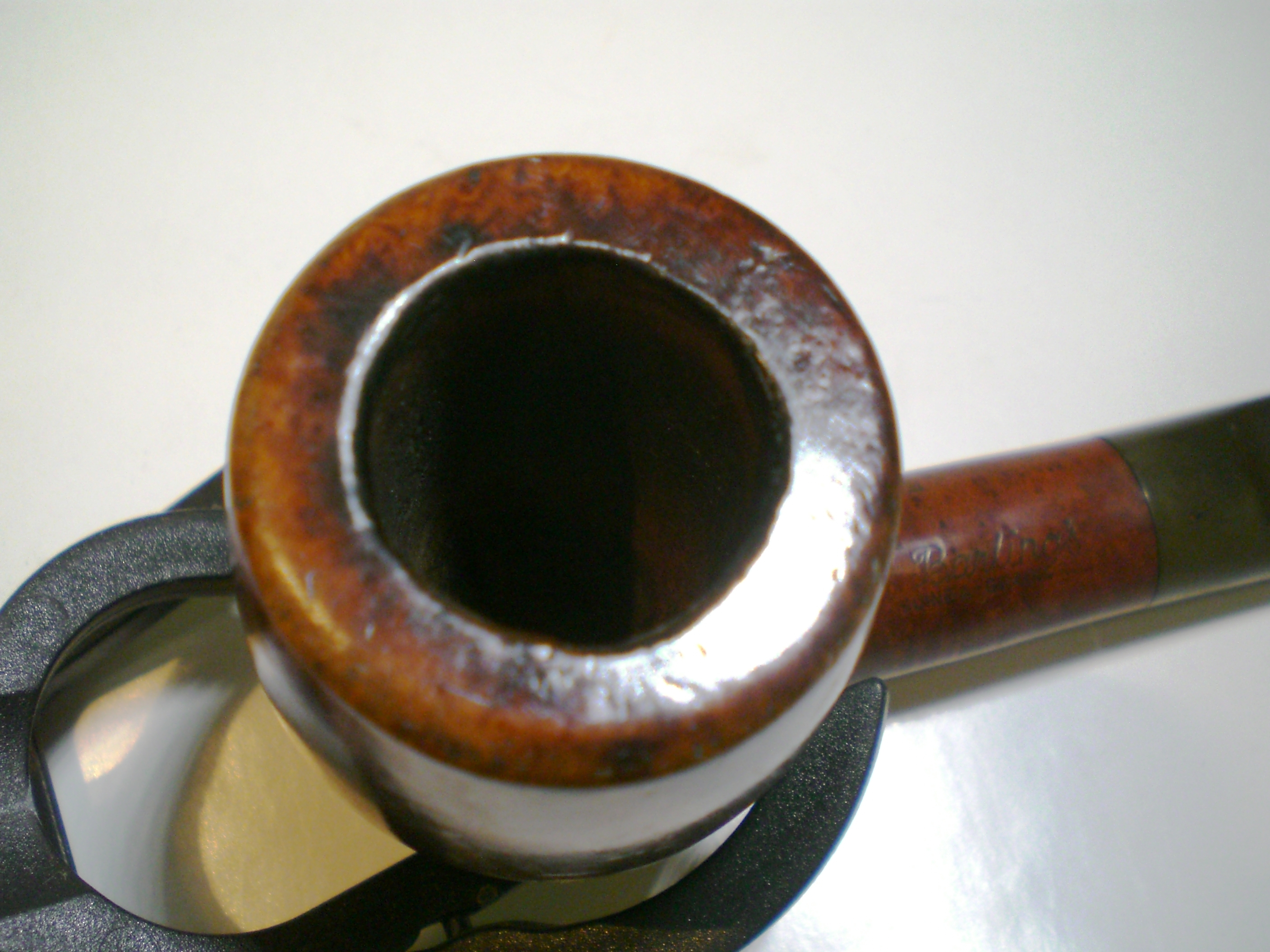
When the pipe arrived, it had heavy tar build-up on the bowl top and many dings and cuts in the briar. The stem was in relatively good condition with only surface teeth abrasions and no dents. Curiously, there was what appeared to be a pinhole near where the Barling’s Cross stem logo would be placed. There was no remnant left of the logo, even under magnification. At first, I thought the stem might be a replacement, but the button ends appears to have the distinctive ovalized and funneled button.

The bowl had a heavy caked which was reamed and then soaked with alcohol and sea salt. While the bowl was reamed a little out of round, the interior of the bowl was in relatively good condition. The bowl top had a number of scars and dings. I have been using Mike Gluklers method of soaking the tar covered bowl tops in just a millimeter or two of distilled water to soften the build-up. I removed it with a cotton cloth using the distilled water. There is some rim darkening, but I didn’t want to sand the rim and restain and think the patina fits the pipe

Barlings_Guinea_Progess (4)

Using a dinner knife heated by a propane torch and a wet cloth, I went to work on the numerous dents and cuts. Some lifted out completely, others were minimized. I wasn’t able to do much about the chatter around the bowl rim. I suspect the previous owner knocked ash out of the bowl. Staying away from the valuable nomenclature, the bowl and rim was buffed with white diamond and several coats of carnuba wax. I gave the nomenclature area a hand-wax with Halycon pipe wax.

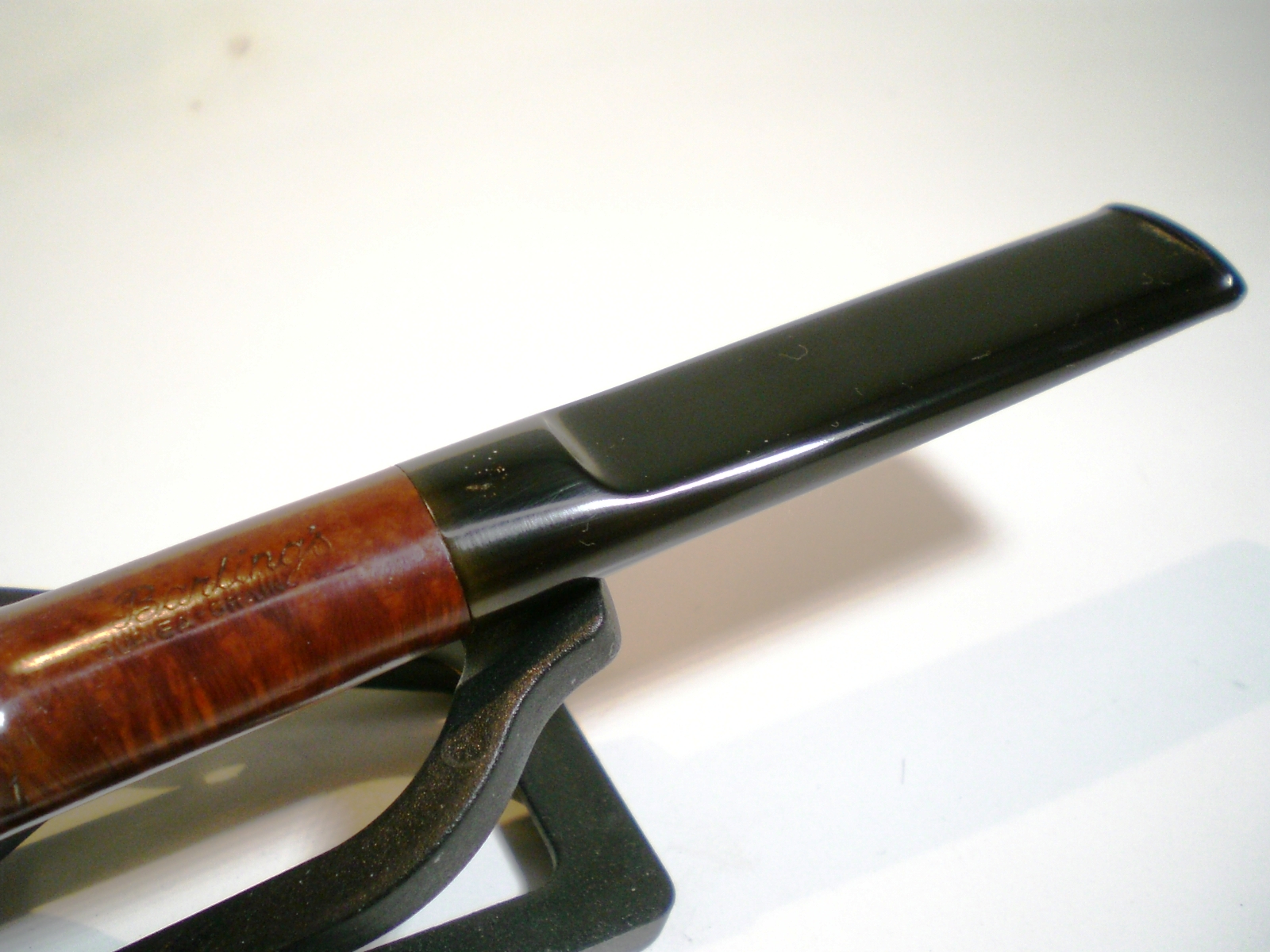
I put a drop of black superglue on the hole in the briar. After it was dry, I sanded off the worst of the oxidation with some 800 grit wet paper. I then moved to 1500 and 2000 grades wet paper and finally 8000 and 12000 grades of micromesh. I used a slim knife blade to hold the paper into the button crease to remove that oxidation. Then the stem was buffed lightly with white diamond and finally a plastic polish. The Barling’s stem has a unique feel to it, unlike my similar era Comoys or Charatan stems. The button air hole shapiong shows a lot of care was shown making the stem. (and also makes me think it is an original Barling’s stem).

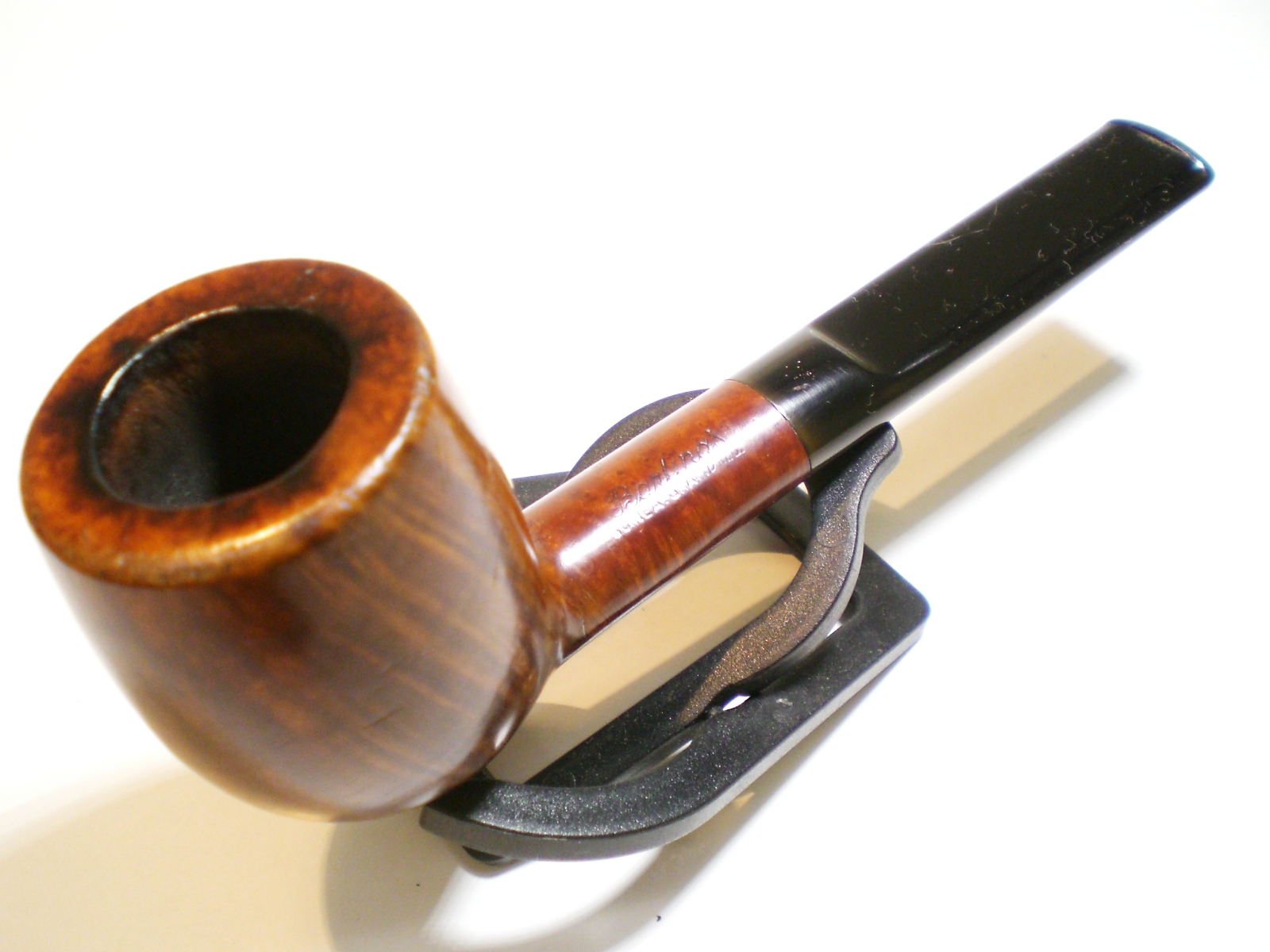
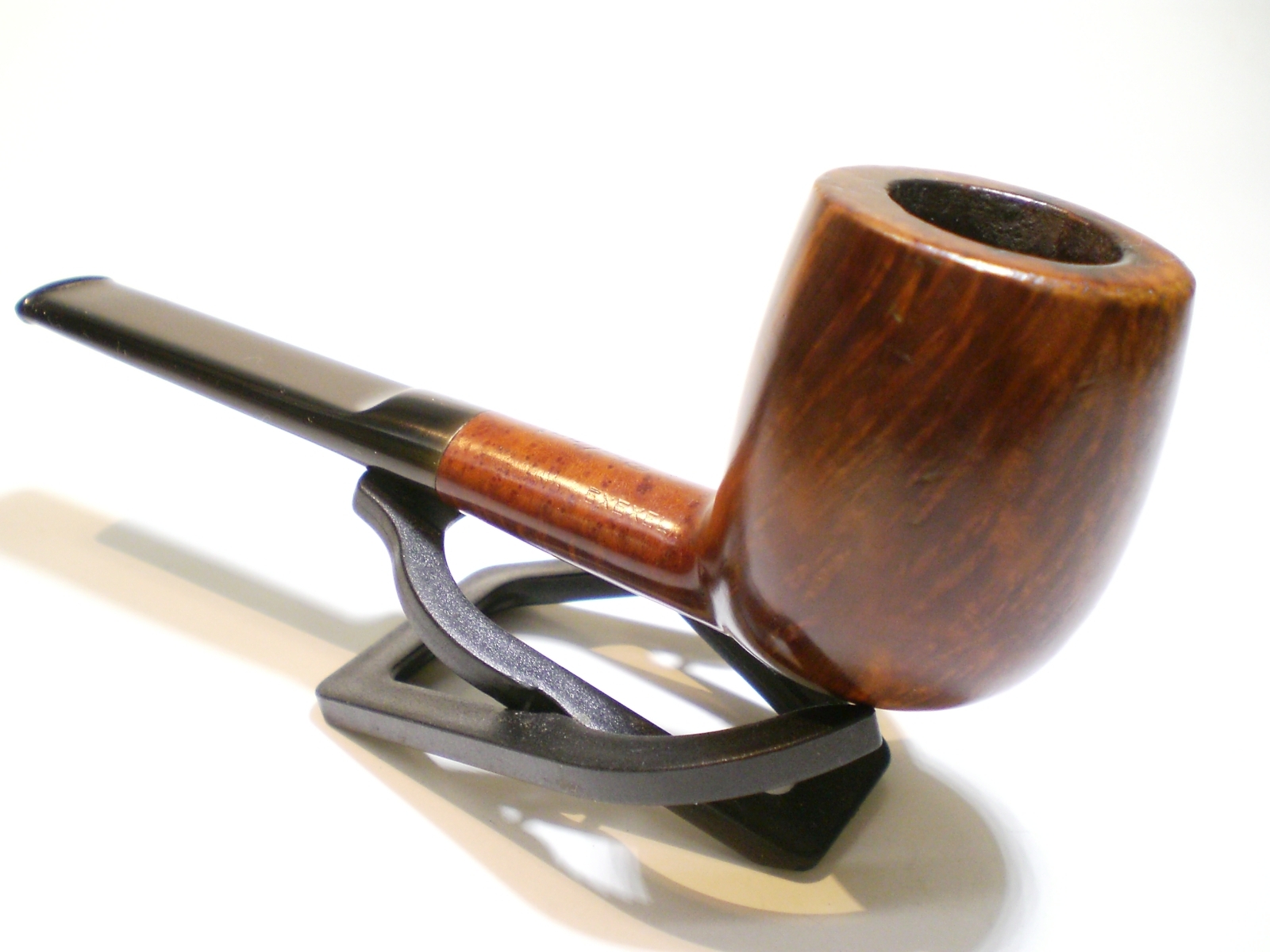
And finally, the finished pipe.

Barlings_Guinea_Grain_Finished-1

Barlings_Guinea_Grain_Finished-2

Barlings_Guinea_Grain_Finished-4

Barlings_Guinea_Grain_Finished-5

Barlings_Guinea_Grain_Finished-8

Barlings_Guinea_Grain_Finished-7

Barlings_Guinea_Grain_Finished-9

Barlings_Guinea_Grain_Finished-10

Tinderbox Meerschaum Booklet from 1984


Blog by Steve Laug

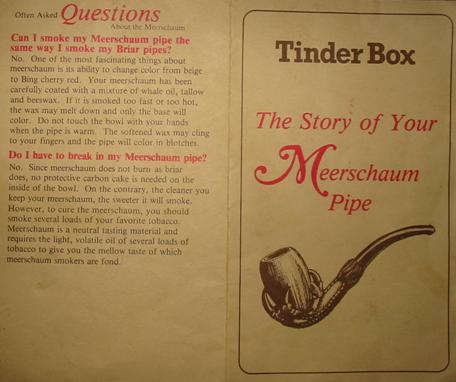
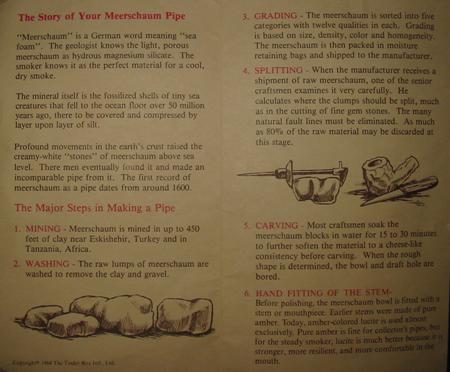
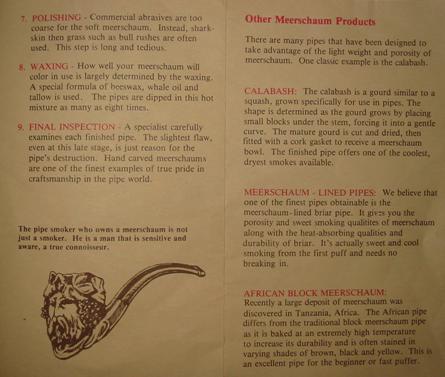
Years ago when I bought a meerschaum pipe from Tinderbox near Escondido, California I was given the following pamphlet to accompany the pipe. It is an interesting little piece of tobacciana. It covers such topics as:

The Story of your meerschaum pipe
The major steps in making a pipe
Other meerschaum products
Often asked questions about the Meerschaum
Points to remember
What types of tobacco are best for coloring a meerschaum?
How long will it take for my meerschaum to color?
Should I cover my meerschaum pipe with chamois to protect it?

I have photographed the pamphlet and included it below. I hope that you will enjoy reading it. I bought the pipe in the mid 80’s. There is a copyright on the bottom of one of the pages that dates it to 1984. I have no idea if Tinderbox still offers these documents to pipe purchases but this one is a delightful read.
meer1

Meer2

Meer3

meer4

Remembering My Trip to Frederick Tranter’s in Bath, England in 2002


Blog by Steve Laug

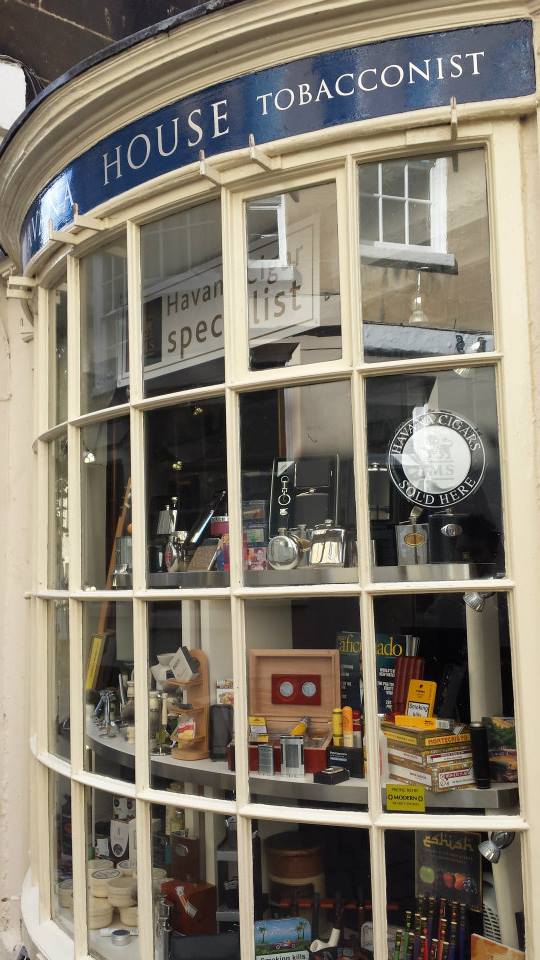
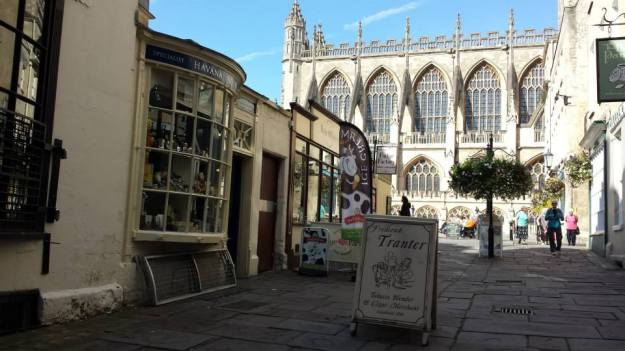
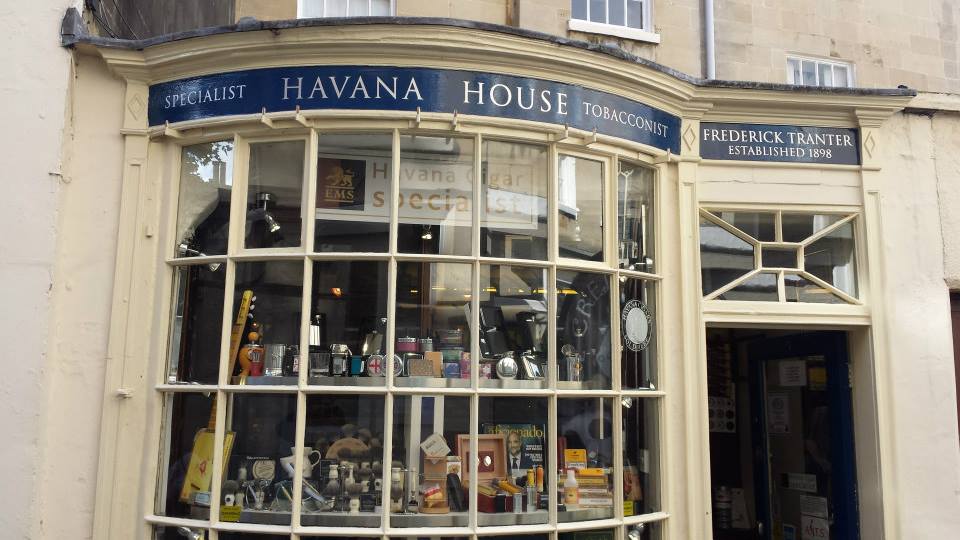
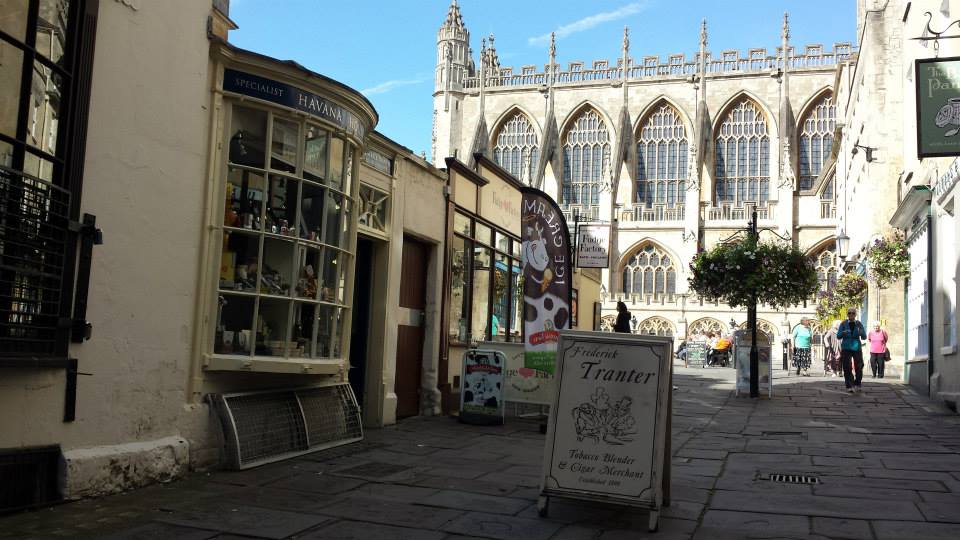
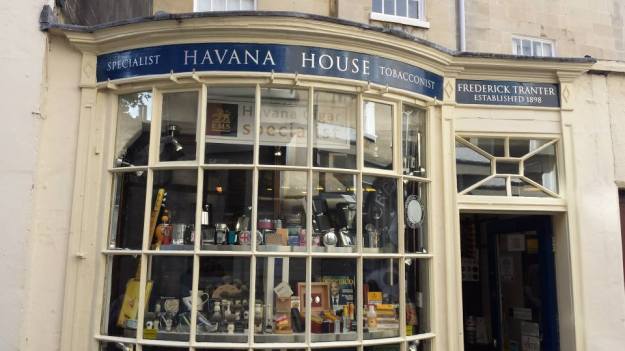
Back in 2002 my wife and I celebrated our 25th Wedding Anniversary and were gifted a trip to the United Kingdom. We traveled from Gatwick to Cambridge, York, up into Edinburgh, Oxford, Bath and then London. In each spot we stopped along the way to visit tobacco shops. I was pretty sure that many would disappear over the years and I was not sure when we would get back for another visit. One of my favourite shops was the Frederick Tranter shop in Bath. It was not a big shop but it was packed with pipes and tobacco. It smelled and looked like a proper tobacco shop.
564071_417394151716898_760009322_n

1375142_417394175050229_1208668151_n

1378086_417394141716899_1575275755_n
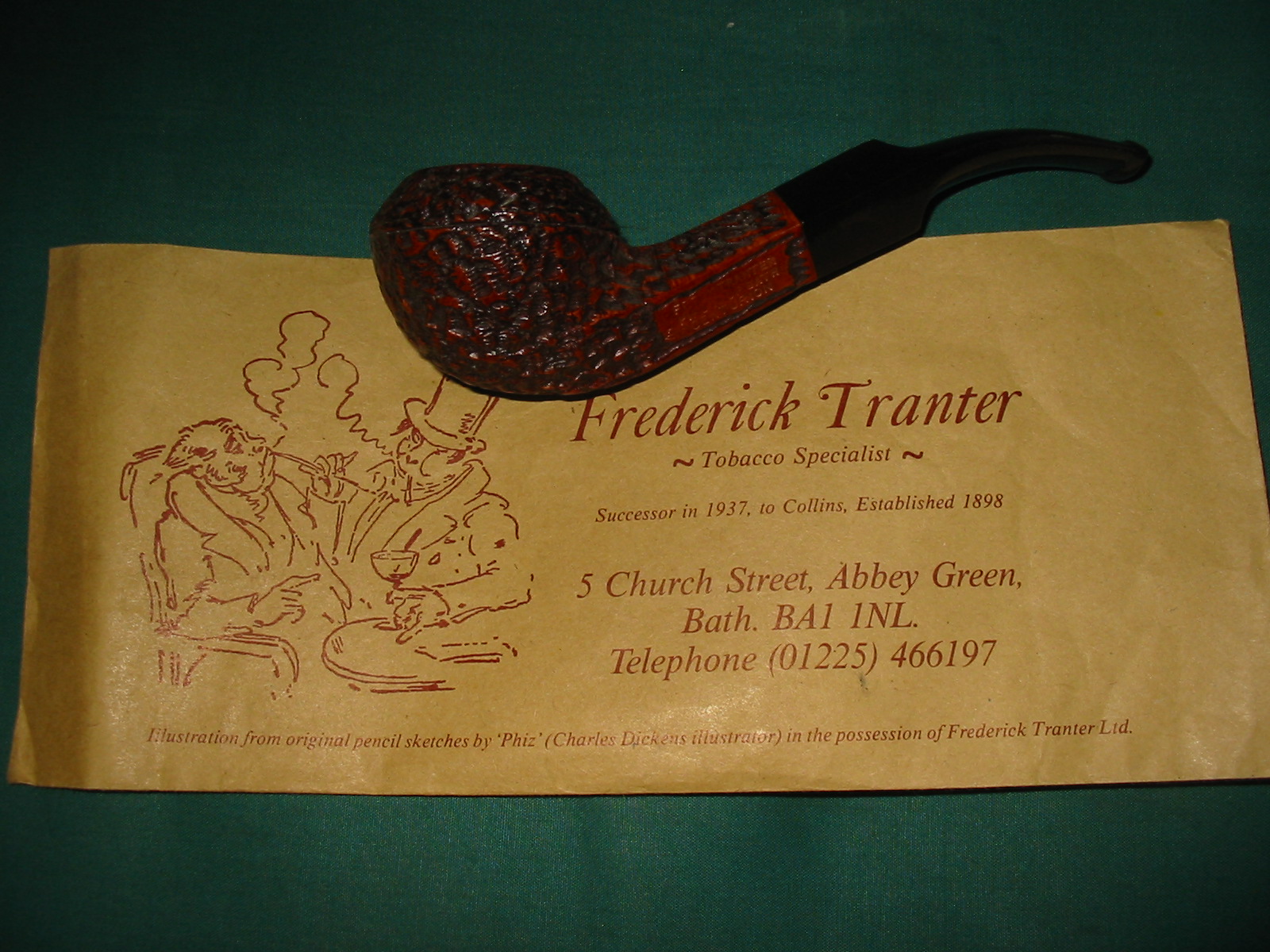
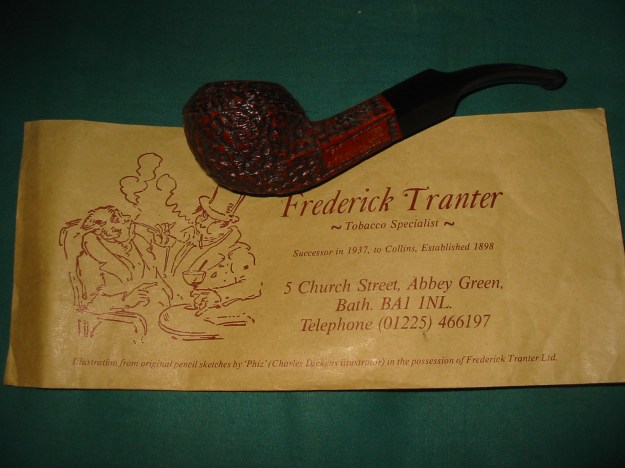
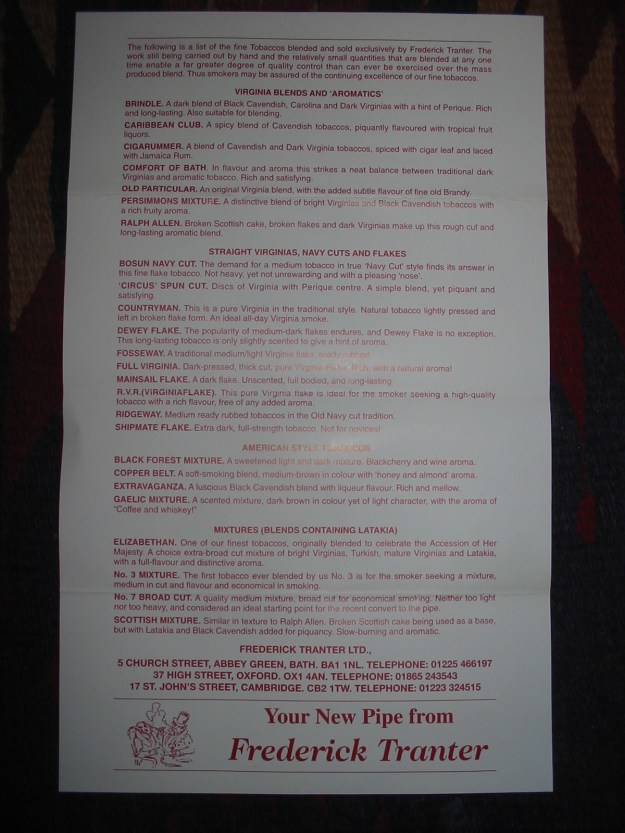
I decided that I would buy a new pipe from the shop to commemorate our anniversary and the trip. I picked out a little bulldog with a coral like rustication. It is stamped Fredk Tranter over Pipe Shop Bath over Centurion and also shape #28. I purchased some Cigarummer from the shop to smoke while I was there. It is a nice blend of Cavendish, Dark Virginia spiced with Cigar leaf and laced with Jamaica Rum. I went outdoors and sat down and smoked a bowl of the tobacco in my new pipe. That was the beginning of a new relationship with this pipe. I smoked the rest of the Cigarummer throughout the trip and when I returned home. The pipe delivered a good smoke that was made better with the memory of having picked it out personally from the shop.
IMG_5179

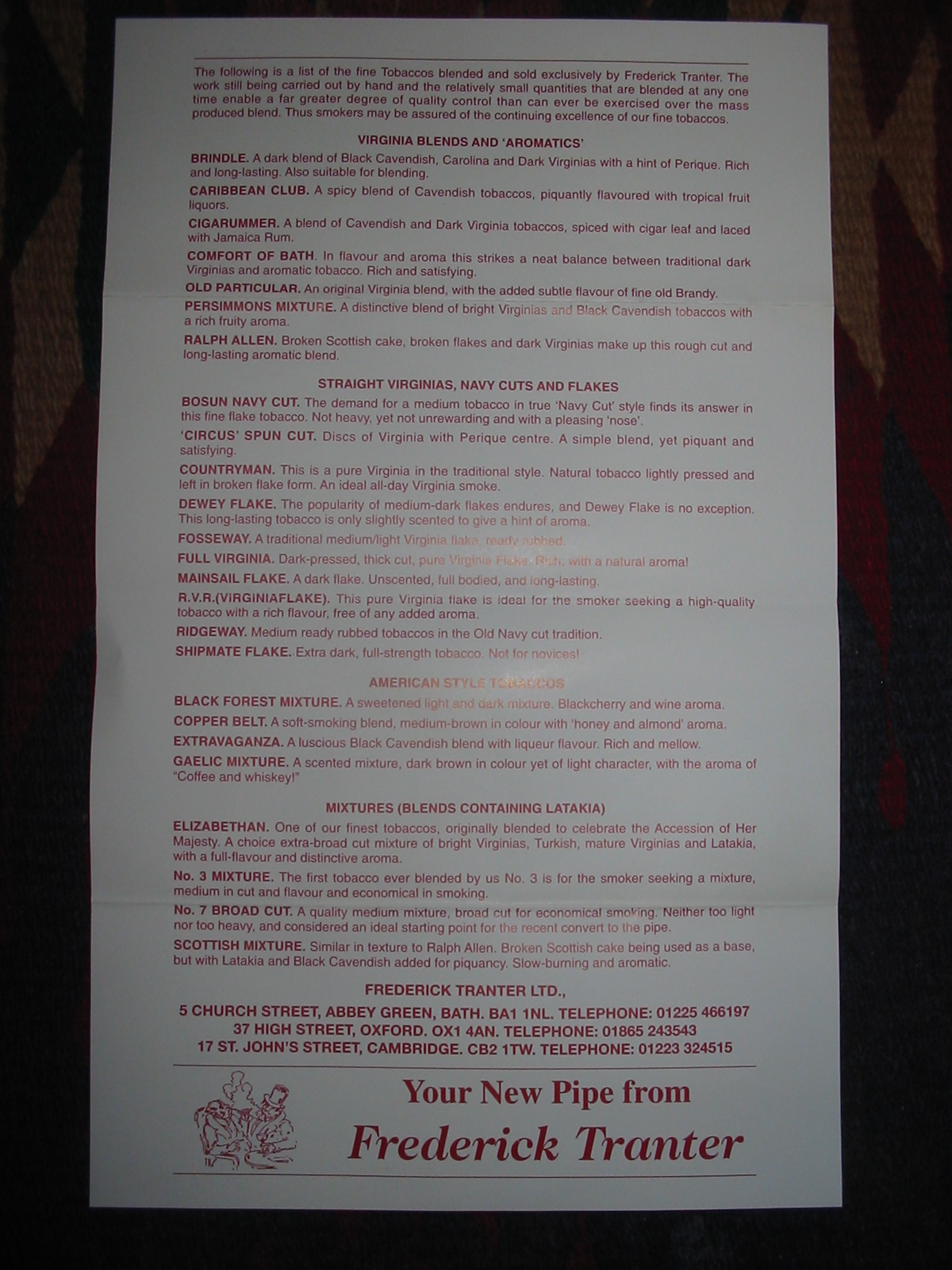
The interesting thing that I found when I bought the pipe was that it came with a printed guarantee that was folded and placed in the envelope that is pictured above. I have photographed that guarantee and included it below. The front side of the sheet contains a list of the various fine Tobaccos blended and sold exclusively by Frederick Tranter shops in Bath, Oxford and Cambridge.
IMG_5187

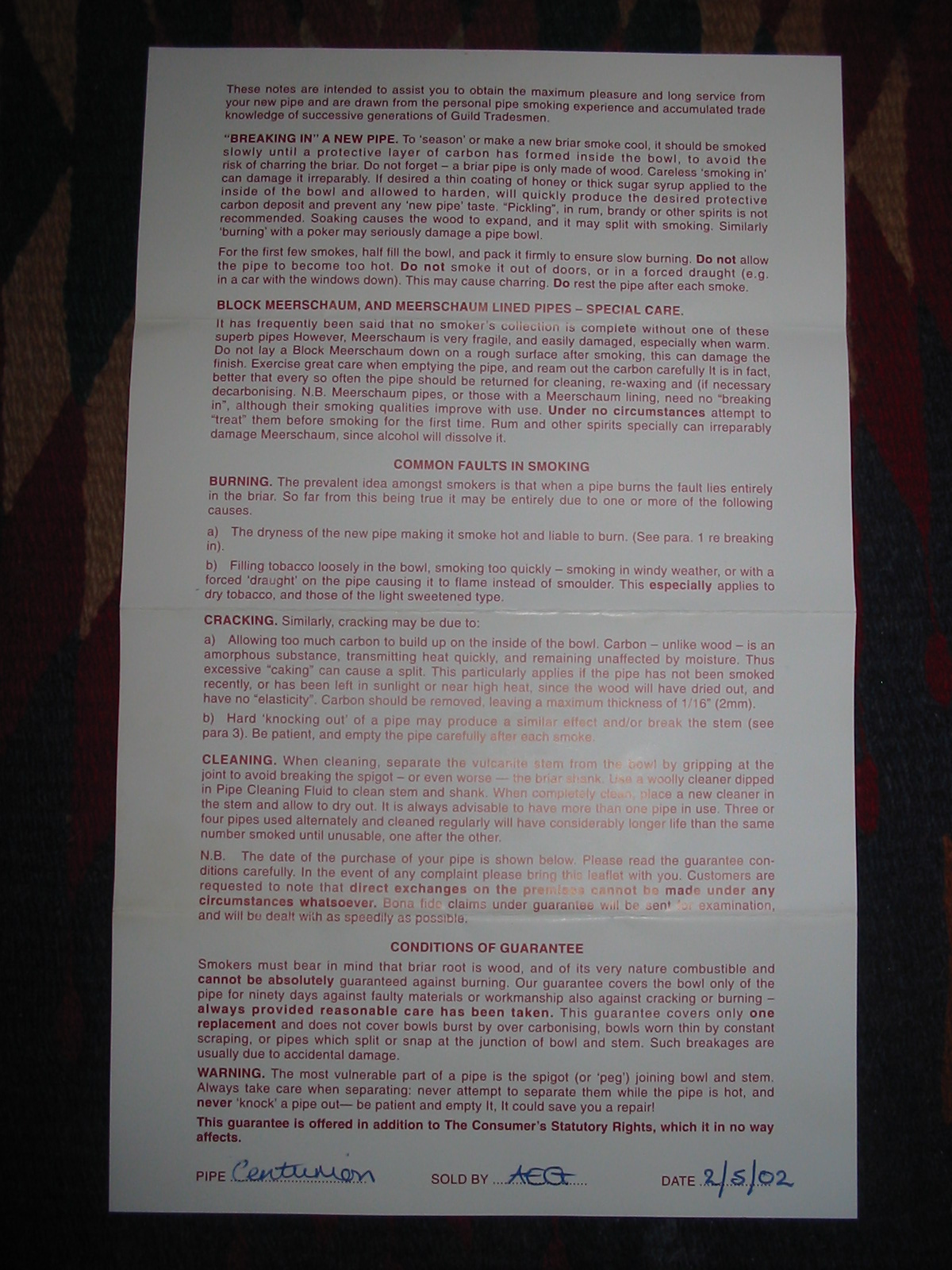
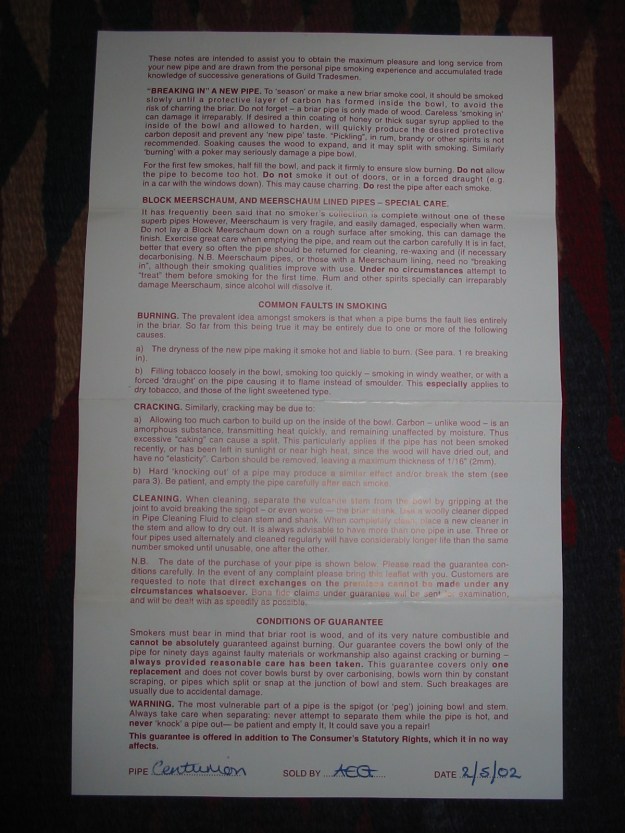
On the other side of the sheet are a few notes “…intended to assist you to obtain the maximum pleasure and long service from your new pipe and are drawn from the personal pipe smoking experience and accumulated trade knowledge of successive generations of Guild Tradesmen.” With those words the page goes on to describe how to Break in a new pipe, Special care for block meerschaum and meerschaum lined pipes, Common Faults in Smoking and finally the Conditions of Guarantee.

The Common Faults listed are unique to this document as I have not seen them listed in this way elsewhere. They are as follows:
Burning
Cracking
Cleaning

I love the words of the Guarantee so I quote them here:

“Smokers must bear in mind that briar root is wood, and of its very nature combustible and cannot be absolutely guaranteed against burning. Our guarantee covers the bowl only of pipes for ninety days against faulty materials or workmanship also against cracking or burning – always provided reasonable care has been taken. This guarantee covers only one replacement and does not cover bowls burst by over carbonizing, bowls worn thin by constant scraping, or pipes which split or snap at the junction of bowl and stem. Such breakages are usually due to accidental damage.

WARNING. The most vulnerable part of a pipe is the spigot (or ‘peg’) joining bowl and stem. Always take care when separating: never attempt to separate them while the pipe is hot, and never ‘knock’ a pipe out – be patient and enjoy it, it could save you a repair!

This guarantee is offered in addition to the Consumer’s Statutory Rights, which it in no way affects.”
The words of instruction are even present in the guarantee. The almost tongue in cheek choice of words is well done and quite clear as to the limitations of the guarantee. The page ends with the name of the pipe, who sold it and the date of the sale – in this case 5 May 2002.
IMG_5186

I continue to enjoy the pipe and it delivers a good smoke. It is well broken in and it is now dedicated to Virginia flakes. It is a good smoking flake pipe. I have not had to exercise the guarantee as the pipe is as good as new – only broken in and having a bit of tooth chatter. One day if I get back to Bath I will take the pipe with me and for old time sake pick up some more of the Cigarummer blend to run through it. If you are ever visiting in Bath why not stop by and visit the shop. Who knows, you might just find a pipe for the rack.