Tag Archives: screw mount tenons

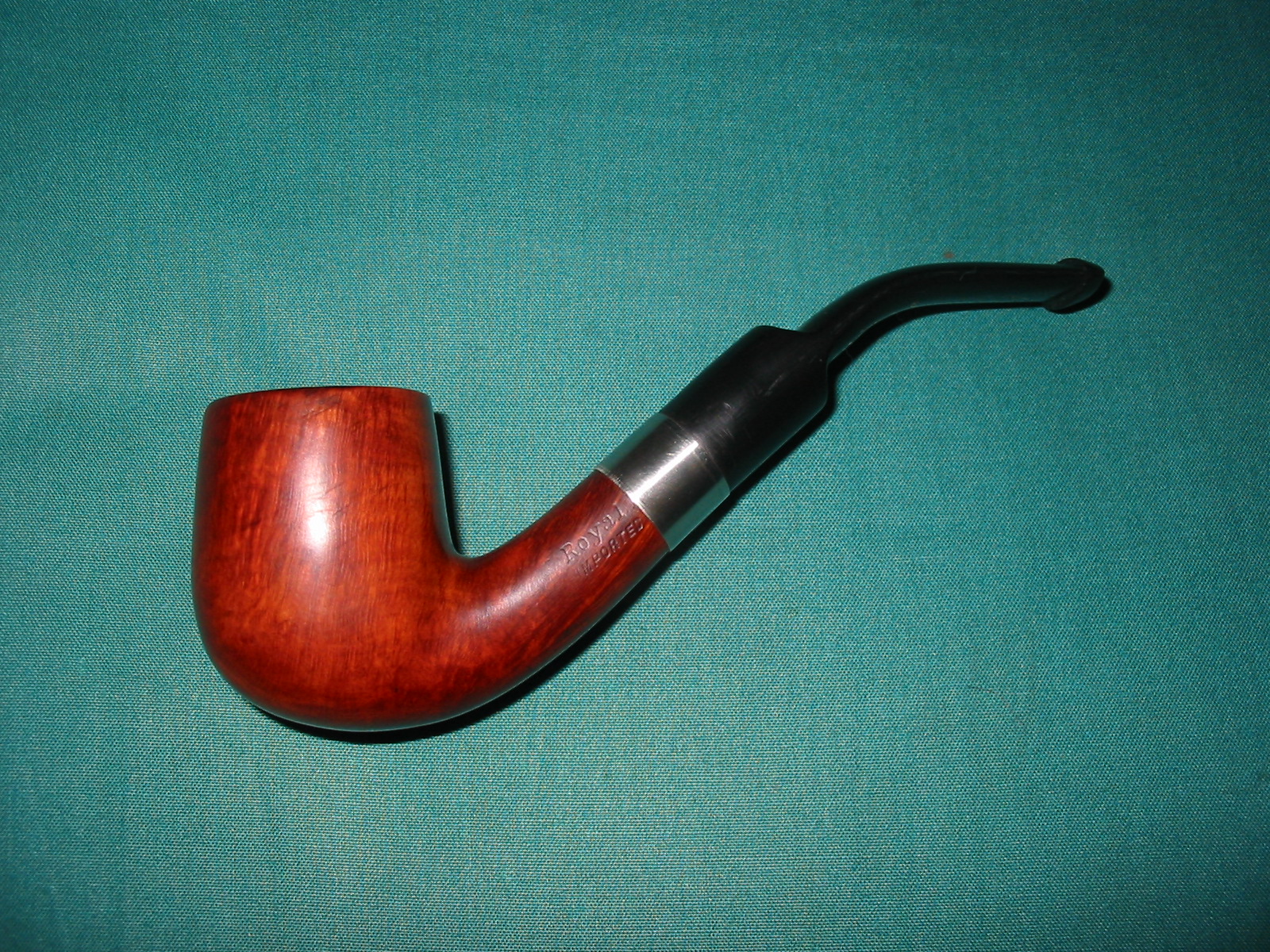
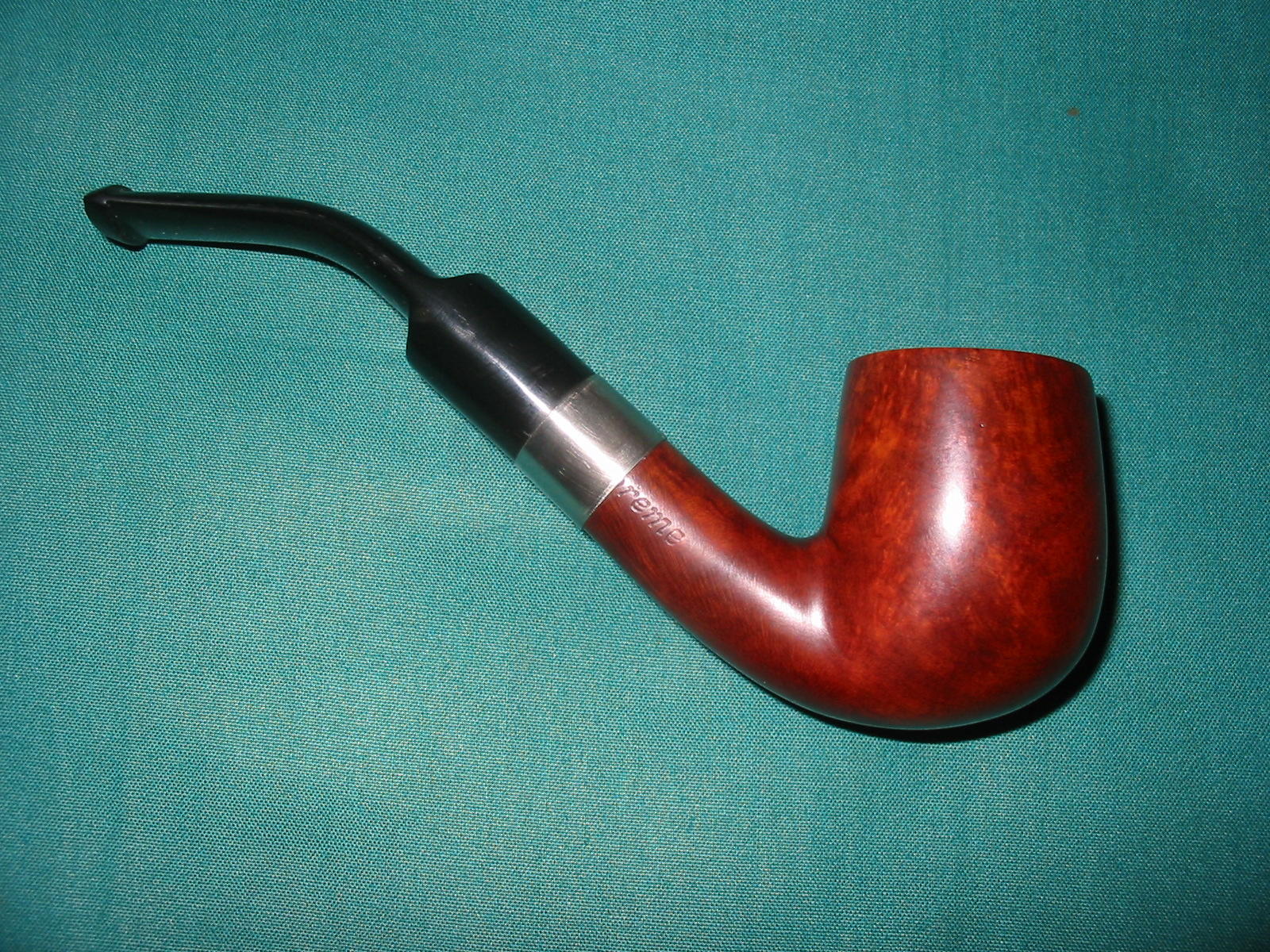
A Classic Rework of A Royal Duke Supreme


Blog by Steve Laug

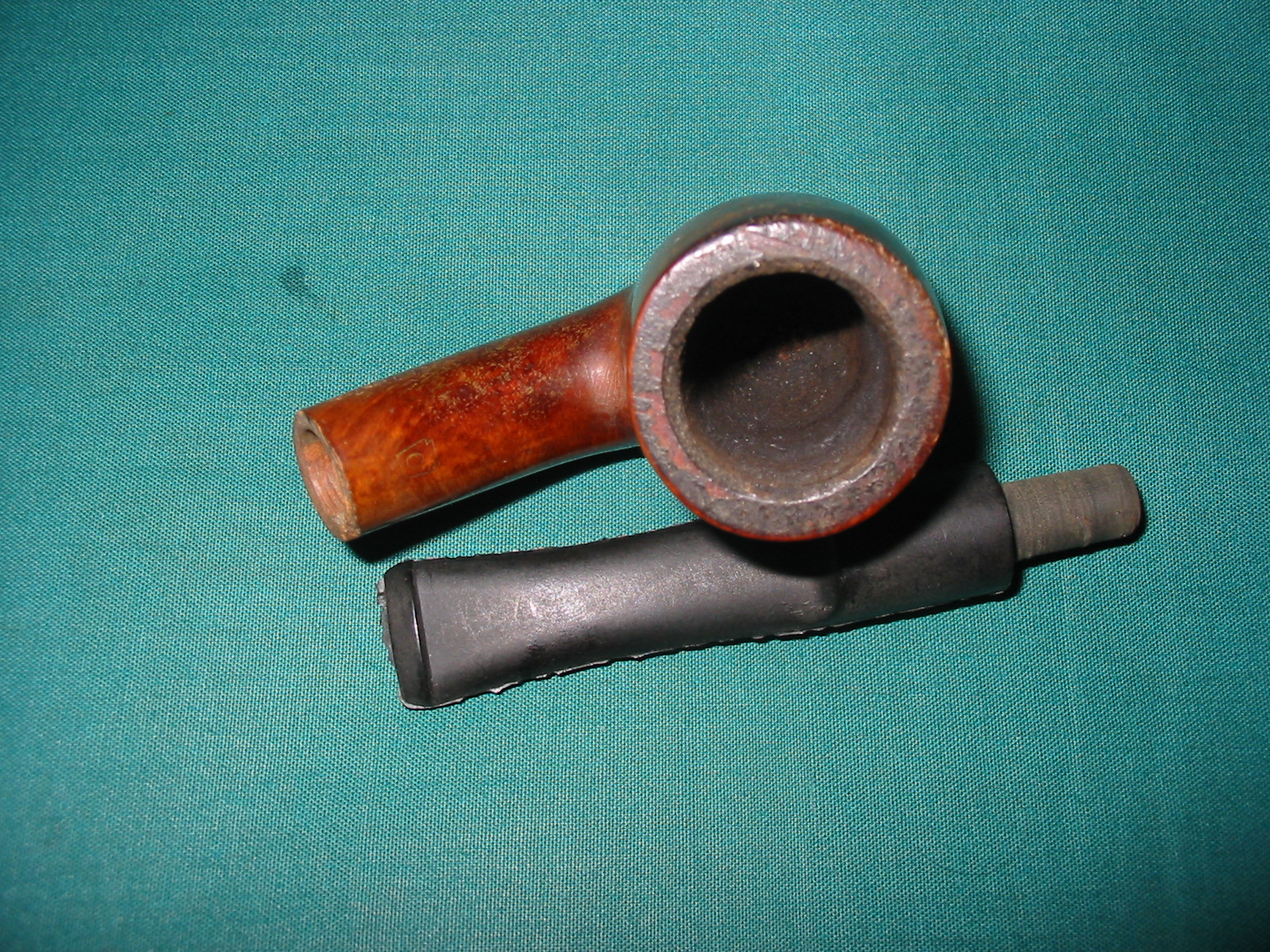
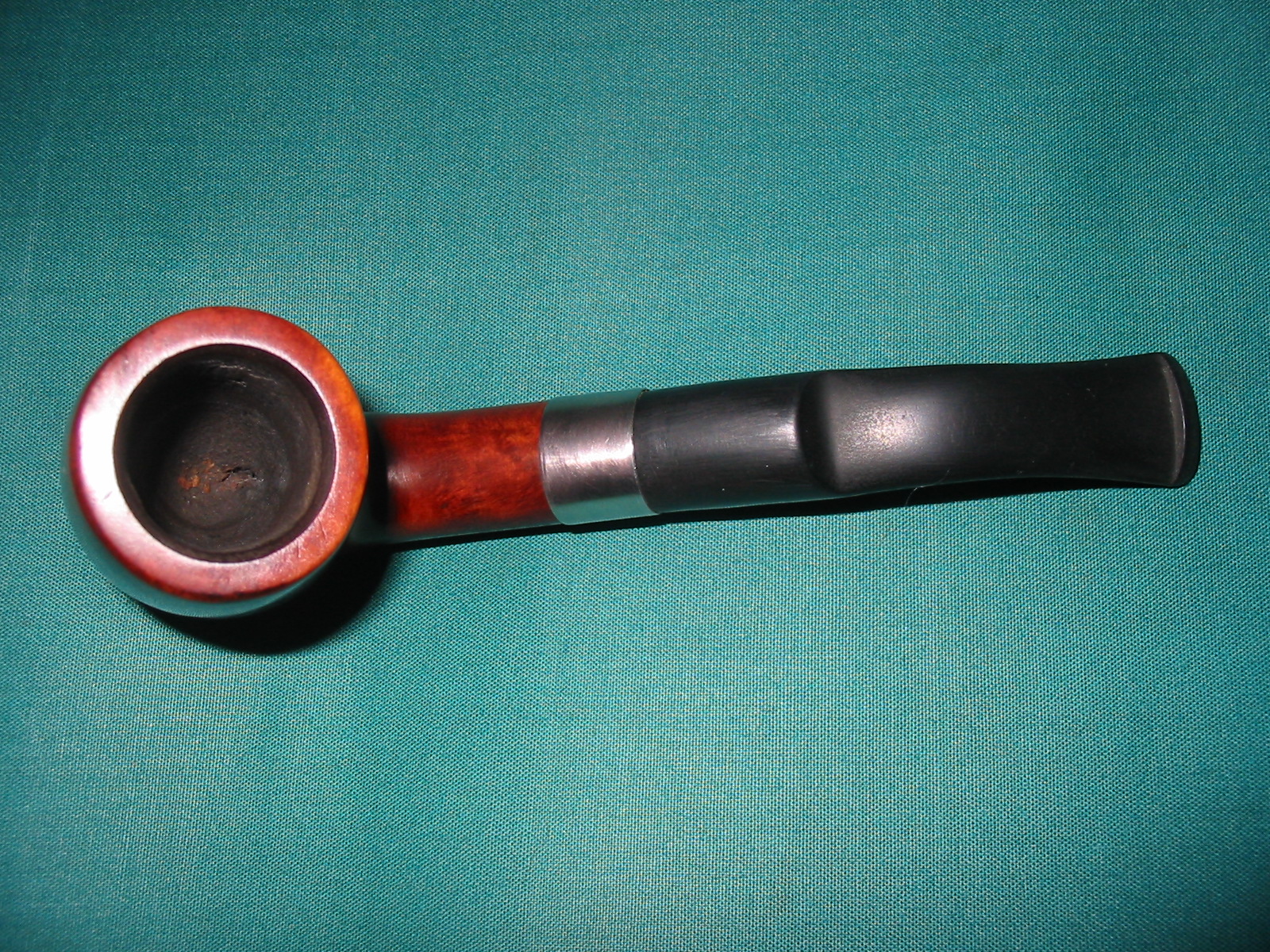
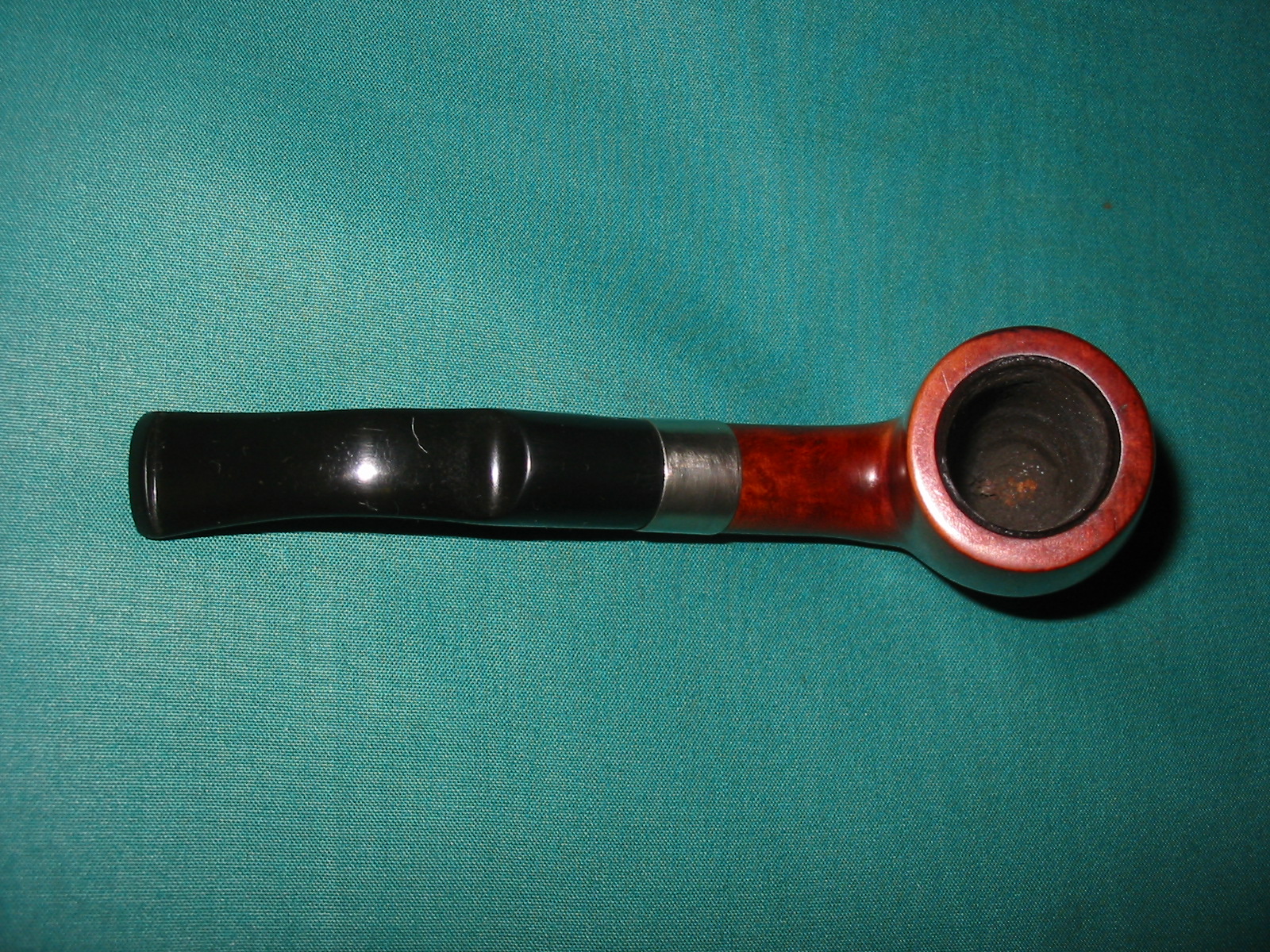
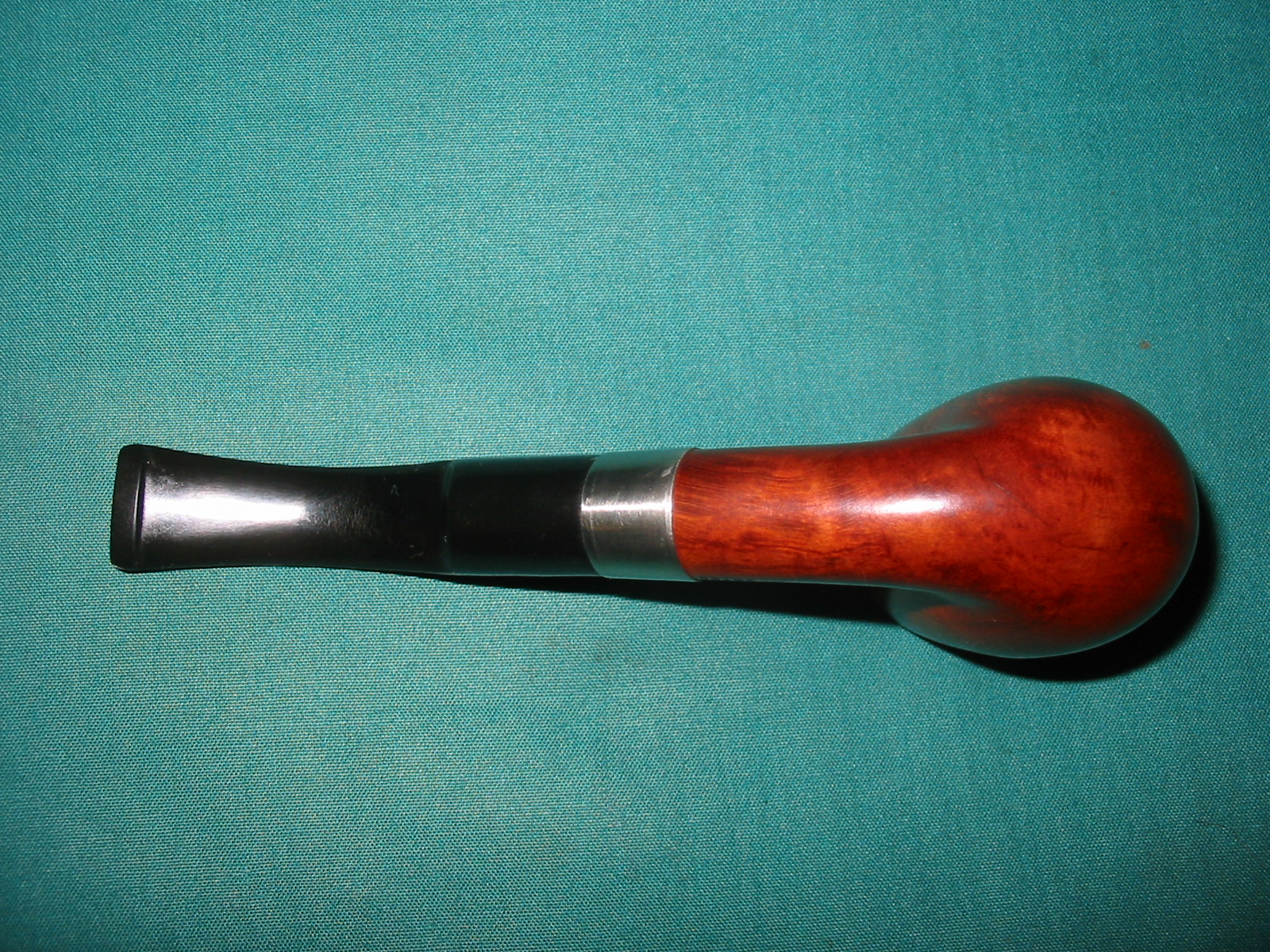
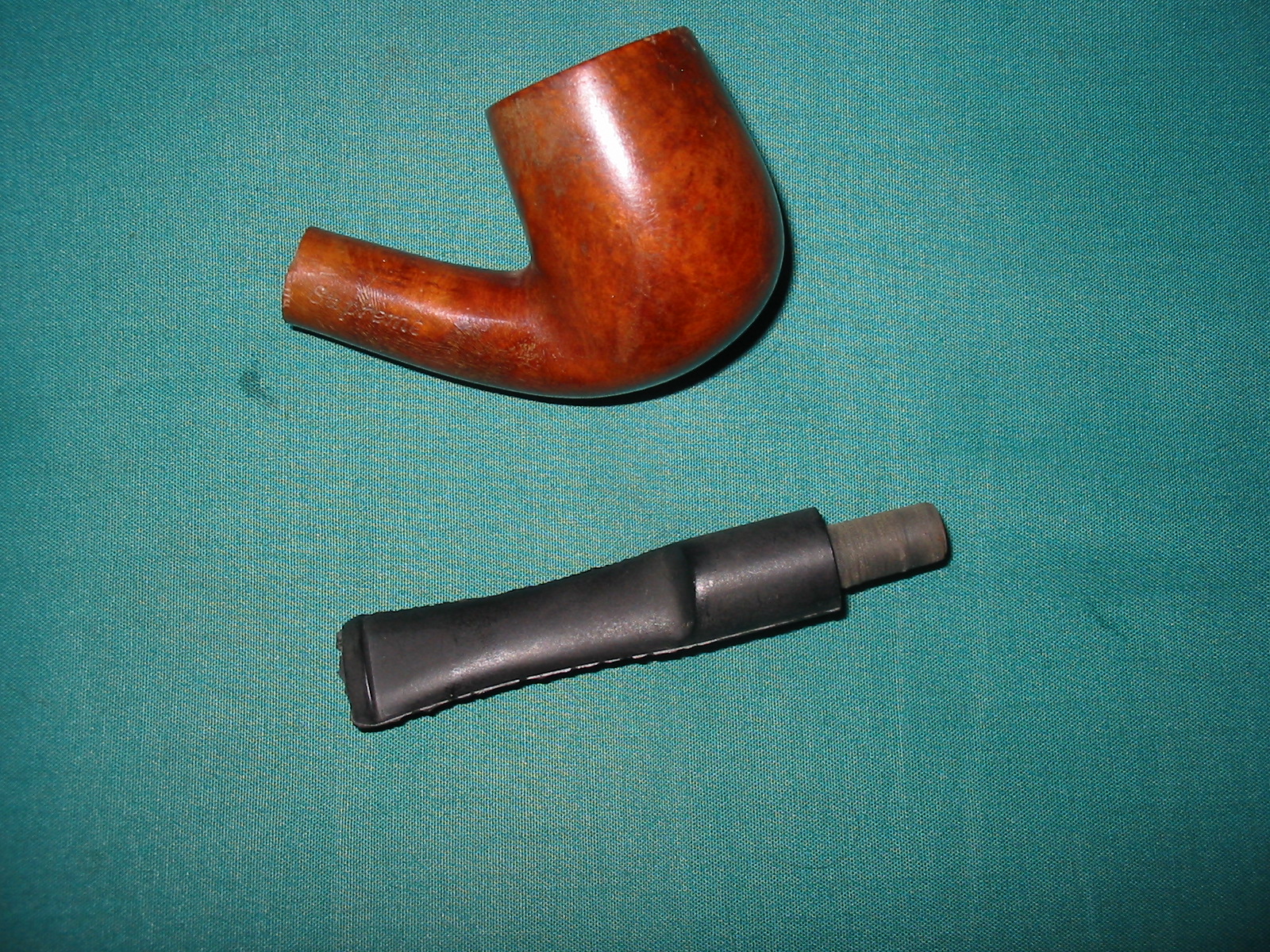
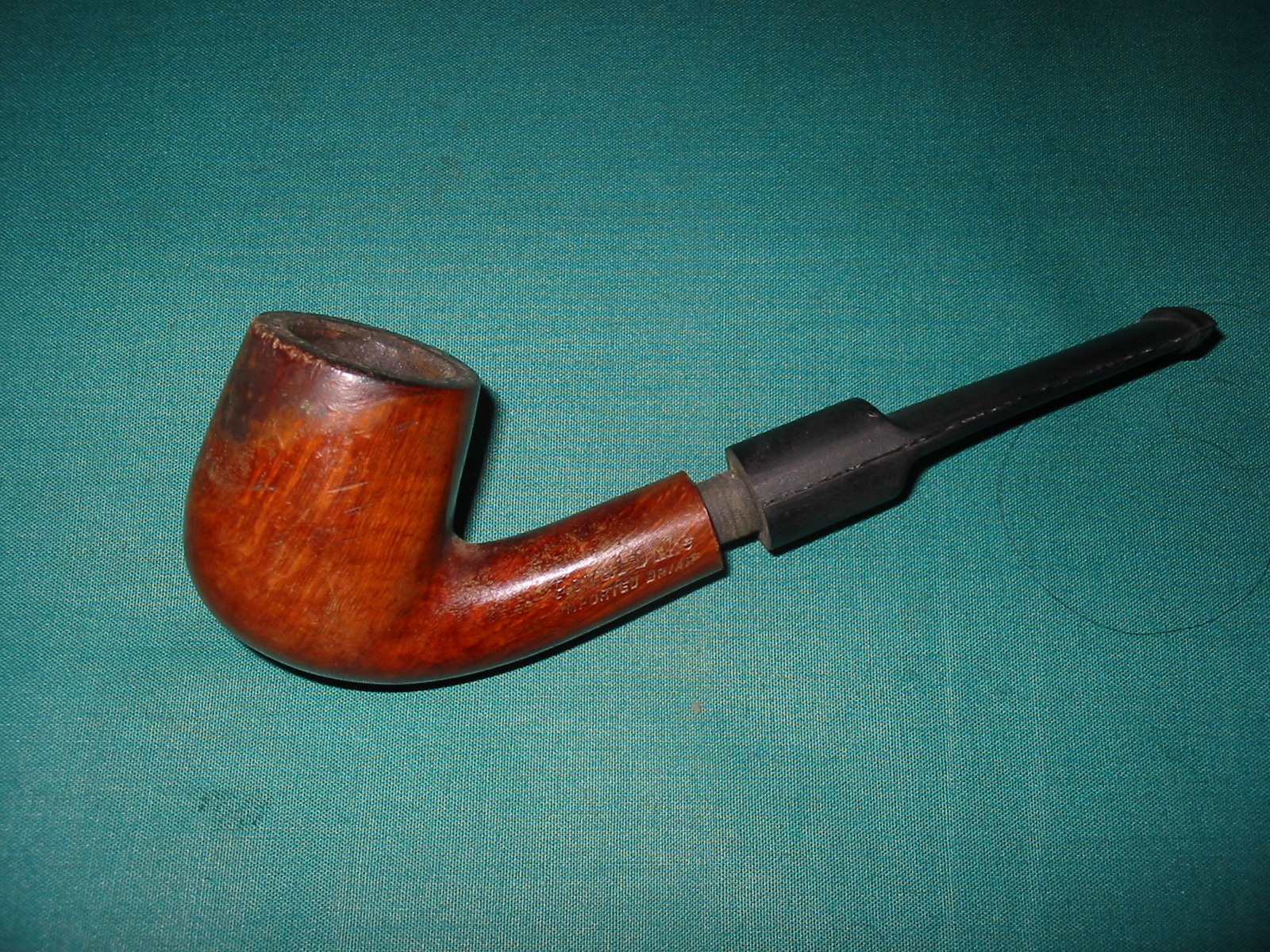
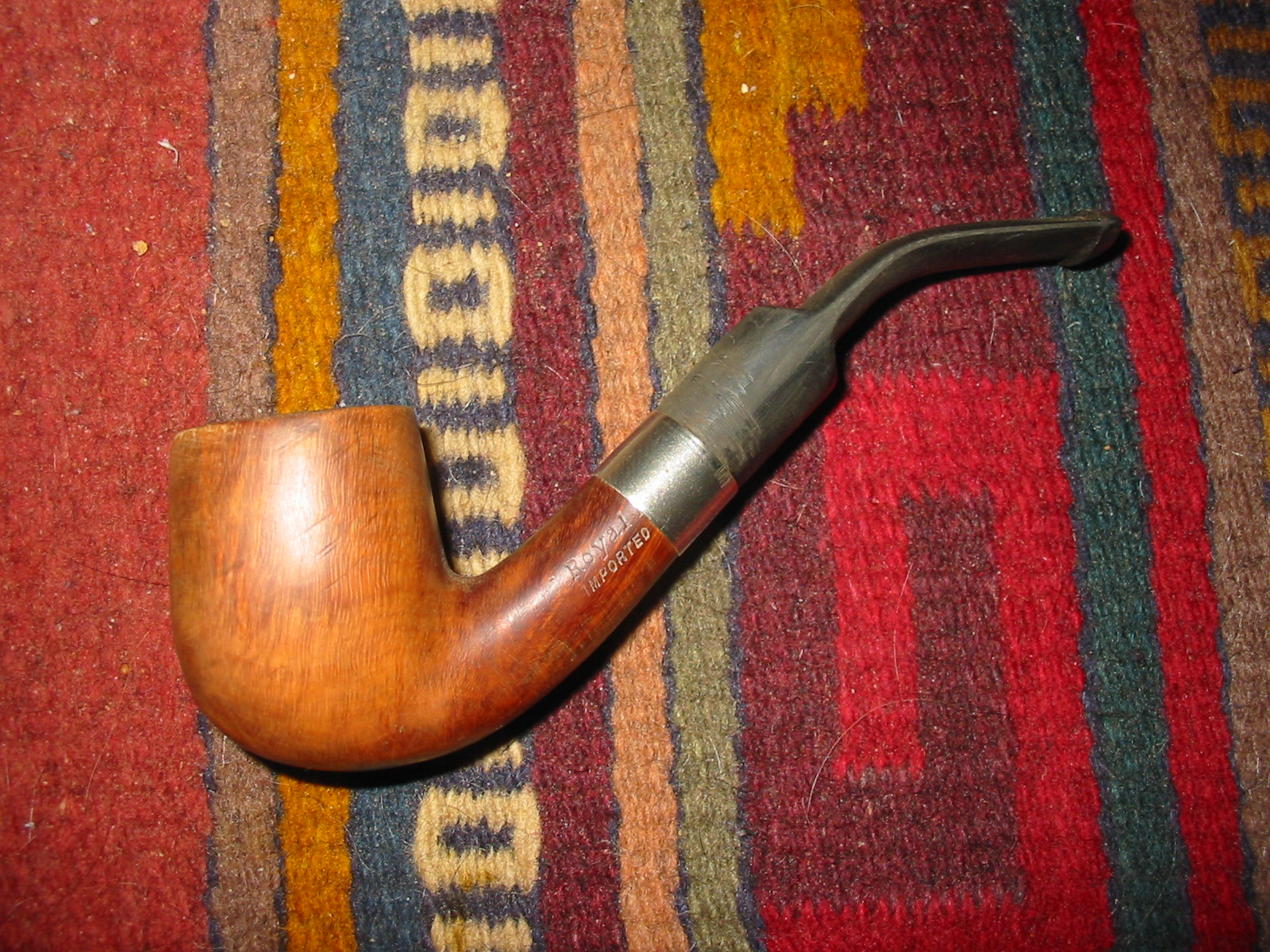
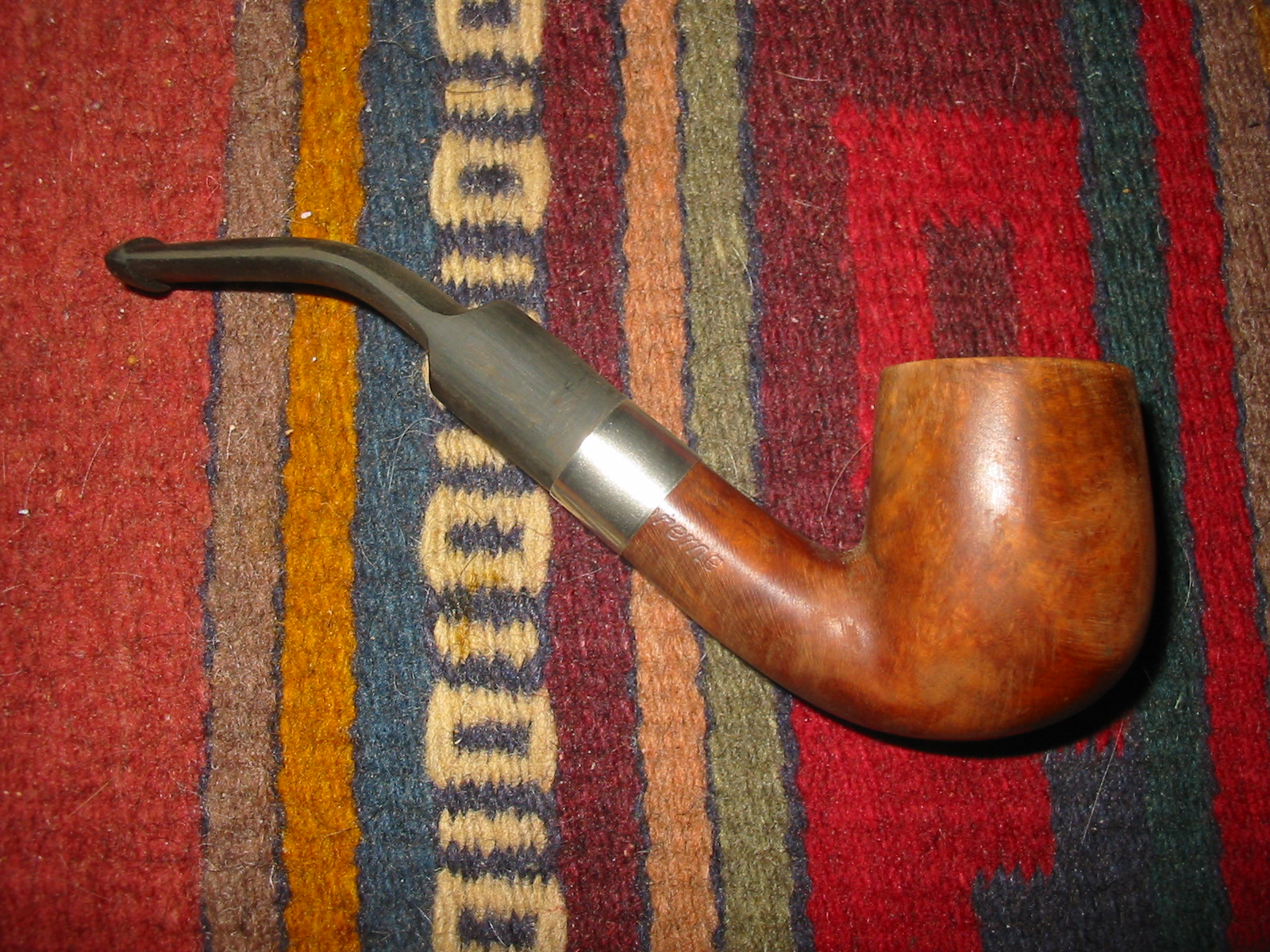
I had this old Royal Duke bowl in my box. It had some promise to my eye but it needed some work. The first thing I did was drill out the metal mortise that took a threaded tenon. I did not have any stems that fit it anyway and I wanted to try something new. The issue that remained once it was gone was the fact that the mortise rough inside and the end of the shank was not square so that there was no way to get a new stem to fit it seamlessly. The finish was very rough as can be seen in the photos below. The varnish on the outside of the bowl had bubbled and blistered. The front edge of the bowl was actually darkened as the varnish seemed to have burned or at least coloured. There were dents in the bowl and the rim was rough. I turned a precast stem with my tenon turner and got it close. I had to custom fit it as the shank was a little tapered toward the end.

ImageImageImage

The stem fit fairly well but would take a bit of customizing to get a good tight fit to the shank. It would also need a good cleanup to trim off the castings on the stem. The vulcanite was fairly decent quality as I have had it a long time but it showed no oxidation.
Image

I decided to work on the bowl first to clean up the remaining finish and remove the varnish from the bowl. I also wanted to see if I could remove the darkening around the front and back of the bowl. I washed the bowl with acetone on a cotton pad and cleaned off the finish. It took repeated washing to break through the varnish coat and also the burned and bubble finish. The next two photos show the pads after the wash. You can begin to see the grain coming out on this beauty. That is what drew me to the pipe in the first place and I was glad to see that it was truly there.

Image

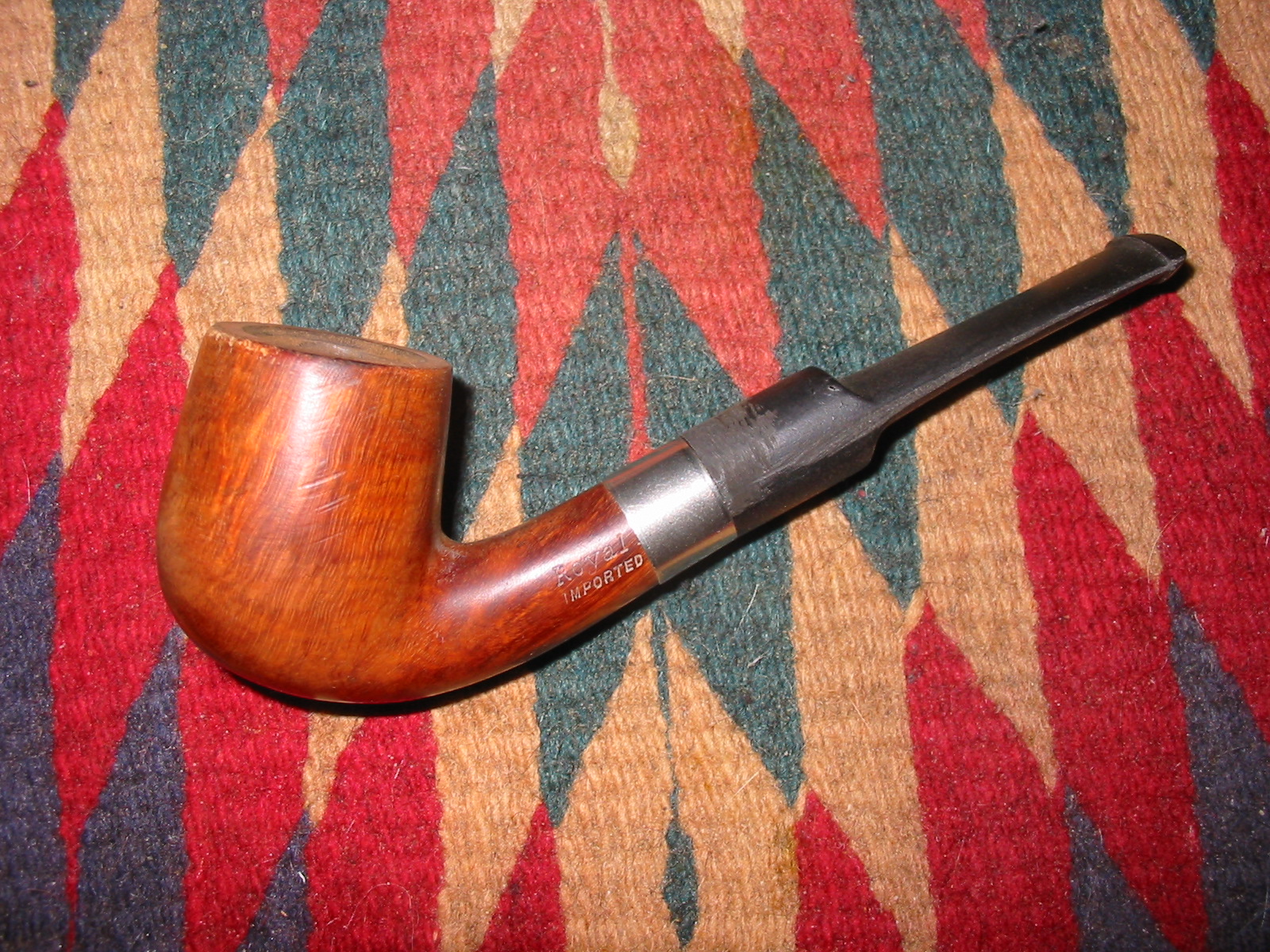
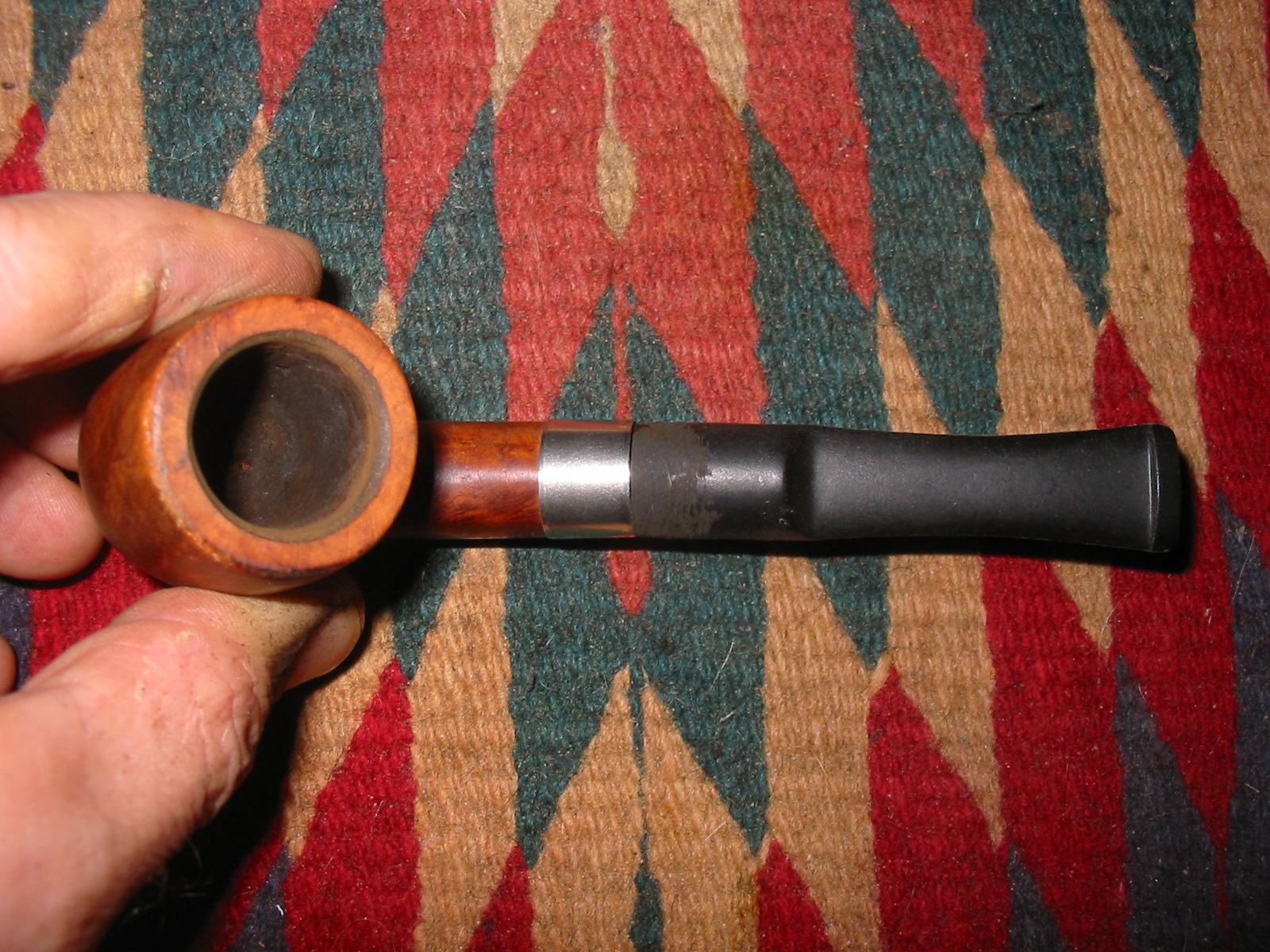
I repeated the washing until the pipe was clean and had no remaining finish coat. The dark undercoat of stain still remained and light brown topcoat also was still present. This is clearly seen in the photos below. I worked on the fit of the stem and tapered the tenon enough to get a good snug fit to the bowl. I also used my Dremel to remove excess vulcanite from the top and the sides of the stem so that it lined up smoothly with the shank of the pipe. It was at that point I decided to pressure fit a nickel band to the shank to square things up a bit. There was no way that the stem and the shank would meet squarely as the shank was a bit angled and dented from the metal inserted mortise. The previous mortise had been threaded in and it had a thin band or flat top on it that sat against the briar. It was also patched a bit with putty to make the flow from the shank to the insert smooth. I fit the nickel band with heat and pressed it into place. I liked the finished look of the band and it gave me a straight edge to work with on the new stem. I again used the Dremel with a sanding drum to shave off more of the vulcanite and make the stem fit against the band inside edge. The next two pictures below show the stem after the fit and the shaving with the Dremel. You can see the rough surface on the saddle and the cleaned up edges of the cast stem and the button.
ImageImage

I then sanded the bowl and the stem with 240 grit sandpaper to remove the scratches in the briar and also on the vulcanite stem. It took quite a bit of sanding to smooth out the saddle of the stem. The next five photos show the progress of the sanding on the stem. I also sanded the bowl to remove the remaining finish and scratches. I topped the bowl and smooth out the inner and outer rim to remove the damages to them both. I also used my heat gun to put the bend in the stem. I have a curbed dowel here that I put the heated stem on to ensure that the bend is straight and that I do not crimp or bend the stem unevenly.
ImageImageImageImageImage

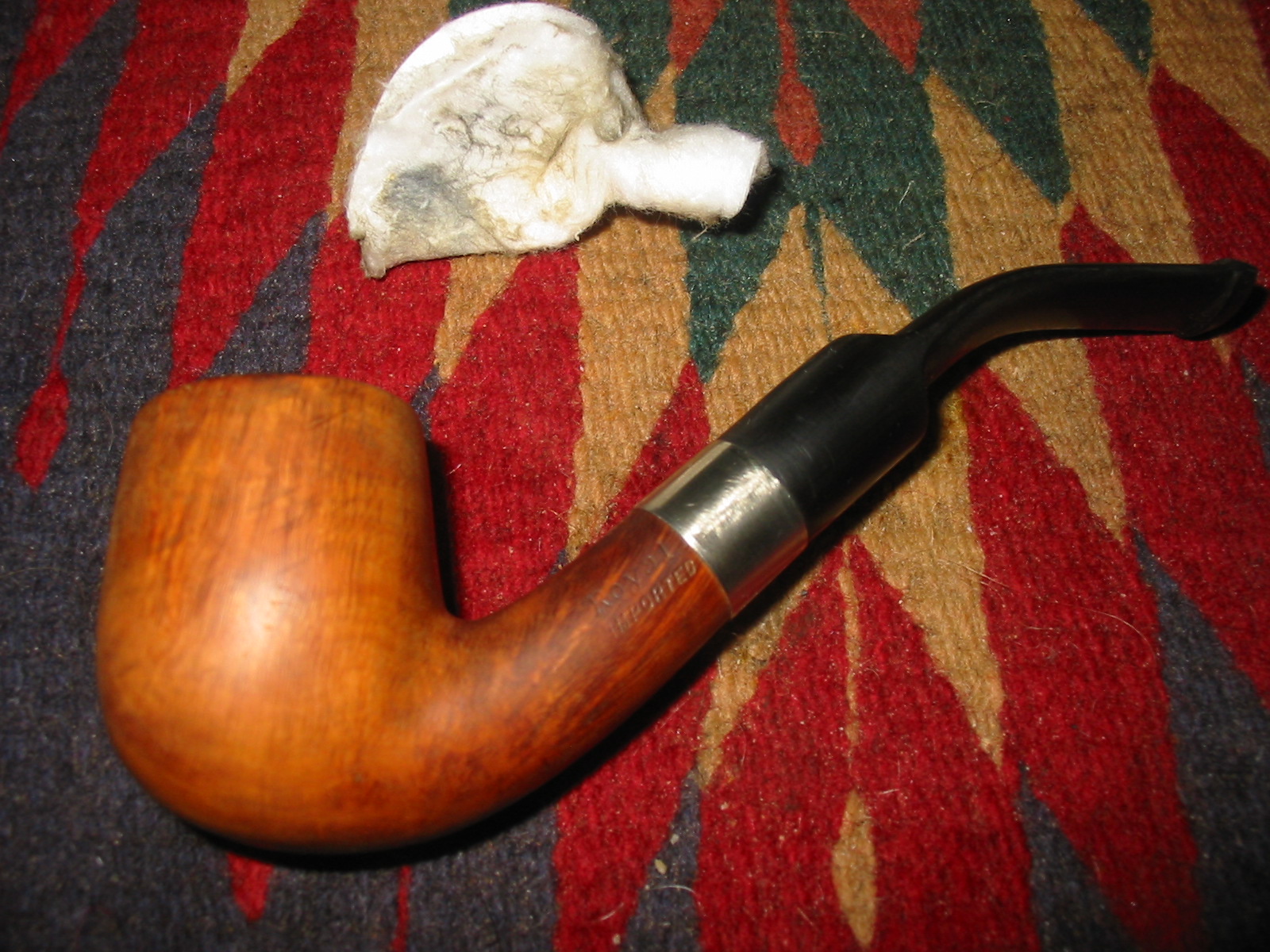
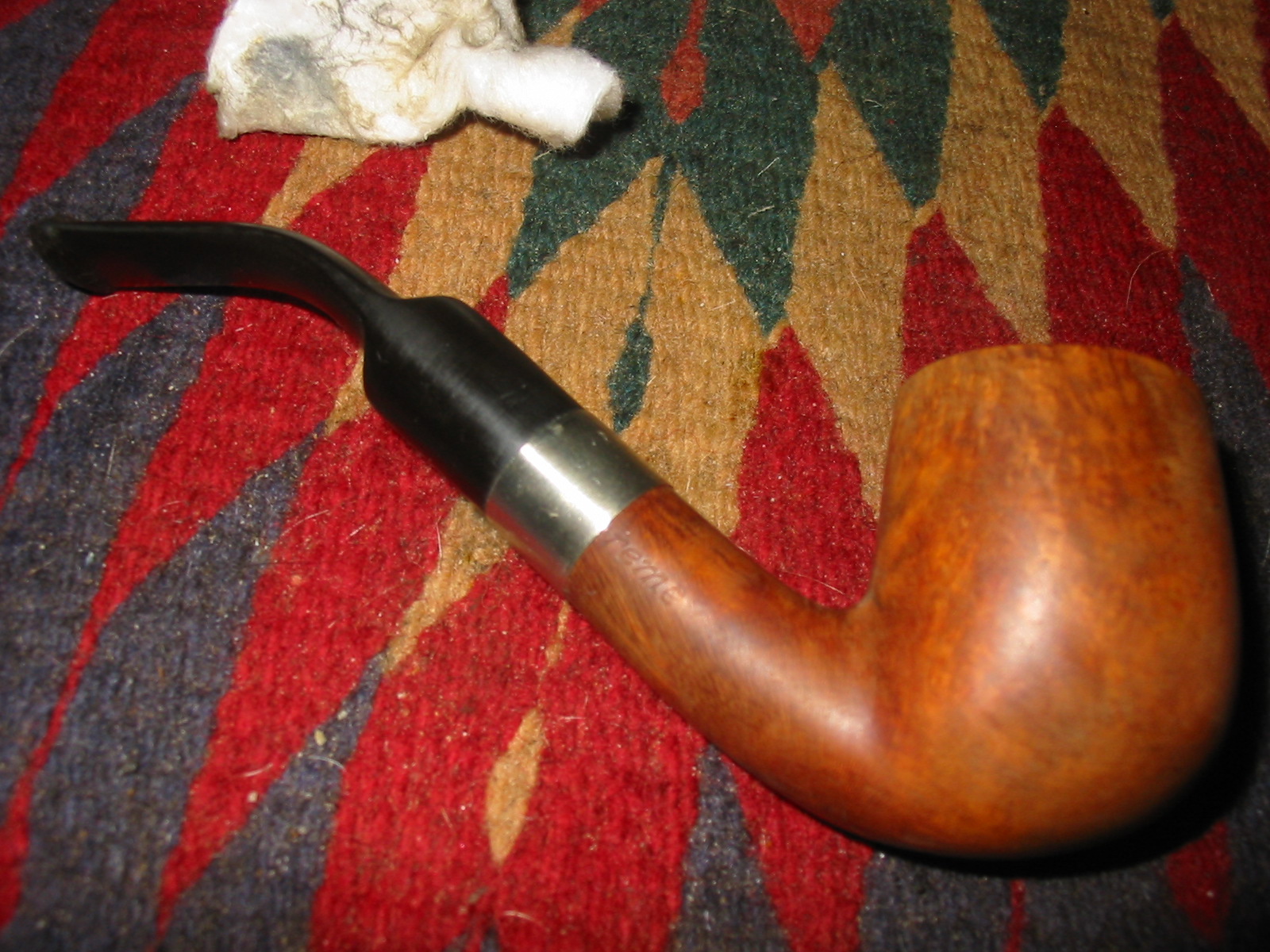
Once the sanding was at this point I wiped the bowl down with Isopropyl alcohol. I find that it removes any sanding dust and also the wet look shows me places where I still need to sand the bowl and stem. Once that was done I sanded the bowl again with 400 and 600 grit wet dry sand paper and water. I progressed through micromesh sanding pads 1500-12,000 grit – the first four pads with water and the remaining ones dry sanding. Once it was completed and smooth I wiped it down a final time before staining it.
ImageImage

While I was sanding the pipe and working on the stem I tried to visualize what stain I wanted to use on this pipe. At this point remember I was not trying to restore the original Royal Duke colouration. I was working a new pipe out of this piece of briar even though I left the stamping. I decided to go with an oxblood aniline stain. I applied it with a cotton swab, flamed it and then took it to my buffer and buffed it with White Diamond.
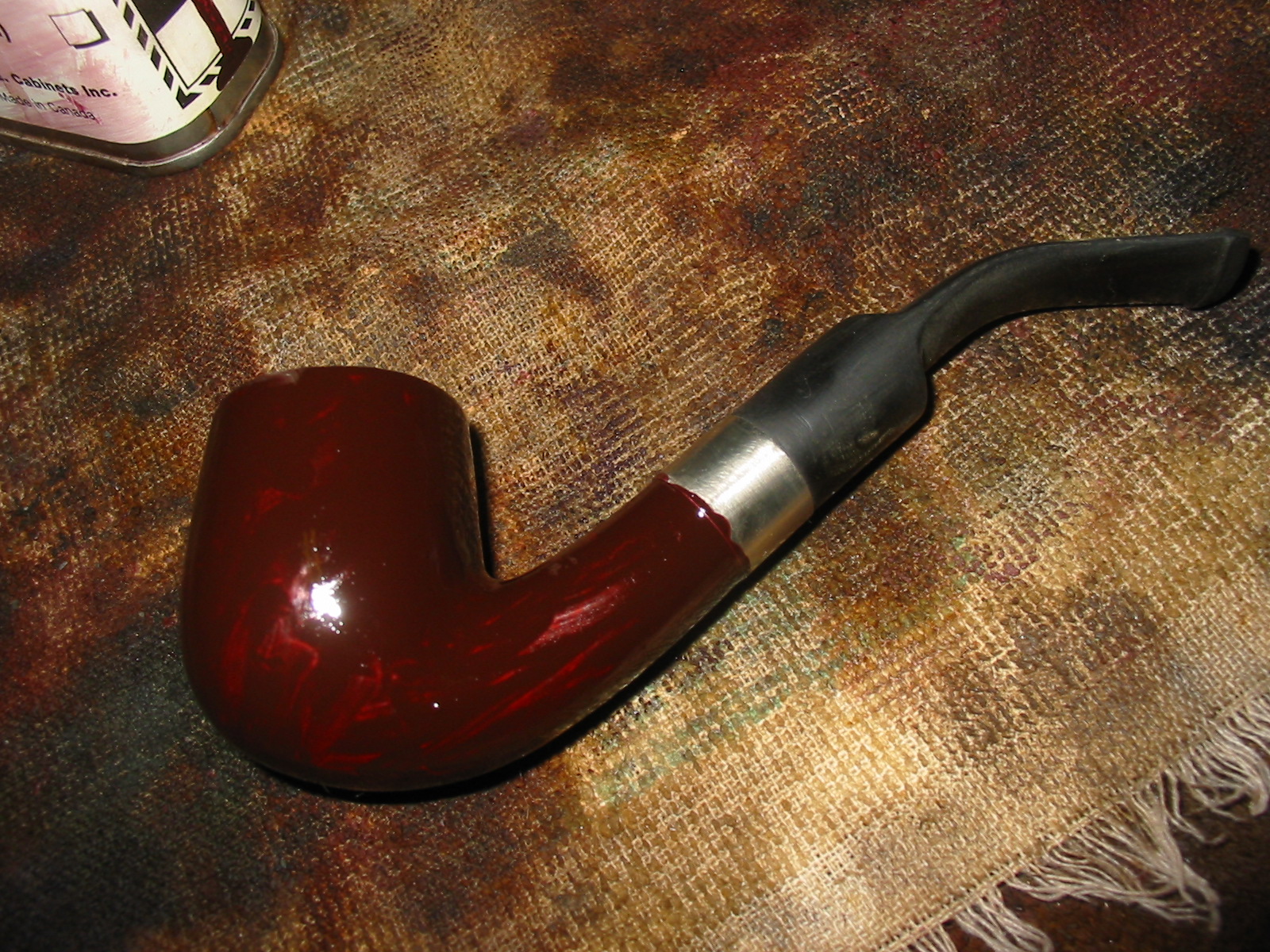
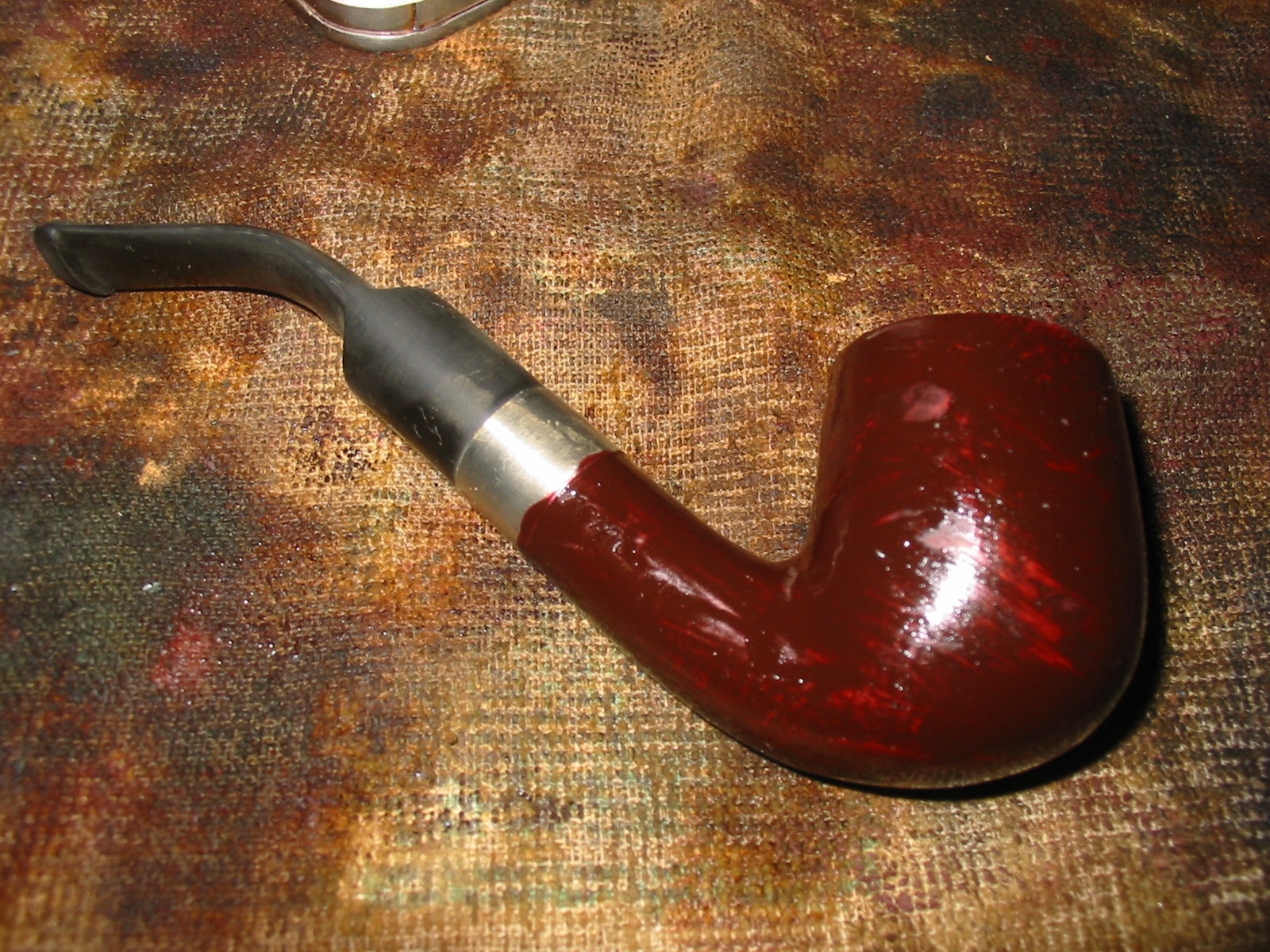
ImageImage

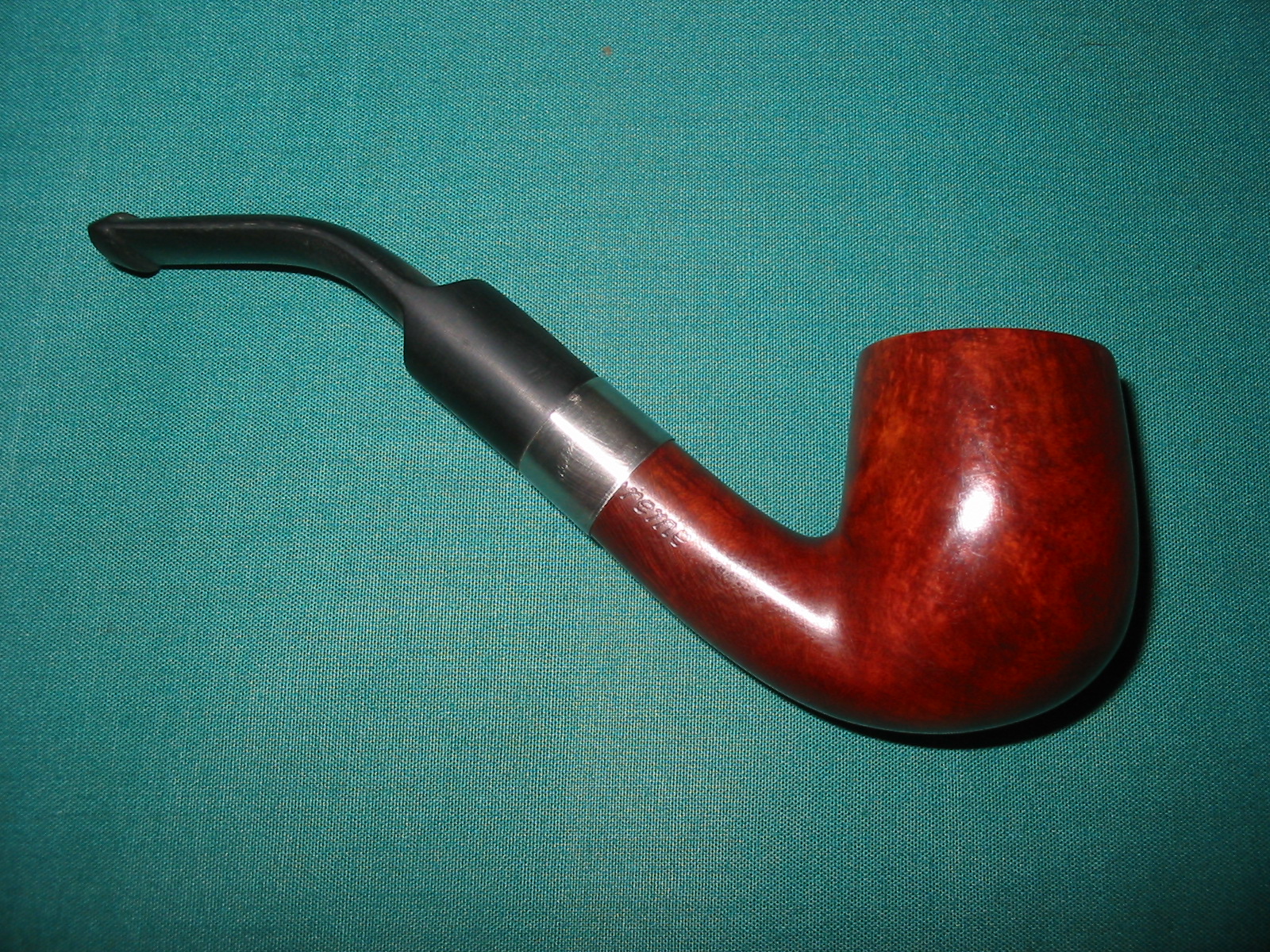
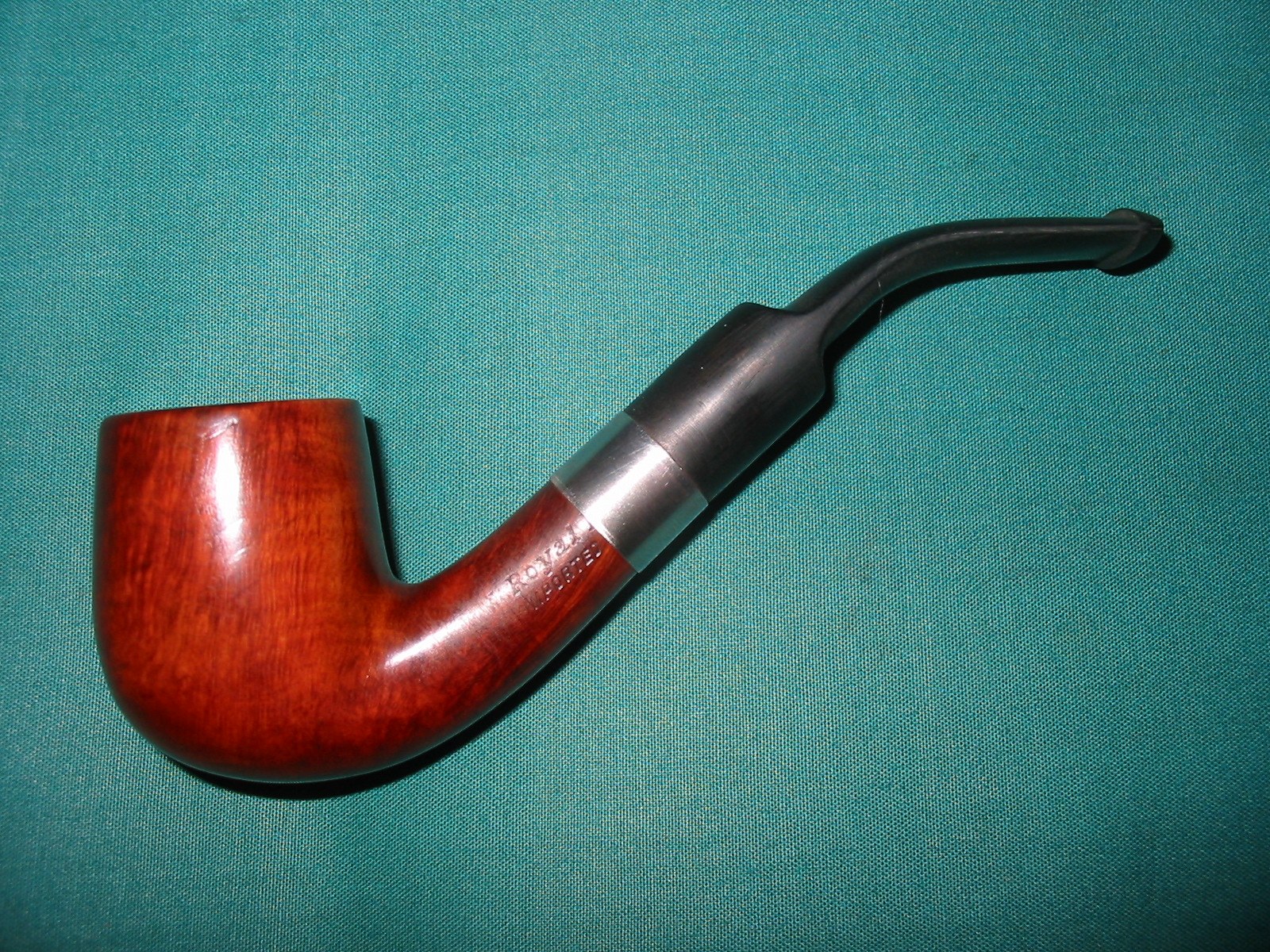
The next three photos show the pipe after the buffing with White Diamond. I had not applied any wax at this point nor was I finished working on the stem. The colour came out better than I imagined. The dark under notes of the grain come through nicely in the finished pipe. The light areas have a reddish brown hue that is a bit lighter as the pipe has been waxed and buffed.
ImageImageImage

Once the pipe was stained I coated the bowl with multiple coats of carnauba wax to protect the new stain while I worked on the band and the stem. The nickel bands shine up really well with the higher grit micromesh sanding pads. I sanded the band with the 6000-12,000 grit pads and then polished it with some wax as well. I moved on to the stem. I sanded it some more with 240 grit sandpaper to remove some more of the scratches in the saddle area left by the Dremel. I then sanded it again with the 400 and 600 grit wet dry and water to smooth out the lesser scratches left behind by the 240 grit sandpaper. I went on to use 1500-3200 wet micromesh sanding pads to polish up the stem some more. These early grits of micromesh leave behind a matte finish as they sand out the scratches. It takes the grits above 4000 to really see the depth and polish that is there when finished. Once I used the lower grits I then polished the stem using Maguiar’s Scratch X2.0 polish and rubbed it on with a cotton pad and polished it off. I buffed the stem with White Diamond following this to see what I needed to work on.

I took the stem back to my work table and used the higher grits of micromesh. I started with 3600 and worked through 4000, 6000, 8000 and 12,000. Once I finished I buffed it again with the White Diamond and then coated the stem with Obsidian Oil and let it sit while the oil soaked the stem. I hand buffed the oil with a soft cotton cloth and then polished it with some carnauba wax paste and then buffed the entire pipe with several coats of carnauba. I buffed it with a clean cotton buff between coats of wax. The final photos are of the pipe as it stands now.
ImageImageImageImage

Refurbed Rutledge Author


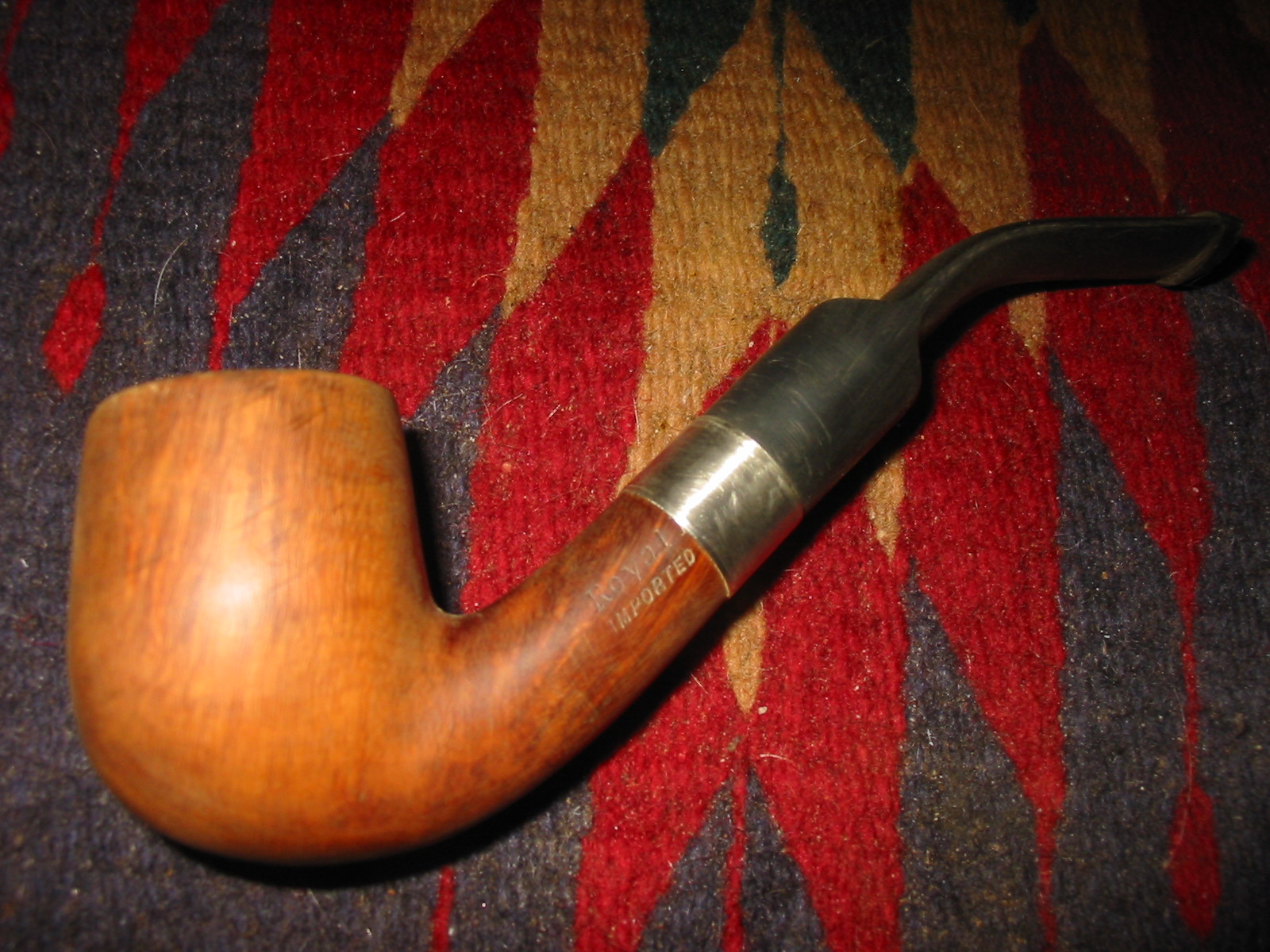
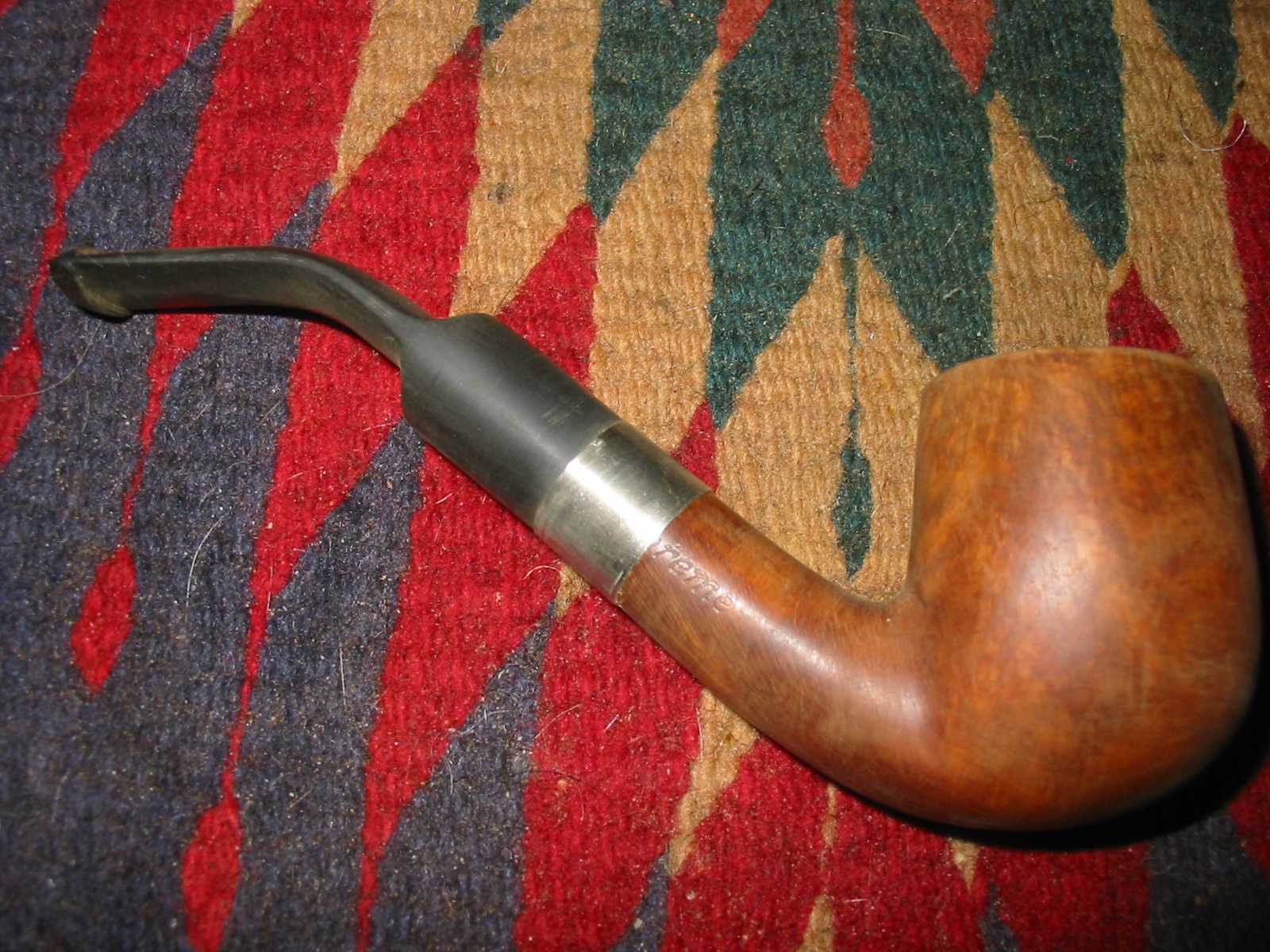
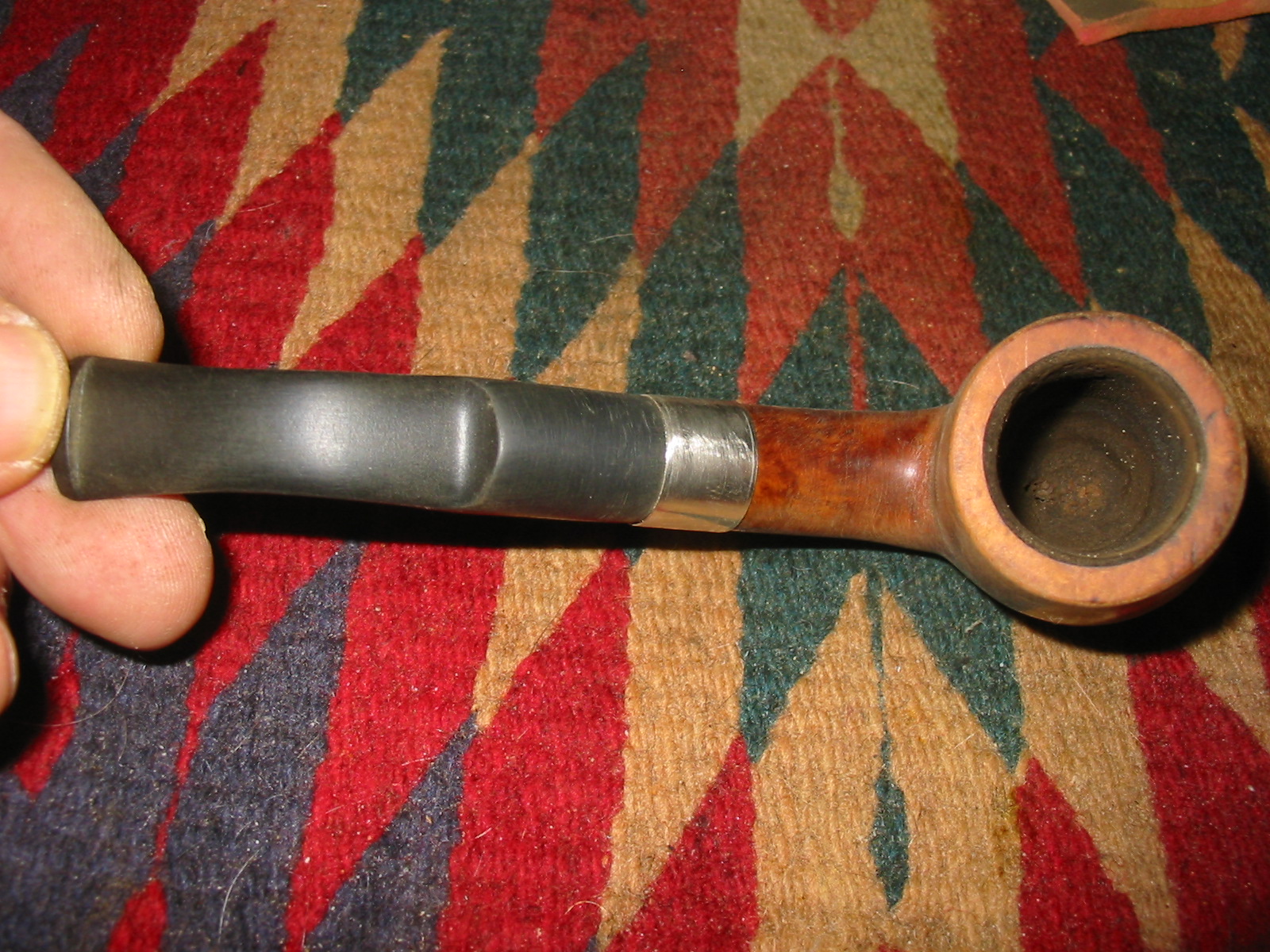
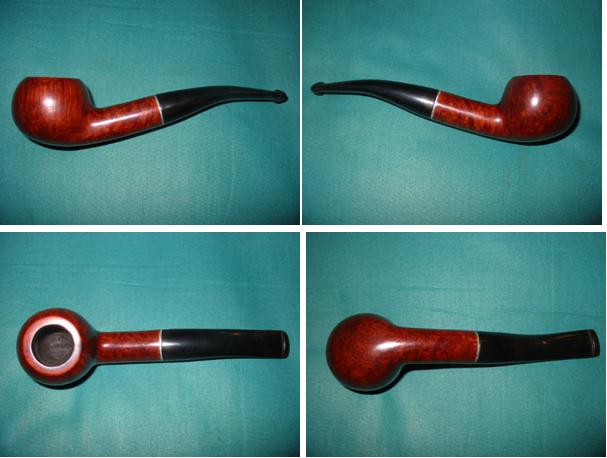
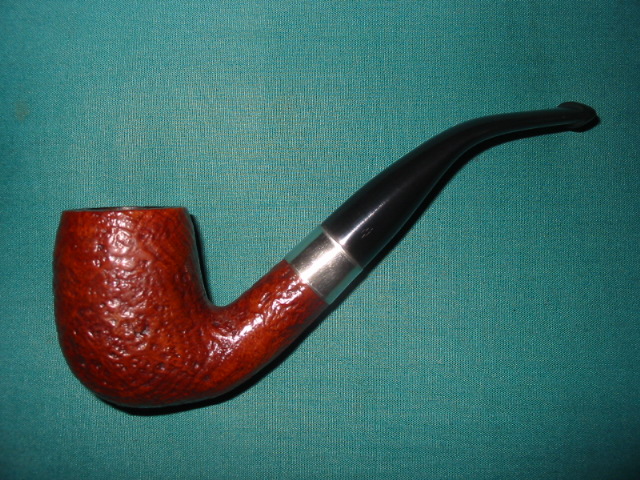
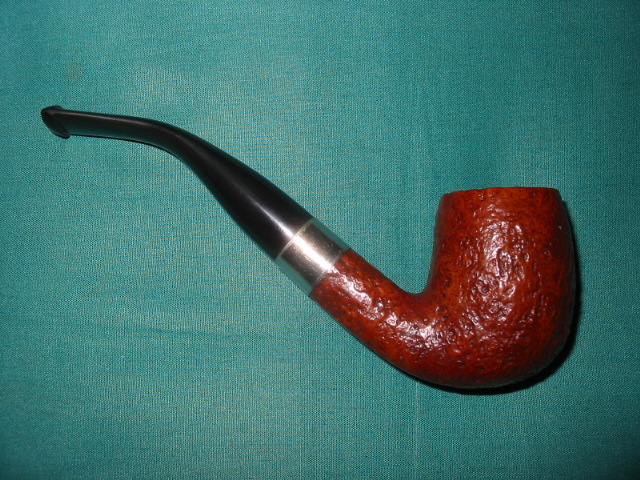
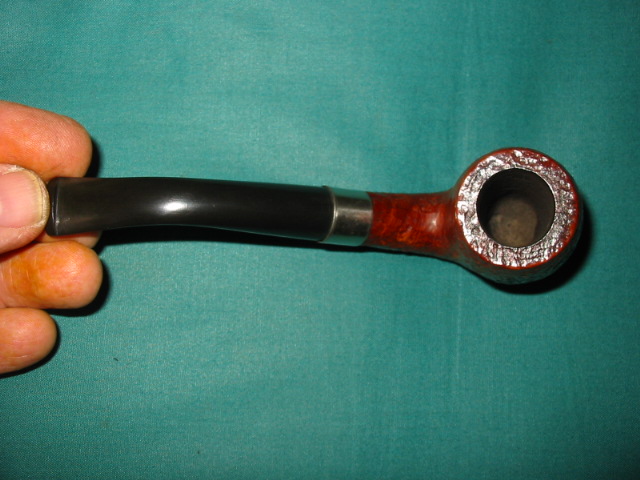
This old Rutledge pipe is the one that came with the Beuchner Ashtray Reamer that I wrote about in an earlier blog post. I have not found a lot of information about the brand or the maker of this pipe so it is a mystery that remains for me. However, the author shape is one that I particularly like so it finally got the attention needed to clean it up. You can see from the first two pictures the state of the pipe. The stem was badly oxidized and needed some work. The bowl was clean but dusty and even had a cobweb or two in it. The rim had some tar build up but was not dented or dinged. When I removed the stem – a screw mount stem – I found that it had originally had a KW stinger that had been clipped. It was fairly oxidized as well and the aluminum on the threads was pitted and darkened with tars and oils.
rut1

I unscrewed the stem and cleaned it out and used 0000 steel wool on that to clean the tenon and remove the oxidation and grime. I also used it to smooth out the pitting. One it was clean I dropped it in a bath of Oxyclean and warm water to soak while I worked on the bowl. I gave the bowl a light reaming and scrubbed the rim with a soft cloth and some Murphy’s Oil Soap. I wiped the entirety down with a cotton pad and some acetone and then buffed the bowl on my buffer with White Diamond and Carnauba wax. The metal band at the end of the shank made this quite easy to do without the stem attached. I never do that with a regular shank as it can round the edges and ruin smoothness of the shank stem junction. With the bowl finished I took the stem out of the Oxyclean bath and began to work it over with micromesh sanding pads from 1500-12,000 grit. I polished the stem with plastic polish after that and reattached it to bowl and gave the whole pipe several coats of carnauba wax and buffed with a clean flannel buffing pad to polish it.
rut2

Replacing a screw mount stem


I have always wondered how to replace screw mount tenons without drilling out the mortise. I have done that before and it works well but I wanted to try to create a new screw mount stem using the existing tenon. I have learned from repairing overturned stems that you can heat the tenon and adjust its fit so I figured heating it and removing it would work much the same. So for the subject of the experiment I decided to tackle refurbishing an old Whitehall pipe I had here.

The Whitehall had a screw mount stem with a stinger attachment. The stinger was removable leaving about a half inch of tenon that I could work with. The stem had a huge hole on the underside of the stem near the button and was not a candidate for a stem patch. It would work perfect for the plan.

I heated the metal tenon with my heat gun until I could loosen it from the stem. I used a pair of needle nose pliers after wrapping the tenon with a cotton cloth to protect the threads. With a minimal effort of wiggling the tenon it came out very easily. Once it was removed I cleaned it thoroughly with pipe cleaners, alcohol and steel wool.

I then matched the length of the existing tenonless stem with my stem blanks until I had one that was roughly the same length and thickness. I used my Dremel to cut off the precast tenon until it was close to the flat surface of the stem. I then used the flat board with sandpaper attached (like I do when topping a bowl) to sand the surface flush. Care must be exercised to keep the stem vertical or the surface will quickly get an angle. I smooth that surface with wet dry sandpaper 40 and 600 grit and finished it with the micromesh pads.

Once completed smoothing the end of the stem I used a series of drill bits to work my way up to 1/4 inch diameter hole that the tenon insert required. I have learned the hard way that to start with the size I want can often cause the stem to break in my hands. So because of that I progress through the series of bits until it is the correct size. Before gluing the insert in place I screwed it into the shank and put the stem on so that it was correctly aligned. I did not want to have an overturned or under-turned stem when I was finished. I marked the insert with a black marker so that I would know which side was the top and then unscrewed it from the shank. I coated the insert end with some epoxy (like I do when inserting Delrin tenons in to the stem) and pressure fit it into the stem with the mark on the top side of the fitting. It was a perfect fit. The superglue dries quickly so I checked the fit on the stem again to make sure it still aligned. It did!!

I used my Dremel to shape the diameter of the stem until it was a close fit and then finished the fit with sand papers and micromesh. When I had it smooth and shiny I buffed it with Tripoli, White Diamond and finally several coats of carnauba wax. I then used my heat gun to bend the stem to the right angle for this bent pipe. I cooled it under cold water and then polished and buffed it again.

The bowl had been cleaned and scrubbed to remove the grime and build-up of the years with Murphy’s Oil Soap and a soft bristle tooth brush. Once it was clean I gave a light coat of medium brown stain and then waxed it with Halcyon II wax.

Here is the finished pipe:

ImageImageImage

Correcting an overturn on screw mount stem


Blog by Steve Laug

In years past I remember posting on a variety of pipe forums I have been a part of regarding correcting an overturned stem with a screw mount. I have had old Kaywoodies and others that have this kind of stem and inevitably they were overturned so that the stem did not line up. It was semi tolerable on round stems but even then it was bothersome for me. The worst was on a bulldog with a diamond shank and stem. To not have the diamonds line up just bugged me. I knew there had to be a fix for this but I had no idea what it could be. I used various paper washers to help with the process. I used cardboard and even thin leather. All of these were less than satisfactory. Besides I am a bit anal about that kind of thing and I want it as it should be not half way there.

I don’t remember who posted the help for me or if I picked it up in talking with folks but I have been using this method for a long time now. I have seen others ask on various forums for a method for correcting the problem and have often typed out a response for them. Today I had a few moments to spare so I thought I would write up the procedure and share it with you.

My procedure is actually quite simple. I have a small microwavable bowl that I fill with enough water to cover the metal tenon and about a quarter inch of the stem when it is placed in the bowl. My bowl has a 2 ½ inch diameter so I can lay the stem in it at an angle with the button over the edge. Care should be taken as the water can and will bring out oxidation on the stem and it can be a pain to remove. I try to not allow the water to climb too high on the stem to minimize the work. I also place the stem in with the bend down on a bent stem. Vulcanite has memory and will straighten with heat so I have found that placing the stem with the outer bend in the bowl aids in keeping the bend.

Once the stem is placed in the water I place the bowl in the microwave and set it on high heat for 2 minutes. This generally gets the water boiling or just under boiling. If you worry about the metal causing trouble with your microwave you can heat the water without the stem and stick the stinger/screw mount end in the boiling water once it is removed. Once it is hot I let it stand in the water for another 2 minutes and then reinsert in the shank of the pipe. The glue should be softened enough to turn the stem until it is in the correct position. Once I get it straight I set it aside and let it cool and the fix is finished.

I have used one other method with good success as well and that is a heat gun as the source of the heat. For me it is a bit more labour intensive as you have to keep the stem moving so as not to burn the vulcanite. It does work well though and you do not have to fight the oxidation. Once it is heated use the same procedure as above to straighten the stem and fit. Let cool and you have it finished.

If the stem does not turn easily you have not heated it enough. Give it some more heat with the gun or the water until it is easily turned on the shank. I have used this method on all pipes with the screw mount tenon/stem and had good success.

Because it worked so well with the metal screw mounts I decided to give it a try with a bone screw tenon on a couple of older meerschaum pipes and an old deco Bakelite pipe. The pipes I chose to try the method on were pipes of little value so that if it did not work it would not be a loss. I put a cup of water in the microwave and stood the stem in it tenon down and set the timer for two minutes (time to boil a cuppa in my microwave). I took it out at a minute and gave it a try and it was better. I put it back in the water and let the two minutes finish. I don’t know if the tenon loosened or if it swelled but it is certainly fixed.

On these old timers my two concerns with the microwave were integral damage to the bone tenon from the heat moving from the inside out and secondly to the Bakelite stem. I did not want it to become brittle from the same process. I tried to minimize that by putting it in the water. I have learned on the metal ones to insert the stem and tenon while the water heated in the microwave for maximum effectiveness. I decided to do that as well. I have been smoking these pipes now for several months and taking them apart to clean them without any problems. It seems that they have not been compromised.

I have yet to try it on amber as I have not had an amber stem to sacrifice. I now know that it works on Lucite, vulcanite, Bakelite and on older bone tenons. I continue to experiment with these older pipes to learn what I can in terms of restoration. If you have suggestions or ways in which you have worked with this issue let me know.