
by Steve Laug
In November I received an email from Mario about working on some of his Dad’s pipes. Here is what he wrote to me.
I am desperately seeking help restoring and repairing some of my dad’s smoking pipes. I have tried reaching out to the only two known pipe repair establishments I could find in the entire country but one is not currently taking repair orders and the other said she didn’t want to try to repair these pipes without having even seen them. Would you be willing to take on the repairs or can you recommend anyone? Thank you much!!!—Mario
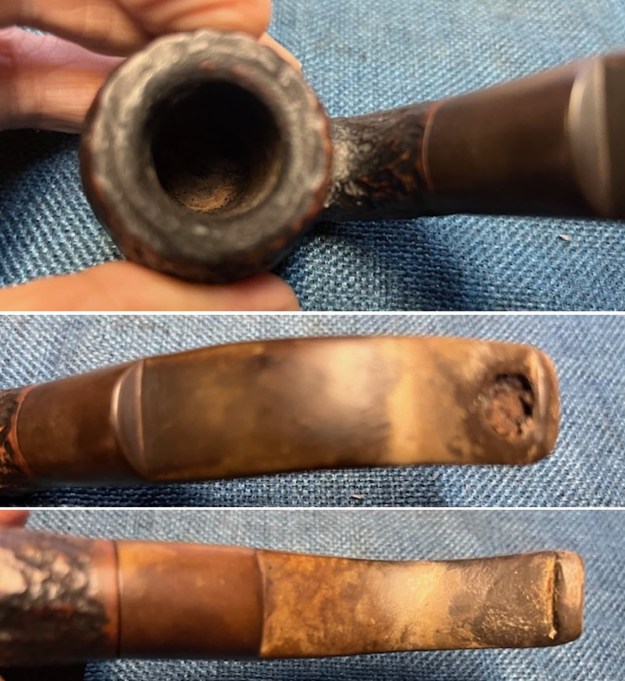
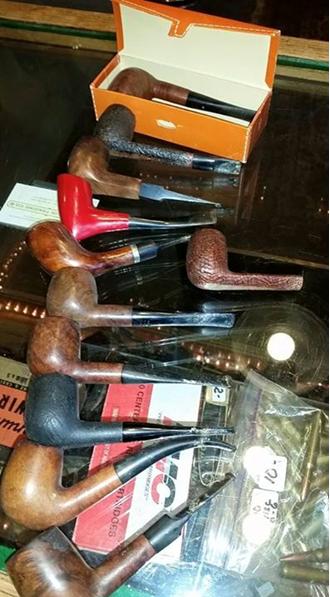
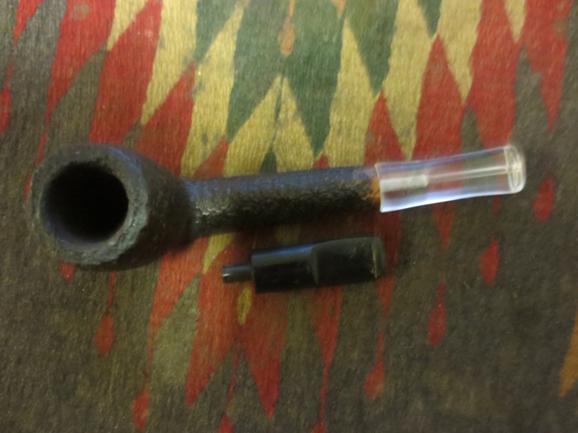
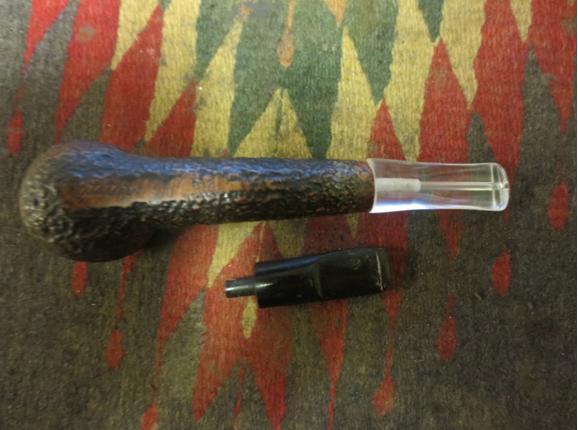
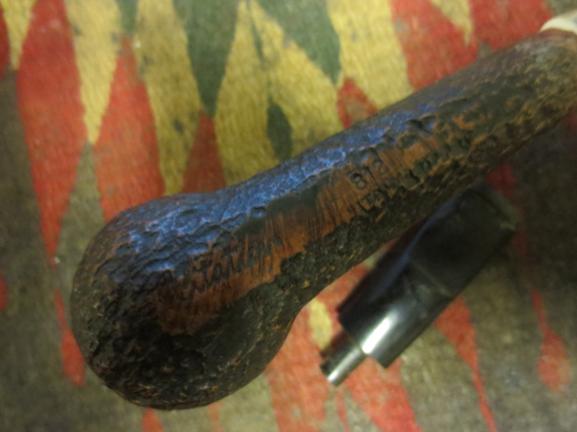
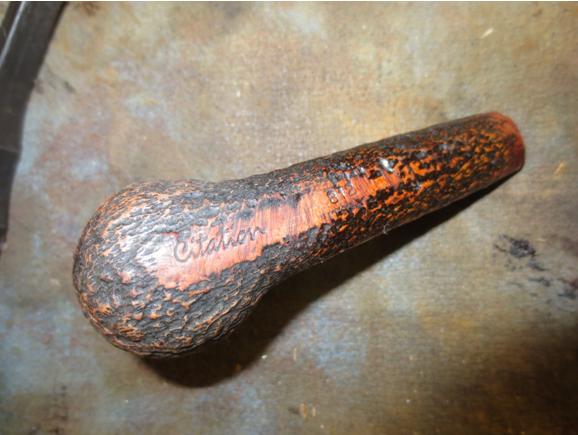
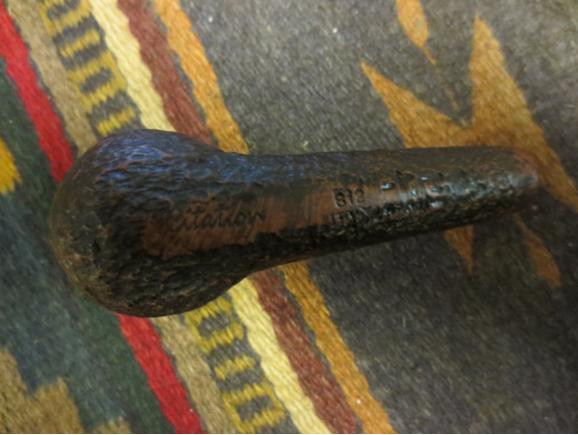
I wrote him back and asked him to send me photos of the pipes. He sent some single photos of the meerschaum bowl and stem, several of the leather clad Canadian and the photo of the rack and six pipes shown below. I looked through the photos and this is what I saw. There were two leather clad pipes a Canadian and a Pot. Both of them were cracked on the shanks and had been self-repaired with wire to hold the cracked shank together. The leather cladding was torn and the stitching was rotten and broken around the bowl. To me they were both irreparable. There was a lovely older Meerschaum with a horn stem that needed a good cleaning and repairs to the horn stem. There were two Knute Freehand pipes with original stems that were dirty but fixable. The plateau on the smooth one had a large chunk of briar missing. There was a Wilshire Dublin with a chewed and misfit stem. Finally, there was a billiard that had been restemmed with a fancy GBD saddle stem on it. They were a messy lot but I told him to send them on to me. They arrived yesterday and the condition of the pipes in the photos was confirmed. They were a mess and needed much work. I have included Mario’s group photo below to show the lot.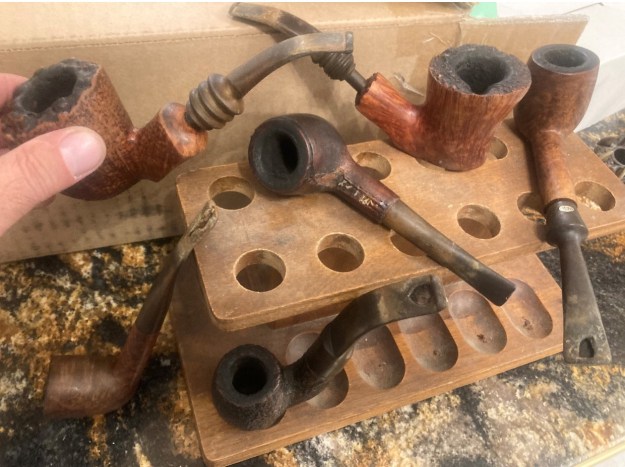 This afternoon I decided to start working on the Oom Paul next. It was the one on the left centre on the bottom of the rack in the photo above. It was an Oom Paul shape with a bent round shank and the saddle stem had a huge bite through on the topside of it. The bowl had a thick cake on the walls and a heavy lava coat in the rustication on the rim top. It was internally a mess. The finish was dirty and had grime ground into the sides of the bowl. There seemed to be line around the bowl top that hinted at the bowl being lined with meerschaum. The shank was in good shape with no nicks or cracks. The pipe was stamped on the underside of the shank and read Citation in script (followed by) the shape number 614 [over] Italy. The shape number and Italy stamp tell me the pipe was made by Savinelli. There was no other stamping on the shank sides. The stem was correct but chewed beyond repair and would need to be replaced. I took photos of the pipe when I unpacked it to examine it. I have included those below.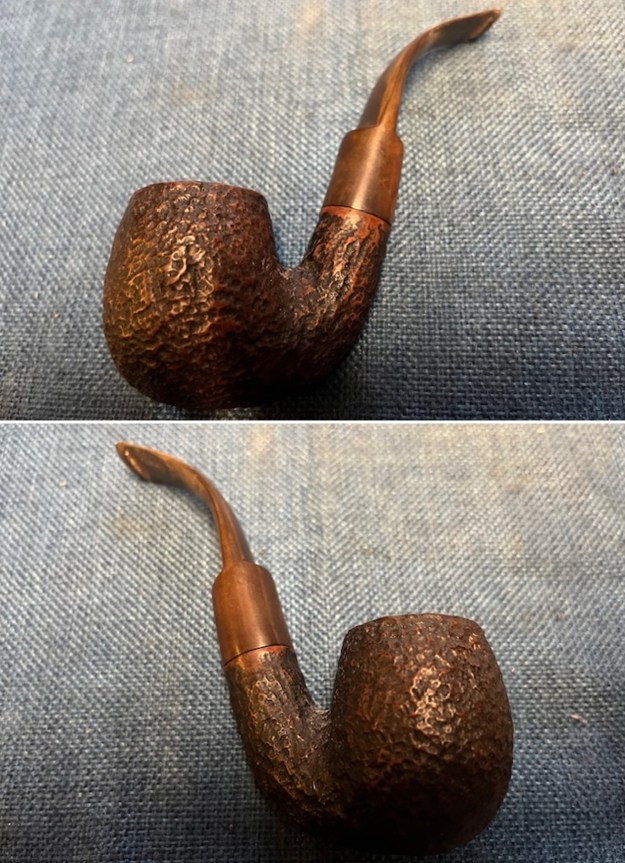
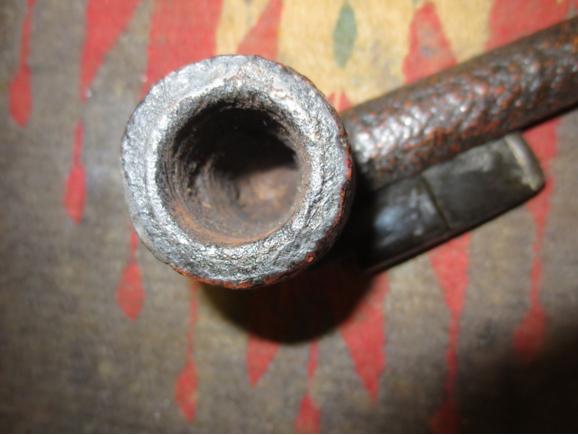
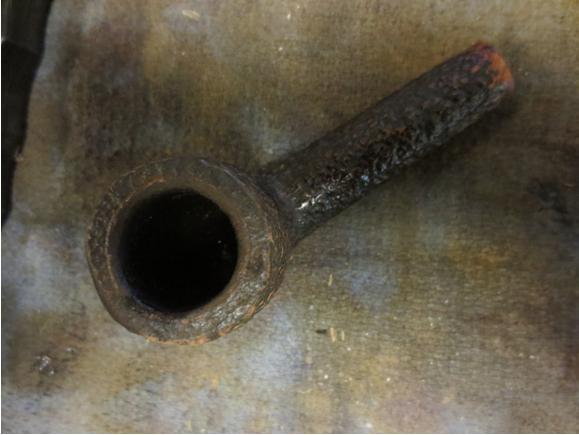
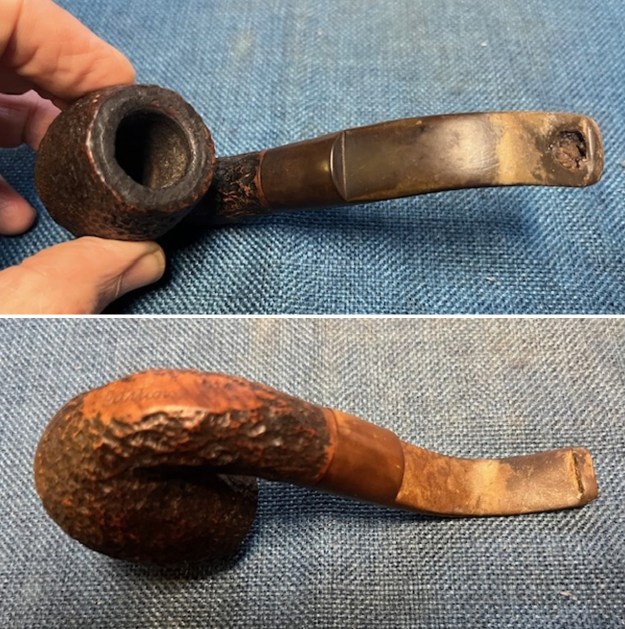 I took a photo of the rim top to show the condition and the interesting ring on the rim top. I also took photos of the heavily damaged stem.
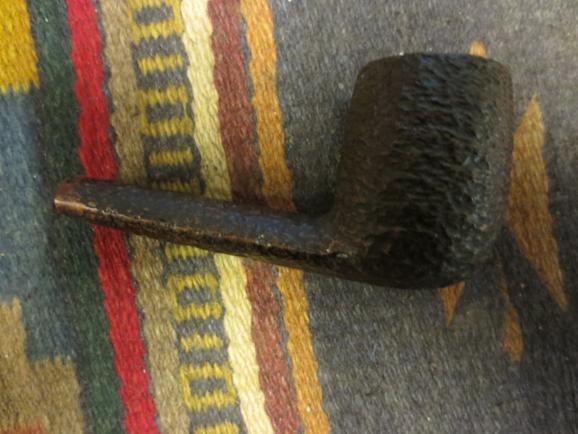
  I took a photo of the stamping on the underside of the shank. It is clear and readable as noted above. I took a photo of the bowl with the stem removed to give a sense of the proportion and appearance of the pipe without the stem. You can see the damage on the stem top so it is no question that it needs to be removed.
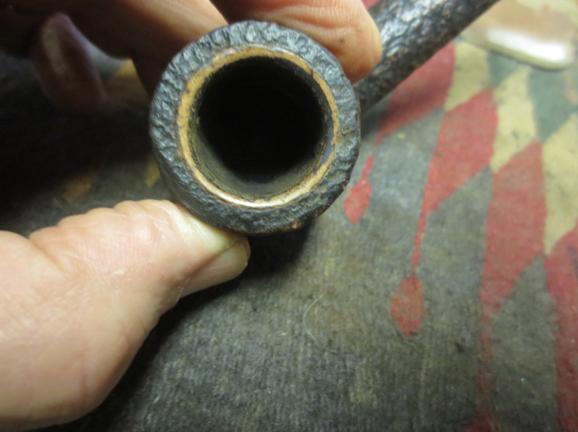
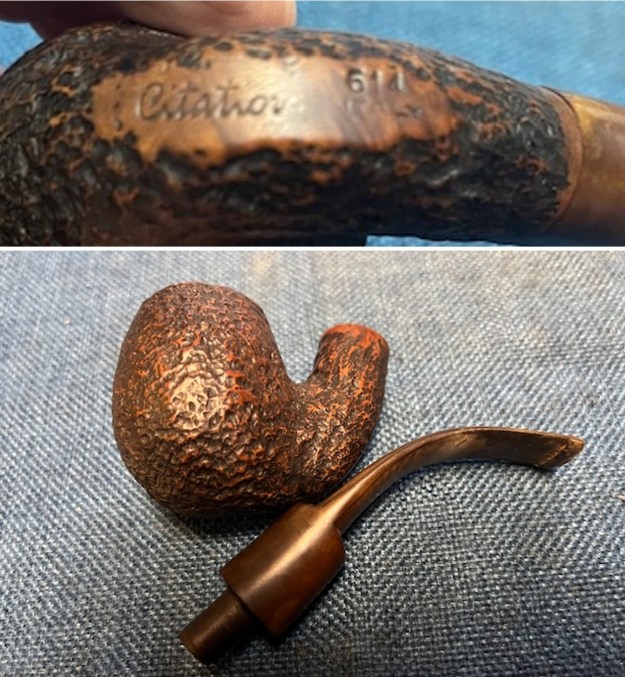 I remember having worked on a Citation before but could not put my finger on what I knew about it. I did a quick search on rebornpipes and found a blog I had restored and restemmed a Citation that had been meerschaum lined (https://rebornpipes.com/2015/12/24/a-surprise-when-working-on-the-citation-812-canadian/). Fortunately, I could see what looks like a smooth ring around the inside of the bowl. As I examined it I found that ring around the inside edge of the bowl was a meerschaum lining. I knew that I was working on a Meerschaum lined Oom Paul.
I carefully reamed the bowl with a PipNet Pipe Reamer remove from the bowl leaving bare meerschaum. I cleaned up the remnants of cake with a Savinelli Fitsall Pipe Knife and removed the remaining debris. I sanded the bowl walls smooth with a piece of 220 grit sandpaper wrapped around a piece of dowel. I scraped the lava coat off the rim top – both the rusticated portion and the smooth ring of the meerschaum bowl top with the Savinelli Pipe Knife and removed all of it.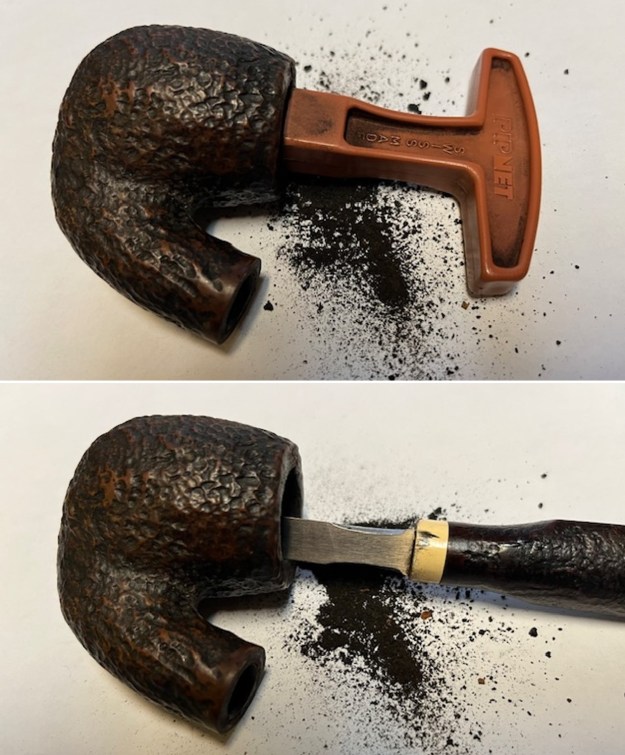
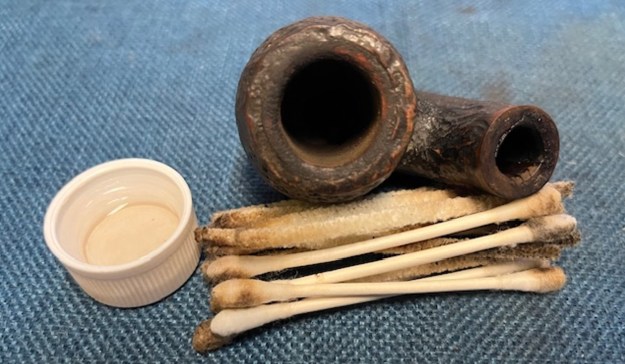
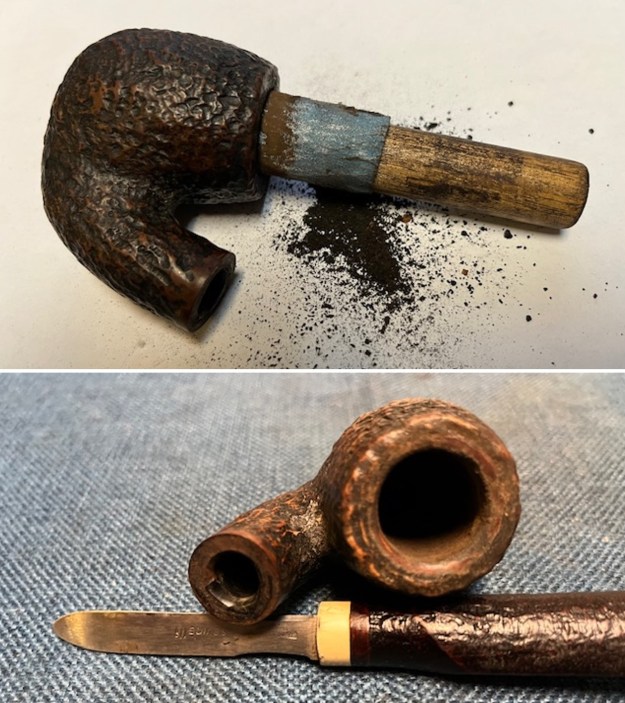 I cleaned out the internals of the bowl and shank with pipe cleaners, cotton swabs, shank brushes and 99% isopropyl alcohol. It was very clean and it looked and smelled far better.
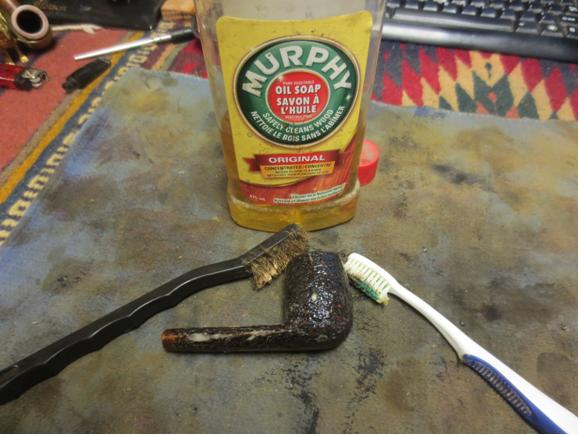
 I scrubbed the externals of the bowl and shank with undiluted Murphy’s Oil Soap and a tooth brush. I worked over the bowl, shank and rim top with the soap and then rinsed it off warm water. The bowl looked extremely good. There were some significant burn marks on the rim top and inner edge but the bowl itself was very clean.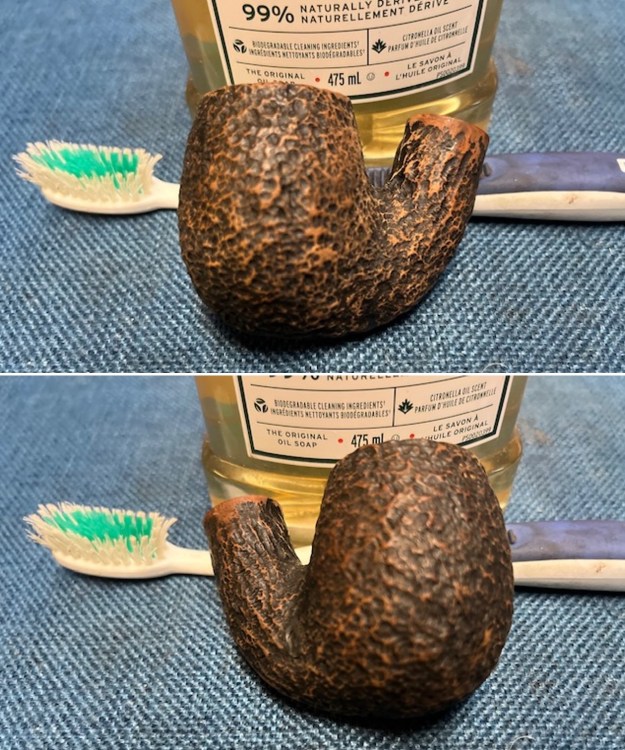
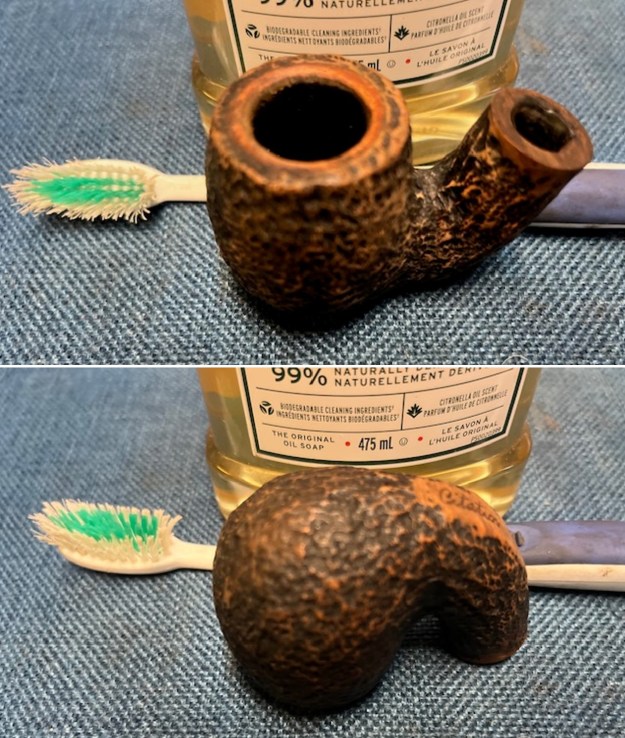 Once the bowl had dried I touched up the stain on the rim top to match bowl colour. I used a Walnut Stain Pen to colour the briar and leave the meerschaum rim clear for polishing.
 I rubbed the bowl and shank down with Before & After Restoration Balm. I worked it into the surface of the bowl sides and shank with my fingertips and a shoe brush to clean, enliven and protect the briar. I let the balm sit for a little while and then buffed with a cotton cloth to raise the shine. The Balm did its magic and the grain stood out.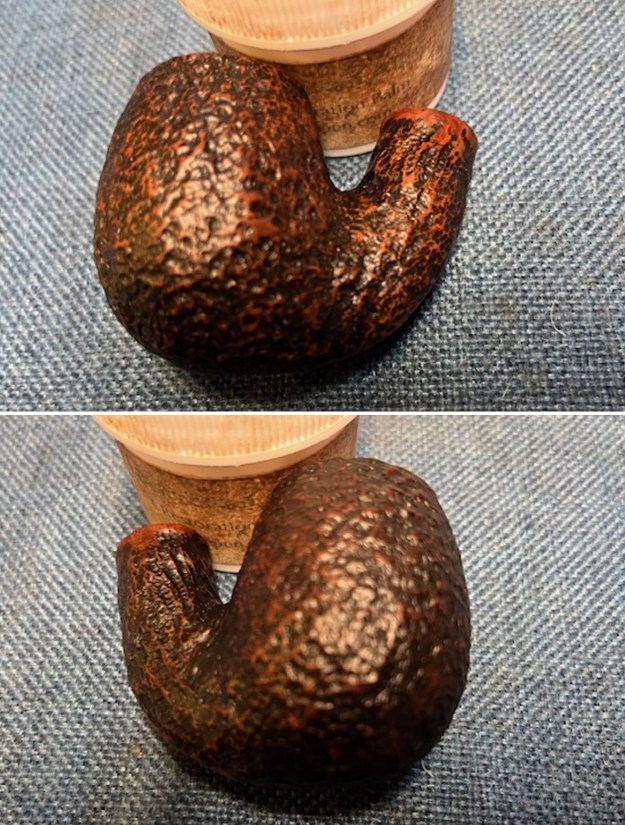
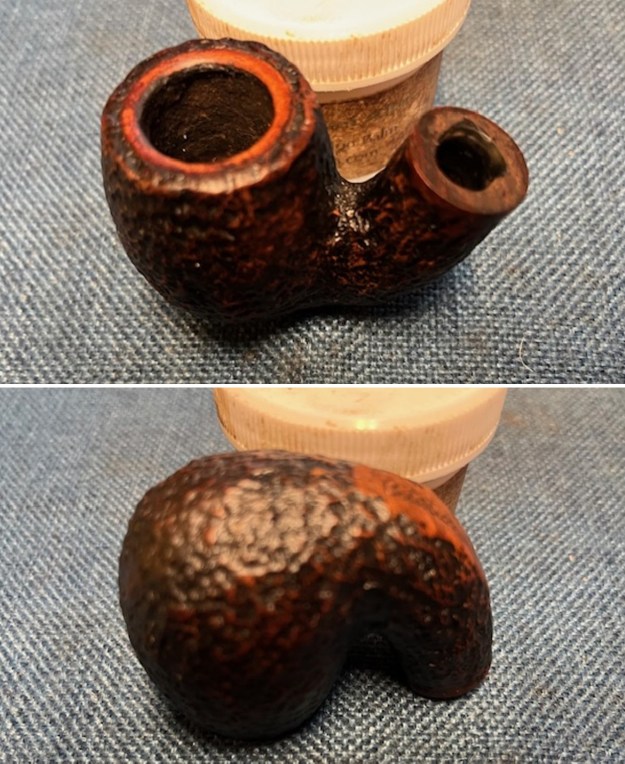
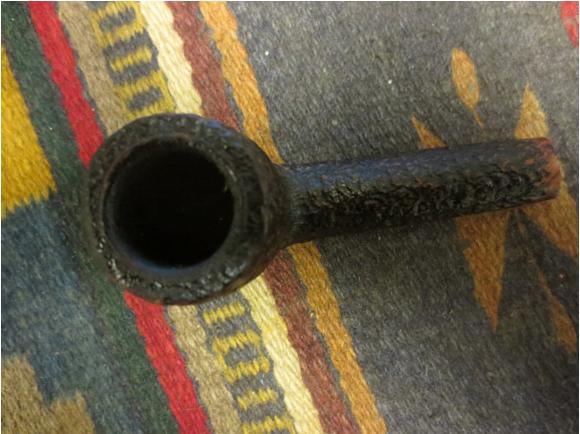
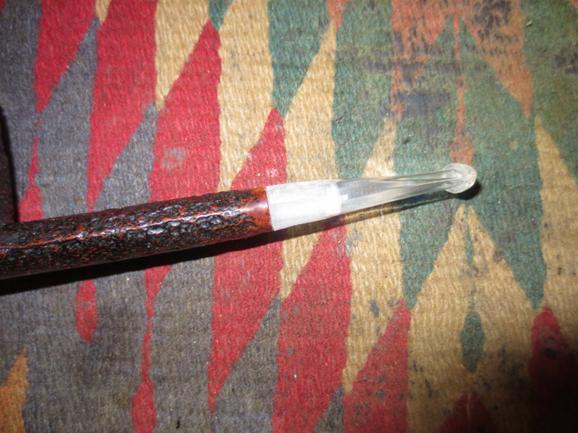
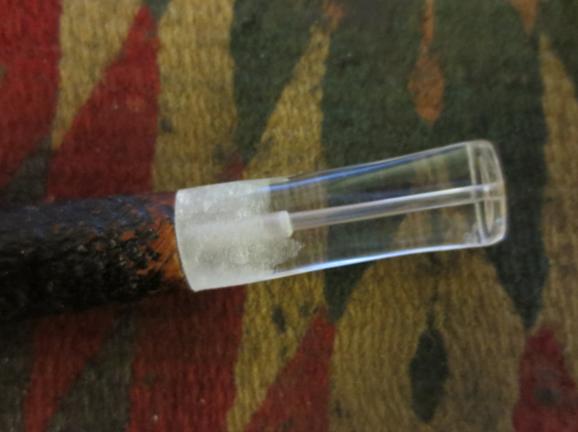
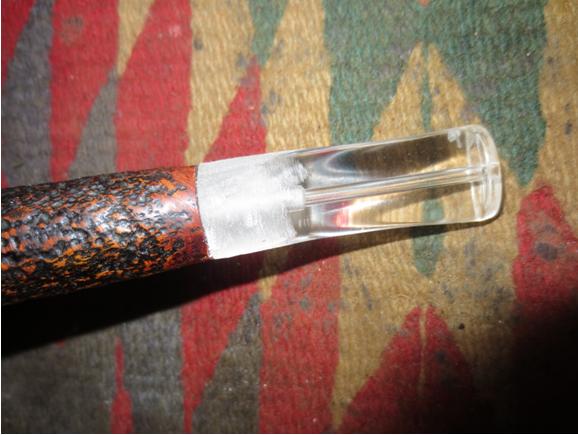
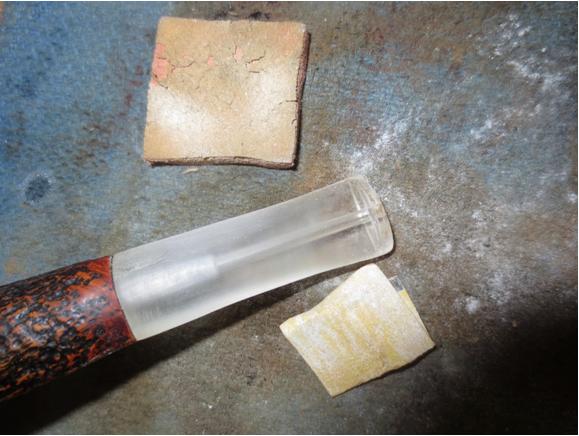
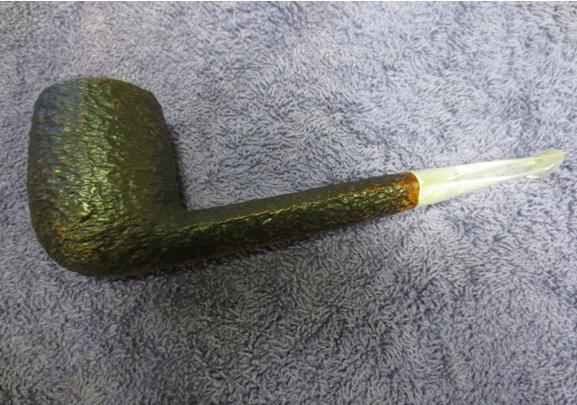
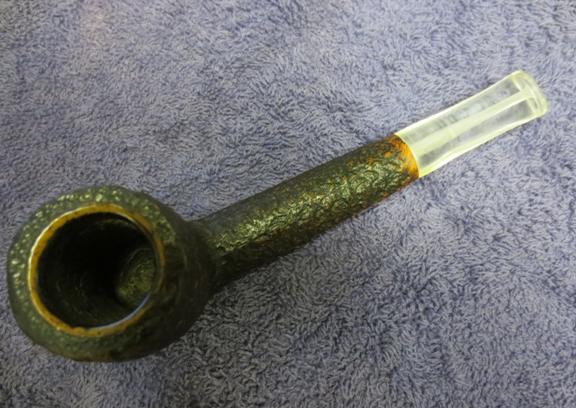
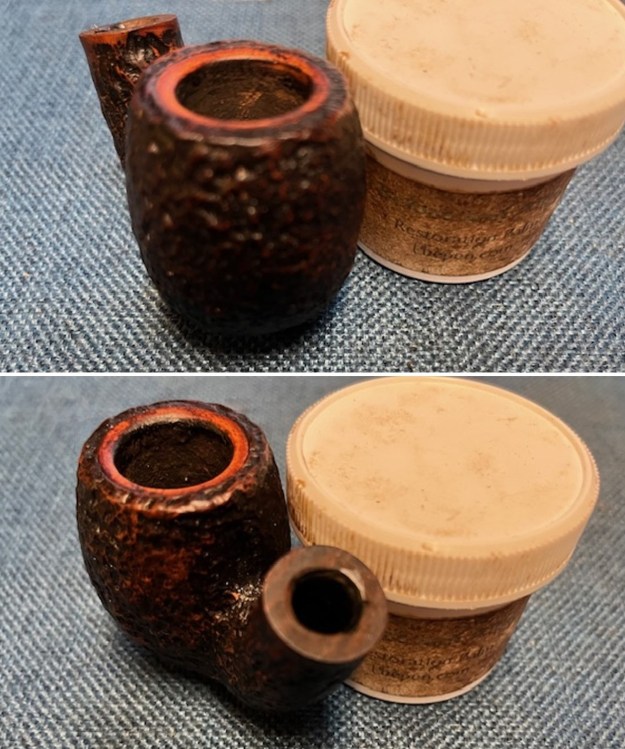 I went through my can of stems and found one that was the right taper for the pipe bowl I was working on. It had the right look and would need shaping. The stem is very similar to the original that came on the pipe and should look very good.
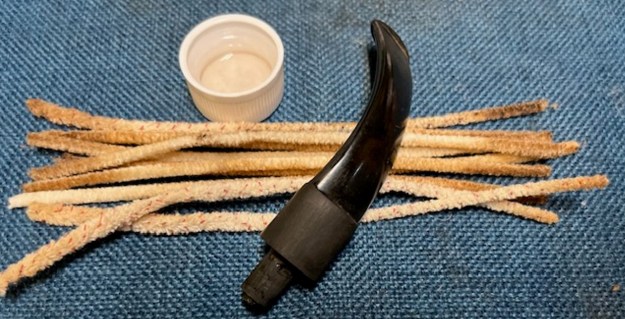
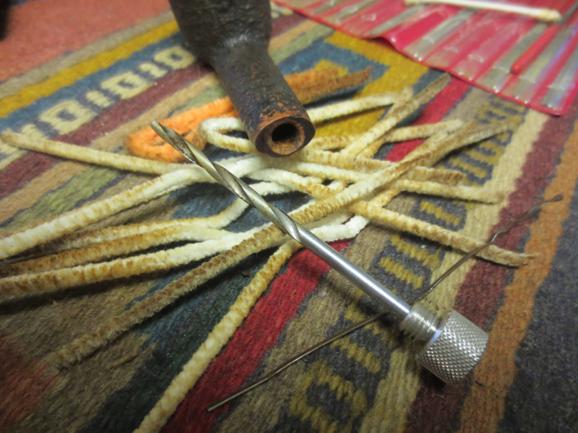
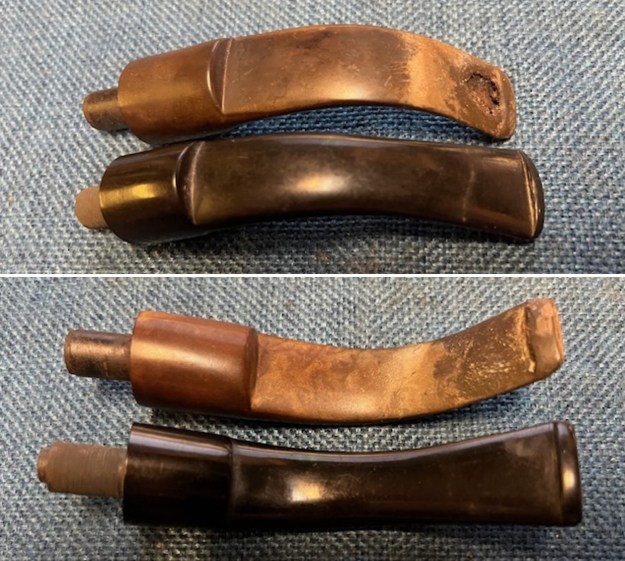 I cleaned out the internals of the stem with alcohol and pipe cleaners. There was some tars and oils in the airway and it took some work but it was clean. One of the odd things on this pipe was that the inside of the shank had a piece of black electrical tape stuck in it that had come off the tenon sometime along the way.
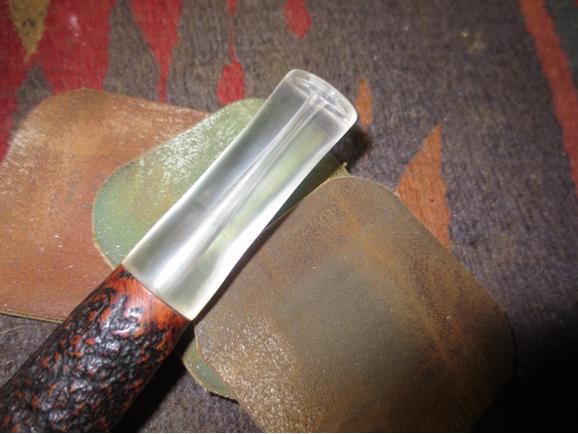
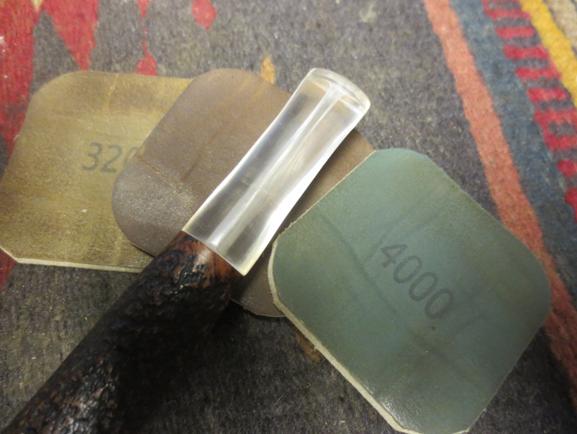
 I sanded the stem with 220 grit sandpaper to reduce the overage in diameter on the top and the left side of the saddle (forgot to take photos). I smoothed out the sanded portions and the sanded tooth marks with 320-3500 grit sanding pads. I wiped the stem down after each pad with an Obsidian Oil cloth. It was beginning to look very good.
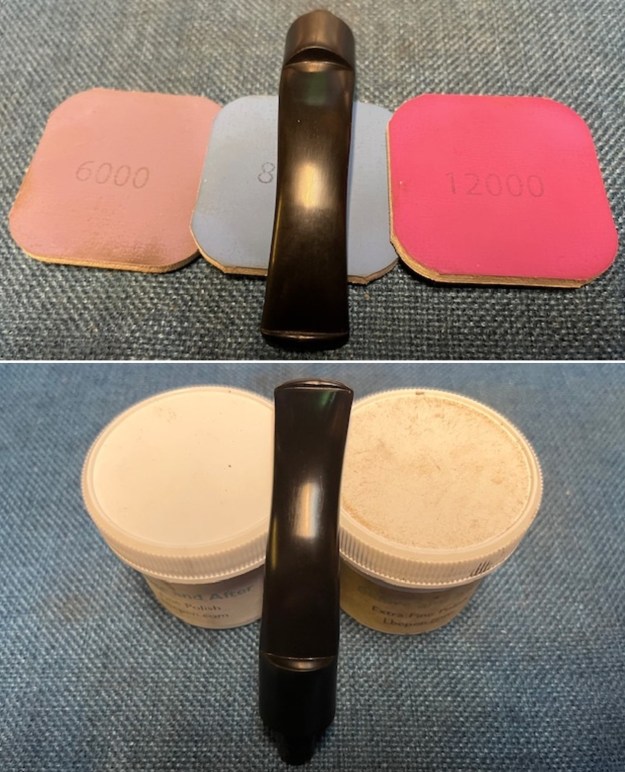
 I polished the stem with micromesh sanding pads – 1500-12000 grit pads. I wiped it down with a damp cloth after each sanding pad. I used Before & After Pipe Polish – both Fine and Extra Fine to further polish the stem.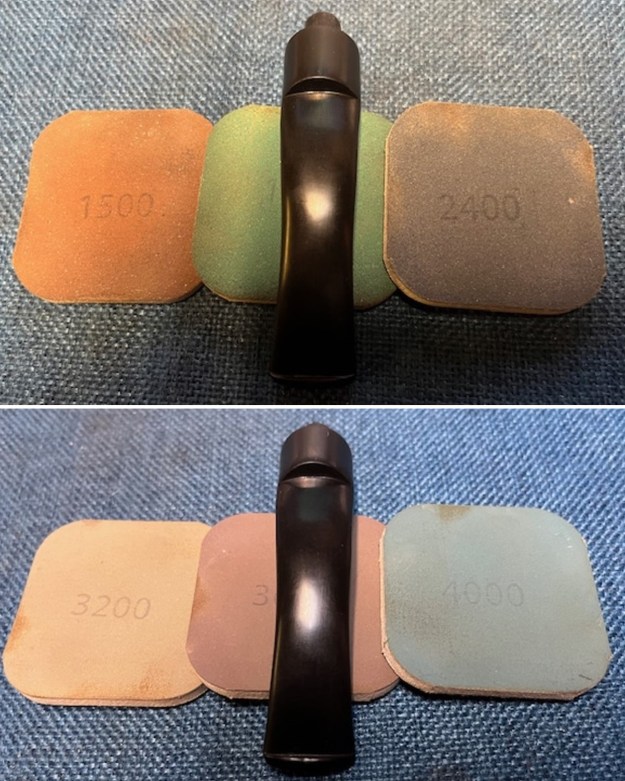
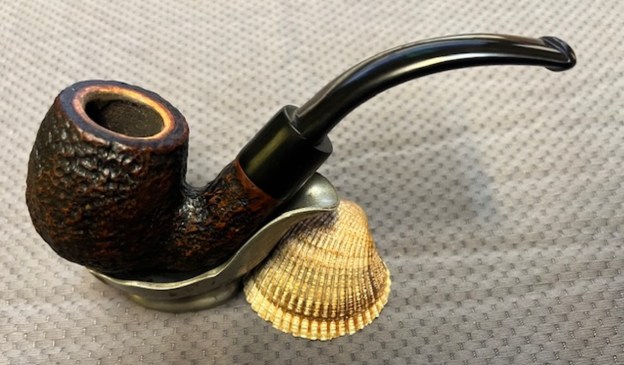
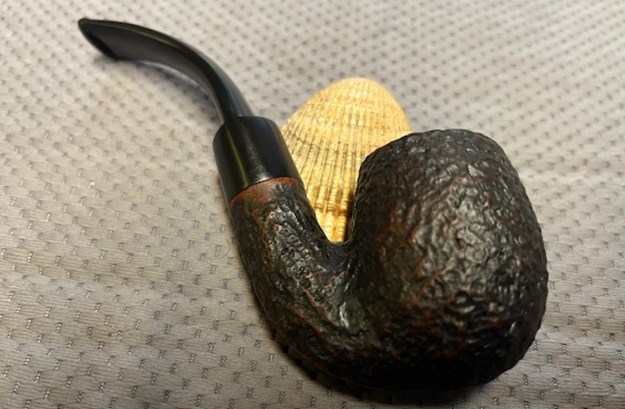
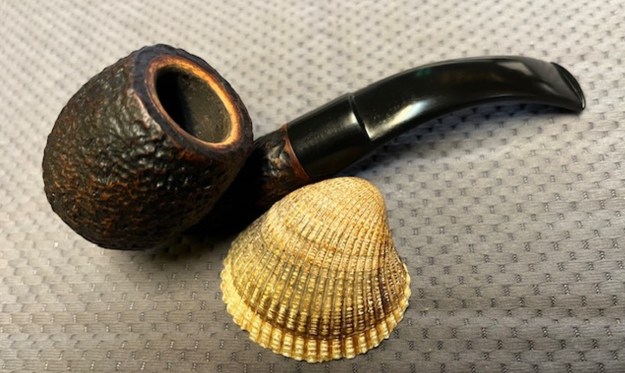
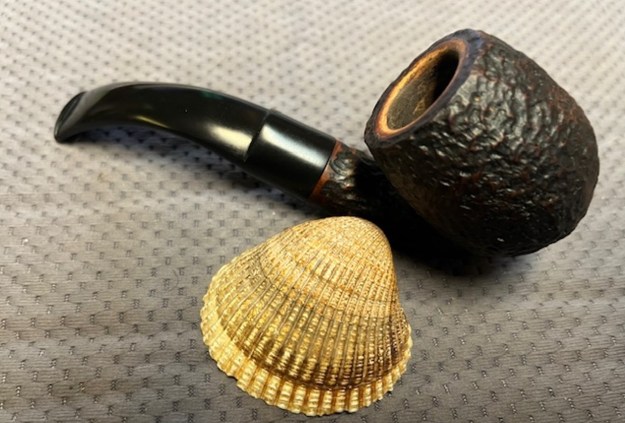
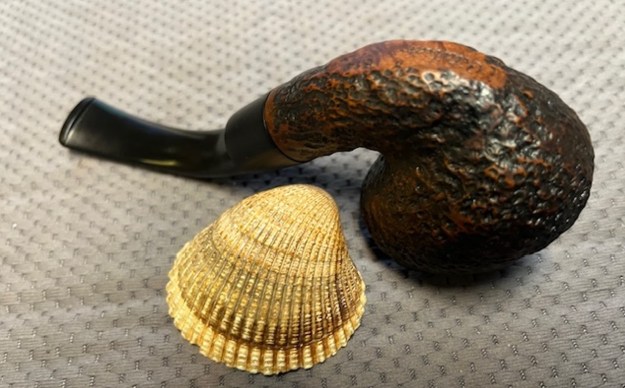
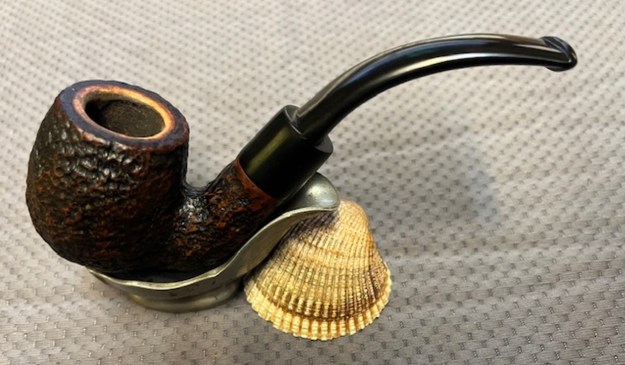
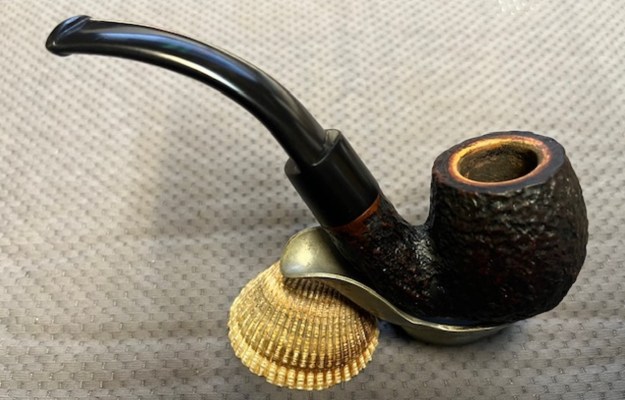
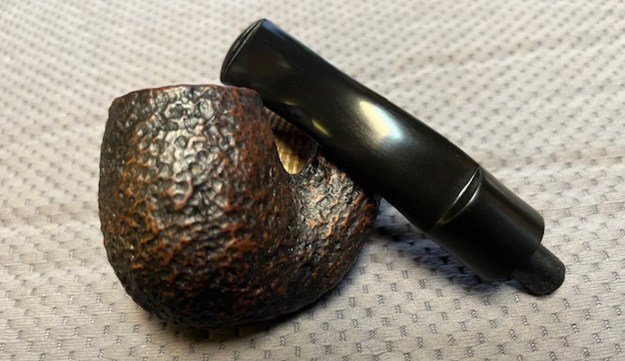
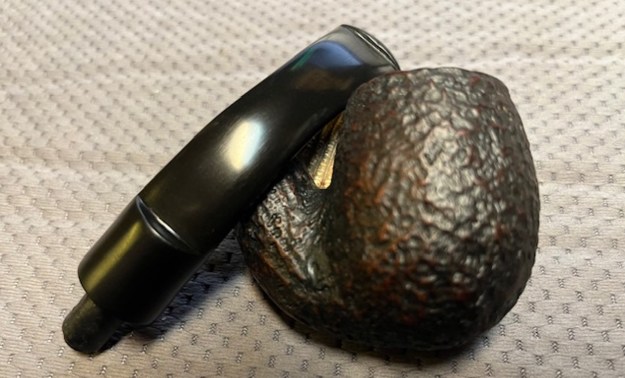
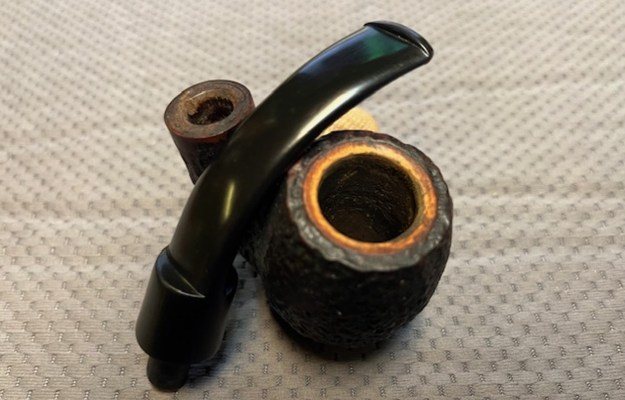
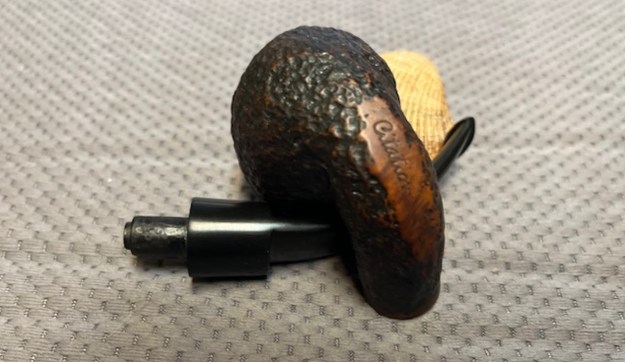
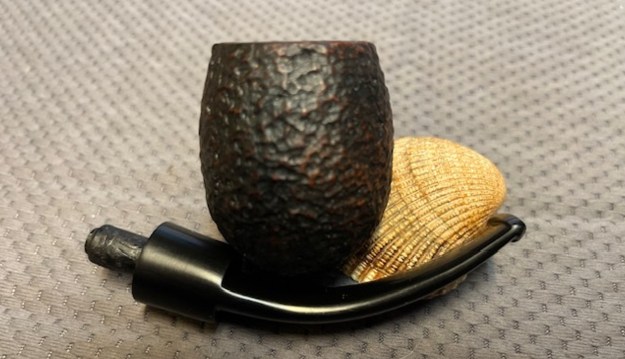
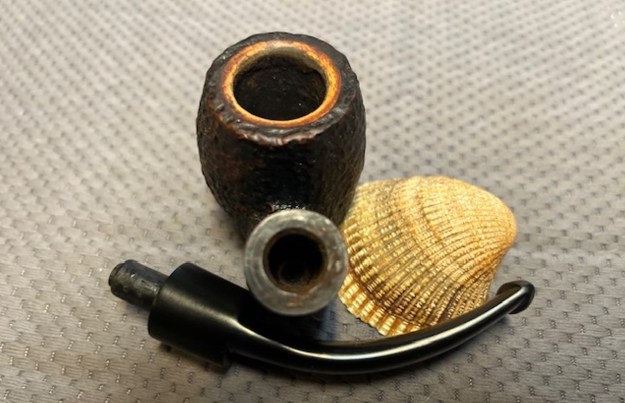
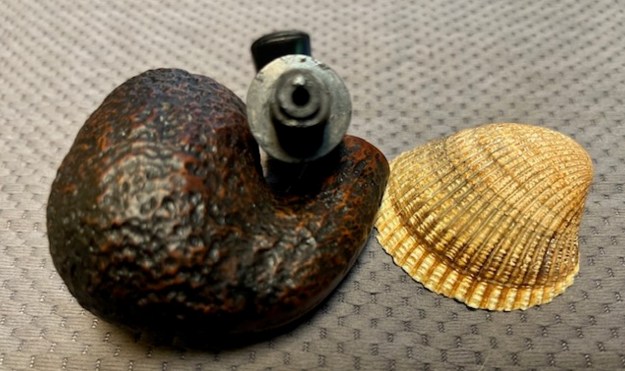
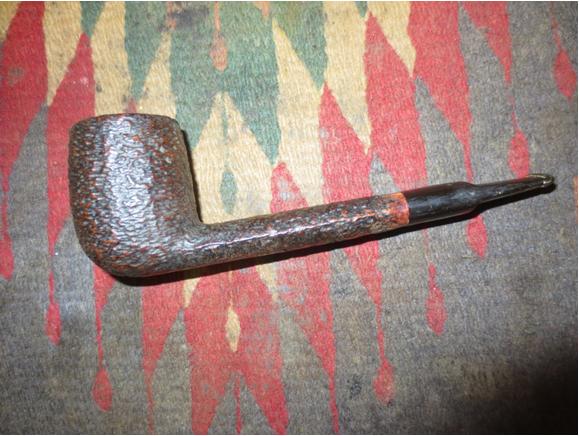
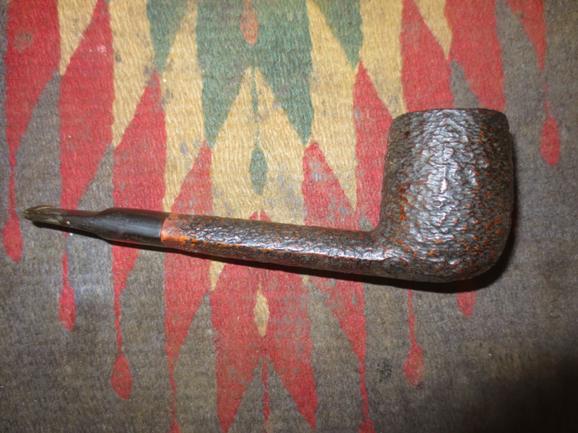
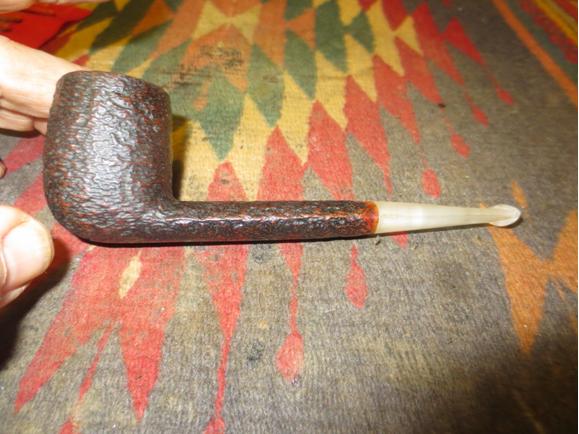
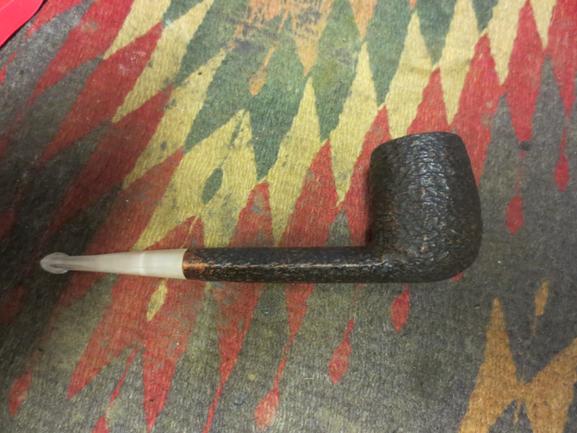
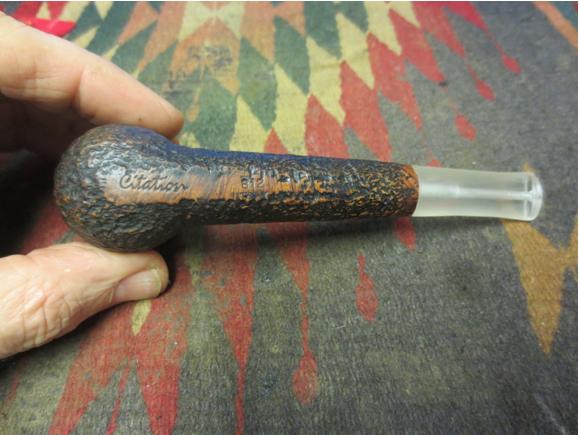
 This restored and restemmed Savinelli Made Citation 614 Rusticated Oom Paul with a new vulcanite saddle stem is a great looking pipe now that it has been restored. The beautiful rusticated finish stands out and gives depth to the bowl and shank sides. I put the stem back on the bowl and carefully buffed the pipe with Blue Diamond on the buffing wheel. I gave the bowl and the stem multiple coats of carnauba wax on the buffing wheel and followed that by buffing the entire pipe with a clean buffing pad. I hand buffed the pipe with a microfiber cloth to deepen the shine. The rim top shows Meerschaum Lining and other than darkening it was in great shape. The finished Savinelli Citation 614 Meerlined Oom Paul is a beautiful pipe, but it fits nicely in the hand and feels great. Give the finished pipe a look in the photos below. The dimensions of the pipe are Length: 5 ½ inches, Height: 2 inches, Outside diameter of the bowl: 1 ¼ inches, Chamber diameter: ¾ of an inch. The weight of the pipe is 58 grams /2.01 ounces. This is the third of six pipes that I am restemming and restoring for Mario from his Dad’s collection. I look forward to hearing what he thinks of this newly restemmed pipe. Thanks for reading this blog and my reflections on the pipe while I worked on it.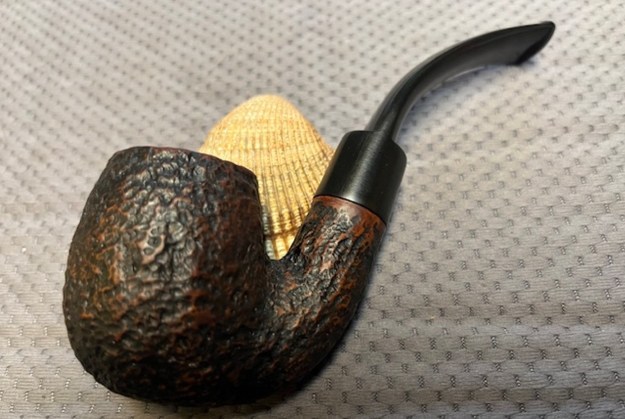






 rebornpipes