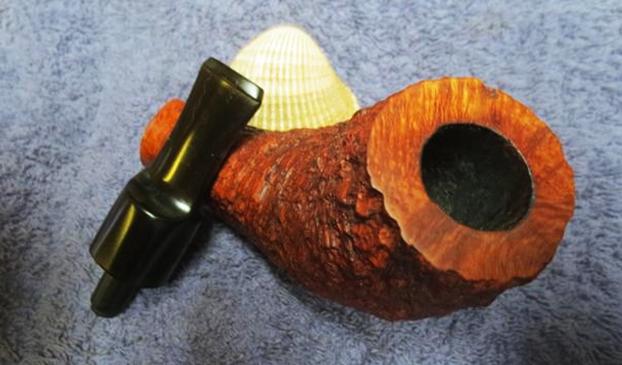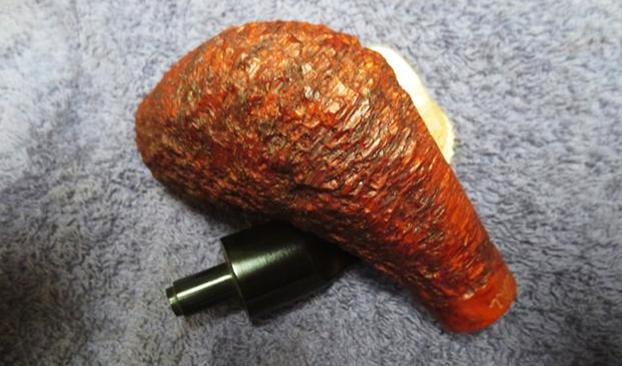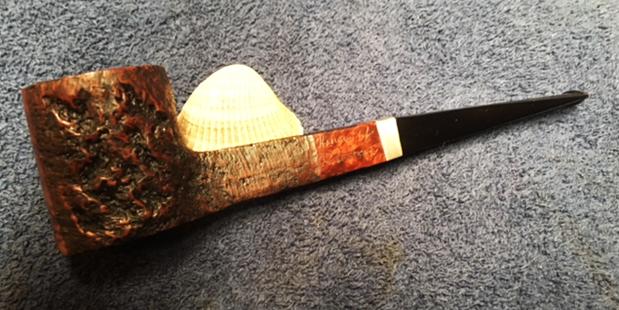
Tag Archives: House of Robertson Pipes

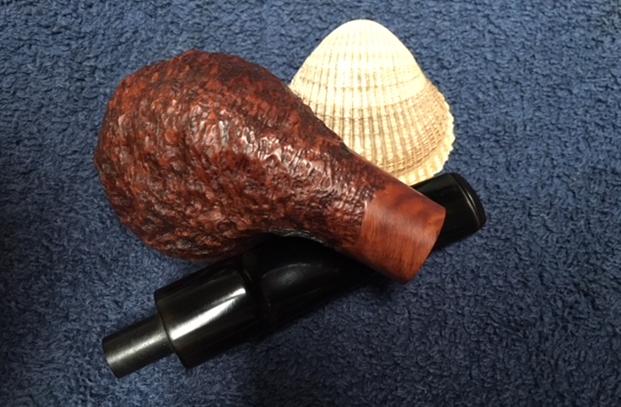
Restoring a Rusticated House of Robertson War Club


Blog by Steve Laug

After my brother Jeff found an assortment of House of Robertson pipes at an auction in Wilder, Idaho which is an area in the greater Boise, Idaho area. He kept an eye out for more of the brand on his weekly pipe hunts. He found several others that are quite unique in an antique mall near where he lives. There were two large long shanked pipes – one round shanked and one square shanked. The third of the batch that he finds is a nice little classic apple shape. It looks tiny with the size of the other two. The two larger pipes are a combination of smooth and rusticated. They both have smooth panels on the sides or front of the pipes. Both of the large ones are banded with a sterling silver band. It seems to me that the bands on both the square shank and the round shank are decorative rather than a repair for a cracked shank. I will be restoring them in the days ahead. He picked them up for us to restore. They all have the name House of Robertson roughly hand-etched on the side or underside of the shank with an engraving tool. I am including the information that I found when I received my first of the House of Robertson Pipes. I found a link on Pipedia that gave me the only information I could find on the brand. I include that in total as it is interesting to read.

“House of Robertson” was in business for many years, but alas, closed their doors in 1999. They were located in Boise, Idaho. They are noted for making rather large and interesting pipes. Thayne Robertson was a Master Mason, AF & AM, and started the shop about 1947 and his son Jon started working there in 1970 when he finished college, along with Thayne’s daughter. Thayne and his son started making the big pipes at that time, and made them together until 1987 when Thayne passed away. Jon kept the store and his sister moved on to other things. The House of Robertson appears to have closed around 1999. https://pipedia.org/wiki/Robertson

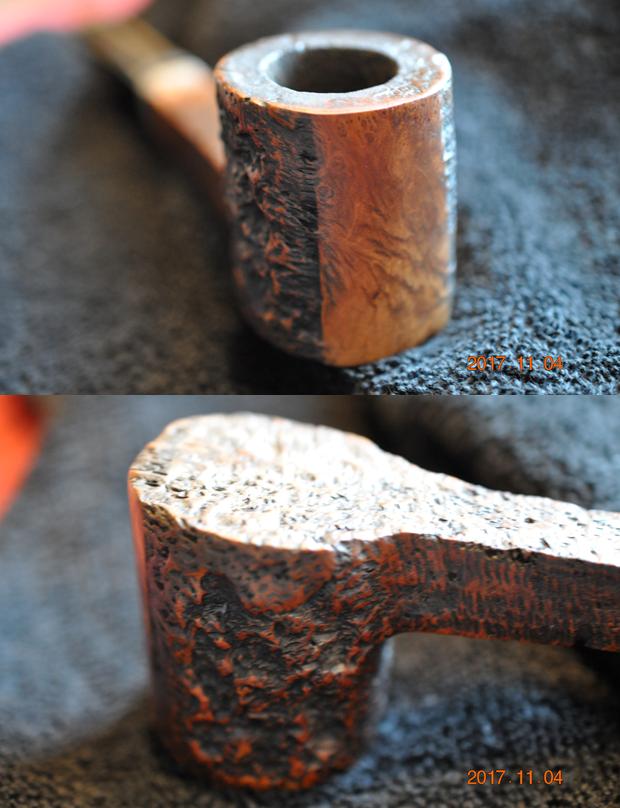
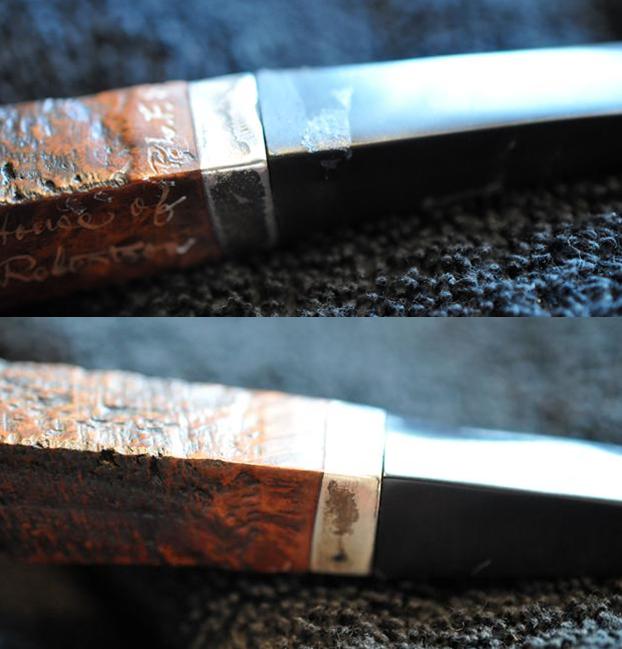
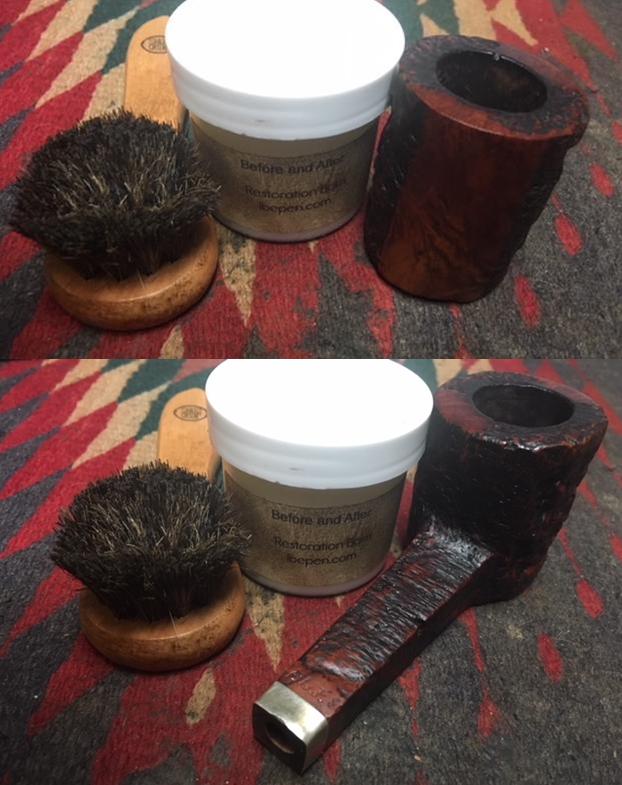
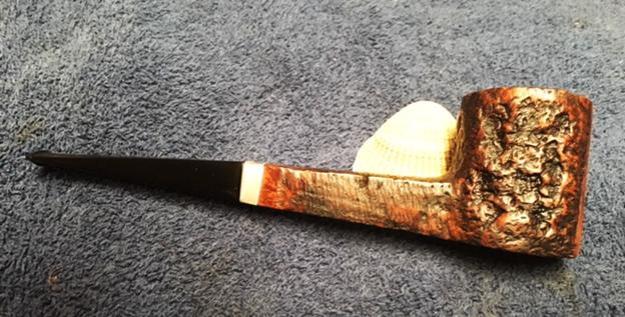
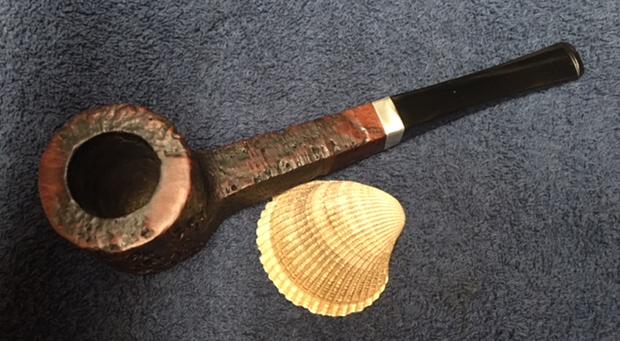
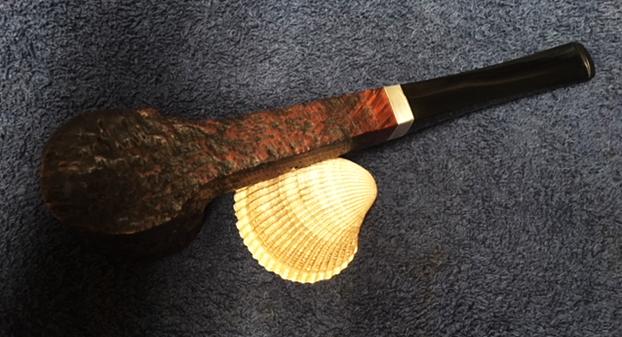
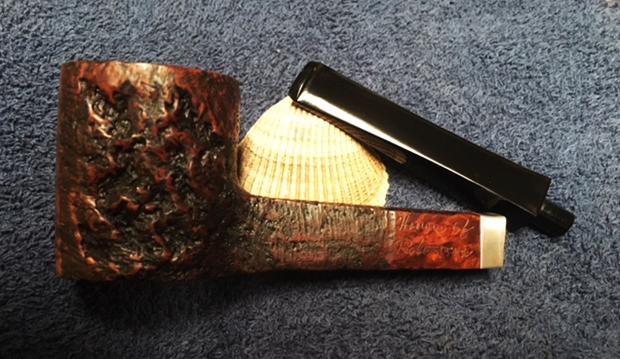
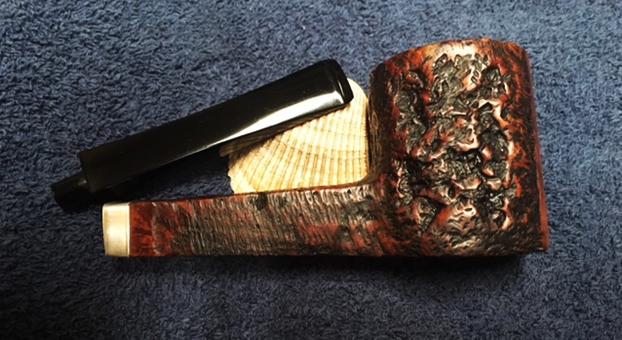
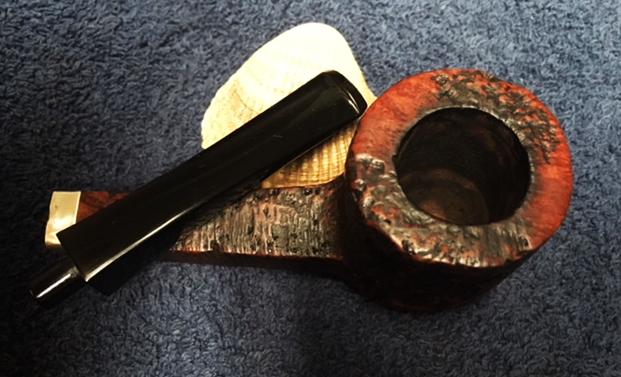
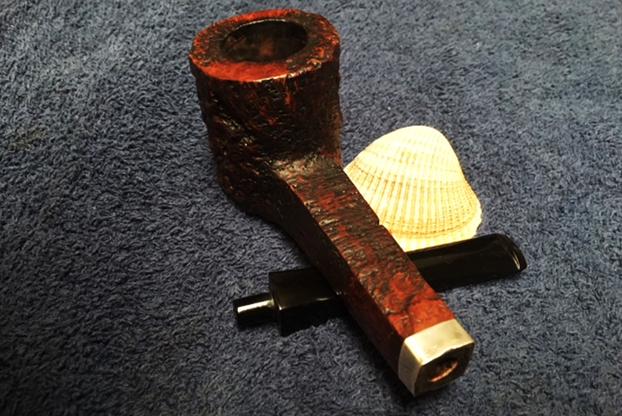
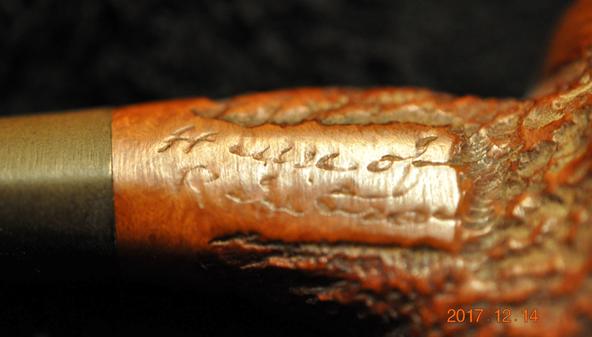
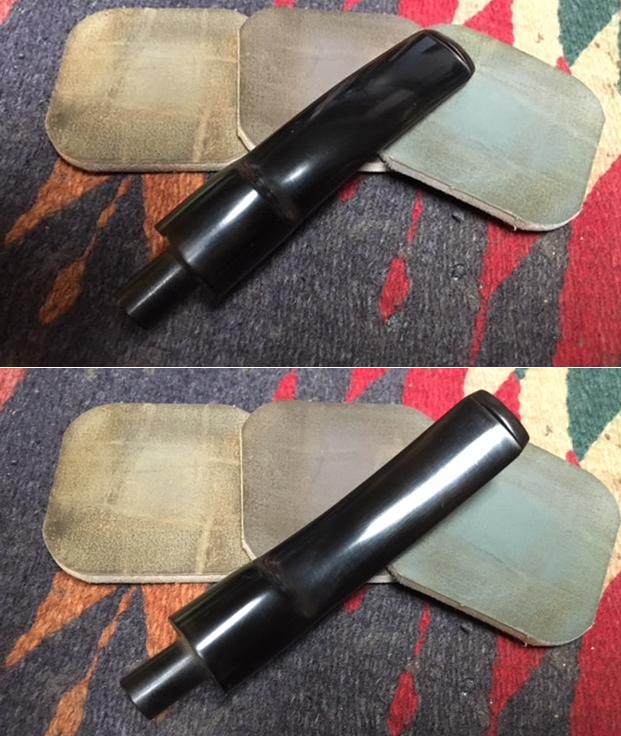
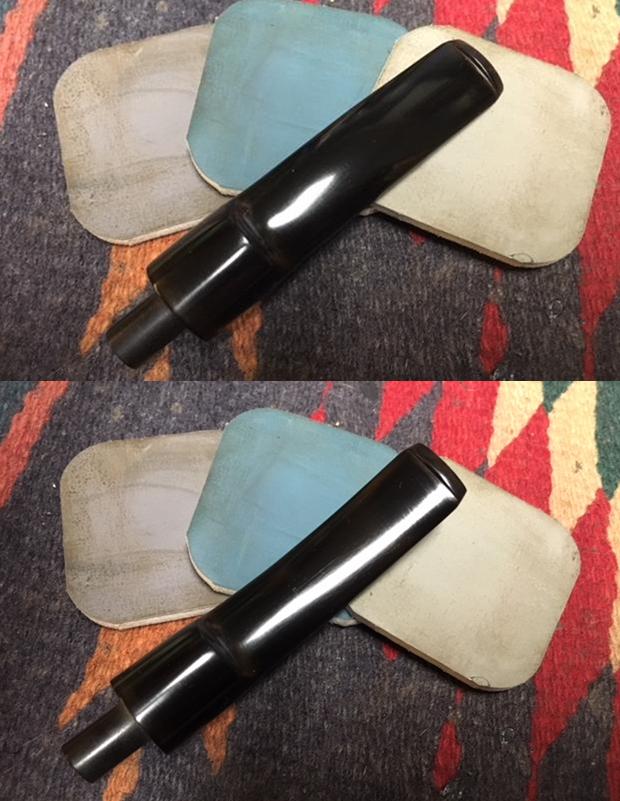
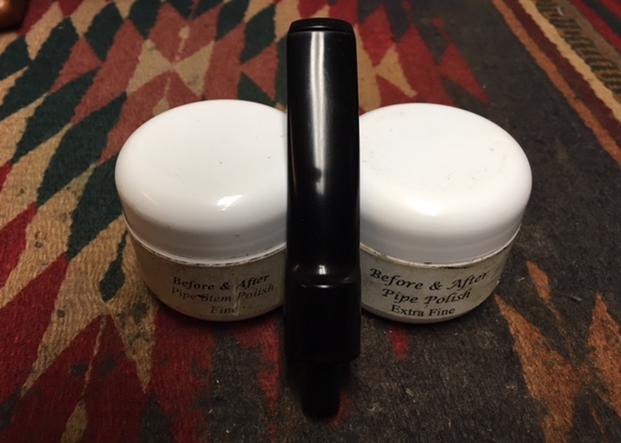
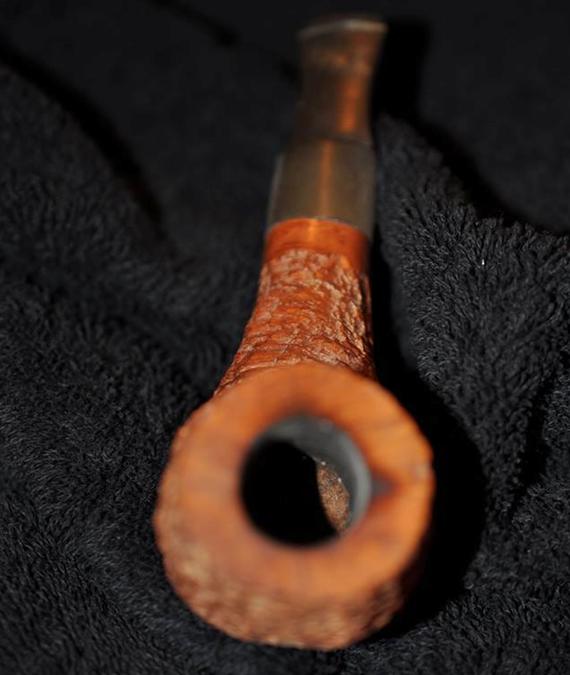
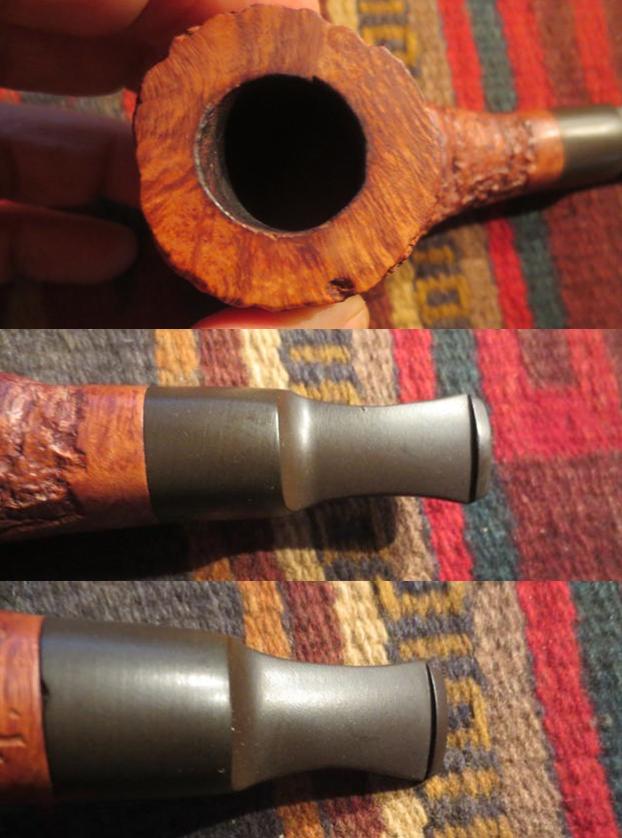
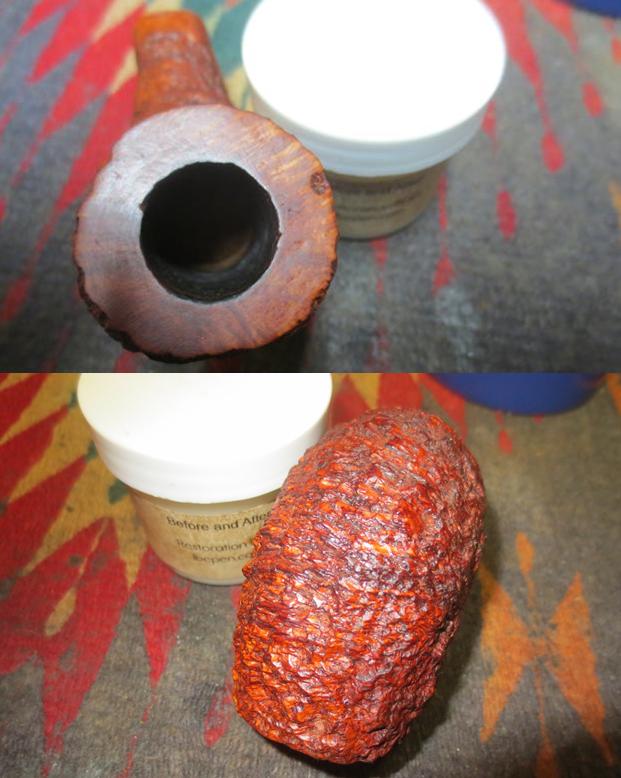
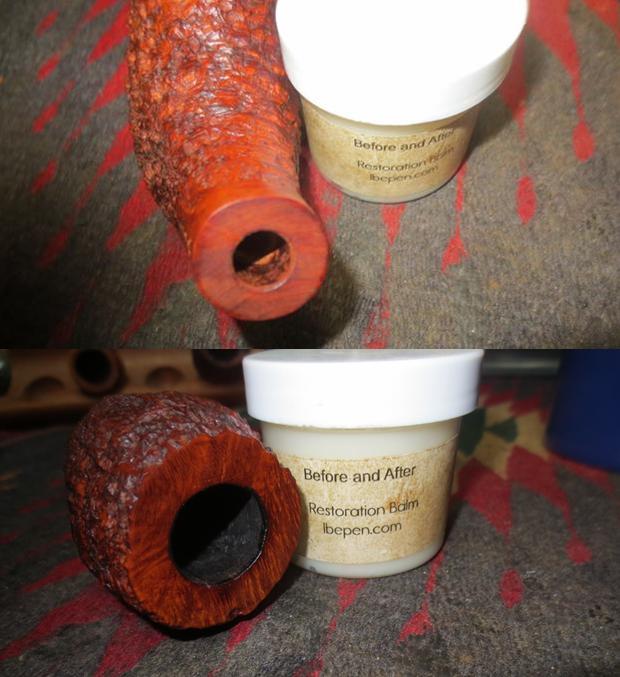
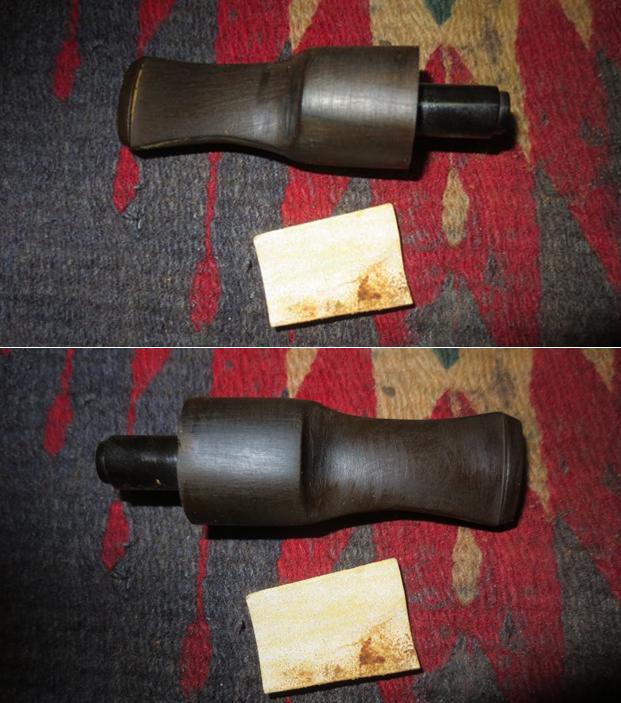
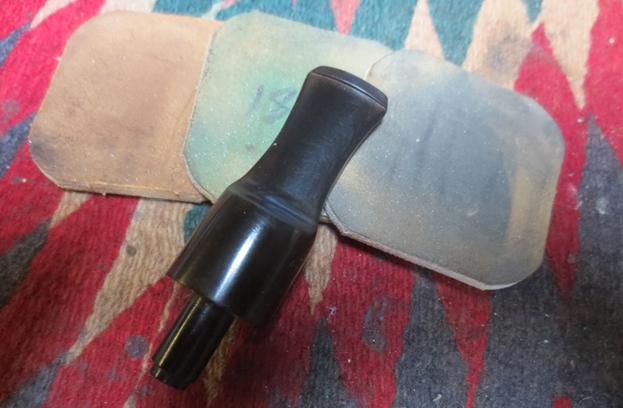
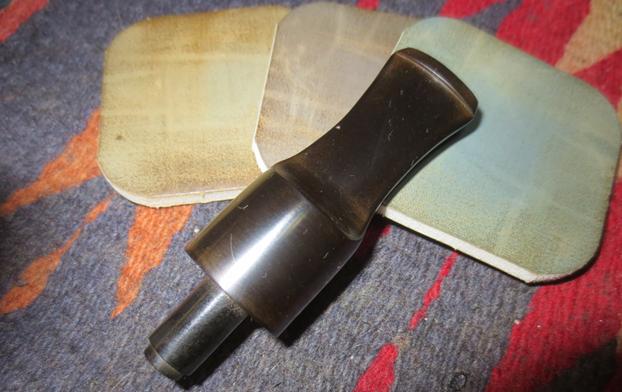
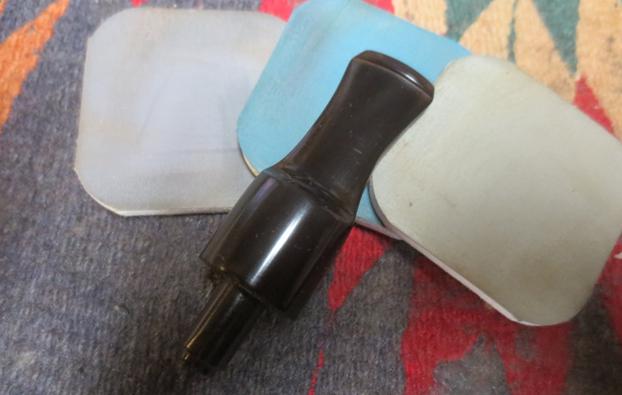
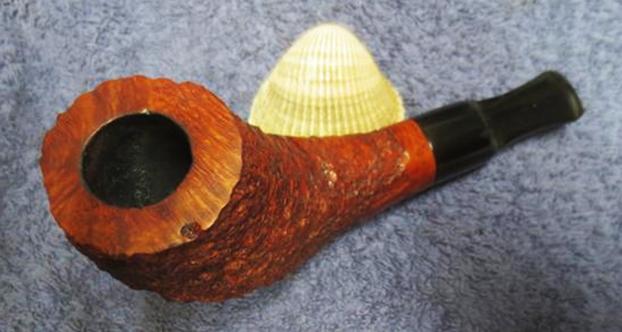
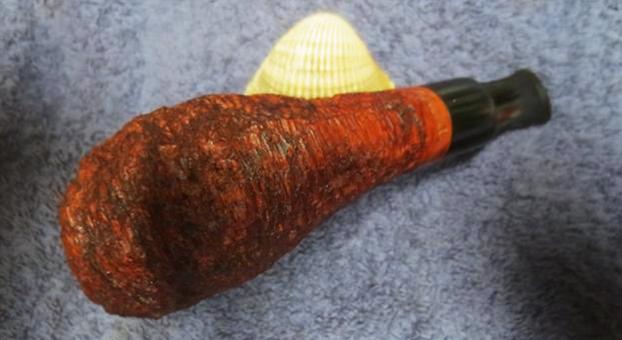
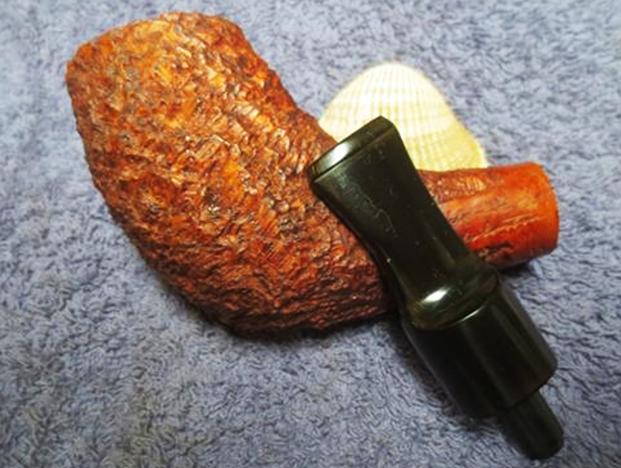
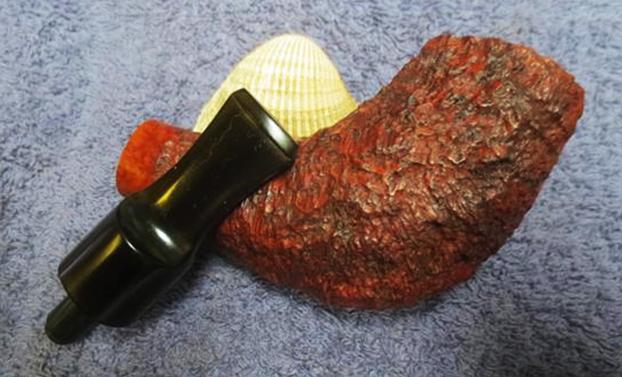
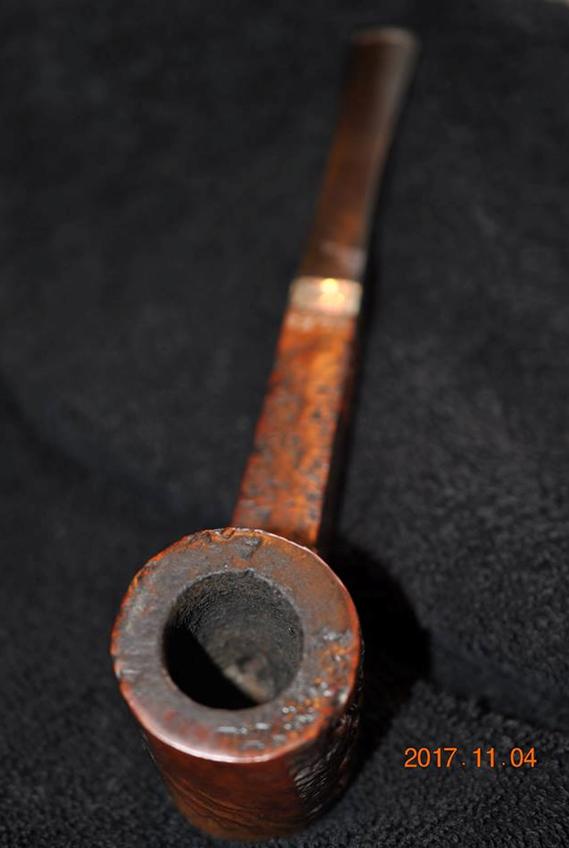
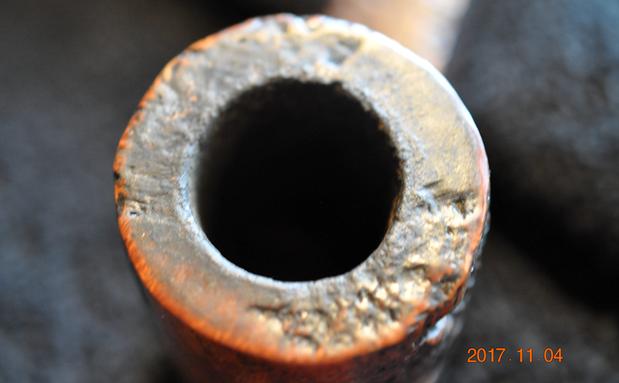
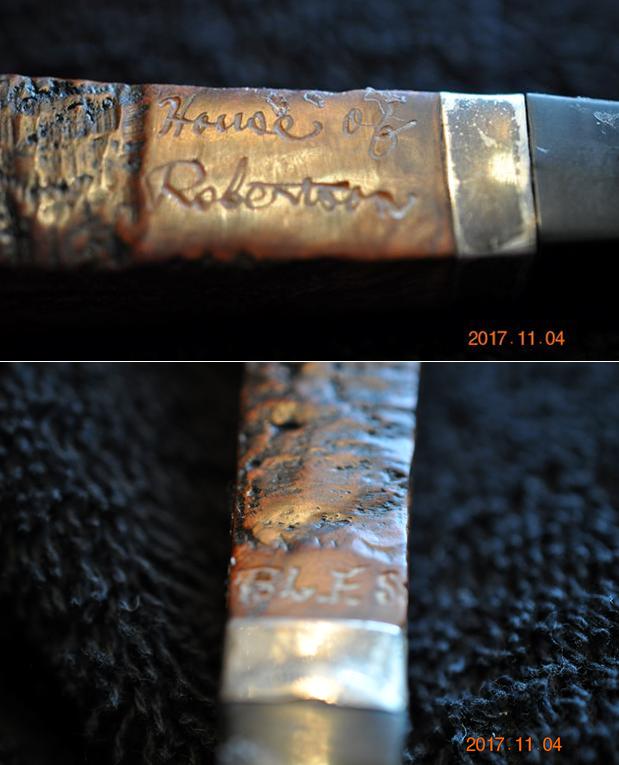
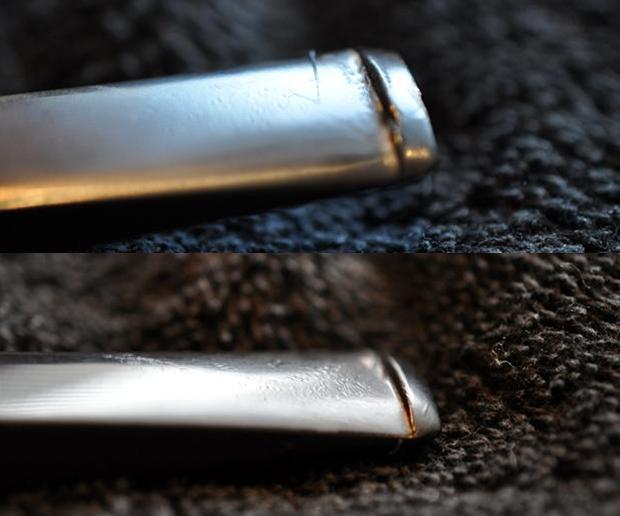
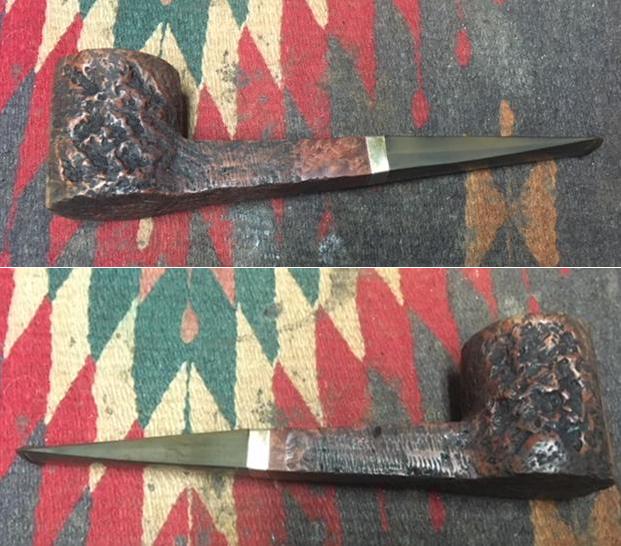
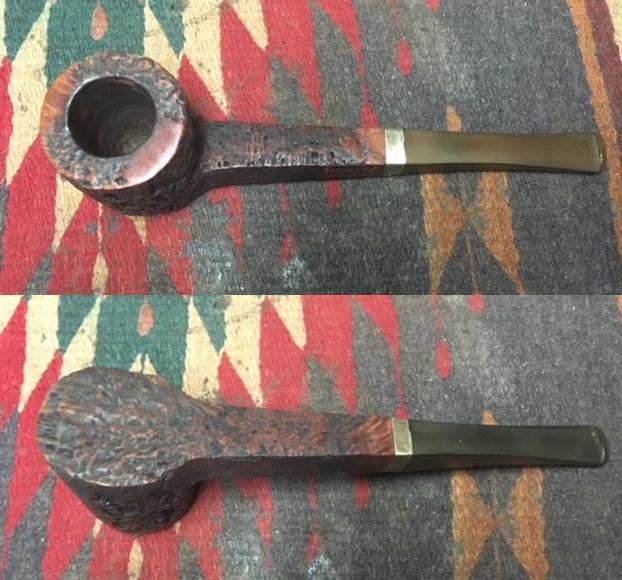
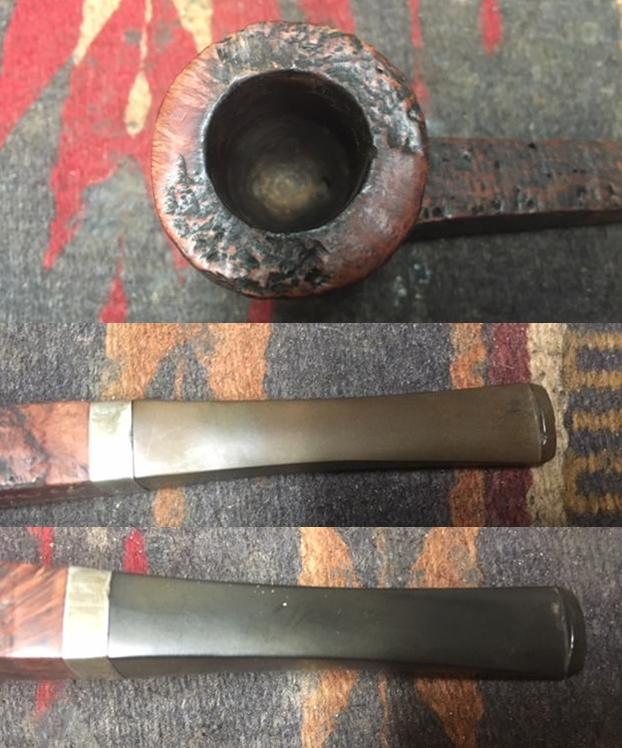
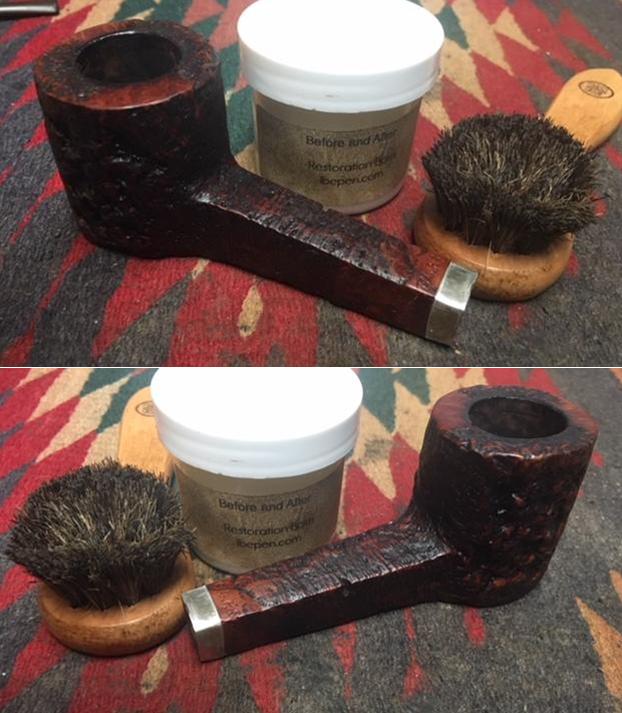
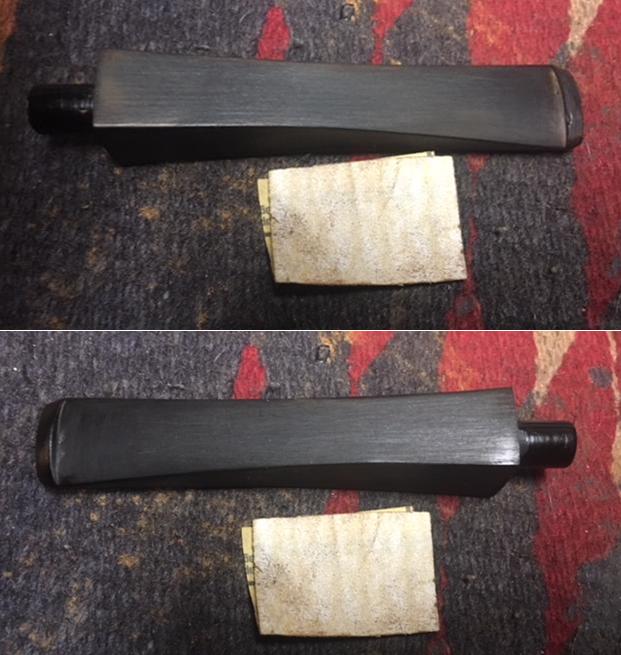
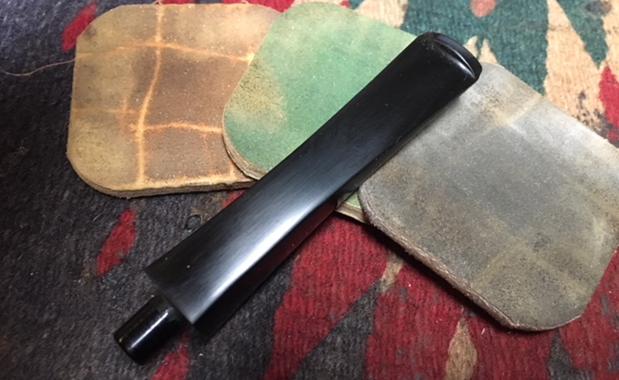
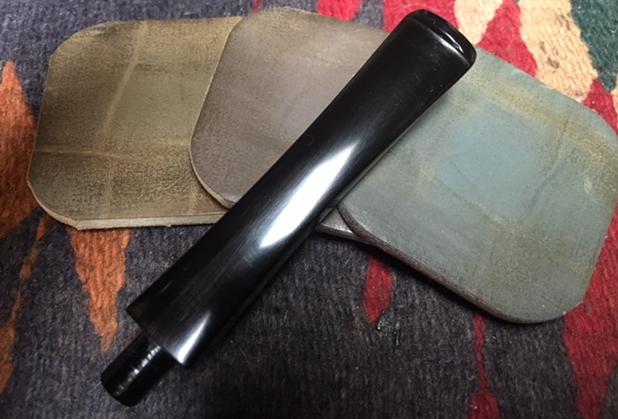
This large, long square shank, flat bottom sitter is the next House of Robertson pipe I chose to work on. It is quite different from the other pipes from this Boise based store. It is large – 7 ¼ long with a bowl that is 2 inches tall. It is engraved with the House of Robertson signature on a smooth panel on the left side of the shank just ahead of the band. On the top of the shank it is etches P.L.F.S. I have no idea what that etching stands for. There is a smooth band of briar just ahead of the silver band. There is also a smooth panel on the front of the bowl and two smooth areas on the rim top. The pipe was dirty but underneath all of the grime it appears to be in excellent condition. The rustication on the shank was quite light and had the look of a sandblast finish. The sides of the bowl were deeply rusticated, almost like roots and then it is almost like it was also sandblasted over the top. The bottom of the bowl and shank also appeared to be sandblasted. It is definitely an interesting pipe and should clean up very well. The narrow silver band is stamped Sterling Silver on the top side. There were some nicks in the edge of the silver at the stem/shank junction. The fit of the stem to the shank was good. The square stem was oxidized and had some small tooth marks and chatter on both sides of the stem near the button. Jeff took photos of the pipe before he started the cleanup. The next close-up photos show the finish on the top and the underside of the bowl. The first photo shows cake in the bowl and the lava overflowing onto the rim top. The grain on the top of the bowl and the inner and outer edge of the rim looks really good. The finish on the rim top was appeared to be in great condition under the lava coat. The next two photos show the front, side and underside of the pipe. It has a very interesting finish. The next photo shows the etched name on the left side of shank on a smooth panel of briar. It reads House of Robertson. On the top of the shank on a narrow smooth panel it reads P.L.F.S. The final two photos show square shank and band. You can also see the general condition of the grime in the rustication of the briar. The tapered stem was oxidized and had tooth chatter and marks on both sides of the stem near the button. The edge of the button had some dents in it as well.This unique pipe was really dirty with a thick cake, overflow of lava on top the rim and dust and debris in the heavy rustication on the sides of the bowl. He reamed the bowl with a PipNet pipe reamer and cleaned up the remnants with the Savinelli Fitsall Pipe Knife. He scrubbed out the mortise and the airway in the shank and the stem with alcohol, cotton swabs and pipe cleaners. He scrubbed the exterior of the bowl, rim and shank with a tooth brush and Murphy’s Oil Soap to remove the dust in the rustication on the bowl and shank as well as the smooth portions. He rinsed it under running water. He dried it off with a soft cloth. Once the dust and debris were removed the finish was dull but appeared to be in excellent condition. I took photos of the pipe to show its condition before I started my work on it. I took a photo of the bowl and rim top to show the condition it was in once it was cleaned off. It has an interesting combination of rusticated and smooth finishes on the top of the bowl. The unique square stem was oxidized and had tooth marks and chatter on both sides. You can also see the nicks in the edge on the top and underside of the Sterling Silver band.I worked Before & After Restoration Balm deep into the nooks and crannies of the rusticated finish to clean, enliven and protect the briar. I hand rubbed it with my fingers and worked it into the finish with a horsehair shoe brush. I wiped it off with a soft cloth. I buffed the bowl with a cotton cloth to polish it. It really began to have a deep shine in the briar. I took some photos of the bowl at this point to mark the progress in the restoration. The grain on the smooth portions stands out, while the deep grooves of the rustication look almost undulating. It is a unique and strangely beautiful pipe. I sanded the stem with 220 grit sandpaper to remove the oxidation on both sides of the tapered stem and remove the tooth marks and chatter on the top and bottom sides at the button.I polished out the sanding scratches and marks in the vulcanite with micromesh sanding pads – wet sanding it with 1500-2400 grit pads and dry sanding it with 3200-4000 grit pads. I wiped the stem down with Obsidian Oil after each sanding pad. I buffed the stem with Blue Diamond on the buffing wheel. I brought it back to the table and sanded it with the final three 6000-12000 grit pads. I polished it further with Before & After Pipe Polish –using both the Fine and Extra Fine Polishes. I gave it a rubdown with Obsidian Oil one last time and set it aside to dry. I put the stem back on the bowl and worked the pipe over on the buffing wheel using Blue Diamond to lightly polish the stem. I buffed the bowl with a light touch so as not to get any of the buffing compounds in the grooves of the rustication. I buffed the stem to raise the gloss on the vulcanite. I gave the bowl multiple coats of Conservator’s Wax and gave the stem multiple coats of carnauba wax. I buffed the entire pipe with a clean buffing pad to raise the shine. I hand buffed it with a microfiber cloth to deepen the shine. The finished pipe is shown in the photos below. The medium brown stains on the rusticated square shanked poker shaped bowl with a smooth bands and rim works well with the rich black of the vulcanite stem. The polishing and the reworking of the stem material left this a beautiful and interesting looking pipe. The dimensions of the pipe are: Length: 7 3/8 inches, Height: 2 inches, Outside Diameter: 1 5/8 inches, Diameter of the chamber: 7/8 inches. This one will be heading back to Idaho. A House of Robertson collector who used to frequent the Boise shop is adding it to his collection. Thanks for looking.
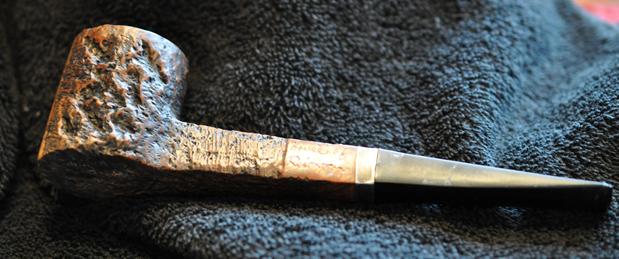
Restoring a NOS Rusticated House of Robertson Hawkbill


Blog by Steve Laug

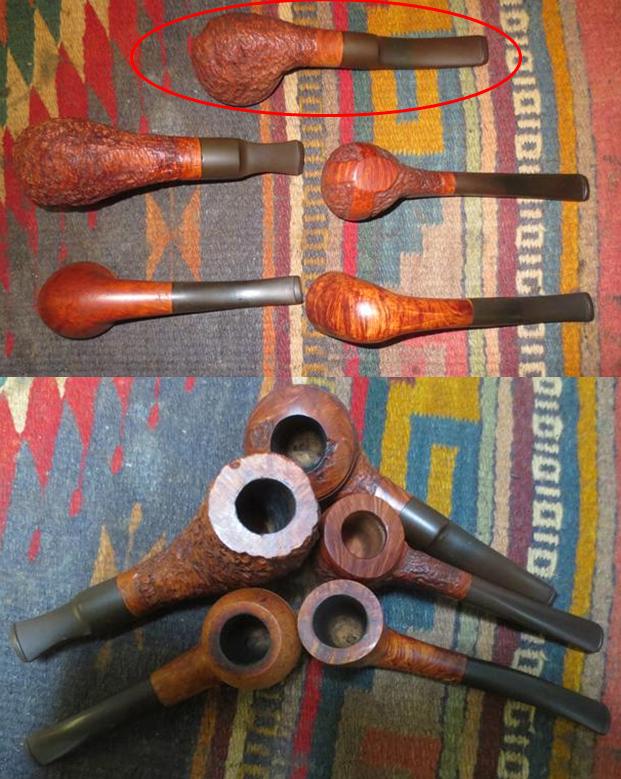
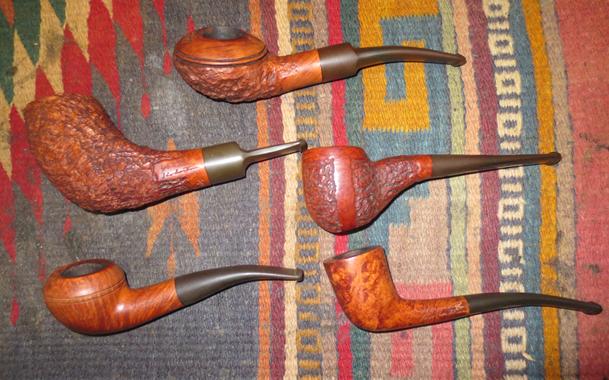
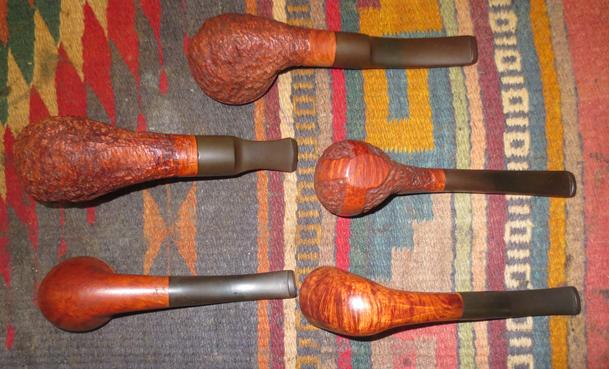
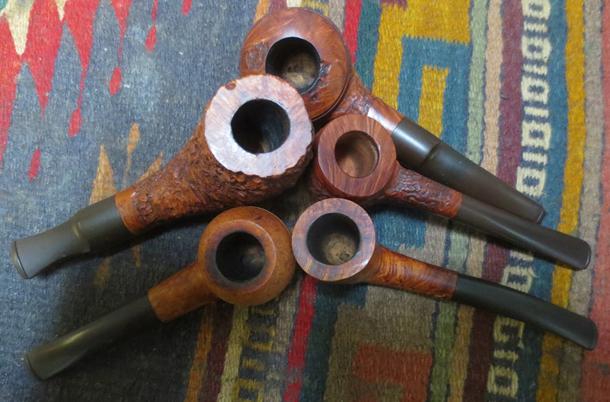
My brother Jeff found an assortment of House of Robertson pipes at an auction in Wilder, Idaho which is an area in the greater Boise, Idaho area. He picked them up for us to restore. I had forgotten that I had mentioned the brand in passing in a blog on Leonard’s Pipe Shop in Portland, Oregon. Here is the link to that blog where I mention it as one of the brands that Leonard’s sold: https://rebornpipes.com/2013/06/06/leonards-pipe-shop-portland-oregon/. It is a fascinating brand that really I had never had the privilege of seeing first hand. He cleaned them all up and on a recent trip to Idaho, I picked them up and brought them back to Canada. I took pictures of the lot of them to show the wide variety of pipes that they made in terms of both size and style. The craftsmanship is very good with the fit of the stem and shank well done and the finish both rusticated and smooth exemplary. Jeff picked up three more of the brand in Pocatello, Idaho so I will be working on more of these pipes in the future. They all have the name House of Robertson roughly hand etched on the side or underside of the shank with an engraving tool. I did a bit of hunting for information about the brand and found a link on Pipedia that gave me the only information I could find on the brand. I include that in total as it is interesting to read.

“House of Robertson” was in business for many years, but alas, closed their doors in 1999. They were located in Boise, Idaho. They are noted for making rather large and interesting pipes. Thayne Robertson was a Master Mason, AF & AM, and started the shop about 1947 and his son Jon started working there in 1970 when he finished college, along with Thayne’s daughter. Thayne and his son started making the big pipes at that time, and made them together until 1987 when Thayne passed away. Jon kept the store and his sister moved on to other things. The House of Robertson appears to have closed around 1999. https://pipedia.org/wiki/Robertson

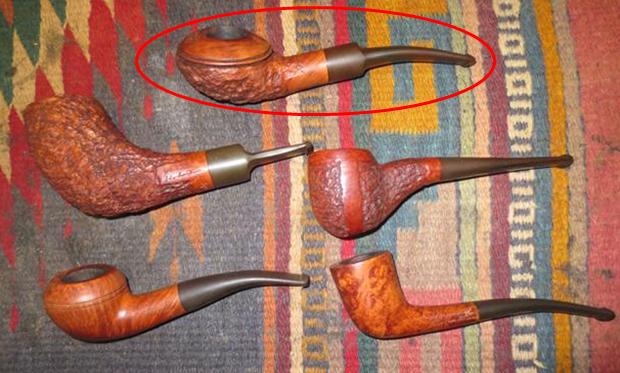
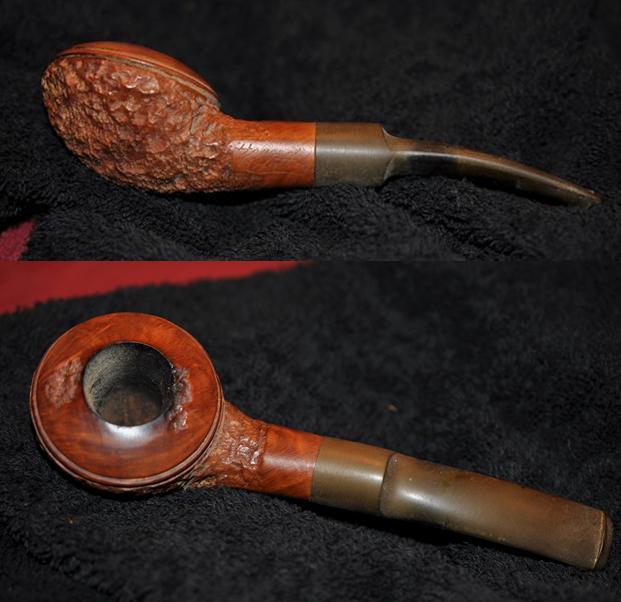
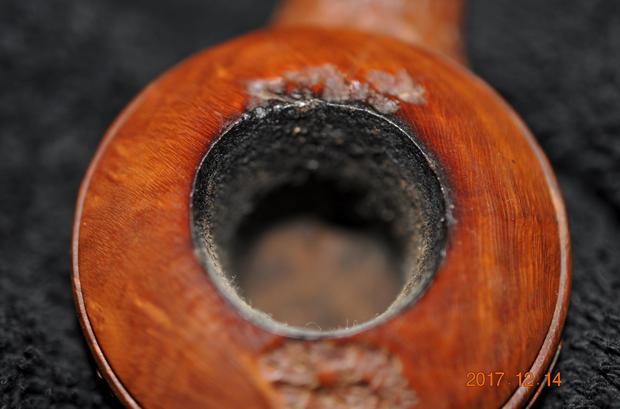
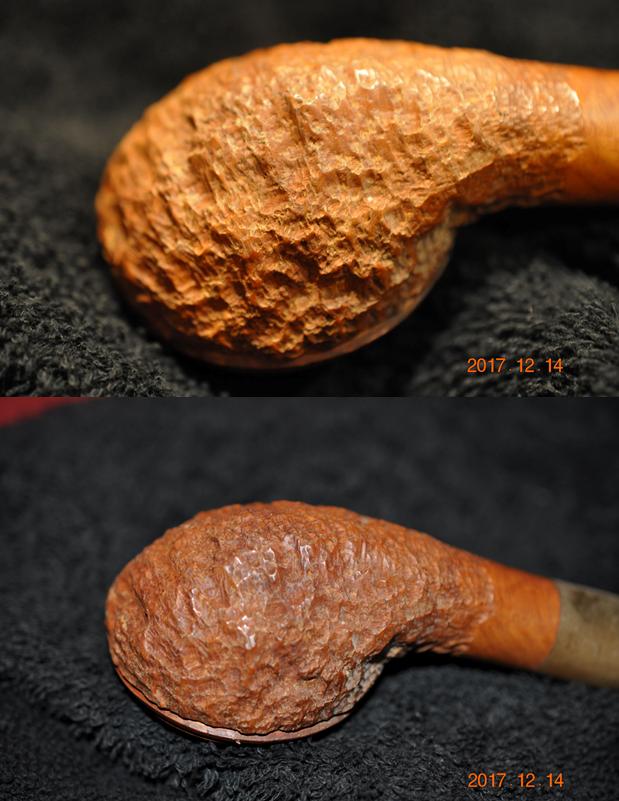
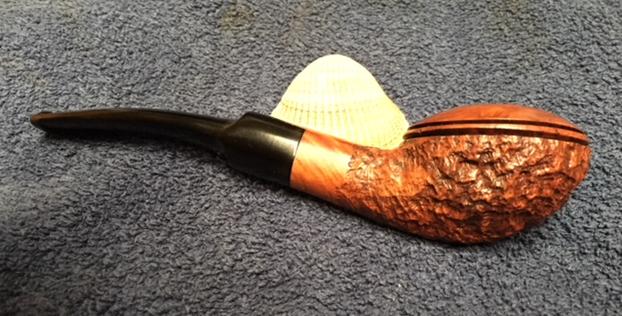
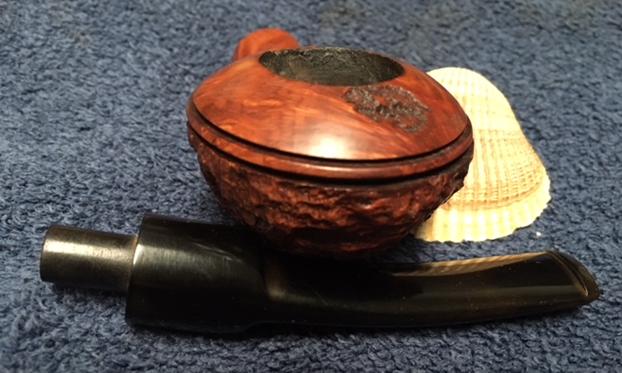
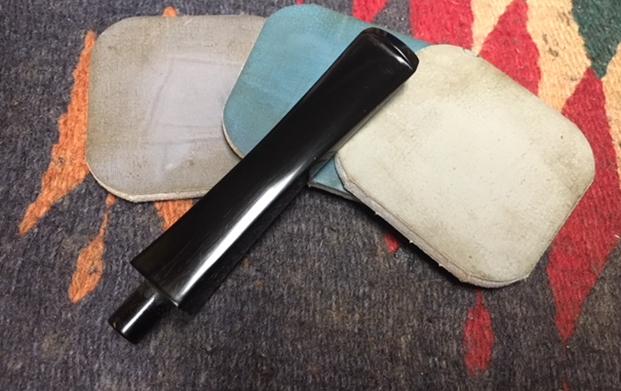
The third of the six pipes I chose to work on was rusticated Hawkbill shaped pipe. It is NOS (new old stock) and is unsmoked. It is engraved with the House of Robertson signature on a smooth panel on the right side of the shank. The rusticated finish on the pipe had a smooth band around the rim and the rim top was smooth. There were also smooth bands on the left, front and right sides of the pipe moving up from a smooth circle on the bottom of the bowl. The pipe was in excellent condition other than being dusty from time. The deep grooves in the rustication were very dusty. I have circled the pipe in red in the above group photos. It is an interesting pipe. The bowl is clean and unsmoked briar. The drilling on the pipe is different to me – it looks like the airway came out below the bottom of the bowl. It is still very smokable but the look is quite unique. The stem was lightly oxidized but clean. The fit of the stem to the shank was good. The vulcanite appeared to have been a pre-formed stem that was shaped to fit this pipe. Jeff took photos of the pipe before he started the cleanup. The next close-up photos show the finish on the top and the underside of the bowl. The first two photos show clean bowl and the rim top. The grain on the top of the bowl and the inner and outer edge of the rim looks really good. The finish on the rim top was in great condition. The next two photos show the sides and underside of the pipe. The next photo shows the etched name on the right side of shank on a smooth panel of briar. It reads House of Robertson.The tapered stem was oxidized and pitted from the oxidation. It was otherwise very clean and unsmoked.This unsmoked pipe was an easy cleanup for Jeff. After all of the heavily caked and dirty pipes he has cleaned it was a nice break to clean off the dust and oxidation from a pipe that had been sitting in storage for a long time. He scrubbed out the mortise and the airway in the shank and the stem with alcohol, cotton swabs and pipe cleaners. He scrubbed the exterior of the bowl, rim and shank with a tooth brush and Murphy’s Oil Soap to remove the dust in the rustication on the bowl and shank as well as the smooth portions. He rinsed it under running water. He dried it off with a soft cloth. Once the dust and debris were removed the finish actually looked to be in excellent condition. I took photos of the pipe to show its condition before I started my work on it. I took a photo of the bowl and rim top to show the NOS condition of the pipe. The stem was clean but pitted and oxidized.I rubbed the bowl down with Before & After Restoration Balm to deep clean the nooks and crannies of the rusticated finish, enliven and protect the briar. I hand rubbed it with my fingers, worked it into the finish with a horsehair shoe brush. I wiped it off with a soft cloth. I buffed the bowl with a horsehair shoe brush to polish it. It really began to have a deep shine in the briar. I took some photos of the bowl at this point to mark the progress in the restoration. The birdseye grain stands out on the two sides bands and the cross grain stands out on the rim top, the smooth base and the front band. I sanded the stem with 220 grit sandpaper to remove the oxidation on both sides of the tapered stem.I polished out the sanding scratches and marks in the vulcanite with micromesh sanding pads – wet sanding it with 1500-2400 grit pads and dry sanding it with 3200-4000 grit pads. I wiped the stem down with Obsidian Oil after each sanding pad. I buffed the stem with Blue Diamond on the buffing wheel. I brought it back to the table and sanded it with the final three 6000-12000 grit pads. I polished it further with Before & After Pipe Polish –using both the Fine and Extra Fine Polishes. I gave it a rubdown with Obsidian Oil one last time and set it aside to dry. I put the stem back on the bowl and worked the pipe over on the buffing wheel using Blue Diamond to lightly polish the stem. I buffed the bowl with a light touch so as not to get any of the buffing compounds in the grooves of the rustication. I buffed the stem to raise the gloss on the vulcanite. I gave the bowl multiple coats of Conservator’s Wax and gave the stem multiple coats of carnauba wax. I buffed the entire pipe with a clean buffing pad to raise the shine. I hand buffed it with a microfiber cloth to deepen the shine. The finished pipe is shown in the photos below. The medium brown stains on the rusticated Hawkbill shaped bowl with a smooth bands and rim works well with the rich black of the vulcanite stem. The polishing and the reworking of the stem material left this a beautiful and interesting looking pipe. The dimensions of the pipe are: Length: 5 3/4 inches, Height: 1 3/4 inches, Outside Diameter: 1 1/2 inches, Diameter of the chamber: 3/4 inches. This one will be going on the rebornpipes store shortly if you want to add it to your collection. Even with an under drilled airway it should still smoke very well. It will be priced accordingly for seconds pipe. Why not take this opportunity to add a House of Robertson pipe to your rack. Thanks for looking.
Restoring a Rusticated House of Robertson Rhodesian


Blog by Steve Laug

My brother Jeff found an assortment of House of Robertson pipes at an auction in Wilder, Idaho which is an area in the greater Boise, Idaho area. He picked them up for us to restore. I had forgotten that I had mentioned the brand in passing in a blog on Leonard’s Pipe Shop in Portland, Oregon. Here is the link to that blog where I mention it as one of the brands that Leonard’s sold: https://rebornpipes.com/2013/06/06/leonards-pipe-shop-portland-oregon/. It is a fascinating brand that really I had never had the privilege of seeing first hand. He cleaned them all up and on a recent trip to Idaho, I picked them up and brought them back to Canada. I took pictures of the lot of them to show the wide variety of pipes that they made in terms of both size and style. The craftsmanship is very good with the fit of the stem and shank well done and the finish both rusticated and smooth exemplary. Jeff picked up three more of the brand in Pocatello, Idaho so I will be working on more of these pipes in the future. They all have the name House of Robertson roughly hand etched on the side or underside of the shank with an engraving tool. I did a bit of hunting for information about the brand and found a link on Pipedia that gave me the only information I could find on the brand. I include that in total as it is interesting to read.

“House of Robertson” was in business for many years, but alas, closed their doors in 1999. They were located in Boise, Idaho. They are noted for making rather large and interesting pipes. Thayne Robertson was a Master Mason, AF & AM, and started the shop about 1947 and his son Jon started working there in 1970 when he finished college, along with Thayne’s daughter. Thayne and his son started making the big pipes at that time, and made them together until 1987 when Thayne passed away. Jon kept the store and his sister moved on to other things. The House of Robertson appears to have closed around 1999. https://pipedia.org/wiki/Robertson

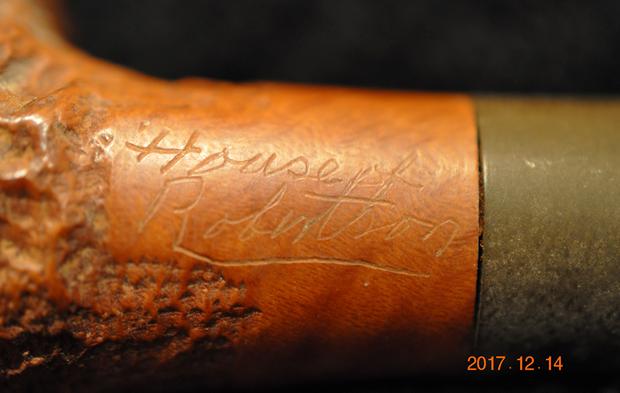
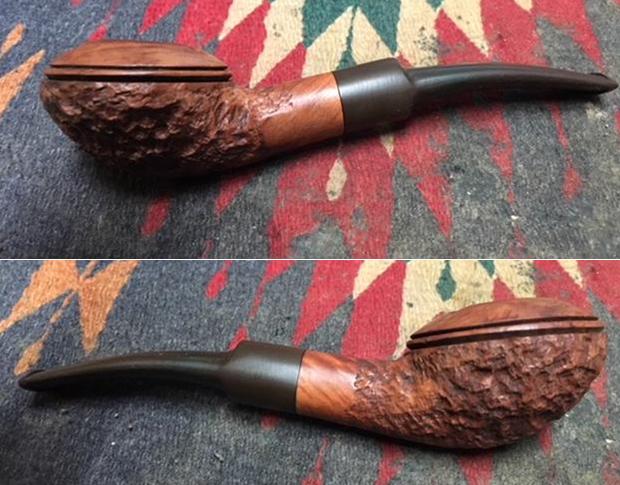
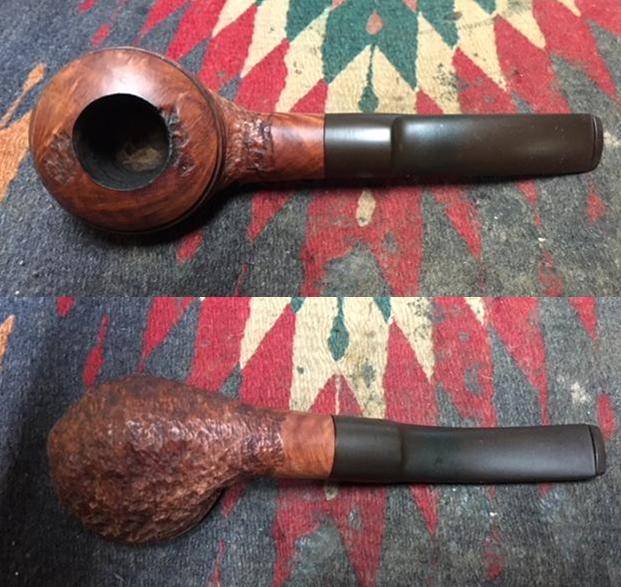
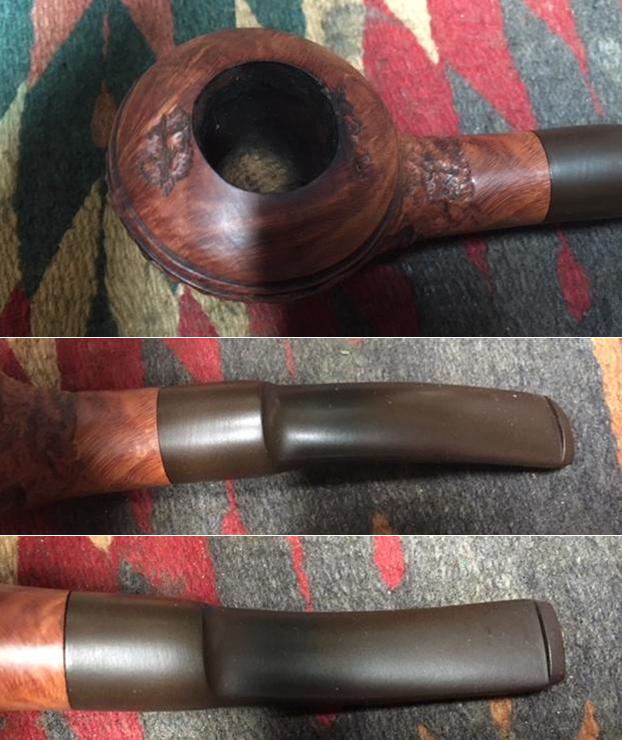
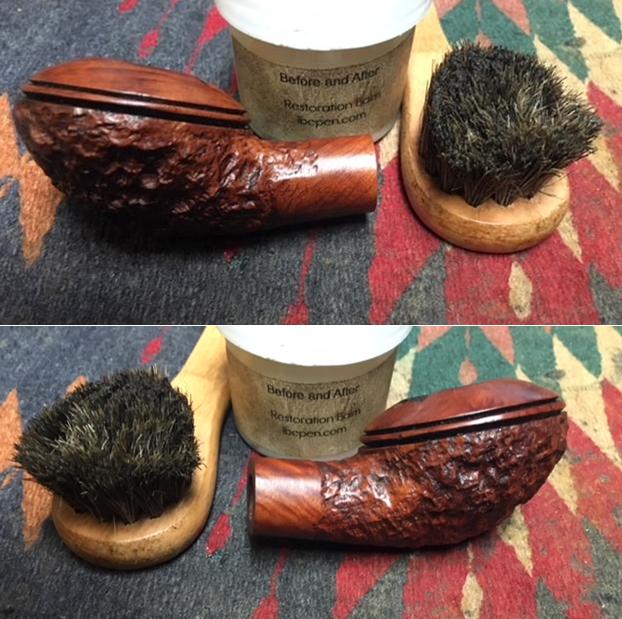
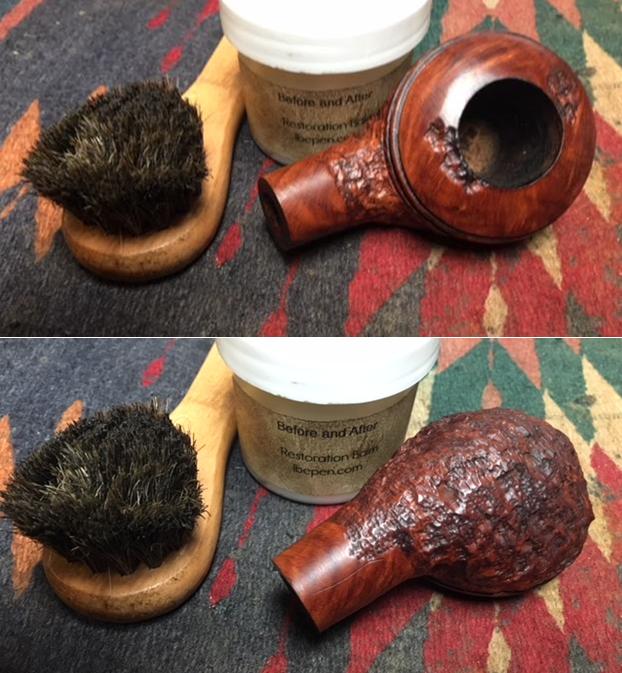
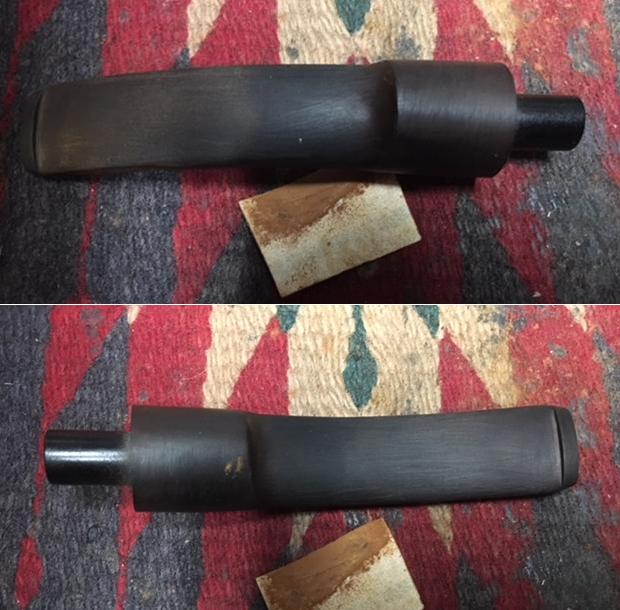
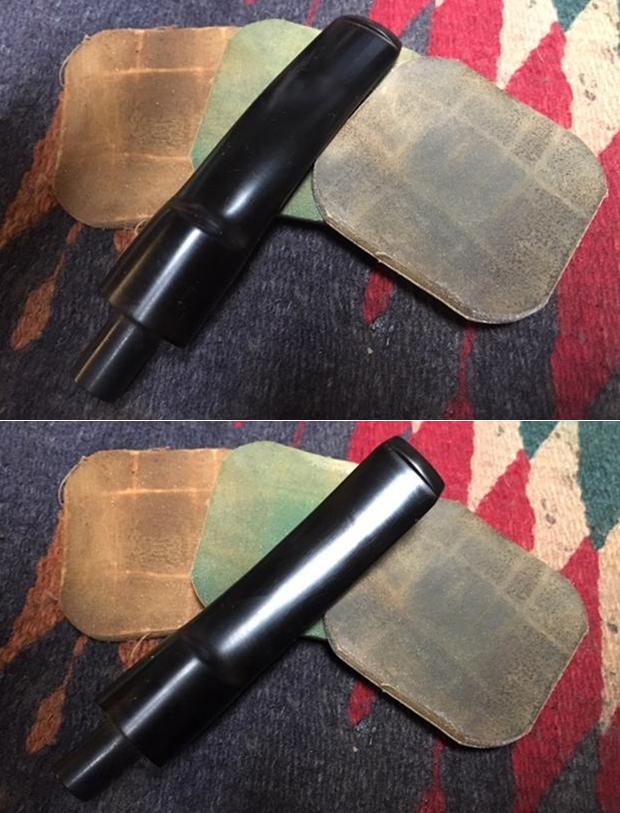
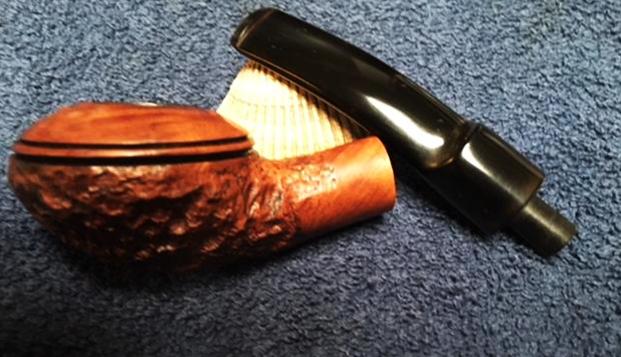
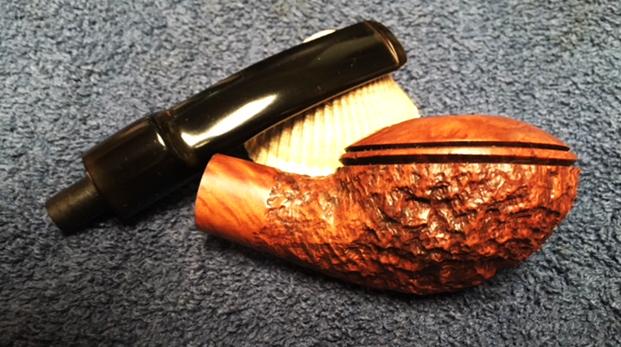
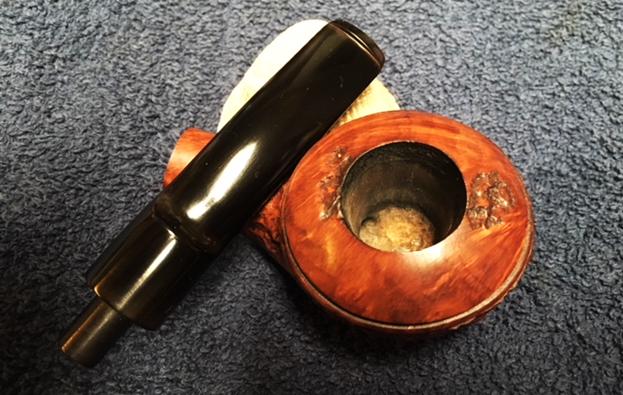
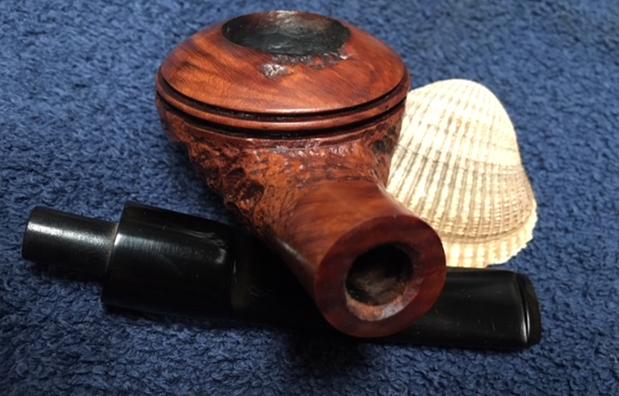
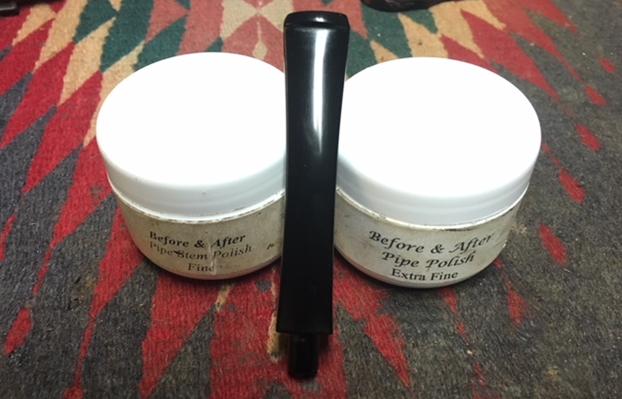
The second of the six pipes I chose to work on was rusticated Rhodesian/Bulldog shaped pipe. It is engraved with the House of Robertson signature on a smooth panel on the left side of the shank. The rusticated finish on the pipe was in good shape – just dusty and dirty. The deep grooves in the rustication were very dirty. The smooth rim cap was separated from the rusticated bowl by twin bands. It had two rusticated patches on it that match the rustication on the bowl and give the rim top an interesting look. I have circled the pipe in red in the above group photos. It is an interesting pipe. The bowl had a thin cake but it did not go all the way to the bottom of the bowl. The pipe is about a Group 5 size but it is very light weight. The stem was oxidized but did not have tooth marks or chatter on the surface. The fit of the stem to the shank was good. The vulcanite appeared to have been a pre-formed stem that was shaped to fit this pipe. The internals of the shank and stem had some tars and oils. Jeff took photos of the pipe before he started the cleanup. The next close-up photos show the finish on the top and the underside of the bowl. The first photo shows that the bowl had a thin cake and some slight rim darkening and lava on the rear edge of the rim top where the previous owner had repeatedly lit the pipe. The inner and outer edge of the rim looks really good. You can also see the two rusticated patches on the rim top. The finish on the rim top was in great condition. The two photos that follow the rim view show the underside of the pipe. The next photo shows the etched name on the left side of shank on a smooth panel of briar. It reads House of Robertson.The round saddle stem was oxidized and pitted from the oxidation. There were no tooth marks on the stem top or underside.Jeff out did himself on the cleanup of this pipe. He reamed the bowl with a Savinelli Fitsall pipe knife to remove the thin cake. He scrubbed out the mortise and the airway in the shank and the stem with alcohol, cotton swabs and pipe cleaners. When he had finished, the bowl looks almost new on the inside (Once again I don’t think it has ever been smoked to the bottom of the bowl as it is raw briar in the bottom quarter). He scrubbed the exterior of the bowl, rim and shank with a tooth brush and Murphy’s Oil Soap to remove the oils and tars on the bowl, rim and shank. He rinsed it under running water. He dried it off with a soft cloth. The light lava mess on the rim and the dust deep in the rustication was thoroughly removed without harming the finish underneath it. Once the grime was removed the finish actually looked to be in excellent condition I took photos of the pipe to show its condition before I started my work on it. I took a photo of the rim top to show the great condition it was in after the cleanup. Jeff was able to remove all of the darkening and tar on the right side of the rim top and the back edge of the rim. The stem was clean but pitted and oxidized.I rubbed the bowl down with Before & After Restoration Balm to deep clean the nooks and crannies of the rusticated finish, enliven and protect the briar. I hand rubbed it with my fingers, worked it into the rings with a cotton swab and buffed it with a horsehair shoe brush. I wiped it off with a soft cloth. I buffed the bowl on the wheel with a horsehair shoe brush to polish it. It really began to have a deep shine in the briar. I took some photos of the bowl at this point to mark the progress in the restoration. I sanded the stem with 220 grit sandpaper to remove the oxidation on both sides and in the angles of the saddle stem.I polished out the sanding scratches and marks in the vulcanite with micromesh sanding pads – wet sanding it with 1500-2400 grit pads and dry sanding it with 3200-4000 grit pads. I wiped the stem down with Obsidian Oil after each sanding pad. I buffed the stem with Blue Diamond on the buffing wheel. I brought it back to the table and sanded it with the final three 6000-12000 grit pads. I polished it further with Before & After Pipe Polish –using both the Fine and Extra Fine Polishes. I gave it a rubdown with Obsidian Oil one last time and set it aside to dry. I put the stem back on the bowl and worked the pipe over on the buffing wheel using Blue Diamond to lightly polish the stem. I buffed the bowl with a light touch so as not to get any of the buffing compounds in the grooves of the rustication. I buffed the stem to raise the gloss on the vulcanite. I gave the bowl multiple coats of Conservator’s Wax and gave the stem multiple coats of carnauba wax. I buffed the entire pipe with a clean buffing pad to raise the shine. I hand buffed it with a microfiber cloth to deepen the shine. The finished pipe is shown in the photos below. The medium brown stains on the rusticated Rhodesian shaped bowl with a smooth cap works well with the rich black of the vulcanite stem. The polish and the reworking of the stem material left this a beautiful and well-made pipe. The dimensions of the pipe are: Length: 6 1/2 inches, Height: 1 ½ inches, Outside Diameter: 2 inches, Diameter of the chamber: 7/8 inch. This one sold before I finished it. It will soon be on its way to pipeman in Utah who has a growing collection of House of Robertson Pipes. Thanks for looking.
Introducing the House of Robertson Brand – A Large Rusticated Special Horn


Blog by Steve Laug

My brother Jeff found an assortment of House of Robertson pipes at an auction in Wilder, Idaho which is an area in the greater Boise, Idaho area. He picked them up for us to restore. I had forgotten that I had mentioned the brand in passing in a blog on Leonard’s Pipe Shop in Portland, Oregon. Here is the link to that blog where I mention it as one of the brands that Leonard’s sold: https://rebornpipes.com/2013/06/06/leonards-pipe-shop-portland-oregon/. It is a fascinating brand that really I had never had the privilege of seeing first hand. He cleaned them all up and on a recent trip to Idaho, I picked them up and brought them back to Canada. I took pictures of the lot of them to show the wide variety of pipes that they made in terms of both size and style. The craftsmanship is very good with the fit of the stem and shank well done and the finish both rusticated and smooth exemplary. Jeff picked up three more of the brand in Pocatello, Idaho so I will be working on more of these pipes in the future. They all have the name House of Robertson roughly hand etched on the side or underside of the shank with an engraving tool. I did a bit of hunting for information about the brand and found a link on Pipedia that gave me the only information I could find on the brand. I include that in total as it is interesting to read.
“House of Robertson” was in business for many years, but alas, closed their doors in 1999. They were located in Boise, Idaho. They are noted for making rather large and interesting pipes. Thayne Robertson was a Master Mason, AF & AM, and started the shop about 1947 and his son Jon started working there in 1970 when he finished college, along with Thayne’s daughter. Thayne and his son started making the big pipes at that time, and made them together until 1987 when Thayne passed away. Jon kept the store and his sister moved on to other things. The House of Robertson appears to have closed around 1999. https://pipedia.org/wiki/Robertson

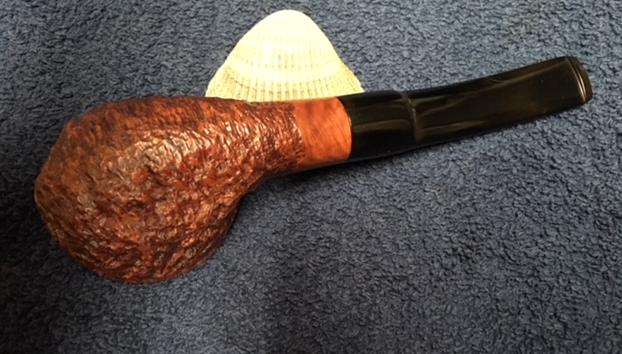
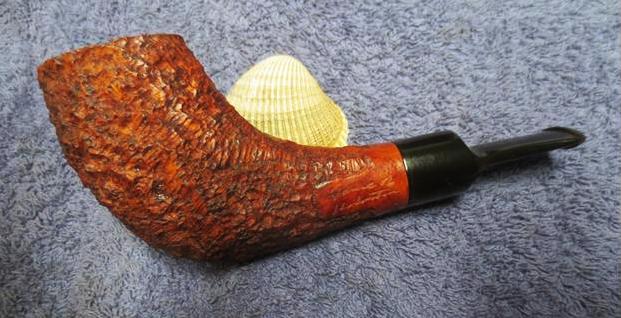
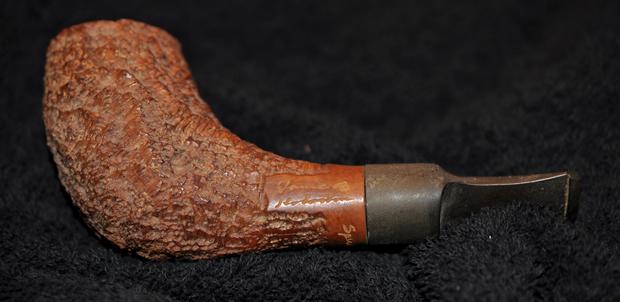
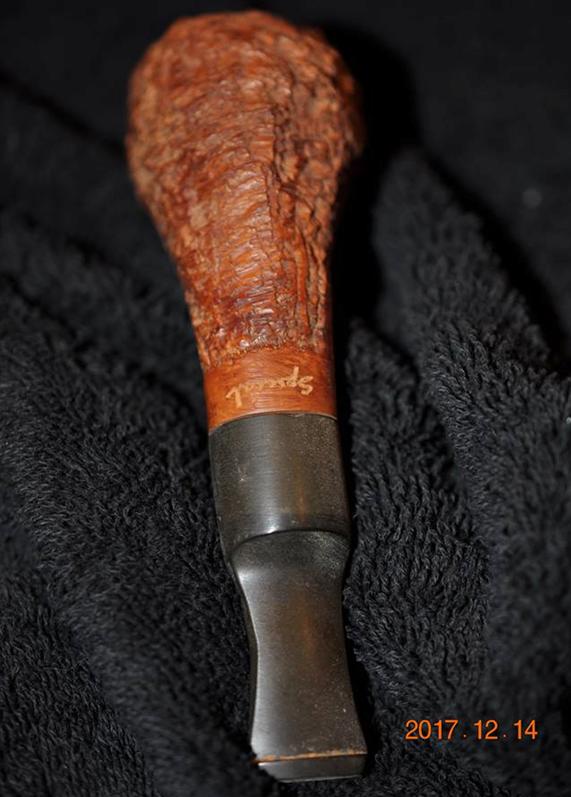
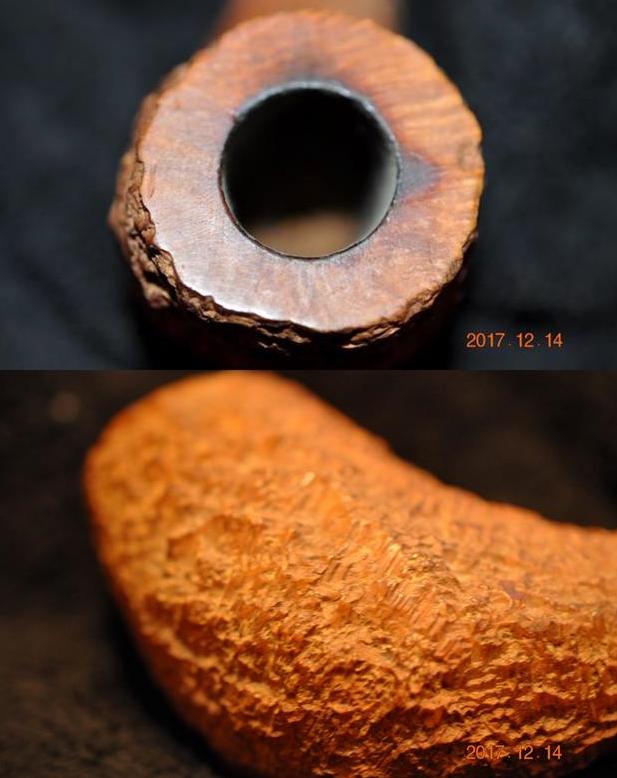
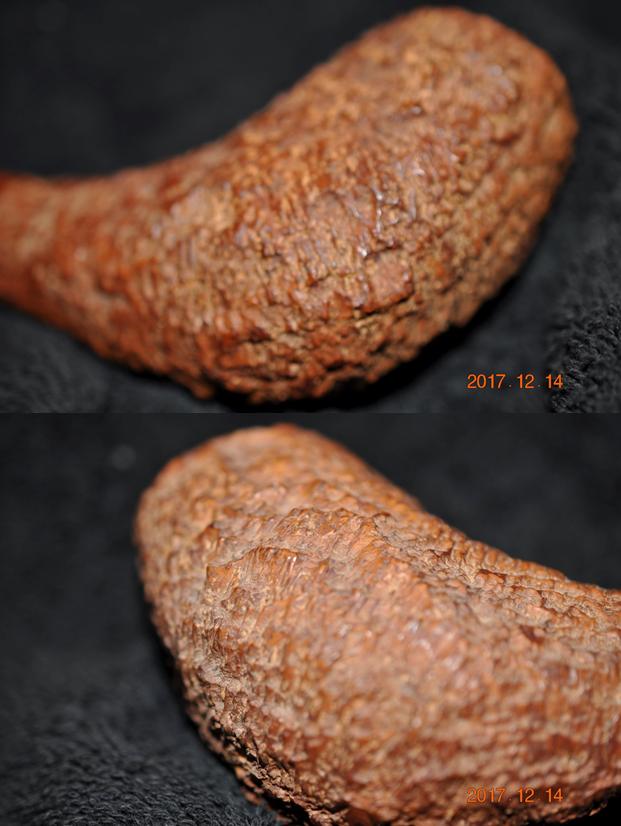
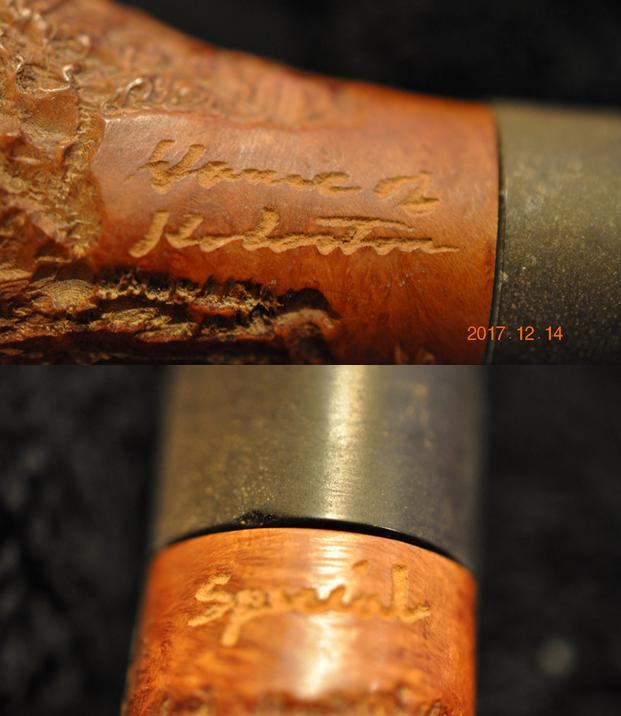
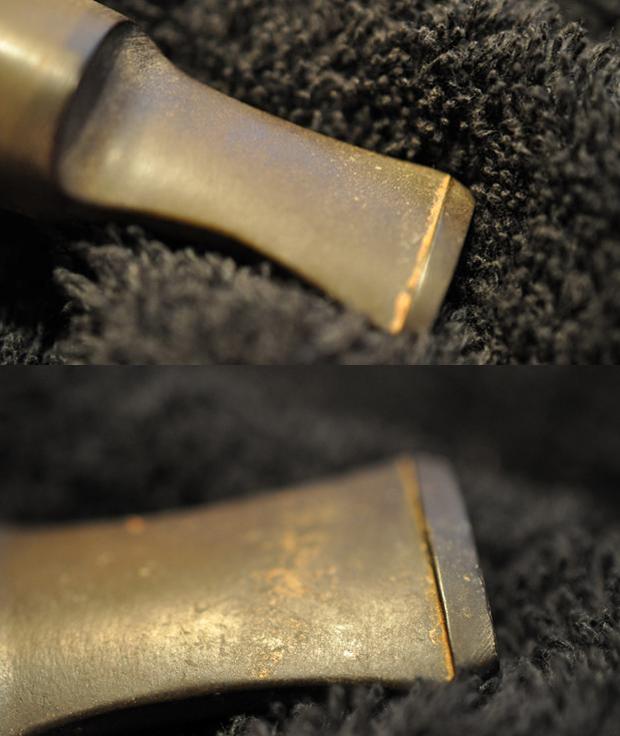
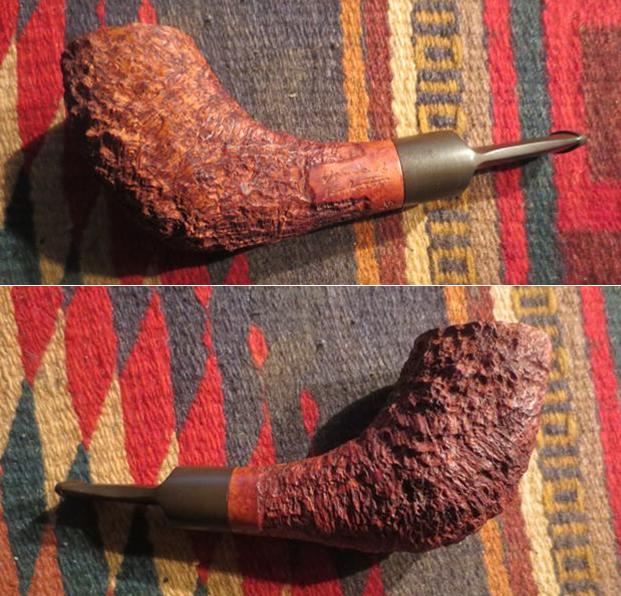
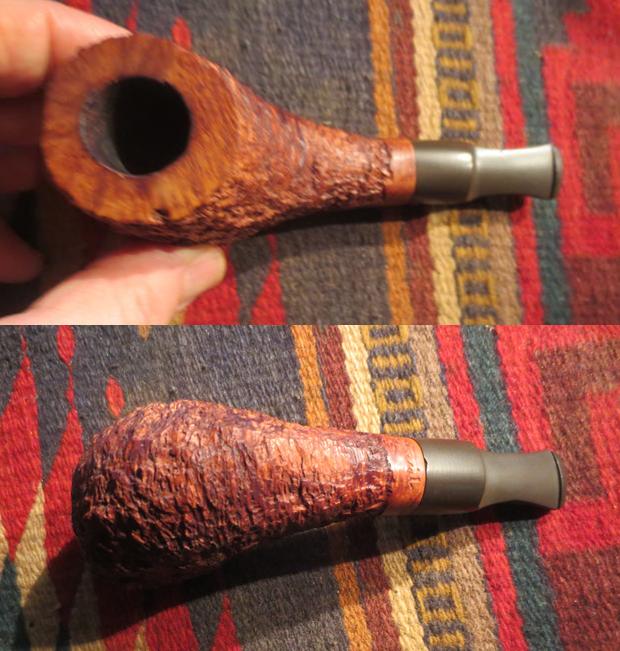
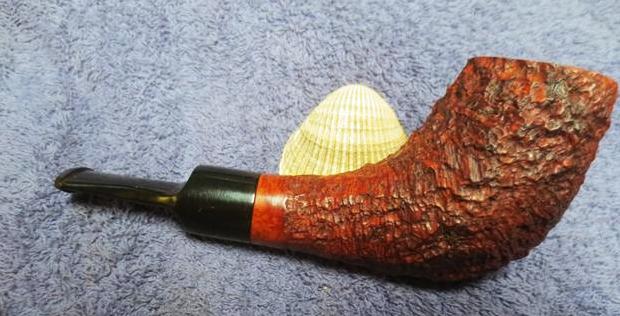
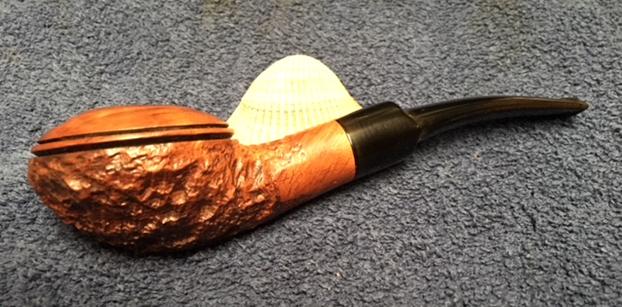
The first of the six pipes I chose to work on was the large horn shaped rusticated pipe. It is stamped House of Robertson on a smooth panel on the left side of the shank and Special on a smooth part on the underside of the shank next to the stem/shank junction. The rusticated finish on the pipe was in good shape – just dusty and dirty. The deep grooves in the rustication were very dirty. The smooth rim top had some darkening where it had been repeatedly heated with a lighter. The bowl had a thin cake but it did not go all the way to the bottom of the bowl. The pipe is quite large but very light weight for the chunk of briar that was used. The stem was oxidized but did not have tooth marks or chatter on the surface. The fit of the stem to the shank was good. The vulcanite appeared to have been a pre-formed stem that was shaped to fit this pipe. The internals of the shank and stem had some tars and oils. Jeff took photos of the pipe before he started the cleanup. The next close-up photos show the finish on various sides of the bowl. The first photo shows that the bowl had a thin cake and a darkened spot on the left side of the rim top where the previous owner had repeatedly lit the pipe. The inner edge of the rim had a few small nicks along the edges and there was some darkening on the back inner edge. The finish on the rim top was in great condition. The three photos that follow the rim view show the pipe from different angles. The next two photos show the etched name on the left side of shank on a smooth panel of briar. It reads House of Robertson. On the underside of the shank is etched the name Special – also on a smooth panel of briar. The stem was oxidized and pitted from the oxidation. There were no tooth marks on the stem top or underside. There was one small nick on the stem at the joint of the stem and the shank on the underside. I wonder if it did not happen when the word Special was etched on the shank. Probably I will never know but it is interesting.Jeff out did himself on the cleanup of this pipe. He reamed the bowl with a Savinelli Fitsall pipe knife to remove the thin cake. He scrubbed out the mortise and the airway in the shank and the stem with alcohol, cotton swabs and pipe cleaners. When he had finished, the bowl looks almost new on the inside (I actually don’t think it has ever been smoked to the bottom of the bowl as it is raw briar in the bottom third).  He scrubbed the exterior of the bowl, rim and shank with a tooth brush and Murphy’s Oil Soap to remove the oils and tars on the bowl, rim and shank. He rinsed it under running water. He dried it off with a soft cloth. The light lava mess on the rim and the dust deep in the rustication was thoroughly removed without harming the finish underneath it. Once the grime was removed the finish actually looked to be in excellent condition I took photos of the pipe to show its condition before I started my work on it. I took a photo of the rim top to show the great condition it was in after the cleanup. Jeff was able to remove all of the darkening and tar on the right side of the rim top and the back edge of the rim. The stem was clean but pitted and oxidized.I rubbed the bowl down with Before & After Restoration Balm to deep clean the nooks and crannies of the rusticated finish, enliven and protect the briar. I hand rubbed it with my fingers and wiped it off with a soft cloth. I buffed the bowl on the wheel with a horsehair shoe brush to polish it. It really began to have a deep shine in the briar. I took some photos of the bowl at this point to mark the progress in the restoration. I sanded the stem with 220 grit sandpaper to remove the oxidation on both sides and in the angles of the saddle stem.I polished out the sanding scratches and marks in the vulcanite with micromesh sanding pads – wet sanding it with 1500-2400 grit pads and dry sanding it with 3200-4000 grit pads. I wiped the stem down with Obsidian Oil after each sanding pad. I buffed the stem with Blue Diamond on the buffing wheel. I brought it back to the table and sanded it with the final three 6000-12000 grit pads. After the final pad I gave it a final coat of oil and set it aside to dry. I put the stem back on the bowl and worked the pipe over on the buffing wheel using Blue Diamond to lightly polish the bowl and shank. I buffed the bowl with a light touch so as not to get any of the buffing compounds in the grooves of the rustication. I buffed the stem to raise the gloss on the vulcanite. I gave the bowl multiple coats of Conservator’s Wax and gave the stem multiple coats of carnauba wax. I buffed the entire pipe with a clean buffing pad to raise the shine. I hand buffed it with a microfiber cloth to deepen the shine. The finished pipe is shown in the photos below. The medium brown stains on the rusticated horn shaped bowl works well with the rich black of the short vulcanite stem. The polish and the reworking of the stem material left this a beautiful and well-made pipe. The dimensions of the pipe are: Length: 6 inches, Height: 2 ½ inches, Outside Diameter: 1 3/4 inches, Diameter of the chamber: 3/4 inch. I will be adding this one to the rebornpipes store shortly if you are interested in adding it to your collection. It will make a fine addition to the rack. If you are interested email me at slaug@uniserve.com or send me a message on Facebook. Thanks for looking.