
by Steve Laug
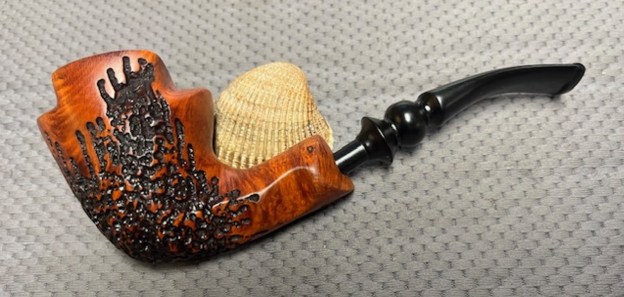
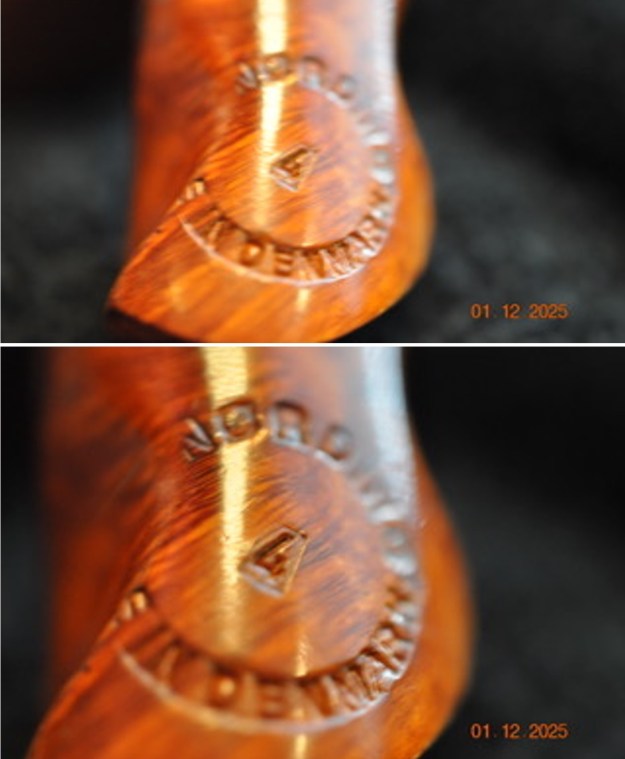
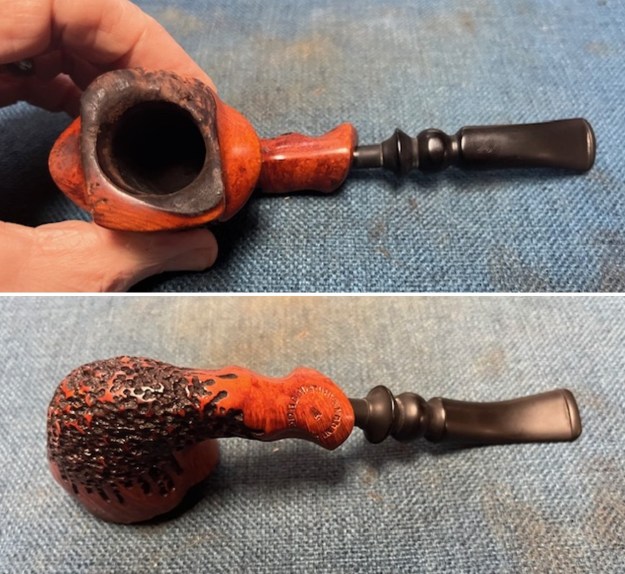
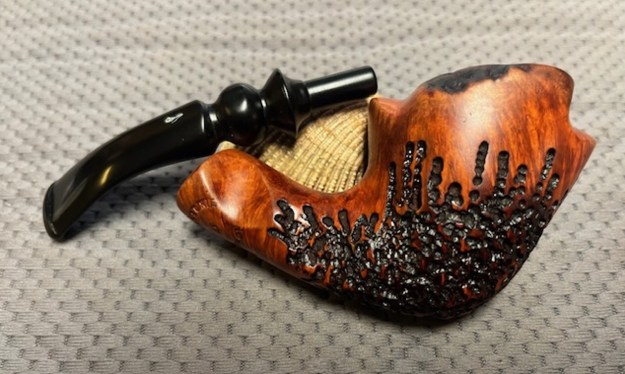
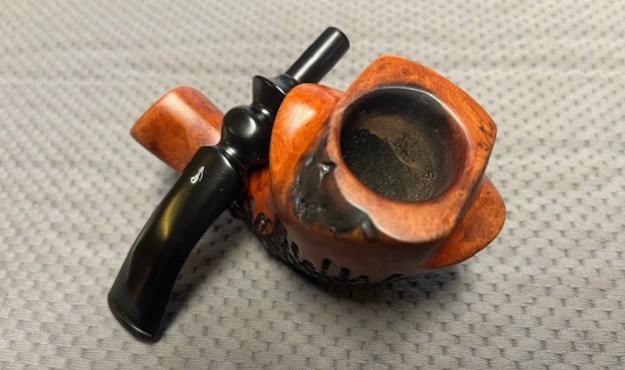
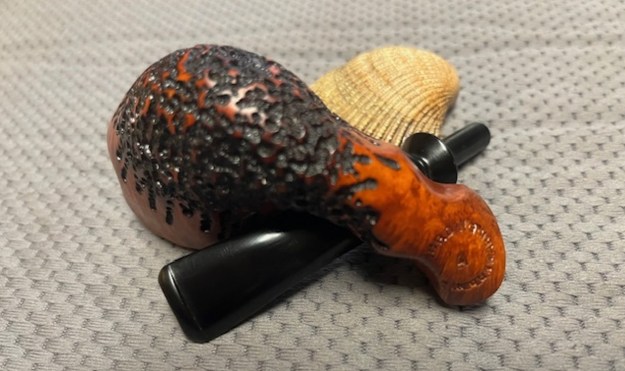
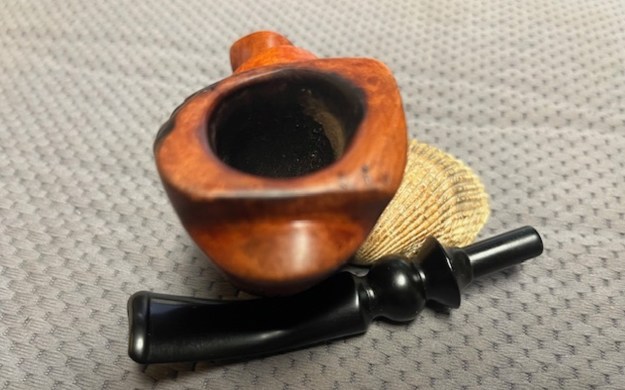
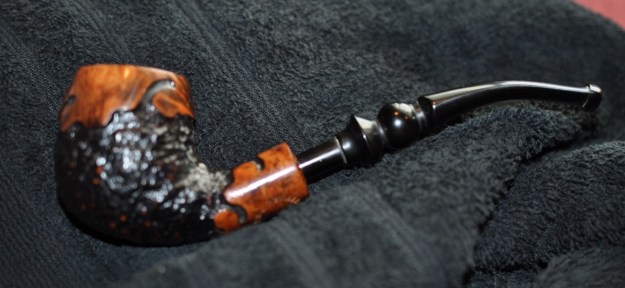
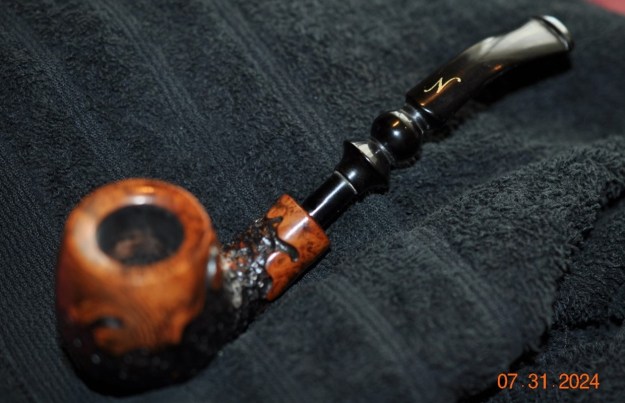
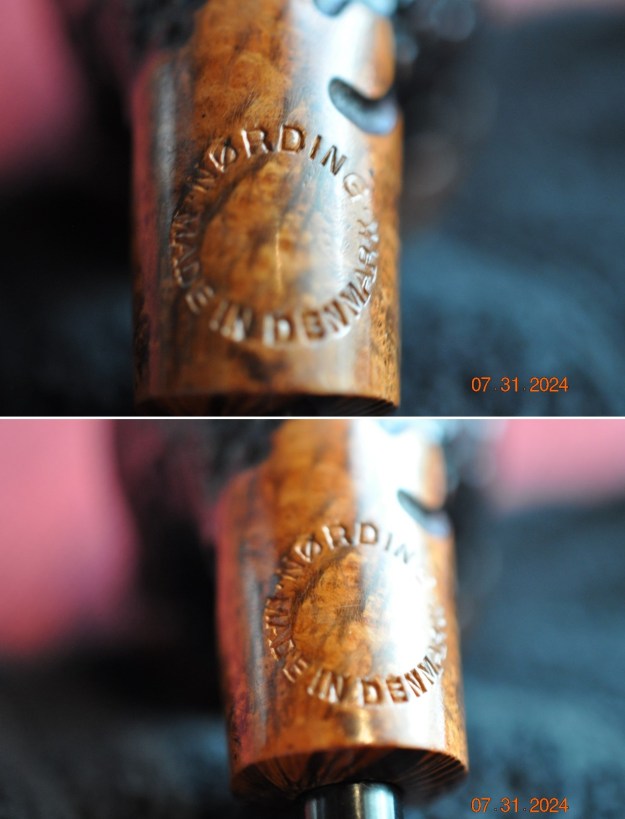
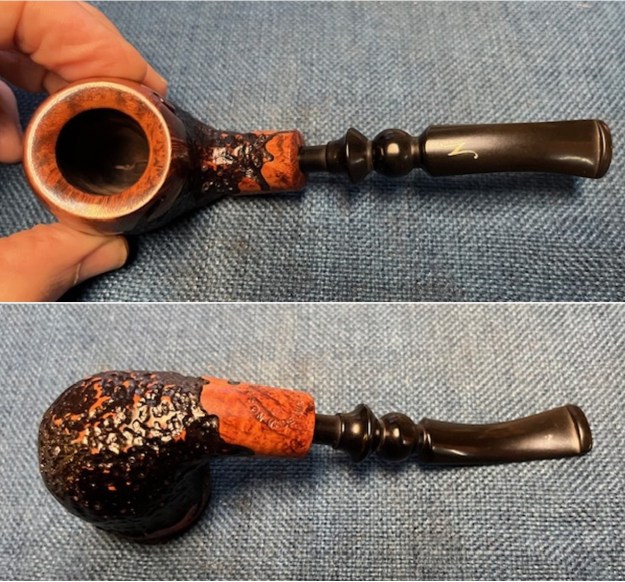
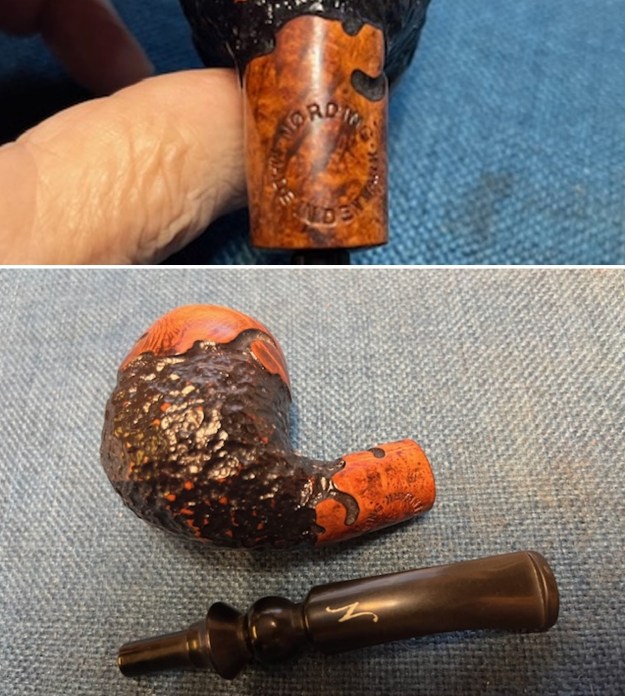
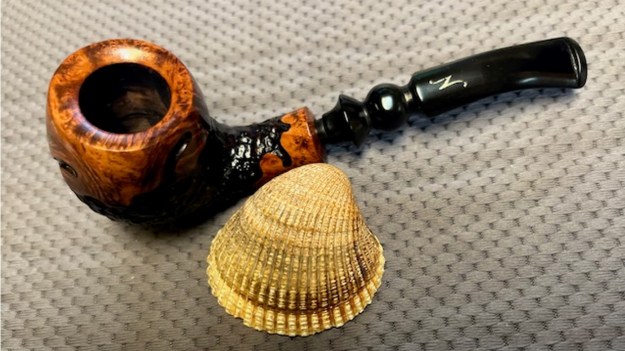
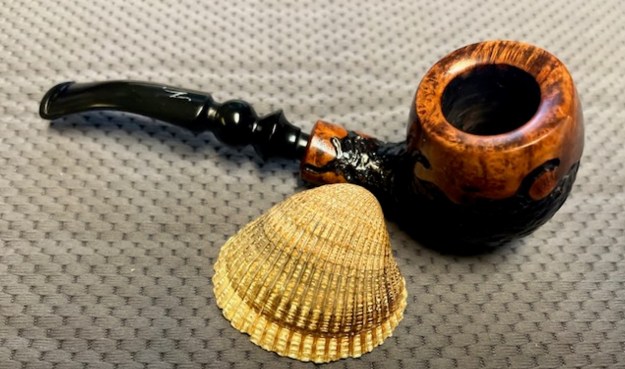
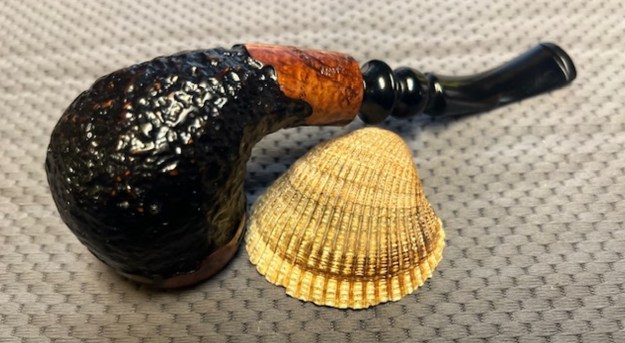
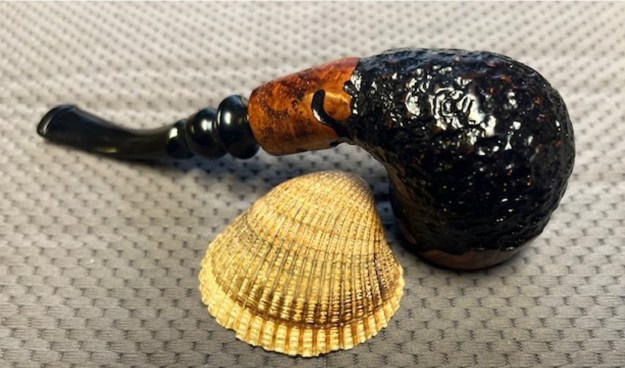
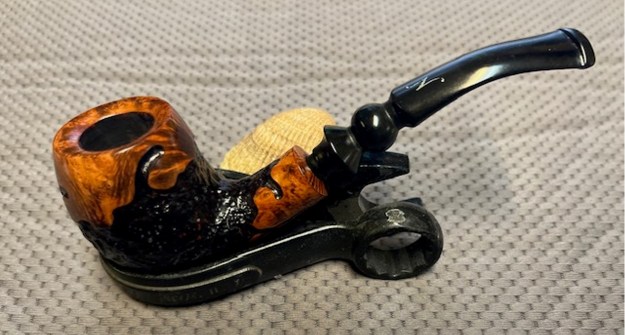
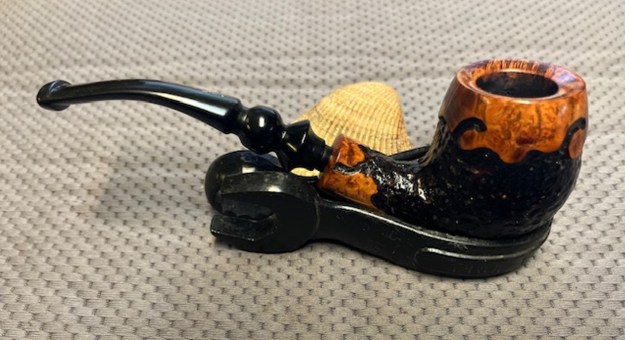
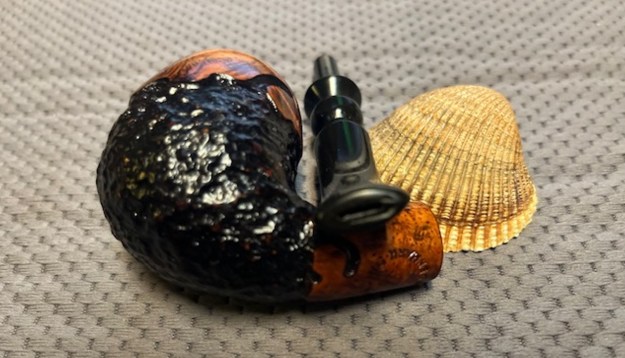
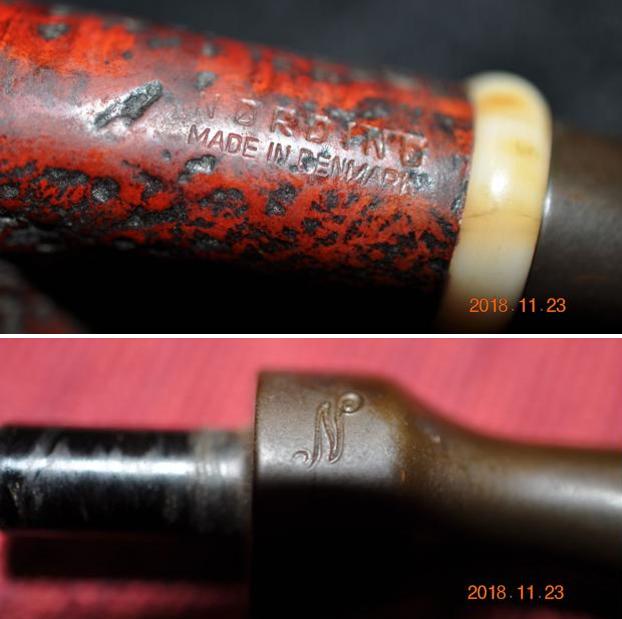
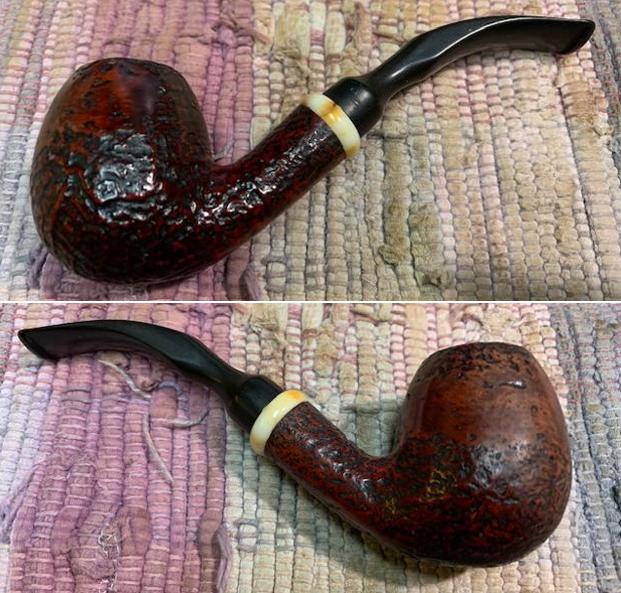
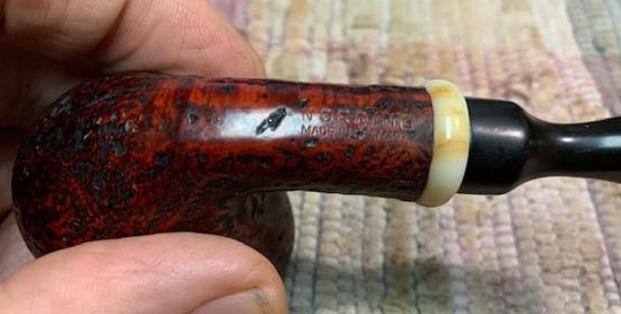
The next pipe on the table is one that Jeff picked up from our contact in Copenhagen, Denmark on February 16, 2023or so it has been sitting here almost a year. It is a Bent Freehand with a mix of rusticated and smooth finishes. The smooth portions are spot carved like water or flames coming down from the rim top and up from the underside of the shank and shank end. The stem is a fancy saddle that looks very good. The stamping on the underside of the shank is in a circle read Nording Made in Denmark with the number 4 in the center of the circle. The stem has a Nording “N” stamped on the top side that is faint. There was some dust in the rusticated portions of the finish and general dullness on the smooth portions of the bowl. He rim top and inner edge of the bowl are severely burn damaged with deep char. There is a thick coat of cake in the bowl and spilling onto the inner edge and the burned rim top. The fit of the stem in the shank was smooth and flawless. The stem was vulcanite and it was lightly oxidized but there were tooth marks or chatter on both sides of the stem. Jeff took the following photos of the pipe before he did a clean up.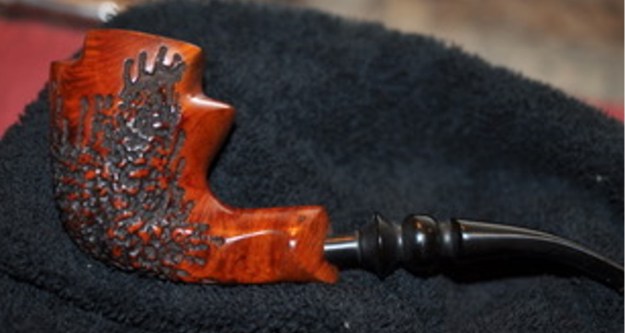
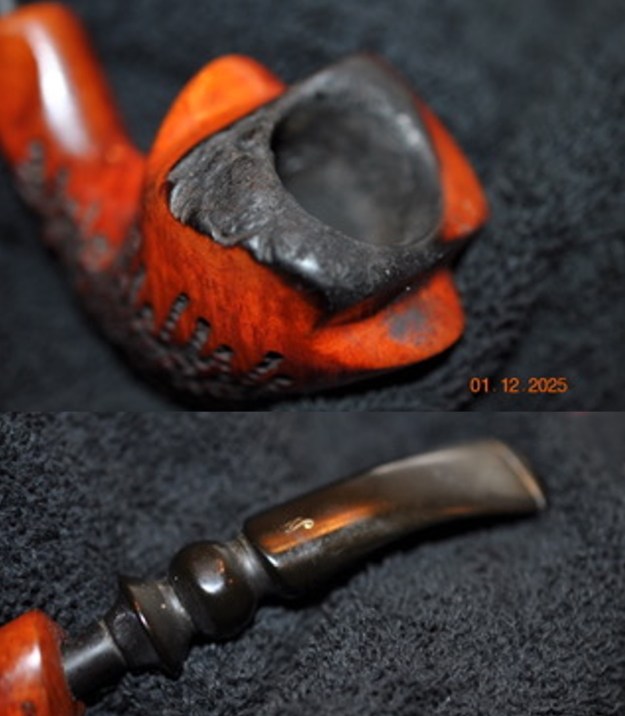
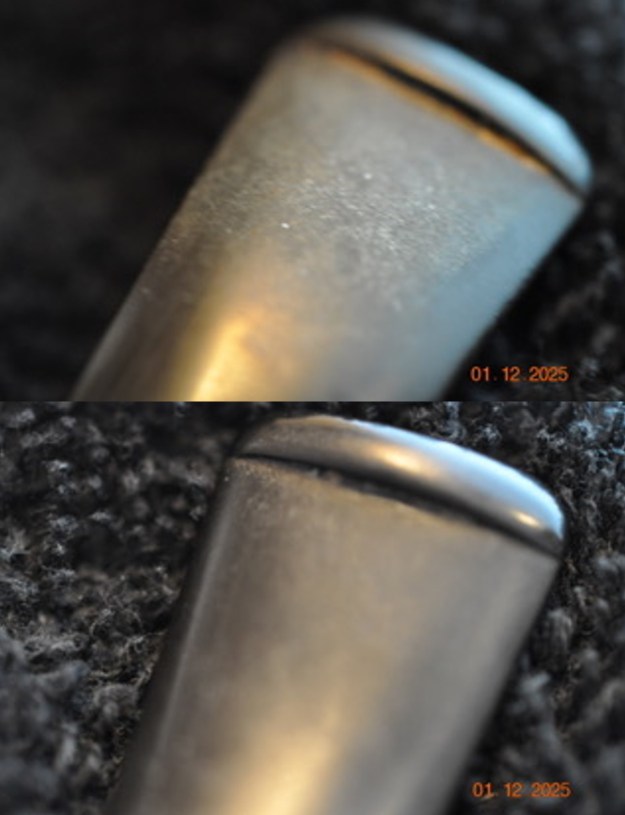
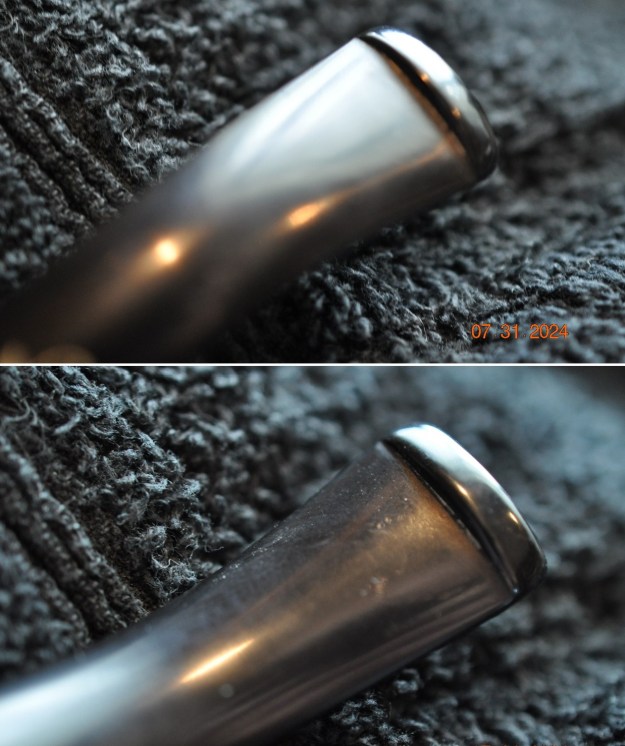
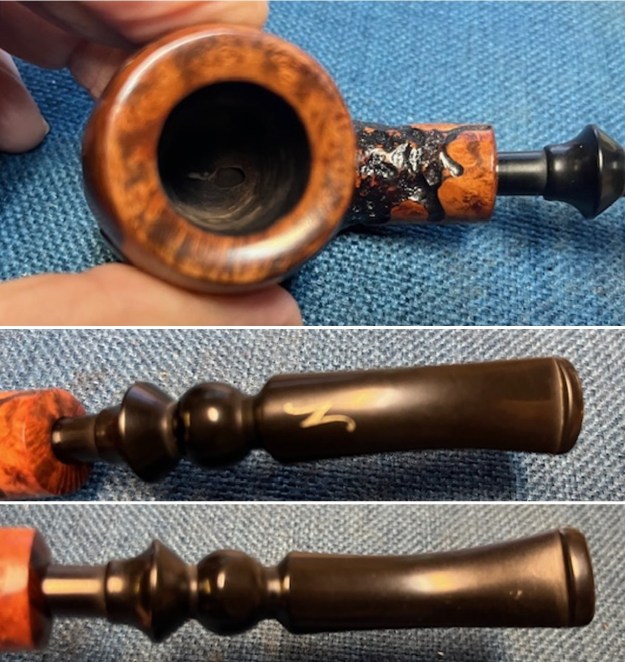
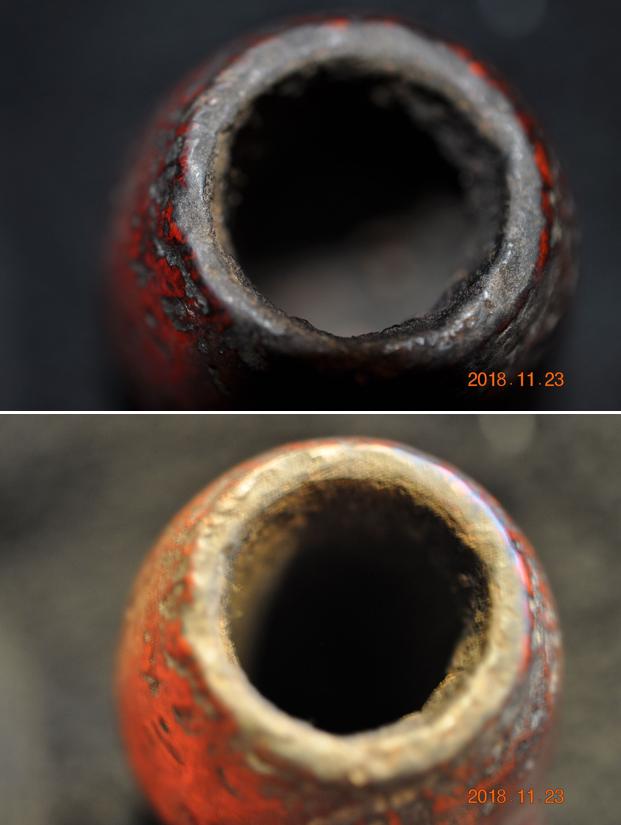
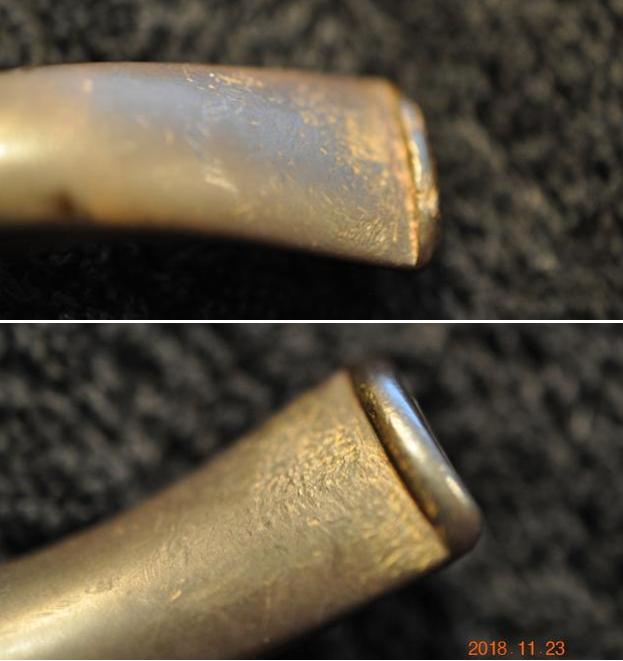
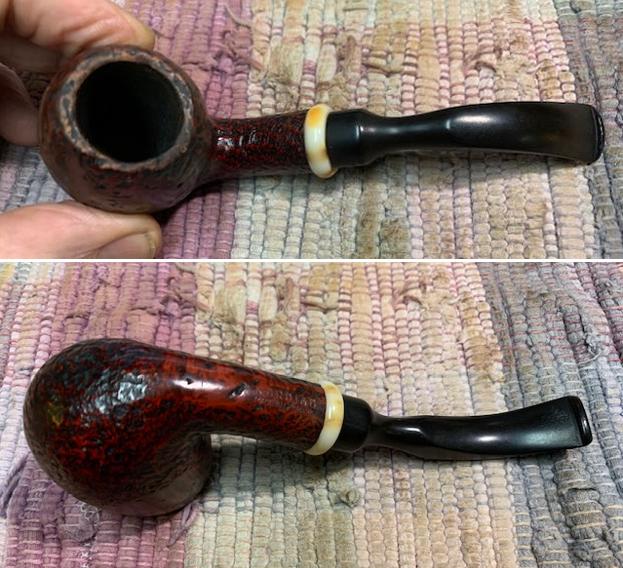
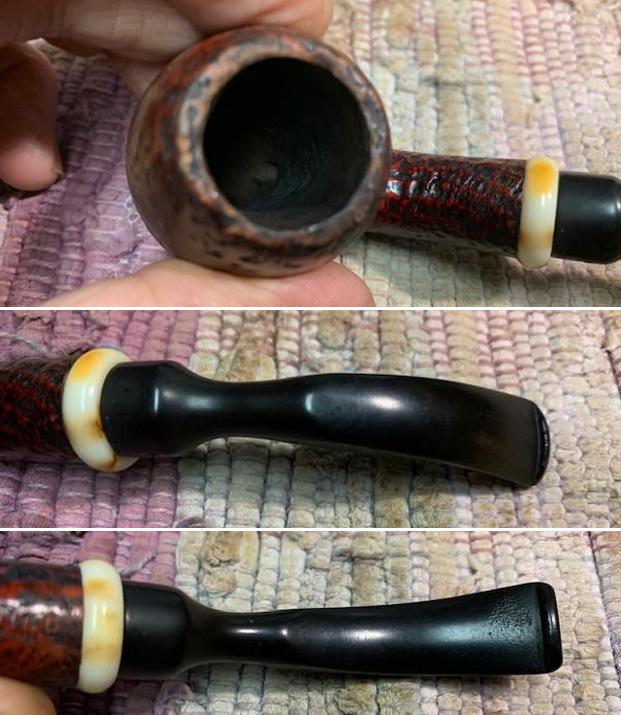
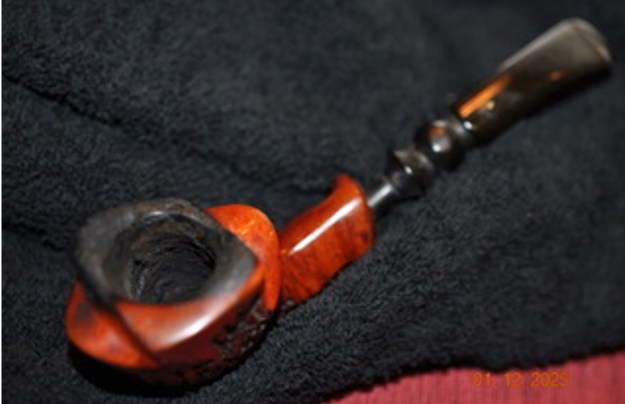 Jeff took photos of the bowl and rim top to show the thick cake in the bowl and the heavy lava and burn damage on the smooth rim top and inner edge of the bowl. He took photos of the top and underside of the stem showing the light oxidation and the light tooth marks or chatter. It is a pretty clean looking stem.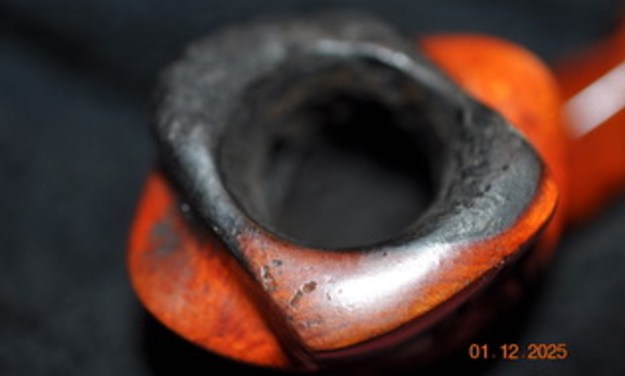
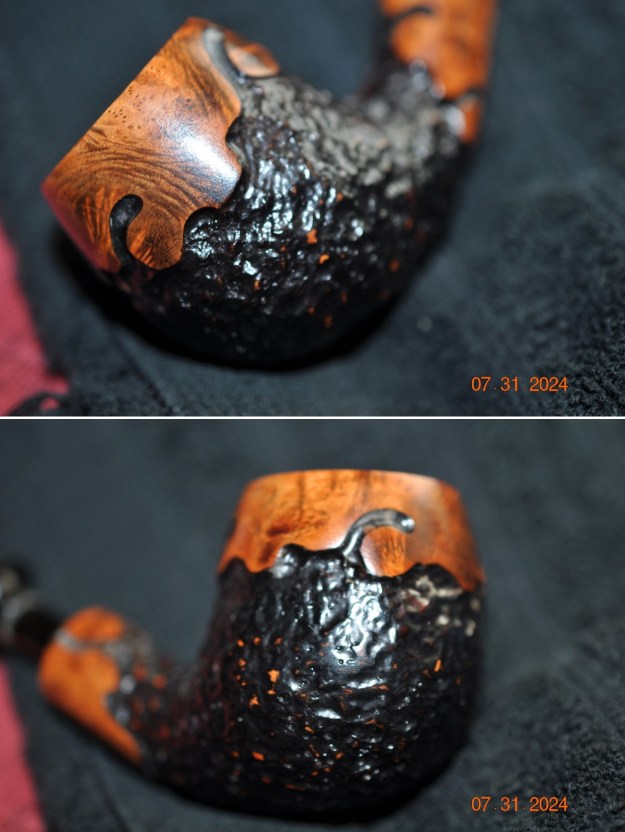
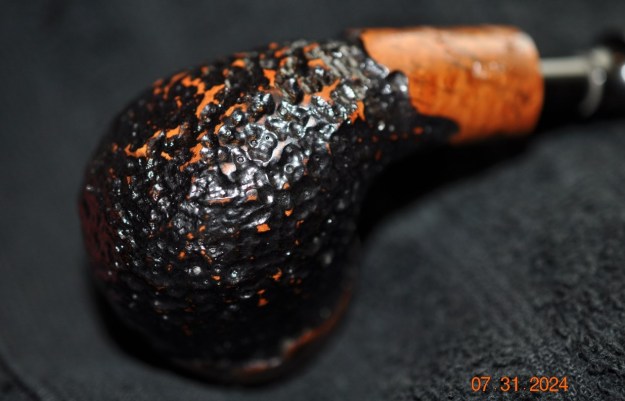
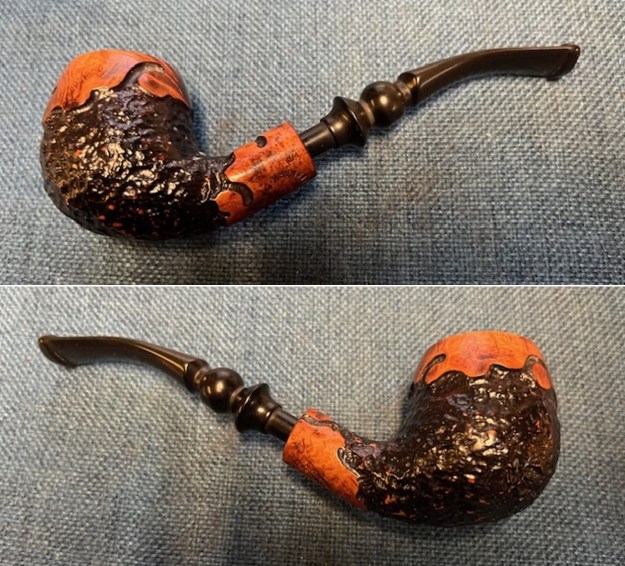
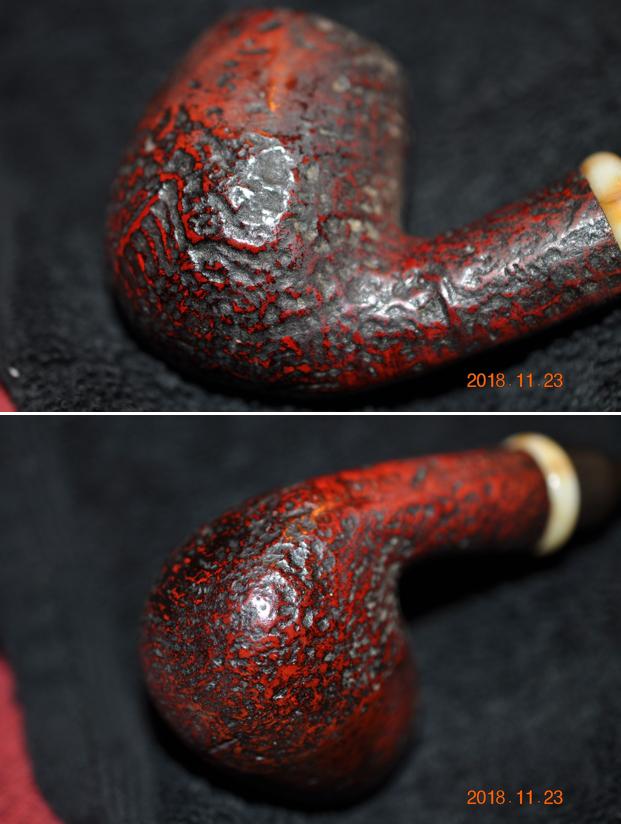
 Jeff took photos of the sides and heel of the bowl to show the condition of the finish. You can see the well done shape and the interesting combination of finishes on the bowl and shank. It looked very good. The damaged rim top and edge of the bowl is not visible in the photos below.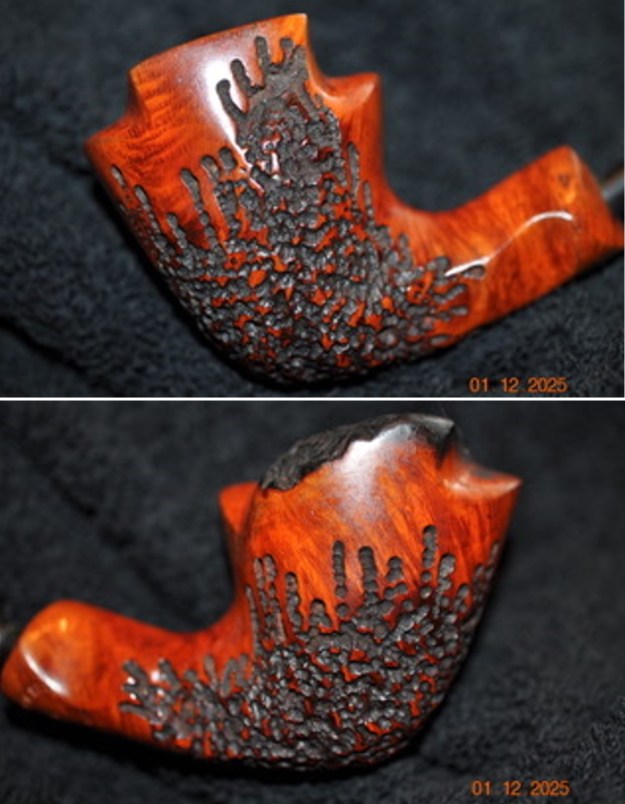
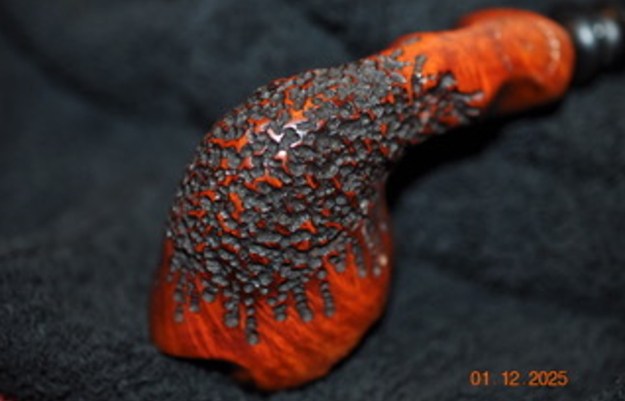 The stamping is clear and readable as noted above. The honey coloured finish and black rustication looks good.
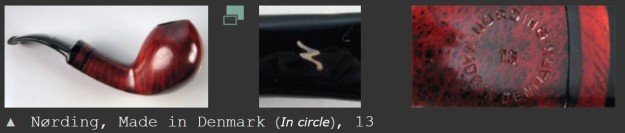
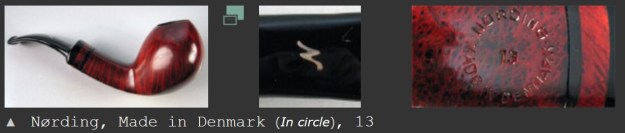
 I turned first to Pipephil to get a quick review of the brand (http://pipephil.eu/logos/en/logo-n2.html). The pipe was carved by Erik Nording. Nording is a prolific carver who continues to make pipes and sell them globally. The screen capture below shows a Nording with stamping like the one I am working on. The one here is lacking the shape number in the middle of the circle but otherwise it is the same.
 I then turned to Pipedia to have a look at the history of the Nording brand and see if there were any pipes like the one in hand (https://pipedia.org/wiki/N%C3%B8rding). The history was worth a read, though there were no photos of the pipe that I had.
With the information I learned in the above articles I had the background on the pipe. Now it was time to work on it.
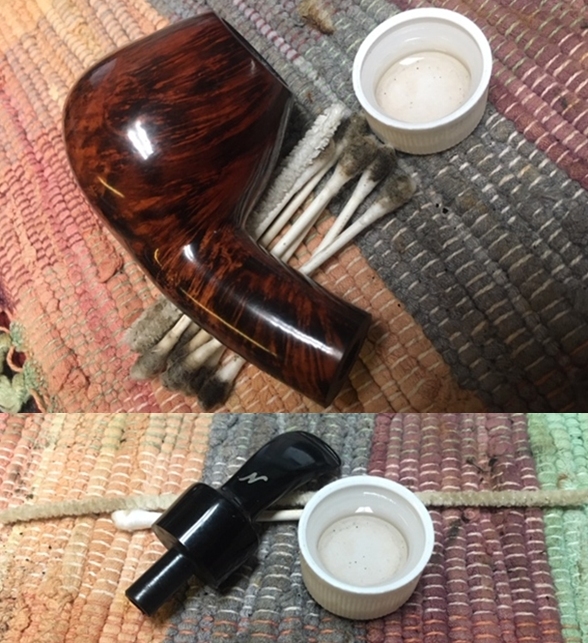
I am really happy to have Jeff’s help on cleaning up the pipes that we pick up along the way. He reamed the bowl with a PipNet pipe reamer and cleaned up the reaming with a Savinelli Fitsall Pipe Knife. He scrubbed out the internals with alcohol, pipe cleaners and cotton swabs until the pipe was clean. He scrubbed the exterior of the bowl with Murphy’s Oil Soap and a tooth brush to remove the grime and grit on the briar and the lava on the rim top. The finish on the shank and bowl sides was quite coated with varnish and was shiny. The rim top was heavily burned and the inner edge was badly burned. The lightly rusticated portion on the right side was almost smooth from the burn damage. It was a huge mess. Jeff scrubbed the stem with Soft Scrub All Purpose Cleaner to remove the majority of the grime. When the pipe arrived here in Vancouver it looked very good.
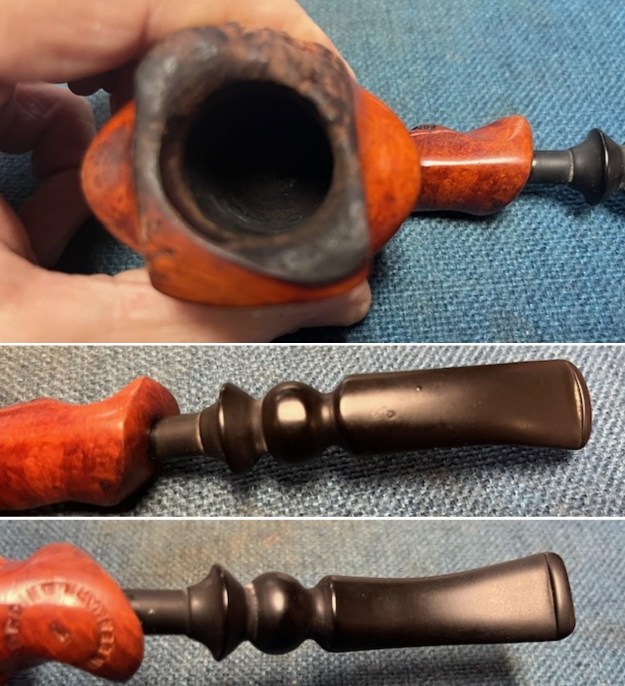
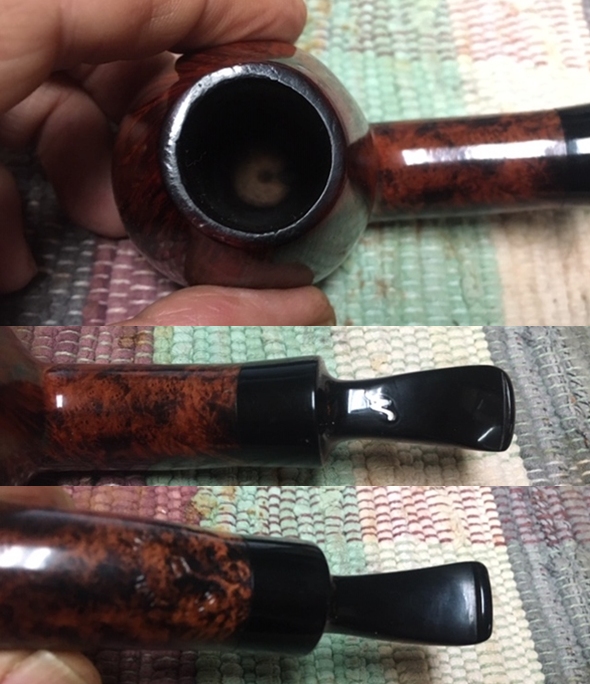
 I took some close up photos of the rim top and the stem surface. The rim top was a disaster in progress to me. It was burned and badly damaged. The rim top was burned down into the bowl and as badly damaged on the inner edge of the bowl. I took close up photos of the stem to show the condition of the surface and button. The stem was very clean on both sides with some light oxidation.
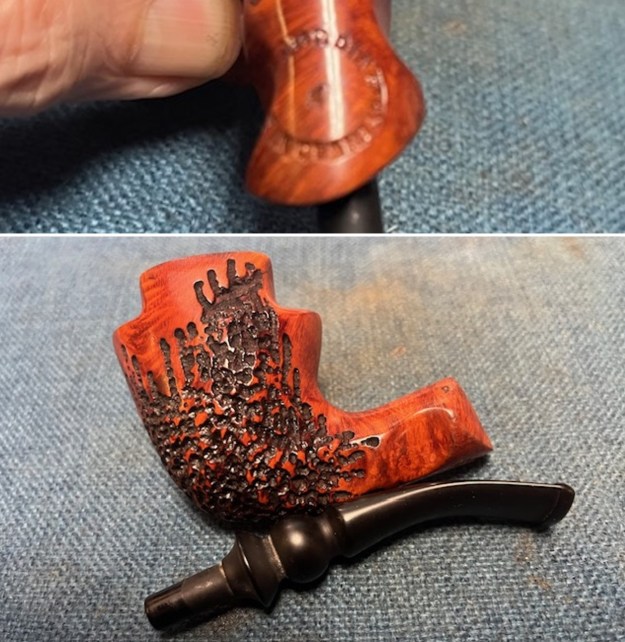
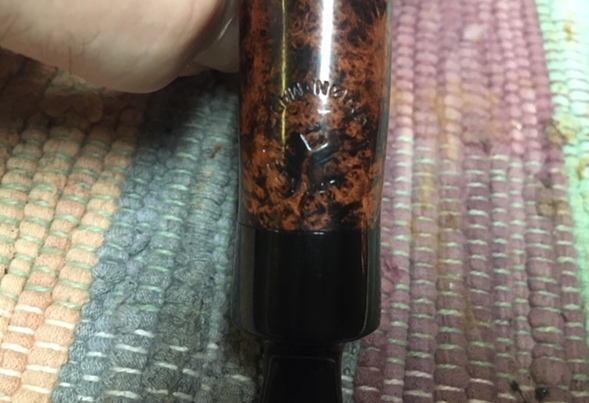
 I took a photo of the stamping on the underside of the shank You can see that it is stamped as noted above. It is clear and readable. I took the pipe apart and took a photo of the pipe. It is a good looking pipe and has an interesting finish on the bowl and shank.
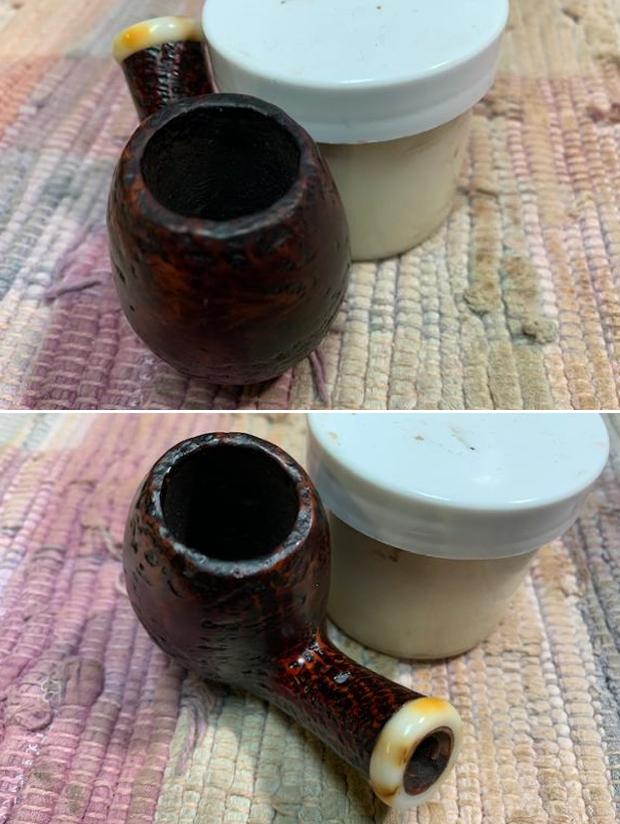
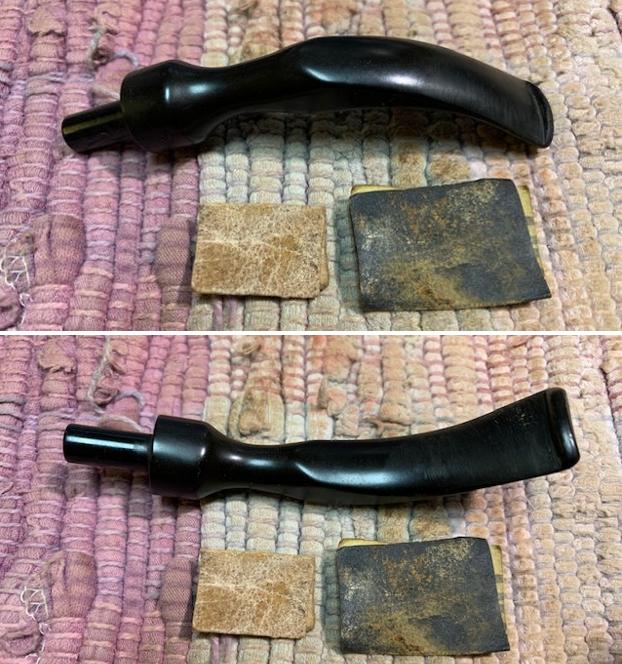
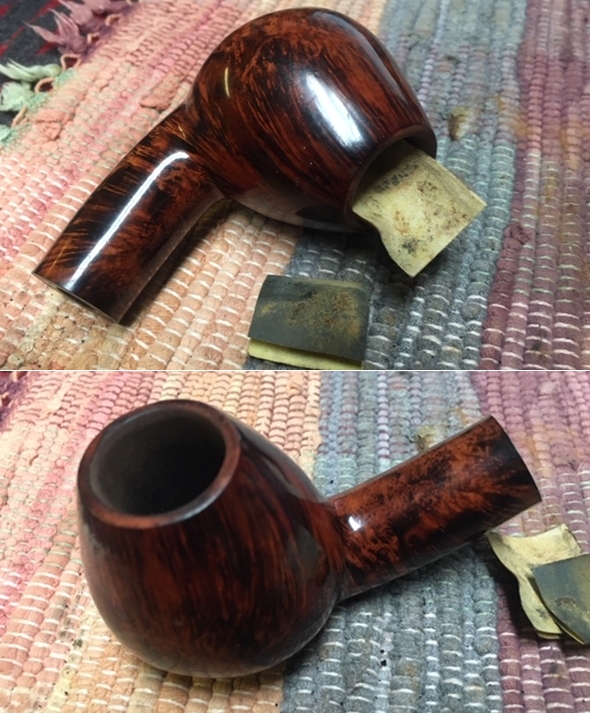
 I decided to address the serious burn damage on the rim top and inner edges of the bowl. I began by topping the bowl to flatten out the damage on the top. I used a topping board and 220 grit sandpaper. I used a brass bristle wire brush to clean up the slight spot of rustication on the rim top to knock off the grit in the grooves. I used some 220 grit sandpaper and a half sphere to clean up the bevelled inner edge and smooth and reduce the damage.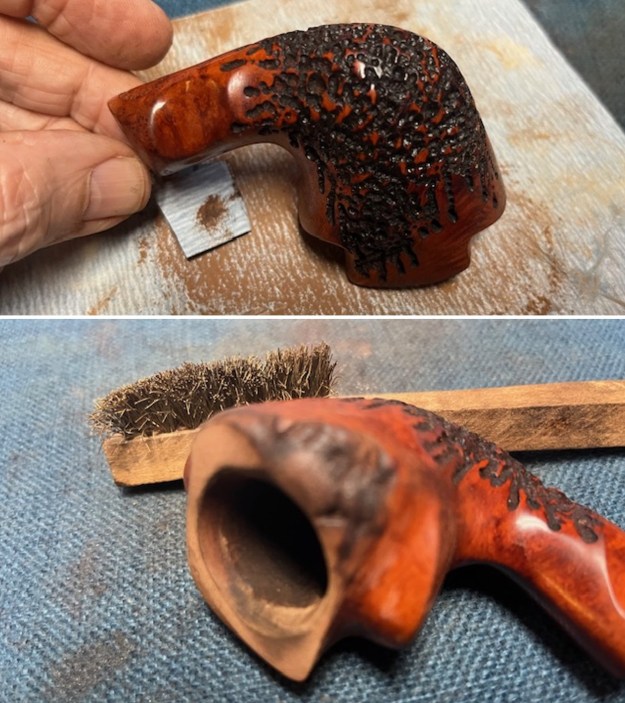
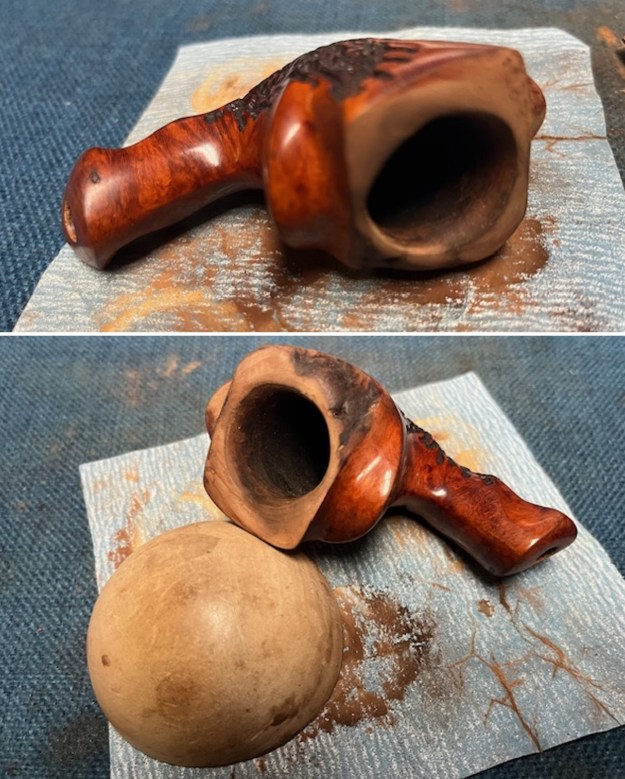 I wiped down the bowl with acetone and cotton pads to remove the shiny coat. I repeatedly worked it over. The varnish coat was quite thick but with repeated wiped downs started looking much better.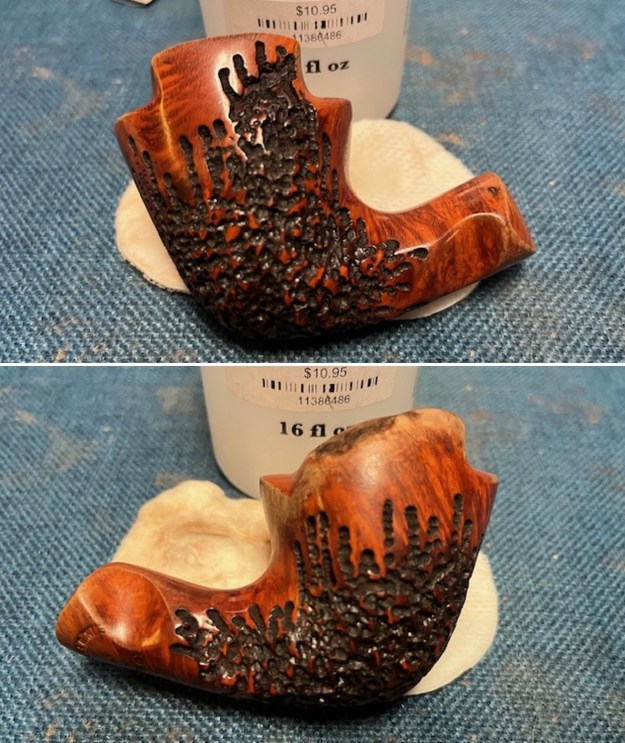
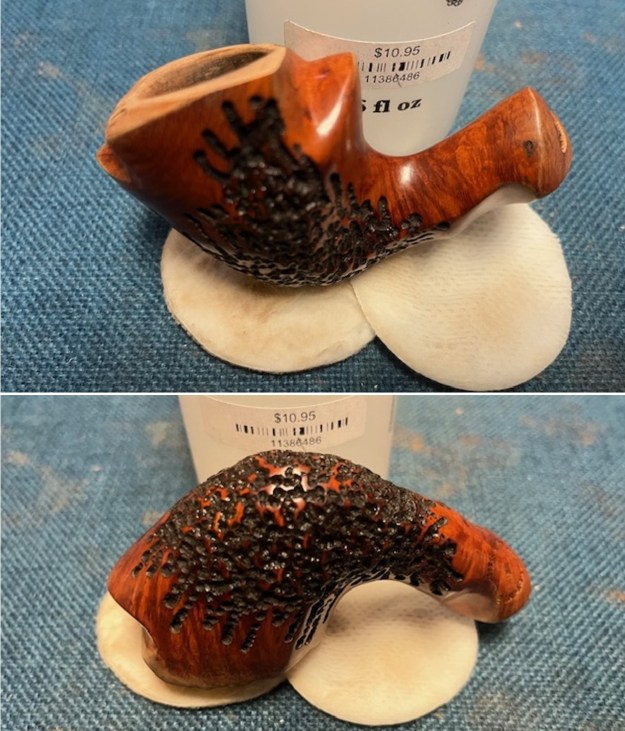 I sanded the smooth portions of the bowl and the cleaned up rim top with 320-3500 grit sanding pads. I wiped it down after each sanding pad with a damp cloth to remove the grit and debris from the sanding process. It began to look much better.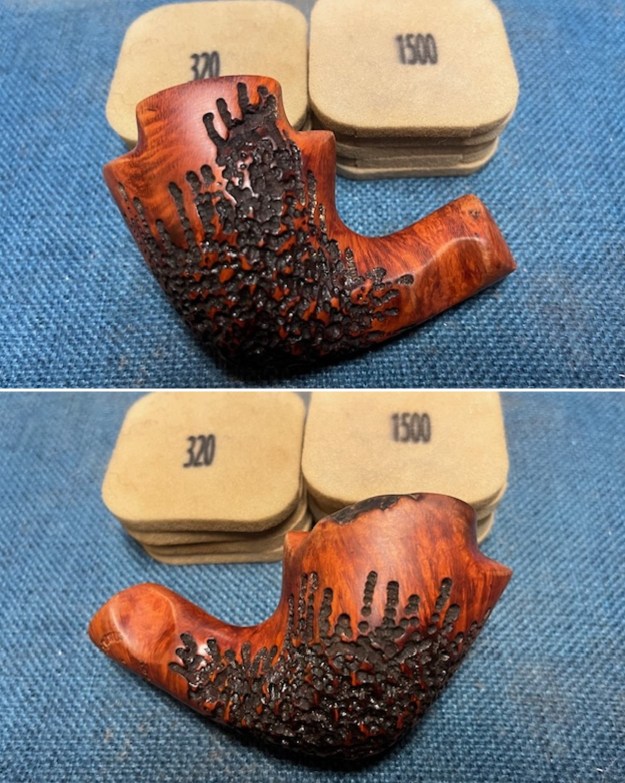
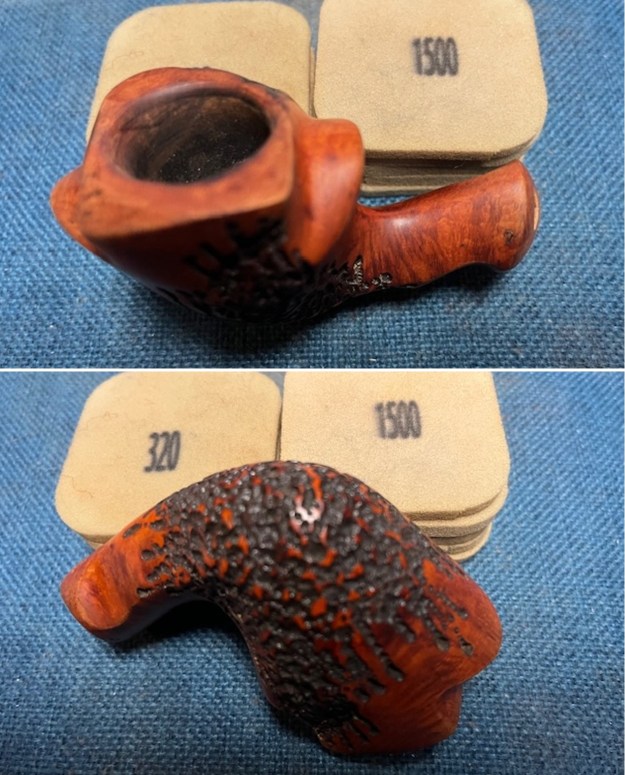 I restained the reworked rim top and edges of the bowl – inner and outer. I used an Oak and a Maple stain pen to match the colour of the rest of the bowl.
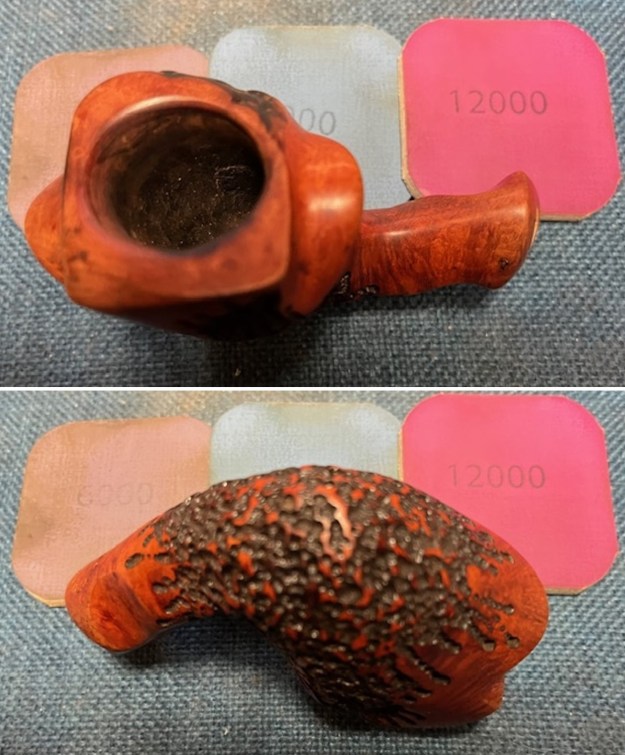
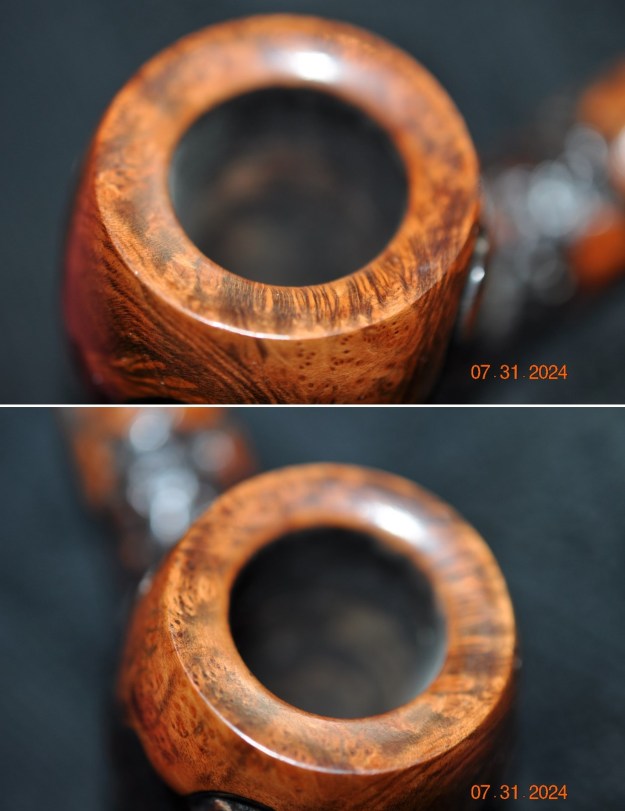
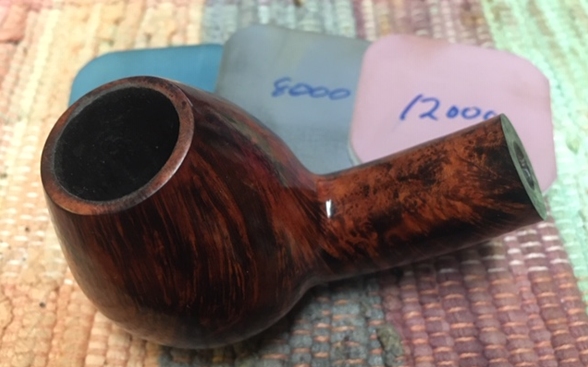
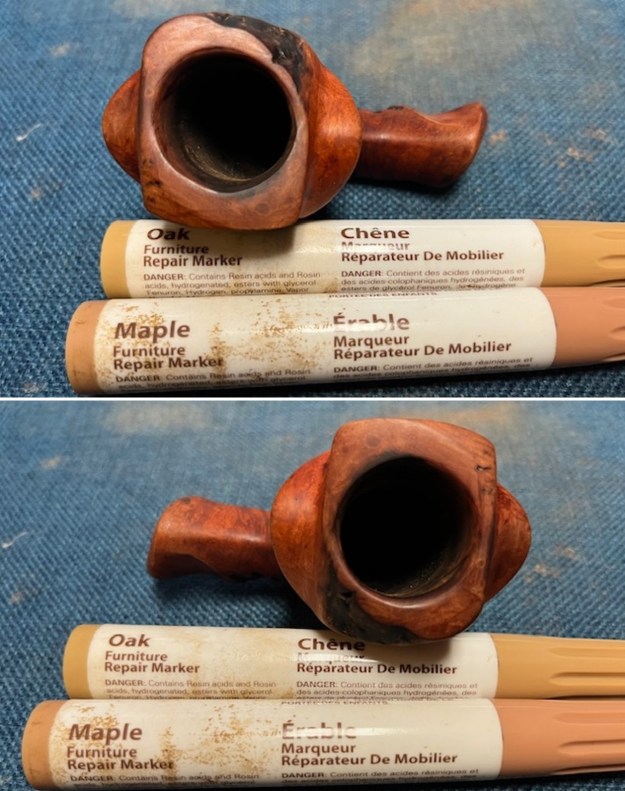 I polished the smooth portions of the bowl with 1500-12000 grit sanding pads. I wiped it down after each sanding pad with a damp cloth to remove the debris. The restored rim top looked much better with the clean up and removal of burn damage.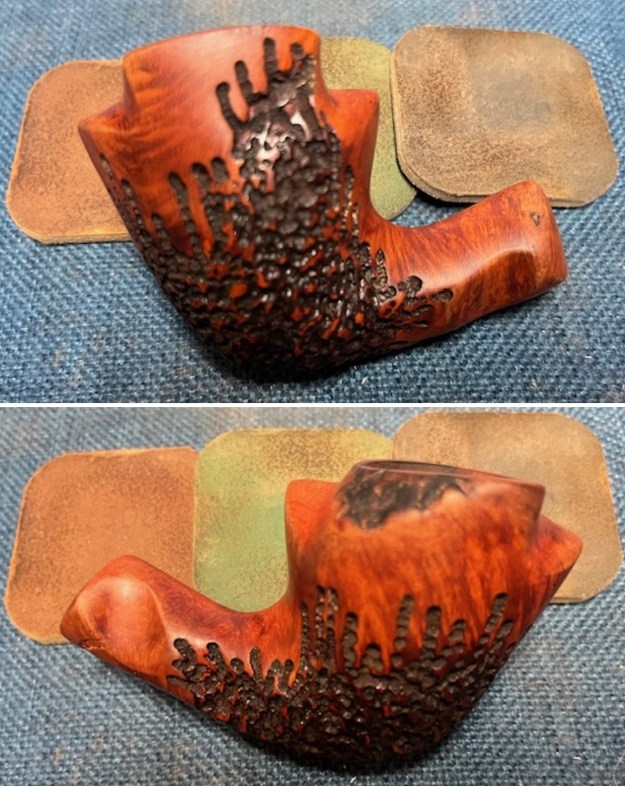
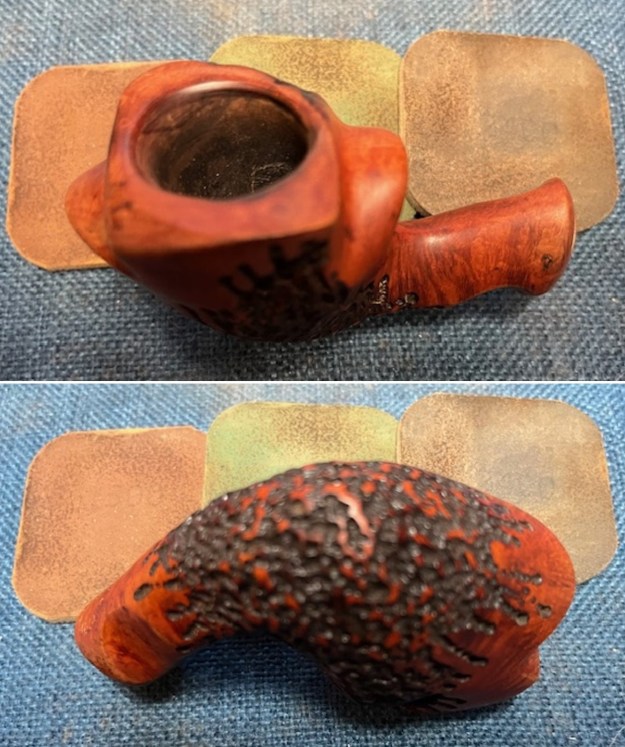
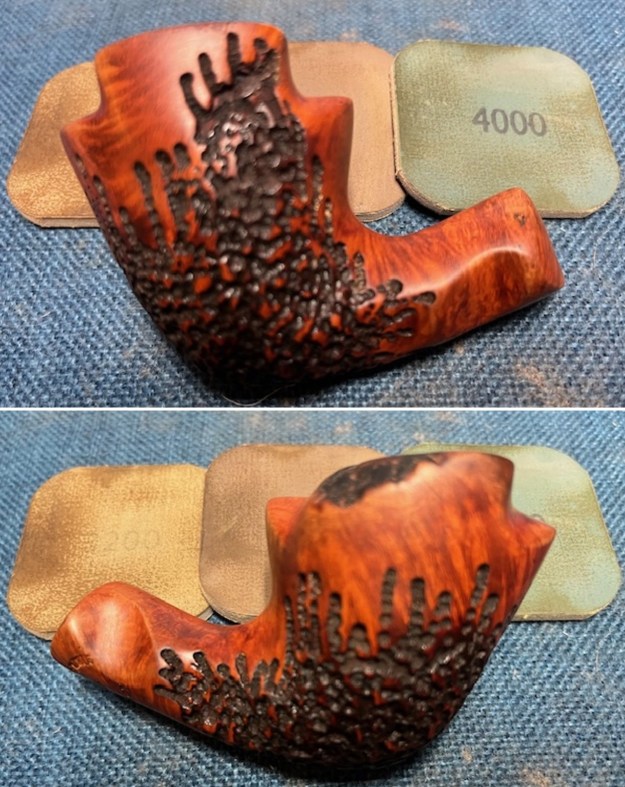
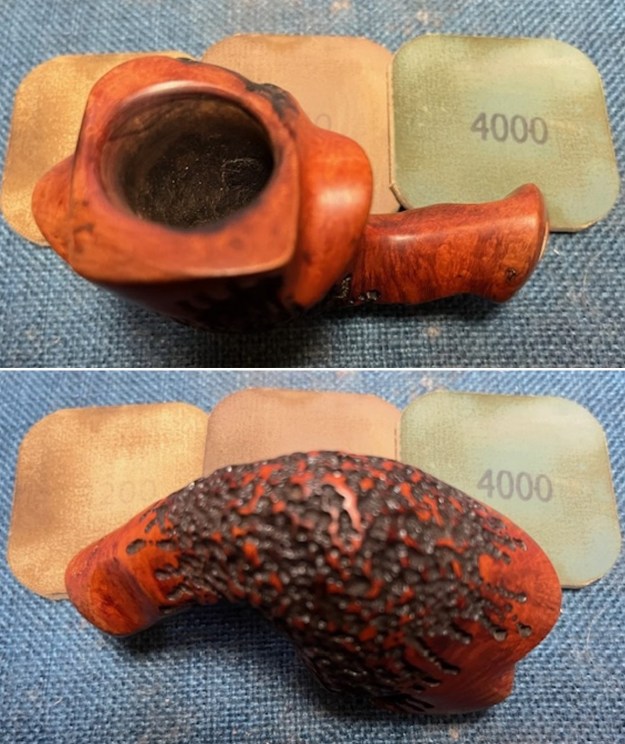

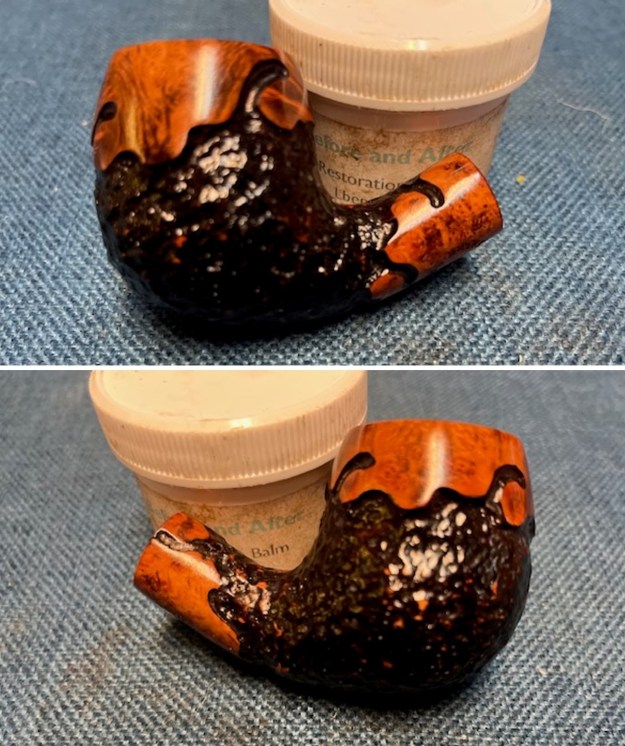
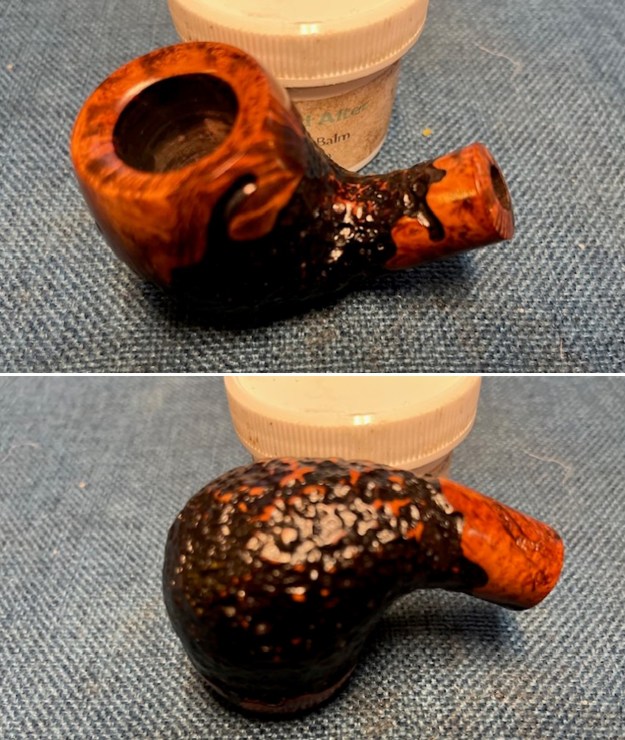
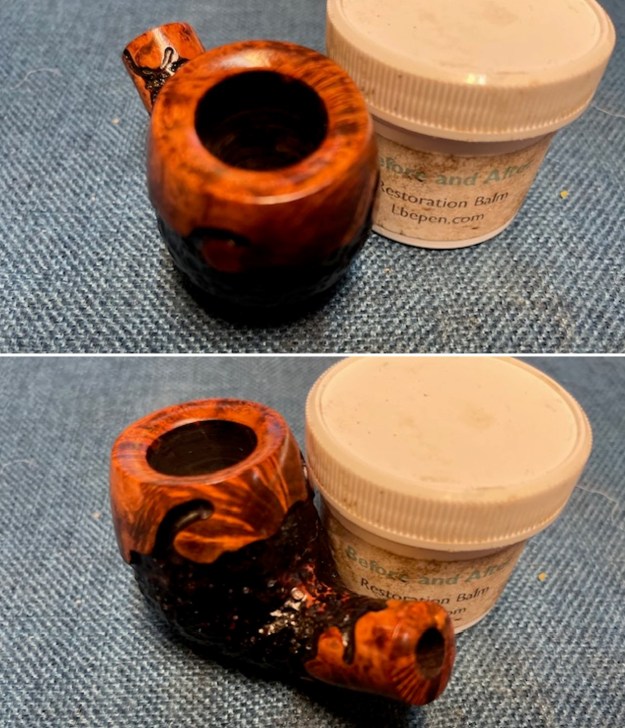
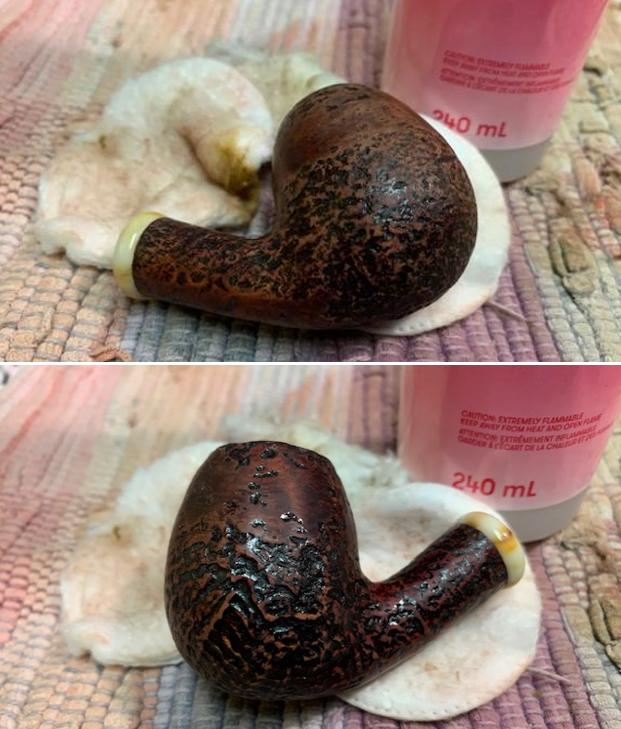
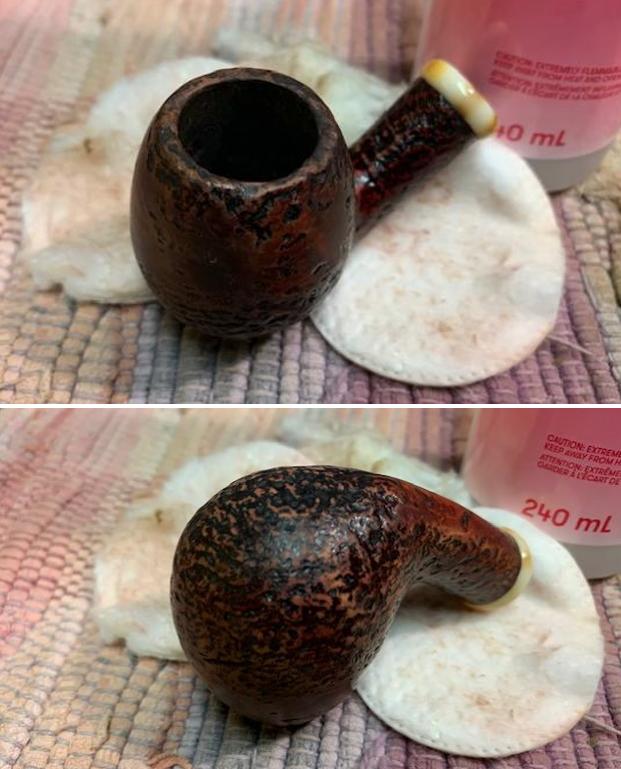
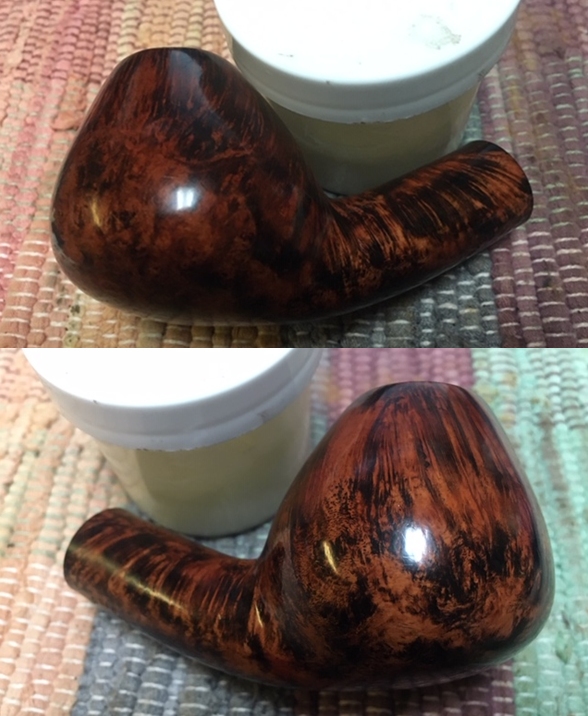
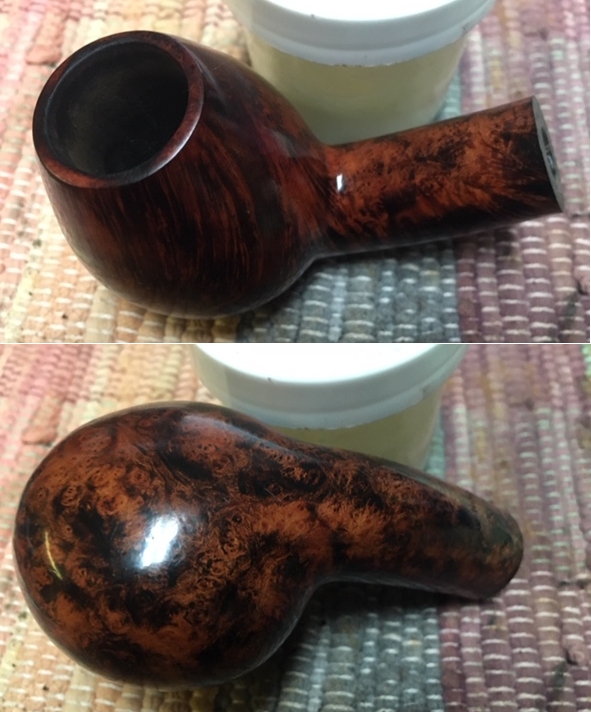
 I worked some Before & After Restoration Balm into the surface of the briar with my fingertips and a horsehair shoe brush to clean, enliven and protect the briar. I let the balm sit for 15 minutes and then buffed with a cotton cloth to raise the shine. The photos show the bowl at this point in the restoration process.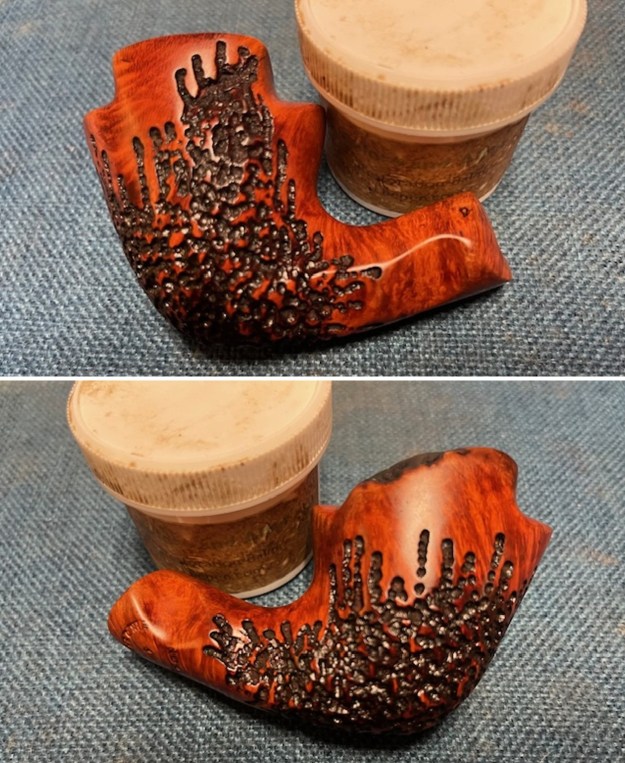
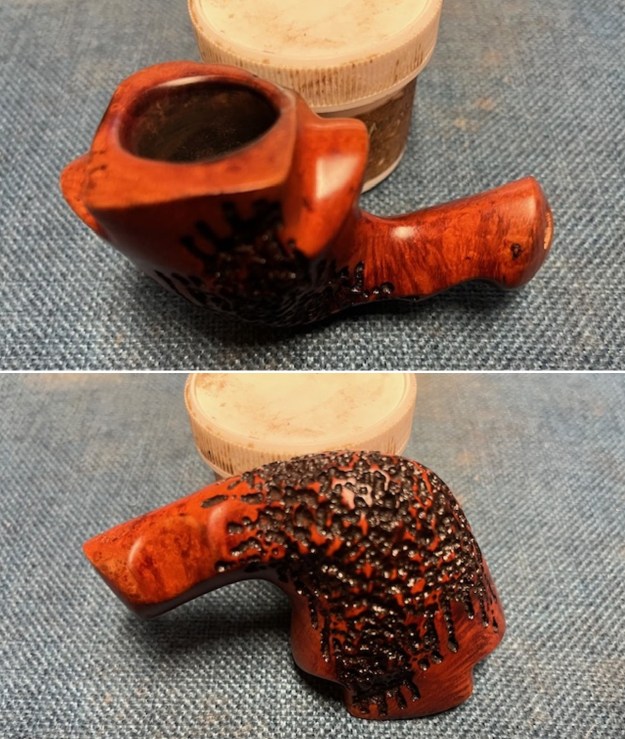
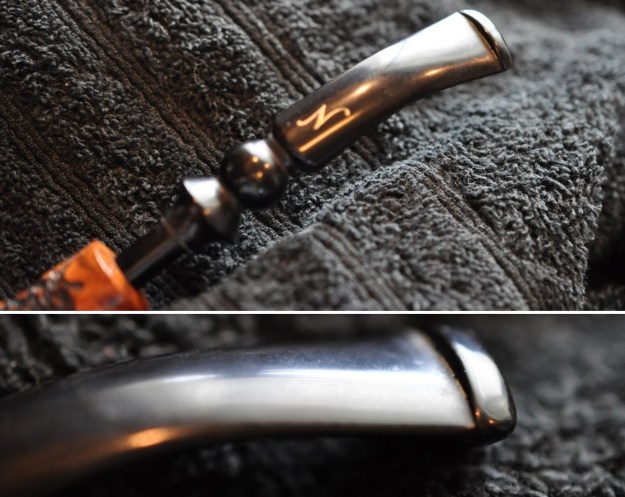
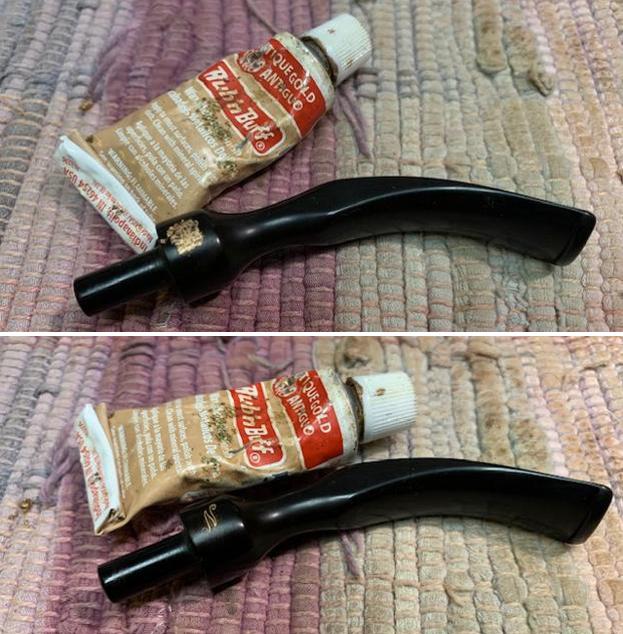
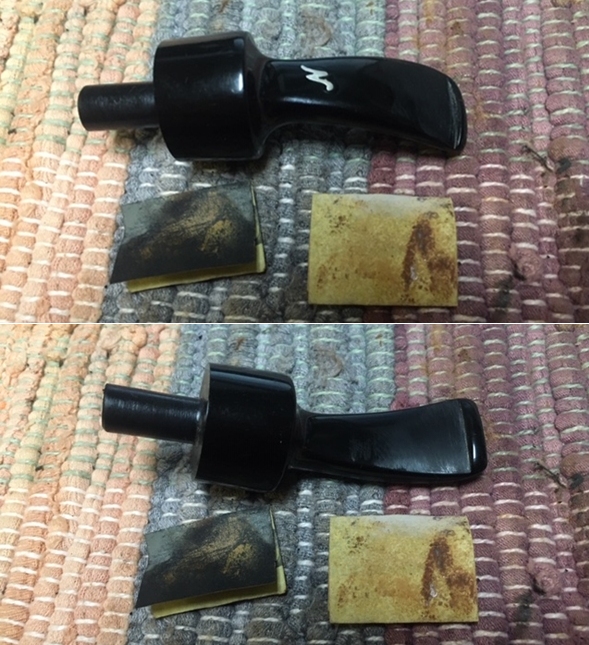
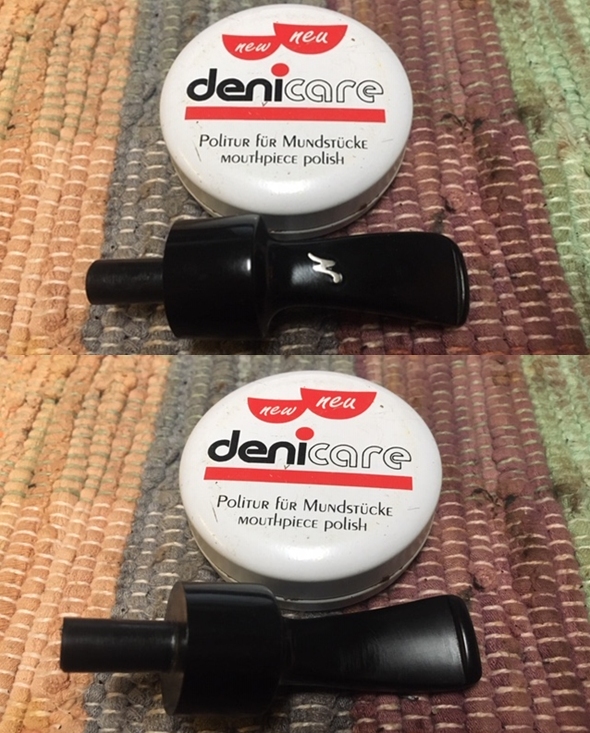
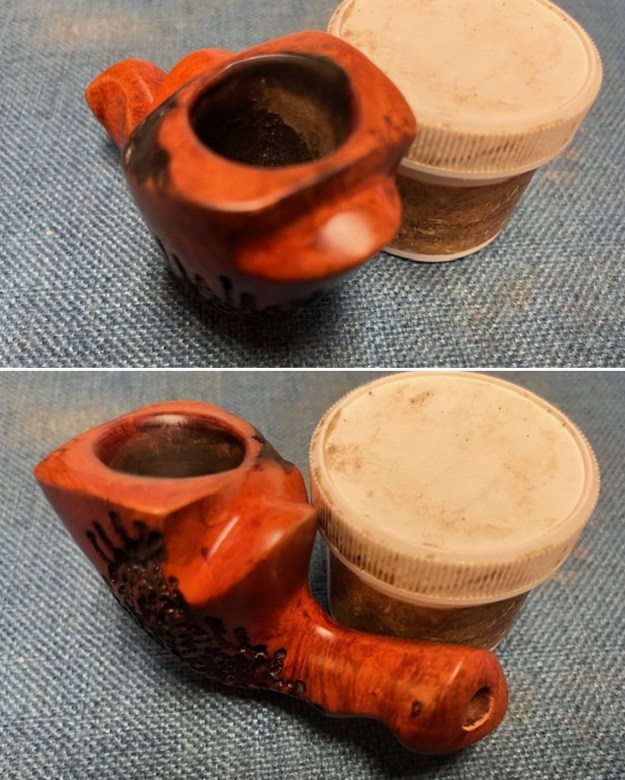 I touched up the faint “N” stamp on the top of the stem with white acrylic nail polish. I let it cure and then scraped off the excess and then move on to sand it with a worn 320 grit sanding pad.
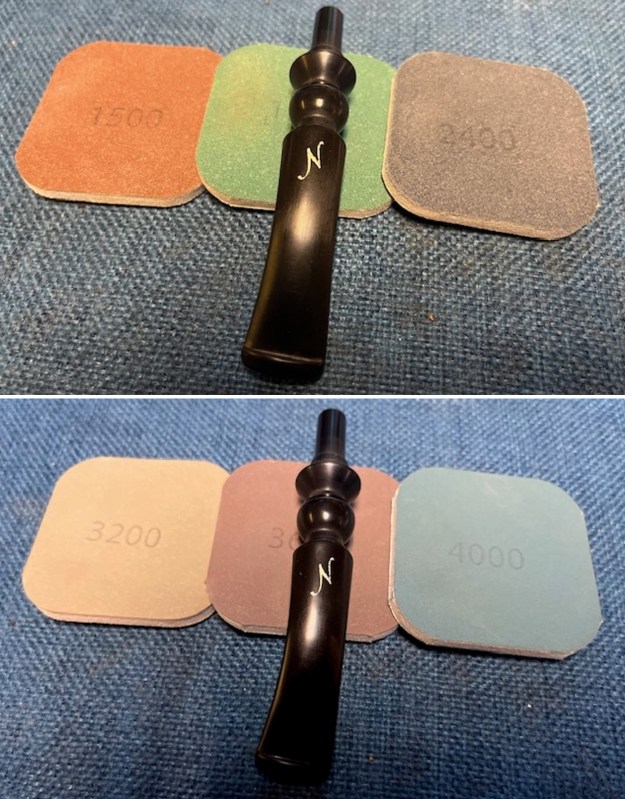
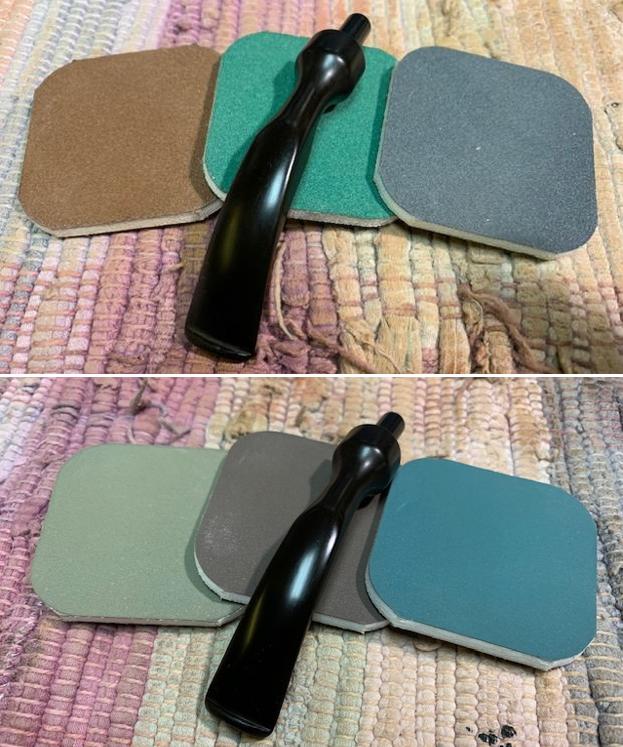
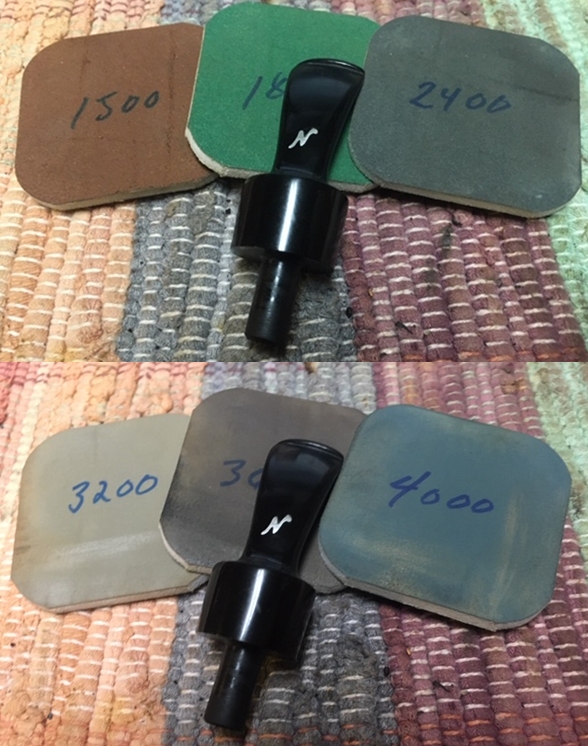
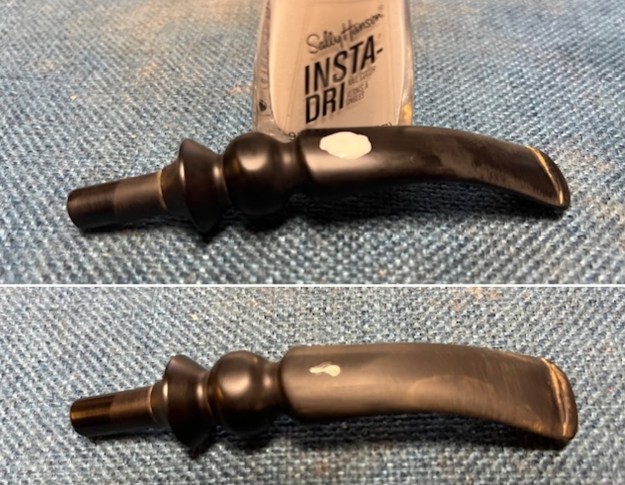 I set the bowl aside and sanded the stem with 320-3500 grit 2 x 2inch sanding pads. I wiped the stem down after each pad with a cloth impregnated with Obsidian Oil. The stem started looking much better by the final pad.
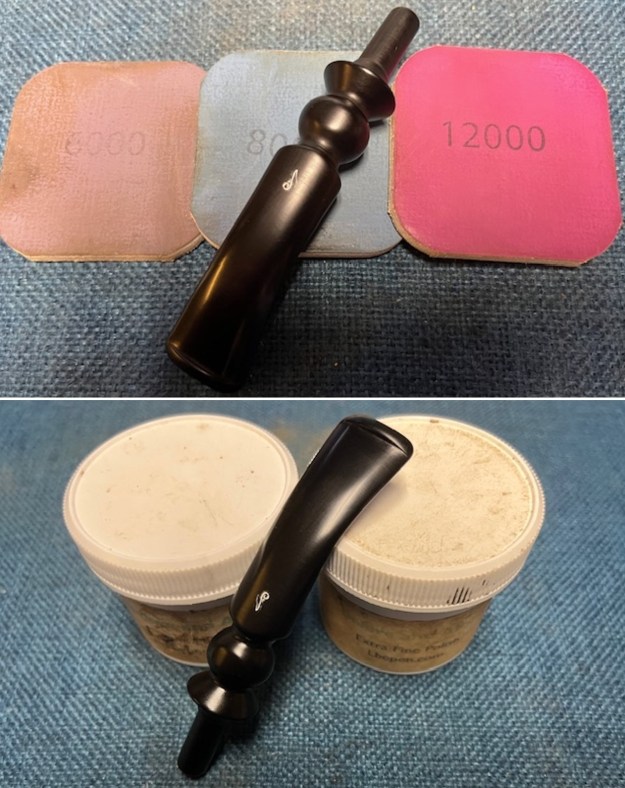
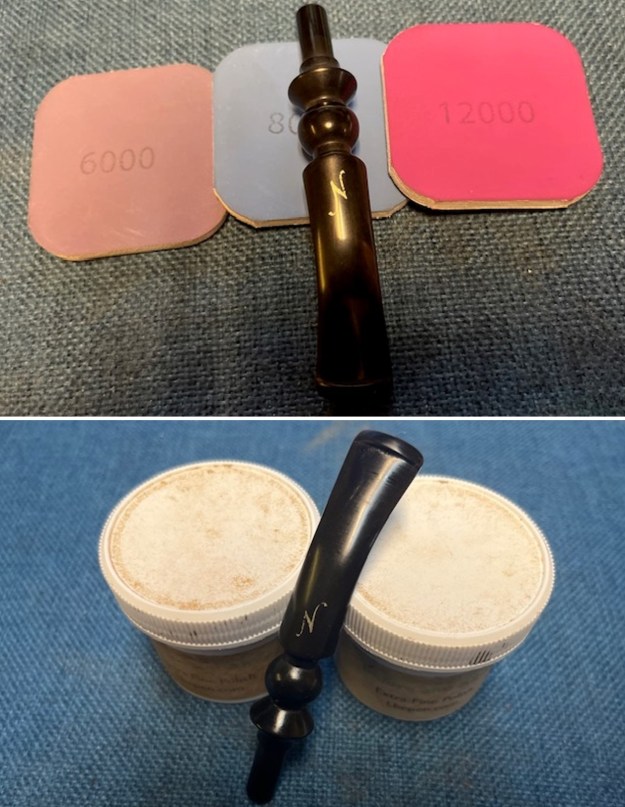
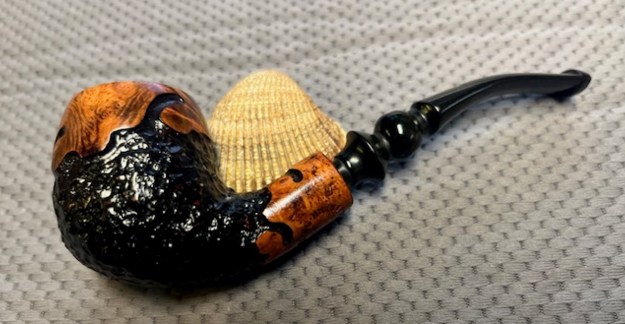
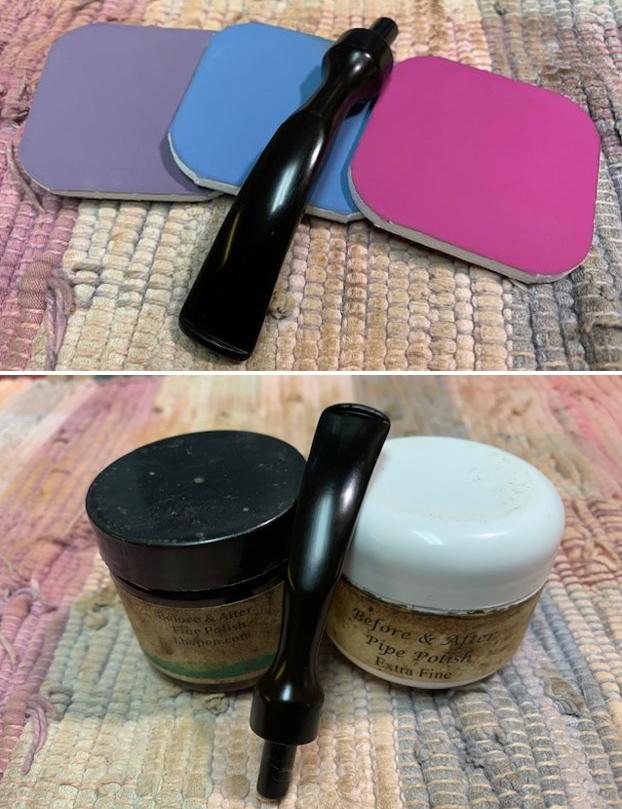
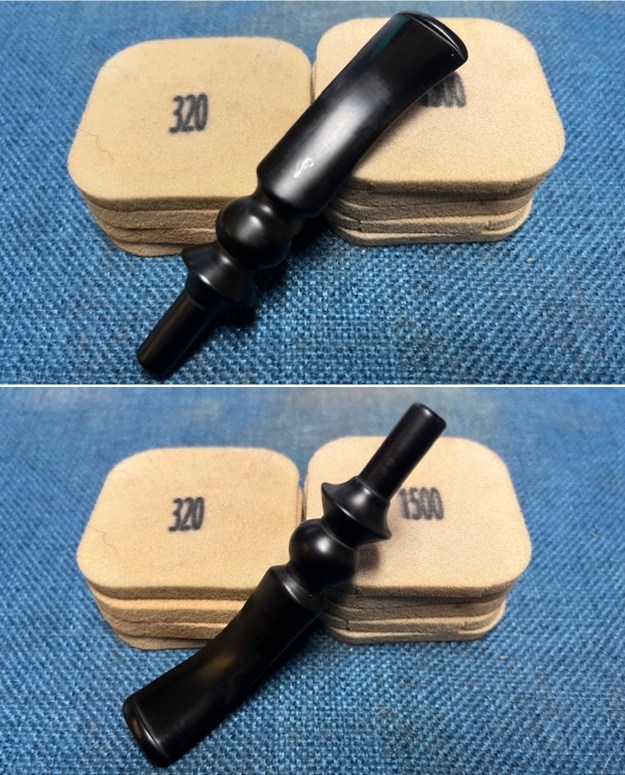 I polished the stem with 1500-12000 grit sanding pads. I wiped it down after each sanding pad with Obsidian Oil. I polished it with Before & After Pipe Stem Polish – both Fine and Extra Fine. I gave it another wipe down with Obsidian Oil and set it aside to dry.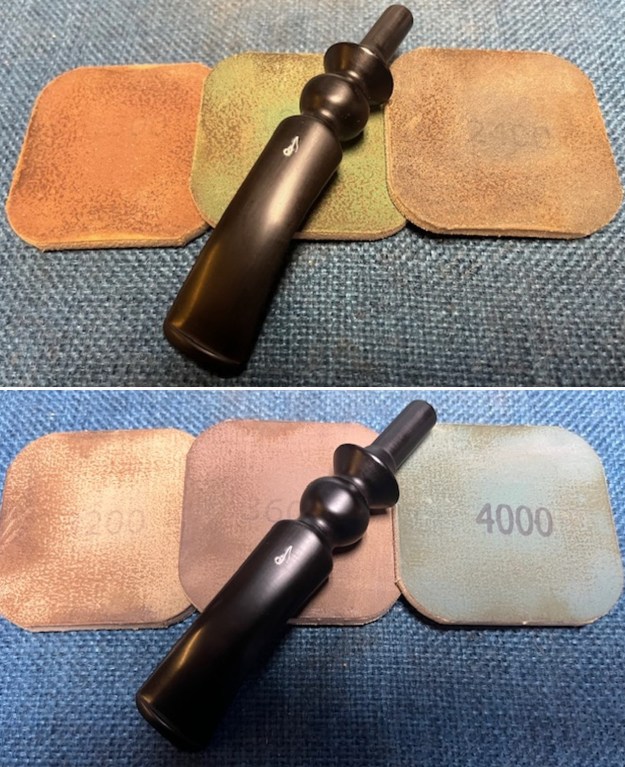
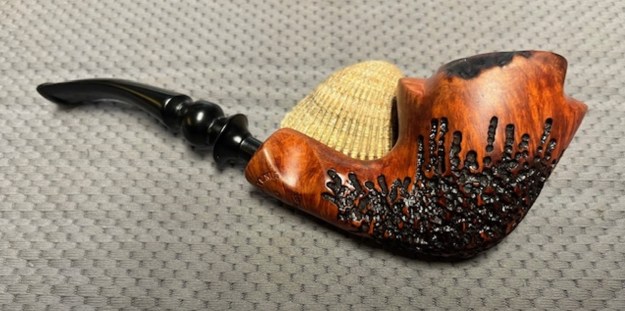
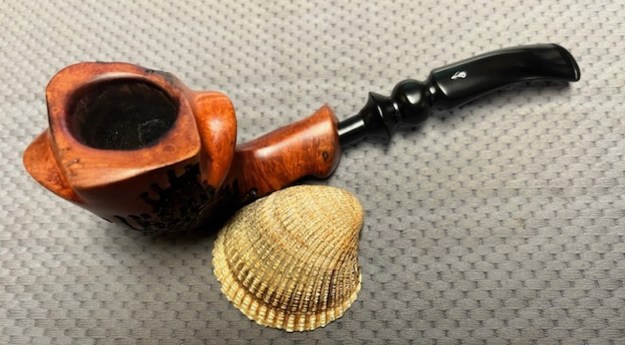
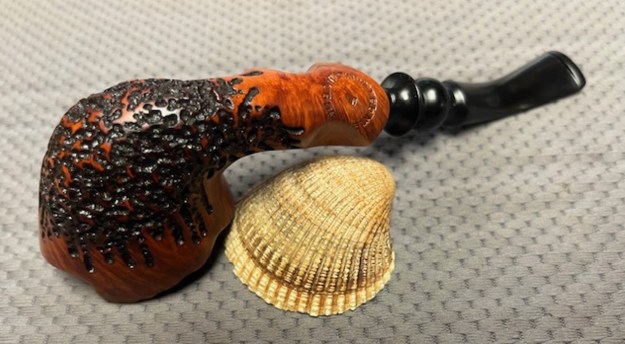
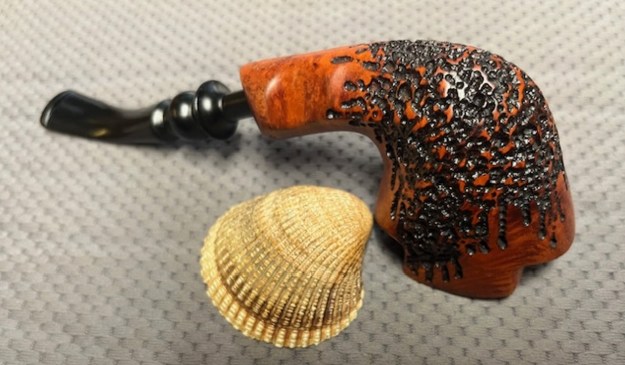
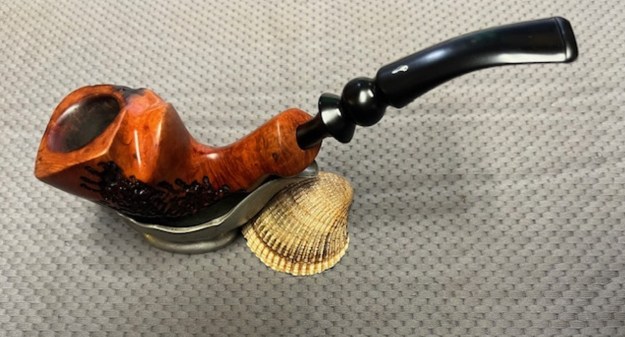
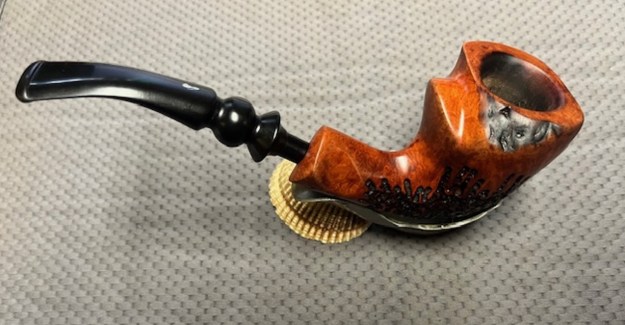
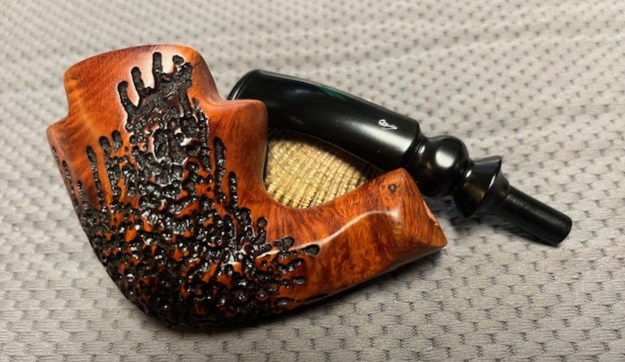
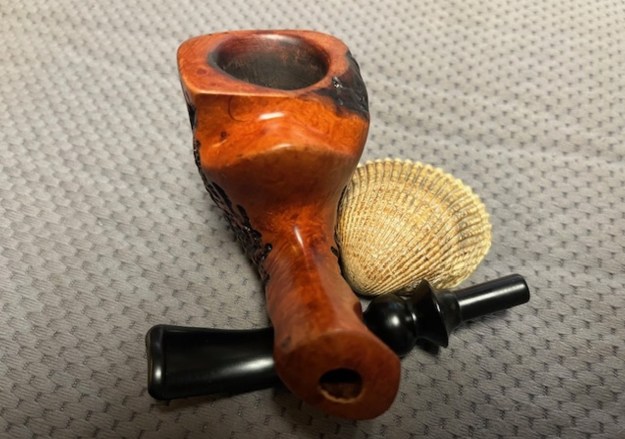
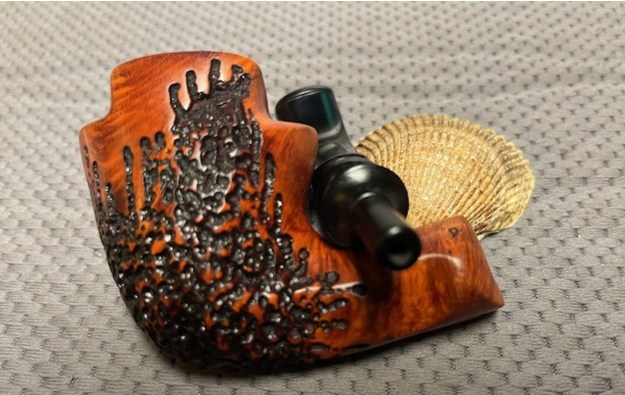
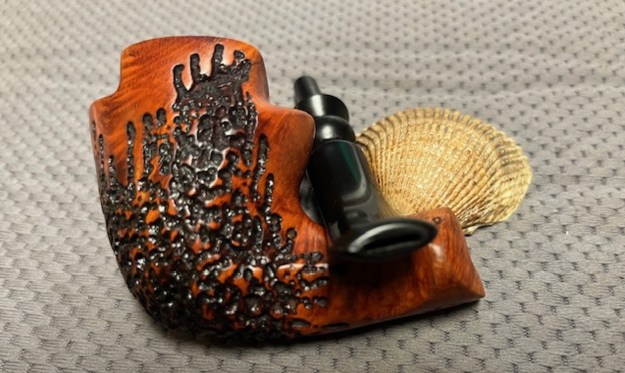
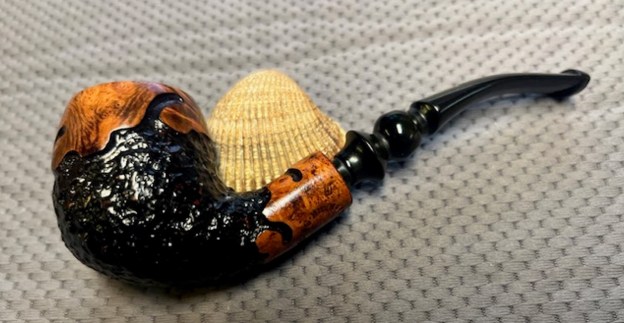
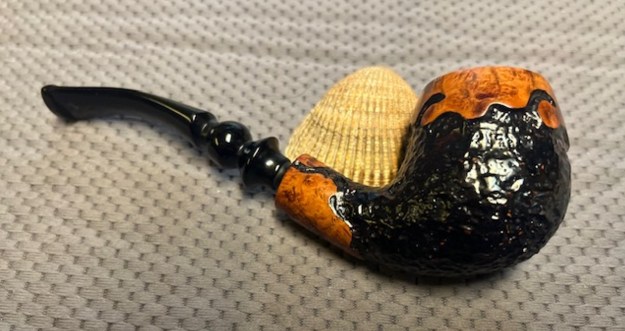
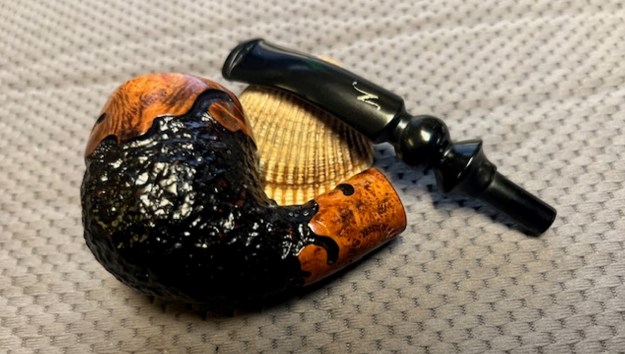
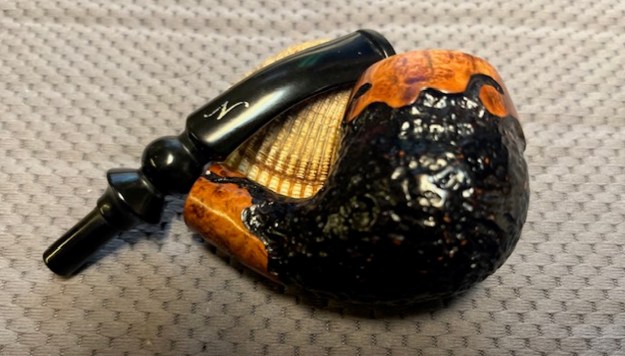
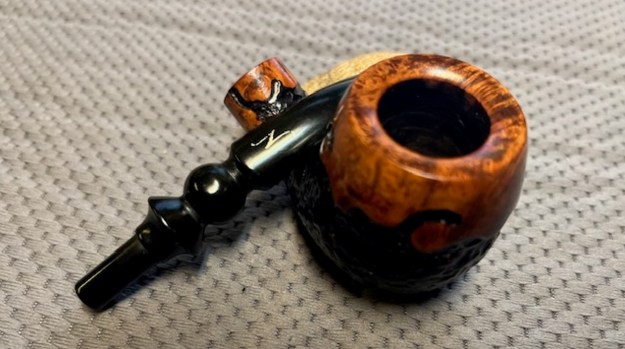
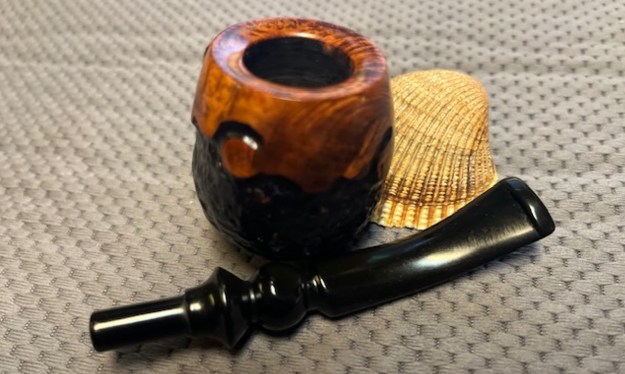
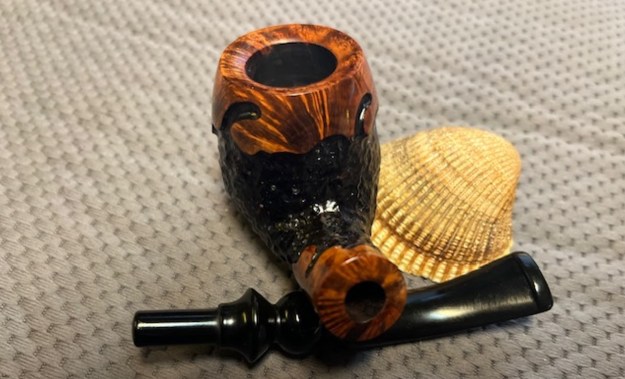
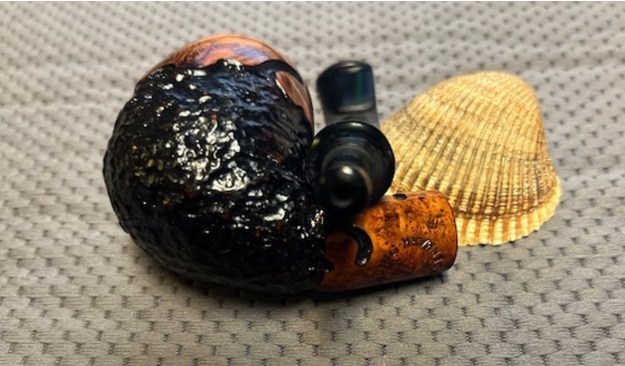
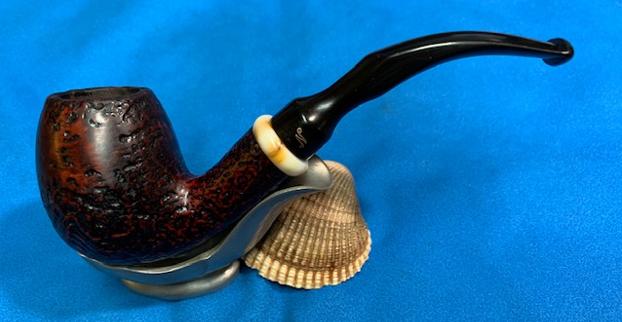
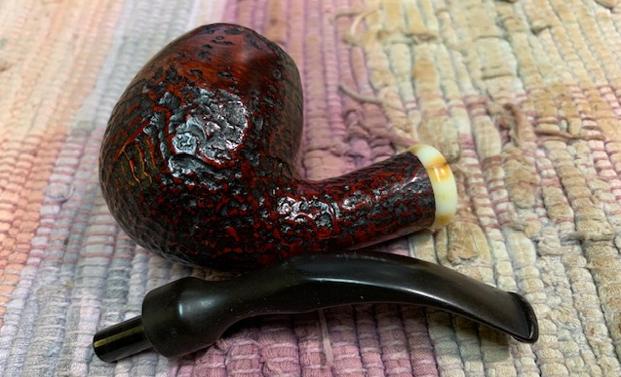
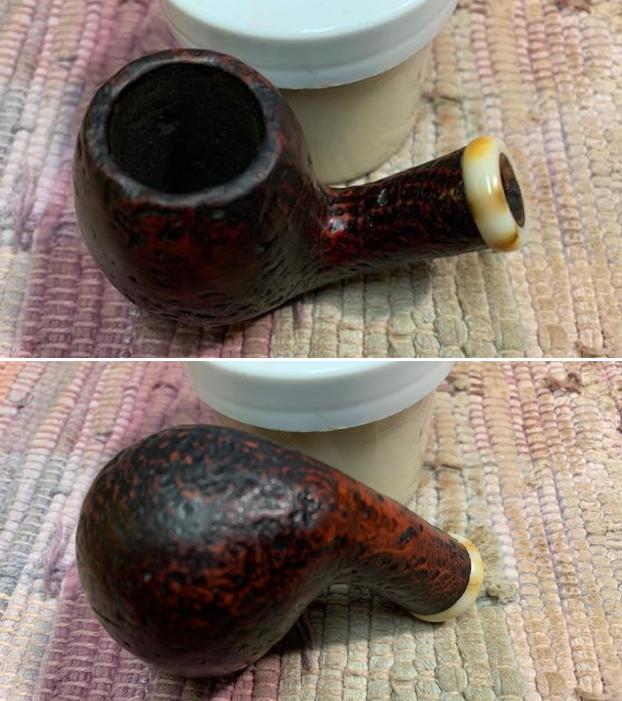
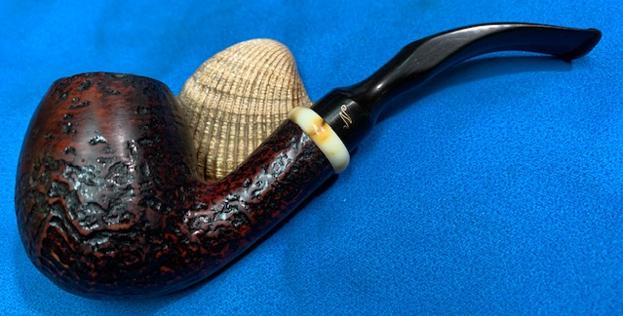
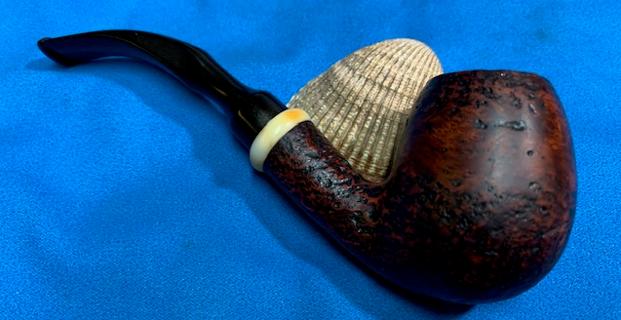
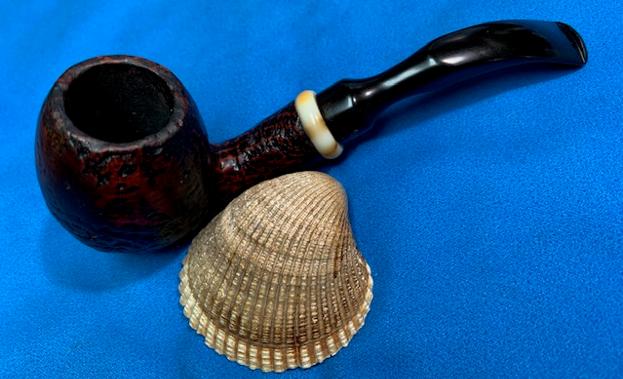
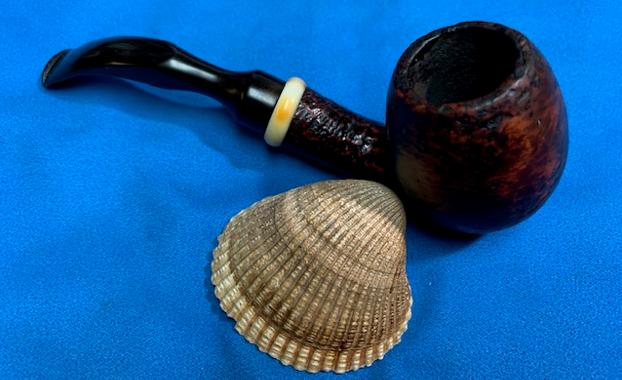
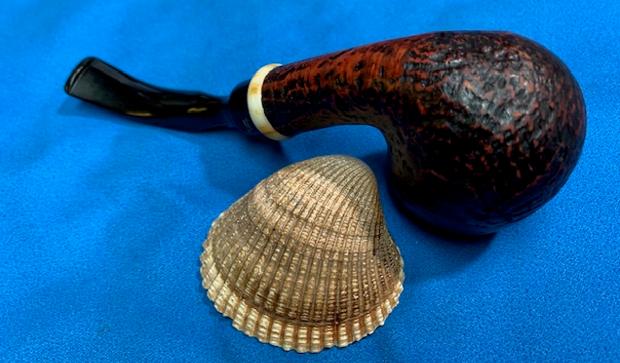
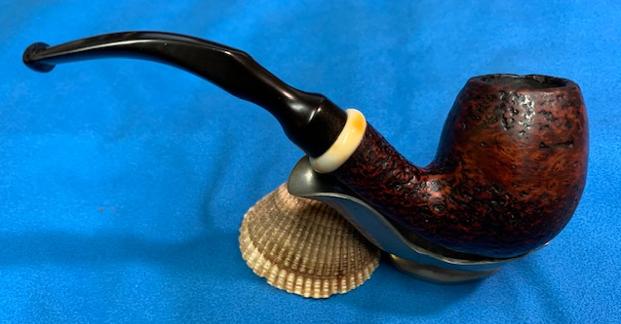
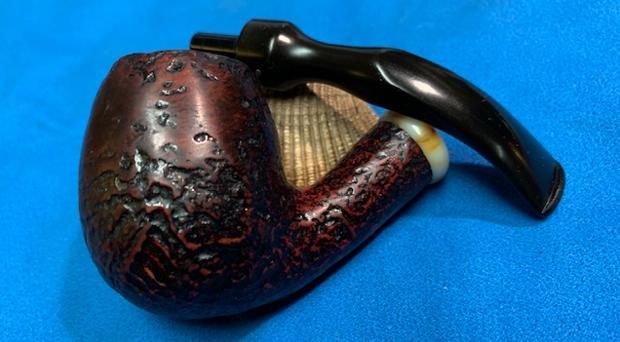
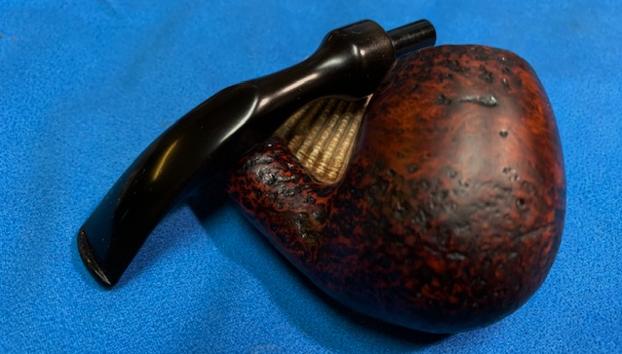
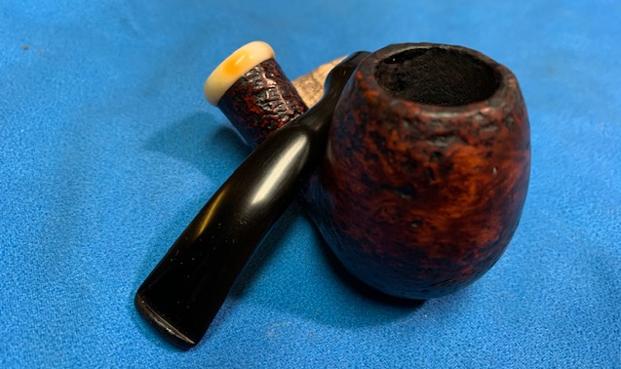
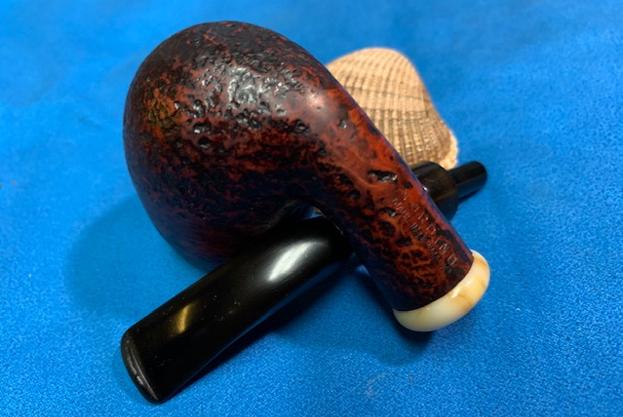
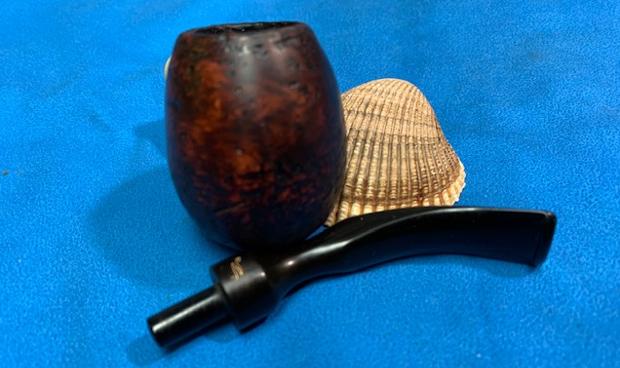
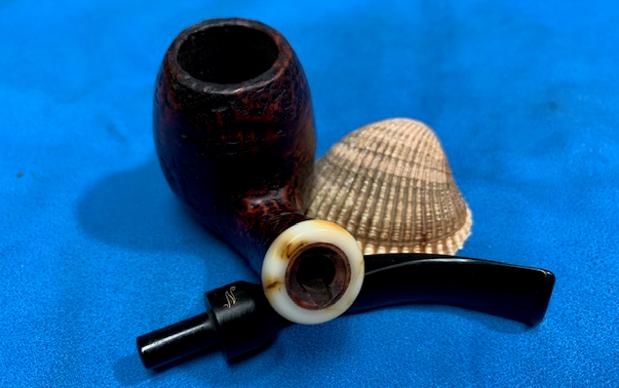
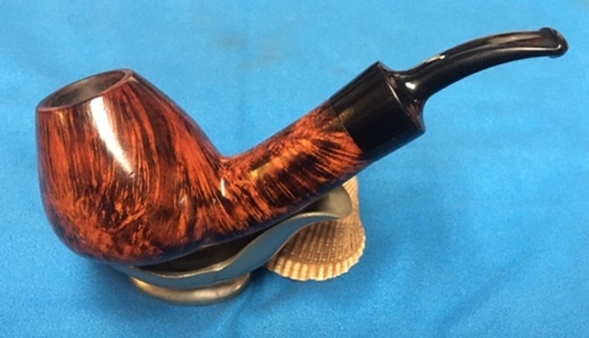
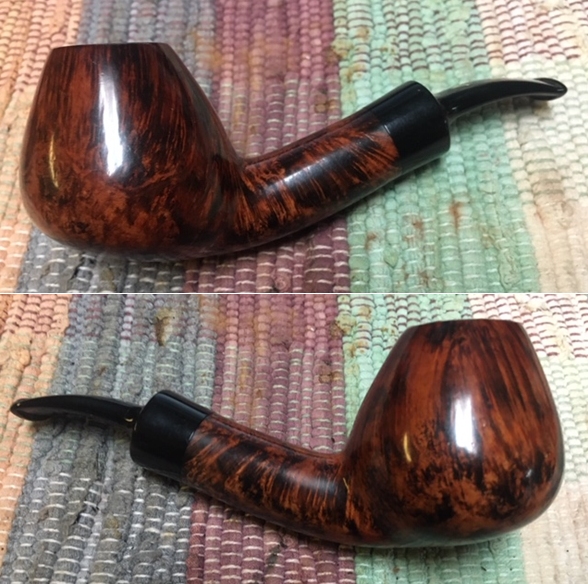
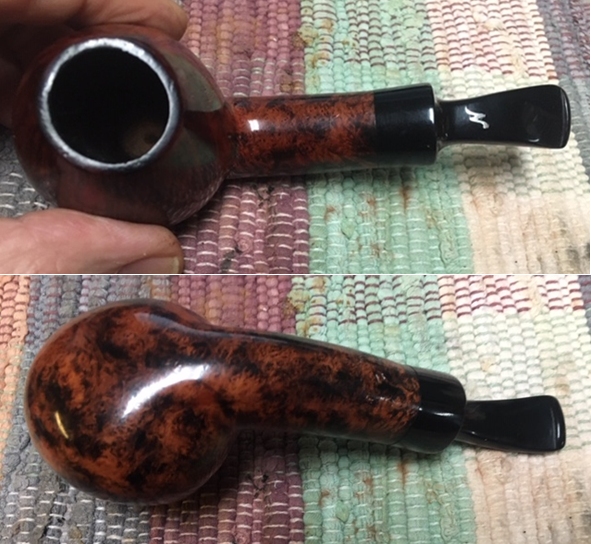
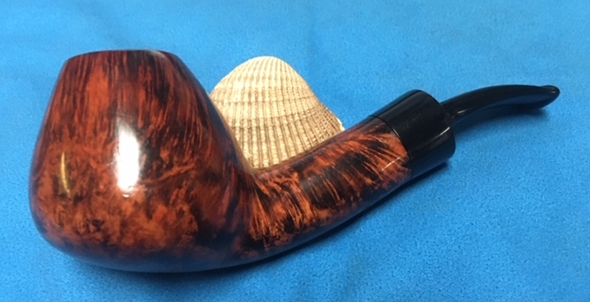
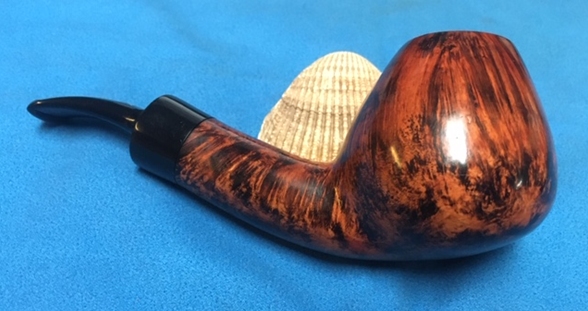
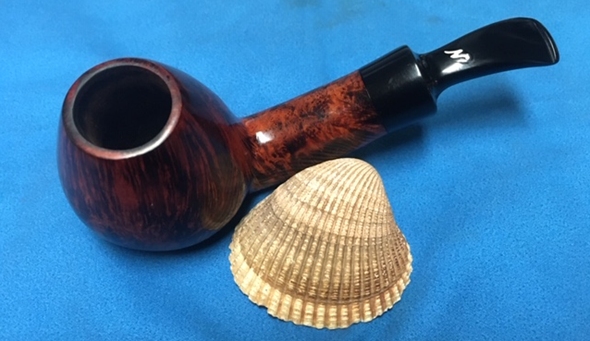
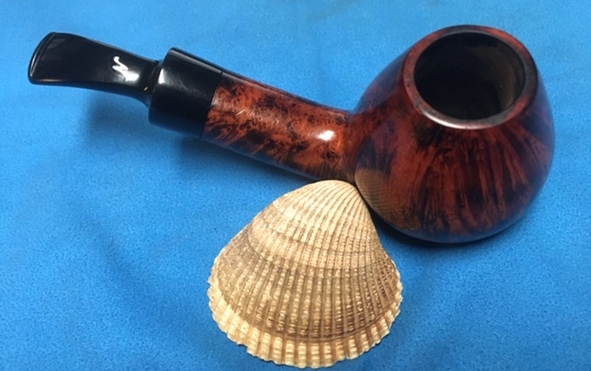
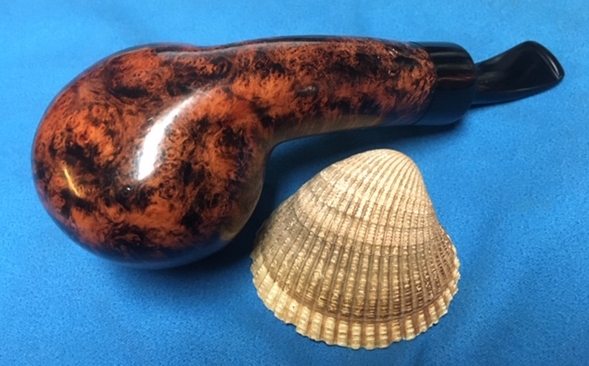
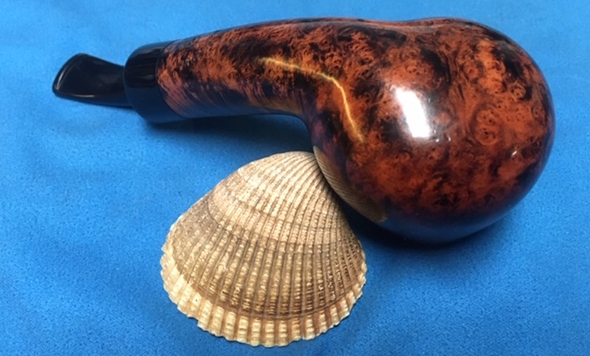
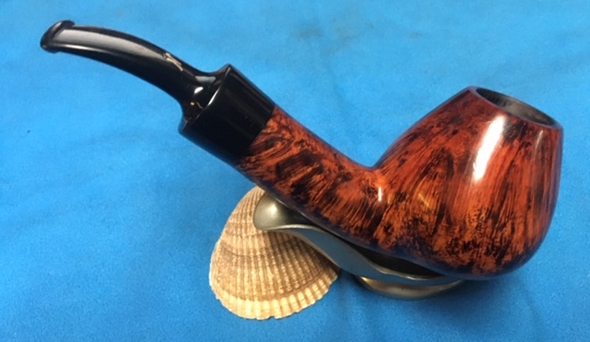
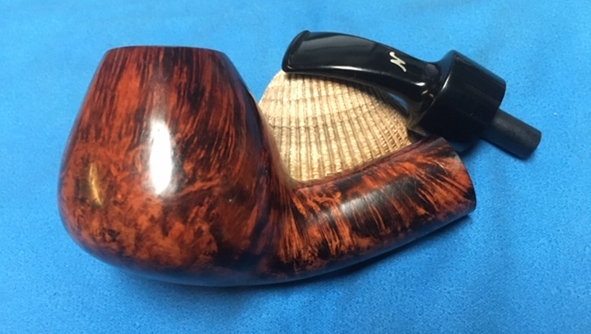
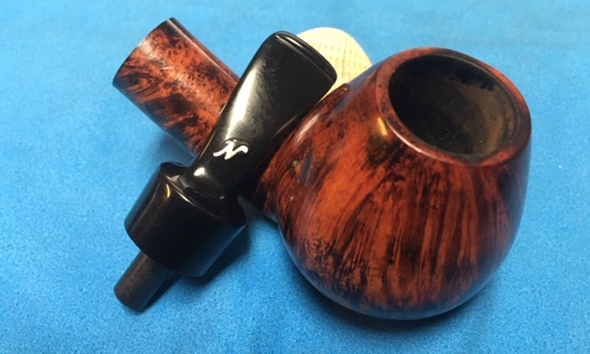
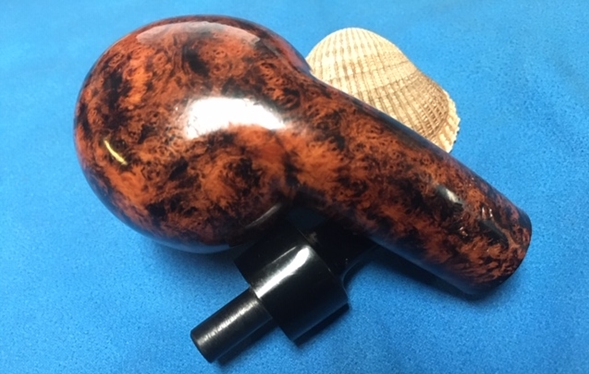
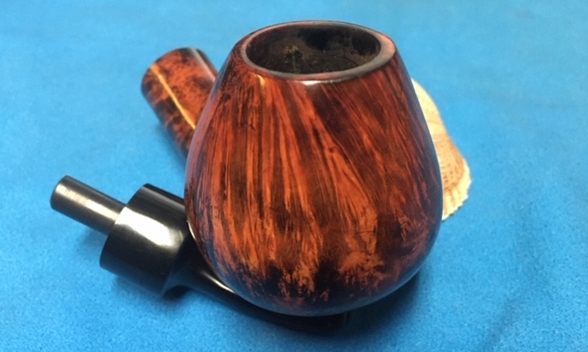
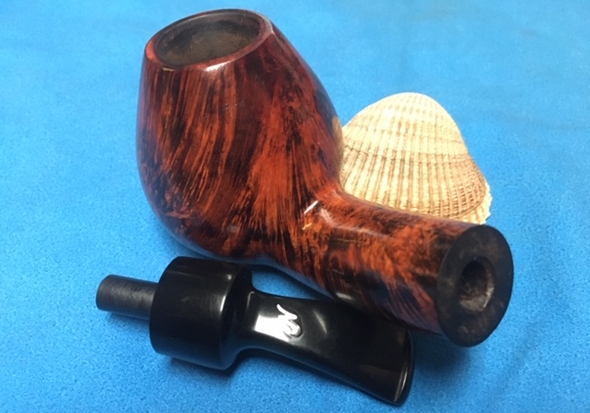
 It is fun to come to end of the restoration of the Nording Mixed Finish Danish Freehand. It turned out to be a nice-looking pipe. The reworked rim top and the finish came alive with the work I had done on it. I put the pipe back together and buffed it with Blue Diamond on the buffing wheel. I gave the bowl and the stem multiple coats of carnauba wax. I hand buffed the pipe with a clean buffing pad to raise the shine. It is fun to see what the polished bowl looks like with the shiny black vulcanite saddle stem. It really was beautiful. This Nording Freehand is nice looking and the pipe feels great in my hand. It is light and well balanced. Have a look at it with the photos below. The dimensions are Length: 6 ¾ inches, Height: 2 ½ inches, Outside diameter of the bowl: 1 ¾ inches wide x 2 ¼ inches long, Chamber diameter: 1 inch. The weight of the pipe is 54 grams/1.90 ounces. It is a beautiful pipe that I will soon put on the rebornpipes store in the Danish Pipe Makers Section. If you are interested in adding it to your collection let me know. Thanks to each of you who are reading this blog. Remember we are not pipe owners; we are pipe trustees who hold our pipes in trust until they pass on into the trust of the next pipeman or woman.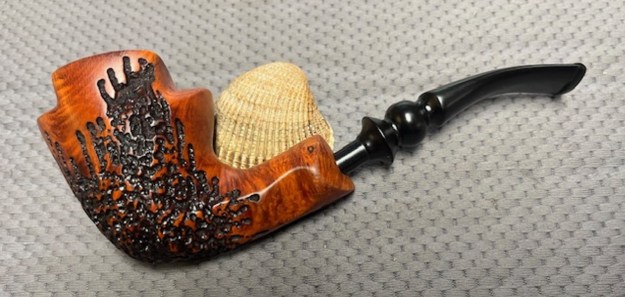










 rebornpipes