
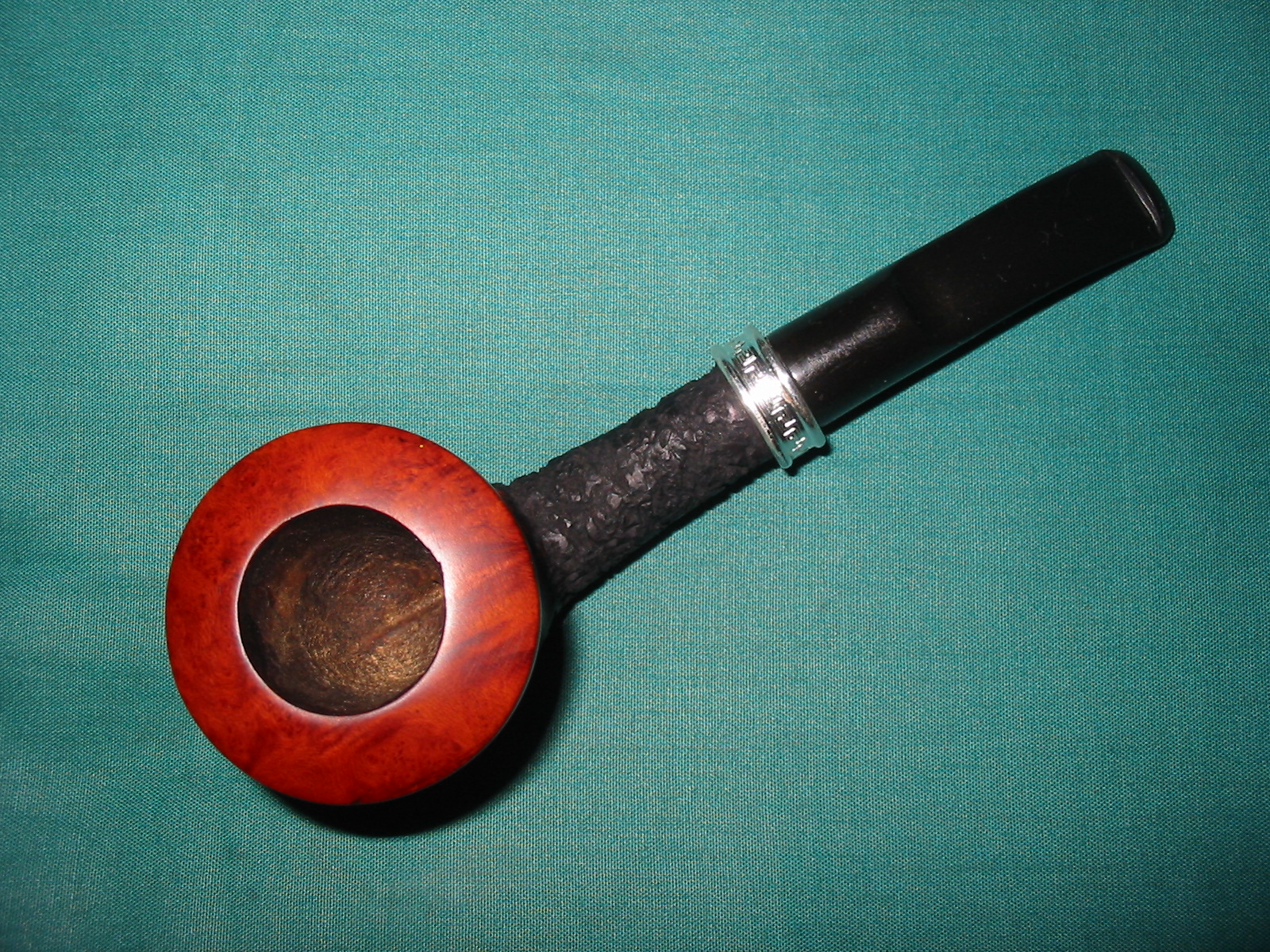
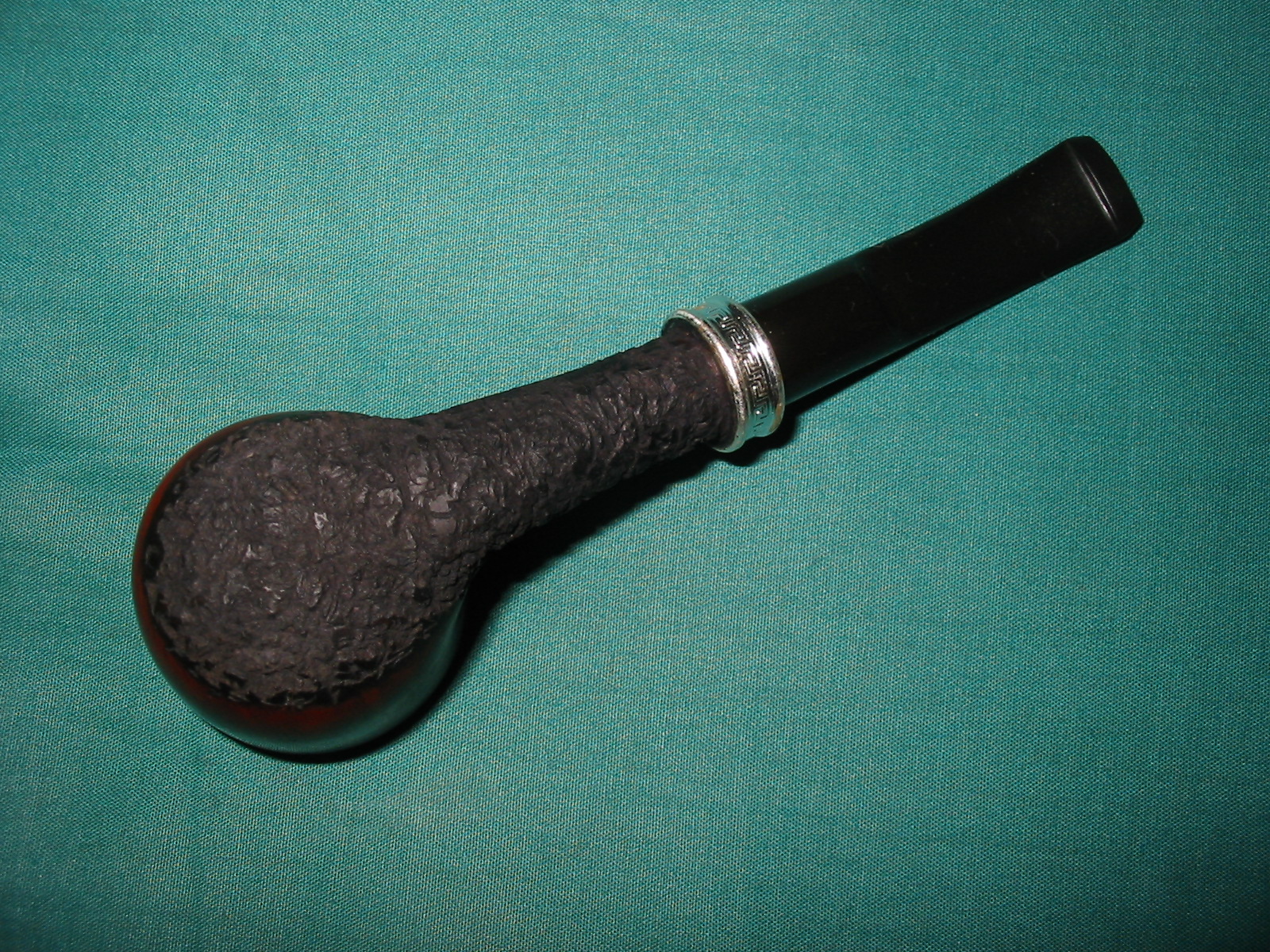
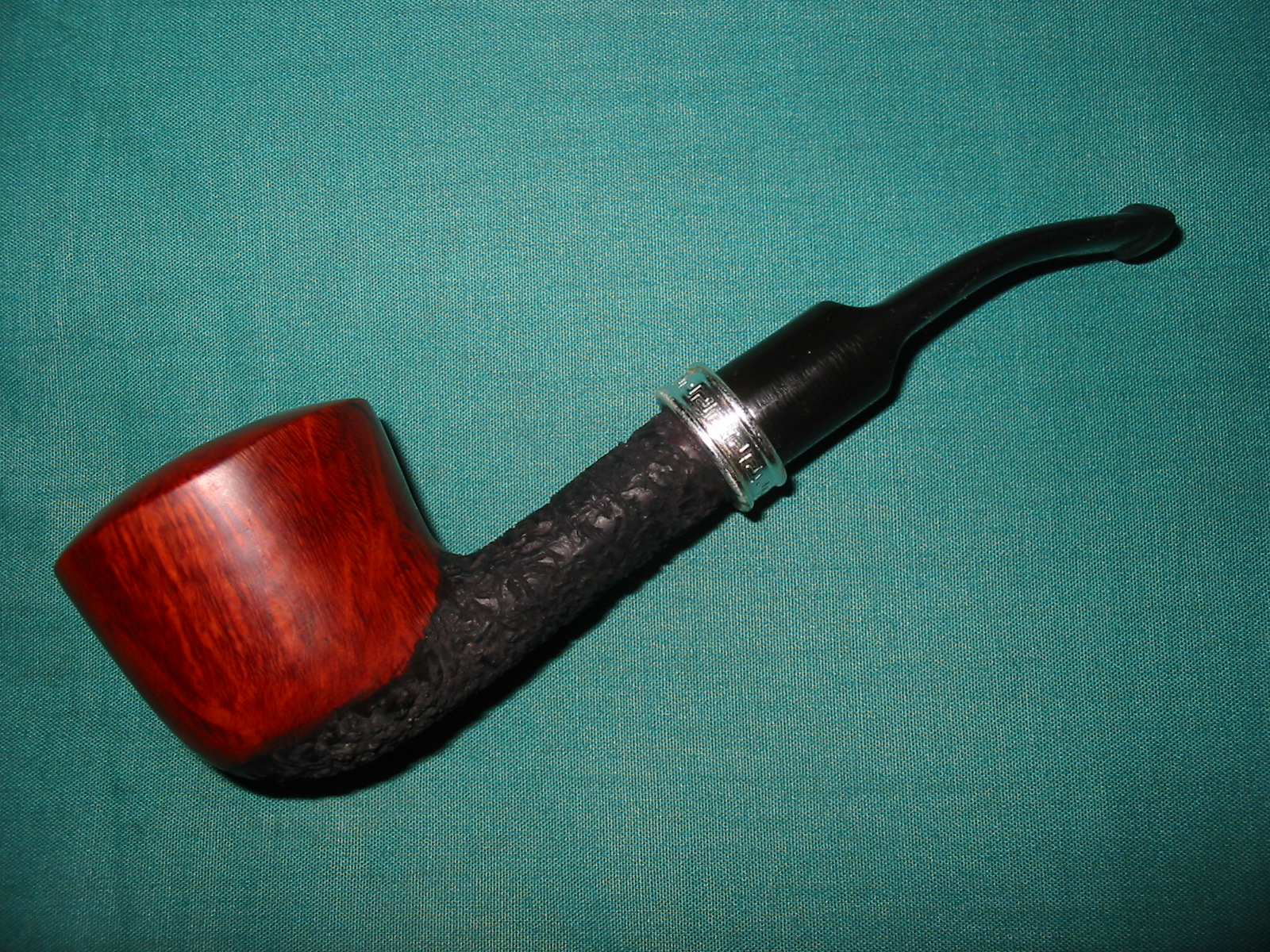
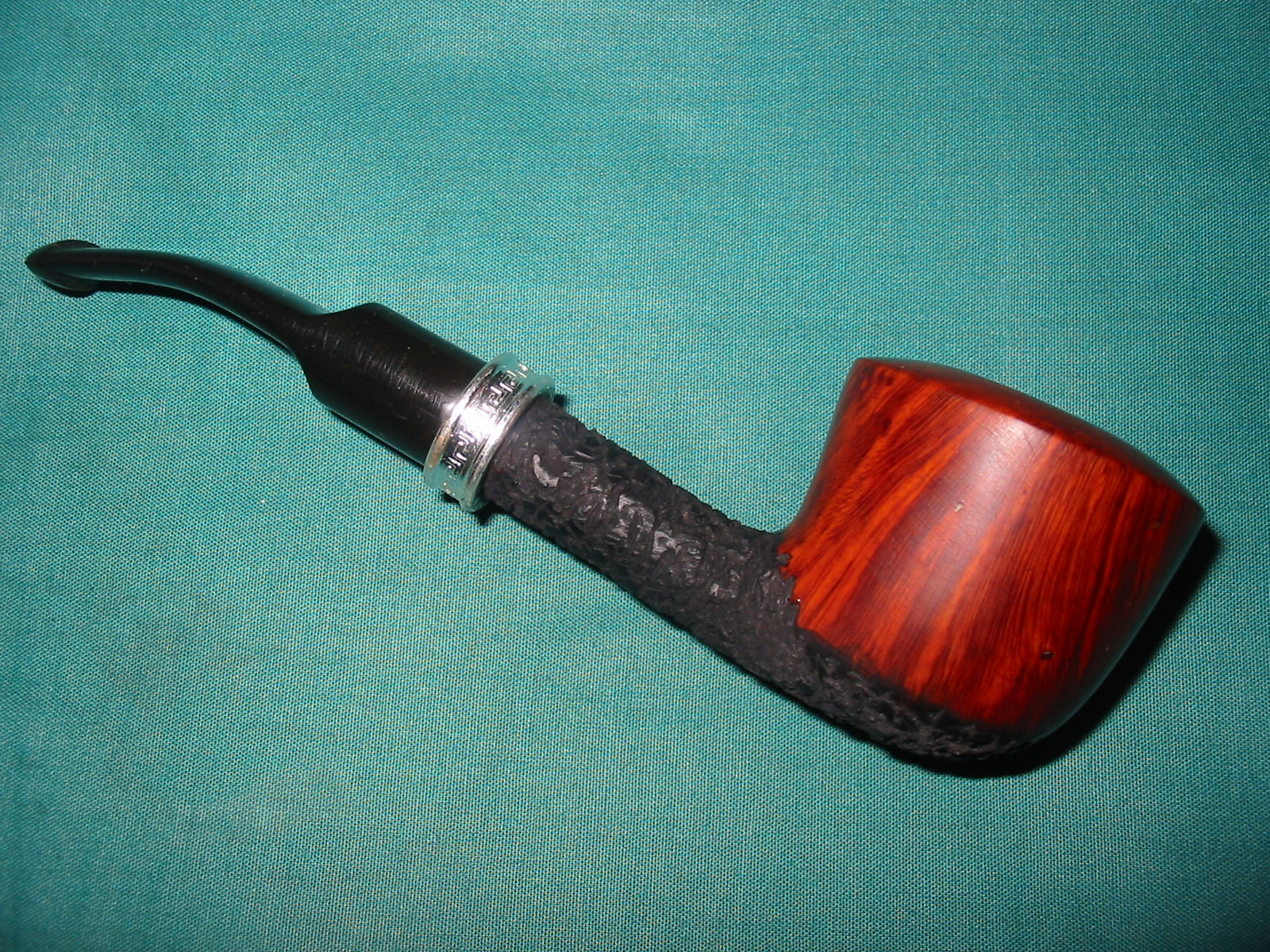
I have rusticated quite a few pipes over the years and by much experimenting, with successes and failures have learned a few tricks in the process. I am by no means an expert in the process. I continue to experiment with developing different patterns of rustication and deeper, craggier finishes. I have done some rustications that have the look of old leather and others that are gritty and rough. I love the process of experimenting and seeing what I can make with the tools that I have close at hand. I am including some photos of the finishes I have done to illustrate the variety of patterns that can be achieved.
The first pipe is an author carved by John Bessai. It had so many fills in the briar that it was a mess in my opinion. It was a prime candidate for a new look. I used the handmade tool – nails in a piece of pipe to achieve the rustication and then buffed it with Tripoli to smooth out the high spots. I stained it with a black undercoat and dark brown top coat.
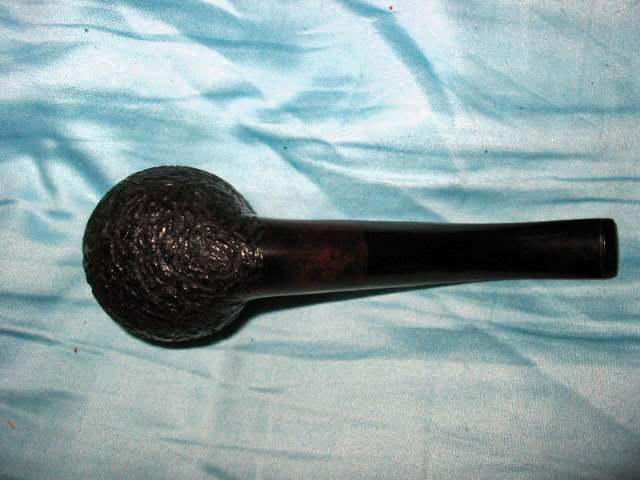
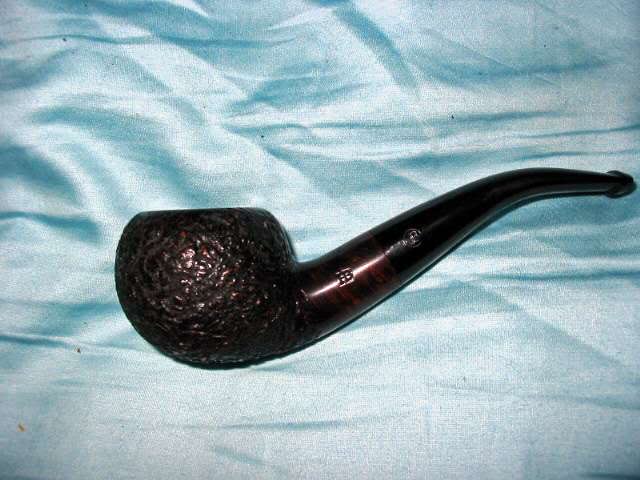
The second one is one of my own carvings. I wanted a look similar to the one on the Bessai by smoother and more leatherlike in terms of a finished look. I rusticated it with nails in a pipe, wire brushed the finish and then sanded to smooth out the high spots. I used a black understain and medium brown top stain to get the finish. 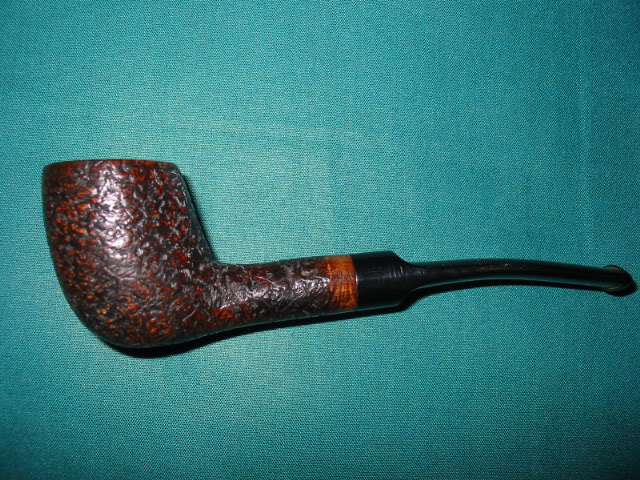
The third pipe was a small Canadian with many fills in the shank and bowl. I did a shallow rustication with the pipe and nails and then used a dark brown and medium brown stain to get the look. All three of the first pipes have a leatherlike finish to them that was achieved by sanding or buffing the highspots on the finish after rusticating.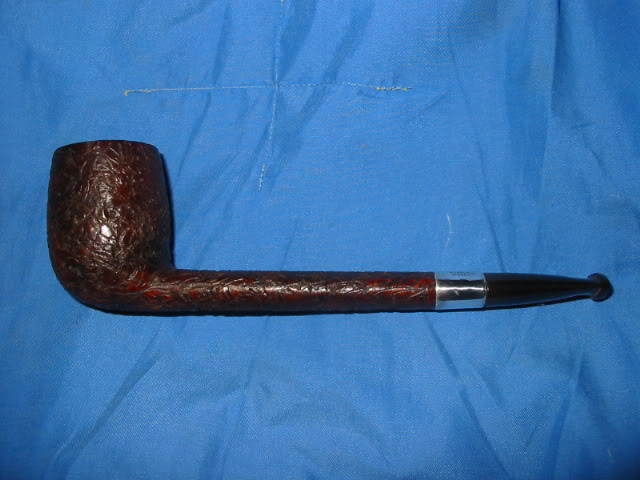
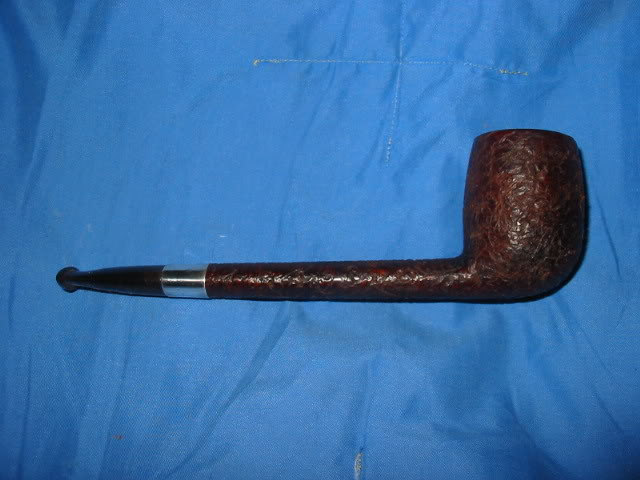

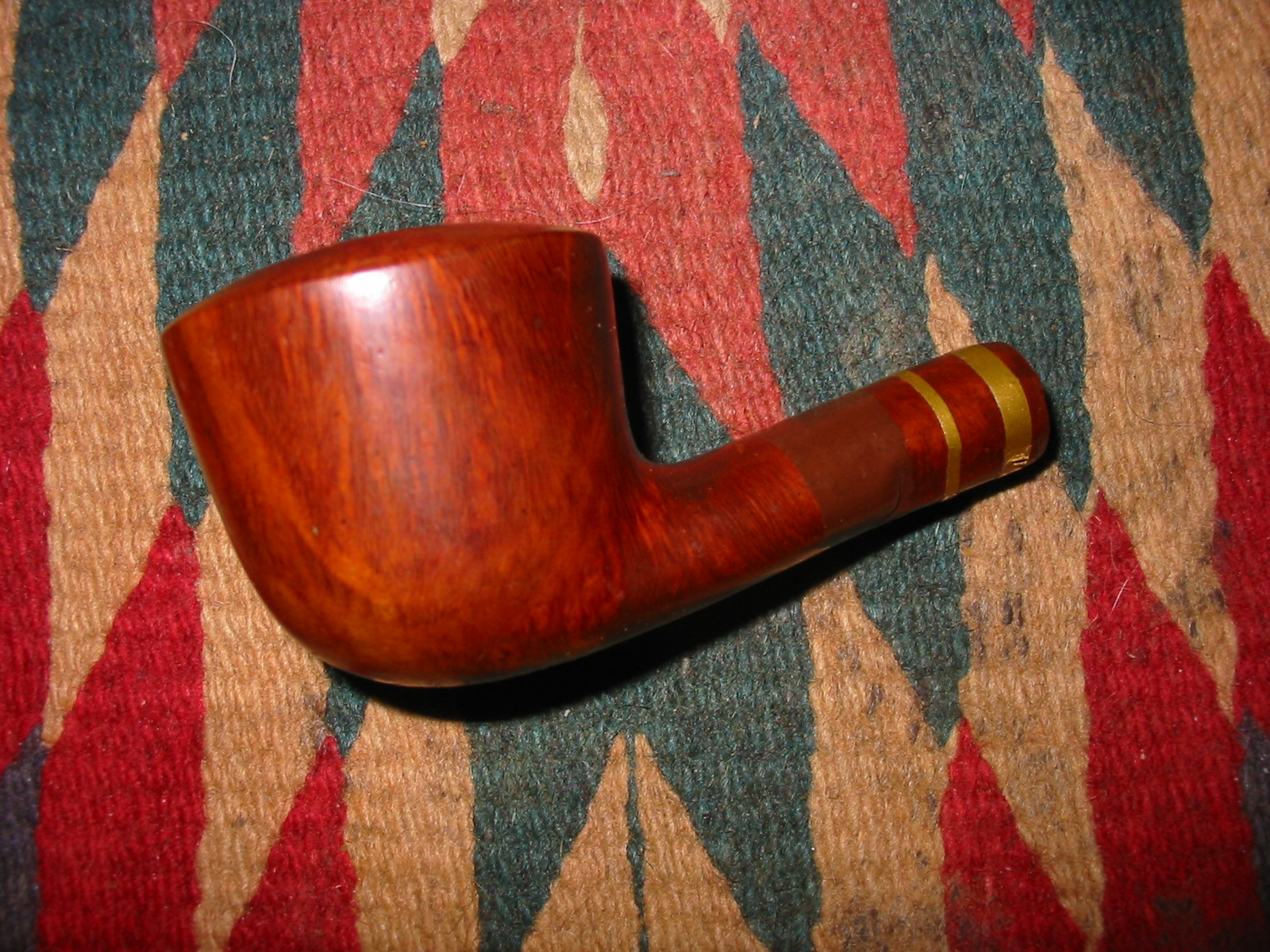
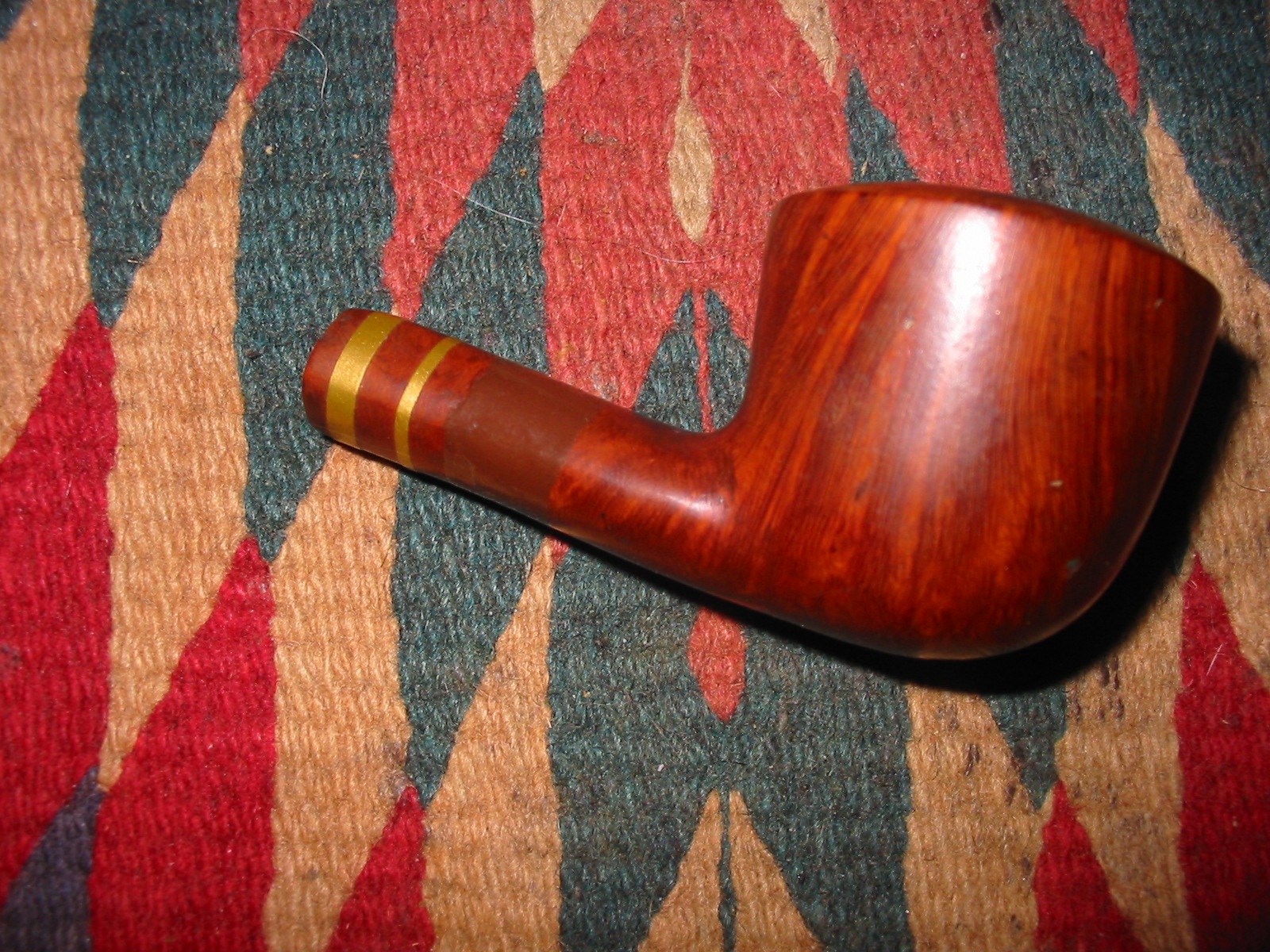
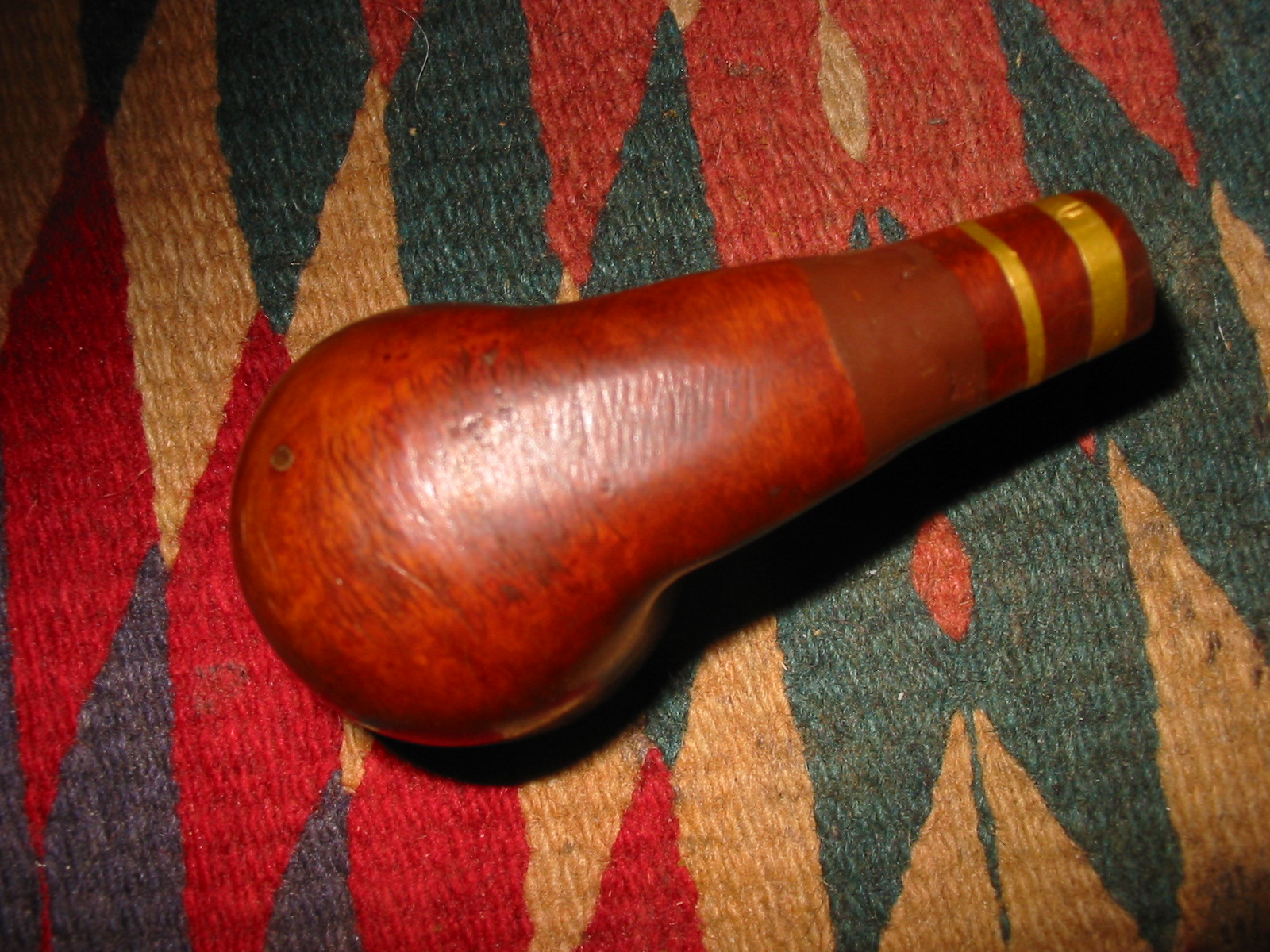
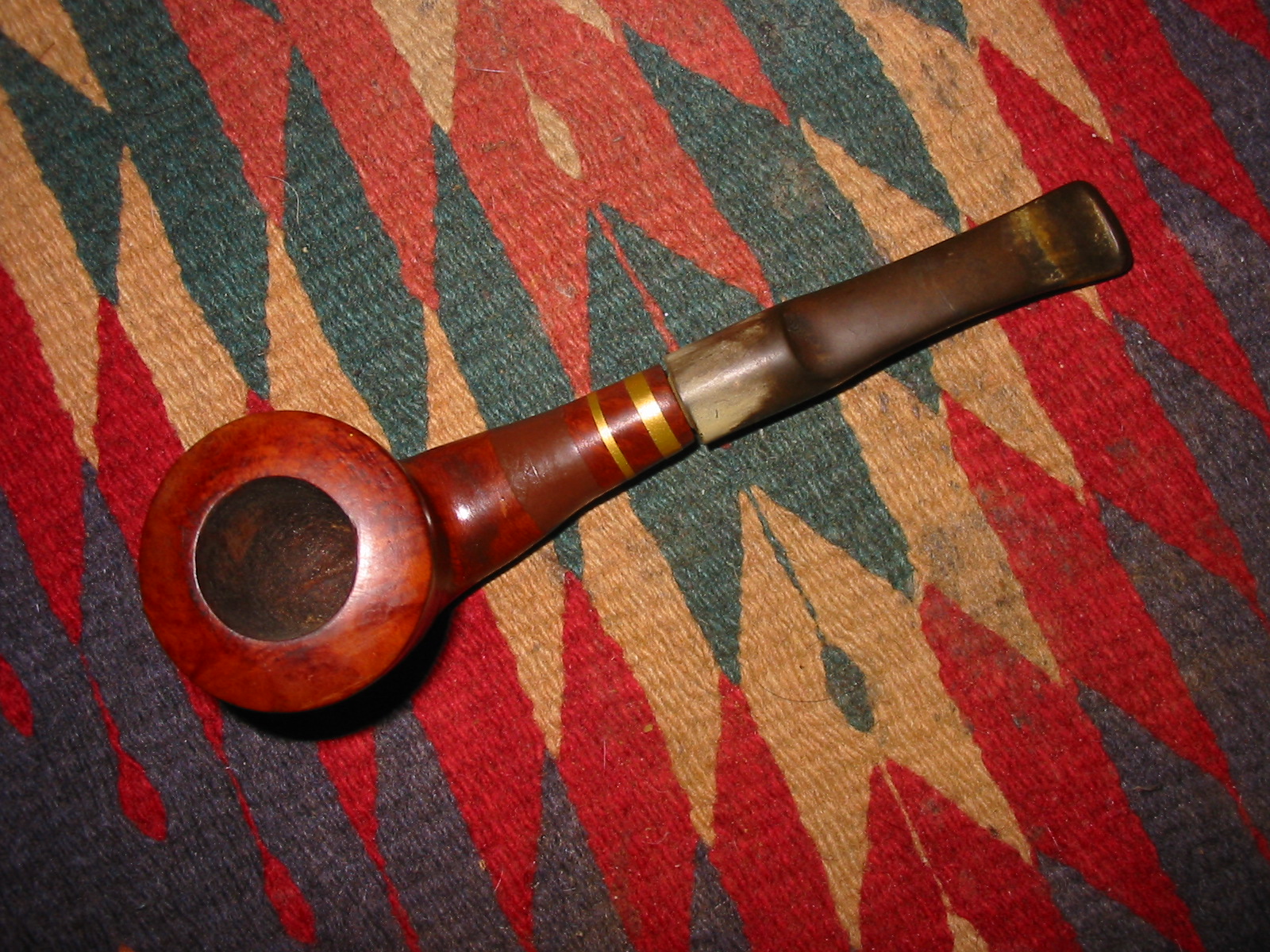
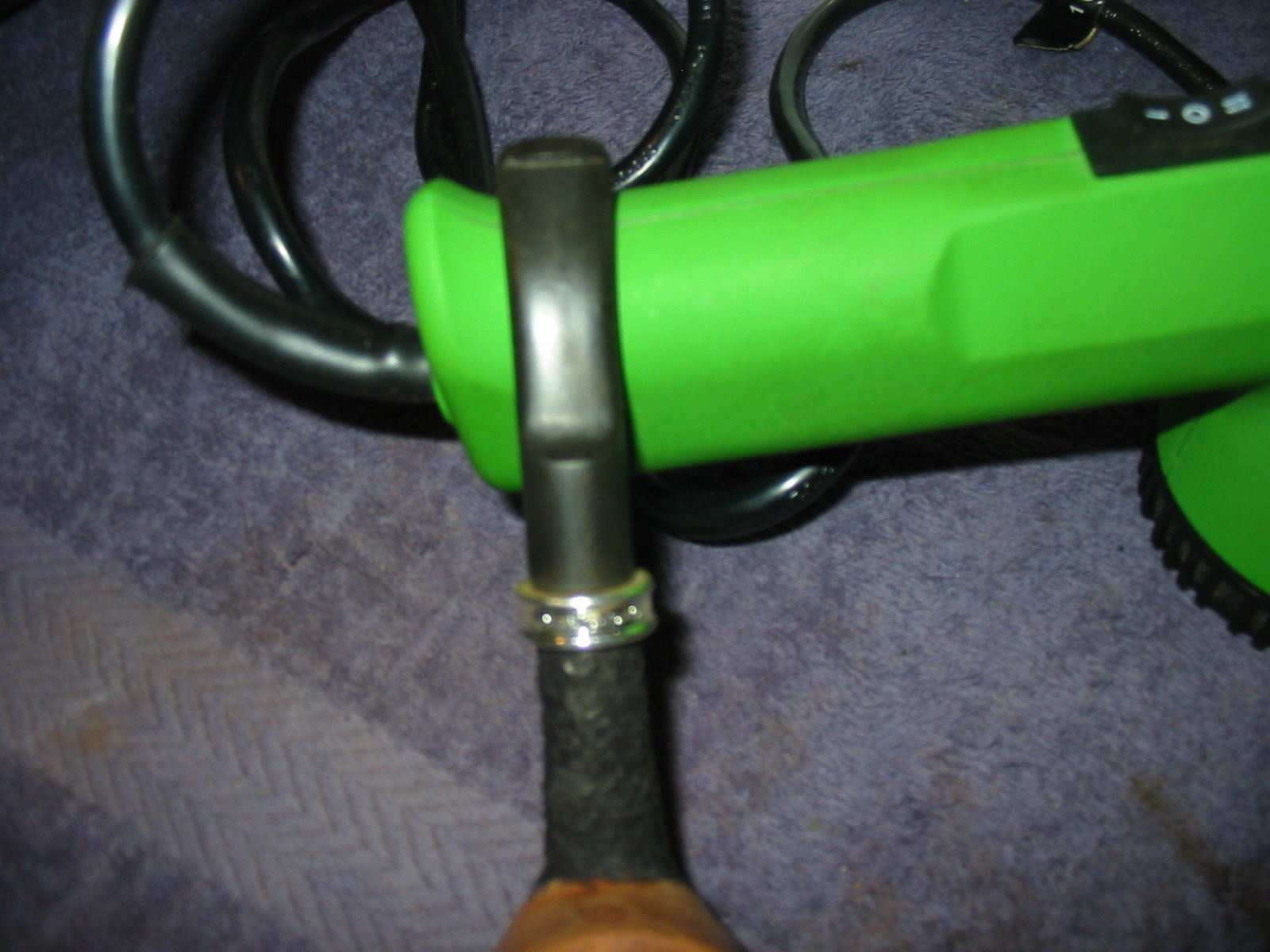
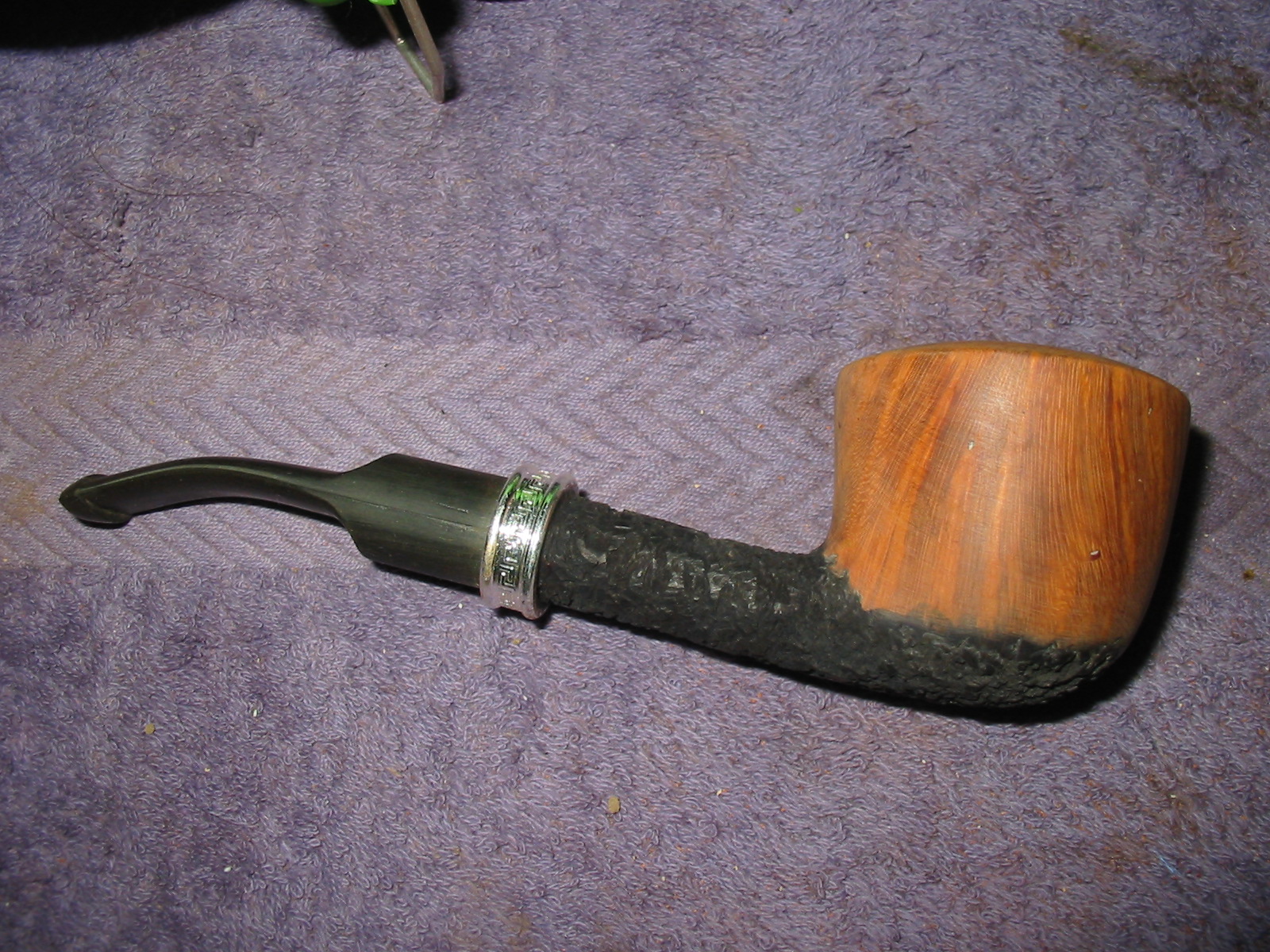
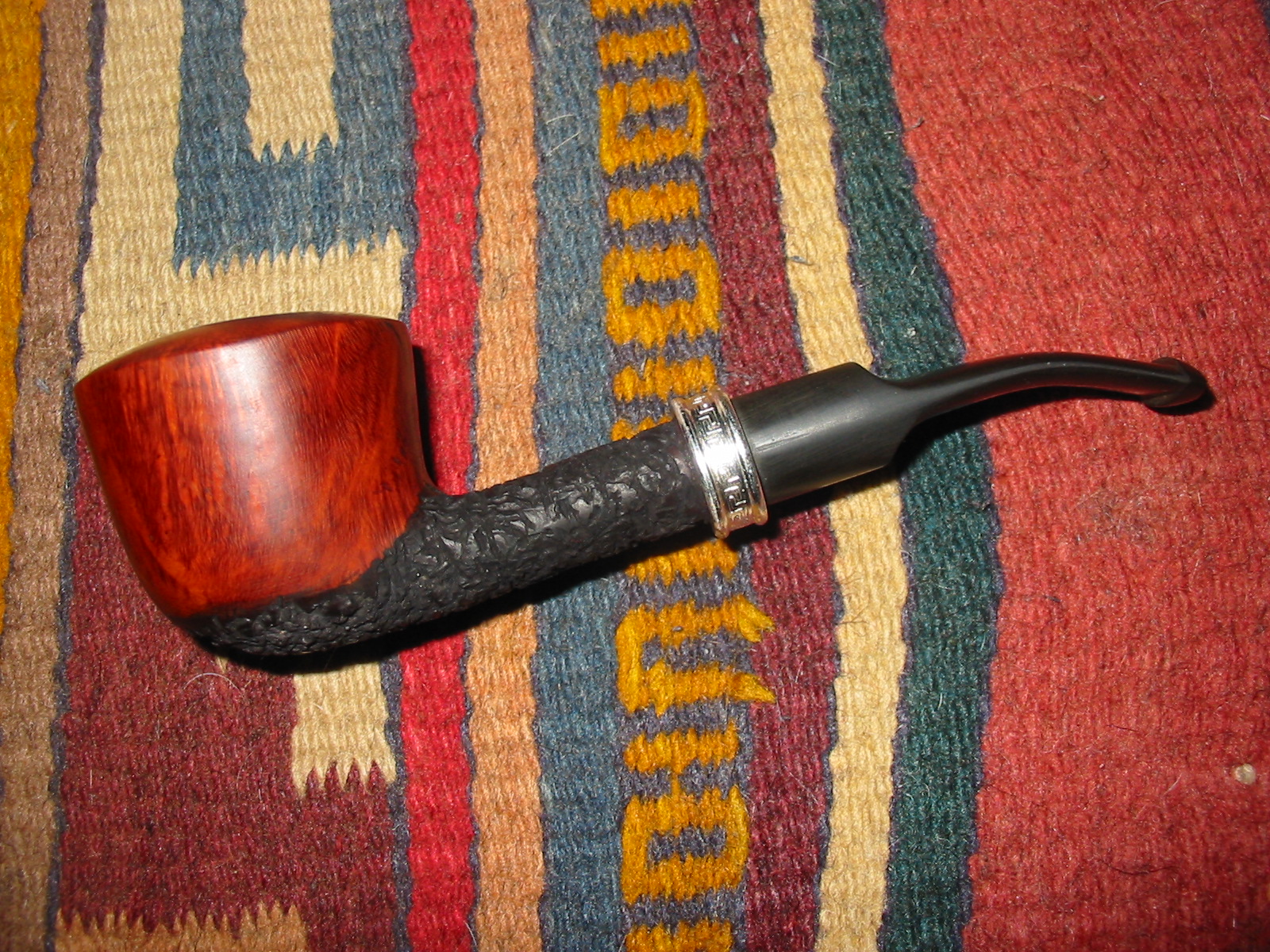
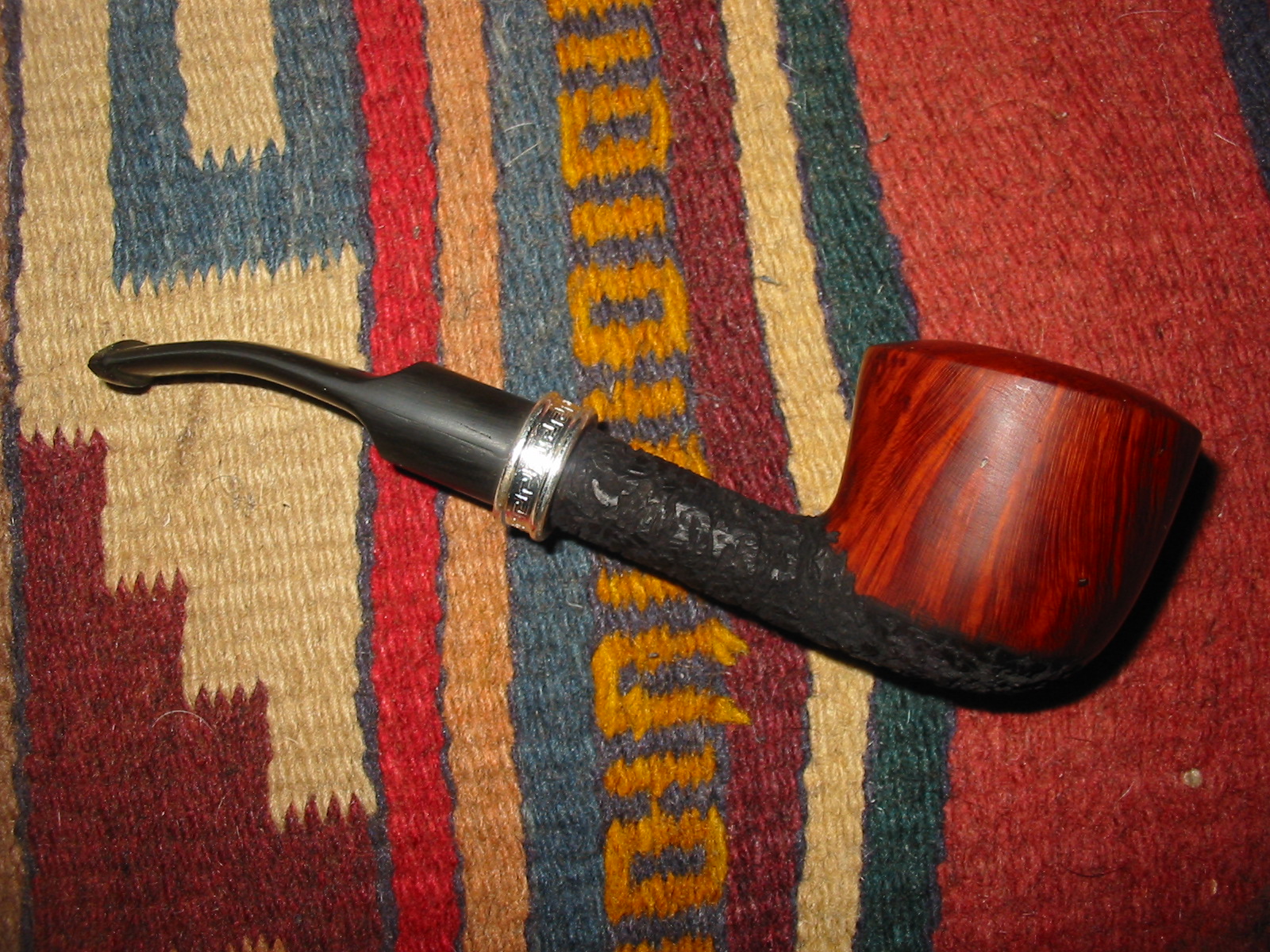
The fourth pipe pictured below was one of my creations, my first Frankenpipe composed of three different pipes. I used a Philips screwdriver that I made into a rustication tool to achieve the rustication pattern on the shank. I left areas in the pattern that were smooth. I stained the gouges with a black stain and the rest of the pipe with a medium brown stain. I wire brushed the rustication and then buffed it with Tripoli. 
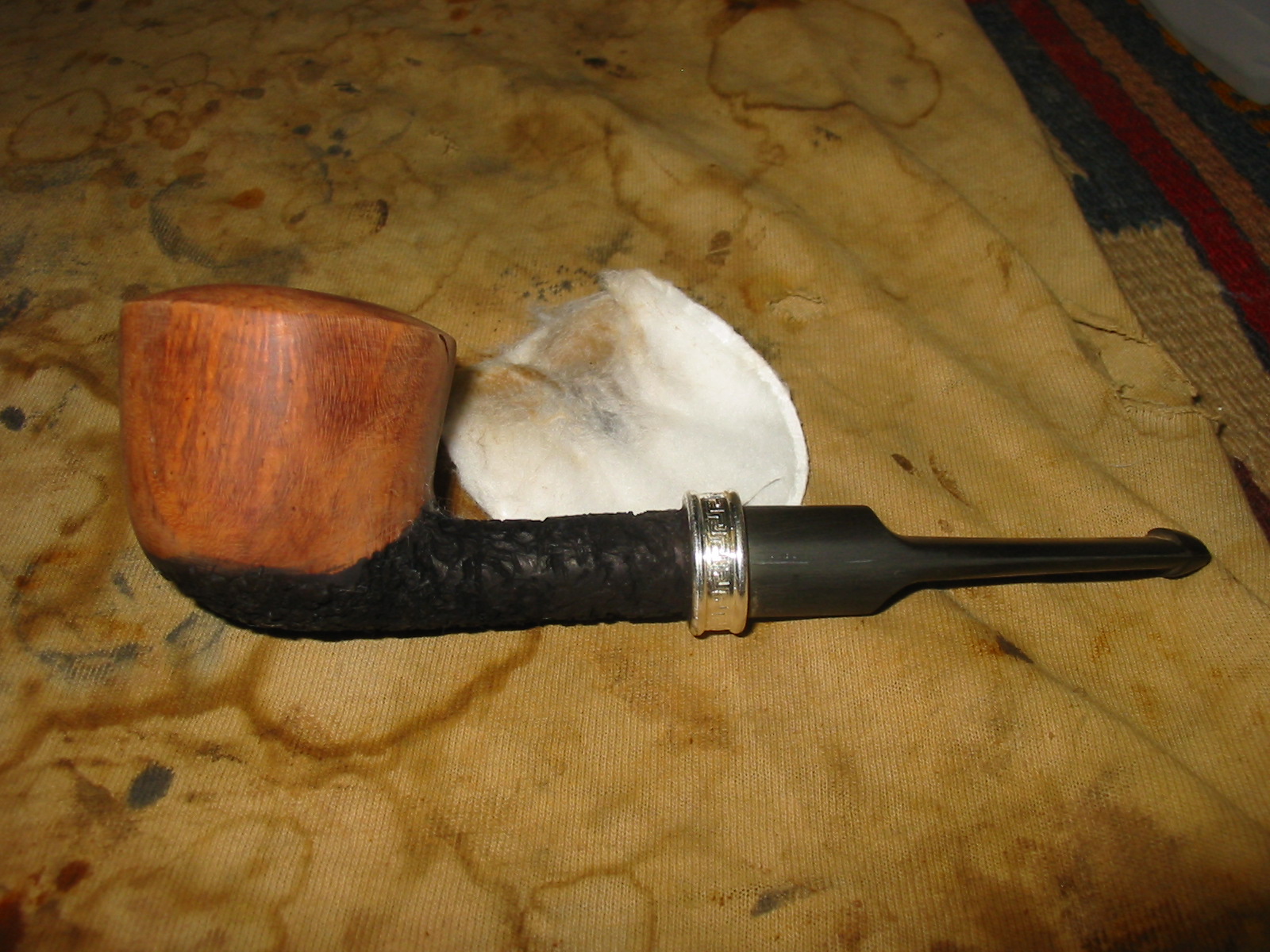
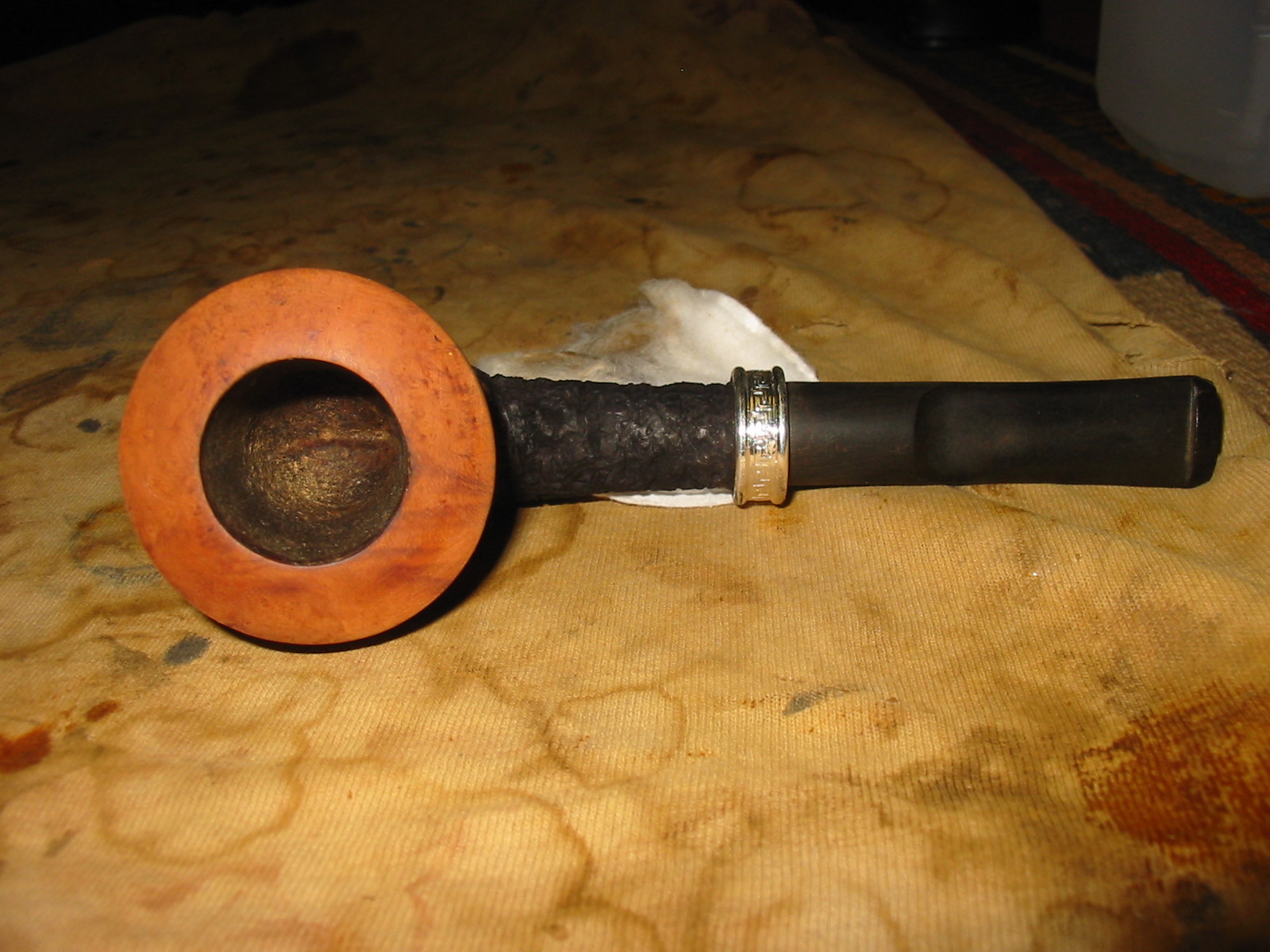
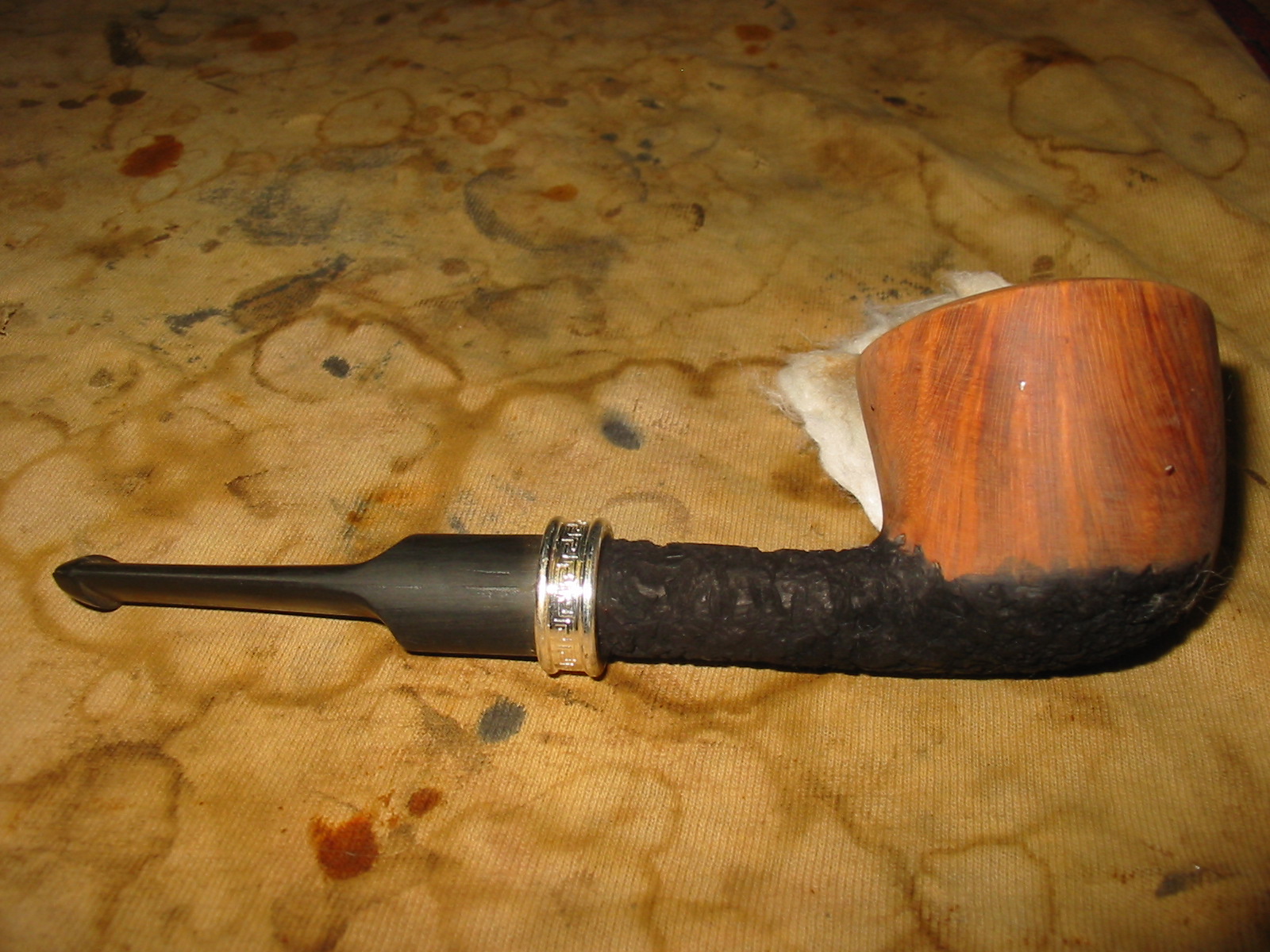
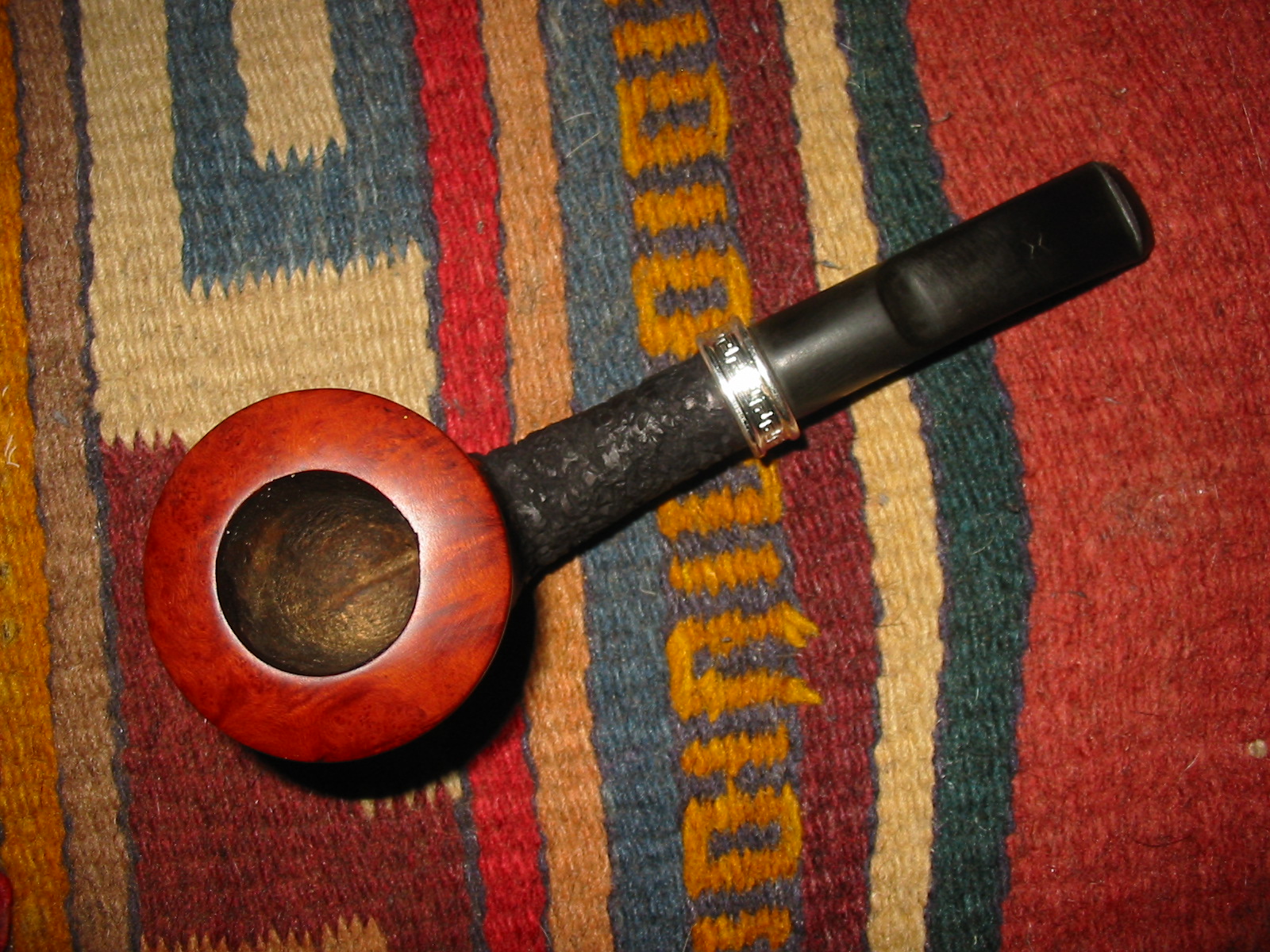
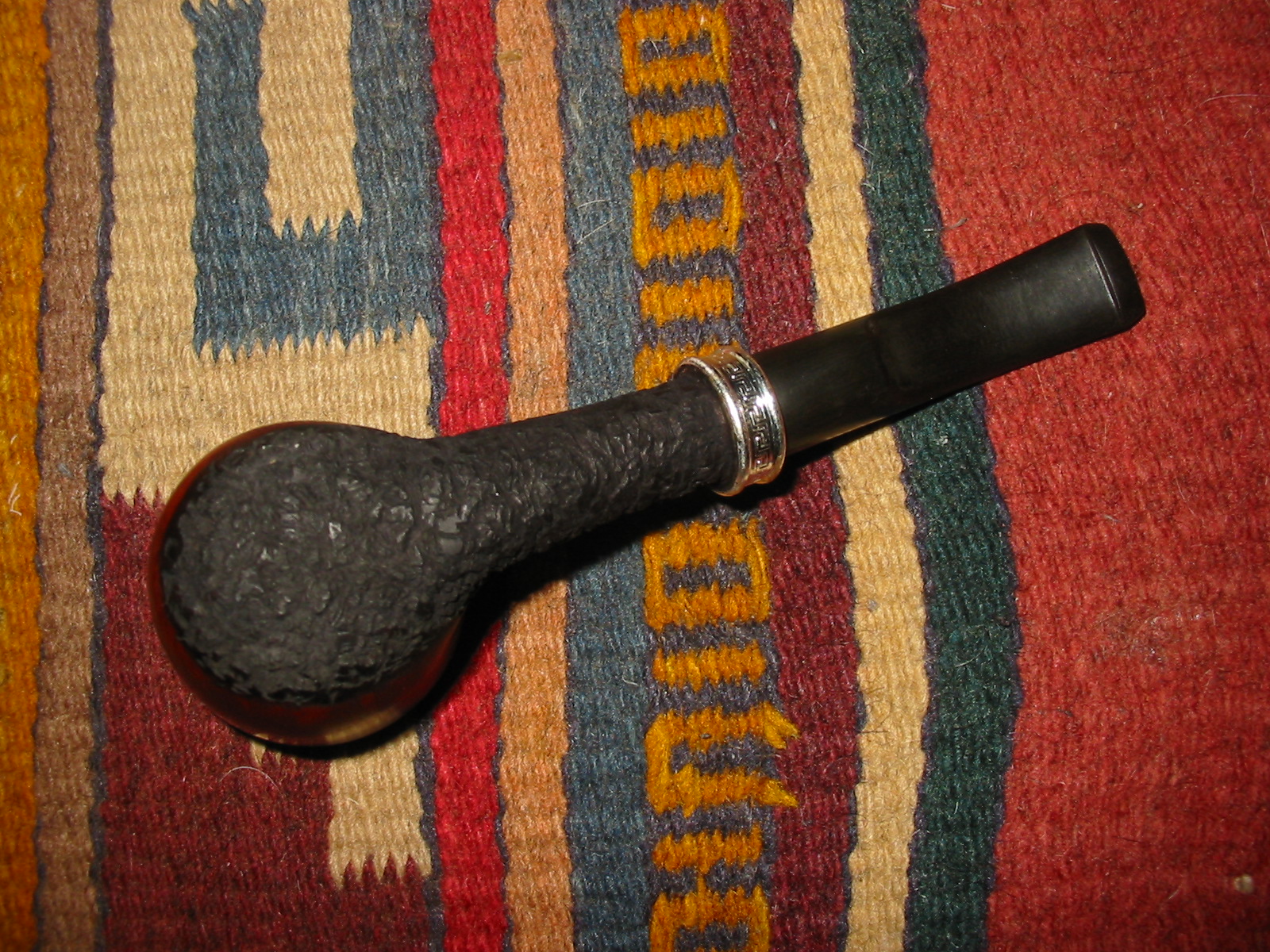
The fifth pipe pictured is another Canadian I rusticated. This one was a pipe that I finished shaping and made a stem for. The briar was bland with poor grain. It had a lot of bald spots in the briar so I decided to do a black and tan finish on it. 
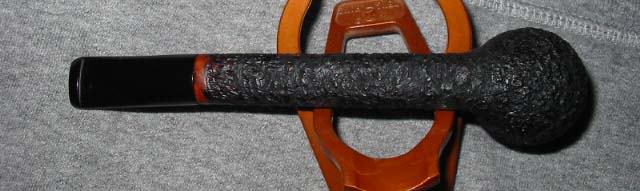
The next two rustications were done with the Philips screwdriver. I tried for two different finishes on these pipes. The first is quite deep but then brushed and buffed before staining. The idea was to give a random broken look to the pattern. I stained it with a medium brown stain. The second is a very craggy rough finish. I used the screwdriver and went over the briar three times to roughen it and give it the roughness I wanted. I reversed the stains on this one and did a medium brown understain and a black topcoat. 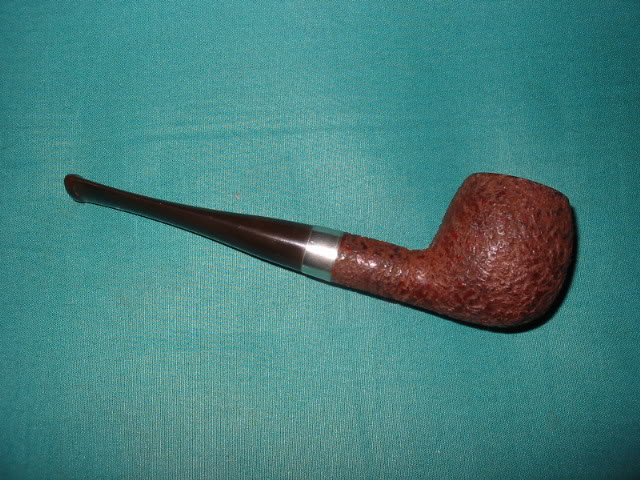

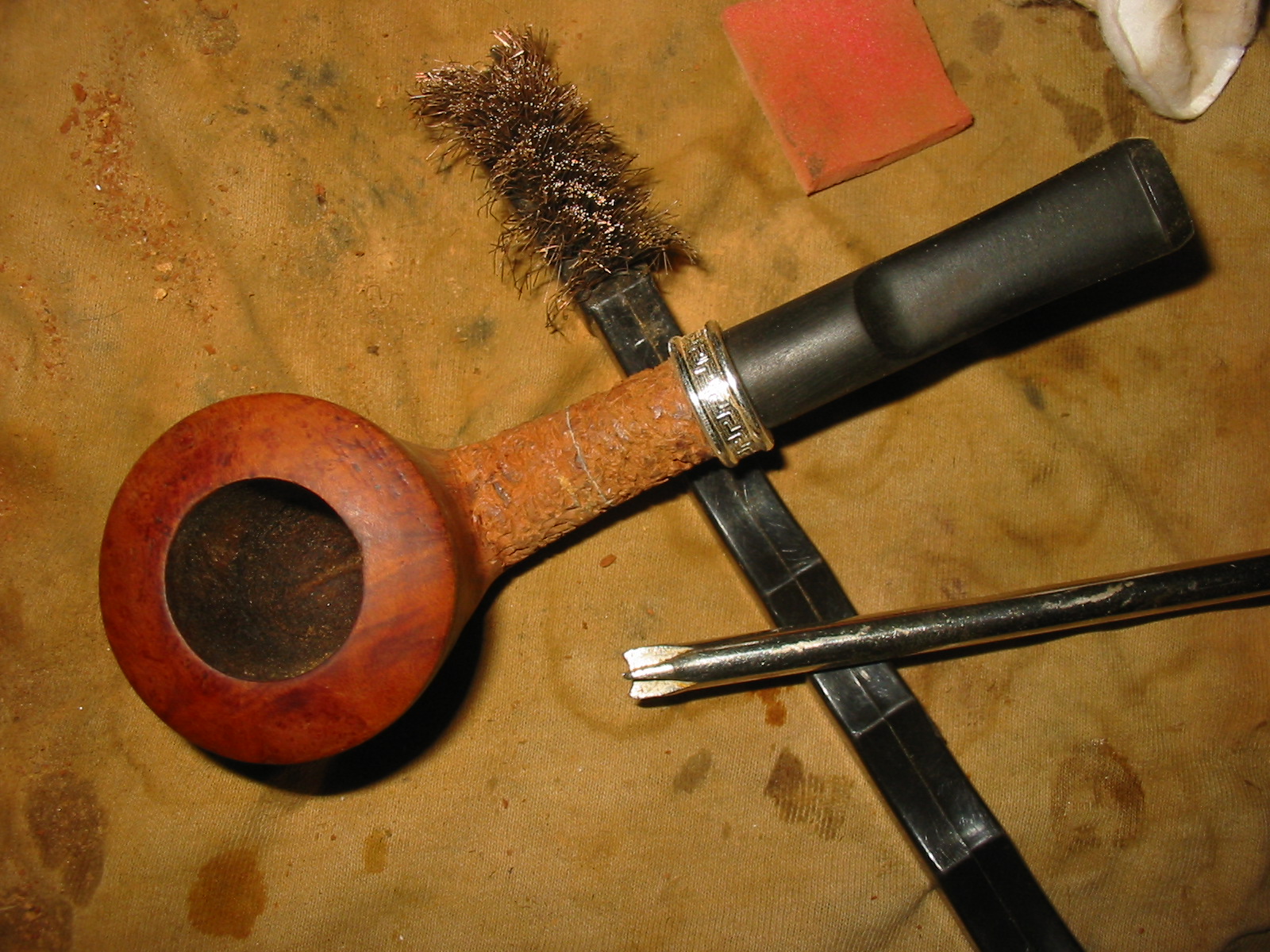
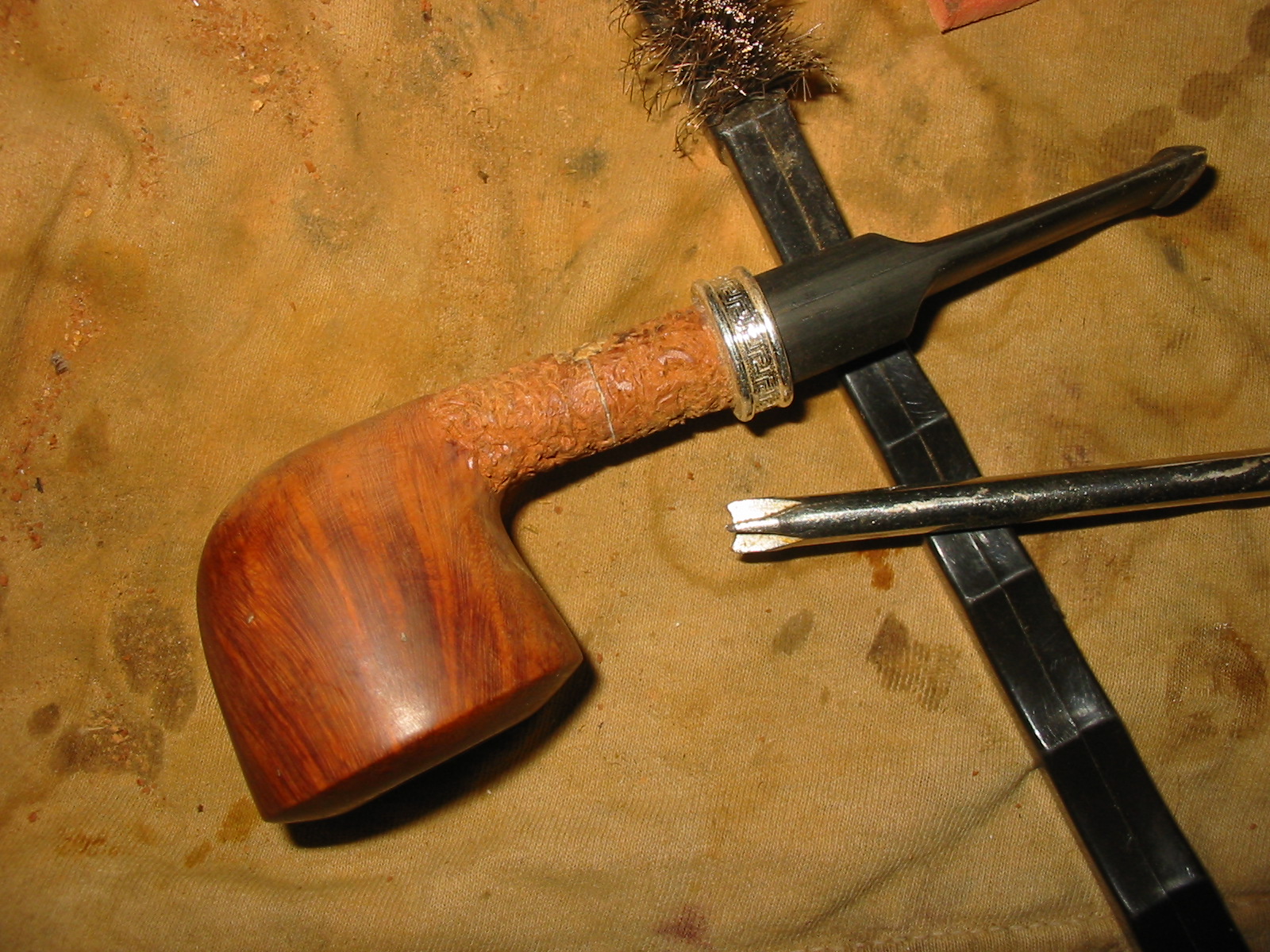
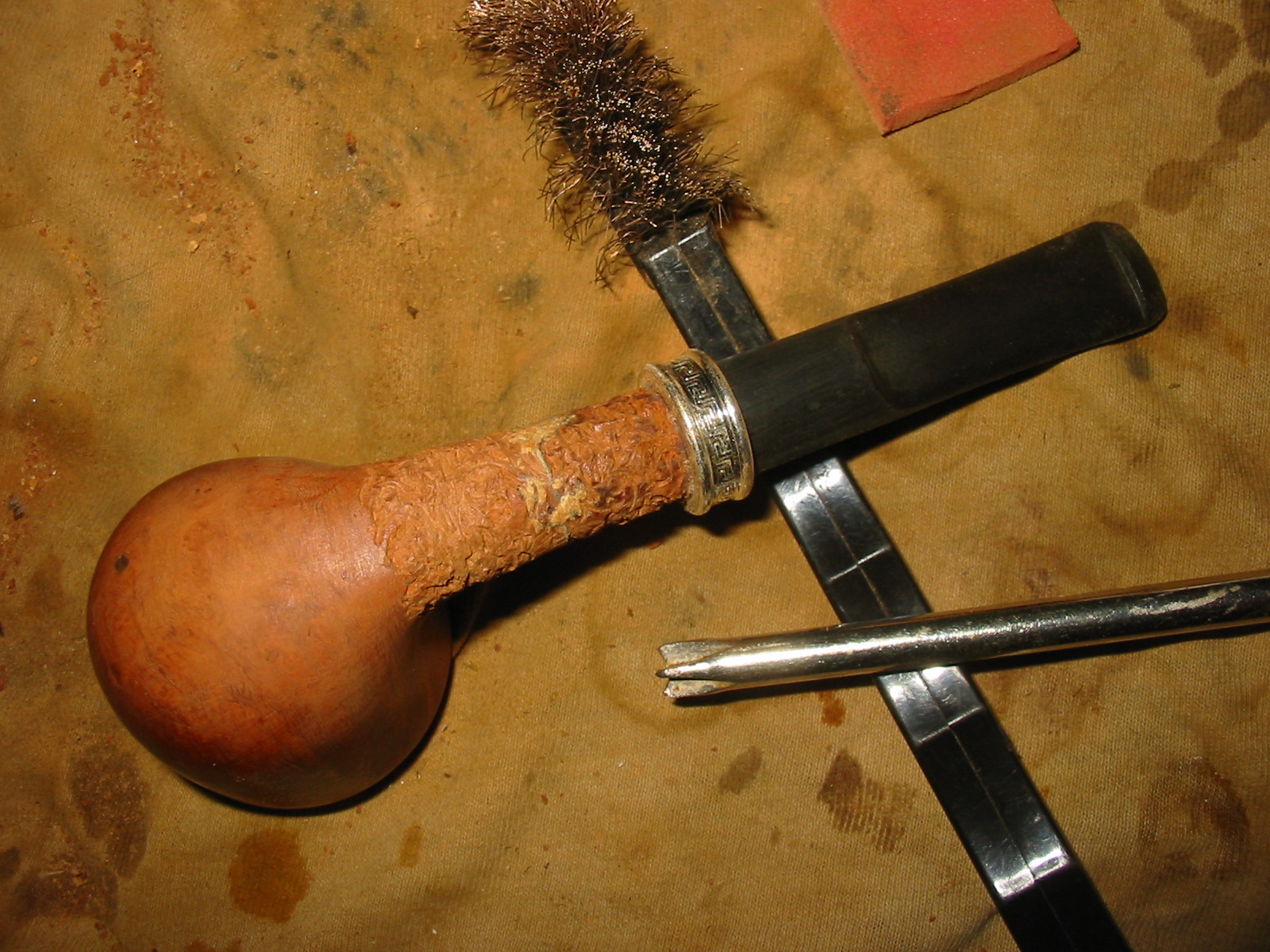
I have rusticated many other pipes using a variety of tools that I have developed or repurposed to experiment with over the years. I have used a pipe with nails, a handmade wooden handle with nails, a floral frog, a modified Philips Screwdriver a flat blade screwdriver notched and sharpened, and a Dremel tool with a variety of burrs. I have used different sizes and clusters of nails in the pipe and each one achieves a slight variation of pattern on the finished briar. Each tool delivers a different finish and look. Even with the same tool a variety can be achieved by wire brushing the finish, buffing or sanding. I have also used a combination of tools at times – the nails and the floral frog work well together to make a tighter smaller rustication while the screwdrivers and the nails also give a unique looking pattern.
However, no matter which tool I use I always follow the same process. I have broken it down into steps in the list below for ease of use.
1. Clean the surface of the wood – I clean the surface of the briar with either acetone or isopropyl alcohol to remove the grime and the existing finish on the pipe. I do this because I like working on a clean surface. I know that others do not do this before rustication so the choice is yours.
2. Stain the surface with a dark stain to show contrast when rusticating – Many stain the briar with a dark stain before rusticating to make it easier to see the developing pattern in the rustication. Personally I only do this if the briar is raw and unstained. A stained pipe already has colour and the rustication shows up quite well.
3. Tape off any spots that you want to leave smooth using masking tape or painters tape. I wrap it with several layers of tape to protect the smooth wood underneath from an accidental slip when I am working the tools. I have also used scotch or cellophane tape. The idea is not to abuse the tape but use it as a straight edge to work toward and around. I often tape the shank end but you can also tape the line around the rim as well.
4. If partially rusticating a bowl mark off the area that you will rusticate with a permanent marker. On the Frankenpipe above I marked the angle of the shank and bowl junction that I wanted to rusticate.
5. Choose the place on the briar to start – personally I always start on the side of the bowl when rusticating. I remove the stem and work on the bowl alone. I have seen others snap a tenon while rusticating so I remove it. I work from the side down to the bottom of the bowl. I work the bottom of the bowl and then move to the shank and work the side that connects to side I have rusticated. I then work my way around the rest of the bowl.
6. I rusticate by pushing the rusticator into the wood and twisting it to gouge the briar. The harder you push the tool into the briar the deeper the rustication will be. So decide how deep or rough a rustication you are aiming for and press accordingly. Do not be afraid to rusticate too deeply. Most people are too timid and end up with mere scratches on the wood the first time they try the process.
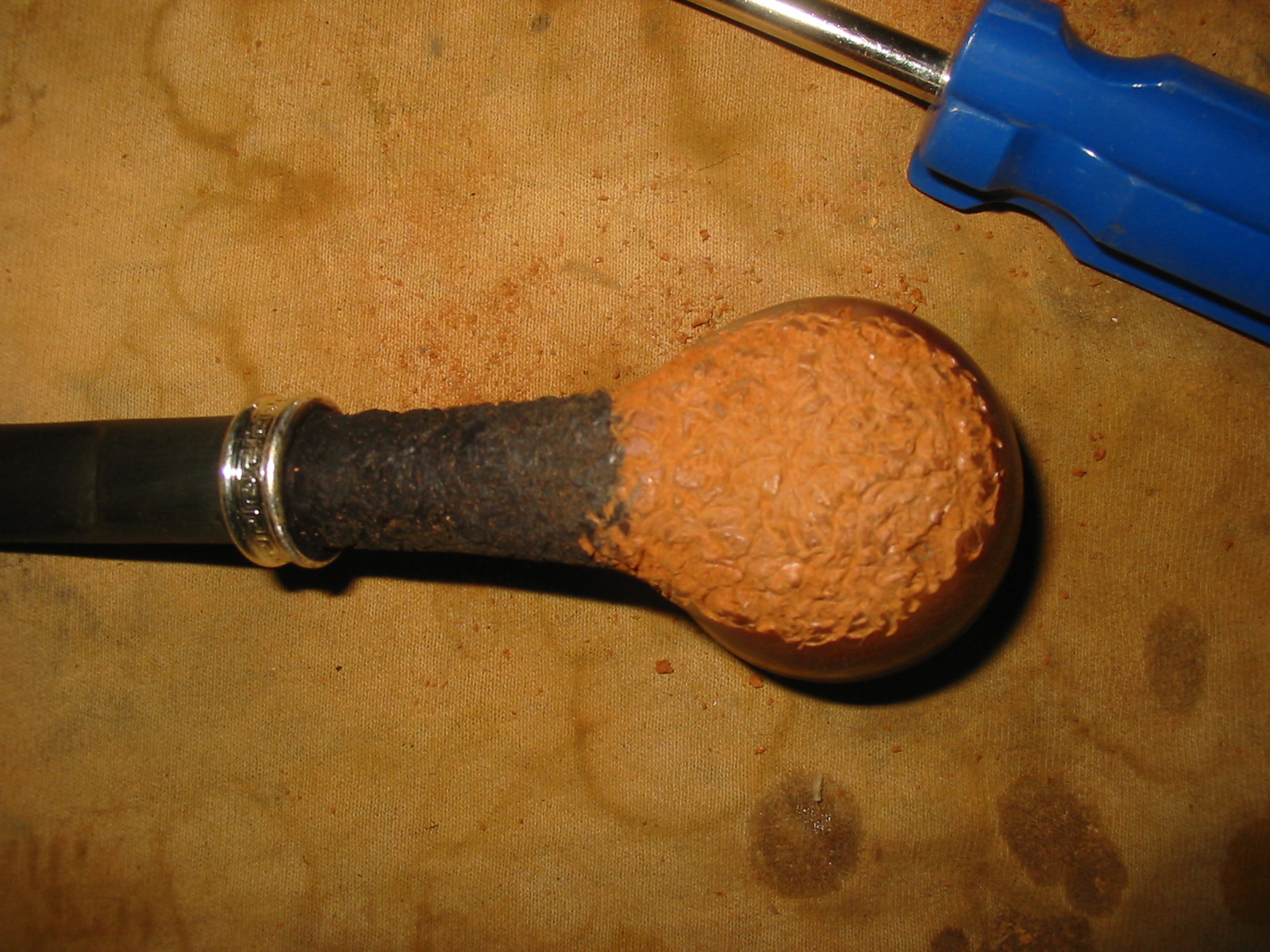
7. Use a wire brush to knock off loose pieces of briar and chips that are left behind on the surface. I brush quite aggressively as there is no fear of scratching the briar. The idea is to clean up the rustication pattern. The more aggressively you brush the more variation you will get in the pattern. You can also buff the bowl and shank at this point as well to further smooth out the surface. If it is still too rough for your liking then lightly sand the high spots with 220 grit sandpaper to knock it down further.
8. Clean off the bowl with isopropyl alcohol on a soft cloth to remove the dust left behind by rusticating and wire brushing. I do this to prepare the finish to be stained. It dries very quickly so it is not a problem to stain immediately afterwards. I also use an aniline (alcohol) based stain so it is truly not an issue.
9. Stain the bowl with either the final stain or a base coat. I generally use a dark base coat and flame it with a lighter. Once it is dry wipe the high spots down with isopropyl or buff them with Tripoli. I then give the bowl a top coat of a lighter or the final stain and flame it again. I like the contrast look of dark valleys and lighter ridges on a rusticated pipe.
10. Buff the pipe lightly with White Diamond and then use Halcyon II wax to give the bowl a light shine. I have also used olive oil at this point instead of wax. I use a folded paper towel that has been dampened with olive oil and wipe down the bowl making sure to get into all the crevices or valleys in the finish.
That is the process I use to rusticate. The results are worth the effort to me. I like the feel of the rustication as the bowl warms in my hand. I like the looks of the finished bowl as it takes on age through use. Why not try it out on one of your own pipes or an estate that you have that is just too bland to draw your eye? Go for it and enjoy the process.



 rebornpipes