

Blog by Greg Wolford
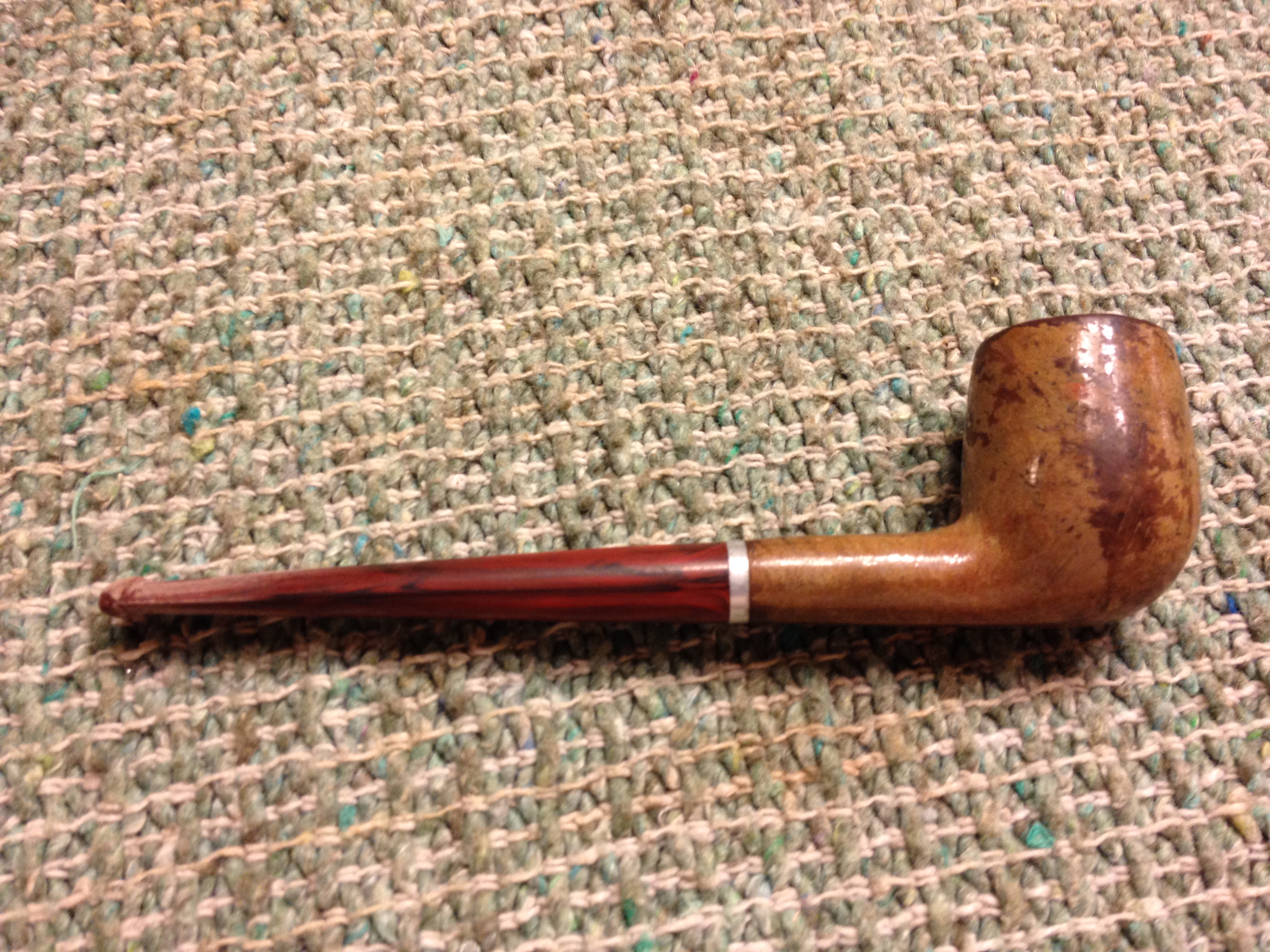
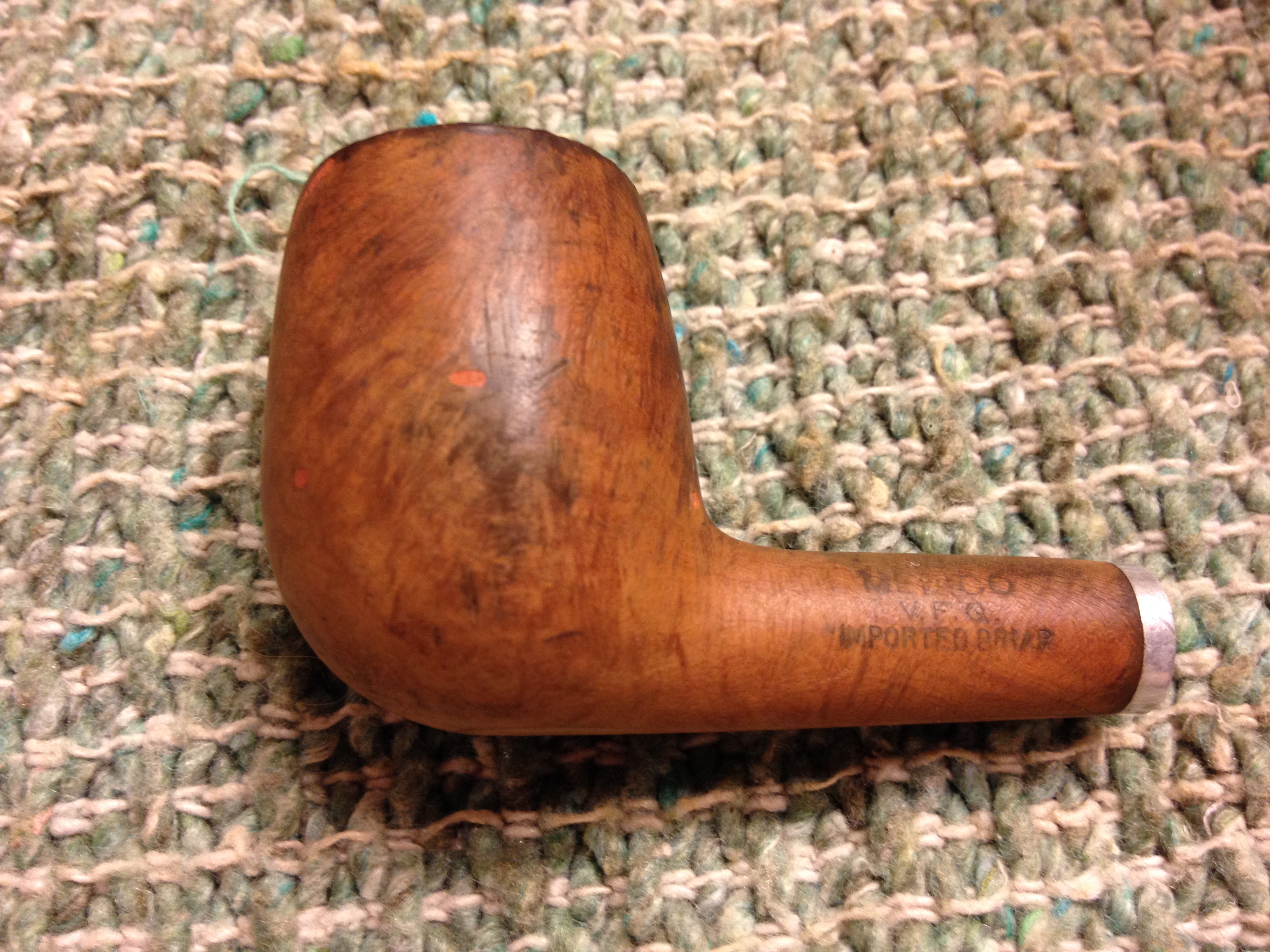
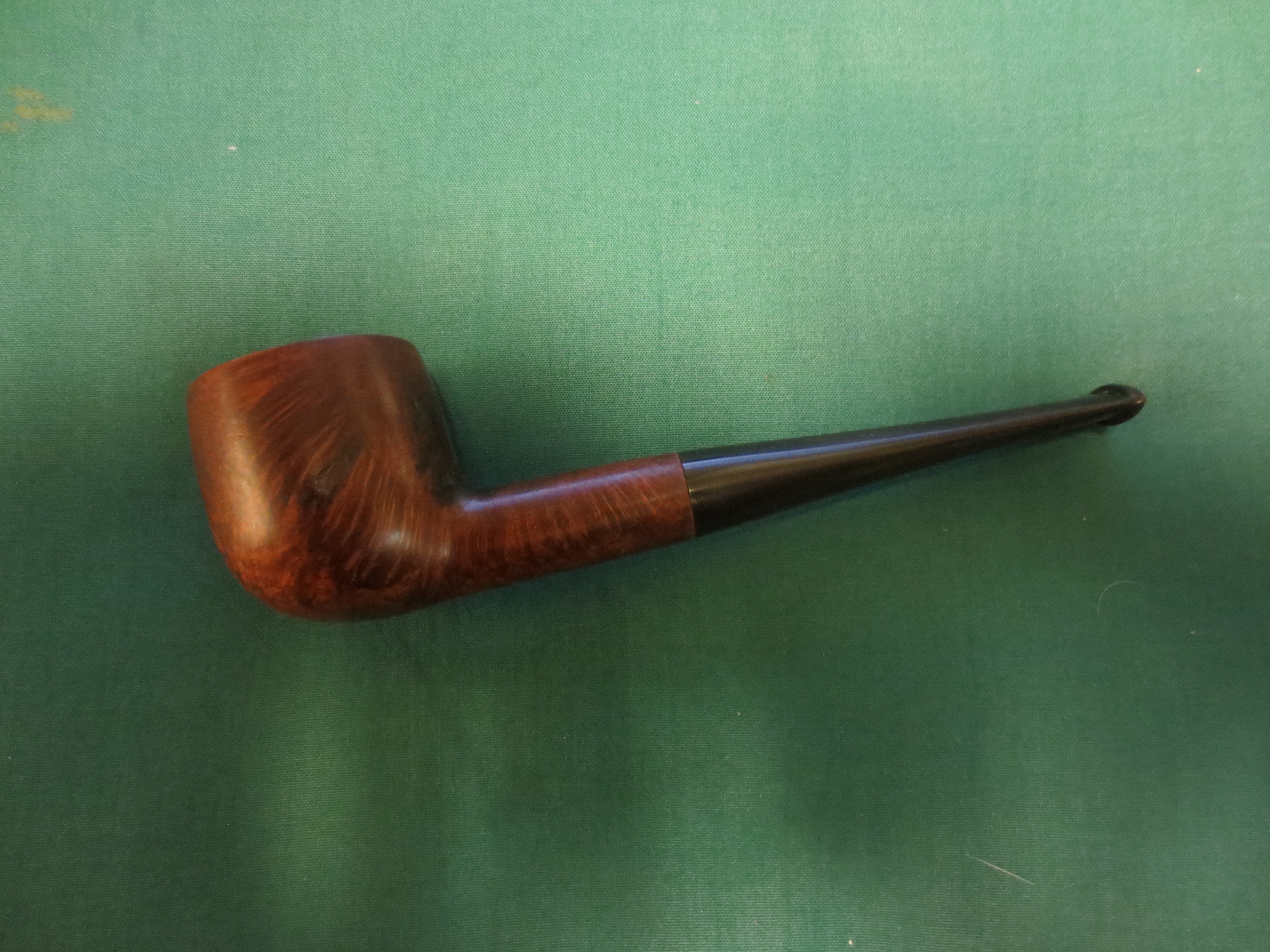
I saw this old Medico V.F.Q. go through two or three eBay auctions with no bids. I have recently been admiring pipes with Cumberland stems and thought this one would make an excellent “project” pipe to see how well I could repair a Cumberland stem. (A side not here: This is not a Cumberland stem I have found out; it is nylon/plastic.) So I wrote to the seller and offered $5/shipped for the pipe, noting that I didn’t care how she shipped it, just safely and cheaply would suffice. She posted a seven-day auction with an opening bid of $5 with free shipping; I was the only bidder.

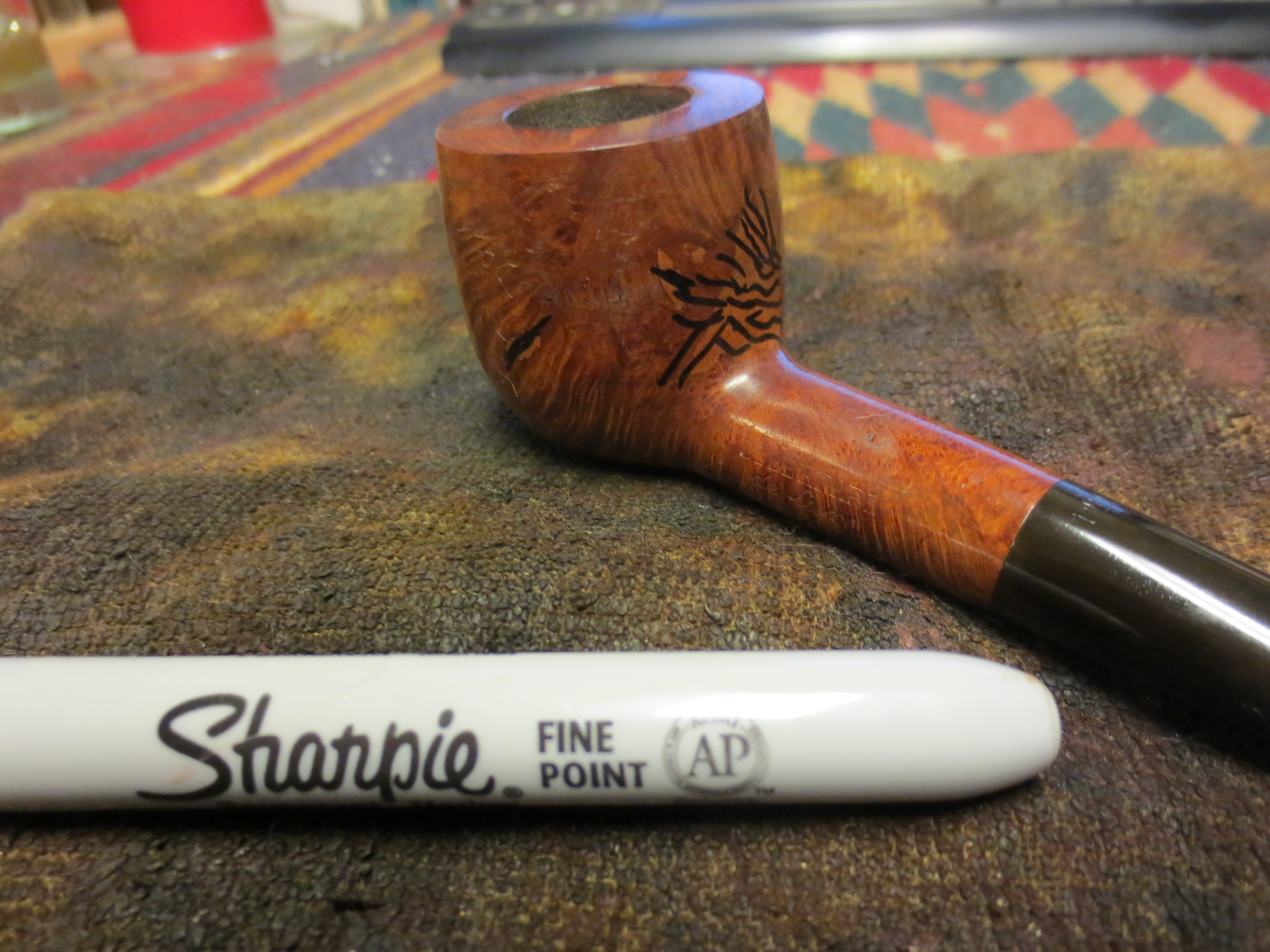
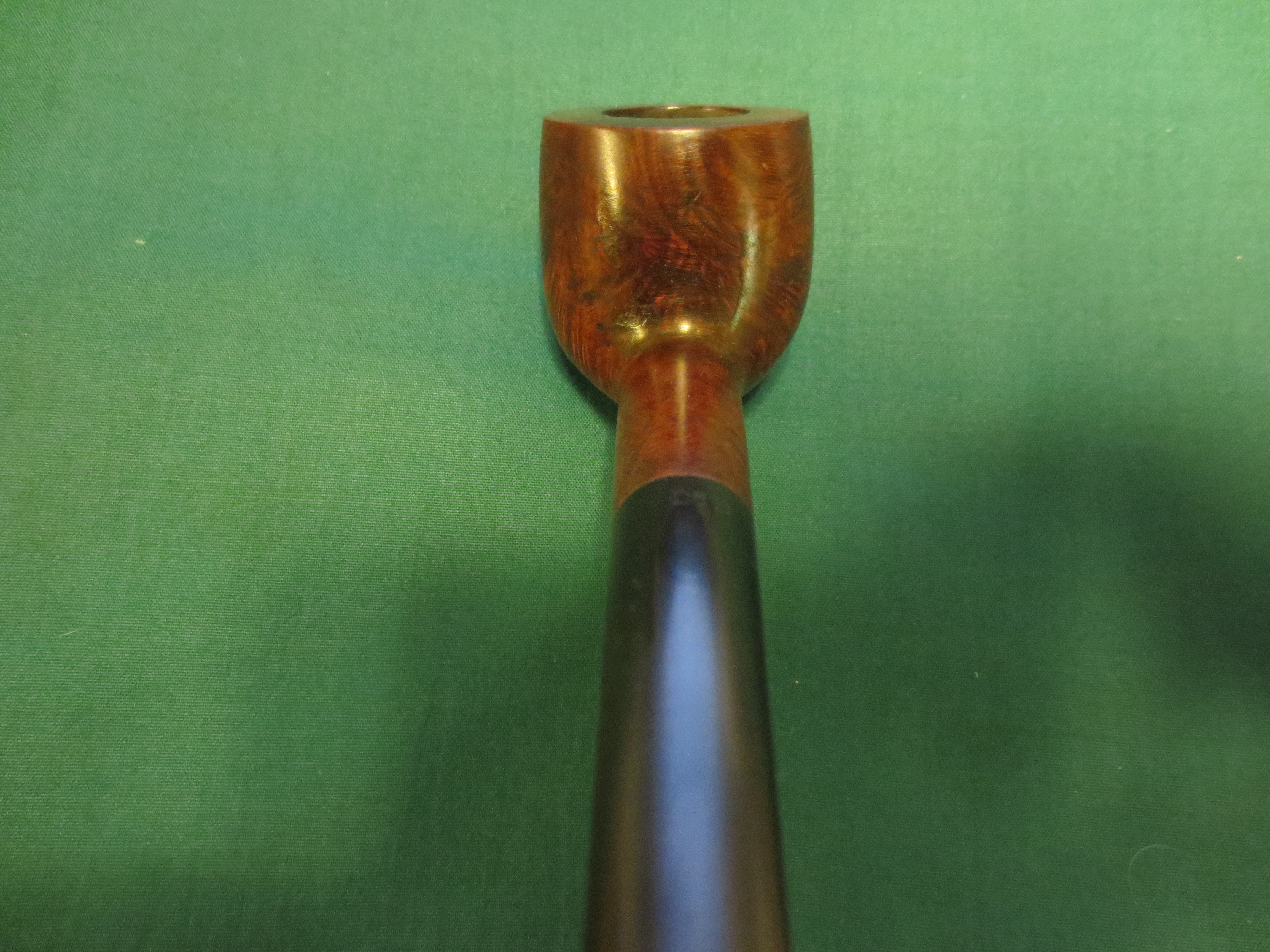
 When the pipe arrived it looked as bad, maybe worse, than I had expected. The stem was really chewed up and the finish was shot. There were also several fills that I hadn’t been able to see in the (above) auction photos. I decided to work on the stem first so I broke out some tools.
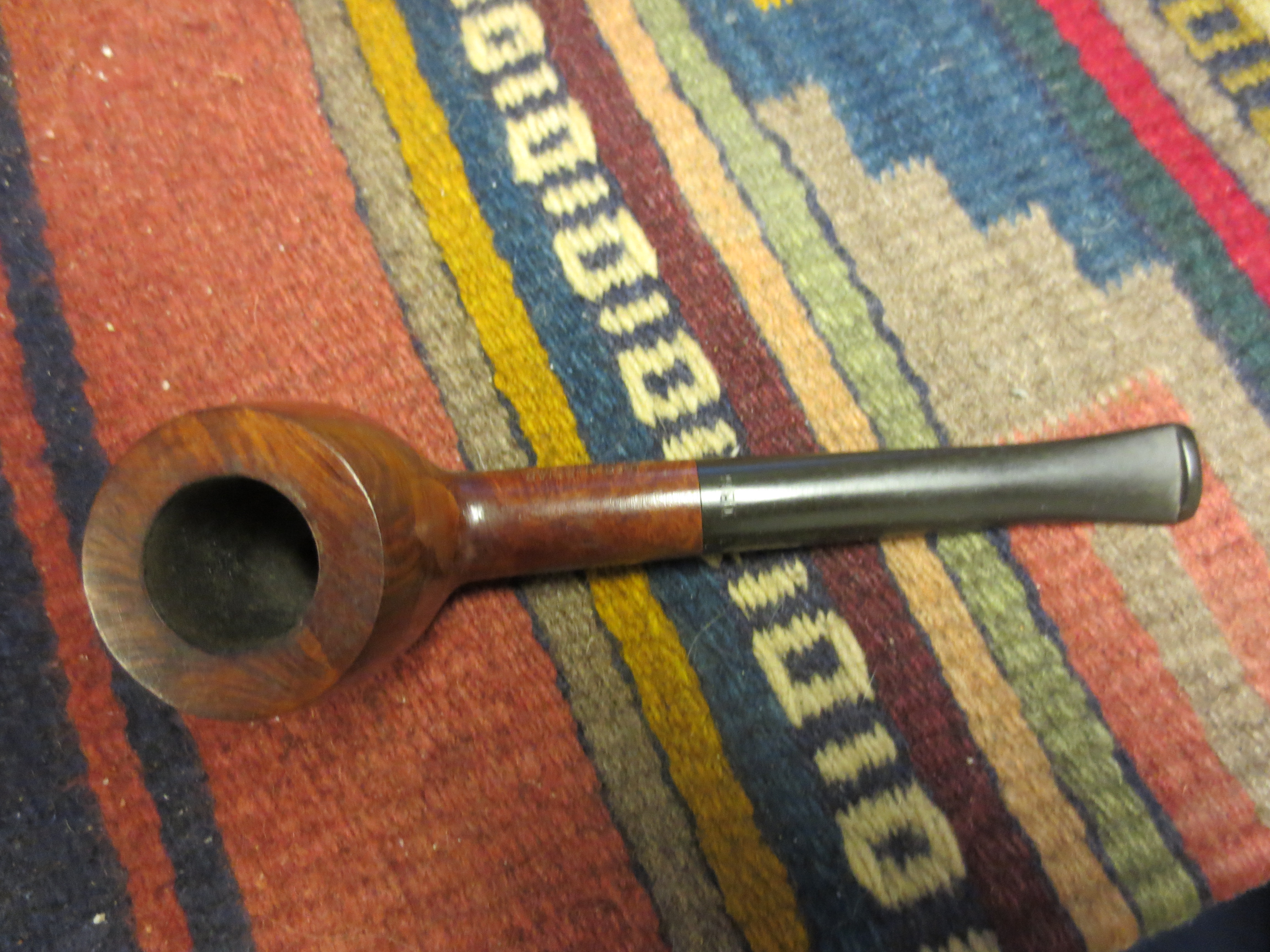
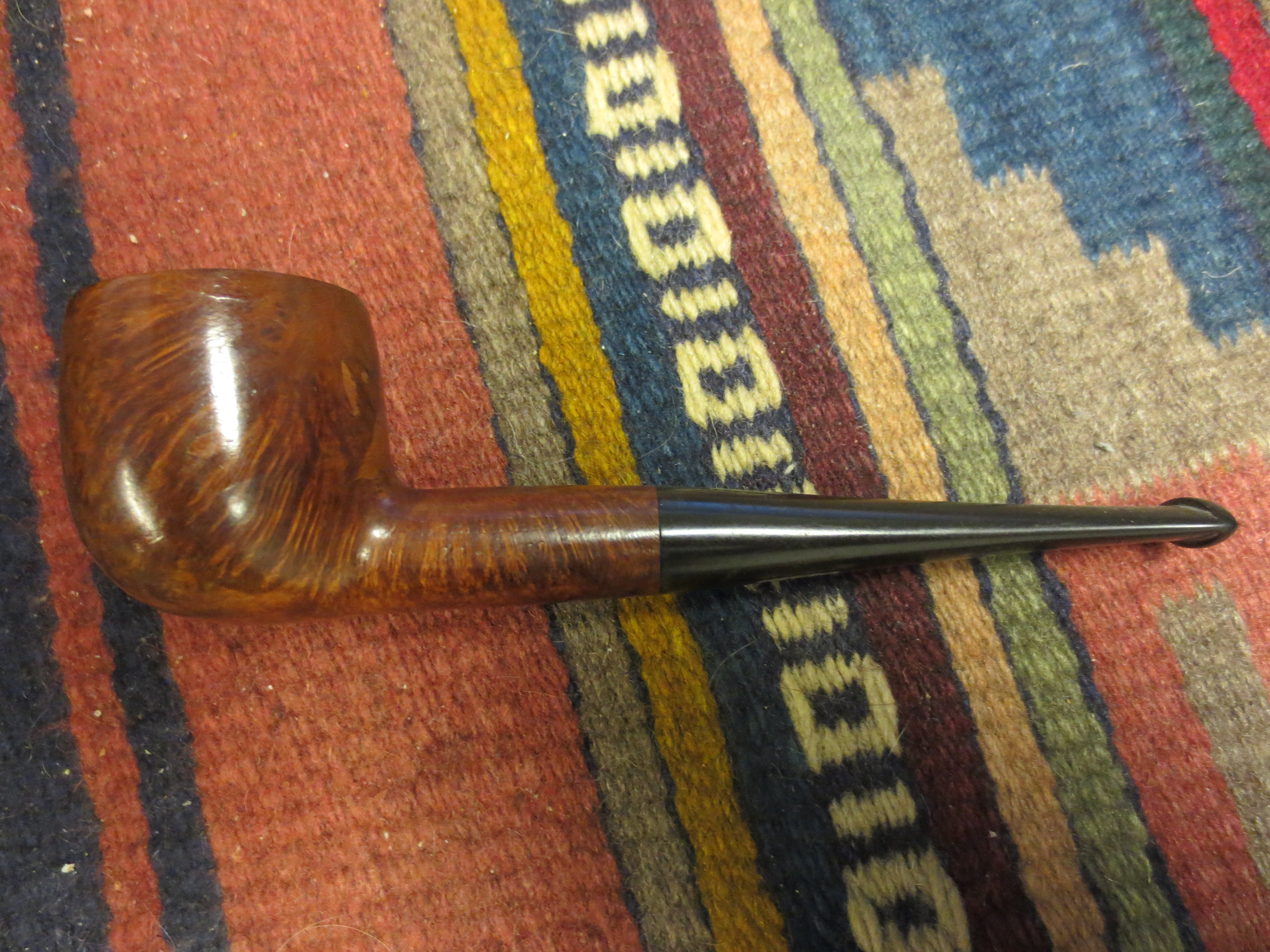
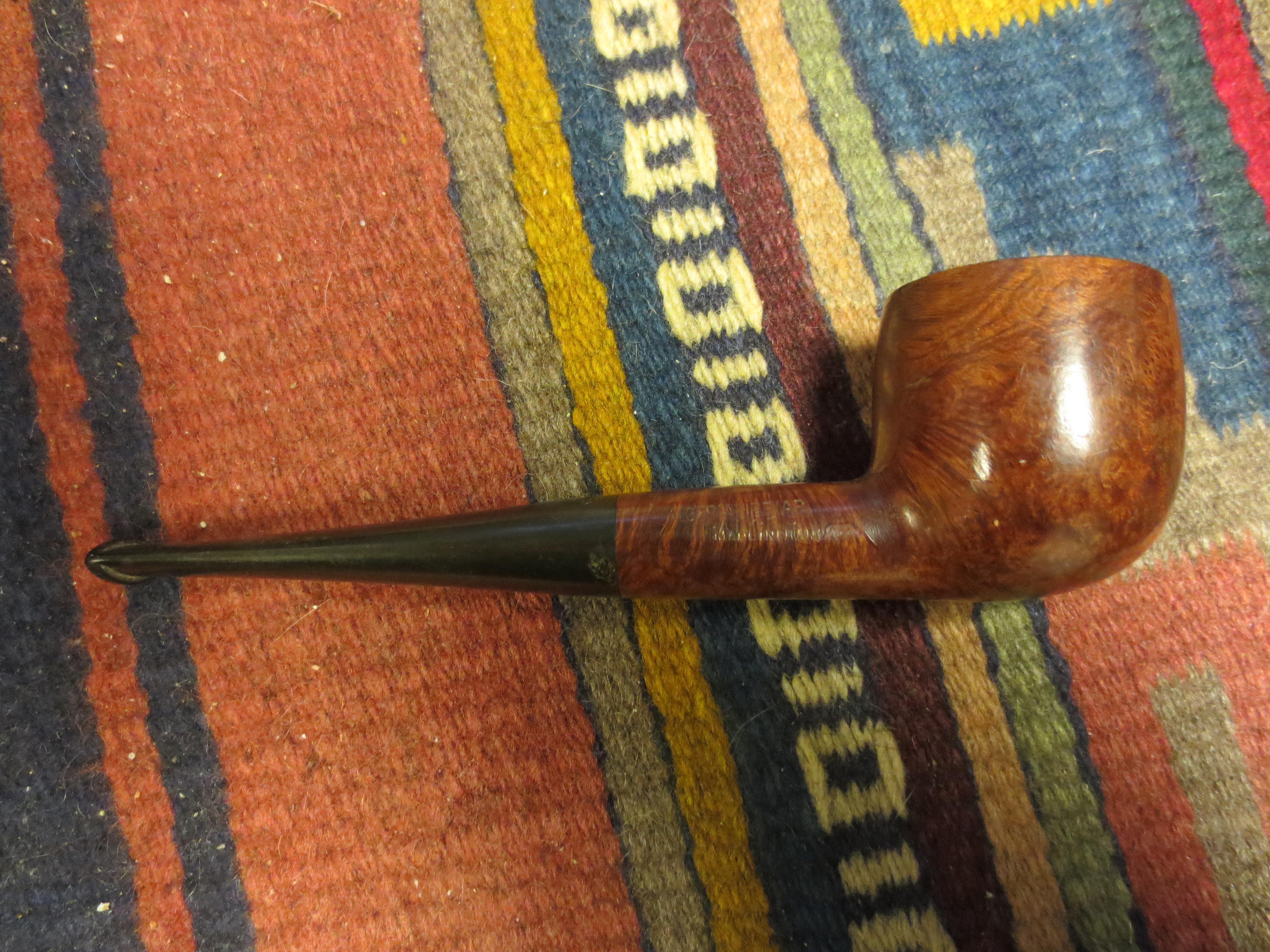
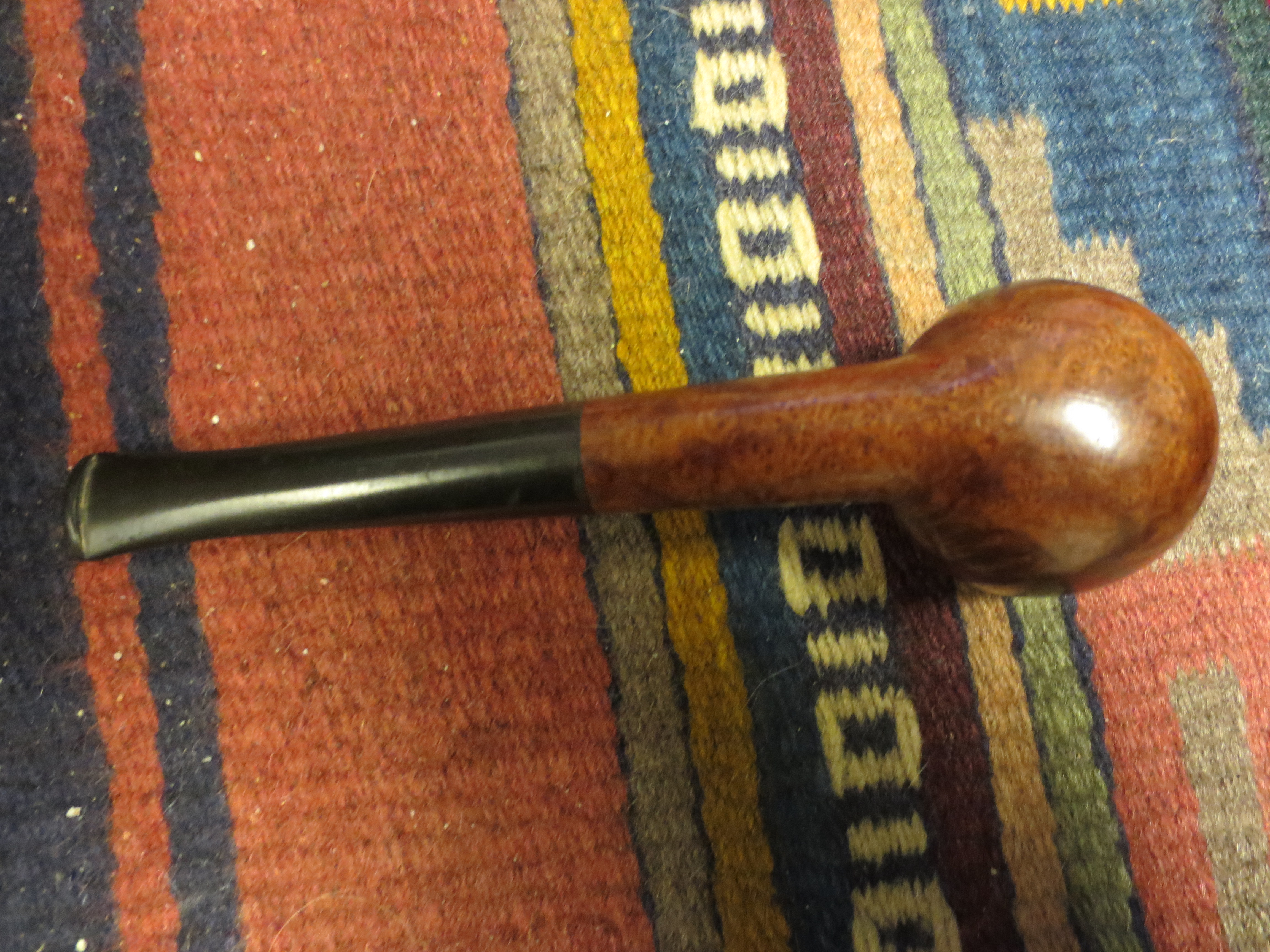
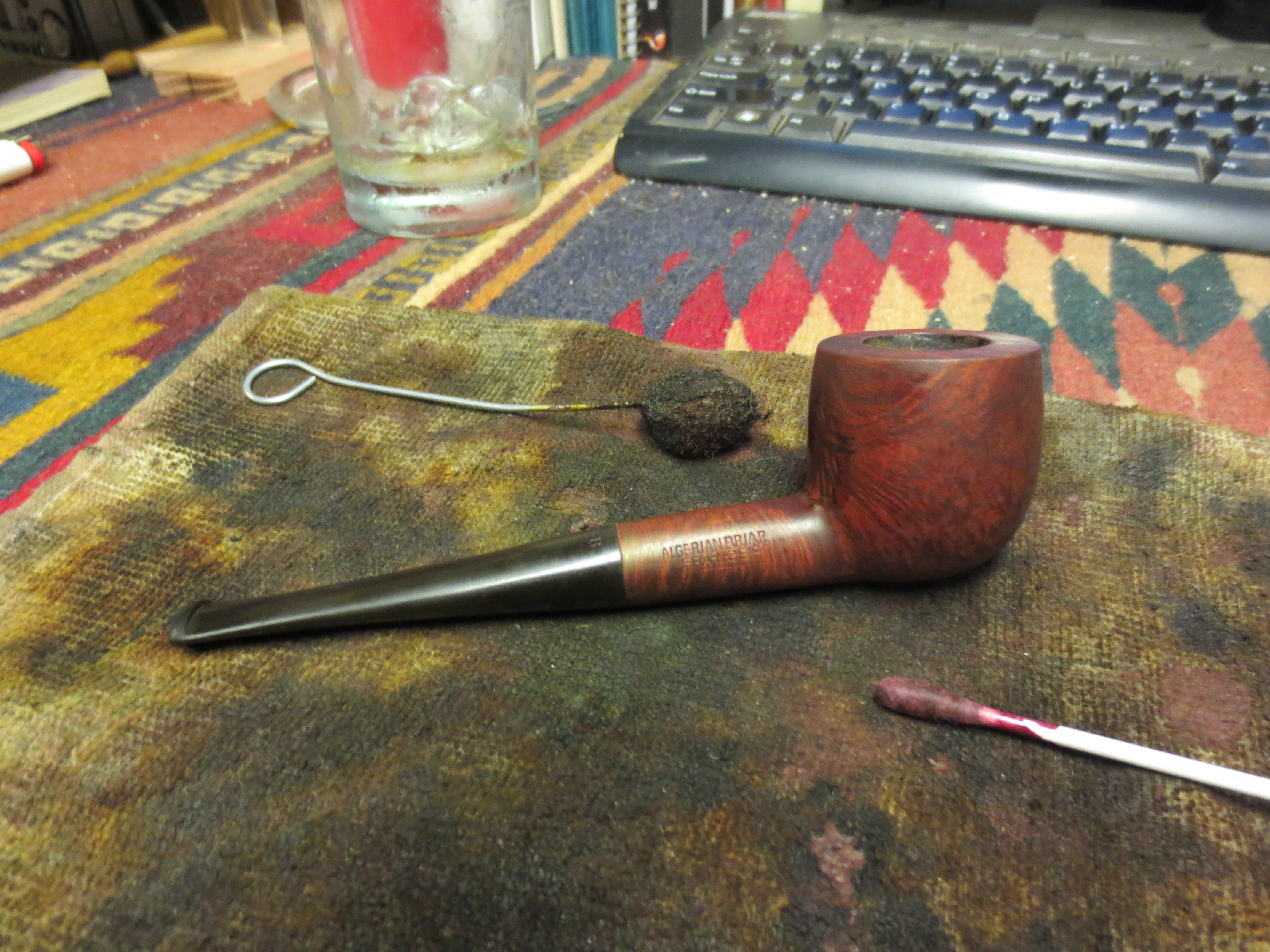
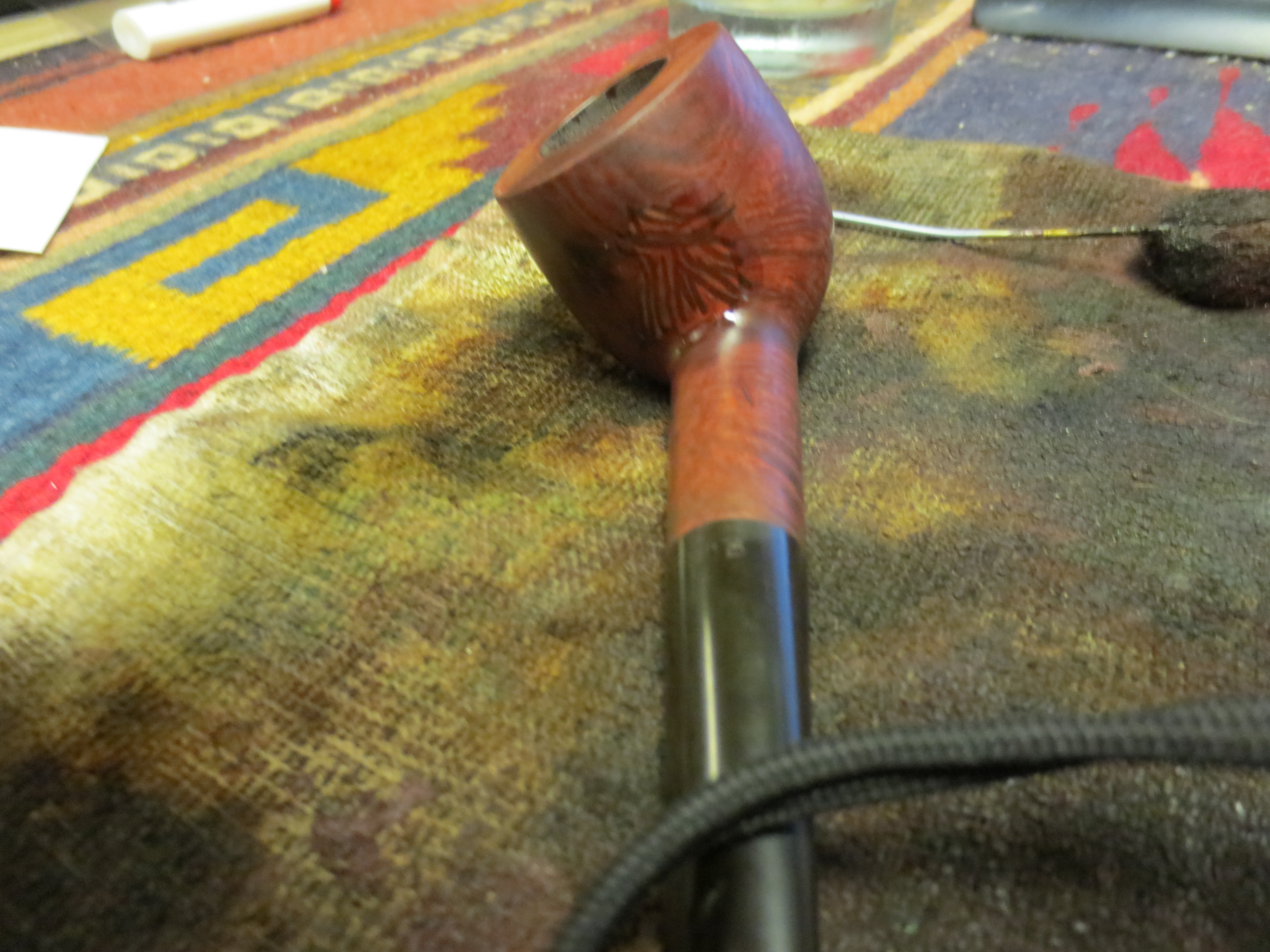
The first thing I did was to try to raise the dents with the heat of a tea candle. Not being actual rubber (which I didn’t realize yet), this had little effect. Next I began with needle files to take off some of the roughness. This made some improvement and gave me a better surface to work with for patching with super glue, which I applied at this point. You can also see the shape of the pipe as a whole here when I got it.



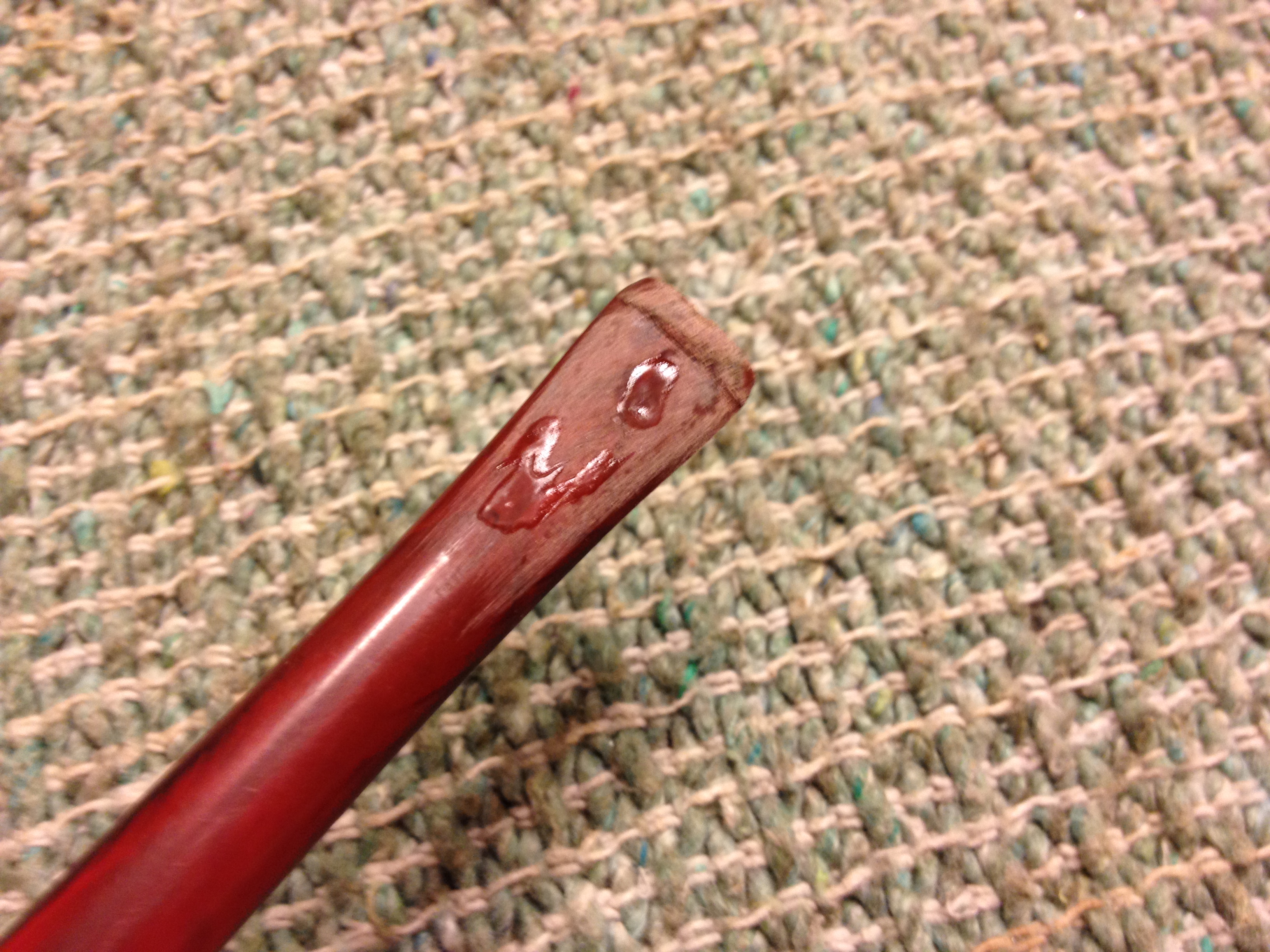
 I worked in stages over a few days on the stem: allowing the patch to cure, adding more as it shrank, touch it up a little as I went with files or sandpaper. Once it had finally cured into a patch that filled and covered all the dents on both sides I began to shape and smooth it with files and 220 grit sandpaper. The button was ragged and kept getting that way when I worked on it; it was at this point I think that I realized I was working with nylon not rubber. When this revelation struck I decided to begin working it toward the best finish I could get with micro mesh and not spend a lot more time on this stem.

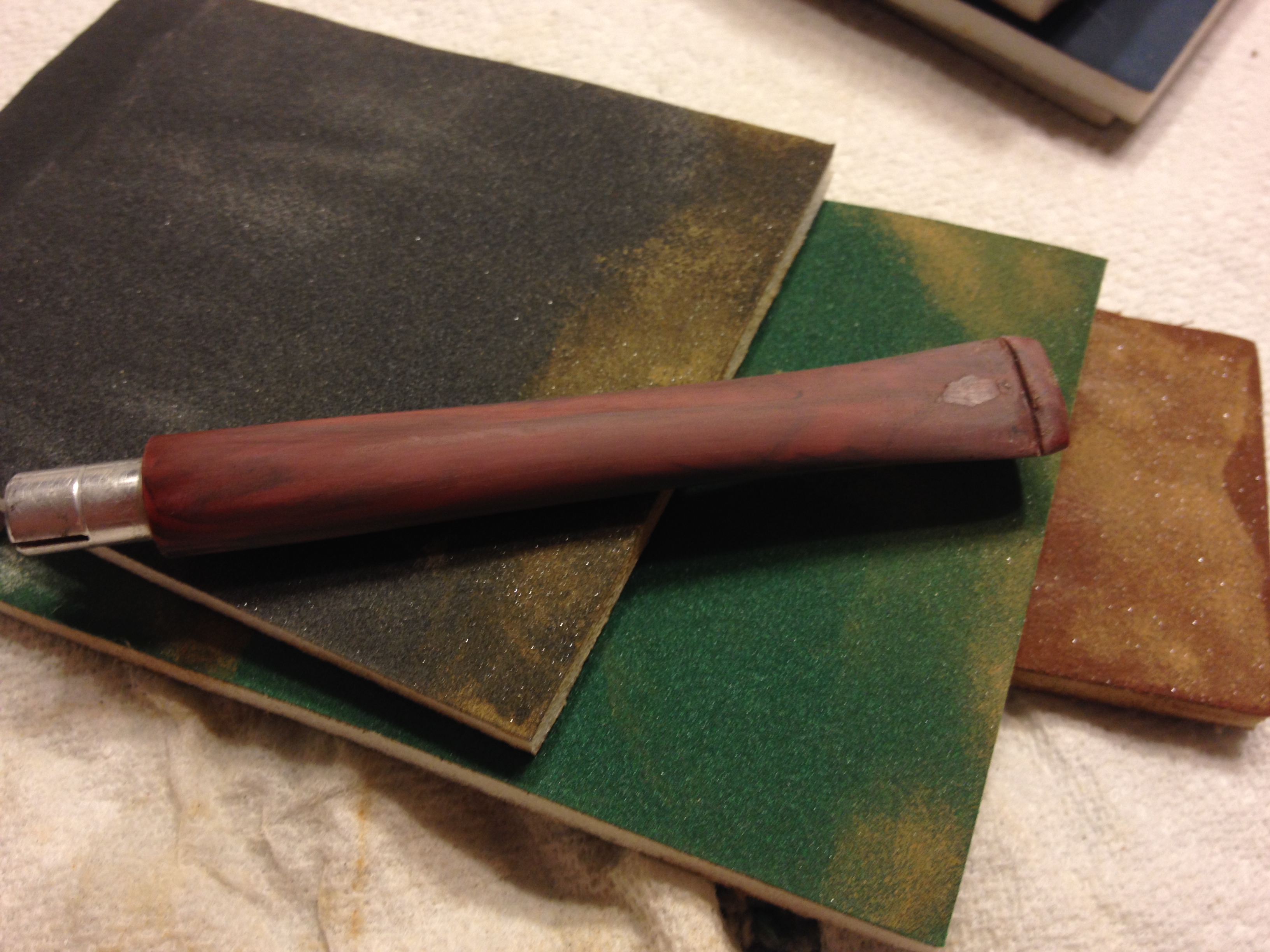
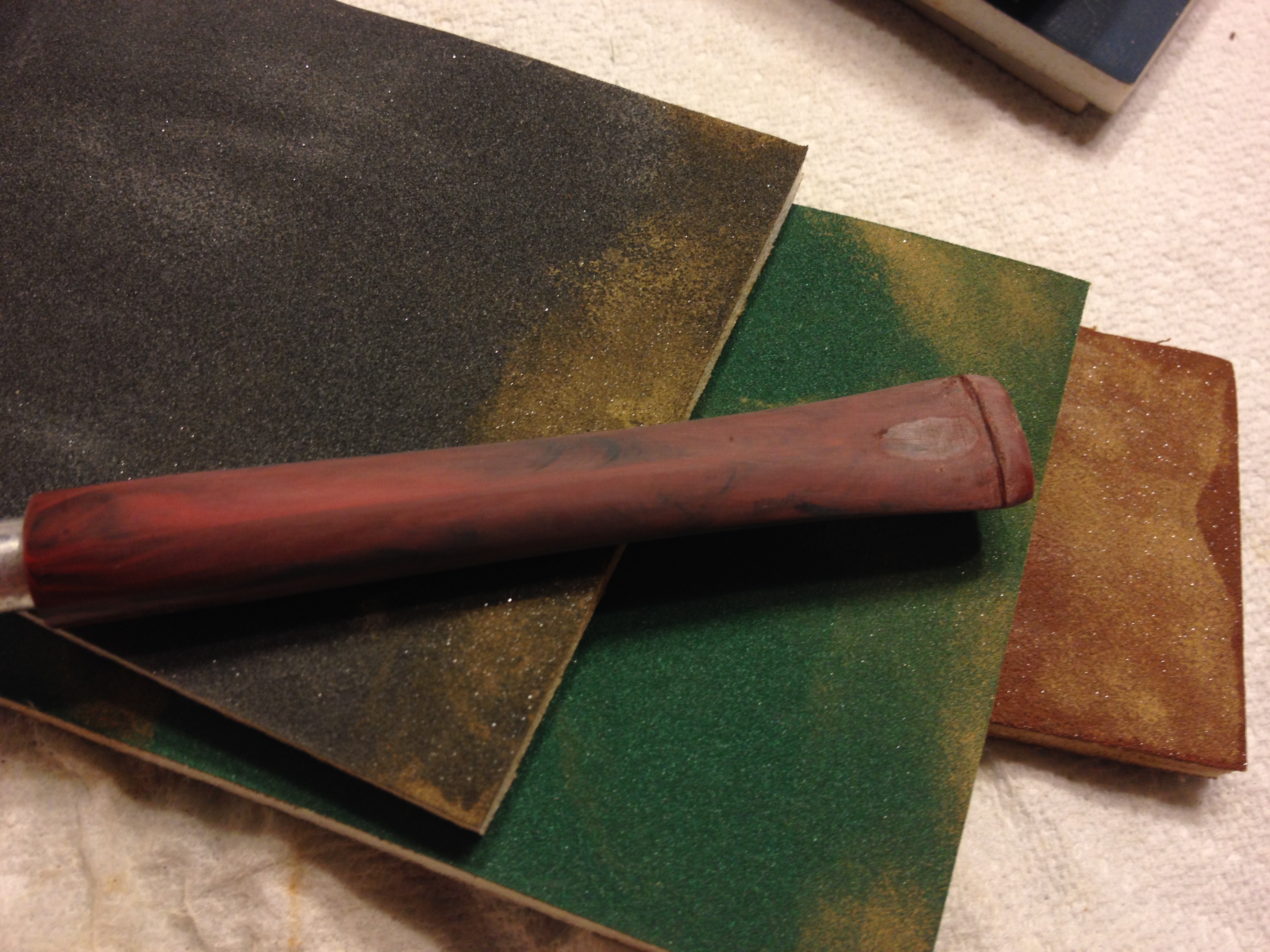
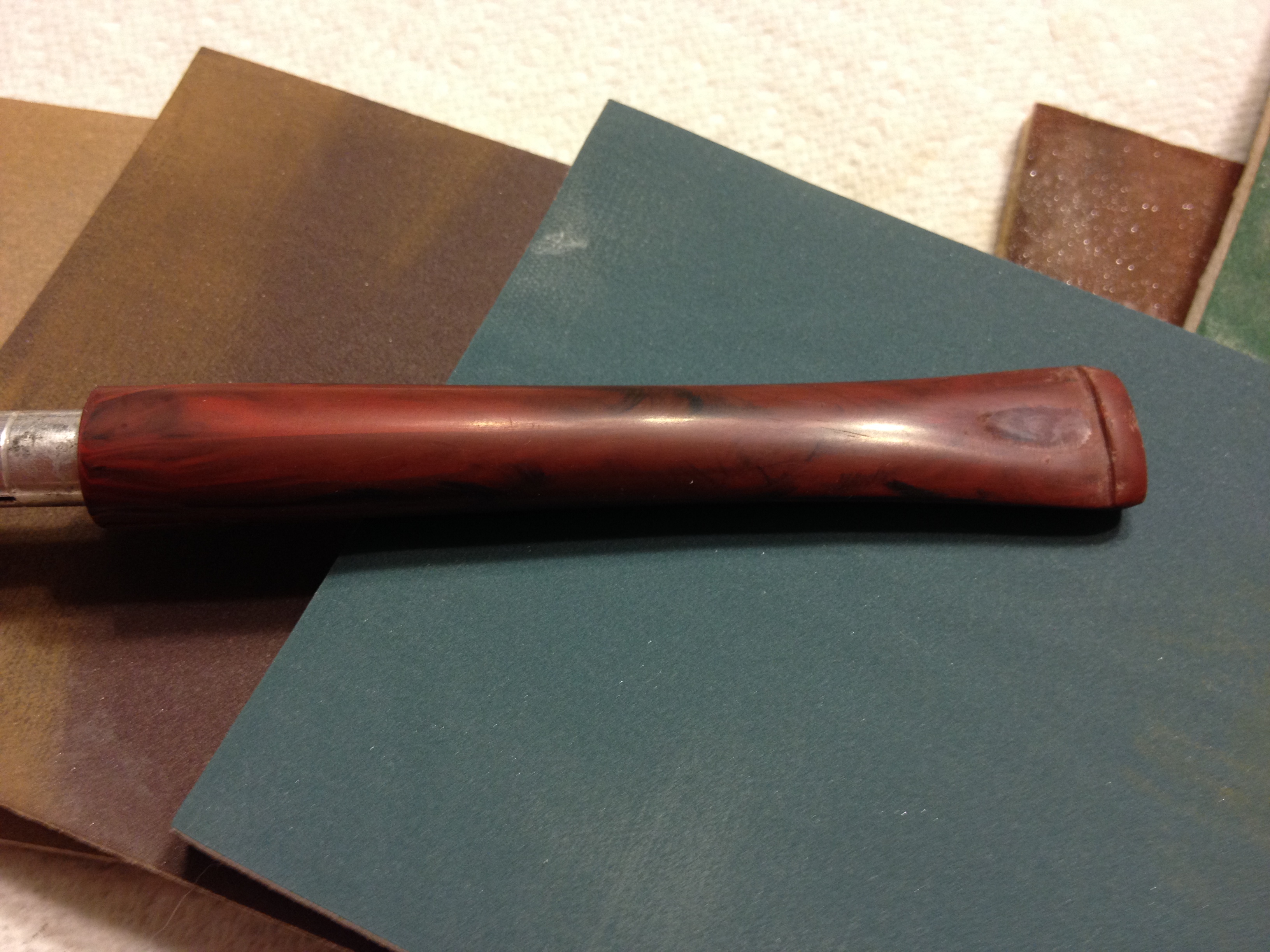

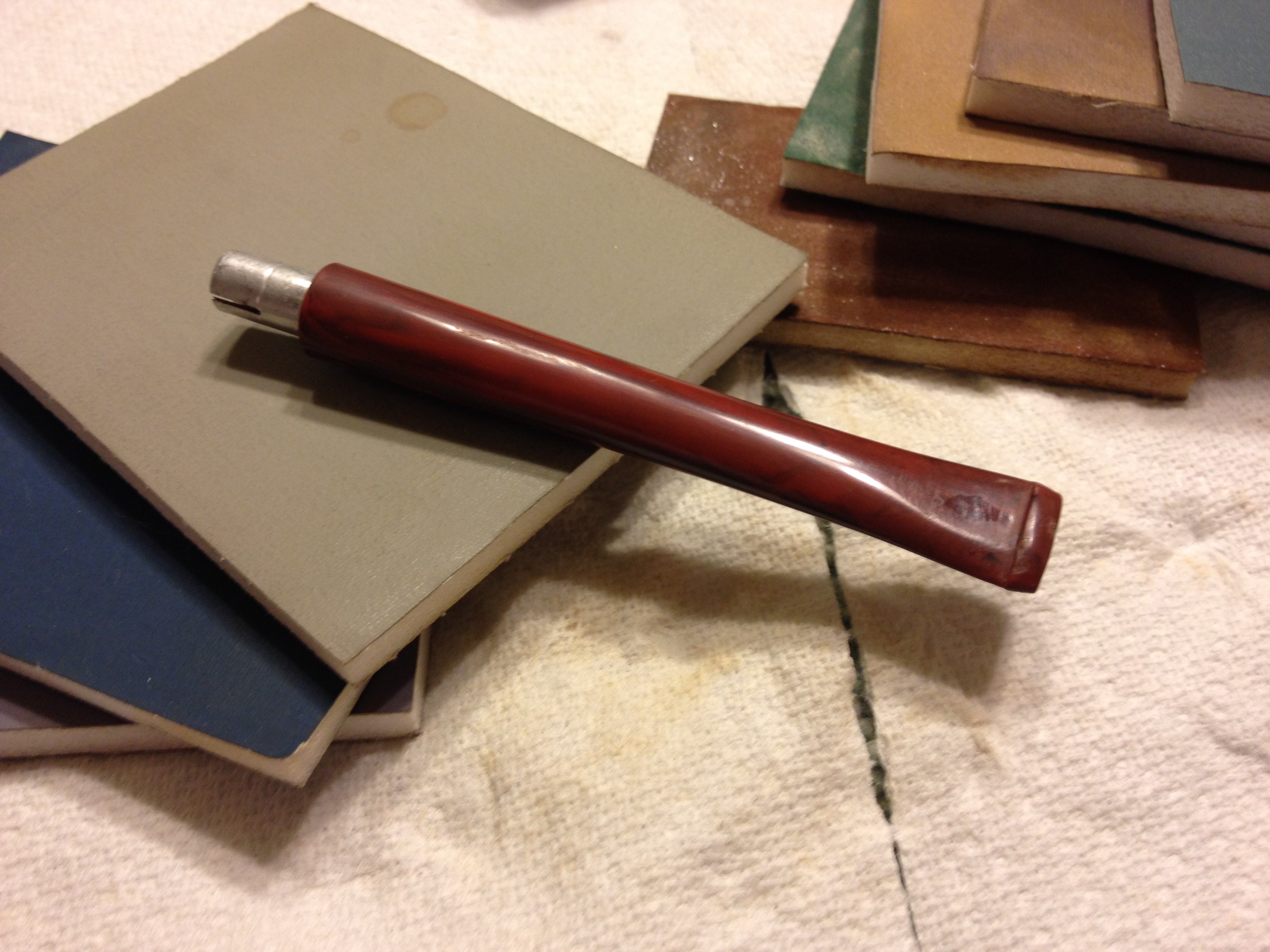

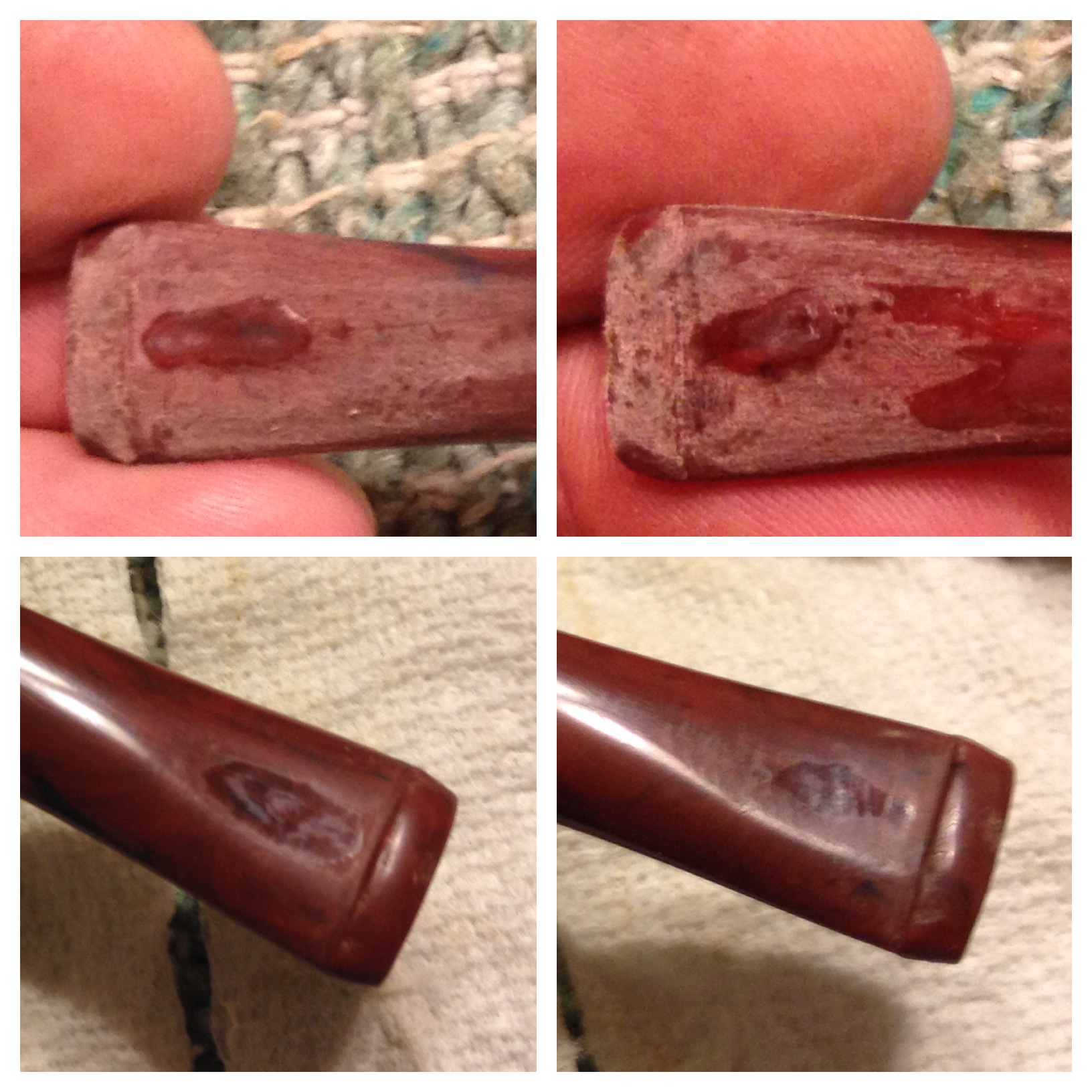
From beginning to final end.
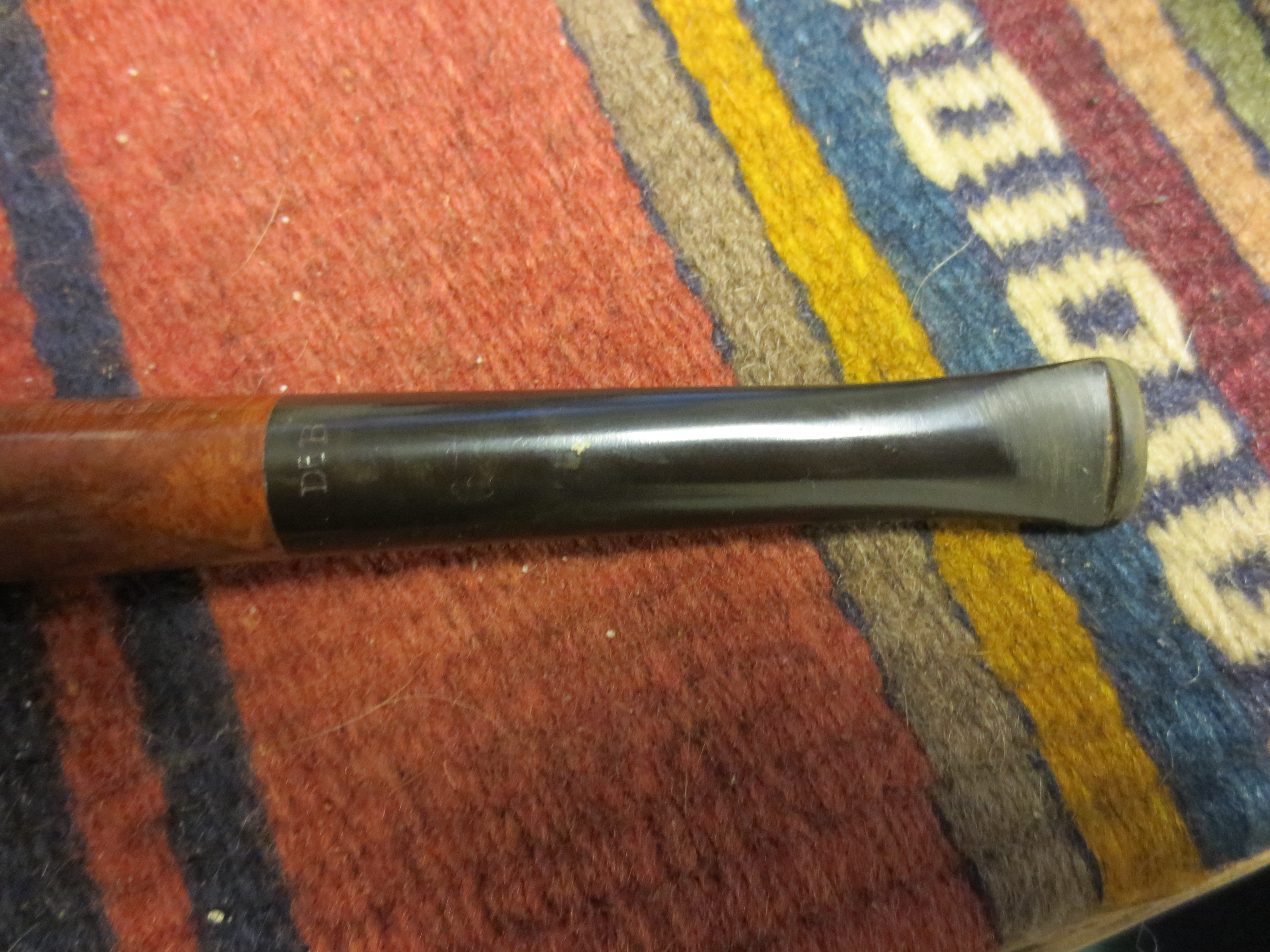
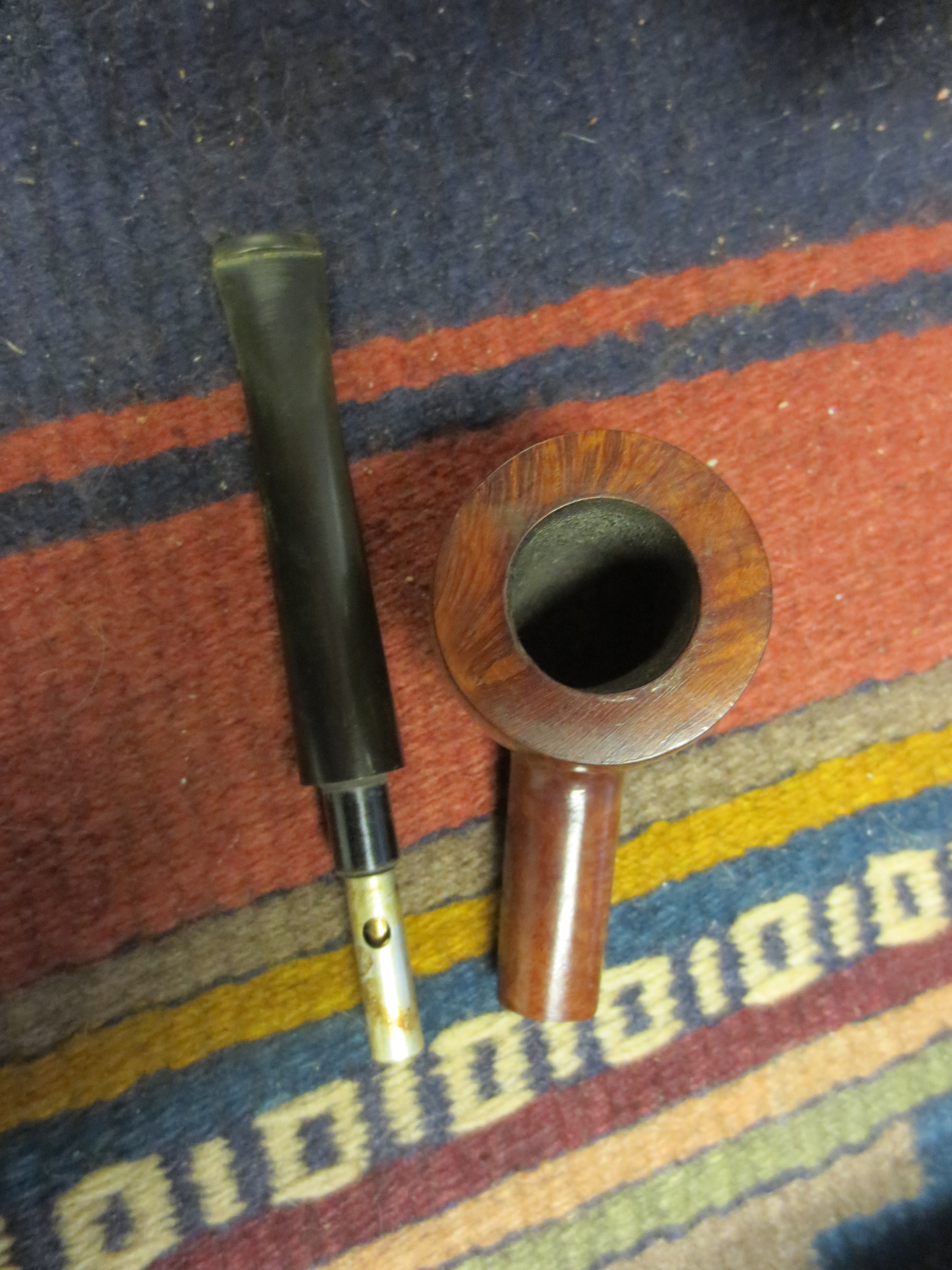
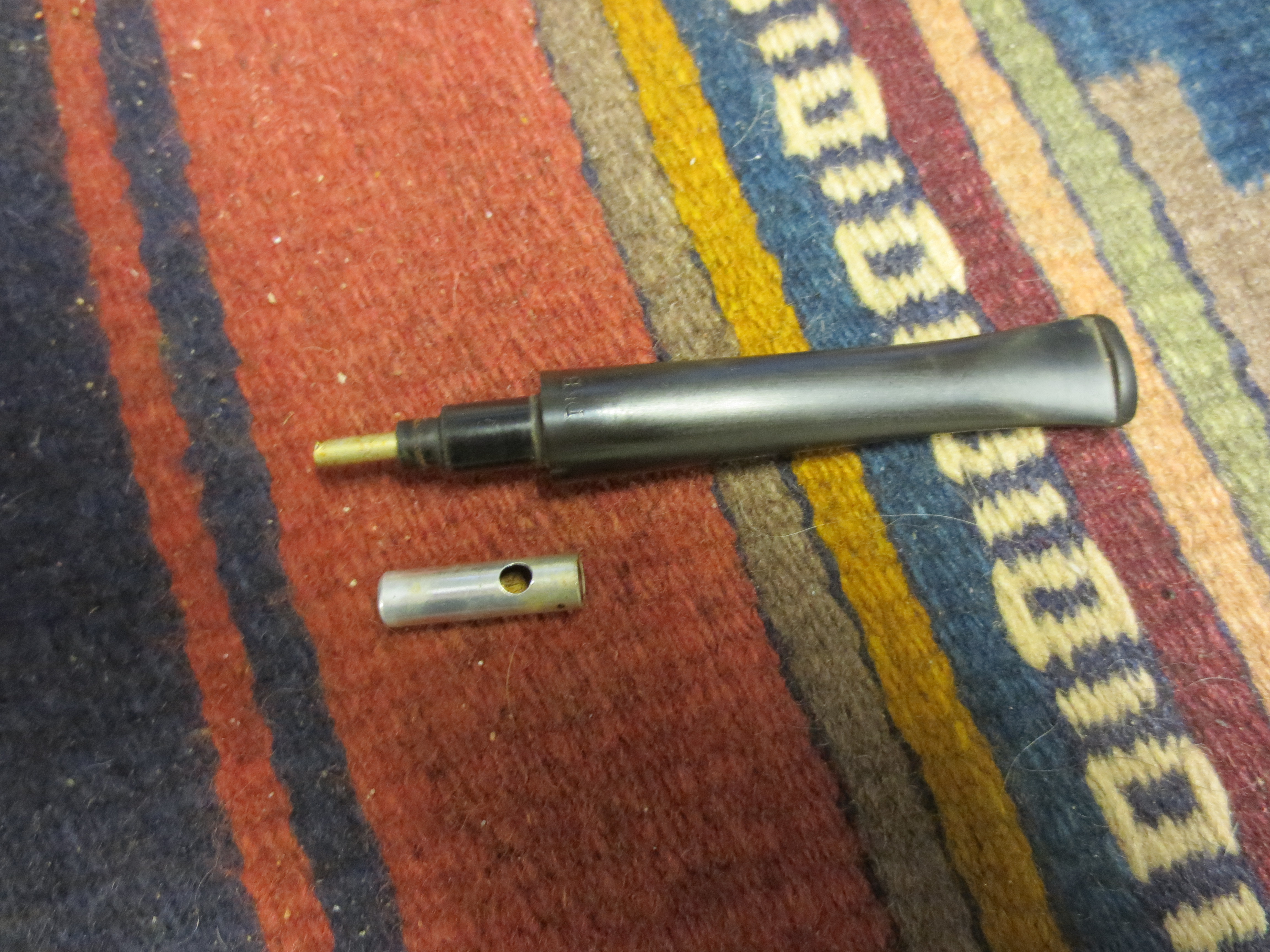
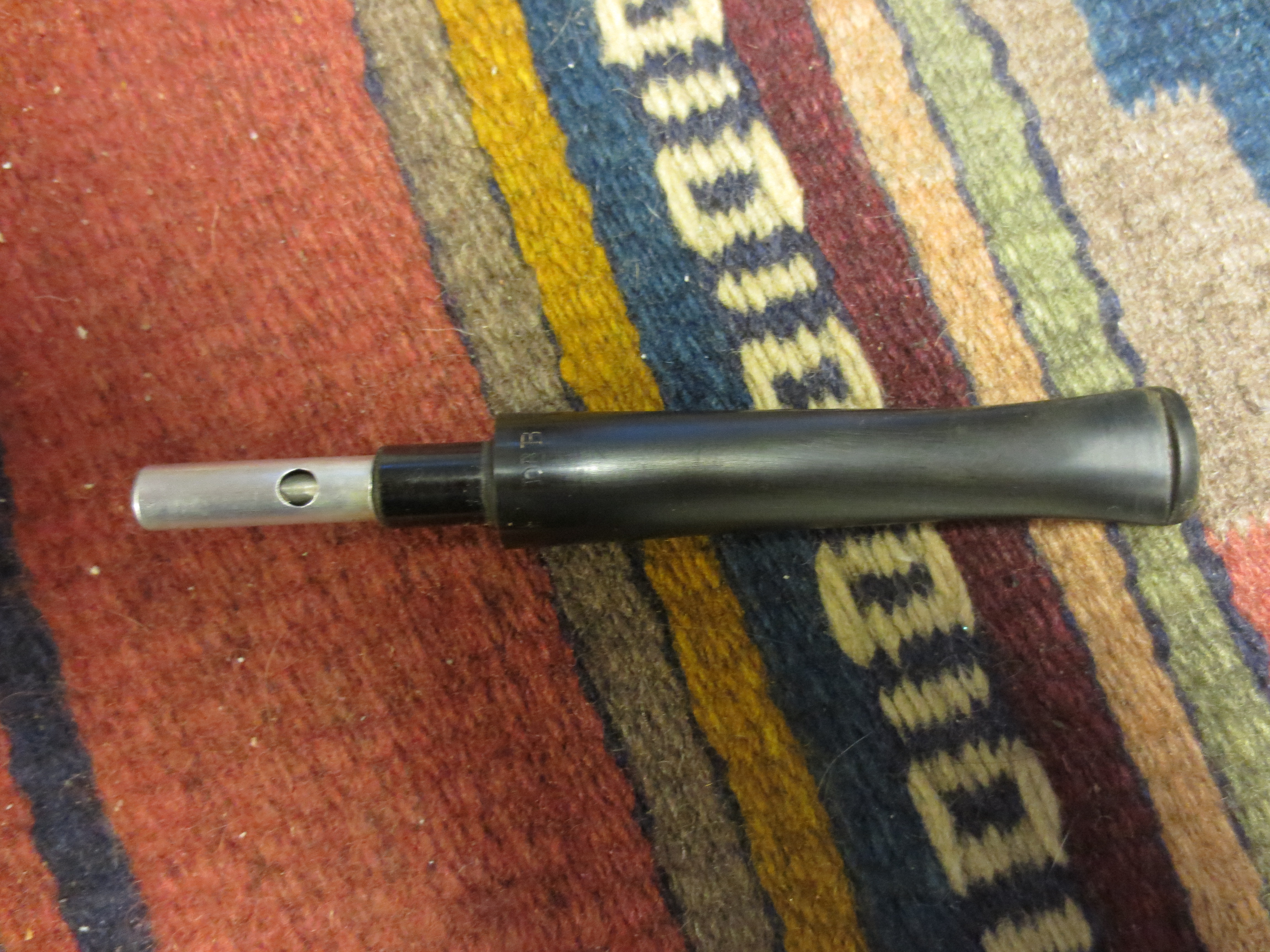
I had been doing a running post on Pipe Smokers Unlimited forum with this project. Steve, our humble leader and blog owner, contacted me with the welcome news that he had a very nice VFQ stem that he would send to me for this pipe. I excitedly accepted his gracious offer and sent him my address. When the stem shows up, if it fits, I will add photos of the end product; thank you again, Steve.
It was now time to get the bowl going, starting with a good leaning, inside and out. The pipe needed reaming and the shank was clogged with gunk, too. So I reamed it back to bare wood, pretty much, and cleaned the shank with many pipe cleaners, cotton swabs and a set of shank brushes until the final cleaners can out white; I also cleaned the stem at this point.
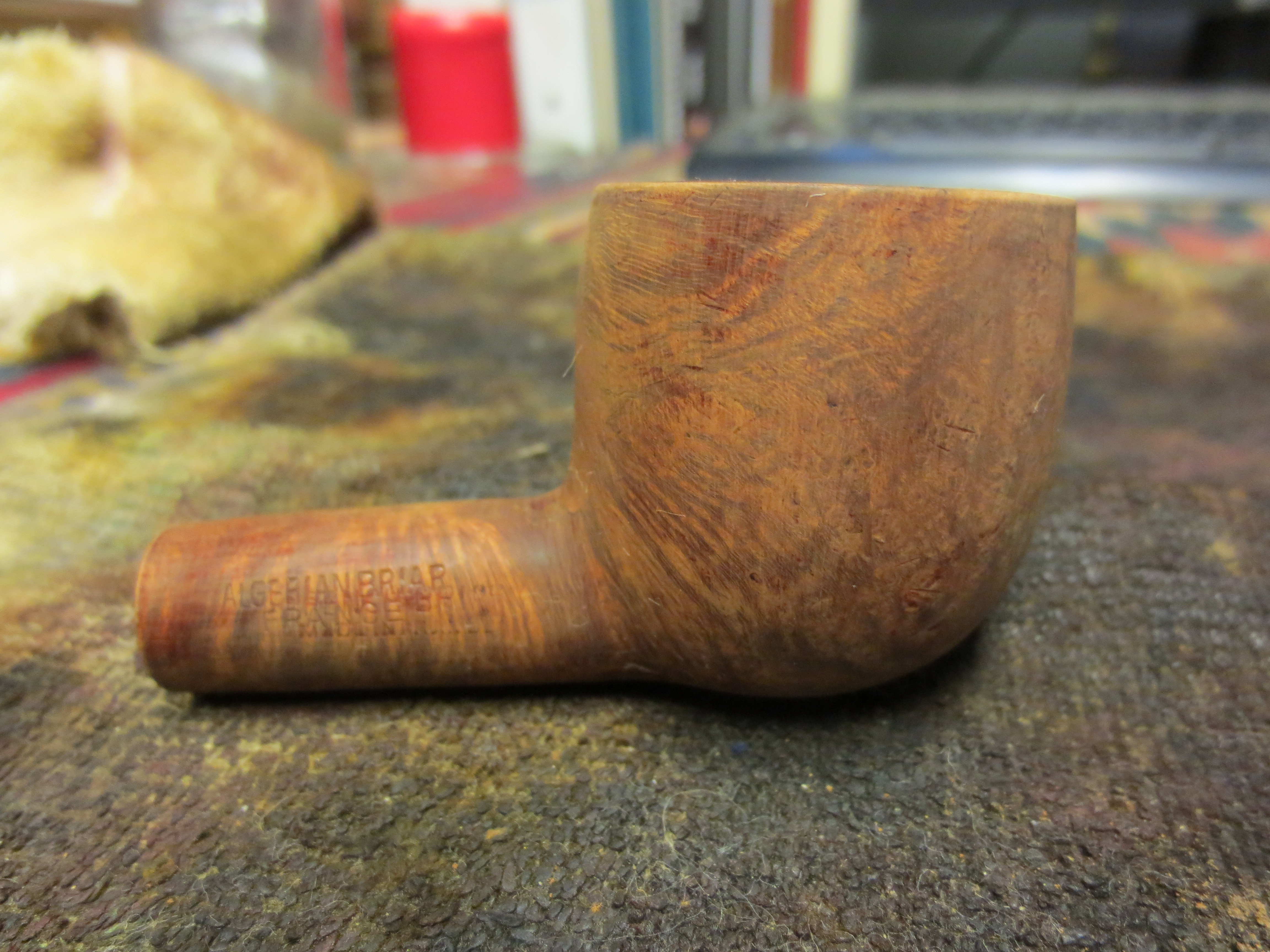
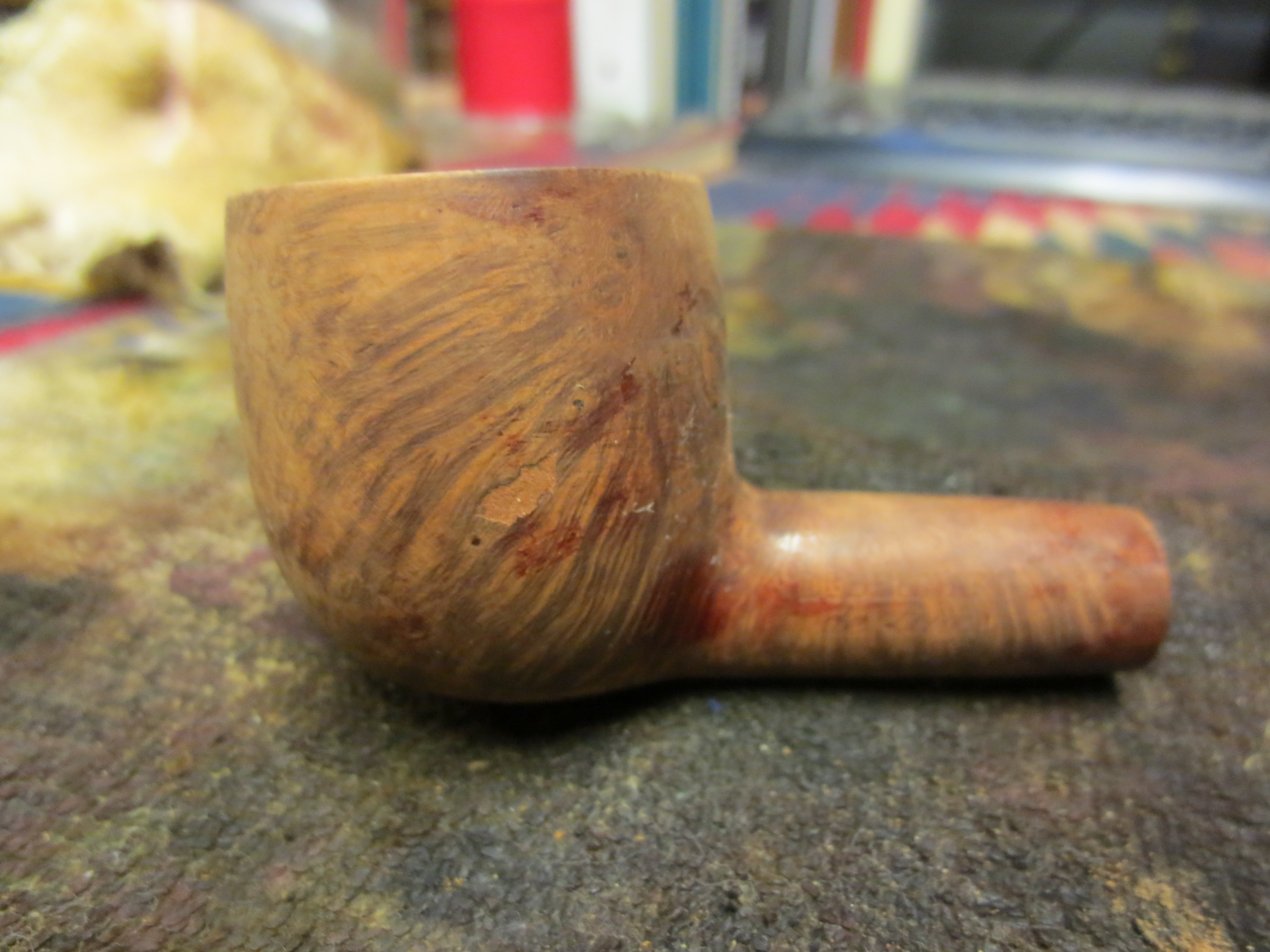
The finish was terrible so I took some cotton balls and acetone to the stummel, scrubbing off the years of grime and broken layer of what I assume is/was lacquer. With the old finish gone there were a few things now obvious: there were a couple of large fills to address and the bowl needed to be sanded to remove some scratches, and it needed topped.
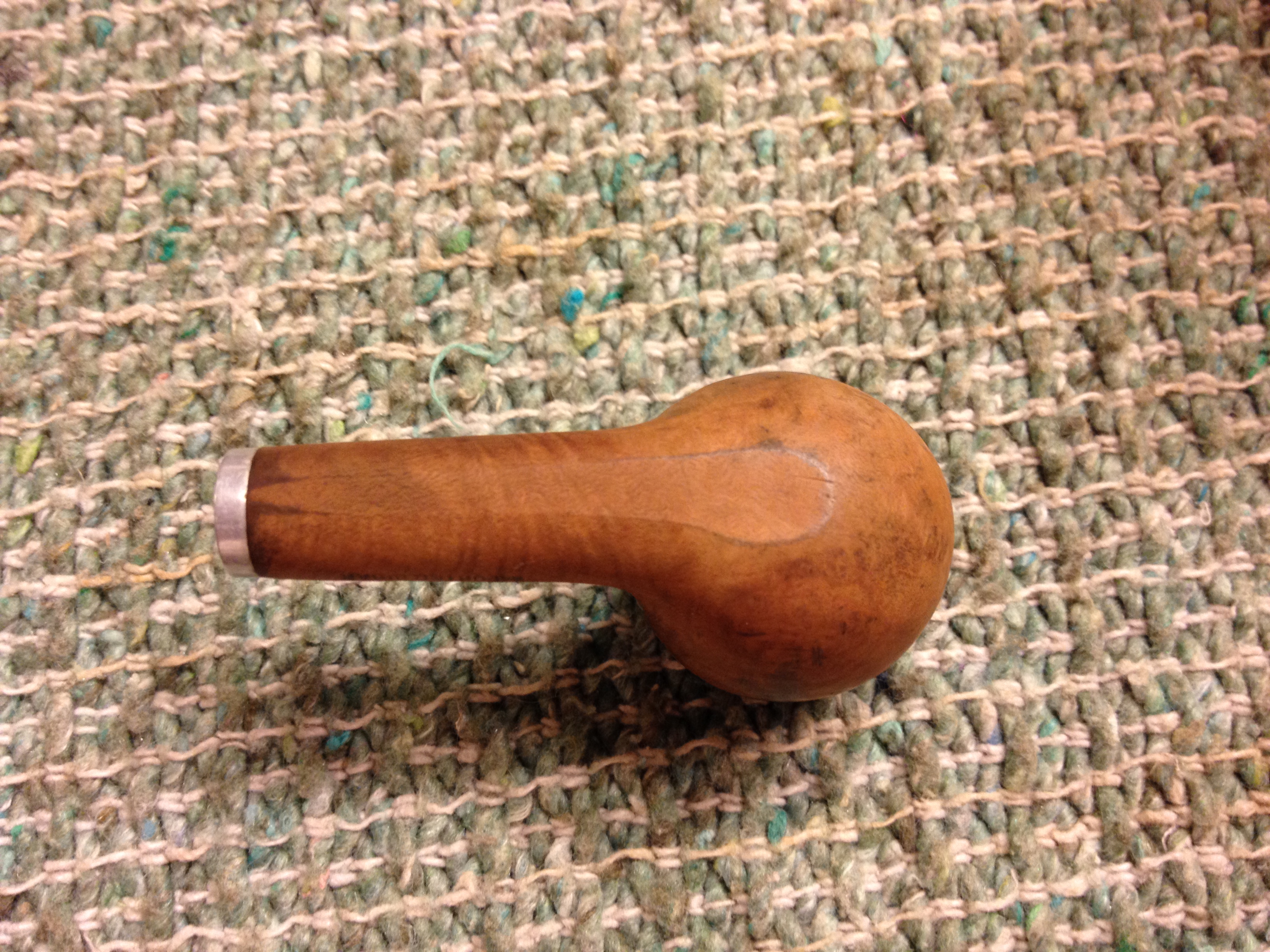
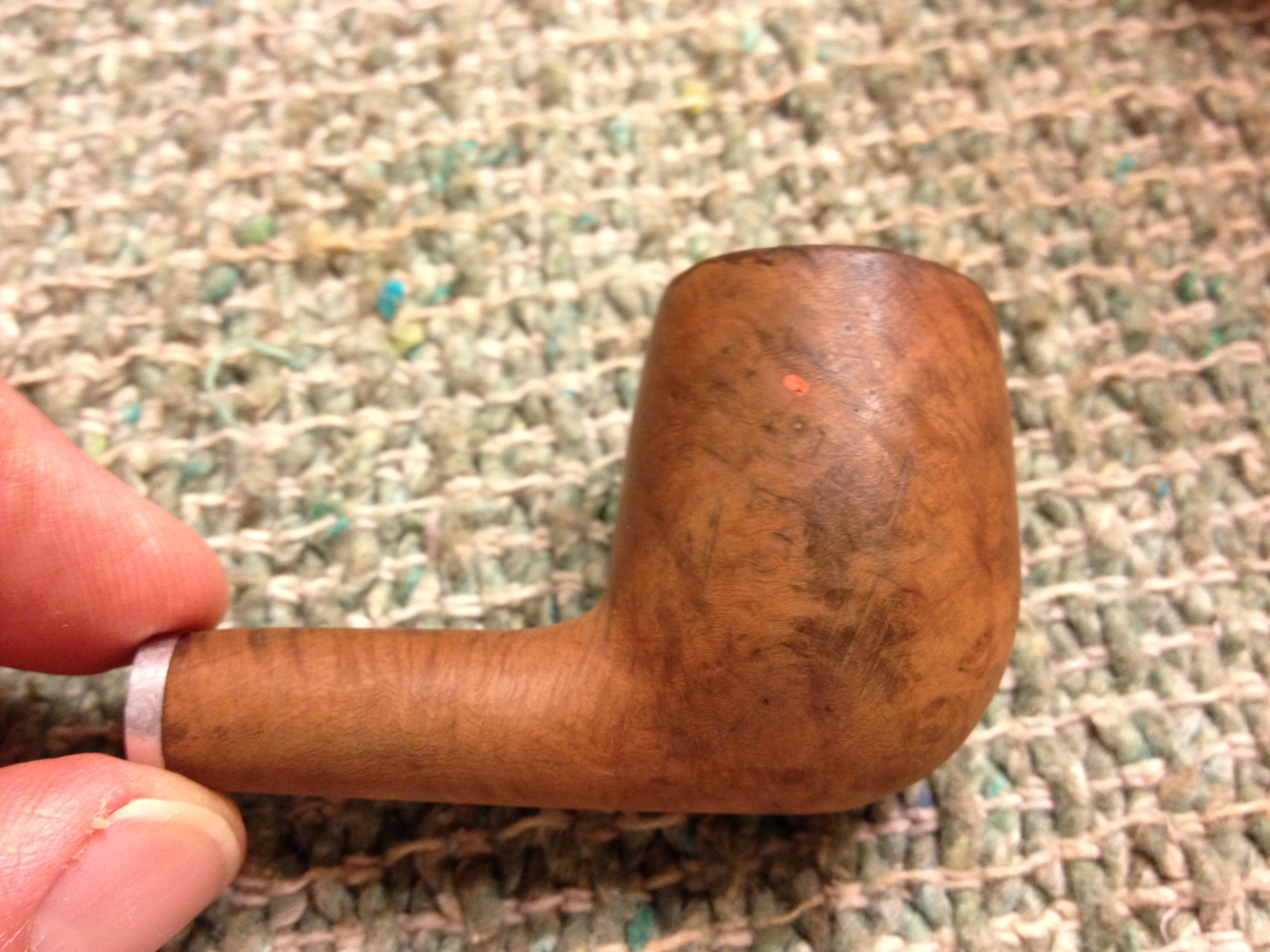
 I started with the topping process, using 220 grit sandpaper. I realized that the rim char was too deep to get all of it out without getting into the large fill near the top of the bowl’s front so I rounded the edges of the bowl to remove the edge char and see how deep that was; it wasn’t bad. I decided to leave the top for now and work on the fills; after the fills were done I came back and sanded the top smooth.
I wanted to use this pipe to experiment on, not just the stem but also the fills. In the past when I have used super glue and briar dust to patch a fill it is usually much darker than the rest of the pipe; sometimes I can blend it in well and other times not so much, so I wanted to try something different here, with an eye toward a future project. A few months ago I bought some black and amber super glues from Stewart McDonald; they offer black, amber, clear, and white. The black I plan to use on stems but the amber I thought might work well on patching fills and this was the project to try it on.
I removed one fill to start, just in case the experiment didn’t go well; the dry time on this stuff is very long so I suggest you try the accelerator if you order from them (I forgot it).


I used my dental pick, a beading awl, and a file to pick out the old putty. After the putty was out I dripped a bit of the amber glue into the hole, leaving extra to feather when I sanded it. I also used the end of the awl to make sure the glue went all the way into the hole. Then I waited until it cured a few hours, tapped it down with a tamper, in case there was any air pockets, and let it finish curing. 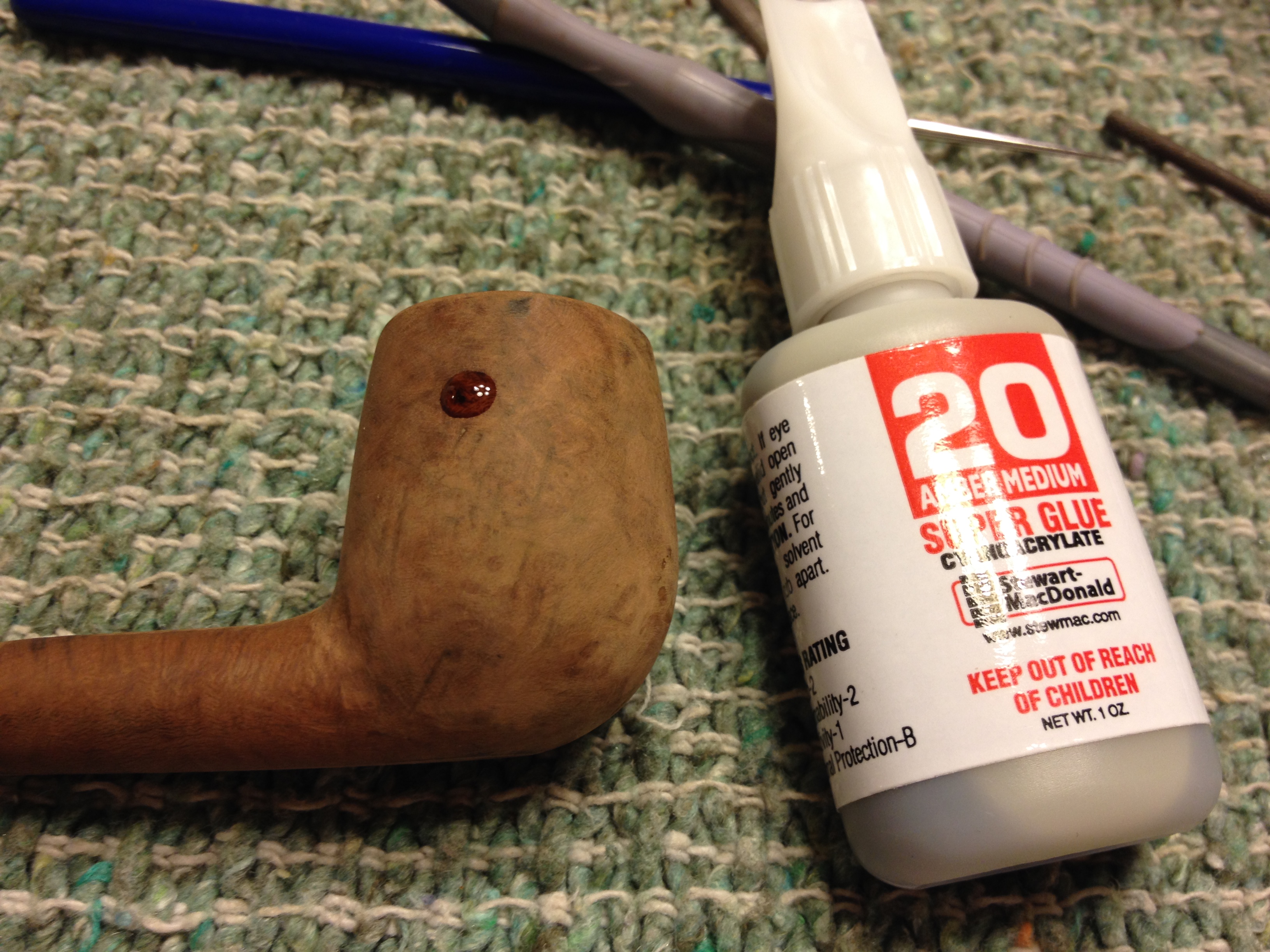 When it was set through, several hours, I began to sand with 220 grit paper. And I was really pleased with the initial results: an almost perfect match to my eyes!
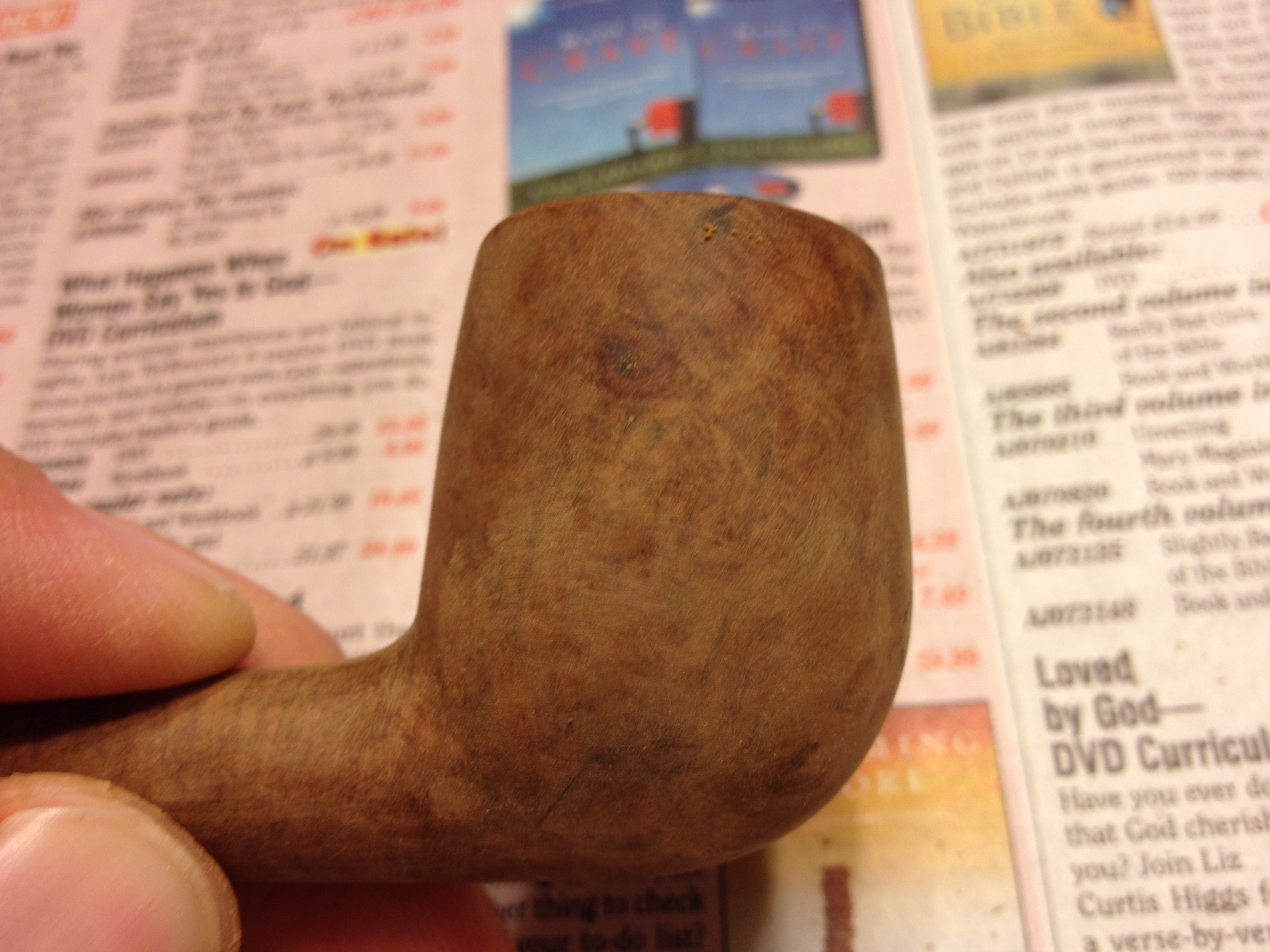 I then decided to take out all the fills and patch them the same way, with amber glue and nothing else.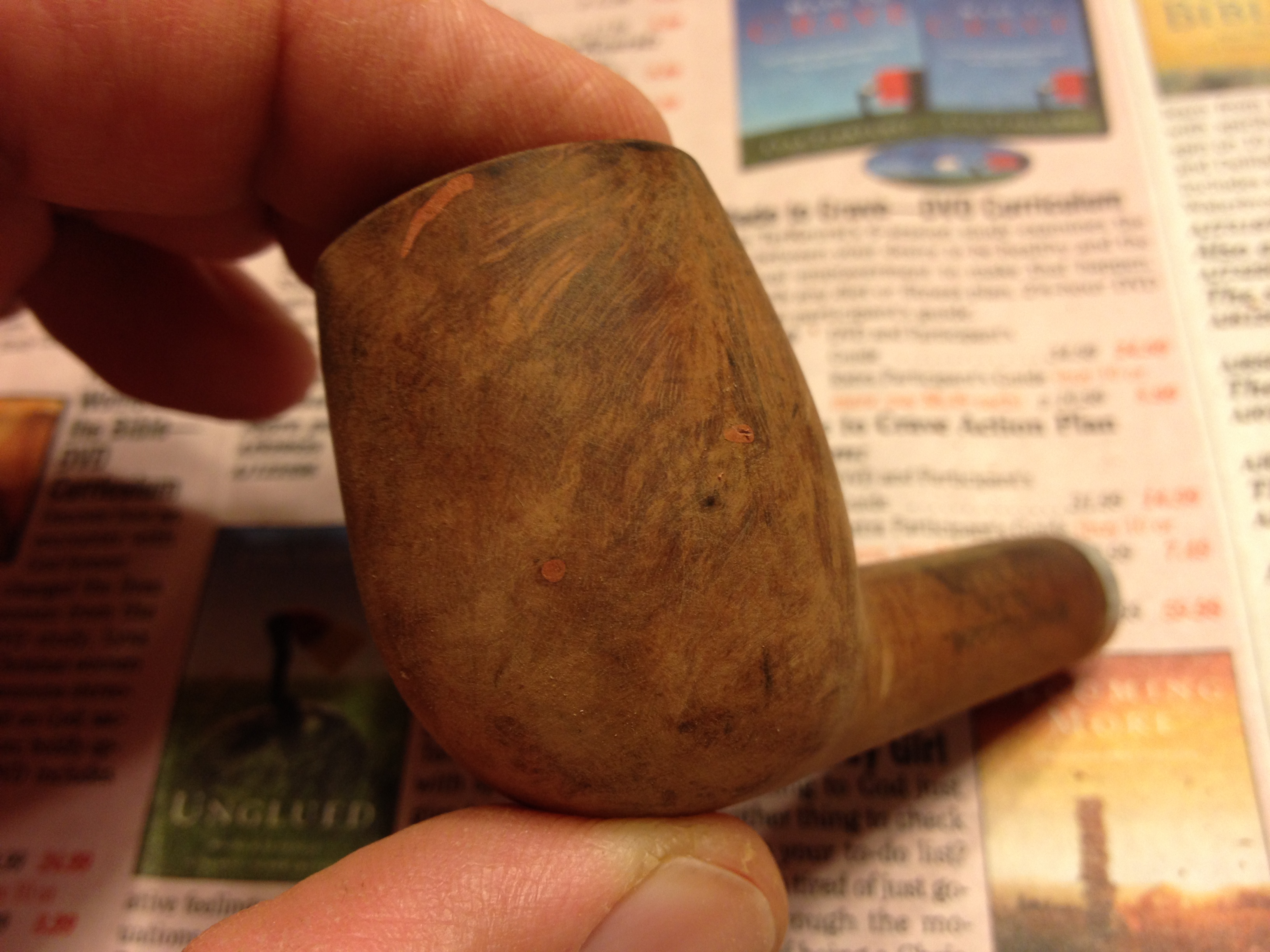

 The waiting game began again. Some hours later I noticed that the large fill at the top needed more glue so I dripped in another layer and waited more. This morning I finally got to start sanding the new fills down, and the entire bowl as I went. The results on these fills were a bit varied from the first one I soon saw.
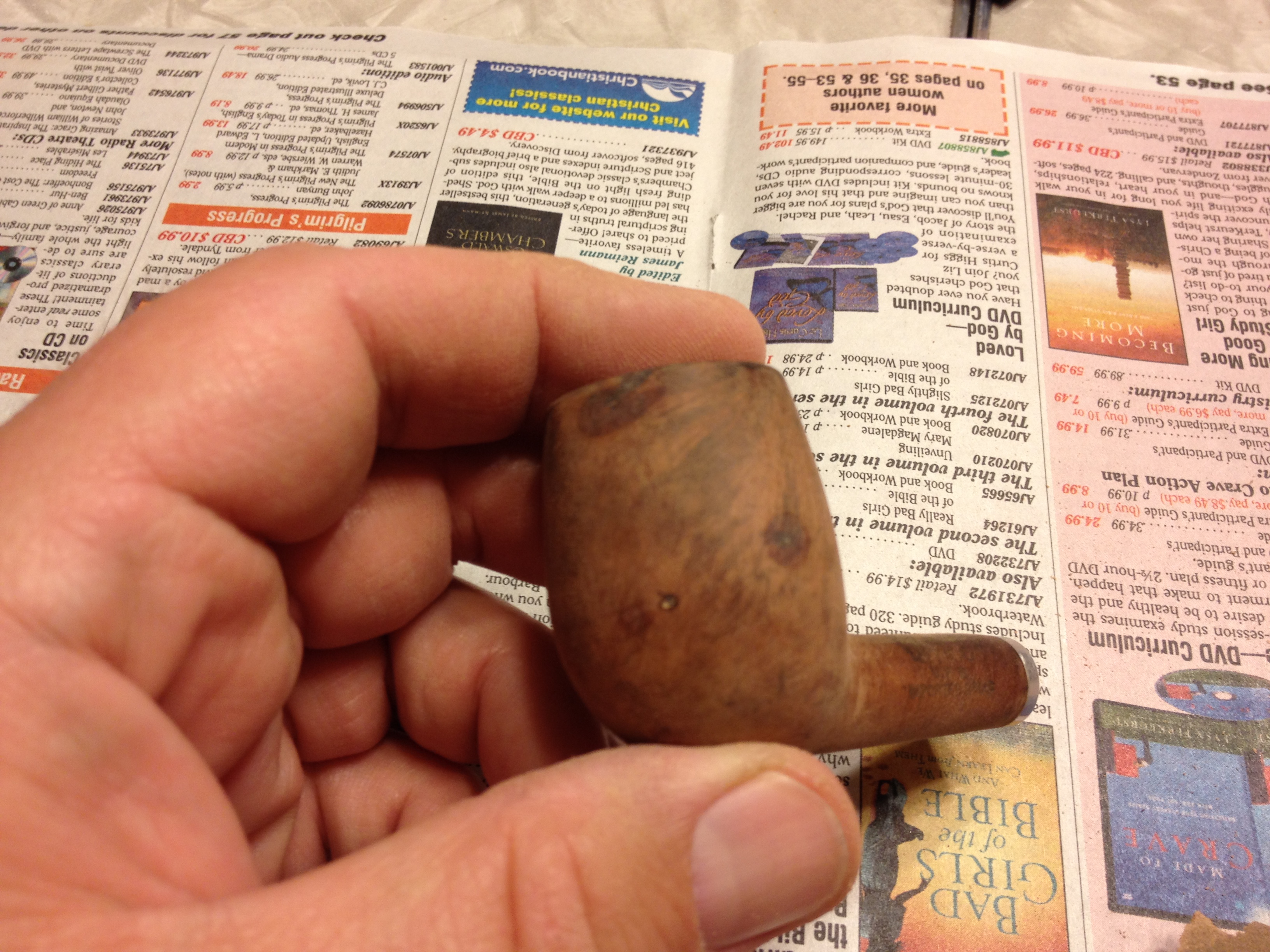

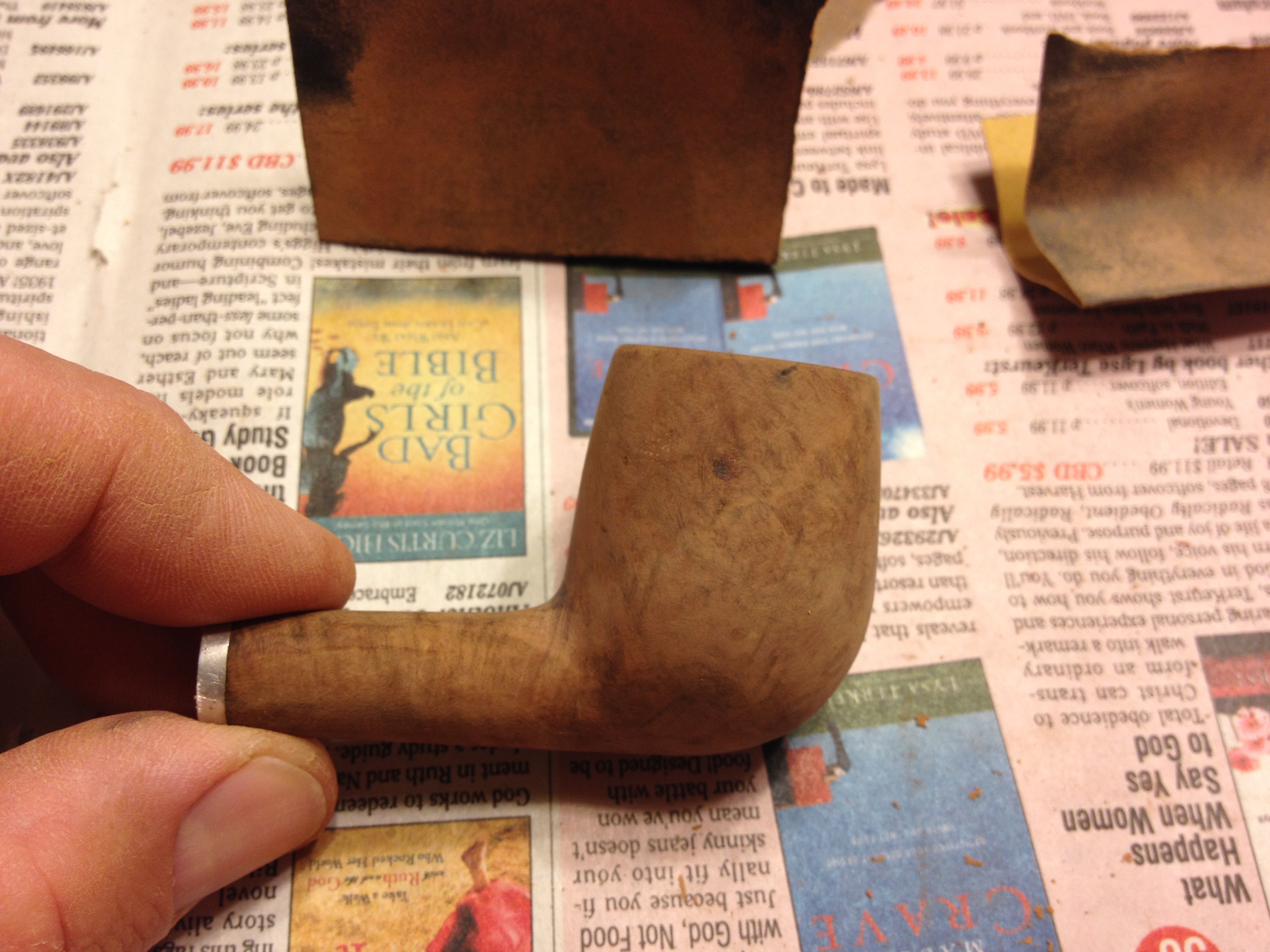
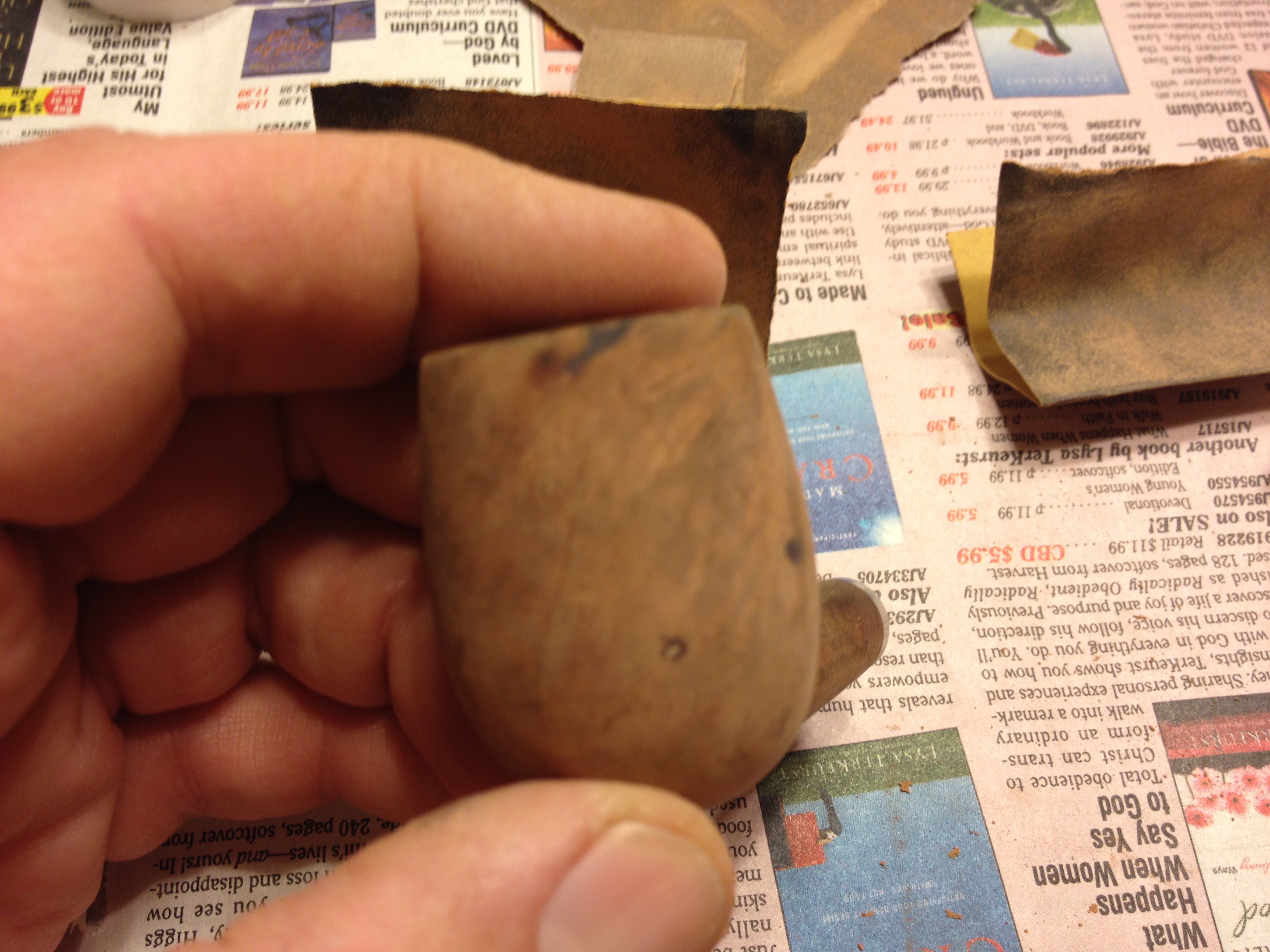 Even when sanded smooth a couple of the fills weren’t as nice and I have a few ideas why: I didn’t use the awl to make sure the glue went in all the way, I didn’t go back and tamp it part way through the curing process, and I may not have gotten all the pink-filler out. The next time I do this I will be sure to remember these items!
Next I prepared the bowl for staining. I finished sanding with 220, then 320, and finally 400 grit paper and wiped the bowl down with alcohol to remove any dust left behind. Then I began staining the bowl with a medium brown stain marker. I applied one coat as evenly as I could and let it dry about 10 minutes. Then, the secret I think to using these, I applied a second coat in small segments, wiping it with a paper towel to even out the color as I went. The rim got 3 coats of stain.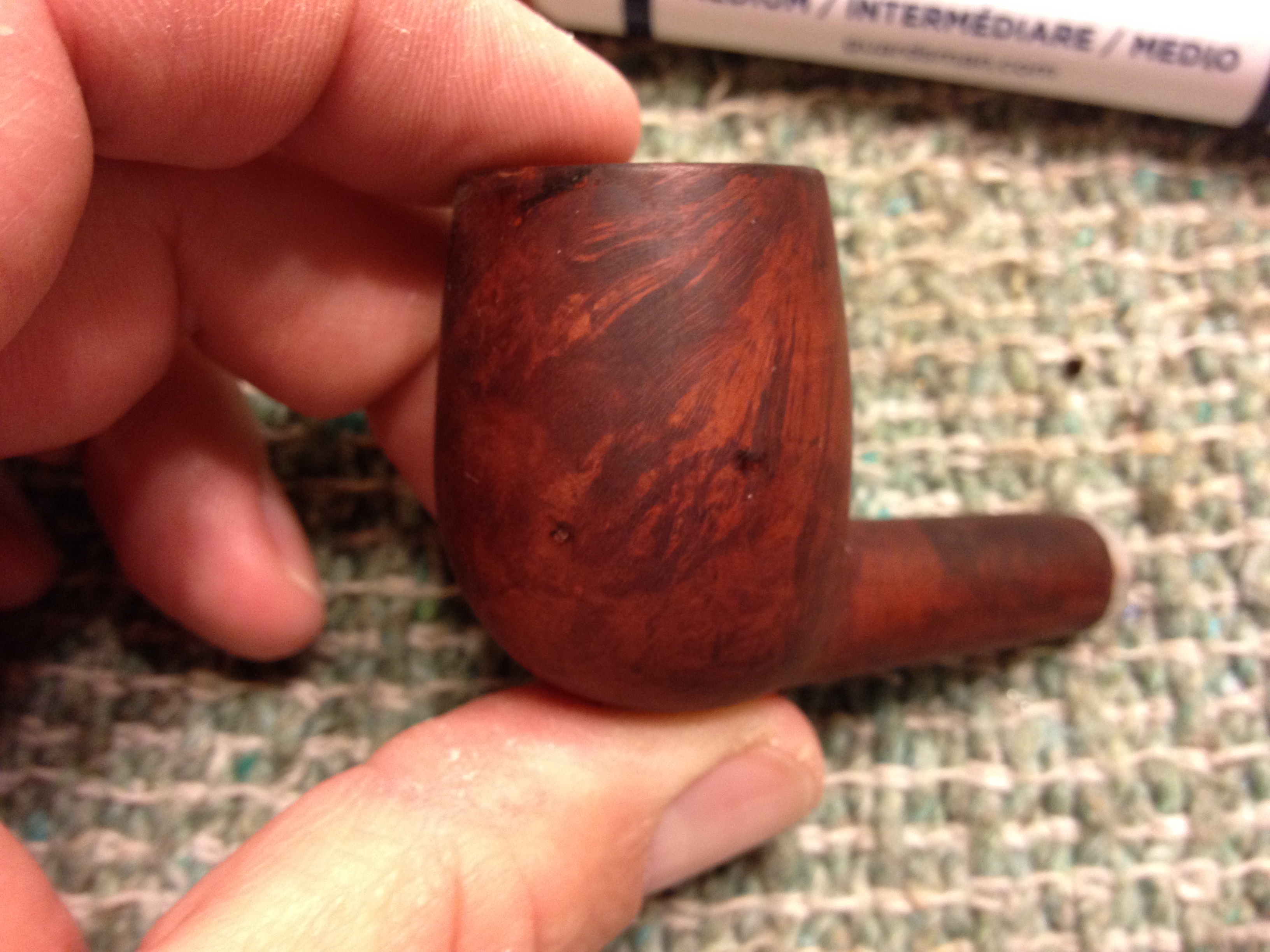
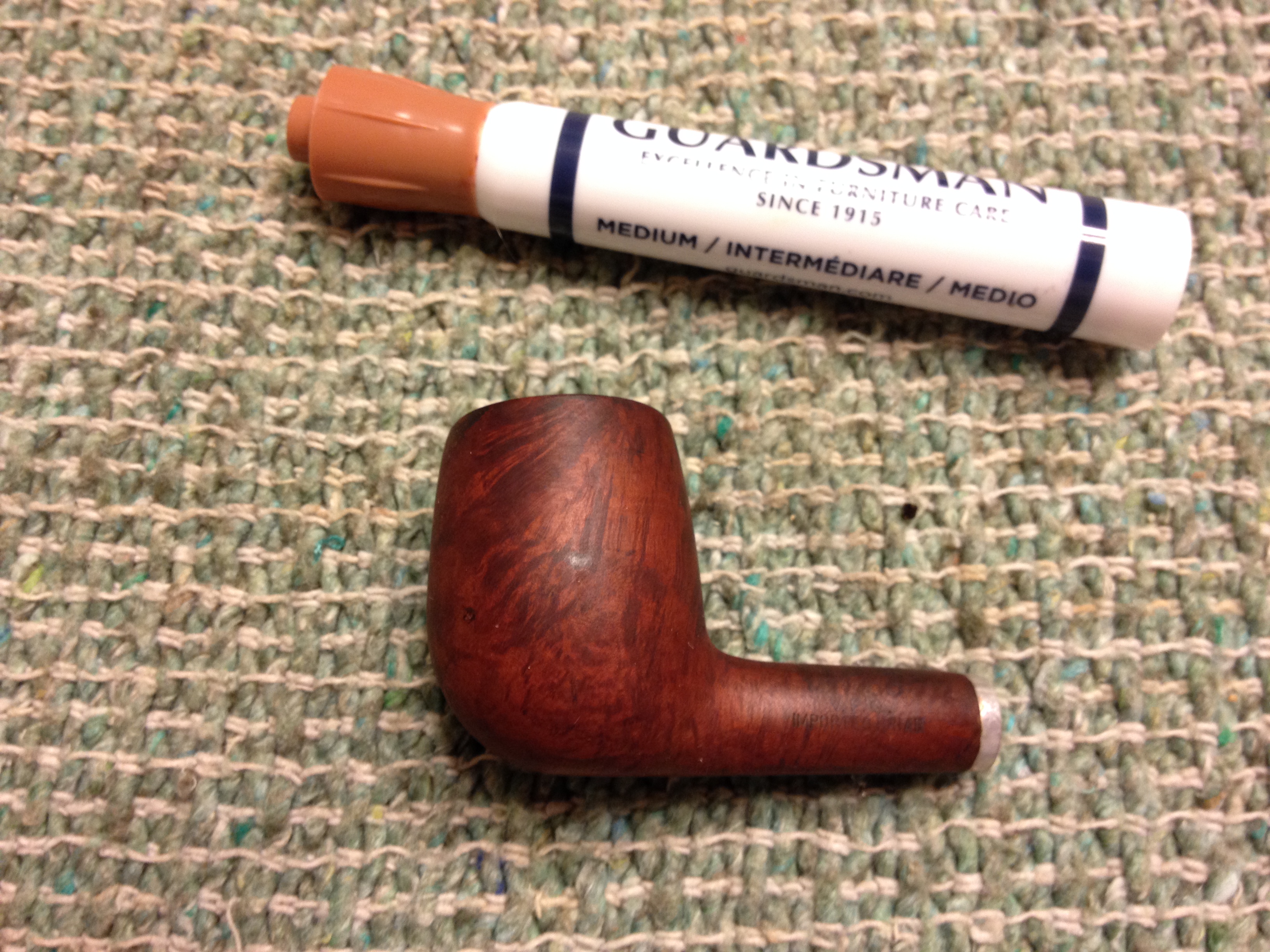

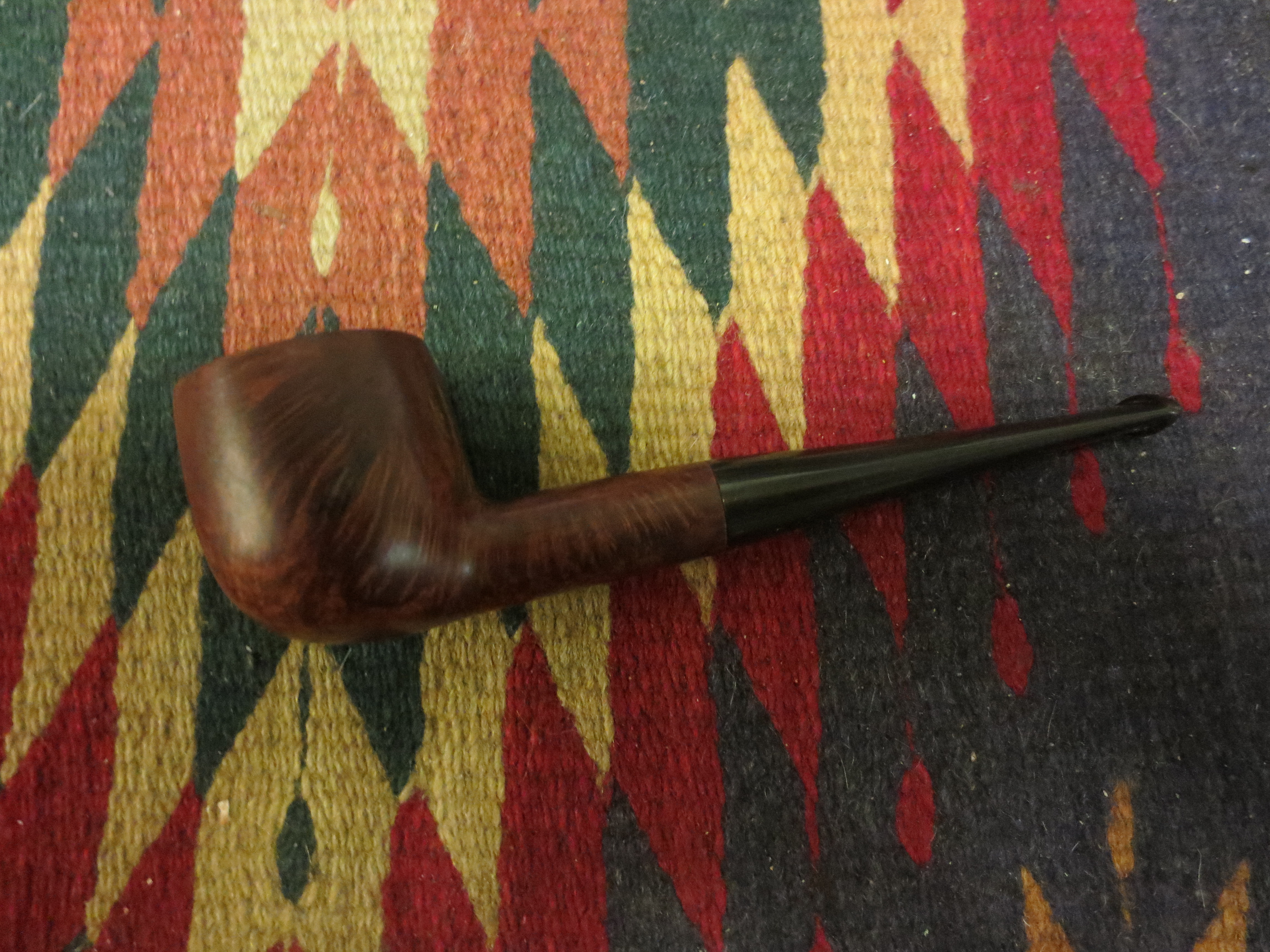
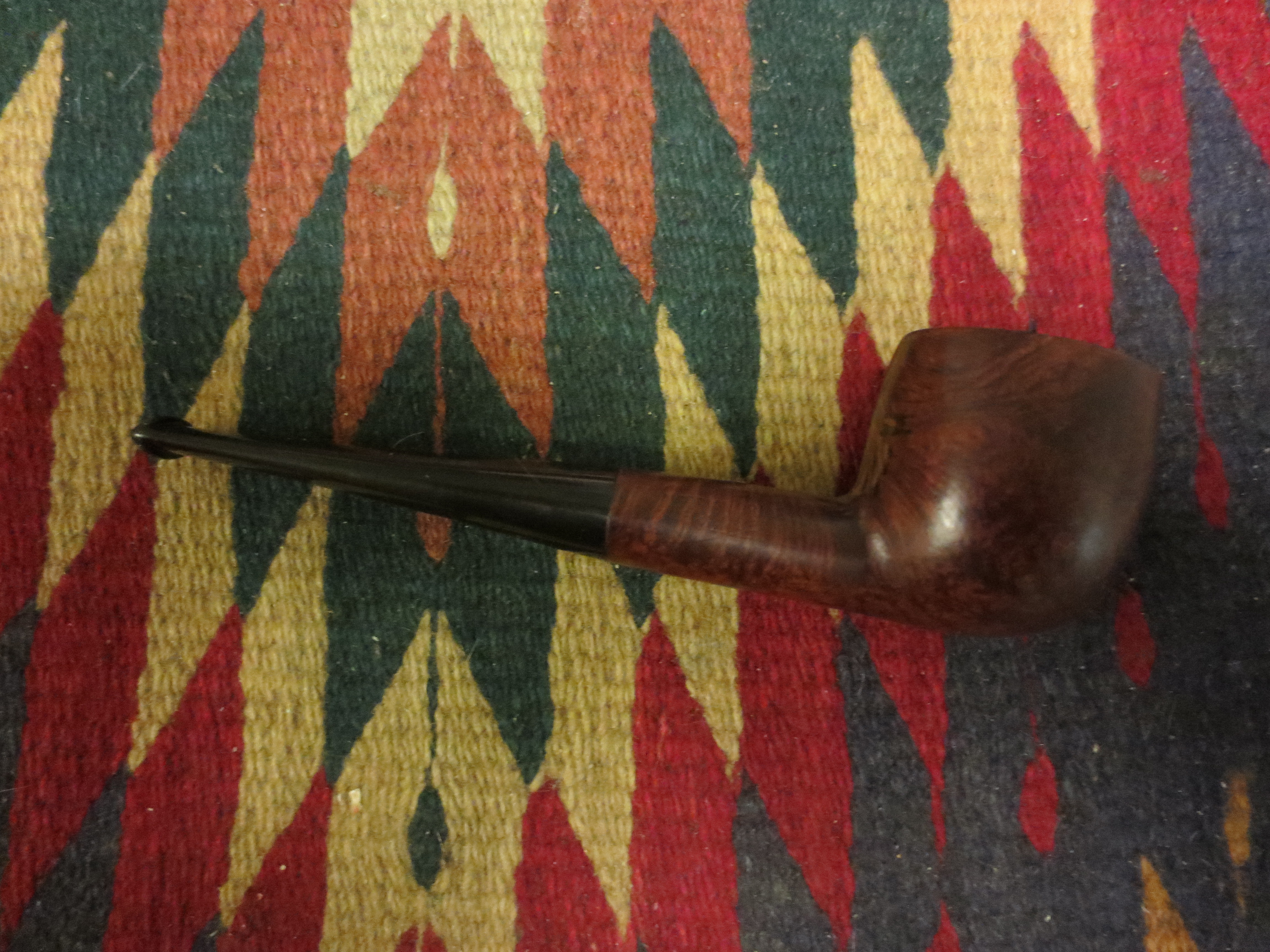
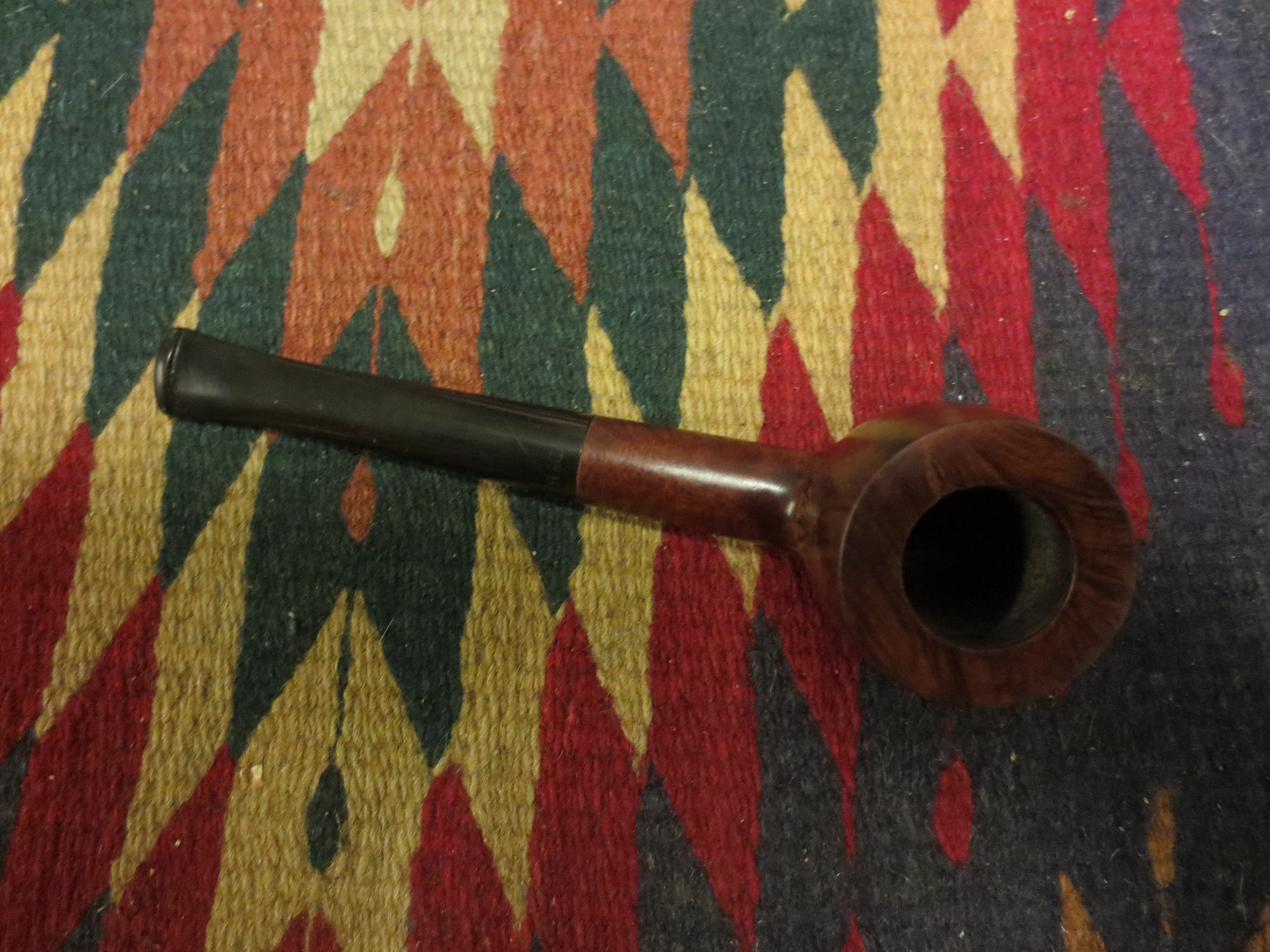
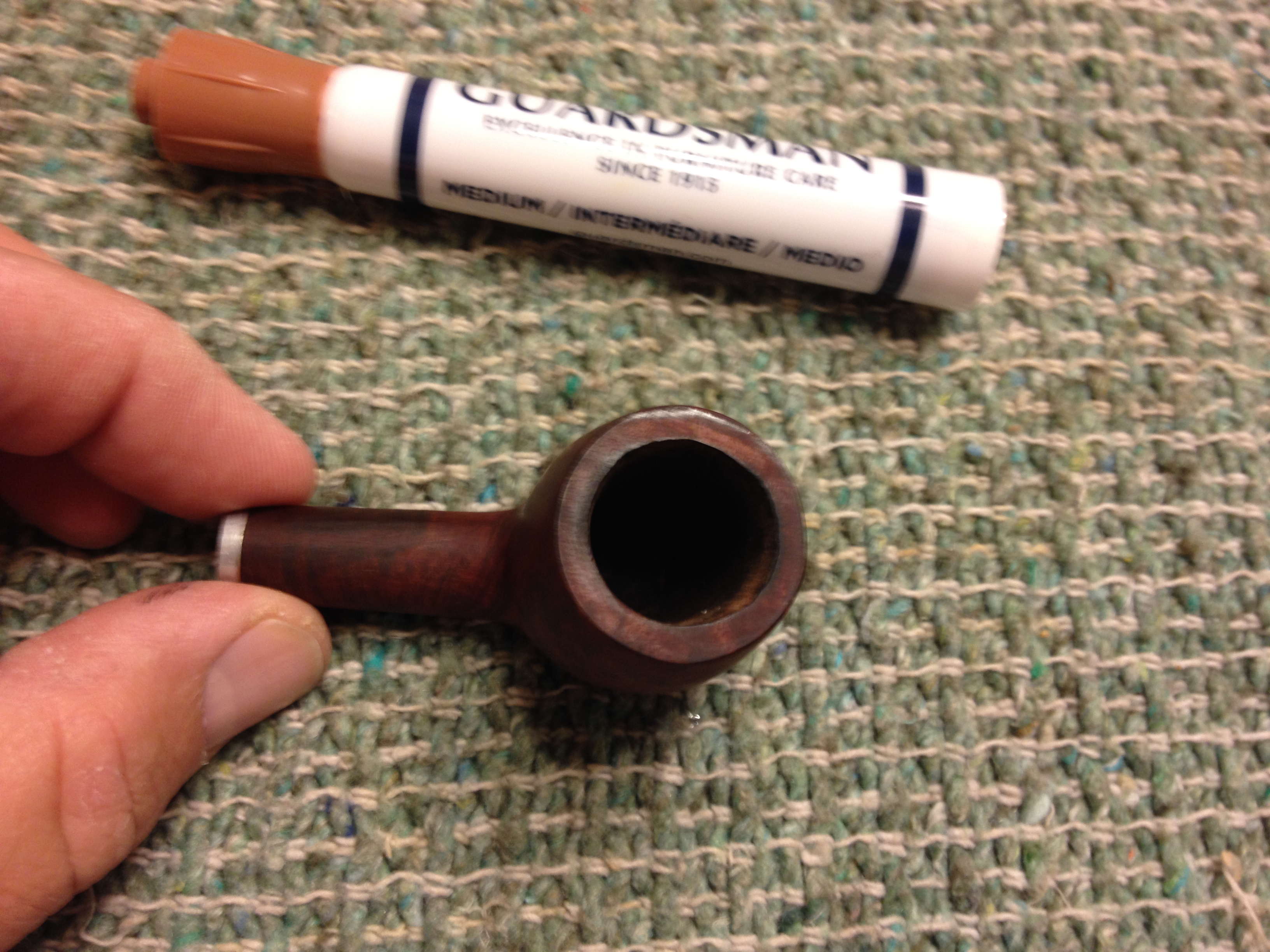 Next I gave the stummel a light buff with Tripoli, and the entire pipe a buff with white diamond and a few coats of carnauba wax, then a buff on a clean wheel before a final hand buffing with a microfiber cloth.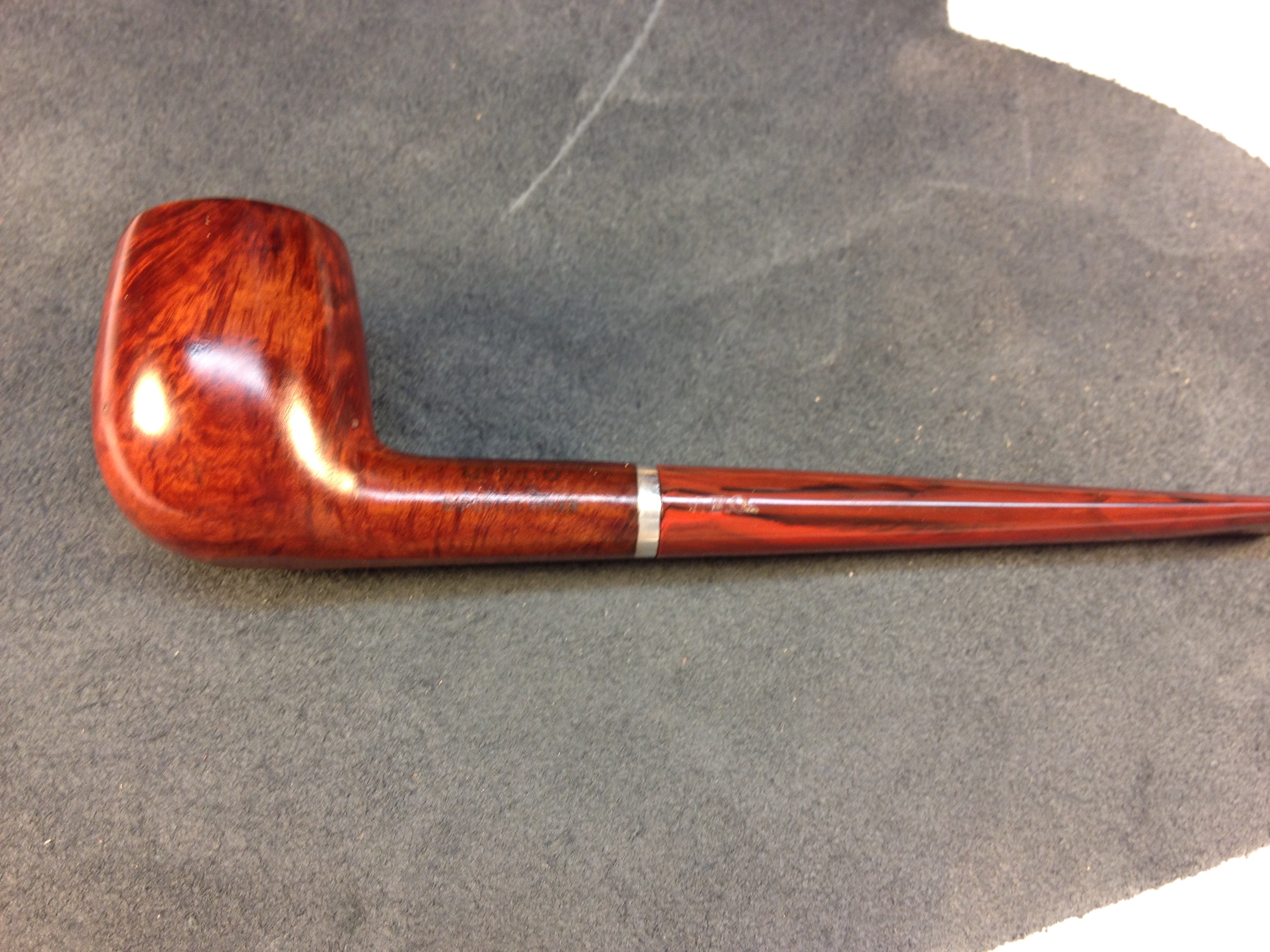
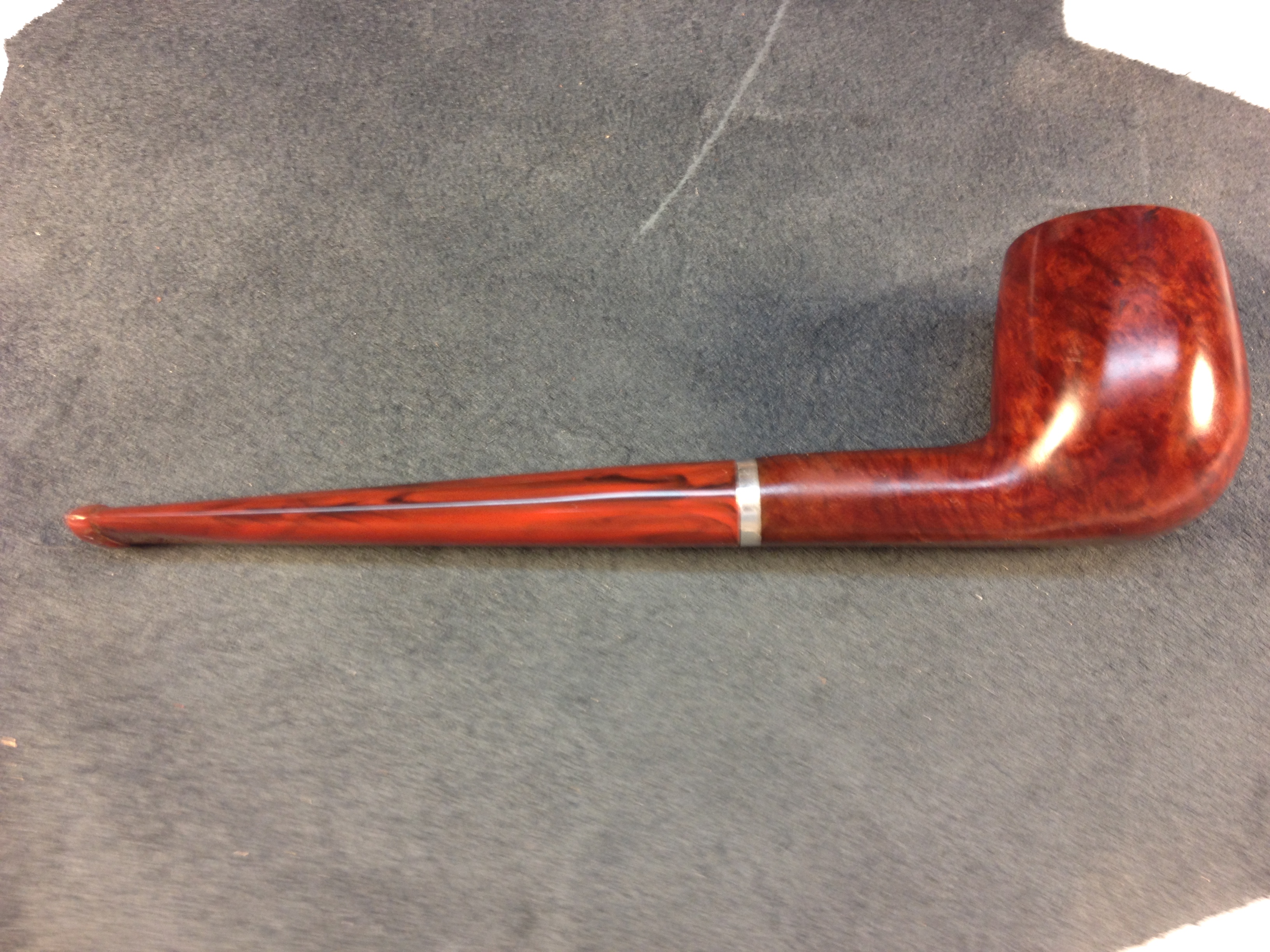
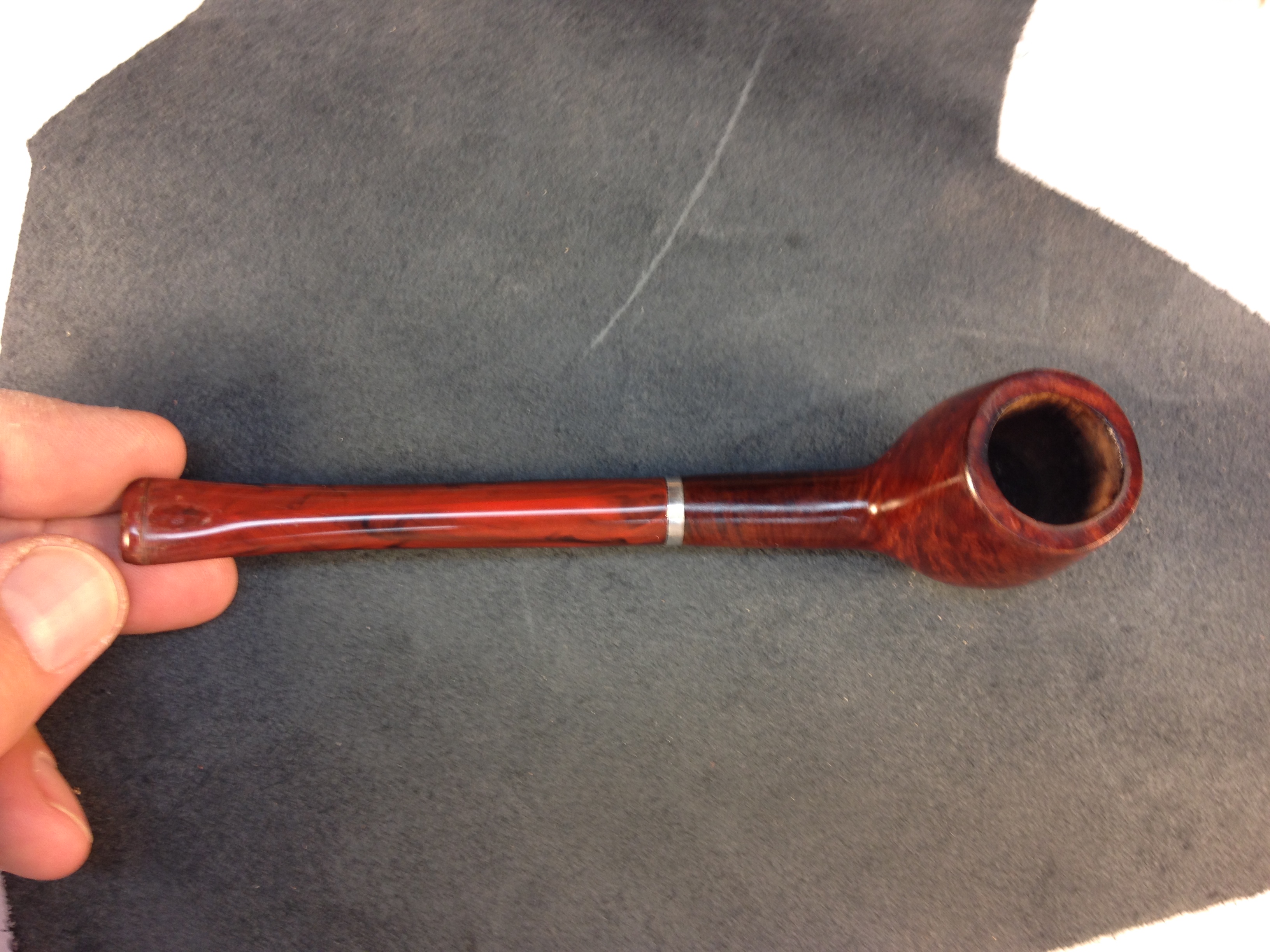

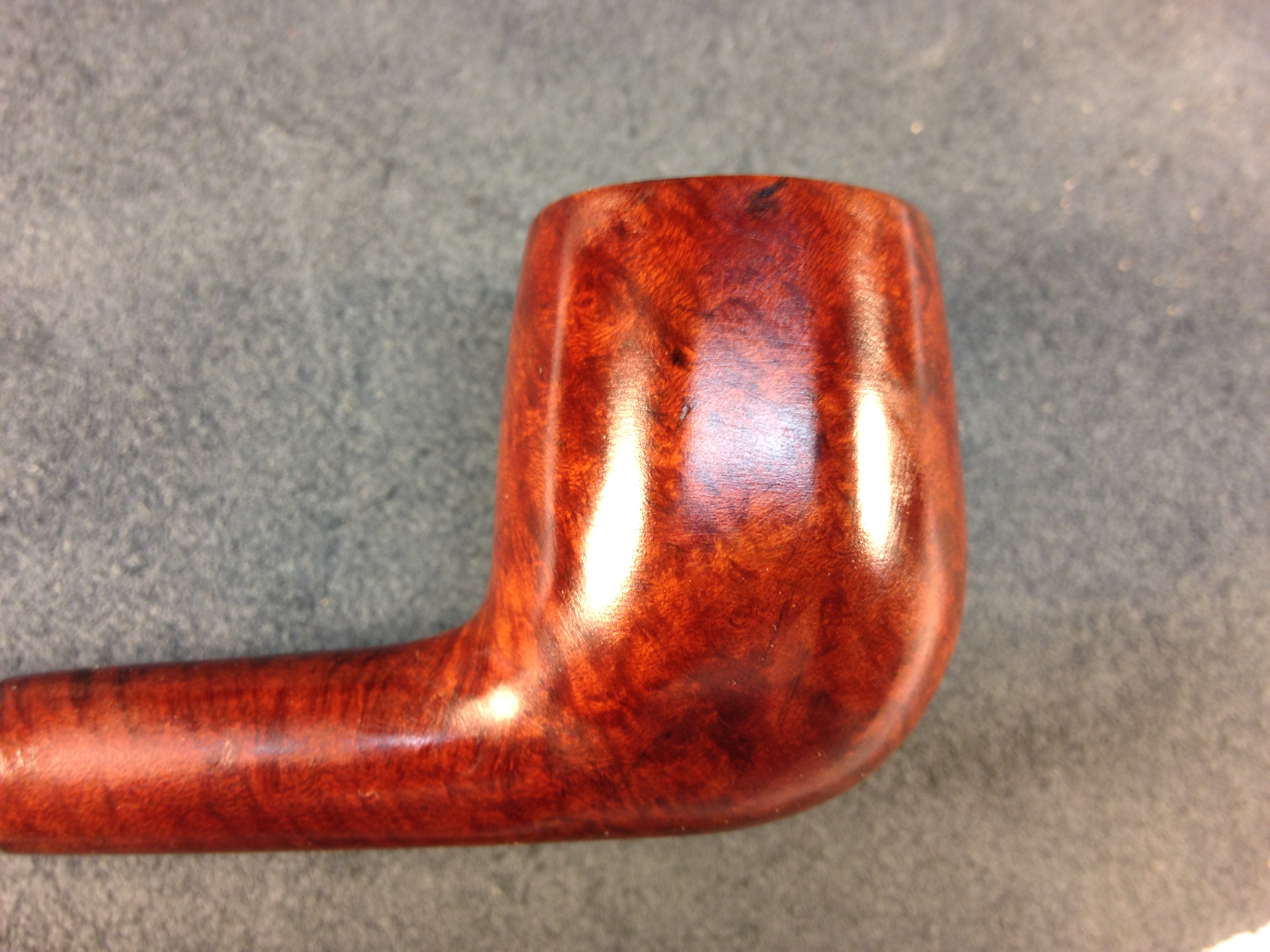
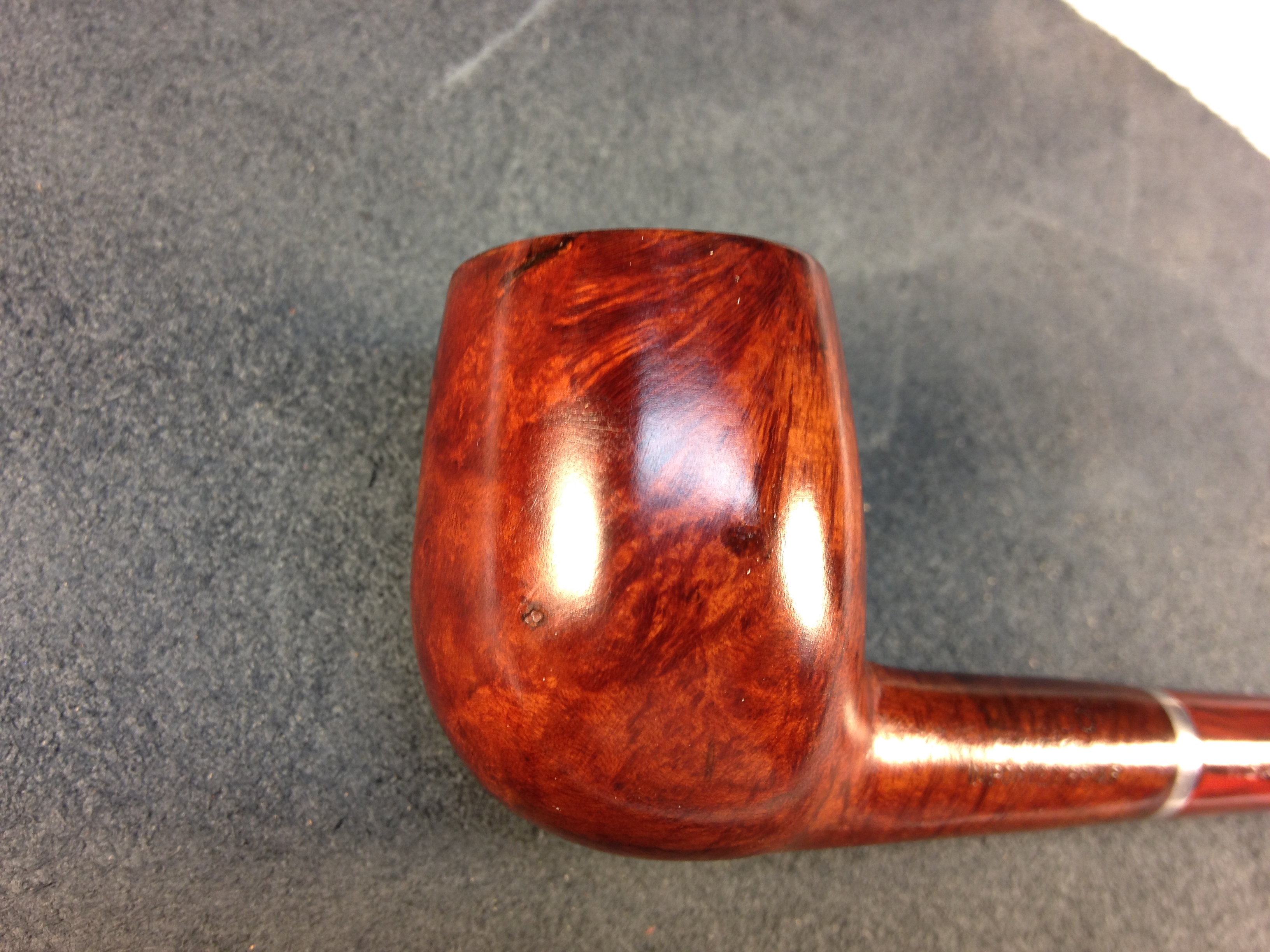 I’m very happy with the end results of this multi day project. I think the fills look and blend much better, especially the first one. And I believe with a little more tweaking and experimenting this is a very good option for patching fills. From a $5 eBay catch to, well, it’s probably still not worth much – but I’m glad in the end that I took the time to Save This Old Pipe.
EDIT
The new stem that Steve sent me arrived in the mail. I have written about and post the story, along with new photos, here.









 rebornpipes