
by Steve Laug
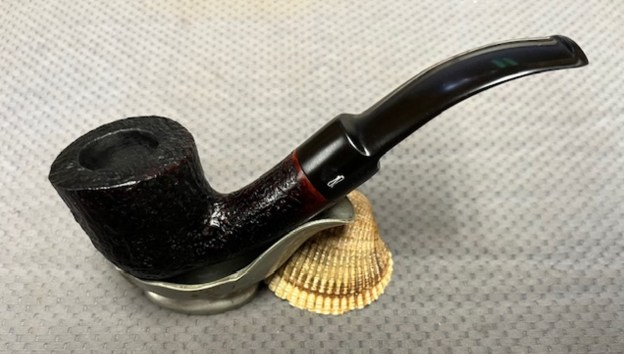
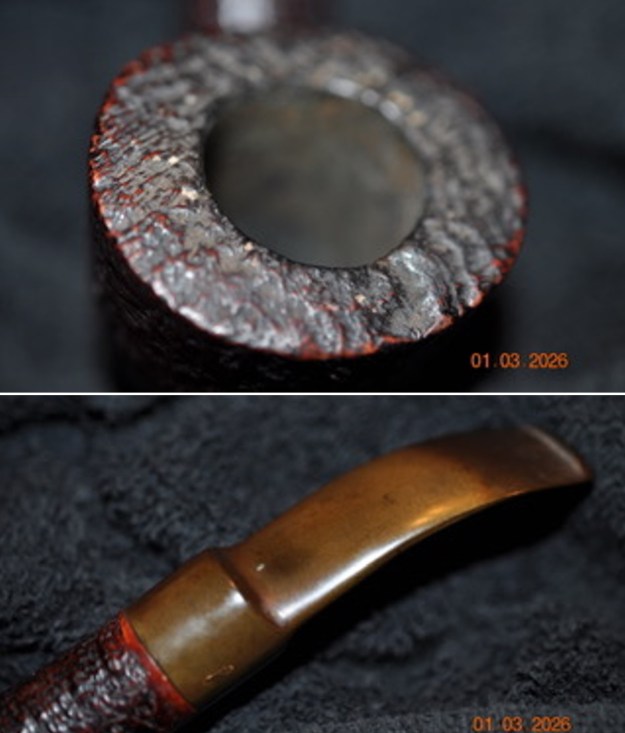
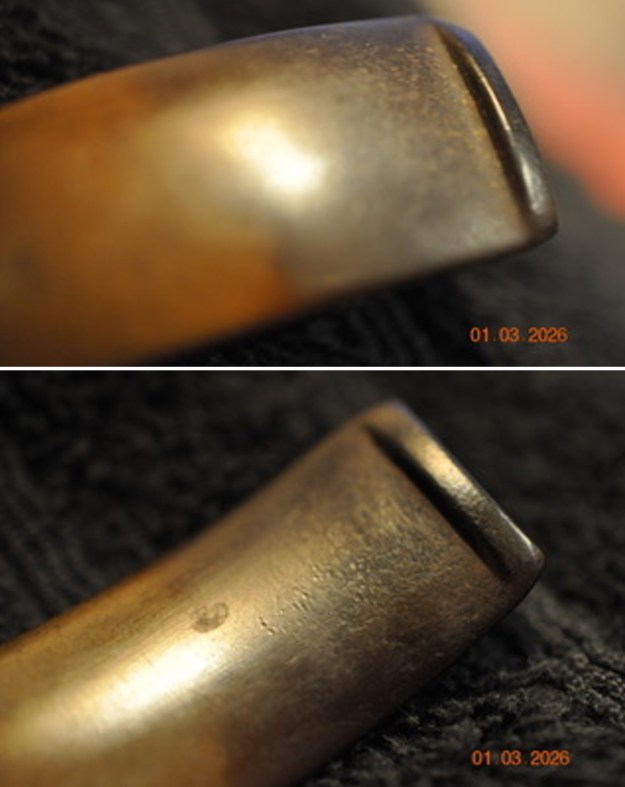
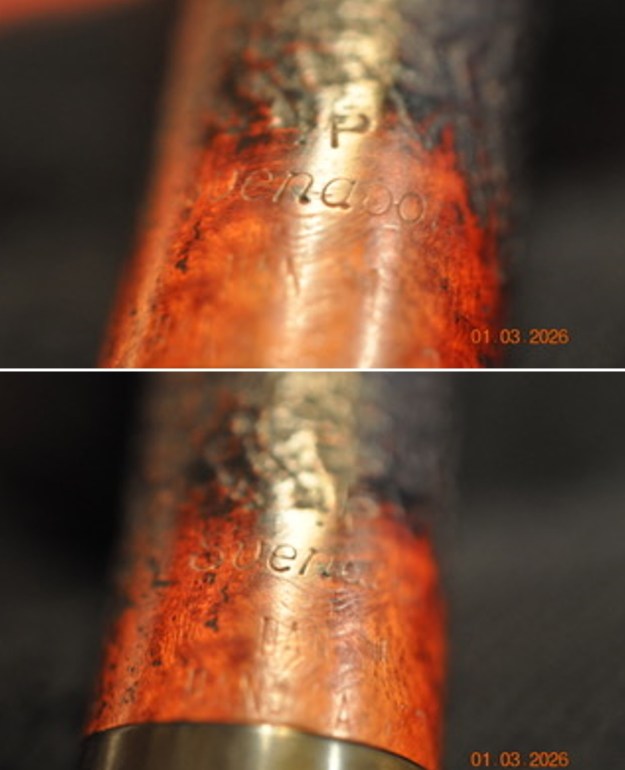
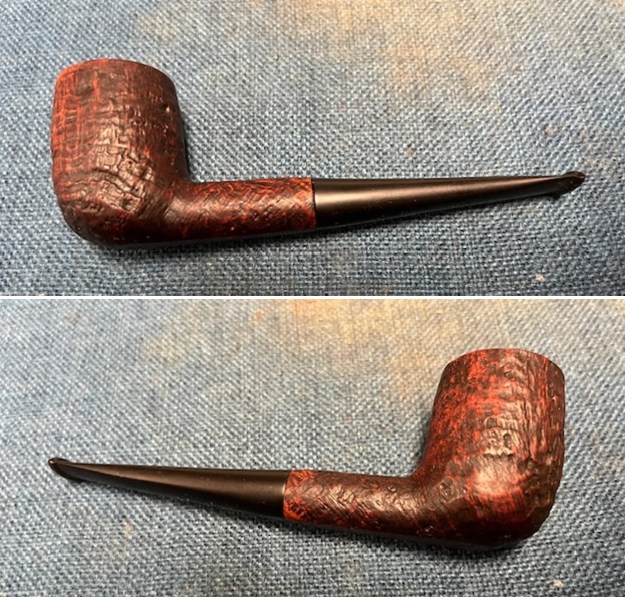
The next pipe on the table is one that has travelled much in its life. It went from Denmark to the Philippines and then to the US and now here in Canada. We picked it up in a batch of pipes we purchased from John Mags, a pipemaker in Lapaz, Philippines on 04/24/2025. The sandblast finish around a fluid Danish style Dublin works well to make this a great looking pipe. The pipe was stamped on a smooth panel on the underside of the shank and read P [over] Svendborg [over] Danish [over] Hand Carved. The rich dark brown/black stain on the sandblast finish looked very good. It had a lot of dust and debris in the valleys of the sandblast. The bowl had a moderate cake in it and it overflowed as light lava into the sandblast rim top. It was dirty but very interesting looking. The stem was quite oxidized but still had the Svendborg infinity looking logo on the left side of the saddle. It is a 9MM filter stem. There were light tooth marks on both sides ahead of the button. Jeff took photos of the bowl before his clean up work to give a sense of its beauty even with the grime in the finish.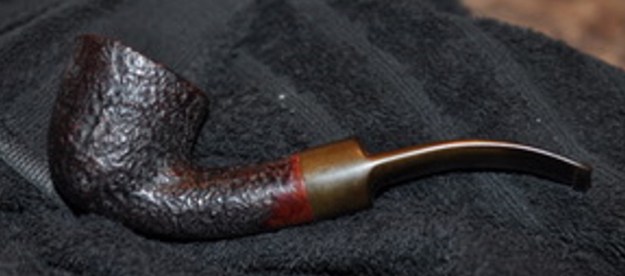
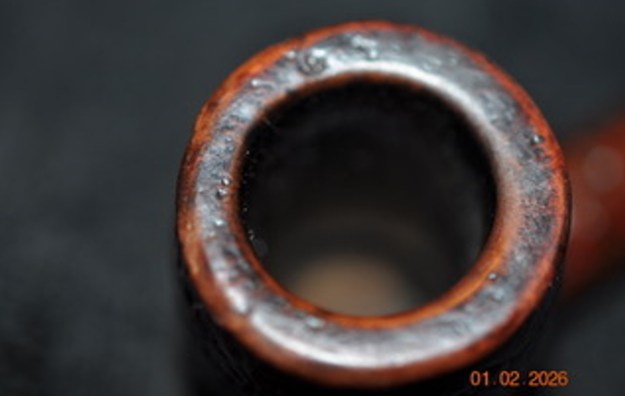
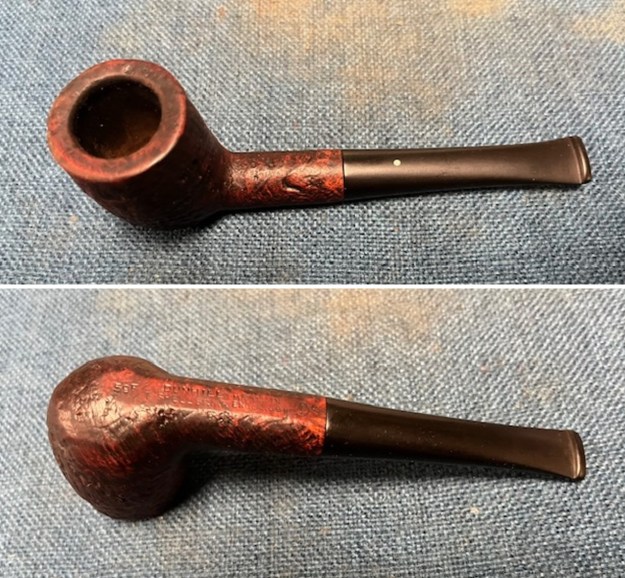
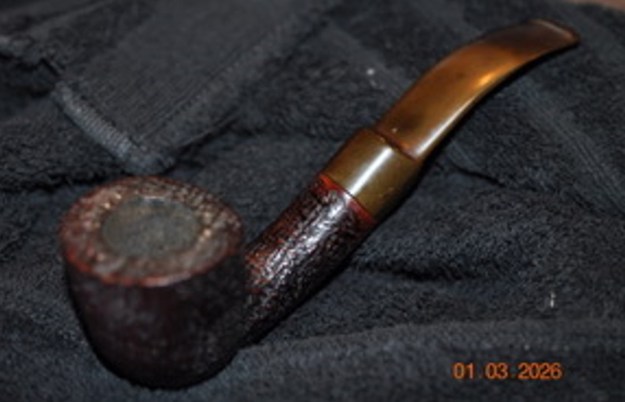 He took photos of the rim top and bowl to show clearly the cake in the bowl and the overflow of lava in the sandblast rim top. The condition of the stem is also visible as noted above.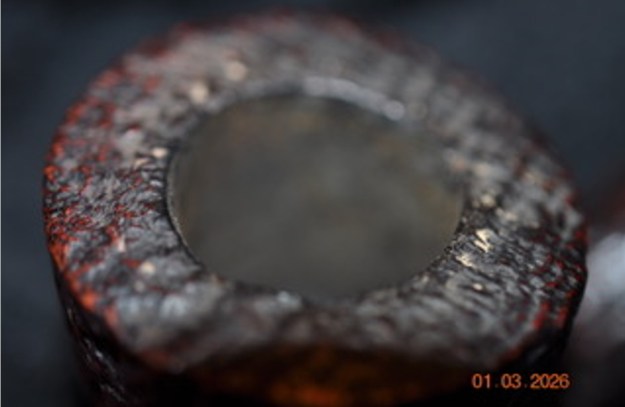
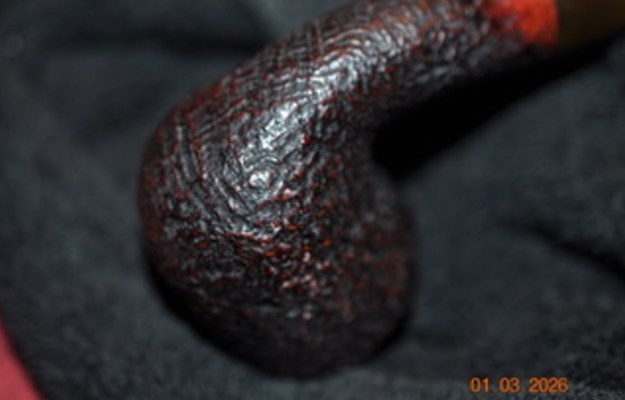
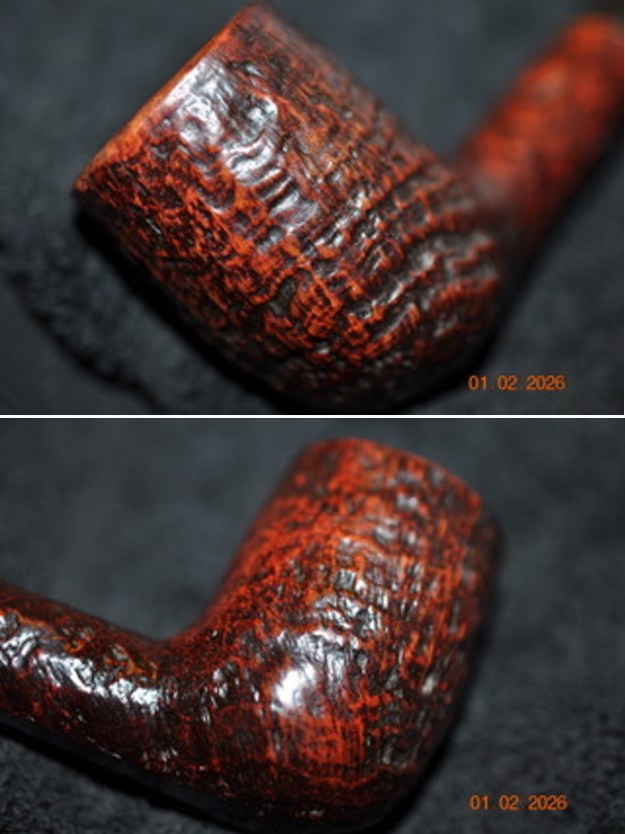
 The next photos capture the sandblast in the briar on the sides and heel of the bowl. It is a beautiful blast that shows the grain around bowl sides and the heel of a well shaped Dublin.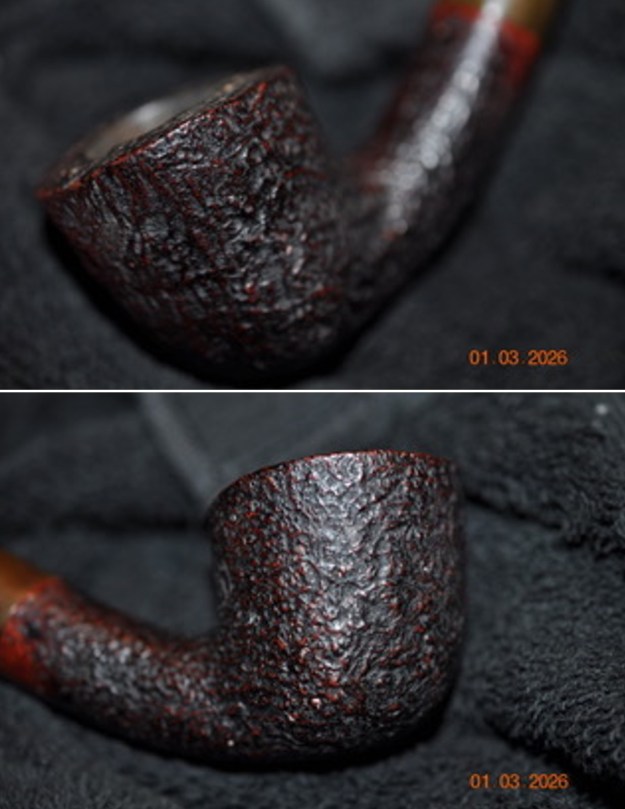
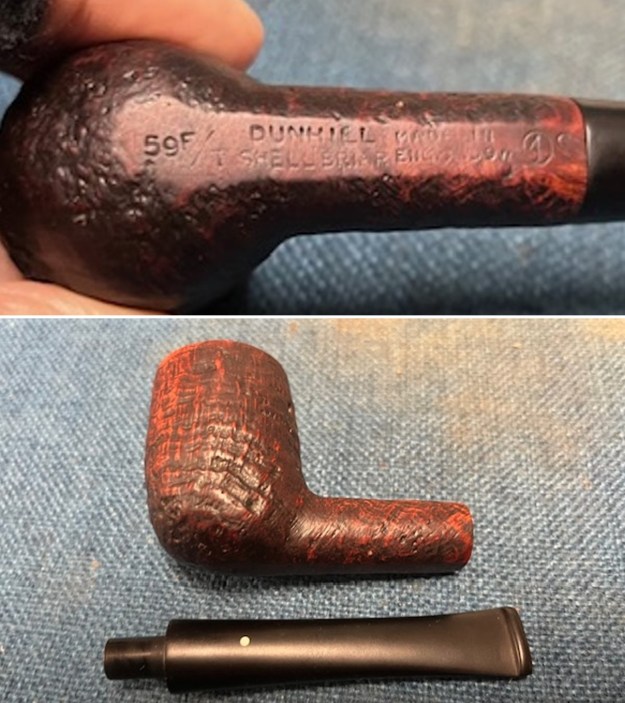
 He captured the stamping on the underside of the shank and the shape of the stem in the next photos. The stamping is faint in spots but still readable and reads as is noted above.
  Before I started working on the pipe I did a bit of research on the brand to remind myself of what I knew of the maker. I turned to Pipephil’s site first (http://www.pipephil.eu/logos/en/logo-s14.html). I did a screen capture of the information on the site. I did a screen capture of the pertinent information and have included it below.
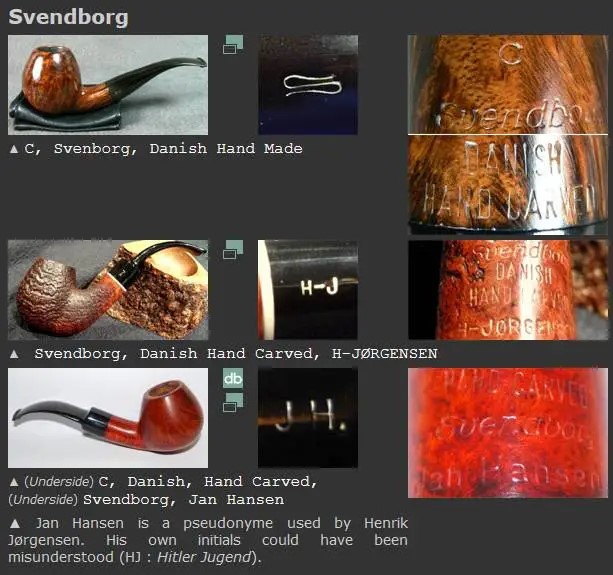 I copied and pasted the side bar information below:
Brand founded in 1970s by Henrik Jørgensen, Poul Ilsted and Tao Nielsen. They bought an old factory (Nordisc Pibefabriker) in Svendborg on Funen Island. Poul and Tao gradually bow out from machine manufactured pipes (1982) and Henrik Jørgensen manages the brand until its takeover by Design Berlin (D) in the late 90ies. Kaj C. Rasmussen jointed the firm for several years. 17 employees worked for this brand under Henrik Jørgensen direction.
That link gave me a bit of information on the brand – a joint venture of Henrik Jorgensen, Poul Ilsted and Tao Nielsen. I could see from the information that usually the carvers stamped their names on the shank of the pipe. In the case of the one I have there is no name stamp. I wonder if the P stamp above the name would point to possibly Poul Ilsted as the carver. If so it would put the date of the carving before 1982 when Ilsted and Nielsen left. It is stamped Hand Carved which also points to a pre-1982 date.
I then turned to Pipedia and found that an article on the brand that was helpful and interesting to read (https://pipedia.org/wiki/Svendborg). I have included the first part of the article below.
Jens Tao Nielsen and Poul Ilsted Bech met each other when working together for Erik Nørding and soon became close friends. Both felt a bit tired to make nothing but bizarre fancy shapes and agreed they wanted to produce pipes of more style and more classicism. They decided to establish their own brand “Tao & Ilsted” – But how to do it?
A good fortune brought them in contact with Henrik Jørgensen, a passionate pipe lover and a wealthy Copenhagen banker who was willing to retire from bank business and change his career to become a pipemaker. The trio joined in 1969 and decided to start a new pipe brand together. Nielsen and Ilsted started to search for a suitable workshop while Jørgensen took care of the finances. In early 1970 the partners found an old, closed down pipe factory in Svendborg on Funen, and bought it shortly after for a mere 16.500 Danish Kroner. It was the earlier Nordic Pipe Factory – Nordisc Pibefabriker – maybe the oldest Danish pipe factory. And now it became the home of Svendborg Piber.
The article also included this set of pages from a catalogue that were interesting. The philosophy that drove the brand is also there to read. It is well worth the time to pause and read about that passion.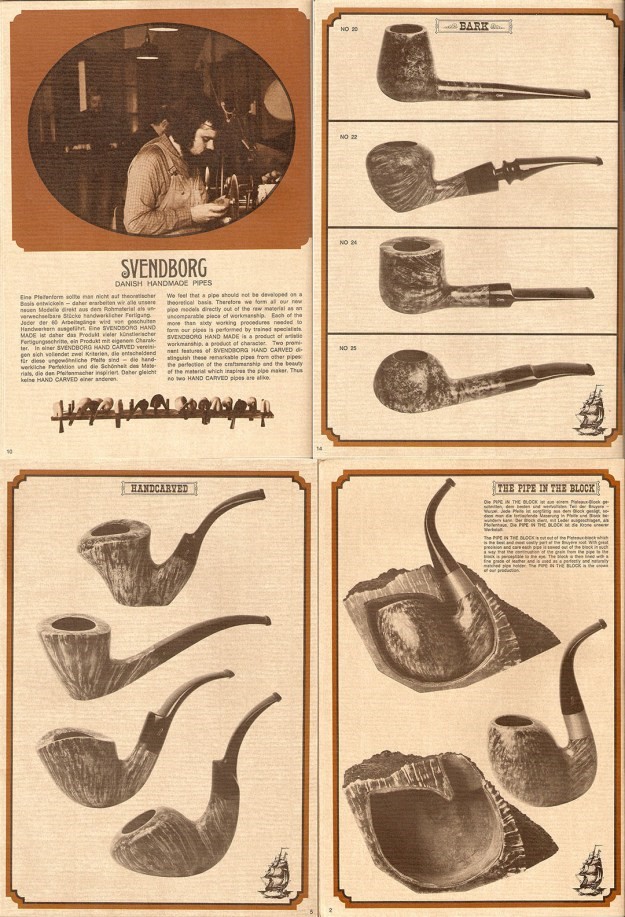 Now it was my turn to work on the pipe. Jeff had done an amazing cleanup of the pipe. He reamed the light cake with a PipNet reamer and cleaned up that with a Savinelli Fitsall Pipe Knife. He scrubbed the internals of the bowl and stem with alcohol, cotton swabs and pipe cleaners. He scrubbed the externals with undiluted Murphy’s Oil Soap and rinsed the bowl off with running water. He soaked the stem in Briarville’s Pipe stem Deoxidizer and once it had soaked rinsed it off with warm water to remove the residual solution. He dried it off and rubbed it down to remove any oxidation that was still on the stem. The pipe looked very good when I received it.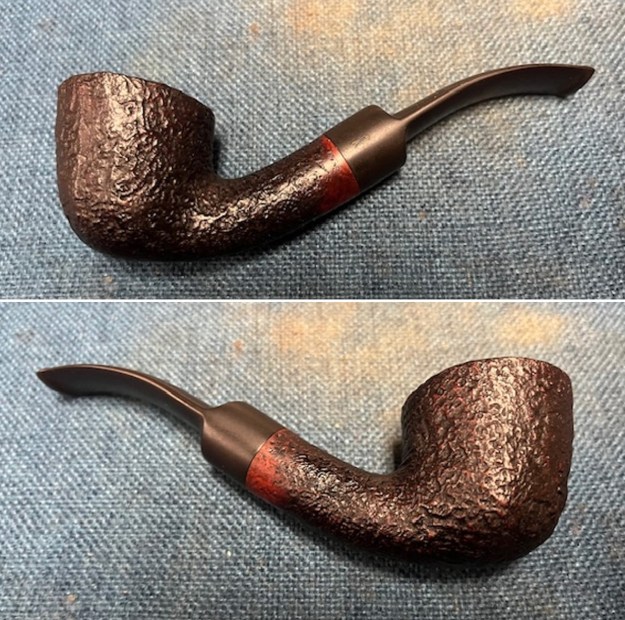
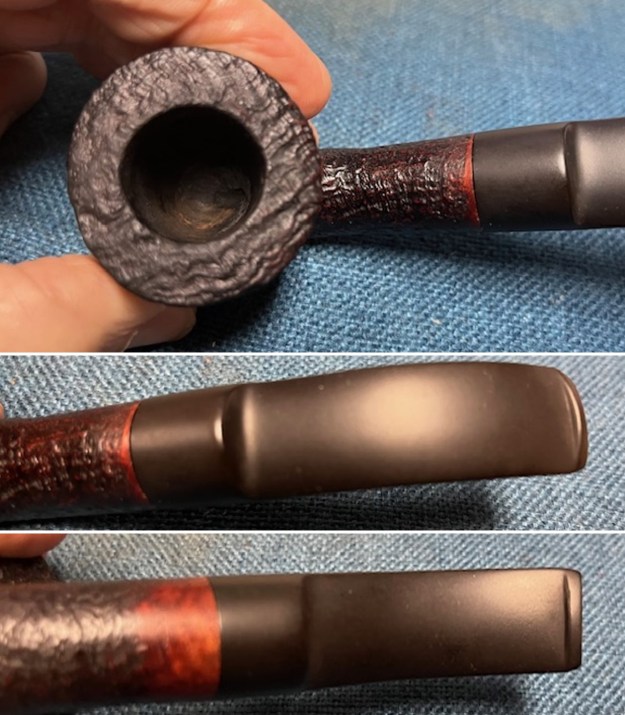
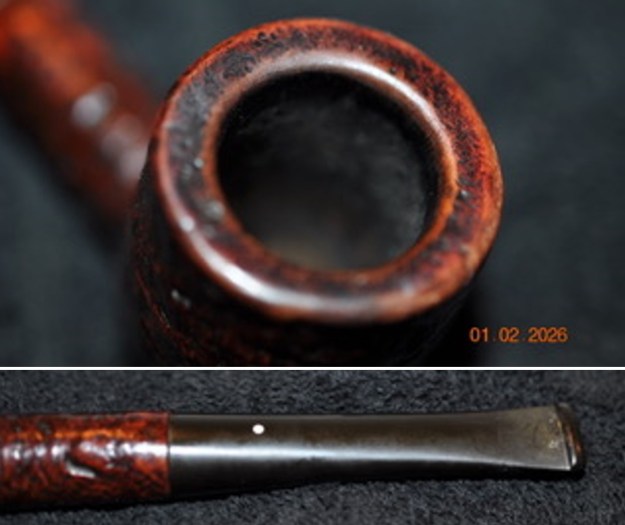
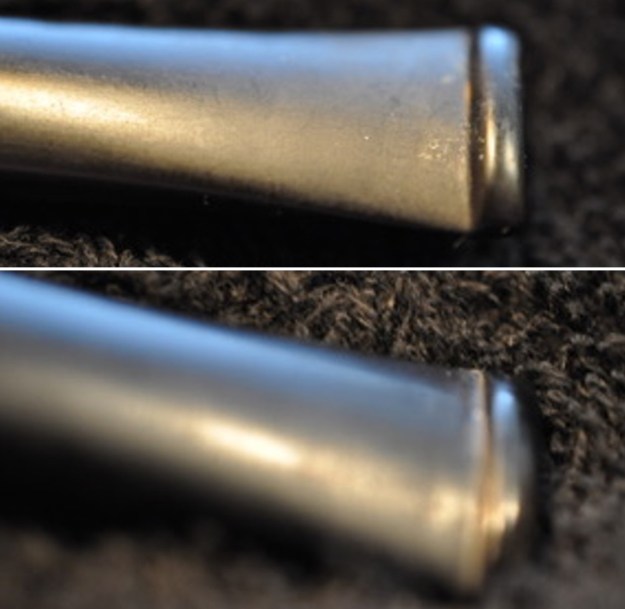
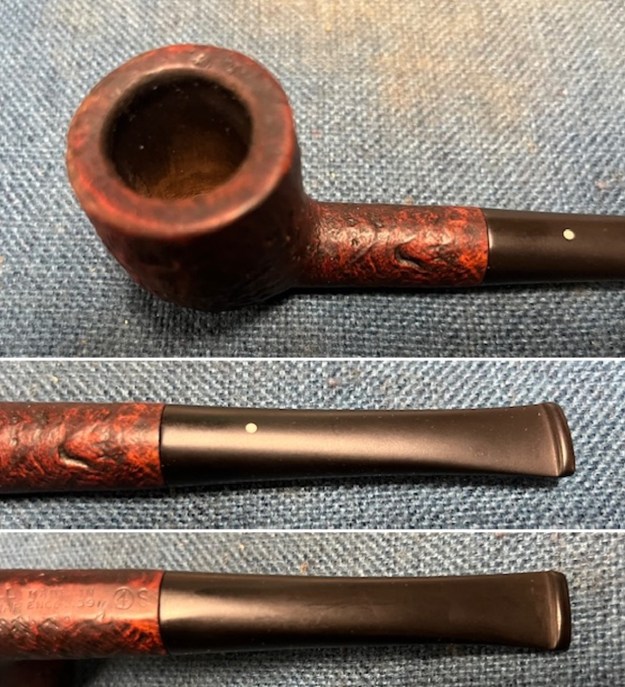
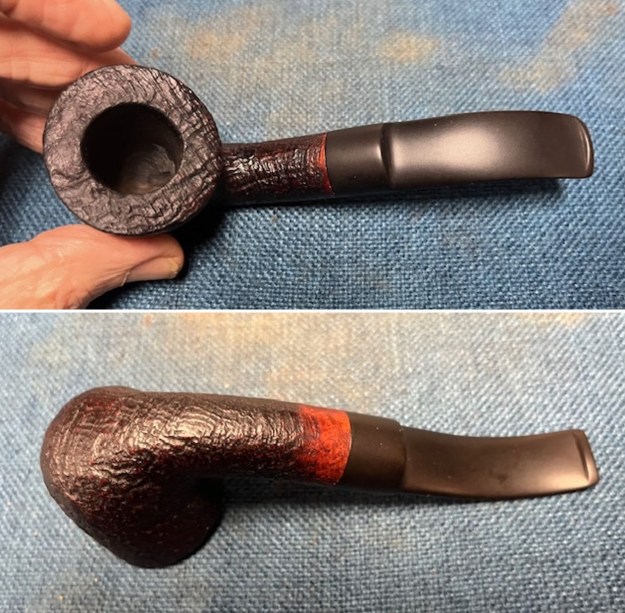 I took photos of the bowl and the rim top as well as both sides of the stem to show the condition of the pipe before I started my work. The rim top looked remarkably good. The next photos show the condition of the stem and how clean it came out.
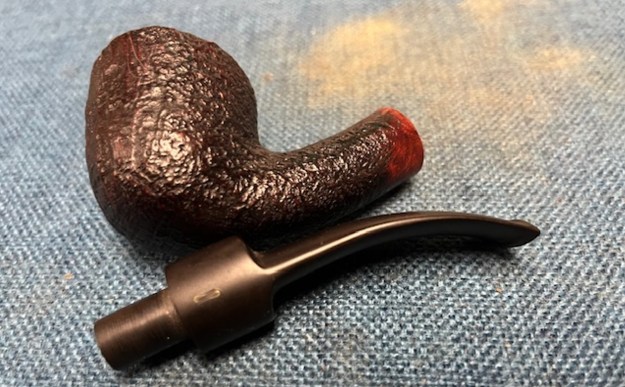
 I took a photo of the stamping on the underside of the shank and the left side of the saddle stem. The photo of the stamping is faint but still readable. I also removed the stem and took a photo of the parts of the pipe.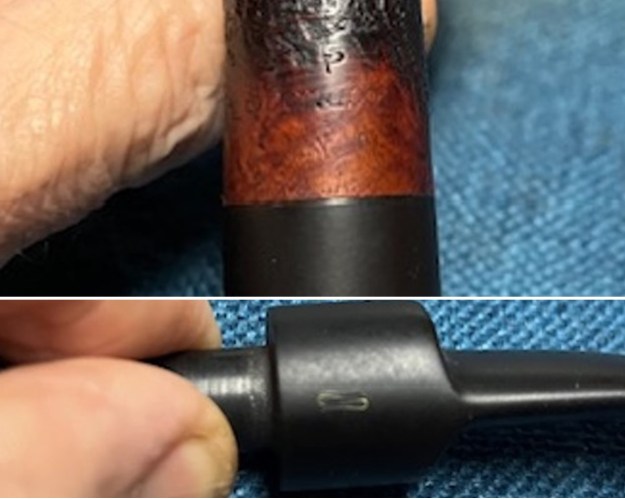
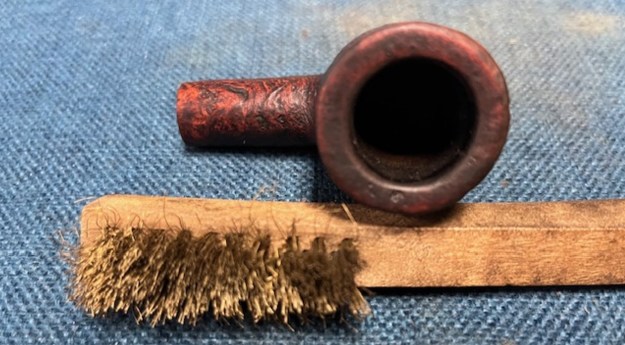
 I went over the rim top with a brass bristle wire brush to knock off any debris in the shallow blast. Some came out and it looks quite good.
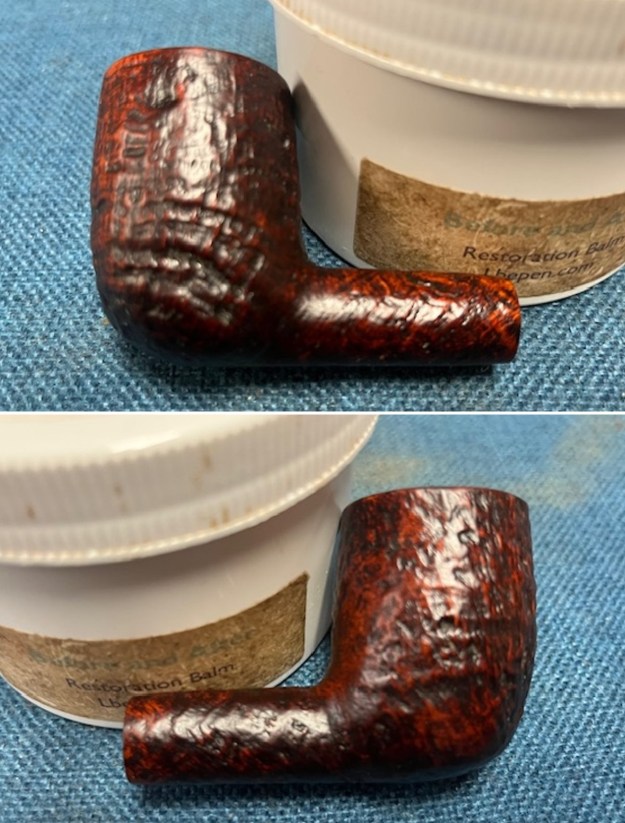
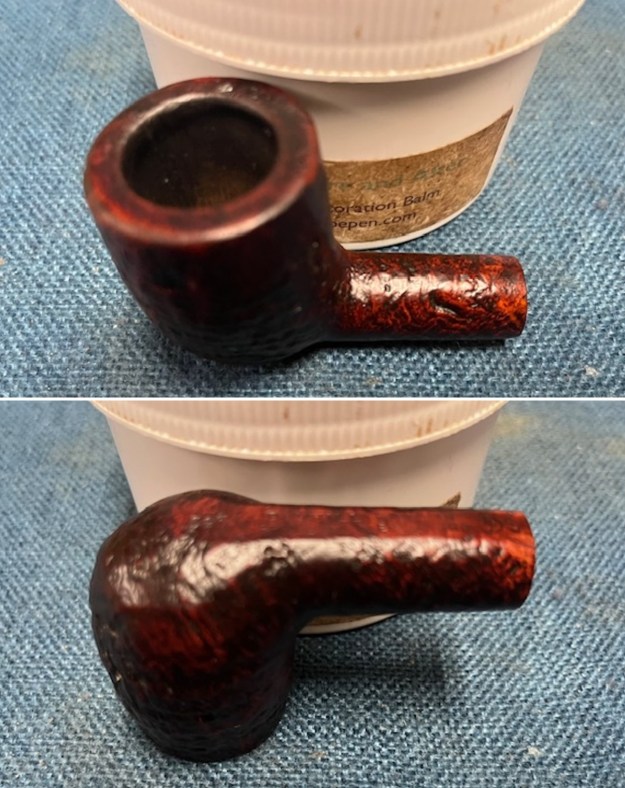
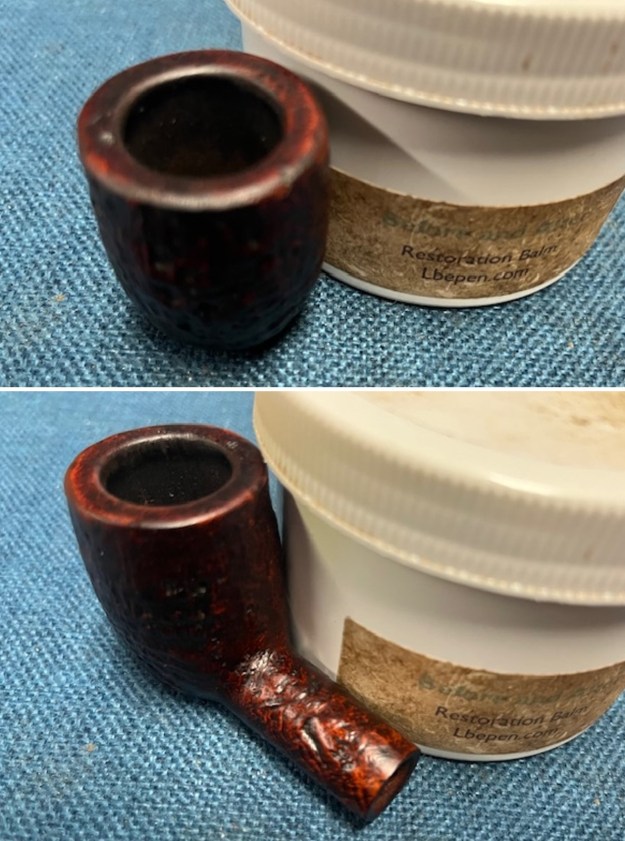
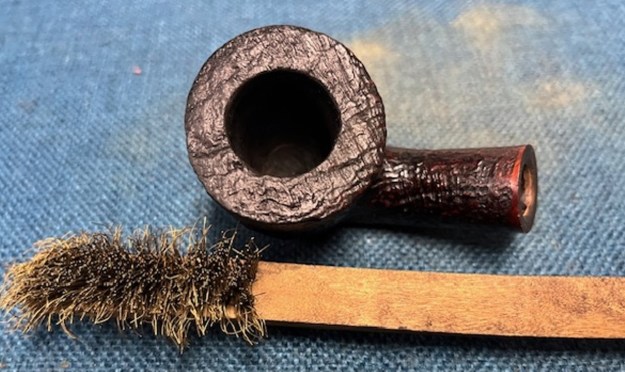 I rubbed the briar down with Before & After Restoration Balm. I worked it into the briar with my fingertips and a horsehair shoe brush. The product works to clean, enliven and preserve the briar. I let it sit for 10 minutes then I buffed it with a cotton cloth to deepen the shine. The briar really comes alive with the balm.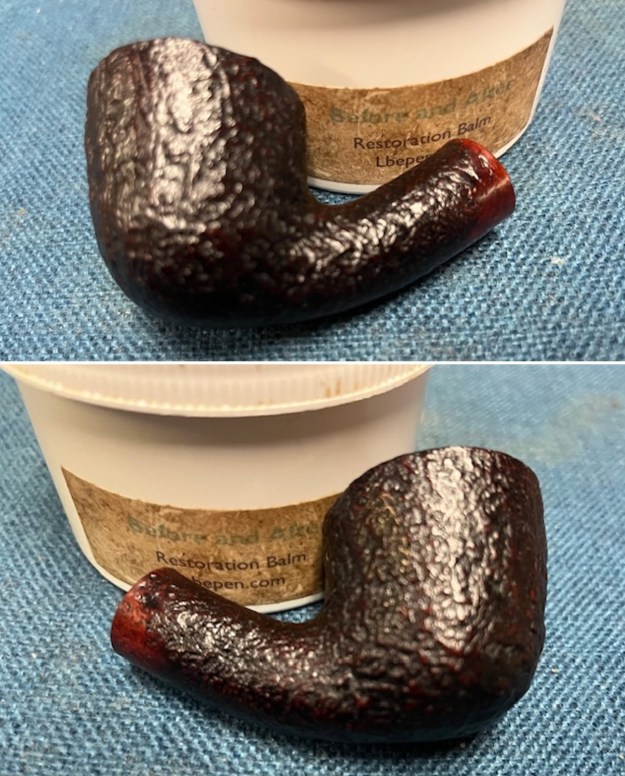
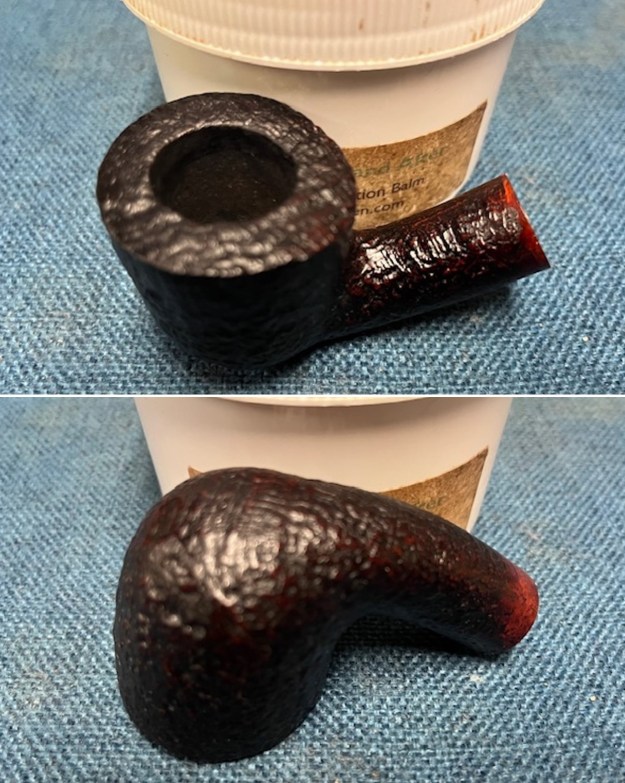
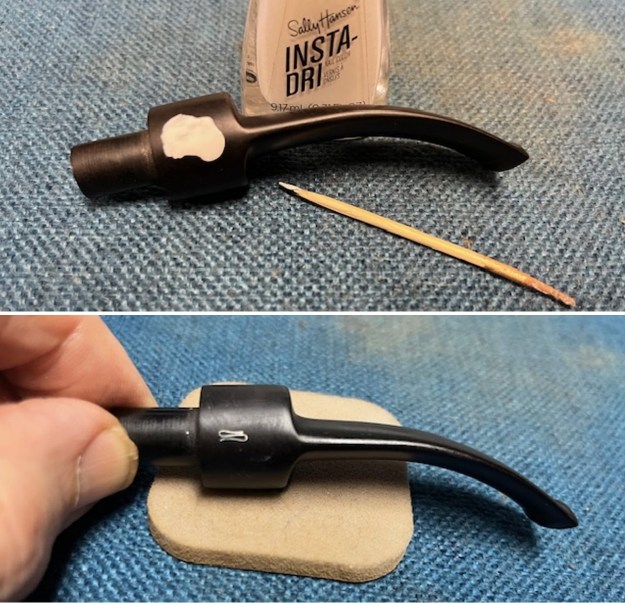
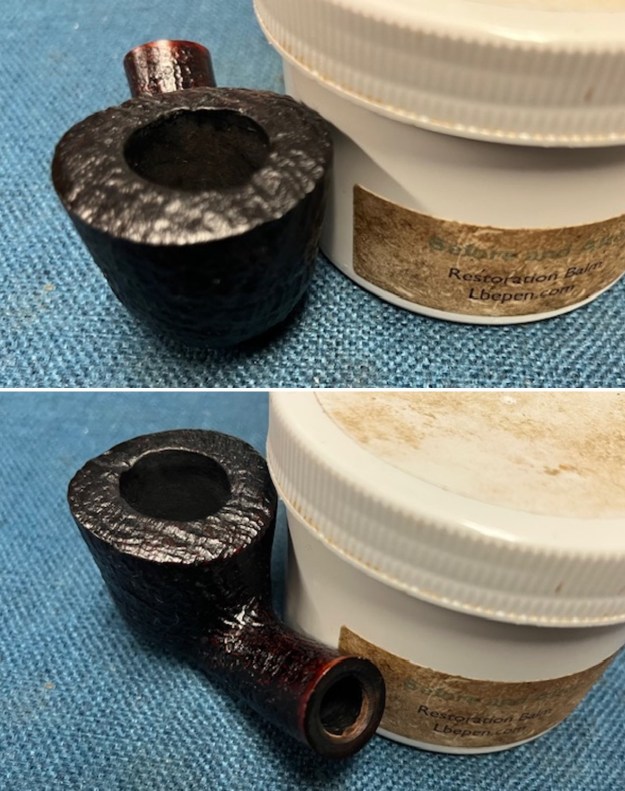 I touched up the infinity style Svendborg logo stamp on the left side of the saddle stem with white acrylic fingernail polish. I worked it into the stamp with a tooth pick. Once it dried I sanded the excess off with a worn 1000 grit sanding pad. It looks significantly better.
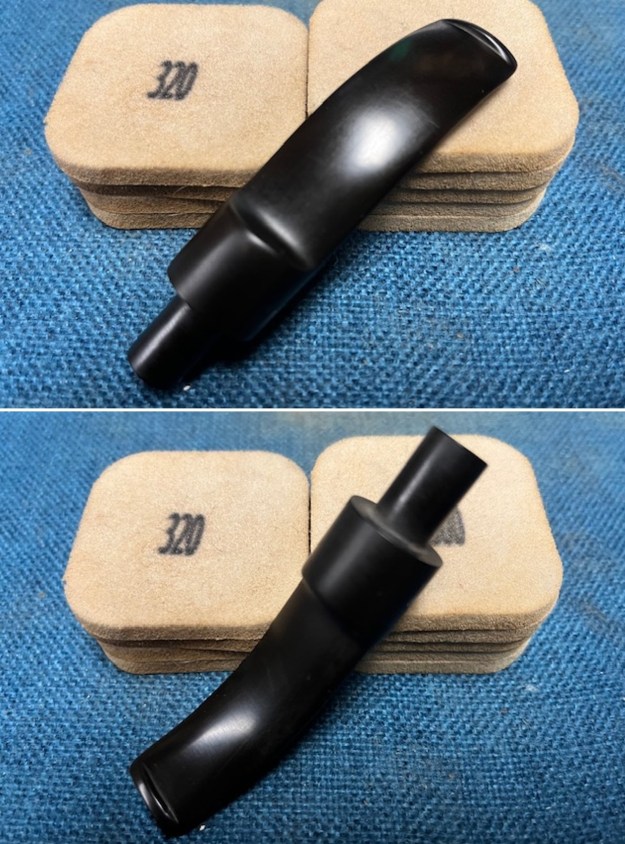
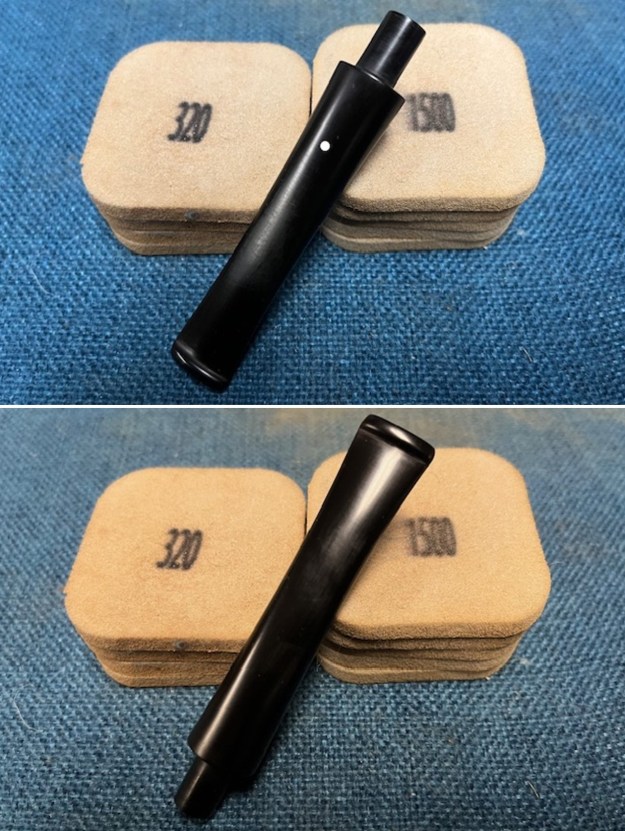
 I sanded the surface of the stem with 320-3500 grit sanding pads to smooth the tooth chatter out and remove remnants of oxidation. When finished the stem looked much better.
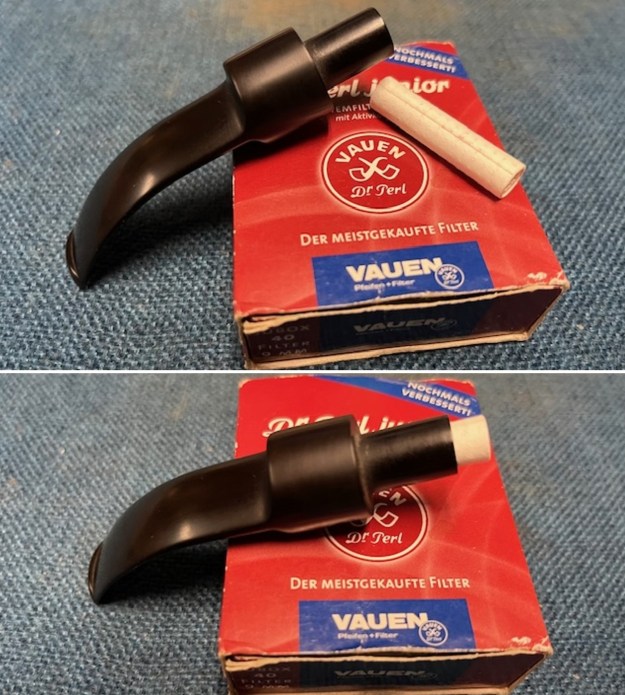
 I fit the tenon with a 9MM filter. The fit was perfect as expected and the airflow was unrestricted.
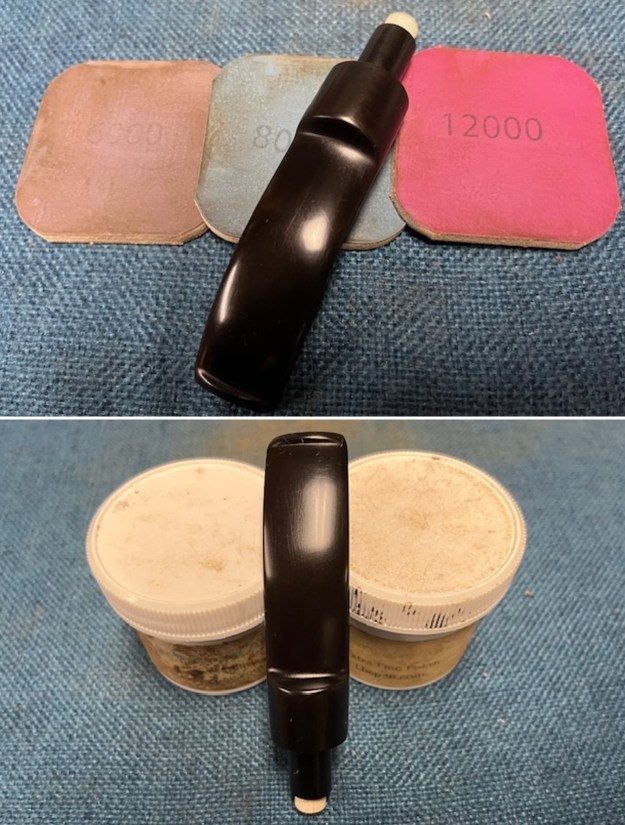
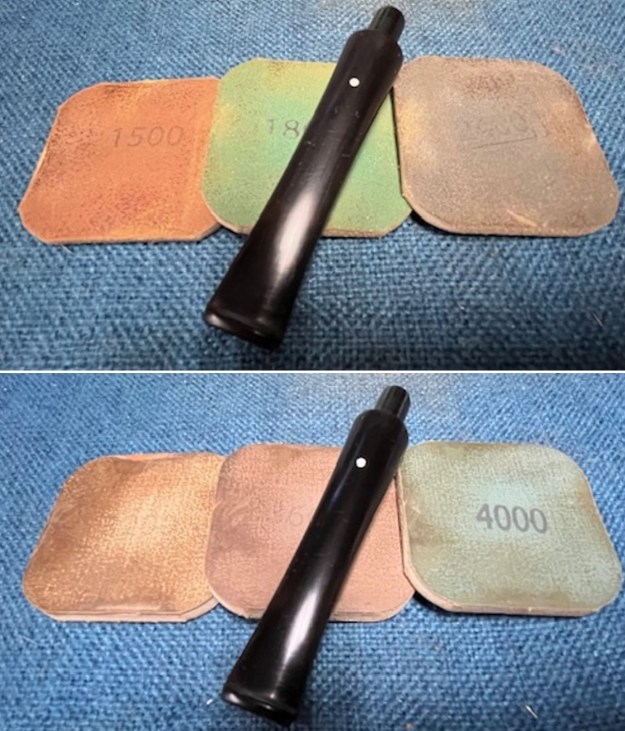
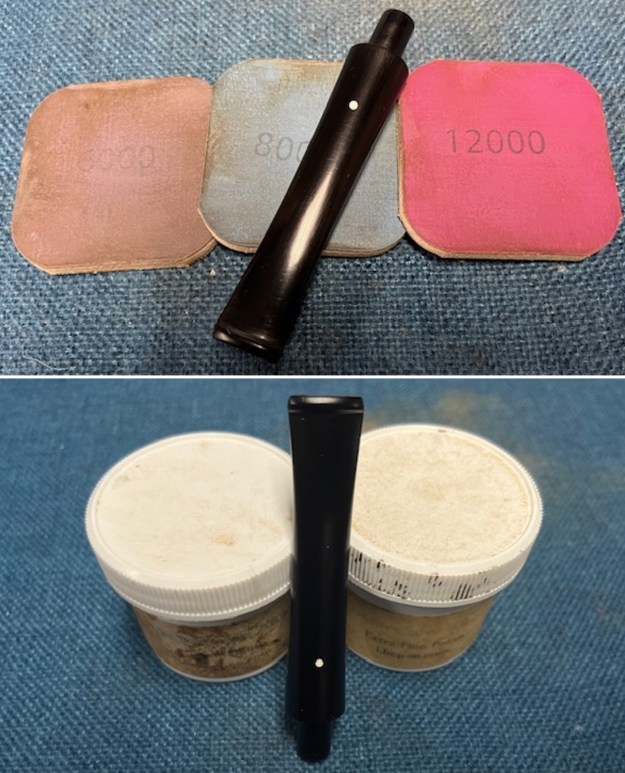
 I polished the vulcanite with micromesh sanding pads – 1500-12000 grit pads. I wiped it down with Obsidian Oil after each sanding pad. I used Before & After Pipe Polish – both Fine and Extra Fine to further polish the stem.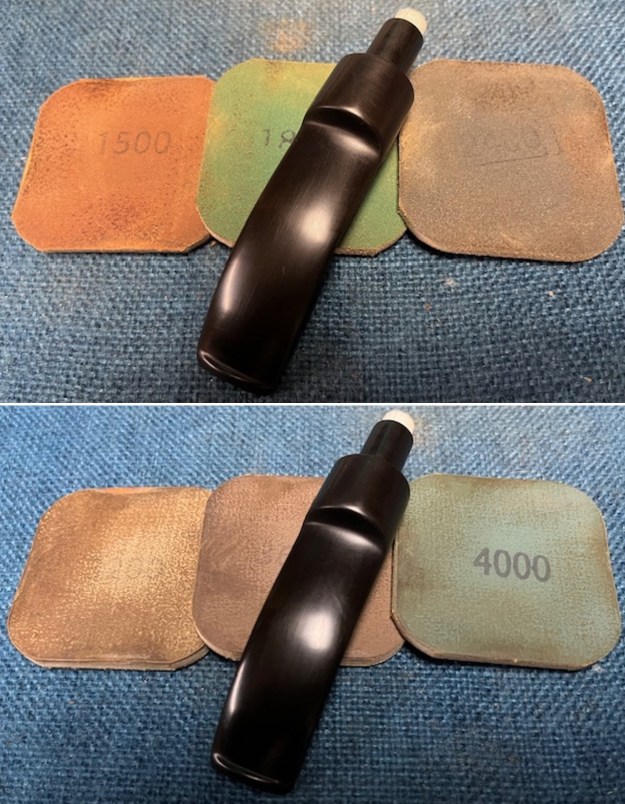
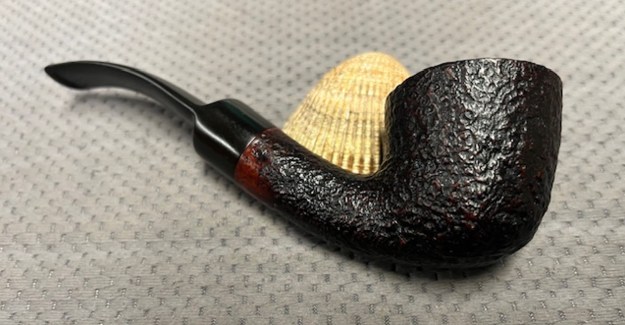
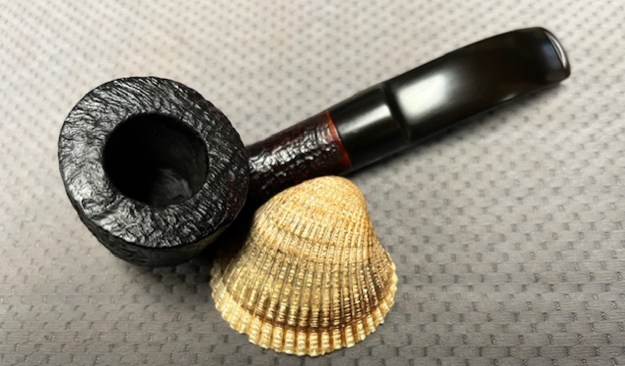
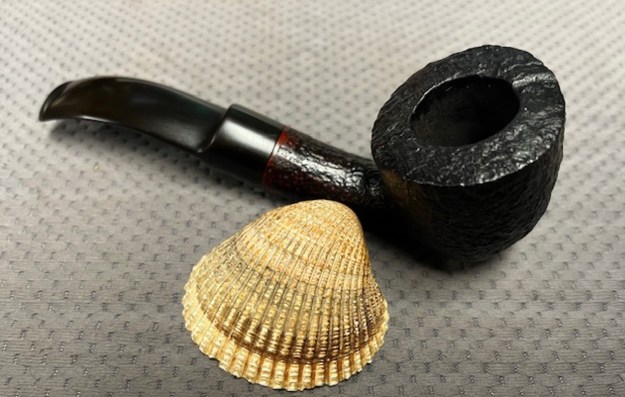
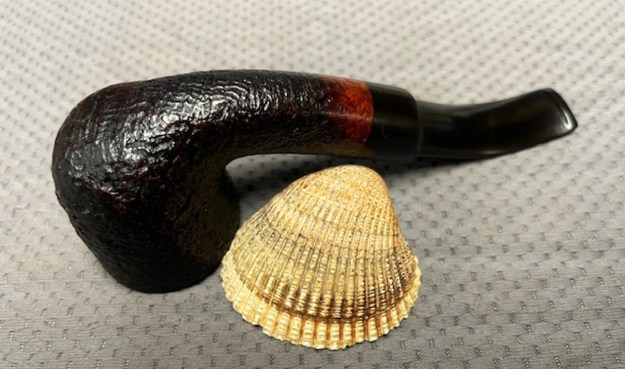
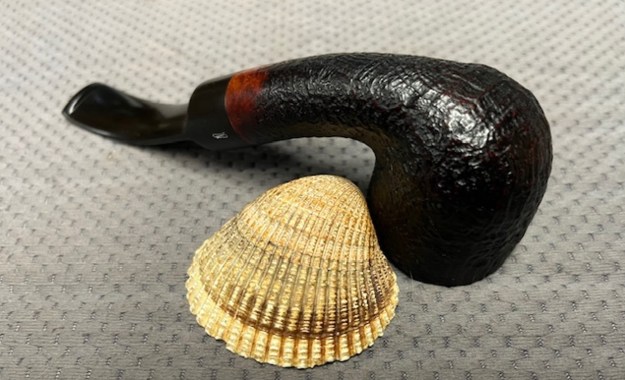
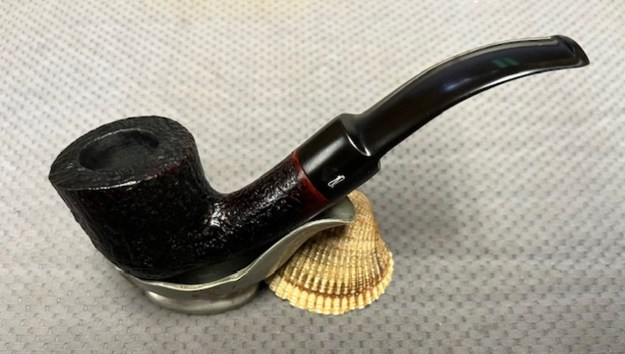
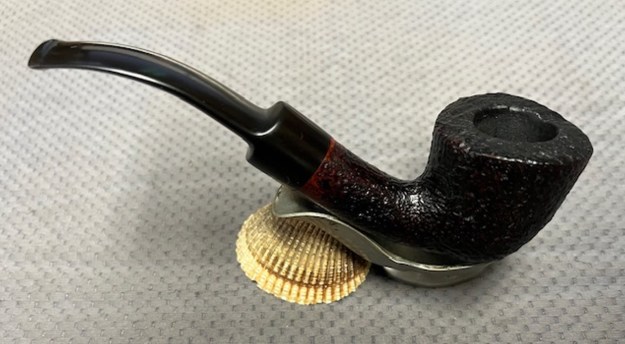
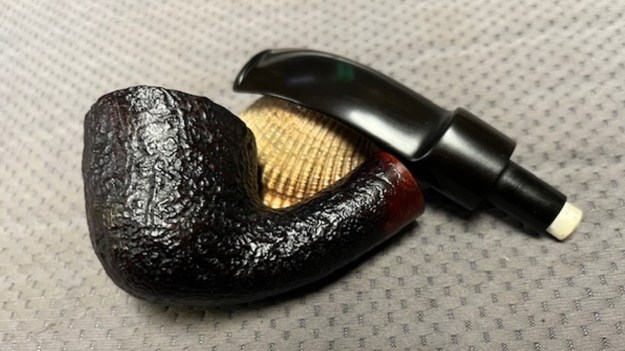
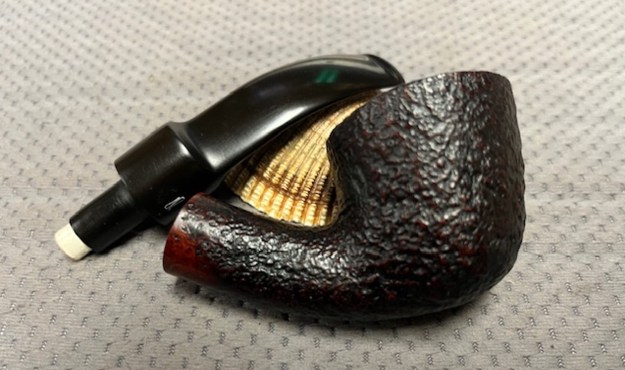
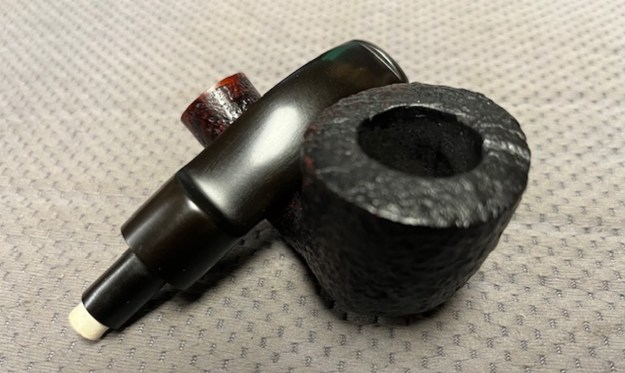
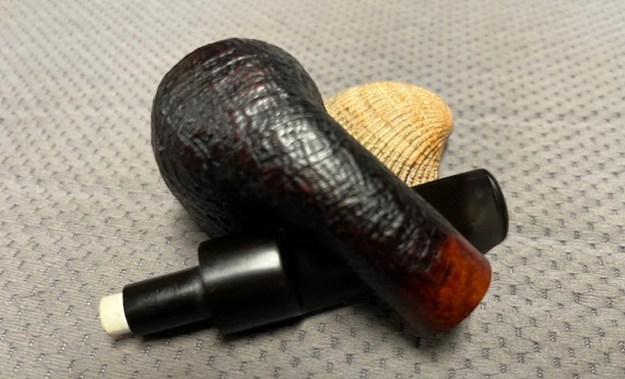
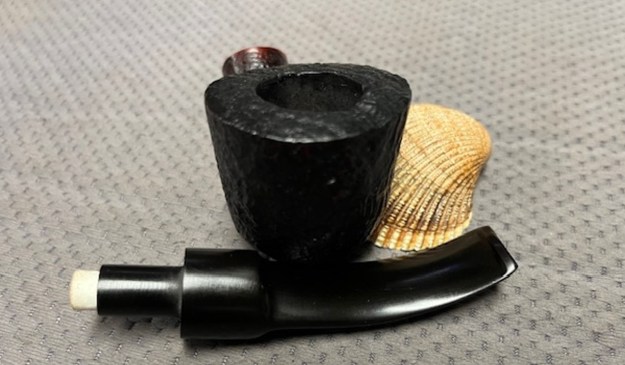
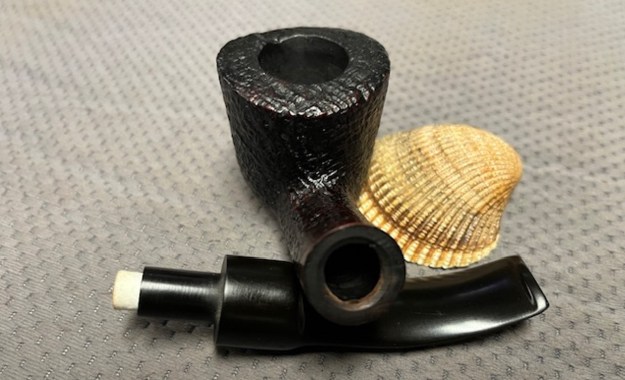
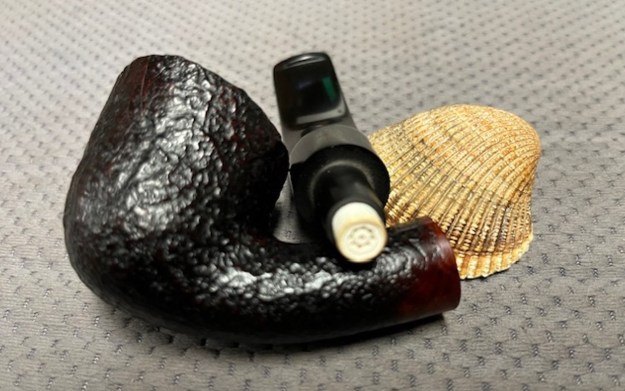
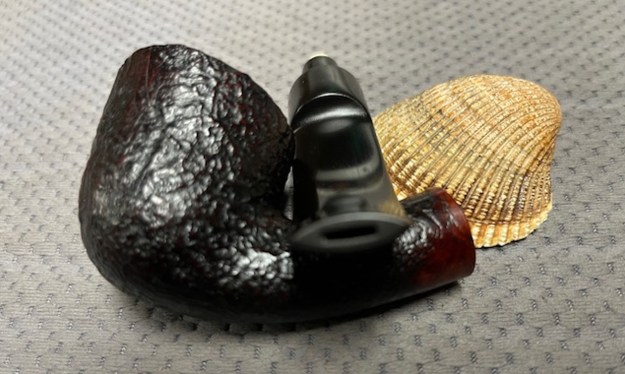
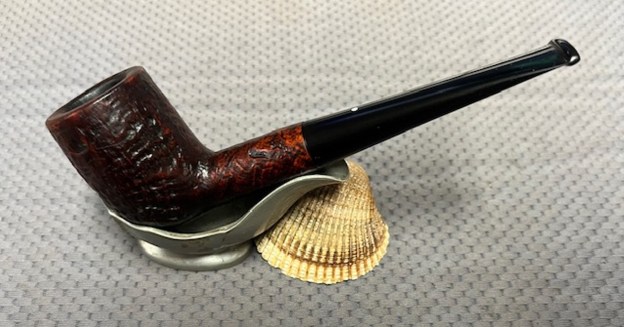
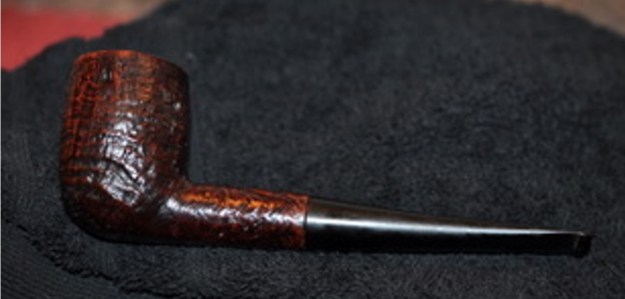
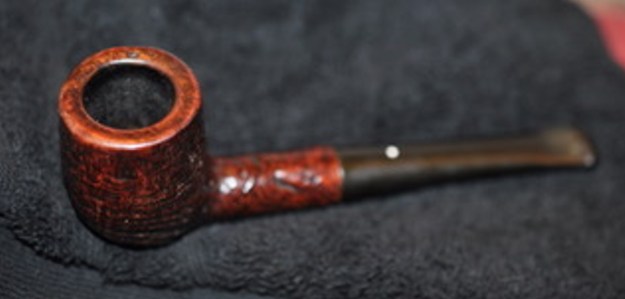
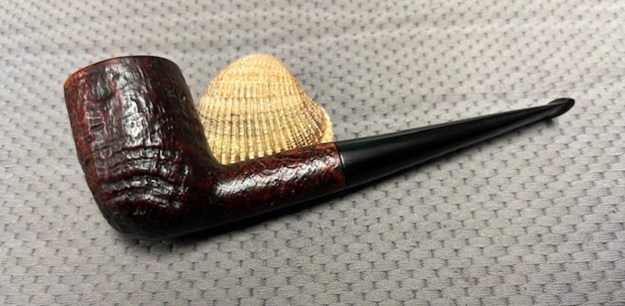
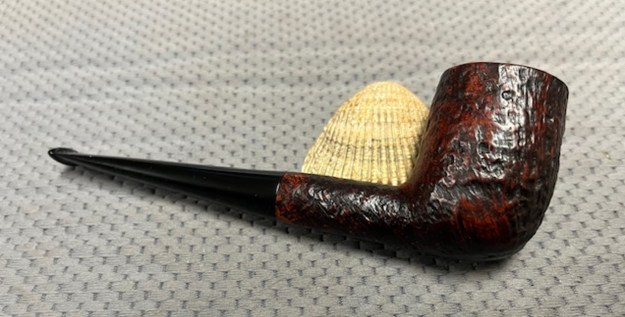
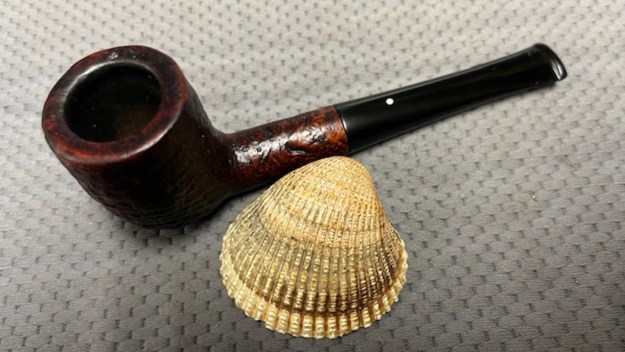
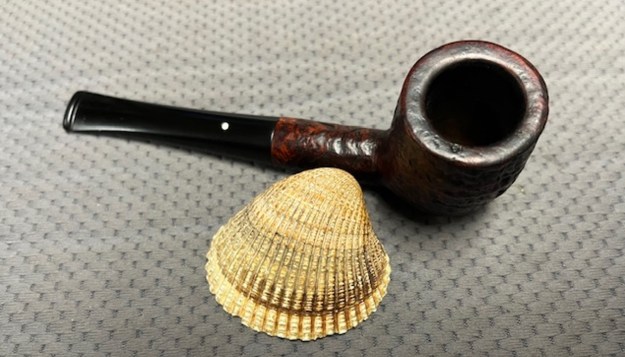
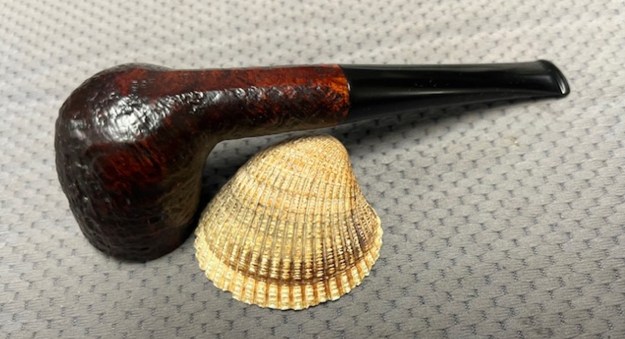
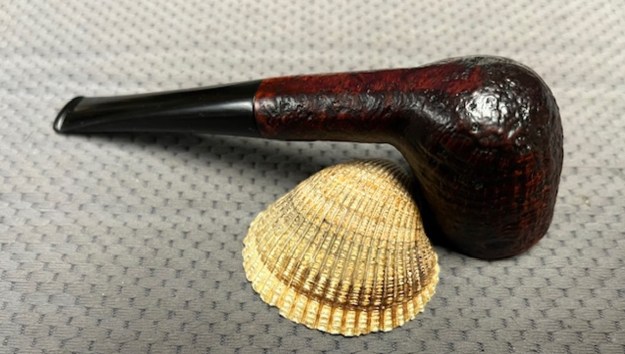
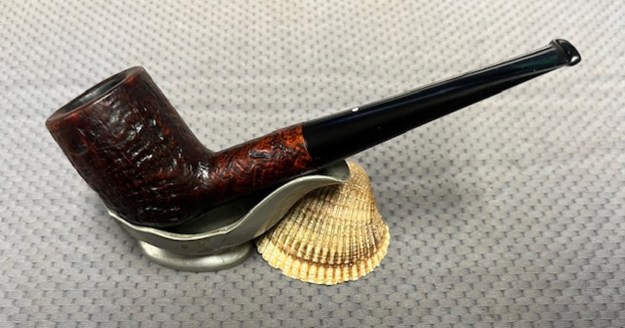
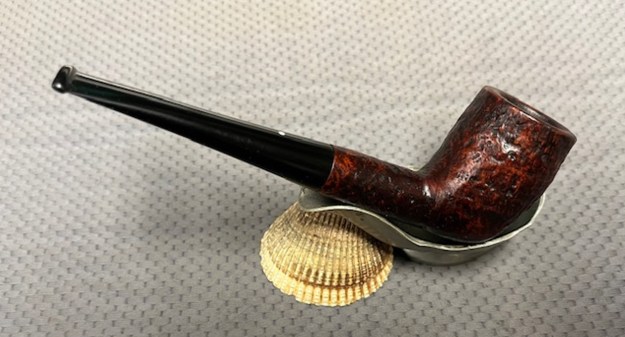
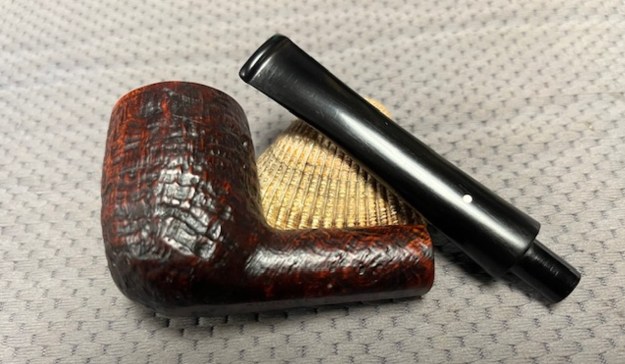
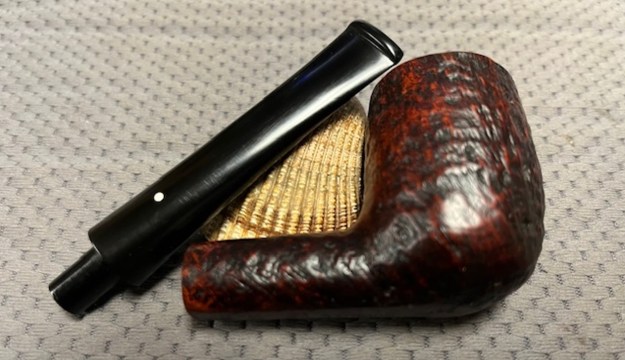
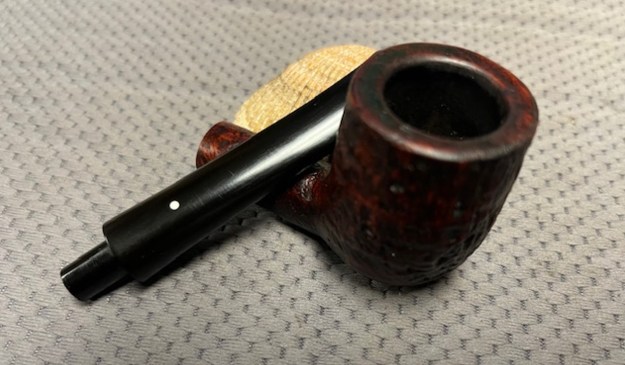
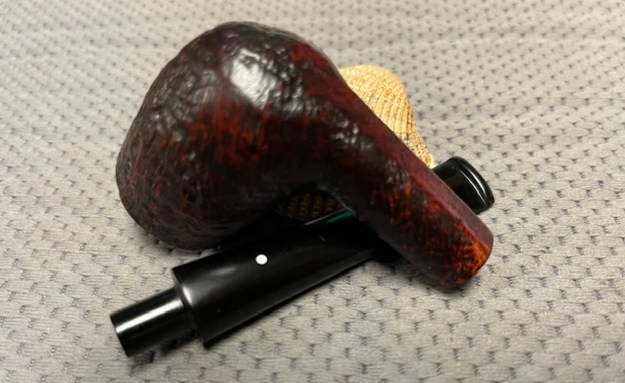
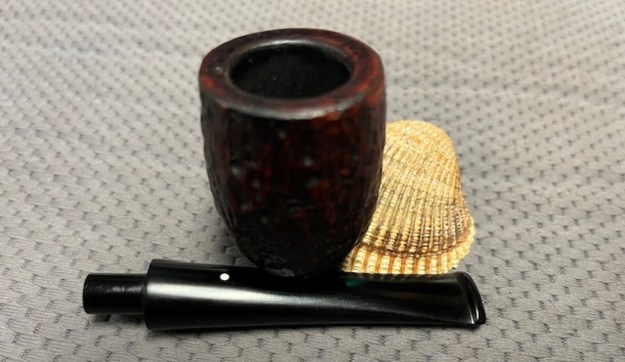
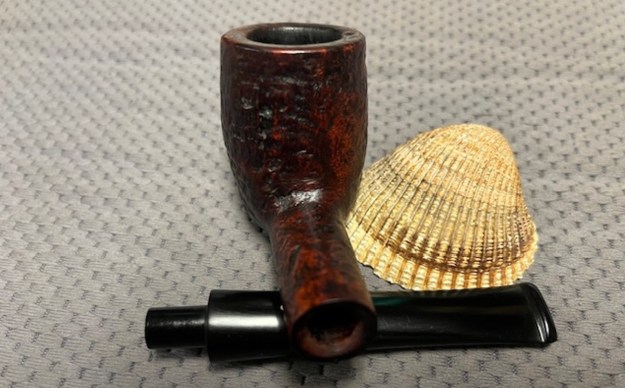
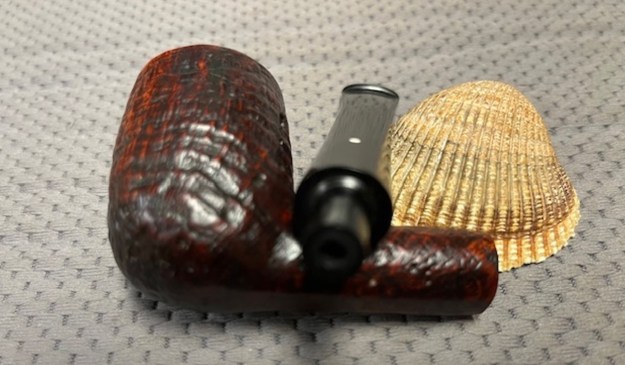
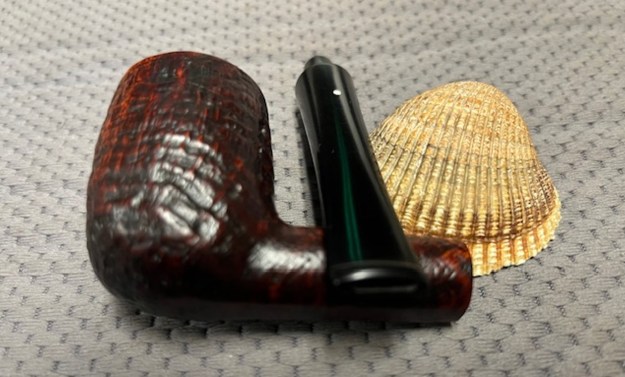
 This Svendborg Danish Hand Carved Dublin P with its fancy, vulcanite 9MM saddle stem is a beautiful sandblast pipe with a flowing shape that looks great. The rich browns and blacks of the contrasting stain makes the grain come alive with the polishing and waxing. I put the stem back on the bowl and carefully buffed the pipe with Blue Diamond on the buffing wheel using a light touch on the briar. I gave the bowl and the stem multiple coats of carnauba wax on the buffing wheel and followed that by buffing the entire pipe with a clean buffing pad. I hand buffed the pipe with a microfiber cloth to deepen the shine. The finished Svendborg Danish Hand Carved Dublin really is a beauty and fits nicely in the hand and looks very good. Give the finished pipe a look in the photos below. The dimensions of the pipe are Length: 5 ½ inches, Height: 1 ¾ inches, Outside diameter of the bowl: 1 ½ inches, Chamber diameter: ¾ of an inch. The weight of the pipe is 1.76 ounces/50 grams. This pipe will soon be on the Danish Pipe Makers Section of the rebornpipes store if you would like to add it to your collection. Thanks for reading this blog and my reflections on the pipe while I worked on it.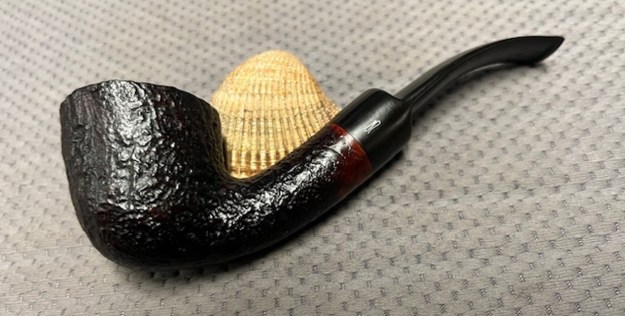
 rebornpipes