
Blog by Andrew Selking
I have been looking for a better way to make my pipe stems look good for a very long time. I started out just using high grit sandpaper, next I got a buffing attachment for my drill, after that I moved up to an actual buffer. I added micro mesh sanding pads, white diamond rouge, and carnauba wax, but still had problems with getting a consistent shine. Of course the other problem with buffing stems, especially stems with sharp edges, is the tendency for the buffer to catch the edge and fling the stem across the room. How could I ever improve my stem work?
Fortunately one of the pipe restoration gurus who does this for a living let something slip on a discussion board. He mentioned that he uses a variable speed buffer. My first thought was, “that sounds expensive,” but after giving it some thought I realized that I had a variable speed rotary tool (that’s what you call a Dremel knock off). I paid $19.99 from Harbor Freight tools and it even came with a large selection of attachments.
Here is a recent example of a stem I did using this tool. The previous owner did take care of the pipe, it was well waxed and clean inside, but if you look closely you can see the telltale signs of oxidation.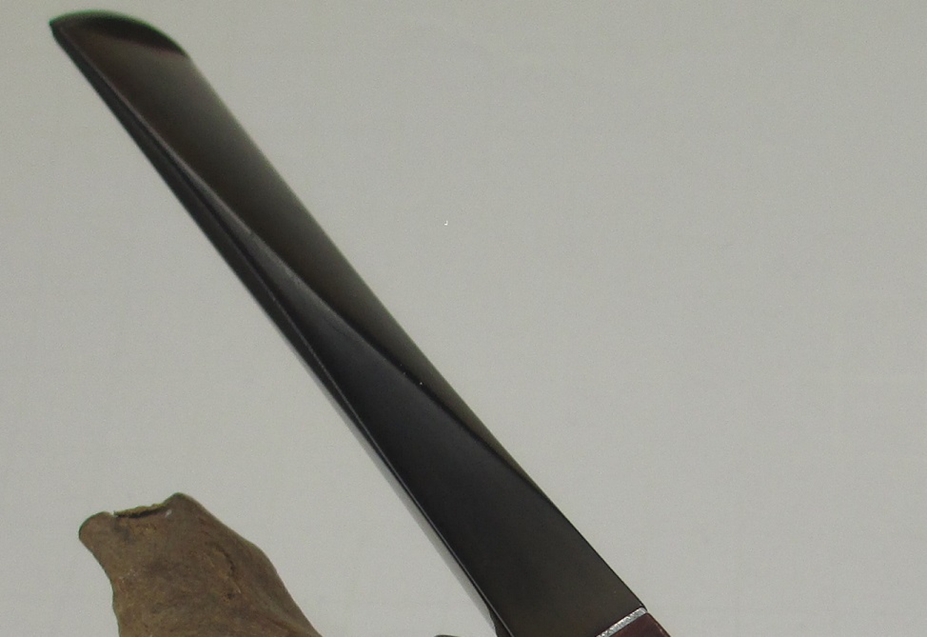 I gave the stem my usual soak in Oxyclean, which revealed the full scope of oxidation to be dealt with. (Sorry the pictures are a bit blurry).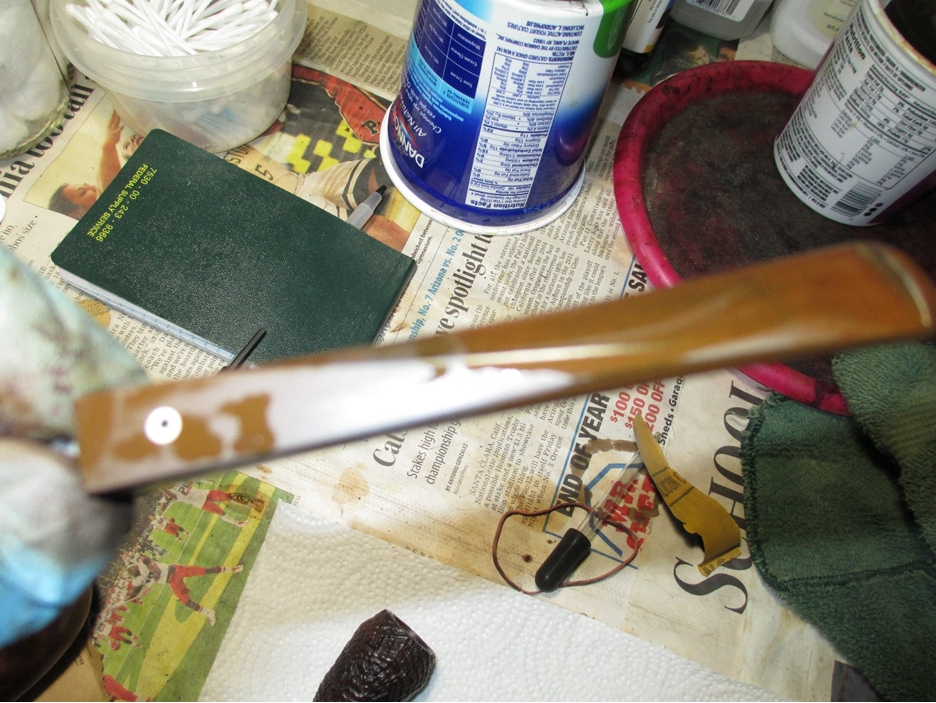
 Some people have asked me why use Oxyclean if it makes the stem look so bad. The answer is, the oxidation is present regardless whether you choose to address it or not. If you polish over the oxidation you will eventually end up with a shiny brown stem.
To remove the oxidation I use 400 grit wet/dry sand paper with water. Since the water makes the stem artificially shine, I dry it to make sure I get all the oxidation. Another trick I learned from one of the articles on Steve’s blog was to use a washer at the end of the stem to prevent rounding the shoulders. It’s well worth the effort. Since this stem had so many flat surfaces, I use a small plastic kitchen scraper as a sanding block with the 400 grit.
After the 400 grit I use 1500, 1800, and 2400 grit micro mesh pads with water. Here is the stem after that treatment.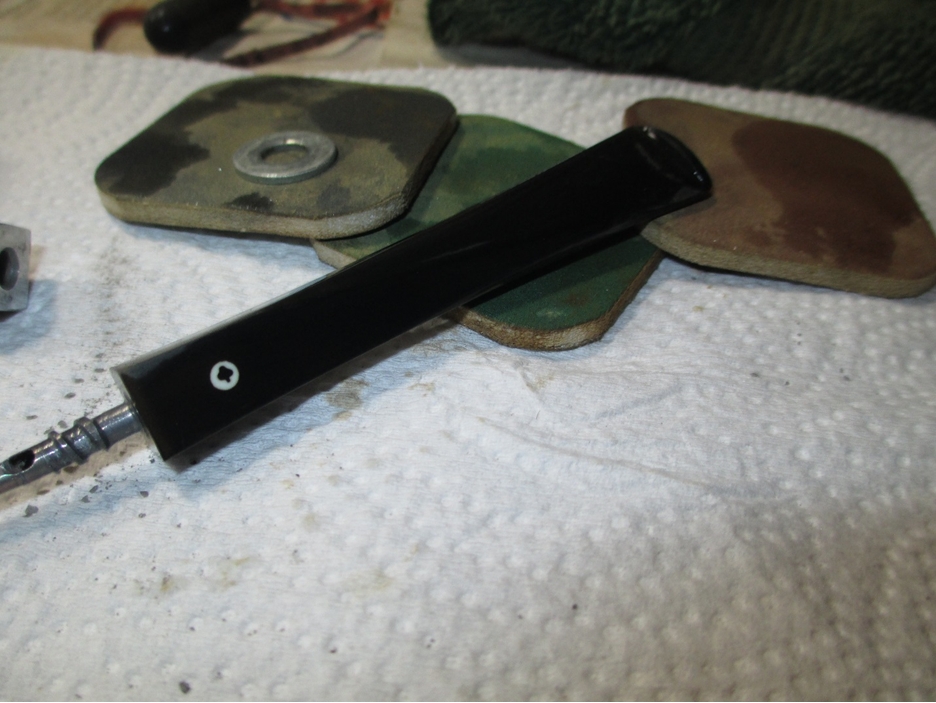 While I waited for the stem to dry I retorted the pipe and cleaned the shank. I didn’t take pictures of the process since the pipe was basically new. Once the stem was dry I used a progression of micro mesh pads from 3200 to 12,000 grit to polish the stem. In my opinion polishing with the micro mesh pads is the real key to a nice looking stem. As you progress to a finer level, you’re removing the scratch pattern from the previous one.
Now comes the fun part, making it shine! This is what my set up looks like. The rotary tool, white diamond, carnauba wax, and the felt pads for polishing.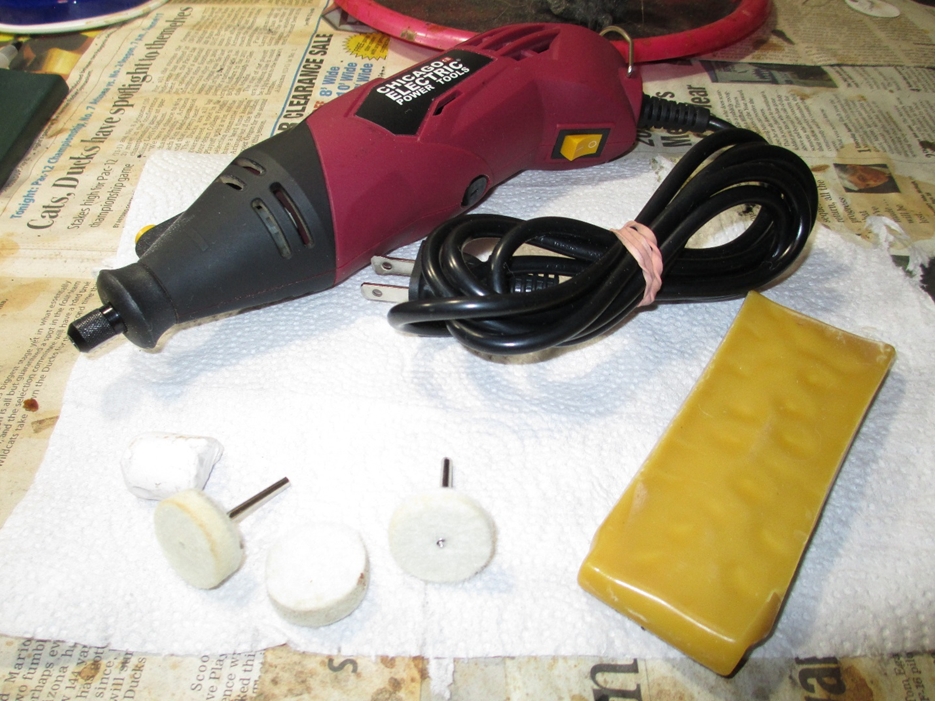 Notice the speed adjustments.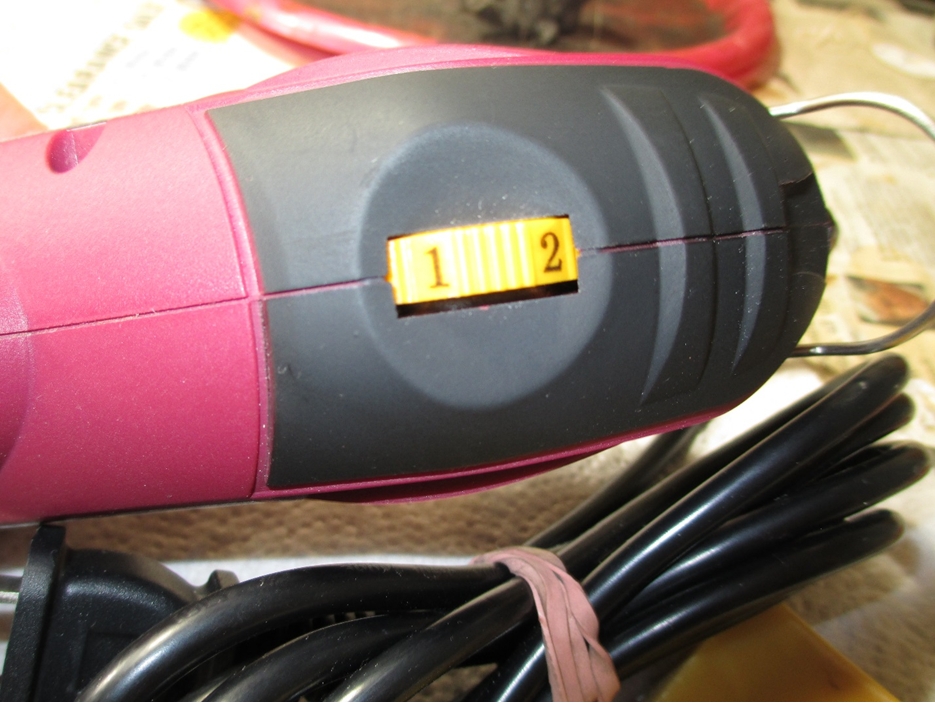
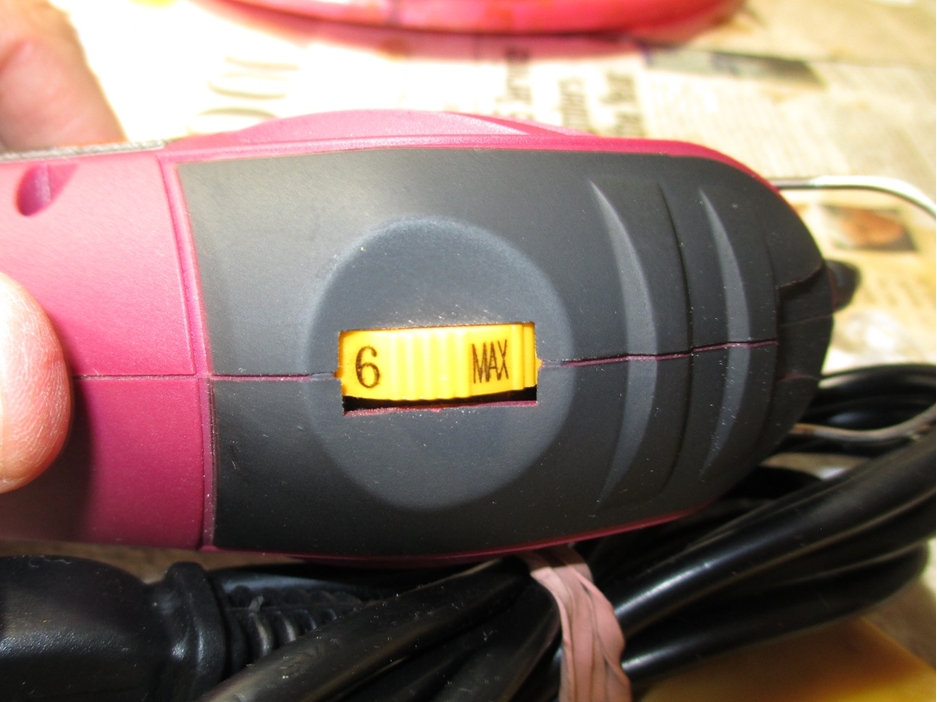 To buff the stem, I set the speed to 1 and load the felt pad with white diamond. I hold the stem in one hand and apply the pad with the other. It is important to keep the pad moving, if you leave it in one place too long it will start to dig into the vulcanite. This isn’t a fast process, but I find I can get a lot better control and consistency with the shine. Once the stem is buffed to a high luster, I switch out buffing pads, turn the speed to 2, and proceed with the carnauba wax. As you can see the stem turned out pretty well.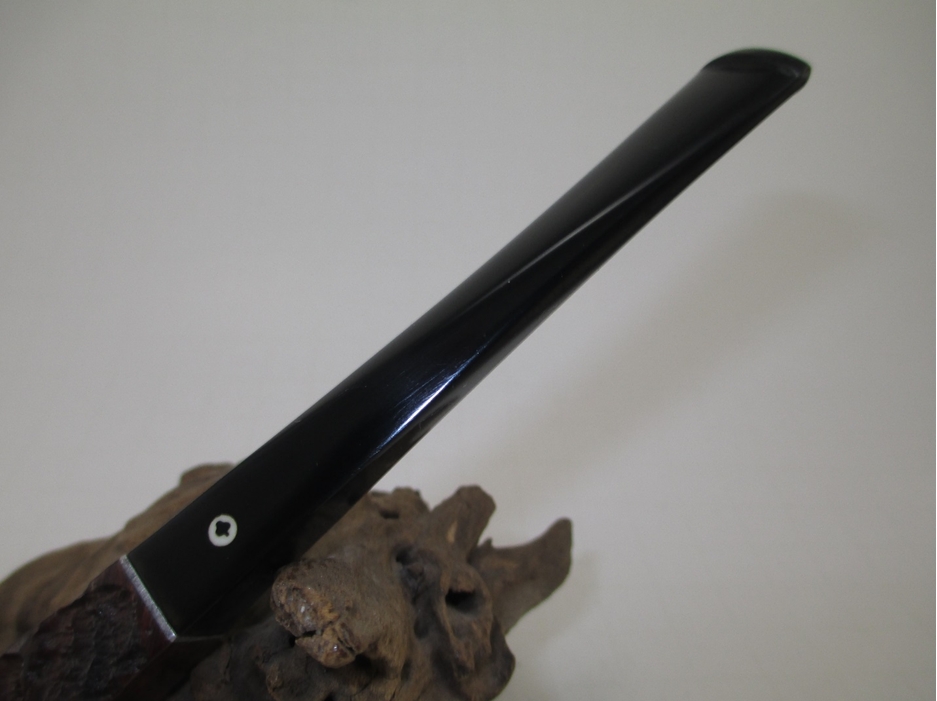
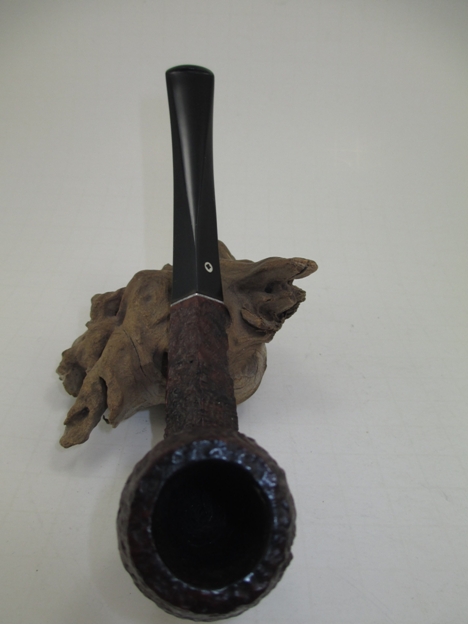
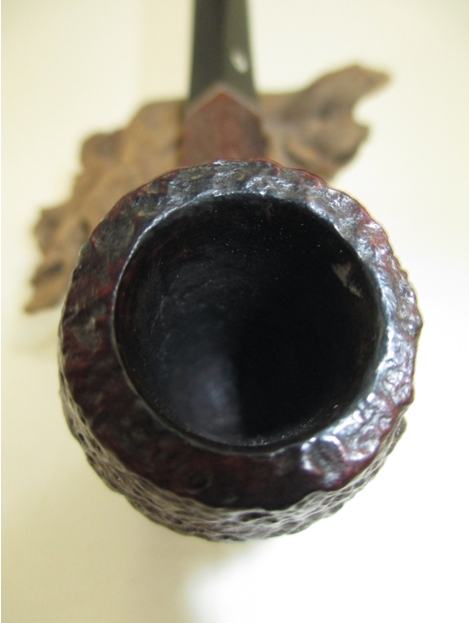
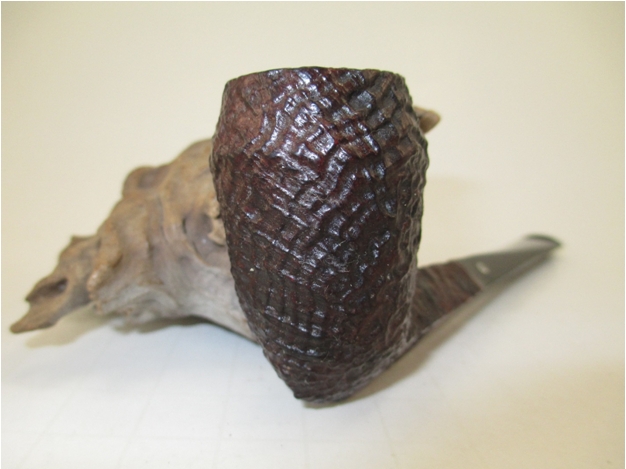
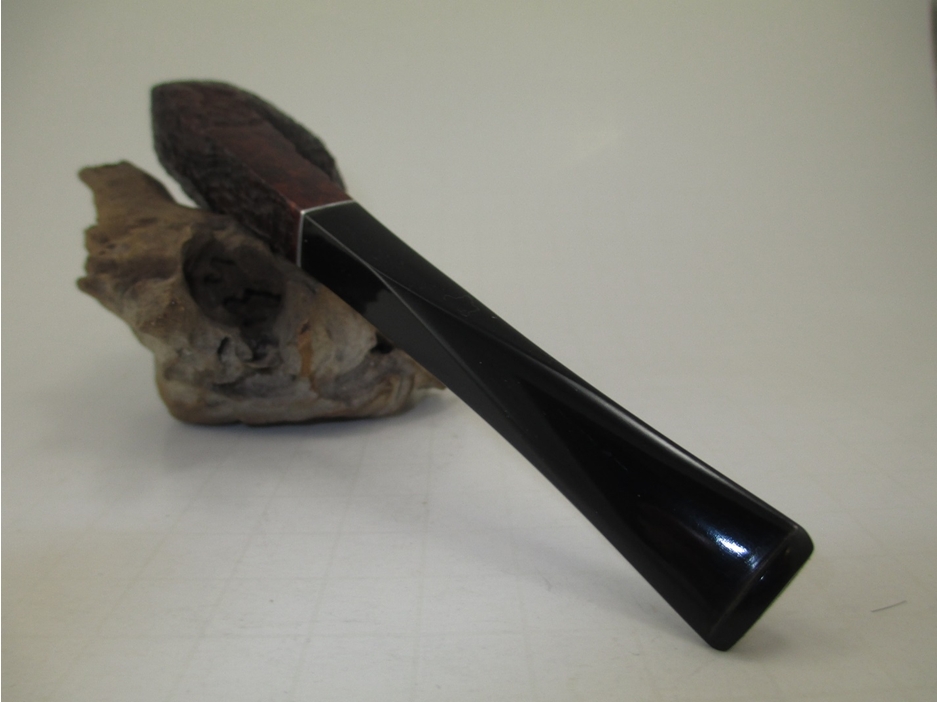 Here are some gratuitous pictures of a dead sexy pipe. Thanks for looking.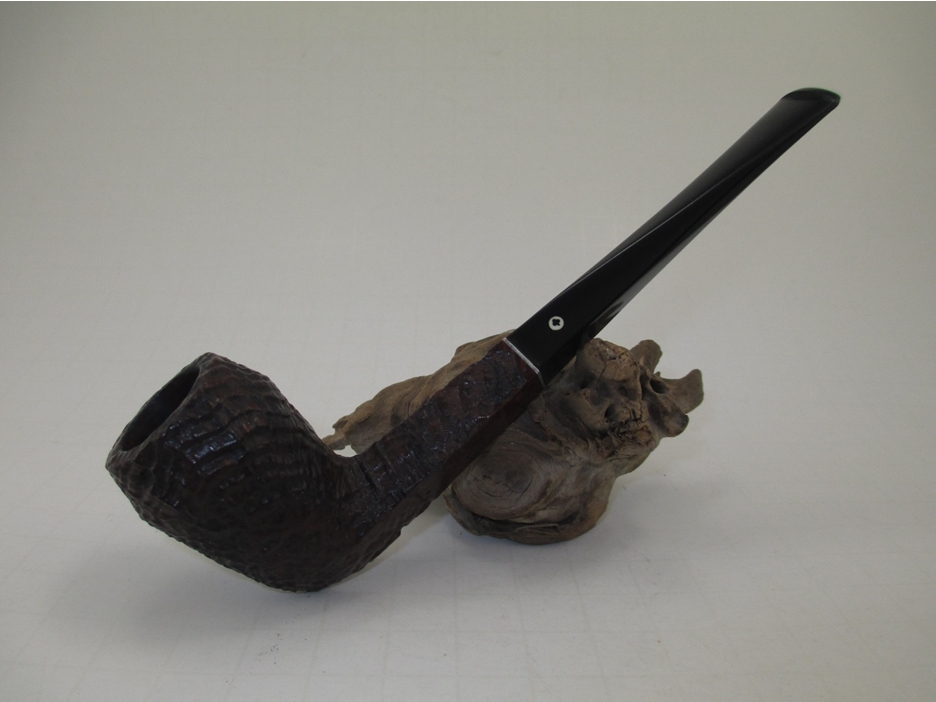

 rebornpipes
Thanks Andrew. You know I use a Dremel with sanding drum to reshape a stem and reduce the diameter… I am going to have to give this a go. I have the Dremel, the buffing compounds and wax and the cotton pads…
LikeLike
I’ve attached one of these to my buffer to give me speed control: you plug the buffer into it, and use the dial to ramp the speed up or down as needed.
http://www.harborfreight.com/router-speed-control-43060.html
LikeLike
Congrats and kudos on a job well done, it is a dead sexy pipe indeed.
I feel a little anxious about a dremel,
Foredome offers a good quality buffer with variable speed 500- 7000 at a really affordable price.
Best wishes and keep up the good work
Roland
LikeLike
Roland,
I got lucky on that pipe. The rotary tool is actually very easy to use, unlike the buffer, especially when you use it at low speeds. Just start slow, don’t rush it when you do a stem, and keep it moving. I like the results the first time I used it.
LikeLike