
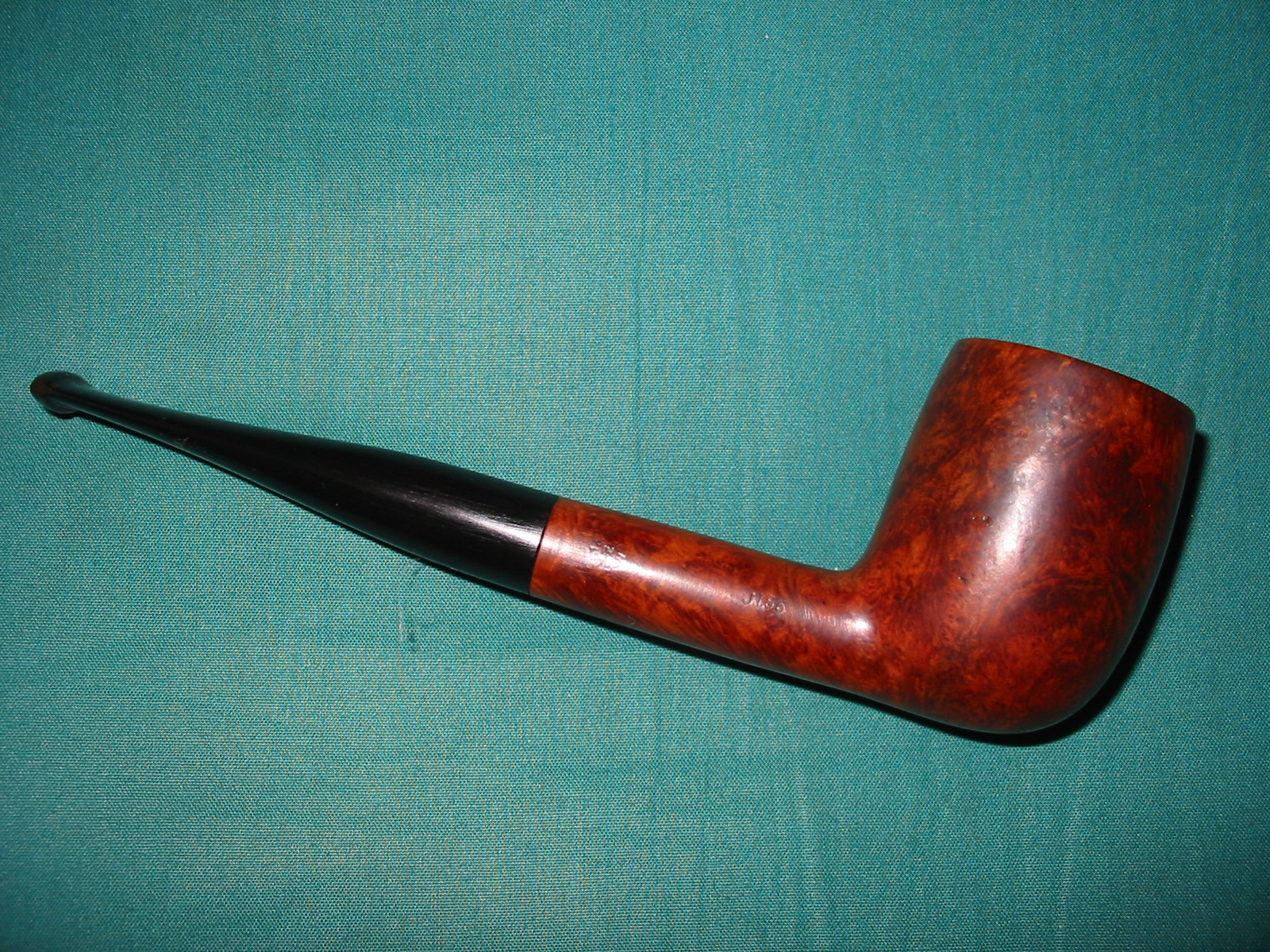
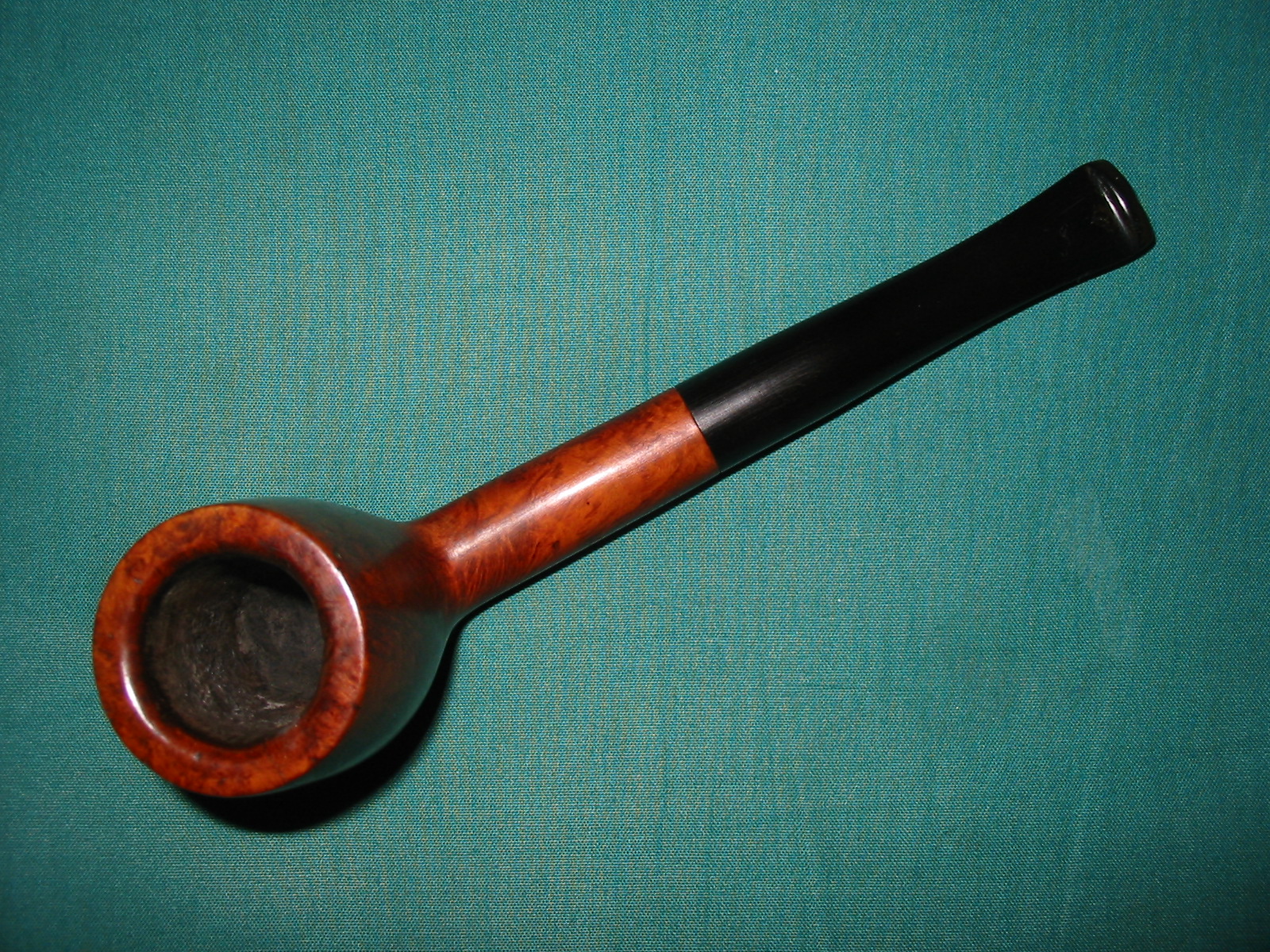
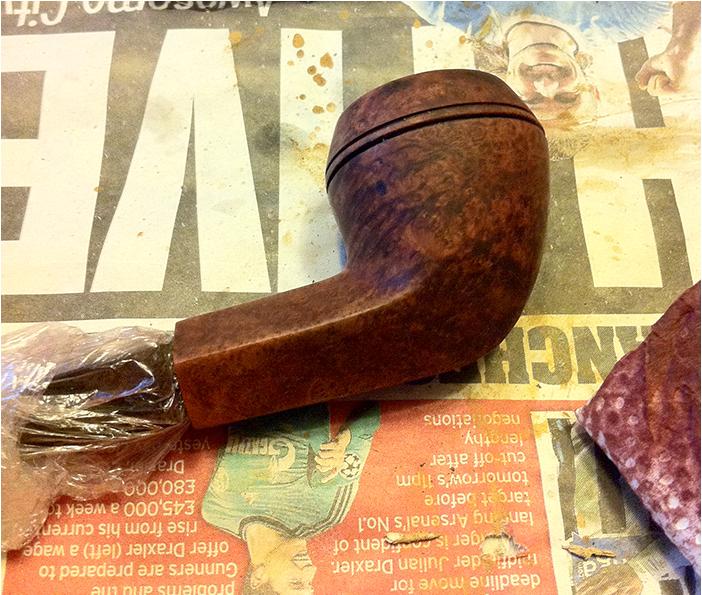
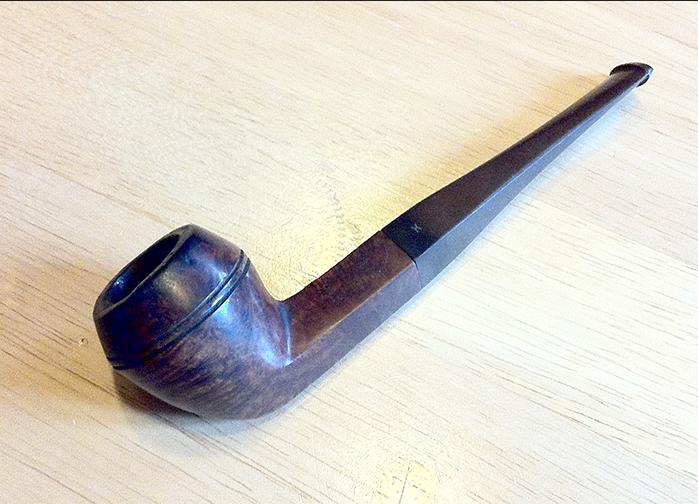
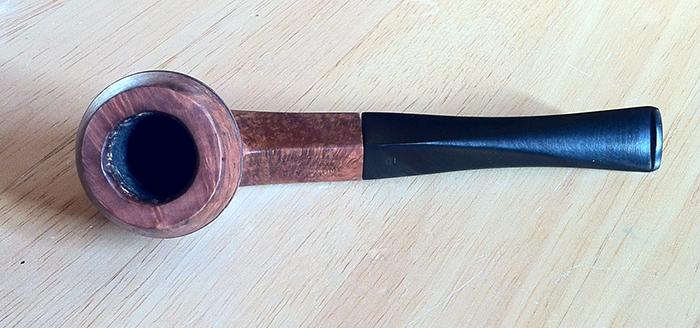
Another part of the trade I got from Mark was this damaged Comoy’s Billiard. It has some great grain on it. The stamping is Comoy’s on the left side of the shank and J186 on the right side. It also has the characteristic circular Made in London over a straight line England. This circular stamp is next to the end of the shank. The stem was a replacement – it does not have the C logo on it. It had also been repaired. I believe that Mark must have used the black superglue to patch a couple of bite marks in the stem near the button. The shoulders on the stem were rounded and the stem shank junction was not smooth. Otherwise the finish was in fairly decent shape and the stem looked good.
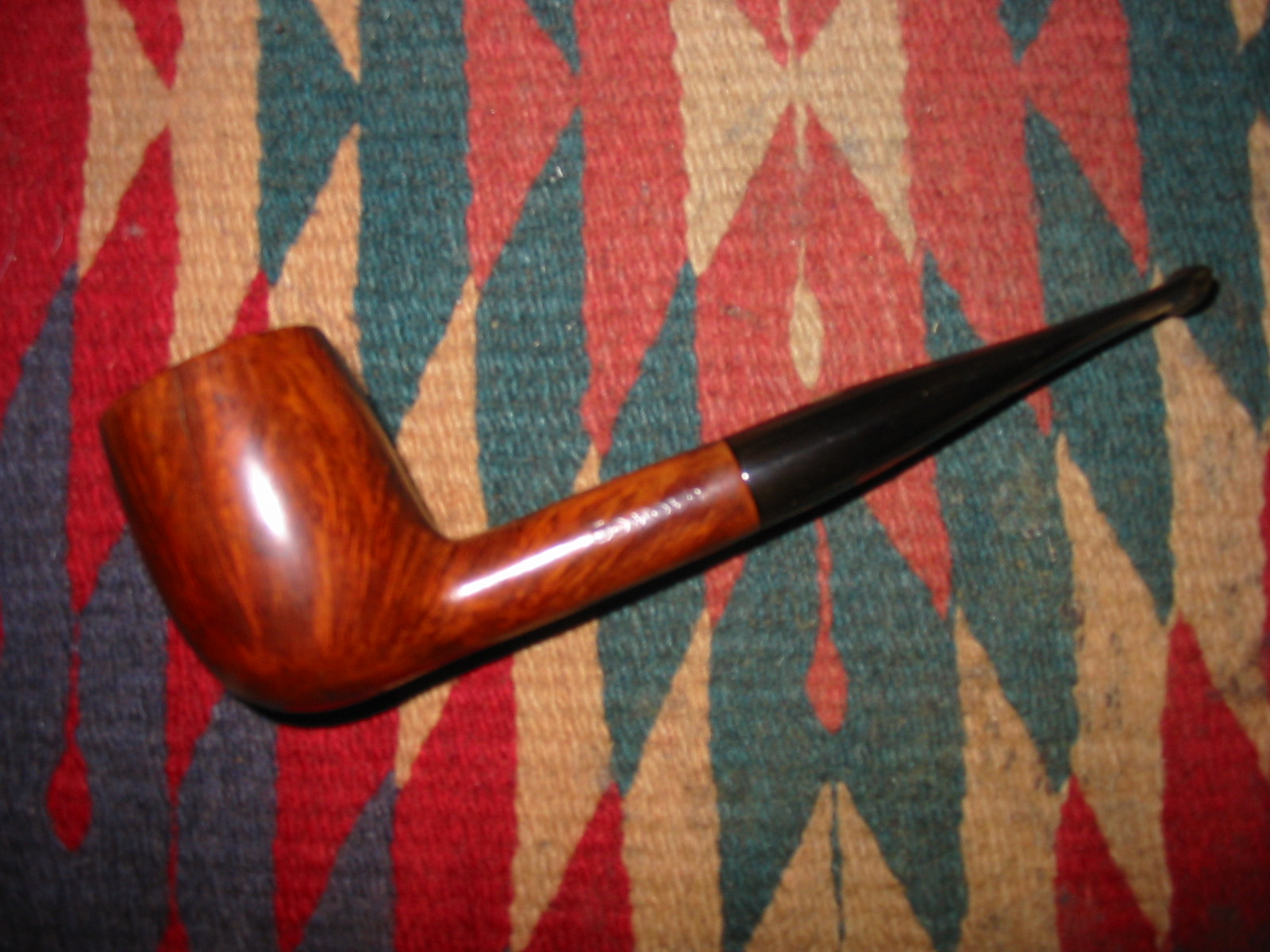
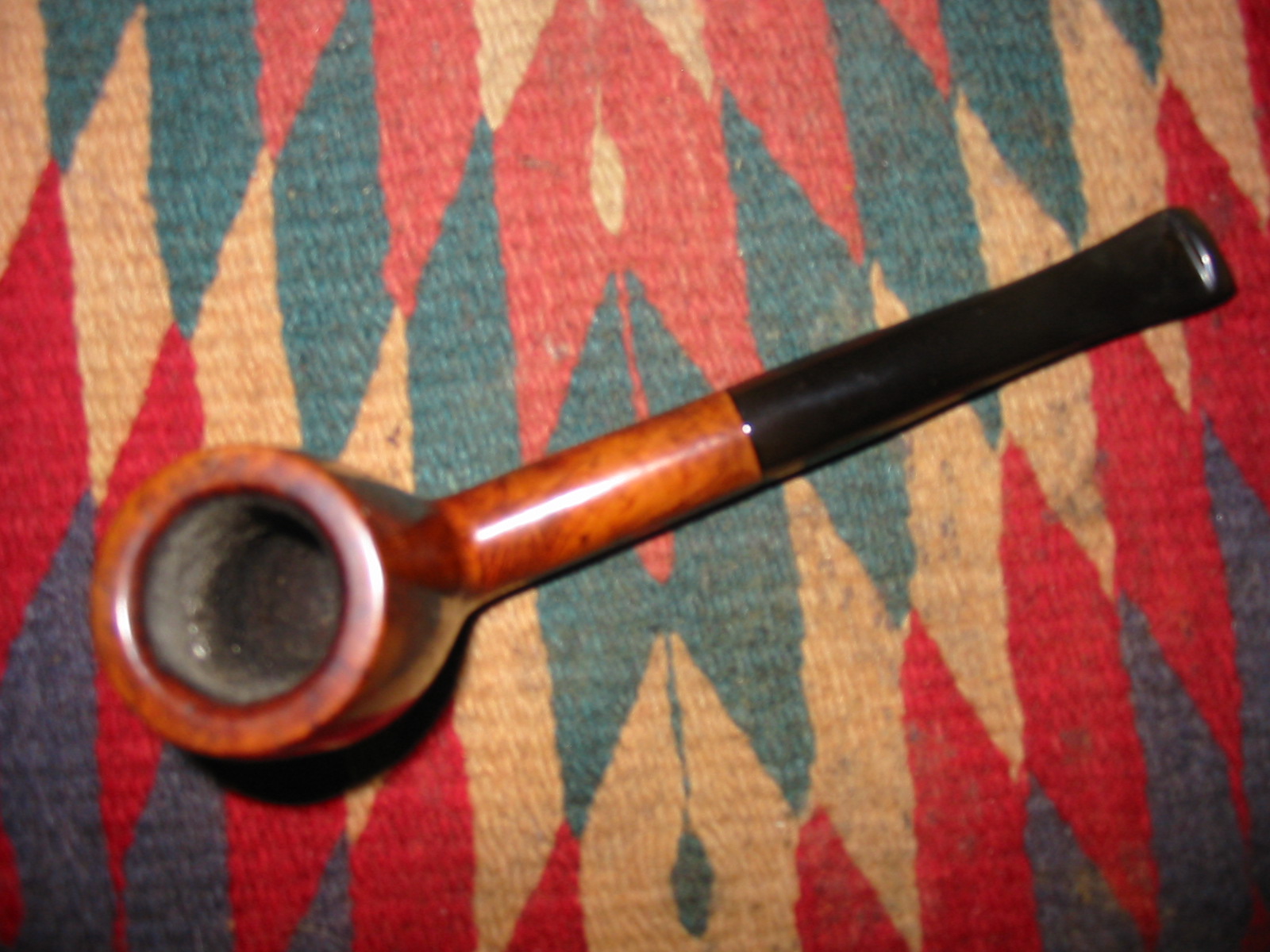
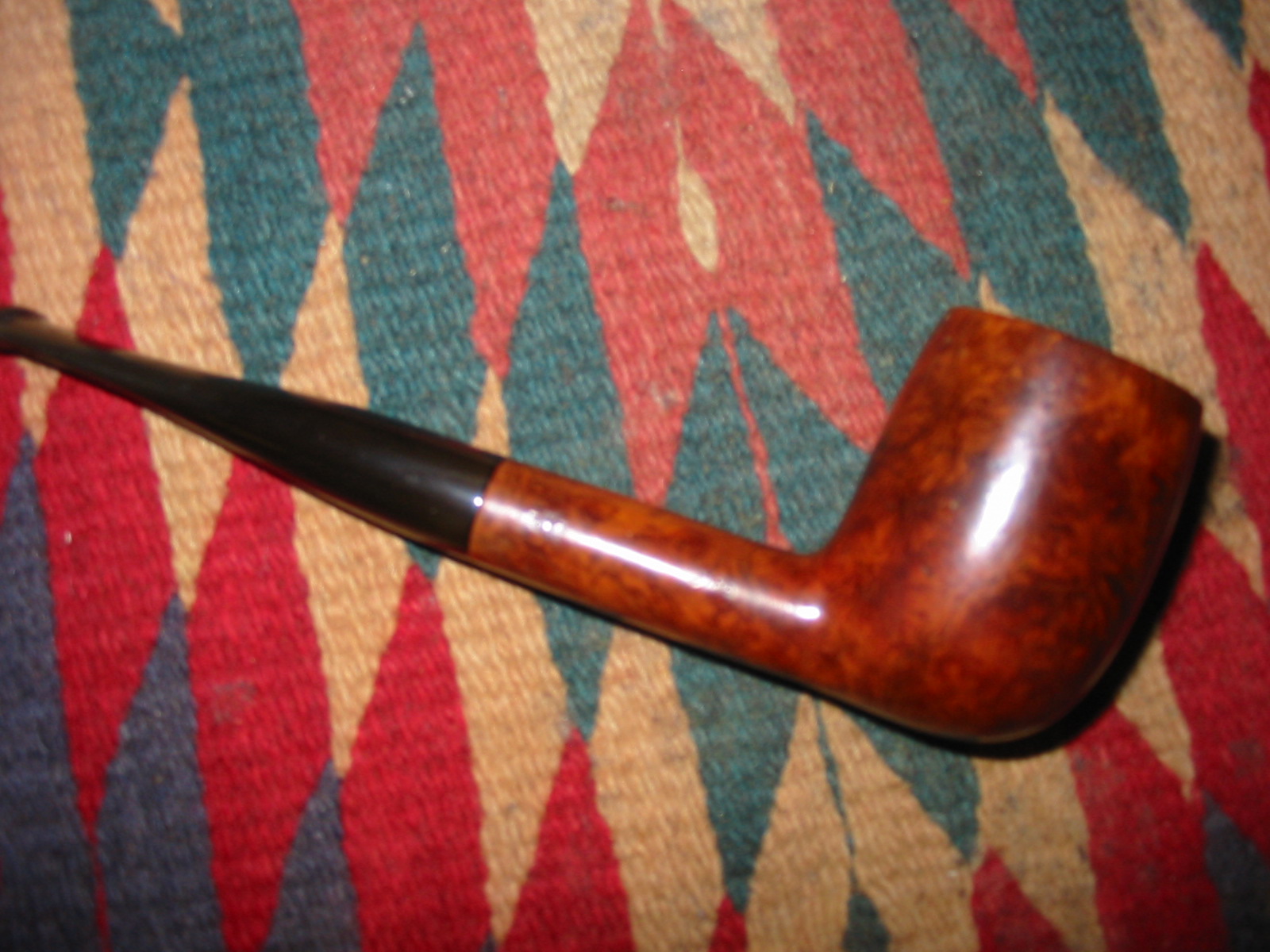
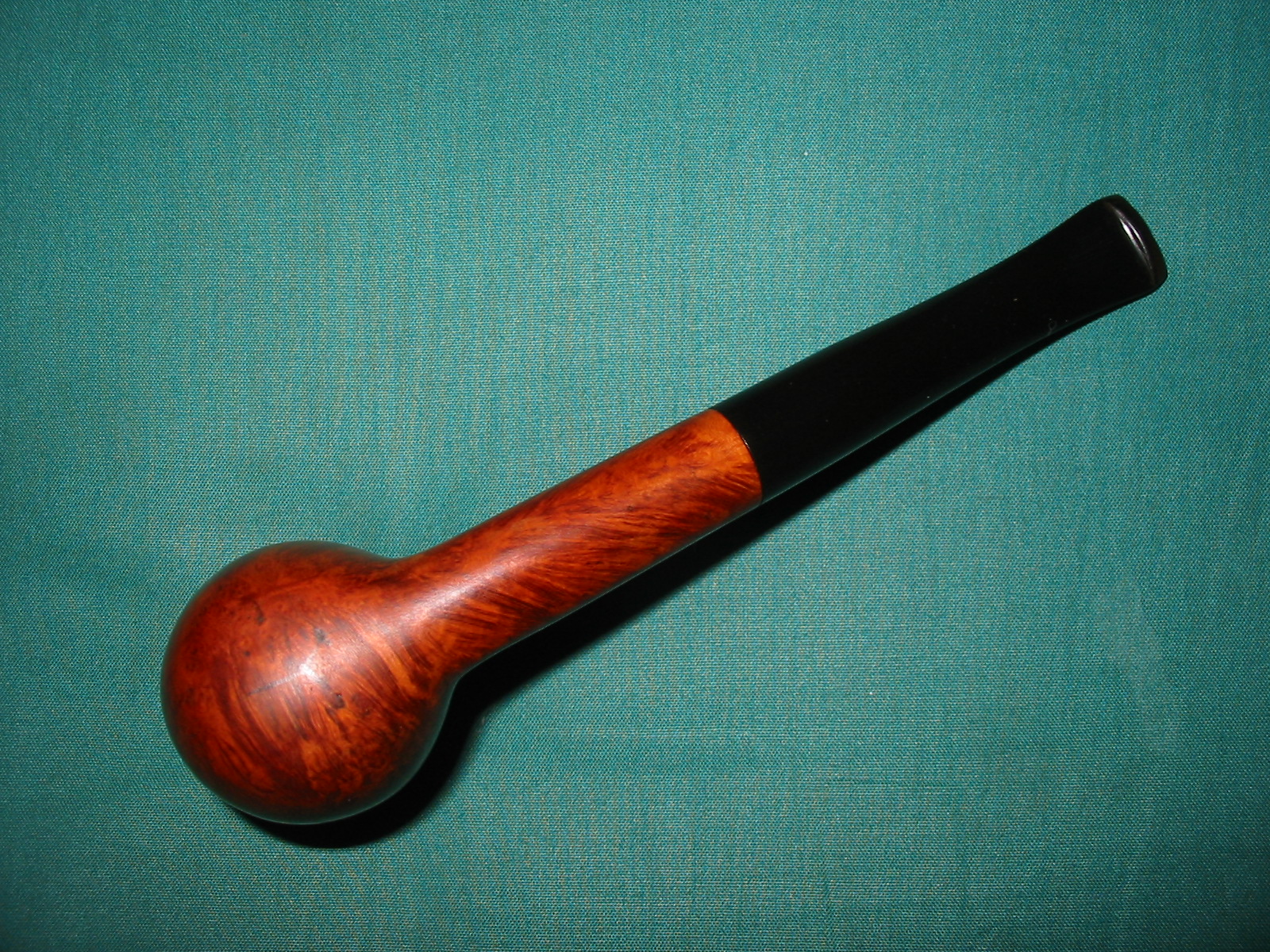
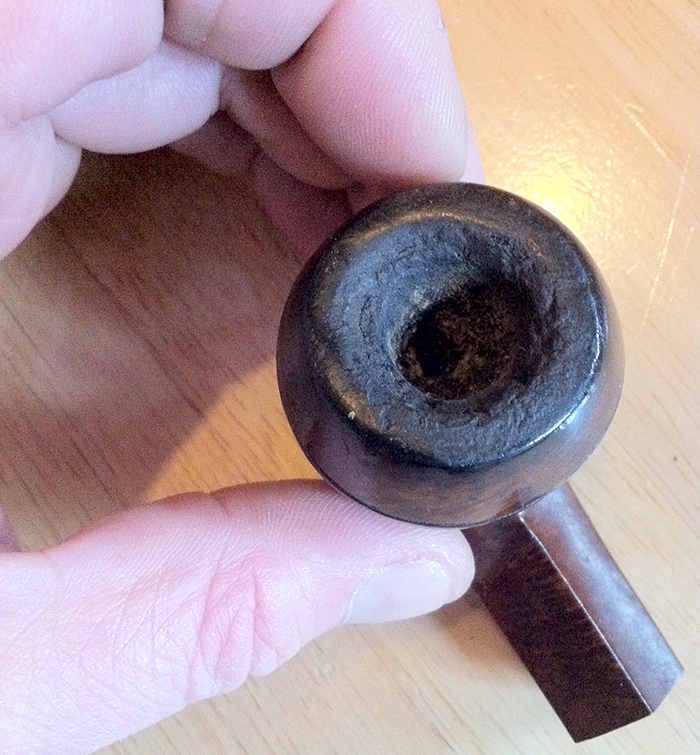
In the letter Mark included with the pipes he noted that there were small cracks in the exterior bottom of the bowl. I examined it with a light and saw that the three small cracks radiated from the three divots on the bottom of the bowl. These were flaws in the briar or dents, I am not sure which. The cracks radiated from the three points to a centre point where they met. They did not extend beyond the divots. Examining the inside of the bowl the bottom was not overly deep and there did not appear to be any cracks internally.
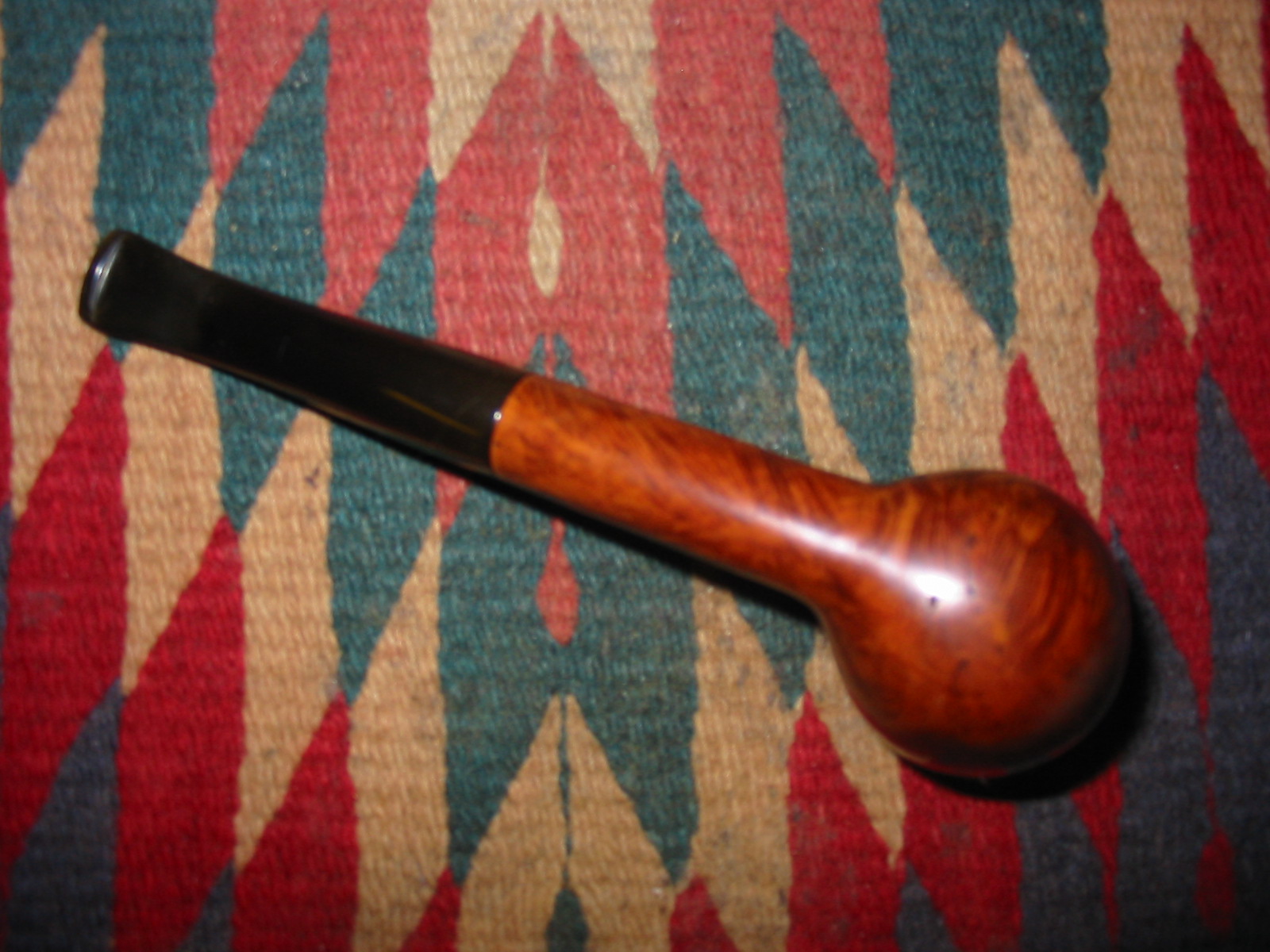
I decided to work on the rounded shoulders on the stem and the stem shank junction first. This is a very easy fix and I thought I would give the cracks a bit of thought before I worked on them. I sanded the stem and shank with 220 grit sandpaper carefully avoiding the stamping. I also did not want to sand too deeply so as to taper the stem artificially from the junction forward. This took care but I was able to smooth out the rounded shoulders. I followed the 220 sandpaper with a medium and a fine grit sanding sponge to remove the scratches.
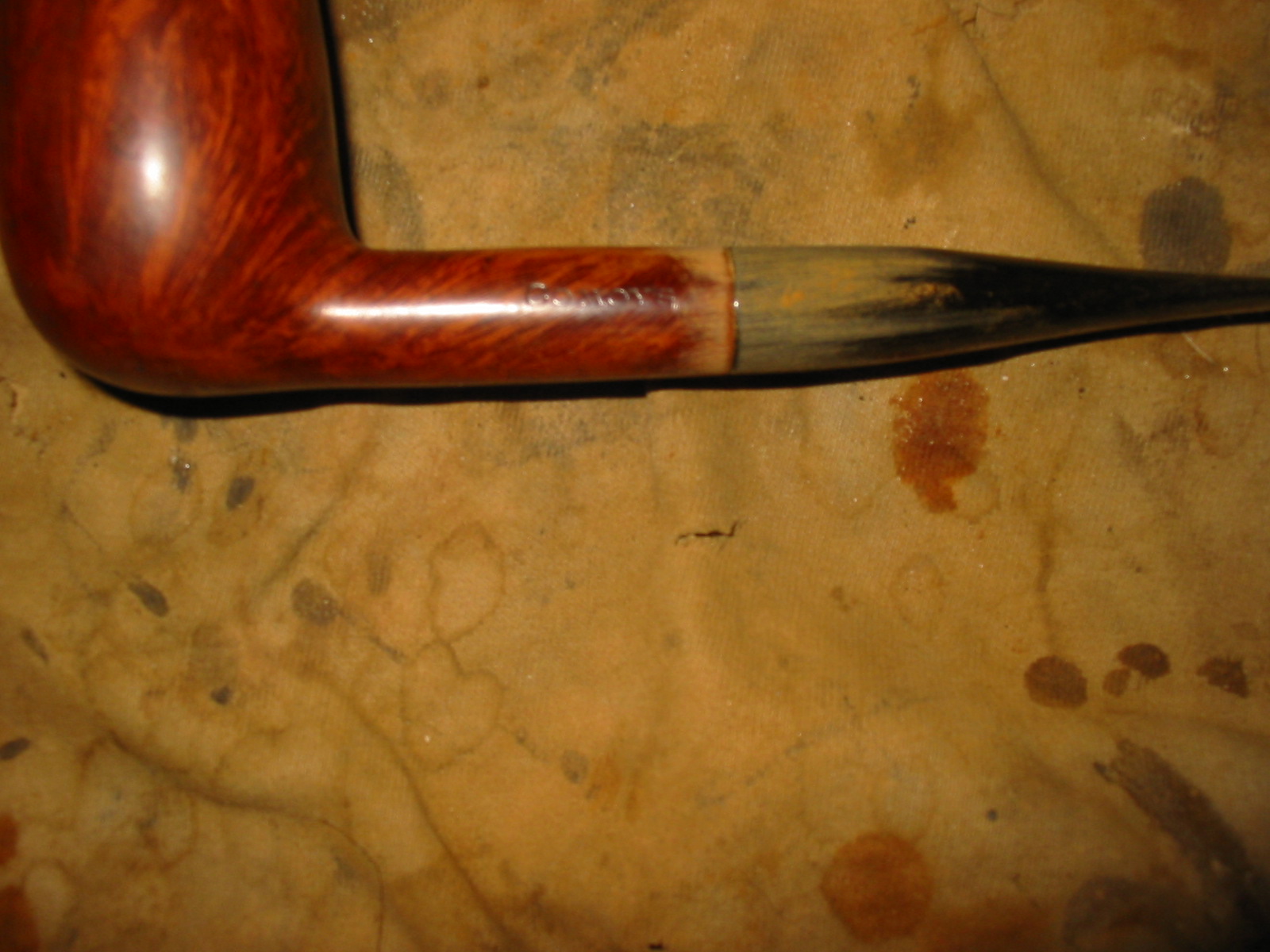

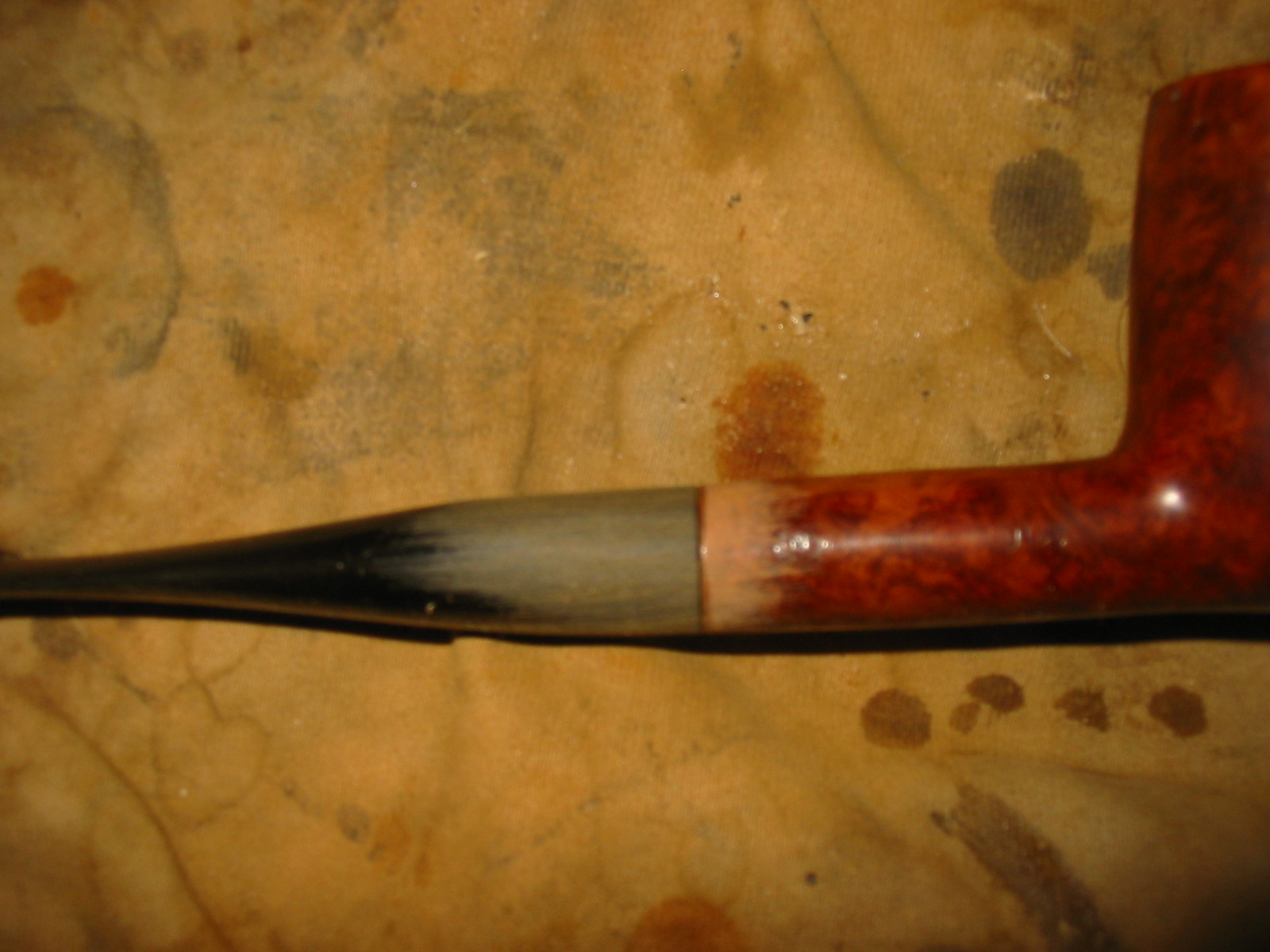
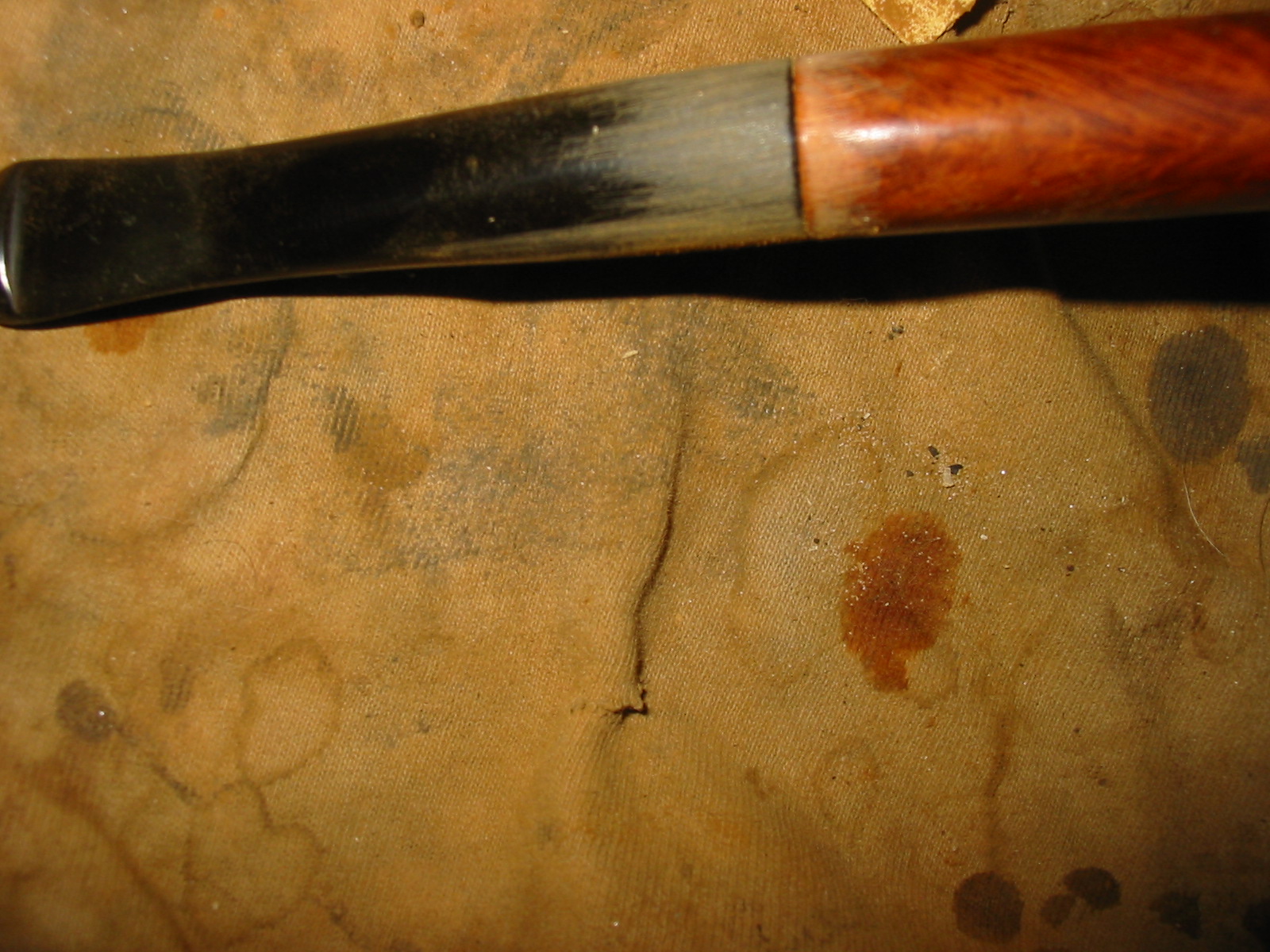
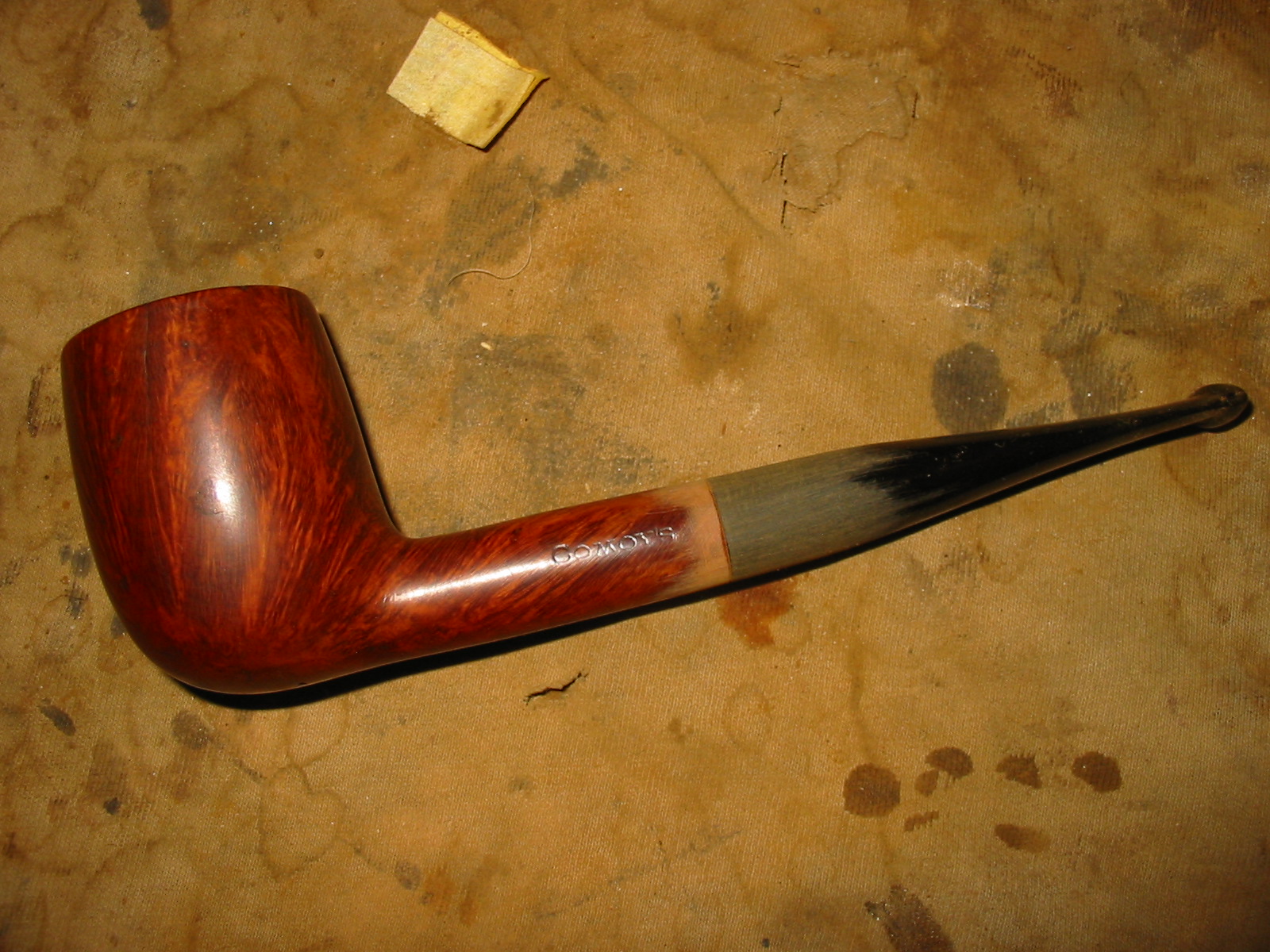
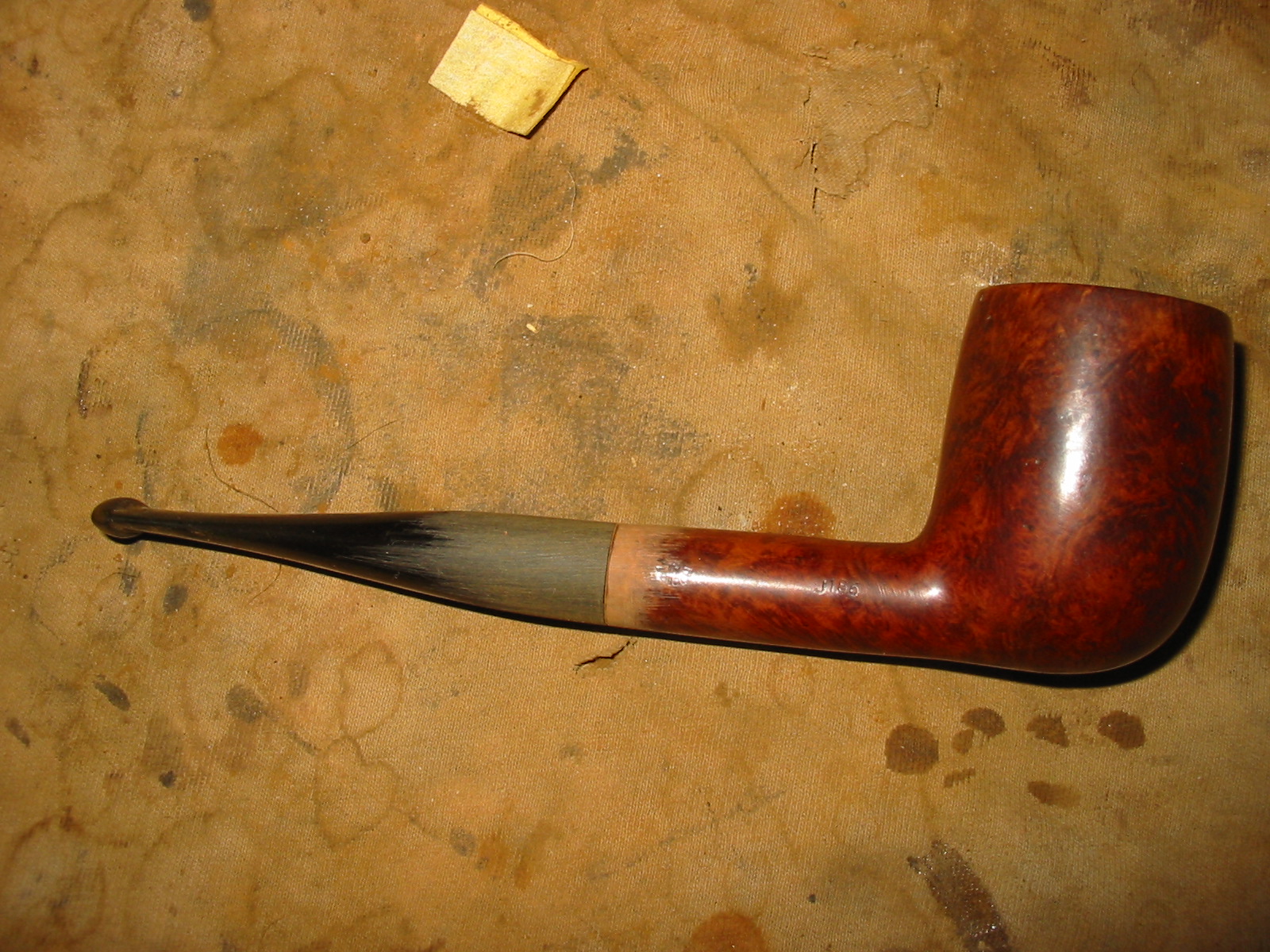
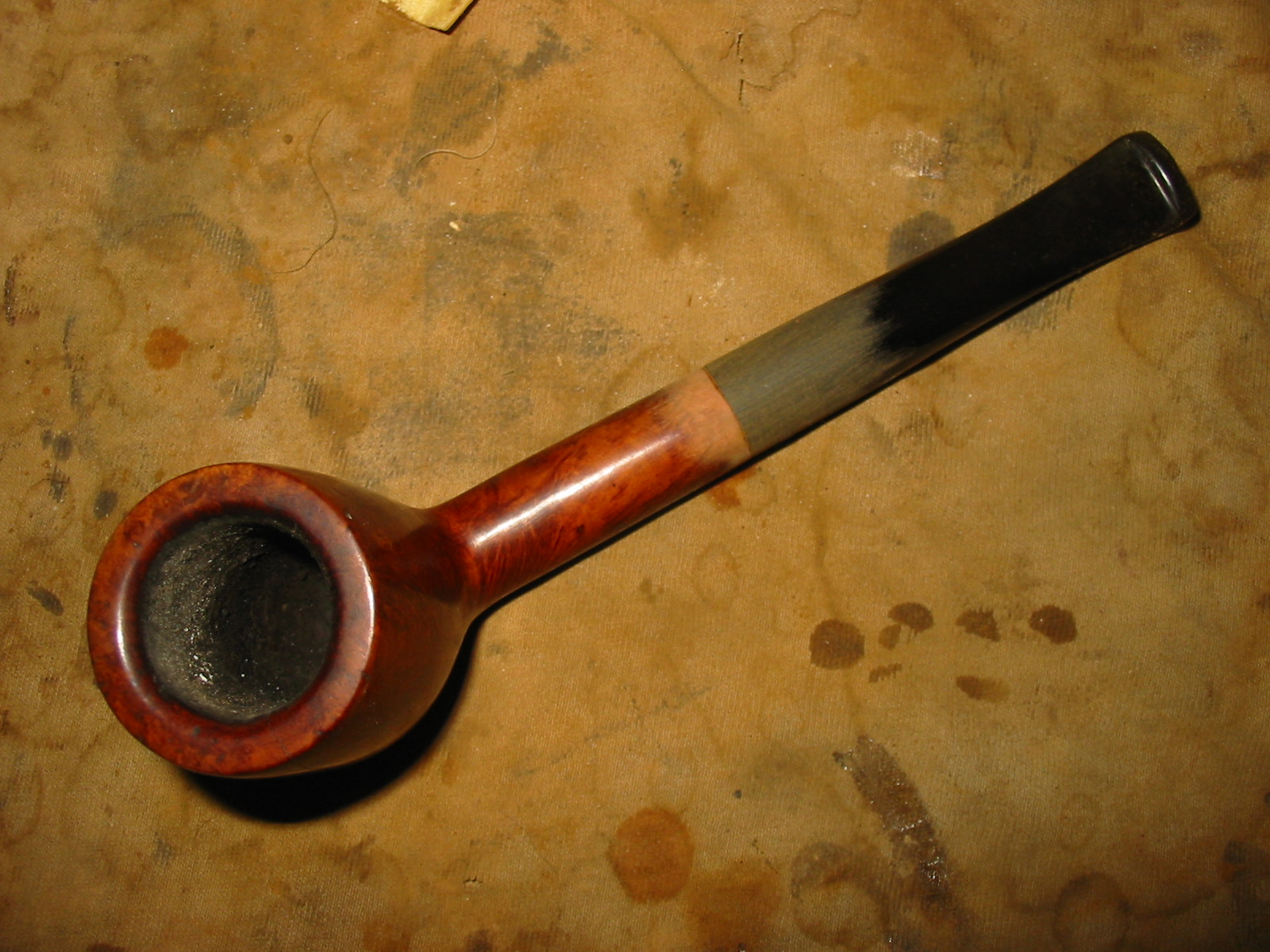
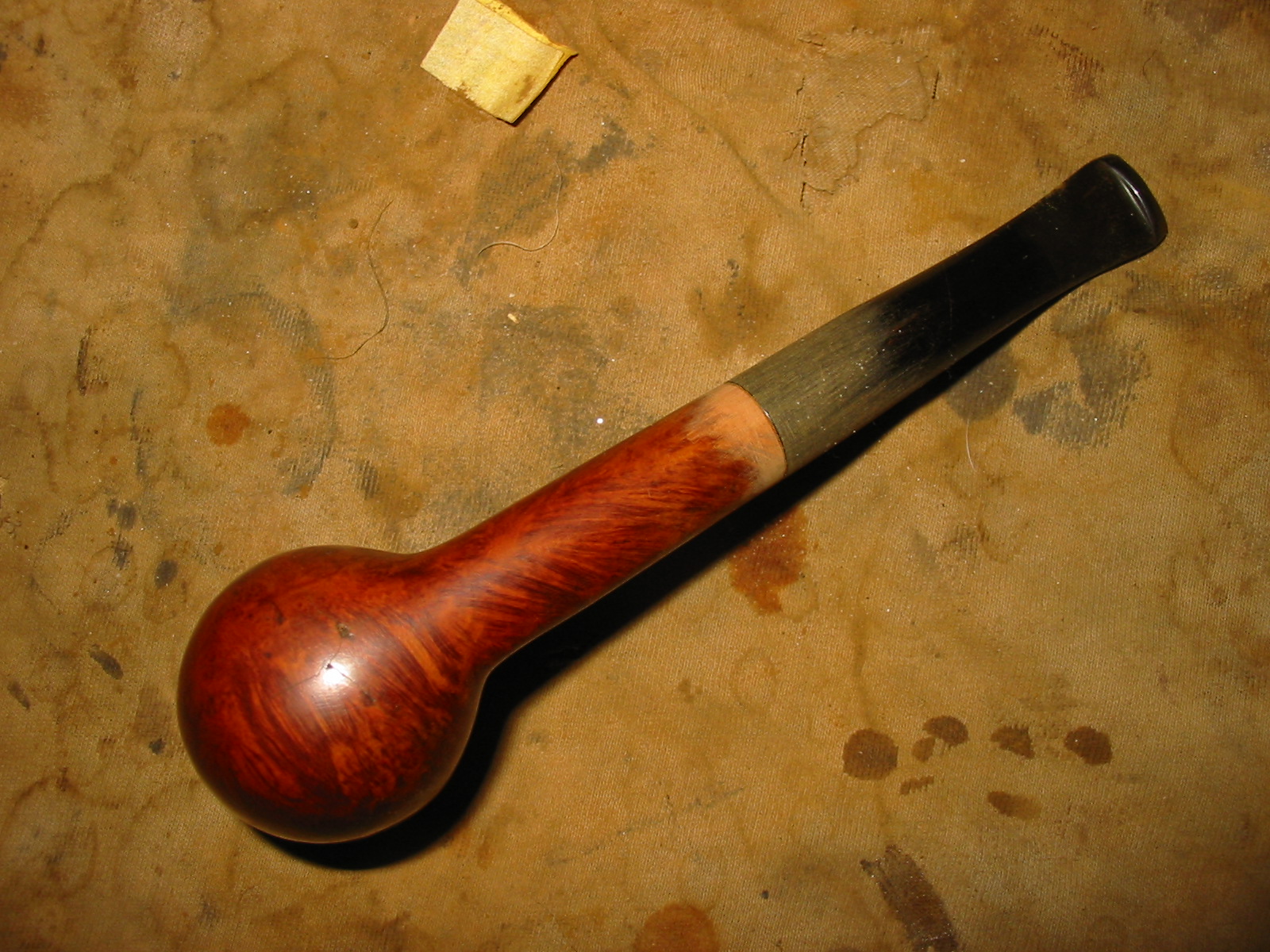
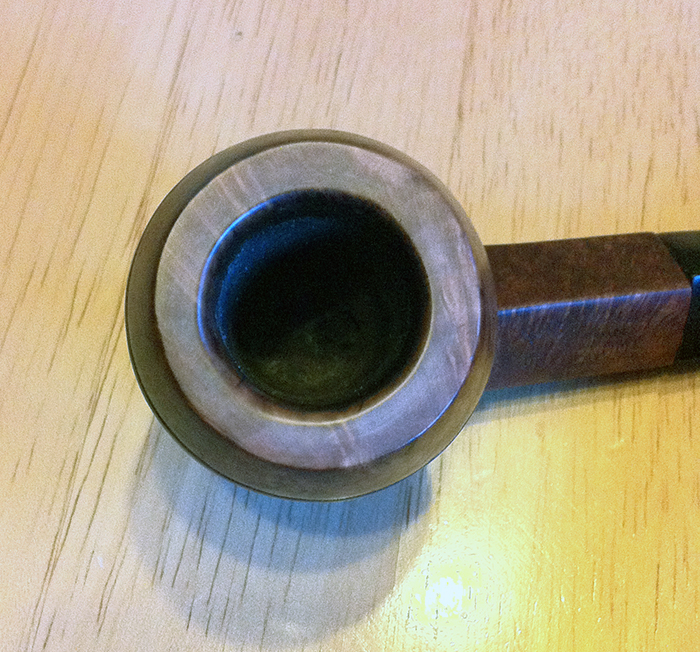
I wiped the bowl down with acetone to remove the finish and make the restaining easier. I also wanted to clean up the bottom of the bowl to be able to examine the cracks more closely.
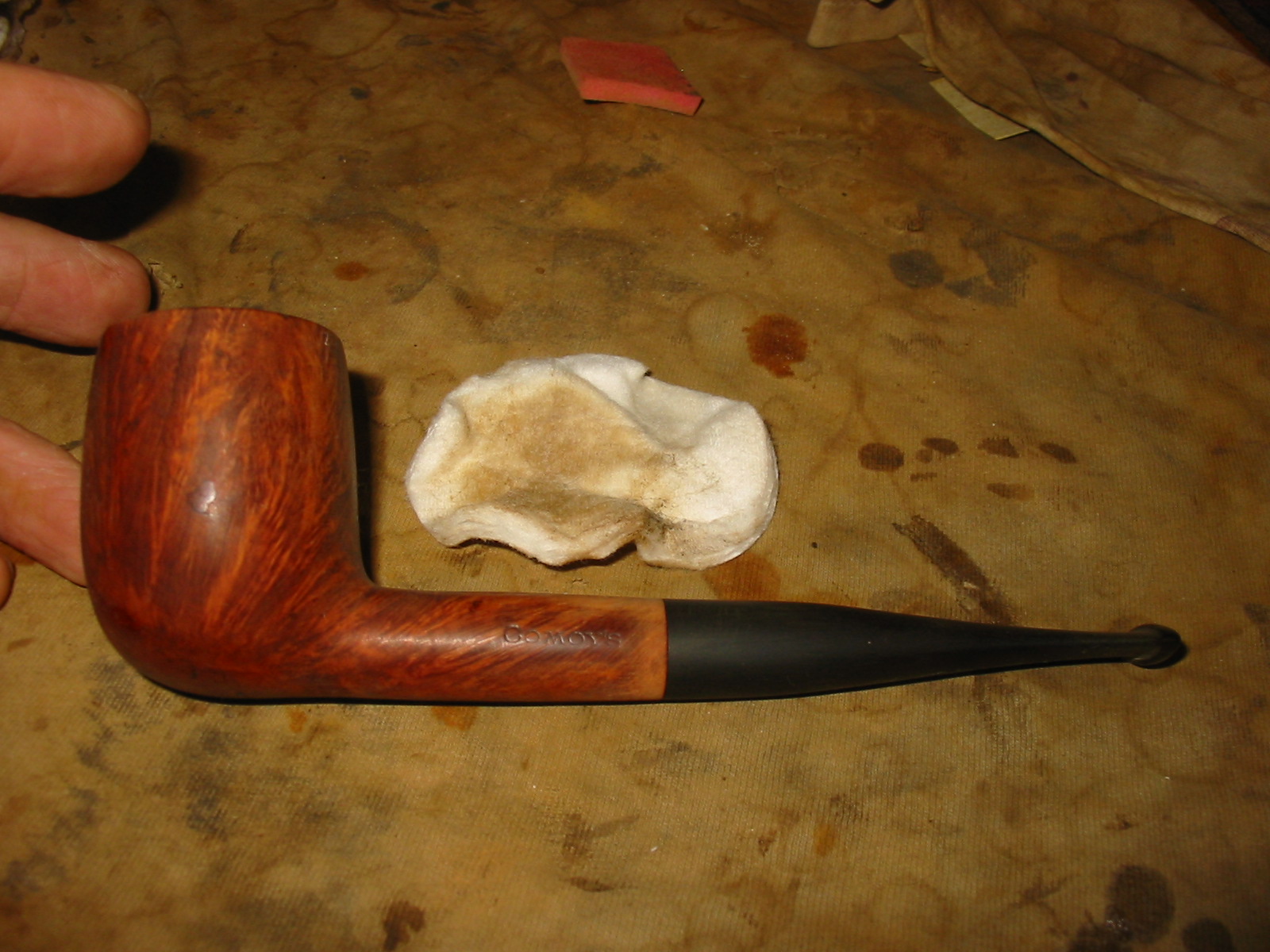
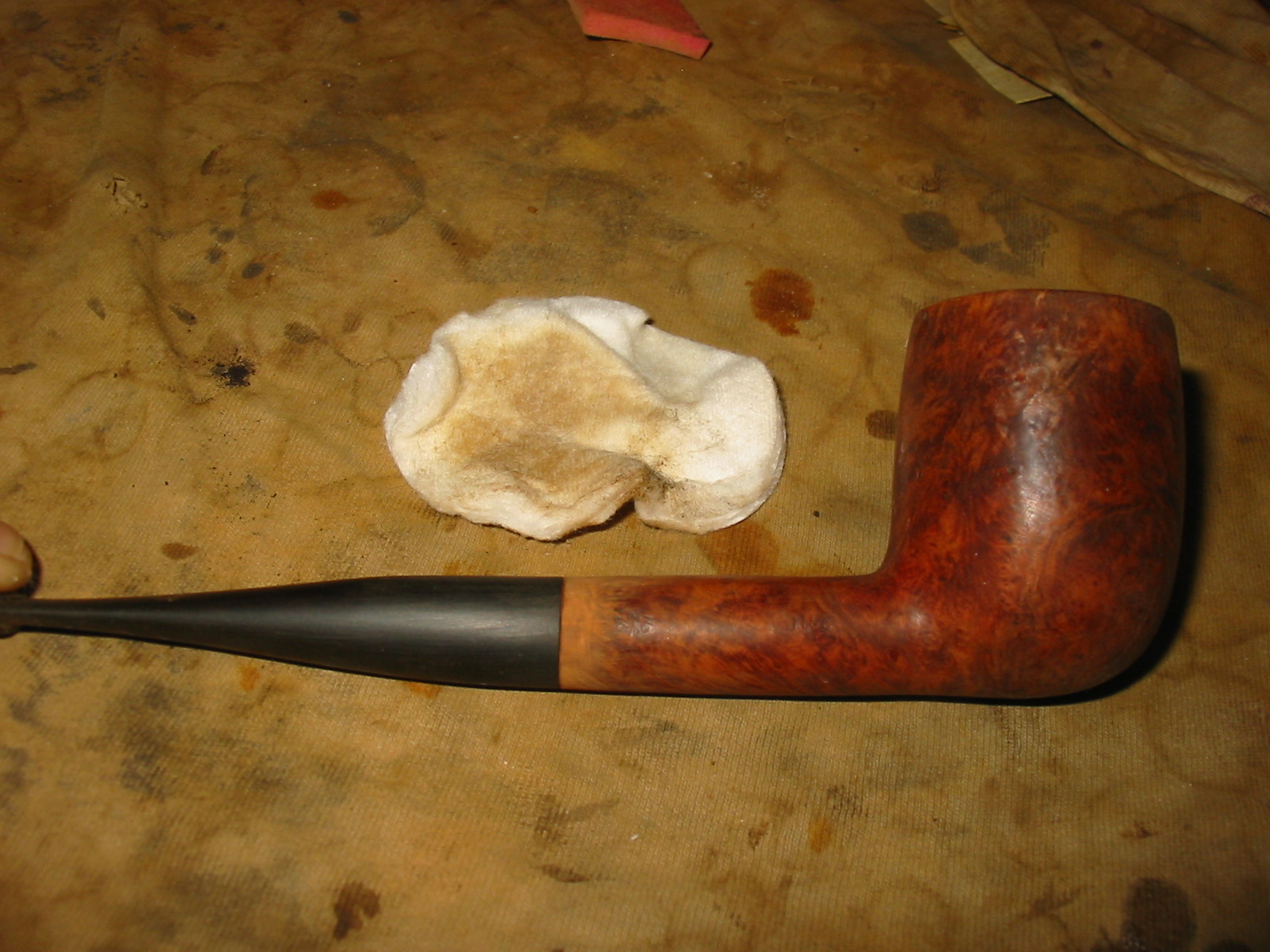
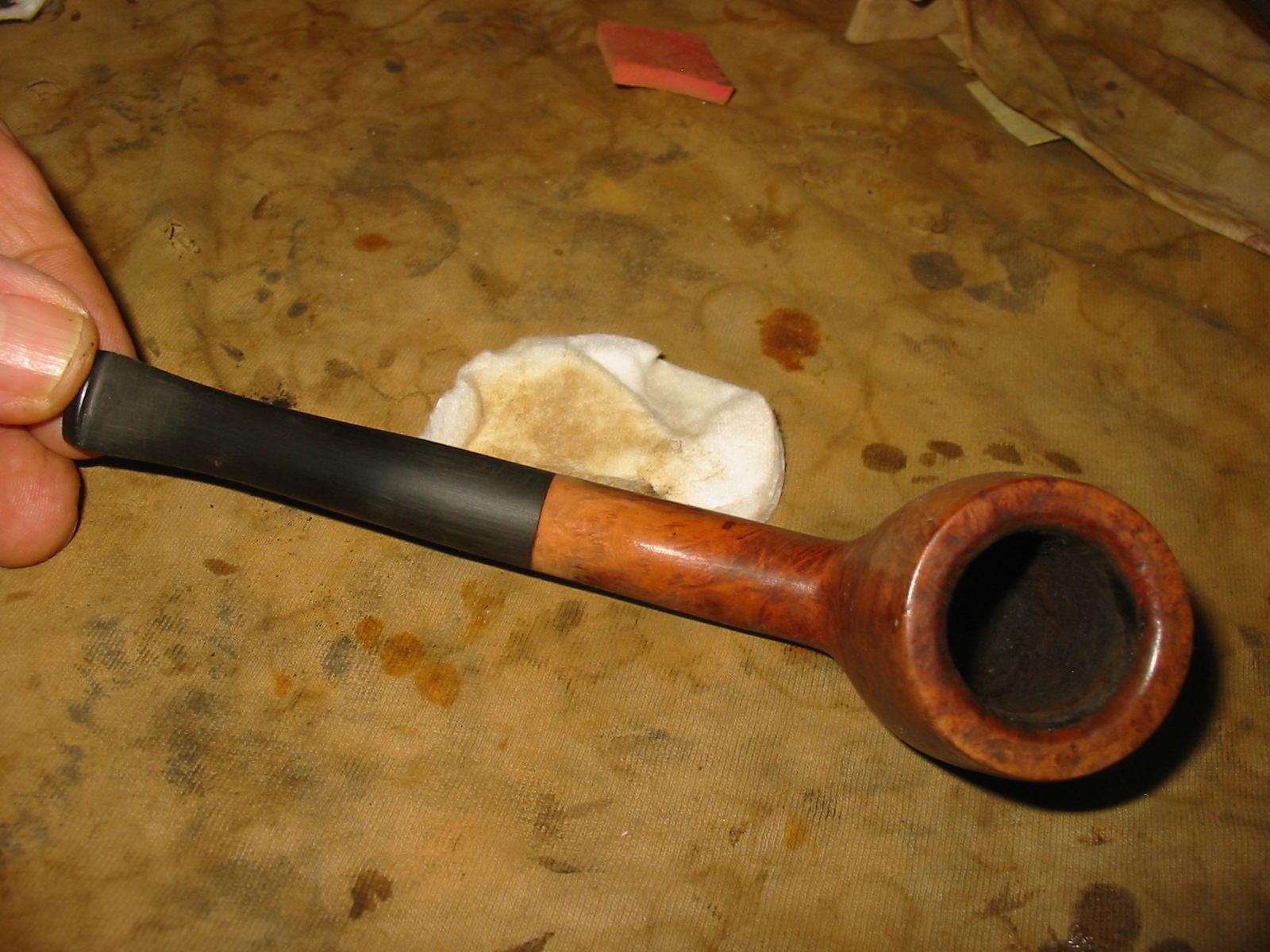
As can be seen in the photo below the cracks are virtually invisible to the eye. There is no burn or darkening around the cracks so I am pretty sure that it is not a burn out. I decided to restain the bowl and see how the stain took in the area of the cracks.
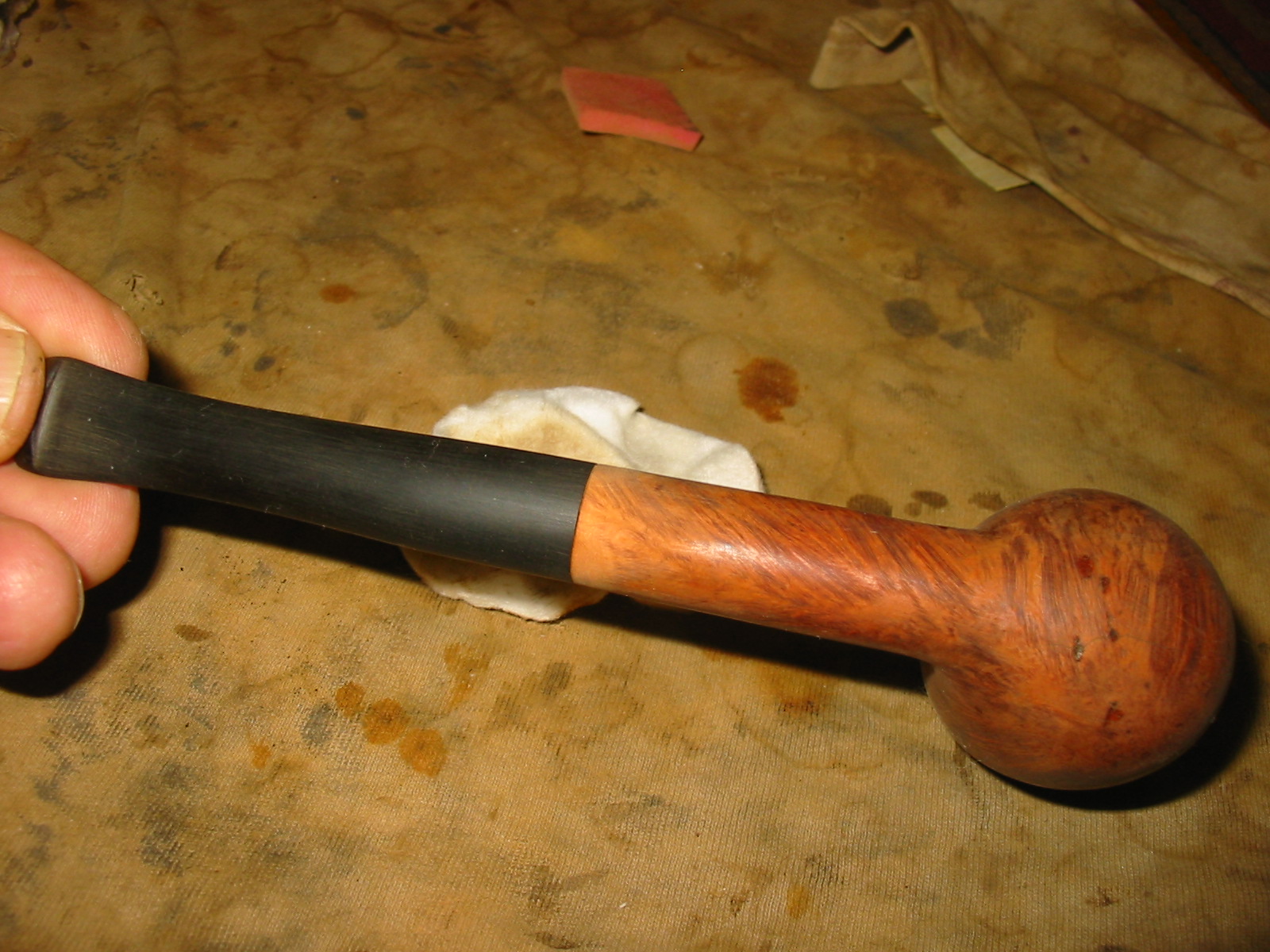
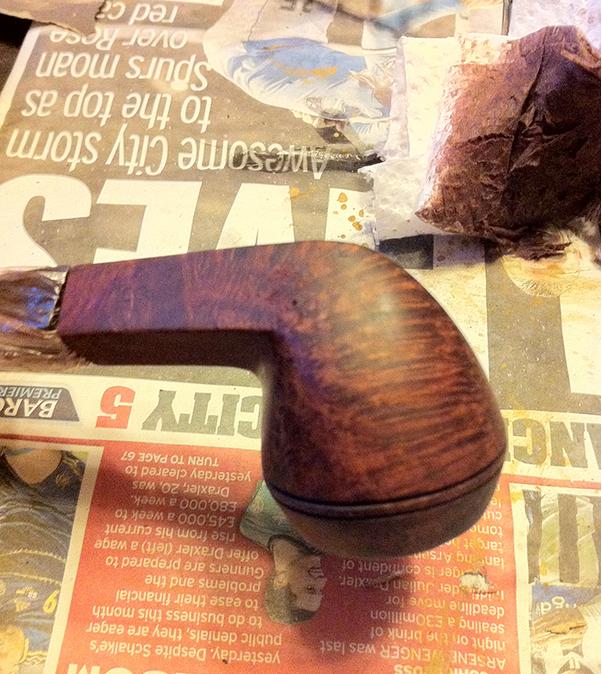
I stained the pipe with a dark brown aniline stain mixed 2:1 with isopropyl alcohol to approximate the colour on other Comoy’s I have. In the photos below it appears far redder in colour than it is in reality. I flamed the stain and repeated as necessary. The cracks were still visible so they would take a bit more work to repair.
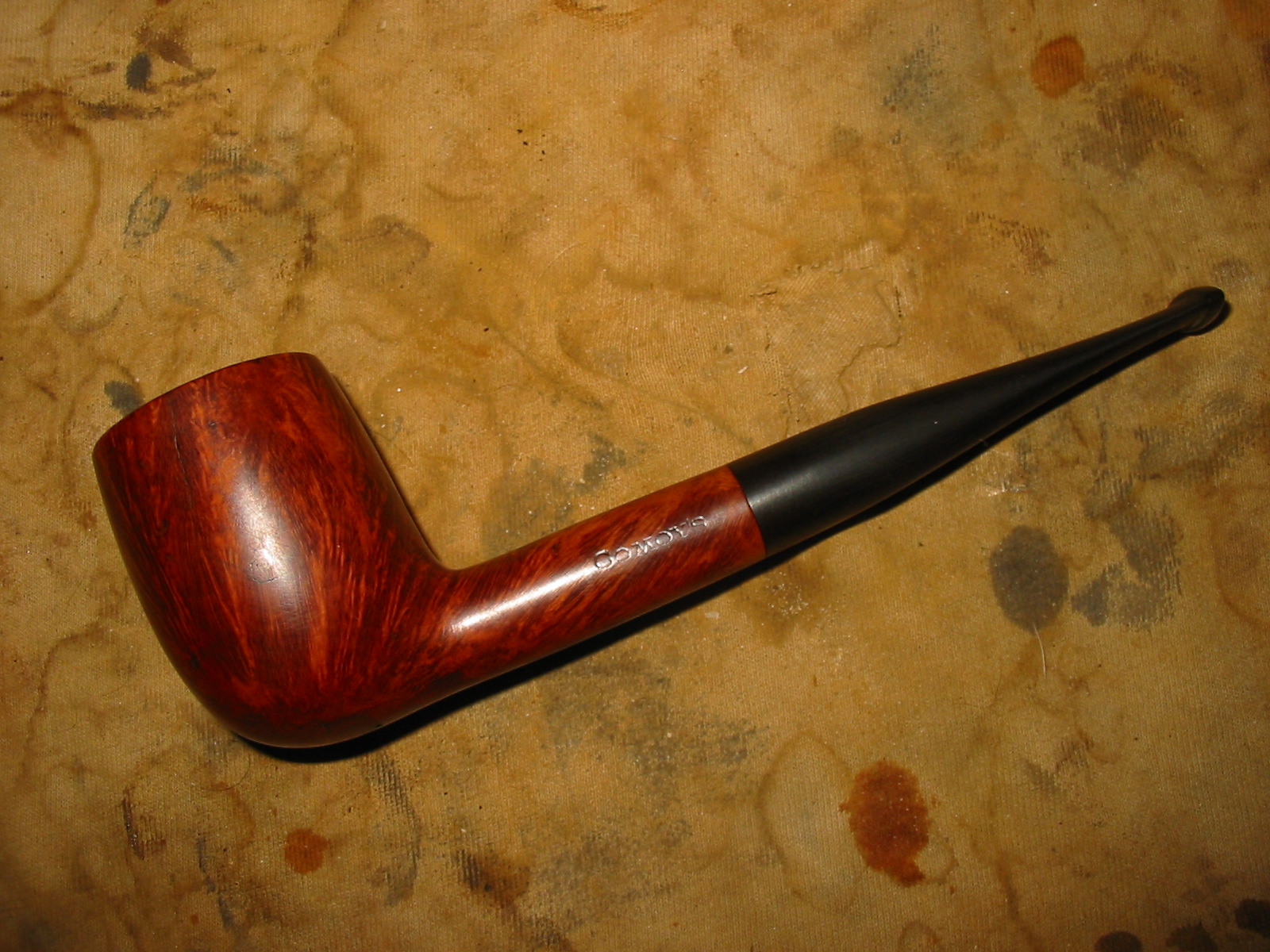
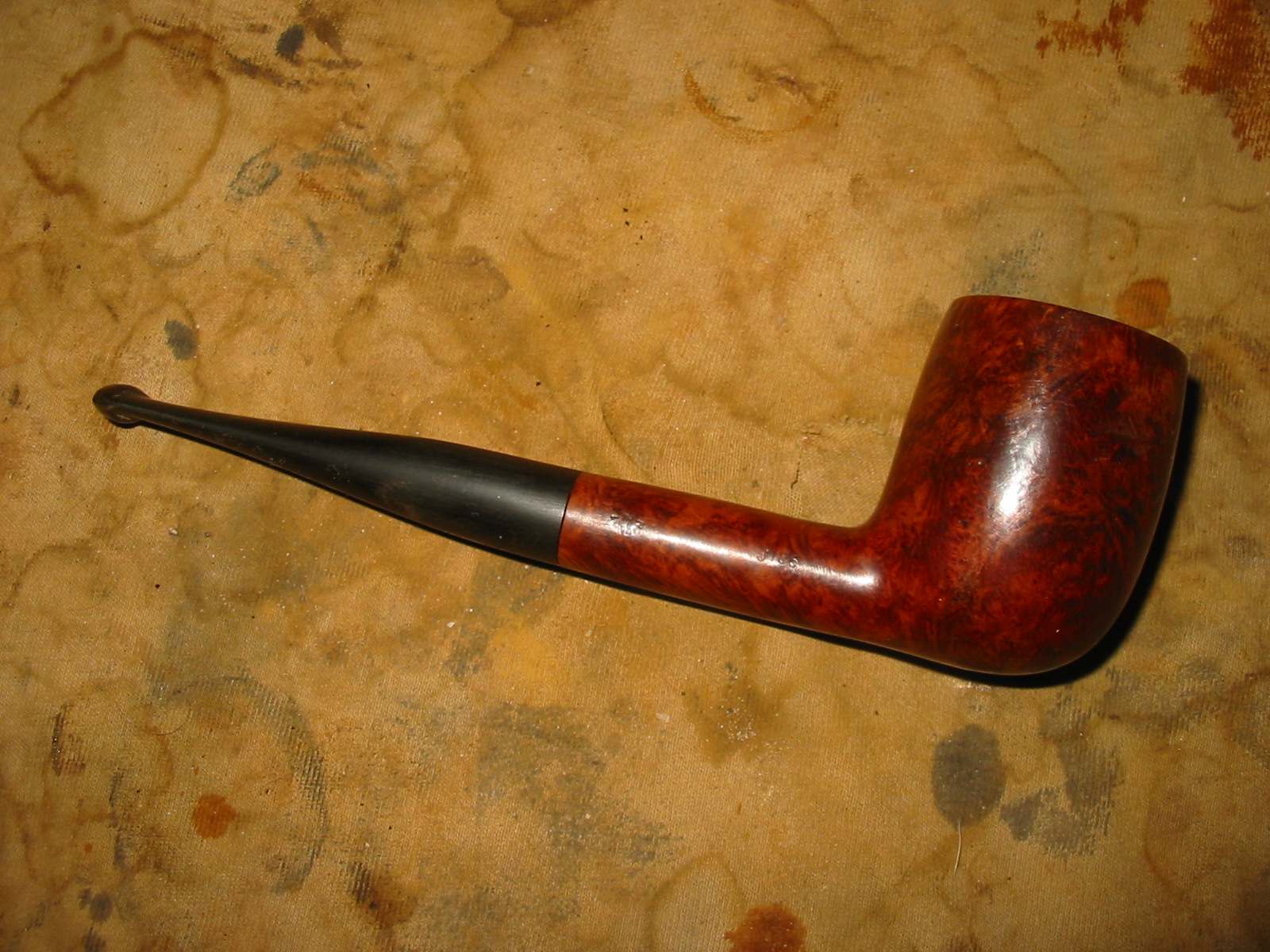
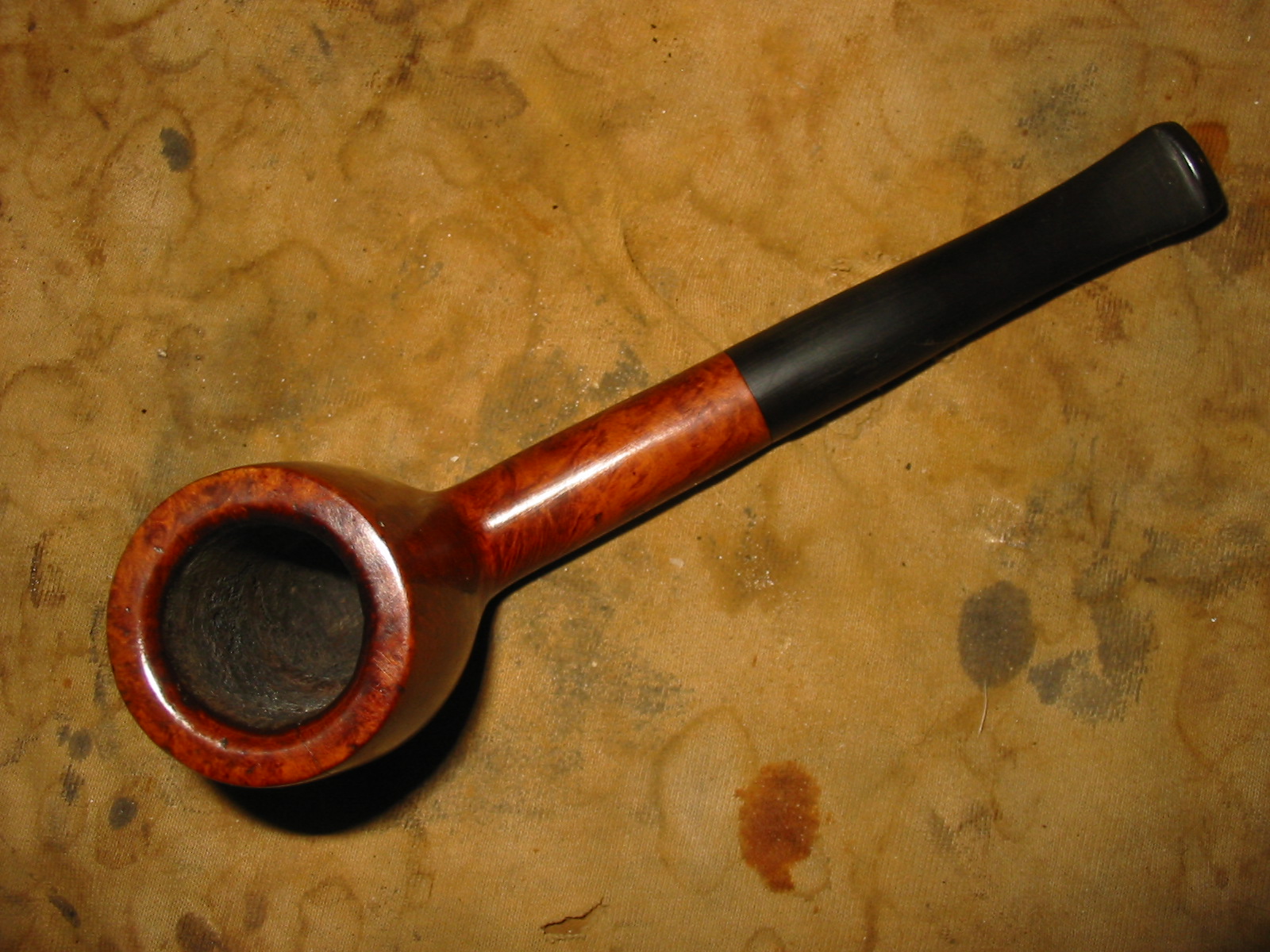
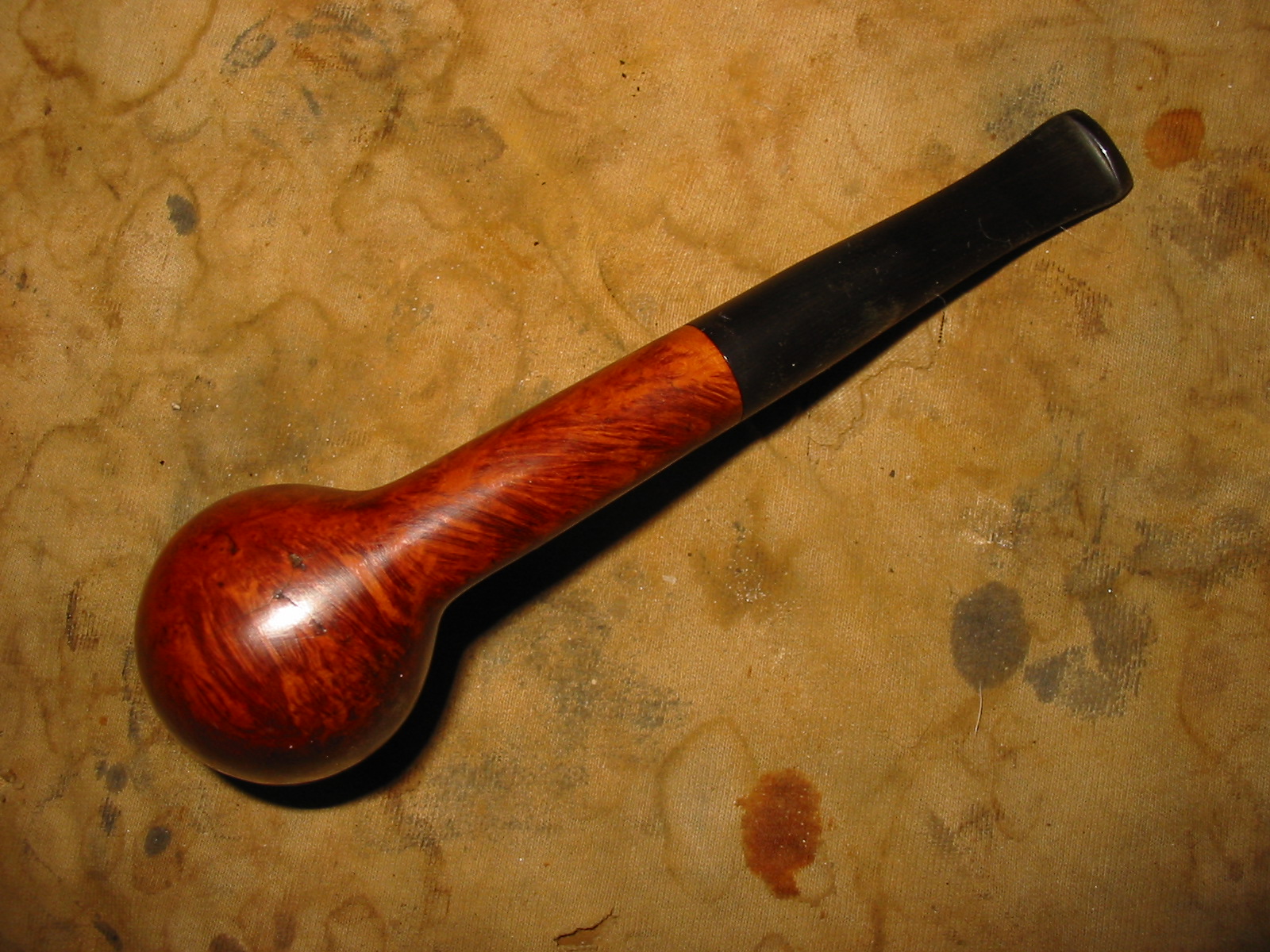
I worked on the stem with my usual array of micromesh sanding pads – wet sanding with 1500-2400 grit pads and dry sanding with 3200-12,000 grit pads. I rubbed the stem down with Obsidian Oil and let it dry. I buffed it with White Diamond paying particular attention to the patches around the top and bottom of the stem near the button. I was able to blend them in well and the black of the polished stem and the black of the superglue match.
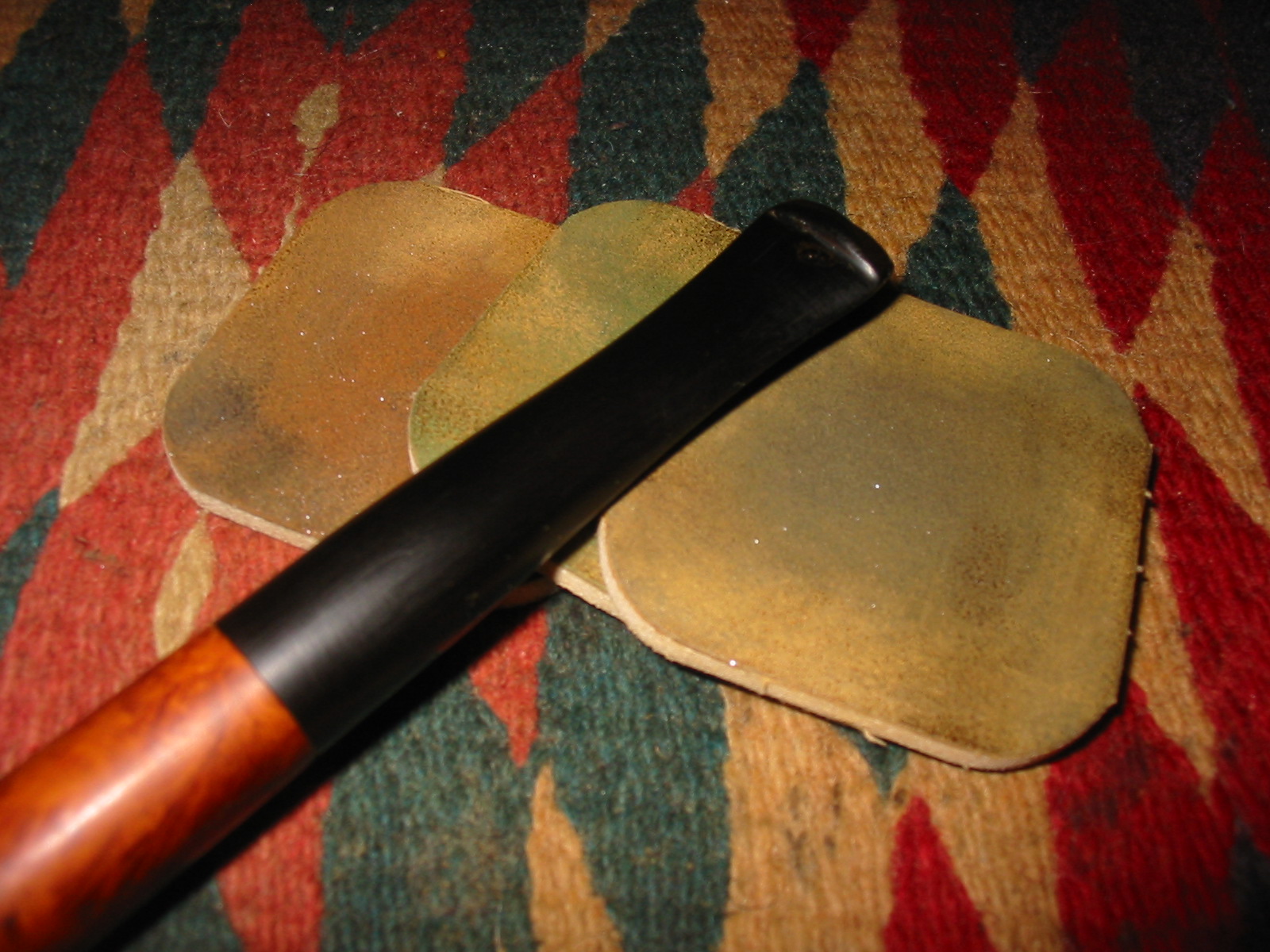

I decided to work on the cracks on the bottom of the bowl. I scratched out the cracks using a dental pick. I was able to clean out the debris in the cracks and open them slightly. They did not go deep into the briar and there was no internal darkening in the bottom of the cracks. I packed in briar dust and dripped superglue into the briar dust. The photo below shows the superglue briar mix after it had dried. I over filled the cracks to ensure good coverage of the repair.
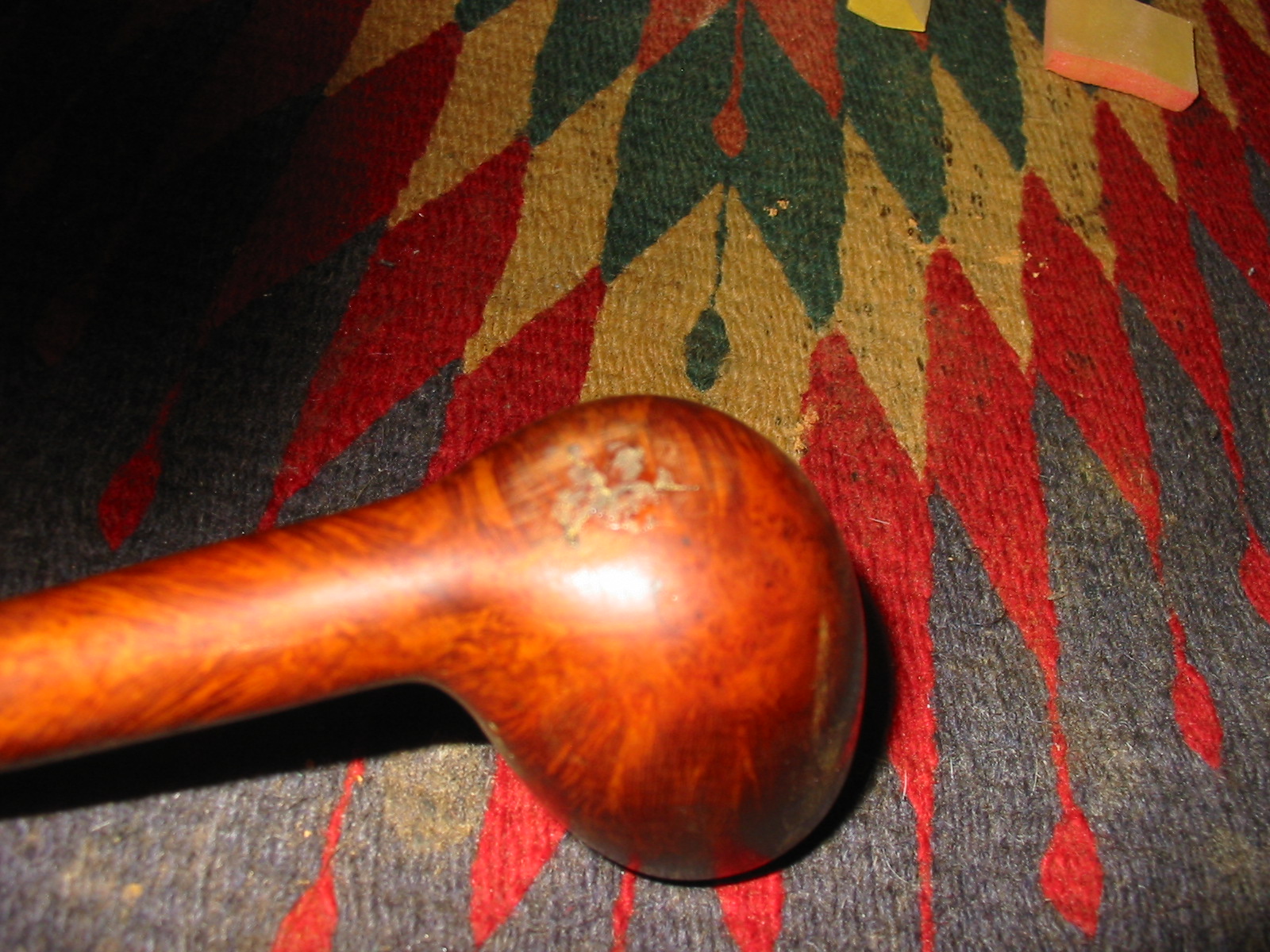
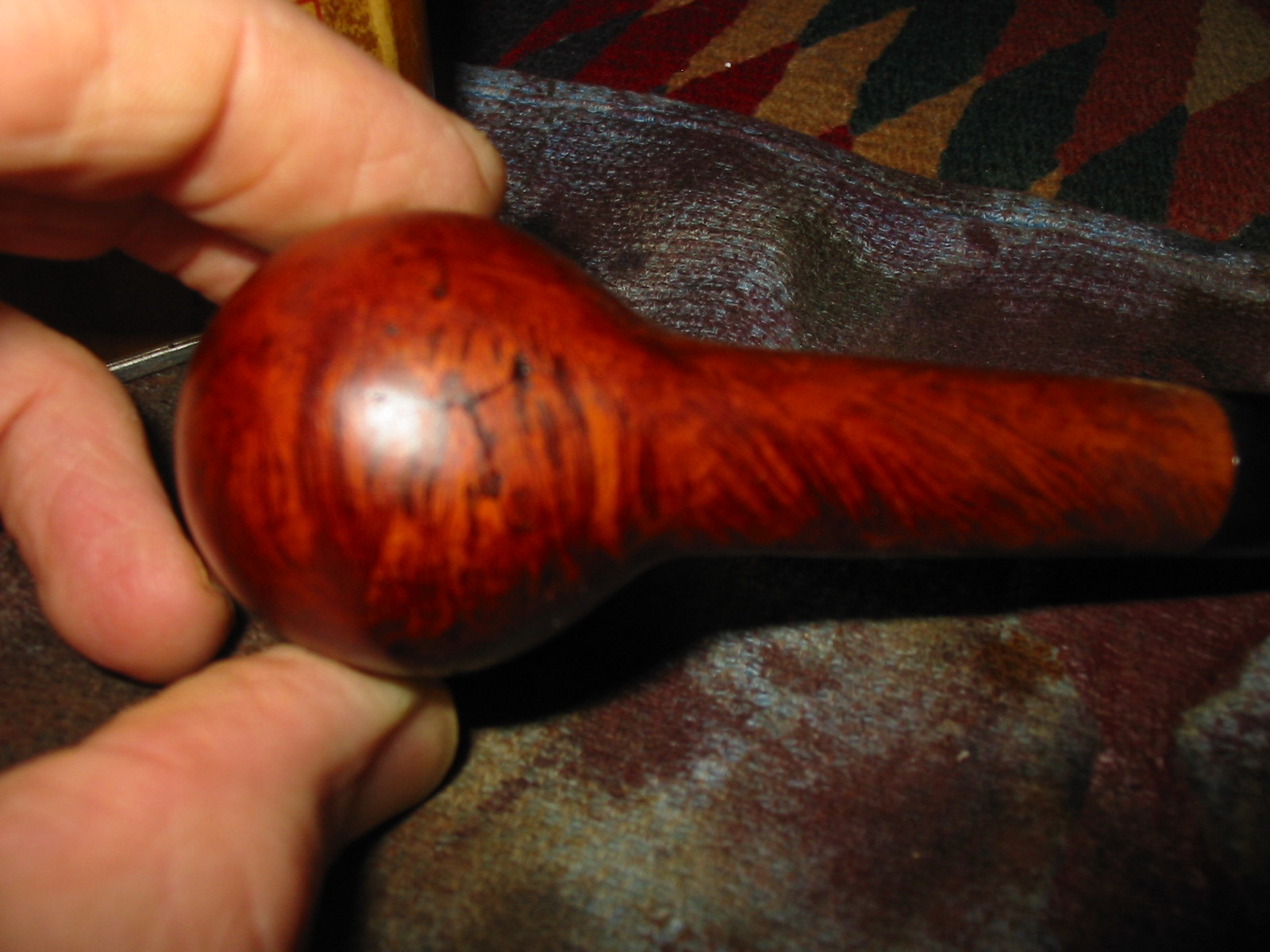
I sanded the patch with 220 grit sandpaper to remove the excess glue and followed that with a medium and a fine grit sanding sponge. The photo below, though slightly out of focus shows the repair clearly. It is almost a Y shaped repair.

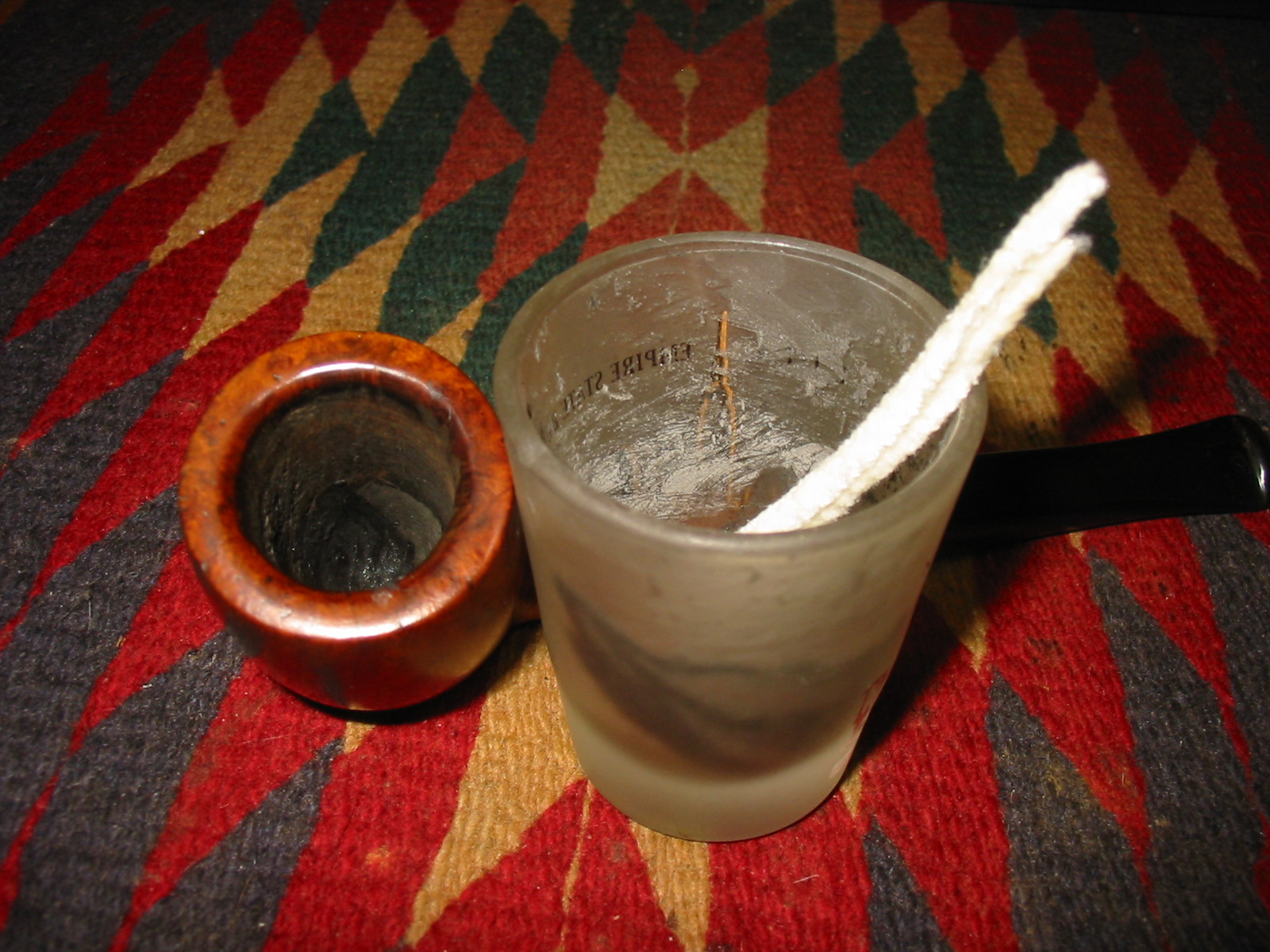
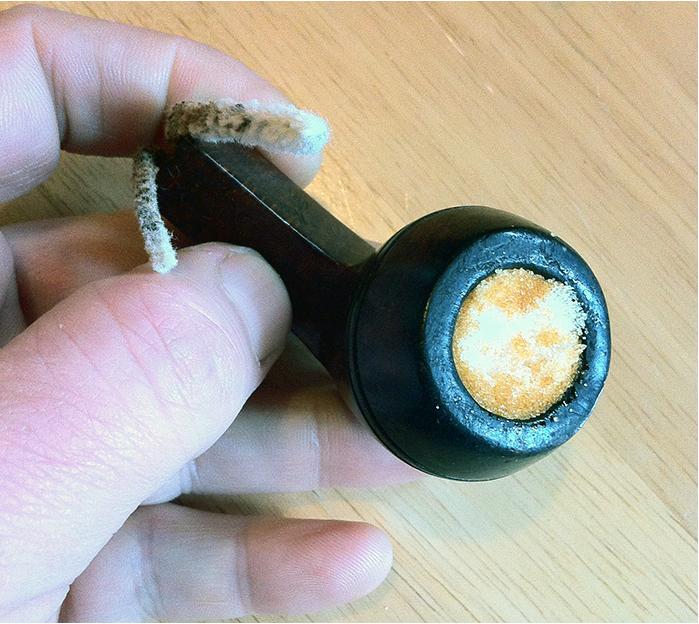
I mixed a batch of pipe mud – cigar ash and water to make a paste. To ensure that the bottom was not damaged I picked it clean with the dental pick and then painted it with the pipe mud. Though there was no sign of damage on the inside of the bowl, the pipe mud was a precautionary measure for peace of mind.

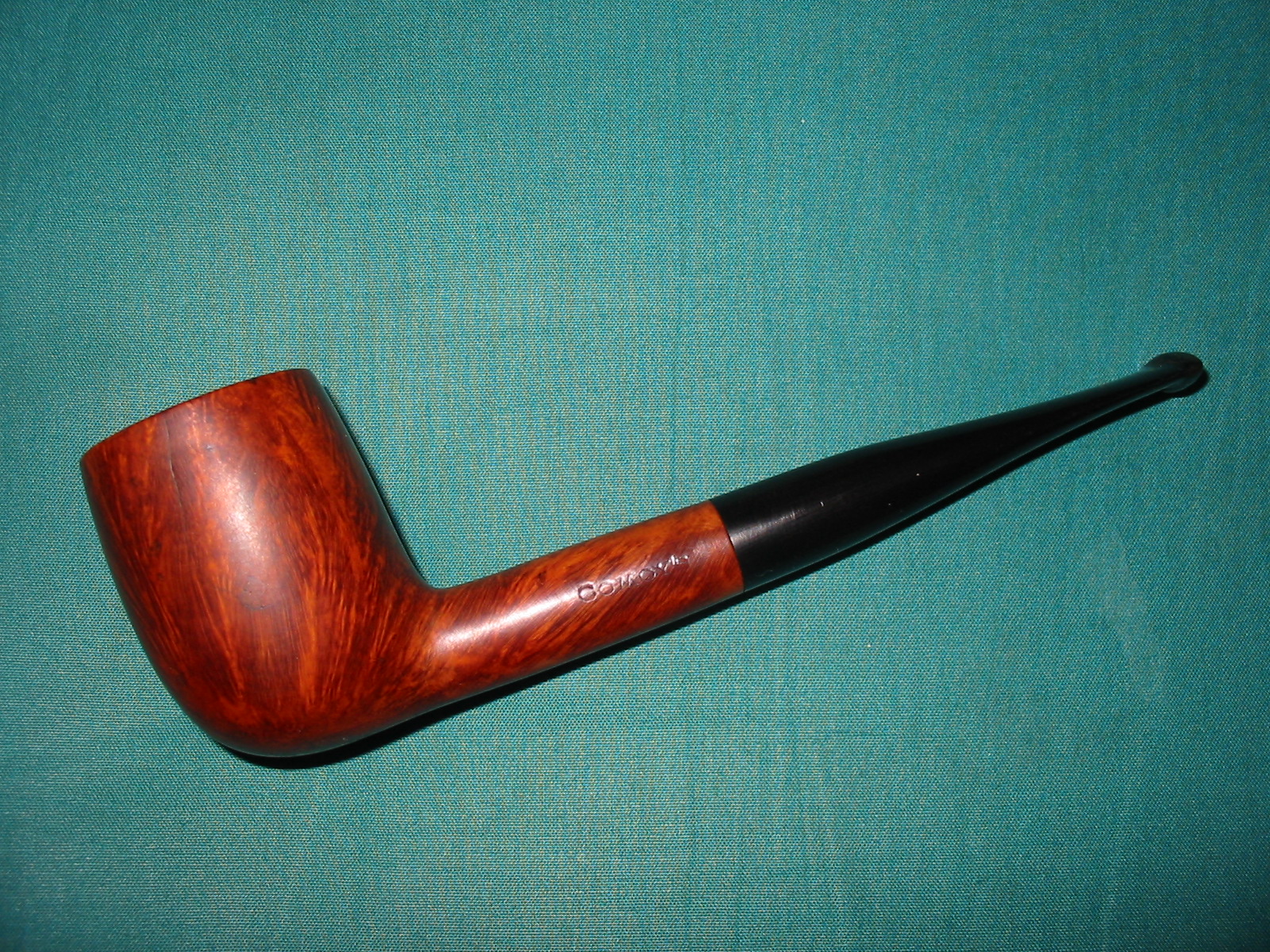
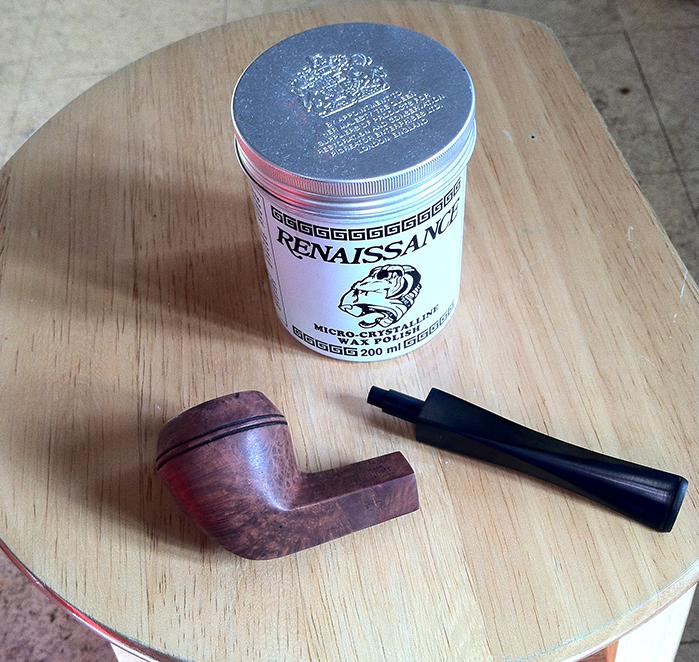
I buffed the pipe with White Diamond and gave it multiple coats of carnauba wax to protect and to give it a shine. I have set it aside to allow the pipe mud to cure before using it. I want to see if the bowl bottom heats up at all during a smoke. I am happy with the overall look of the repaired pipe. If it turns out that the cracked area over heats then it may well be a candidate for a briar plug. The verdict is still out for now, but time will tell.



 rebornpipes