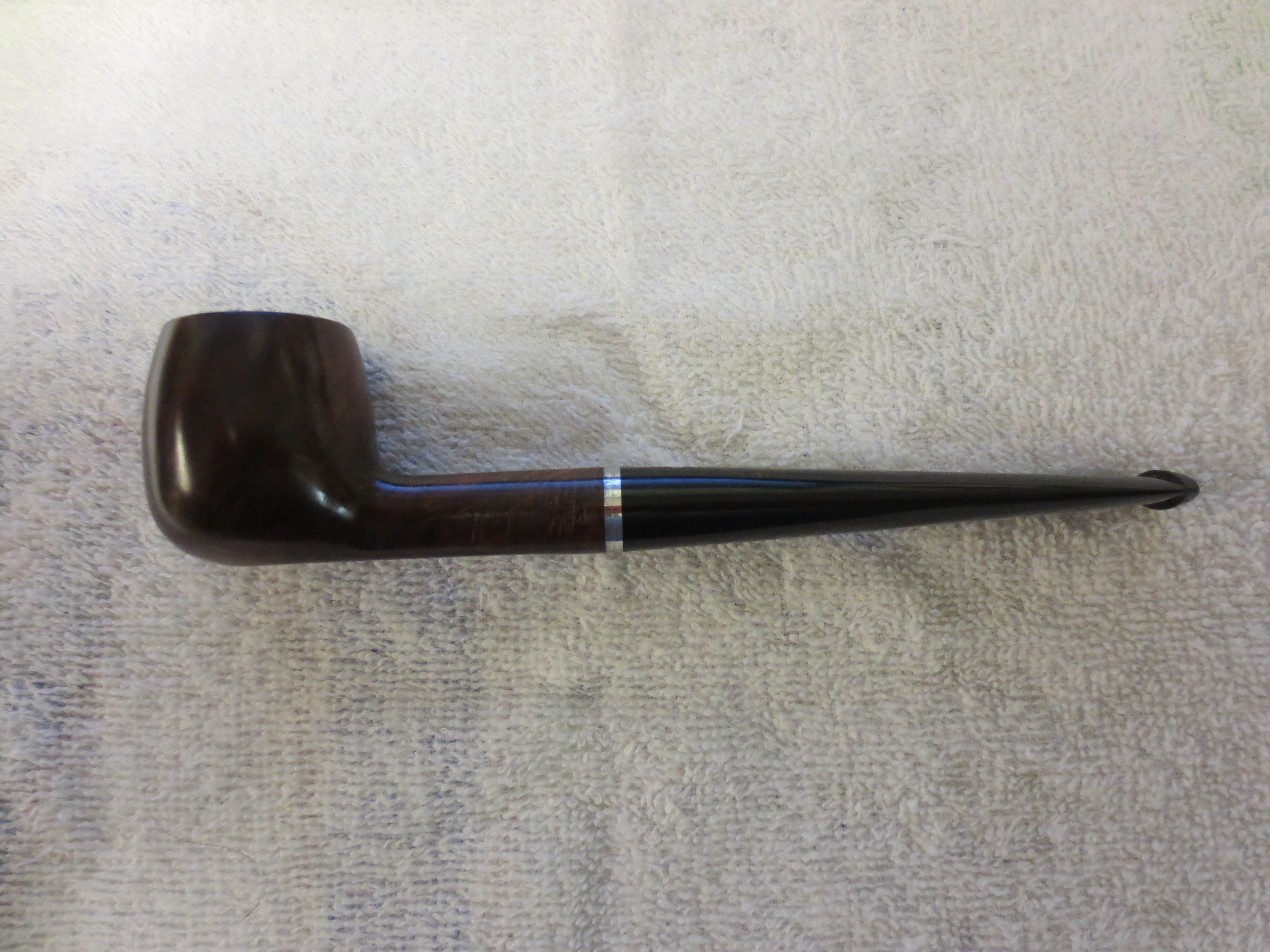
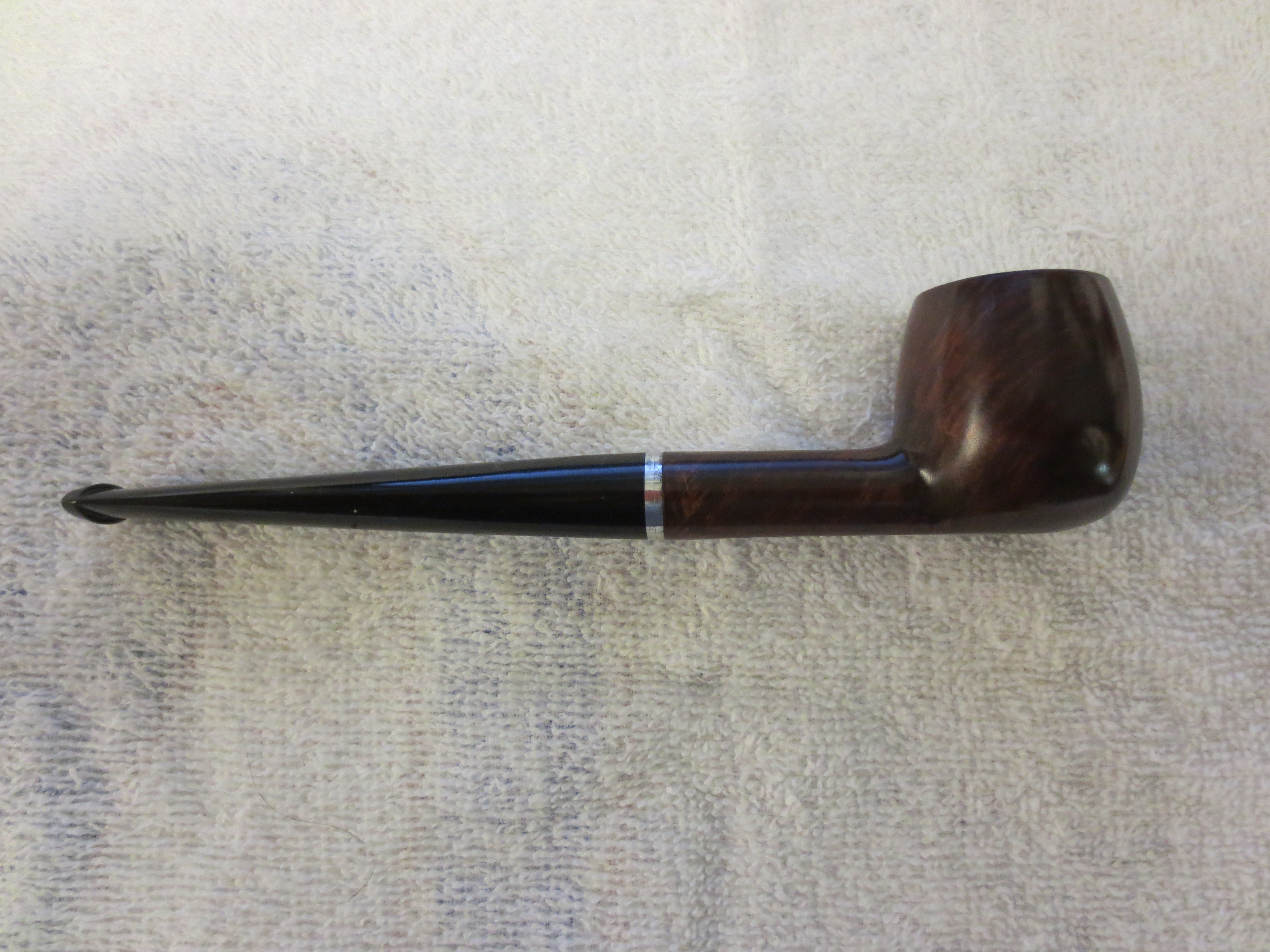
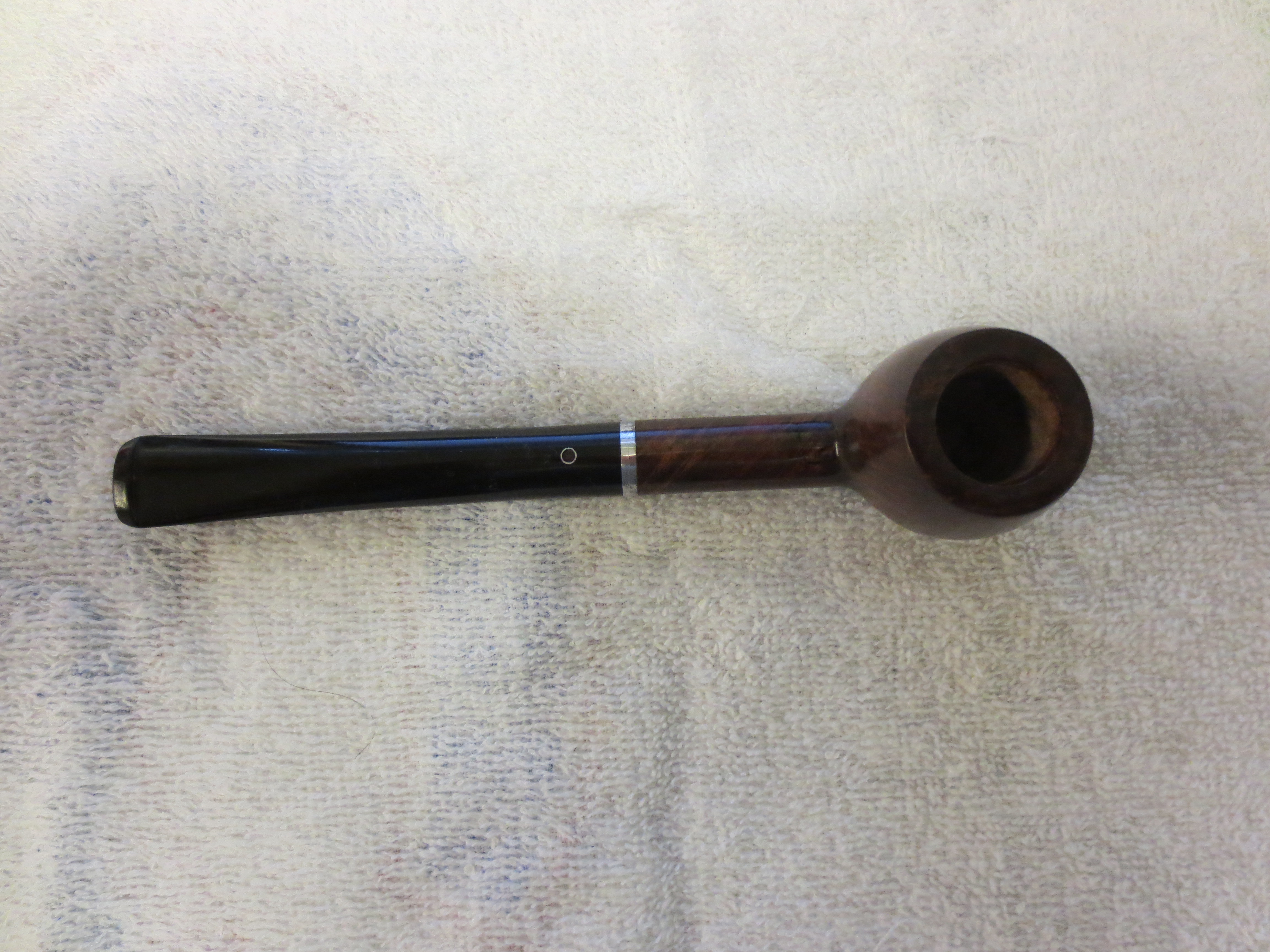
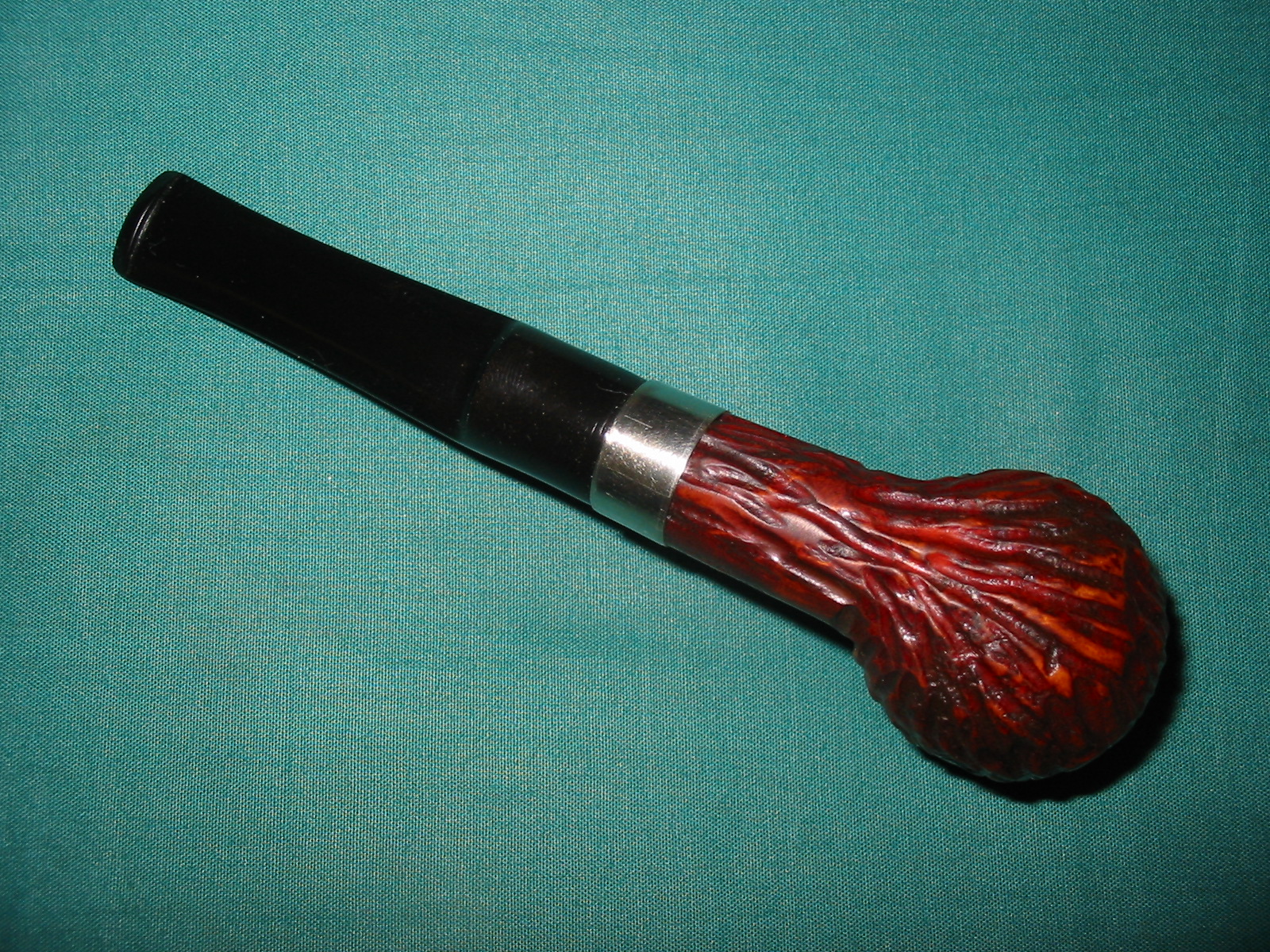
Tag Archives: removing varnish finish

New Life to an Aarhus?? Unique


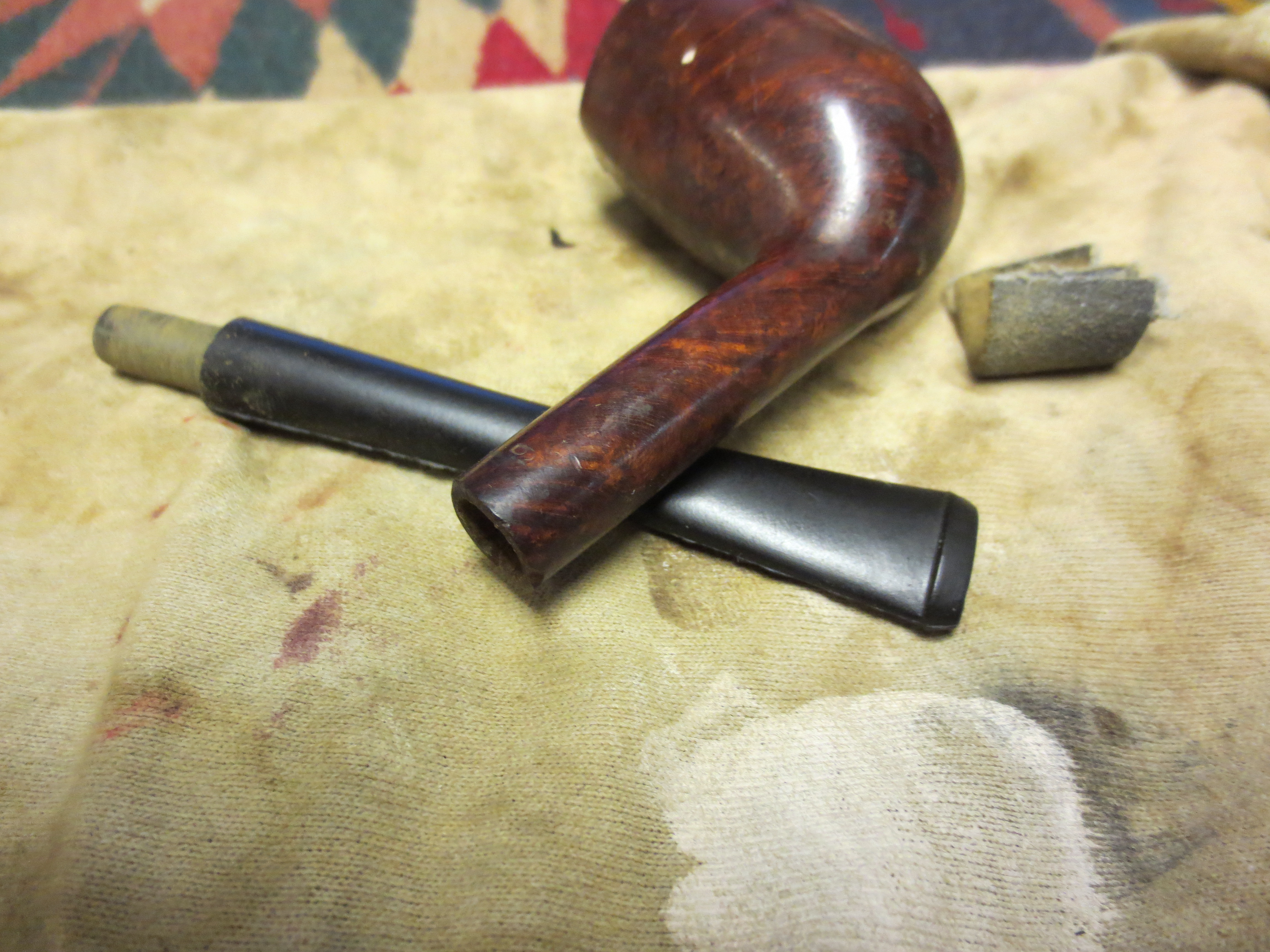
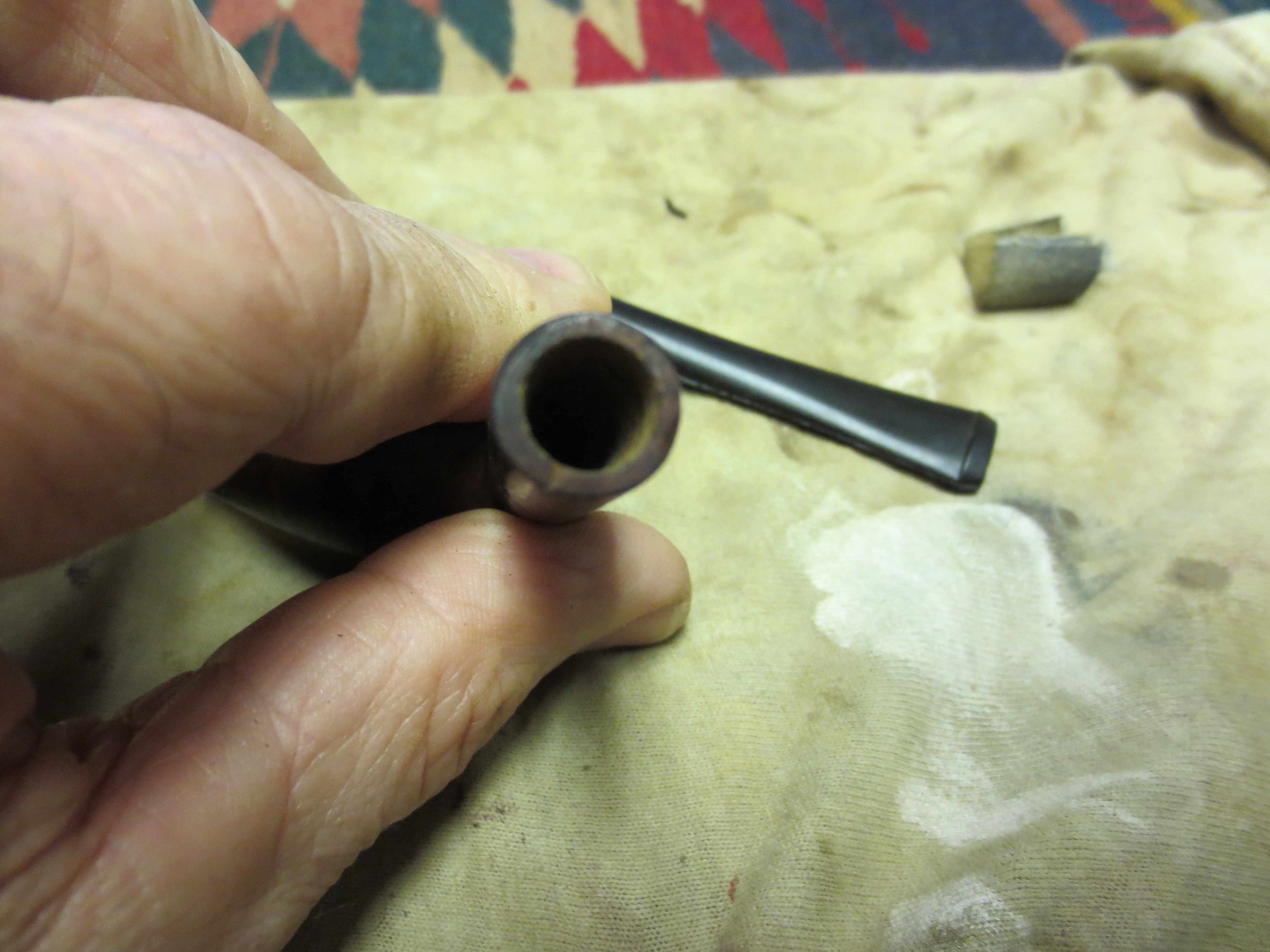
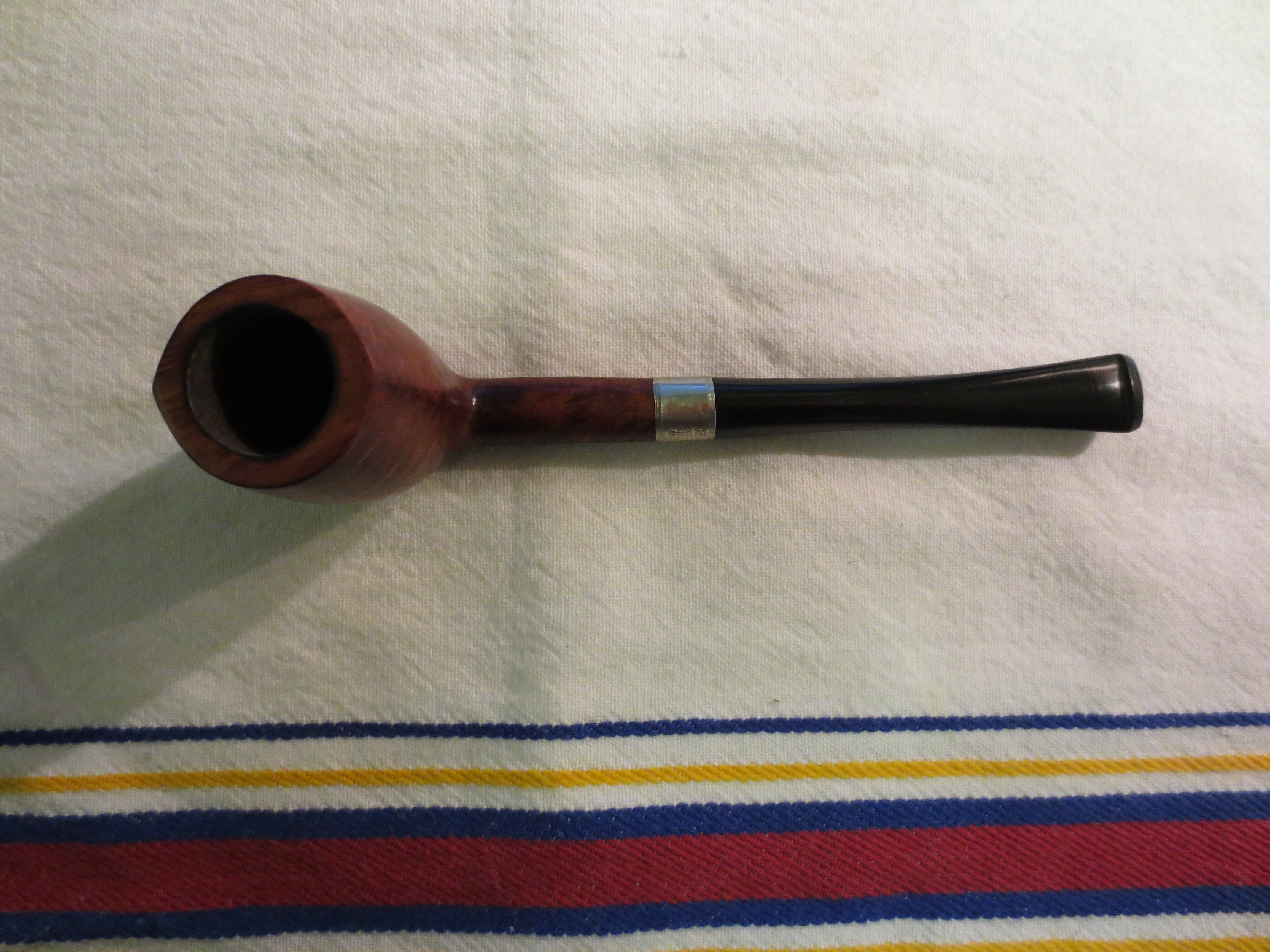
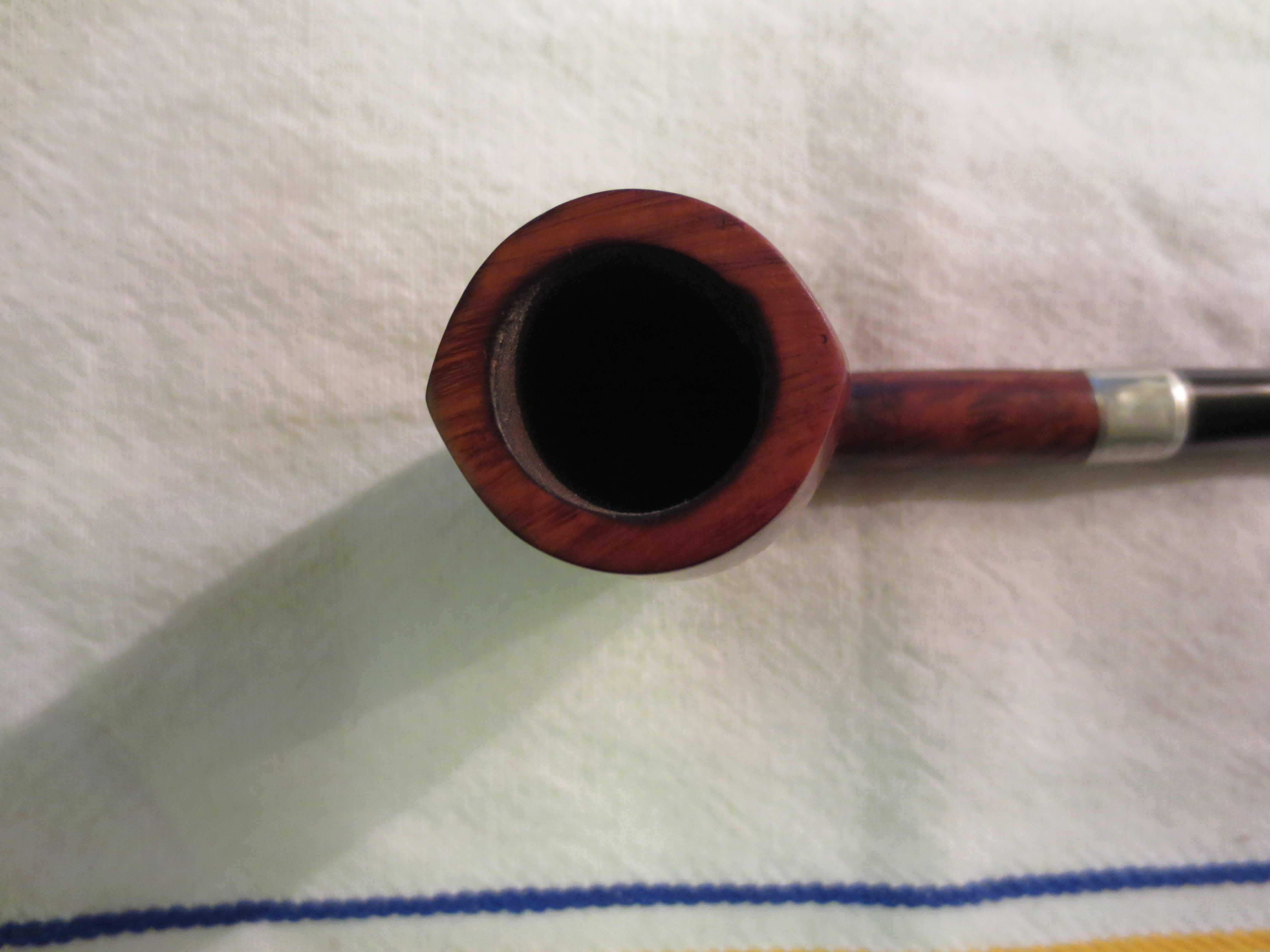
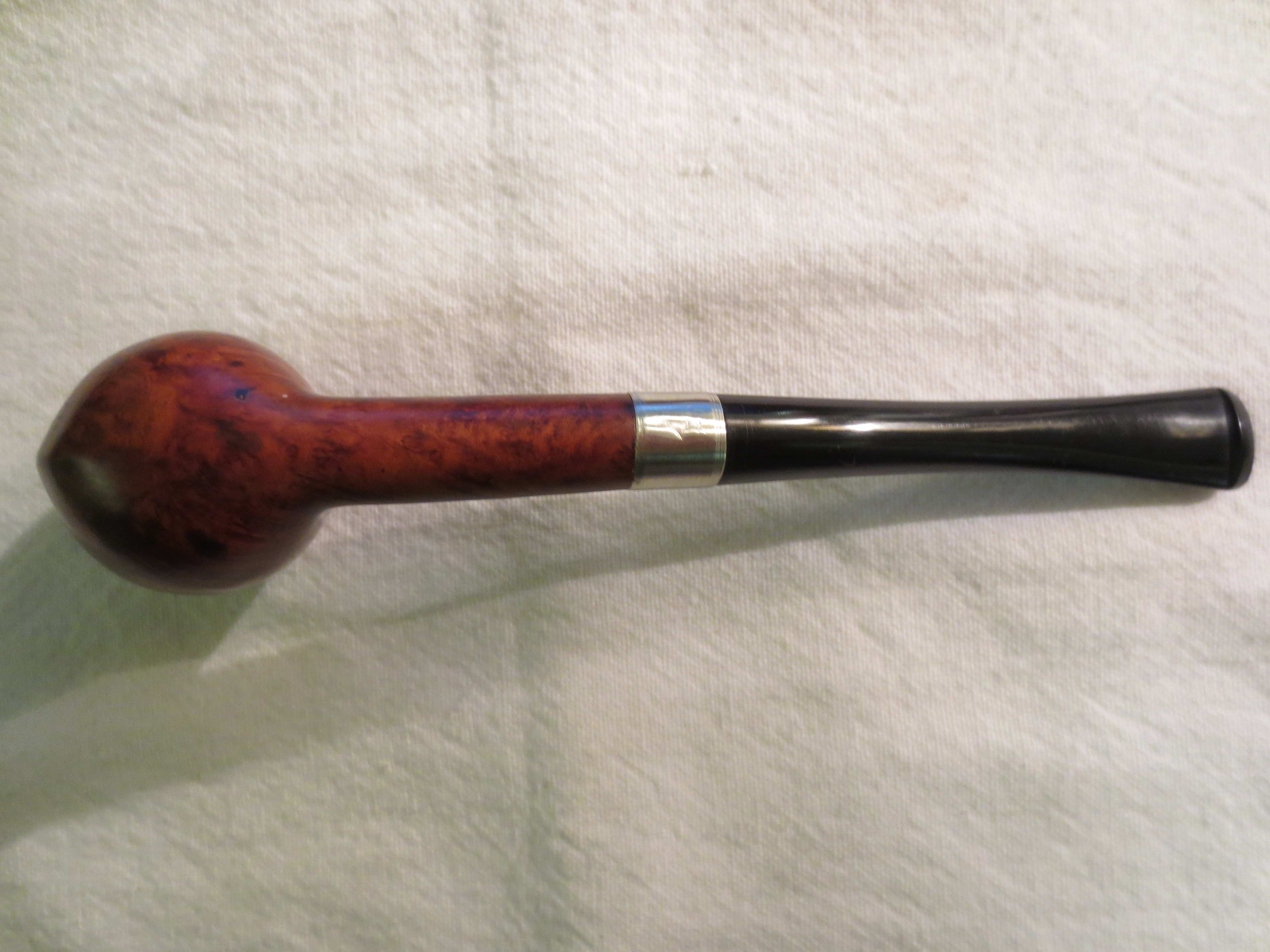
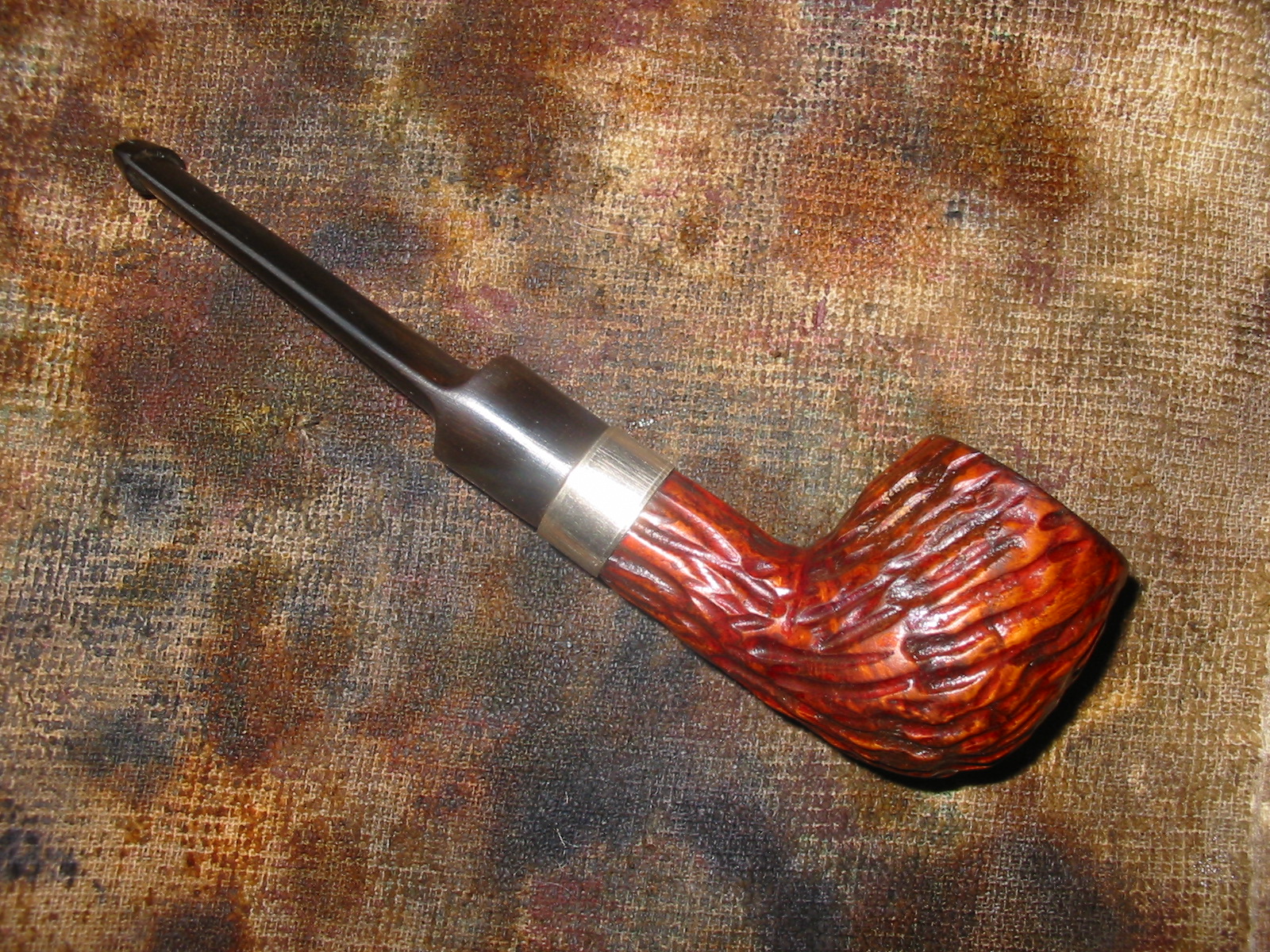
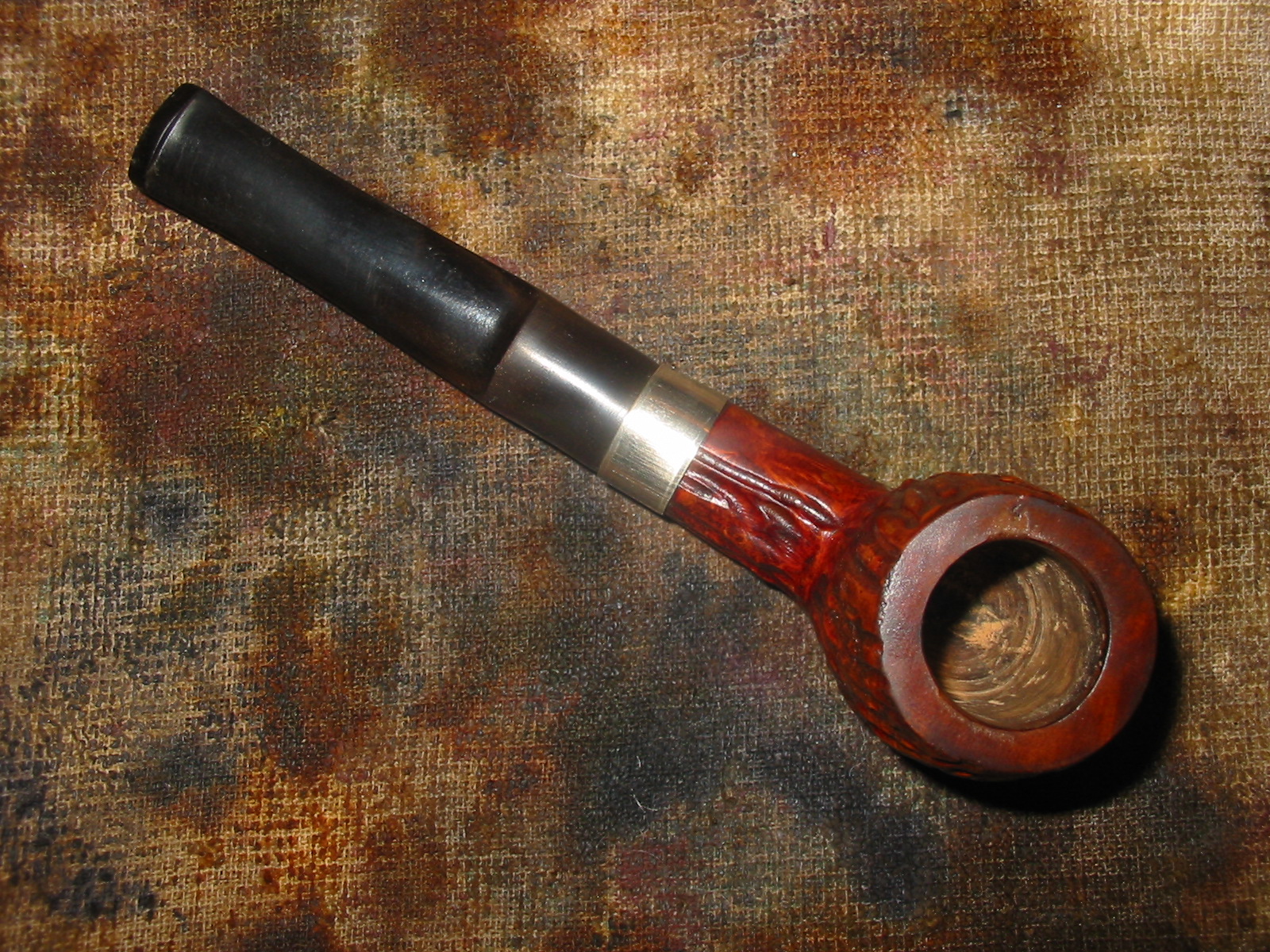
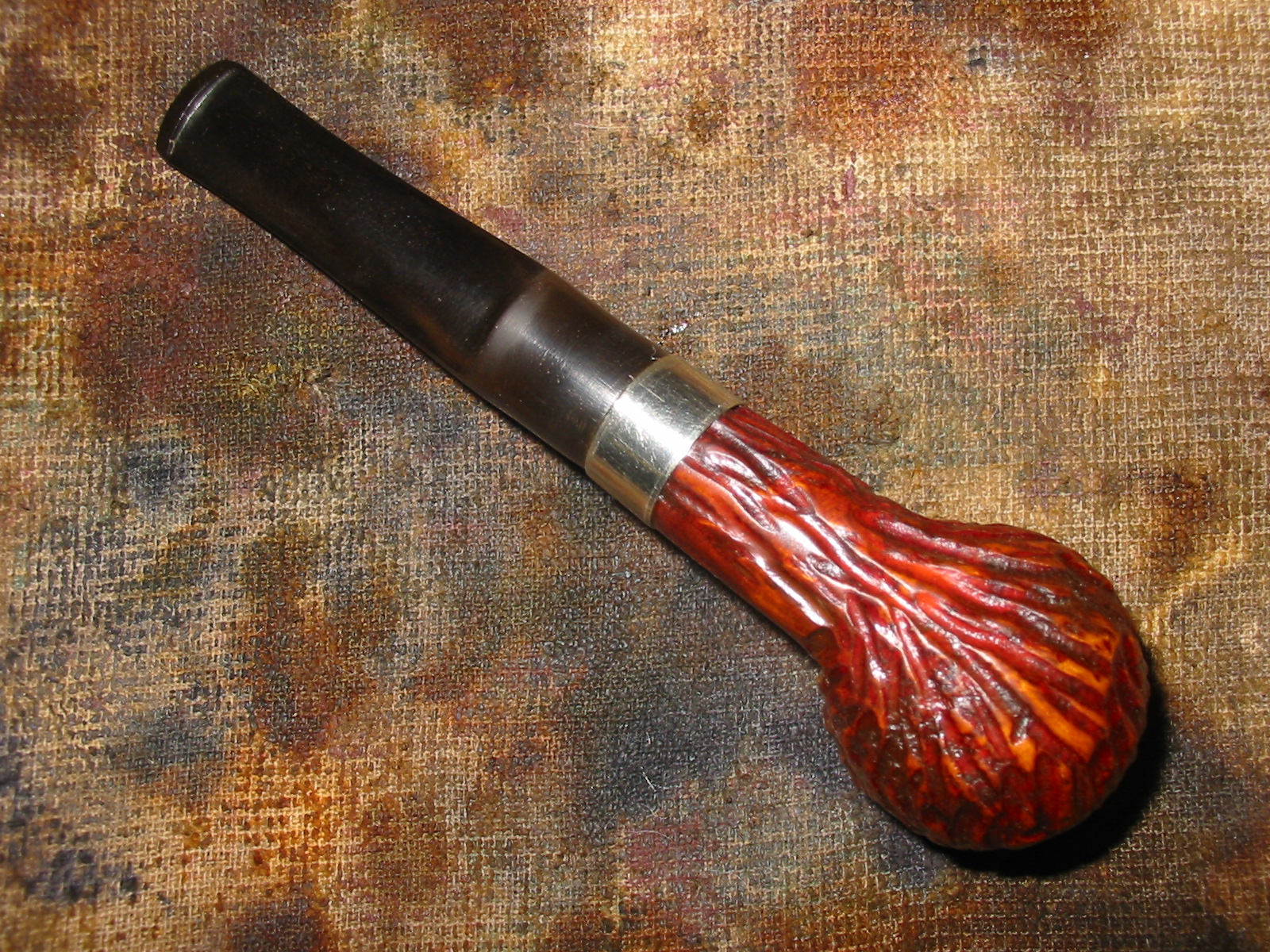
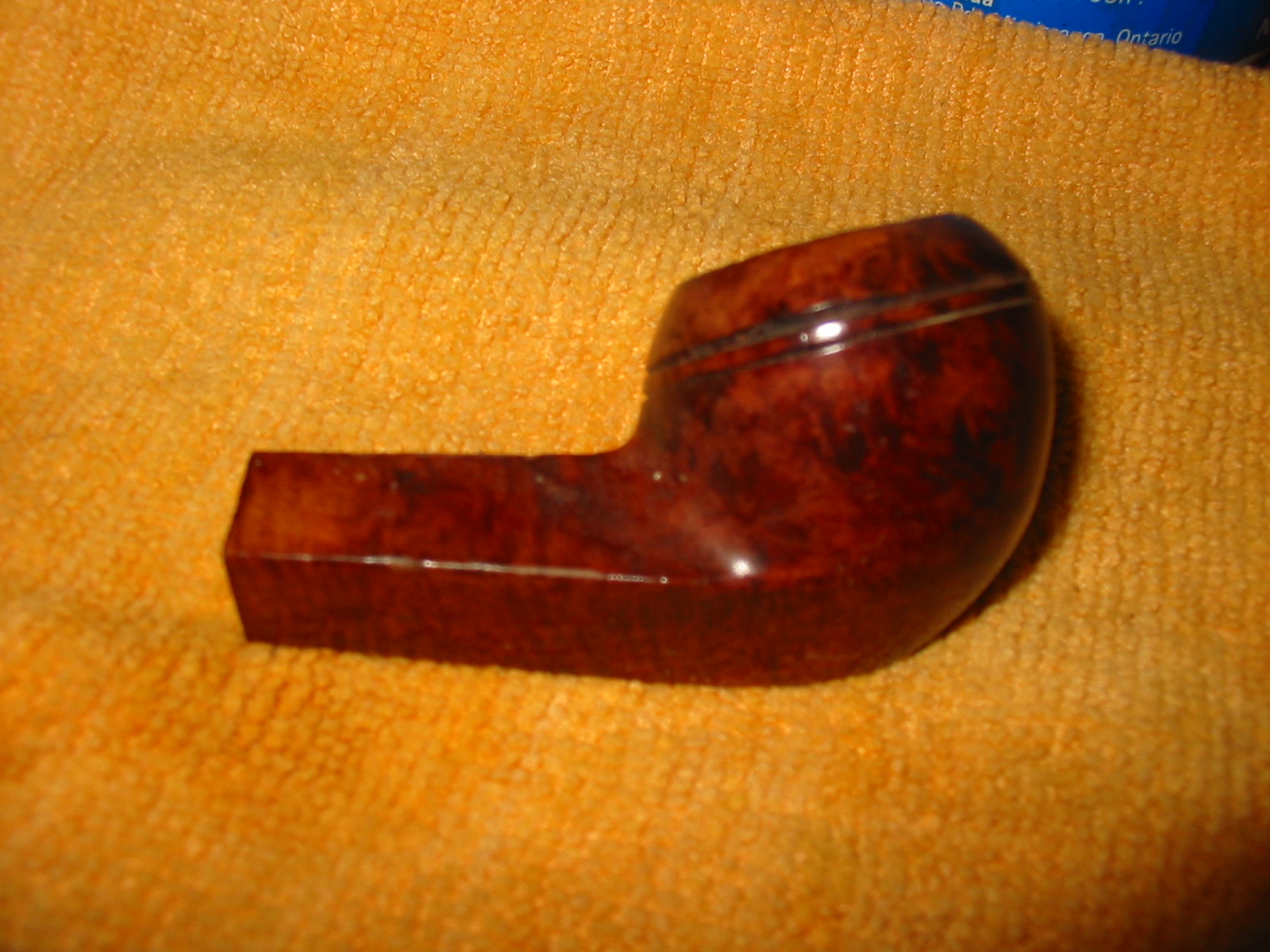
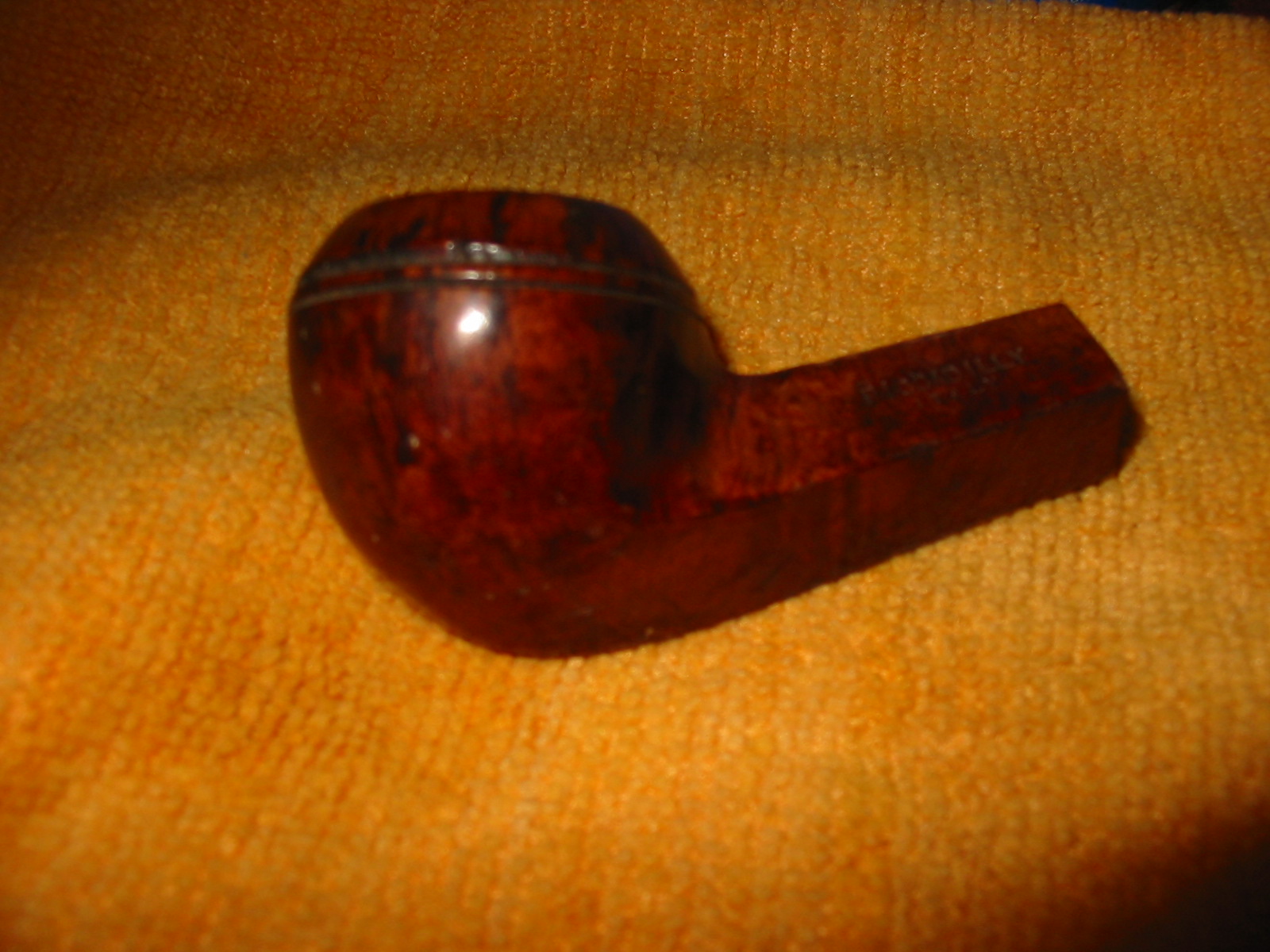
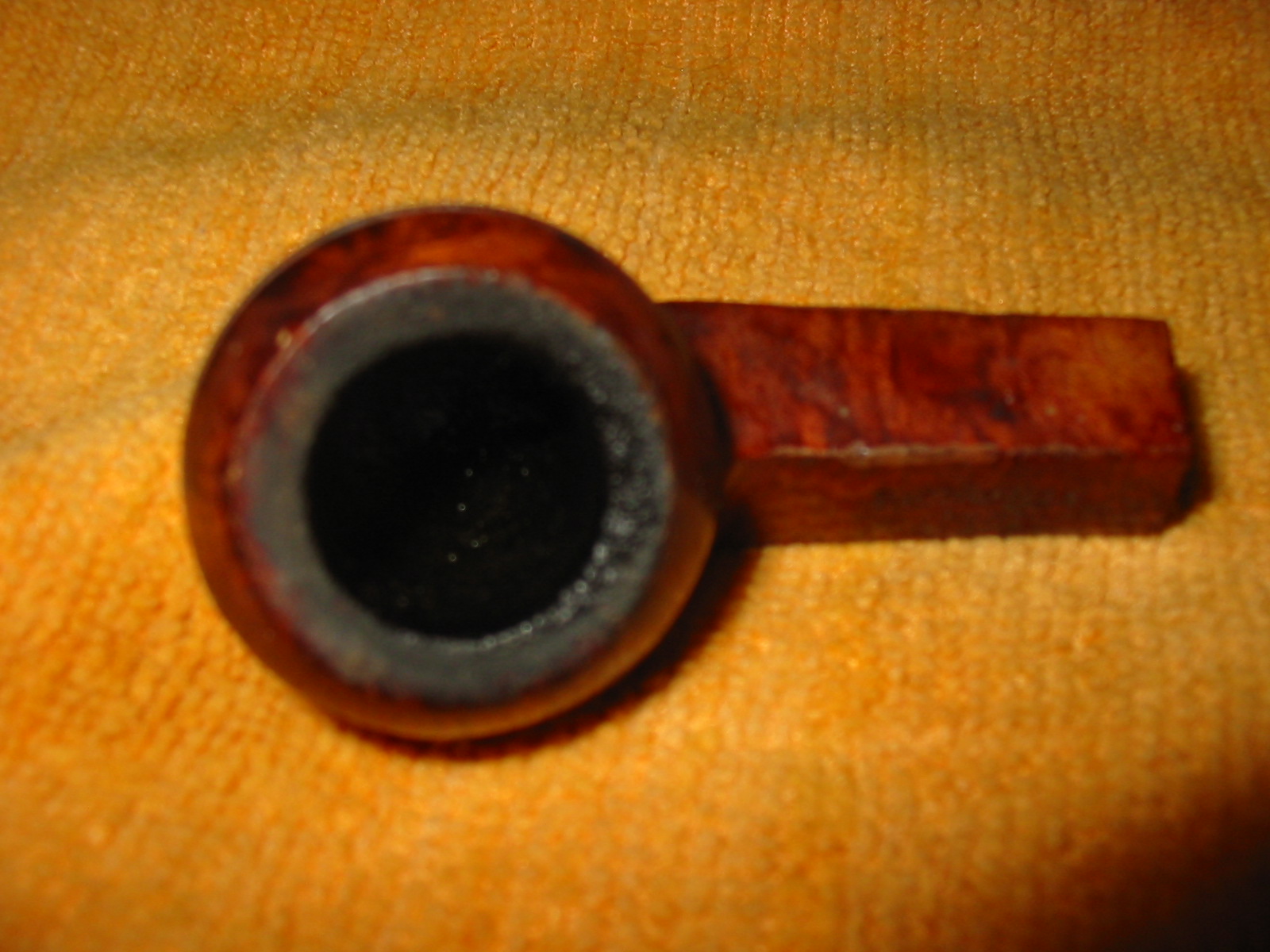
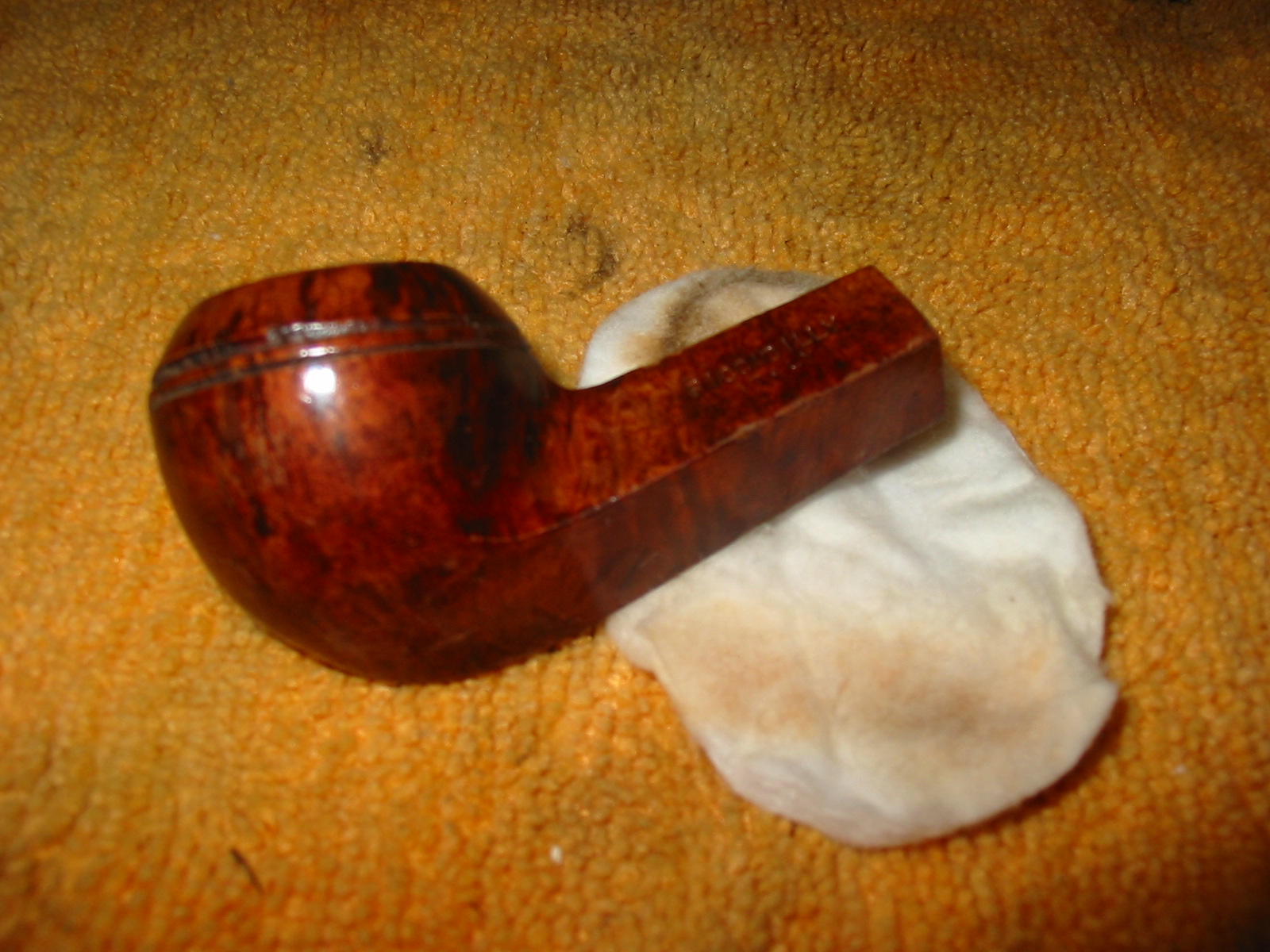
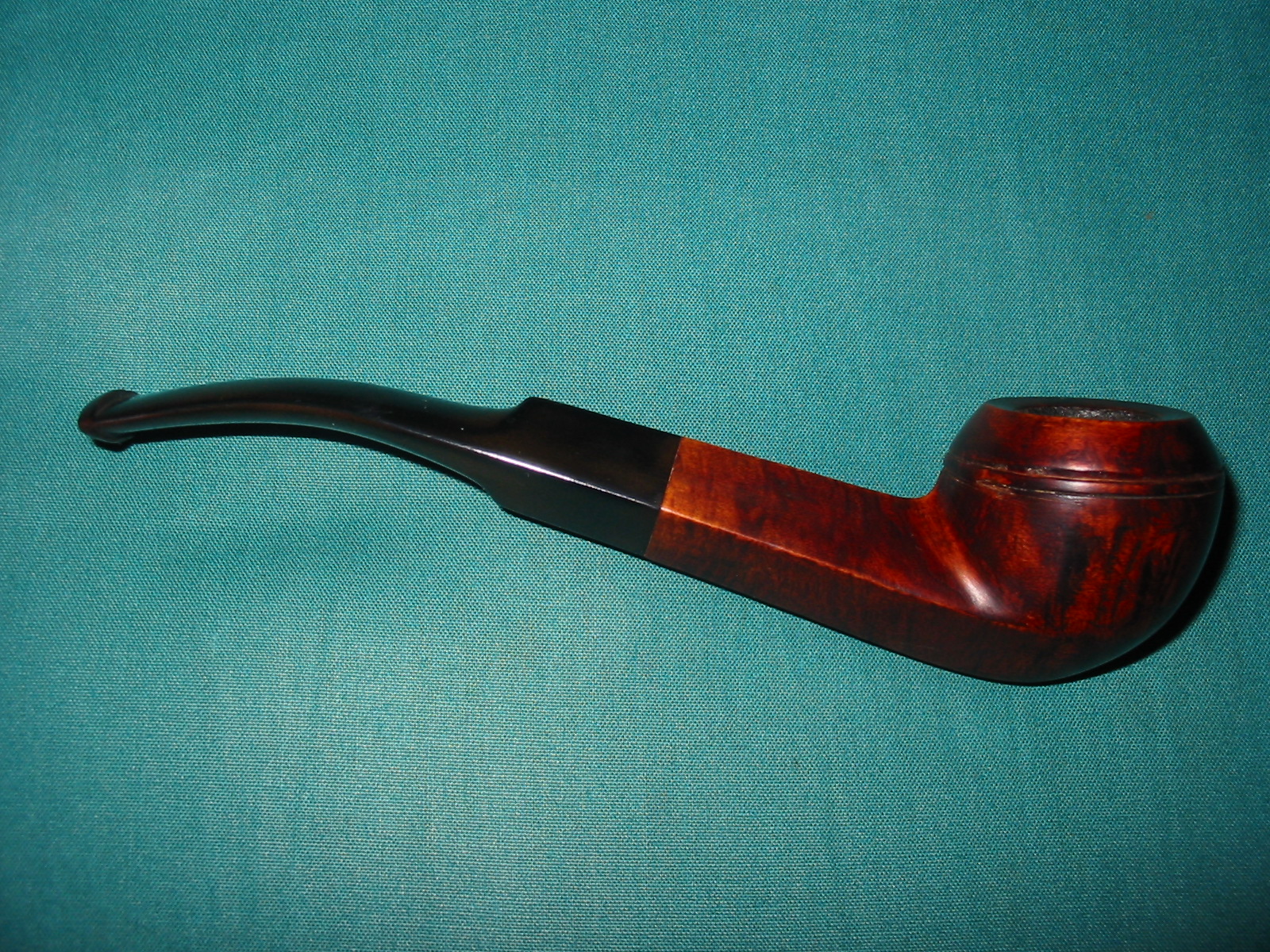
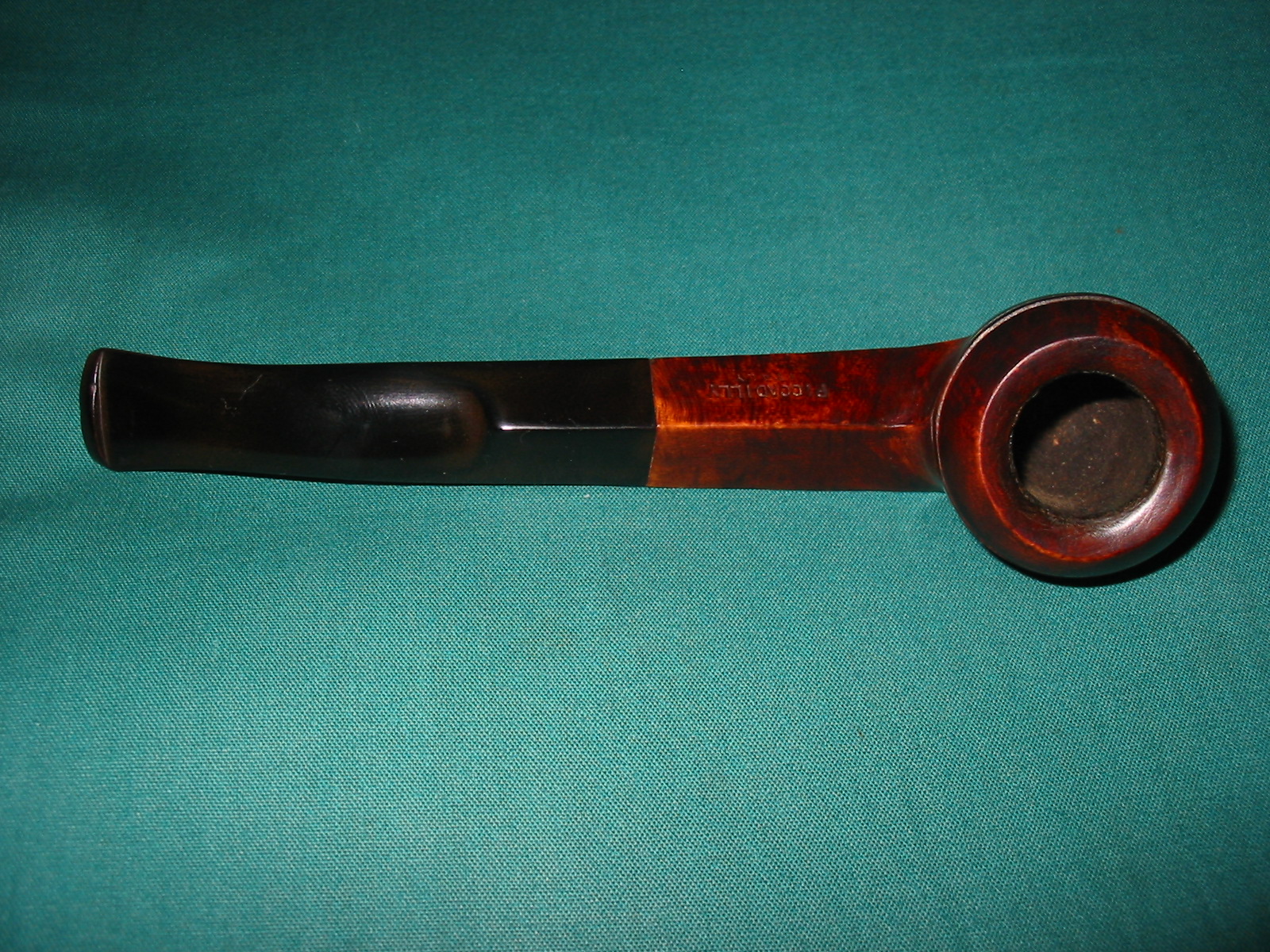
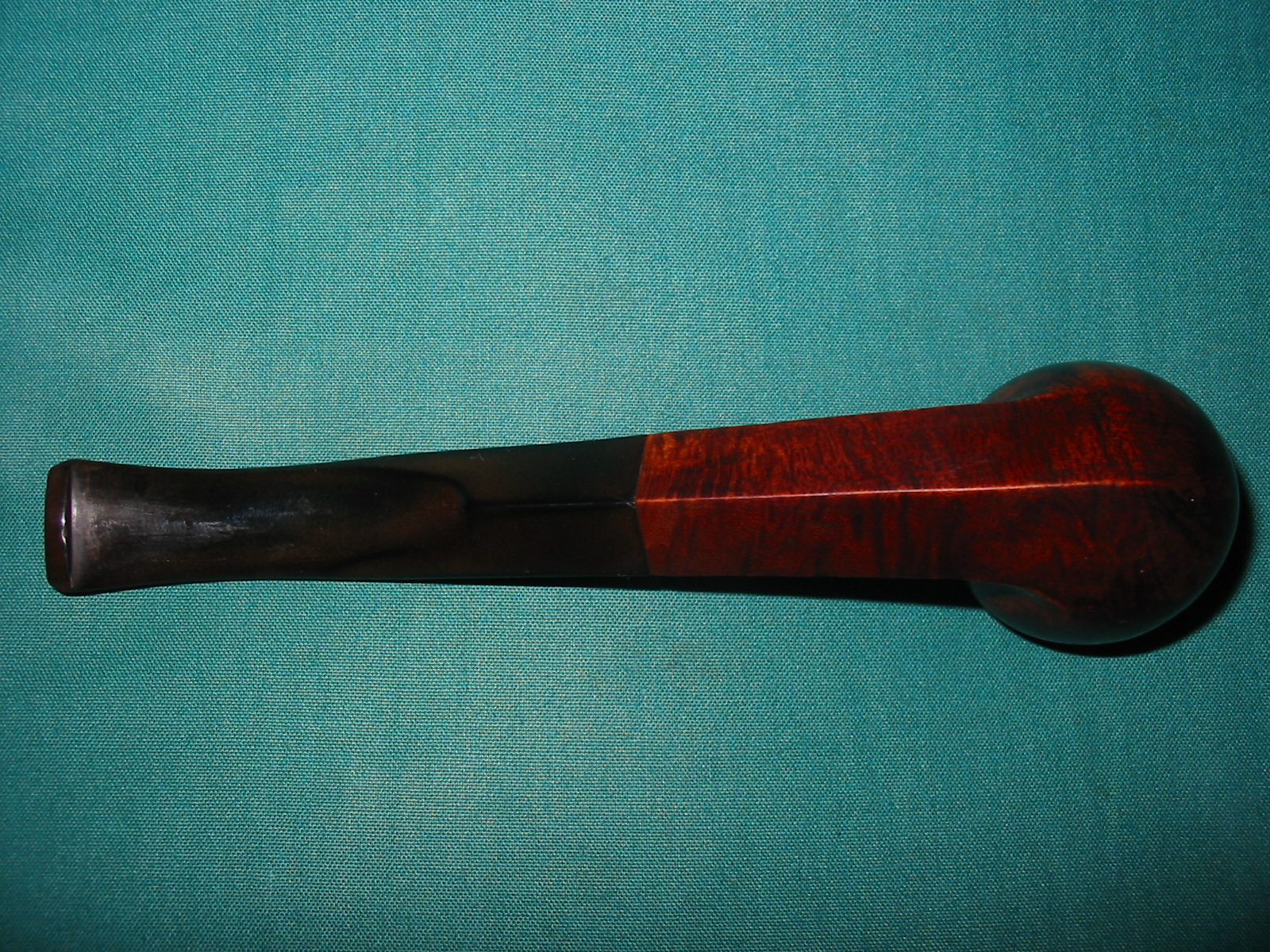
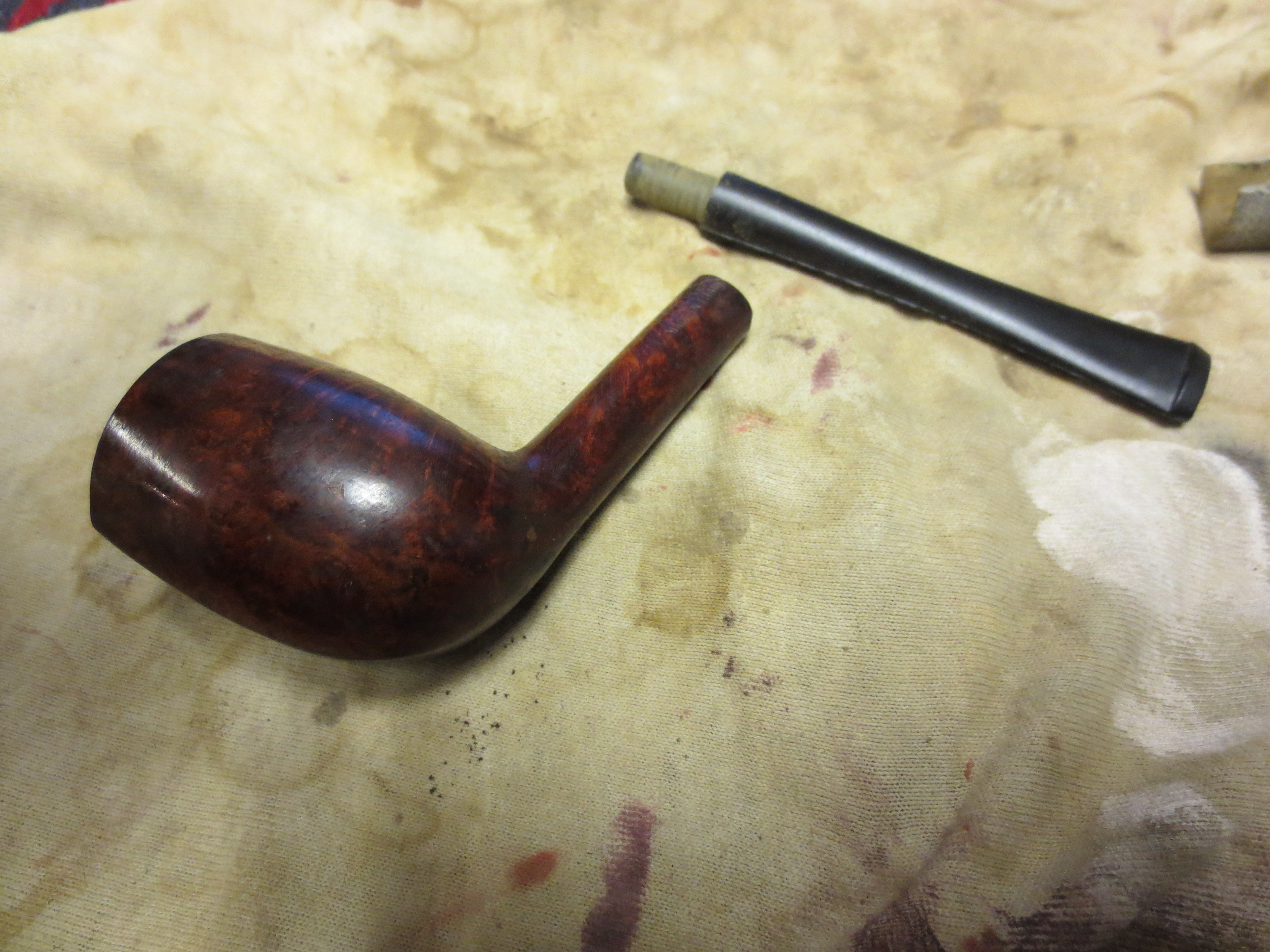
I have no idea what the final letters of the name on this pipe are supposed to be. The shank had been poorly cut off and there were two cracks, one on each side. It is stamped Aarhus over Made in France on the left side of the shank and the number 6 on the right side. The walls of the shank were quite thin. The bowl top was caked and dirt. The bowl was caked and needing cleaning. There was no stem on the bowl. The finish on the pipe was worn and dirty. There were two small sandpits that had been patched with white putty that had fallen out and left two white spots on the bowl. The shape of the pipe is what interested me. It has a pencil shank and the bowl tapers to a ridge on the front and the back. The bowl is also canted toward the front similar to a cutty and from the top is almond shaped. It is a uniquely interesting shape. The grain on this one is quite nice – birdseye front and back and cross grain on the sides. It does not quite align with the cut of the bowl but is very close. The pipe was a part of the lot that I have been working on lately – a purchase from EBay of 12+ pipe bowls that needed to be stemmed. The first series of four photos below show the state of the bowl when I began. The final photo of the four gives a closer look at the mortise and the thinness of the walls of the shank. Note the notches out of the end that give evidence of the shortening of the shank. In the photo I also included the stem that I took out of my can of stems and turned the tenon on.
IMG_0733

IMG_0734

IMG_0735

IMG_0736
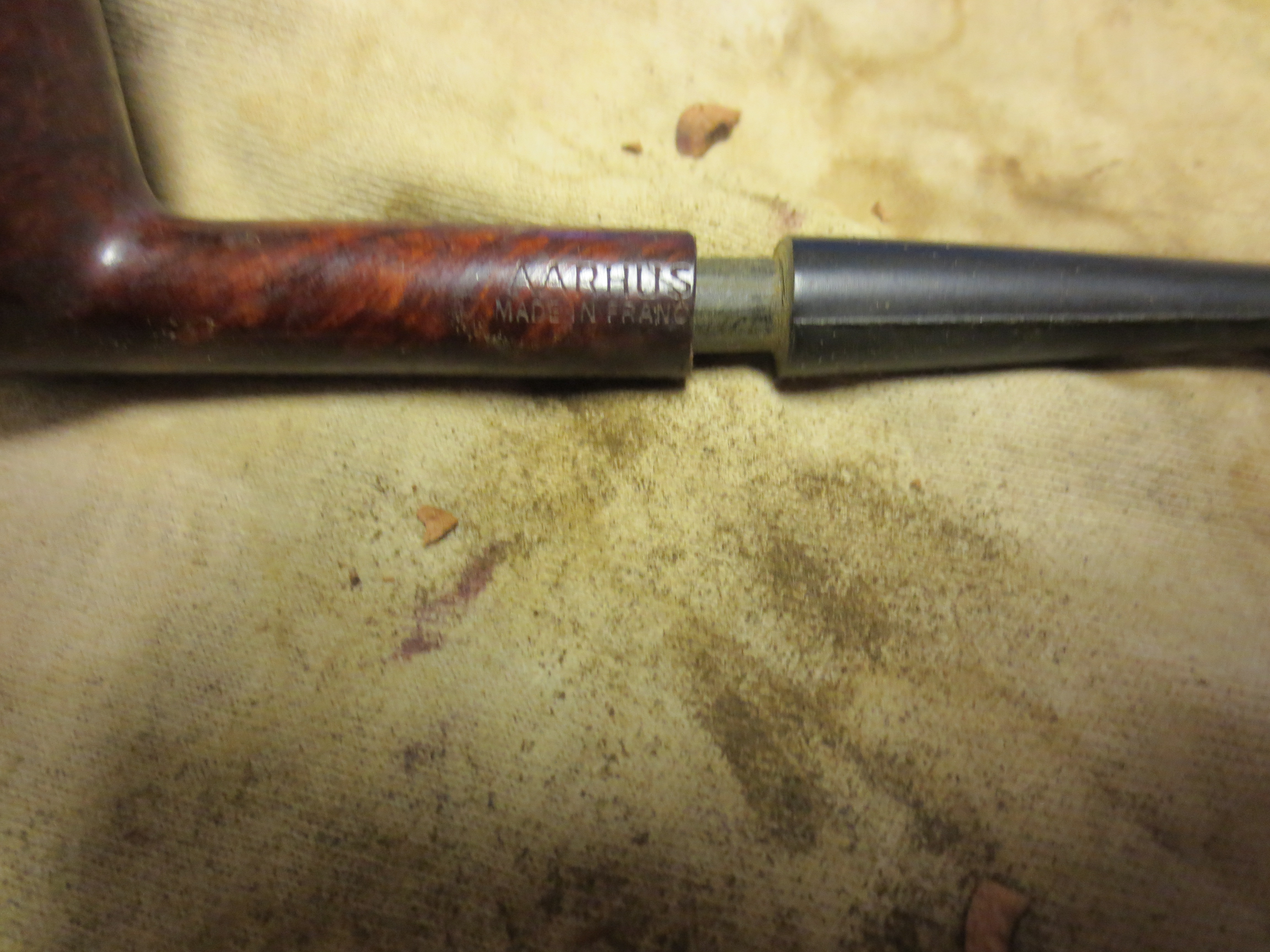
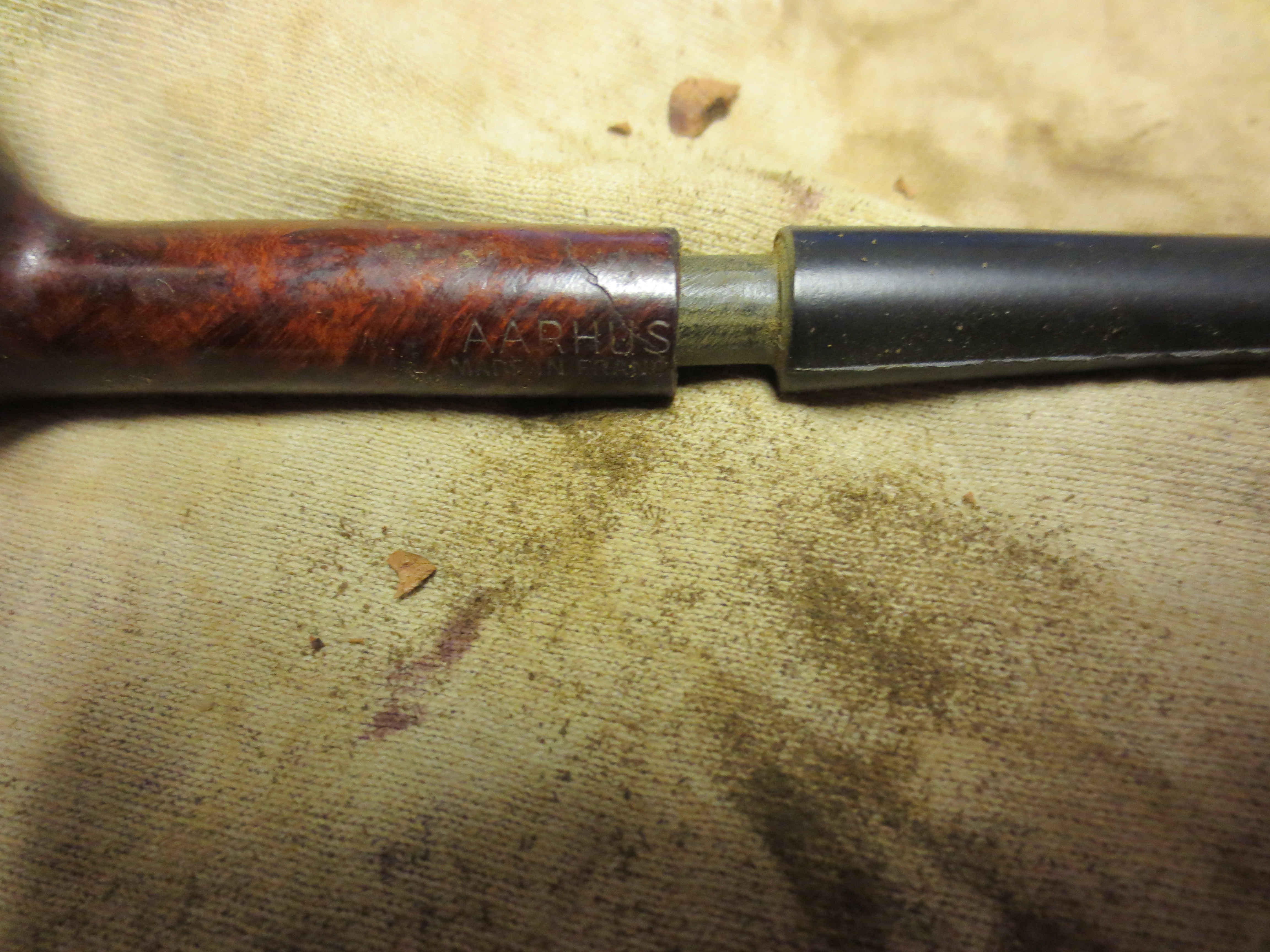
The next three photos show the stamping on the shank and the angle of the cut of portion. It actually cut off the last letter or letters of Aarhus (pipe brand) and the E of France. The third photo shows the crack on the left side of the shank. There was a matching crack on the right side as well.
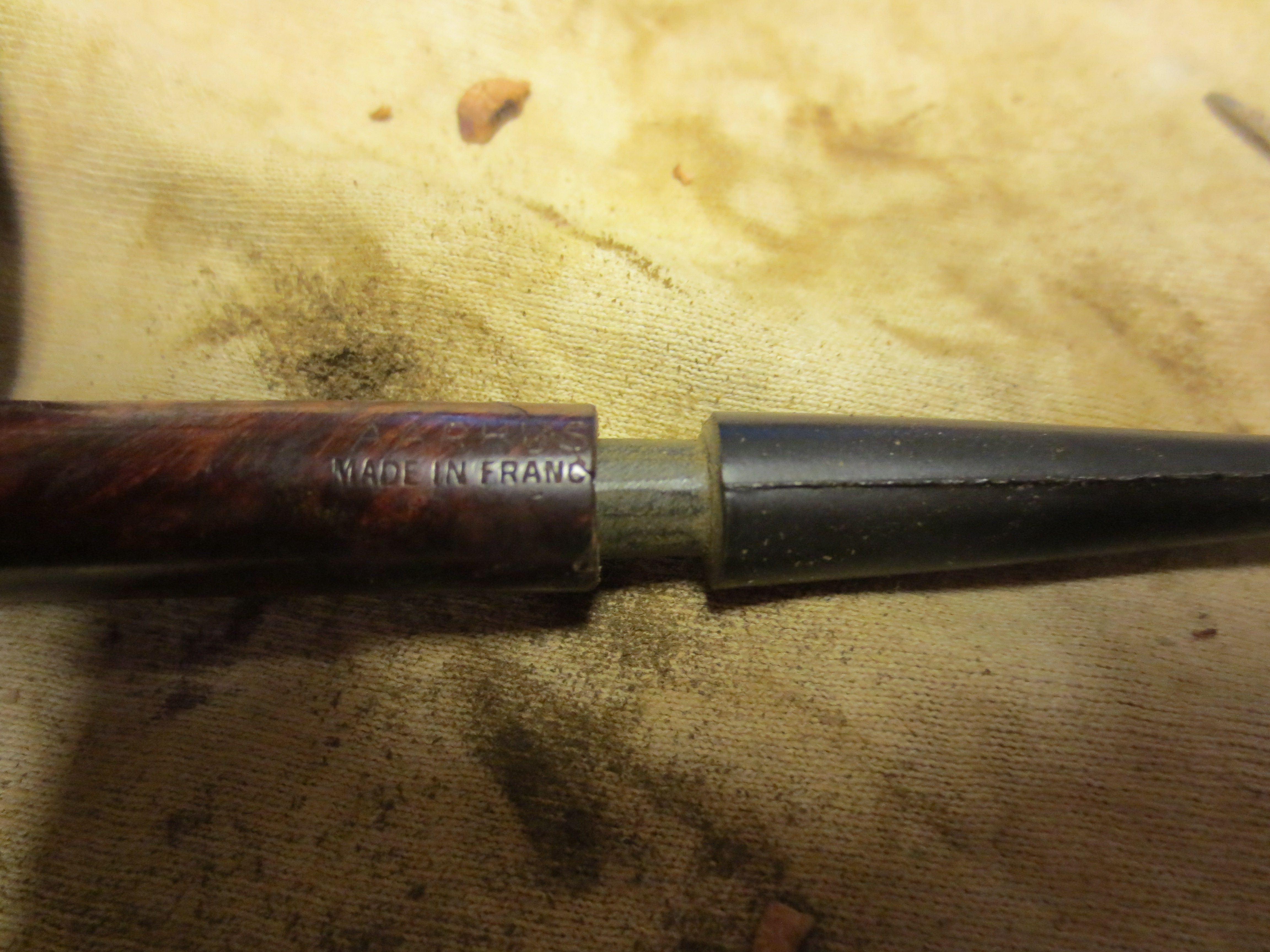
IMG_0737

IMG_0738

IMG_0739
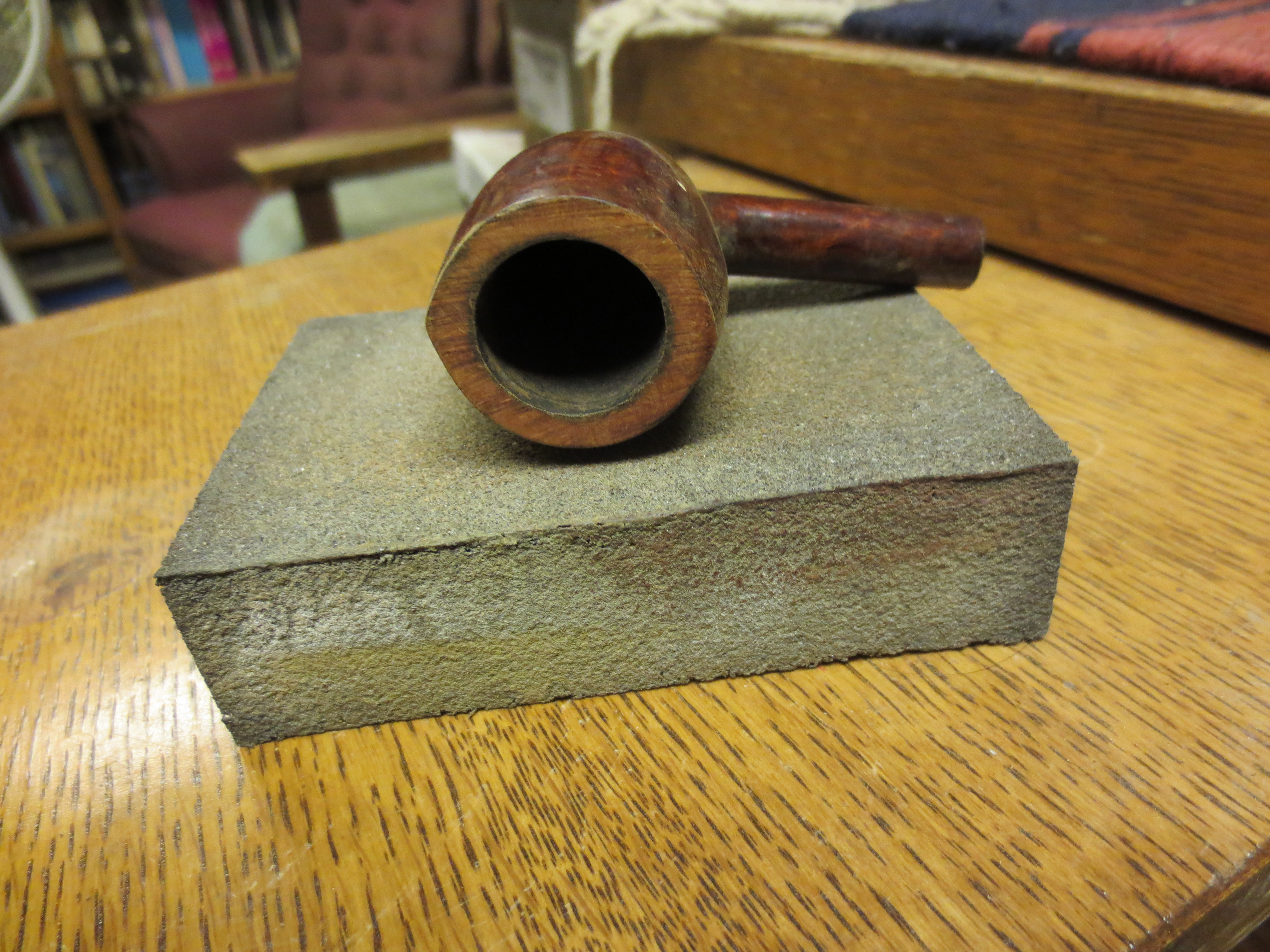
I reamed the pipe and then topped the bowl to remove the damage to the rim and smooth out the surface. I was intending to refinish the pipe anyway so I started with fine grit emery paper to clean off the thick tars on the surface (Photos 1 &2). I then used a medium grit sanding sponge to clean up the surface from the scratches of the emery paper (Photo 3).
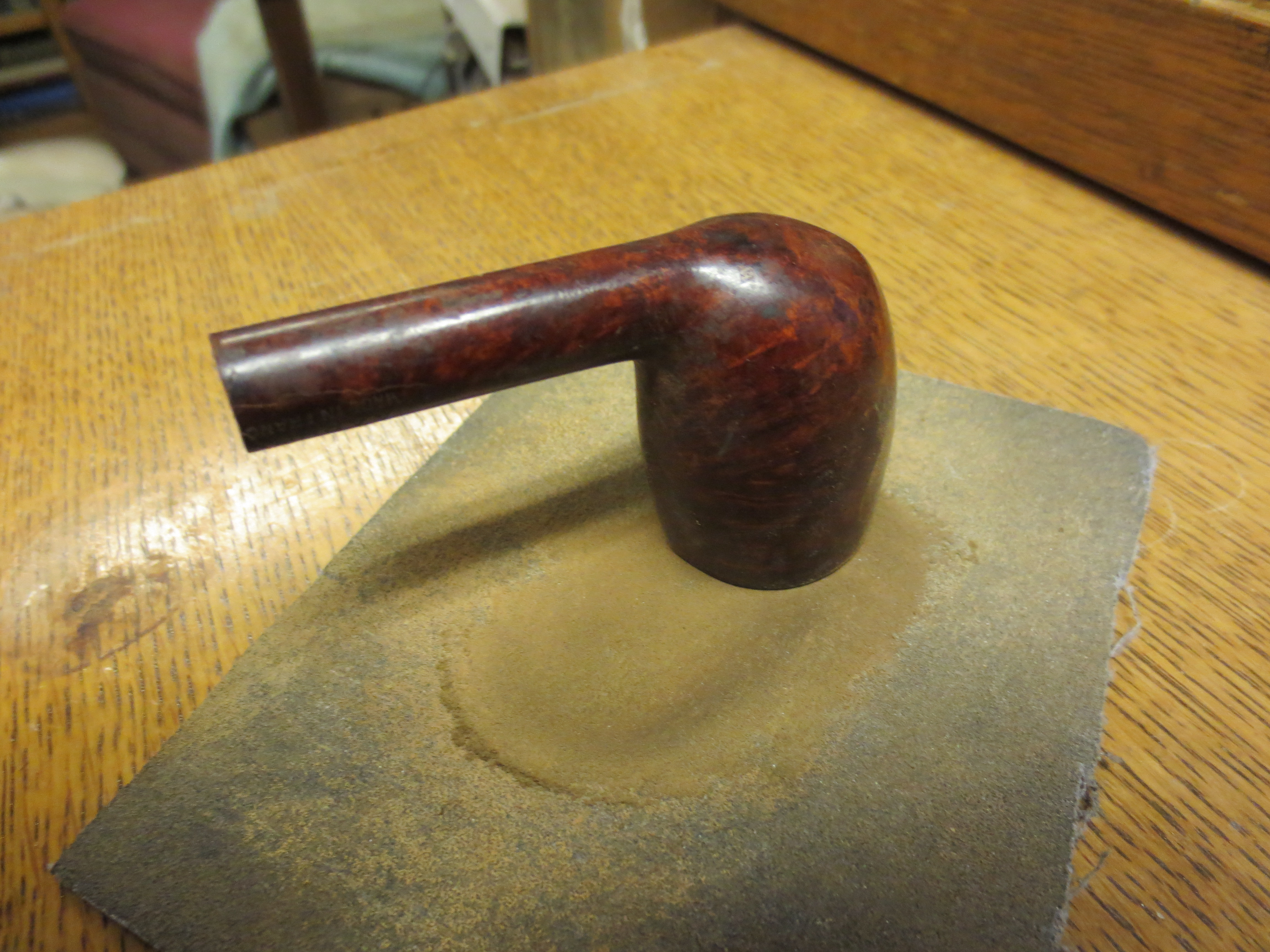
IMG_0740

IMG_0741

IMG_0742
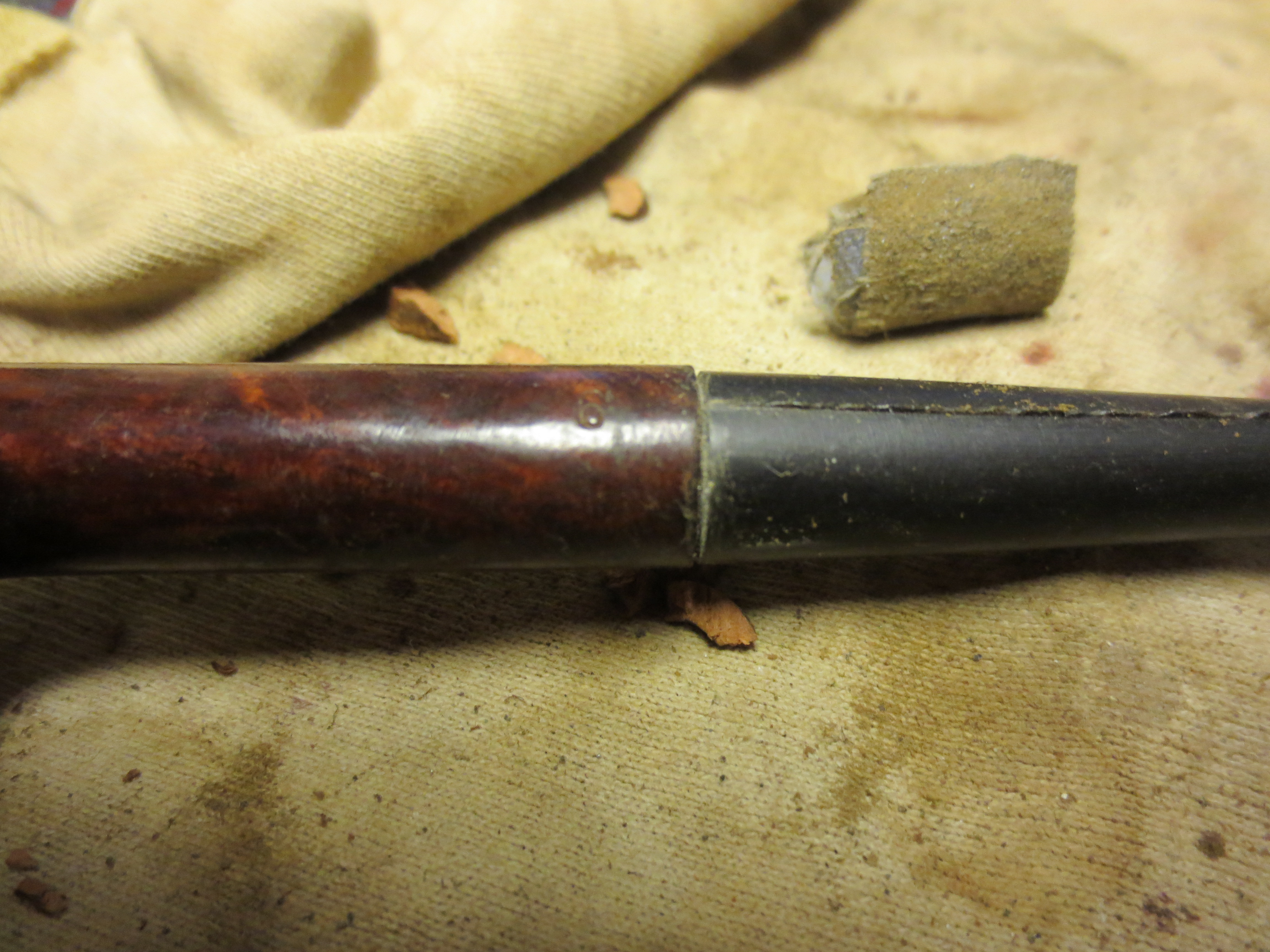
I worked on the tenon in order to get a good smooth fit in the mortise. In Photo 1 below you can see how I used the stem to open the crack so I could repair it. I dripped in some superglue and squeezed it back together. You can see in Photos 1 and 2 the fit of the stem against the shank. The gap between stem and shank shows the angular cut that had been done on the shank. There were also small pieces of briar missing on the bottom edge of the shank. The end was rough and with the cracks left no choice but to band it. (In the photos there are some chunks of briar. These were inside of a band that I was cleaning up to reuse on the tenon of this pipe.)
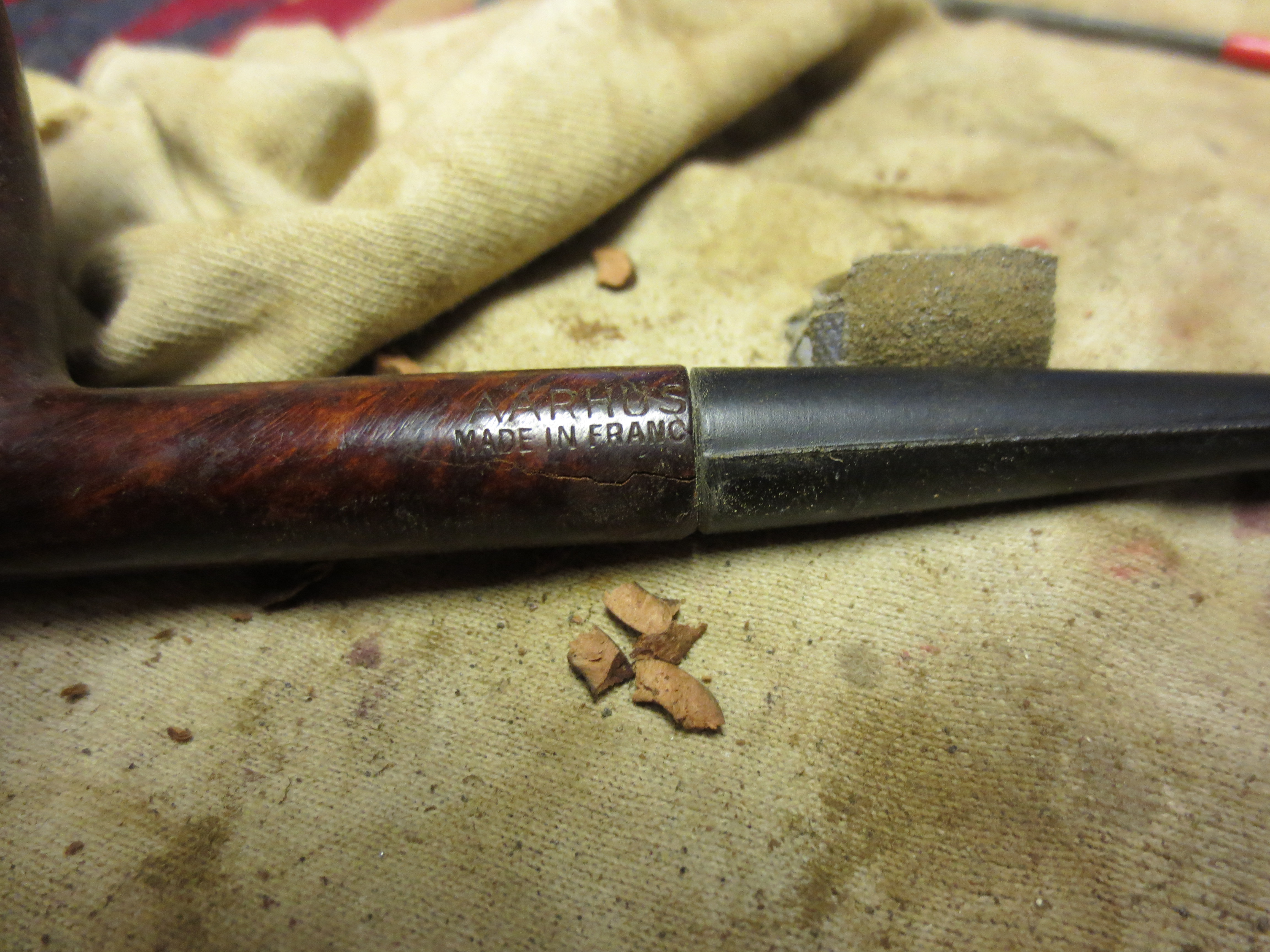
IMG_0743

IMG_0744
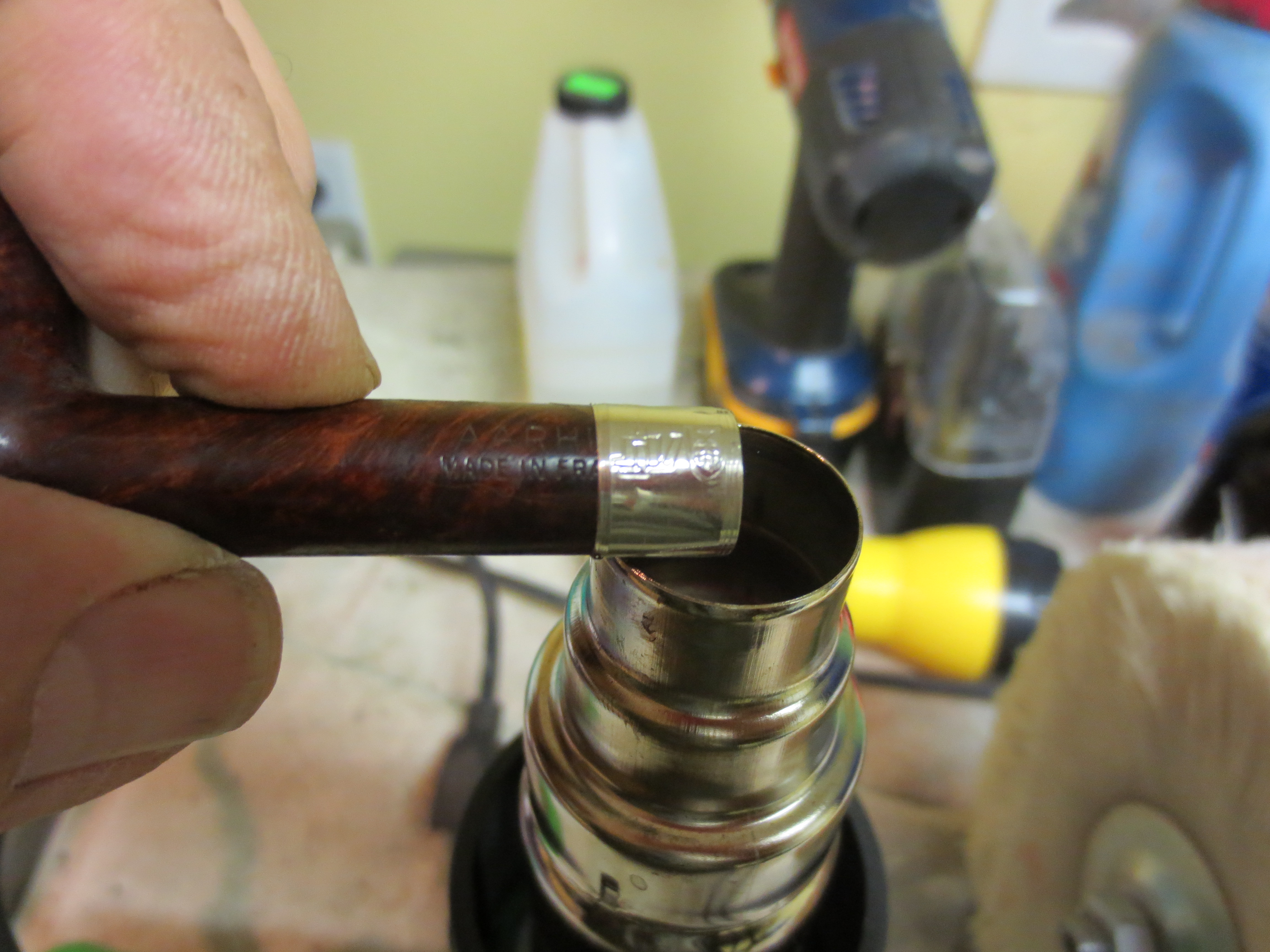
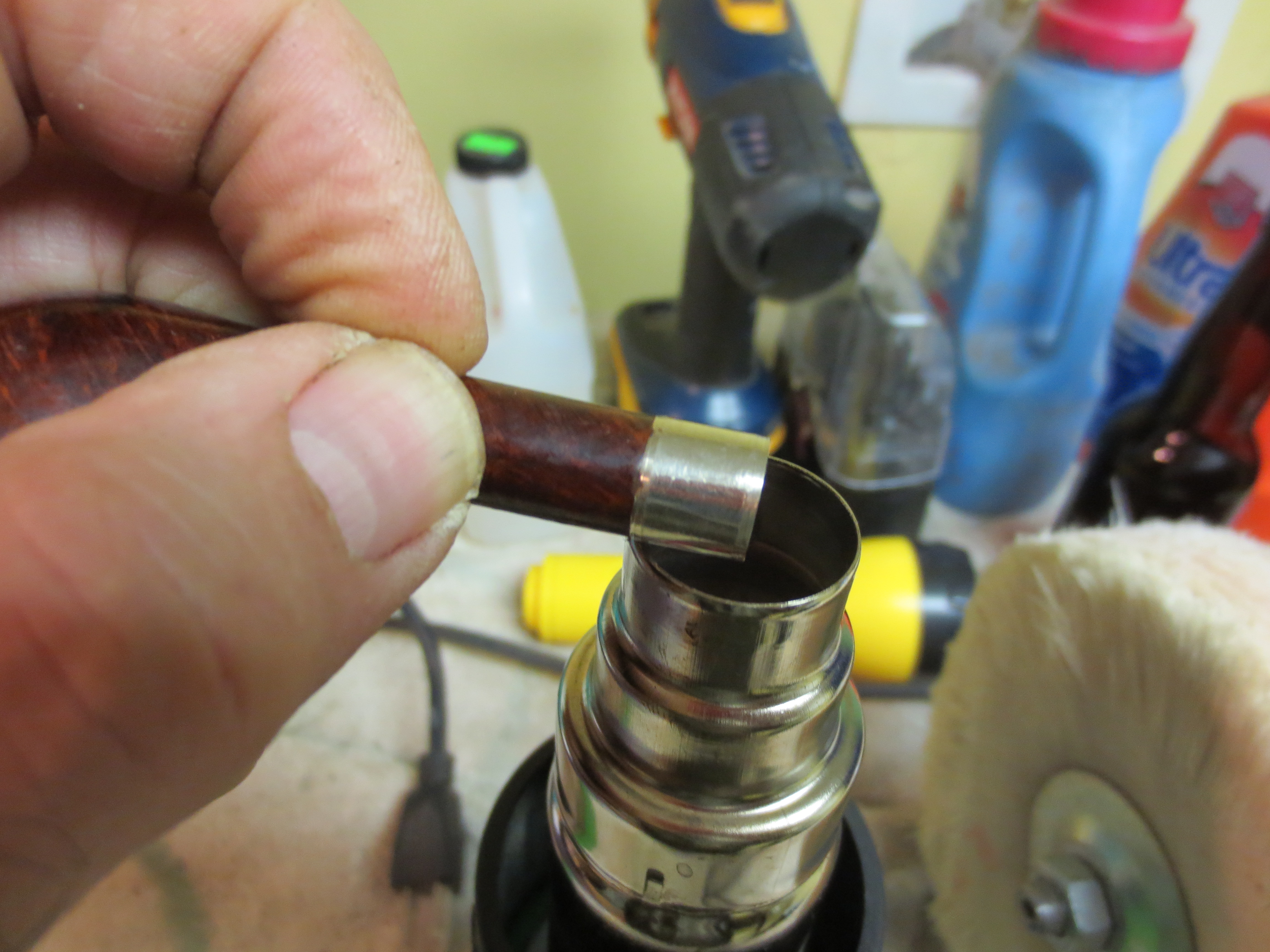
I set up my heat gun and placed the band on the end of the shank. It was a tight band and I was able to just insert the edge in the band so that I could heat the band for pressure fitting it on the shank. The next four photos show the heating of the band and the metal plate that I use to press it into place on the shank. I heated it and pressed it on in three different increments as the band cooled before it would go all the way into place.
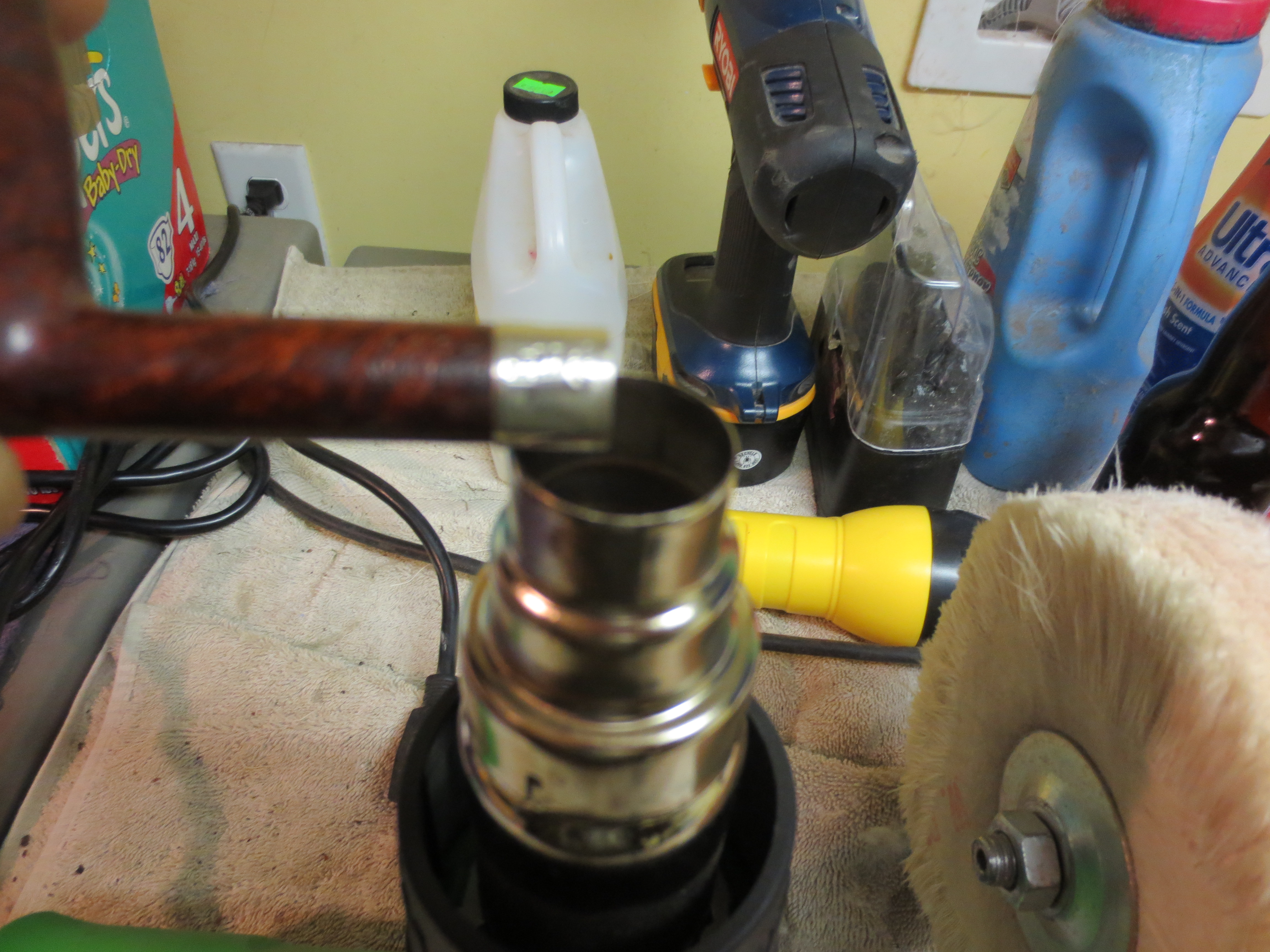
IMG_0745

IMG_0746

IMG_0747

IMG_0748
The next two photos show the newly banded shank. In the second photo you can also see the white putty fill about half way down the side of the bowl.
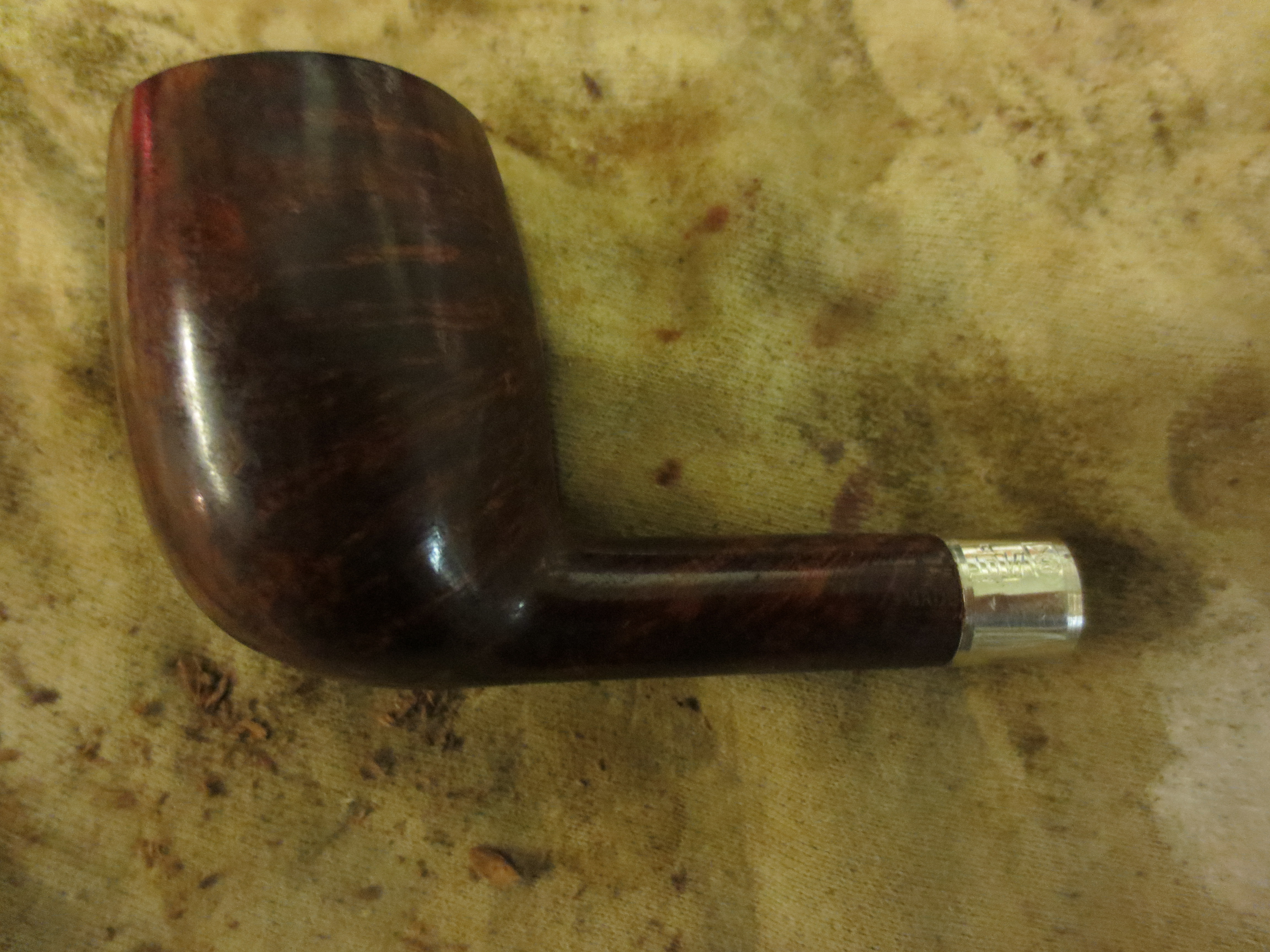
IMG_0749

IMG_0750
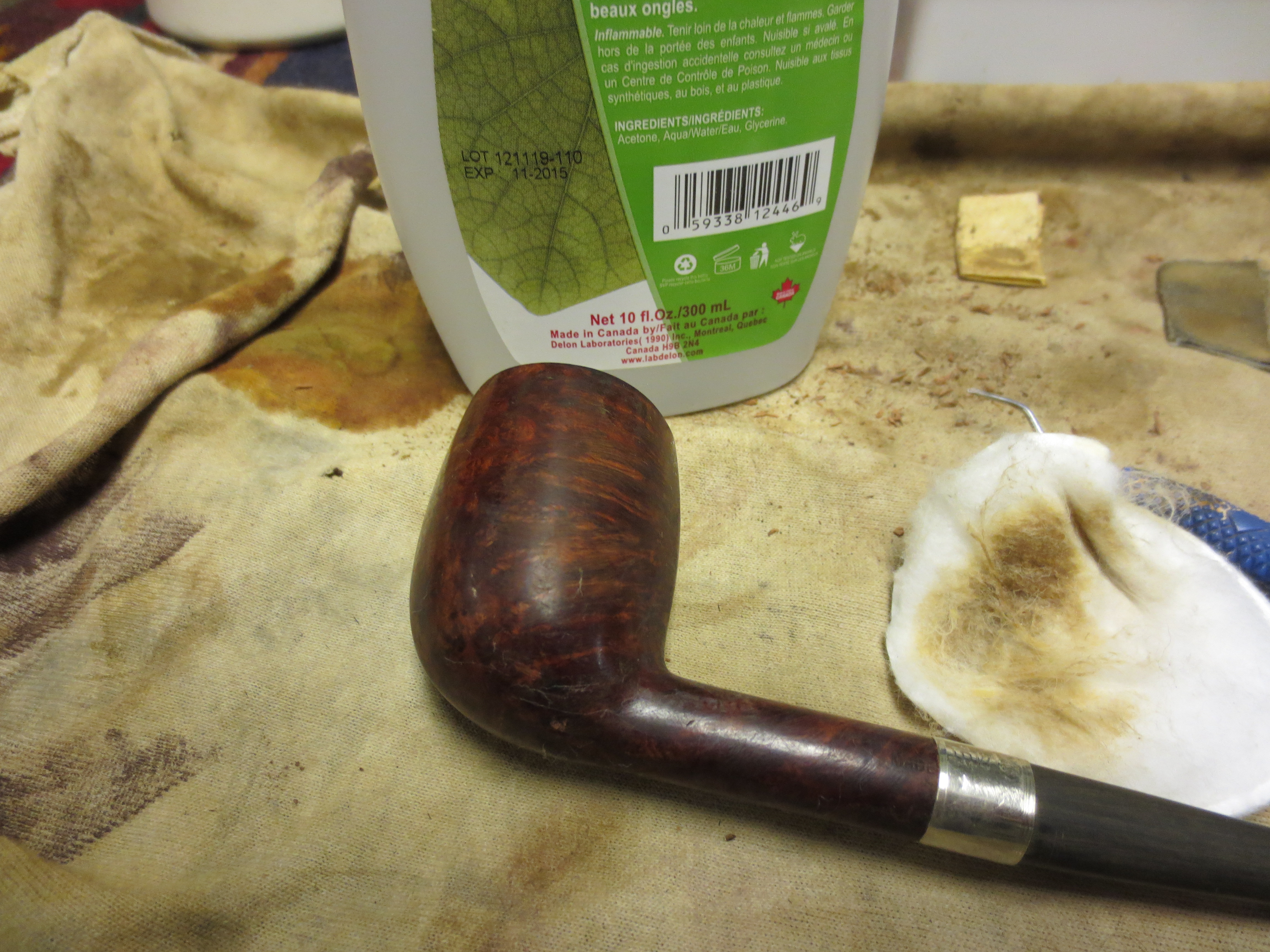
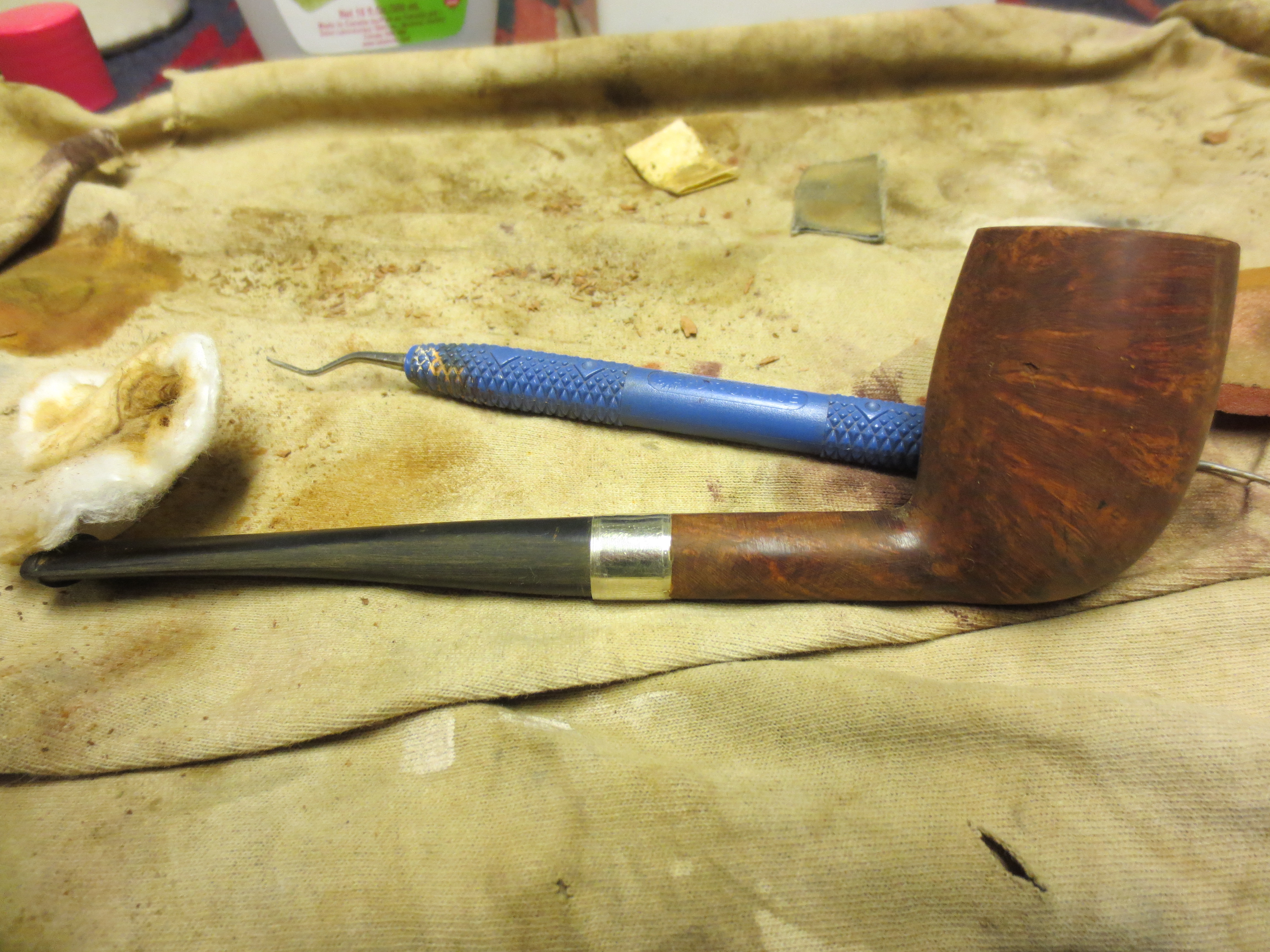
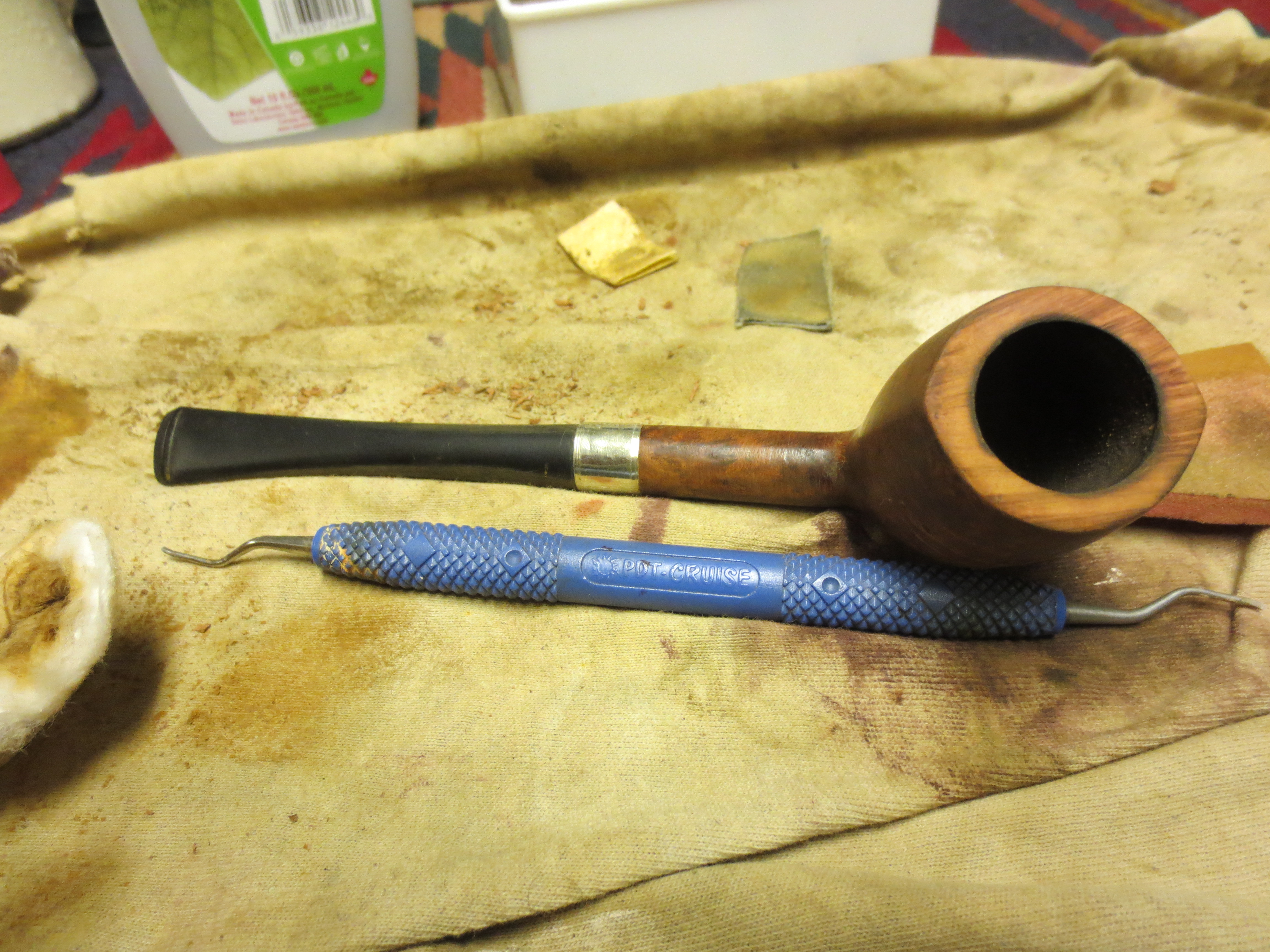
I finished fitting the stem on the pipe and sanded down the slag from the edges and end of the stem. I also wiped down the bowl with acetone. It had a coating of varnish on it that was crackling and also did not allow me to rework the fills properly. Once I had it wiped down I picked out the white putty in the two fills that were present with a dental pick and wiped down the bowl again with the acetone. The fills were on the right side mid bowl and on the left side at the bottom of the shank bowl junction.
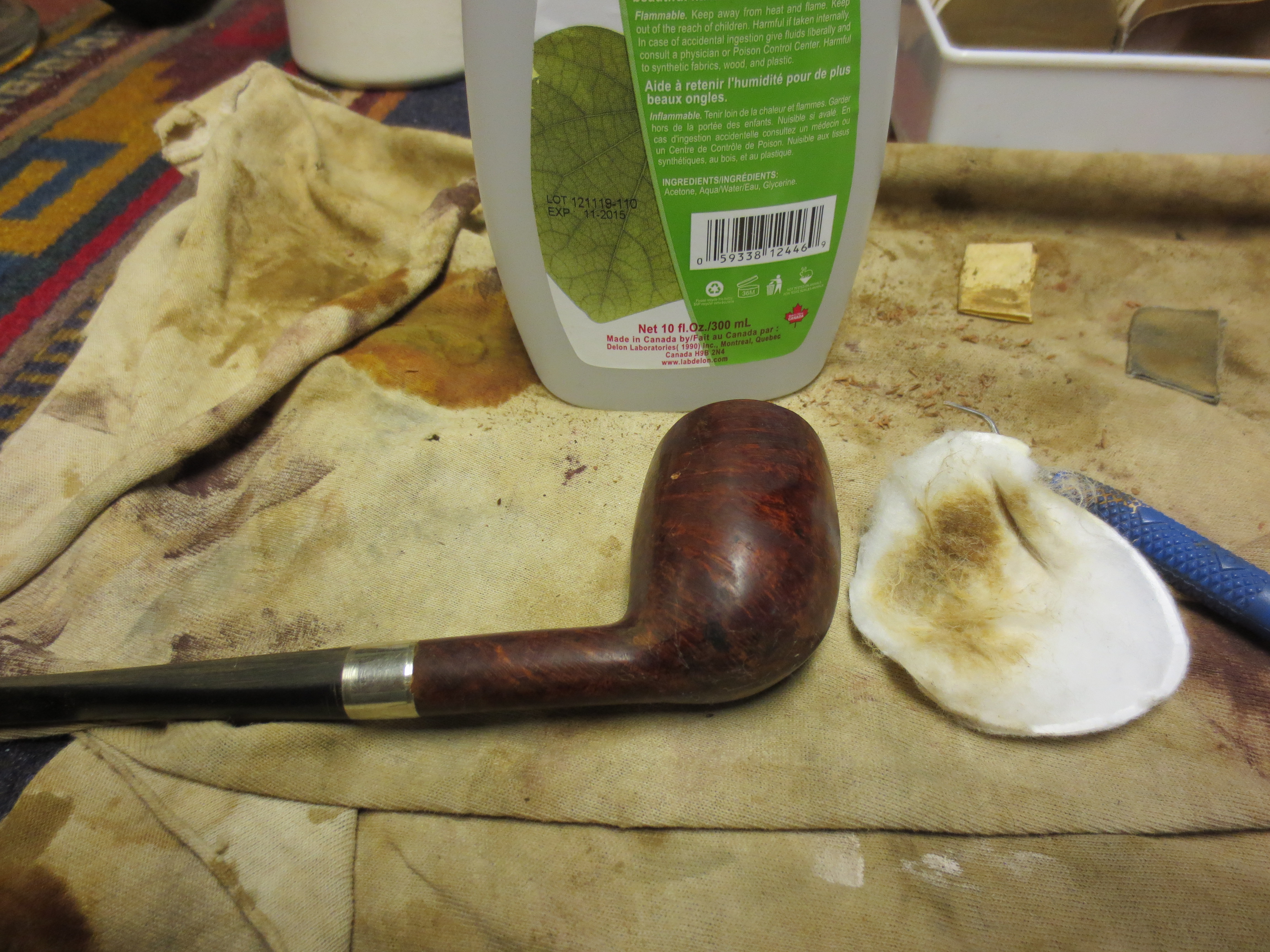
IMG_0751

IMG_0752
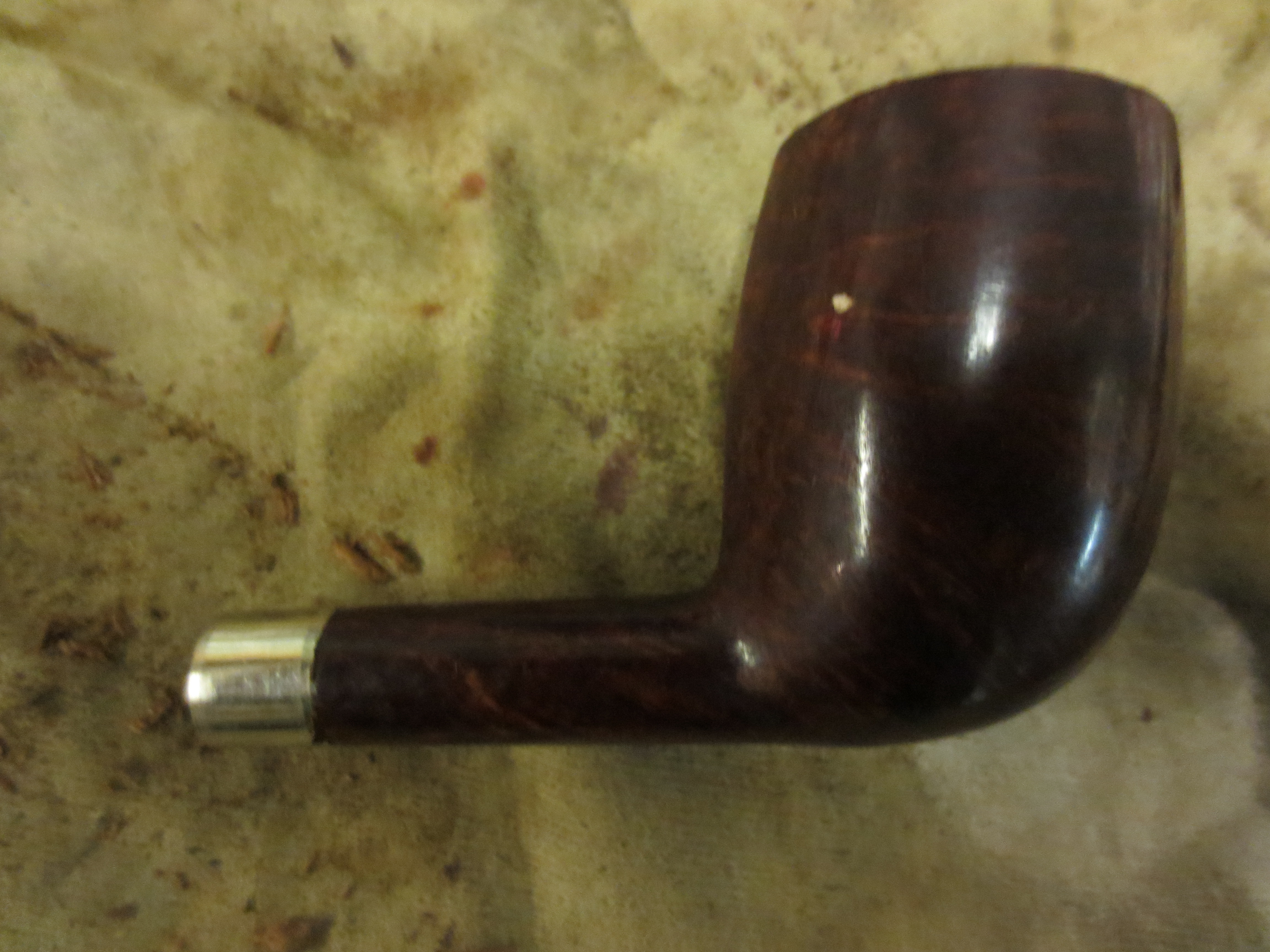
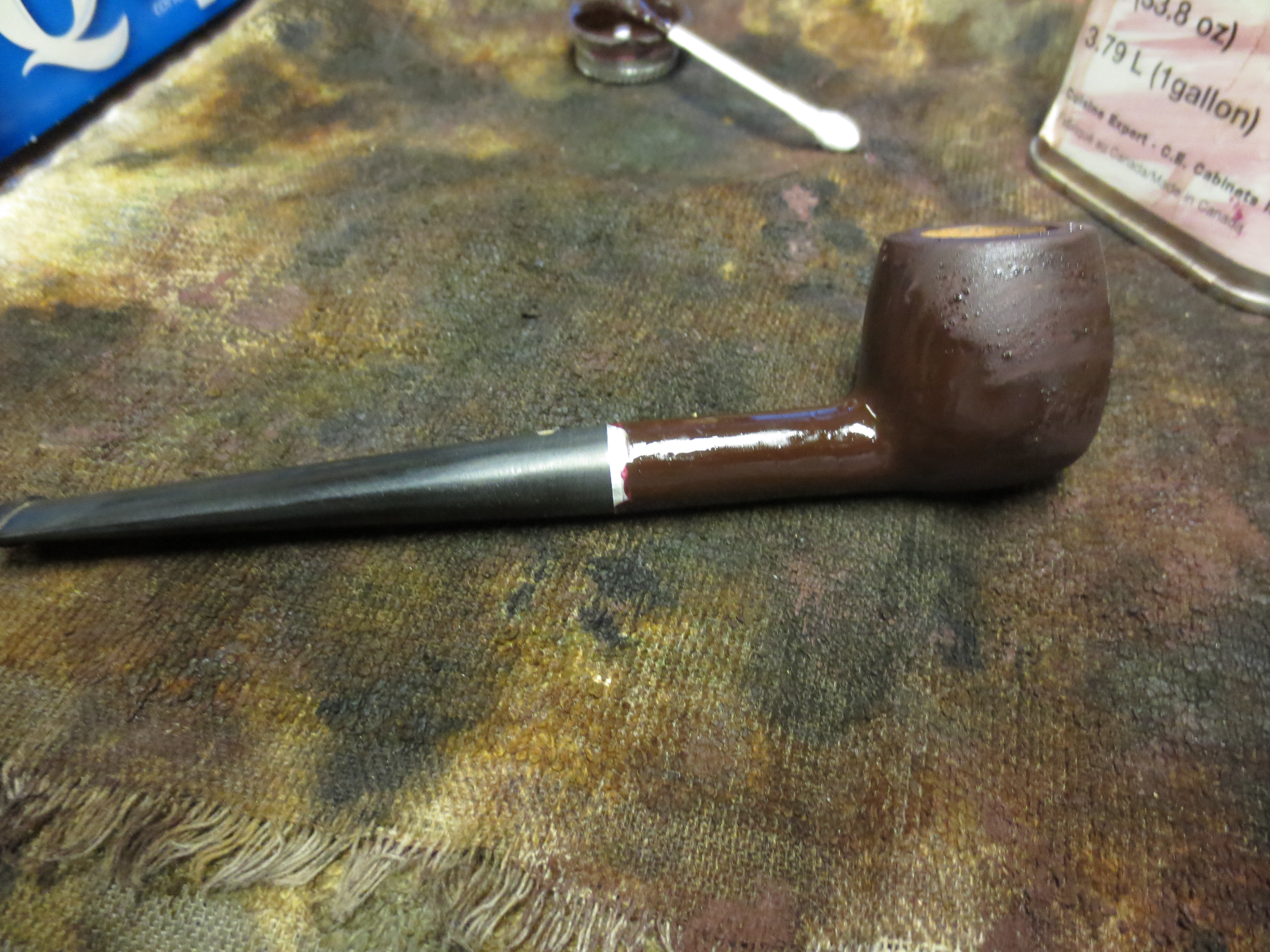
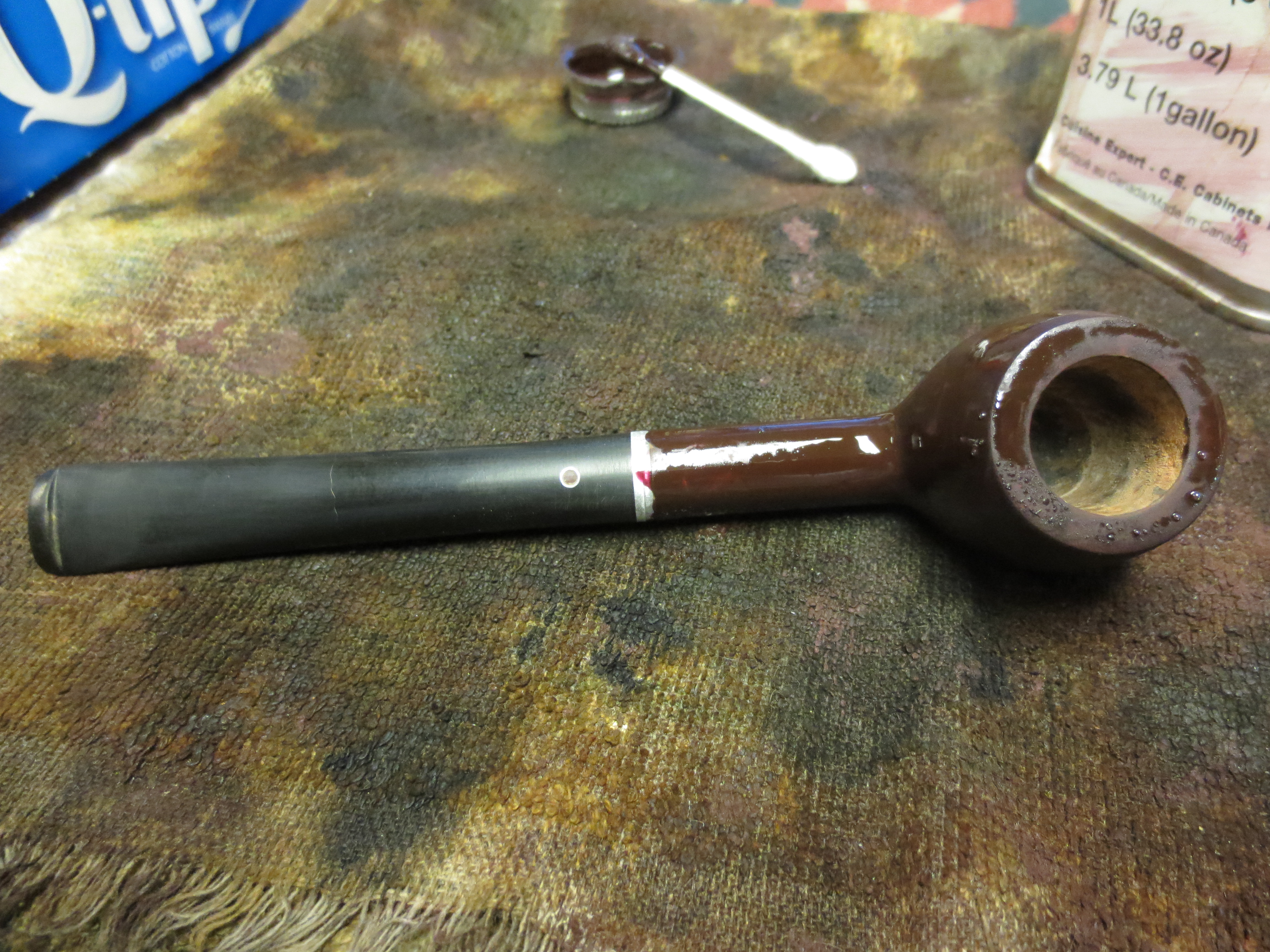
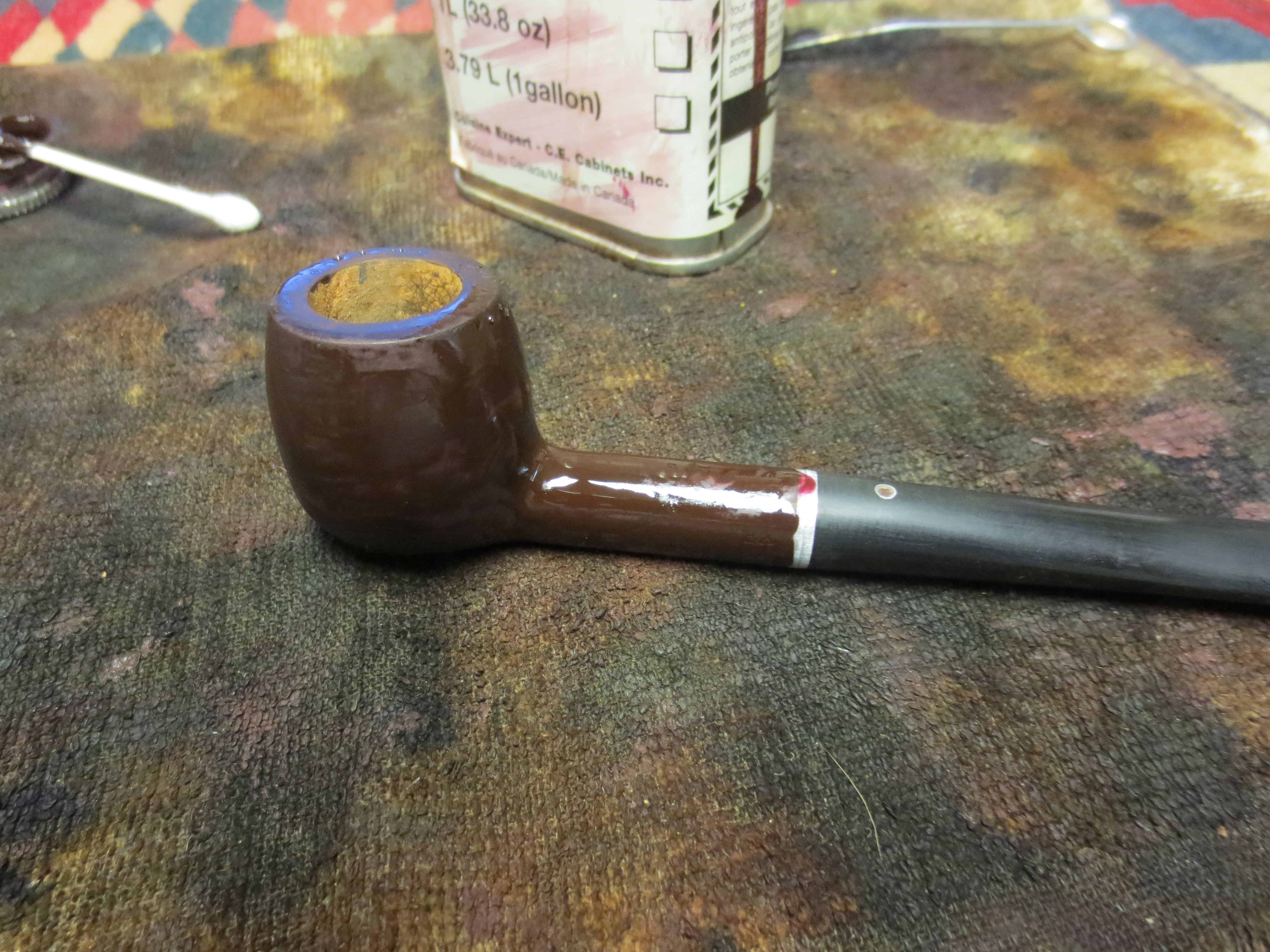
I sanded the bowl and shank with 320 grit sandpaper and then a fine grit sanding sponge to remove the finish completely. The next three photos show the sanded bowl and shank. The grain was quite nice on the pipe. The dark stain had hidden it pretty well. I was beginning to think about not restaining the bowl but leaving it with the remaining colour and polishing and buffing it. Time would tell.
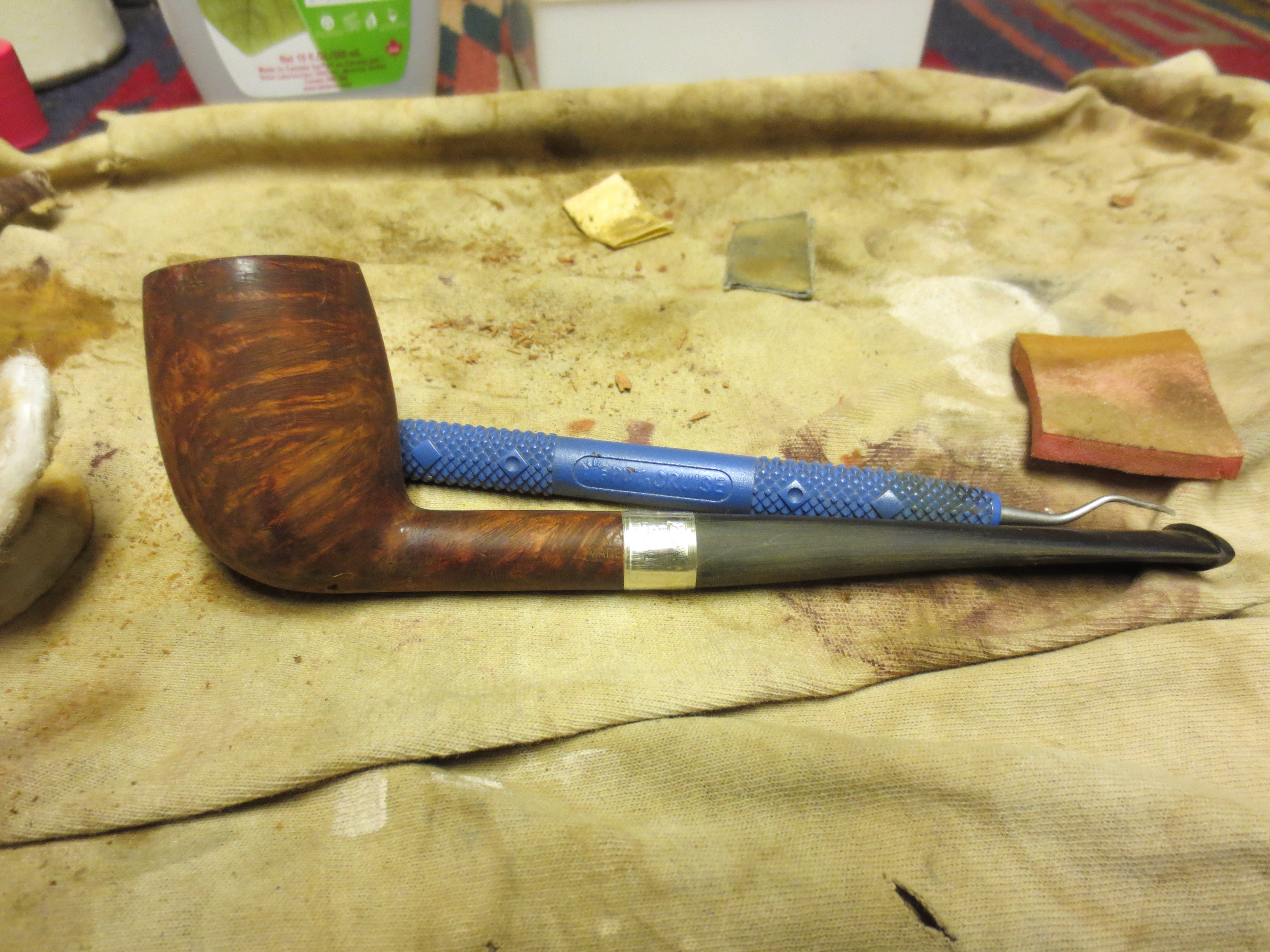
IMG_0753

IMG_0754

IMG_0755
I packed briar dust into the clean sandpit areas on the pipe and then dripped superglue on top of the briar dust. The next two close up photos of the bowl show the patches before I sanded away the excess and cleaned them up to match the surface of the briar.
IMG_0757

IMG_0758
I used 320 grit sandpaper to remove the excess that was shown in the above photos and smooth out the surface. I followed that by sanding with a fine grit sanding sponge. The next four photos show the replaced fills. There were also some dark stains on the bowl that I wanted to work on. I continued to sand the bowl as a whole with the sanding sponge to minimize the dark stain marks on the briar. The colour of the briar is really starting to look great.
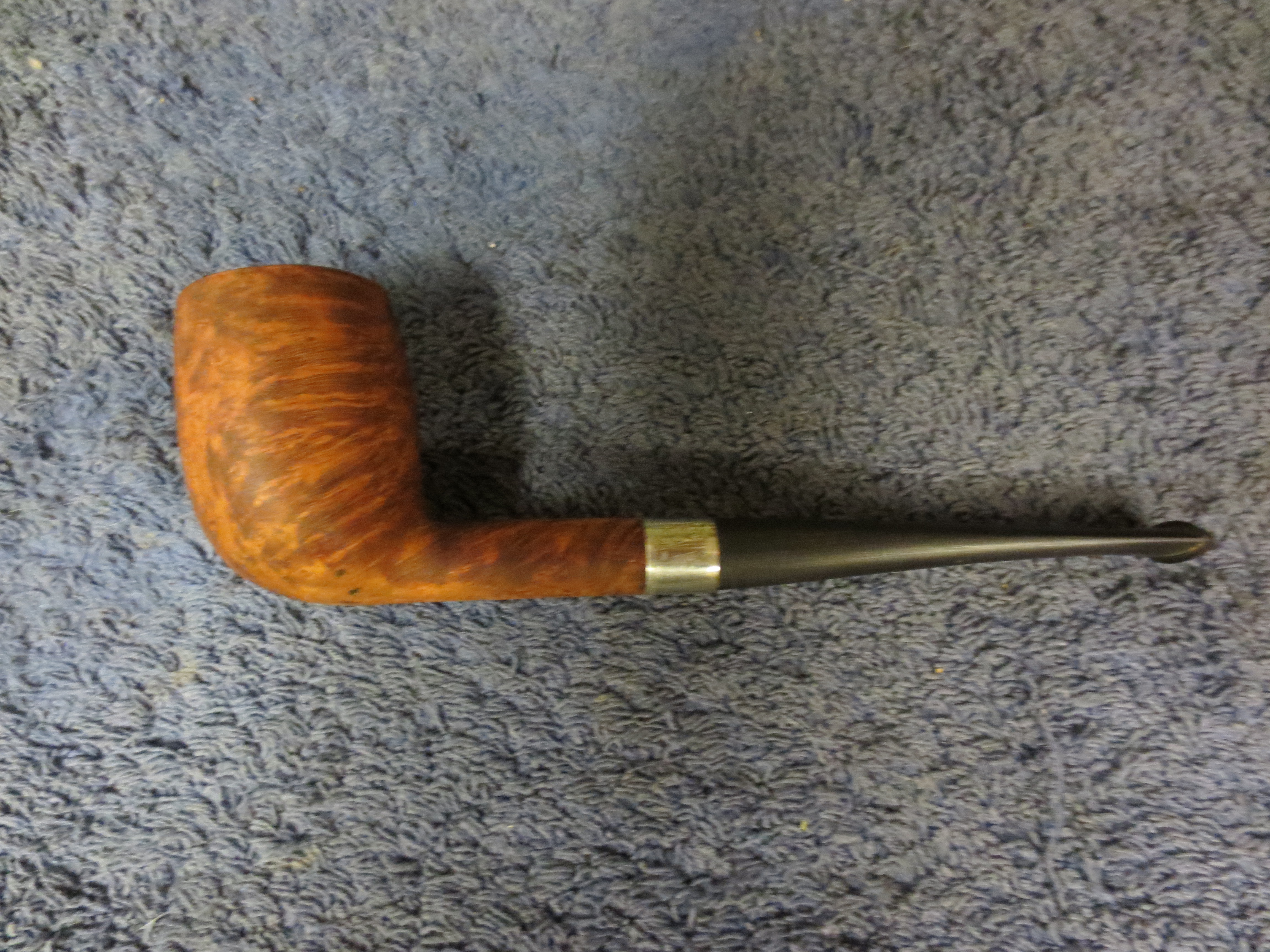
IMG_0759

IMG_0760

IMG_0761

IMG_0762
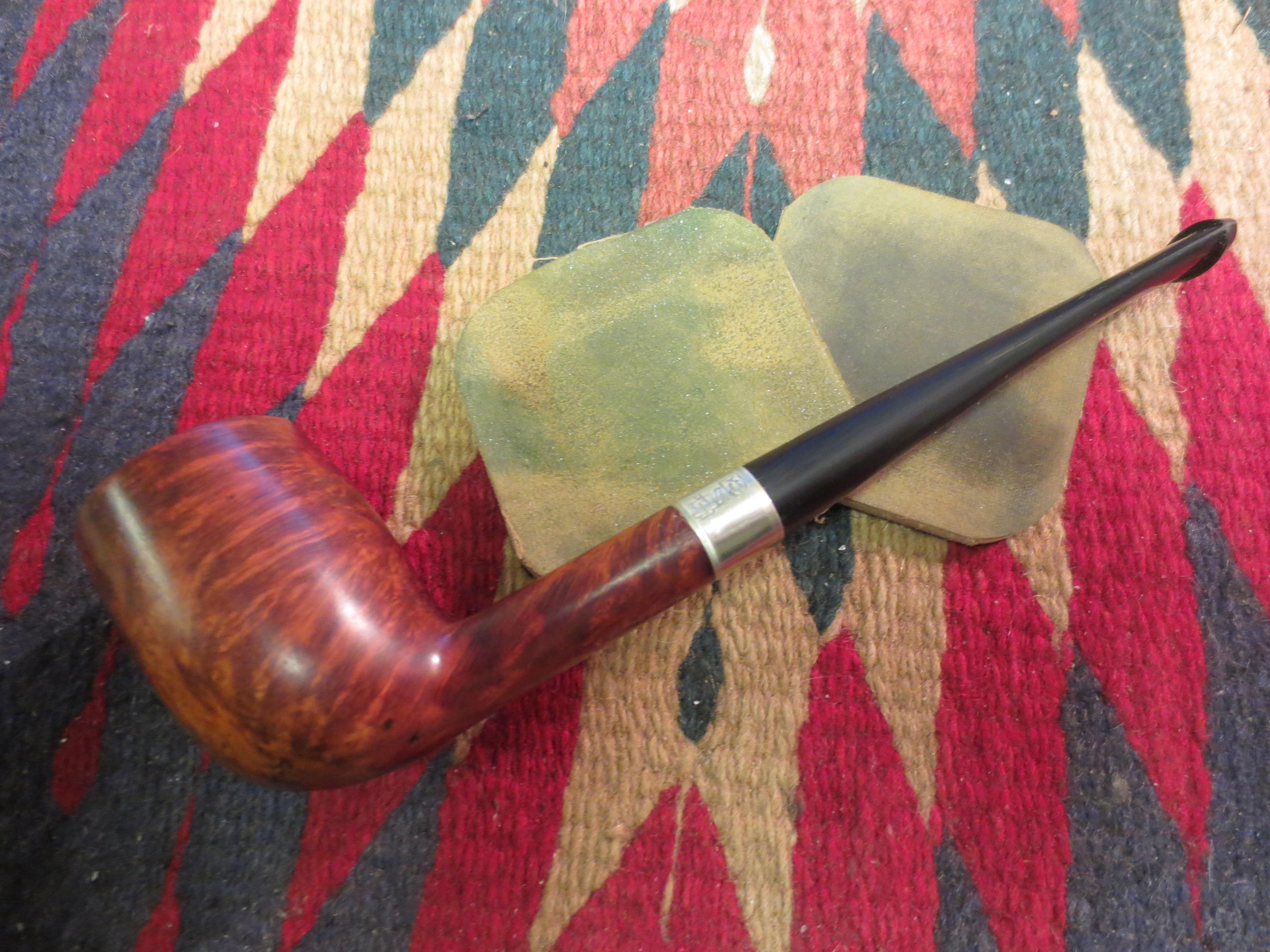
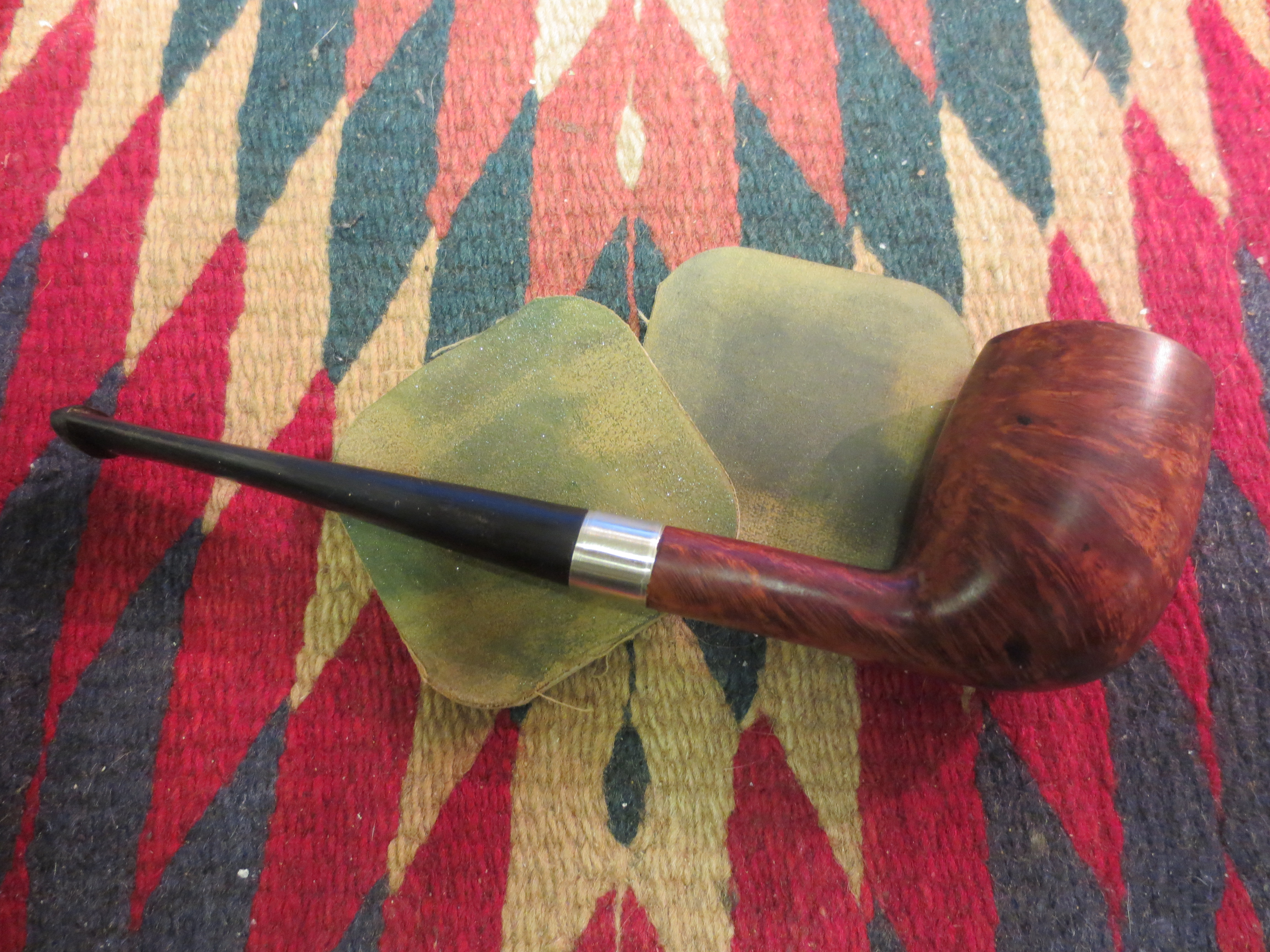
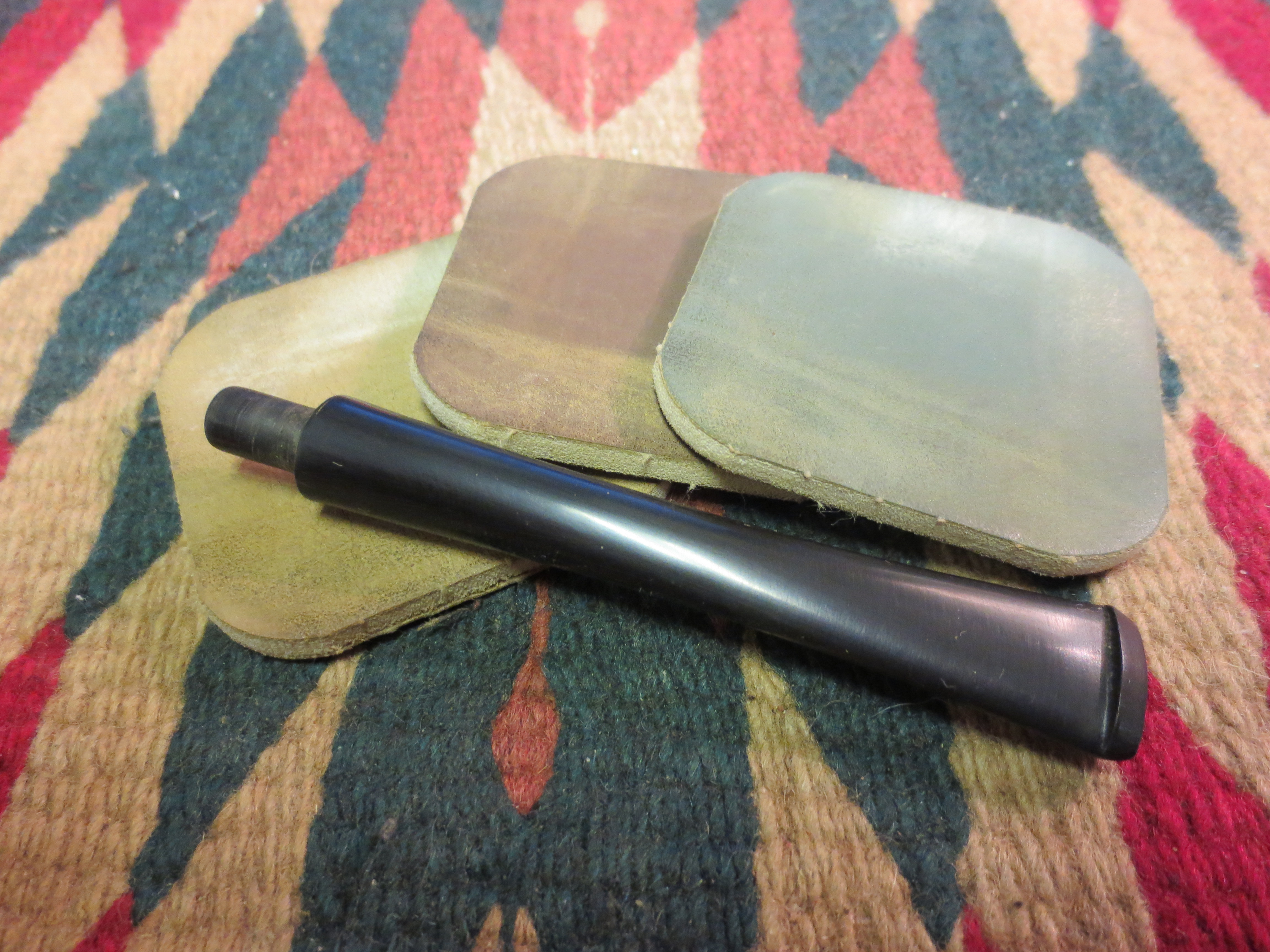
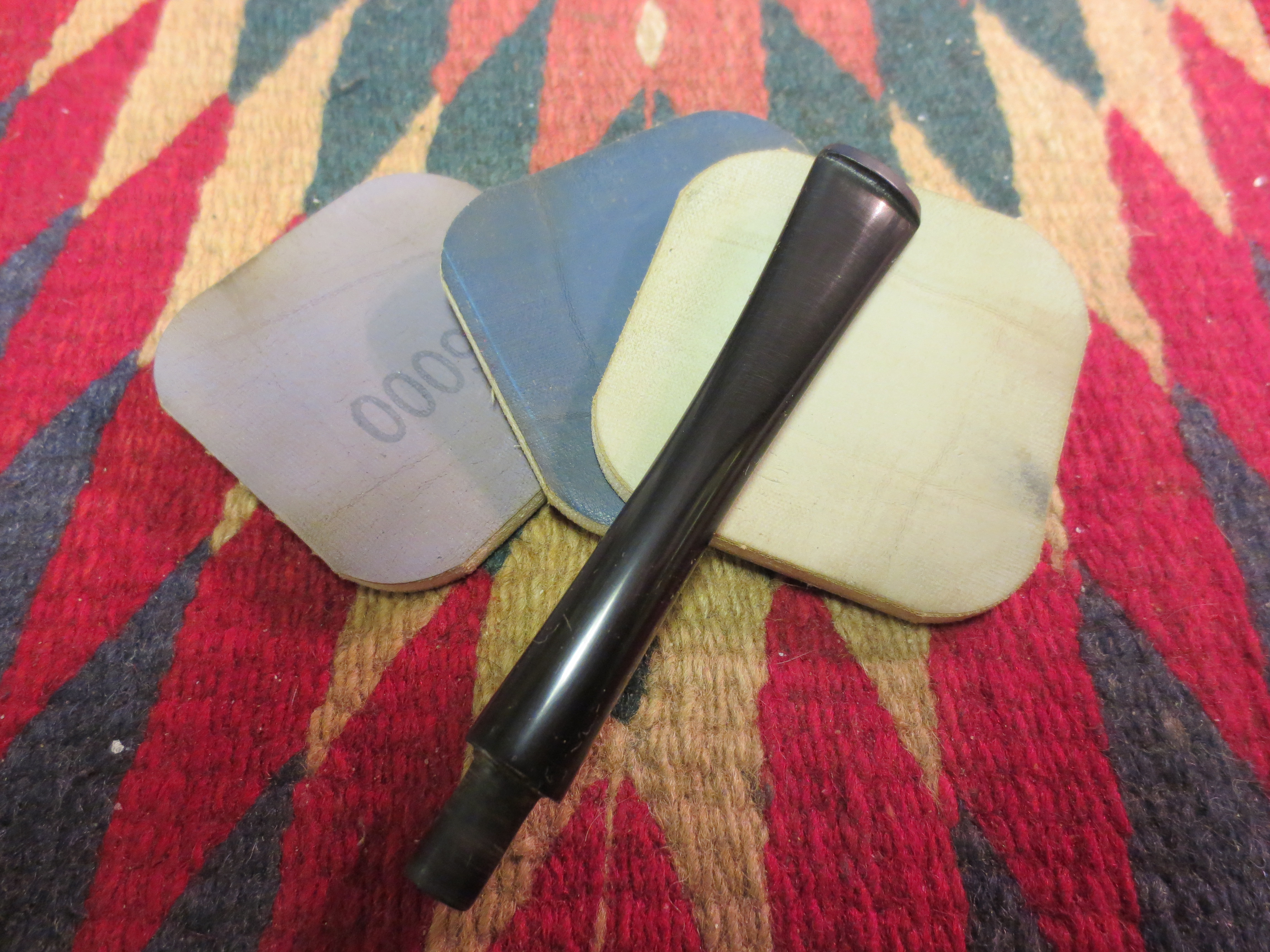
I then sanded the bowl and the stem with micromesh sanding pads. I wanted to remove the scratches and begin to develop a shine. I wet sanded with the 1500-2400 grit micromesh sanding pads and then went on to dry sand with the 3200-12,000 grit sanding pads. The next 9 photos show the developing shine on the bowl and the stem. I also sanded the nickel band with the micromesh pads.
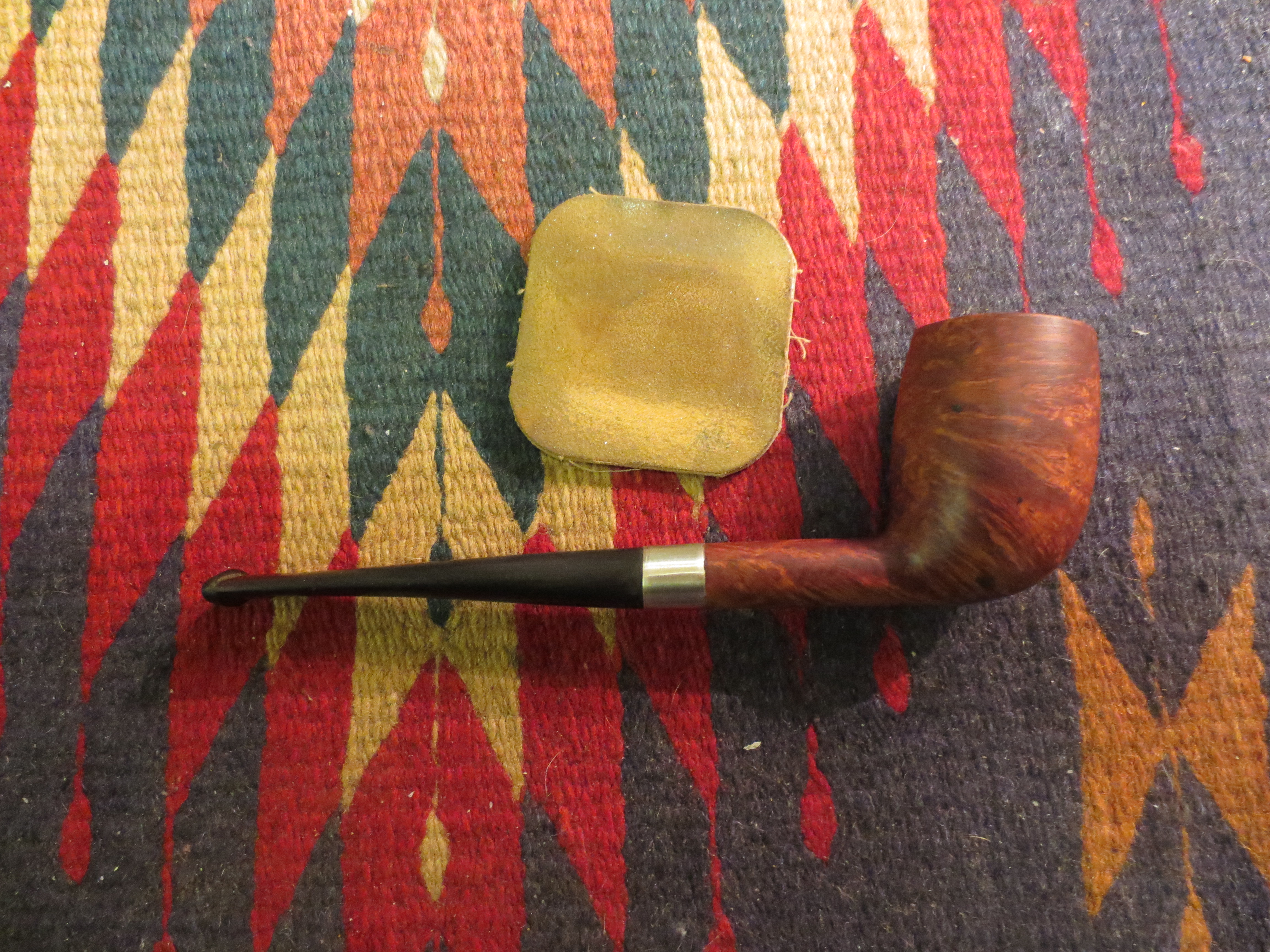
IMG_0763

IMG_0764

IMG_0765

IMG_0766

IMG_0767

IMG_0768

IMG_0769

IMG_0770

IMG_0771
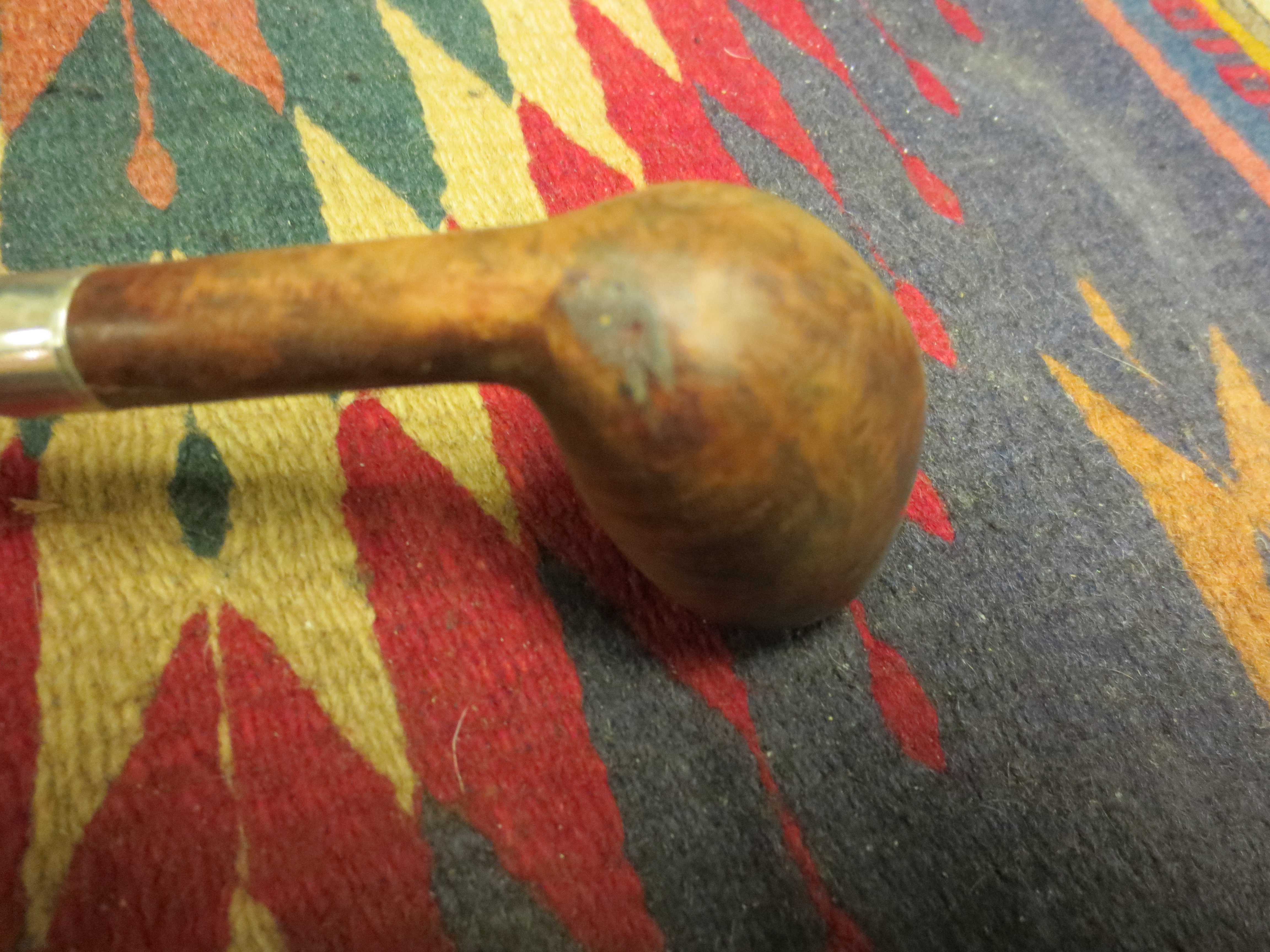
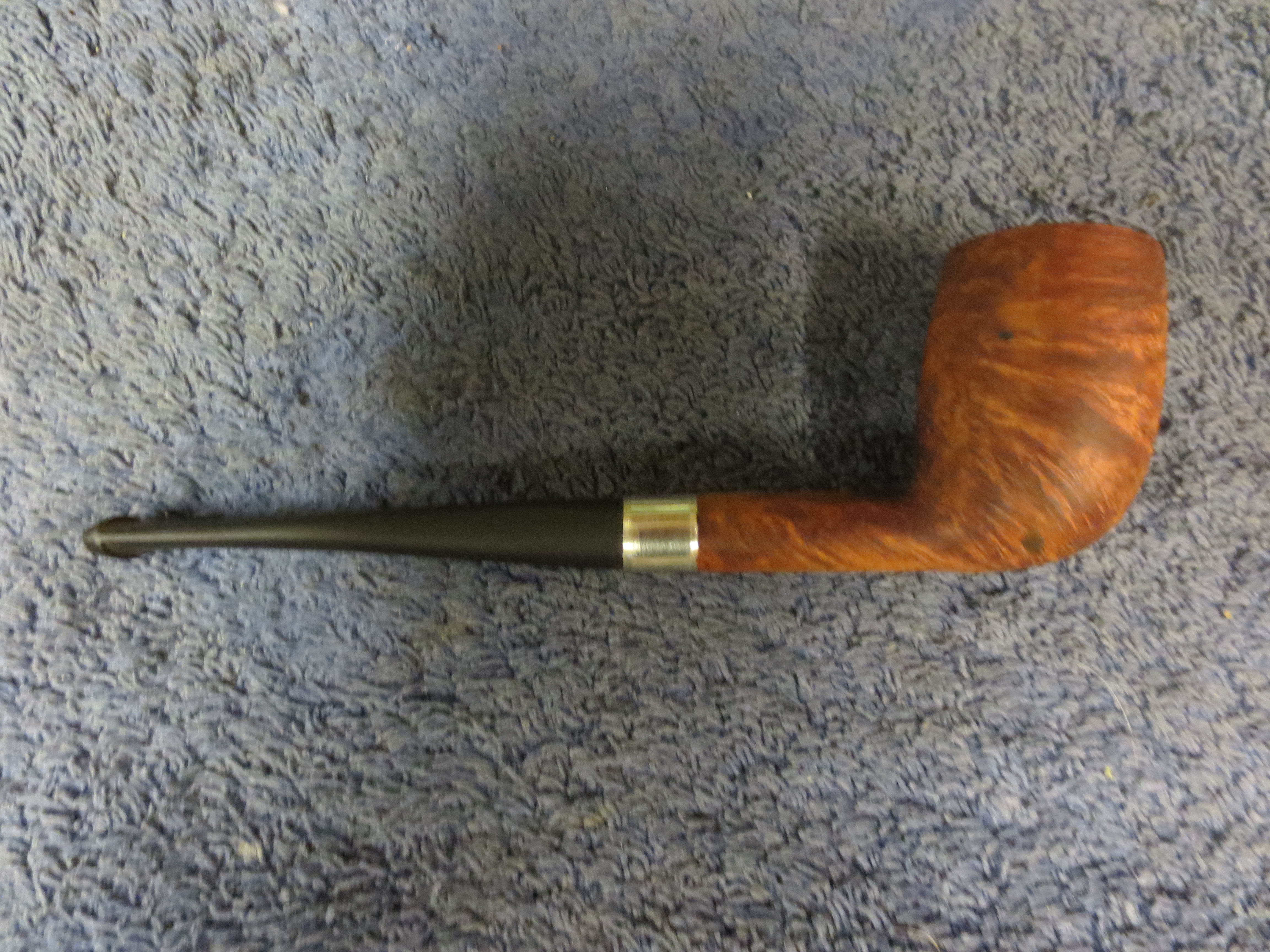
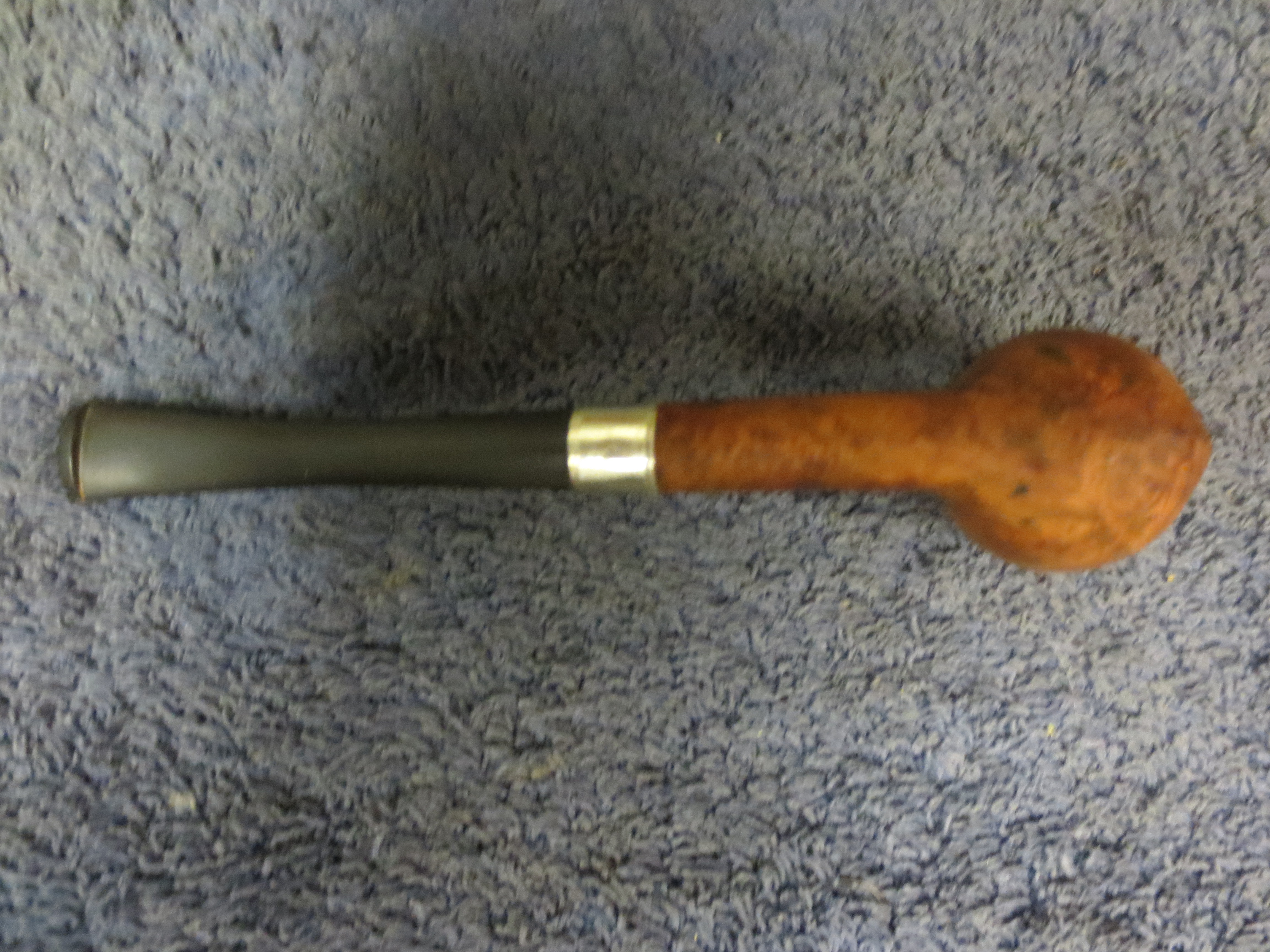
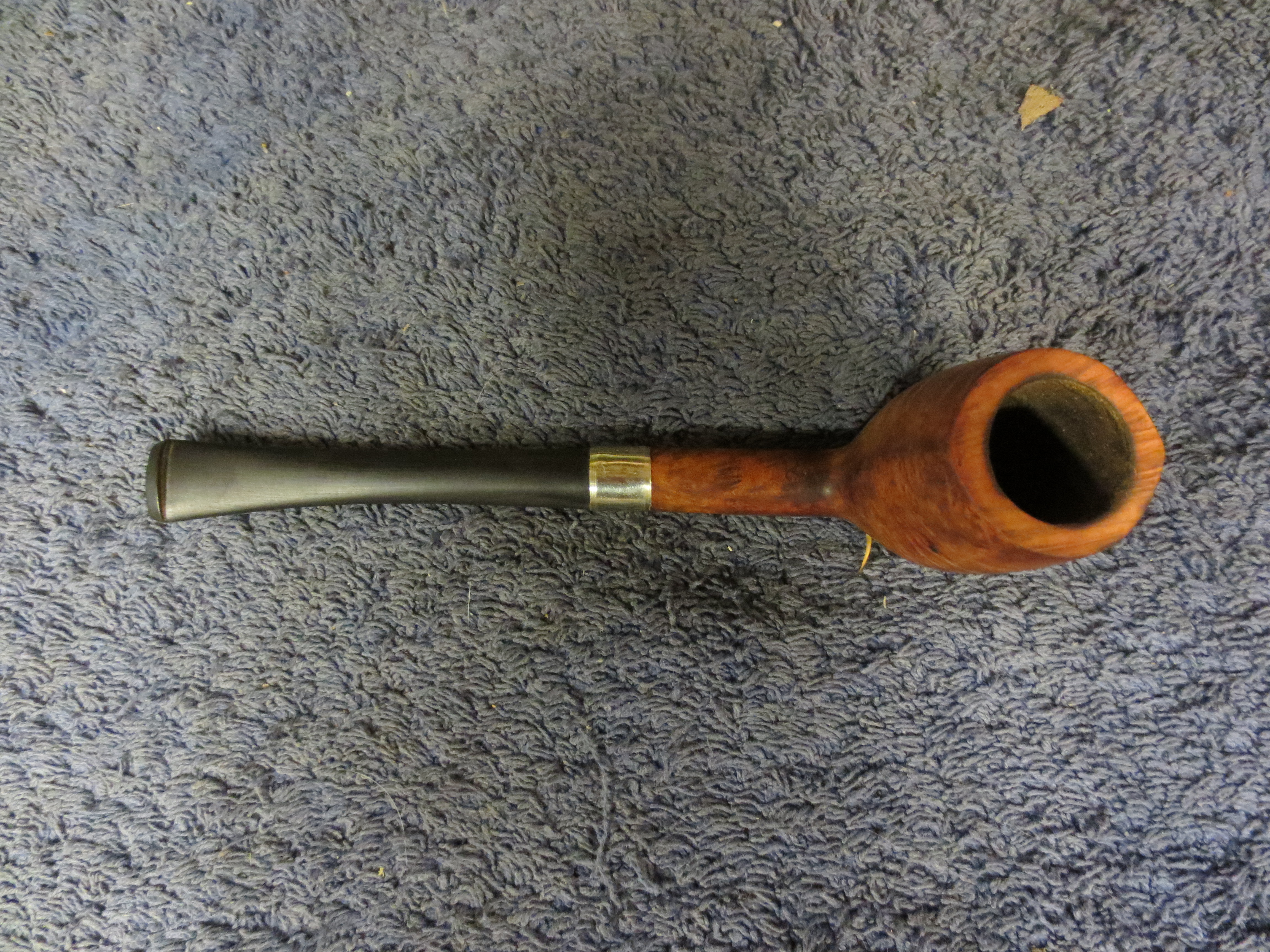
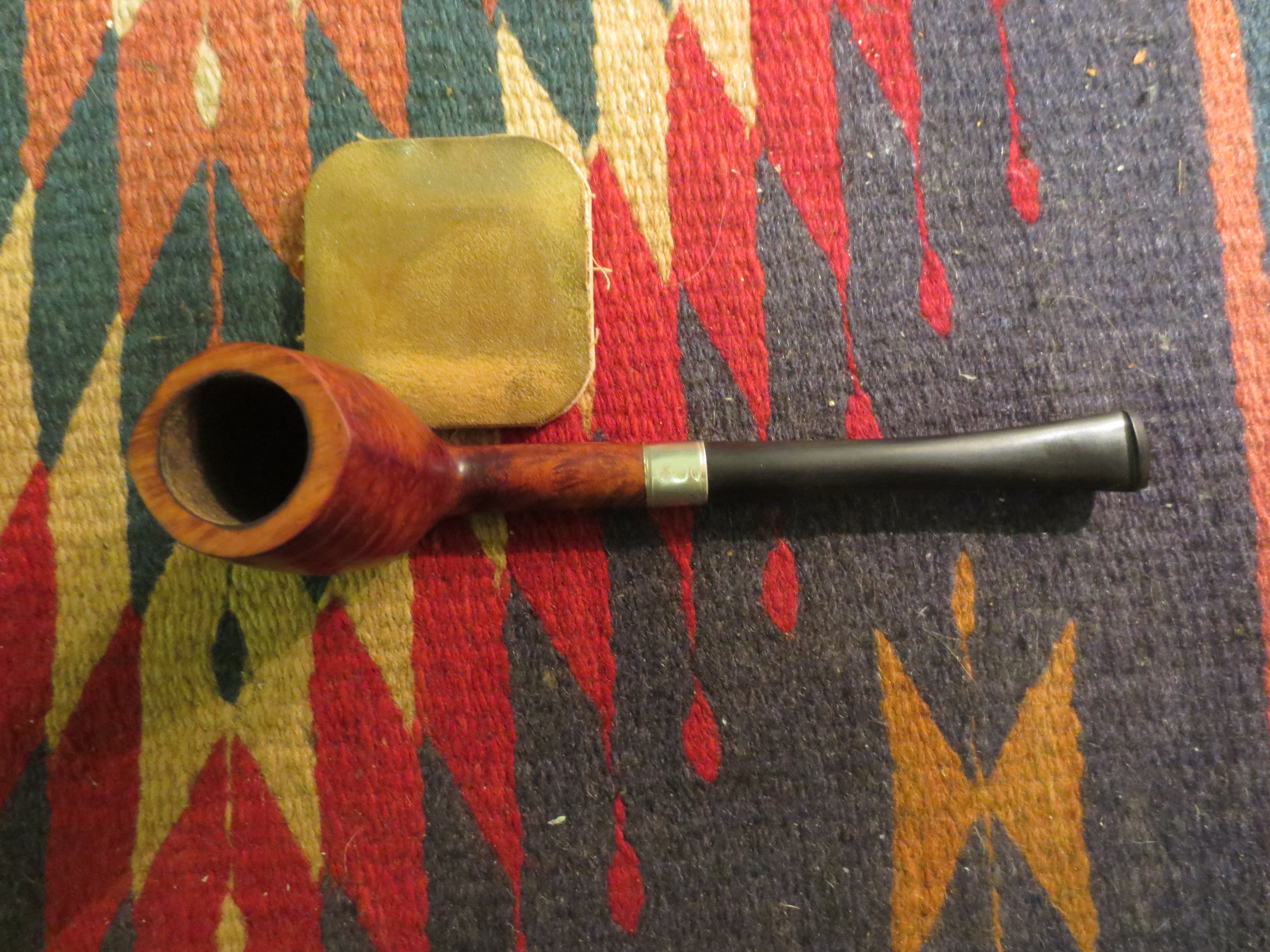
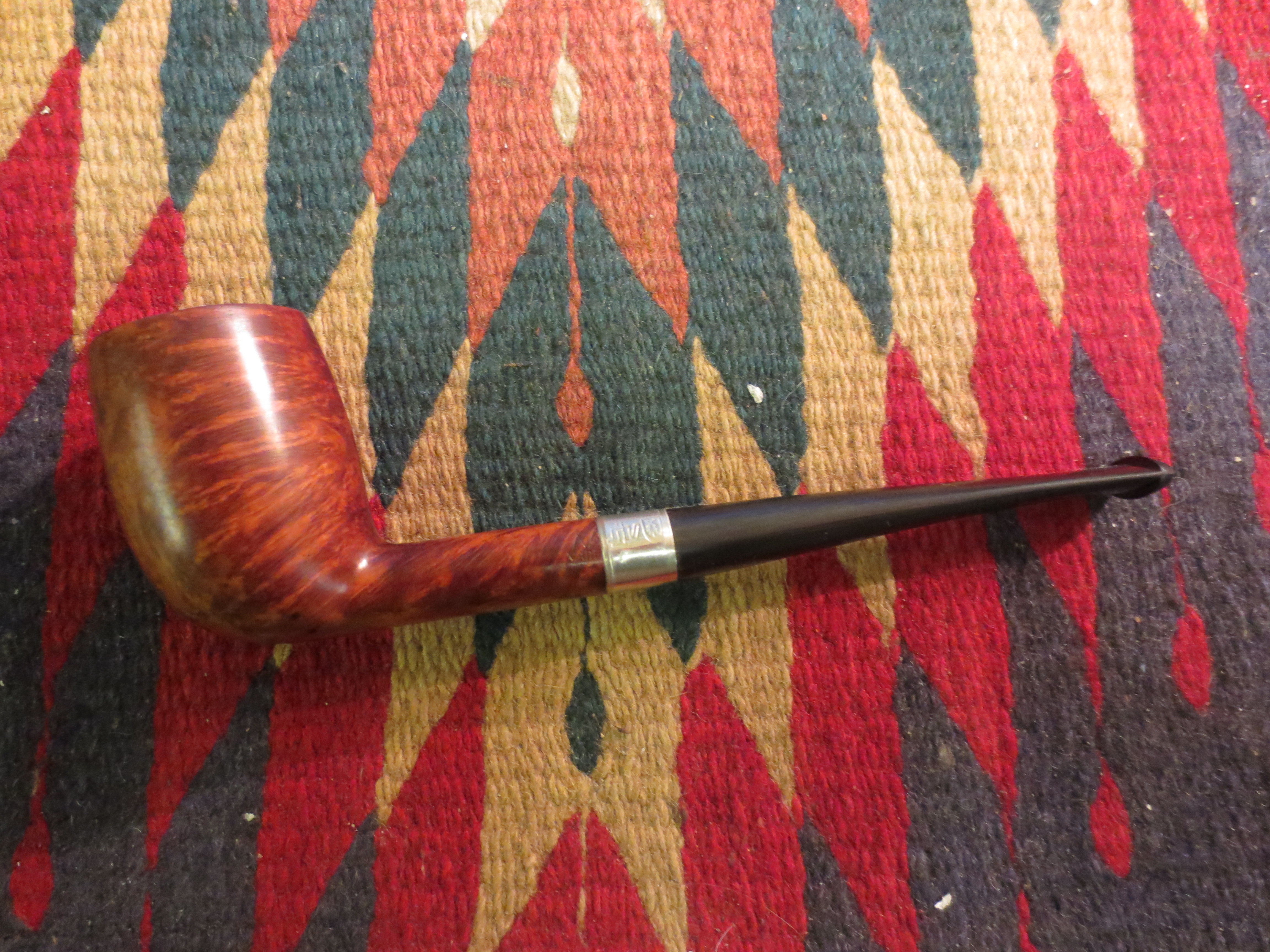
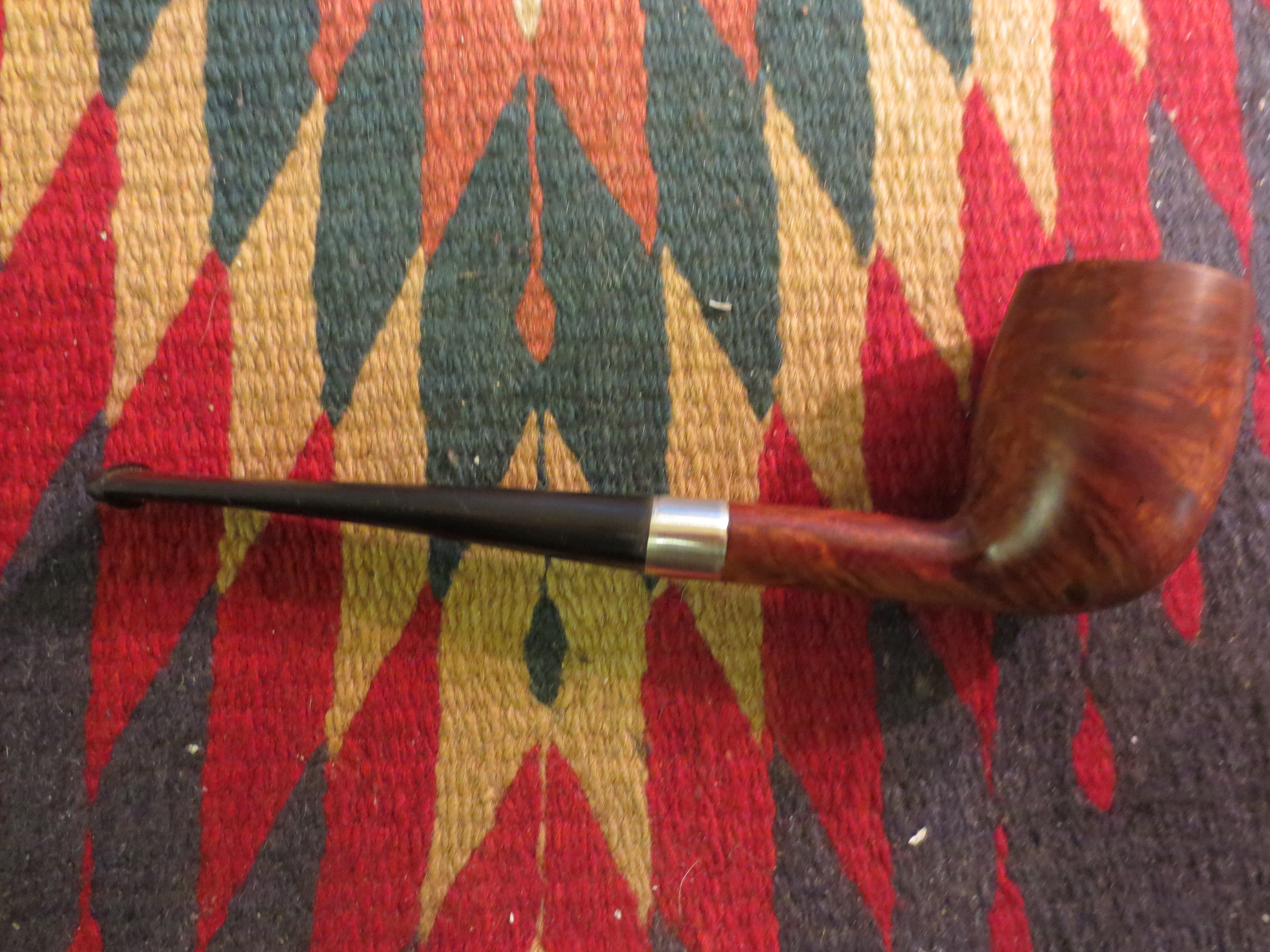
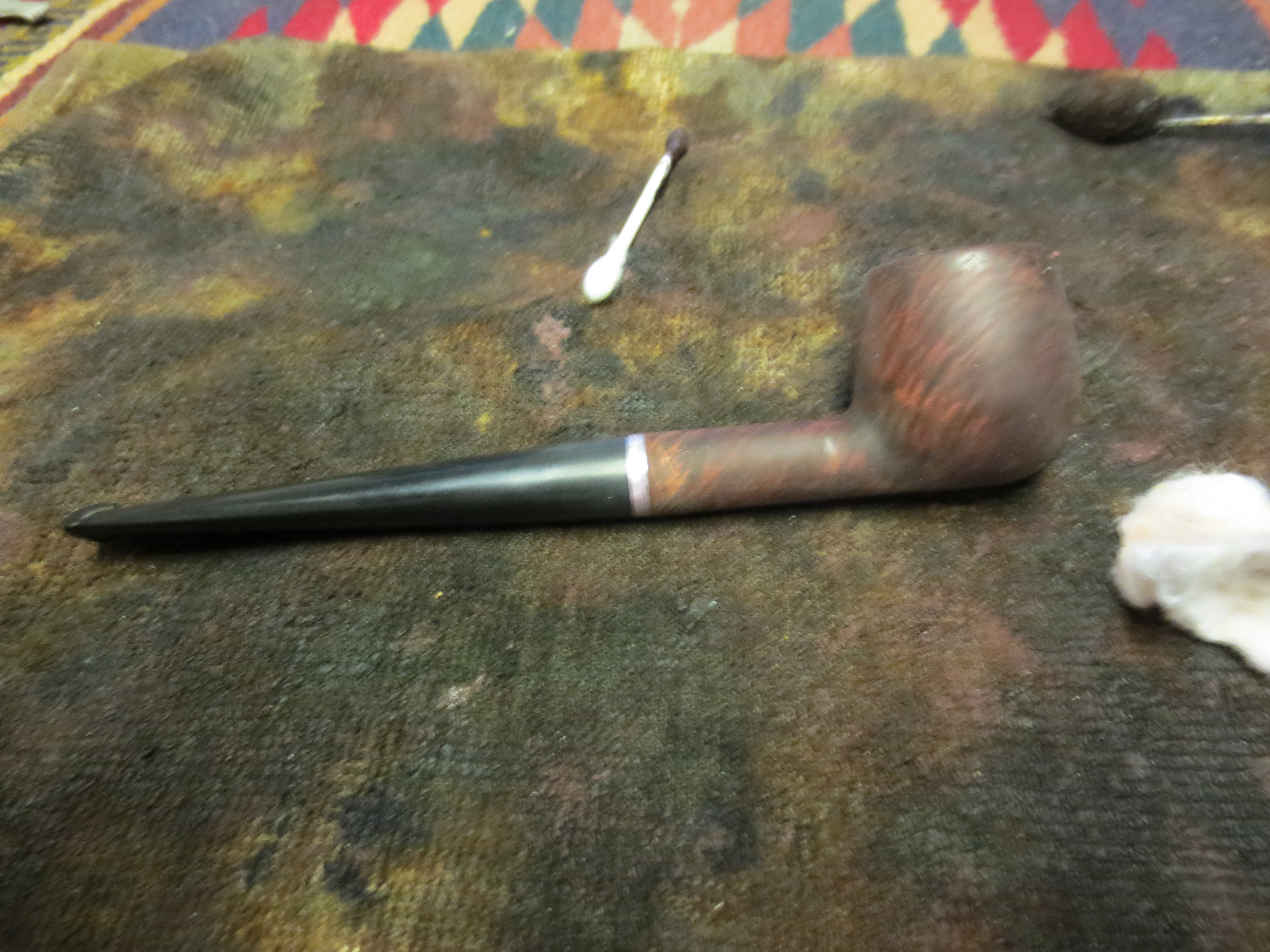
By the time I finished sanding with the 12,000 grit micromesh sanding pad the bowl looked really good. I decided against restaining it and instead reinserted the stem and took the pipe to the buffer. I buffed the entirety lightly with White Diamond to remove any remaining light scratches and to brighten up the shine on both bowl and stem. I then wiped down the stem with Obsidian Oil, and buffed the pipe with carnauba and a soft flannel buff. The final five photos show the finished pipe. It is ready to use. The only remaining question is, “What is the brand? What letters follow Aarhus???” Can any of you help me with that information? It is an unfamiliar brand to me and I can find nothing on the Pipephil Logos and Stampings website or in Who Made that Pipe. Thanks ahead of time for your help.
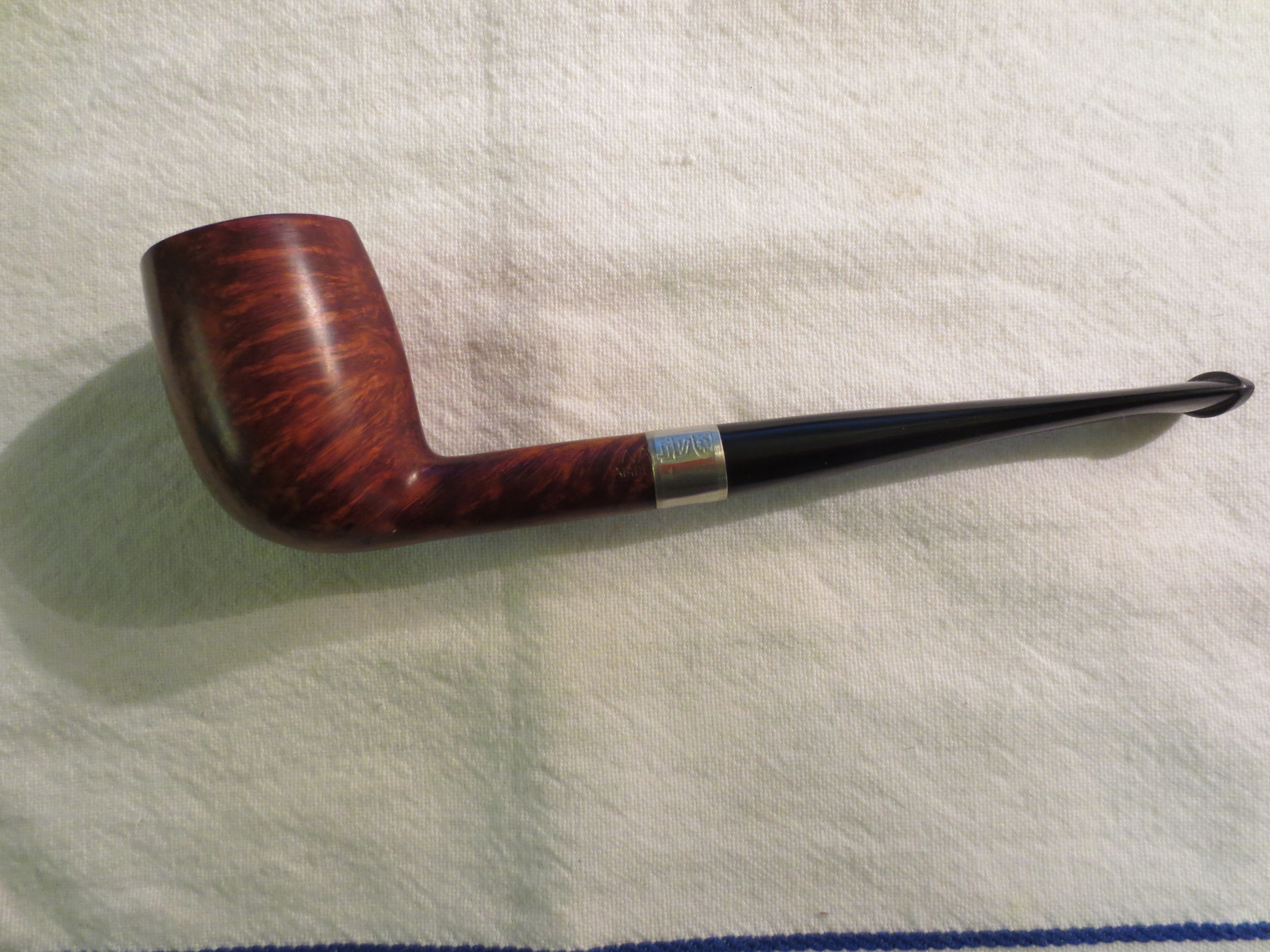
IMG_0772

IMG_0773

IMG_0774

IMG_0775

IMG_0776

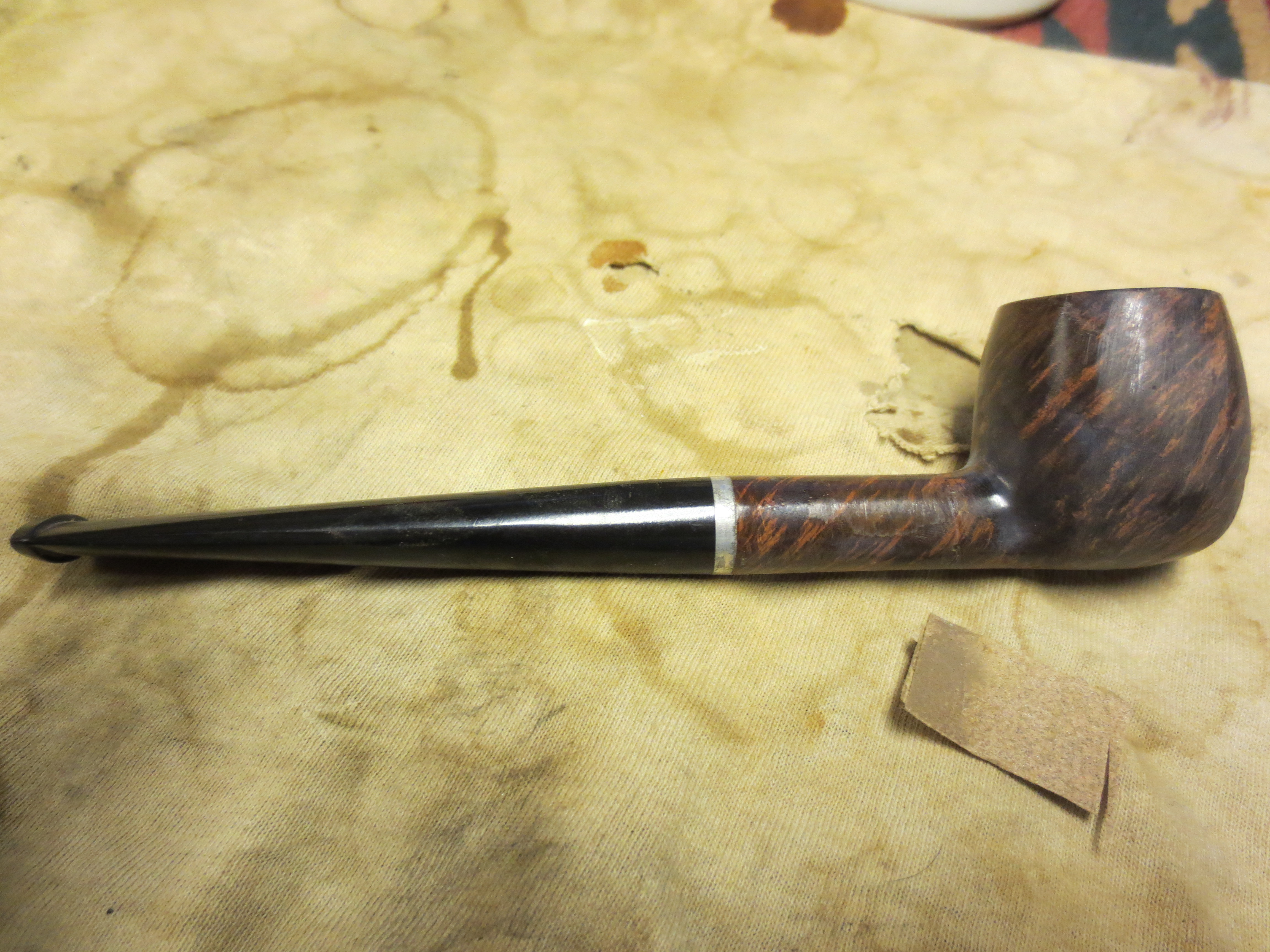
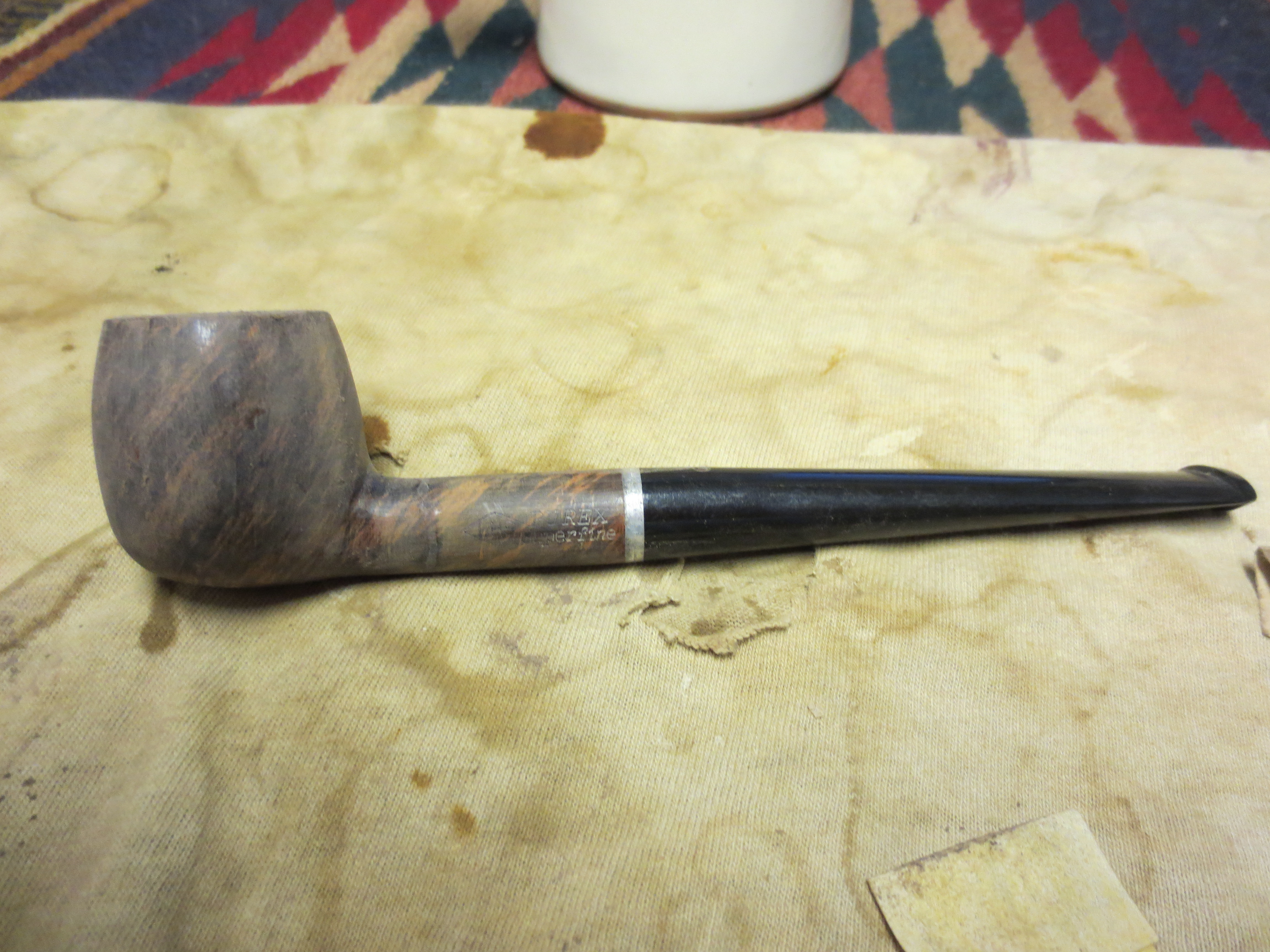
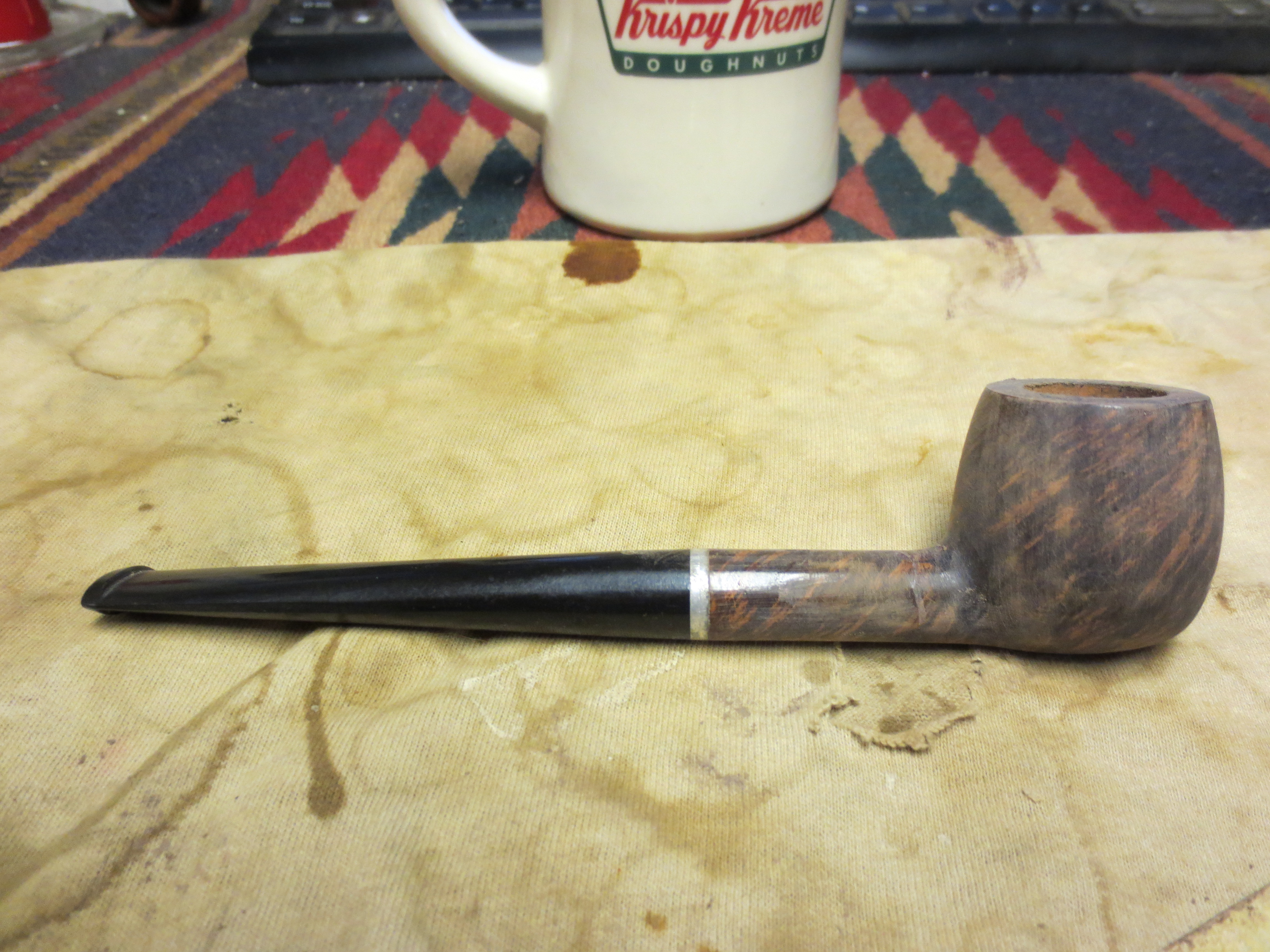
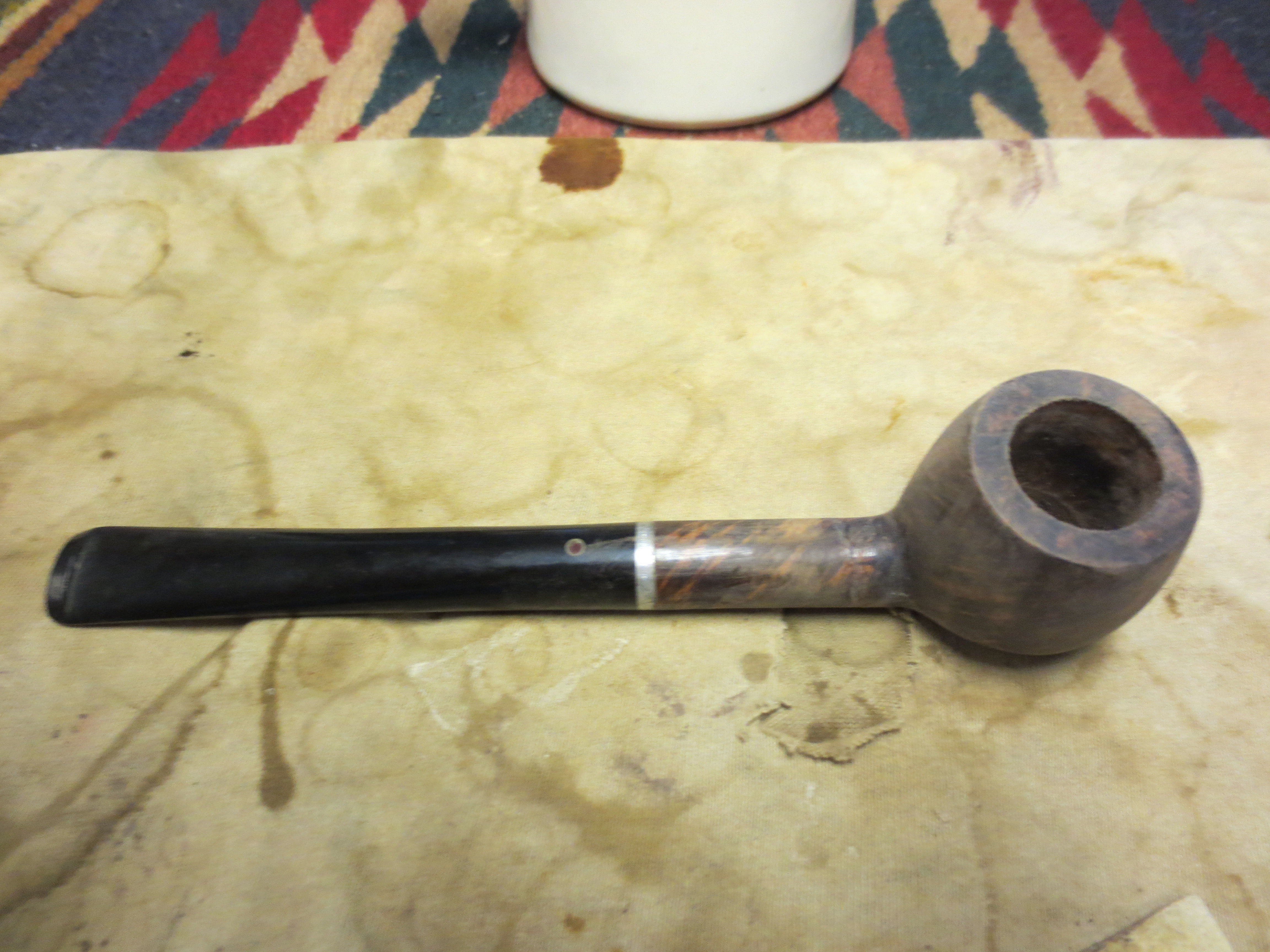
Refinishing a LHS Purex Superfine


Blog by Steve Laug

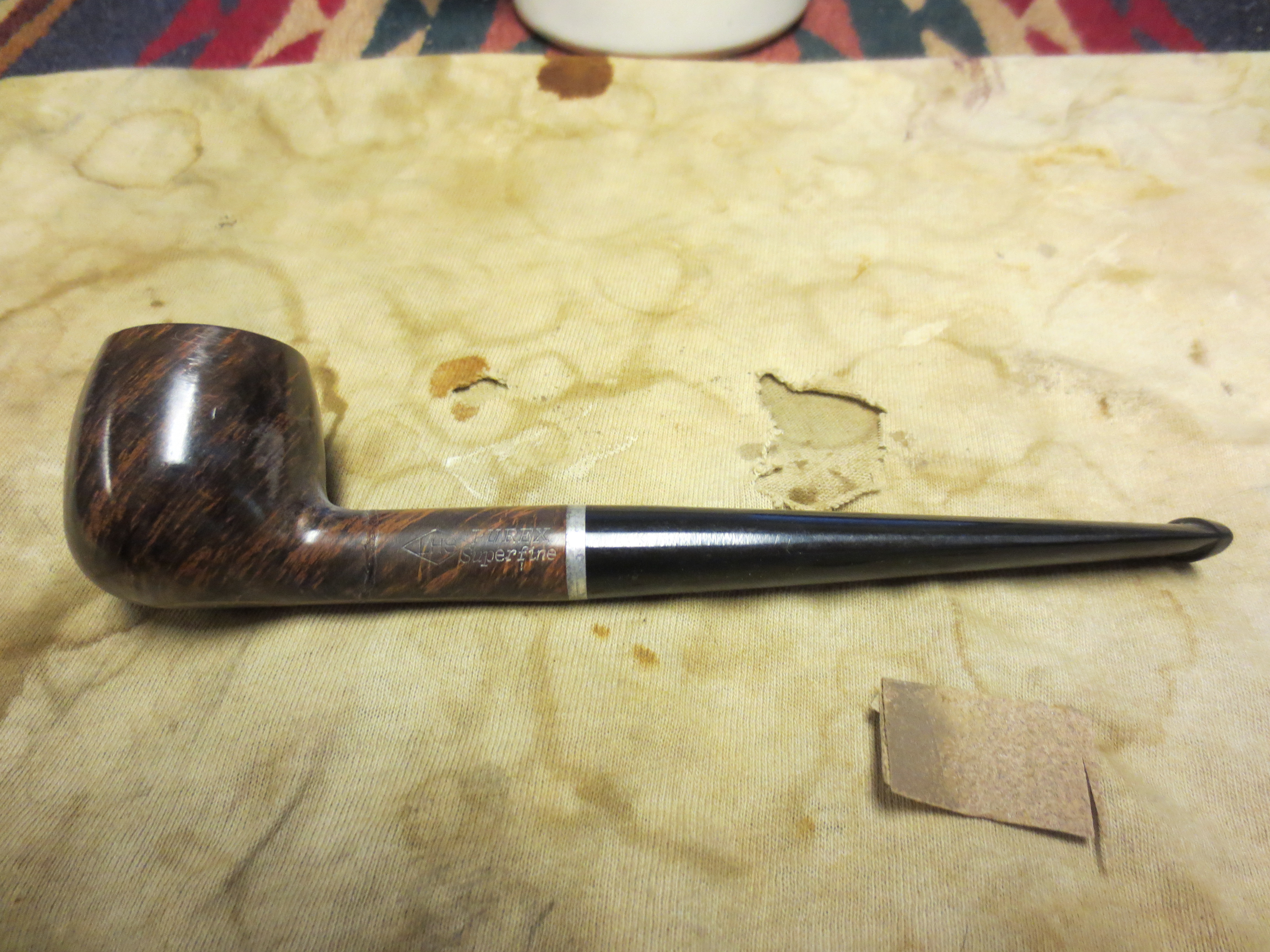
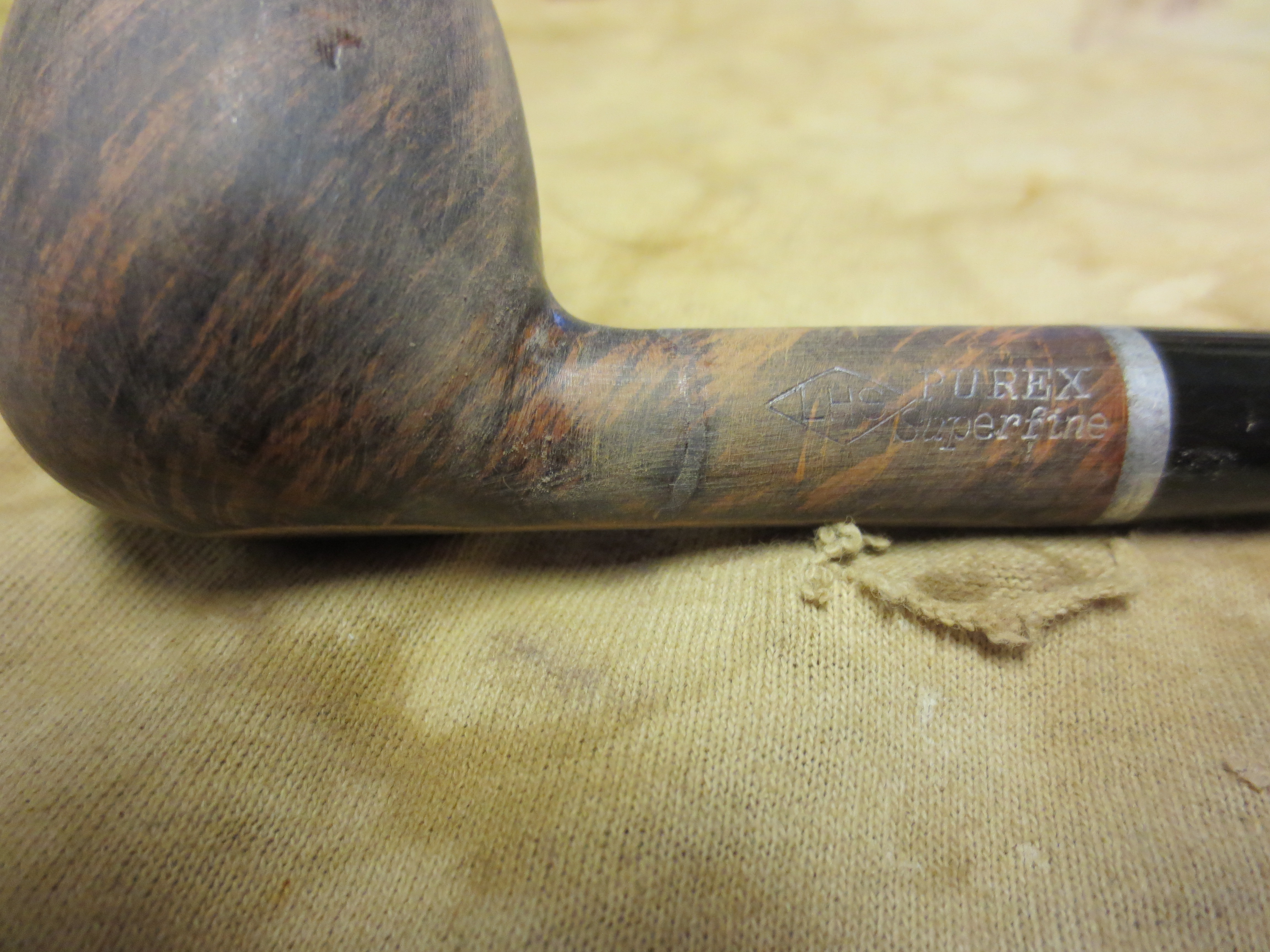
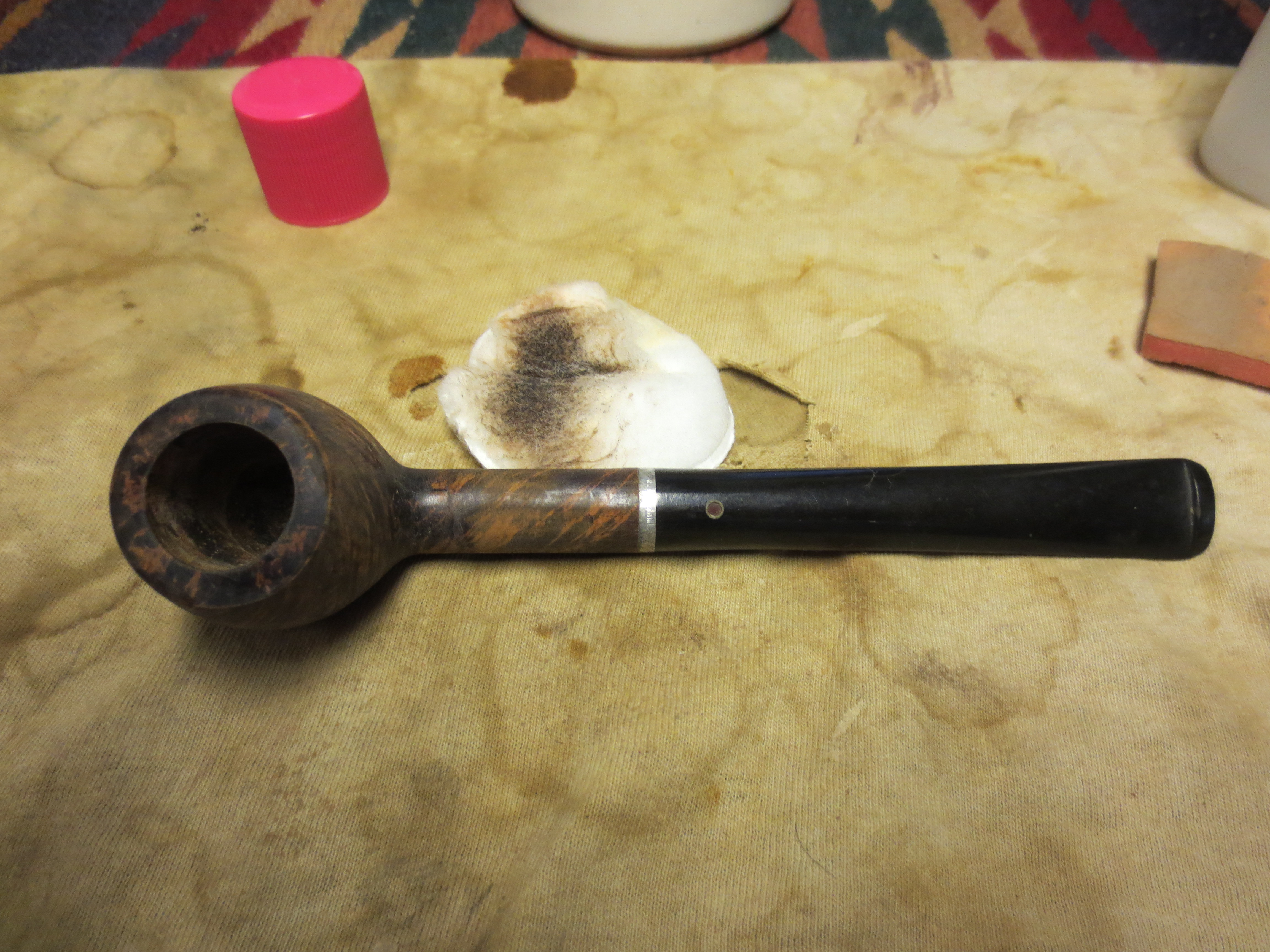
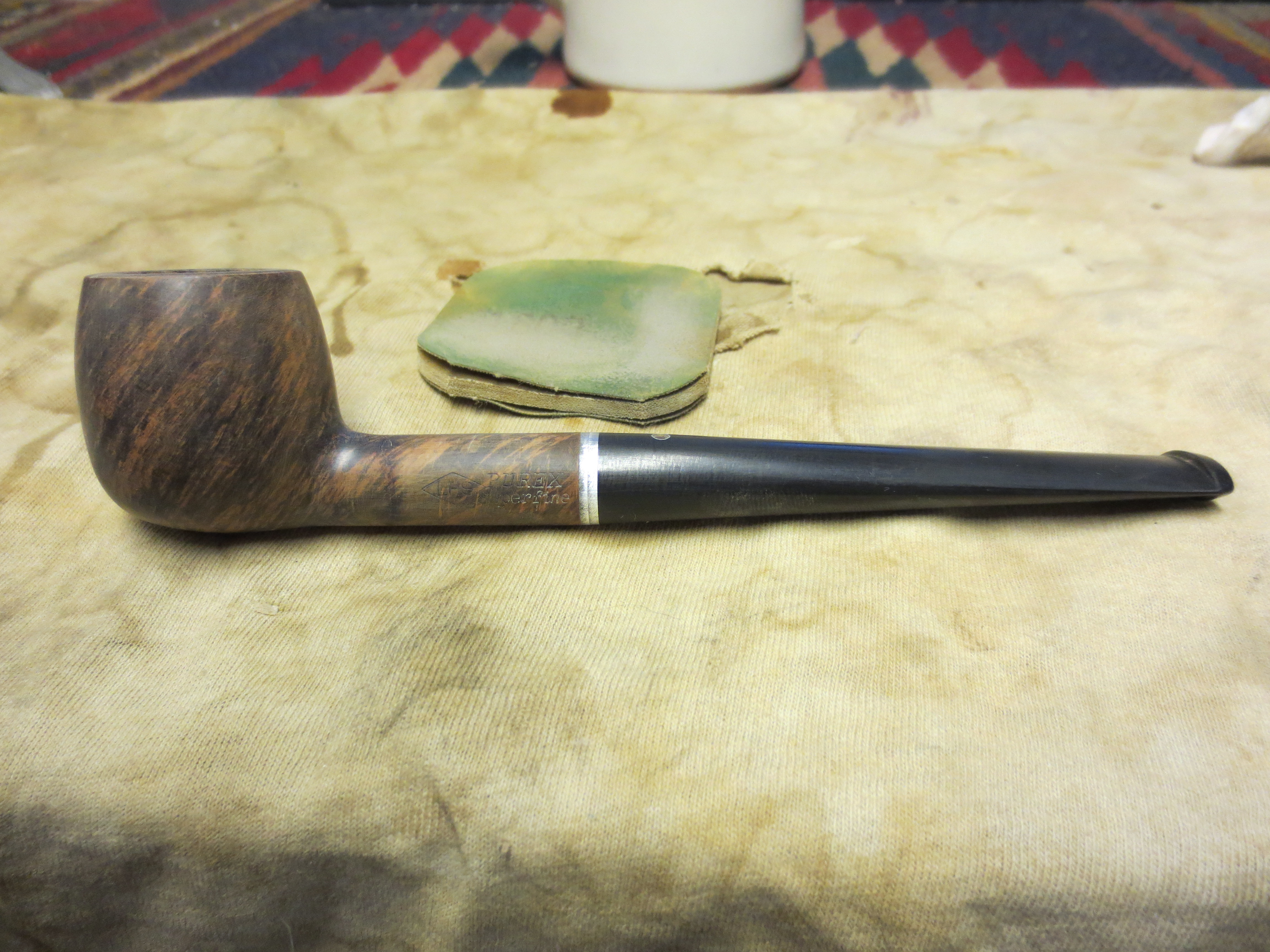
I have had this older LHS Purex for quite some time now in my box. I keep passing over it and I am not sure why. It did not need a stem. The finish was rough but workable. There had been a shank repair where it looked like the shank had snapped and had been reglued. The repair was not bad and the pipe obviously had held up for quite some time since that repair. The glue around the repair was a bit thick. The bowl needed reaming and the finish was a glossy varnish. It is stamped with the LHS logo in a triangle and to the right of that is stamped PUREX in italics over Superfine also in italics. It has a metal screw mount tenon with a stinger built in. This morning I decided to give it a go. Here are the pictures of the pipe as it stood when I removed it from the box. I had used acetone on the finish in the past to try to remove the varnish but it was not altogether successful.

ImageImageImage

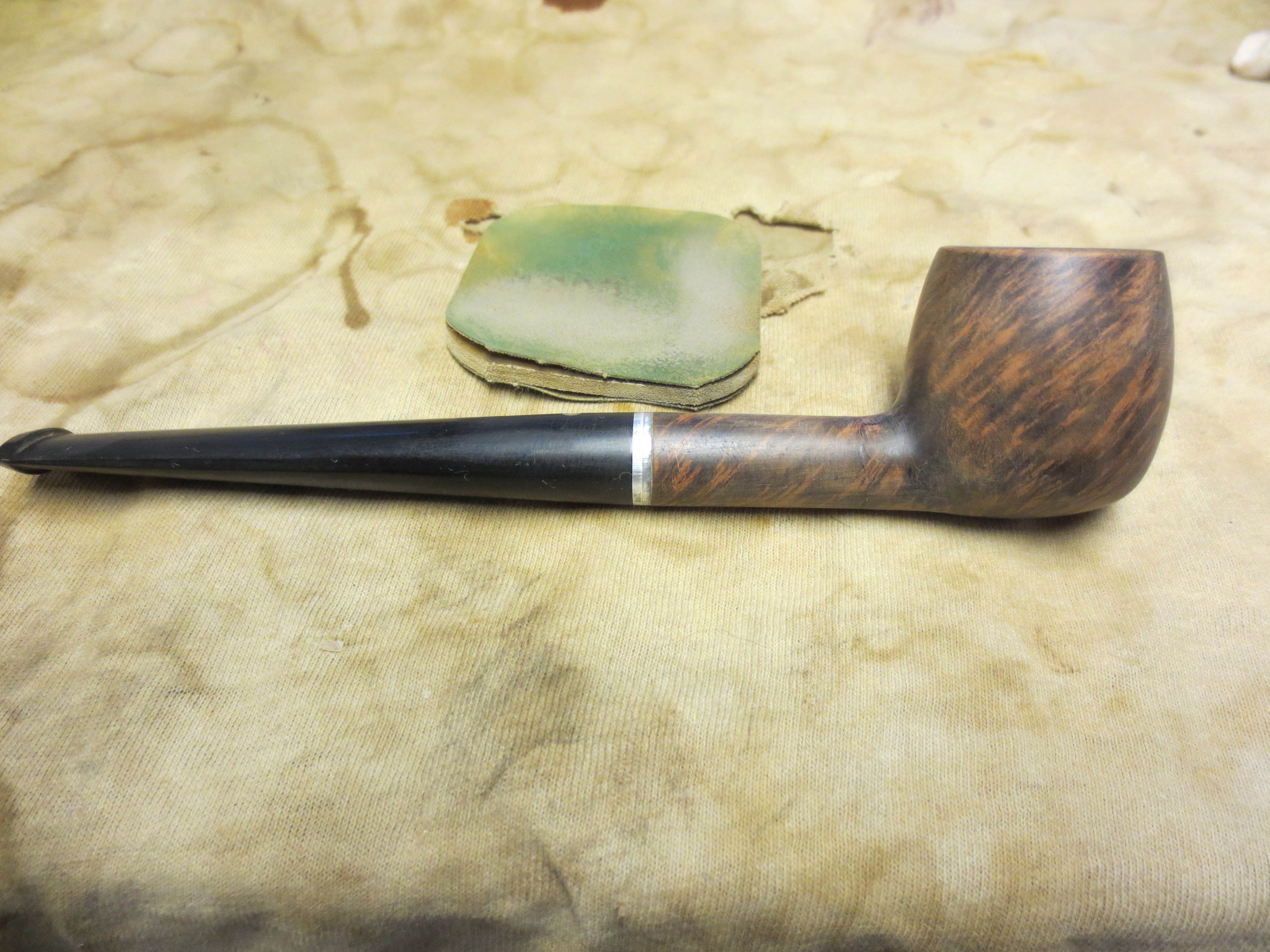
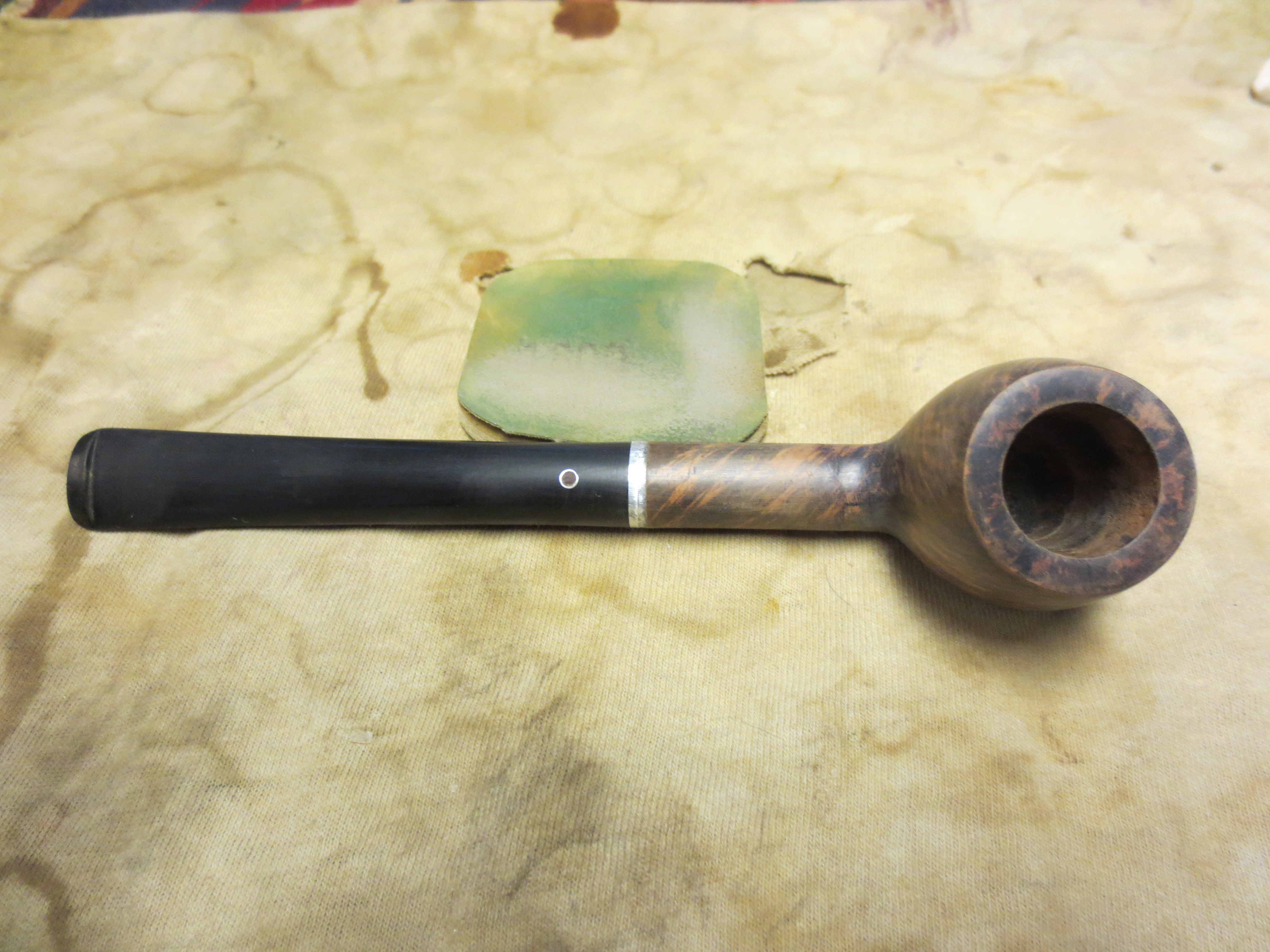
I began the cleanup by sanding the bowl and shank with 240 grit sandpaper to remove the varnish or ?Varathane? that coated the bowl. This took some work to get rid of. The next three photos show the bowl after sanding with the 240 grit sandpaper.

ImageImageImage

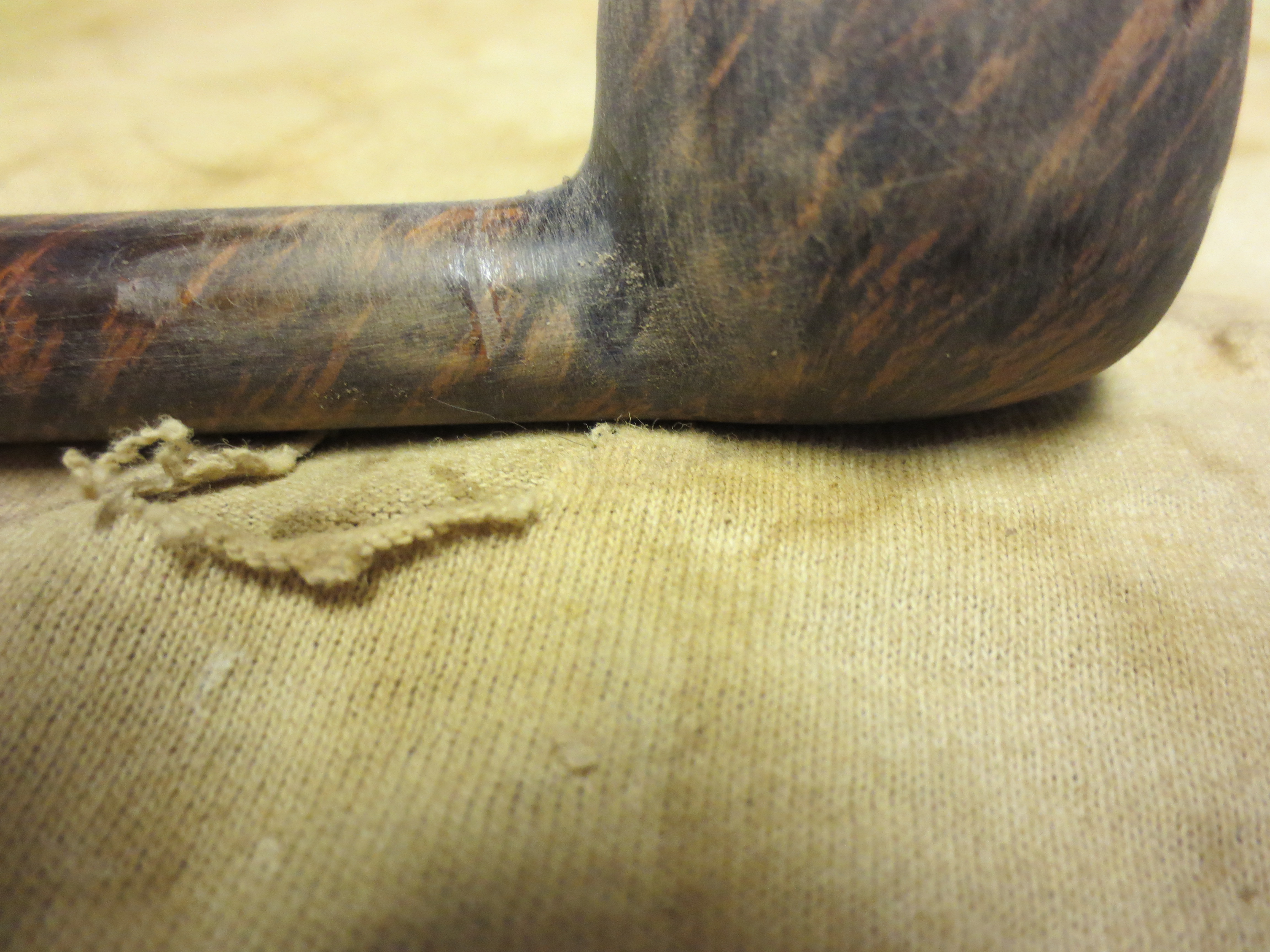
The next two photos are close-ups of the repaired shank. The repair is clean but the glue had over run the repair and was built up on the shank. I sanded the repair area to smooth out the glue to the same level as the stem.

ImageImage

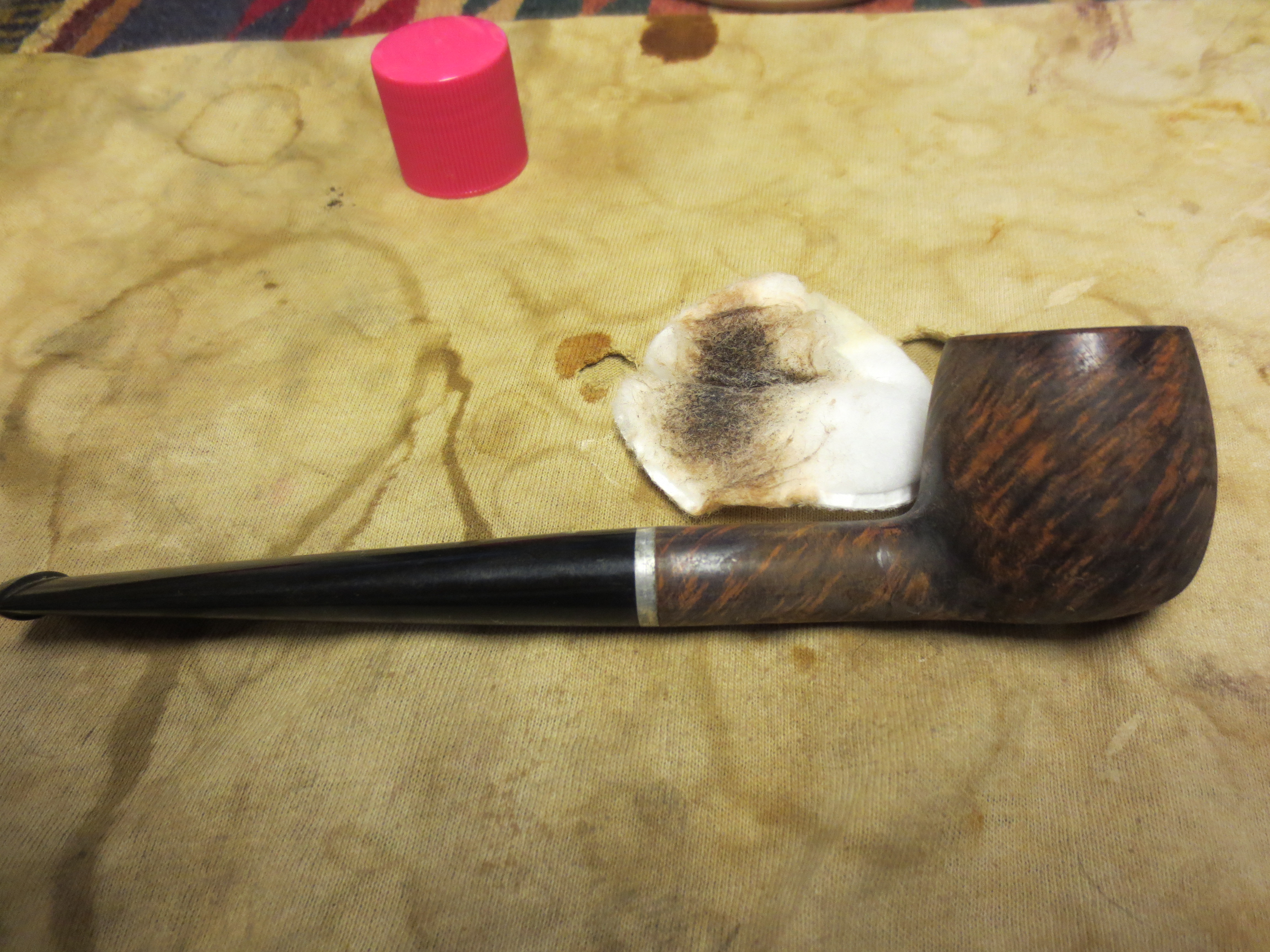
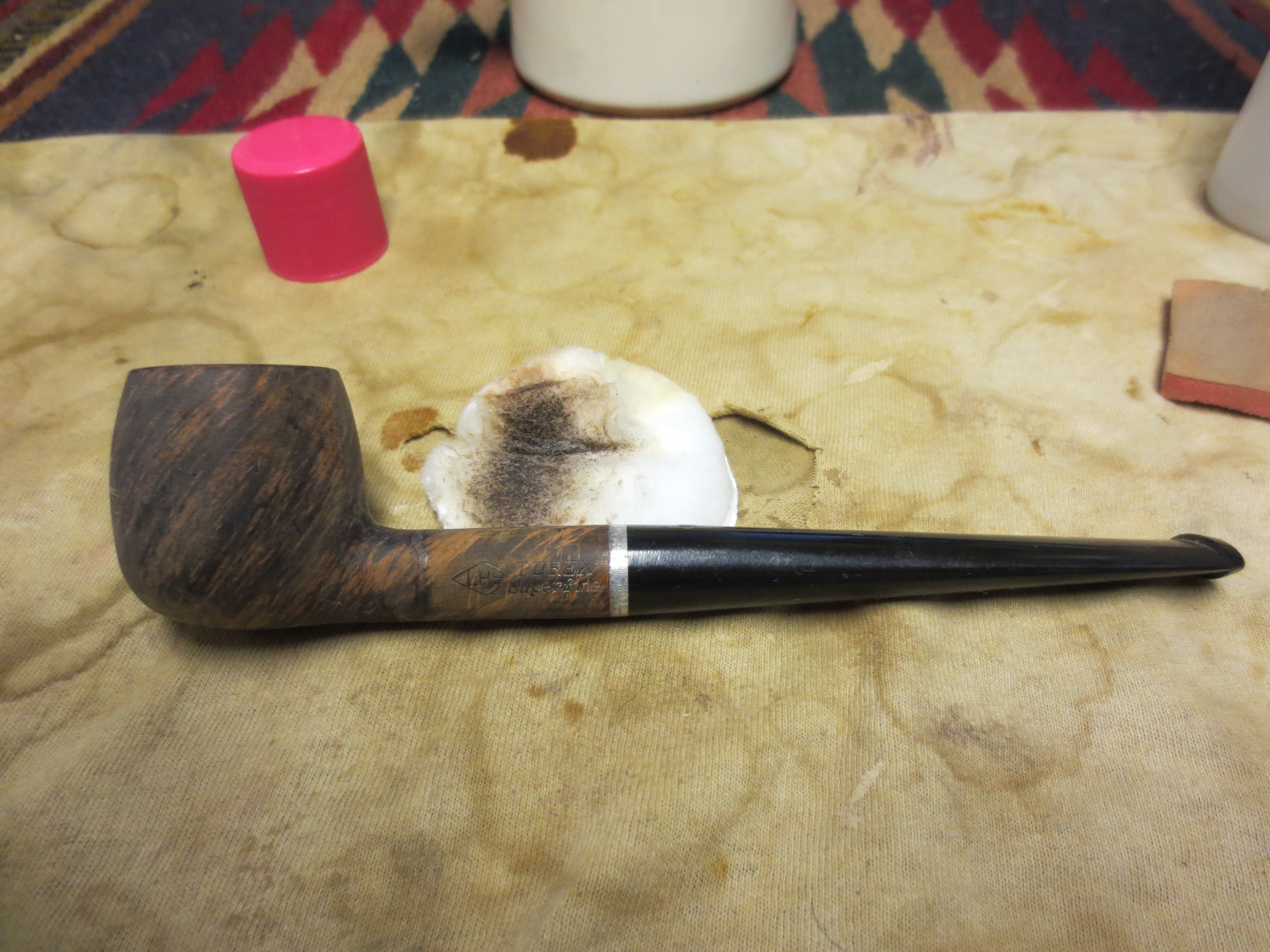
I then wiped the bowl down with acetone once again. The next three photos show the pipe after the acetone wash. The finish is finally beginning to breakdown so that I can get to the briar underneath.

ImageImageImage

I then sanded the bowl with a fine grit sanding sponge (pictured above at the right top edge of the photo). I then sanded with micromesh sanding pads from 1500-2400 grit. I wet sanded at first to really give the pads some bite and then dry sanded with the same grit pads. The next three photos show the pipe after the sanding. The finish is gone and the pipe is ready for the buffer. I took it to the buffer and buffed it with White Diamond and then wiped it down a final time with acetone to prepare it for staining.

ImageImageImage

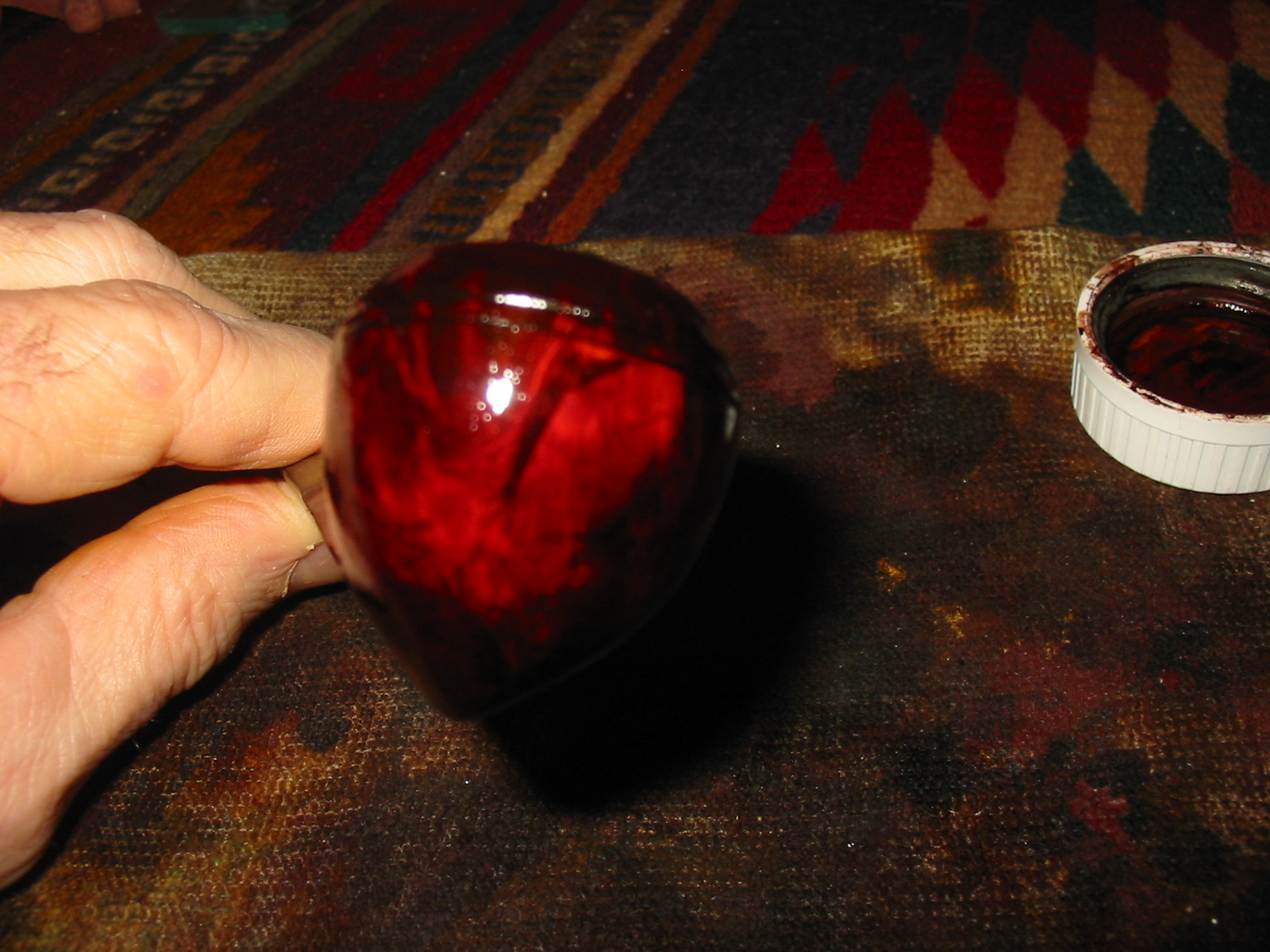
I decided to restain the pipe with an oxblood stain I have here. I applied it with a cotton swab and then flamed it and wiped it off. The next series of photos show the staining process. The first three photos show the pipe just after the stain has been applied. I wiped the pipe down again with the acetone to remove some of the opacity of the stain and get the grain to show again. The fourth photo in the series shows the pipe after the wipe down with acetone.

ImageImageImageImage

The last series of four photos show the pipe after buffing with White Diamond and coating with several coats of carnauba wax and giving a flannel buff. The photos make the pipe appear a bit darker than it is – the grain shows through more clearly but the shine of the pipe hides it in the photos. It is done and ready to be a nice addition to someone’s rack.

ImageImageImageImage

Restemming and Refinishing an Imported Briar Italian Billiard


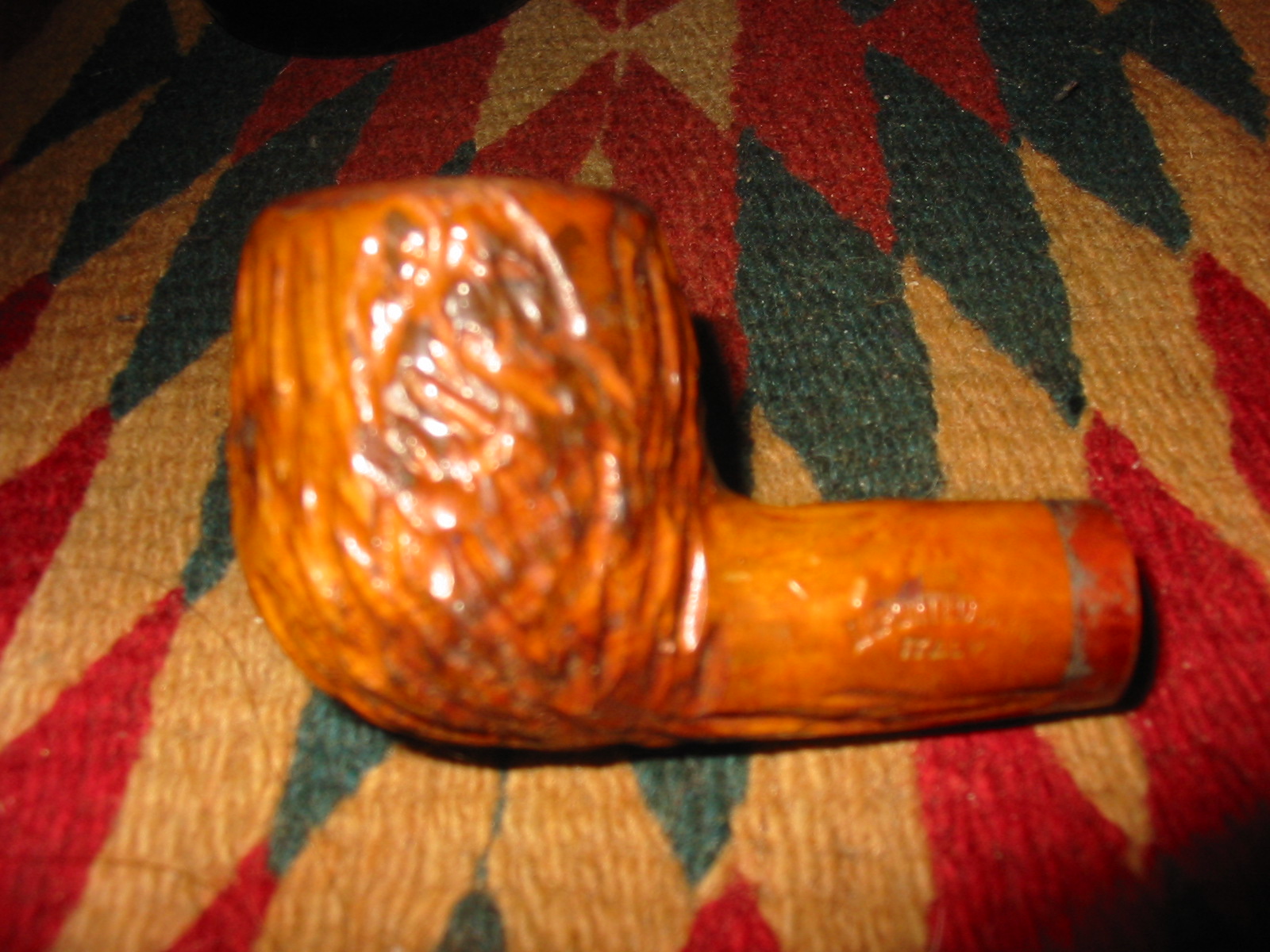
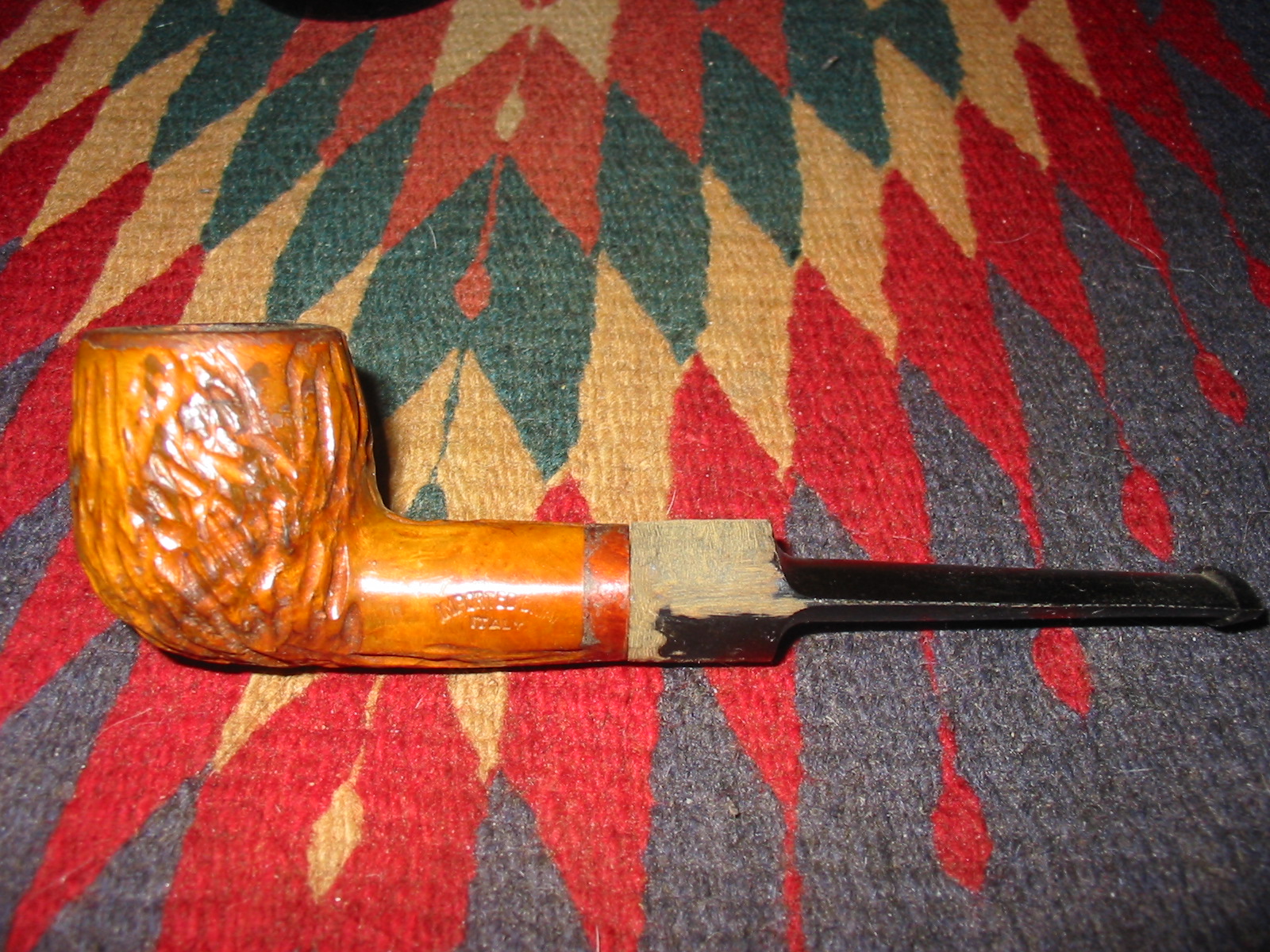
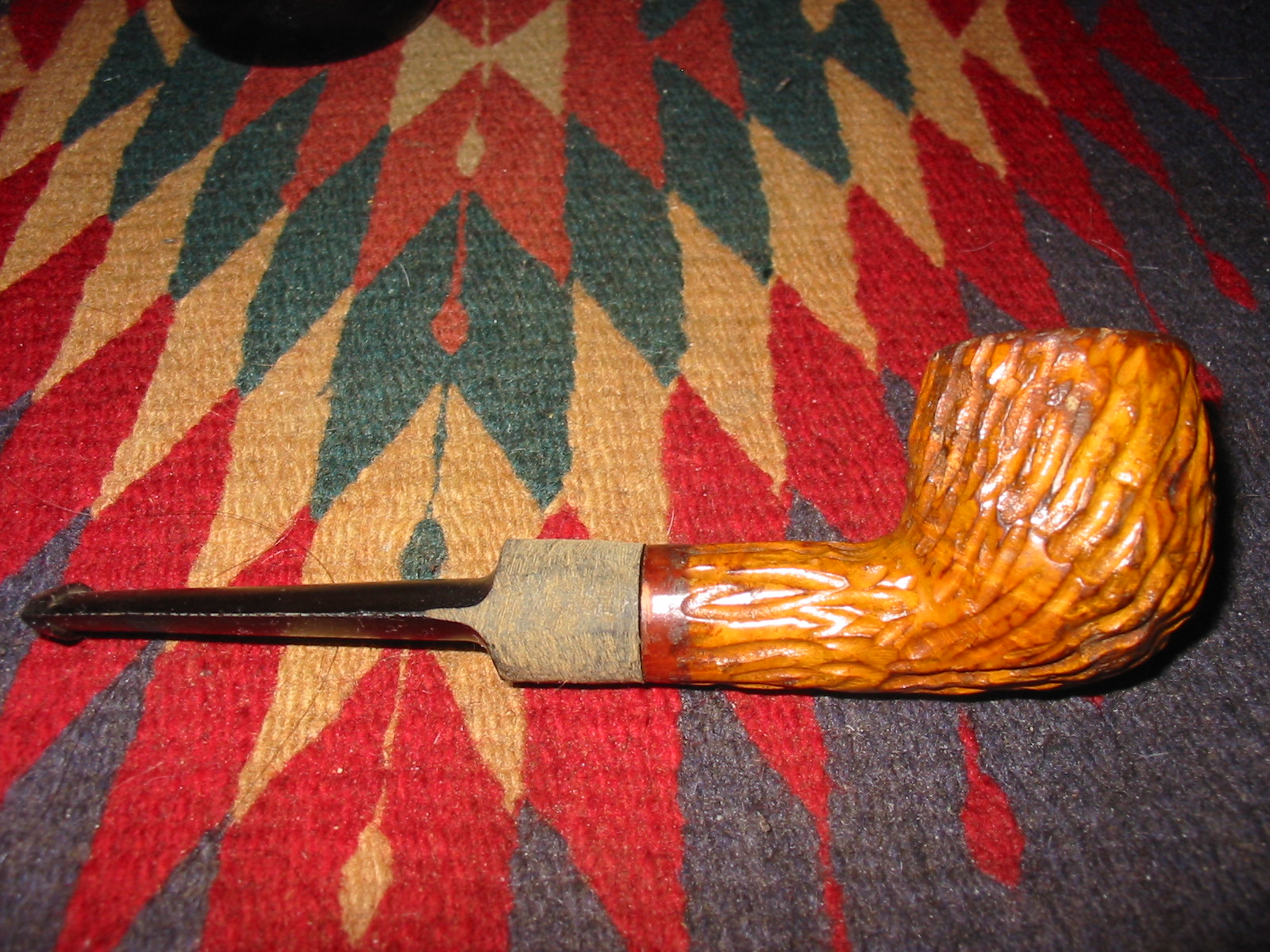
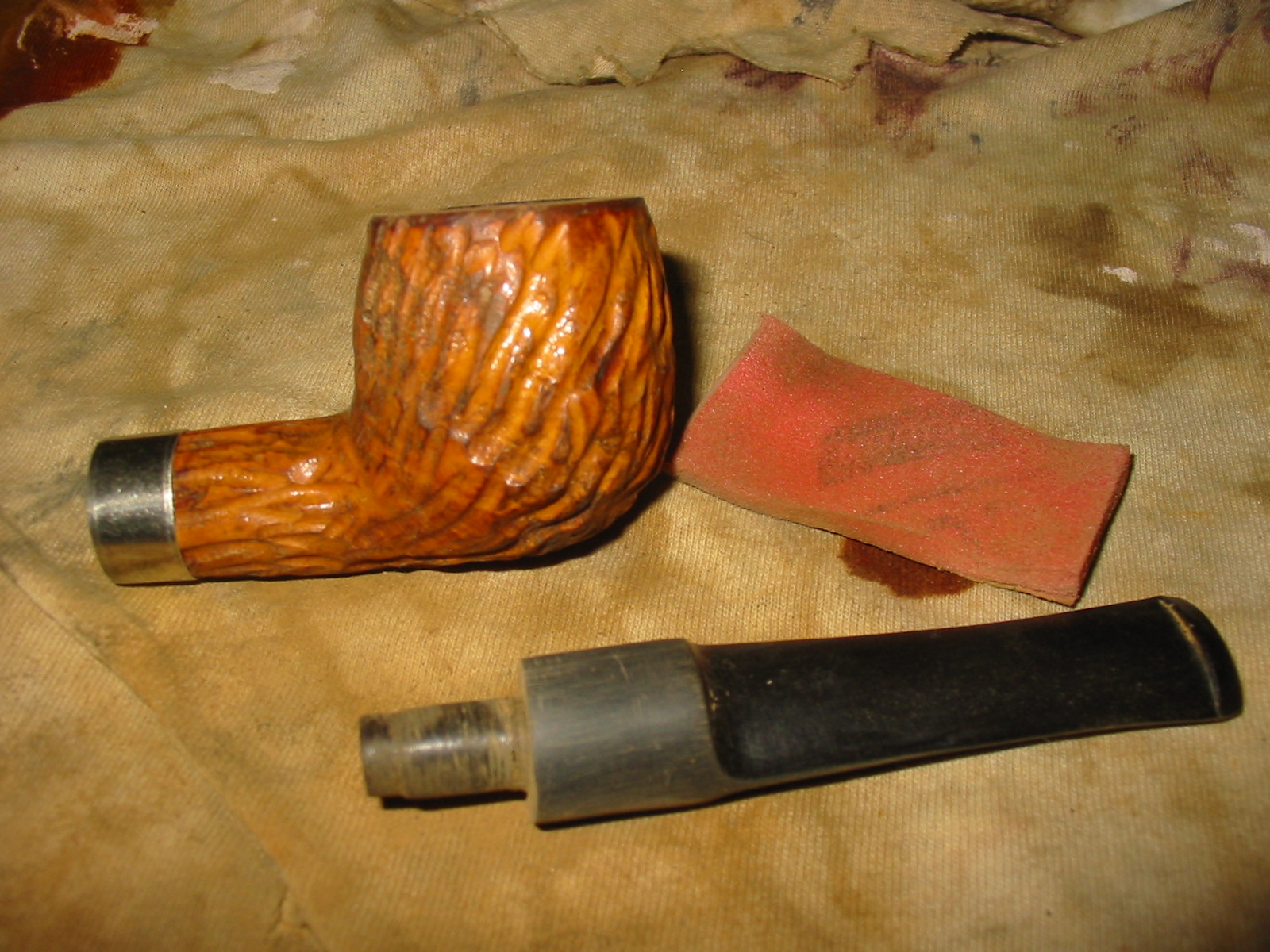
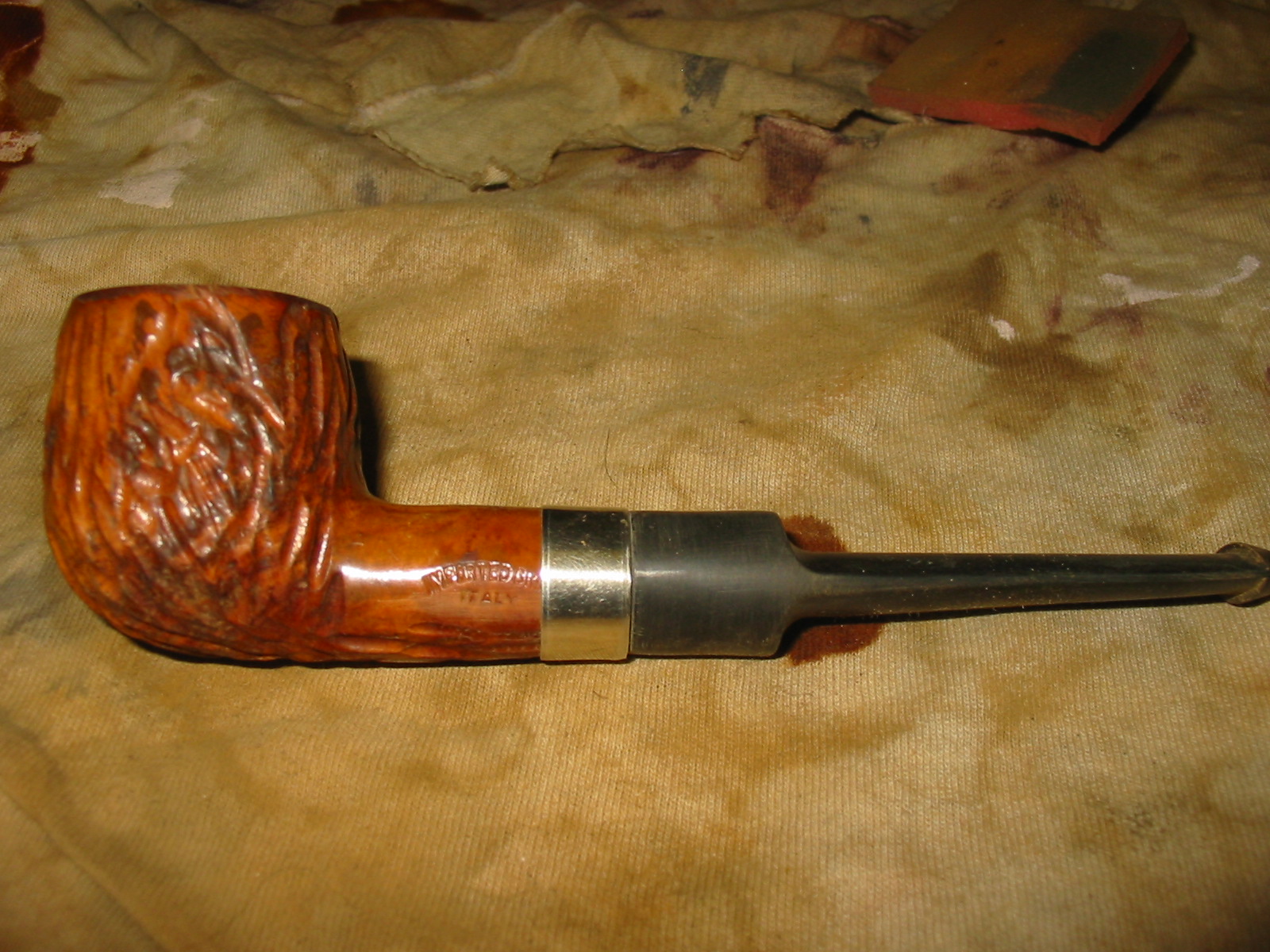
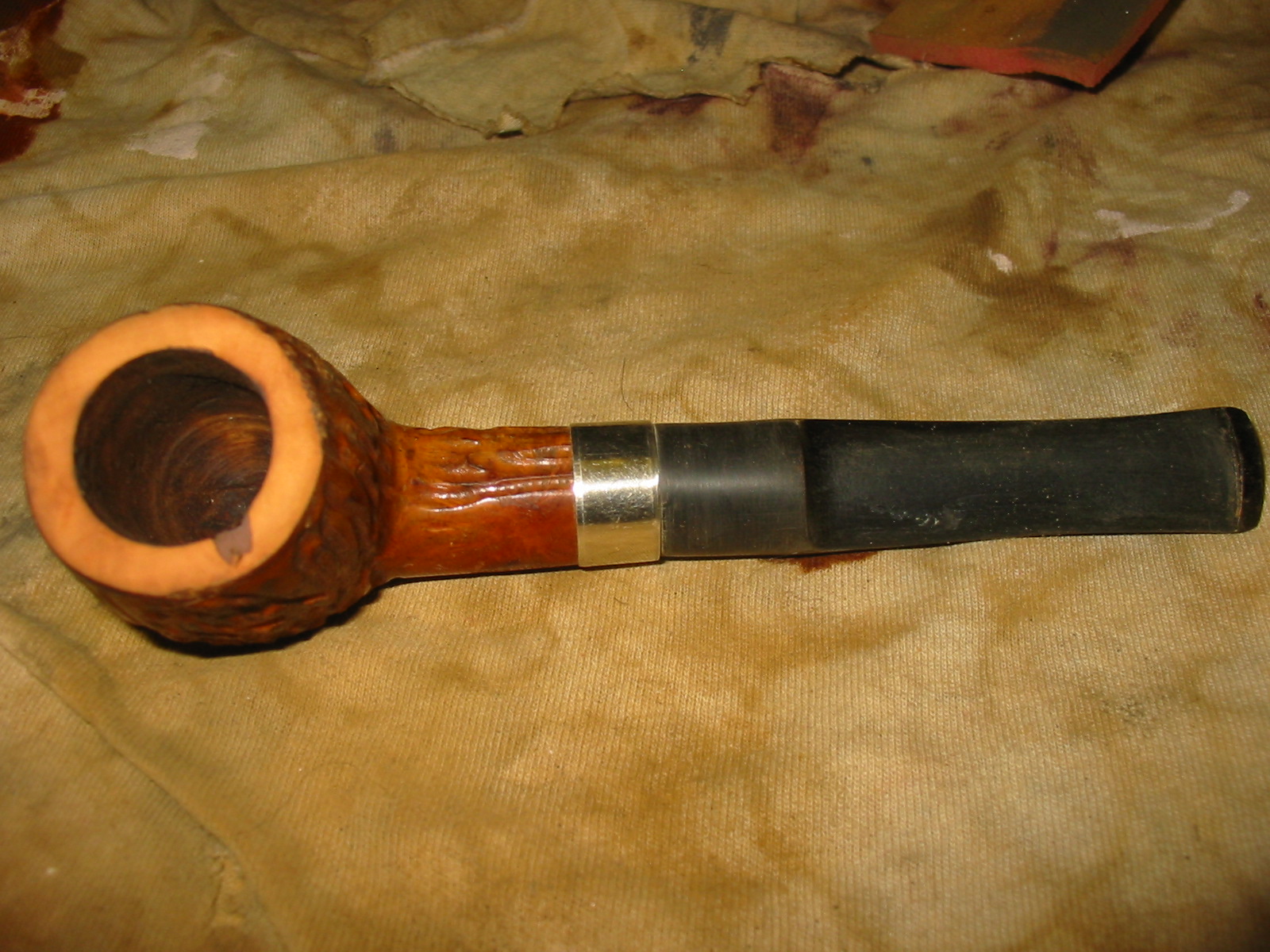
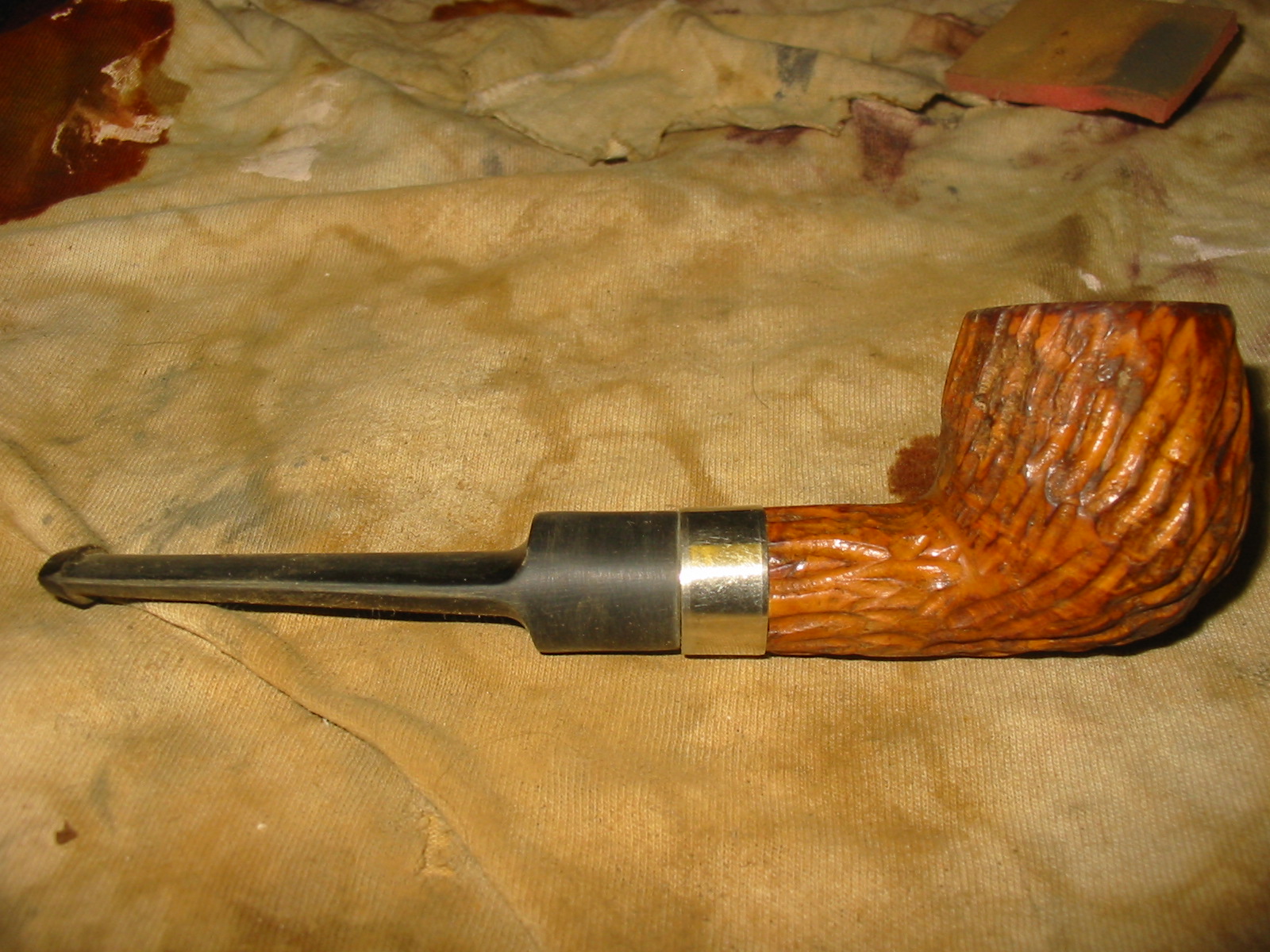
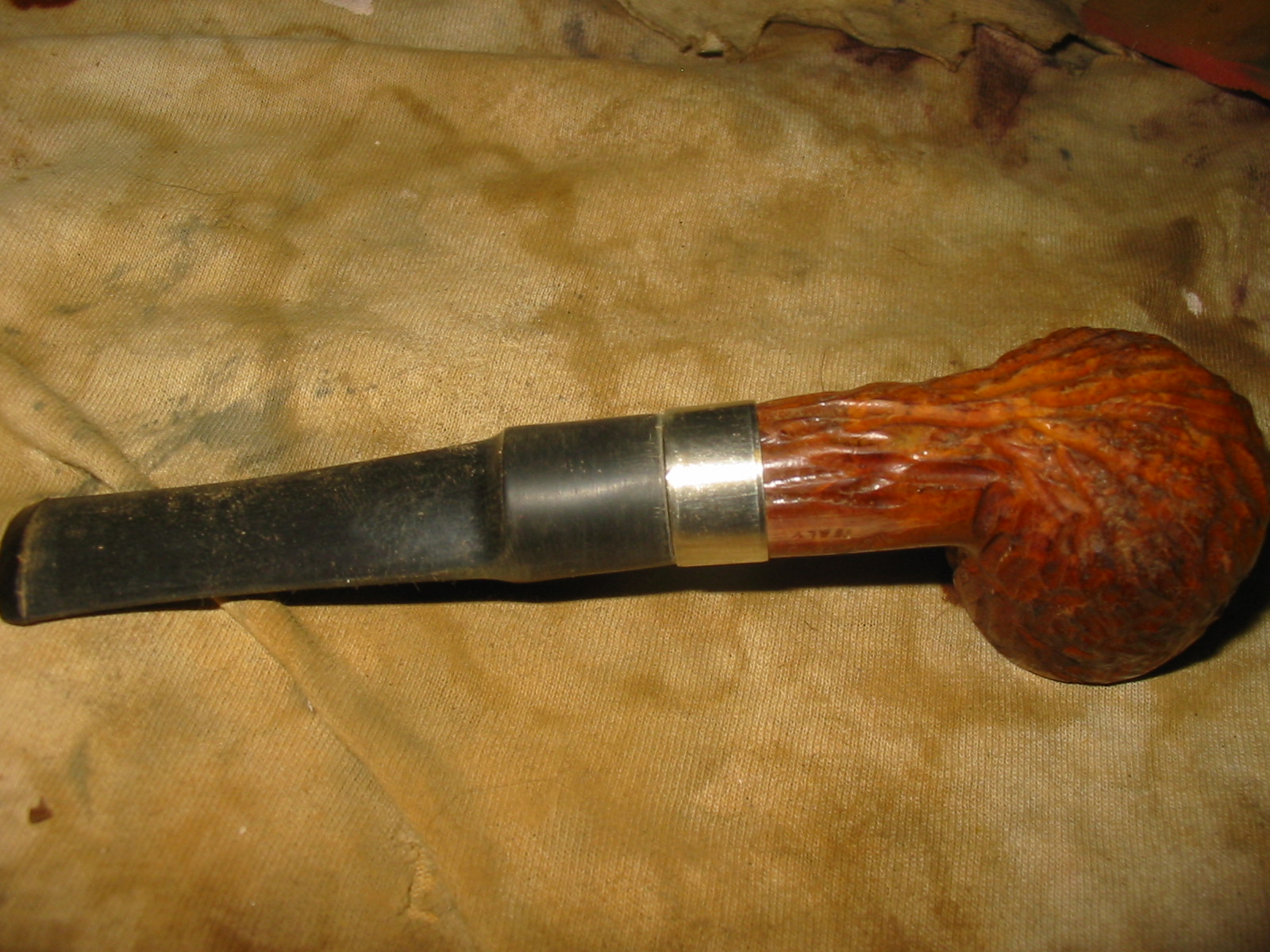
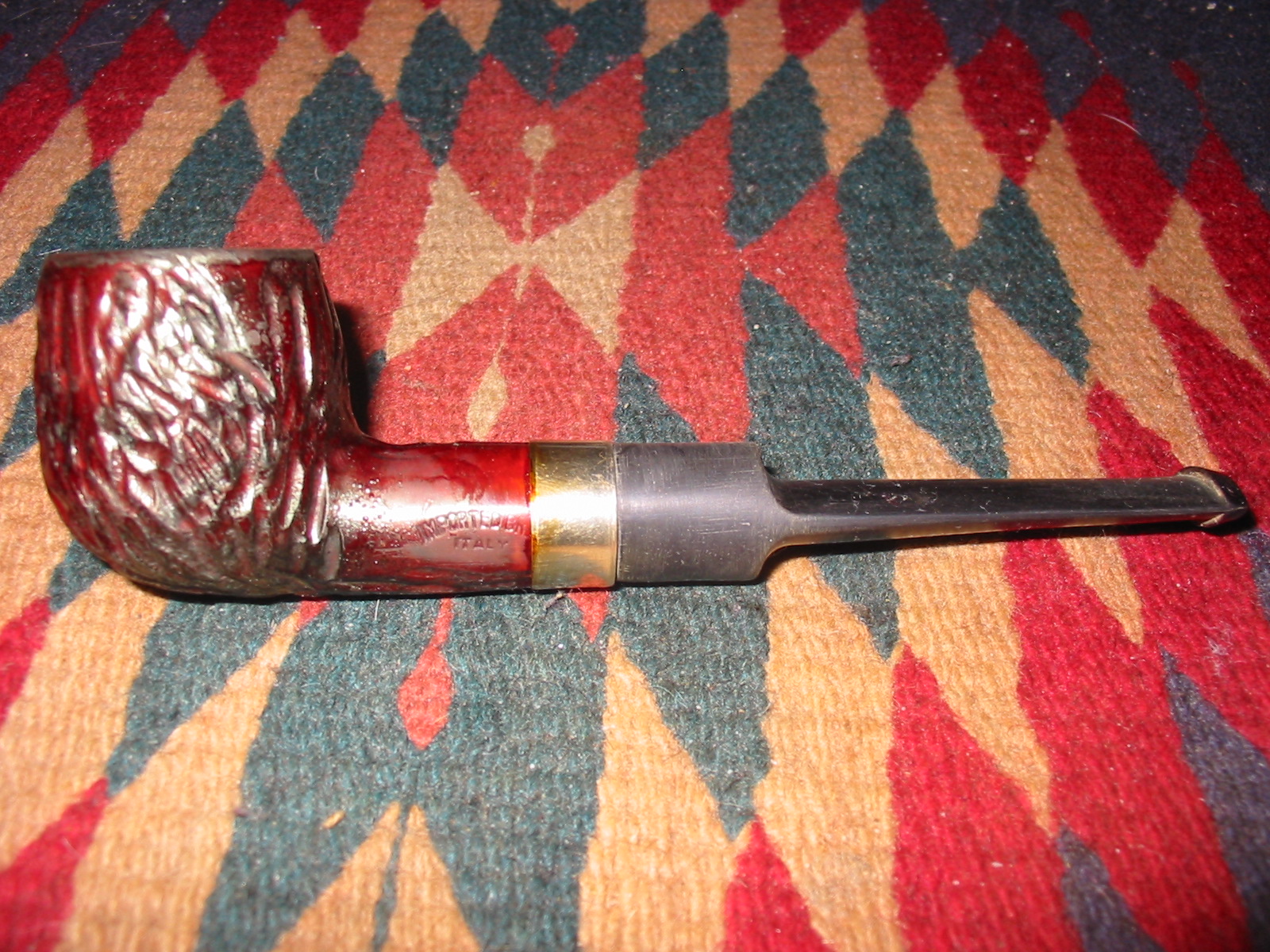
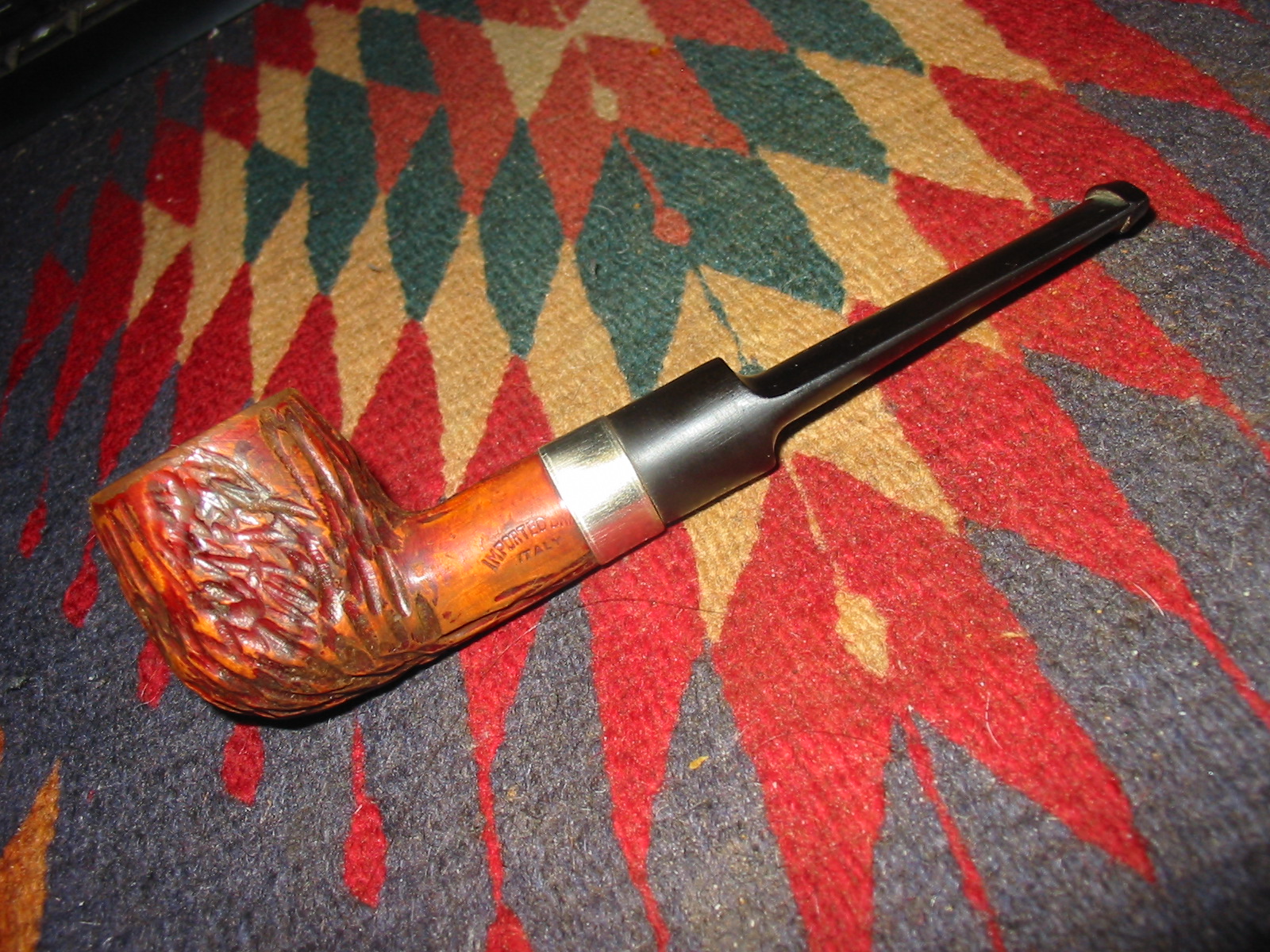
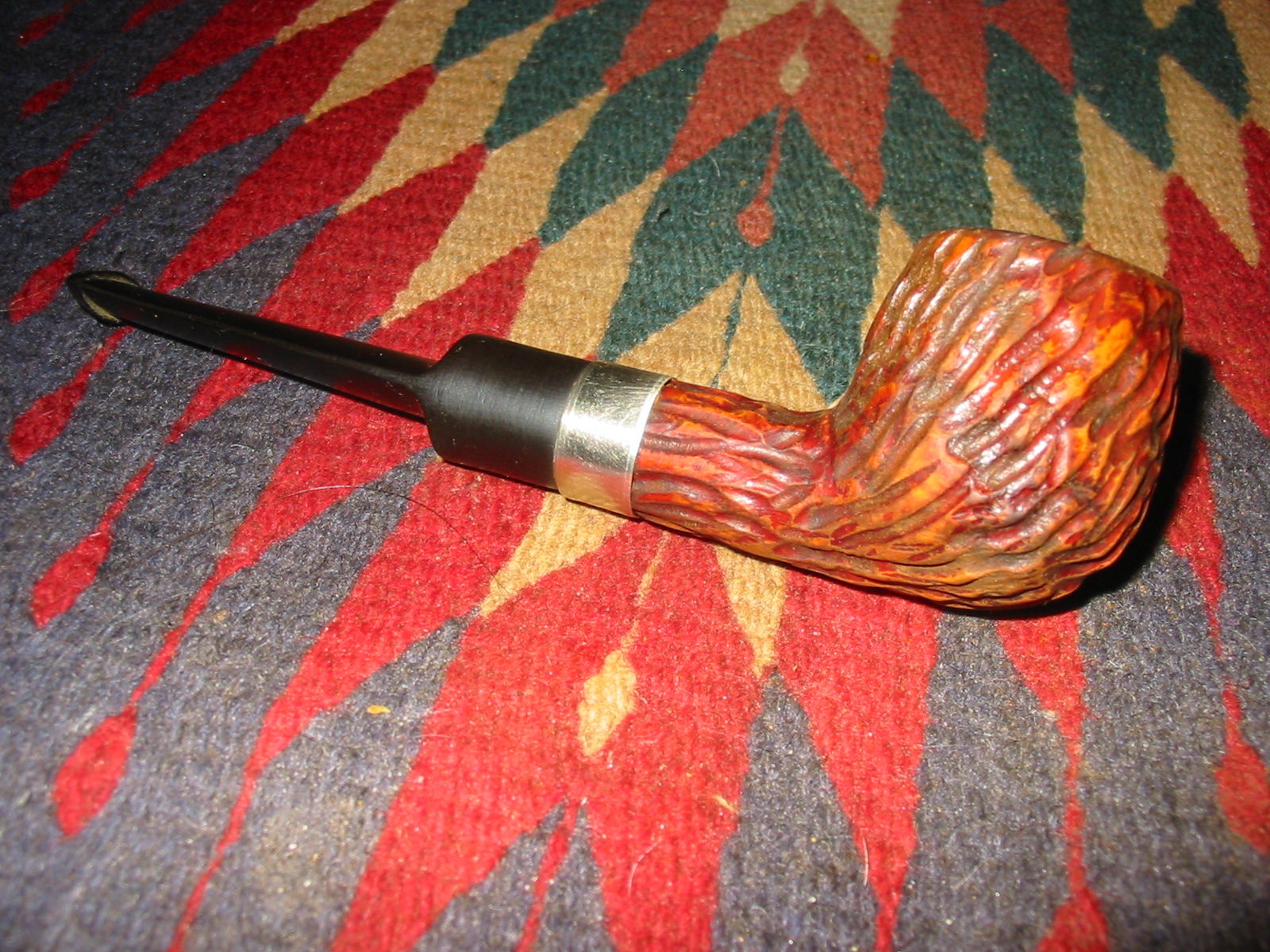
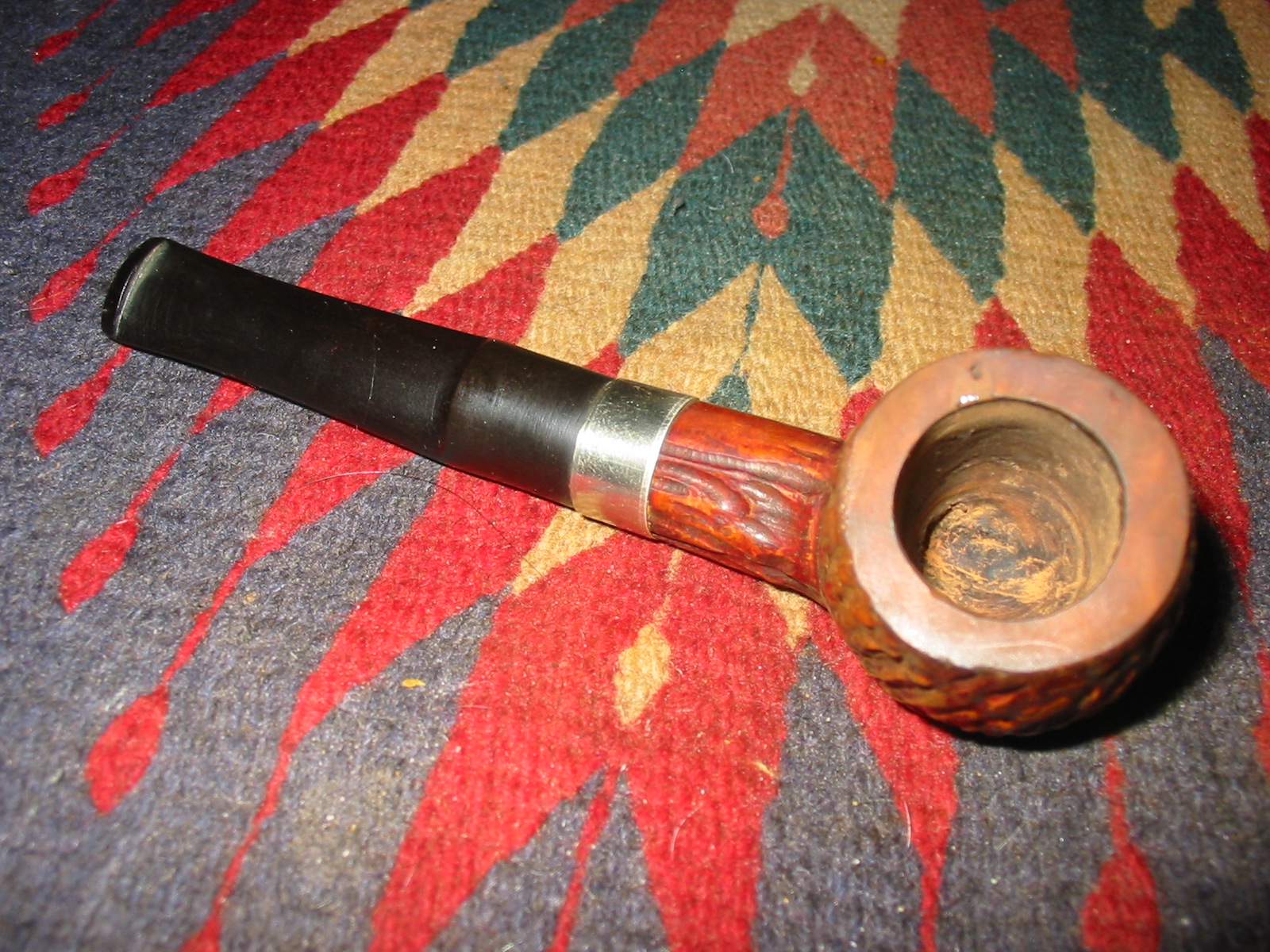
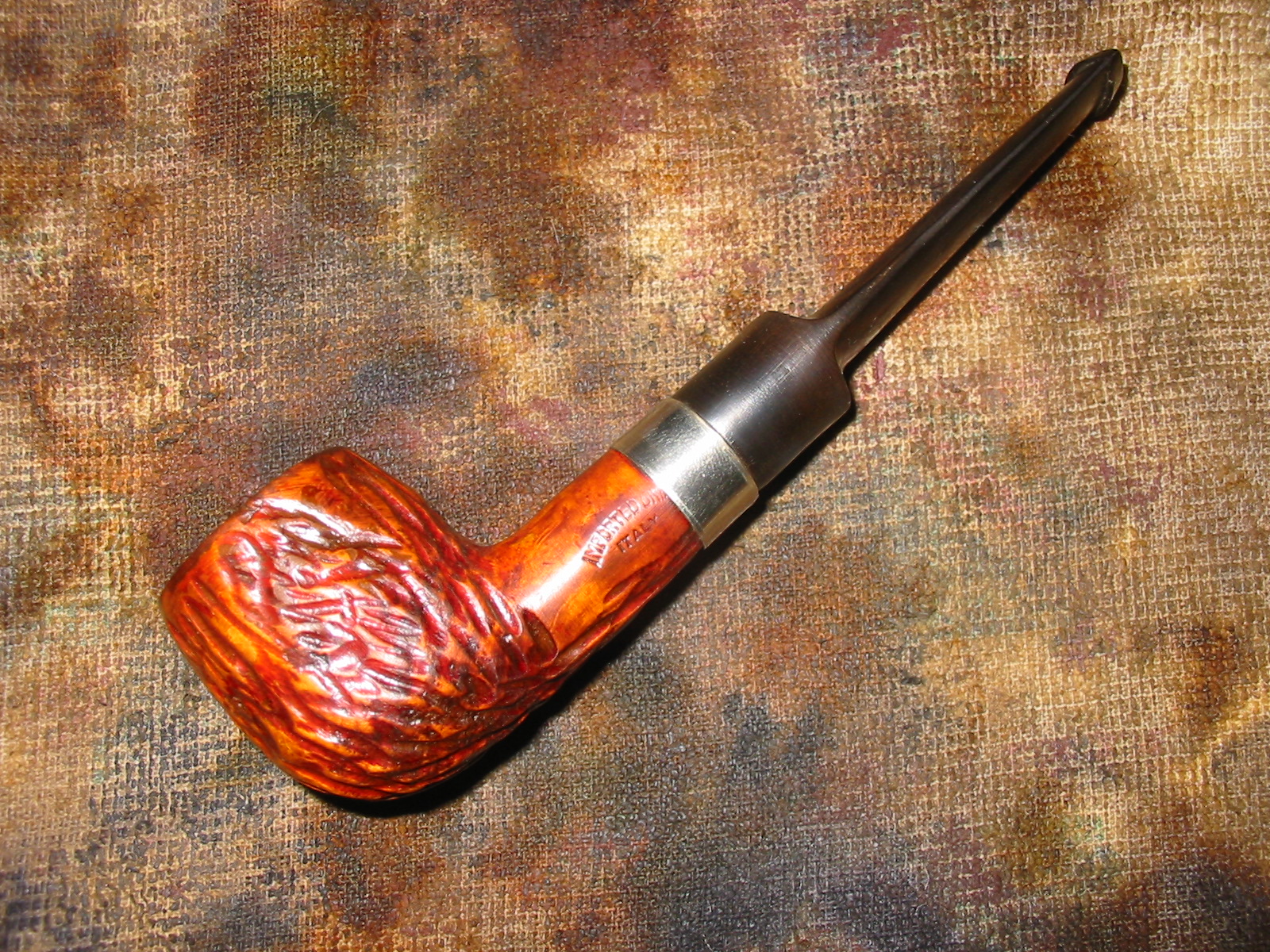
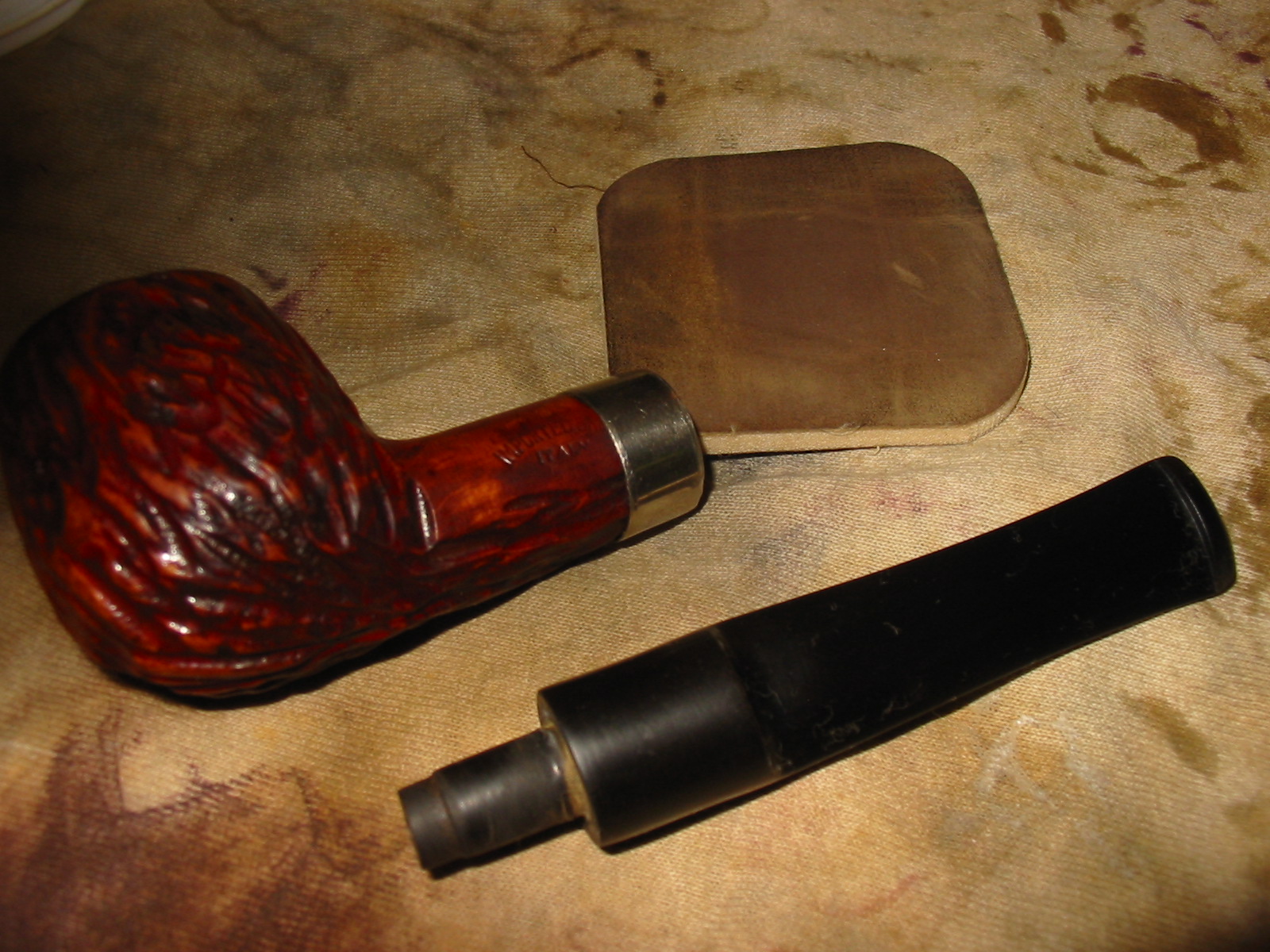
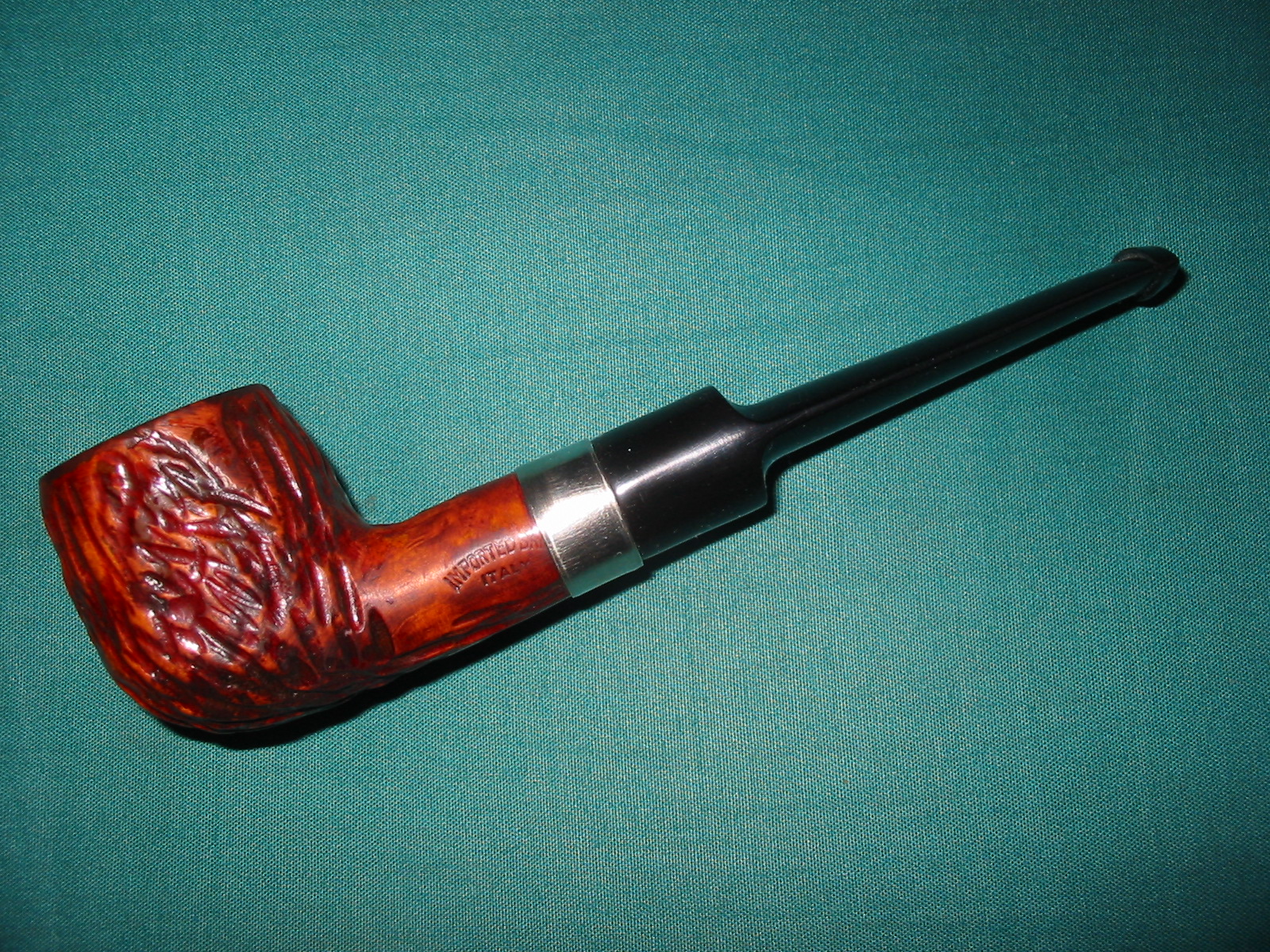
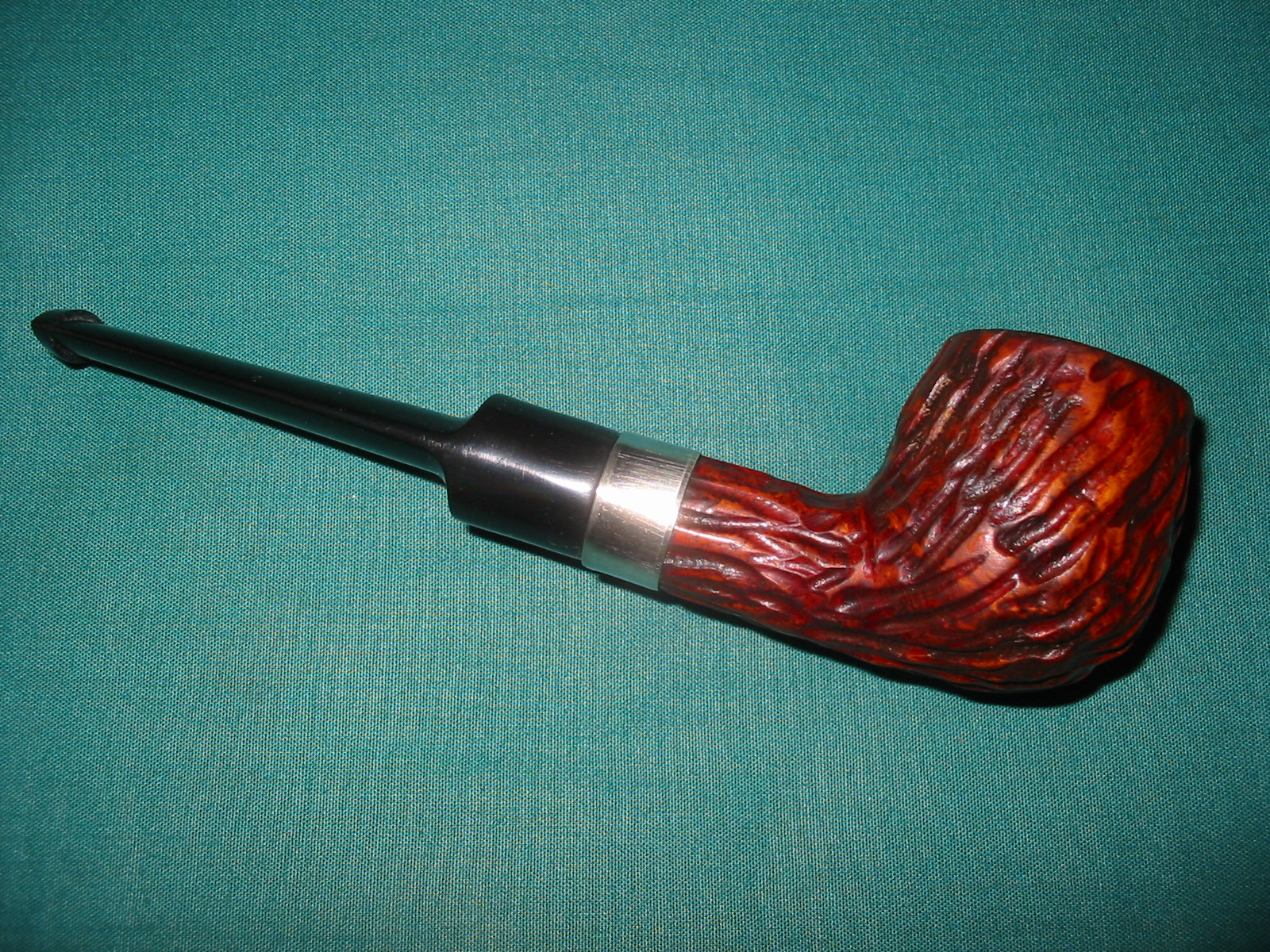
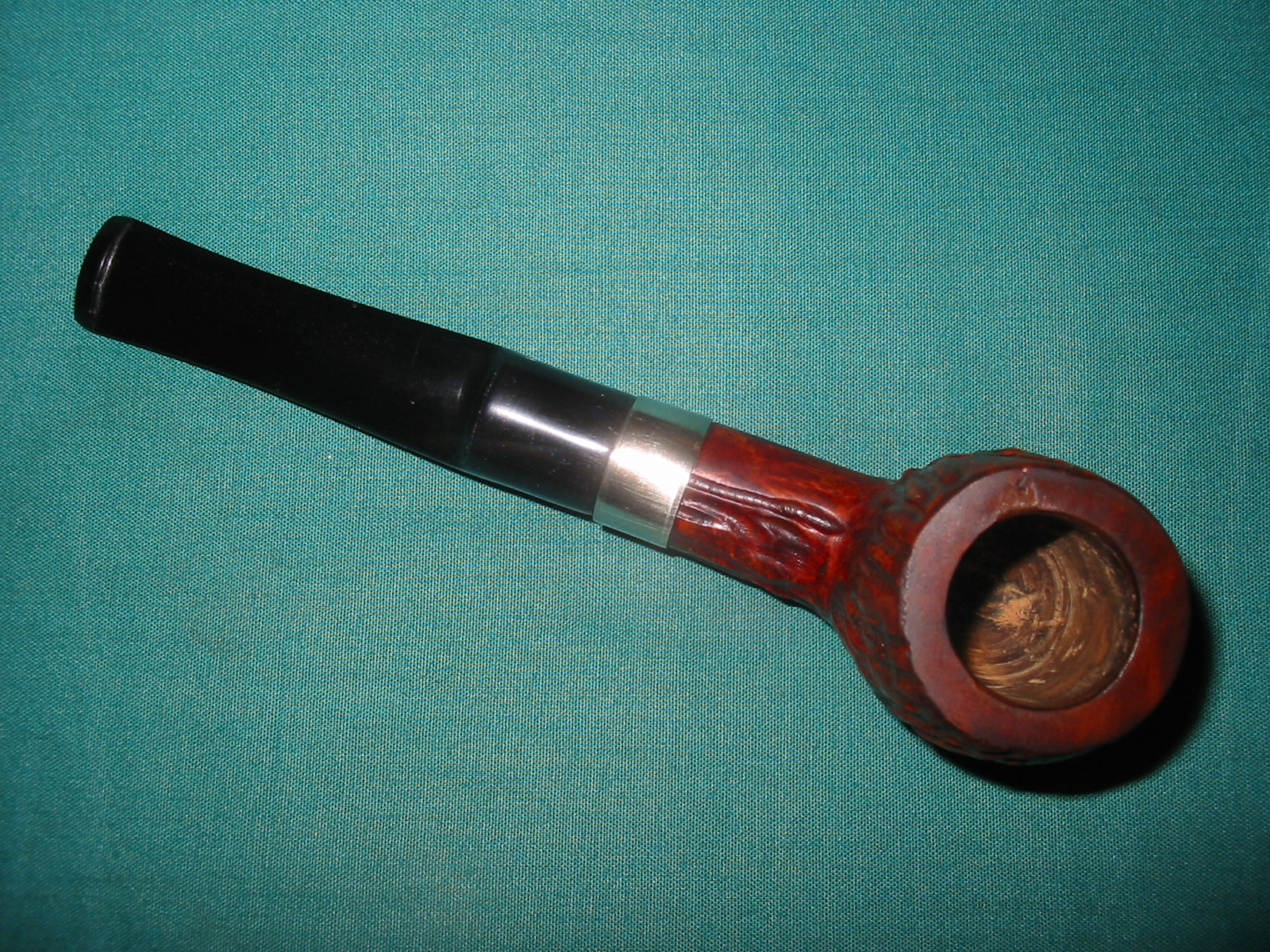
Today I took another bowl out of my box of pipes to restem. I had previously turned the tenons with a Pimo tenon turner and fit it to the bowl and shank. I had not fit the stem when I started. The diameter of the stem was larger than the bowl. This bowl was a real mess. It is stamped Imported Briar in an arch over Italy on the smooth left shank of the pipe. It had originally had a band but that was no longer present with the bowl. The finish on the pipe was in bad shape. It was almost a yellow varnish that was chipping and peeling away. The rustication was filled with grit and grime and the colour of the bowl was an ugly yellow colour under the varnish. The bowl was still round and the reaming had already been done and it was pretty clean. The rim had some build up of tars and oils and a few dents. Looking it over I decided I would have to top it to clean it up.
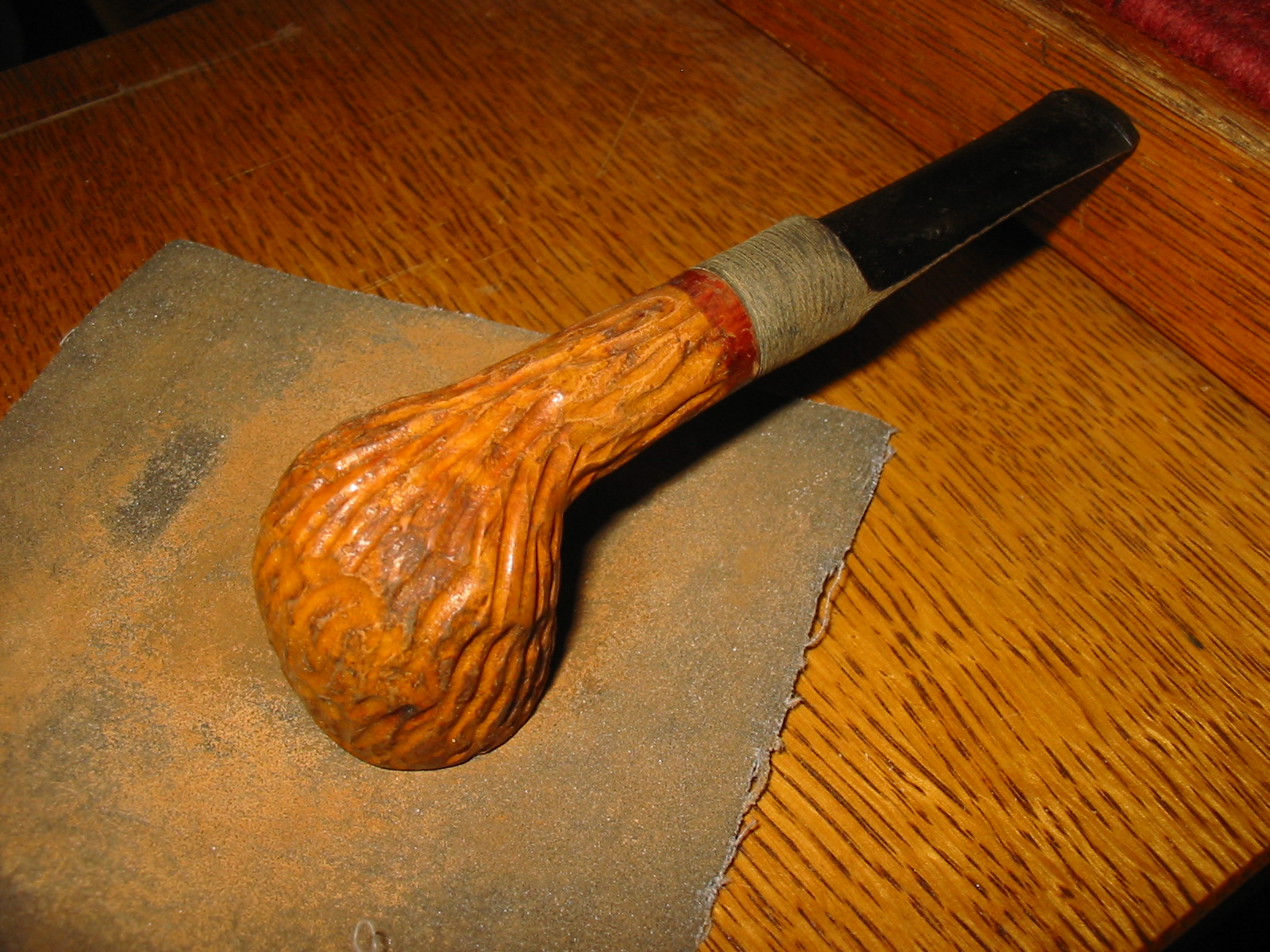
ImageImageImage

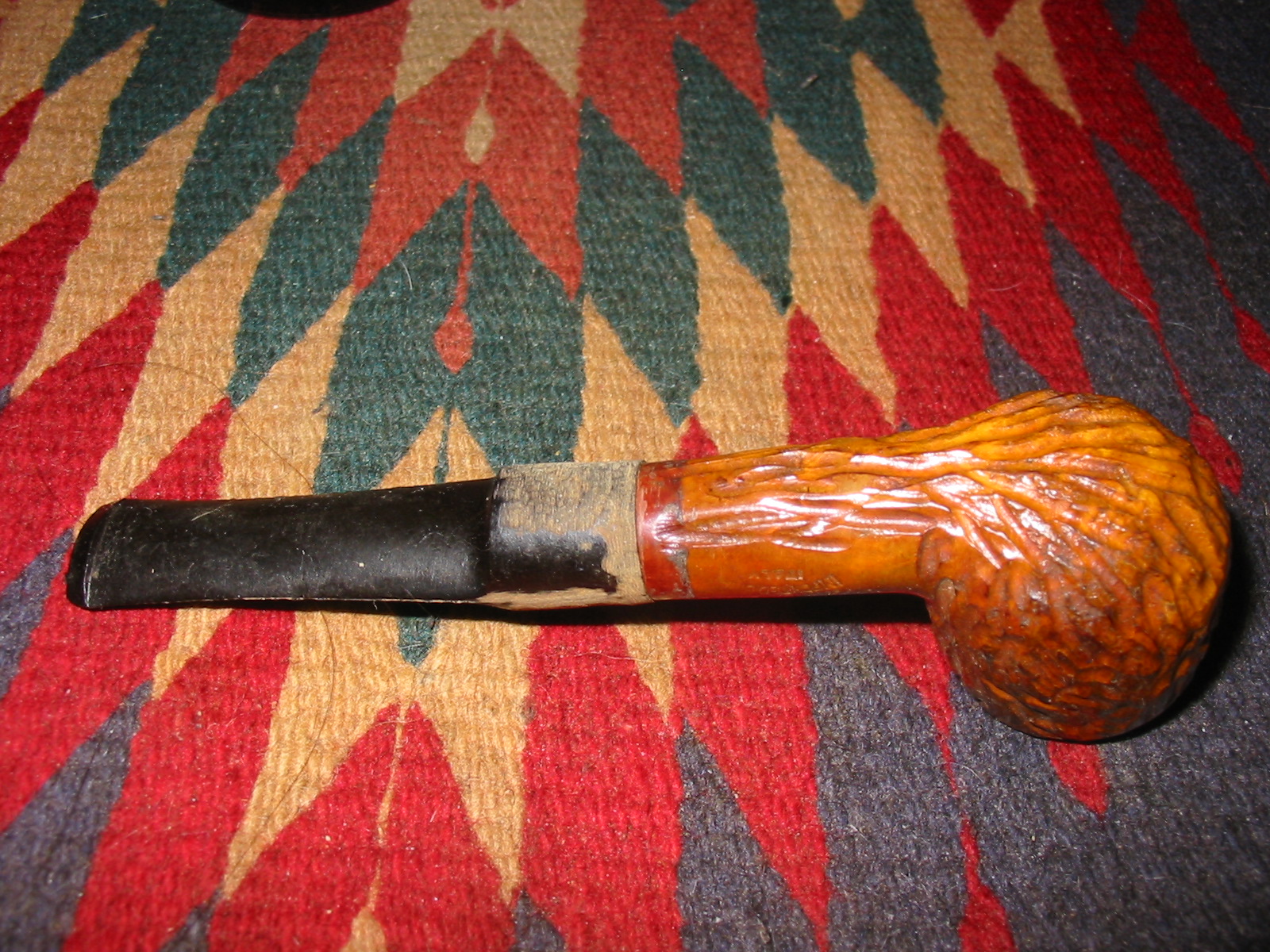
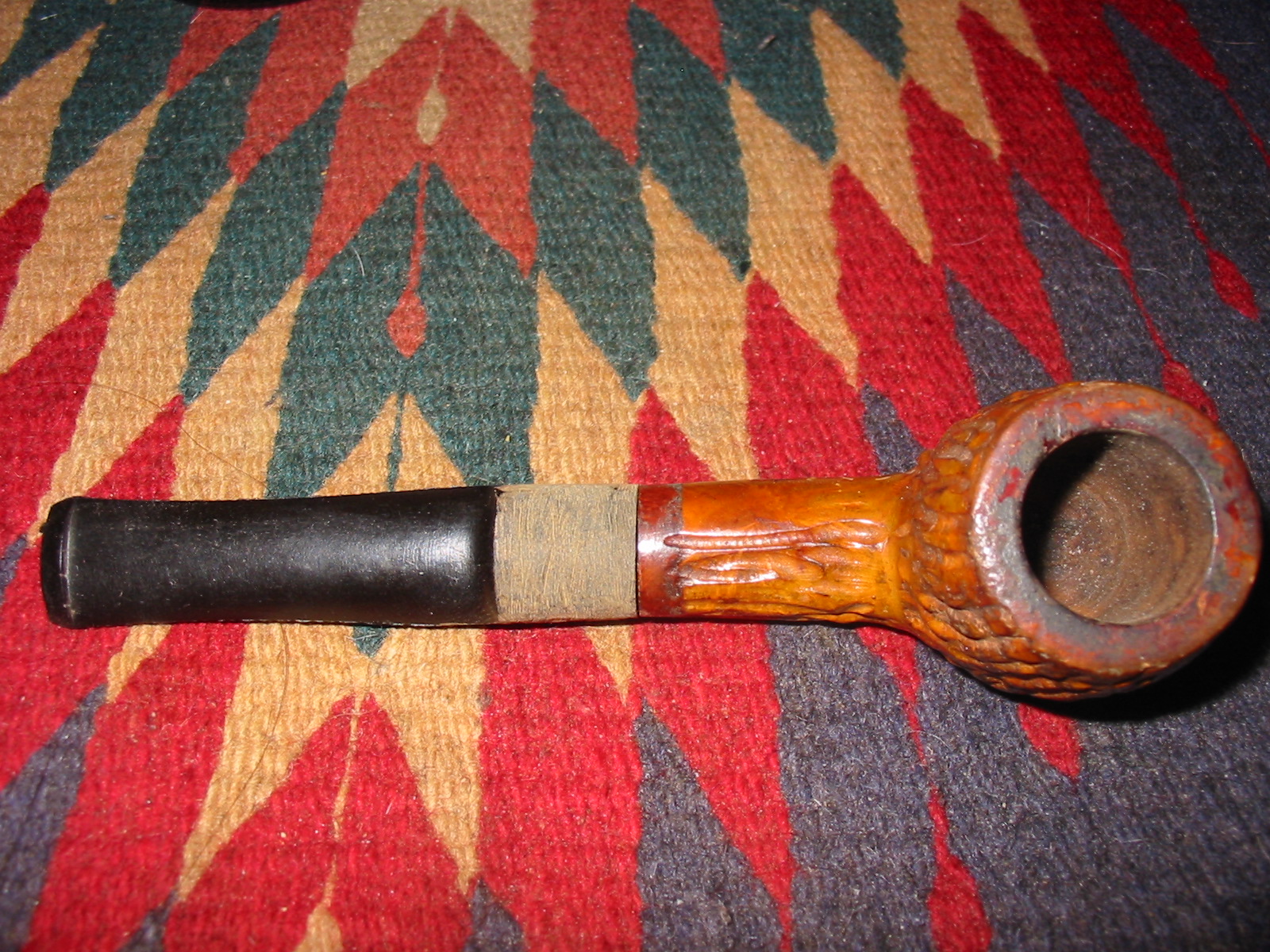
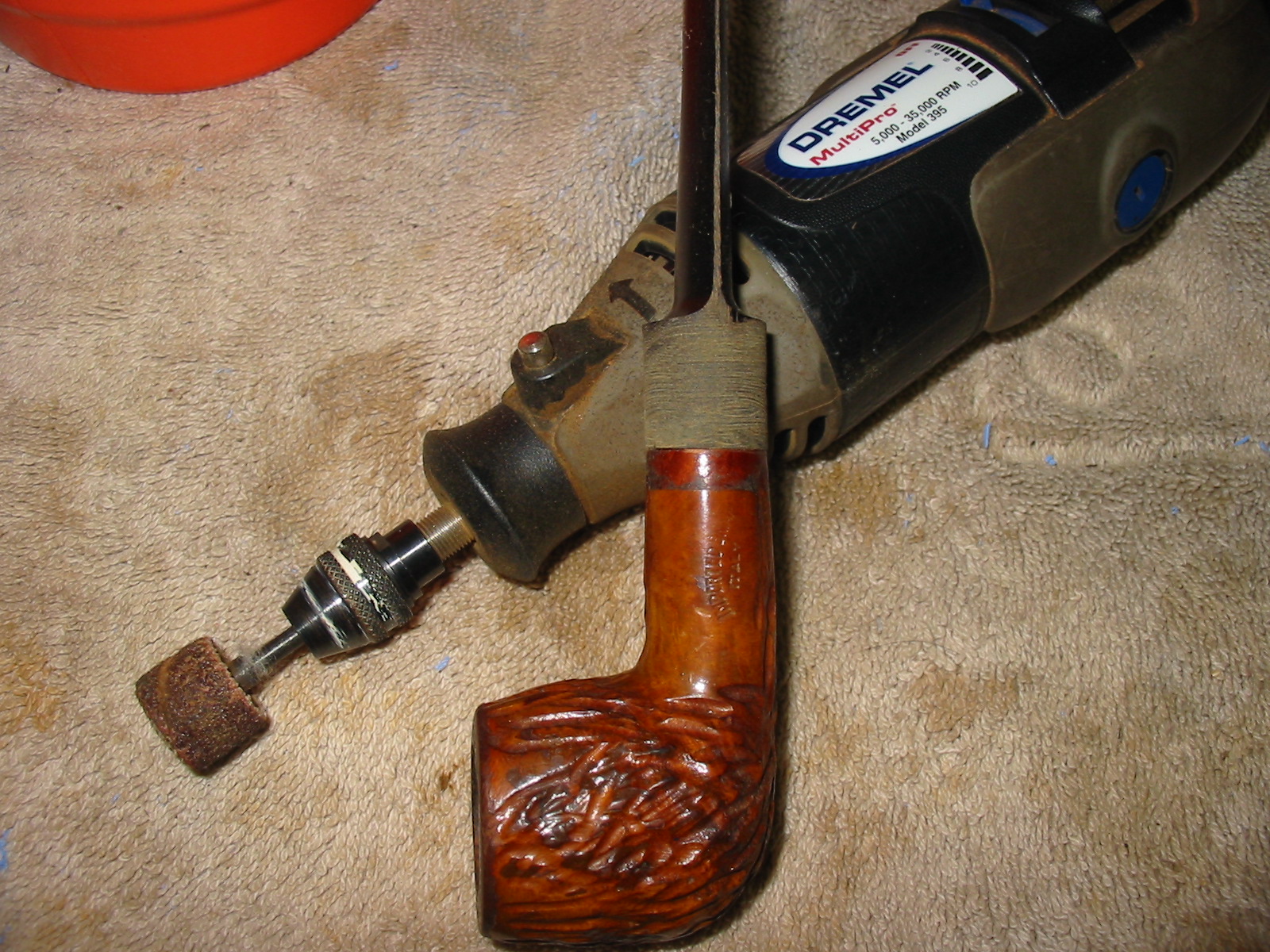
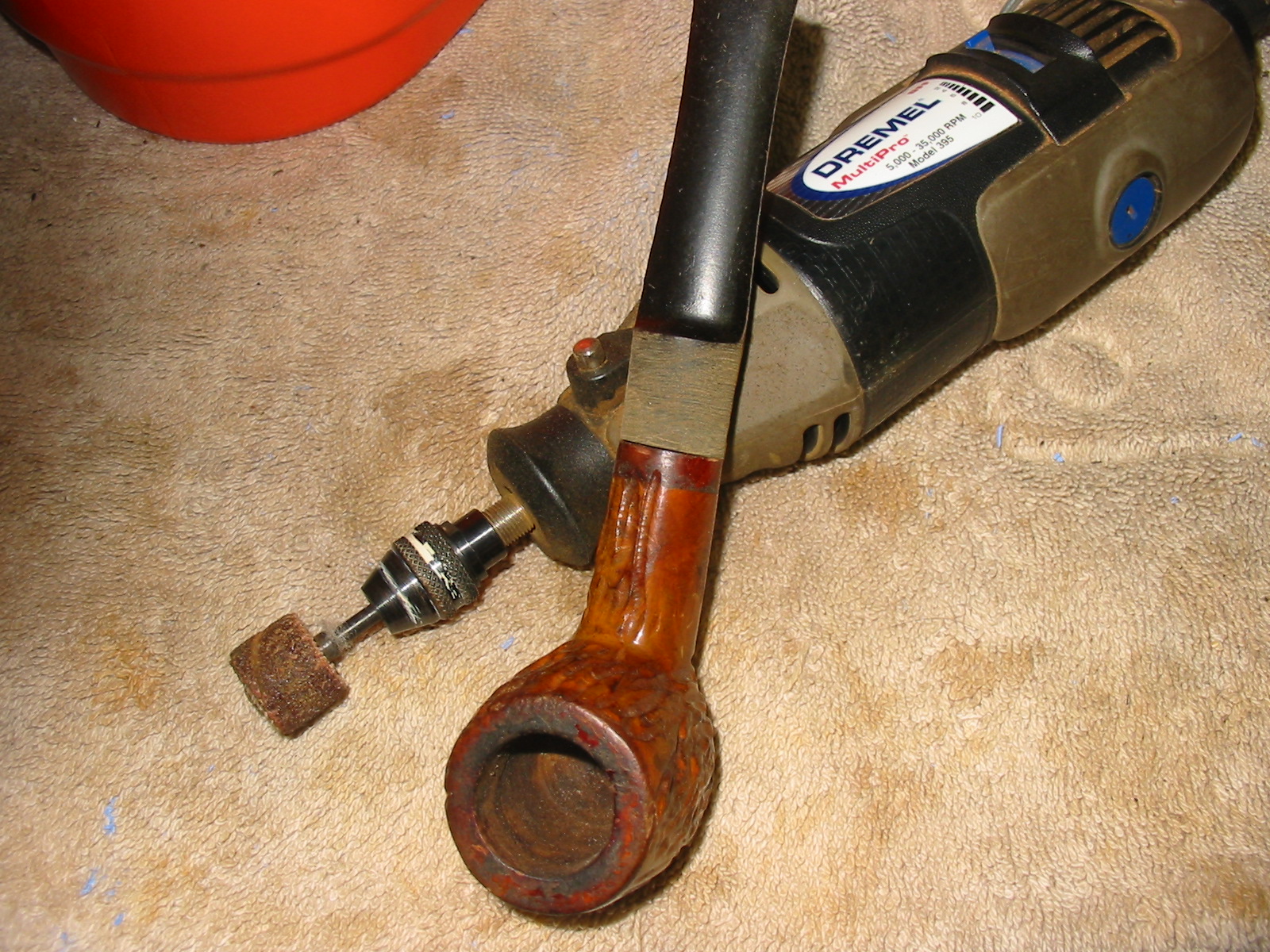
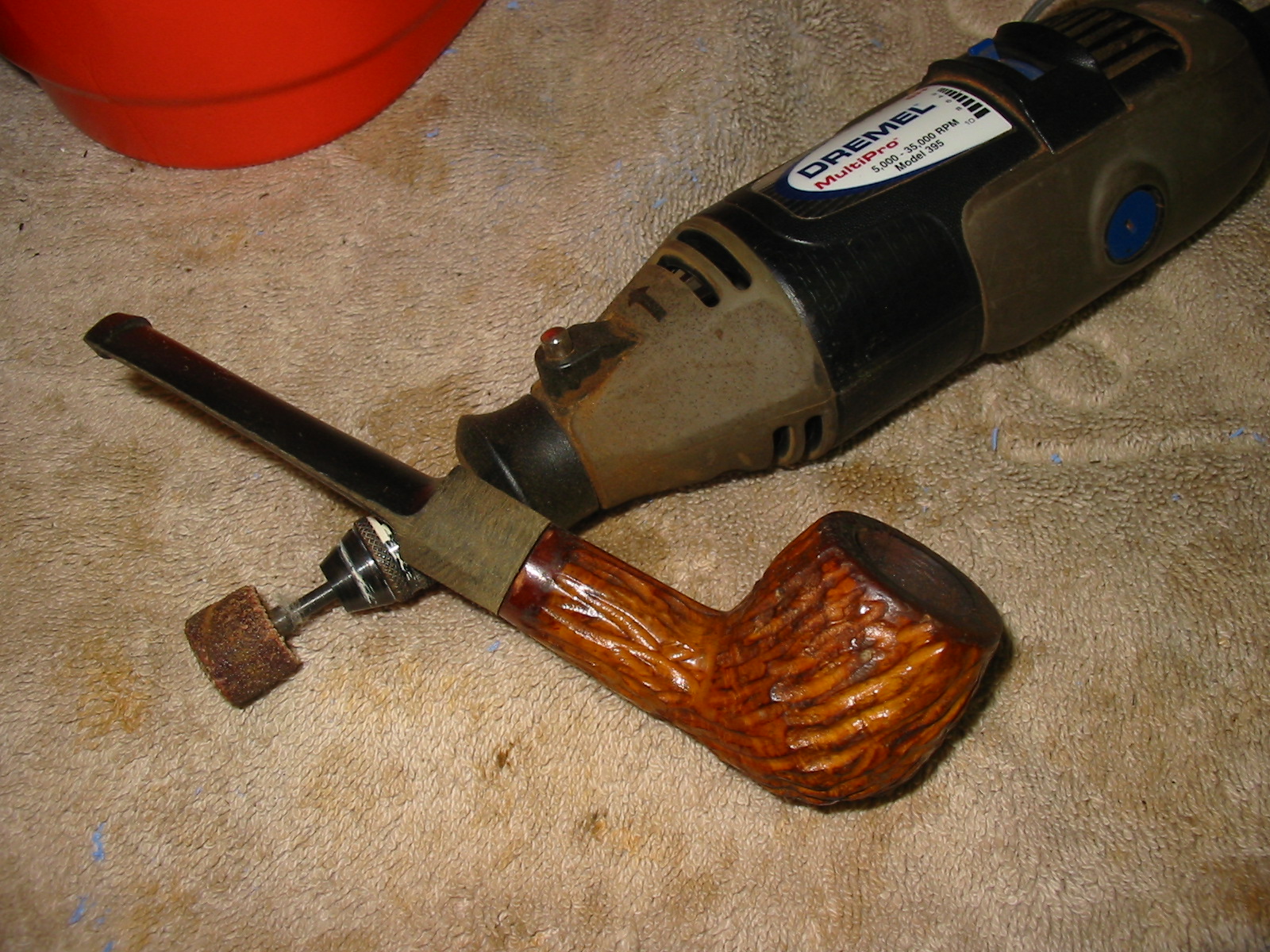
The tenon was a good tight fit. I stepped down the end of it to sit in the stepped mortise in the shank. I needed to remove a good deal of vulcanite from the saddle portion of the stem to bring it to the same diameter as the shank. I used my Dremel to do that work. The next series of four photos show the process of removing the material from the stem. I use a Dremel with a sanding drum to do the work. I run it at a medium speed that allows me to float it over the stem without digging to deeply into the vulcanite. I find that a slower speed gives a very rough finish and a faster speed is harder to control the work.

ImageImageImageImage

The next series of three photos shows the finished fit of the stem. I have finished sanding it with the Dremel. The photos show that it is relatively smooth with no deep gouges or scratches in the surface of the saddle. I also used the Dremel to sand down the castings on the button and on the sides of the stem. You can also see the place on the shank where the band was previously.

ImageImageImage

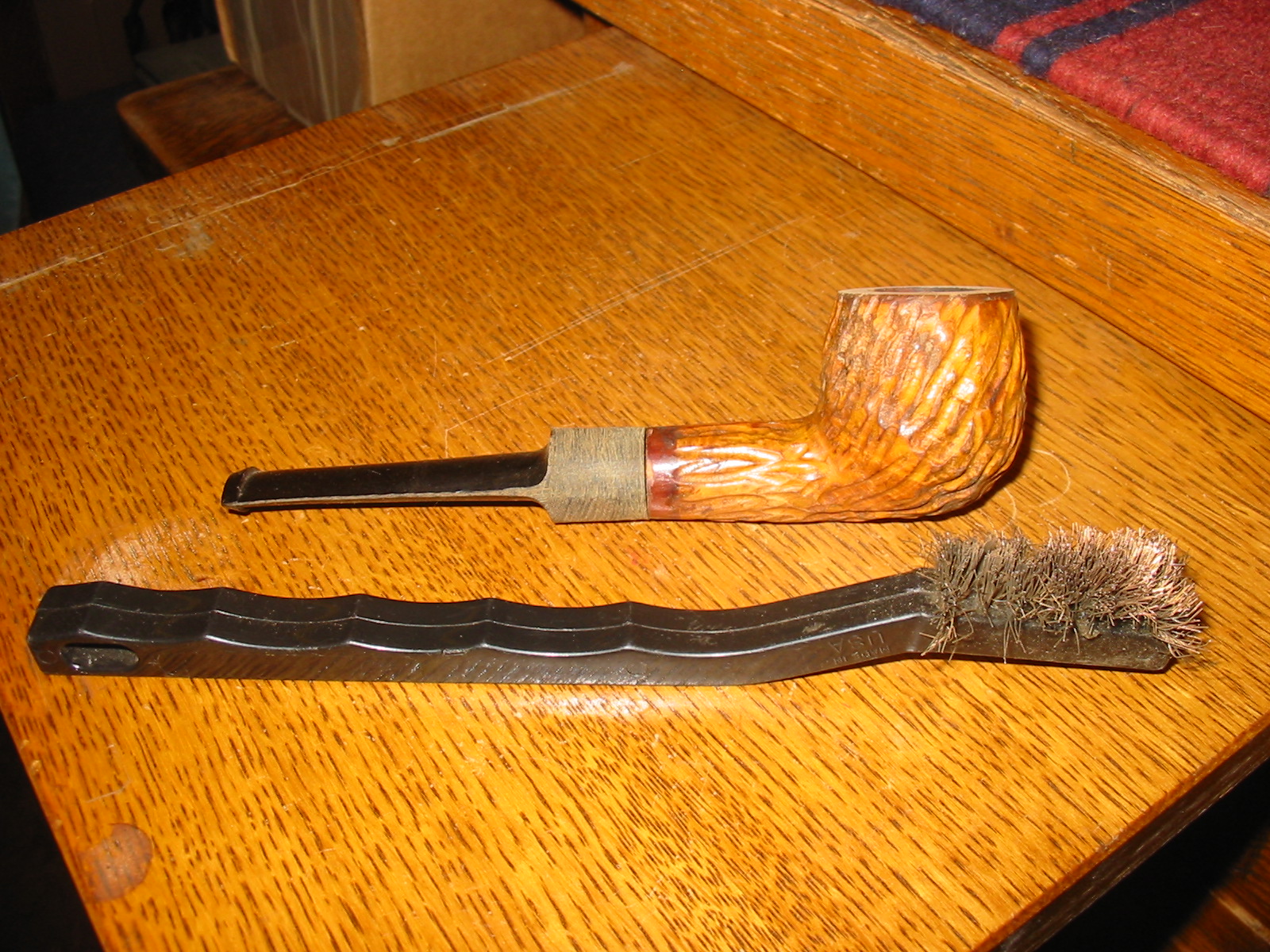
One the stem fit well against the shank I decided to top the bowl. I set up my sanding board with the piece of sandpaper I use. I hold the paper on the board (it is a fine grit emery paper). Then I place the pipe on the paper and sand it by working it clockwise against the sandpaper. The next two photos show the bowl against the paper and the finished topping of the bowl. The final photo in this threesome is one of the brass bristled tire brush that I use to clean rusticated bowls. This one was quite easy to work as I could work it along the grooves of the rustication and work it until the bowl was clean.

ImageImageImage

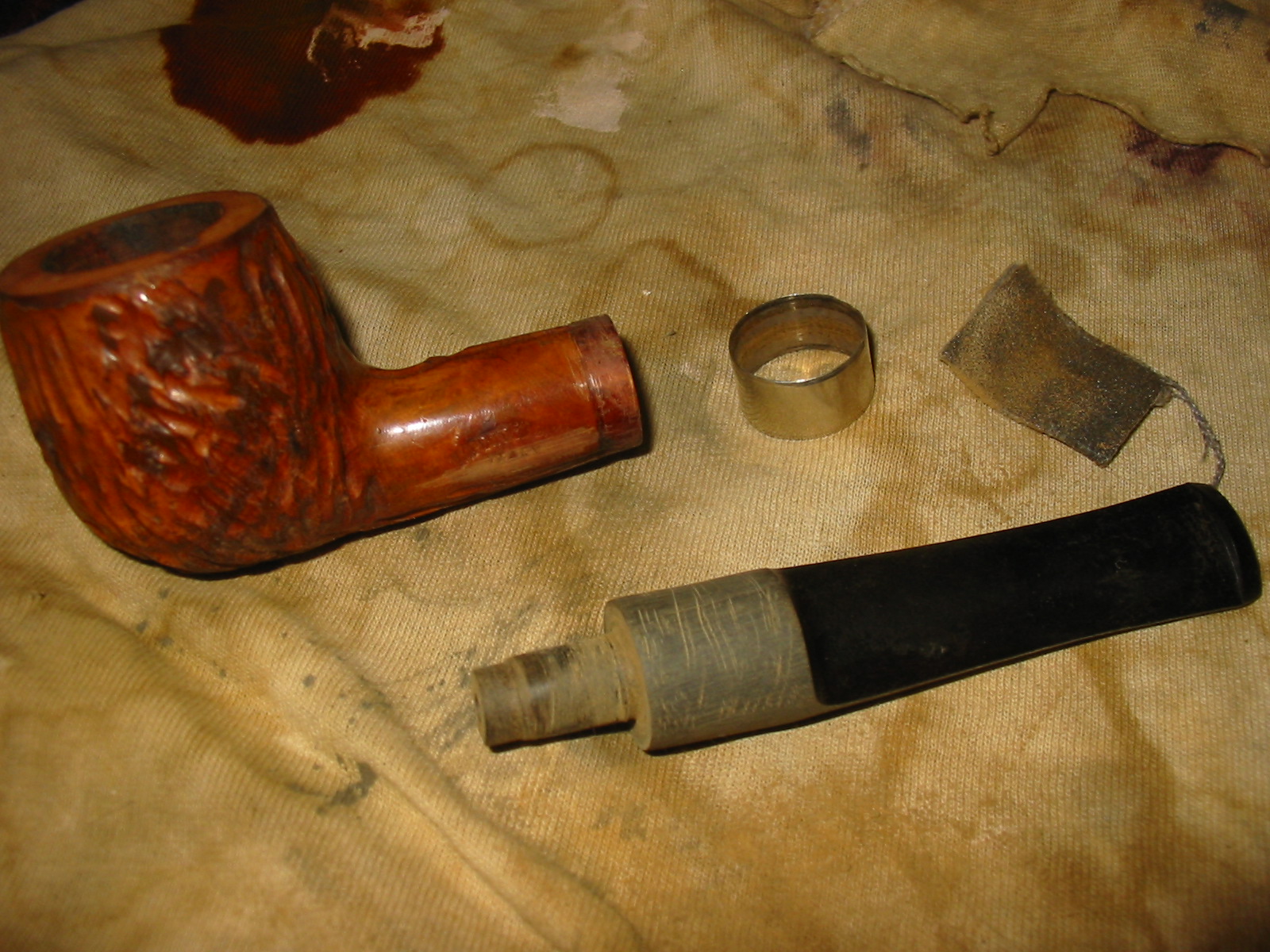
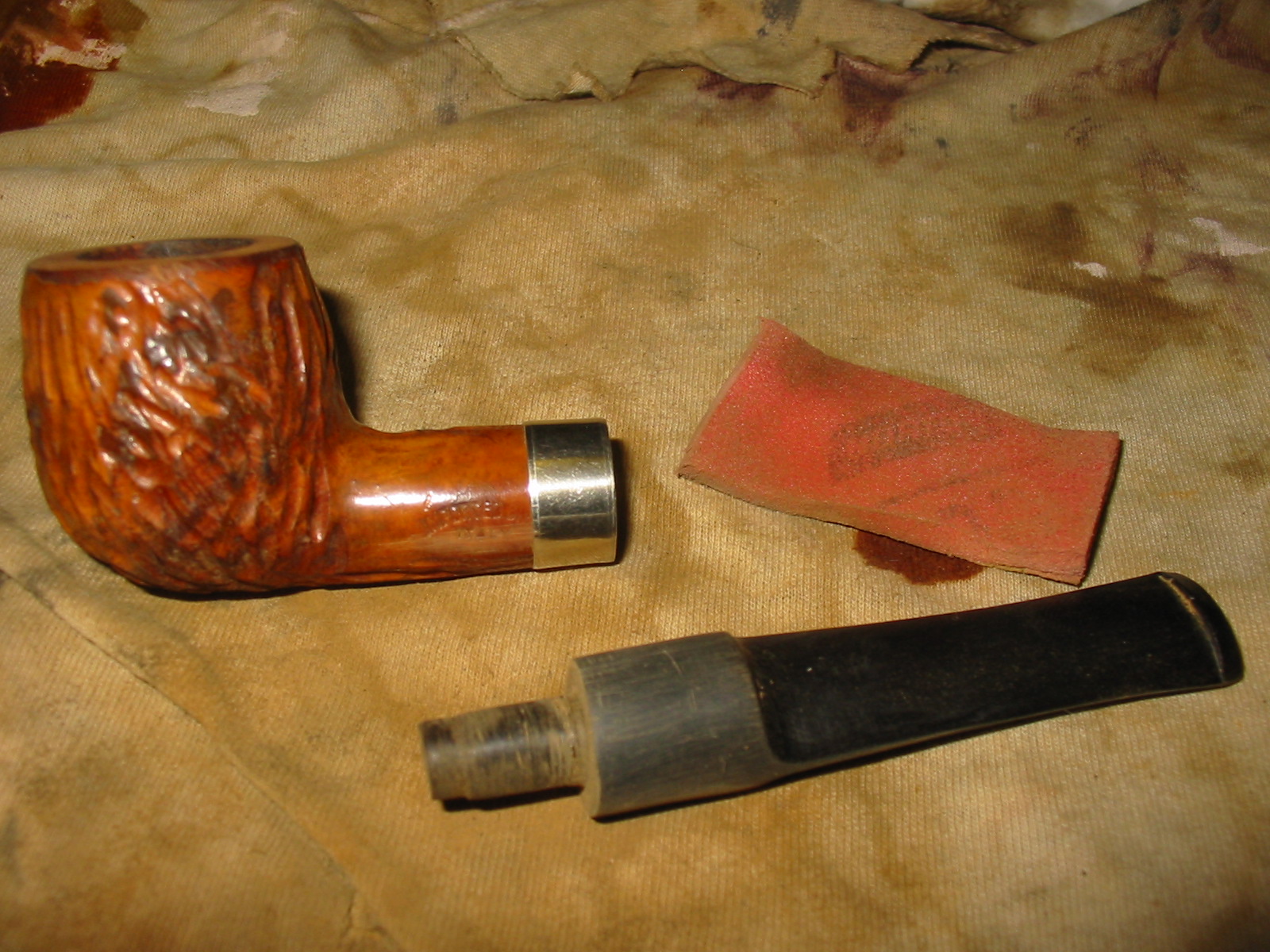
After scrubbing the pipe with the brass brush and some alcohol it was ready for a new band. I sorted through my bands and found one that fit the shank well. The next three photos show the shank before banding and then after I pressure fit the band to the shank. The emery paper and the fine grit sanding sponge in the pictures was used to sand the stem and begin removing the scratches and make a good fit against the band.

ImageImageImage

The next series of four photos show the fit of the stem against the banded shank. More work needed to be done on the stem to remove the scratches and refine the fit against the shank. Once the scratches were removed from the stem then I would work on the fit. I wiped down the bowl with acetone on cotton pads to remove the finish. I scrubbed it with the wire brush a second time and then wiped it with acetone again. I also sanded the bowl surface with the sanding sponge to remove the finish from the shank and the high points on the rustication.

ImageImageImageImage

At this point in the restoration I decided to restain the pipe with a dark brown aniline stain mixed 2:1 with isopropyl alcohol. I applied it and flamed it, reapplied and reflamed it. I gave the rim two extra coats of the stain to match the colour of the bowl. The next series of three photos show the stained bowl. It was darker than I wanted for the end product so I decided to lighten it.

ImageImageImage

I wiped the bowl down with isopropyl alcohol on a cotton pad to lighten the stain. I wanted to see if I could clear it off the high points while still allowing it to remain in the grooves for contrast. The next three photos show the pipe after I had wiped it down.

ImageImageImage

When I had finished wiping it down I took the pipe to the buffer and buffed the bowl with Tripoli to remove some of the dark stain. I wanted to remove it from the high surfaces of the bowl while leaving the dark stain in the grooves of the rustication. The next four photos show the pipe after I buffed it with the Tripoli. I also buffed the stem with Tripoli and White Diamond to give it a bit of polish and see what I needed to do with the sandpaper.

ImageImageImageImage

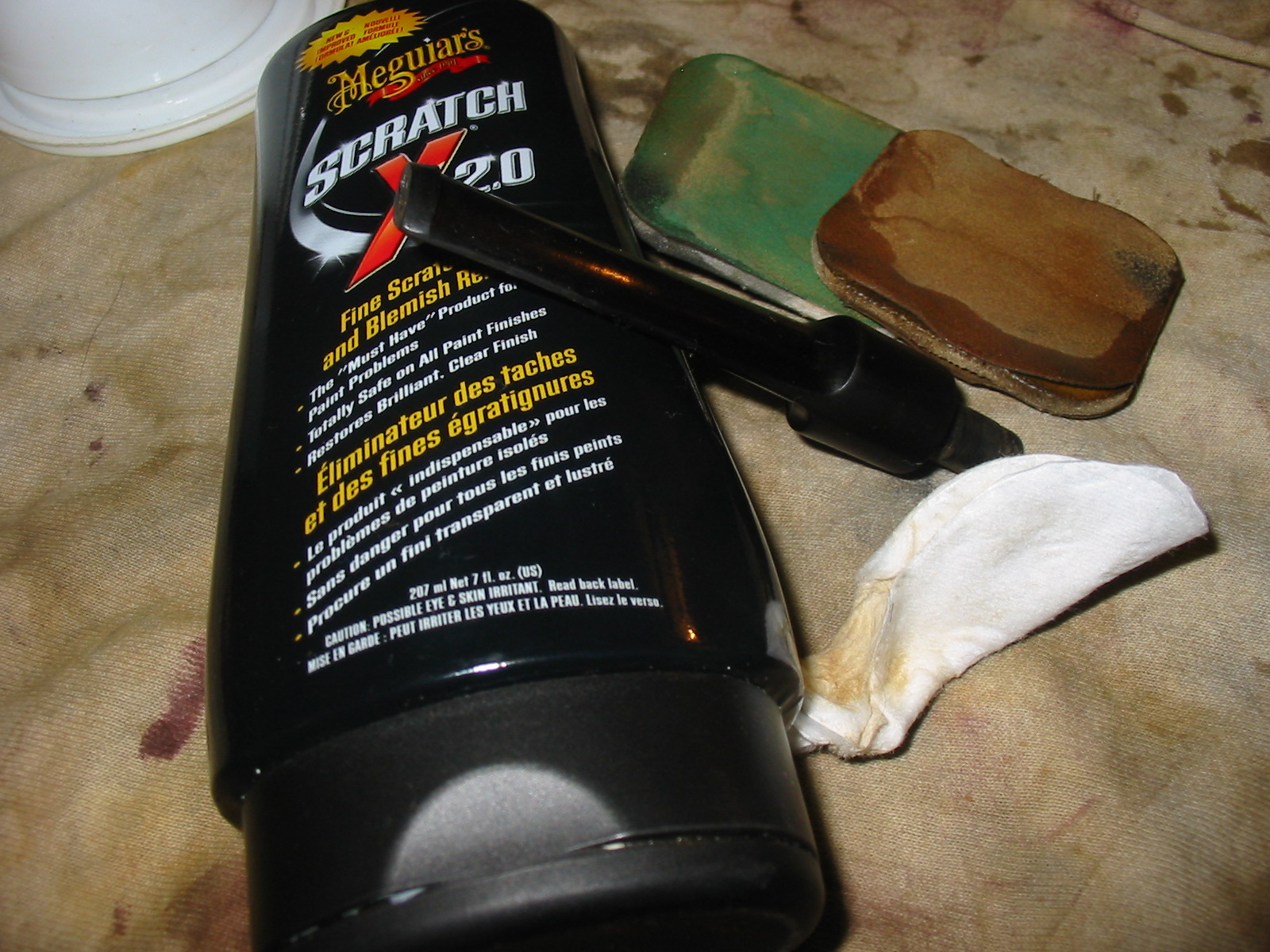
I then removed the stem and wet sanded it with the micromesh sanding pads in 1500 and 1800 grits. I use fresh warm water and dip the sanding pad in the water and then sand the stem. I also used the Maguiar’s Scratch X2.0 after sanding. The next photo shows the stem after sanding and polishing.

Image

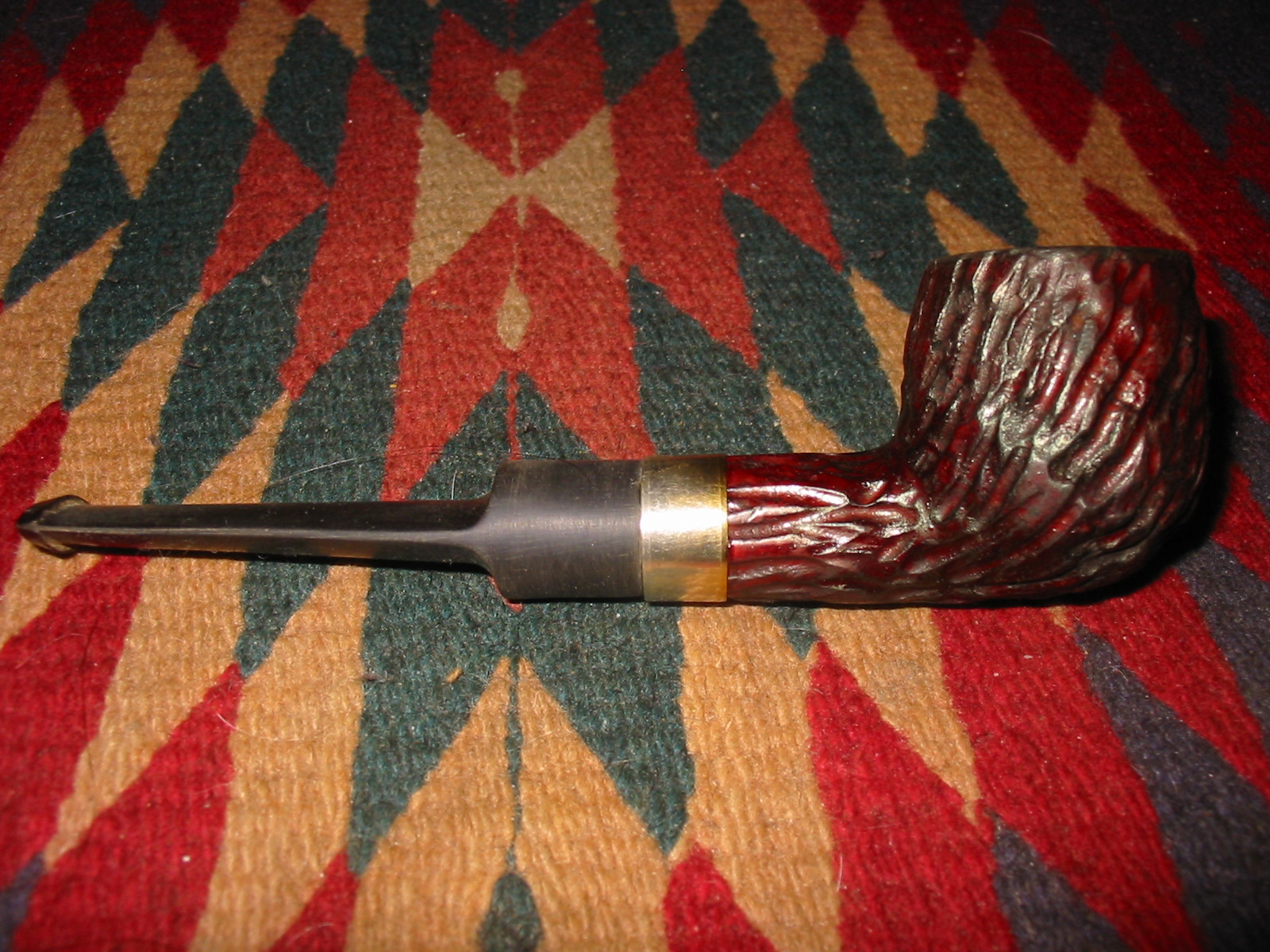
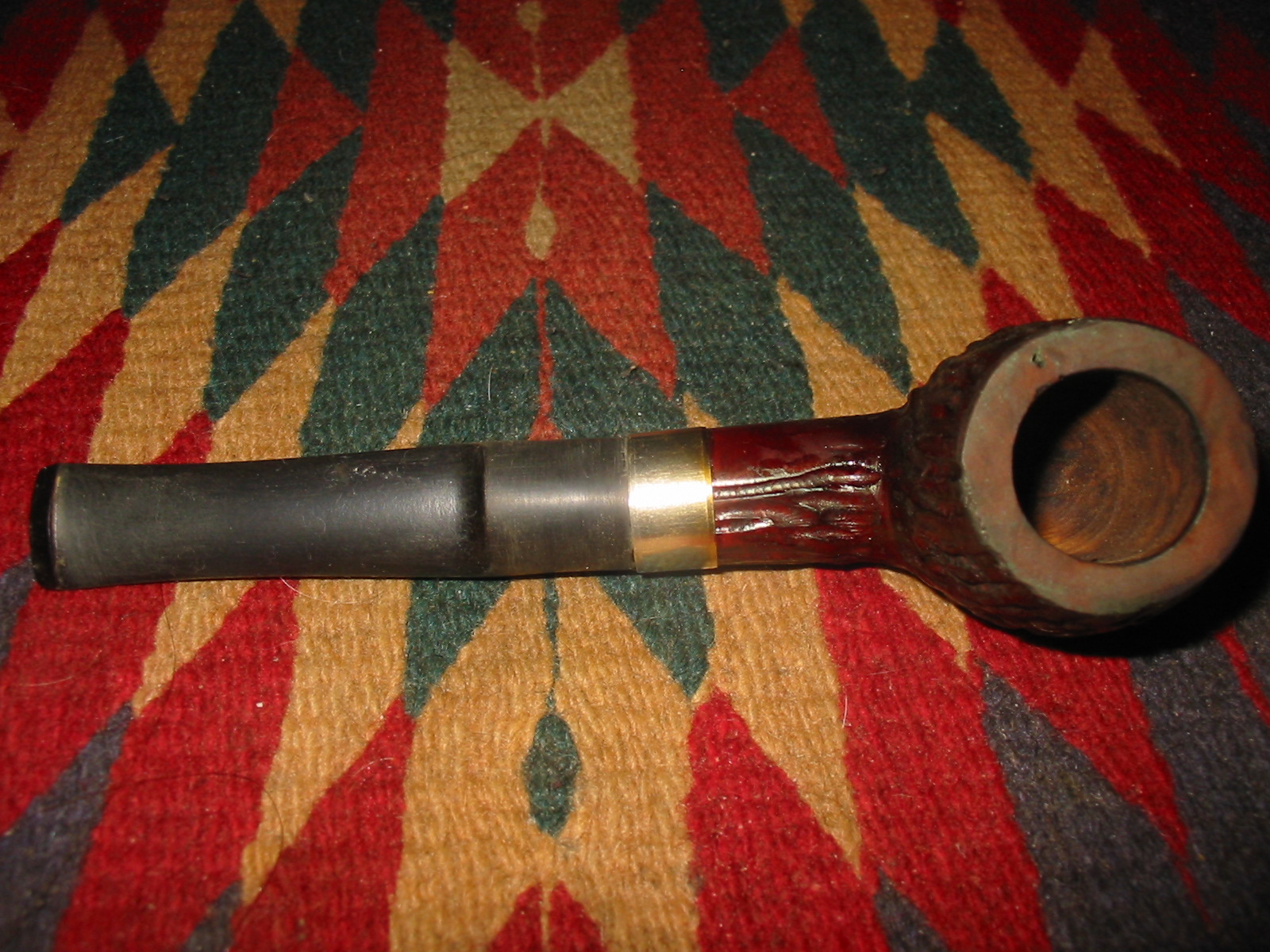
I then dry sanded the stem with the remaining grits of micromesh 2400-12,000 and then gave it a final polish with the Maguiar’s. The photo below shows the stem after sanding with the 3600 grit sanding pad. The shine is beginning to rise on the surface of the stem. I rubbed it down with Obsidian Oil and let it dry. The final four photos show the finished pipe. I buffed the stem with White Diamond and then polished the bowl and the stem with carnauba wax to get the shine.

ImageImageImageImageImage

The pipe has come a long way from the stummel that was sitting in my repair box. I am happy with the finished pipe and the contrast stain. It feels great in the hand and will make a great smoking pipe for someone.

A Reborn Piccadilly Bulldog


Blog by Steve Laug

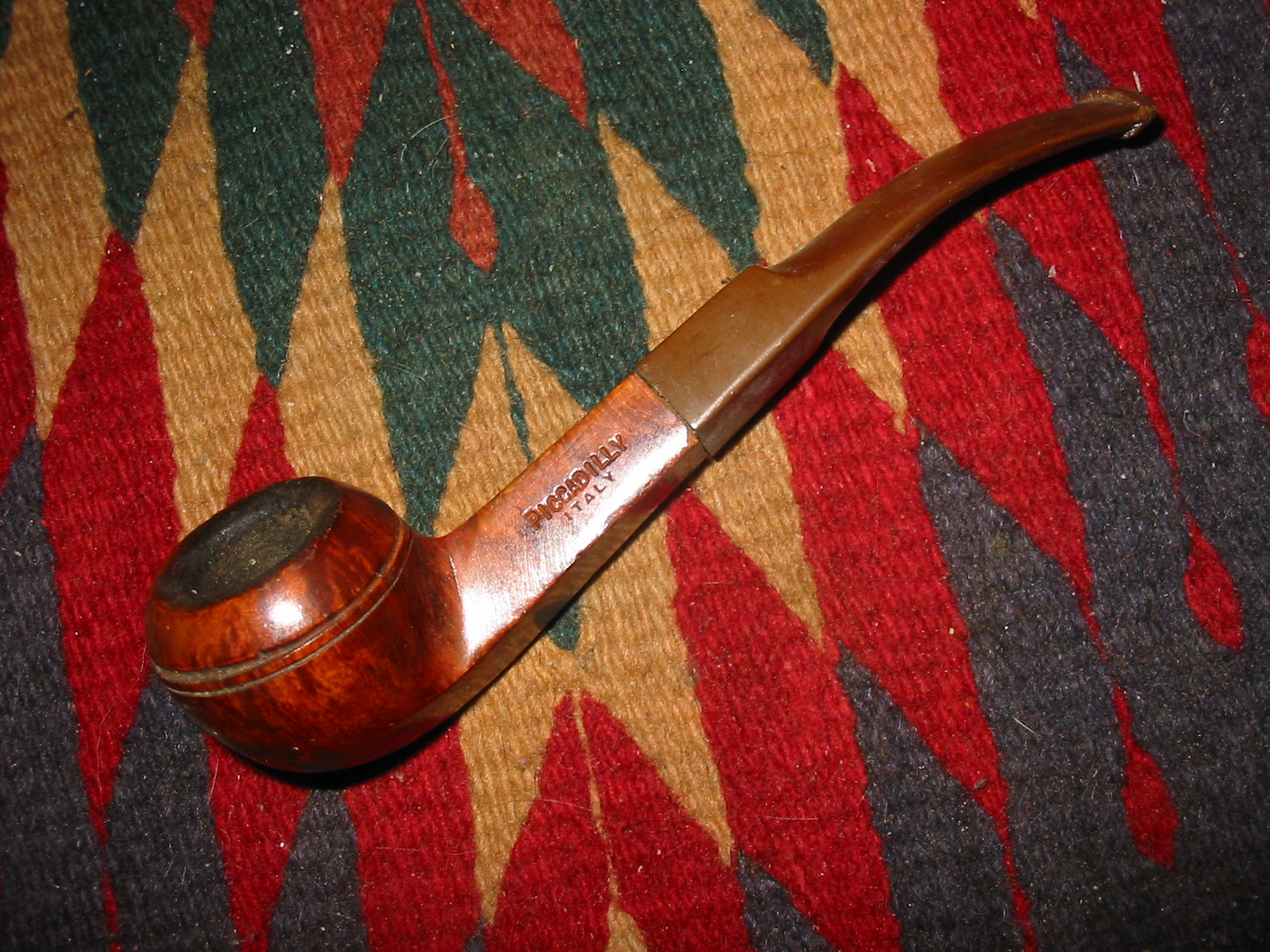
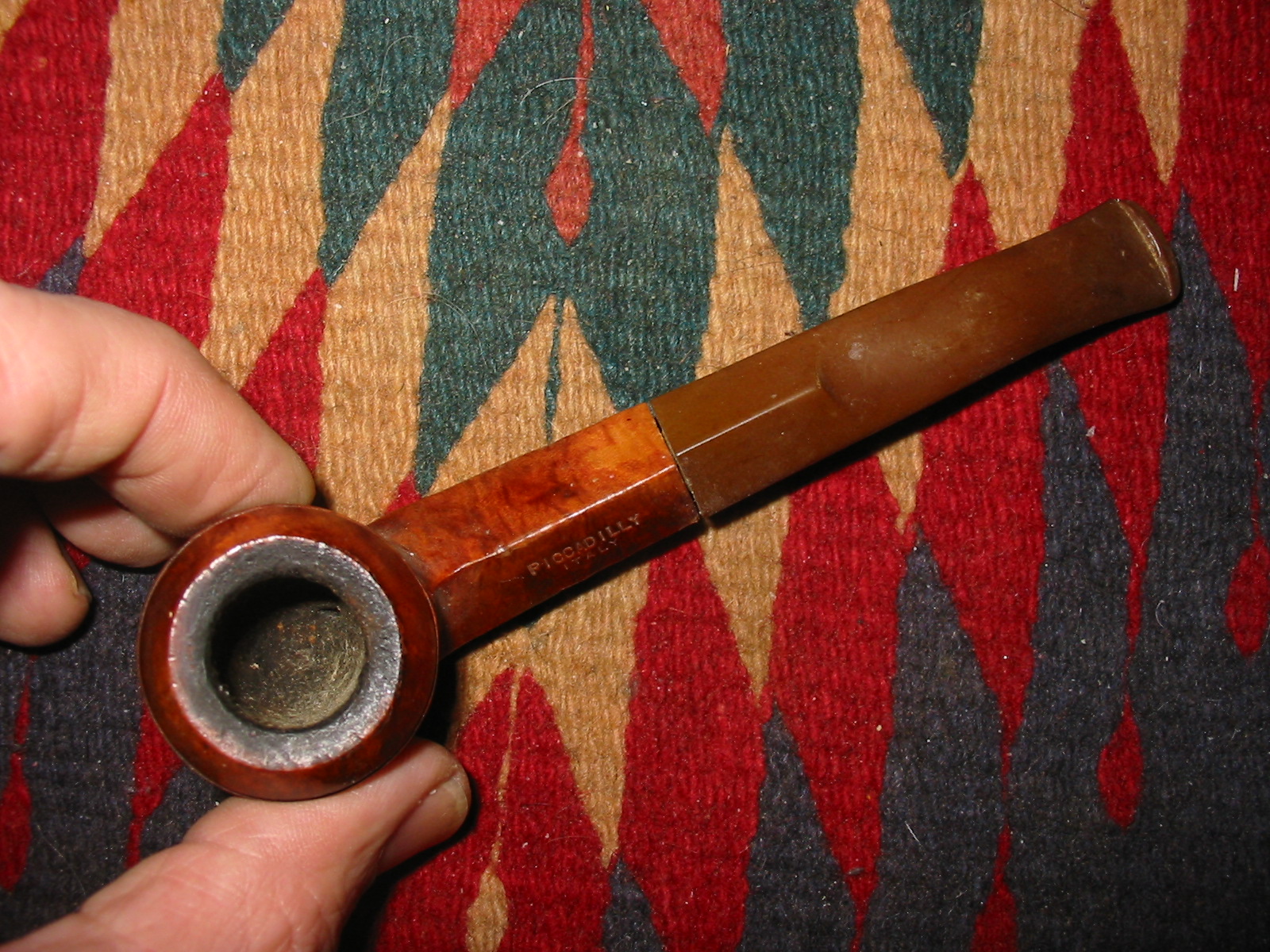
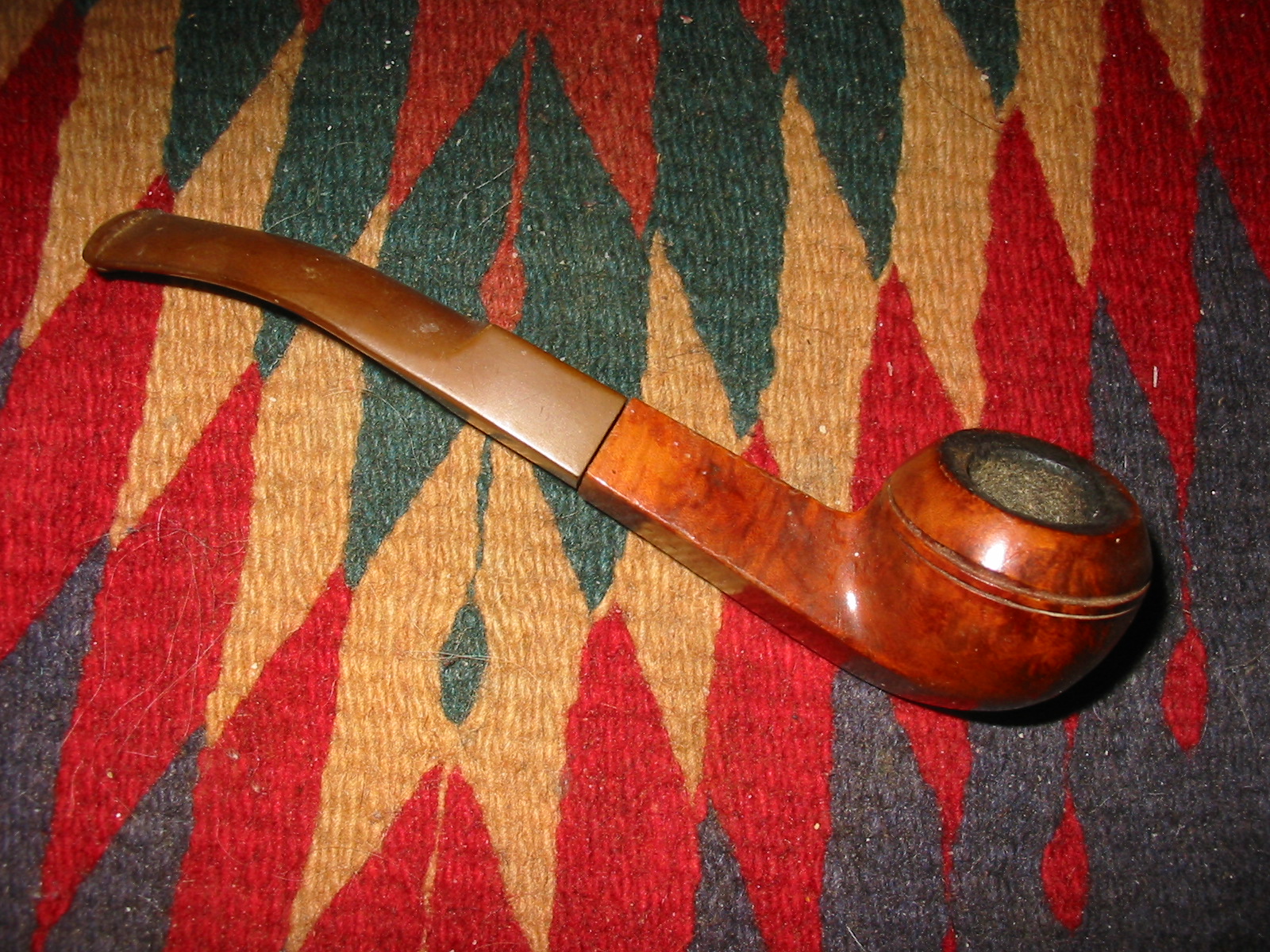
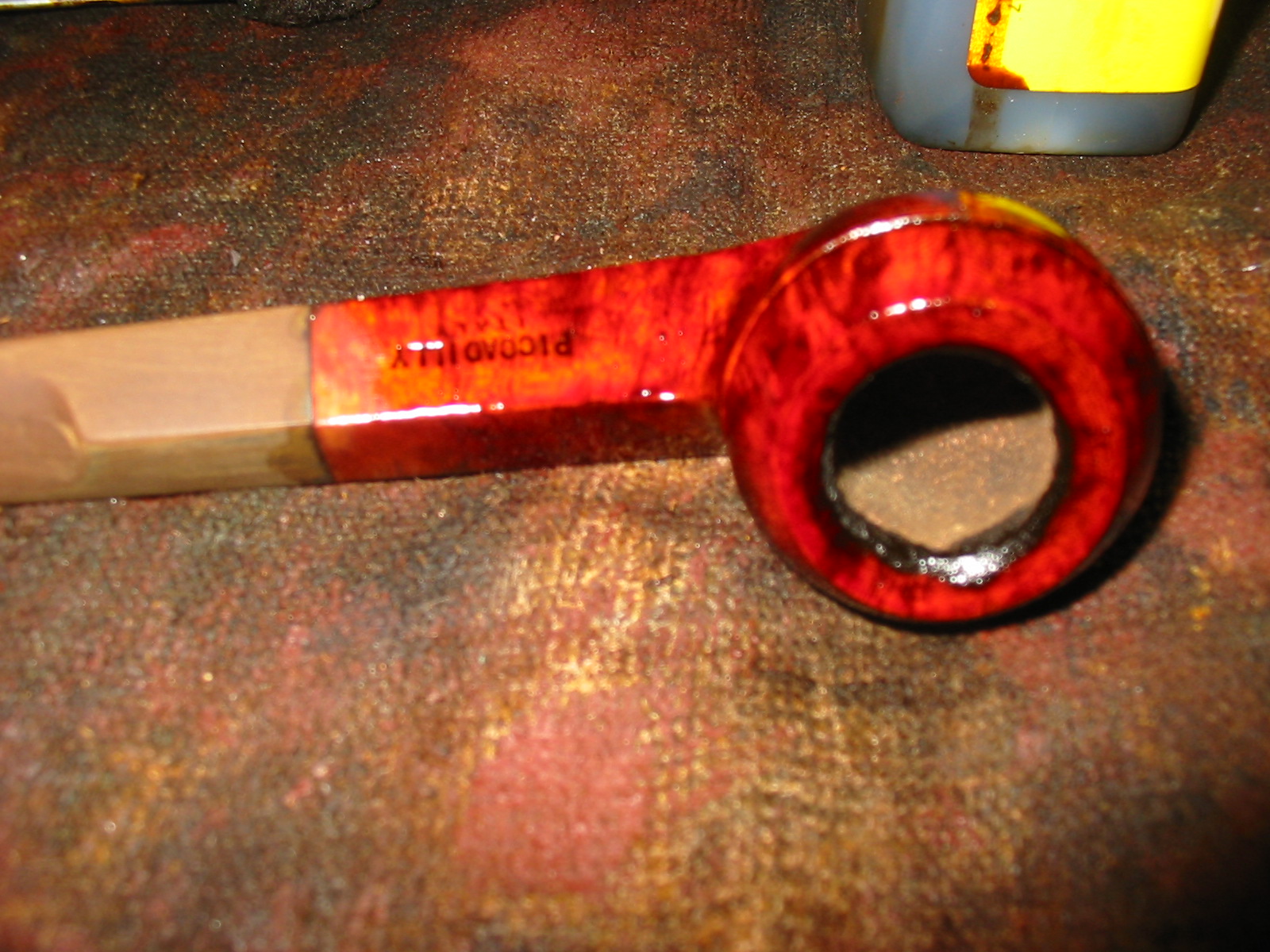
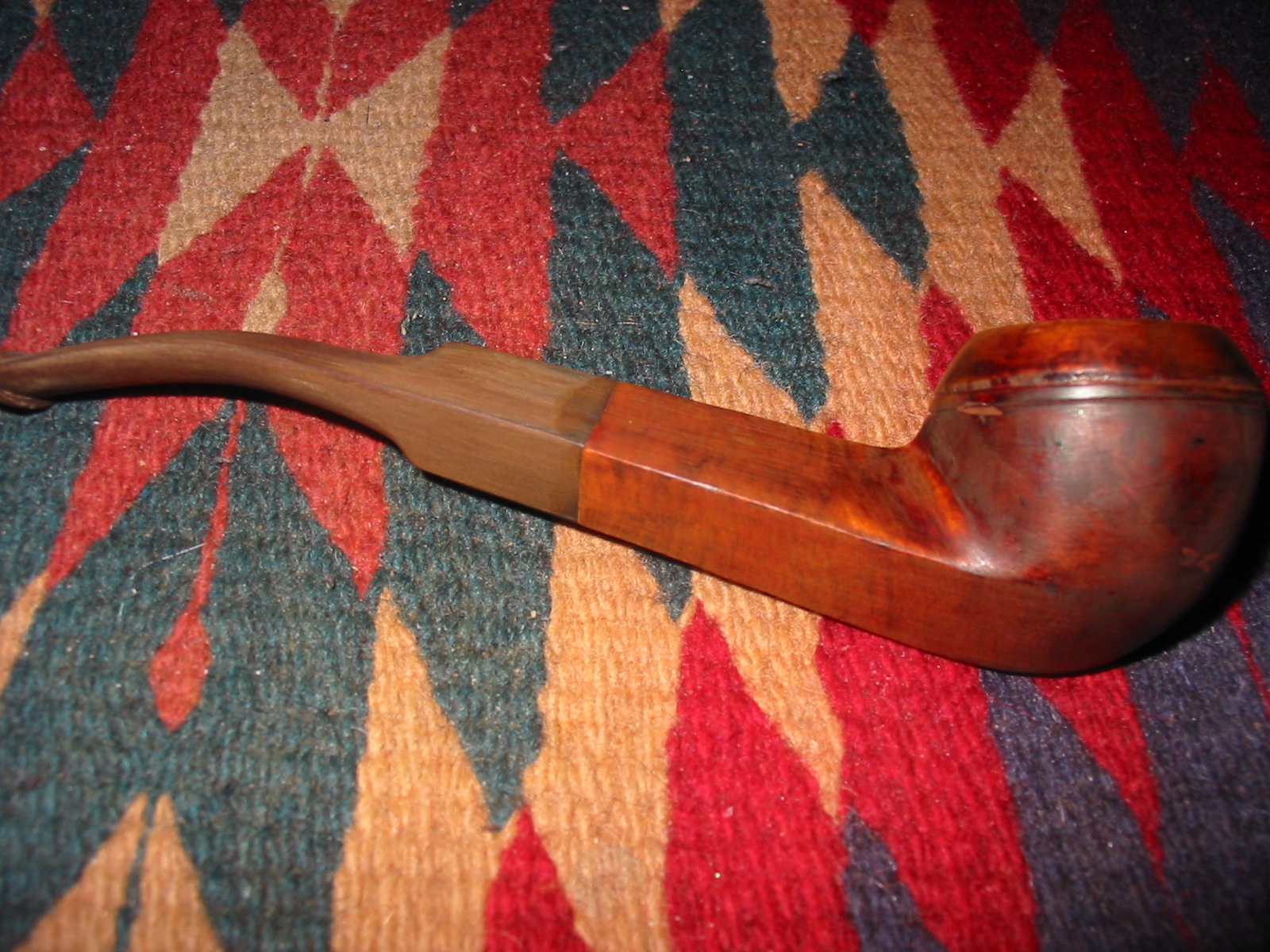
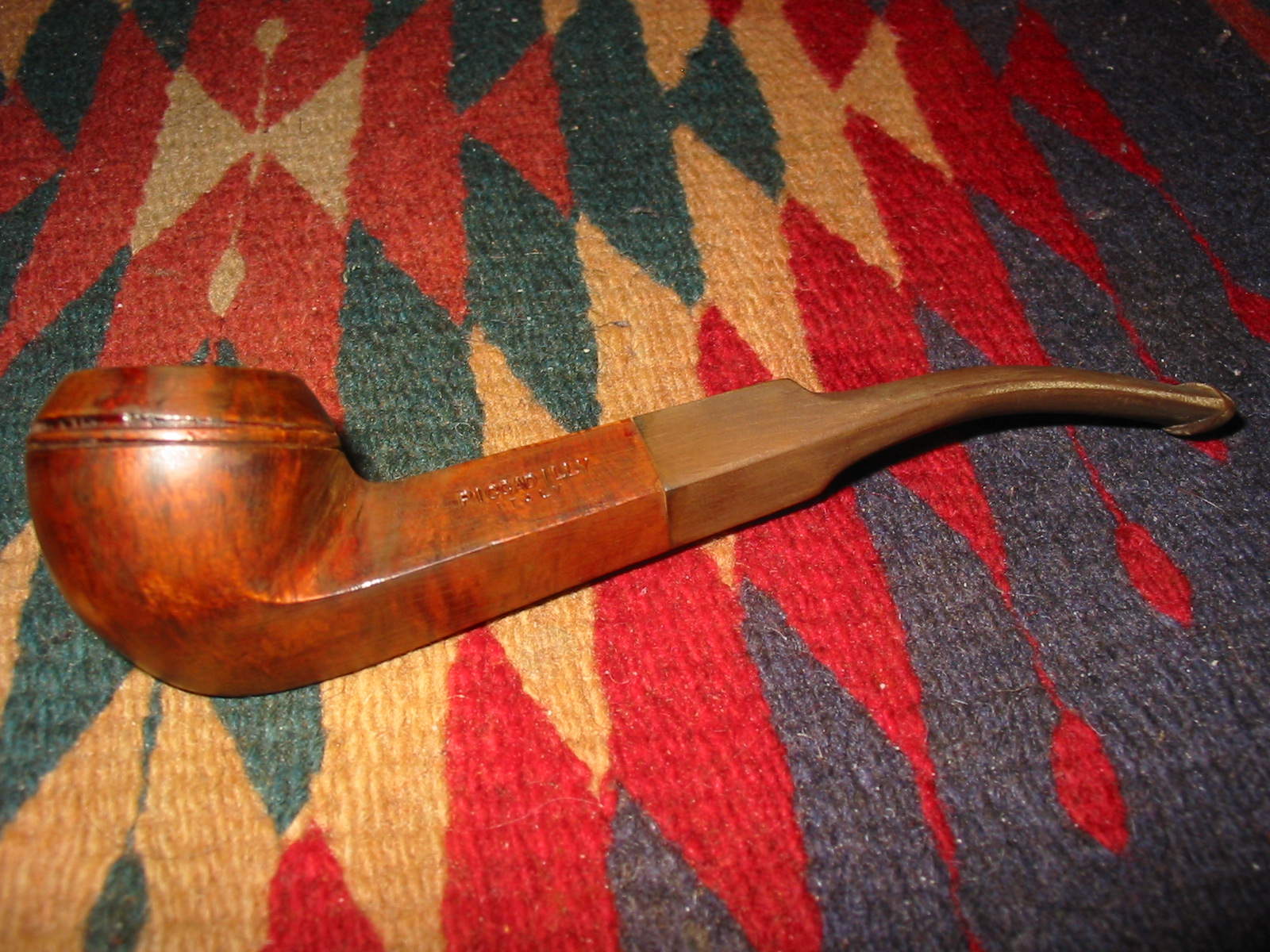
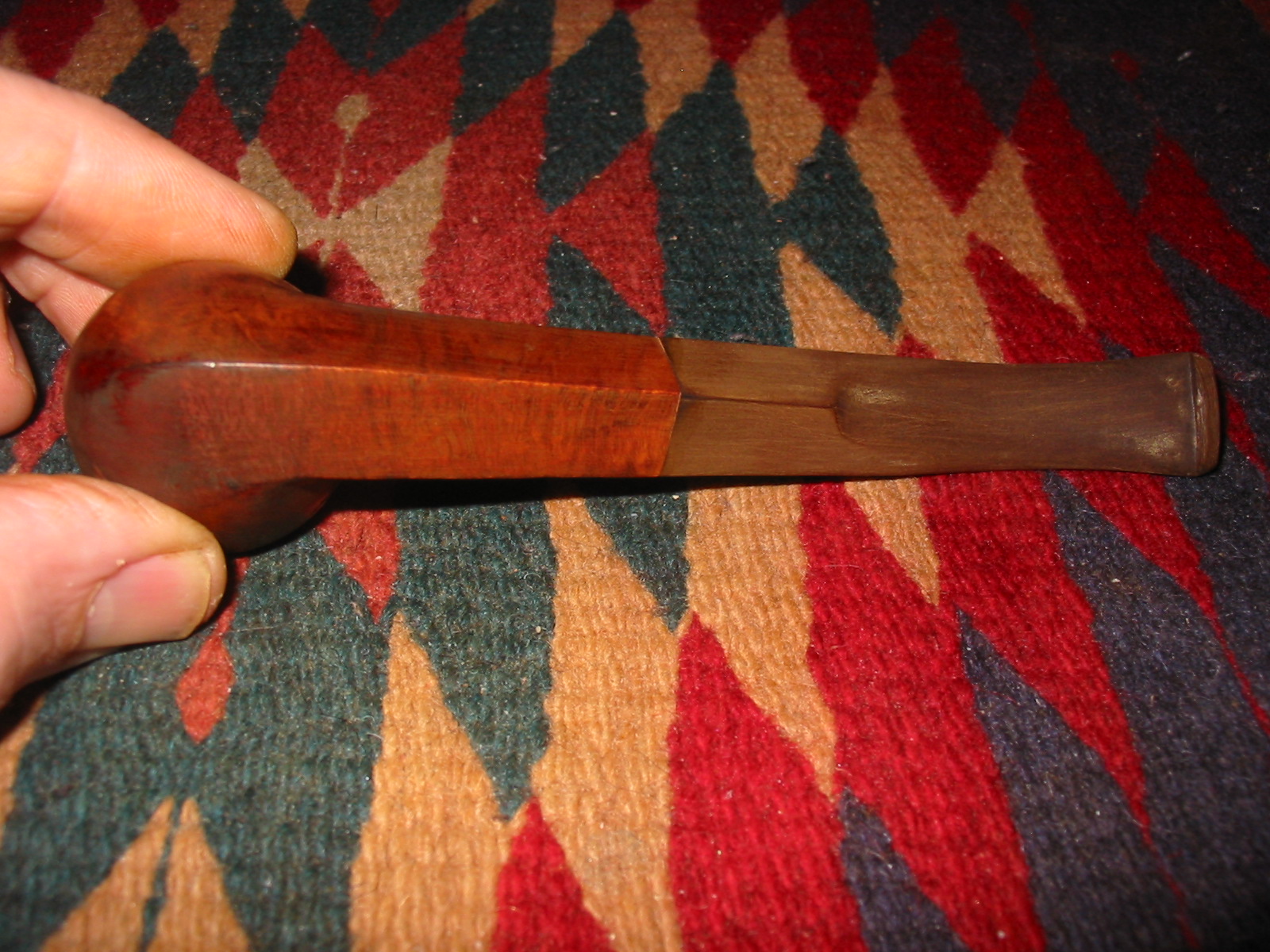
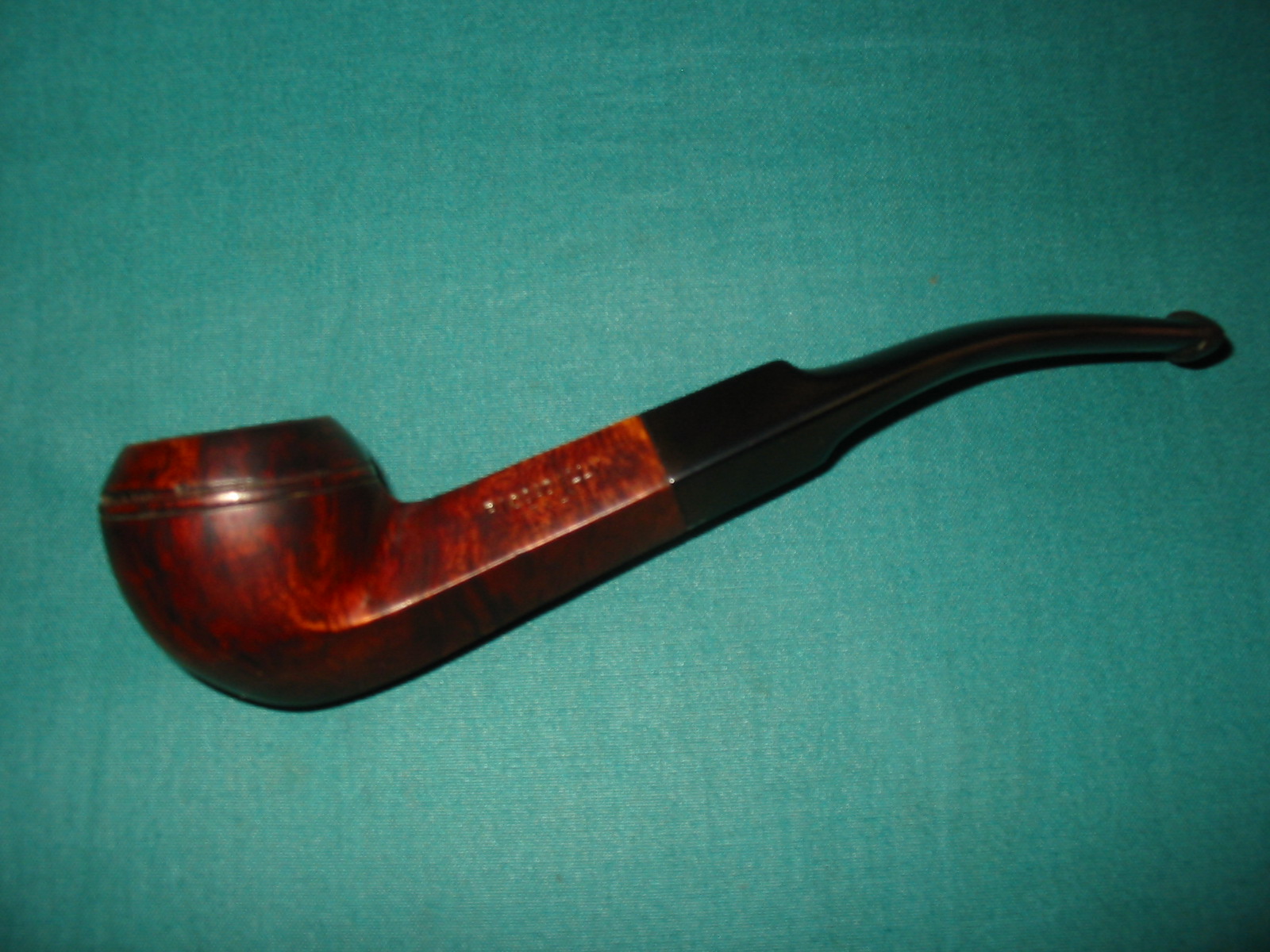
This little bulldog came to me in a lot of six pipes given to me by a friend. Something about it caught my attention as it seemed to have a classic bulldog shape. It was in pretty rough shape. It is stamped Piccadilly over Italy. It had a thick coat of varnish over the whole bowl and shank. There were also paint flecks on the surface of the bowl and shank. The rim was tarred and black with minor dings in the wood on the outer edge. The rim was chamfered in toward the bowl and also showed some wear and tear. The bowl was pretty clean; as I am pretty sure it had been recently reamed. The stem was badly oxidized and when the pipe came to me the stem would not come out of the shank or even turn. There were no bite or tooth marks on the surface of the stem. The inside of the stem was also tarry and dirty. The first series of three photos shows the state of the pipe when it arrived.

ImageImageImage

I put the pipe in the freezer for several hours and then I was able to remove the stuck stem. It was incredible tight and very dirty. The tars seemed to have acted like glue holding the stem in the shank. I cleaned out the stem with pipe cleaners and a shank brush and then put it in a bowl of Oxyclean to soak overnight. I dropped the bowl in an alcohol bath overnight as well. The next series of five photos show the bowl and the stem the next morning after an all-night soak in the baths. You can see that the bowl is clean and incredibly shiny. The alcohol bath removed the paint flecks and the surface grime. The rim tars had softened and were ready to be removed. The varnish coat however was not even touched by the soak in isopropyl. The stem was much better than when it went in to the bath. The oxidation had softened and much of it was removed when I dried off the stem. What remained would take more work.

ImageImageImageImageImage

I then wiped the bowl and shank down with cotton pads soaked with acetone to try to break up the varnish finish. It took many wipes to cut through the finish and also to cut through the tars on the rim. I also sanded the rim with 320 grit sandpaper to remove the remaining tars and the slight burning around the inner edge of the rim. The next three photos show the result of the sanding on the rim and the wiping down of the bowl. The varnish was untouched – maybe softened a little but it did not give way at all to the acetone.

ImageImageImage

More drastic measures were going to be required to remove this thick varnish coat. It was almost acting like a coat of polyurethane. I would have to sand the finish off the bowl if I was going to remove it at all. This required care as I wanted to remove the finish and not change the shape of the bowl and shank. I used a medium grit emery cloth to break through the finish coat. The next series of three photos shows the pipe after the sanding with emery cloth. I also wiped it down again with acetone at this point to clean the finish and see what remained. You can see the stubborn remainders of the topcoat.

ImageImageImage

At this point I switched to a medium grit sanding sponge to remove more of the remaining finish. I removed the inserted stinger apparatus and put the stem back in place so that I would not change the angles on the shank where it met the stem when I sanded. It also allowed me to sand the stem and shank simultaneously and to keep the angles sharp and intact. The next three photos show the pipe after sanding with the sponge. I continued to sand until the shiny finish was gone. I then wiped it down with acetone on a cotton pad to clean the surface.

ImageImageImage

I sanded the bowl and shank with 320 grit sandpaper and then 400 and 600 grit wet dry sandpaper followed by micromesh pads from 1500-6000 grit before staining the bowl with a dark brown aniline stain thinned 2:1 with isopropyl alcohol. I wanted to give the pipe a stain so I could see if the many fills that were revealed could be camouflaged with the stain coat. My guess was that they would stand out and I would need to pick them out and refill them with superglue and briar dust. I stained and flamed the pipe several times. The next series of six photos shows the results after staining. I would indeed have to rework the fills – at least the large ones.

ImageImageImageImageImageImage

I used my dental pick to remove the old fill material – it seemed to be white putty that did not take the stain. The pick removed the white material easily and I wiped the bowl down with an alcohol wetted cotton pad to clean up the dust before refilling the flaw. I then took out my container of briar dust (I collect this from the bowls that I top) and used the dental pick to pack the flaw with briar dust. Once it was packed and overflowing I dribbled drops of superglue into the packed dust. It dries quickly so there is no time to work it or move it. Once I finished the first pack and drip I added more briar dust and redripped the glue. The three photos below show the new fill before I sanded it. The briar dust and glue are very hard and I always over fill the flaw and sand it back to smooth. I do not want any shrinkage in the fill so I work with the material as I spelled out above and over fill the flaw.

ImageImage

Image

Since the glue and dust fill dries very quickly, it can be immediately sanded. I used some fine grit emery cloth to smooth out the glue and followed that with some 240 and 320 grit sandpaper. The next two photos show the fill after I had sanded it smooth. The fill is now dark and hard. I have found from past experience that the dark fill is much easier to blend in with the stain than the white or pink putty fills.

ImageImage

After the sanding and preparation of the other fills that I replaced I restained the bowl with the dark brown aniline stain. I flamed it and restained it several times. The bowl is seen both wet and after the flaming in the three photos below. The fill is well blended into the dark stain.

ImageImageImage

Once the stain was dry I took the pipe to my buffer and buffed the bowl with Tripoli and White Diamond. The fills were still to visible to my liking so I used a trick I learned somewhere – I used a black permanent marker (Sharpie) and highlighted the grain on the pipe and also stroked in grain through the fills. Once it was finished I stained it one last time with the dark brown stain and then buffed it to a polish. The bowl was finished and I set it aside to work on the stem.

The stem needed quite a bit of work. I sanded it with the medium grit sanding sponge and then with 320 grit sandpaper and 400 and 600 grit wet dry sandpaper. The oxidation was still stubbornly remaining on the saddle and in the slope of the saddle to the flat bit. I used the Bic lighter and moved it over the surface of the stem to burn off the oxidation. I repeated this several times and then sanded the stem with 1500-4000 micromesh sanding pads. I also used the Maguiar’s Scratch X2.0 between grits of micromesh. I also used my Bic lighter to burn more of the oxidation between the grits. Once I was finished I polished the stem with Maguiar’s and then buffed with White Diamond to polish it. I gave it a coat of Obsidian Oil followed by multiple coats of carnauba wax to the stem and bowl. The final pictures show the pipe after this work. In the last photo the area that had the fill repaired is shown to detail how well the fill blends into the finished pipe.

ImageImageImageImageImage