
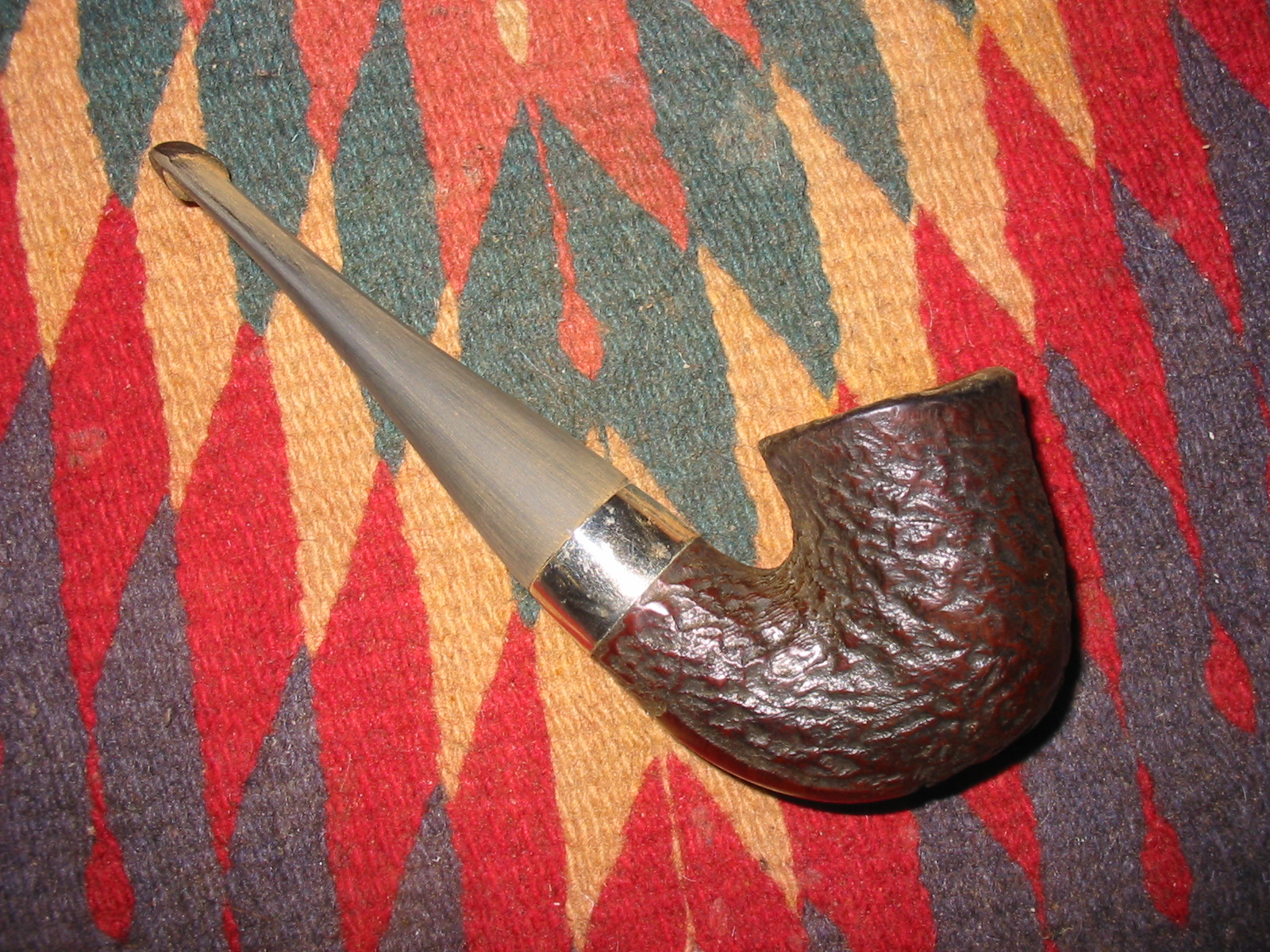
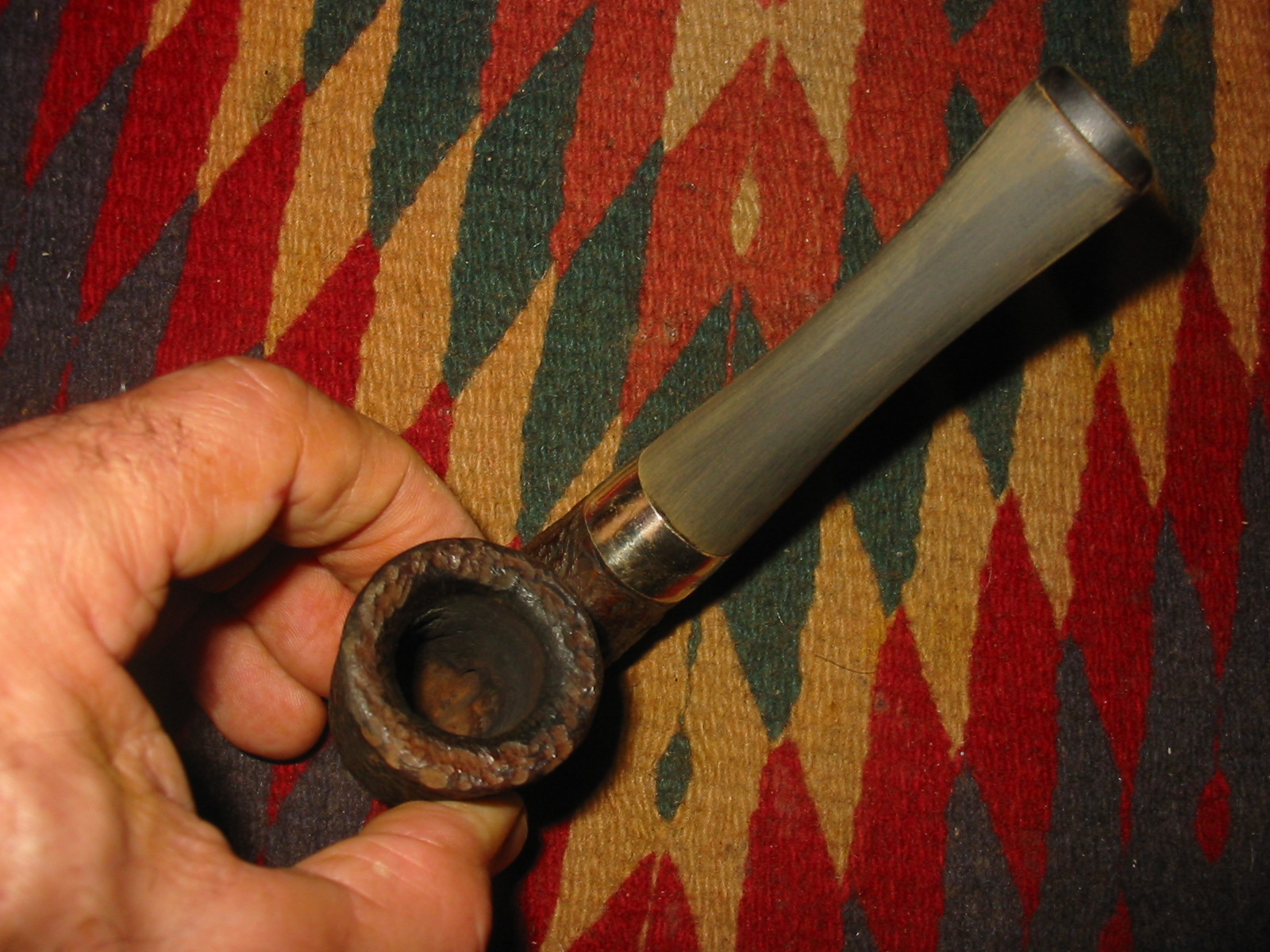
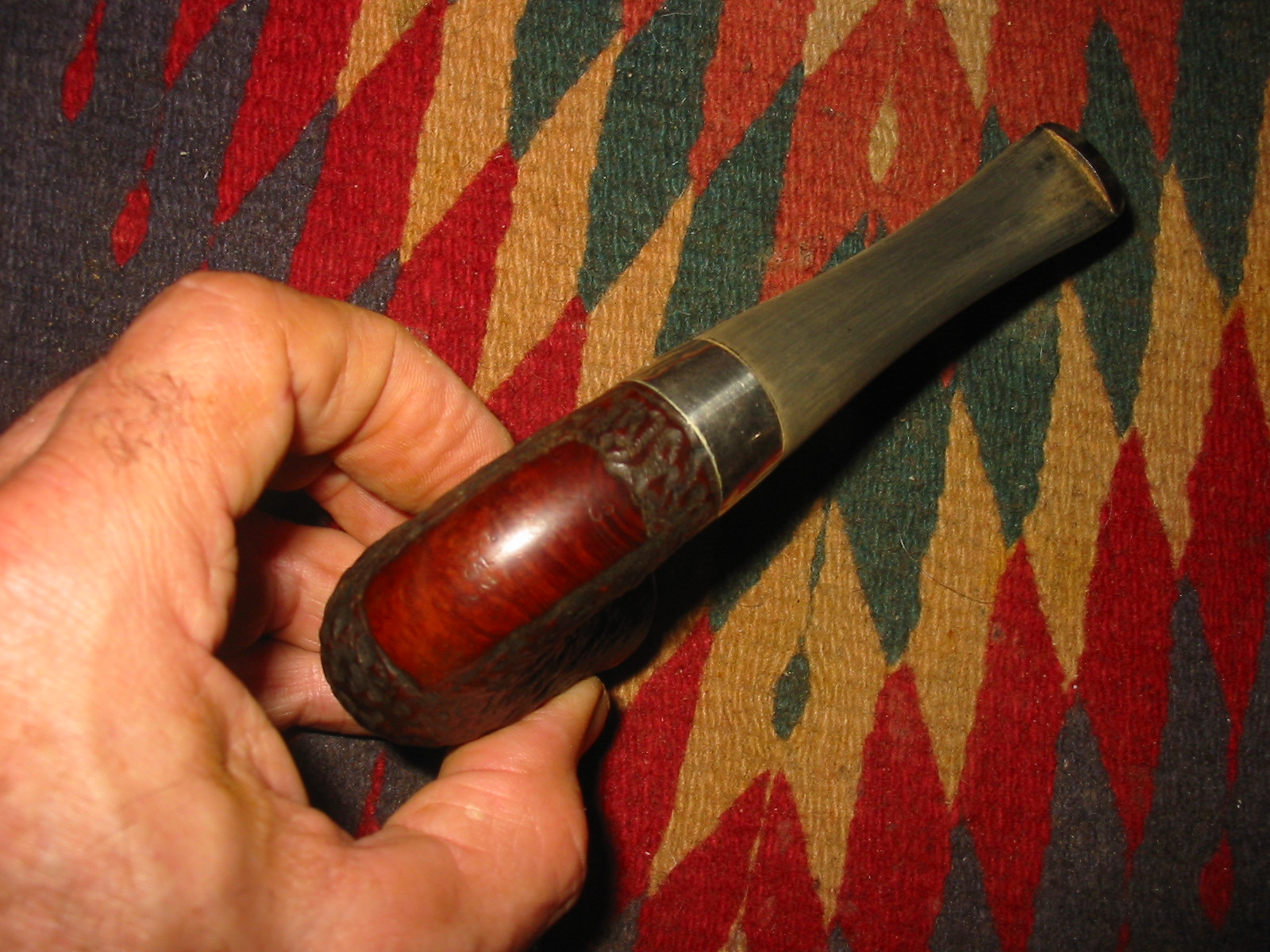
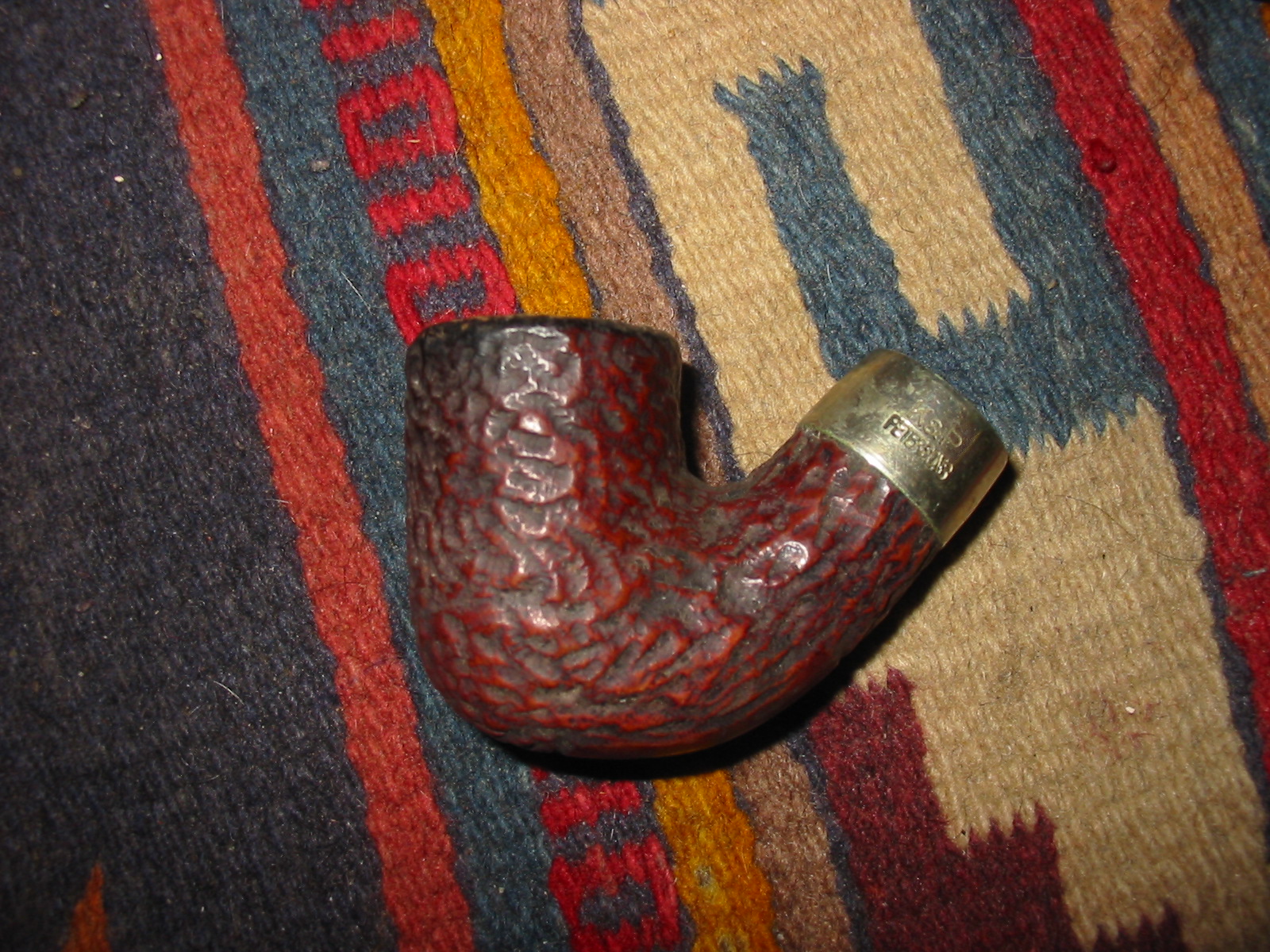
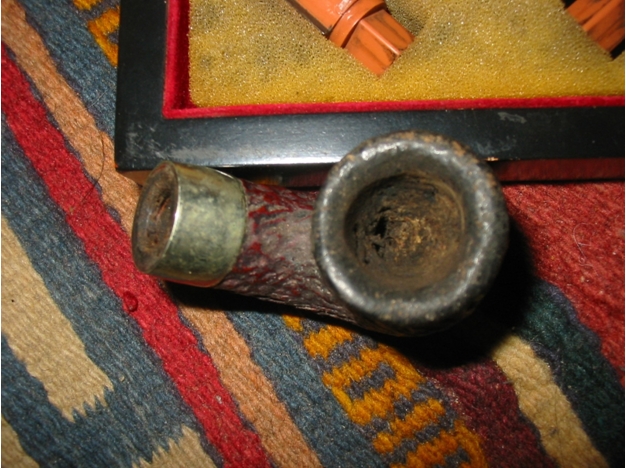
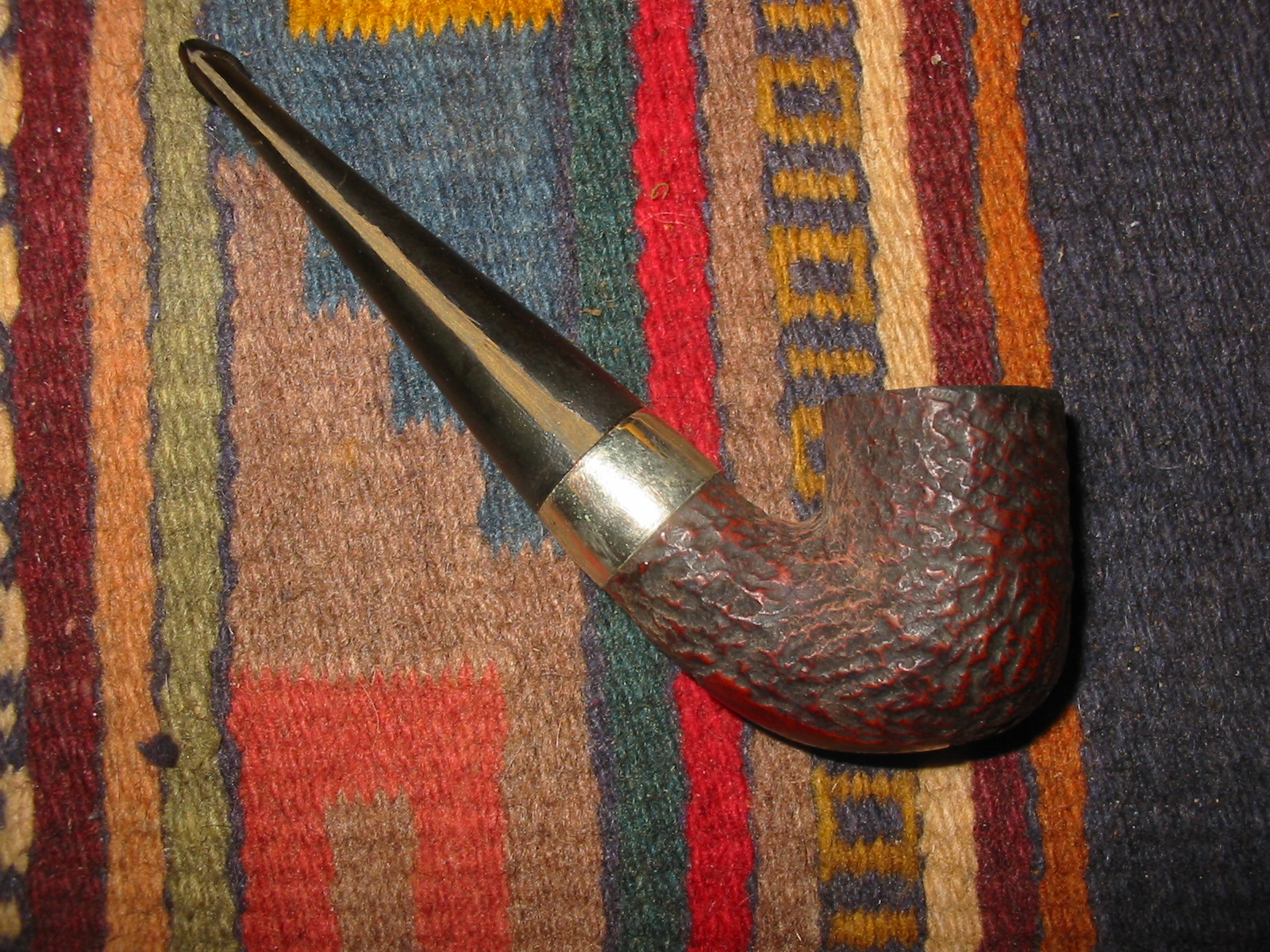
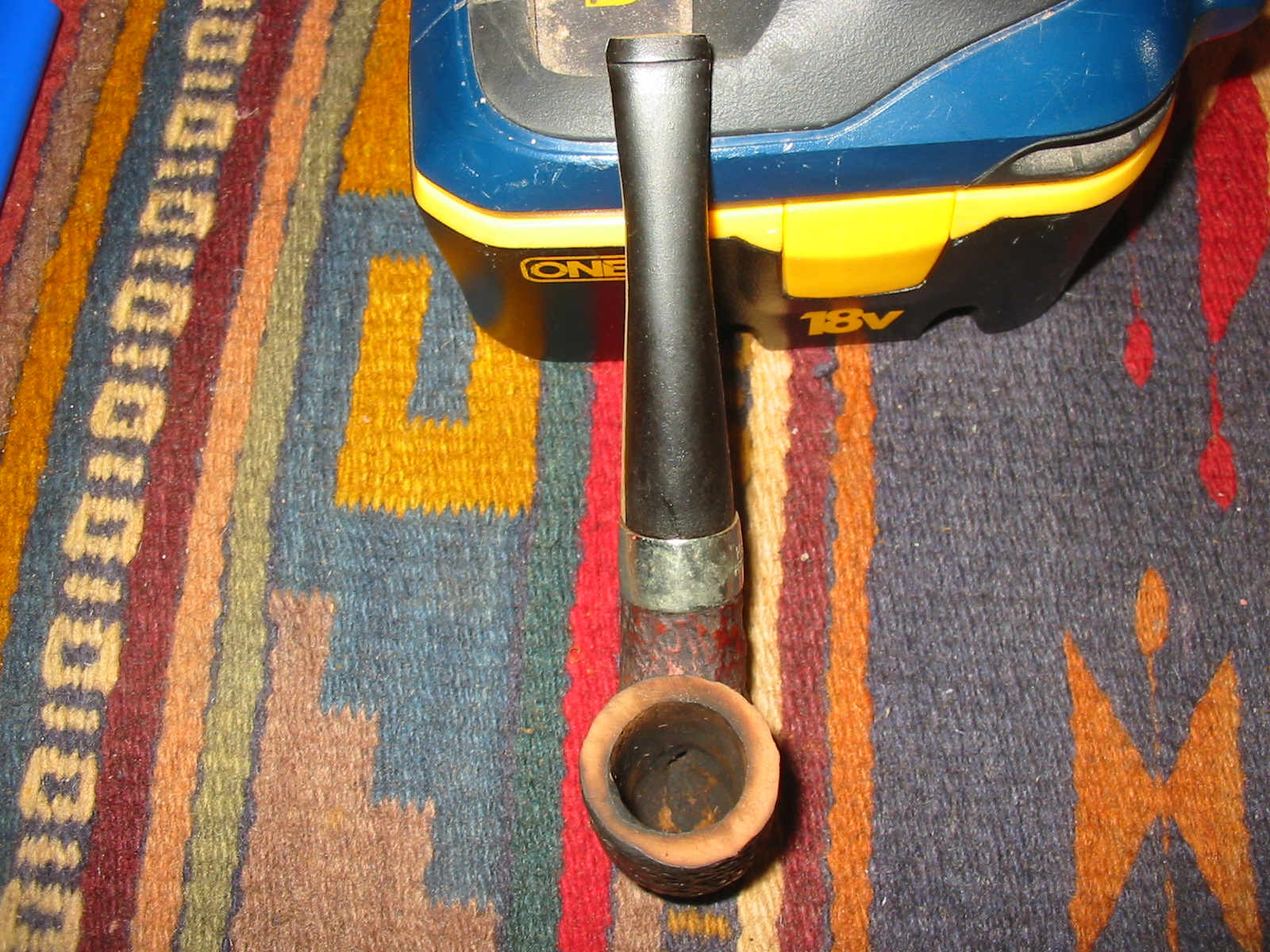
The third pipe in the Peterson trio of pipes shown in the photo below came to the worktable today. It is a Peterson’s Donegal Rocky 05 bent Dublin. It is the second pipe in the photo below. The bowl was badly caked – uneven and broken. The rim had a thick coat of tar and carbon buildup and was damaged on the right front side of the rim. The stem was missing and the nickel band was tarnished but undented. The finish was worn and the grooves of the rustication were filled with grit and grime from years of smoking. Like the other two pipes in this lot it must have been a favourite of the previous owner to be smoked to this degree. The inside of the shank was clogged with thick tars and oils and I was unable to blow air through it.
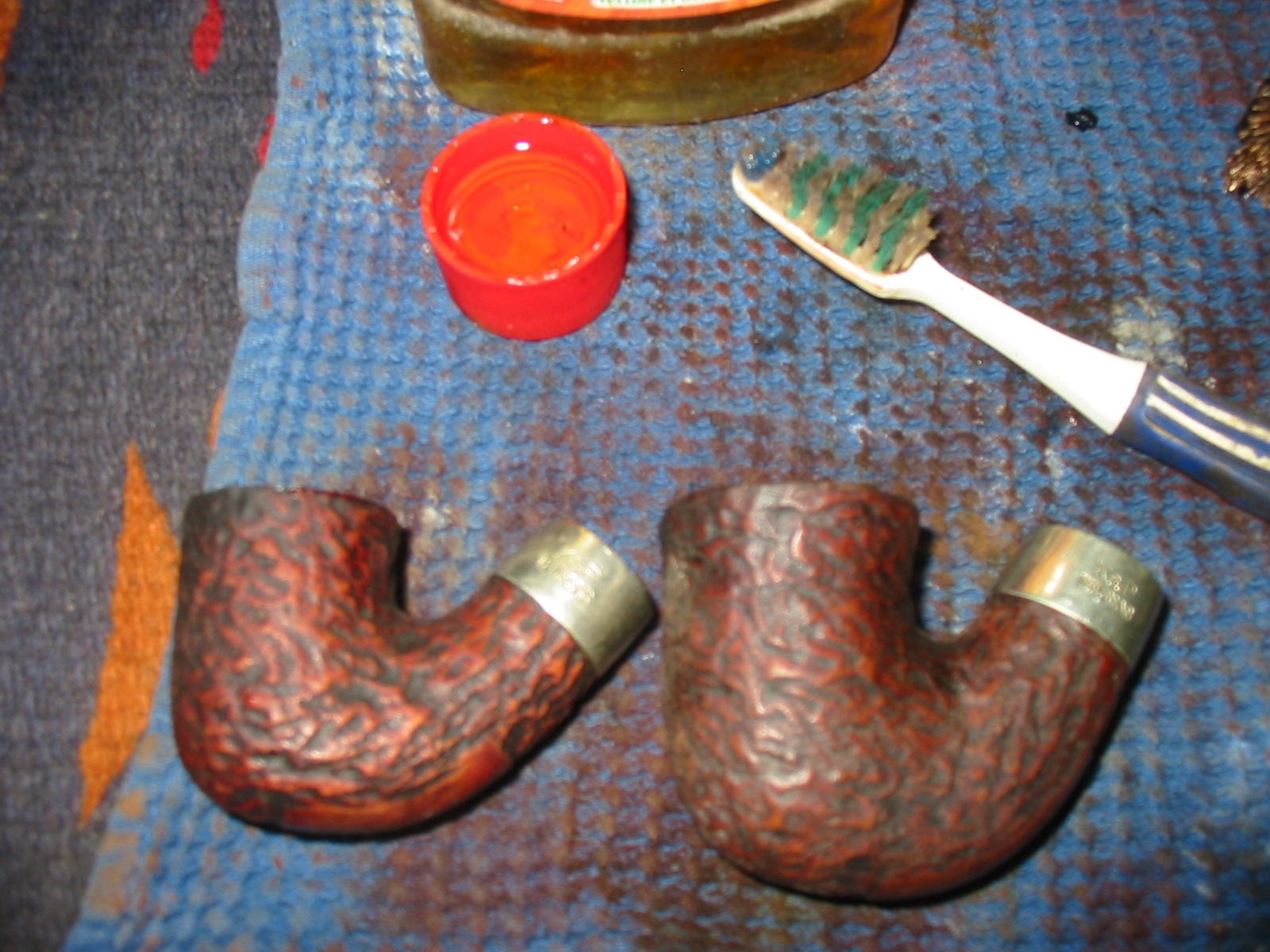
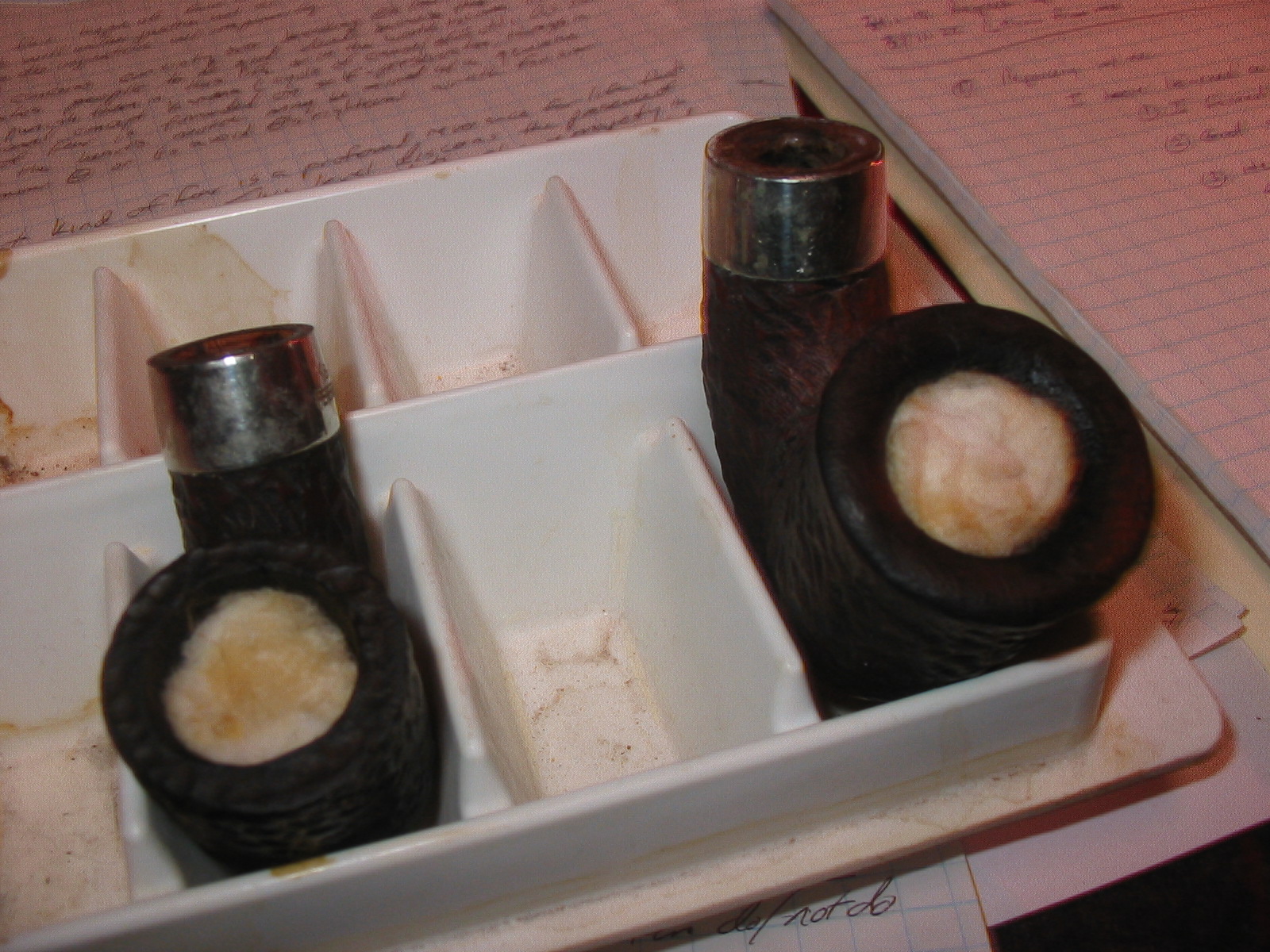
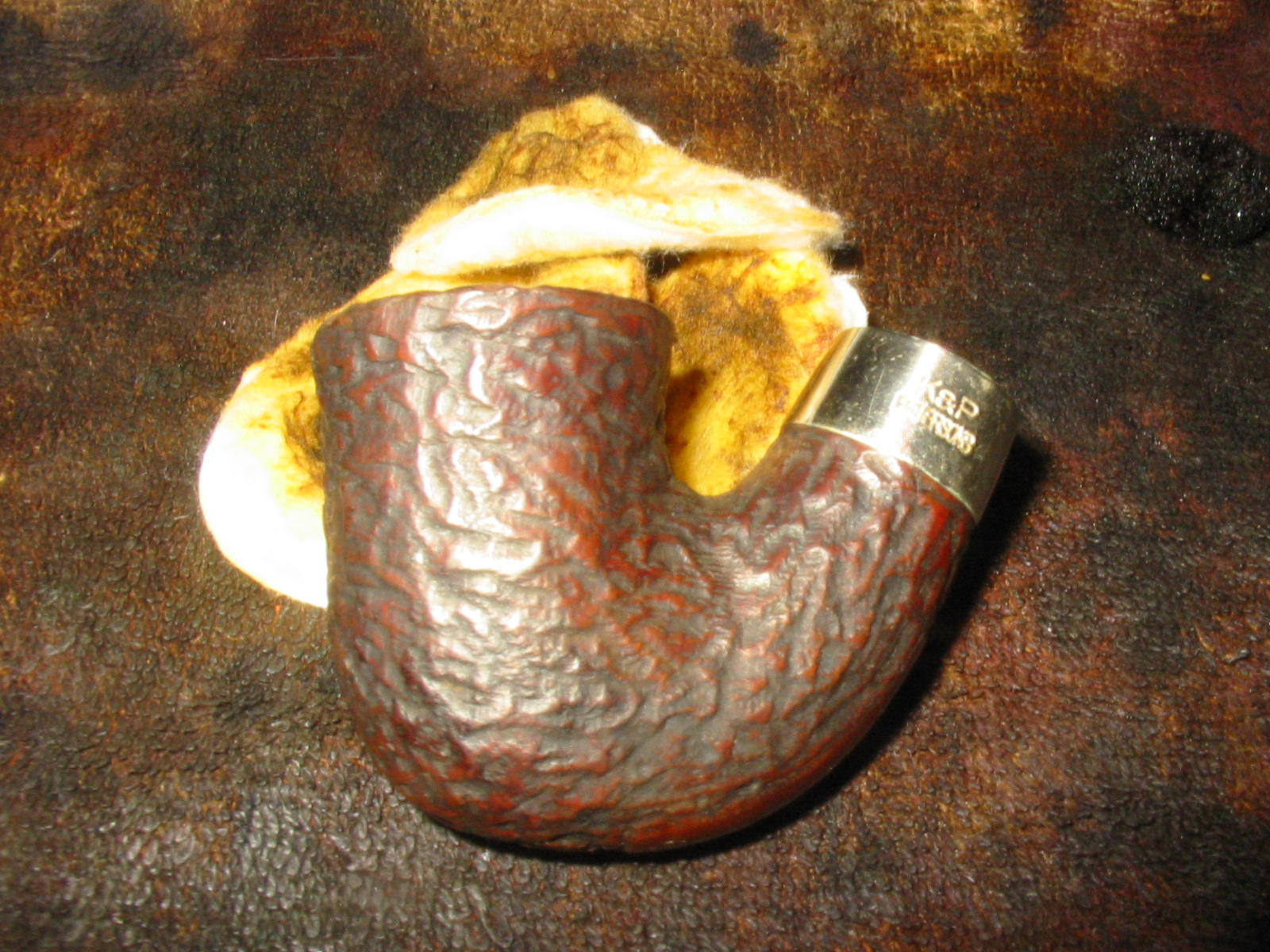
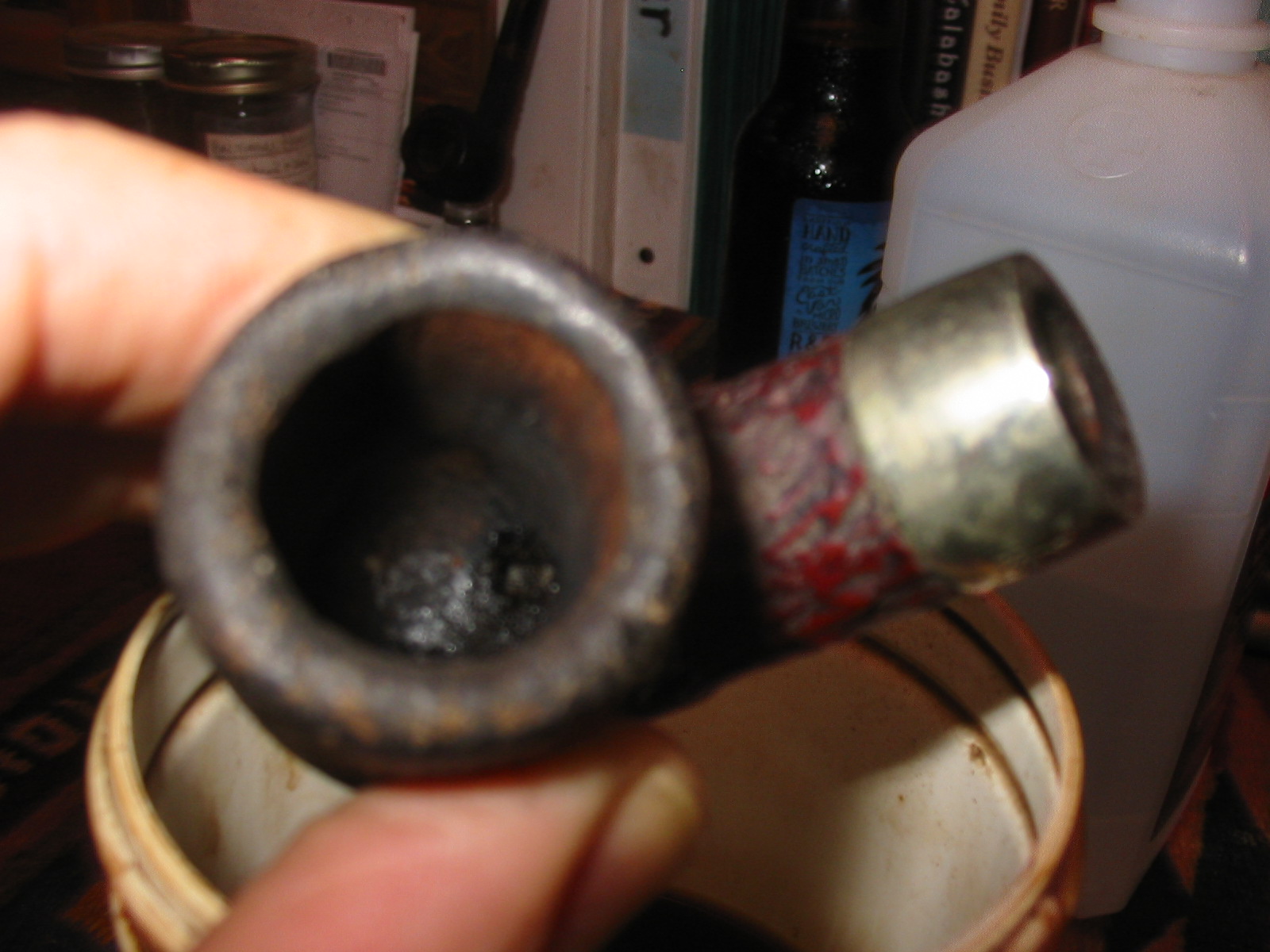
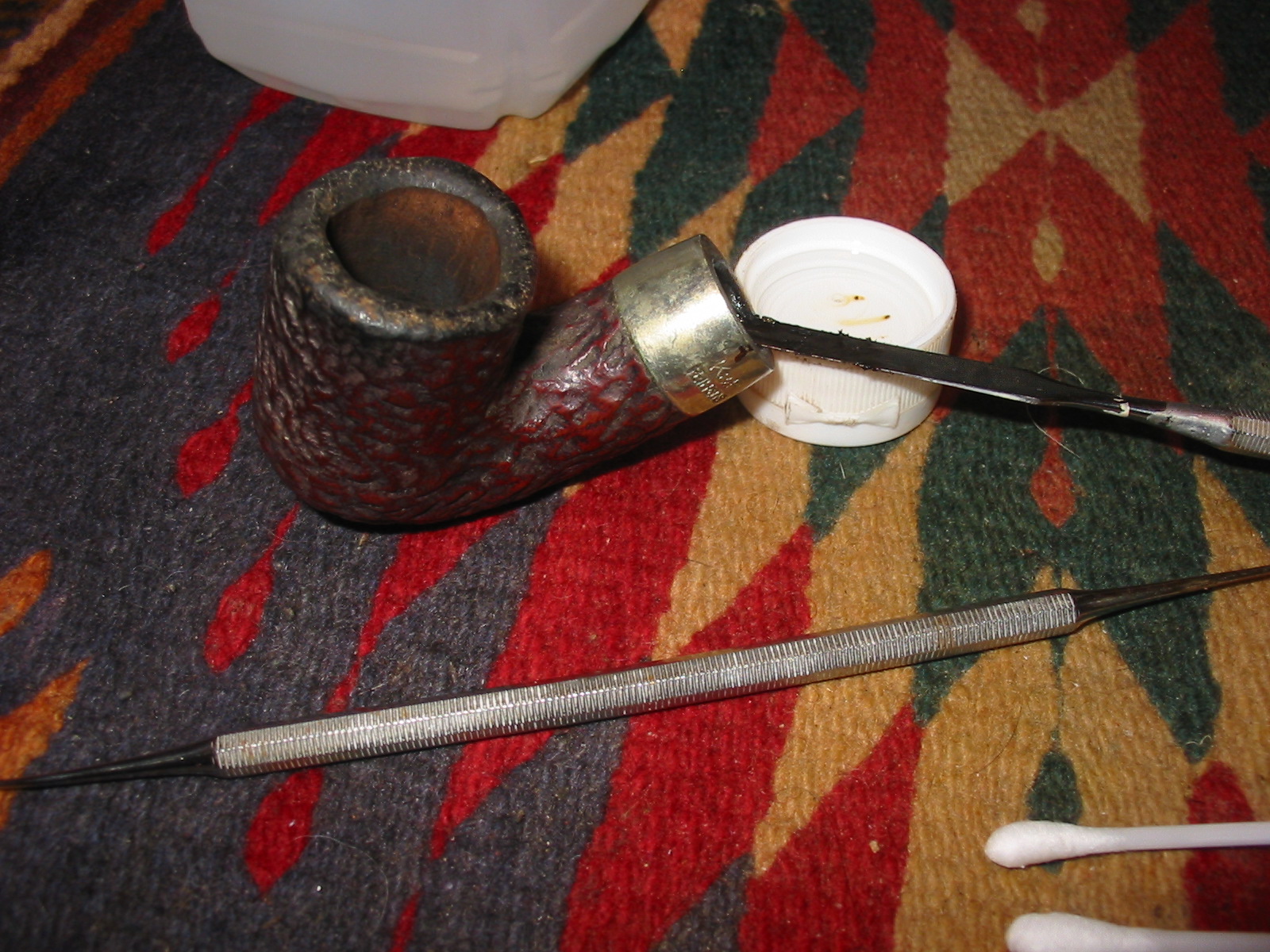
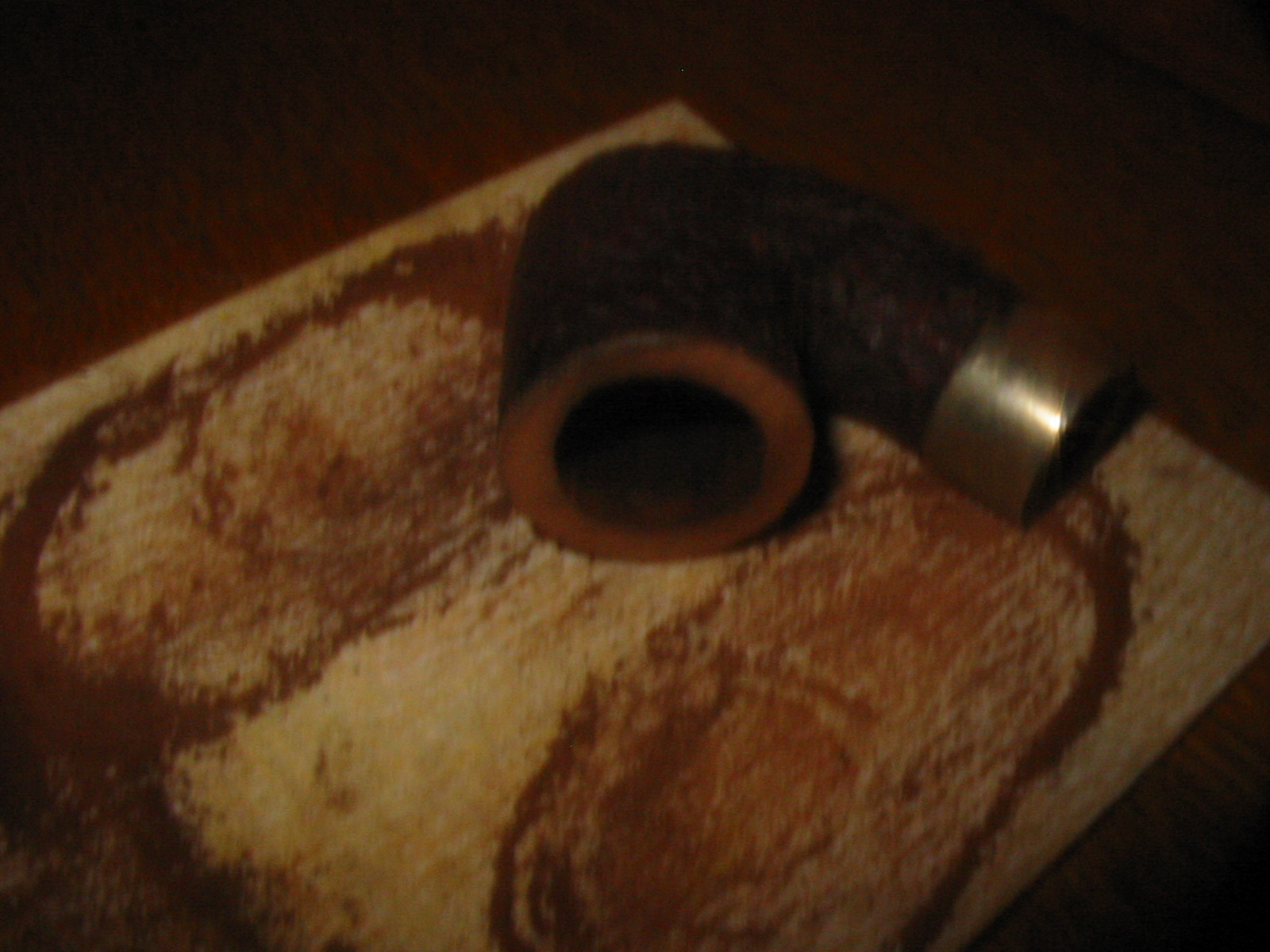
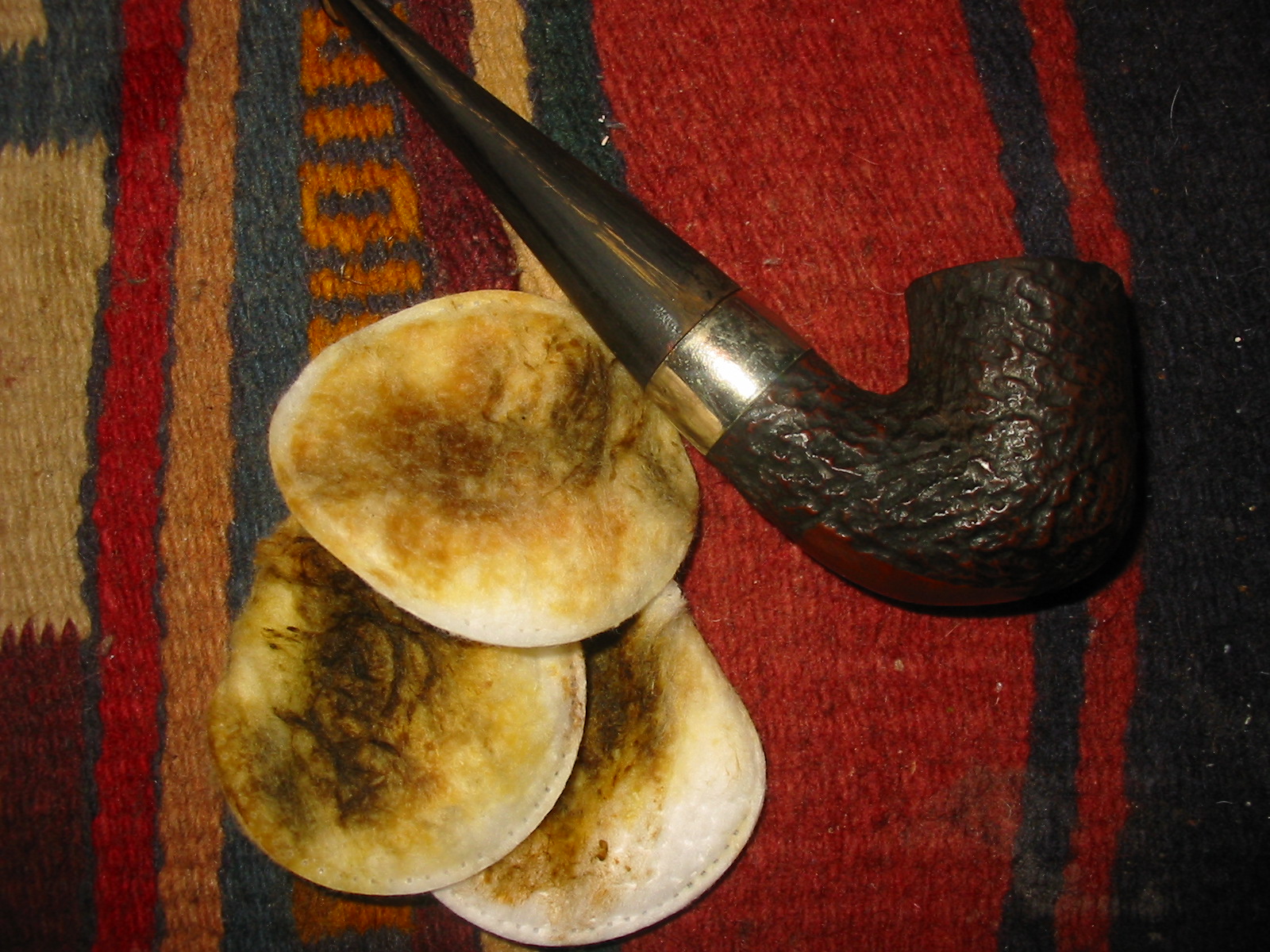
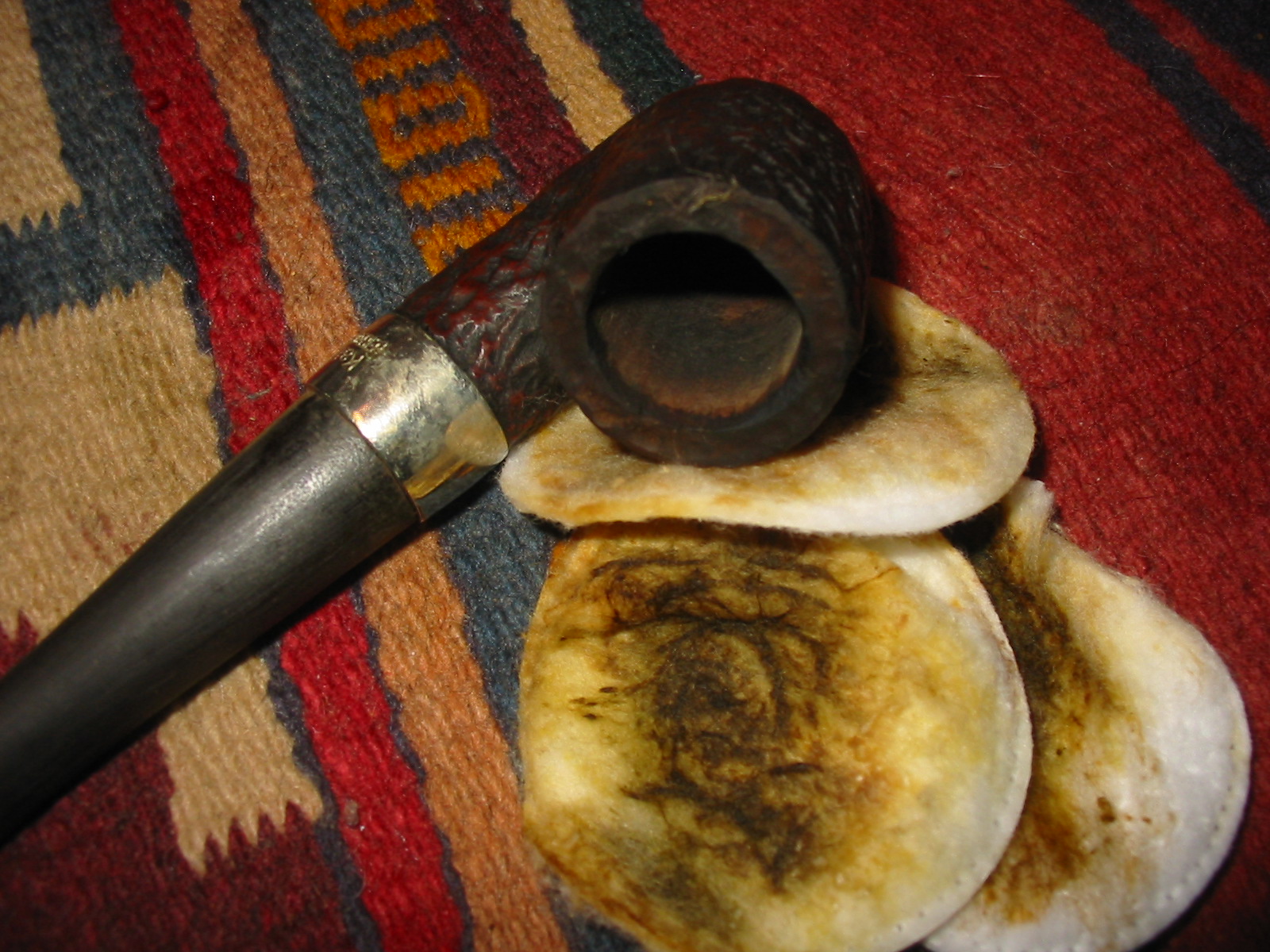
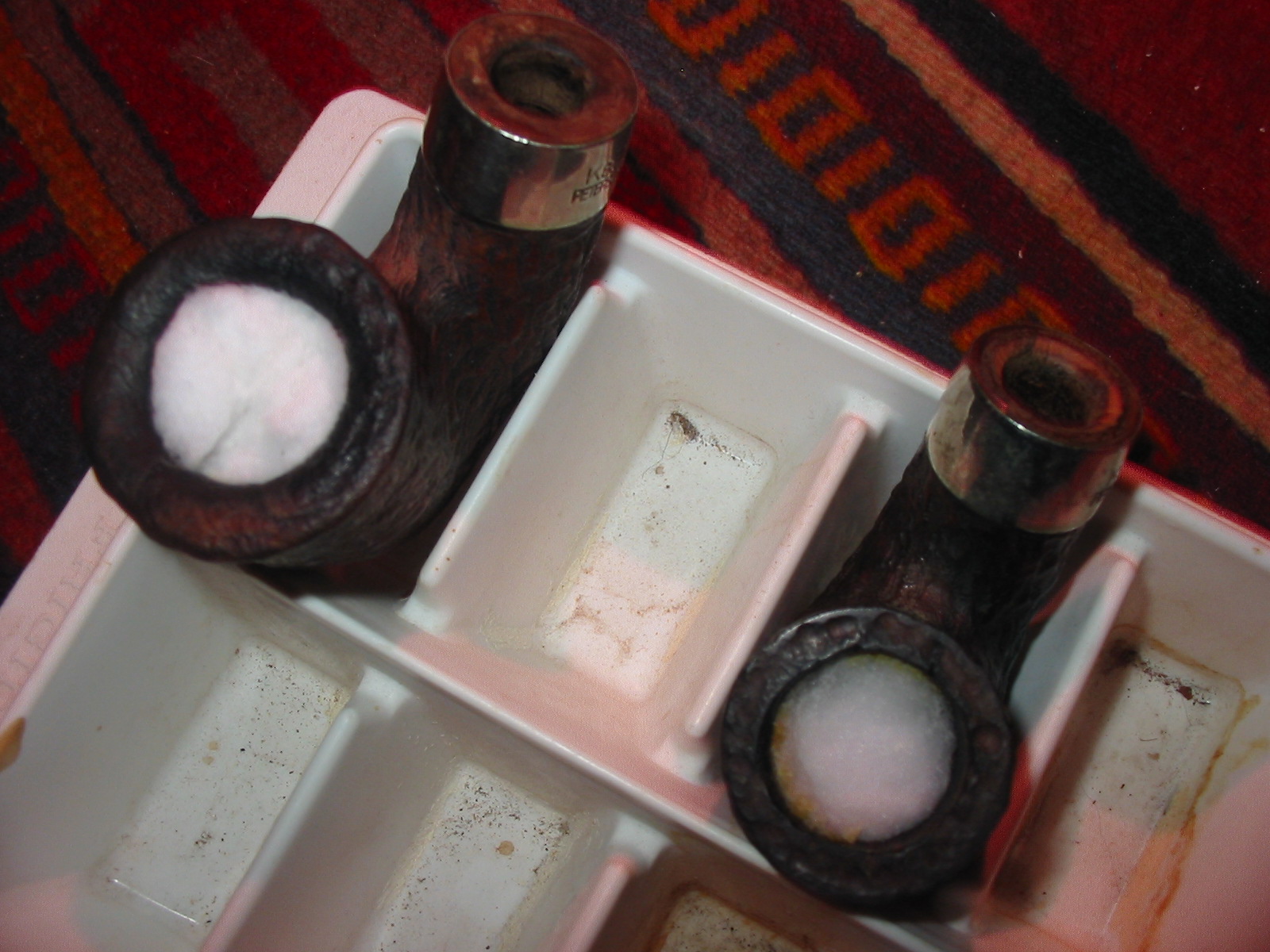
I reamed the bowl with a PipNet reamer until the cake was gone and the bowl was bare wood. My goal was to take back all the cake and rebuild a new smooth one. I pushed a paper clip through the airway to open the clog. I used cotton swabs, shank brushes and a drill bit to remove all of the grime and buildup in the airway and the shank. I scrubbed the exterior of the bowl with a soft bristle tooth brush and Murphy’s Oil Soap. I rinsed it under warm water to remove the soap and patted it dry. Once it was clean I filled the bowl with cotton balls and used an ear syringe to fill the bowl with isopropyl alcohol. I let the bowl sit over night in an ice cube tray to keep it upright. The first photo shows the set up when I first filled it. The second photo below shows the bowl after it had soaked over twelve hours.
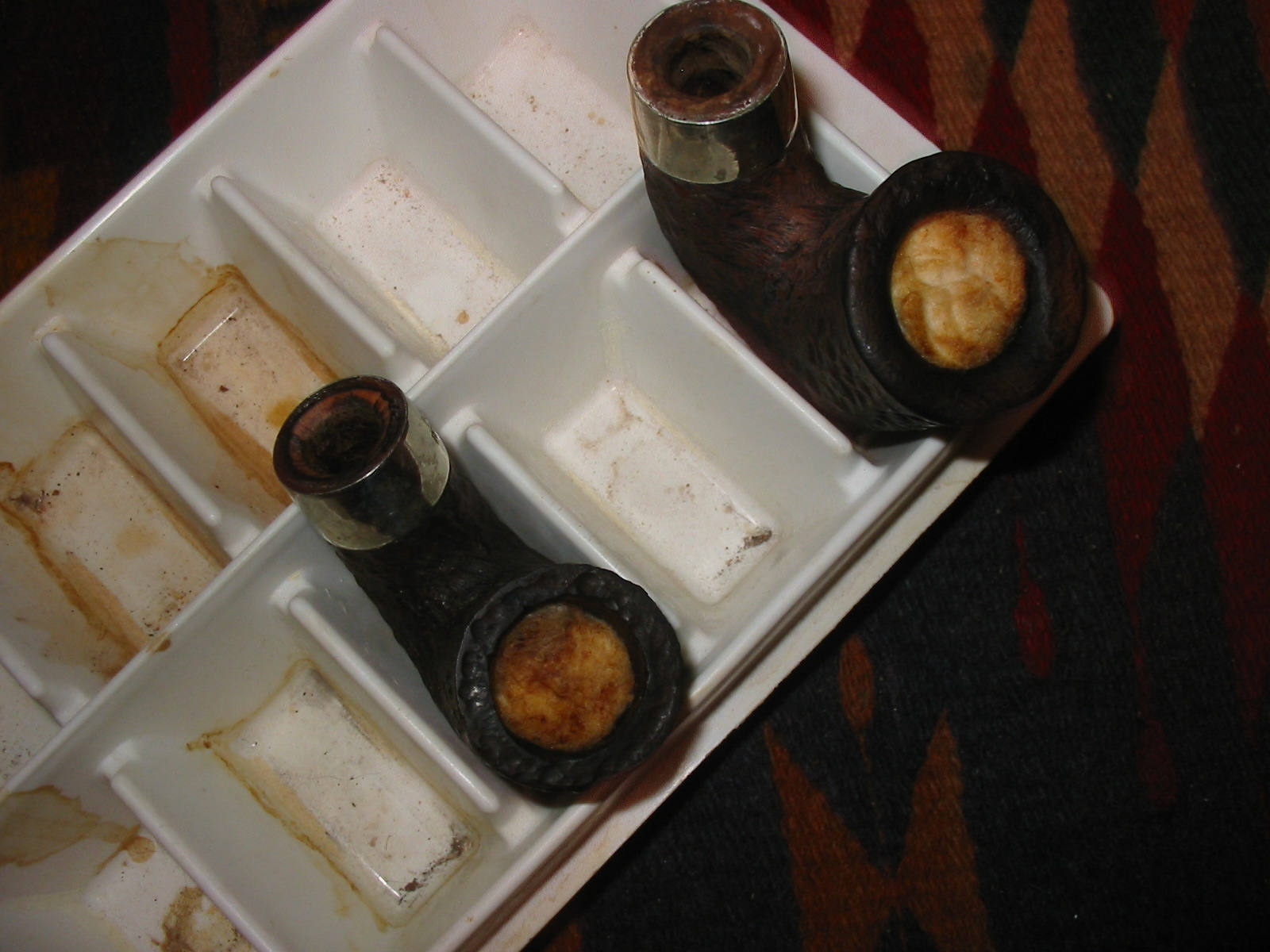
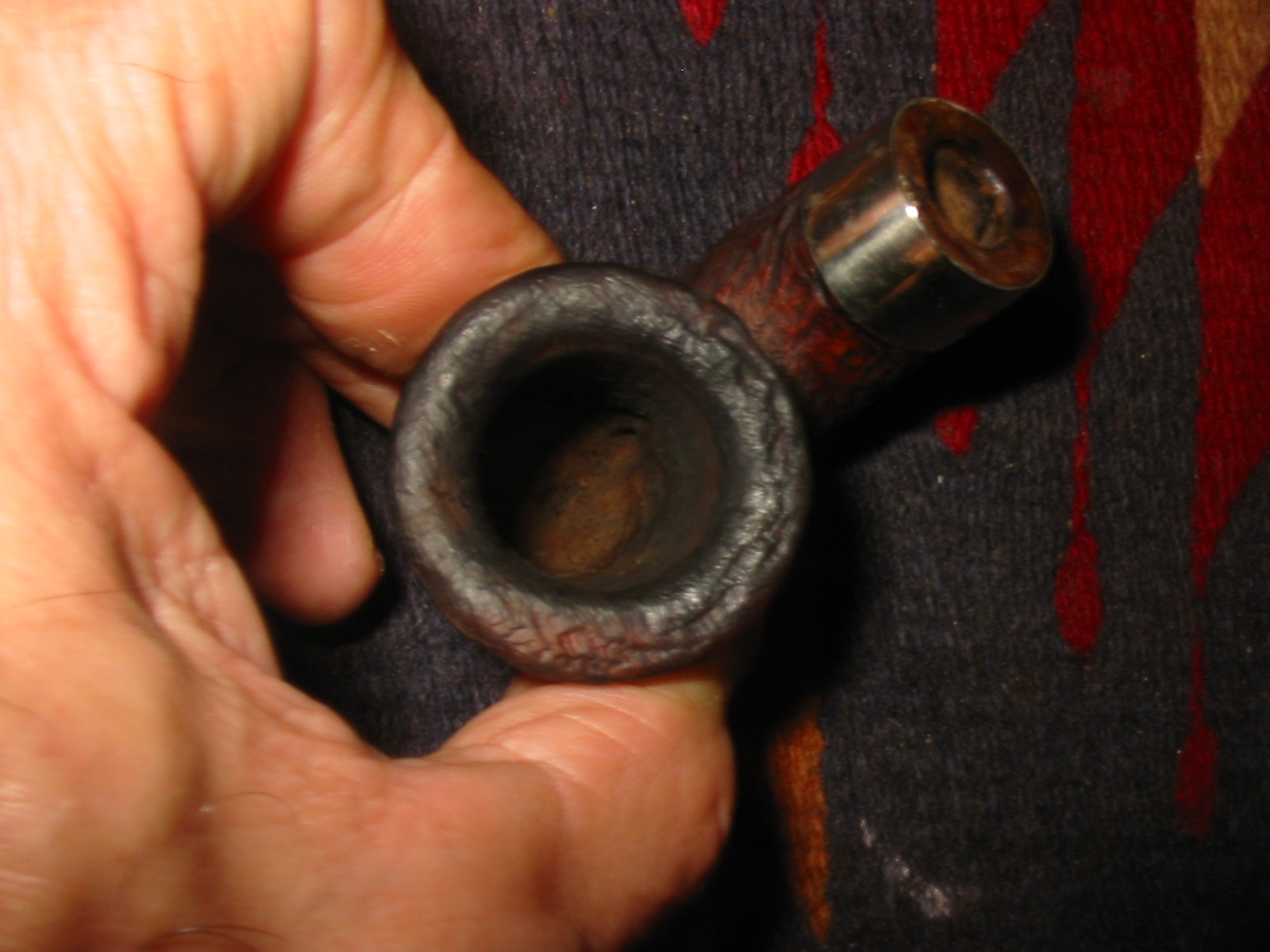
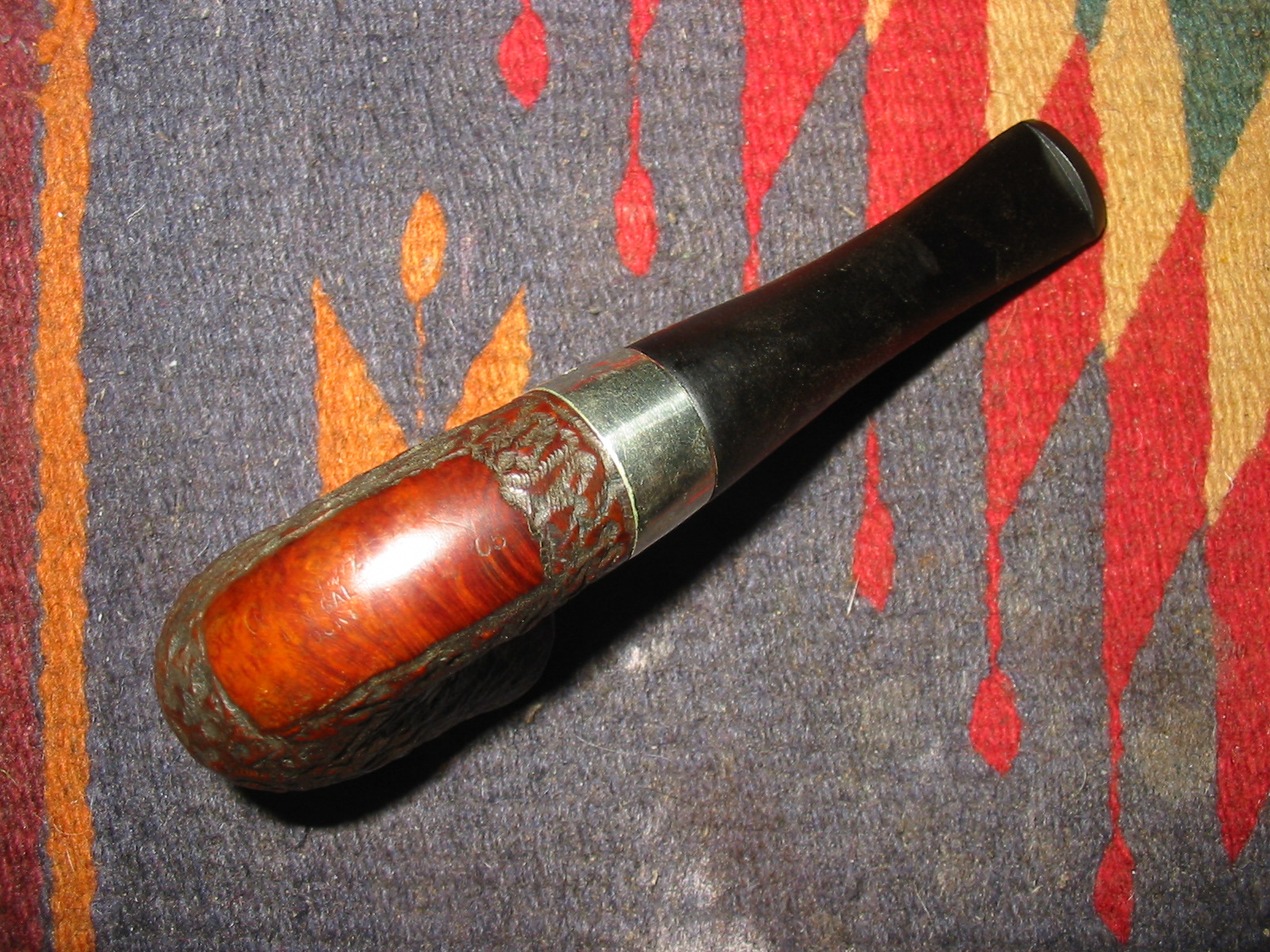
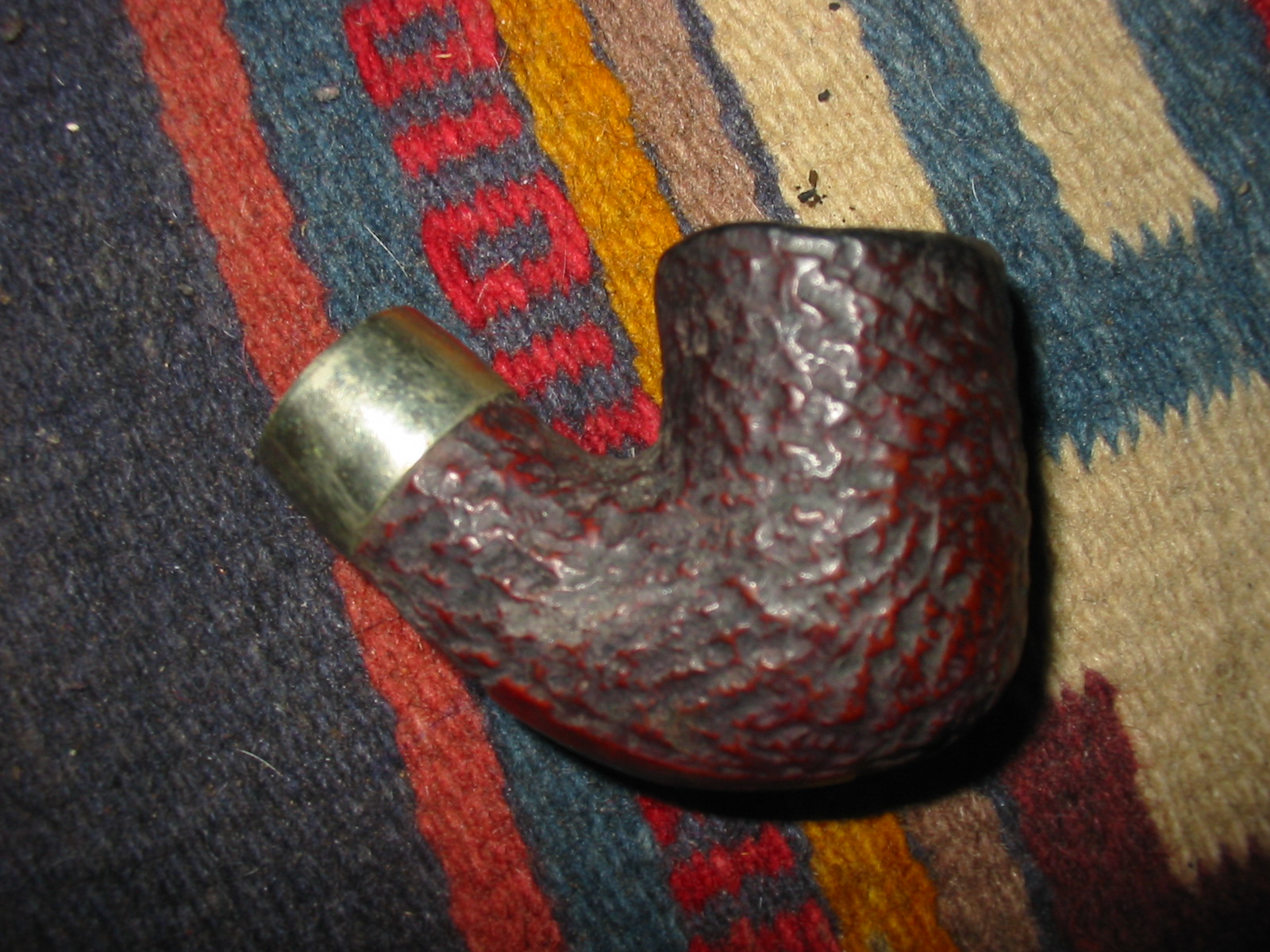
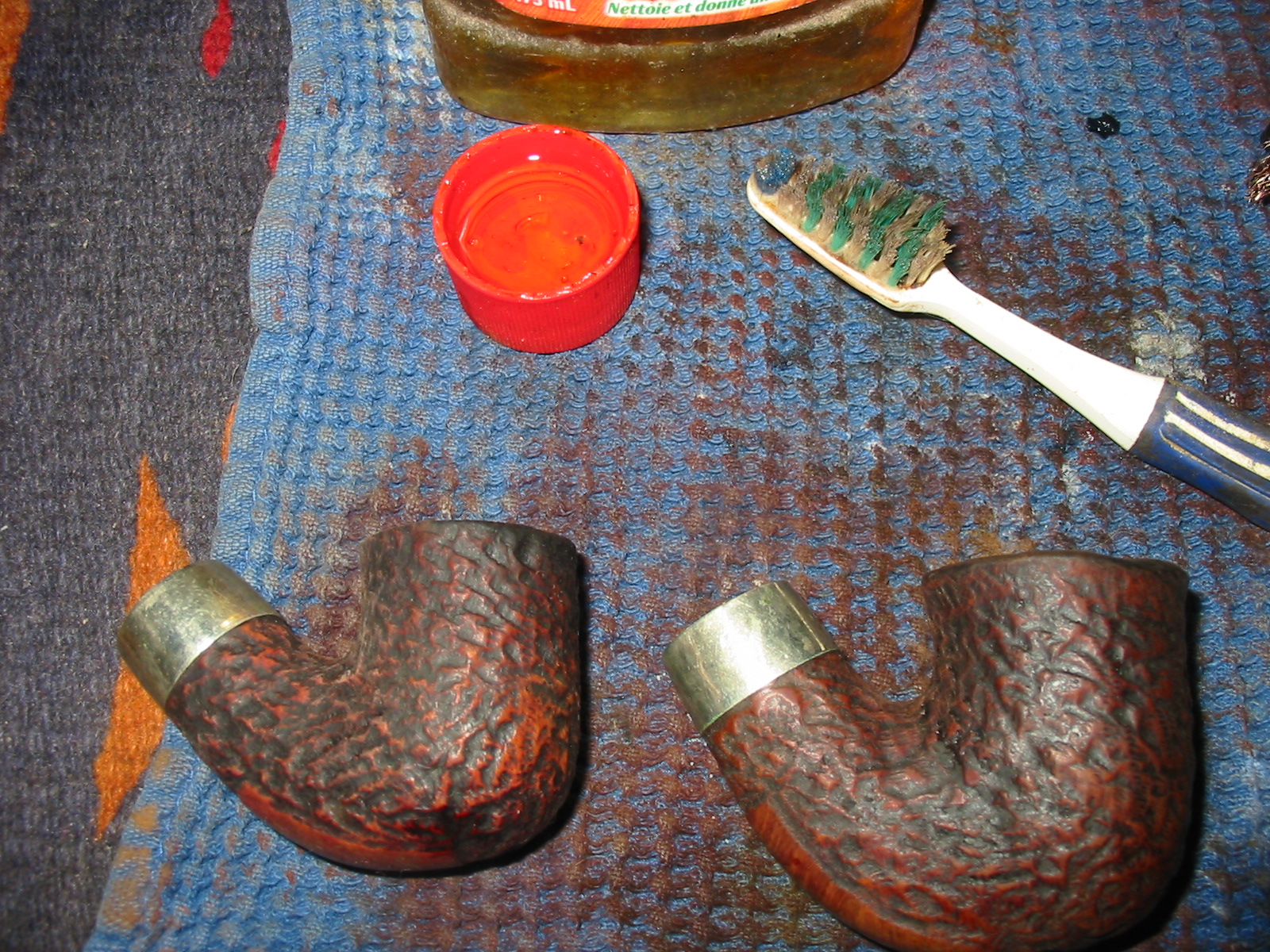
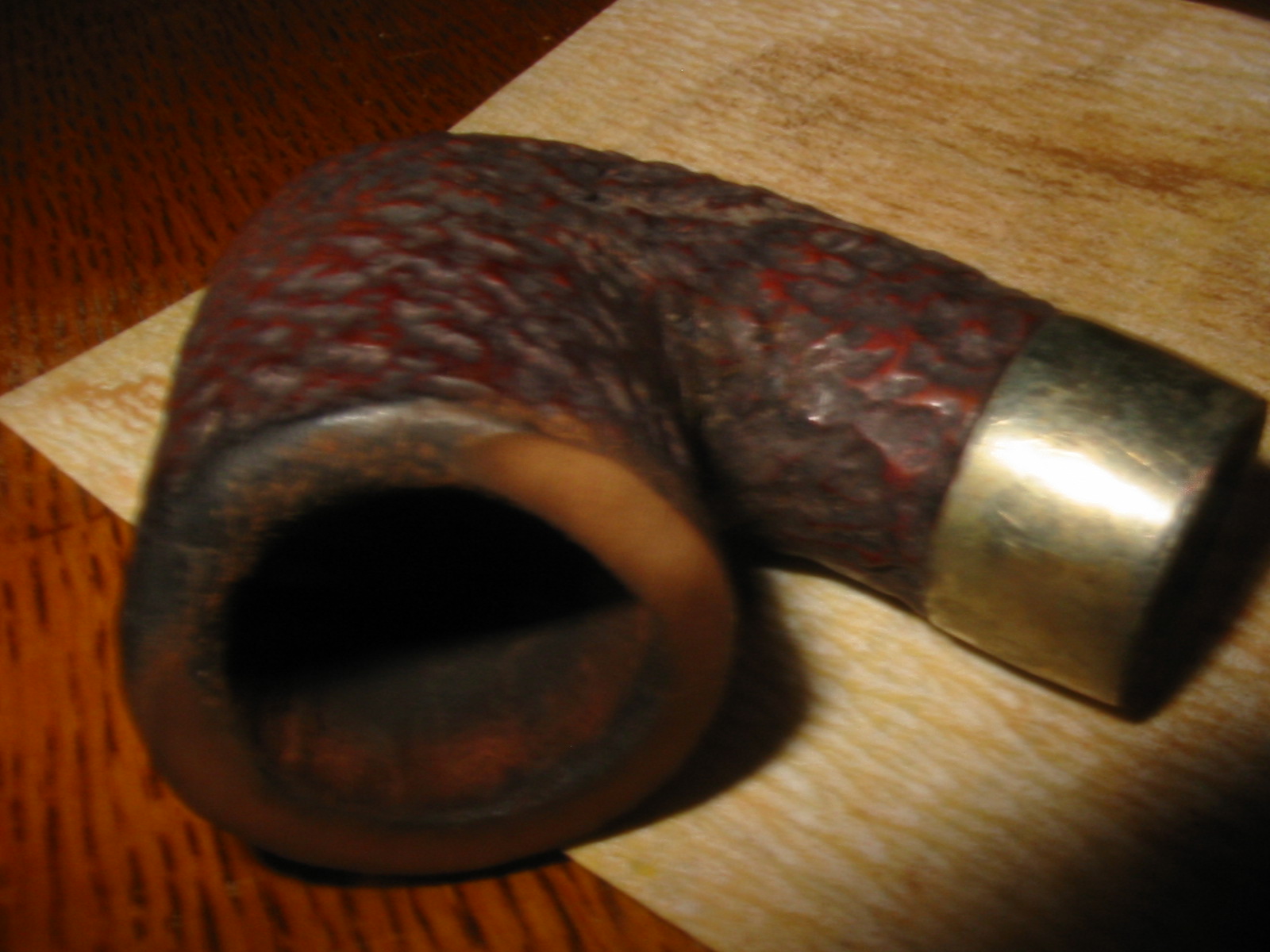
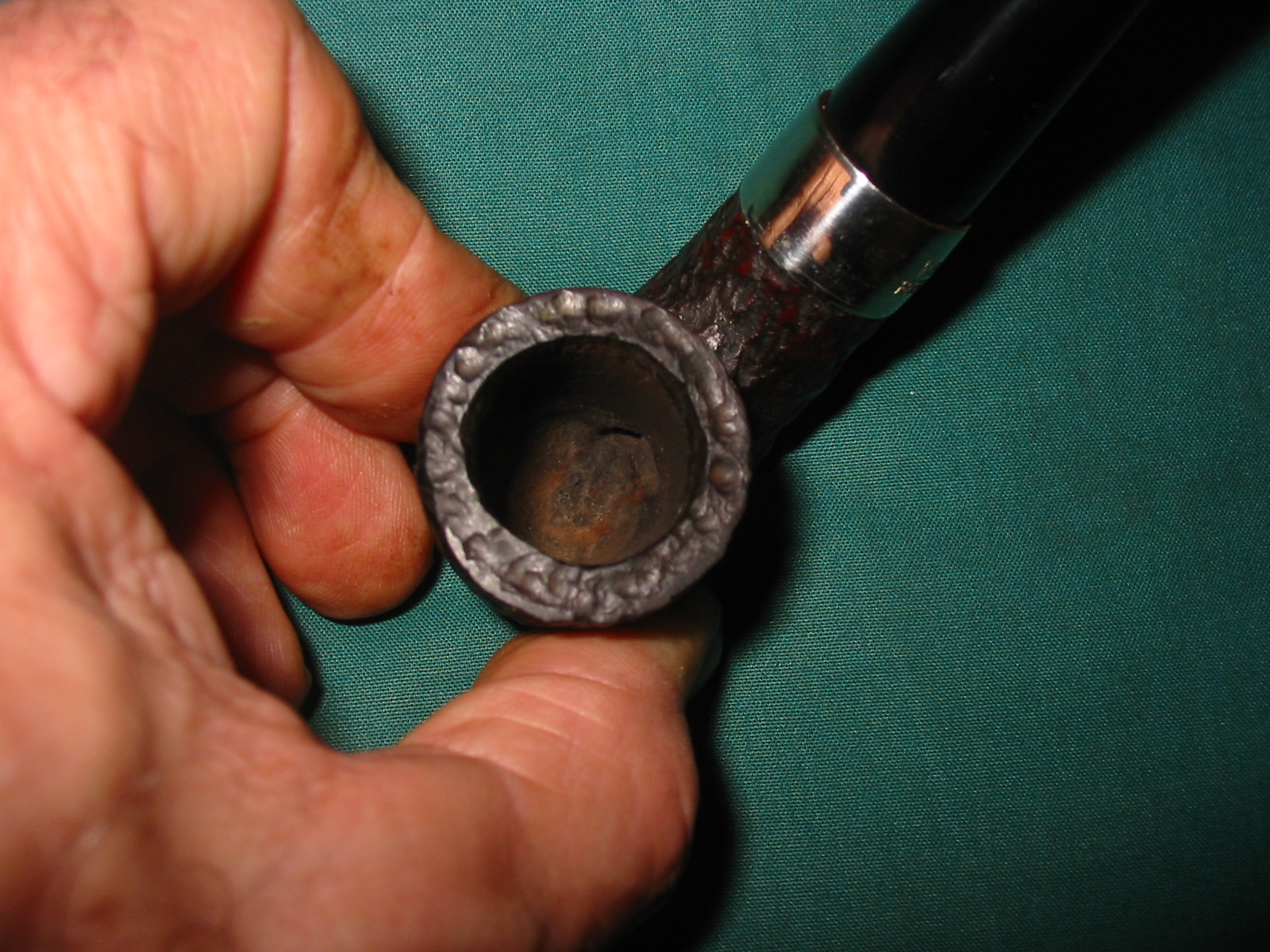
I took the dirty cotton balls out and washed out the bowl and shank with clean isopropyl alcohol and cotton swabs. While it was drying I scrubbed the rim with a brass tire brush to clean off the build up on the rustication. In the photo below the damage to the rustication is very evident. It is burned and worn smooth on the right front and side.
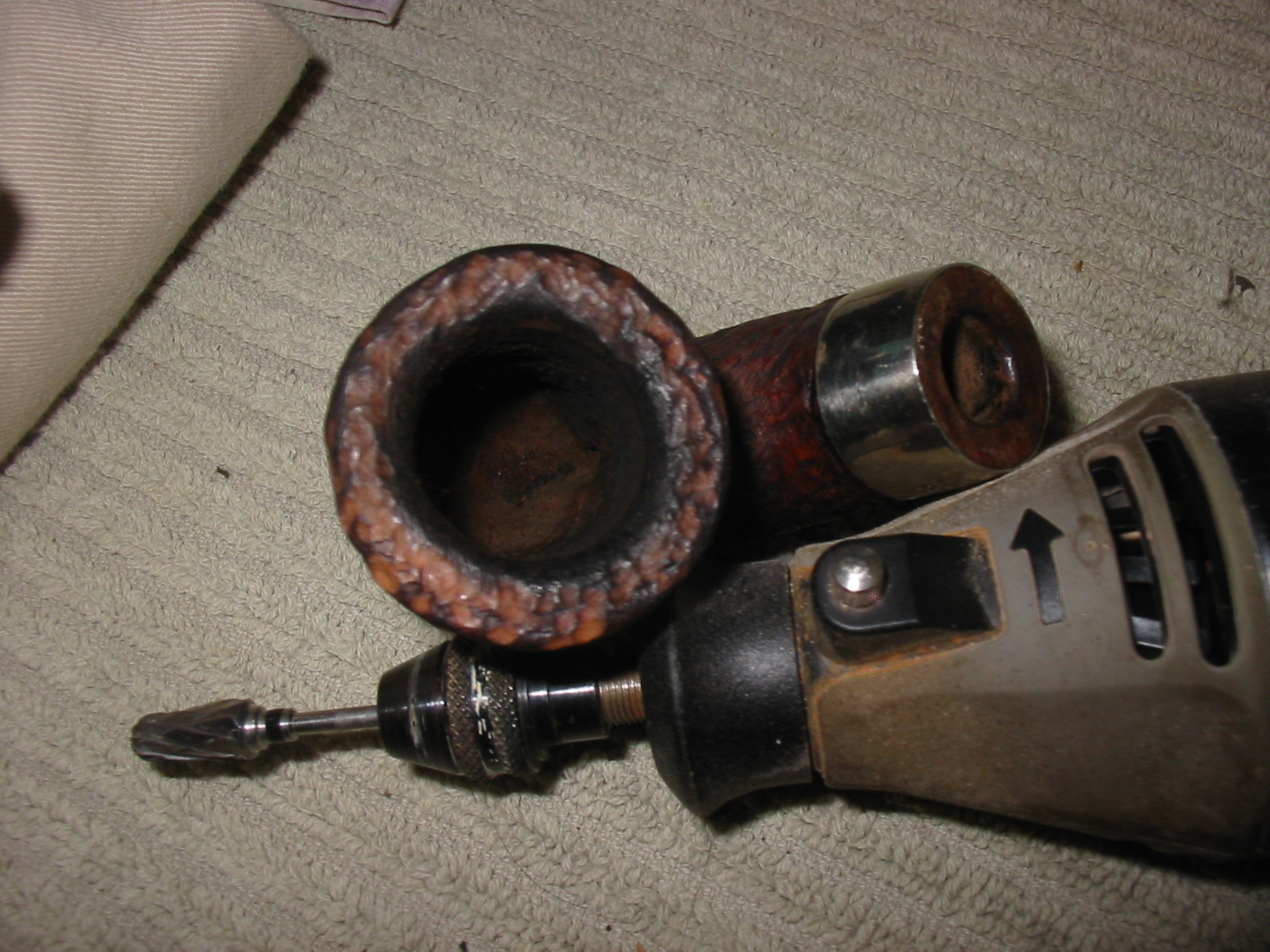
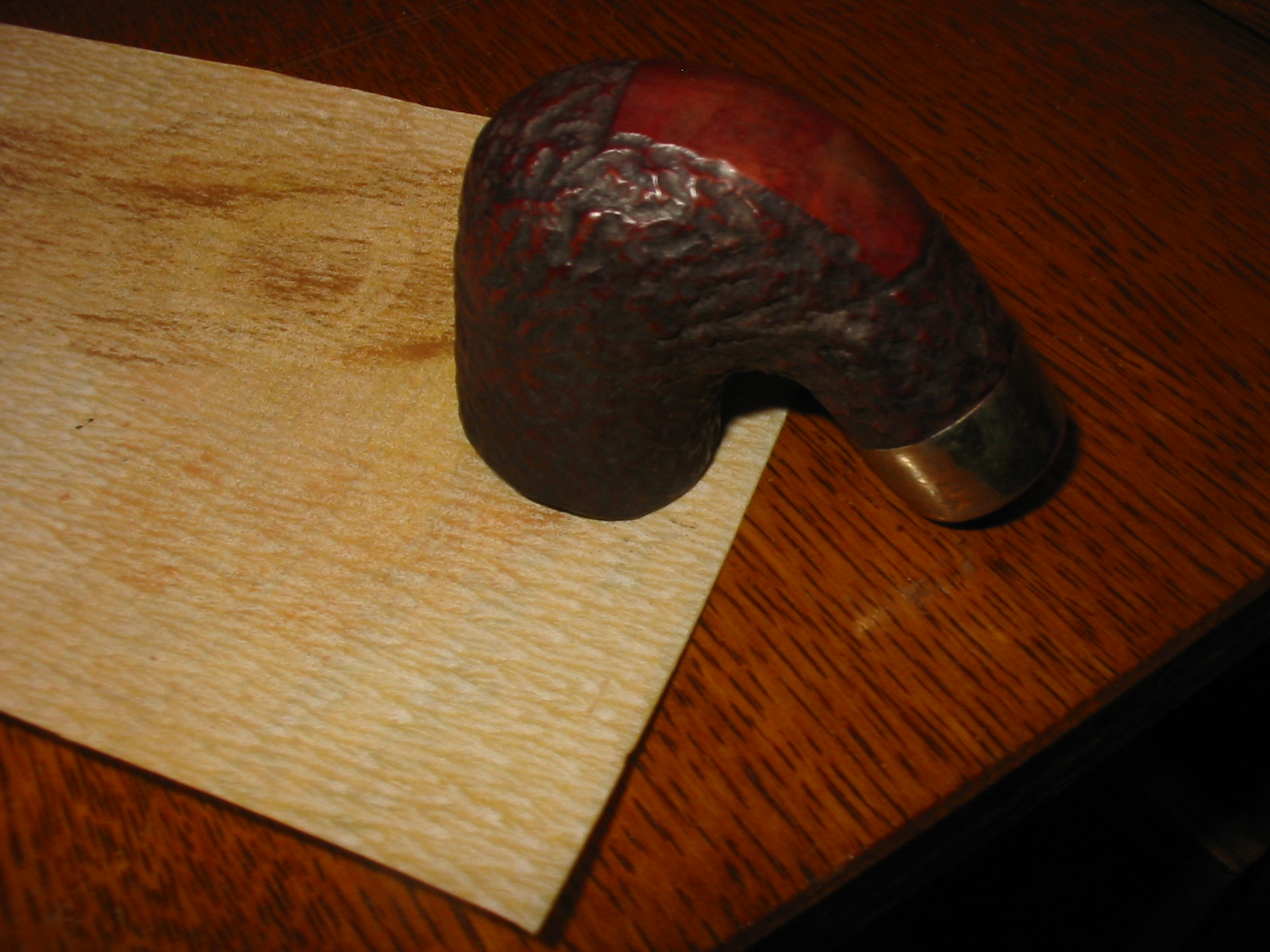
I used the Dremel with one of the burs that Joyal gave me to re-rusticate the rim. I followed the patter on the portions of the rim that were still visible and tried to duplicate them on the rest of the rim.
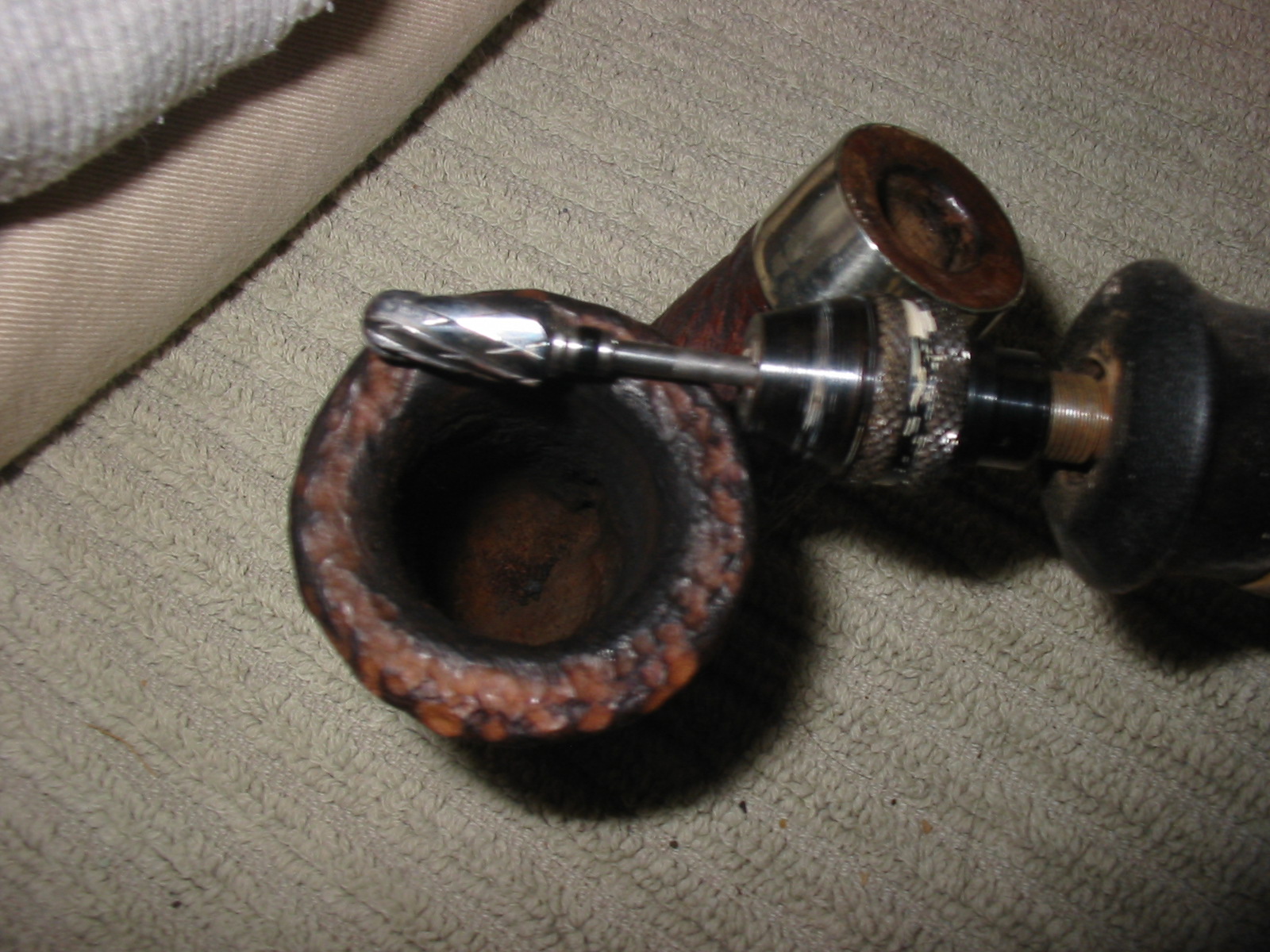
After rusticating the rim I restained it with a dark brown aniline stain. I applied the stain, flamed it and repeated the process until the coverage was even across the rim. I stained the bowl with the dark brown stain as well and flamed it.
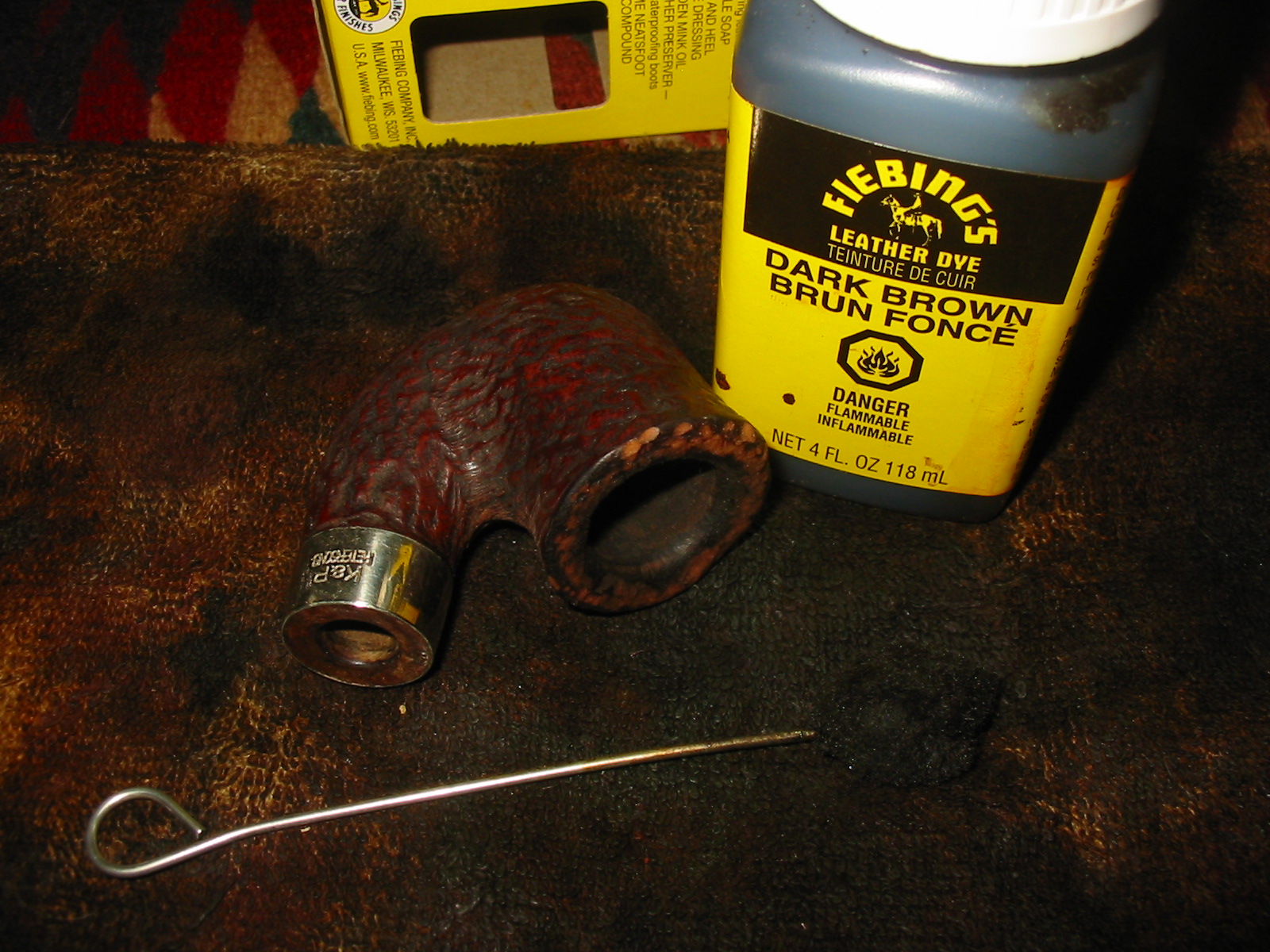
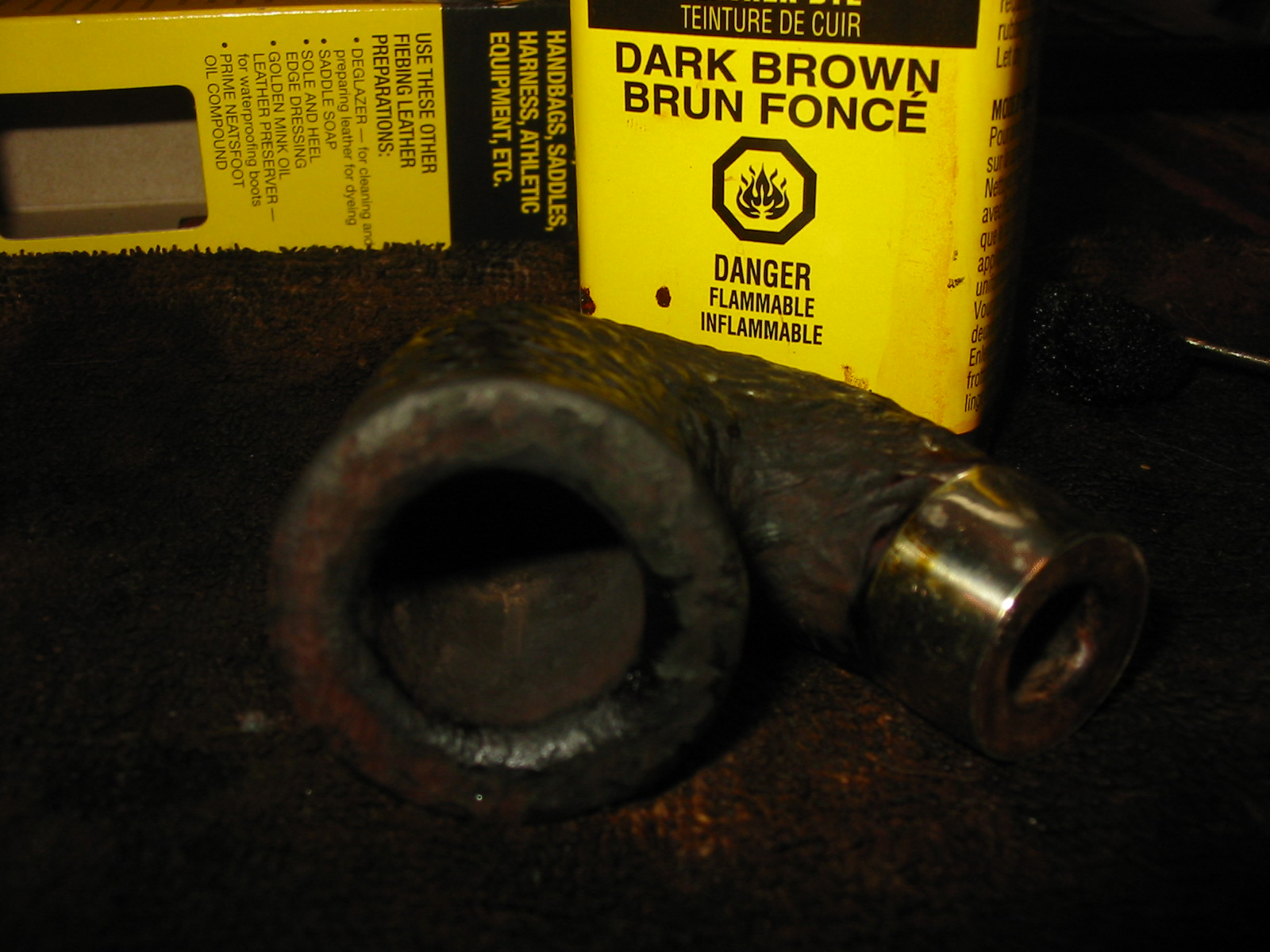
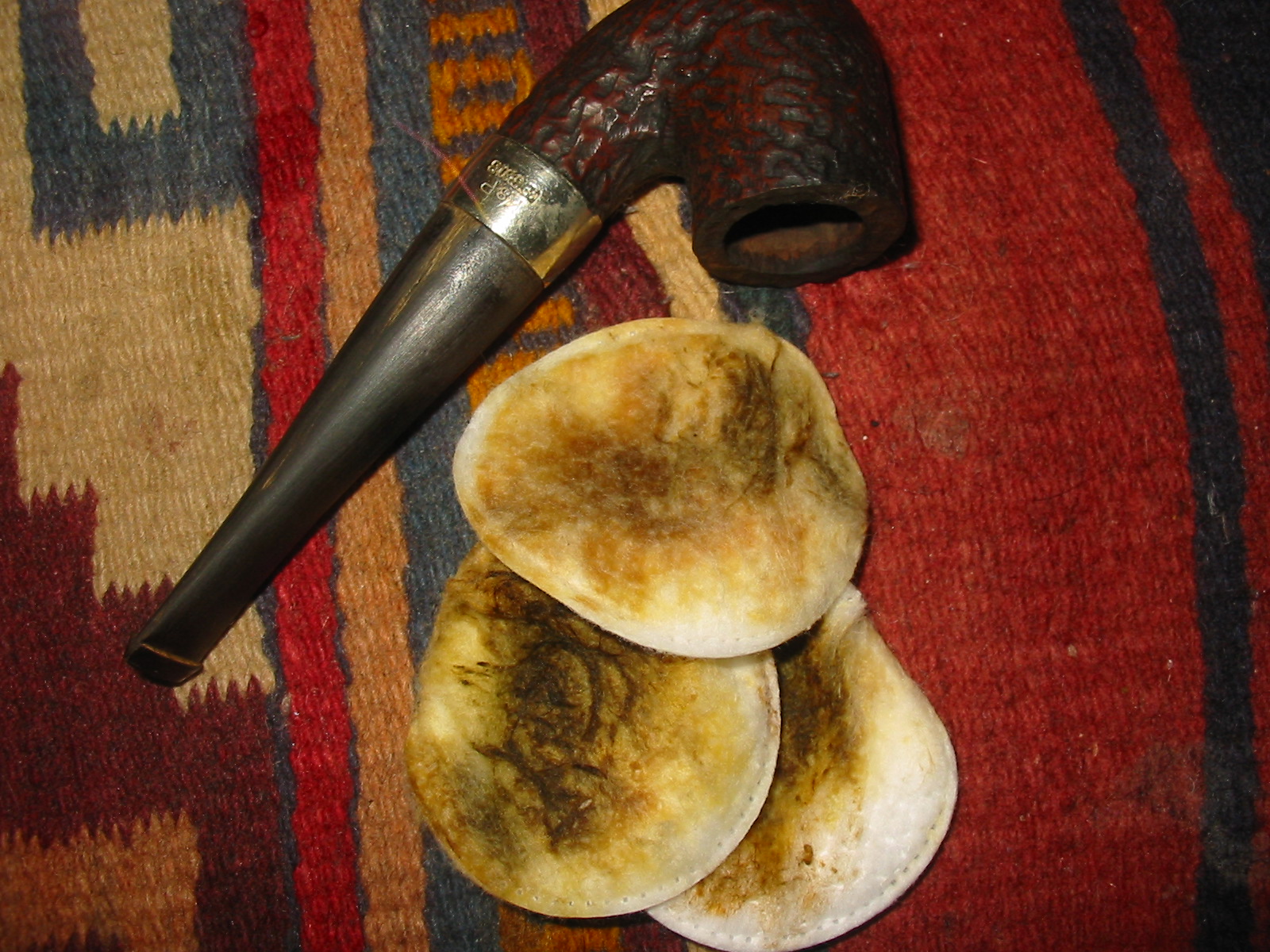
The brown stain was too opaque and the contrast between the dark in the crevices and grooves of the briar and the lighter brown on the high spots was gone. I wiped the bowl down with acetone on a cotton pad until I had the contrast that I was aiming for.

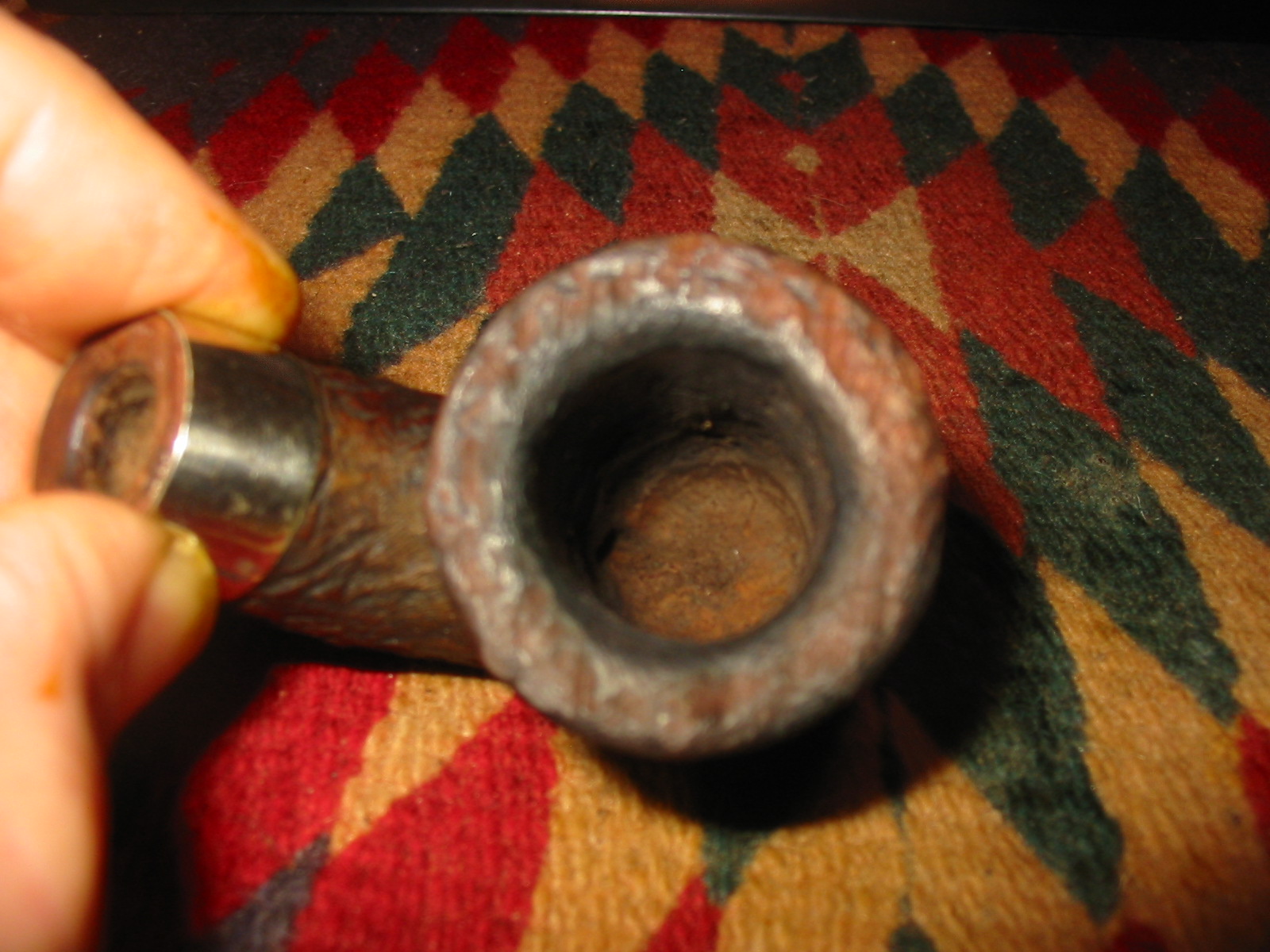
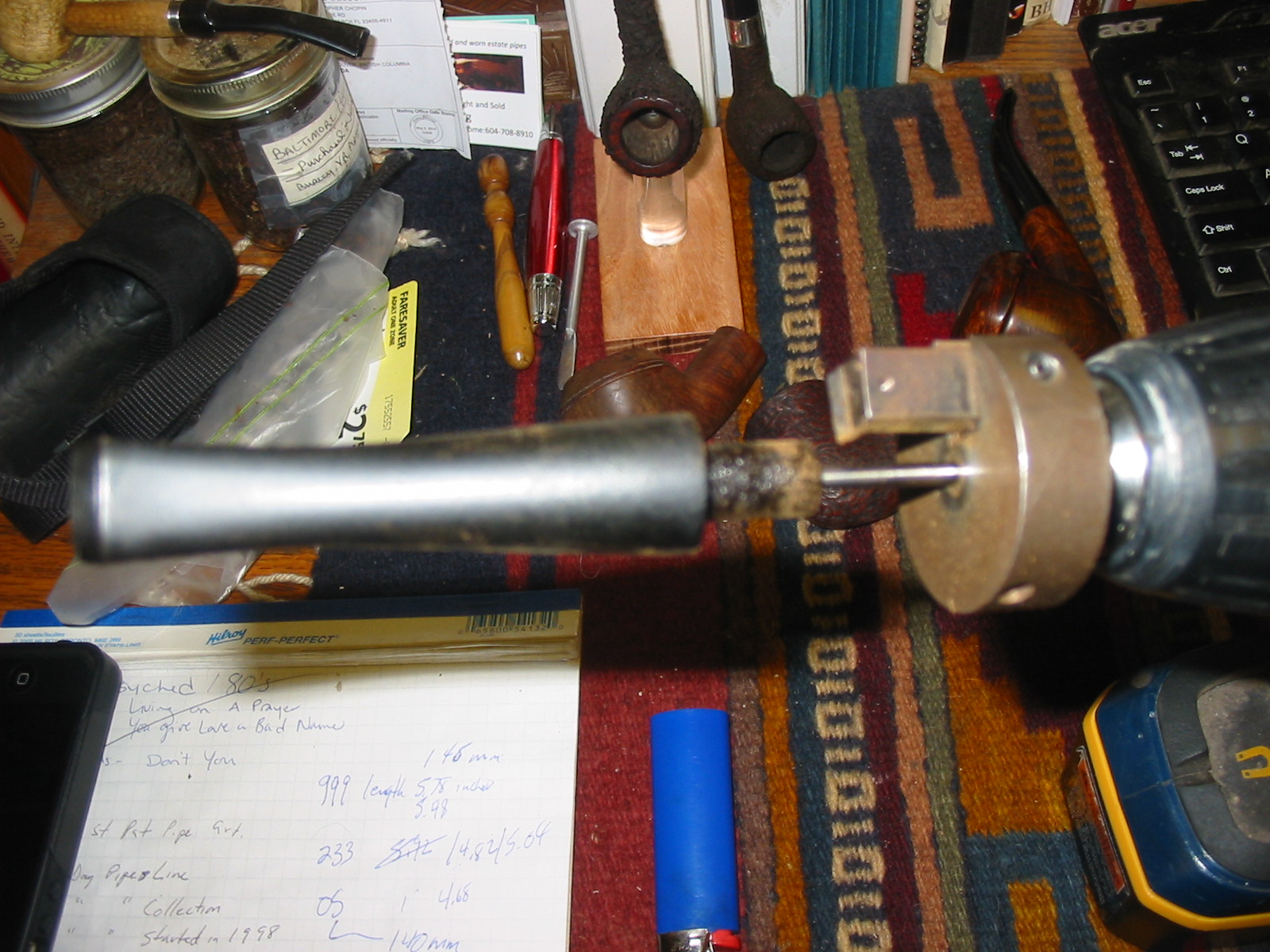
I ordered some stems that were the correct diameter and length for the 05 from Tim West at J.H. Lowe and Company. They arrived on Friday so I was able to fit one to the shank. I turned the tenon with a PIMO Tenon Turning Tool. The fitting of a tenon to the tapered shank of Peterson pipes takes a little getting used to. I worked to match the taper of the tenon to the taper of the mortise and was able to get a good fit on against the band.
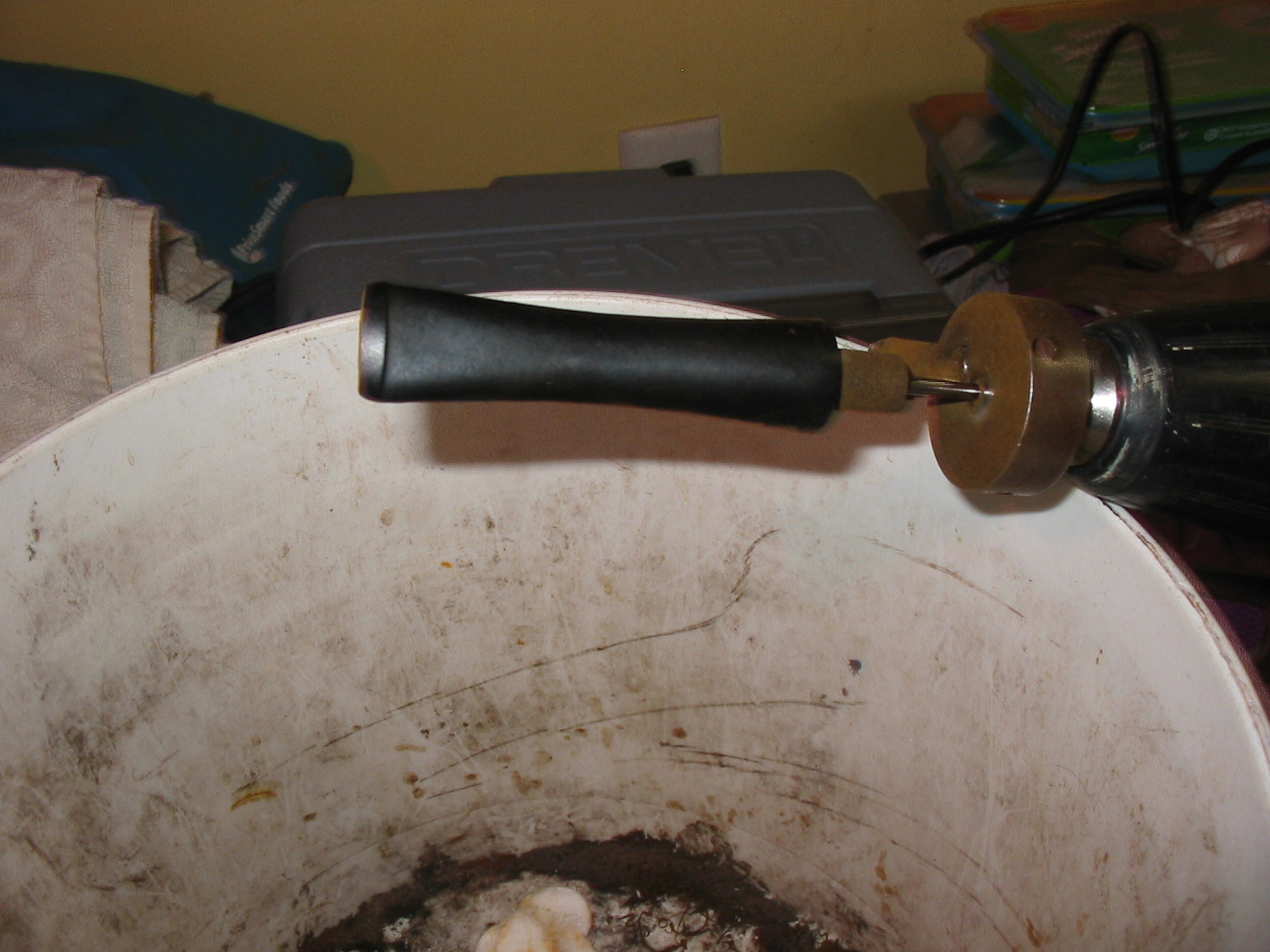
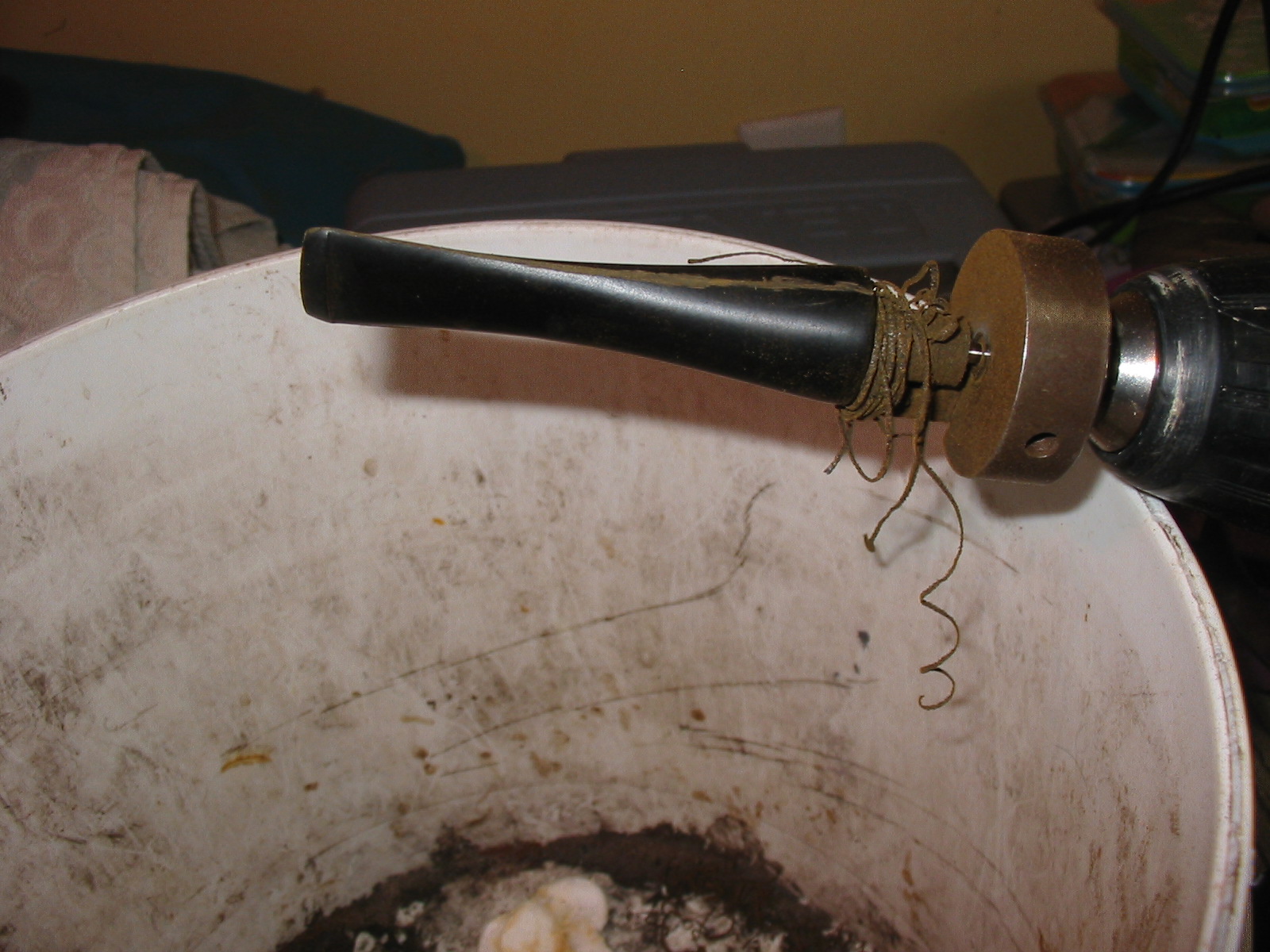
I used the sanding drum on the Dremel to remove the casting seams on the sides and the button of the stem.
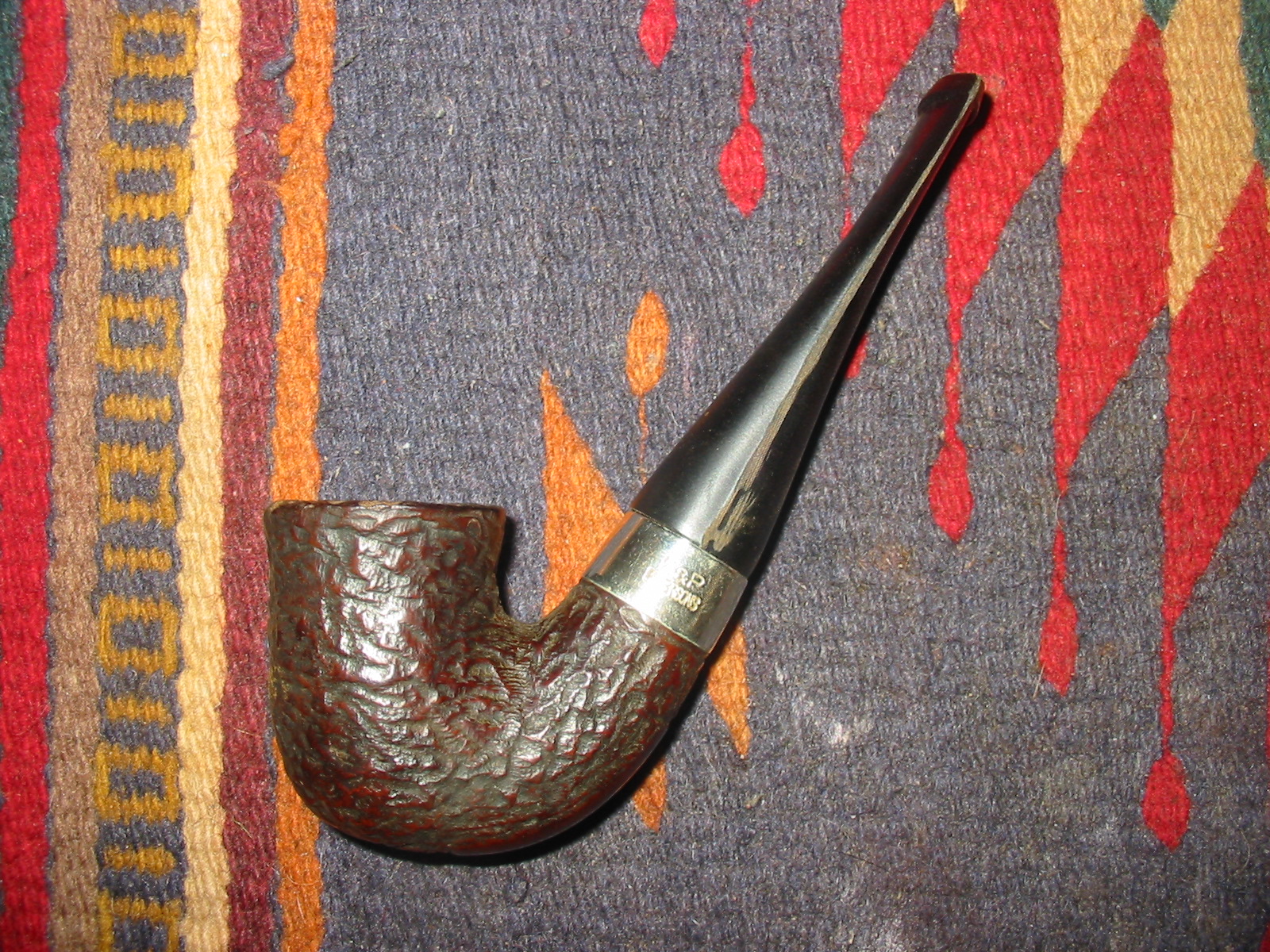
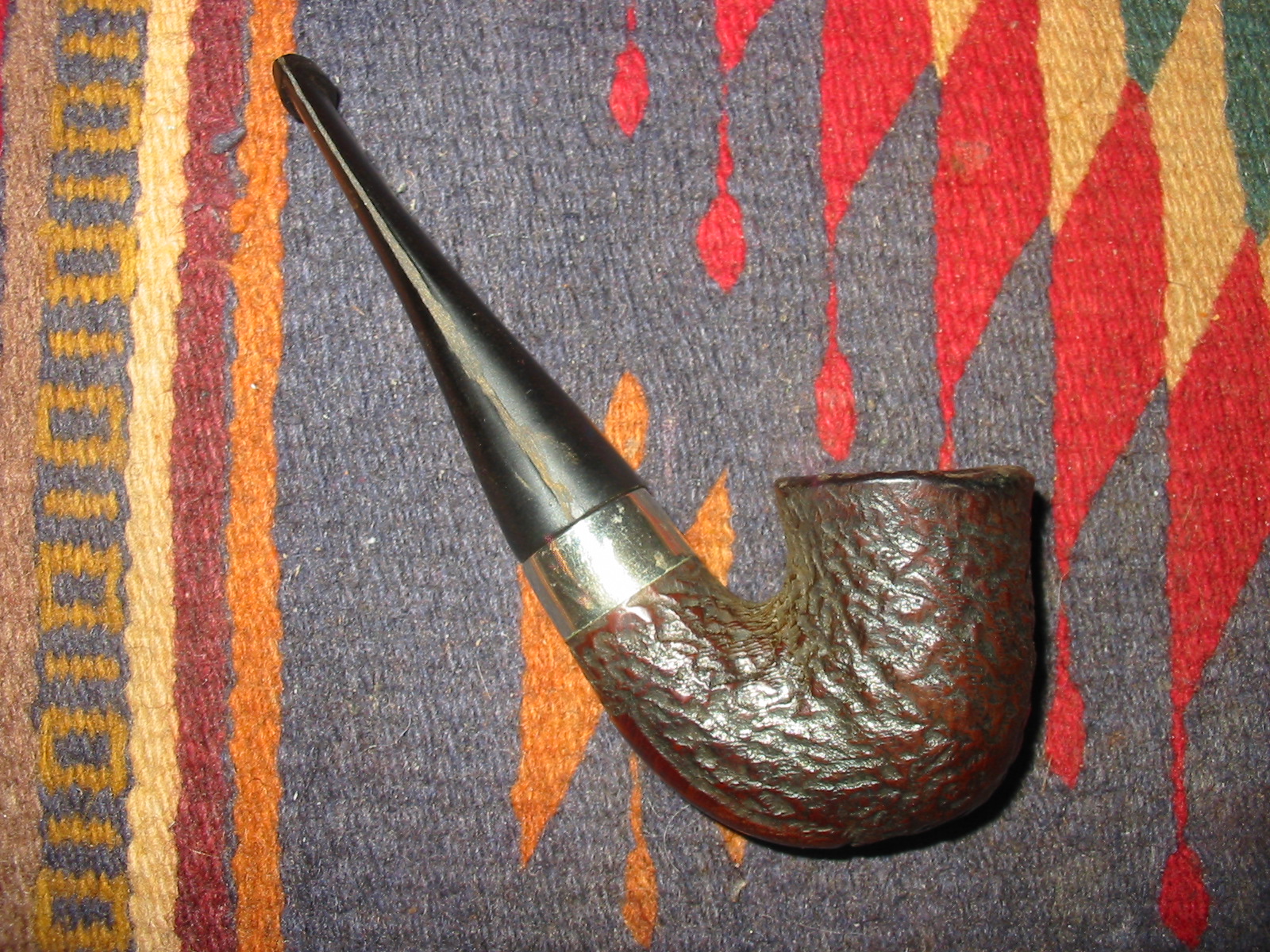
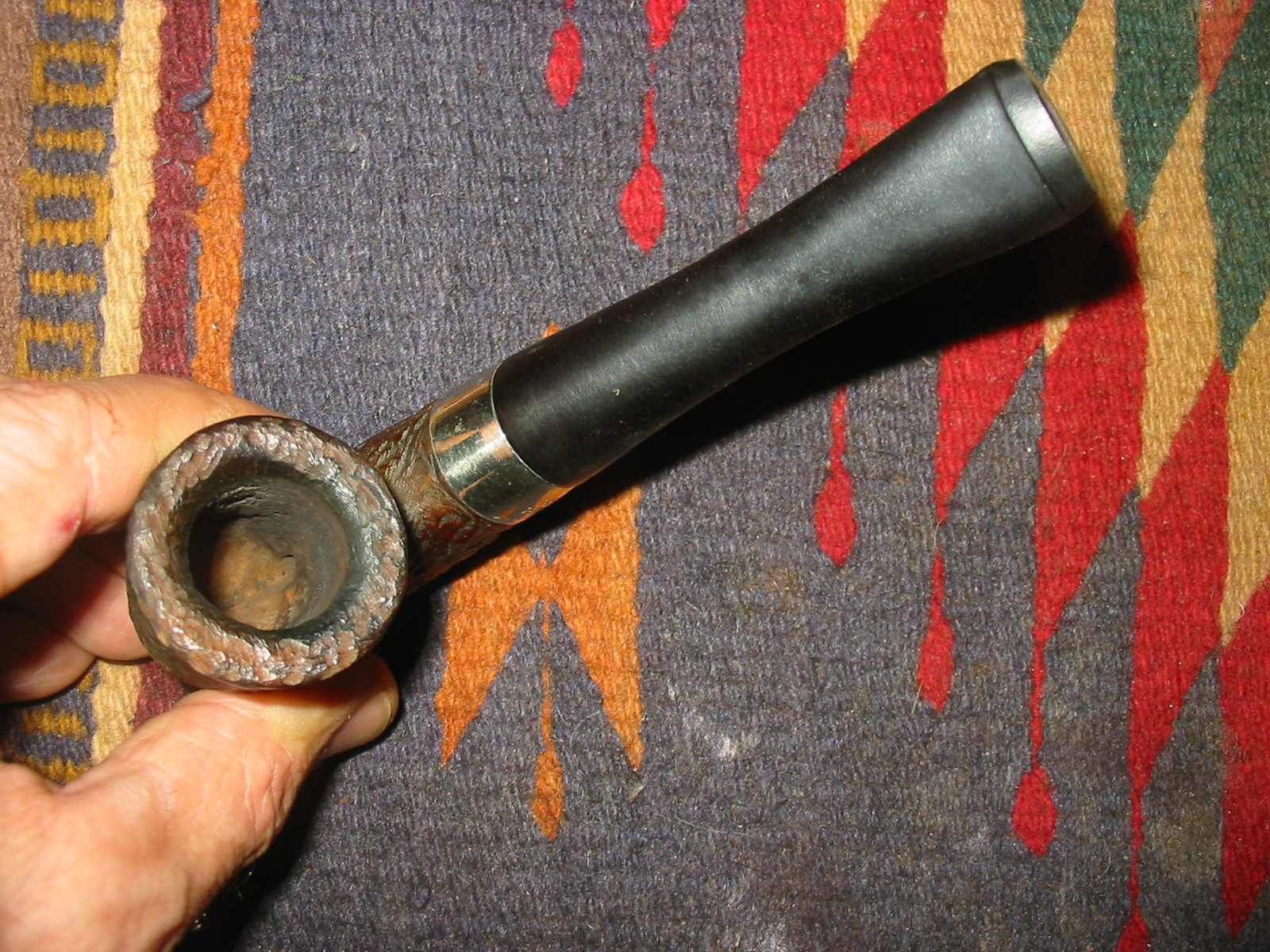
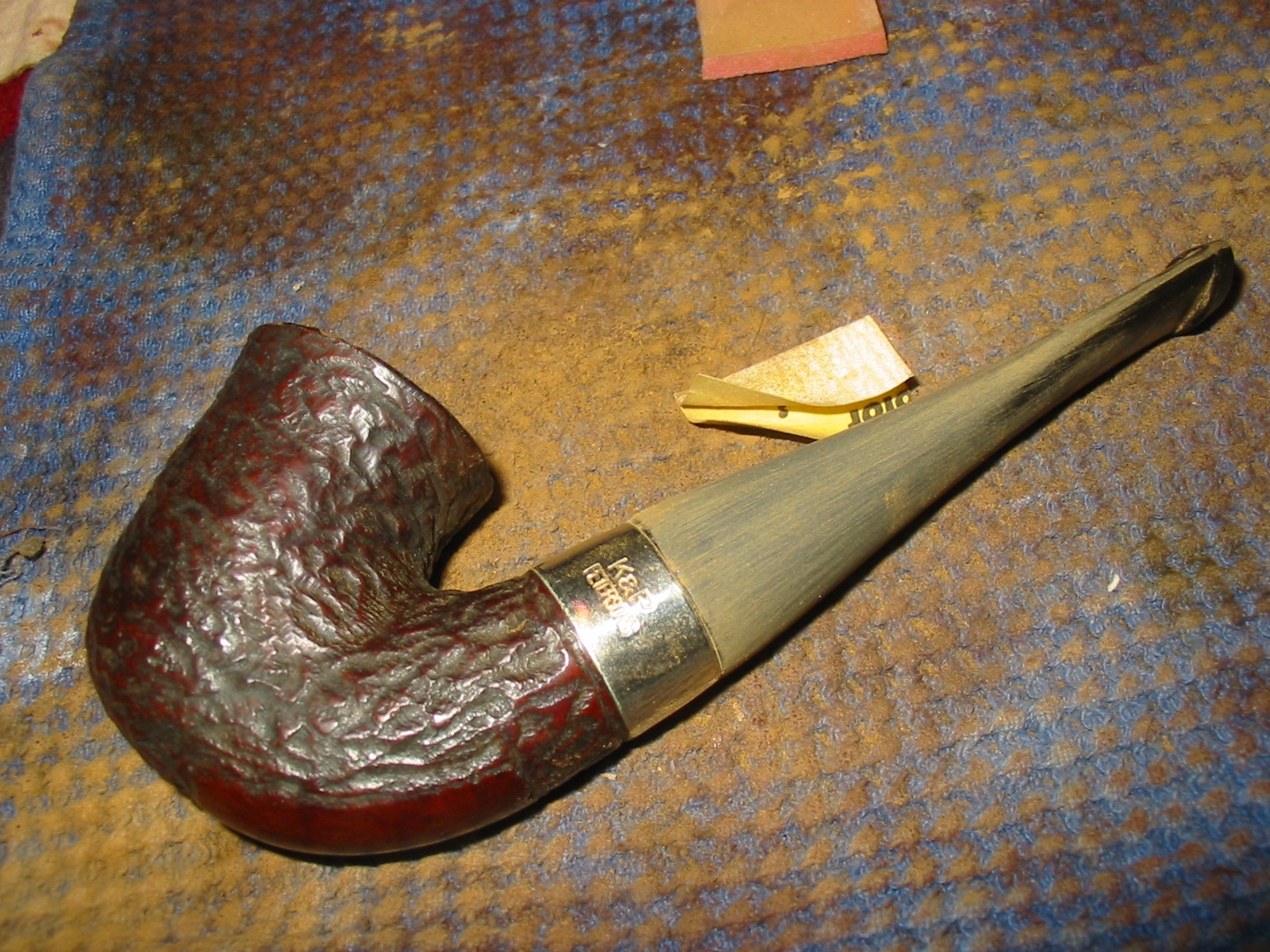
I sanded the stem with 150 and 220 grit sandpaper to match the diameter of the shank to the diameter of the band.
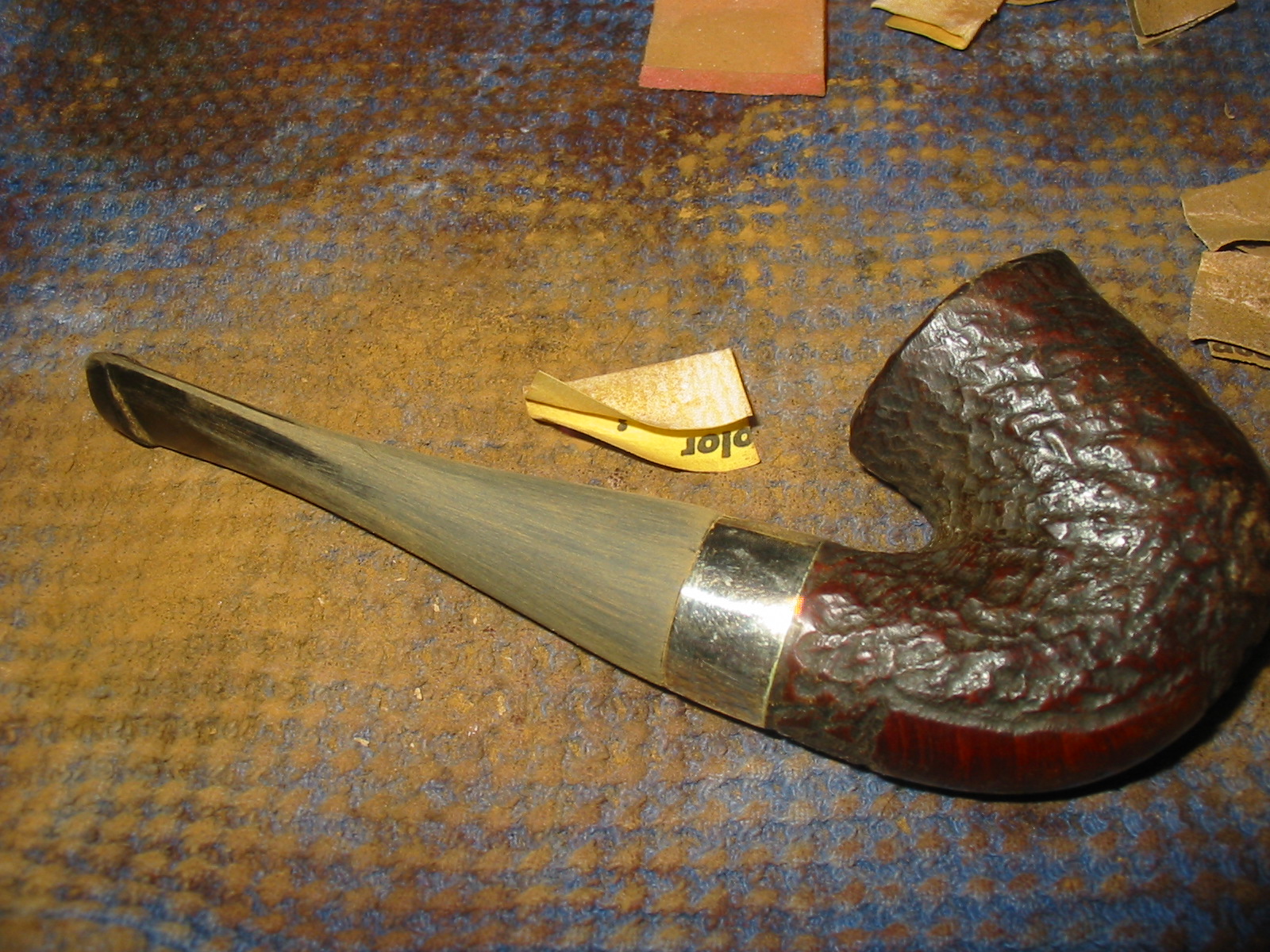
I sanded the stem with medium and fine grit sanding sponges to remove the scratching left behind by the sandpapers.
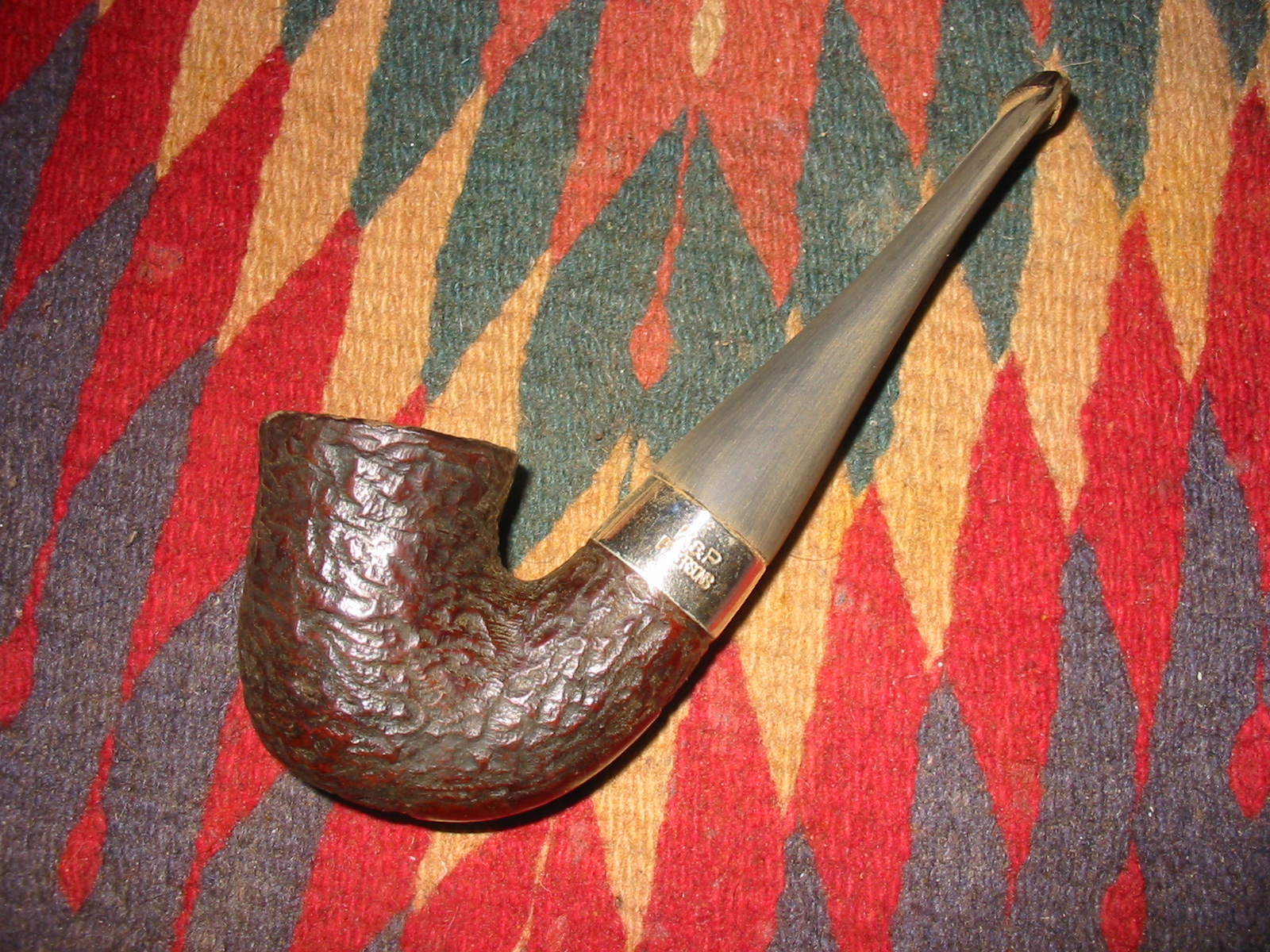
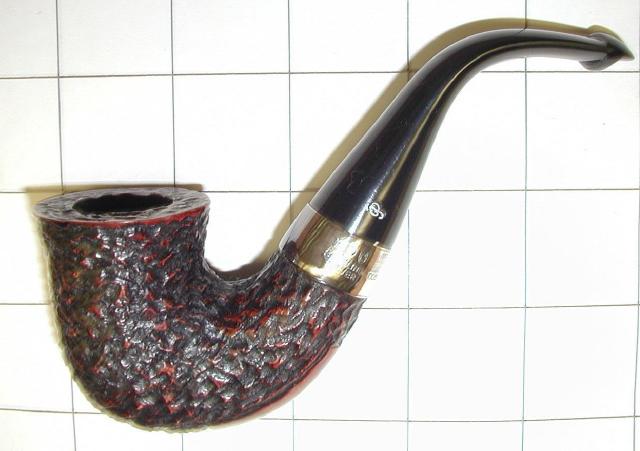
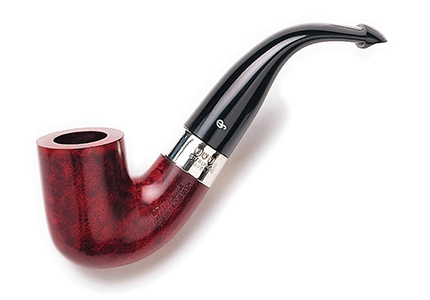
I wanted to bend the stem to match the original stem that would have been on the pipe. I looked up photos on the web of the 05 and copied one of them. I decided to use a fishtail stem instead of the p-lip stem but I was able to use the photo as a template of the bend.
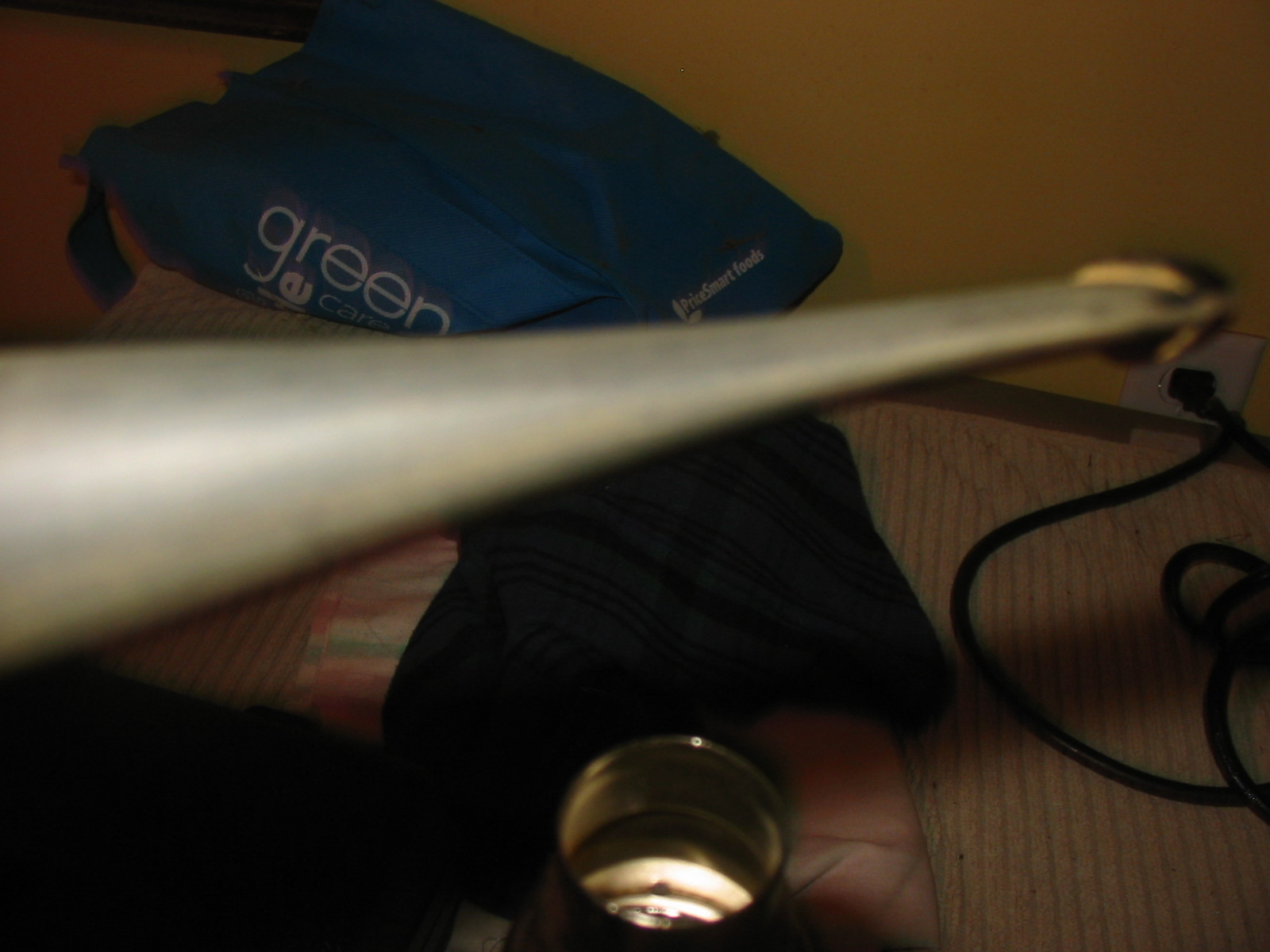
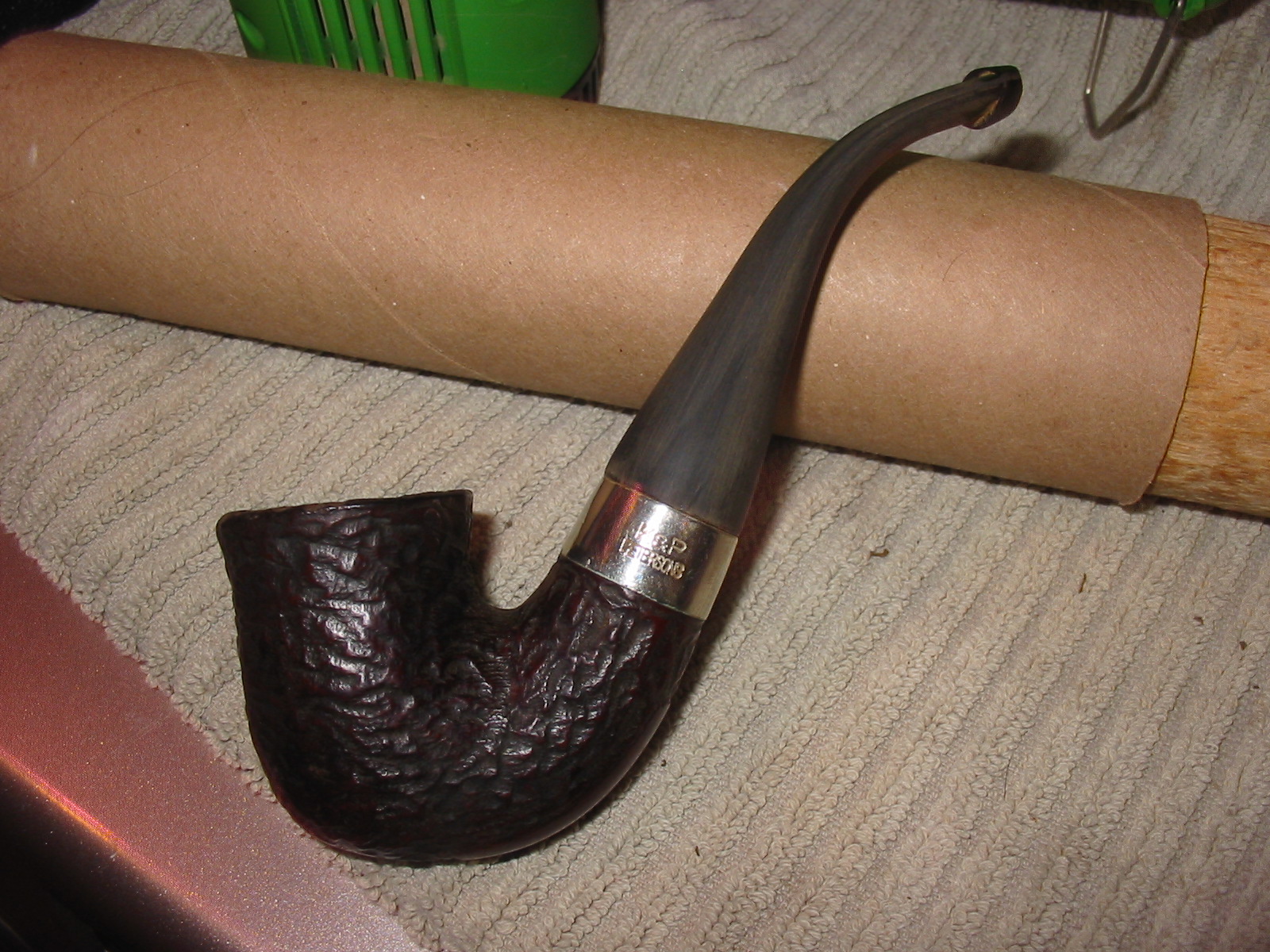
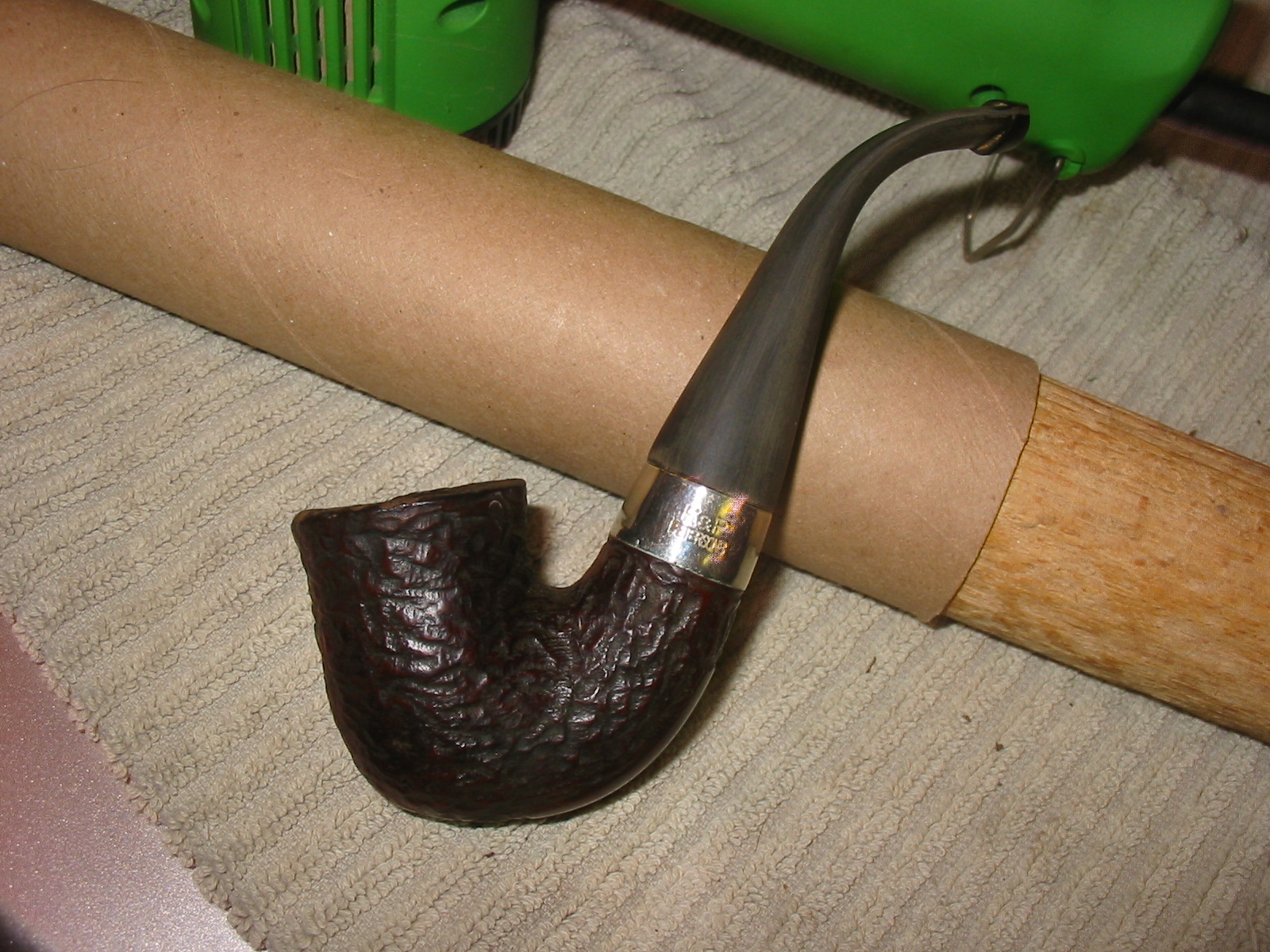
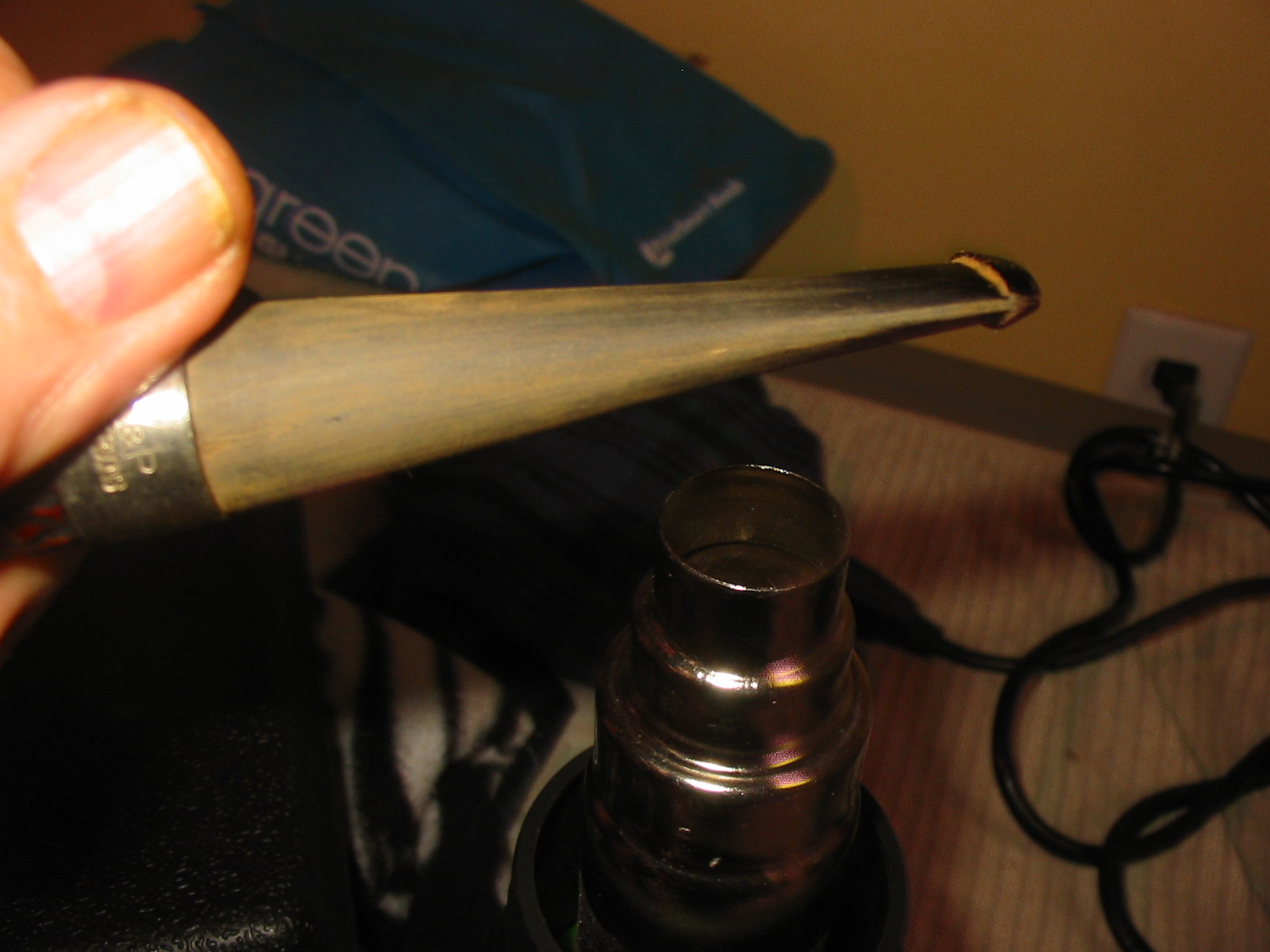
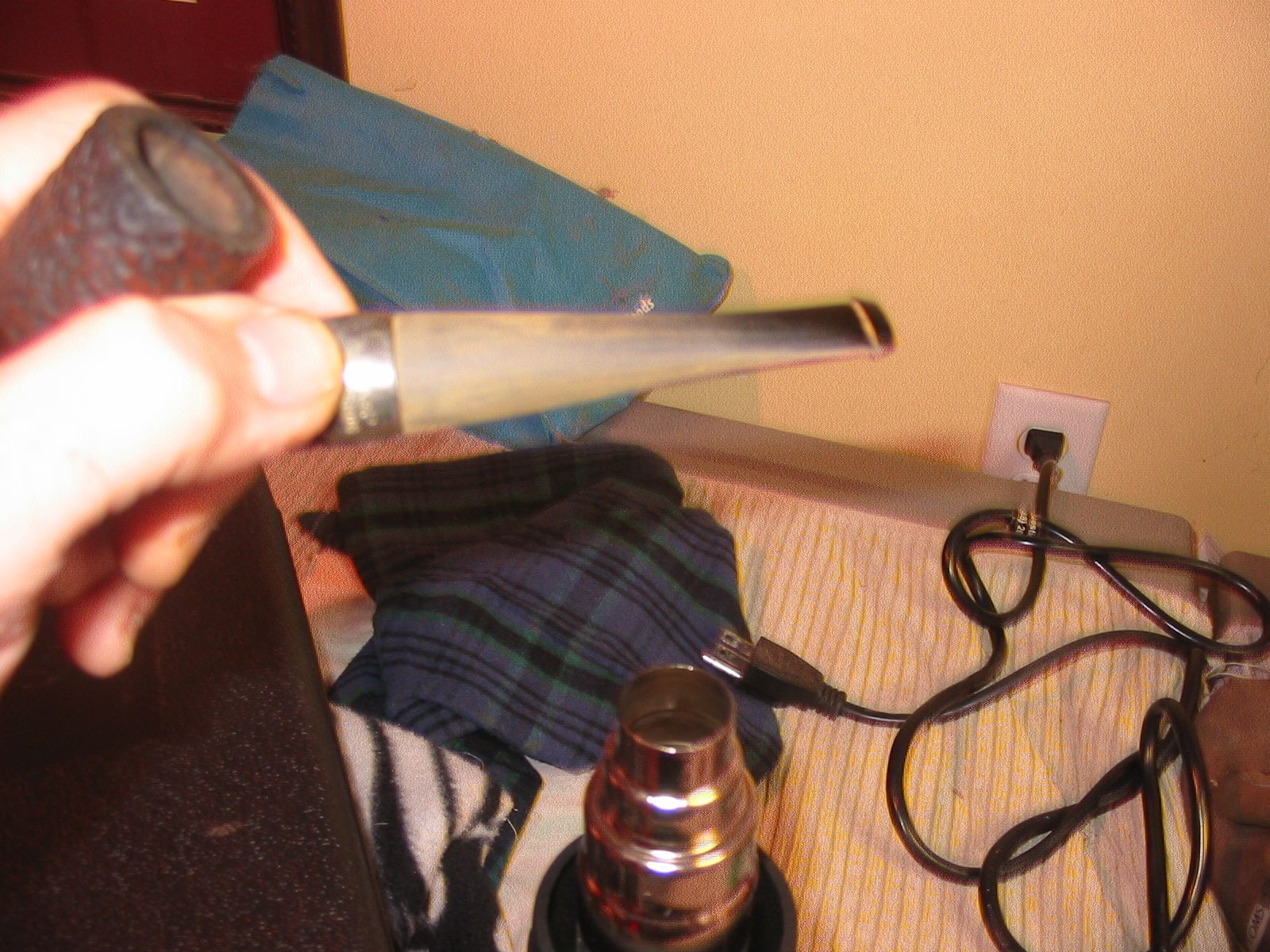
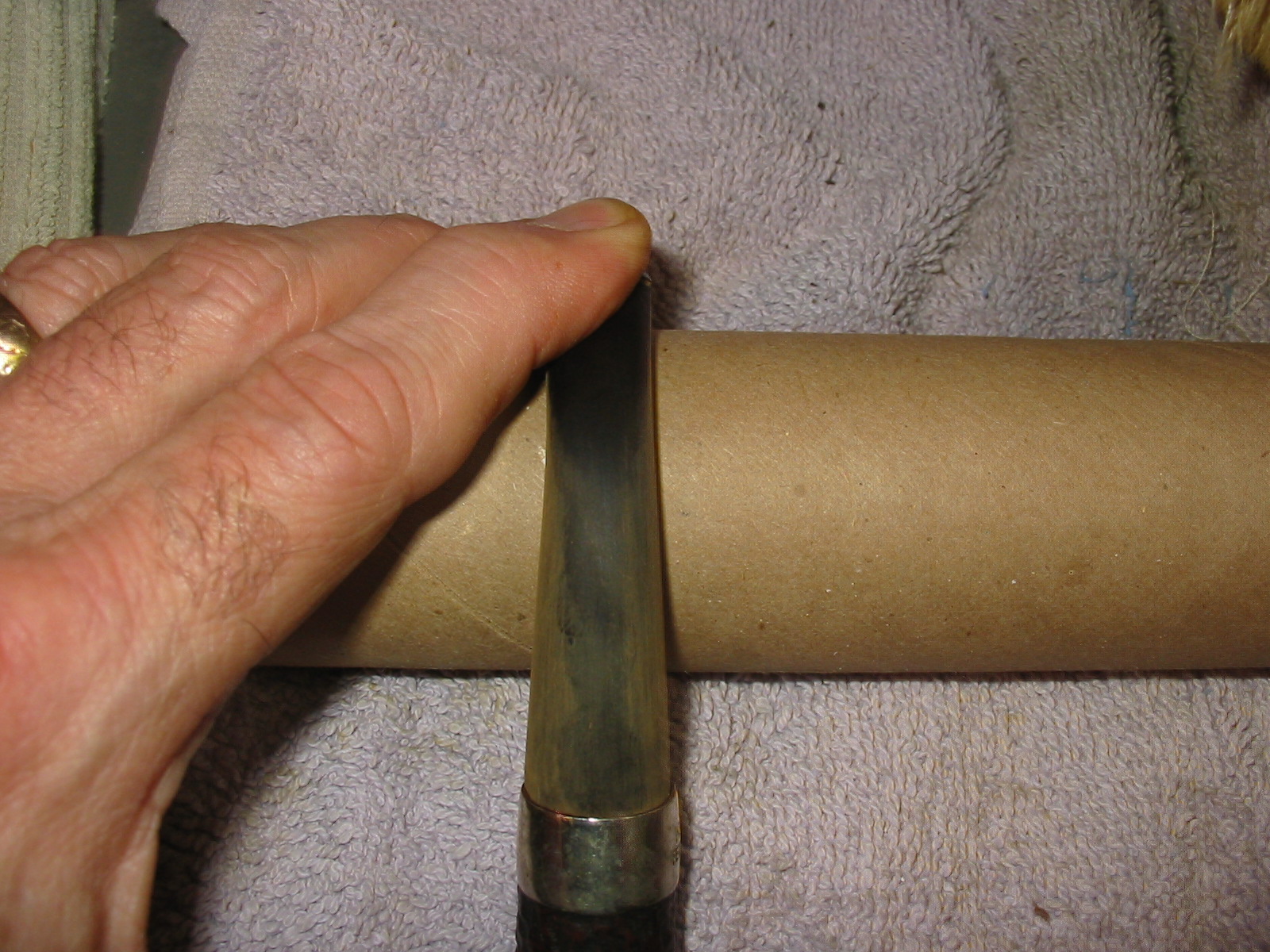
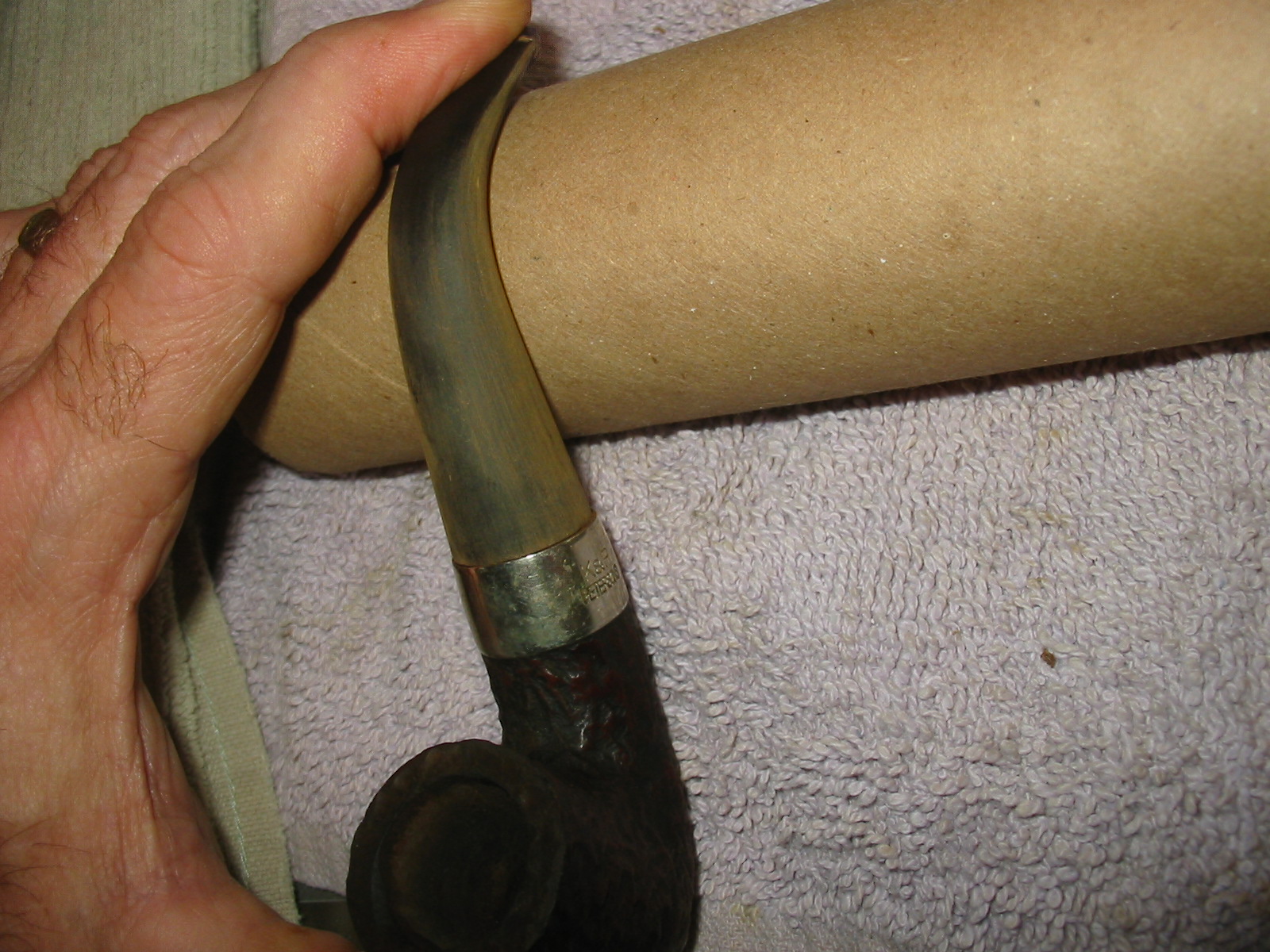
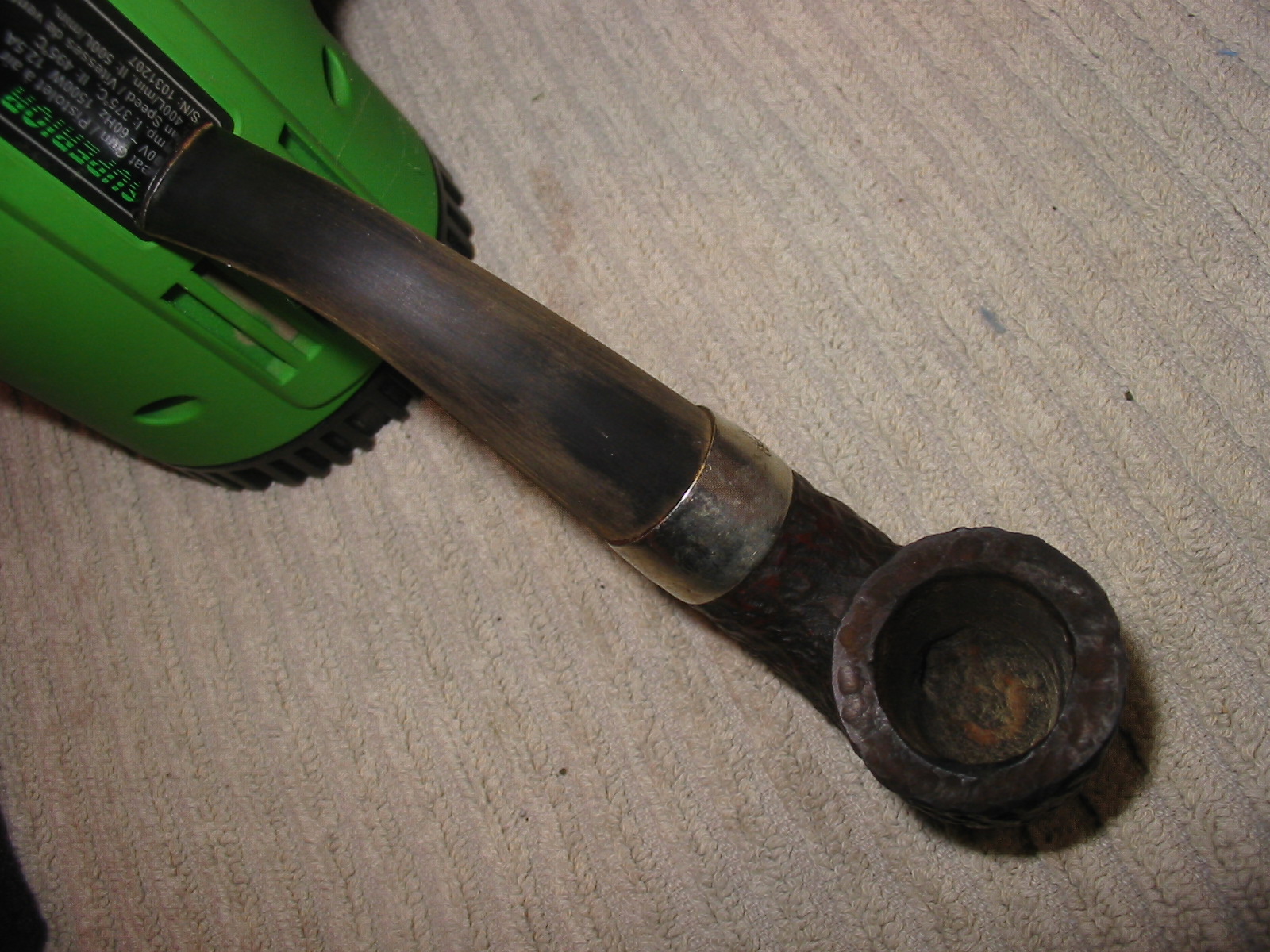
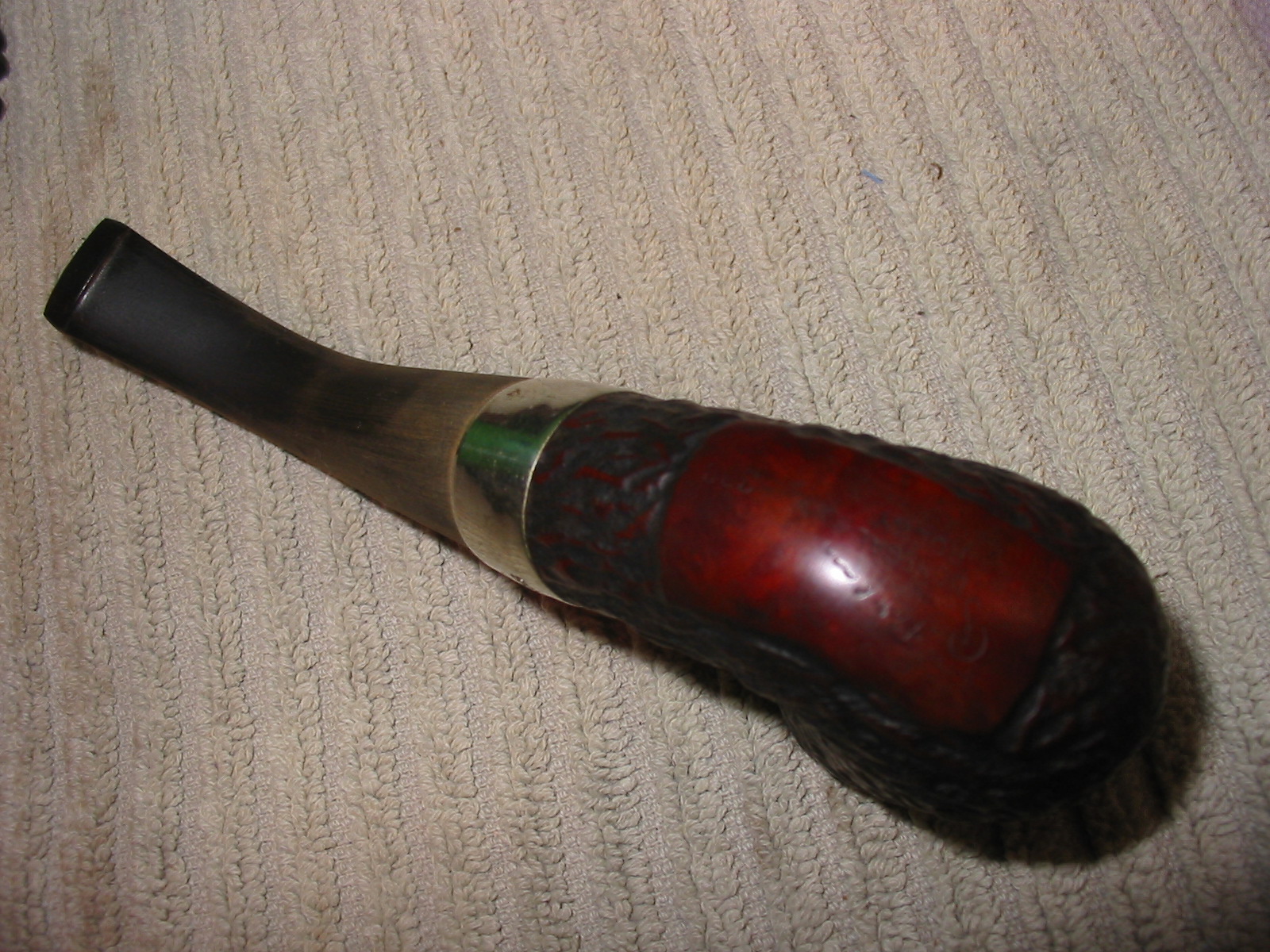
I heated the stem with a heat gun until it was flexible and then bent it over a rolling pin with a cardboard sleeve over it. I have found that the cardboard prevents the hot vulcanite from marring when I bend it. The second photo below shows the first attempt at the bend and the third photo shows it after I reheated it and rebent it to match the template.
I sanded the stem with the medium and fine grit sanding sponges again. At this point in the process the stem was ready for the fine sanding work with the micromesh sanding pads.
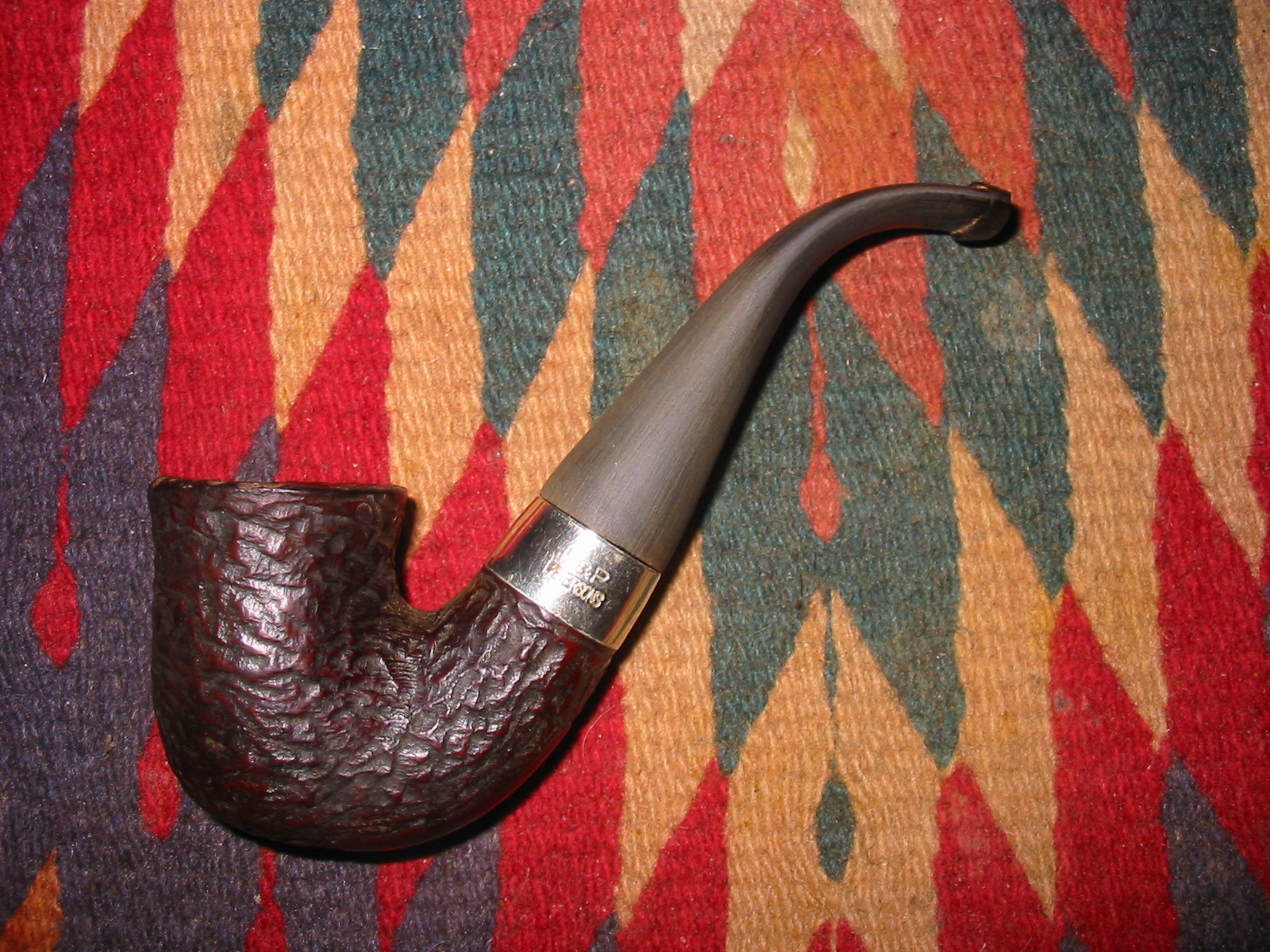
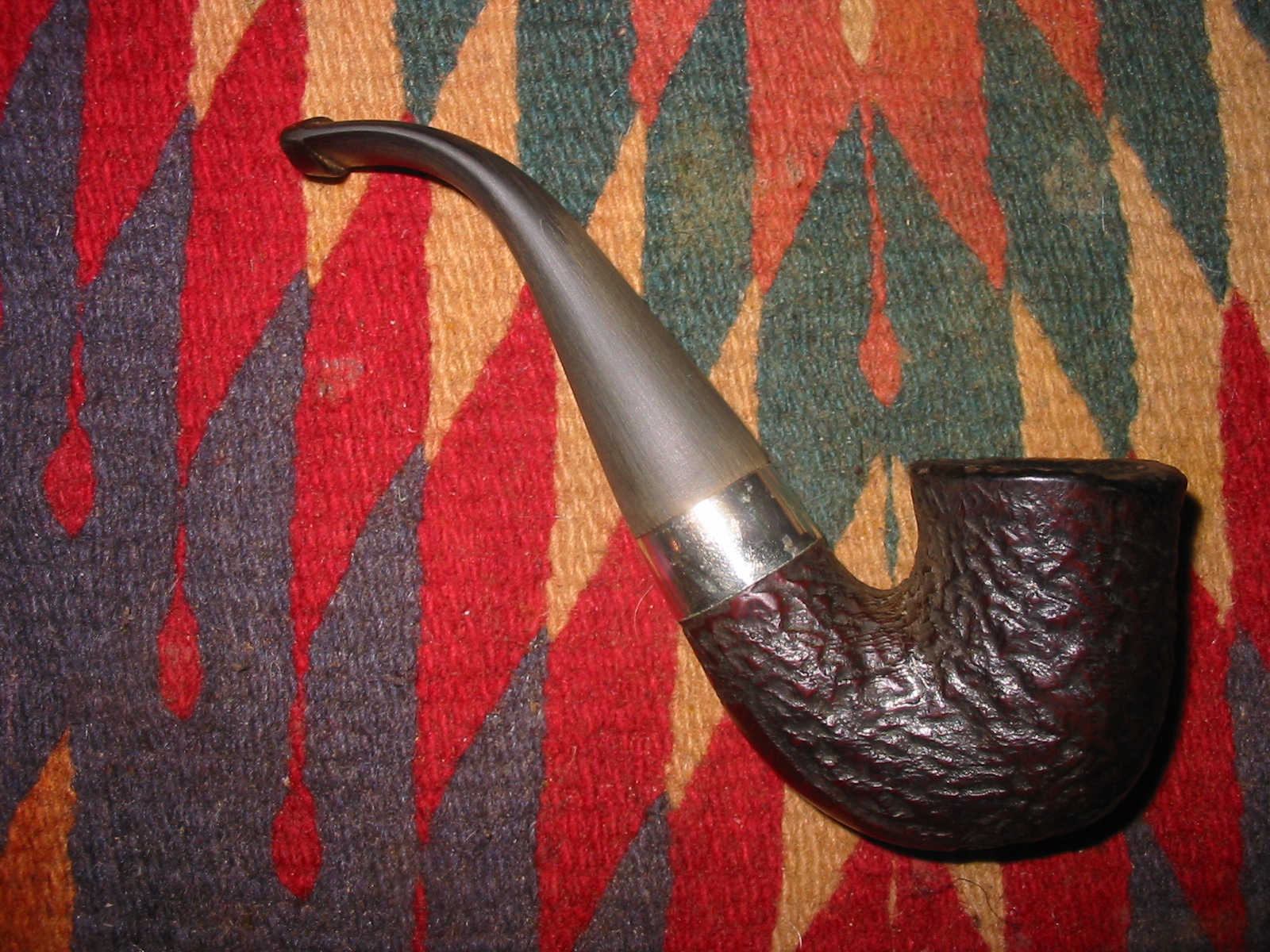
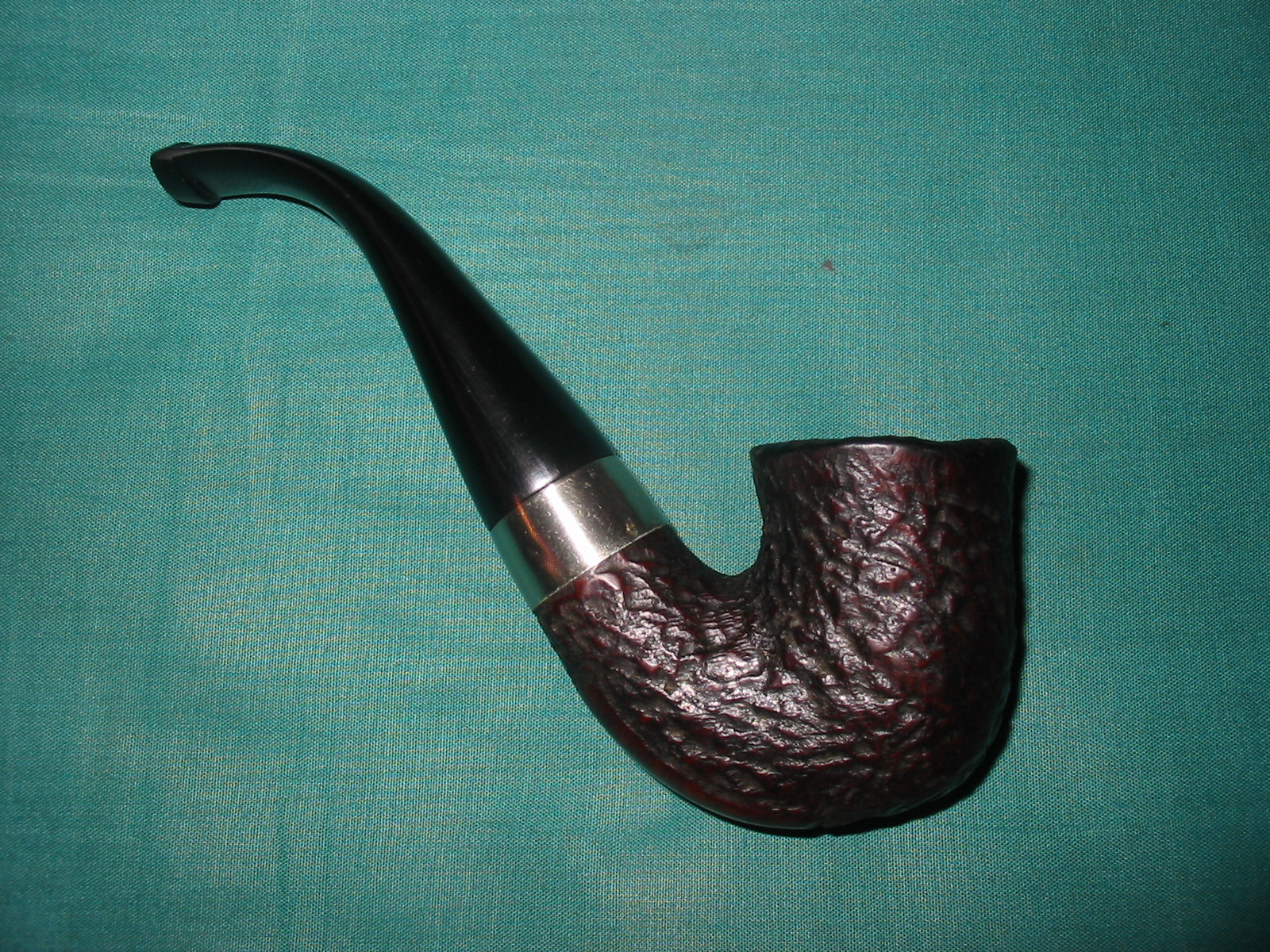
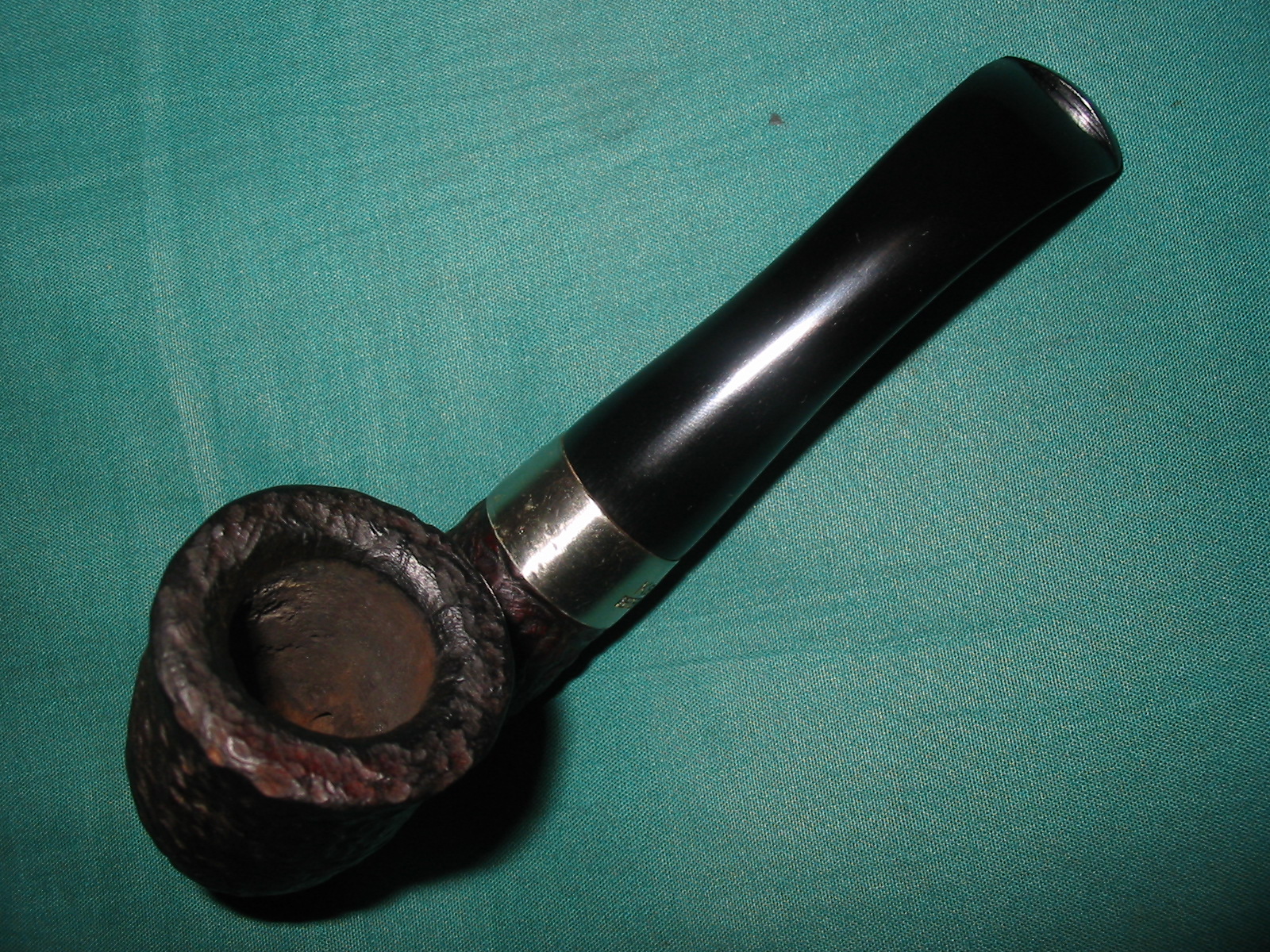
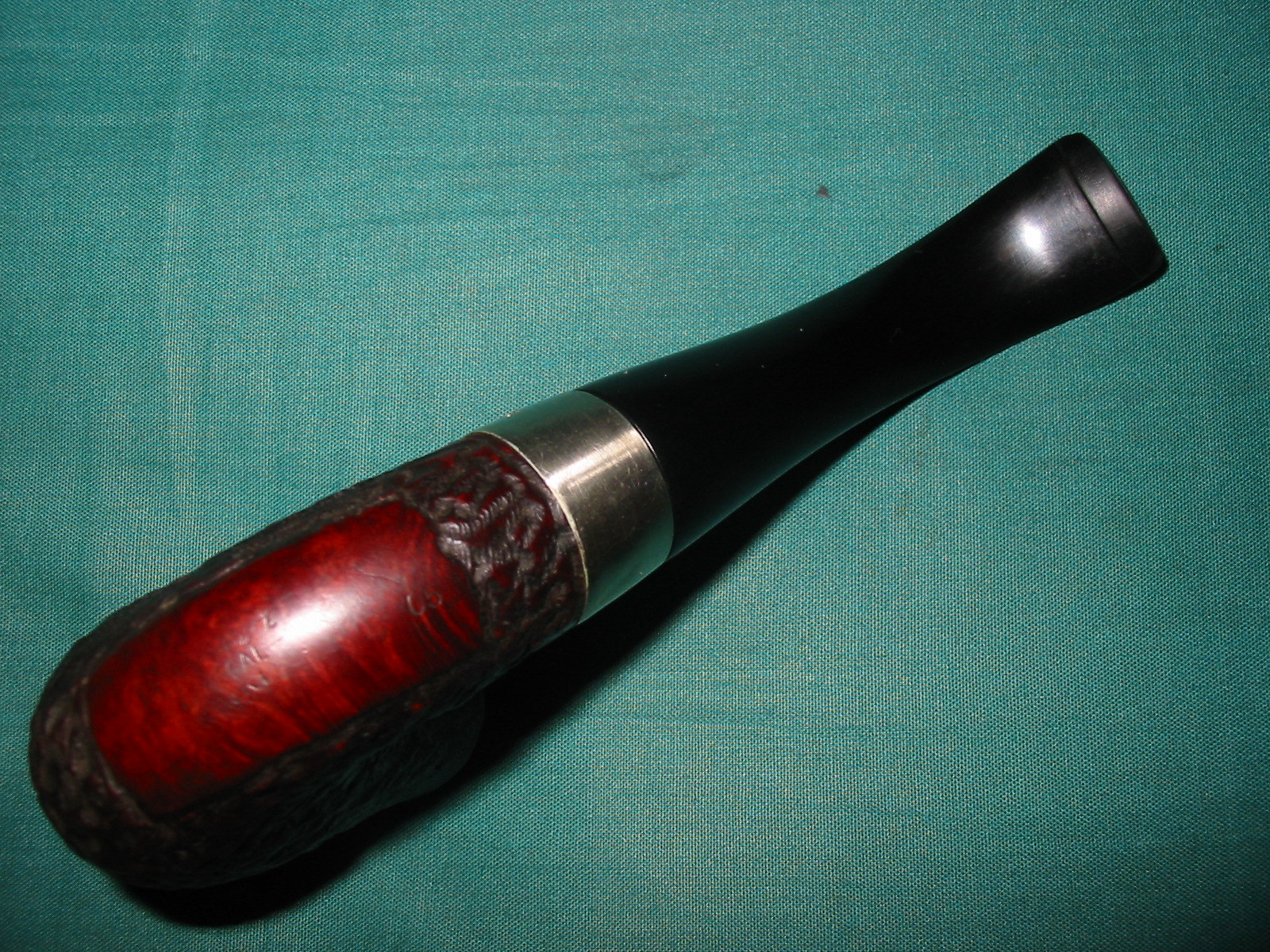
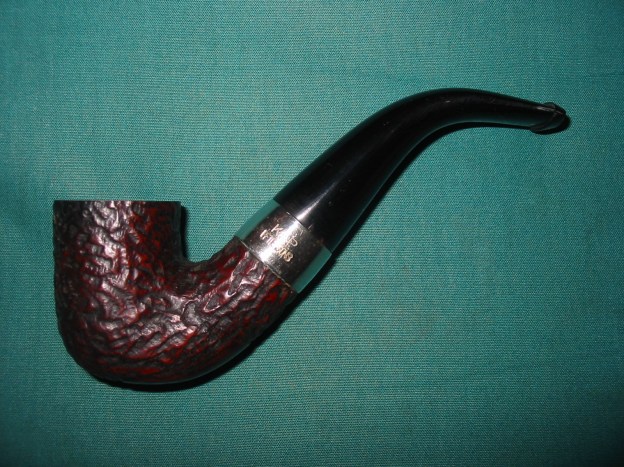
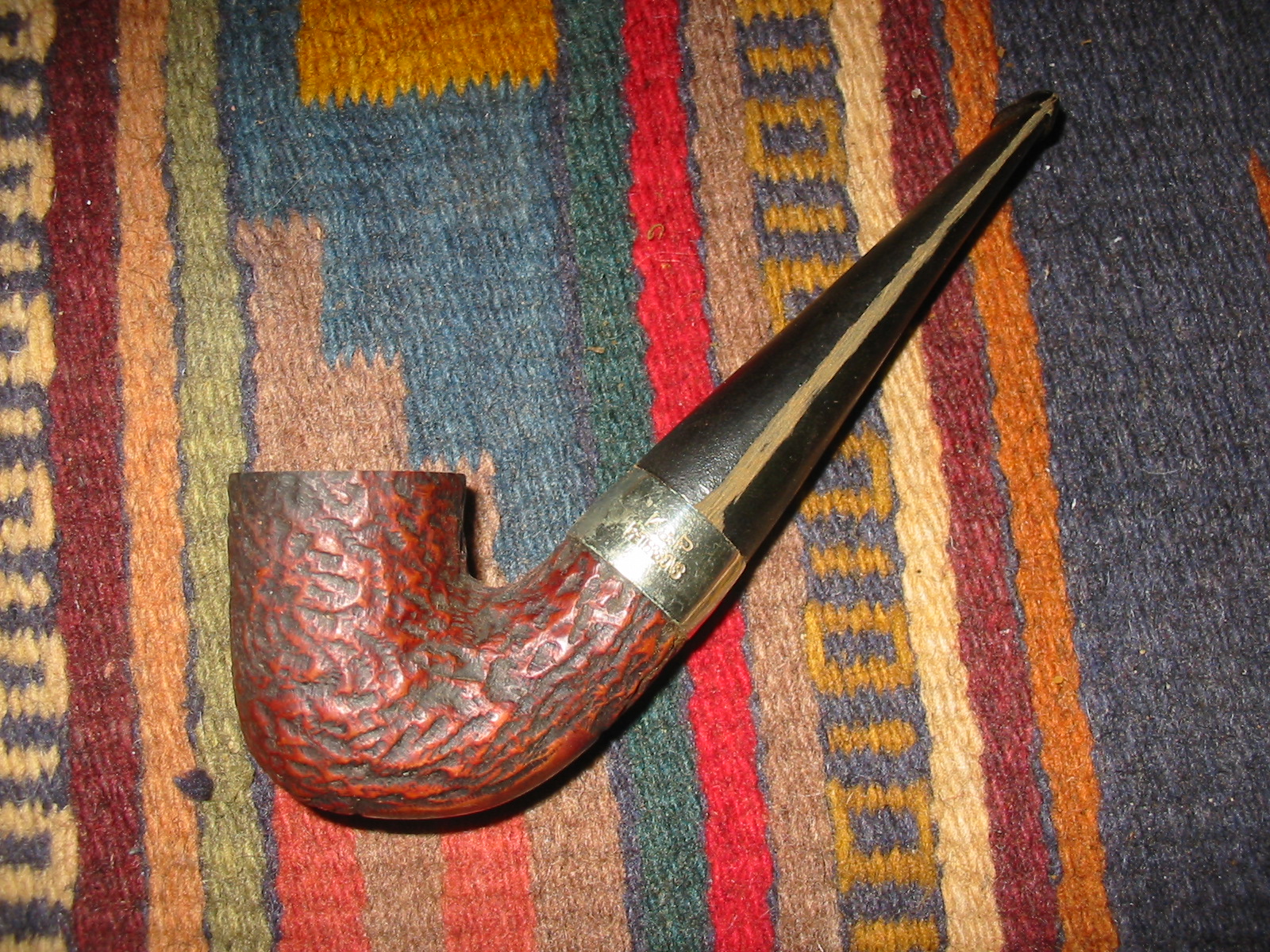
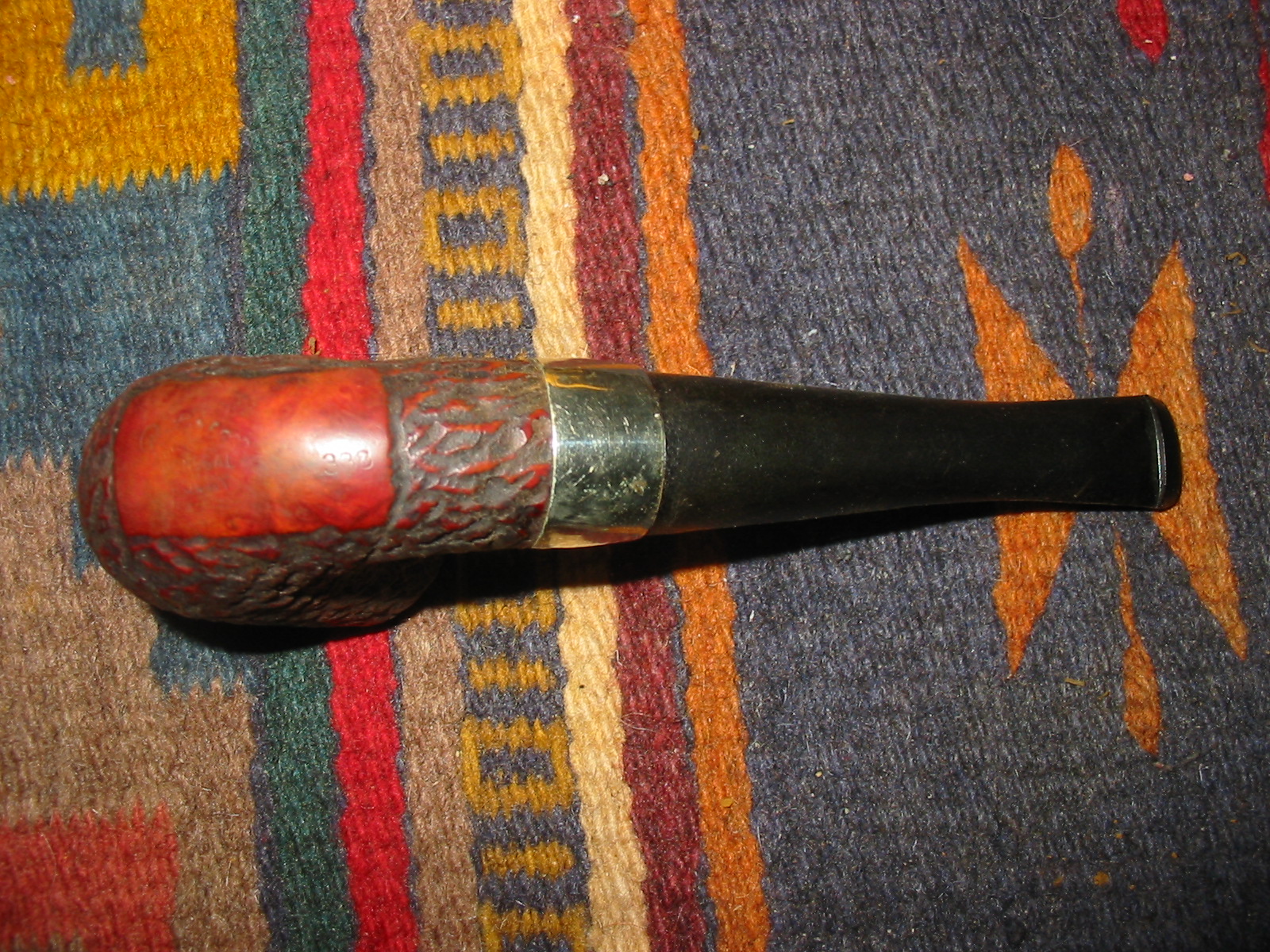
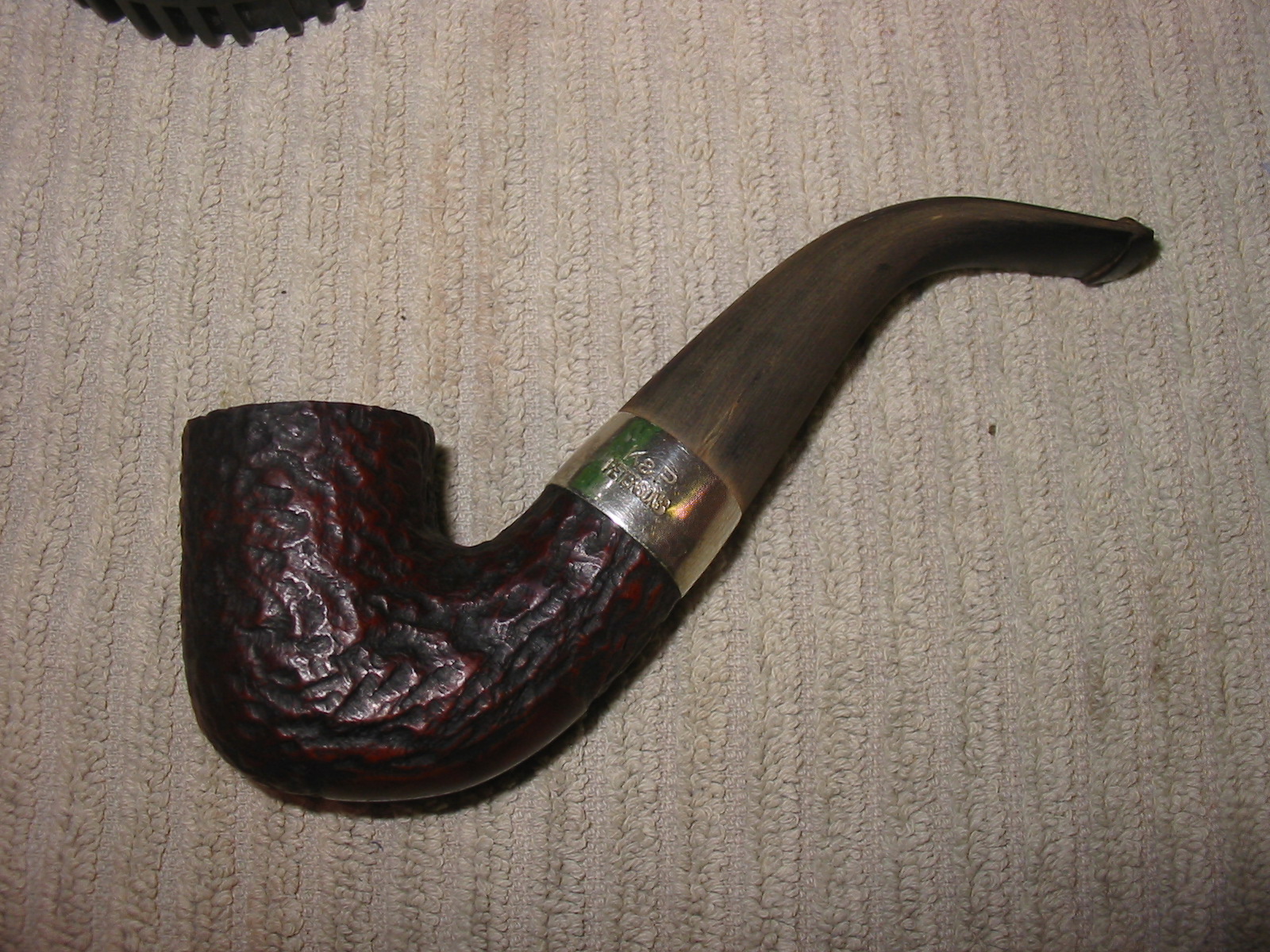
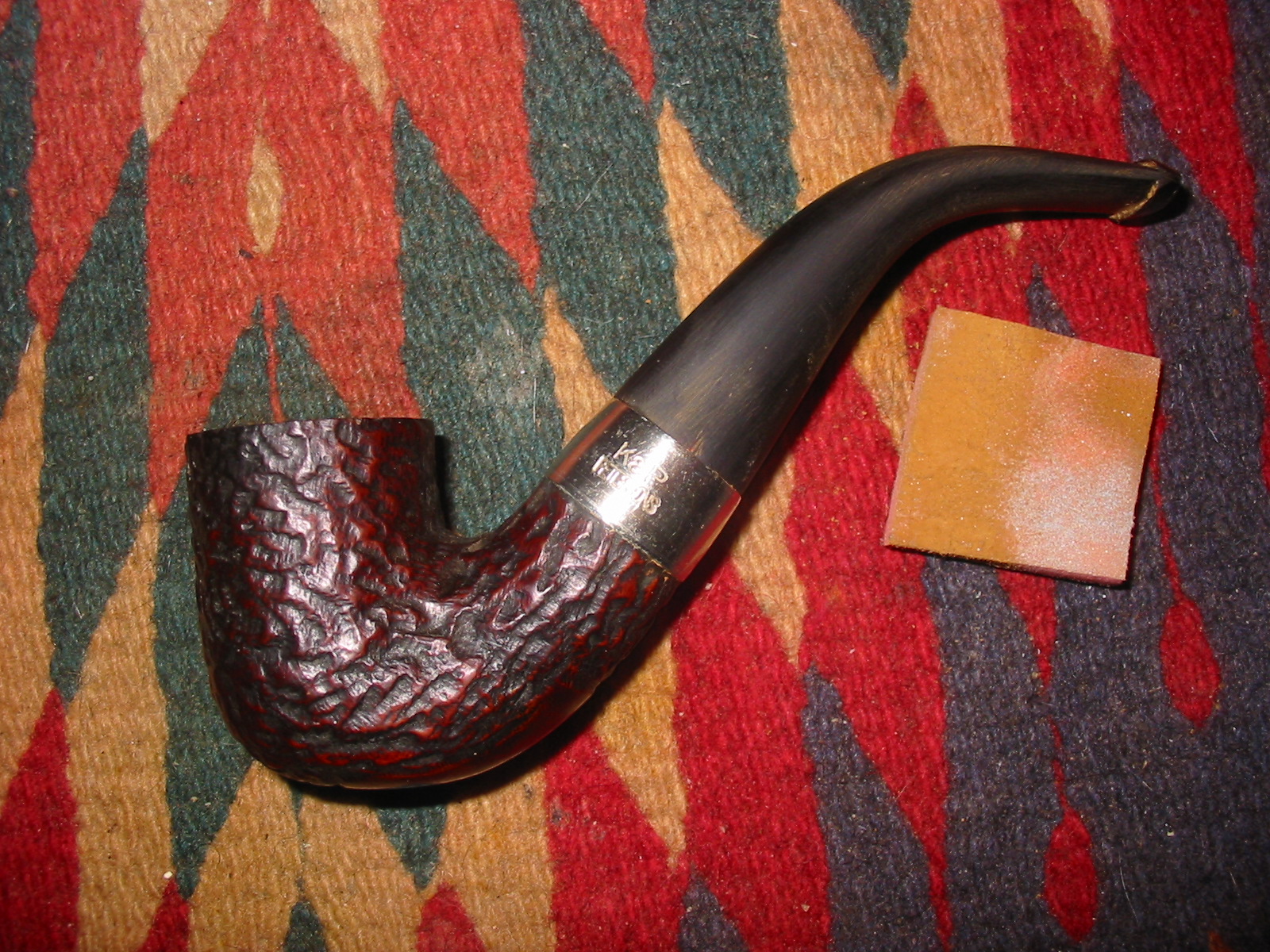
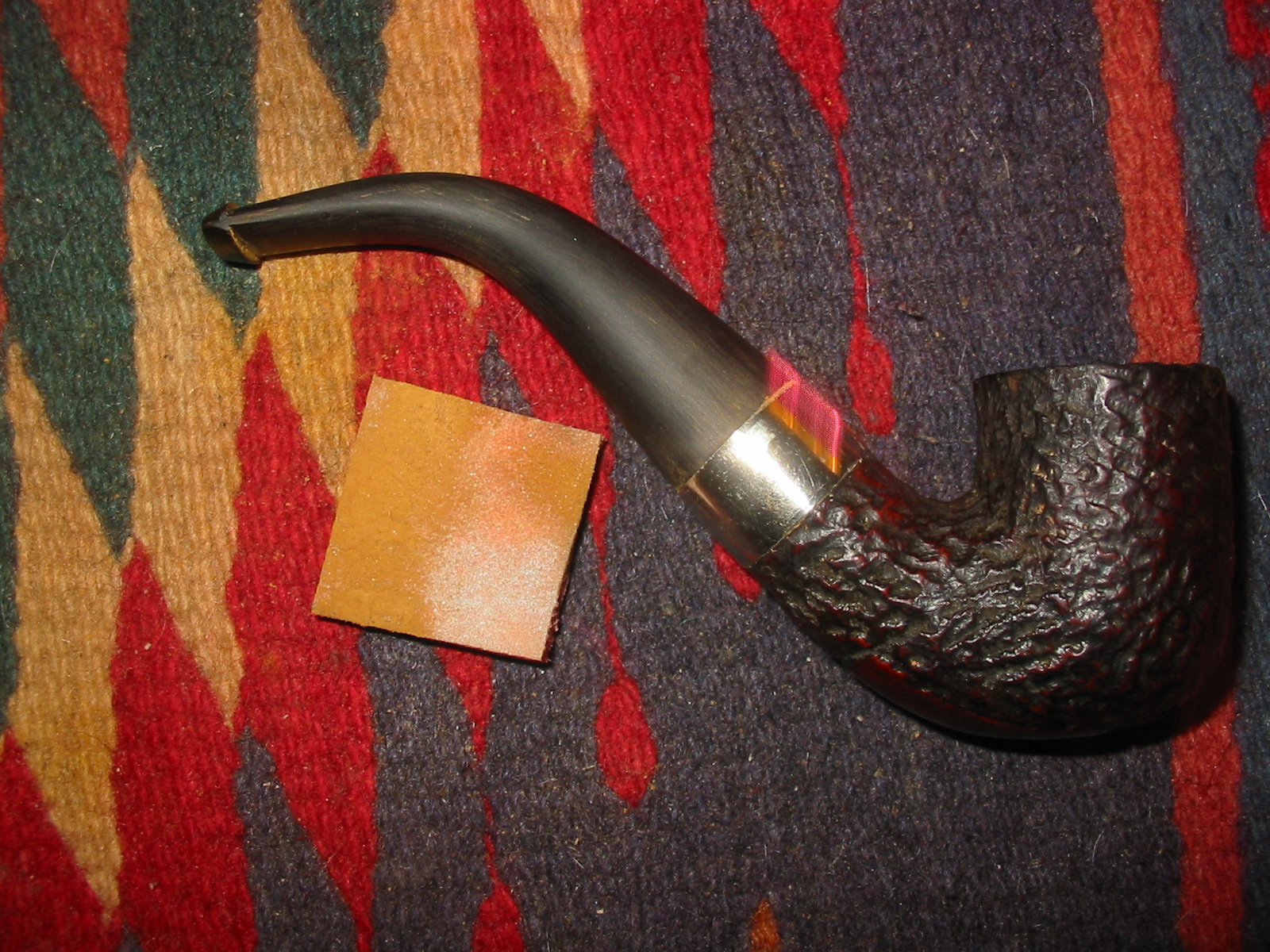
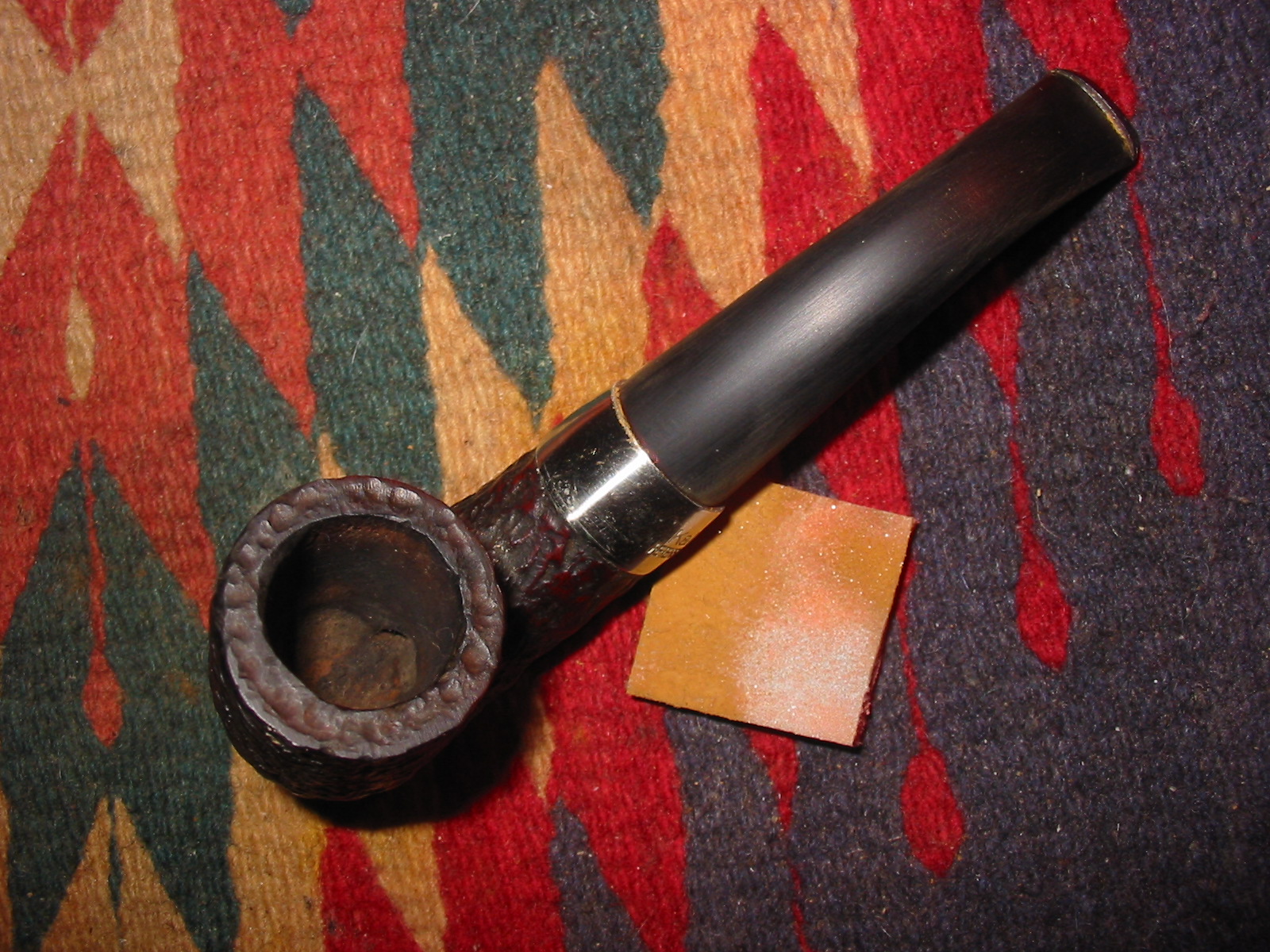
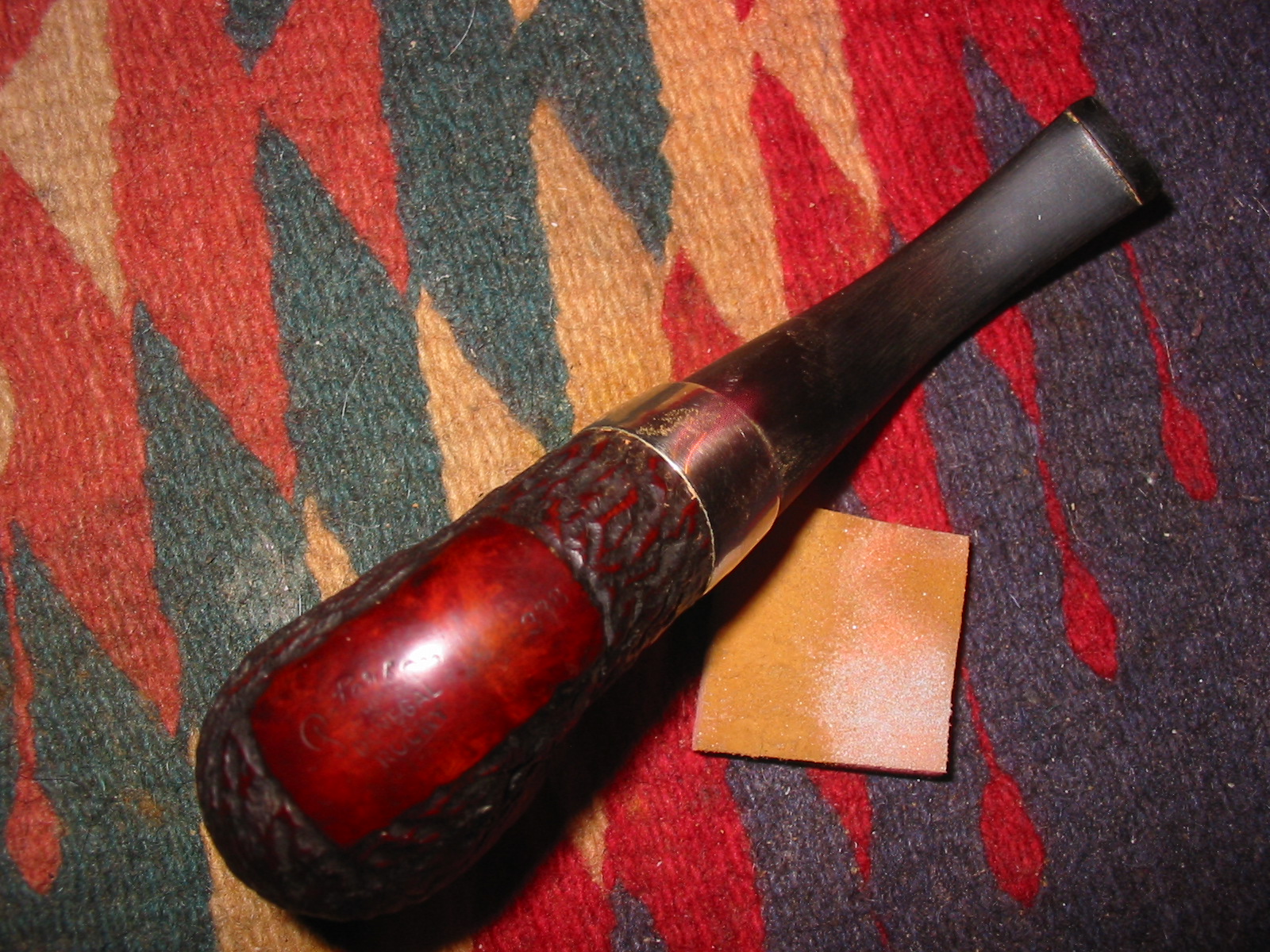
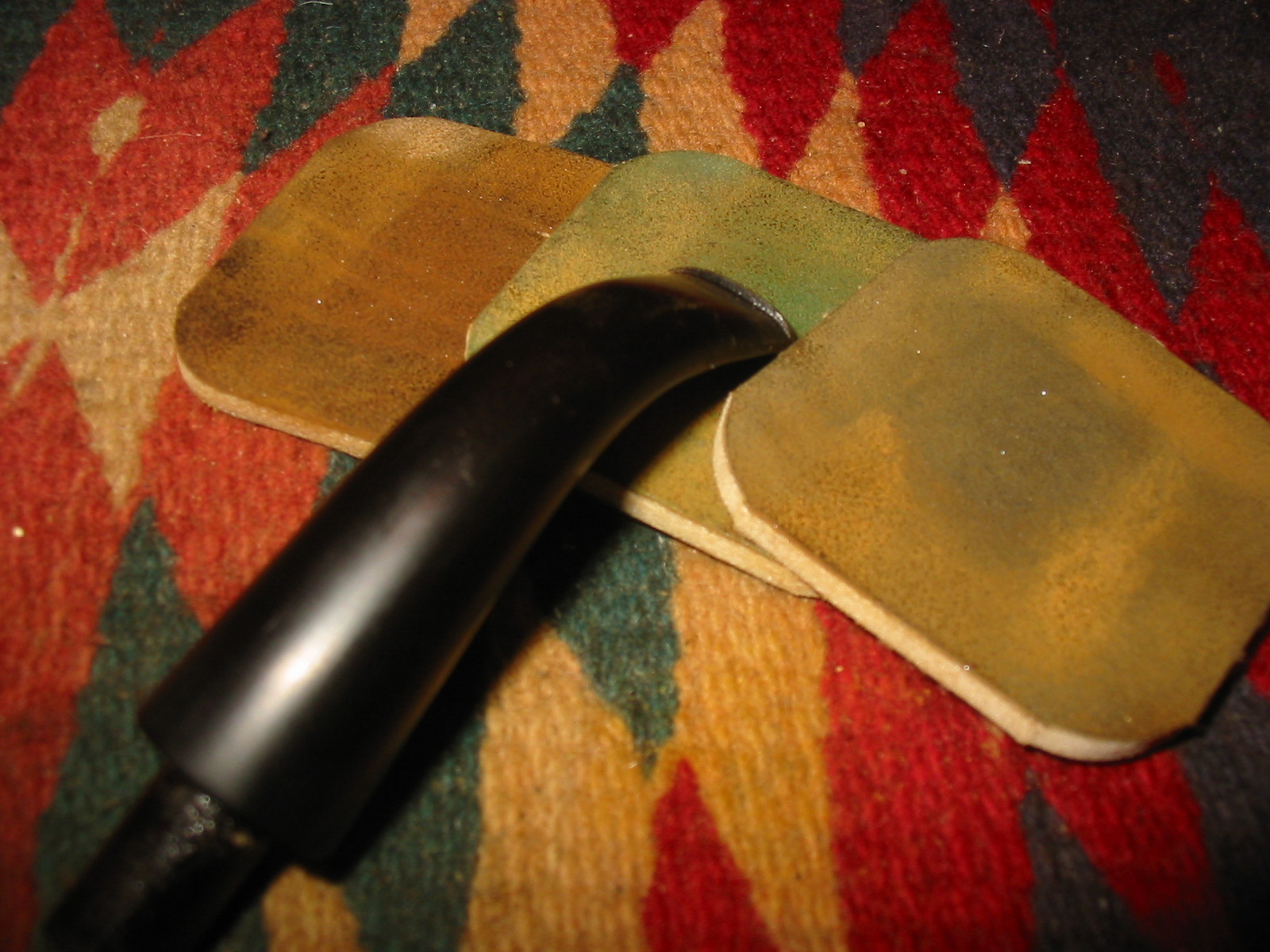
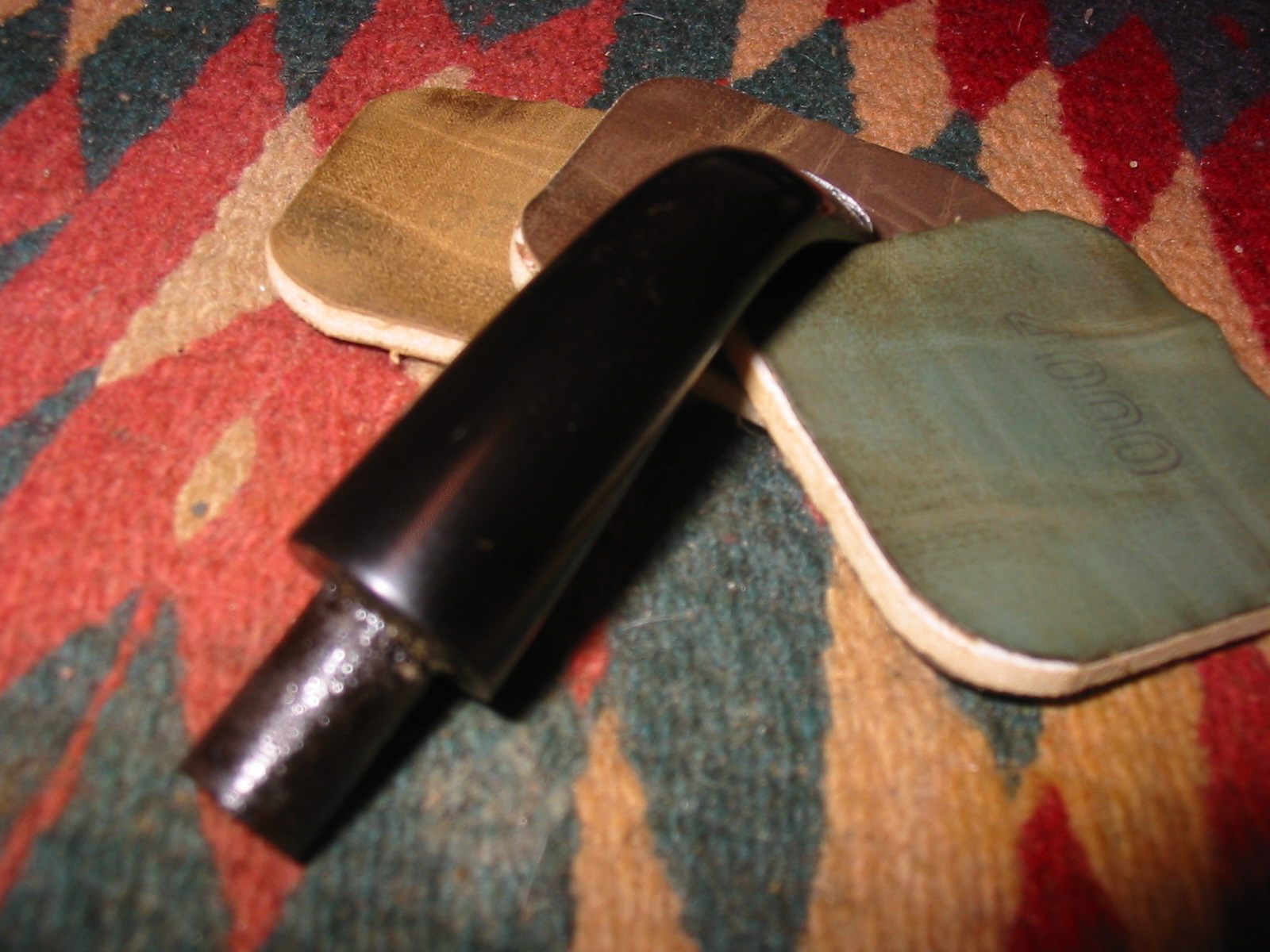
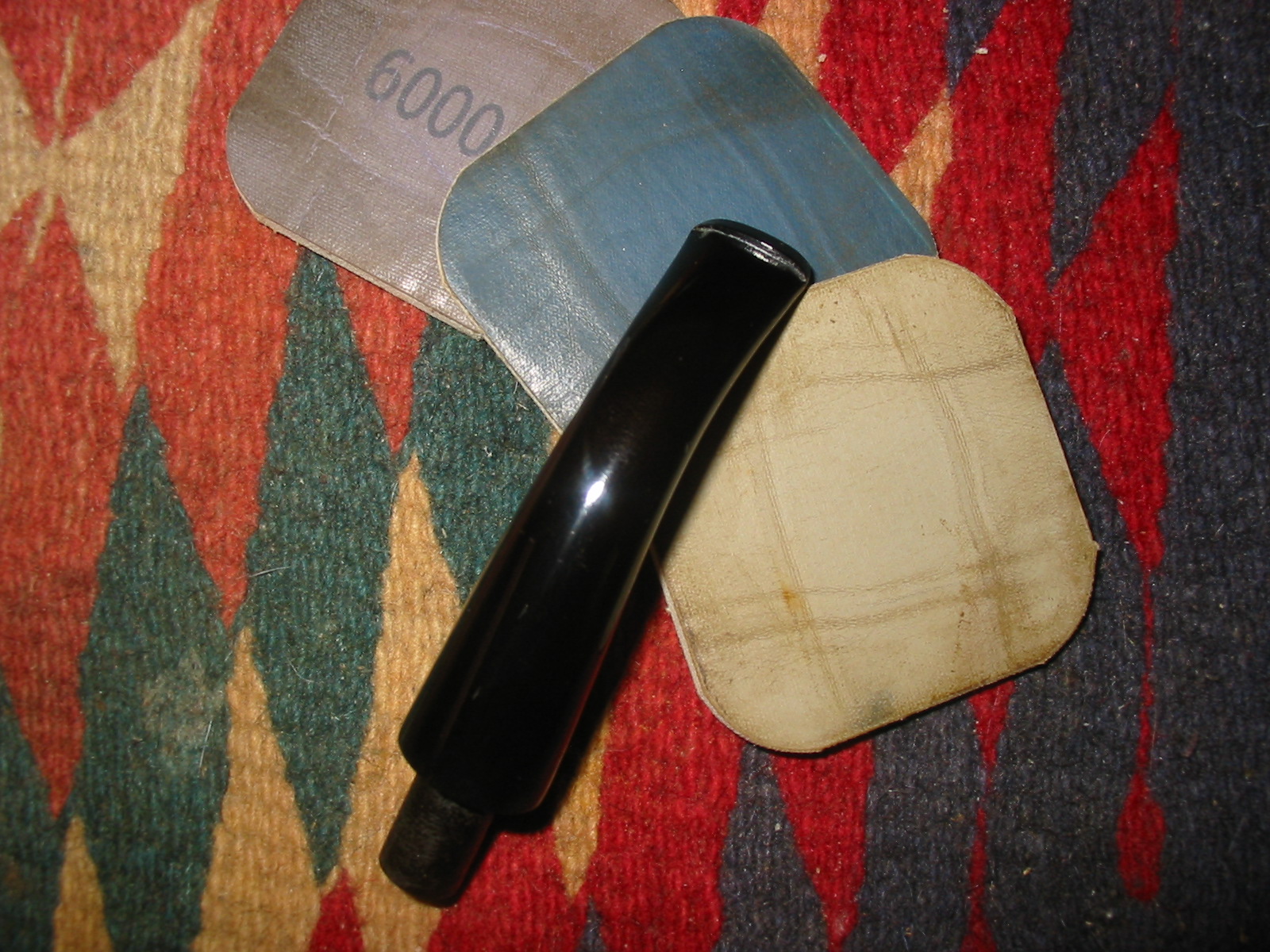
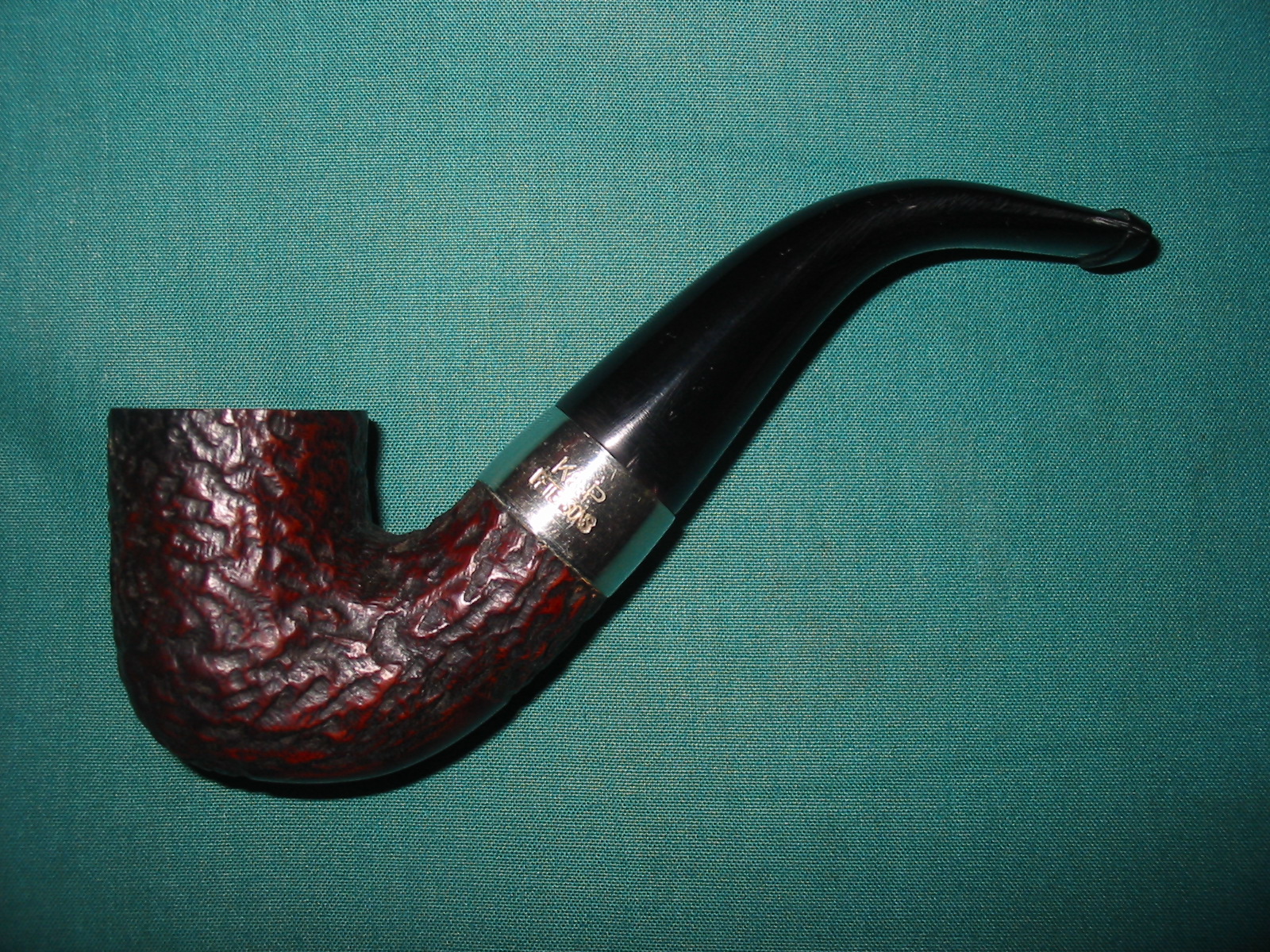
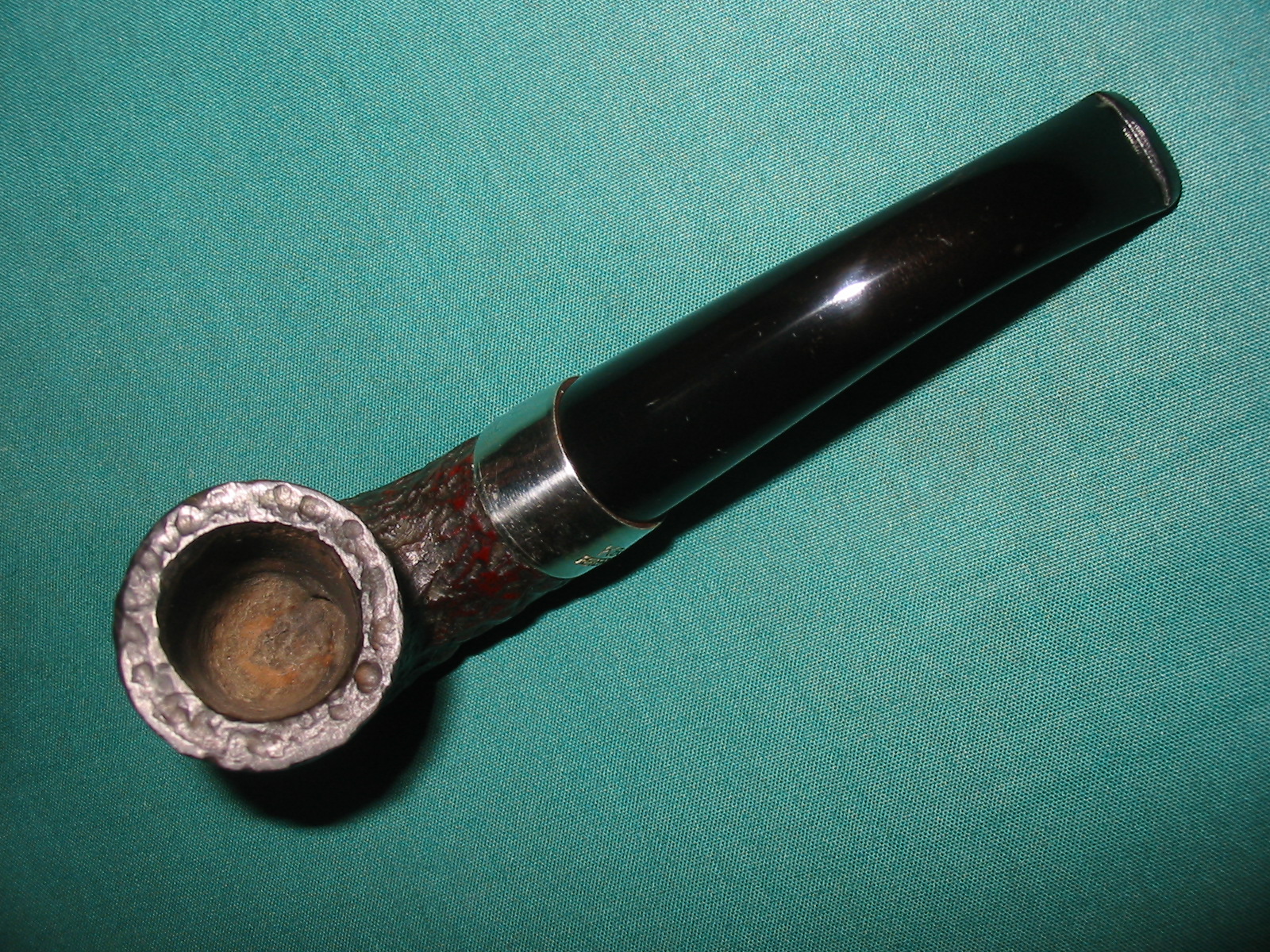
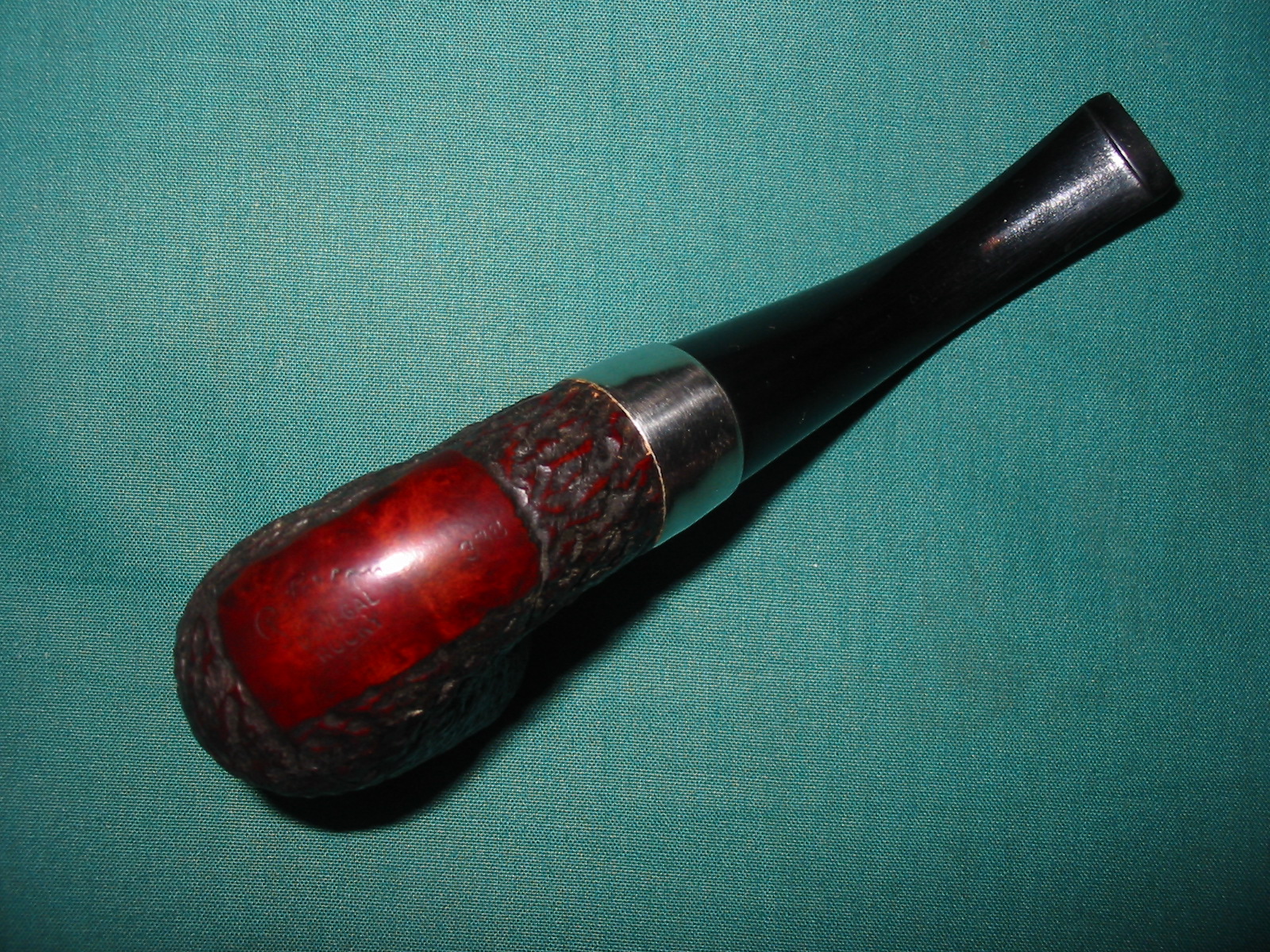
I sanded the stem with the usual array of micromesh sanding pads – wet sanding with 1500-2400 grit pads and dry sanding with 3200-12000 grit pads. In between each set of three pads (1500-2400, 3200-4000 and 6000-12000) I rubbed the stem down with Obsidian Oil. I let it dry before moving on to the next grit of pads. Once it was finished I rubbed it down with a final coat of Obsidian Oil and when it had dried I buffed the stem with White Diamond. I gave the bowl a coating of Halcyon II wax and hand buffed it with a shoe brush and gave the stem multiple coats of carnauba wax, buffing with a clean flannel buffing pad between applications. The finished pipe is shown below. It too is ready for its inaugural smoke – maybe a bowl of Louisiana Red will start this one off also… anyway, it is ready for the a long life ahead.






 rebornpipes