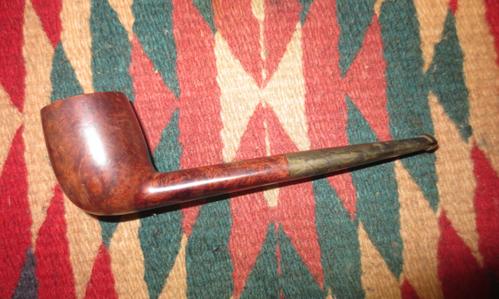
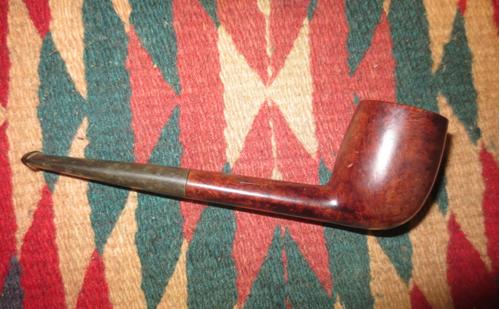
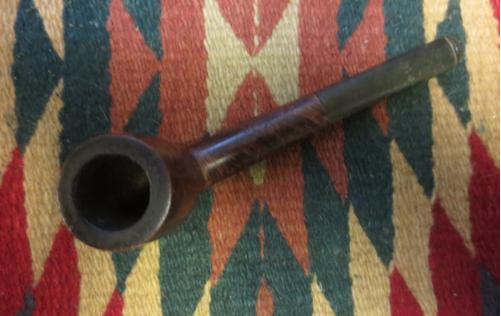
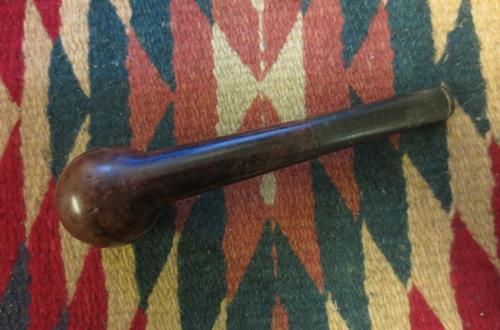
Tag Archives: Heibe pipes

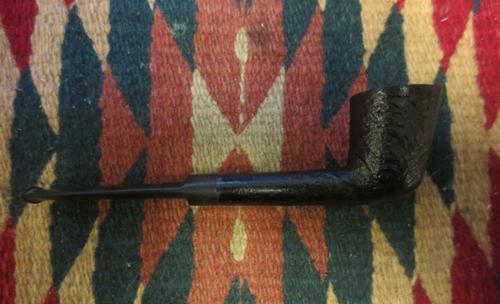
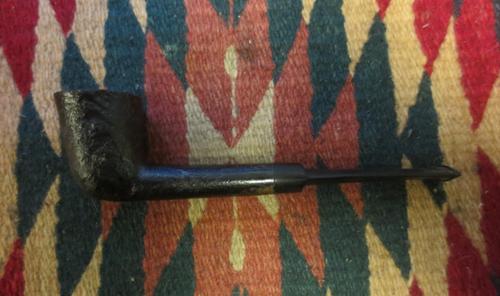
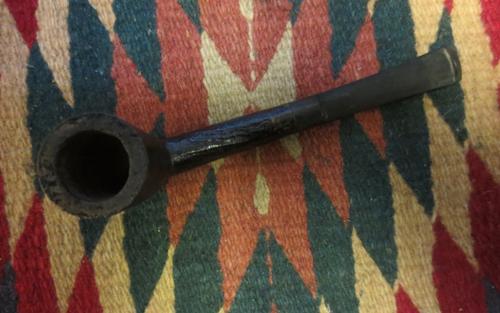
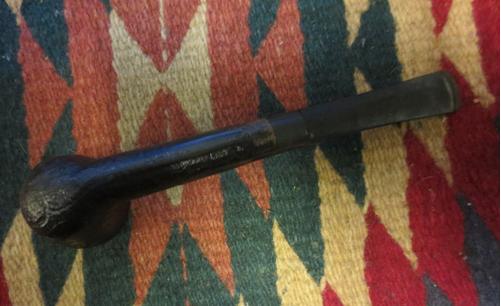
Cleaning up the last of the Sofia, Bulgaria Finds – a Heibe Dublin 430


Blog by Steve Laug

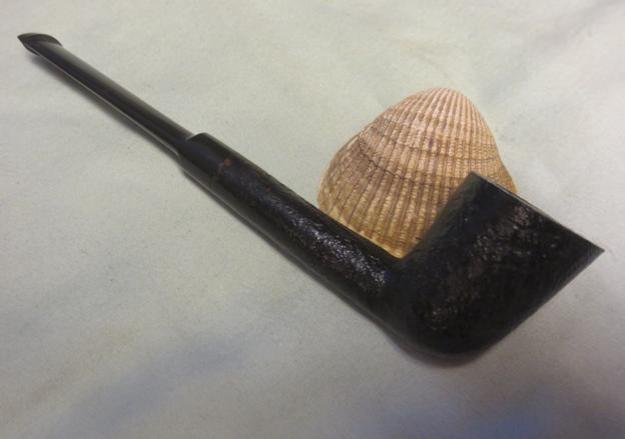
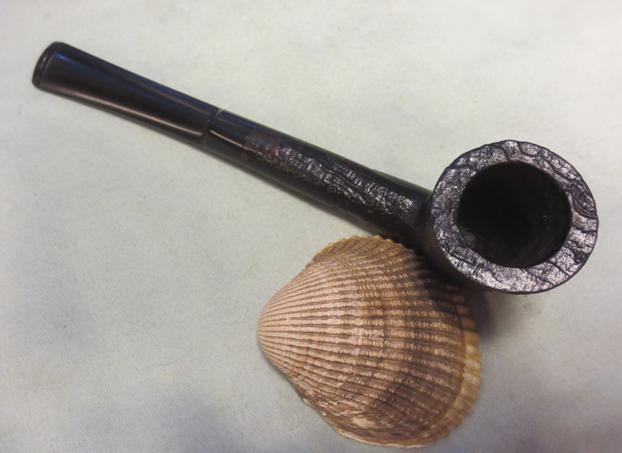
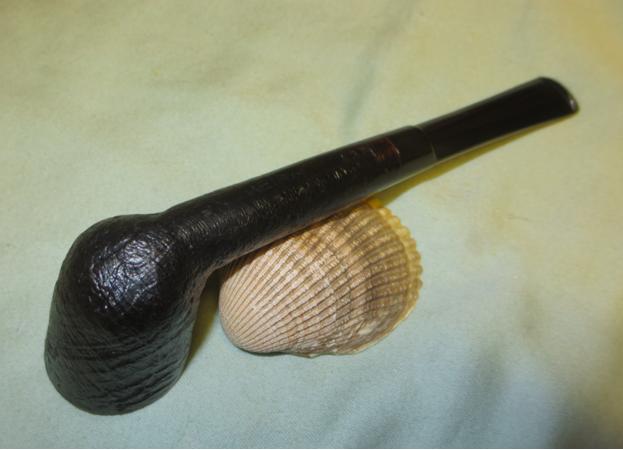
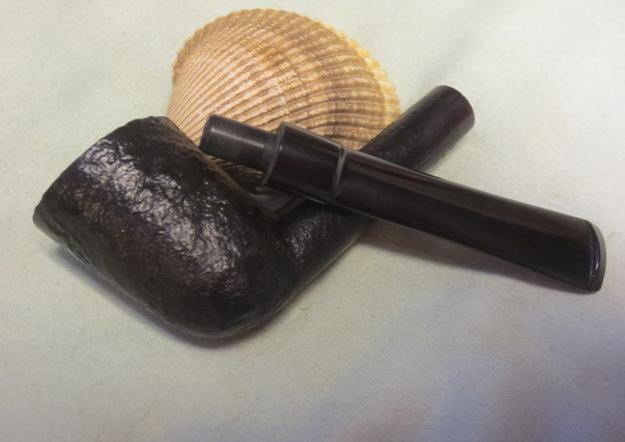
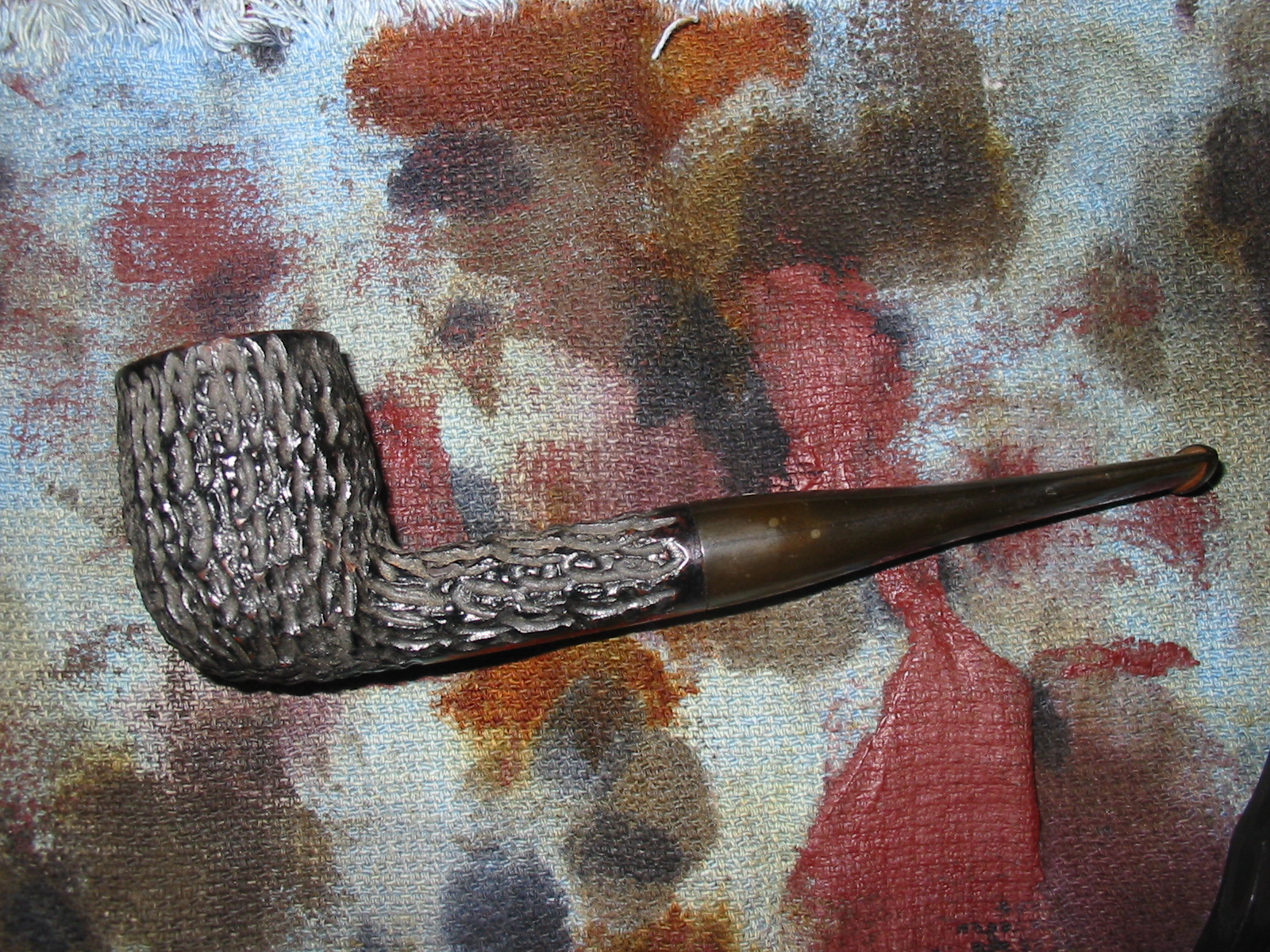
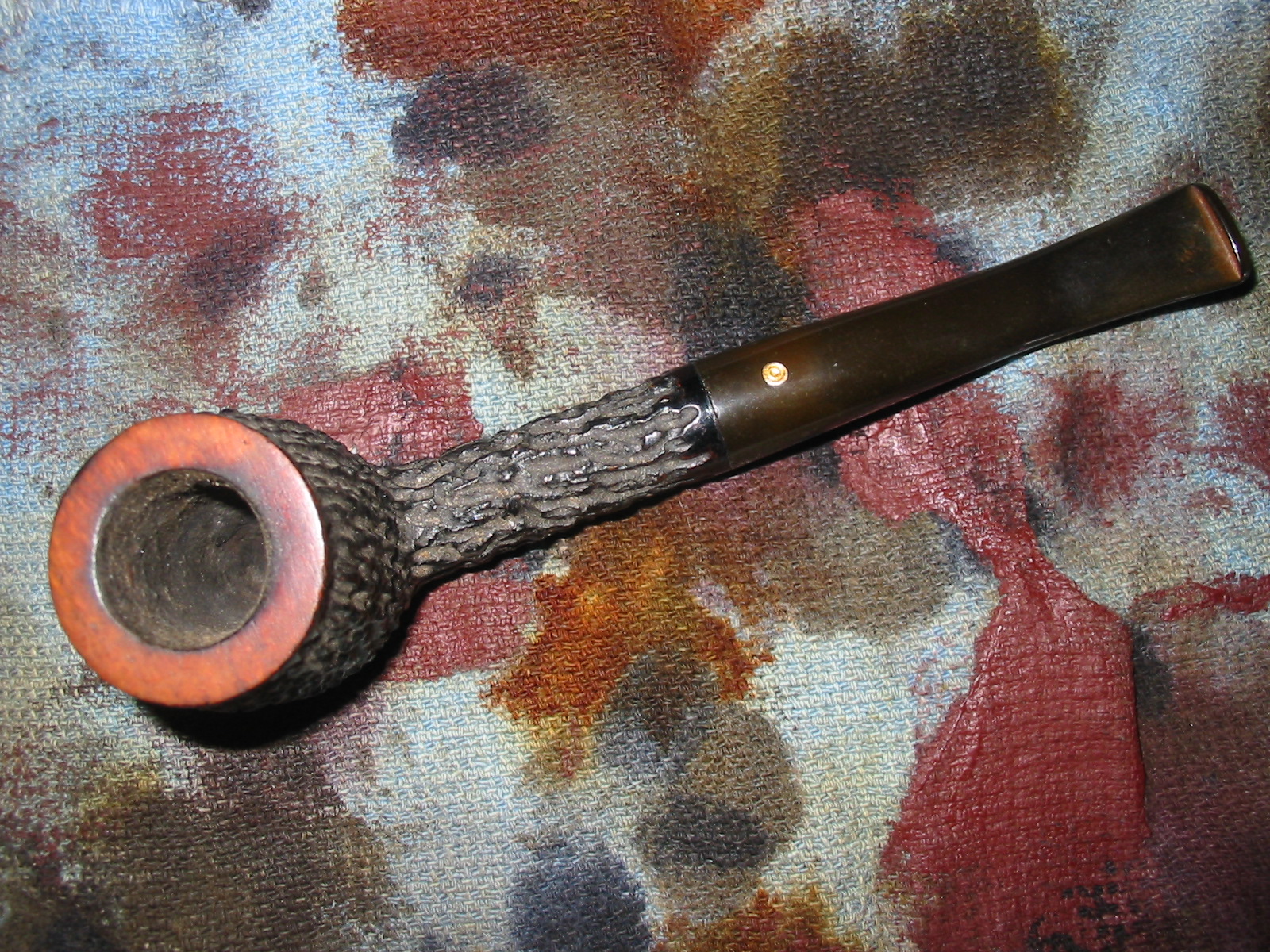
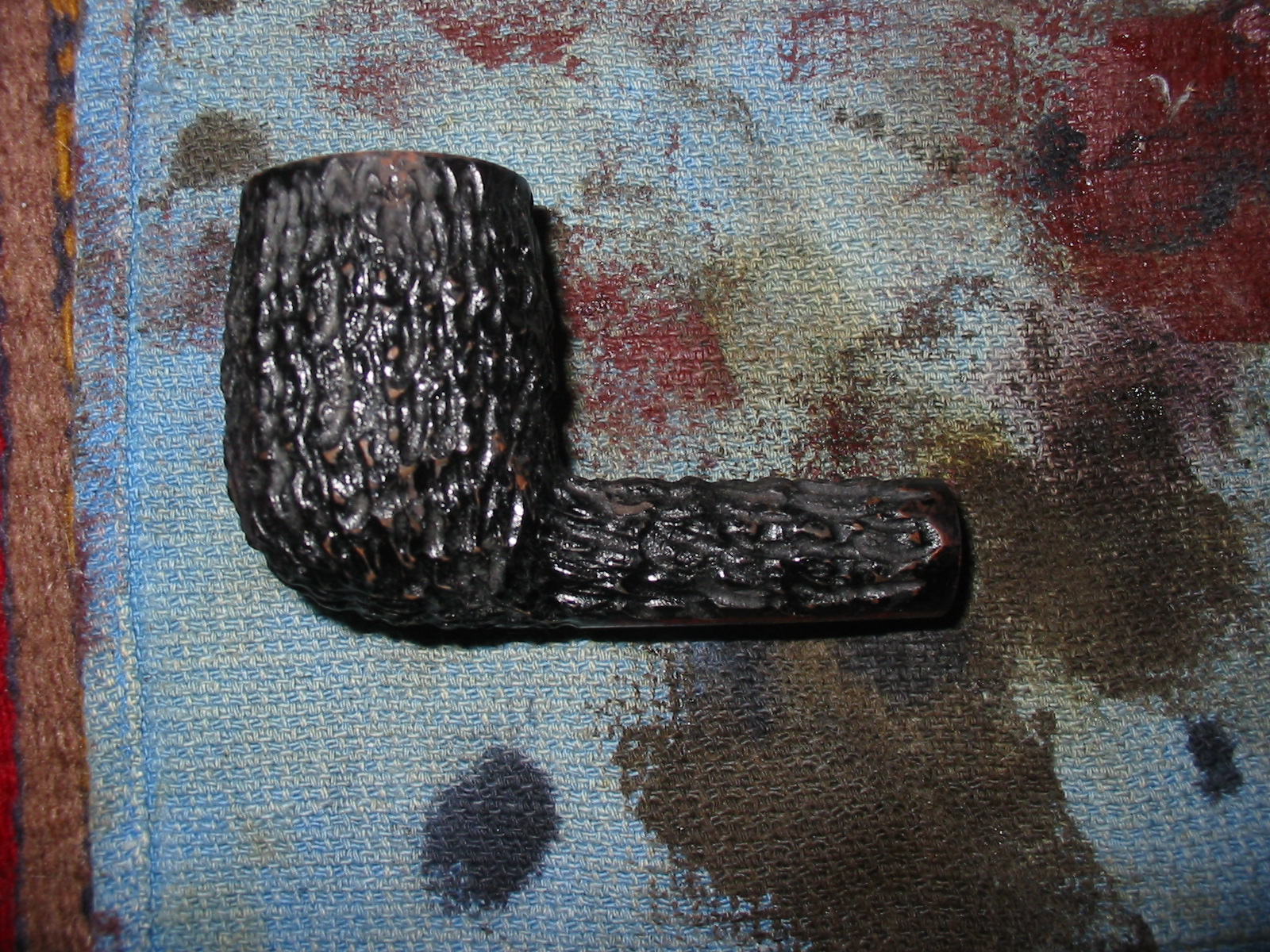
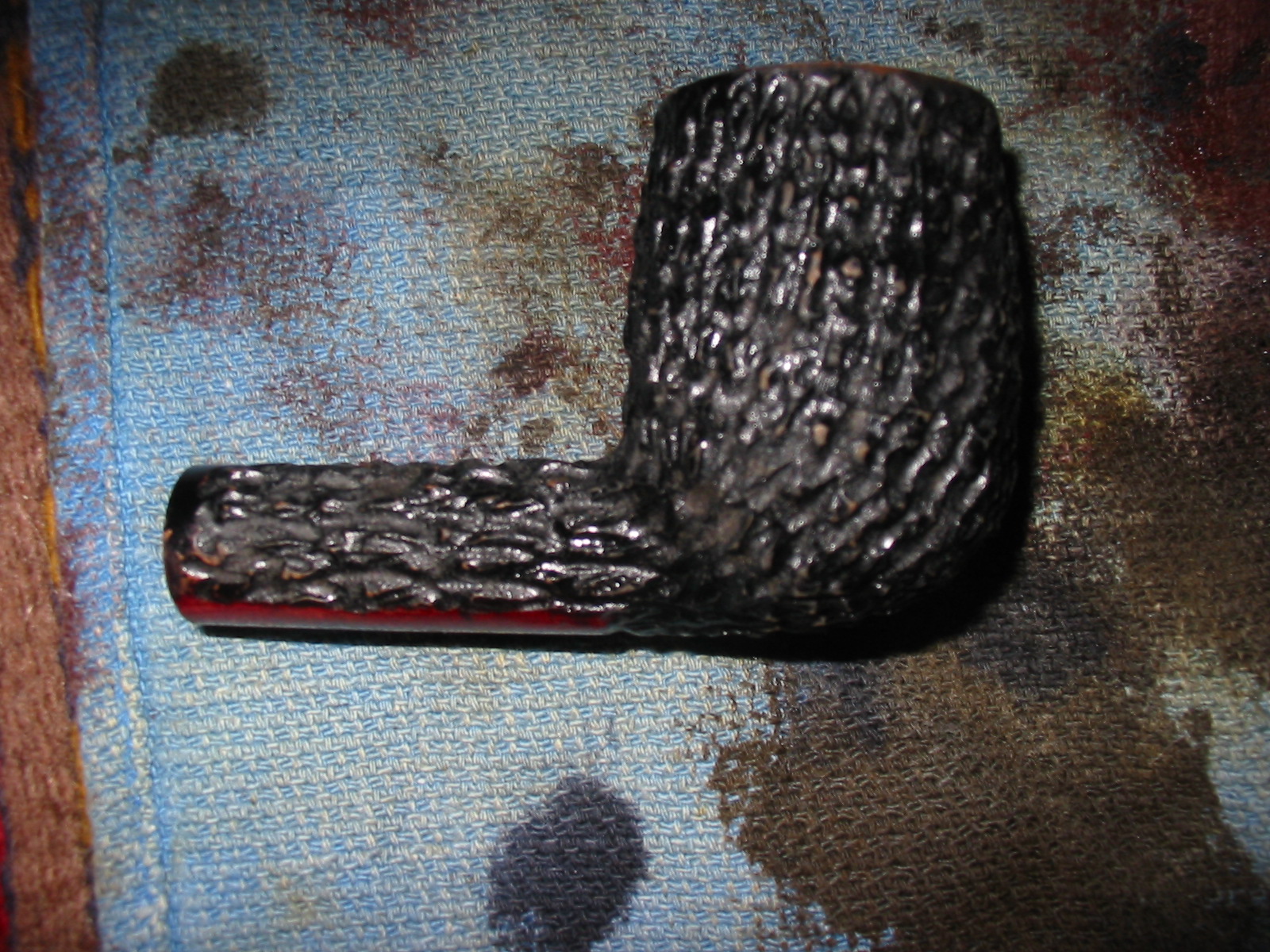
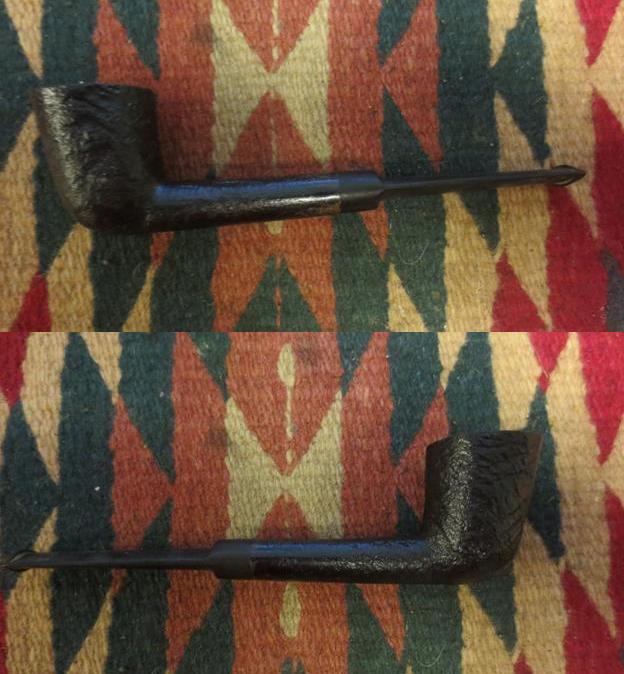
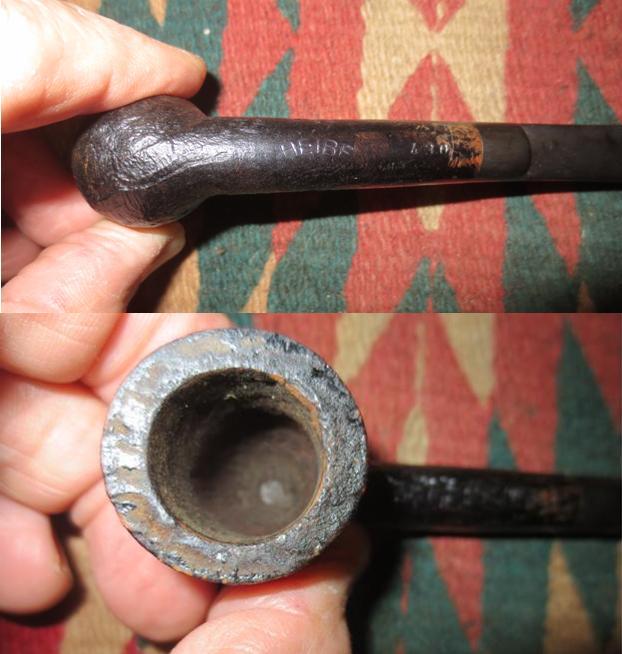
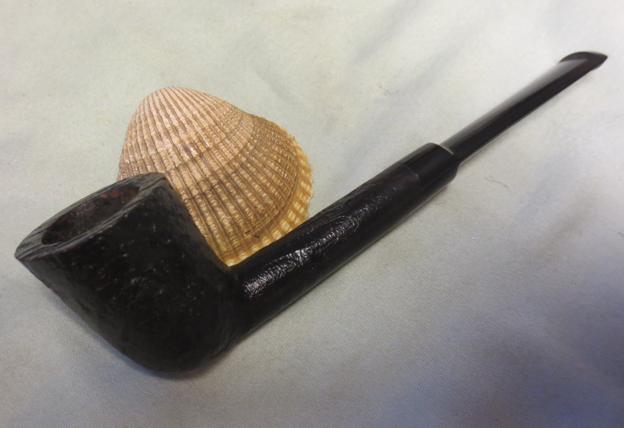
This is the last of the pipes I picked up on my trip to Europe and the pipe hunt with Dal in the market in Sofia. It is a nice sandblast Dublin stamped with an arced Heibe next to the shape number 430. There is no other stamping on the pipe so dating it is a bit difficult. I looked up what information I could find on the brand and found on Pipedia a short description of the brand. I quote it here in full with the reference at the end. “Heibe pipes are made by the company of the same name, owned in turn by Erich Heikaus, KG, in Bergneustadt, Germany. The trademark for the Heibe name was first filed on March 9, 1966 and registered on January 14, 1967. The sole trademarked line name of Heibe is the Heibe Goldpoint, which was applied for in 1970 and granted on May 31, 1972. Pipes have been seen stamped both “Germany” and “West Germany”, showing that the Heibe Company continued to make pipes after 1990, but these pipes appear to no longer be in production.  https://pipedia.org/wiki/Heibe

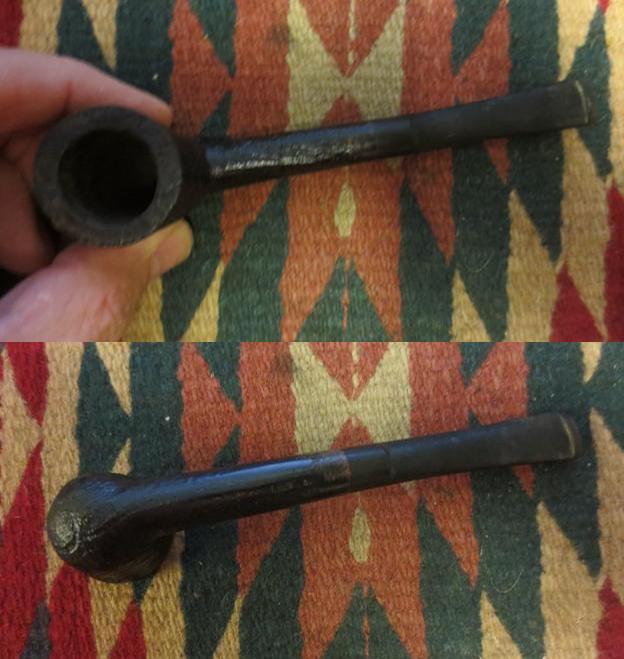
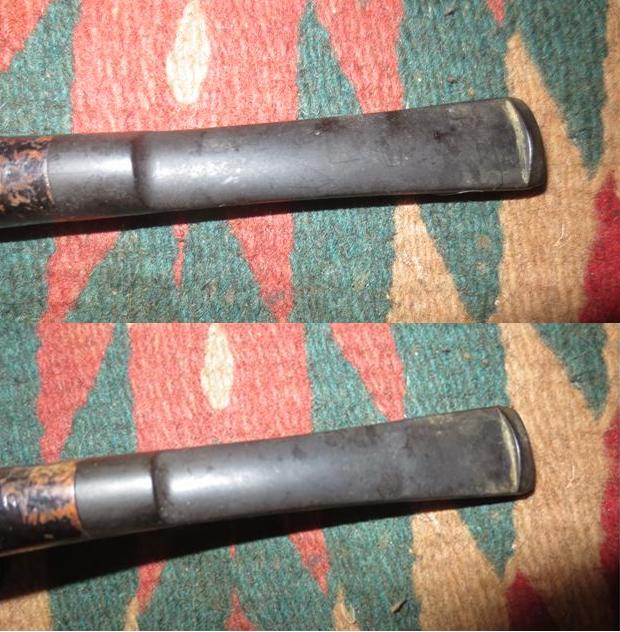
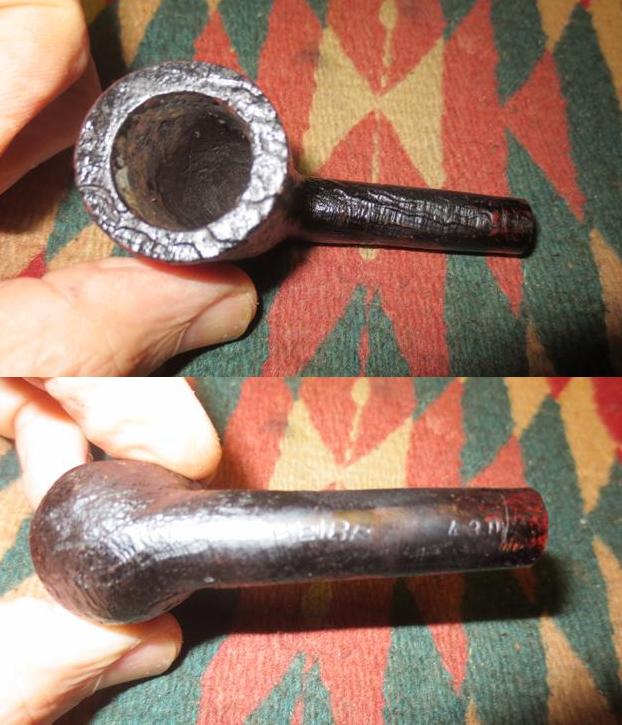
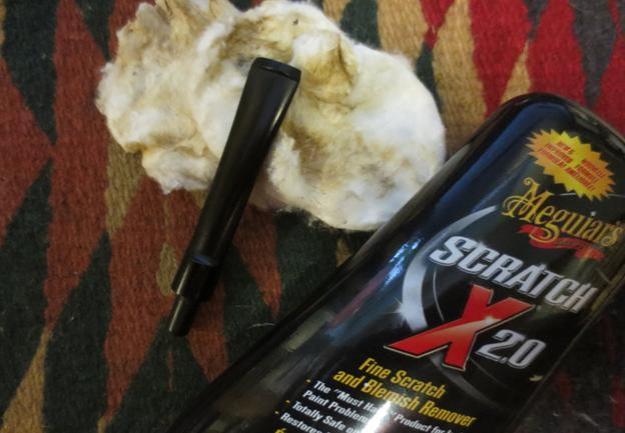
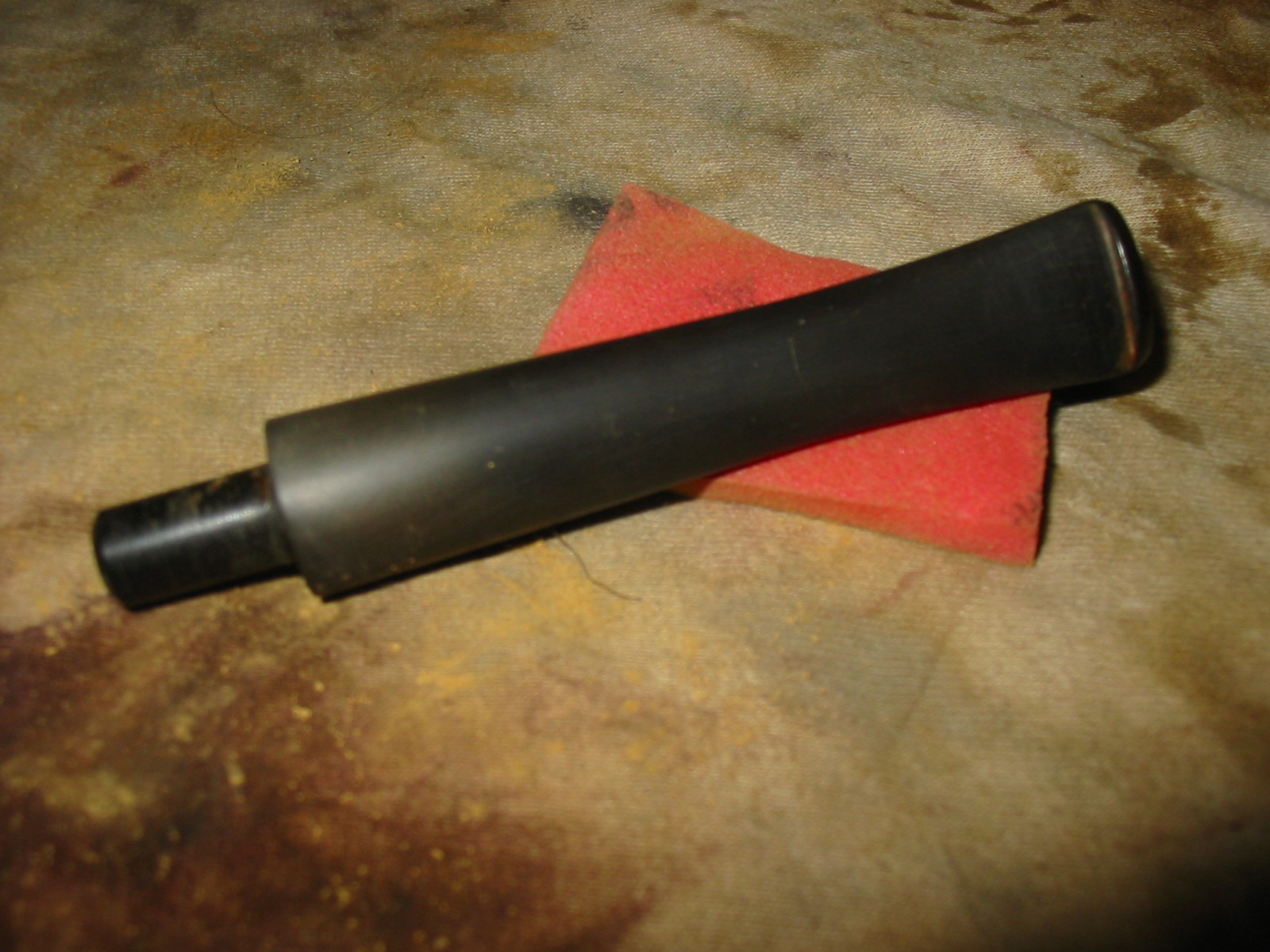
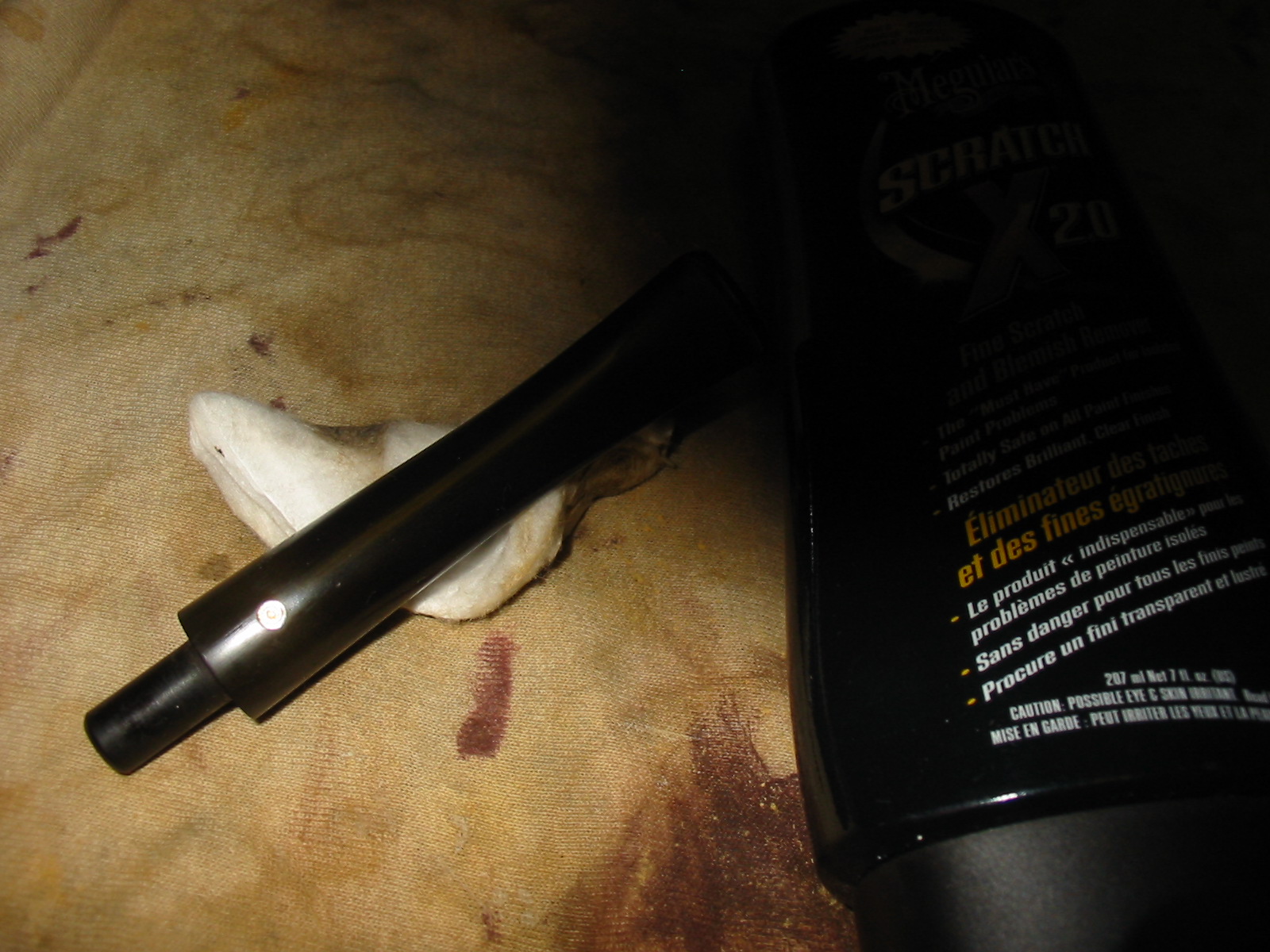
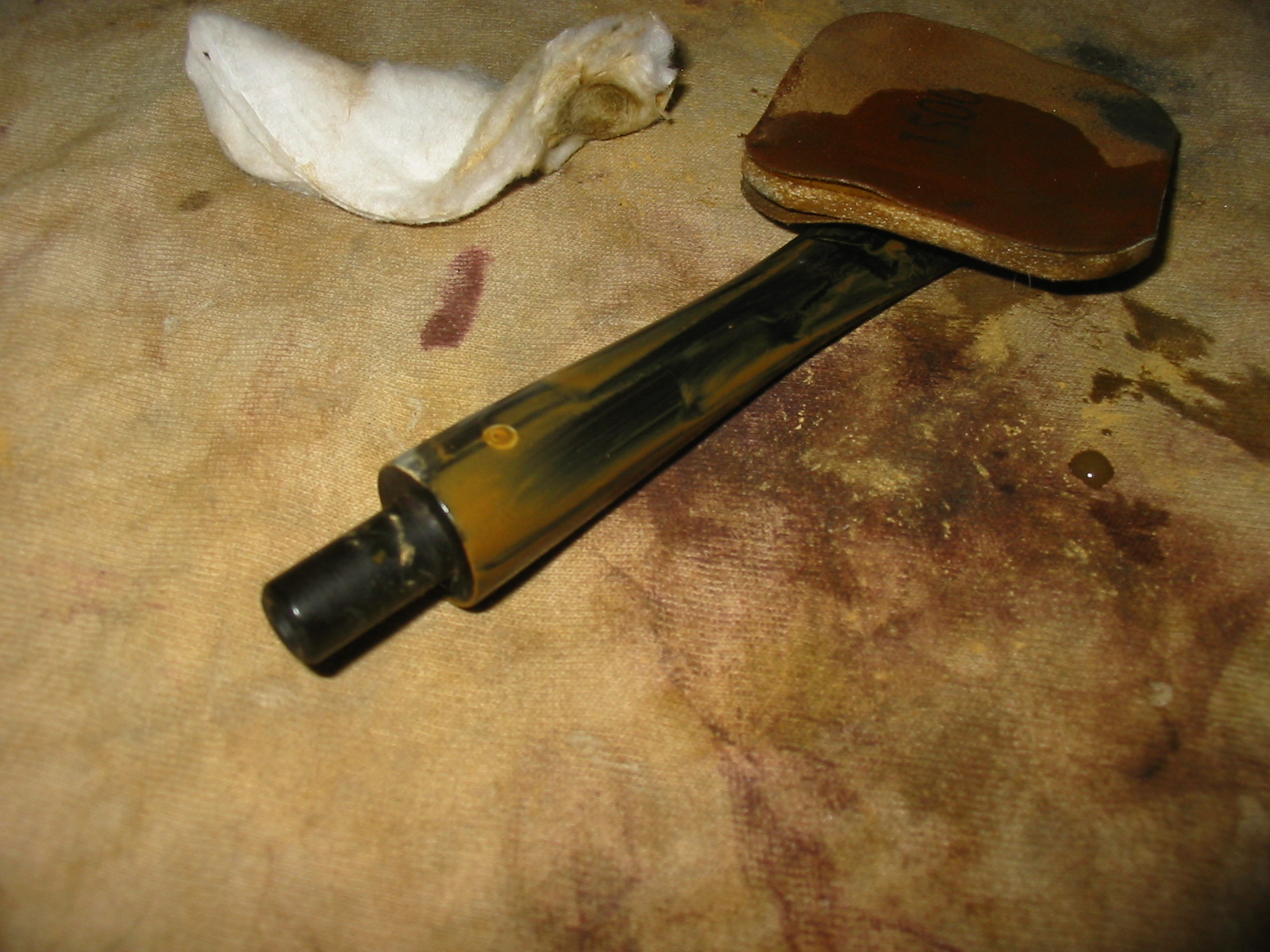
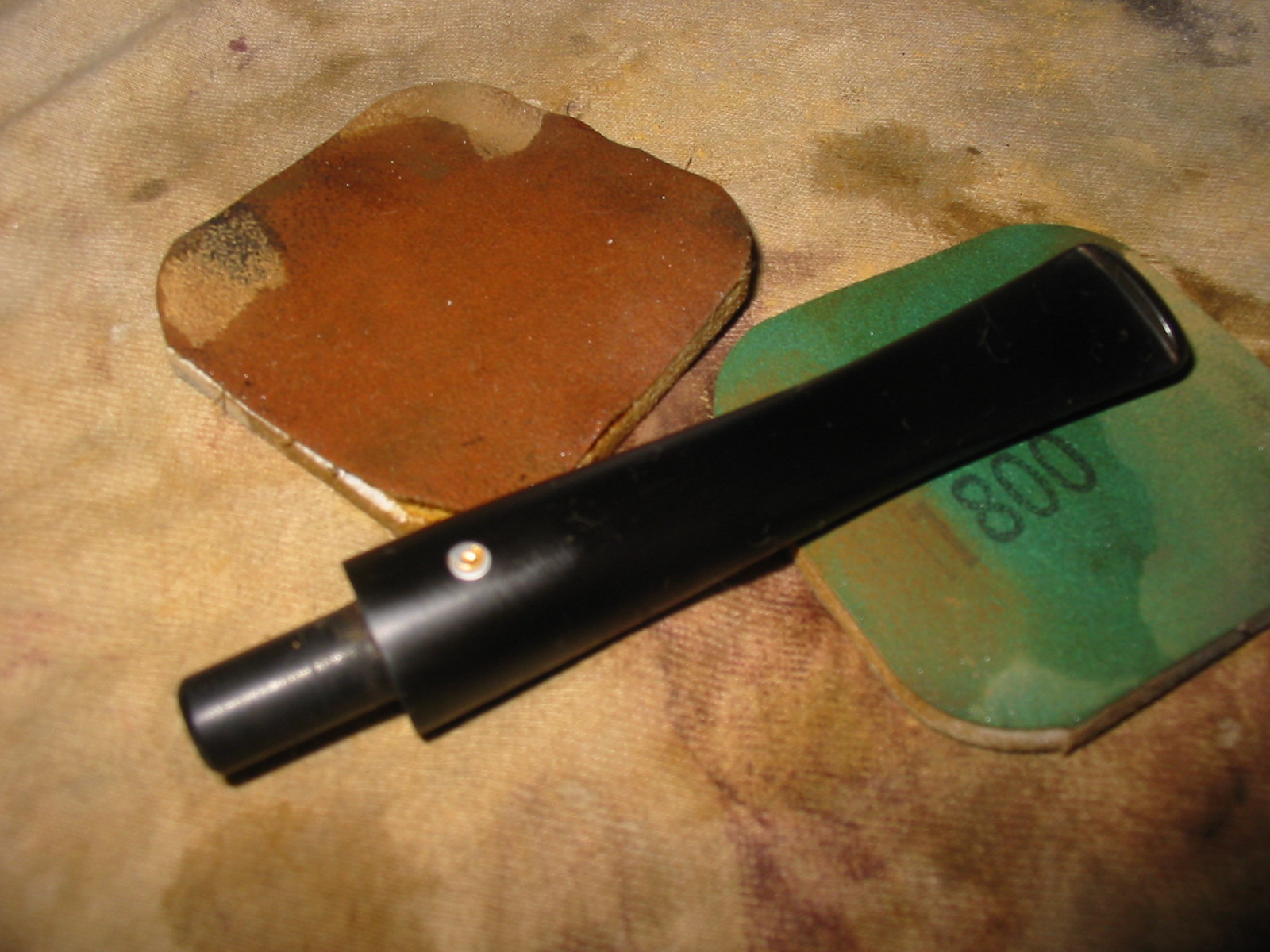
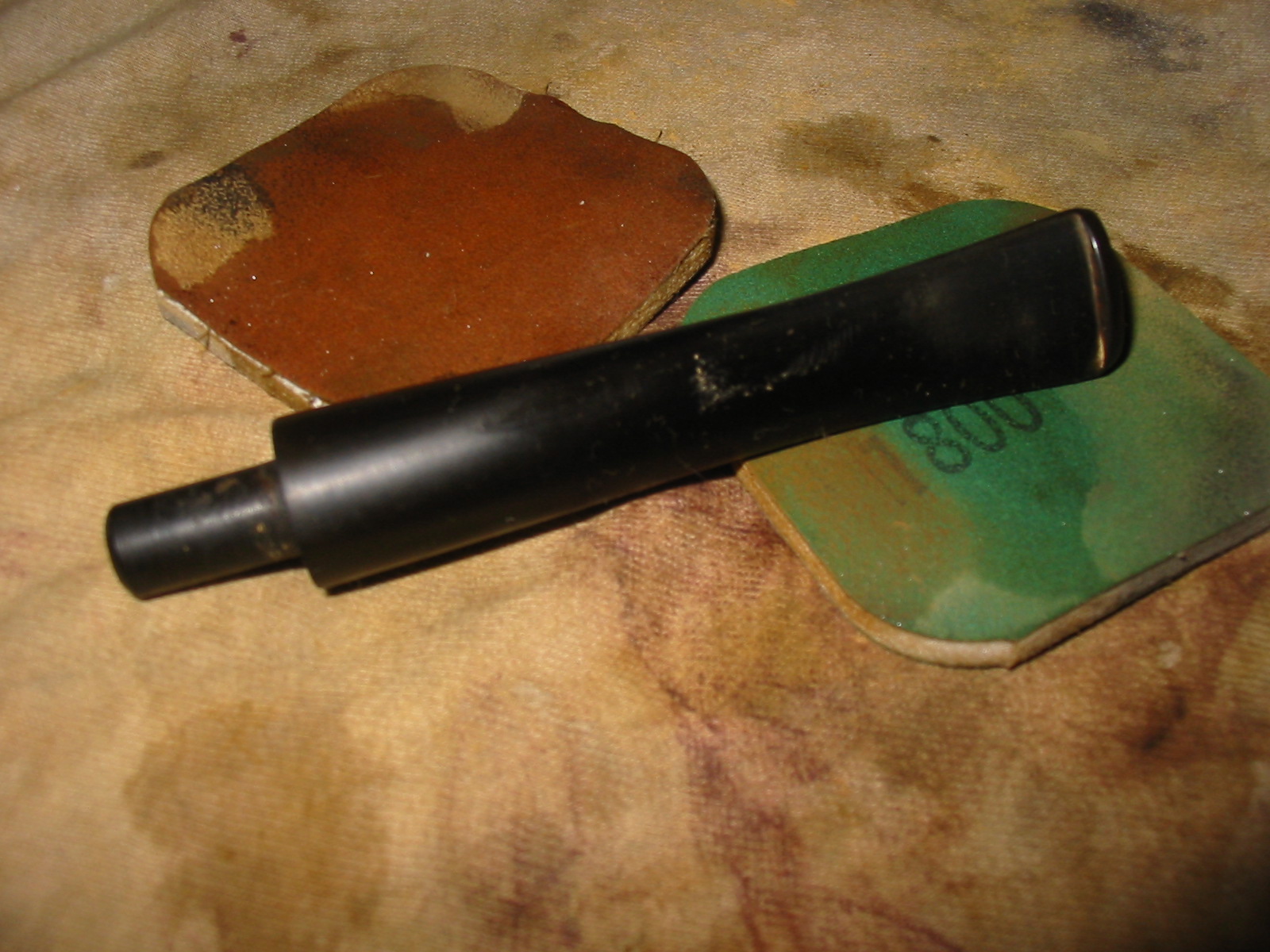
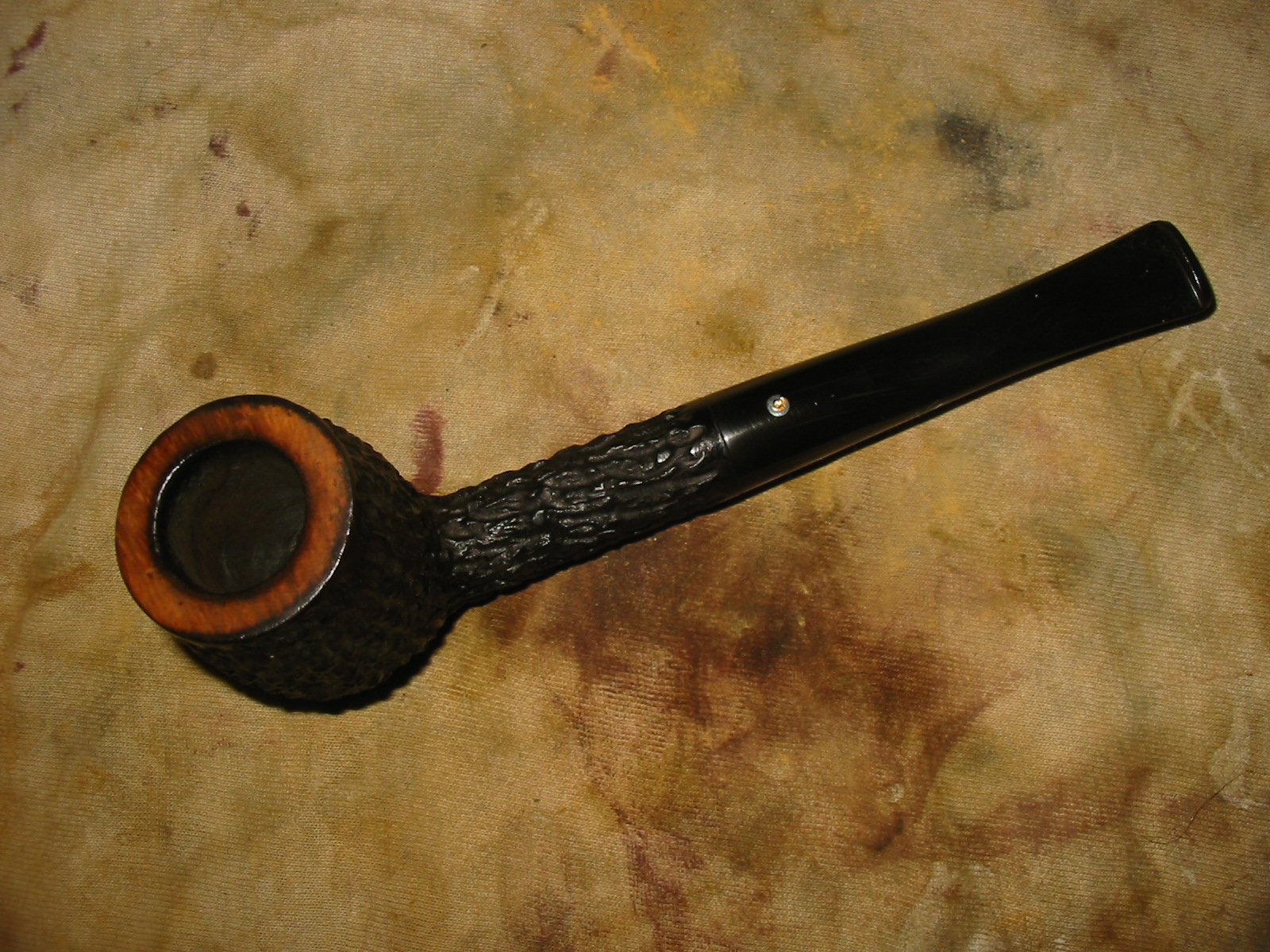
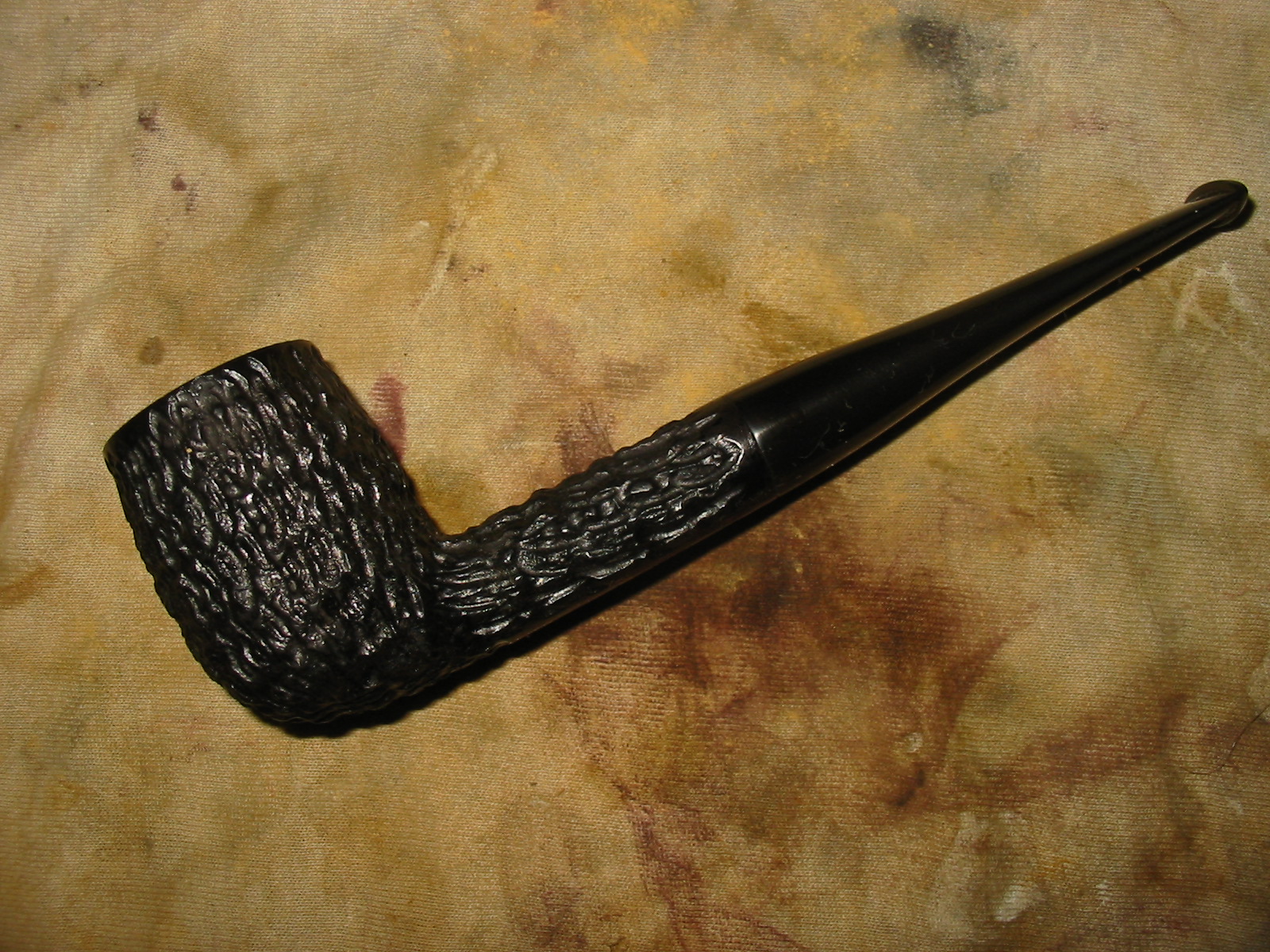
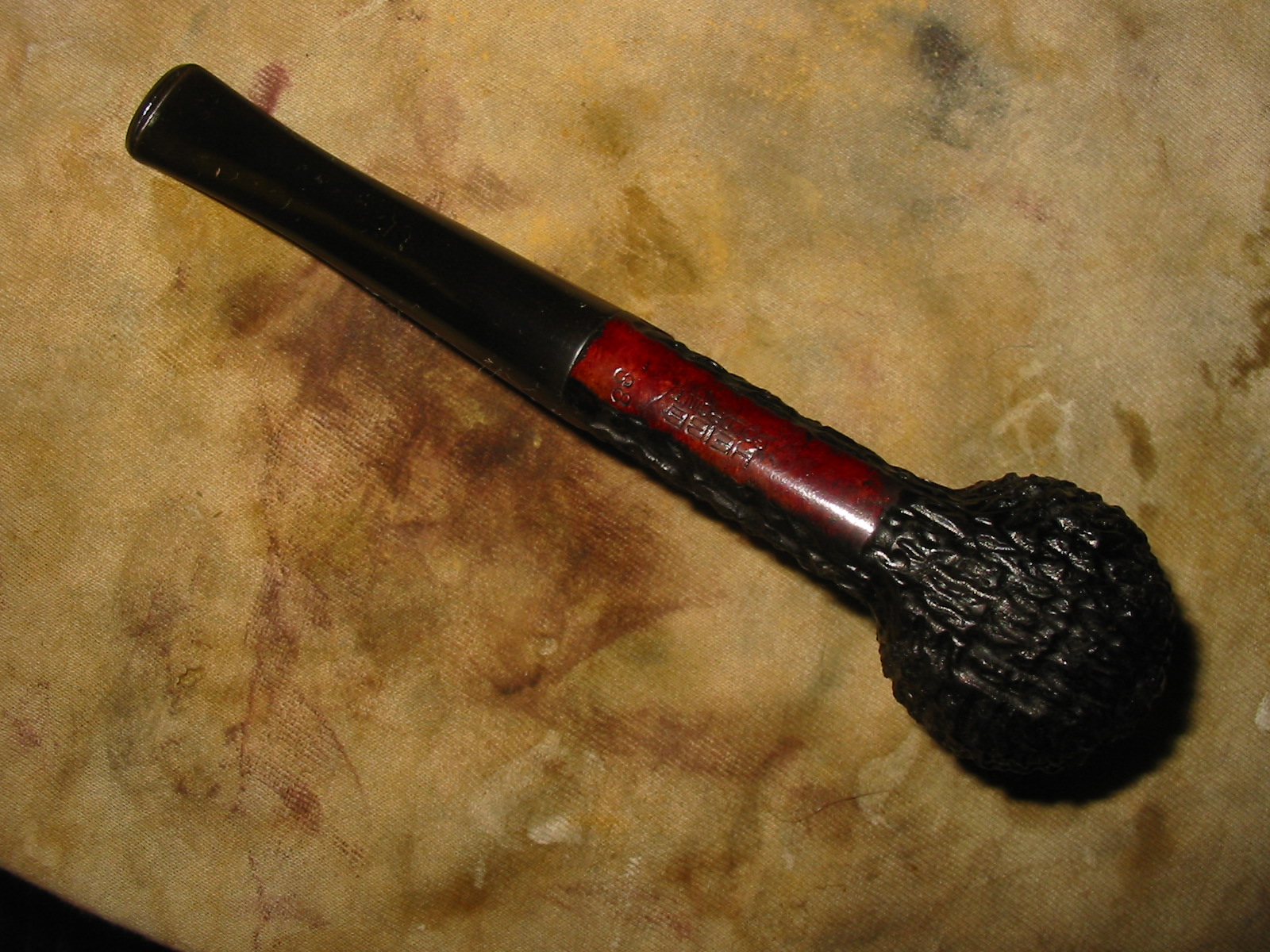
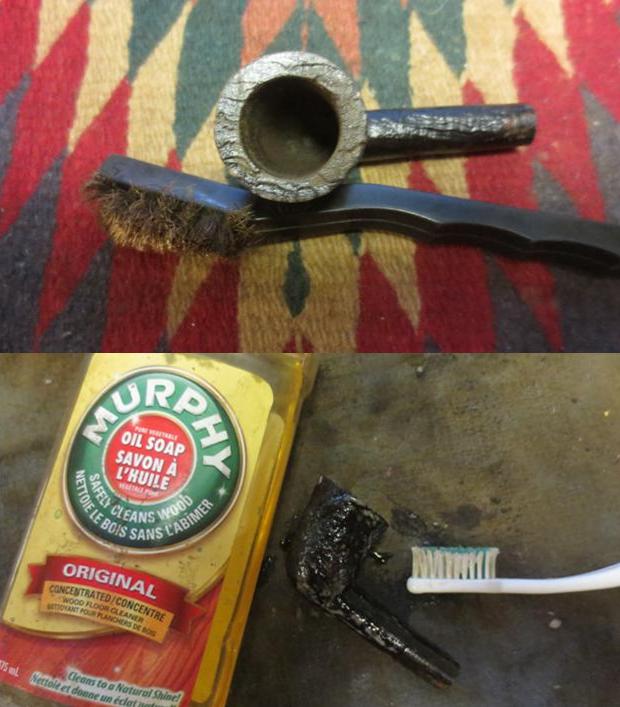
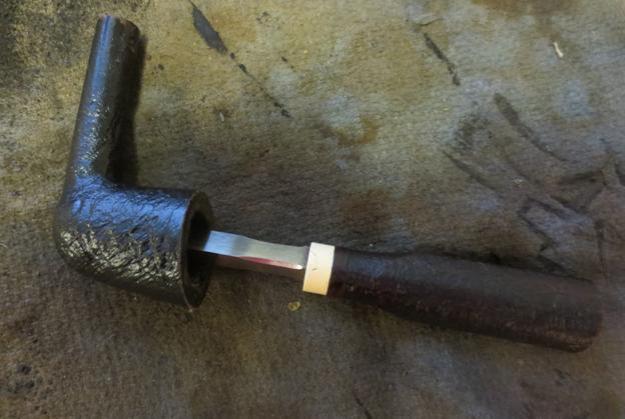
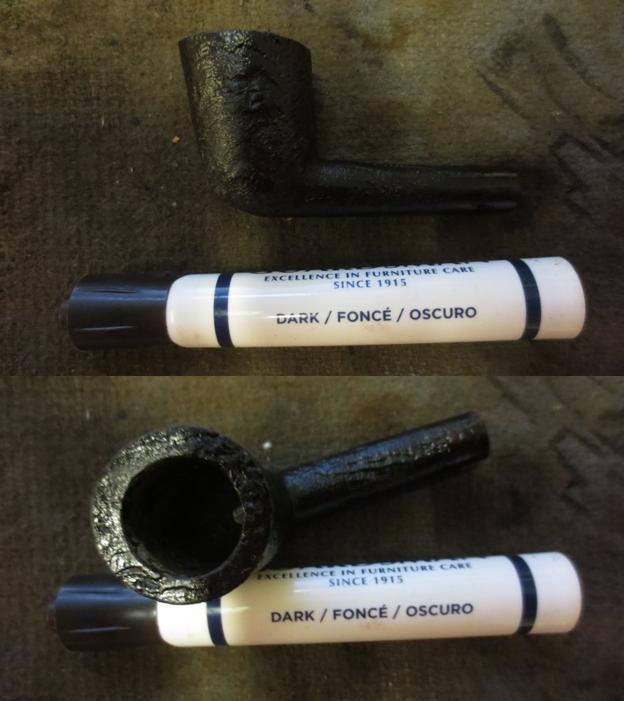
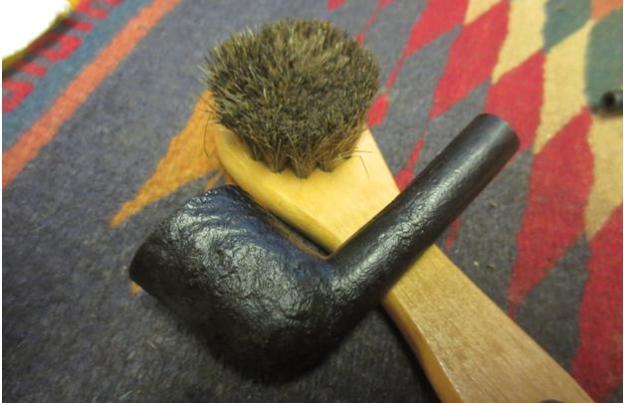
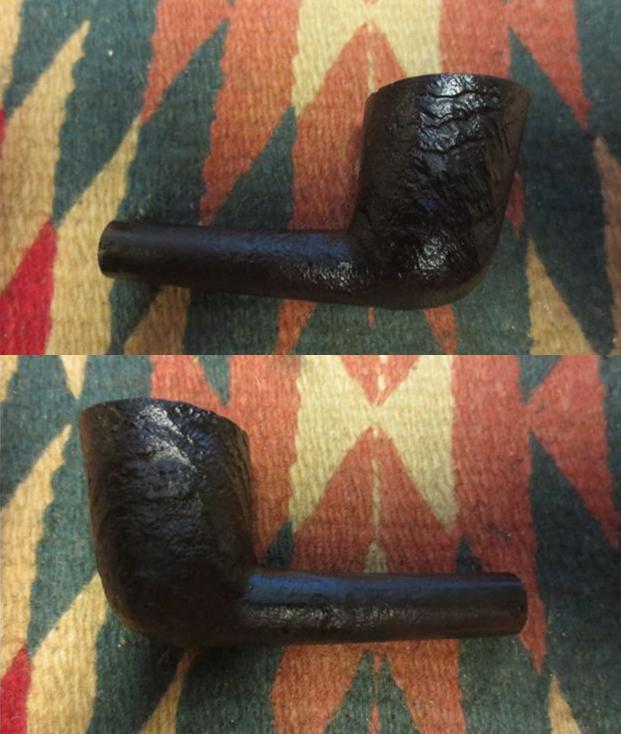
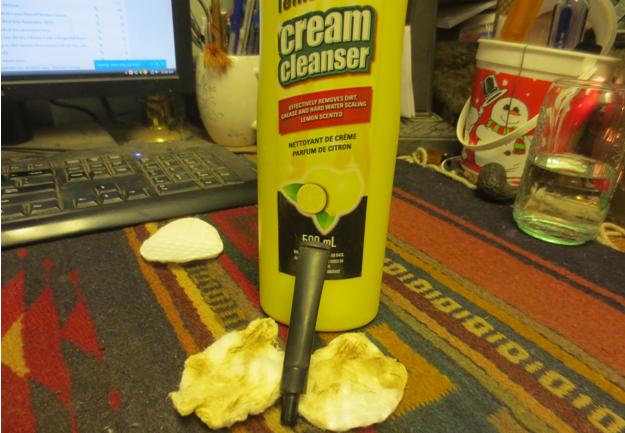
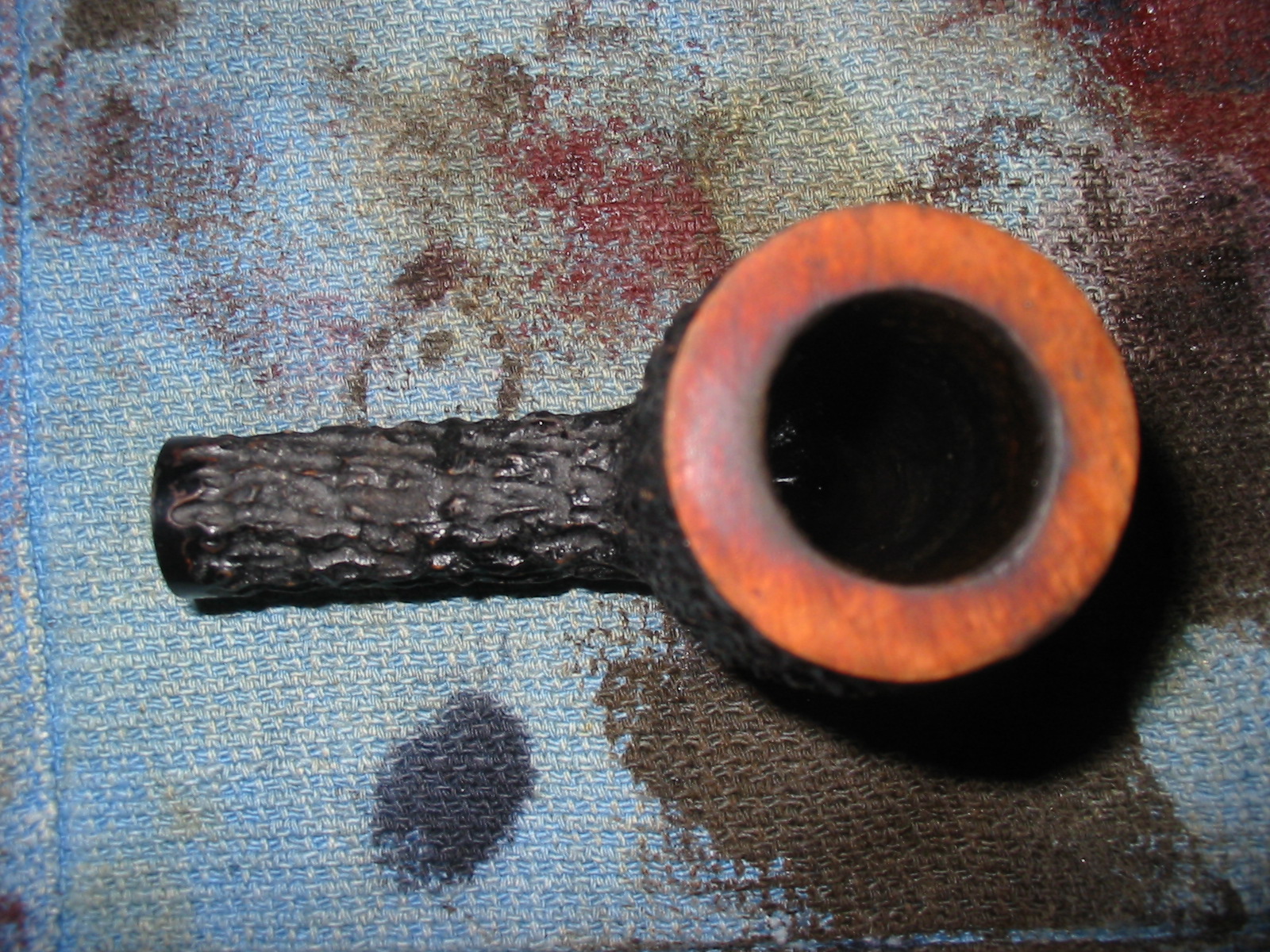
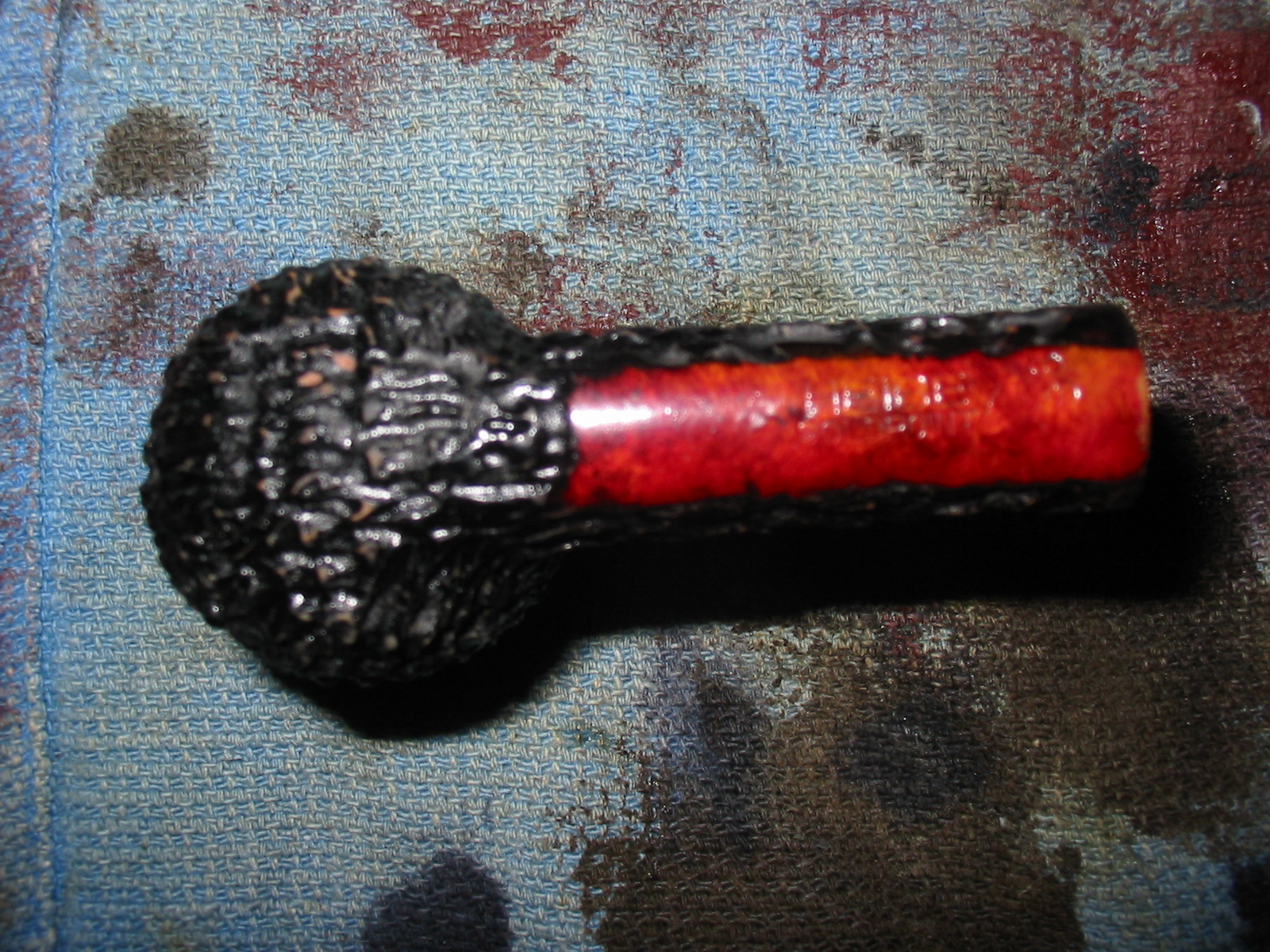
The pipe was in decent shape though the bowl and shank were dull and dirty. The stem was made of quality vulcanite that was not badly oxidized. It had no tooth chatter and other than dirt on the stem it was clean. The rim had some tars and oils over flowing from the bowl but it was not heavy. The cake was thin and uneven. There was a lot of dust in the grooves of the blast that gave the finish a dull appearance. There were some worn spots on the shank near the stem and also on the outer edges and top of the rim that would need to be touched up with stain. But other than that the pipe was in decent shape.Heibe1 Heibe2I took some close-up photos of the stamping, the bowl and rim and the stem to show the state of the pipe when I started cleaning it. You can see the shape number and brand in the first photo as well as the wear on the finish at the stem. In the second photo you can see the tars and grime on the rim and the thin cake in the bowl. The last two photos show the stem top and bottom sides. You can see the quality vulcanite had not oxidized too much.Heibe3 Heibe4I scrubbed the rim with a brass bristle wire brush to clean out the grooves and remove the build-up. It did not take too much scrubbing to get it clean. I scrubbed the rim with Murphy’s Oil Soap to remove the dust and grime in the sandblasted finish. I rinsed it under running water to remove the soap.Heibe5I scraped out the cake in the bowl with the Savinelli Pipe Knife. I took it back to bare briar.Heibe6I touched up the worn areas of the finish on the shank and the rim with a dark brown stain pen and then hand buffed the bowl with a shoe brush. The photos below show what the bowl looked like at this point in the process.Heibe7 Heibe8I hand buffed the bowl and shank with a shoe brush to get a feel for the look of the restained portion of the pipe. The new stain blended in very well with the older stain.Heibe9I gave the bowl several coats of Conservator’s Wax and then buffed it once again with the shoe brush. The polished bowl is shown in the photos below.Heibe10 Heibe11I decided to work on the stem with the cream cleanser and the Meguiar’s Scratch X2.0 once again. Since there were no tooth marks in the stem it would be just a matter of polishing the vulcanite. I scrubbed it with cream cleanser and cotton pads until I had removed the majority of the grime. I scrubbed it with the Meguiar’s to finish polishing it.Heibe12 Heibe13The two polishing compounds removed the grime. I cleaned out the airway with pipe cleaners and alcohol and the stem was finished. I scrubbed the mortise and the airway into the bowl with pipe cleaners, cotton swabs and alcohol and cleaned it out as well.Heibe14I buffed the cleaned pipe with Blue Diamond on the buffing wheel to polish the stem and lightly polish the bowl. I gave the stem several coats of carnauba and the bowl a very light coat of carnauba and then buffed the pipe with a clean buffing pad to raise the shine. I finished buffing it by hand with a microfibre cloth to give it a deeper shine. The look of the finished pipe is shown in the photos below. It has a nice blast and clean sharp lines to it. If anyone is interested in this one let me know it will go on the store very soon. Thanks for looking.Heibe15 Heibe16 Heibe17 Heibe18 Heibe19 Heibe20 Heibe21
Some Good Pipe Finds on a Recent Work Trip to Europe


Blog by Steve Laug

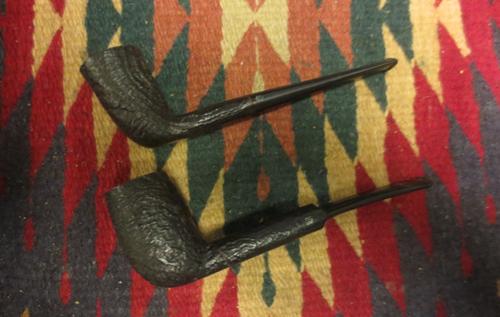
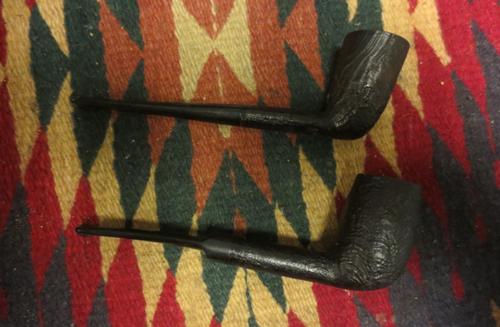
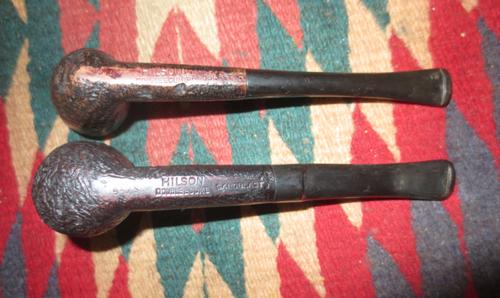
I just can’t get around fitting in a pipe hunt on my trips. There is something intoxicating about hunting for old estate pipes in whatever city I am traveling to or visiting. When I am traveling in Europe for work it is a bit harder to have time to go pipe hunting but on the most recent trip to Paris, Berlin, Sofia and Athens I had a little time. In Paris the hunt was almost an accident. My colleague from work and I were walking in the Latin Quarter to meet some friends for a dinner at a Belgian Mussel’s Restaurant and I came across a fellow selling items on a table-cloth in a doorway. It was like the sidewalk sales that spring up here in Vancouver where a person put a table-cloth down and puts items for sale on it. I looked in an archway as we walked by and I happened to see a pipe on the cloth. I picked it up and it was a Hilson Double Ecume Sandblast Dublin 5. The stain was dark and the blast was deep and craggy. The stem was in great shape with the Hilson H stamp on it. It had minimal bite marks. As I looked at it I noticed that it was a meerlined bowl. I asked the seller what he wanted for it. He said he had another as well and pulled out a second Hilson Double Ecume Sandblast with a meerlined bowl. This one was a stack with a saddle stem stamped 95/S. It also had a nice sandblast. The stem was in better shape than the Dublin and also bore the Hilson H on the left side of the saddle.He said he would sell me both of the pipes for 10 Euros. I handed him the Euros and the deal was done.
The pair of pipes is shown in the next four photos below. They are in pretty nice shape and should clean up easily enough.find1 Find2 Find3 Find4I was pretty excited to have found this pair of pipe when I really was not hunting for them and figured I had my finds for the trip. I wrapped them and put them in my bag for safe keeping while I continued on my trip. I did not expect to have more time to go pipe hunting. But I would be proved wrong.
I left Paris for Berlin and had quite a few days of meetings with no time for pipe hunting. We left Berlin and flew to Sofia, Bulgaria. We were met by a colleague and her husband at the airport. After a quick trip to our hotel they took us for a walk about in the city centre. The two women went looking for gifts that my colleague wanted to bring home with her and the husband and I went pipe hunting. He is a newbie pipe restorer (I just posted his first blog on rebornpipes today – Dal Stanton). He took me to one of his haunts – an outside antique market in the shadow of Sofia’s largest church building – Nevski Cathedral. We visited the same vendor where he had purchased the Dr. Plumb Oom Paul he wrote about restoring (https://rebornpipes.com/2016/06/10/a-newbie-restore-of-a-dr-plumb-9456-oom-paul/). He asked the vendor to show us his pipes and after looking through them I picked out three.
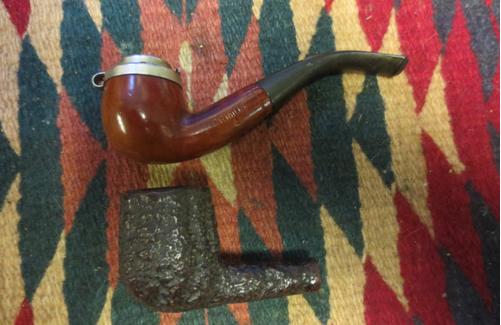
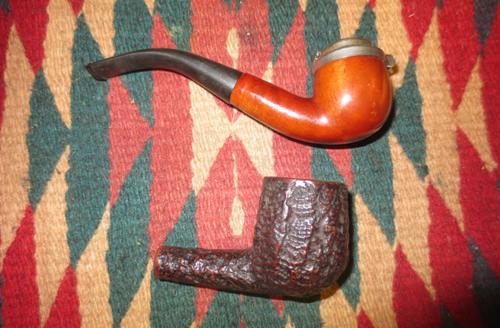
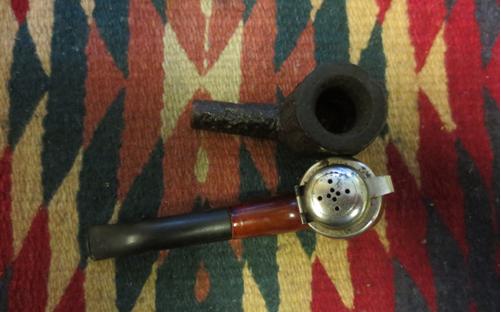
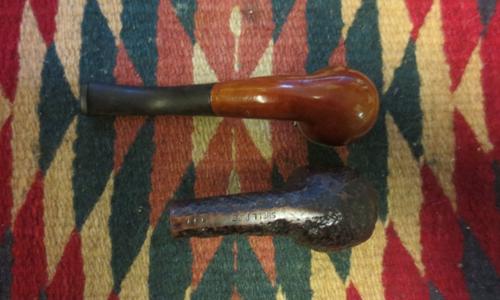
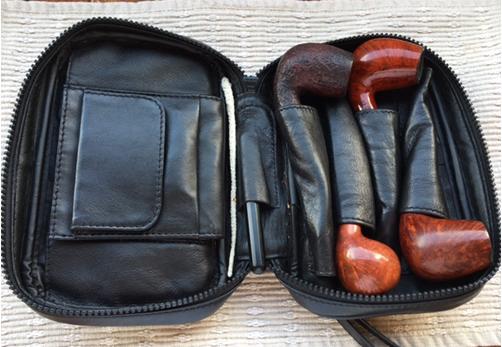
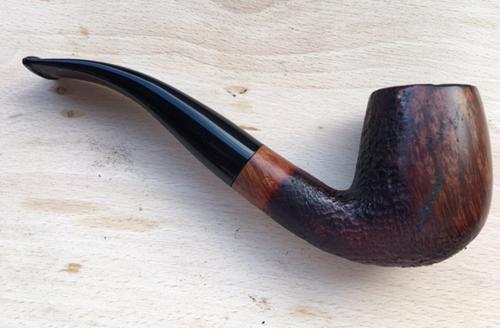
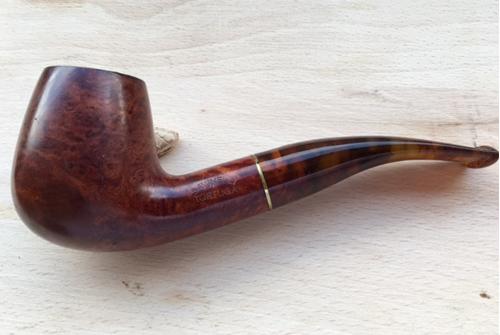
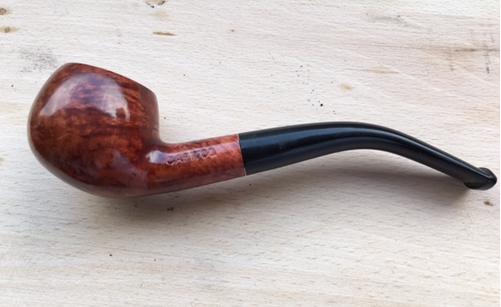
The top pipe in the photo is stamped Primus over 2. It appears to be made of an alternative wood rather than briar and has a silver rim cover and windcap. It is missing a band that must have disappeared previously and the stem is an obvious replacement that is poorly fit to the shank. The second pipe I purchased from him was a bowl sans stem that is stamped Shell Pipe 141. The combination sandblast and rustication give the pipe a great look. I paid about 15 Lev or $11 Canadian for these two. We left behind a lot of pipes with cracked shanks and a bag of pipe bowls and assorted stems. Who knows maybe Dal will pick some of them up at a later date?Find5 Find6 Find7 Find8 We went on to another seller and I found a nice looking oval shank billiard that was stamped Alko Old Briar on top of the shank. It had an inner tube from the tenon extending into the bottom of the bowl. The briar had some nice grain and the finish, thought dirty was in decent shape. The stem was lightly oxidized with some tooth chatter but otherwise it was in decent shape. It looks like an older pipe by the shape of the stem and the button. This one cost me about 5 Lev or just over $3 Canadian. Find9 Find10 Find11 Find12 Find13We wandered around the market and visited as we walked along. We went to another seller that Dal had bought things from in the past and I picked up a nice little straight sandblast saddle stem Dublin. The bowl had a nice blast that was lighter than the one on the pair of Hilson pipes from Paris but it was pleasing nonetheless. The finish was worn but redeemable and it was stamped on the underside of the shank HEIBE in an arch with the number 430 next to the shank/stem junction. The stem was lightly oxidized and had no tooth chatter on the surface. This one also cost me about 5 Lev or just over $3 Canadian.Find14 Find15 Find16 Find17From the market we walked to a shop Dal called the hole in the wall – a place he had found some nice pipes in the past. We went through many of the pipes that vendor was selling and left them behind. Dal spoke to the vendor about some pipes that he had seen when he had been there previously and the man took out a pipe bag and opened it for us.Find18Inside there were some beautiful pipes. We looked them over carefully– there was a bent sandblast Stanwell Vario, a Savinelli Tortuga, a Butz Choquin Rocamar and a bent Capitol Apple. All of these were in a pipe bag with a tamper and filters in the pouch. The seller was asking somewhere around 140 Lev or $102 Canadian for the four pipes and the bag. I bypassed them by Dal went back and picked them up the day I flew to Athens. I think he got a great deal on four beautiful pipes.Find19 Find20 Find21 Find22When I got to Athens I did not have time to go pipe hunting. I did see some promising antique shops that will have to be checked out the next time I am there. It was a great trip with great meetings and people and it ended with me bringing home these six pipes. I am happy to have found them and had a great time in the process of hunting.  Until I get to go back and do some more looking, I will have many fond memories of the trip and the hunts that will come to mind as I clean and restore these pipes.

Rejuvenating a Heibe Goldpoint Billiard


Blog by Steve Laug

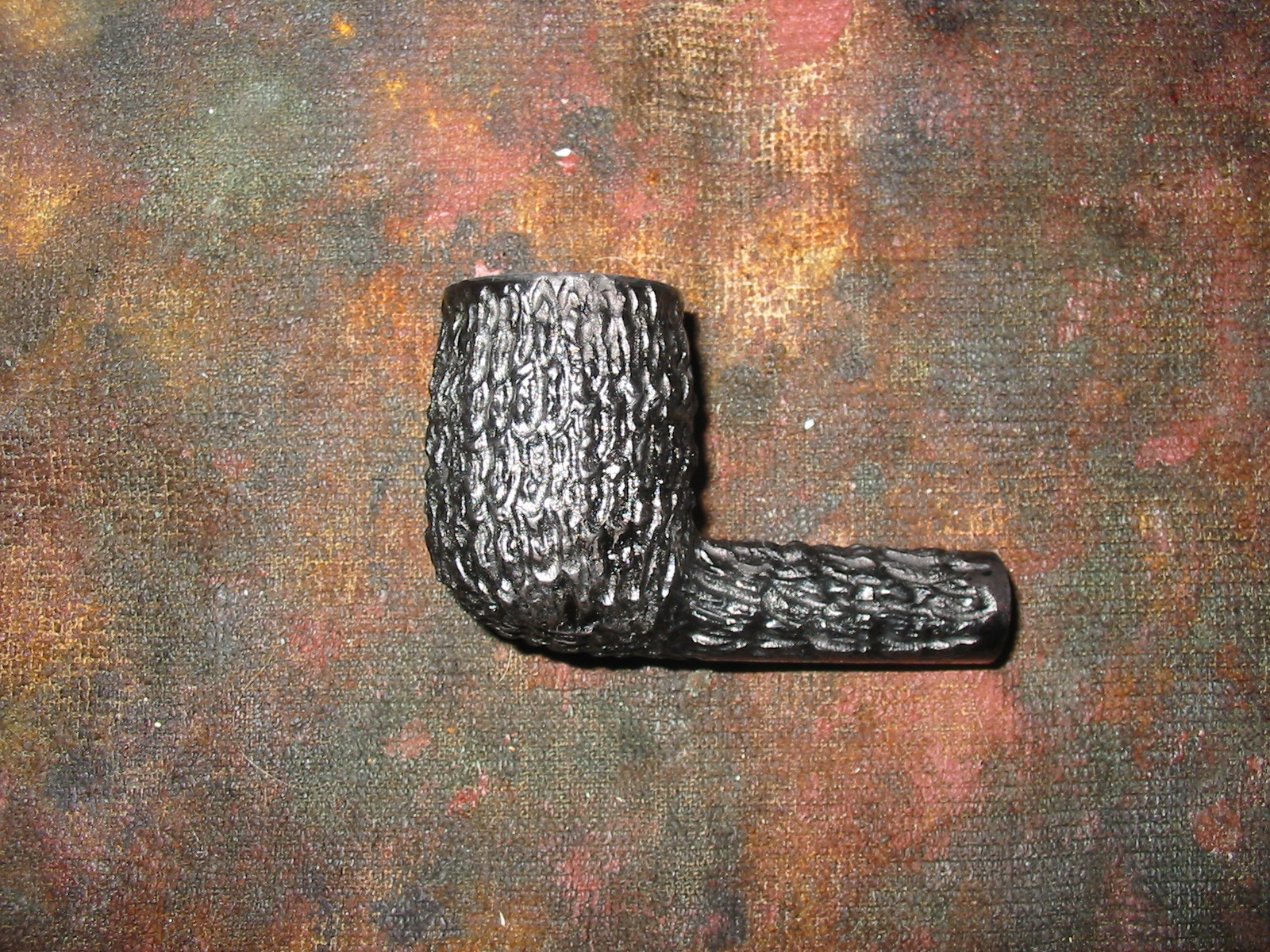
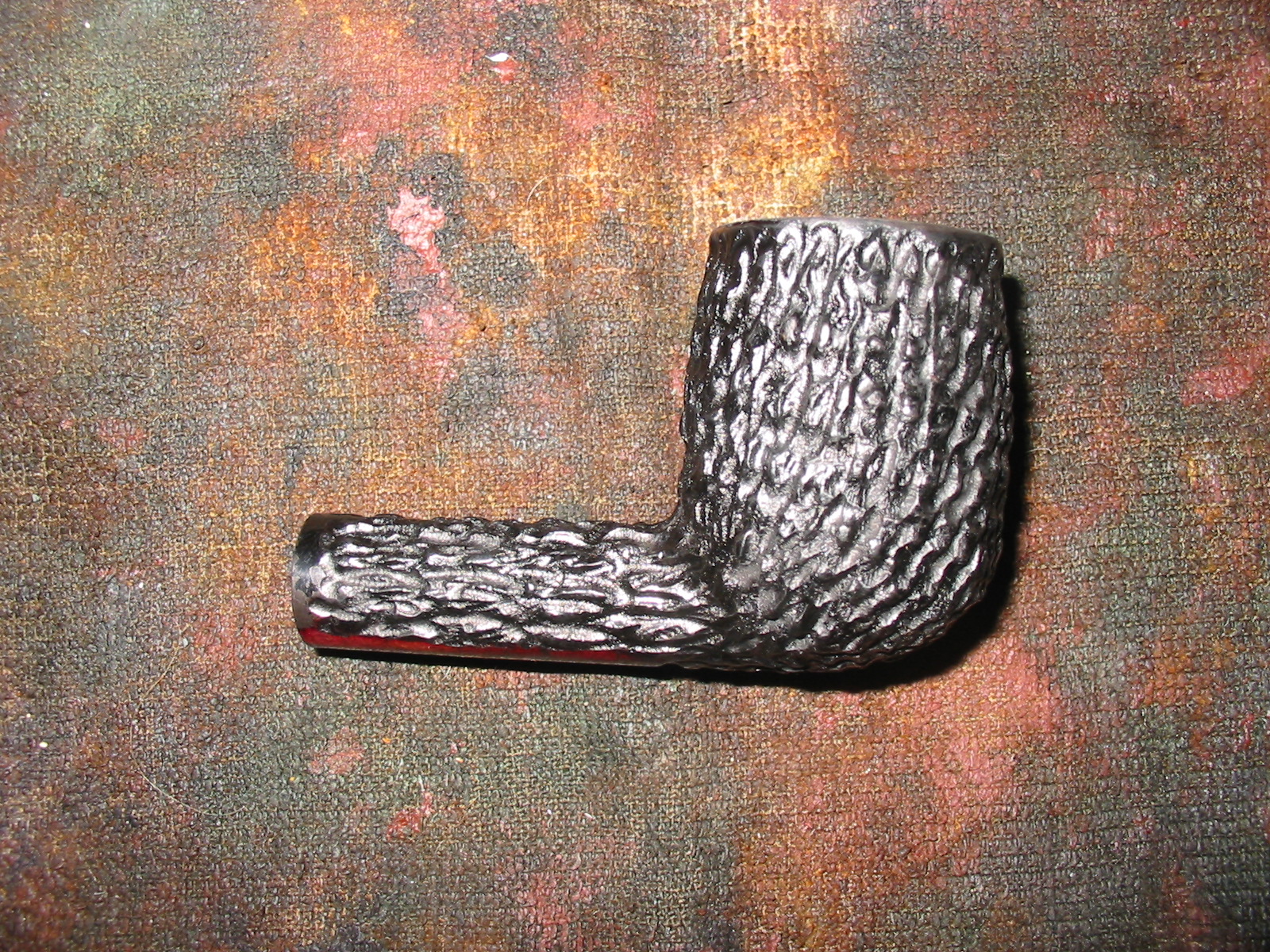
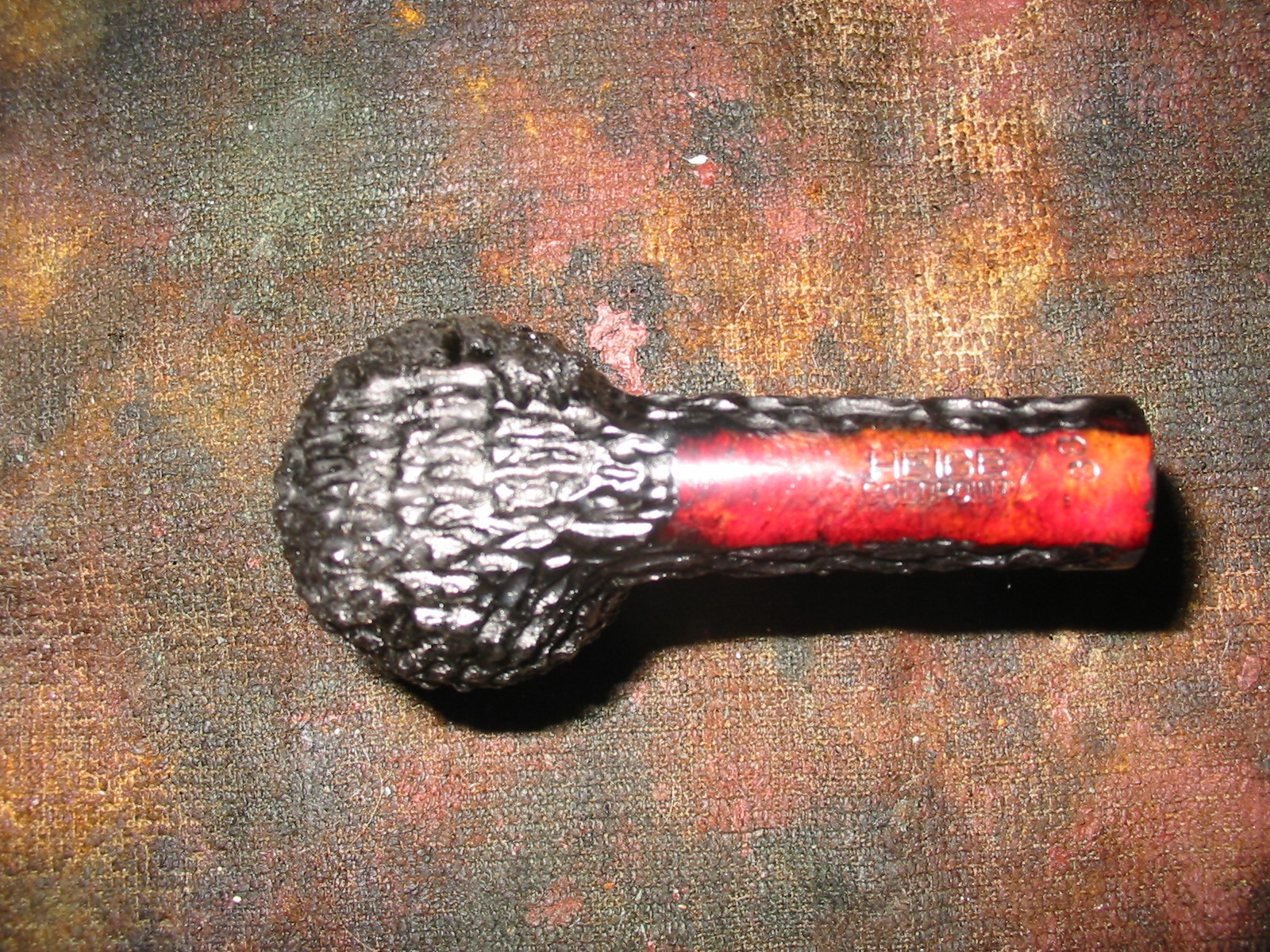
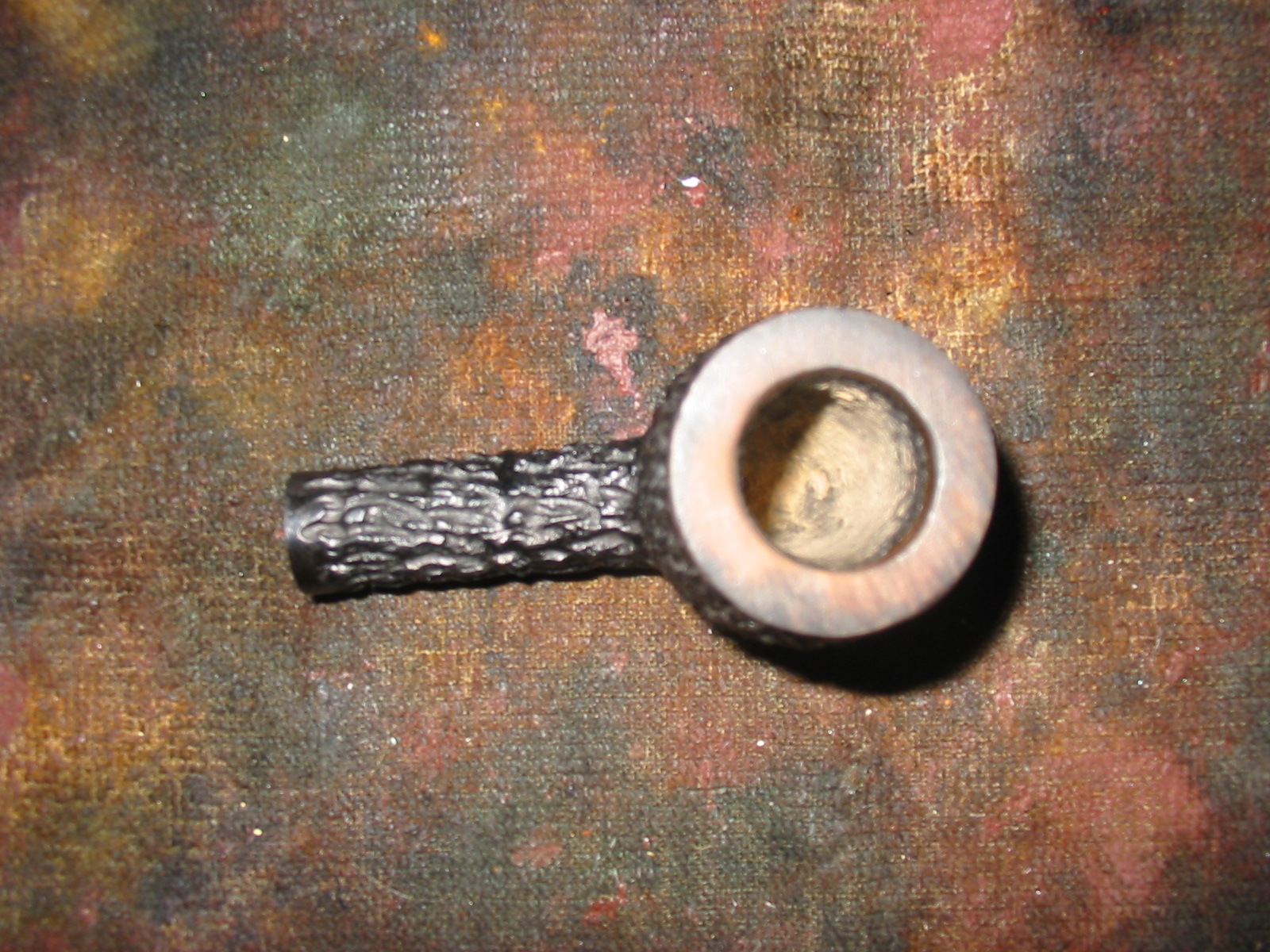
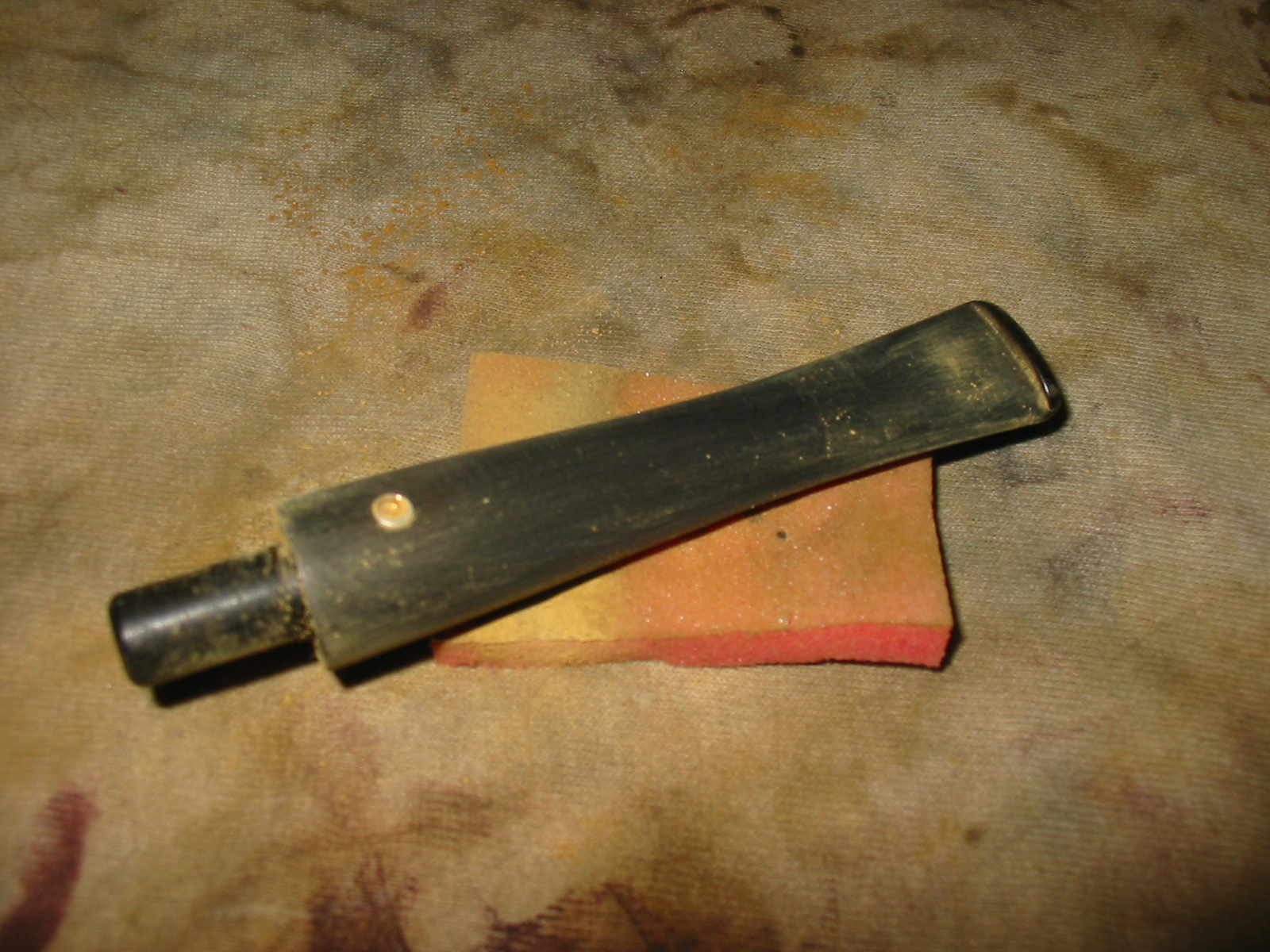
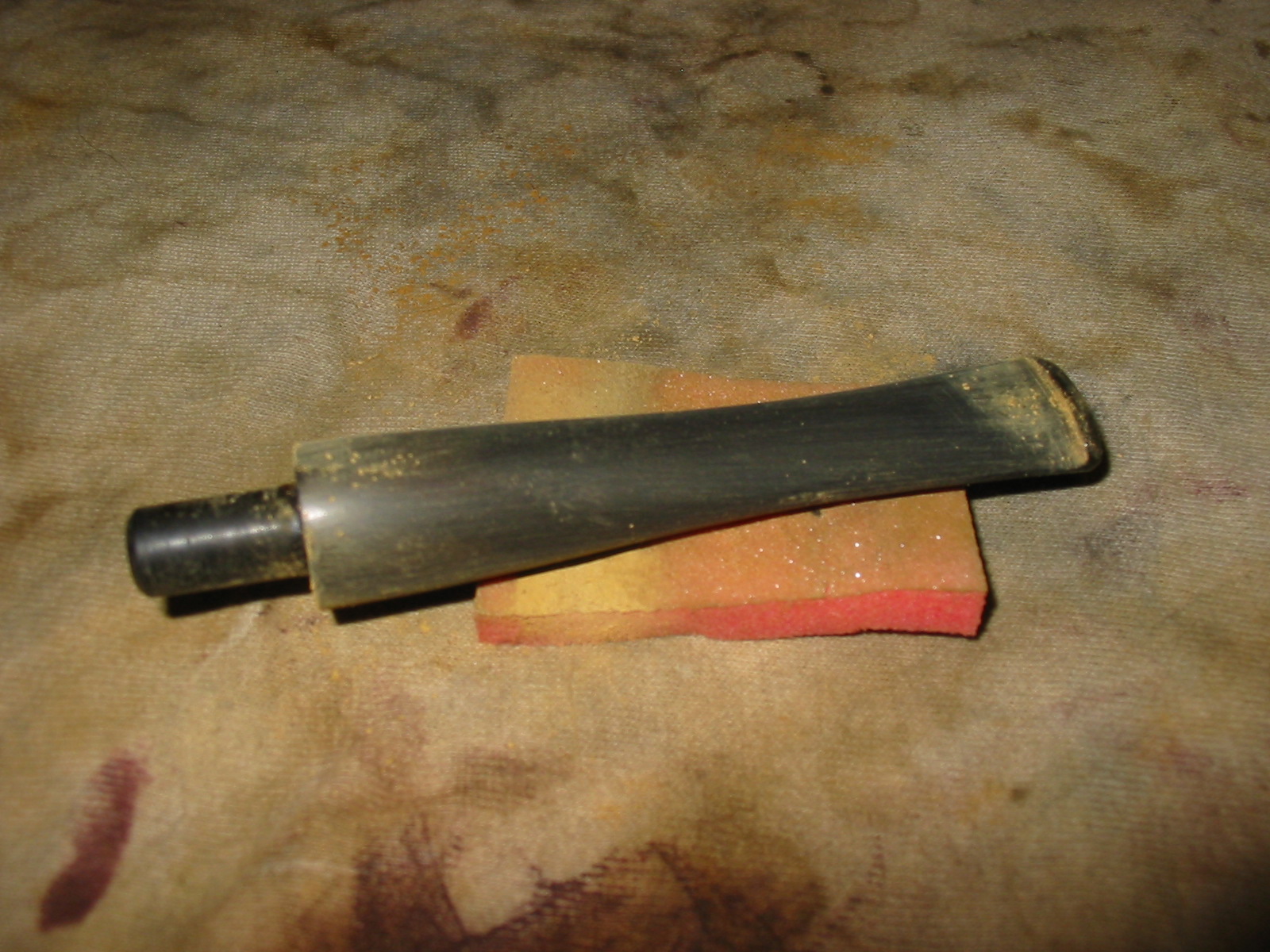
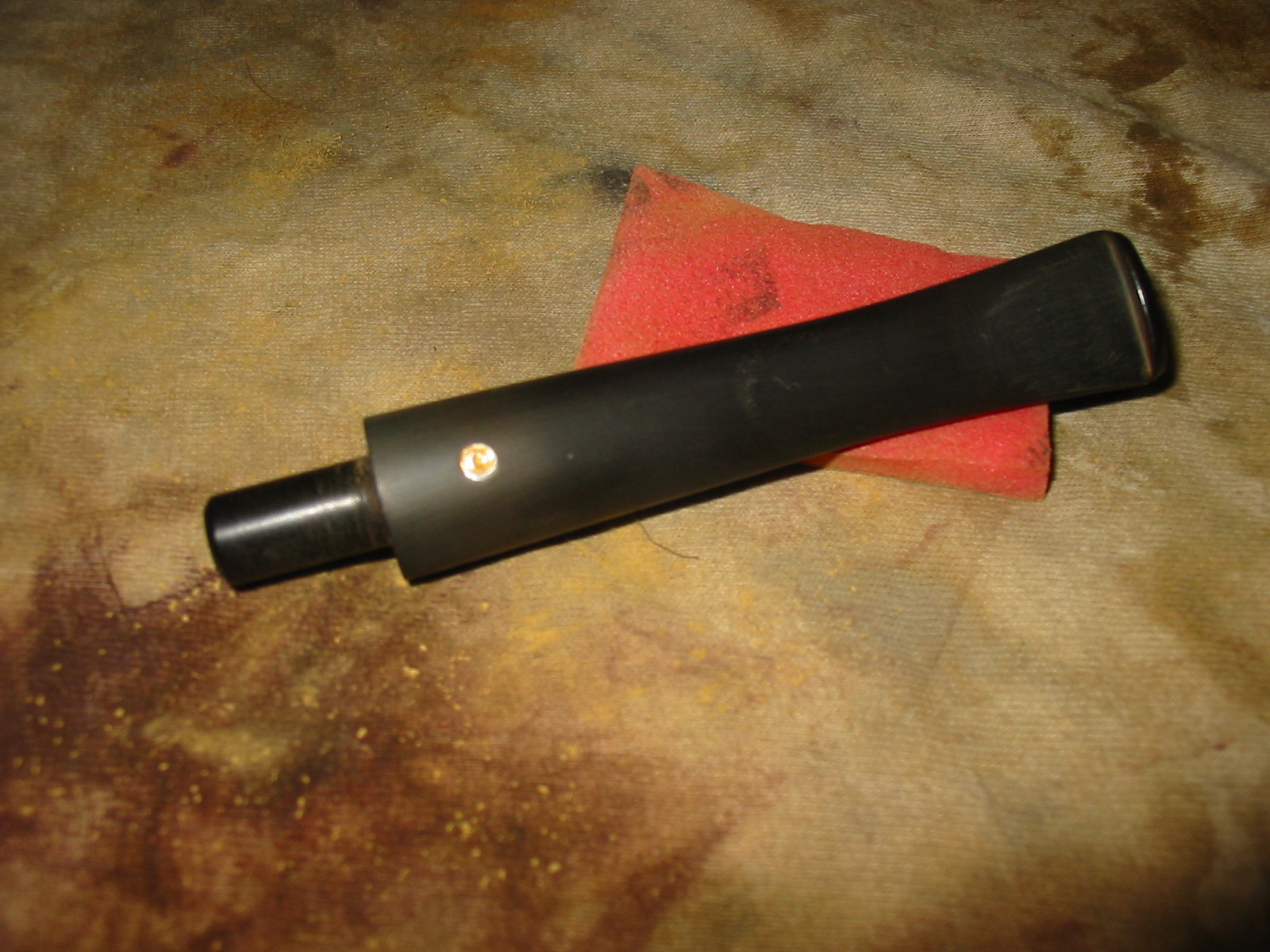
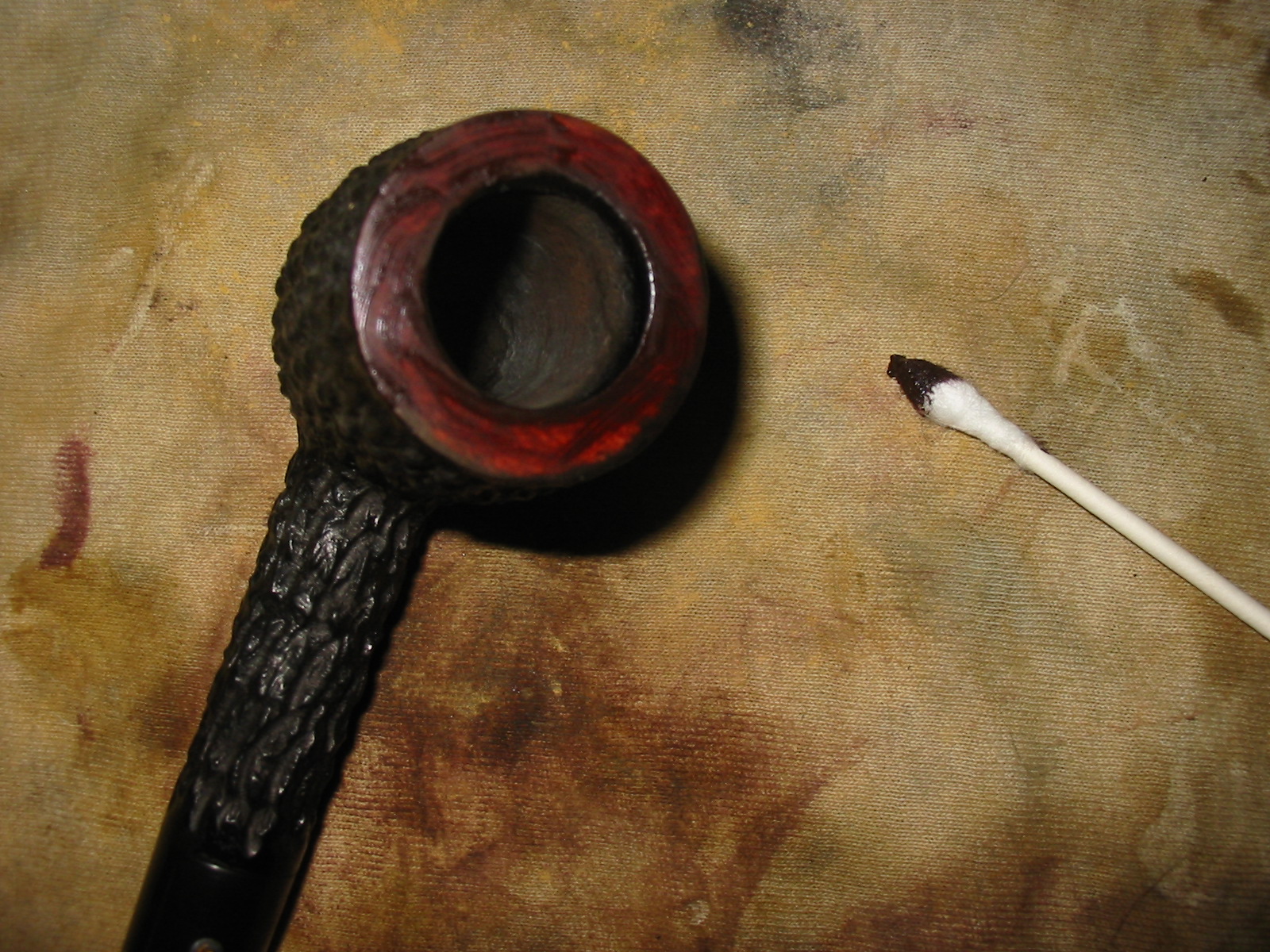
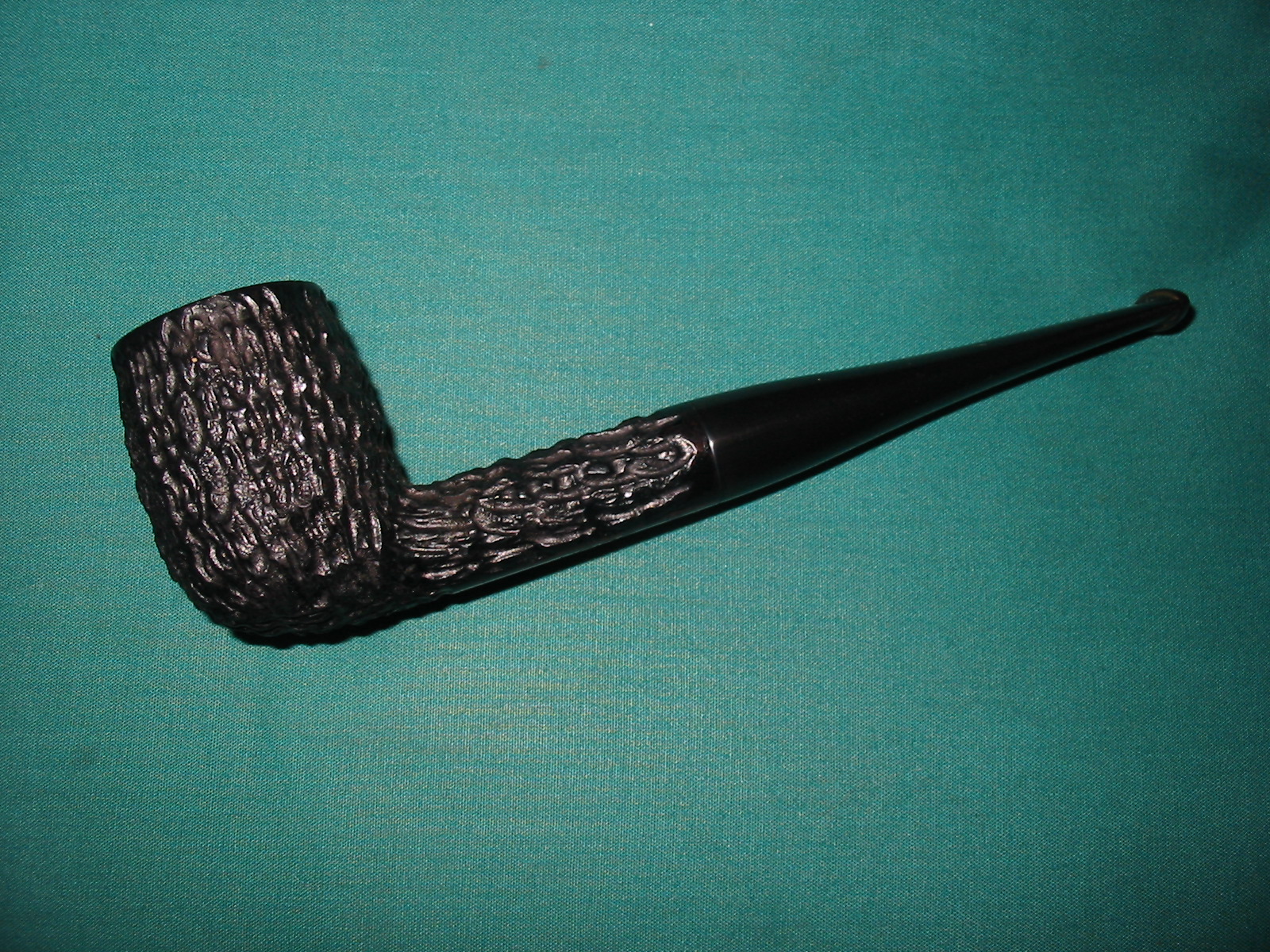
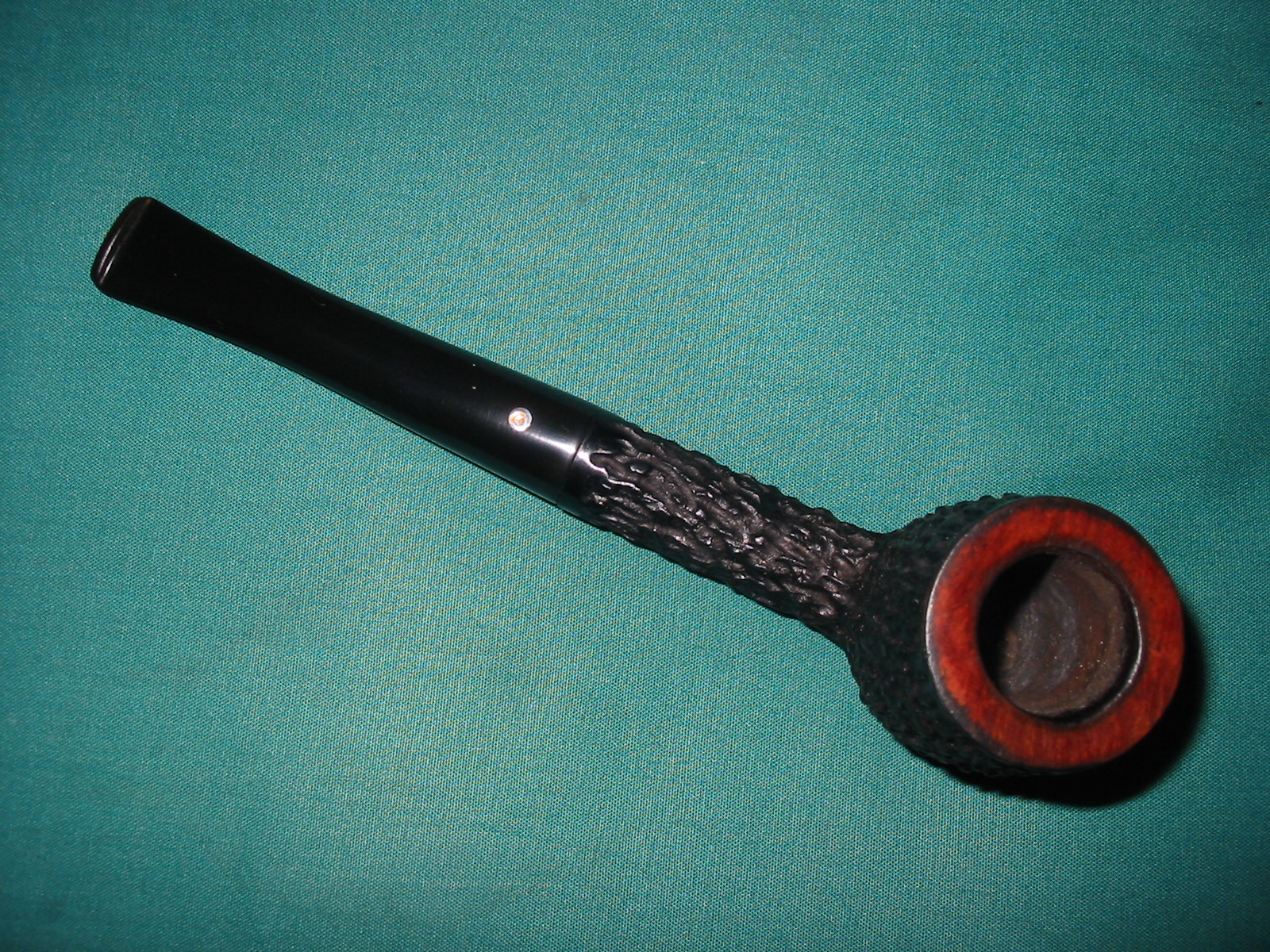
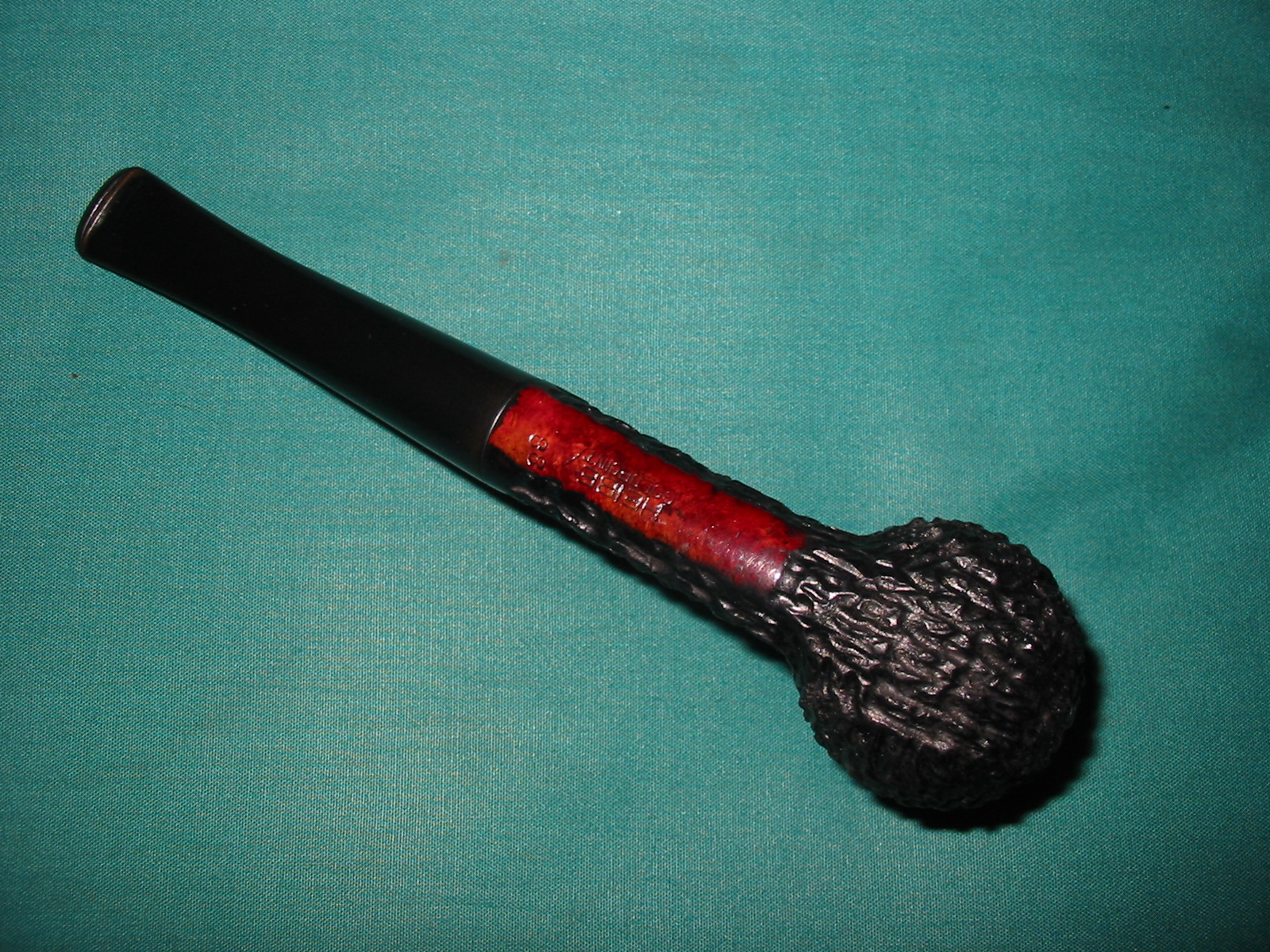
Heibe is a German brand of pipe made by pipe maker Erich Heikaus; Bergneustadt, Germany in the 1970’s. The stamping is on the smooth bottom of the shank and it reads HEIBE over Gold Point and to the right of that stamping is stamped 88. I am guessing that is the shape number. It has an ebonite stem with a gold point in the top of it. The point swirls and gives an attractive look to the stem. The stem was oxidized and had some tooth chatter and a tooth mark on the top and underside of the stem. The stem was also loose fitting. The bowl was caked but not evenly and the cake seemed to be very soft. The rim was a bit darkened but no burn marks and the inner rim was still round. The bowl finish is rusticated with a tree bark like rustication and the stain was black. The rim and the smooth spot on the underside of the shank were stained oxblood. The finish was dirty and in spots the stain was missing and the briar was showing through – particularly on the edges of the rim and on the shank near the stem. Some of the high points on the bark rustication were also showing briar through the stain. The original stain was black. The next series of four photos shows the state of the pipe when I started working on it this morning.

ImageImageImageImage

I decided to begin by scrubbing the bowl with Murphy’s Oil Soap and a soft bristle tooth brush that I have used for a long time to scrub deeply into the rustication patterns. Once I scrubbed it thoroughly I rinsed it off under warm water in the sink. I do not leave it under the water long, just enough to scrub off the soap and get it cleaned. I then dry it off with a soft cotton cloth and wipe out any water than got in the bowl with a cotton swab. The first picture below shows the pipe scrubbed and covered with the oil soap. The tooth brush in the photos is the one I use to scrub the bowl. The next four photos show the bowl after I have rinsed it with warm water and dried it off. You can see where removing the grime and dirt from the bowl left the spots very visible that needed to be restained. The rim also cleaned up nicely.

ImageImageImageImageImage

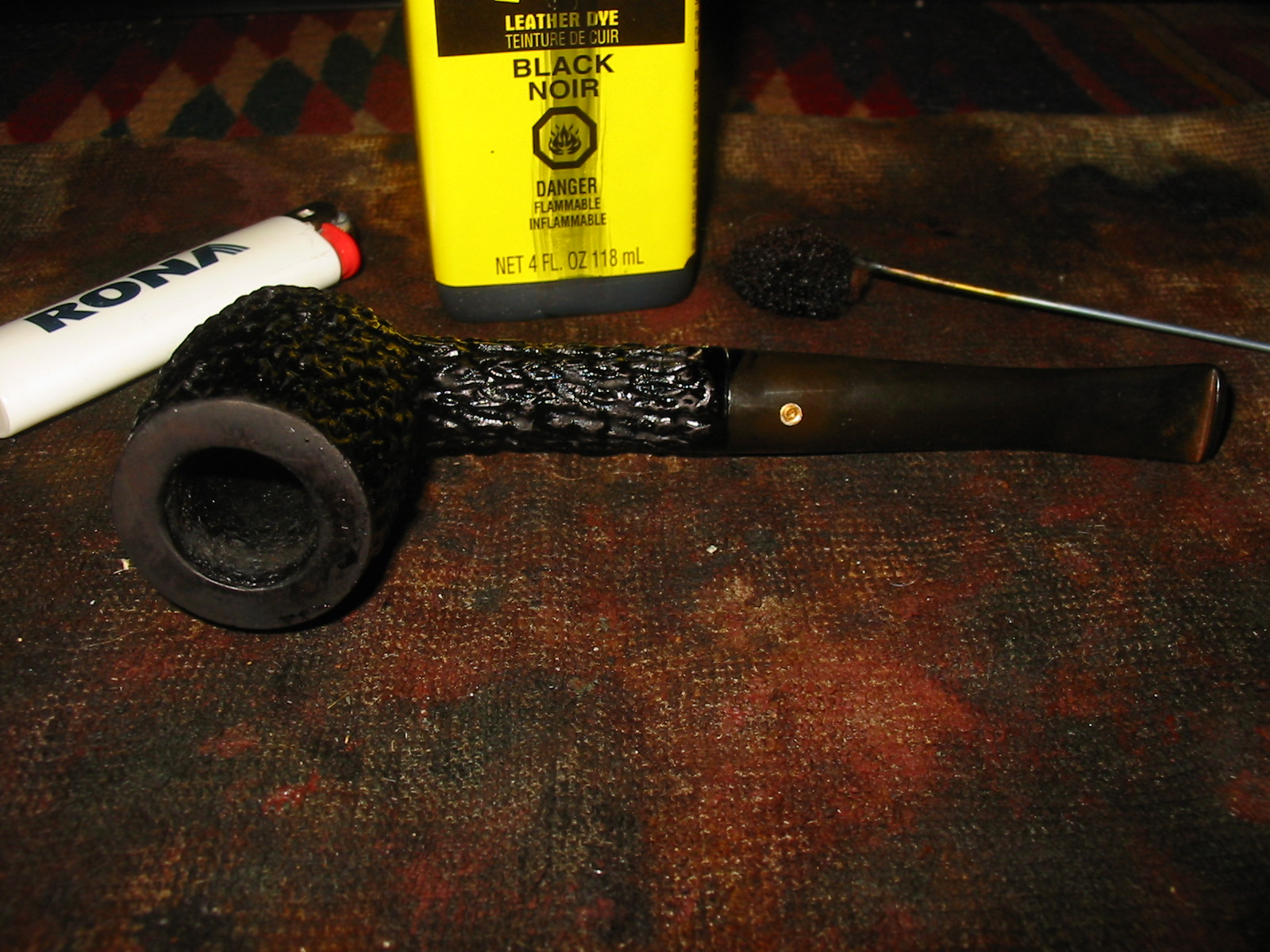
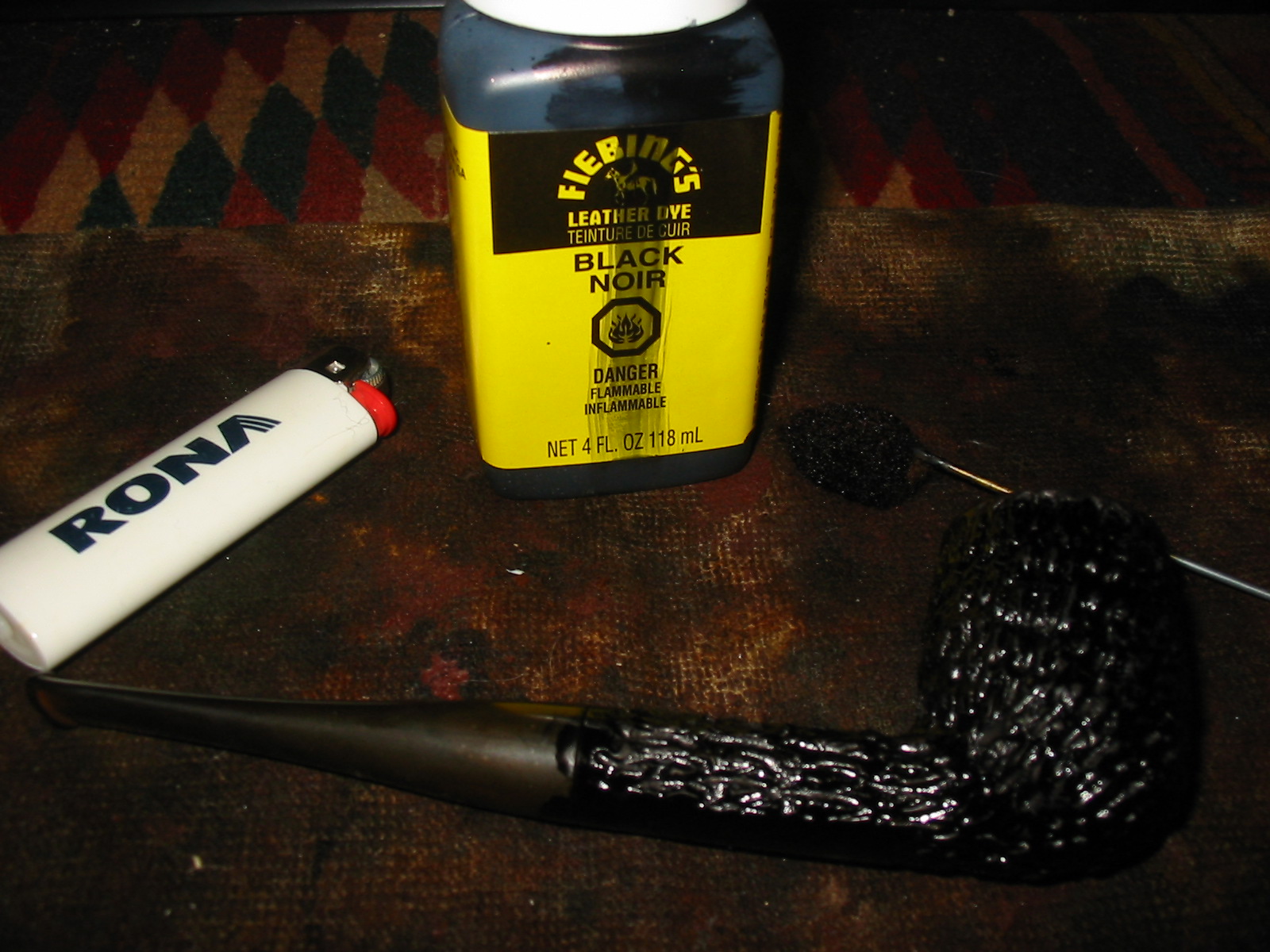
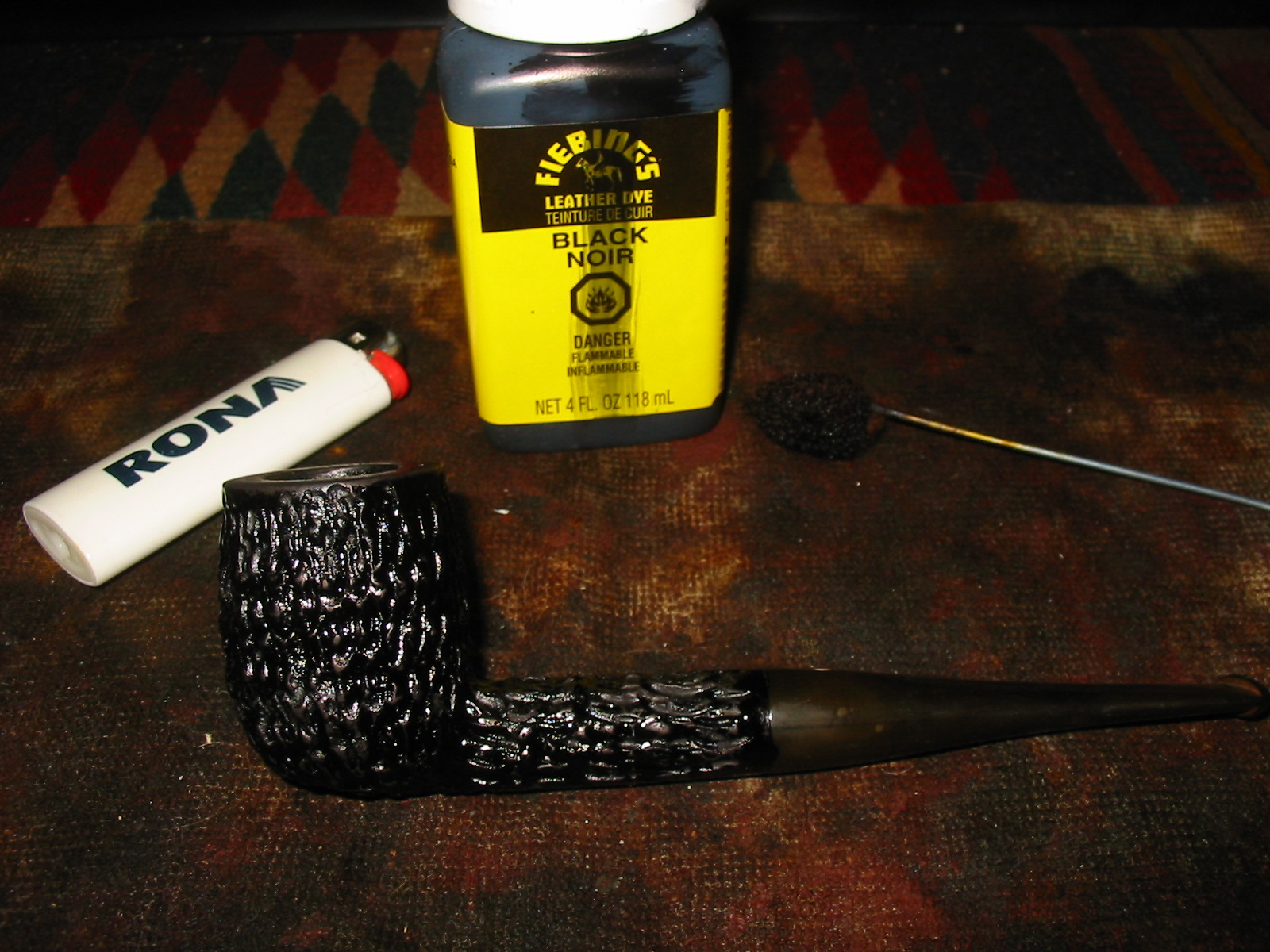
After I thoroughly dried it off it was time to stain the bowl. I did a bit of research and found some estate Heibe pipes on a German estate pipe selling site. The finish on this one was normal for Heibe’s rustications and it states that it was stained black. With that information I decided to restain it with some black aniline stain. I used the dauber that came with the stain and applied it heavily to the rim and the bowl making sure that it went deeply into the crevices of the bowl and the shank. I would clean off the rim and the shank later and worry about staining them afterwards. I stained the bowl and flamed it with a Bic lighter, then restained and reflamed the bowl. The next series of three photos show the newly stained pipe.

ImageImageImage

Once it was dry I rubbed the stain off the rim and also off the shank smooth portion with a soft cloth and then with some alcohol on a cotton pad. I also buffed the bowl with White Diamond on the buffing wheel. The smooth portion on the shank cleaned up nicely and the finish of the oxblood stained came through well. The rim (fourth photo below) did not fare as well. I wiped it down with acetone and also more isopropyl but in the end I would need to use a soft sanding sponge to remove the black from the edges of the rim.

ImageImageImageImage

I set the bowl aside to let it dry thoroughly while I worked on the stem. I began by sanding out the tooth marks and the tooth chatter with 320 grit sandpaper until they no longer showed. I then used my medium grit sanding sponge to sand the entire stem and work on removing the oxidation. The first two photos below show the sanding sponge and the work that it did in removing the oxidation. The next two photos below show the stem after I wiped it down from the sanding with the sanding sponge.

ImageImageImageImage

I then used some Maguiar’s Scratch X2.0 and scrubbed the stem with my finger as I applied it and then rubbed it off with a cotton pad. The point was that I wanted to remove more of the scratches and also polish off some of the oxidation. The next two photos show the stem after polishing (forgive the first photo – somehow it blackened on the right edge but you can still see the polish that is happening around the logo).

ImageImage

After polishing with the Maguiar’s you can see the oxidation on the stem particularly on the tenon end. It extends about an inch back toward the button and was also in the crease of the button. It was time to sand the stem with the micromesh sanding pads. I wet sanded the stem with 1500 and 1800 grit micromesh pads. The next three photos show the stem in process and after the sanding. I finished wet sanding and then wiped the stem down. I then dry sanded the stem with the remaining micromesh pads from 2400-12,000 grit. I used the Maguiar’s a third time to polish the stem and then buffed it with White Diamond on the buffer. Once I had finished buffing I wipe the stem down with Obsidian Oil and set it aside to dry.

ImageImageImage

The next series of four photos show the finished stem. I reinserted it in the bowl. The tenon fit was loose so I dripped superglue on the tenon and then sanded it back until the fit was snug. I gave the bowl and stem another buff with White Diamond. I coated the stem with carnauba wax and buffed it with a flannel buff. In the first photo below you can see that the rim needed some work. The stain just did not come back after the cleaning. I sanded it with the micromesh 3200 grit pad and then it was ready to be stained. The fifth picture below shows the restaining of the rim with a cotton swab and oxblood stain. I applied the stain with a cotton swab and then flamed it. I hand buffed it with a terry cloth towel I use for hand buffing and applied carnauba wax to the rim.

ImageImageImageImageImage

The final series of four photos show the finished pipe. The stain contrast came out very well. The black and the oxblood highlights look great. The stem shined up exceptionally well. It is a group four sized pipe and should smoke very well. It has a nice open draw. I know that some of the Heibe pipes were made for filters but this one is not fit for filters. It is just a normal push tenon. All in all it is a beautiful pipe.

ImageImageImageImage