
Blog by Steve Laug
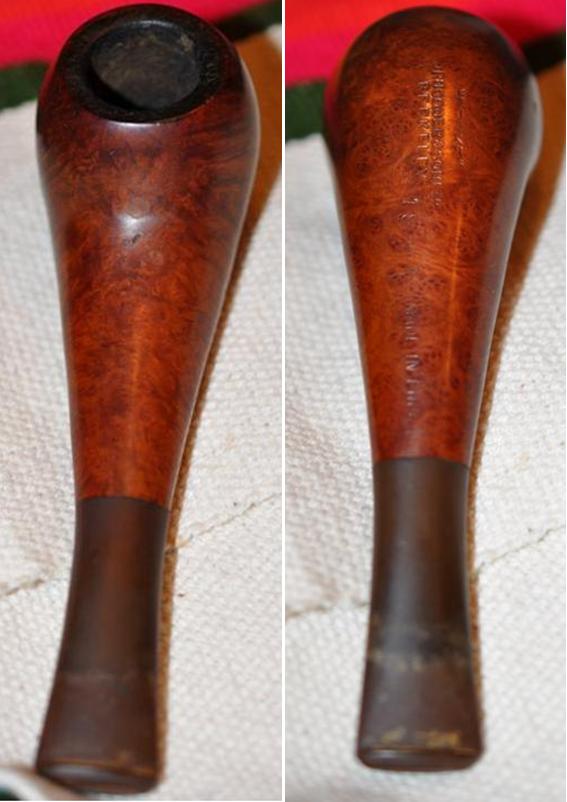
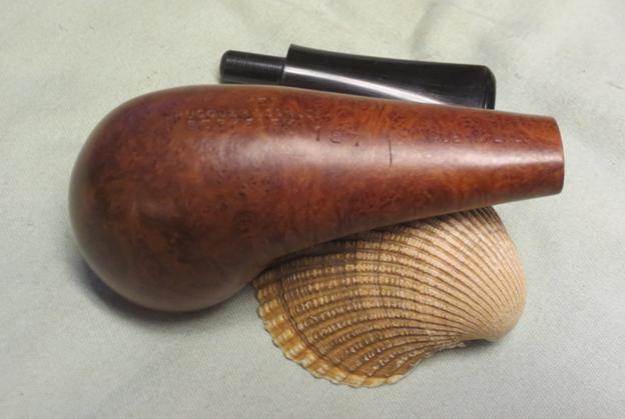
My brother sent me an eBay link that had a few pipes from Drucquer & Sons Ltd, Tobacconists for sale. We bid on several of them and this was one of the ones we won. It is a lot like the Pipo shaped pipes that are still made today. This one is English made and I have no idea what to call the shape. The photos taken on top of the pipe sock came from the seller.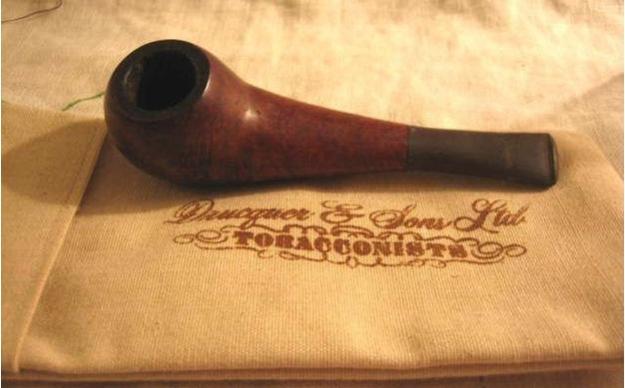 The pipe is stamped on the underside “DRUKE” over Drucquer & Sons Ltd. Underneath that it is stamped Berkeley with a shape number 187 below and toward the stem. Next to the shank/stem junction it is stamped Made in England. I have done some searching but cannot find either the shape or the number on the various English pipe brand charts.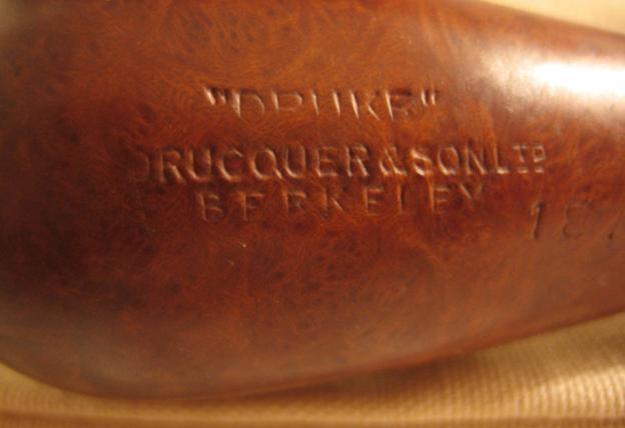
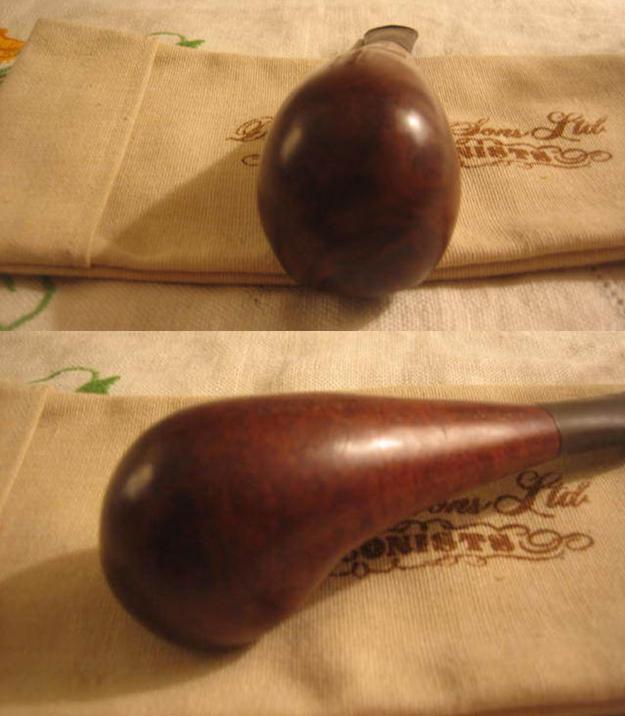 When the pipe came to my brother he took some photos to capture the condition of the pipe before he cleaned it up for me. The next photo shows that the overall condition of the pipe is quite good. The finish is not too bad though there are some sand pits or nicks on the back side of the bowl. The rim is dark and oily. The bowl had a thin cake. The stem was oxidized and there was some tooth chatter on the top and bottom sides near the button.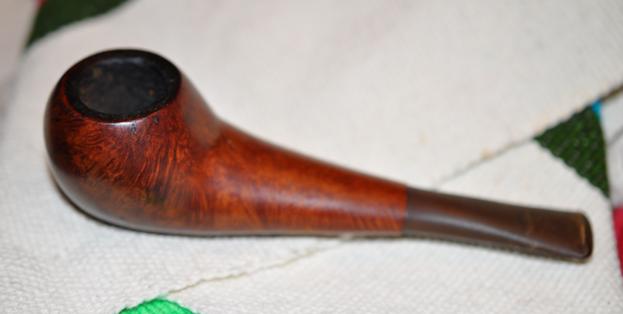
 He took a close up photo of the top of the bowl that shows the cake and the condition of the rim. It was covered with lava over flow but there appeared to be little rim damage other than a few shallow nicks on the outer edge of the rim.
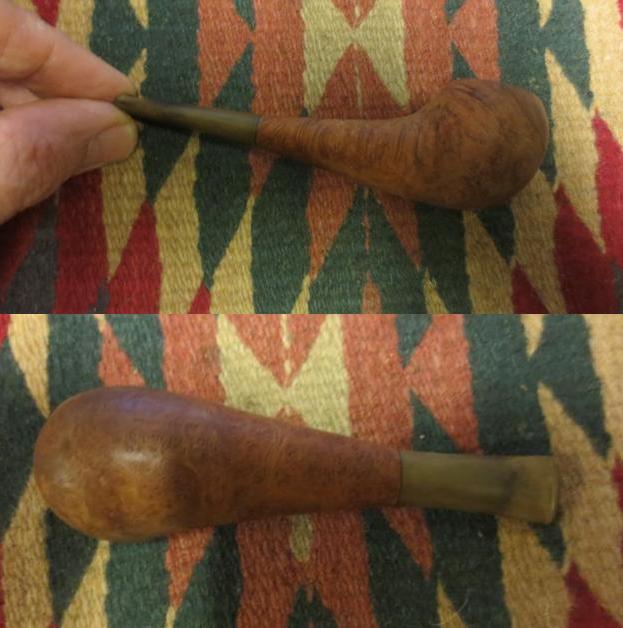
 He reamed the pipe and scrubbed the exterior of the bowl with Murphy’s Oil Soap and a tooth brush. He was able to remove the majority of the rim darkening and all of the cake. The soap took off the grime on the finish so that when he sent me the pipe it was clean. The stem oxidized a bit more after the cleaning but it was not too bad. The pipe has some excellent grain around all sides of the bowl and shank. The next photos show the pipe as it was when it arrived in Vancouver.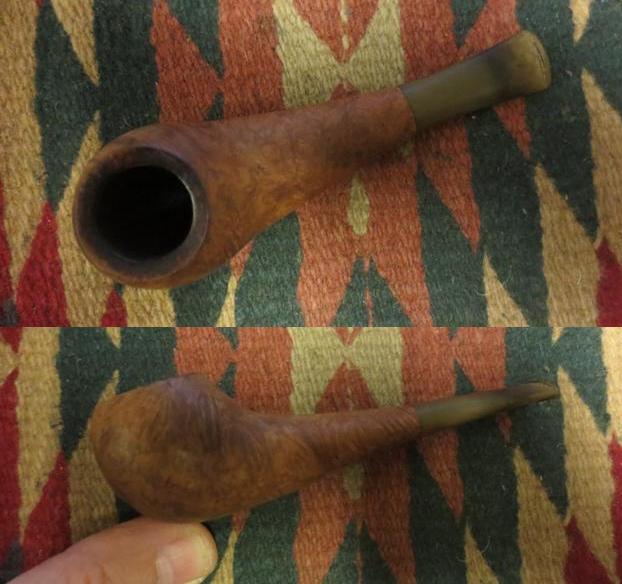
 I took a close up of how the rim looked after my brother had cleaned it up. It was in decent shape with just some darkening and a few pieces of tar stuck to the surface.
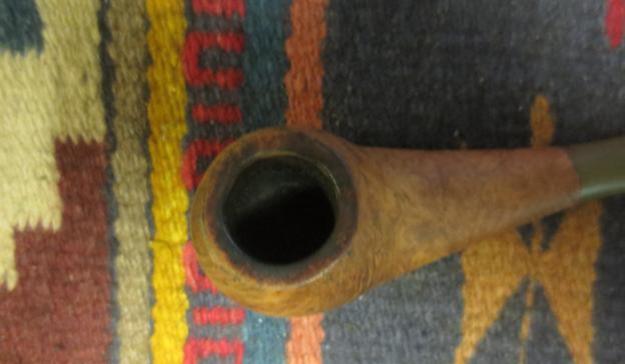 I wiped down the rim with a cotton pad and alcohol to remove the remnants and then sanded it with a folded piece of 220 grit sandpaper. I sanded it until the rim was clean and the bevel was smooth to touch. I sanded it with 1500-3200 grit micromesh sanding pads to remove any scratches left behind by the sandpaper.
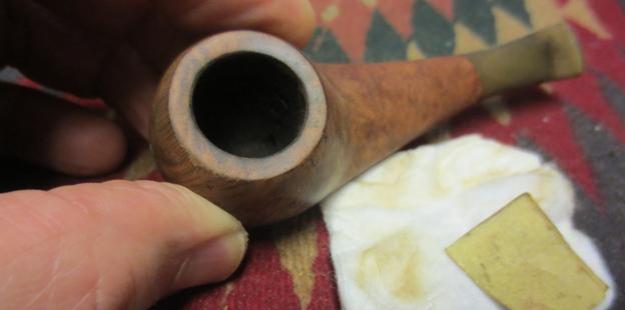 I wiped the pipe down with a light coat of olive oil and polished it by hand. The grain began to really stand out and the virgin finish looked good (the pipe had never been stained so the oil approximated what would have been there when the pipe was new).
 I sanded the stem with 220 grit sandpaper to remove the tooth marks and chatter on both sides of the stem. I wet sanded it with 1500-2400 grit micromesh sanding pads and gave it a coat of Obsidian Oil. I dry sanded it with 3200-4000 grit pads and gave it another coat of oil. I finished sanding it with 6000-12000 grit pads and gave it a final coat of oil. I set the stem aside to dry.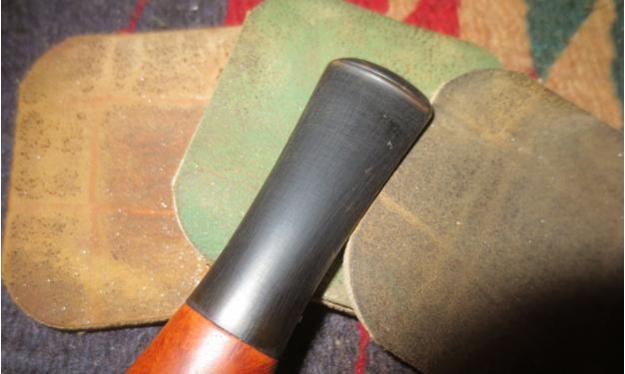
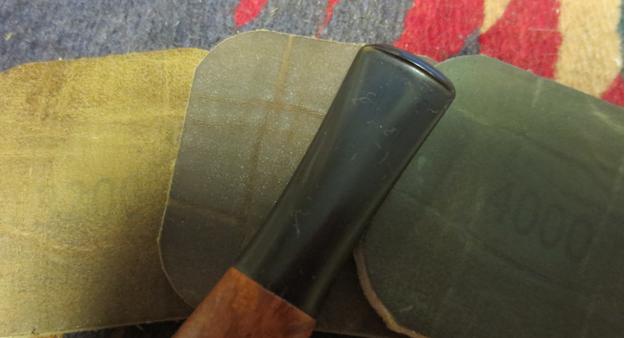
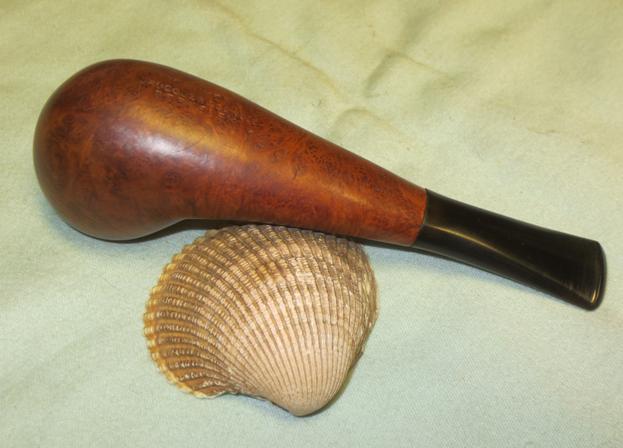
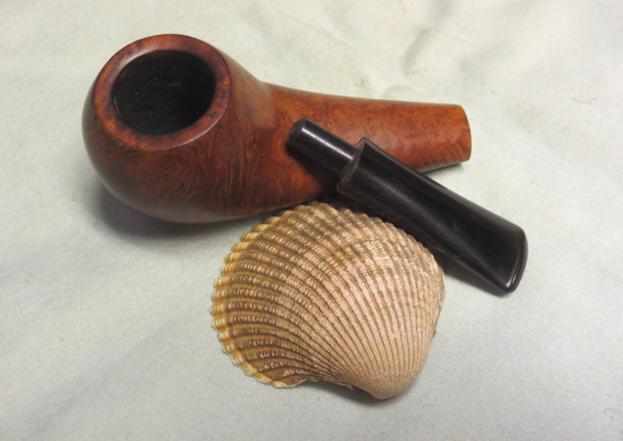
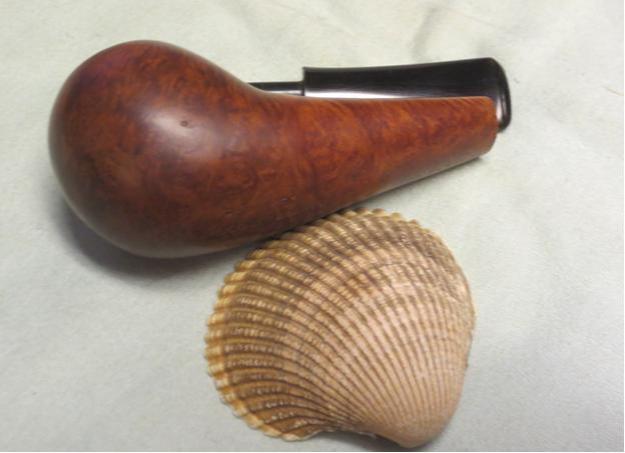
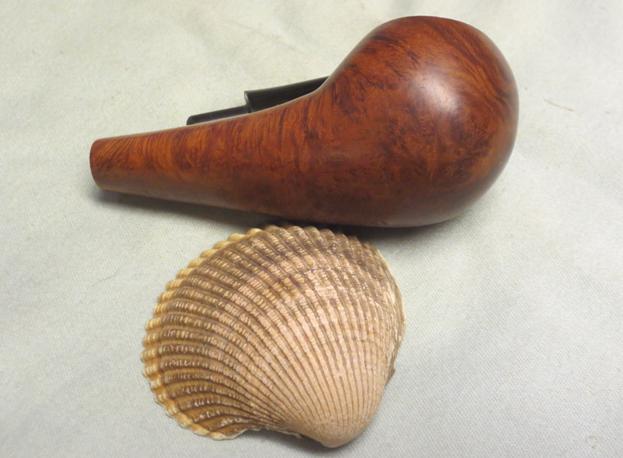
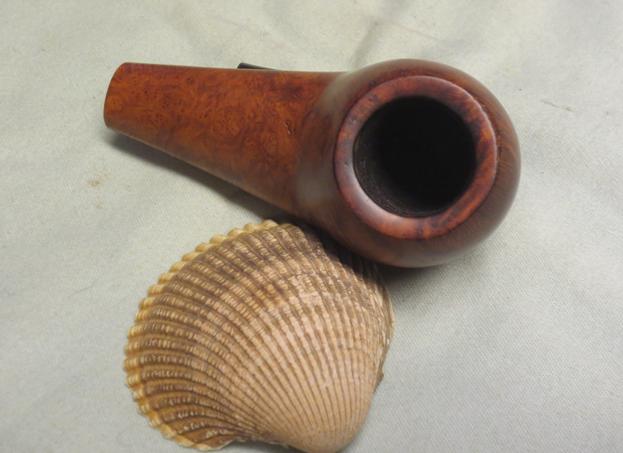
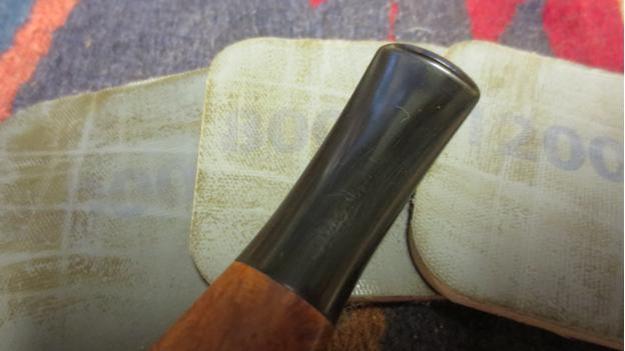 I buffed the entire pipe with Blue Diamond on the wheel to polish the stem and the bowl. I gave it multiple coats of carnauba wax to protect and give it shine. I buffed it with a clean buffing pad to shine it and then hand buffed it with a microfibre cloth. The finished pipe is shown in the photos below. Does anyone know what to call this shape? Does anyone have a similar pipe or even the same one from Drucquer’s & Sons Ltd.? Thanks for looking.


 rebornpipes