Daily Archives: December 19, 2013

A Piece of Tobacciana – Restoring an Old Nylon Cigarette Filter/Holder


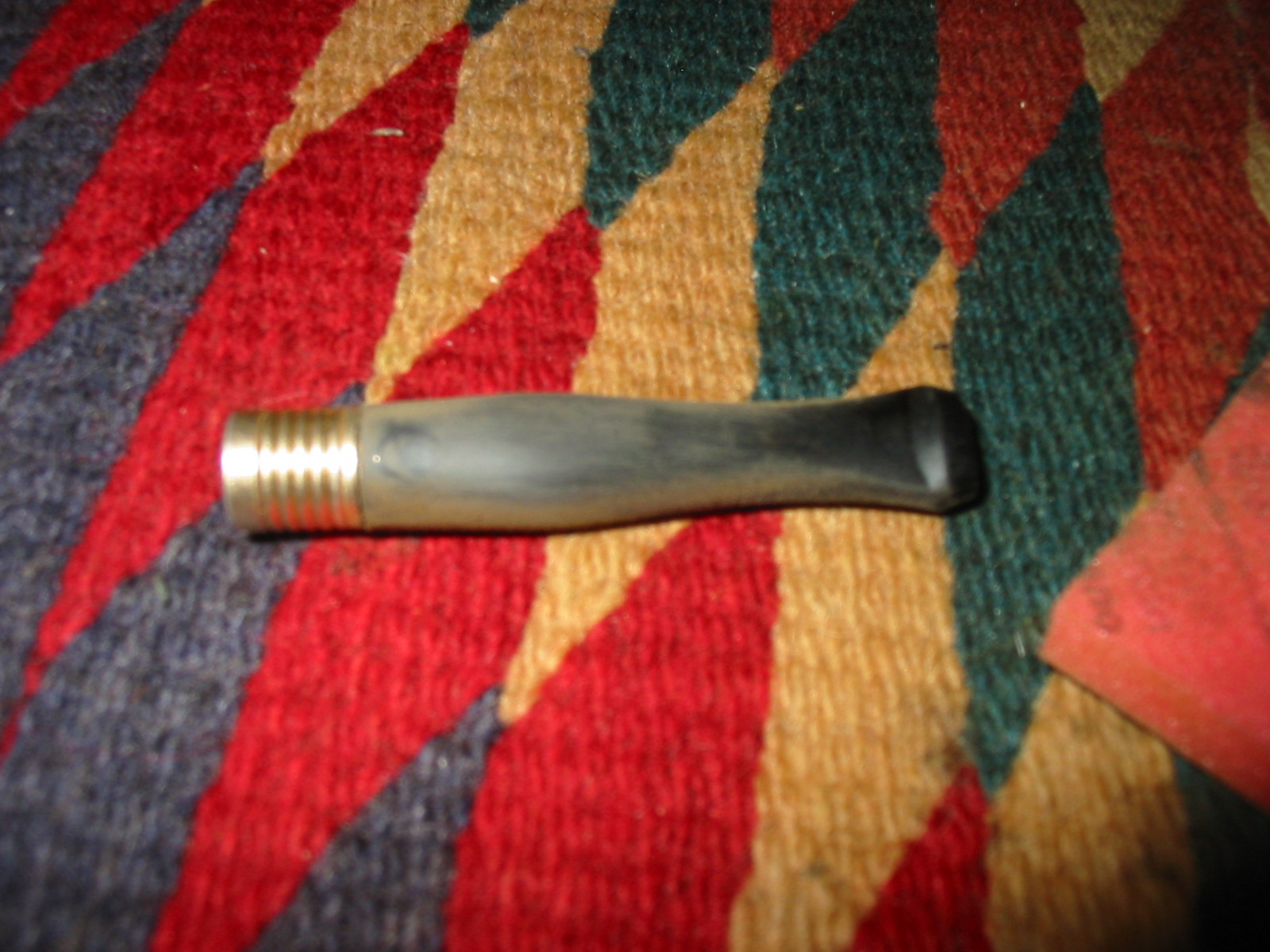
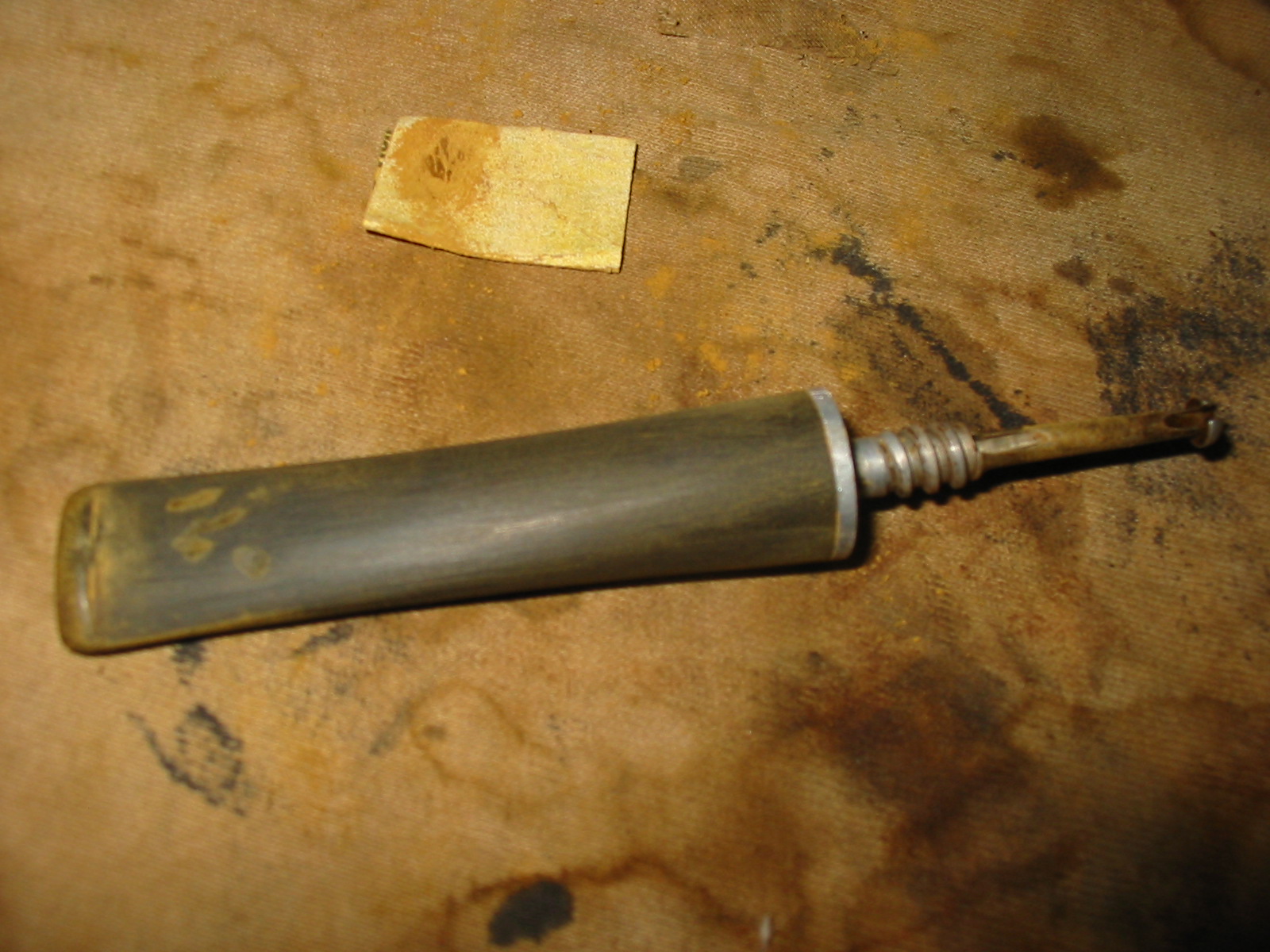
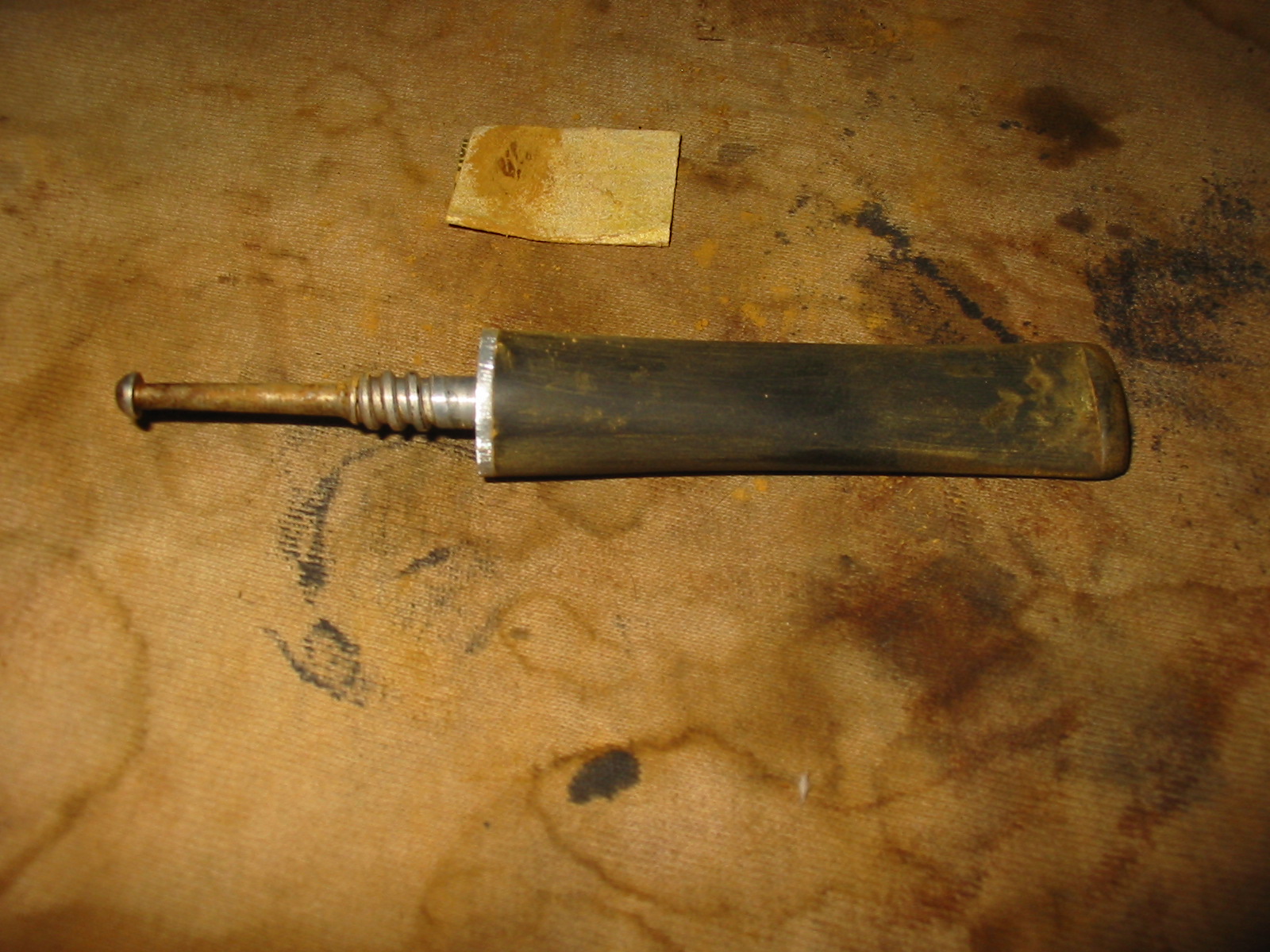
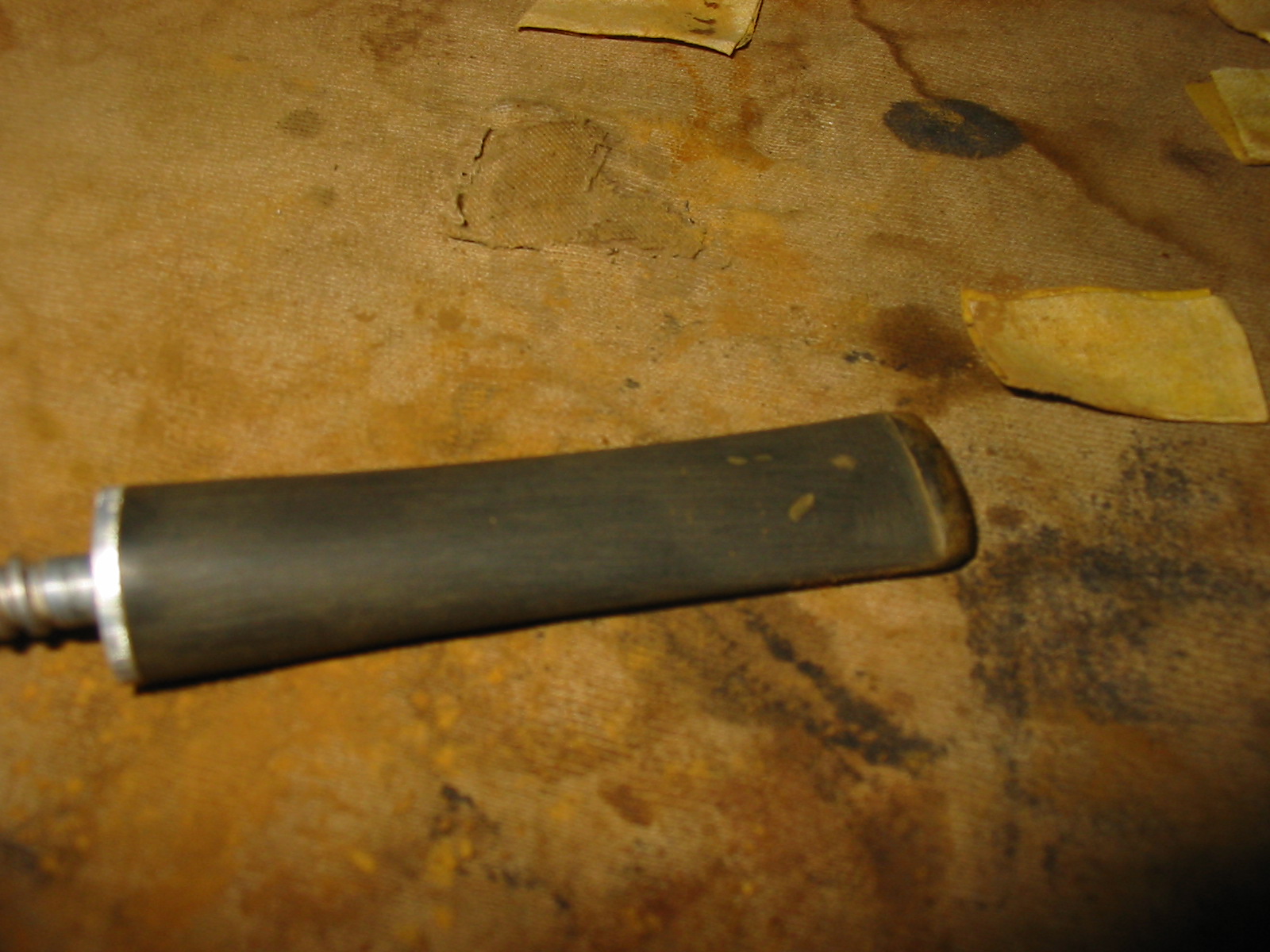
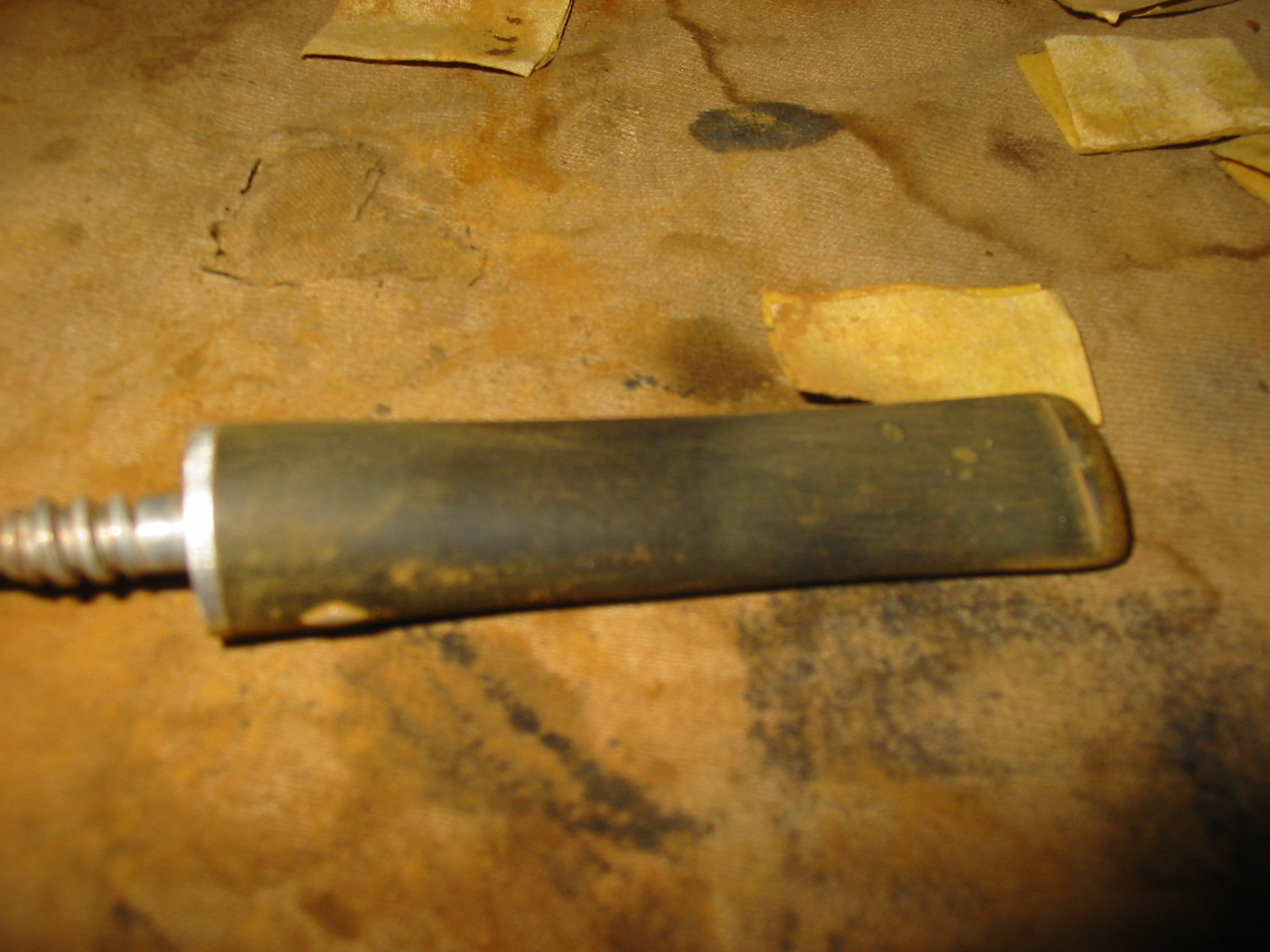
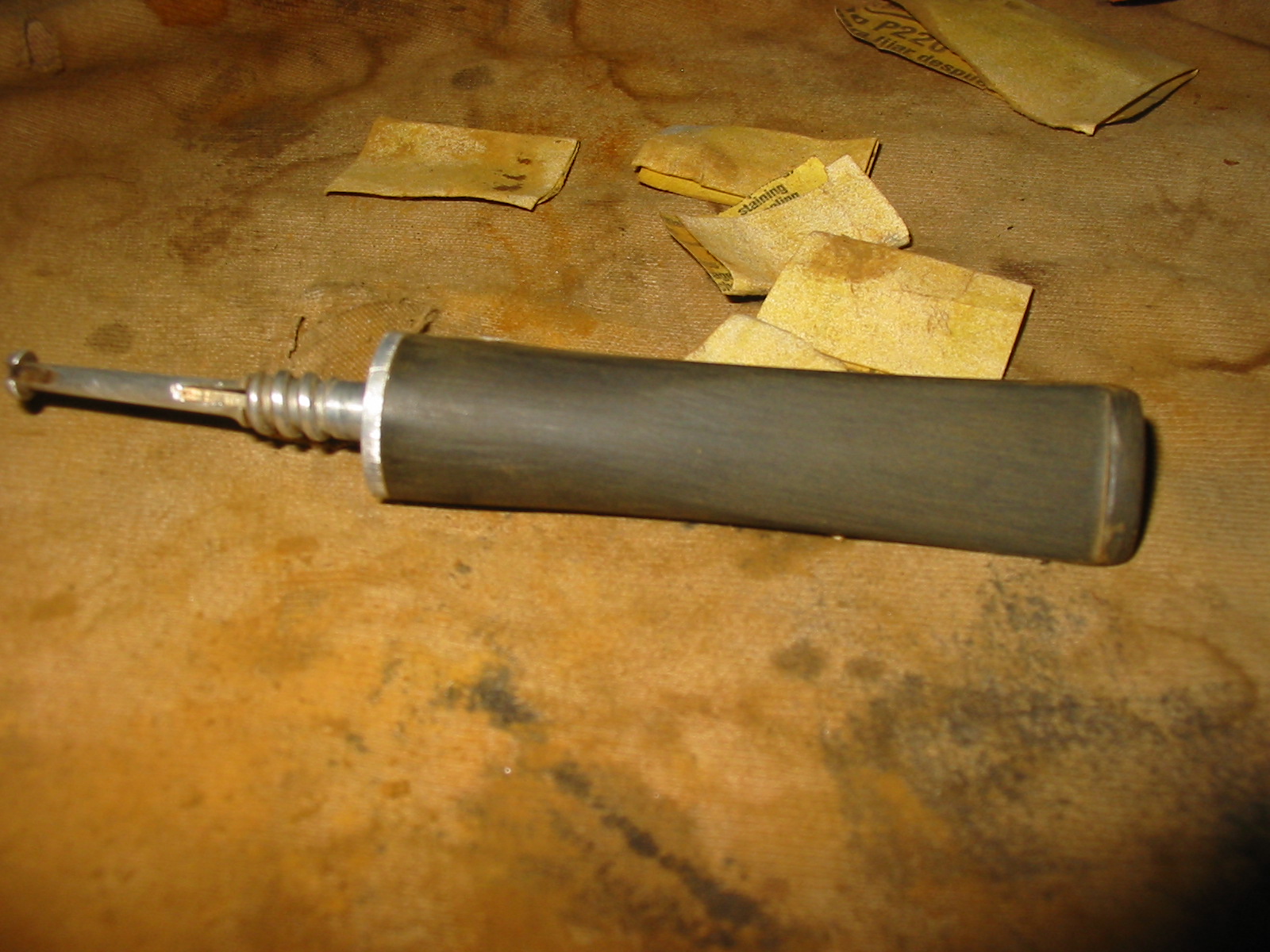
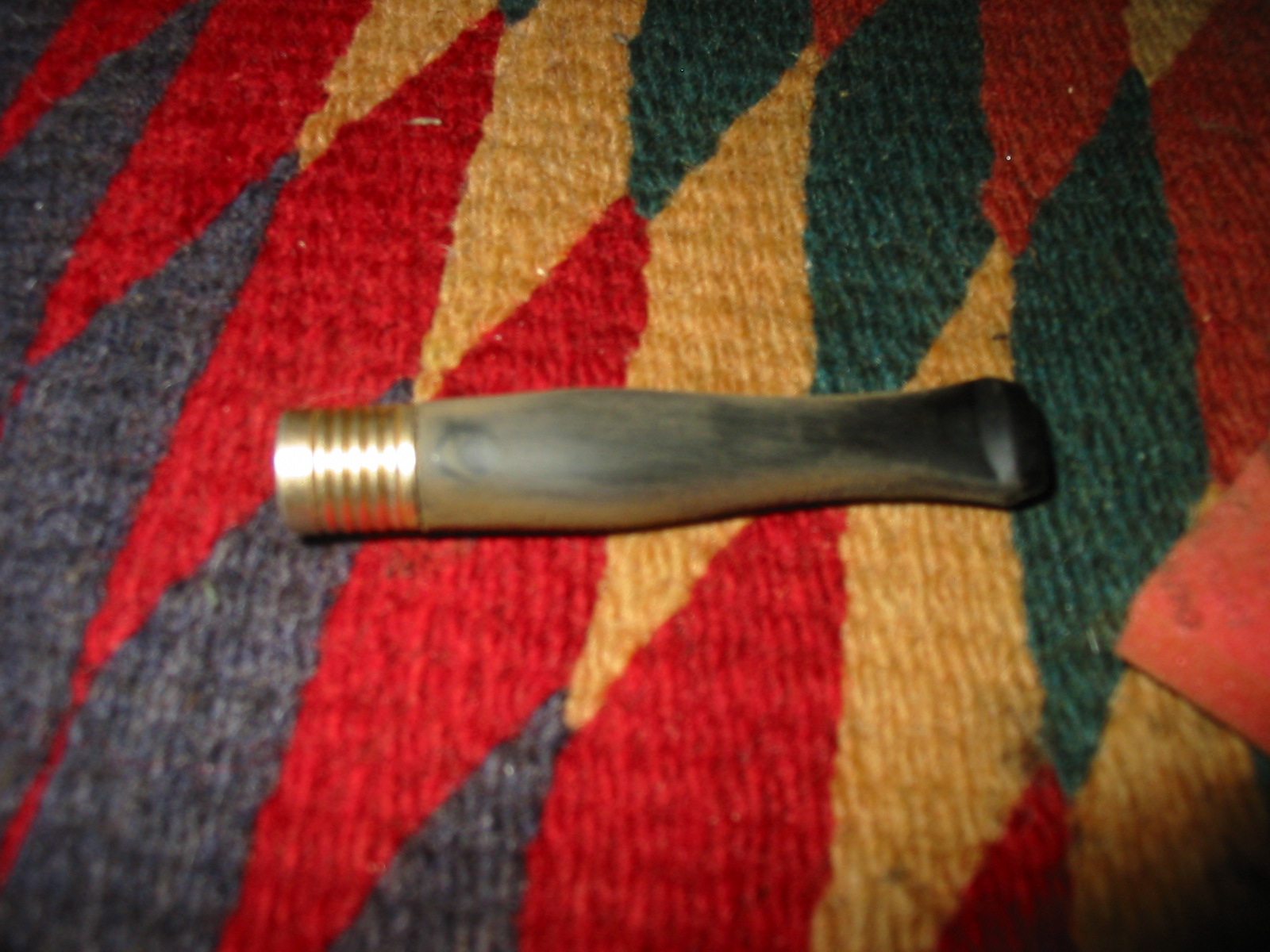
Somewhere along the way in one of the pipe lots I bought off EBay this old cigarette holder was included as a pipe stem. I put it in a drawer and forgot about it for several years at least. The other evening I was cleaning out a drawer of pipes that I had already refurbished getting them ready for my daughter to catalogue and came across the old holder. At first glance it appeared to be a cigarette holder. There was no filter apparatus present and the mouthpiece was short and condensed so I did not think there would be one inside the stem itself. I sanded down the casting marks on the side of the stem and also cleaned the stem of debris. There was one burn spot on the underside of the stem near the metal holder end. The metal holder was brass and quite clean with a slight nicotine and tar build up on the inside. The airway on the stem was plugged and no air could pass through it.
IMG_3182

IMG_3183

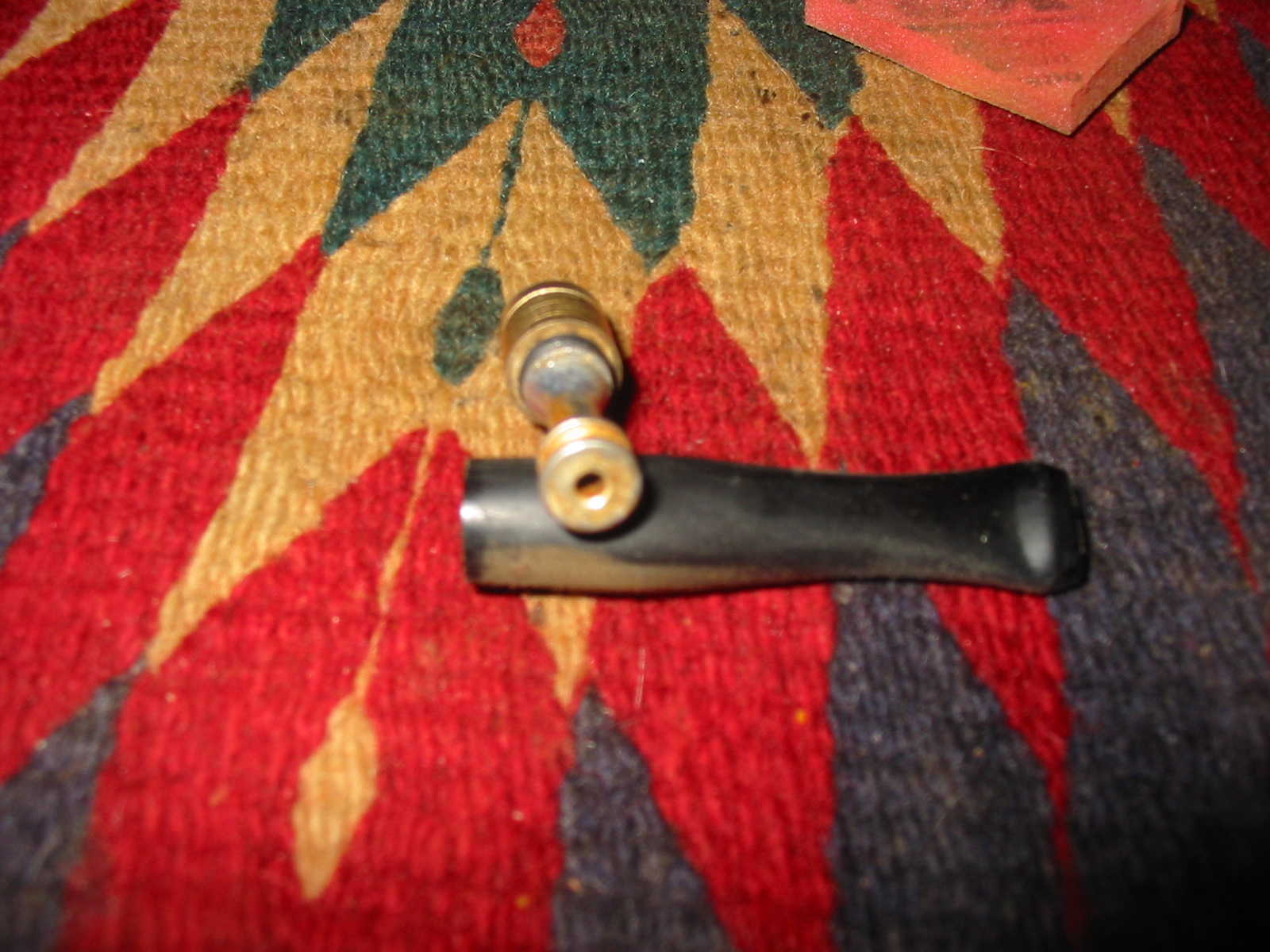
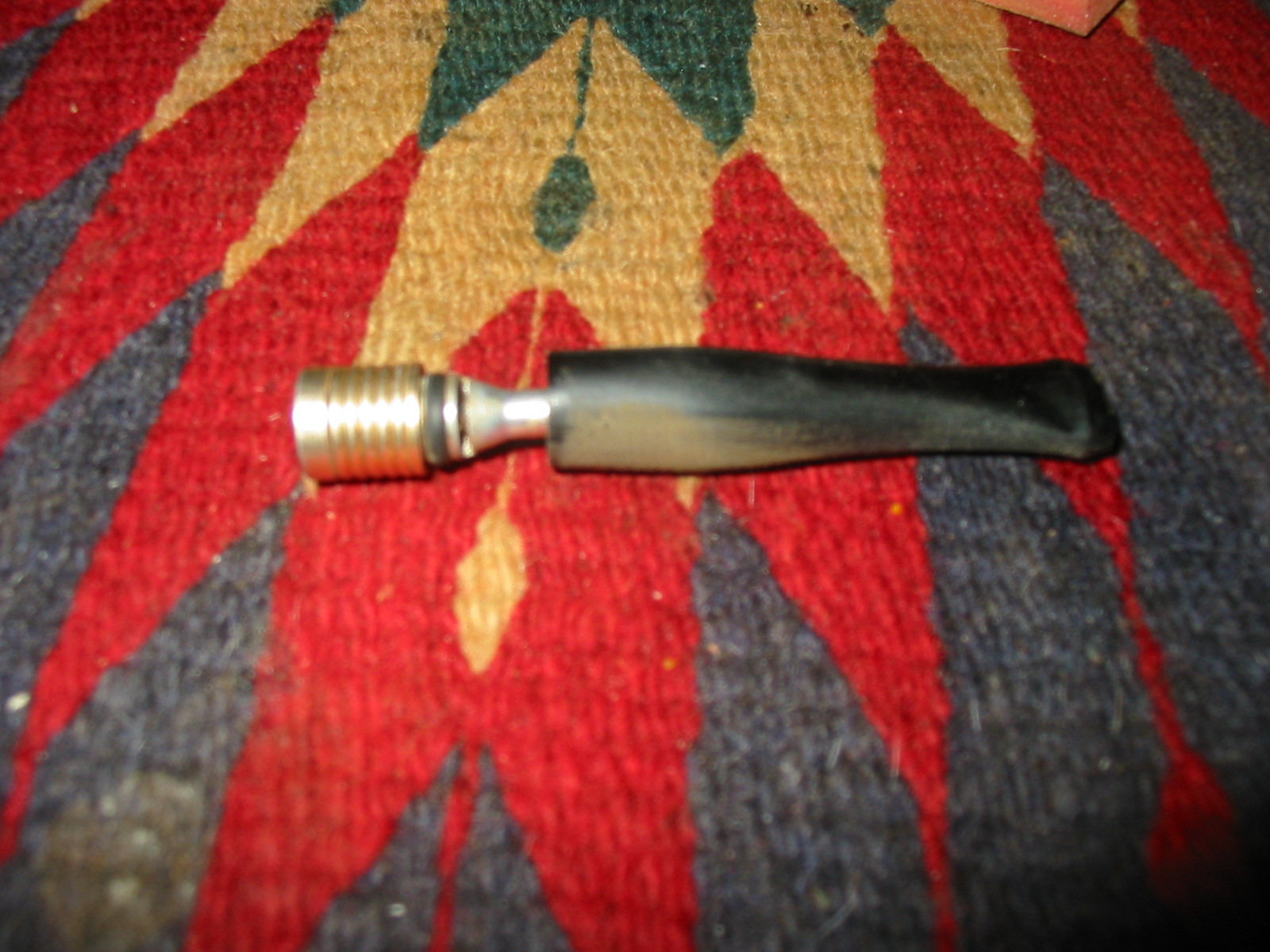
I twisted the end cap and it came free from the stem itself. Inside was a filter apparatus similar to the different stingers that one finds in American made pipes of days gone by. This apparatus was a single unit. There was a rubber o-ring around the top just below the holder top. This held the cap unit snugly in place in the stem.
IMG_3181

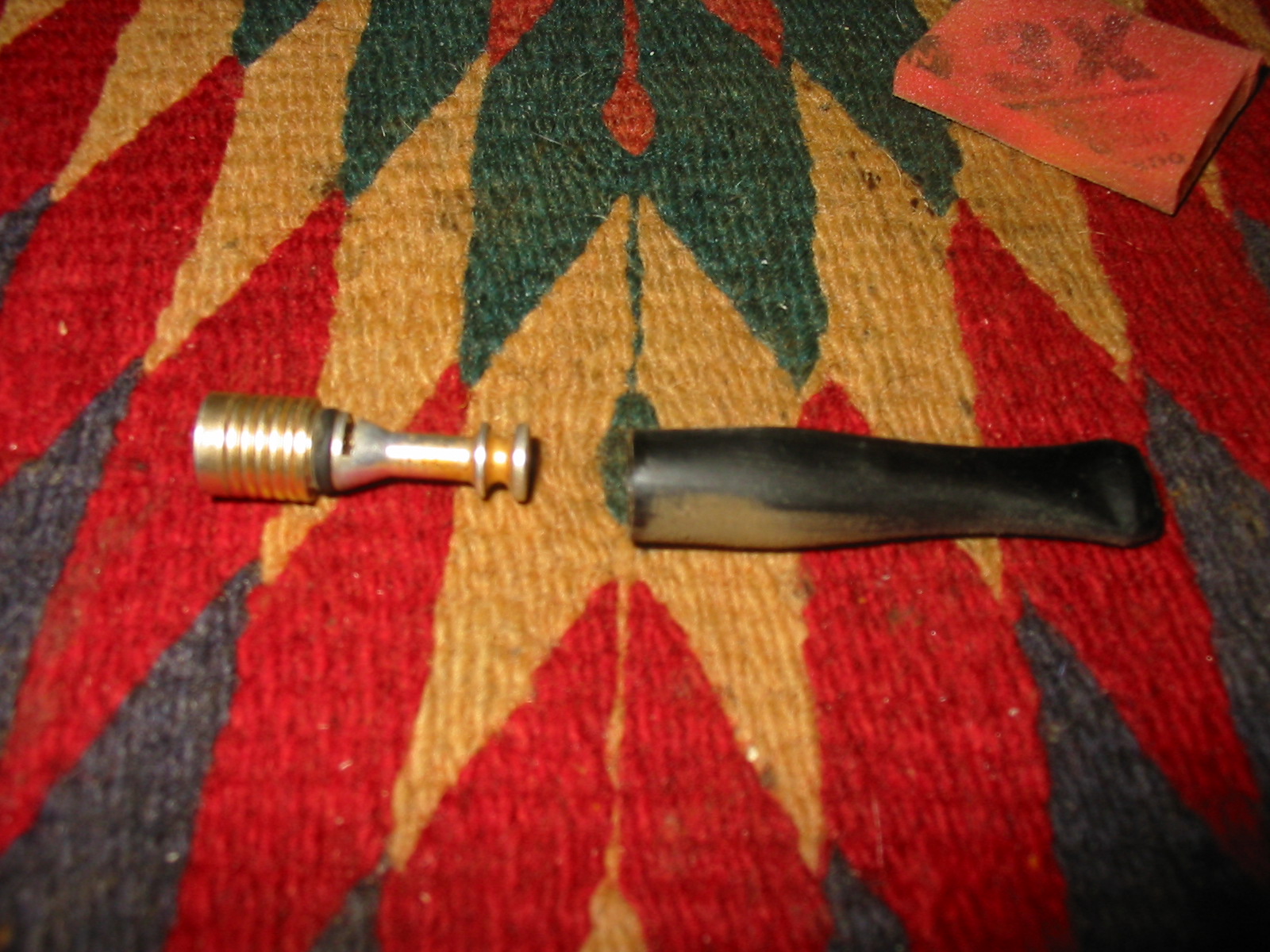
Once I had removed the apparatus from the stem the stinger design was visible. It extended half way down the shank of the stem. Behind the o-ring was a cut/slit half way through the aluminum of the stinger. It was clogged with tars and oils. In the middle of the slit was an opening. One on the o-ring side and one on the stem side of the slit. The aluminum then funneled down to tube that at first glance appeared to be solid. At the end of the tube were two solid rings around the tube. Between the rings there were holes on two sides in the groove. When it was inserted and clear the air would be pulled through the holder and into the stinger slit. It would circulate in the stem to cool and then move through the slit and down the tube and out the two holes. These would then disperse the smoke through the remainder of the stem and out the slot in the button. In many ways it was like an inverted stinger in shape and function to those found on pipes.
IMG_3177

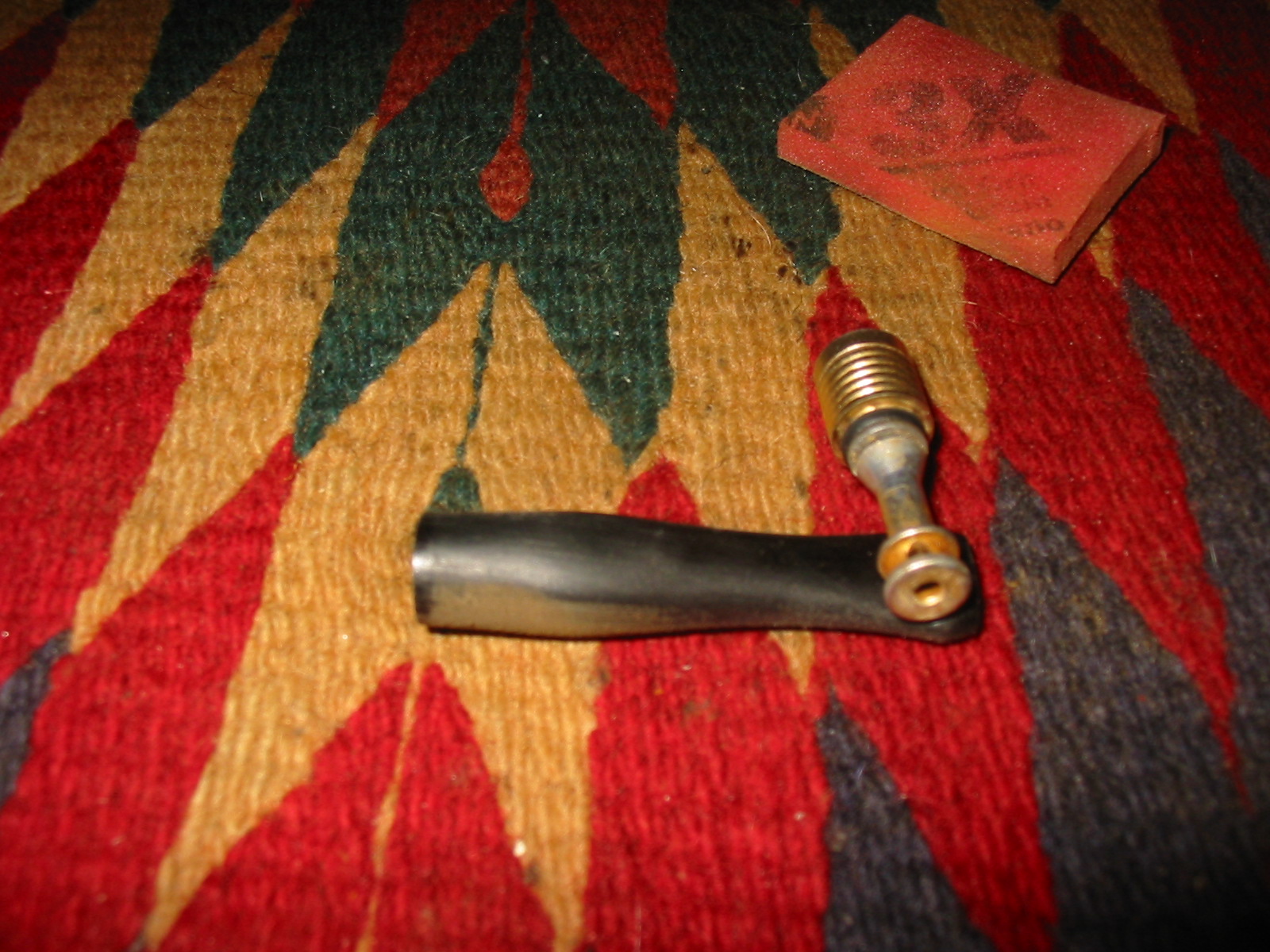
The hole in the end of the stinger does not go through the stinger but rather is like a small cup on the end. It was for collecting moisture and tars if the grime buildup was any indication.
IMG_3178

IMG_3180

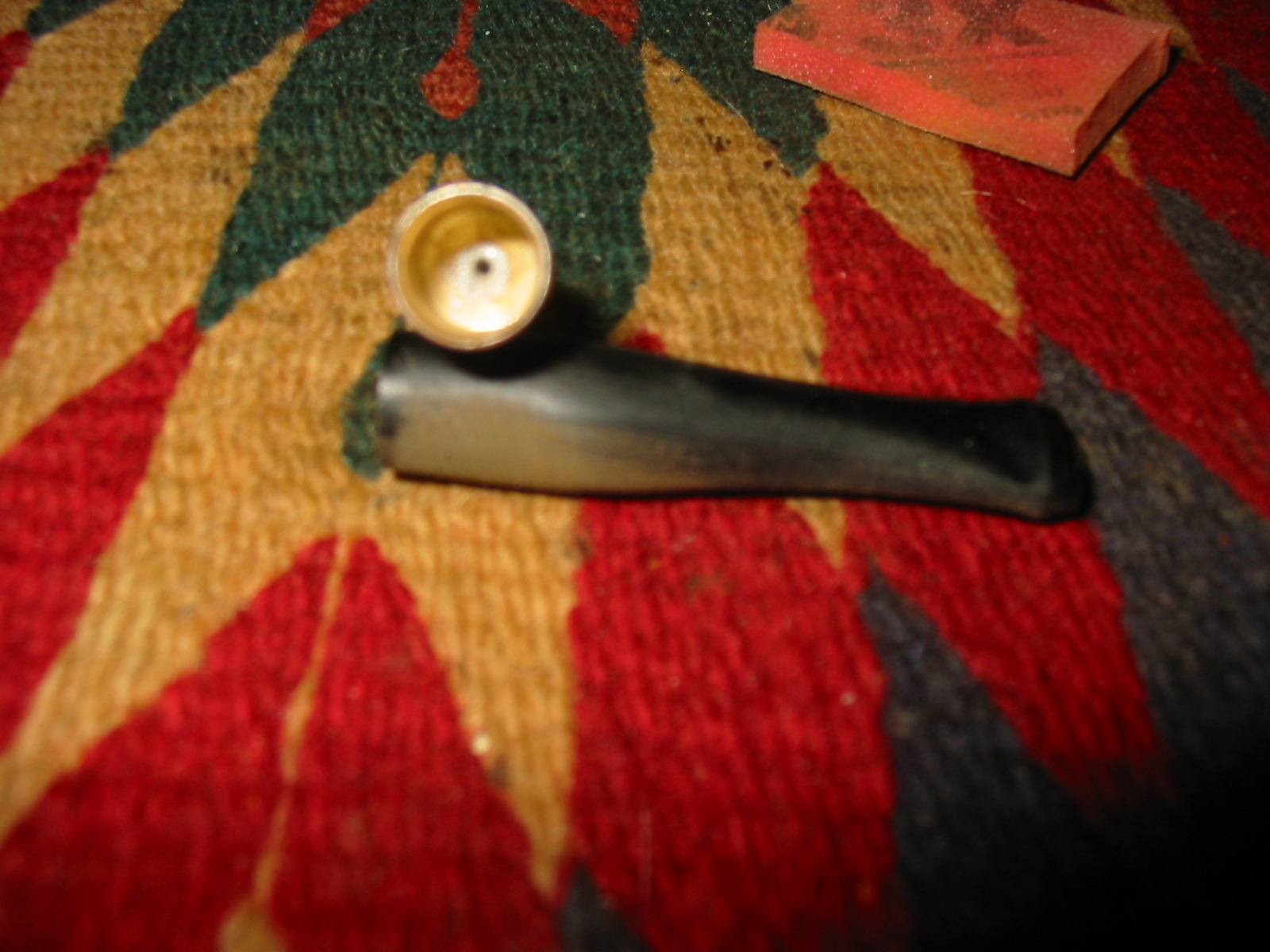
The holder cap pictured in the photo below is the depth of the filter on a modern cigarette and also the dame diameter as the end of the cigarette. I cleaned the entire apparatus and soaked it in a bath of Everclear to try to open the airway. I was able to clean out the cut in the aluminum, the holes in the end and in the cut itself using a dental pick. I scrubbed down the apparatus with a tooth brush and Everclear. I was unable to get air to pass through due to a clog in the end of the holder. In the photo below it is visible as a small hole in the bottom of the cup. It was plugged and the dental pick was too thick to go through it. I tried a thin paper clip and a needle with no success. I finally was able to open it with a tiny micro drill bit on the Dremel and pushed it through at a very slow speed. The bit came with a plastic guide that fit inside the cup perfectly and kept the drill straight as it opened the airway. Once it pushed the clog through I cleaned the inside of the airway with Everclear and was able to push air through with no effort.
IMG_3179

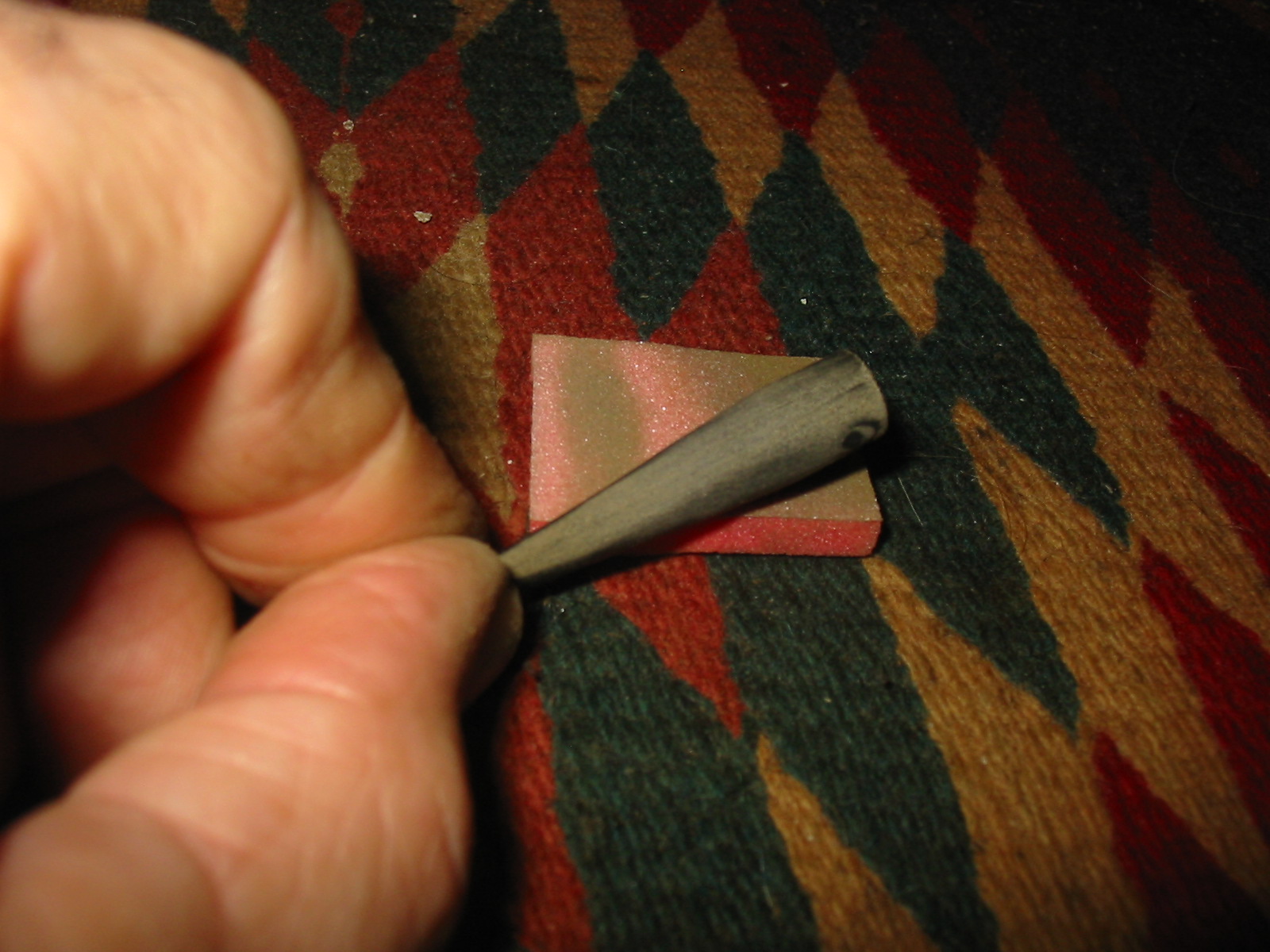
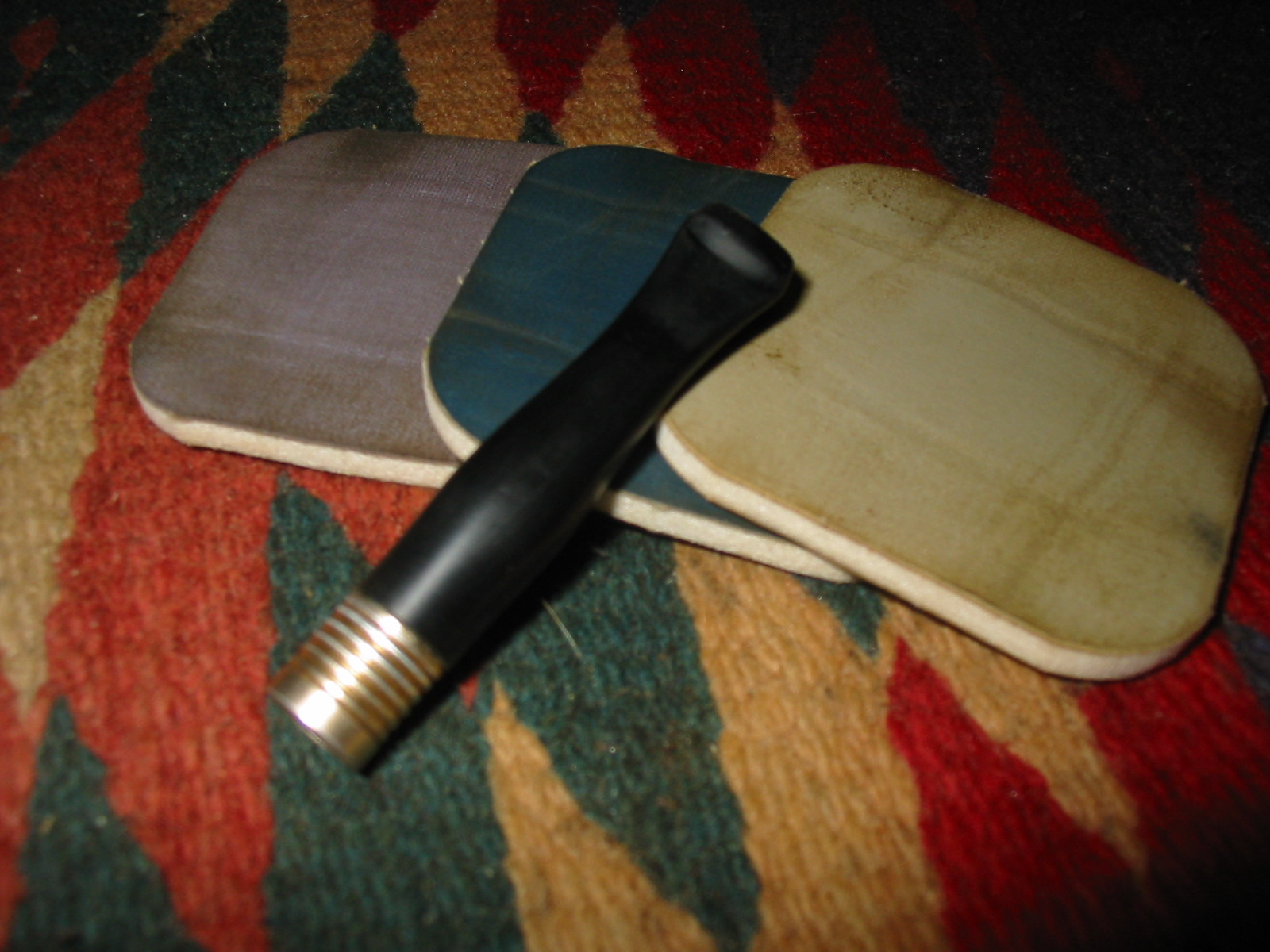
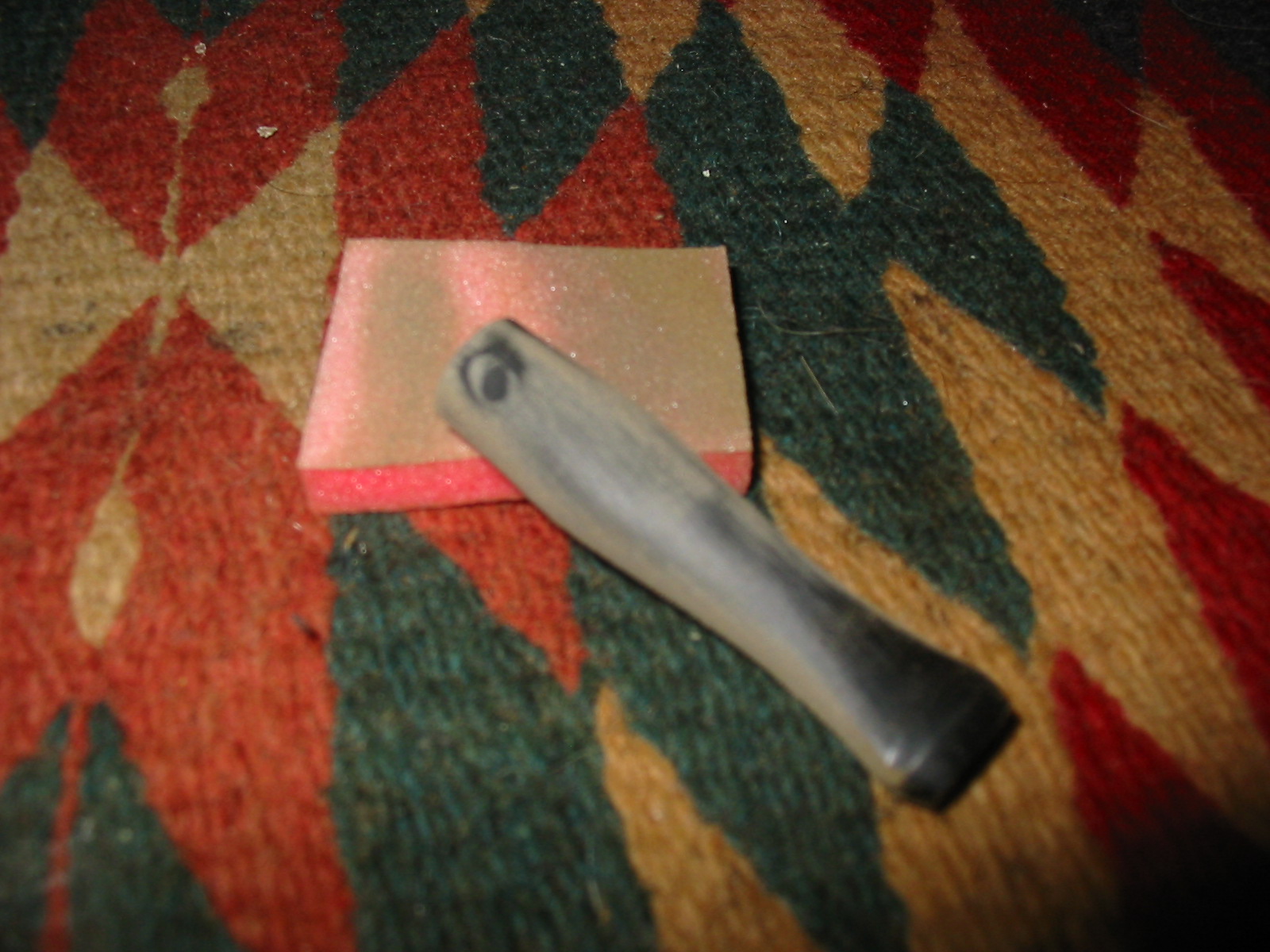
I repaired the burned spot on the stem with superglue and sanded the stem until the patch blended with the rest of the stem surface. I sanded the stem with 220 grit sandpaper and then with a medium grit sanding sponge to smooth out the scratches in the surface of the nylon stem.
IMG_3135

IMG_3136

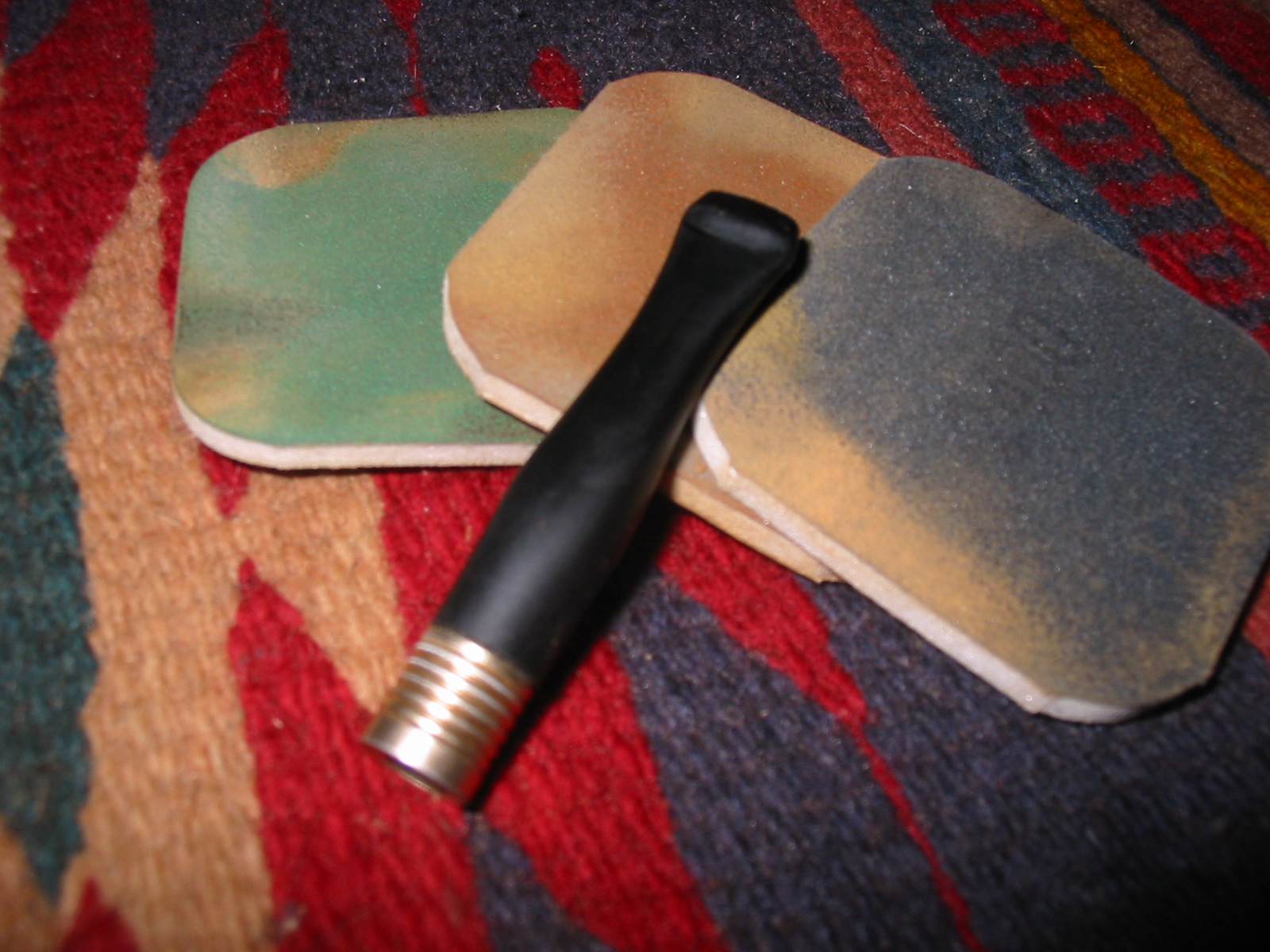
I wet sanded the stem with micromesh sanding pads from 1500-2400 grit and then dry sanded with 3200 – 12,000 grit sanding pads. I used a plastic polish to further shine the stem once I was finished with the micromesh pads.
IMG_3184

IMG_3185

IMG_3187

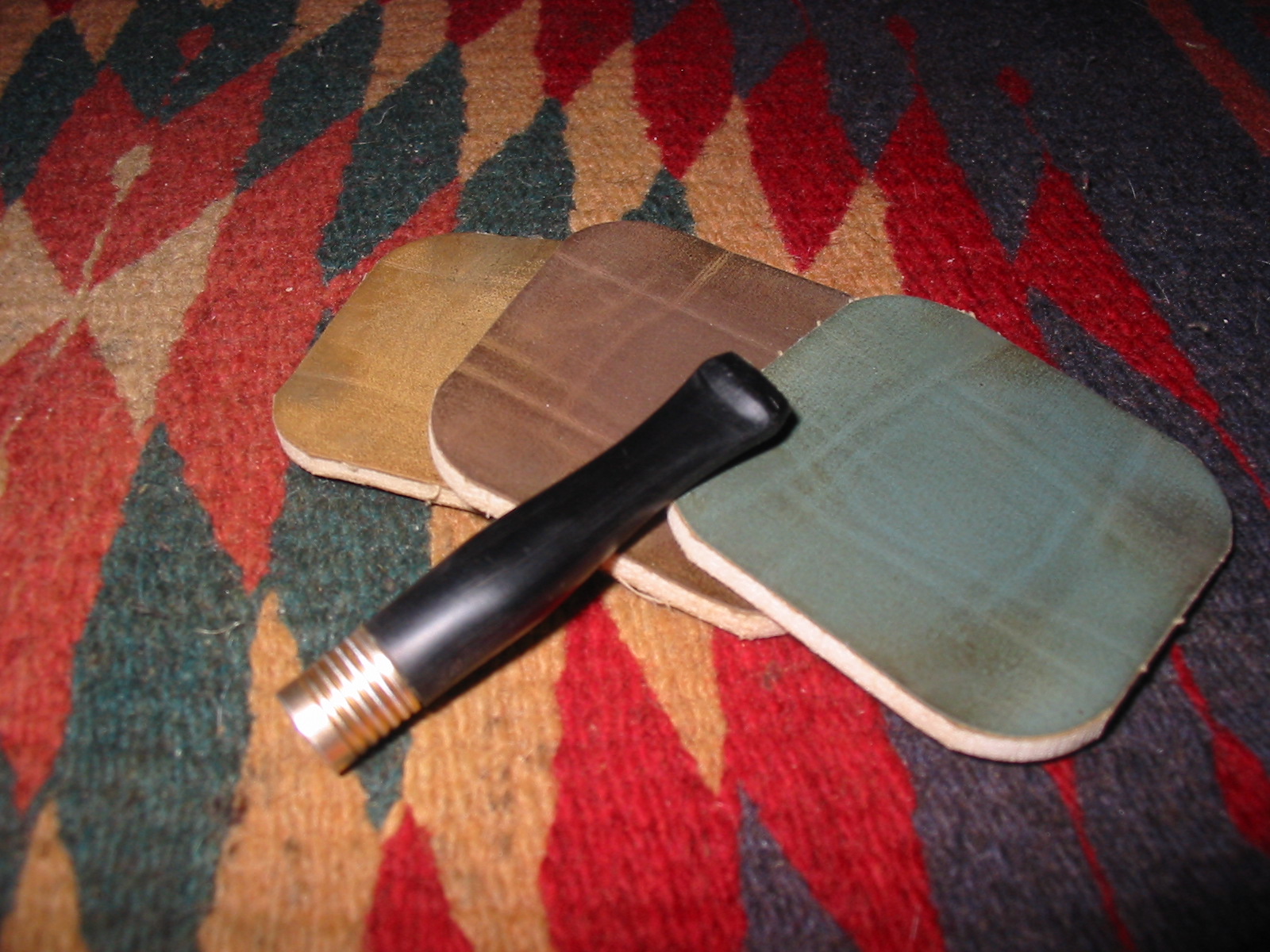
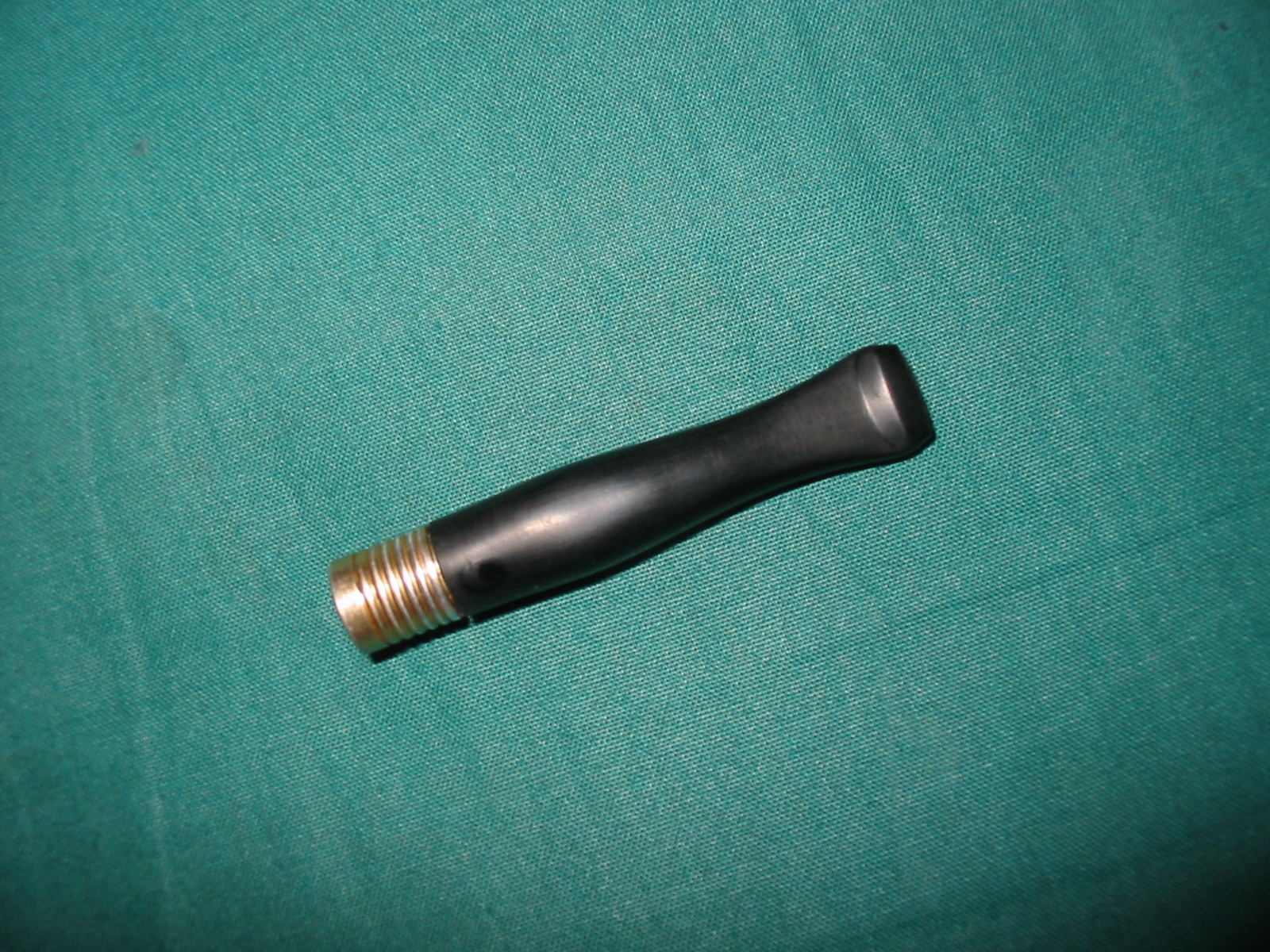
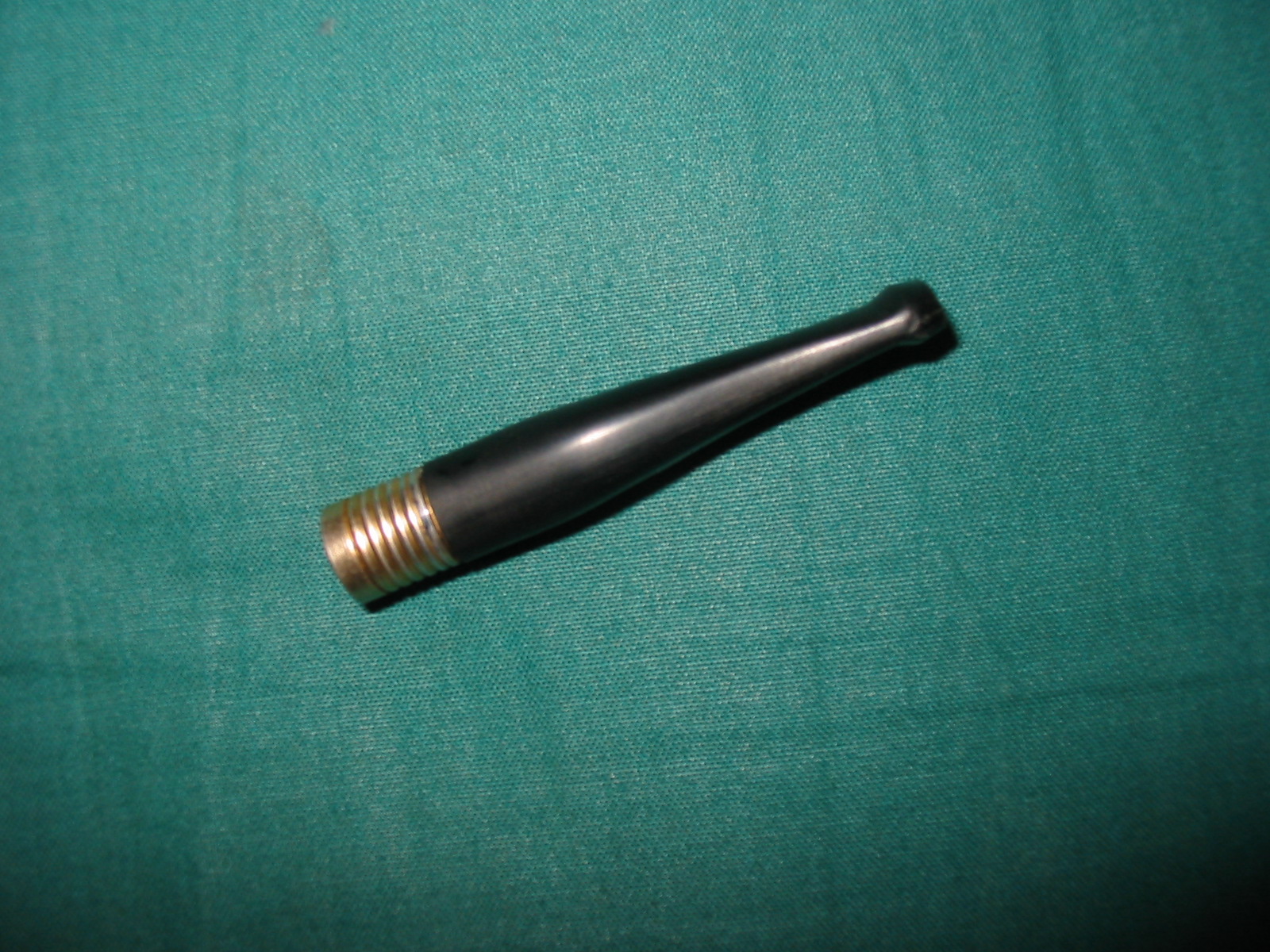
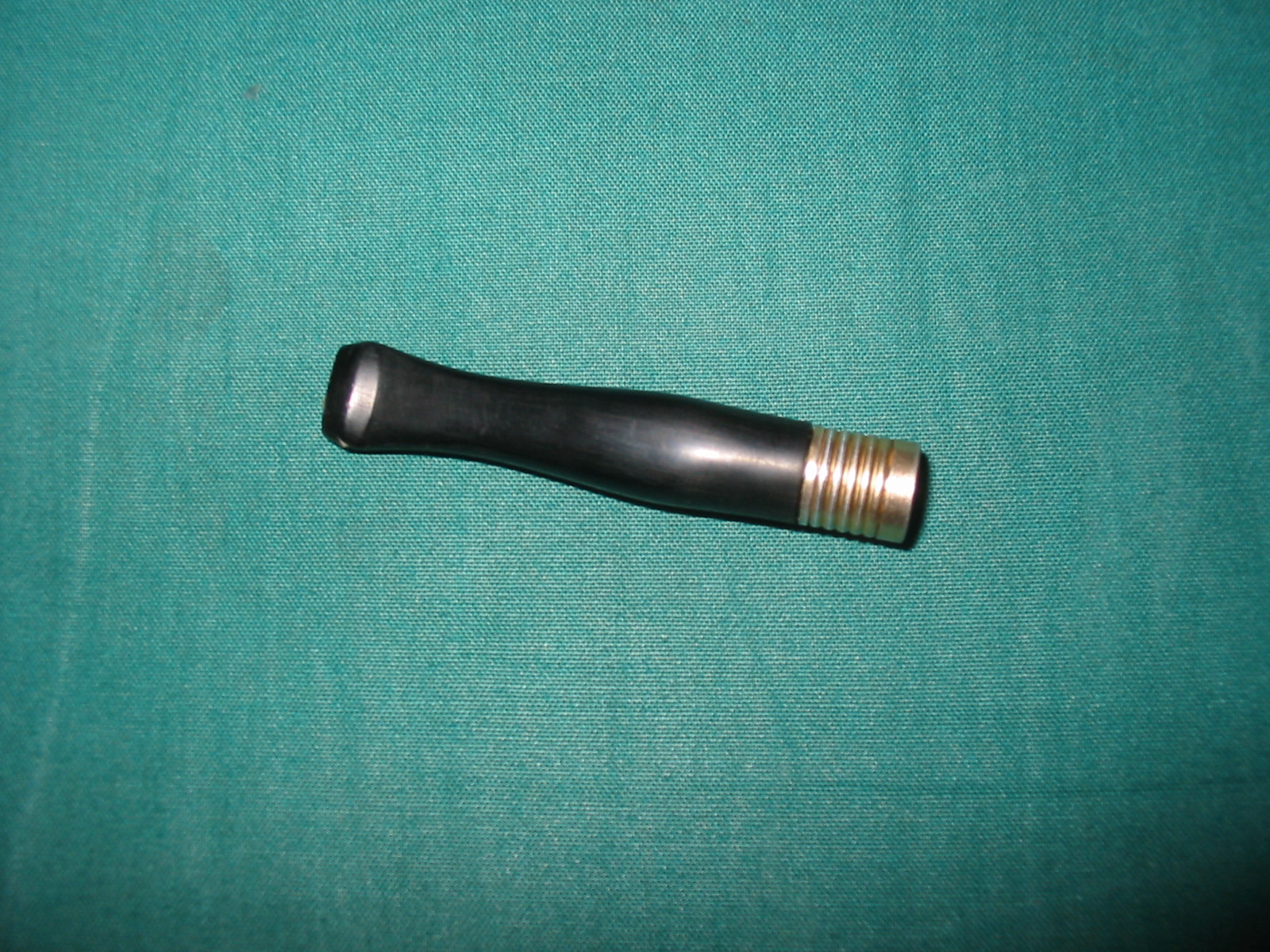
I rubbed down the stem with Obsidian Oil and gave it a very light buff with White Diamond. You have to exercise a very light touch when buffing nylon as it melts with the heat of the buffing wheel. I finished by giving the stem multiple coats of carnauba wax to give it a shine. I hand buffed the shine with a soft cotton cloth. The finish filter is pictured below in the final three photos. It is not something I will ever use but it is an interesting piece of tobacciana for the collection. I have no idea of the maker of the piece or of the age but I am fascinated by the ingenuity of the product.
IMG_3188

IMG_3189

IMG_3190

Restoring an LHS Certified Purex Pot


Blog by Steve Laug

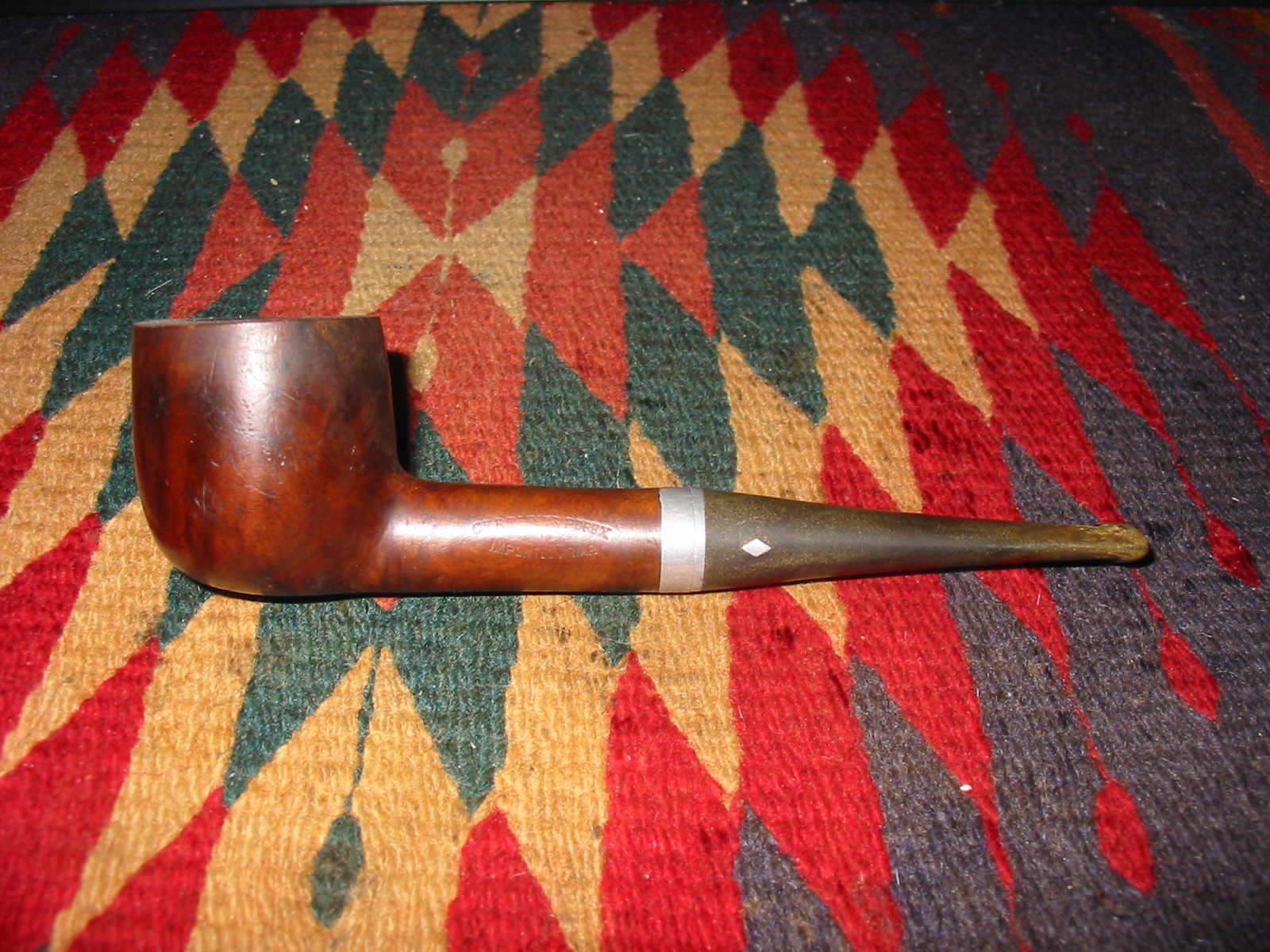
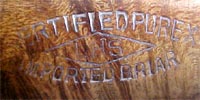
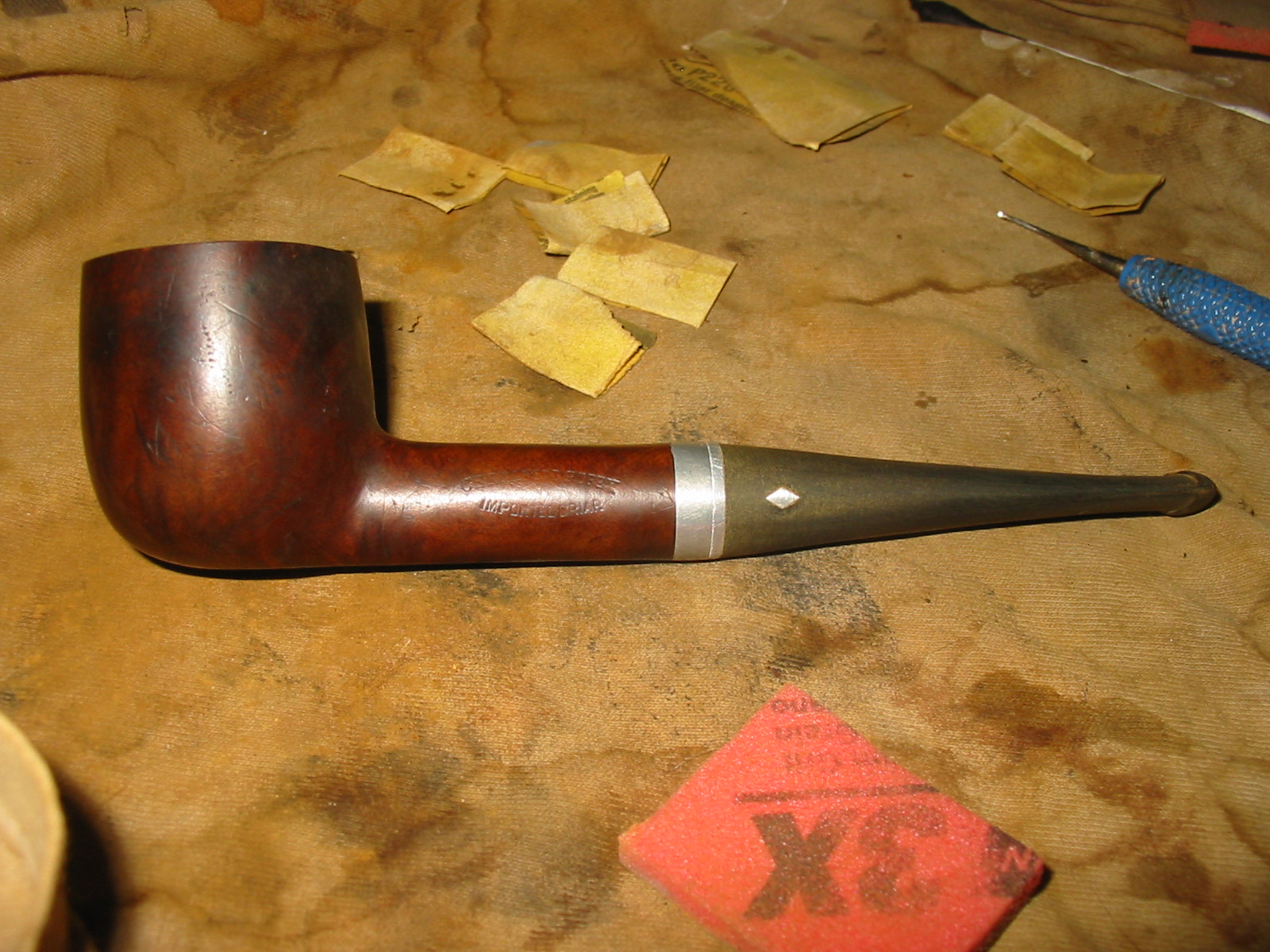
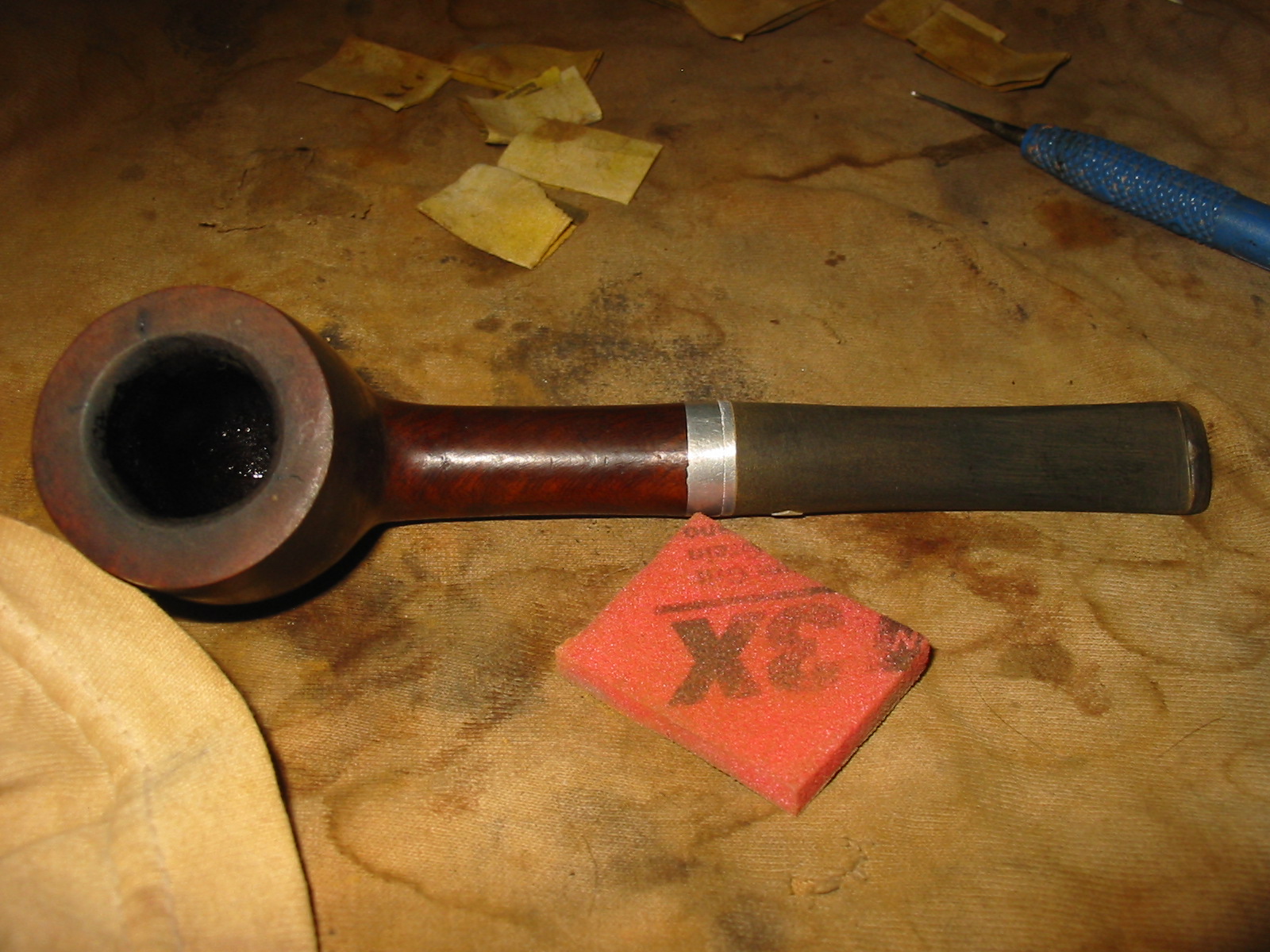
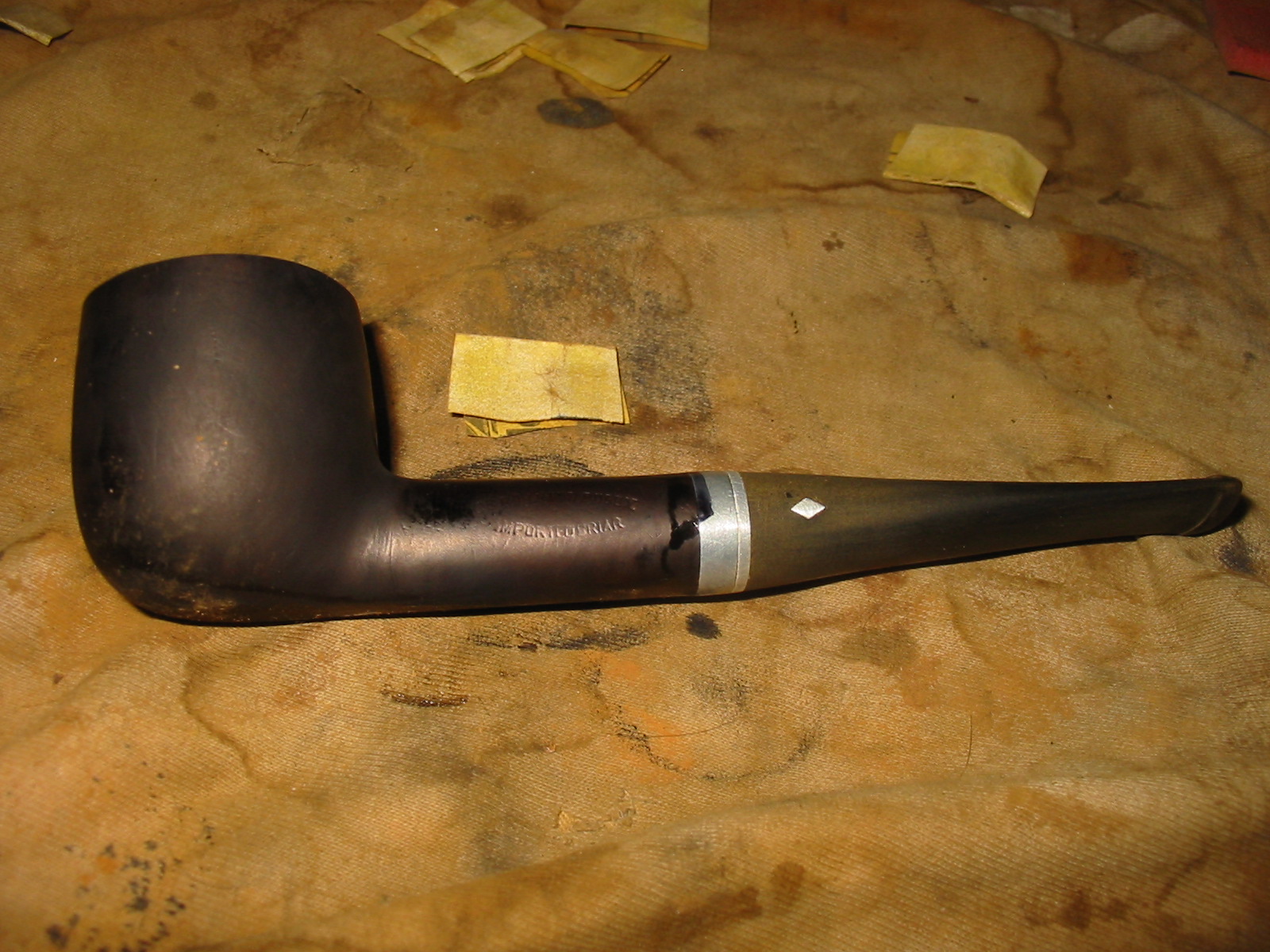
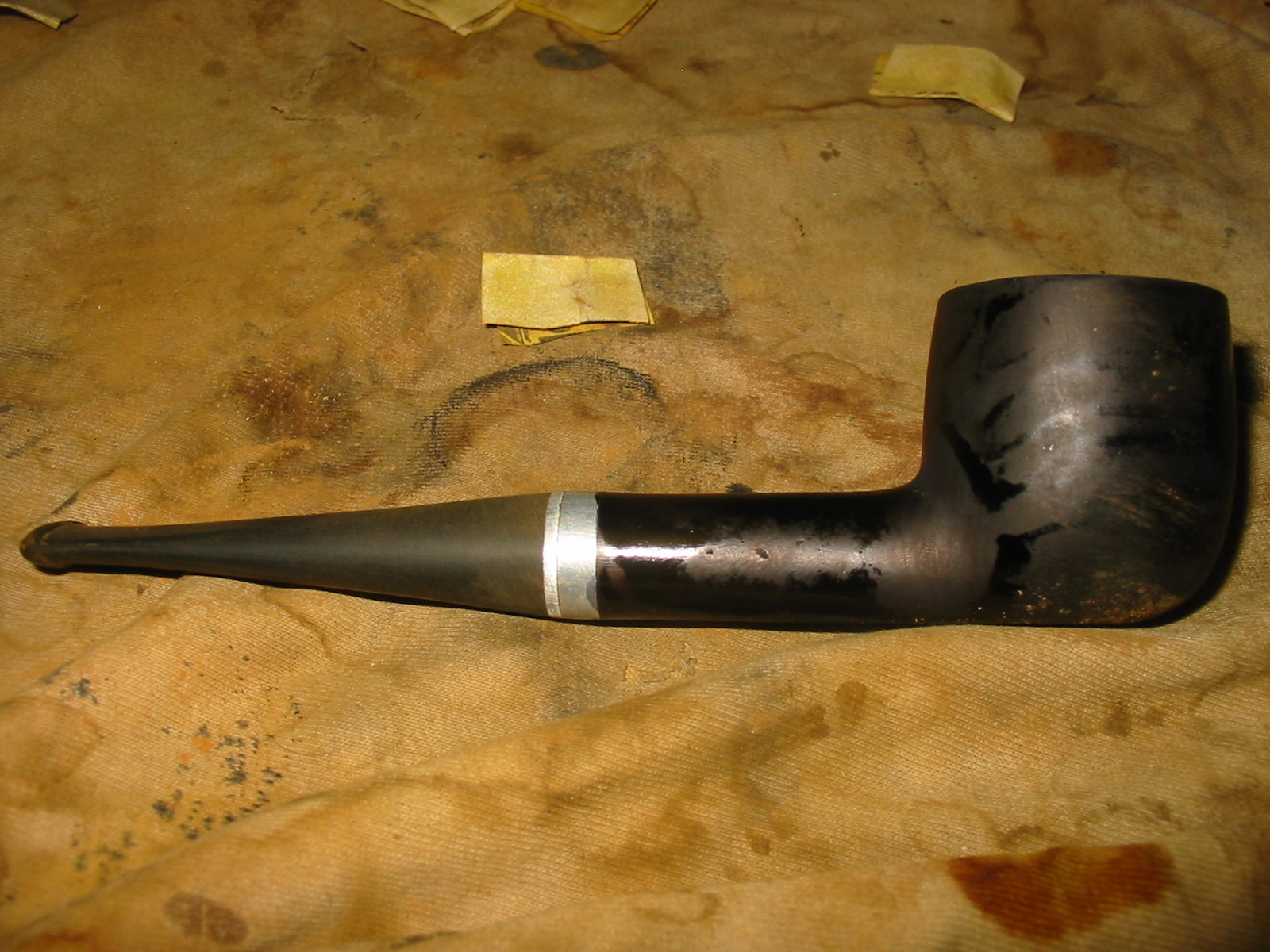
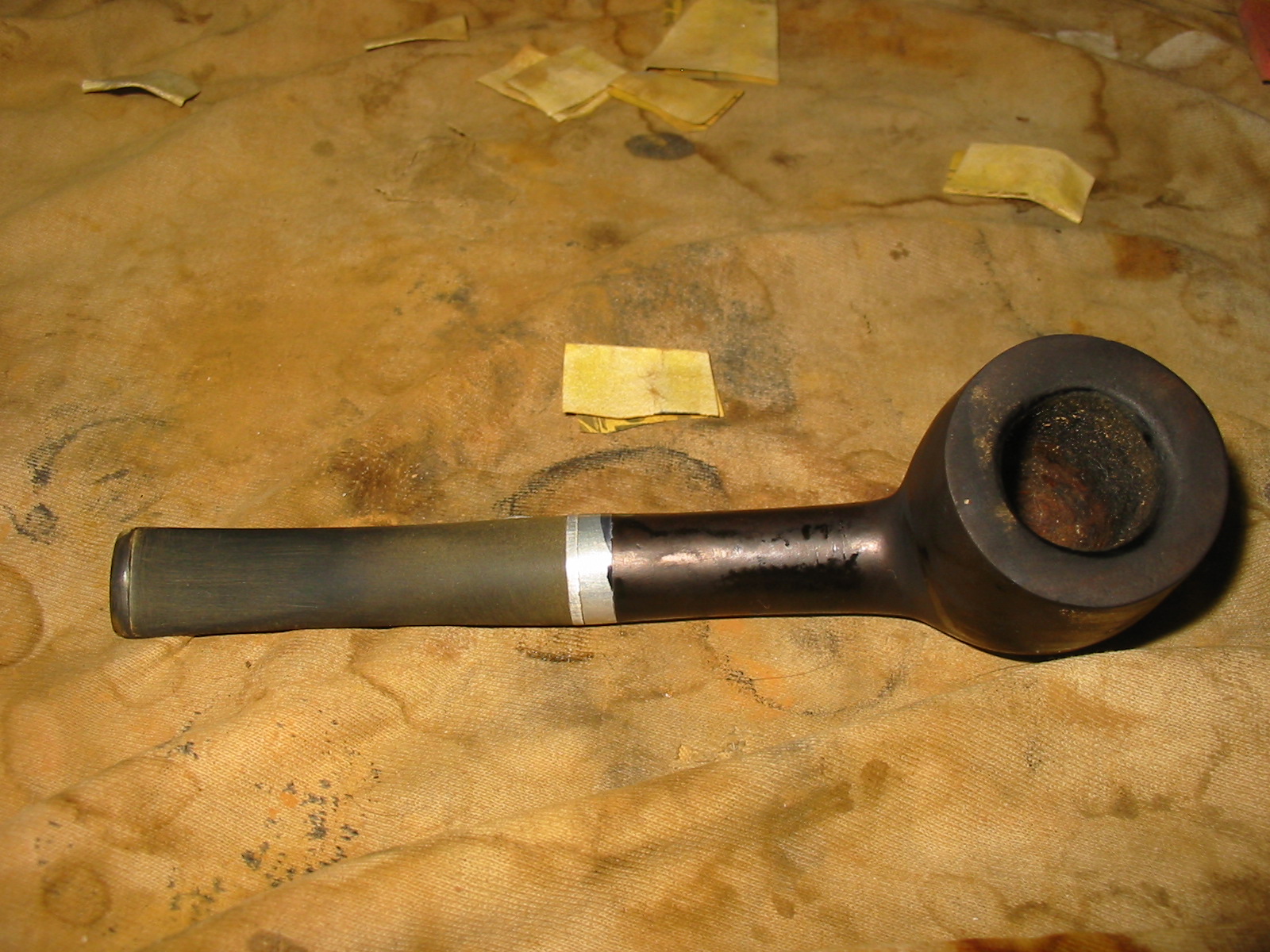
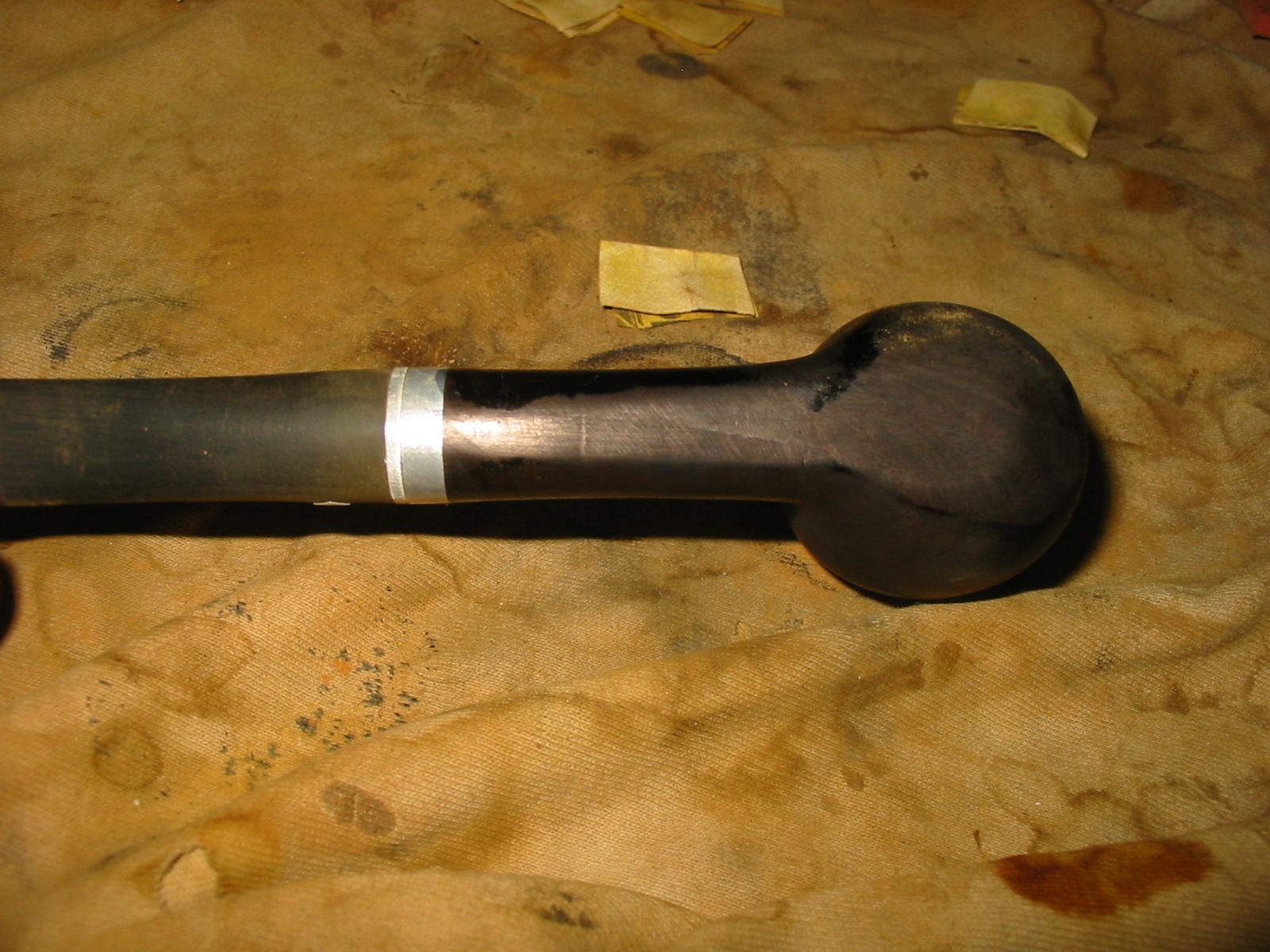
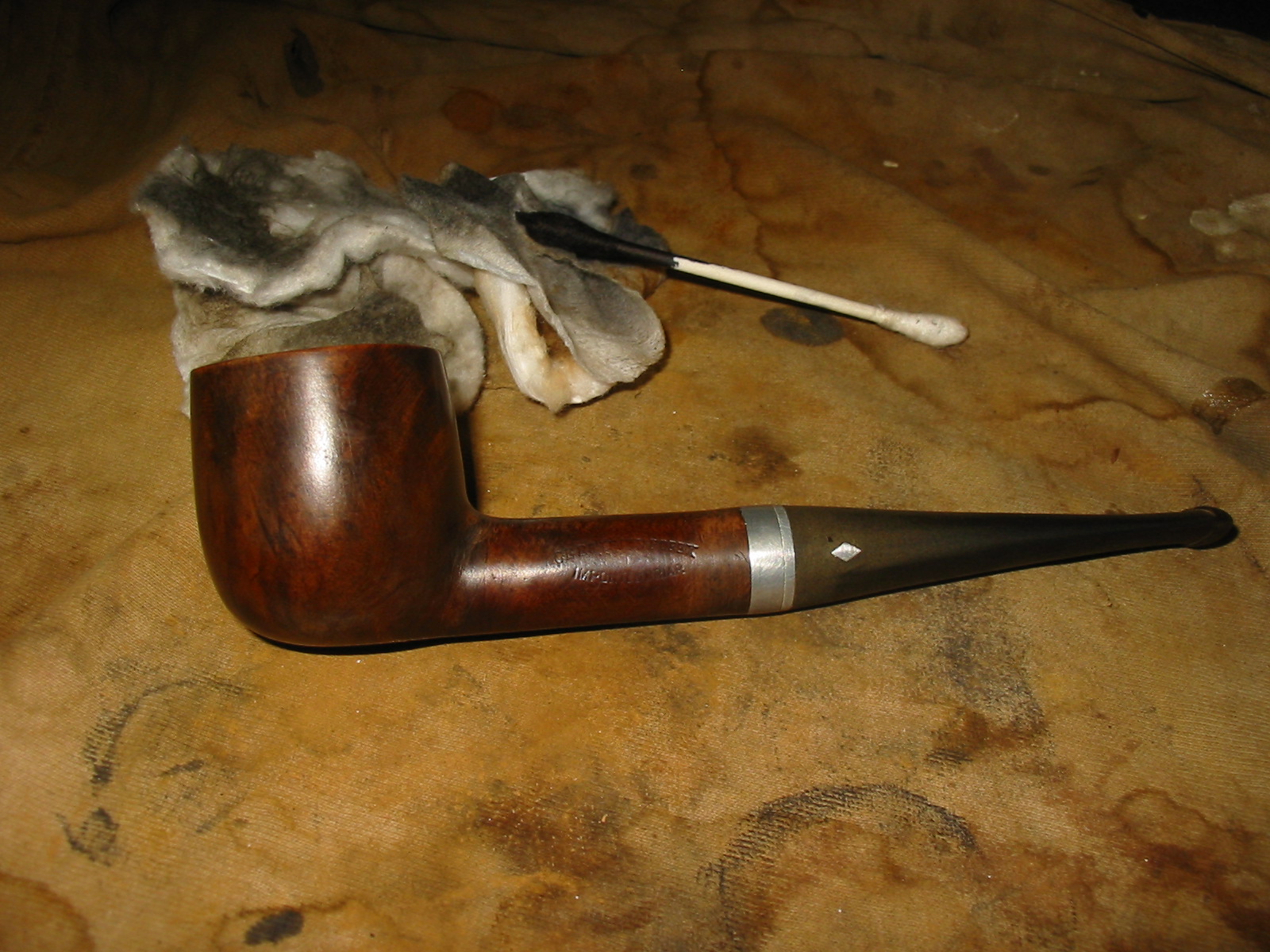
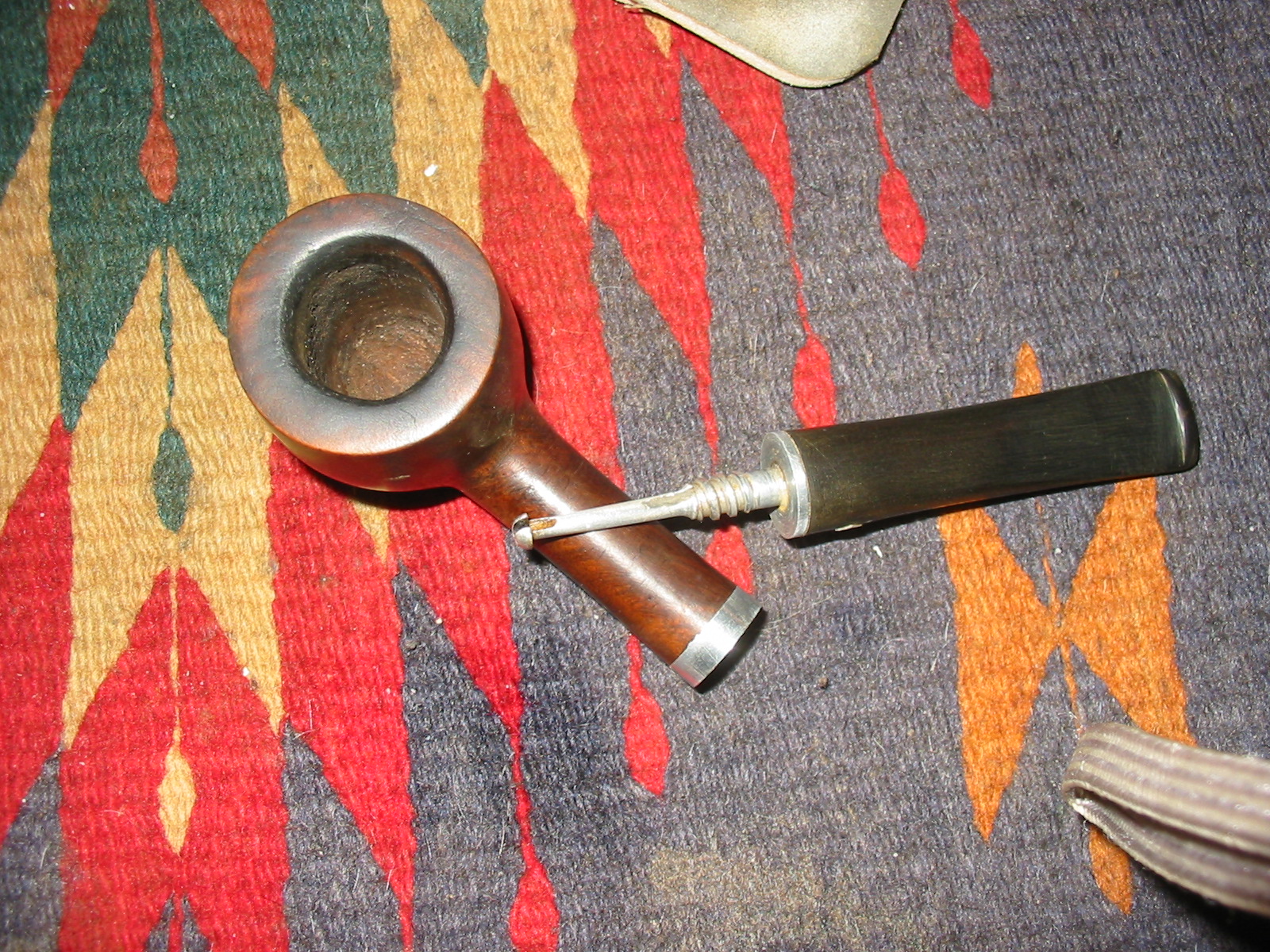
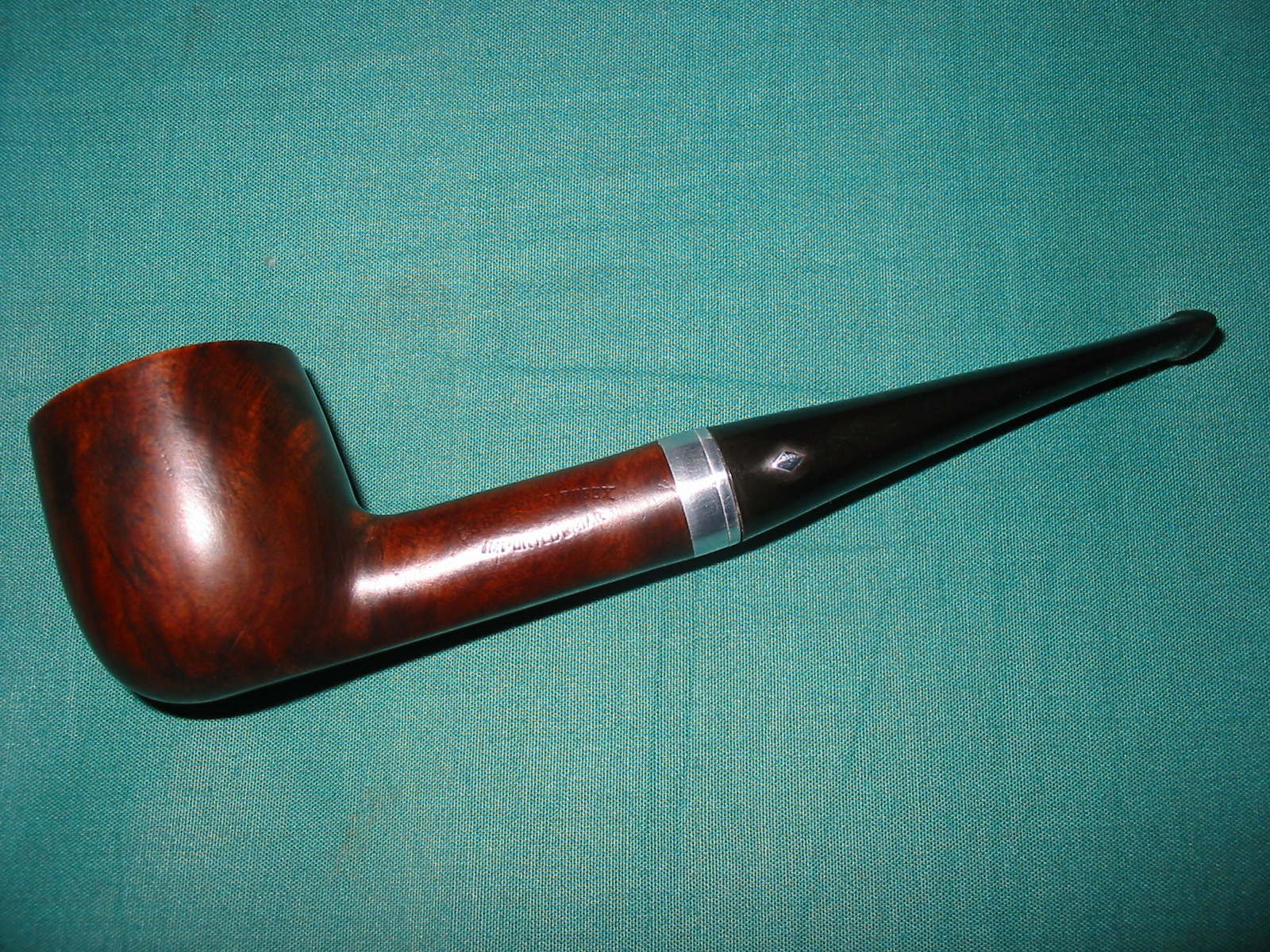
This LHS pot was another gift from a friend in exchange for restemming his pipe. It is stamped on the left side of the shank Certified Purex in a convex arc and underneath is a concave arc stamped Imported Briar. In the middle the stamping is very faint but using a magnifying lens the remnants of a diamond with the letters LHS are barely visible. The finish was very dirty and the rim was blackened but not burned. The bottom of the bowl near the front was covered with dents and pin pricks like the pipe had been tapped or dropped on concrete. There was very little cake in the bowl. The stem had a screw mount tenon with an aluminum receptor on the end of the shank. The stem itself had an aluminum end on it with a push in stinger apparatus. The stem had deep tooth marks on the top and the bottom sides and was oxidized. On the left side of the stem was an aluminum diamond that was inserted in the stem.
IMG_3137

IMG_3138

IMG_3139

IMG_3140

I looked up LHS Certified Purex pipes on Google and found the following information. The first comes from http://www.pipephil.eu/logos/en/logo-lhs.html#certifiedpurex . Phil has a page on the LHS pipes. The L&H Stern Inc. was established by Ludwig Stern (1877-1942) in 1911. His brother Hugo (1872-?) acted as vice-president & secretary. The firm moved to 56 Pearl St. Brooklyn in 1920. It closed down in the 1960s. LHS was one of the main pipe suppliers for US soldiers during WWII. LHS had several seconds lines, two of which are the London Royal and the Stanhope. Phil included the two photos below. The first is of the diamond insert on the stem. The one I am refurbishing has the same diamond. The second is of the stamping on the pipe. The top photo which is a picture of the stamping reads Certified Purex over Imported Briar with the LHS in a Diamond inside the two arcs. This stamping matches the pipe I worked on.
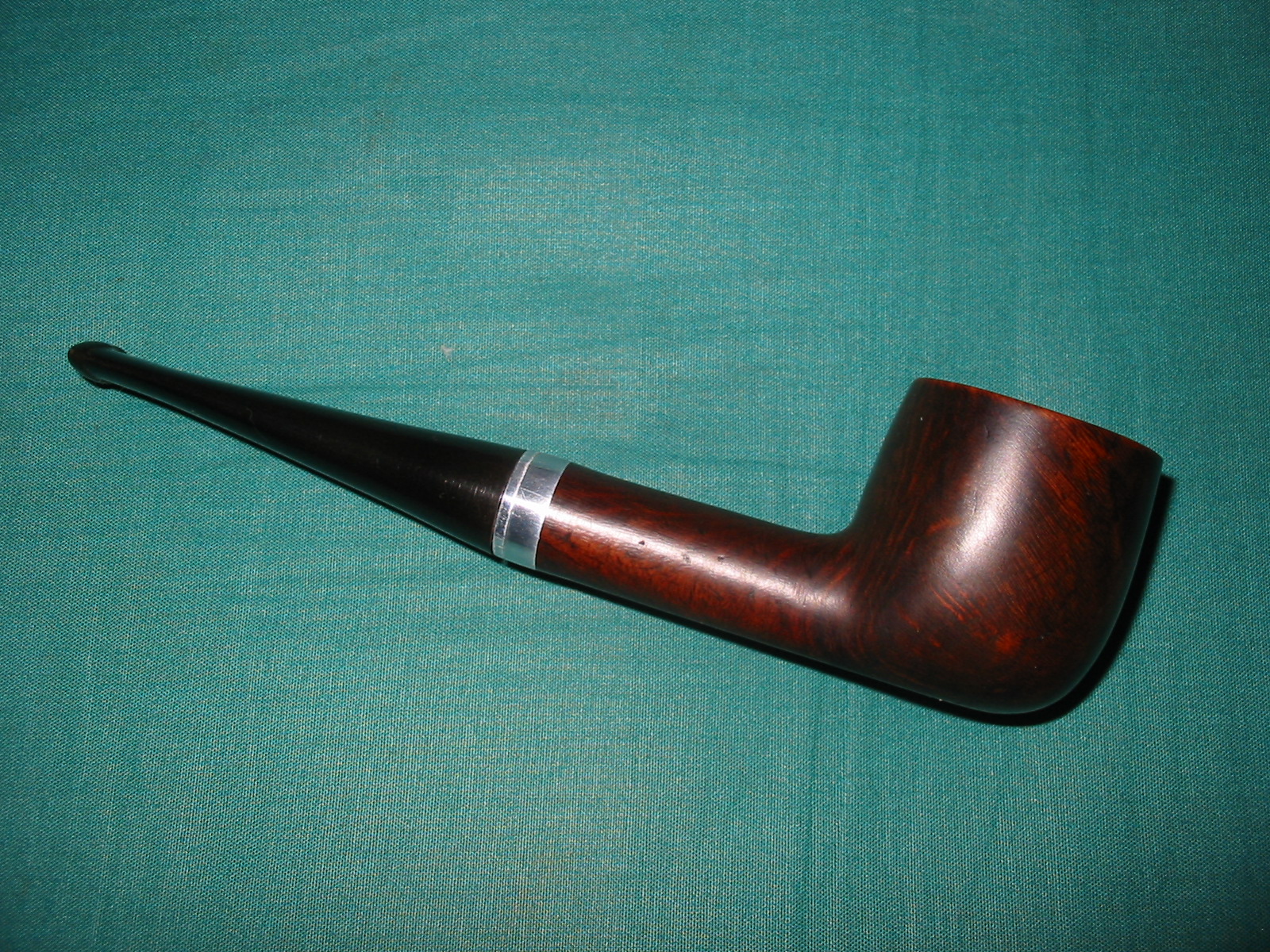
lhs5blhs3a Pipedia also had information on the pipes from which I summarize some additions that were not included above. L & H Stern (LHS) of Brooklyn, New York. The company’s famous logo is in a diamond. These pipes are high quality production pipes. A popular and moderately priced pipe made from 1896 through the 1960’s by the L&H Stern Company of Brooklyn, New York. Many of their later Sterncrest pipes featured silver bands and some were made with 14kt. gold bands as well. The “Diamond” series appears to be their high-end line. They had a different logo which was 3 diamonds in a row, larger in the middle. They also had Allbriar models (stem and bowl both made of briar) in the Diamond line, and these tended to have a screw type fitment with stinger, like Kaywoodie or Dr. Grabows.

With this information I took the Purex pot to my work table. I took off the stem and dropped the bowl into an alcohol bath to soak while I worked on the stem. It sat in the bath for about an hour while I addressed the issues on the stem.
IMG_3141

I sanded the stem with 220 grit sandpaper to remove the calcification around the button and up the stem for about ½ inch. I also wanted to clean up around the tooth dents to see what I would have to do to fix them. In the next two photos below the dents in the stem are clearly visible on the top and the underside of the stem. Removing the calcification made the dents very clear.
IMG_3142

IMG_3143

After examining them with a magnifying glass I could see that they were dents. I was able to heat them and lift them to some degree and then sanded what remained after heating. The next three photos show the removal of the dents and remaining marks with the sandpaper.
IMG_3144

IMG_3145

IMG_3147

I sanded the stem with a medium grit “pink” sanding sponge that is visible in the photos below. This removed the scratches left behind by the 220 grit sandpaper. In these photos the dents are no longer visible. The sanding also removed the majority of the oxidation on the stem.
IMG_3148

IMG_3150

IMG_3151

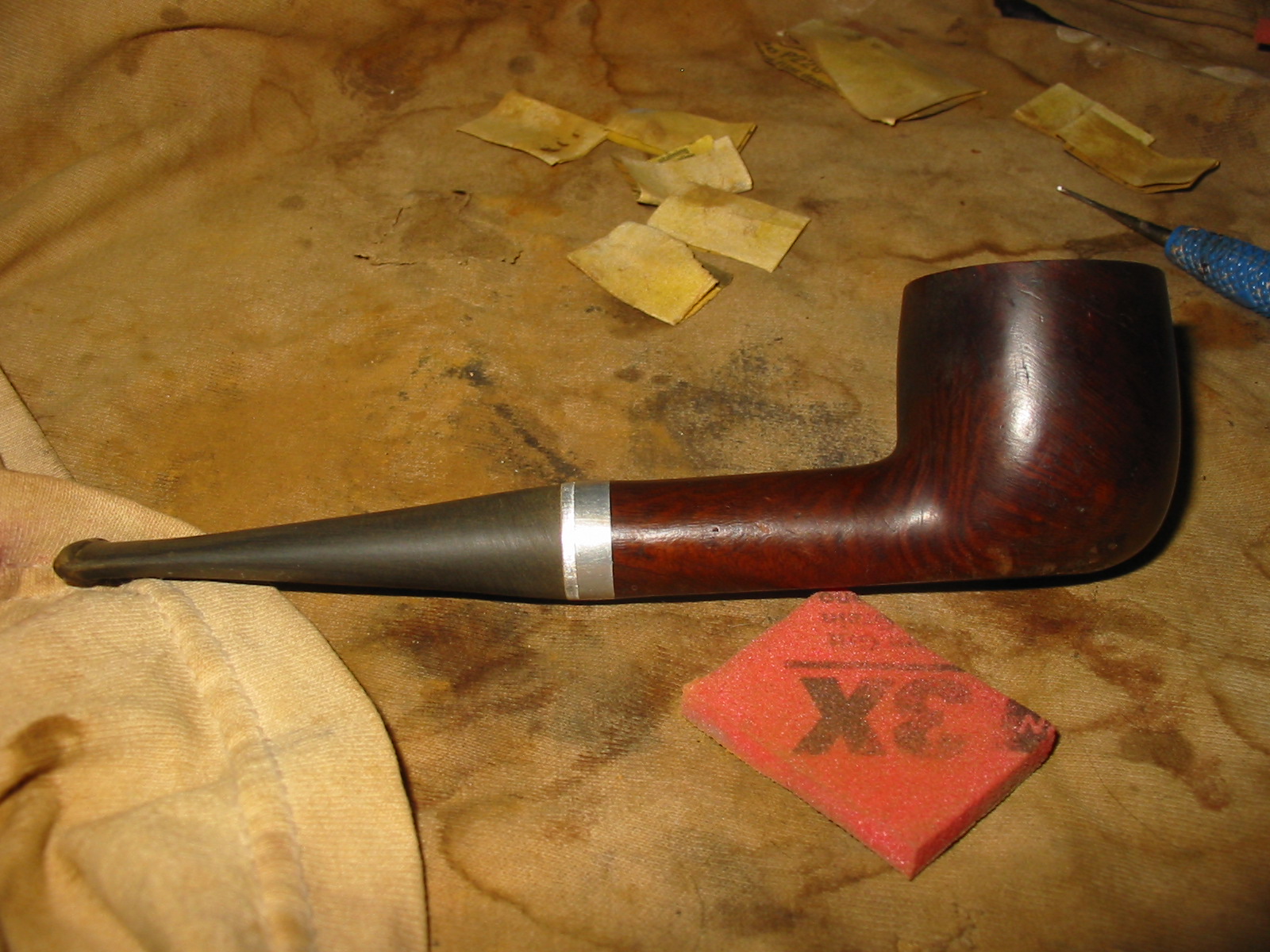
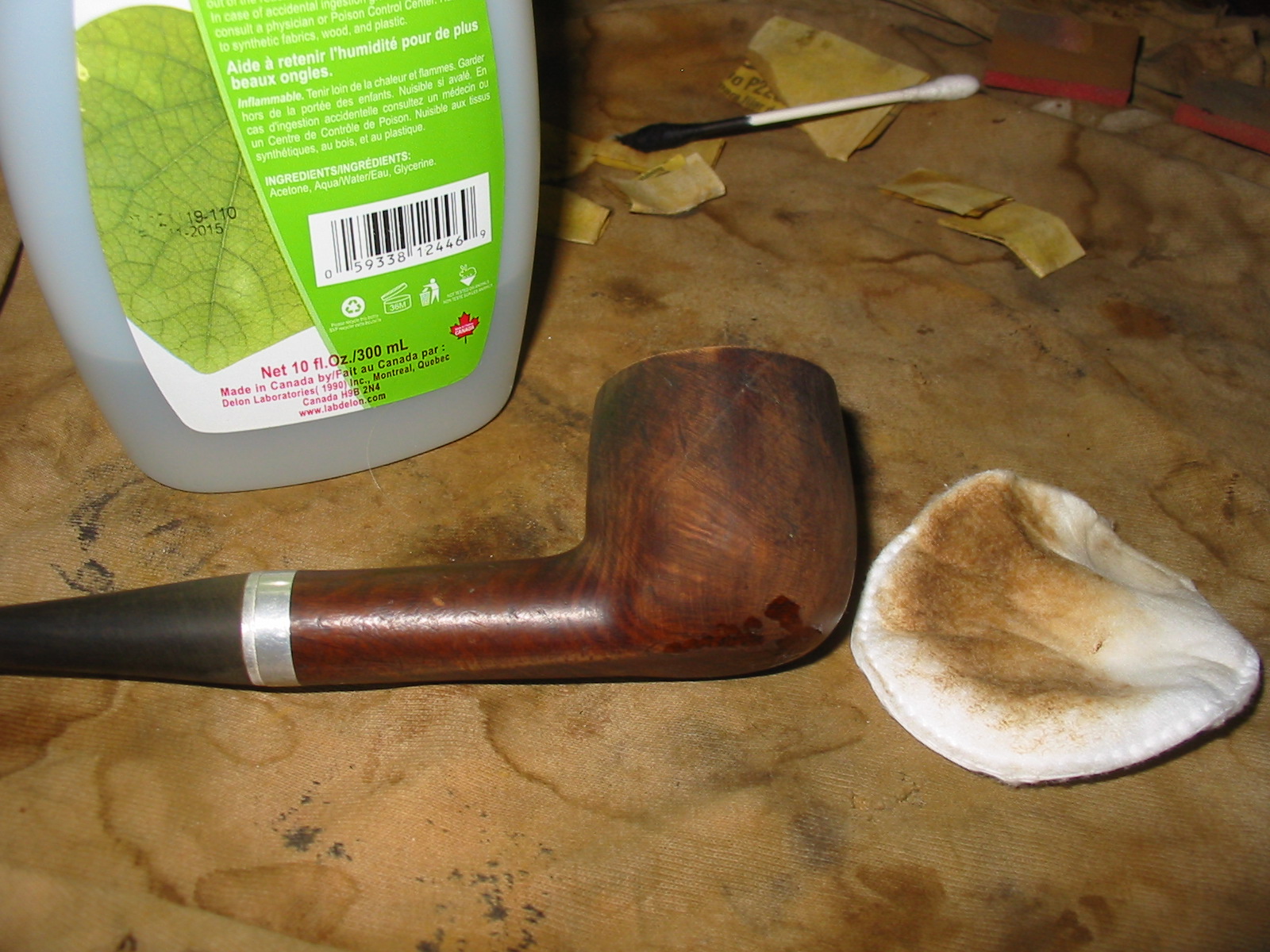
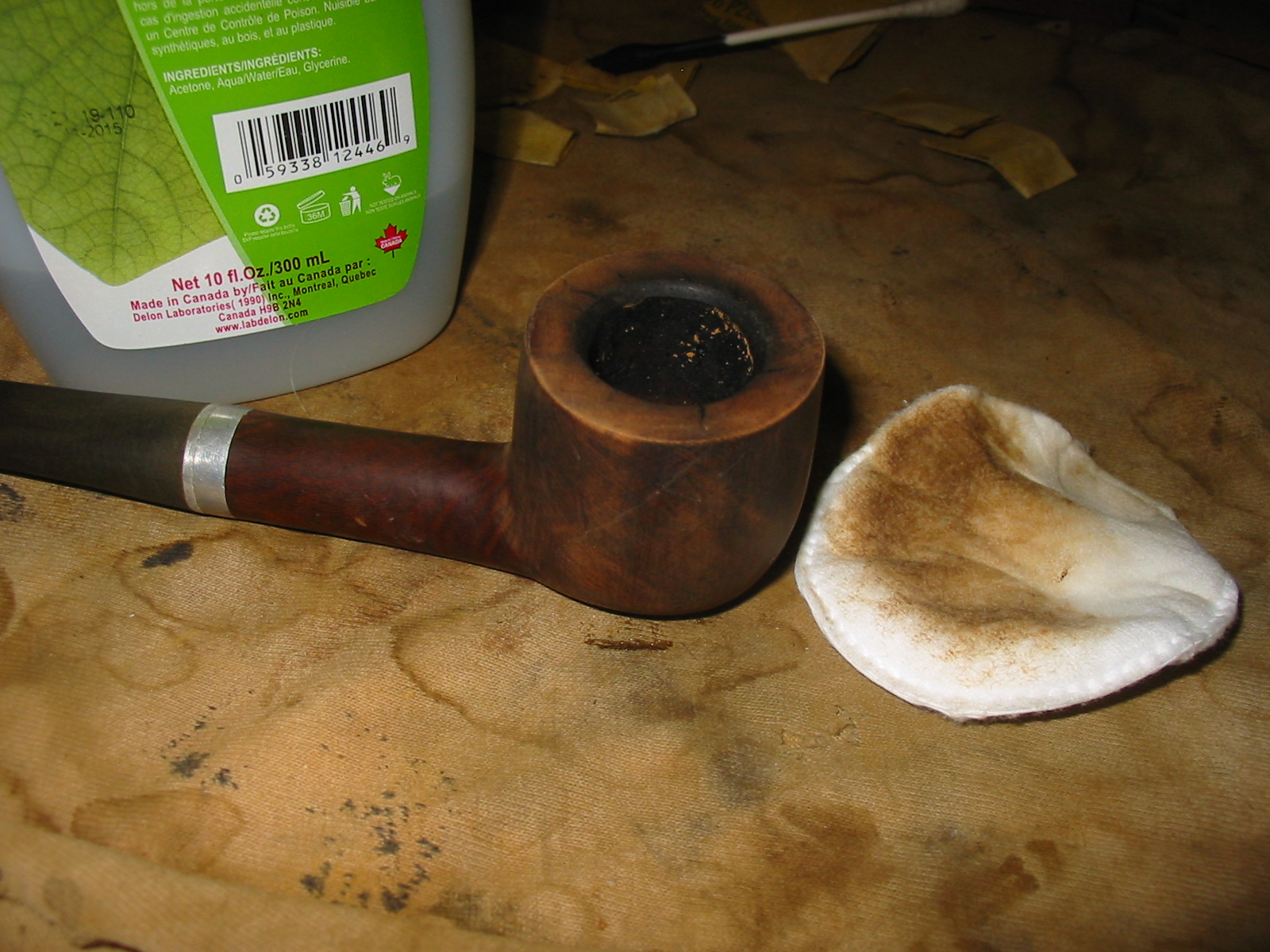
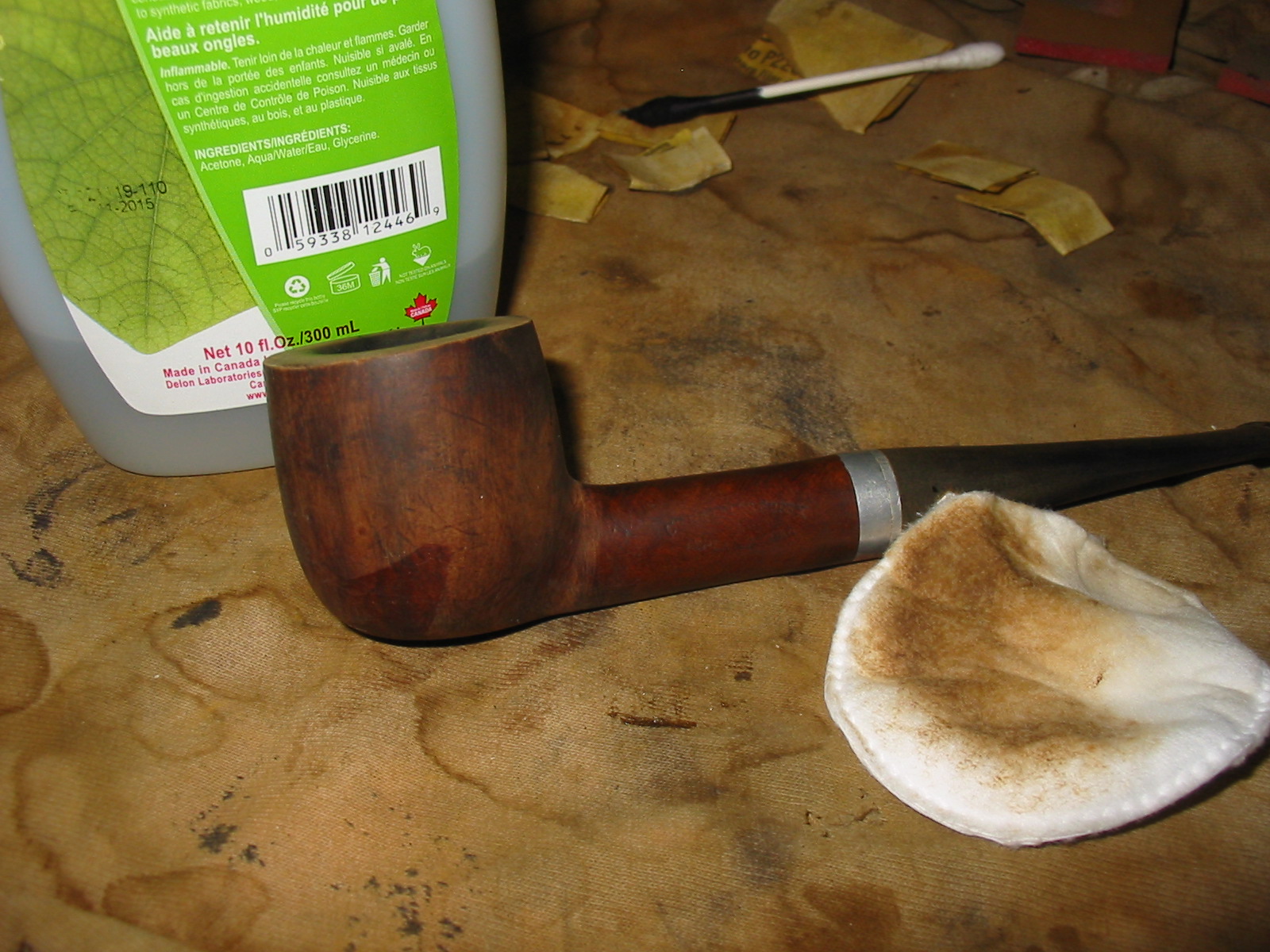
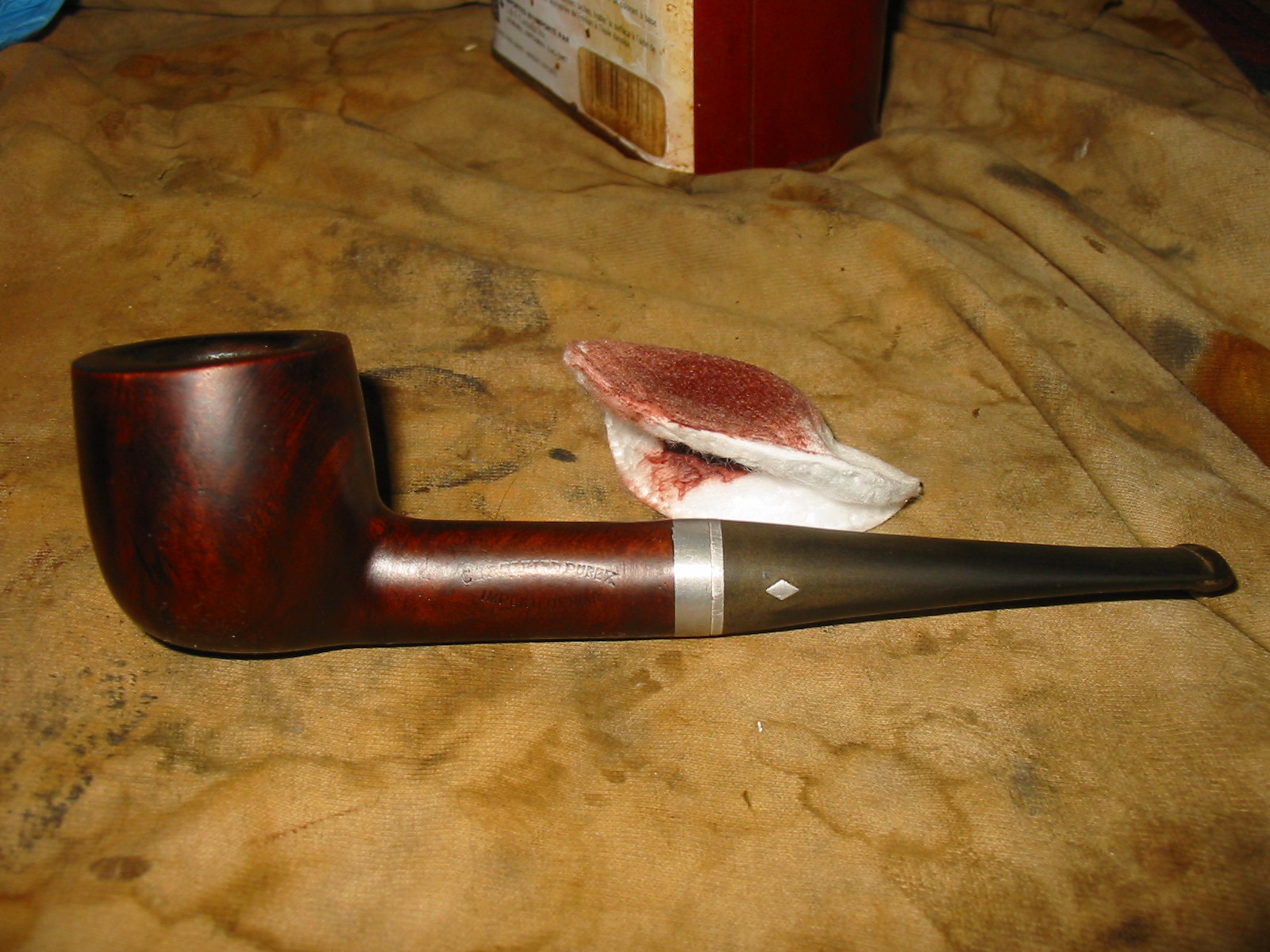
I wiped the bowl down with acetone on a cotton pad to remove the finish before I worked on the pitting and marks on the bottom of the bowl. I steamed the dents and then filled the remaining marks with superglue to smooth them out. I sanded the superglue with 220 grit sandpaper to remove the slight bubble on the super glue and also followed up that with a medium grit sanding sponge. I wet sanded the bowl with 1500-2400 grit micromesh sanding pads.
IMG_3152

IMG_3153

IMG_3154

I stained the bowl with black aniline stain and flamed it to set it deep in the grain. I repeated the staining and flaming to make sure I got a smooth and even coverage on the undercoat of stain. The black understain does a great job in hiding the small fills that were in the bottom of the bowl.
IMG_3155

IMG_3156

IMG_3157

IMG_3158

I wiped down the stain with acetone to remove the topcoat and to highlight the dark grain pattern that remained. The dents on the bottom of the bowl are not visible in the fourth photo below. The grain shows through nicely. I sanded the bowl with 1800-2400 micromesh sanding pads to remove the scratches that were still visible in the finish.
IMG_3159

IMG_3160

IMG_3161

IMG_3162

I then stained the pipe with a oxblood stain for a finish coat. I applied the stain, flamed it and reapplied it and flamed it repeatedly until I had the coverage I wanted on the pipe. The next three photos show the rich overstain. The repairs to the pits on the bottom of the bowl are no longer visible.
IMG_3163

IMG_3164

IMG_3165

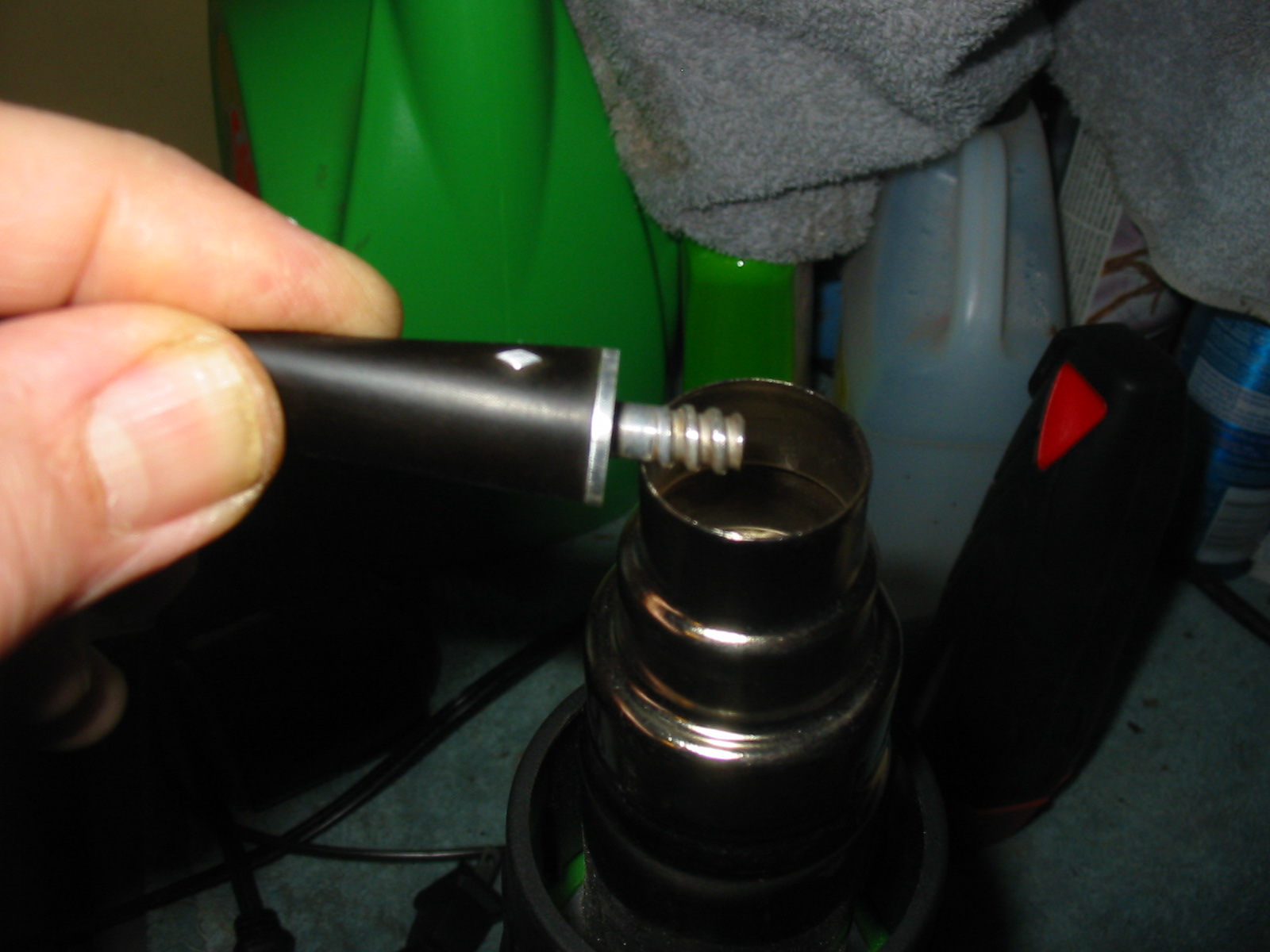
The stem had been slightly overturned so I needed to heat the tenon and turn it clockwise on the shank until it lined up again. I removed the stinger and then heated the tenon over a heat gun to loosen the glue in the stem. Once it was heated I screwed it into the shank of the pipe until it was aligned again.
IMG_3166

IMG_3167

I put the stinger back in place and wet sanded the stem with 1500-2400 grit micromesh pads and then dry sanded with 3200-12,000 grit pads.
IMG_3169

IMG_3170

IMG_3171

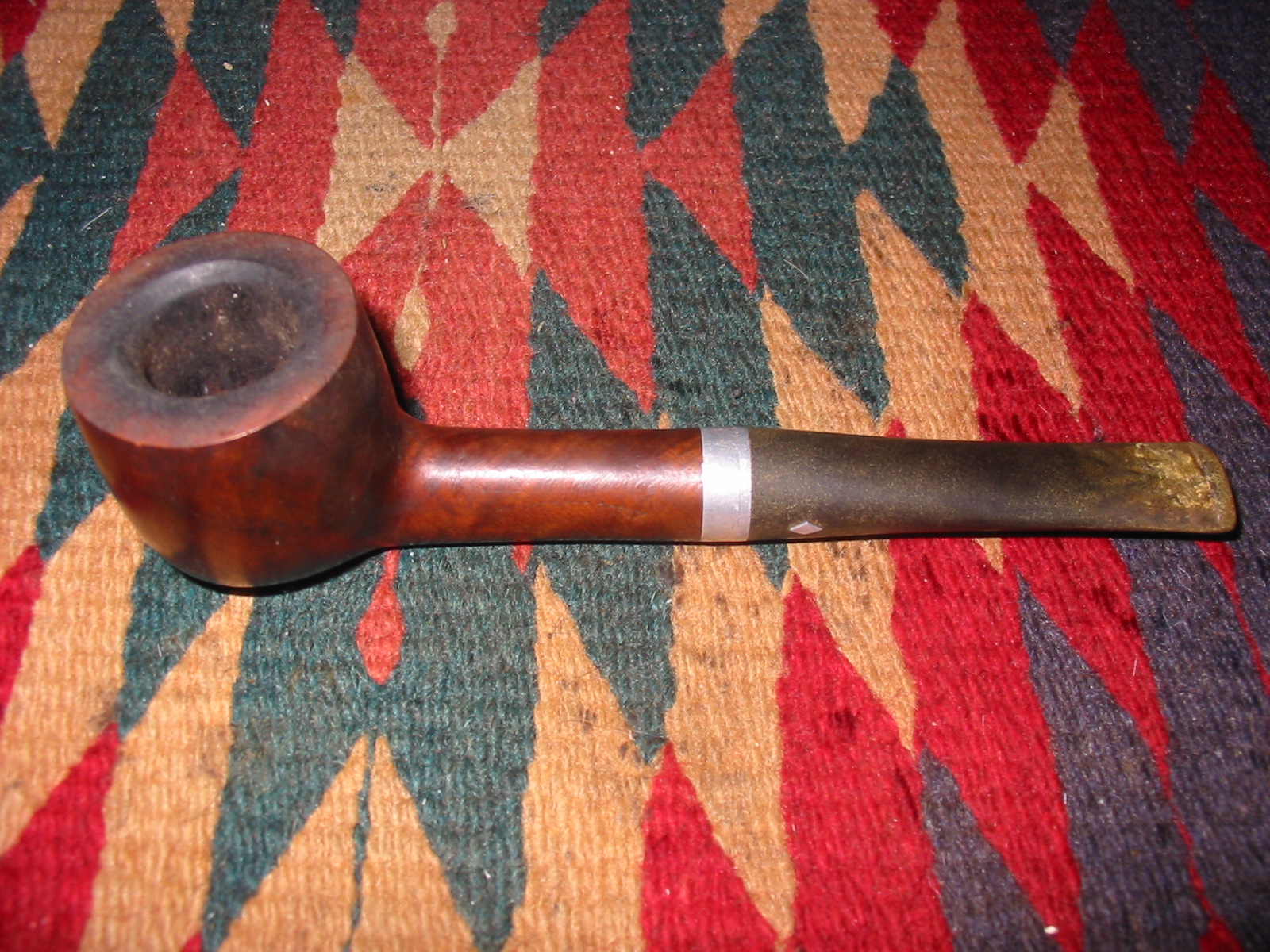
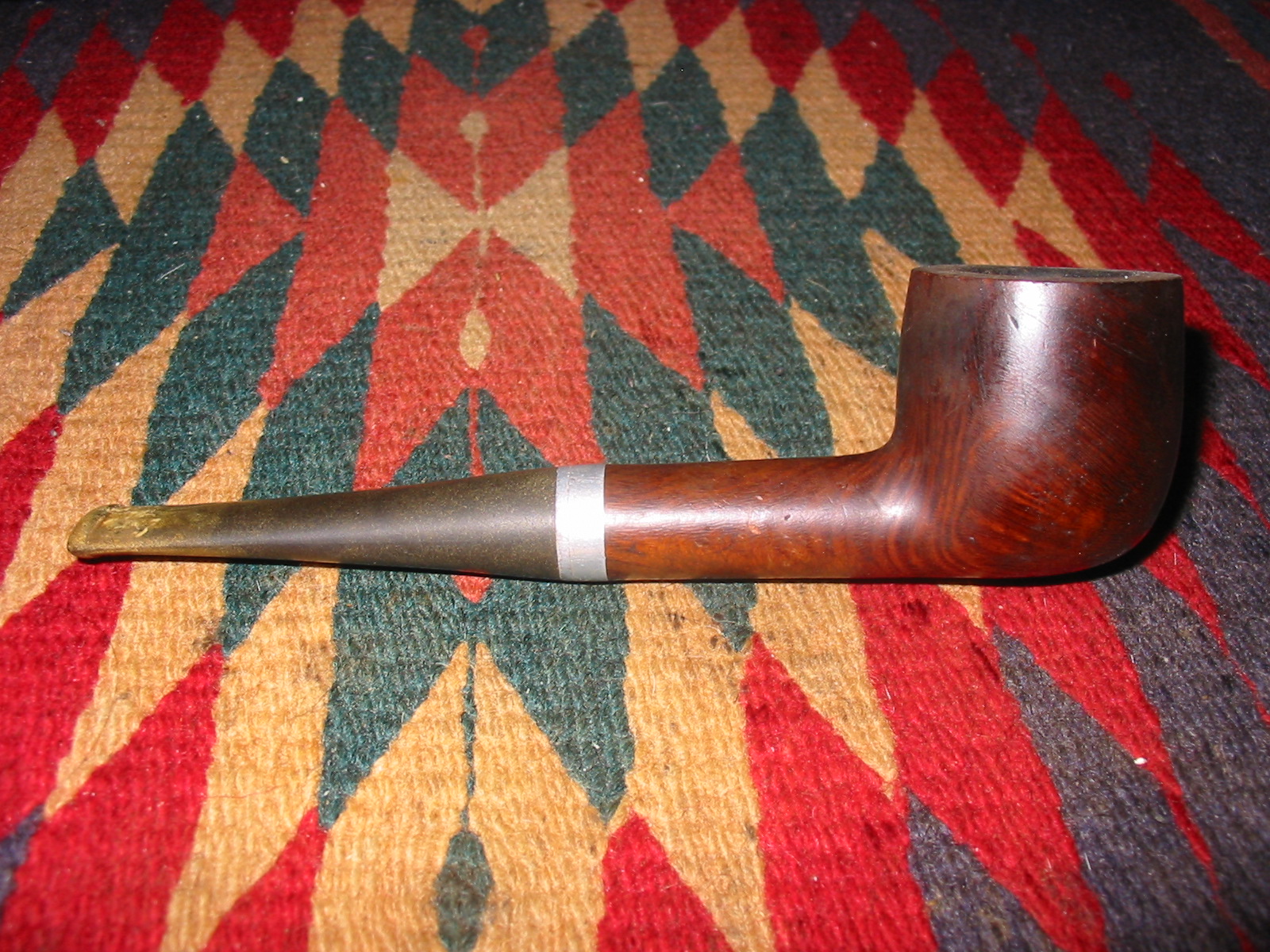
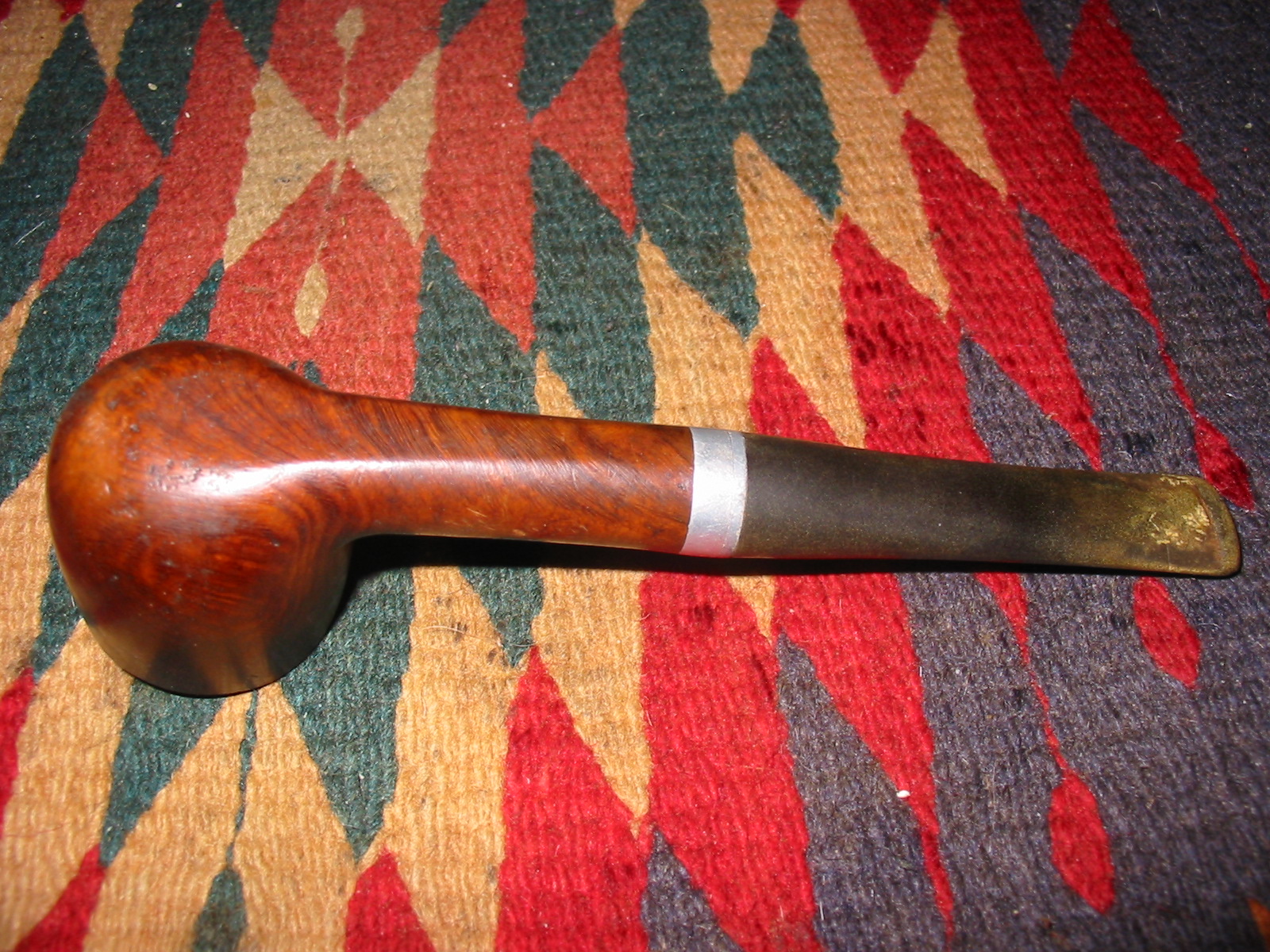
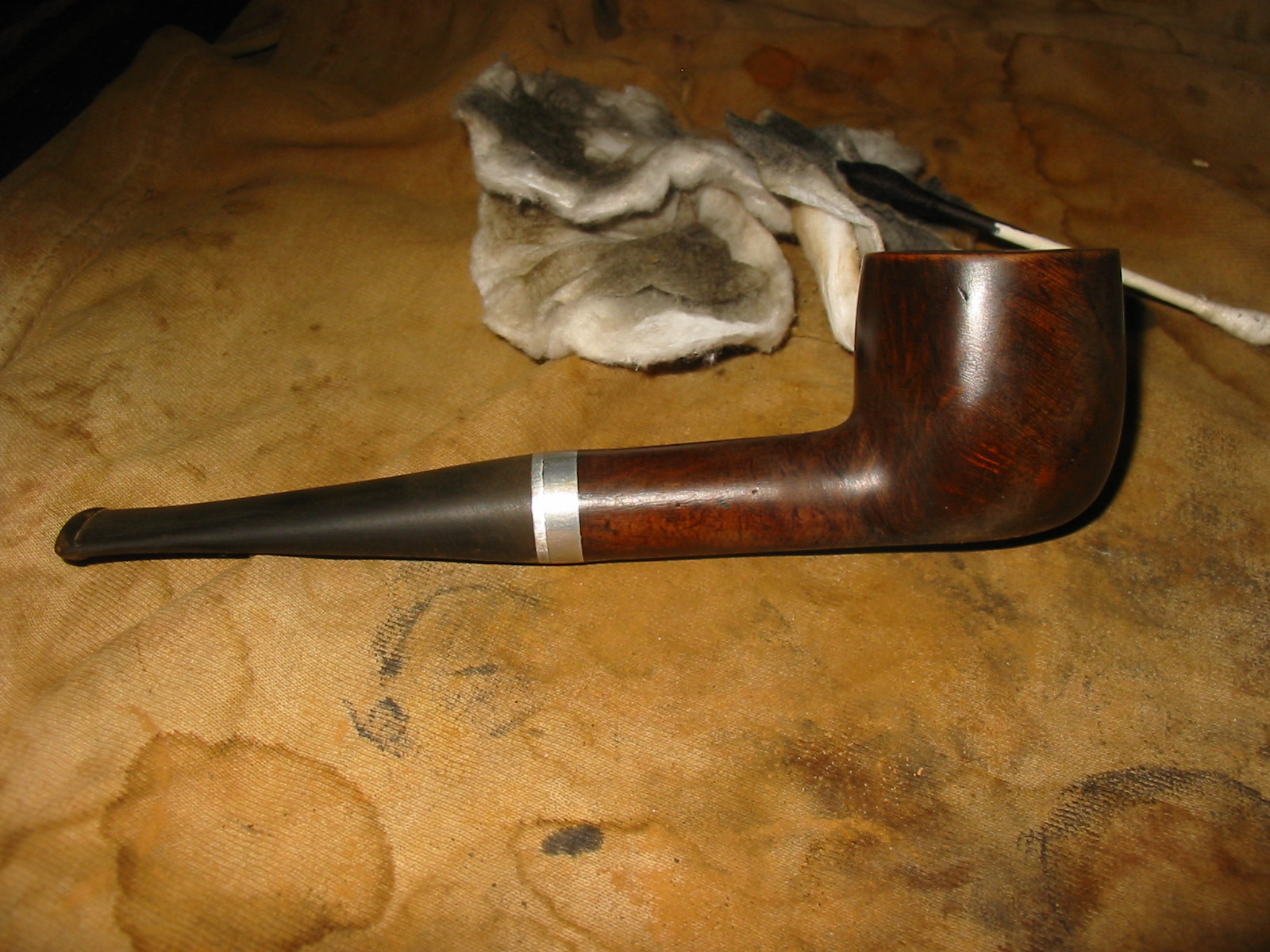
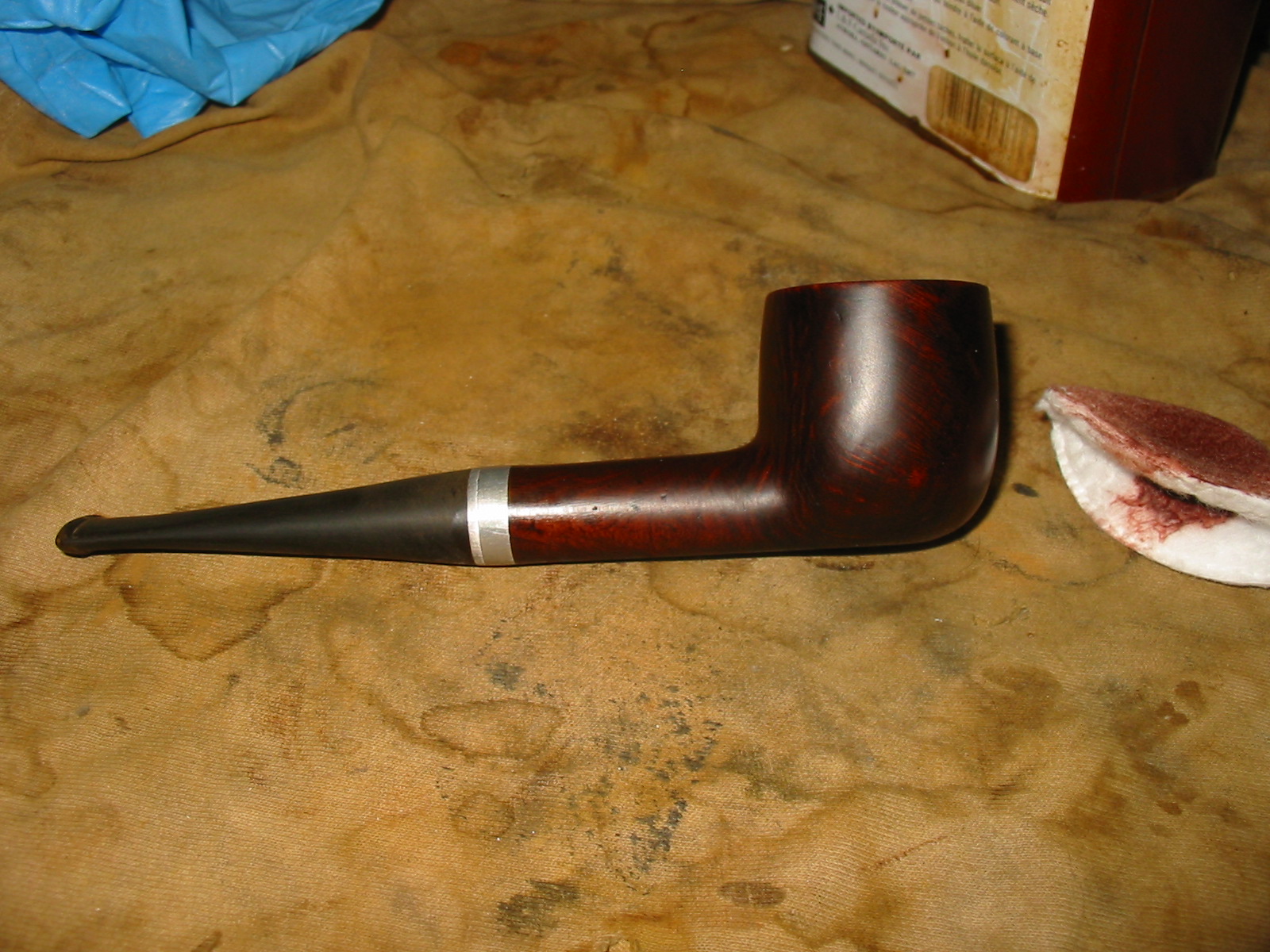
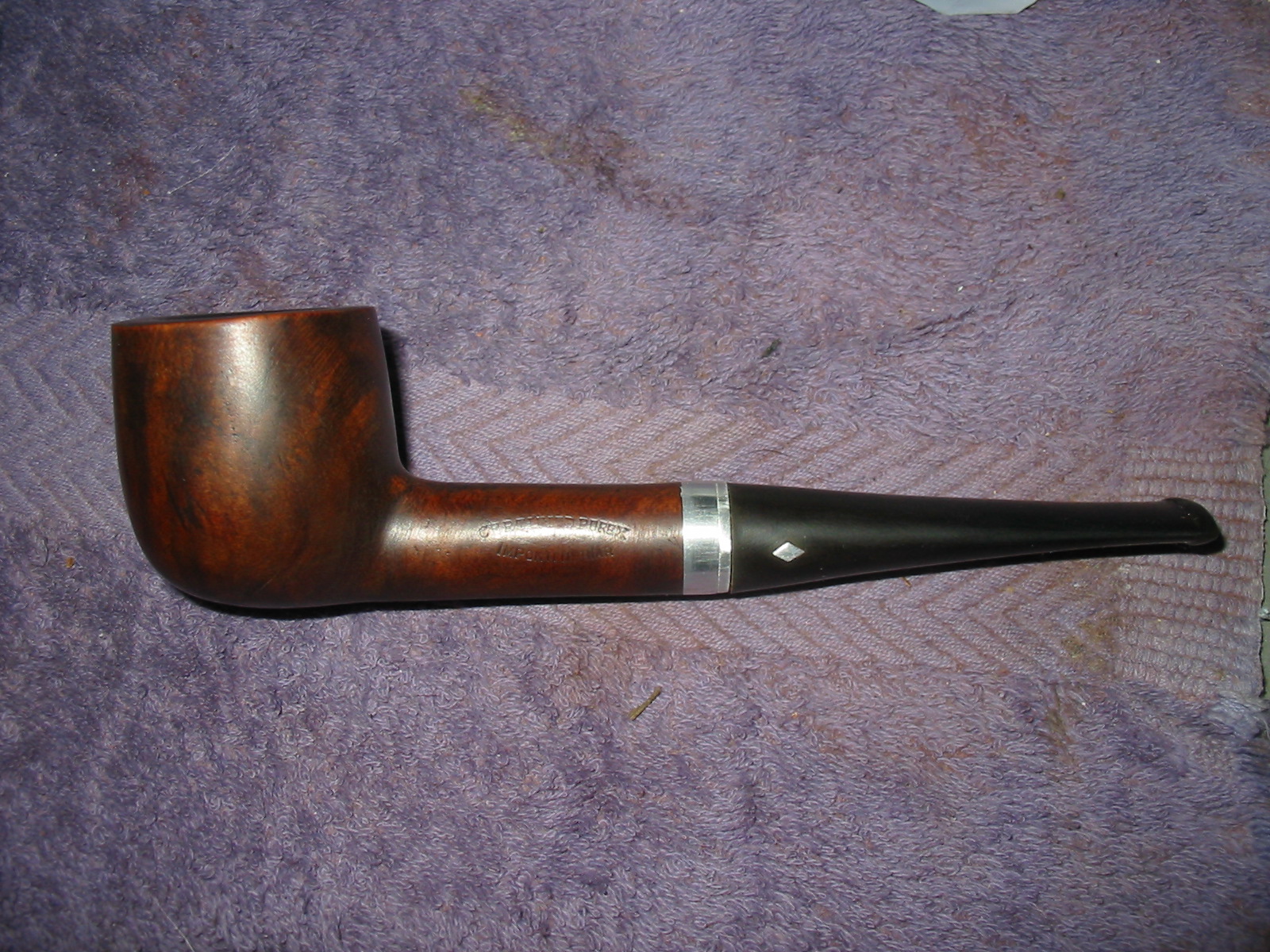
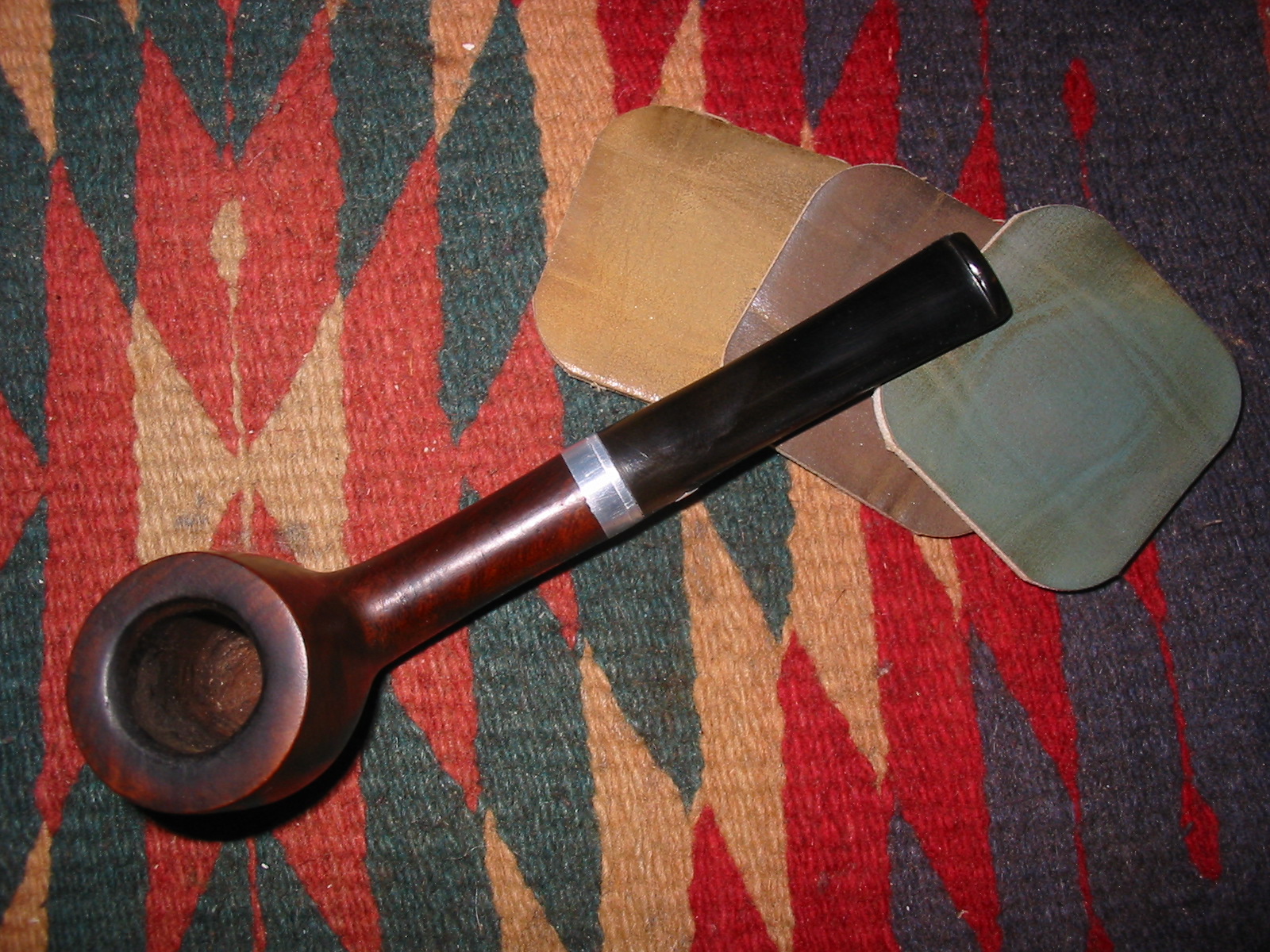
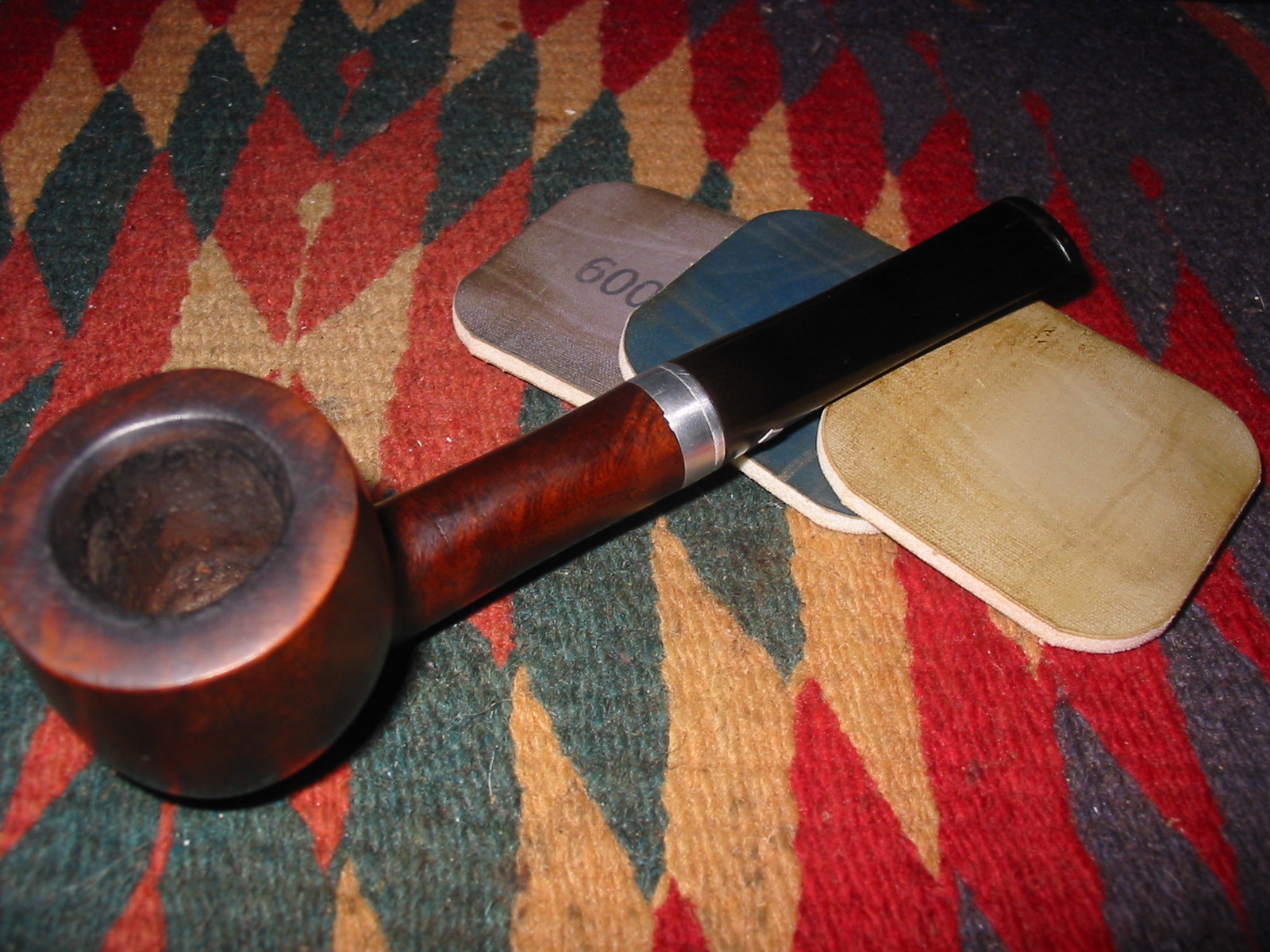
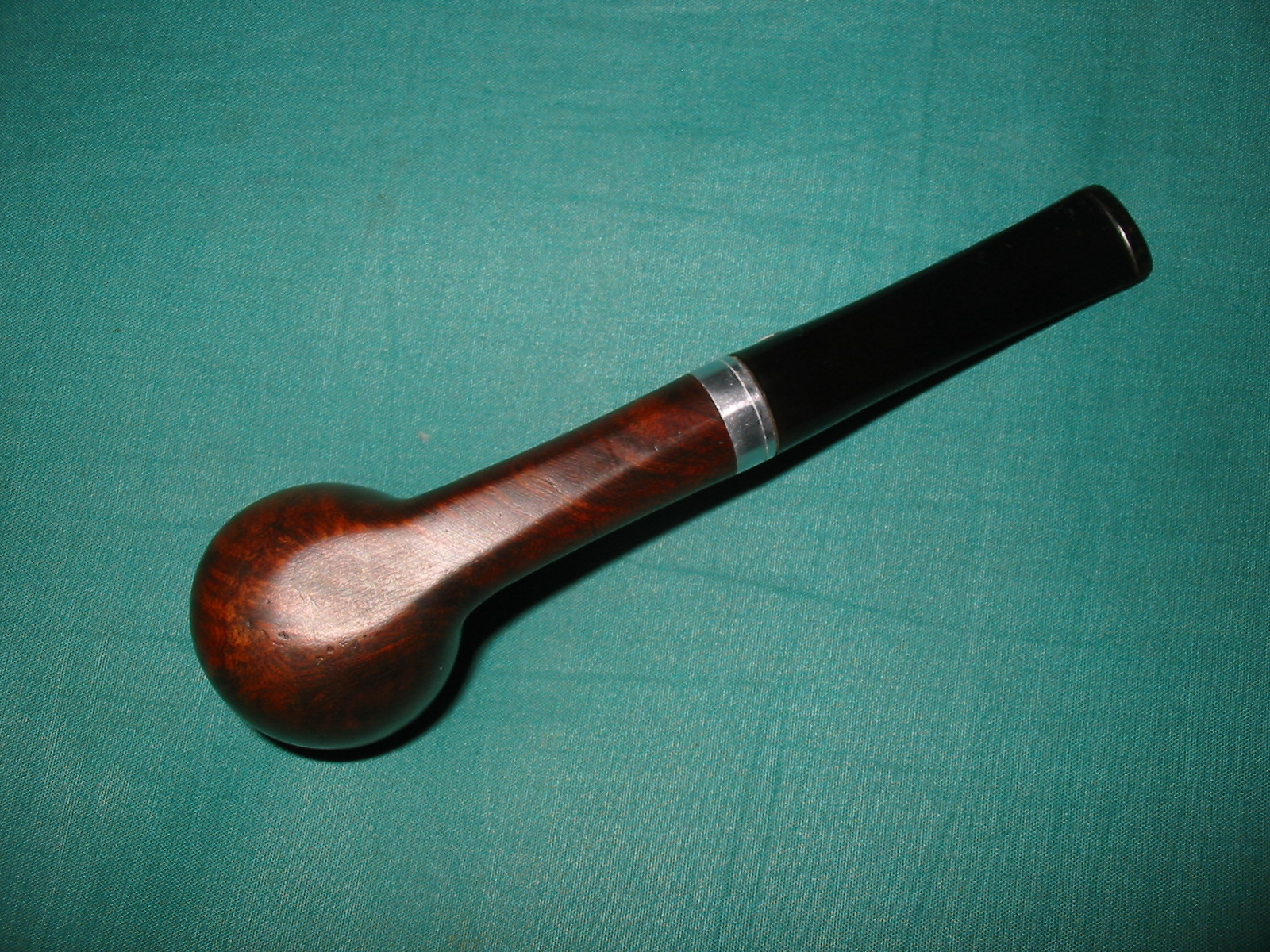
Once I finished sanding the stem I wiped it down with Obsidian Oil and rubbed it into the vulcanite. I polished the aluminum on the shank and the stem with the higher grits of micromesh and then with silver polish. I then took the pipe to the buffer and buffed the pipe and stem with White Diamond and then with multiple coats of carnauba wax to polish and protect it. The finished pipe is pictured below.
IMG_3173

IMG_3174

IMG_3175

IMG_3176