Monthly Archives: February 2013

Making an Alcohol Bath


Blog by Steve Laug

I use an alcohol bath for a lot of my pipe refurbishing work, particularly if I plan on restaining the pipe. The alcohol bath allows the pipe to soak submerged in isopropyl alcohol. This soak loosens the grit and grime in the finish and also removes the topcoat of wax and the stain. I have found it indispensable in loosening old finishes and allowing me fairly easy access to the briar beneath the finish. I have also found that it softens the old putty fills on pipes I plan on removing the fills from and reworking them with briar dust and superglue. I have referred to it often in the pages of the rebornpipes blog so I figured it was time to write about how I go about making the bath.

Equipment

Image

Screw top plastic storage container

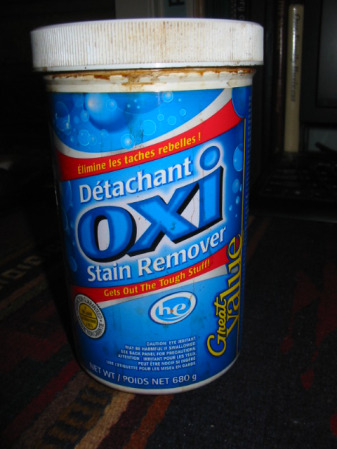
CONTAINER – You will need a container with a lid that seals tightly. I fill my alcohol bath and reuse it over and over again. You can use any container that has a screw top lid such as a Mason jar, jam jar, plastic container with a screw top, or any other lid that seals tightly. I have found that a one quart jar or container works best as I often have more than one pipe in the soak at the same time. I use a recycled Oxyclean plastic jar. The screw top lid keeps the liquid from evaporating as well as splashing when you shake it a bit in the process of cleaning the bowl. I have included pictures of several types of jars that I have used. I think the strengths and drawbacks of each are readily clear. I generally use the plastic jars as I have dropped the glass ones in the past or knocked them off the work bench and found a mess that needed to be cleaned up.
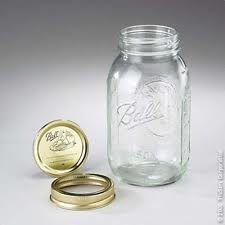
Image

Mason Jar with a screw top. I have used wide mouth Mason jars as they give more room for me to get my hand in the jar to add or remove pipe bowls

Image

Wide mouthed plastic storage container

ALCOHOL – For the alcohol I fill the bath with I use the highest percentage isopropyl alcohol that I can get through my local pharmacy. Most of the time I am able to purchase 99% Isopropyl alcohol or Rubbing Alcohol but have also used 91% Isopropyl with no ill effects. I just purchased a bottle of Everclear while traveling and will be trying it out as well. The water content in the 99% Isopropyl is 1% and I find that it evaporates quite quickly once I remove the pipe from the bath and does not saturate the briar. Much has been written about using an alcohol that is not a human consumable form. Many have spoken of the danger of using it in the pipe bowl or in cleaning the stem of a pipe that is going to be put in the mouth. However, I have found that once the pipe has been removed from the alcohol it air dries very quickly. Once I am done working on it there is no remaining alcohol in the bowl.
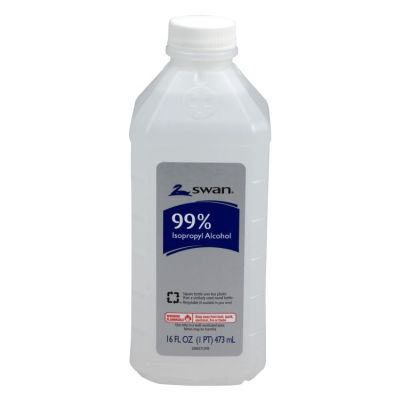
Image

CLOTH – I use a piece of cotton cloth (a piece of an old tee shirt) to filter the alcohol when I clean the bath monthly or bimonthly. I pour the alcohol through the cloth into an old bowl I have here and then clean out the jar and return the filtered alcohol to the jar.

Setting up the alcohol bath

I wash the new jar or container with hot soapy water and rinse it well. I am not sure that is necessary but it is a habit that I have with any new jars or containers. Once it is dried off I fill the bowl with the isopropyl alcohol up to one inch from the rim. I leave room for displacement as the level rises when I place the bowls in the bath. From experience I have learned that this amount of space leaves room in my container for two or three pipe bowls. Once the alcohol is in the container the bath is ready to go. I put the lid on tightly and set it aside until I need to use it.

Using the alcohol bath

When I have a pipe bowl that I want to soak in the alcohol bath I clean it well before putting it into the bath. I set aside the stem and then ream the bowl and clean out the bowl and shank until the pipe cleaners are clean. There is no need in dropping dirty pipes into the soak. The exception to the cleaning is that I will often leave a caked and tarred rim as found because the alcohol bath will loosen and soften the residue and make removal much easier. Once the pipe is clean I drop it in the bath to soak. It is always fascinating to me to see whether the briar floats or sinks. I have seen both and it is fairly unpredictable. I used to think that lightweight briar floated and by and large it does but there are exceptions. I leave the bowls to soak for a minimum of two hours and a maximum of 8 hours (overnight). Once the soak is over I remove the bowl from the bath, dry it off with a soft cloth and set it aside. The alcohol evaporates quite quickly. If the finish is still spotty or the rustication or sandblast surface still dirty I will scrub it quickly over the bath with a brass bristle tire brush or a tooth brush – dipping it into the alcohol of the bath and scrubbing the surface until it is clean. Once it is clean and the way I want it I dry it off and set it aside. Bowls that have been soaked and cleaned are ready to be sanded or stained within minutes of drying off. I have had no residual effects from soaking the bowls. Once they dry and the pipe sits for a couple of days before smoking there has been no ill effects.

Life expectancy of the alcohol in the bath

I have often been asked how often I change the alcohol in the bath and have to say that I probably don’t do it as much as most people think. I will filter the alcohol either monthly or bi-monthly by pouring it through the cloth that I mentioned above in the equipment portion of this post. I tighten the lid and shake the alcohol bath for several minutes to loosen any sediment in the bottom of the bowl and then pour it. I find that the filtering removes the sediments and floating particles in the alcohol. I then wash the container with warm soapy water to remove grime on the inside of the container and then dry it off and pour the alcohol back in the container. Over time the alcohol changes colour and takes on a rich dark brown patina. It still works very well and I find that the bath will also work well to give the pipe a nice even under patina to whatever stain I want to use on the finished pipe. I suppose that if I wanted to soak a virgin or light coloured bowl I would start with clean, clear alcohol but I have not done that to this point.

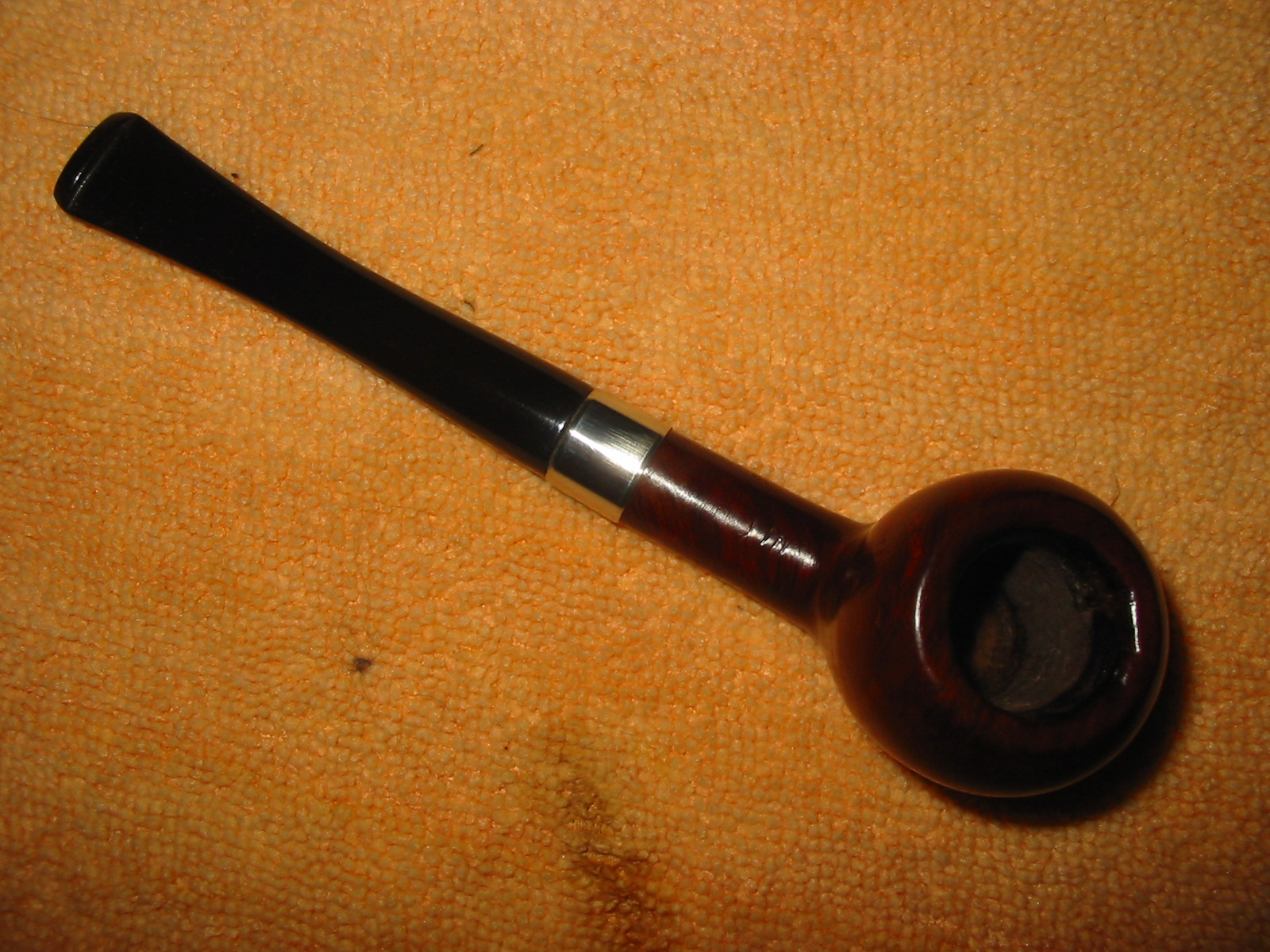
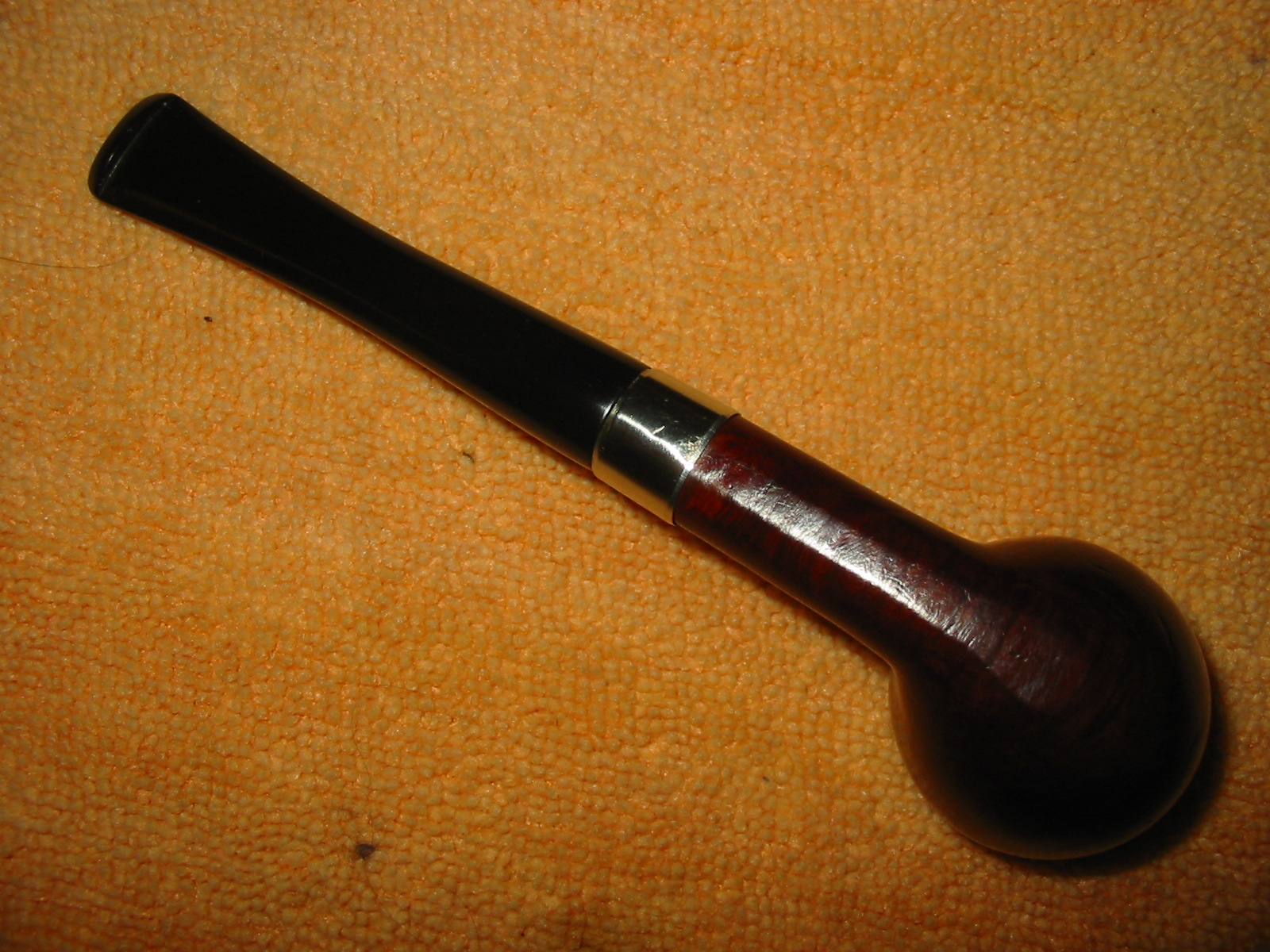
Here is a picture of my current alcohol bath and you will note the rich brown colour of the alcohol.
ImageImage

Considerations when buying a pipe (by Rob)


Arno posted this great article on buying a pipe on his blog. I thought it was a great read so I have reblogged it here on rebornpipes

arno665's avatar

Rob is one of the oldest and well respected members of the Dutch pipesmokers forum. He is a pensioned man who knows the ropes of life. Nonetheless he always stays positive and is an inspiration for many. Rob is a very experienced pipe smoker and he regularly writes nice pieces for the Dutch forum. This is one of them, “Considerations when buying a pipe”:

Buying a new pipe is simple. You step into the pipe shop and after some searching and comparing you pick a pipe that you think you are going to be content with.

Unfortunately / fortunately it’s not like that. Buying a pipe requires insight and a bit of experience.

How are you being received by the shop owner? Do you get coffee? Do you feel that he takes the time for you?

Are you a tobacco omnivore, or do you only smoke shag cut (in…

View original post 508 more words

George Khoubesser and Malaga Pipes


Blog by Steve Laug

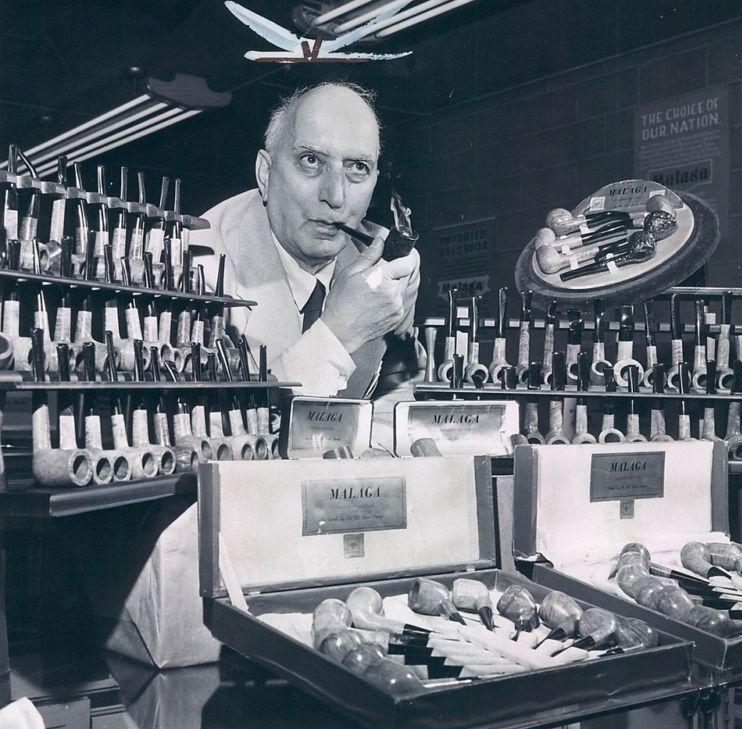
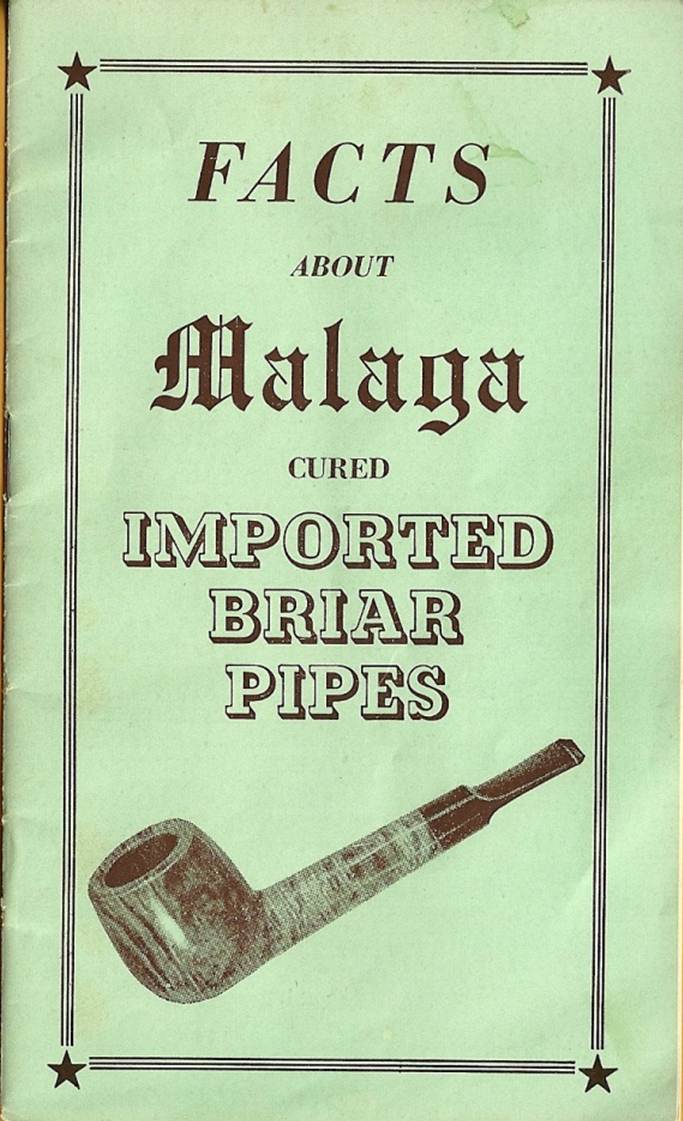
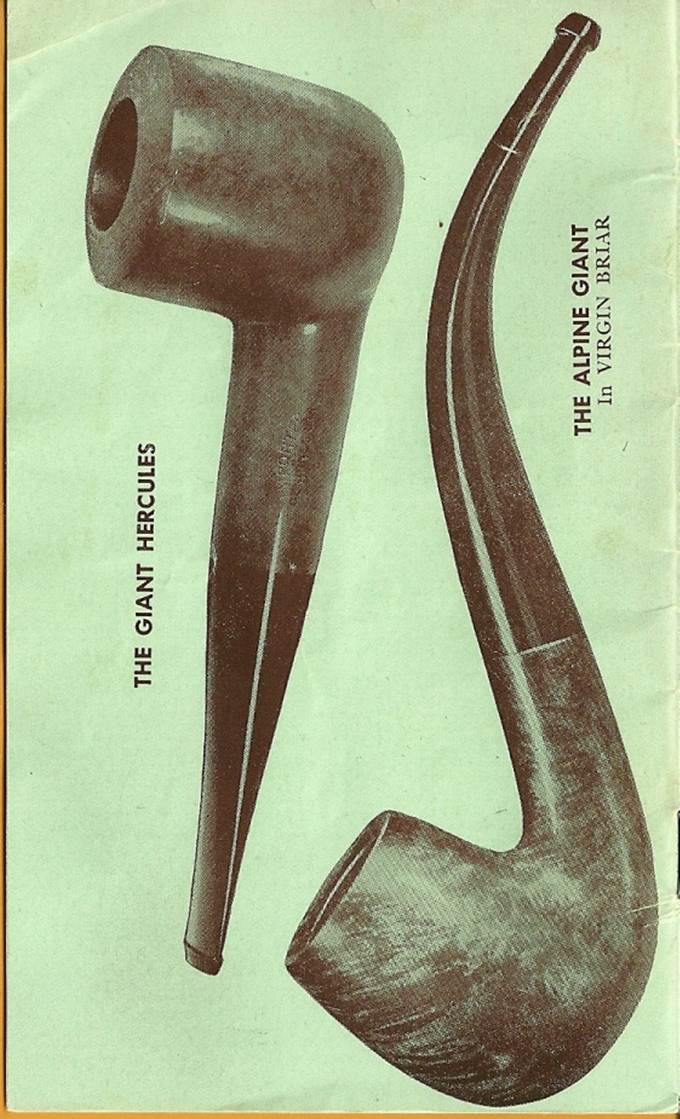
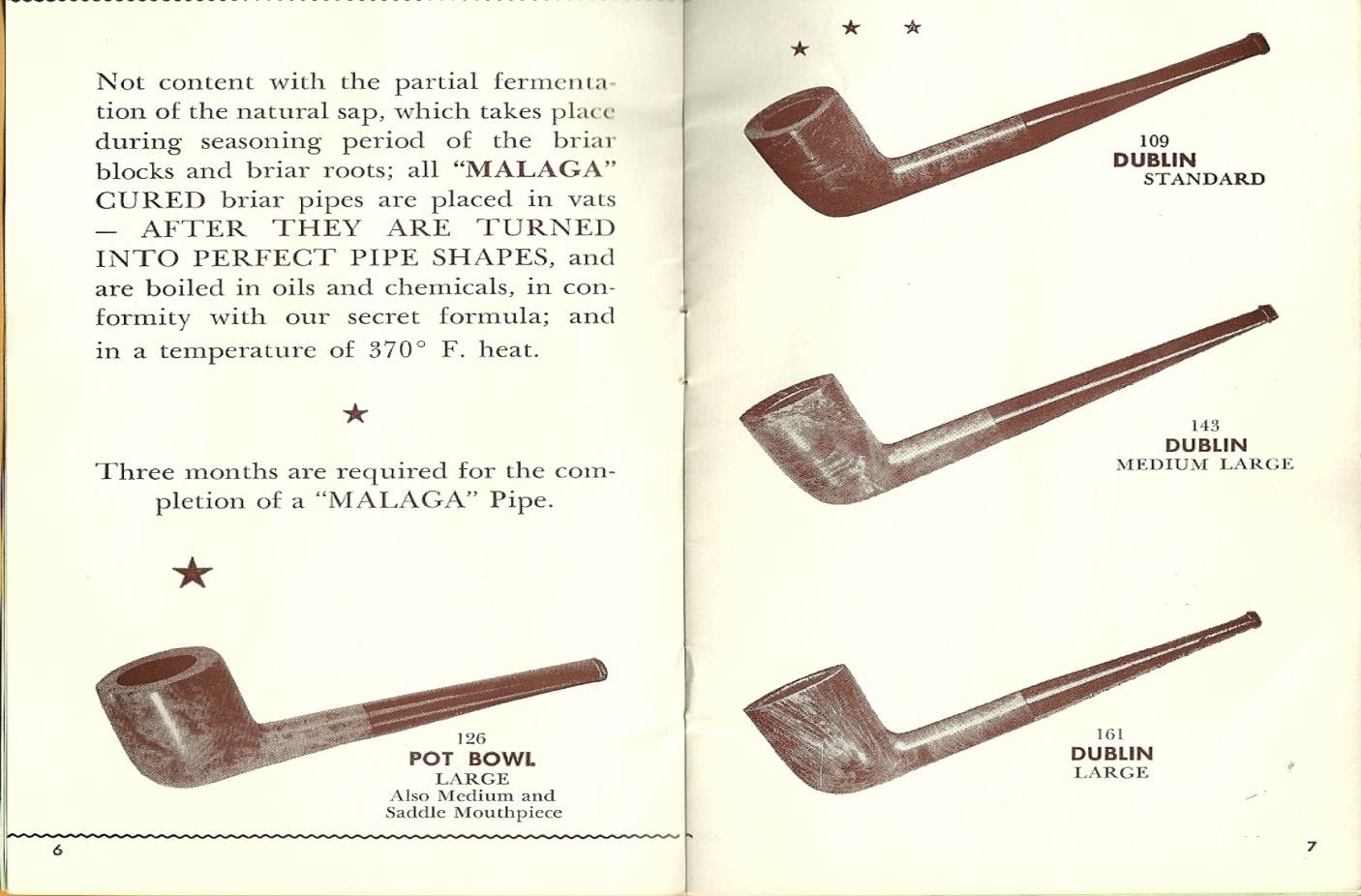
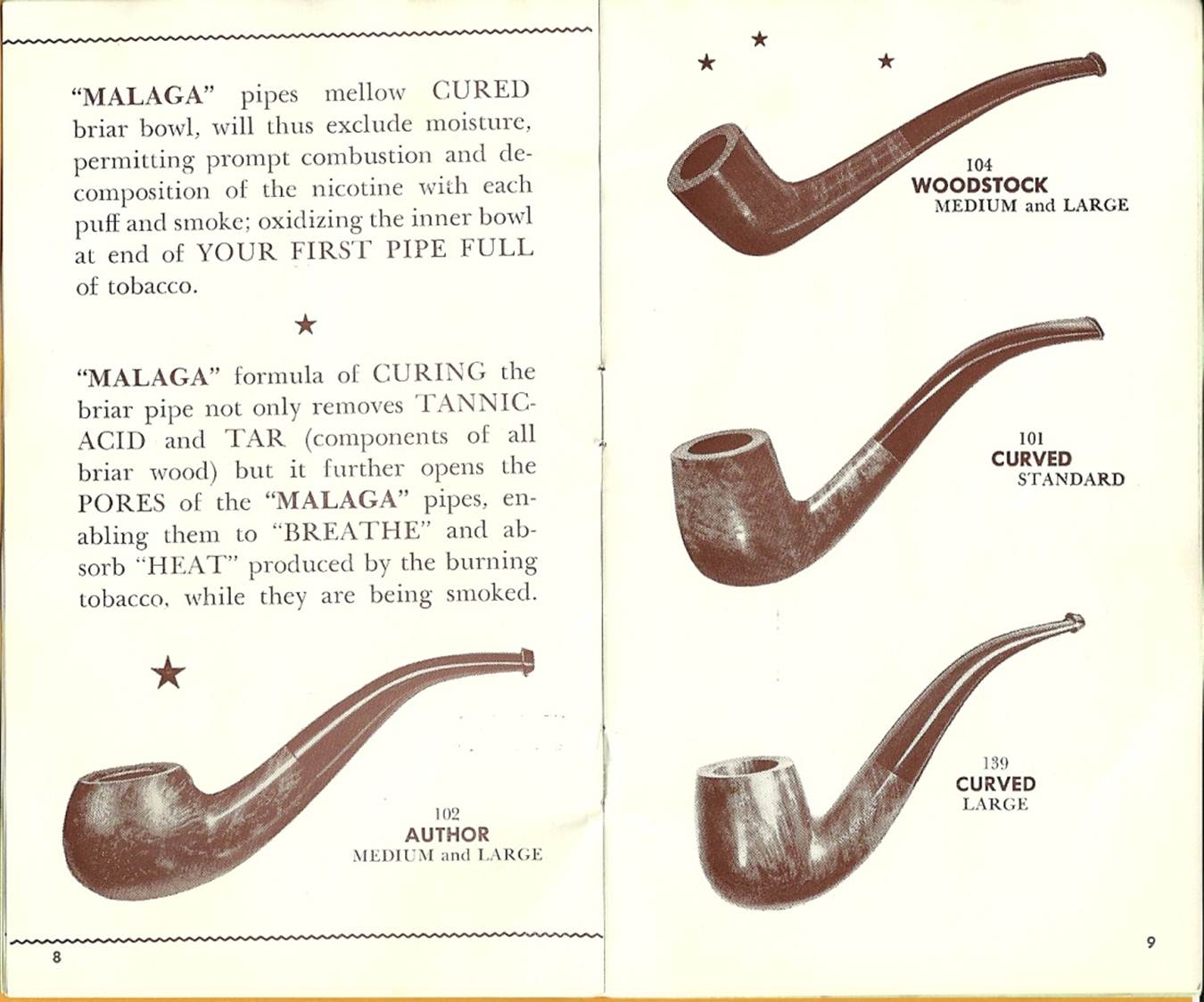
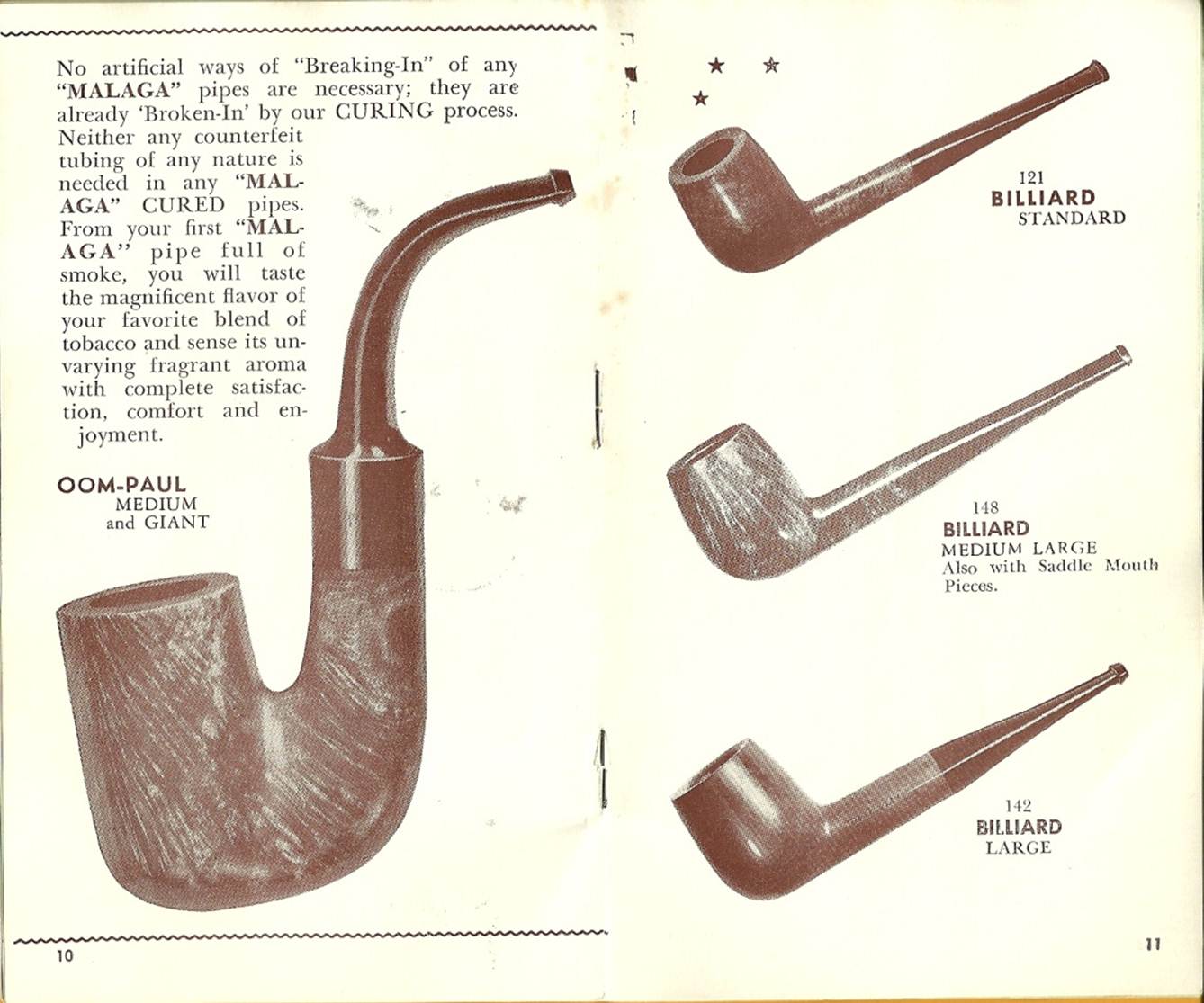
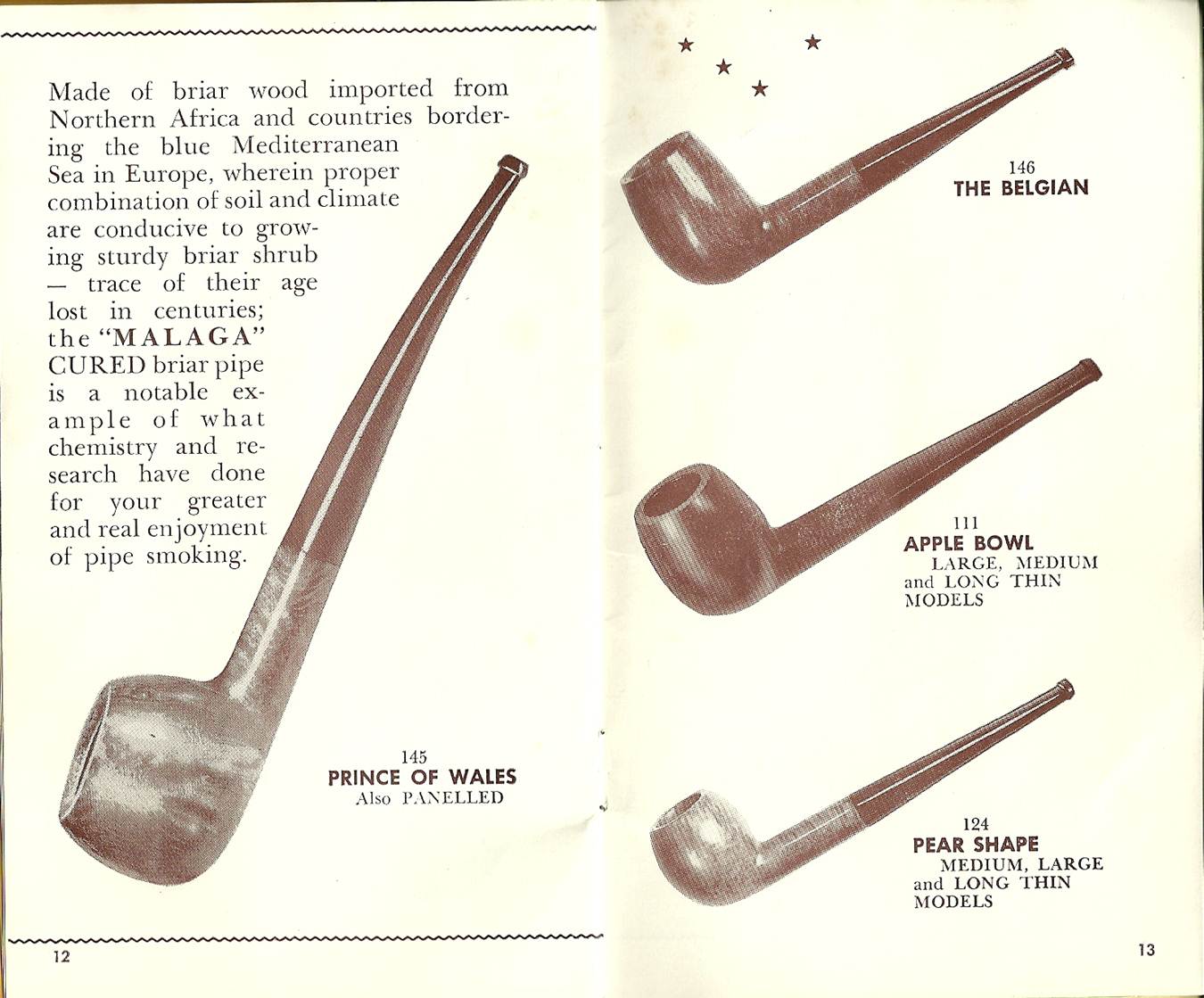
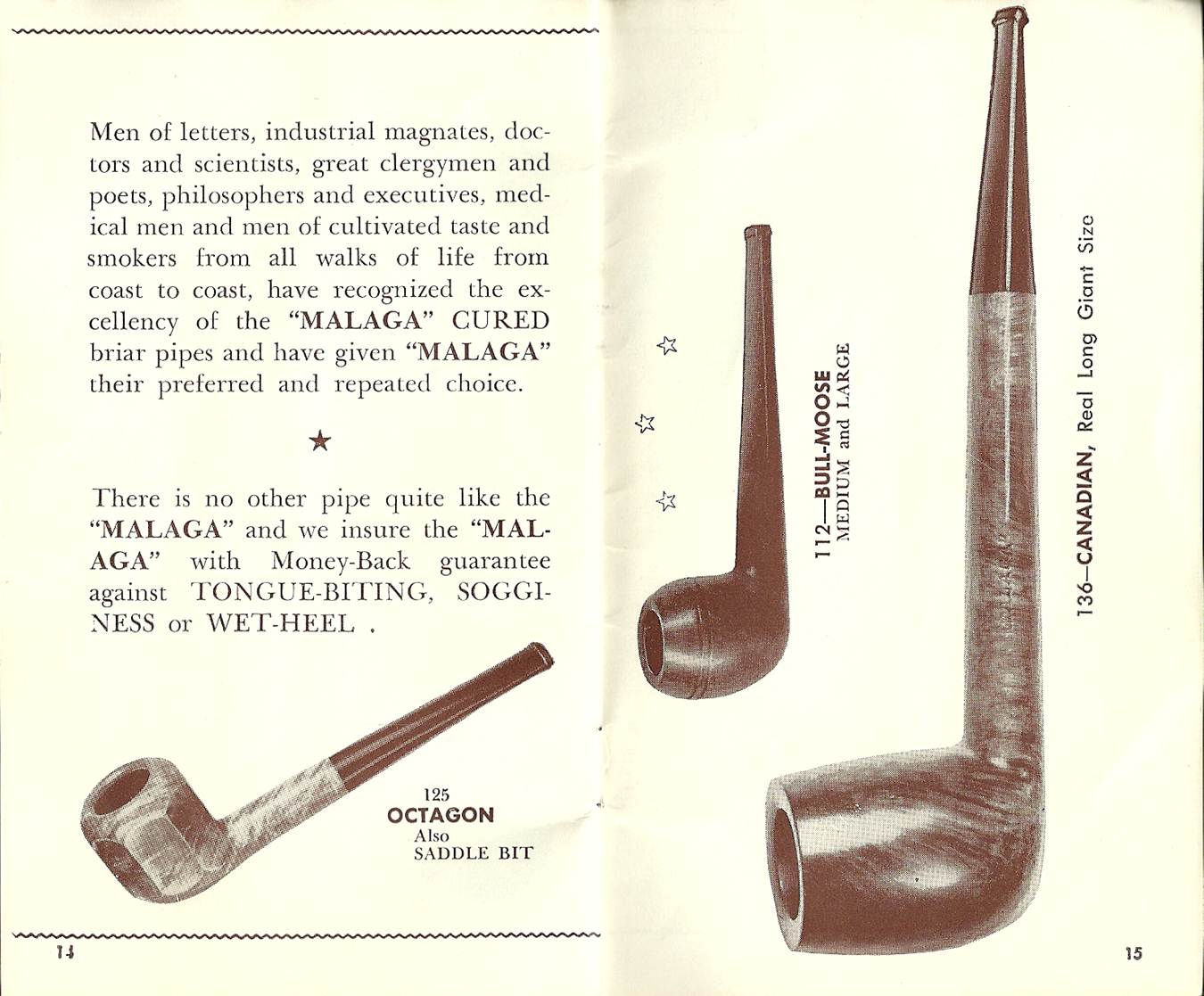
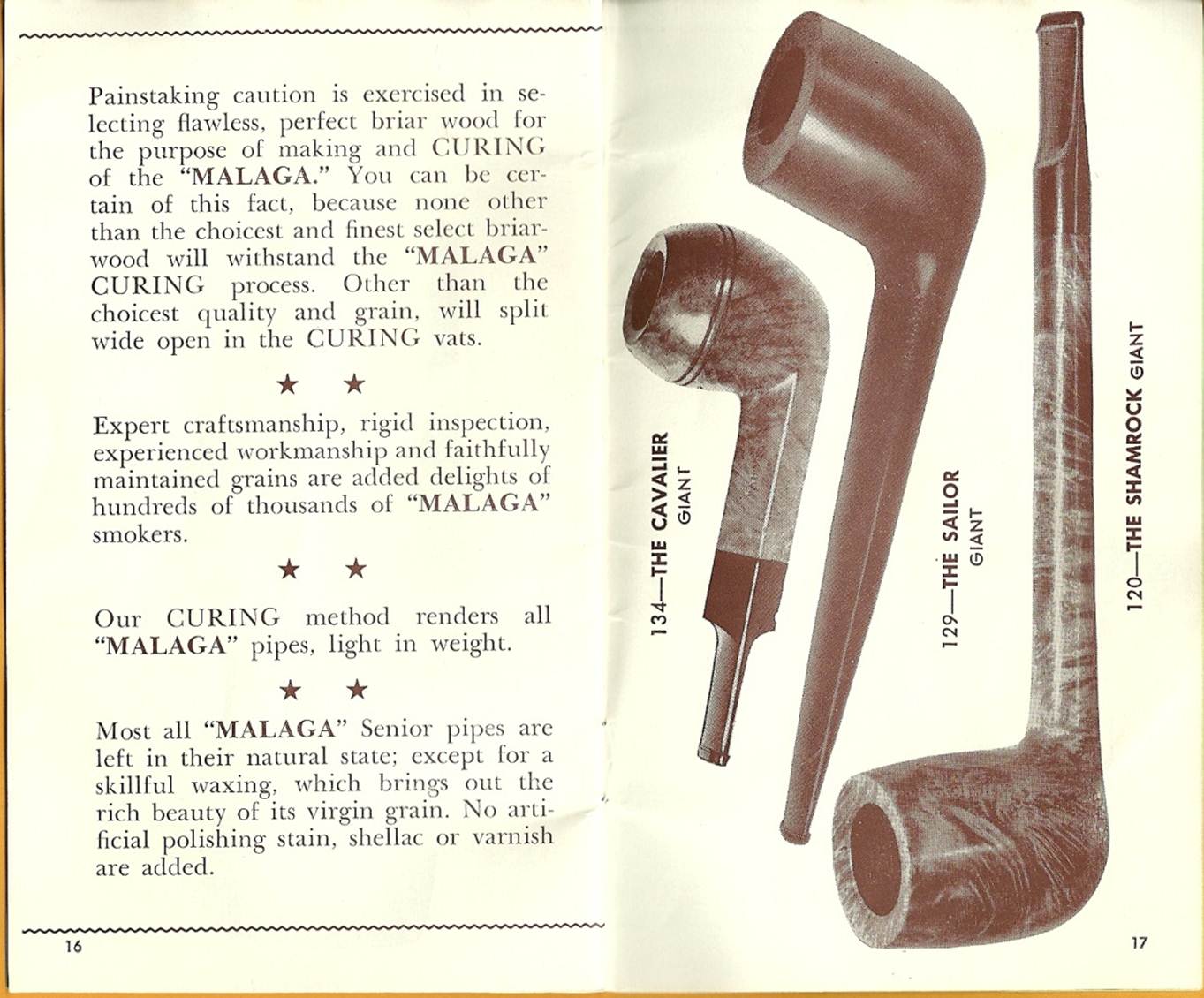
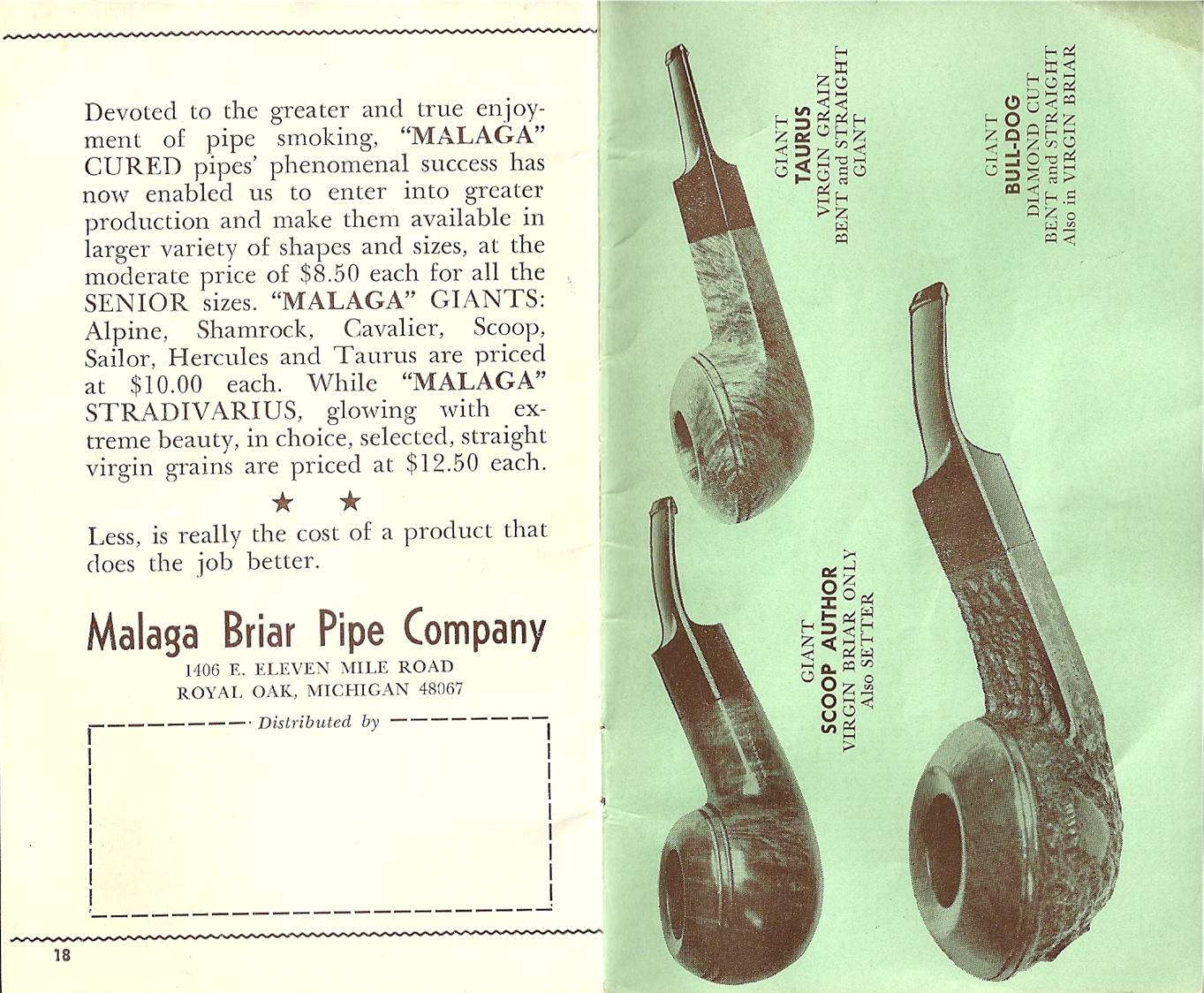
A few years ago I came across the pictures of George Khoubesser, the principal behind Malaga Pipes. I believe I was researching the pipes as I had come across a rusticated bulldog in a junk shop and wanted to know what I had. I sold that pipe and have kicked myself repeatedly for getting rid of it. I have been looking for just the right Malaga pipe since then. I thought I would share the photos and the old Malaga catalogue I have as an electronic copy.

Here are the photos of George Khoubesser

ImageImage

And here is the old catalogue

ImageImageImageImageImageImageImageImageImageImageImage

To Use or Not to Use – the Salt and Alcohol Treatment


Blog by Steve Laug

I have been weighing the pros and cons of writing about the salt and alcohol treatment for a while now. It is a topic that is fraught with a lot of emotion from both sides of the table – those who swear by the method (proponents) and those who are vehemently against it (opponents). Much contradictory material has been posted and written on the use of salt and alcoholto sweeten a sour pipe bowl or to remove ghosting. Some swear by the method and have had no ill experience to speak of in their use of the method for what adds up to many years in many places. Others have untold numbers of horror stories of split shanks, cracked bowls and ruined pipes. The whole drama has taken on urban myth proportions. I decided to enter the fracas with my own experience – testing and proving or disproving the myth with my own stories of success. Here is a post that describes the tools and the process I have used for over 15 years with no problems of split shanks or other bad experiences of that kind.

The tools

Image

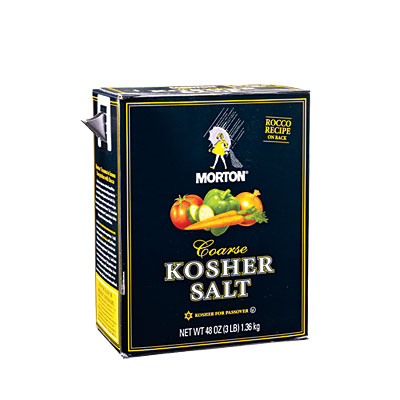
Coarse Kosher Salt

SALT – I always use a Kosher Coarse ground salt. I never use iodized salt as I do not want the iodine to leach out into the briar. I have found that coarse ground salt has several features that keep me coming back to it. The first feature is that it does not dissolve in the bowl when the alcohol is poured over it and left to sit. The second is that it provides multiple surfaces onto which the oils and tars that are leached out migrate. Over the years I have never had a problem with this form of salt. I have never had a shank or a bowl crack or split after it has been cleaned with the salt and alcohol treatment.

Image

Isopropyl Alcohol

ALCOHOL – I use the highest percentage isopropyl alcohol that I can get through my local pharmacy. Most of the time I am able to purchase 99% Isopropyl alcohol or Rubbing Alcohol but have also used 91% Isopropyl with no ill effects. I just purchased a bottle of Everclear while traveling and will be trying it out as well. The water content in the 99% Isopropyl is 1% and I find that it evaporates quite quickly and does not saturate the briar. Much has been written about using an alcohol that is not a human consumable form. Many have spoken of the danger of using it in the pipe bowl or in cleaning the stem of a pipe that is going to be put in the mouth. However, I have found that once the salt and alcohol medium has been removed from the bowl and the pipe air dries there is no remaining alcohol in the bowl. I have even used a match to light the inside of the bowl to burn off any remaining alcohol but had no success in getting the alcohol to flame. This and the fact that the bowl is dry to the touch cause me to believe that the alcohol that was used in the bowl is no longer present. I am sure others will say that the chemical components of the isopropyl are somehow compromising the integrity of the briar but I cannot find proof from that in my experience. All I know is that is some inexplicable way the combination of the alcohol and salt seems to provide a medium that causes the oils to leach out of the briar and come to rest on the salt crystals.

Image

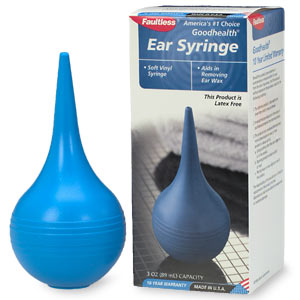
Ear Syringe

EAR SYRINGE – I stumbled on this tool that has become my go to tool for putting the alcohol in the bowl of the pipe. It is the humble bulbous ear syringe that is readily available at pharmacies for use with infants and adults. It is rubber and works incredibly well at keeping the alcohol off the outer finish of the pipe. By squeezing the bulb you can draw alcohol into the syringe and then be squeezing it again over the bowl of the pipe the alcohol is poured into the bowl quickly and without a mess. I have used the same syringe for over 12 years without little wear and tear on the bulb. I rinse it out with warm water after each use to keep it clean and fresh.

The method

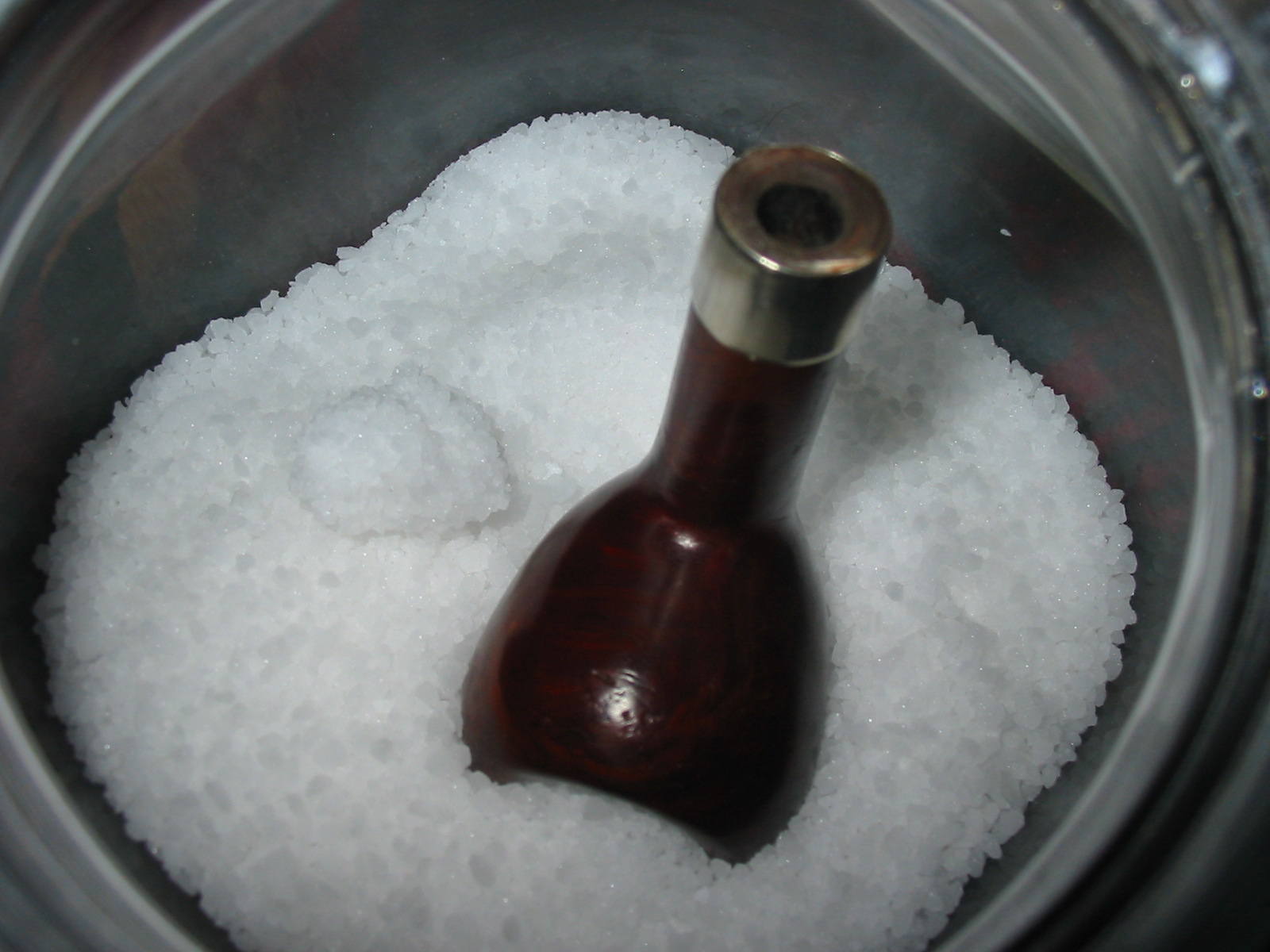
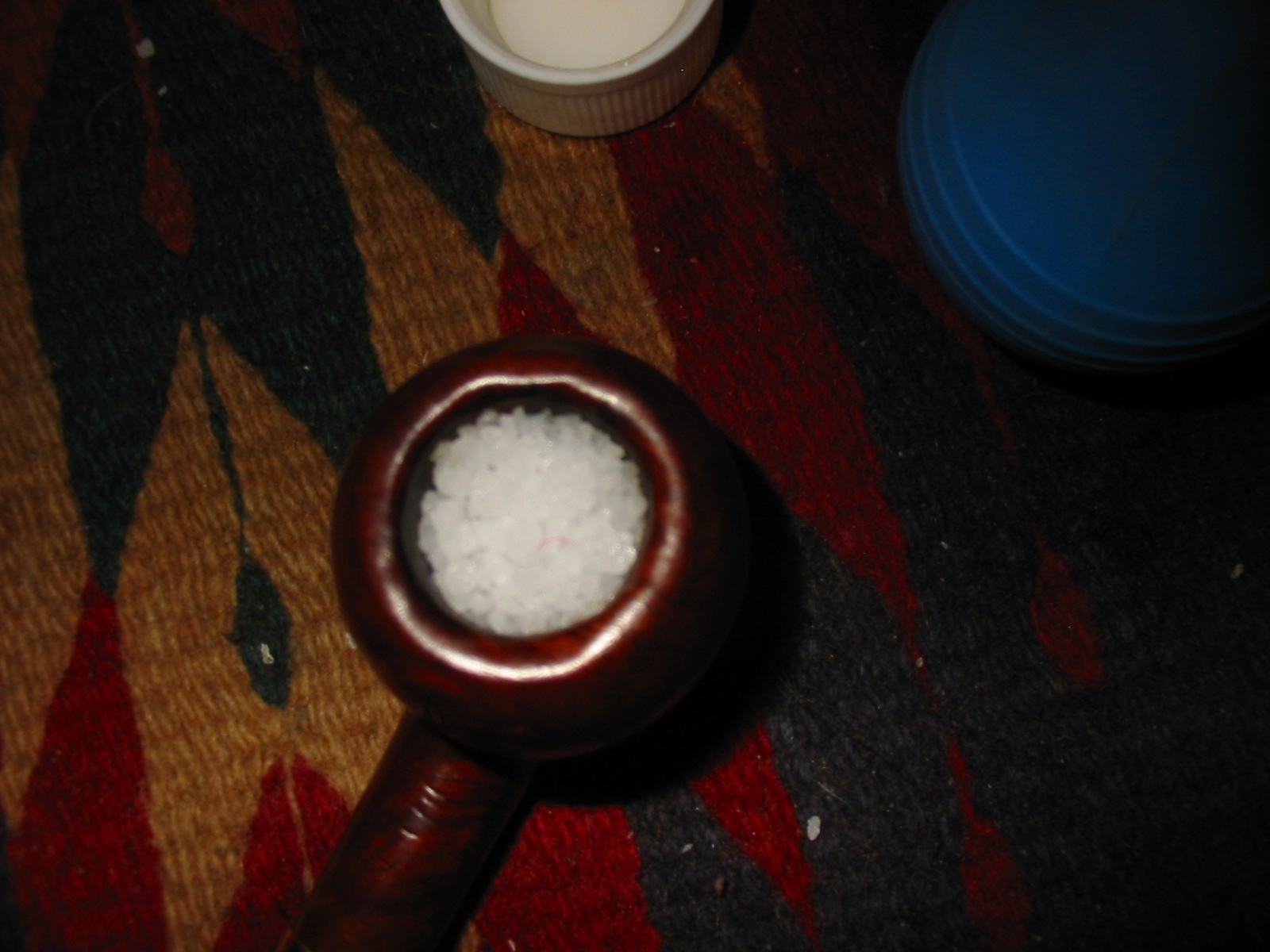
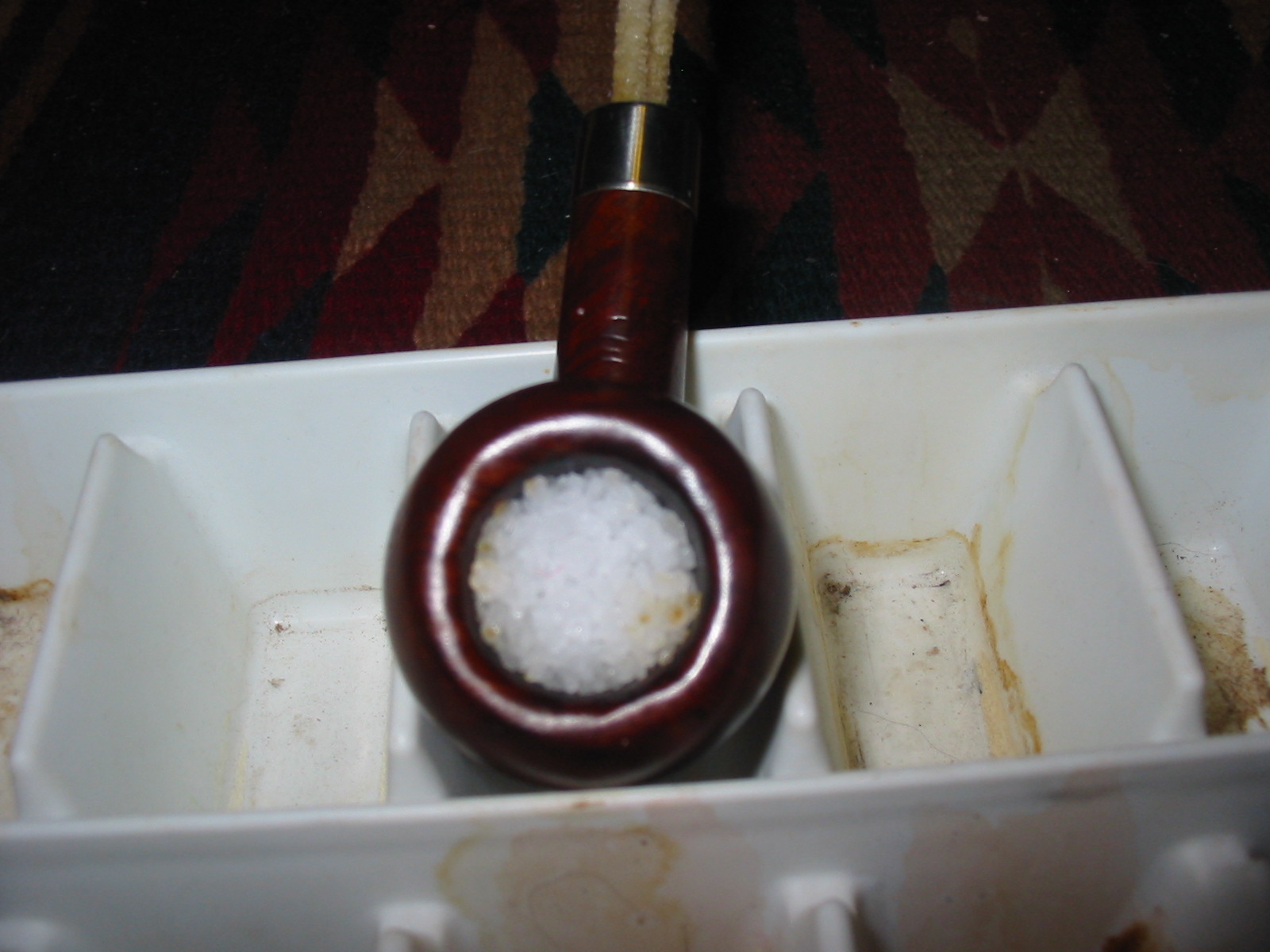
I remove the stem from the bowl and then dip the bowl into my jar of kosher coarse salt. I usually lay the bowl on top of the salt and with a finger load the bowl with salt in much the same manner I load a bowl with tobacco. The photo below shows the bowl being filled. The second photo below shows the filled bowl. I fill the bowl leaving it a bit below the edge of the bowl. I don’t want the salt to be above the rim so that when I put the alcohol in the bowl it does not spill out onto the rim and spoil the finish.

Image

Coarse Kosher Salt

Image

Bowl filled and ready for the Isopropyl

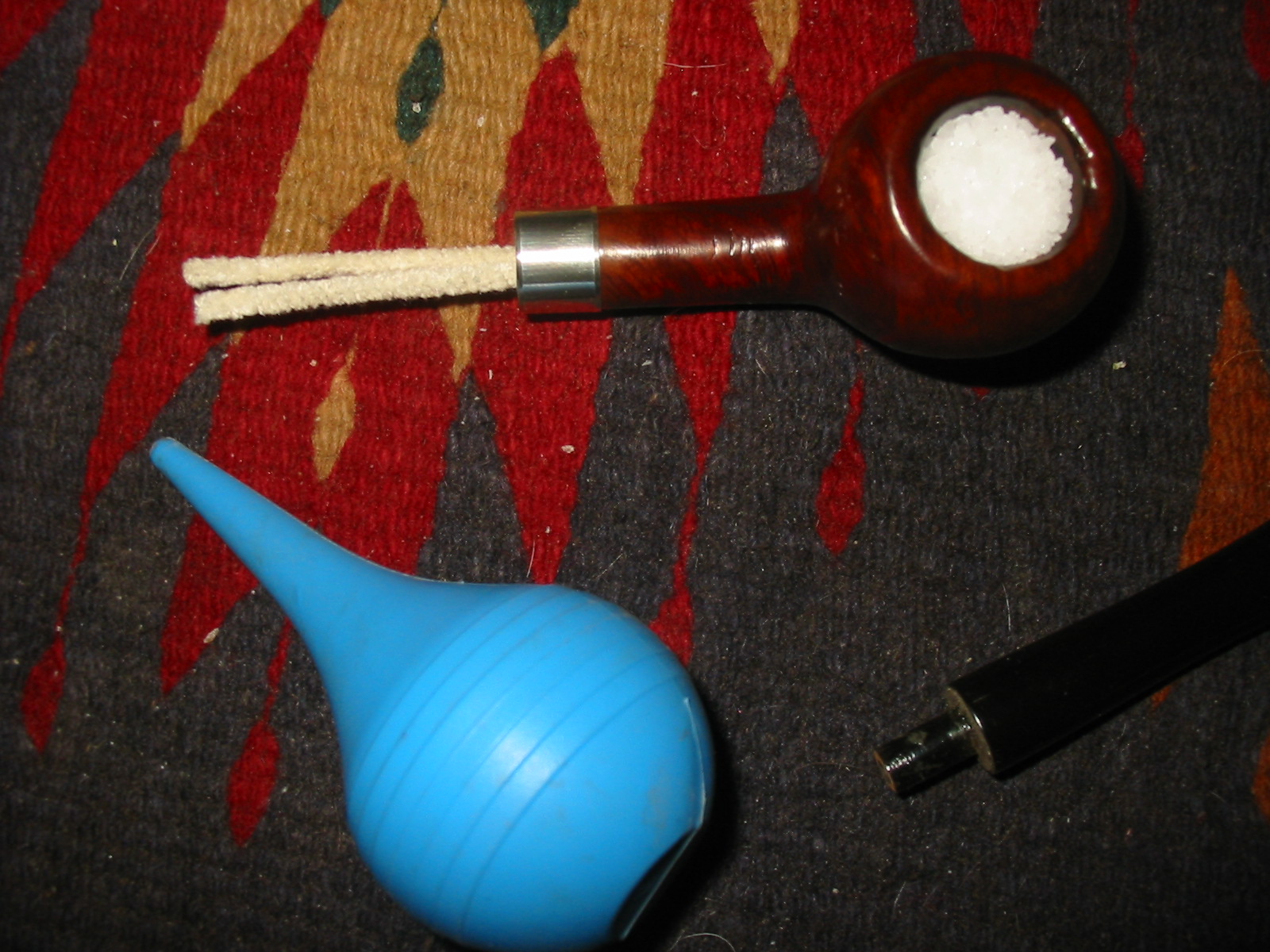
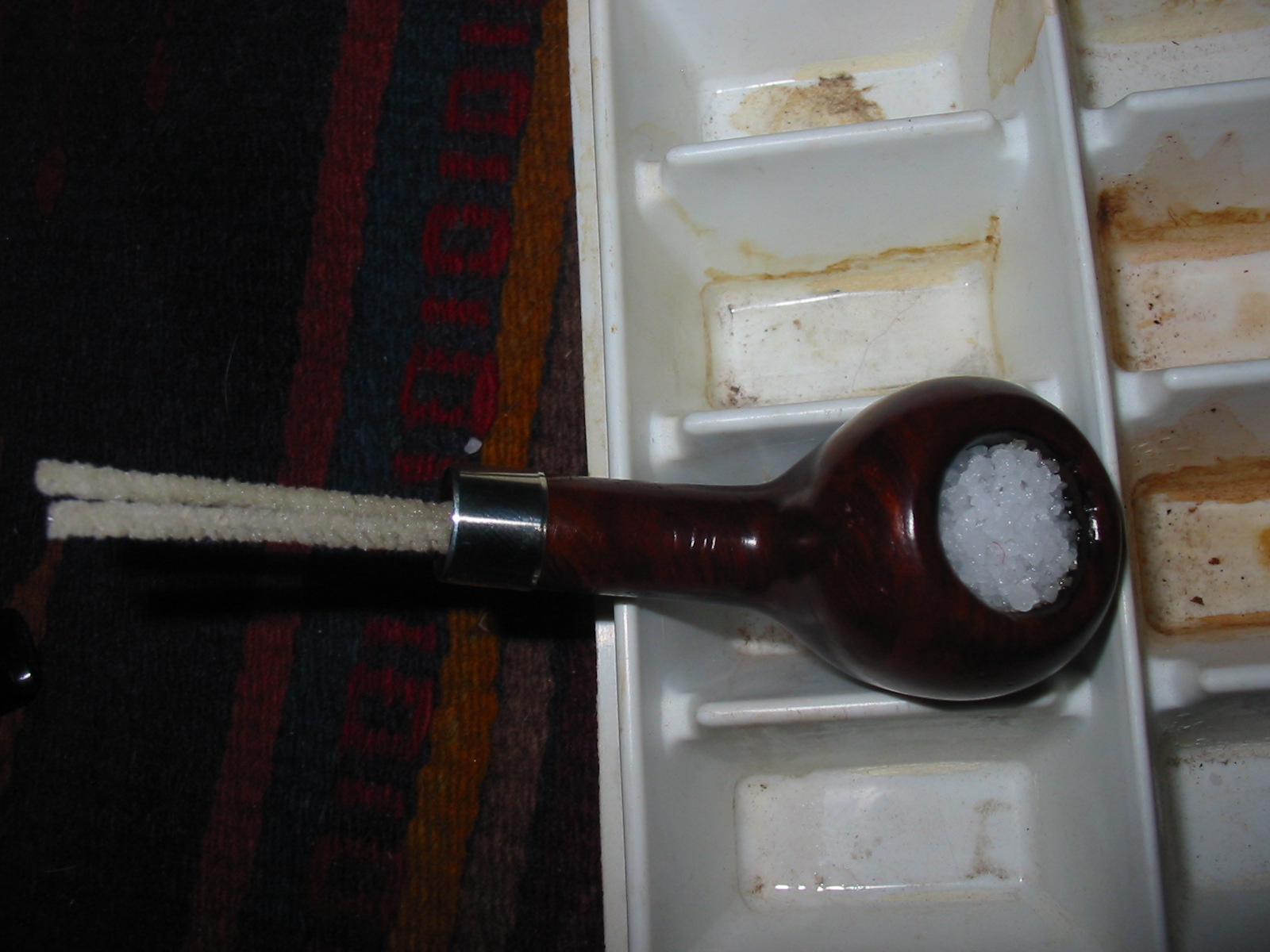
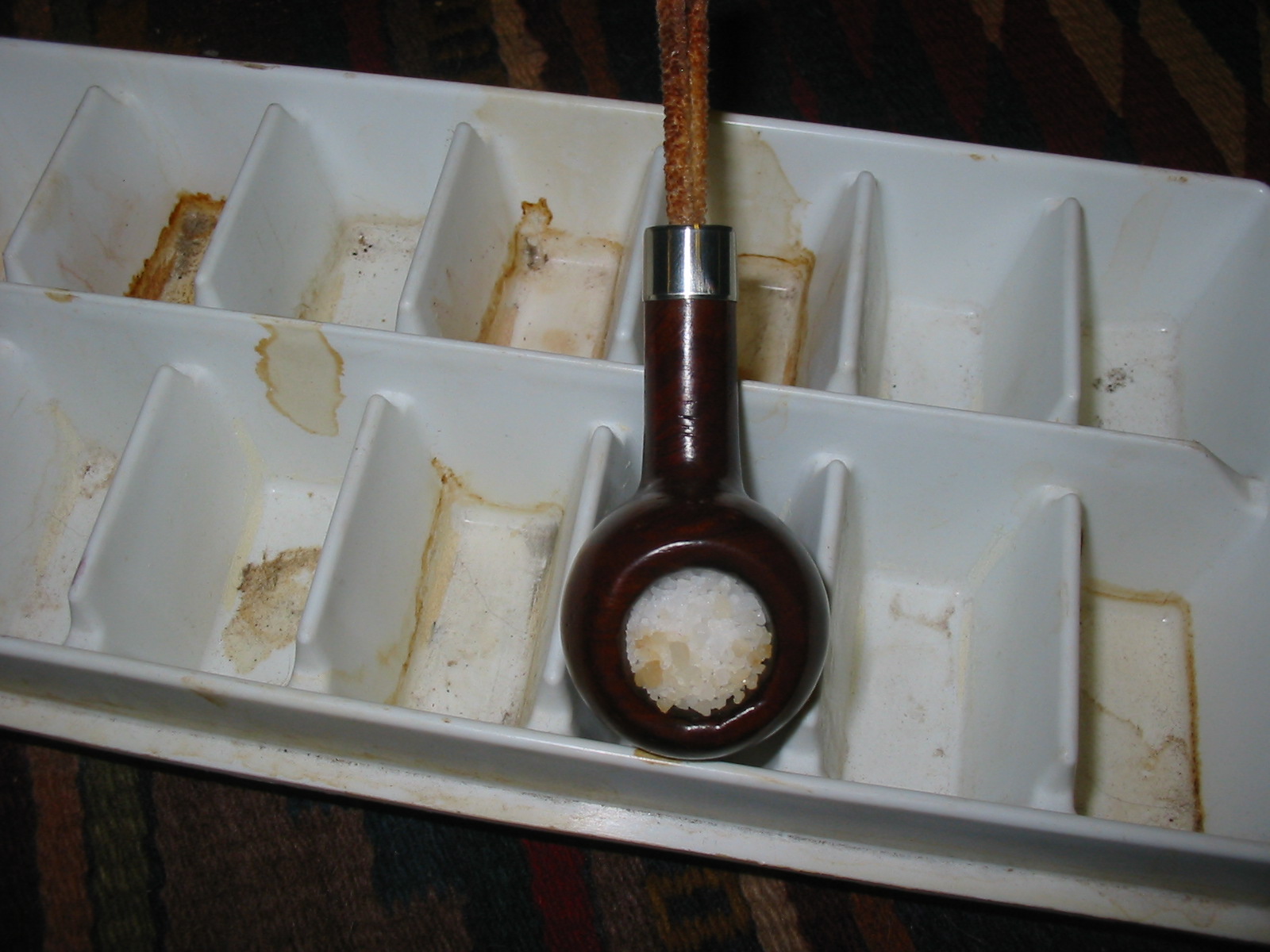
Once I have the bowl filled I lay it in an old ice cube tray. I have found this is a great rest for a lot of the work I do in refurbishing pipe bowls. I then fold a pipe cleaner in half and insert it into the shank as far as the airway. I do this to keep the salt from coming up the shank. It also keeps the airway free of pieces of the coarse salt. The alcohol does wick up the pipe cleaners and I find that as the alcohol works in the bowl and evaporates it also works in the shank and leaches out the oils and tars. The next photo below shows the bowl with the pipe cleaner inserted and the bowl ready to receive the isopropyl alcohol.

Image

Pipe Cleaner Inserted

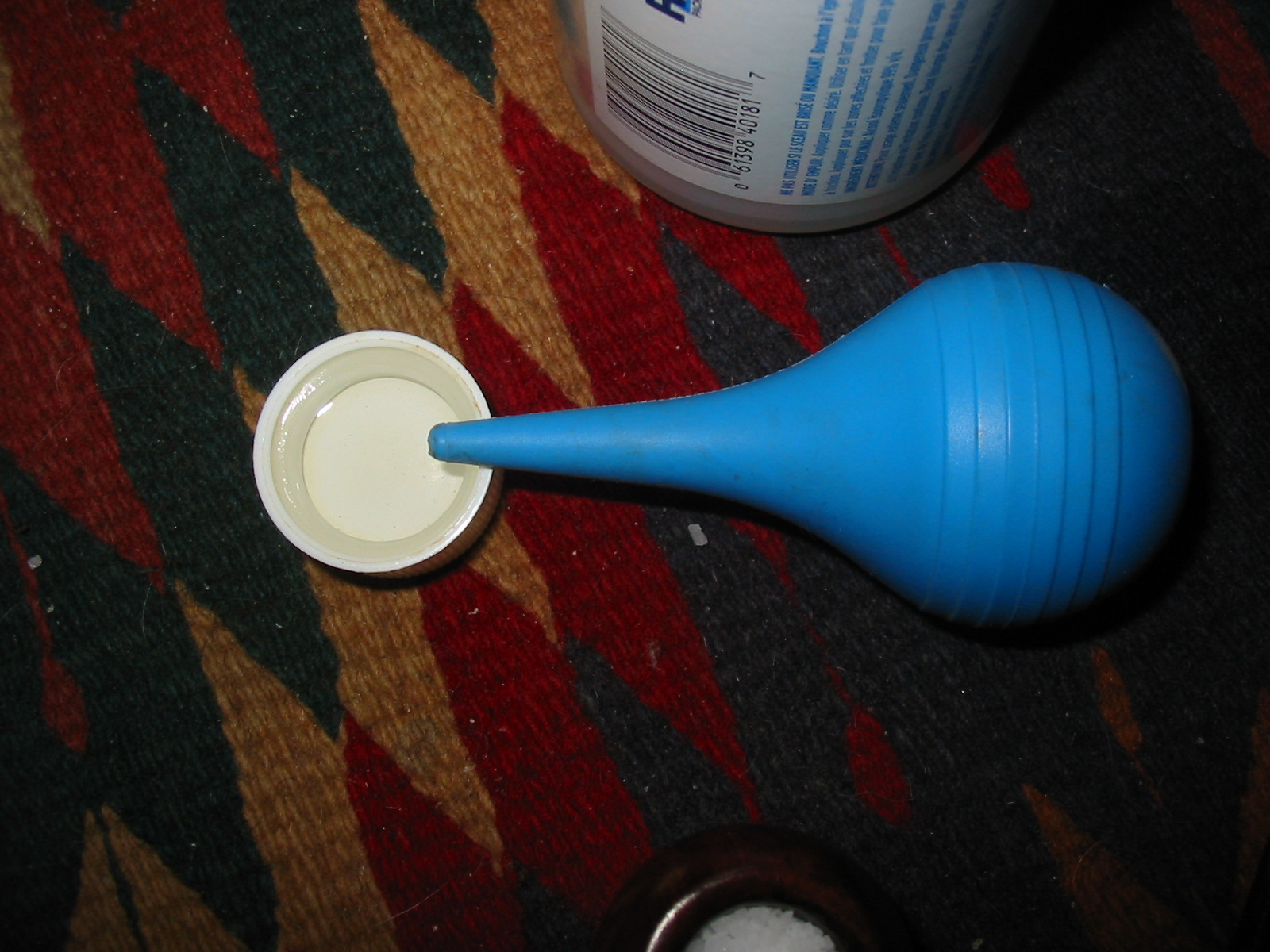
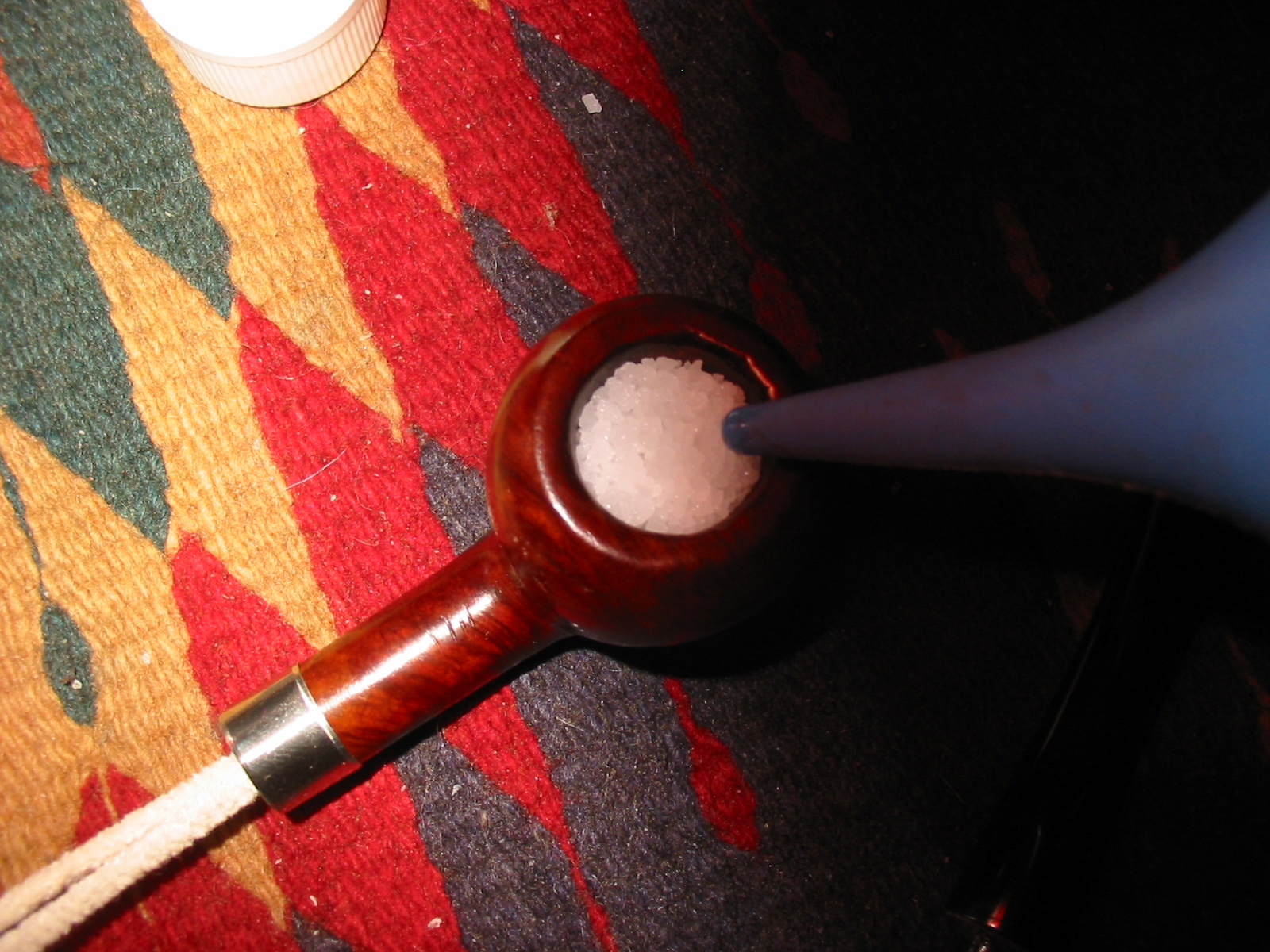
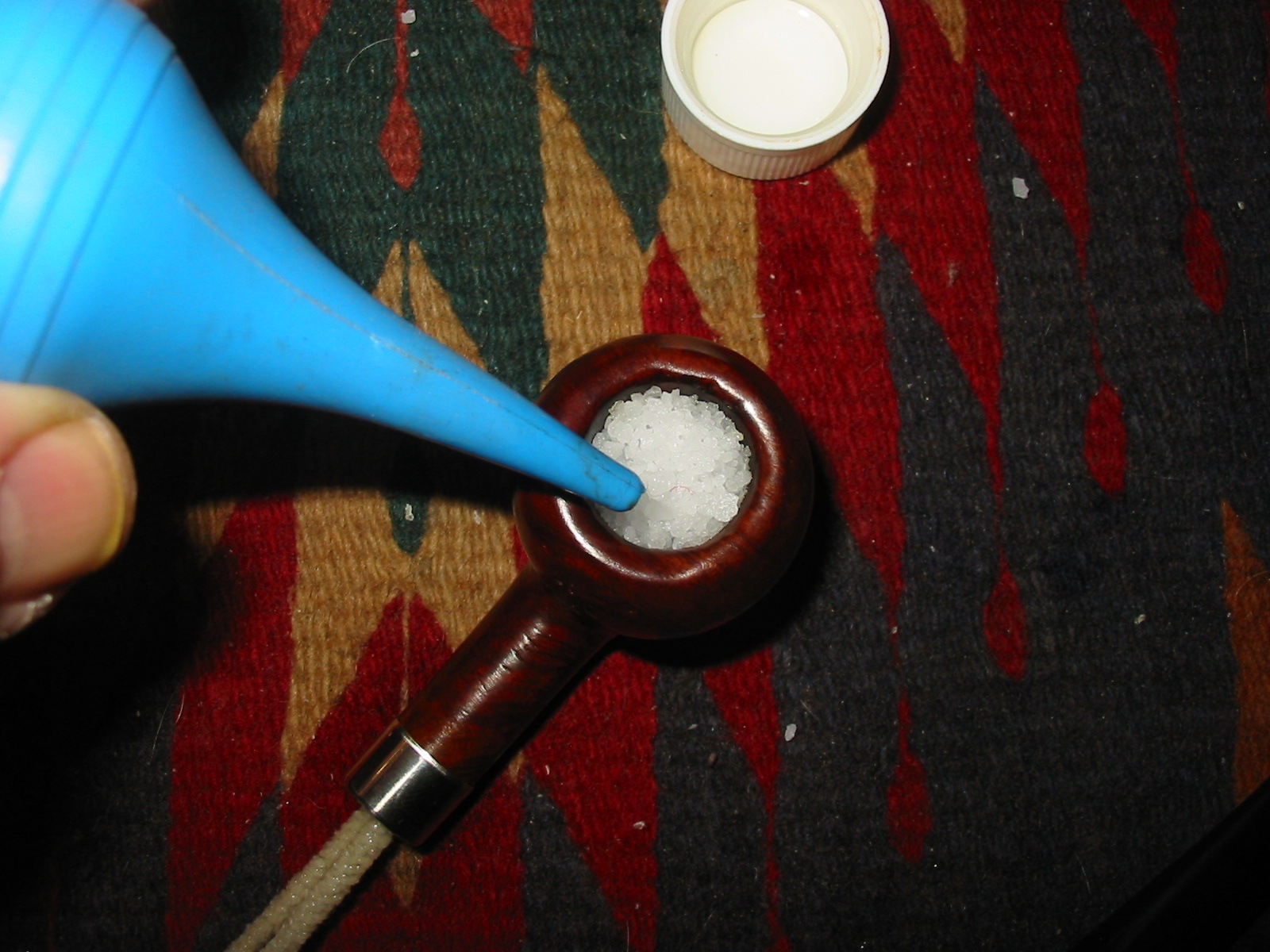
I pour Isopropyl alcohol into the cap of the alcohol bottle and get the ear syringe and the bowl ready for work. The first photo shows the tools ready to use. The next two photos show the filling of the ear syringe with Isopropyl alcohol. Once it is filled I put the tip of the syringe in the top of the bowl and fill it with the alcohol. The next three photos show the filling of the bowl.
Image

Tools of the Treatment

Image

Filling the Ear Syringe

Image

Filing the Ear Syringe 2

Image

Adding the alcohol to the bowl

Image

The alcohol filled bowl

Image

Adding a bit more alcohol

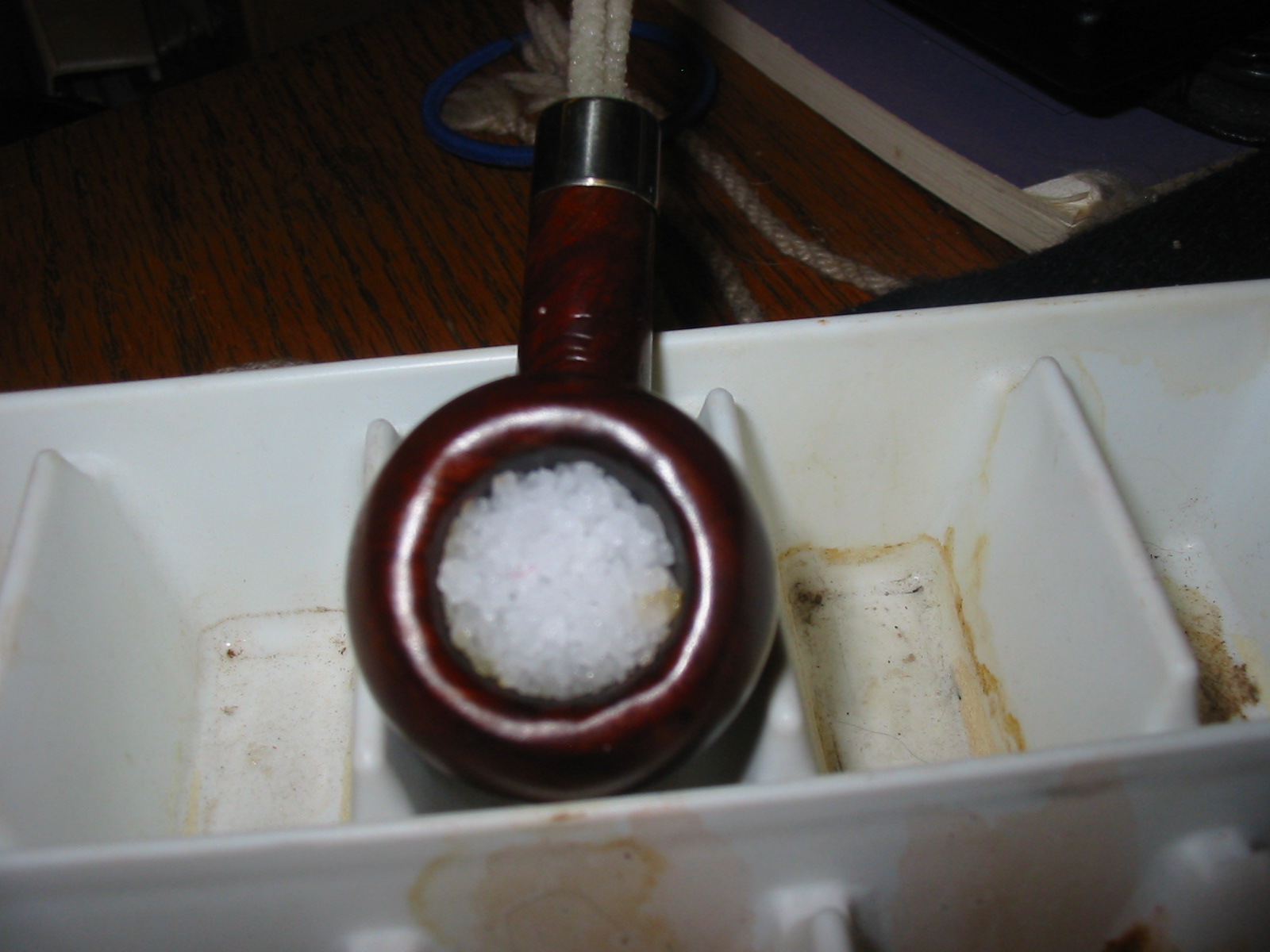
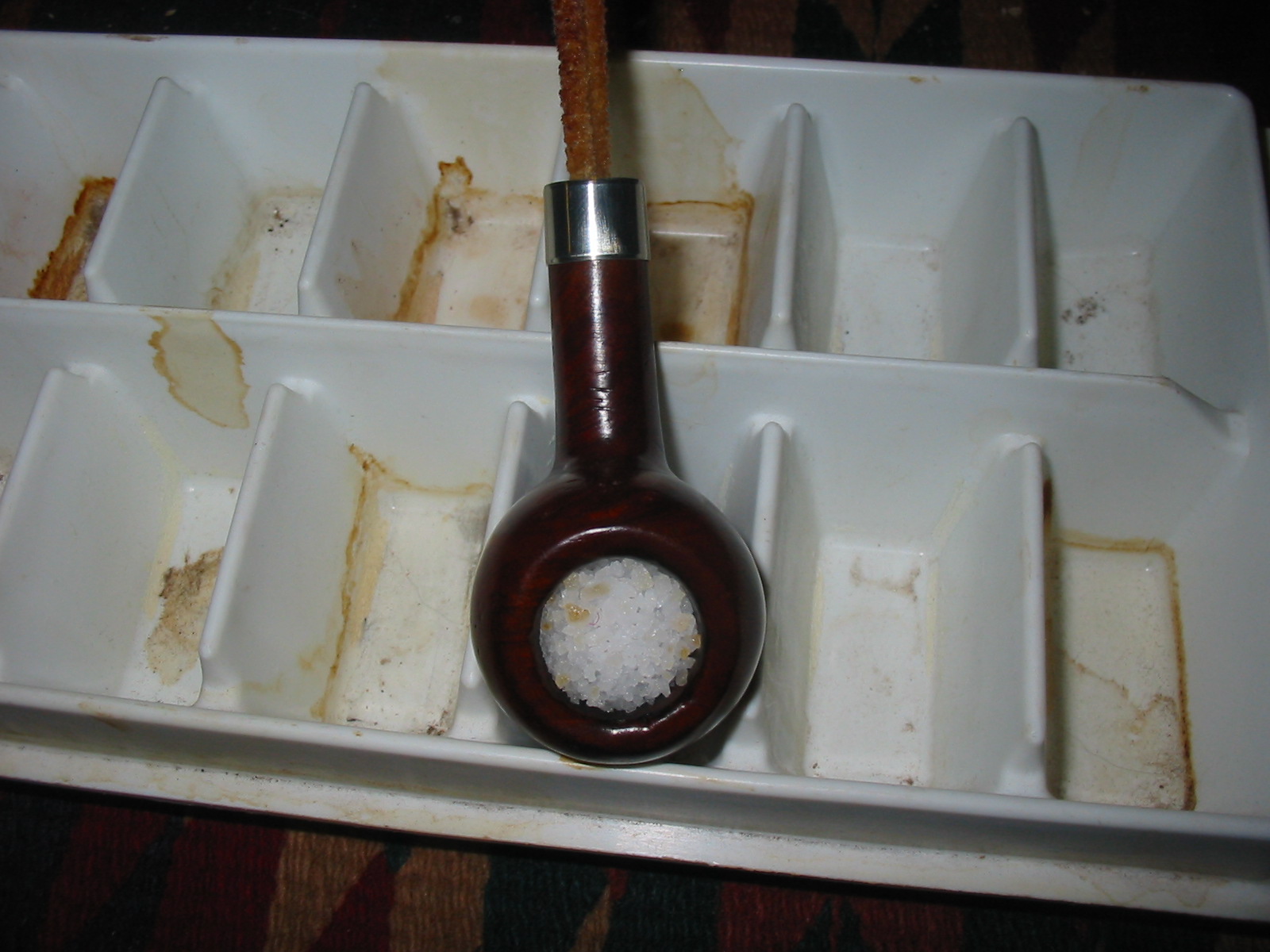
Once the bowl is filled with isopropyl I place the filled bowl in the ice cube tray and let it sit while the alcohol and salt draw out the tars and oils. The process works quite quickly and the salt begins to darken with the oils and tars within a few moments. The next series of photos shows the salt turning brown beginning with the edges and working toward the centre of the bowl.

Image

Setting the bowl in the ice cube tray

Image

After sitting for 2-3 minutes

Image

After sitting for 15 minutes

Image

After sitting an hour

Image

A final photo before I left it for the night. The pipe cleaner is rich brown from the oils and tars leached from the shank

Image

What awaited me in the morning

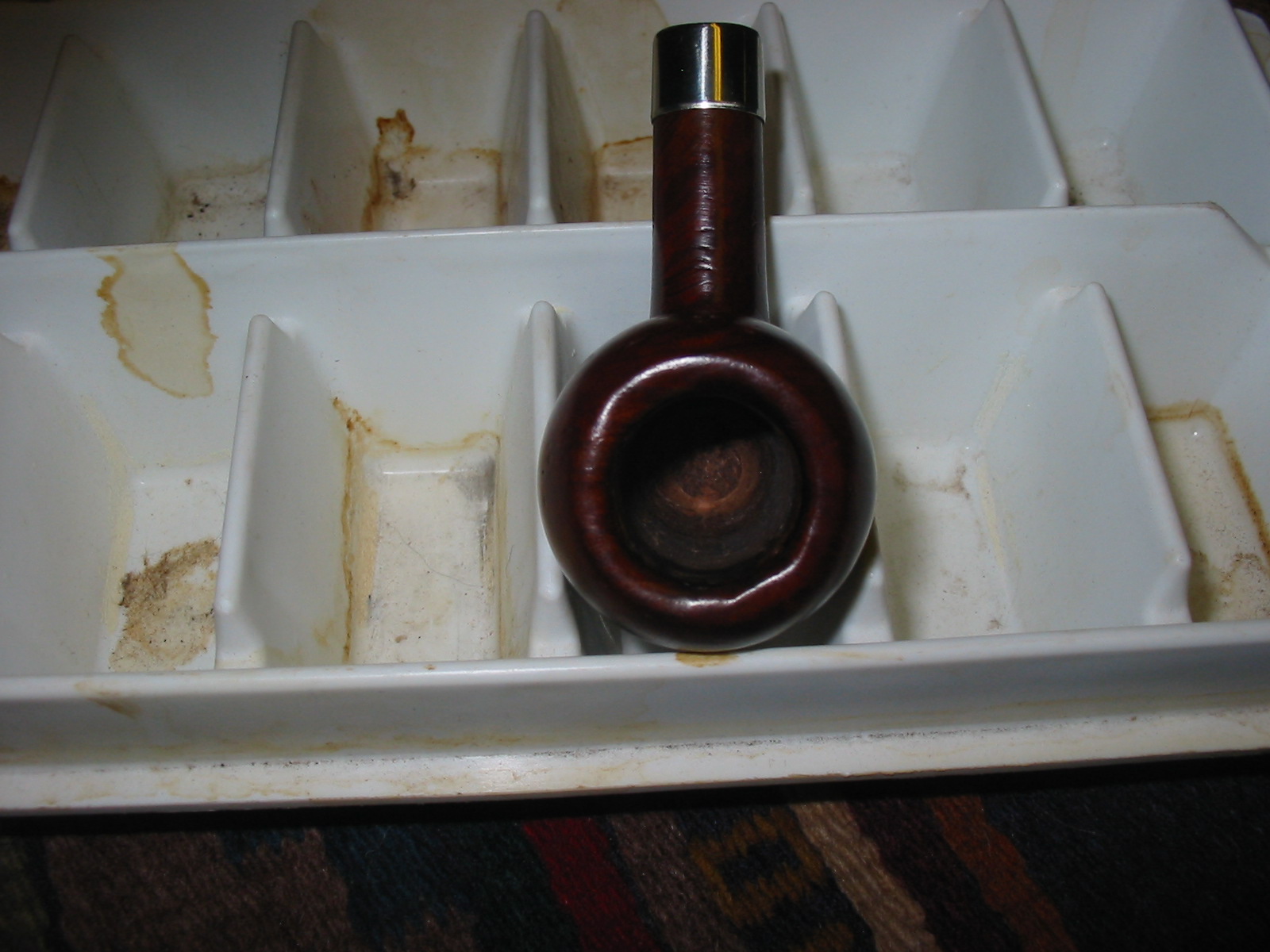
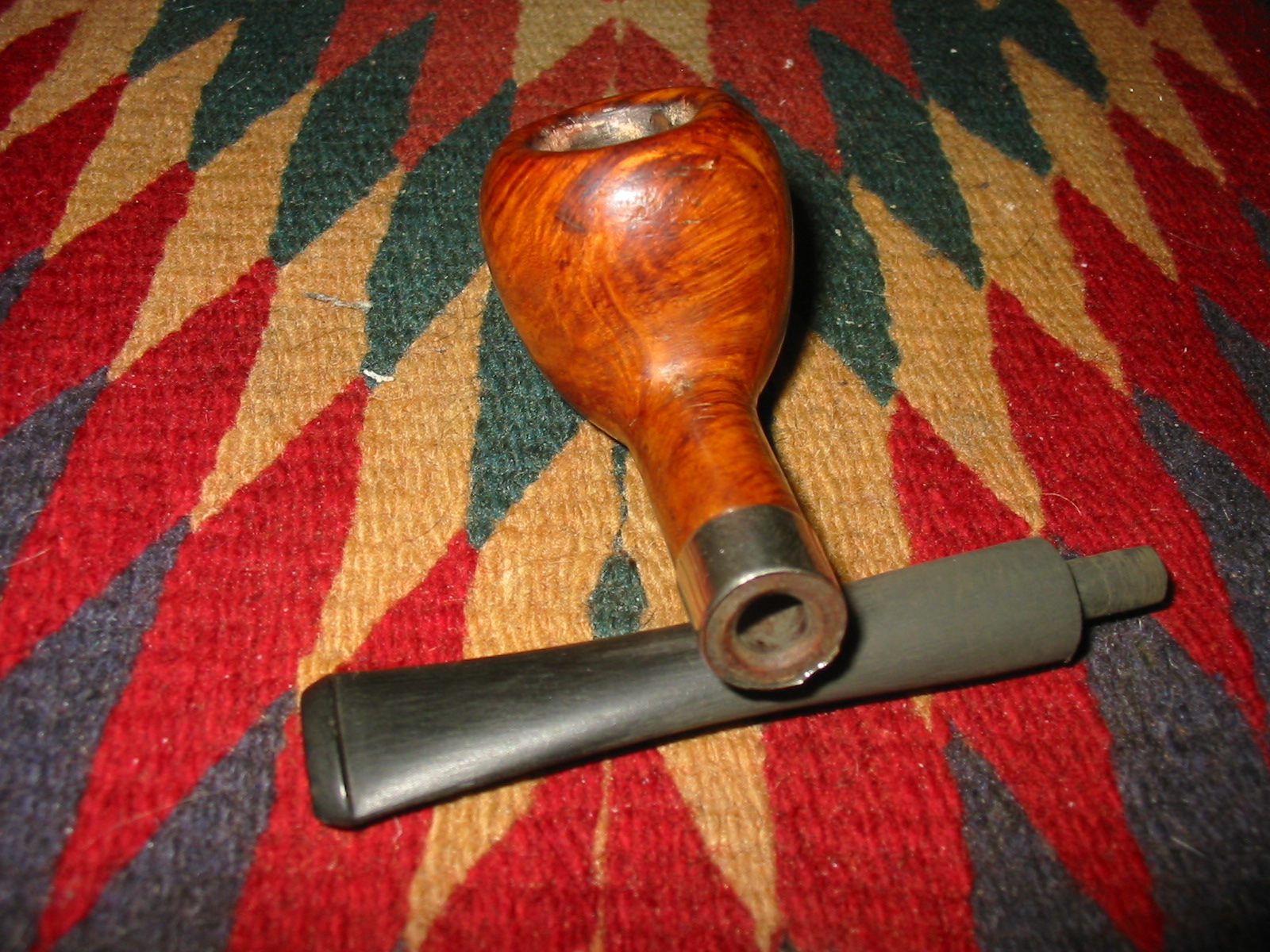
This morning the salt was darkened and the alcohol was evaporated. I dumped out the salt and pulled out the pipe cleaner. The shank and the bowl were dry and the salt fell out easily. I wiped out the remaining crystals from the bowl and cleaned the shank with a folded pipe cleaner. If the bowl had still been wet I would have flamed it with a lighter or a match to quickly burn out the remaining alcohol. This time that was not necessary. The photo below shows the clean bowl. The pipe smells clean and fresh. When I have finished cleaning the pipe I set the bowl aside and let it dry for several days before smoking it.
Image

A fresh and dry bowl

Restemmed and Reworked an Old Yello Bole Acorn


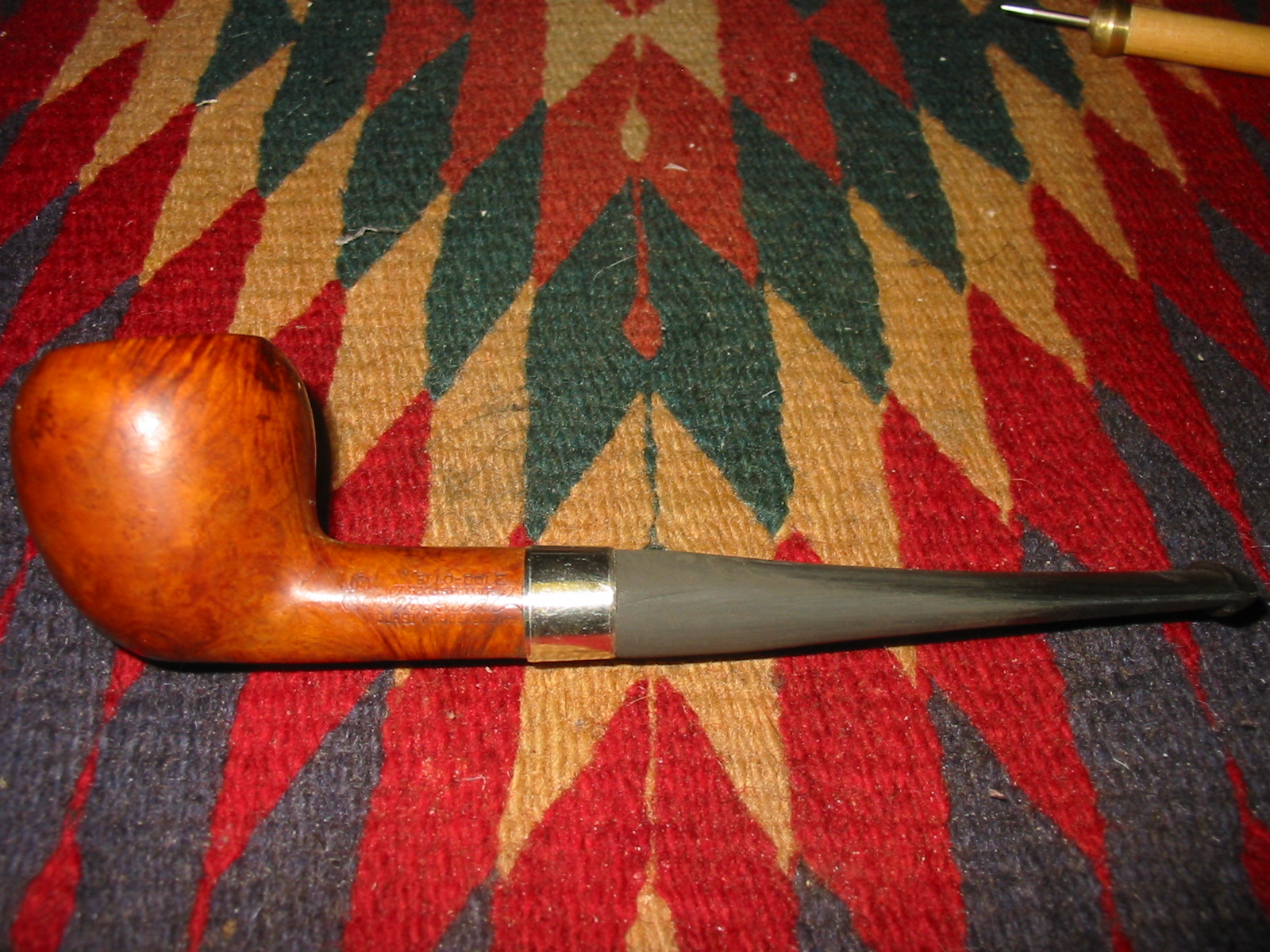
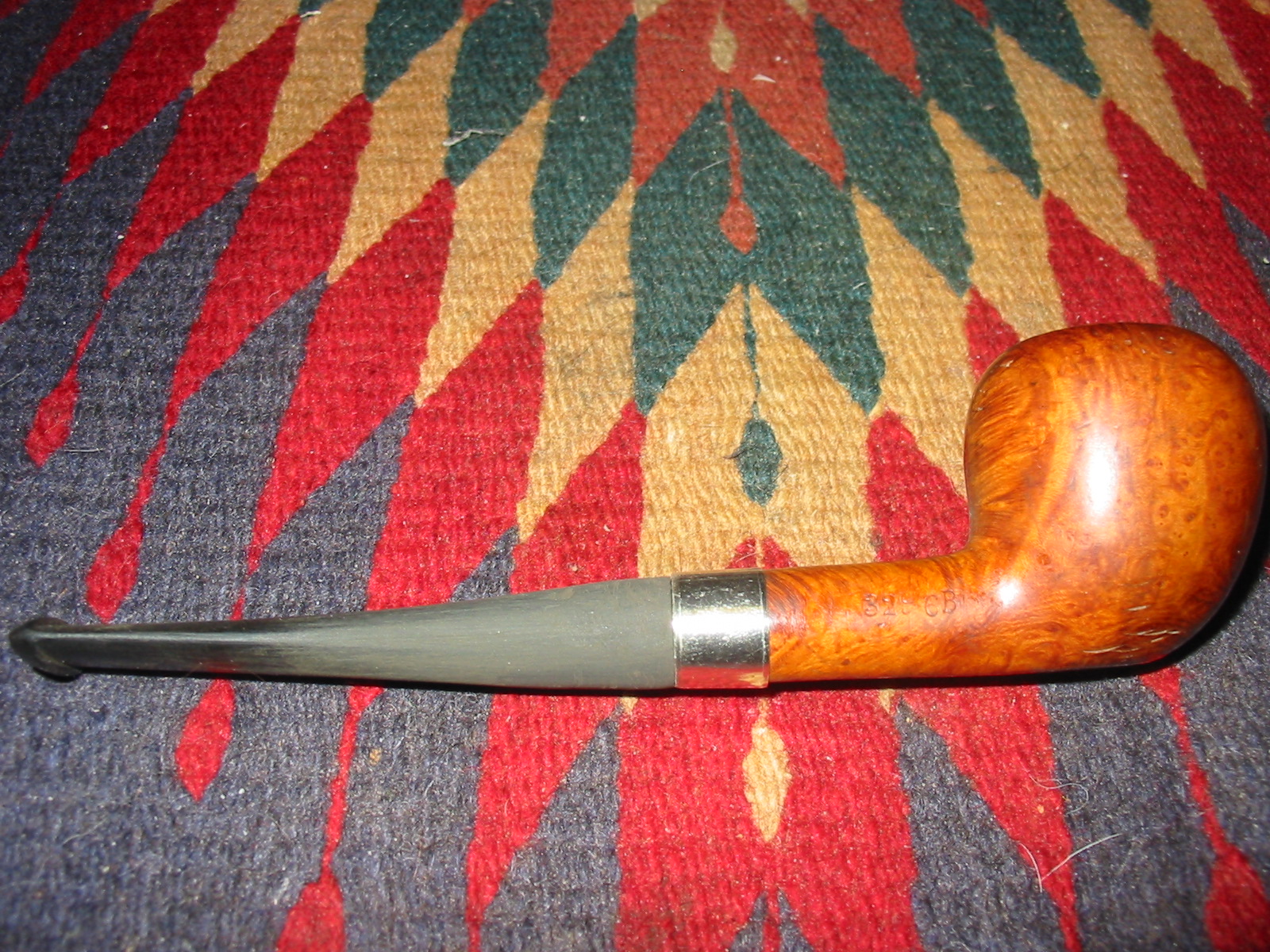
I have cleaned out my box of pipes for refurbishing and all I have left are bowls that need to have stems made and fit. This little Yello Bole Acorn pipe attracted my attention and I decided it would be the first one I worked on. The pipe is stamped on the left side of the shank: KBB in a cloverleaf and next to that it is stamped Yello Bole over REGDUSPATOFF over Imperial in script. Underneath that it is stamped “Cured with Real Honey”. On the right side is stamped 3296B. I reamed the bowl and cleaned the airway and mortise area so that I could get a good clean fit with the new stem. I picked a stem blank from my can of stems and used my Pimo Tenon turning tool to turn the tenon to fit the shank. The stem was too large so I removed the excess material with a sanding drum on my Dremel. In the photo below you can see the stem after I had sanded the excess away with the Dremel. The shank on the pipe also had a small crack in it so I glued it with superglue and pressure fit a nickel band on the shank.

Image

I sanded the stem with medium grit emery cloth to remove the scratches and marks left by the sanding drum. I find that the emery cloth does a great job removing the deep scratches and marks around the diameter of the stem as well as fine tune the fit to the shank. The band had some small dents that needed to be taken out so I used a small round headed pick to bring the shape back into round. The next three photos show the stem after sanding with the emery cloth.

ImageImageImage

At this point in the process I used the tool to round out the band a bit more and then fit the stem on the pipe. The next series of four photos shows the stem on the pipe. I also noted at this point that the band needed to be flattened on the bottom to accommodate the flattened bottom of the shank on the pipe. I would also have to flatten the edge of the stem to also accommodate that flattening.

ImageImageImageImage

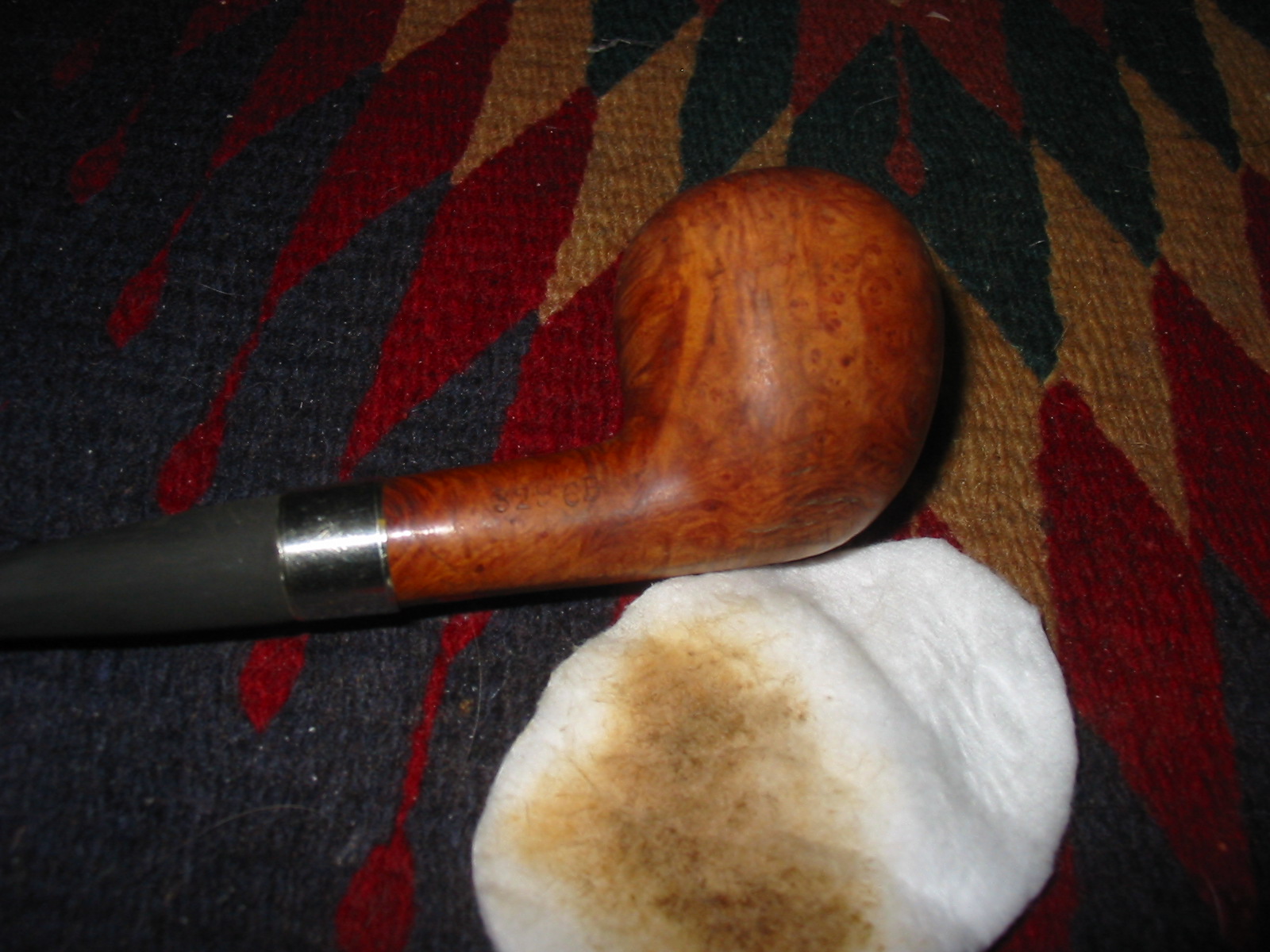
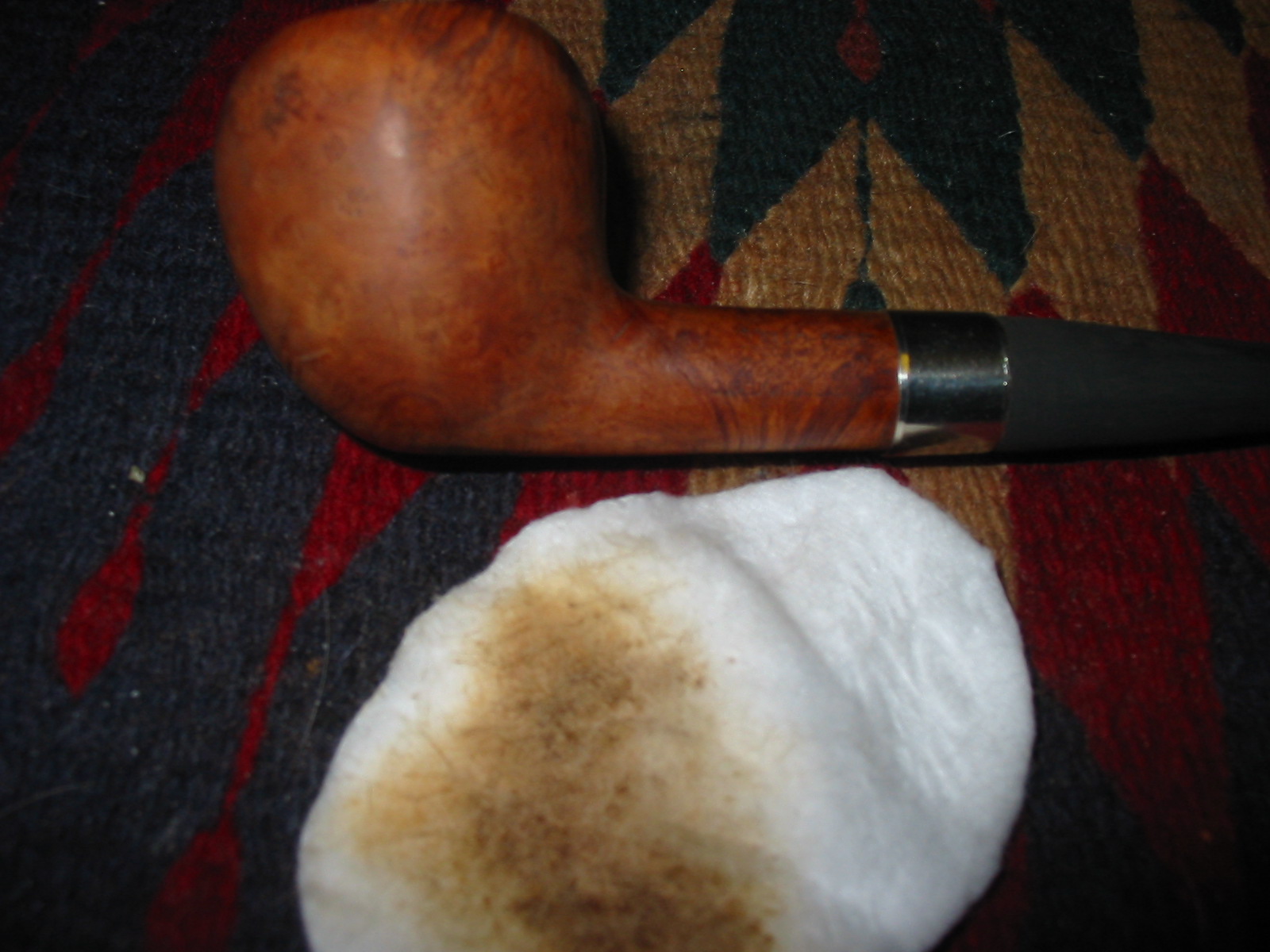
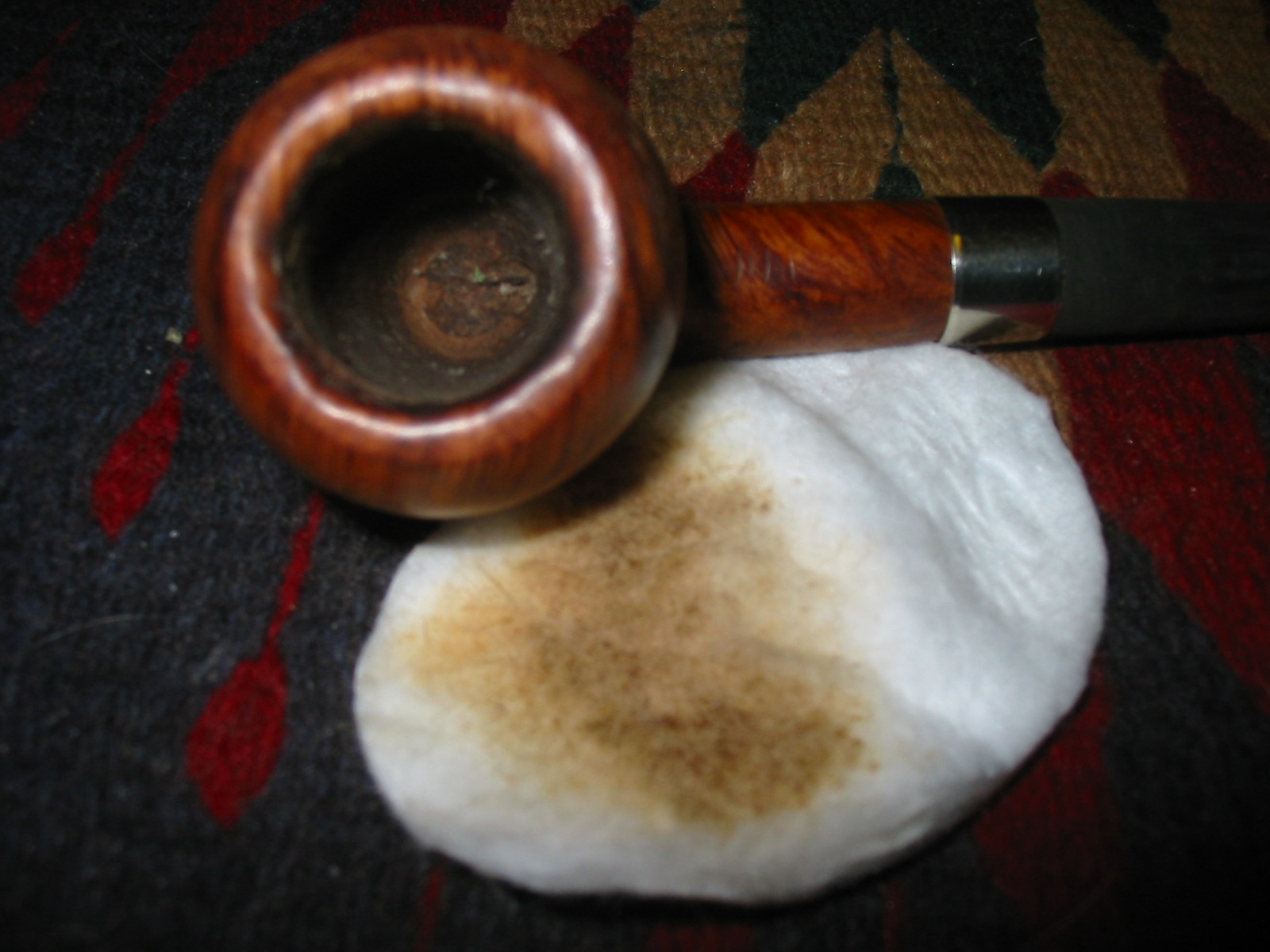
I took a break from the stem and worked a bit on the bowl of the pipe. I wiped it down with acetone on a cotton pad to remove the finish. I then sanded the bowl to remove some of the dents and marks in the finish. The deep gouges needed to be steamed and I was able to raise them slightly. They are still visible on the finished pipe but lend it some character. The next series of three photos show the bowl cleaned and ready for staining.

ImageImageImage

I then changed to sanding the stem with 240 and 320 grit sandpaper. The next series of six photos shows show the progression of the stem as I sanded it.  The shape was pretty close to finished by the time I was done. The fit was excellent and the look of the new stem gave the pipe a great look in my opinion. All that remained was to do a lot more sanding! The fourth through the sixth photos below show the stem after I had wiped it down with some Maguiar’s Scratch X2.0 applied by hand and rubbed down with cotton pads. The finish of the stem is getting smoother.

ImageImageImageImageImageImage

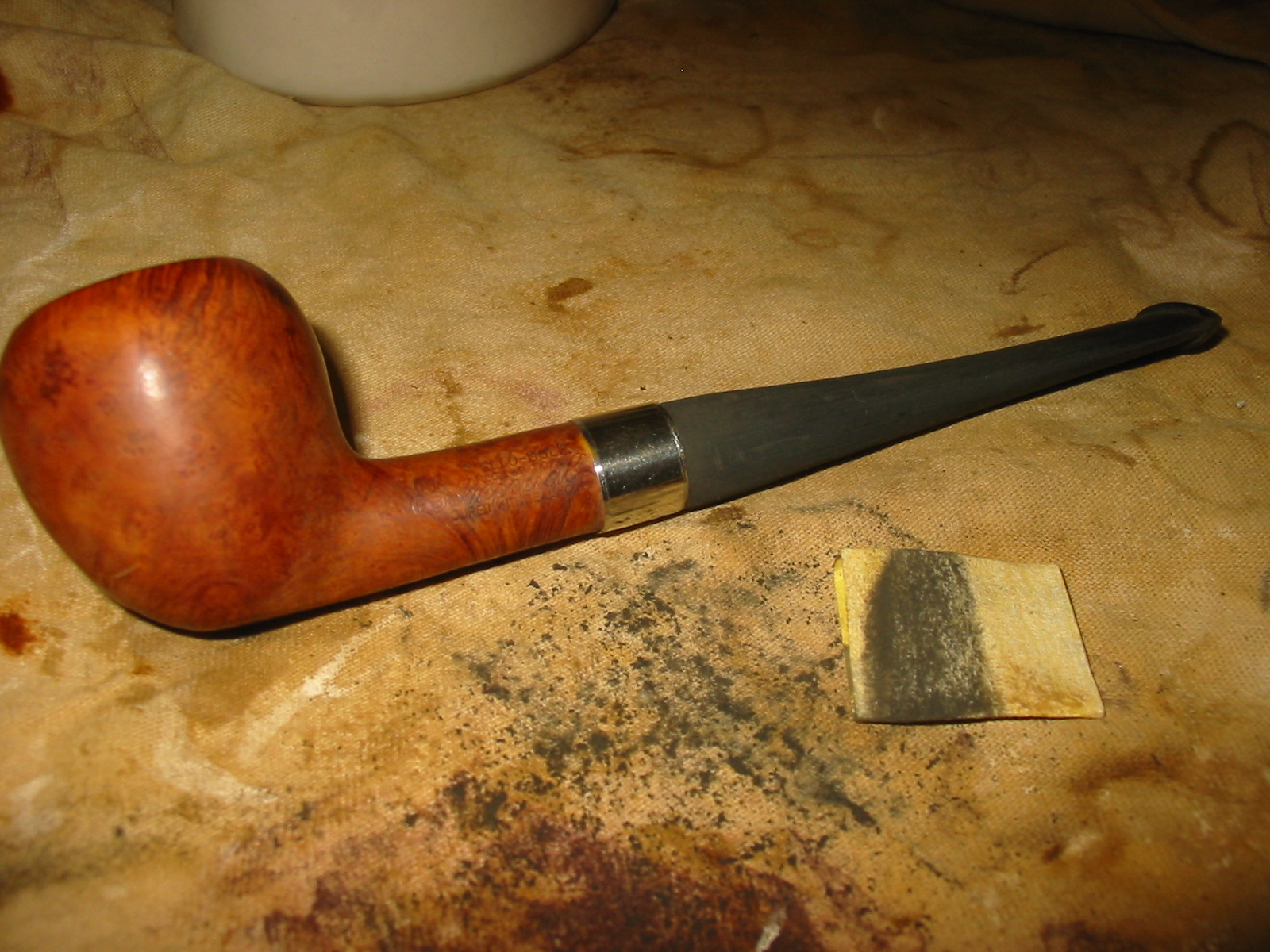
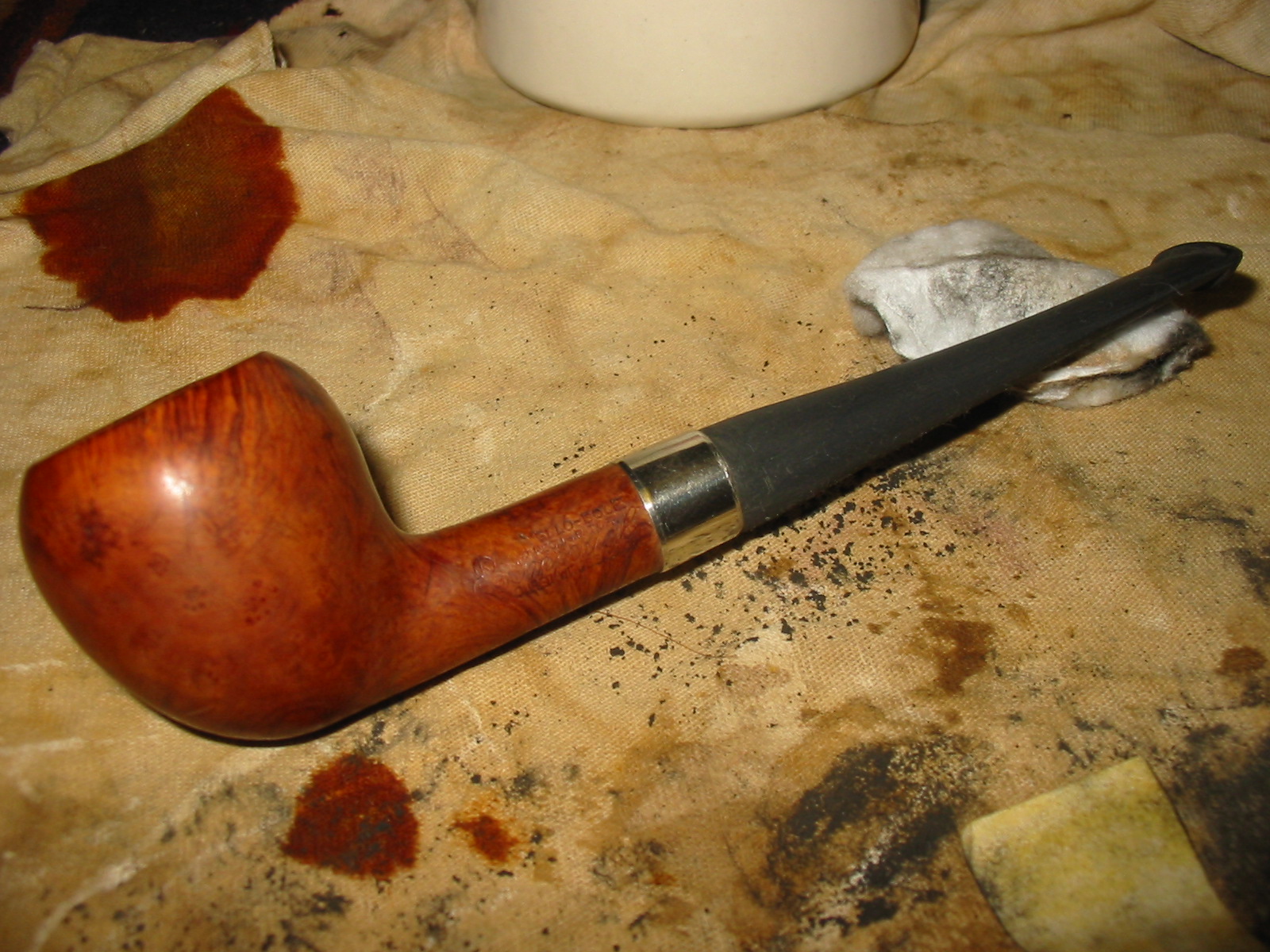
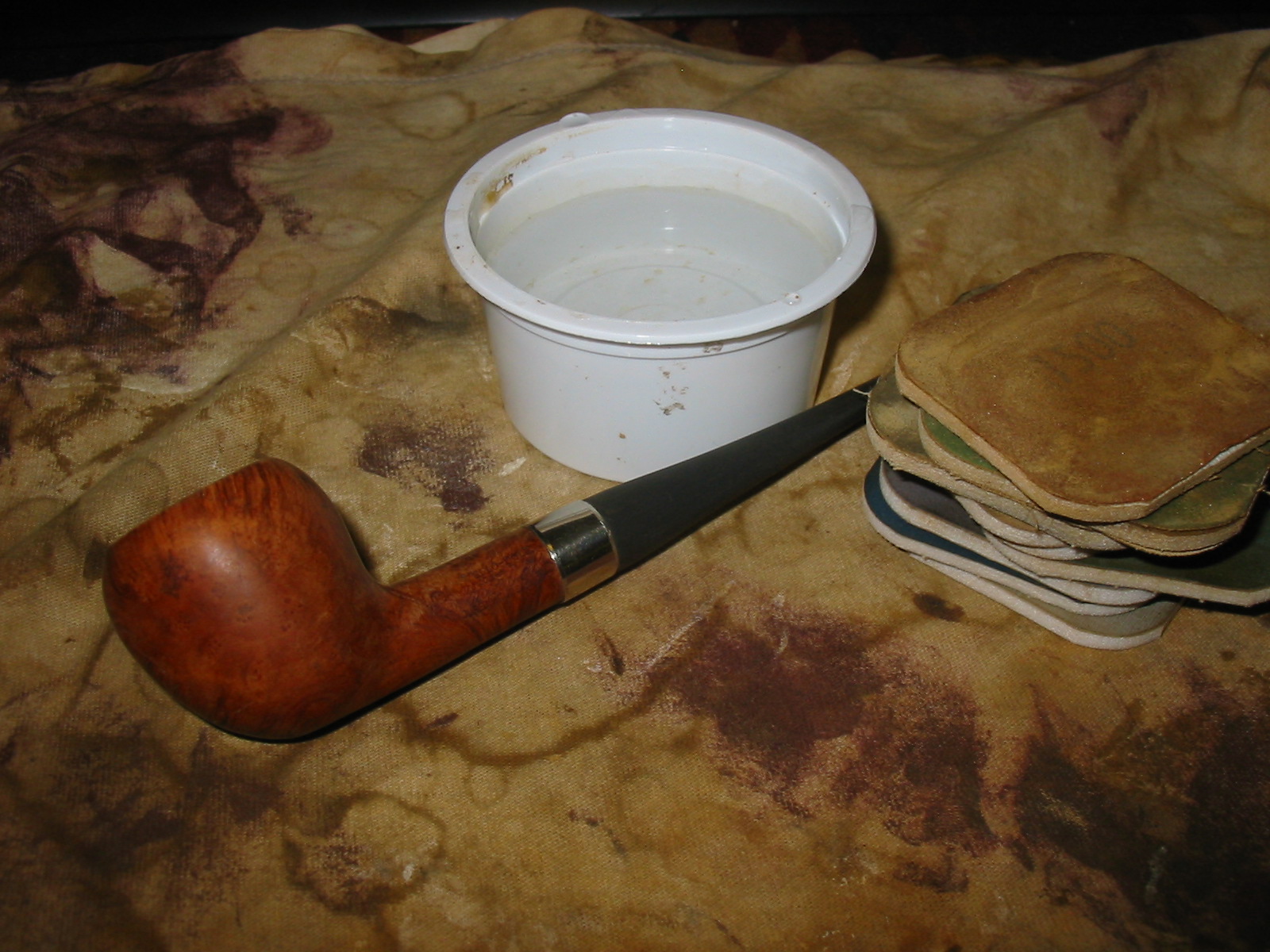
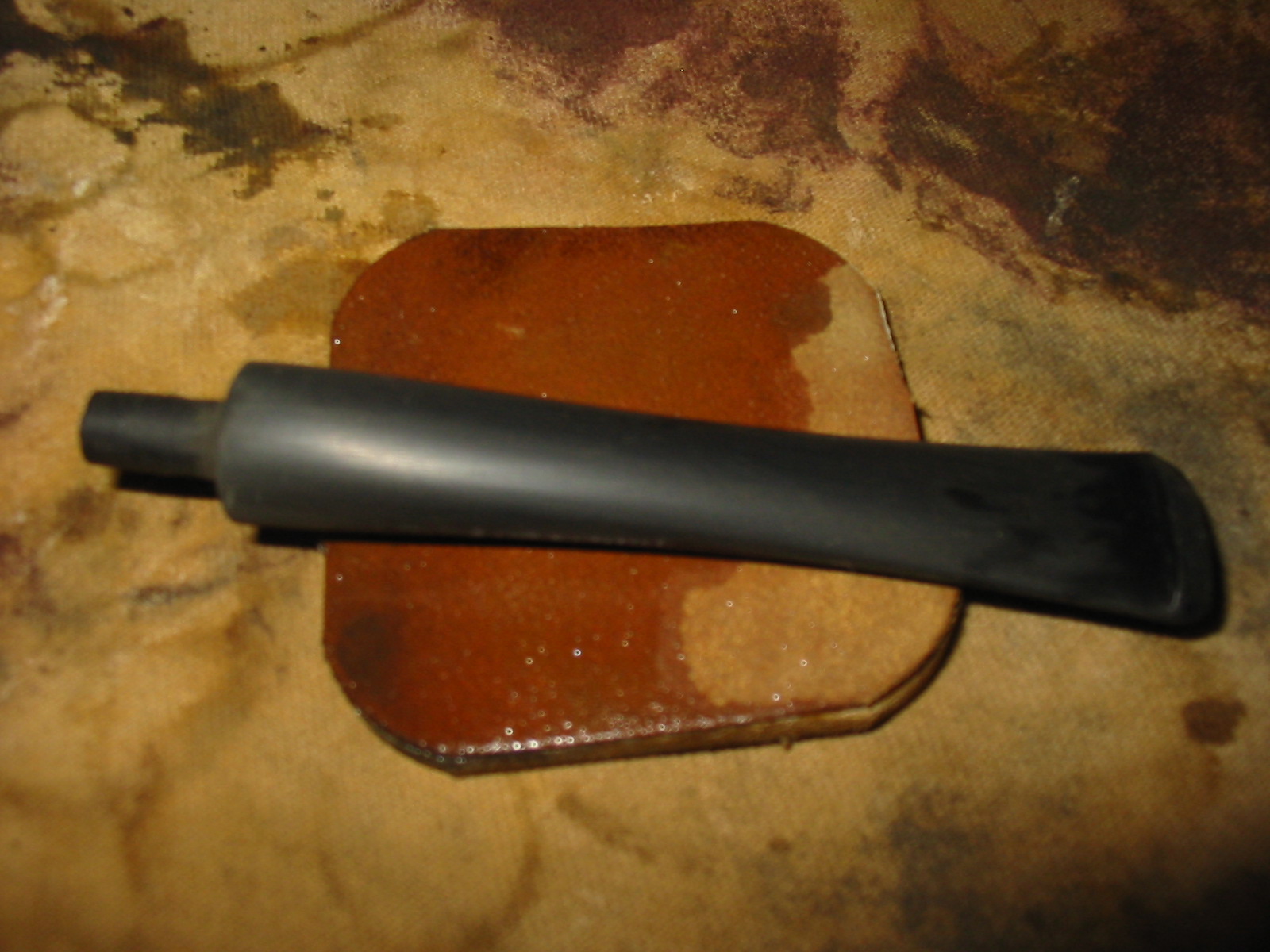
I then filled a small cup with water and moved on to wet sand the stem with the micromesh sanding pads. I used 1500, 1800 and 2400 to wet sand the stem. I wet the pad and sanded the stem. Then rinsed the pad and kept sanding until that particular grit had down its work and the stem was ready for the next one. Between pads I wiped the stem down with a wet cotton pad to clean off the grit. The first photo below shows the setup of my sanding area. I use an old rag for the work space so that it can pick up the dust and water from the sanded stem. The next series of three photos shows each of the three micromesh sanding pads from 1500-2400 and the stem after sanding with that particular pad.

ImageImageImageImage

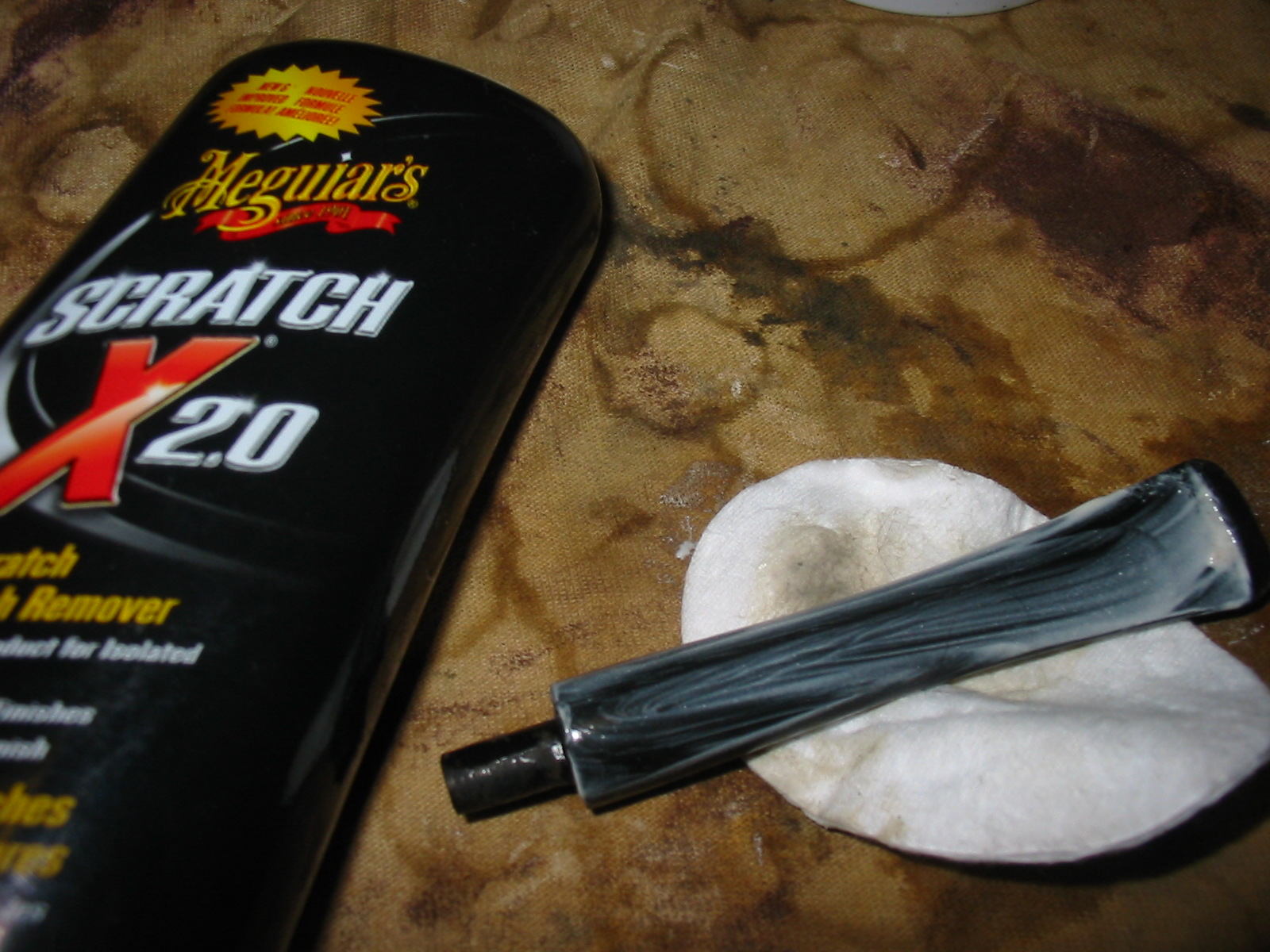
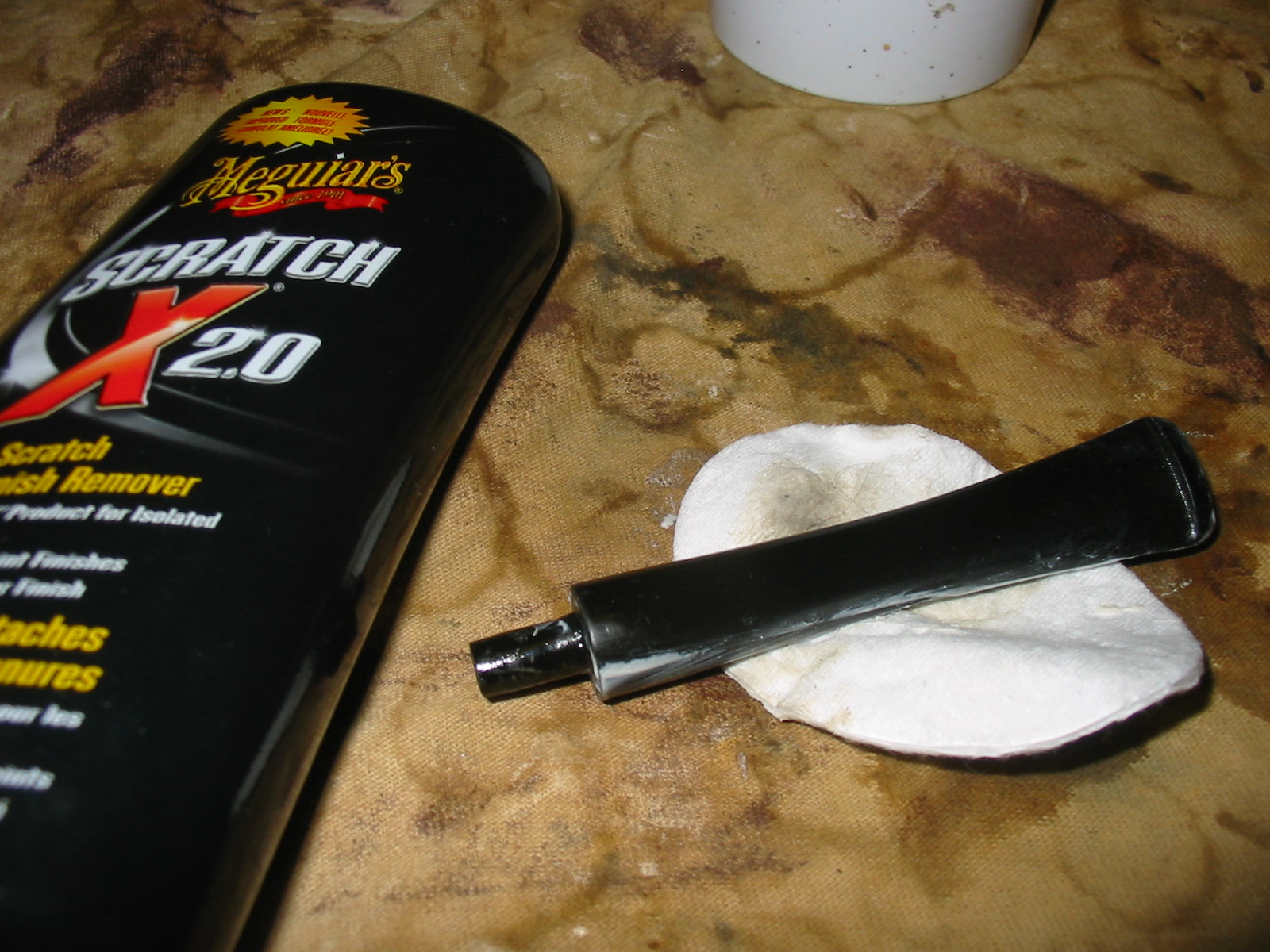
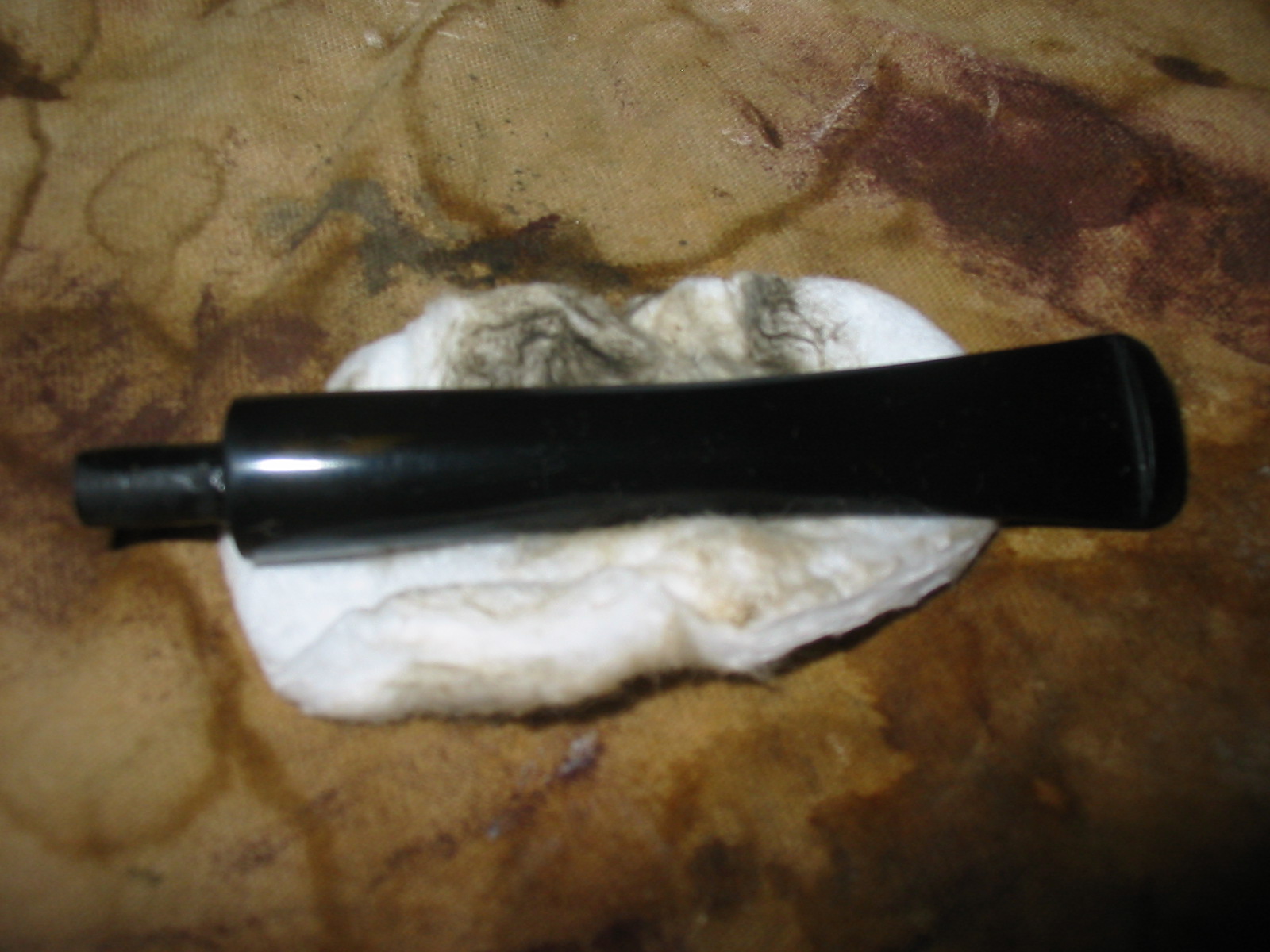
Once I finished wet sanding the stems up through the 2400 grit micromesh pads I then used the Maguiar’s again to polish the stem to see what remained of the deep scratches. I rubbed it into the stem with my finger and then polished it off with the cotton pads. The next series of five photos shows the application and the progressive polishing of the stem. The final pictures in the series show the stem polish to this point. I decided after this was done to move on to dry sanding with the remaining micromesh sanding pads.

ImageImageImageImageImage

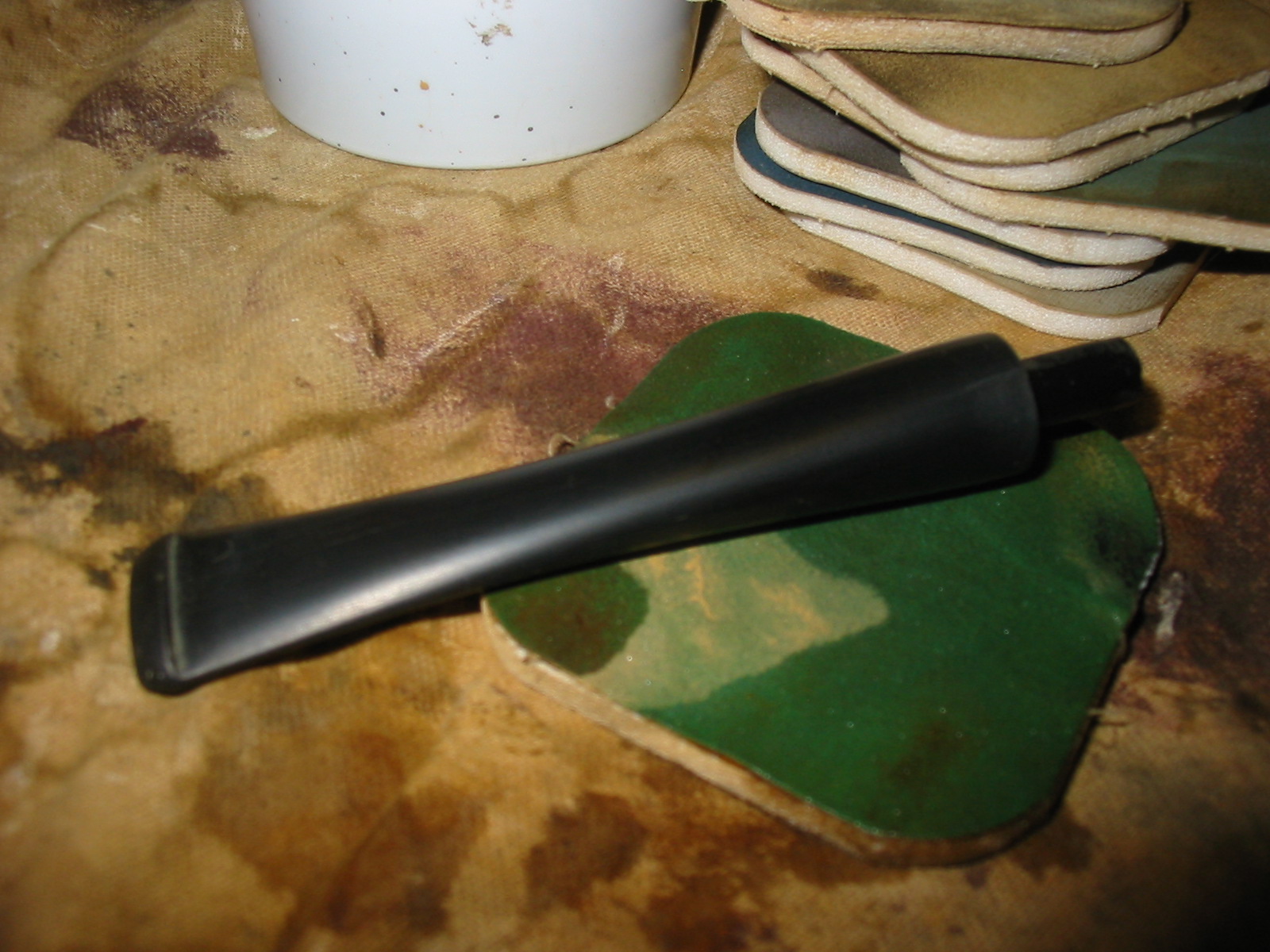
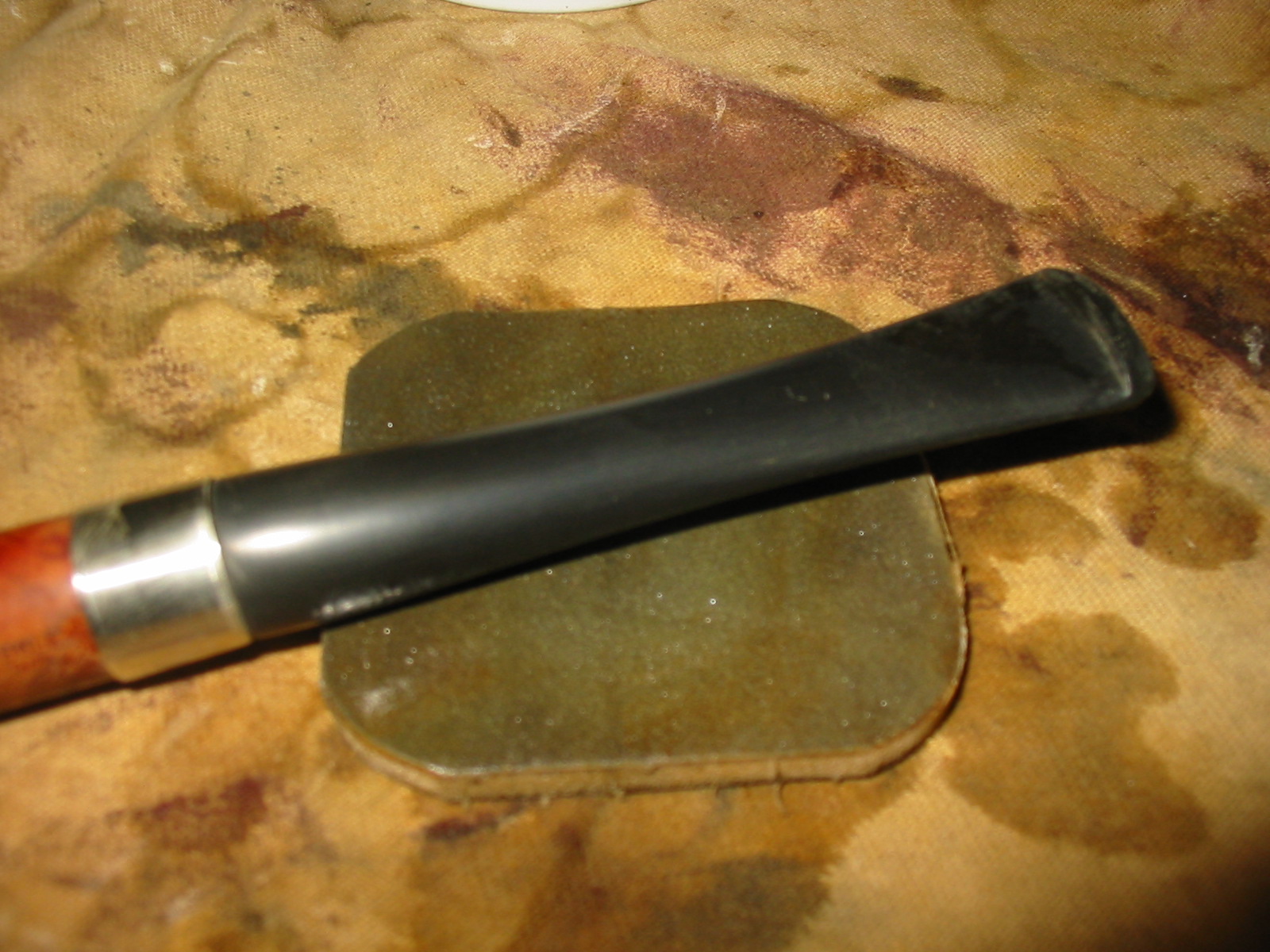
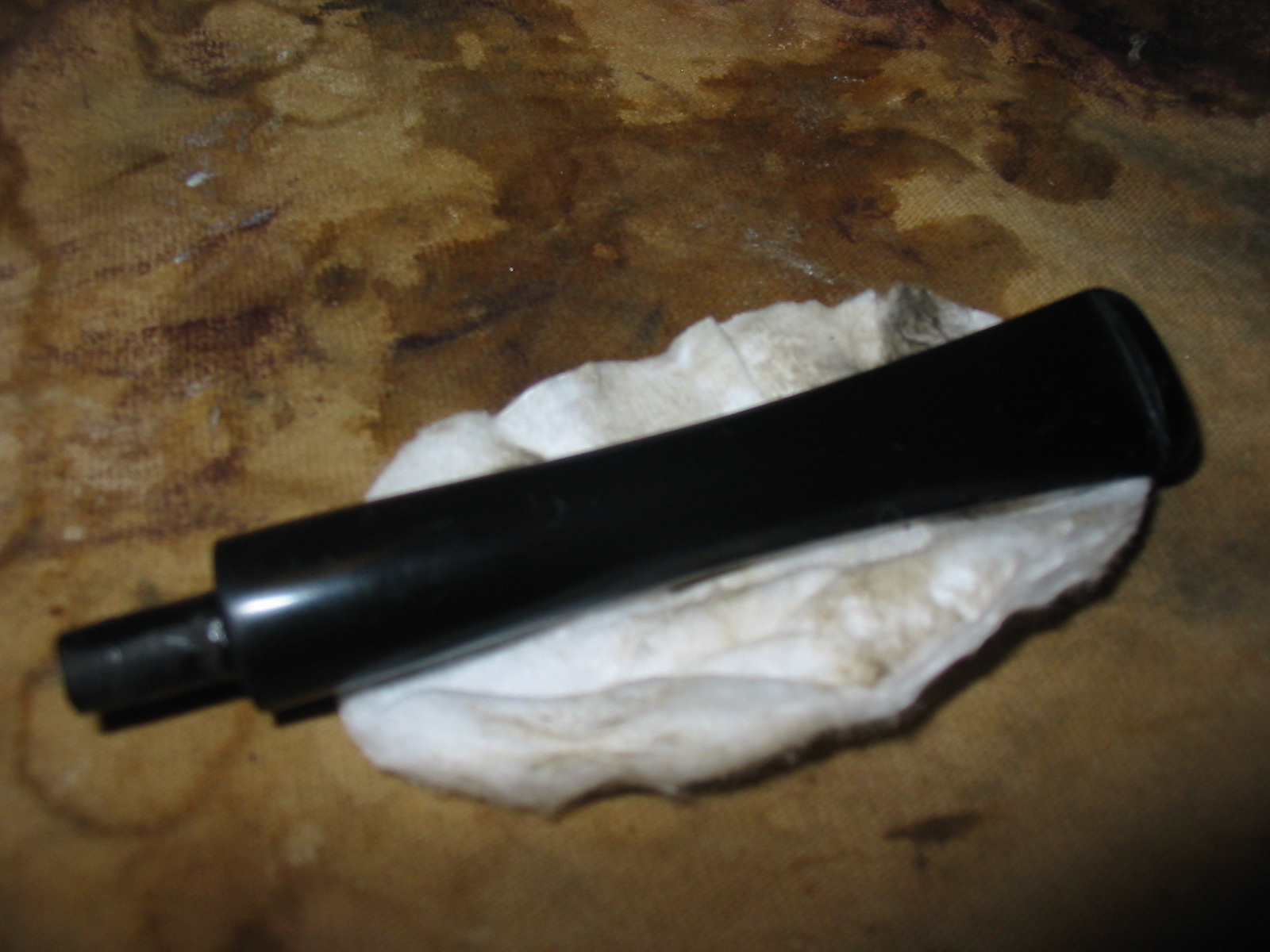
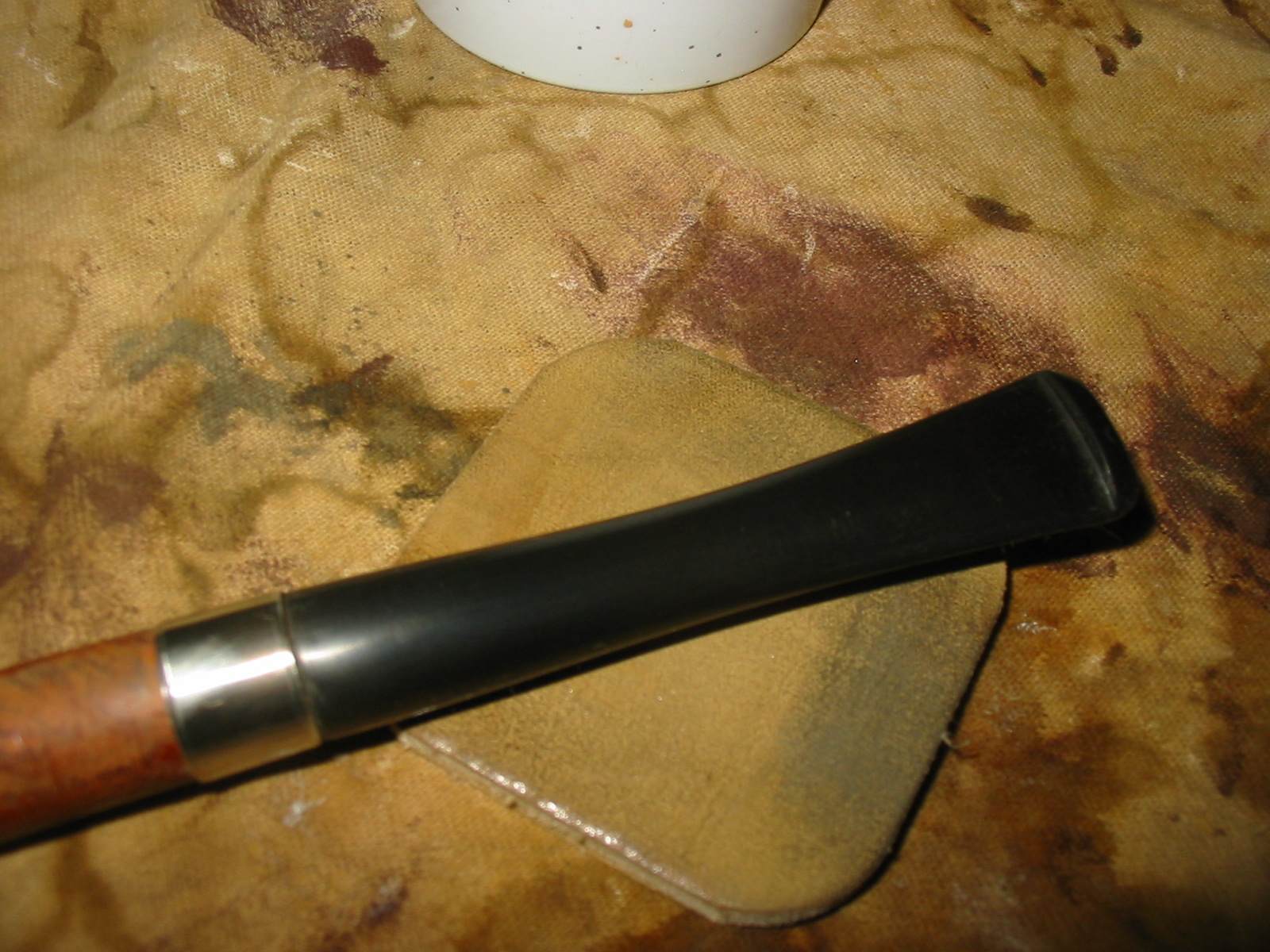
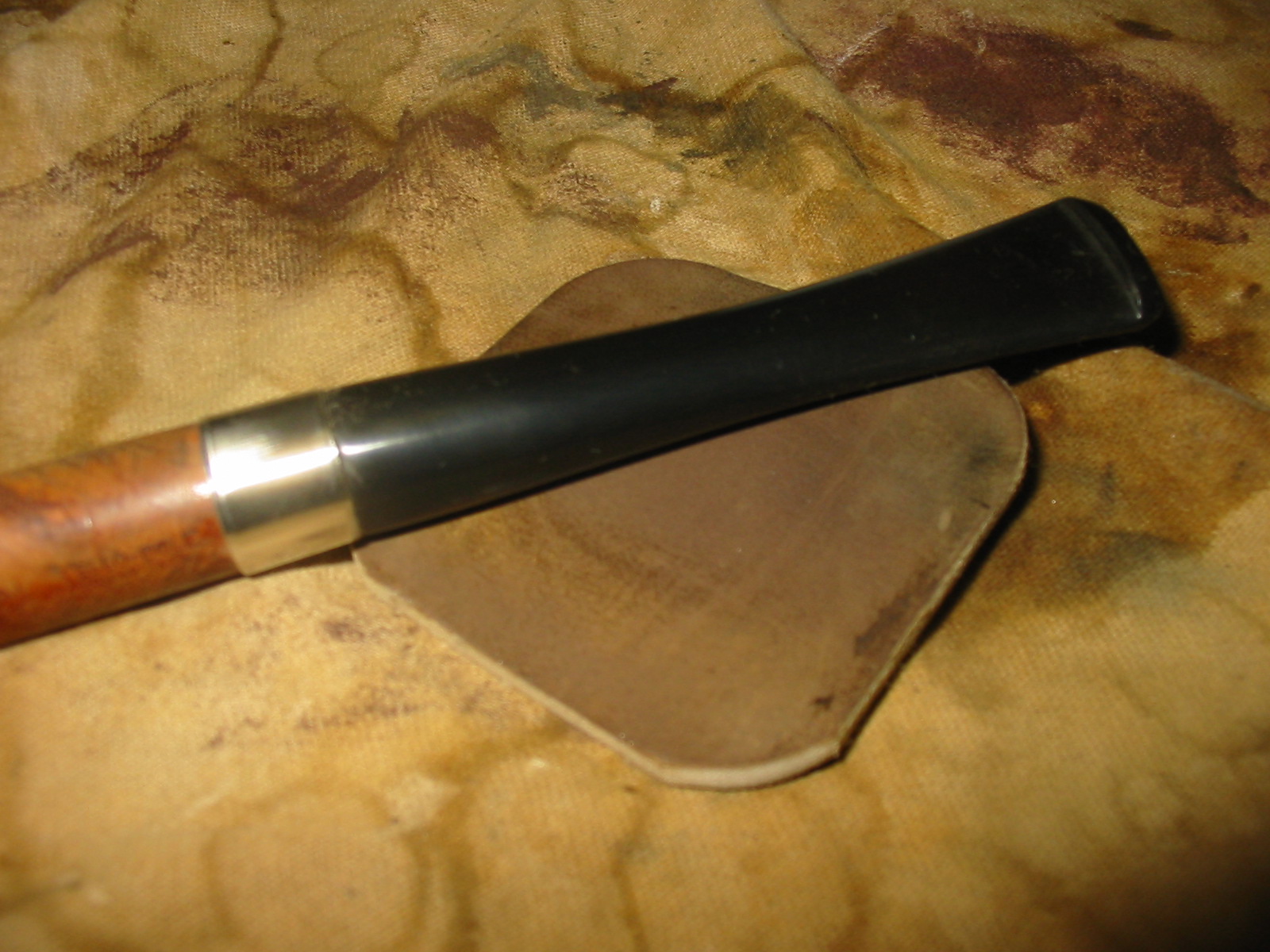
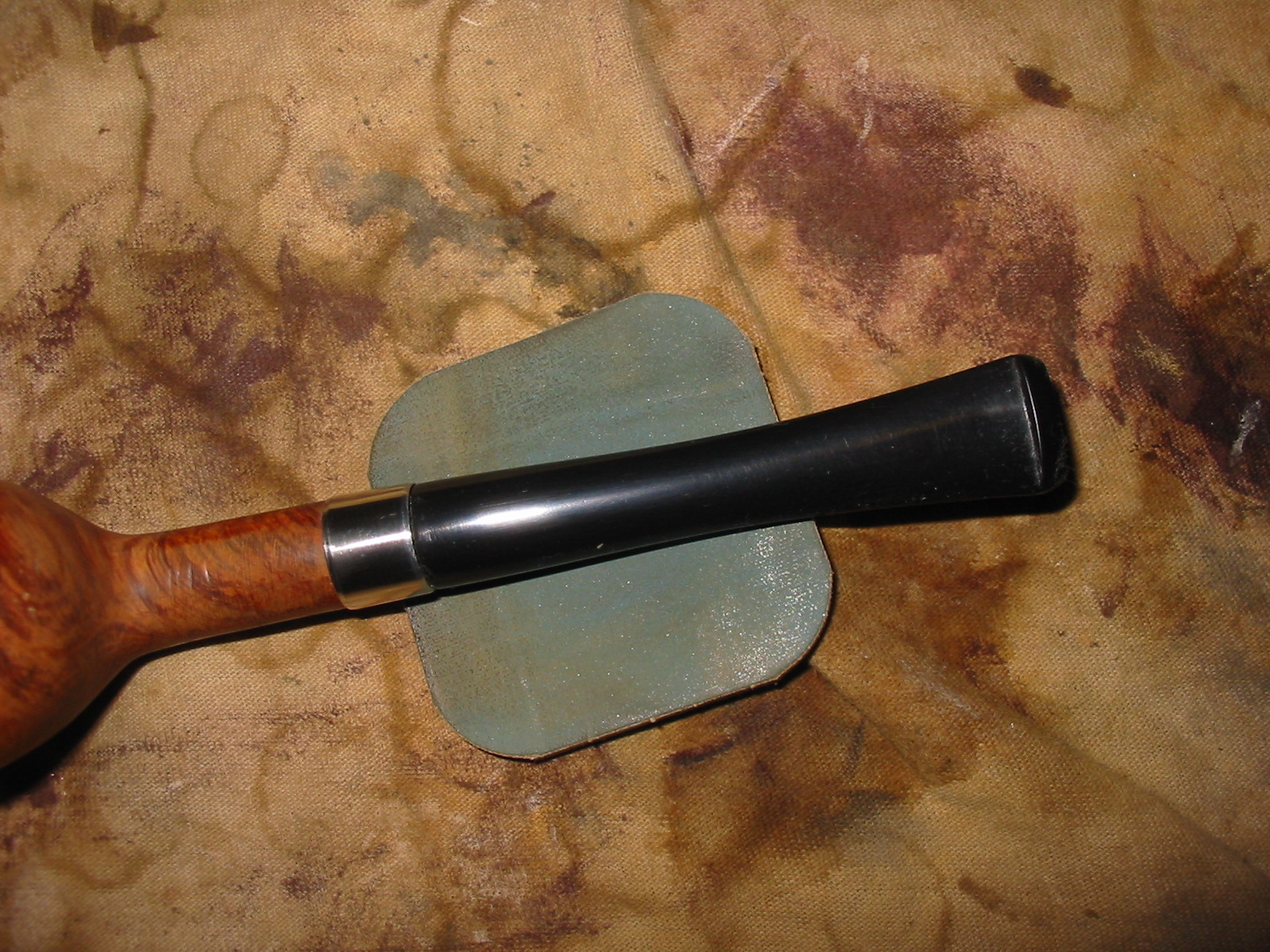
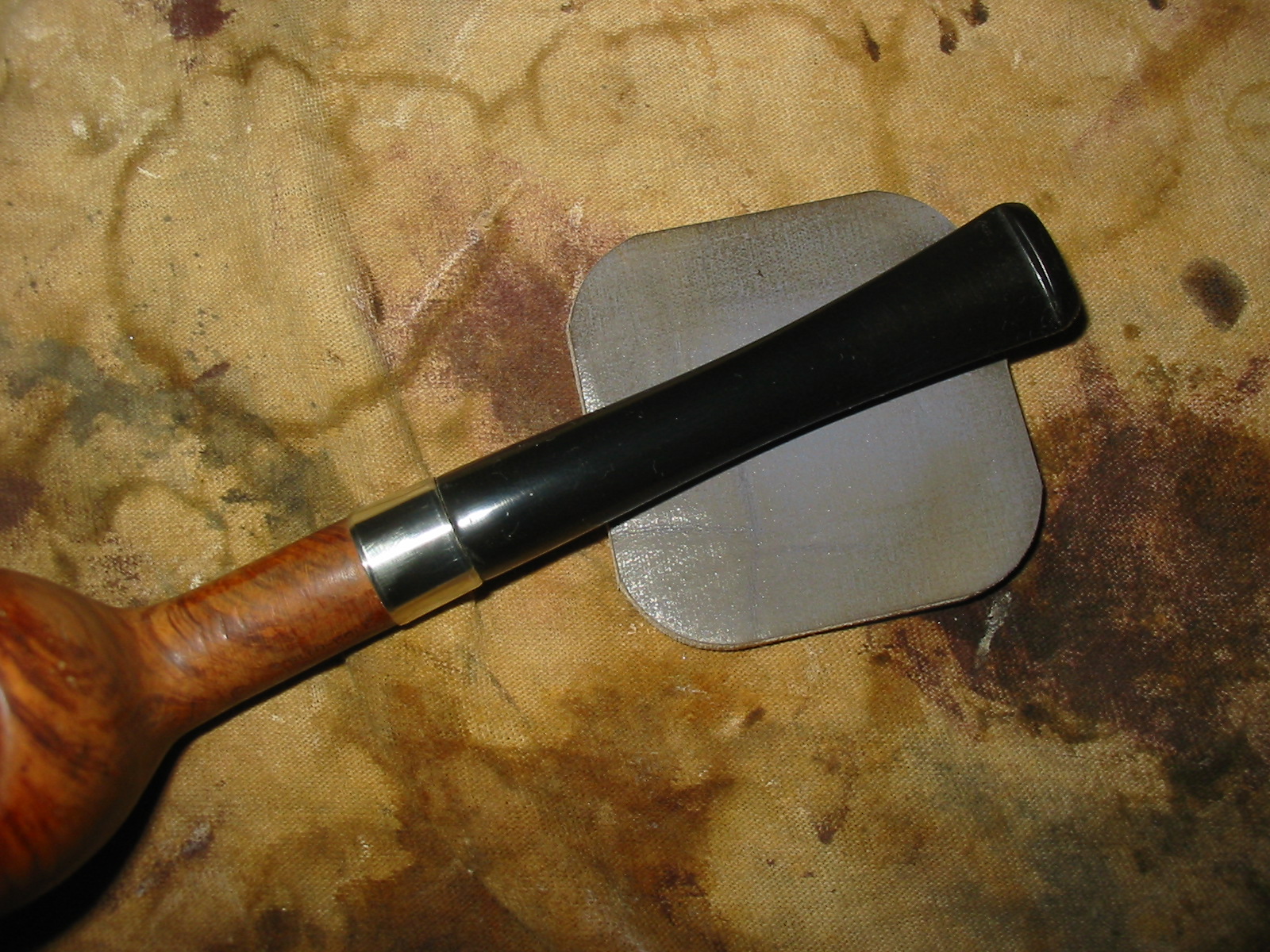
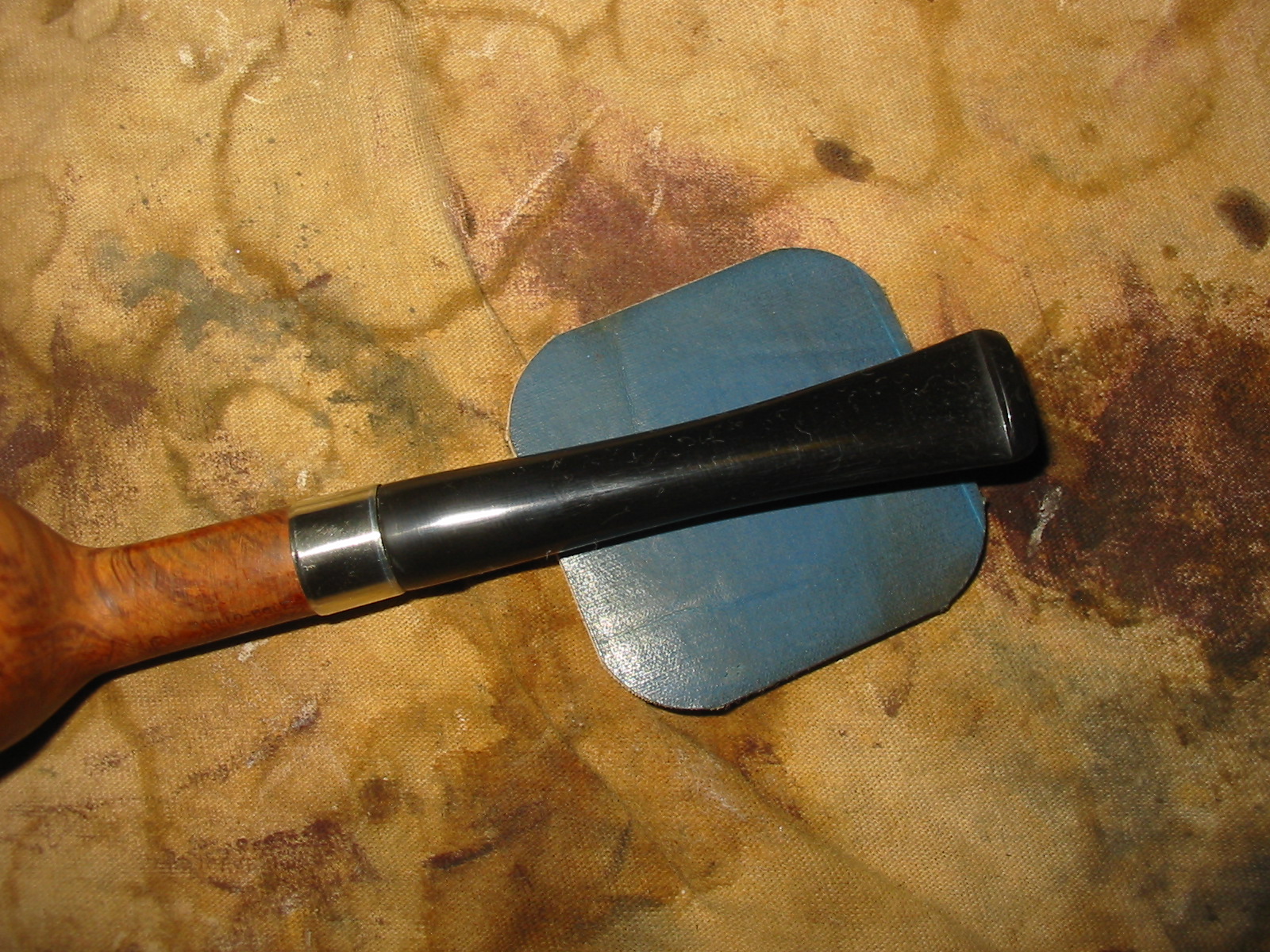
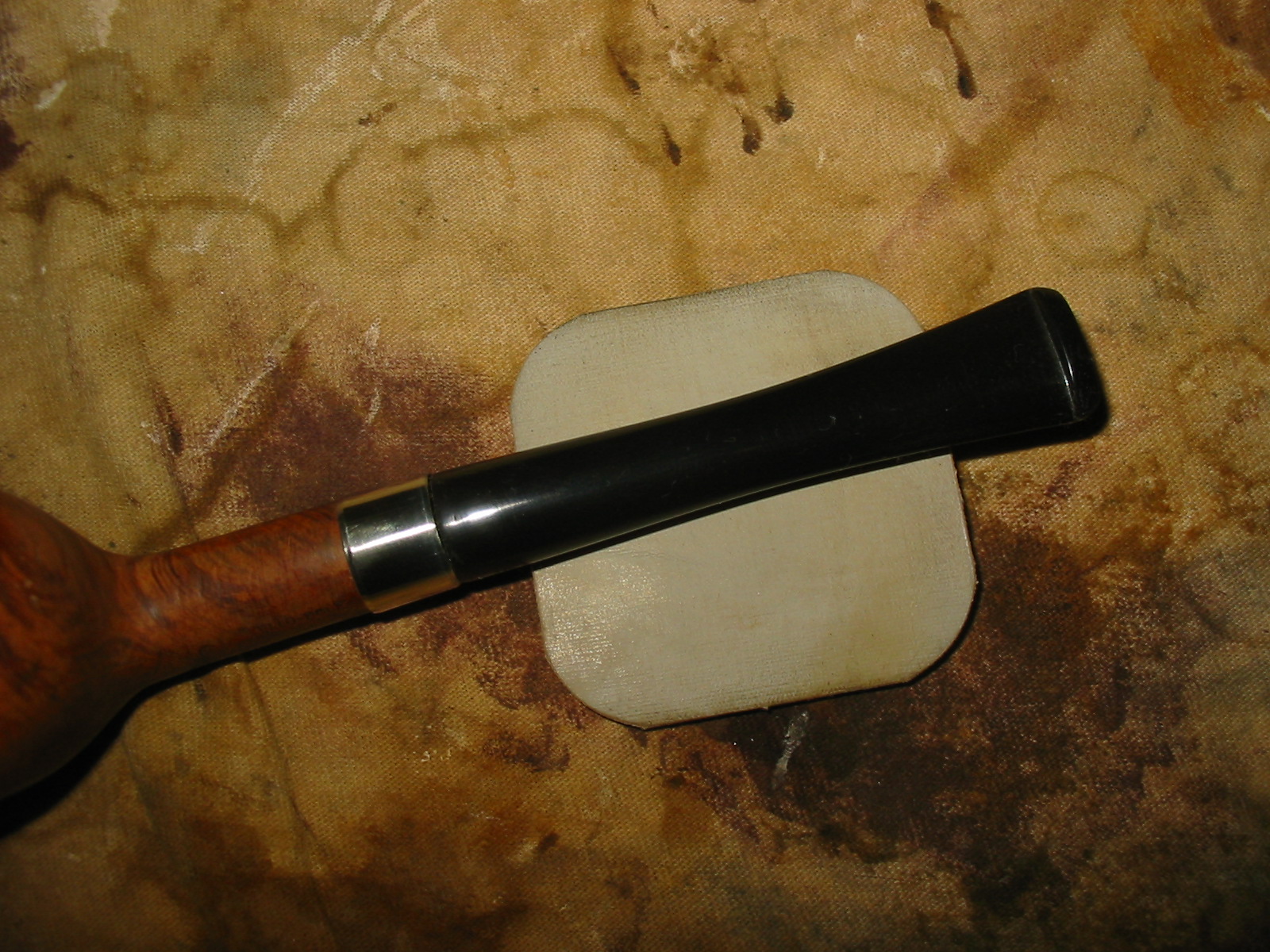
The next series of six photos show the sanding progress through the remaining grits of micromesh sanding pads – 3200, 3600, 4000, 6000, 8000 and 12,000 grits. Each picture shows the stem on top of the sanding pad that I used to sand it. I dry sand with these higher grit micromesh pads.ImageImageImageImageImageImage

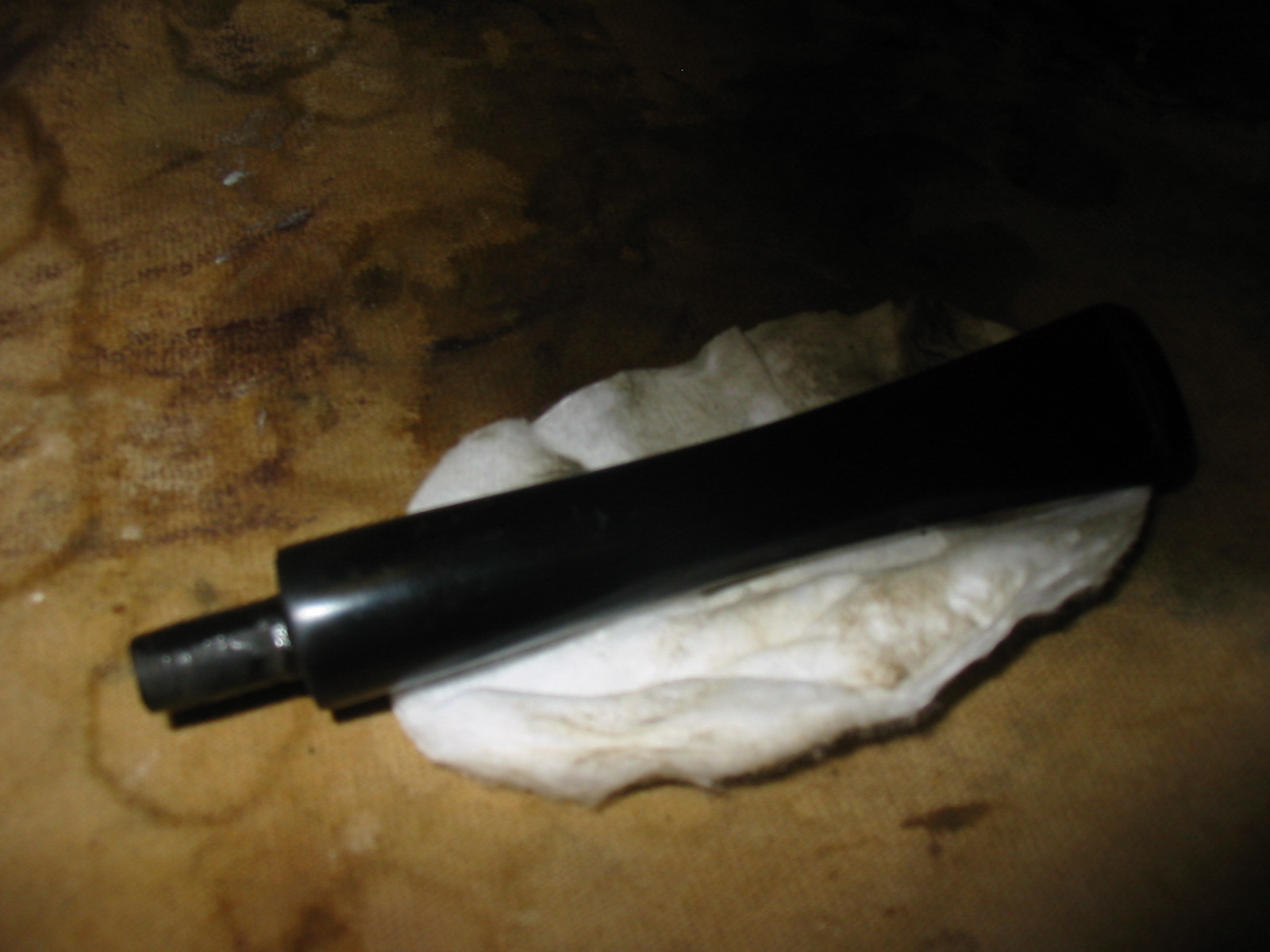
The next series of four photos show the stem after finishing the sanding and polishing it with Maguiar’s polish. There is a nice deep black shine to the stem at this point.

ImageImageImageImage

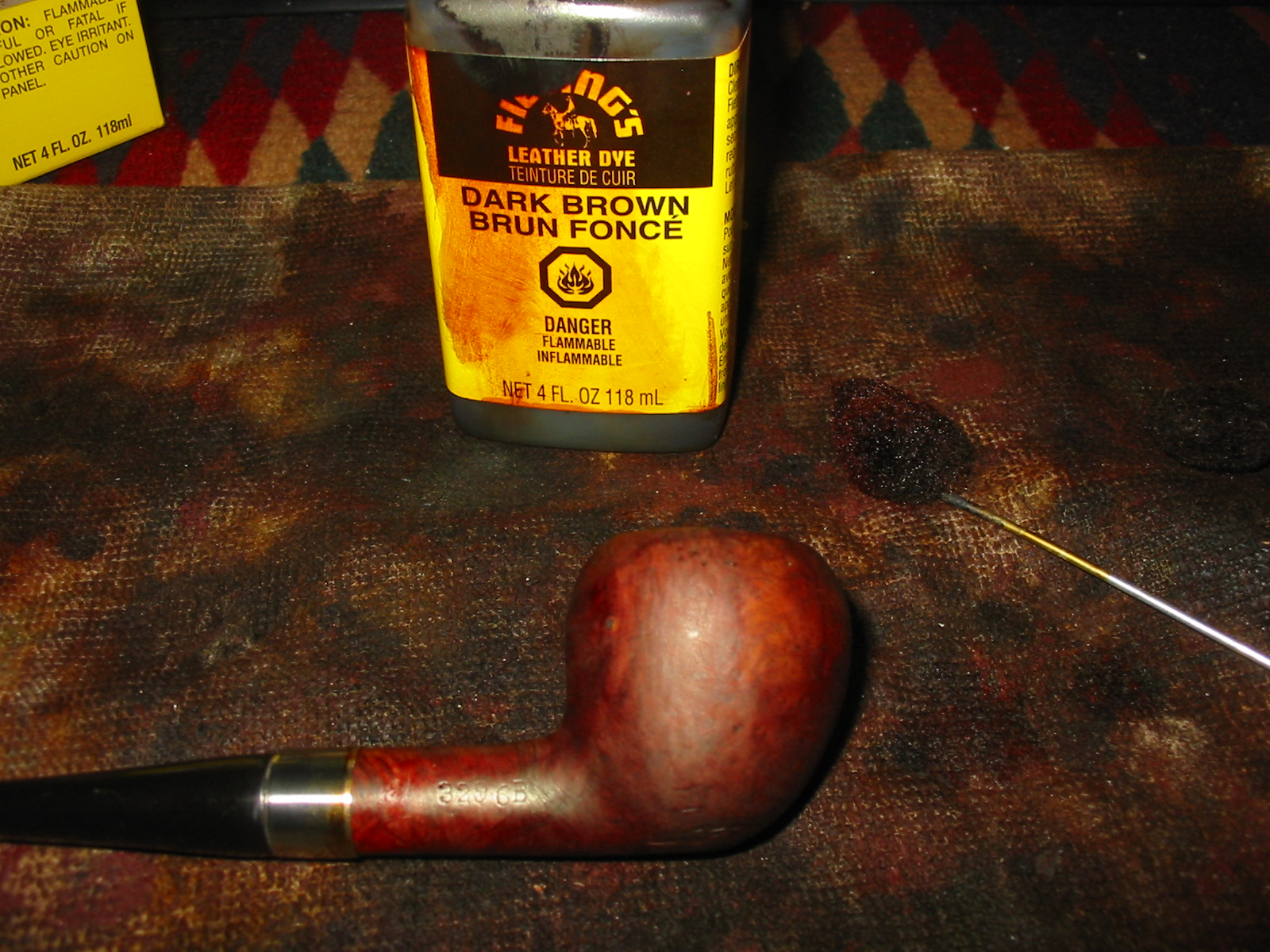
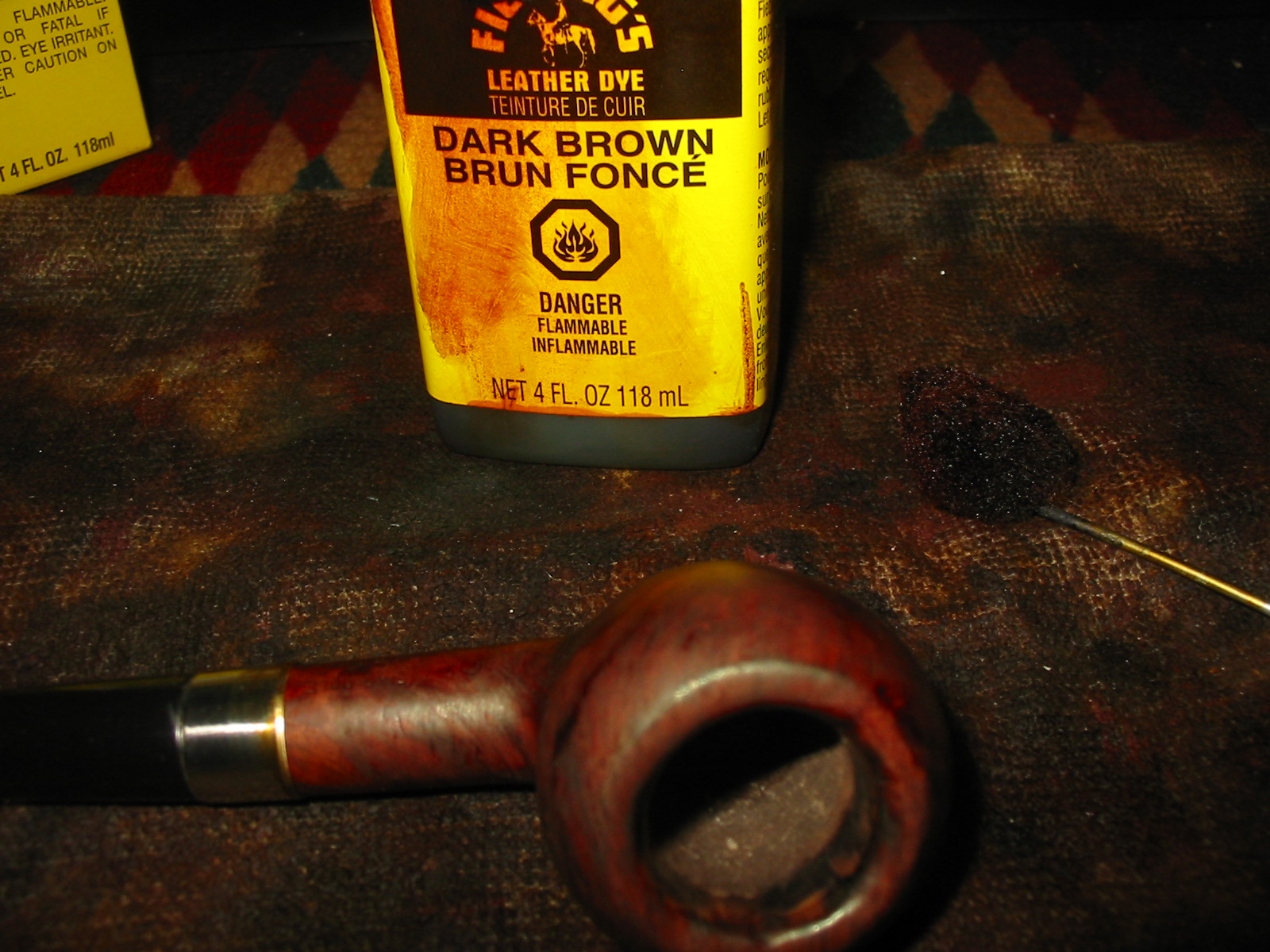
Now it was time to stain the bowl of the pipe. I used a Dark Brown aniline stain that I had thinned with isopropyl 2:1 to stain the bowl. I wanted a consistency in the colour and also have the grain on the bowl show through the stain. I applied the stain with the wool dauber that came with the stain and then flamed it with a match to set the stain. I restained it and reflamed it a second and third time. The next two photos show the stained bowl.

ImageImage

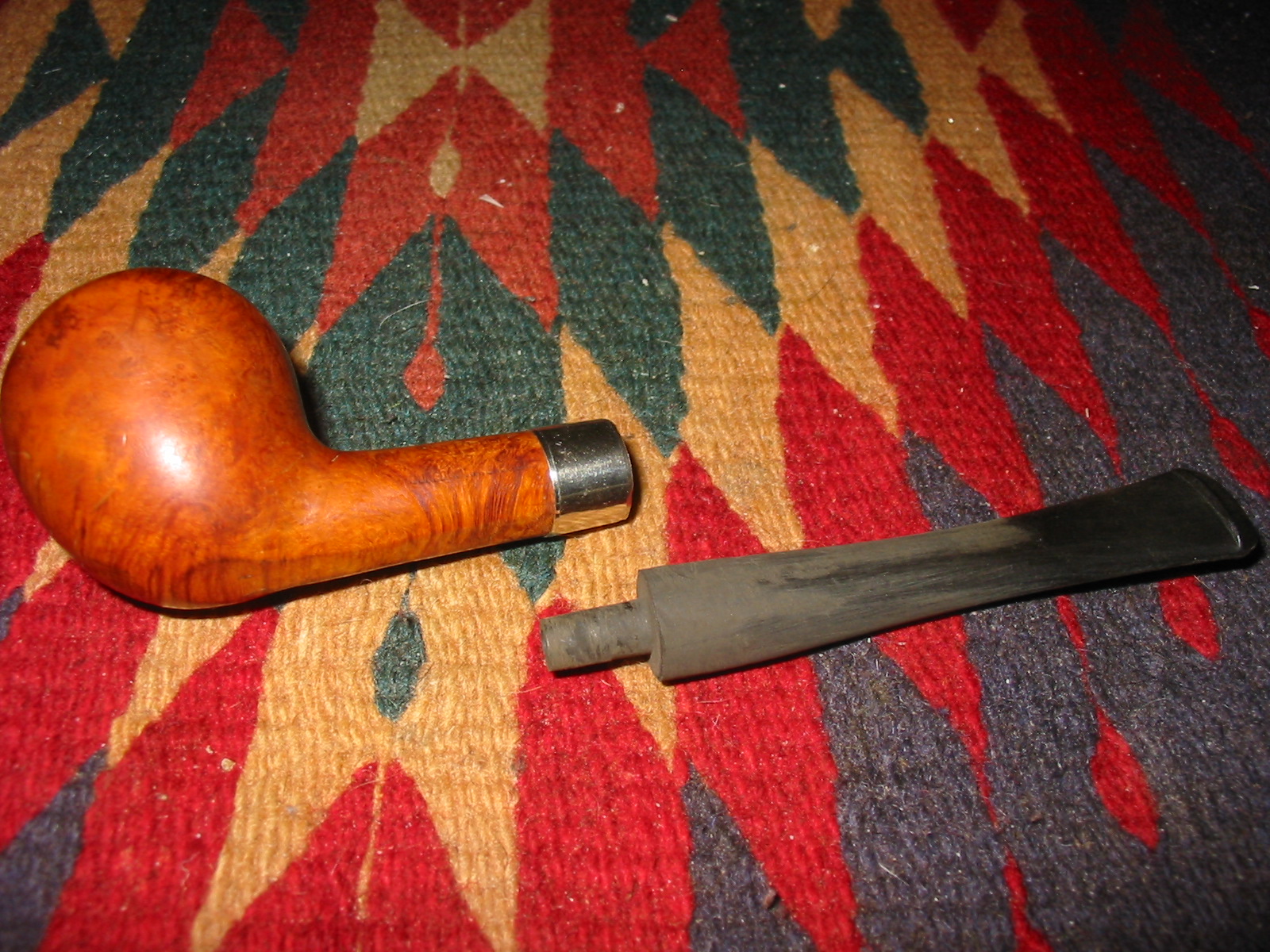
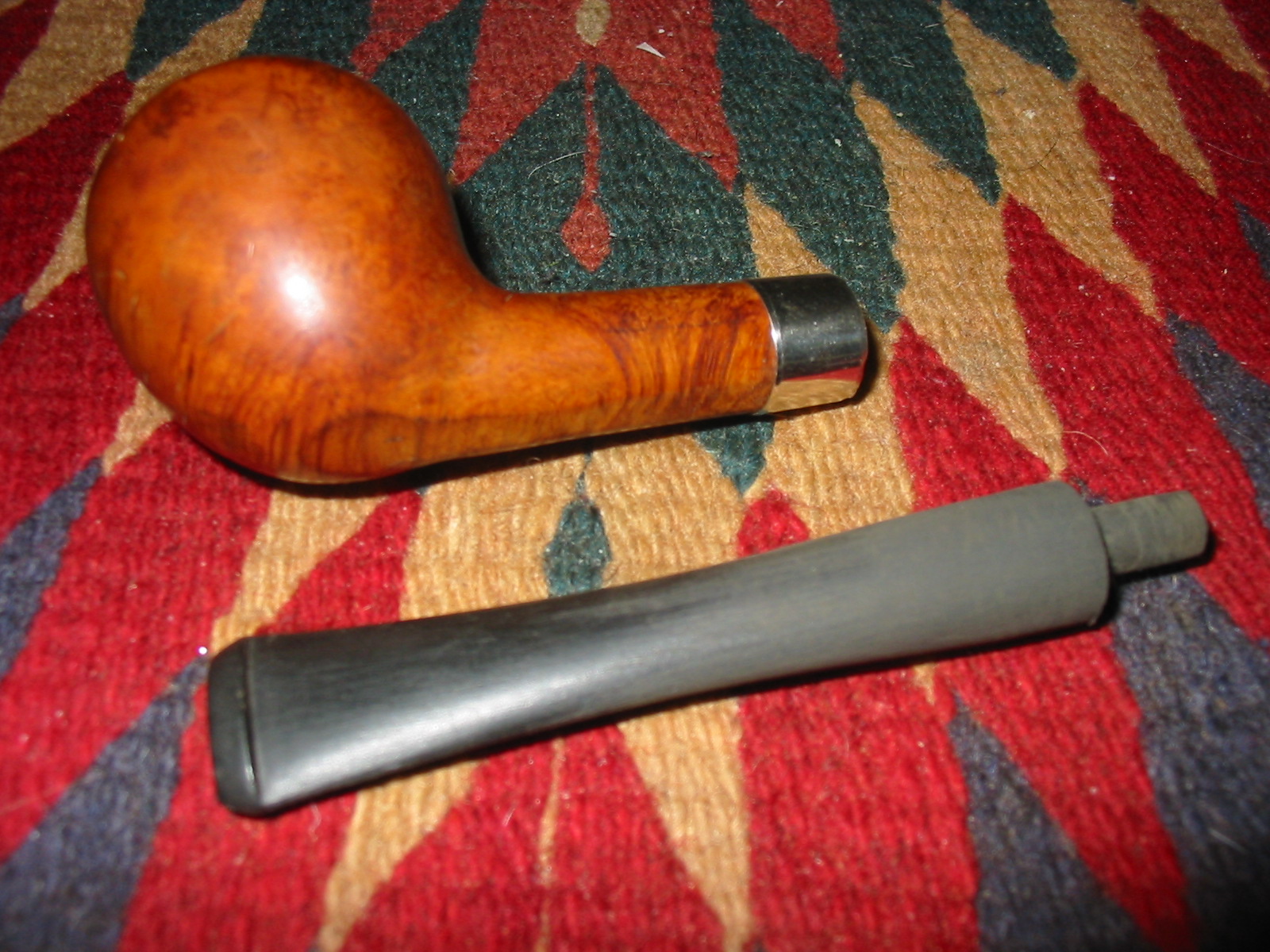
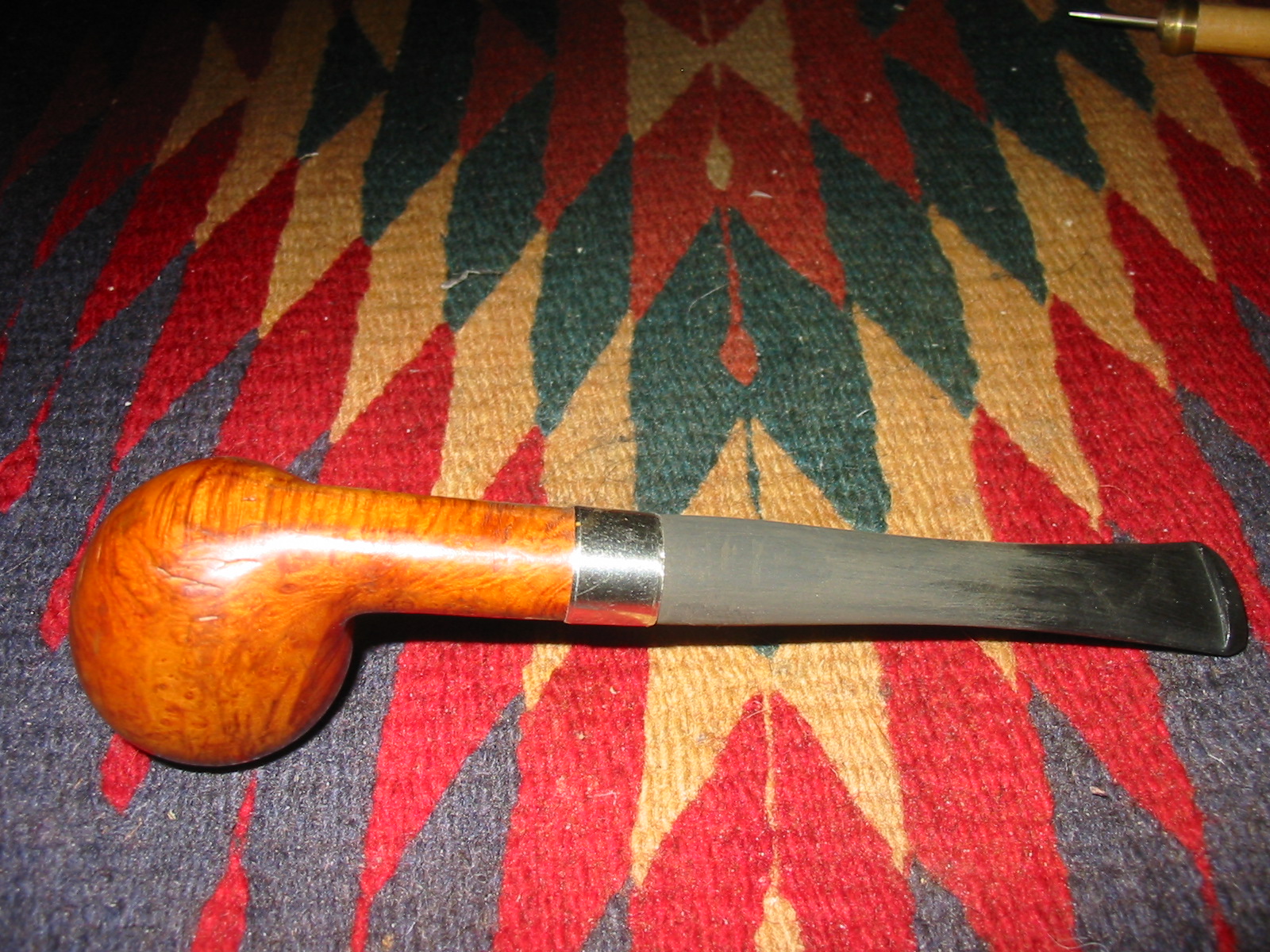
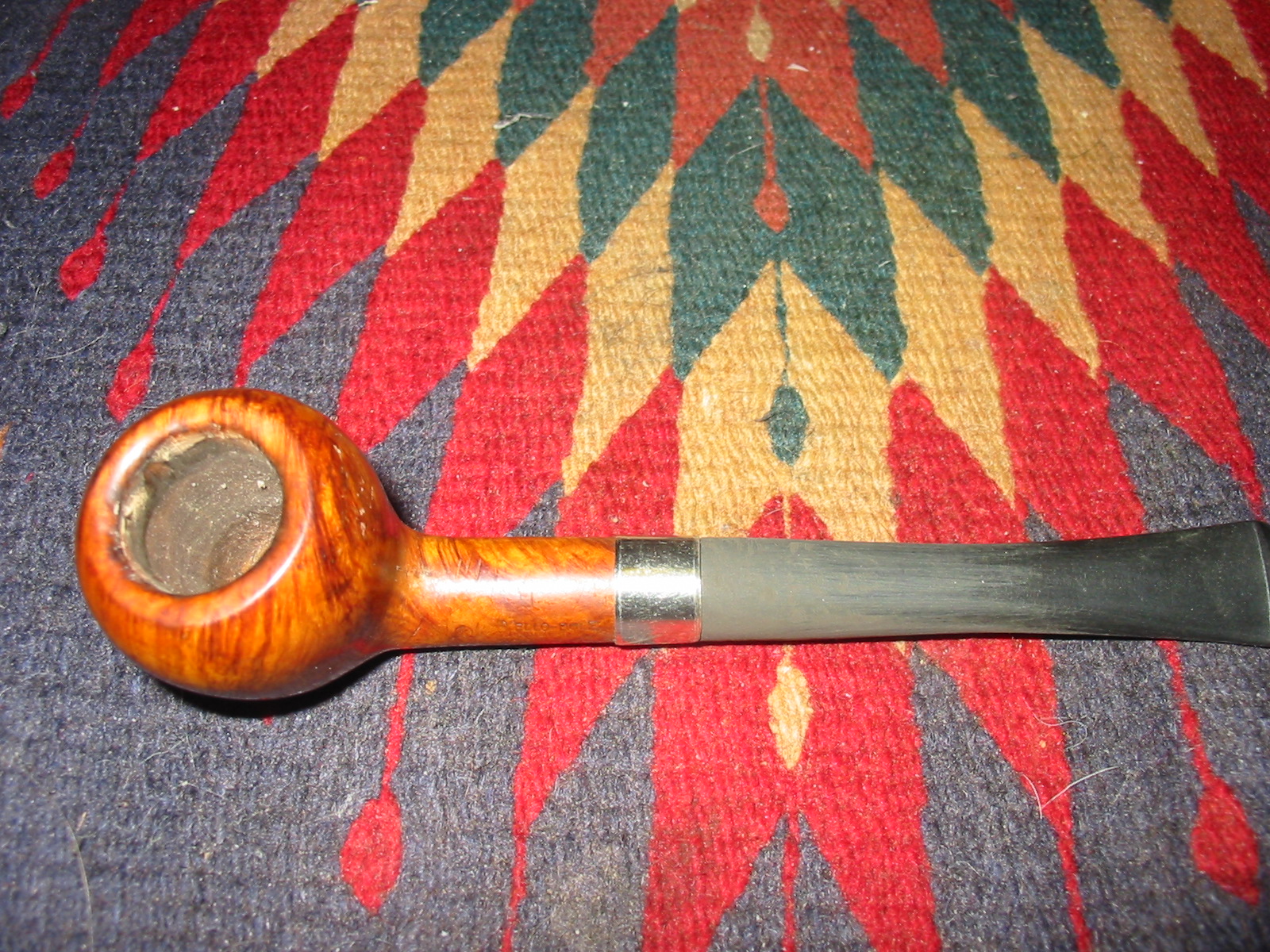
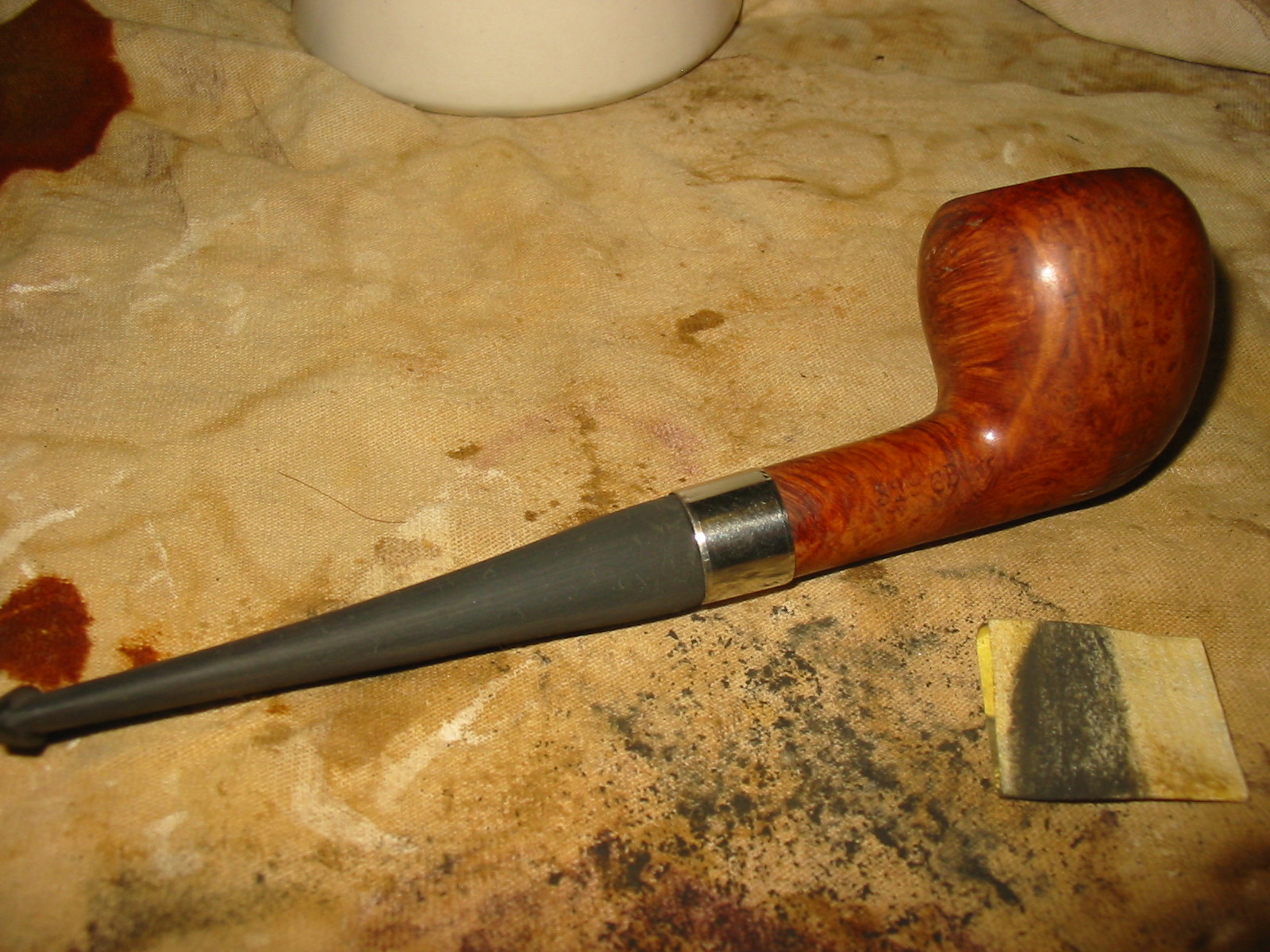
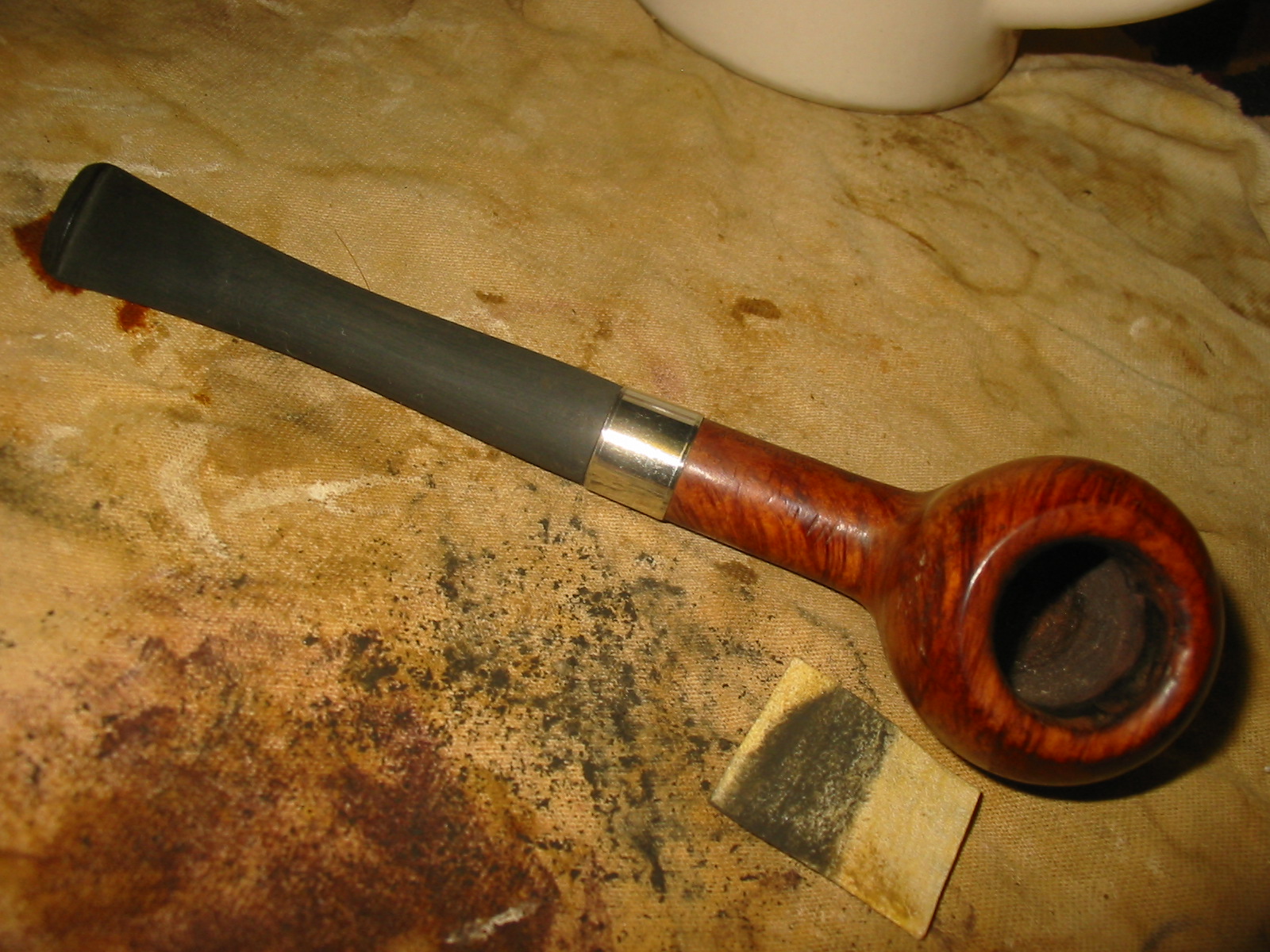
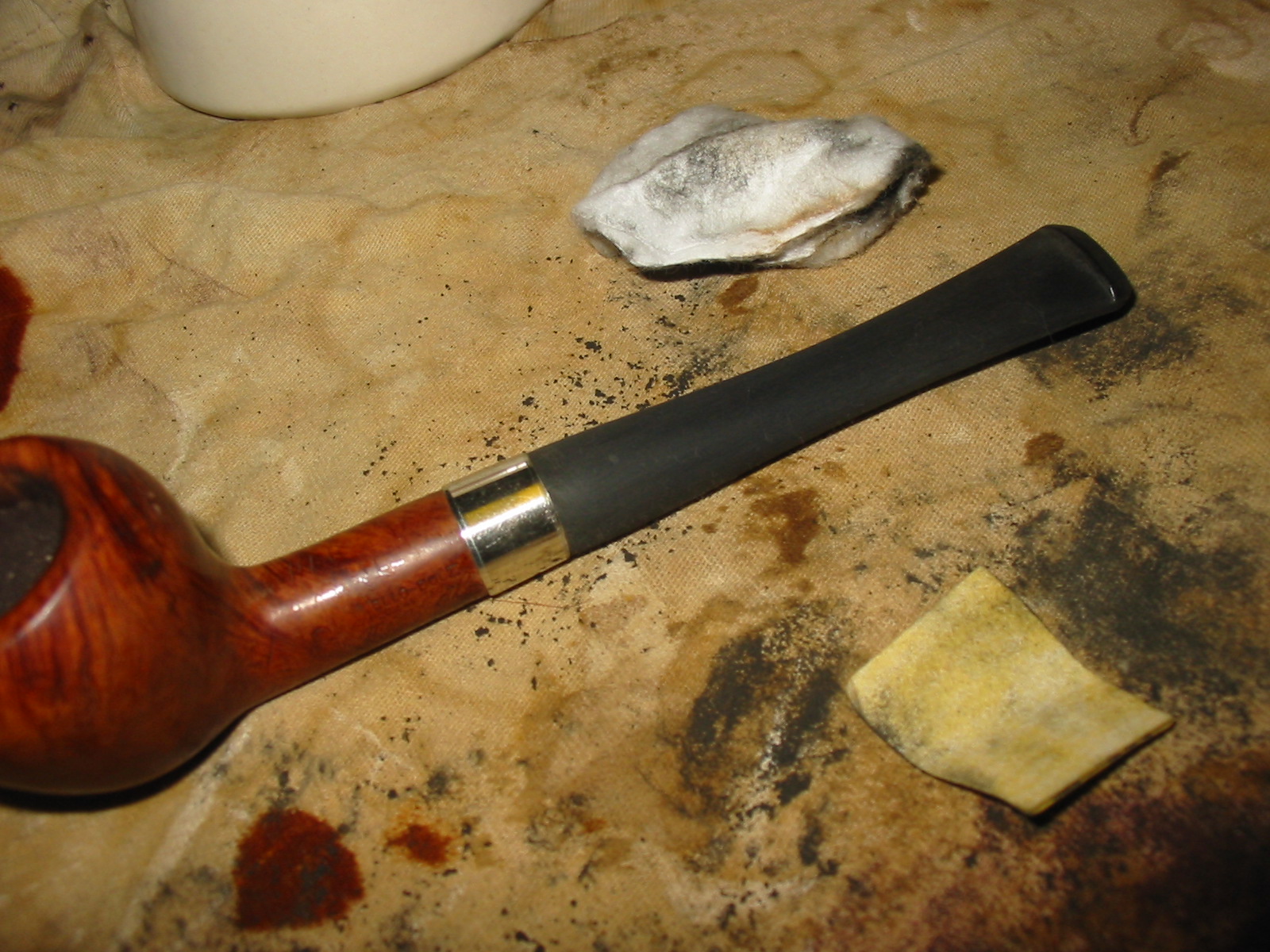
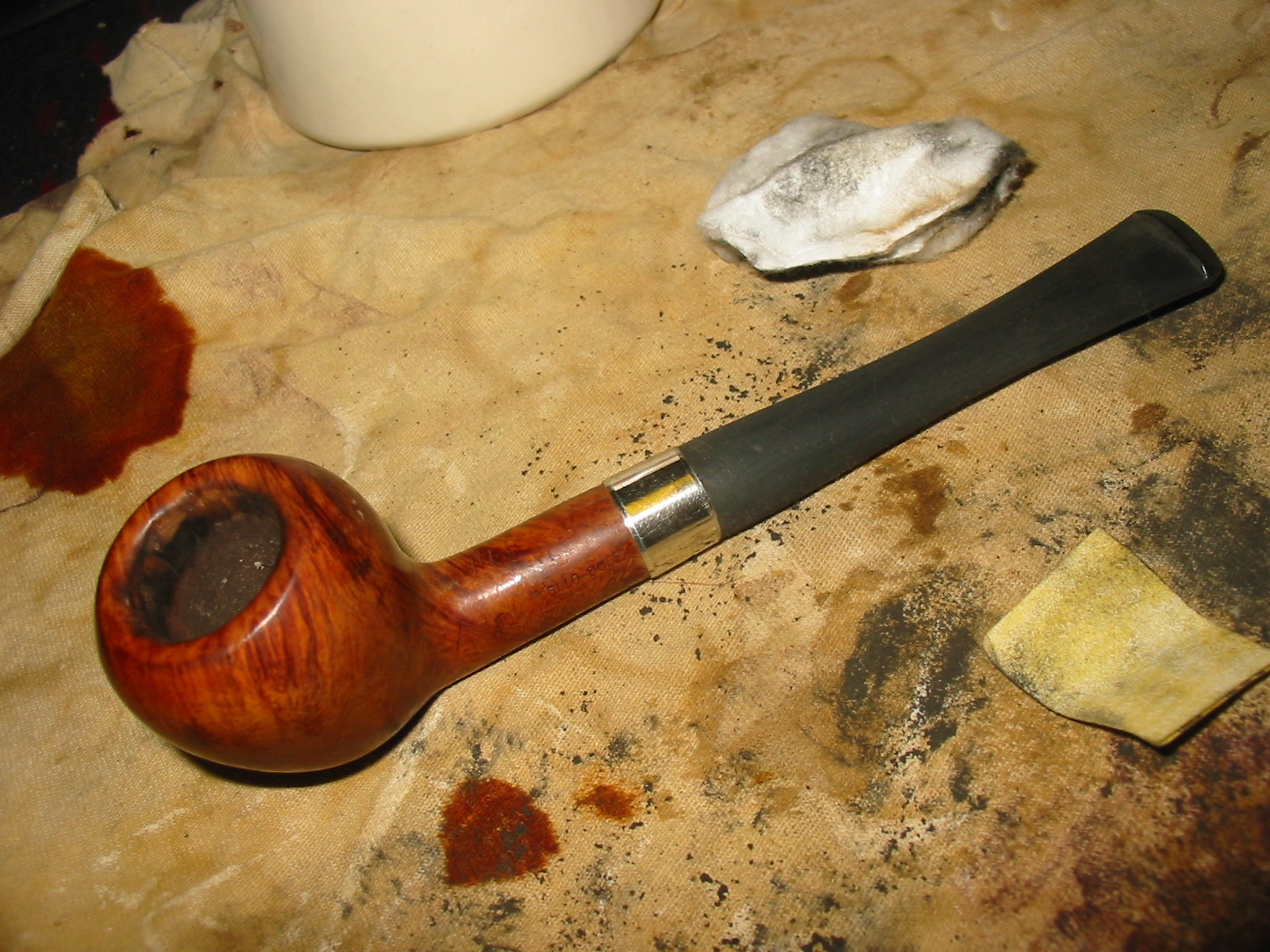
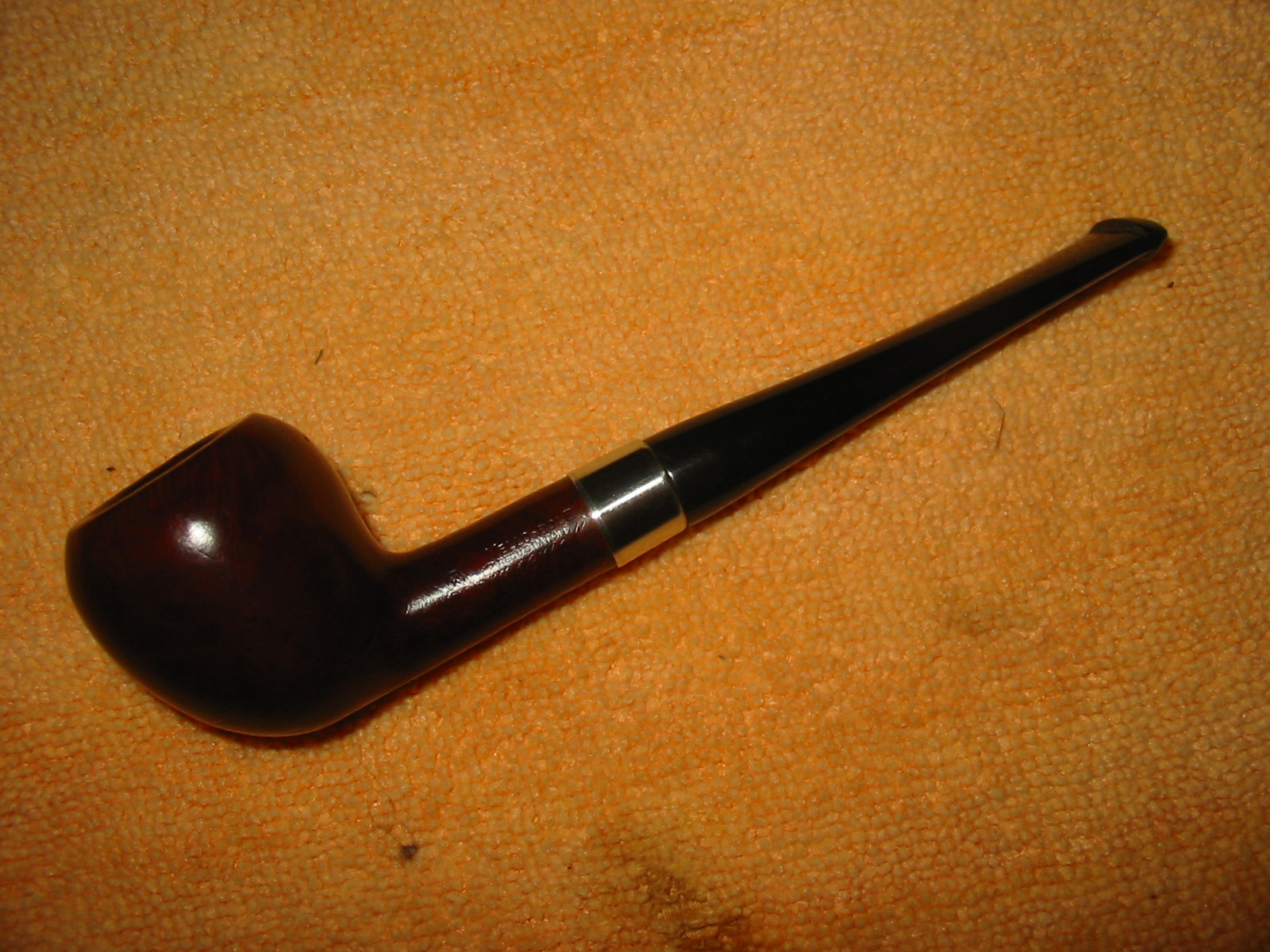
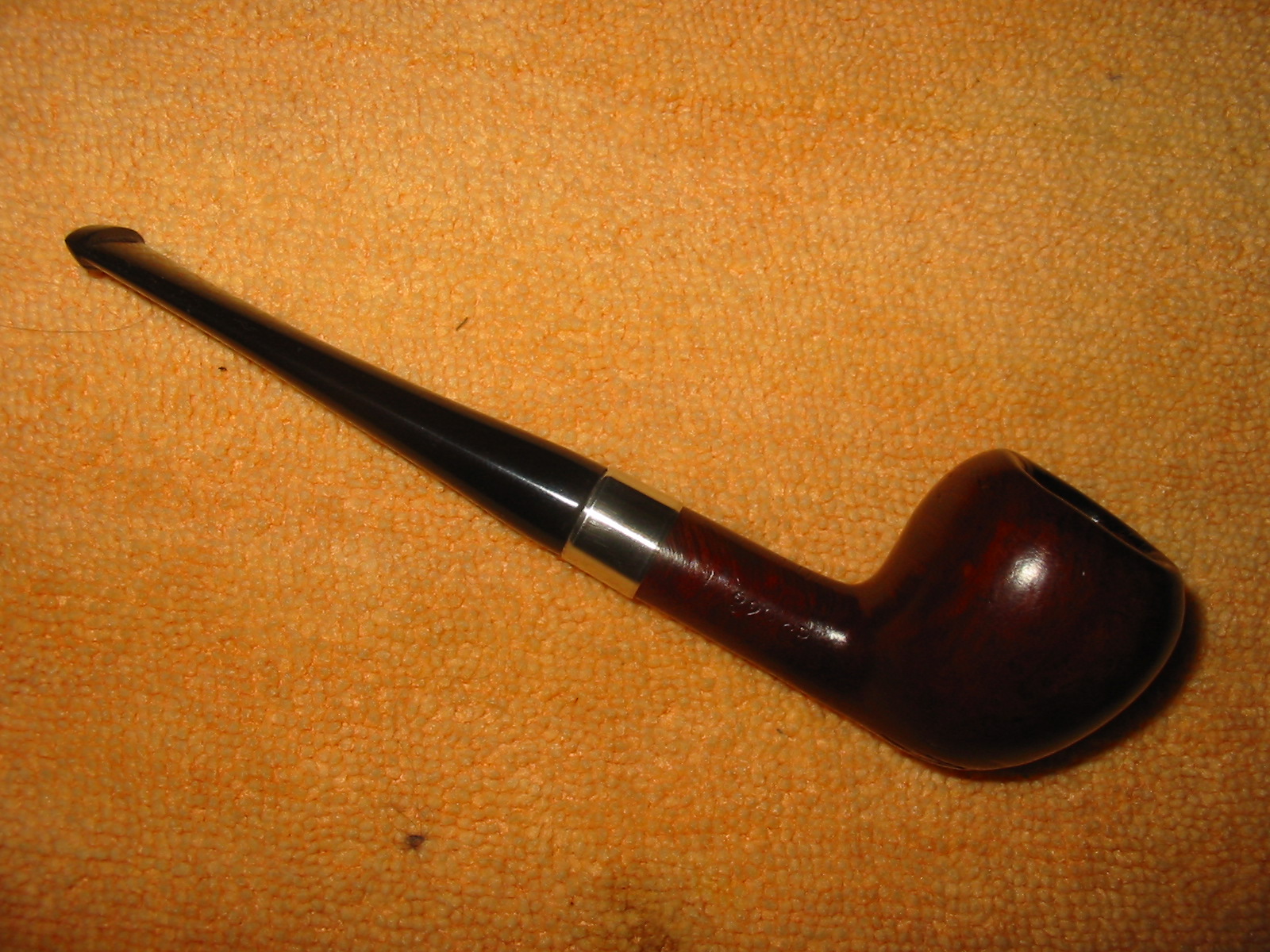
Once the stain was dry I used some silver polish on the nickel band to shine it up and remove the stain that had spilled on it. I also used some sandpaper in the bowl to remove stain that ran into the bowl edges from the beveled rim. I then took it to the buffer and buffed it with Tripoli and White Diamond before giving the whole pipe multiple coats of carnauba wax and a final buff with a clean flannel buffing wheel. The final four photos show the finished pipe.

ImageImageImageImage