Monthly Archives: June 2012

A day in Atlanta


Tuesday, Feb. 27th was a great day for me. I had flown into Atlanta the night before for work and had all day Tuesday to use as I chose. So I planned ahead and emailed my friend John and set up a visit with him. He was able to schedule a day off as well. We made a real day of it! We started the day a bit later than planned as John overslept a bit. He must have been tired but it was his day off!

John picked me up at the Crowne Plaza near the airport at about 11:00 and went straight to the home of Joyce White, of the Tobacco Supermarket. John had spoken of the fact that Joyce stocks more pipe tobacco blends than one can shake a stick (or even a FEW sticks!) at. He was right. I was like a little kid in a candy store. It was overwhelming to look not just at the sheer volume of tobacco but the number of blends that she stocks. There were tobaccos there that I had only heard about and never seen. Not only did she have stocks of tins but another room full of bulk blends from G&H, McClellands, MacBarens, and others. She also carries a full inventory of snuff and both new and estate pipes. I was in overwhelmed heaven. After the first hour I came upstairs and visited with Joyce and John and her new Basset hound puppy. Then I headed to the basement again to pick my choices. I finally settled on about a half a dozen blends, a new tamper, and a lighter.

From Joyce’s we stopped by at John’s house to drop off a few things and smoke a bowl before we went for lunch at a barbeque restaurant just around the corner from John’s house. He had introduced me to the Old South Barbecue the last time I was in Atlanta with him and I really wanted to get back there again. It was just as good as I remembered and we finished off our plates of pulled pork and chopped beef. The green beans and onion rings filled in the gaps and the sweet tea washed it down. I can only agree with John in saying that if you ever happen to visit the Atlanta area you have give the Old South Barbeque a visit.

We headed back to John’s house after a filling lunch for an after lunch smoke. We adjourned to his back patio and a couple of chairs to smoke a cigar. John fired up one of four lovely Cuban Monte Cristos I brought him (two are saved for a special cigar smoke with his dad at a later date) and I fired up a Gurkha John took out of his humidor. They were fine cigars and were a great end to the meal we had just eaten. We talked through a wide range of topics from tobaccos, cigars, books and music. We covered even a bit of politics that was enjoyable as well. It is not often you get to talk with someone who has read the things you read and listened to the things you listen to both music and lectures, and likes the same tobaccos and cigars. We enjoyed the sunshine and watching his four dogs tear around the back yard.

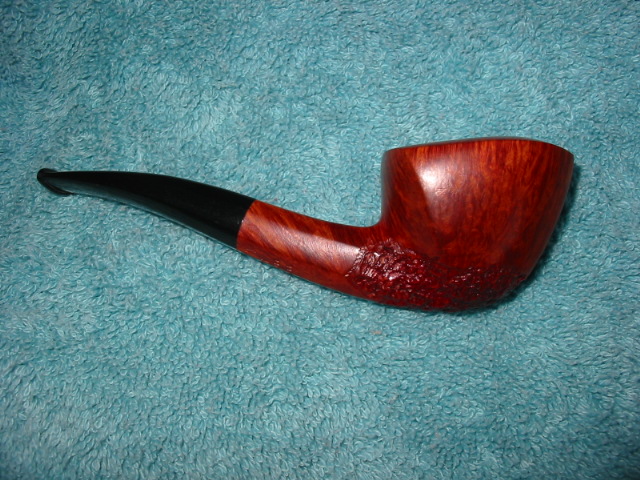
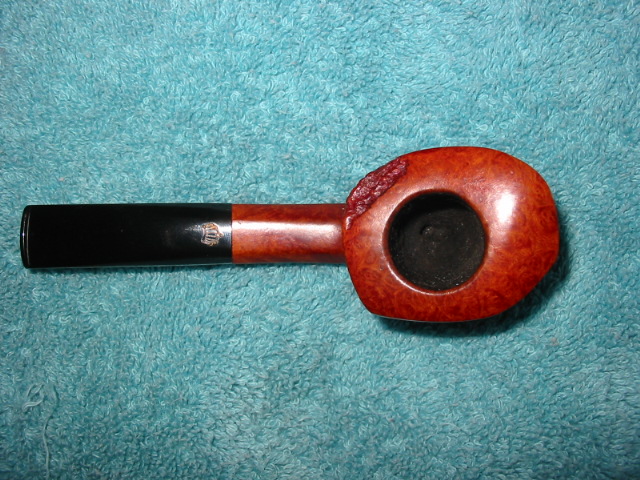
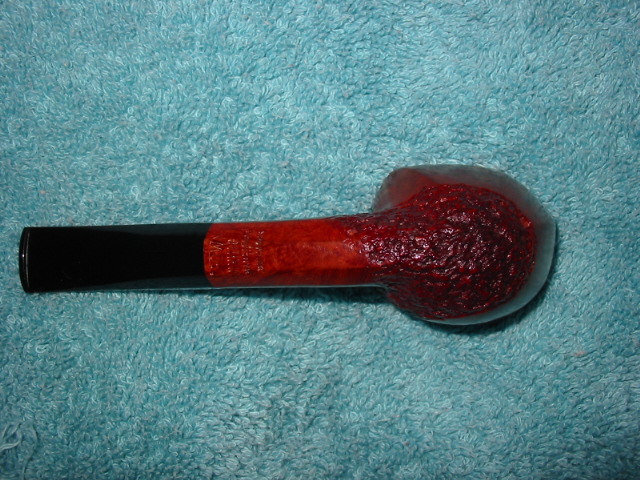
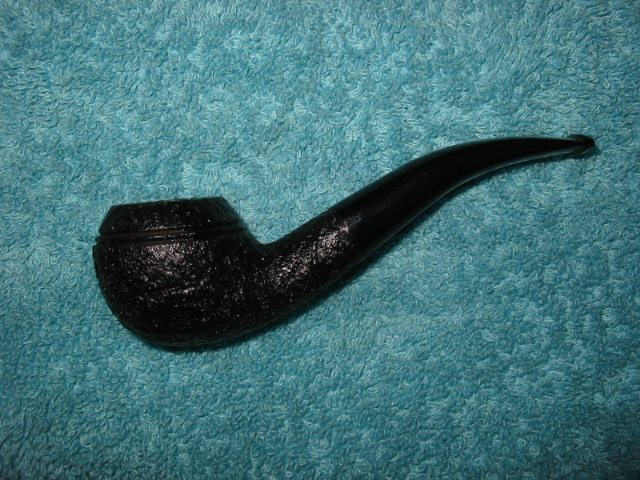
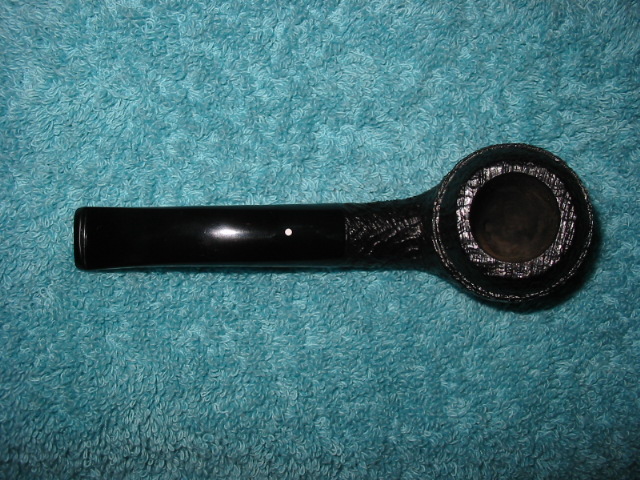
After the cigars we went back in the house. We stopped in the basement shop where John has been turning out some very unique and highly smokeable pipes. We looked over the briar stash he has going and his drill press and saws. It is a great work space and I can see that some great pipes will be coming out of that place. (In fact John writes that he has just finished another pipe – a rusticated and blasted pipe. I am looking forward to seeing pictures). During the drives about town John introduced me to the music of one of his favorite artists, Lucinda Williams. I was immediately taken by the profound poetry and music she creates. We must have listened to several cds as we drove around. So when we got upstairs he popped a DVD of her Austin City Limits performance of a few years ago into the player. As we listened and watched an outstanding performance of hers we smoked our pipes in pleasure.

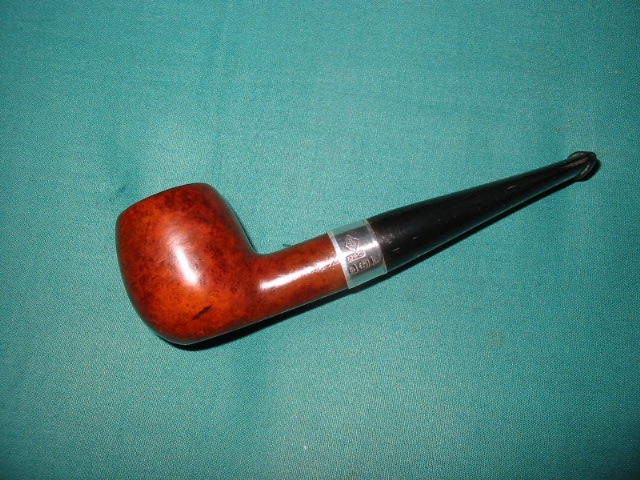
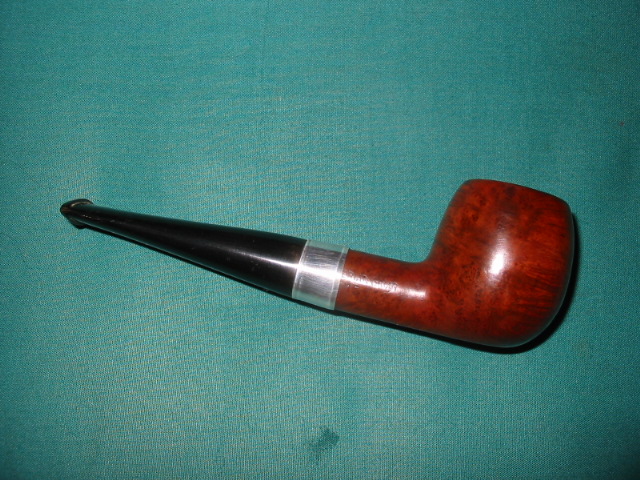
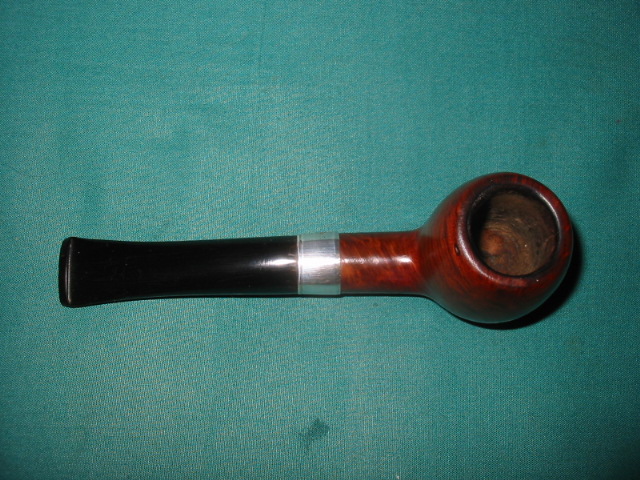
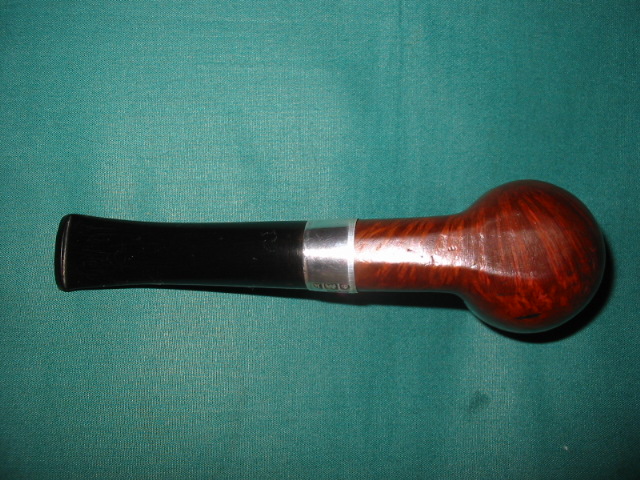
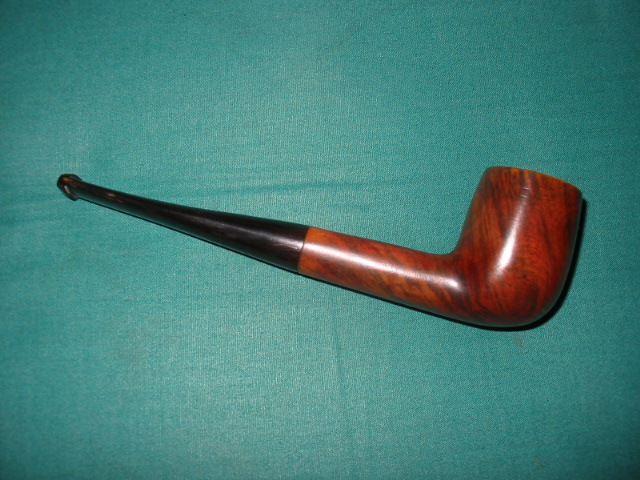
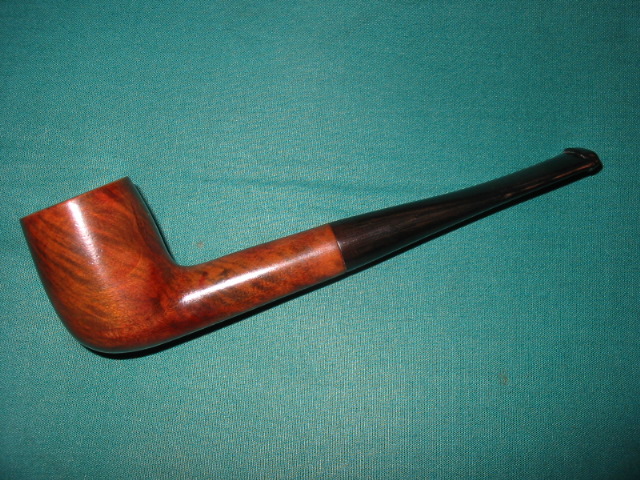
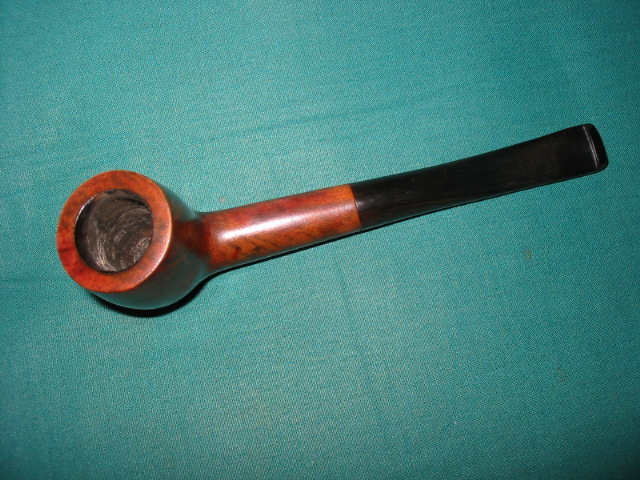
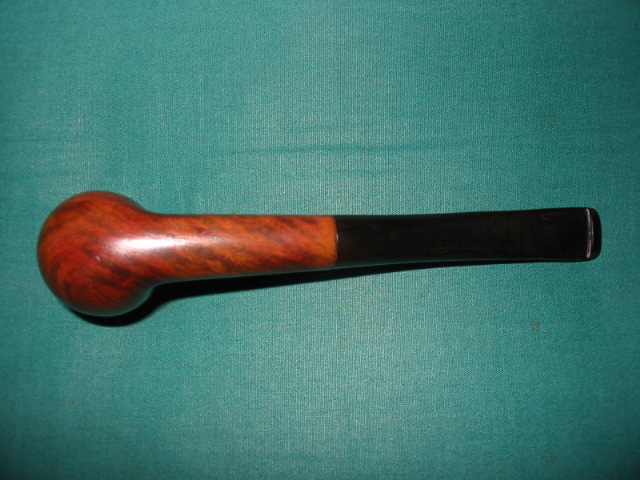
When the performance was over we made a quick trip to the grocery store to get something to cook for dinner. By the time we were back both of John’s stepsons and his wife had arrived home. We put on some classic rock and roll and John fixed some dinner – sausages, rice and green beans (seems green beans are a real Southern dish). I was still pretty stuffed from the lunch but managed to eat a bit of John’s fare. At some point in the afternoon or early evening John reached in his pipe rack and handed me a very nice Winslow Crown Viking pipe that he wanted me to have. When dinner was over I packed the Winslow and fired up a bowl and made our way to the car. Sadly, it was time to have John drive me back to the Crowne Plaza (it is near the airport, so about an hour from his house).

ImageImageImageImage

I will fondly remember this visit with my friend John and look forward to many more in the years to come. He does not need to worry about me coming to often as I only seem to get to Atlanta about once or twice a year. I thoroughly enjoyed the day with John and tip my hat to his hospitality and southern charm! Here’s to you my friend!

A Few Brief Tobacco Reviews


I am posting a few tobacco reviews that I have put together. I am fully aware that tobacco tastes are as varied as those of us who smoke pipes. However, I thought I would post these anyway as most of them are either mixtures that I have come to like or are some Irish Tobaccos that I can no longer find.

McClellands Dominican Glory + something to rescue it

The tin label says – a satisfying blend of Dominican cigar leaf and Virginias. For me this does not say it at all. It is anything but satisfying. It is a very bland blend indeed. Not enough cigar leaf to do anything for me – no taste of the cigar coming through at all. And not enough Virginia flavour to make it sweet and tangy. I just about pitched this tin awhile back. But on a whim I had an old Romeo Y Julieta Cuban Cigar here that was just a bit dry – to dry to my liking. So I crumbled it up in the tin of McClellands Dominican Glory and viola – Cuban Glory! It is a good smoke. It has been aging for almost a year now. I had forgotten about it. I took it out this afternoon and cracked the sealed Mason Jar. The sweet tang of the Virginias came through with the earthy smell of Cuban cigar just over the top of the other smells. It was the perfect moisture. I packed a bowl and lit it – no charring light necessary at all.

The first smokes in the little Argyle Bulldog were full of flavours. The Virginias came through loud and clear and the cigar leaf was very spicy and earthy throughout the smoke. The flavour seemed to careen from a nice Cuban taste to a good Virginia and back again. Then as the bowl progressed they blended together for a really nice cigary taste. This is really good. I am going to have to get some more and do it again!

Midbowl and to the end the flavours danced back and forth. The residual taste on the lips is a cigar like flavour with just a bit of Virginia Tang coming through. The smoke was good and I was ready to hit the first relight when the bowl seemed light and empty! Smoke over. The ash was a powdery white and gray. Very tasty smoke.

Garry Owen Plug 

Just finished a bowl of Garry Owen Plug from PJ Carroll of Ireland. Wow what a strong tobacco. It packs a nicotine punch that is pretty strong. Certainly one to be smoked on a full stomach after a meal. The tobacco upon opening the pouch is a cube of tightly packed nature. It is a hard block of tobacco. I scraped a bit off with my pick and filled the bowl of my pipe. The smell of the cube and the scrapings was very nice – a kind of raisiny molasses like smell. I gradually slivered enough tobacco to fill the bowl of my pipe. I was going for a walk in the rain so I fill the bowl about 3/4 full with the mixture. I fired it with a lighter and began my walk. It took two other lights to get a good burn going. The 3/4 bowl was about an hour smoke. The flavour was multidimensional and strong and dark. The vas came through with force and clarity but no bite. The tang and the sweetness of va was dominant. The nicotine sang from the get go. The burn was even and smooth. The ash was greyish white as it worked down the bowl. The taste did not change as it progressed until the bottom 1/4 of the bowl where it had a richness and smoothness that was really nice. For me this was a good smoke. I was glad I had just finished my meal though as I could feel it. No sweats or dizziness (like there could have been) just a pleasant rush. If you can find this one and you like a heavy smoke with a punch give Garry Owen a go. Thanks to Joyce at Tobacco Supermarket for the sample of yet another Irish Tobacco.

McClellands 5100 + Royal Cajun Special

A friend in the Vancouver Pipe Club gave me a small tin of a blend he put together that has as its elements two of my favourite tobaccos. The first is Mc 5100 bulk Red Virginia (very sweet and tangy and a favourite on its own) and the secone Royal Cajun Special. They are mixed 2:1 ratio. The result has been aging for awhile. Upon opening the tin, the aroma is a tangy dark smelling mix of reds and black ribbons of tobacco. The tang and sweetness of both parts is a bit like the smell in a tin of St. James Flake – tang with a bit of spice. It packs nicely in the bowl with no problems. Upon igniting the first bowl, the taste was mild, sweet and tangy. The combination of flavours assaults the tongue and mouth with full taste. I really like the fullness of taste in this one. At the back of the tongue one feels the bite of a perique like taste. That kind of peppery flavour that teases the back of the mouth. The combination of flavours and rich smoke are very good. As the smoke continues to mid bowl the taste does not lessen or reduce in its pungency and flavour. The smoke is clean and dry. The end of the bowl ends the same for me. The fine white/grey ash at the bottom of the bowl is very light and feathery. Good smoke all the way to the bottom of the bowl.

Old Virginia Flake 

Got a sample of Old Virginia Flake from a friend and fired up my first bowl this afternoon. It is a very good tobacco. Kind of reminds me of McClellands Classic Va. or Stokebye’s VA Flake that I got from Old Morris. The tobacco is a broken flake VA. Tin aroma is sweet and tangy with a hint of some kind of topping on it. Not sure what that is – may be just an added sugar topping but it is definitely present in the tin. I did not bother rubbing out the broken flakes – I tend to just stuff and light this kind of baccy. So I filled an old BBB billiard that I have and put the fire to it. I decided to catch some fleeting sunshine here in Vancouver so I sat outside the local coffee shop and smoked the bowl. From the first match the smoke was tasty. Took a few lights to get it going as it seems a bit damp. Once the fire took the smoke was very nice. After the first bit the topping disappeared from the taste and what was there was a tangy and sweet Va. The aroma from the smoke got a few positive comments from passersby. I could even smell it a bit myself and liked the aroma. The flavor was full, sweet and rich. As the smoke progress down the bowl, I was left with the richness of a good Va, no topping taste at all. The bottom half of the bowl was just as flavorful and when it was over I was sad to see it end. The remnant was a fine white ash and no real dottle to speak of.

PJ Carroll’s Maltan Rich Dark Flake

One of the tobaccos that I got in Atlanta from Joyce at the tobacco supermarket was a 25gram pouch of Maltan. It is an Irish Tobacco. The pouch aroma is a bit floral – kind of a Lakeland type scent, oddly like perfume of some sort. Generally I find this off putting, but in this case persevered. The cut is a fine ribbon cut that the package identifies as Ready Rubbed. To me it is just finally cut very similar in cut to G&H Dark Birds Eye. Tobacco Reviews notes the following: A traditional finer cut Irish Virginia ready rubbed flake. A mixture of mahogany leaf selected for richness of flavour and taste. Slowly pressed to harmonise the natural flavours of matured tobacco grades. Cut, steamed and dried to give a long-stranded, soft and warm coloured appearance. Full aroma with a medium burning rate ideal for small bowled pipes.

The description is what made me press on. It packs very easily into the bowl and lights without problems. It burns evenly and cleanly with no clinging goopiness of wetness. The ash left is soft grey and light. Burned to the bottom of the bowl with no problem. For me the test would be to see if that floral lakeland flavour clung to the tobacco all the way through. Thankfully it did not. Within the first few moments of the smoke that was gone and a rich flavourful Virginia taste was in its place. As the tobacco burned down the bowl the taste intensified in its richness and fulness. Steaming process used in this one does what I have found always happens with Vas and that is that the flavorful is deeper and fuller. It is also a bit muddier and melded. The usual multidimensional flavours of Vas. was not as distinguishable. If you can get ahold of some of this go for it. Ignore the floral scent and fire a bowl up. It is quickly gone and you will get a rich tasting virgina!

MacBaren’s HH Vintage Syrian

MacBarens says this about it on the package write up: A little under half of the volume is a smooth, and yet powerful Latakia from Syria. This tobacco gives the blend the overall “smoky” taste. To add a spicy note to the blend, Turkish Oriental has been added. Different Virginia tobaccos from three continents add a sweet natural taste. To complete the taste with depth and body we added some Dark Fired Kentucky from the USA.

The pouch aroma is complex – I can smell the Latakias, the pungent Oriental, and the sweet Virginia. I cannot smell any of the “usual MacBarens topping”. That is good! The blend is the right moisture content and packs very easily. It lights with one burn- no charring light necessary. The flavour from the beginning is a nice mouthful of flavours that all come out through out the taste. The smoke in the room note is not too bad (maybe a Latakia that I can smoke in the house with the women in my life). The flavour is complex and enjoyable. It shifts and changes as the bowl progresses. One minute the Latakia is dominant, then I feel the dry tang of the Oriental come through at the edges of the tongue. The sweet Virginia tang is underneath and the Kentucky burley adds a nuttiness and body to the taste. This is a good smoke.

The last half of the bowl is equally good. The flavours shift back and forth just as they did in the first half of the bowl. I like this one. I think it is one I will go back to again and again. I am primarily a Virginia and Va/Per smoker so this is a great transition blend to me. Pungent yet sweet! I like this far better than the HH Vintage Virgina which I found monochromatic in flavour.

C&D After Hours Flake

Just finished a full bowl of this flake. It is a blend of Red and Bright Virginias pressed with spiced rum and sliced into flakes. The smell is that of sweet Red Virginias and the taste is full and hearty. I smoked it in the new Howell Handmade Acorn which has a great bowl for flakes. It gives a sweet and flavourful smoke to the bottom of the bowl with no dottle. Clean light grey ash. On first light the Va flavour is there and the sweetness hits the lips and tongue. Even after the bowl that sweetness carries on in the mouth. The room note is pleasant and sweet. The flake is not one dimensional but quite varied throughout the bowl. I for one cannot taste the spiced rum (it is different in taste say than a Navy Flake). I usually find C&D tobacs a bit green to my liking but this one is a keeper. It is just enough different from my other usual Vas that it is to my liking.

Bell’s Three Nuns

I picked up an old tin of this on one of my roamings through antique shops. It was in nice shape and unopened… or so I thought when I bought it for $10 or so. Well earlier I opened the tin and it was the original coins or tobacco with the perique in the middle. The tobacco was absolutely bone dry. It smelled dry and dusty. In comparison to the sample of this old timer I got to try from a friend, this one looked anemic. I removed it from the tin and slowly rehydrated it over two weeks with distilled water. Today it was absolutely perfect for smoking. The moisture level was perfect and the tobacco had a nice tin aroma once more. Whew — I thought this one was going to be toast.

I stuffed a stack of coins in the bowl of the old BBB Own Make 1919 pipe I just finished up. The smell of the tobacco in the tin was good aged Virginia with a bit of perique tang in the nose as I smelled it. It fired quickly and easily and the first tastes of this old tobacco was wonderful. From my guess it is about a 60’s vintage tin. The virginias were mellow and sweet with the characteristic Va tang in the taste. There was absolutely no bite in this one. The peppery overtones of perique hit the back of my mouth with its spice. Very smooth and mellow as the bowl progressed to mid bowl. Very even smoke – tastes the same through the bowl. The flavour deepens and the perique spice becomes a bit more prominent as it moves toward the bottom of the bowl. The room note was also a nice soft Va smell. Though even there you smell a bit of perique. The bowl was smooth to the end. No bite no problems – bowl just came to and end to soon. The ash was light grey and dry. Great smoke.

GLP Key Largo

Key Largo is a blend of Red Virginia, Izmir, Cyprus, Latakia, and Cigar leaf. It is a smokey and spicy smelling tobacco in the bag. It is a flake that by the time the airport security was finished with it at Ohare is now broken flake. I put it to flame and it burned very easily. The smoke was thick and cloudy but tasted good from first light. I can definitely taste the sweetness of the Red Virginia coming out through out the smoke. The Izmir gives an oriental dryness in the mouth (I don’t know how to describe it other than that. Kind of like a bit of tartar on the tongue). The latakia is there and predominant throughout the smoke but tasty and smokey. I am assuming that the latakia is Cyprian. It is a nice smoke. I will have to get some more of this one. The bowl burned clean and dry to the bottom. The ash was a light grey and left no dottle. Very tasty. I smoked in a Jack Howell Acorn.

Reworked Old Apple


Blog by Steve Laug

I had this old apple with very faint stamping that looked like it could have been stamped Edwards but not clear. I decided yesterday to rework it. The old stem had a split in the button and was shot. I decided to fit a new stem for it. I reamed and cleaned the bowl and fit the stem. While I worked on the stem I dropped the bowl in my alcohol bath for an hour. Once it was done I sanded the bowl and cleaned it some more. There were a couple of spots on it where small fills had fallen out so put some briar dust in them and then a spot of super glue. Once dry I sanded them smooth so that the stain would take around and in them. I put the stem on and stained the bowl with an oxblood stain as I figured that would match what was originally on the pipe. Once it was all polished it reminded me of an old timer that I had seen and been hunting for – a straight shanked BBB apple. Well that got me thinking and I dug through my box of bands and sure enough I had an old BBB silver band hallmarked 1909 that fit perfectly. The stem and pipe look older so the band added some more age to it. I really like the final look of this one.

Before pictures:
ImageImage

And the finished pipe:
ImageImageImageImage

Unique old pipe – “The Rubywood”


Blog by Steve Laug

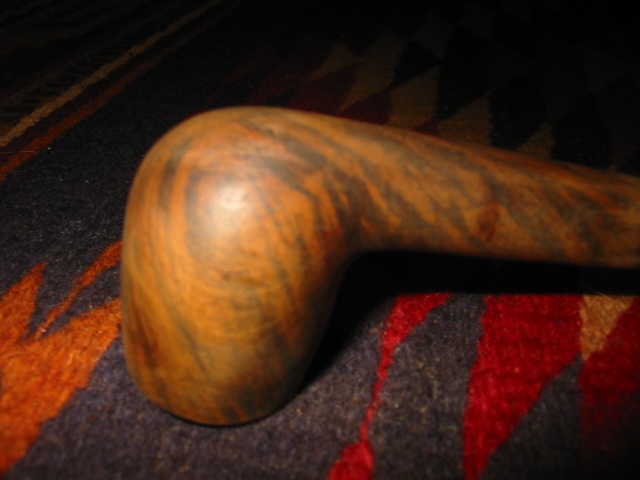
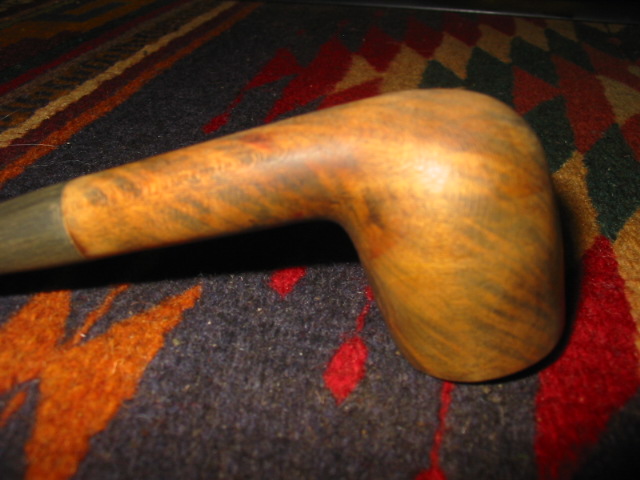
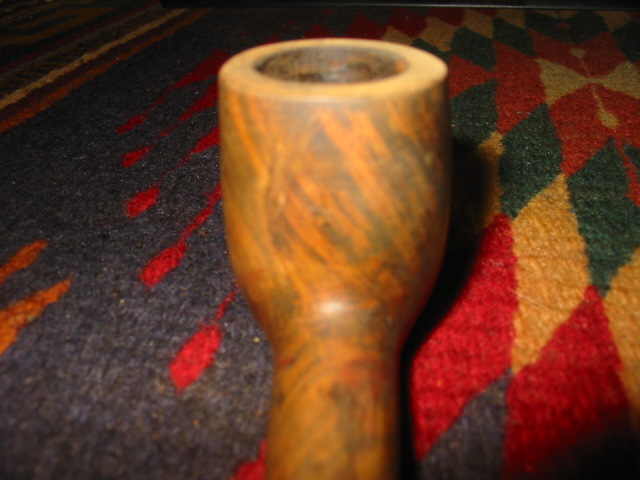
I enjoy working with alternative woods that over the years have been used in pipes. I have worked with pear wood, cherry, walnut, manzanita and mountain laurel. But last evening I finished restoring an old pipe that revealed more than I expected as I worked away the old finish. It became more than speculation that I was not working with briar. It was too light in weight and just felt different. Once the black grime was gone I could see graining that was very different. The pipe is stamped “the Rubywood” that is all. I researched a bit and found that ruby wood is red sandal wood that is very hard and used for fine furniture. I don’t know about that but this is amazing looking wood. It has dark graining that is deep and then swirls that go through the grain as well. There are dark spots of ruby/red colouration that have come out in the refinishing. I turned the tenon and fit a stem for this one. Then restained it with an oxblood stain to highlight the natural reddness of the pipe.

Here are some pictures of the wood with the finish removed.
Image

Here are some pictures of the refinished pipe:

I wondered about toxicity of the wood so I posted it on Smokers Forums to see if anyone knew about this wood. I got this reponse from a friend there:
“I found quite a few pipes (made in China and India) made from Red Sandal Wood. Apparently parts of the tree are used in herbal medicine. Heck, if it gets rid of wrinkles I wouldn’t mind smoking that pipe

Pterocarpus Santalinus Uses : It is an astringent and a cooling agent and is used in several skincare preparations. It is used in the treatment of pimples, acne, wrinkles etc. It us also used internally in chronic bronchitis, gonorrhoea and gleet, chronic cystitis with benzoic and boric acids. Much used as a perfume for different purposes. The wood is used for making fancy articles and is much carved. It has been used in Ayurvedic medicine as an anti-septic, wound healing agent and anti-acne treatment. A paste of the wood is used as a cooling external application for inflammations and headache. A decoction of fruit is used as an astringent tonic in chronic dysentery.”

Thanks for looking.

Removing Oxidization on Vulcanite Stems


Blog by Steve Laug

In May 2011 I started a thread on Smoker’s Forums asking people how they dealt with oxidation on vulcanite stems. Many of the members of the Forums responded in the ongoing posts to that thread. Unfortunately that thread and others were lost when the Forums were attacked and decimated. I collected their answers and compiled them into the document that became the basis for this blog post.

For this blog I have rewritten the first document and clarified my explanations. I have followed the same format for reporting the various methods I gathered. I have arranged them according to the main component in the process. As you read them you will note that several of the categories overlap and are combined in the processes. I have found that there is no one method for removing oxidation. I have used one or all of the methods below in combinations to conquer the dreadful browning of the vulcanite stem. Hopefully this document will prove to be a helpful reference to those who venture into the realm of cleaning and polishing stems. Please remember that the methods below are to be used at the risk of the amateur pipe “refurbisher”!

The first step in breaking down the responses to my initial post involved organizing the respondents into two broad categories regarding the use of a presoak or not using a presoak. From there both groups went on to use micro mesh pads or sand paper in their work on the stems. There are two main pre-soaks that are used to begin the process of removing oxidation – Bleach and OxyClean. Interestingly there were also two additional pre-soaks that have been used by the respondents – Goo Gone and Simply Green. All of the methods have adherents that swear by their choice. In each of the categories below I will summarize the methodology and give a basic explanation of the process.

PRESOAKING

Bleach Soak
Mix bleach and water (50/50) to remove the oxidation. Use a pint jar or a bowl that allows you to reach in to remove the stem once it is finished. I insert a pipe cleaner in the stem and bend it into a hook that I can hang on the side of the bowl or jar. I then coat any stamping or logo symbols with Vaseline to protect them from the bleach. The stem is immersed in the mixture and allowed to sit for differing amounts of time until the oxidation is removed.  Note that this mix, no matter the strength, does cause pitting or roughening to the surface of the stem. Sand and buff the stem with Tripoli and White Diamond.

OxyClean Method
Mix a scoop of OxyClean in a pint jar of hot water, put the lid on and shake vigorously to mix the solution. The water should be deep enough to completely cover the stems that are put in the jar. Soak the stems in OxyClean and hot water for 30 minutes to 1 hour and then use micromesh pads to remove softened oxidation. Repeat this as often as necessary in the process. Then it takes a trip to the buffer. Note that the mixture does not remove the oxidation but merely softens it making it easier to remove with the buffer and sanding. I have tried various strengths of mixture and the single scoop seems to be a perfect mixture for how I use it.

Goo Gone Method
Goo Gone is applied to the stem either after soaking in bleach or OxiClean or is used without the prior soaking. Once the Goo Gone is dry the stems are sanded to remove the softened oxidation. Then the stems are taken to the buffer or are sanded to finish removing the oxidation. Once that is done wax is applied to protect the newly cleaned stem.

Simple Green Method                                                                                                         Simple Green is mixed with water and placed in a jar, placed in the jar full strength or wiped onto the stem with a cloth. If the stem is left to soak it usually soaks for an hour or more and then rinsed off and buffed. If wiped on it is wiped on and off until the oxidation is gone. The stem is resoaked or rewiped as often as necessary to complete the project. Once done the stem is buffed with Red Tripoli, White Diamond and then waxed to protect the newly cleaned surface.

NO PRESOAKING – STEM POLISHES

Others do not use presoaks but use a variety of stem polishes or cleaning polishes to remove the oxidization. These include cleaning kits as well as some other non-conventional polishes. I have included Mr. Clean Magic Erasers in this category though some might argue it should go with the Microfiber materials. I find though that it is in essence a polishing product and thus fits well in this category.

Walker Briarworks Stem Restore Kit
The Walker Briar Works Stem Restore Kit can be directly ordered from Walker Briar Works, an online pipe repair service http://www.walkerbriarworks.com/html/stem_restore_kit.html for $20 plus shipping. The kit comes with two jar each containing 1.5 ounces, enough for at least 50 stems. The first is a Deoxidizer and cleaner, the second is the Carnauba Wax/Polish/Sealer. Using a soft cloth, rub the Deoxidizer/Cleaner on a Vulcanite stem until it feels smooth. Then rinse the stem with warm water and let it dry. Once dry, apply the Carnauba Wax/Polish/Sealer by rubbing it on with a soft cloth.  Let it dry for about 10 minutes and then polish the stem.  Many have used it with success. Personally I find that it works well on stems that are less oxidized. Heavily oxidized stems do not seem to be affected by the application of this product.

Other Brand Name Stem Polishes
Other products such as Denicare Mouth piece polish, Outwest Pipe Stem Scrub, Brebbia Pipe and Mouthpiece Polish, Dunhill Mouth piece polish are used with varying degrees of success. All come in small tins or tubes and are applied by hand with a finger or a cloth, left to dry and then buffed off with a soft cloth. In my opinion they work well in maintaining a clean stem but are all less effective in removing the oxidization.

Flitz
Flitz is a polish that is similar in application to the Walker Briar Works Kit, but is a bit more effective according to those who use it regularly. It is said to be readily available in Hardware Stores and other convenience shops in the US, though I have not been able to find it here in Canada. Those who use it say that stems treated with Flitz will remain un-oxidized for approximately 18 months to two years before needing another treatment and buffing.

Toothpaste
Over the years I have read and heard about those who use tooth paste to clean oxidation on their pipe stems. I have tried Crest and Colgate toothpaste applied with a soft tooth brush and scrubbed until the oxidation is gone. The micro abrasives in the tooth paste work to remove the oxidation. Personally I have found that this takes a lot of hard scrubbing to get the kind of results that I am looking for. The plus to this method is that it removes little or no stem material and thus is relatively safe in maintaining the original shape and integrity of the stem. The method has been spelled out in the following step by step procedure:

1) Submerge offending stem into hot water (just off the boil), to bring all the oxidisation to the surface.

2) Apply a thin coating of toothpaste to the surface of the wet stem.

3) Rub vigorously with the rough side of a green plastic scouring sponge, (some use a soft bristle tooth brush instead).

4) Keep rubbing…and then some!! Apply more toothpaste as necessary

5) Finish by waxing the clean surface to protect it from further oxidation.

Magic Eraser: (polishing compound)
Mr. Clean Magic Eraser or generic brand eraser is wetted with water and used to scrub the stems. It removes oxidation without visible loss of material and without scratches. I have used this as a follow up to some of the above methods with good success. The magic eraser needs to be periodically rinsed and wrung out to remove the removed oxidation. It is a melamine micro abrasive and once it has been used and the stem is dried it should be followed by polish as the stem is left smooth but with a matte finish. Regular ebonite polish brings it to a good shine then quickly and easily.

Automobile Polishing Compound                                                                                       Others have used automobile polishing compound and rubbed it vigorously into the stem material to remove oxidation. It is used to remove the same on headlamps and plastic parts on the exterior of the vehicle so the logic is sound in using it on vulcanite stems. However, I have avoided that product as it does not seem like something that I want to put in my mouth.

HAND SANDING

Many who work to remove oxidation skip all the pre-soak, scrubbing and polishing and attack the problem head on with sandpaper and/or micromesh pads. Others use the soaks above and then proceed to the sanding. Many combine the processes and find that in the combination they have a tool that works for them.

Micromesh pads:
Micromesh pads have proven to be my tool of preference in my battle against oxidation in the old estates that I refurbish as well as in maintaining my own pipes. A variety of pads with the following grits – 1500, 1800, 2400, 3200, 3600, 4000, 6000, 8000, 12000 are all used. I find that for the most part I use these various pads up through 6000 and that they work extremely well. I keep a bowl of water next to me while I am sanding with them as they have a far better bit when they are wet. I sand and wet the pad and then sand and clean it in the water. I change the water between grits of the pads. While I keep the pad wet others suggest keeping the stem wet while working on it. It seems to me that both achieve the same purpose. Many people use all 9 grits for badly oxidized stems. Before moving on to the next grit pad be sure to dry the stem to see if it’s ready to move up to the next pad. Look for any vestiges of brown or green oxidation. Stay with the coarse grits until all the brown-tan-green is gone. Those who use the upper grits say that the change that occurs between the 6000 and 8000 with respect to shine is amazing. Each time I have ordered the pads on line the higher grits were out of stock. After finishing with the 12000 the only thing left is the buffer for carnauba or rubbed with a bit polish. Periodic maintenance of the stems can be done using the 2 finest grit pads rather than the buffer with white diamond.

Image

Sandpaper:
You can also remove oxidation with 400, 500 or 600 grit sandpaper, depending on the condition of the oxidization. Continue to sand the stem to remove scratches with consecutive grits up to 2500. These sandpapers are of the wet dry variety and work very well with a bowl of water nearby to keep the stem wet while it is being worked on. The same principle of drying the stem between grits as mentioned above is use with the sandpapers. Finish the process by waxing the stem to protect the newly cleaned surface.

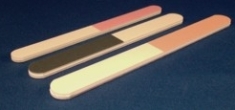
Sanding sticks are available from wood working suppliers and interestingly enough at beauty supply houses. Nail polishing files that have four grades of “sandpaper” on a thin bar of Styrofoam can be purchased there or in the cosmetics department of the local drug store. They can also be used to remove tooth marks and tooth chatter near the button. I have used these for years and always have a set in my refurb kit.
Image

POLISHING WITH POWER TOOLS

After the removal of the oxidation from the surface of the stem, whether by one of the above mentioned methods, one of your own or a combination of several of them, the stems are ready to be polished with power tools – buffers, drills with buffing pads or a Dremel. Some refurbishers do not feel this necessary after the use of the micromesh pads. But many still finish the job on a  buffer.

Dremel:
The variable speed hand held Dremel can be used with a 3 inch fibre wheel or a polishing pad loaded with red Tripoli and White Diamond polishing compound followed by a pad loaded with carnauba wax to give a final sheen to the stem. The drawback with the Dremel is that you must be extremely carefully in applying pressure to the stem surface or you will end up with wavy patterns in the vulcanite.

Buffer:
Personally, I use two bench grinders with two polishing wheels on each one. I removed the grinding stones and the protective shields over each wheel that was standard equipment and mounted 8 inch buffing pads on the spindles. My process is as follows:

– Polish with Tripoli, 8 inch stitched muslin buff
– Polish with White Diamond, 8 inch stitched muslin buff
– Wax with carnauba, 8 inch unstitched flannel/muslin buff
– Finish on a clean 8 inch flannel buff with no wax

Drill:
Buffing pads can also be mounted on a hand drill – cord or cordless. I have used a drill before I got my buffers. I anchored the drill in a bench vise so that I have both hands free to maneuver the pipe while polishing. I used four different 3 or 4 inch buffing pads my drill. I have not used it since picking up the two buffers.

Thanks to the many from Smokers Forums who responded to my initial thread on cleaning oxidized stems. Over the years many have contributed to my methodology on these processes.

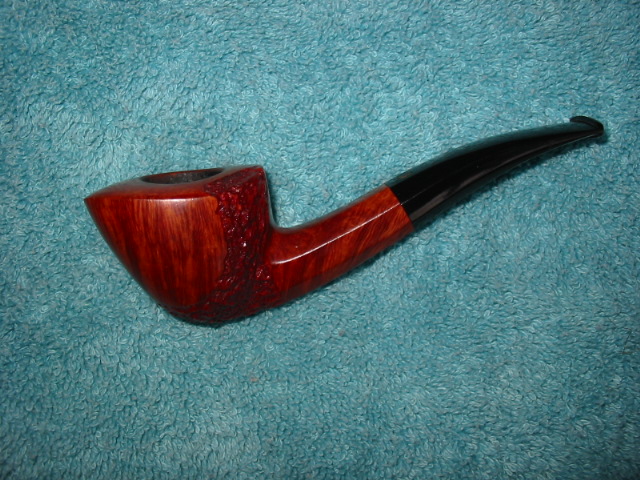
A magic first smoke


Blog by Steve Laug

The evening was exactly right for the christening smoke in my new Dunhill 3108. I was sitting on the front porch of the cabin in Pt. Roberts Washington. Pt. Roberts is only accessible by going through Canada and then re-entering the US. The sky was overcast a bit with the moon peeking through the clouds. The evening air was crisp and clean, with just a faint tang of the ocean in the breeze. I sat back in the Adirondack chair with my feet up, a bottle of Negra Modelo – a Mexican Amber Ale and the new Dunhill in hand. I held it and looked at it carefully enjoying the feel of the shape in my hand. On the arm of the chair I had a couple of tins of tobacco as I was still deciding on the first smoke. I cracked the tin of Anniversary and took a deep breath taking in the tang of the Virginia in it, the spiciness of Perique. I closed the lid. I opened the tin of Dunhill’s Elizabethan Mixture and did the same…. decisions. Finally I clumped together the first bit of EM and stuffed it into the bowl, the second bit went in, the final bit tucked in and tamped just so with my forefinger.

I held the bowl in my hand and sniffed the smell of the new briar and the tobacco melding together. I struck the first match and charred the load, then tamped and gave it a good light. The taste of that smoke coming into my mouth, the cloud of it that hung in the night air all lent a special nose to the evening. I just sat back and enjoyed the moment, lost in the first smoke. The tobacco burned well, effortlessly really as the bowl warmed to the touch. The blast on the briar radiated the warmth to the hand in the chill air. It was one of those moments when all the senses combine for a great experience. The tobacco taste and smell, the warmth of the briar in the hand, the smoke in the air curling around the pillars of the porch, the sound of the fire crackling away at the tobacco in the bowl all combined for a moment in which I just disappeared for a time.

The bowl lasted 30 minutes maybe more, I lost track of time really. The magic of the smoke was such that I really mentally left the confines of the porch all together. Lost in thought, living in the sensory moment, was a joy. The tobacco burned slowly and evenly to the bottom of the bowl as I enjoyed the mellow taste of good Virginias and the slight spice of Perique melding in the smoke. The briar was warm but not hot all the way through the smoke, it felt good in the hand and against the cheek occasionally…. as the smoke thinned and the fire reached the end of the tobacco in the bowl, the smoke came to an end… I just sat for a bit thinking and tasting the flavor on my lips and gums… this is pipe smoking at its best….

Probably should go in now… getting cold… seeing my breath…

My Dog and My Pipe Tobacco


I have a seven year old black and tan Cocker Spaniel male, Spencer, who decided that he liked pipe tobacco very soon after he became a part of our family. His decision regarding tobacco is unique among the dogs we have had in the past and the second Spaniel, Bailey we have now. Bailey could care less about my pipes and tobacco and truly seems oblivious to my habit. But not Spencer, he is mildly obsessed with it. Mind you, he has not gone so far as to take up the pipe… yet! But he does love pipes and tobacco. I was going to say my pipes and tobacco but that does not reflect his perceptions regarding them. He often joins me on the front porch when I go to have a pipe. While I load the pipe he sits on my lap, or on the couch next to me, trying to get his nose in the jar or the tin. He does not eat it, but merely sniffs and snorts in the smells. He does the same with an empty pipe and pipe cleaners when I lay them on the table in front of the couch. So far he has not tried to pick up the pipes at all, just snuffles and snorts as he breathes in the smells and aromas as deeply as he can. I am do not trust him so when I am finished with a pipe I put it back in rack on the top or my cabinet in the basement. Why leave it out to tempt him?

Lately he has taken his love of tobacco to a new level. He has turned his attention to my jarred tobacco and tobacco tins. I used to store them on the lower shelves of my bookcases in my office. Over the past months I have come home from work to find that my daughters have put the tobacco on my desk. Each time I have taken them off the desk and returned them to their place on the shelf again. This turned into an ongoing repetitive task…until this past week. I had come home from work and went to the office. There they were on the desk as usual and I got busy returning them to their original spot. My daughter walked in asked me the million dollar question.

“Why do you keep putting them back on the shelves? I am the one who has put them on your desk. Three times this week alone, Spencer has snatched a tin or a small jar of it by the edge of its lid and carried it to his kennel (his wannabe “man cave”). I have had to trick him with a dog treat to get him to let go of it and give it back. He just lies there, holding it between his front paws, with it under his chin and guarding it as if it was his treasure. He literally stares at me and growls that this is now his tin. He thinks it belongs to him. Can we move them somewhere else please?”

I had to laugh as it finally made sense why the tins and jars had been repeatedly appearing on my desk. It never was just one or two tins, no it always seemed to be at least half a dozen or more. There were times when I came home and found the mess on my desk and groaned that they had moved them again. Now I understood the reason for them being on my desk. So this past weekend I moved the tins and jars to the top of my pipe cabinet. At least they will be out of his reach should he try to get them again. Spencer watched me move them with a questioning look in his eye. The way he followed me back and forth between the shelves and the cabinet made it very clear to me how frustrating he found this whole ordeal. It looked to me that if he could have talked he would have asked, “Why are you moving my tobacco?” But hey, who am I to try to figure out what is on his mind.

No matter how long I have thought about it I still have to say that I am not sure what it is about the jars and tins that capture his attention. It does not seem to matter if they are open or sealed. If had been just the open ones I would be able to say that he liked the smell of the tobacco. But that does not help explain the attraction of the sealed tins and jars. His thinking is beyond me on this one and I figured I would never understand it. I gave up. However, just for fun I decided to leave a couple of jars and tins on the bottom shelf of the bookcase to see what he would do.

On Sunday morning the two of us were down in the office early enjoying our morning ritual – me with my coffee and Spencer with his dog food. We played a bit of fetch with his chew ball and tug of war for a while as I sipped my coffee. I rubbed his ears and he rolled his head into my hand with a groan of pleasure. Eventually he stretched out in front of the bookcase where the tobacco was stored. He lay there quietly for some time without even a move toward them. But as soon as he noticed I was engaged cleaning a pipe and not watching him, he snatched one of the jars by the rim and was made a beeline for his kennel. He glanced over his shoulder and ran into the next room. I called after him but he ignored me and buried himself deep in his kennel. I went to the kennel and got down on my hands and knees in front of it only to be greeted with a growl as he held onto the jar. I retrieved a treat and we negotiated a trade. He grudgingly let go of the jar and I took it back. He followed me as took it and the remaining jars and tins to the top of the cabinet. He eyed me suspiciously and gave me his unhappy grumble. When I was finished he checked to see if I had moved them all. Once he noted that they were all gone. He flopped on the floor in front of the shelves and watched as I cleaned pipes all morning. A couple of times he grabbed a used pipe cleaner and chewed it. He made it clear that he was not impressed by my moving his stash.

Any of you have animals that want to share your tobacco cellar?