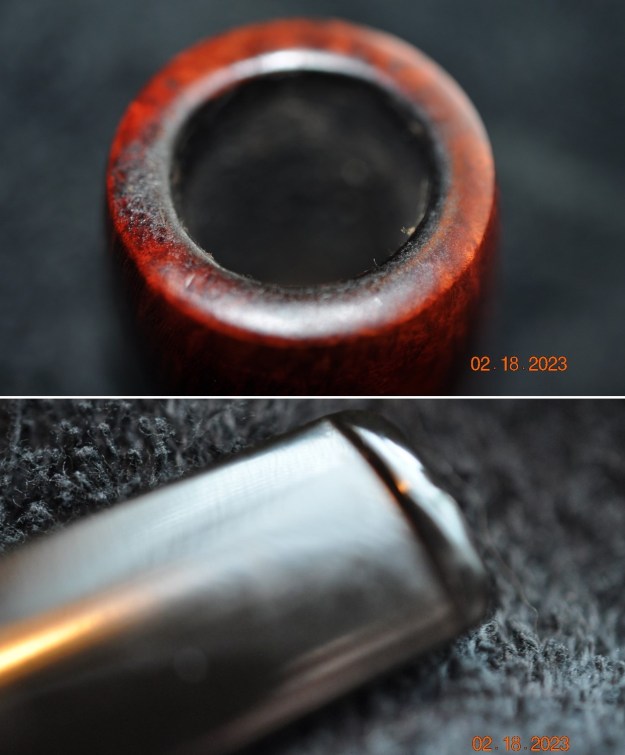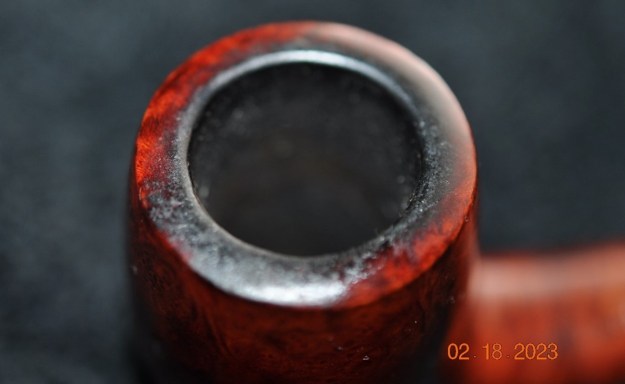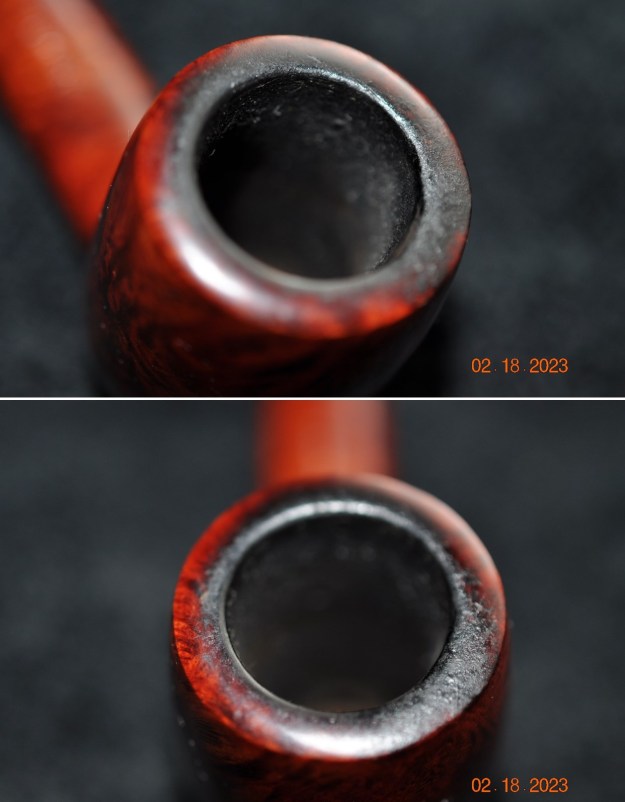
Tag Archives: Stanwell Smooth Pipes

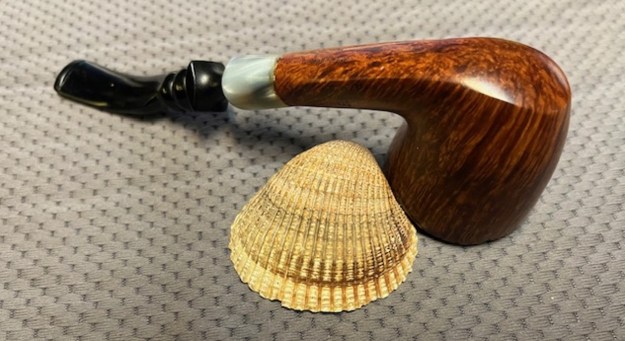
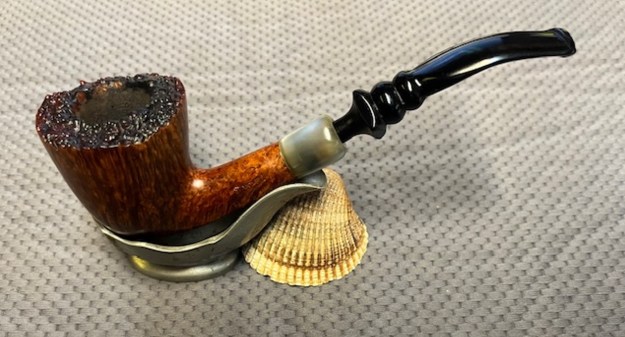
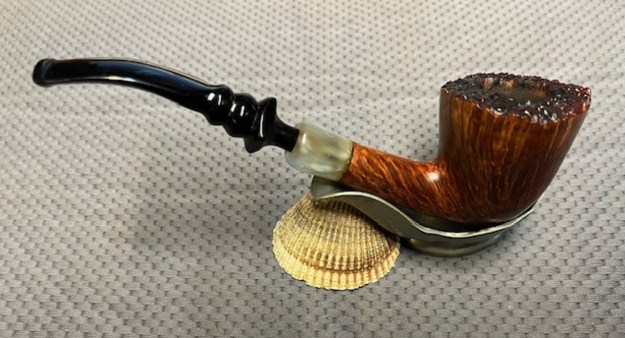
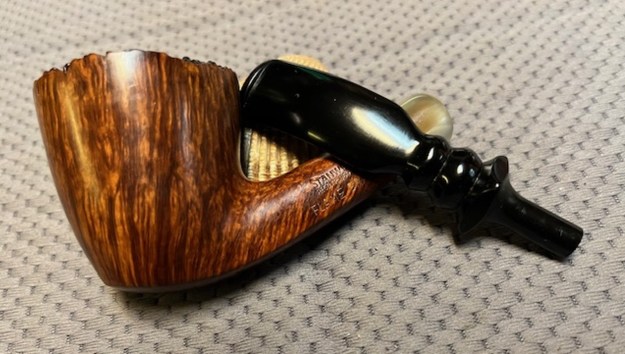
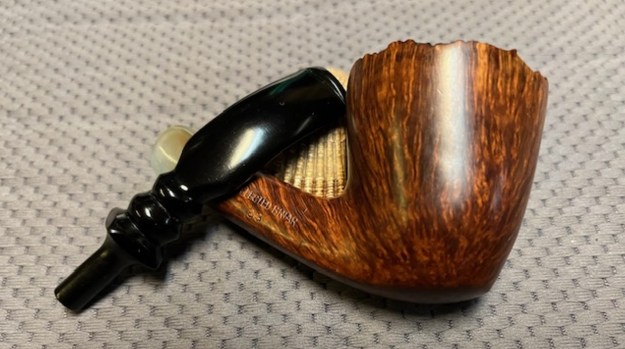
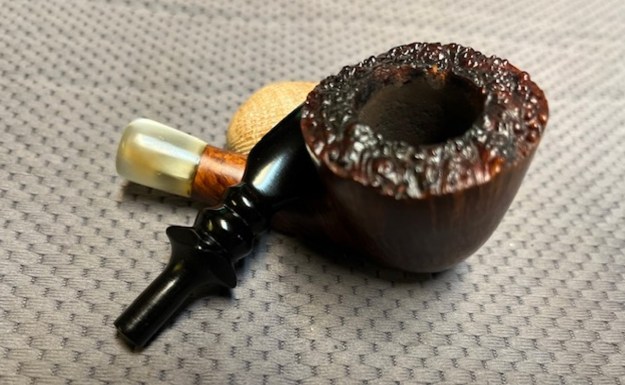
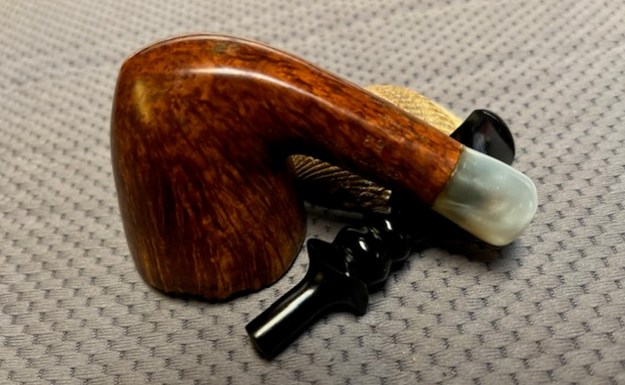
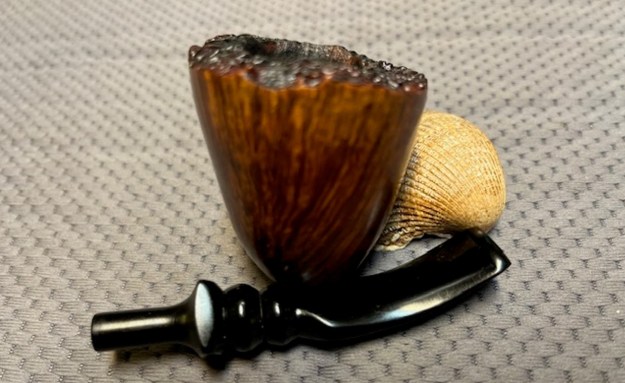
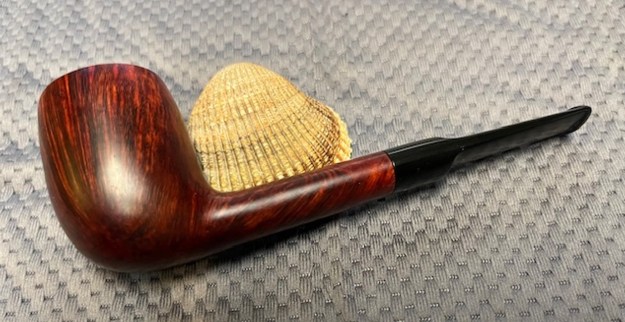
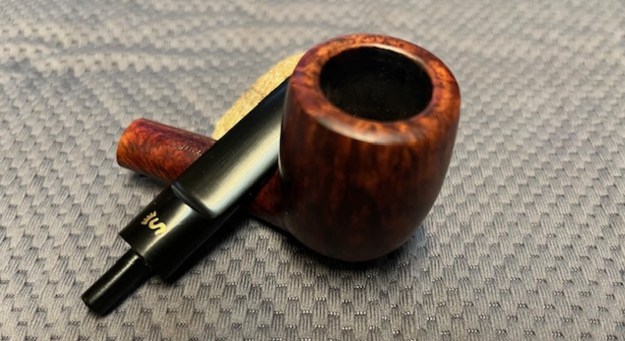
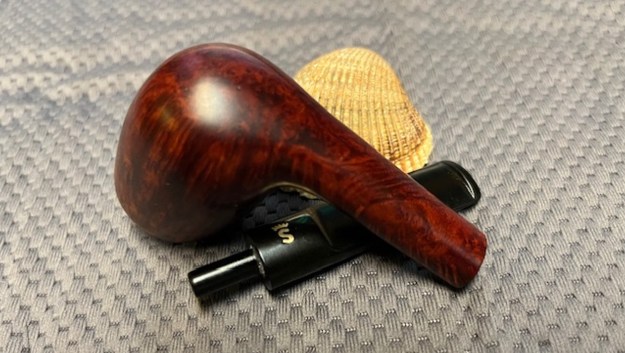
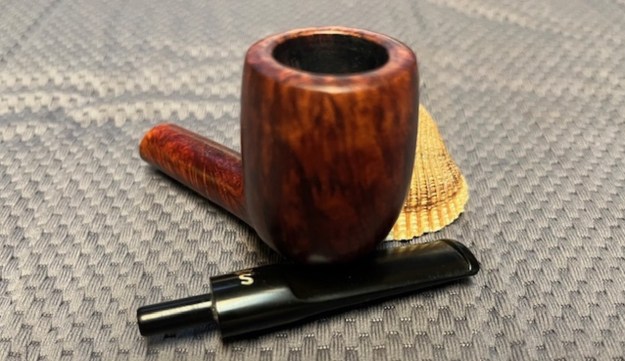
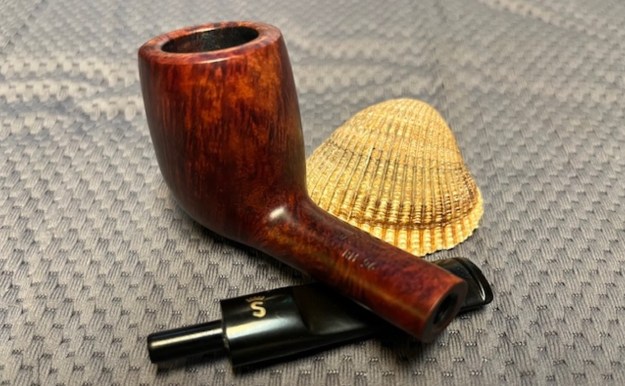
A Playful Restoration of a Stanwell Flame Grain 63 Dublin


by Steve Laug

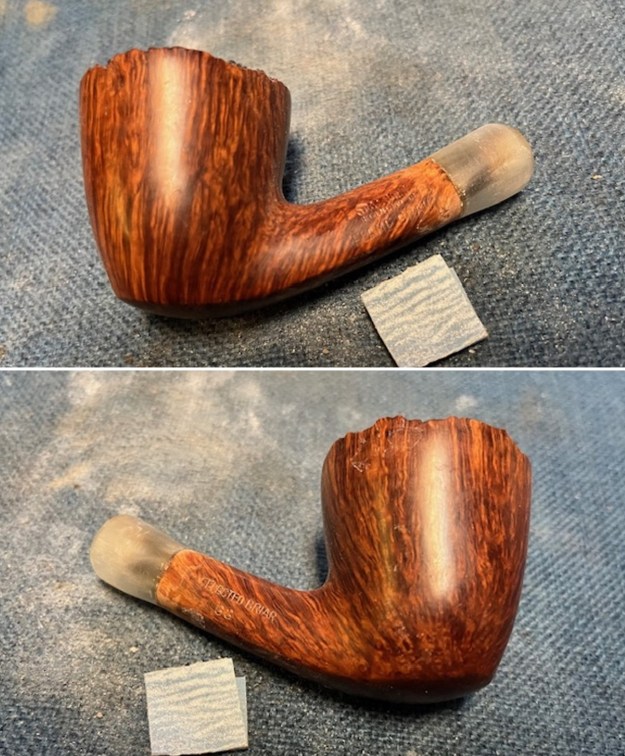
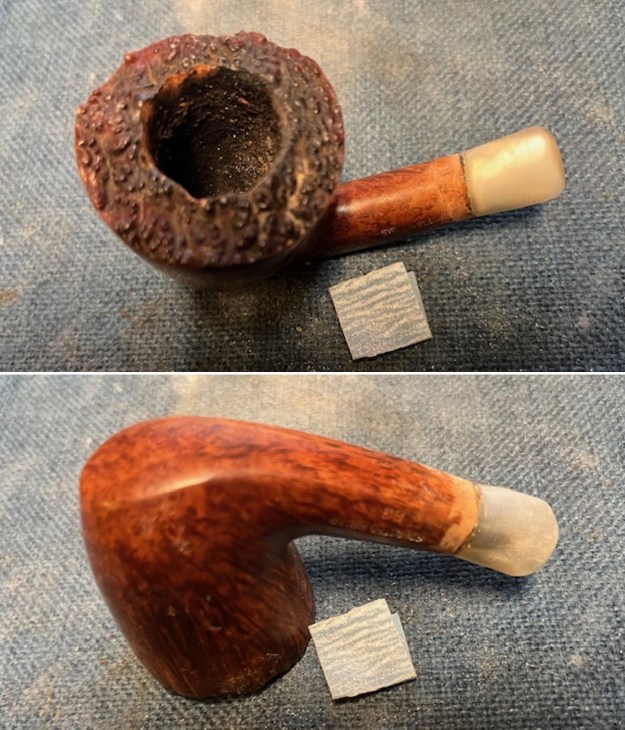
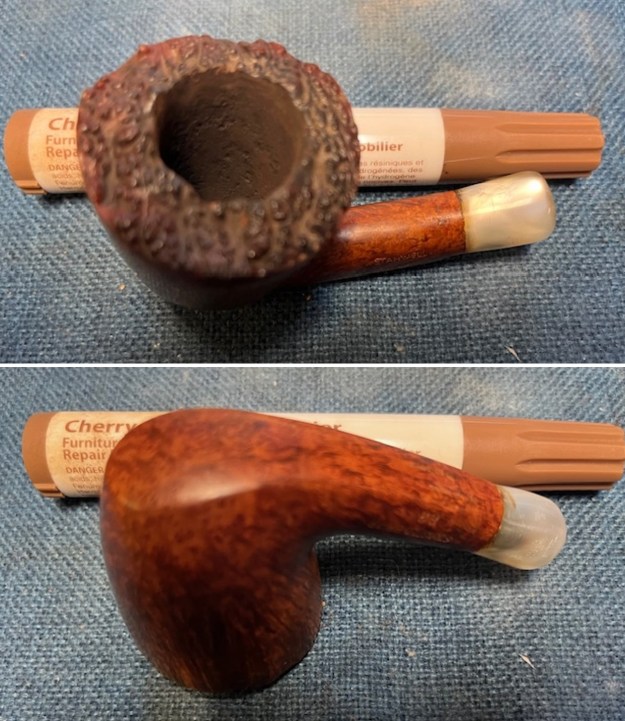
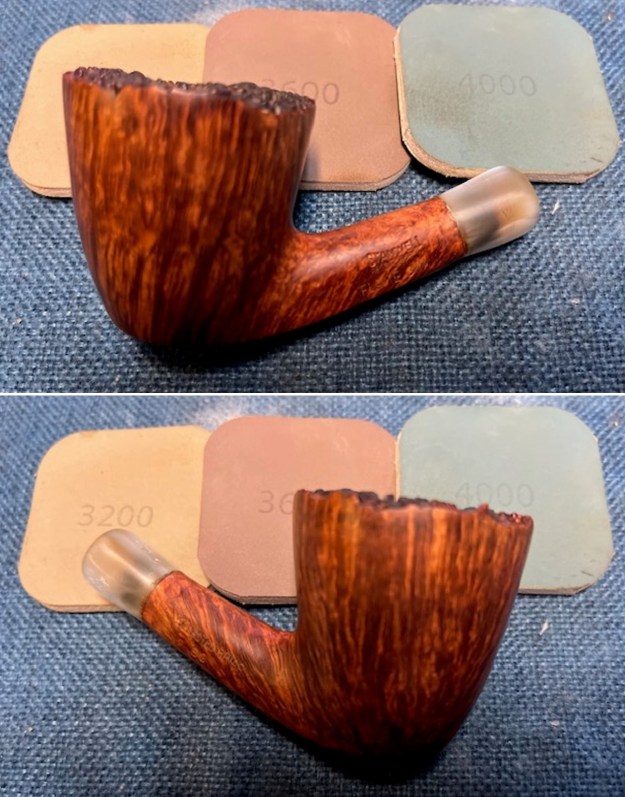
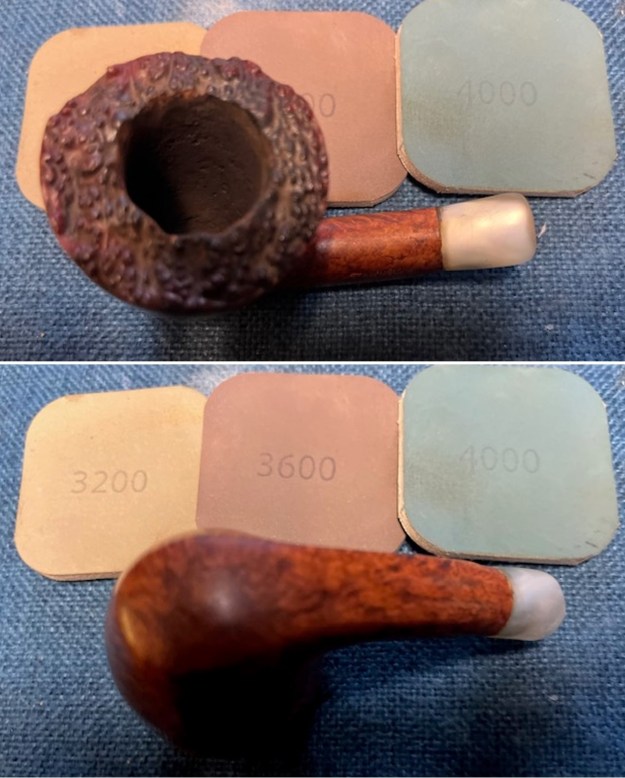
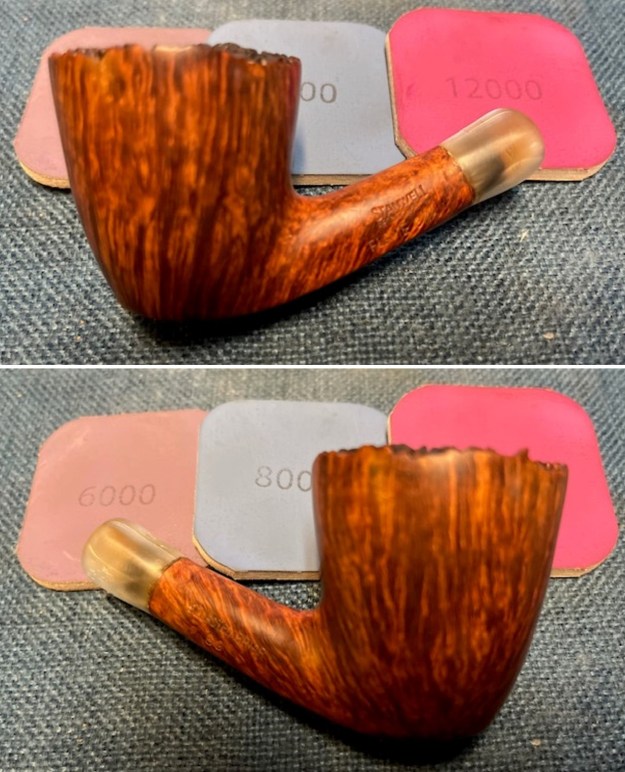
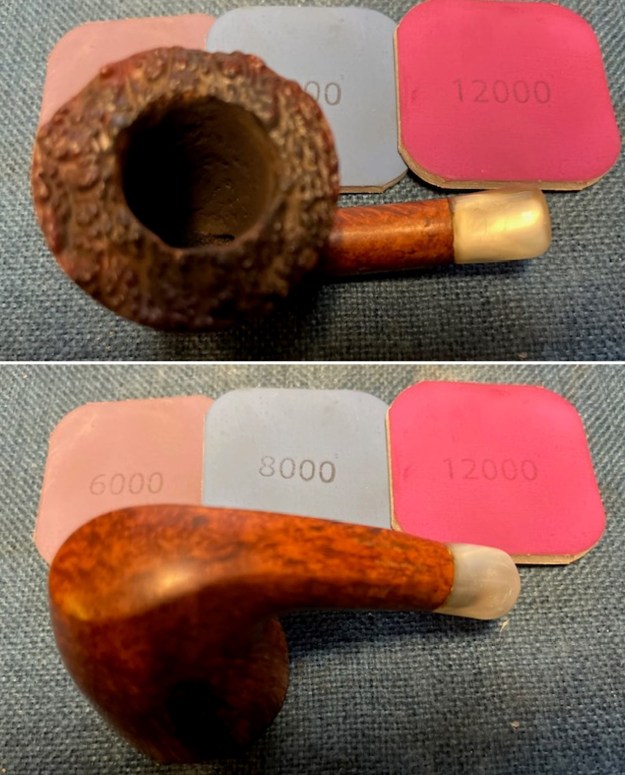
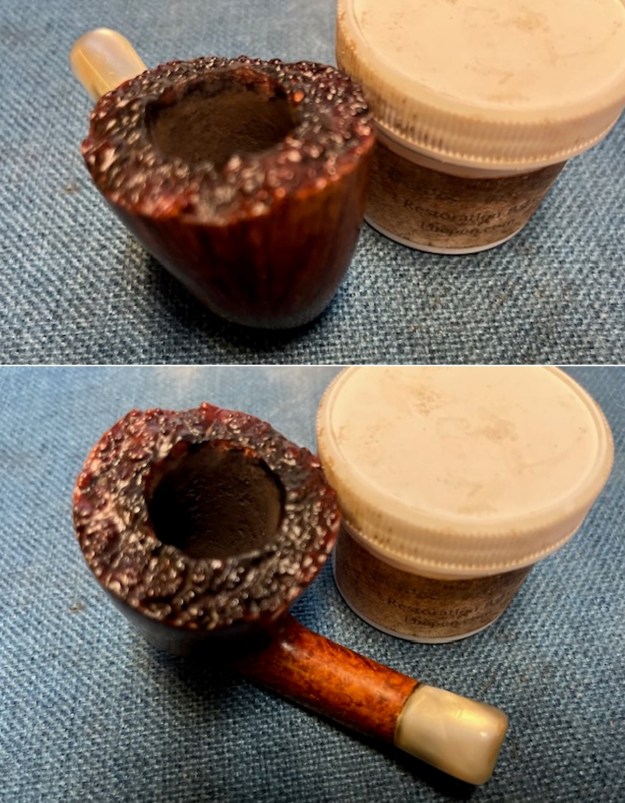
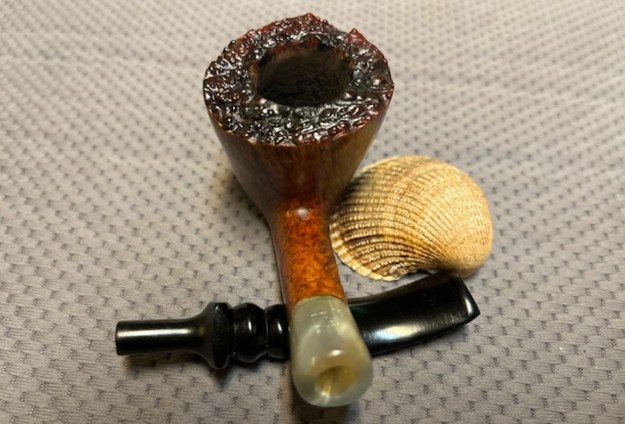
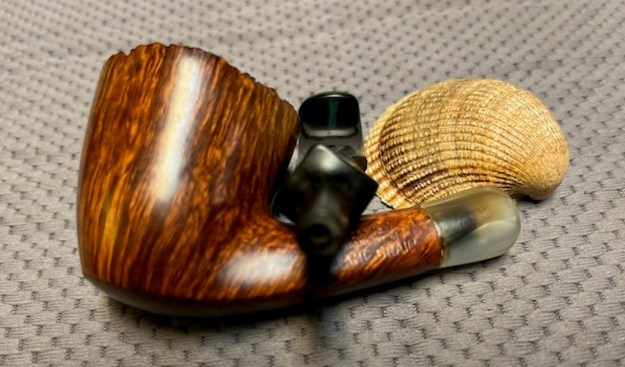
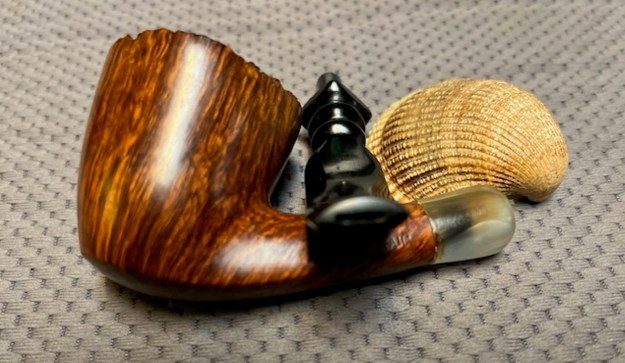
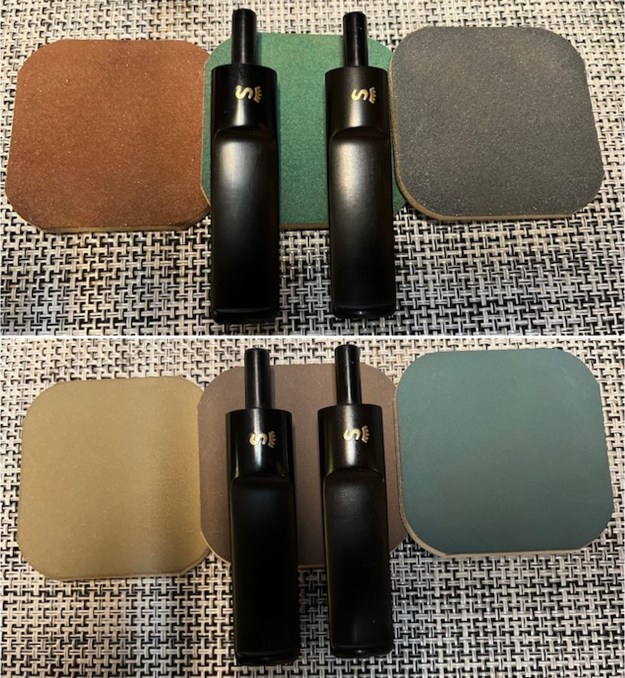
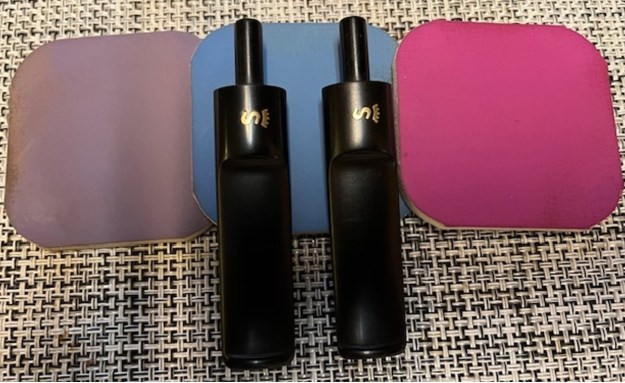
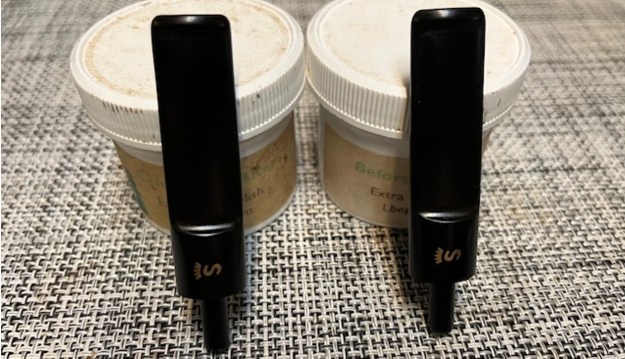
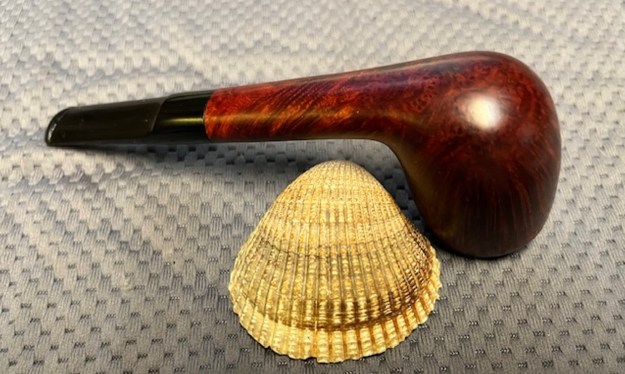
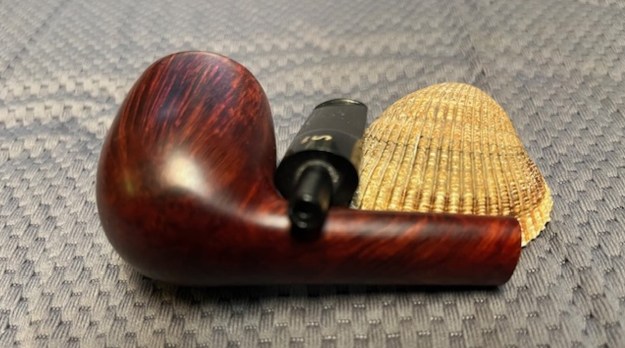
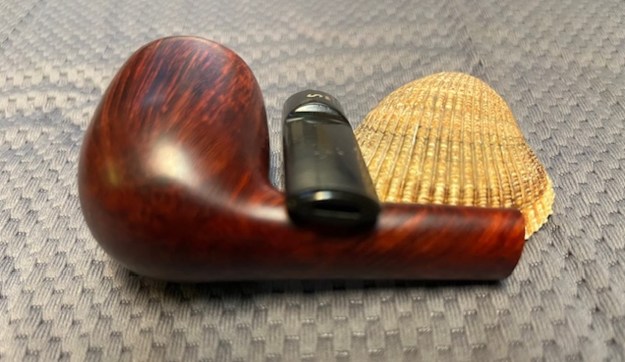
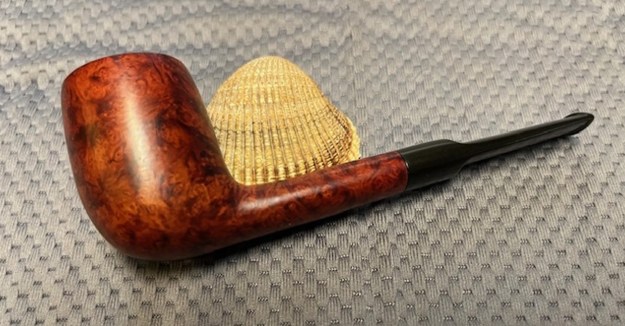
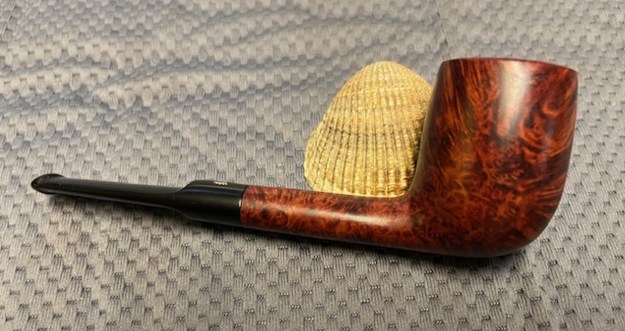
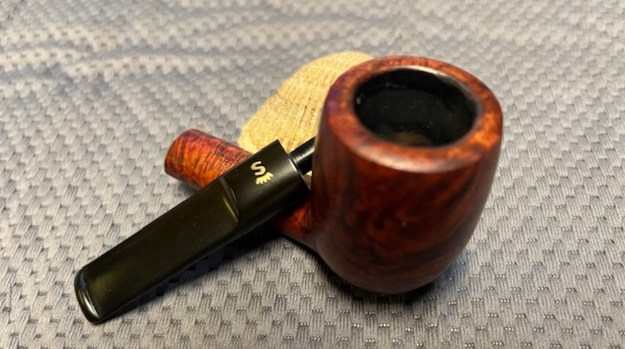
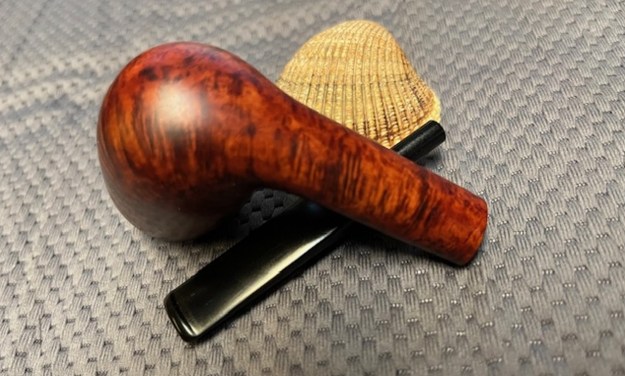
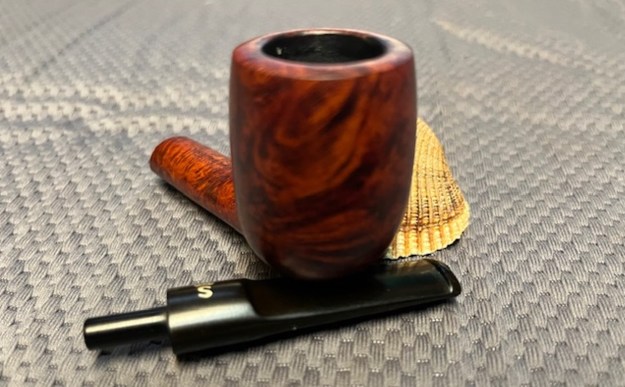
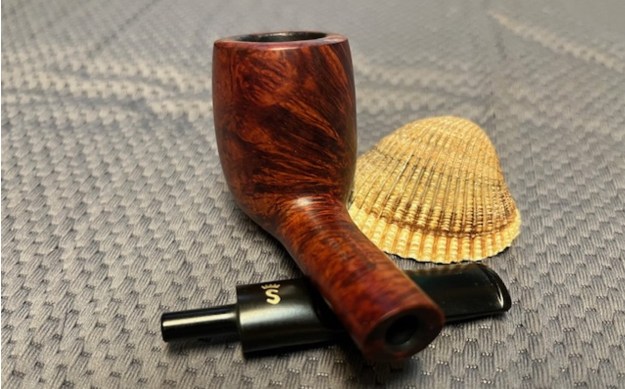
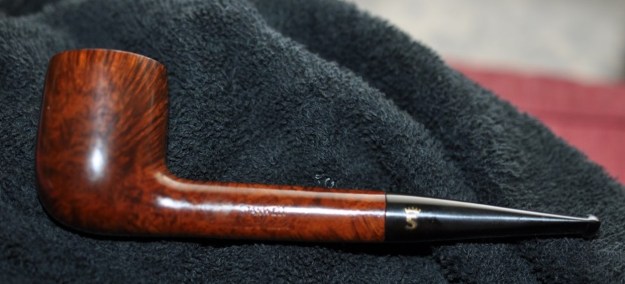
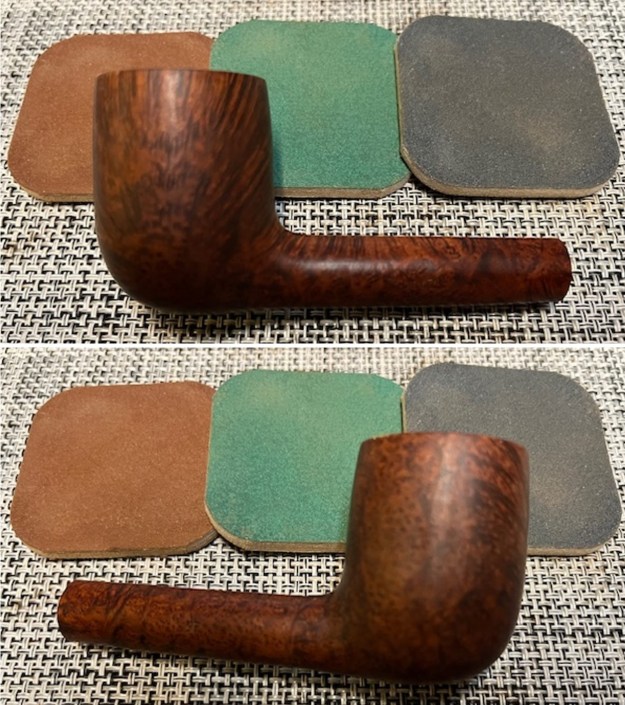
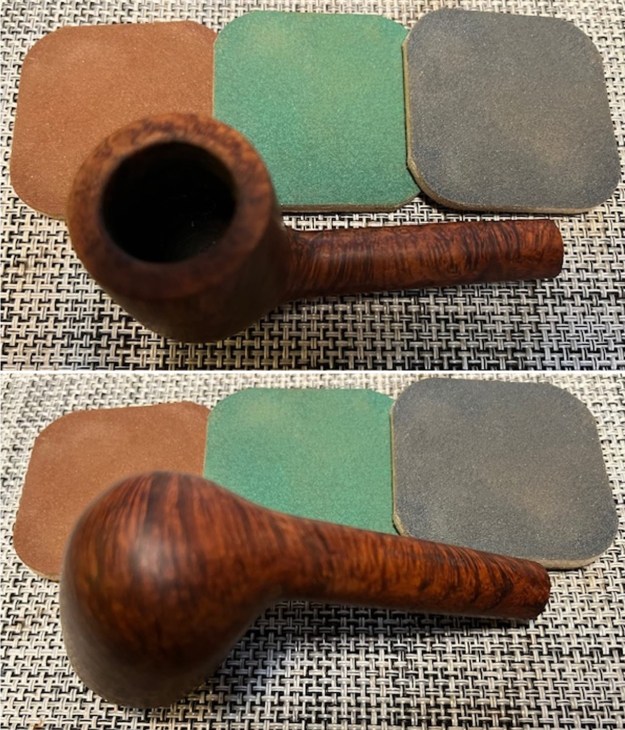
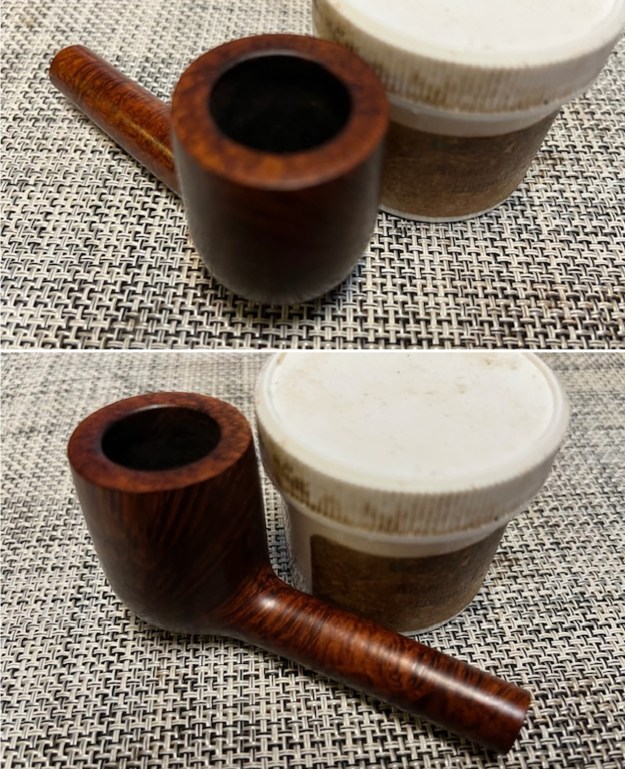
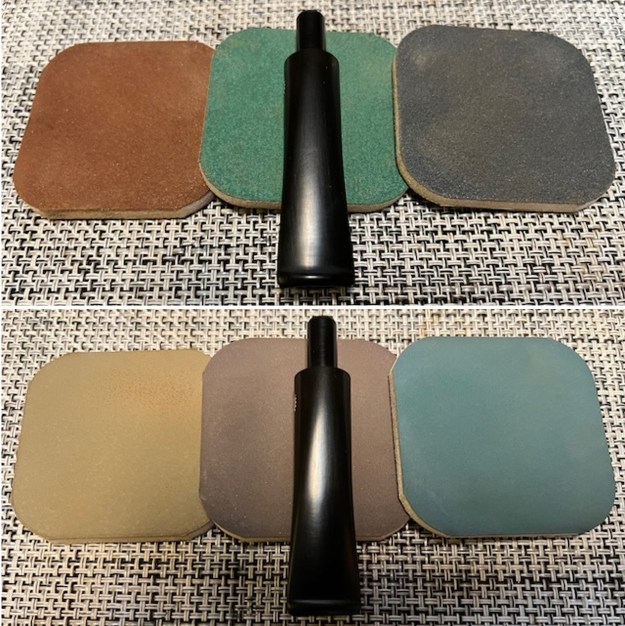
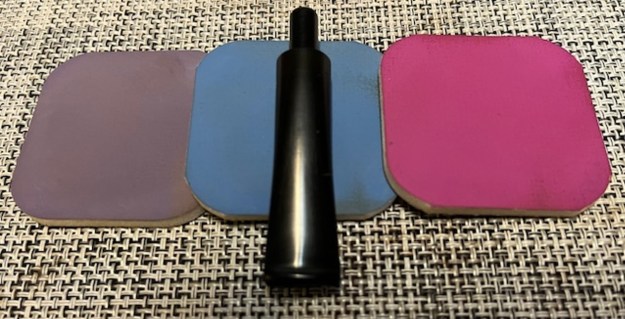
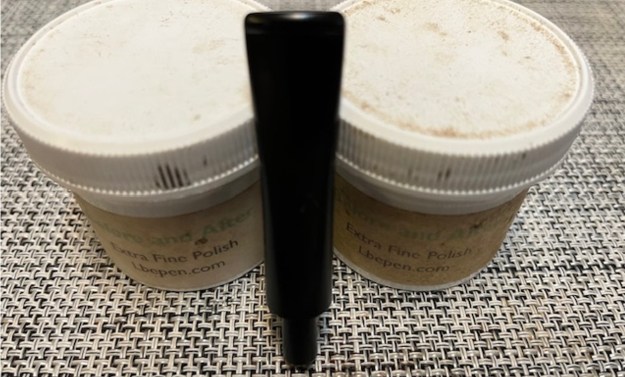
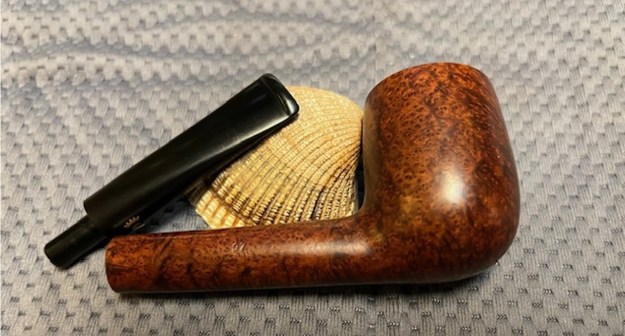
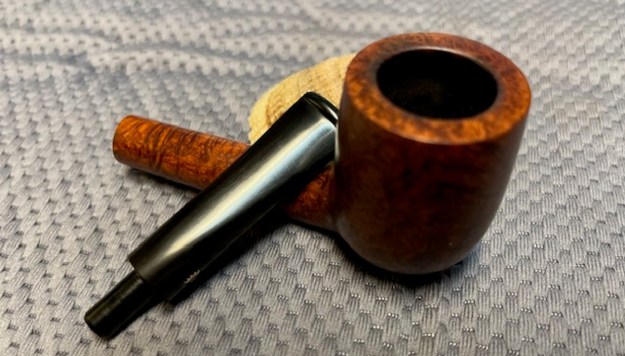
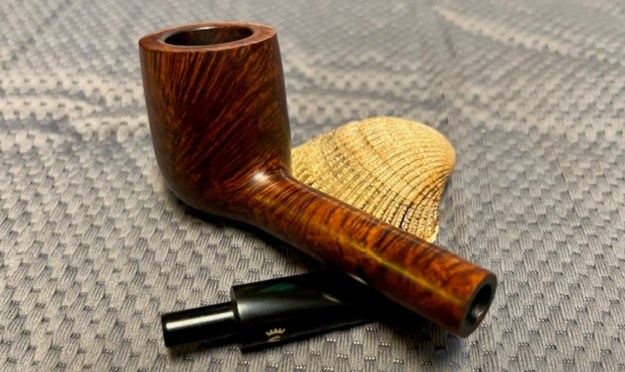
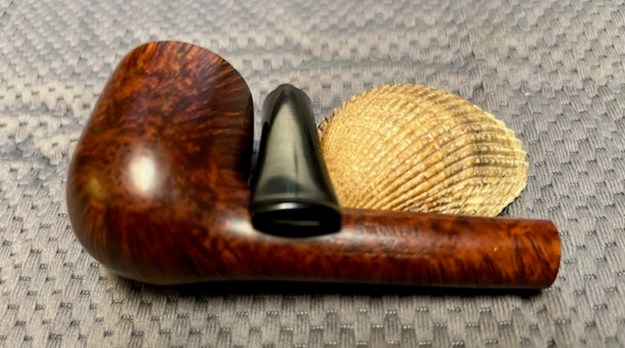
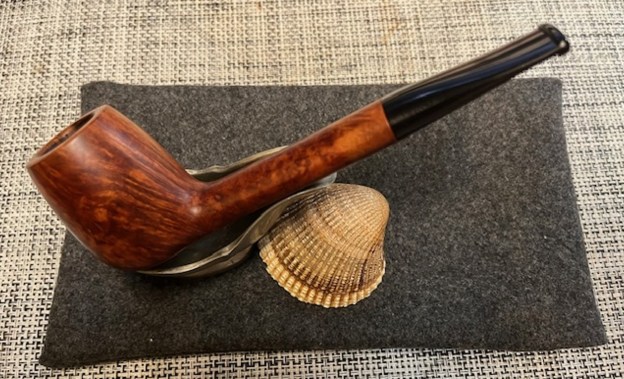
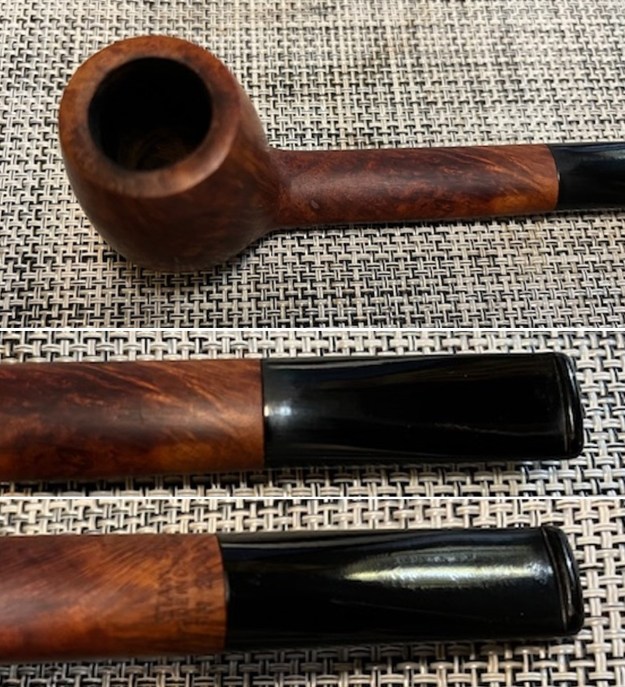
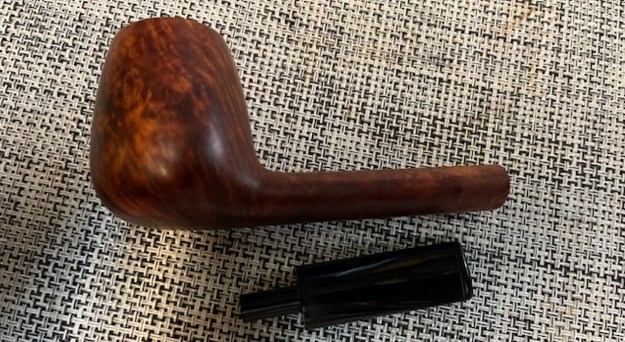
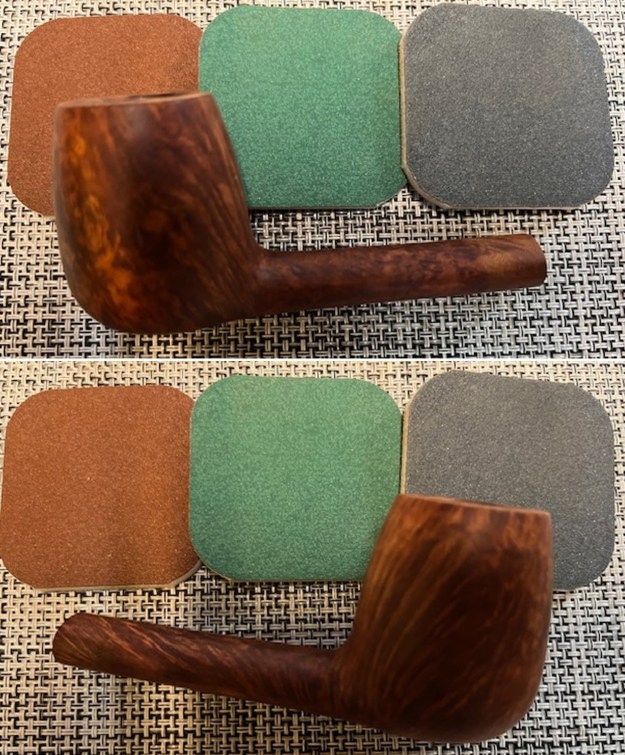
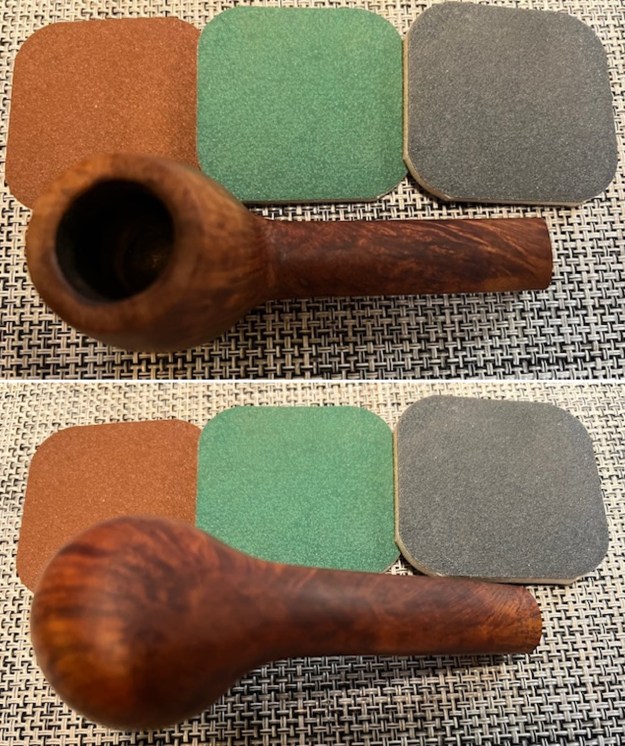
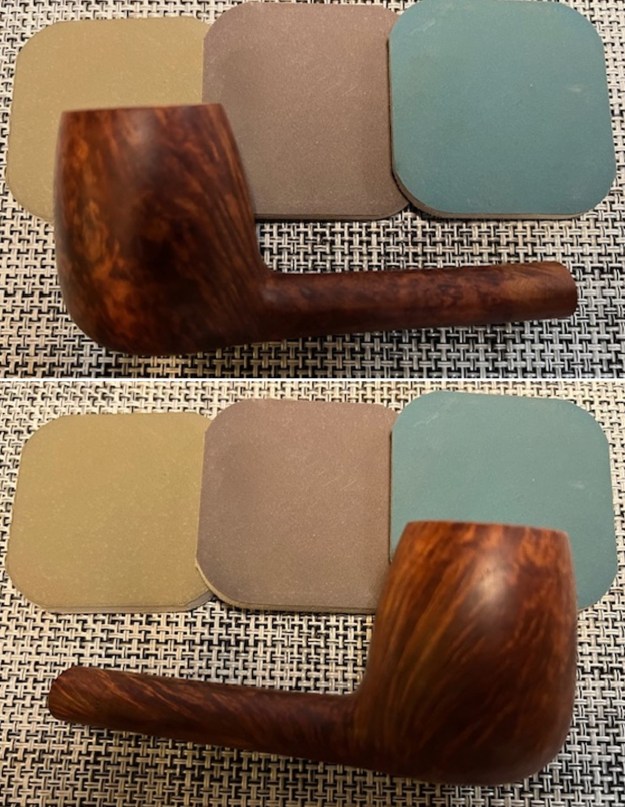
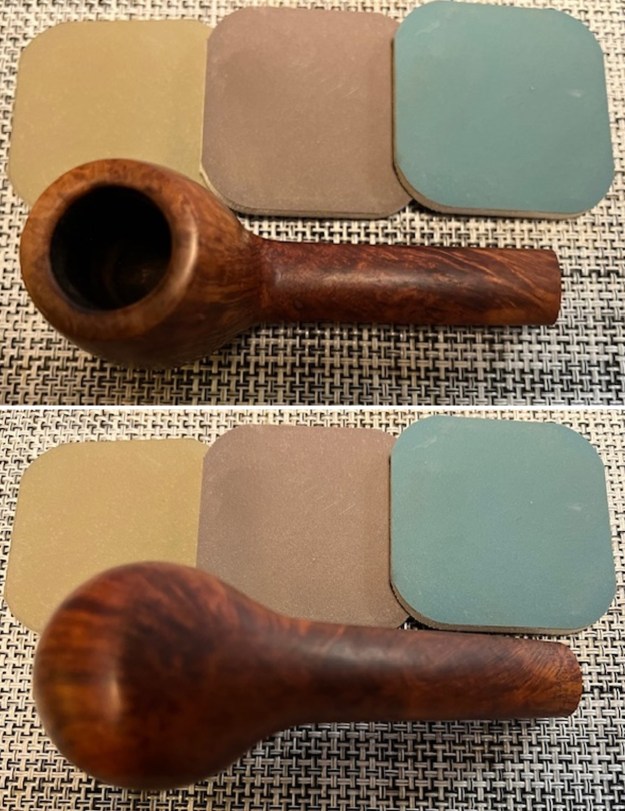
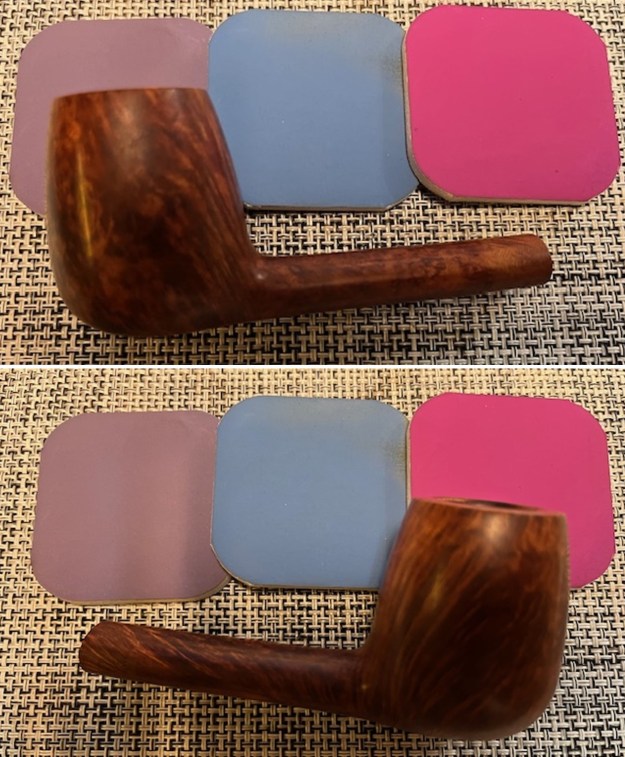
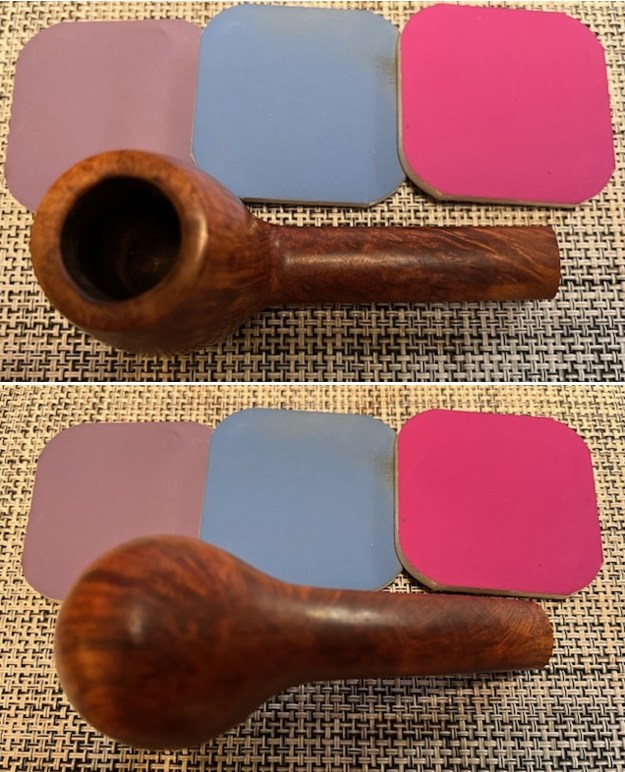
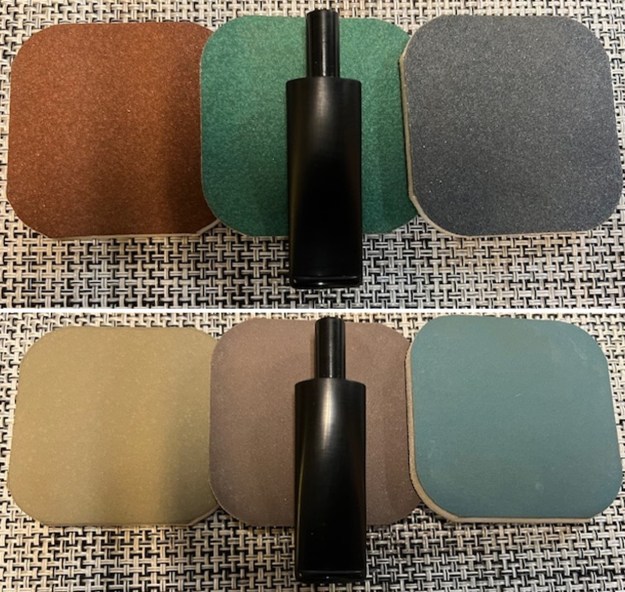
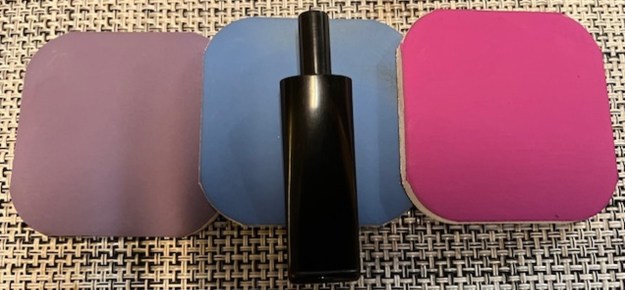
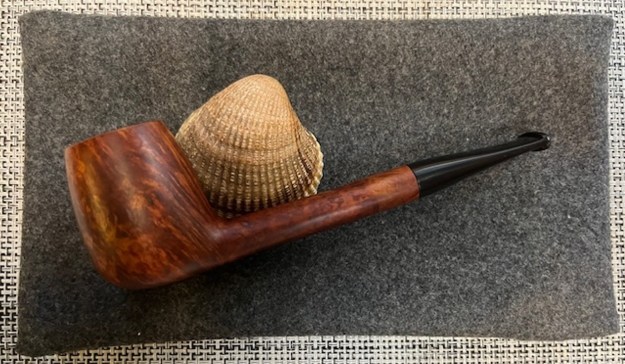
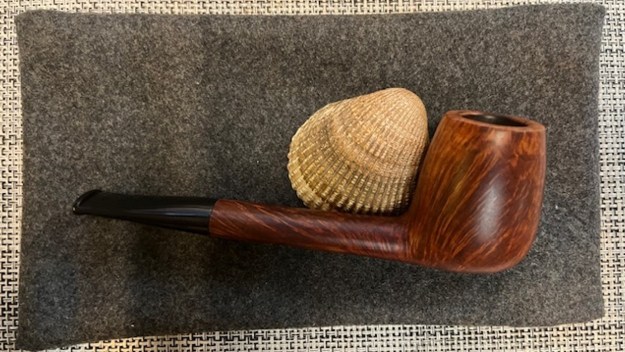
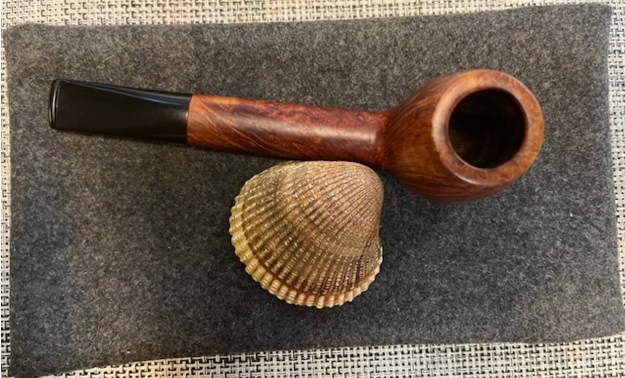
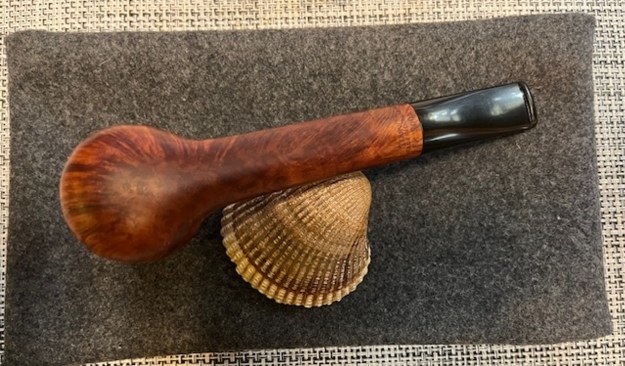
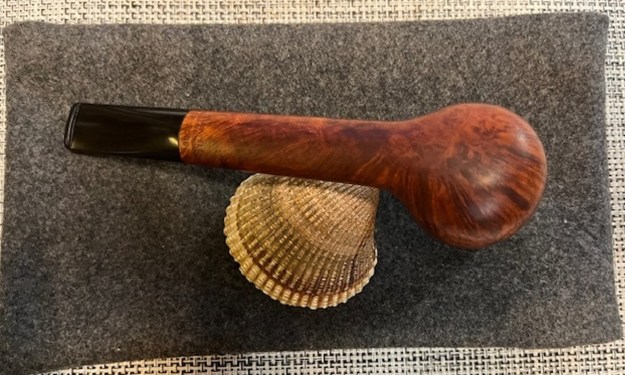
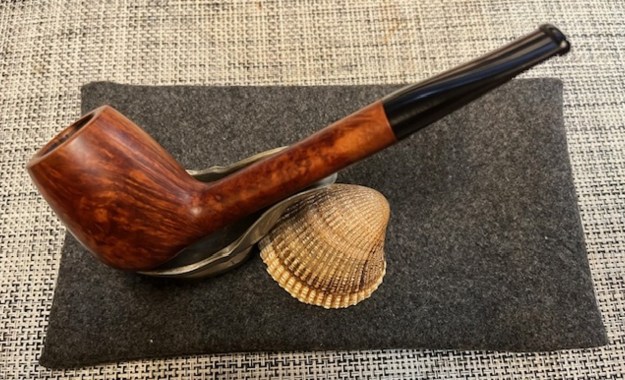
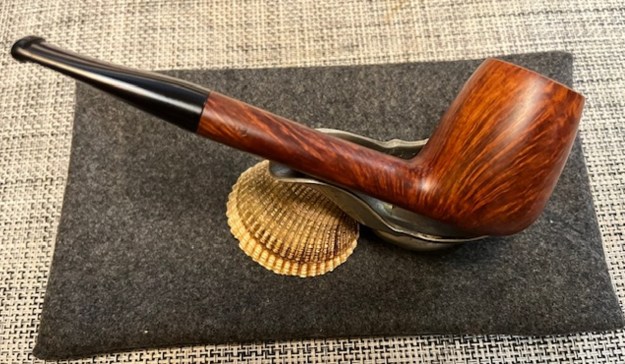
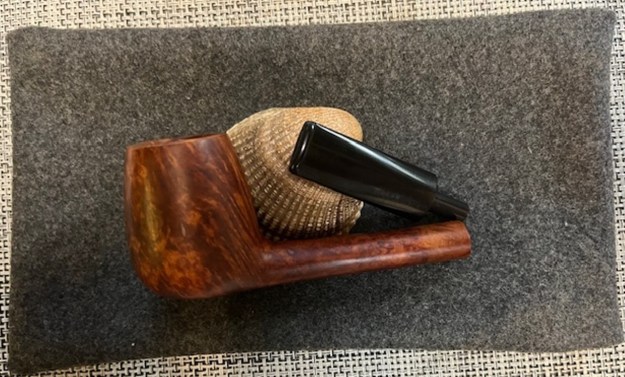
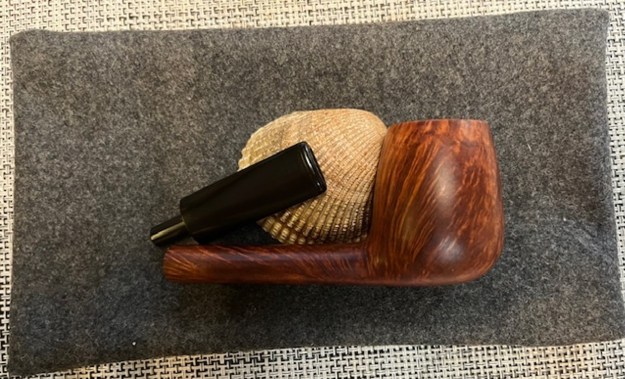
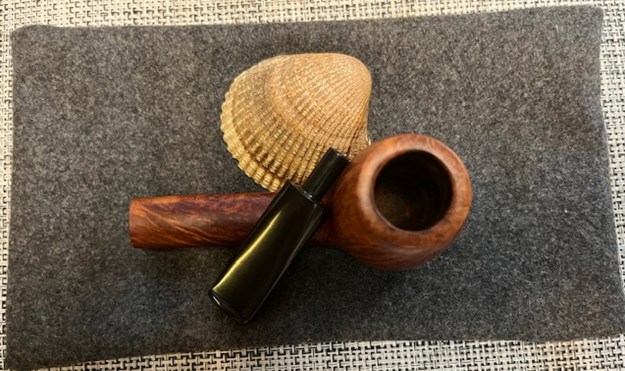
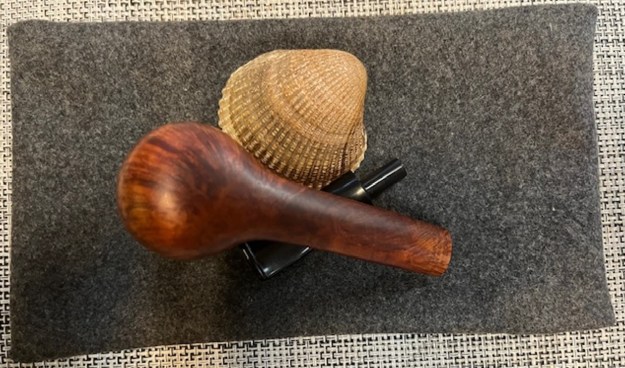
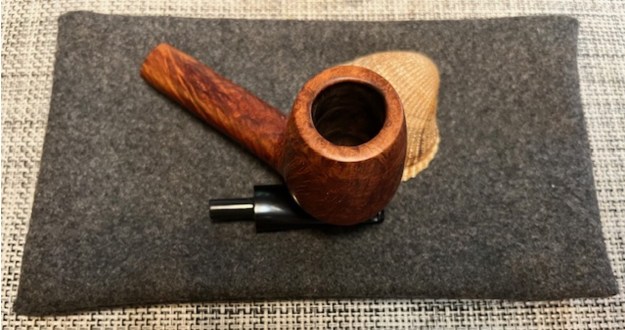
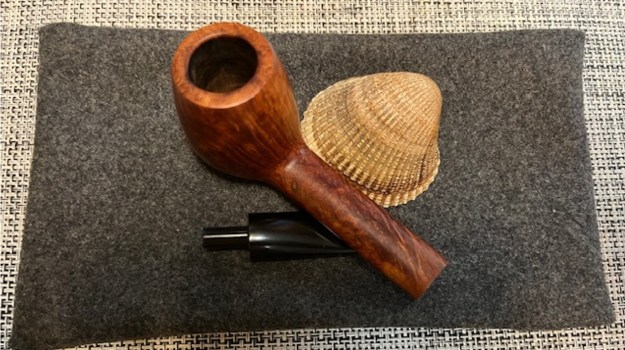
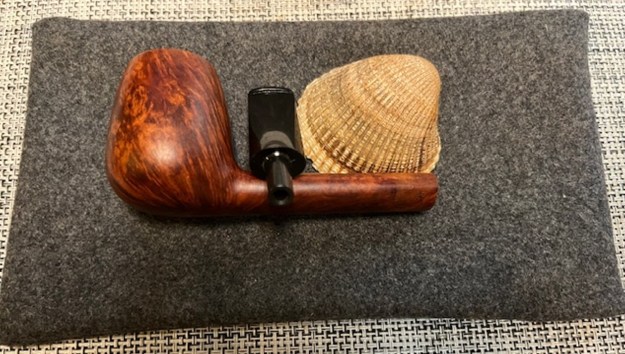
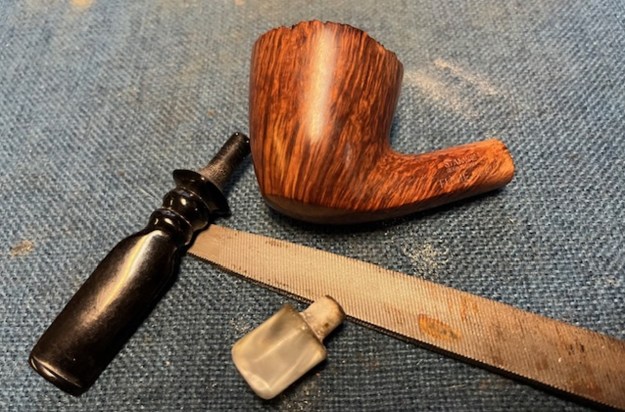
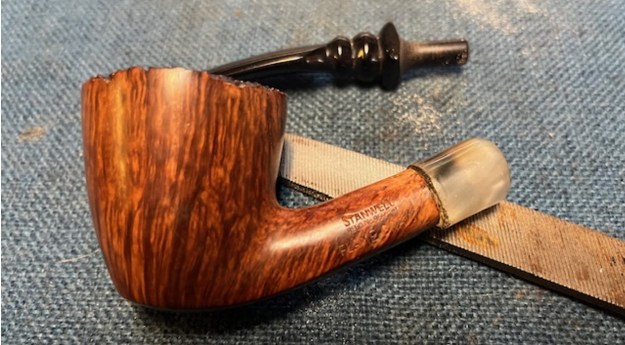
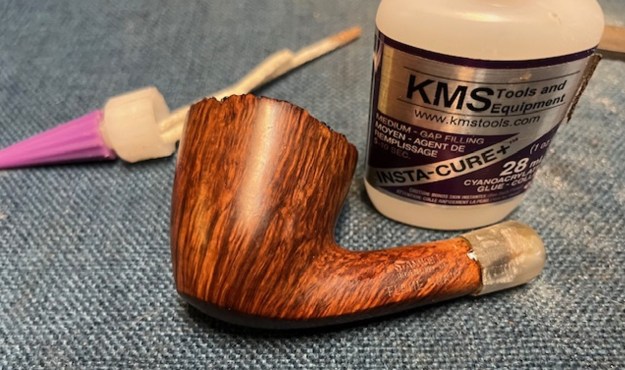
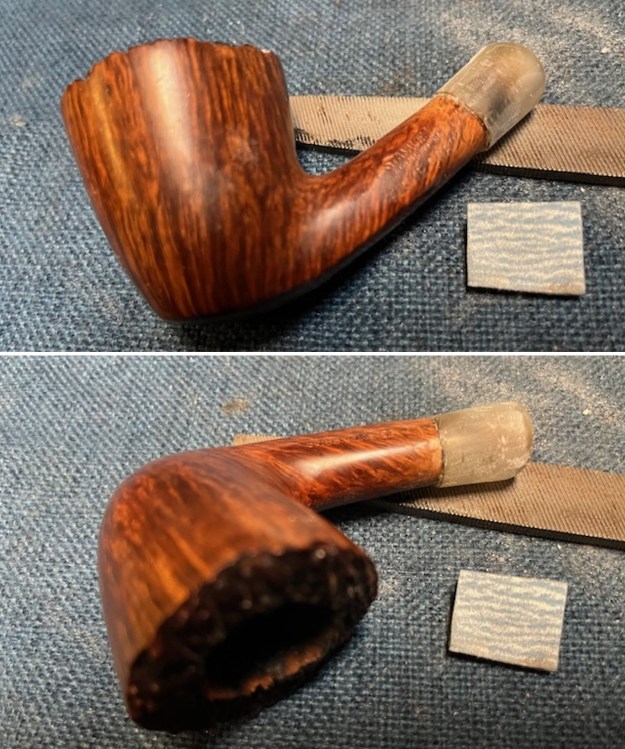
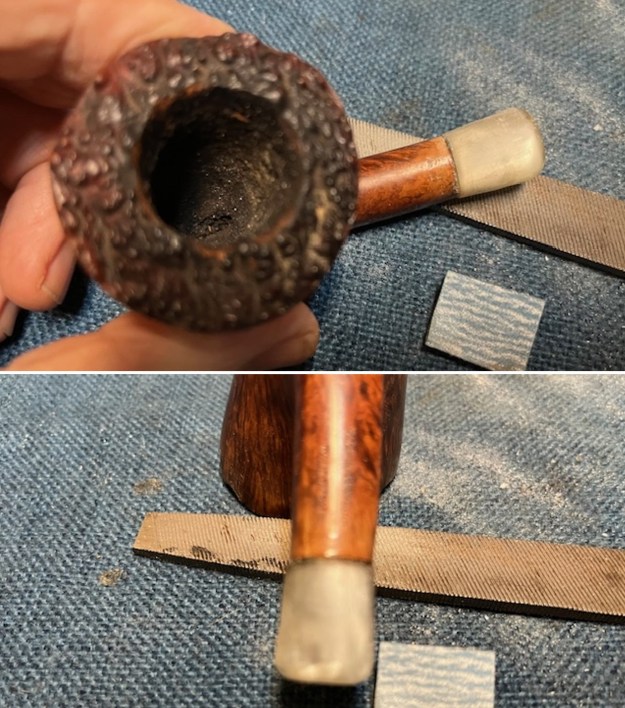
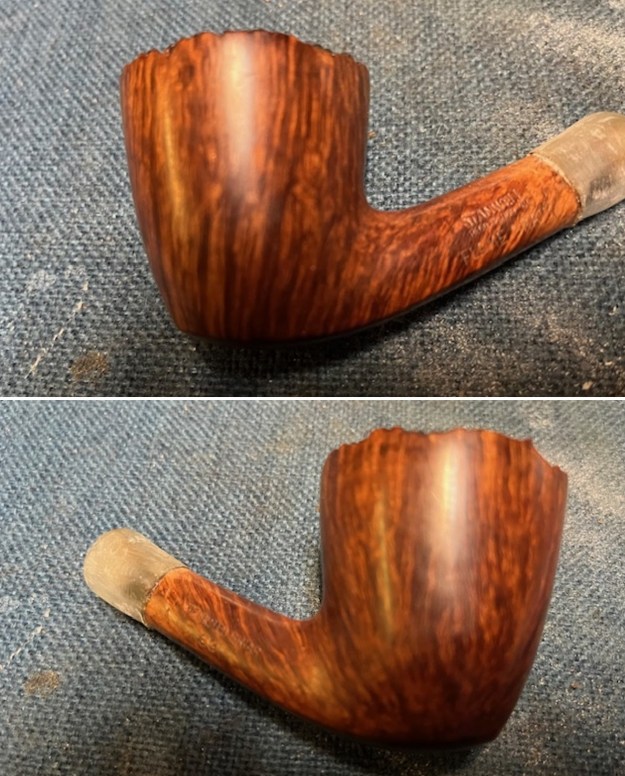
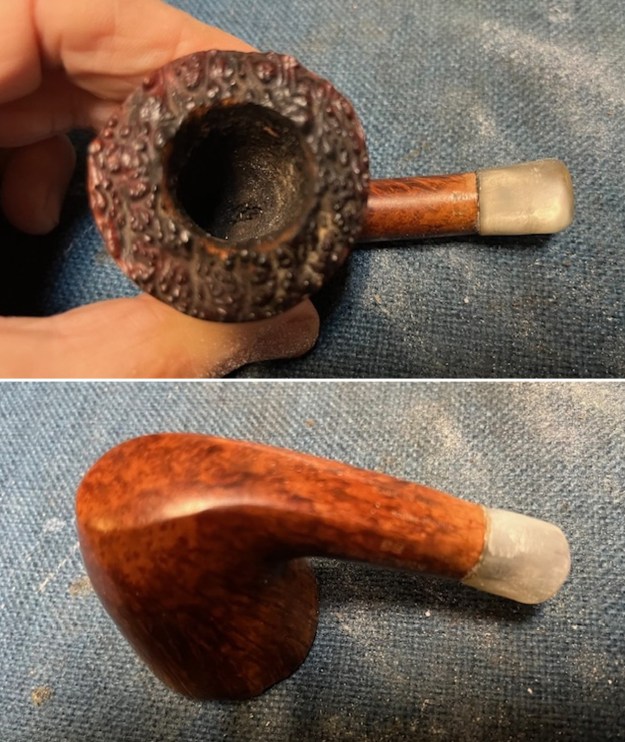
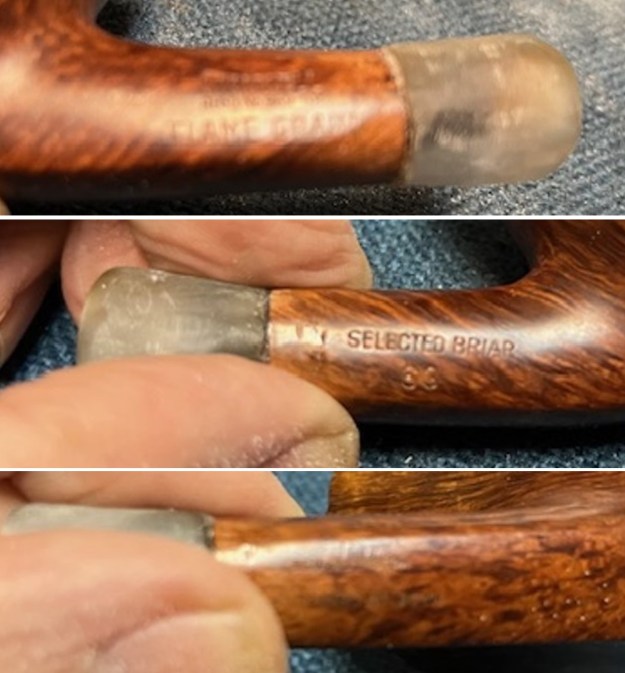
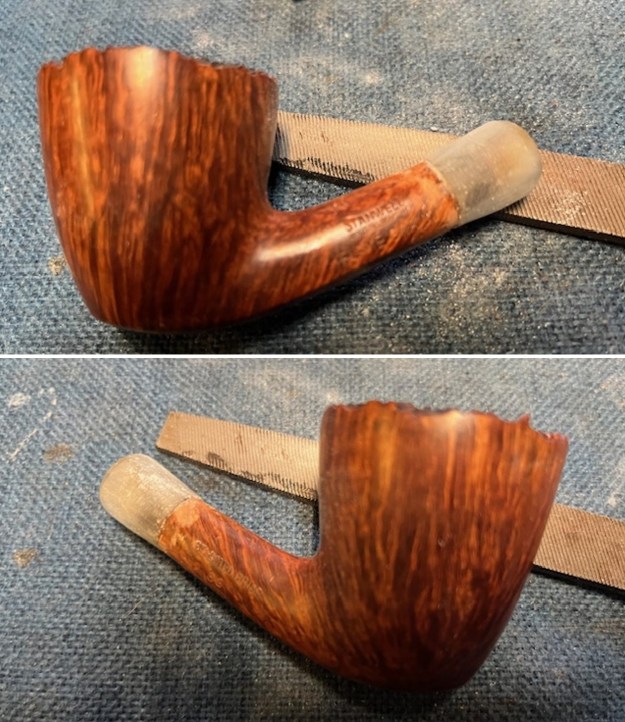
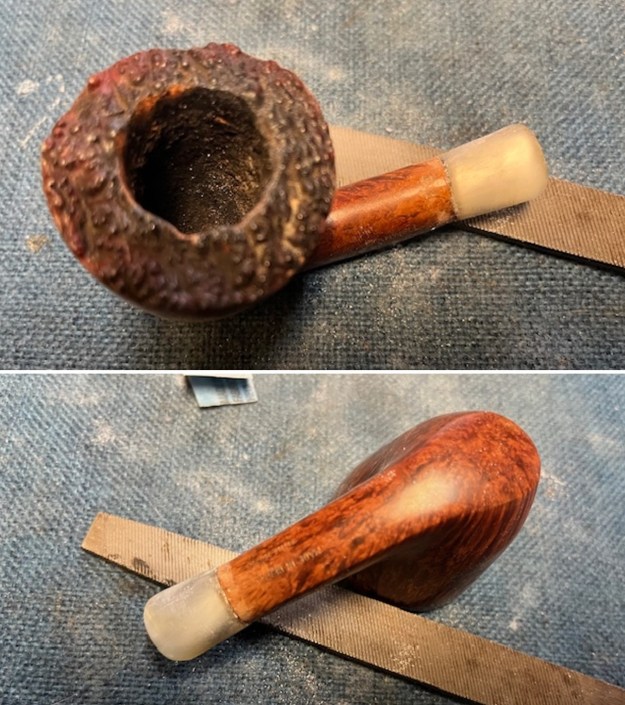
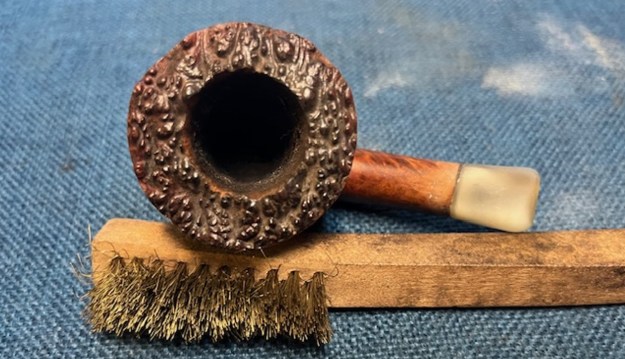
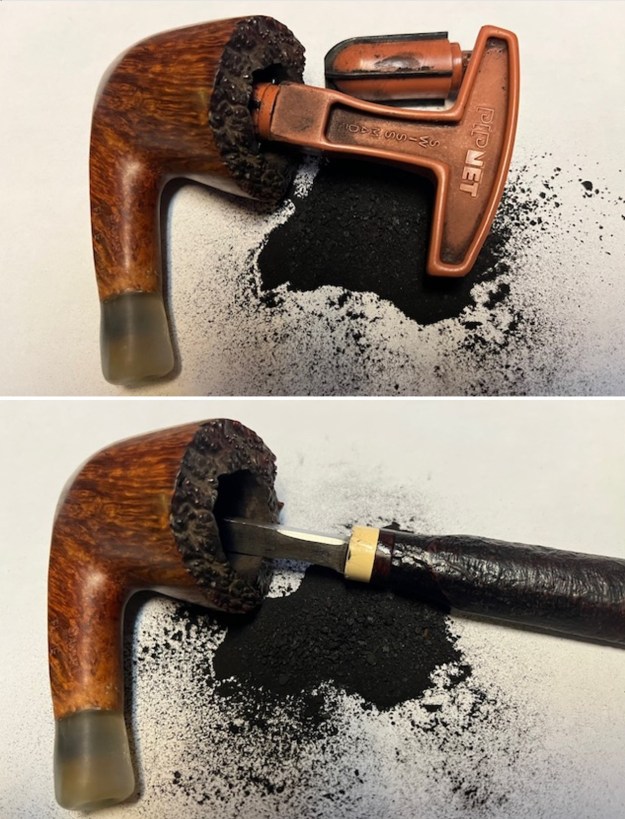
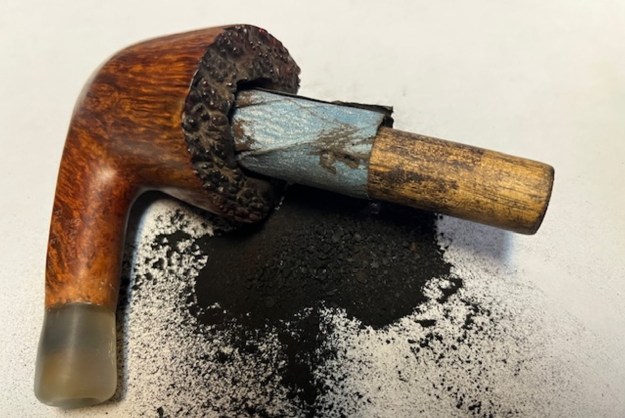
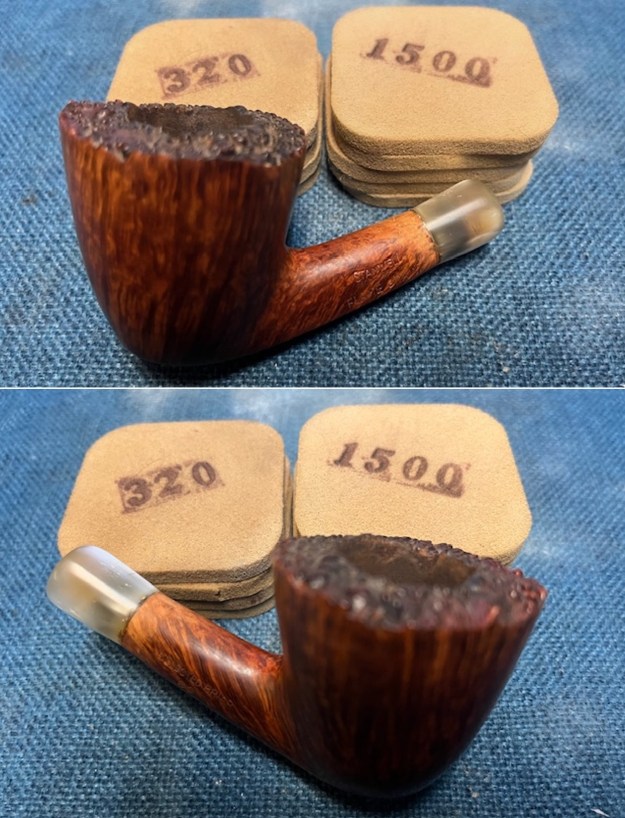
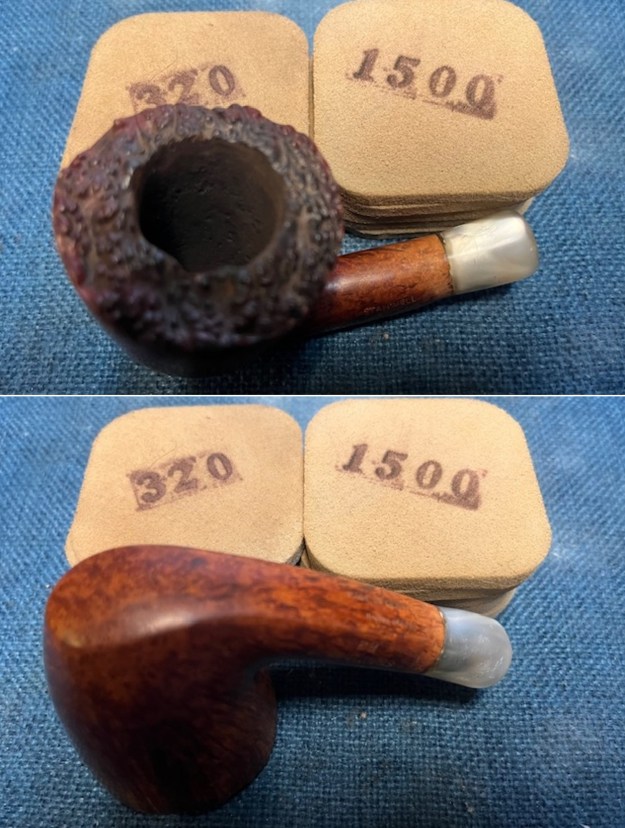
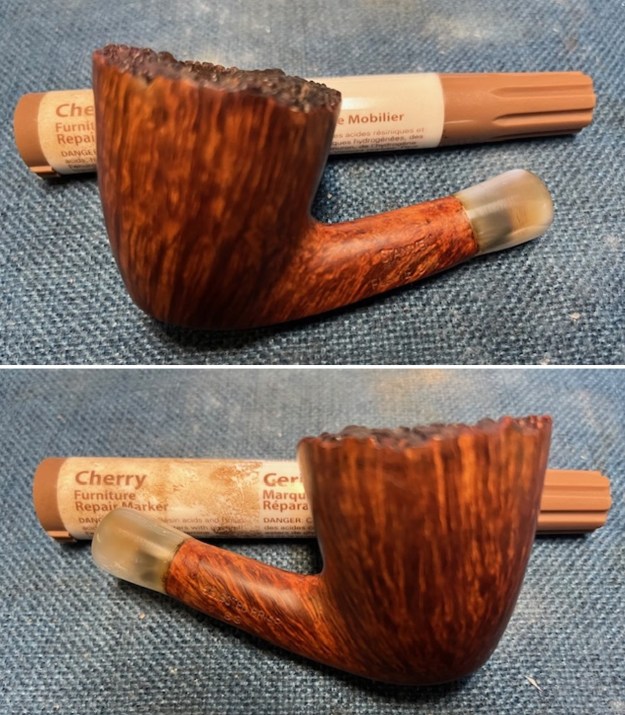
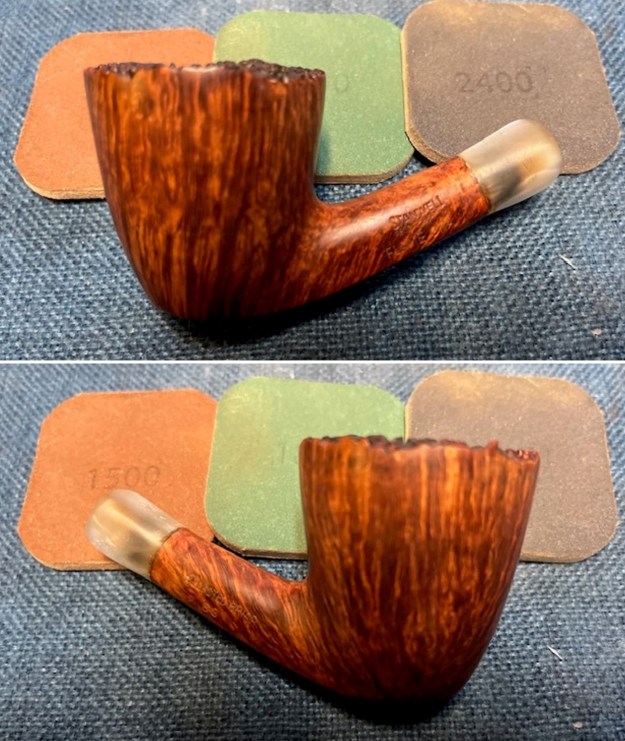
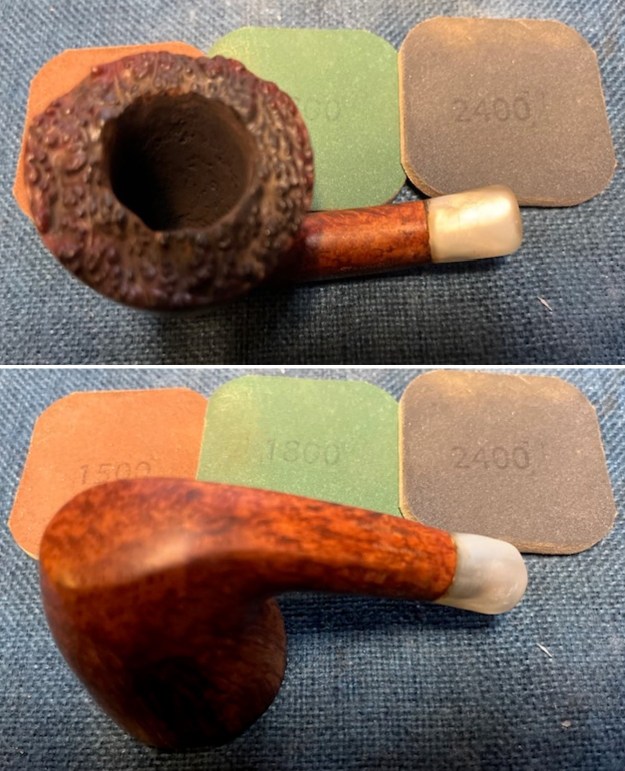
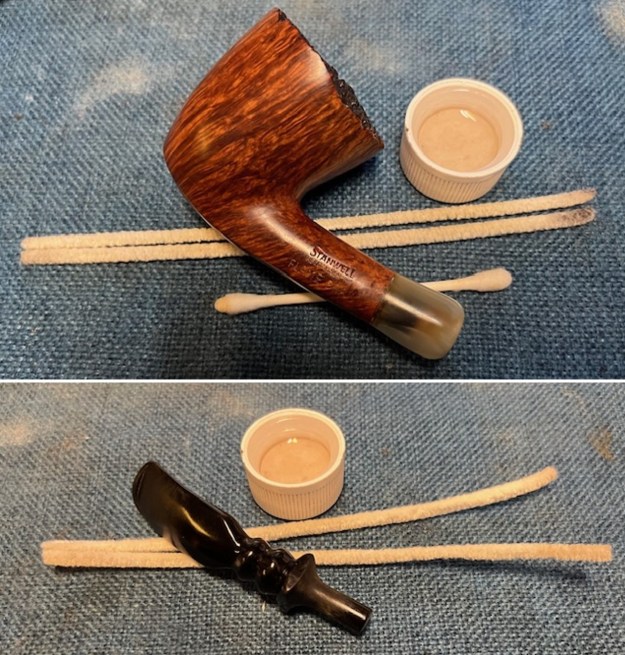
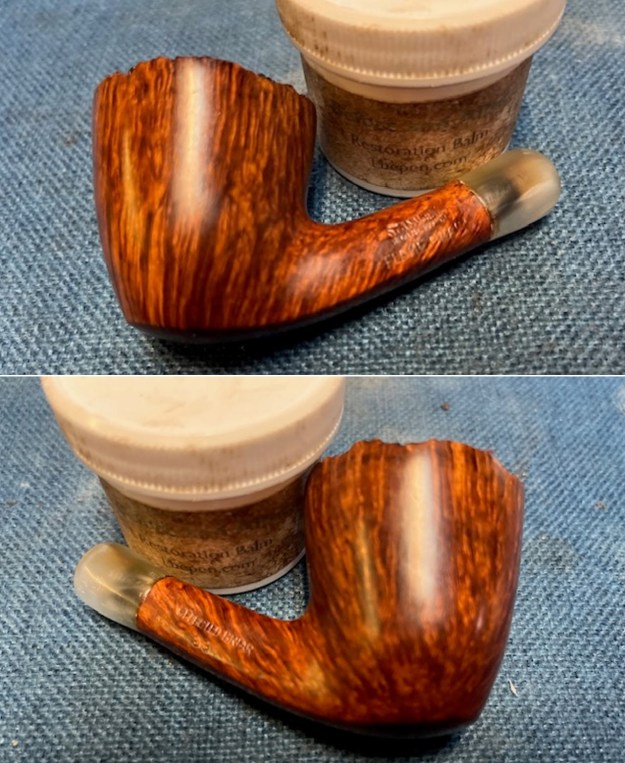
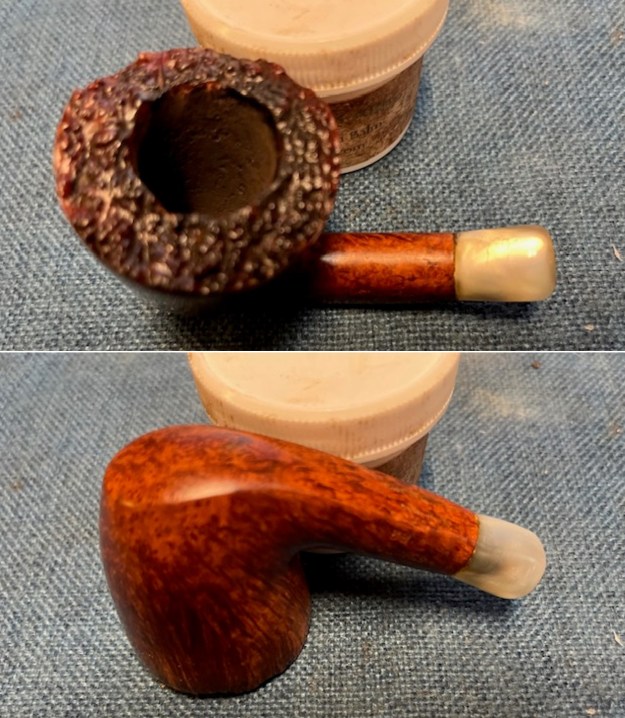
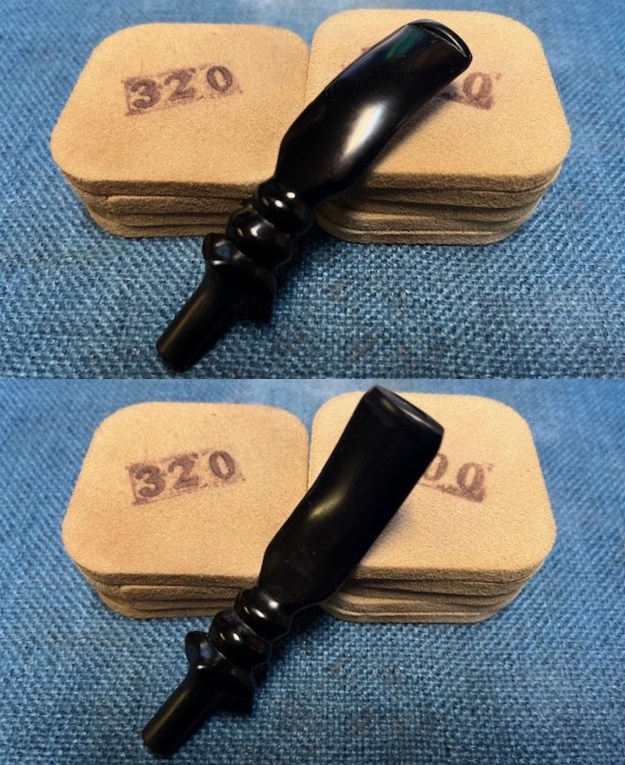
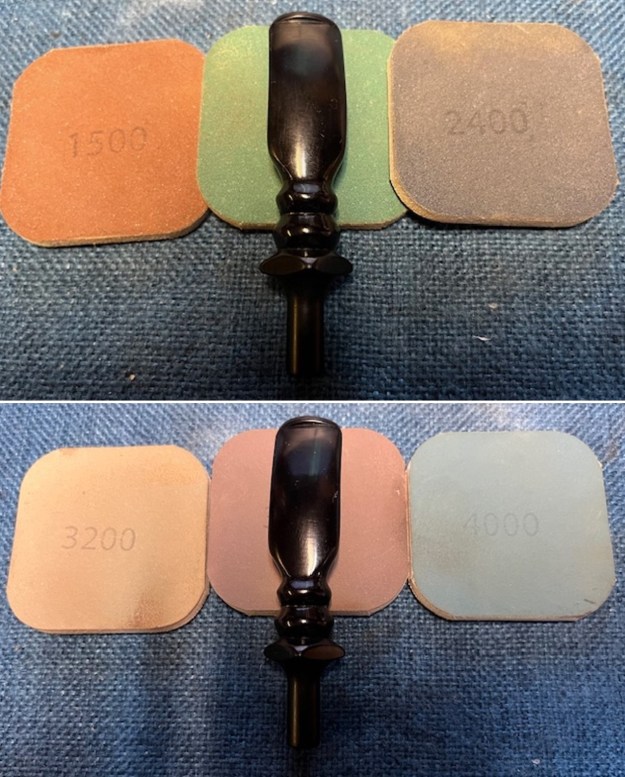
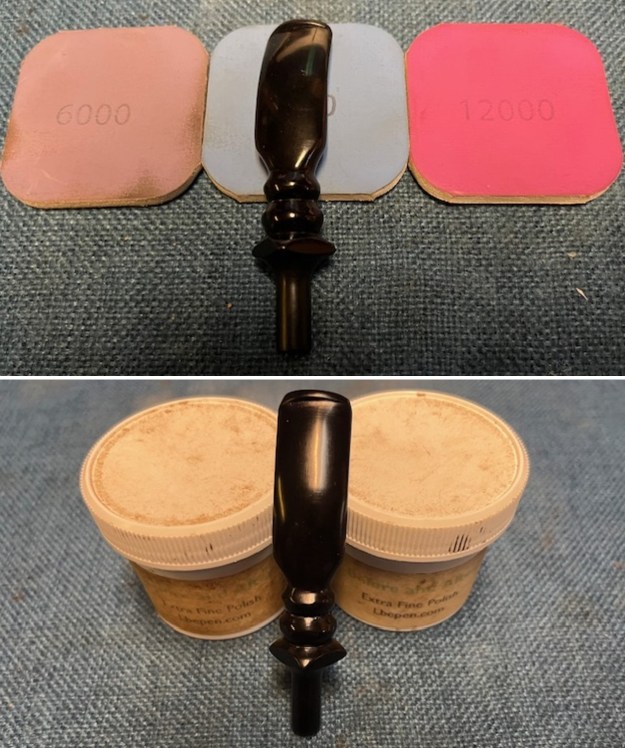
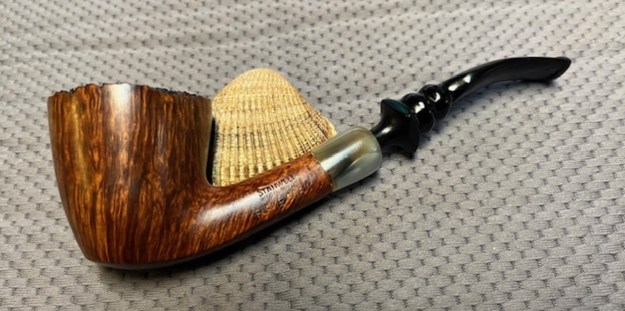
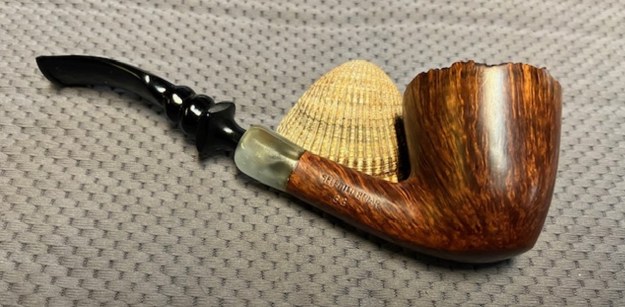
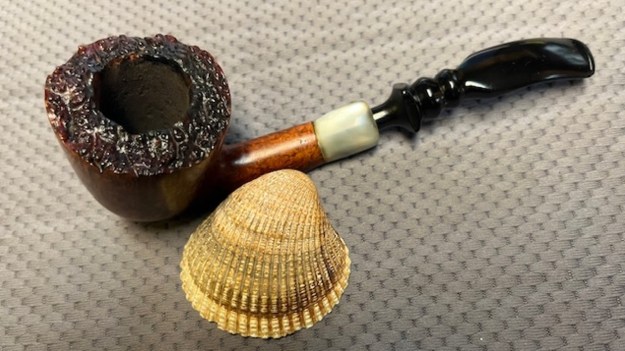
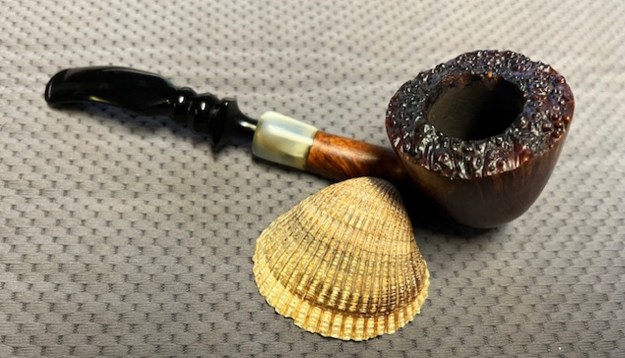
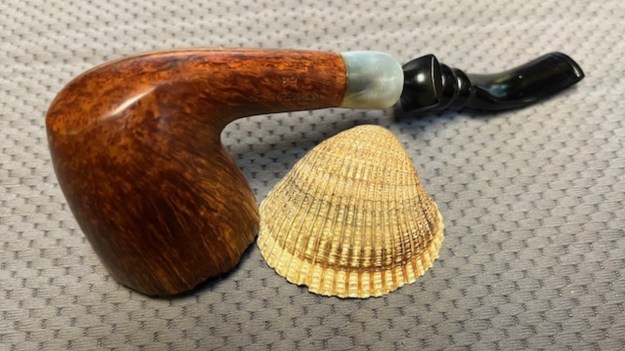
I took a break from working on repairs for customers and my own pipes to have some fun with an unstemmed bowl I had in my box. I went through my stems and did not have a normal or original stem for the bowl. I tried a variety of stems and none of them fit well of even close. I know this one will certainly irritate some purists but I have to tell you it was a fun pipe to work on.The shank had a bit of an odd shape as it was round on the top and the right and left sides. The unique part was that the bottom of the shank was flat. It was stamped on the left side of the shank and read Stanwell [over] Regd. No. 969-48 [over] Flame Grain. On the right side of the shank it is stamped Selected Briar [over] shape number 63. On the underside of the shank it is stamped Made in Denmark [over] Modele Depose. The shape was a classic Dublin with a plateau rim top. I only took one photo of the bowl before I started working on it. The bowl had some amazing grain around the sides and shank. Definitely the pipe lived up to its name FLAME GRAIN. I went to my can of stems and found both an interesting stem and a horn acrylic shank extension. With a bit of adjusting they would make an interesting looking freehand.The tenon end on the shank extension took only a little adjusting to fit the mortise in the shank. I used a file and a Dremel and a sanding drum to adjust the fit. I fit it in the shank end to get a sense of what it looked like with the extension.I coated the tenon end of the extension with some clear super glue and pressed it into the shank end. I held it in place until the glue set and the extension was solid in the shank.I used a flat file/rasp to shape the shank extension the shank end. I used a Dremel and sanding drum as well. It took a lot of sanding and filing to shape the extension but it gradually began to take on shape. I took some photos of the pipe after the heavy file work was finished. It is looking much better in terms of the fit. Lots of heavy sanding to do to further shape it. I took some photos of the stamping on the shank sides. The photos are far blurrier than the stamping is in person. It is very readable.More filing and more sanding with 220 grit sandpaper really gave the shank extension a defined shape and look. Polishing the shank extension would bring the horn shank back to life. I paused in the polishing of the acrylic horn extension to clean up the bowl. I worked over the rim top with a brass bristle wire brush to clean out the debris in the plateau. It polished up nicely with the brush. It looked much better. I began my work on this pipe by reaming the pipe. I used a PipNet Reamer with the first and second cutting heads to take back the heavy cake to bare briar. I cleaned up the reaming with a Savinelli Fitsall Pipe Knife and finally sanded the bowl walls with 220 grit sandpaper wrapped around a dowel. I like to remove all the cake to examine the walls for damage and checking. Great news is that this one is free of any damage! I sanded the bowl to smooth out the finish on the bowl and take care of nicks and scratches in the bowl sides and shank. I also sanded the acrylic horn shank extension. I also sanded the areas where the file and the 220 grit sandpaper had been used on the briar shank. I used 320-3500 grit sanding pads and wiped the bowl down after each pad with a damp cloth to check on the progress. It came out looking much better. I touched up the sanded areas on the shank end ahead of the extension with a Cherry stain pen. It matched surrounding briar very well. The acrylic horn shank extension looked very good. I polished the briar bowl and the acrylic horn shank extension with micromesh sanding pads – dry sanding with 1500-12000 grit sanding pads. I wiped it down with a damp cloth after each pad to remove the debris. The bowl and the band took on a rich glow. I cleaned out the shank and the airway in the stem with pipe cleaners, cotton swabs and alcohol. It was surprisingly clean and the pipe smelled fresh. I rubbed down the briar Before & After Restoration Balm. I worked it into the surface with my fingertips. I used a shoe brush to work the balm into the plateau. The product works to clean, enliven and preserve the briar. I let it sit for 15 minutes then I buffed it with a cotton cloth to deepen the shine. The briar really comes alive with the balm. I used the sanding pads I purchased recently – 320-3500 grit regular pads to smooth out the finish and remove the light tooth and chatter marks in the stem. I wiped the stem down with Obsidian Oil to finish the preliminary work after the 3500 grit pad.I polished the stem with micromesh sanding pads – dry sanding with 1500-12000 grit pads. I wiped the stem down after each sanding pad with Obsidian Oil. I polished the stem with Before & After Pipe Stem Polish – both Fine and Extra Fine. I gave it a coat of Obsidian Pipe Stem Oil. It works to protect the stem to protect the stem. I set it aside to dry. I put the stem back on the reborn/re-imagined  Stanwell Flame Grain Made in Denmark 63 Dublin Freehand and took it to the buffer. I buffed the bowl and stem with Blue Diamond to polish the briar and the acrylic. Blue Diamond does a great job on the smaller scratches that remain in both. I gave the bowl and the stem several coats of carnauba wax and buffed the pipe with a clean buffing pad to raise the shine. I hand buffed it with a microfiber cloth to deepen the shine. I am amazed at how well it turned out. The finished pipe is shown in the photos below. This is a beautiful Stanwell Flame Grain Dublin 63 – the acrylic horn shank extension, black acrylic stem and smooth finish combine to give the pipe a great look. The dimensions of the pipe are Length: 6 inches, Height: 2 inch, Outside diameter of the bowl: 1 ¾ inches, Chamber diameter: ¾ of an inch. The weight of the pipe is 1.55 ounces/45 grams. This is another pipe that I will be putting on the rebornpipes online store in the Danish Pipe Pipemaking Companies Section shortly, if you are interested in adding it to your collection. Thanks for walking through the restoration with me on this beauty!
As always, I encourage your questions and comments as you read the blog. Thanks to each of you who are reading this blog. Remember we are not pipe owners; we are pipe men and women who hold our pipes in trust until they pass on into the trust of those who follow us.
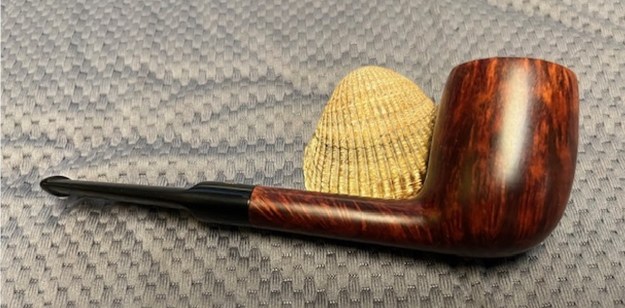
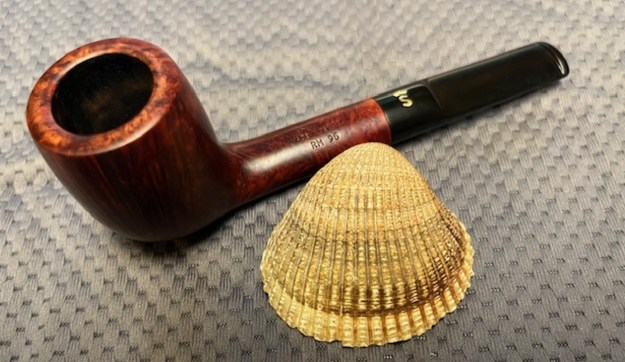
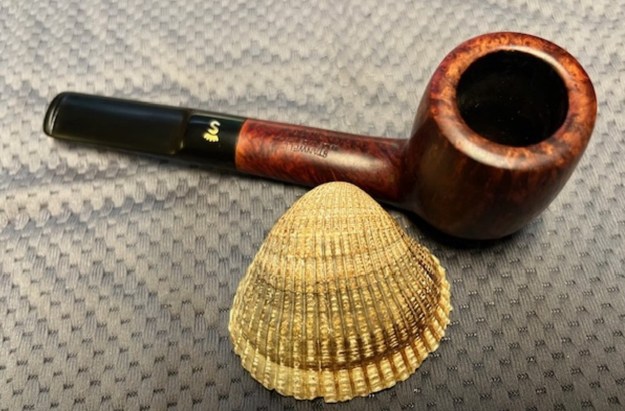
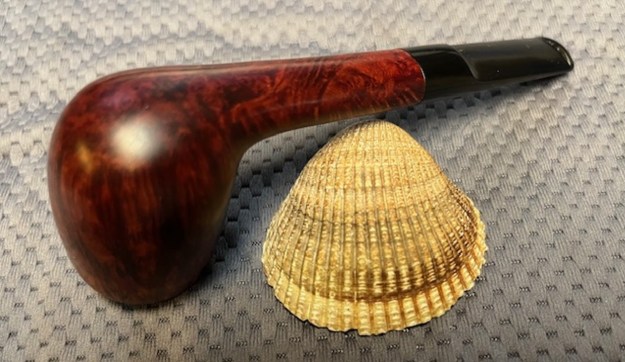
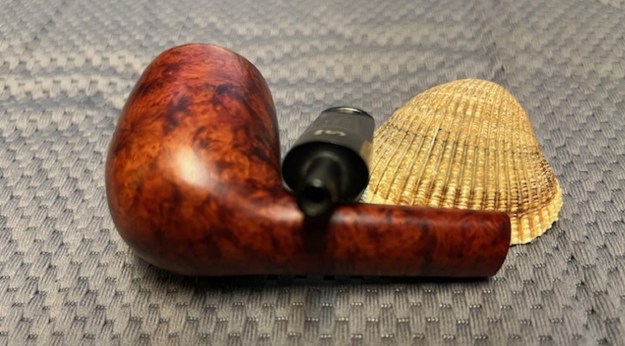
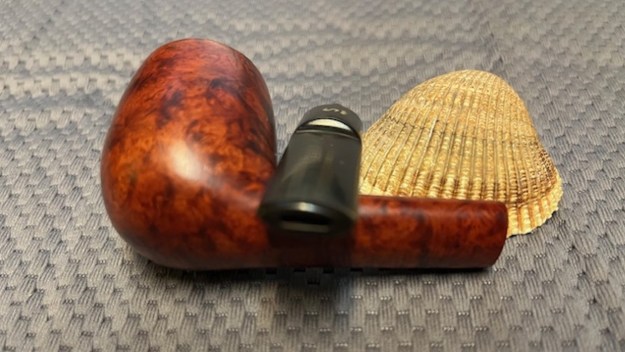
What a Beautiful Pair of Danish Made Stanwell RM96 Oval Shank Saddle Billiards


Blog by Steve Laug

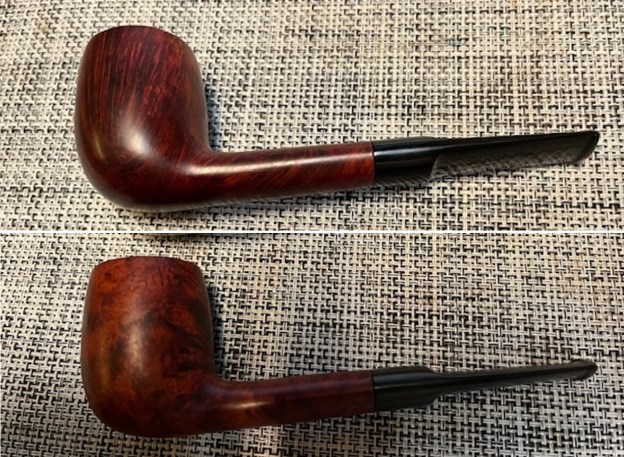
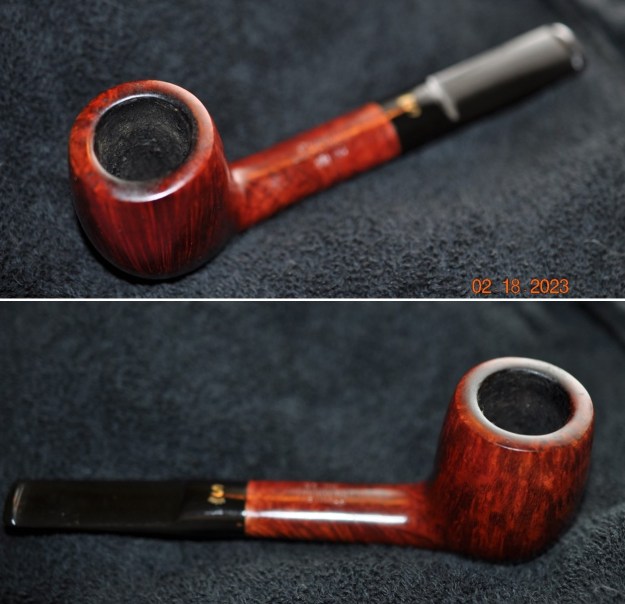
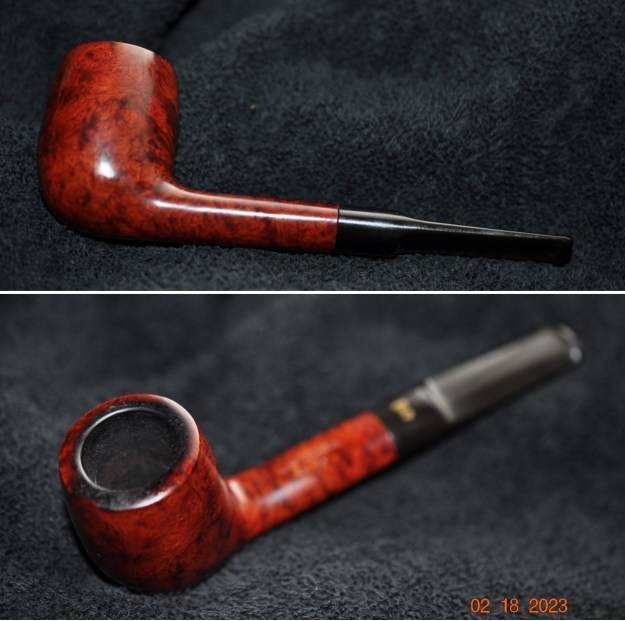
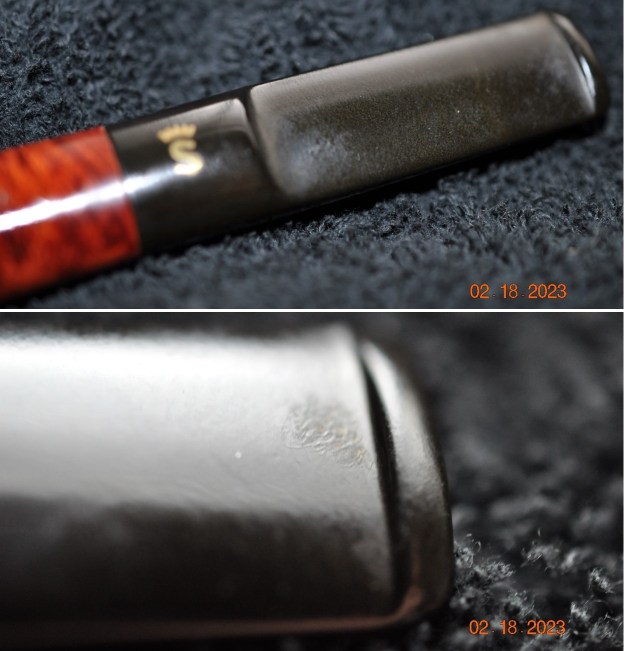
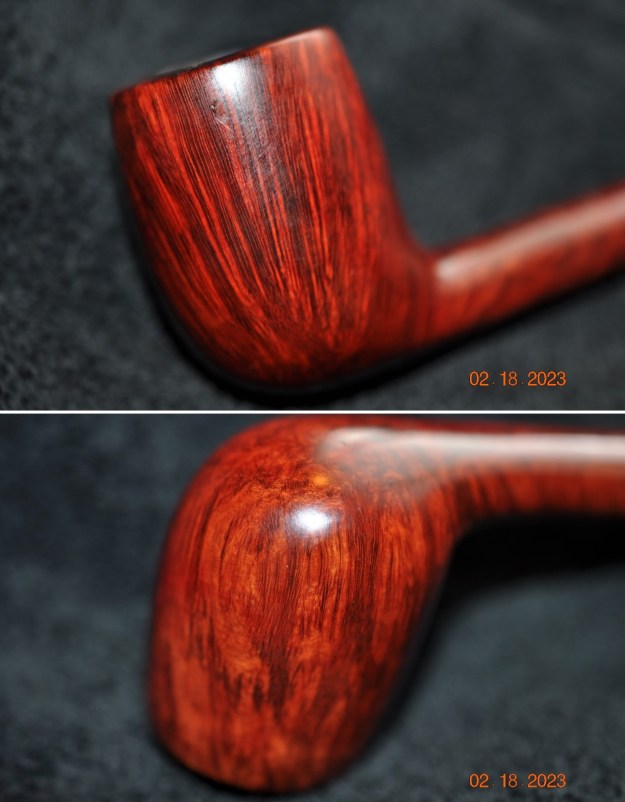
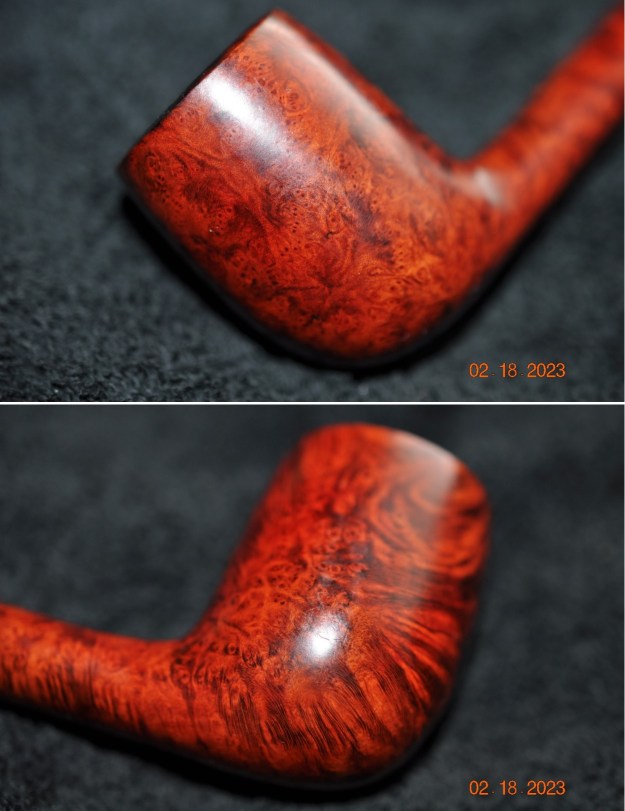
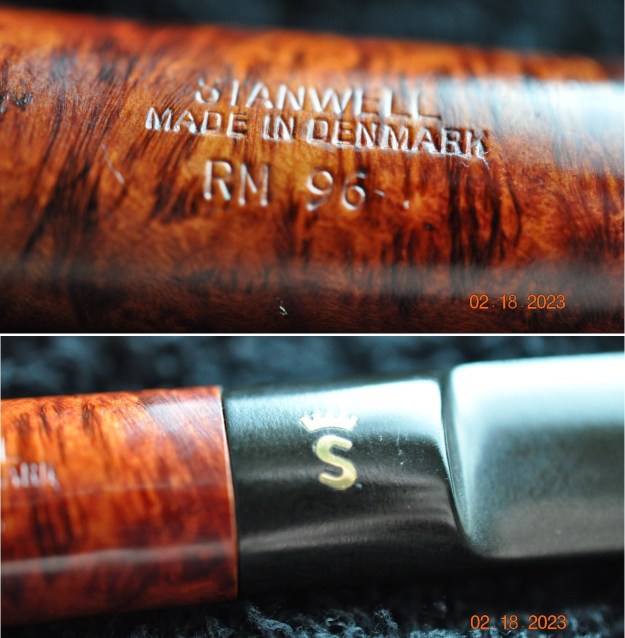
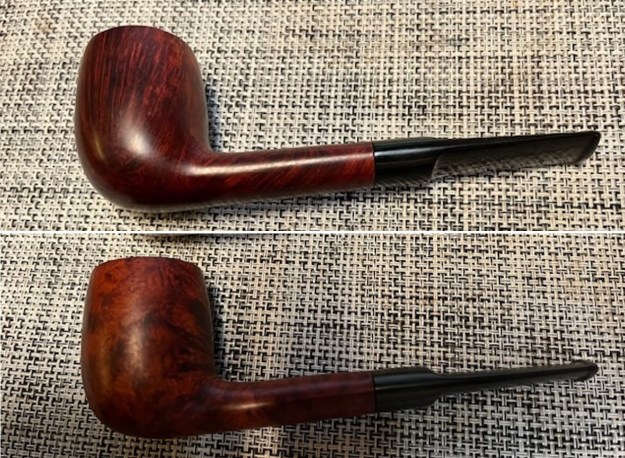
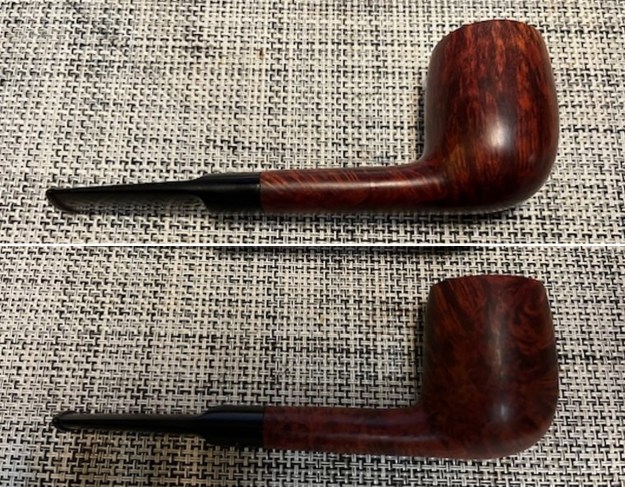
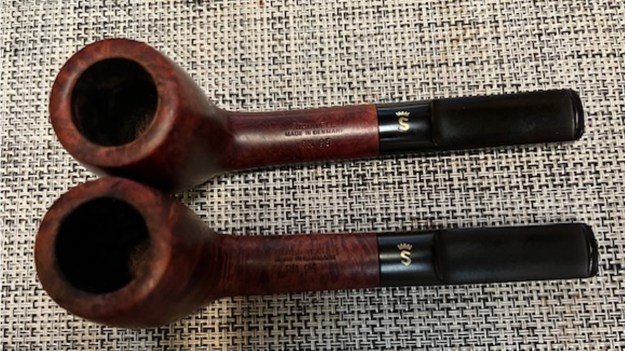
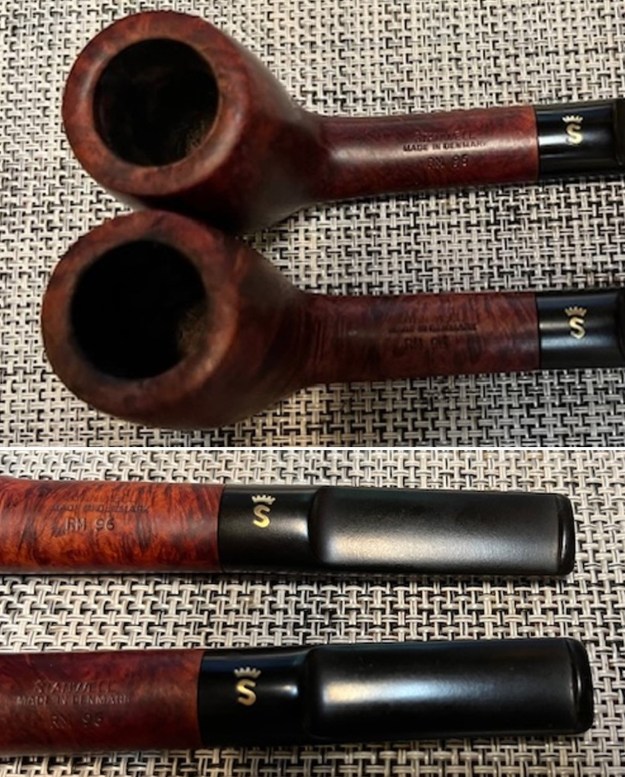
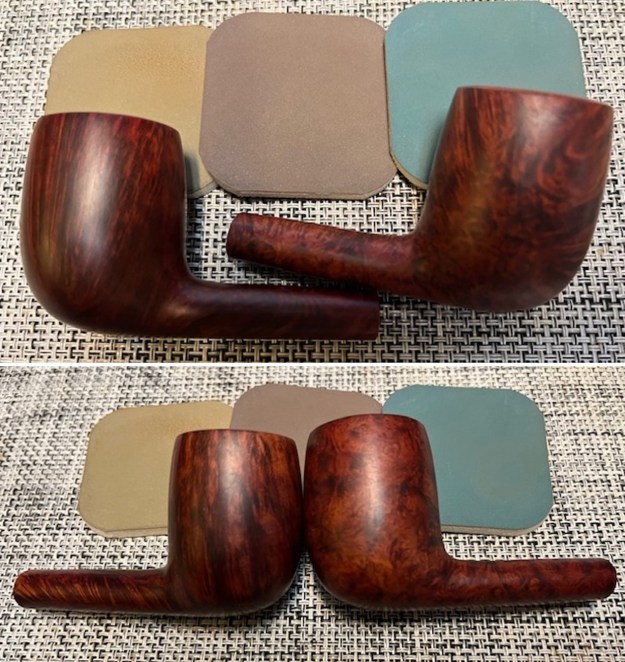
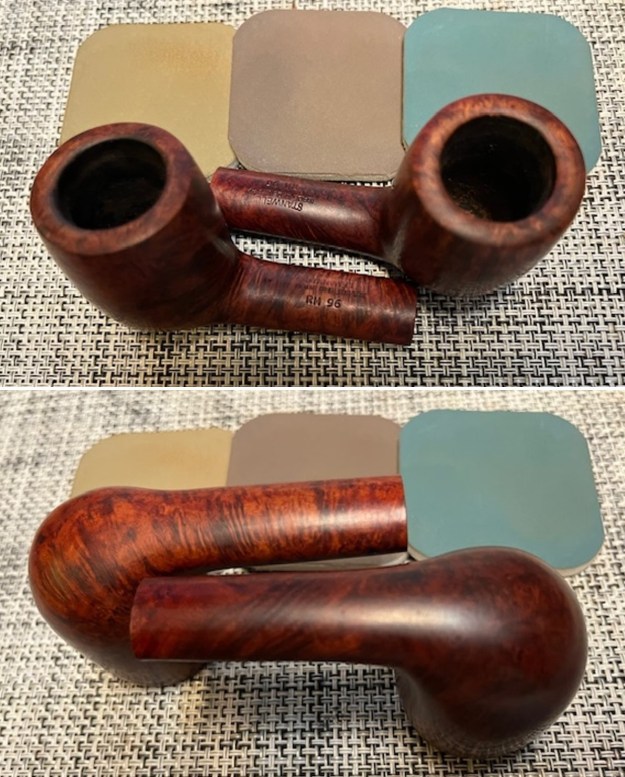
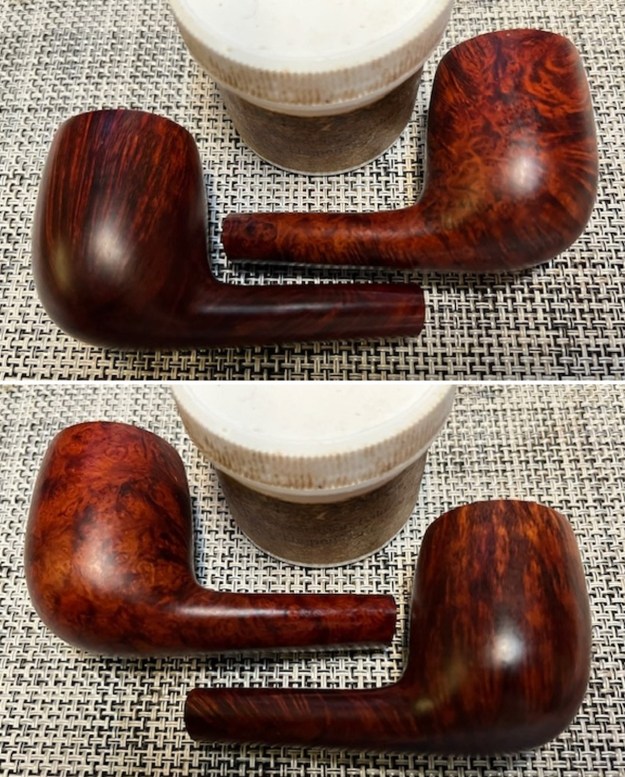
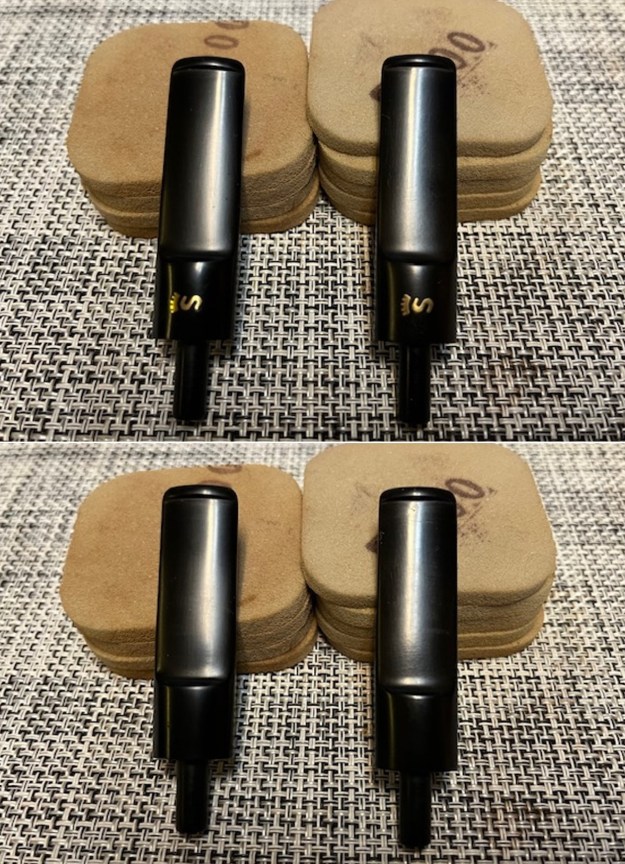
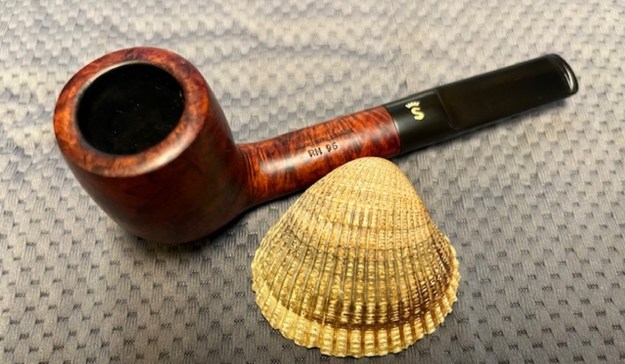
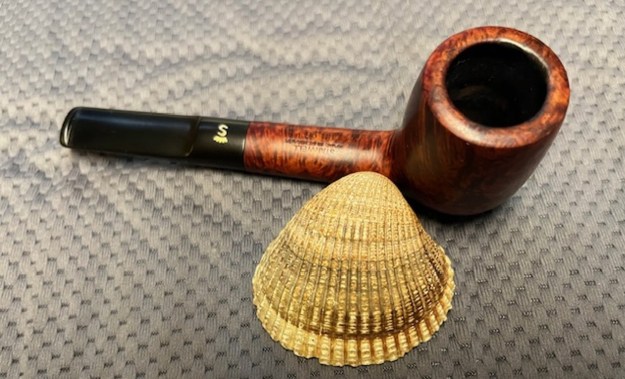
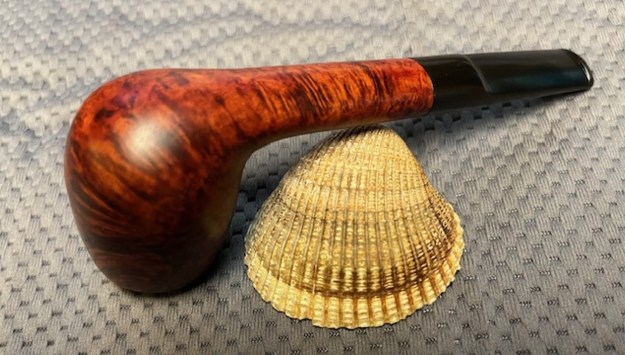
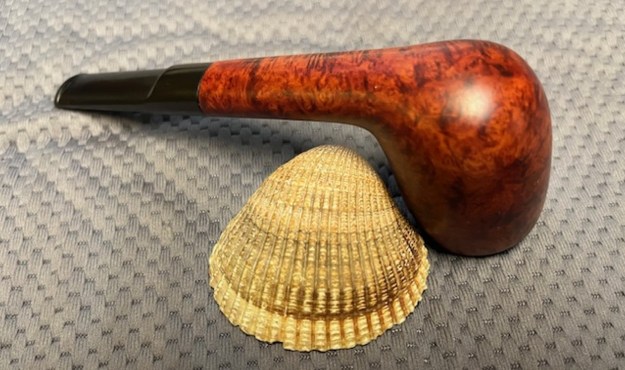
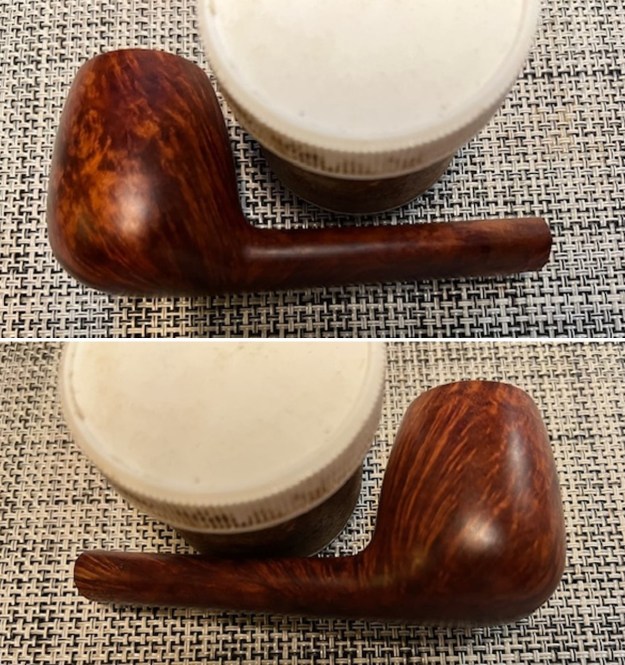
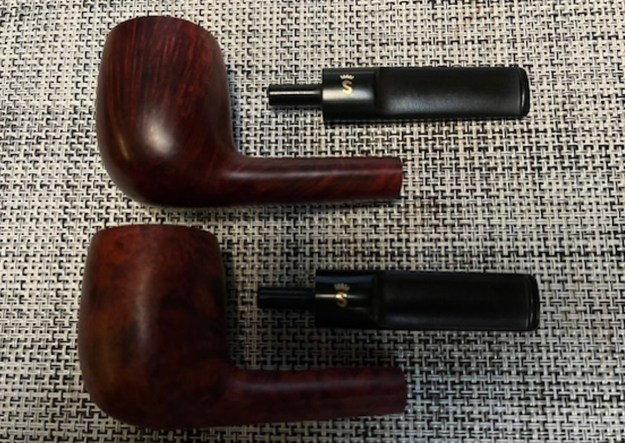
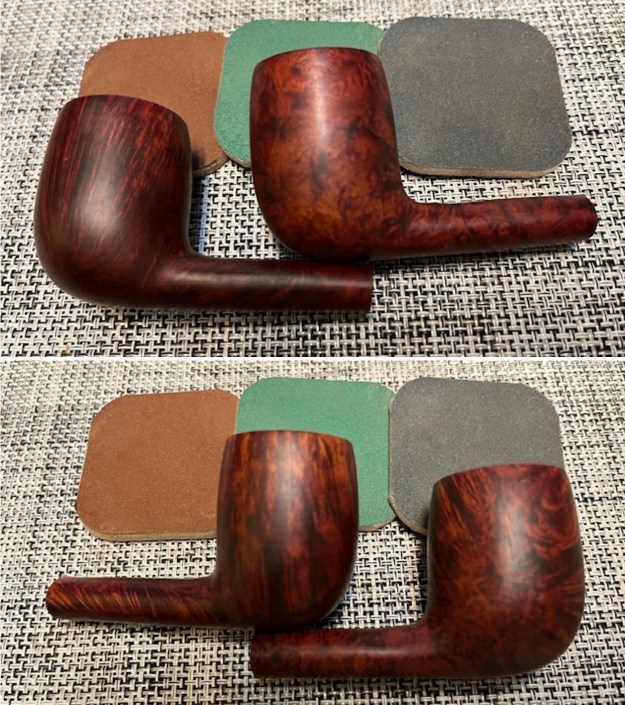
The next pipes I am working on were purchased on 01/26/2023 as part of a group of pipes from a fellow in Copenhagen, Denmark. There both expectedly dirty and obviously they had been someone’s favourite smokers. The pipes are both stamped on the topside of the shank and read Stanwell [over] Made in Denmark [over] RM96. The RM96 stamp had me a bit mystified though I figured it was probably made for a smoking competition thanks to Jesper’s previous help. I would need to check that out. On the straight grain pipe (#1), the dirty smooth finish was not able to hide the beauty of the grain around the bowl and shank. There were tars and oils ground into the surface of the briar. The bowl had a very thick cake that flowed over the top of the smooth rim in a heavy lava coat in spots around the bowl. The inner edge was so heavily coated in those spots that it was hard to assess its condition. The stem was a black vulcanite saddle stem with a brass Crown S logo stamp. It had some light tooth marks and chatter on both sides ahead of the button. On the mixed grain one (#2) the finish was about the same – dirty and covered with grime and oils ground into the bowl surface. There was a thick cake in the bowl and the lava coat on the rim top was heavier than on #1. The stem had matching tooth marks to #1 making me think it was probably from the same owner. Jeff took photos of the pipes before he started his clean up work.

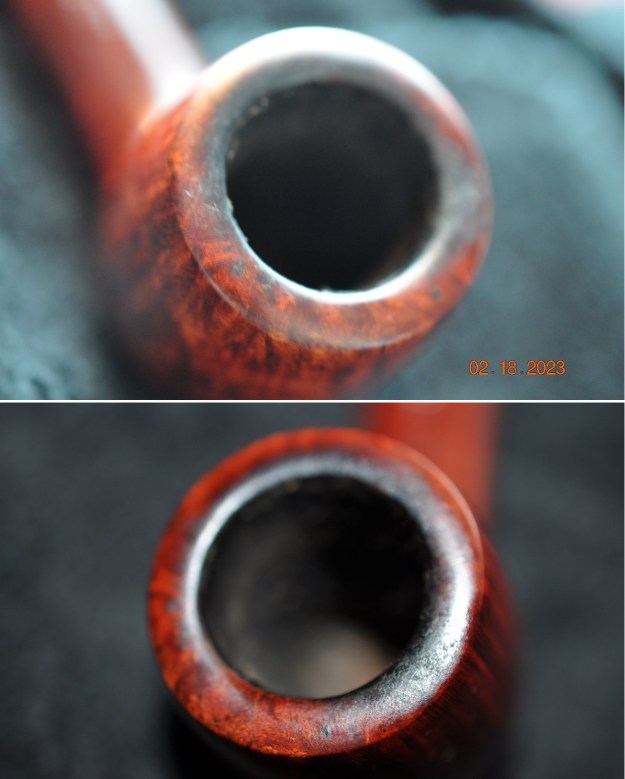
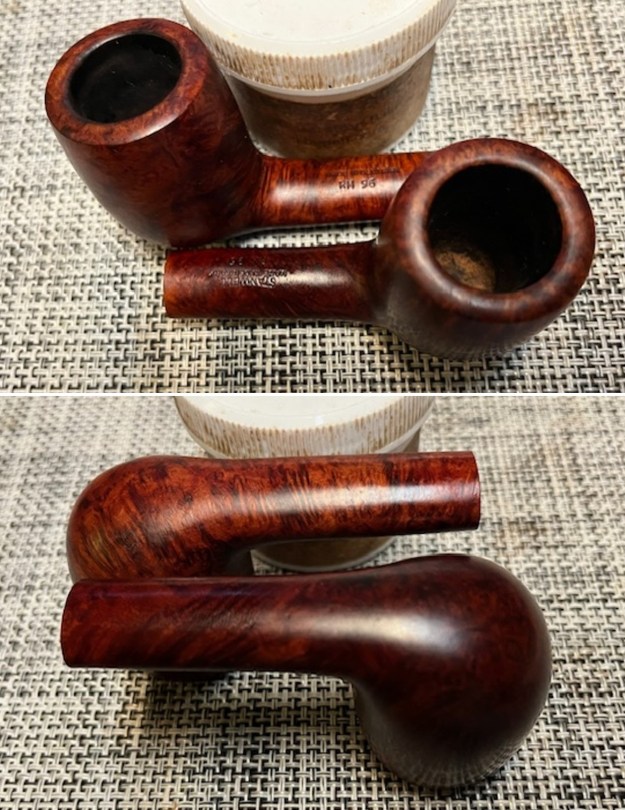
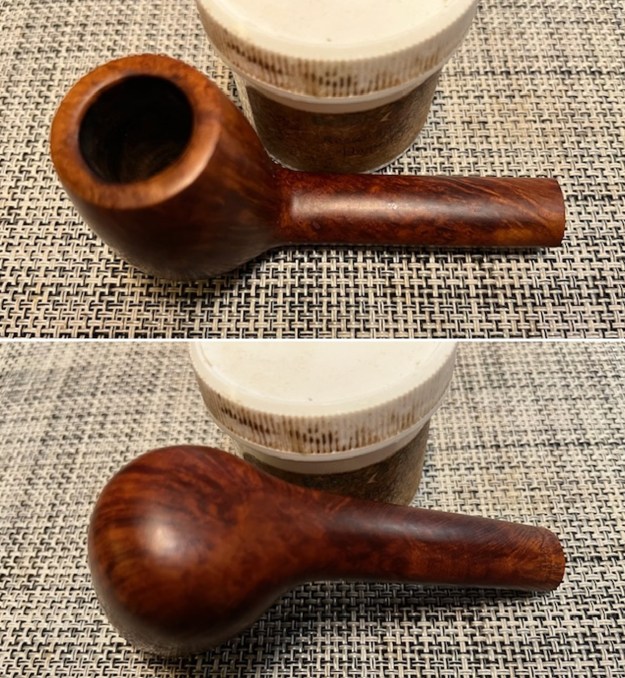
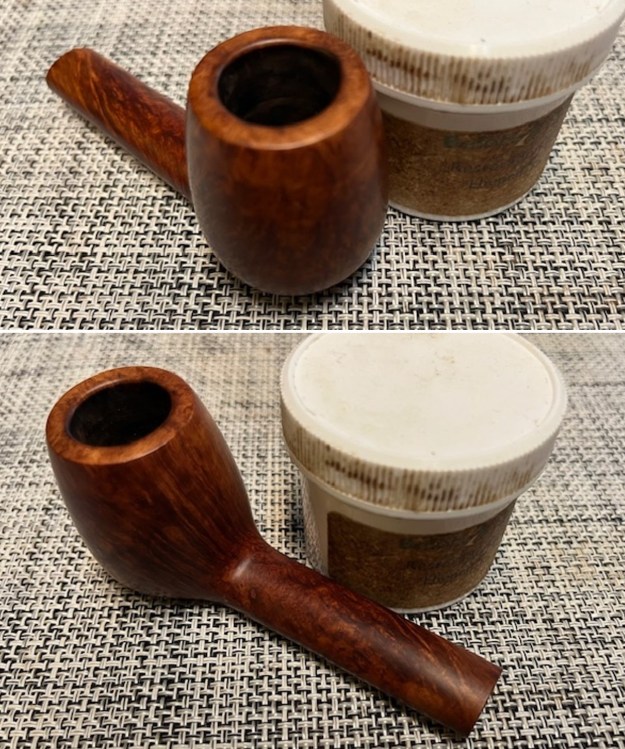
PIPE #1 PIPE #2 Jeff took photos of the rim and bowl of both pipes to show the heavy cake and heavy lava coat covering the rim top. The inner edge of the rim on both was so thickly caked that it was not possible to know with certainty the condition. They really were dirty pipes but still were beauties. He also took photos of the stem surfaces to show its overall condition when they arrived.

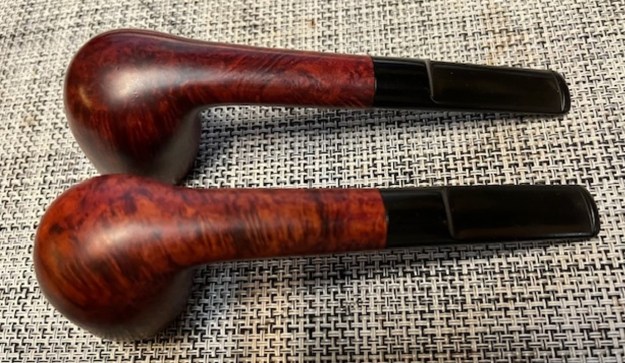
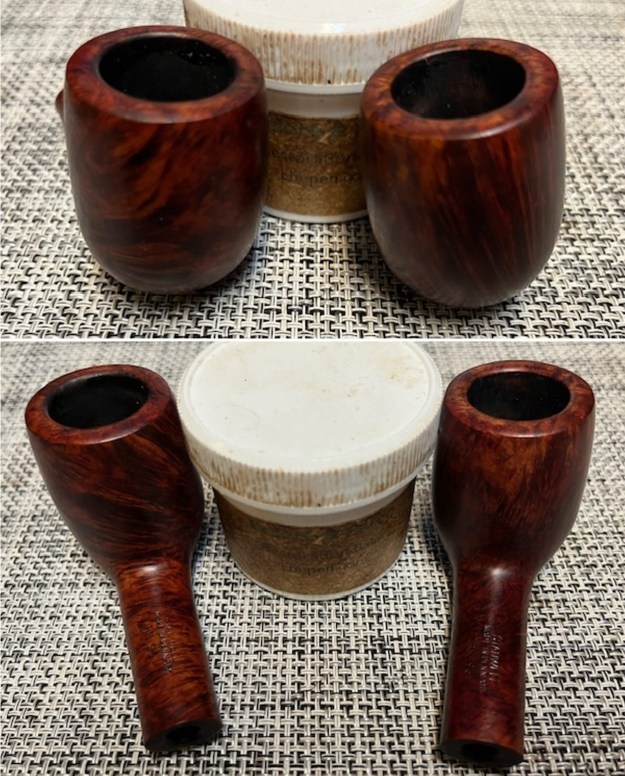
PIPE #1 PIPE #2 The photos of the sides and heel of the bowls show some beautiful grain around the bowl and shank sides. Pipe #1 has some great straight grain around the bowl and shank. Pipe #2 has a mix of birds eye, flame and swirled grain. The brown stain on both pipes adds depth to the finish on the pipes and makes the grain really stand out on the bowl and shank.

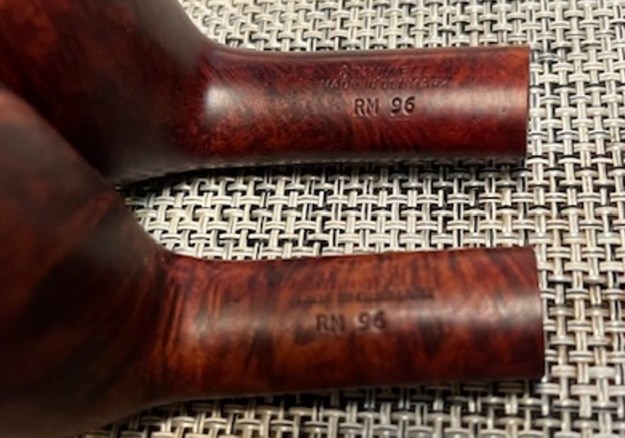
PIPE #1PIPE #2 He also took photos of the stamping on the topside of the shanks. It is clear on both pipes and reads as noted above. You can also see the inlaid brass Crown S on the top of the saddle stems in the photos.

PIPE #1 PIPE #2 I decided before I started my work on the pipe to try and unravel the stamping on the topside of the shanks on each pipe. I did a Google search of Stanwell RM 96 and got no hits. I changed the search to hunt for a Stanwell Made in Denmark RM 96 still found no information.

I wrote to Jesper Klith on Facebook and asked he could help me out with information. He has been a very willing and knowledgeable help for these special pipes and city pipes. He replied quickly with an answer and an interesting personal note that I have included below.

It’s from my club Randers Pibeklub. The year I became a member and from my 2nd contest haha. I wonder how it ended up in Canada?

So now I knew! The RM 96 stamp was on a Pipe Club pipe (both of them in this case) and meant Randers Pibeklub. The pipes were made to be used in the competition and was also a commemorative piece. Now it was time to start my work on the pipes.

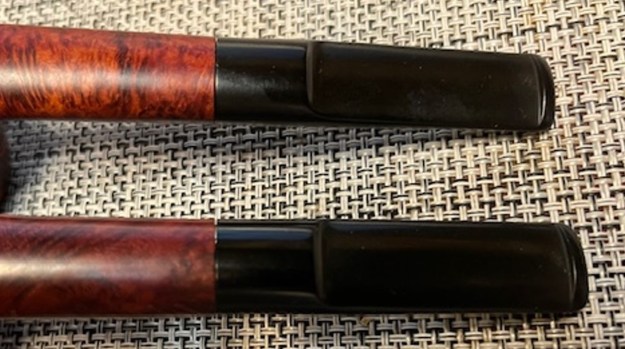
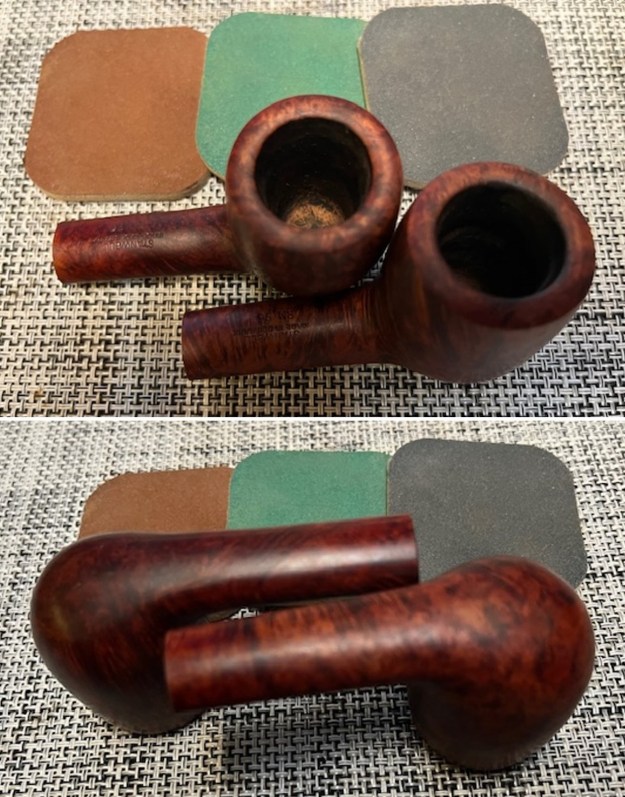
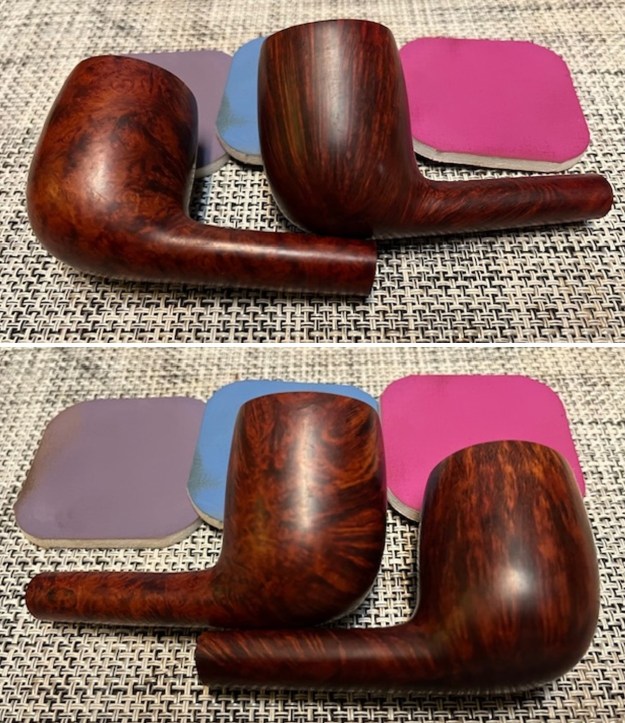
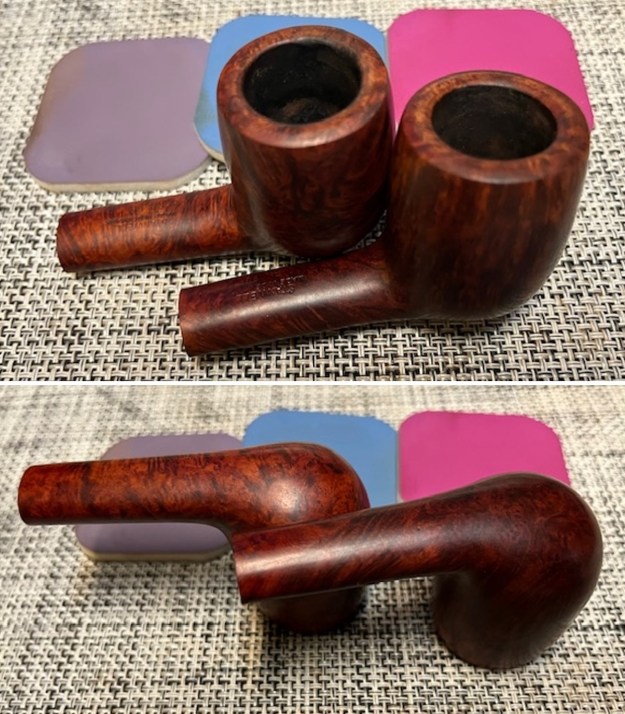
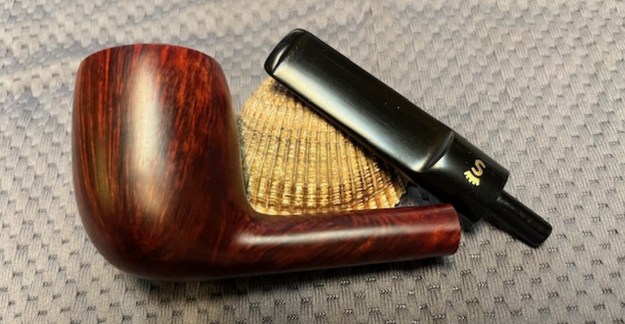
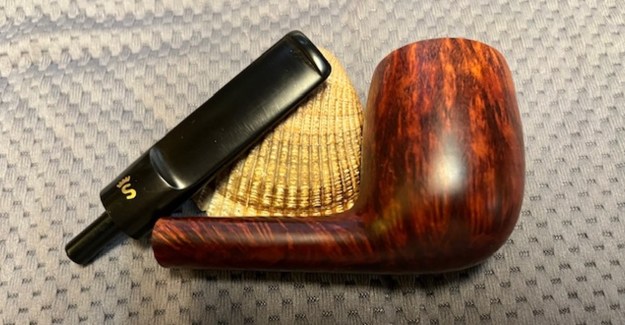
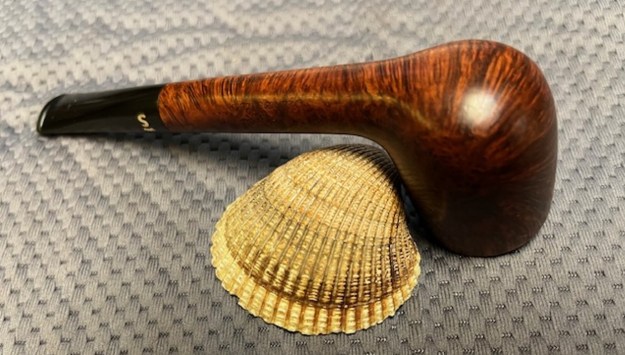
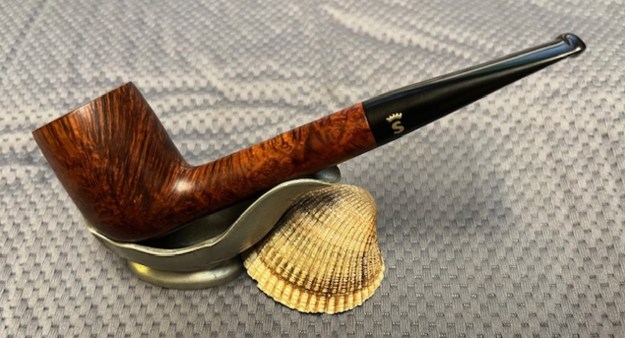
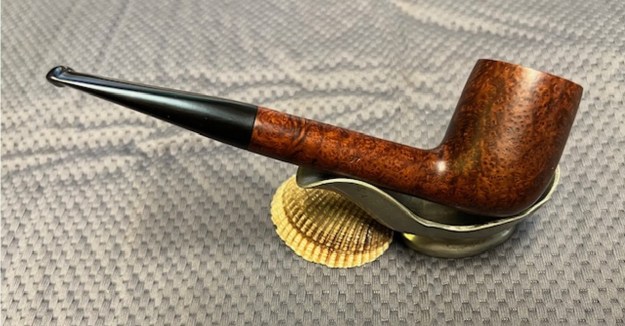
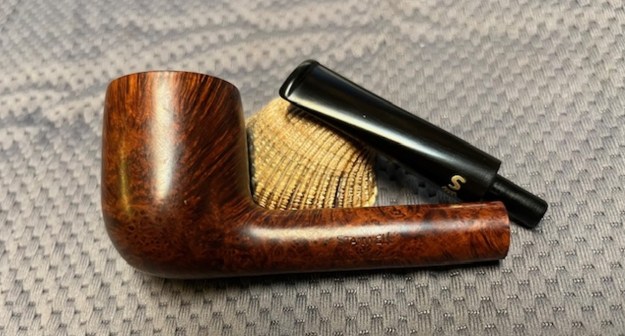
Jeff did his usual clean up on the two pipes. He reamed the bowls with a PipNet pipe reamer and cleaned them up with a Savinelli Fitsall Pipe Knife. He scrubbed the exterior with Murphy’s Oil Soap and a tooth brush to clean off the grime off the finish and the overflow of lava on the rim tops. The cleaning had removed the grime on the rim tops. He cleaned up the internals of the shank, mortise and stem of both pipes with pipe cleaners, cotton swabs and alcohol to remove all of the oils and tars in the pipe. He soaked the vulcanite stems in Briarvilles Pipe Stem Deoxidizer and was able to remove any remaining grime on the surface and inside. The fit of the stems to the shanks looked great and the brass Crown S logo shone on each. When they arrived here in Vancouver they were clean pipes and I knew what I had to work with. I took photos of them before I started my part of the restoration. Please note that though they seem to show a size variation they are identical. The variation is caused by the angle of the camera. I took photos of the rim tops and the stems to show their condition. Jeff was able to clean up the cake and the lava overflow that was shown in the rim and bowl photos above. The rim top on both looked very good but there seemed to be light damage and darkening to the top and inner edge of the bowl. The stem looked better, though there were light tooth marks and chatter on both sides near the button. I took a photo of the stamping on the top of the shank on each pipe to show that it was readable and undamaged by the cleanup work. I removed the stem from the shank and took a photo of the parts to give a sense of what the pipe looks like.   The pipes looked so good that I started my work by polishing the smooth rim top and bowl on both of them with micromesh sanding pads. I dry sanded it with 1500-12000 grit pads. I wiped the bowl down after each pad with a damp cloth. The pipe began to take on a rich shine and grain was beginning to stand out. I sanded with all of the pads and wiped the bowl down after each pad with a soft cloth. I rubbed the bowl and shank down with Before & After Restoration Balm to deep clean the finish on the bowl and shank. The product works to clean, enliven and protect the briar. I worked it in with my fingers to get it into the briar. I used a horsehair shoe brush to work it into the sand blast. I let it sit for 10 minutes then I wiped it off and buffed it with a soft cloth. The briar really began to have a rich shine. I took some photos of the bowl at this point to mark the progress in the restoration. It is a beautiful bowl. I set the bowl aside and worked on the stem at this point in the process. I polished the light tooth marks on the surface of both stems with the new regular grit sanding pads I purchased. I used 320-3500 grit sanding pads. They looked significantly better at this point.I polished light tooth marks and chatter out of the stem with micromesh sanding pads – dry sanding with 1500-12000 grit pads. I wiped the stem down after each sanding pad with Obsidian Oil. I polished the stem with Before & After Pipe Stem Polish – both Fine and Extra Fine. I gave it a coat of Obsidian Pipe Stem Oil. It works to protect the stem from oxidizing. I set it aside to dry.I put the stems back on the beautiful pair of Stanwell RM 96 Oval Shank Saddle Billiard and took it to the buffer. I buffed the bowl and stem with Blue Diamond to polish the briar and the vulcanite. Blue Diamond does a great job on the smaller scratches that remain in both. I gave the bowl and the stem several coats of carnauba wax and buffed the pipe with a clean buffing pad to raise the shine. I hand buffed it with a microfiber cloth to deepen the shine. I am amazed at how well it turned out. The finished pipe is shown in the photos below. These are beautiful Stanwell Randers Pibeklub 96 Club Pipes – the vulcanite saddle stems and smooth finish combine to give the pipes a great look. The dimensions of Pipe #1 are Length: 5 inches, Height: 1 ¾ inch, Outside diameter of the bowl: 1 1/8 inches, Chamber diameter: ¾ of an inch. The weight of the pipe is 1.16 ounces/34 grams. The dimensions of Pipe #2 are Length: 5 inches, Height: 1 ¾ inch, Outside diameter of the bowl: 1 1/8 inches, Chamber diameter: ¾ of an inch. The weight of the pipe is 1.16 ounces/34 grams. I will be putting these pipes on the rebornpipes online store in the Danish Pipe Pipemaking Companies Section shortly, if you are interested in adding one or both of them to your collection. Thanks for walking through the restoration with me on this beauty!

As always, I encourage your questions and comments as you read the blog. Thanks to each of you who are reading this blog. Remember we are not pipe owners; we are pipe men and women who hold our pipes in trust until they pass on into the trust of those who follow us.
Pipe #1 Pipe #2

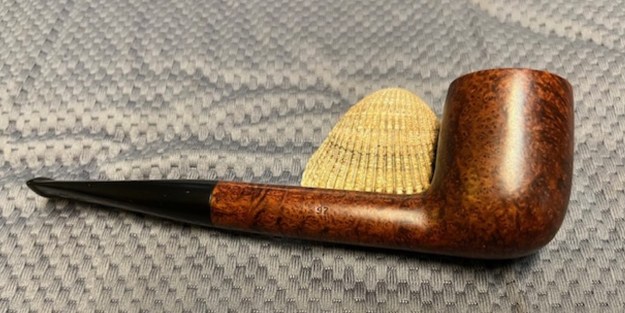
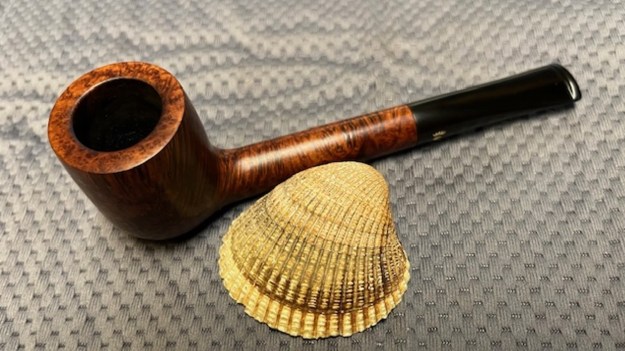
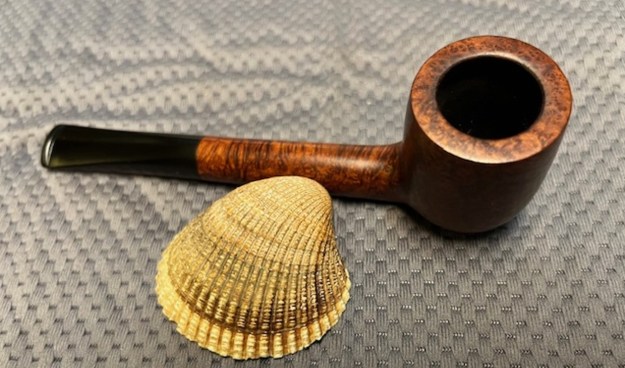
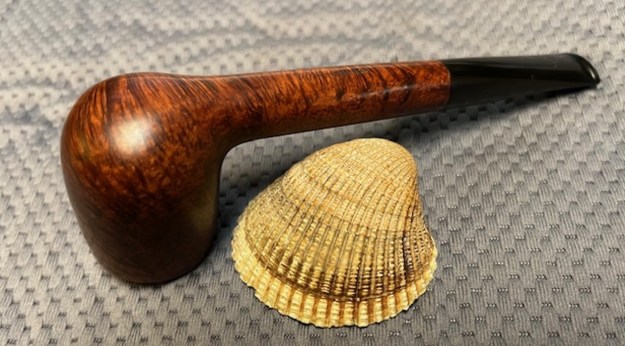
Breathing new life into a Danish Made Stanwell Flame Grain 97 Liverpool


Blog by Steve Laug

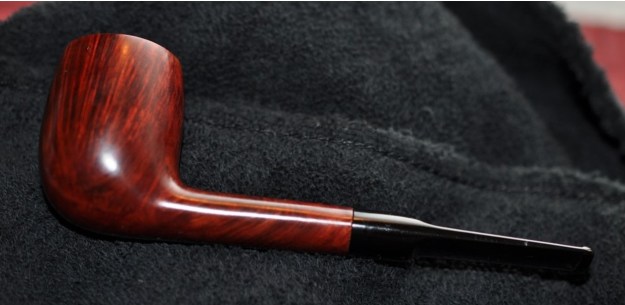
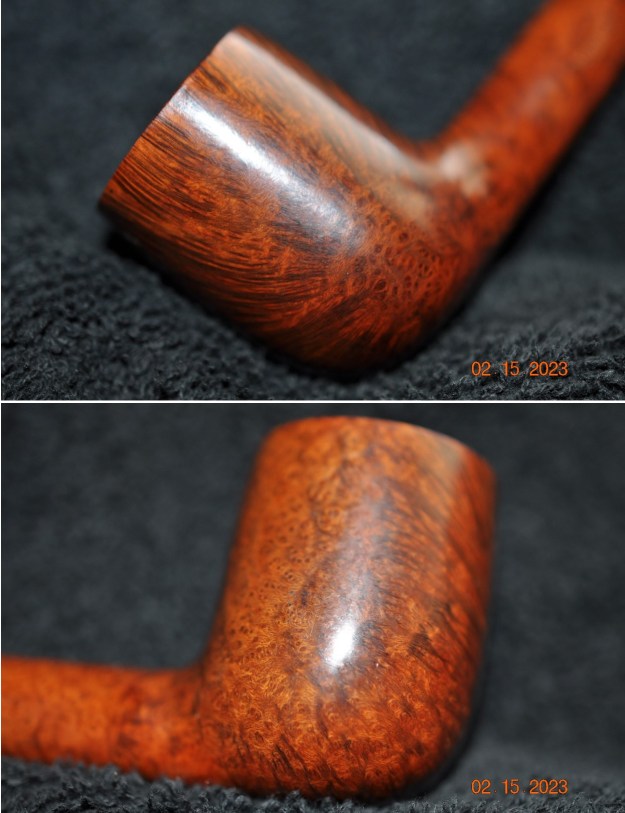
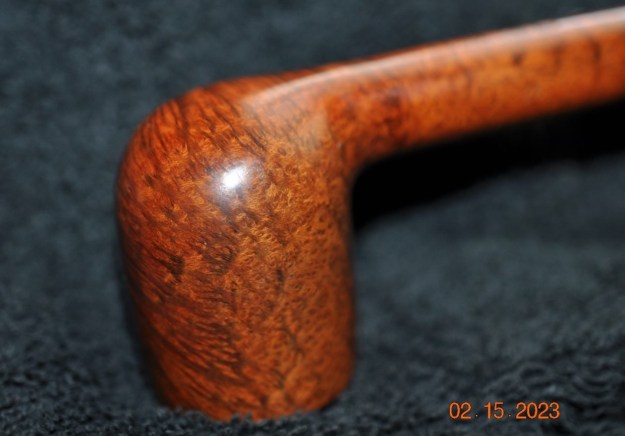
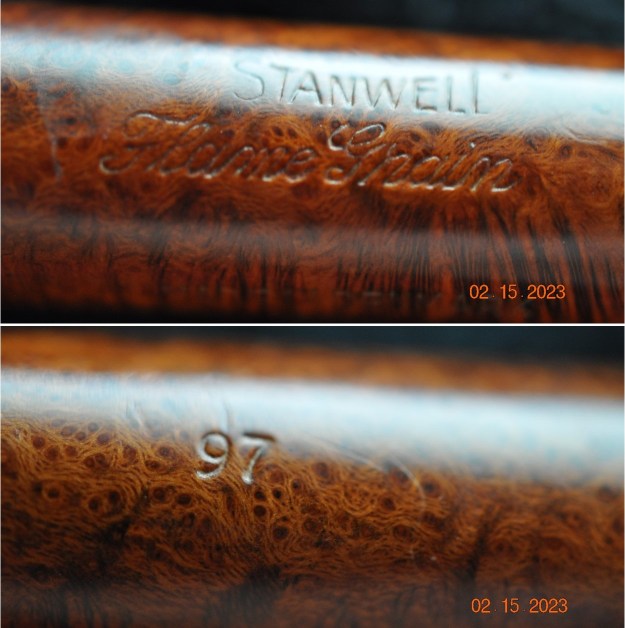
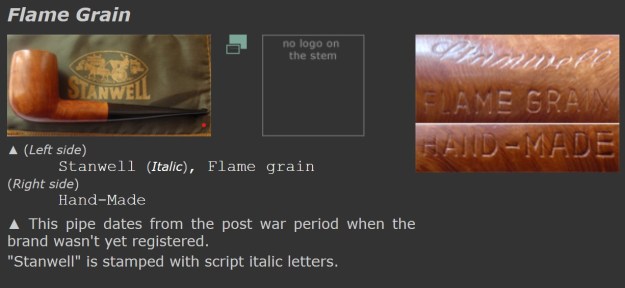
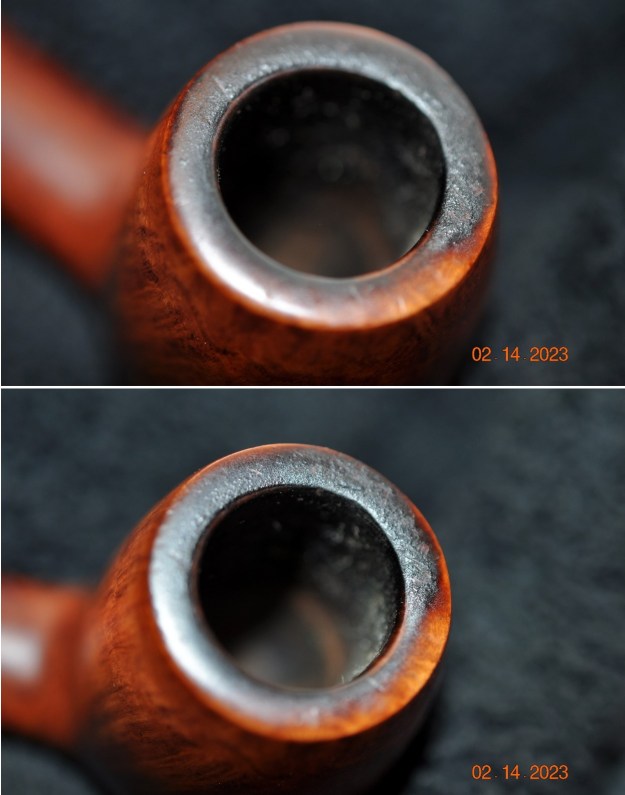
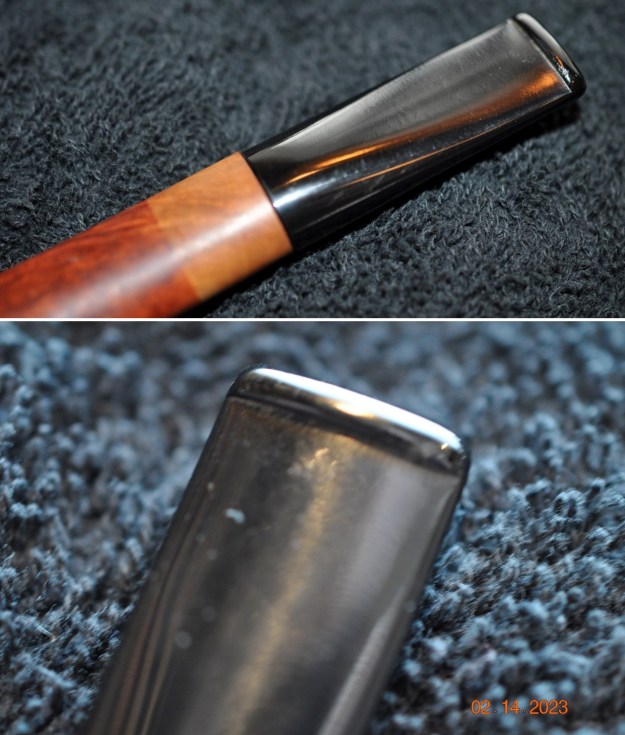
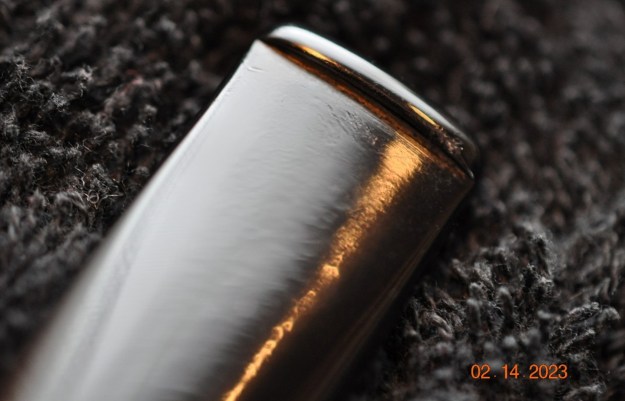
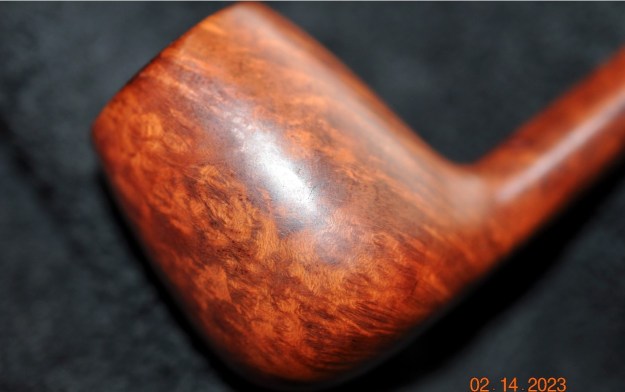
The next pipe I am working on was purchased on 01/26/2023 as part of a group of pipes from a fellow in Copenhagen, Denmark. This was a beautiful and a dirty pipe with a lot of wear and tear and obviously it had been someone’s favourite smoker. The Liverpool shaped pipe is stamped on the left side of the shank and reads Stanwell [over] Flame Grain. On the right side of the shank it is stamped with a 97 shape number. On the underside of the shank it is stamped Made in Denmark. The dirty smooth finish was not able to hide the beauty of the grain around the bowl and shank. There were tars and oils ground into the surface of the briar. The bowl had a very thick cake that flowed over the top of the smooth rim in a spotty lava coat. The inner edge was heavily coated with lava at the back of the bowl so it is hard to assess its condition. The stem was a black vulcanite taper stem with an inlaid Gold Crown S. It had some light tooth marks and chatter on both sides ahead of the button. Jeff took photos of the pipe before he started his clean up work. Jeff took photos of the rim and bowl to show the heavy cake and the lava on the rim top. The inner edge looked good but was caked at the back of the rim so it was not possible to know with certainty the condition. It really was a dirty pipe but still a beauty. He also took photos of the stem surfaces to show its overall condition when it arrived. The photos of the sides and heel of the bowls show some beautiful grain around the bowl and shank sides. The brown stain on the briar adds depth finish on the pipe and makes the grain really stand out on the bowl and shank. He also took photos of the stamping on the sides of the shank. It is clear and reads as noted above. I knew that the Flame Grain line was toward the top of the Stanwell hierarchy but was not sure where. I turned to PipePhil’s site (http://www.pipephil.eu/logos/en/logo-stanwell.html) to see what I could learn. The site had a Flame Grain but it was much older than the one that I am working on. The stamping is different and mine is not stamped Hand-Made so it really did not help clarify things much.I cannot find anything definitive on any of the sites on the internet however most agree that the Flame Grain series pipes display beautiful flame grain around the bowl underneath a gorgeous, light contrast stain. I guess it does not hurt to state the obvious, eh? So now it is time to work on the pipe itself.

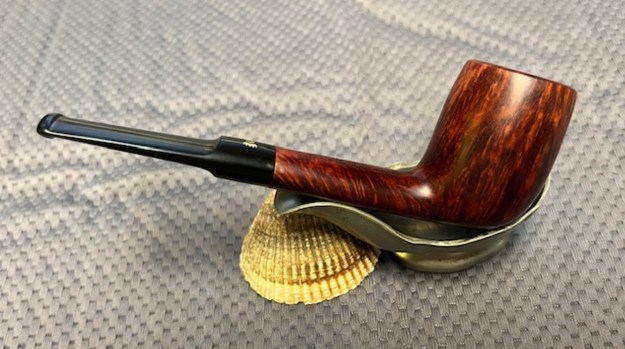
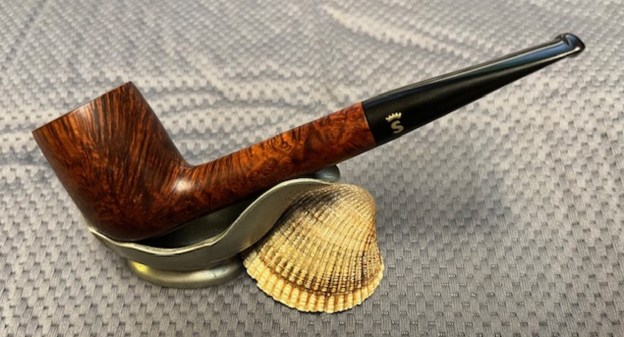
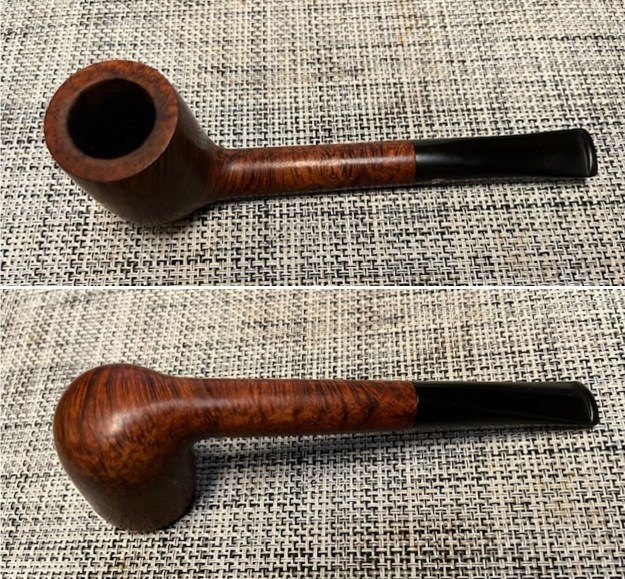
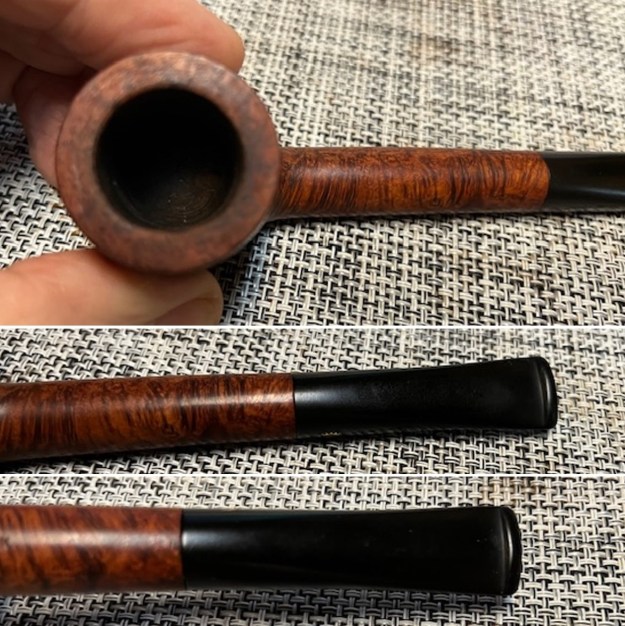
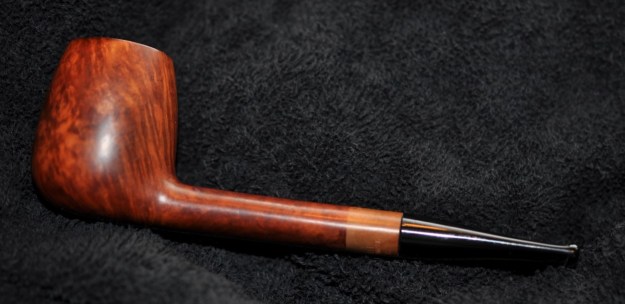
Jeff cleaned up the pipe for me. He reamed the bowl with a PipNet pipe reamer and cleaned it up with a Savinelli Fitsall Pipe Knife. He scrubbed the exterior with Murphy’s Oil Soap and a tooth brush to clean off the grime off the finish and the overflow of lava on the rim top. The cleaning had removed the grime on the rim top. He cleaned up the internals of the shank, mortise and stem with pipe cleaners, cotton swabs and alcohol to remove all of the oils and tars in the pipe. He soaked the stem in Briarvilles Pipe Stem Deoxidizer and was able to remove any remaining grime on the surface and inside. The vulcanite taper stem had a Brass Crown S Stanwell logo on the left side. When it arrived here in Vancouver it was a clean pipe and I knew what I had to work with. I took photos of it before I started my part of the restoration. I took a photo of the rim top and the stem to show their condition. Jeff was able to clean up the cake and the lava overflow that was shown in the rim and bowl photos above. The rim top and the inner edge both looked very good. The stem had light tooth marks and chatter on both sides near the button. I took a photo of the stamping on the sides of the shank to show that it was readable and undamaged by the cleanup work. I removed the stem from the shank and took a photo of the parts to give a sense of what the pipe looks like. The pipe looked so good that I started my work by polishing the smooth rim top and bowl with micromesh sanding pads. I dry sanded it with 1500-12000 grit pads. I wiped the bowl down after each pad with a damp cloth. The pipe began to take on a rich shine and grain was beginning to stand out. I sanded with all of the pads and wiped the bowl down after each pad with a soft cloth. I rubbed the bowl and shank down with Before & After Restoration Balm to deep clean the finish on the bowl and shank. The product works to clean, enliven and protect the briar. I worked it in with my fingers to get it into the briar. I let it sit for 10 minutes then I wiped it off and buffed it with a soft cloth. The briar really began to have a rich shine. I took some photos of the bowl at this point to mark the progress in the restoration. It is a beautiful bowl. I used the sanding pads I purchased recently – 320-3500 grit regular pads to smooth out the finish and remove the light tooth and chatter marks in the stem. I wiped the stem down with Obsidian Oil to finish the preliminary work after the 3500 grit pad.I polished the stem with micromesh sanding pads – dry sanding with 1500-12000 grit pads. I wiped the stem down after each sanding pad with Obsidian Oil. I polished the stem with Before & After Pipe Stem Polish – both Fine and Extra Fine. I gave it a coat of Obsidian Pipe Stem Oil. It works to protect the stem from oxidizing. I set it aside to dry.I put the stem back on the Stanwell Flame Grain Made in Denmark 97 Liverpool and took it to the buffer. I buffed the bowl and stem with Blue Diamond to polish the briar and the vulcanite. Blue Diamond does a great job on the smaller scratches that remain in both. I gave the bowl and the stem several coats of carnauba wax and buffed the pipe with a clean buffing pad to raise the shine. I hand buffed it with a microfiber cloth to deepen the shine. I am amazed at how well it turned out. The finished pipe is shown in the photos below. This is a beautiful Stanwell Flame Grain Liverpool 97 – the vulcanite taper stem and smooth finish combine to give the pipe a great look. The dimensions of the pipe are Length: 5 ½ inches, Height: 1 ¾ inch, Outside diameter of the bowl: 1 ¼ inches, Chamber diameter: ¾ of an inch. The weight of the pipe is 1.34 ounces/38 grams. This is another pipe that I will be putting on the rebornpipes online store in the Danish Pipe Pipemaking Companies Section shortly, if you are interested in adding it to your collection. Thanks for walking through the restoration with me on this beauty!

As always, I encourage your questions and comments as you read the blog. Thanks to each of you who are reading this blog. Remember we are not pipe owners; we are pipe men and women who hold our pipes in trust until they pass on into the trust of those who follow us.
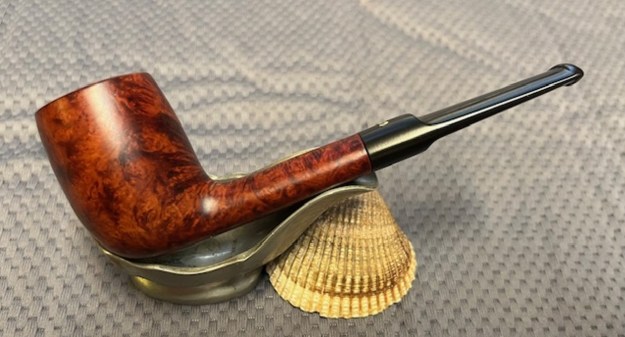
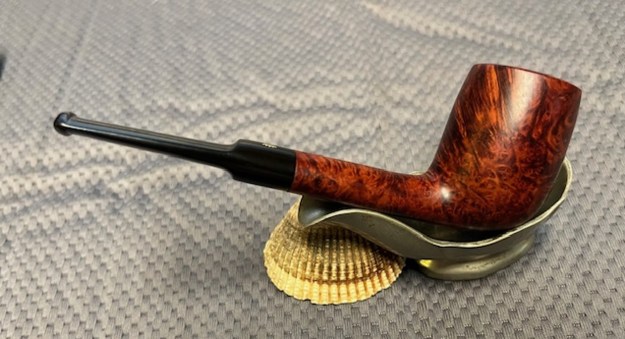
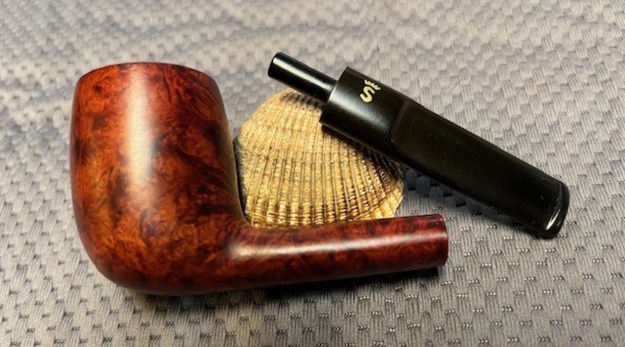
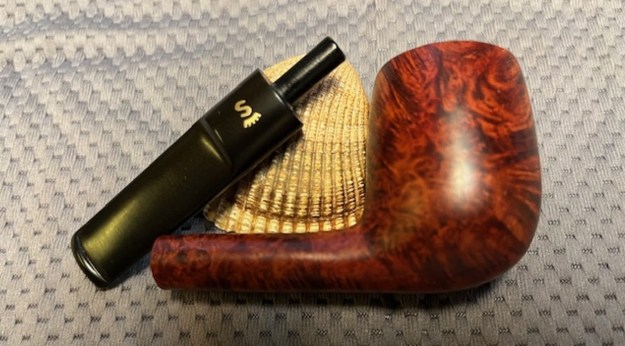
Someone Must Have Loved Smoking This Stanwell FM 2008 113 Conical Canadian


Blog by Steve Laug

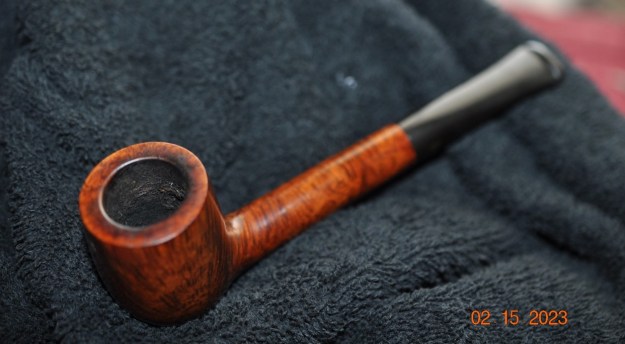
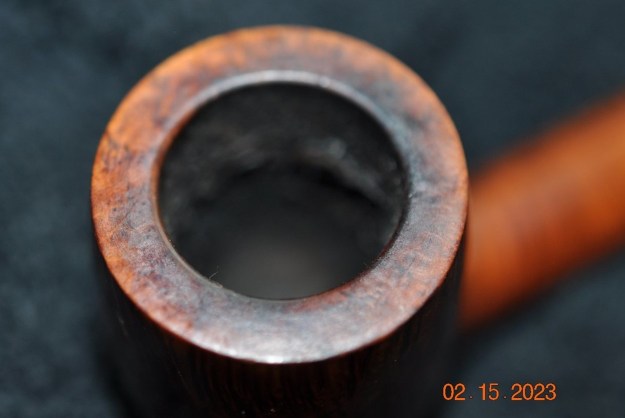
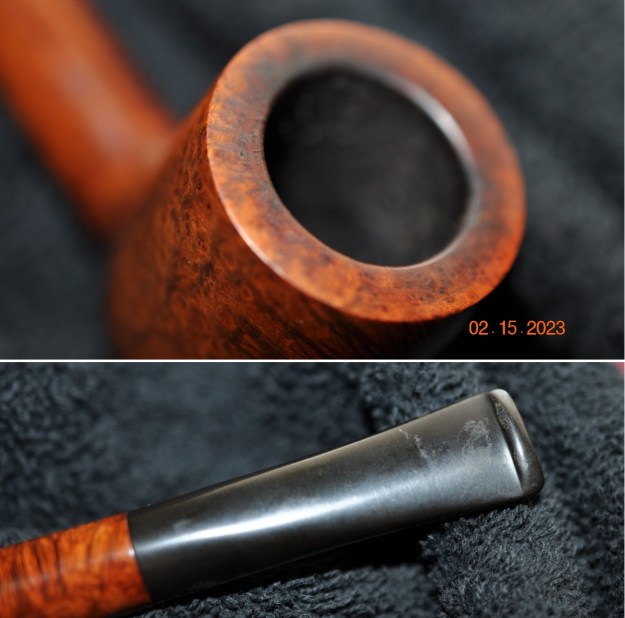
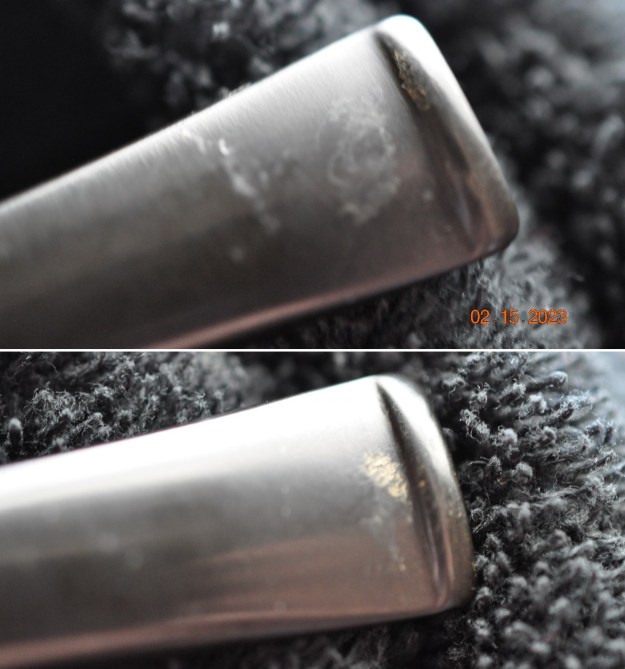
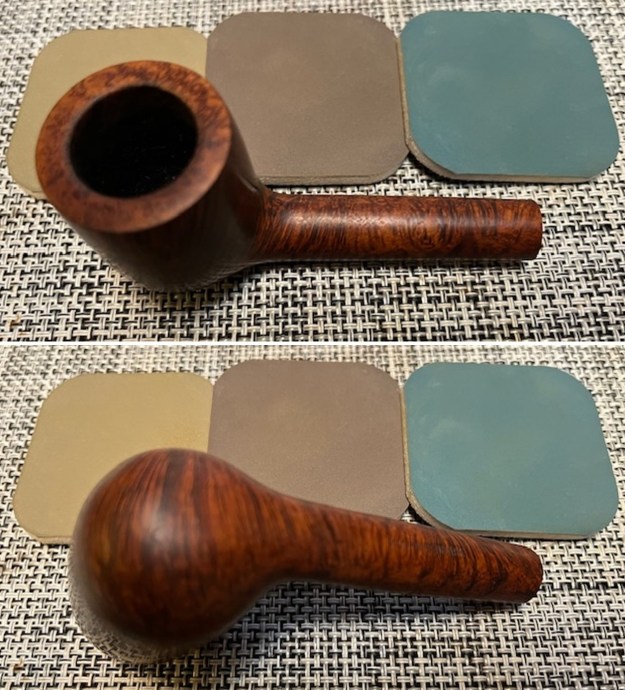
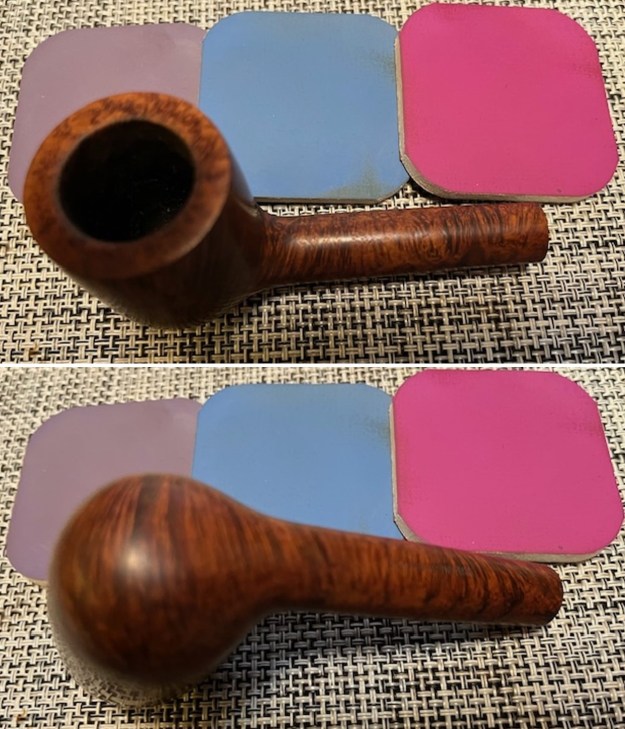
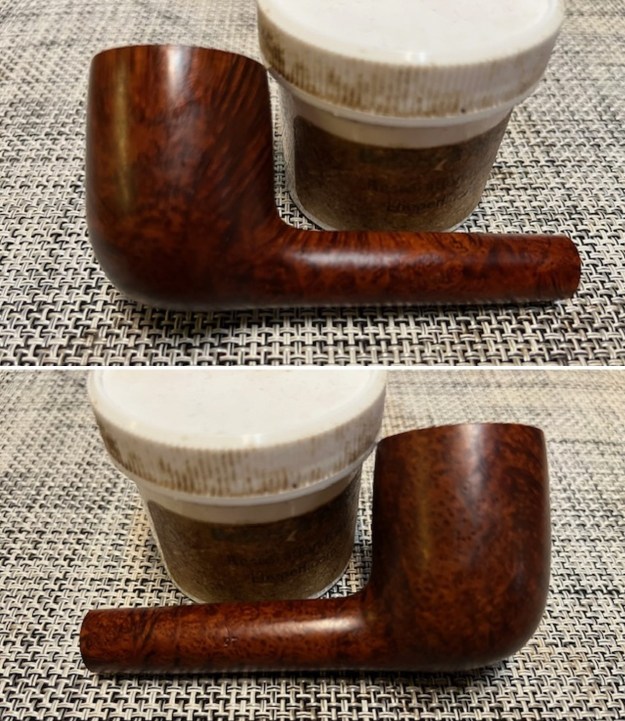
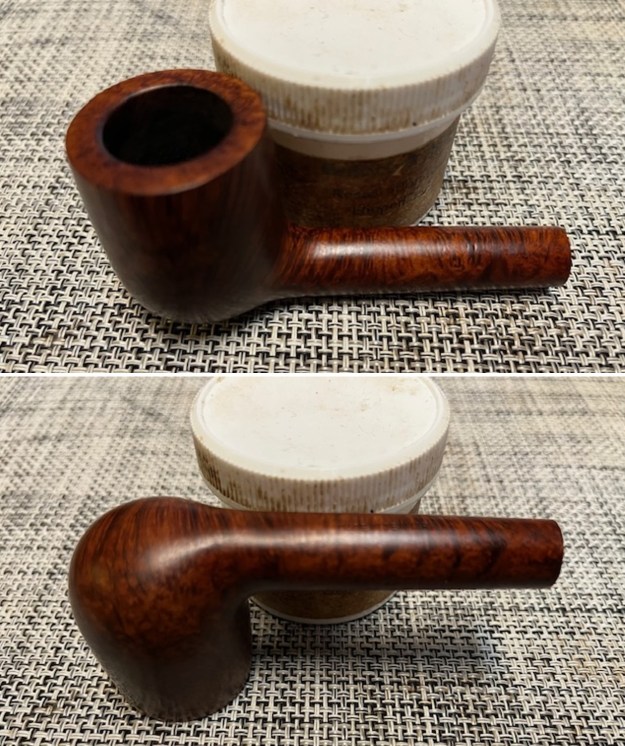
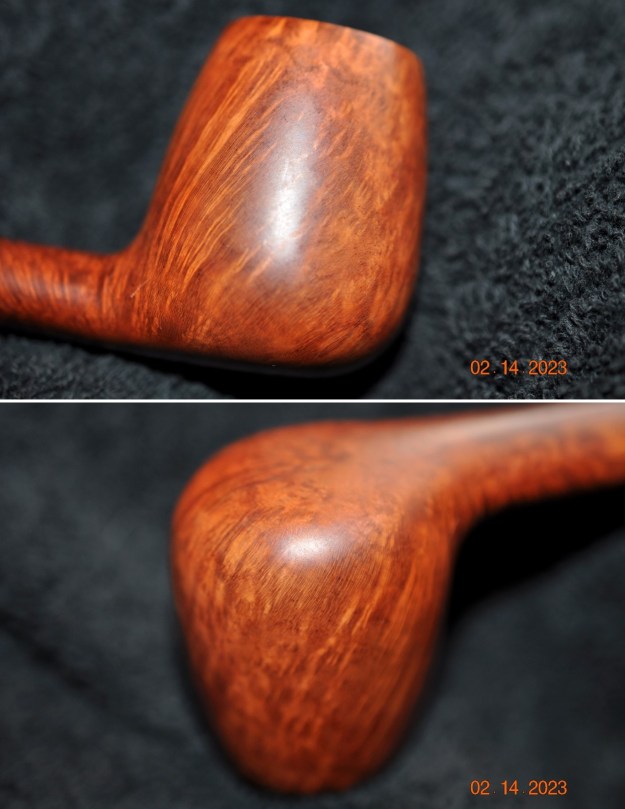
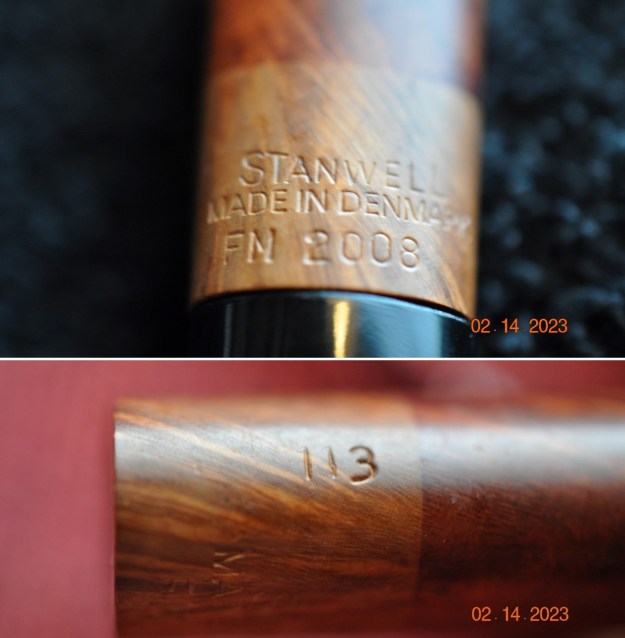
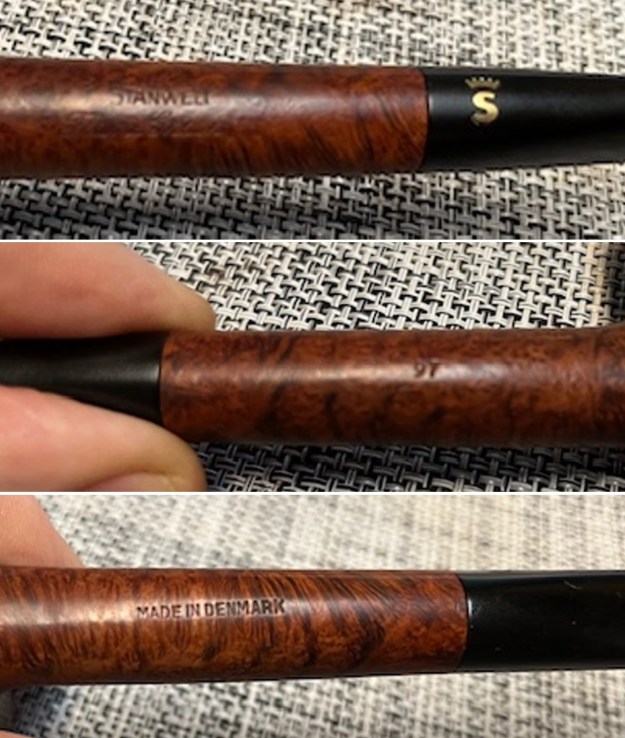
The next pipe I am working on was purchased on 01/26/2023 as part of a group of pipes from a fellow in Copenhagen, Denmark. This was another dirty pipe with a lot of wear and tear and obviously it had been someone’s favourite smoker. The pipe is stamped on the underside of the shank and reads Stanwell [over] Made in Denmark [over] FM 2008. On the right side of the shank it is stamped with a 113 shape number near the stem/shank junction. The FM2008 stamp had me a bit mystified though I figured it was probably made for a smoking competition thanks to Jesper’s previous help. I would need to check that out. The dirty smooth finish was not able to hide the beauty of the grain around the bowl and shank. There were tars and oils ground into the surface of the briar. The finish on the first ½ inch of the shank was lighter than the rest of the pipe and it is not clear why. There does not appear to be cracks or a previous band so I am uncertain why it is there. Perhaps in the clean up Jeff will figure it out. The bowl had a very thick cake that flowed over the top of the smooth rim in a heavy lava coat. The inner edge was so heavily coated that it to assess its condition. The stem was a black acrylic taper stem without a logo stamp. It had some light tooth marks and chatter on both sides ahead of the button. Jeff took photos of the pipes before he started his clean up work. Jeff took photos of the rim and bowl to show the heavy cake and heavy lava coat covering the rim top. The inner edge of the rim was so thickly caked that it was not possible to know with certainty the condition. It really was a dirty pipe but still a beauty. He also took photos of the stem surfaces to show its overall condition when it arrived. The photos of the sides and heel of the bowls show some beautiful grain around the bowl and shank sides. The brown stain on the briar adds depth to the finish on the pipe and makes the grain really stand out on the bowl and shank. It shows some promise. He also took photos of the stamping on the sides of the shank. It is clear and reads as noted above.I decided before I started my work on the pipe to try and unravel the stamping on the underside of the shank. I did a Google search of Stanwell FM 2008 and got no hits. I changed the search to hunt for a Stanwell Made in Denmark FM 2008 and came up with one solid hit to a discussion the Brothers of Briar pipe forum where Bas Stevens had a pretty extensive post on the shapes of Stanwells (https://www.brothersofbriar.com/threads/basil-stevens-stanwell-shape-list.8421/). Toward the end of that discussion he had three notes on unique stamping. The final one listed was a not on the FM stamp. I quote:
Pipes stamped with FM are ones that were made for the Frederikshavn Pipe Smoking Championship.

I wrote to Jesper Klith on Facebook and asked if that information was correct. He replied quickly with confirmation and an interesting personal note that I have included below.

That is correct, the club in Frederikshavn held some large contests, I attended once and met both Anne Julie and Peter Hedegaard there.

So now I knew! The FM 2008 stamp was referring to a large smoking contest in Frederikshavn in 2008. The pipe was made to be used in the competition and was also a commemorative piece. Now it was time to start my work on the pipe.

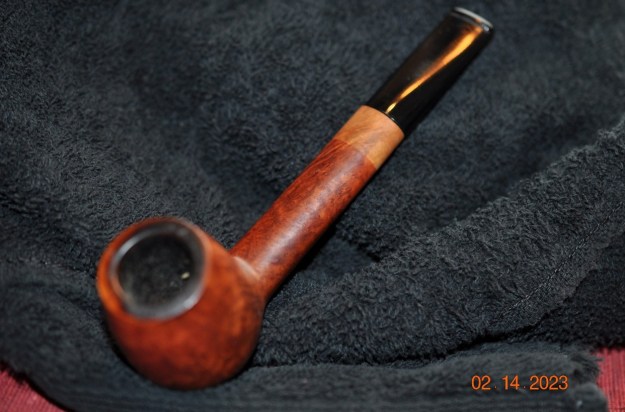
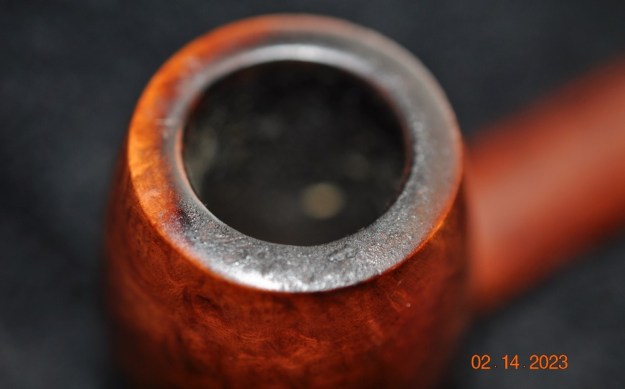
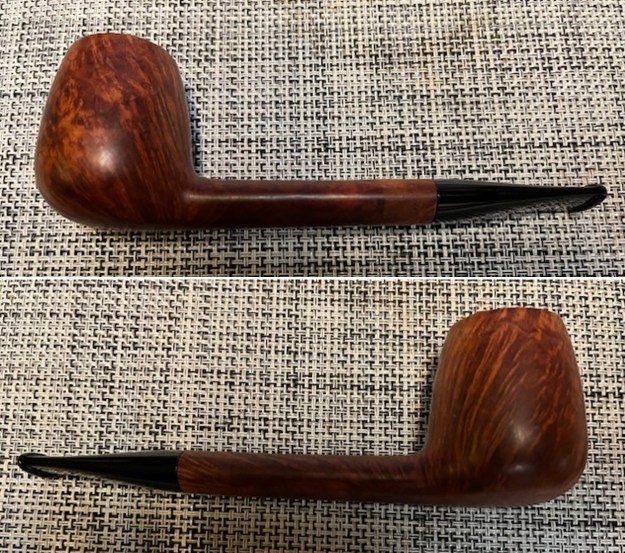
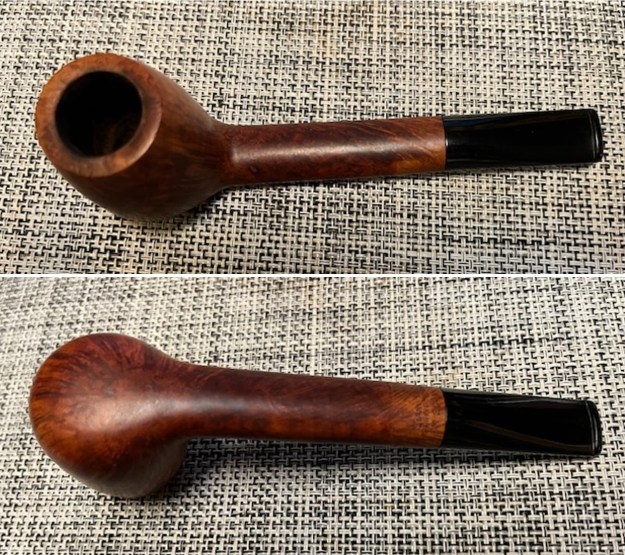
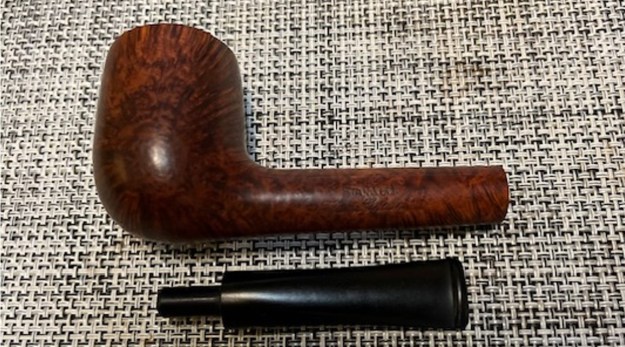
I was looking forward to looking over the lighter coloured shank end after Jeff cleaned up the pipe for me. I was curious to know what was happening there. He reamed the bowl with a PipNet pipe reamer and cleaned it up with a Savinelli Fitsall Pipe Knife. He scrubbed the exterior with Murphy’s Oil Soap and a tooth brush to clean off the grime off the finish and the overflow of lava on the rim top. The cleaning had removed the grime on the rim top. I examined the first half inch where the lightening had been and there were no cracks or marks left behind by a band so it was a bit of a mystery. Jeff’s scrubbing had evened up the stain a bit and I would do a bit more in my work on it. He cleaned up the internals of the shank, mortise and stem with pipe cleaners, cotton swabs and alcohol to remove all of the oils and tars in the pipe. He soaked the stem in Briarvilles Pipe Stem Deoxidizer and was able to remove any remaining grime on the surface and inside. The fit of the stem to the shank made it look like an original even though there was not a Stanwell logo on it. When it arrived here in Vancouver it was a clean pipe and I knew what I had to work with. I took photos of it before I started my part of the restoration. I took a photo of the rim top and the stem to show their condition. Jeff was able to clean up the cake and the lava overflow that was shown in the rim and bowl photos above. The rim top looked very good but there seemed to be light damage and darkening to the top and inner edge of the bowl. There is a small fill visible in the first photo on the top of the shank near the bowl. The stem looked better, though there were light tooth marks and chatter on both sides near the button. I took a photo of the stamping on the silver plate on the left side of the shank to show that it was readable and undamaged by the cleanup work. I removed the stem from the shank and took a photo of the parts to give a sense of what the pipe looks like. The pipe looked so good that I started my work by polishing the smooth rim top and bowl with micromesh sanding pads. I dry sanded it with 1500-12000 grit pads. I wiped the bowl down after each pad with a damp cloth. The pipe began to take on a rich shine and grain was beginning to stand out. I sanded with all of the pads and wiped the bowl down after each pad with a soft cloth. I rubbed the bowl and shank down with Before & After Restoration Balm to deep clean the finish on the bowl and shank. The product works to clean, enliven and protect the briar. I worked it in with my fingers to get it into the briar. I used a horsehair shoe brush to work it into the sand blast. I let it sit for 10 minutes then I wiped it off and buffed it with a soft cloth. The briar really began to have a rich shine. I took some photos of the bowl at this point to mark the progress in the restoration. It is a beautiful bowl.  I set the bowl aside and worked on the stem at this point in the process. I polished light tooth marks and chatter out of the stem with micromesh sanding pads – dry sanding with 1500-12000 grit pads. I wiped the stem down after each sanding pad with Obsidian Oil. I polished the stem with Before & After Pipe Stem Polish – both Fine and Extra Fine. I gave it a coat of Obsidian Pipe Stem Oil. It works to protect the stem from oxidizing. I set it aside to dry. I put the stem back on the Stanwell Frederikshavn in 2008 Danish Style 113 Canadian and took it to the buffer. I buffed the bowl and stem with Blue Diamond to polish the briar and the acrylic. Blue Diamond does a great job on the smaller scratches that remain in both. I gave the bowl and the stem several coats of carnauba wax and buffed the pipe with a clean buffing pad to raise the shine. I hand buffed it with a microfiber cloth to deepen the shine. I am amazed at how well it turned out. The finished pipe is shown in the photos below. This is a beautiful Stanwell Frederikshavn in 2008 Canadian – the acrylic taper stem and smooth finish combine to give the pipe a great look. The dimensions of the pipe are Length: 5 ½ inches, Height: 1 ¾ inch, Outside diameter of the bowl: 1 inch, Chamber diameter: ¾ of an inch. The weight of the pipe is 1.41  ounces/41 grams. This is another pipe that I will be putting on the rebornpipes online store in the Danish Pipe Pipemaking Companies Section shortly, if you are interested in adding it to your collection. Thanks for walking through the restoration with me on this beauty!

As always, I encourage your questions and comments as you read the blog. Thanks to each of you who are reading this blog. Remember we are not pipe owners; we are pipe men and women who hold our pipes in trust until they pass on into the trust of those who follow us.