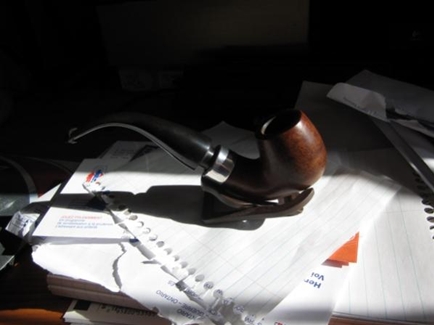
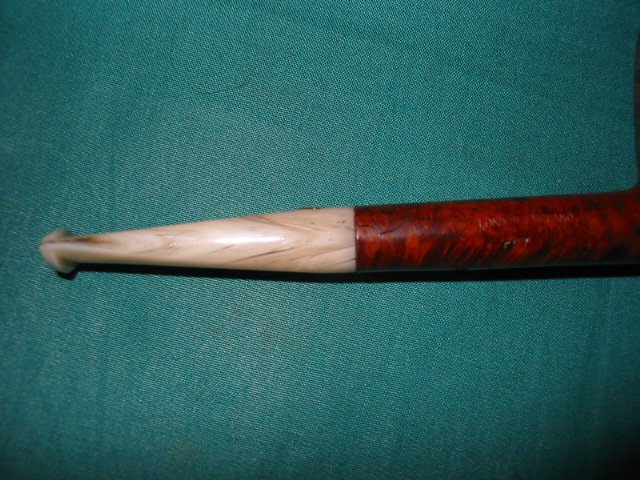
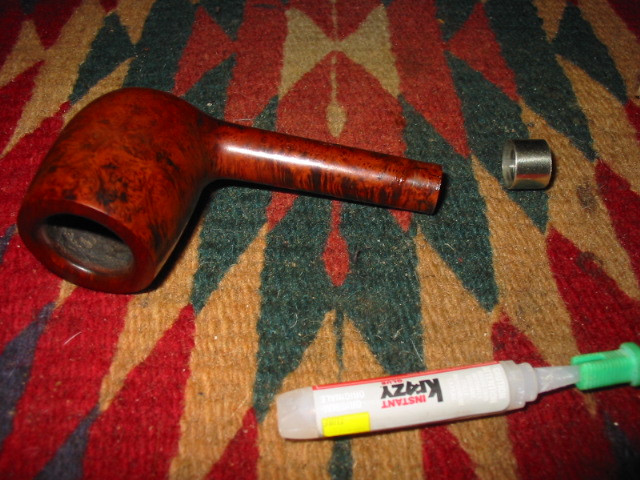
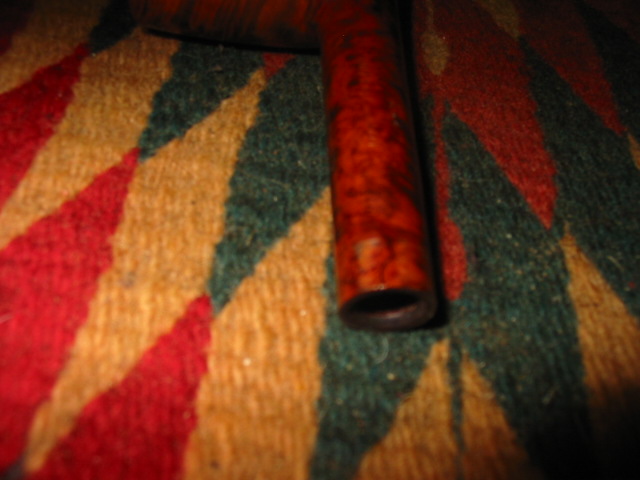
Tag Archives: Pressure fitting bands

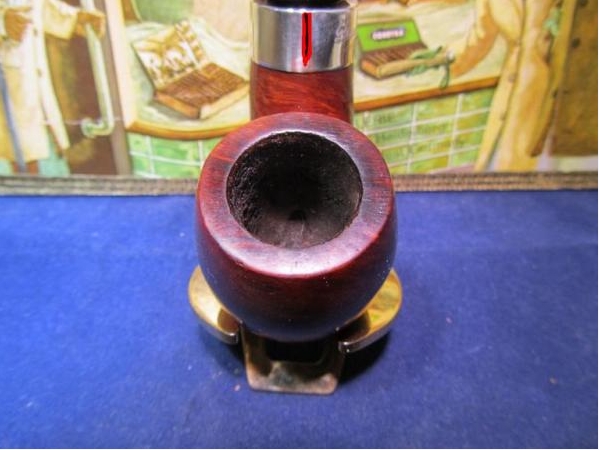
Renewed Malaga Bulldog


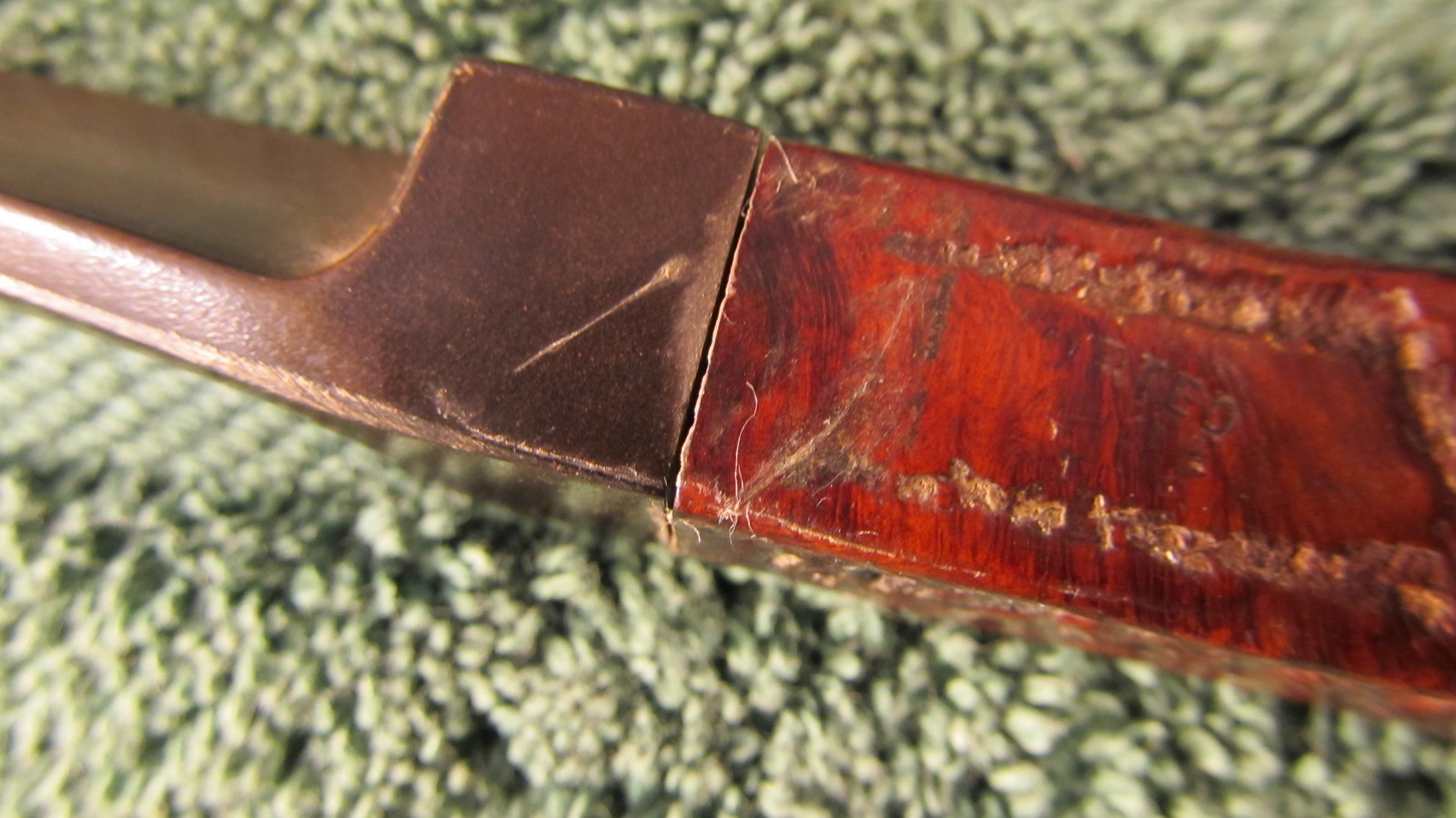
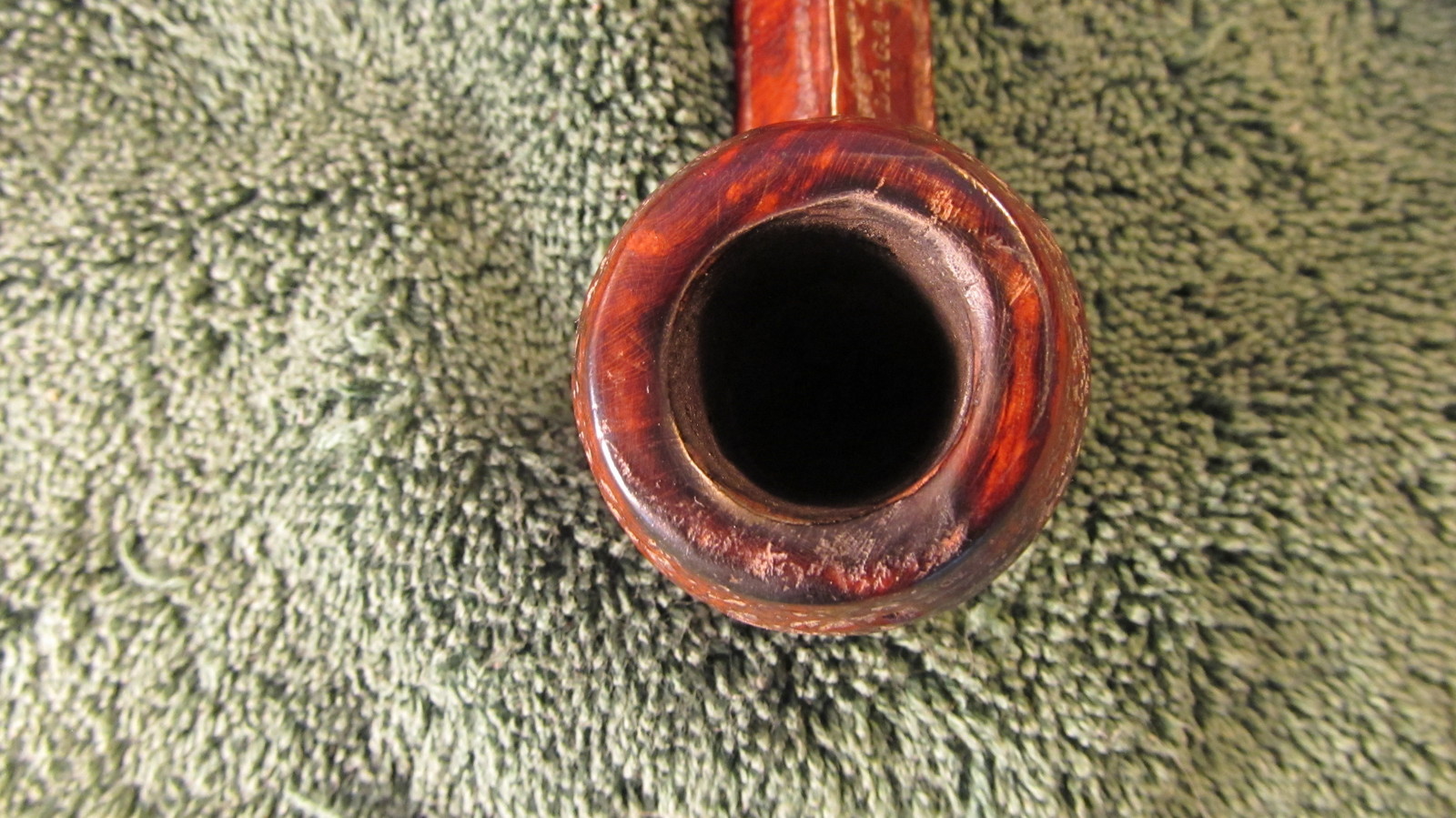
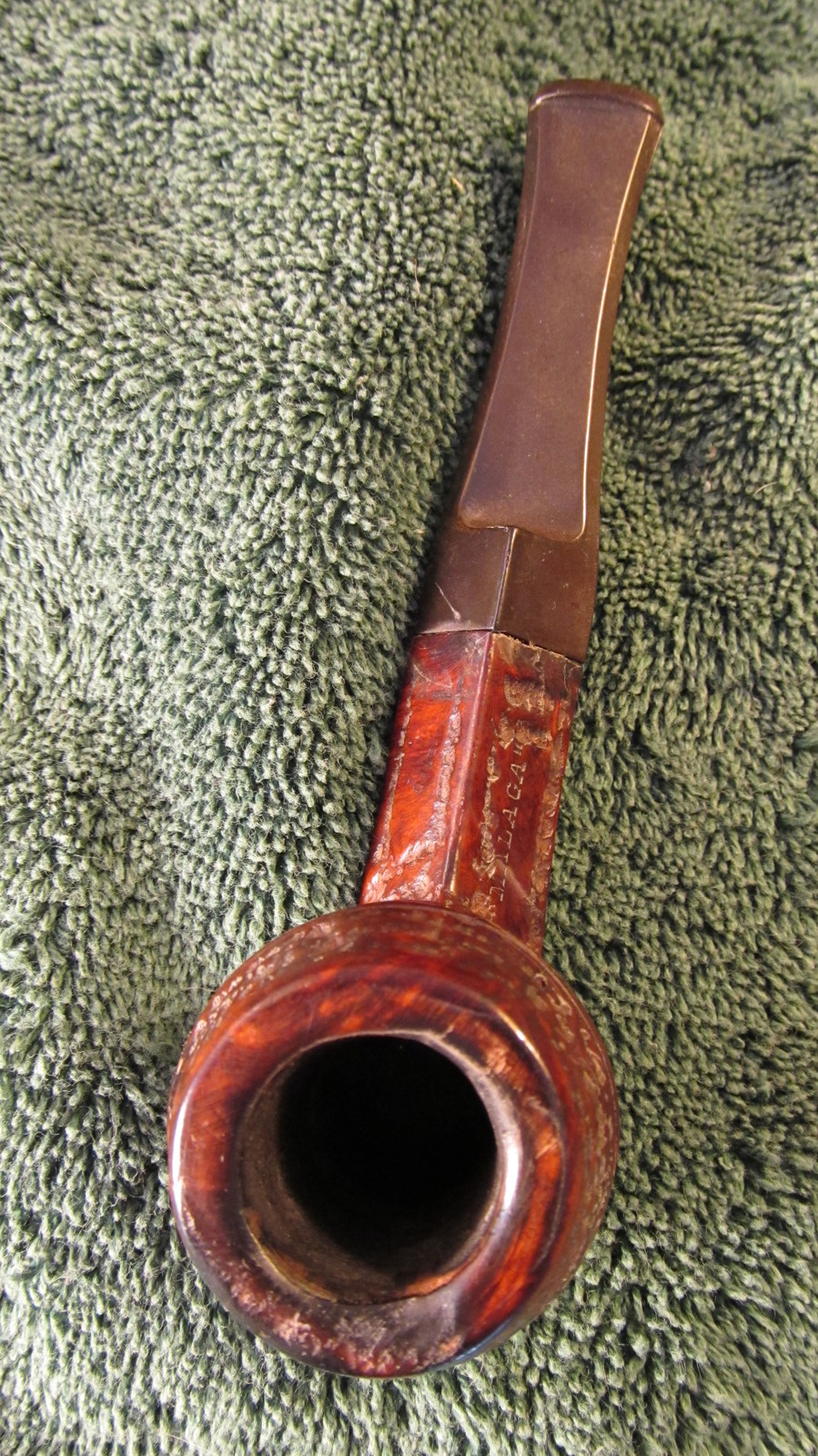
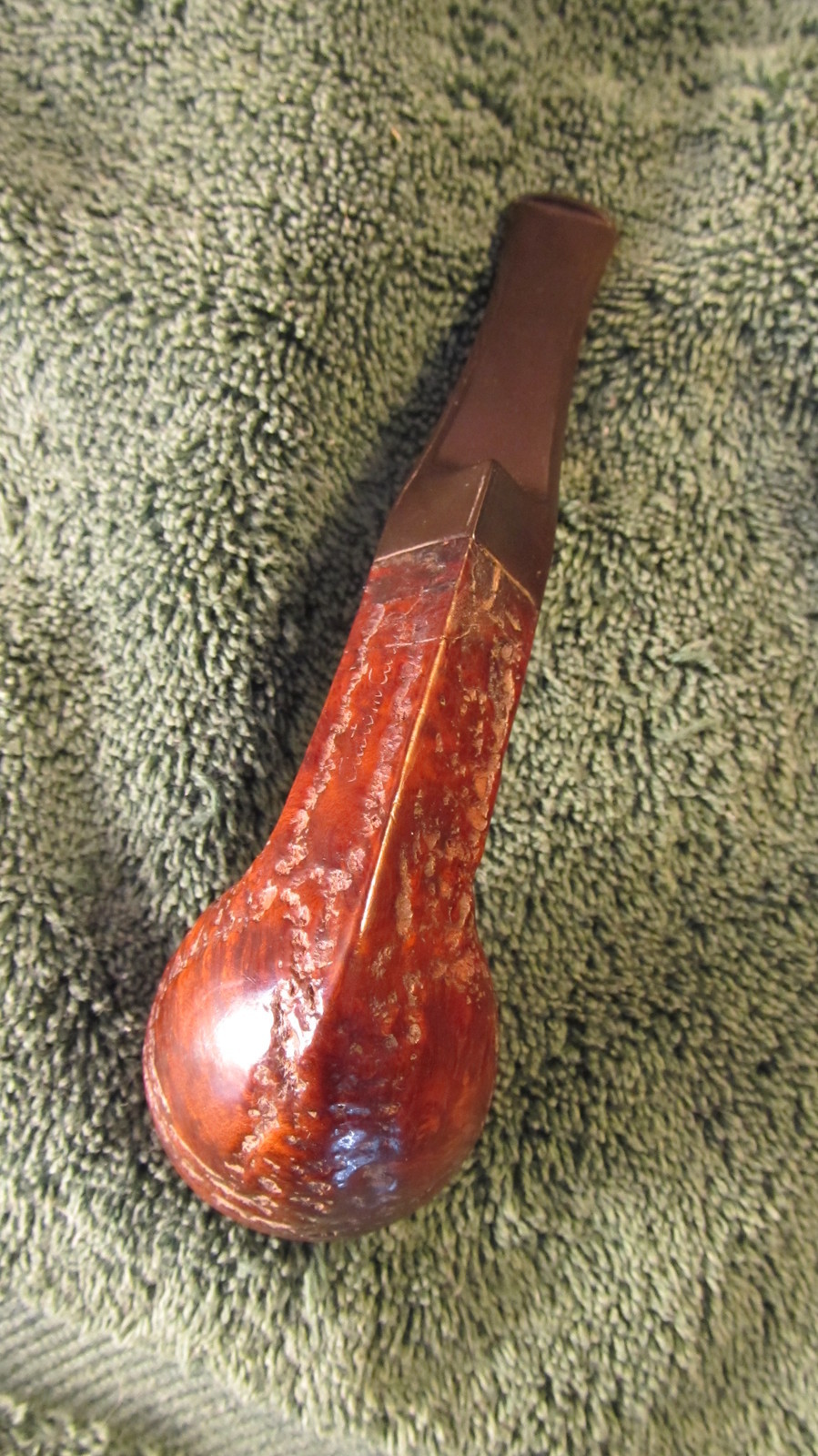
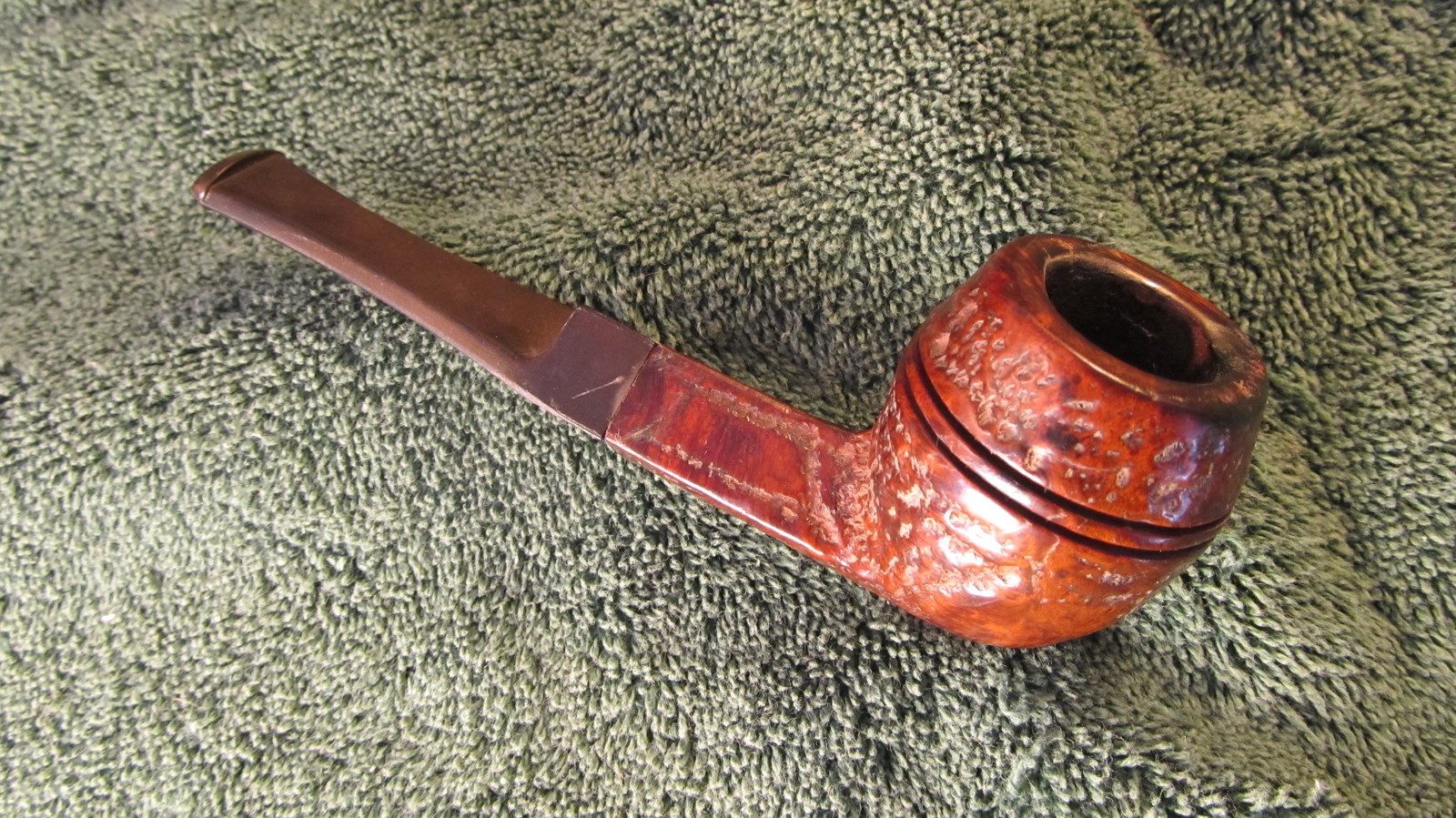
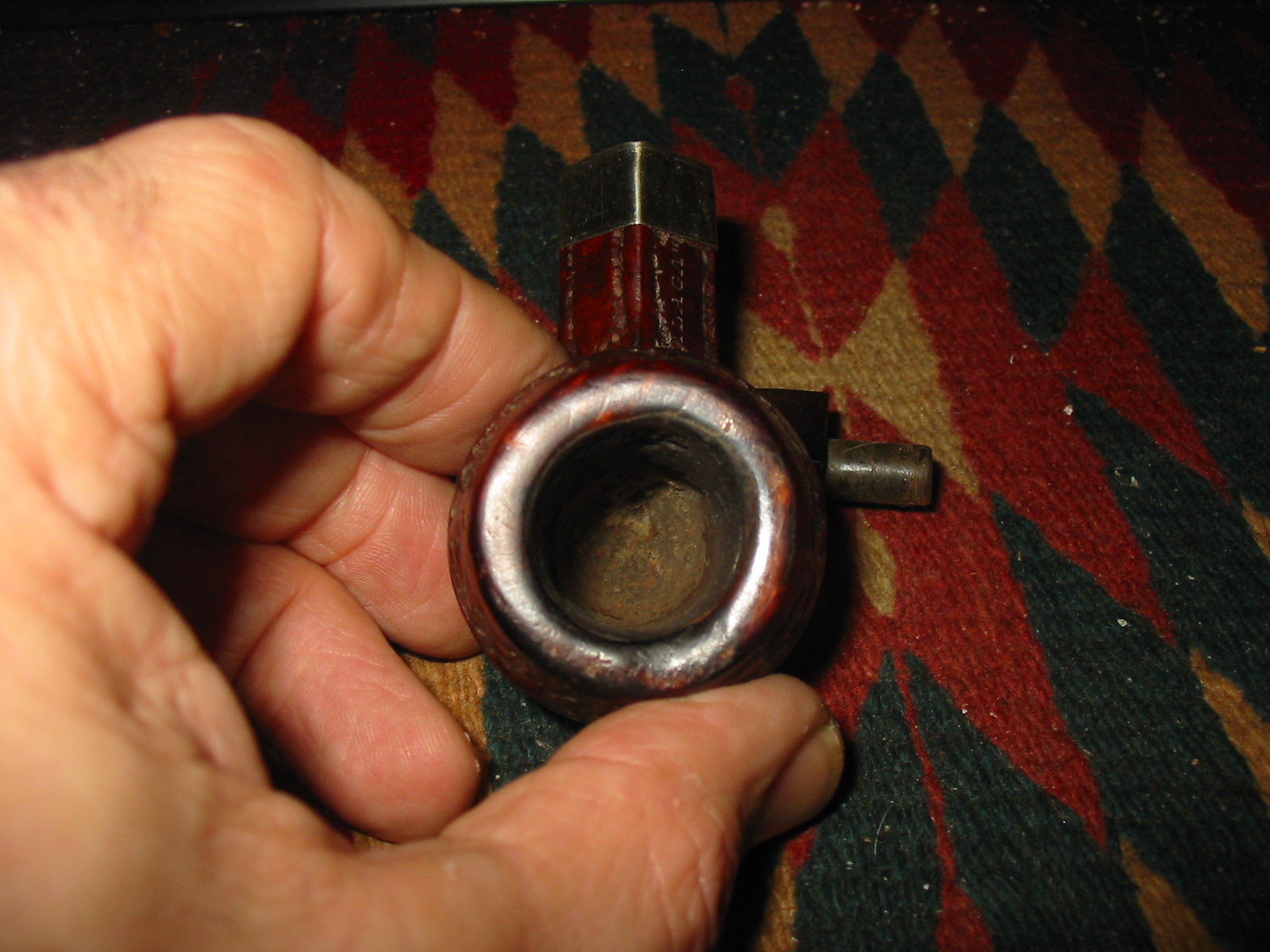
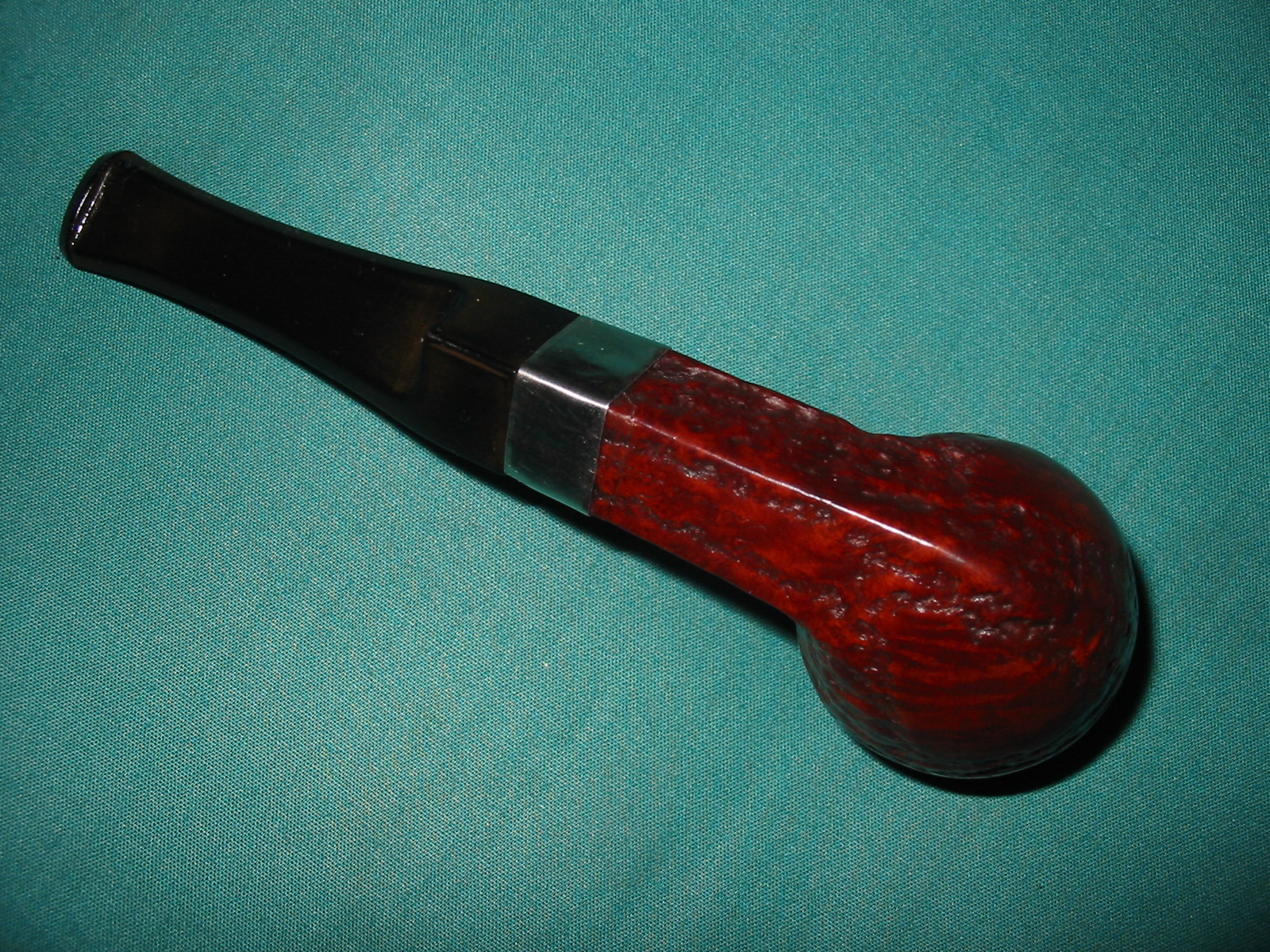
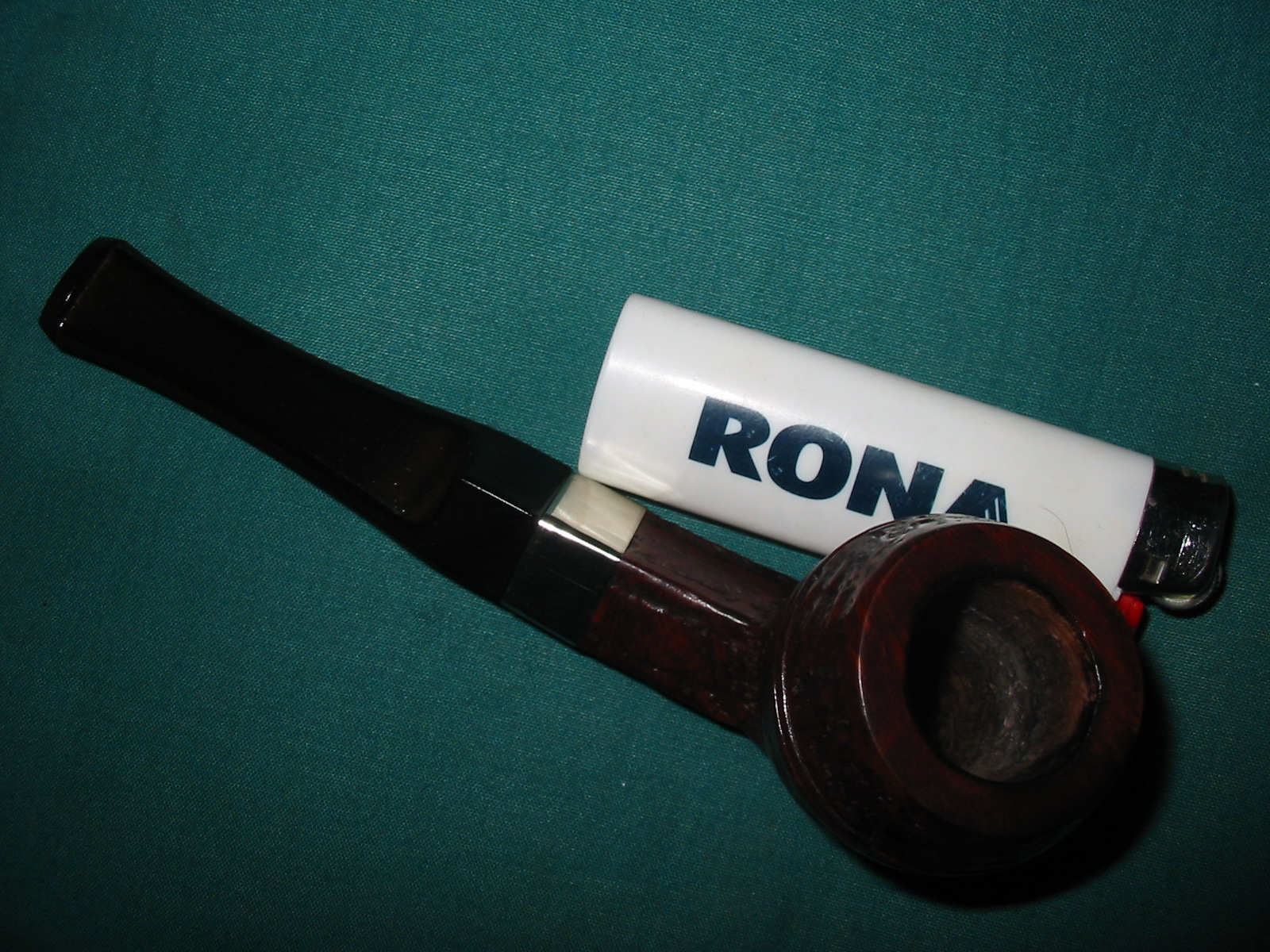
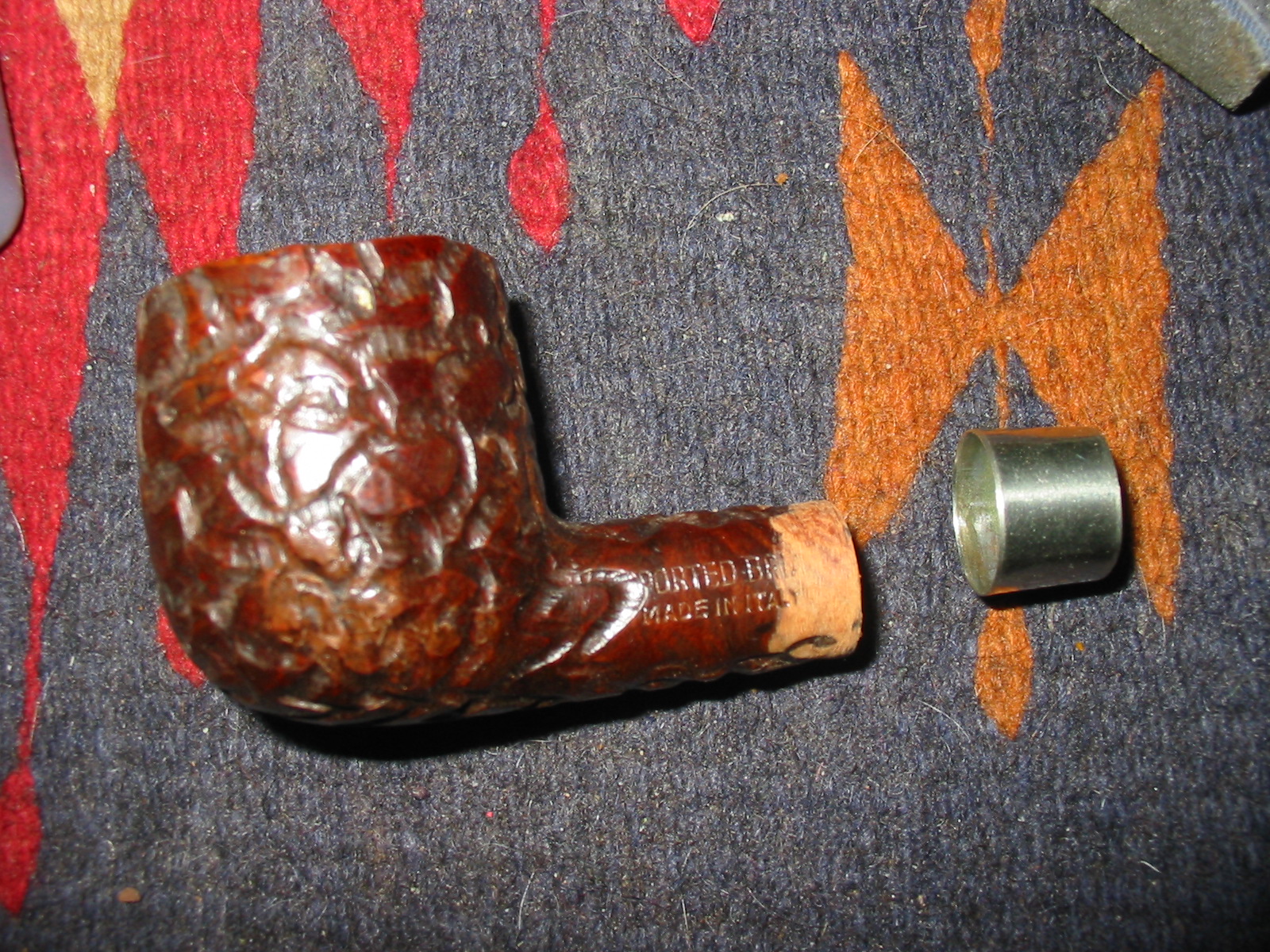
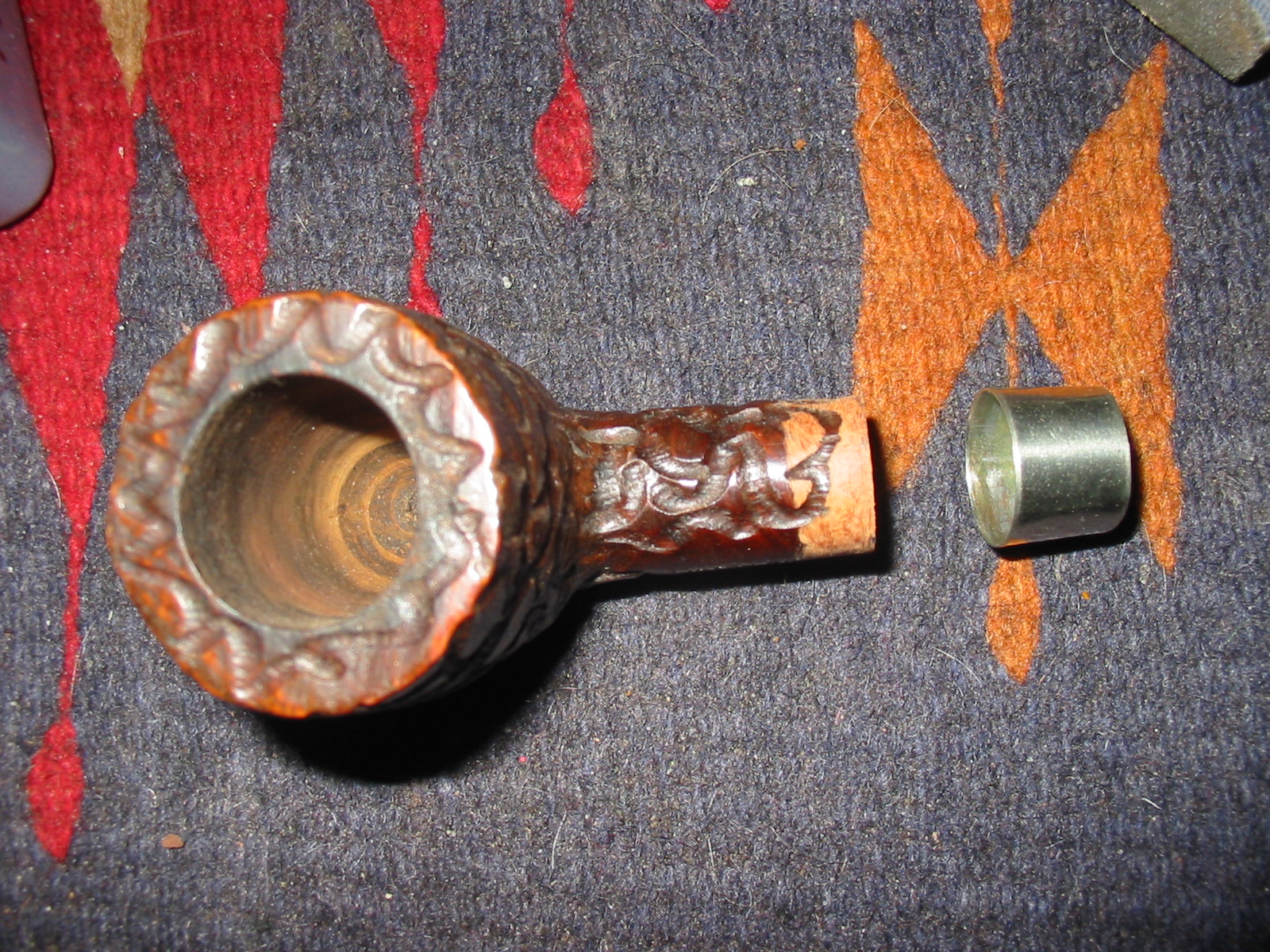
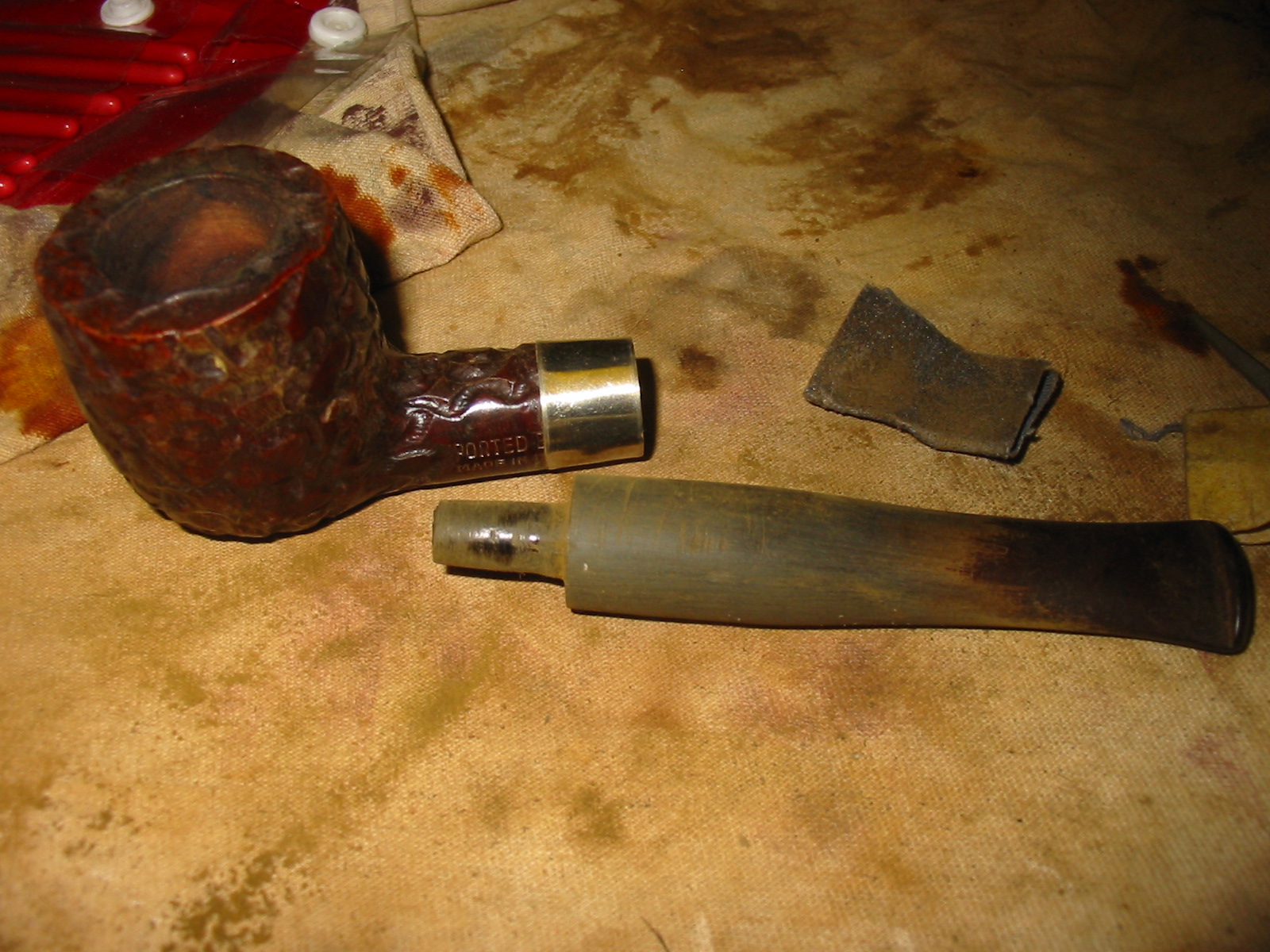
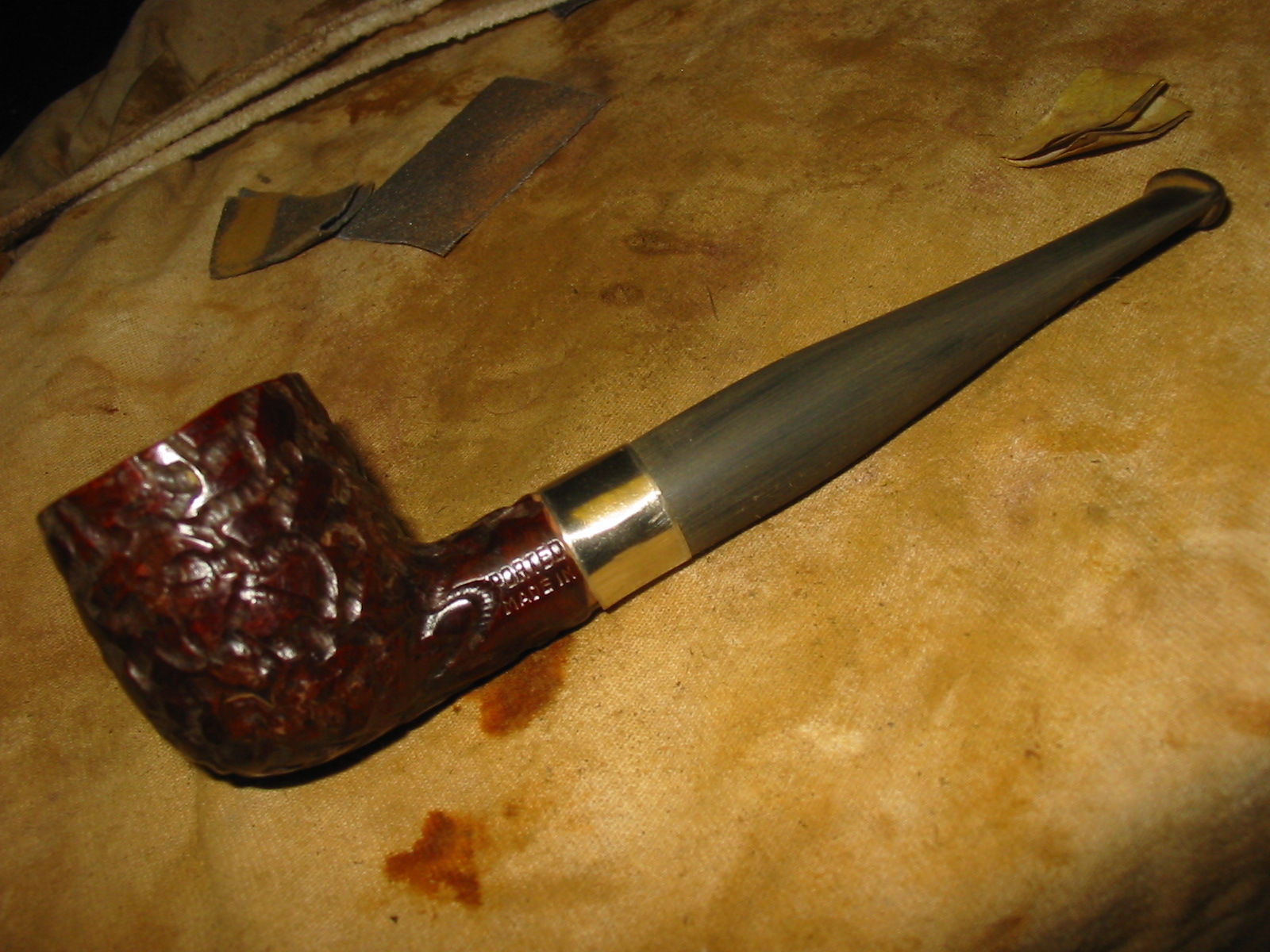
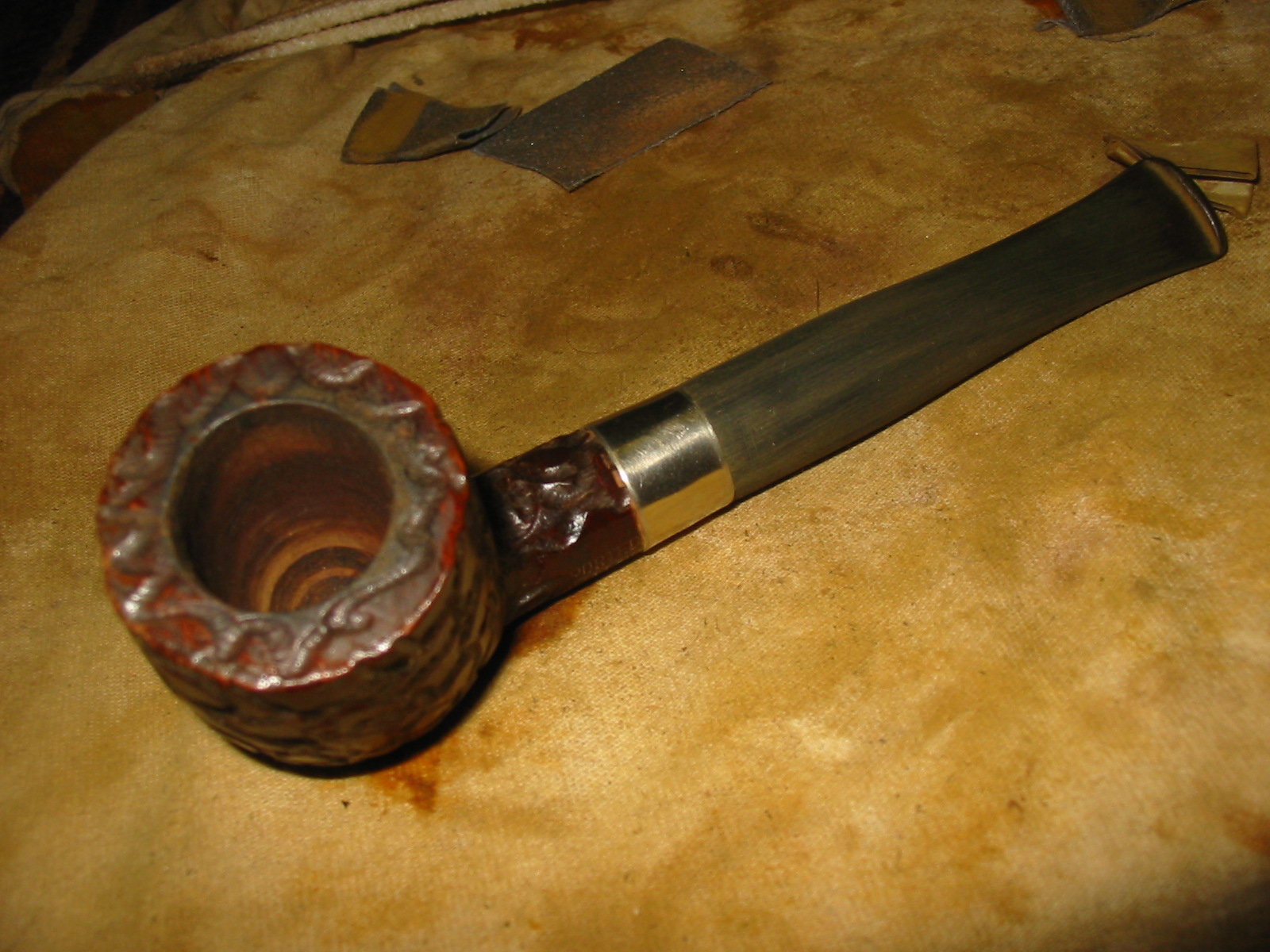
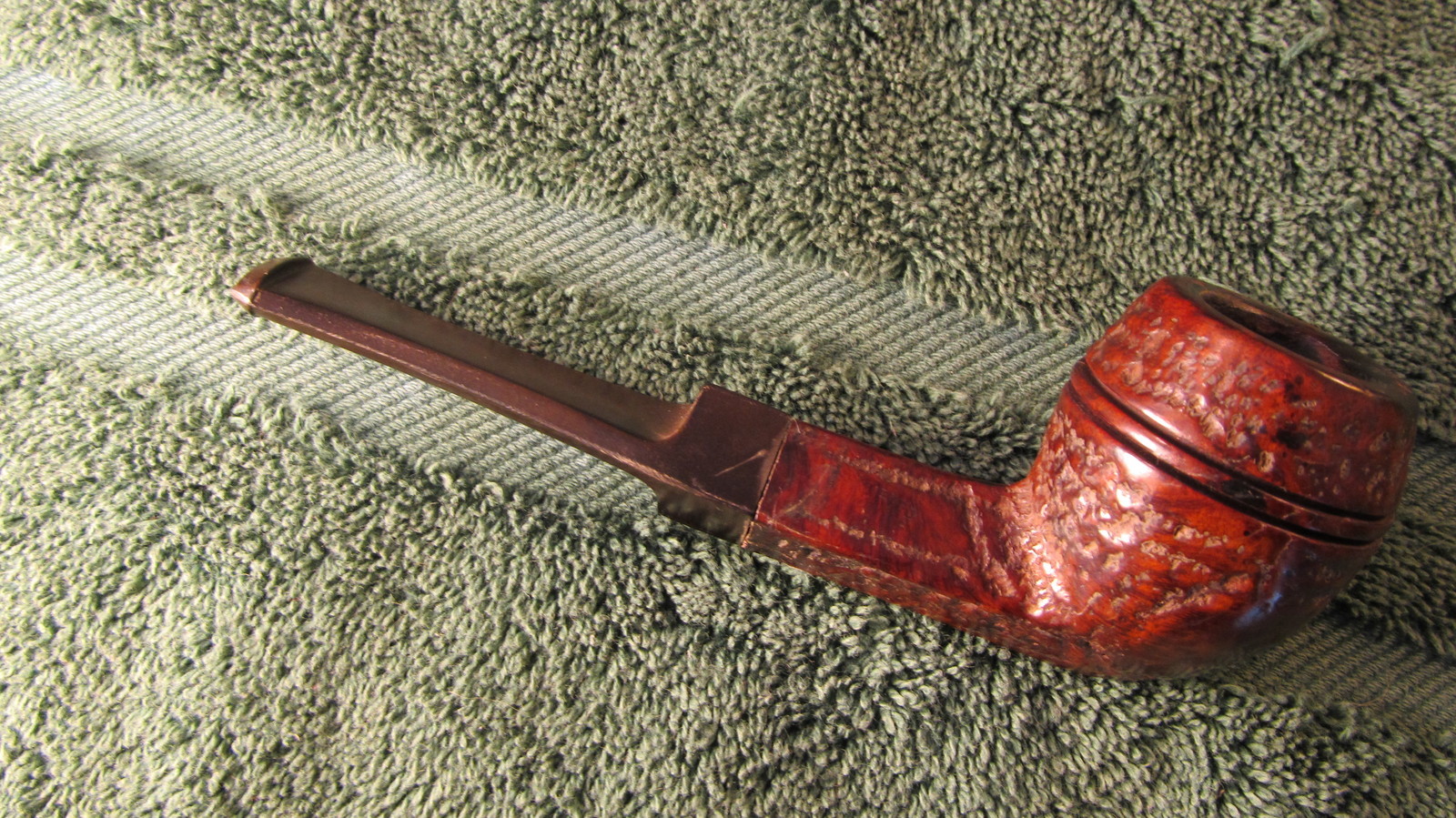
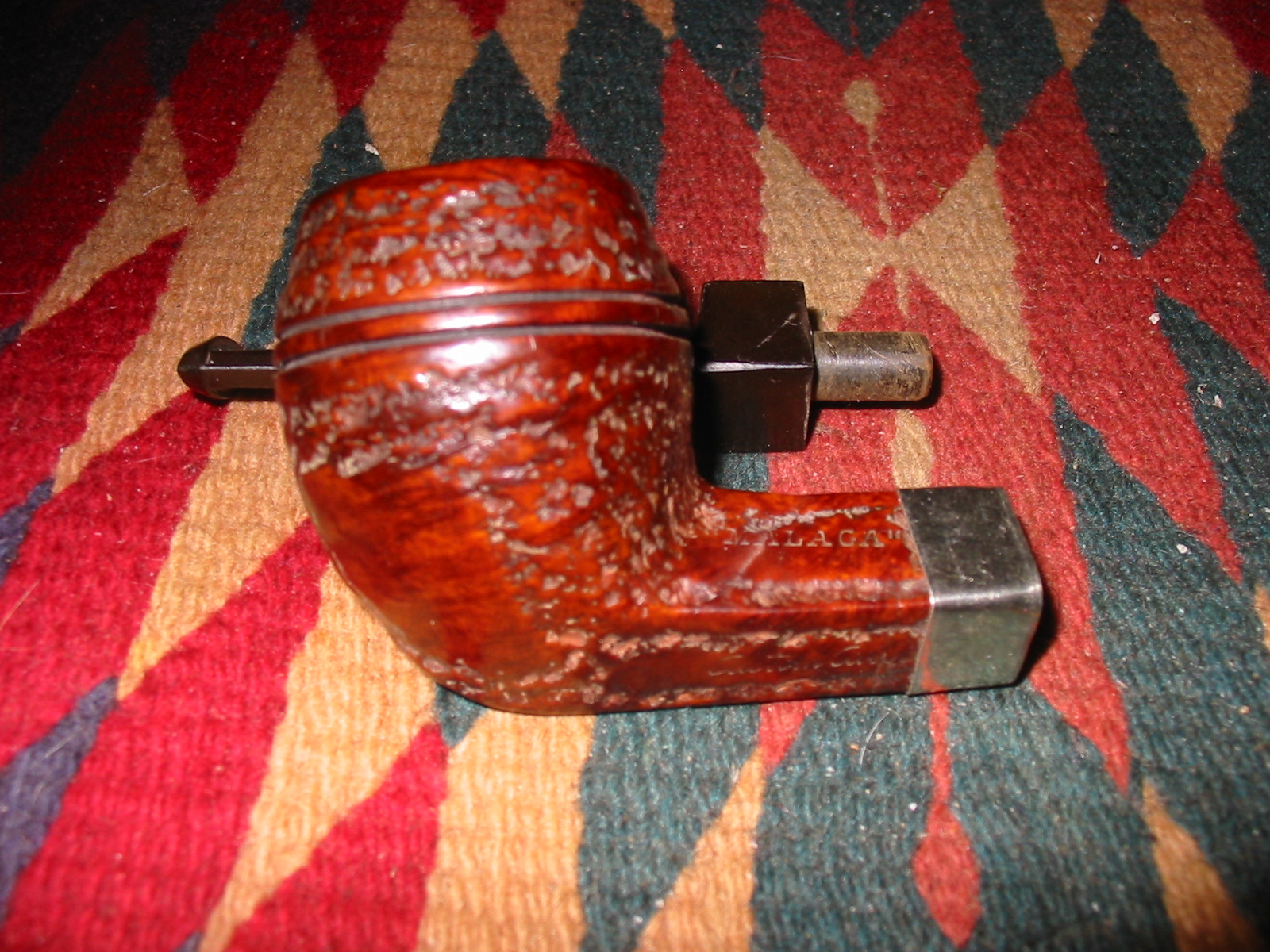
In an earlier post on Malaga pipes and their maker George Khoubesser, https://rebornpipes.wordpress.com/2013/02/09/george-khoubesser-and-malaga-pipes/, I mentioned that I wanted to hunt down a pipe. Not long after that post I was able to pick up this bulldog. It is a rusticated pipe with some smooth patches like those done by GBD on some of their pipes. This one is stamped Malaga in quote on the upper left side of the shank and Custom Carved on the lower left side of the shank. The pipe was in fair shape. The bowl needed to be reamed as the little cake that was present was in the top half of the bowl. The bottom of the bowl had cobwebs in it. The shank inside was very clean. The stem had some oxidation and a small amount of tooth chatter but was in good shape. The rim had a burned area on the front right and it had created a small dip in the rim. The shank was cracked in multiple places near the stem. It looked like it had been repaired and there was some darkening around the place where the shank met the stem that seemed to indicate that a band that no longer was present had once been in place. The first series of eight photos show the items that I mention above. Looking closely at the photos you can see the cracks in the shank and the burn on the rim. All of the other items come through in the photos as well.

ImageImageImageImageImageImageImageImage

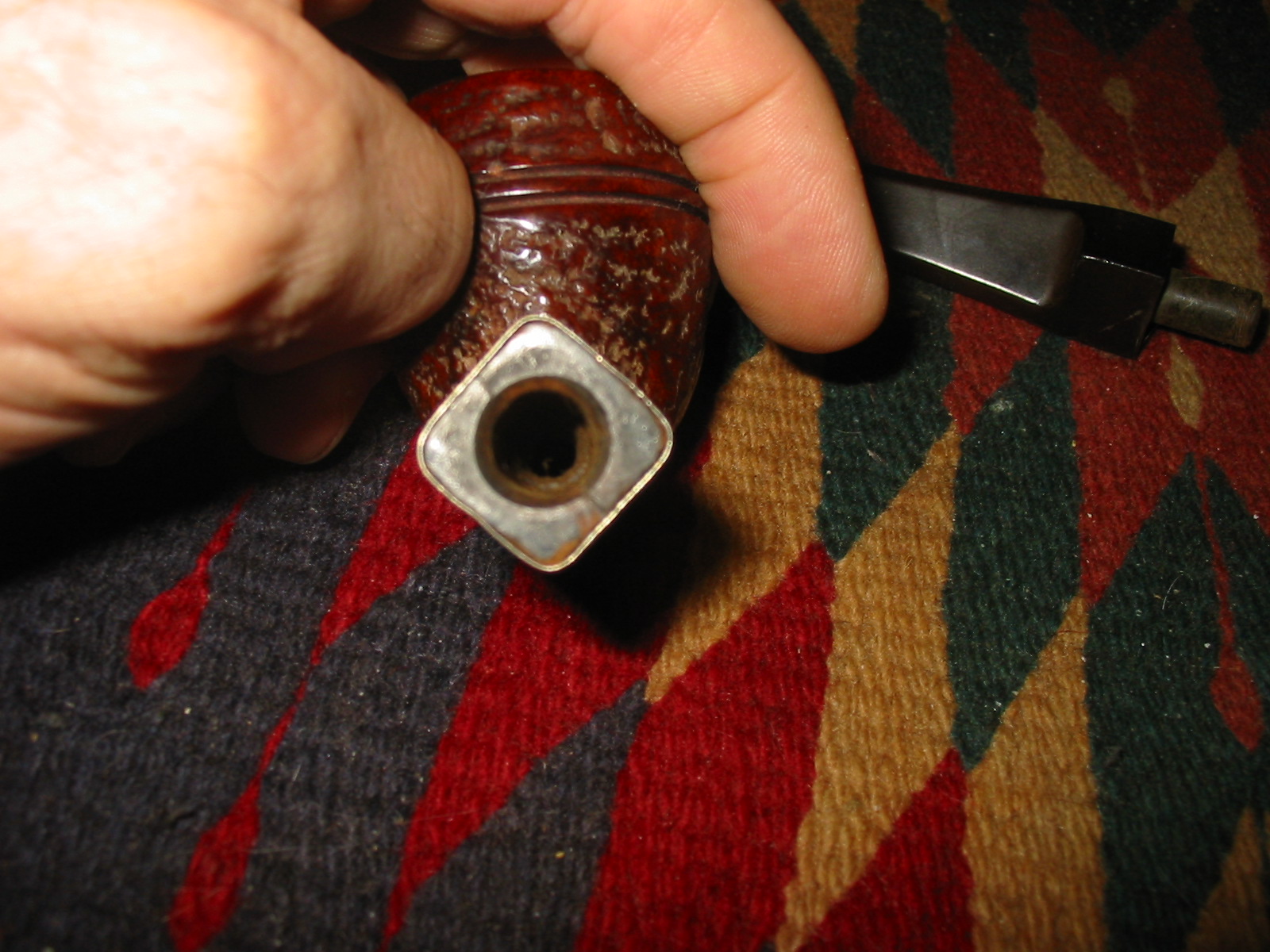
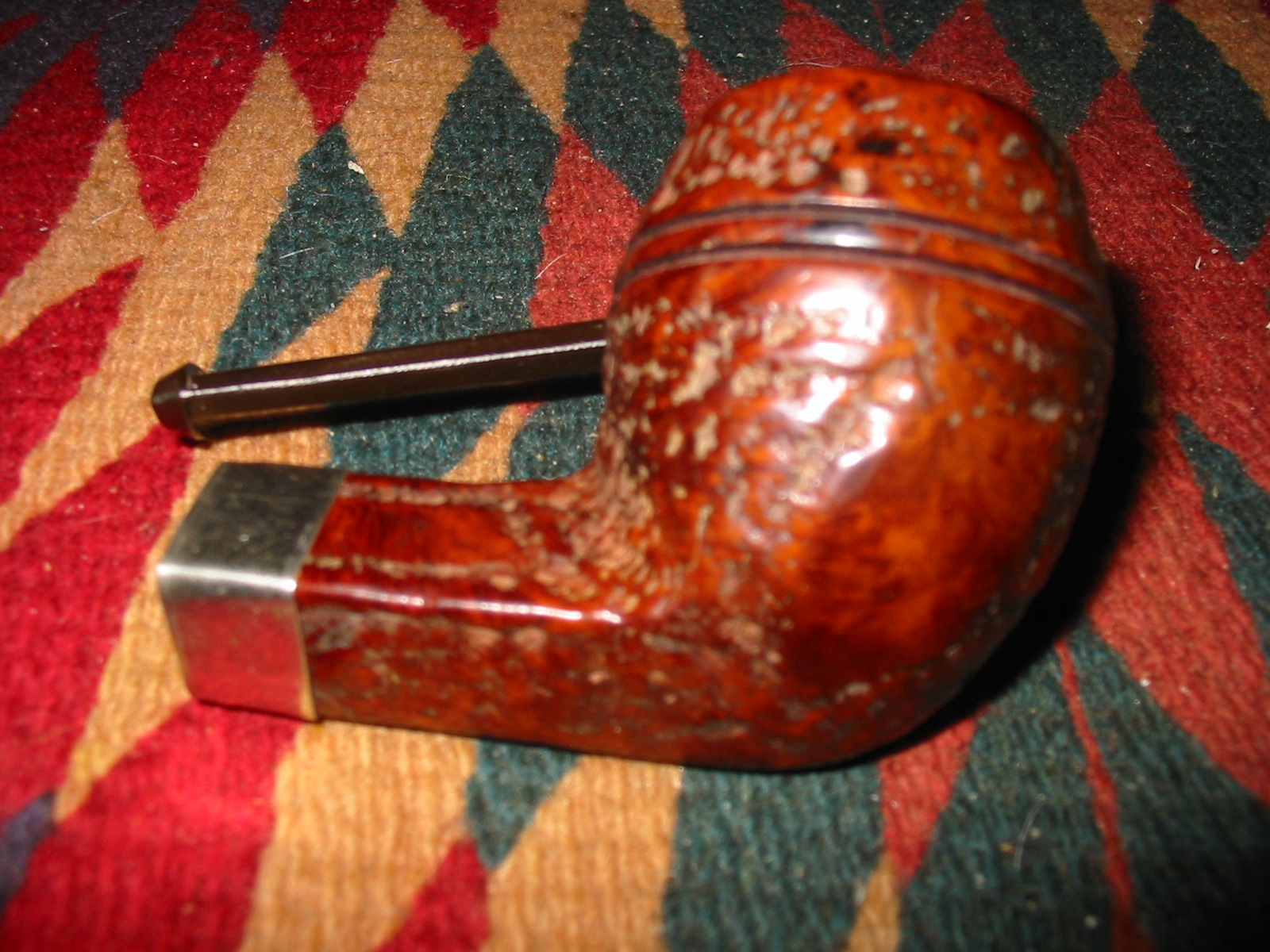
I began the process by reaming out the bowl and then shaping a nickel band into a diamond and pressure fitting it on to the shank. I also then used a small hammer to tap the band into shape around the shank and square off the edges. The next four pictures show the band after it has been shaped and pressure fit into place. The final picture of the four shows the end view of the shank with the band in place.
ImageImageImageImage

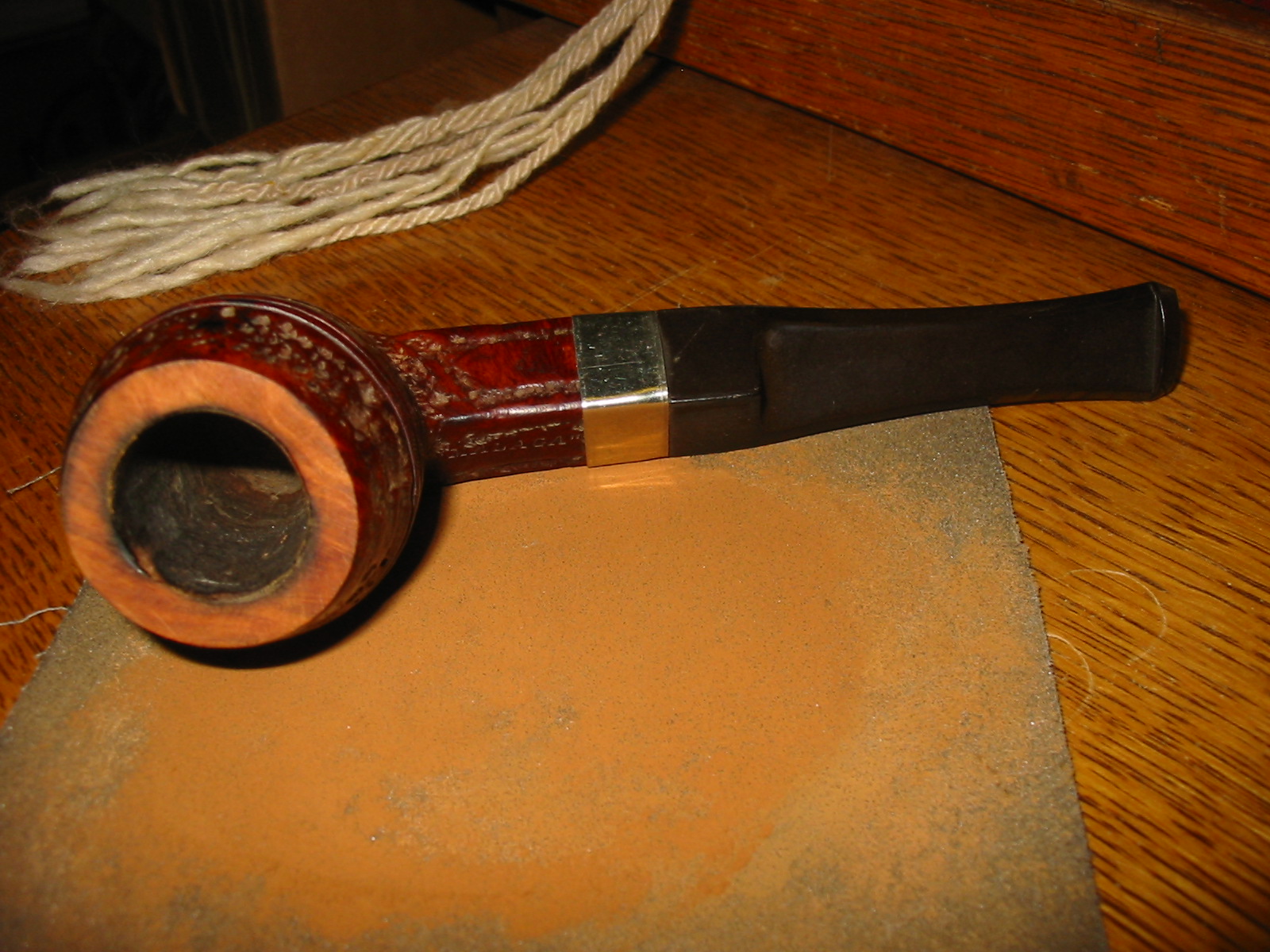
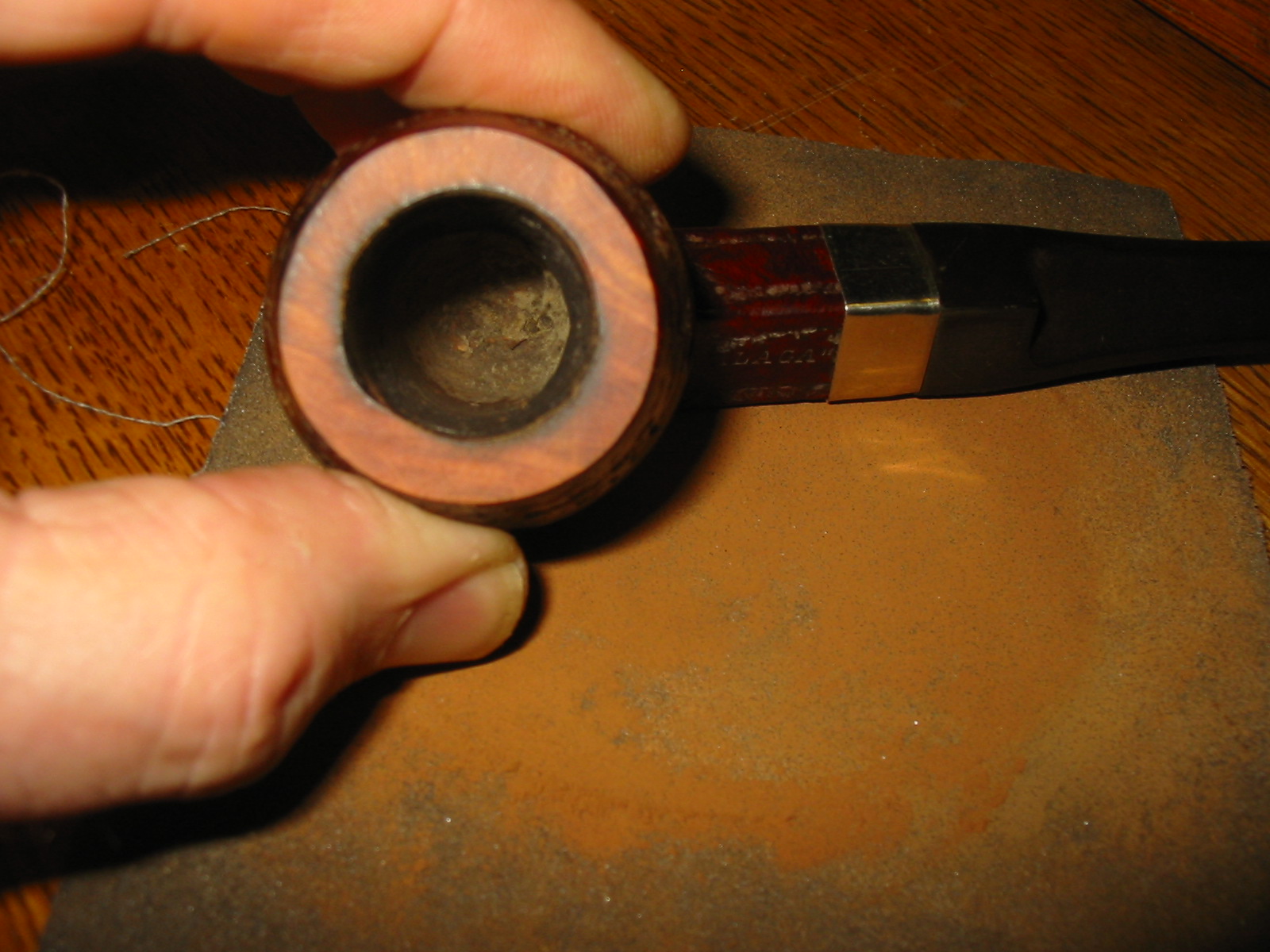
I decided to top the bowl to remove the damage of the burn and smooth out the rim edge. The burn was not very deep but it was a small trough in the rim that went from edge to edge. The inner edge of the bowl was also damaged by burning. I use a piece of medium grit emery cloth to begin with. I put it on a flat board on my work table and then sand the bowl rim in a clockwise circle until I have removed all of the damage. I follow up the emery cloth with 320 grit sandpaper used in the same manner. I finish the rim with a fine grit sanding sponge. The next four photos show the process and the progress of the topping procedure. In the second photo you can clearly see the damage from the burn. The third and fourth photos show the rim after it is smoothed out and the burn damage is minimized. I did not take pictures of the sanding process with the 3230 grit and sanding sponge as they followed the same format as that of the emery cloth.

ImageImageImageImage

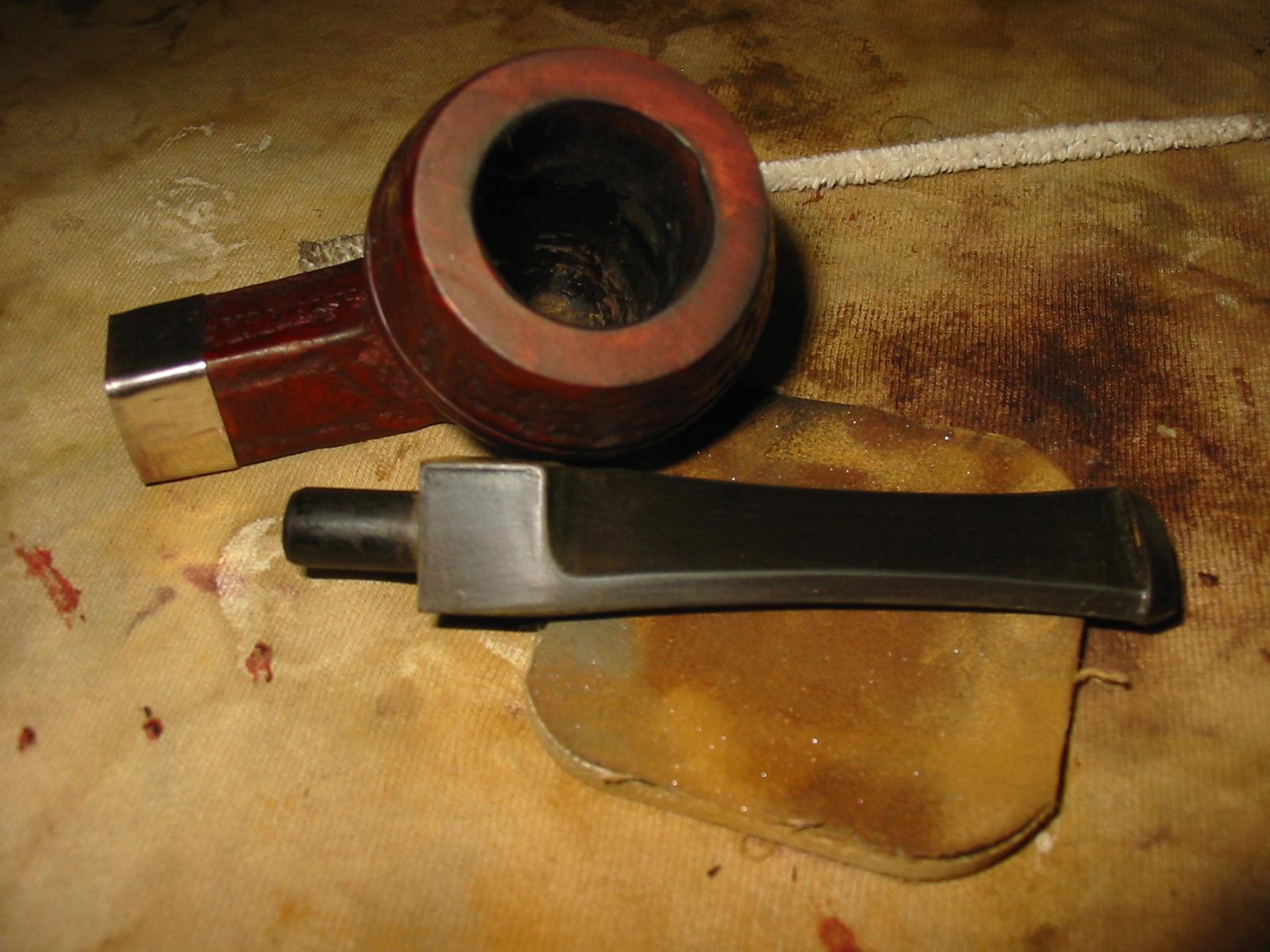
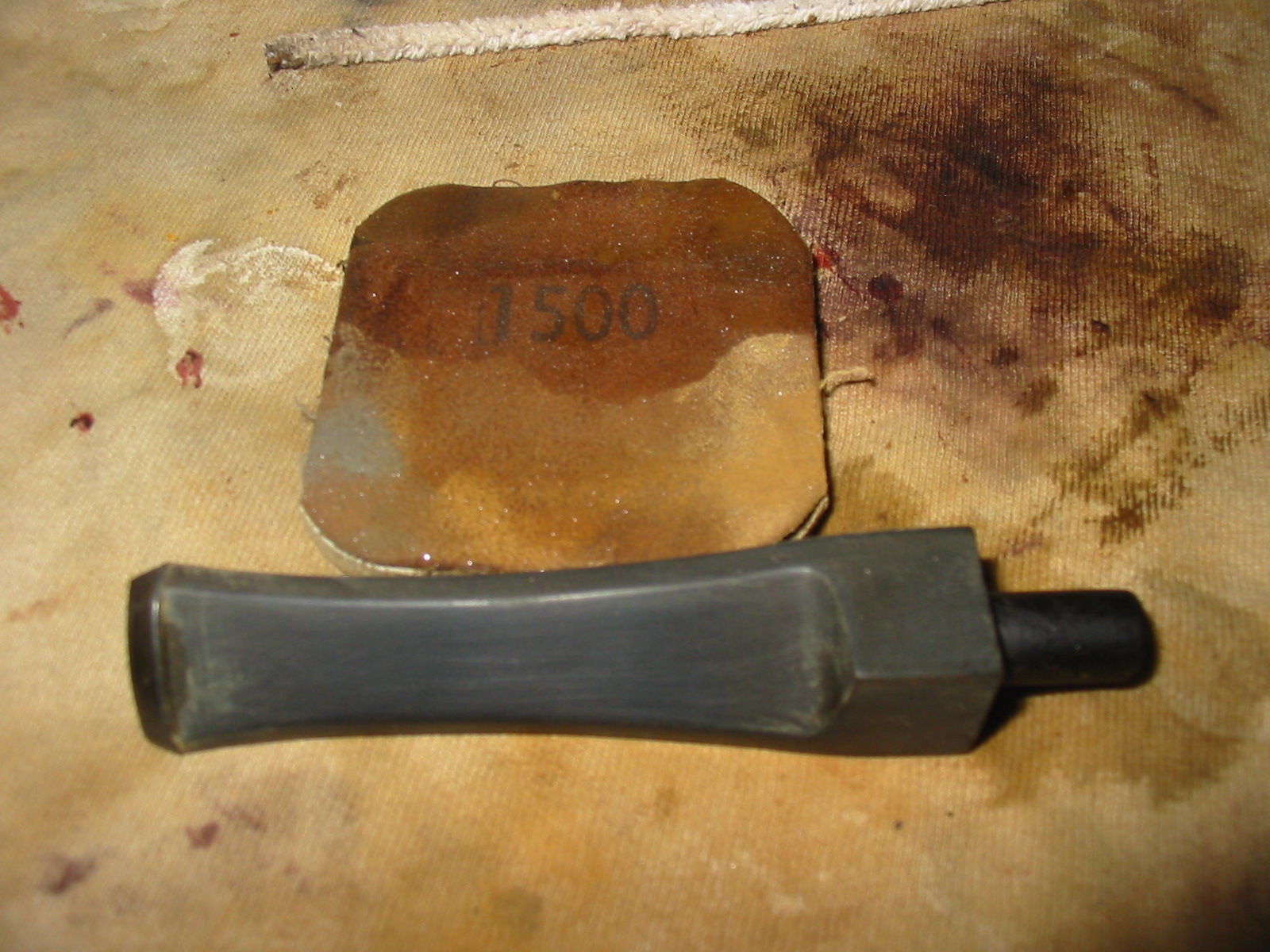
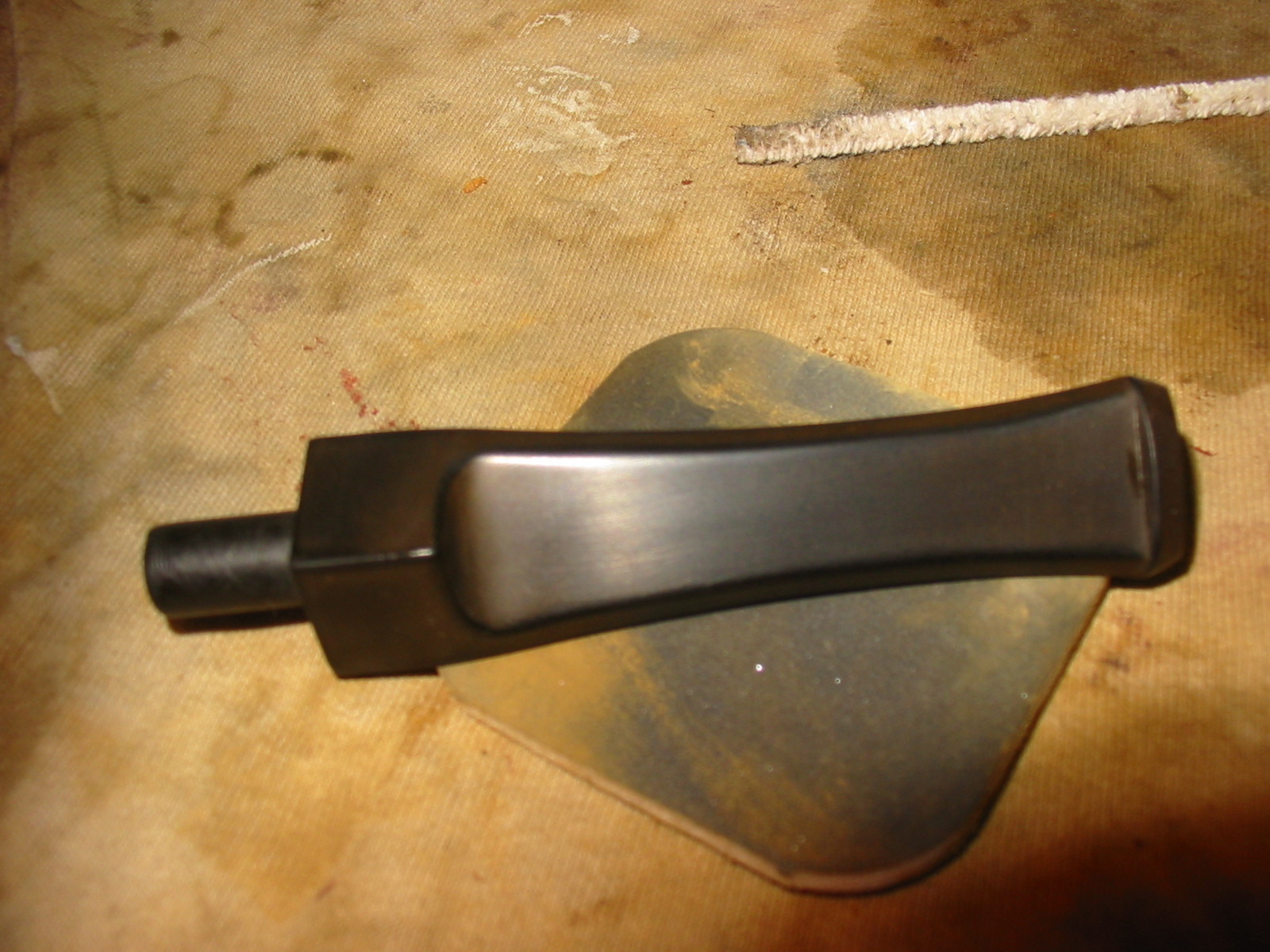
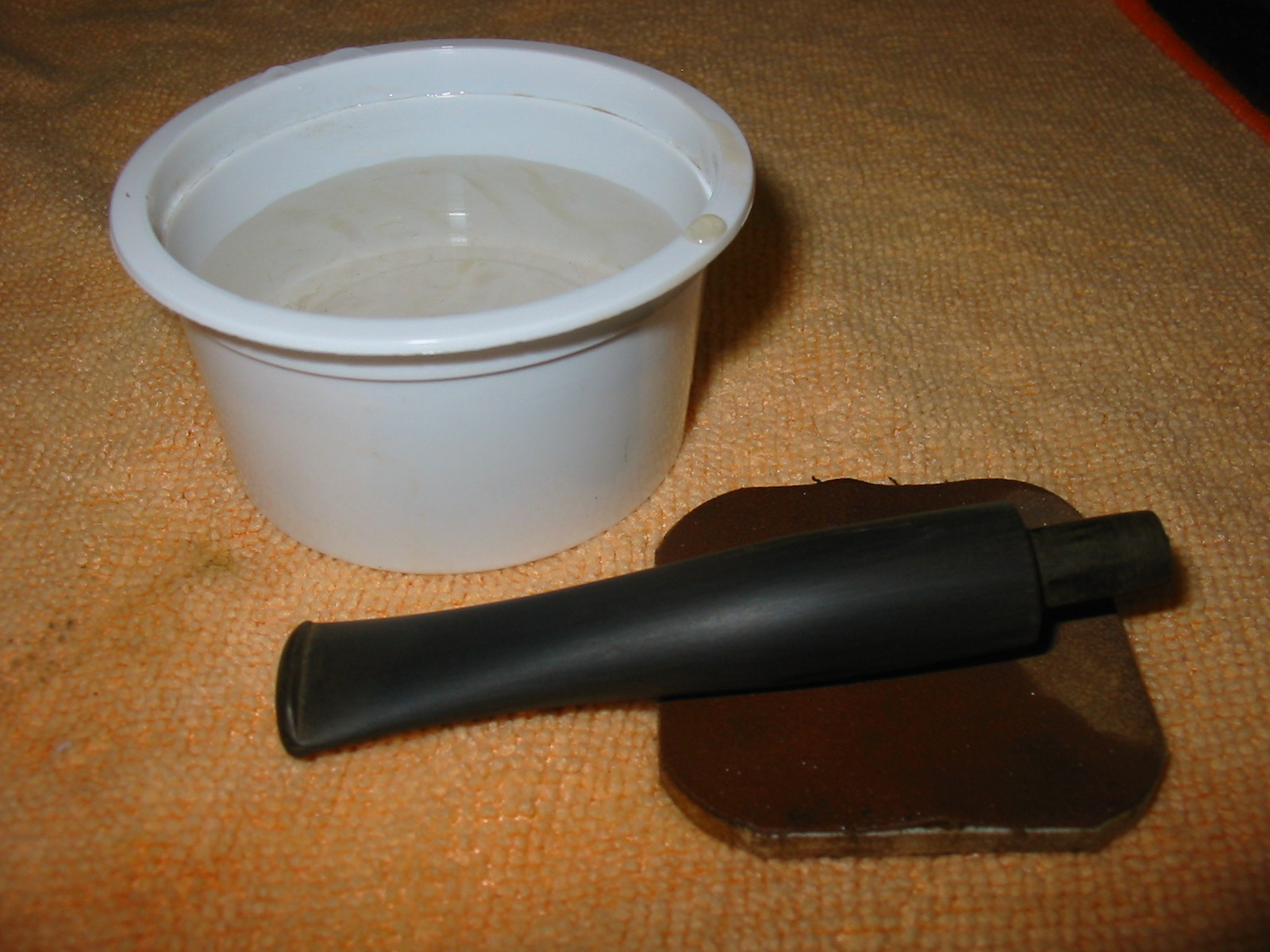
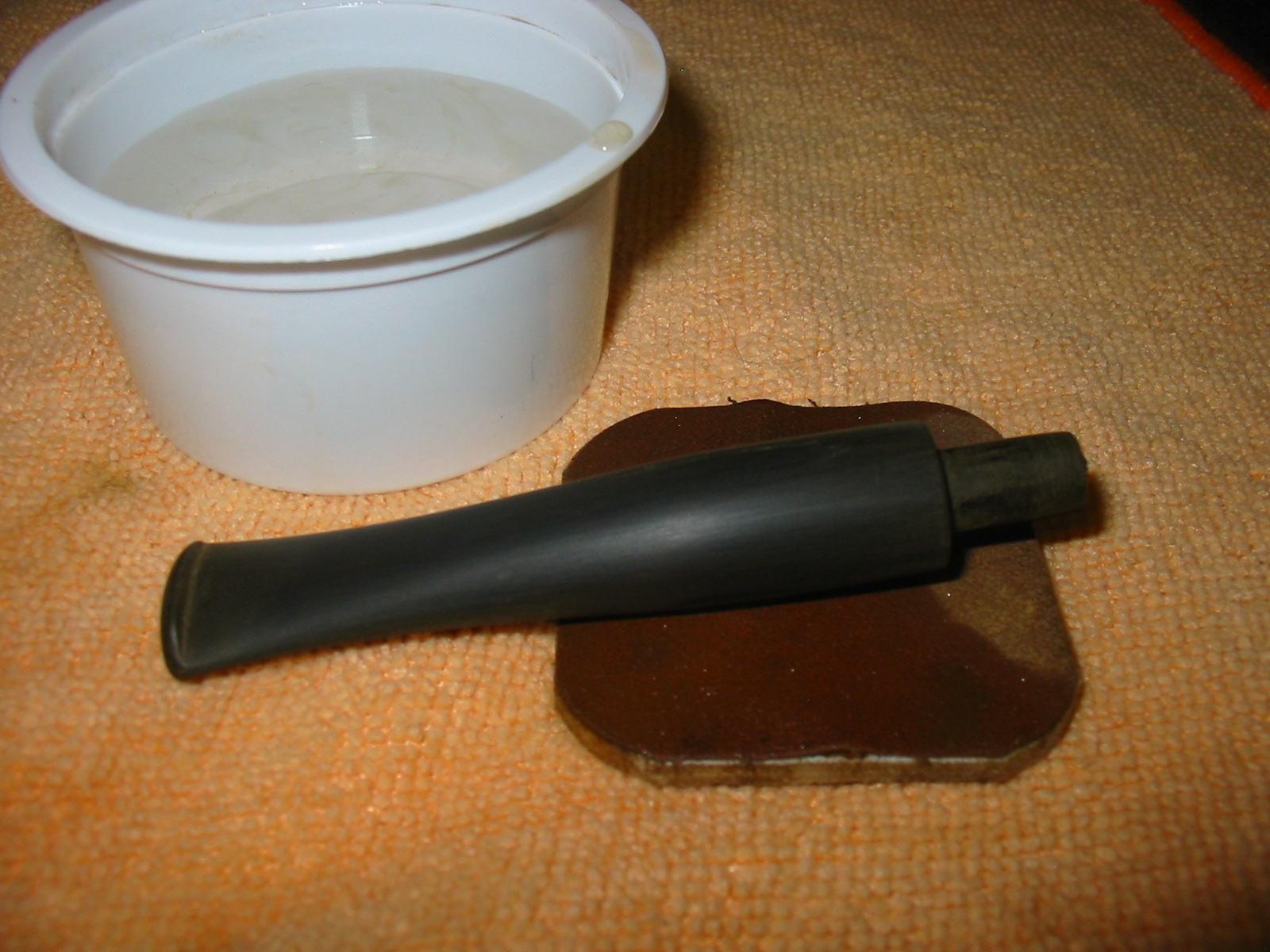
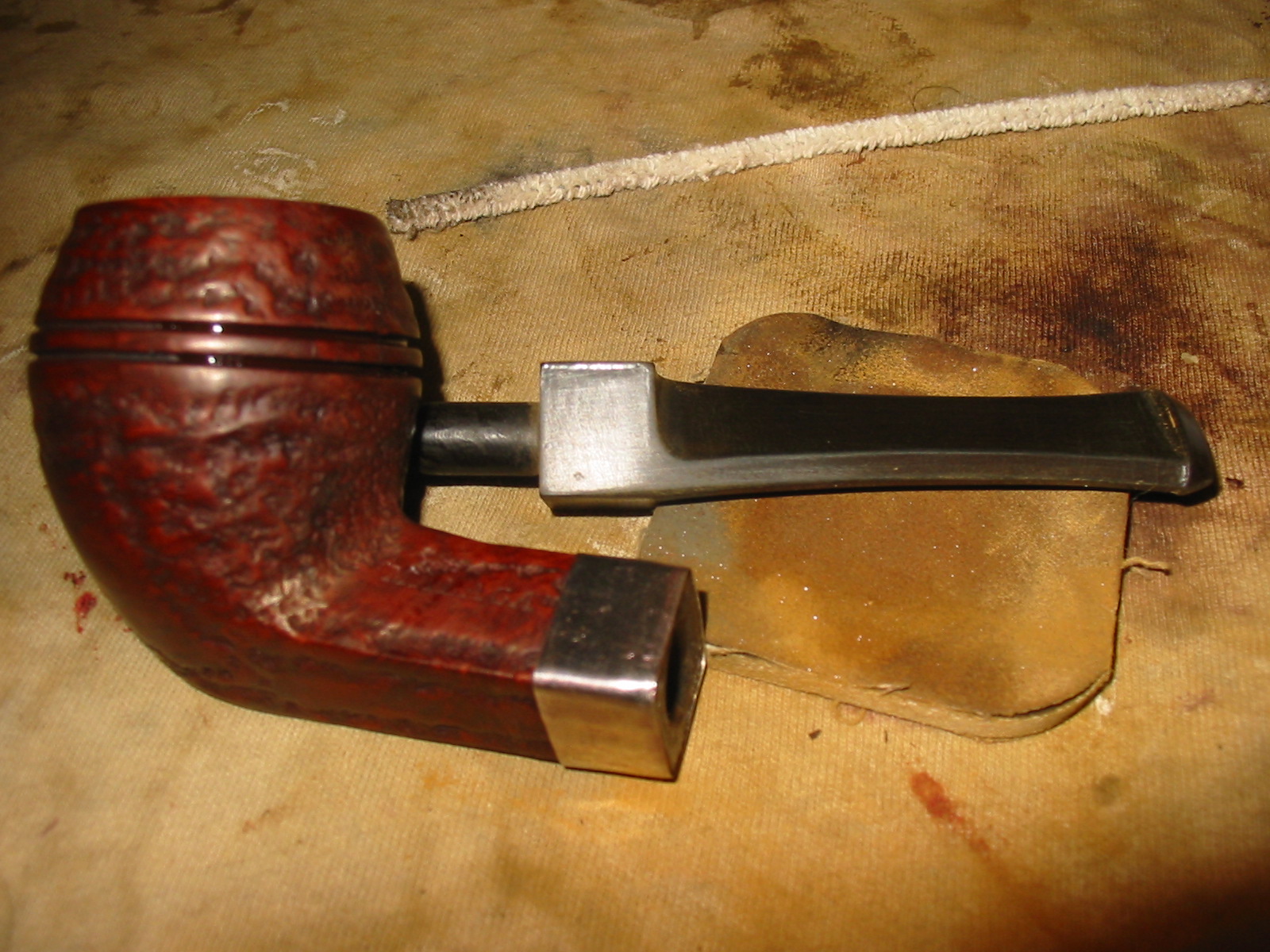
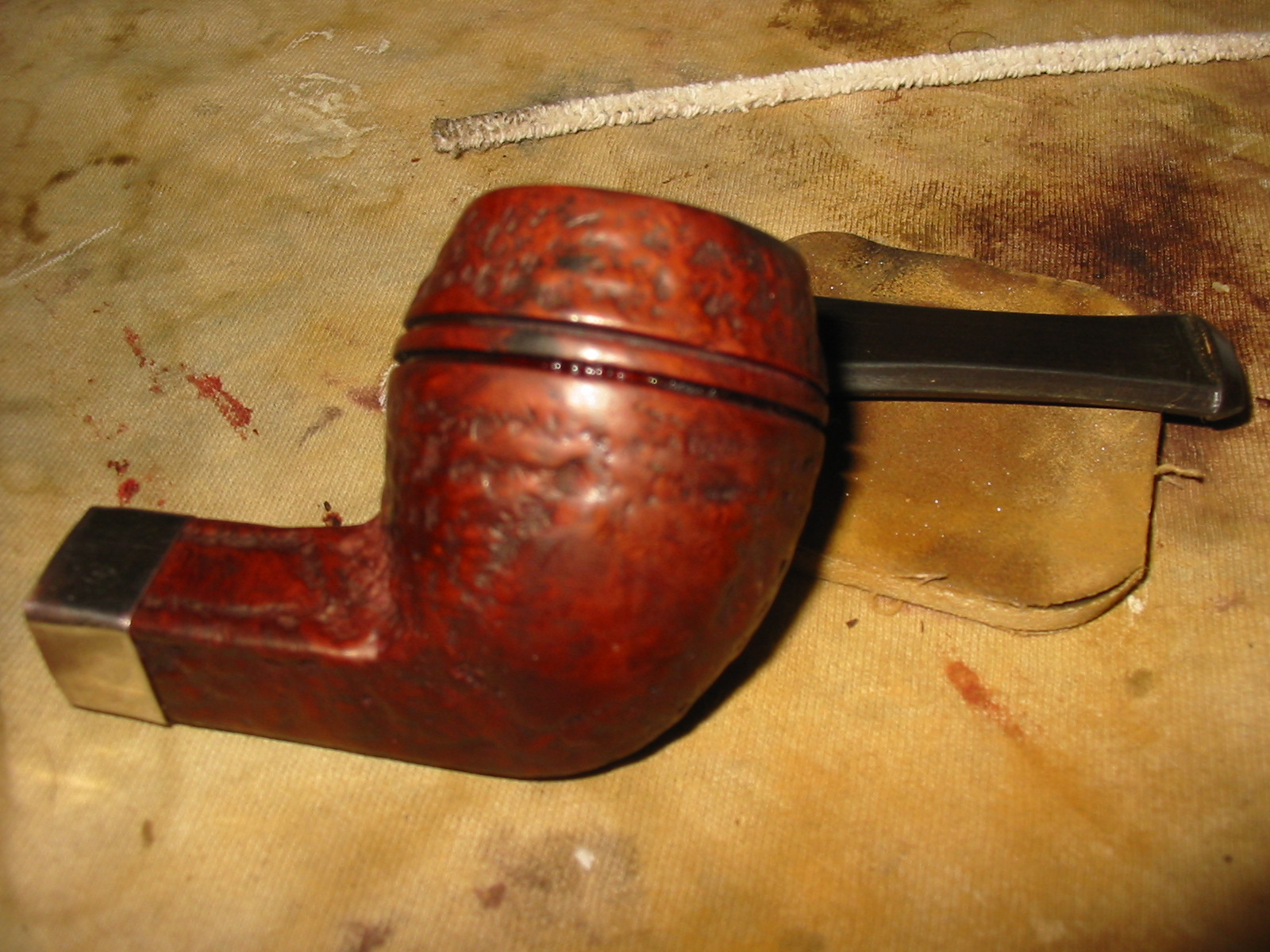
After topping the bowl and finishing the rim sanding with micromesh sanding pads in 1500-3200 grit I stained the bowl with an oxblood stain. I restained the entire bowl in order to get a match between the bowl and the rim. The next photos show the stained bowl. At this point in the process I still needed to buff the bowl but I decided to set it aside to dry while I worked on the stem to remove the oxidation and tooth chatter. I began by wet sanding the stem with a 1500 grit micromesh sanding pad. I keep a bowl of water at hand so that I can dip the sanding pad in the water and also clean it between sandings. The next four photos show the stem after sanding it with the 1500 grit pads.
ImageImageImageImage

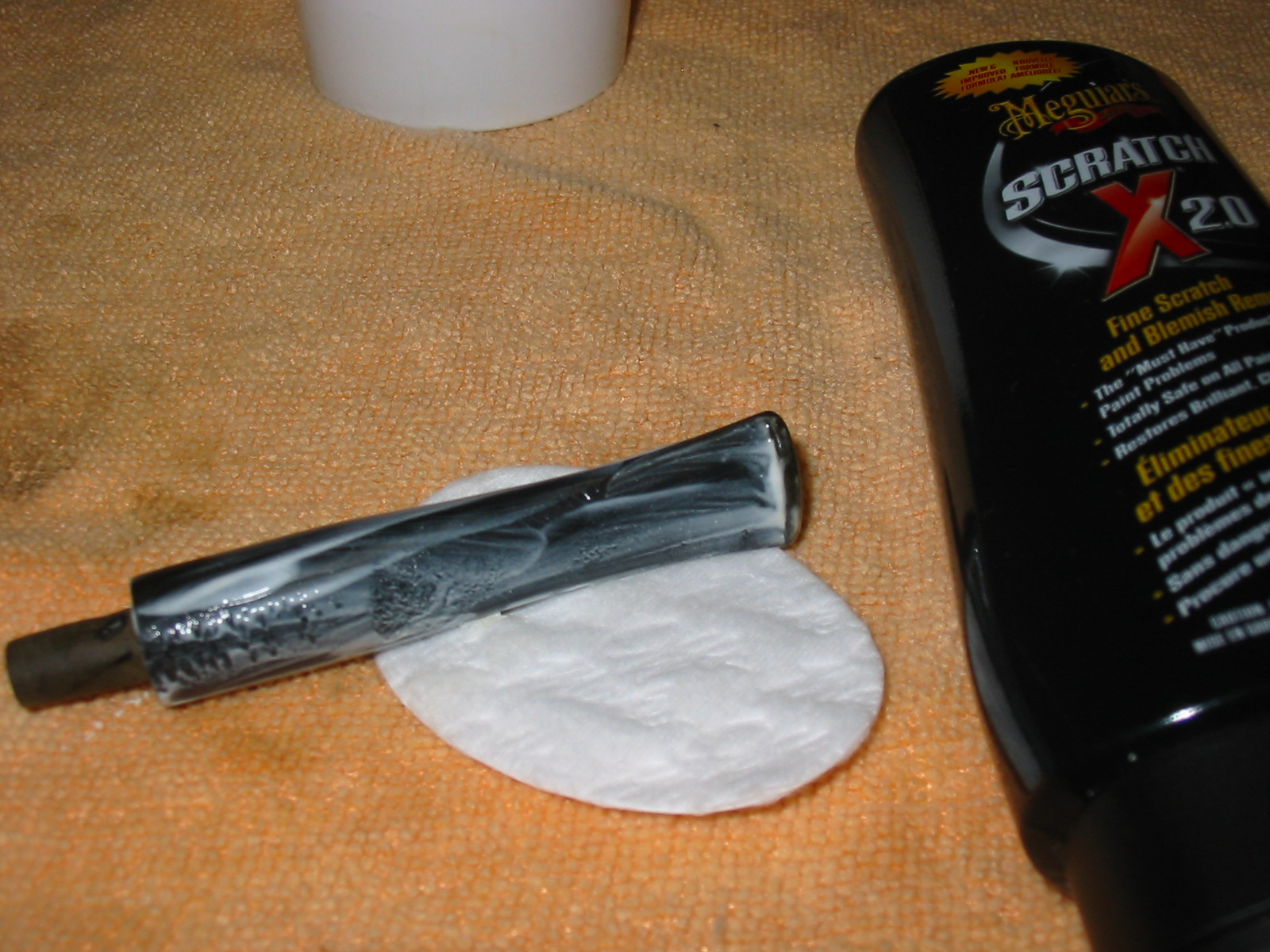
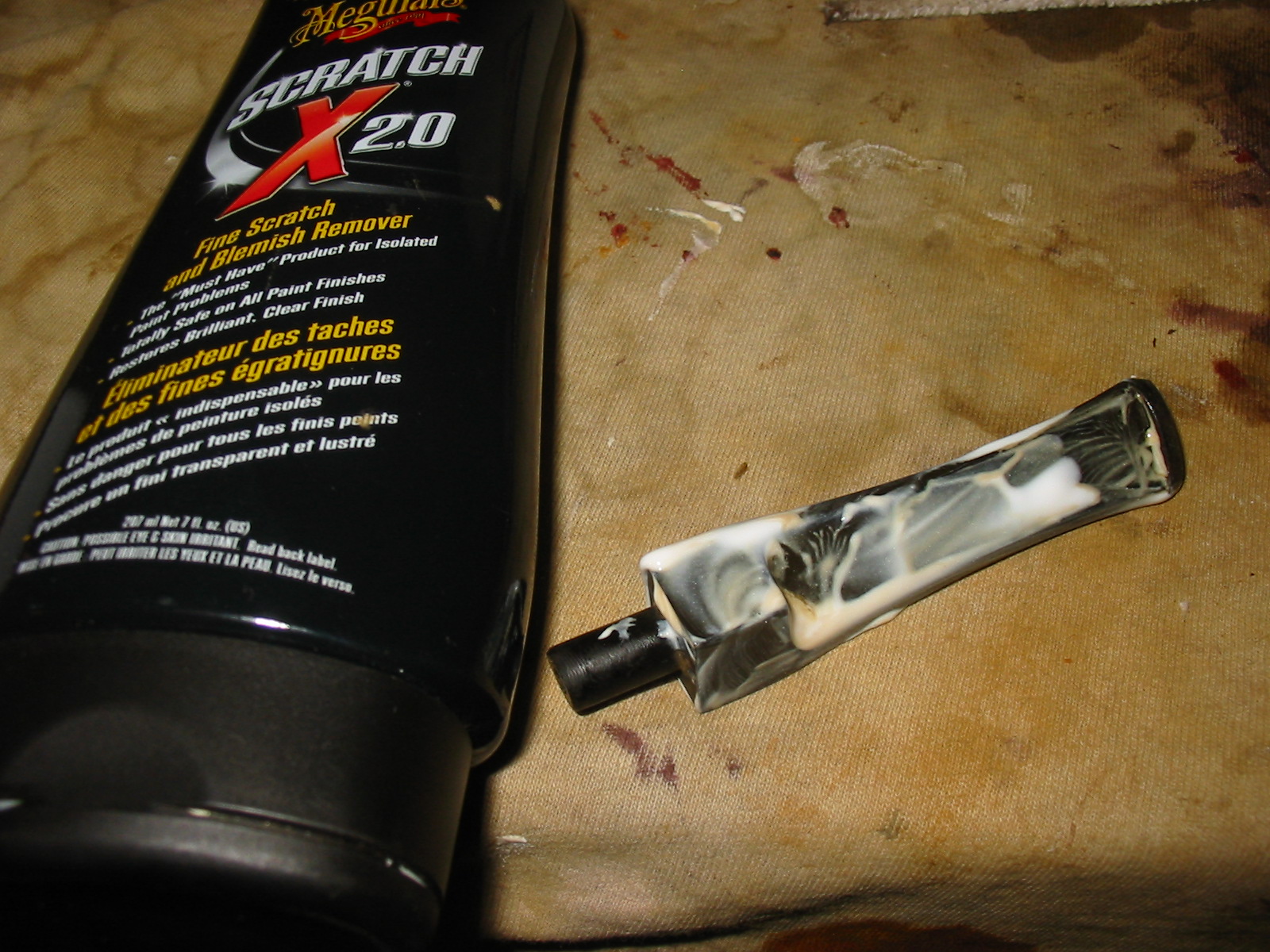
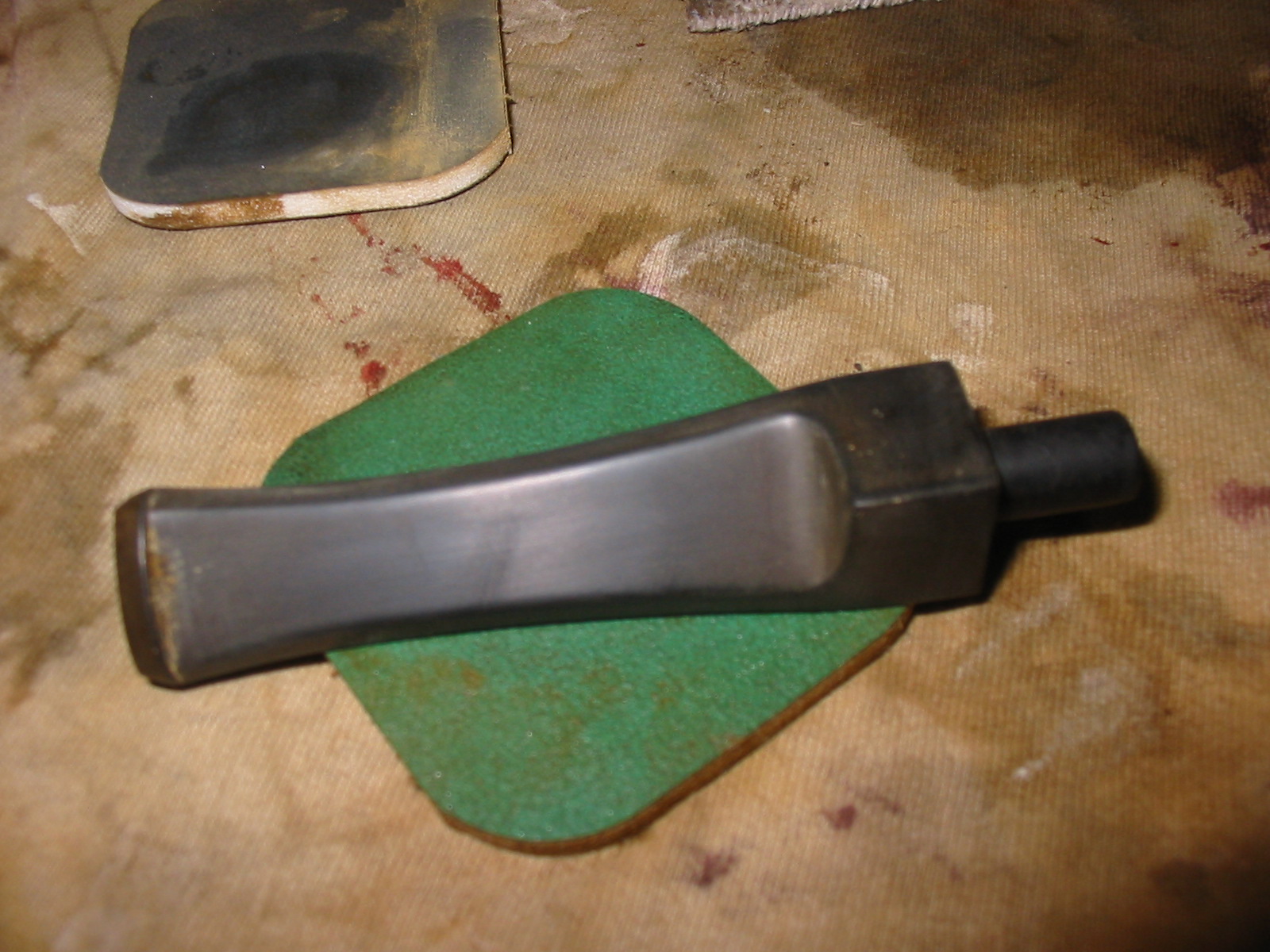
I polished the stem with Maguiar’s Scratch X2.0 after the 1500 grit sanding. I then wet sanded the stem with 1800 and 2400 grit micromesh sanding pads. The next three photos picture that process and the progress on the stem.
ImageImageImage

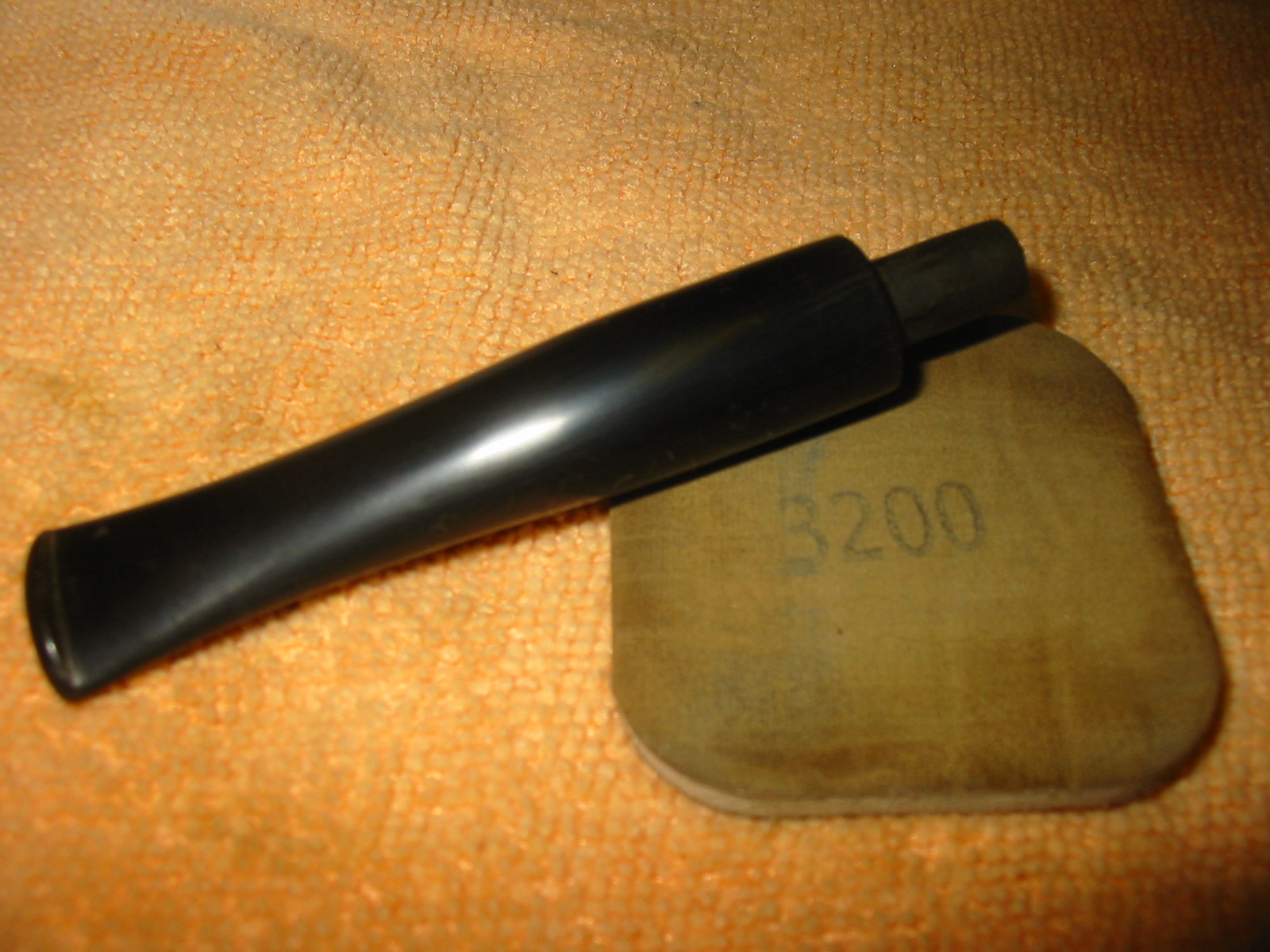
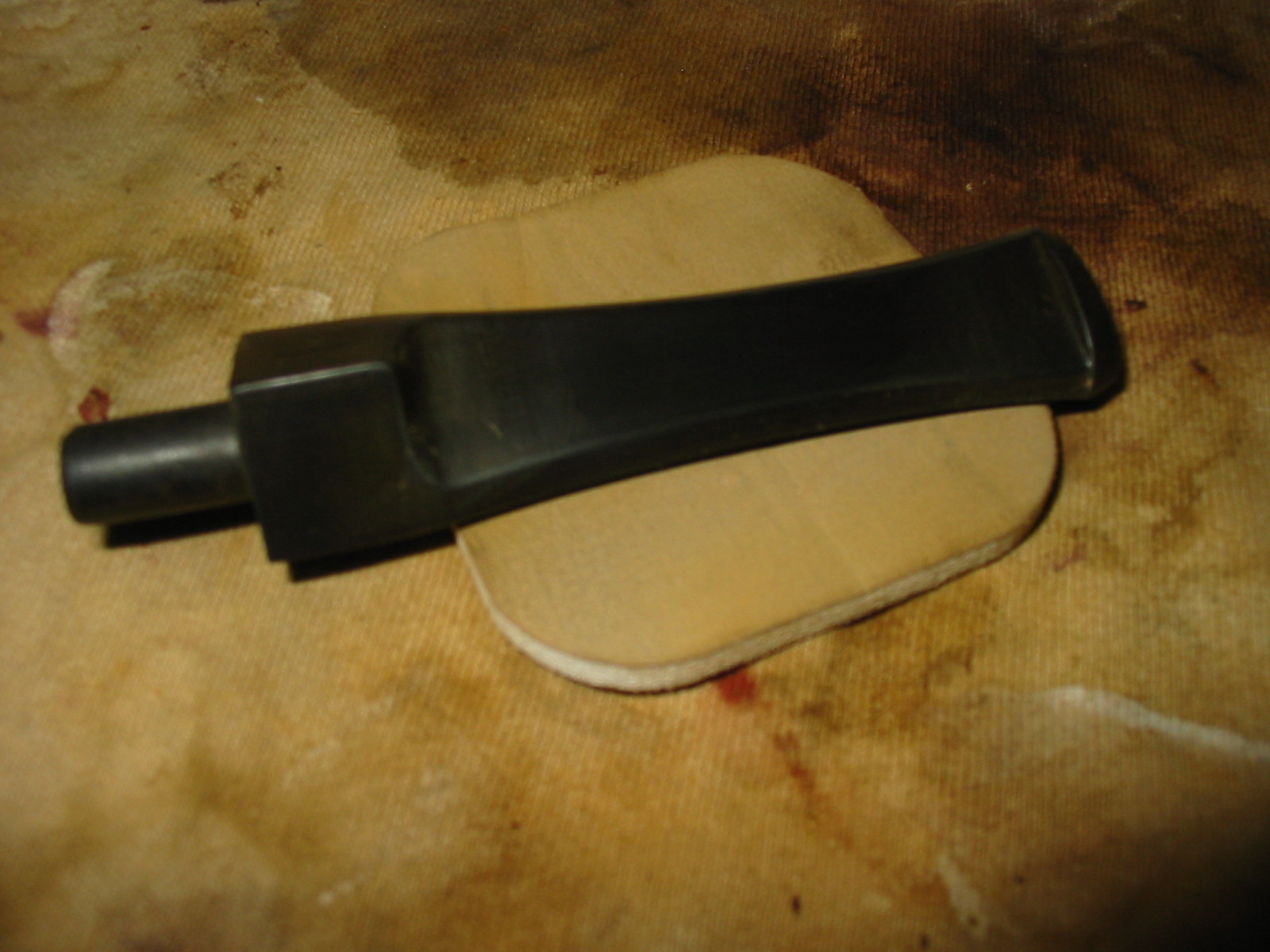
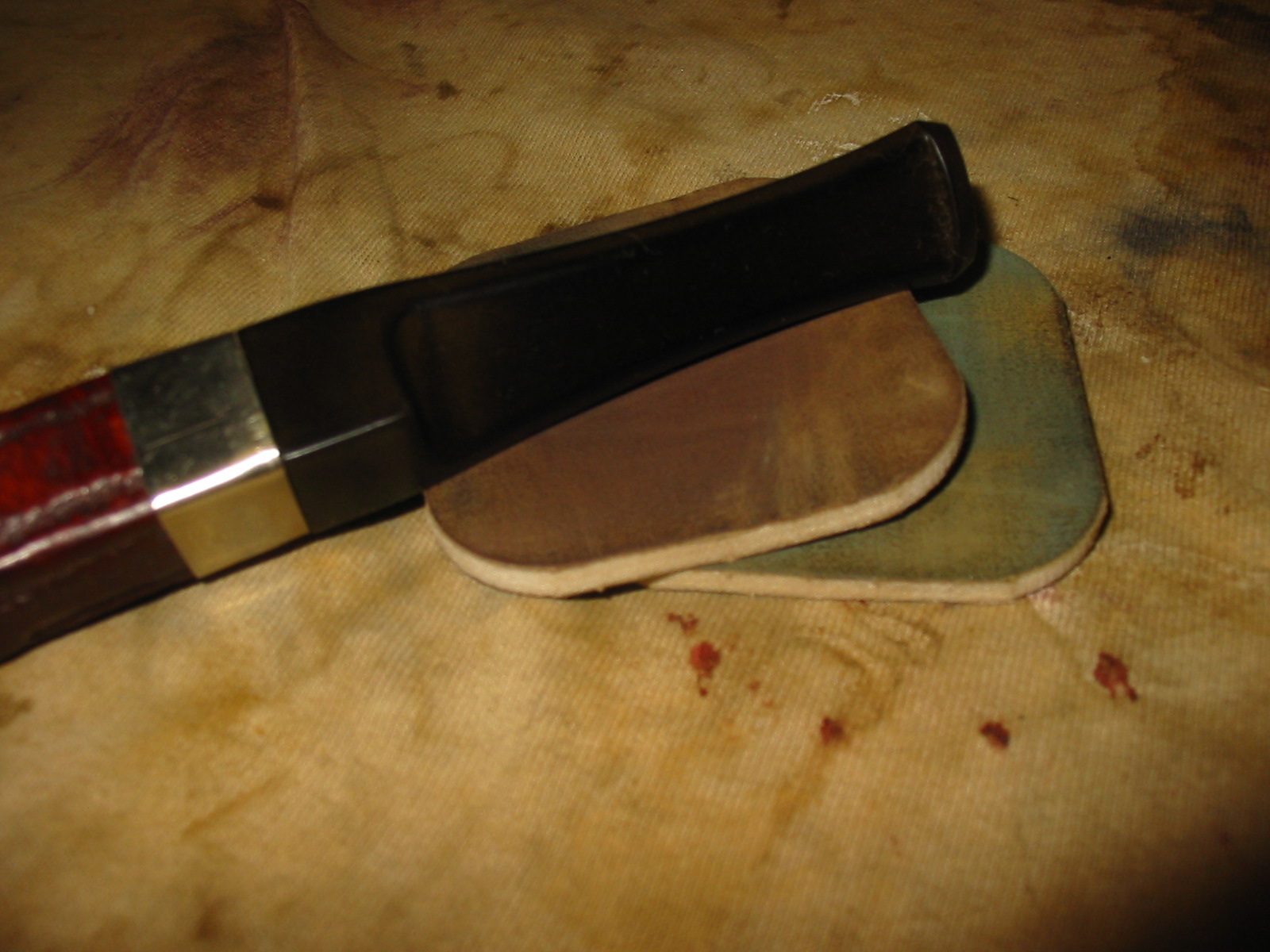
I continued sanding with the micromesh pads. I dry sanded with 3200, 3600 and 4000 grit pads. I worked on the inside of the saddle with a folded pad to get the angles correct and clean up that area. I also scrubbed around the button and the edges of the button, working to keep the edges sharp and defined. The next three photos show that progress.
ImageImageImage

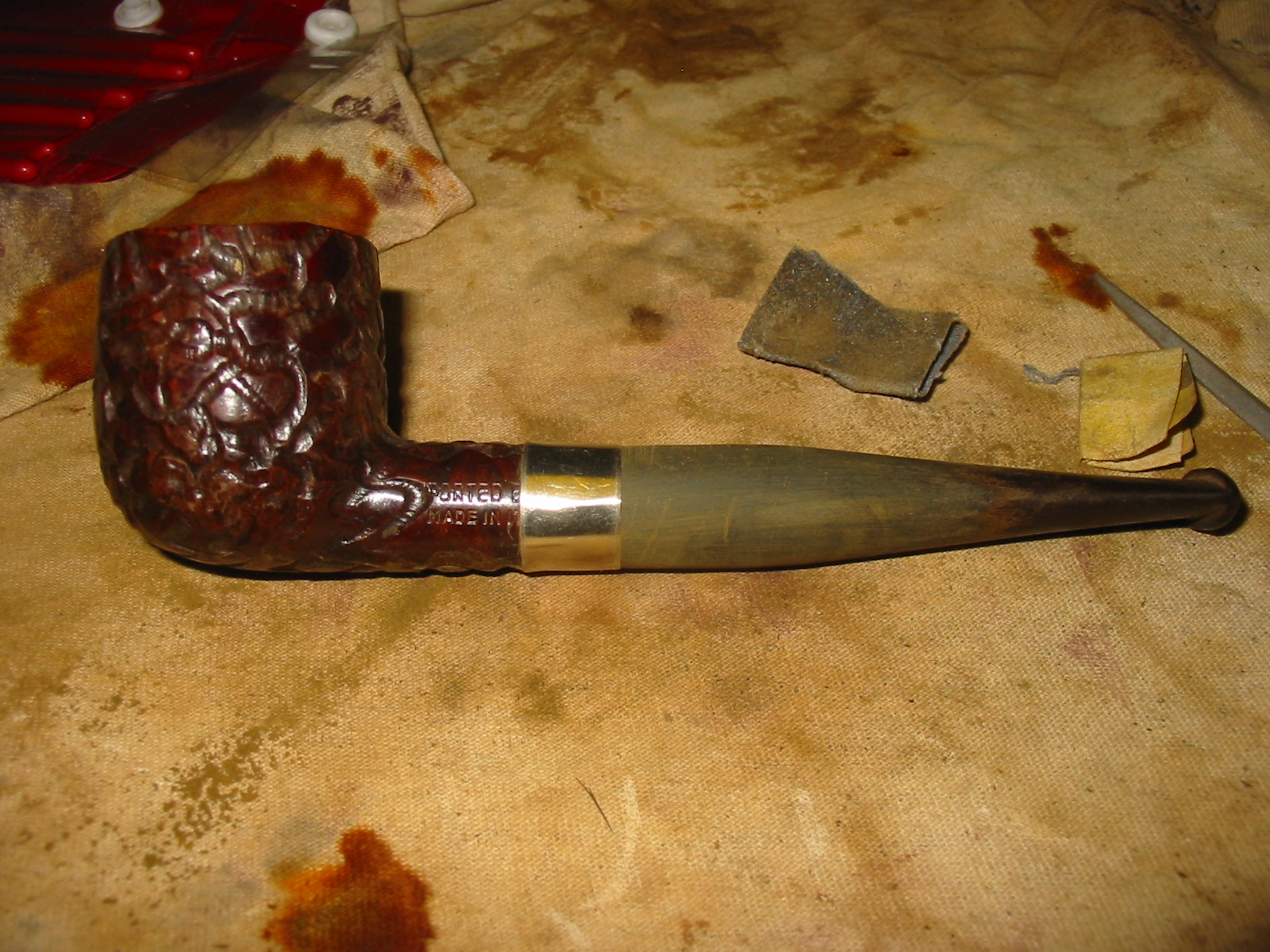
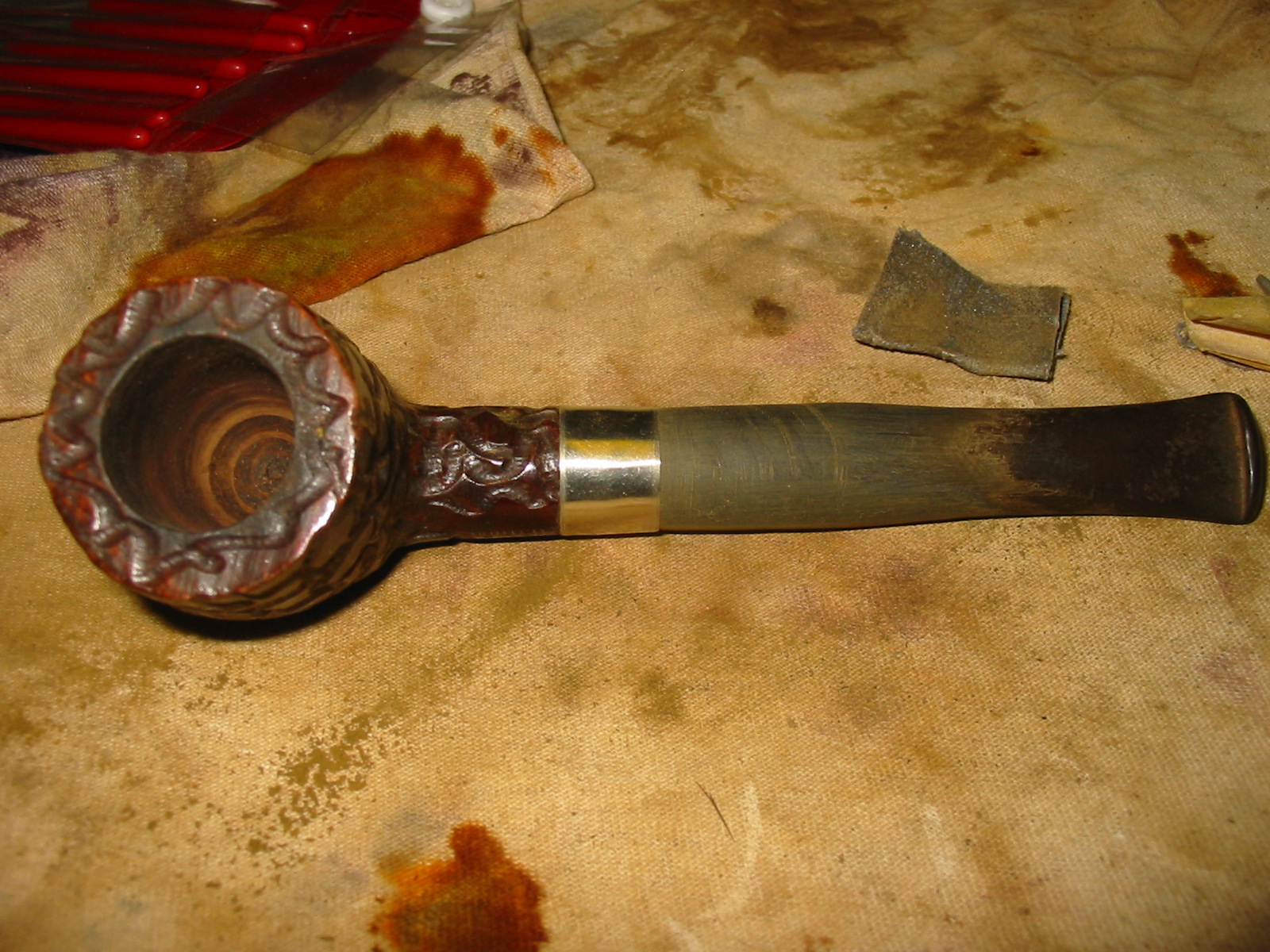
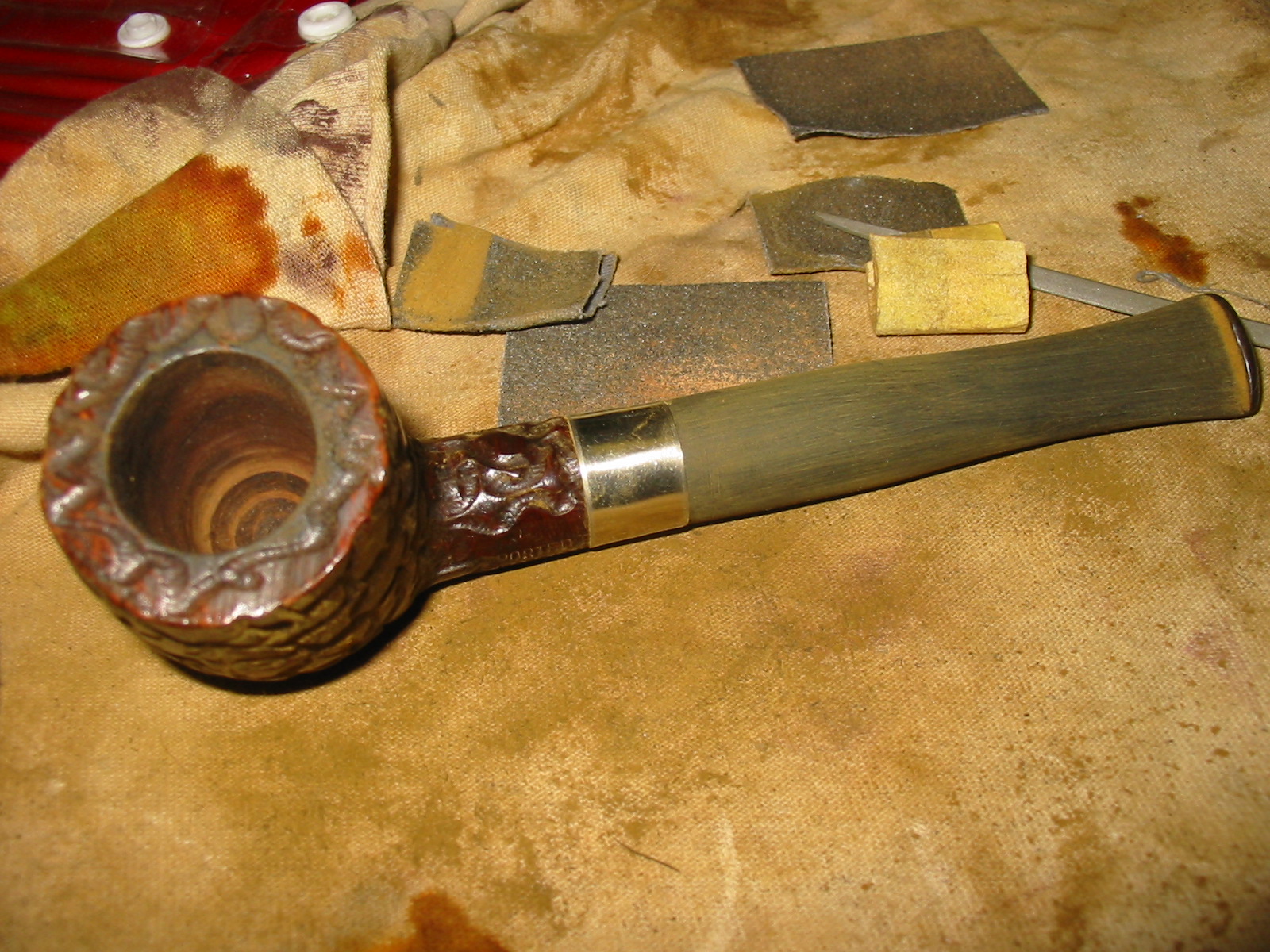
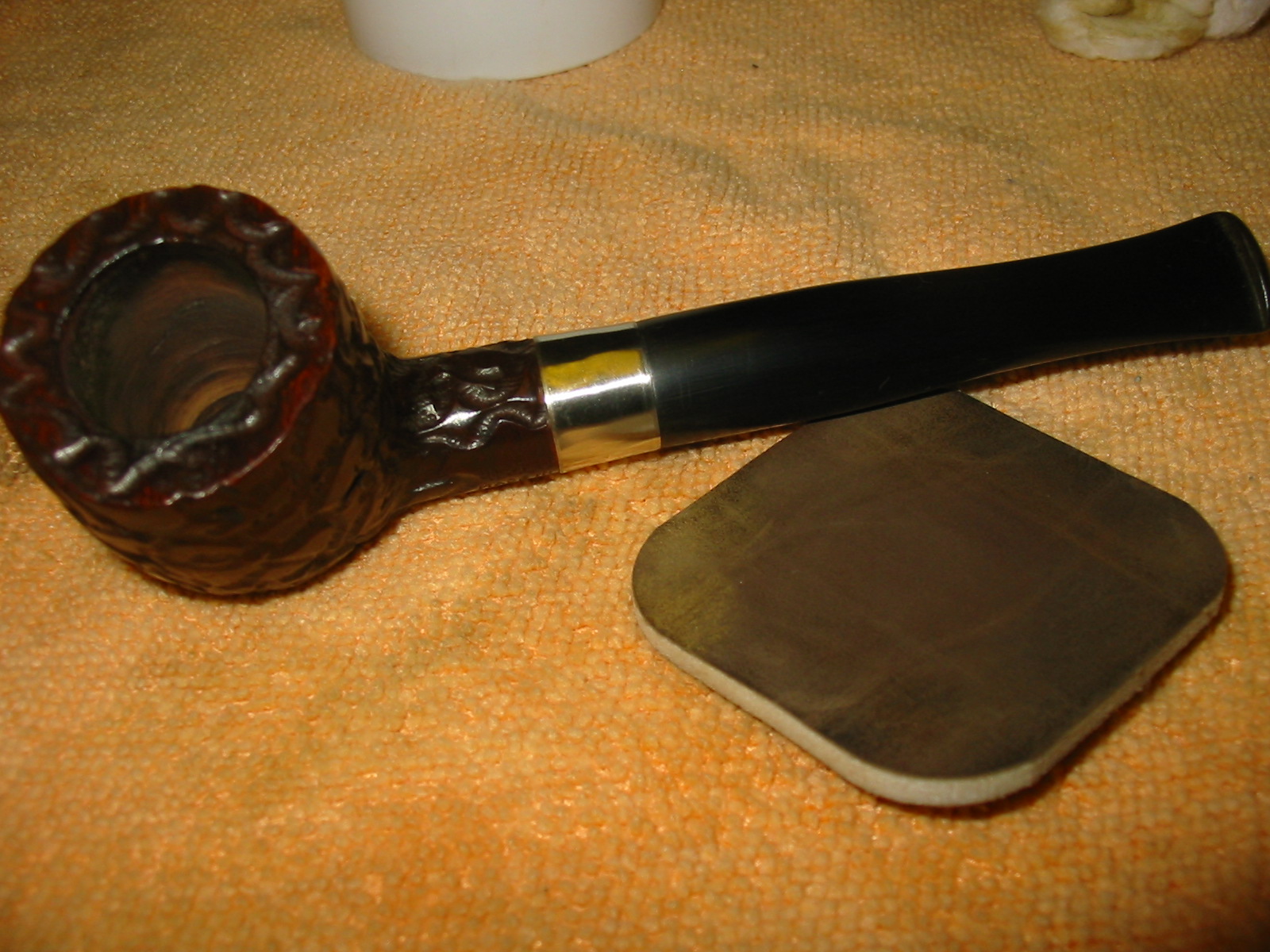
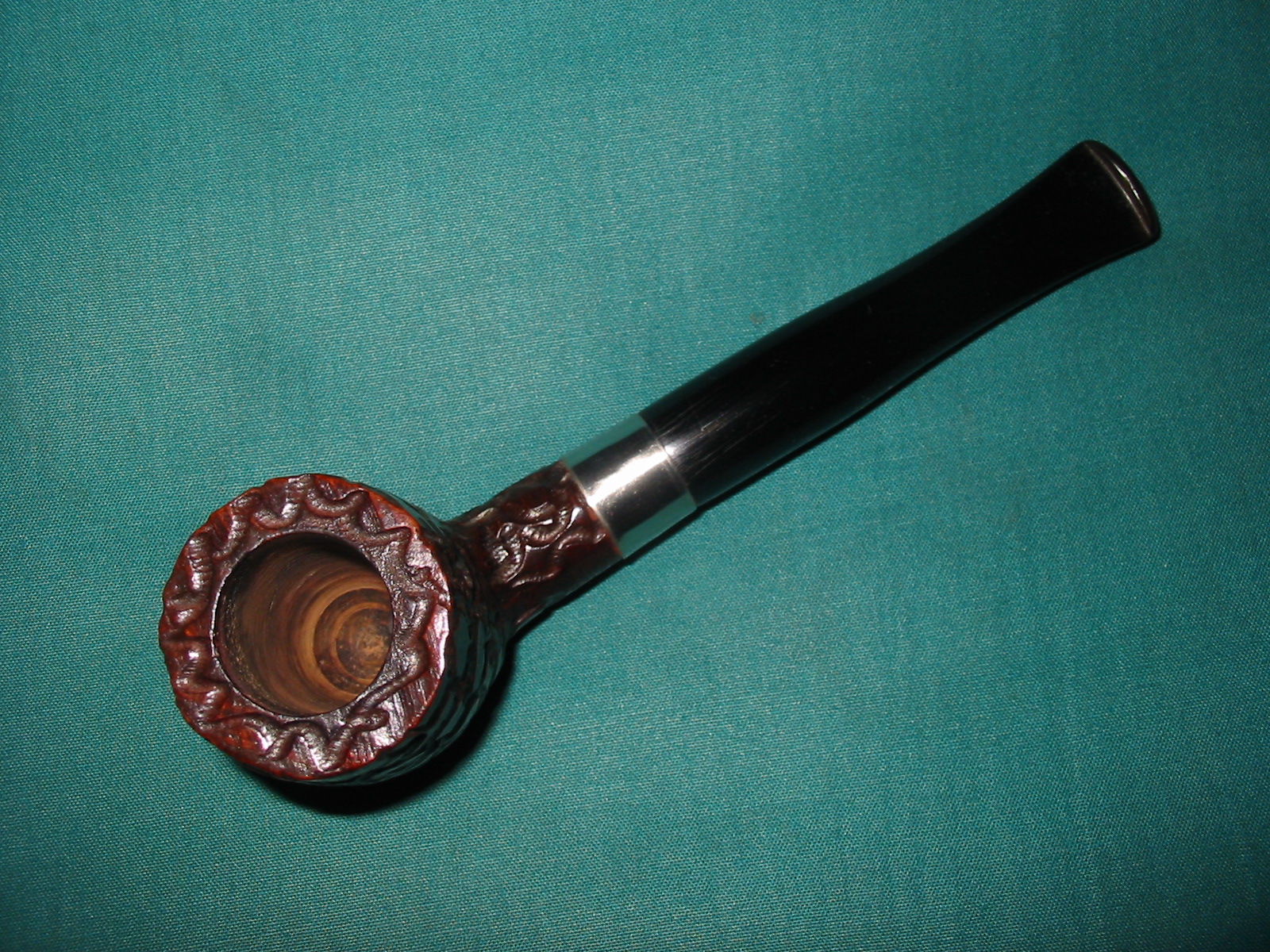
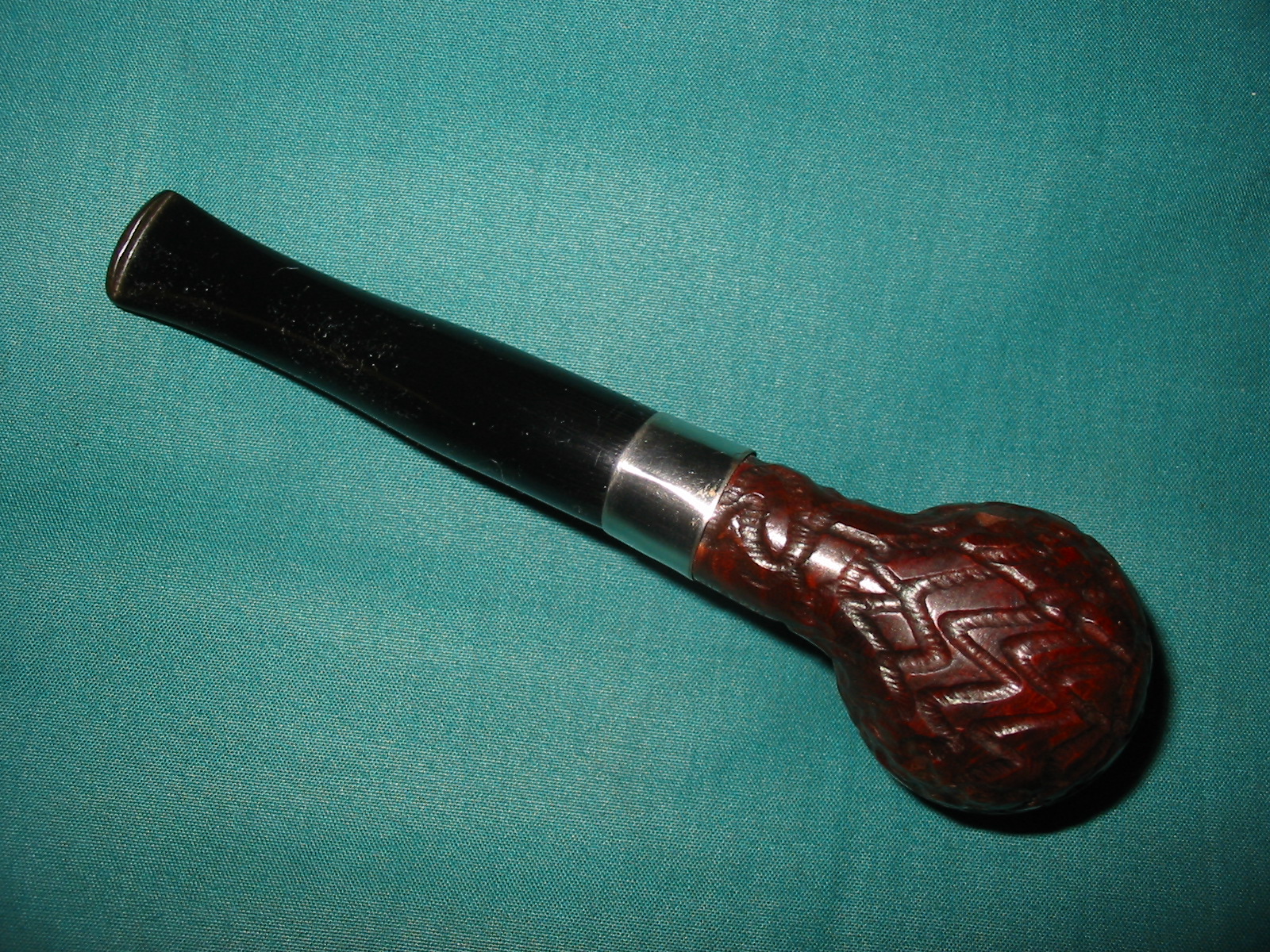
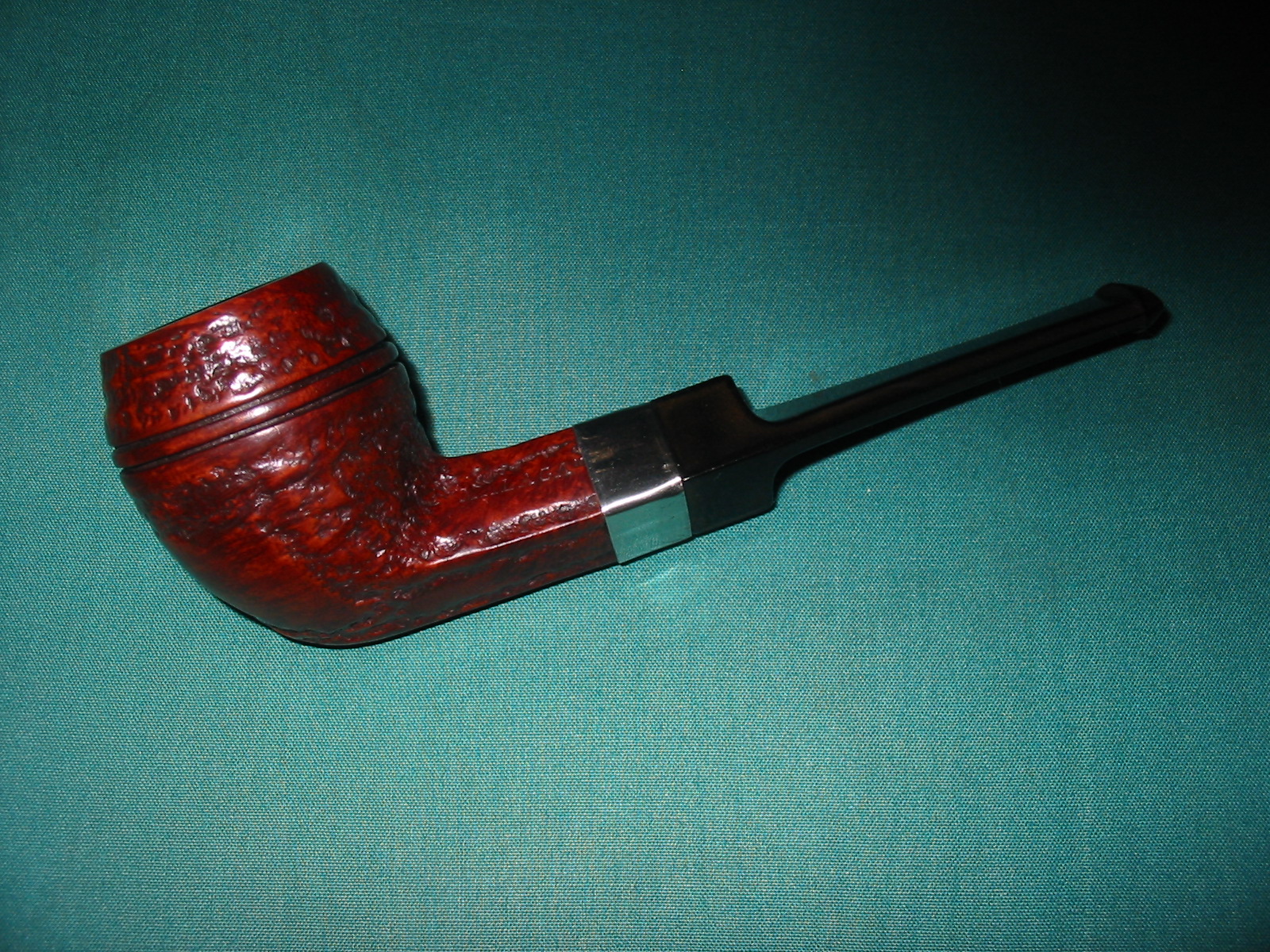
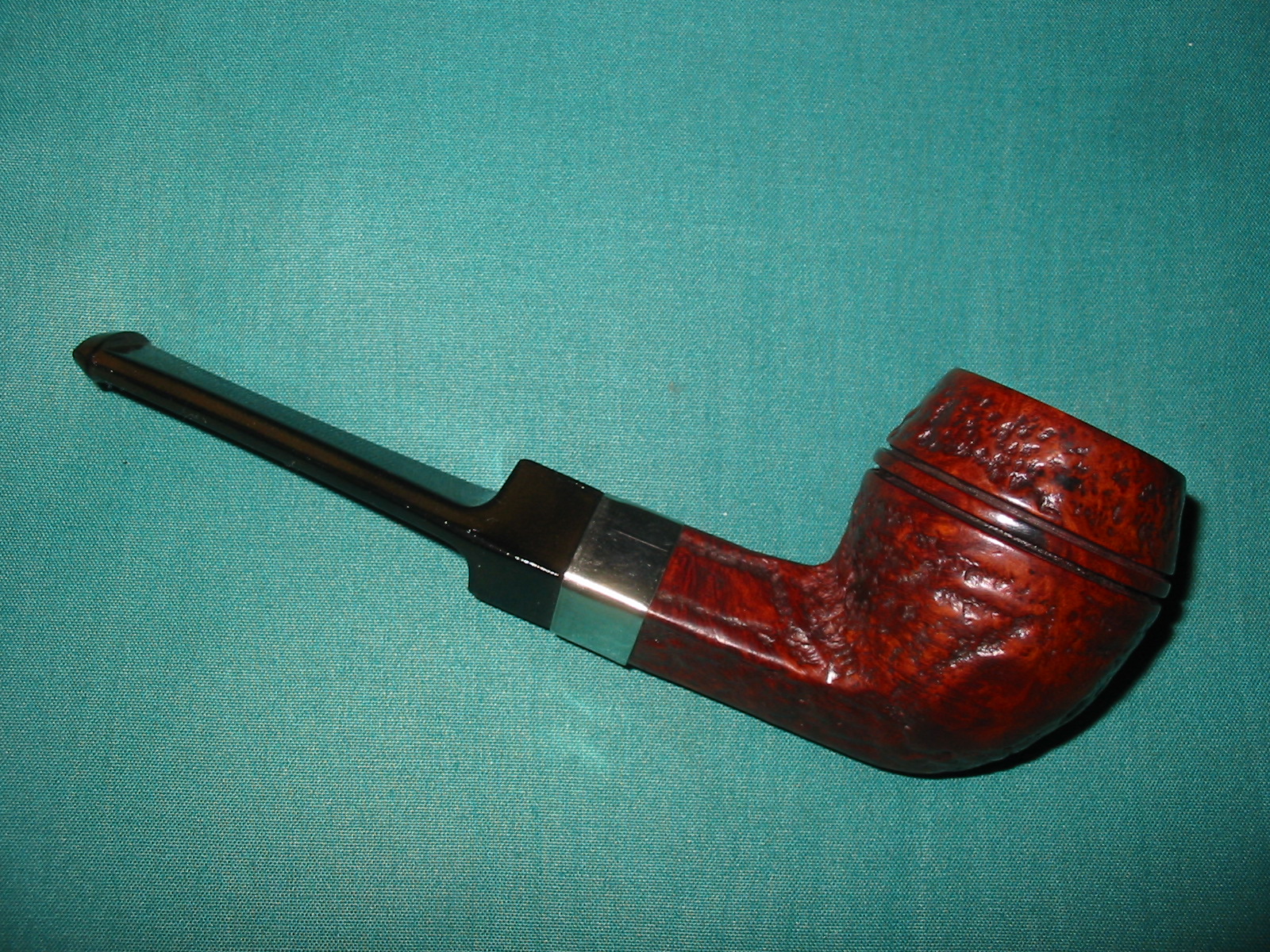
I scrubbed the stem once again with the Maguiar’s and wiped it off repeatedly with a cotton pad. I continued to dry sand the stem with 6000, 8000, 12,000 grit micromesh. Once I had finished the sanding I buffed the stem and pipe with White Diamond on my buffer to shine both. I took the pipe back to my bench and gave the stem a coat of Obsidian Oil. I rubbed it into the stem and then gave the bowl a coat of Halcyon II wax and hand buffed it with a cotton cloth and then gave the rim and stem several coats of carnauba wax. Once I was finished I took it to the buffer once again and gave it a buff with a clean flannel buffing pad. The finished pipe can be seen in the photos below.
ImageImageImageImage


Italian Made Pot Refurbished and Reborn with a New Look


This was one of the stummels from a box of pipes without stems that are all that are left of a big lot of pipes I was gifted by a friend. There are about 30 left, I have restemmed many of them over the past year and given away many more. This one is a no name Italian Made that is stamped Real Briar in italics and stamped on the left side of the shank. It is a rusticated bowl and as can be seen in the picture below had a cracked shank. The stem that is in the pipe is one that I recycled from my can of stems. It needed to be cut down to make the diameter of the shank match the diameter of the stem. I also needed to band the shank to do a repair to the crack.

Image

The picture below show the bowl as it came to me. It had been reamed with something that scored the bottom of the bowl and left marks. It was however very clean. The rim had slight darkening but was otherwise clean as well. The inside of the shank was clean and fresh. The pipe took very little prep other than repairing the cracked shank to ready it for the new stem.

Image

To prepare it for banding I checked through my box of bands to find one that would give a good tight fit when pressure fit to the shank. I found one that would work but also found that the carved grooves in the finish of the pipe made a tight fit to the shank virtually impossible to obtain. I used my dremel to remove some of the grooves to the depth of the band width. I checked the band fit several times and took off enough of the briar to obtain a tight fit. I was able to step down one size in bands and got a perfect fit. The next two photos show the shank prepared for the fitting of the band. I also used some superglue to repair the crack in the shank. I pried it open with a dental pick inserted in the shank and applied pressure to open the crack enough for the superglue. I dripped the glue into the crack and squeezed it shut until it dried. IMG_9869

Image

I slid the band on to start the fitting and then took it to my heat gun. I heated the band on the shank and then pressed it into place. I repeated the process until the band was properly placed on the shank. The next two photos show that process – I heat the band and then press it on using the piece of carpet on my work table.

ImageImage

Once the band was in place I used my Dremel on the stem to remove the excess material on the diameter of the stem. I have found that if I run it at a medium speed I can control the sanding drum and not cut gouges in the vulcanite. It requires a steady hand and patience to get the work done without cutting too deeply into the stem and causing gouging that takes a lot of sanding to remove. After I cut away the necessary excess I also sanded the tenon for a proper fit in the shank. Once I had banded the pipe it no longer fit as easily. I wanted a smooth and snug fit but not one that would damage the shank. The picture below shows the stem after I have started sanding the stem with medium grit emery cloth to sand out the scratches and fine tune the fit against the band.

Image

I continued sanding with the emery cloth until the fit was what I wanted. The next two photos show the pipe with its new look. The band is in place and the stem fits. It is a nice chunky stem that I think matches the shape and flow of the bowl and shank nicely. I still had a lot of sanding to go. I continued with the emery cloth to remove the build up and oxidation around the button area. I decided to rework the entire stem and then polish it to a shine.

ImageImage

The next series of two photos show the progressive work on the stem. In the background of the pictures are some of the tools that I used in the work – a flat file, emery cloth and some 280 grit sandpaper. When I had finished the stem to this point all that remained was to work on it with some 320 grit and some 400 and 600 grit wet dry sandpaper before moving on to sanding it with the micromesh sanding pads.

ImageImage

At this point I decided to take a break from sanding – the old fingers were getting a bit sore. I used a brass tire brush to clean off the remnant of tars on the rim and then restained the pipe with a dark brown aniline stain thinned 2:1 with isopropyl alcohol. I applied it with a dauber and then flamed it and restained a second time and flamed it again. I then took it to the buffer and buffed it with Tripoli and White Diamond to give it a shine and remove the excess stain from the high spots on the briar and lend a little contrast to the darkened grooves. The next two photos show the restained bowl.

ImageImage

I filled my water bowl with warm water and took out the micromesh pads and began to sand the stem. I began by wet sanding with 1500, 1800 and 2400 grit micromesh pads that I wet with water and then sanded the stem. Between each pass on the stem I would wipe it dry to see how the scratch removal was progressing. The next three photos show the stem after sanding with the 1500 grit micromesh. The scratches are beginning to disappear. Before moving on to sanding with the 1800 grit I decided to polish the stem with Maguiars Scratch X2.0 I applied it by hand and the scrubbed it off with a cotton pad. The next four photos show that process with the applied polish and then the stem after wiping it off.

ImageImageImageImageImageImageImage

After wiping the stem down a final time I wet sanded it with 2400 grit micromesh sanding pads. I wanted to continue to remove the surface scratches from the vulcanite and begin to move toward a polish.

Image

The next photo shows the stem after dry sanding with 3200 grit micromesh. The shine is deepening in the finish of the stem.

Image

I then shifted to dry sanding with 3600, 4000 and 6000, 8000 and 12,000 grit micromesh sanding pads. I sanded and wiped them down between each grit change. By the time I got to the 6000 the shine was visible and the finish was very smooth. The difference after sanding with the 8000 and 12,000 is remarkable.

ImageImage

The final four photos below show the finished pipe. Once I had finished sanding it I gave it a final polish with the Maguiars and then took it to the buffer for a buff with White Diamond. I then rubbed it down with Obsidian Oil and finally gave it several coats of carnauba wax and a buff with a soft flannel buffing pad. The newly born Italian pot is ready to smoke and has a new streamlined look that I really like.

ImageImageImageImage

1918 J.K.L.K.Dublin Restemmed and Brought Back to Life


I saw this old stummel on EBay and was interested in giving it a refurbishment. It did not have a stem and when it arrived it was in worse shape than the seller had led me to believe. The bowl was filled with a hardened burned tobacco and also a half a bowl under that of unburned dried and hardened tobacco. The rim was very badly damaged and the cake was very thick. It was thicker about half way down the bowl and funneled down to the bottom of the bowl making the bowl appear to be conical. I knew from examining it that it was not a conical bowl so the cake would have to go. The silver band was twisted over to the right and was upside down. The stamping on the bowl was non-existent but the band was stamped J.K.L.K. and next to it were the hallmarks – a lion (signifying that the band was sterling silver), an anchor (signifying that it was made in Birmingham, England) and in the center of the threesome was the letter “t” in a boxlike shield with the corners trimmed (signifying the date of the pipe as 1918). I use a website that gives the information on hallmarks http://www.silvercollection.it/englishsilverhallmarks.html . The finish on the bowl was shot with darkening spots and worn spots. The grain underneath actually appeared to be quite nice. It looked like it would clean up very well to me. The first three pictures below show the state of the bowl when it arrived in the mail.

ImageImageImage

I took my dental pick and cleaned out the hardened tobacco, both burned and unburned. I collected it on a piece of paper to show the amount of material left in the bowl. It is always interesting to me to think about what had happened in the life of the original smoker to make him pause mid-bowl and stop smoking, set aside his pipe and not come back to it. I also wondered what happened to the stem on this pipe as it seemed that somehow it had been separated from the bowl and was nowhere to be found. I reamed the pipe with my PipNet reamer and dumped the carbon material on the paper as well. The next two pictures show the cleaning of the bowl and removal of the dottle and the cake.

ImageImage

I then set up my heat gun to heat and loosen the band in order to turn it to the correct position on the shank. I heated it using the lowest setting on the gun. I used a cotton cloth to try to turn the band several times before the heat loosened the glue and allowed me to turn it. Once it was loose I removed the band and cleaned off the old glue and the surface of the shank with an alcohol damp cloth. Once it was clean and dry I used some wood glue and spread it over the surface and then pressure fit the band in place and wiped off the excess glue. I used turned the band so that the letters and hallmarks were right side up and straight on the right side of the shank. The next three pictures show the heating and setting of the band as well as the finished set of the band.

ImageImageImage

I then looked through my can of used stems that I have scavenged and purchased until I found one that had the same diameter as the shank and band. I knew that I would have to work on the diameter of the tenon to make it fit the shank. I sanded the tenon until it fit well in the shank. I also needed to use a drill bit to smooth out the interior of the shank. I hand turned a drill bit into the shank until it was the same depth as the tenon and was smooth on the inside. I then used a slightly larger drill bit to set the countersink on the shank so that the stem would fit tightly against the shank. The next four photos show the process of fitting the stem to the shank.

ImageImageImageImage

At this point I topped the bowl rim to smooth out the surface and remove the chewed up surface and the dents and roughness. I used my board and a piece of emery cloth first. I turned the bowl top in a counter clockwise direction with the rim flat against the board and paper. I turned it on the emery cloth and repeatedly checked to see if I removed the damaged surface. I have found that regular checking keeps me from going too far with the topping process. The next four photos show the topping process. As I topped the bowl and cleaned the surface of the bowl exterior, a fairly large crack appeared in the side of the bowl and also on the top of the rim. It is visible in several of the photos at the 7 o’clock position on the bowl surface. It would need some work to repair it and a decision had to be made whether to do so.

ImageImageImageImage

Once it was sanded I wiped the bowl down with some more acetone on a cotton pad to remove the dust from the sanding. I decided to take the time to work on the crack and see if I could repair it with briar dust and superglue. I began by wiping down the bowl with a cotton pad and some acetone. Once the surface was clean I used my dental pick to clean out the crack. It did not seem to go all the way through to the inside of the bowl and as I cleaned it the depth of the crack became very evident. The first three photos below show the surface cleaned and ready to repair. The next two photos show the repairs that have been made with the briar dust and the superglue. I tapped briar dust into the crack first with my dental pick and then dripped the super glue on the rim and the bowl side. The glue on the rim ran and made a large spot of glue that would need to be sanded to clean up the spillage.

ImageImageImageImageImage

I sanded the rim by once again placing a piece of sandpaper on my flat board and sanded the bowl top like I did when I topped it. I used 320 grit sandpaper for the topping cleanup and also used the same grit sandpaper to sand the outside of the bowl. I sanded it again with 400 and 600 grit wet dry sandpaper and water to finish removing the excess glue and preparing the surface for a restaining. The next series of six photos show the repair after it has been sanded and wiped clean. The crack on the side of the bowl has all but disappeared with the briar dust/superglue repair. The one on the top of the rim also was smooth and once it was stained would also be virtually invisible.

ImageImageImageImageImageImage

I sanded the bowl with micromesh pads 1500-4000 grits and then wiped the bowl down a final time with some acetone on a soft cotton pad to prepare it for staining. I decided to use some dark brown aniline stain that I had thinned down 2:1 with isopropyl alcohol. I applied the stain with a wool dauber that came with the stain and then flamed it to set the stain. I reapplied the stain, flamed it a second time and then reapplied the stain a third time with several applications to the rim of the bowl. Each time I flamed it and set it. Once finished I took it to the buffer and buffed the bowl with red Tripoli and then White Diamond to polish it and see the finished look of the pipe to this point. The next three photos show the progress of the staining from first application to the resulting look after buffing with the White Diamond. After buffing the bowl I took it back to the work table and wiped the bowl down with some isopropyl alcohol on a cotton pad to lighten the stain some more as I wanted to make the grain more visible. I rebuffed the pipe with White Diamond and the last three photos below show the pipe after the final buffing.

ImageImageImageImageImage

Image

At that point in the process I went to work on the stem. I sanded the stem with medium grit foam back sanding pad to remove the oxidation. I used a Bic lighter and ran it over the surface of the stem to remove the oxidation on the surface. Once that was finished I sanded the stem with 320 grit sandpaper to remove the scratches and the marks in the stem. I also worked on the taper as there were some tooth dents in the surface of the stem that had changed the flow of the taper in front of the button. Once I had removed the scratches with the sandpaper I then used the micromesh sanding pads. I wet sanded with 1500, 1800 and 2400 grit micromesh and then scrubbed the surface with the Maguiar’s Scratch X2.0. I wiped it off with a cotton pad and then dry sanded the stem with 3200, 3600 and 4000 grit micromesh pads. I then scrubbed it a second time with the Maguiar’s and then gave the stem a coat of Obsidian Oil. Once it was dry I sanded it with 6000, 8000 and 12,000 grit micromesh pads.  I then coated the stem with another coat of Obsidian Oil and then several coats of carnauba wax.

ImageImageImage

I then took the pipe to the buffer and buffed it with White Diamond before coating the entire pipe with carnauba wax. I gave it multiple coats of wax and then buffed it with a clean soft flannel buffing pad. I also polished the silver band with a jeweler’s cloth to remove any remaining tarnish and polish the silver. The four photos below show the finished pipe. It is ready to smoke and enjoy in all of its renewed life.

ImageImageImageImage


Banding a cracked shank – Pressure fitting a metal band on a pipe shank


Blog by Steve Laug

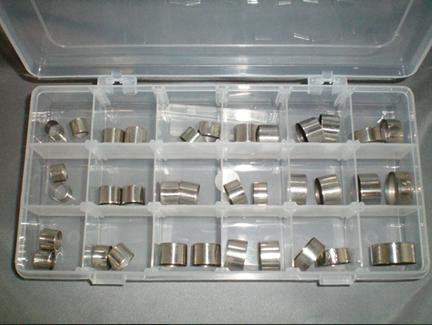
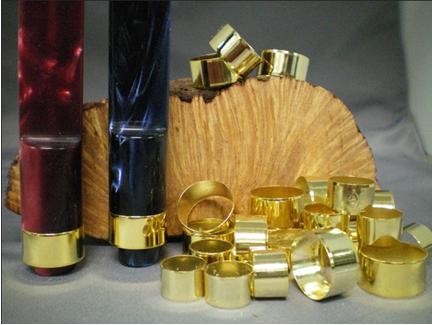
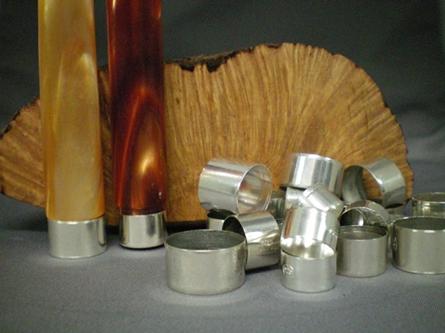
There are many options in terms of the bands that can be used to repair a cracked shank or to give a cosmetic facelift to a pipe shank. Pipe Makers Emporium carries nickel, silver and gold bands in both short and long lengths. They also carry end caps should you want to use an end cap on a pipe or do a repair on a Peterson pipe. I have included pictures of the options that you can choose with regard to bands. I personally purchased the nickel banding assortment that is in the first photograph. It gives you a wide range of diameter bands that can be used. From this I then replenished the areas that I needed more and also added some silver, gold and end caps to the lot. This set up has worked for me for many years and I just add as necessary.
Bands1

Bands2

Bands3

Bands4

Pipe Makers Emporium also sells a banding tool that they advertise as making banding more simple. I have not used the tool as I find that my method works well for me. I will detail my procedure below and include photos of the process.
Bands5

My process for banding a pipe will be seen in the following photos and the accompanying description of the work.

The pipe that I needed to band had a crack in the shank at the top. You can see the length of the crack. I always clean it out with a dental pick and drip some superglue into the crack and squeeze it together with a clamp that has rubber on the teeth. Once the glue is dry – which is actually very quick – I choose a proper band (in the case of the pipe that I picture below it is a 13.5mm nickel band). The ideal choice is a band that is approximately the same size as the diameter of the shank. You do not want it too large as it will slide when the pipe is disassembled or heated. You also want one that will bind together the crack in the shank. The 13.5mm was perfect and matched the size of the shank.
Bands6

Bands7

Bands8

I place the band on the end of the shank – in this case it only fit minimally along ¾ of the band. One edge was too tight to fit. I heat the band with a heat gun, being careful not to burn wood – this generally only takes a few moments.
Bands9

Bands10

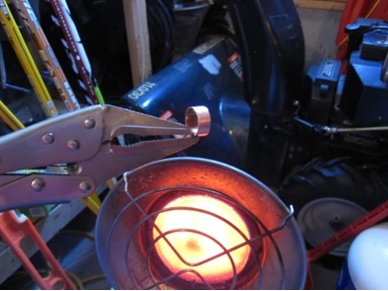
I then pressed the shank into the band on a piece of soft carpet that is on a solid table top. Do not force the fit as a heated band will tear. Reheat it until it is pliable enough to fit the shank well. When you are satisfied as to the fit and placement of the band, cool the band slowly before proceeding to work on the edges. I use room temperature water and dip the end of the shank with the band into the water. If you use the tool here you can press the end into the bowl at the end of the tool to round the edges and make for a nice fit. I use a piece of tightly woven wool carpet and twist the end of the banded shank into the carpet. In my opinion this does the same thing as the shank tool.
Bands13

When the band is in place the pipe is ready for the stem to be refitted. Often the tenon will need to be reduced in diameter to fit the tightened shank. In the case of this pipe I needed to fit a stem as the bowl did not come to me with its stem. I used sandpaper to turn the tenon down to size on an older stem that I had in my jar of stems. The next series of photos show the band in place on the shank. It is pressure fit and it is tight and immovable. The third photo shows the top view of the shank and you will notice that the crack that was very visible before is now no longer visible. The fourth and fifth photos show an end view of the fit of the band. It is flush with the end of the shank so that the new stem will fit snugly in place.
Bands14

Bands15

Bands16

Bands17

The next series of four photos show the new stem that is fitted to the pipe. There is still some oxidation that needs to be removed from it but you can see the fit and finish of the stem and the banded shank.
Bands18

Bands19

Bands20

Bands21

Peterson Mark Twain shank repair using a copper band


Blog by Bryan

Bryan, SenatorXMG, on Smokers Forums posted this photo essay on a repair he did on a cracked shank on a Peterson Mark Twain that he purchased. I asked for permission to post it here for information and passing on a great trick to others who would choose to use his method. He gladly granted that permission and I include it below for your use.

Well…today was the day to fix my Peterson Mark Twain with the cracked shank. I had previously posted on Smokers Forums regarding the problem and looking for advice on repairing it. I include the text and picture that I posted below.

I bought a Peterson Mark Twain off of eBay and when it arrived I discovered there was a crack in the shank. With the silver cap on the shank it was not easy to see and I believe the seller that he was unaware. You can only see the crack from inside the shank…with stem in place, it’s evident that it expands a little as the stem sits more deeply in the shank and is not quite so secure. Other than this crack, the pipe is in pretty good condition. The seller offered either a full refund or a partial one of $55 (he increased from the original $40 he offered). If I could have this adequately fixed, I’d be interested in that.
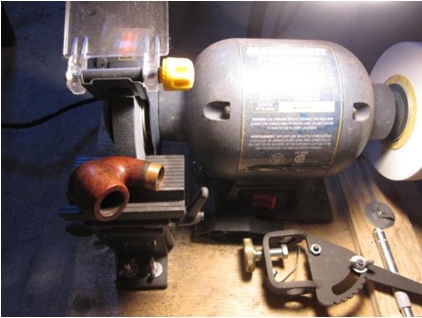
I’ve included a picture of where in the shank the crack is. It actually runs from the top of the shank down to the air hole.

I’m wondering if this is something I could repair myself. Any repairmen out there who could give me a basic step by step idea of how I would approach this fix? I was considering the following:
– remove cap (this is fairly straight forward. I’ve done this before)
– add appropriately-sized shank ring. Might have to sand down an area so that the ring is flush with the remaining shank? (I have no idea how this part is done and how I’d get a tight fit of the shank ring).
– re-install cap (easy to do)

While I’m pretty handy, this seems like it could be a job for someone with skills greater than mine. Would the $55 the seller has offered me back cover this type of repair from someone with experience?

Crack location marked in red/black indicated on silver cap (actual location is seen on the inside)

Image

I decided to repair the pipe myself and created a small photo essay on the work done in repairing the pipe. Here it is:

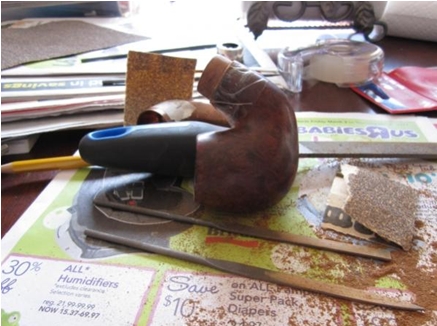
The silver cap was removed with use of heat. Once it is removed the crack is very visible. Copper piping will act as source of repair band.

Image

I sanded down repair area where copper band will be installed.

Image

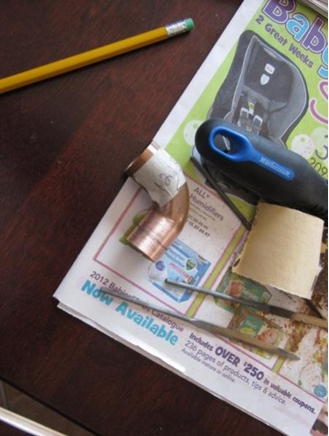
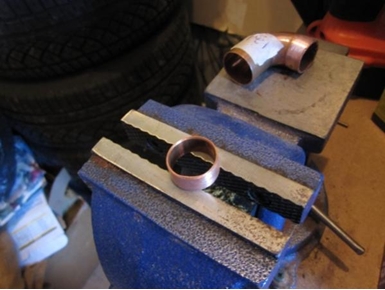
The copper piping is marked and ready to be cut.

Image

Copper band cut and filed smooth:

Image

Heat for installation. No blow-torch to heat…had to use my propane space heater (it worked!):

Image

Cooper band installed…with a little bit of gentle force:

Image

To the grinder to clean it up a little:

Image

Ahhhh…that’s a little better:

Image

Image

All finished!! Silver cap re-installed. With the installation of the repair band, the crack is much tighter and the stem now sits much more nicely!!

Image

All in all…wasn’t a terribly difficult repair. The hardest part was determining how much to sand down the area where the band would go. But, it all worked out fine!

Bryan

Repairing a cracked shank


Blog by Steve Laug

I received this older BBB Tortoise that was in pretty good shape. I did a topping on it and a restain that is posted in a separate blog posting. But in the cleaning process I also found that the shank had a crack in it. In the picture below you can see that the crack is quite long and is open. I know that others repair these with a shank insert and glue the crack together, but I have not ventured into that avenue as yet. On this kind of crack in the shank my normal process is to glue the crack with super glue and then band the pipe. In this essay I want to describe that process for you.

Image 

I removed the stem from the shank and cleaned out the shank with pipe cleaners and alcohol. I want the surface to be grime free. I also wiped down the crack with an alcohol wipe to make sure the outer surface was also grime free. I then pried the crack open by inserting my dental pick in the mortise and giving it a small bit of pressure to open the crack. The key at this point is not to apply to much pressure as it will continue to crack. Being gentle and taking your time is critical at this point or you will make the problem a bigger one. Once the crack is open I drip super glue into the crack and then hold it together with the stem removed in order for the glue to bind the crack. Once that is done I wipe off the outside of any excess glue that will extend beyond the width of the band and set it aside.

ImageImage

I heat the band with my heat gun and pressure fit it onto the shank of the pipe by pressing the band and shank into the piece of carpet pictured in the photos. It is important to keep the pipe absolutely vertical and straight as you press the band into place. You will want to press the band on the shank until the lower edge is flush with the end of the shank so that the stem fits properly. With the band heated this is not difficult to do. The band will pretty easily slide up the shank with the pressure you apply. Check for a good fit and then let it cool for a few moments.

Image 

Once it is cooled the stem can be fit to the shank. I find that with the band the tenon will need a slight bit of sanding to fit correctly. I use some 220 grit sandpaper to remove a little of the material. I make one pass with the paper and then try it for a fit. It should slide in snugly so you must be careful not to remove too much material. Often just one pass is enough and the stem should go in perfectly.

Image 

With the stem refit the pipe is ready for a buffing and polishing. Avoid buffing around the band on the buffer as it will cause the pad to go dark and leave a black/grey haze on the briar around the shank and band area. I buff the shank avoiding the band and then polish the entirety with a light touch on the carnauba wheel. Below is the banded and repaired pipe.

Image 

Refurb – A pair of Astleys 68s


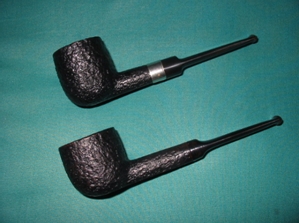
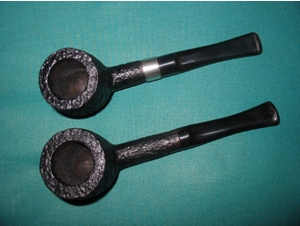
Just finished the final buff on these two and thought I would post them. In researching the net for information on these pipes I found a 1968 catalogue that showed that they originally had saddle stems. I sorted through my stem box and found two saddle stems for these Astleys bowls. I fit these stems to the bowls. They are stamped Astleys 68 which is a pot shape. They also have the address on Jermyn Street London stamped on them. The bowls were reamed and cleaned. I then restained them with black stain, fired the stain to set it and then buffed with white diamond lightly before waxing with Halcyon wax.

The pipe with the band had a crack in the shank that I repaired and pressure fit with the nickel band. The blast on this pair is nicely done. Astleys called this their Crusty Briar line. Here are the pics. Thanks for looking.

ImageImageImage