
Blog by Steve Laug
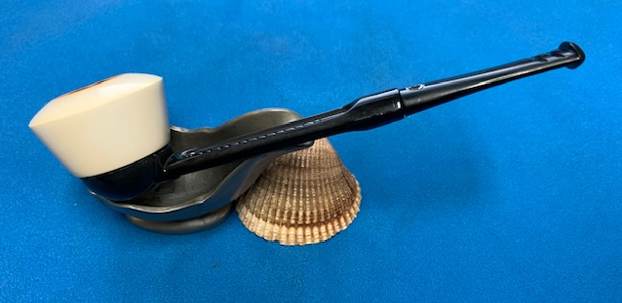
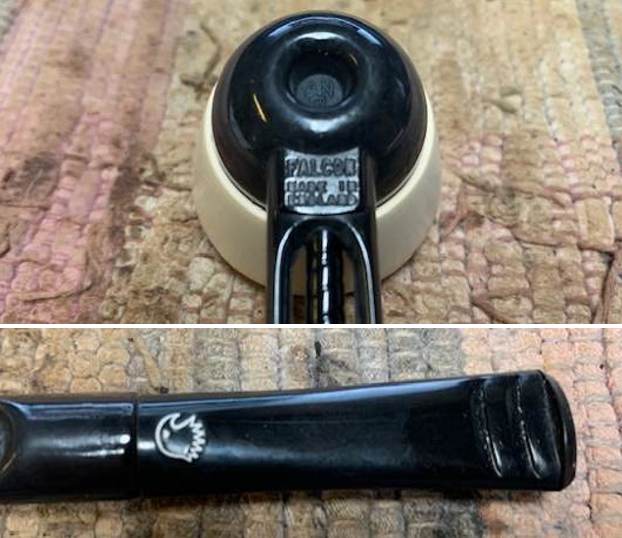
The next pipe I have chosen to work on is a nice looking Meerschaum Bowl Black Falcon with a a vulcanite dental bit stem that I picked up in a lot of 10 pipes from a fellow on Vancouver Island who was selling his collection. The stamping on a heel of the bowl reads Falcon [over] Made in [over] England. The vulcanite dental taper stem has a stamped Falcon logo on the topside. The pipe is a nice looking Meerschaum. It is light weight and comfortable to hold. I brought pipe to the work desk and turned it over in my hands. It was in good condition.
This is what I saw when I examined it.
- The finish on the smooth meerschaum was very good with a light patina developing around the rim top of the bowl. The fit and finish on the bowl and stem is very good.
- The smooth rim top looked very good with some light patina developing. There was no lava build on the top and the edges were clean and undamaged.
- There was no cake in the bowl. It held the aroma of the tobaccos smoked in it – fortunately not aromatic. My guess is that when I remove the bowl from the base that will be solved. The walls looked to be undamaged but once I removed the light cake I could confirm that.
- The bowl sits snug in the base with no gaps or signs of leakage around the joint.
- The vulcanite dental bit has a Falcon stamped on top that identifies it as a Falcon pipe. It is in excellent condition with no tooth chatter and marks on the top and underside ahead of the button.
To summarize what I saw – the Black Falcon Meerschaum Bowled pipe is in excellent condition. It is a little dusty but otherwise looks good. The vulcanite dental bit is clean and no marks are on the ridges of the bit. The look and feel of the pipe in the hand is great. It is going to clean up very well. Here are photos of the pipe before I started my clean up.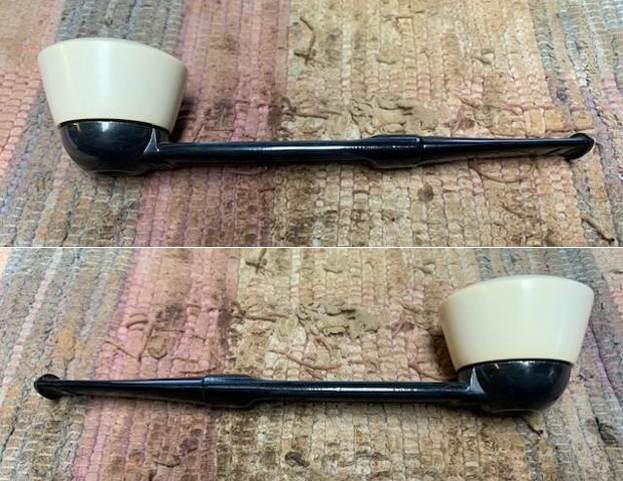
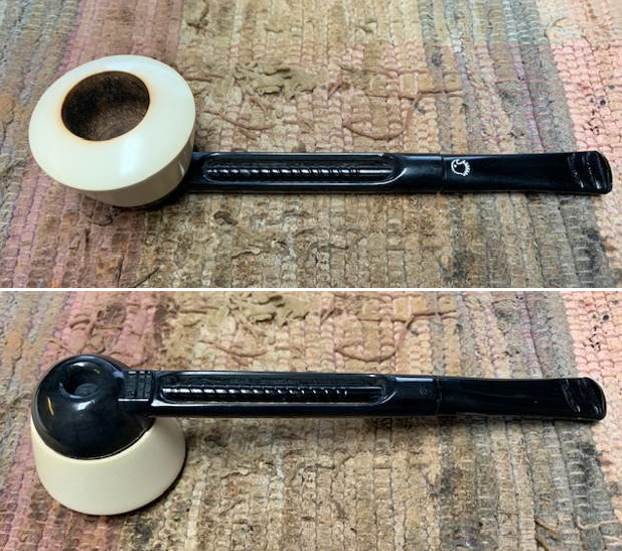 The bowl of the pipe looked very good. The rim top is clean does not seem to have any damage to the smooth finish. The edges of the bowl were undamaged and looked very good. I took photos of the stem to show the condition of each one. Though hard to see there was light tooth chatter on the surface of both sides ahead of the button but it should clean up easily with micromesh pads.
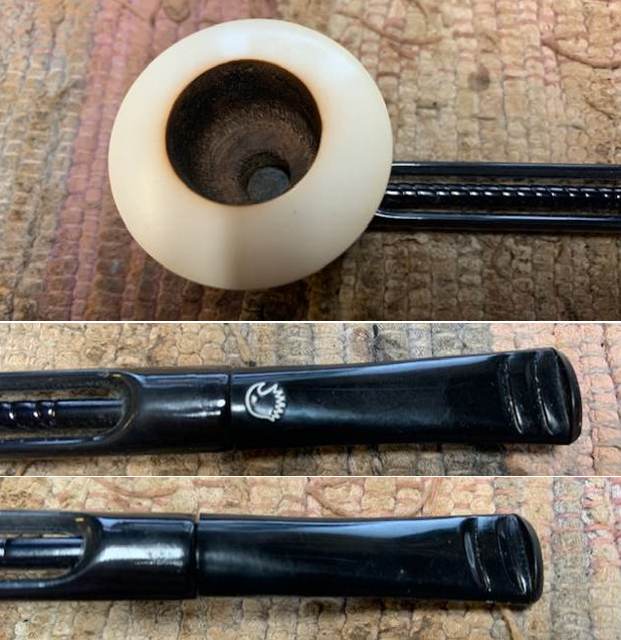 The next photo captures the stamping a smooth patch on the underside of the base. It read as I have noted above. I took a photo of the logo on the topside of the stem as well.
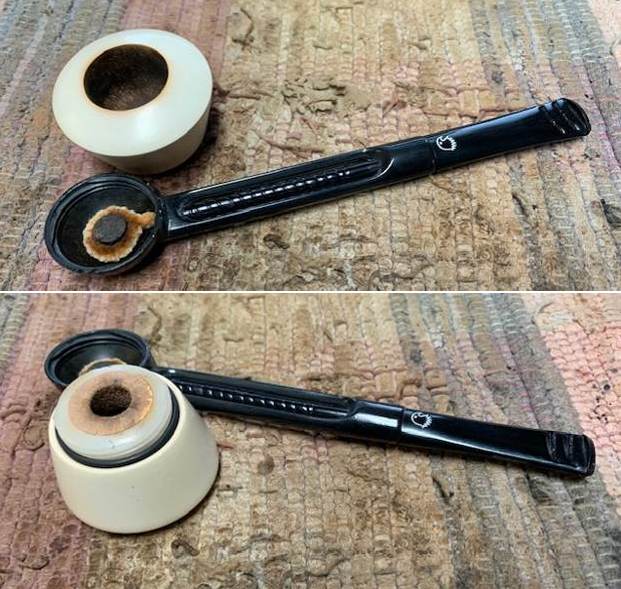
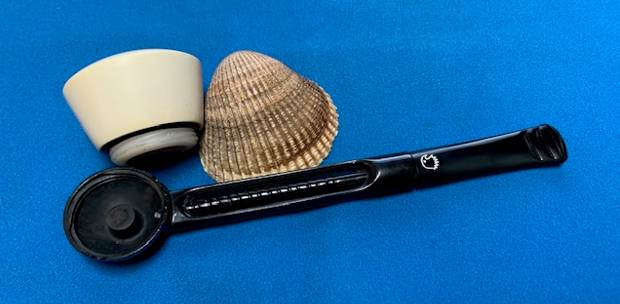
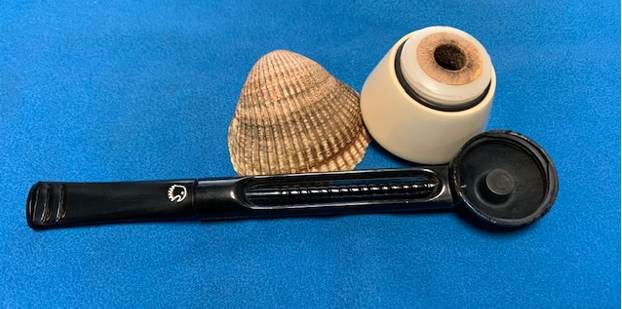
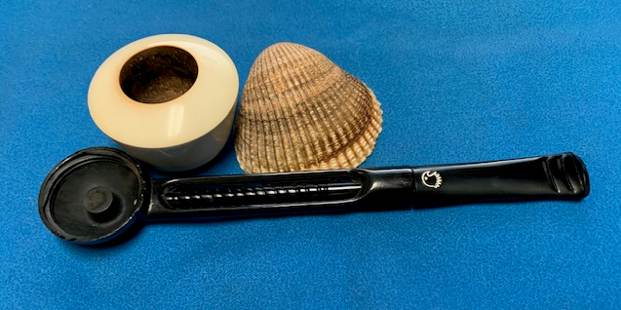
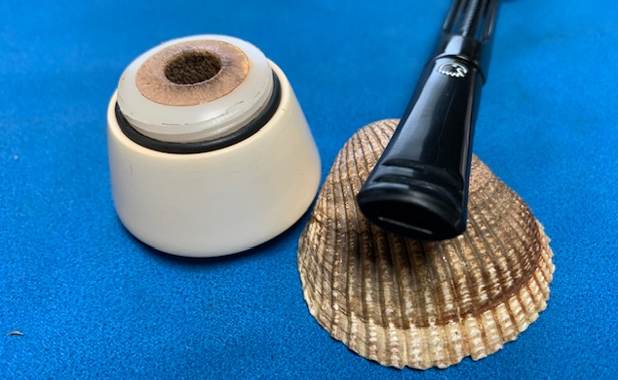
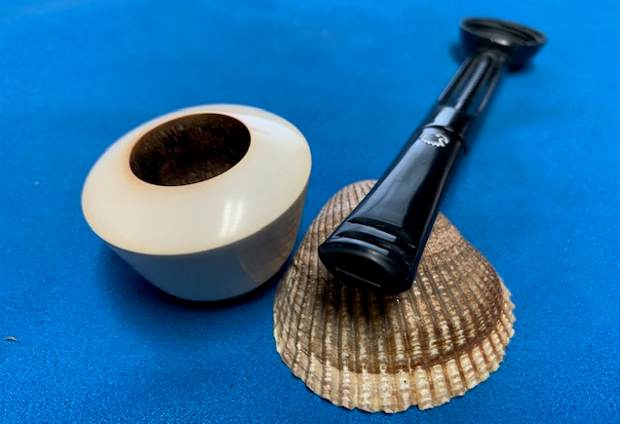
 I removed the bowl from the base and took some photos. There was a pipe cleaner ring in the bottom of the base that was used as a Falcon filter ring. It absorbed the tars and oils from the smoke. It was stiff and dirty. The base underneath is also dirty.
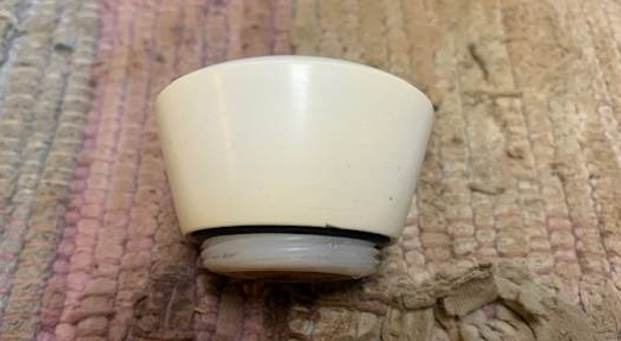
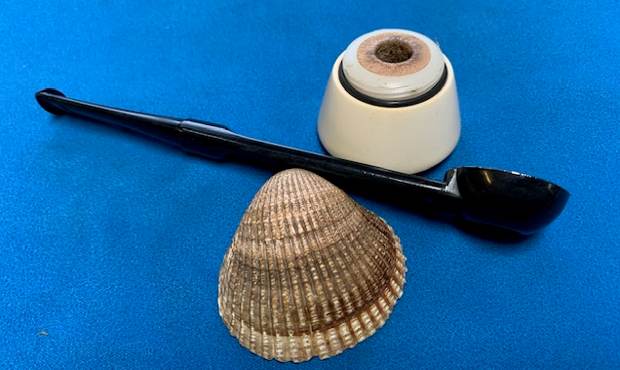
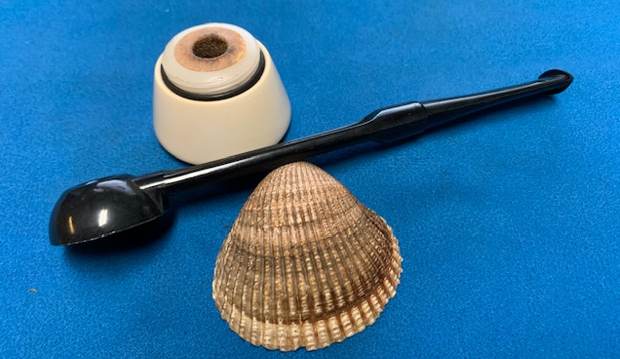
 I took photos of the bowl to show the condition. The top looked very good in the photos and it has some developing patina. There were no nicks or scratches in the meerschaum bowl – top, sides or base. The base is quite unique and not one I had seen before. There was a nylon threaded ring around the meerschaum end. Around the top of the nylon base there was a rubber “O-ring”.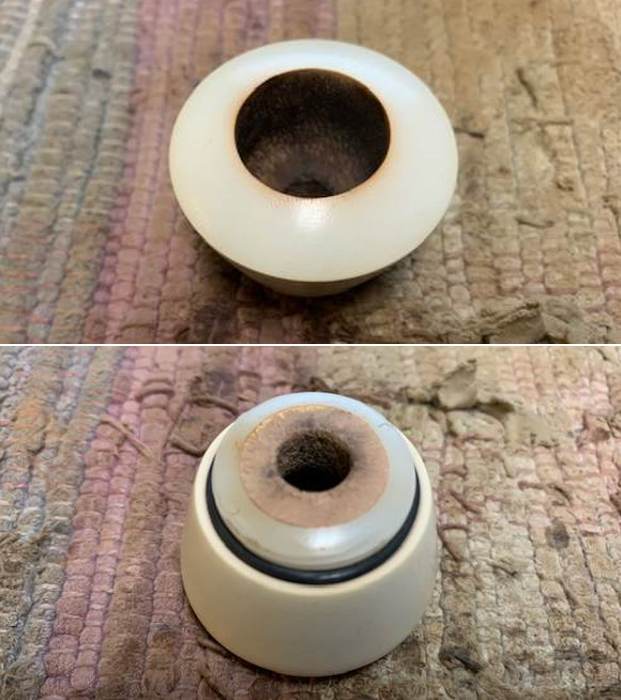
 I took photos of the base. The painted black base and shank is clean and undamaged. Like other Falcons I have worked on the stem is pressed into place and is not easily removable. It looks to be in good condition.
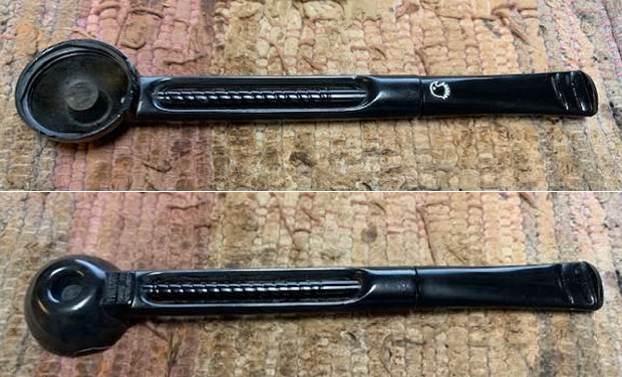 I used a dental pick to remove the pipe cleaner ring from the bottom of the base. Once it was out of the bowl you can see the oils and debris in the base. I cleaned it out with alcohol, cotton swabs and pipe cleaners. I used pipe cleaners to clean out the shank and the stem.
 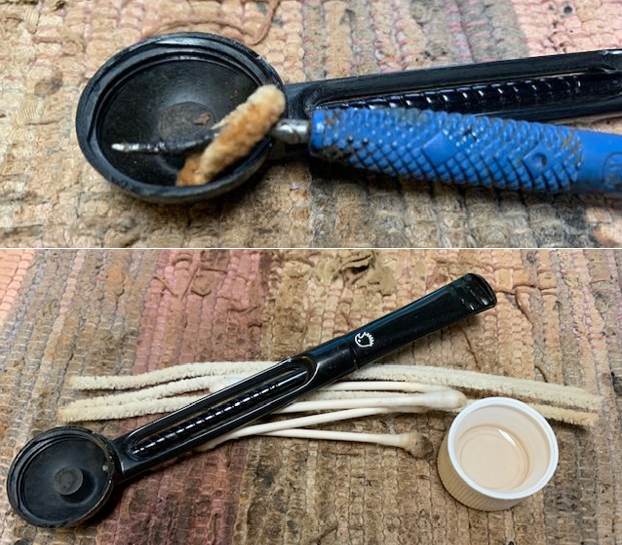 I polished the meerschaum rim top and bowl sides with micromesh sanding pads – dry sanding with 1500-12000 grit pads. I wiped the meer down after each sanding pad using a damp cloth to remove the sanding debris. It took on a rich shine.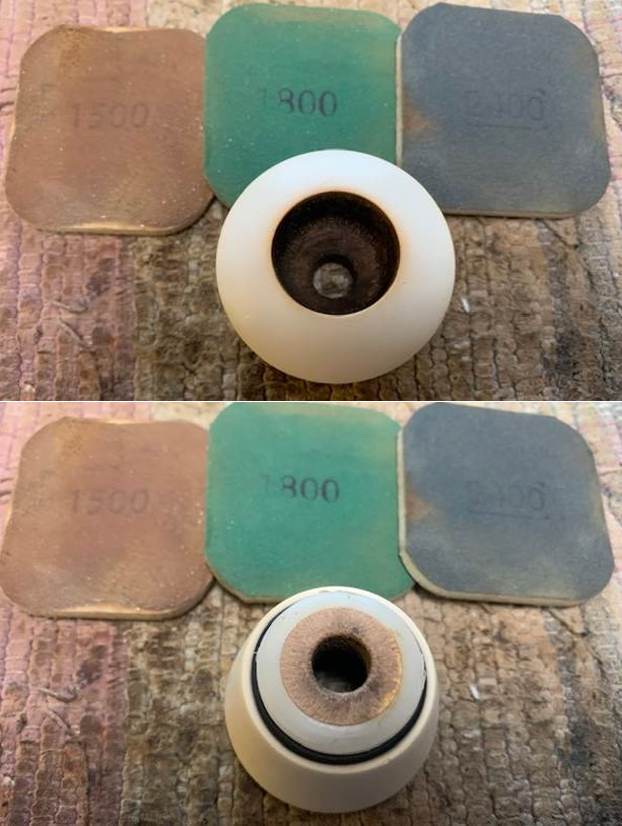
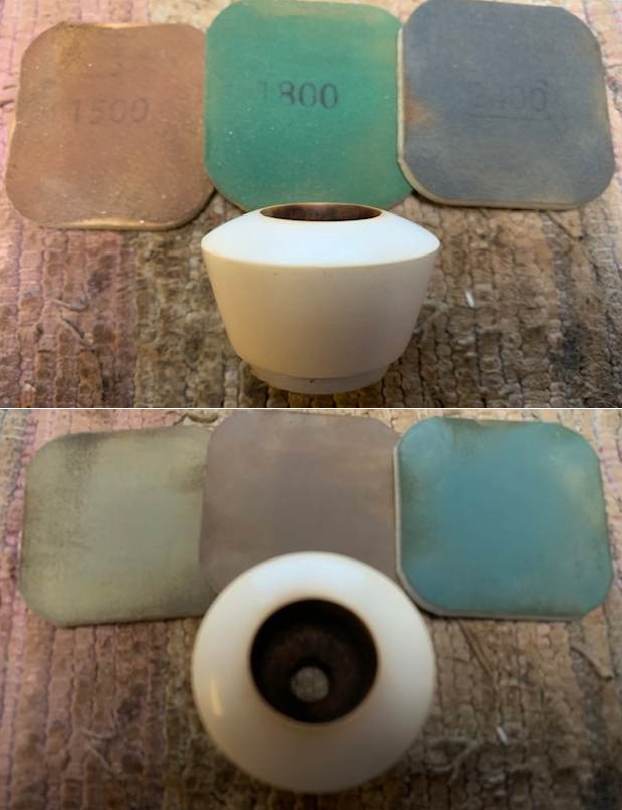
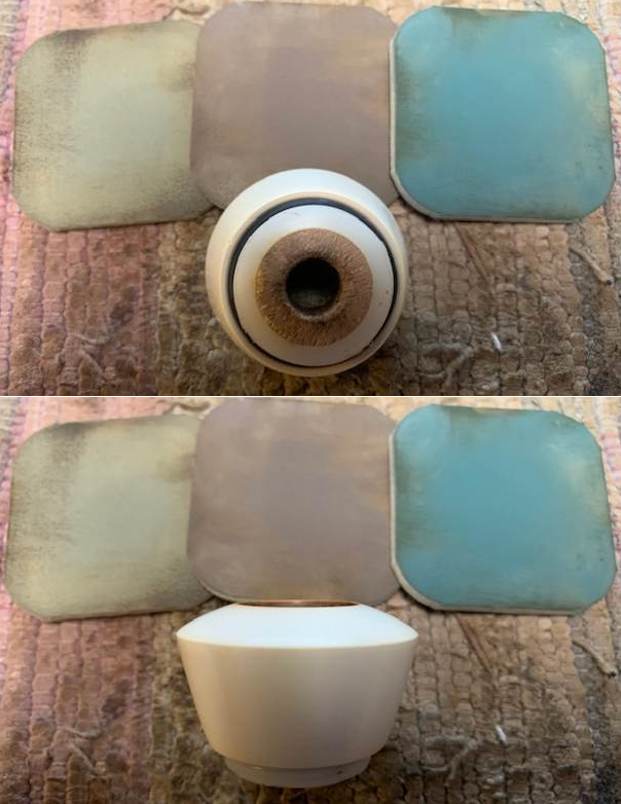
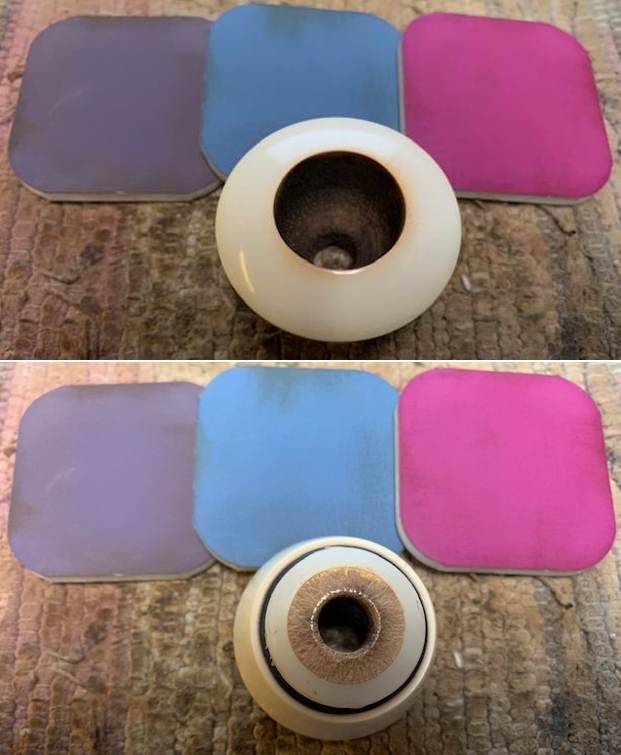
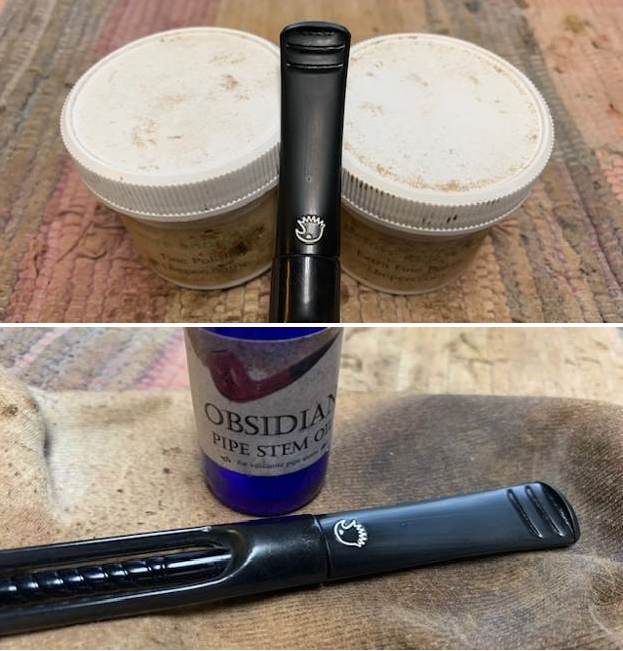
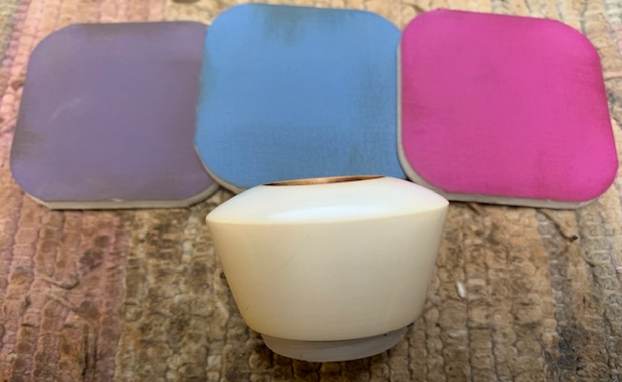 I set the bowl aside and turned my attention to the stem. It was new so it only needed to be polished. I use micromesh sanding pads and water to wet sand the stem with 1500-12000 grit sanding pads. I wiped it down after each sanding pad with Obsidian Oil on a cotton rag after each sanding pad as I find it does two things – first it protects the vulcanite and second it give the sanding pads bite in the polishing process.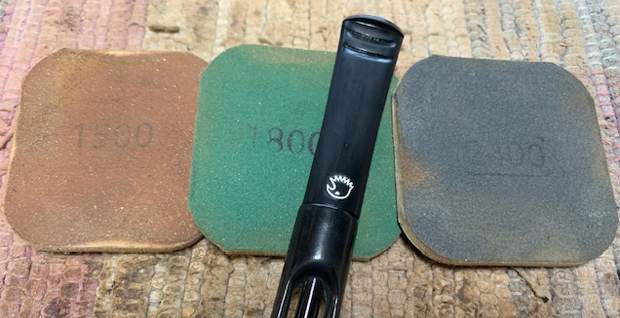
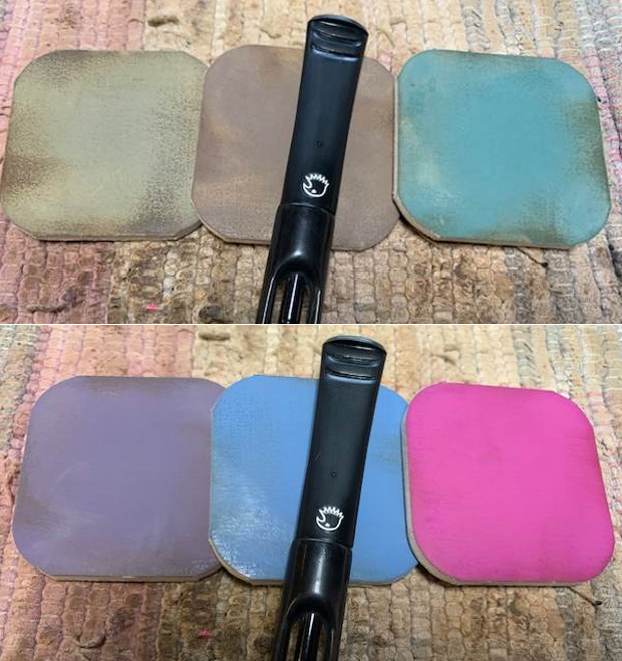 After finishing with the micromesh pads I rub the stem down with Before & After Fine and Extra Fine stem polish as it seems to really remove the fine scratches in the vulcanite. I rub the Fine Polish on the stem and wipe it off with a paper towel and then repeat the process with the Extra Fine Polish. I finished the polishing of the stem down with a final coat of Obsidian Oil and set the stem aside to let the oil absorb. This process gives the stem a shine and also a bit of protection from oxidizing quickly.
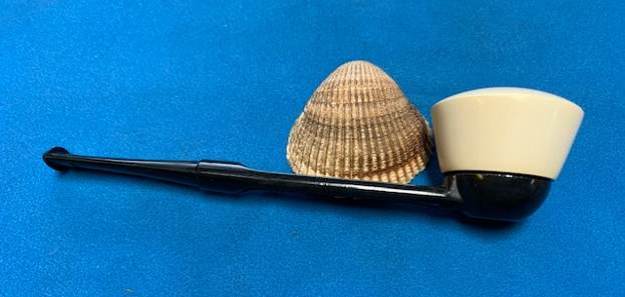
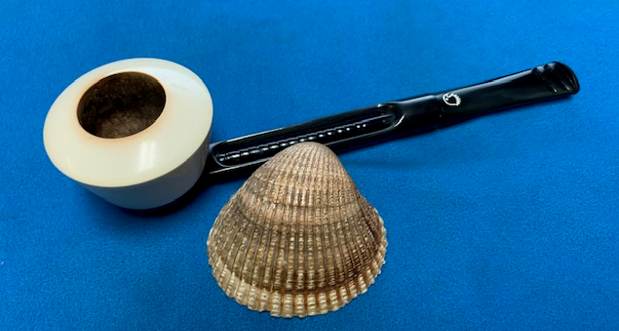
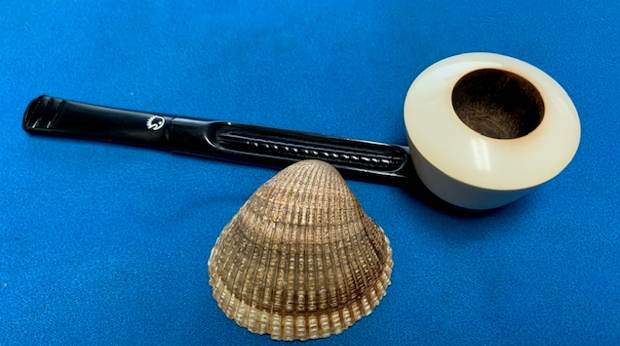
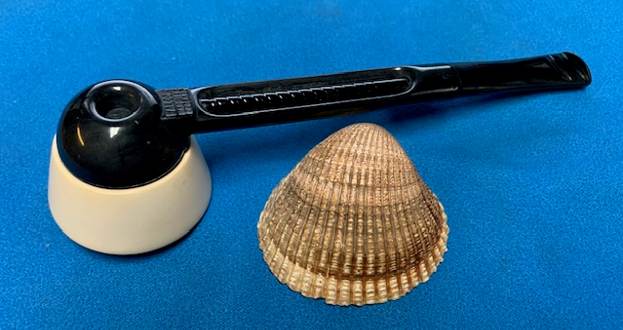
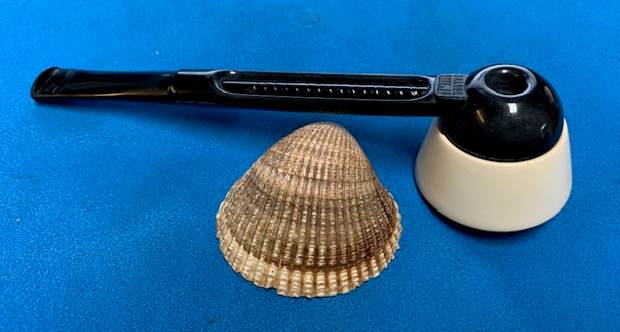
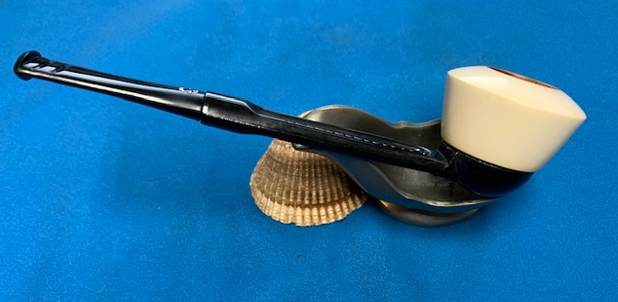
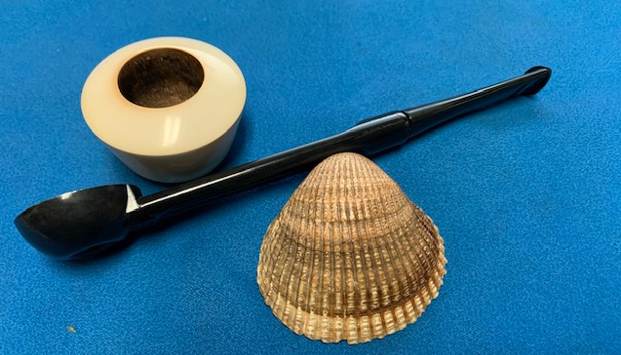
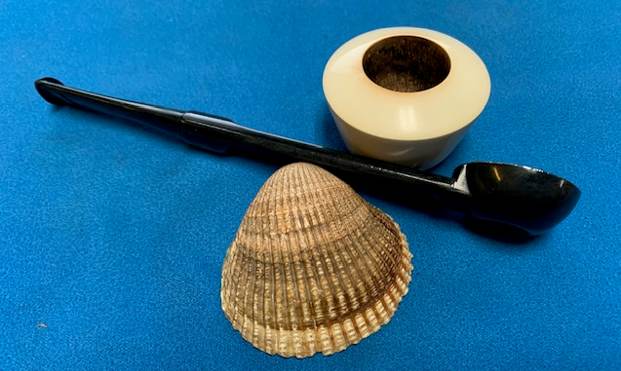
  I took the Black Falcon with a Meerschaum bowl to wax and polish. I buffed the bowl and stem with Blue Diamond on the buffing wheel to polish out the scratches in the acrylic. I gave the bowl and stem several coats of carnauba wax on the wheel. I buffed the pipe with a clean buffing pad to raise the shine. I hand buffed it with a microfiber cloth to deepen the shine. The pipe polished up pretty nicely. The contrast of the natural colour of the meerschaum bowl with the shine of the polished black base and stem is stunning. The smooth finish around the bowl and shank is quite remarkable and gives the pipe a beautiful look. The Falcon Meerschaum is a nice looking pipe and one that will be a great smoking pipe. The finished pipe is shown in the photos below with each of the stems. The dimensions of the pipe are Length: 6 inches, Height: 1 ½ inches, Outside diameter of the bowl: 1 ¾ inches, Chamber diameter: ¾ of an inch. The weight of the large pipe is a light and comfortable 35 grams/1.23 ounces. It is an interesting Freehand that I wish I could learn more about but as it is it should be a fun smoke. I will be putting it on the rebornpipes store in the British Pipe Makers Section. As always I encourage your questions and comments as you read the blog. Thanks to each of you who are reading this blog. Remember we are not pipe owners; we are pipemen and women who hold our pipes in trust until they pass on into the trust of those who follow us.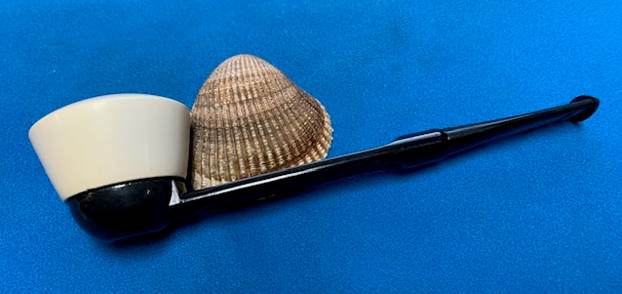
 rebornpipes