
Blog by Steve Laug
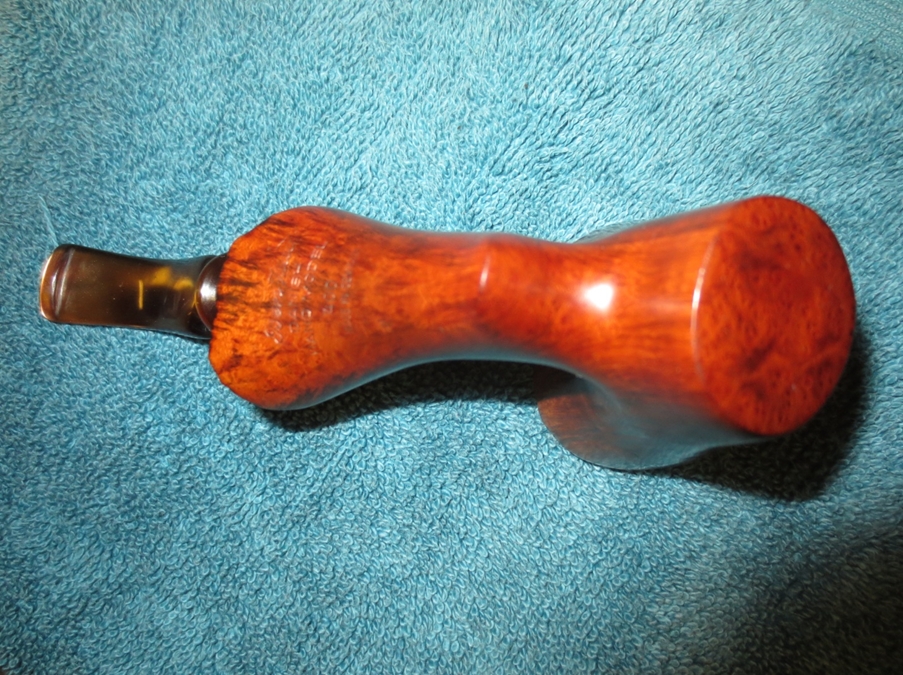
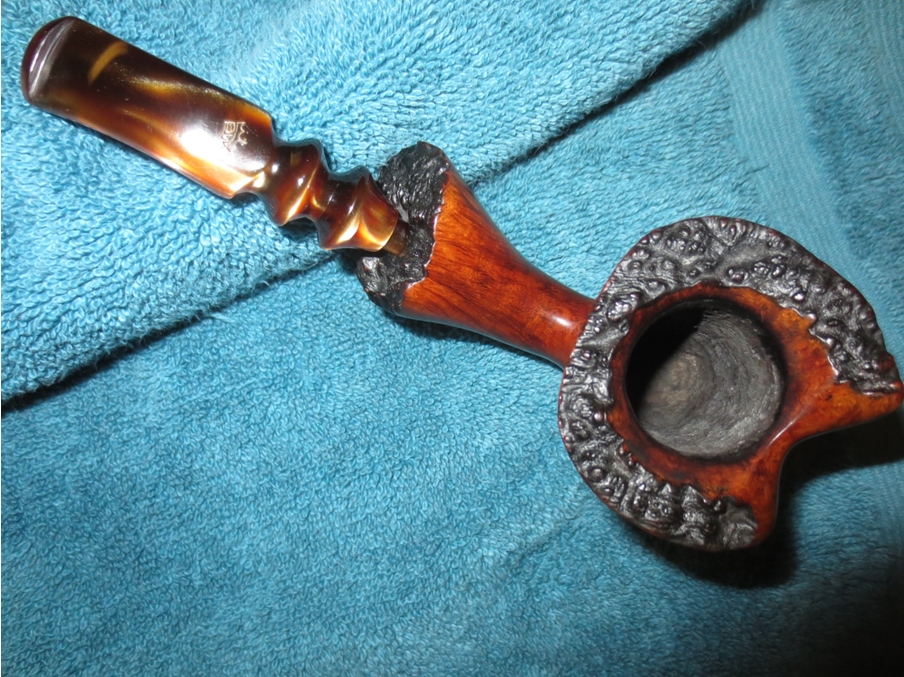
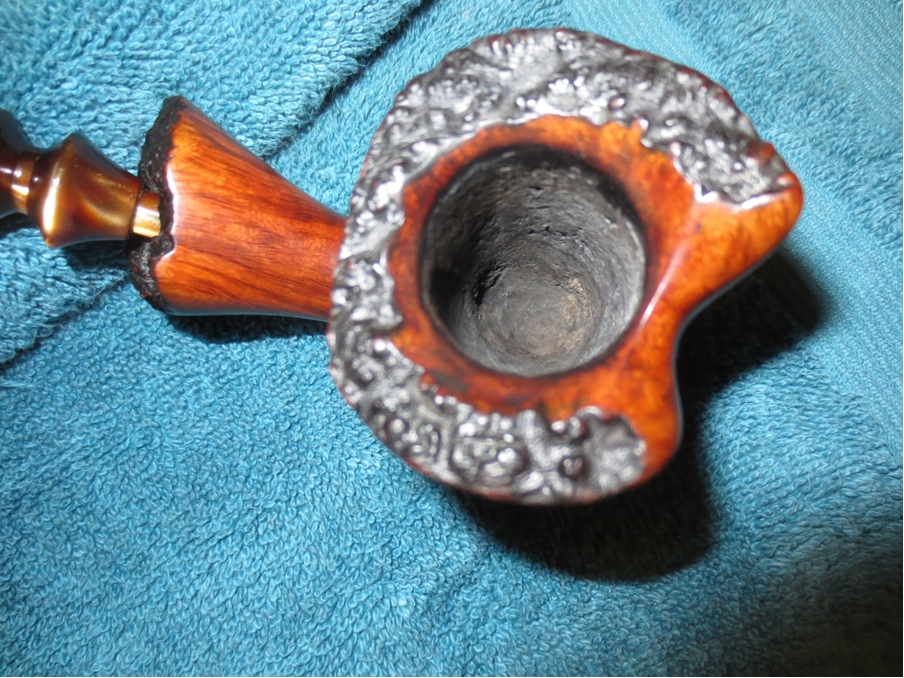
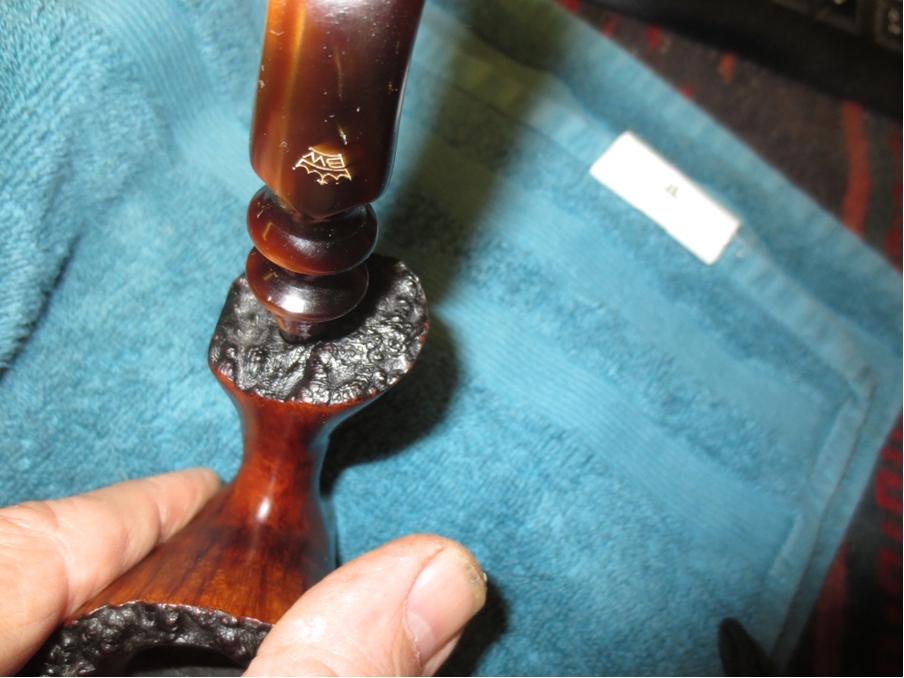
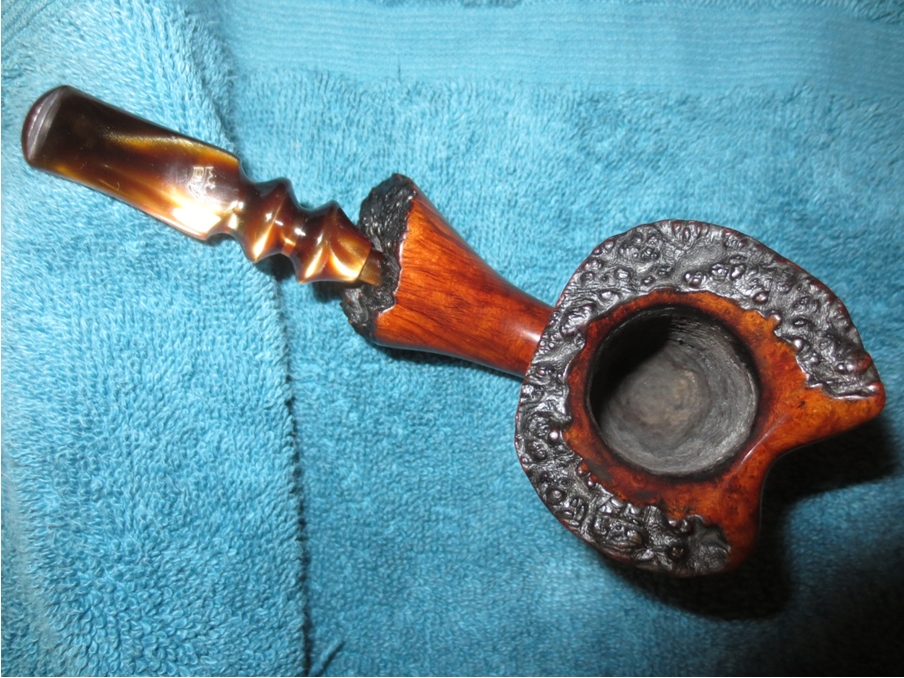
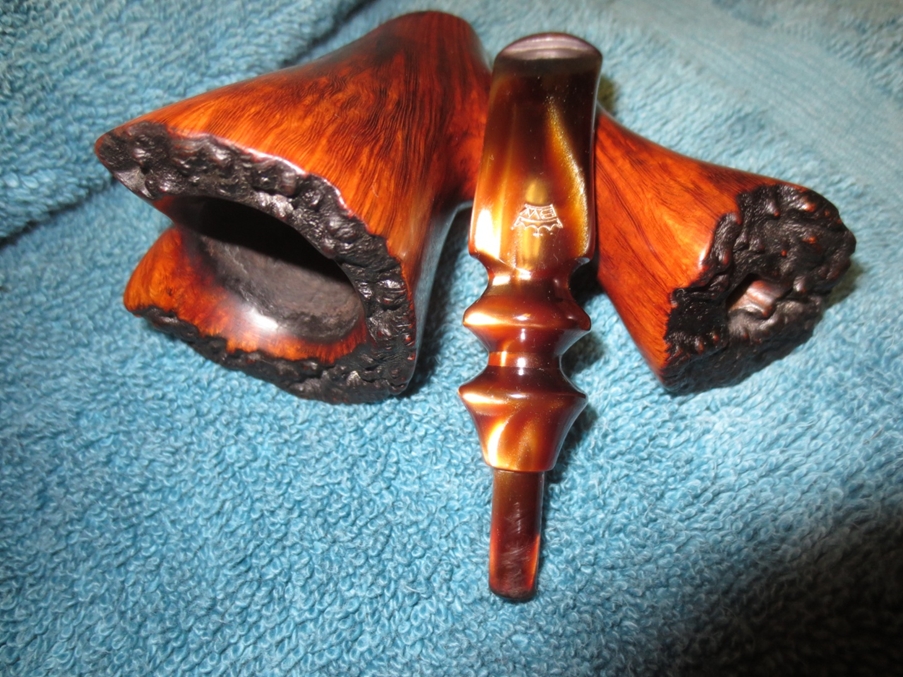
The latest pipe that I have on the work table was a beautifully grained Ben Wade Danish Hand Model 400 free hand. It has some amazing flame and straight grain all the way around the bowl. The flat bottom of the bowl has some great birdseye grain. There is plateau on the top of the bowl and on the end of the shank. There appeared to be a smooth inner rim that had been covered with tars and oils. The plateau on the rim was oily and tarry. The valleys were basically filled in and the rough beauty of plateau was hidden under the grime. The smooth bowl sides were dirty with dark spots where hand oil and grime had been rubbed into the finish. Fortunately there were not any dents or scratches on the briar.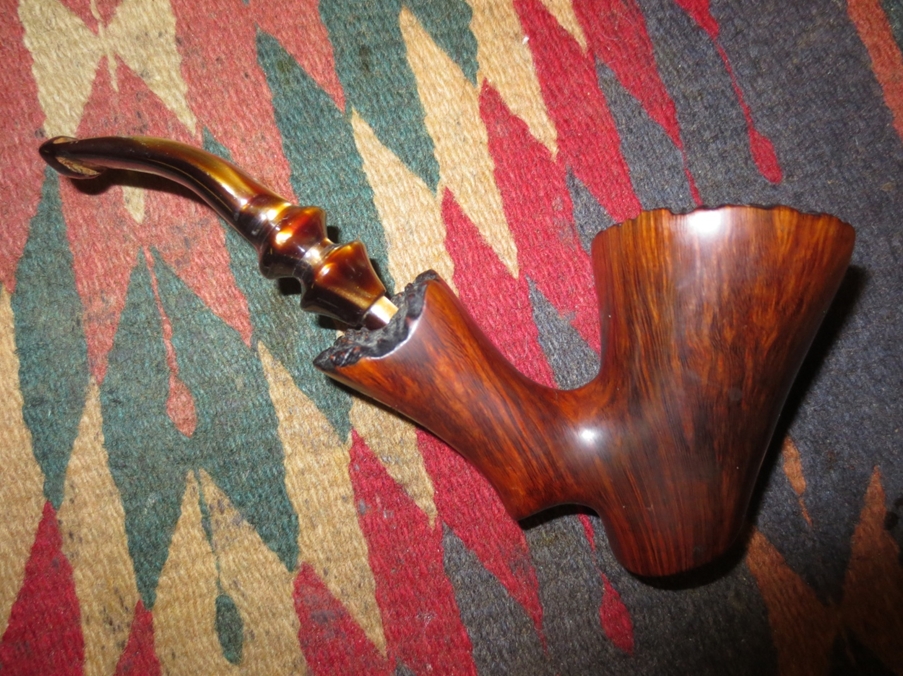
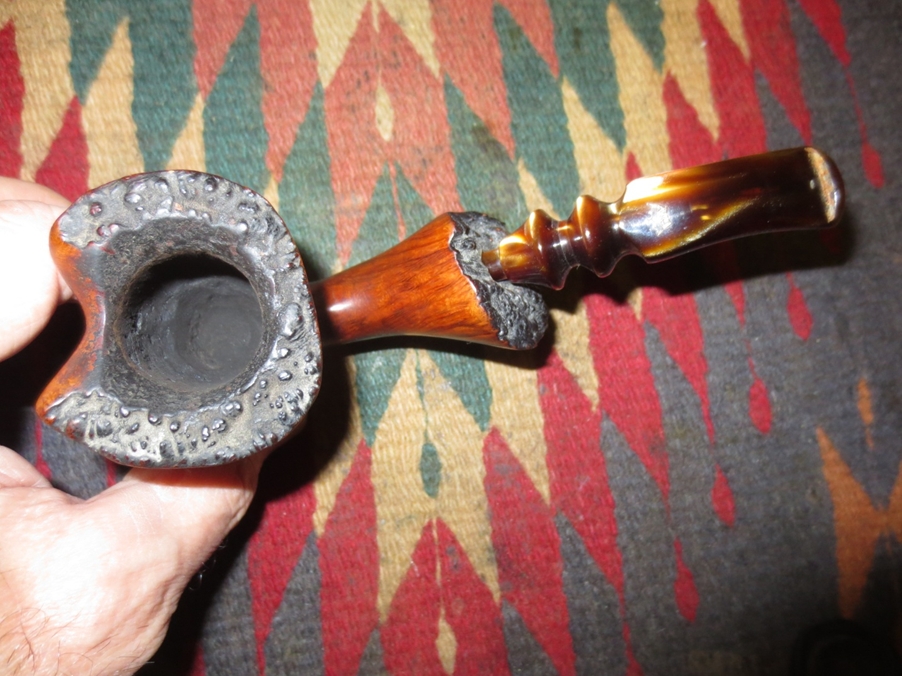 The stem was Lucite and quite thick. There were tooth marks on the top and underside of the stem near the button and there was some calcification on the stem top next to the button. The airway in the stem was partially closed off and there was not much airflow being drawn through the stem. The shank airway was also closed partially with oils and tars. The bowl had been reamed before it came to me and was quite clean.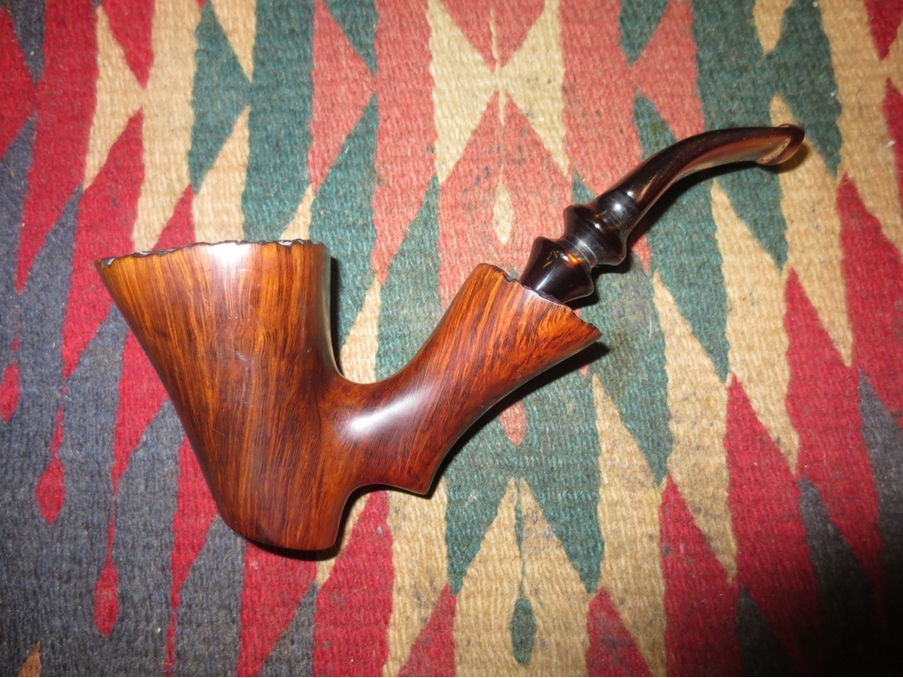
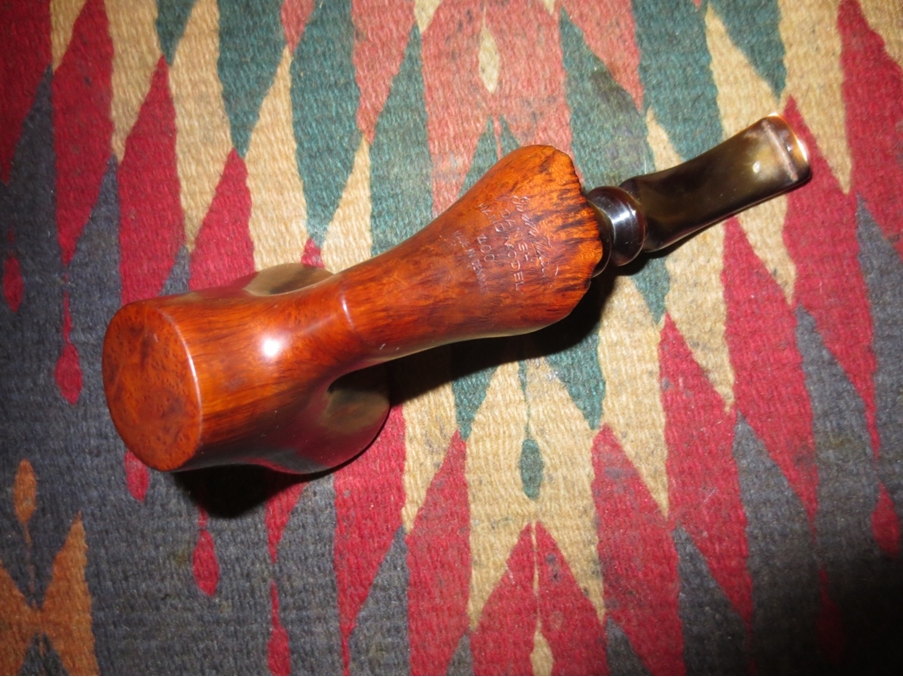 The next two photos are close up pictures of the stem and the bite marks. The first shows the calcification next to the button and the slight damage to the inside button edge. The tooth mark is visible just ahead of the white line on the stem. The stem was also lack luster and the shine was gone. The second photo shows the underside of the stem. It was slightly wavy like it had been pushed to heavily into the buffing wheel. There was a small tooth mark in the same spot as on the upper side of the stem.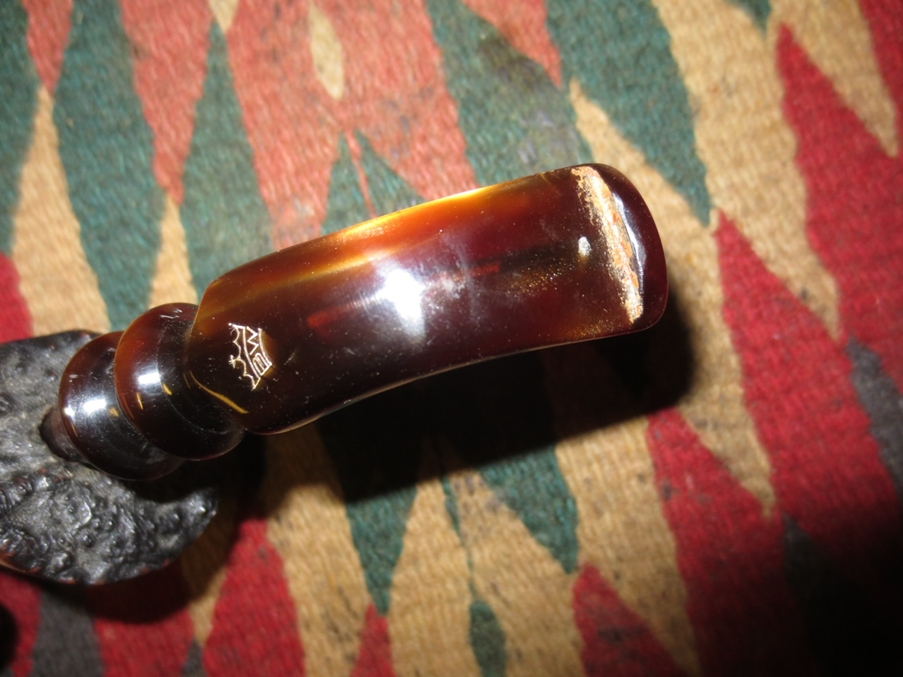
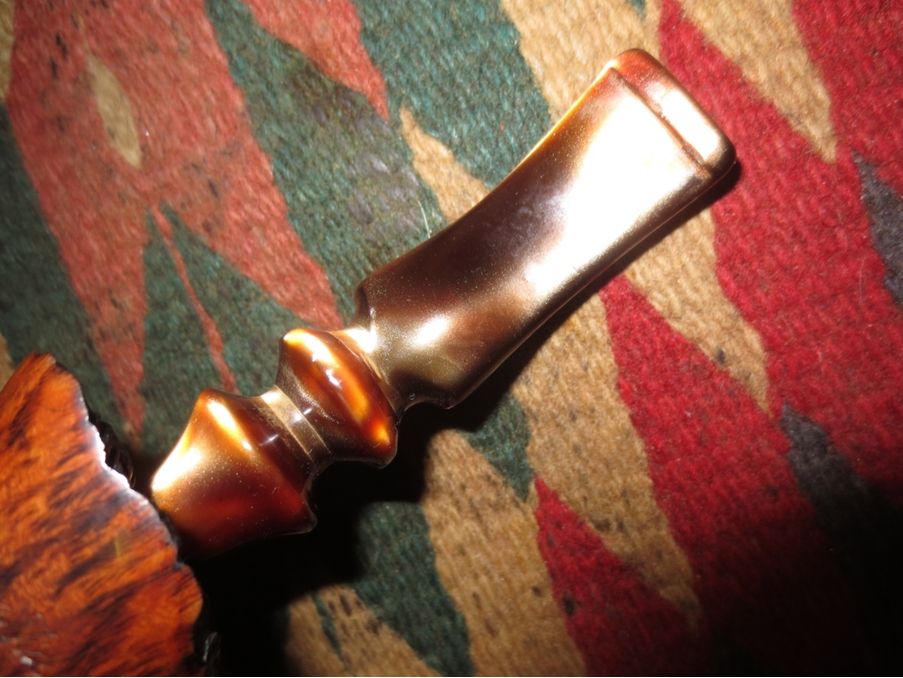 I decided to address the issues with the stem first. I used a straightened paper clip bent to the angle of the stem to push through the airway. Pushing from the slot I was unable to get the wire through the airway. I pushed it through from the tenon and a large chunk of tars and pipe cleaner detritus came out of the button. I worked the wire around in the airway to clean the sides and remove any other build up. It appeared to be at the bend in the stem. I then used pipe cleaners and cotton swabs and isopropyl alcohol to clean out the airway and remove the remaining tars and oils in the stem and tenon.
I sanded the tooth marks on the topside and underside of the stem with 220 grit sandpaper until I had removed the damaged area. I also wanted to thin the thick Lucite slightly as there was plenty of material to work with. I sanded with a medium and a fine grit sanding sponge to remove the scratches and see if I had removed the mark. It took repeated sanding with the three grits of sanding material to remove the remnants of the tooth marks.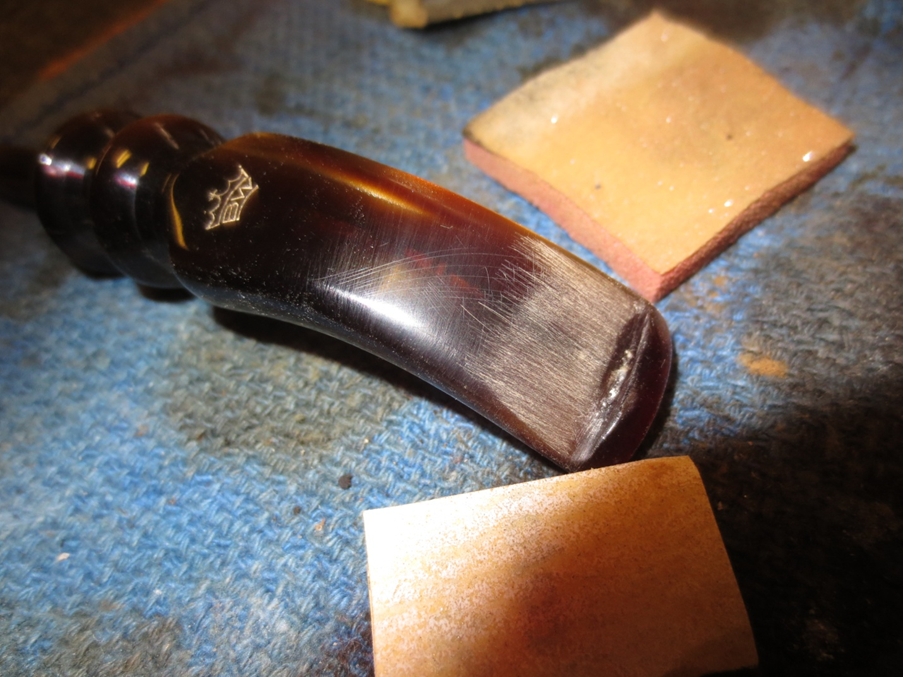

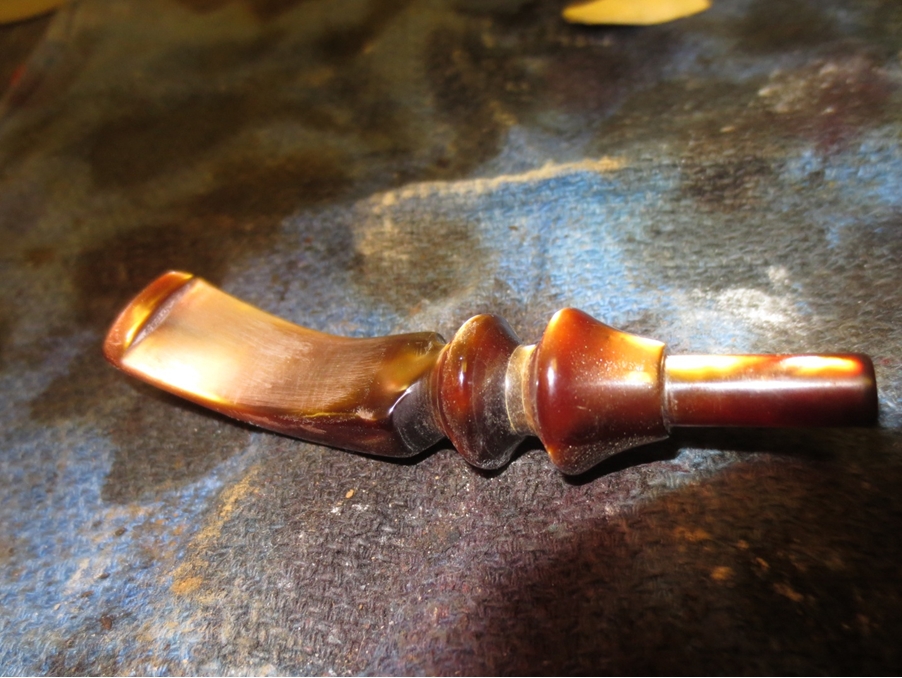 I continued to sand with the fine grit sanding sponge to minimize the scratches and then sanded the stem with 600 grit wet dry sandpaper. Once I had finished with the sandpaper I used micromesh sanding pads. I wet sanded with 1500-2400 grit sanding pads and dry sanded with 3200-12,000 grit pads. I rubbed the stem down with Obsidian Oil between the grits in order to provide the medium for the micromesh to cut better. When I finished I buffed the stem with Blue Diamond plastic polish on the buffing wheel and then gave it several coats of carnauba wax.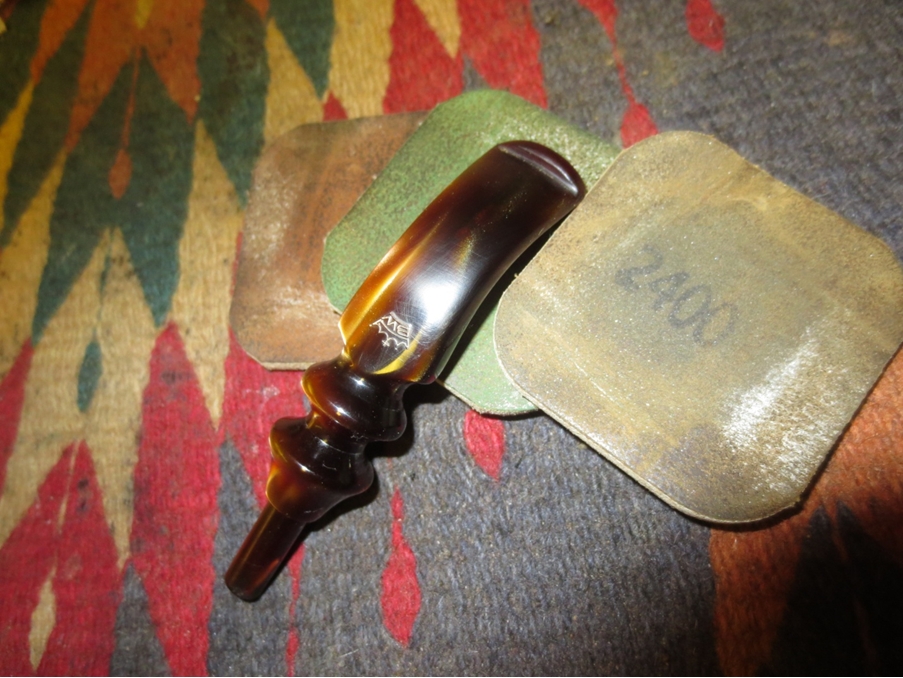
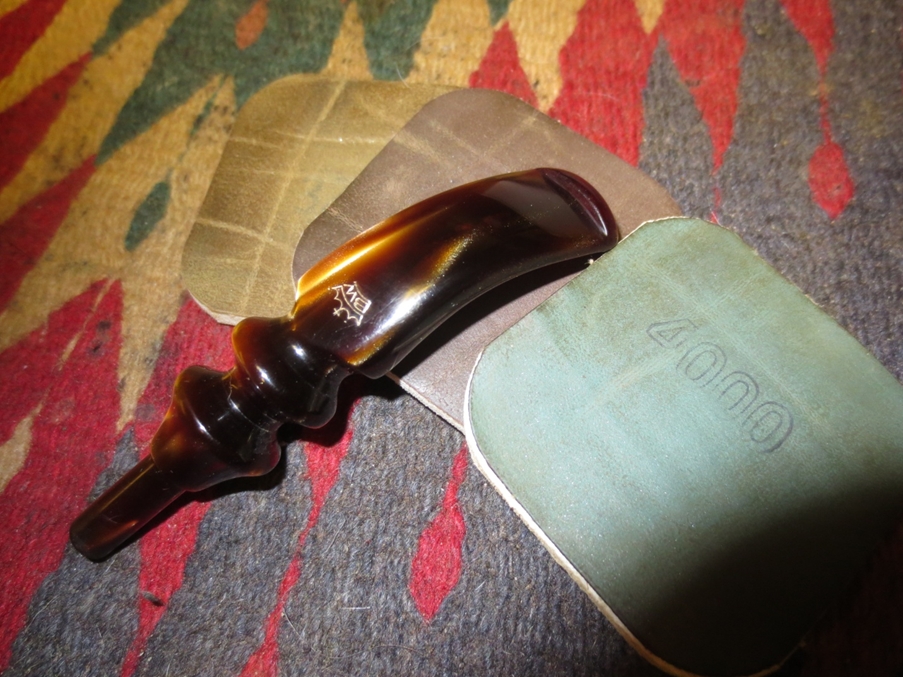
 I set aside the stem so that I could work on the bowl. When the bowl was finished I would buff the two parts together and also give them another coat of wax. I used a soft bristle brass white wall brush to work on the buildup on the rim and plateau. It was quite thick on the inner edge of the rim. I have learned over time that the tar coat really protects the briar underneath. Once I had removed the tars I would see that.
 I scrubbed the exterior of the bowl with Murphy’s Oil Soap to remove the grime and oils that were all over the surface. I used cotton pads to scrub the bowl.
 Once I had removed the grime I washed the exterior of the bowl with running water to remove the soap. The photos below show the clean bowl of the pipe.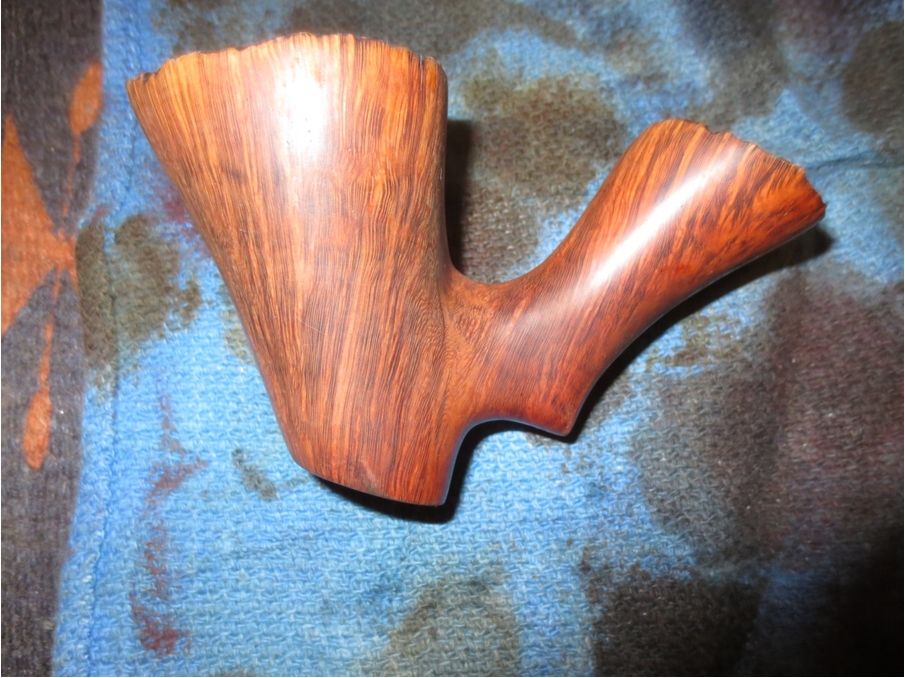
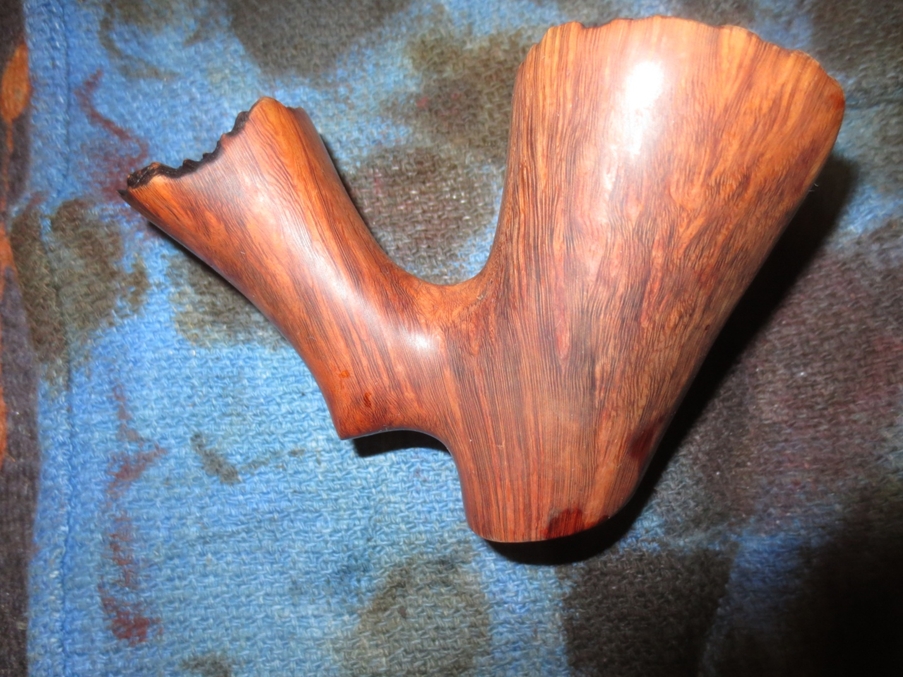
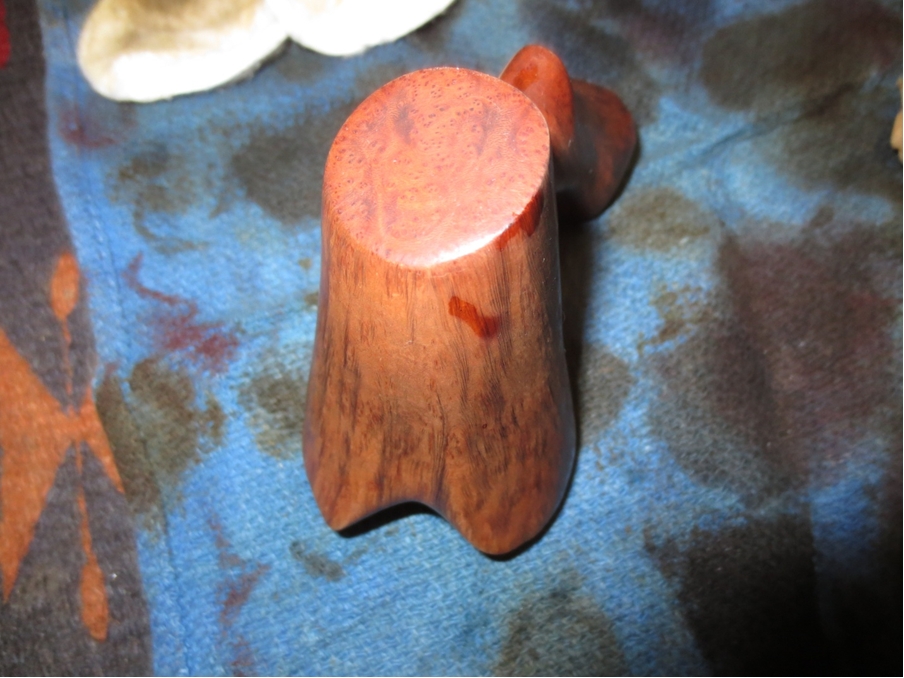
 I cleaned out the shank with pipe cleaners, cotton swabs and alcohol. I wiped down the plateau with alcohol on a cotton pad to remove any remaining dust in preparation for staining.
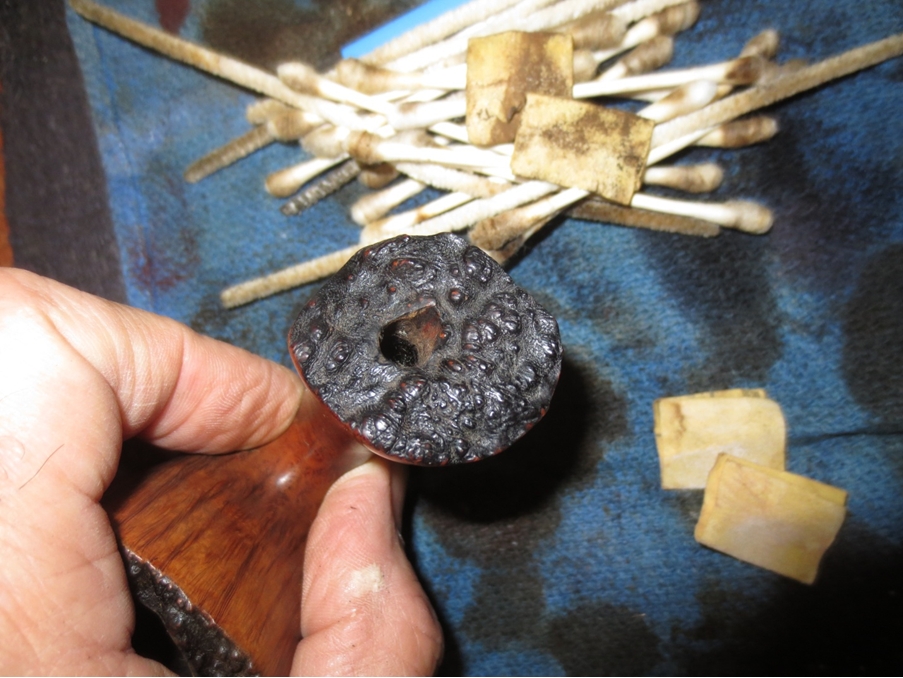 I stained all of the plateau areas with a black aniline stain and flamed it. I repeated the process until the coverage was thorough. When it had dried I hand buffed the plateau with a shoe brush until the high points shone and the valleys were slightly darker.
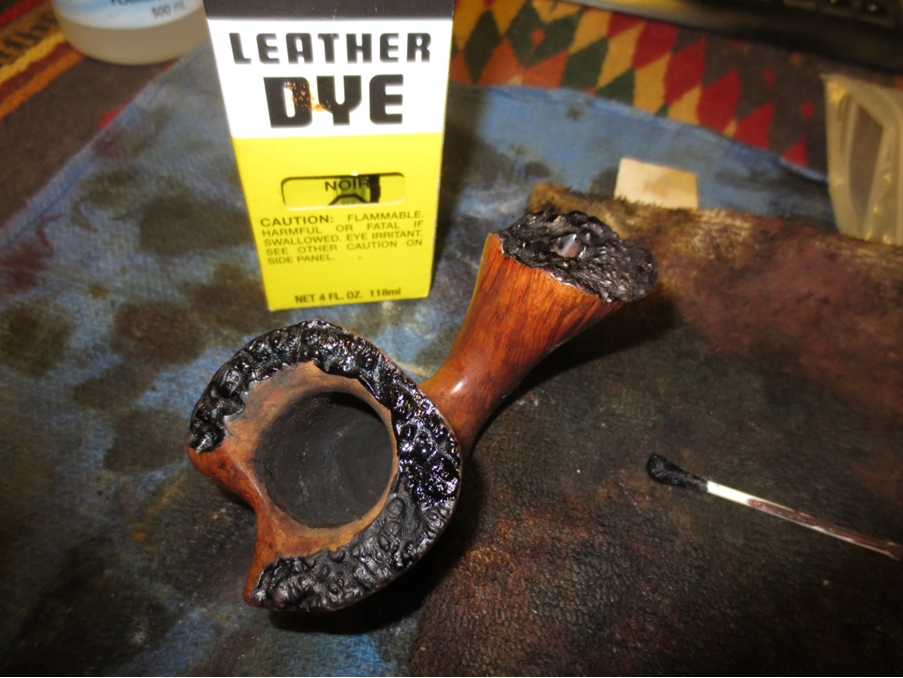 I buffed the pipe and stem with Blue Diamond and then gave the bowl multiple coats of carnauba wax. I finished by buffing it with a clean flannel buff to raise the shine on the bowl and stem. The finished pipe is shown in the photos below. Thanks for looking.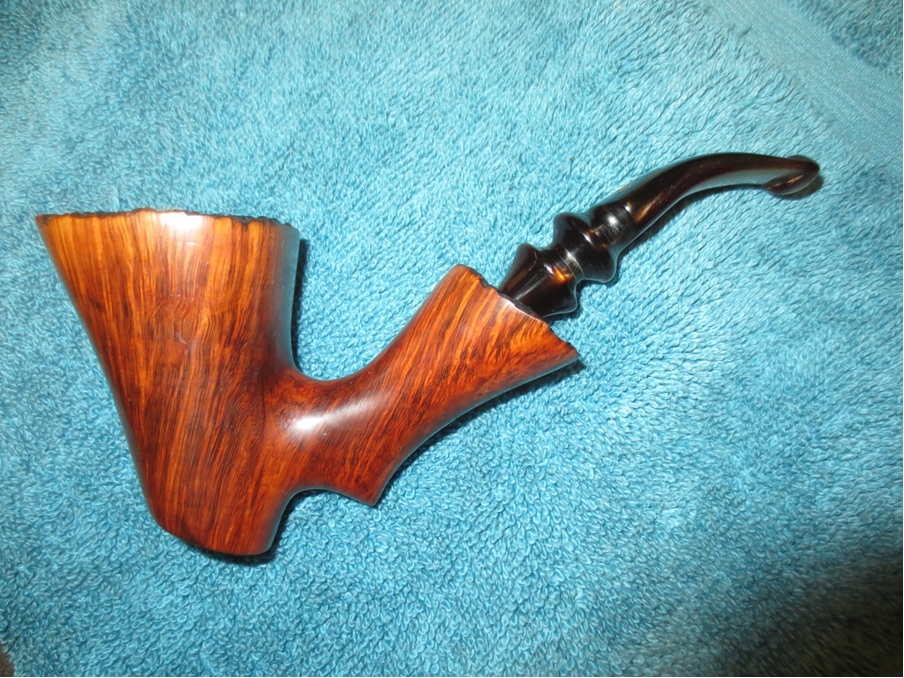



 rebornpipes