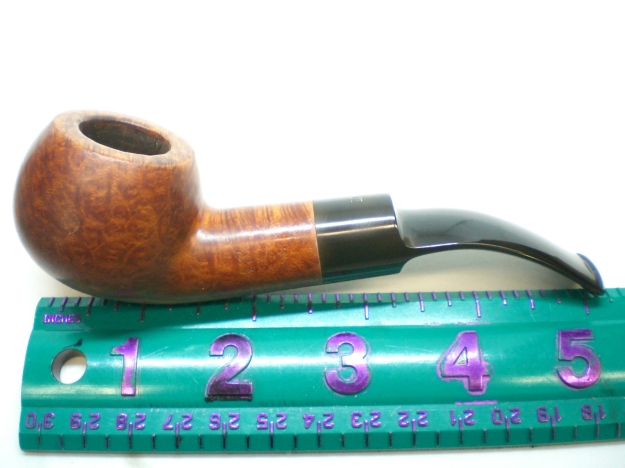
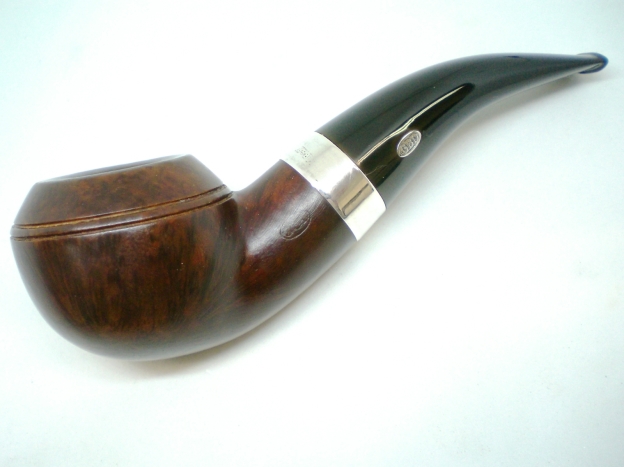
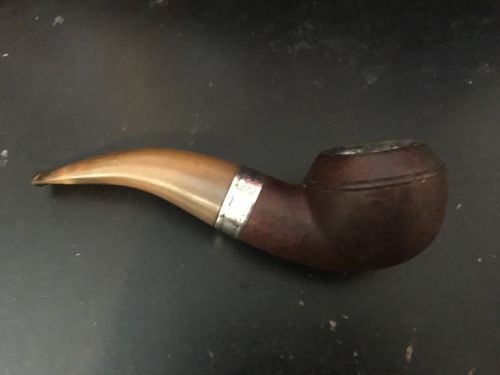
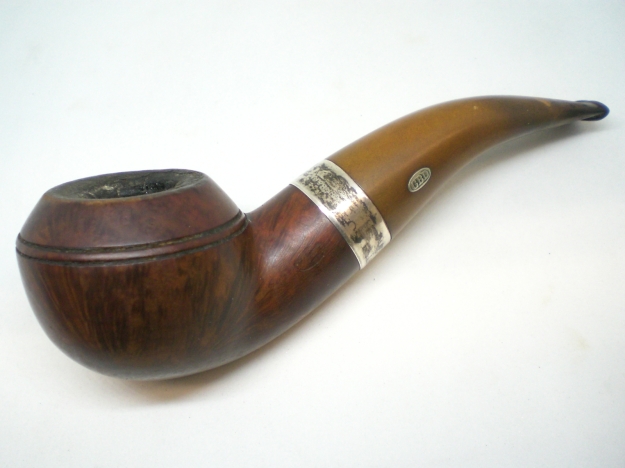
Author Archives: upshallfan

Unknown's avatar

About upshallfan

Moderator on the PipesMagazine forum since 2011. Guest contributor on the Reborn Pipes Blog by Steve Laug.

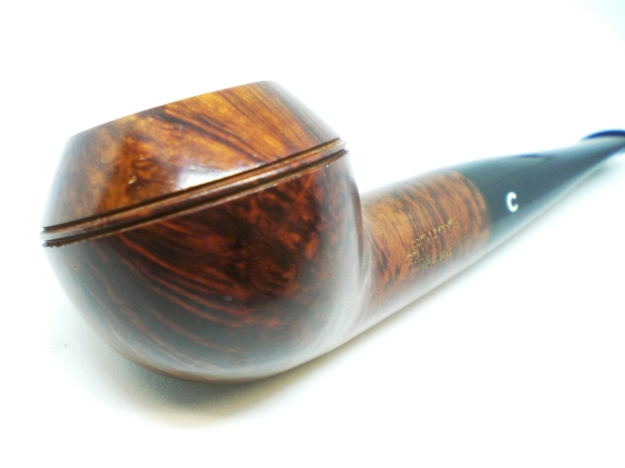
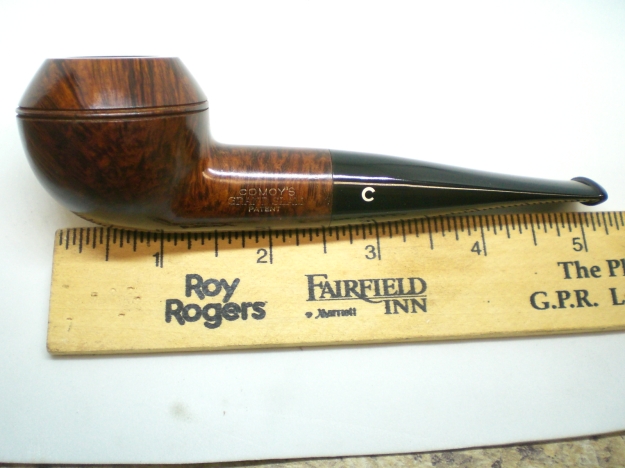
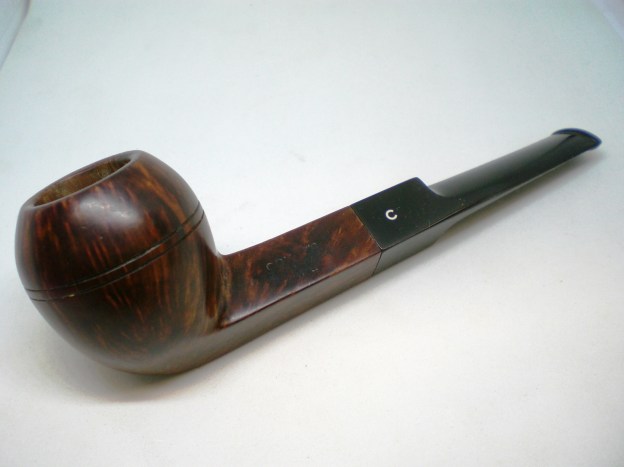
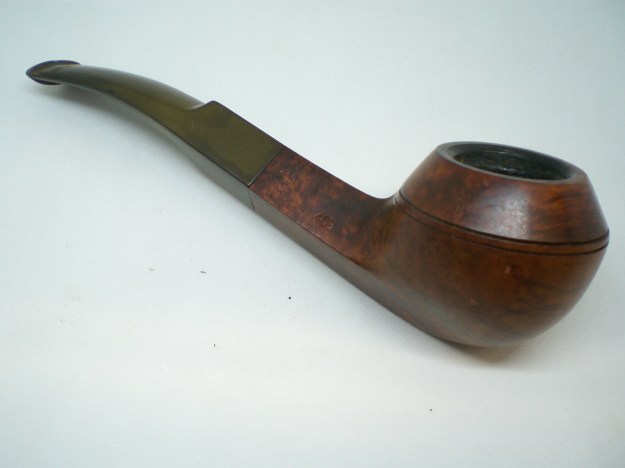
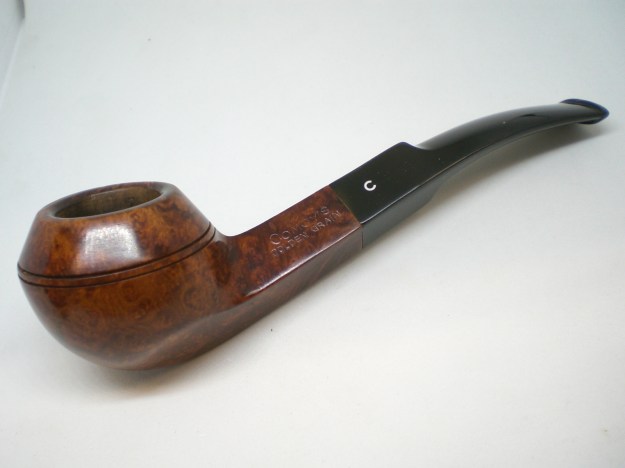
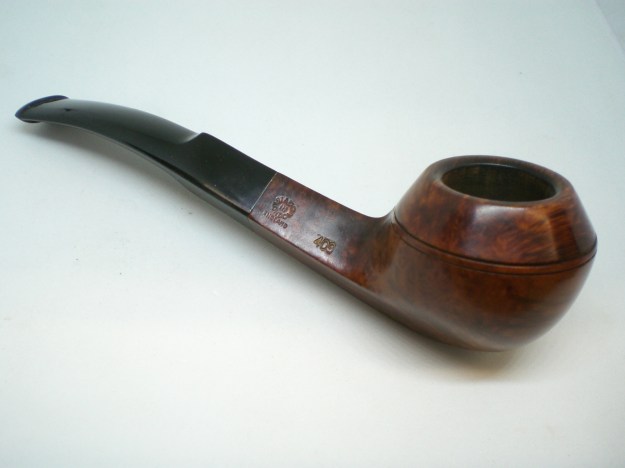
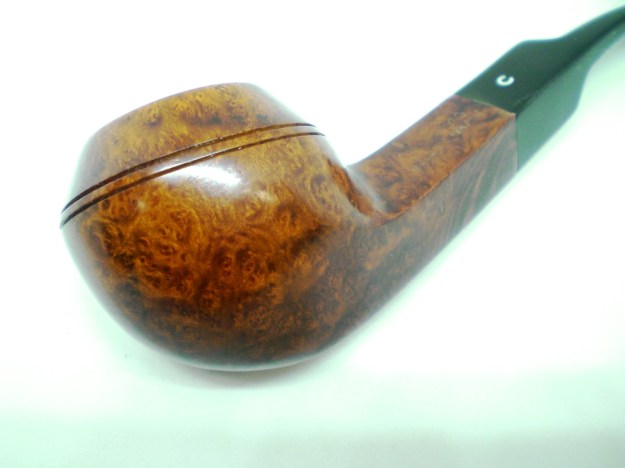
Comoy’s 283 Grand Slam Restoration


By Al Jones

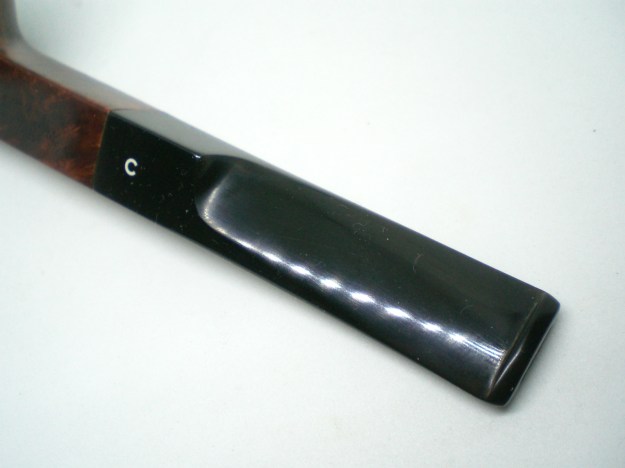
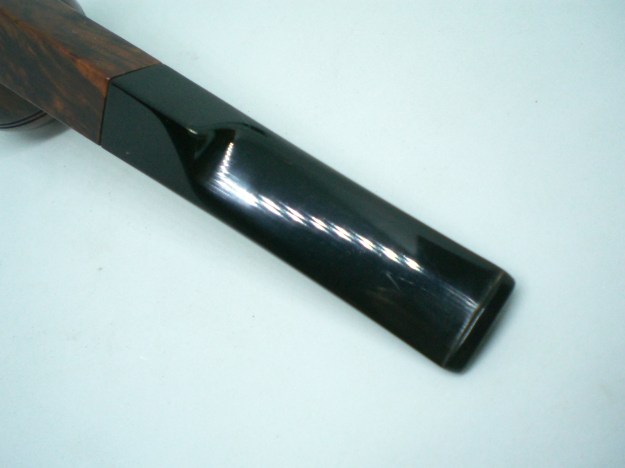
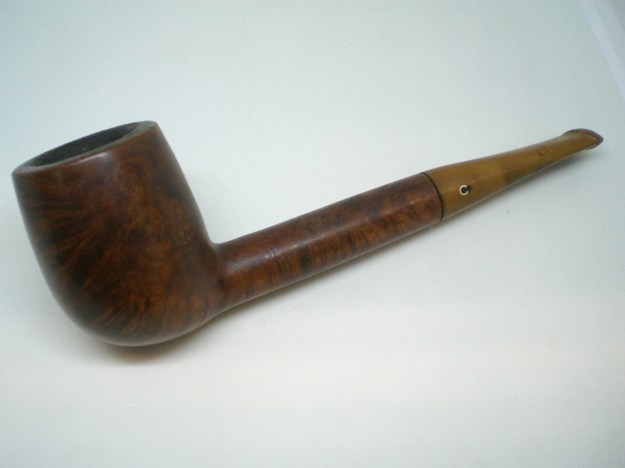
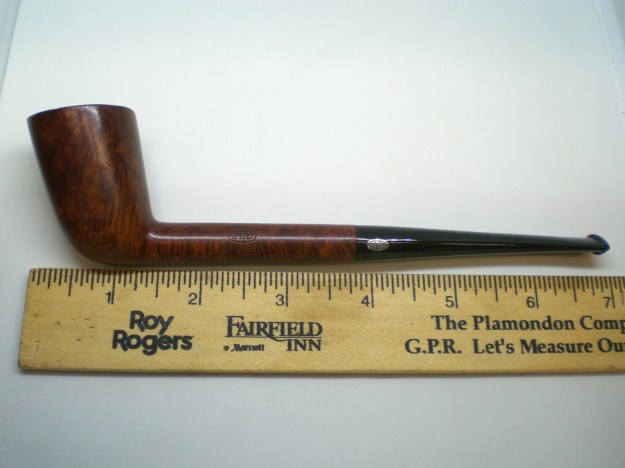
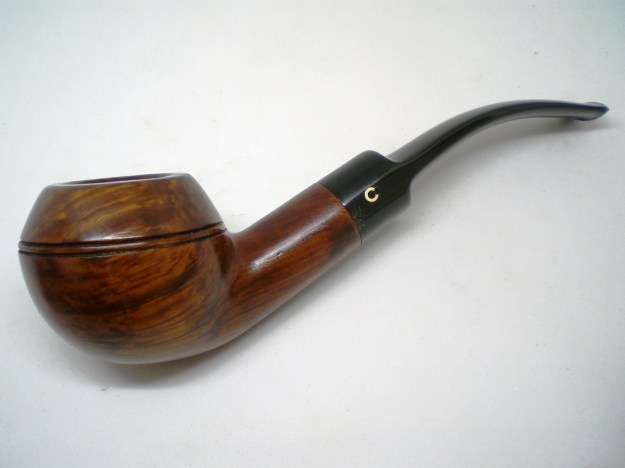
The 283 is an iconic Rhodesian shape for Comoy’s and one of my favorites. Later in the Comoy’s catalog, this shape number switched to the 440, but no explanation is provided for that change. This one popped up on Ebay and I was able to strike a deal with the seller. The ad had only a small number of fuzzy pictures but to my eye, it showed promise. This one was a Grand Slam, but with some nomenclature details I’d not seen on previous models that I had restored.

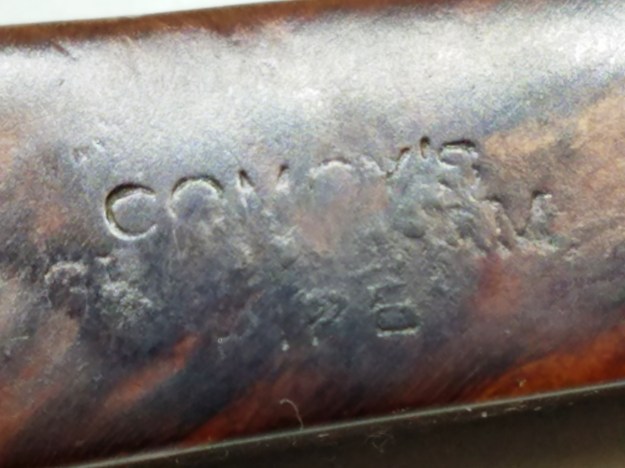
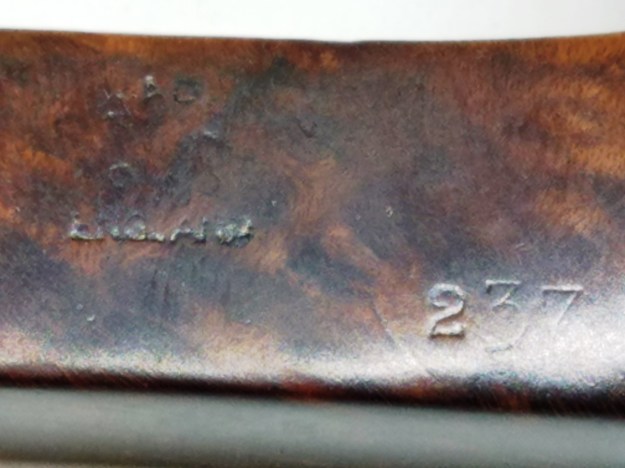
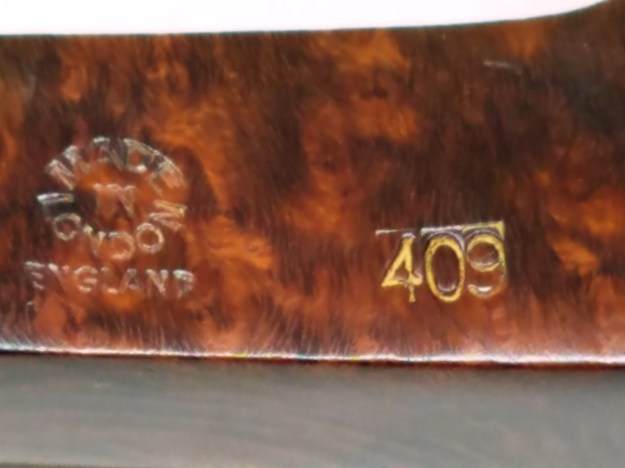
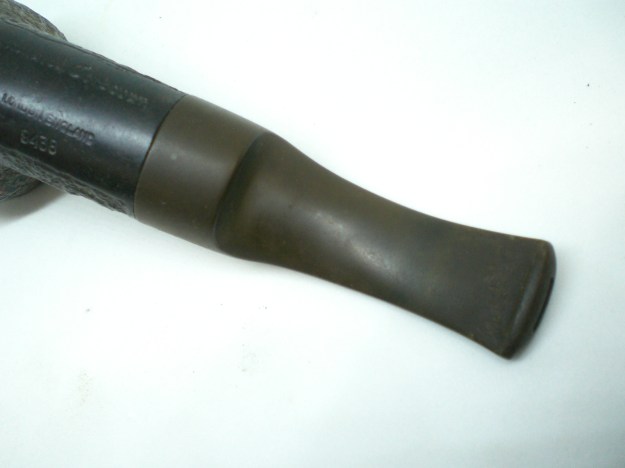
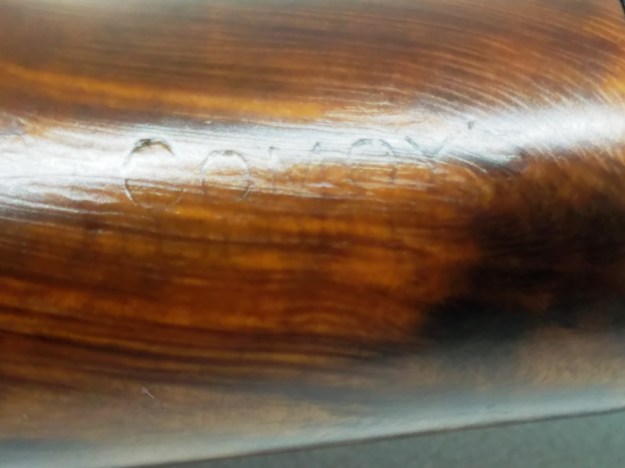
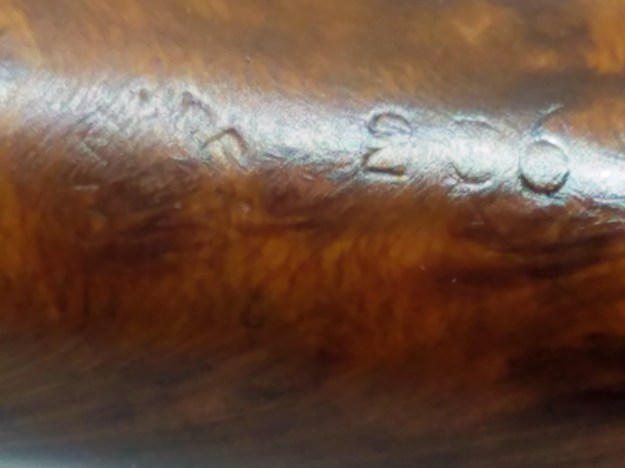
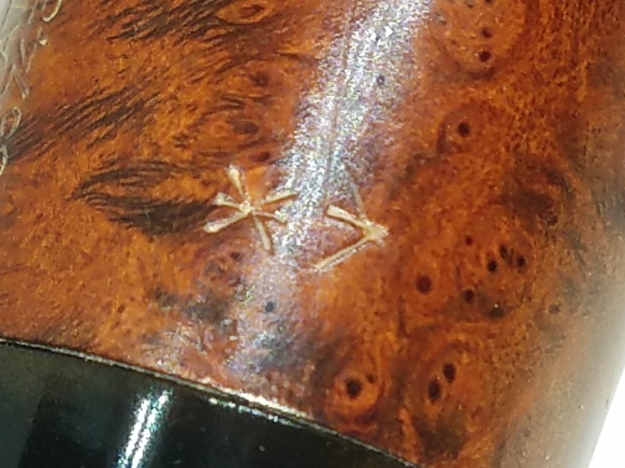
Having recently worked on a Comoy’s Grand Slam, I noticed that there was some significant differences on the nomenclature. Below is the stamping on the 283. I posted a thread on the PipesMagazine.com forum asking for some help on dating this particular pipe. Member “doctorbob”, a frequent contributor in the British section offered the following comments, which helps date the pipe to an early post-WWII period. The round, “Made In London” England was used from the mid 40’s to the late 1970’s (up to the transition point).

The second pipe is most likely a very early post-war pipe. The difference in patent numbers was not era based, instead Comoy’s used the appropriate stamp for the recipient market (2001612 was the US patent). The second pipe was intended to be sold in the UK. The time overlap between that particular COM and the patent stamping was apparently quite short.

To further add, the US patent for the ‘Grand Slam’ apparatus was approved in 1935 and expired in June of 1953. US market pipes after that would not have born the patent stamp. The UK patent was roughly contemporary.

It is not known with ANY certainty when the Made in London England stamp started, but it is commonly accepted to have begun being used in the 1945-1950 time frame

?

?
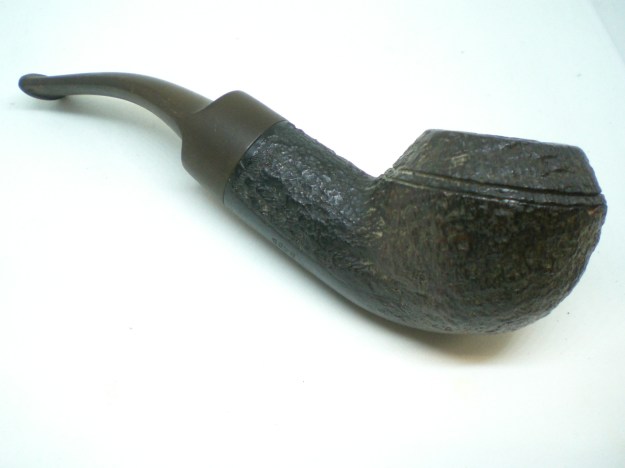
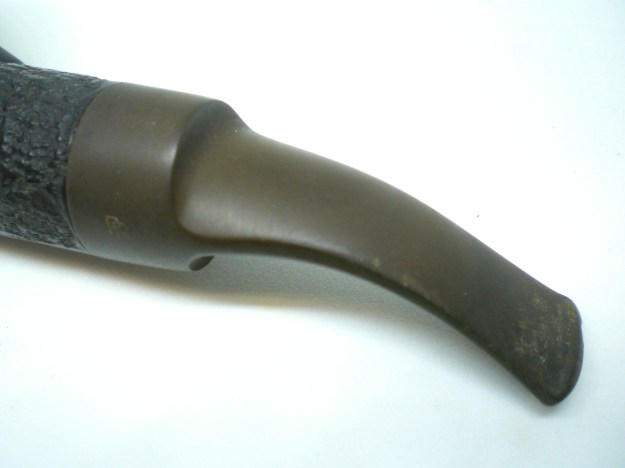
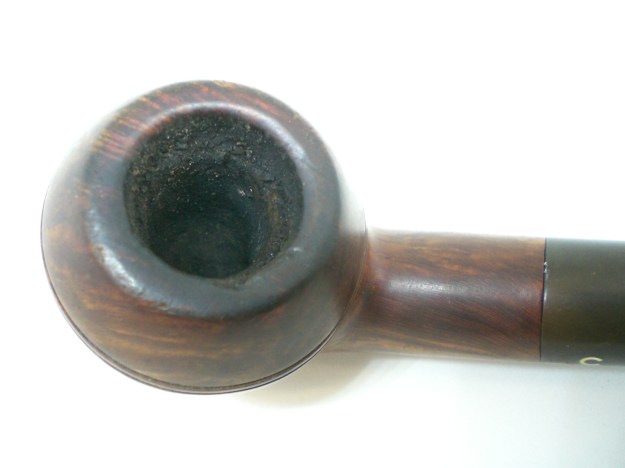
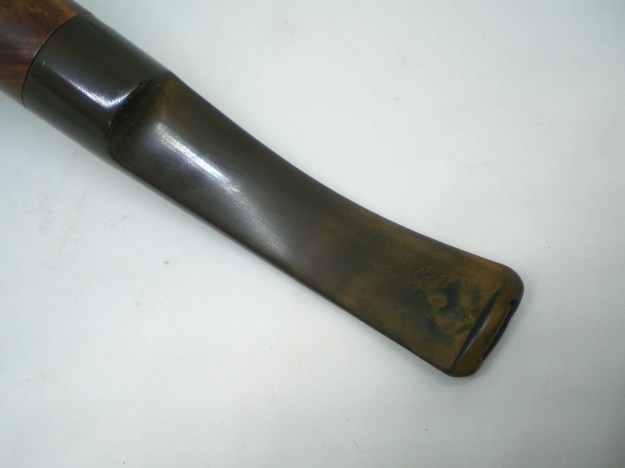
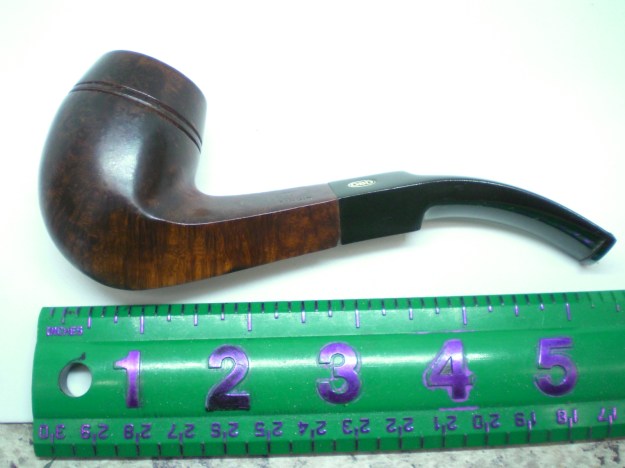
The pipe was in very good condition as received. The stem was oxidized, but with no serious teeth marks. There were several dings around the bowl. There was some rim darkening, but the beveled edge was largely intact. There was very little cake build up in the bowl.

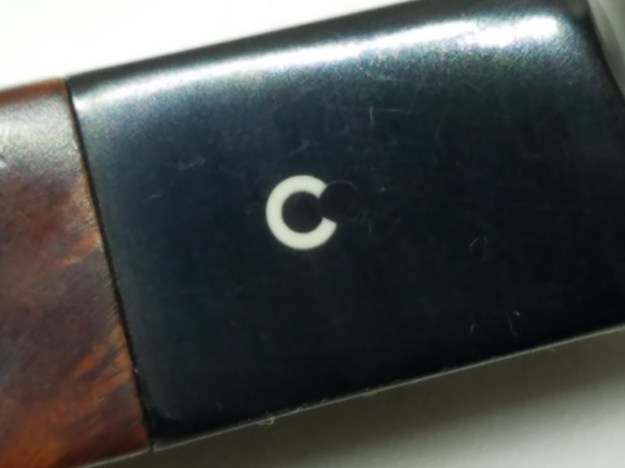
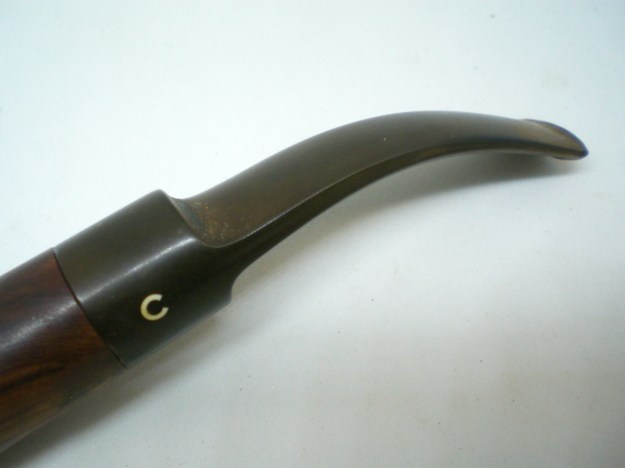
I reamed the cake and soaked it with alcohol and cotton balls. While the bowl was soaking, the stem was soaked in a mild solution of Oxy-Clean, with a dab of grease on the C.

Following the soak, I used a piece of 2,000 grade sandpaper to lighten the rim darkening, followed by 8,000 grade micromesh. I used an electric iron and a wet cloth to steam out some of the dents in the briar.

The stem was mounted and oxidation removed with 800, 1,000, 1,500 and 2,000 grade sandpaper, followed by 8,000 and 12,000 grade micromesh. It was then buffed with White Diamond and Meguiars Plastic Polish. The bowl was buffed with White Diamond and several coats of Carnuba wax, showing great care around the nomenclature.

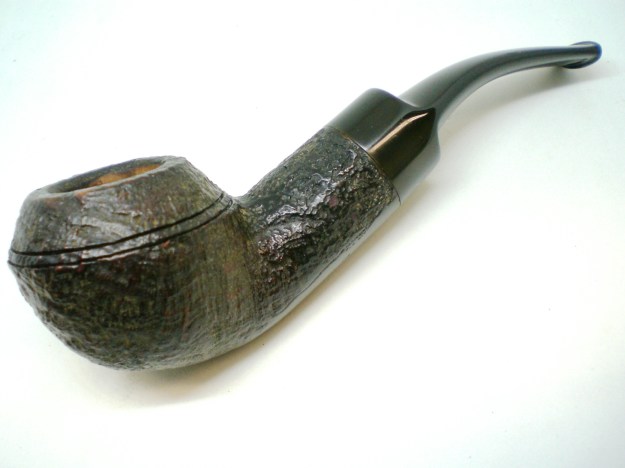
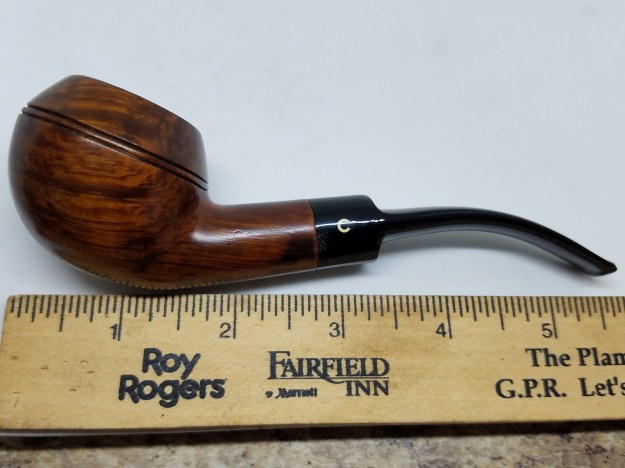
Below is the finished pipe.

Comoy’s 237 Grand Slam Restoration


By Al Jones

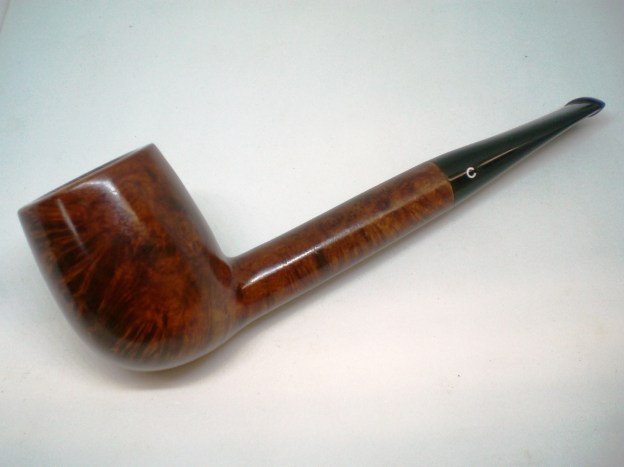
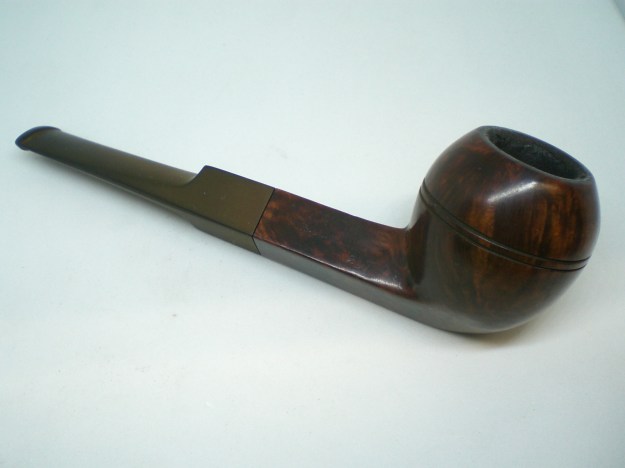
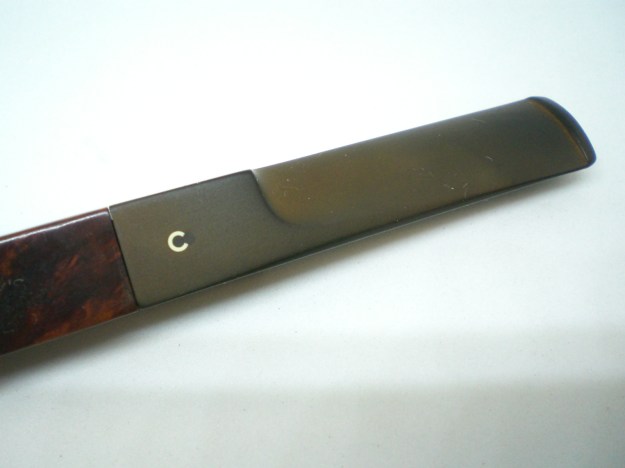
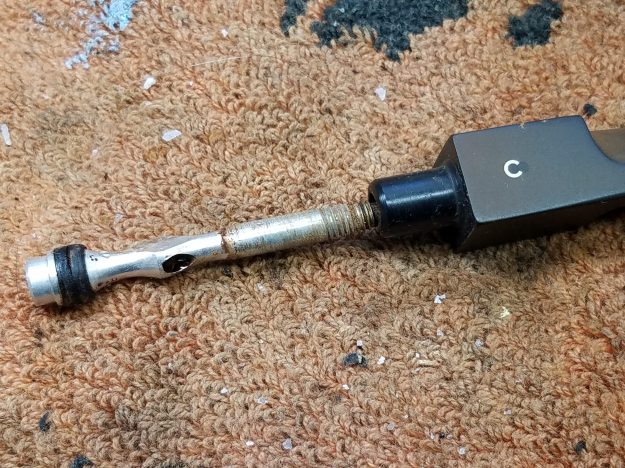
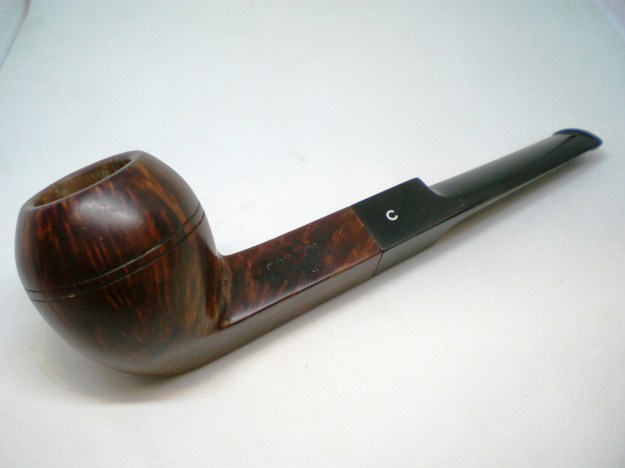
This pipe was a couple of firsts for me. I’ve restored a number of Comoy’s bulldog shapes, but this is the first shape 237 that I’ve encountered. I’ve also had several “Grand Slam” pipes, but this was the first one that still had the patented filter apparatus.

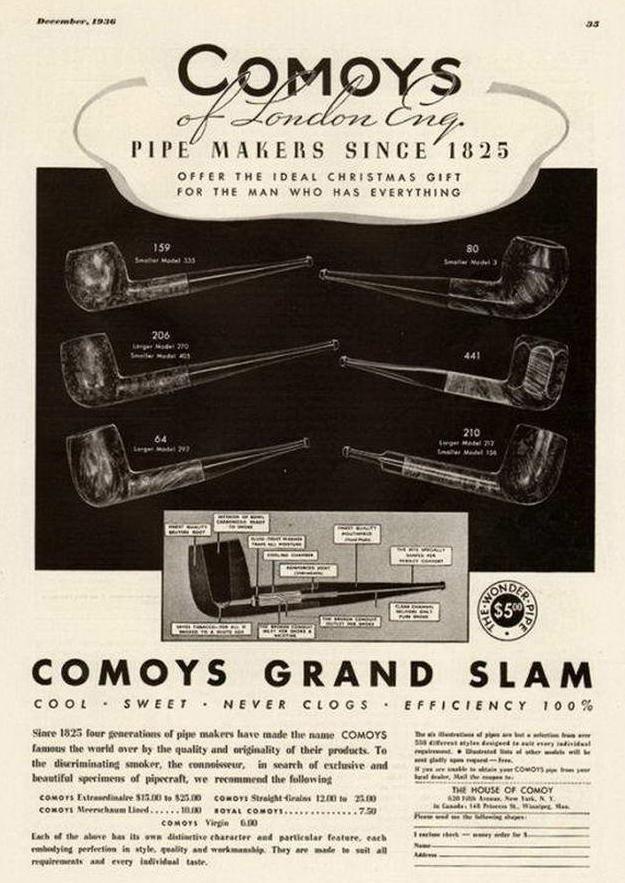
The Grand Slam was introduced in 1933, and was in the Comoy’s catalog until the 1970’s. This one has the COM stamp of the latter years, from 1946-1981. Below is a catalog page for Grand Slam pipes from 1936.

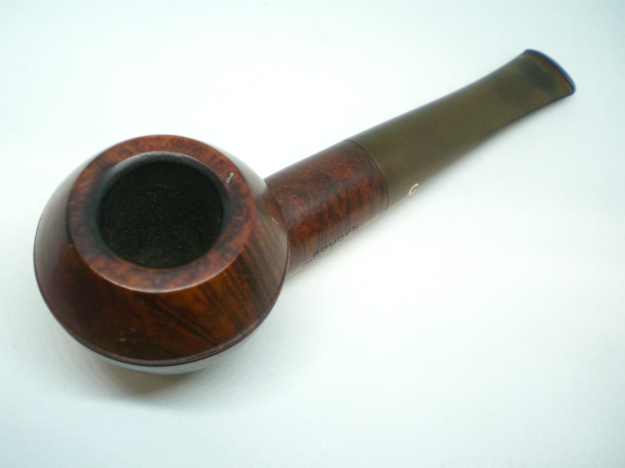
The pipe appeared to have been heavily smoked, with a thick cake. Surprisingly, the stem had zero teeth marks and only a heavy layer of oxidation. The bowl had numerous dings and dents that would need to be removed. Below is the pipe as it was received.

After removing the stem, I discovered the original stinger apparatus which still included two leather washers. This pipe is stamped *7 and replacement washers were available in that size. The stinger was stuck fast in the tenon. I soaked it in a shot glass of alcohol, but that wasn’t enough to get it unscrewed. I was able to run some alcohol bristle cleaners down through the stem and that did finally allow the stinger to be unscrewed. Once the stinger was removed, the stem was soaked in a mild Oxy-Clean solution, with a dab of grease over the drilled C stem logo.

The build-up on the top of the bowl was removed with a worn piece of scotch-brite. I steamed out most of the dents around the bowl with an electric iron and a wet cloth. The bowl was then polished with White Diamond rouge and several coats of carnuba wax.

The stem was mounted and the initial layer of oxidation removed with 400 grit wet paper, followed by 800, 1,000, 1,500 and 2,000 grades. Next up was micromesh sheets in 8,000 and 12,000 grades. The stem was then buffed with White Diamond followed by Meguiars Plastic Polish.

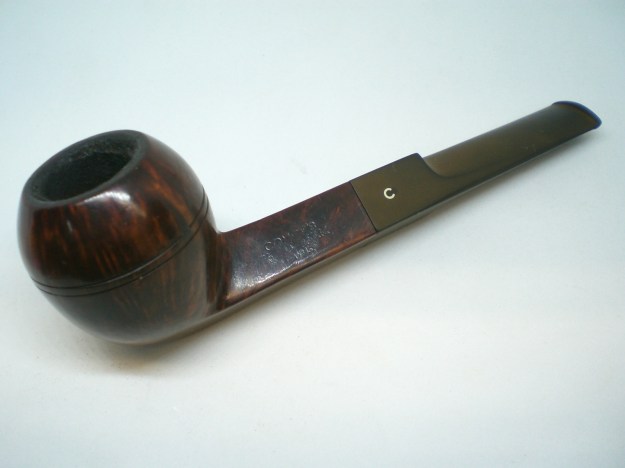
Below is the finished pipe.
?

?

Comoy’s 434 Liverpool Restoration


By Al Jones

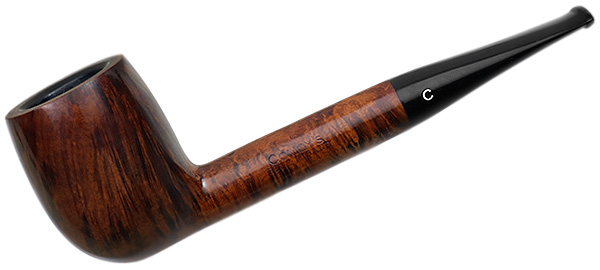
The second Comoy’s on my bench this weekend was a little bit of a mystery. This one also didn’t require a lot of work, but the nomenclature was all but invisible. With a magnifying loupe, I think it is a three digit shape, starting with a 4. I found a shape 434, at SmokingPipes, which is a round shape Liverpool. So, I believe this pipe is also a shape 434, but the finish is undetermined (probably a tradition). The pipe has the three-piece C stem logo, so it was made before 1981. Below we see the shape example from SmokingPipes (this one a Blue Riband!)

Below is the pipe as received. There was a heavy layer of oxidation on the stem, with a few teeth indentions. A heavy layer of build-up was on the bowl-top and it had a very thick cake in the bowl. Tobacco buildup in the shank prevented the stem from being inserted flush.

I used a lighter to lift the teeth indentions on both sides of the stem. A worn scotchbrite was used to remove the build-up on the bowl top. The bowl was reamed, then soaked with alcohol and sea salt. While the bowl was soaking, the stem was soaked in a mild oxy-clean solution. I put a dab of grease on the C stem logo.

Following the soak, the shank was cleaned and stem inserted. Now that the shank was clean, the stem was able to be inserted flush and it had a nice, snug fit. I removed the oxidation with 400, 800, 1,000, 1,500 and 2,000 grade wet paper, followed by 8,000 micromesh. The stem was then polished with White Diamond and Meguiars plastic polish.

The bowl was buffed with White Diamond and several coats of Carnuba wax. Below is the finished pipe.
Comoy’s Golden Grain Bulldog Restoration


By Al Jones

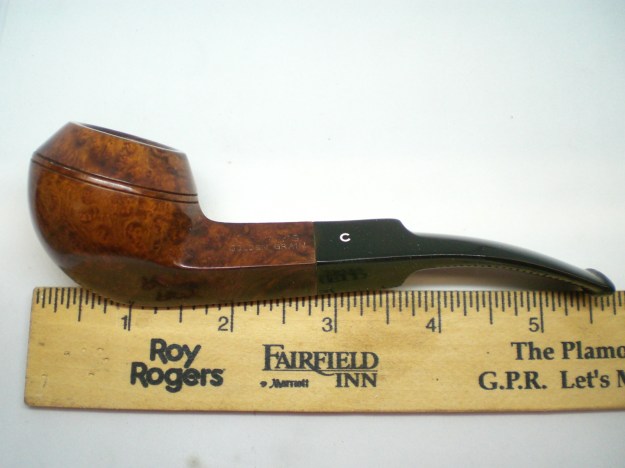
This 409 Bulldog Golden Grain found its way to my work bench this weekend. The 409 is the most popular Comoy’s bulldog, but I’ve only worked in three versions of this shape in the past seven years. It’s not certain when the Golden Grain entered the Comoy’s line up. The COM and three-piece C stem logo were used from 1946 to the merger in 1981.

The pipe had some build-up on the bowl and the stem was heavily oxidized, but overall, it held a lot of promise for a restoration. Below is the pipe as received.

I used a piece of worn scotchbrite to remove the build-up on the bowl top. The bowl was reamed which revealed that the bowl interior was in very good condition. The bowl was soaked in alcohol and sea salt. I picked up an old Sugar dispenser for filling the bowl with salt, which worked very well (sealed with a piece of tape to keep the salt dry). While the bowl was soaking, the stem was soaked in some mild oxy-clean solution. I put a dab of grease on the C stem logo.

Following the soak, the shank was cleaned and stem inserted. I removed the oxidation with 400, 800, 1,000, 1,500 and 2,000 grade wet paper, followed by 8,000 micromesh. The stem was then polished with White Diamond and Meguiars plastic polish.

The bowl was buffed with White Diamond and several coats of Carnuba wax. Below is the finished pipe.

?

?

Poor Richards 9438 Cordovan Restoration


By Al Jones

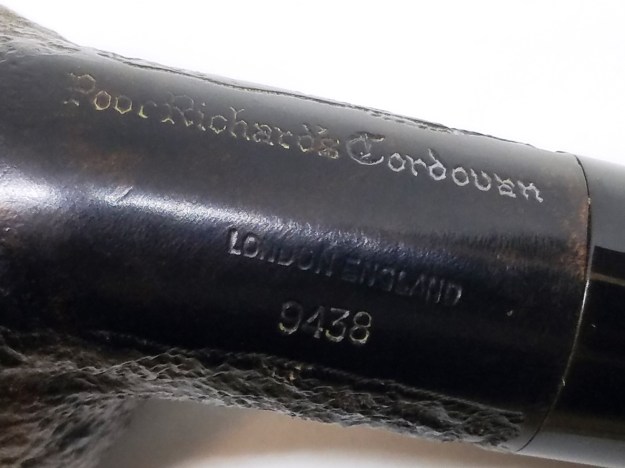
Here’s yet another variation on the GBD 9438 shape. This example is stamped “Poor Richards Cordovan”. We’ve seen another Poor Richards pipe here in the past, but that one was stamped in a different font and added Bozeman, Montana in the nomenclature. Poor Richards is indeed a shop in Montana, that while having changed hands over the years, is still in operation today. Was this a “shop pipe” made for that location? Possibly, but now lost to time and the new owners had no information or insights to offer.

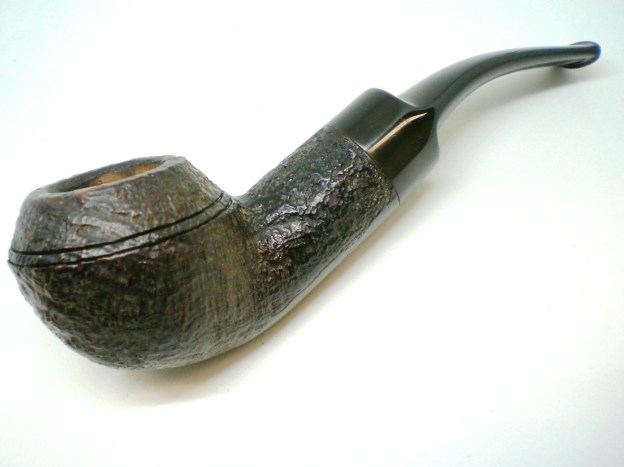
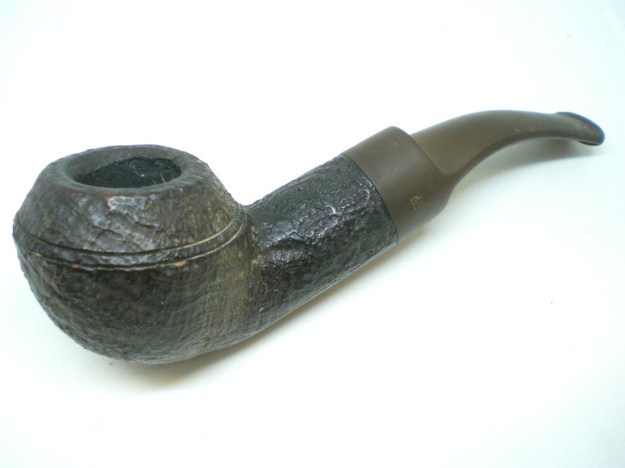
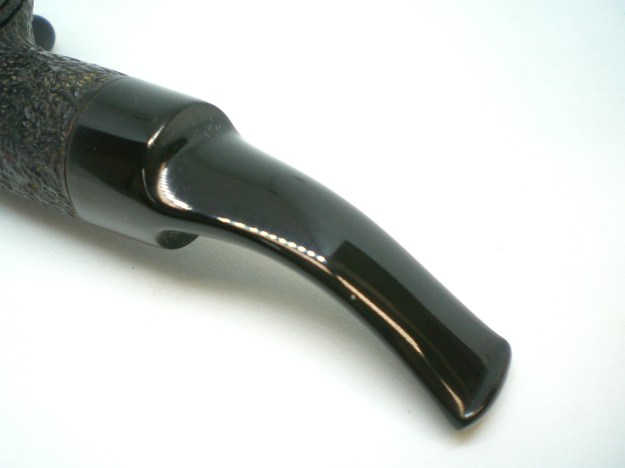
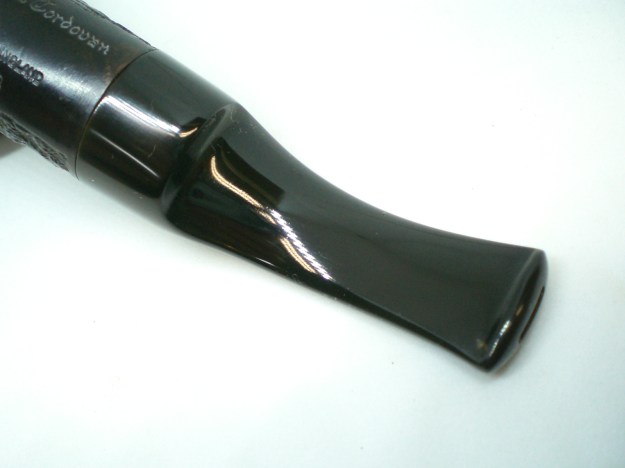
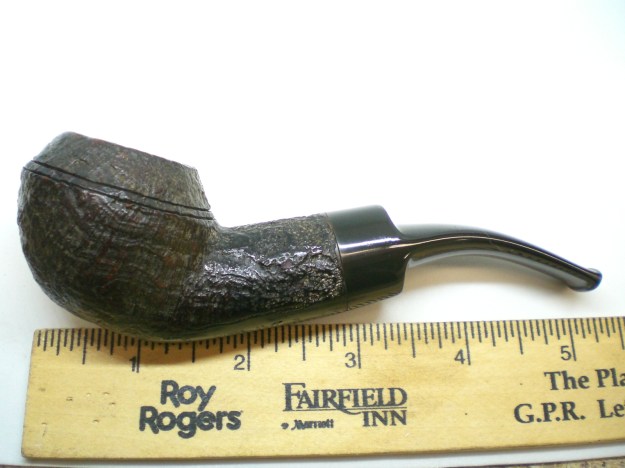
This was a very good example of the 9438 shape. The stem has the “wasp waist” style and the COM is the “London, England” used by GBD prior to 1981. The finish appears to be a combination of sandblast and rusticated. This was a fairly simple restoration in that the only real work was in the oxidized stem and some mild teeth indentions. Below is the pipe as it was received.

I used a piece of worn scotchbrite on the top of the bowl, than it was reamed and soaked with sea salt and alcohol. The stem was soaked in a mild Oxy-Clean solution. The bowl interior was in excellent shape.

Following the soak the stem was mounted to remove the oxidation. The stem fitment was perfect, and I had a feeling it may have never been removed. The stem was stamped “PR”, but I didn’t try to save that stamp.  I used a lighter to lift some of the teeth indention’s. Sandpaper starting at 400 grit was used to removed oxidation, working thru 800, 1,500, 2,000 grades. This was followed by micromesh sheets in 8,000 and 12,000 grades. The stem was then buffed with White Diamond and Megiuars Plastic Polish.

I used some warm soapy water to clean the briar, then buffed it by hand with Halycon wax.

Below is the finished pipe.
?

Sasieni Mayfair 688 (Ashford) Restoration


By Al Jones

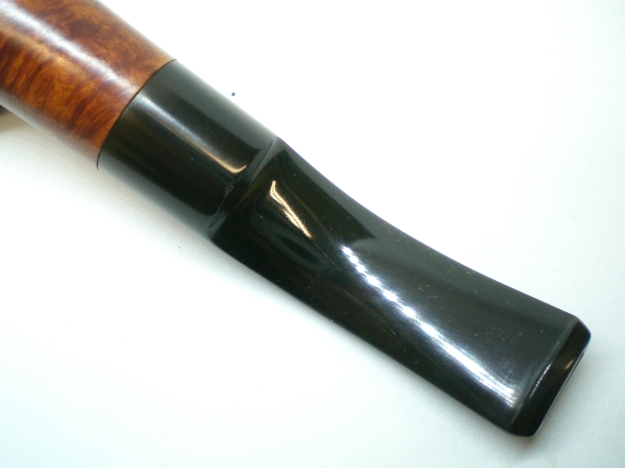
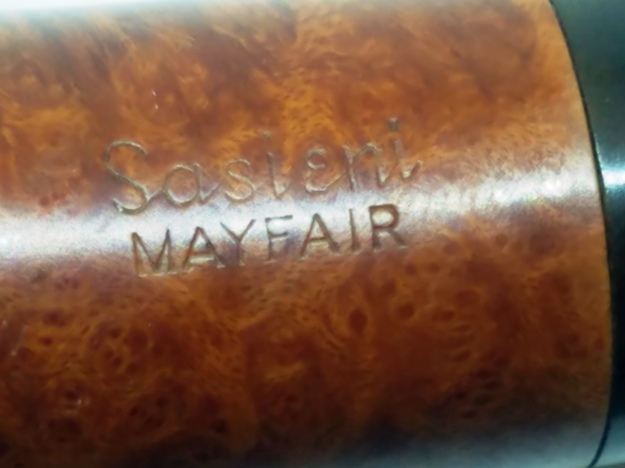
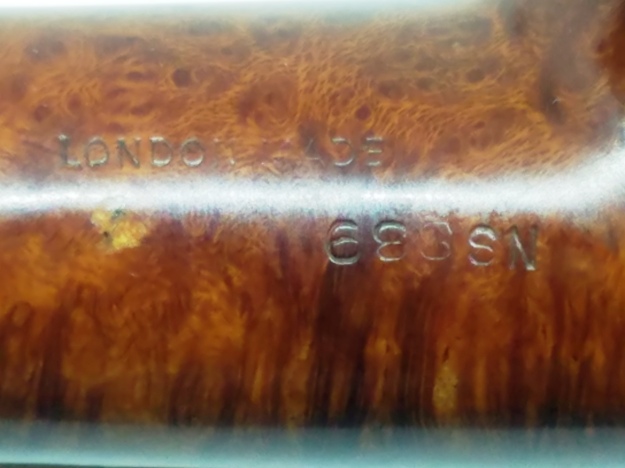
The Sasieni Ashford, aka Shape 88 is one of my favorite shapes, and I can’t resist the 2nd line offerings when they pop up on Ebay. The wide variations of the thru their first and 2nd line offerings is pretty amazing. Four Dot pipes were either stamped with the shape number 88 or Ashford during the town name era. This Mayfair grade is stamped 688SN. I assume the SN is to denote the saddle stem.

Update:  My PipesMagazine buddy Dave, aka Hallmark expert tells me,SN denotes:

S (Saddle) N (Natural Finish)

Sasieni second line pipes typically have very good stem work and are a step ahead of many of the other British second lines for Comoy’s, GBD, etc.

During the restoration process, I discovered that the tenon has threads inside, so when new, it had a screwed in stinger, similar to the Patent era pipes. So, I suspect this pipe is from early in the Family era.

The pipe was delivered in an envelope with a thin piece of bubble wrap, stem mounted. I’m always amazed at how this type of packaging survives the USPS handling. The pipe had a heavily oxidized stem and some bowl top build-up. There was mild cake in the bowl. Below is the pipe as delivered.

I removed the build-up on the bowl top with a worn piece of scotchbrite, followed by some micromesh (8000). The top was in very good shape under that buildup. The bowl was reamed and the interior of the bowl was also in fantastic shape. The bowl was then soaked in sea salt and alcohol. While that was soaking, the stem was soaked in a mild Oxy-Clean solution.

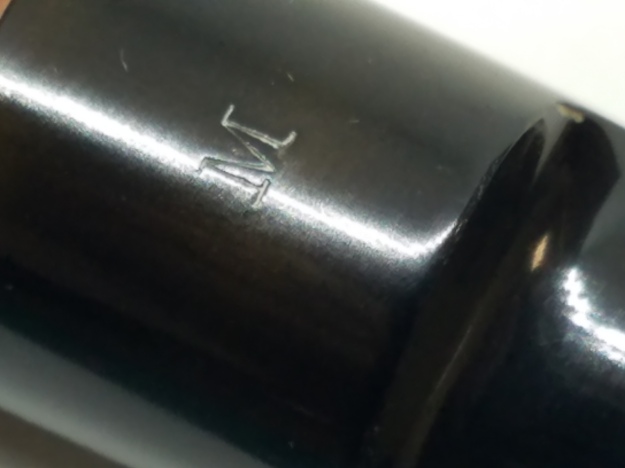
Following the soak the shank was cleaned with some bristle brushes and scrunched up paper towels. The stem was mounted and oxidation removed first with 400 and then 800 grit wet paper. I used a Magic Eraser pad around the lightly stamped “M” stem logo. Next up was 800, 1000, 1500 and 2000 grade wet papers, followed by 8,000 and 12,000 grade micromesh sheets. During the final steps, I discovered an issue with the otherwise mint stem – there was a small hairline crack on top of the button. Using a needle file, I was able to get some black superglue into the crack, and then sprayed on the accelerator speed the process. I sanded that smooth with 800 again, and then up thru the progression of paper grades. The stem was then buffed with White Diamond and Meguiars Plastic polish. I was very pleased with the stem repair, which should be as sturdy as new and is nearly invisible.

The briar was buffed with White Diamond and several coats of carnuba wax.

Below is the finished pipe, which will be sold shortly via the PipesMagazine.com forum.

?

?

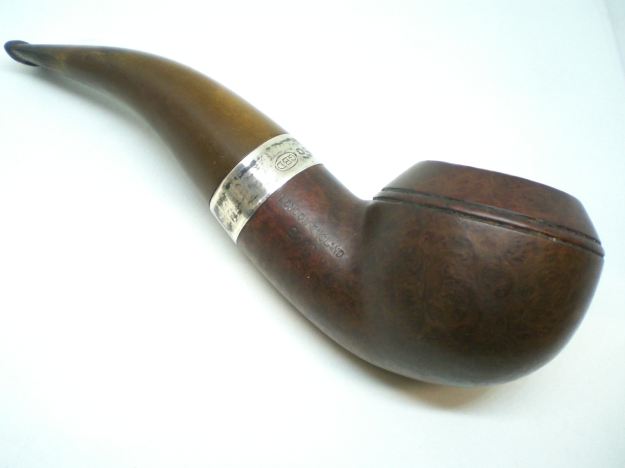
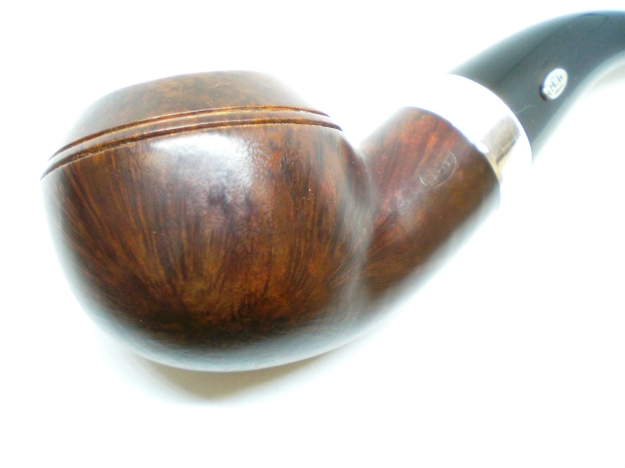
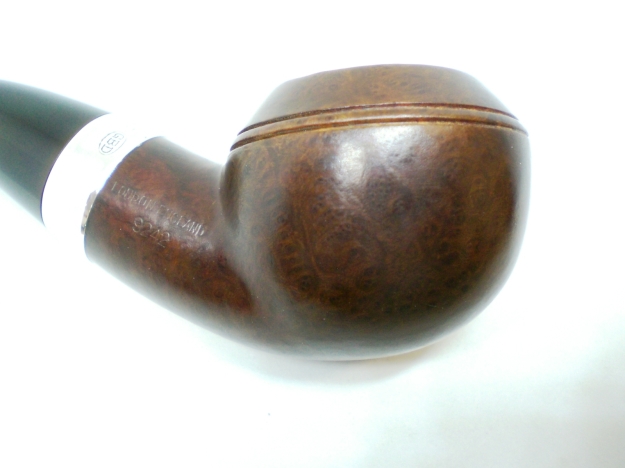
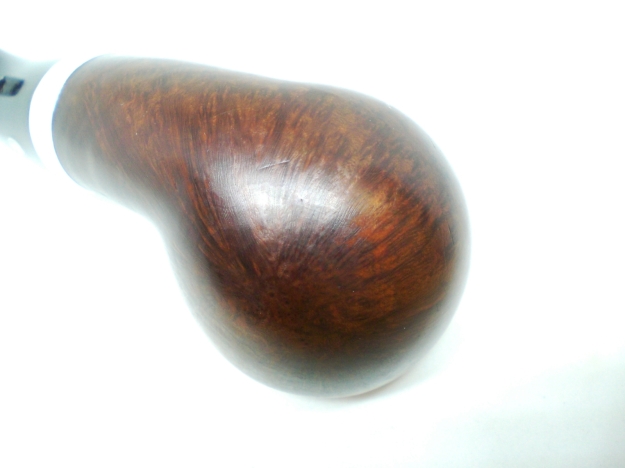
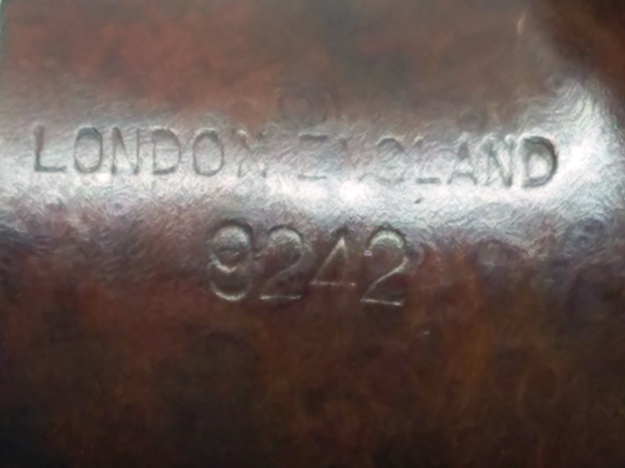
“Vintage Smoking Pipe” (1950 GBD 9242)


By Al Jones

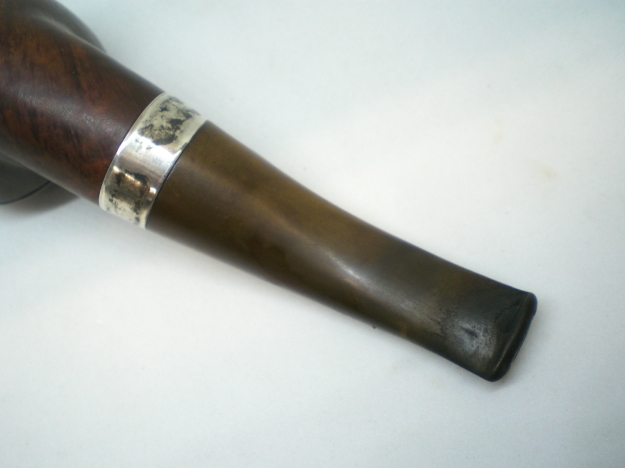
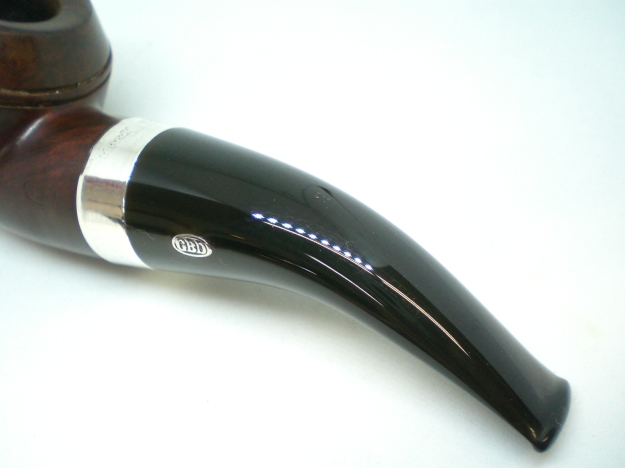
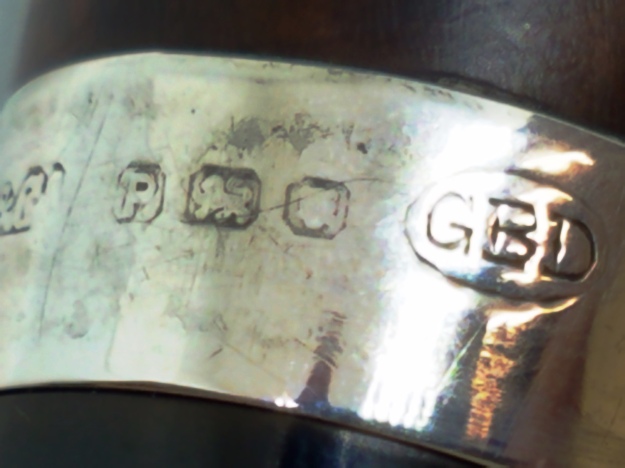
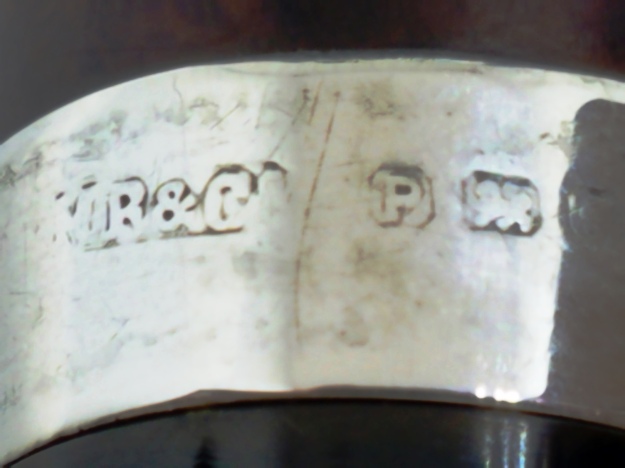
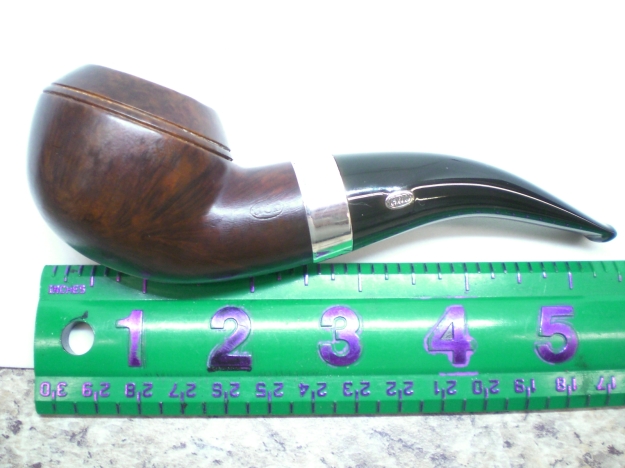
This 1959, silver hallmarked GBD 9242 was advertised on Ebay, with the title “Vintage Smoking Pipe” and the ad included on picture as below.

Because of the listing, it didn’t pop up on any of my Ebay brand searches. It looked like a GBD 9242, so a day before the auction ended, I contacted the seller and asked for additional information and pictures. Sure enough, it was a GBD 9242 with a hallmarked silver band. While heavily worn, it looked solid and the seller said he would take a return, should there be issues. I made an offer to buy the pipe, which the seller accepted and a few days later it was delivered.

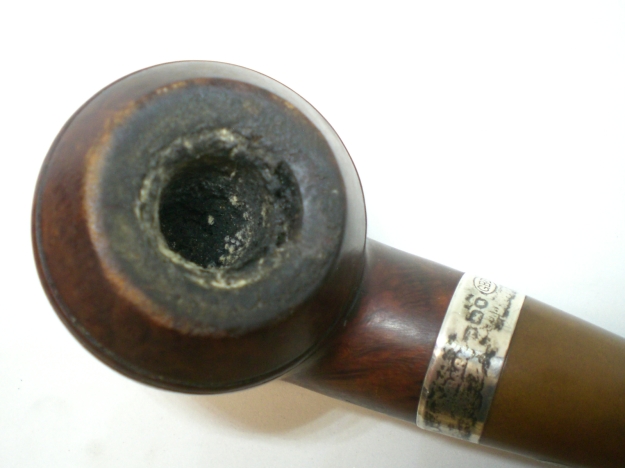
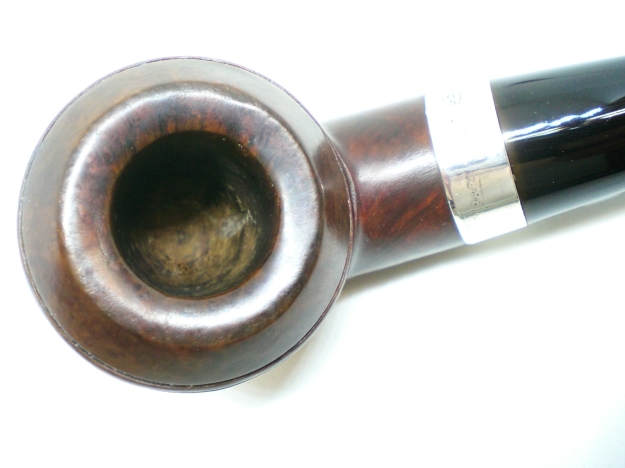
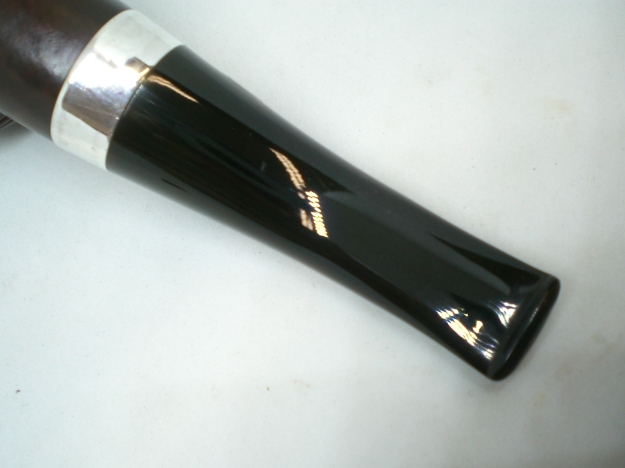
The pipe had an incredibly thick cake, which spilled over the bowl top. The stem was heavily oxidized, but in decent shape, with only a few minor teeth indentions. The stem fitment was snug. Below is the pipe as it was received.

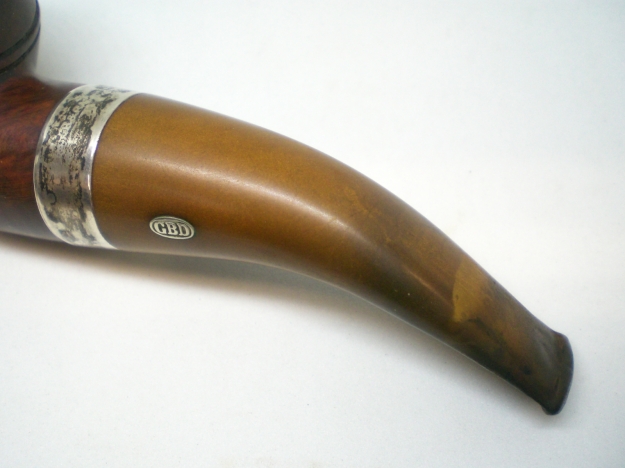
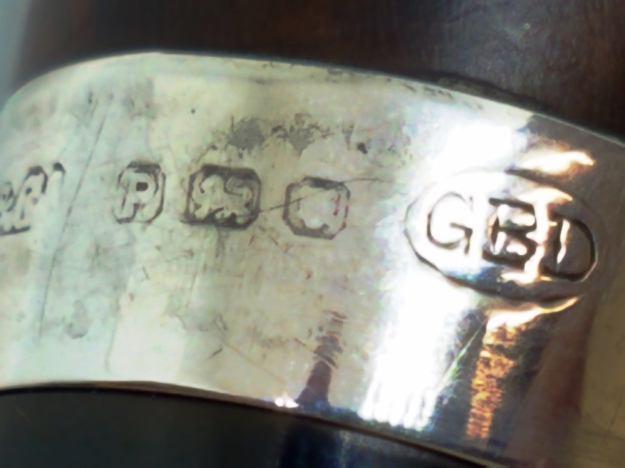
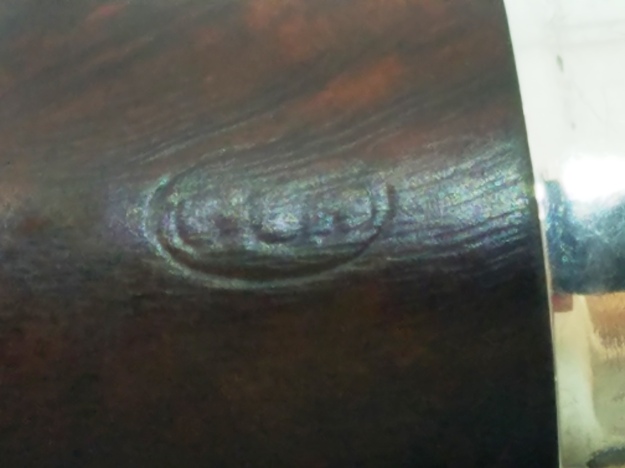
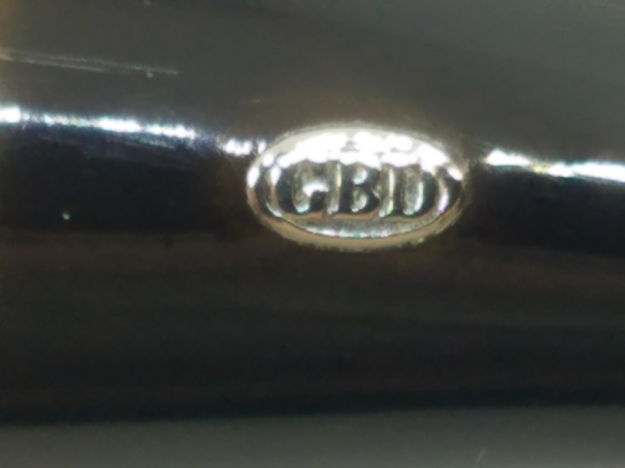
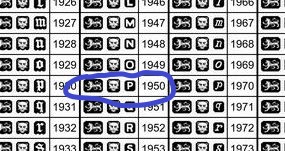
The nomenclature was all weak, but legible. I used a jewelers cloth to remove the tarnish on the silver and was delighted to find a P that corresponds with the date code for 1950, so the pipe is 68 years old!

I used a piece of Scotch bright to remove the build-up on the bowl top, followed by 8000 grade micromesh. The stain on the bowl was sun-damaged, so I wiped on a very mild solution of Medium Brown stain. The bowl was then buffed with White Diamond and several coats of Carnuba wax. There was heavy build-up in the bowl rings, I used a small pick to clear the rings, which were in perfect condition.

To ream the cake, it took several bits from my Pipenet set. The great news was, as in many cases, the thick cake seemed to protect the bowl and the interior was in excellent condition. The bowl was then soaked in alcohol and sea salt. While it was soaking, I put a dab of grease on the brass rondell and soaked the stem in a mild Oxy-clean solution. Following the bowl soak, the shank was cleaned and stem inserted.

The oxidation was removed with 400, 800, 1000, 1500 and 2000 grades wet paper. I used a lighter to raise several dents near the button. The stem was then finished with 8,000 and 12,000 grades micromesh, followed by a machine buff with White Diamond and Meguiars Plastic polish.

There were some dings on the bowl top, I raised some of those with an iron and a wet cloth. There was still some damage around the rim, I used a piece of 2000 grit paper to smooth that out.

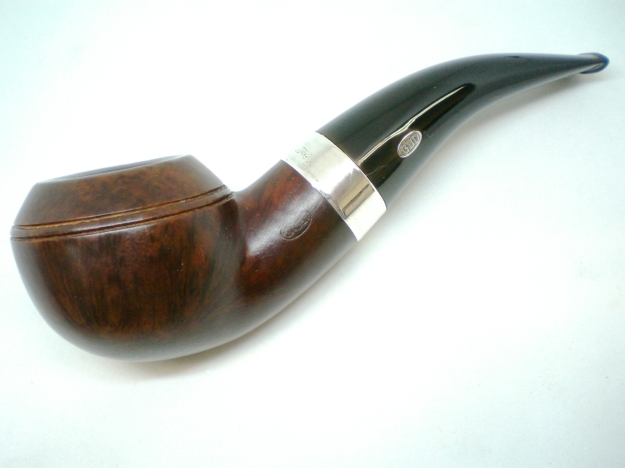
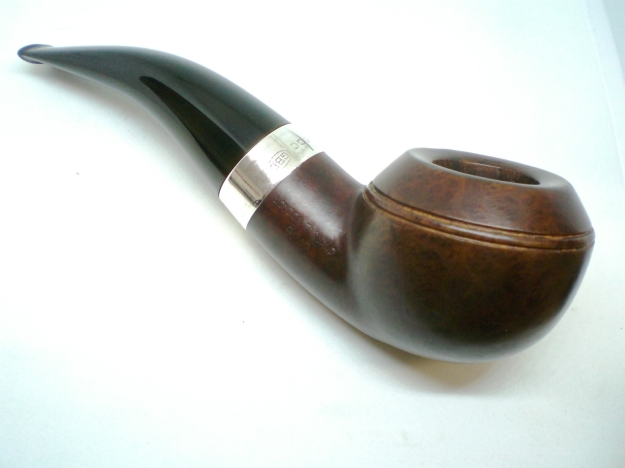
The finished pipe is below.

?

?

GBD 2100 New Era Restoration


By Al Jones

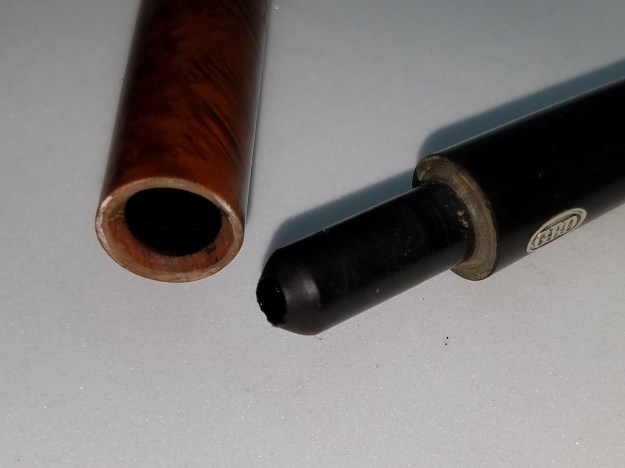
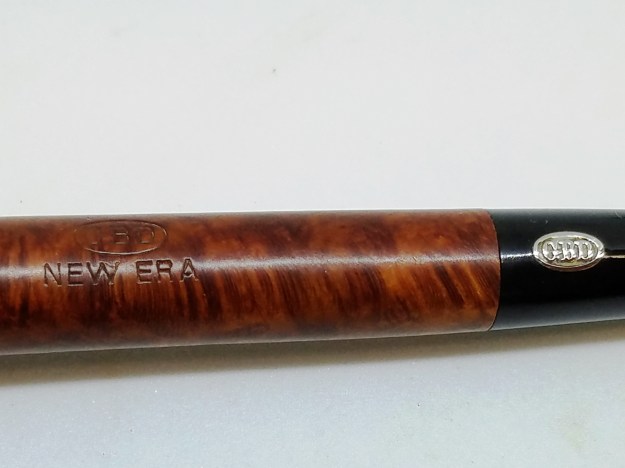
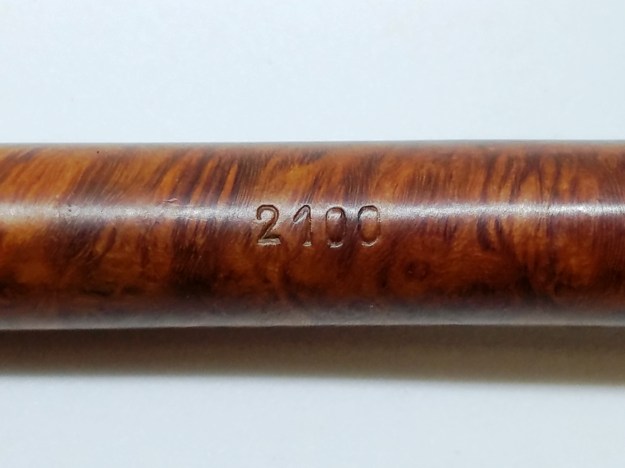
This GBD was a bit of an odd-ball. First of all, it is a shape number that I’ve never encountered. Second it had no COM (country of manufacture stamp). A GBD knowledgeable friend believes it was made in the 40’s to 50’s era. The tenon is the bullet style, which is seen in older GBD’s and typically New Era grade or higher.

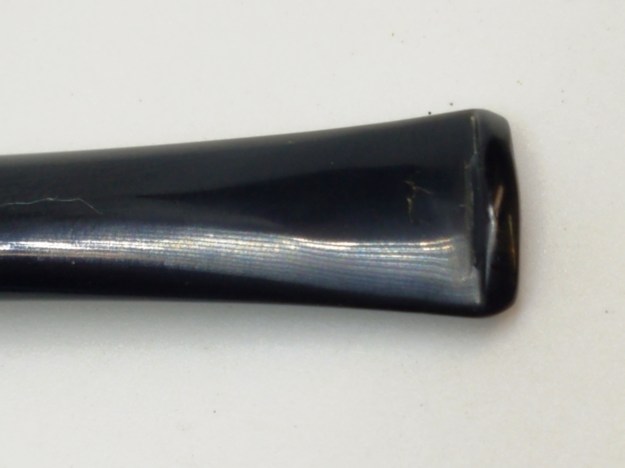
The pipe was in fairly good condition, with a small sharp tooth indention underneath the stem and a degraded button. It had the typical bowl top build-up. The stem did not fit snugly against the shank, but I knew when the shank was cleaned, that issue would be resolved

I reamed the cake and cleaned the bowl top with a piece of worn scotchbrite. The bowl was soaked with sea-salt and alcohol. I used some black superglue and accelerator on the tooth crease and built up the bottom section of the button underneath. There was some mild oxidation on the stem, which was removed with 800, 1500 and 2000 grade wet paper, followed by 8000 and 12000 micromesh sheets.

After the bowl soak, the shank was cleaned, which allowed the stem to bit snugly. The bowl was buffed with White Briar and several coats of Carnuba Wax.

The pipe is just over seven inches long, yet only weighs 25 grams.

Below is the finished pipe.
?

?

Comoy’s 286 London Made – Discovered!


By Al Jones

As a Comoy’s fan and someone who loves the Rhodesian pipe shape, this one came out of left field. It was advertised as having nomenclature too faded to read, but from the sellers pictures, I could see that it had a three digit shape number. This was a Comoy’s shape that I had never seen before. I was pretty anxious until it was delivered, and with my naked eye, I could see the shape number was 286. This puzzled me, as this shape number was not listed on any Comoy’s chart that I could find, nor was it in any of my scanned catalog library. A Google search yielded two results, one a Blue Riband sold on Ebay and the other on an Asian collectors side. This one must be a the saddle stem version of the coveted shape 284.

Update: a member of the PipesMagazine.com forum, found this catalog page, showing the 286 shape.

With magnification, I can see a partial name under the straight-line “Comoy’s” logo. It appears to be a London Pride grade. The 3 piece logo denotes a pipe made before the merger in 1981, along with the round Country-of-Manufacture mark, I know it was made between 1946 and the merger point. The tenon on the pipe has the reinforced steel ring. I could no determine an era where that ring was discontinued.

The pipe as delivered presented some challenges. There was a scorch mark on the shank that extended to the vulcanite stem. Luckily, it was underneath the C stem logo. There were a few dents in the stem, and the button had wear, and of course it was heavily oxidized. The stem fitment was quite snug. The bowl had a heavy cake build-up, that extended over the bowl top and there were some dings on the top and sides of the briar.

The stem was removed and soak in an mild Oxy-clean solution. I used a worn piece of Scotch-brite to remove the build-up on the bowl top, followed with an 8,000 micromesh sheet. I was able to raise a few of the bowl dents and dings with a damp cloth, and heat from an electric iron. The bowl was then soaked with sea salt and alcohol.

After the soaks, the stem was mounted. I used the flame from a lighter to raise several, but not all of the dents on the stem. The oxidation was removed with 800, 1500 and 2000 grade sandpaper, followed by 8,000 and 12,000 grade micromesh sheets. The scorched section of the stem took some more work 800 grit paper. These kind of marks are impossible to remove completely, as they go deep into the material At some point, you have to stop trying, before creating a flat or uneven spot on the stem. The stem was then buffed with White Diamond rouge and Meguiars Plastic Polish

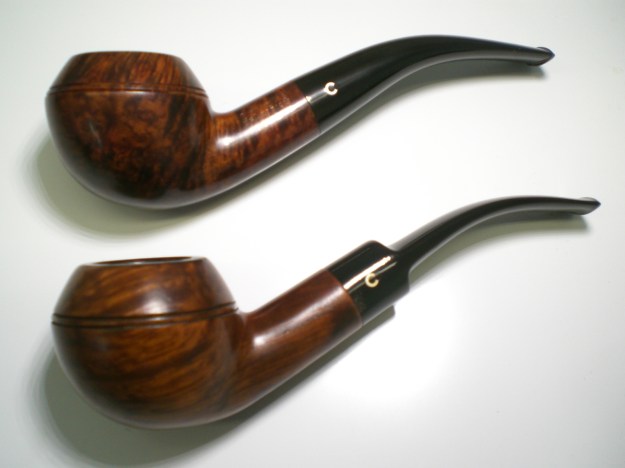
Below is the finished pipe, which includes a pictures along side it’s tapered stem brother, a 284 Tradition. Curiously, the 284 does not have the metal reinforcement ring on the tenon.

?[/caption]

?[/caption]

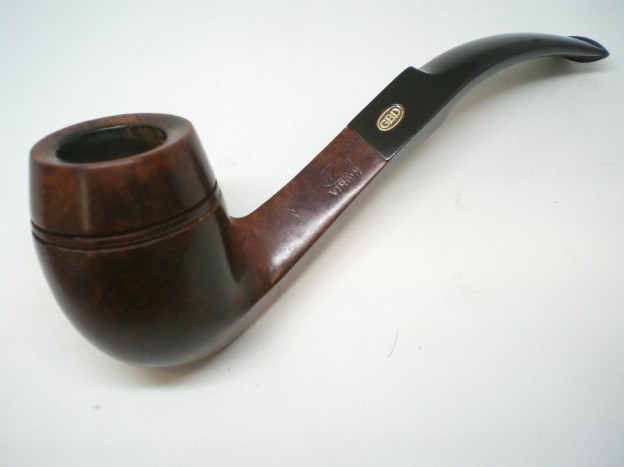
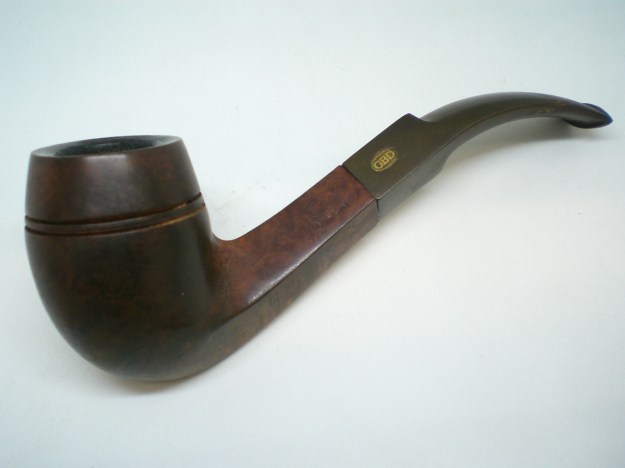
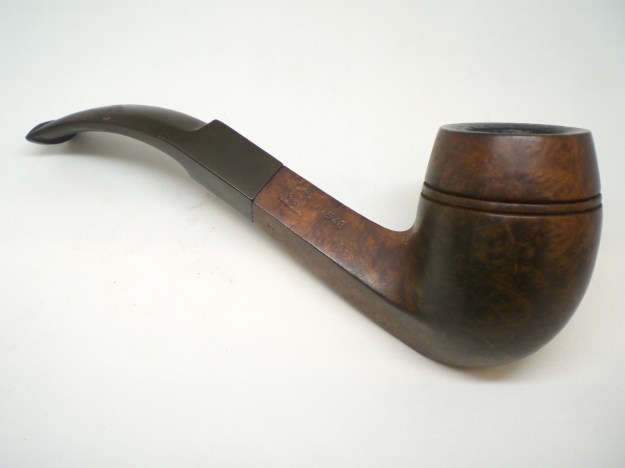
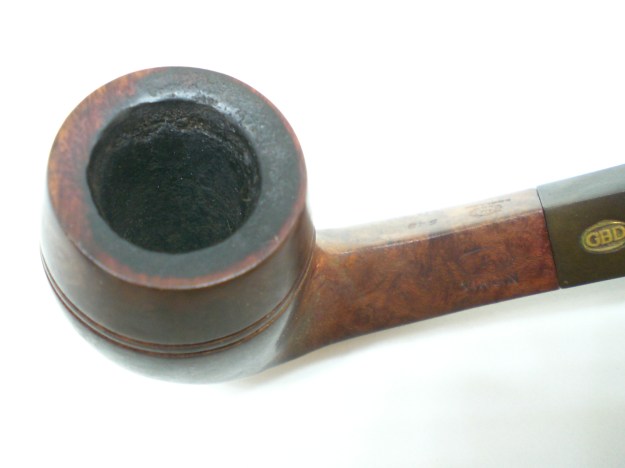
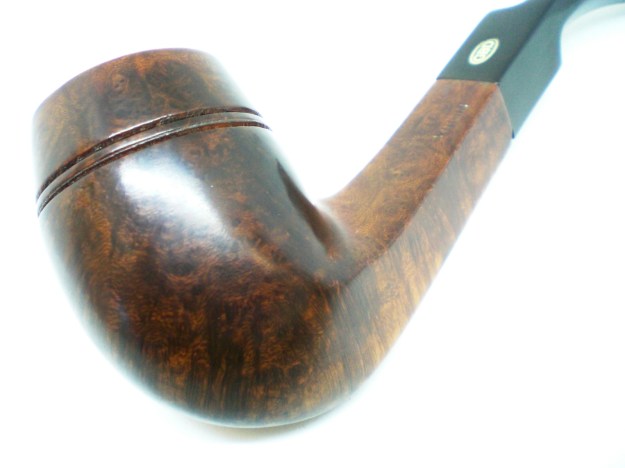
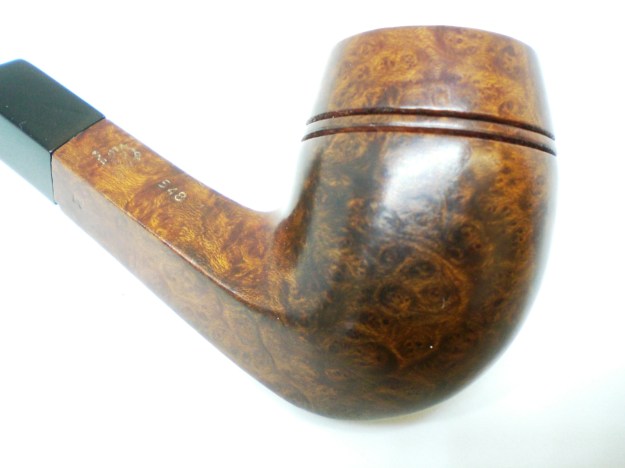
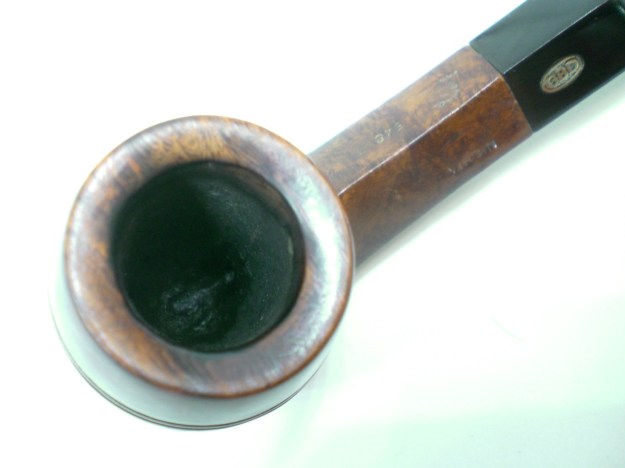
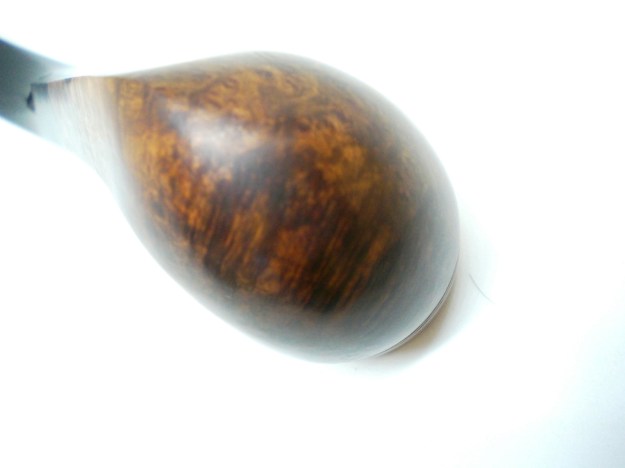
GBD 548 Virgin Restoration


By Al Jones

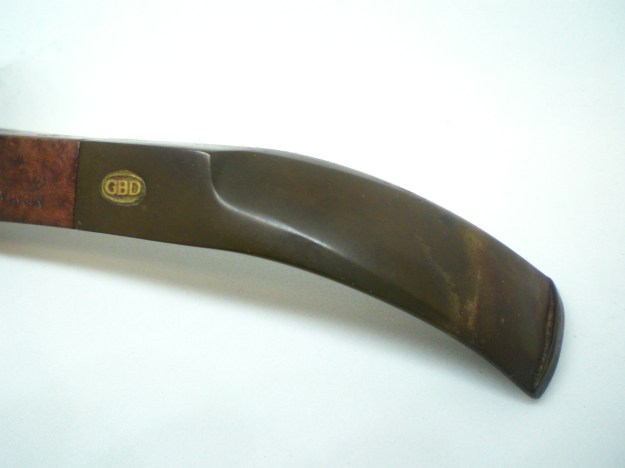
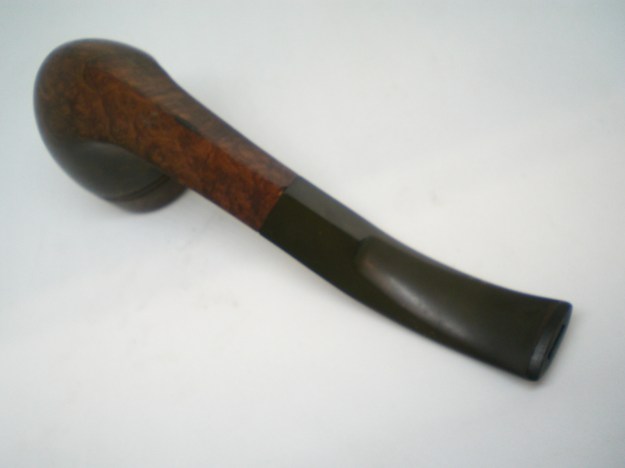
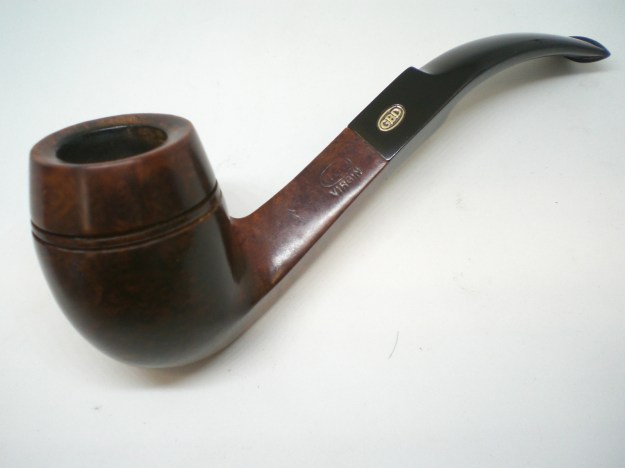
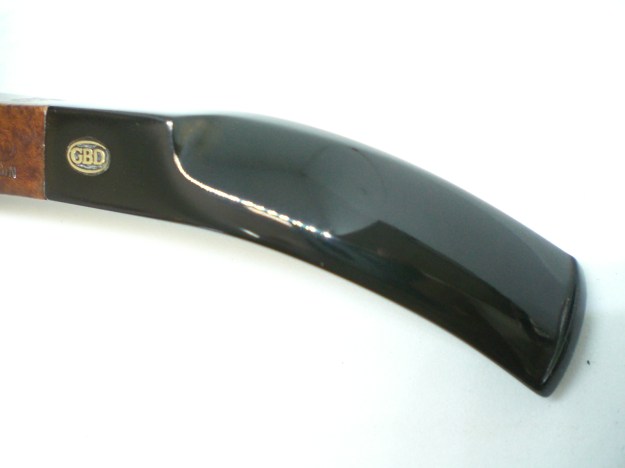
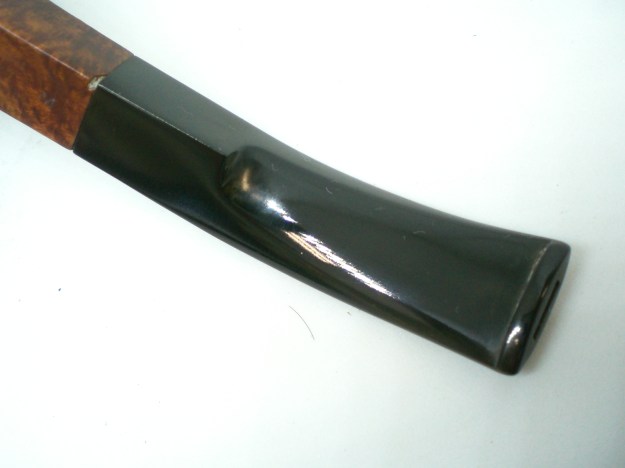
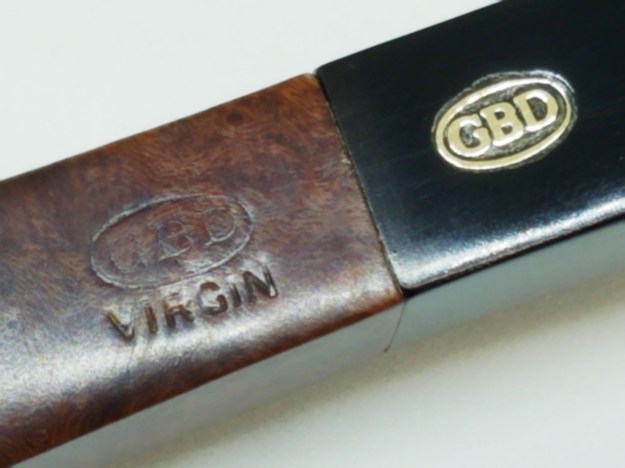
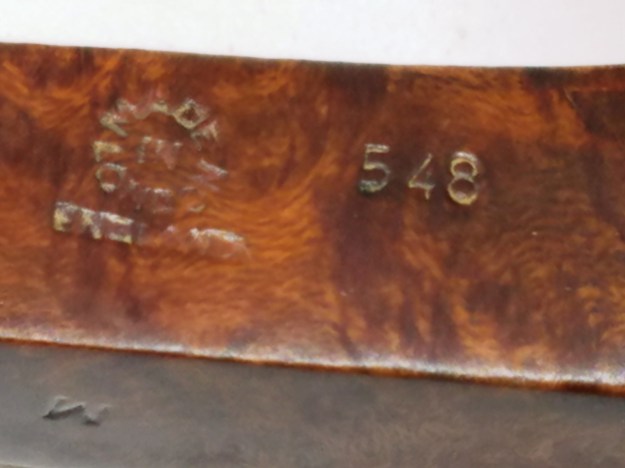
The 548 is a tall bulldog shape in the GBD catalog. This one is odd in that it has the brass rondell used prior to 1981 (pre-Cadogan merger) and the round “Made in London, England” COM used in the Cadogan era. I’ve occasionally come across this combination, but never with a “Virgin” grade pipe. I suspect it was made early in the merger era, where they were still using up the inventory of brass rondells.

The pipe had some build-up on the bowl top, an oxidized stem and various dints and dings.

The pipe was reamed and soaked with sea salt and alcohol. The build-up on the bowl top was removed with a worn piece of scotch-brite, followed by polishing with an 8000 grade micromesh sheet. I steamed out a few dings around the bowl and top with an electric iron and a wet cloth. There is a nick on the bottom of the stem, but the steam didn’t bring that back. The bowl was buffed with white diamond rouge, followed by several coats of carnuba wax.

The stem was mounted and oxidation removed using 800,1500 and 2000 grade wet paper. Next up was 8000 and 12000 grade micromesh sheets. The stem was then buffed with white diamond rouge and Meguiars Plastic polish. The bowl was finished by buffing with White Diamond and several coats of carnuba wax.

Below is the finished pipe. Despite the deep bend, the pipe passes a cleaner. Suprisingly, even with the tall bowl, the pipe only weighs 38 grams.
?