
by Steve Laug
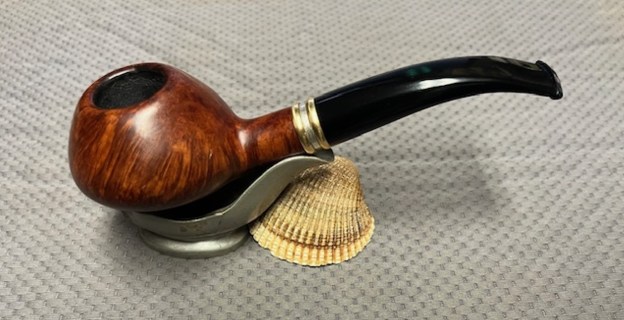
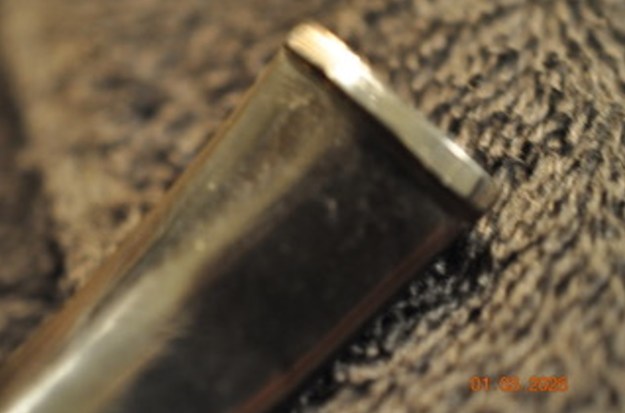
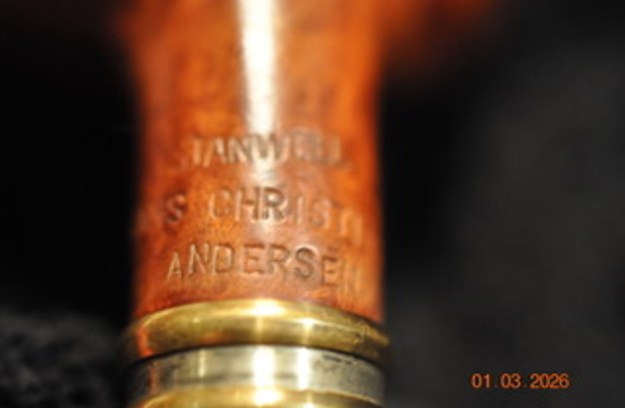
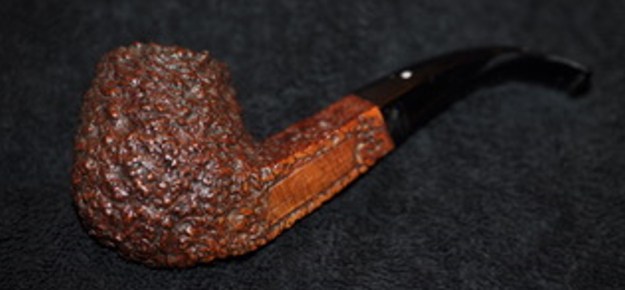
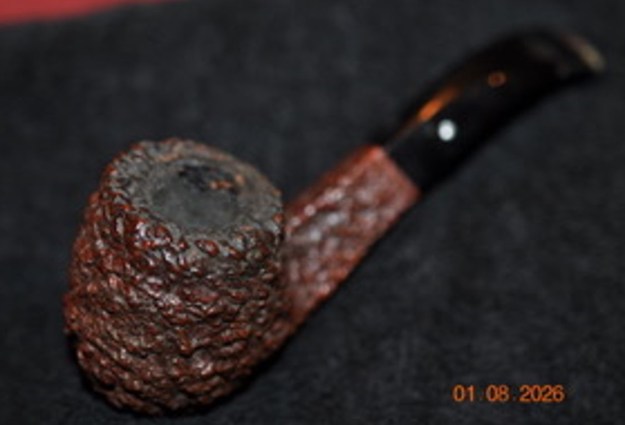
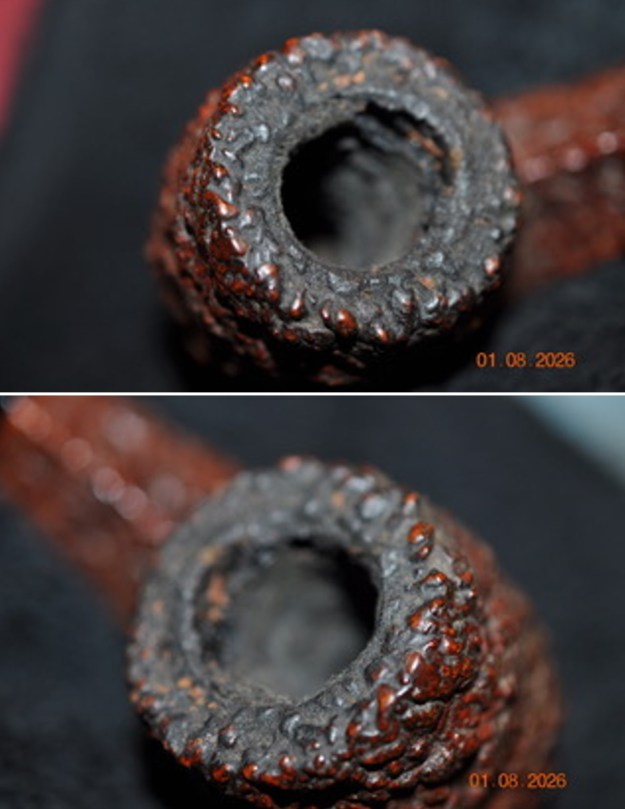
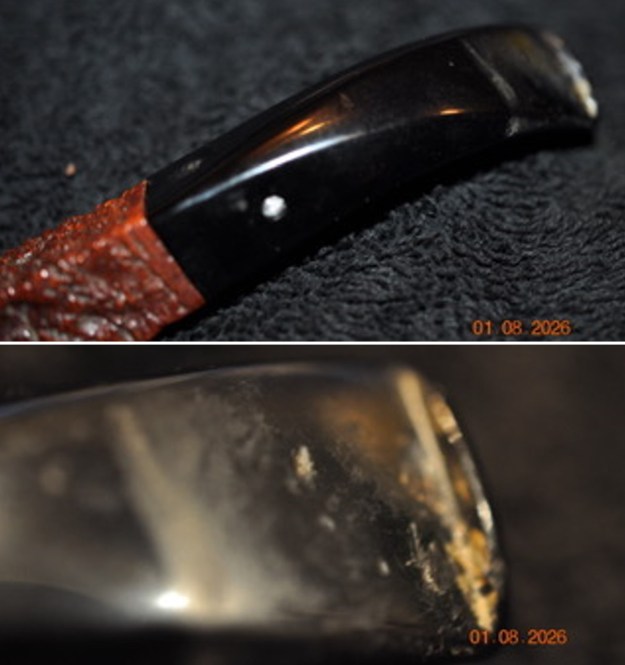
It is another rainy day in Vancouver and a day off so I decided to go to the basement and work on a pipe that was purchased on 01/25/2024 from a seller in Pocatello, Idaho, USA. It is a Dansih Made Stanwell pipe that is quite beautiful. The bowl and shank of this large Ukulele has a rich stain that highlights the grain around the bowl and shank. The pipe is stamped on the underside of the shank and reads Stanwell [over] Hans Christian [over] Andersen. On the right side it is stamped 91R which is the shape number. The pipe was dirty when Jeff received it. There was dust and grime ground into the finish. The finish was dirty with grime and oils ground into the finish. The bowl was lightly caked and there was some lava on the rim top and inner edge. The shank had a band on the shank that included two brass rings sandwiching a silver band. The acrylic taper stem was dirty and had light tooth marks and chatter on both sides ahead of the button. There no stamping or logo on the stem top or sides. Jeff took photos of the pipe before he started his clean up work on it.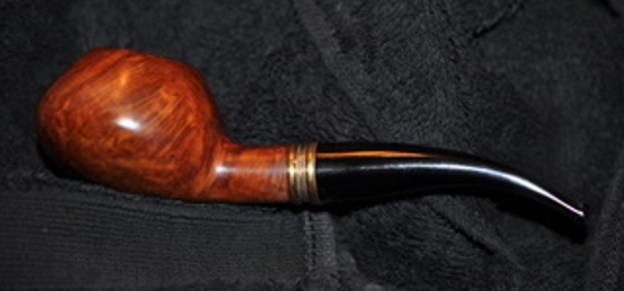
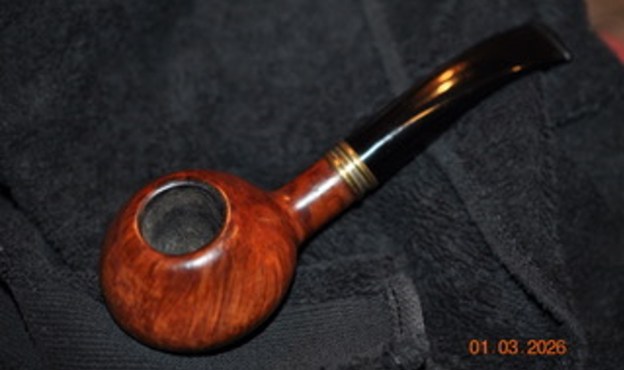 He took some photos of the rim top and bowl from various angles to give me a clear picture of the condition of the rim top and bowl. The inside of the bowl is lightly caked with light lava on the inner edge and rim top. He included photos that show the top and underside of the stem. It is as described above.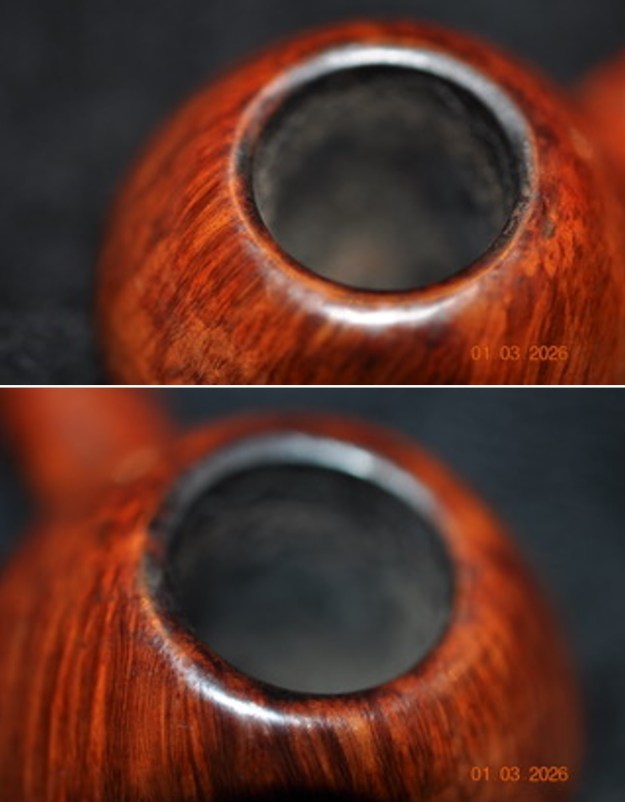
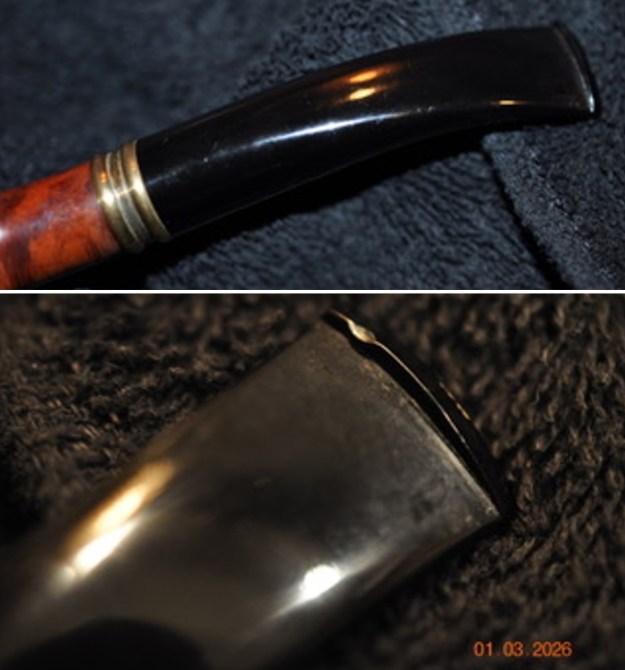
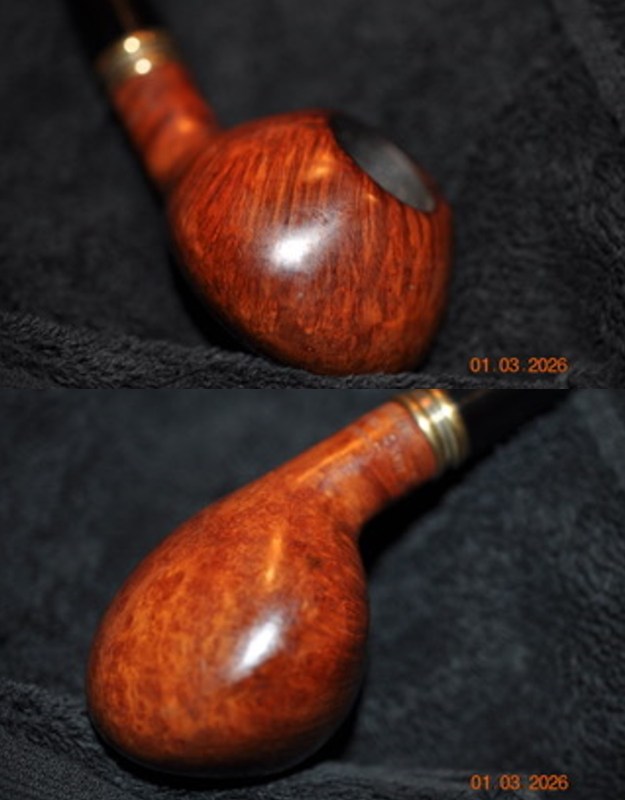
 Jeff took some photos of the sides and heel of the bowl to show the condition of the finish on the pipe. The photos showed some great grain around the bowl and shank even with the grime in the finish. It is a great looking piece of briar.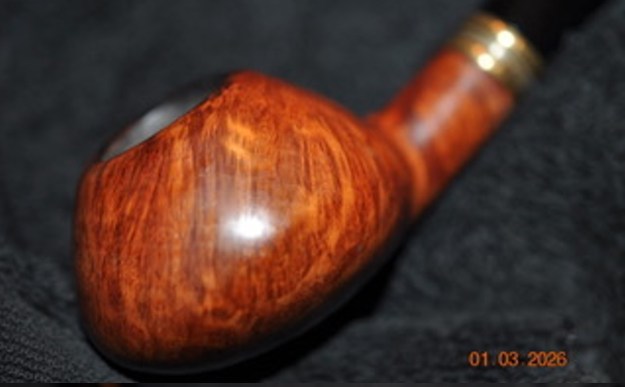
 He took a photo of the stamping on the smooth underside of the shank. It was clear and readable as noted above.
  I thought I might reacquaint myself with the information on the pipe to get a handle on the design, the commemoration that it is made for and perhaps even the time frame of its manufacture. I turned to Pipephil’s site to see what he had there (http://pipephil.eu/logos/en/logo-stanwell.html). I almost always go there first because it is a very succinct summary of the data available and generally it is correct. I did a screen scan of the section on the HCA pipe. It is different from the one I am working on. However, it does pin down the information about the line. It was a limited series pipe made for the 200th birthday anniversary of Hans Christian Andersen. It states that the pipe was introduced in 2005.
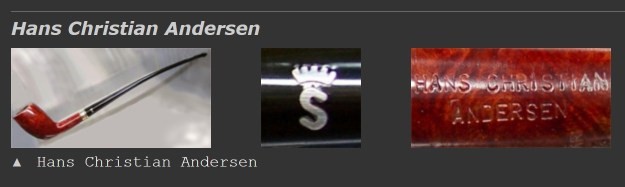 Limited series for celebration in 2005 of the 200th birth anniversary of Hans Christian Andersen.
From there I turned to Pipedia and read over the article there and looked at the Stanwell Shape number article (https://pipedia.org/wiki/Stanwell_Shape_Numbers_and_Designers). I looked up the shape 91R. This is what I found out.
91R. A reissue of the shape 91 ‘Ukelele,’ marketed as part of Stanwell’s ‘Giants’ line (see 1960s catalog below; pictured, right). It was originally designed by Sixten Ivarrson.
There was also a photo there of the original shape and you can see the similarity between it and the pipe I am working on. The difference is the one I am working on has a round shank rather than an oval.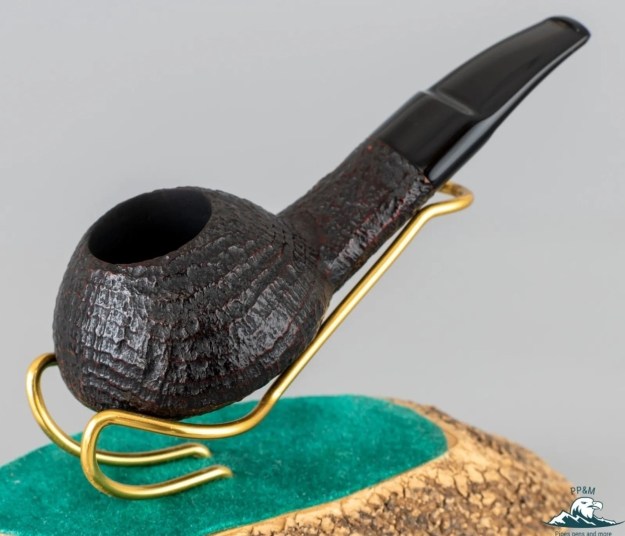 Now it was my turn to work on the pipe. Jeff had done an amazing cleanup of the pipe. He reamed the light cake with a PipNet reamer and cleaned up that with a Savinelli Fitsall Pipe Knife. He scrubbed the internals of the bowl and stem with alcohol, cotton swabs and pipe cleaners. He scrubbed the externals with undiluted Murphy’s Oil Soap and rinsed the bowl off with running water. He soaked the stem in Briarville’s Pipe stem Deoxidizer and once it had soaked rinsed it off with warm water to remove the residual solution. He dried it off and rubbed it down to remove any oxidation that was still on the stem. The pipe looked very good when I received it.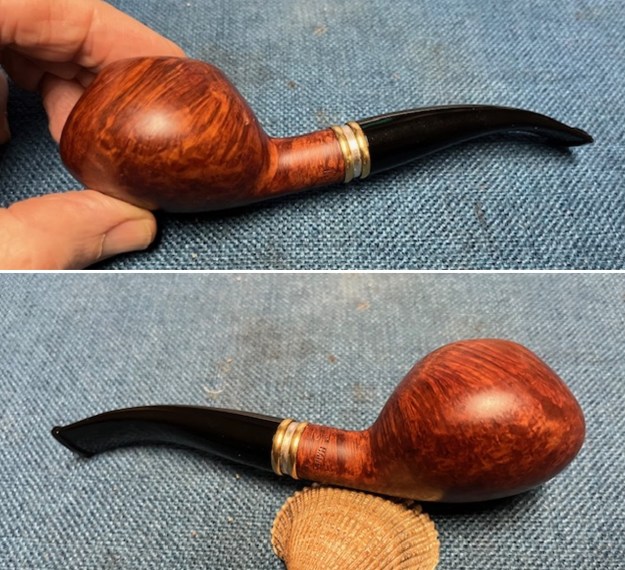
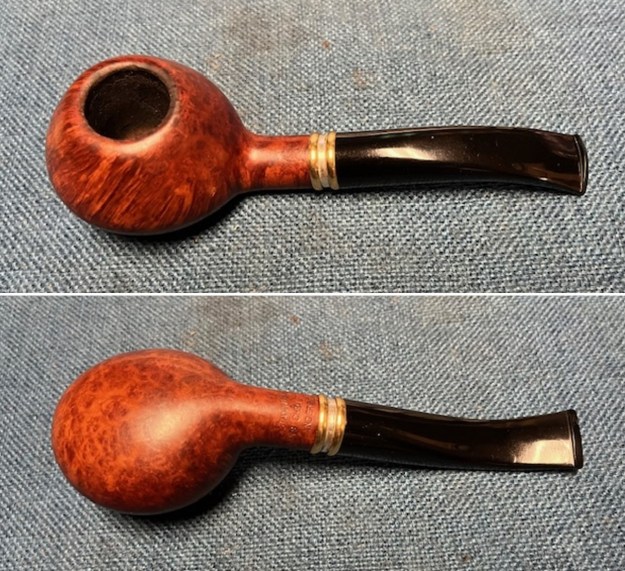 I took a photo of the rim top to show the condition. You can see the clean bowl. The bowl is in excellent condition and the rim top looks very good. There is a little darkening on the back topside of the rim but otherwise it is excellent. The stem came out looking quite good. It only needed to be polished.
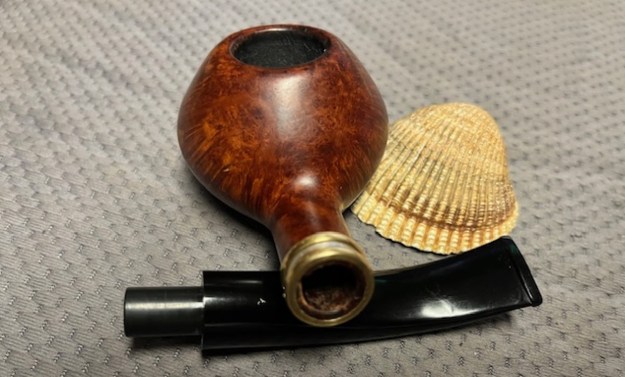
 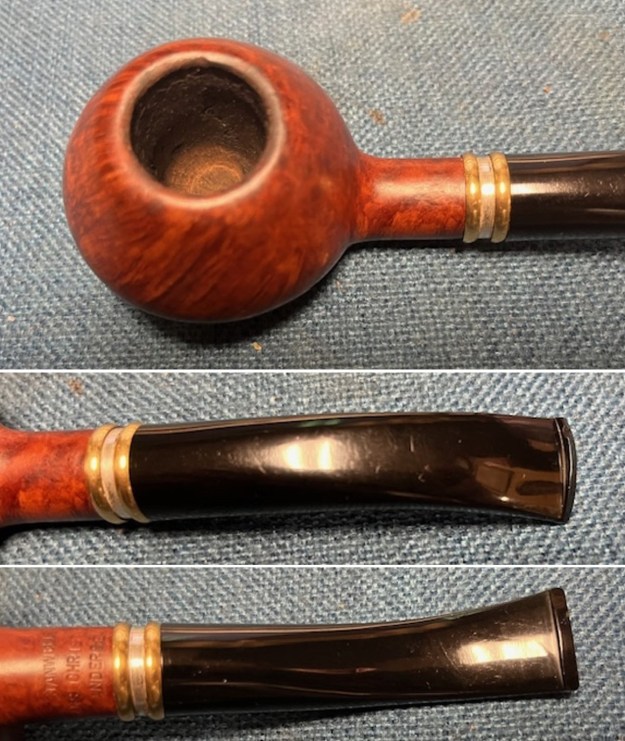 I took a photo of the underside and the right side of the shank to show the stamping. The photos clearly show the stamping and is actually more readable in person. I removed the stem from the shank and took a photo of the pipe parts to show what I was working with. I also took photos of the tenon end to show the 9MM filter tenon. It is a nice looking pipe.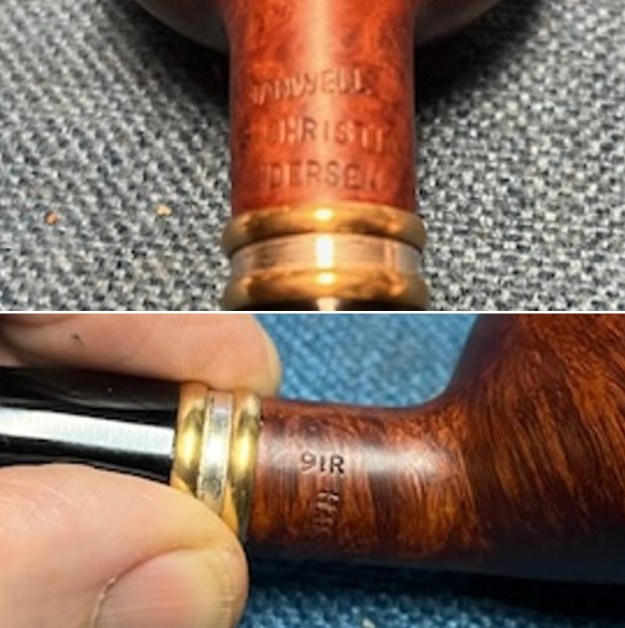
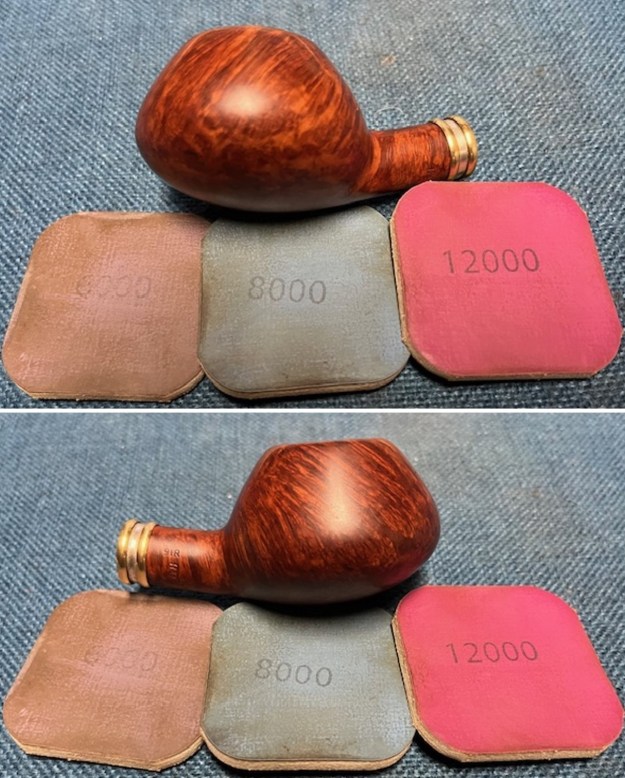
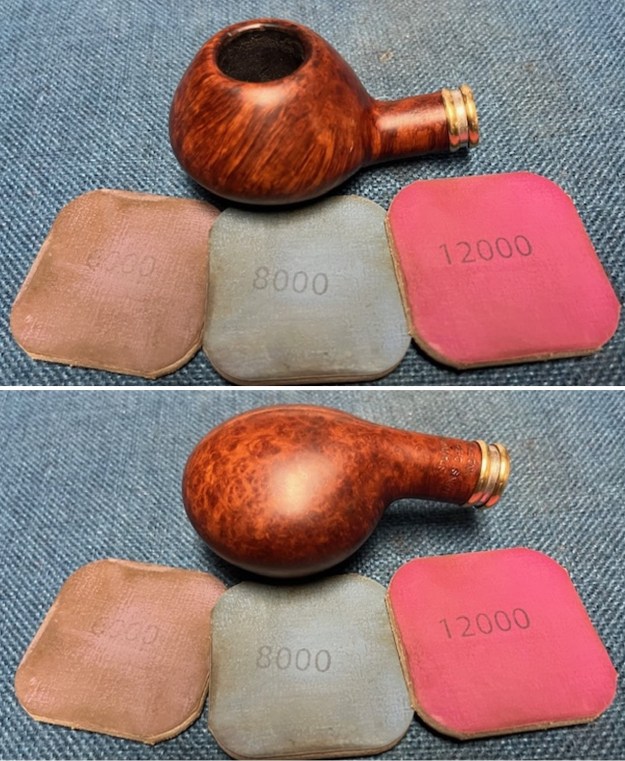
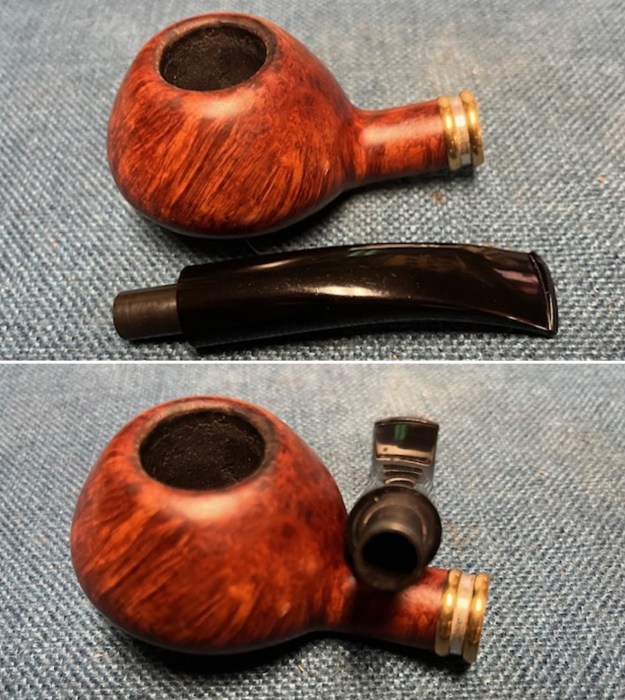 The pipe had cleaned up so well that I turned to polish the briar with micromesh sanding pads. I dry sanded it with 1500-12000 grit sanding pads and wiped the bowl down after each pad with a damp cloth. By the final pads the briar really had a shine.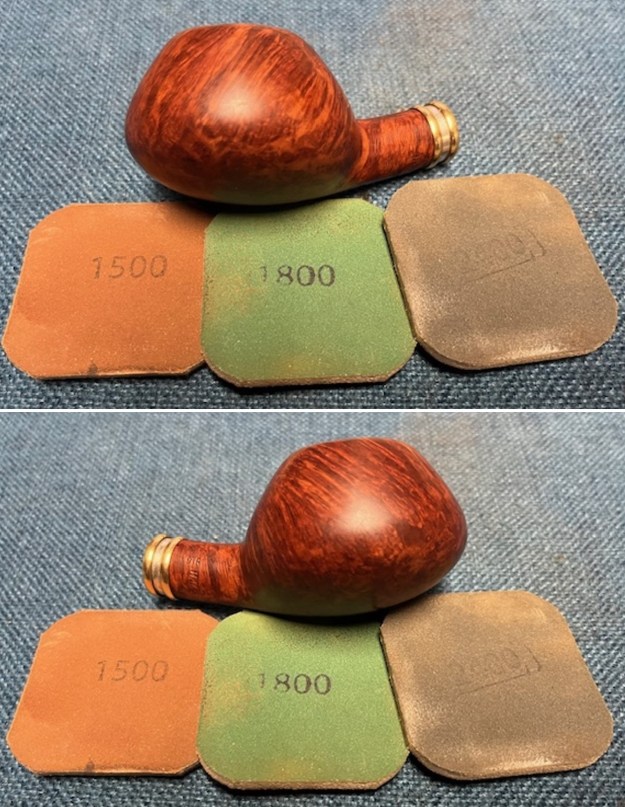
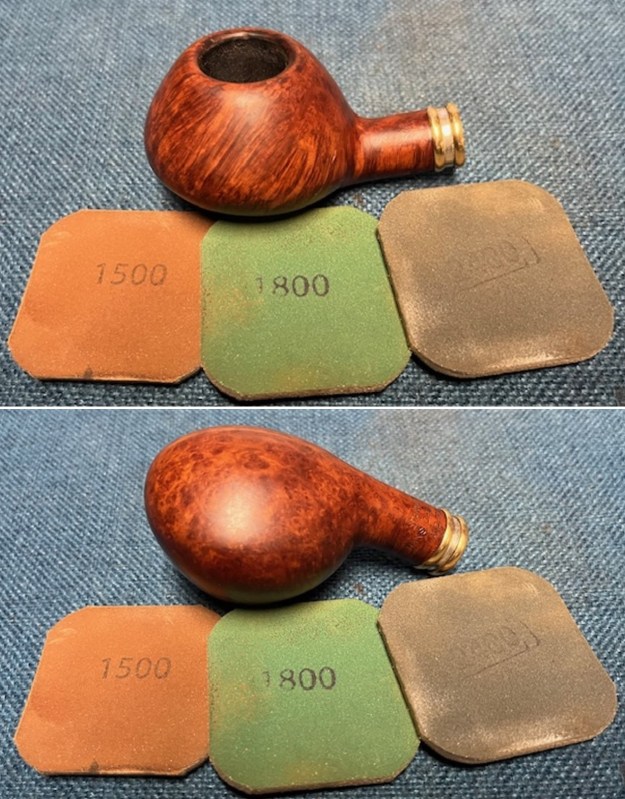
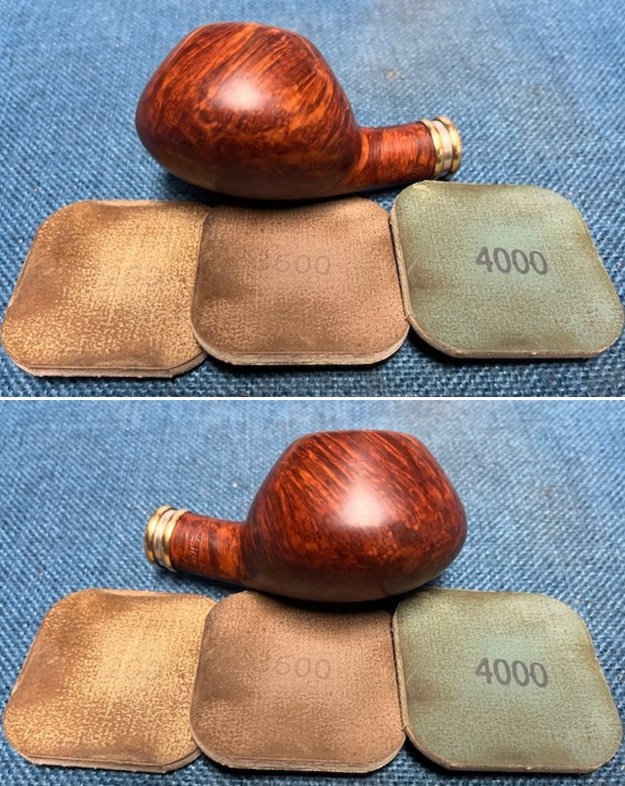
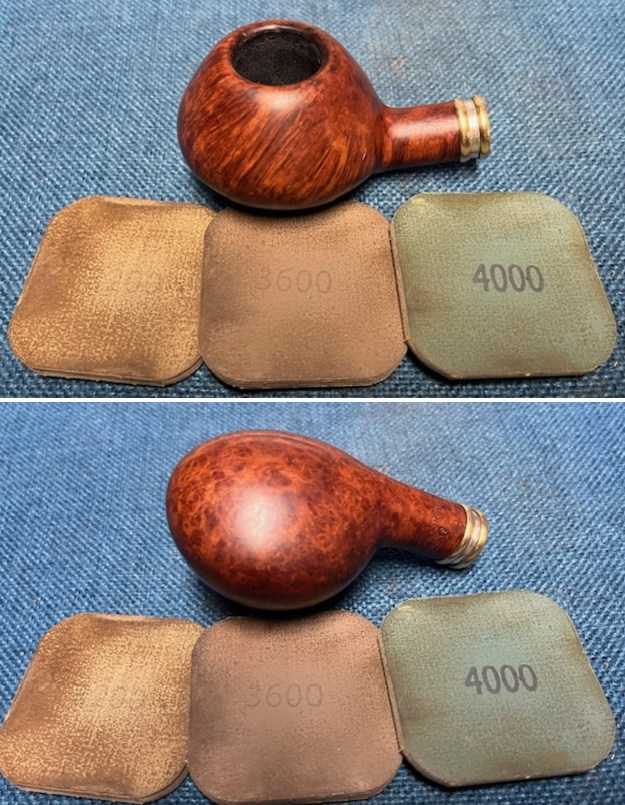
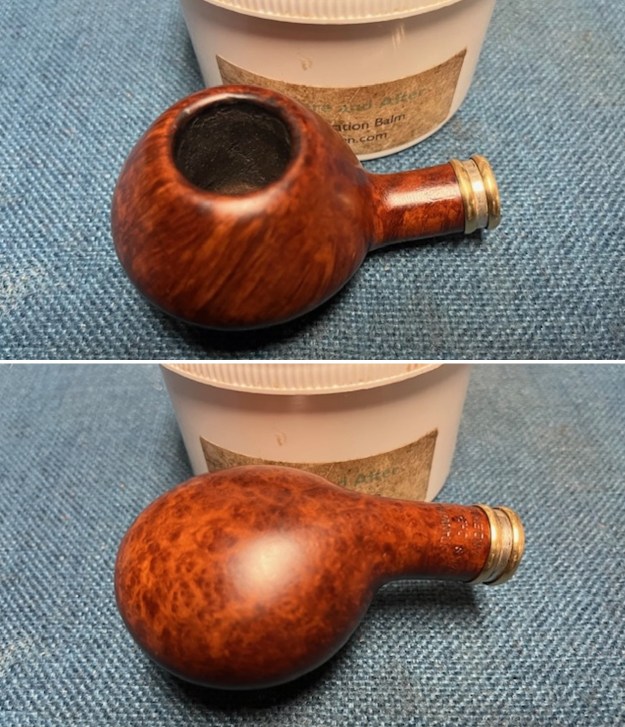
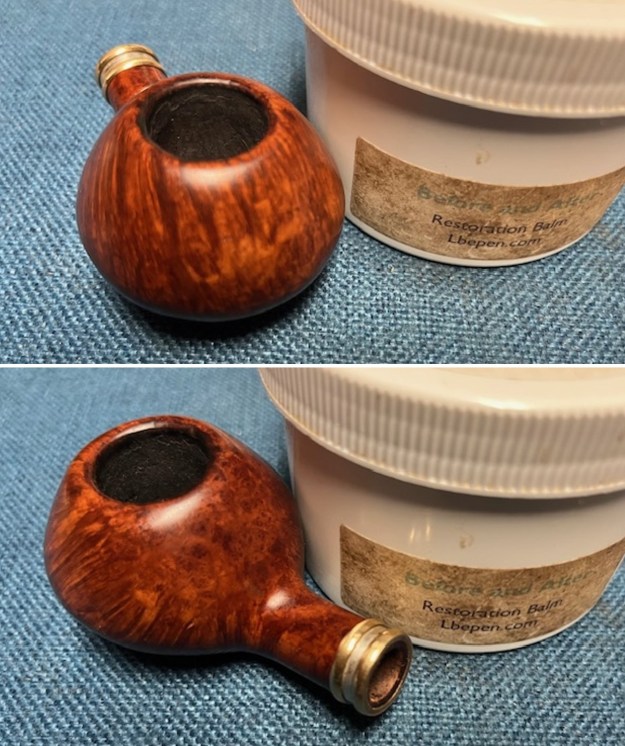
 I rubbed the briar down with Before & After Restoration Balm. I worked it into the briar with my fingertips and a horsehair shoe brush to work it into the nooks and crannies of the sandblast finish. The product works to clean, enliven and preserve the briar. I let it sit for 10 minutes then I buffed it with a cotton cloth to deepen the shine. The briar really comes alive with the balm.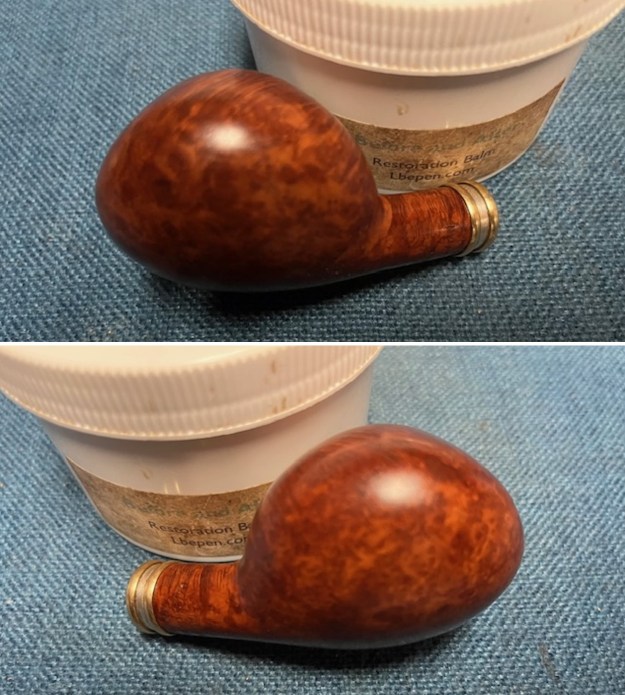
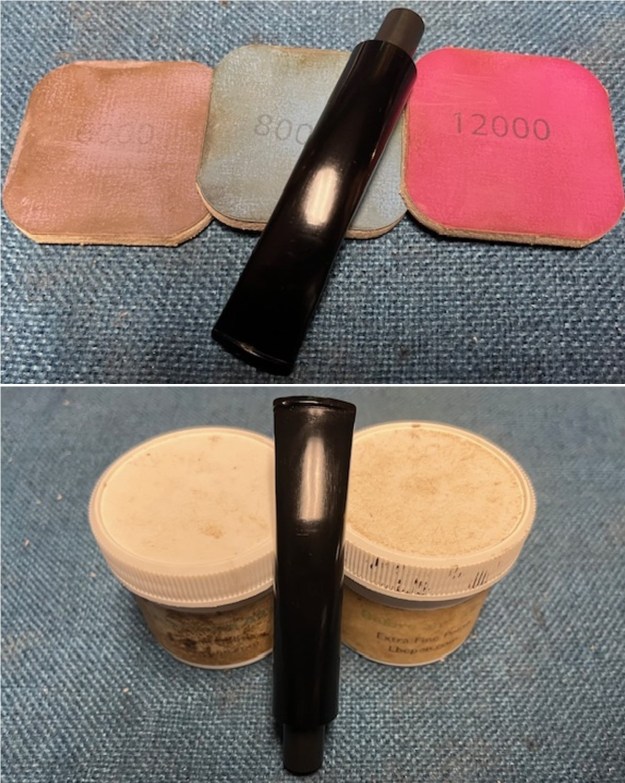
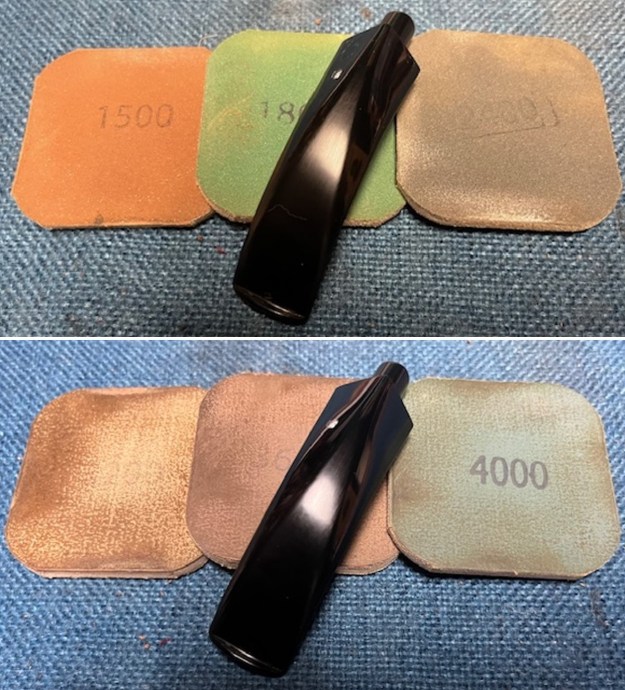
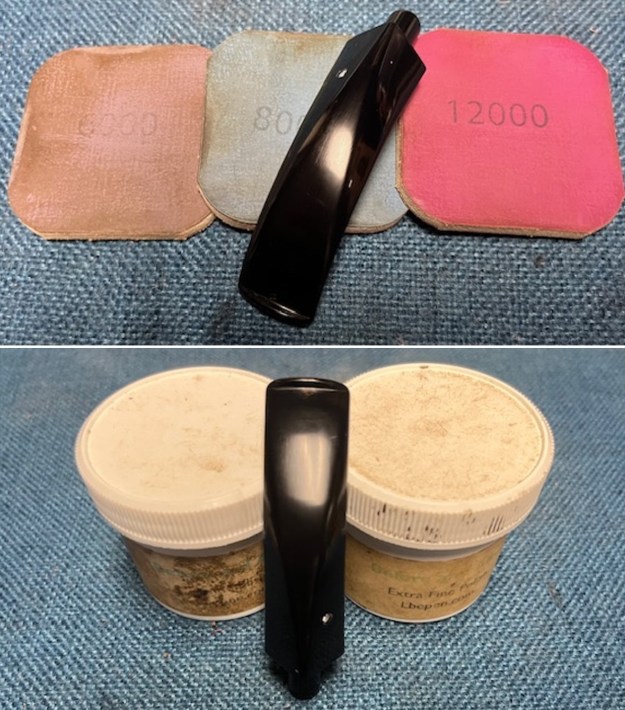
 I set aside the bowl and turned my attention to the stems. I polished the acrylic with micromesh sanding pads – 1500-12000 grit pads. I wiped them down with Obsidian Oil after each sanding pad. I used Before & After Pipe Polish – both Fine and Extra Fine to further polish the stem.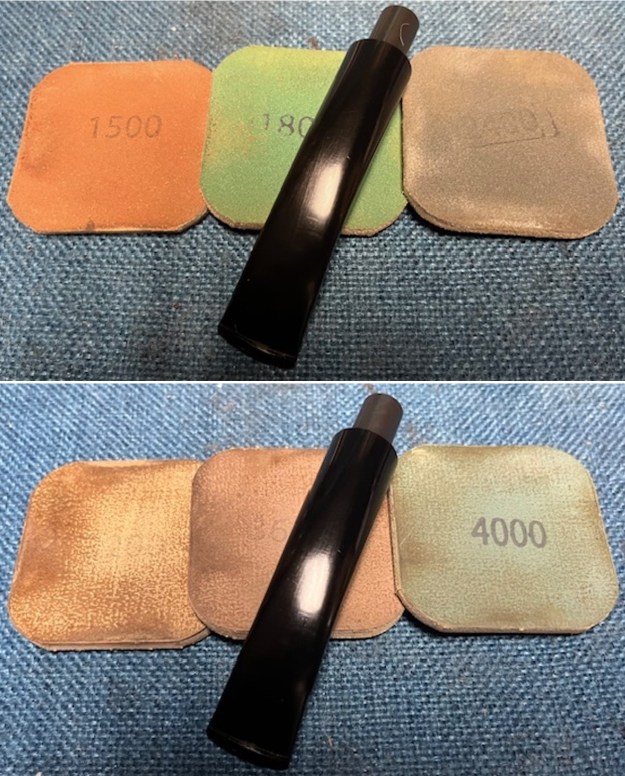
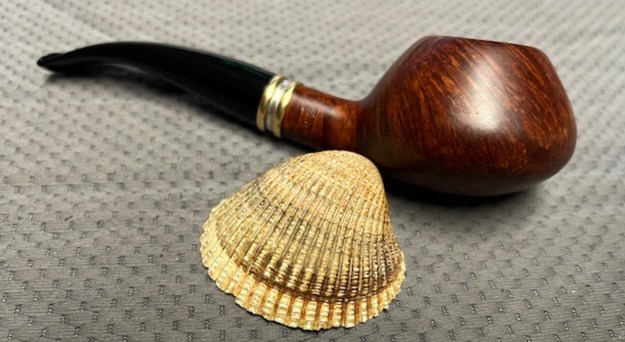
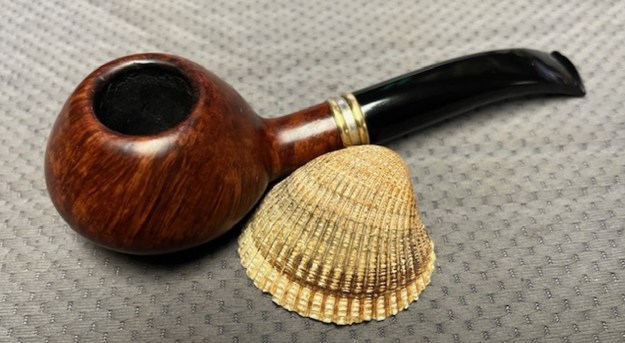
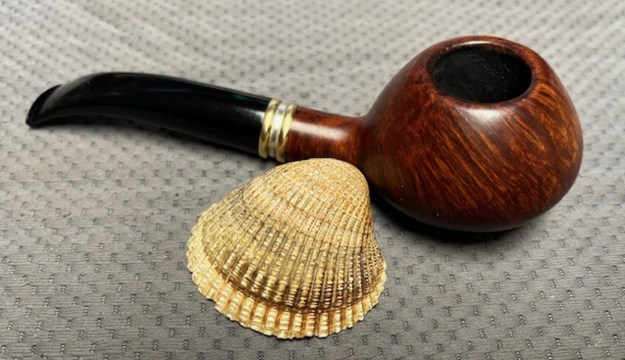
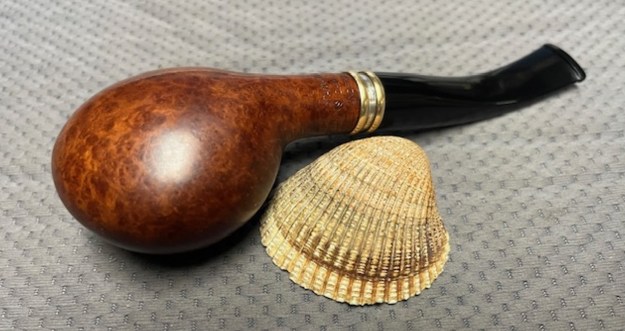
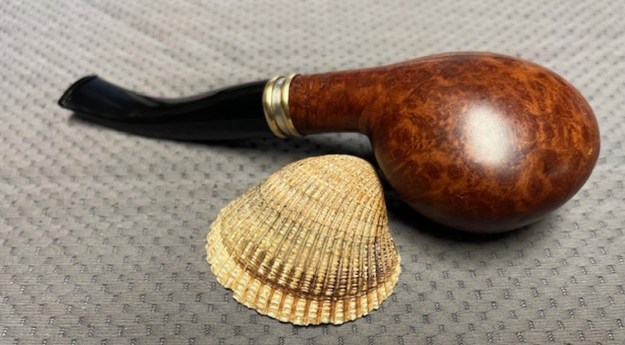
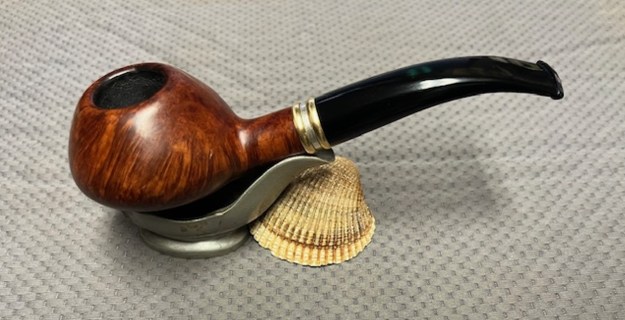
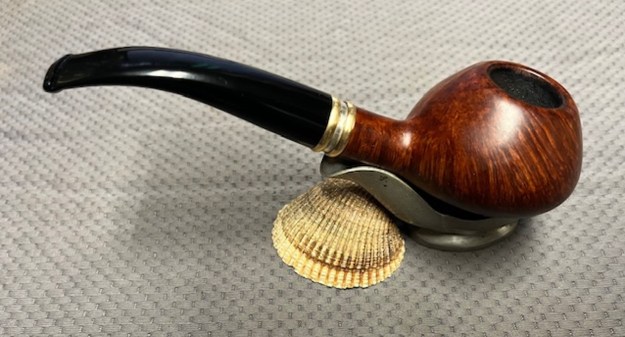
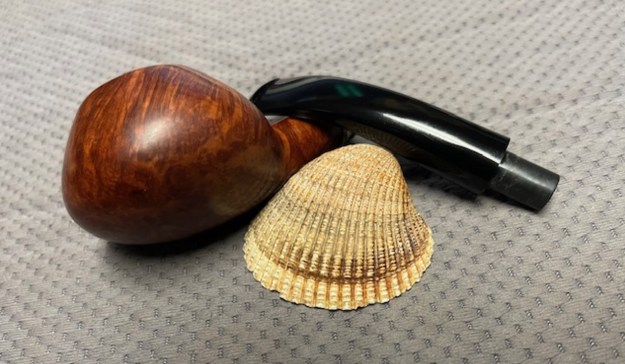
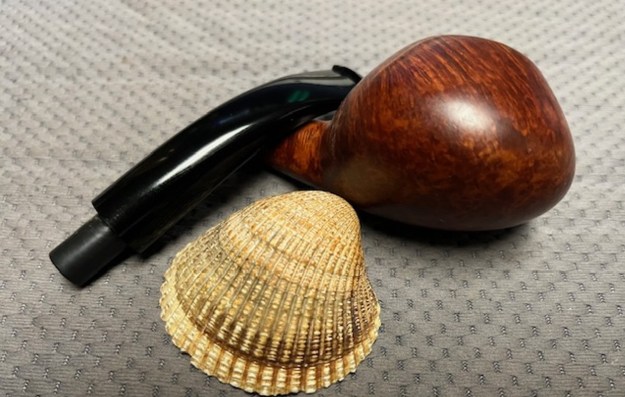
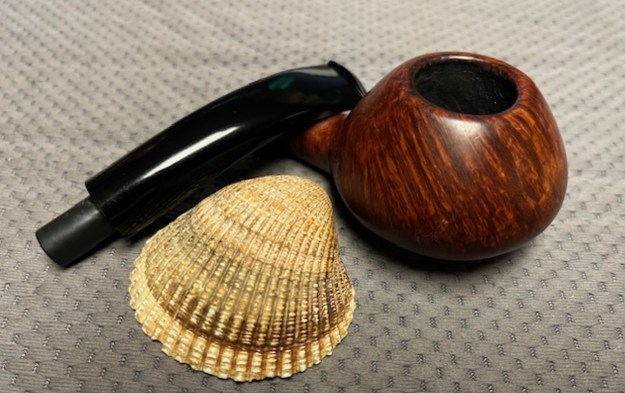
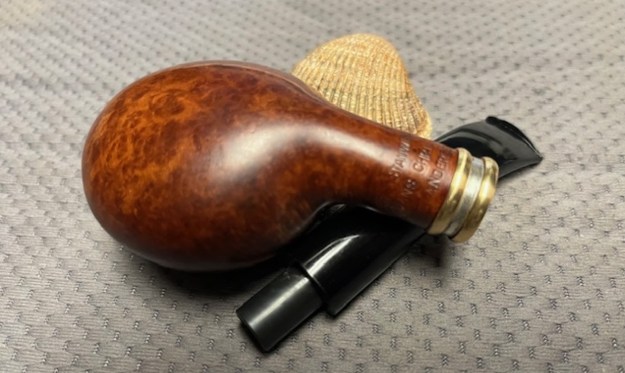
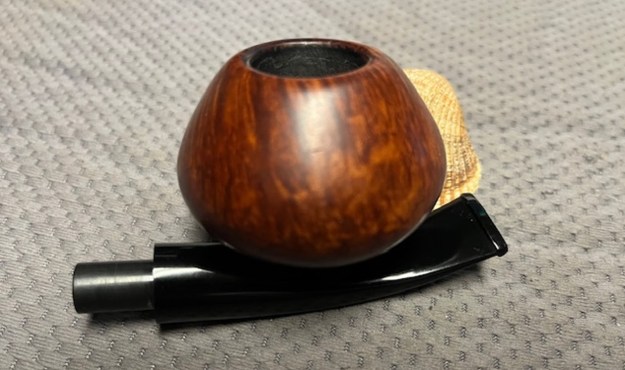
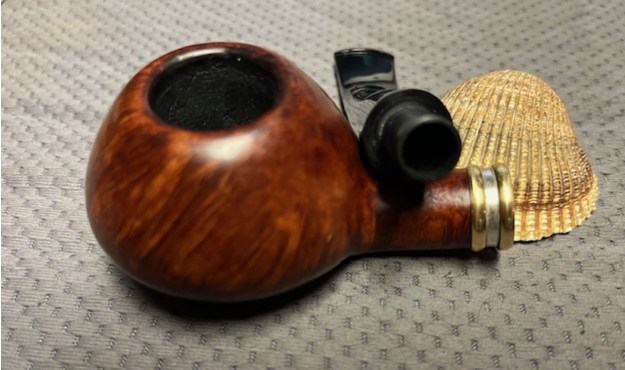
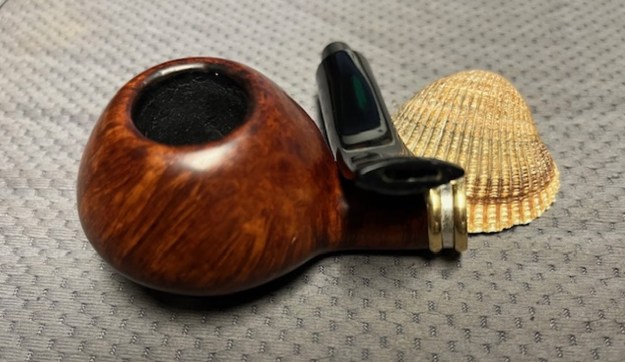
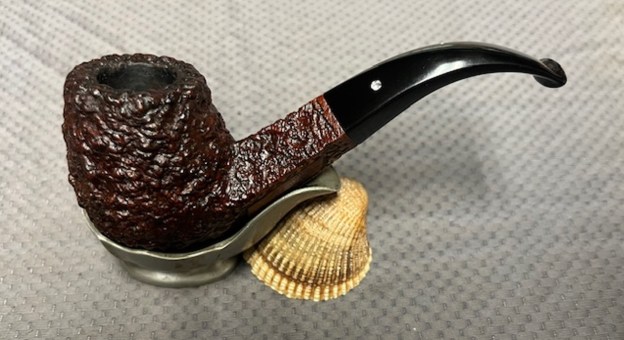
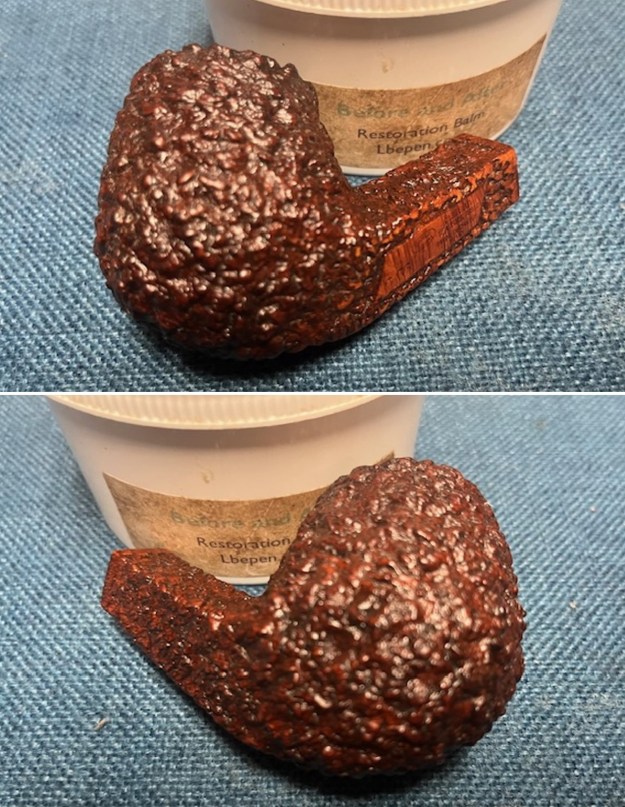
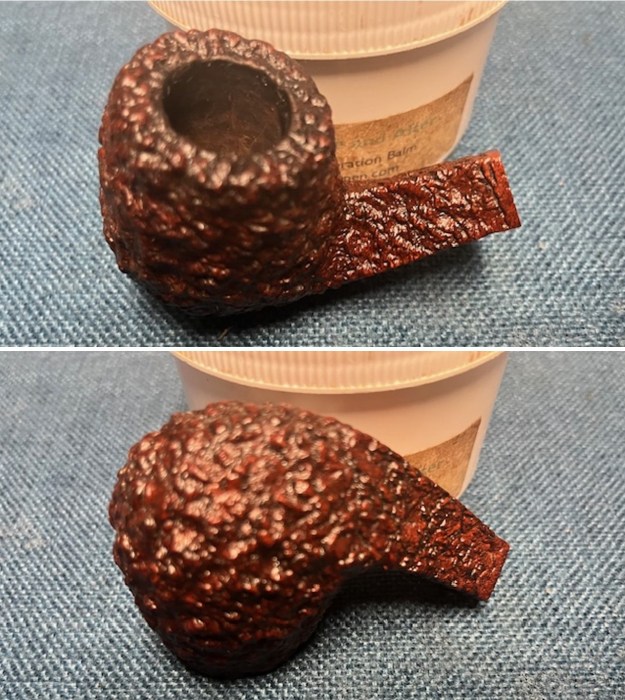
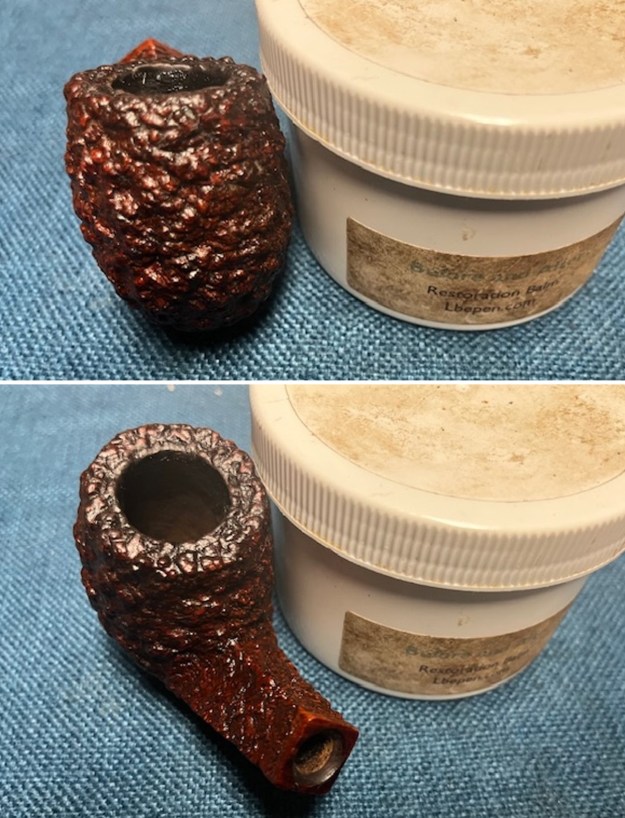
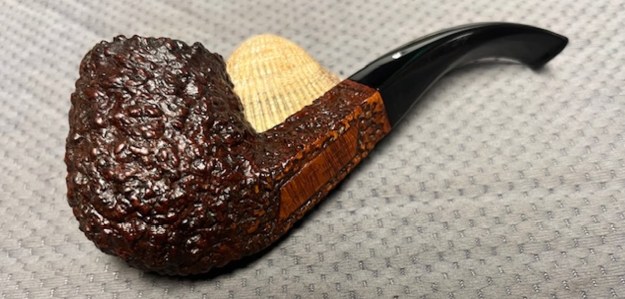
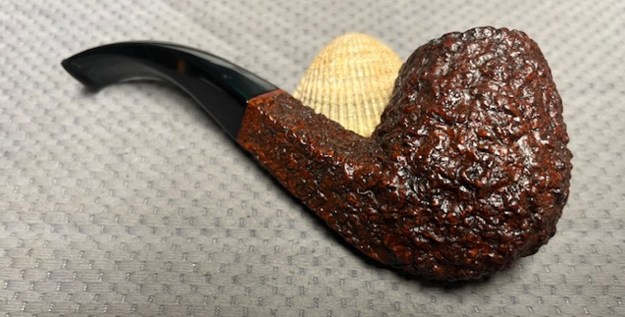
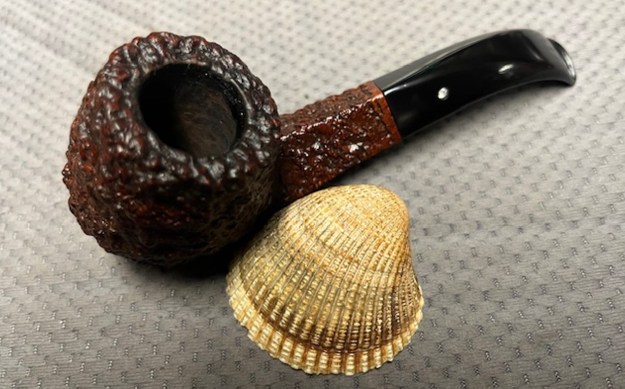
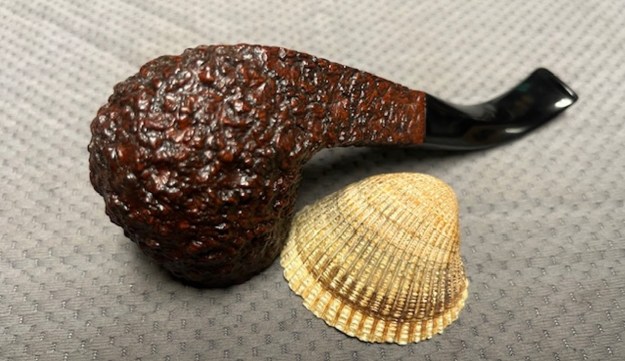
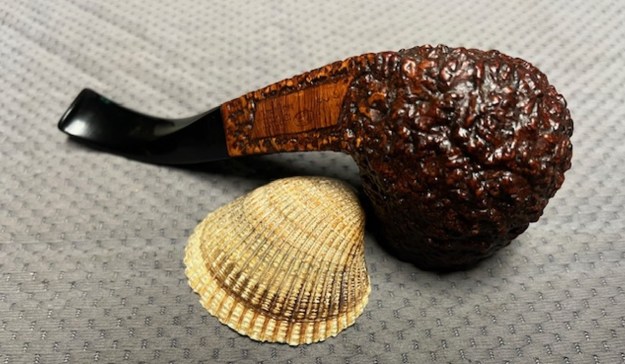
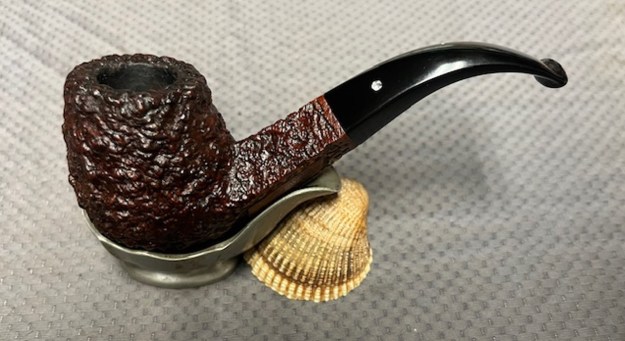
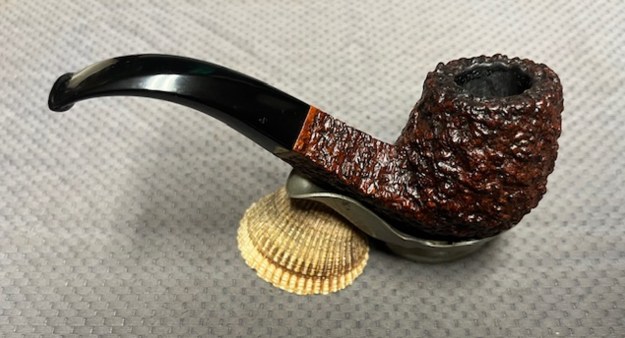
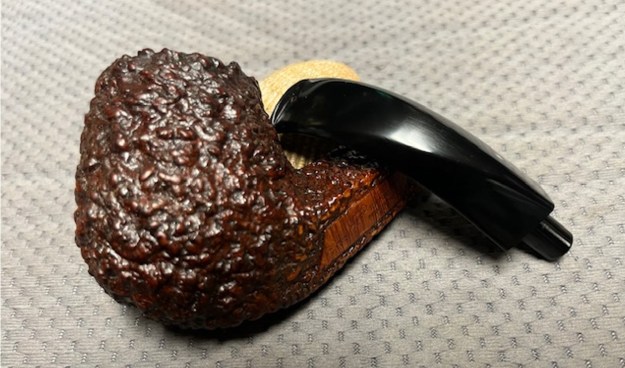
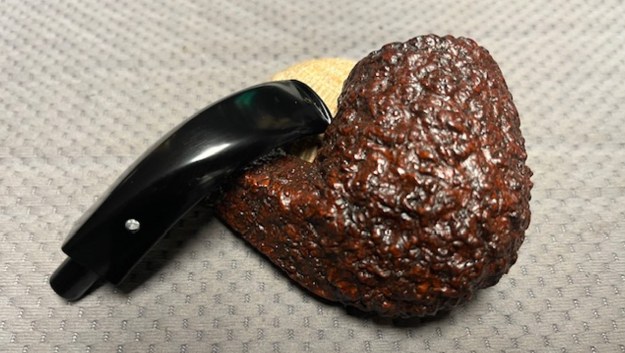
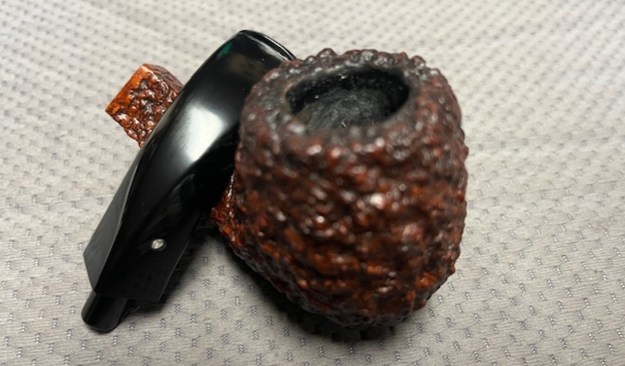
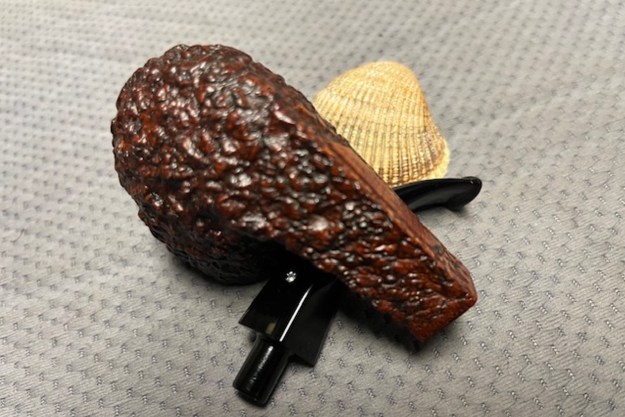
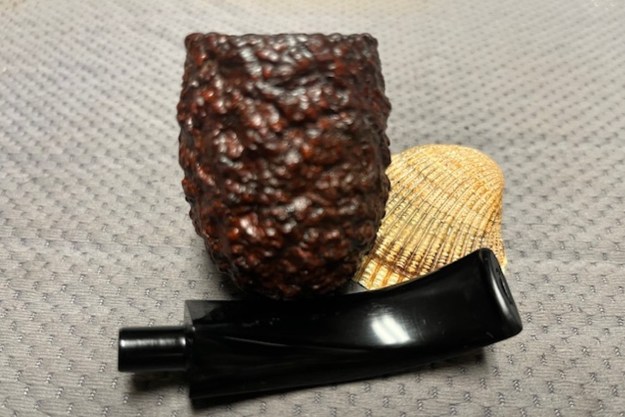
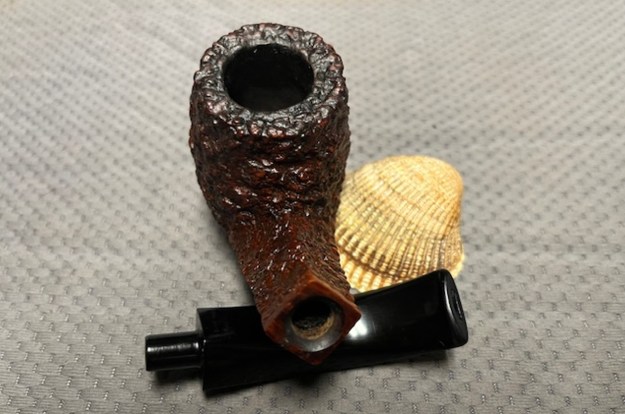
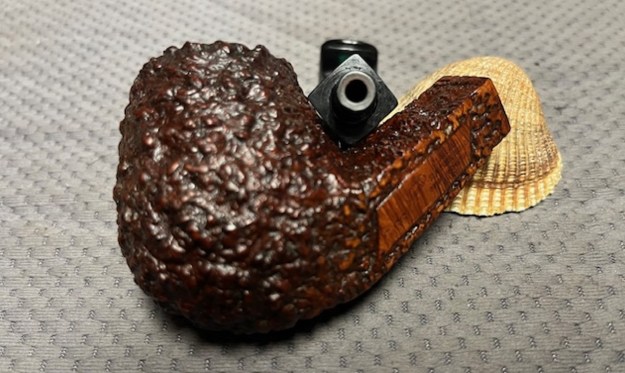
 This Hans Christian Andersen Ukelele 91R with a 9MM Filter Stem has a beautiful, reddish brown finish that highlights some beautiful grain. The acrylic 9MM stem has a rich shine to it. I put the stem back on the bowl and buffed the pipe with Blue Diamond on the buffing wheel being careful to not buff the stamping. I gave the bowl and the stems multiple coats of carnauba wax on the buffing wheel and followed that by buffing it with a clean buffing pad. I hand buffed the pipe with a microfiber cloth to deepen the shine. The finished Stanwell Hans Christian Andersen 91R Ukelele is quite stunning and feels great in my hand. Give the finished pipe a look in the photos below. The dimensions of the pipe is Length: 6 inches, Height: 1 ½ inches, Outside diameter of the bowl: 1 ¼ inches, Chamber diameter: ¾ of an inch. The weight of the pipe is 2.50 ounces/71 grams. Thanks for walking through the restoration with me as I worked over another beautiful pipe. I am going to putting the pipe on the rebornpipes store in the Danish Pipe Makers Section. If you are interested in adding it to your collection let me know. Thanks for your time.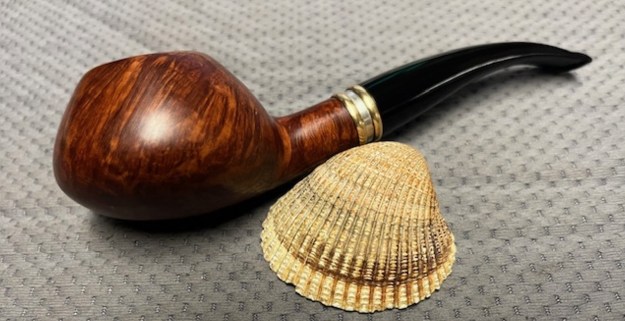

 rebornpipes