
Blog by Steve Laug
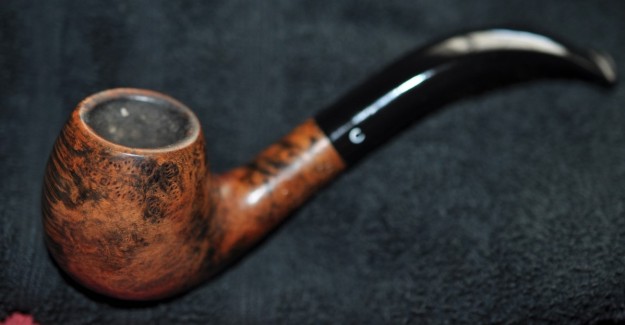
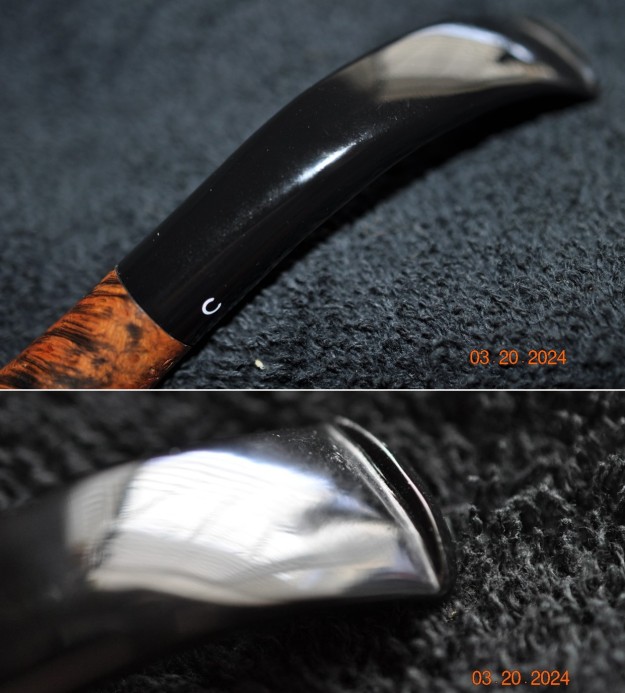
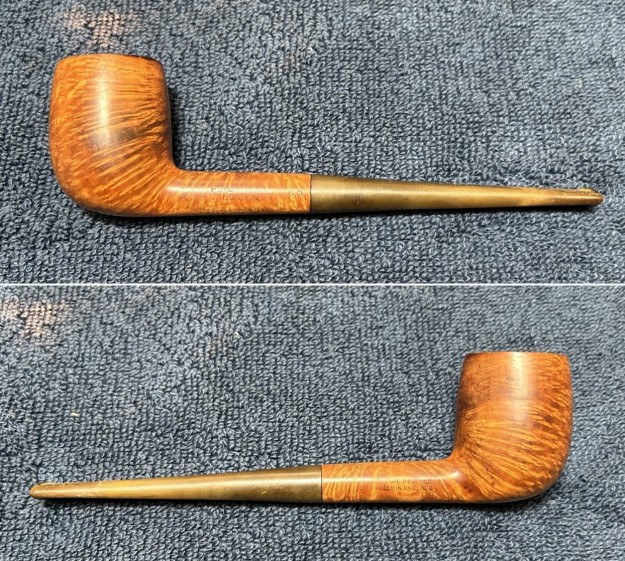
The next pipe on the worktable is an English made Bent Globe with a classic brown finish. It is a combination dark and medium brown stains. The pipe came to us from a lot that we bought from an estate in Spring Branch, Texas, USA on 02/29/2024. The pipe is very dirty with a thick cake in the bowl and lava on the rim top. The rim edge looks good but it was hard to know what was under the lava coat on the top and edges. It is stamped on the sides of the shank. On the left side it reads Comoy’s [over] Classic. On the right side it is stamped with the shape number 184. Next to the shank/stem junction it has a circular COM stamp that reads Made London in a circle around “In” in the centre [over] England. The finish was dusty and there were oils and grime ground into the finish around the sides of the bowl. The stem is acrylic with grime on the surface and tooth chatter and marks ahead of the button on both sides. The is a single stamped C on the left side of the taper stem. Jeff took some photos of the pipe before he started his cleanup work.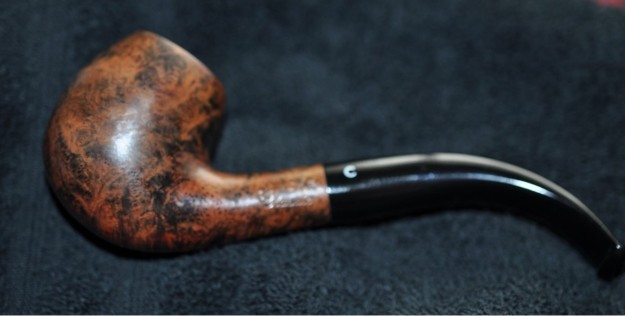
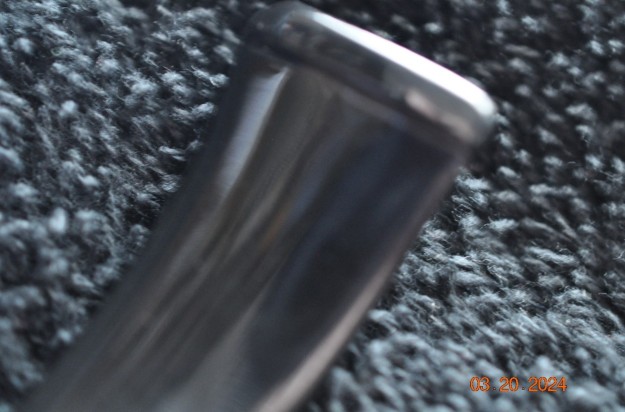
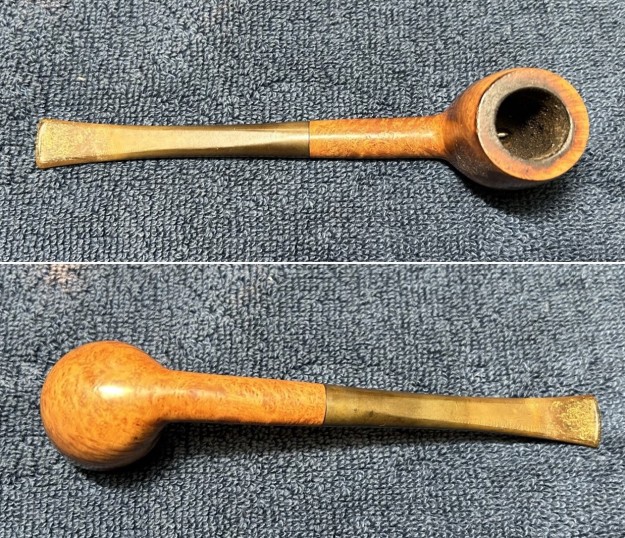
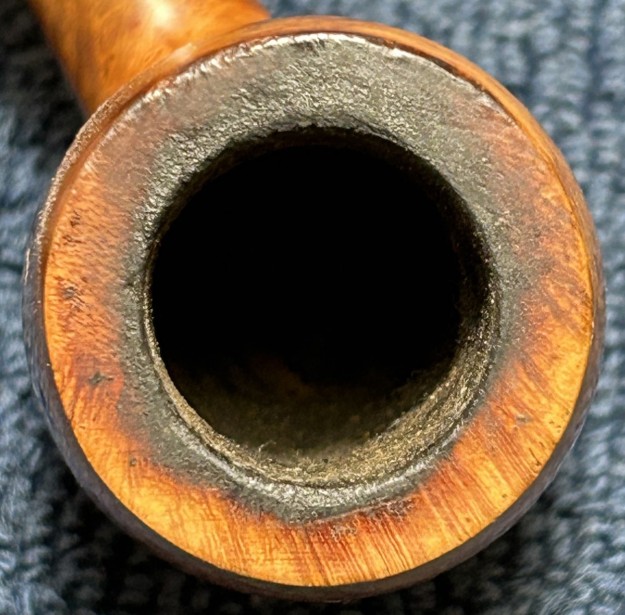
 Jeff took a photo of the bowl and rim top to show the condition of the pipe. There was a thick cake in the bowl and a build up of lava on the smooth rim top. It is also built up on the inner edge of the bowl. The stem photos show the grime and light tooth marks on both sides ahead of the button.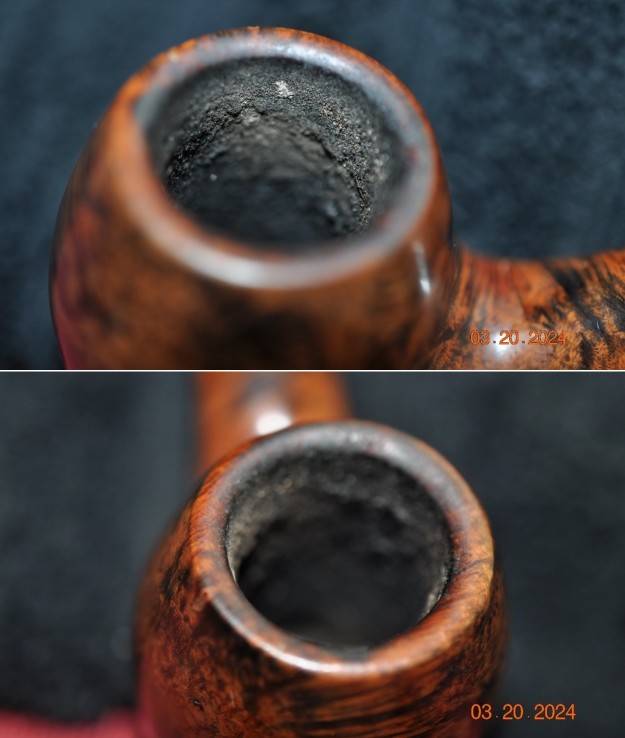
 He took photos of the sides and the heel of the bowl to show the finish on the pipe. It is a unique stain on it that really shows the grain around the bowl sides.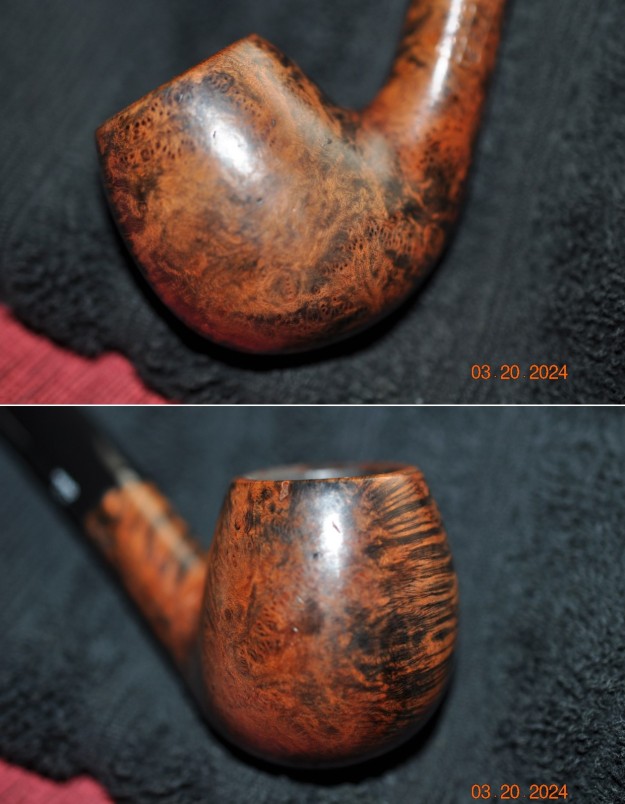
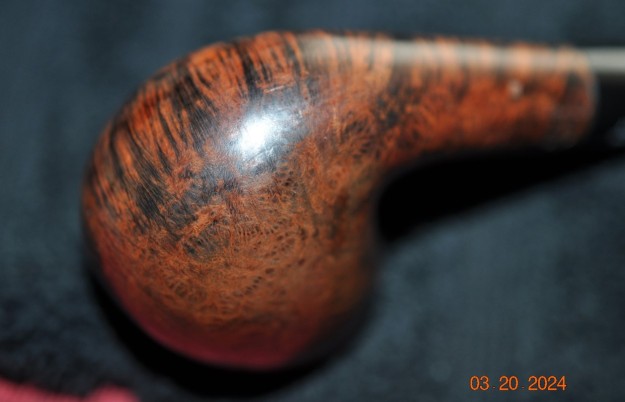 He took two photos to capture the stamping on the sides of the shank. It is clear and readable as noted above.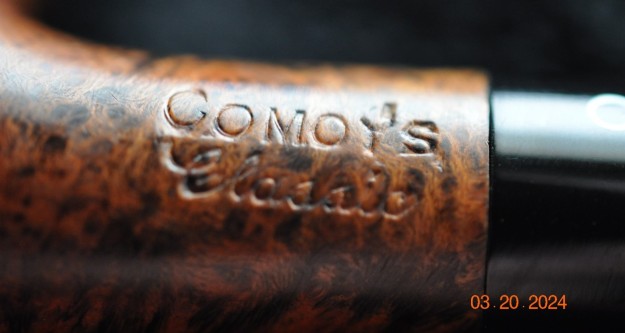
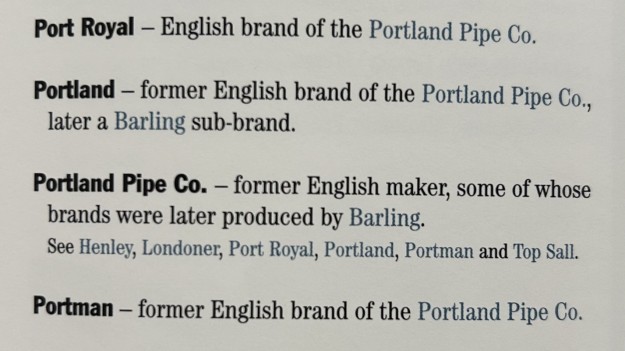
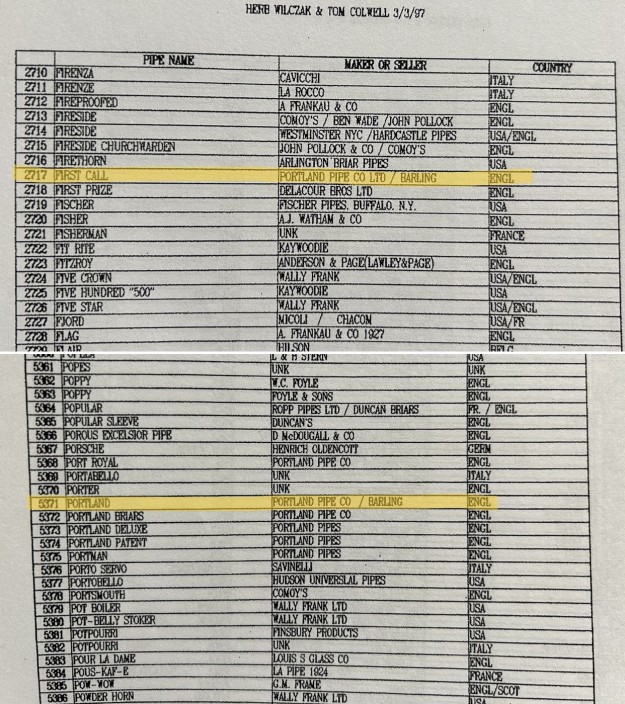
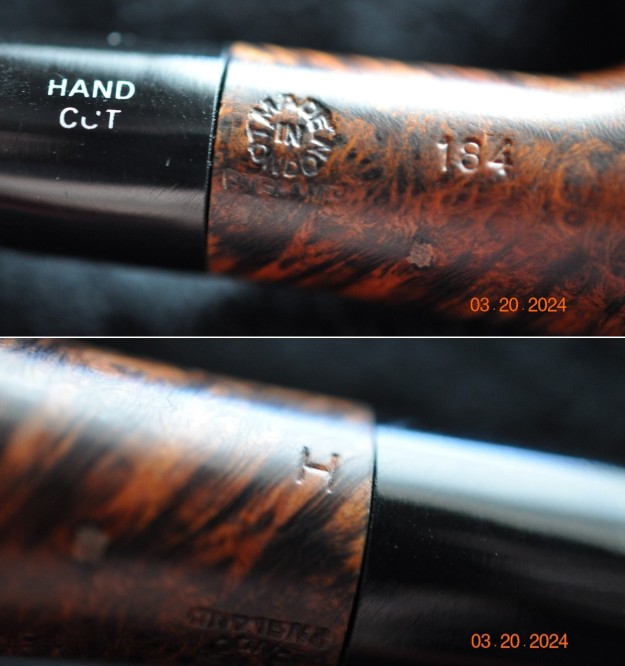 I looked on both Pipedia and Pipephil’s sites for information on the Comoy’s Classic Line. Neither site had any information about that particular stamping. The name stamp obviously remains a bit of a mystery. The COM stamp on the shank was a Comoy’s style stamp as noted above. I would need to move ahead and do some work on the shape number to see if what I could learn of that.
I turned to Pipedia’s Comoy’s shape chart and sure enough the 184 shape was a Comoy’s shape. I have included the link (https://pipedia.org/wiki/Comoy%27s_Shape_Number_Chart). I did a screen capture of the section on the 184 shape. The shape is a Medium sized half bent pipe that was called a GLOBE. I now knew that the pipe I was working on was made by Comoy’s (thanks to the shape number and the COM stamp on the shank). It was a beauty for sure and one that would only become more beautiful as it was restored.
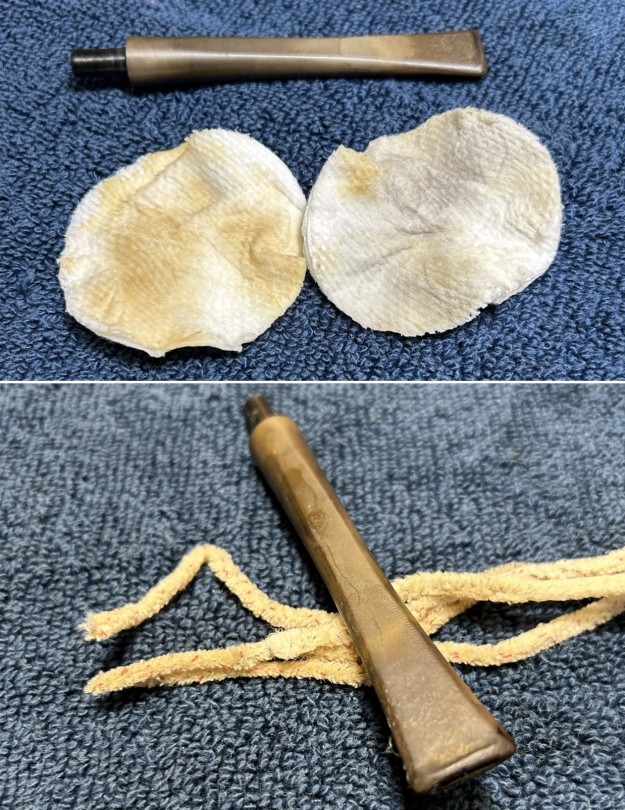
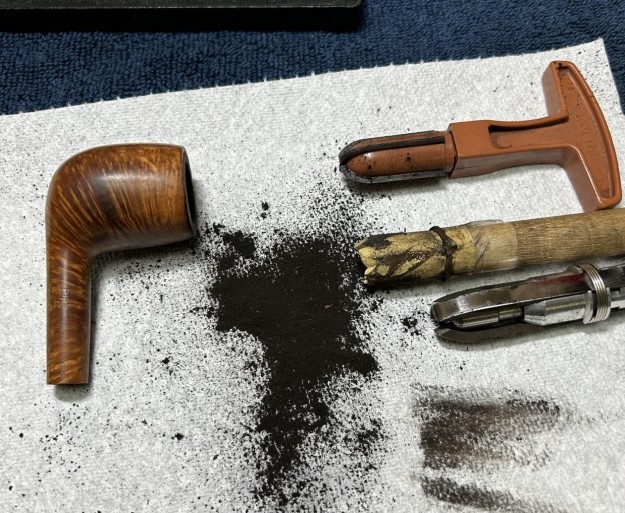
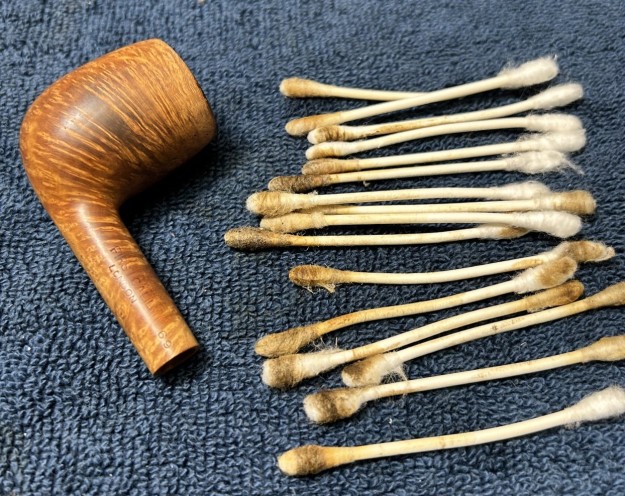
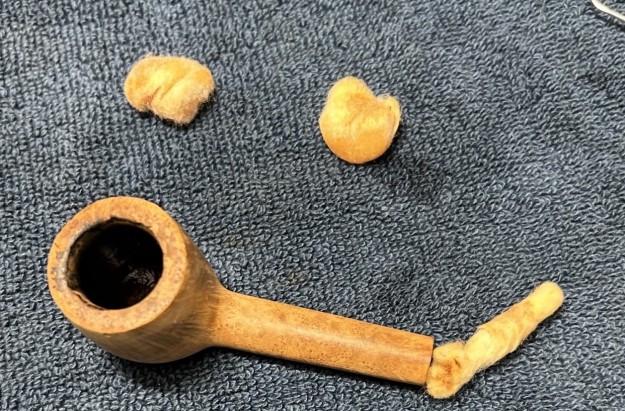
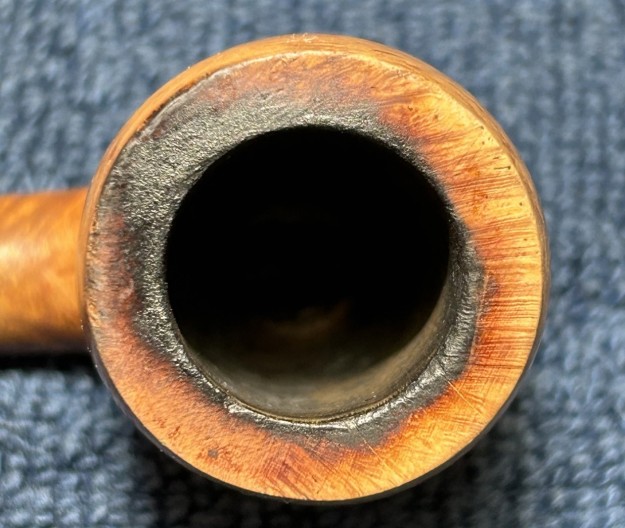
I really enjoy working on classic shaped pipes so I was glad to be working on this one. Jeff had reamed it with a PipNet pipe reamer and cleaned up the reaming with a Savinelli Fitsall Pipe Knife. He scrubbed out the internals with alcohol, pipe cleaners and cotton swabs until the pipe was clean. He scrubbed the exterior of the bowl with Murphy’s Oil Soap and a tooth brush to remove the grime and grit on the briar and the lava on the rim top. The finish looks better but there is still some darkening on the rim top and edges of the bowl. Jeff scrubbed the stem with Soft Scrub and soaked it in Before & After Deoxidizer to remove the oxidation on the vulcanite. When the pipe arrived here in Vancouver for the second stop of its restoration tour it looked a lot better. I took photos before I started my part of the work. 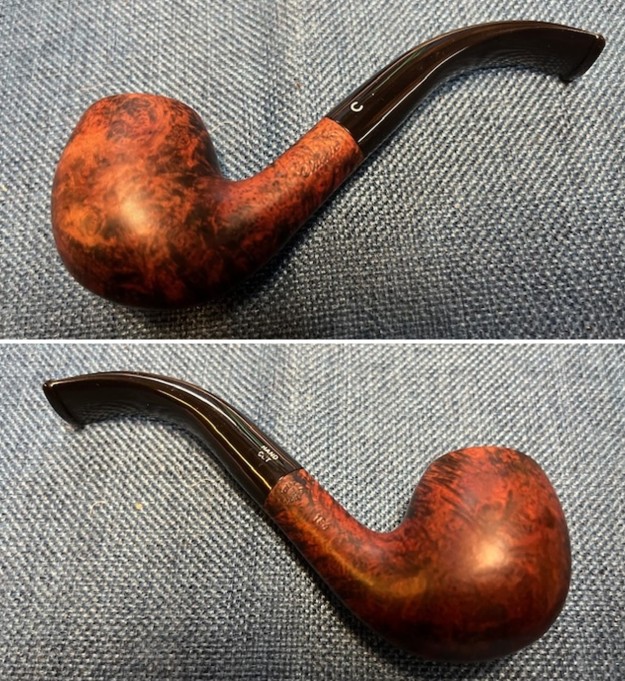
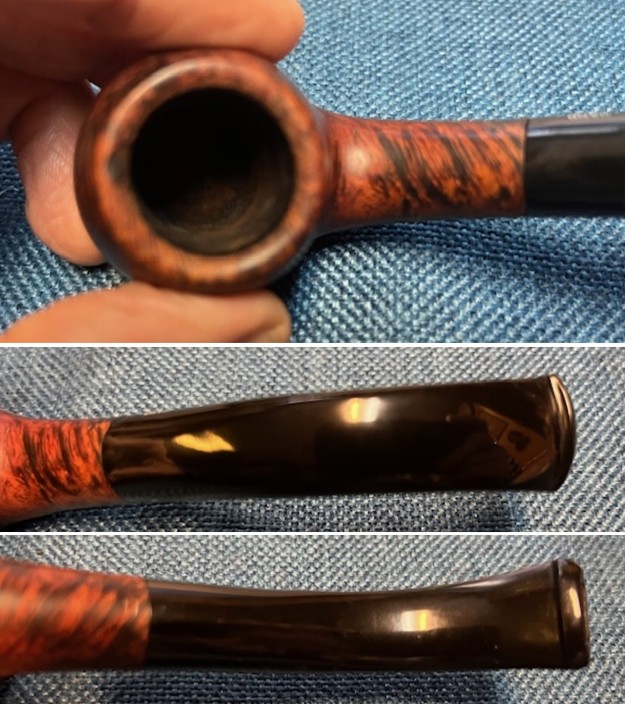
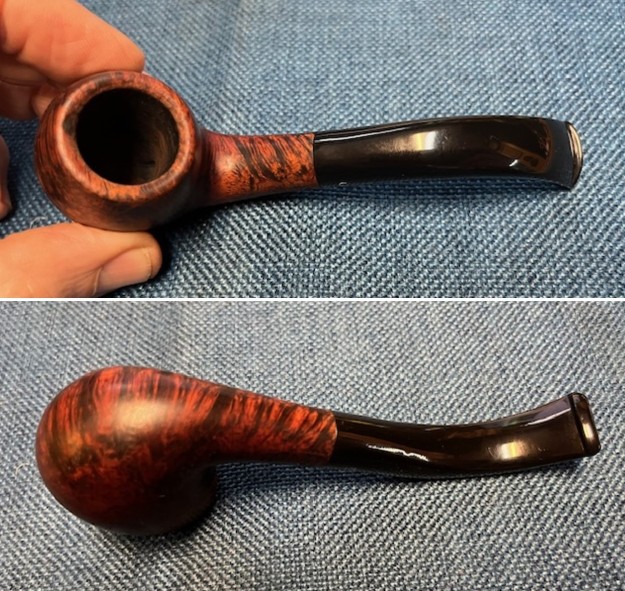 I took some close up photos of the rim top and the condition of the bowl. I also took photos of the top and the underside of the stem.
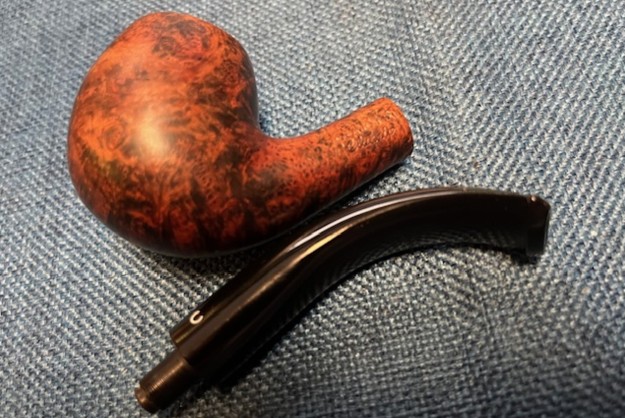
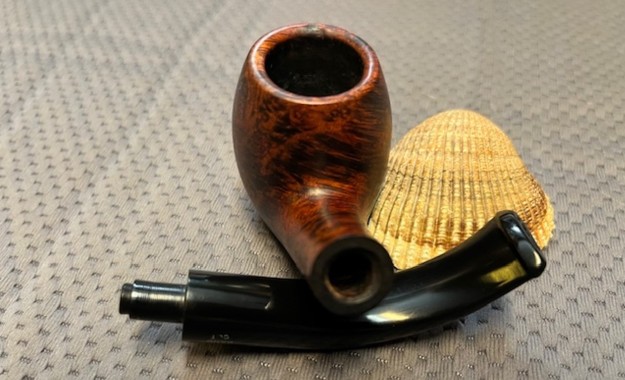
 I took photos of the stamping on the top and underside of the shank to show the condition after the cleanup. This stamping is clearer than the photos show. I removed the stem from the shank and took a photo of the parts of the pipe to show the overall look of the pipe.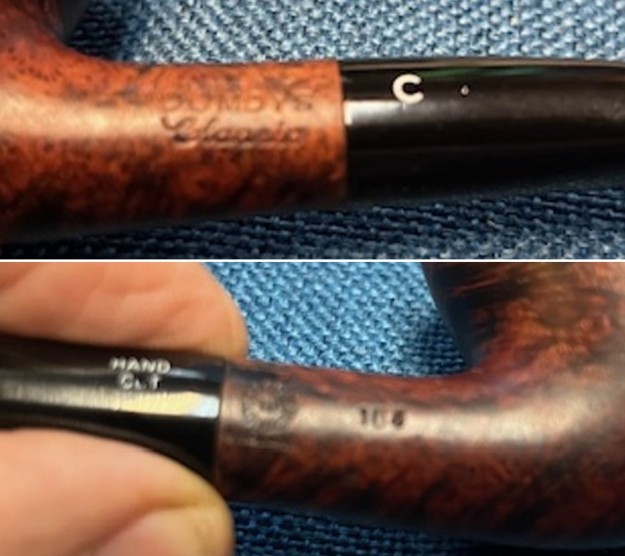
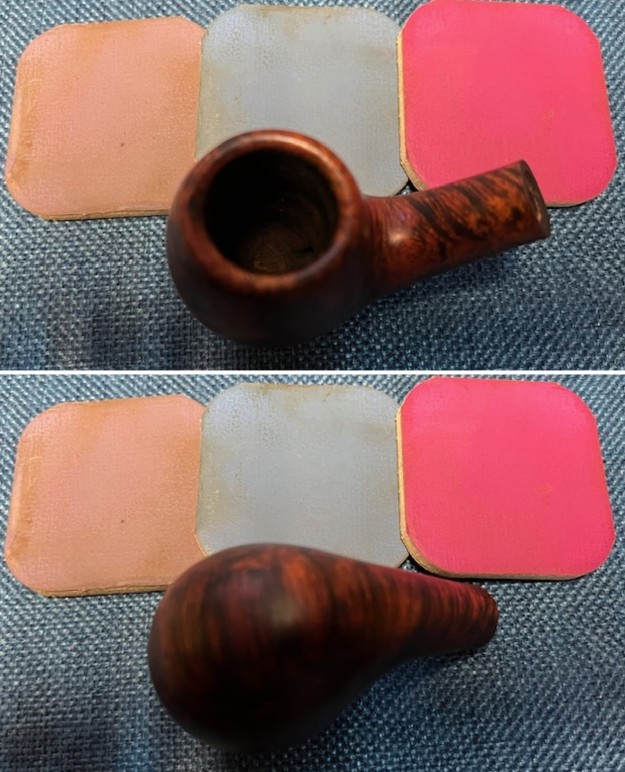
 I polished the briar with micromesh sanding pads – dry sanding with 1500-12000 grit pads. I wiped the bowl down after each pad with a damp cloth to remove the sanding dust.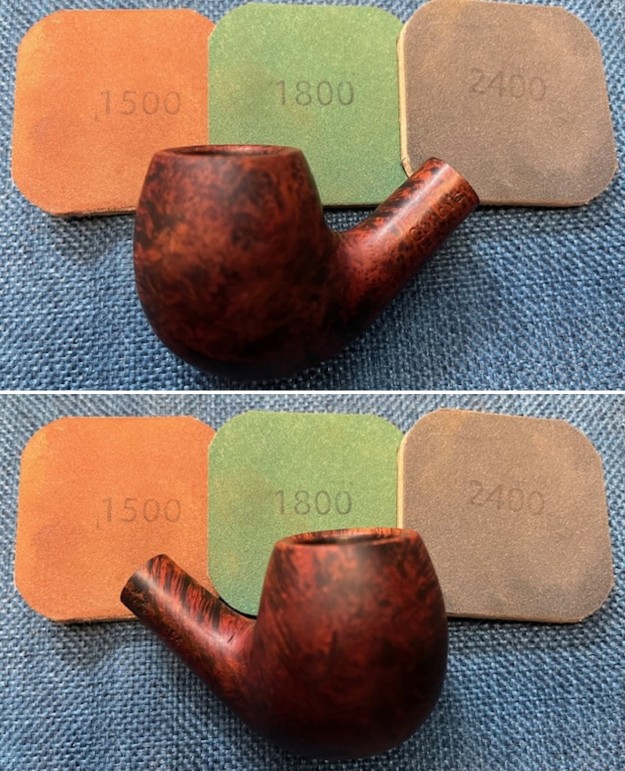
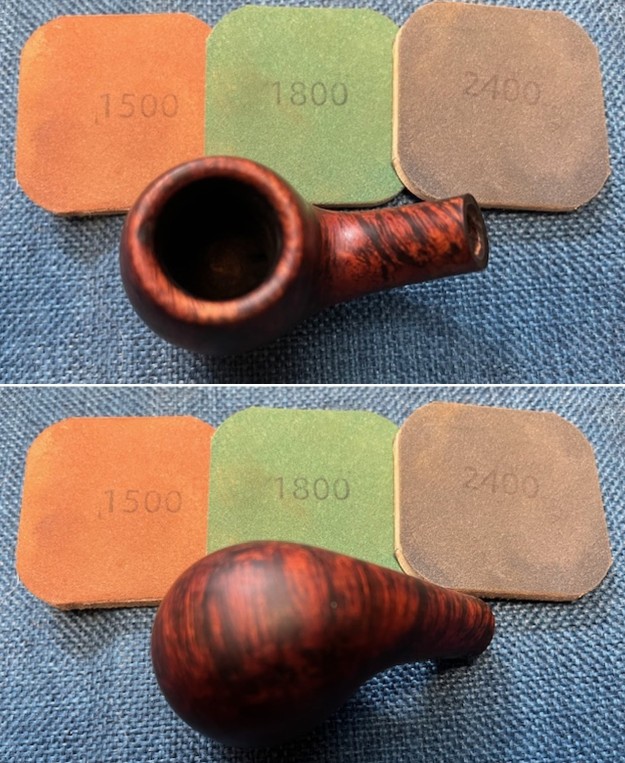
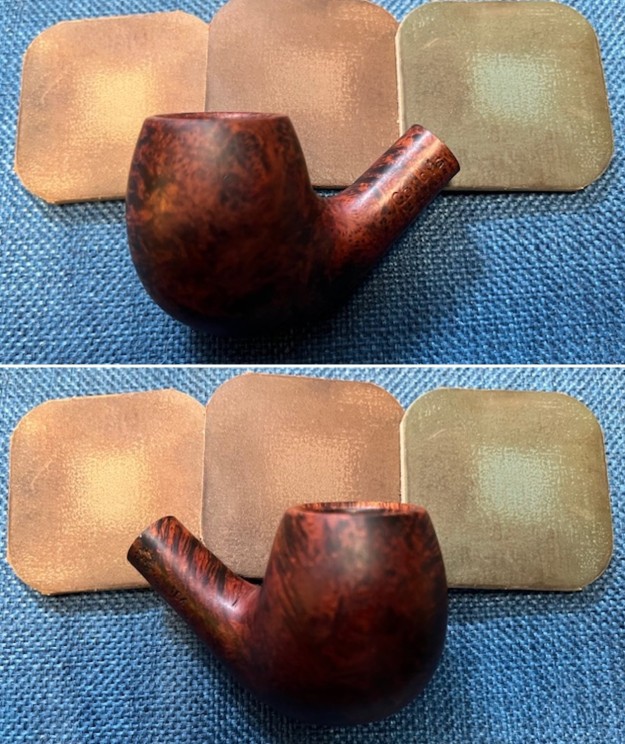
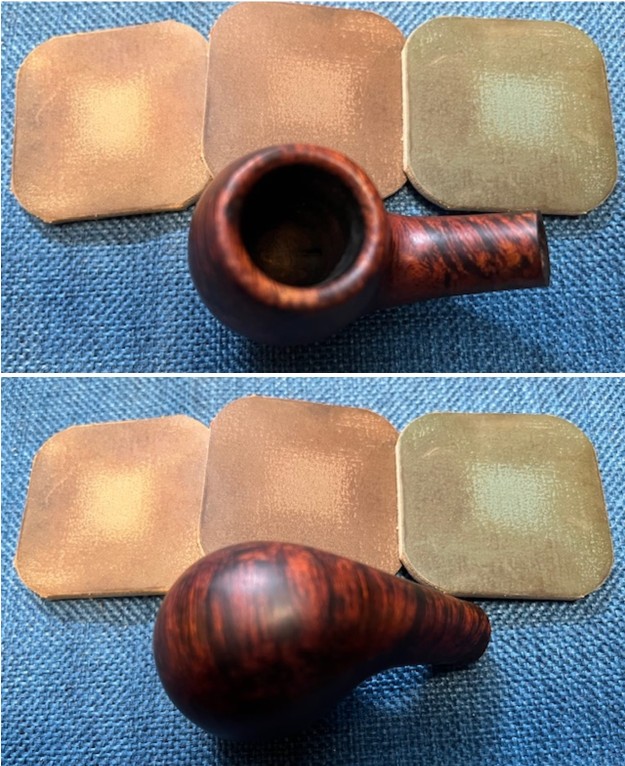
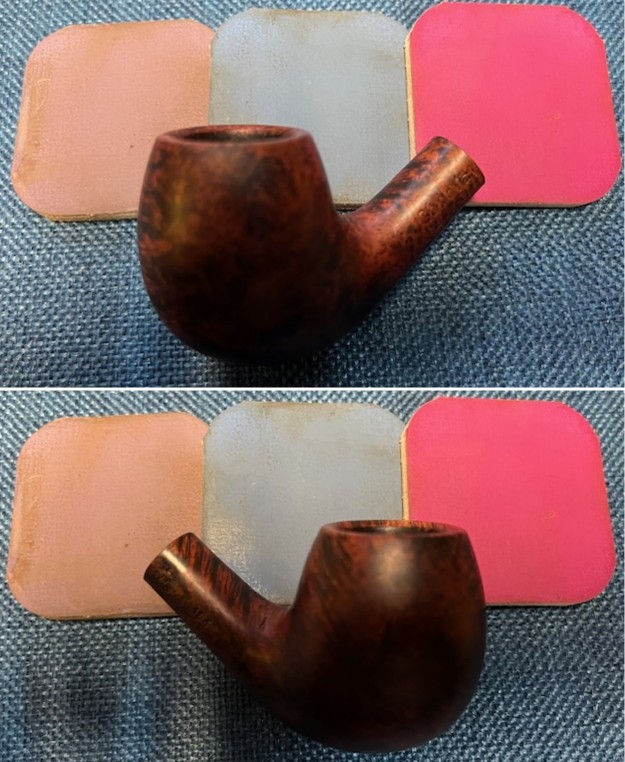
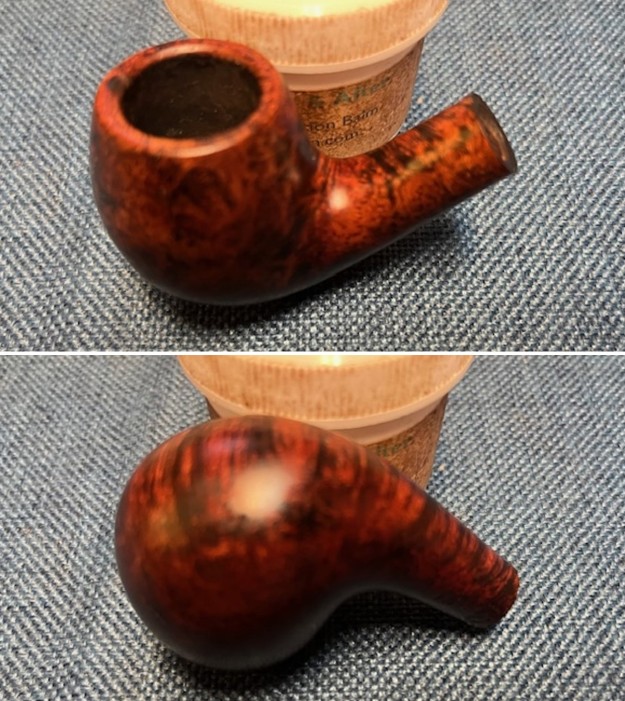
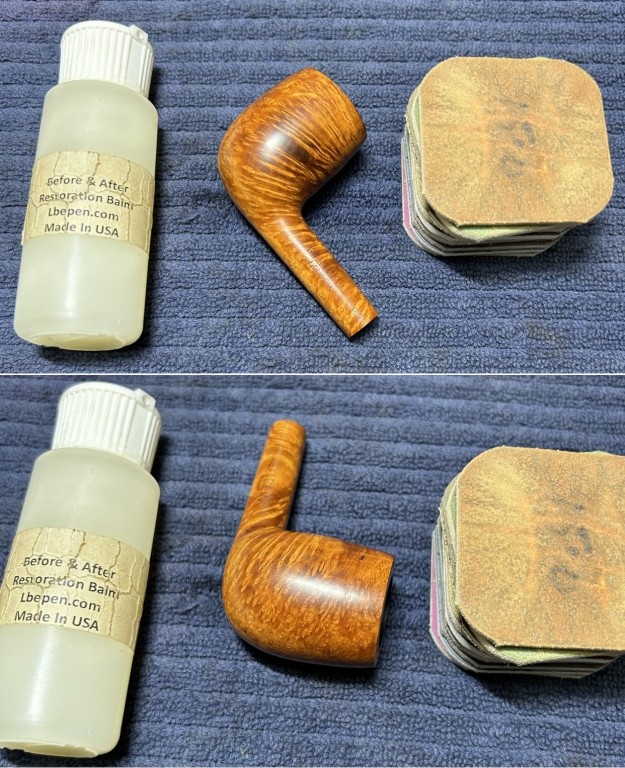
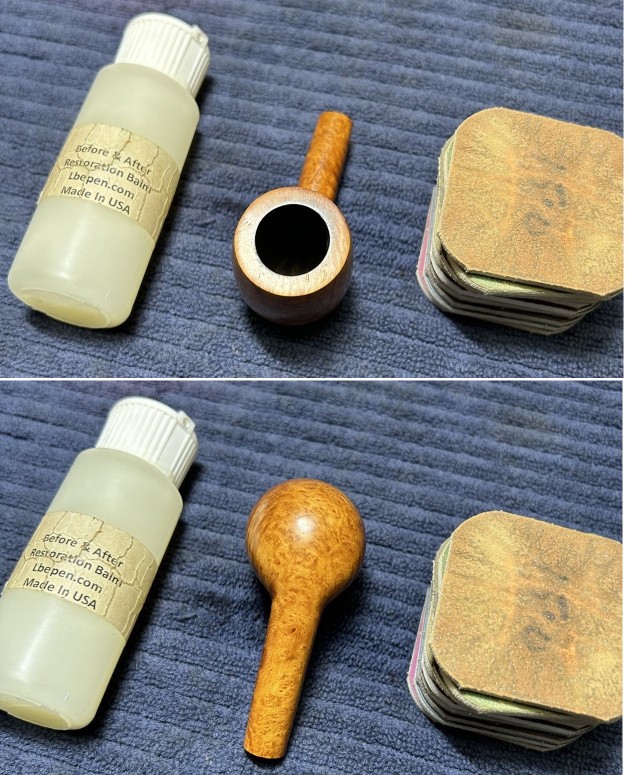
 I rubbed the bowl down with Before & After Restoration Balm. I worked it into the finish of the bowl, rim top and shank with my fingertips to clean, enliven and protect it. I find that the balm really makes the briar come alive again. The contrasts in the layers of stain made the grain stand out. I let the balm sit for 15 minutes and then buffed with a cotton cloth to raise the shine.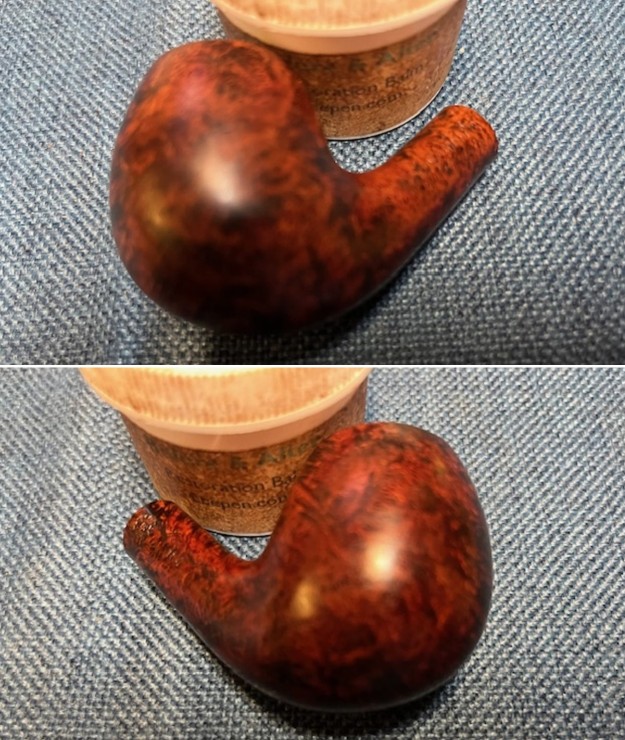
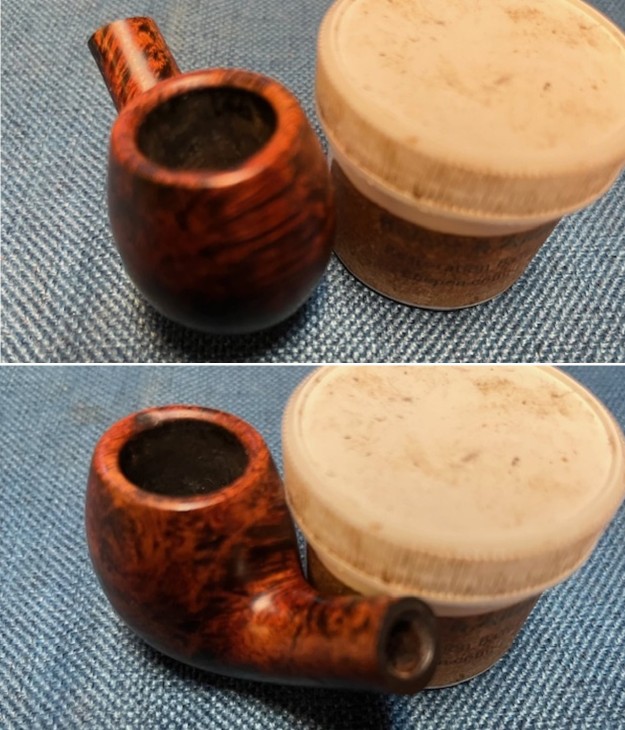 I set aside the bowl and turned my attention to the stem. I sanded out the bite marks on both sides ahead of the button with a folded piece of 220 grit sandpaper remove the damage.
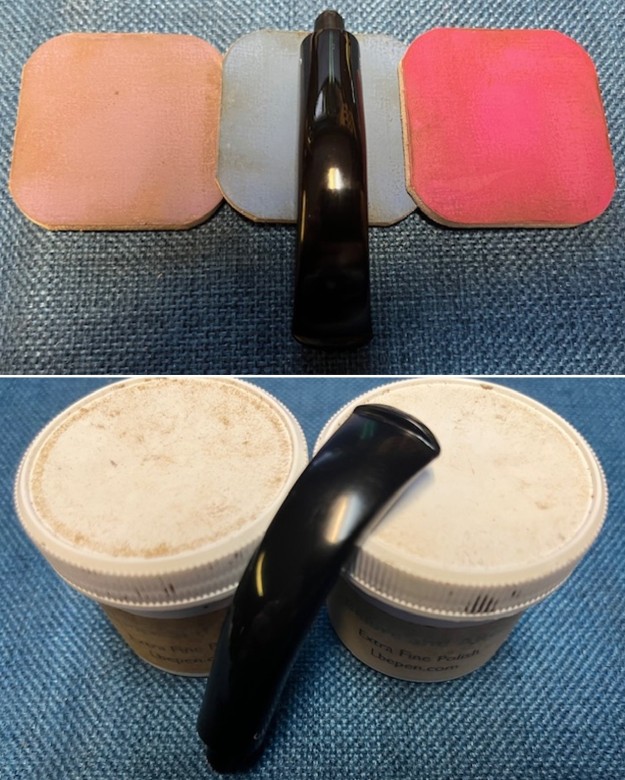
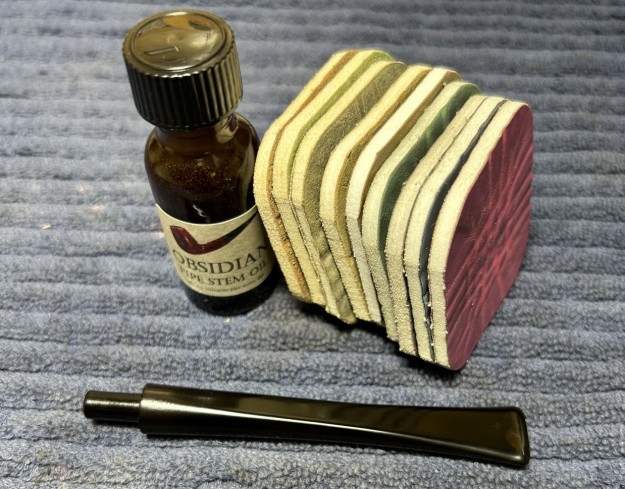
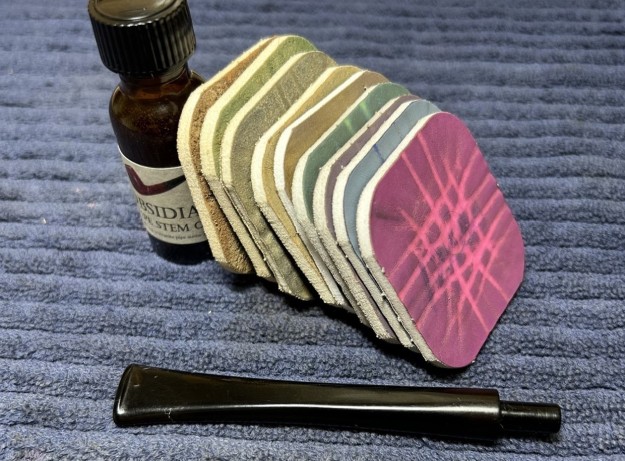
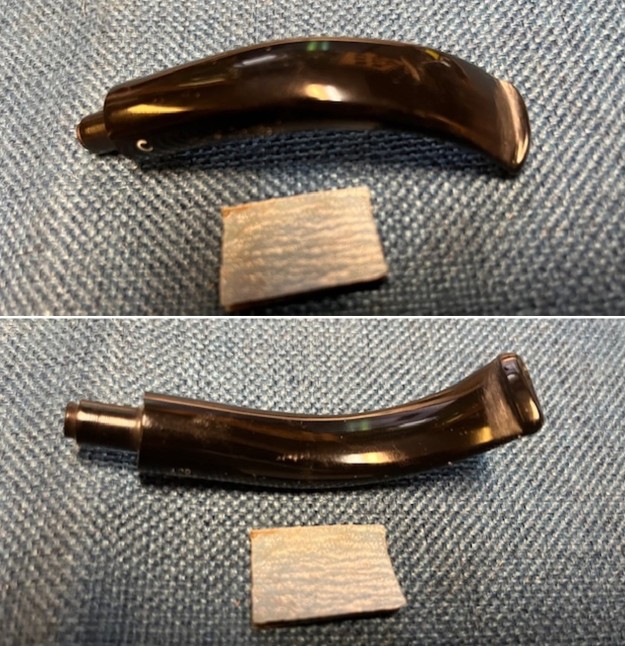 I polished the stem with micromesh sanding pads – dry sanding with 1500-12000 grit sanding pads. I wiped it down after each sanding pad with a cloth containing some Obsidian Oil. I finished polishing it with Before & After Pipe Stem Polish – both Fine and Extra Fine and buffed it off with a cotton cloth.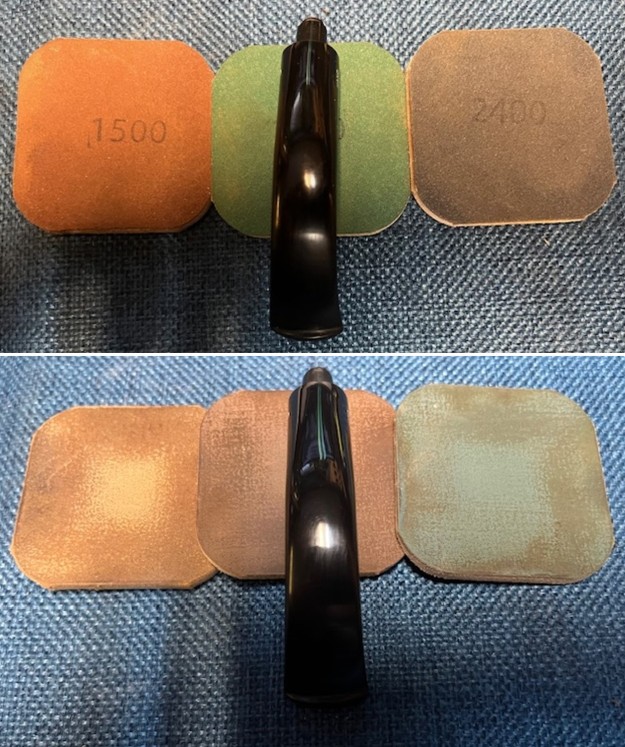
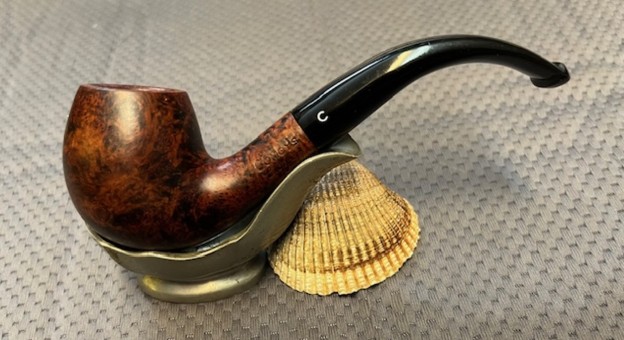
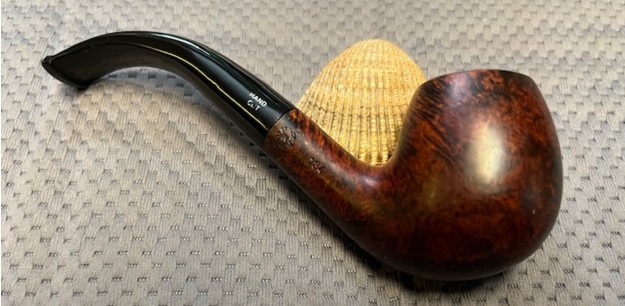
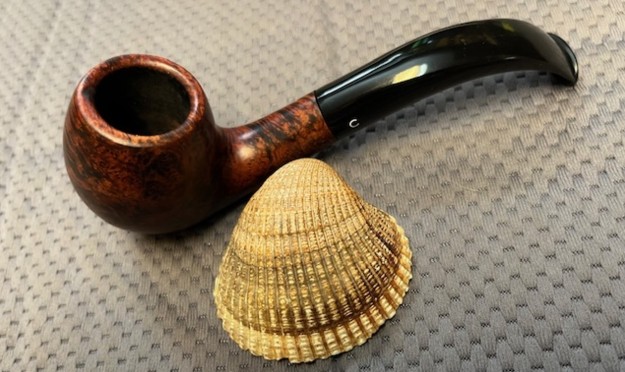
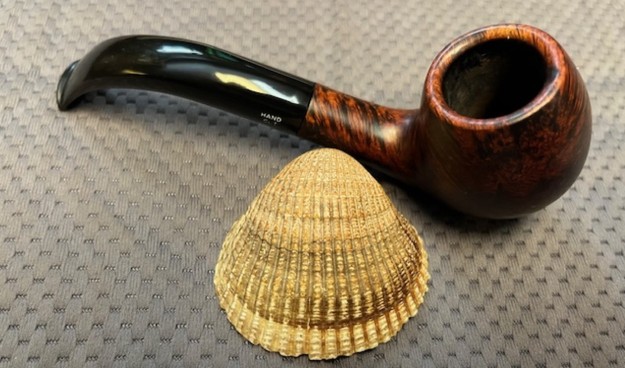
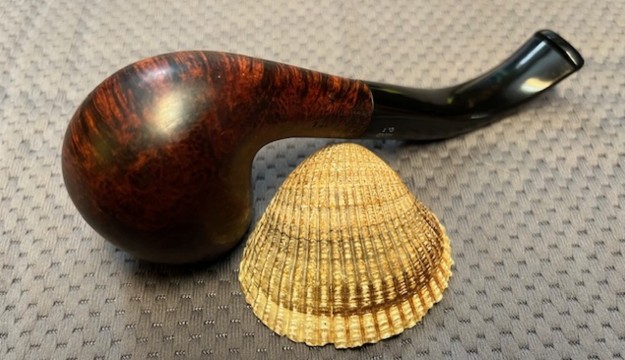
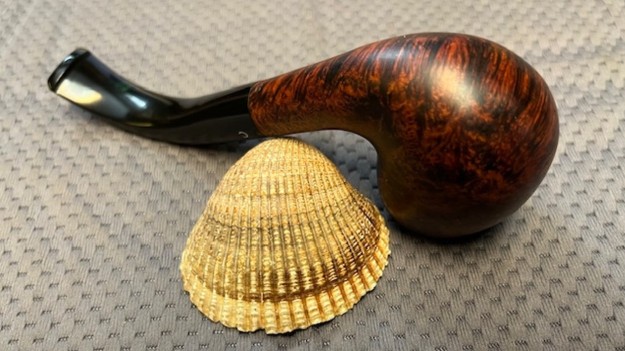
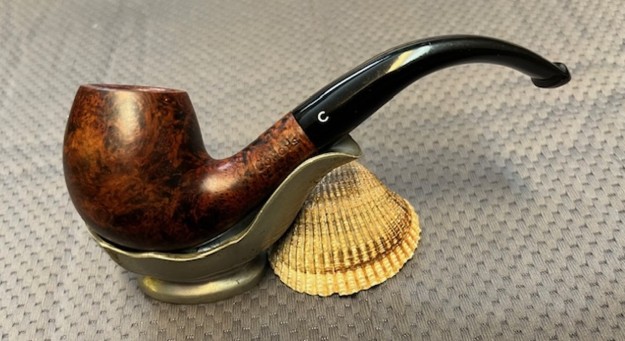
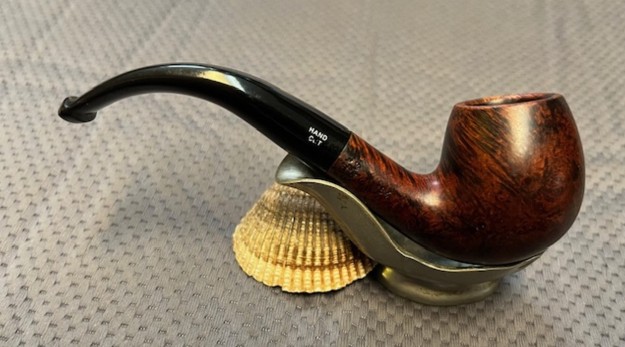
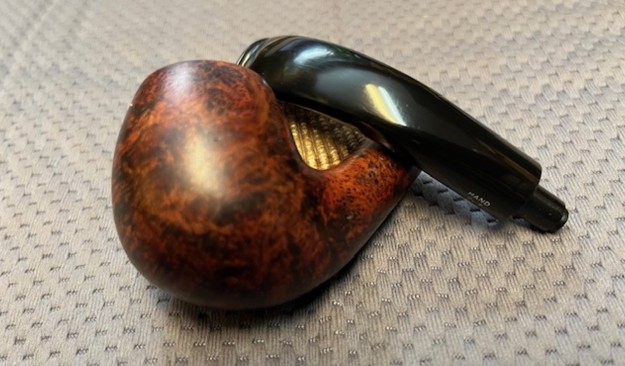
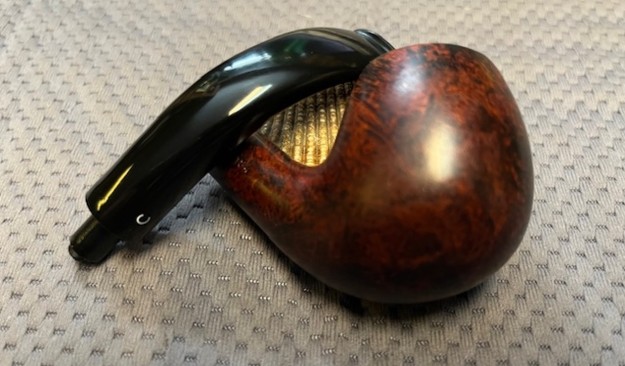
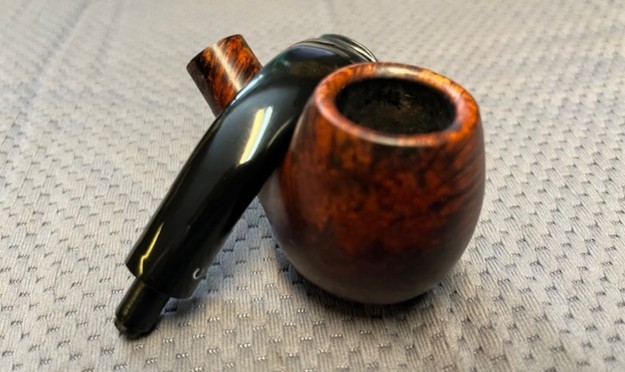
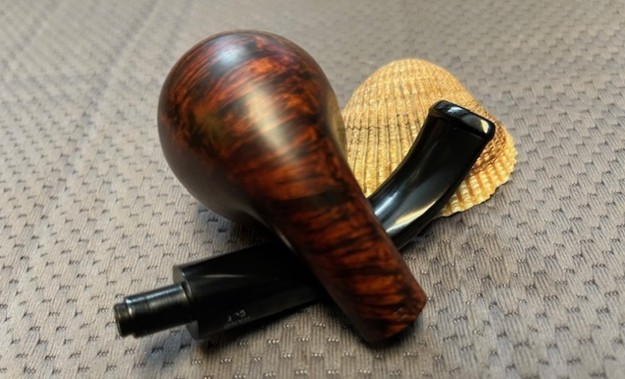
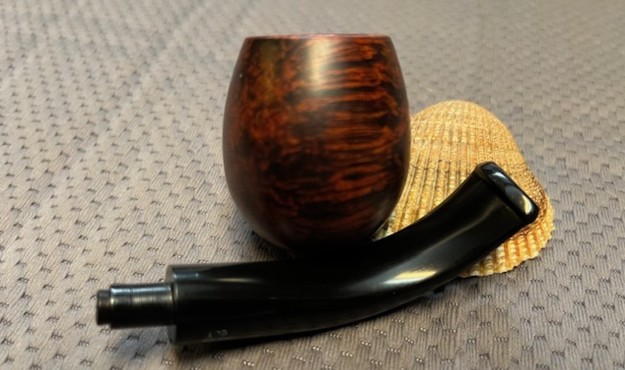
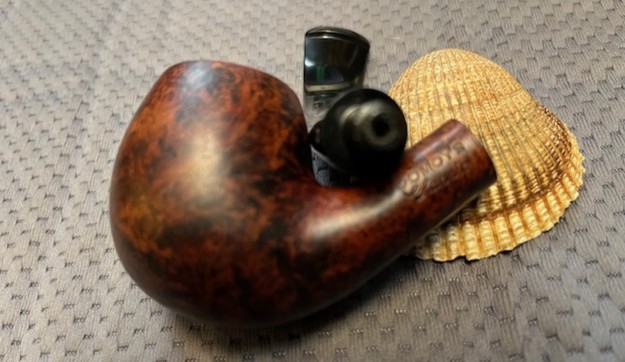
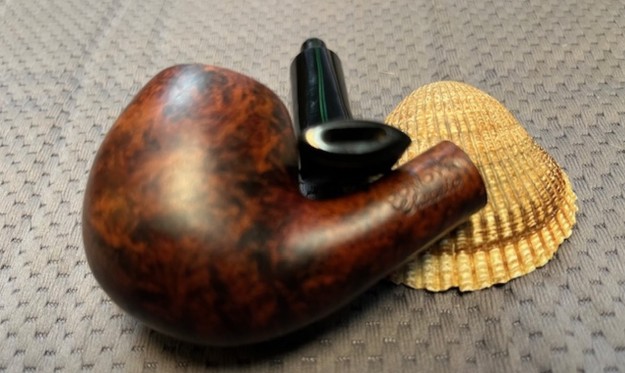
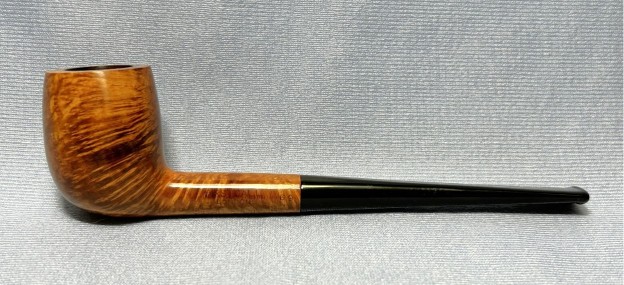
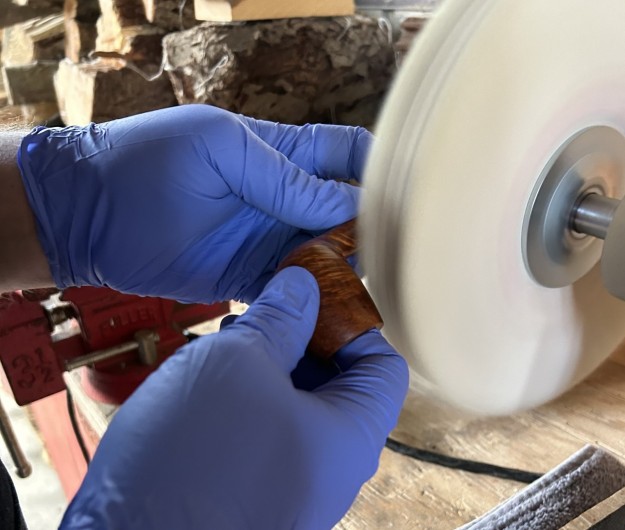
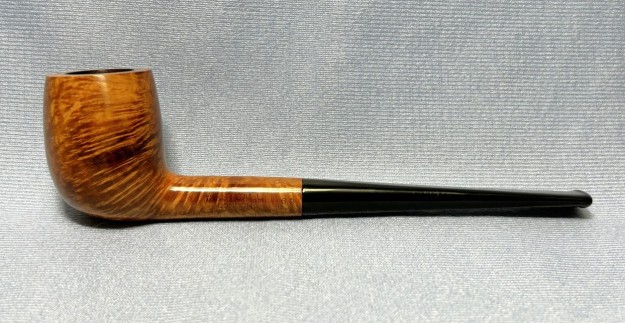
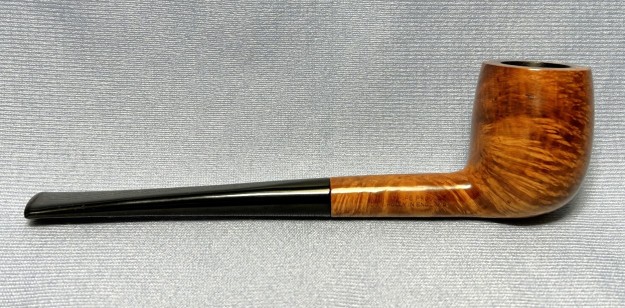
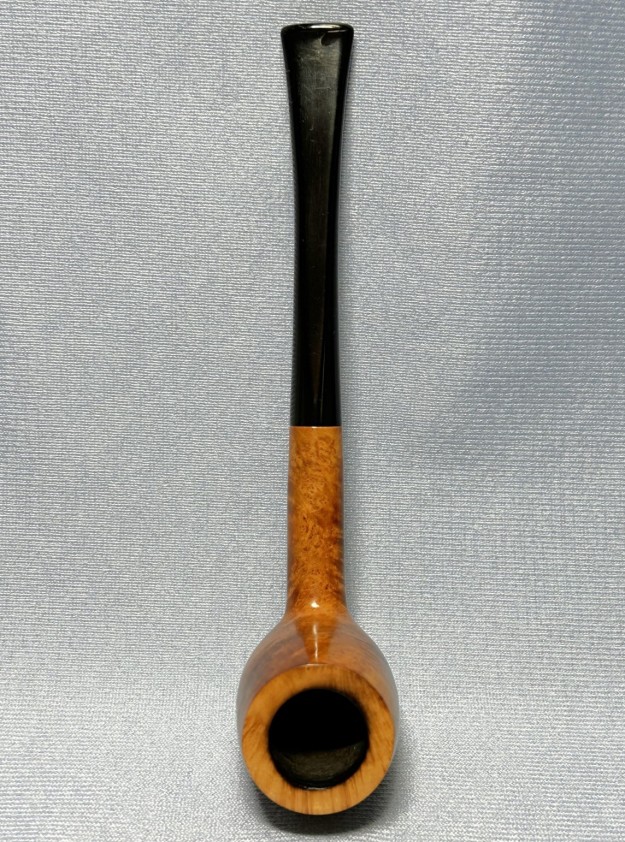
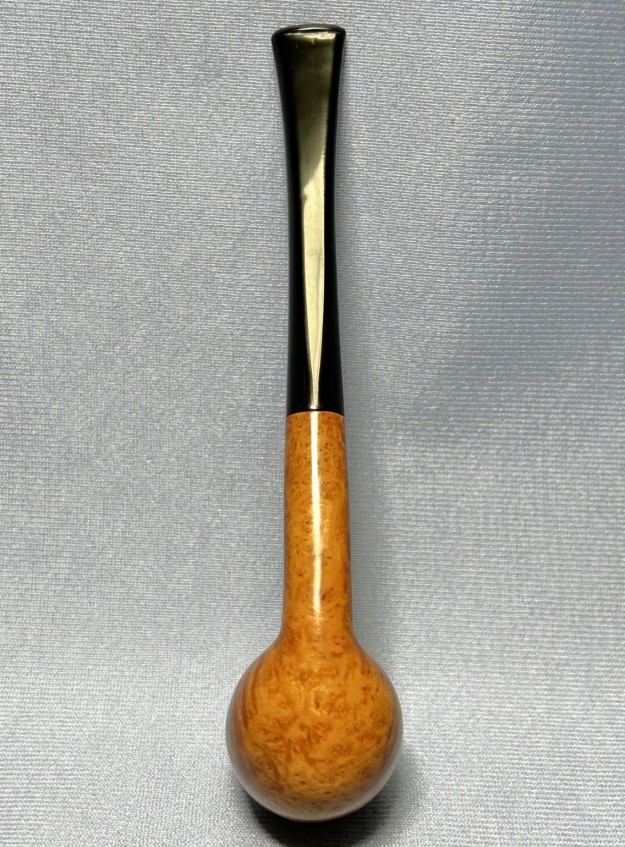
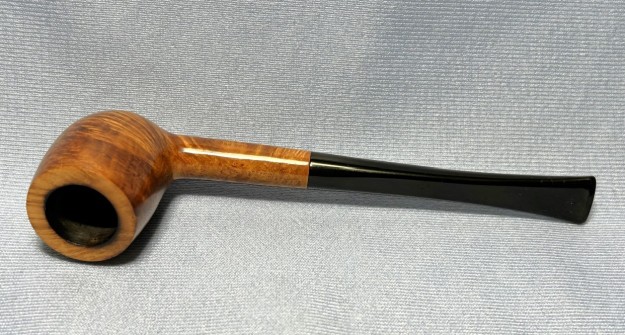
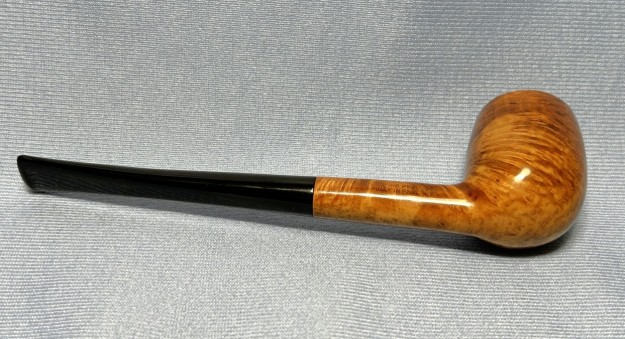
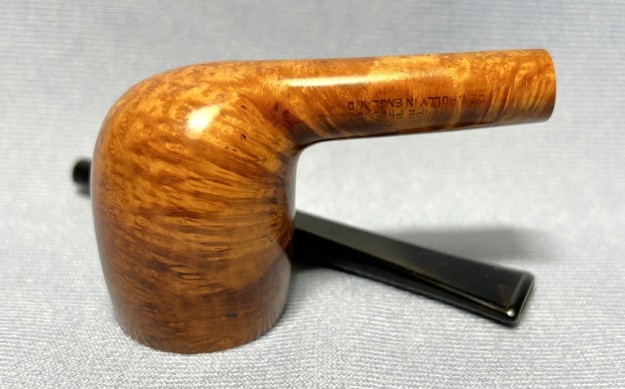
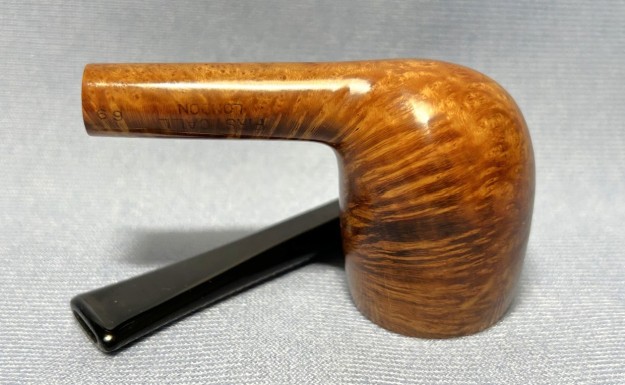
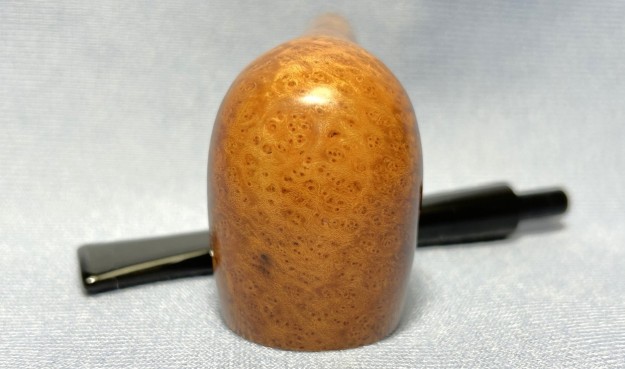
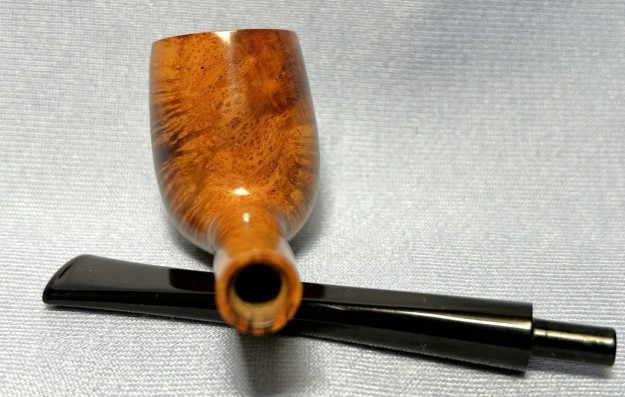
 This Comoy’s Classic Made in London 184 Bent Globe is a great looking pipe now that it has been restored. The shape is elegant and flowing with a taper acrylic stem. I put the stem on the bowl and carefully buffed the pipe with Blue Diamond on the buffing wheel using a light touch on the briar. I gave the bowl and the stem multiple coats of carnauba wax on the buffing wheel and followed that by buffing the entire pipe with a clean buffing pad. I hand buffed the pipe with a microfiber cloth to deepen the shine. The finished Comoy’s Classic 184 Bent Globe fits nicely in the hand and feels great. Give the finished pipe a look in the photos below. The dimensions of the pipe are Length: 5 inches, Height: 1 ¾ inches, Outside diameter of the bowl: 1 inch, Chamber diameter: ¾ of an inch. The weight of the pipe is 1.45 ounces/41 grams. I will be putting it on the British Pipe Makers Section of the rebornpipes store shortly. If you are interested in adding this pipe to your collection send me a message or an email. Thanks for reading this blog and my reflections on the pipe while I worked on it.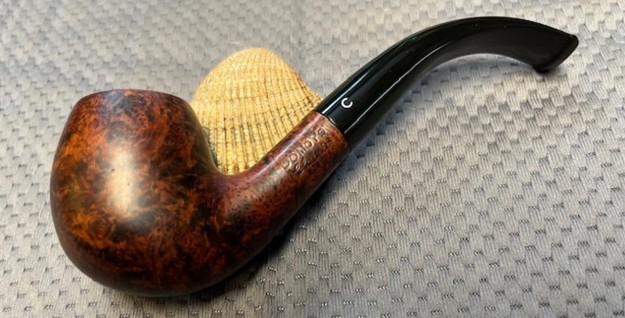





 rebornpipes