

Blog by Steve Laug
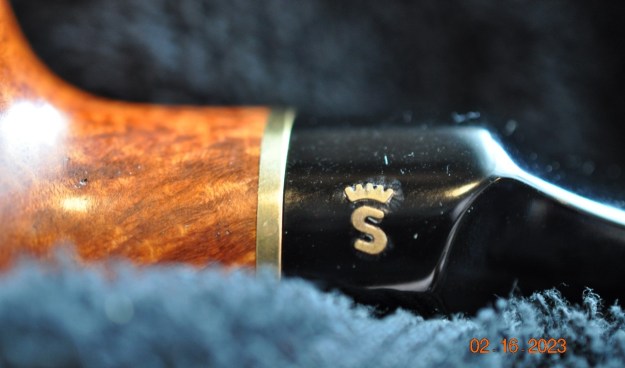
It is finally a rainy day in Vancouver so I decided to go to the basement and work on another one that was purchased on 01/26/2023 in a lot of pipes that came to us from a seller in Copenhagen, Denmark. It included a group of Danish Made Stanwell pipes that are quite beautiful. The grain around the bowl and shank of this shape that I have decided to call a Diplomat has a mix of birdseye, straight and flame grain. The pipe is stamped (double stamped) on the underside of the shank and reads STANWELL [over] Made in Denmark. On the underside of the left side of the shank it is stamped with the shape number 198. The pipe was a well cared for when Jeff received it. There was light dust and grime ground into the finish. It is finished in the warm stain that highlights some nice grain around the bowl and shank. The bowl was moderately caked and there was some darkening and light lava on the rim top. The inner edge shows some darkening around the bowl. There is a gold coloured band on the shank. The stem is acrylic and was dirty with light tooth marks and chatter on both sides ahead of the button and on the button itself. There is a brass/gold crown S logo inlaid on the left side of the fancy saddle stem. Jeff took photos of the pipe before he started his clean up work on it.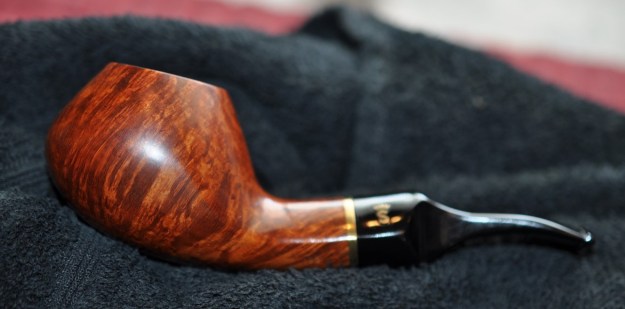
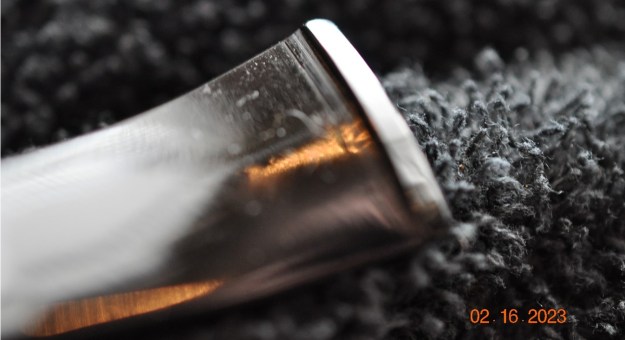
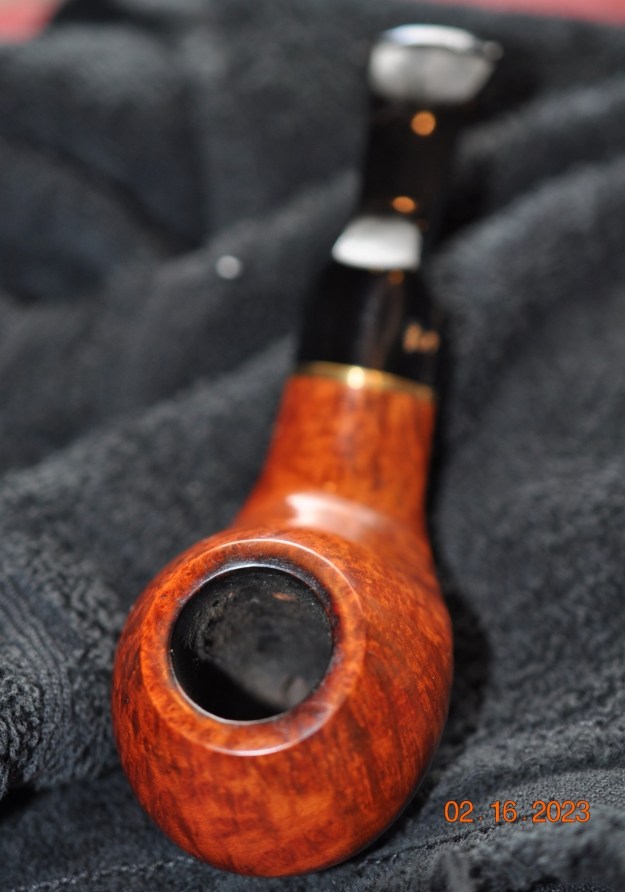 Jeff took photos of the bowl and rim top to show what they looked like before the clean up. You can see the darkening and light lava on the inner edge and top of the rim. He also took some photos of the stem to show the condition of both sides. You can see the light marks on the top and underside next to the button.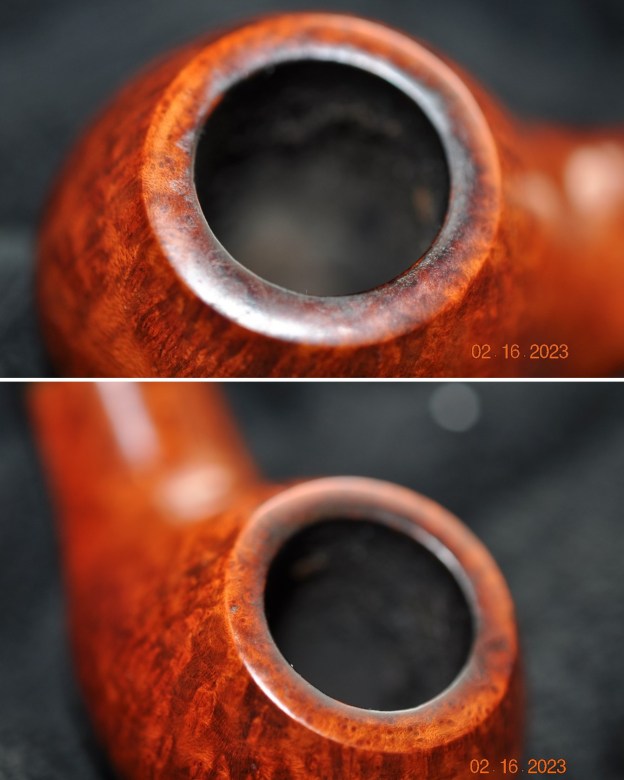

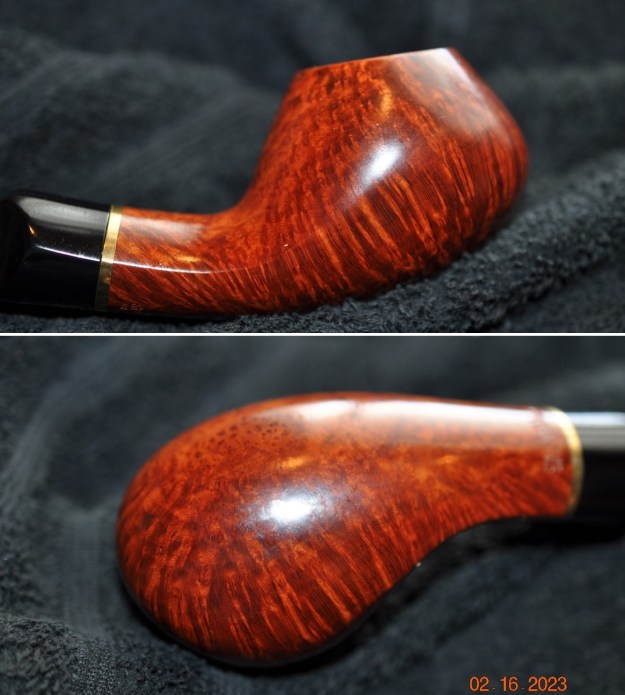
 The photos of the sides and heel of the bowl show the grain around the bowl and shank. The stain adds depth finish on the pipe. Even under the grime it is a real beauty.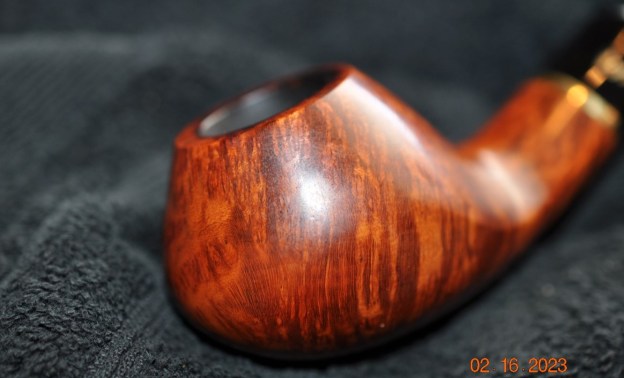
 The stamping on the underside of the shank is shown in the photo below. It is clear and readable as noted above. The third photo shows the Crown S logo on the left side of the saddle stem as noted above.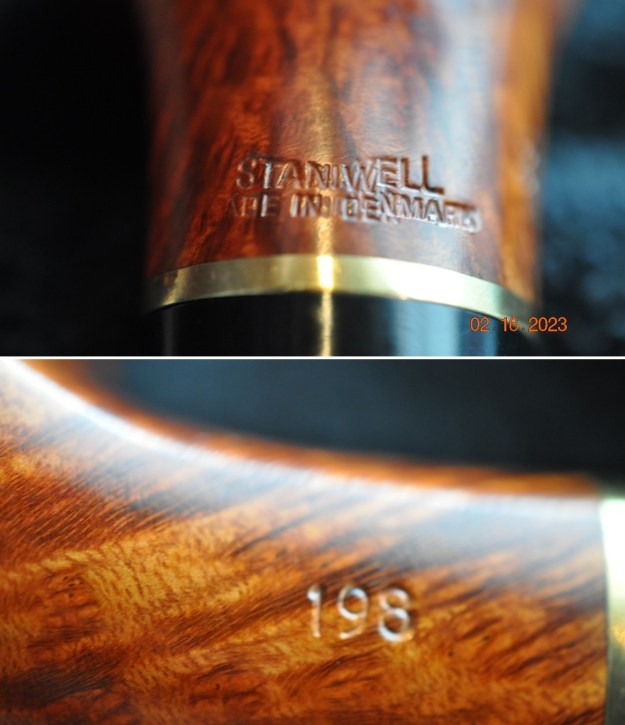
 I turned to Pipedia to an article that originally was posted here on rebornpipes and written by my late friend Bas Stevens (https://pipedia.org/wiki/Stanwell_Shape_Numbers_and_Designers). I did a screen capture of the pertinent shape number and have included it below.
 The list did not clarify who designed the shape so that was still a bit of a mystery. Whoever did so, created a beauty. I now knew that it was a shape that Stanwell called a Freehand Boa. Now it was time to work on the pipe.
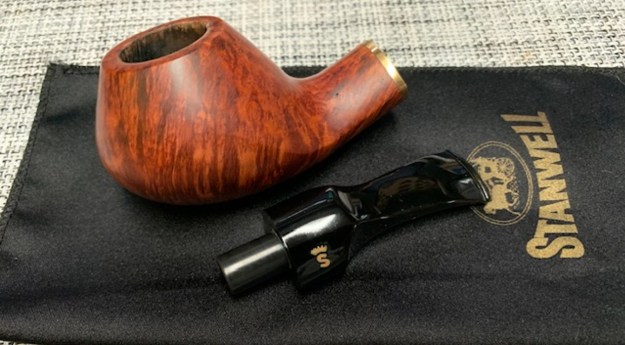
Jeff had cleaned up the pipe with his usual penchant for thoroughness. He reamed the pipe with a PipNet Pipe Reamer and cleaned up the remnants with a Savinelli Fitsall Pipe Knife. He scrubbed the bowl with undiluted Murphy’s Oil Soap with a tooth brush. He rinsed it under running warm water to remove the soap and grime. He cleaned out the inside of the shank and the airway in the stem with alcohol, cotton swabs and pipe cleaners. He soaked the stem in Before & After Deoxidizer and rinsed it off with warm water. It came in Stanwell Pipe Sock. I removed it from the sock and took photos of the pipe once I received it. 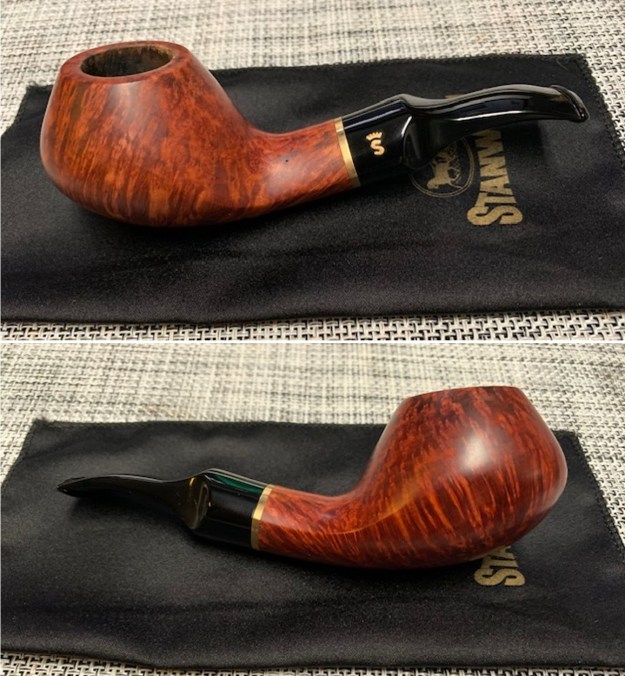
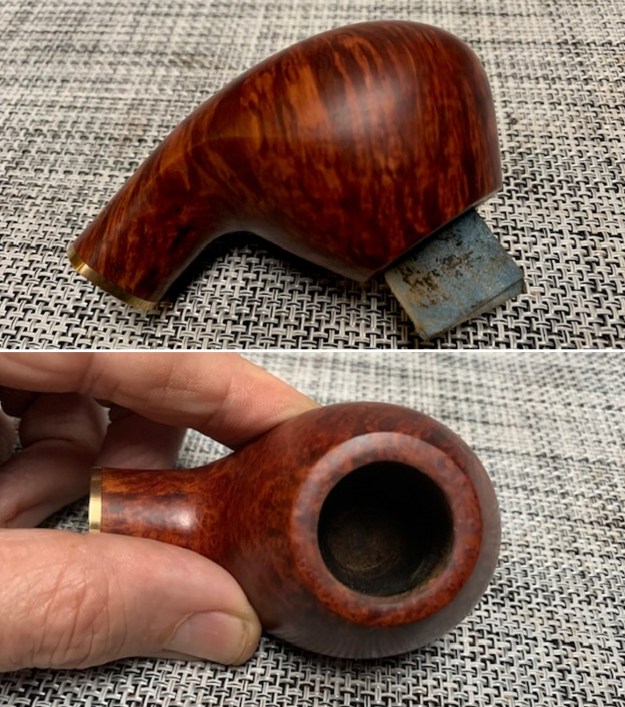
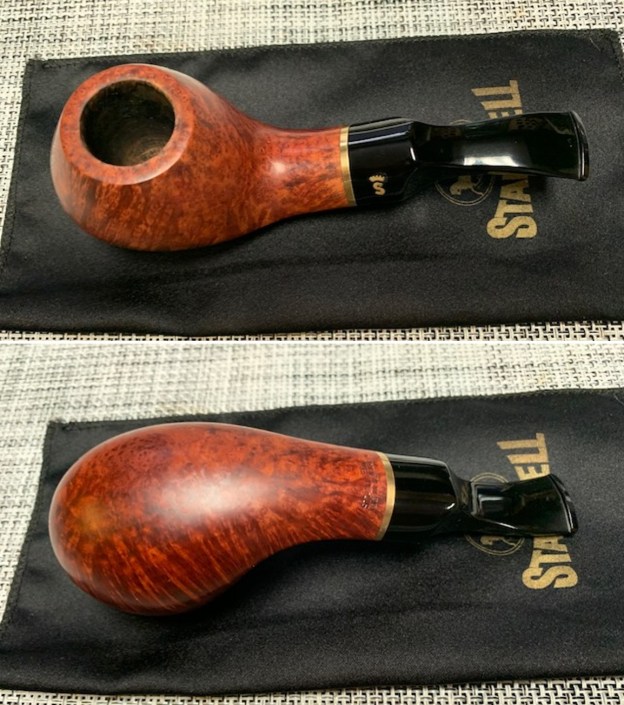 I took close up photos of both the rim top and the stem. Jeff had been able to get the grime and lava off of the rim top and it looked pretty incredible. Even the darkening and marks on the rim top on the right side and the back of the bowl look much better. The stem looked very clean. The tooth marks and chatter were minimal and should be easy to remove.
 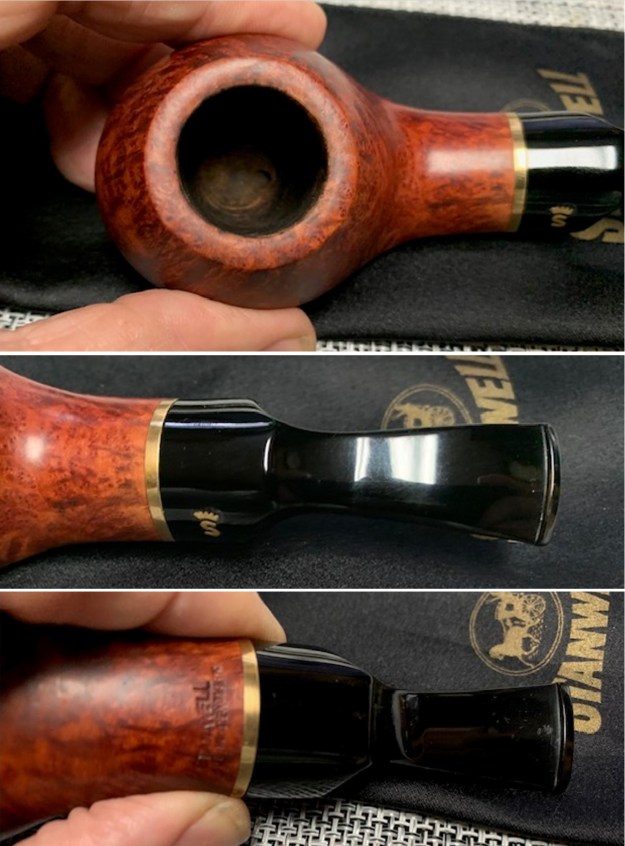 The stamping on the shank side was readable as noted above. I also took a photo with the stem removed to give an idea of the perspective and design of the pipe.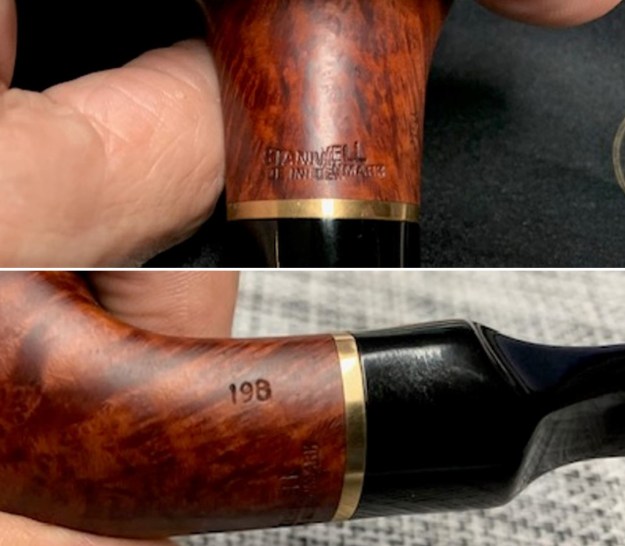
 I started my work on the pipe by addressing the slight darkening to the inner edge of the bowl with a folded piece of 220 grit sandpaper to bring the edge back into round and it looked much better. Over all the rim top and edges looked much better.
 I polished the smooth bowl and rim top with micromesh sanding pads using 1500-12000 grit sanding pads and wiping it down after each sanding pad with a damp cloth to remove the sanding dust and debris.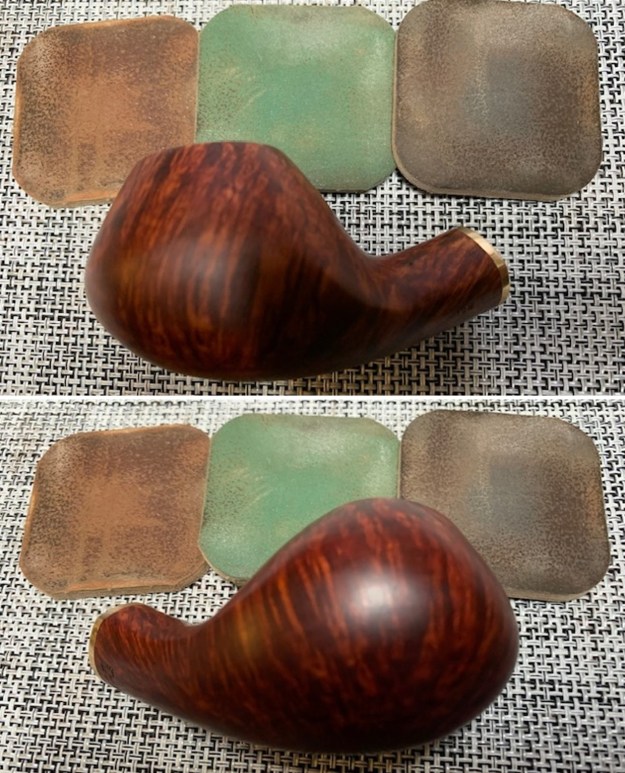
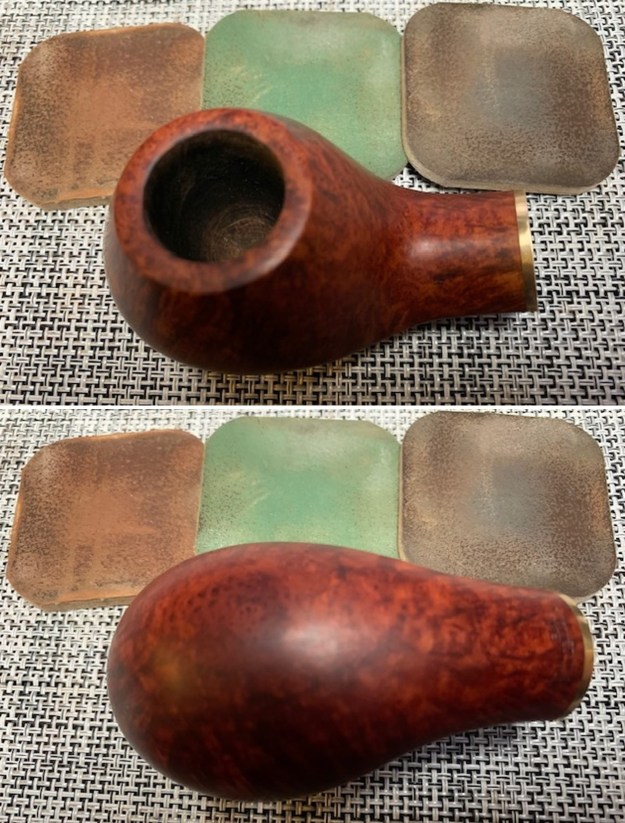
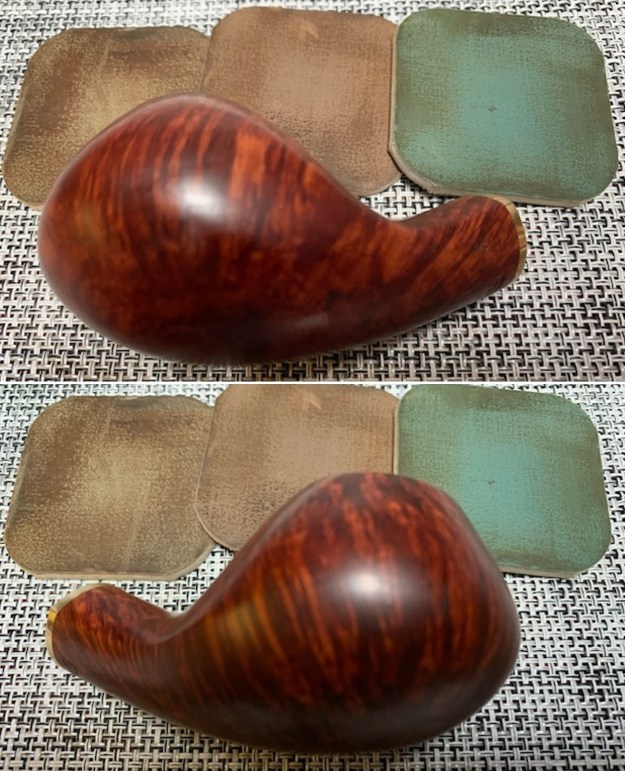
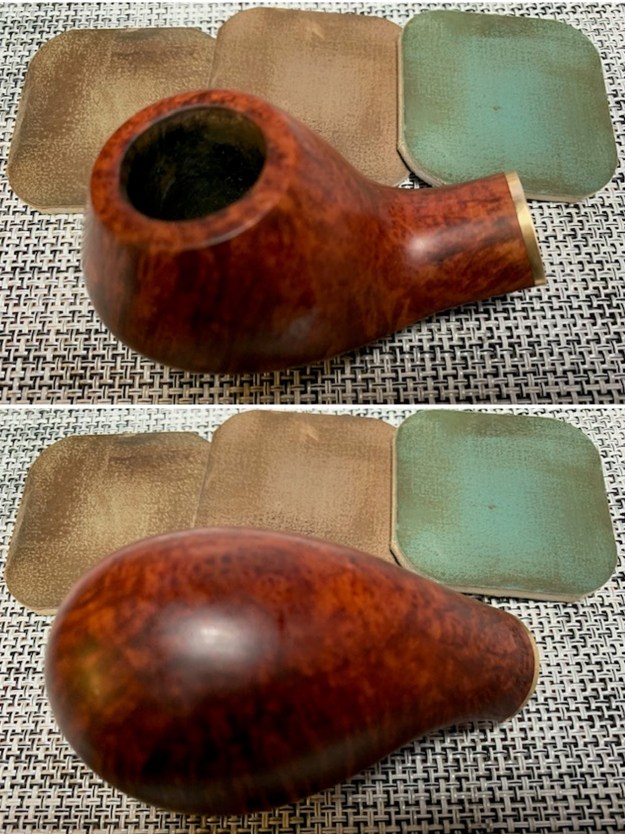
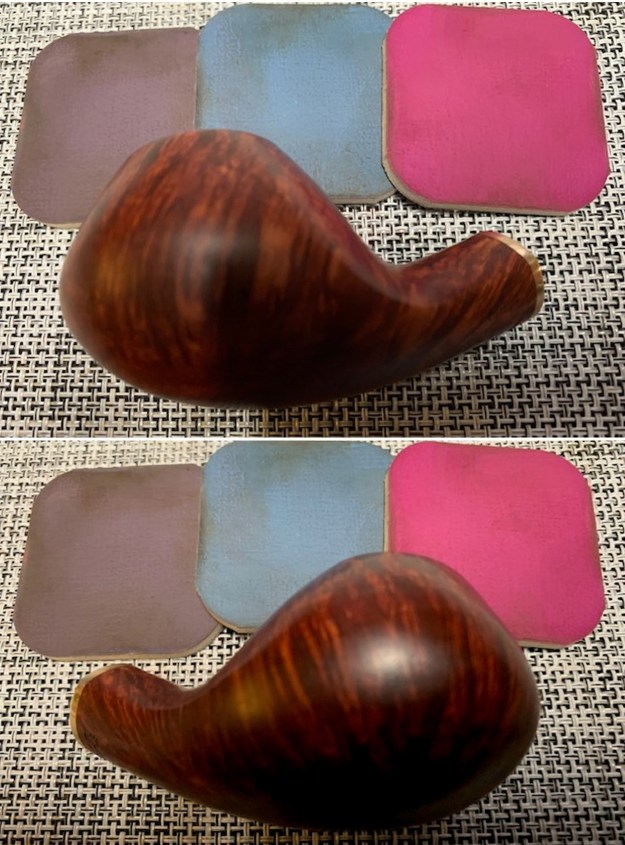
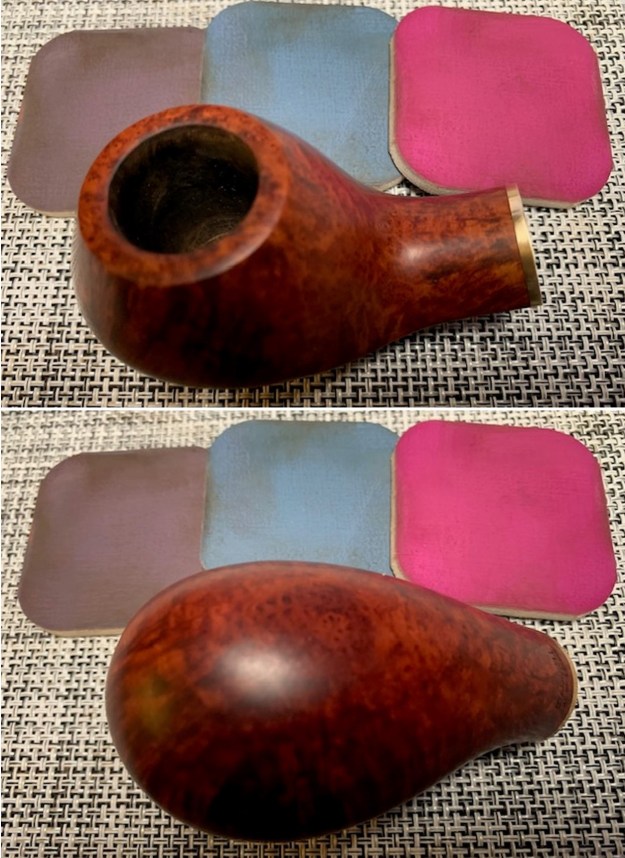 I worked some Before & After Restoration Balm into the finish of the bowl and shank with my fingers. I want the product to go deep into the finish because it works to clean, enliven and protect the briar. Once I was confident that it was deeply worked into the finish I wiped it off and buffed it with a soft cloth to polish it. The pipe really began to have a rich shine. I took some photos of the bowl at this point to mark the progress in the restoration. The grain really stands out on the pipe in the photos below.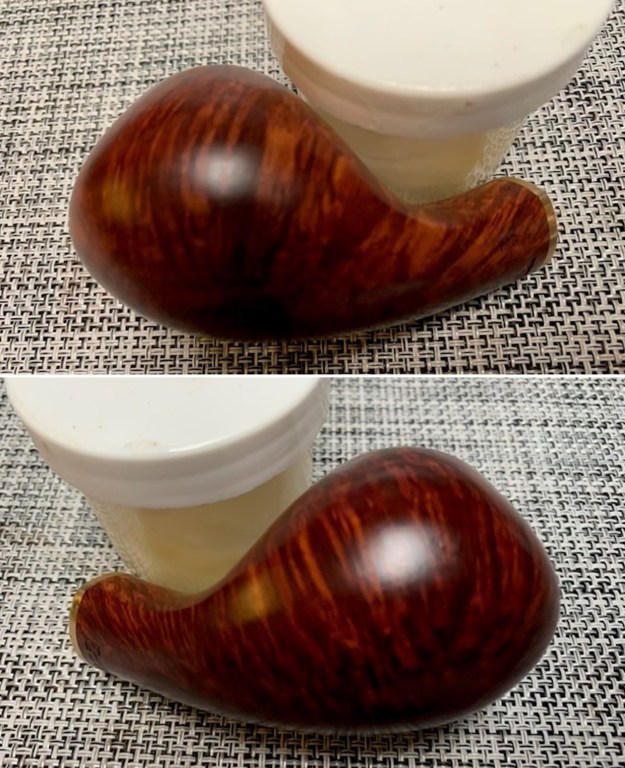
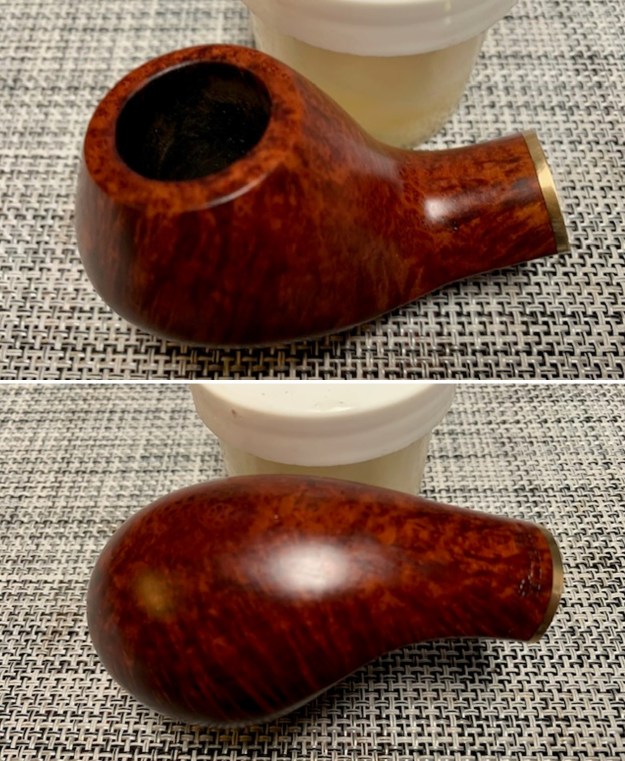
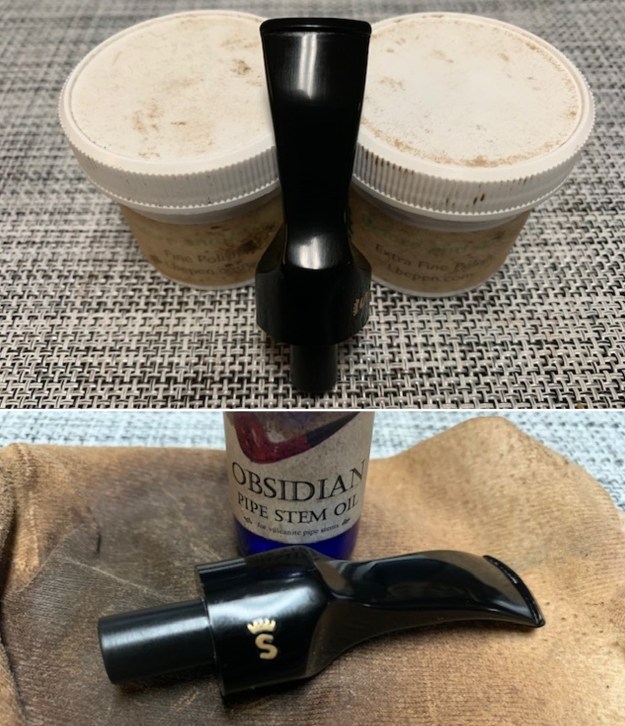
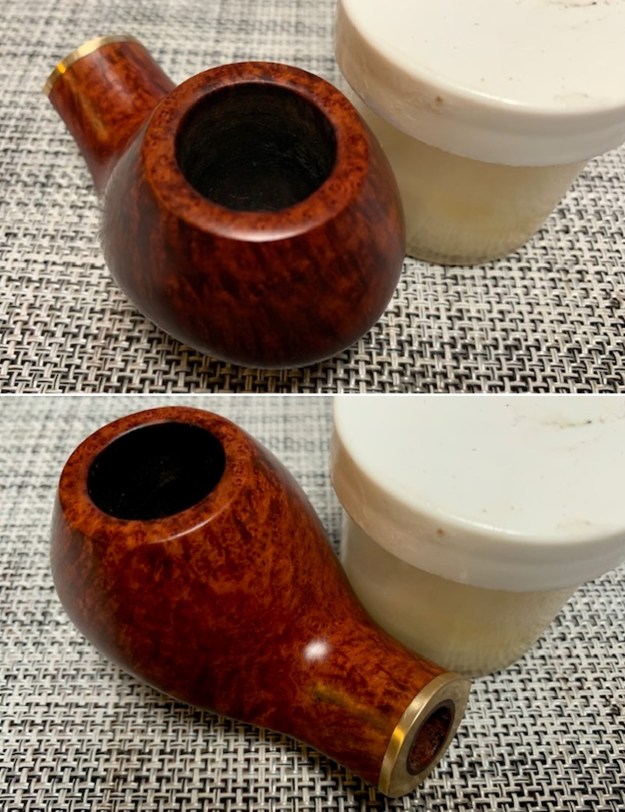 I set the bowl aside and turned to work on the stem. I polished the vulcanite stem with micromesh sanding pads – wet sanding it with 1500-12000 grit pads. I wiped it down with Obsidian Oil after each sanding pad.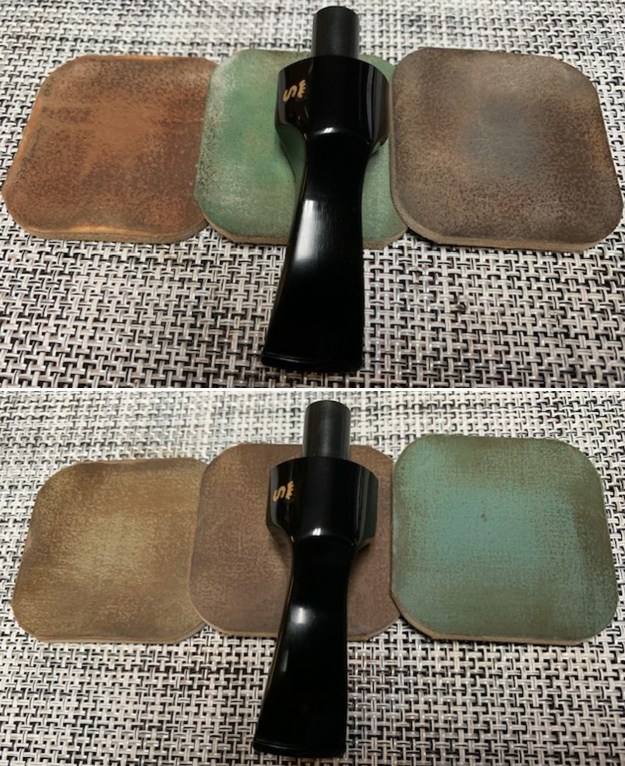
 I polished it with Before & After Pipe Polish – both the Fine and Extra Fine polishes. I gave it a final coat of oil and set it aside to dry.
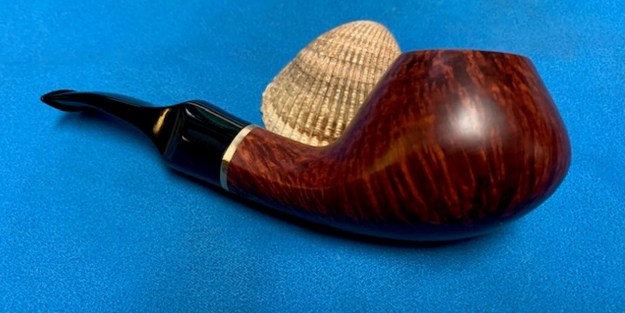
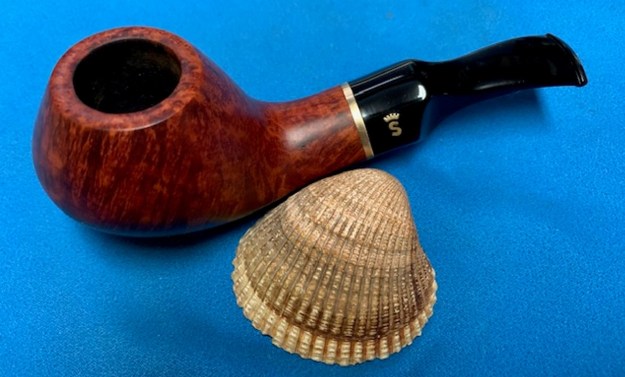
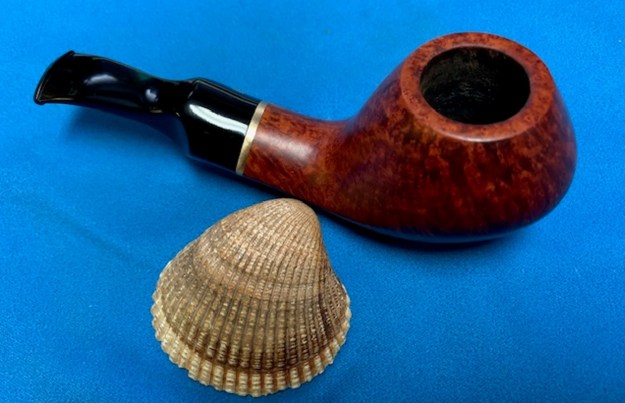
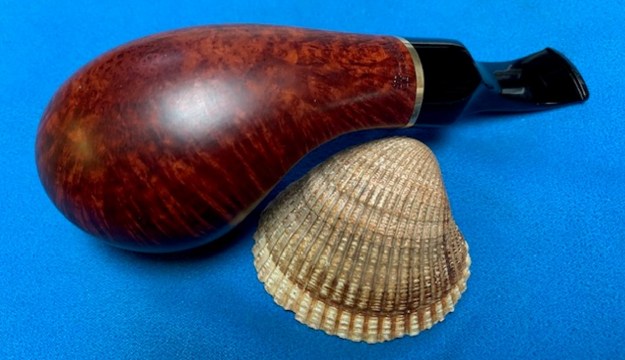
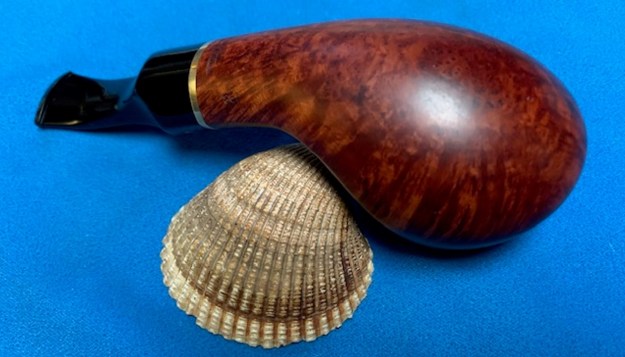
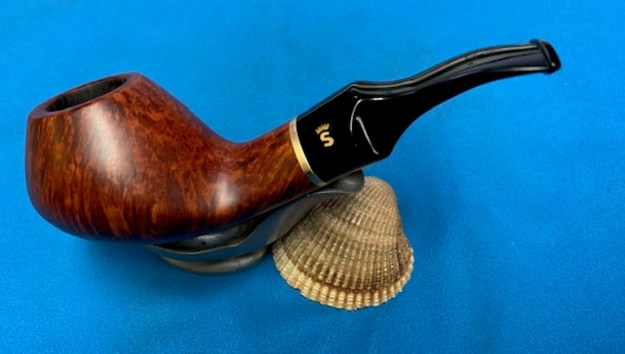
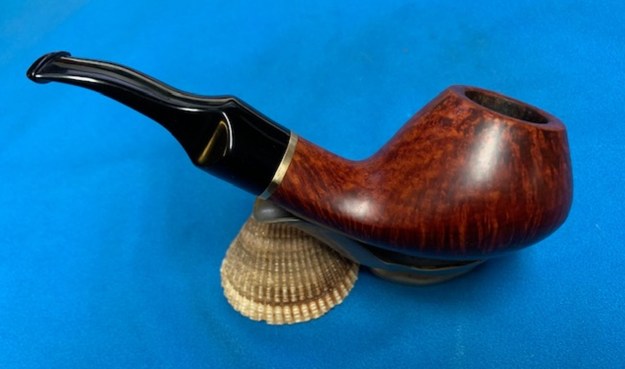
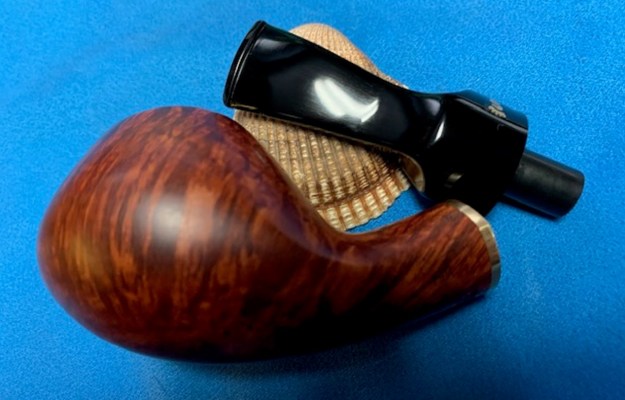
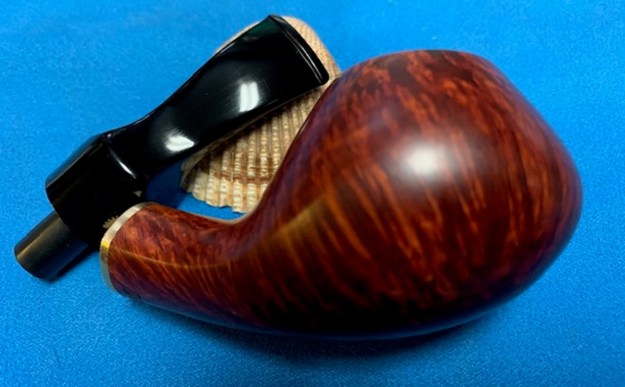
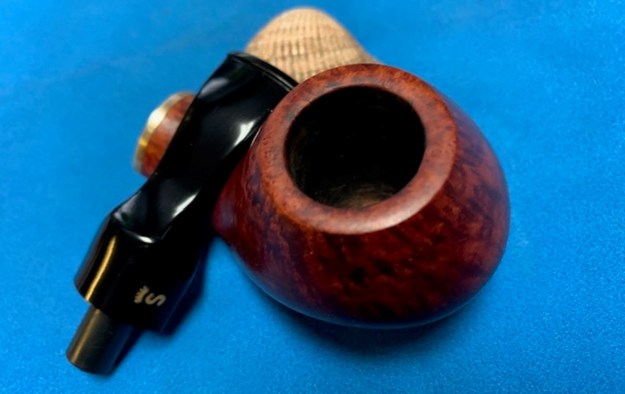
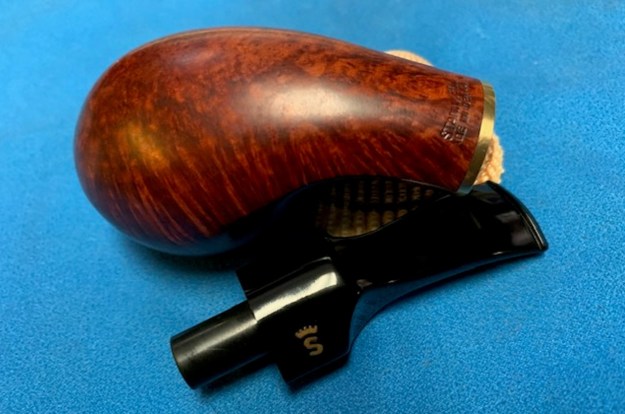
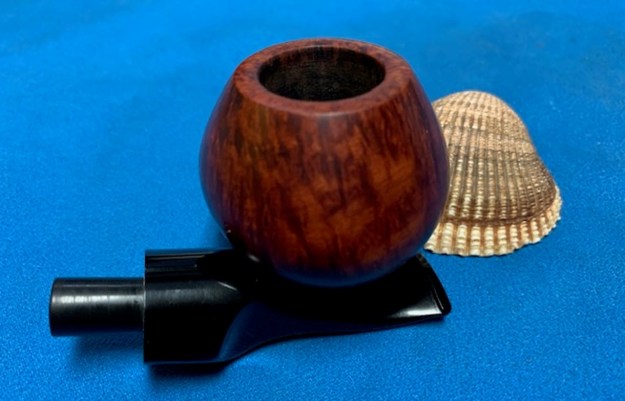
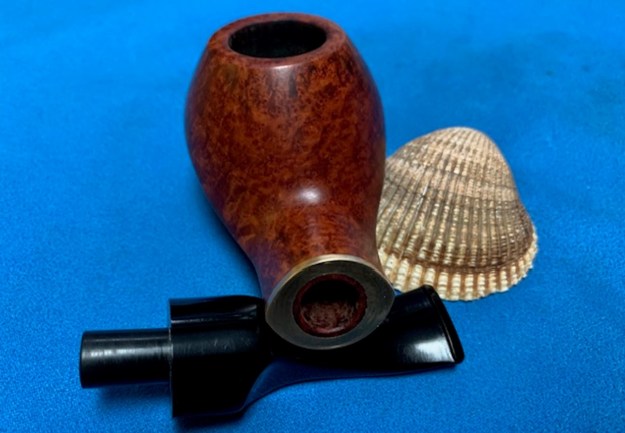
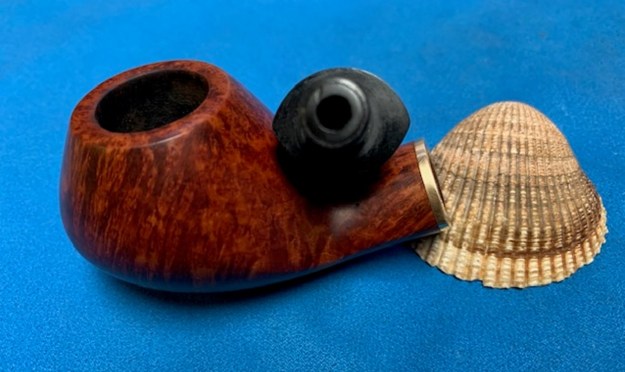
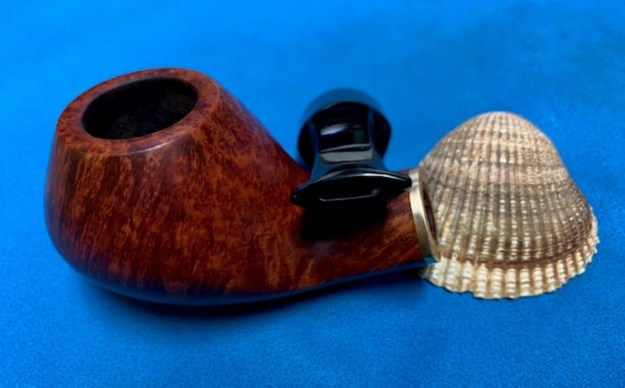
  This Stanwell Made in Denmark Boa 198 Diplomat with an acrylic saddle stem is a great looking pipe now that it has been restored. The beautiful finish really highlights the grain and the polished finish is stunning. The brass band/spacer is also a great addition. I put the stem back on the bowl and carefully buffed the pipe with Blue Diamond on the buffing wheel. I gave the bowl and the stem multiple coats of carnauba wax on the buffing wheel and followed that by buffing the entire pipe with a clean buffing pad. I hand buffed the pipe with a microfiber cloth to deepen the shine. The finished Stanwell Boa 198 Diplomat fits nicely in the hand and feels great. Give the finished pipe a look in the photos below. The dimensions of the pipe are Length: 5 ½ inches, Height: 1 ¾ inches, Outside diameter of the bowl: 1 ¼ inches, Chamber diameter: ¾ of an inch. The weight of the pipe is 75 grams /2.65 ounces. I will be adding the pipe to the Danish Pipe Makers Section of the rebornpipes store. If you are interested in purchasing this pipe send me a message or an email. Thanks for reading this blog and my reflections on the pipe while I worked on it.
As always, I encourage your questions and comments as you read the blog. Thanks to each of you who are reading this blog. Remember we are not pipe owners; we are pipe men and women who hold our pipes in trust until they pass on into the trust of those who follow us.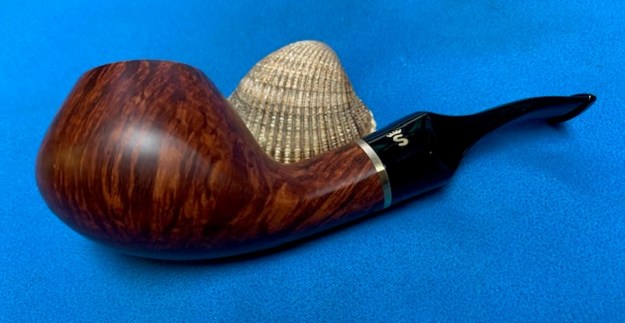
 rebornpipes