Daily Archives: February 26, 2015

First Barling’s – “Special” 225 L


Blog entry by Al Jones

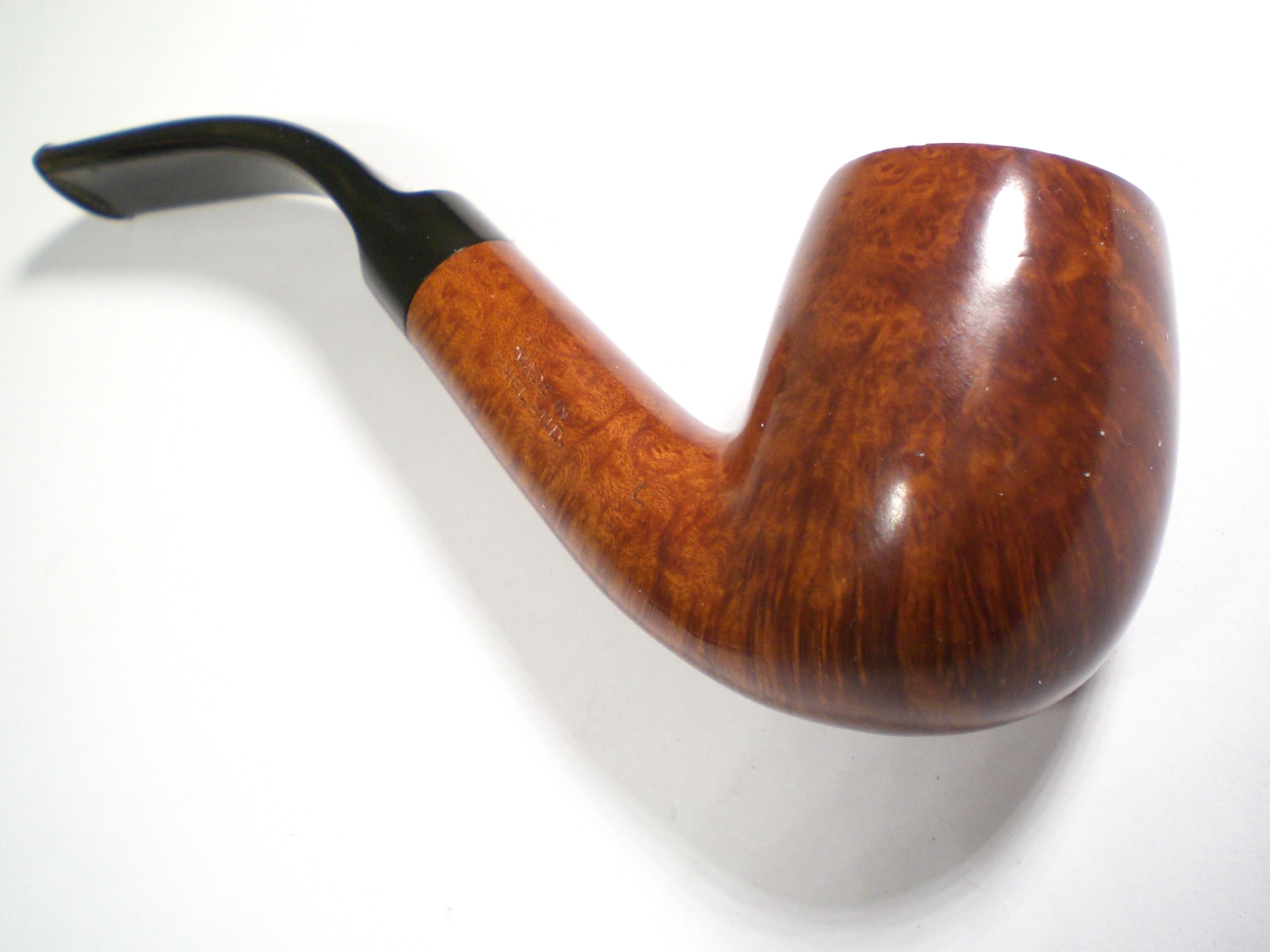
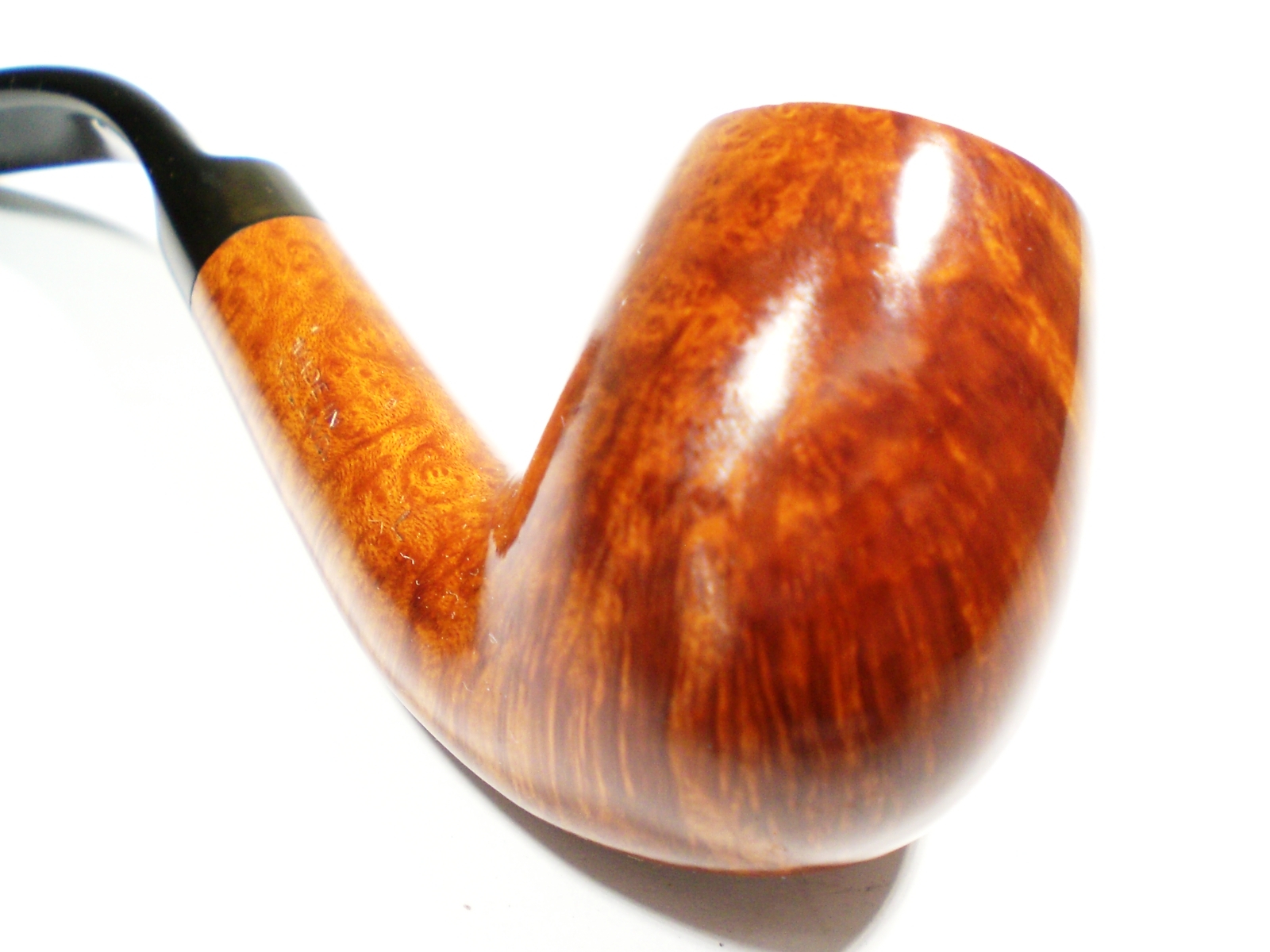
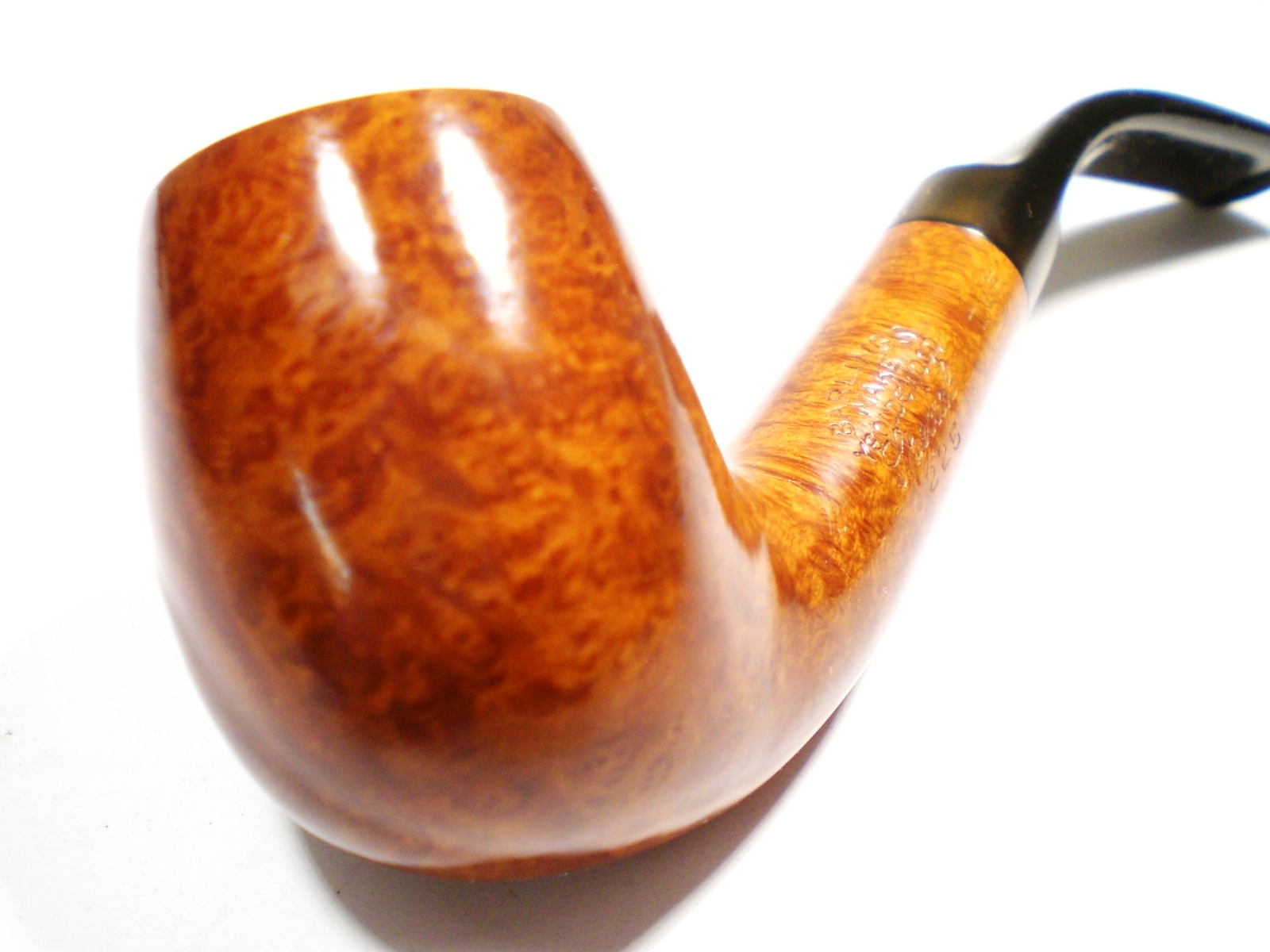
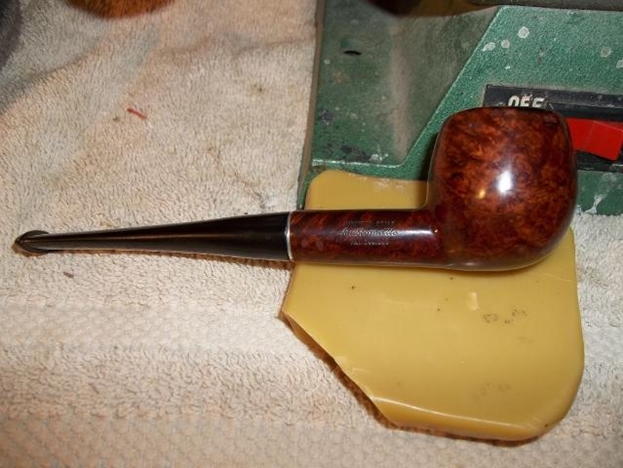
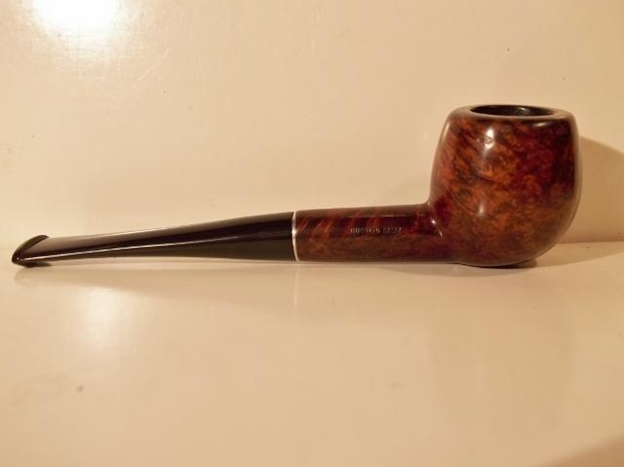
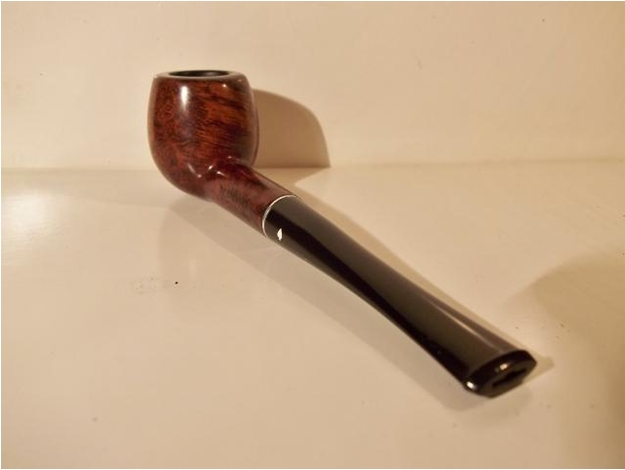
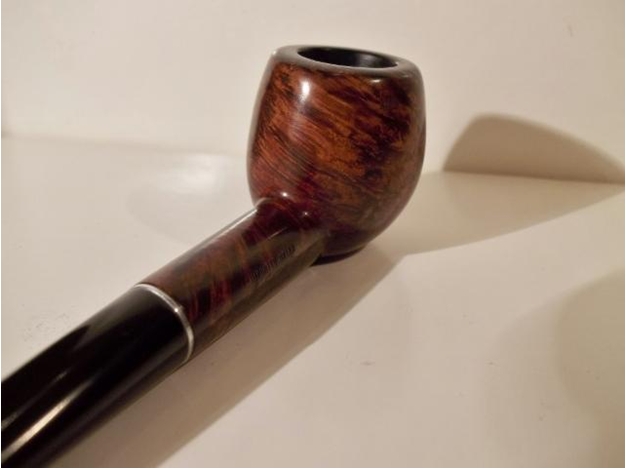
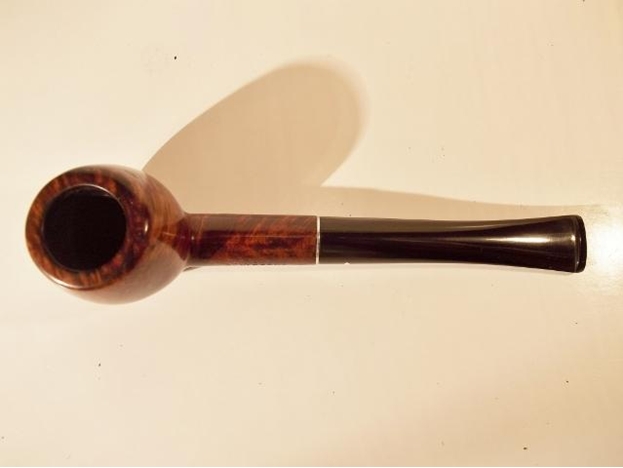
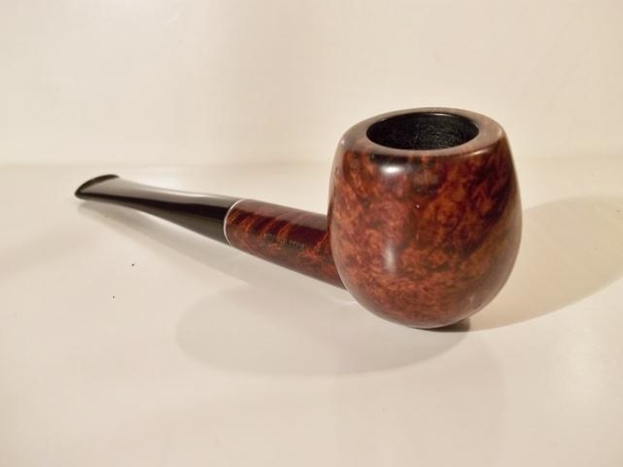
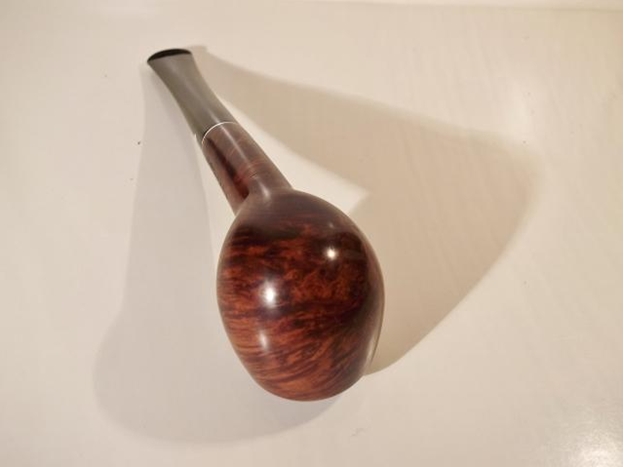
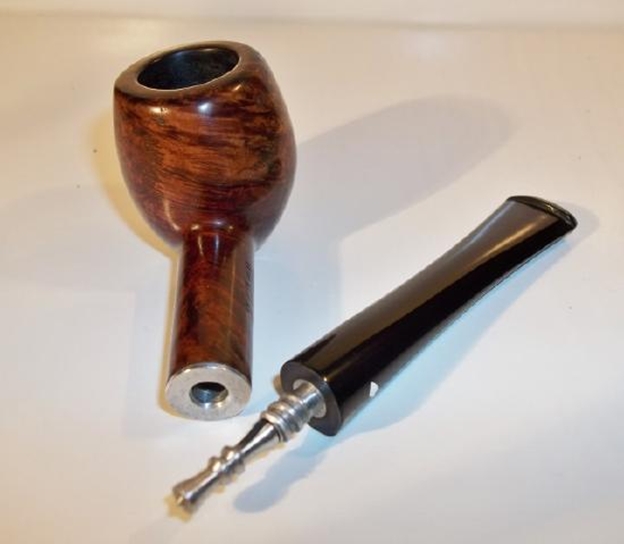
I struck British pipe gold at a shop in Albany NY a few nights ago.  They always have some decent estates and I try to stop by when I am working in the area.  On this visit, two pipes immediately caught my attention, this Barling’s and a Sasieni.  This is a “Special” grade,  Shape 225 in size “L” and my first Barling’s brand pipe.

One of the current authorities on Barling’s pipes is Jesse Silver.  Jesse co-authored the update to the Barling’s page on Pipepedia and participates on several pipe forums I frequent.  A few years ago, I learned to read everything he wrote about British pipes and saved quite a few of his threads for reference.  As soon as I saw the nomenclature, I knew this one was a winner.   I only occasionally encounter Barling’s pipes, but I’ve learned that bent pipes are rare.

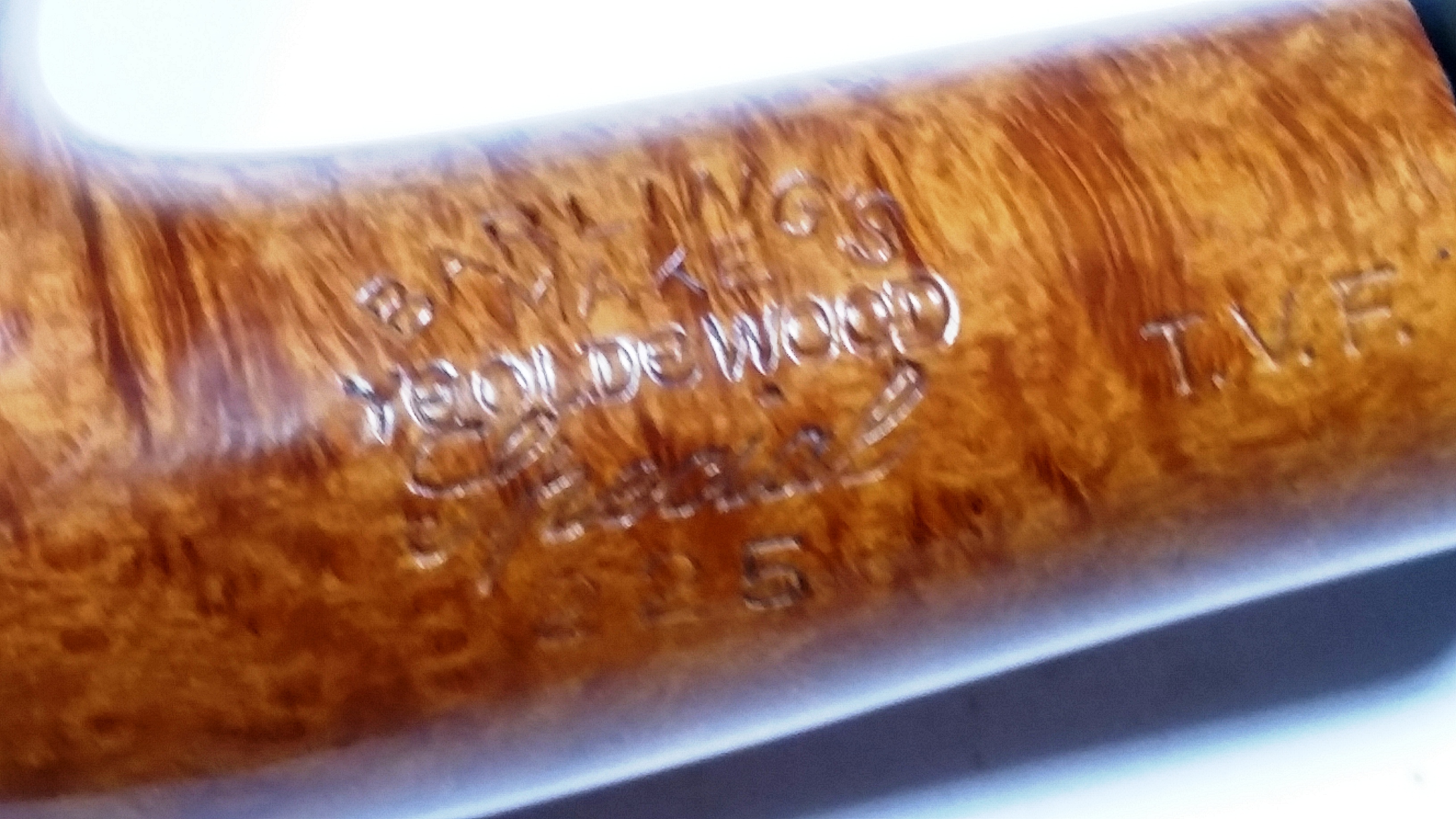
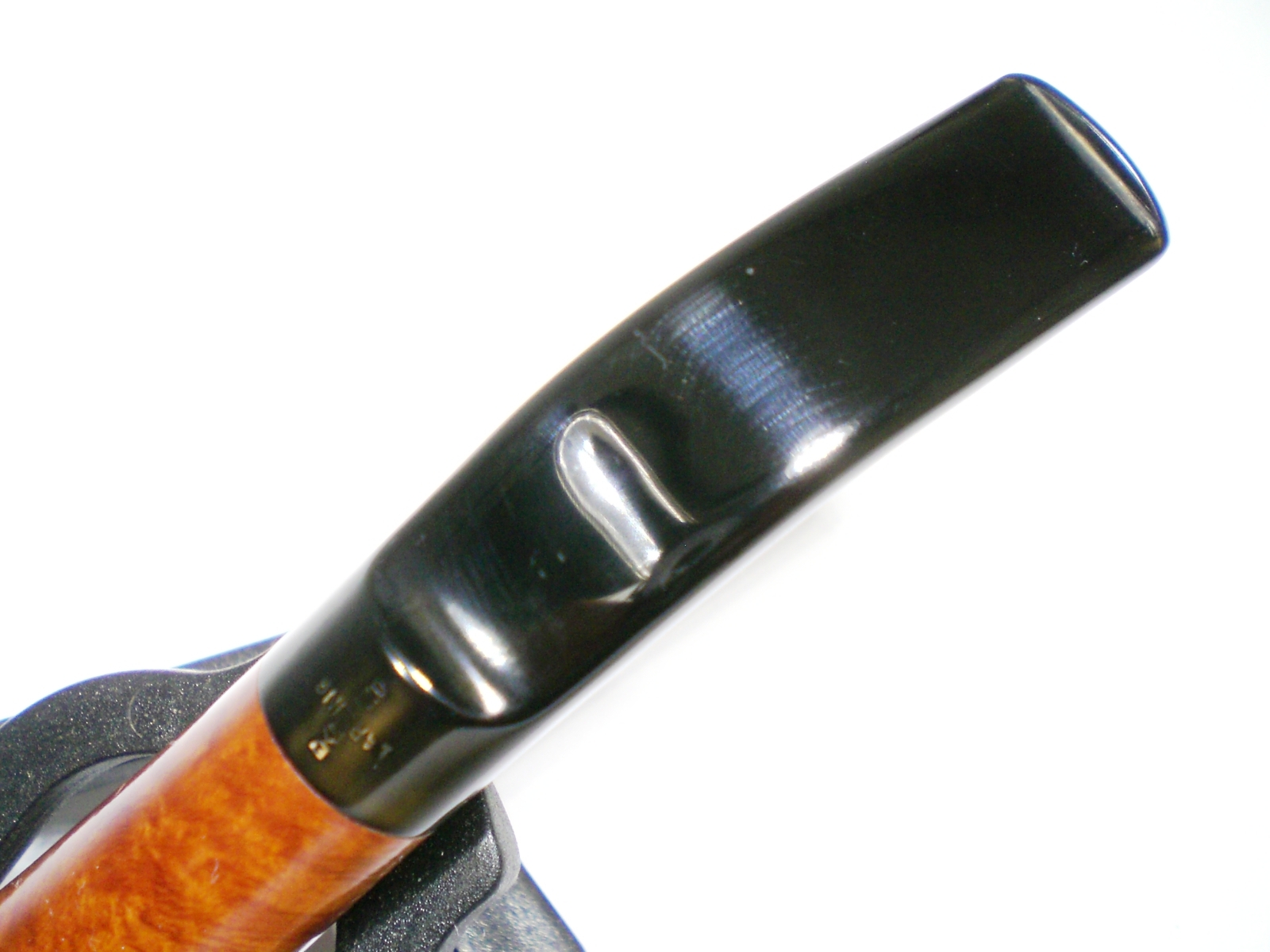
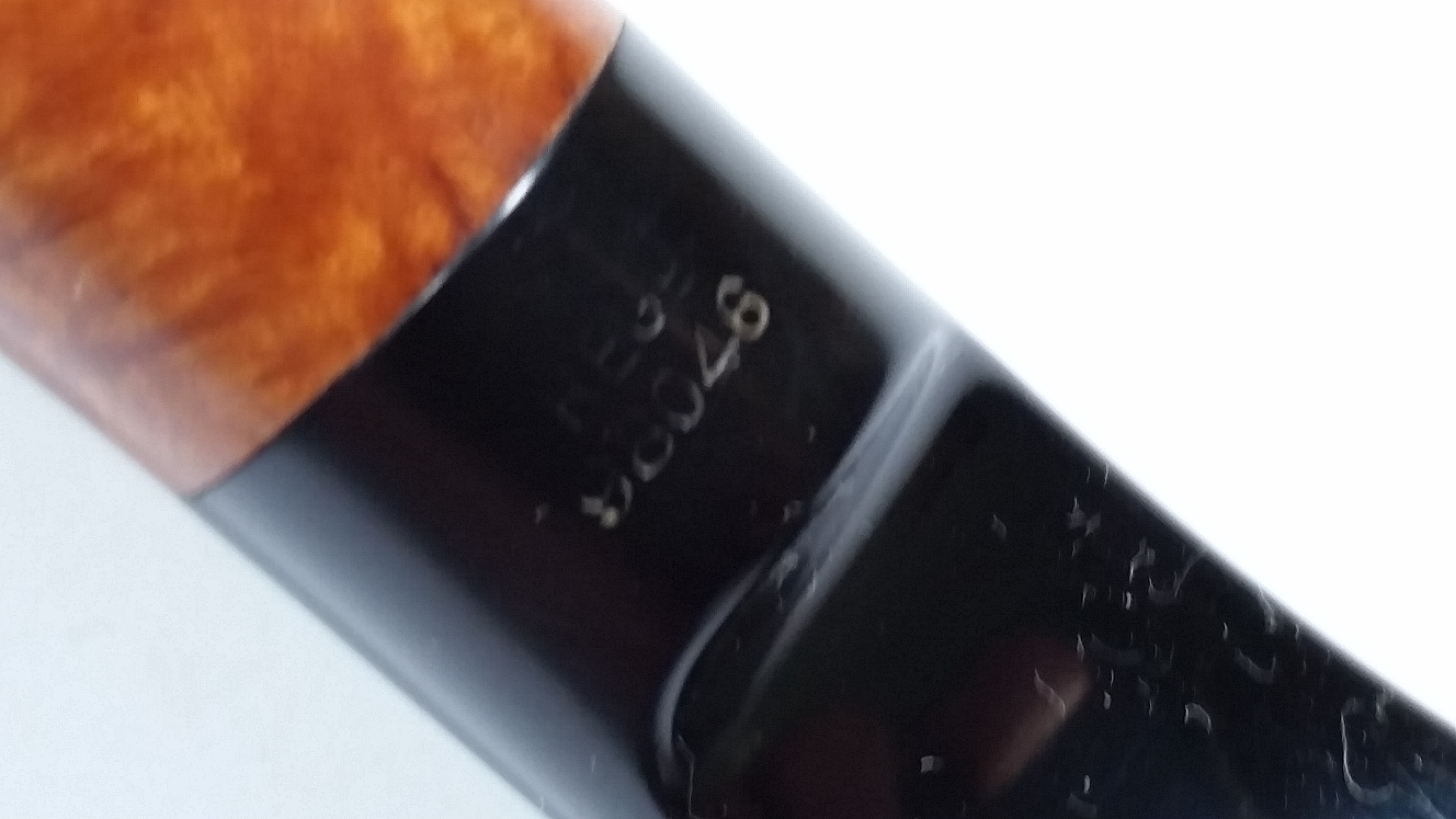
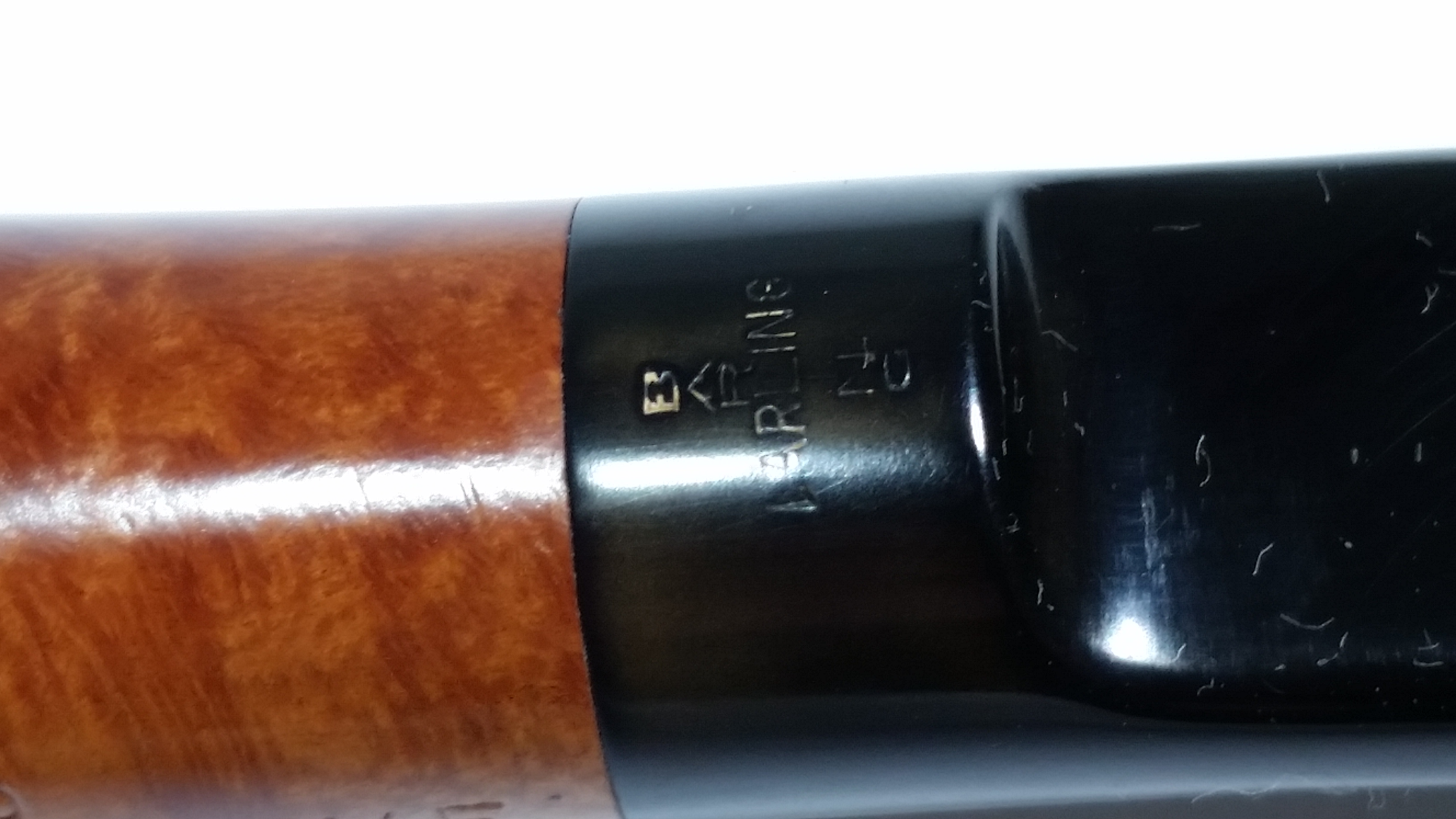
The nomenclature reflects that this pipe is from the pre-Transition era.  It includes the “REGd 98046” stamp on the stem, which was used from 1936 to 1949.    The “L” stamp indicates a Large sized pipe.  This one is about a Dunhill Group 3 and weights a svelte 29 grams.   The three digit shape stamp indicates the pipe was made for the US Market.

The shop owner told me that these pipes came from the estate of an executive at the nearby General Electric plant in Schenectady, NY.

Pipepedia referes to the “Special” grade as:


  • Ye Olde Wood Special (“Special” in script) – pipes with a nicer grain figure, often pipes with a combination of cross-graining and birdseye grain, and which were generally left natural or lightly stained, rather than stained dark.

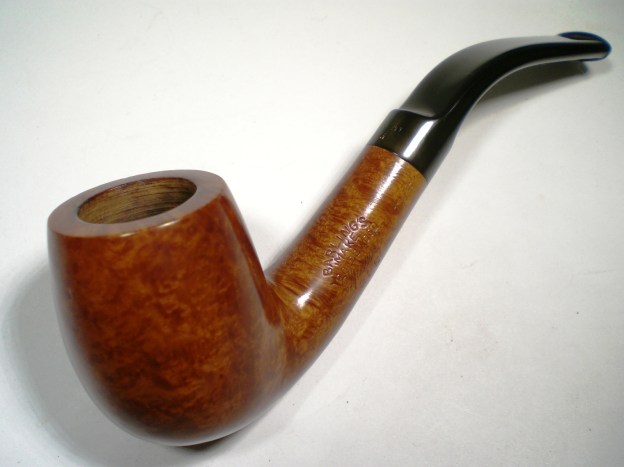
The pipe was in terrific shape.  The stem had a slight layer of oxidation, but was free from any teeth marks.  Most importantly, the Barling’s cross was still visible in addition to the REDd number.  The nomenclature was mint.
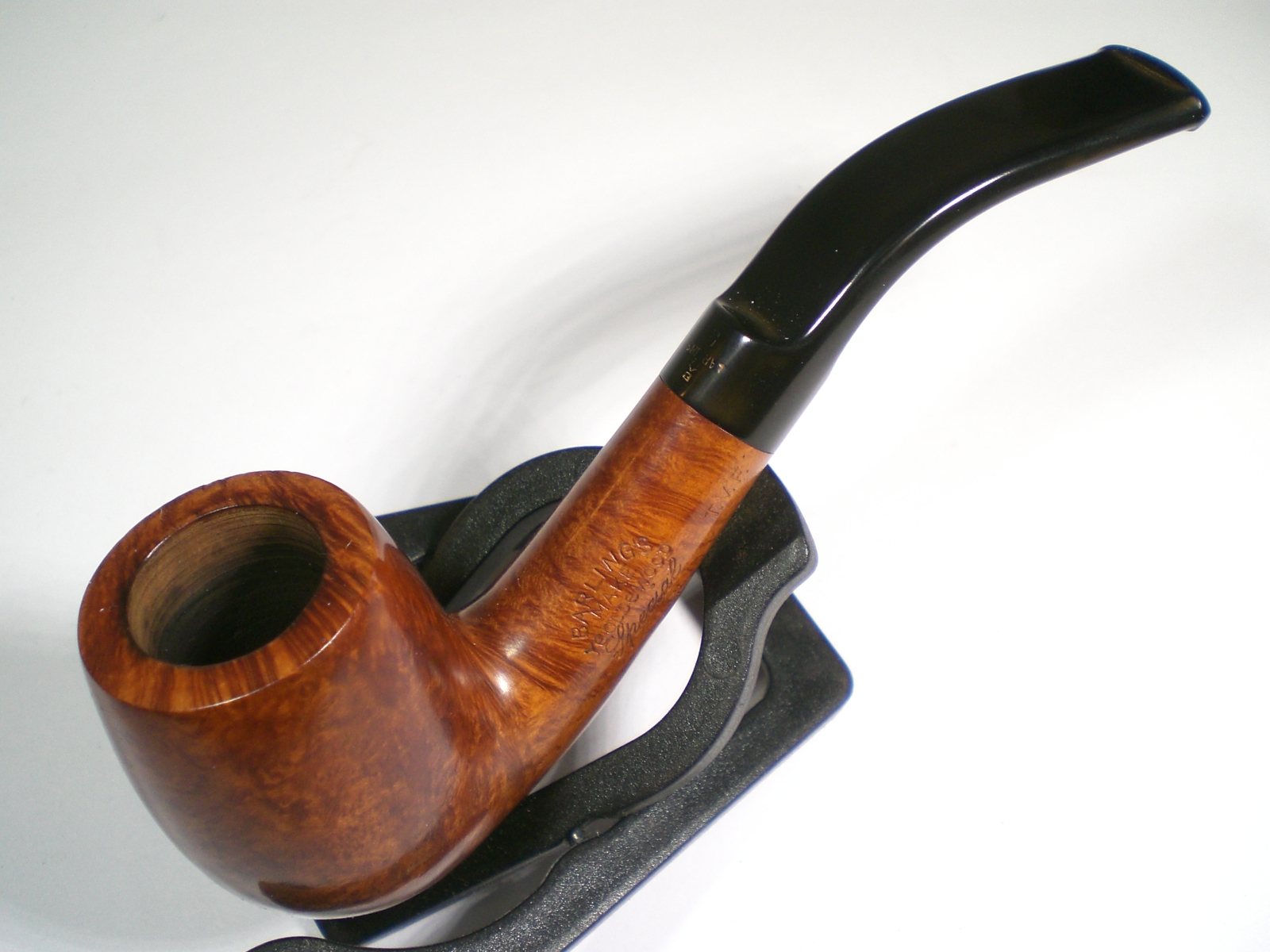
Barling's_225_Special_Before Barling's_225_Special_Before (2) Barling's_225_Special_Before (3)


I soaked the bowl with sea salt and alcohol, but the pipe was so clean, I don’t think it was really necessary.

The stem was shined with 1500 and 2000 grit wet papers, than the 8000 and 1200 grade of micromesh sheets.  I was careful to stay away from the logo, which meant a slight bit of oxidation had to remain.   The flat section was buffed with White Diamond and Meguiars Plastic polish.

The bowl was polished lightly with White Diamond rouge, again staying clear of the nomenclature.  Then, several coats of carnuba wax were applied.  I thought the bowl looked pretty good, but was surprised as to the depth of shine the White Diamond brought out.

Here is the finished pipe.
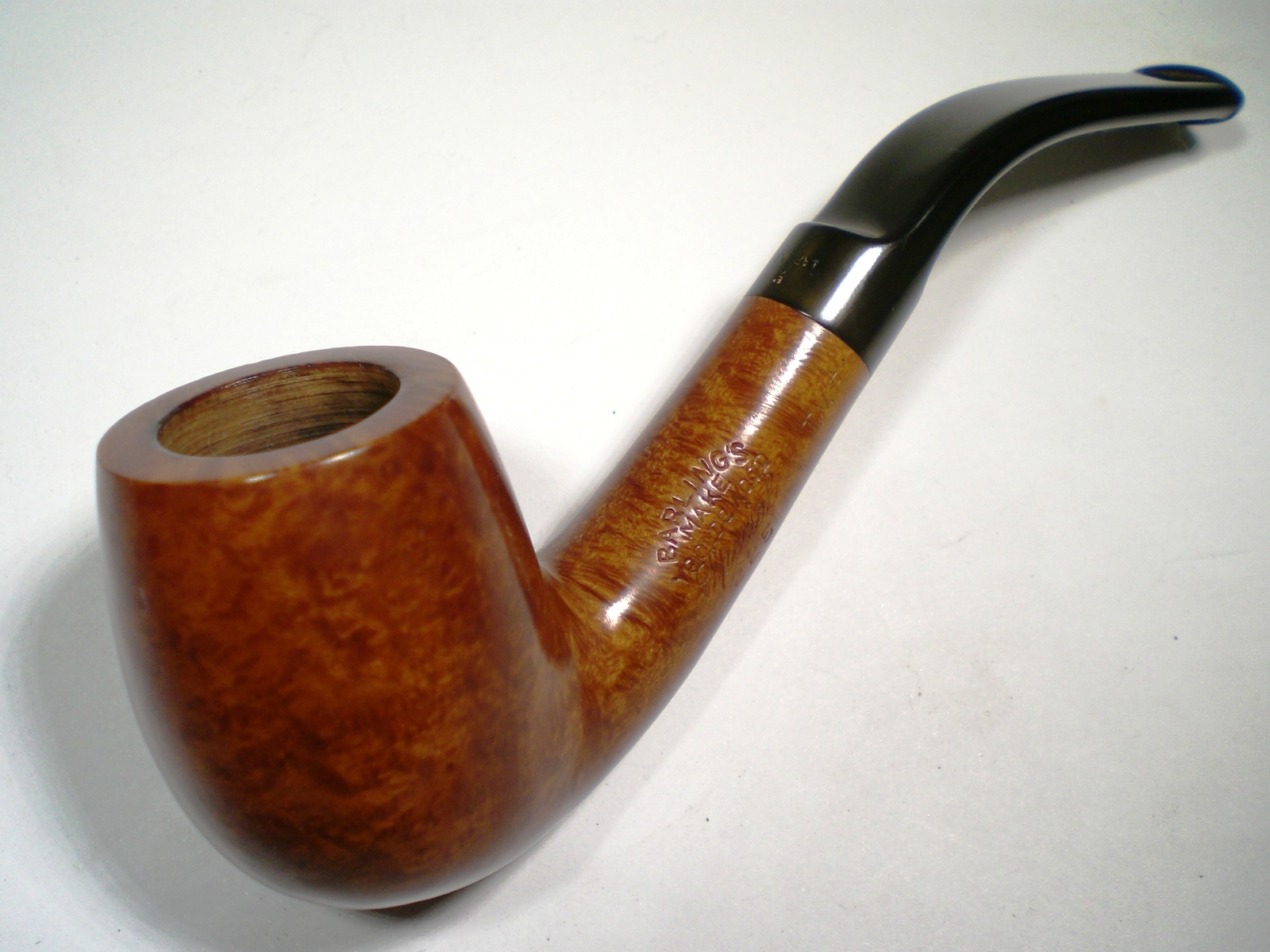
Barling's_225_Special_Finished Barling's_225_Special_Finished (3) Barling's_225_Special_Finished (4) Barling's_225_Special_Finished (9) Barling's_225_Special_Finished (6) Barling's_225_Special_Finished (5) Barling's_225_Special_Finished (7) Barling's_225_Special_Finished (8)


New Life for a Dr. Grabow Belvedere Apple


Blog by Troy Wilburn

I got this pipe from a friend on Facebook. He buys lots and sells pipes out of them. He sent me a message and said he had a decent Dr. Grabow Belvedere for $2.50 + $2.50 shipping. He stated it would clean up pretty good. I’ve known him for a while and have purchased a few pipes from him. I trust his judgment, so I told him to ship it to me. I didn’t even ask what shape number it was or finish. Heck for 5 bucks a good stem is worth that. That’s cheaper than a pack of smokes nowadays.

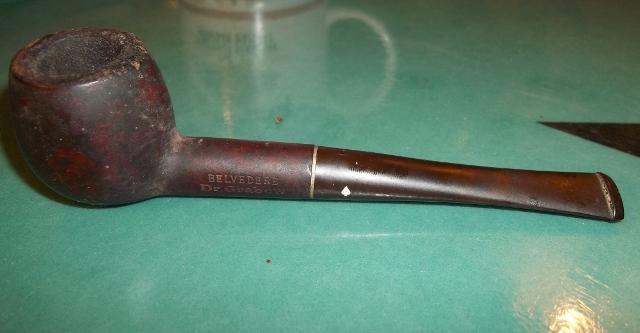
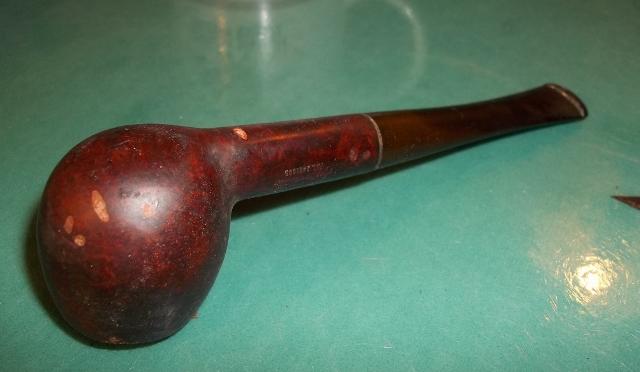
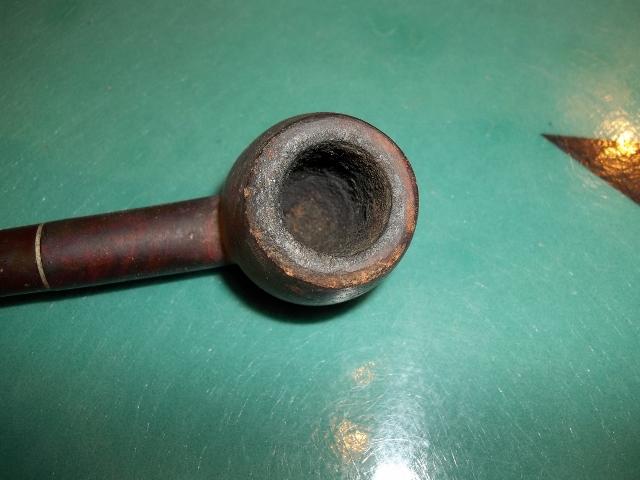
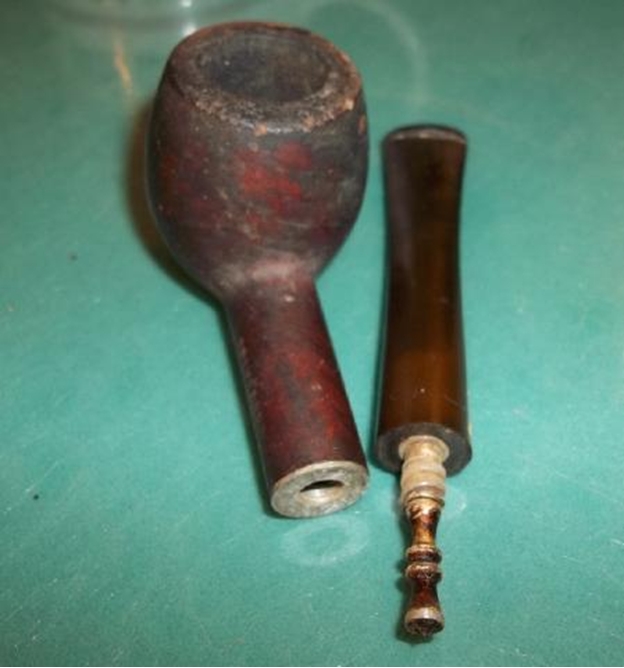
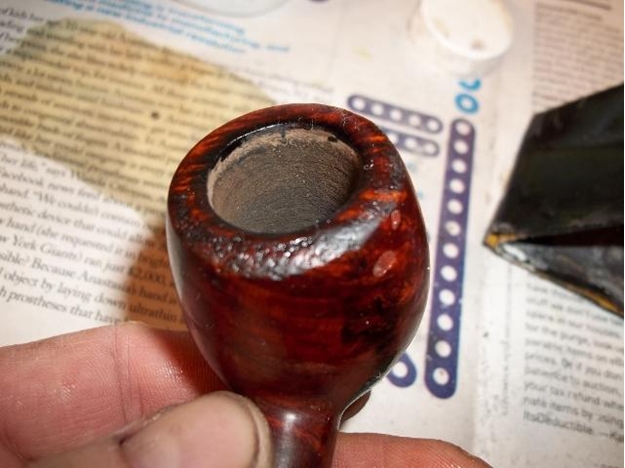
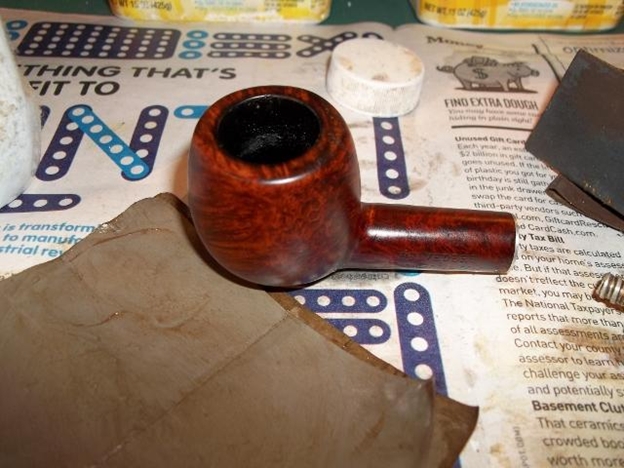
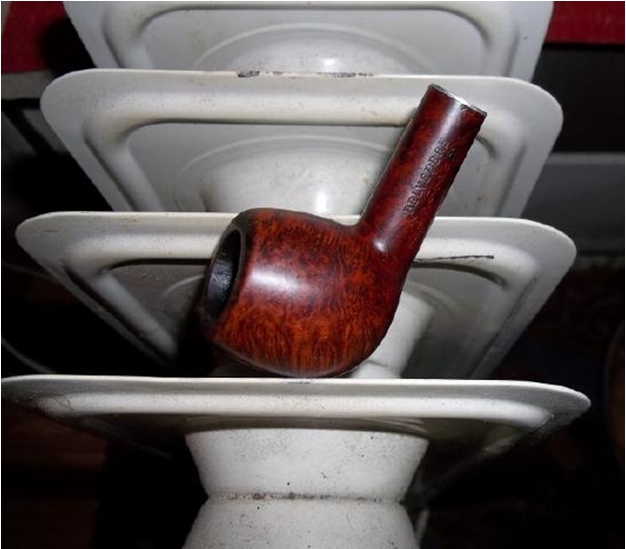
The next group of photos shows what the pipe was like when I got it. It has several fills and the back of rim is banged up. On a good note there are no cracks or such and the stem was in fine shape. It’s not the prettiest looking pipe, but it will make a fine smoker. With all the fills this will be a work horse pipe – a pipe I can keep in a tackle box, tool box, RV /camper, pickup truck glove box or just a for beating around outside when doing work. Because of the rook stinger this makes it an early Belvedere from around mid 1950’s.Troy1

Troy2

Troy3

Troy4

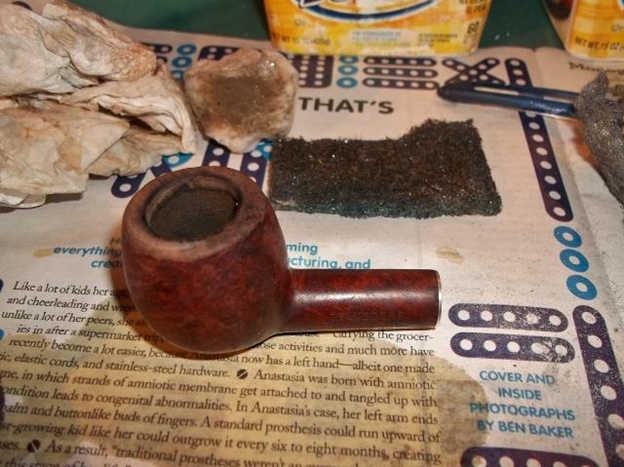
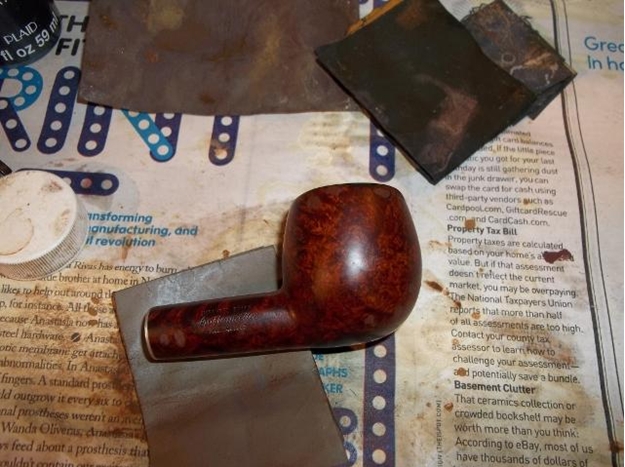
Troy5 I took the bowl and gave it a good cleaning with Oxy Clean, a Scotch Brite pad and warm water. After that I cleaned out cake and shank with isopropyl alcohol.Troy6 I wiped down the bowl with mineral oil to get a good look at the damage.Troy7 Starting with 400 grit sandpaper I worked over the major damage on the bowl and slowly working it out with 600, 800, 1000, 1200, 2000 grit sandpaper. Then I used 2500 grit sandpaper over the whole pipe. I used mineral oil as a lubricant for the wet/dry paper instead of water.Troy8

Troy9

Troy10

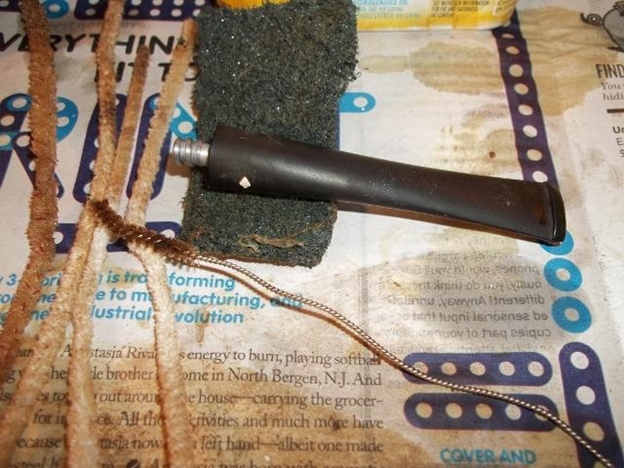
Troy11 I set the pipe on a space heater to dry the oil out so I could work on the fills.Troy12 I scrubbed and cleaned the stem inside and out after a soak in isopropyl and then Oxy Clean. The stem wasn’t that bad. After using a shank brush on it I found that it only needed a few cleaners.Troy13 I then took some paint and mixed up a color that would help blend the fills in somewhat. It was just plain old acrylic paint from Walmart.Troy14

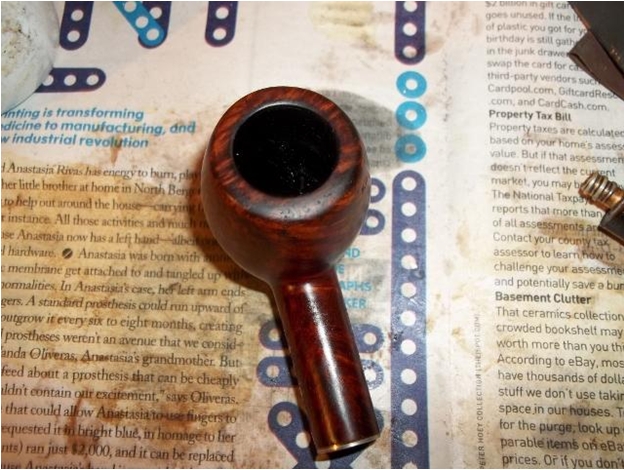
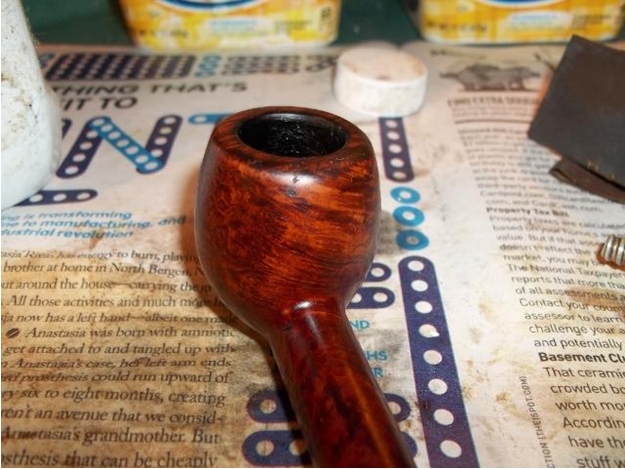
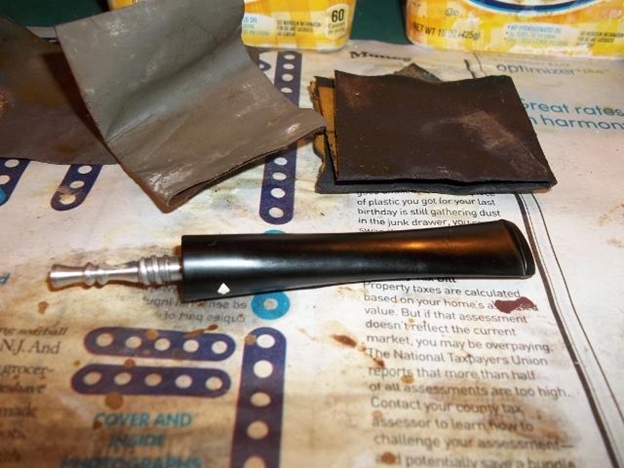
Troy15 I applied it on fills of course using a small brush.Troy16 I then set the pipe back on heater for drying. While it was drying I wet sanded stem with 400 grit sandpaper on up to 2500 grit sandpaper, just like I had done with the bowl. I also cleaned the stinger and male threads with steel wool.Troy17 After bowl dried I wet sanded the pipe again with mineral oil and 2500 grit sandpaper to blend out the paint. I sanded very lightly though, as it does not take much.Troy18 The fills don’t look too bad after a couple of coats of wax.Troy19 Here are some photos of the completed pipe.Troy20

Troy21

Troy22

Troy23

Troy24

Troy25

Troy26

Troy27

Troy28

Troy29

Troy30

Troy31 For a few bucks a little time and elbow grease I got me a fine daily smoker and work pipe that will last a long time and smoke great.

Ready for those “honey do” projects.Troy32