Author Archives: upshallfan

Unknown's avatar

About upshallfan

Moderator on the PipesMagazine forum since 2011. Guest contributor on the Reborn Pipes Blog by Steve Laug.

Ashton Old Church – Re imagined by George Dibos


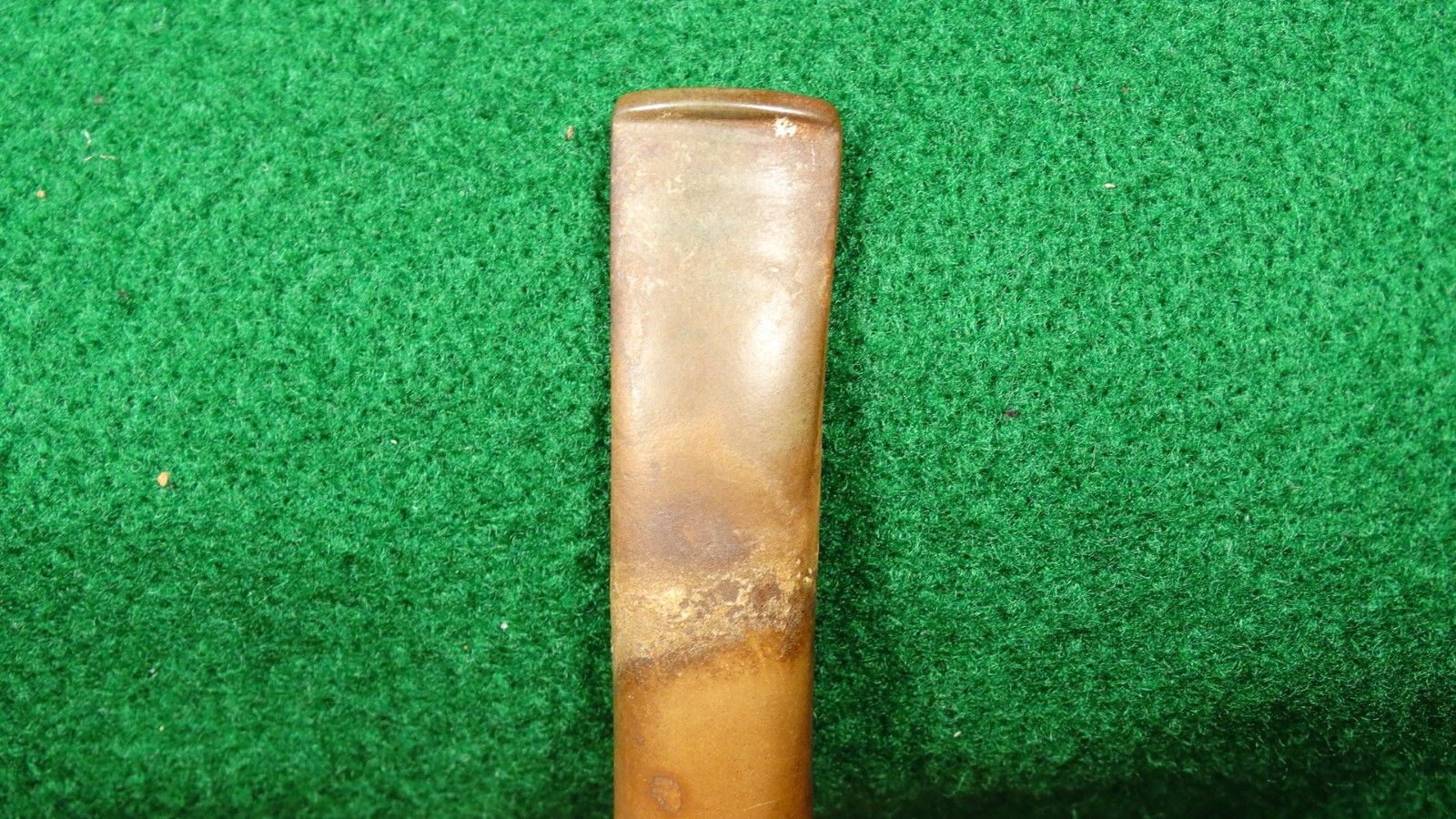
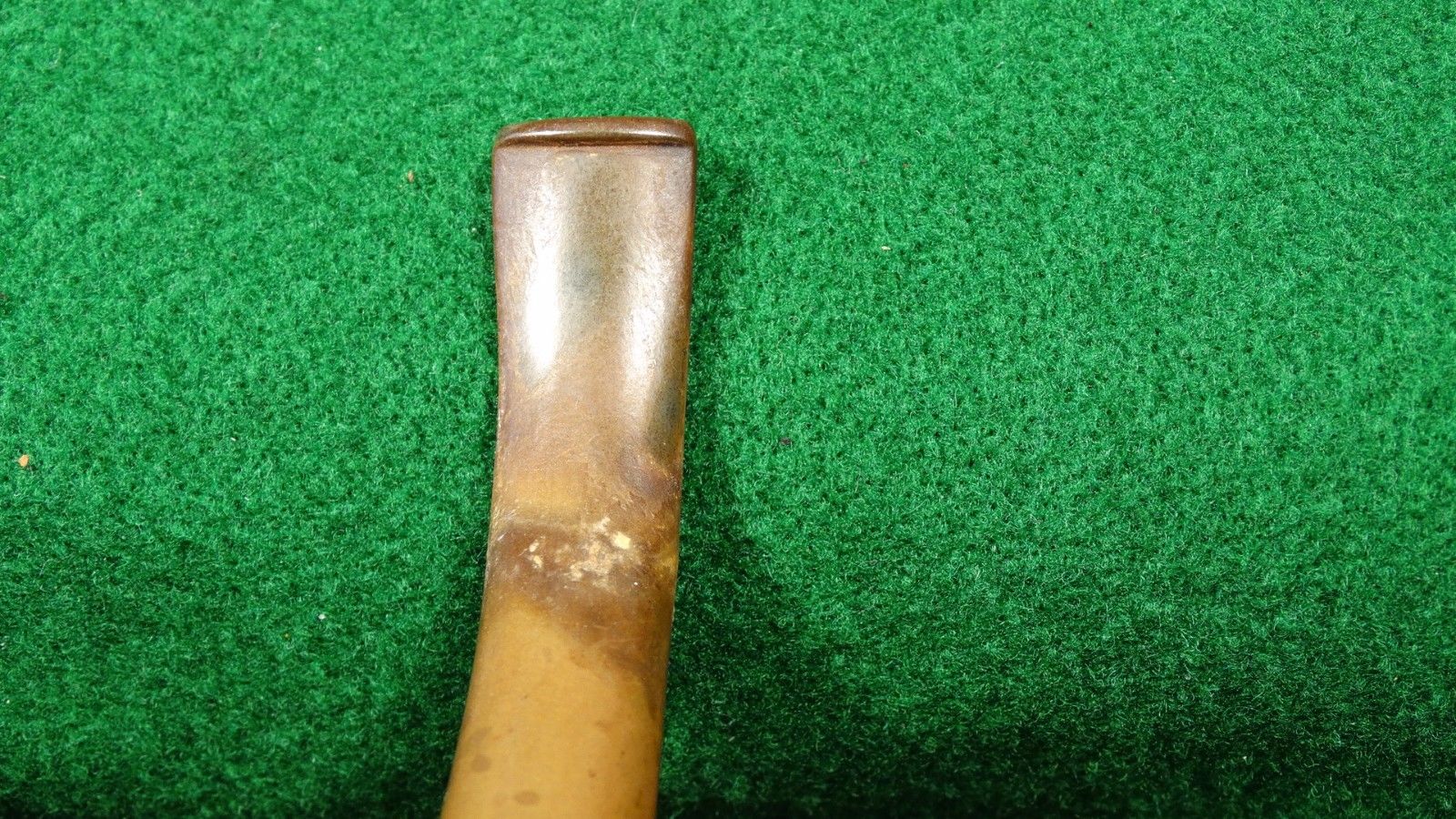
I have two, Bill Taylor, XX size Ashton Rhodesians, both with saddle stems. The stem on my Old Church finish pipe always seemed a little ungainly and my preference is for a taper stem. Recently, pipe repairman, George Dibos of Precision Pipe Repair in Kansas has posted several re-stemmed classic pipes on the PipesMagazine.com forums. Last week, he posted the identical Old Church Rhodesian with a new, tapered profile stem. The change and improvement, to my eye was dramatic. So, I sent him my Old Church for the similar treatment. George can even replicate the briar in silver iconic Ashton stem logo.

In email exchanges regarding the work, George told me that getting the proper bend in a fat, taper stem take time and effort. Going with the saddle stem is typically the most efficient way of creating a the stem.

This morning, George posted pictures of the new stem on the forum, which was surprising as he had just received the pipe the day before. My pipe had the added challenge because the nomenclature panel was flat and that feature transferred up to the saddle part of the stem. George had to finesse the transition into a taper stem.
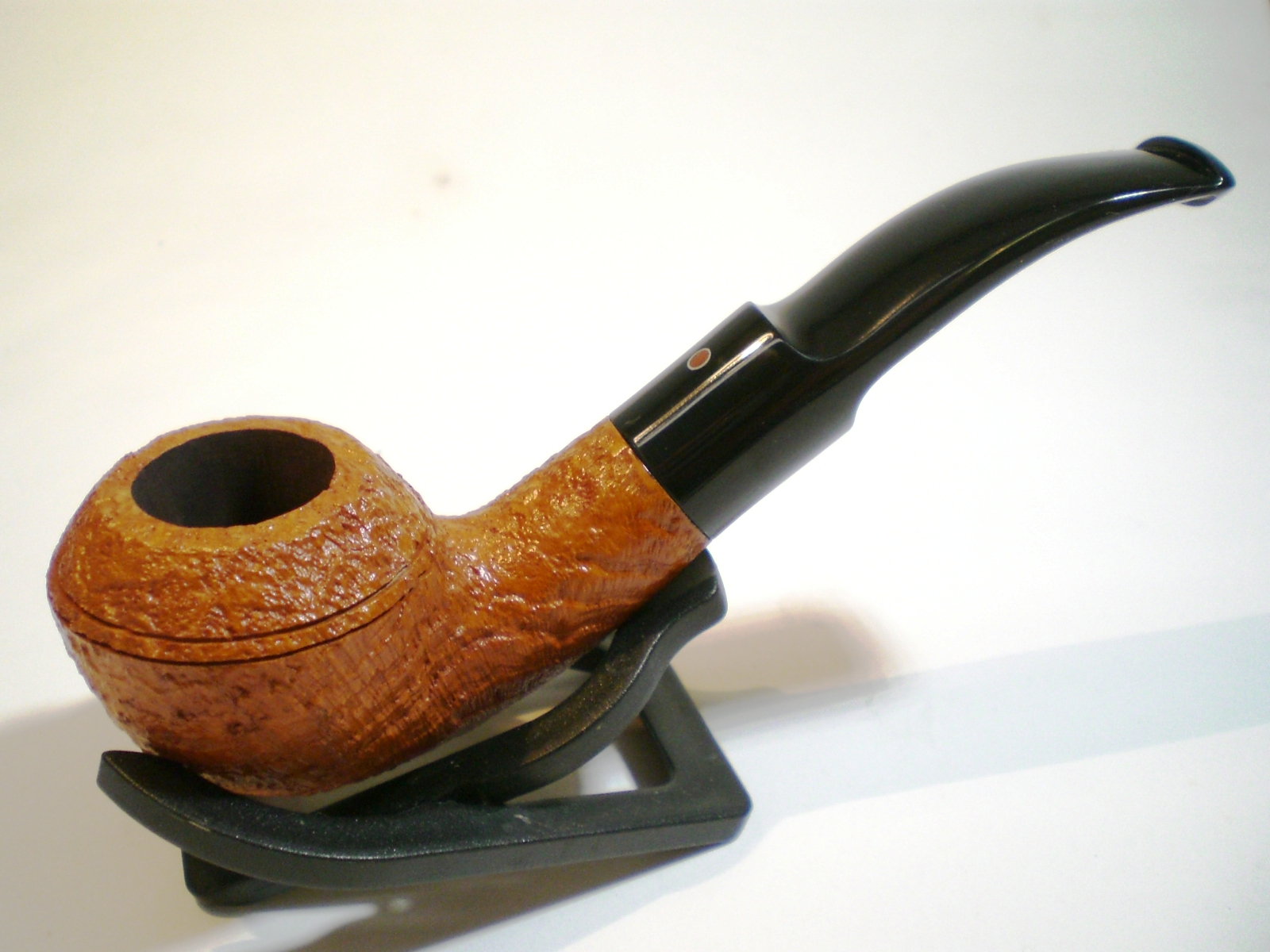
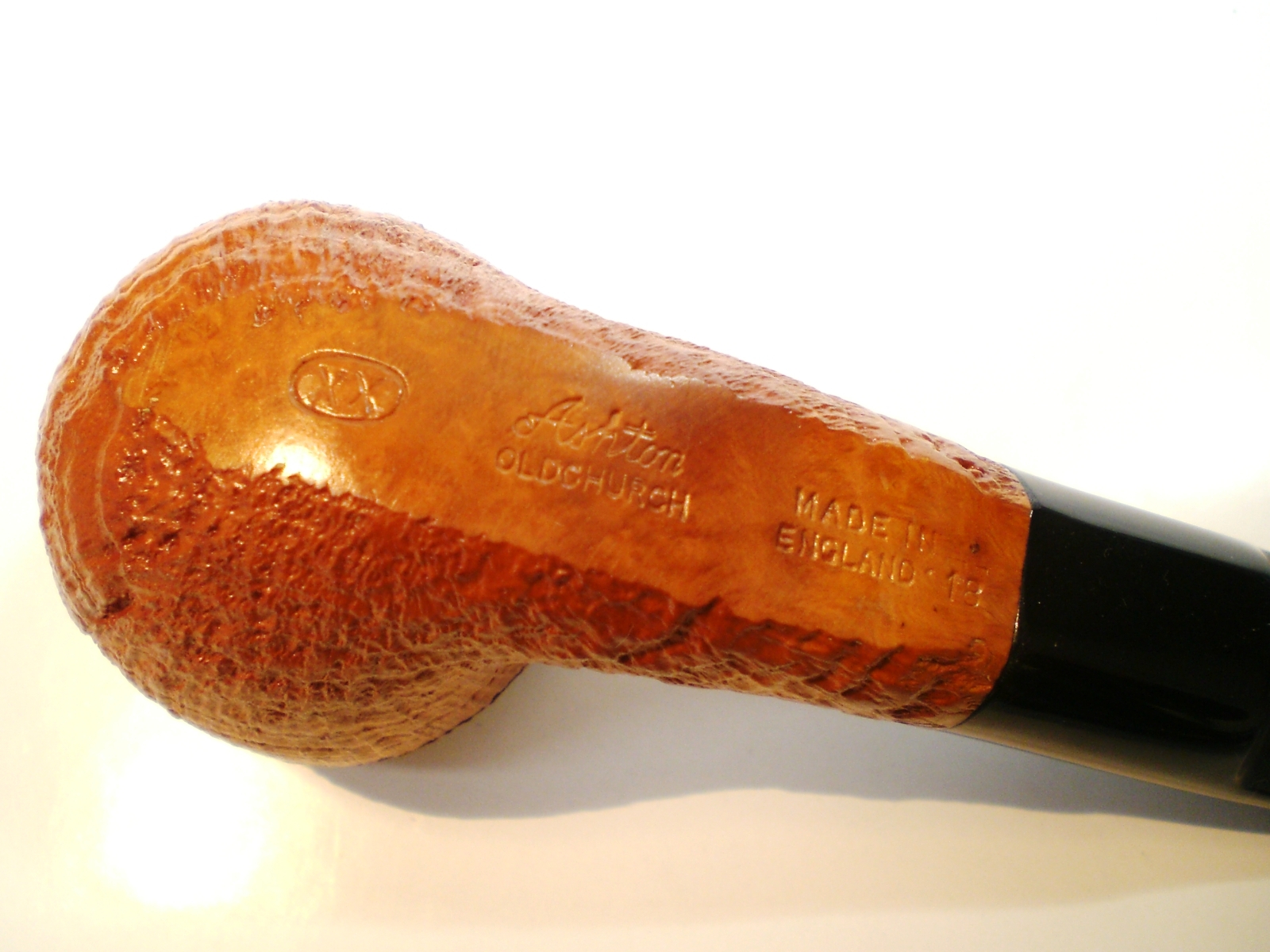
Ashton_Old_Church_XX_98_Gallery

Ashton_Old_Church_XX_98 (3)

And the finished pipe below. I joked with George that he actually saved me money, as a tapered Stem, Old Church XX Rhodesian was still on my “Holy Grail” list.

I consider George Dibos to be one of the best stem guys in the business. If you wish to contact him, he can be reached thru his website:

http://www.precisionpiperepair.com/

I can’t wait to get this one back in my rotation
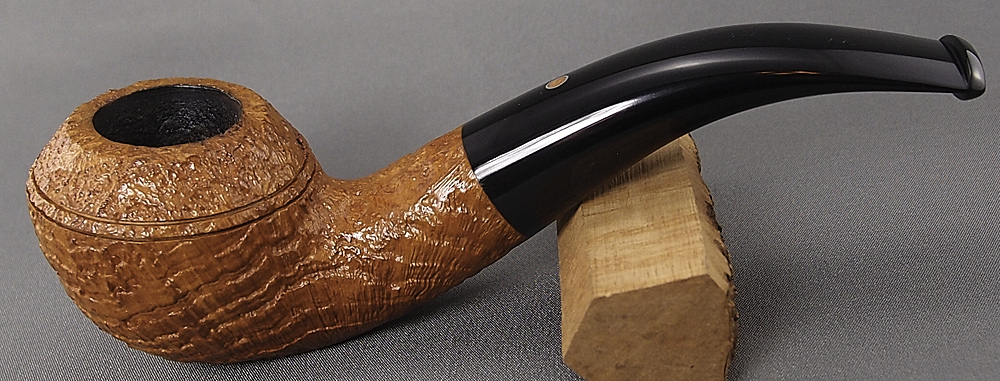
Ashton_Old_Church_George_Dibos_Stem2

Ashton_Old_Church_George_Dibos_Stem3

Ashton_Old_Church_George_Dibos_Stem

Ashton_Old_Church_George_Dibos_Stem4

Ashton_Old_Church_George_Dibos_Stem5

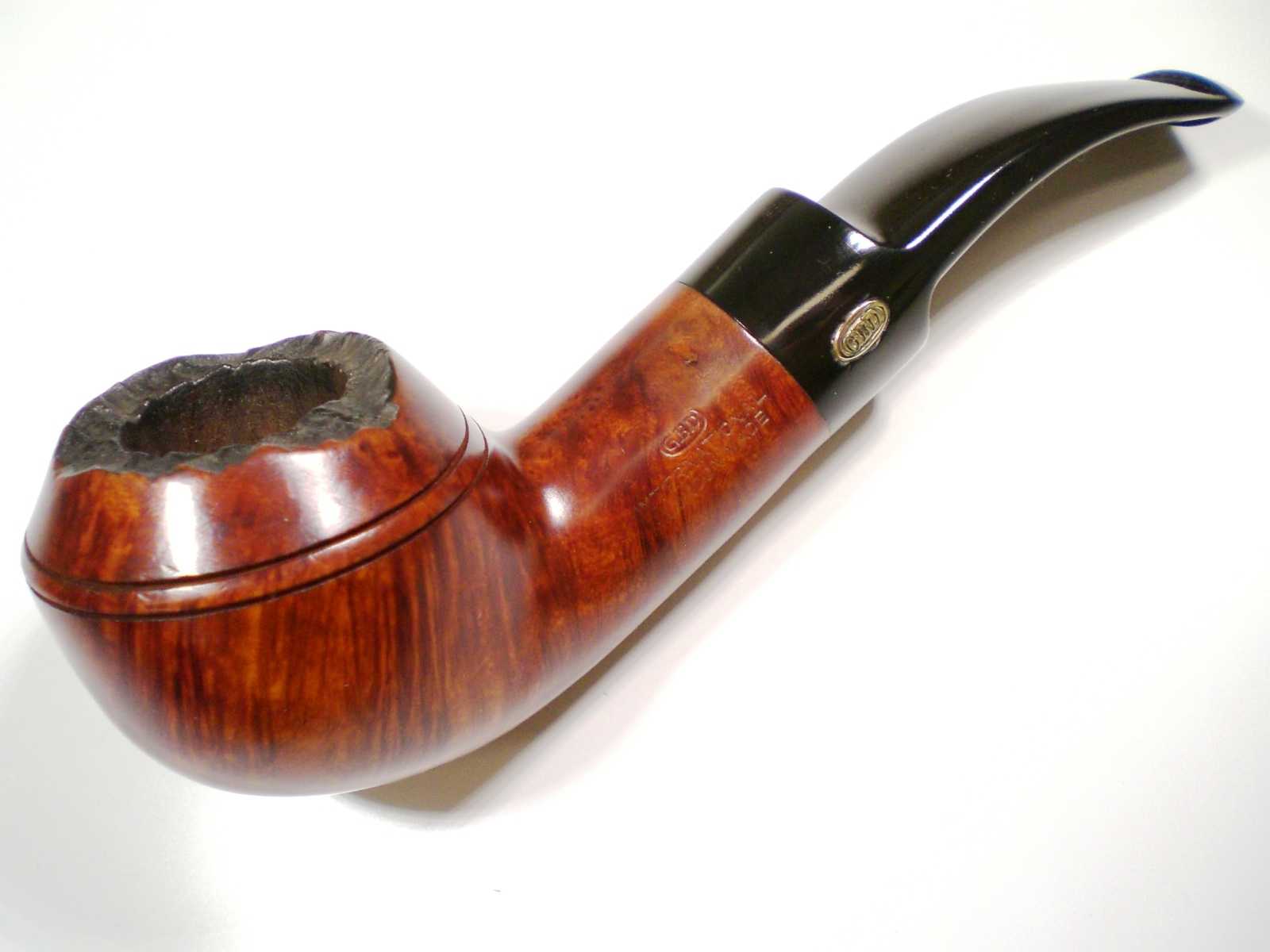
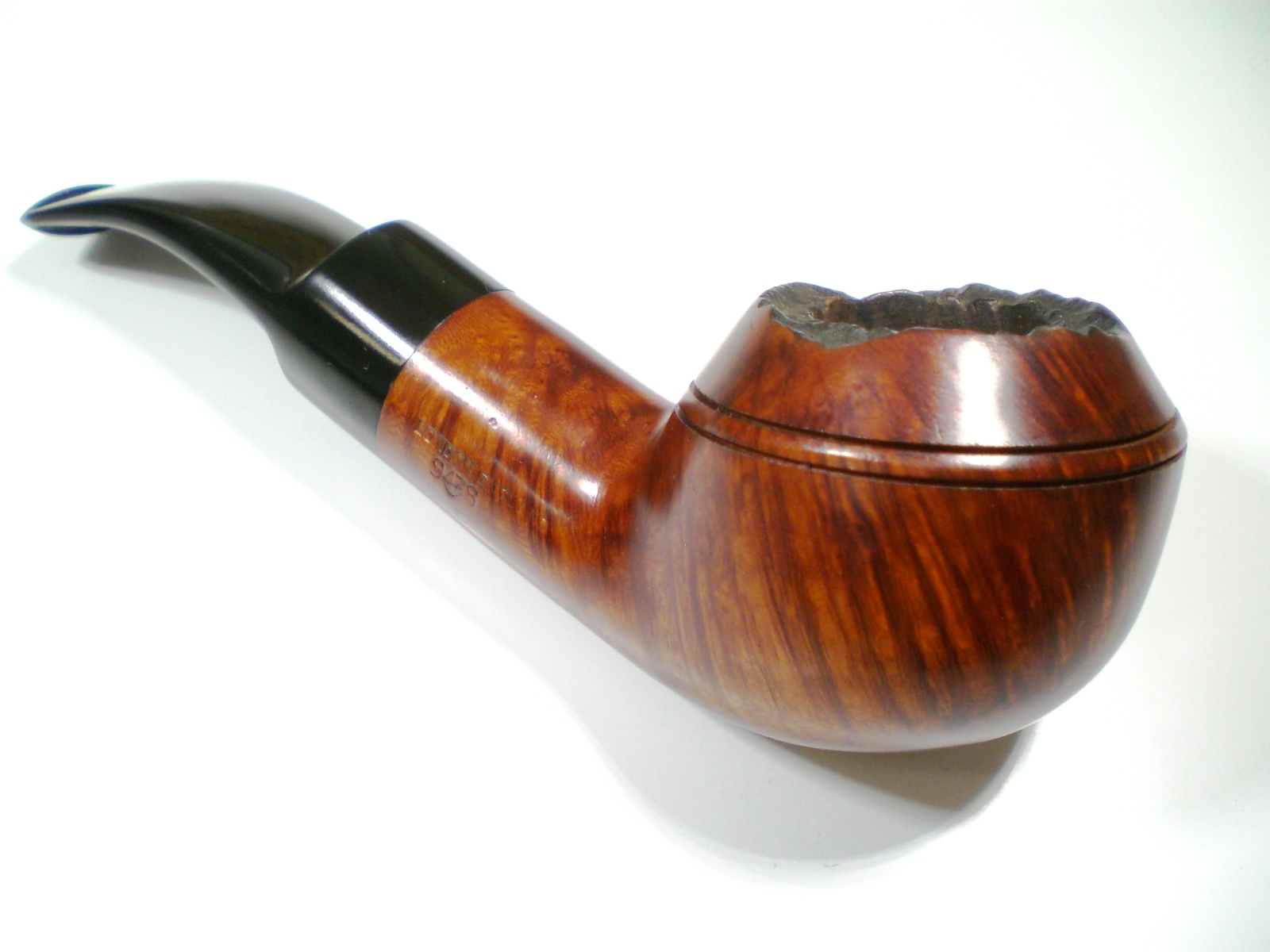
GBD 9438 International Clean-up


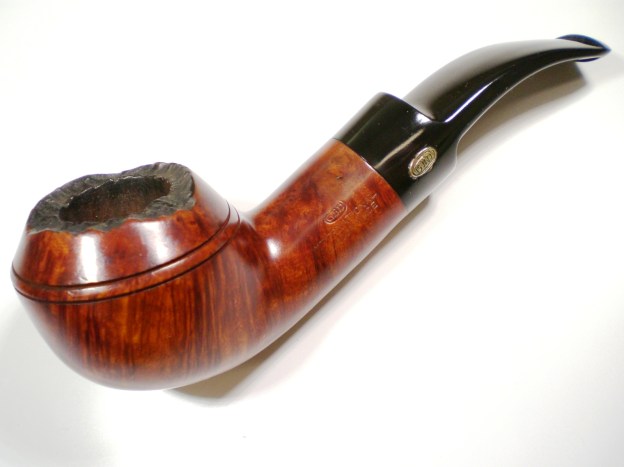
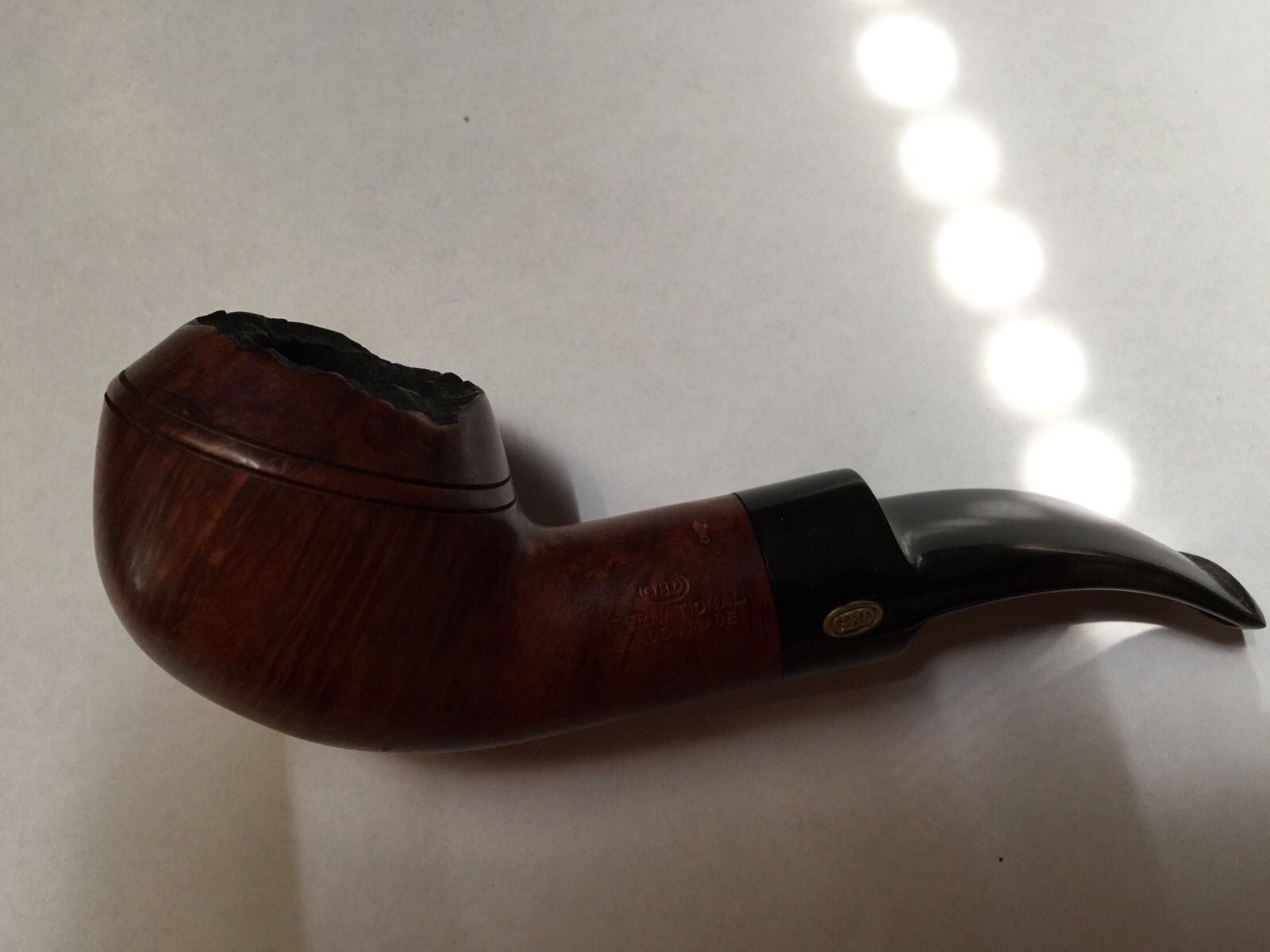
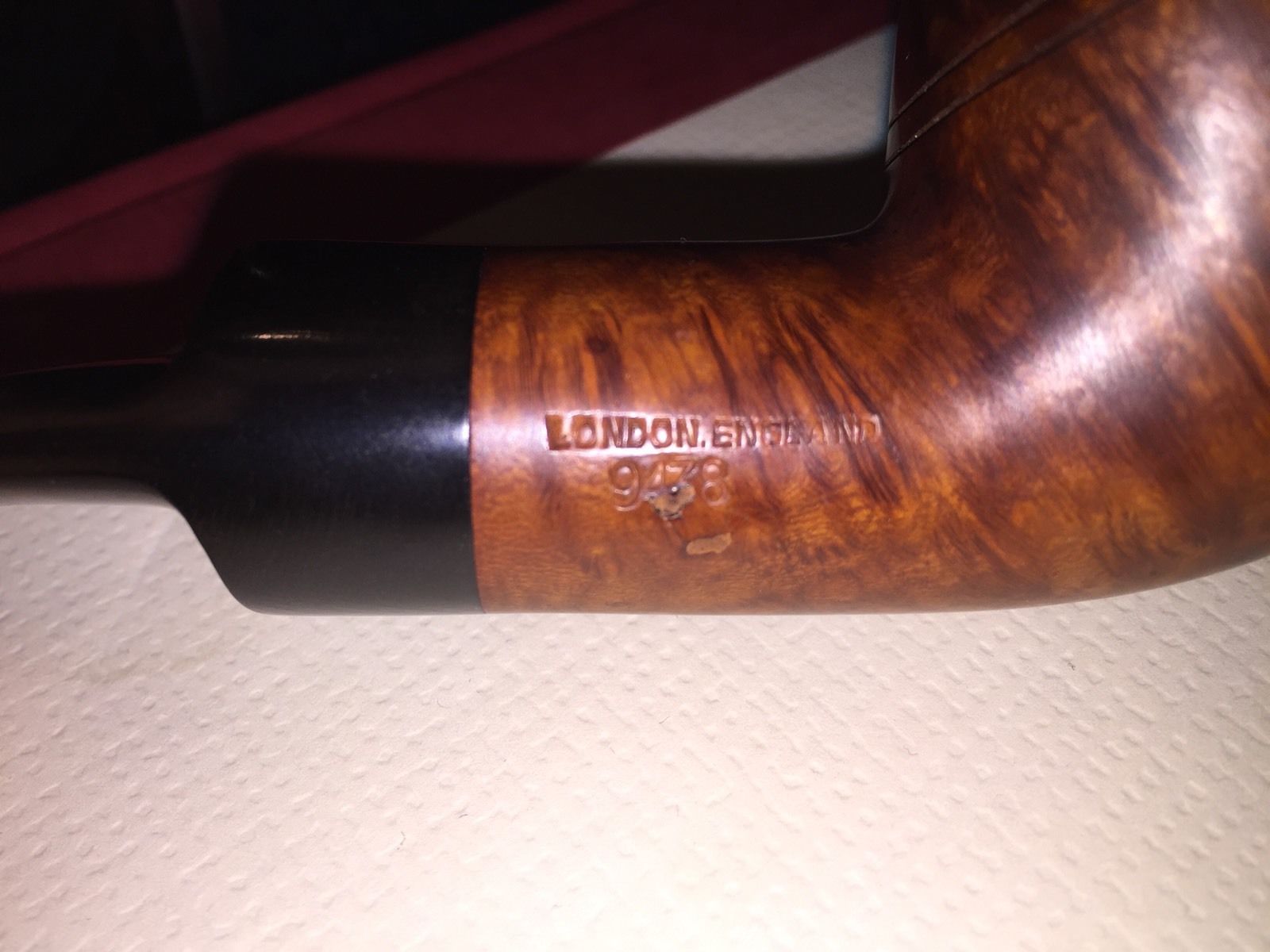
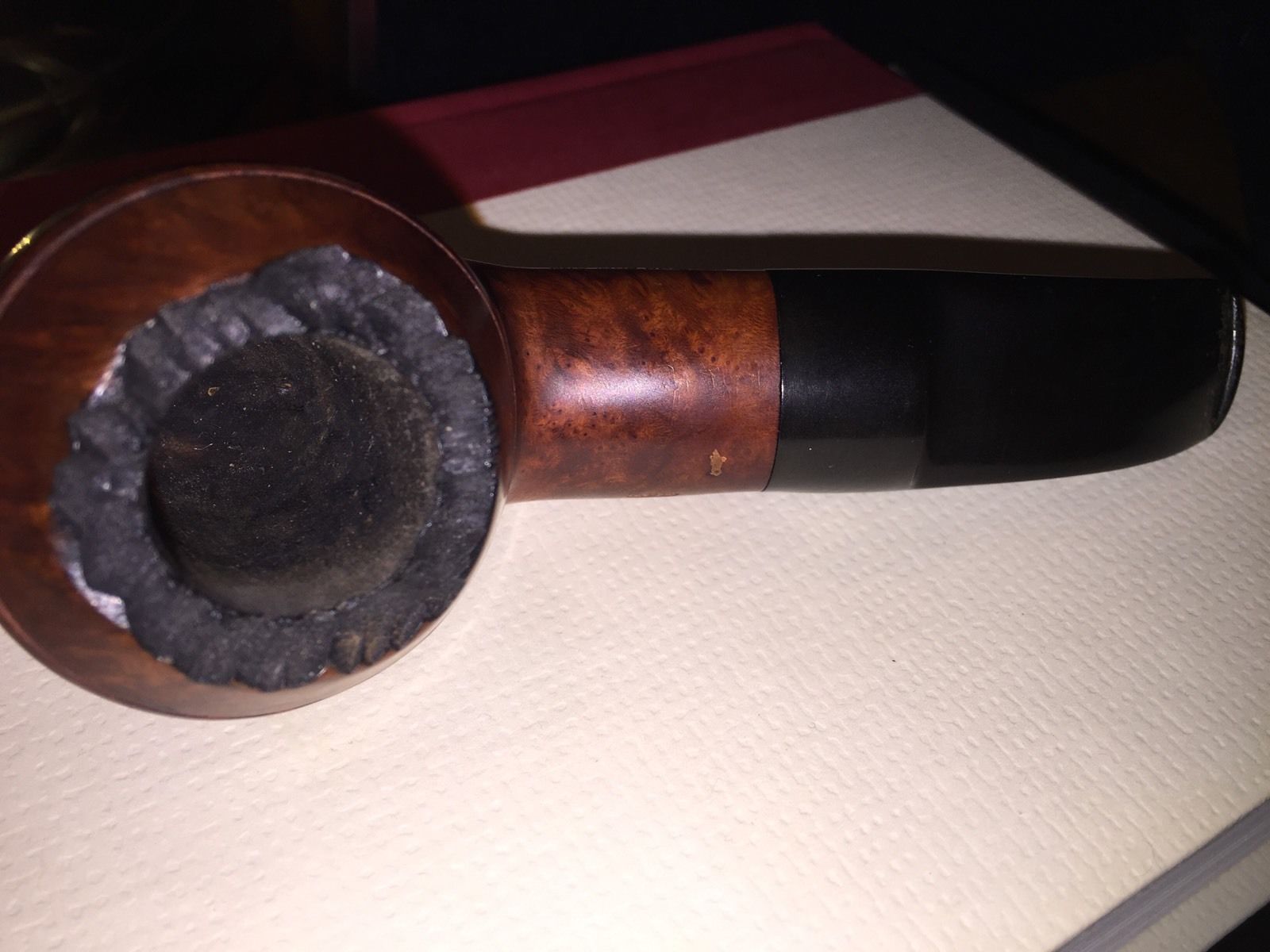
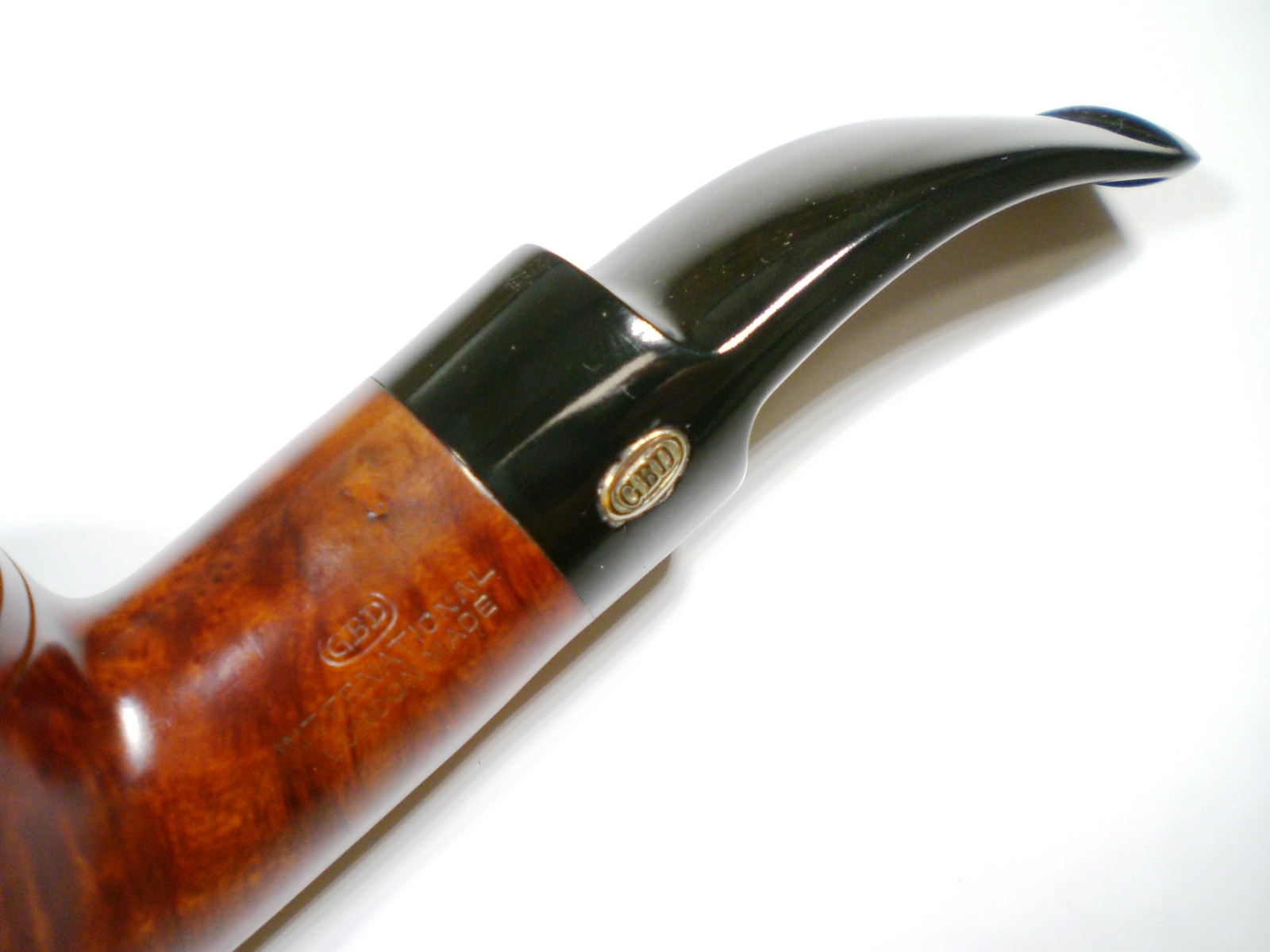
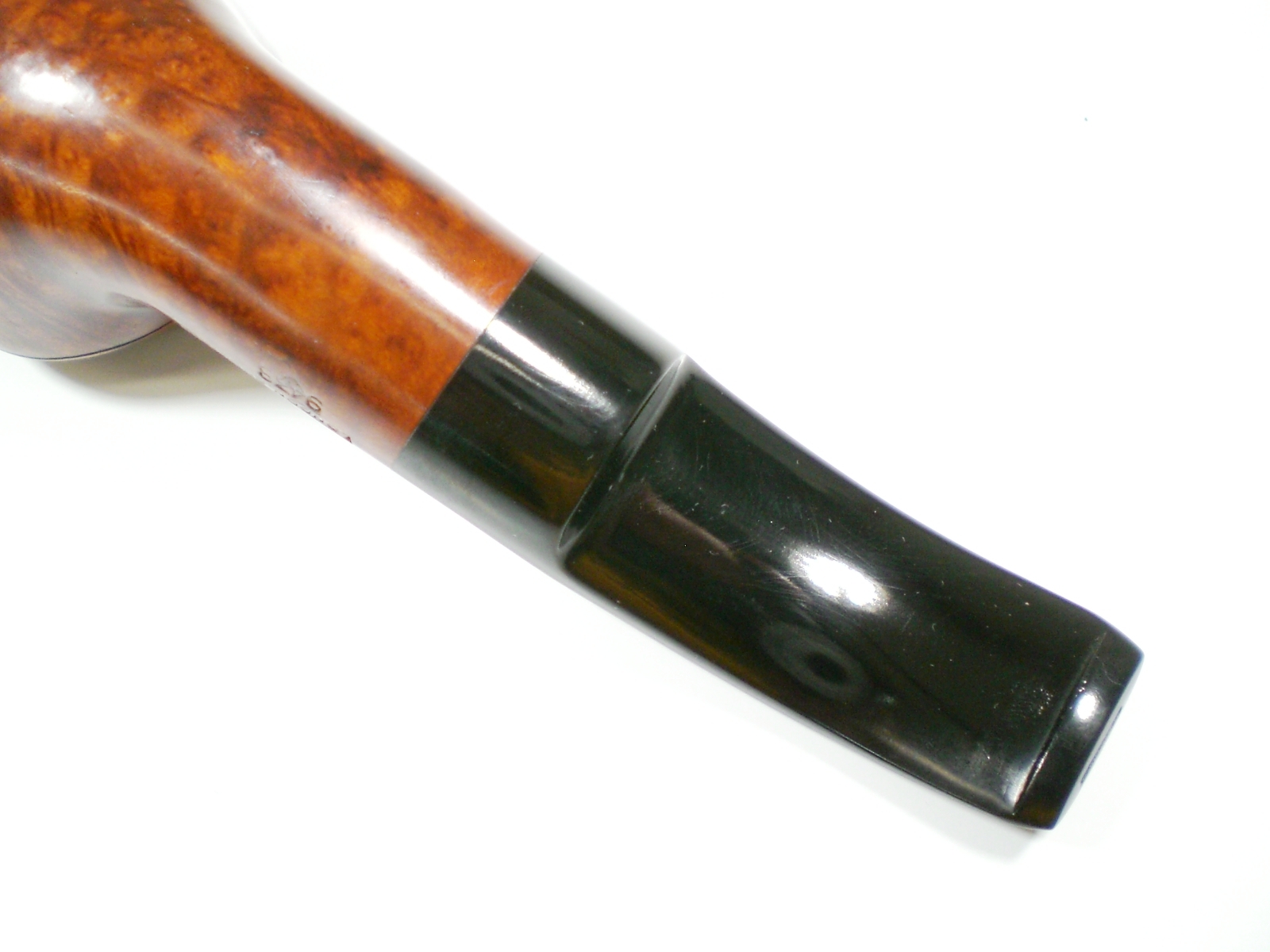
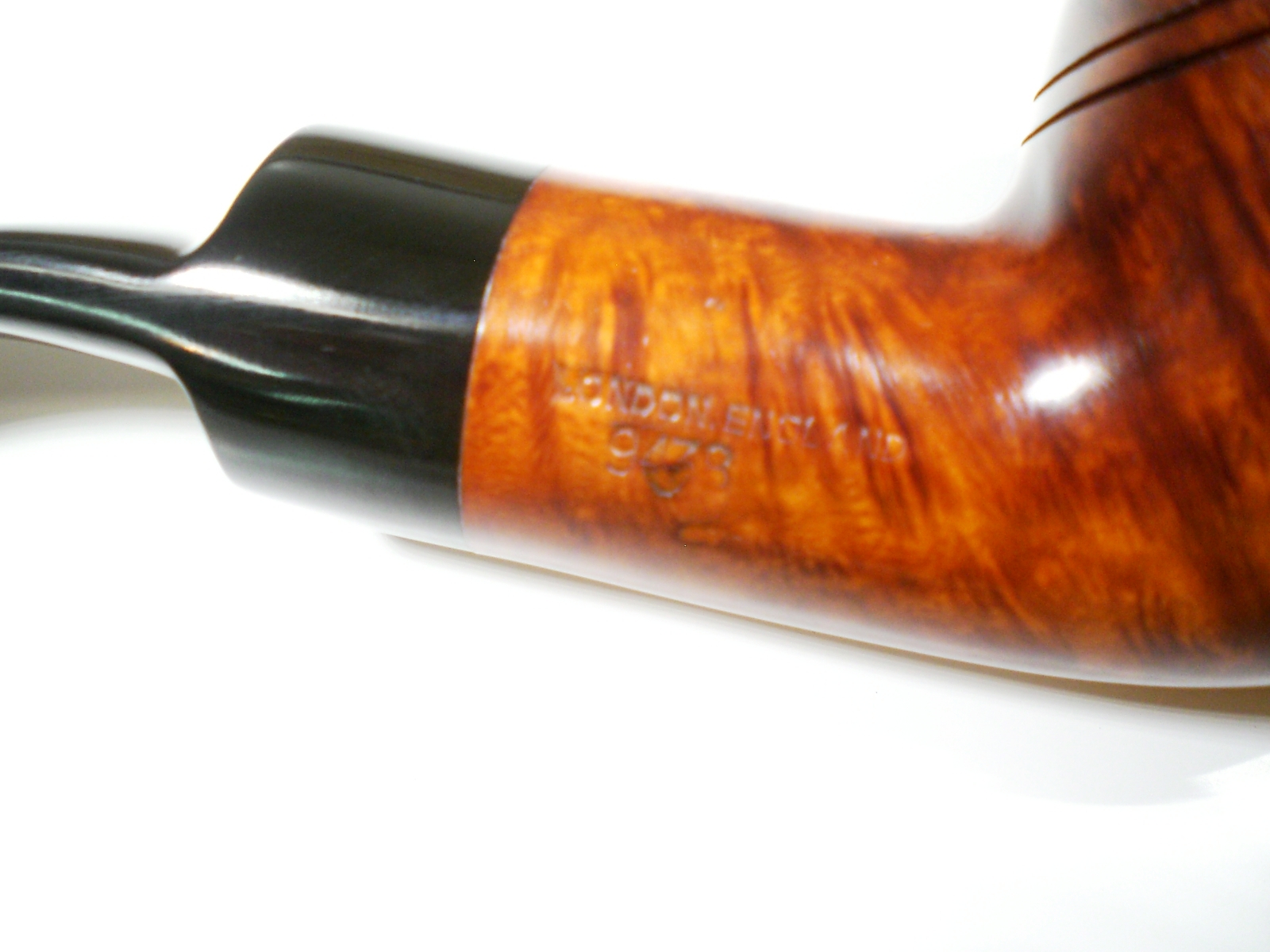
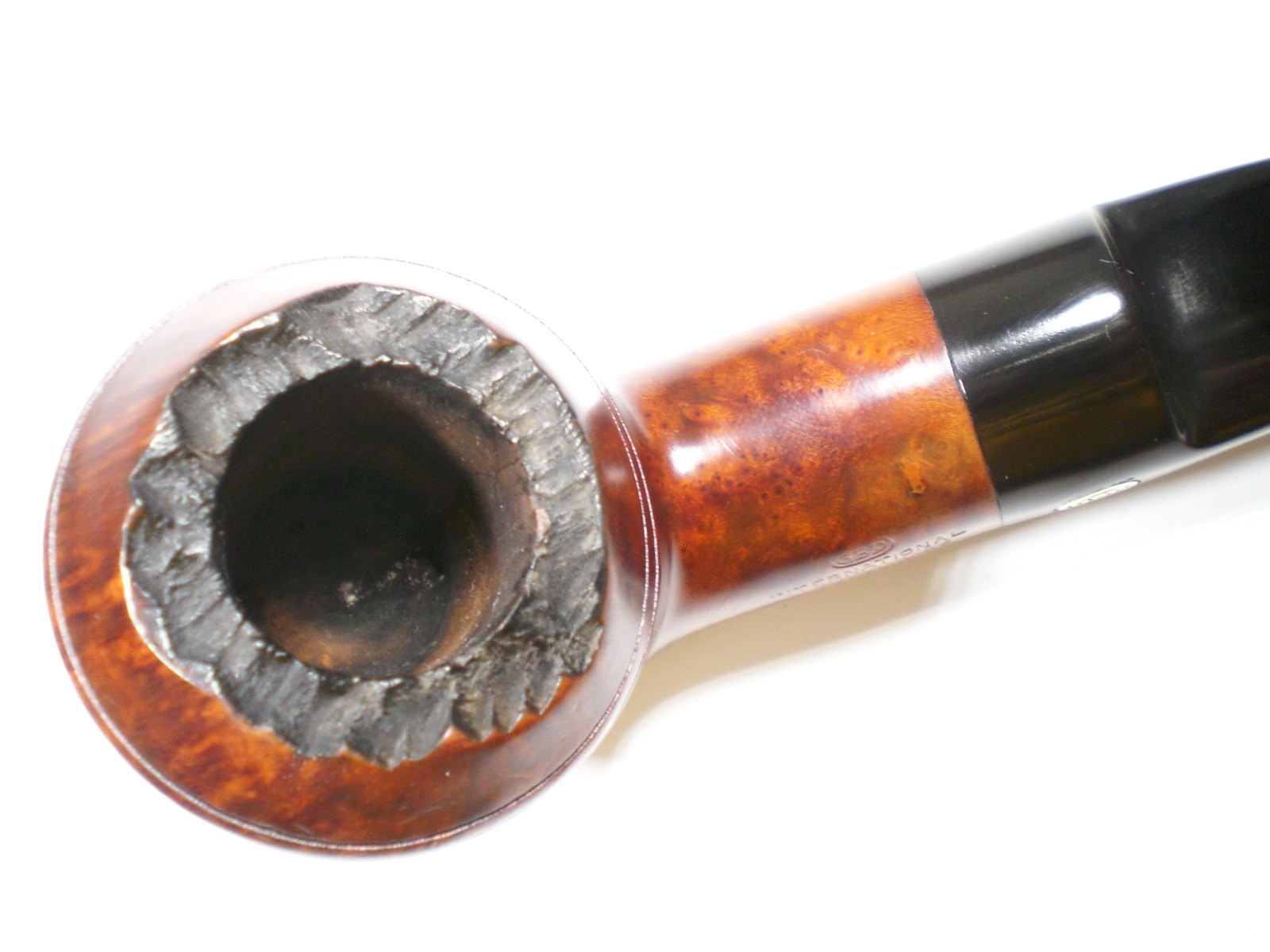
This is another example of an Ebay ad that had poor pictures and an inaccurate listing. This pipe didn’t sell on several attempts and was listed as a 9478.The price was right on the 3rd listing but from the pictures, I thought it needed a major restoration, including a re-stain. Here’s some pictures from the Ebay listing. The pipe has pre-Cadogan “London, England” stamping and a brass rondell. I’ve not yet seen a 9438 with a plateau or rusticated bowl top.

GBD_9438_International_ebay

GBD_9438_International_ebay3

GBD_9438_International_ebay2

When the pipe arrived, I was surprised to find it in very good condition. There were some nicks in the briar, but I felt they would blend in nicely and the stem was near mint. The pipe was also very clean and appeared to have only been lightly smoked.

I reamed the slight cake and soaked the bowl in sea salt and alcohol. I put a dab of grease on the brass rondell and soaked it in a mild solution of Oxy-Clean.

The stem was mounted, and shined with 800>1500 and 2000 grit wet paper, followed by 8000 and 12000 grade micromesh papers. It was then buffed with White Diamond and Meguiars Plastic Polish.

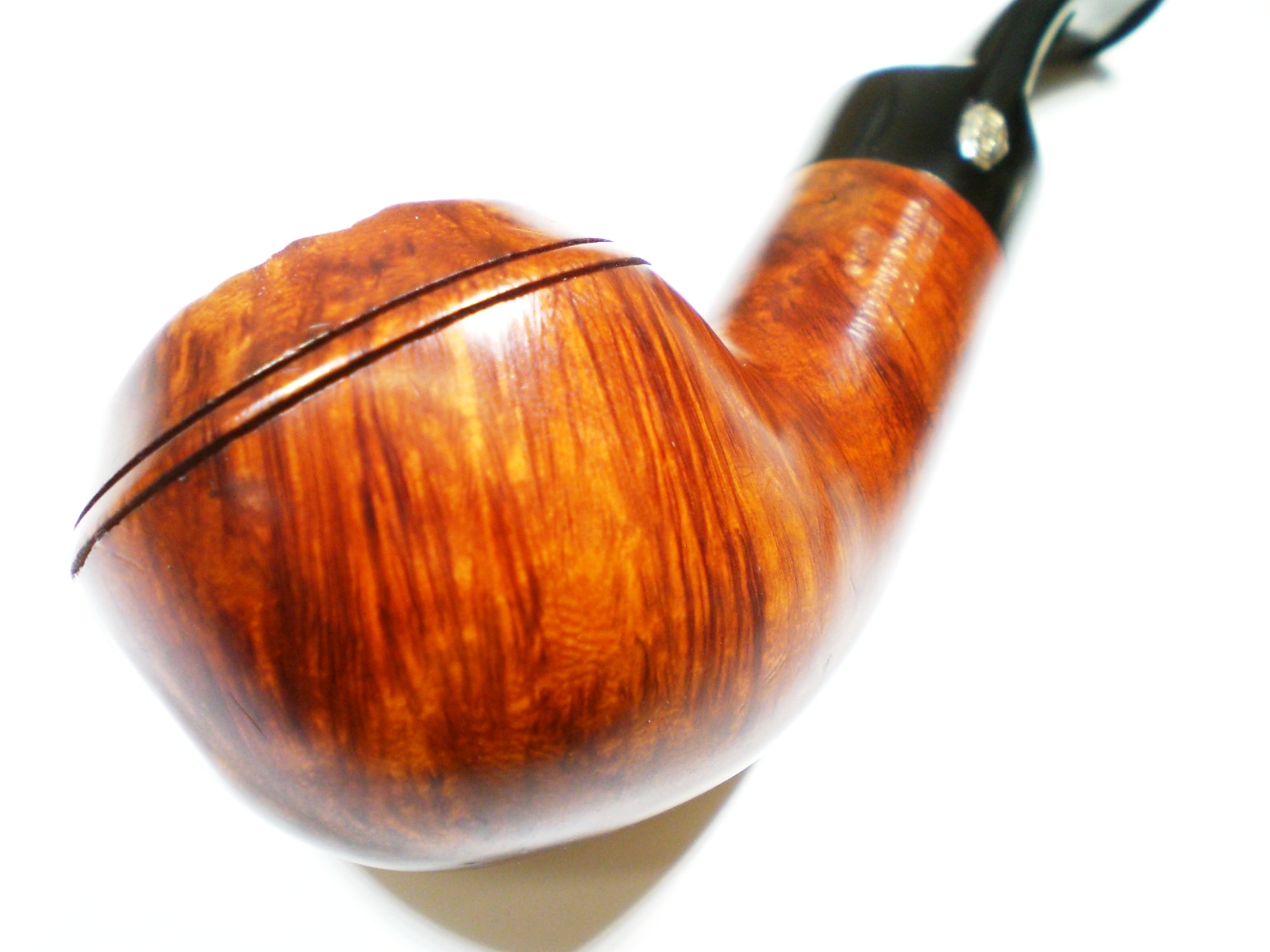
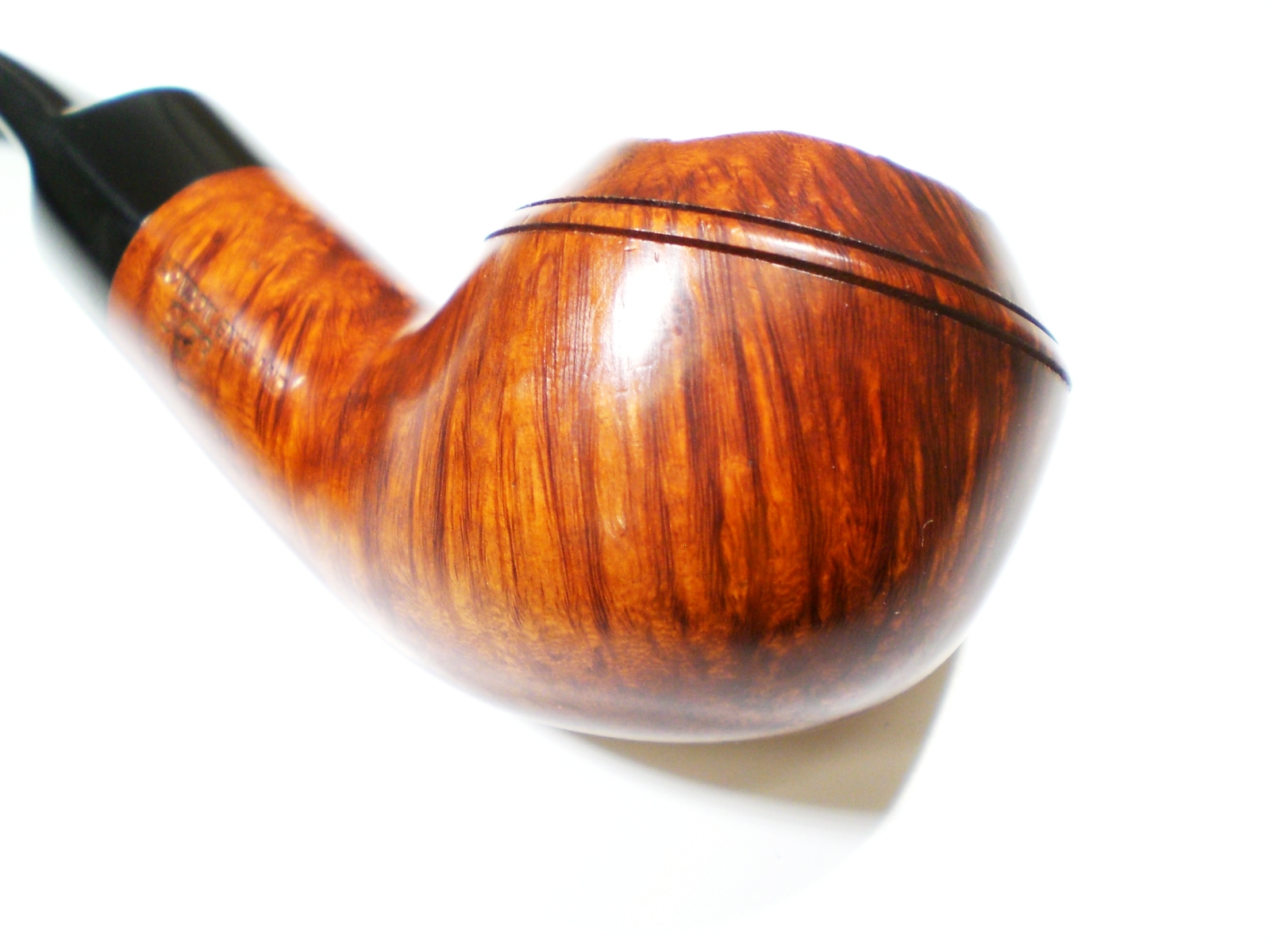
I buffed the briar lightly with some Tripoli, which softened the two nicks nicely. This was followed by a buff with White Diamond and several coats of Carnuba wax. Below is the finished pipe. It is on it’s way to its new owner, friend from the PipesMagazine forums. I had a hard time boxing up this one, a 9438 typically isn’t found with such nice grain.

GBD_9438_International_Finish (1)

GBD_9438_International_Finish (3)

GBD_9438_International_Finish (7)

GBD_9438_International_Finish (6)

GBD_9438_International_Finish (2)

GBD_9438_International_Finish (4)

GBD_9438_International_Finish (5)

GBD_9438_International_Finish (8)

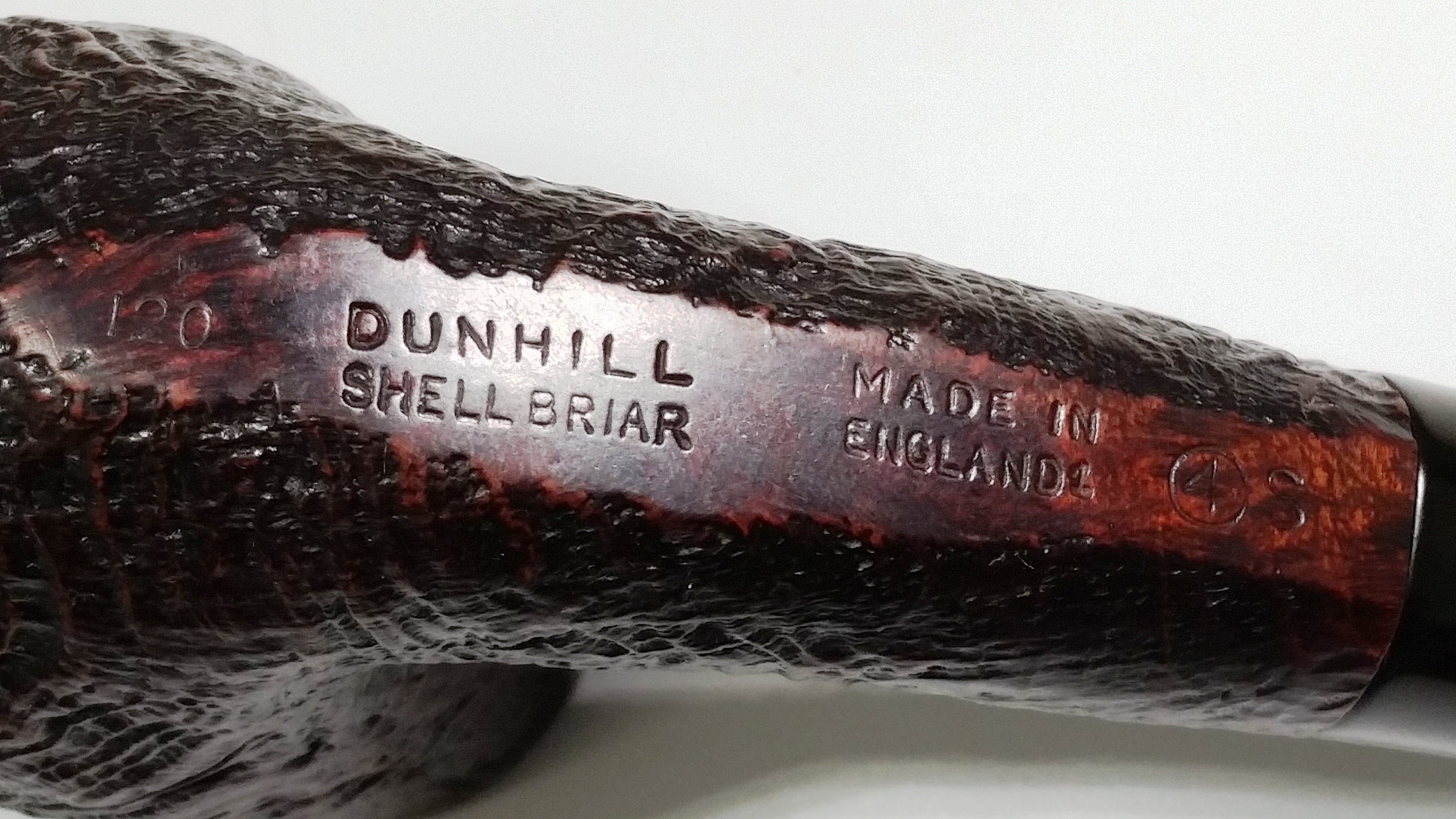
Birth Year Dunhill 1961 Shape 120 Shell


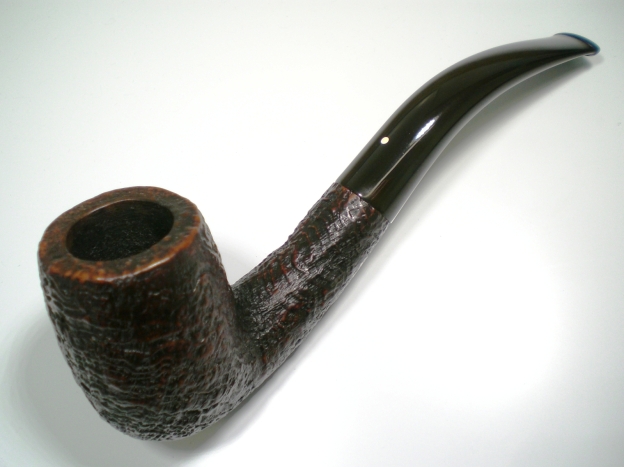
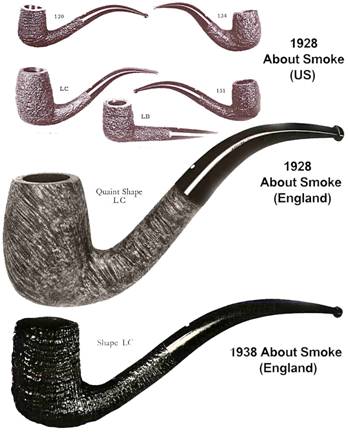
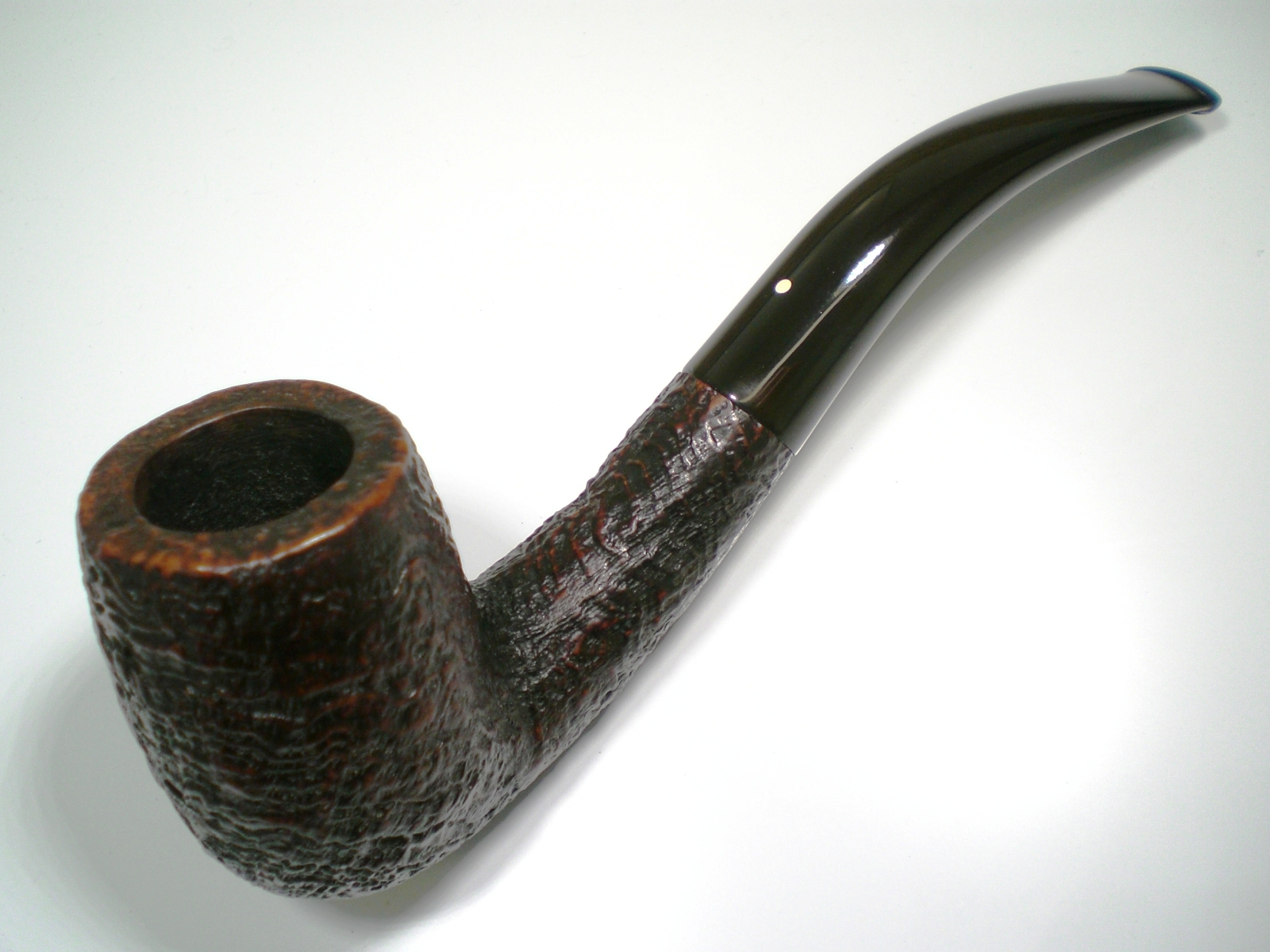
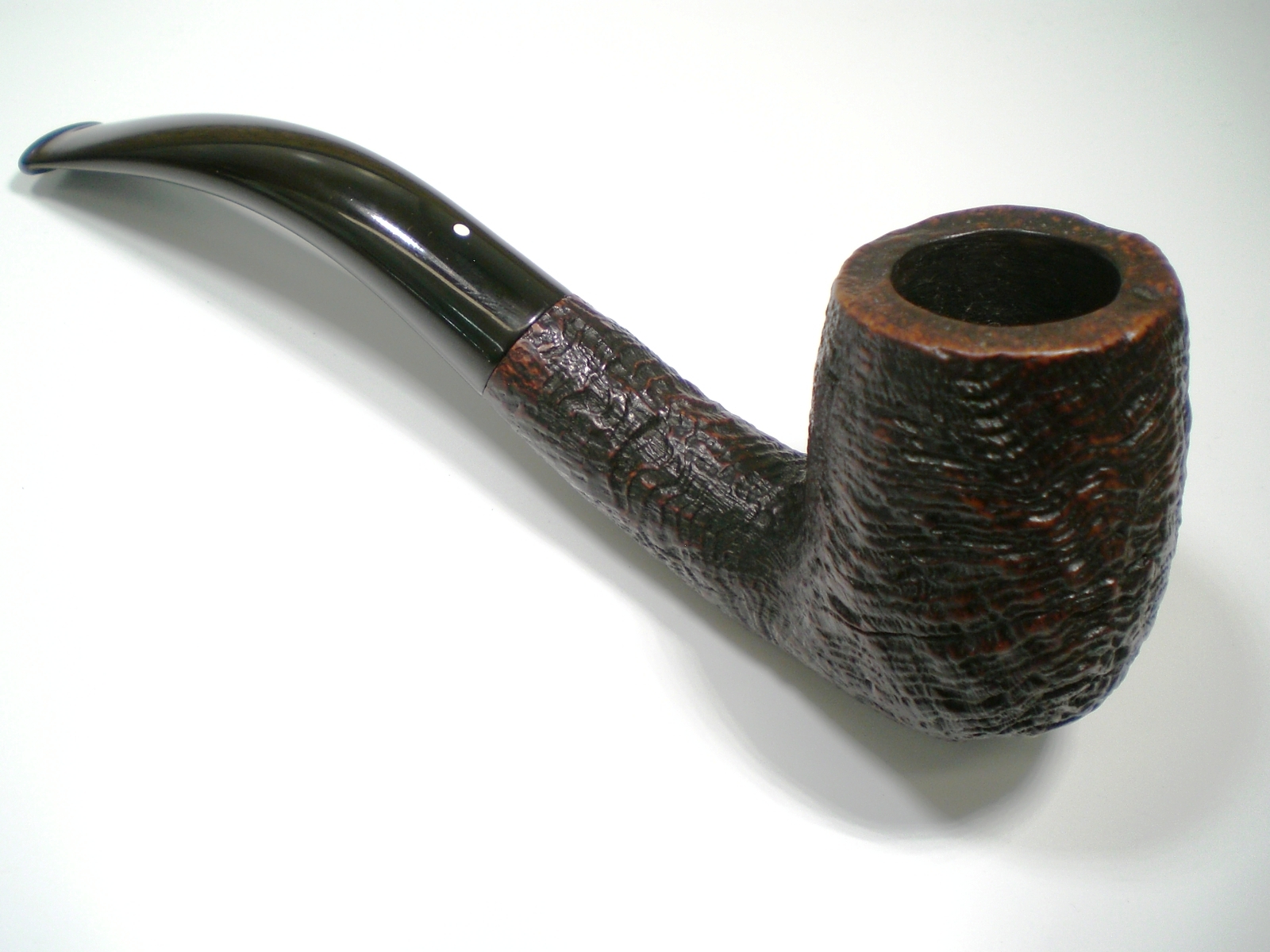
I don’t have many Dunhill shapes on my “Holy Grail” list. However the Shape 120, Bent Billiard was placed on their last year.  I would love to own a shape LC, but they are rare, frighteningly expense and in many cases damaged due to the thin shank design.  The Shape 120, while not as graceful, is the next best thing and much more available and affordable.   While I wasn’t actively seeking a birth year Dunhill, this 1961 Shell pipe came up on Ebay and I was fortunate to win the auction.  My 54th birthday is in a few days, so the timing was good.  This was a Shell model with tapered stem and in terrific condition.  The Group 4 size, at 50 grams was also perfect for my tastes.

The Dunhill LC shape, from the Loring Dunhill pipe pages.

Dunhill_LC_Shapes

The pipe was in excellent shape, requiring only removal of the slight cake and I did the alcohol and sea salt soak.  The stem fitment is excellent but someone rounded the edges slightly.  There were a few teeth abrasions on the bottom side which were removed with 2000 grit wet paper, micromesh and then buffed lightly with White Diamond rouge followed by plastic polish.

Below is the finished pipe, which my wife has stashed away for several days until my actual birthday arrives.

Dunhill_120_Shell_1961_Gallery Dunhill_120_Shell_1961 (4) Dunhill_120_Shell_1961 (3) Dunhill_120_Shell_1961 (5) Dunhill_120_Shell_1961 (7) Dunhill_120_Shell_1961 (8) Dunhill_120_Shell_1961 (2) Dunhill_120_Shell_1961 (6)

?

?

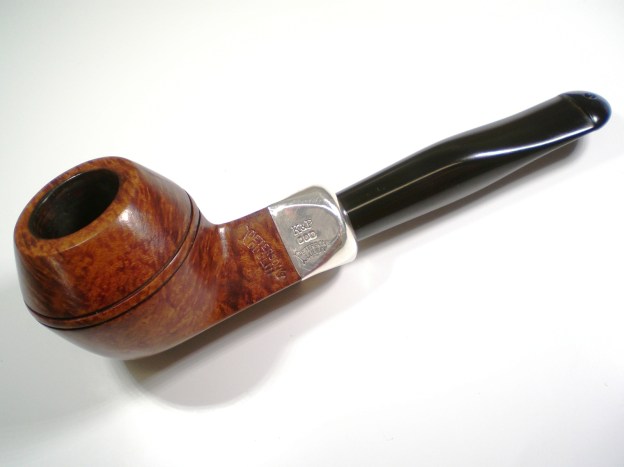
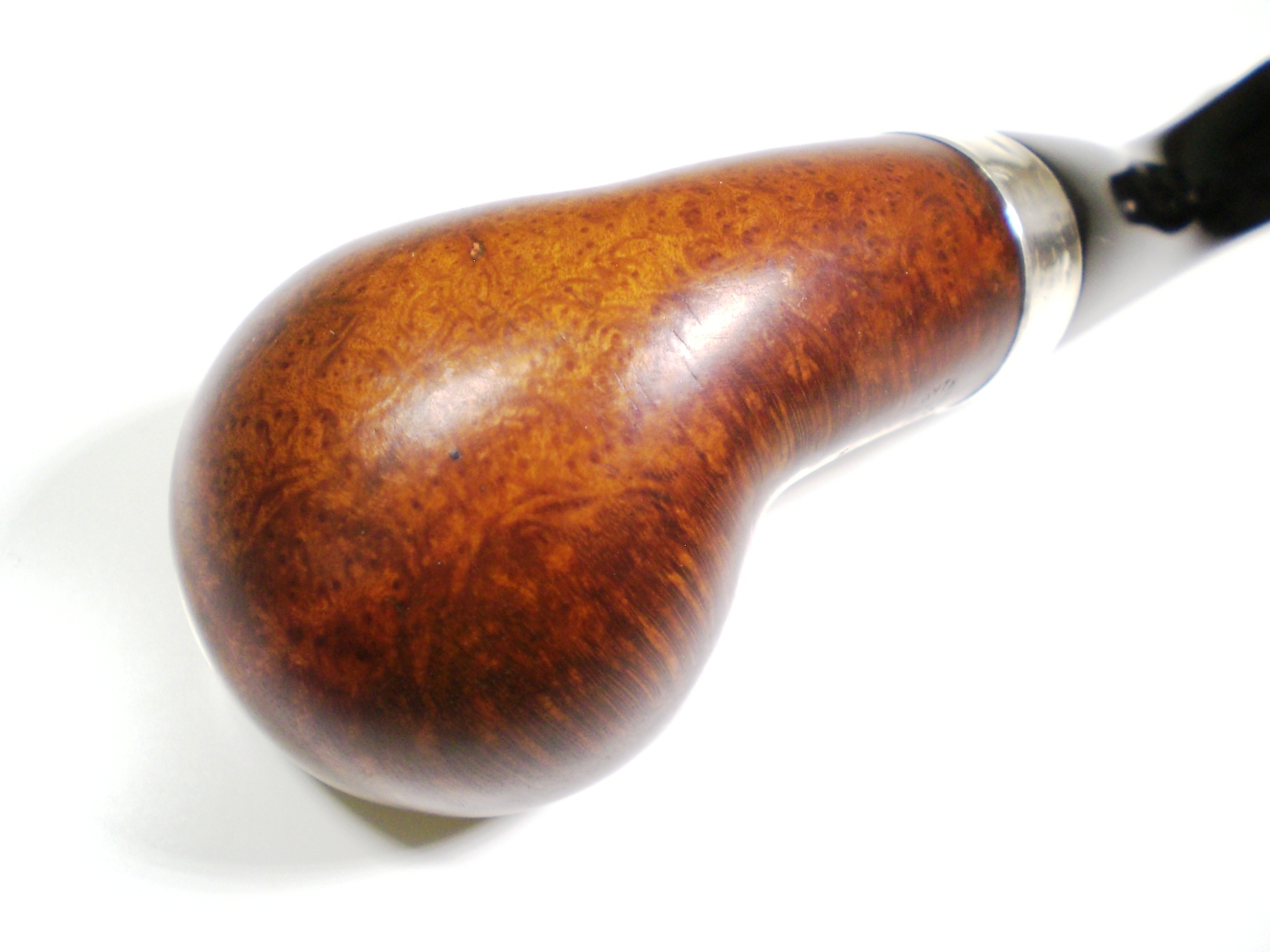
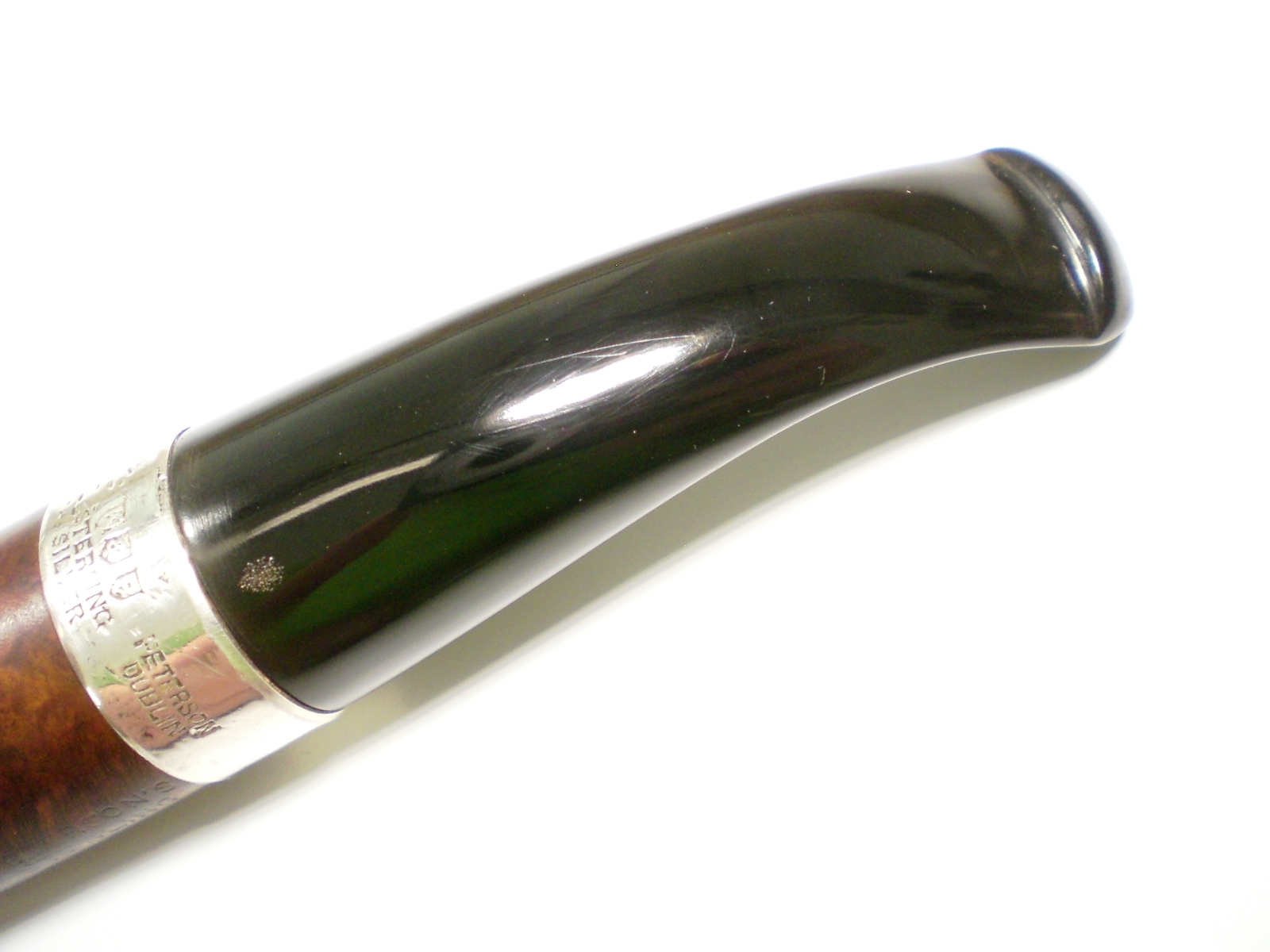
Peterson 1910 Patent Reproduction Bulldog


I’ve been a fan of the Peterson reproduction pipes since reading about them on Mark Irwin’s “Peterson Pipe Notes” and Jim Lilley’s “Peterson Pipe Connoisseur” blogs.

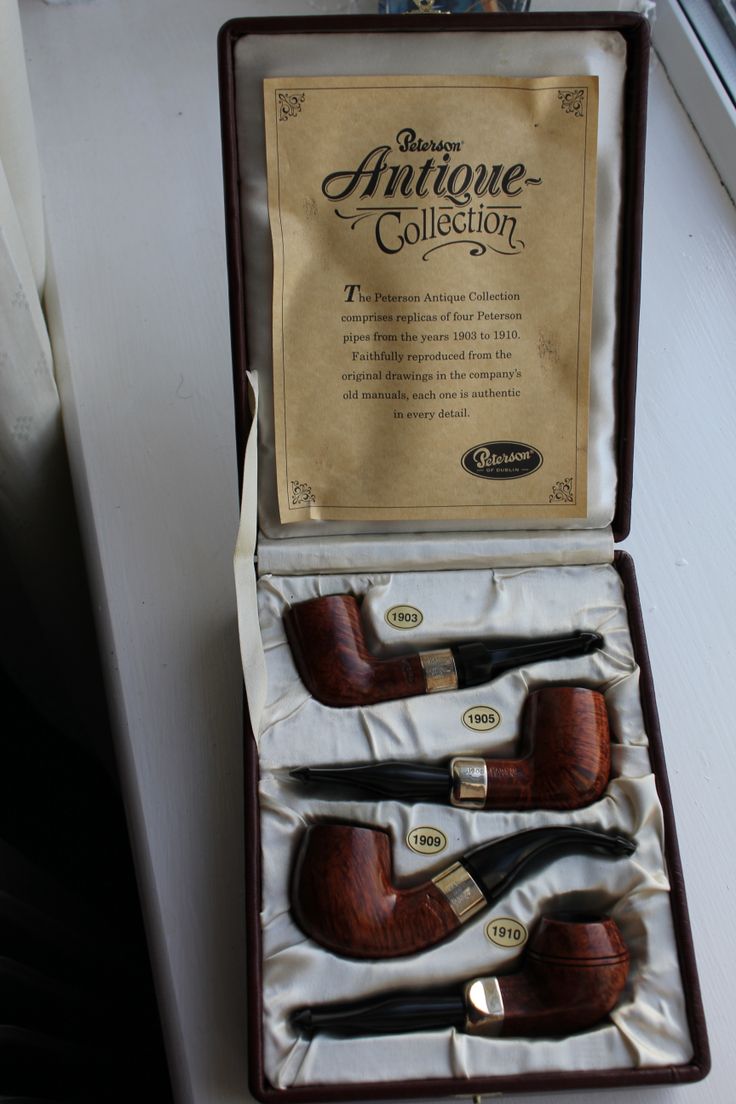
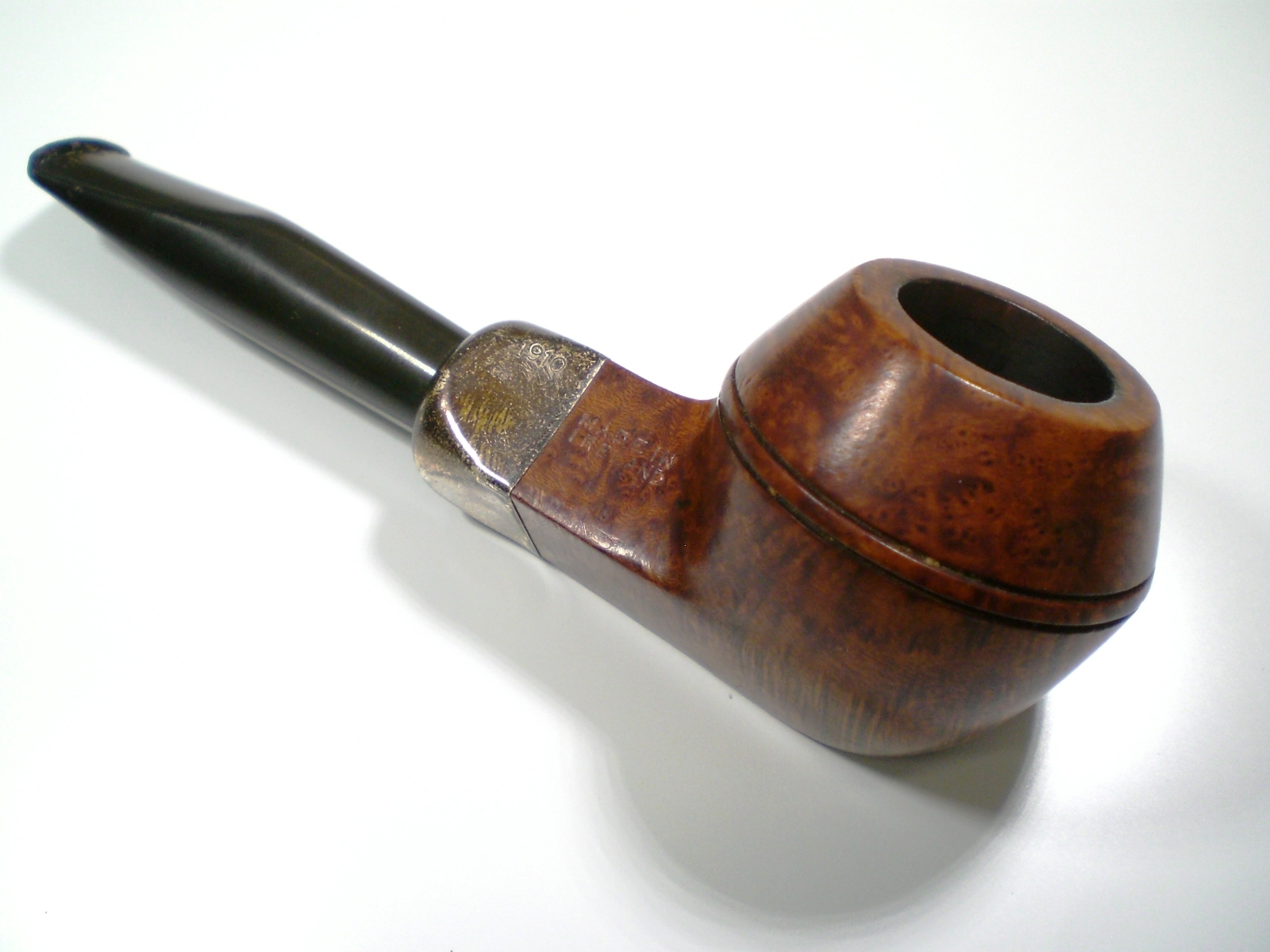
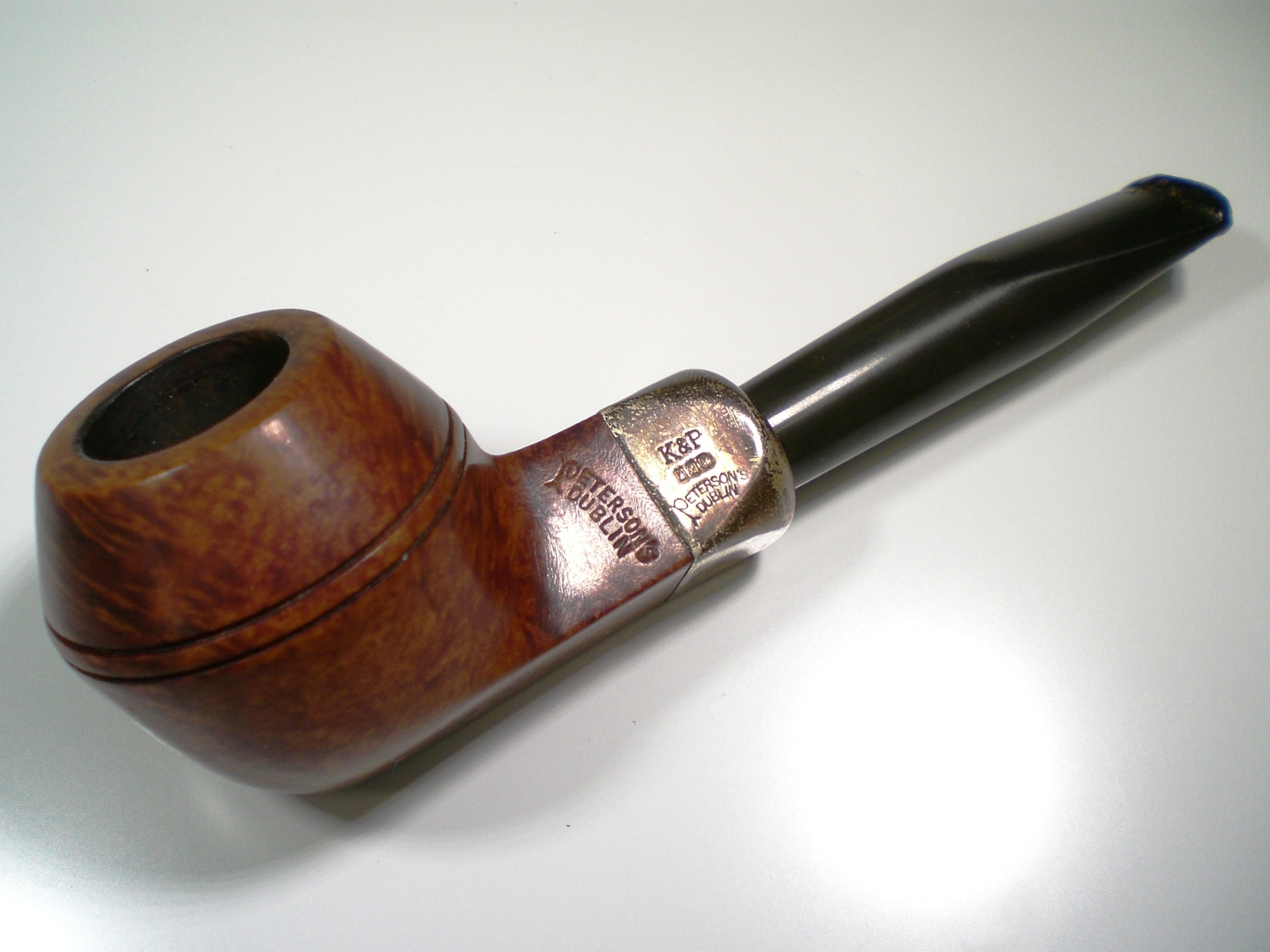
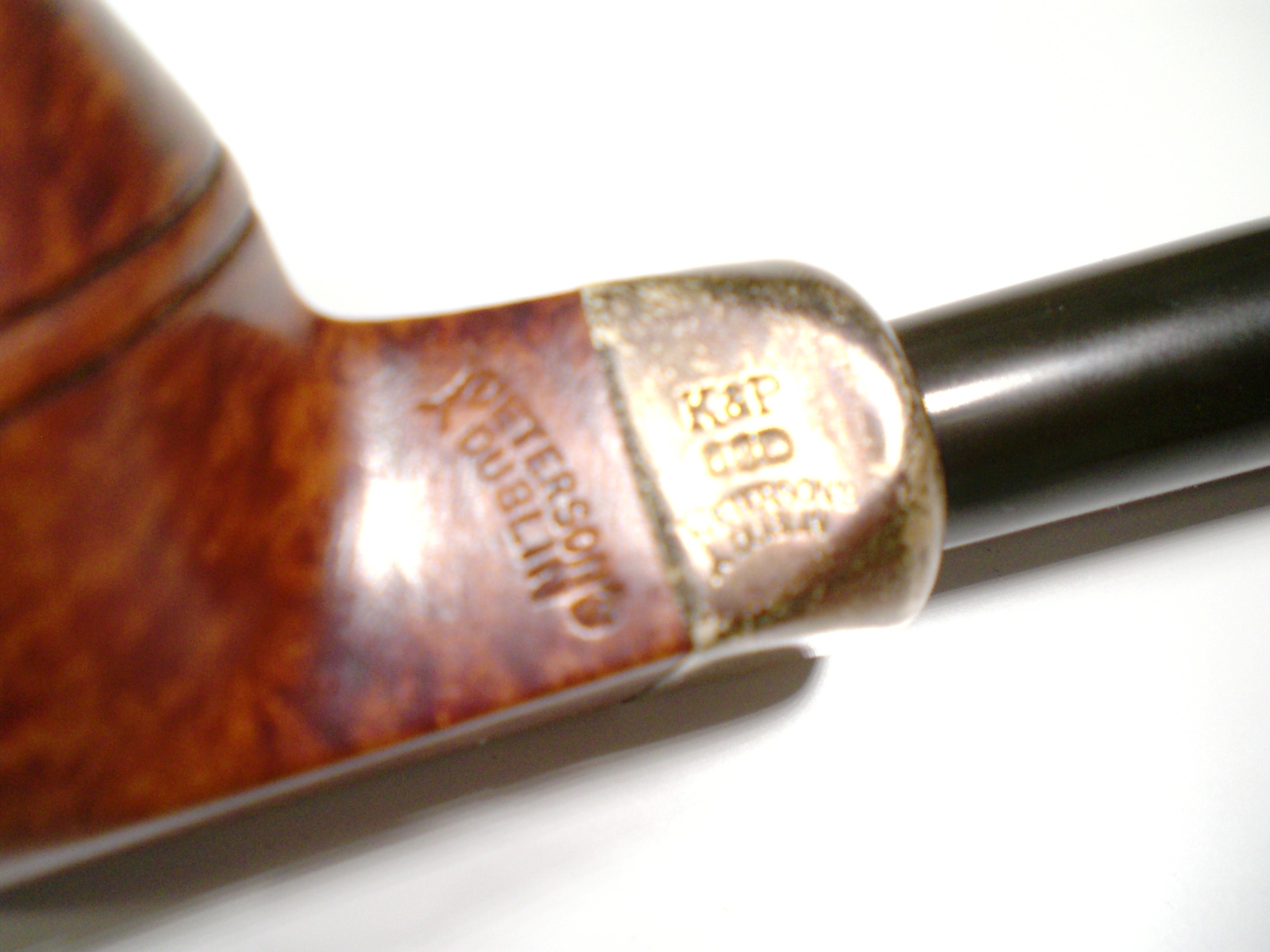
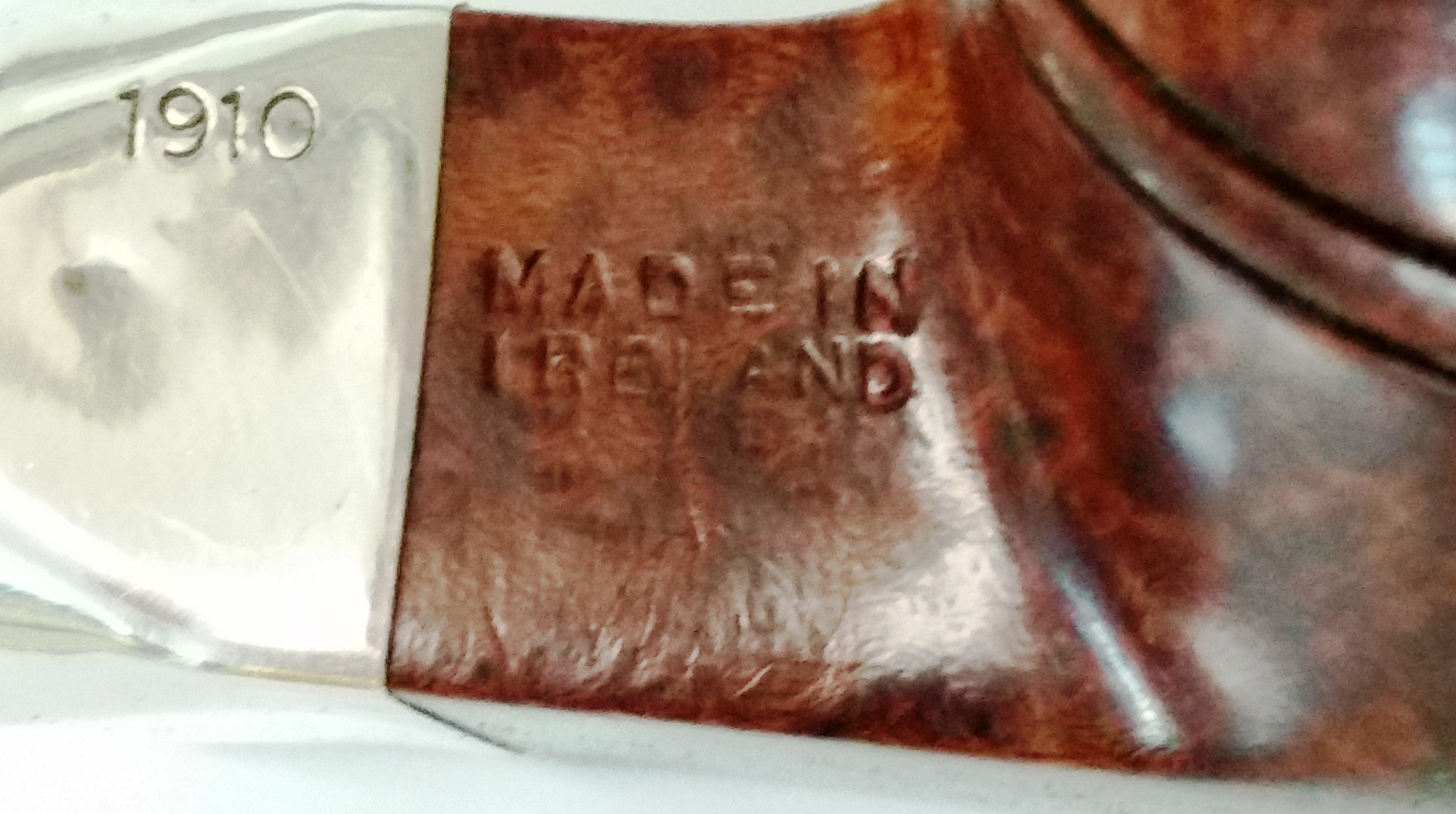
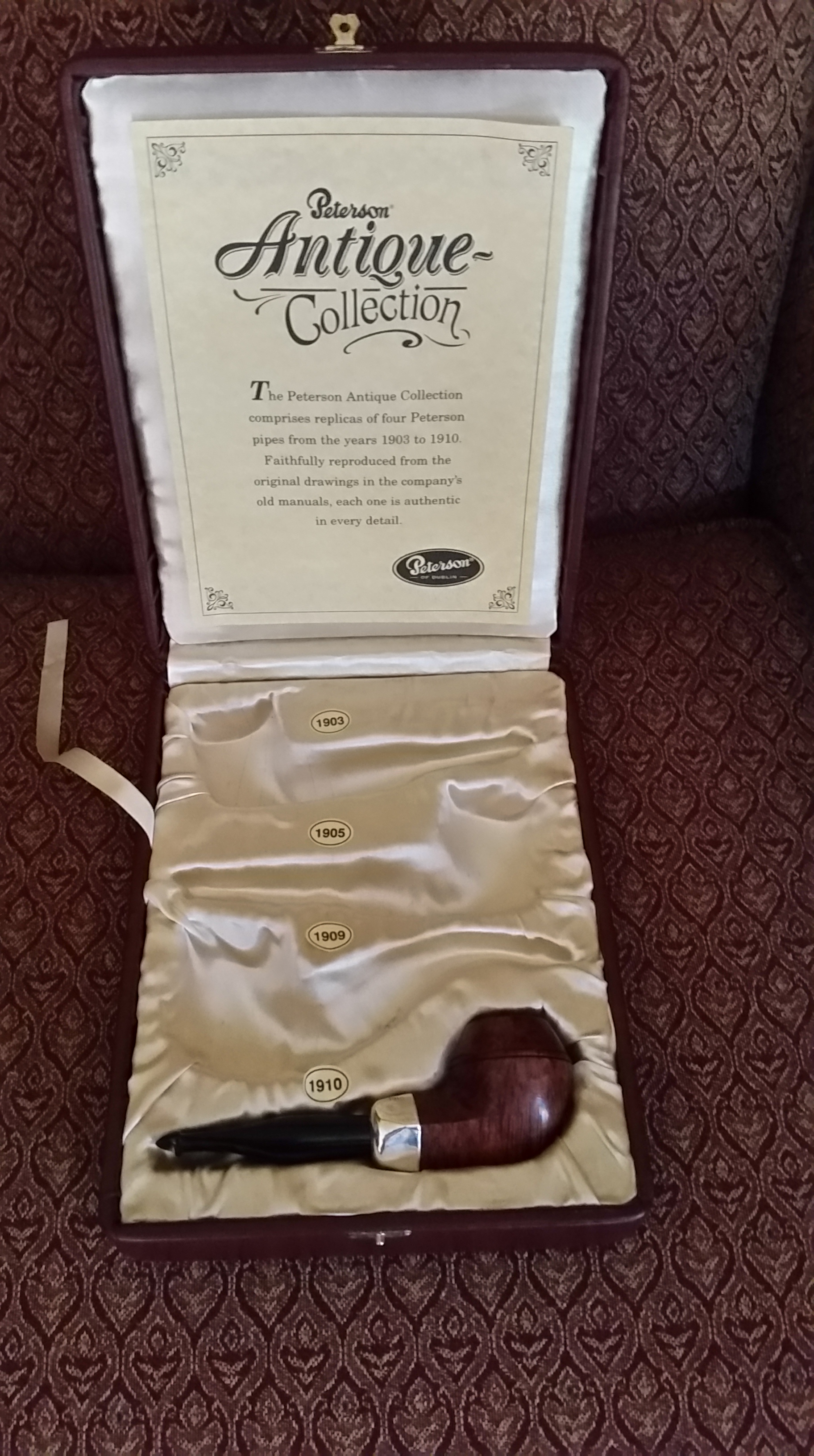
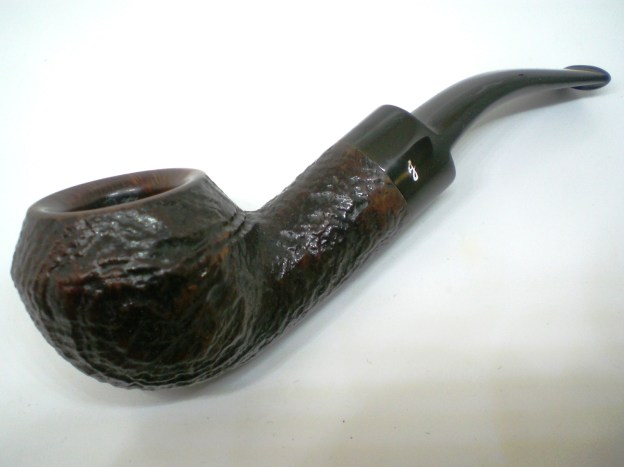
While visiting one of my favorite Virginia shops, JB Hayes in Winchester VA, I spied this chubby beauty in the bottom of their estate case. The briar was in excellent shape, but the oddly, the stem was pretty much destroyed at the P-lip button end. While the pipe has “Made in Ireland” COM stamping, and the silver was stamped “1910” I was pretty certain it was a Reproduction pipe. The silver was tarnished, but I could make out the letter “M”. I keep a copy of the Peterson hallmark dates chart in my Drop-Box account and opened it up via my Smart Phone. The letter M was for 1998, which confirmed that the pipe was a Reproduction piece. The stem was so bad, I put it back in the case. After thinking about it overnight, I drove back down and struck a deal on the pipe. I thought perhaps it could be repaired and at the worst, I thought that I could acquire a new stem from Peterson. In fact I emailed Peterson and they quickly confirmed a replacement stem could be had for around $50 shipped from Ireland. I found this picture of the Reproduction set, which came with four pipes from 1903, 1905, 1909, 1910.

Peterson_Patent_Collection(4 Pipes)

Here is the pipe as it was found at the shop.

Peterson_1910_Patent_Before (4)

Peterson_1910_Patent_Before

Peterson_1910_Patent_Before (1)

Peterson_1910_Patent_Before (3)

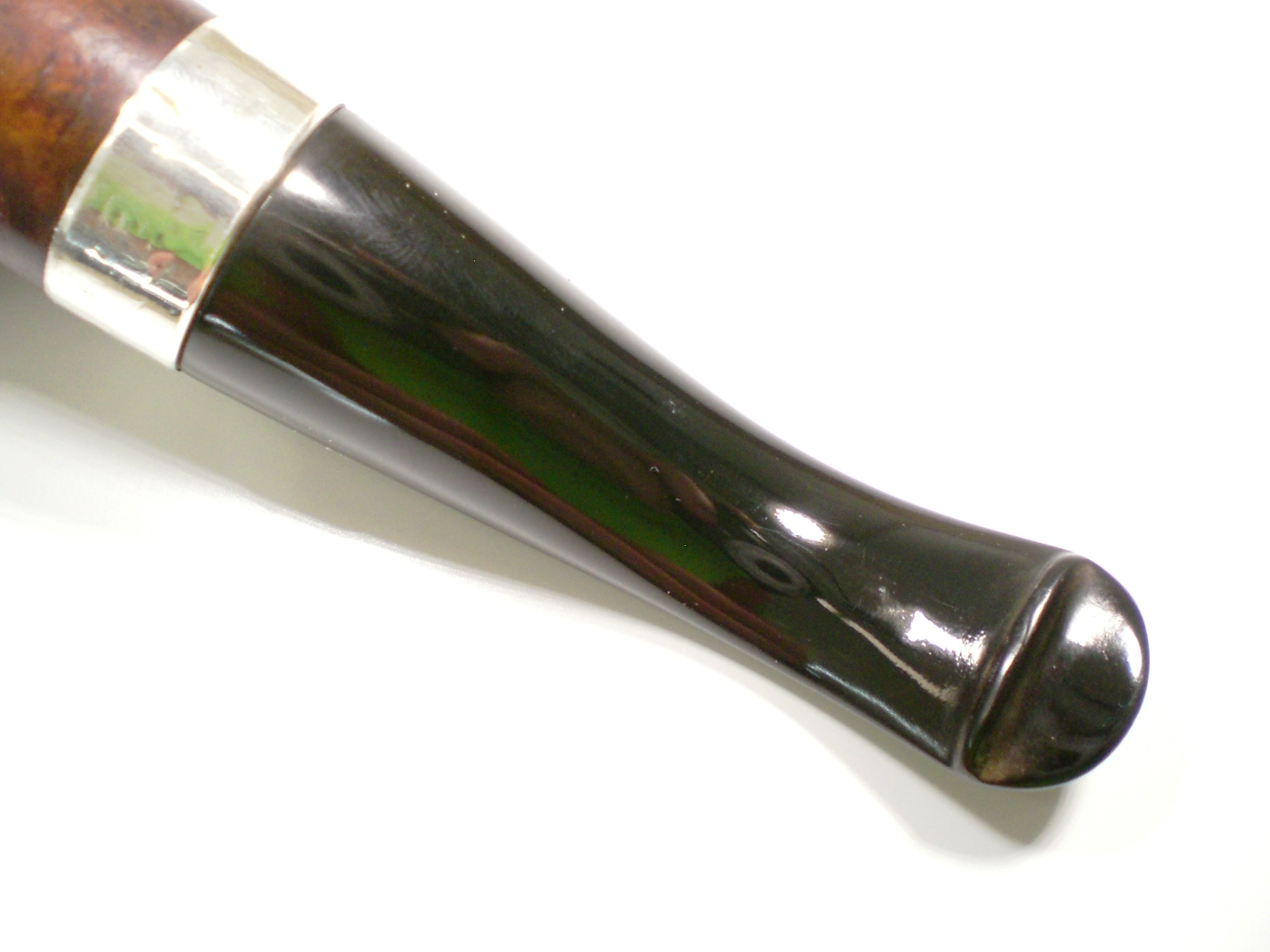
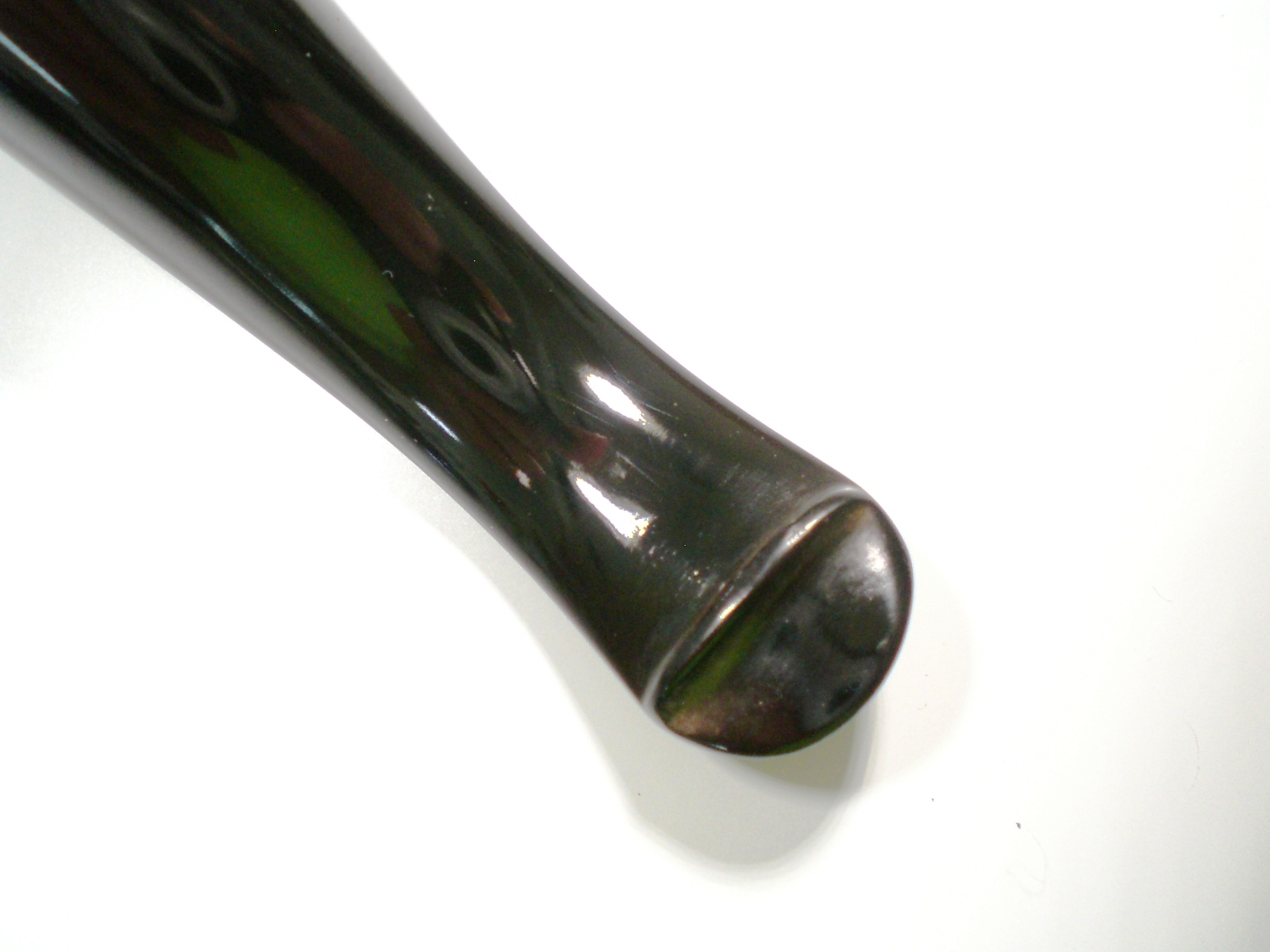
I posted the pipe to the PipesMagazine.com forum (where I’m a moderator) in the British Pipes section. Of our the members, George Dibos, of Precision Pipe repair replied that he had the matching billiard Reproduction pipe. He prefers fishtale stems and had made a replacement for his pipe. He retained the original P-lip stem and I gladly took him up on his offer to send it to me.

The briar only required a light sanding of the bowl interior and I soaked it with alcohol and sea salt. The bowl was buffed with several coats of carnuba wax. I used a jewelers cloth to remove the oxidation on the silver collar. The replacement stem was in like new condition and it fit perfectly.
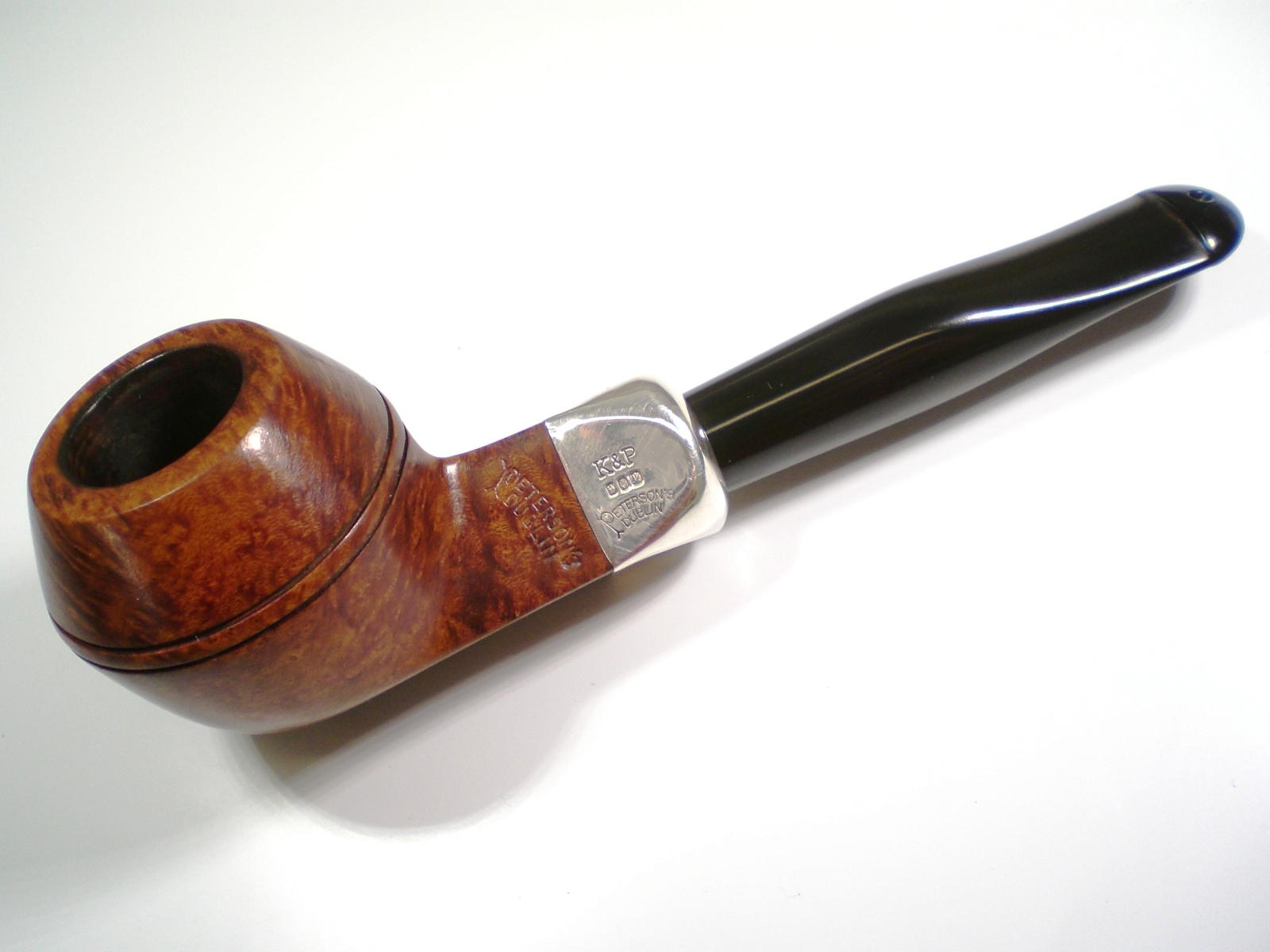
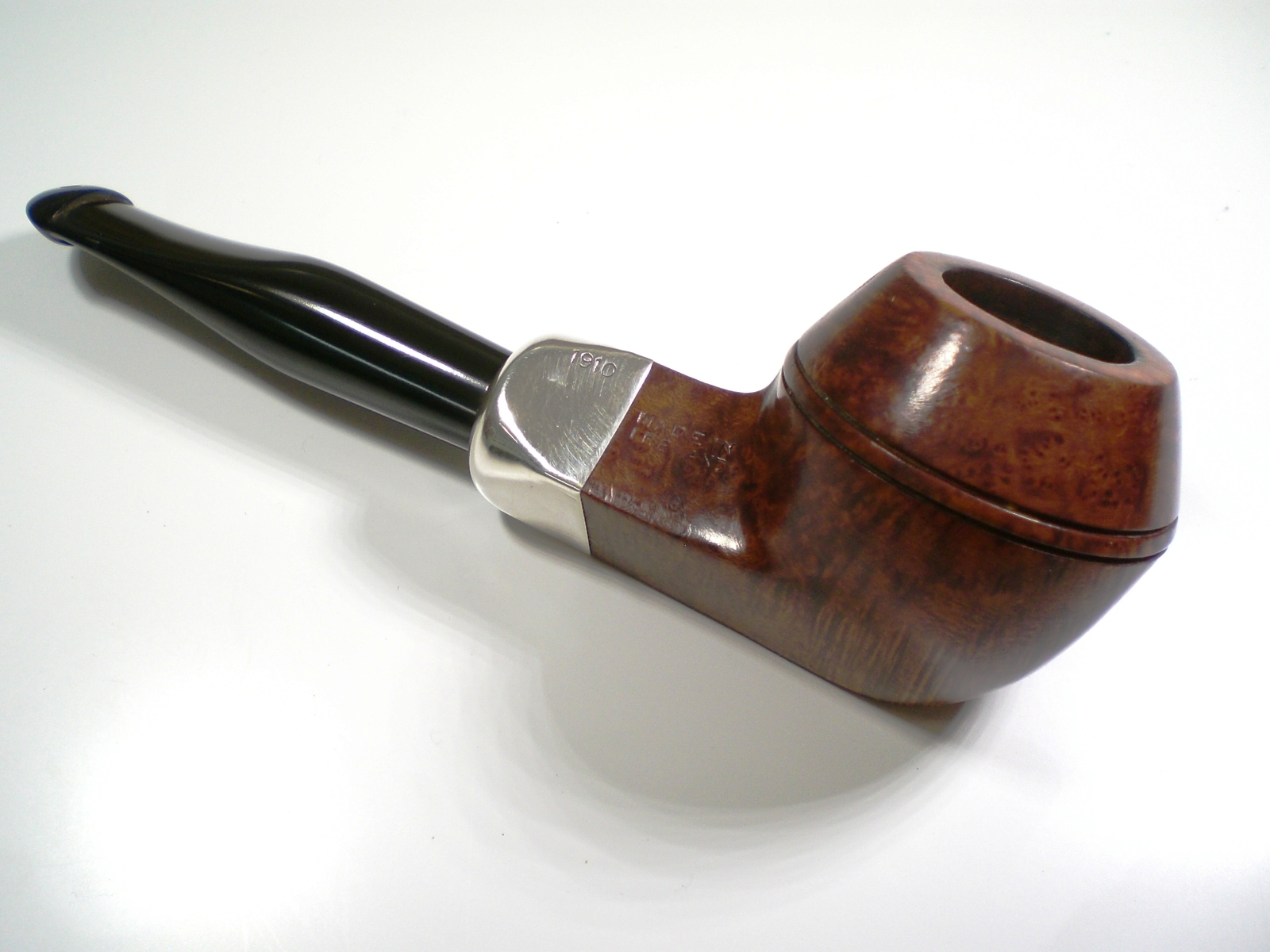
Now the hunt is on to locate the other three pipes in the collection.

Peterson_1910_Patent_Gallery

Peterson_1910_Patent_Gallery (4)

Peterson_1910_Patent_Gallery (1)

Peterson_1910_Patent_Gallery (3)

?

?

?

Update – 8/2/15
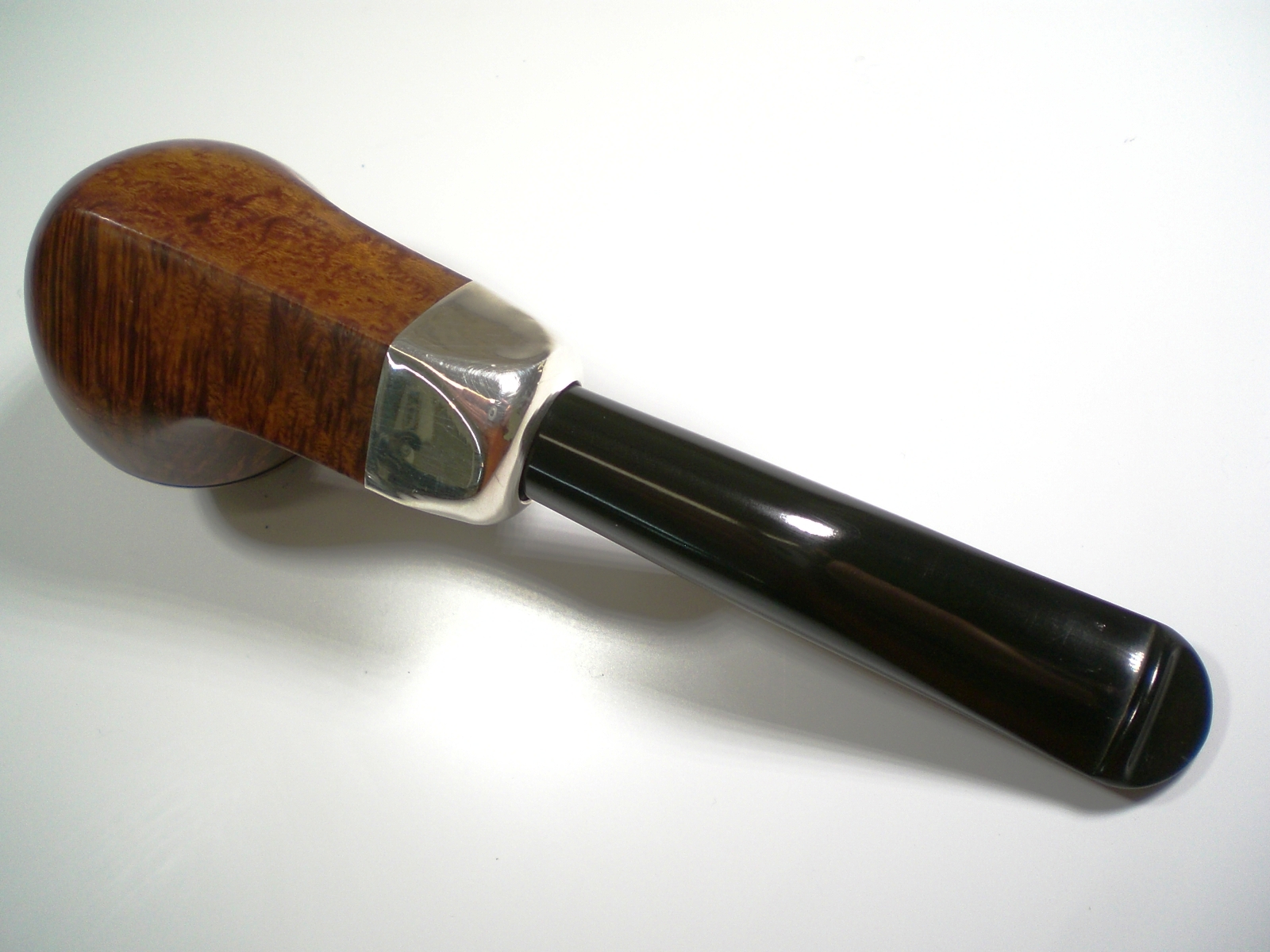
Mark Irwin was kind enough to contact me and offer the four pipe case for the Patent Reproduction set and I received it last week.  Thanks for your thoughtfulness Mark!  If you know me, I love a collecting challenge, so the hunt begins.
20150802_080316

Peterson 999 Sterling (Pre-Republic) Restoration

Blog entry by Al Jones

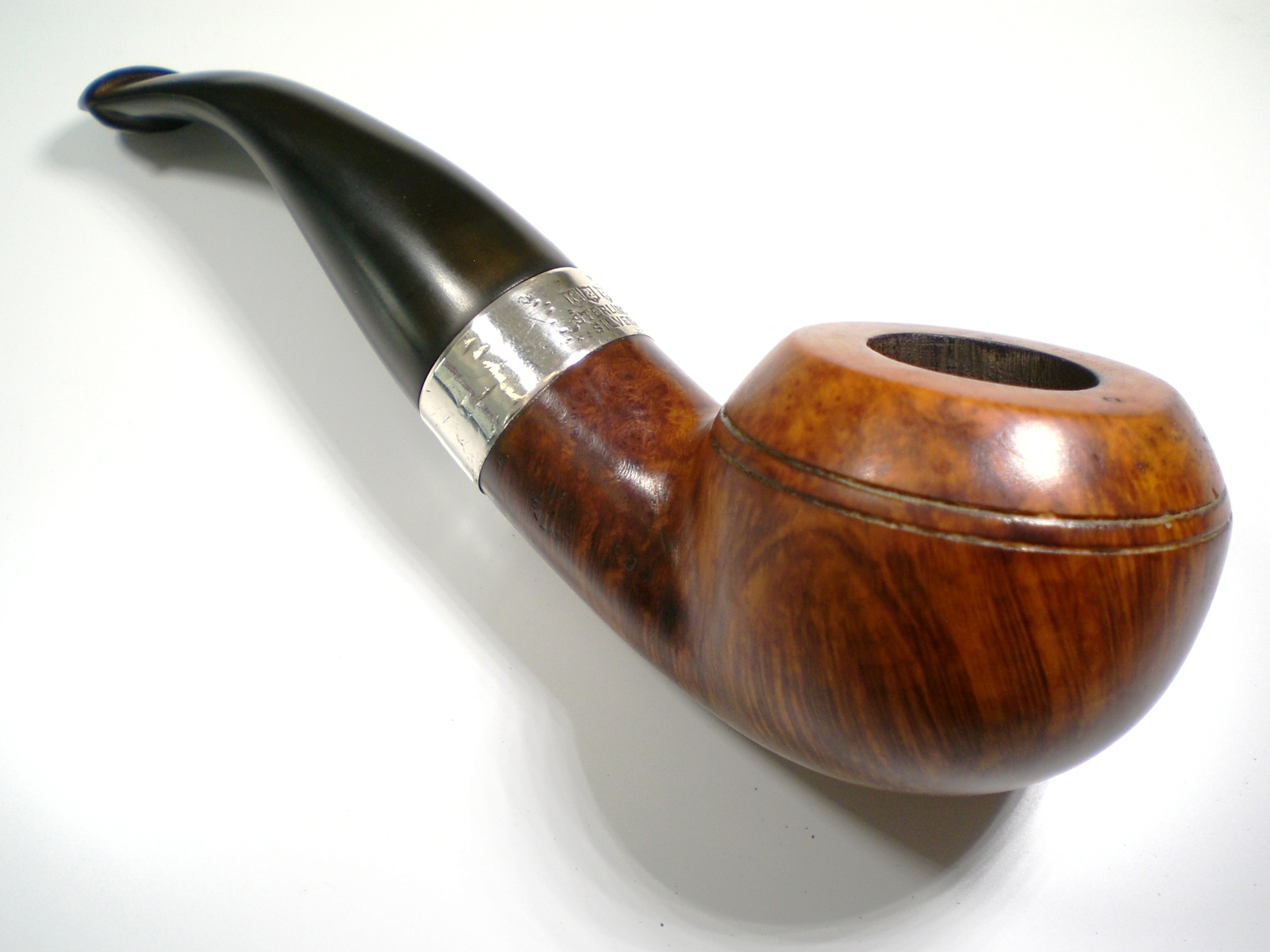
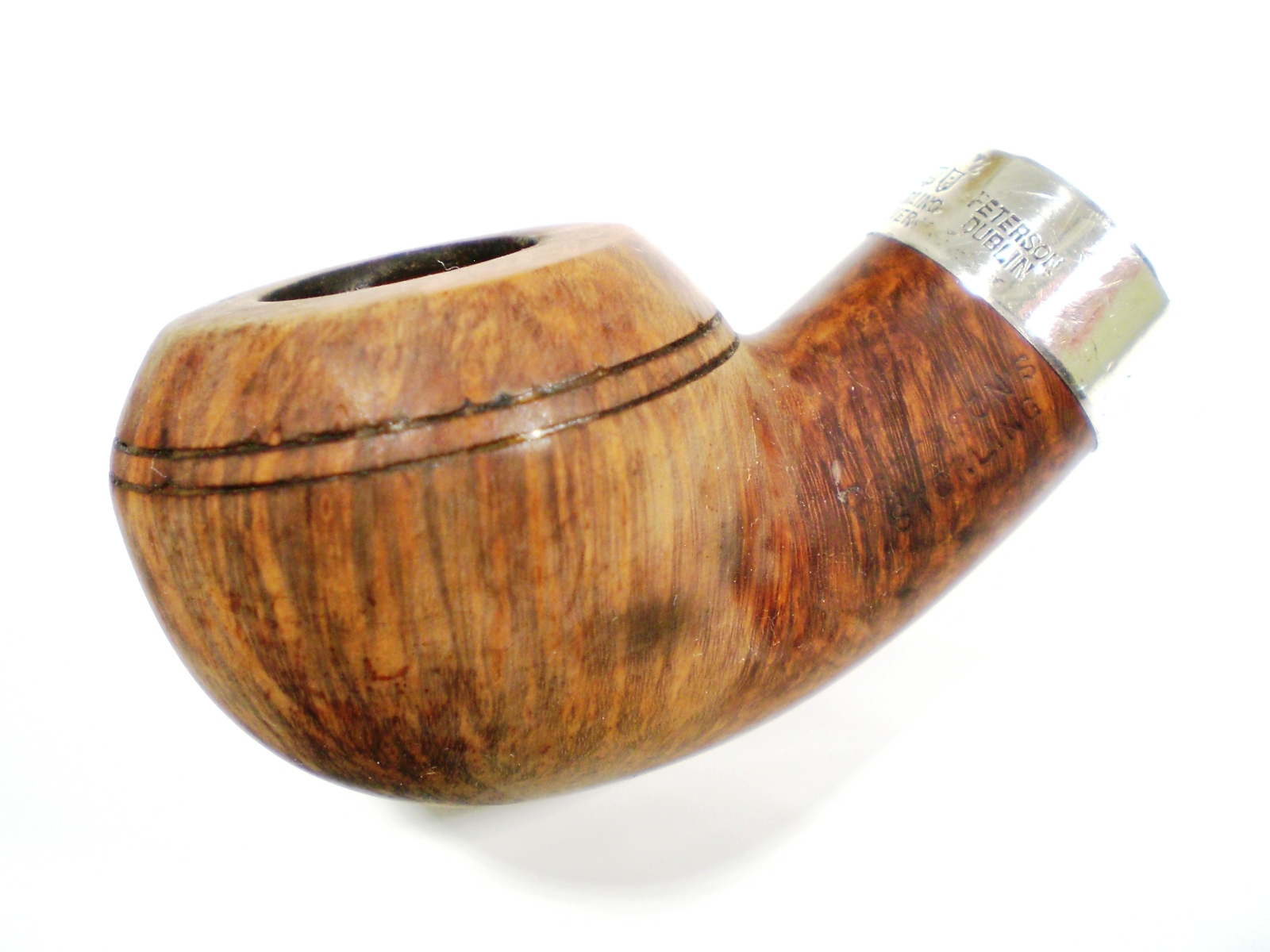
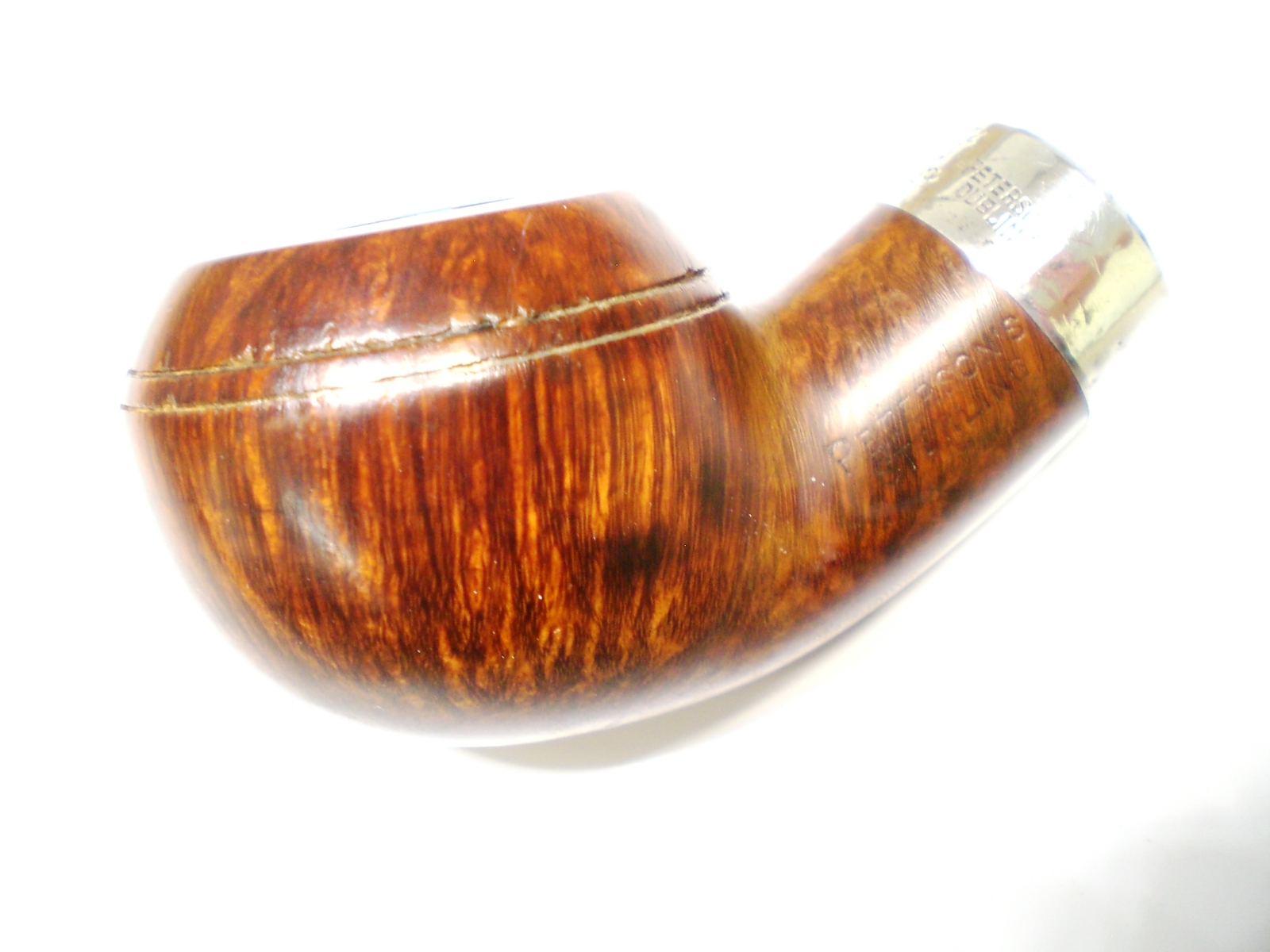
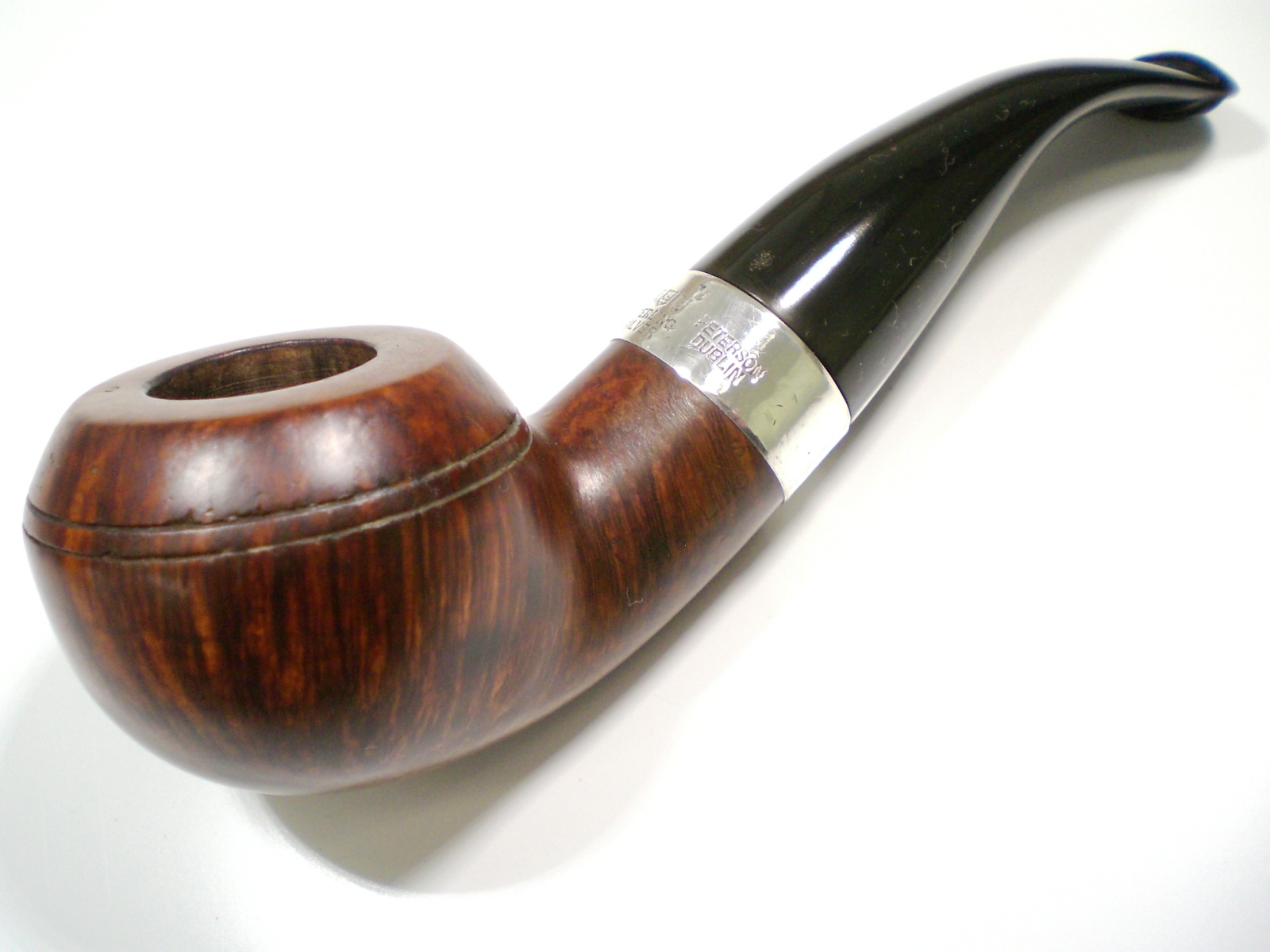
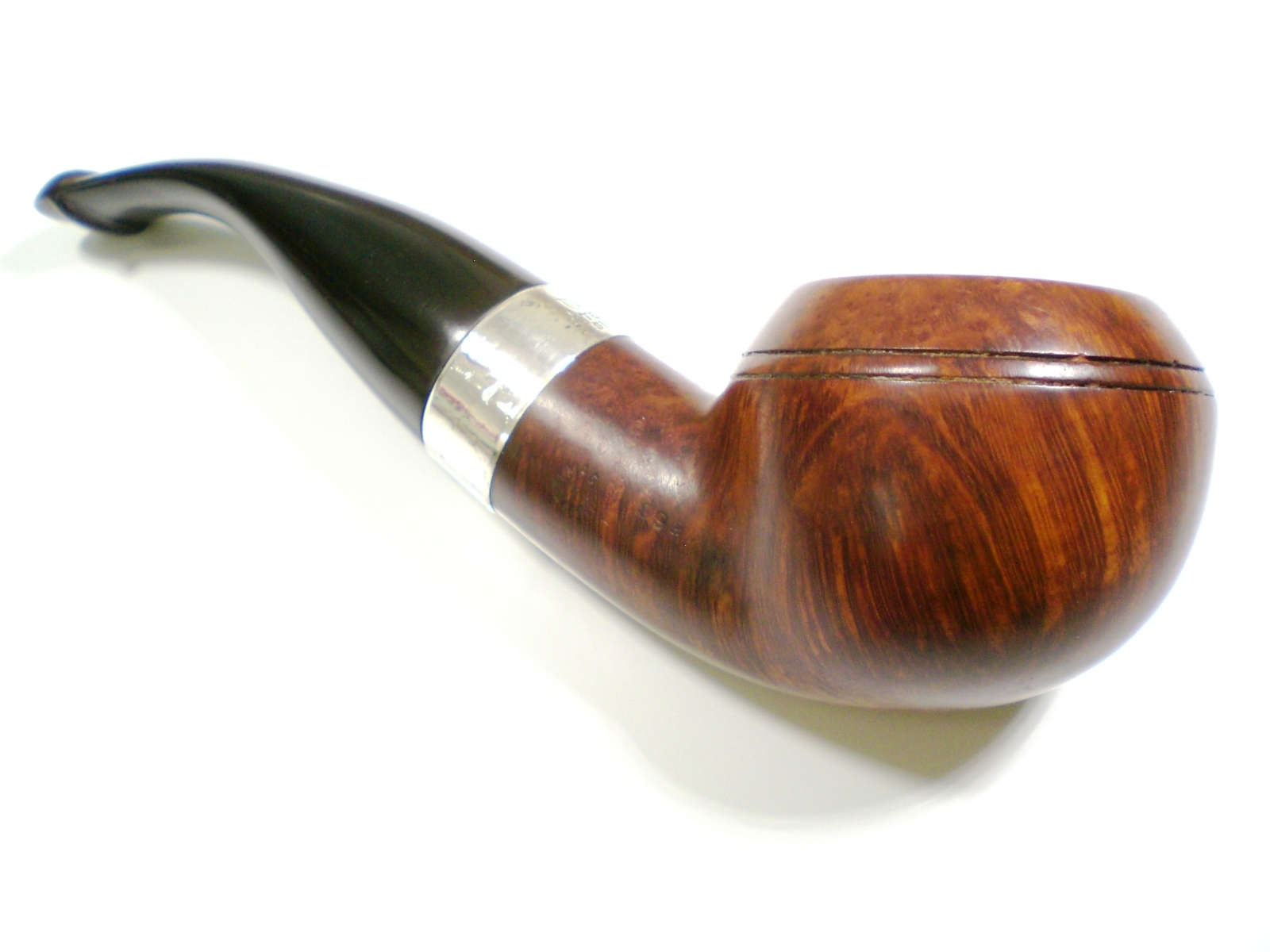
The 999 is Peterson’s version of the Rhodesian pipe shape. Pre-Republic versions are slightly chubbier than a modern 999. A chubby shape 999 has been on my “Holy Grail” pipe list for a number of years. This one came to me via a member of the PipesMagazine forums. It was a piece in huge treasure trove of estate pipes he bought as a lot. The seller sent me good pictures of the pipe and disclosed the issues he observed. The biggest concern was the dark marks on the bowl side. The pipe arrived today and gratefully, as I suspected, they were indeed only scorch marks. Sometimes you don’t have to find a pipe, they find you.

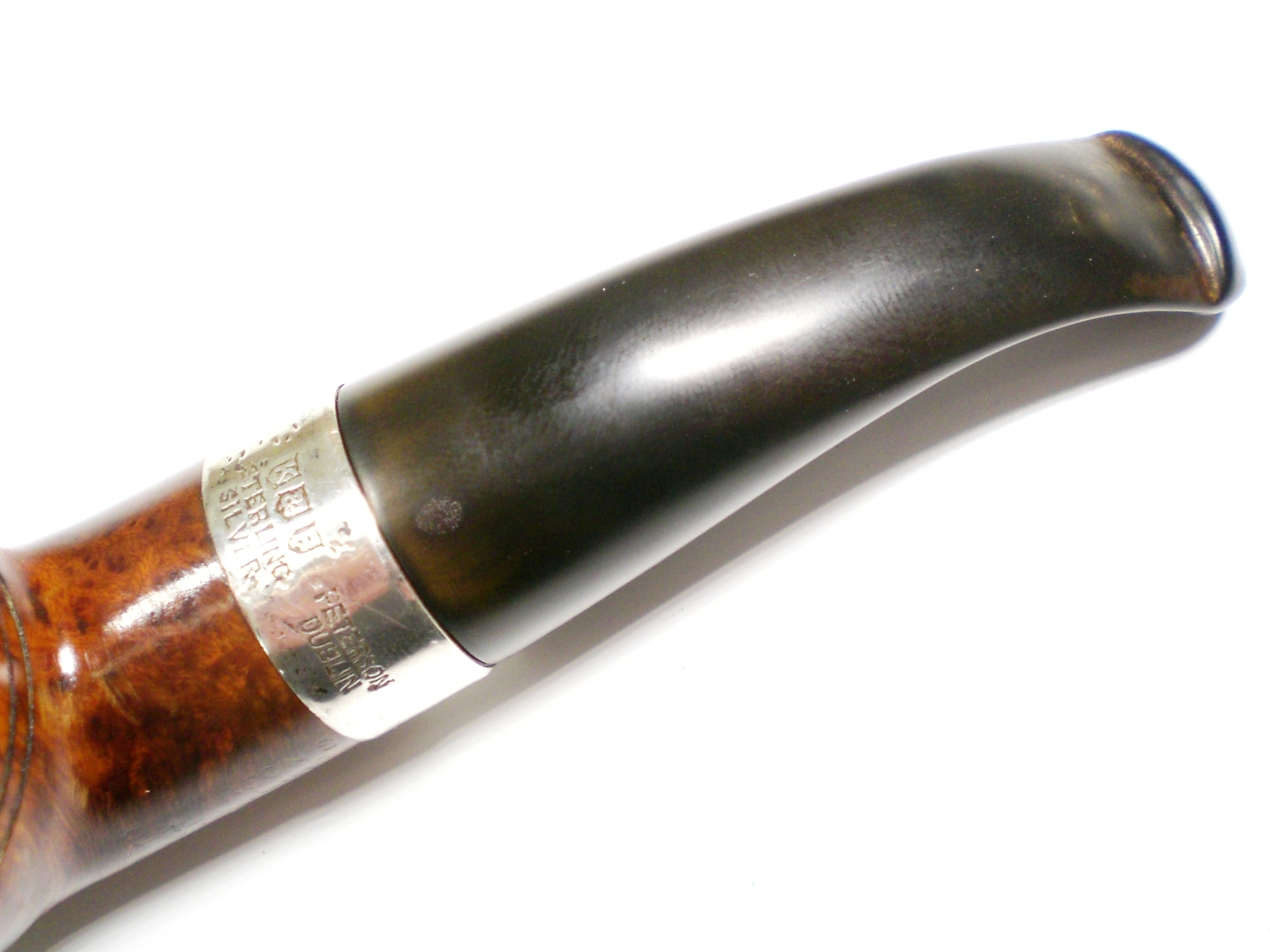
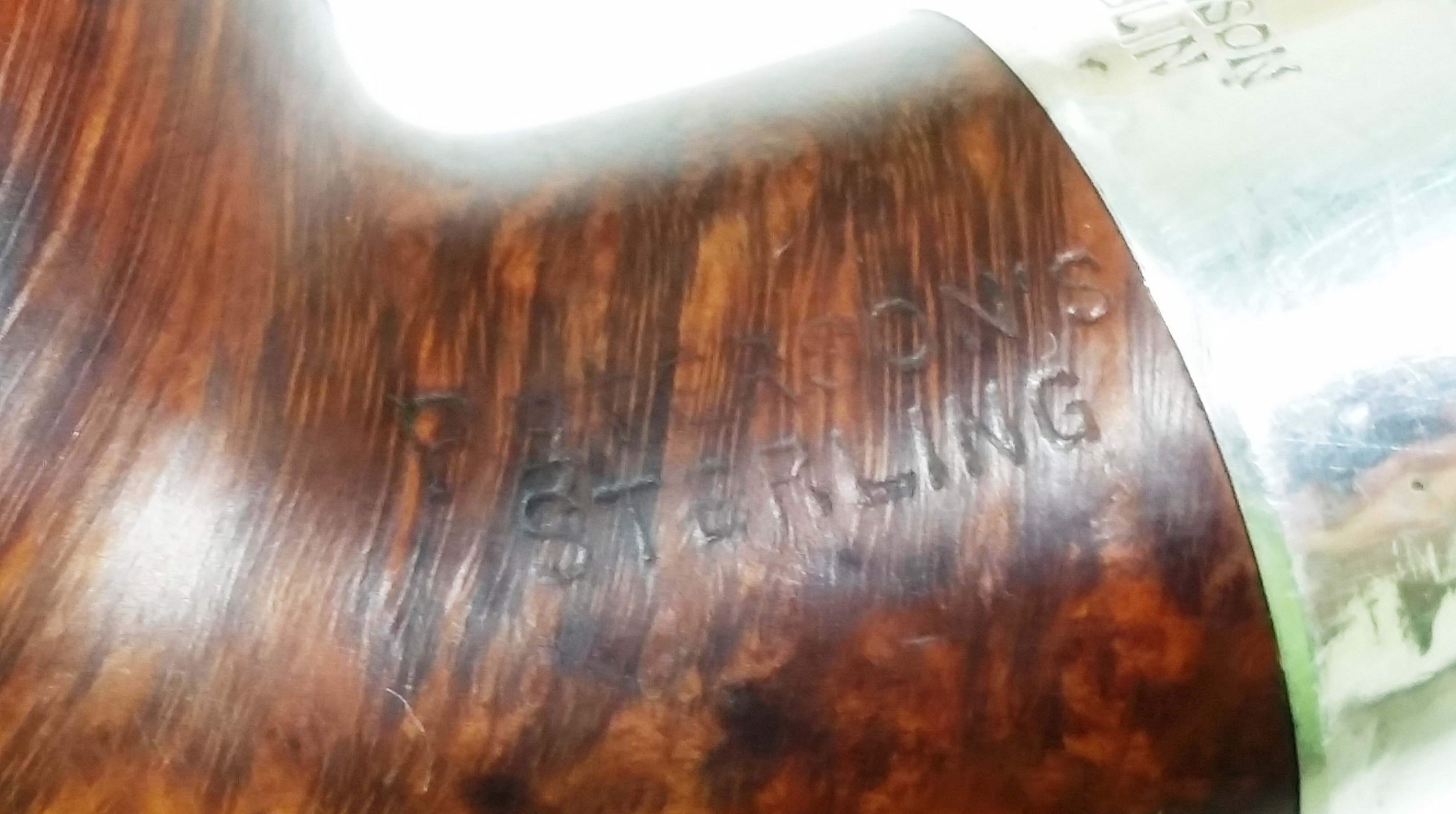
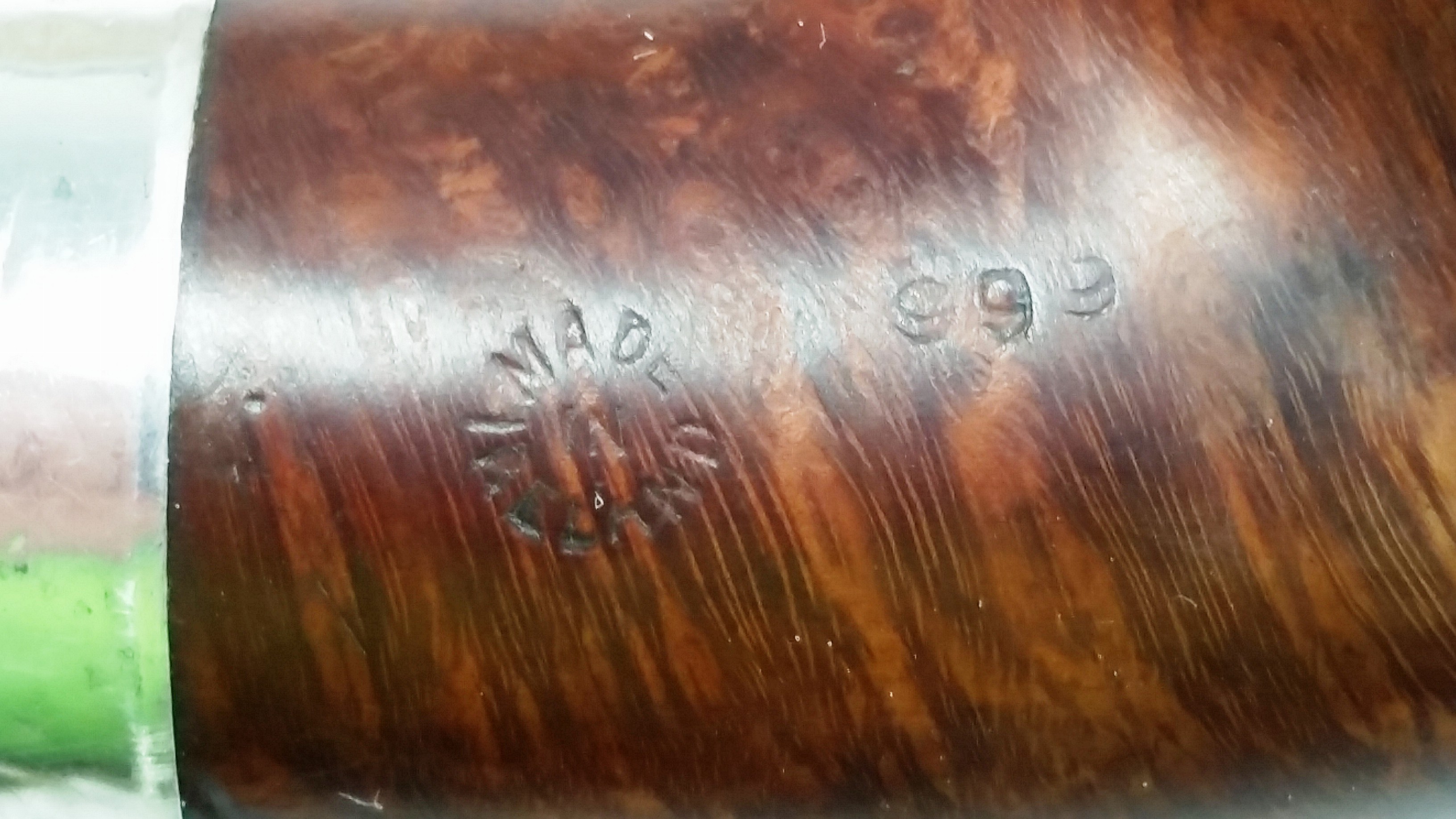
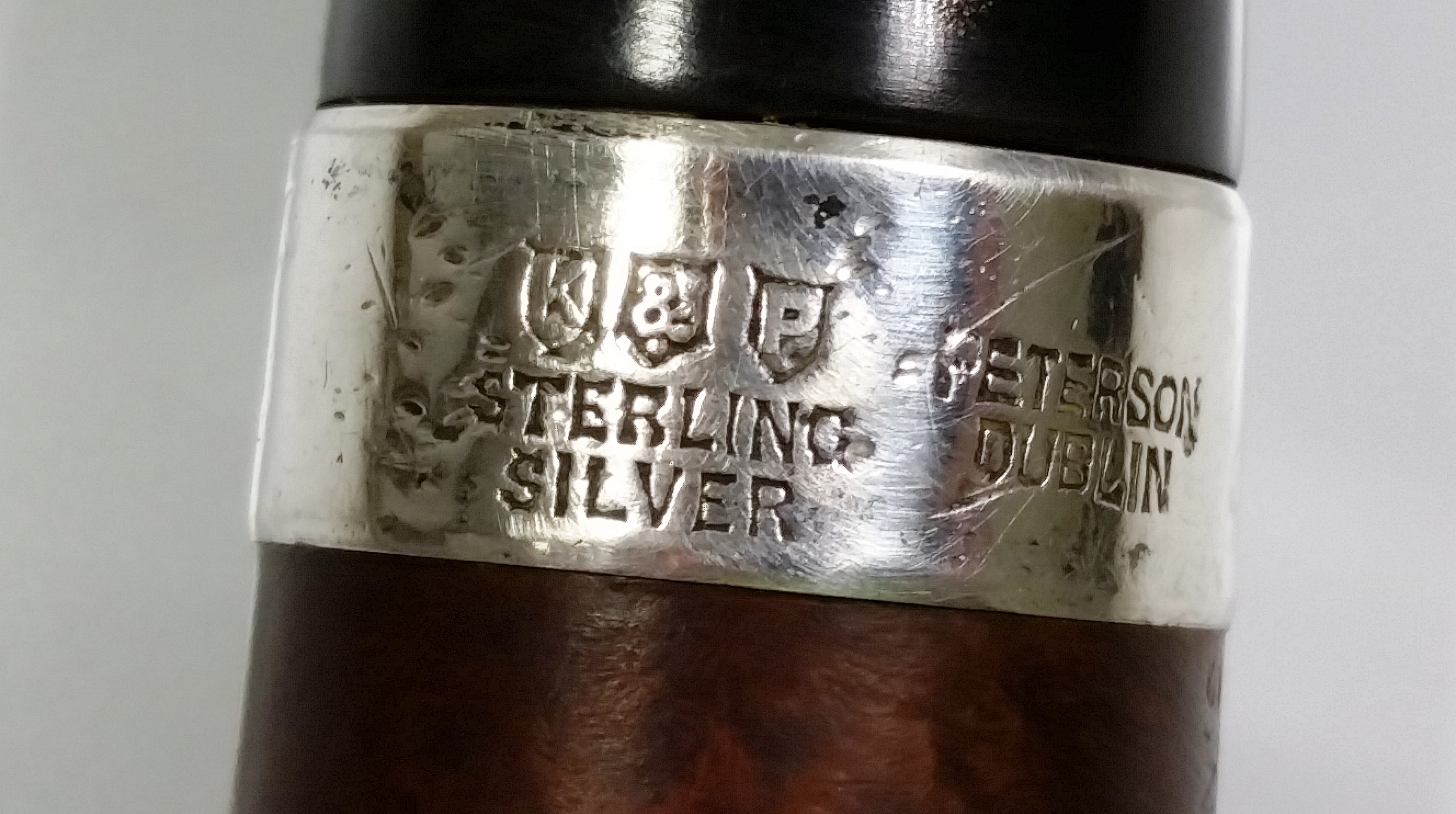
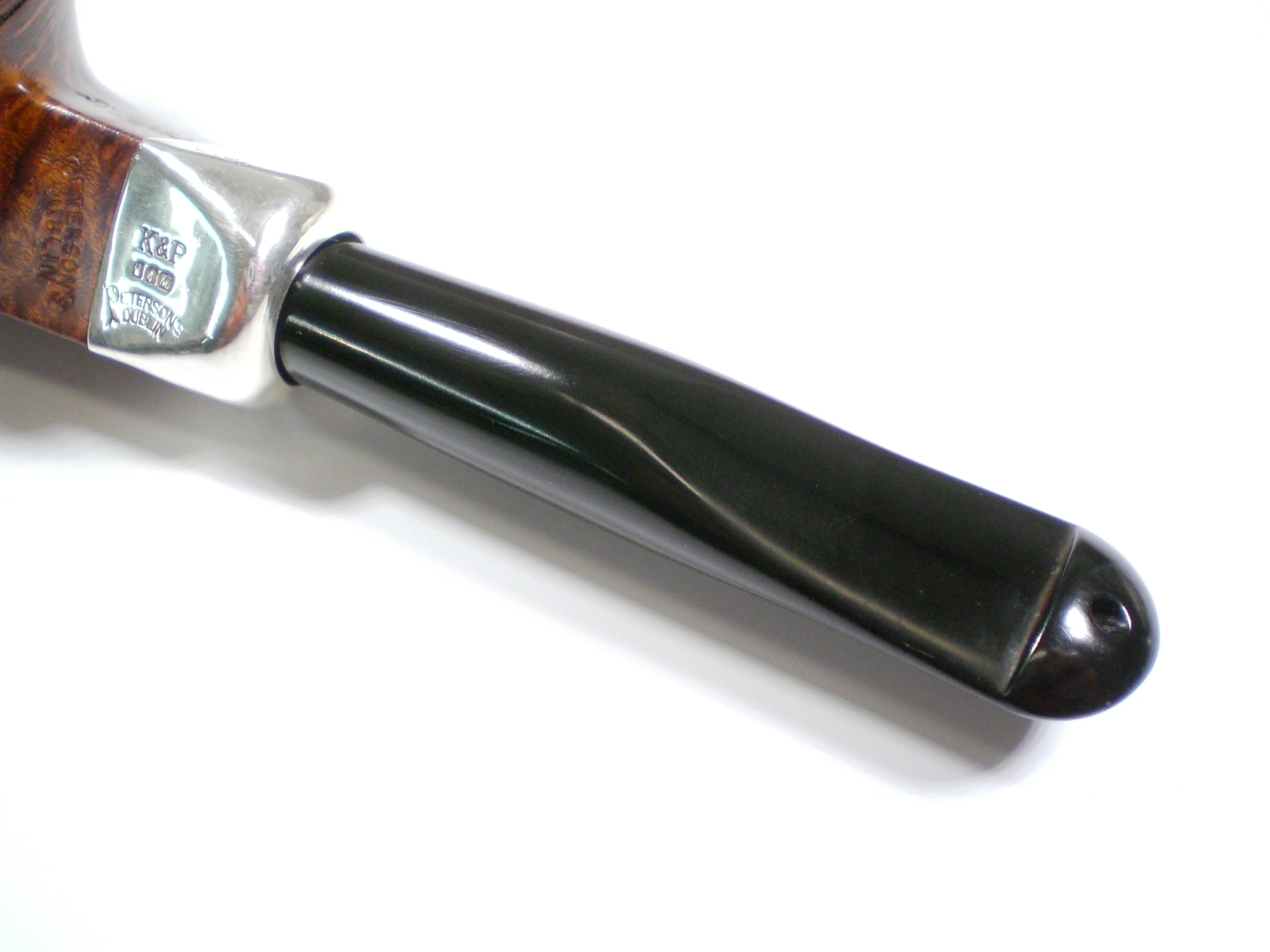
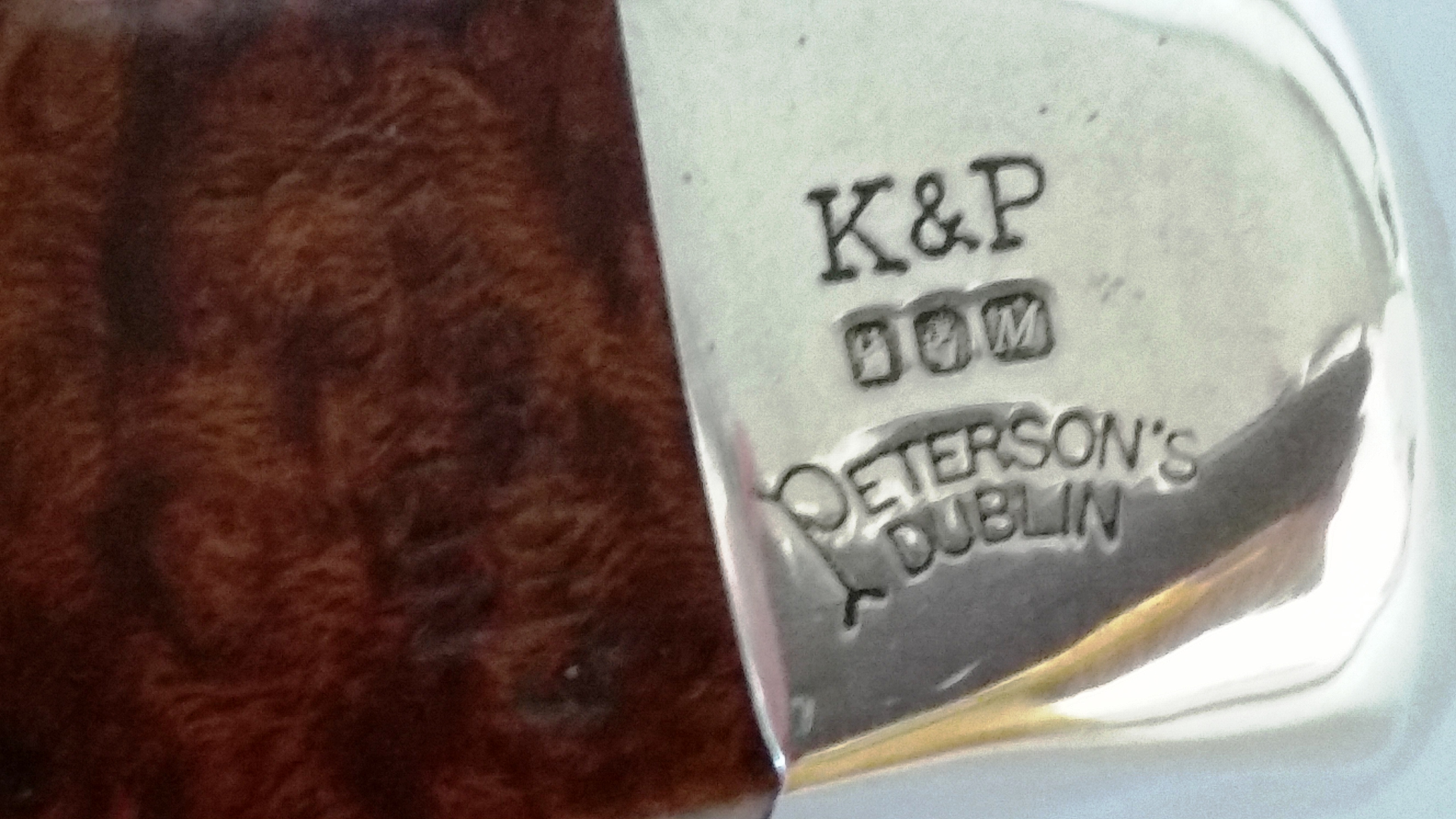
The pipe is stamped “Made in Ireland” in the circle format, which I’ve learned was used for 1945 to 1947. While the band is stamped “Sterling” as is the finish, there are no date hallmarks on the pipe. This would indicate that the pipe was made for sale in the United States, where silver hallmarks weren’t required. The dimensions of this 999 are almost identical to those of my GBD 9438’s, including the weight of 54 grams.

The pipe had plenty of dings, including on the silver band. The nomenclature was legible with the naked eye, a detail that I needed to preserve

Peterson_999_Sterling_Before

Peterson_999_Sterling_Before (2)

Peterson_999_Sterling_Before (3)

Peterson_999_Sterling_Before (1)

The stem had mild oxidation and a few tooth marks. The tooth marks lifted up nicely with some heat, a big restoration plus. I soaked the stem in a mild Oxy-Clean solution.
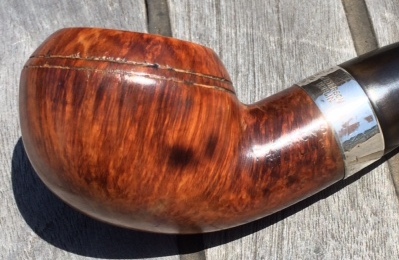
While the stem was soaking, I turned my attention to the bowl. I used a worn piece of 8000 and then 12000 grade micromesh sheet. I was able to diminish but not completely remove the scorch marks, but I’m satisfied with the result. I think using some lower grade wet paper, I could probably remove the marks. But, in doing so I might change the profile of the bowl and the pipe would certainly require a complete stain strip and restain. I then I didn’t want to risk the nomenclature to that process. I wiped on a very light coat of Medium Brown stain to blend in the lightened area with the existing color. I then buffed out that area with some Tripoli followed by White Diamond. After several coats of Carnuba wax, the effected area blends in well with the rest of the bowl. Here several bowl pictures showing the original marks, pipe after the micromesh treatment and one after the stain/buff and wax.
Peterson_999_Scorch_Repair(2)

Peterson_999_Scorch_Repair

Peterson_999_Scorch_Repair (1)

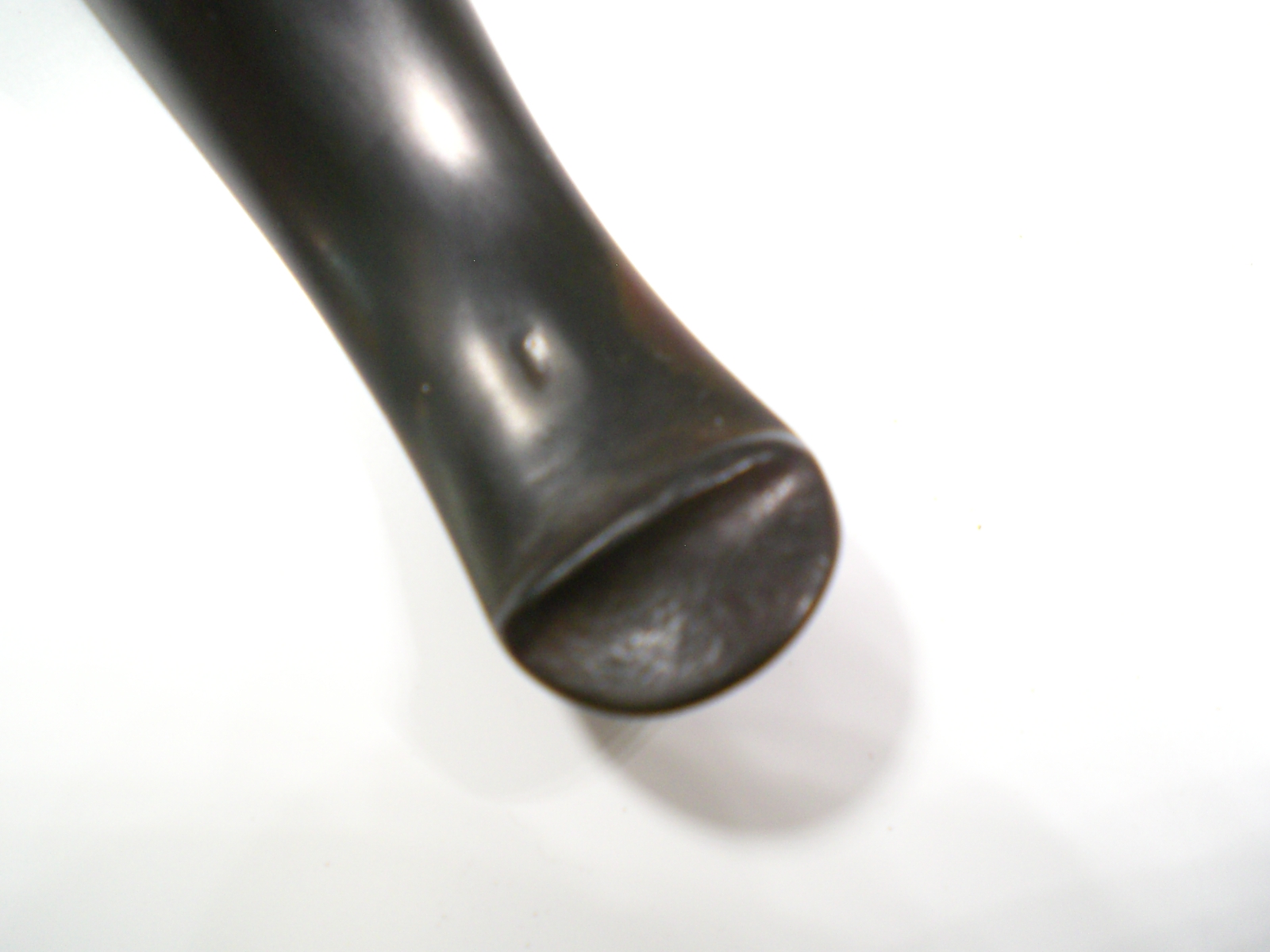
I removed the oxidation from the stem with 800 grit wet paper, and worked my way thru the 1500 and 2000 grade papers. Next up, 8000 and 12000 grade micromesh sheets were used. The stem was then buffed with White Diamond and Megiuars Plastic Polish. There was a stubborn burn mark on the stem that I was able to diminish but not remove completely. The large dent on the bottom of the stem finished off nicely and is almost invisible.

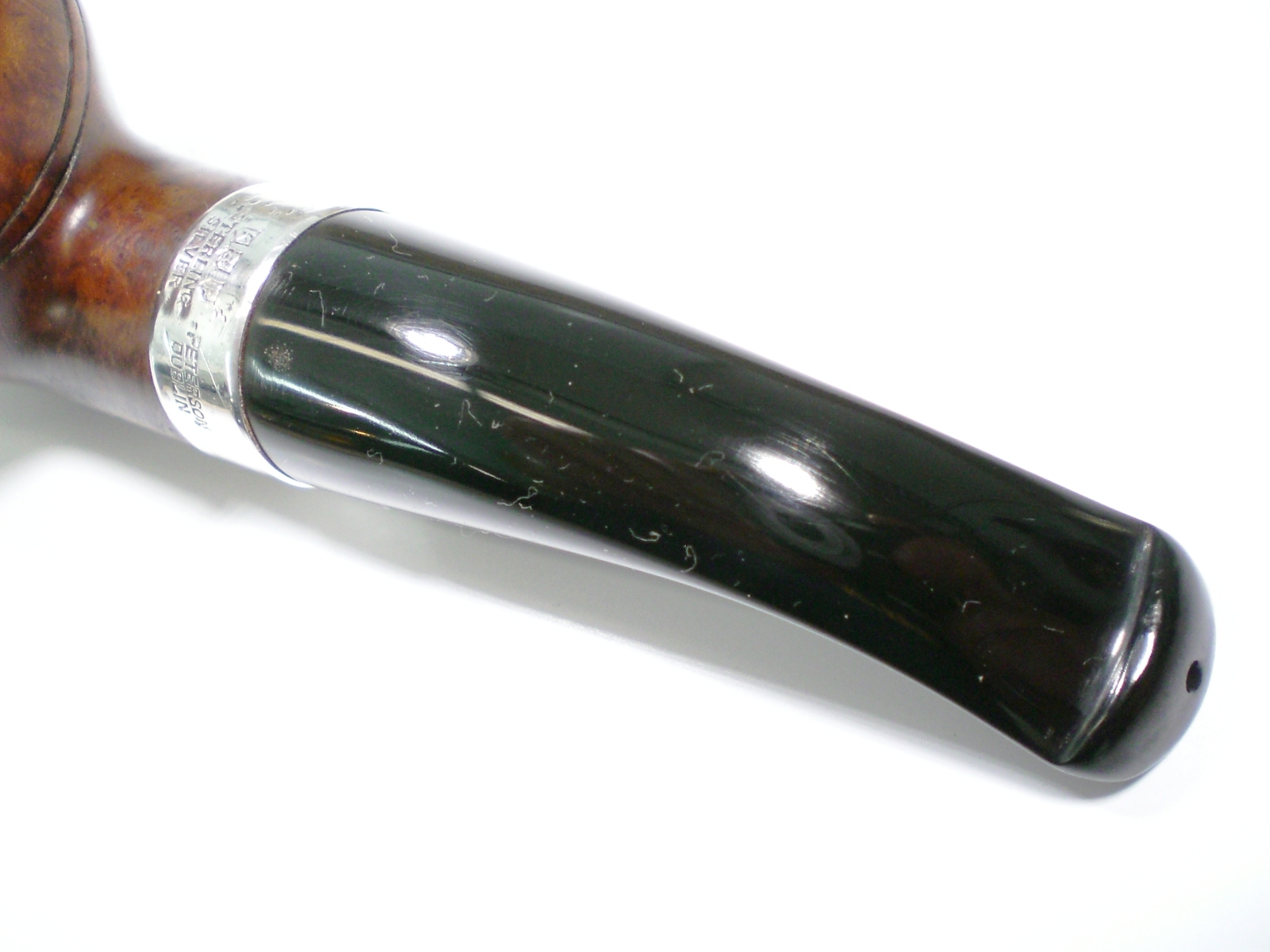
Below is the completed pipe. The pipe is far from “Mint” condition, but I think the patina earned after decades of use is fitting.

Peterson_999_Sterling_Gallery

Peterson_999_Sterling_Finished (3)

Peterson_999_Sterling_Finished (5)

Peterson_999_Sterling_Finished (1)

Peterson_999_Finished(4)

Peterson_999_Sterling_Finished(9)

?

?

?

?

?

?

Update:
I went back and removed a little oxidation I observed around the P-lip button. I also was able to dimish the scorch mark on the stem.

Peterson_999_Sterling_Stem_Tuneup

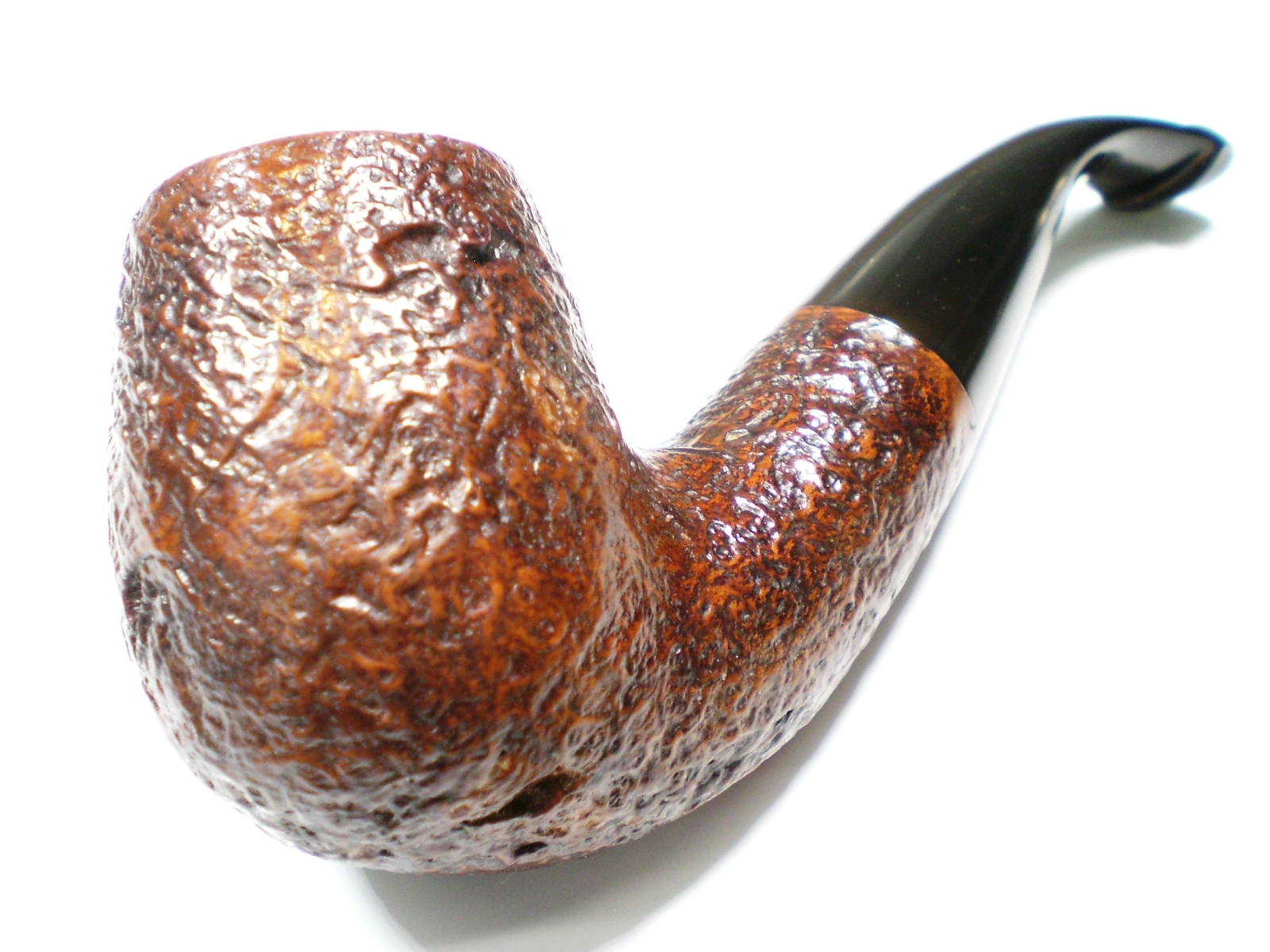
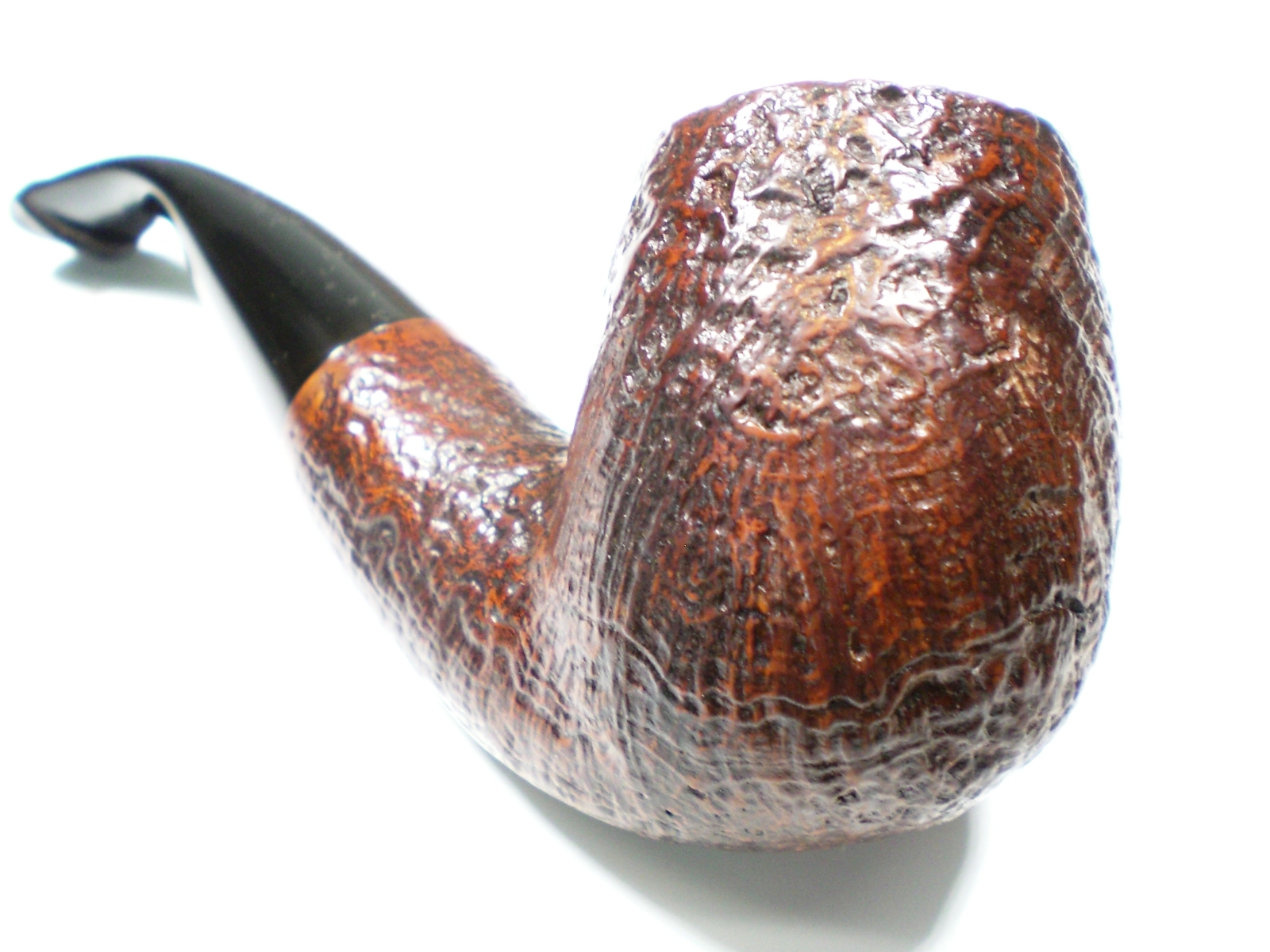
Peterson 9BC “Kapruf” (Pre ’59)


This isn’t a restoration, but I hope you will indulge my fascination with the Peterson 9BC shape.

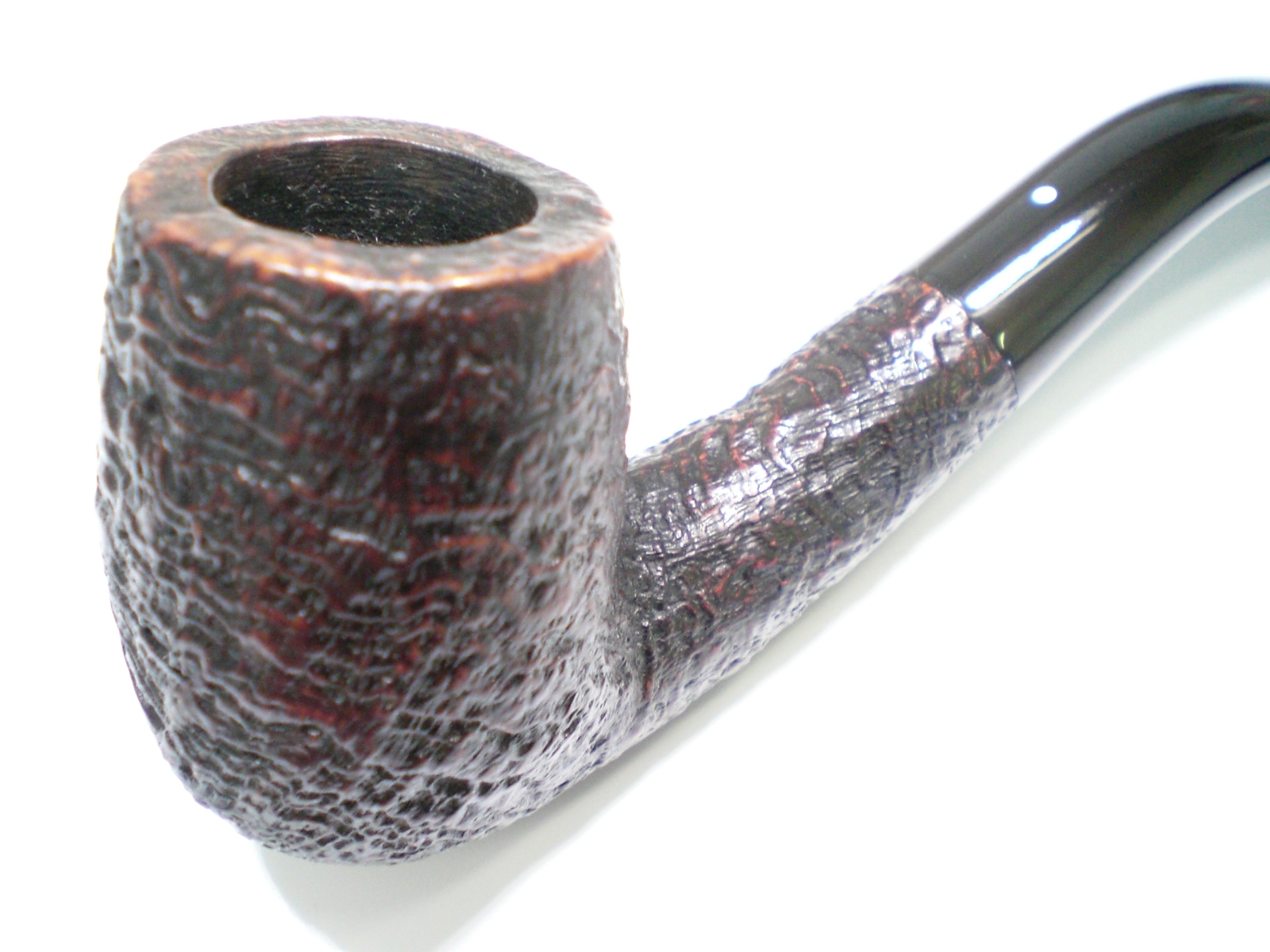
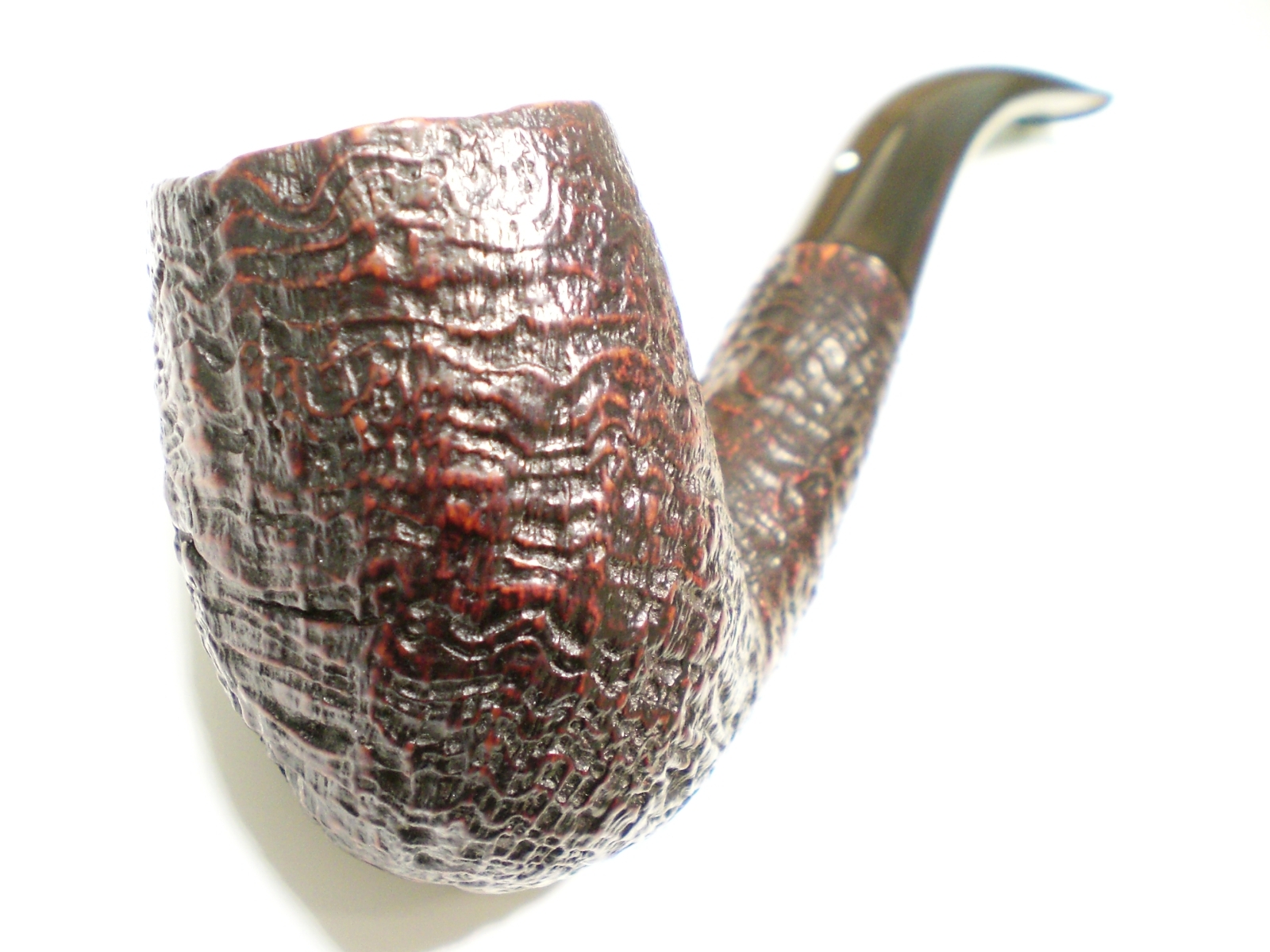
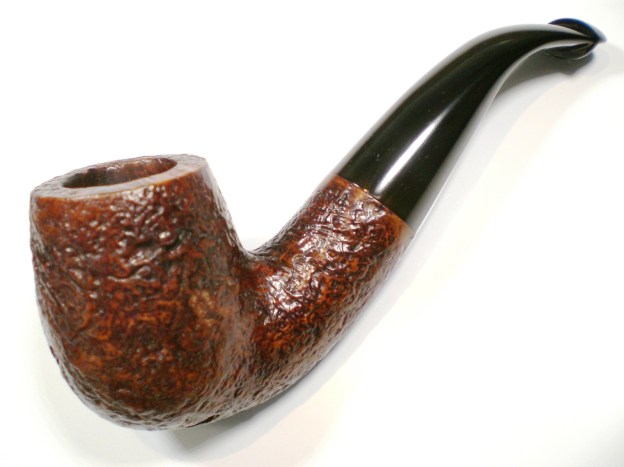
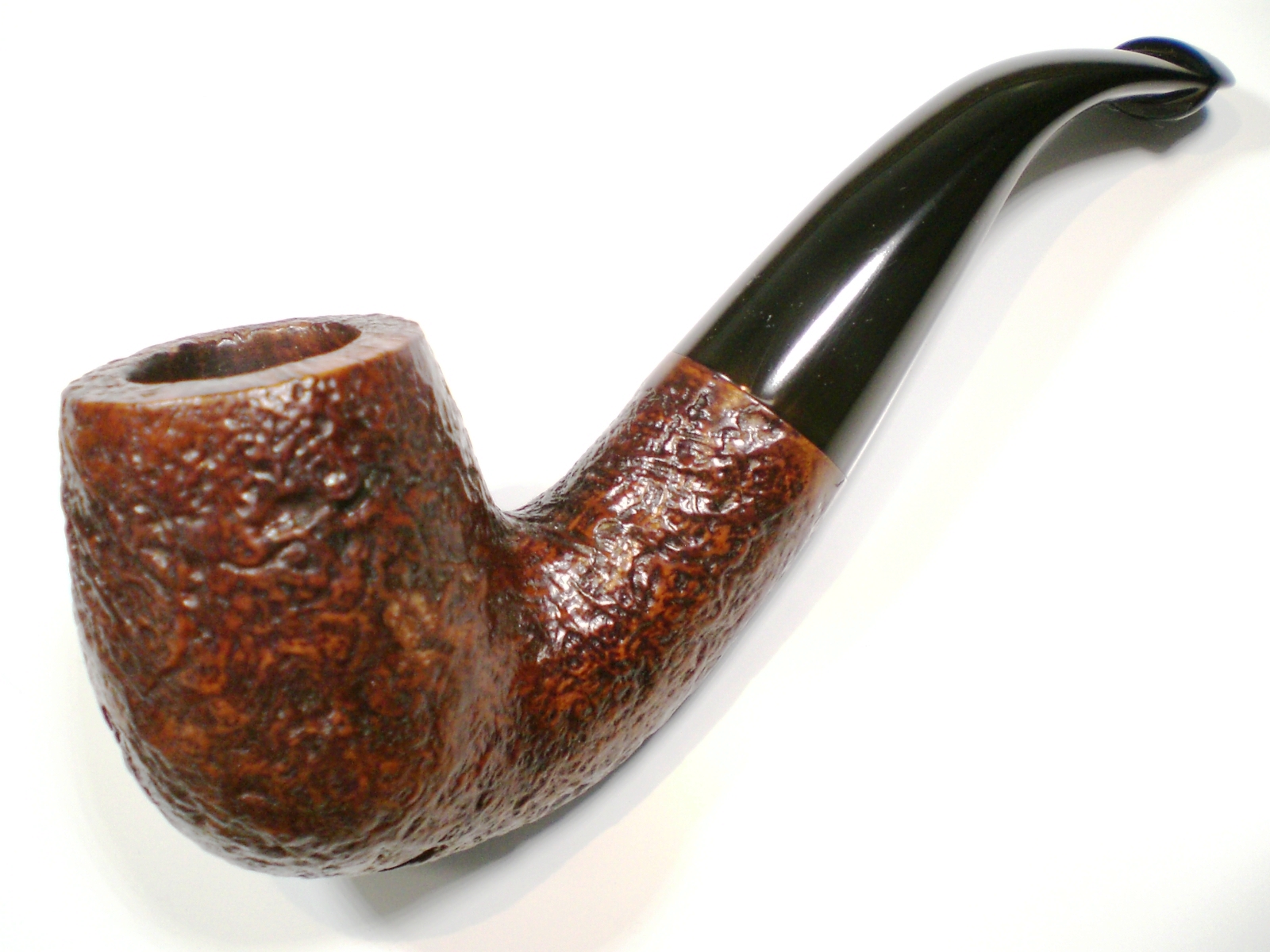
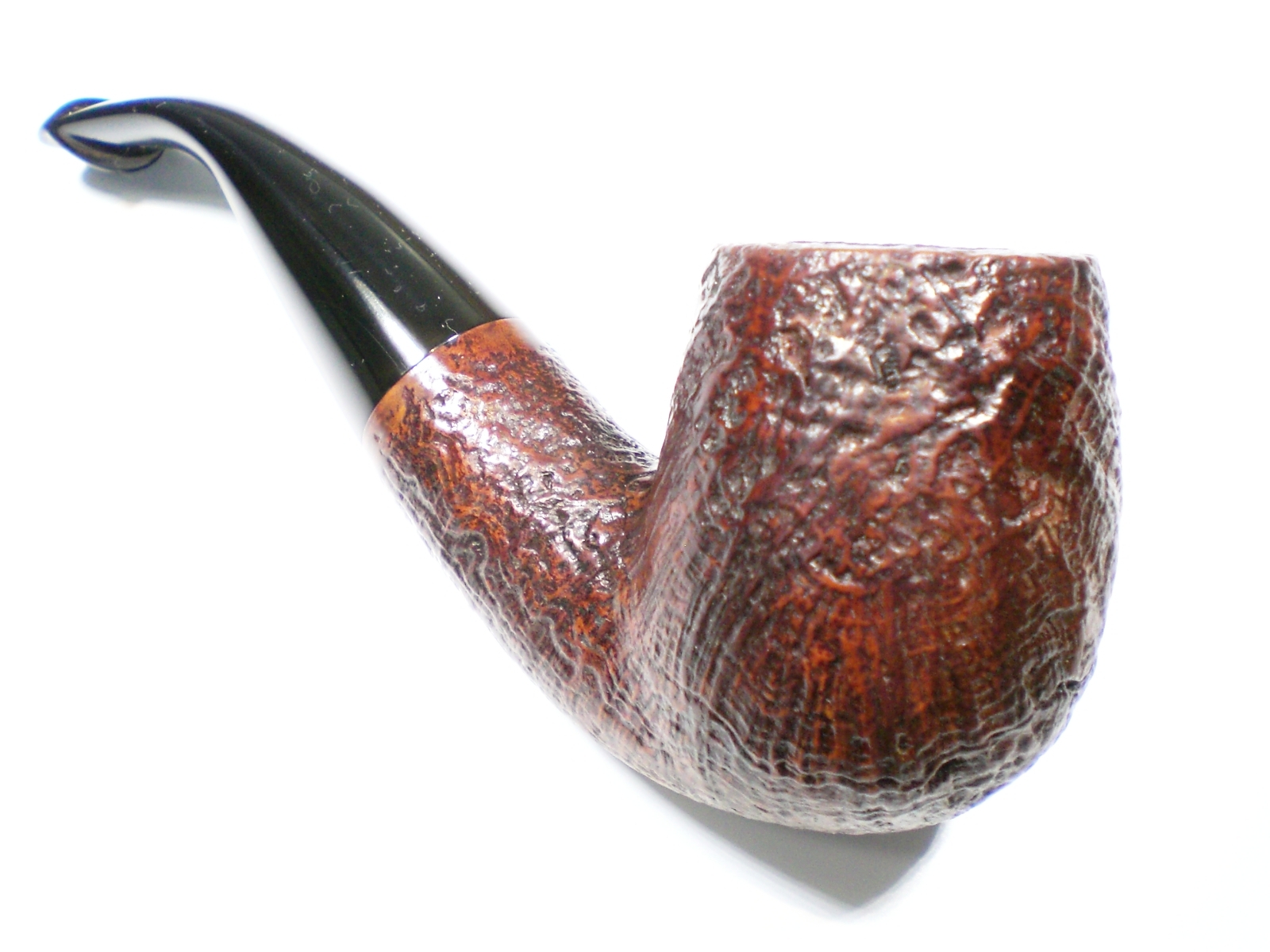
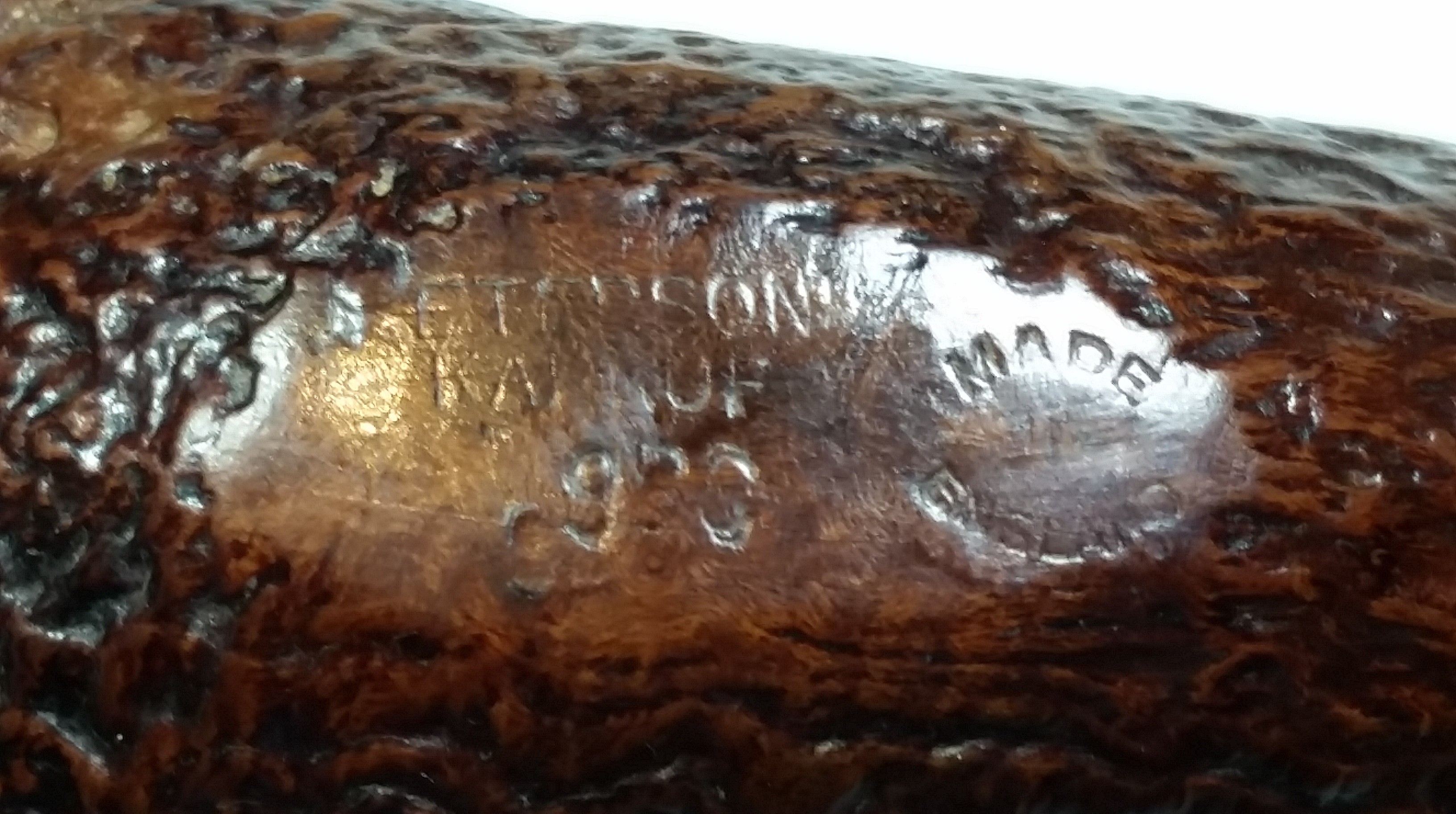
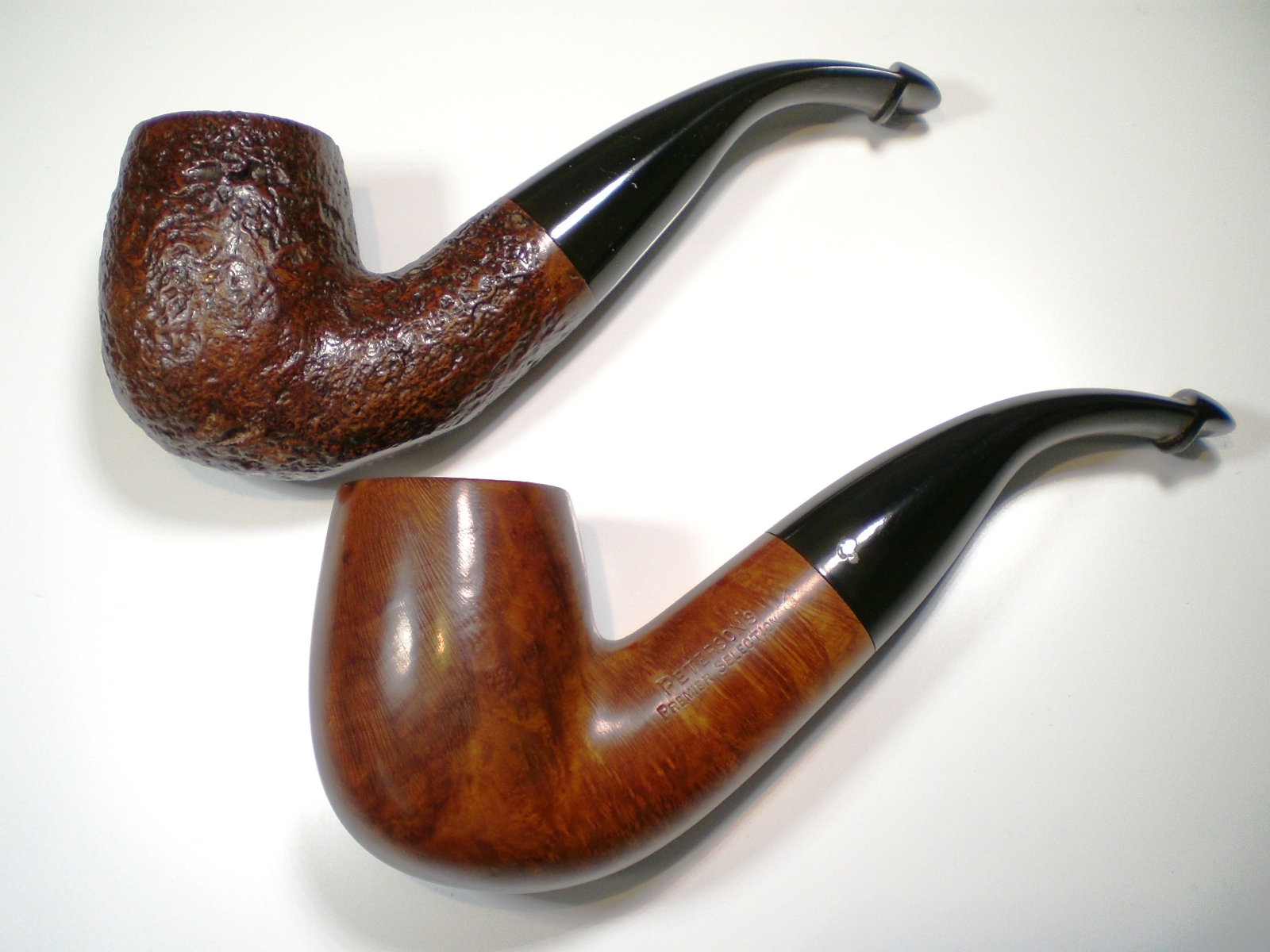
I enjoy collecting different finishes for my preferred shape and recently, the Peterson 9BC has caught my attention as of late. I found this “Kapruf” finish pipe on Ebay (via infamous seller Shinypipes…) and made an offer that was accepted. 9BC shapes don’t show up that often, but curiously, the seller had not identified the model in the ad, which was to my advantage. They had the pipe incorrectly listed as a “Pre-Republic, 1940’s-1950 era pipe. The stamping is worn but completely legible with the naked eye. The round “Made in England” stamp was reportedly used up to 1959, at least by the Pipepedia article.

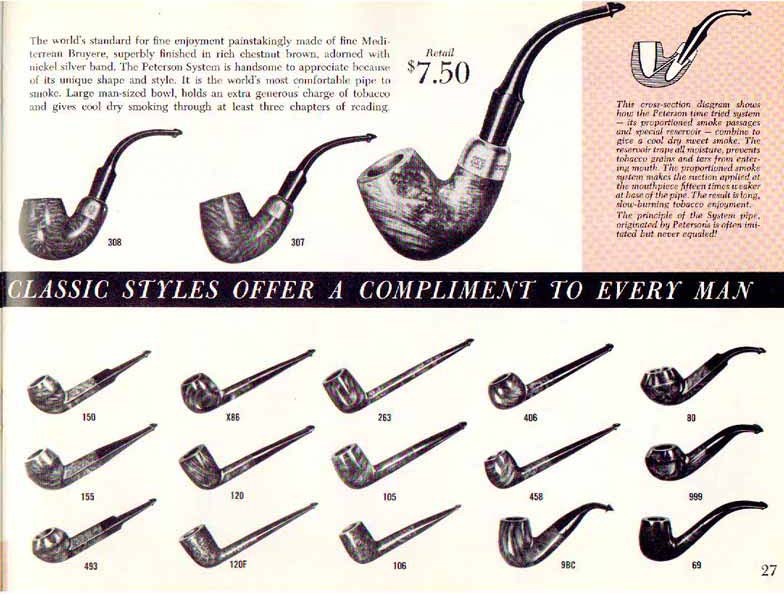
I didn’t know much about the Kapruf line. It is described in a 1960’s catalog as:

Quote :
A fine sandblast finish distinguishes this range of light natural grained pipes with their distinctive red colouring. Very popular with sportsmen.

The second page shows the 9BC shape.

Peterson_Page- Rogers Catalog 1957

1965-Peterson-Catalogue - Kapruf Line

This one has a little grain and some flaws that would have otherwise been fills on a smooth pipe. It has plenty of character, that is for sure.

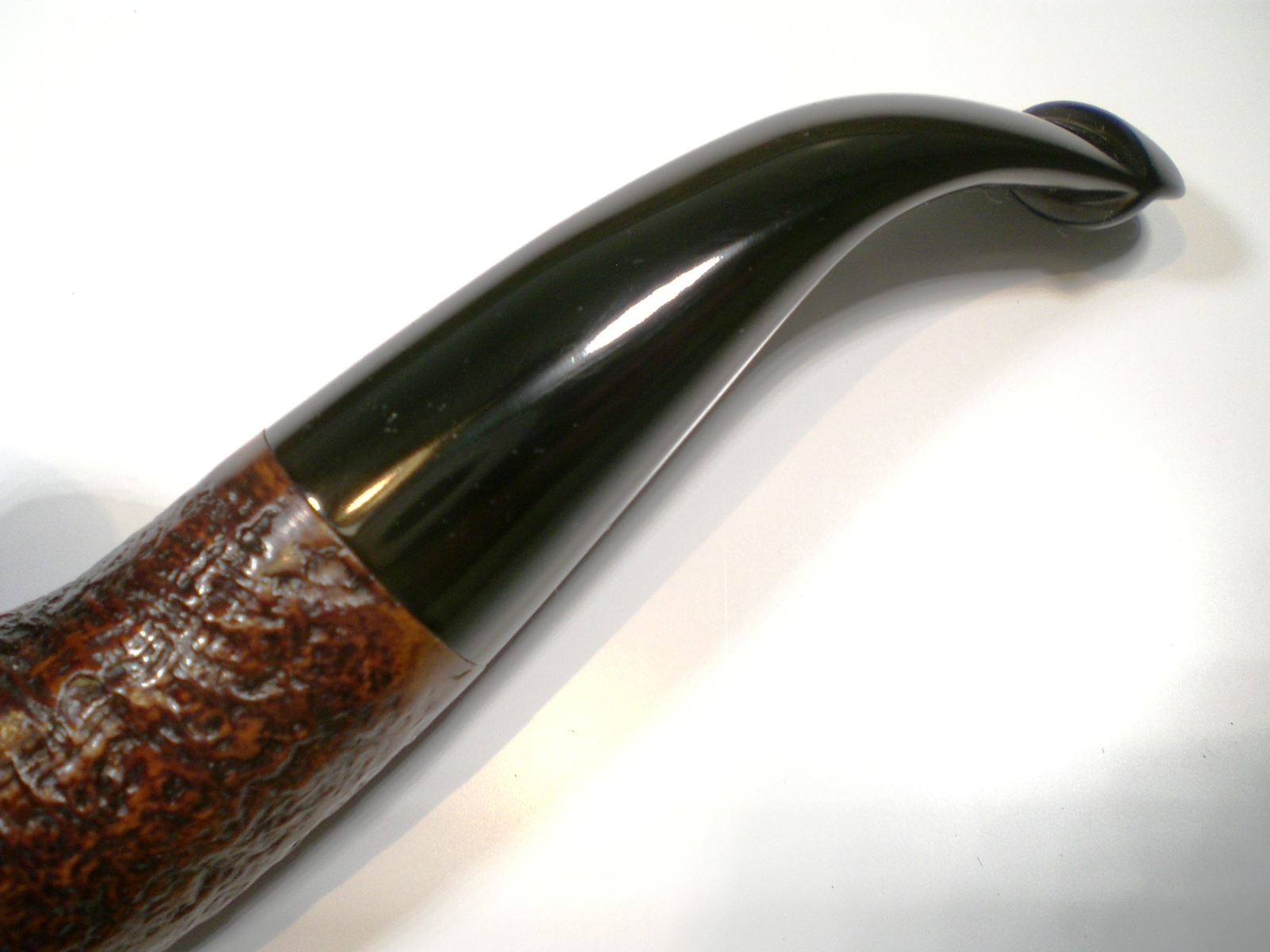
Peterson_9BC_Kapruf_Gallery

Peterson_9BC_Kapruf (2)

Peterson_9BC_Kapruf (4)

Peterson_9BC_Kapruf (3)

Peterson_9BC_Kapruf (1)

Peterson_9BC_Kapruf_Nomenclature

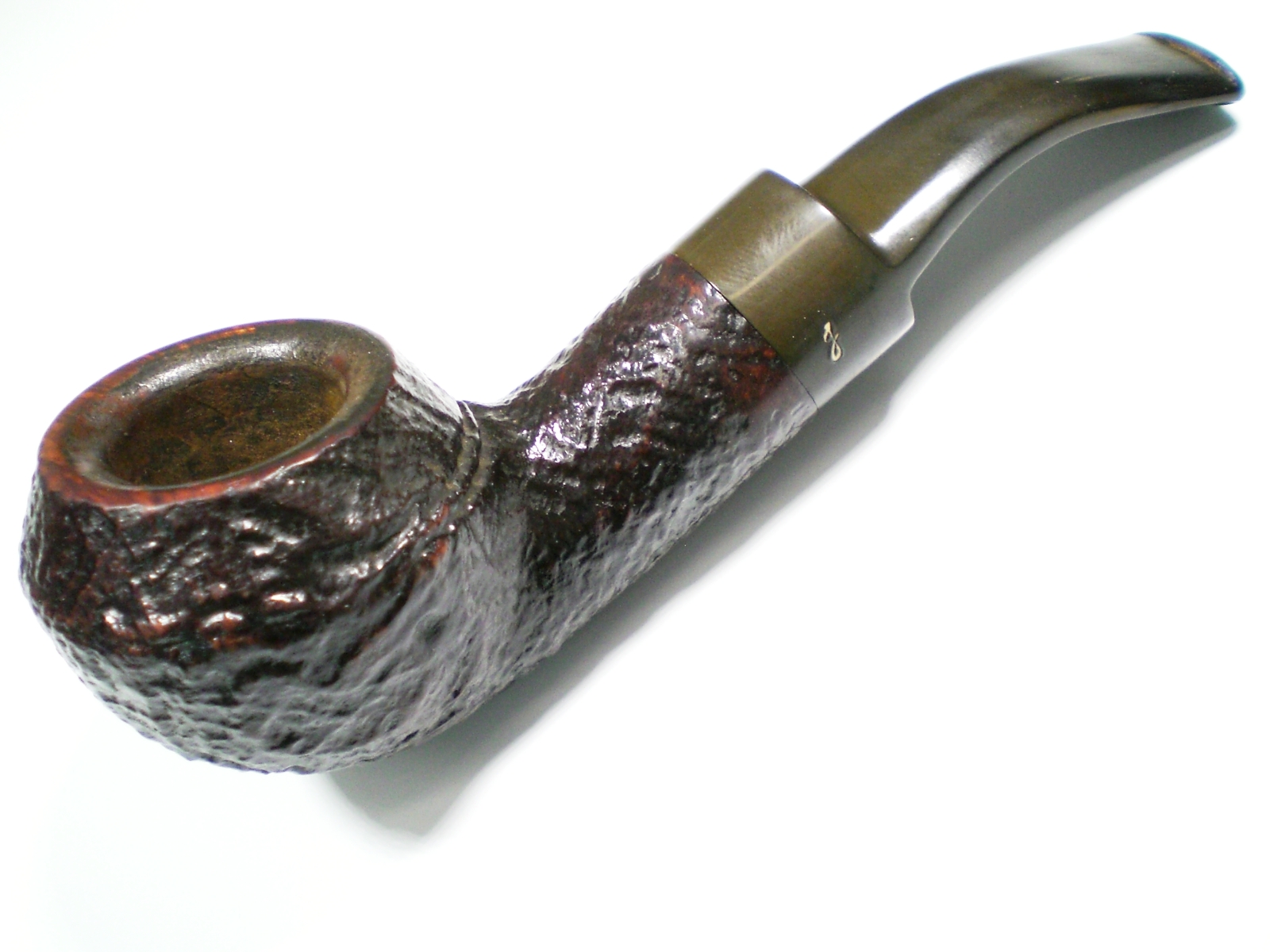
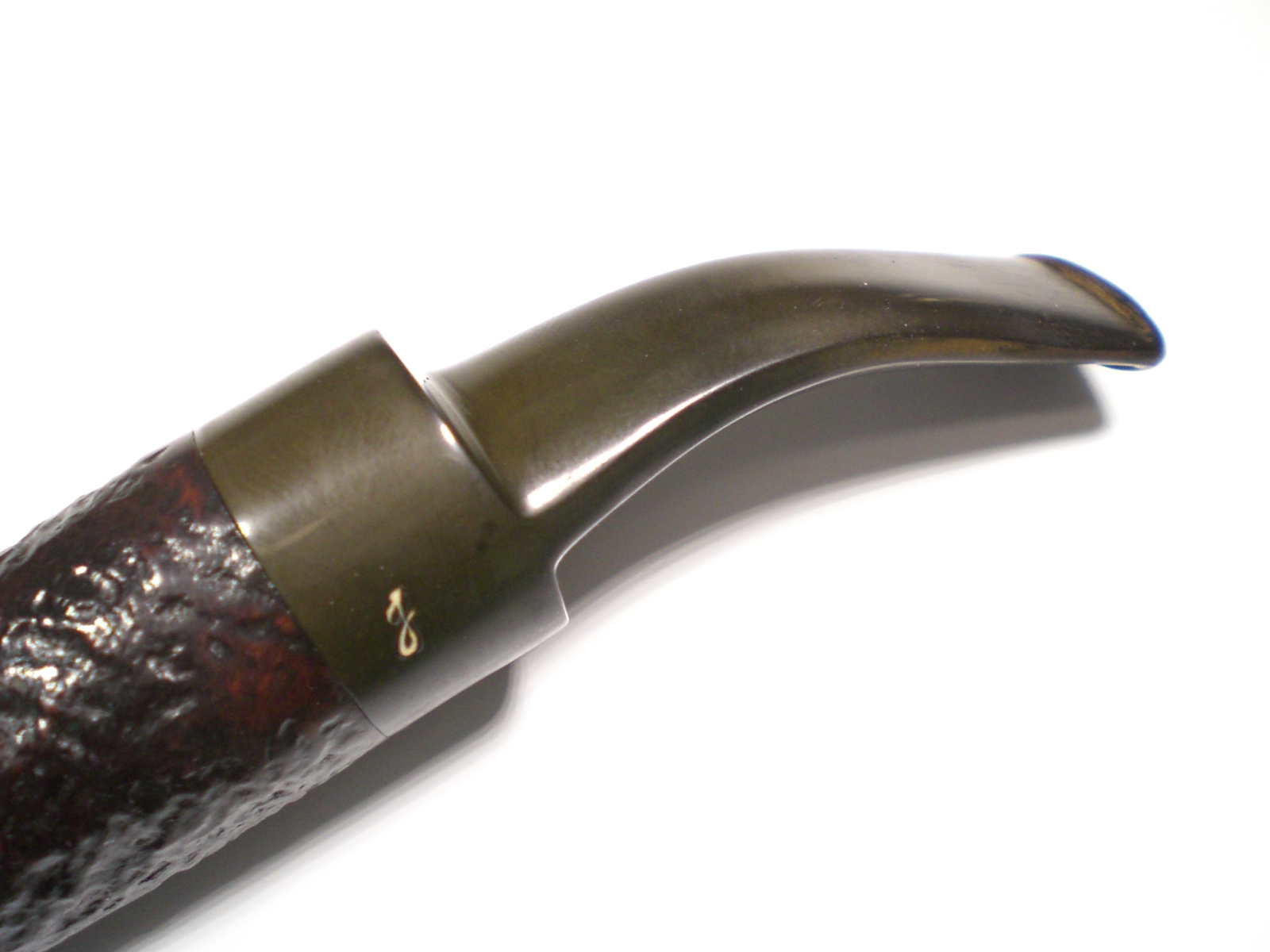
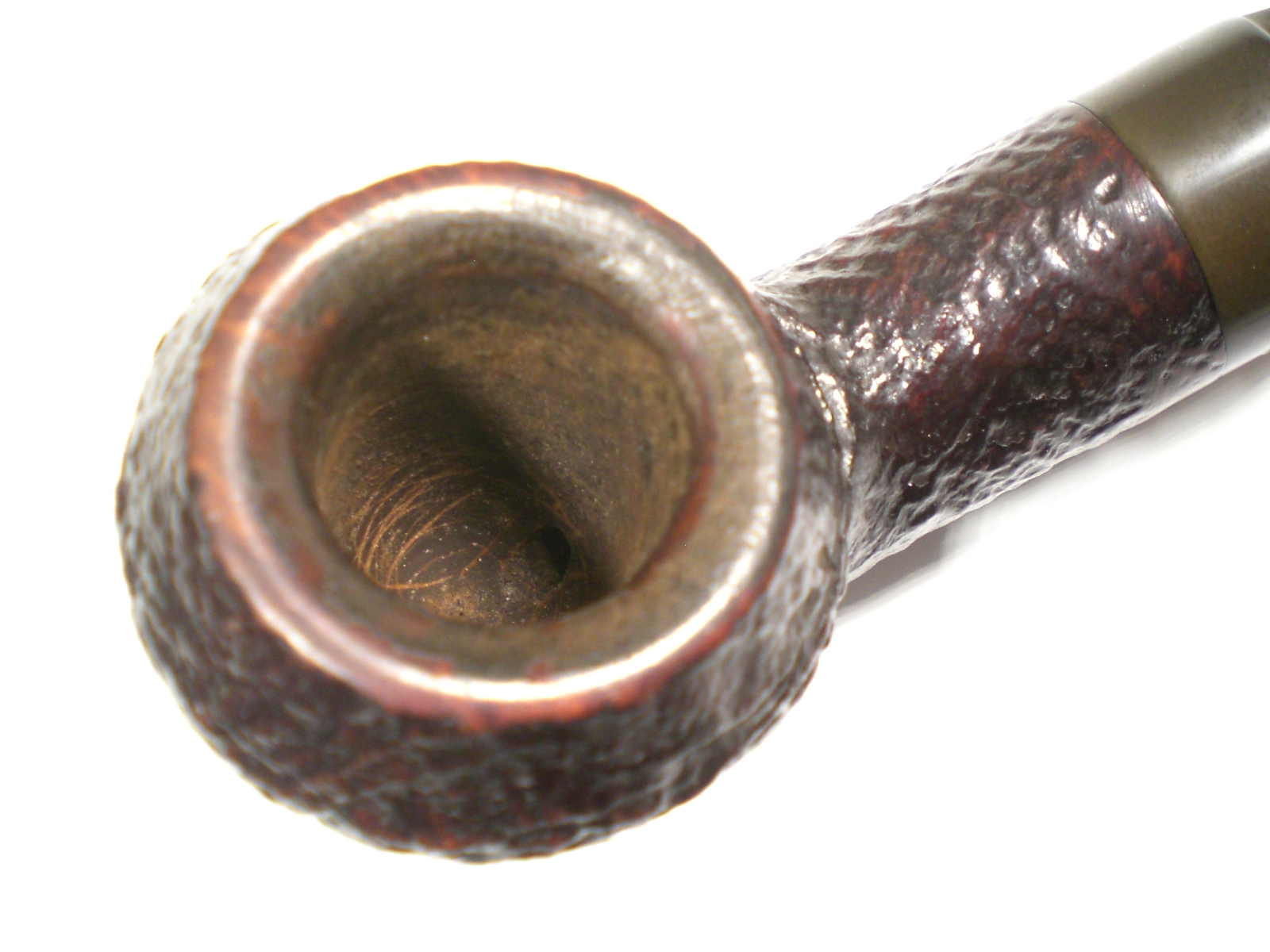
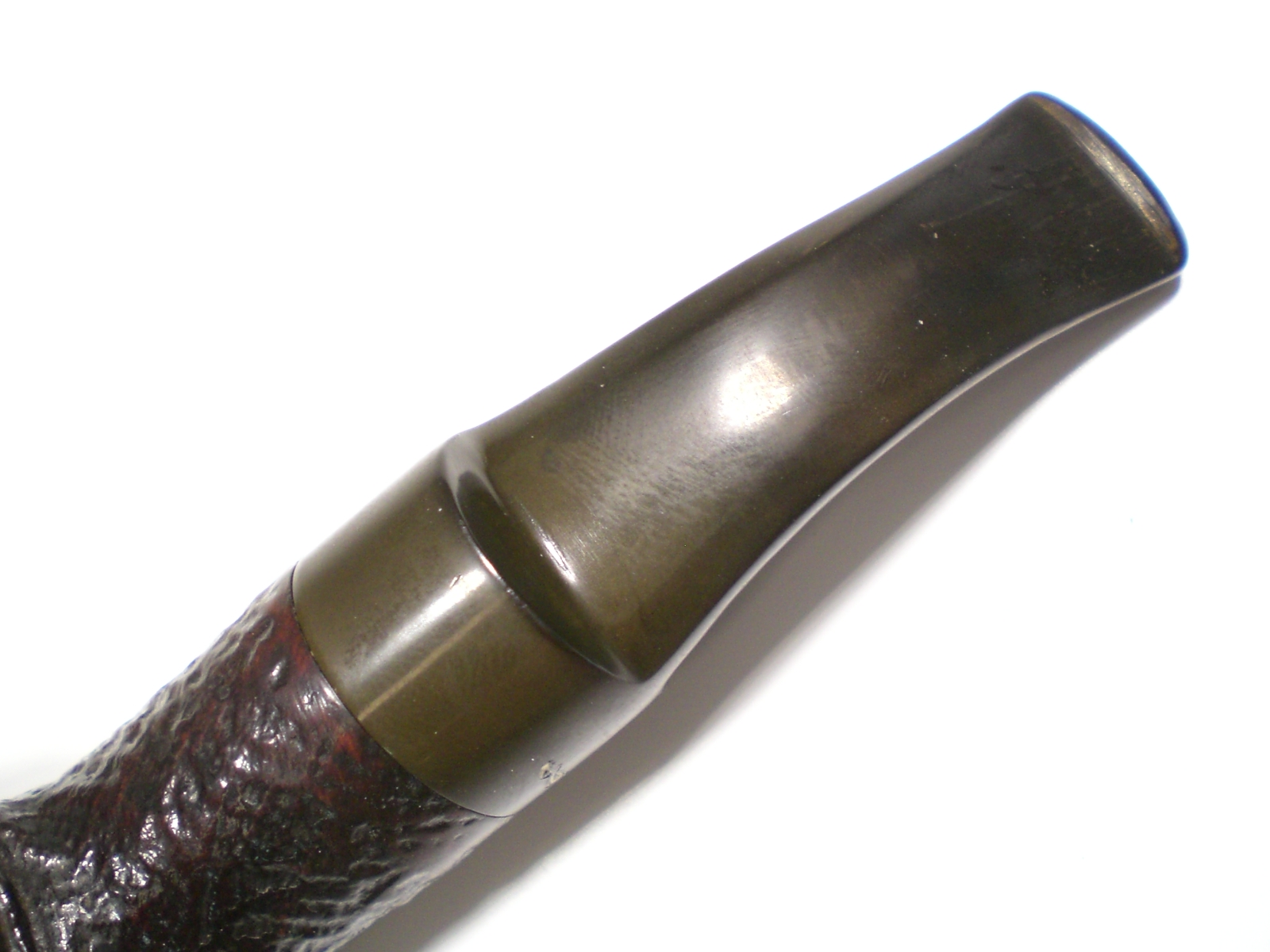
Compared with my other 9BC (Premiere Selection), this one is incrementally smaller in all dimensions and 67 grams vs. 72 for the smooth pipe. The P on the stem is long gone (as were most I’ve come across, save my smooth) but the robust p-lip button has the same profile as the smooth pipe.

Peterson_9BC_Kapruf (5)

Jameson’s 9438 (GBD) Restoration


Blog entry by Al Jones

Update June 1, 2020:

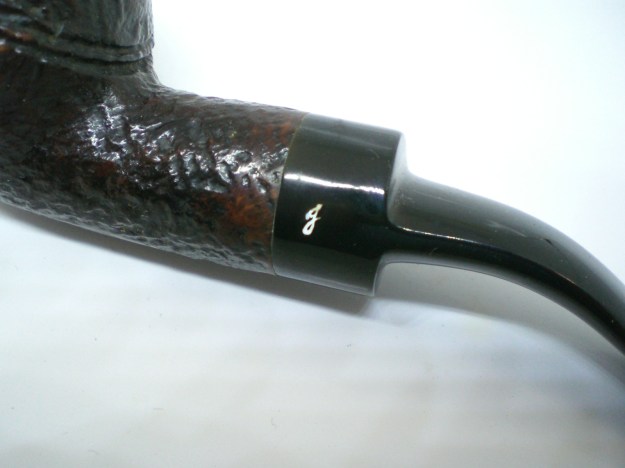
Originally did a terrible job working around the stamped J stem logo.  A few months ago, I switched to a white Gel fingernail polish for stamped logos.  I found that this material is far more durable and easier to buff around than White out or white acrylic model paint

Original Article continues:

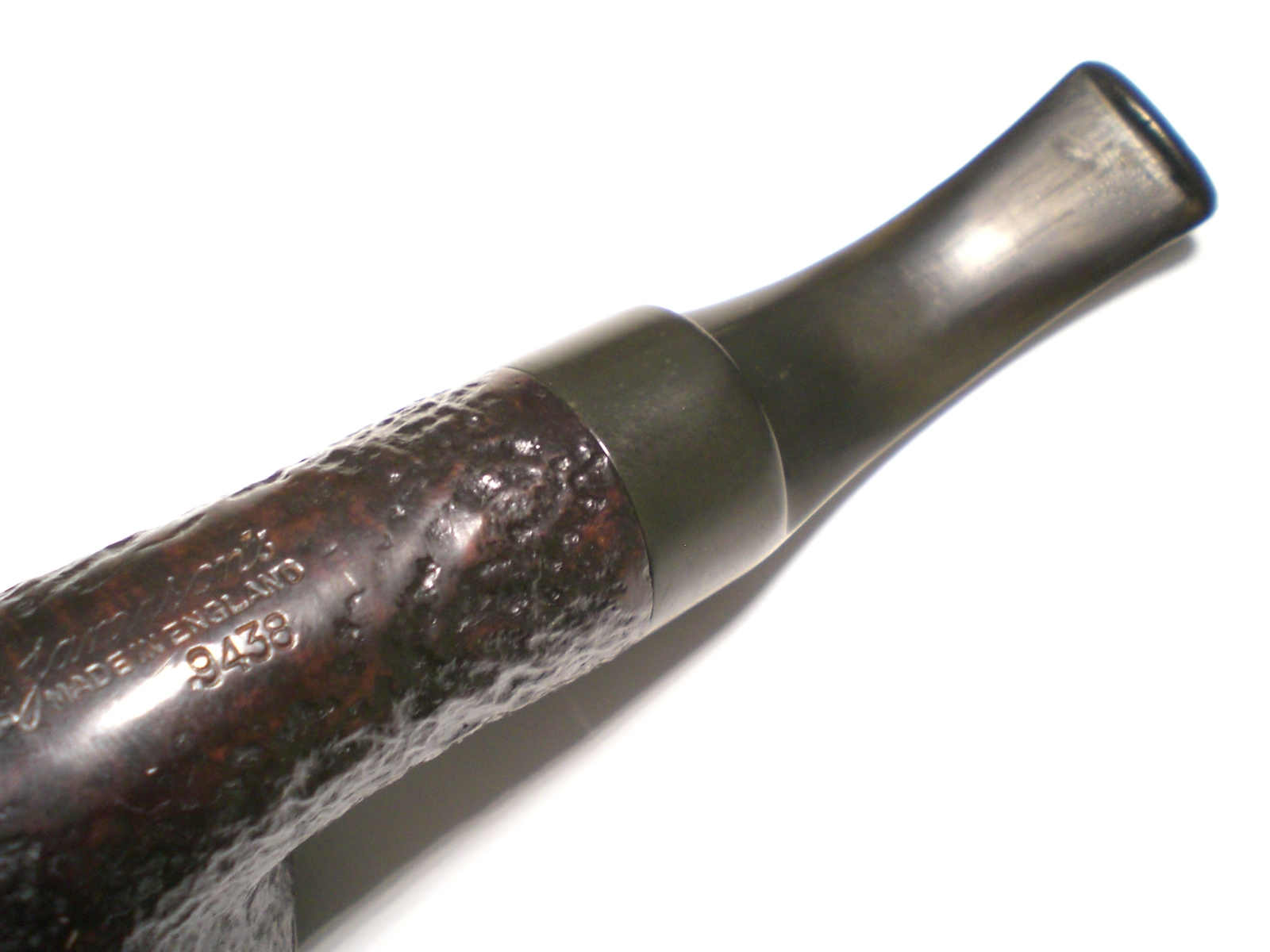
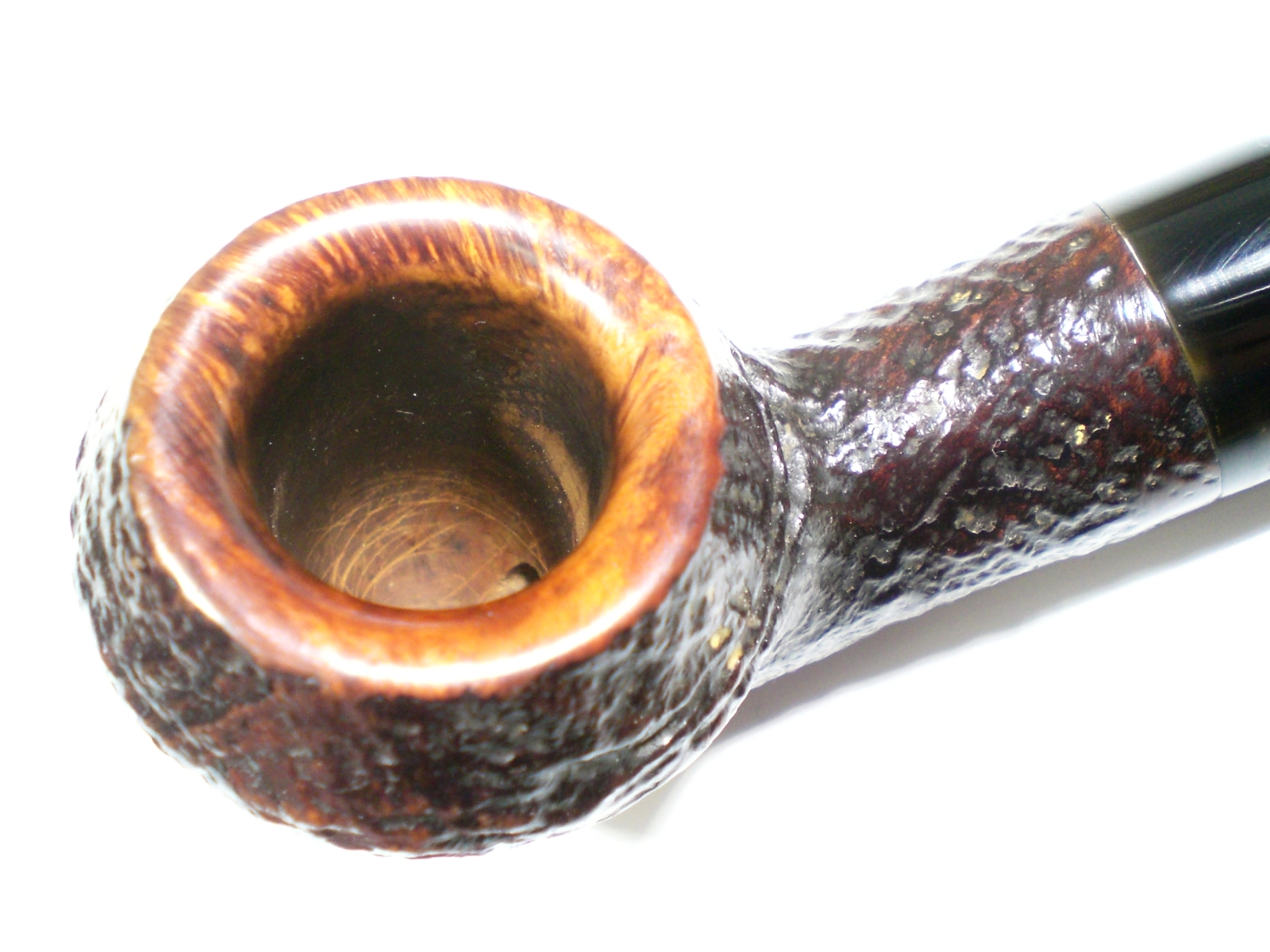
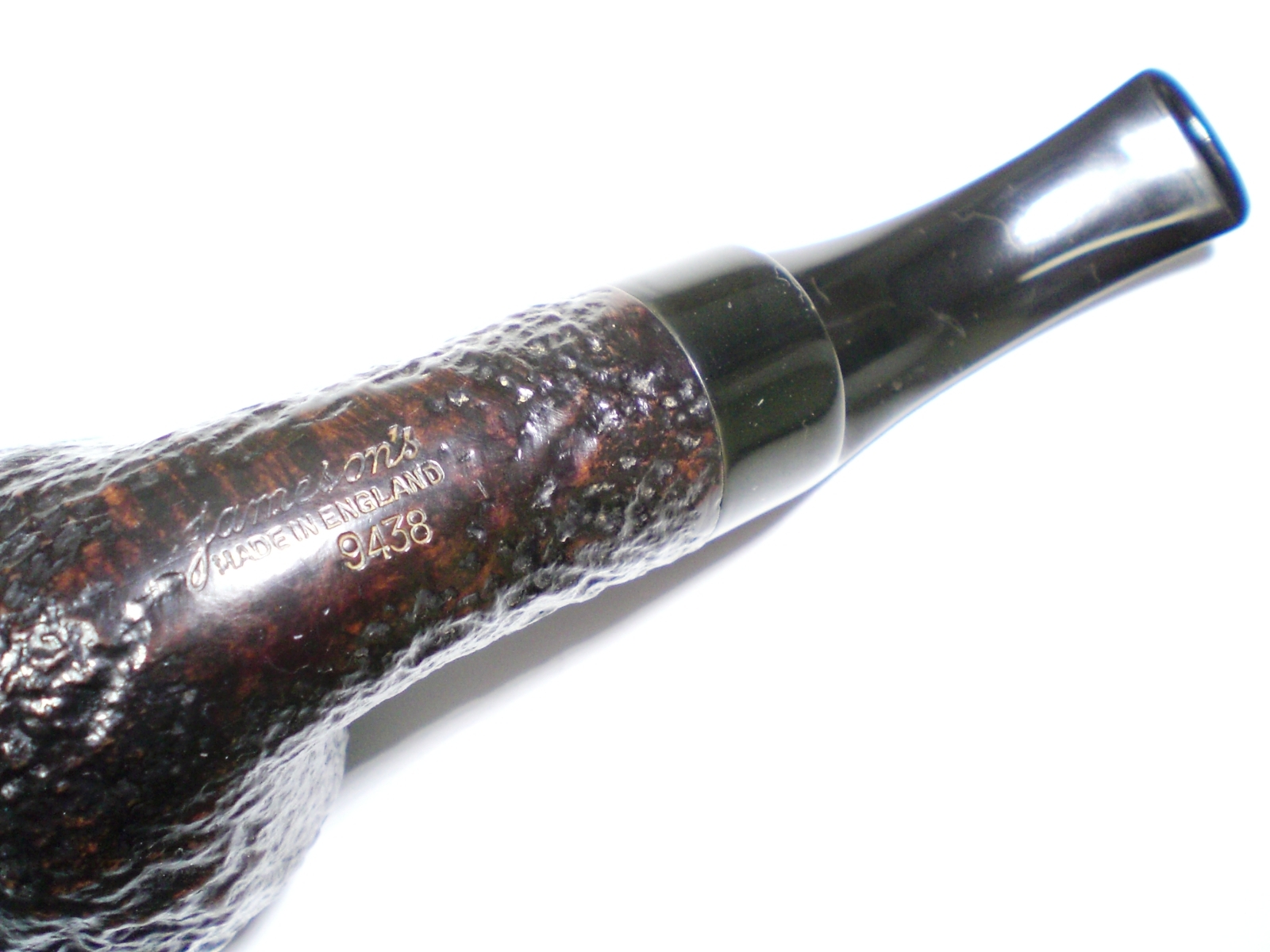
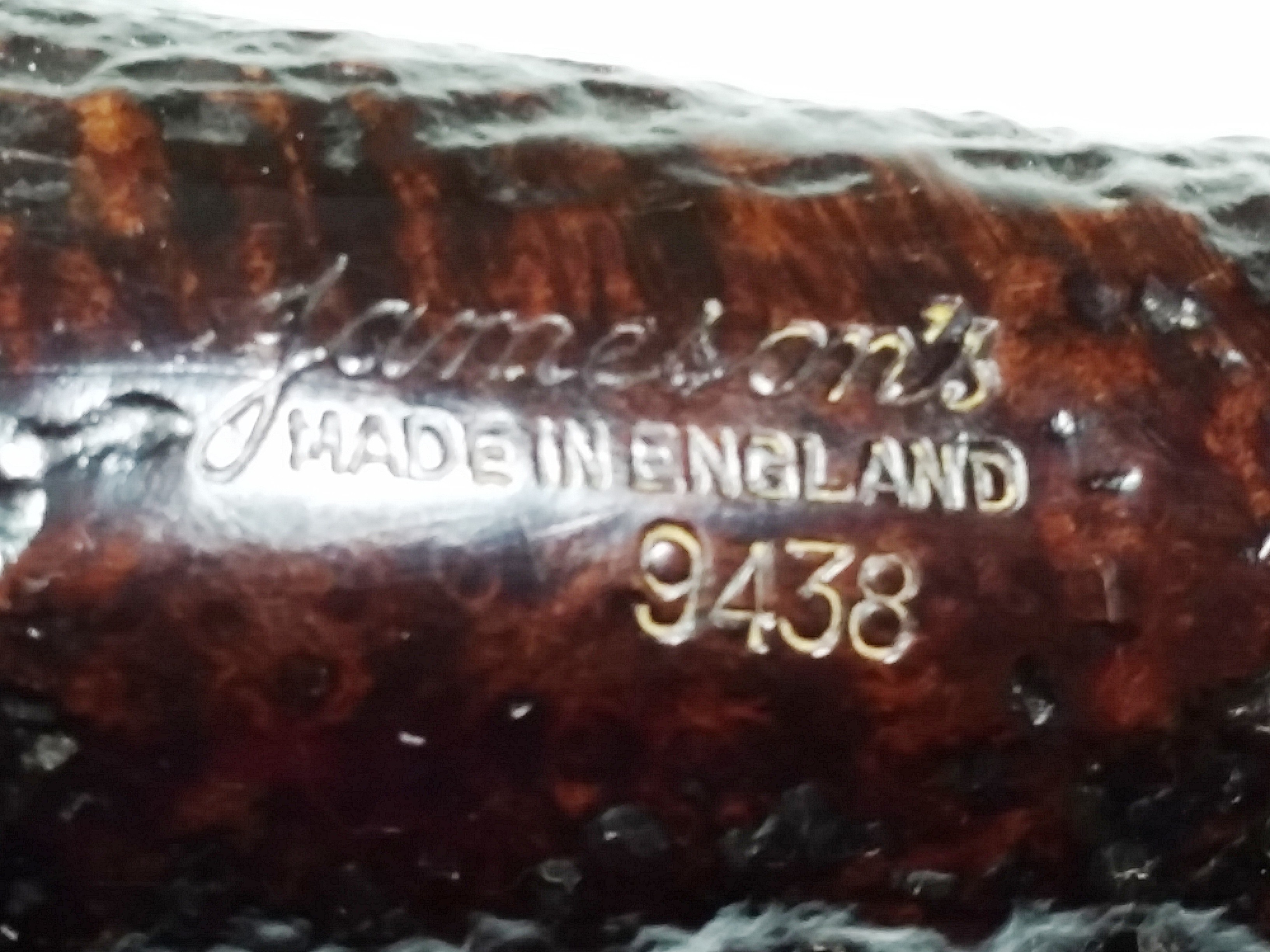
As a collector of the British made Rhodesian pipe, GBD’s iconic 9438 shape is one of my favorites and I’ve been fortunate to have found several different grades. This “Jameson’s” stamped 9438 was on eBay recently and I was surprised that it didn’t garner much attention.

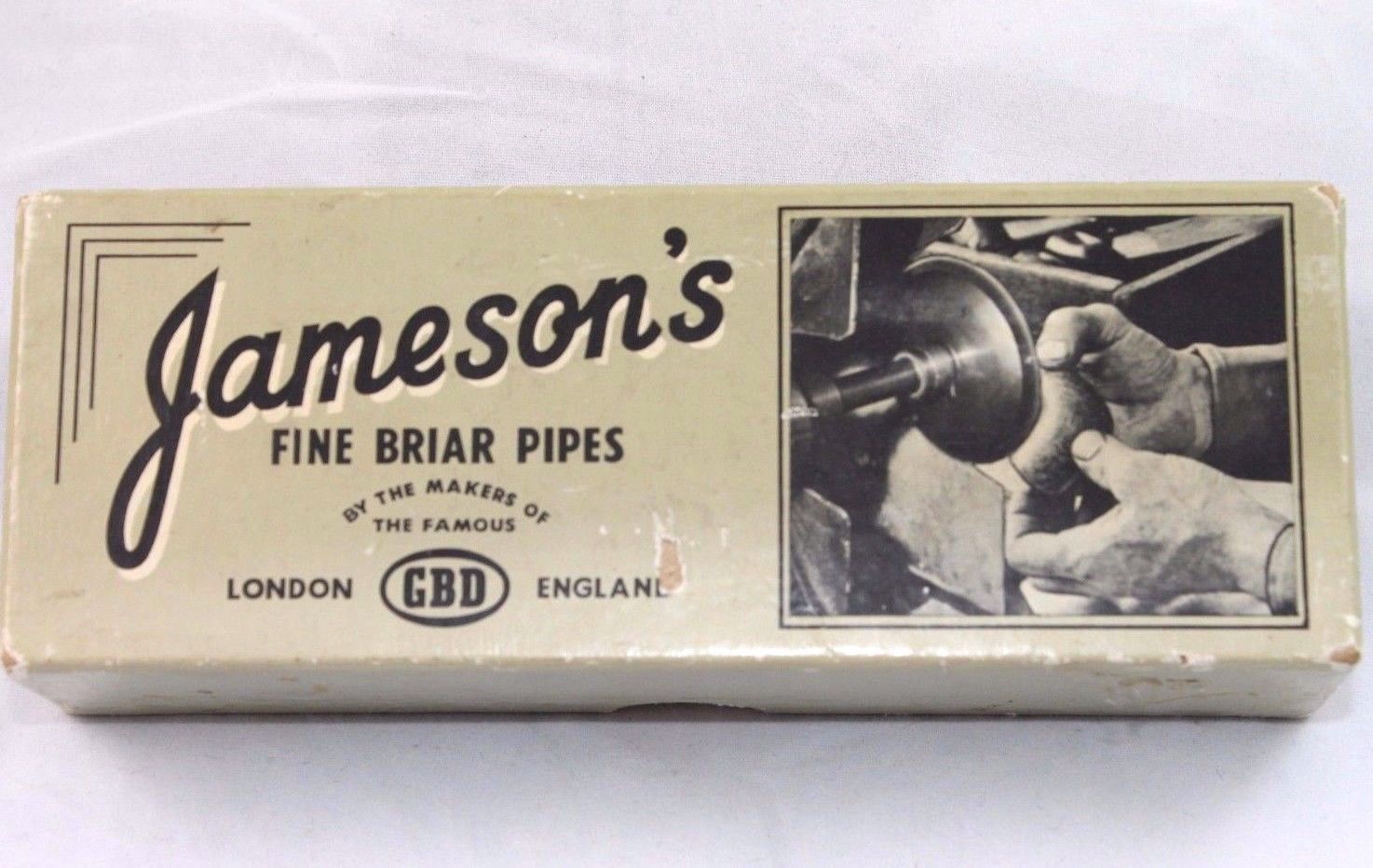
Not much is known about the Jameson’s make. Pipepedia has it listed as a possible GBD second, named after famed GBD carver Horrace “Horry” Jameson. Lately a few Jameson’s boxes have popped up on eBay, prompting this thread in the British Pipes section of the PipesMagazine.com forums:

http://pipesmagazine.com/forums/topic/jamesons-pipe-gbd

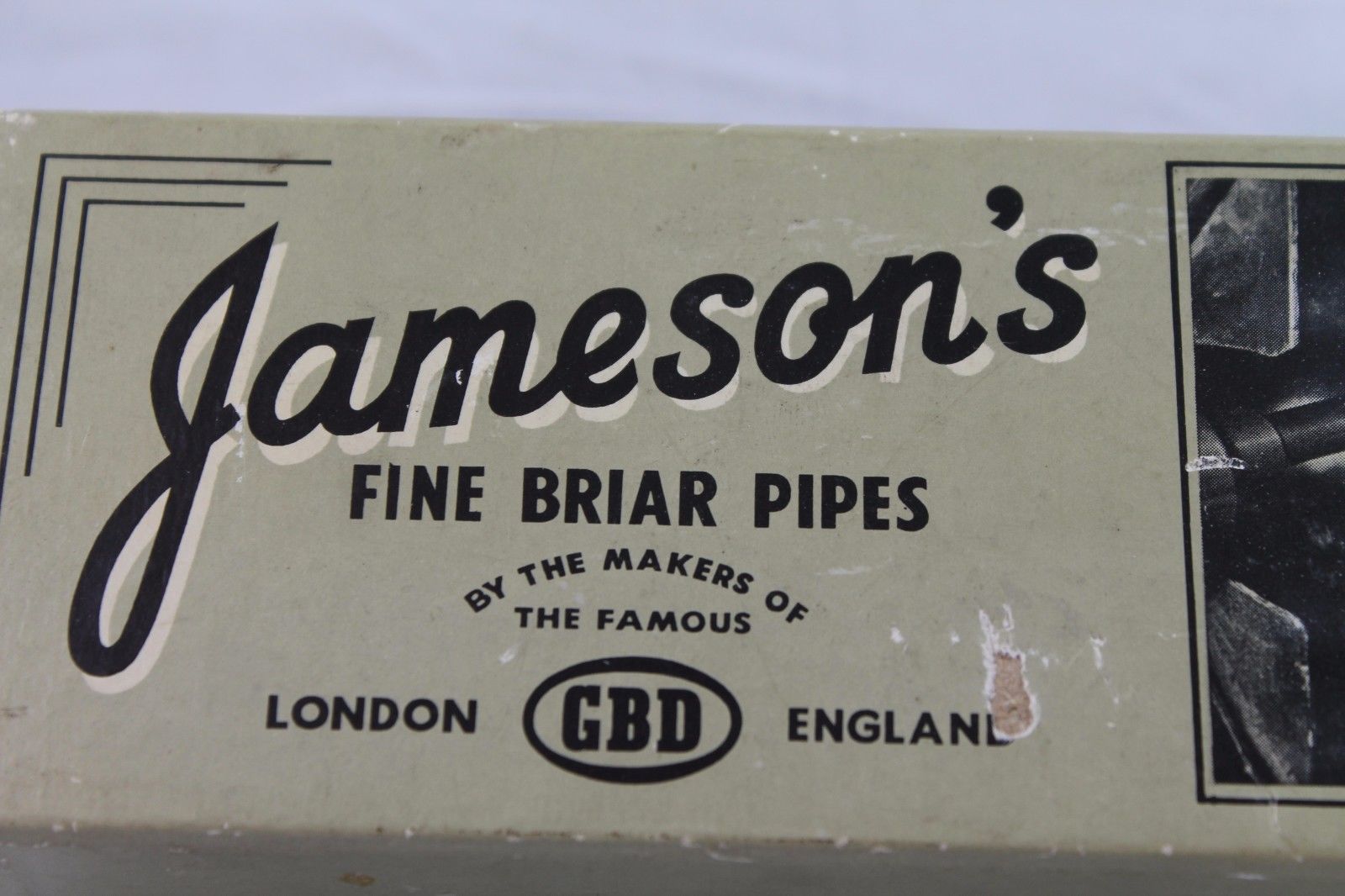
The Jameson’s box is shown below. Several have been packaged with a yellow, GBD pipe sock.

Jameson's_Box2

Jameson's_Box

Other than some light oxidation and tar build-up on the rim, the pipe looked to be in very good condition.

Jameson's 9438_Before

Jameson's 9438_Before (1)

Jameson's 9438_Before (2)

Jameson's 9438_Before (3)

Jameson's 9438_Before (4)

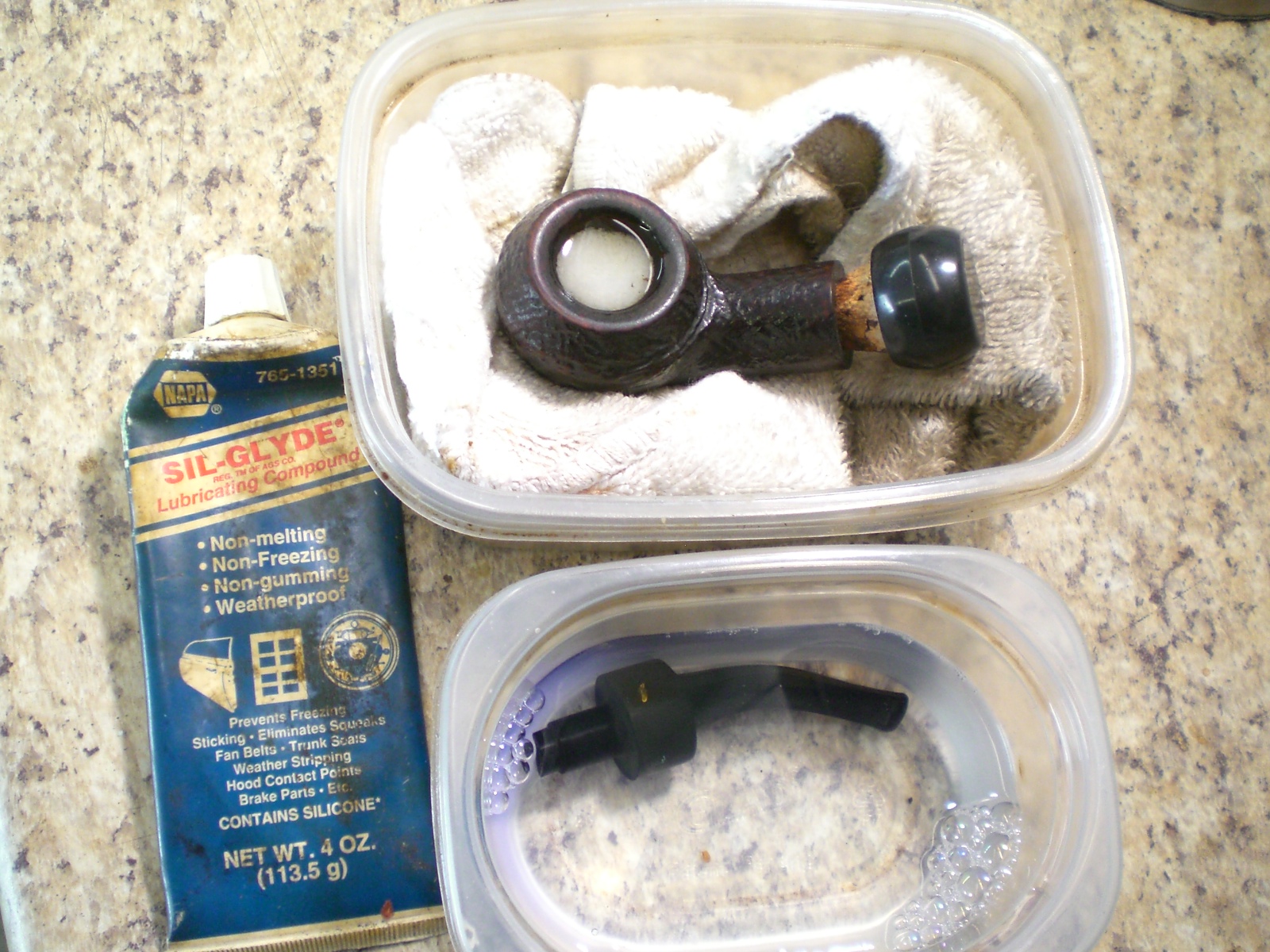
There was almost no cake in the bowl, so I sanded it smooth with some 2000 grit paper. The bowl as soaked with alcohol and sea salt. While the bowl was soaking, I put a dab of grease on the “J” stem logo and soaked it in mild Oxy-Clean solution

Jameson's 9438_Before (5)

Once the soak was completed, I scrubbed the shank interior with a small bristle brush dipped in alcohol. I removed the tars from the bowl top with a cloth dipped in the Oxy-Clean solution, and then polished it with a worn piece of 12000 grit micromesh. The polished bowl top on a blasted bowl is reminiscent of the GBD “Prehistoric” finish and it is a favorite detail on those pipes.

The oxidation was removed with some 600 grit wet paper, then 1500 and 2000 grade wet papers. Next up was the 8000 and 12000 grade micromesh sheets. This work was completed with the stem mounted on the briar. I used the thin edge of a popsicle stick to work the micromesh around the stamped “J” logo.
The stem was then buffed with white diamond and Meguiars Plastic Polish.

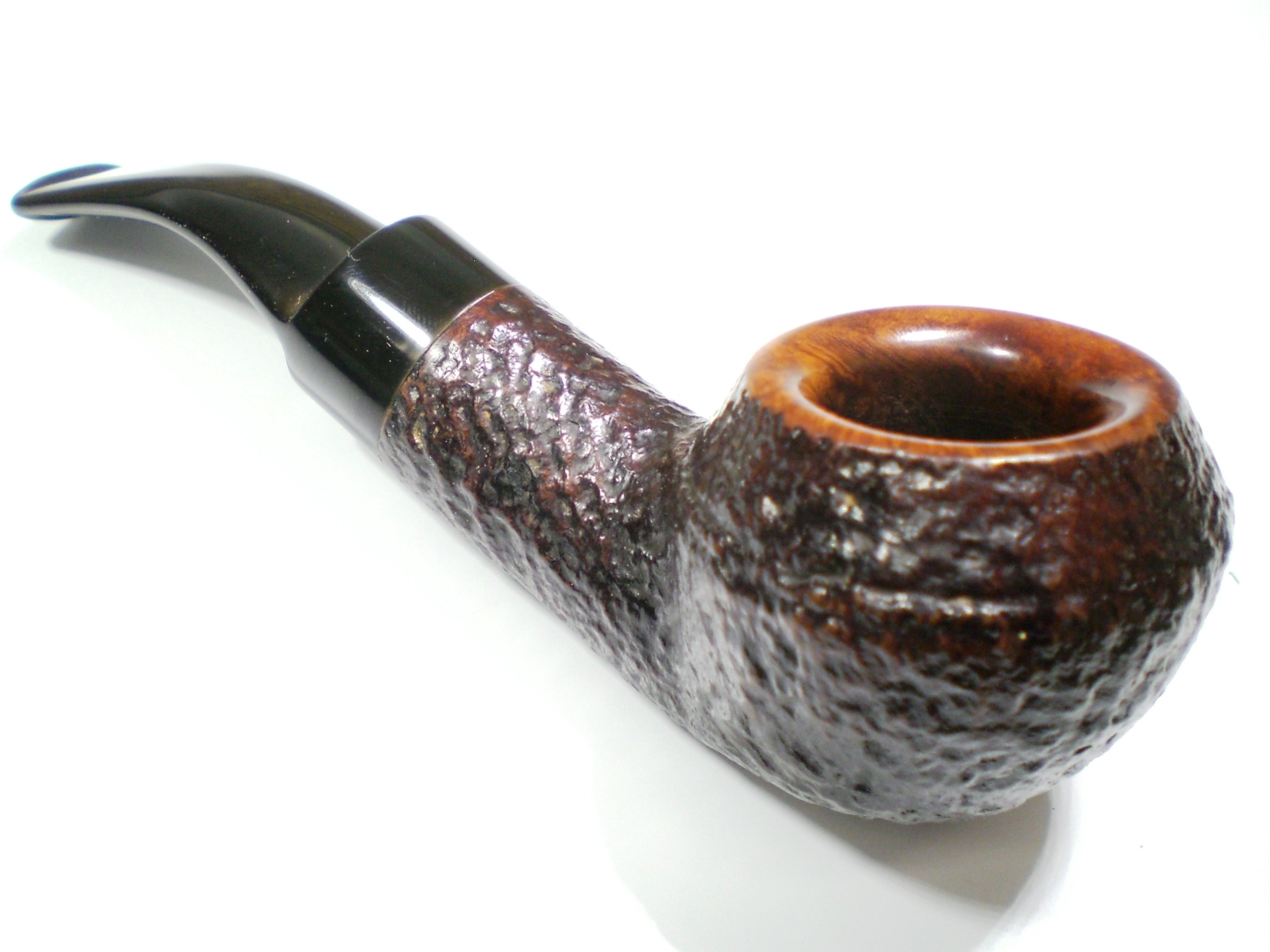
The briar isn’t as nicely finished as a Prehistoric grade GBD and the bead rings are not consistent around the bowl. However the stem work is very good, and has a quality feel. The inner shank that fits the tenon is nicely beveled and stem fitment is excellent.

I’m happy to add this unique 9438 to my collection.

Jameson's 9438_Finished (3)

Jameson's 9438_Finished (2)


Jameson's 9438_Finished (4)

?

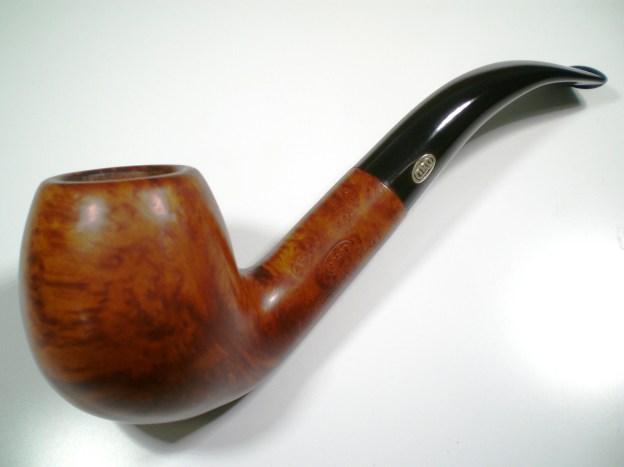
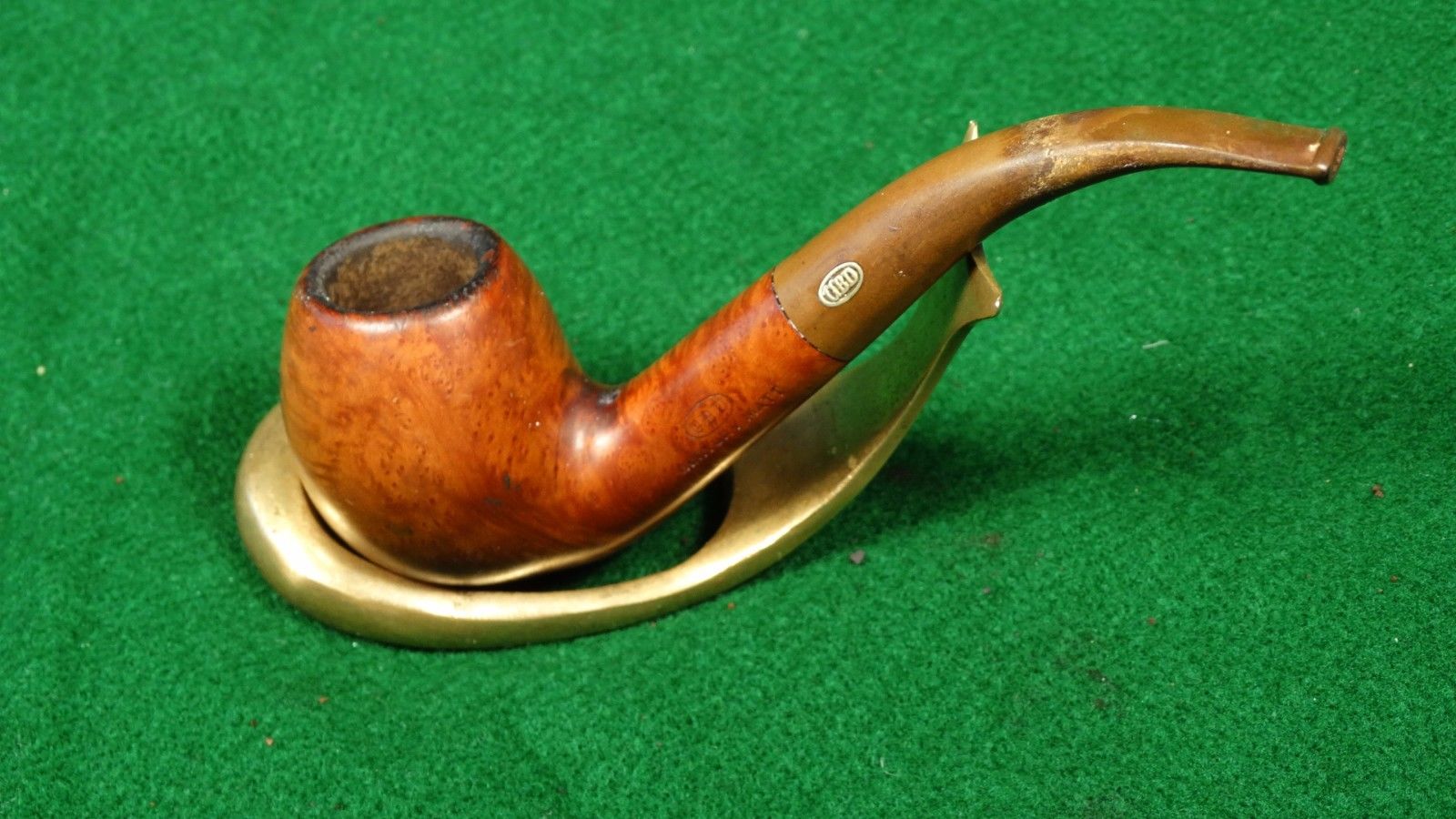
GBD “Century Matt” 9606 Restoration


Blog by Al Jones

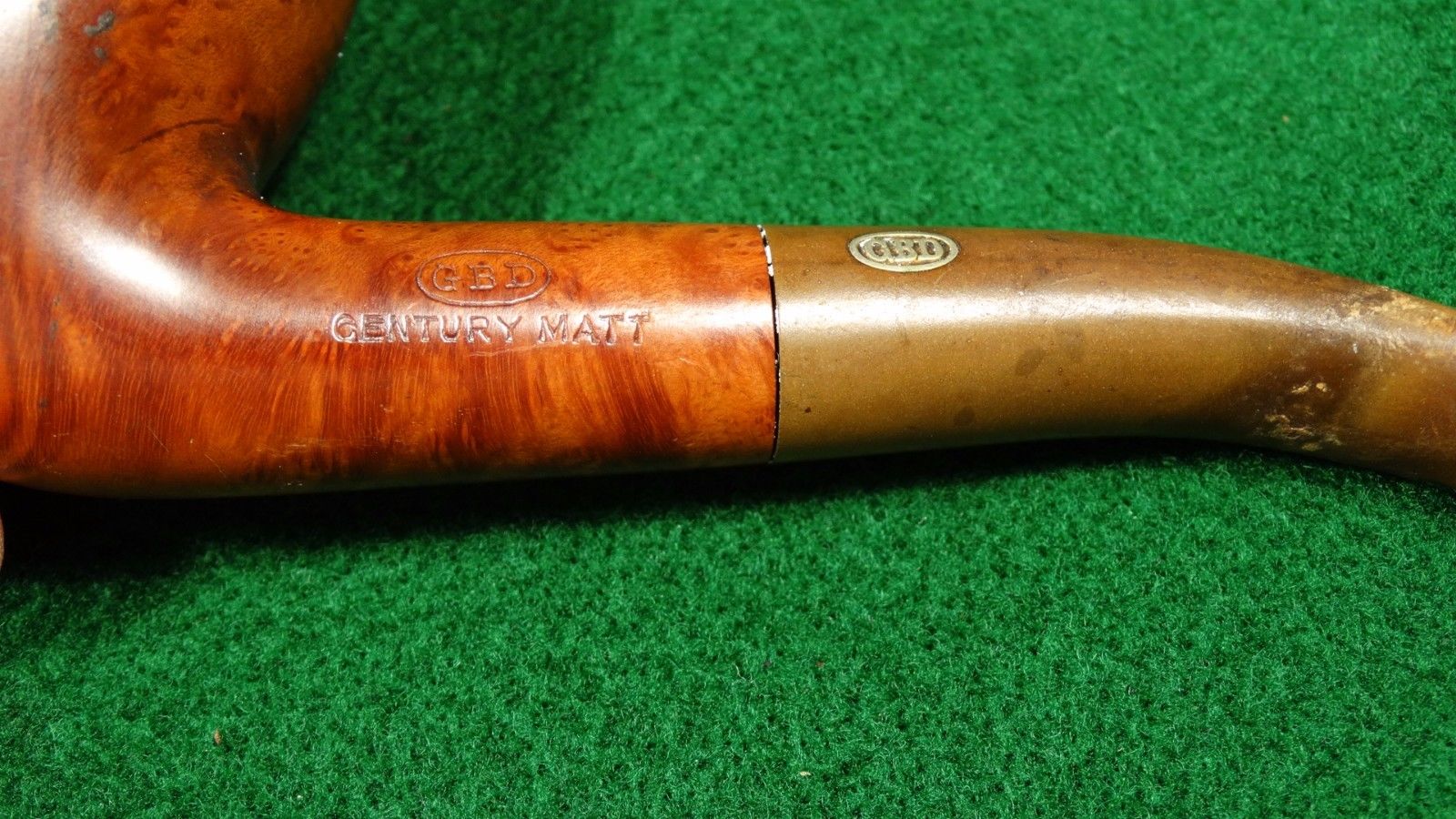
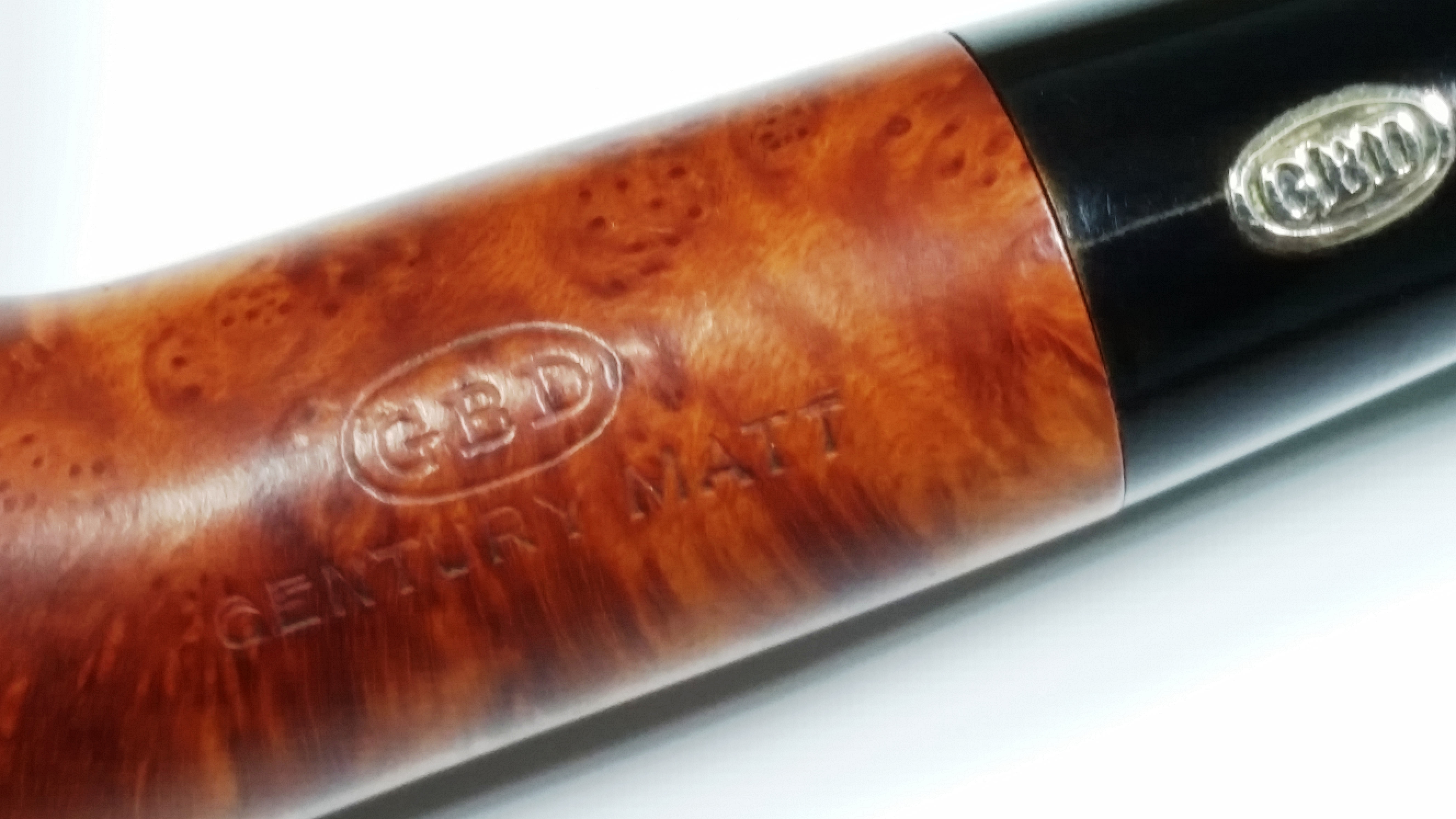
I’ve had a few “Century” finish GBD’s cross my work bench, but this is the first time I’ve seen a “Century Matt”. The Century line was introduced in 1950 and is described as:

Century
“A golden finish created to celebrate over a century of manufacturing the
finest briar pipes.”

(quote courtesy of Jerry Hannah’s GBD webpage)

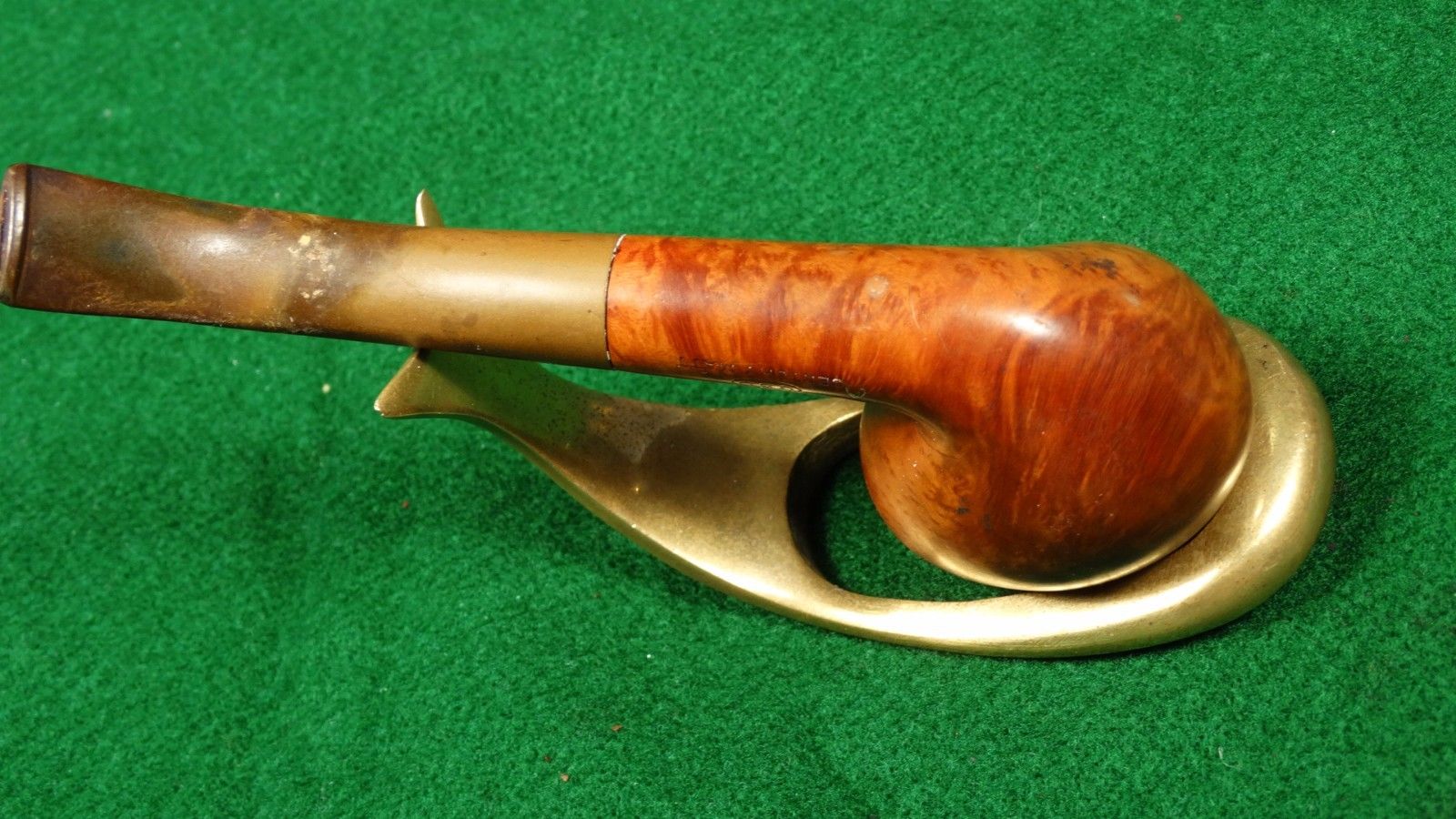
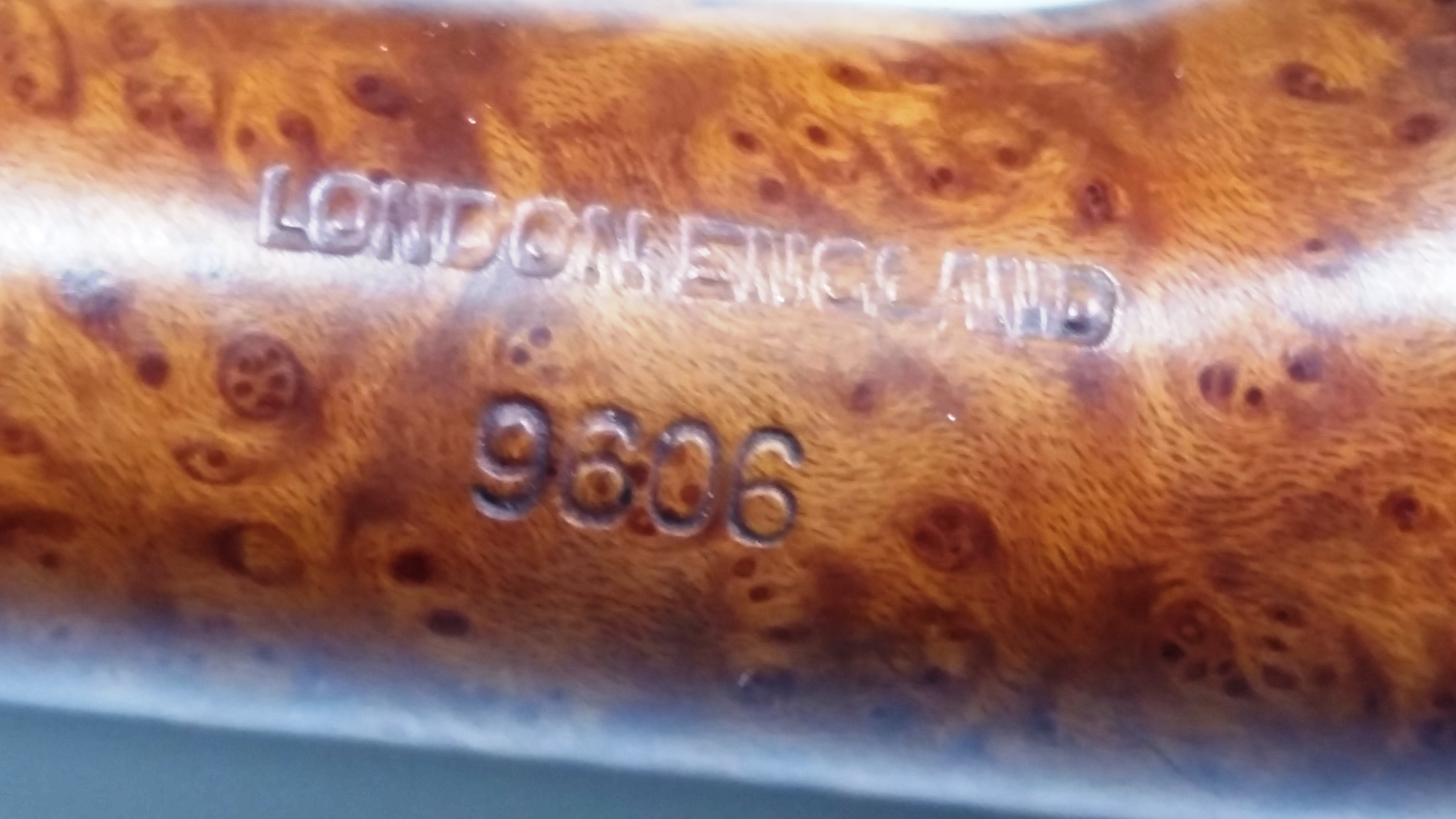
I forgot to put the memory card back in my camera, but I have the sellers “before” pictures. The stem was heavily oxidized, but appeared to be in otherwise good condition. The briar had some tars and black spots that I hoped could be removed or minimized. The brass rondell looked in excellent condition, as did the stamping. The rondell and “London, England” stamping are indicative of a pipe made prior to 1982.

GBD_9606_Century_Before

GBD_9606_Century_Before2

GBD_9606_Century_Before3

GBD_9606_Century_Before4

GBD_9606_Century_Before6

GBD_9606_Century_Before5

I put a dab of grease on the rondell and soaked the stem in an Oxy-clean solution overnight. That really helped soften the oxidation.

The bowl was reamed and then soaked with alcohol and sea salt.

I used the Oxy-clean solution on a rag to work off the tars and build-up on the rim. A piece of worn 8000 grit Micromesh was used to remove the black marks around the bowl. This process worked well and did not remove any stain.

I mounted the stem onto the bowl and started with 600 grit wet paper to remove the heavy oxidation. I then moved through 800, 1500 and 2000 grades of wet paper. This was followed by 8000 and 12000 grade micromesh (I use sheets). The stem was then buffed via machine with White Diamond and Meguiars Plastic Polish.

I polished the bowl with White Diamond and several coats of Carnuba Wax, staying away from the crisp nomenclature.

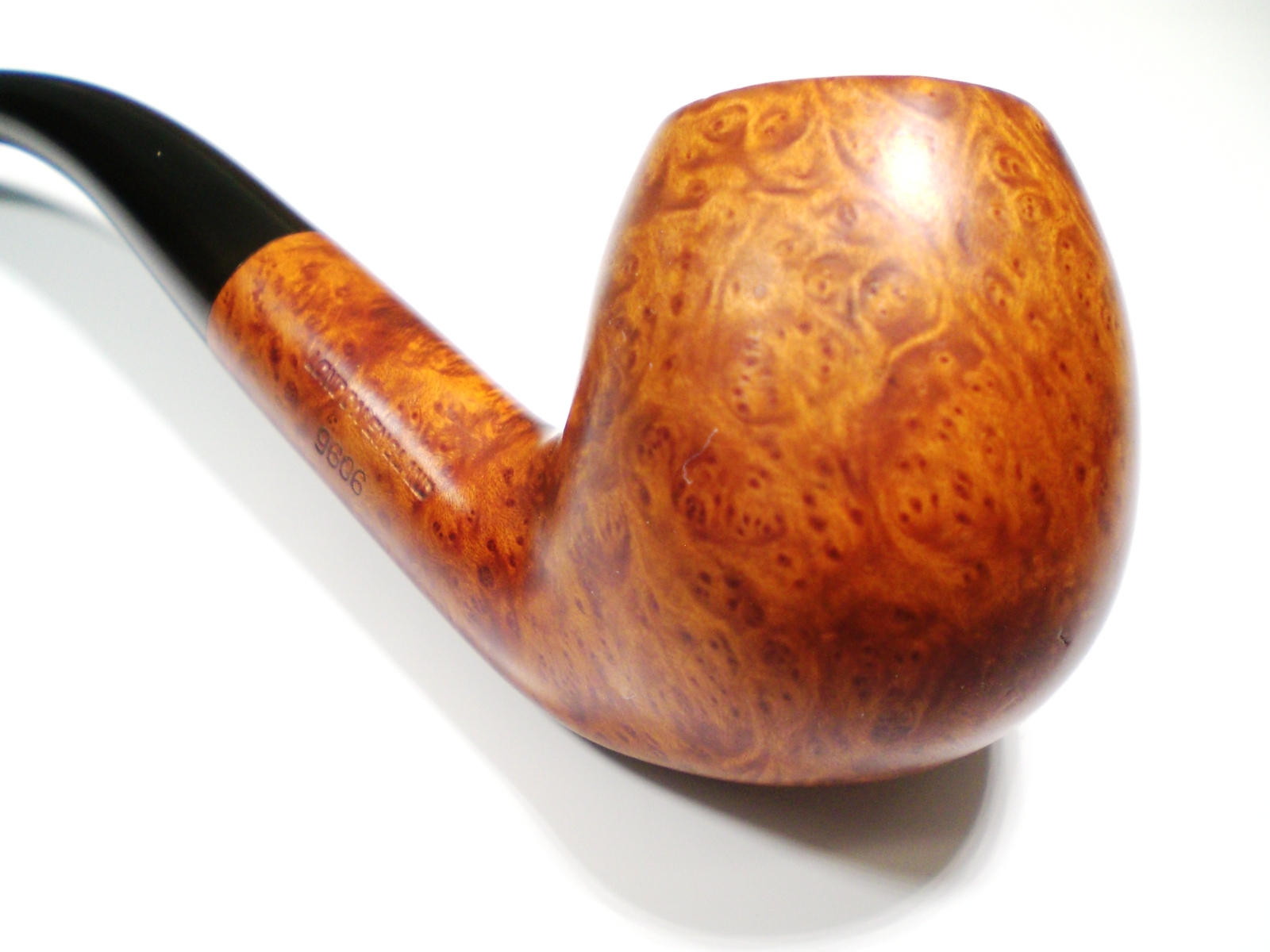
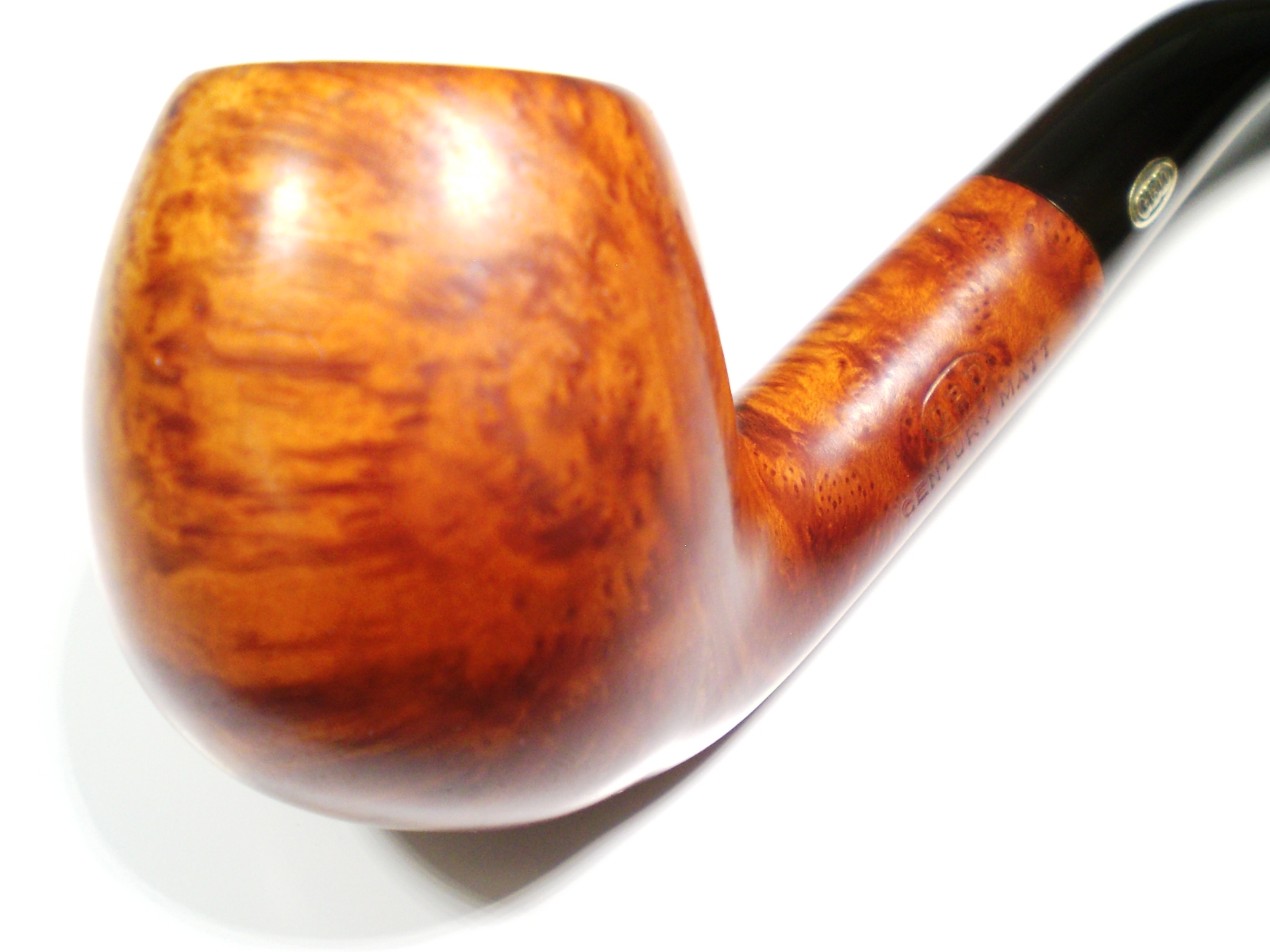
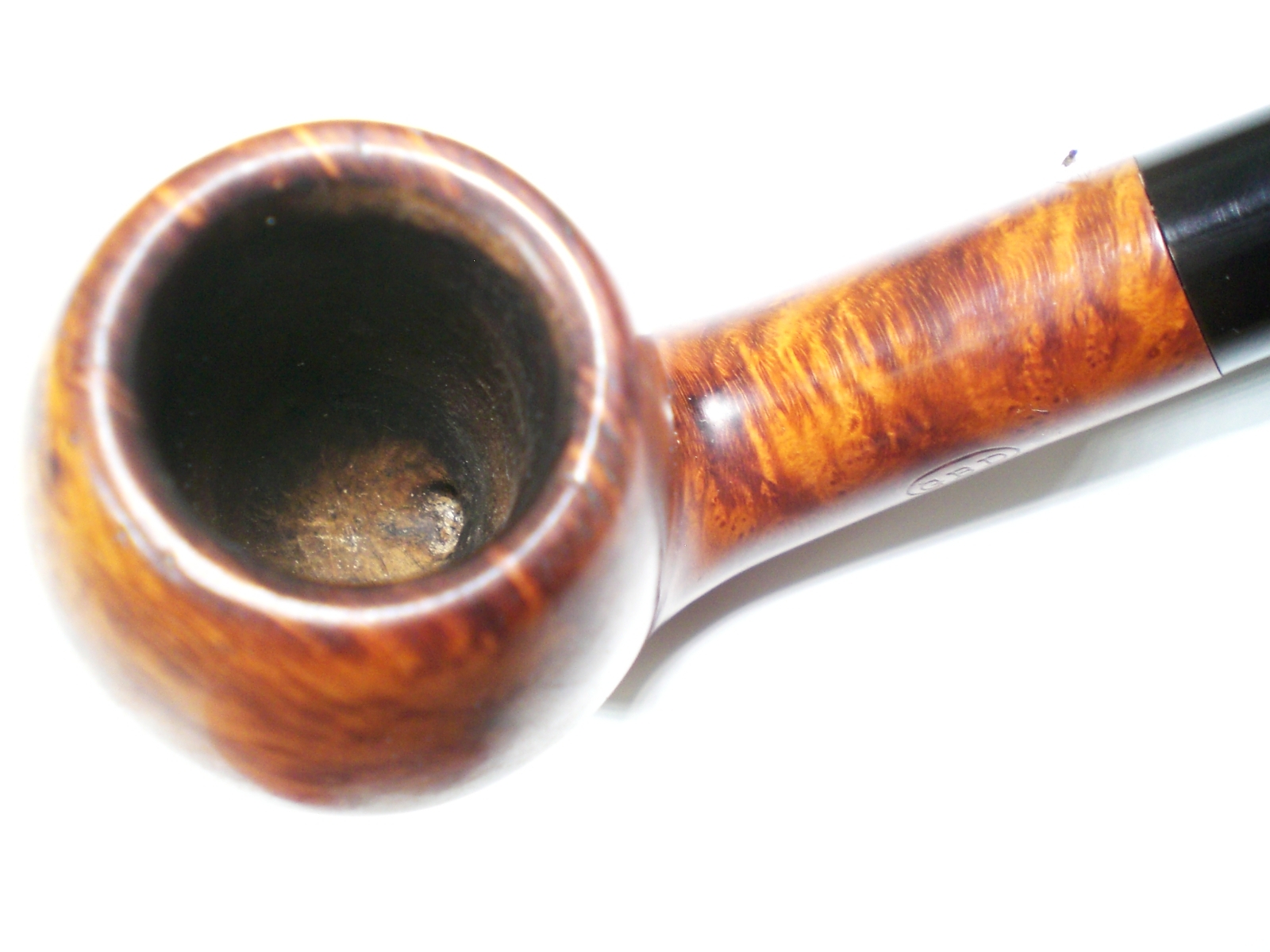
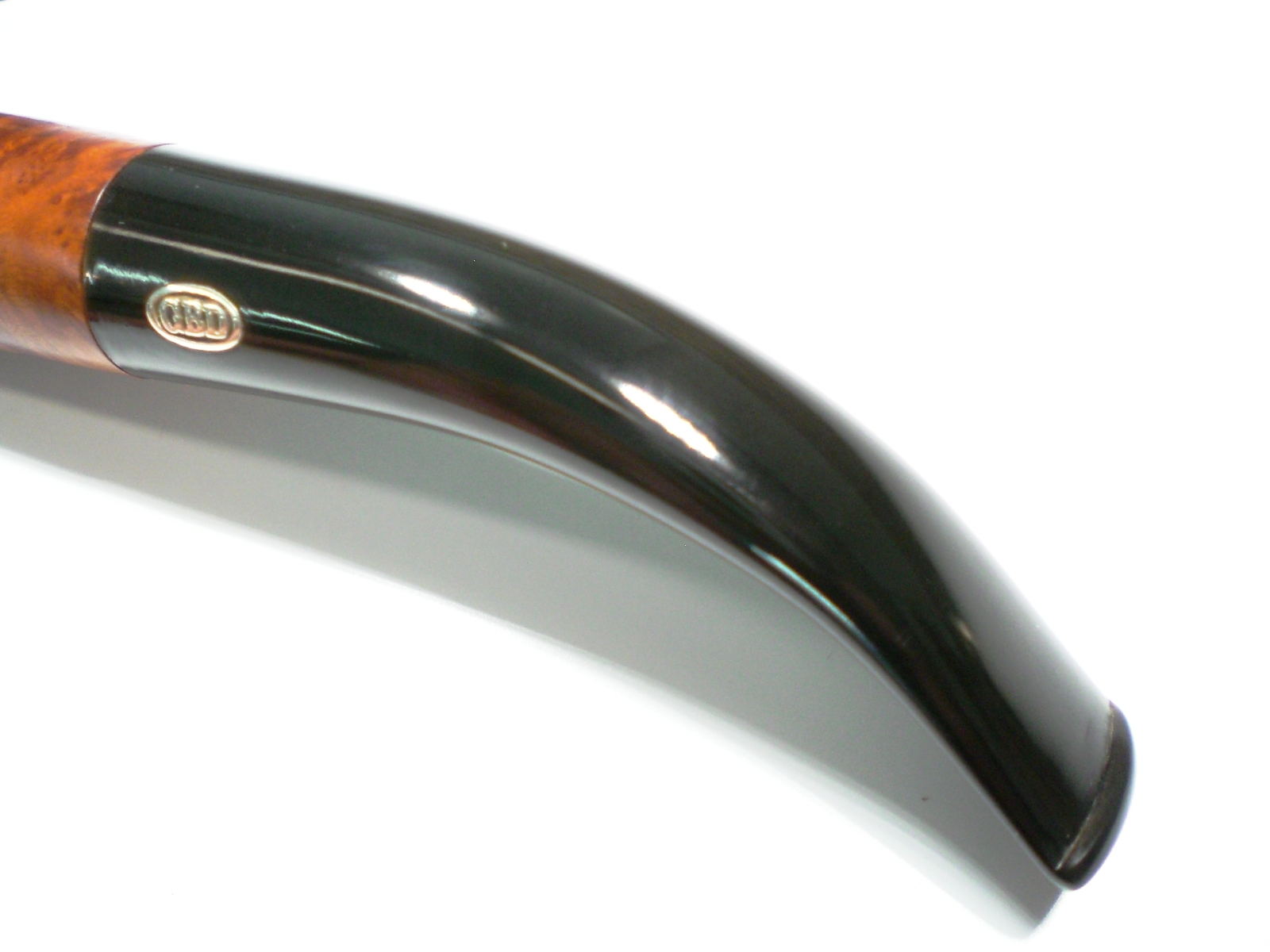
Below is the finished pipe. For a machine made GBD, it has a nice splash of birdseye on the right side of the bowl.

GBD_9606_Century-Matt_Finish

GBD_9606_Century-Matt_Finish (2)

GBD_9606_Century-Matt_Finish (3)

GBD_9606_Century-Matt_Finish (4)

GBD_9606_Century-Matt_Finish (5)

GBD_9606_Century-Matt_Finish (6)

GBD_9606_Century-Matt_Finish (8)

?

?

?

?

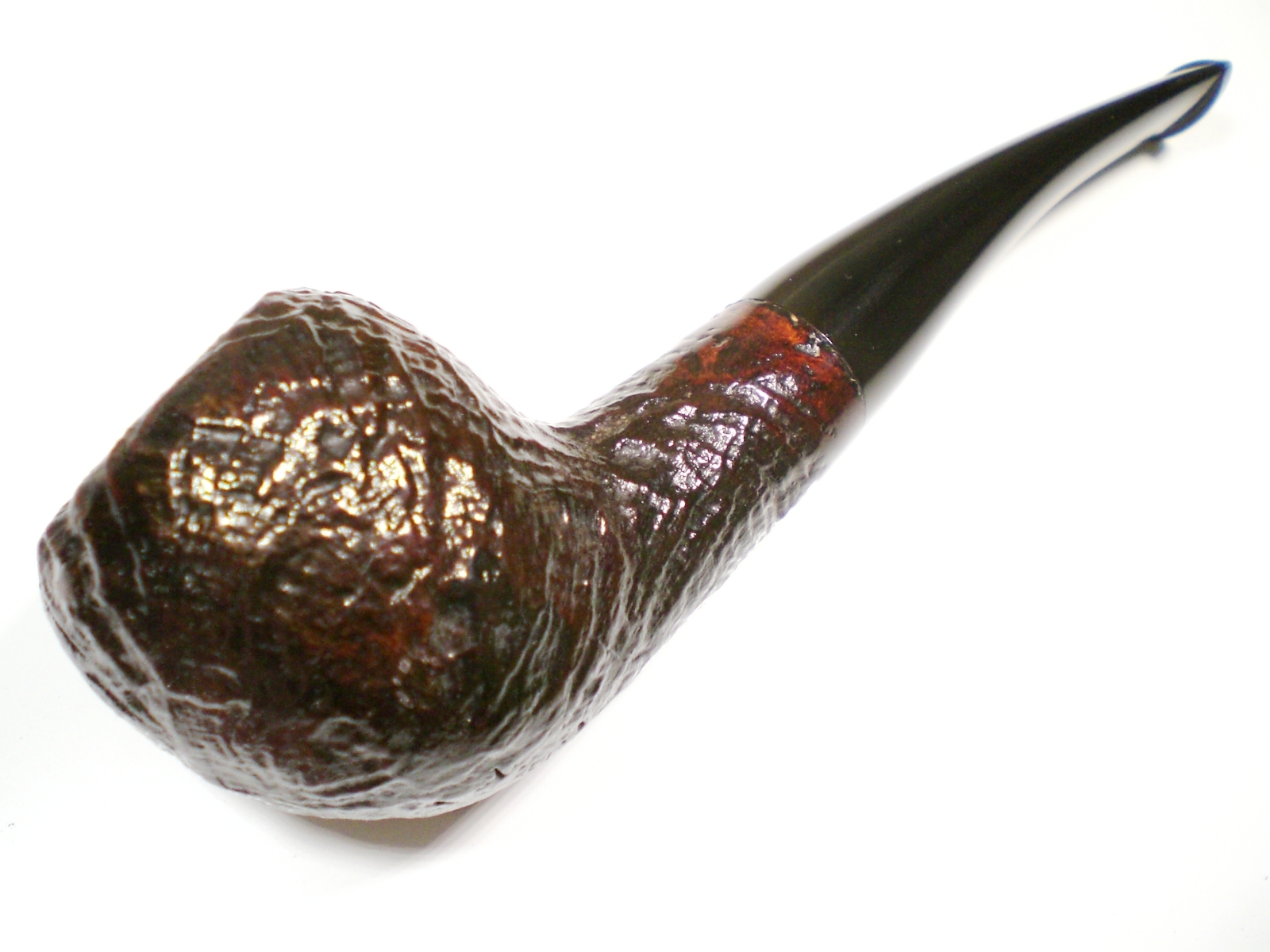
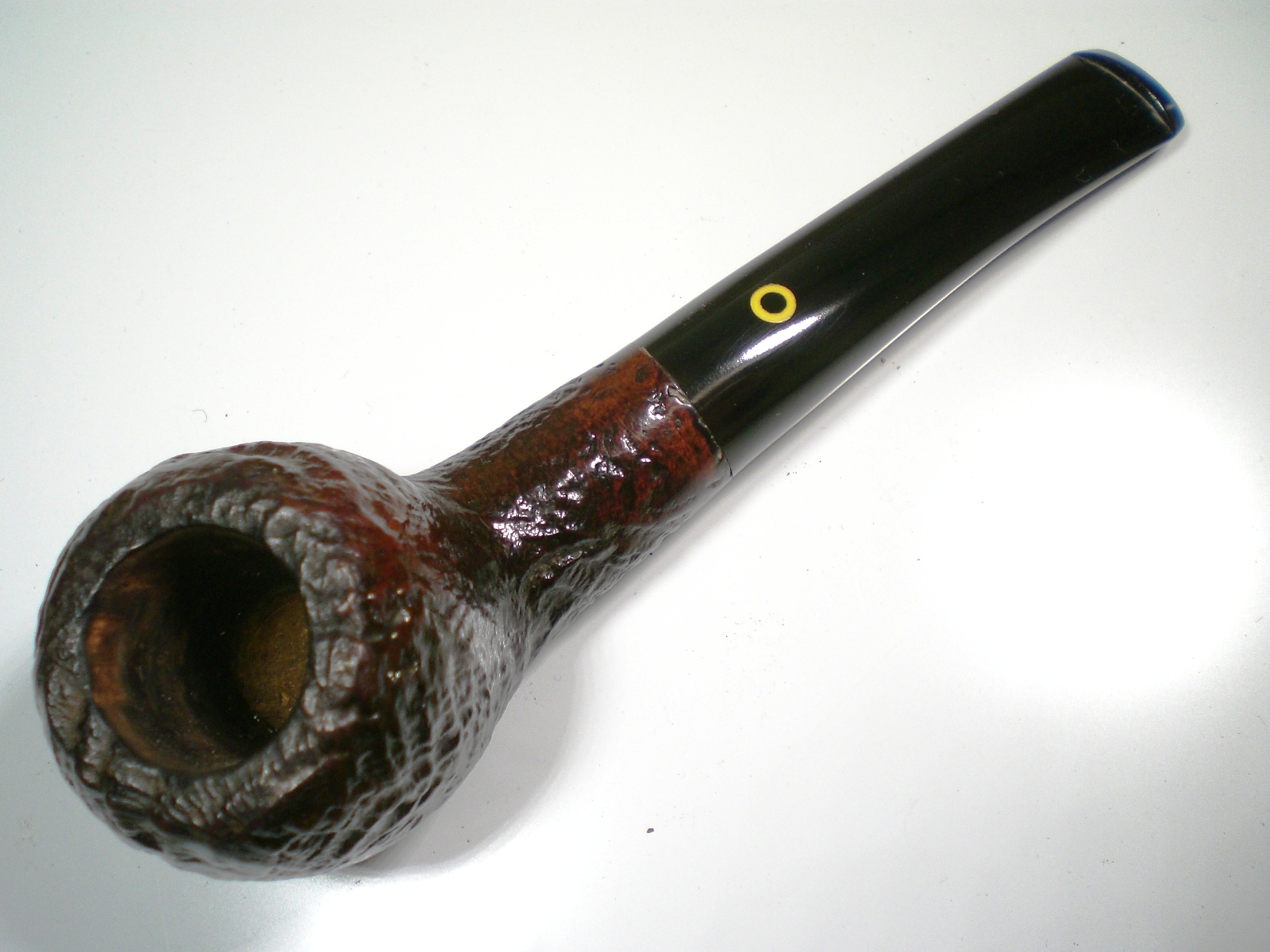
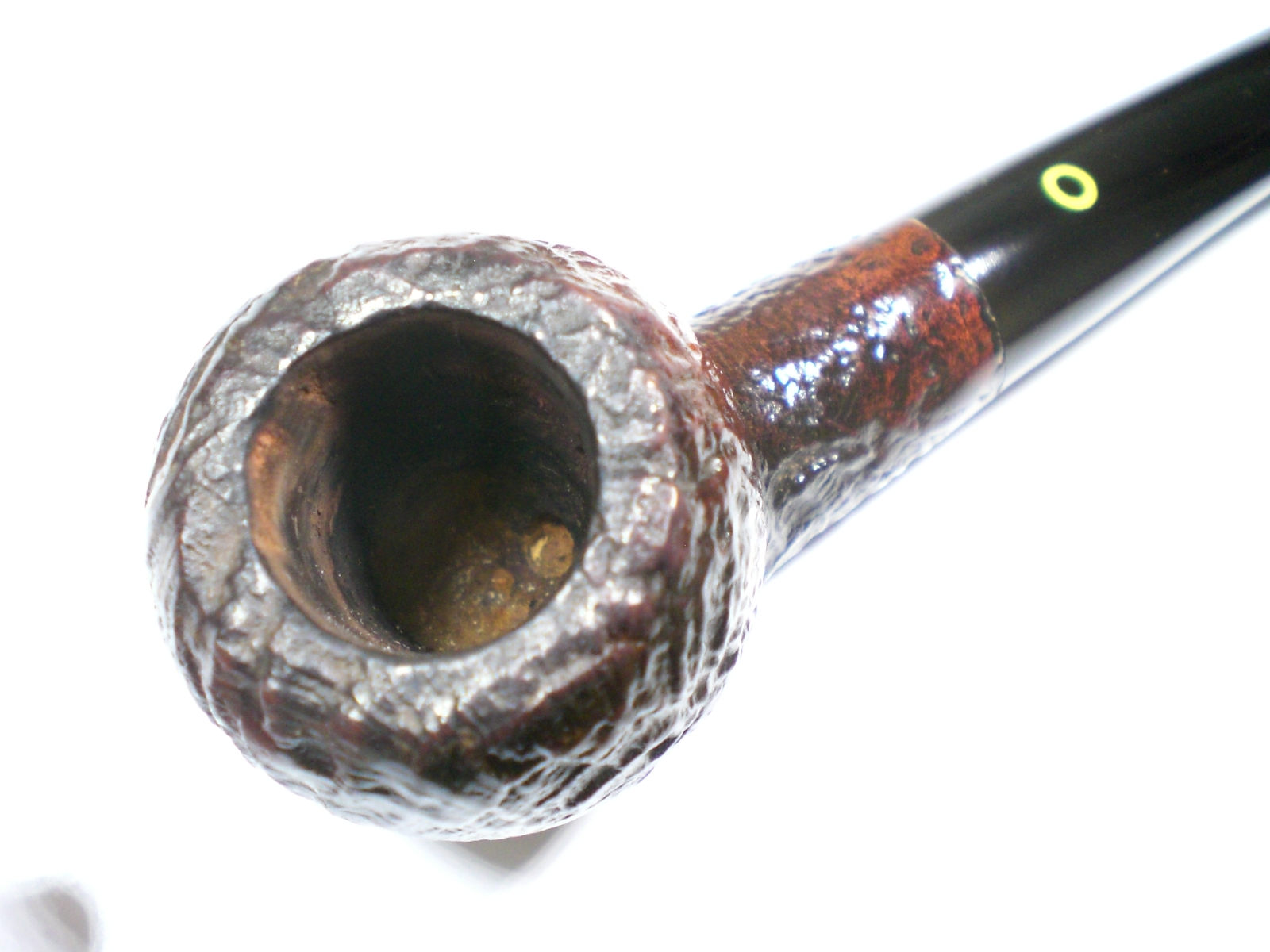
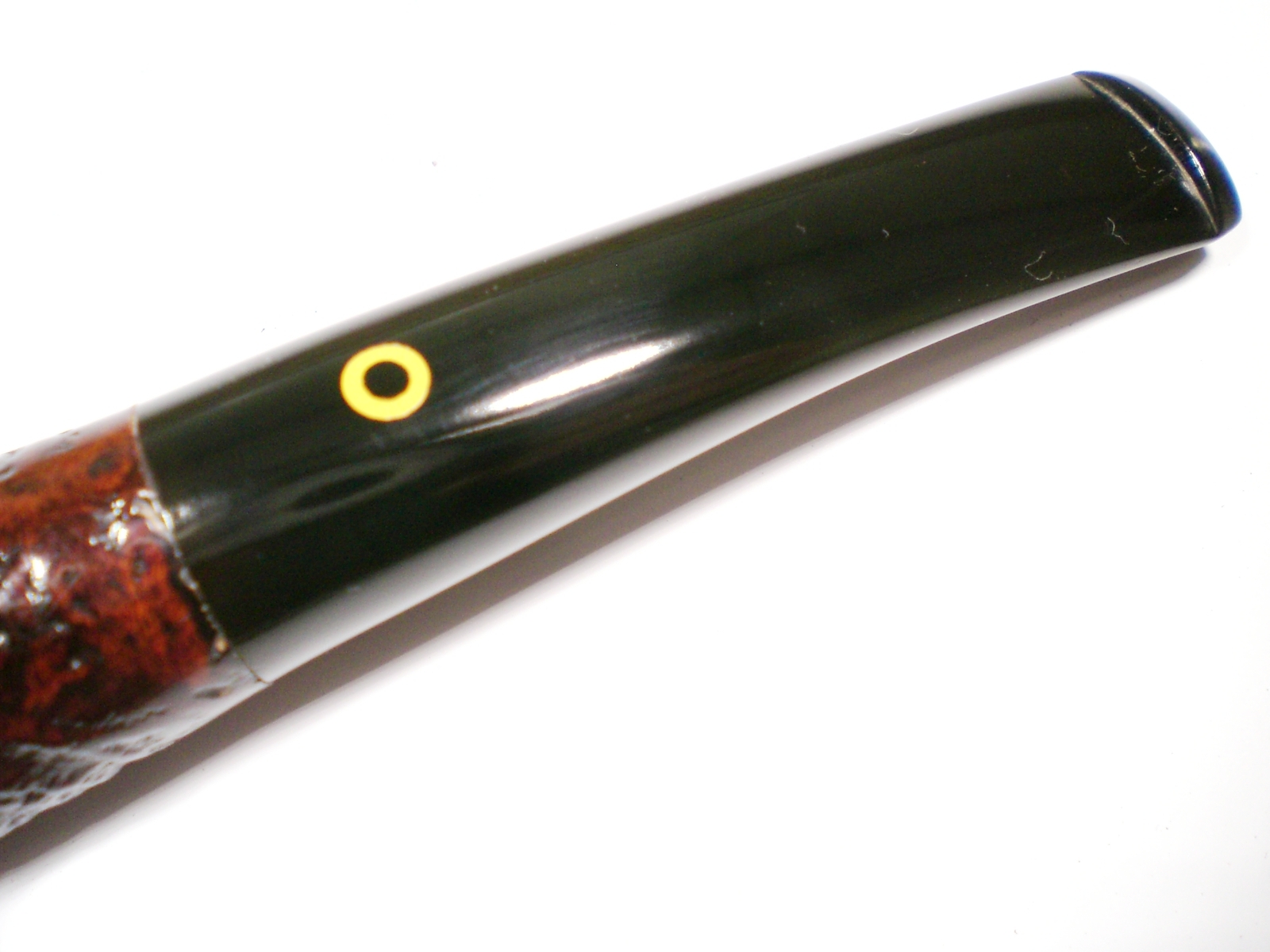
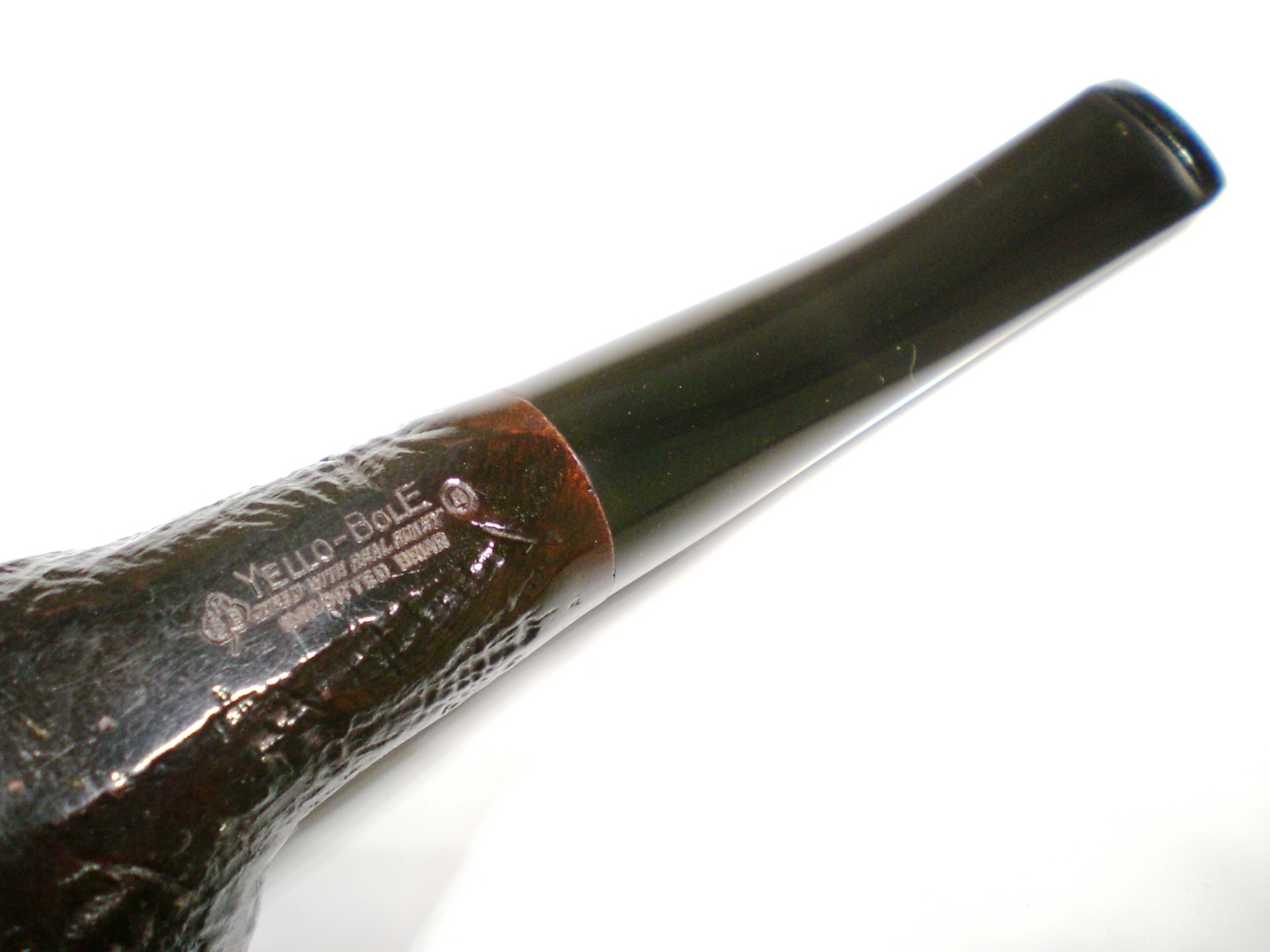
Yello Bole Sandblast Author Restoration


Blog entry by Al Jones

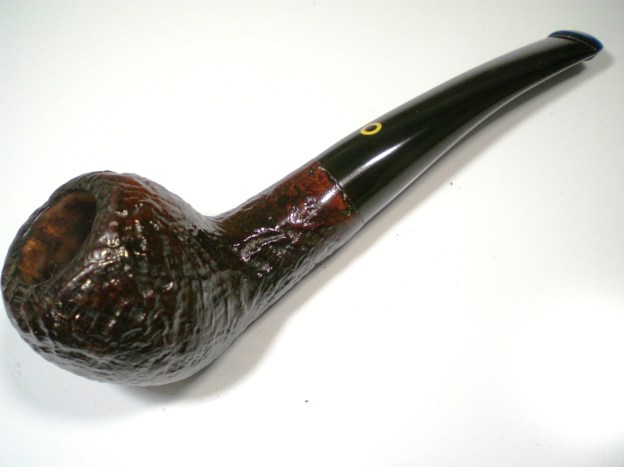
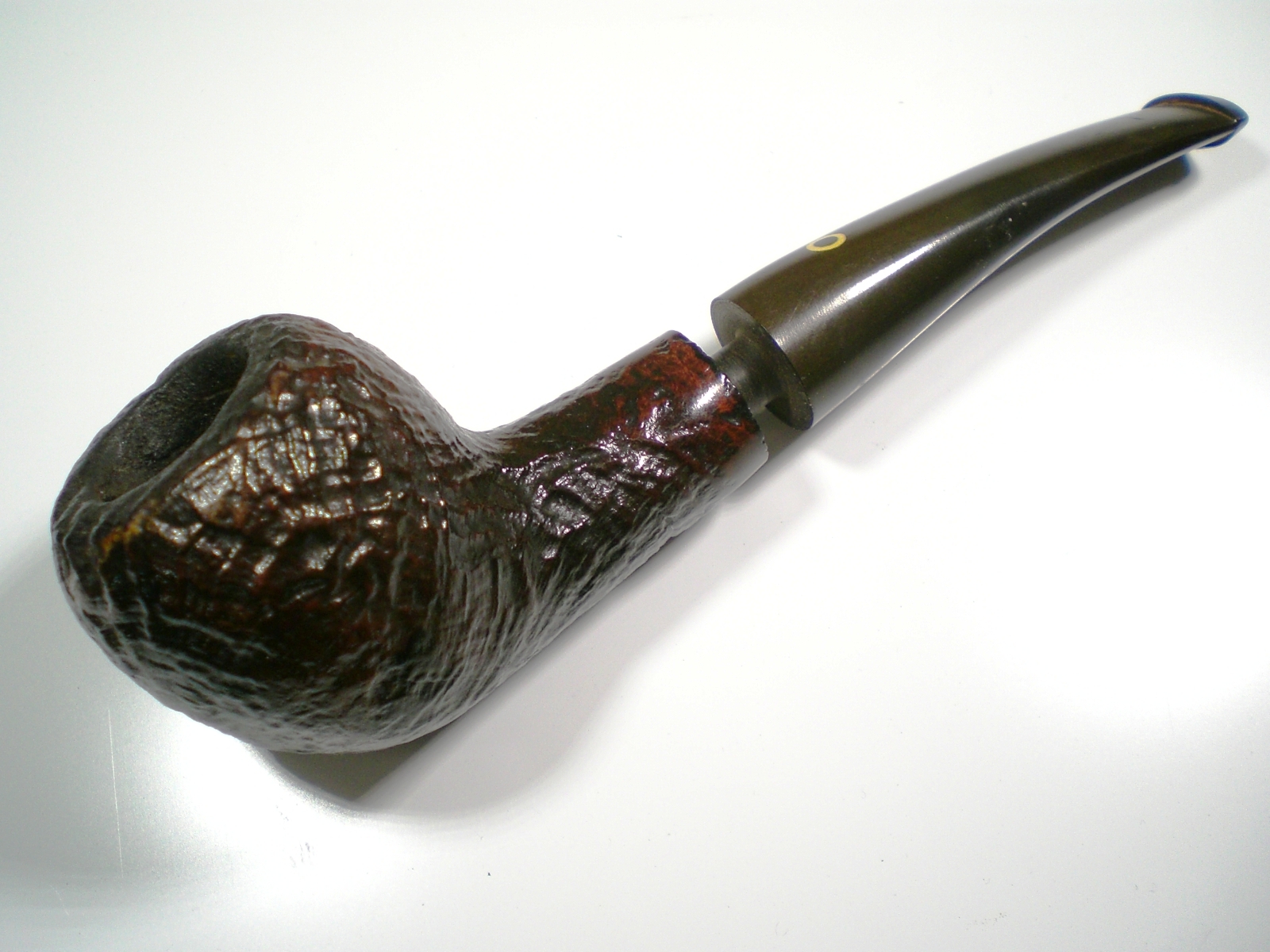
I’ve worked on a few Yello Bole pipes owned by a forum friend, but until now, I hadn’t found one of my own. I spied this one at a Pennsylvania flea market that I visit a few times per year. One vendor always has some older Kaywoodie. Last week, I found this Yello Bole in the case.

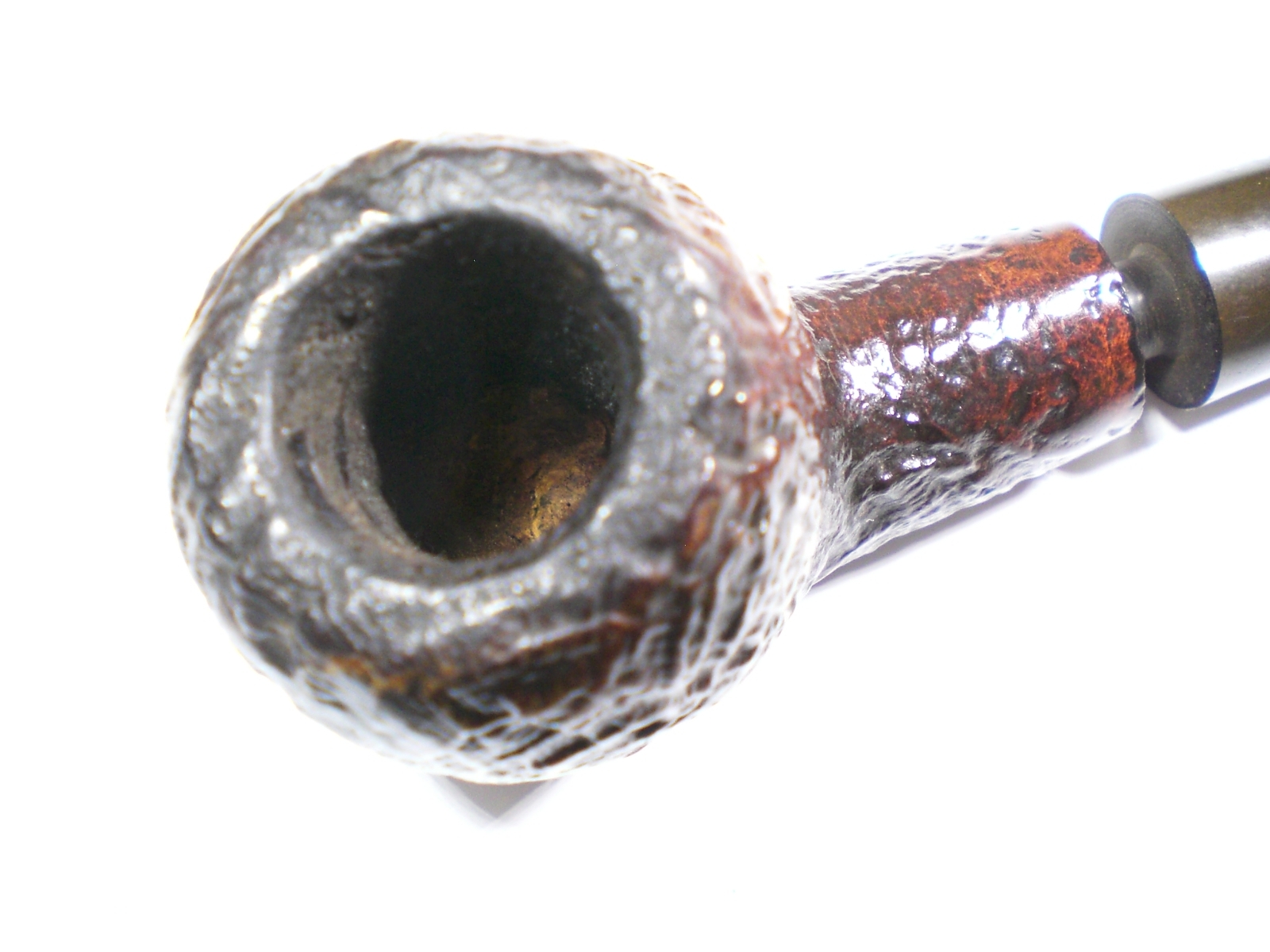
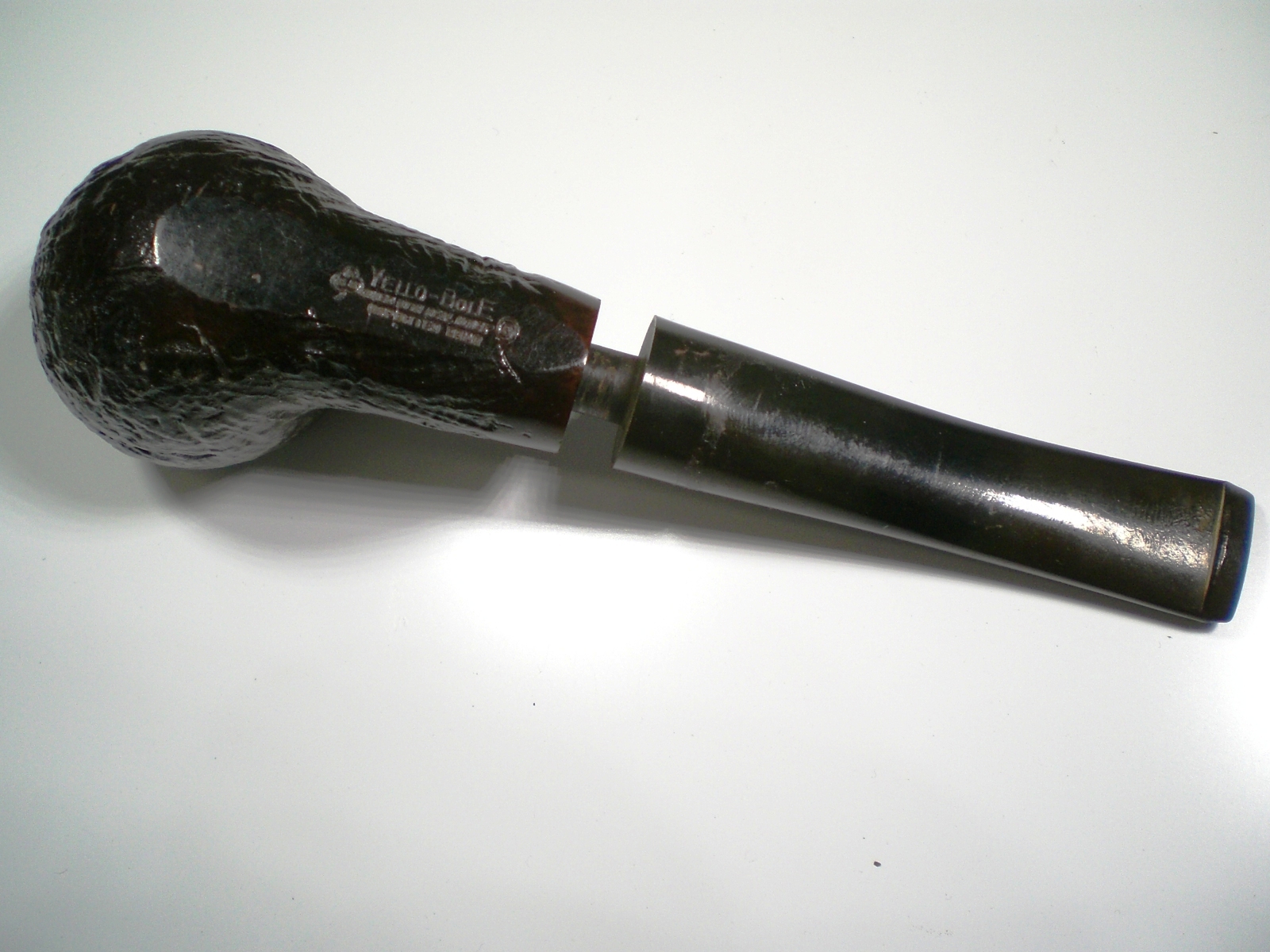
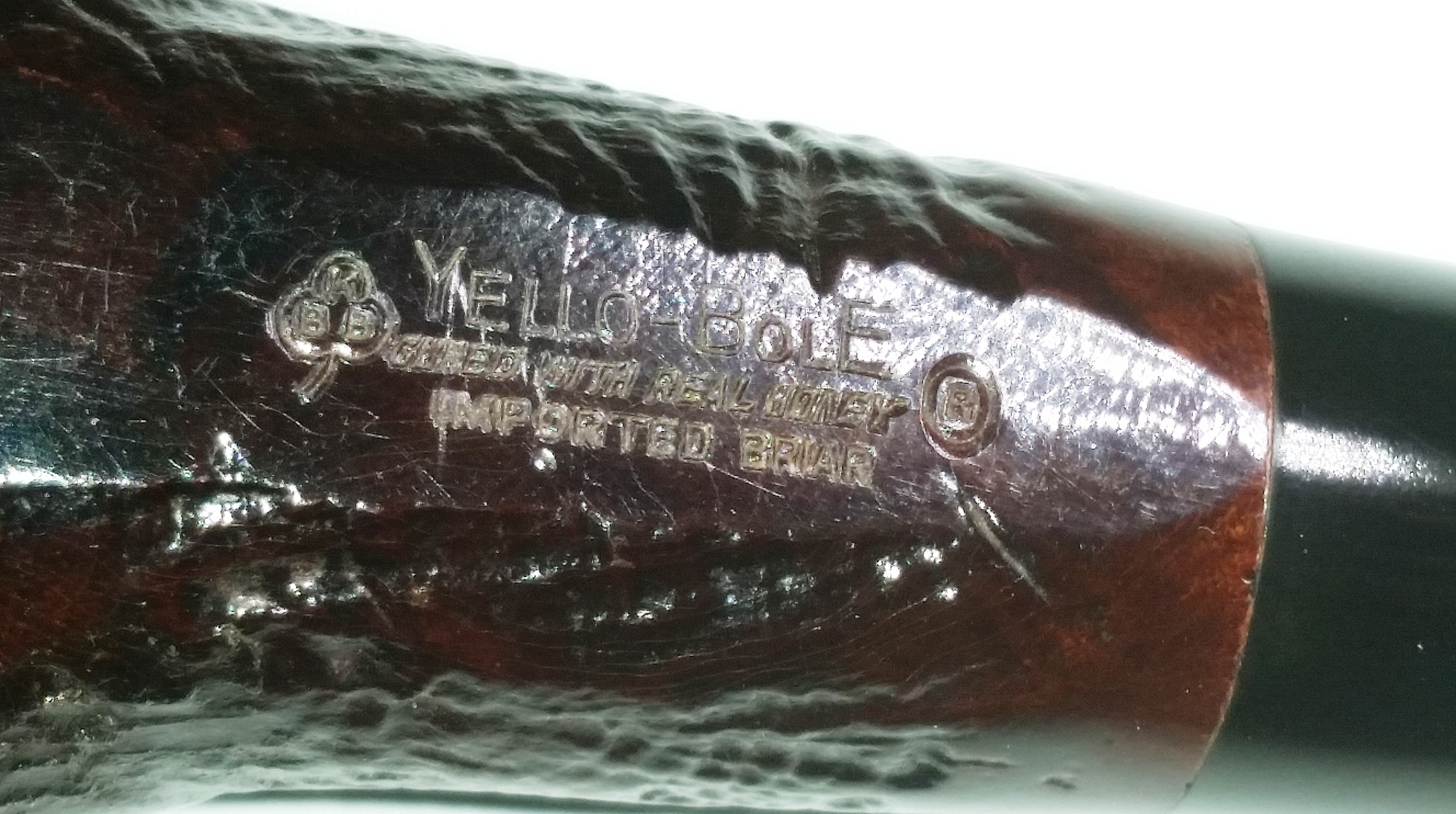
The pipe was definitely well loved, but the stem was nearly mint. I thought with the cake removed, the briar would also be in good shape. From the stamping and a comment on the Kaywoodie forums, I believe the pipe was made between 1937 and 1955.

Yello_Bole_Before

Yello_Bole_Before (1)

Yello_Bole_Before (3)

Yello_Bole_Before (4)

Yello_Bole_Before (2)

The scoop/stinger apparatus came out easily and without it, the stem fit snugly into the shank.

I reamed the bowl and found an interior in great shape. I used some distilled water and a little alcohol to remove the tar buildup on the bowl top. The pipe was then soaked with sea salt and alcohol. There were a few spots of lifted stain on the bowl (from its previous use/life). I used some Feiblings Medium Brown stain, at full strength, to touch up those areas.

I put a dab of grease on the stem logo (which seems pretty durable) and soaked it in a mild solution of Oxy-Clean. There was a slight tooth crease on top of the stem, but it lifted nicely with a flame and was removed in the cleaning process. The stem was then mounted on the pipe and mild oxidation removed with 800>1500 and 2000 grit wet paper. I then moved to the 8000 and 12000 grade micromesh papers. The last step was to buff the stem with White Diamond and then Meguiars Plastic polish. I waxed the bowl exterior with some Paragon wax.

Here is the finished pipe, ready for use.

Yello_Bole_Finished

Yello_Bole_Finished (4)

Yello_Bole_Finished (3)

Yello_Bole_Finished (1)

Yello_Bole_Finished (6)

Yello_Bole_Finished (2)

Yello_Bole_Finished (5)

Yello_Bole_Finished (7)

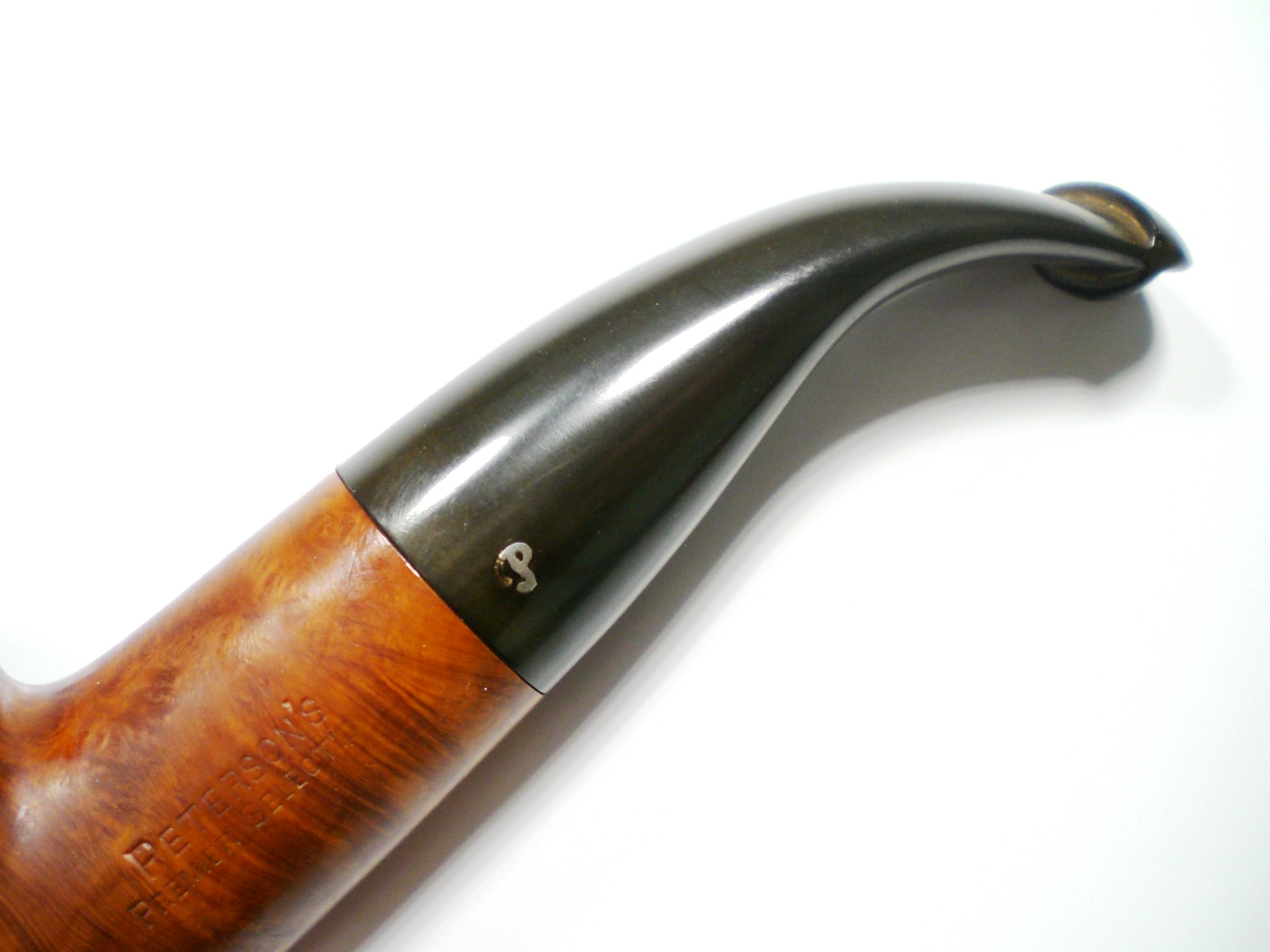
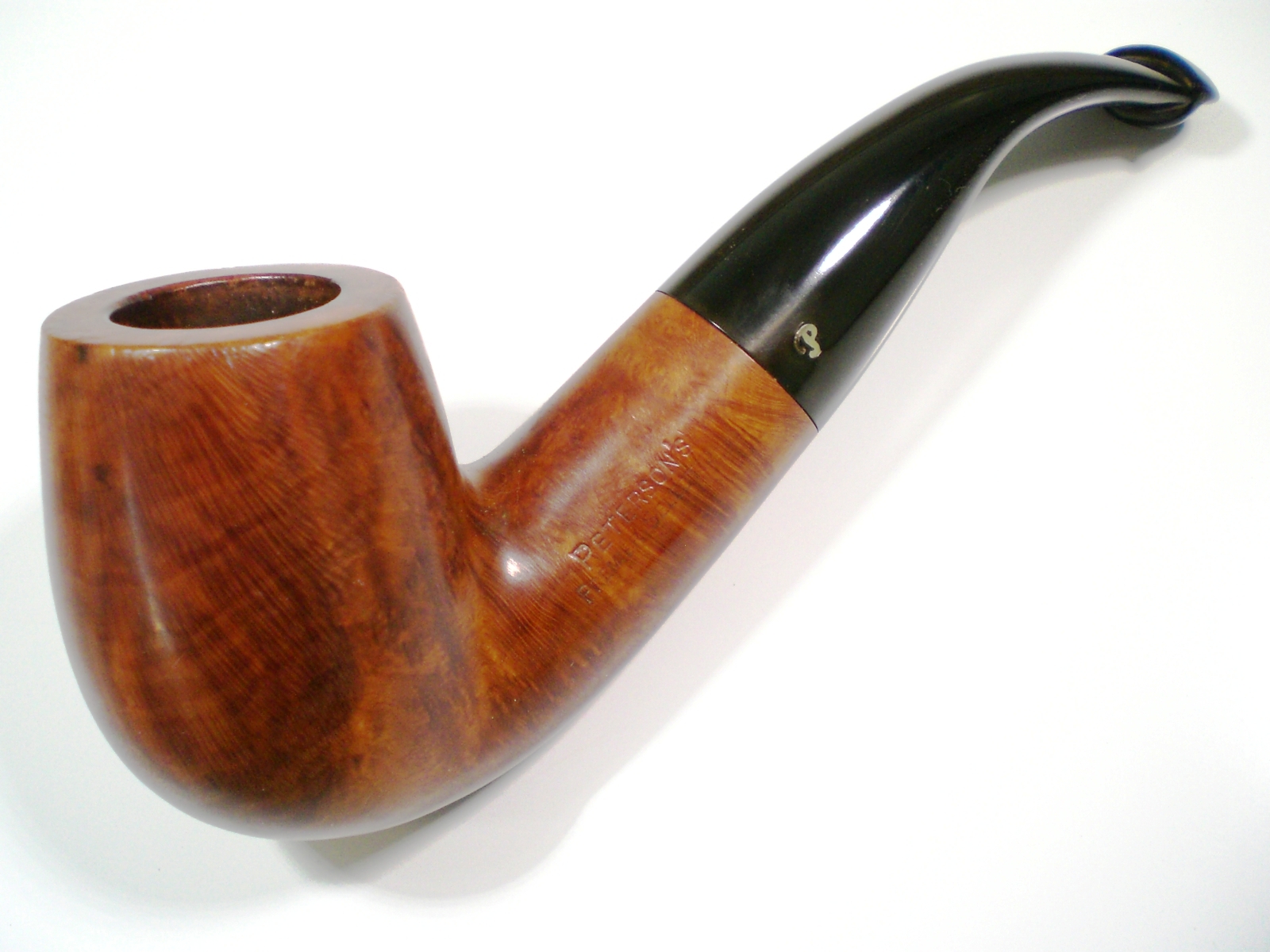
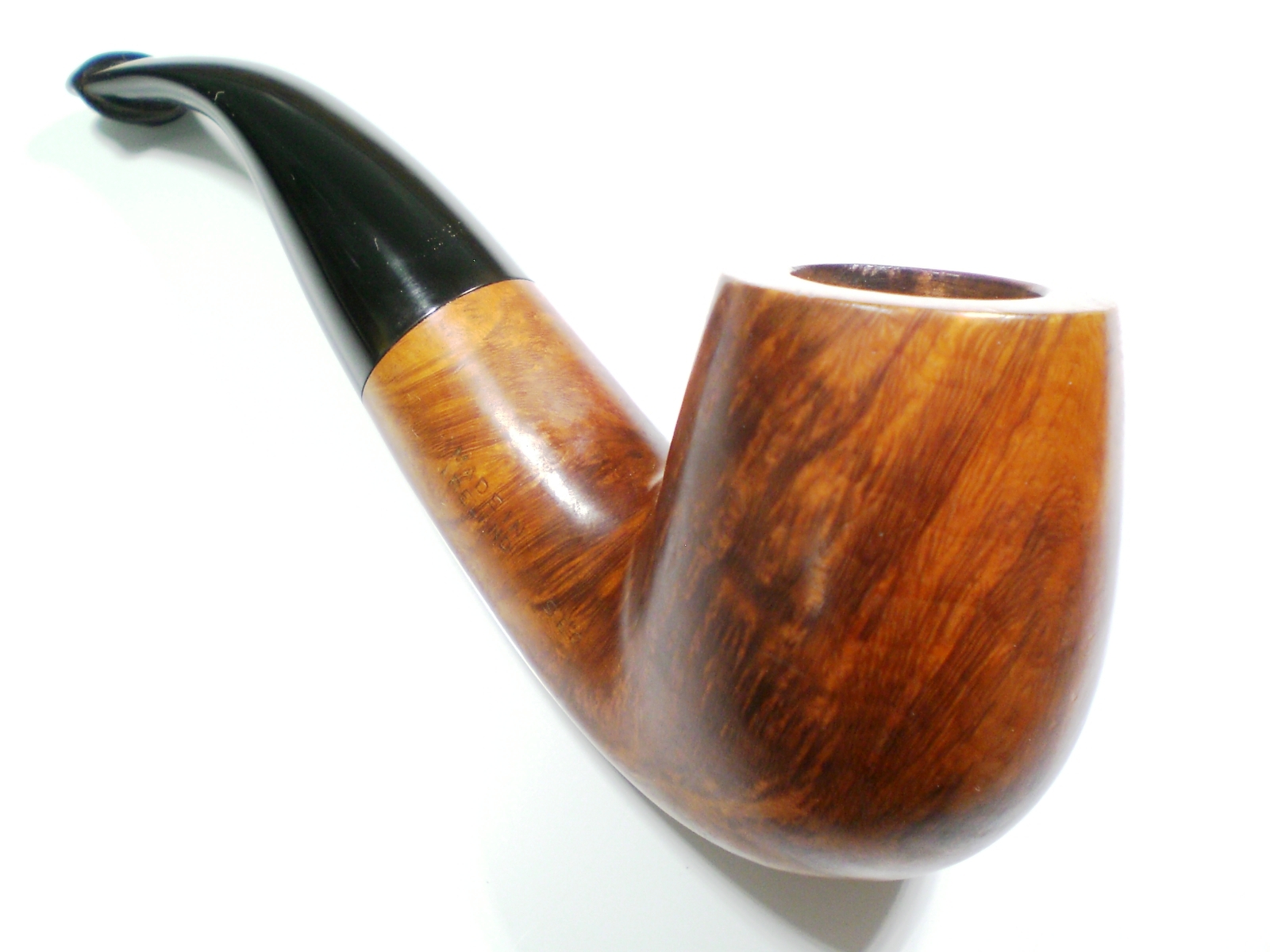
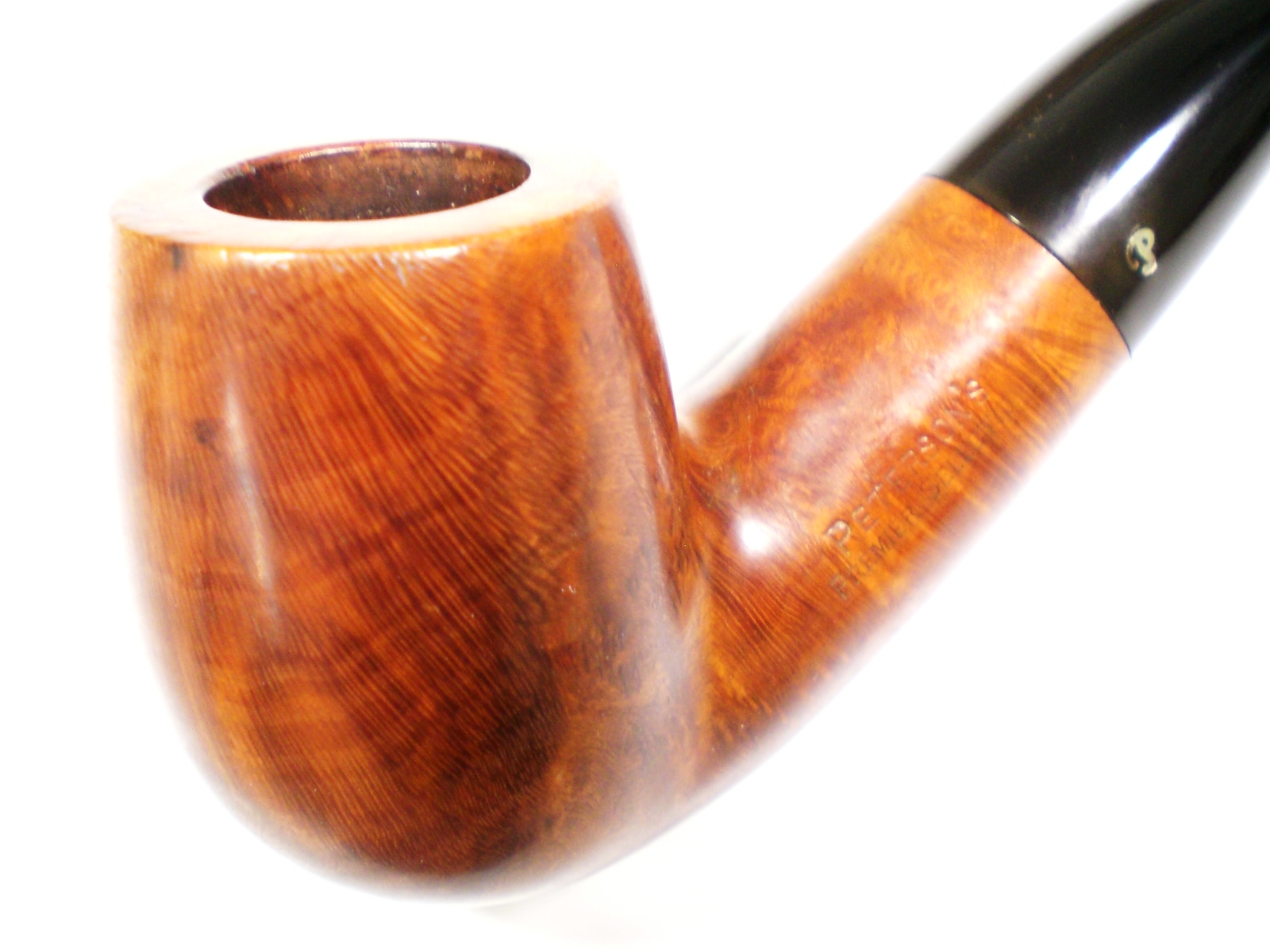
Peterson Premiere Selection 9BC


Blog Entry by Al Jones

Several weeks ago, Steve Laug reposted a “Peterson Pipes Notes” blog entry on the Shape 9BC, a chubby bent billiard. It was written by Peterson authority, Mark Irwin. In the past, Mark had been a helpful to me in identifying an older 999 shape and I always enjoy reading his blog updates.

Peterson Pipe Notes has Moved!

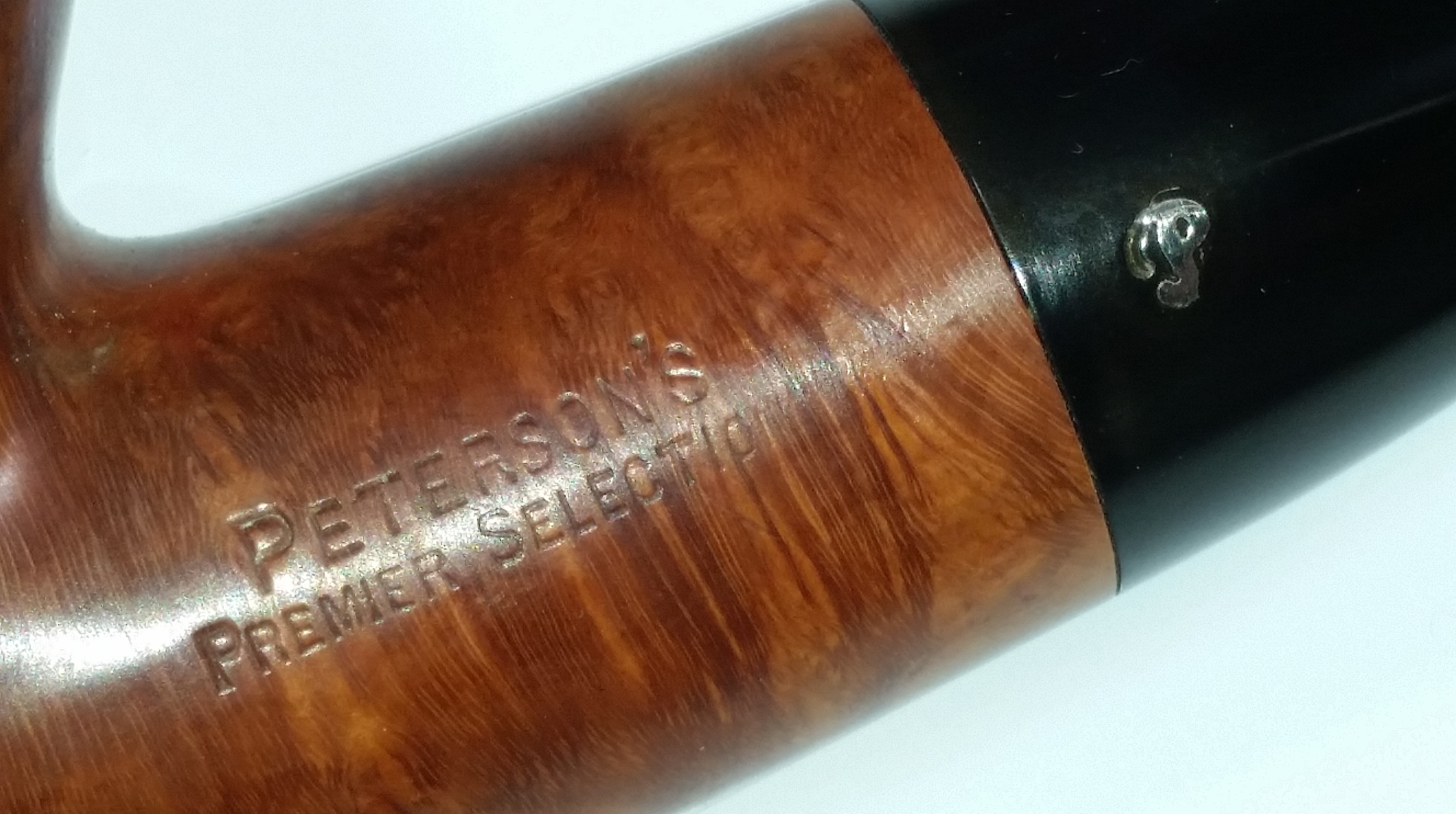
While I’m not necessarily a Peterson collector, the shape was immediately appealing to me, and I added it to my “Holy Grail” pipe list. In fact, that was my comment on Marks blog. I was quite surprised a few days later to stumble onto the eBay auction for this pipe. It was listed as a Peterson’s “Premiere Selection Pipe” and the shape was not clearly identified. I could see by the “Made in Ireland” Country of Manufacture stamp, that it was a pre-Republic era pipe and made prior to 1949. The shape looked like the 9BC but I couldn’t clearly identify the shape number. I like the shape so I took a shot and won the auction. Later, in communication with the seller, I learned the shape stamp was indeed the 9BC. Dating non-hallmarked Petersons is never a sure thing, but from the nomenclature, I believe the pipe was made in the 1947-1949 era.

I didn’t know much about the “Premiere Selection” grade, but later learned it was just under the Deluxe in the Peterson grading system.

The pipe as it was delivered. It was in excellent condition. The bowl interior was clean, the finish just slightly dulled with very good nomenclature. The stem was lightly oxidized and only had one small tooth mark. Stem fitment was excellent.

Peteson_9BC_Before (1)

Peteson_9BC_Before (3)

Peteson_9BC_Before (2)

Peterson_Premiere_Selection_eBay7

The bowl was very clean, but I gave it my usual soak with 91% isopropyl alcohol and sea salt. The shank has a sump like area that needed attention. After the soak, I cleaned that area thoroughly with a series of brushes and pipe cleaners dipped in alcohol.

The stem was lightly oxidized and had one small tooth mark. That lifted out nicely with some heat from a flame. I removed the first layer of oxidation with 800 grit wet paper and then moved to 1500 and the 2000 grades. Next up was 8000 and 12000 grade micromesh sheets. The stem was then buffed with White Diamond and then Meguiars Plastic Polish.

There were a few dings on the bowl, which lifted out with heat from an iron and a wet cloth. I then buffed the briar with white diamond to bring up the shine, being careful to stay away from the nomenclature. The briar then received several coats of carnuba wax.

I’m thrilled with this one and can’t wait to smoke it. The size of pipe was also a surprise. I was expecting a diminutive Peterson, but this is truly a chubby pipe at 70 grams.

Below is the finished pipe.

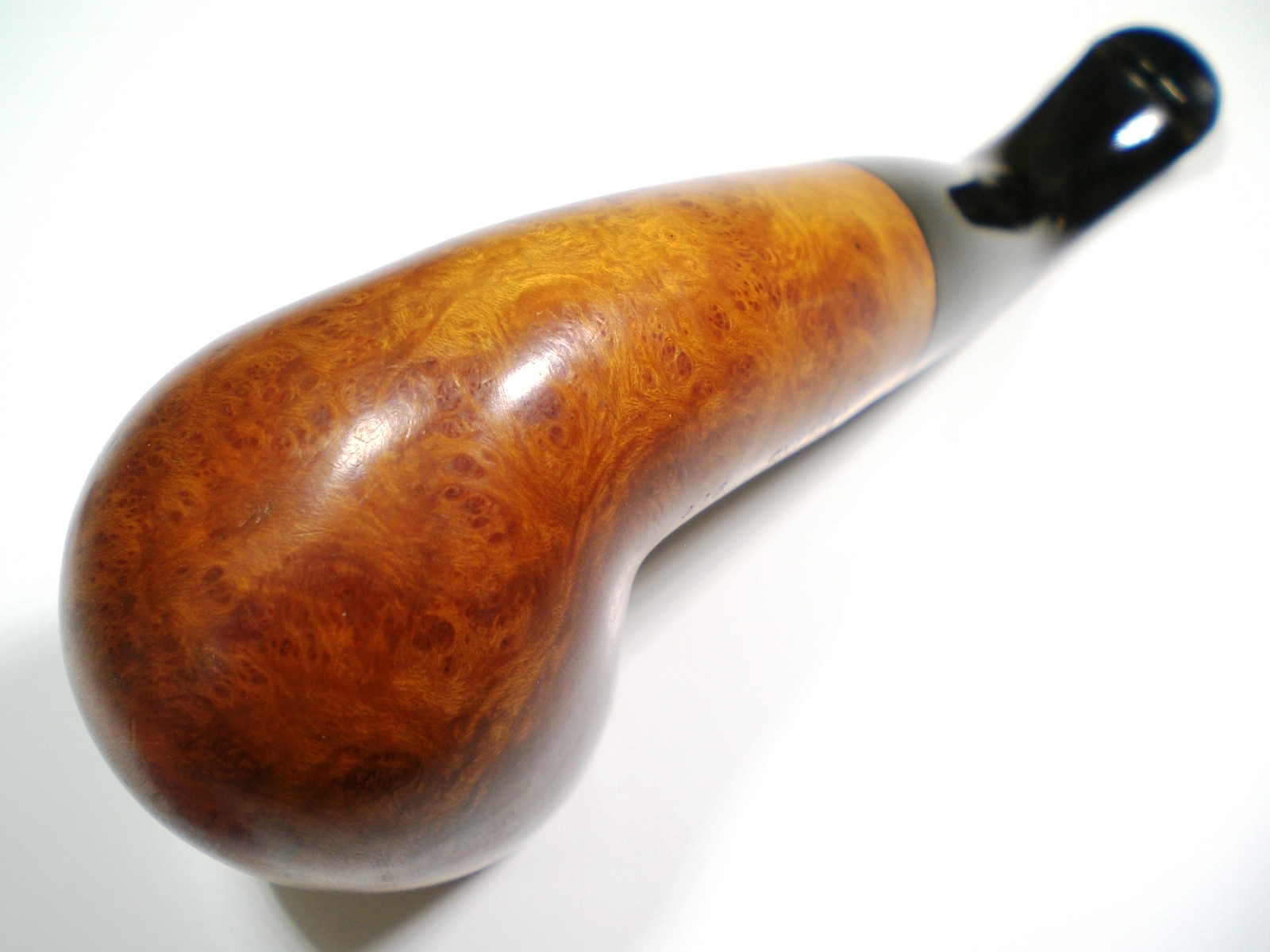
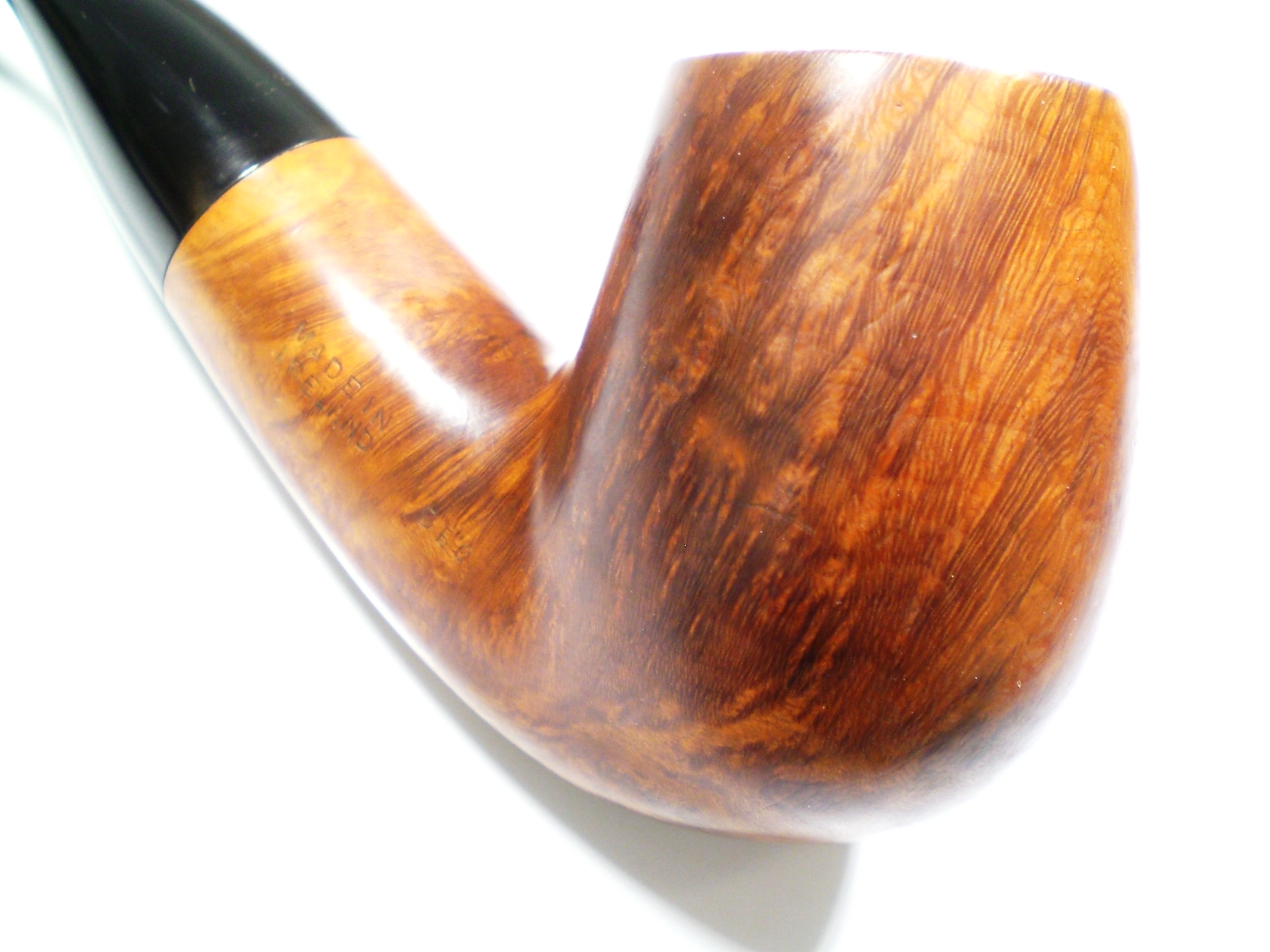
Peterson_9BC_Finish

Peterson_9BC_Finish (3)

Peterson_9BC_Finish (1)

Peterson_9BC_Finish (2)

Peterson_9BC_Finish (7)

Peterson_9BC_Finish (1)

Peterson_9BC_Finish (4)

Peterson_9BC_Finish (3)

Peterson_9BC_Finish (10)

Peterson_9BC_Finish (11)