Author Archives: upshallfan

Unknown's avatar

About upshallfan

Moderator on the PipesMagazine forum since 2011. Guest contributor on the Reborn Pipes Blog by Steve Laug.

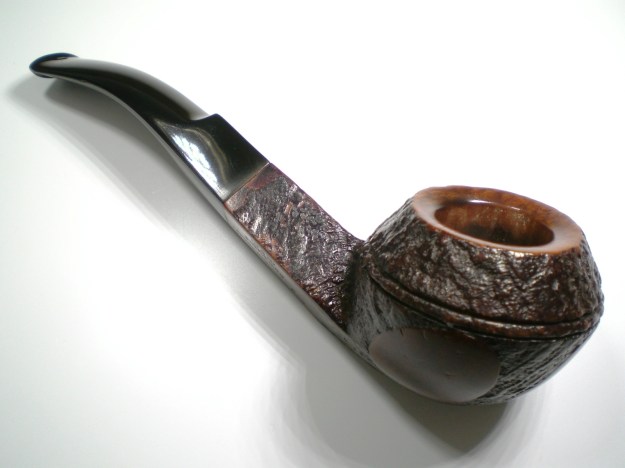
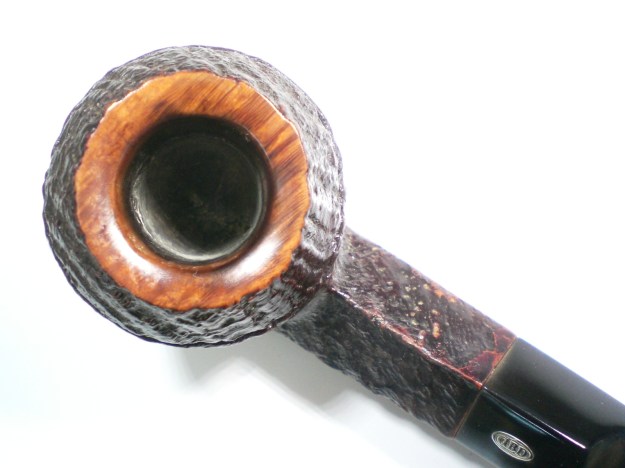
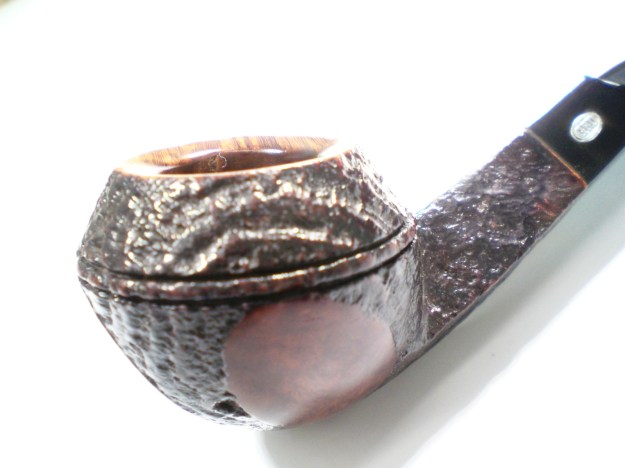
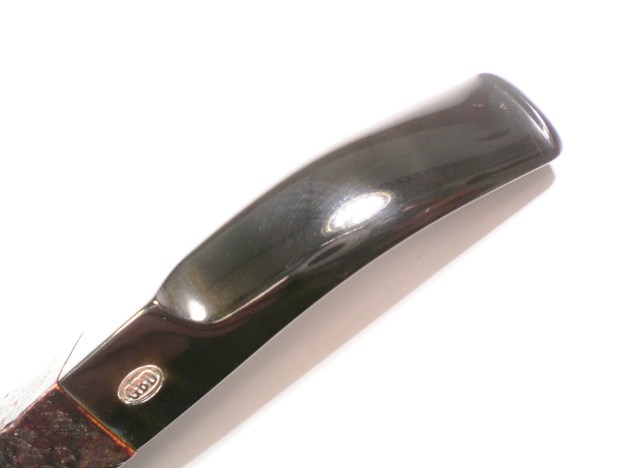
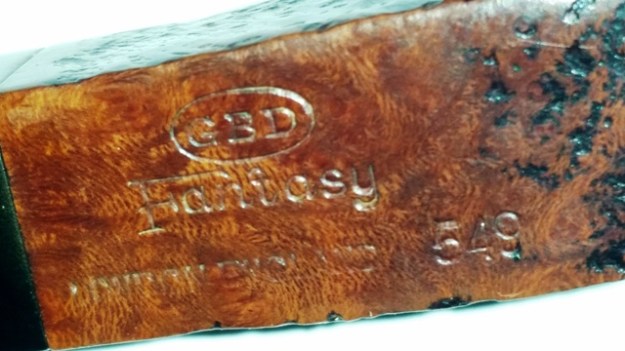
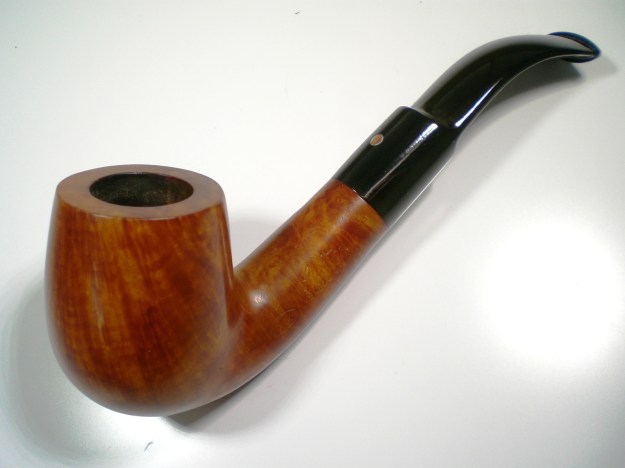
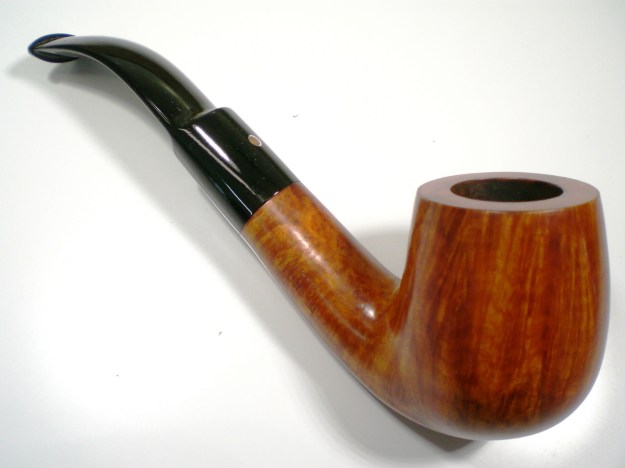
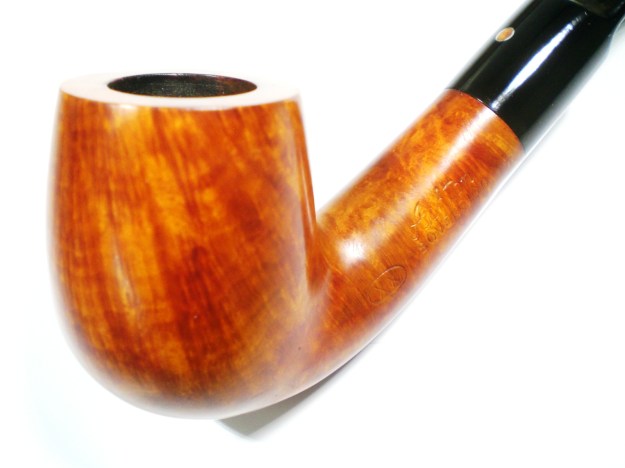
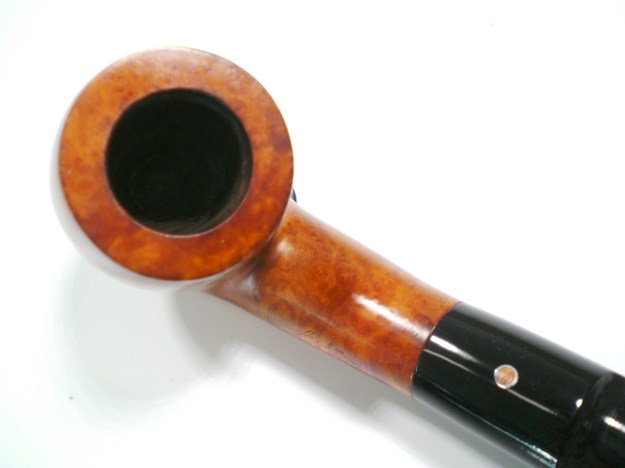
GBD 549 Fantasy Bulldog Restoration


By Al Jones

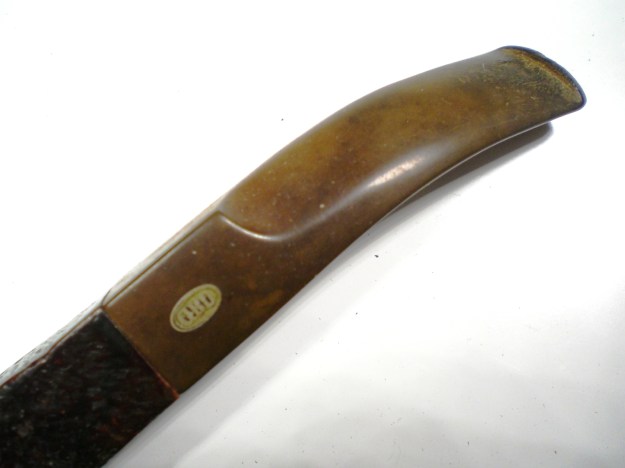
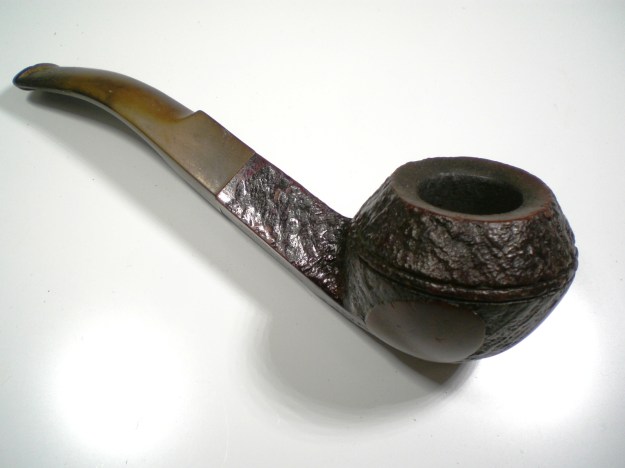
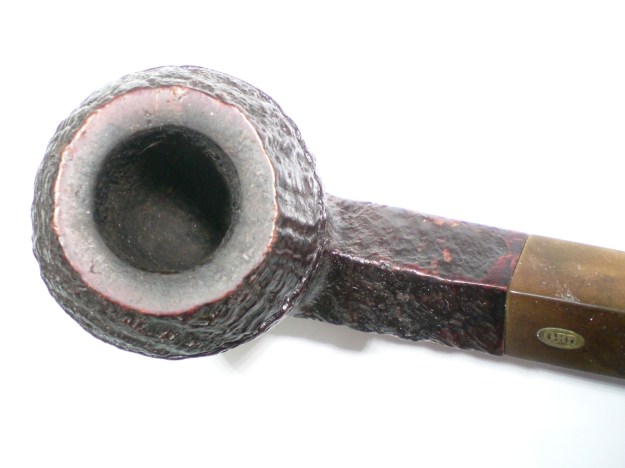
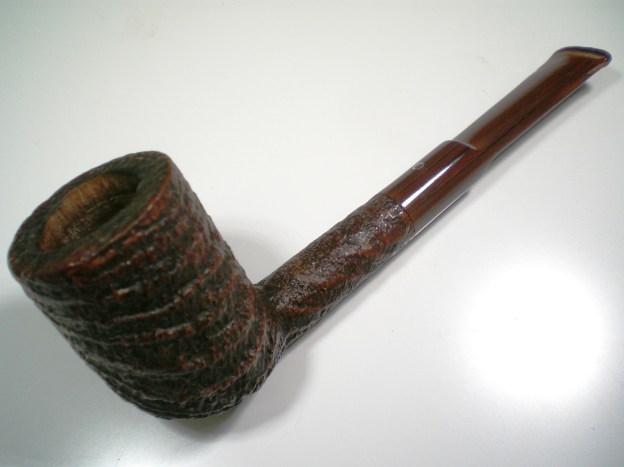
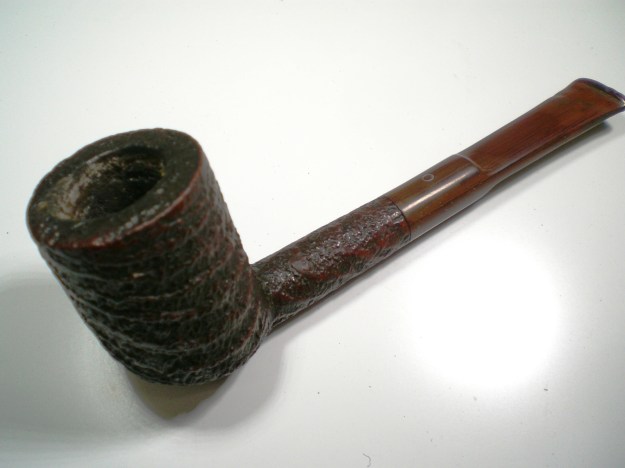
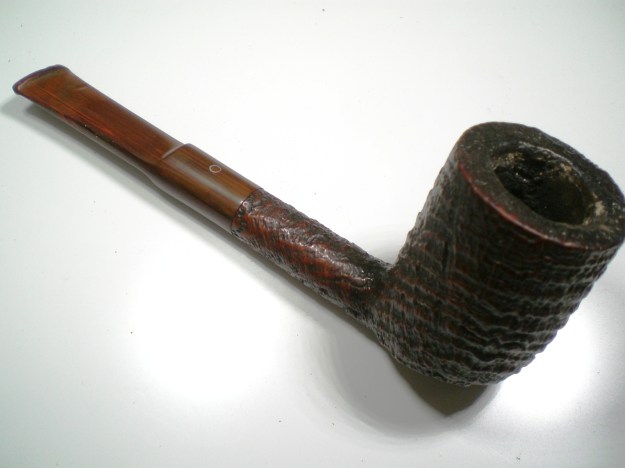
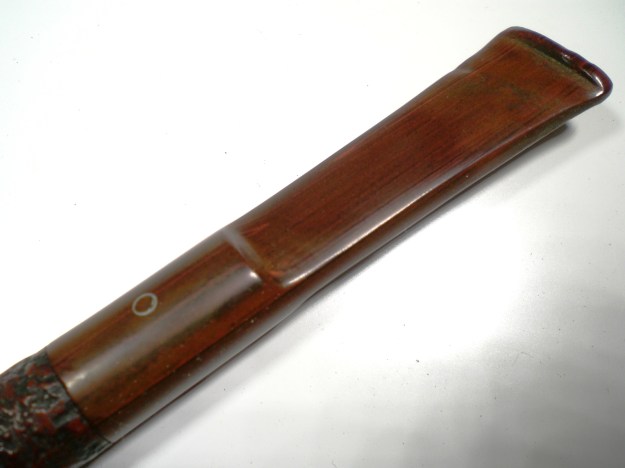
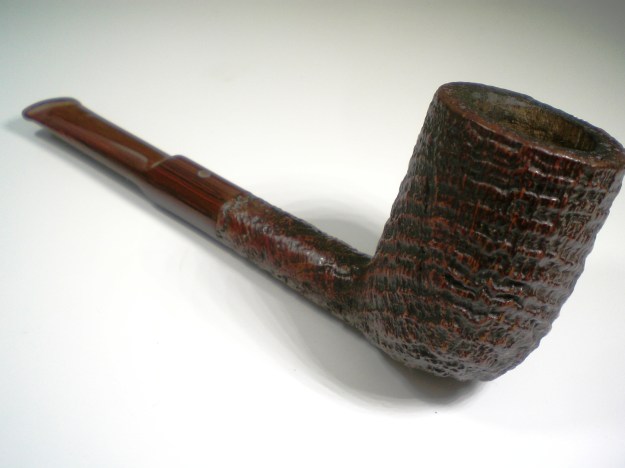
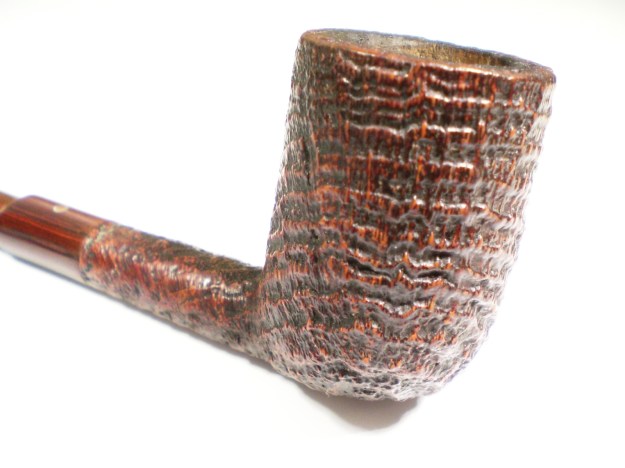
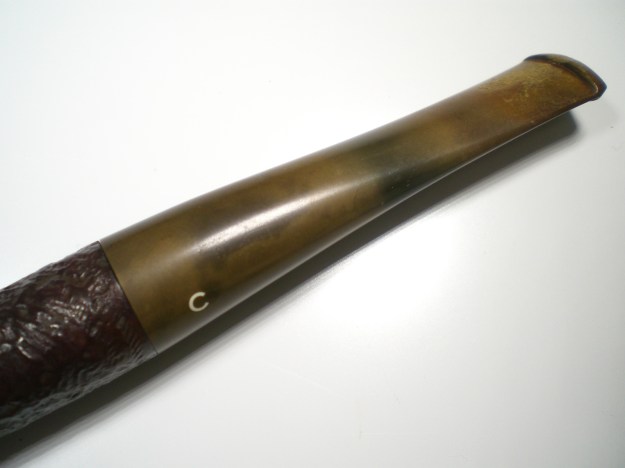
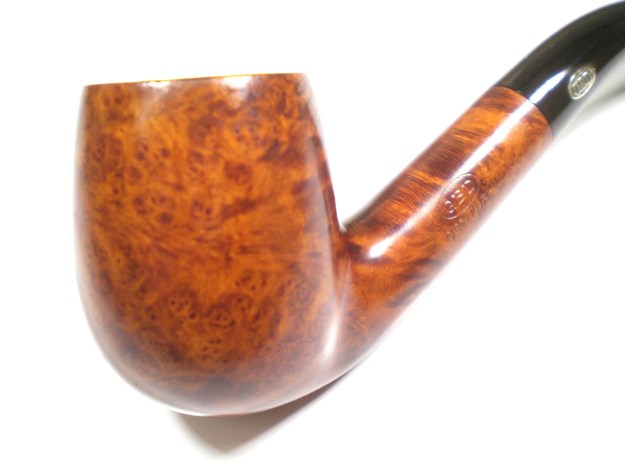
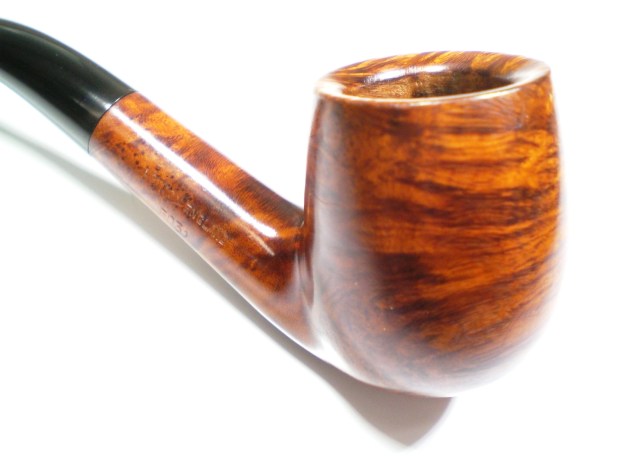
The GBD Fantasty and the similiar Tapestry line of pipes were introduced in the 1970’s and I think they fit that funky era perfectly. I can picture a hip 1970’s pipe smoker enjoying this one in a pastel leisure suit, showing care to not get a burn mark on his new silk-screened shirt. This one is the classic GBD bent bulldog, the 549 shape. The pipe had some build-up on the bowl top, but I was sure that a beautiful beveled GBD bowl top was hiding underneath. The stem had some oxidation and a few bite marks.

gbd_549_fantasy_before-1

gbd_549_fantasy_before-2

gbd_549_fantasy_before-3

gbd_549_fantasy_before-4

The bowl was reamed and soaked with alcohol and sea salt. While it was soaking, I put a dab of grease on the brass rondell and soaked it in a mild Oxy-clean solution. I used a cloth and some water to rub off the bowl top tars and then polished it with White Diamond and a few coats of Carnuba wax. I also gave the polished geometric shapes the same treatment. The blasted wood was polished by hand with Halycon wax.

There were some dents in the vulcanite, which I was able lift out with a lighter flame. The stem was mounted and polished progressively with 800, 1500 and 2000 grade wet paper. That was followed with 8000 and 12000 micromesh. The stem was them buffed with White Diamond and Meguiars Plastic Polish. Two tiny teeth pricks remained, one on each side, but there were so small, I left well enough alone.

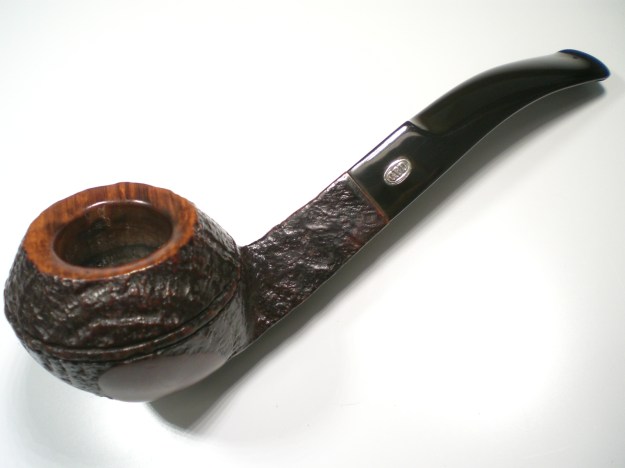
Below is the finished pipe.

gbd_549_fantasy_finish-1

gbd_549_fantasy_finish-5

gbd_549_fantasy_finish-4

gbd_549_fantasy_finish-3

gbd_549_fantasy_finish-2

?

gbd_549_fantasy_finish-1

1985 Ashton Pebble Grain Restored


By Al Jones

This pipe was purchased by a buddy from the PipesMagazine forum. It caught my eye and he was looking to build an English collection. I have a small collection of Bill Taylor era Ashton pipes, but none are from the early 1980’s. This one, a Pebble Grain, is marked “5” which is the date for 1985. Early sandblasted Ashtons are prized for the craggy blast work and this one doesn’t disappoint. The briar was in great shape, but the Cumberland stem had some heavy teeth marks.

ashton_pg_xxx-1985_before-1ashton_pg_xxx-1985_before-4ashton_pg_xxx-1985_before-2

The pipe had a heavy cake and some build-up on the bowl top.  I reamed the cake and found the bowl interior to be in decent shape.  I used a cloth and water to rub off the build-up.  The bowl was then soaked with alcohol and sea salt.

I tried removing some of the dents with heat from flame but I was only marginally successful.  I don’t like super-glue patches on Cumberland stems and the owner is considering having a new stem made by artisan repairman, George Dibos.  So, I shined and polished the stem with wet paper and Micromesh paper.  The stem was then buffed with White Diamond and Meguiars Plastic polish.

I  polished the bowl by hand with Halycon wax.  Below is the finished pipe.

ashton_pg_xxx_1985_finish-1
ashton_pg_xxx_1985_finish-4
ashton_pg_xxx_1985_finish-2
ashton_pg_xxx_1985_finish-5
ashton_pg_xxx_1985_finish-6
ashton_pg_xxx_1985_finish-3

?

?

Comoy’s 334 Sandblast Restoration


By Al Jones

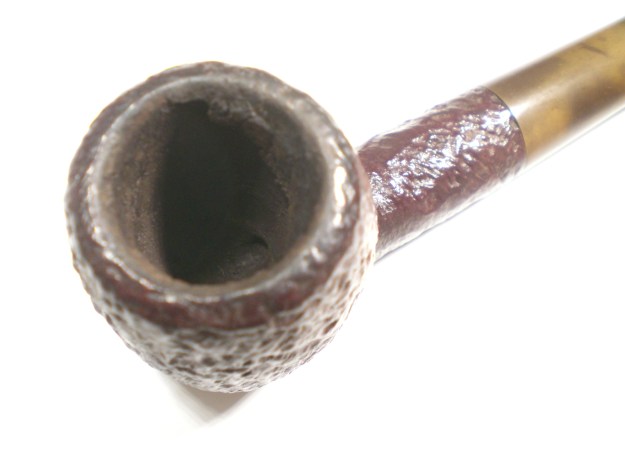
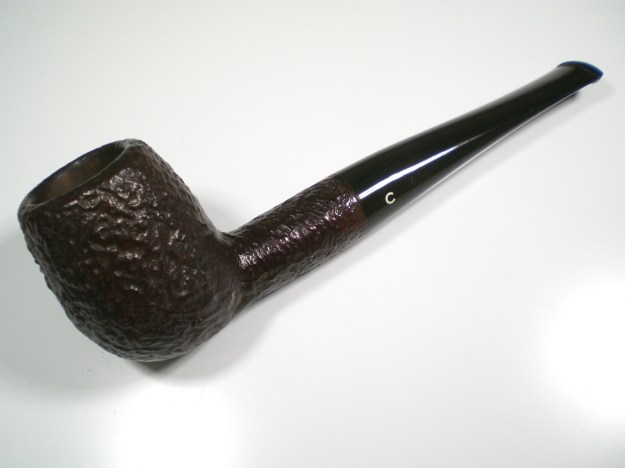
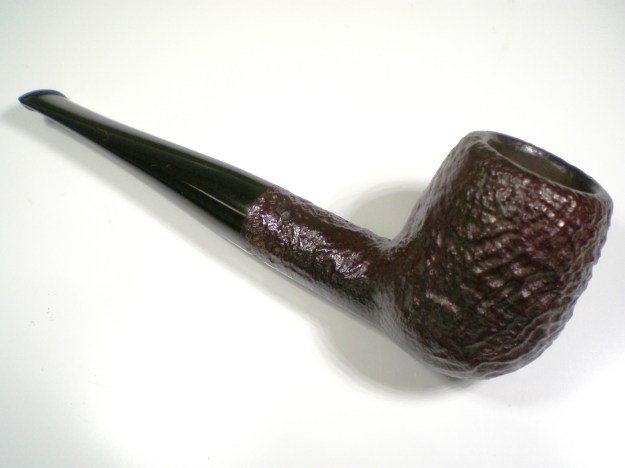
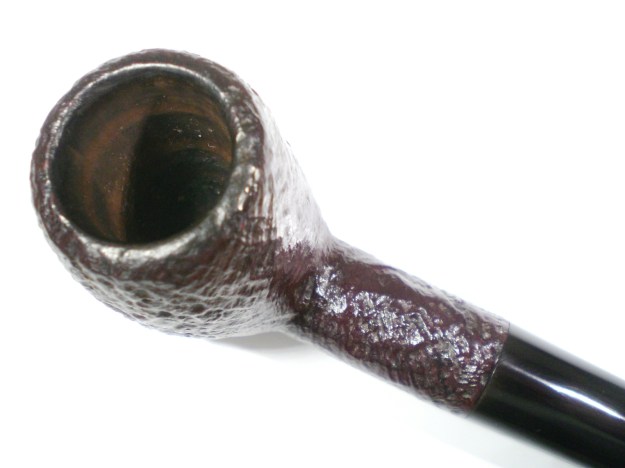
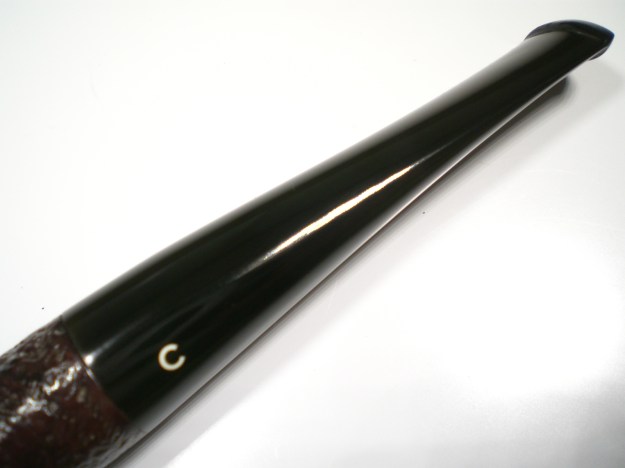
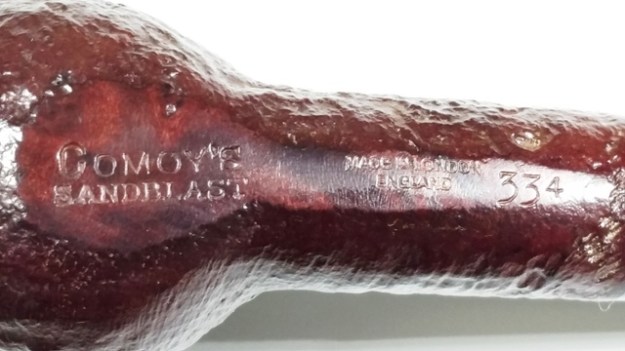
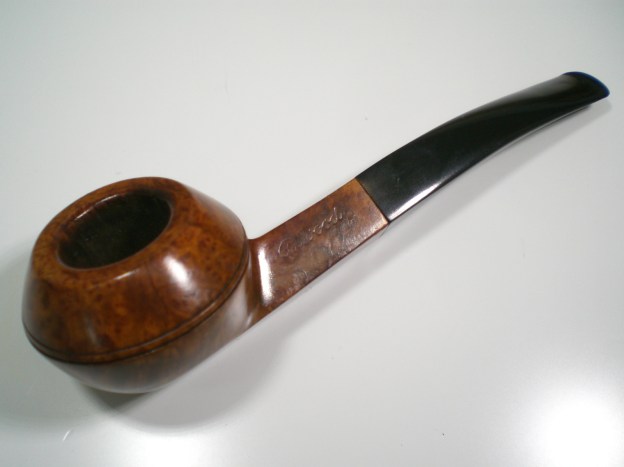
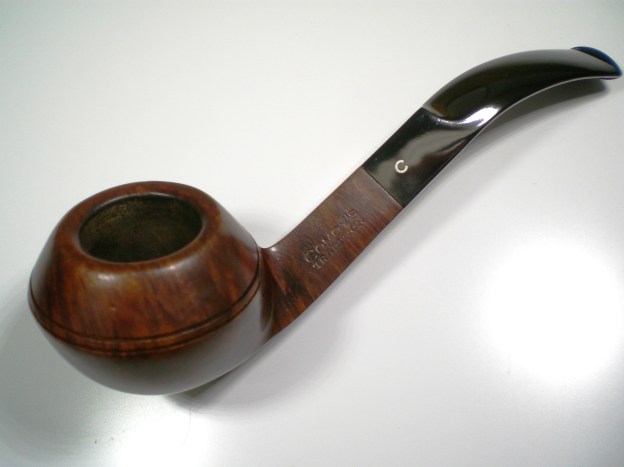
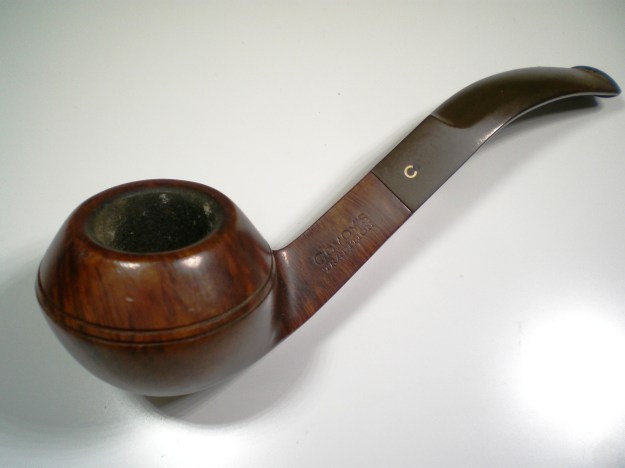
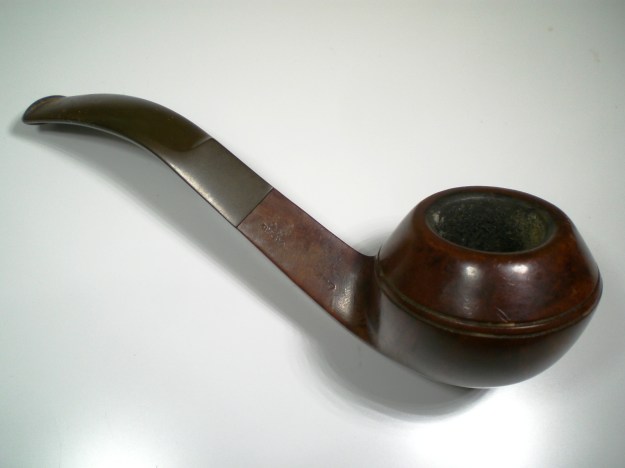
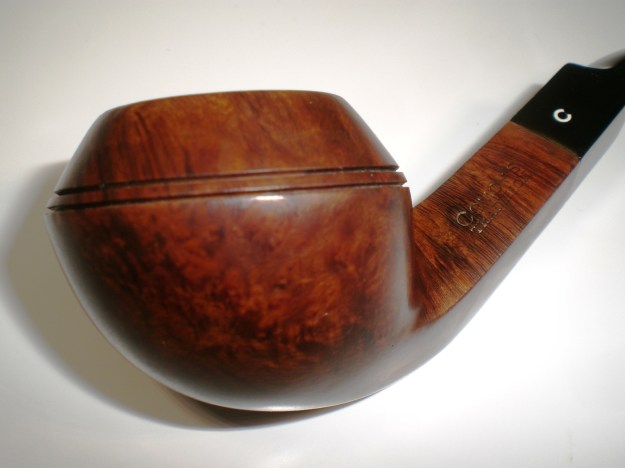
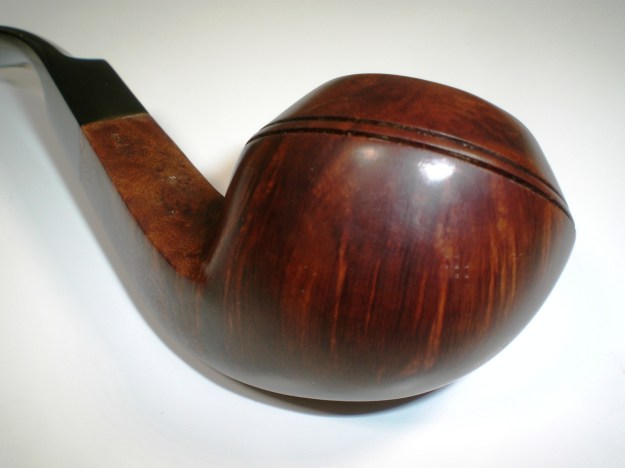
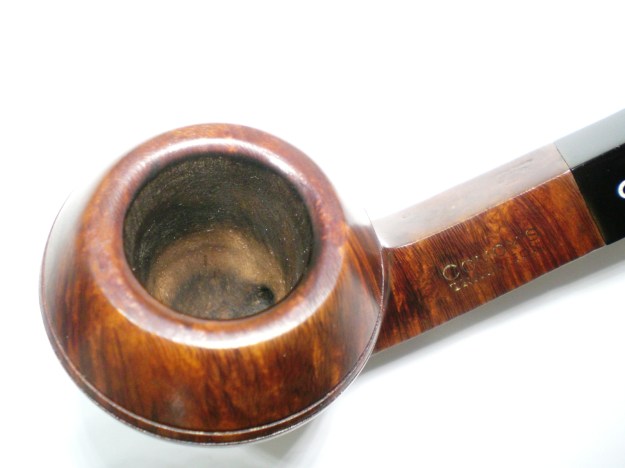
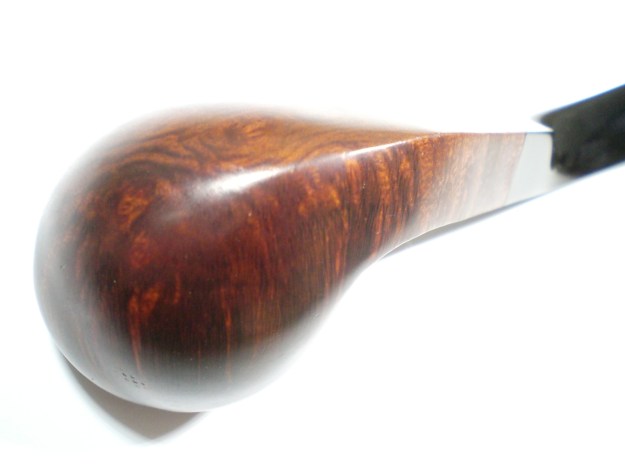
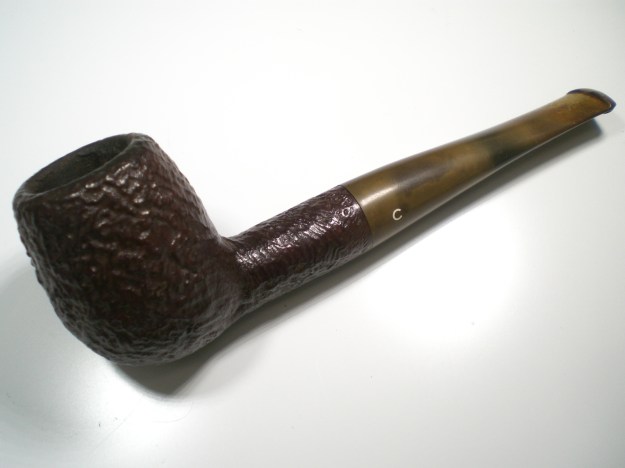
This Comoy’s 334 Sandblast caught my eye on Ebay and it looked like a pretty simple restoration and then re-sale. But when the pipe was delivered, the shape and size really captivated me. The tapered stem was magnificent and it was a fairly large pipe, by Comoy’s standards. The Comoy’s shape chart on Pipepedia calls this a “Globe” but I’ve seen it listed as an Apple as well. The stem was heavily oxidized, with a little chatter and no dents. The bowl had some mild cake. Below is the pipe as received.

comoys_334_sandblast_before-1

comoys_334_sandblast_before-4

comoys_334_sandblast_before-2

comoys_334_sandblast_before-3

I reamed the bowl and worked off some of the build-up on the bowl top with a cloth and warm water. The bowl was then soaked with alcohol and sea salt. I put a dab of grease on the “C” stem logo and soaked it in a mild Oxy-clean solution. The bowl and shank were fairly clean and after the soak, the bowl didn’t require much more clean-up.

I mounted the stem and removed the heavy layer of oxidation first with 800 grit paper. Then 1000 and 2000 grades, followed by 8000 and 12000 micromesh sheets. The stem was buffed with White Diamond and Meguiars Plastic Polish.

I hand buffed the sandblast with Halycon wax.

Below is the finished pipe.

comoys_334_sandblast_finish-1

comoys_334_sandblast_finish-5comoys_334_sandblast_finish-2comoys_334_sandblast_finish-4comoys_334_sandblast_finish-10

comoys_334_sandblast_finish-8web

?

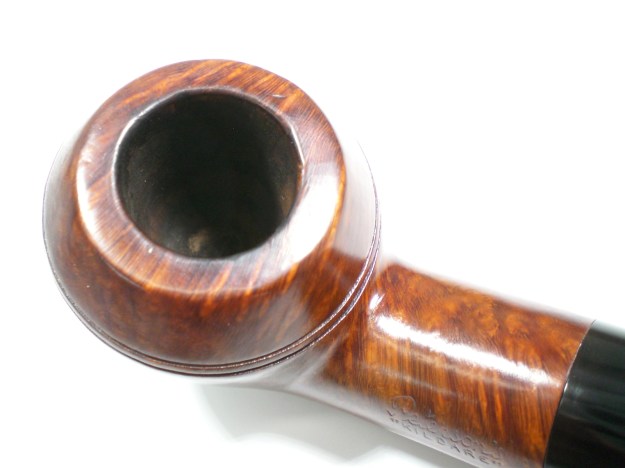
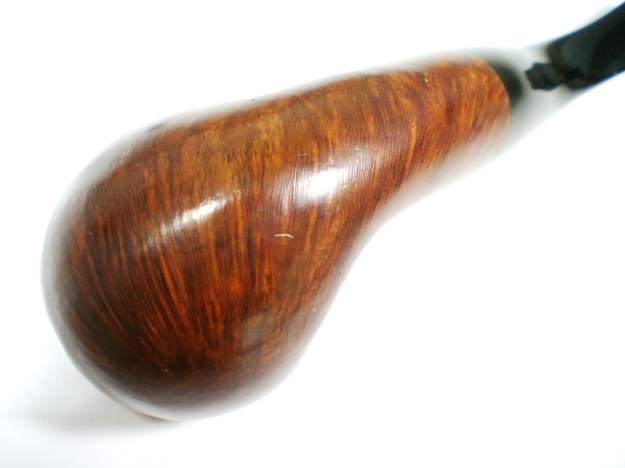
Peterson XL999 Kildare Restoration


By Al Jones

As a fan of the wonderfully chubby Peterson 999 shape, the XL999 has always intrigued me. To this point, I’ve only seen them on the web and never handled one in person. This one showed up on Ebay, with an attractive “Buy It Now” price and offer. I struck a deal and it was delivered a few days ago.

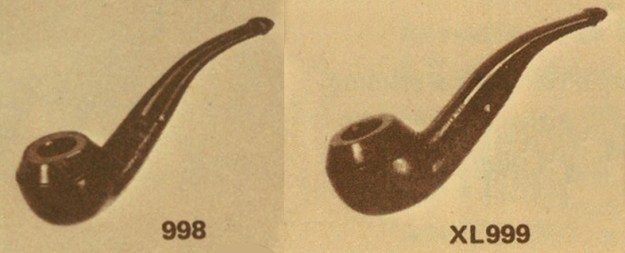
We’ve already learned from Mark Irwins blog, the Peterson Pipe Notes that the XL999 model straddled the change from the chunkier pre-Republic 999 to the slimmer model offered from the late 1990’s until the present. Mark tells us that the XL999 was introduced to the Peterson catalog in 1977 and morphed into the 998 shape by 1992. You can read Mark’s blog entry here below and I include a catalog photo from Mark.

Peterson Chubbies, Part 1 “The 999 John Bull”

998-and-999-from-1977-assoc-imports

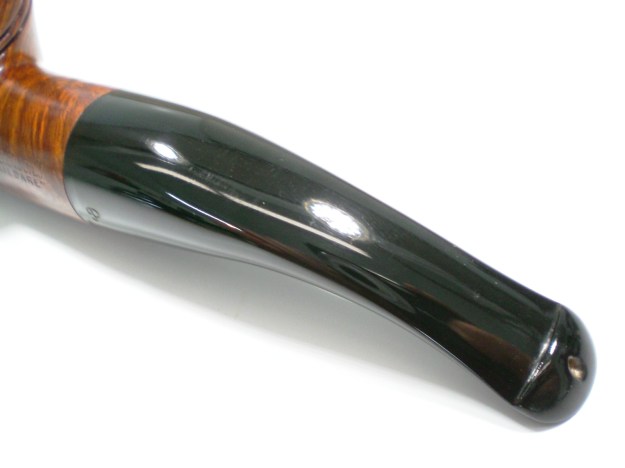
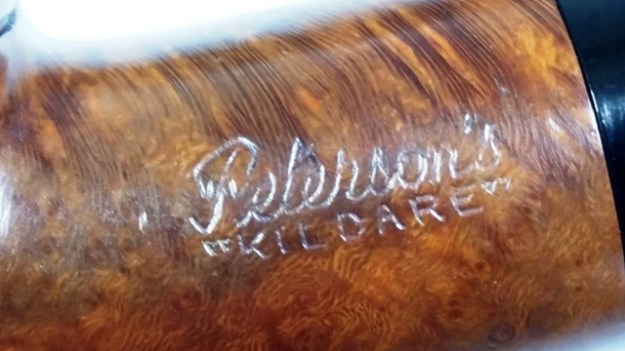
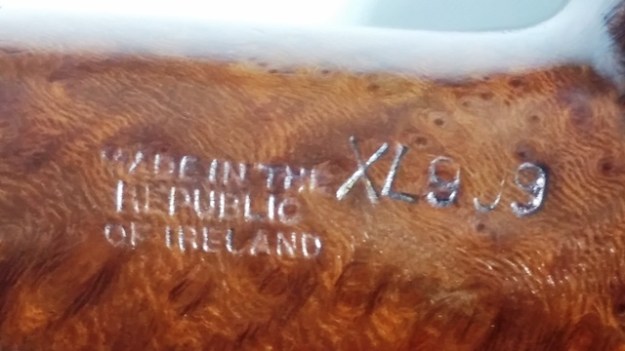
The Kildare finish is a lower grade and the grain on this one is unremarkable. The pipe was delivered in very good condition, with some heavy oxidation on the stem. There was some tar build-up on the bowl top but the stem was bite free, with only some light chatter. Most importantly, this one had the P-lip stem that completes the look.

peterson_xl999_before-1

peterson_xl999_before-4

peterson_xl999_before-3

peterson_xl999_before-2

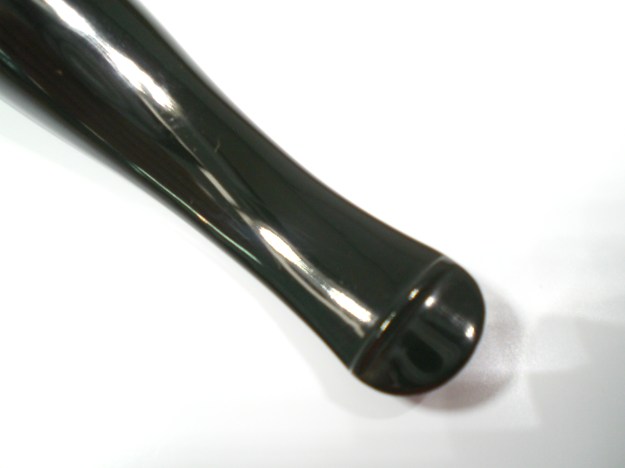
peterson_xl999_before-5

The bowl was reamed and then I removed the bowl-top build up with a cloth and water. I finished the bowl top with 2000 grade wet paper and 8000 grade micromesh. The bowl was then soaked with alcohol and sea salt. Following the soak, there was a lot build-up in the shank, which I removed with screwed-in paper towels and then a series of brushes.

The bowl was buffed with White Diamond but still seemed a little dull. I wiped on a nearly clear (heavily diluted) Medium brown stain and then buffed it again, which woke up the finish a bit. The bowl was finished with several coats of Carnuba wax.

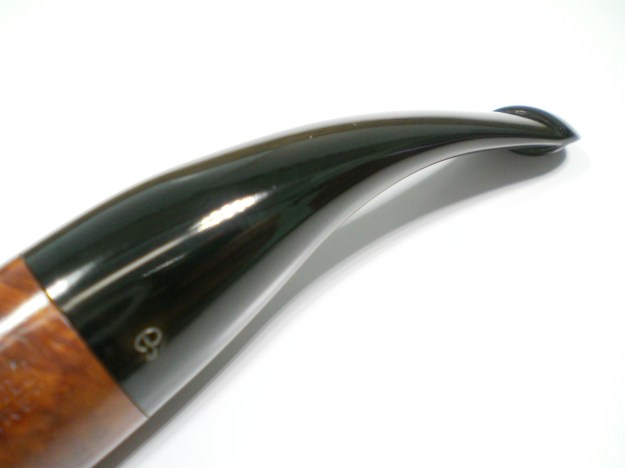
While the bowl was soaking, I also soaked the stem in a mild Oxy-clean solution, with a dab of grease on the P logo. The stem was then mounted and oxidation removed with 800, 1000 and 2000 grade wet paper. This was followed by 8000 and 12000 grade micromesh. The stem was then buffed with White Diamond, followed by Meguiars Plastic Polish.

I mulled over re-painting the white of the P-stem logo, but I often don’t care for that result. So for now, it remains as received.

Below is the finished pipe.

peterson_xl999_finish-1

peterson_xl999_finish-6

peterson_xl999_finish-2

peterson_xl999_finish-7

peterson_xl999_finish-5

peterson_xl999_finish-8

peterson_xl999_finish-3

peterson_xl999_finish-4

peterson_xl999_finish-9

?

?

?

?

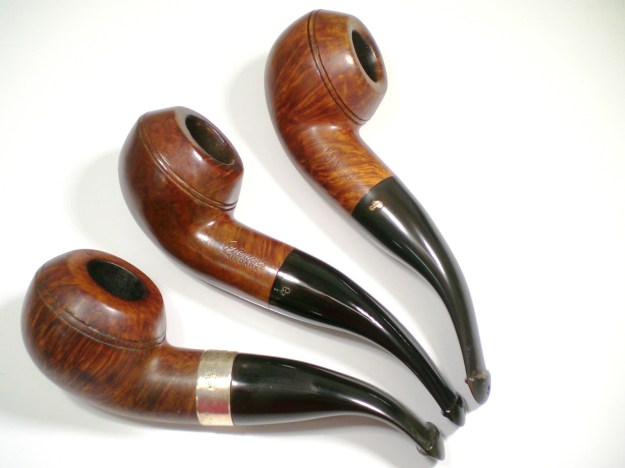
Below is a group shot of the pipe with my other 999’s, both of which are pre-Republic era pipes. It’s interesting to see the slight shape variations and size. This one is very near in shape and weight to my Deluxe 999 (with Gold P logo), and it weighs 51 grams.

peterson_xl999_finish-12

GBD 311 Billiard Restoration


By Al Jones

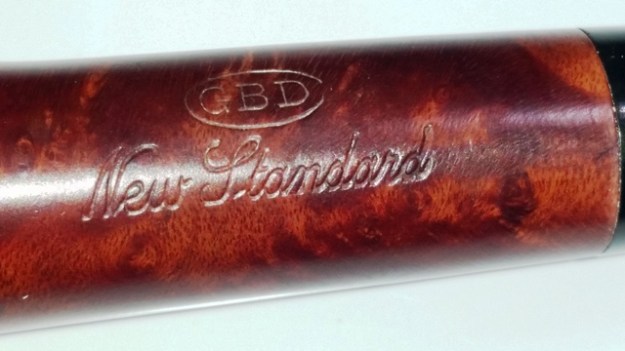
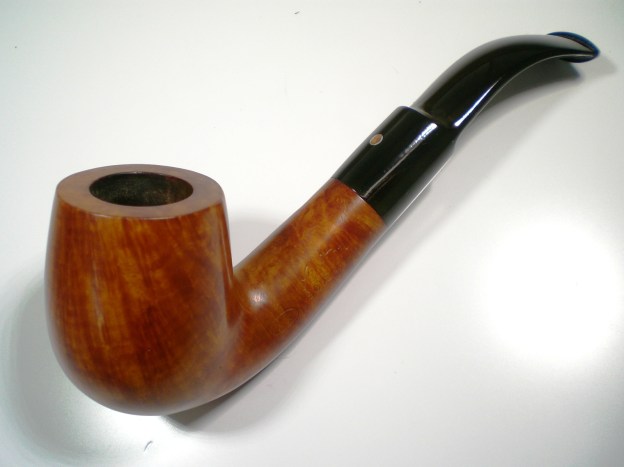
This New Standard shape 311 came via Canada and was delivered in a plain paper envelope, with no packing and with the stem inserted – and survived! The pipe was in decent shape, the most challenging aspect was that the stem was very much stuck into the shank (and upside down). The New Standard finish is probably the most common GBD grade. This one had a very handsome two-stage stain that is unusual for that grade.

Here’s the pipe as it was received.

gbd_311_ns_before-1

gbd_311_ns_before-2

gbd_311_ns_before-4

gbd_311_ns_before-3

To remove the stem, I put the pipe in the freezer for several hours. That did the trick and it came out with a bit of effort (and care to not break the tenon). The stem was a bit too snug, so I rubbed some pencil lead on the tenon, which worked well.

The stem was then soaked in a mild Oxy-Clean solution for several hours with a dab of grease on the stem.

I used a rag and cloth to rub off most of the build-up on the bowl top. Then a piece of worn 8000 grit micromesh was used to remove the rim darkening. The bowl was reamed and then soaked with alcohol and sea salt.

With the stem mounted,I removed the mild oxidation and slight teeth abrasions with 800, 1000 and 2000 grade wet sandpaper. Next up was the 8000 and 12000 micromesh sheets. The stem was polished with White Diamond and then Meguiars Plastic Polish.

The bowl was buffed with White Diamond and several coats of Carnuba wax.

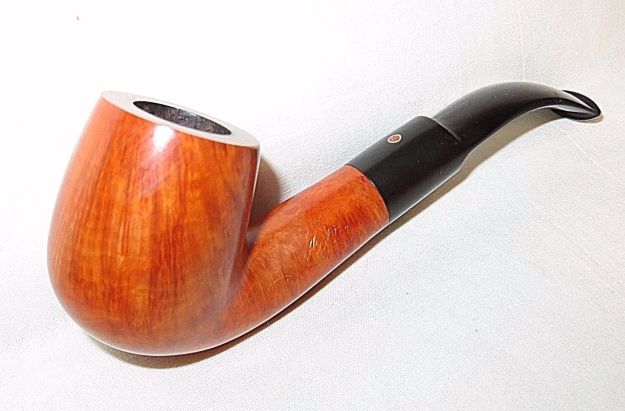
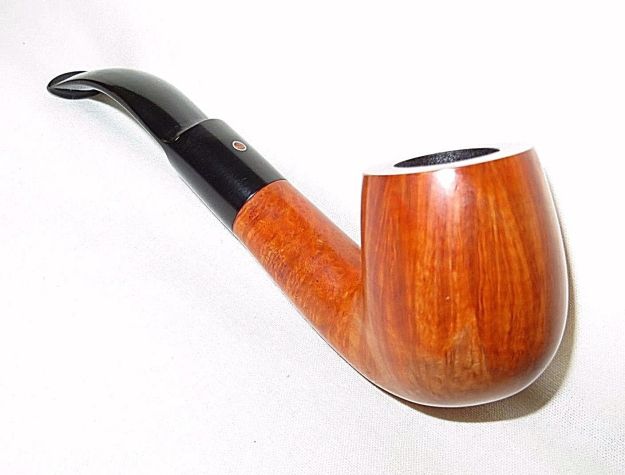
Below is the completed pipe which was purchased by a member of the Brothers of Briar pipe forum.

gbd_311_ns_finish-1

gbd_311_ns_finish-4

gbd_311_ns_finish-2

gbd_311_ns_finish-6

gbd_311_ns_finish-9

gbd_311_ns_finish-7

gbd_311_ns_finish-3

gbd_311_ns_finish-8

?

?

?

?

Ashton Sovereign XX Addition/Clean-up


By Al Jones

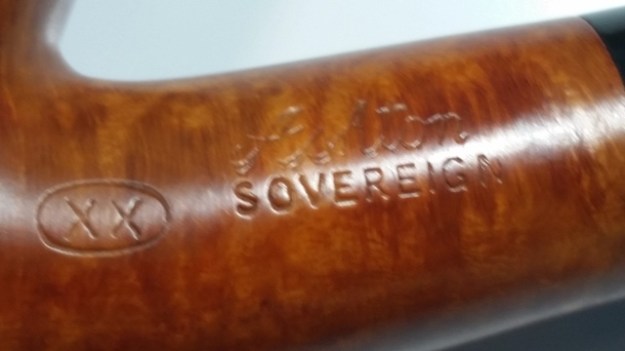
I’ve slowly been adding the occasional Bill Taylor Ashton to my collection and this one completes a seven-day set. I’m a big fan of the XX size and all but one have that designation. The XX size runs around 50 grams, which is right in my wheel-house.

This is my second Sovereign grade Ashton. This RD Field webpage describes the various Ashton grades.

RD Field Ashton Finishes Page

The Sovereign is described as:

The ASHTON Sovereign pipe is rare indeed, for out of every 100 flawless bowls that undergo the ASHTON oil curing process very few come out unscathed. For as the hot oil exudes from the bowl, bringing with it all manner of impurities. Sandspots are brought to the surface as well.

This one came via Steven Fallon’s ebay site, aka The Pipestud. Steve sells unrestored pipes, which works for me. This one was in great shape, needing only a mild clean-up. The Ashtonite stem was only slightly oxidized and the material polishes up brilliantly.

ashton_sovereign_xx_2006_ebay

ashton_sovereign_xx_2006_2ebay

There was a very slight cake in the bowl and a little rim darkening. I used 8000 grade wet micromesh to polish the bowl top. The stain was slightly faded in spots, perhaps from display and the sun? I wiped on a greatly diluted Medium Brown Fieblings stain to brighten it up. The bowl was polished with White Diamond and several coats of Carnuba wax.

I polished the mild oxidation with 1000 grade paper, then 2000. That was followed by 8,000 and 12,000 grade micromesh. The stem was then buffed with White Diamond and Meguiars Carnuba wax.

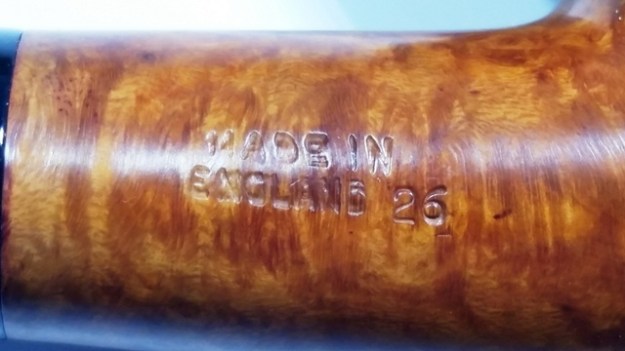
Below is the finished pipe. The “26” stamp marks it as being made in 2006 (For Bill Taylor Ashtons – 1980 + the two-digit date stamp).
Not all Bill Taylor pipes are drilled properly, but this one was and it passes a cleaner nicely. It also smoked wonderfully, which was not surprising, since it was so clean.

ashton_sovereign_xx_26_gallery

ashton_sovereign_xx_26-4

ashton_sovereign_xx_26-2

ashton_sovereign_xx_26-5

ashton_sovereign_xx_26-6

ashton_sovereign_xx_26-7

ashton_sovereign_xx_26-3

ashton_sovereign_xx_26-8

?

?

?

?

GBD 5031 Century Restoration


By Al Jones

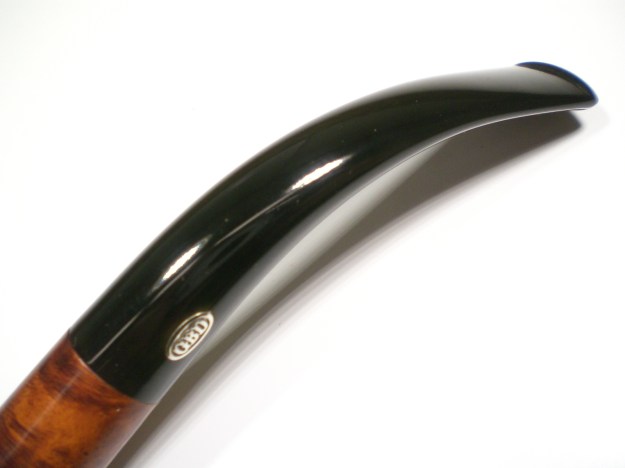
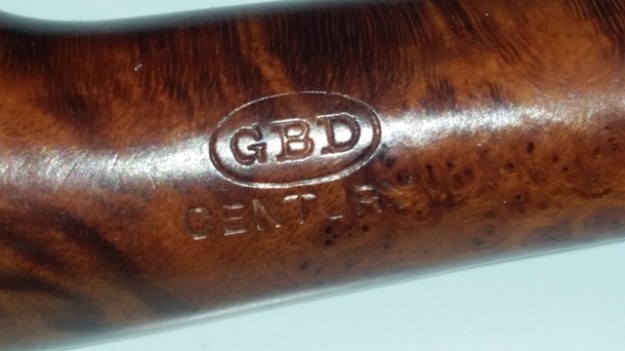
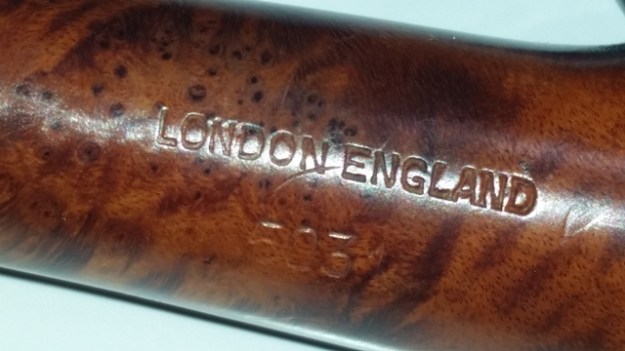
This Century finish GBD came via a seller in Portugal. The pipe looked to be in great shape, with only an oxidized stem and some bowl top build-up. The pipe from the pre-Cadogan era, with the brass rondell and straight-line “London, England” stamp (COM = Country of Manufacture mark). The Century finish is said to have been introduced in 1950 and described as:

“A golden finish created to celebrate over a century of manufacturing the
finest briar pipes.”

GBD started making meerschaum pipes in 1850, so I suppose that introduction date makes sense. This is one of many times that I wish there was a definitive book on GBD pipes.

Below is the pipe as it was received. I’ve never had the 5031 shape before. It is quite graceful and comparable to the Dunhill 120, on a slightly smaller scale. The pipe weighs only 31 grams

gbd_5031_century_before-1

gbd_5031_century_before-2

gbd_5031_century_before-3

gbd_5031_century_before-4

Curiously, this one had a push-in stinger apparatus. I’ve worked on over 100 GBD’s, including several Century pipes, but this is the first time that I’ve encountered a stinger. Dating GBD’s is only a broad stroke and the only sure bet is that this one was made before the merger in 1981. But, the stinger makes me think it might be closer in age to 1950 than 1981. In the later years, stingers fell out of favor with pipe smokers. The stinger pulled right out. Not all full bent GBD’s will pass a cleaner, but this one does.

gbd_5031_century_before-5

I used a cloth and distilled water to remove the bowl-top build-up. I finished with 2000 grit wet paper and then 8000 grade micromesh. This leaves the stain intact and the beveled-bowl top polished up nicely. The bowl was reamed and I found the interior in excellent shape. It was then soaked with sea salt and alcohol. While this was happening, the stem was soaked in a mild Oxy-Clean solution.

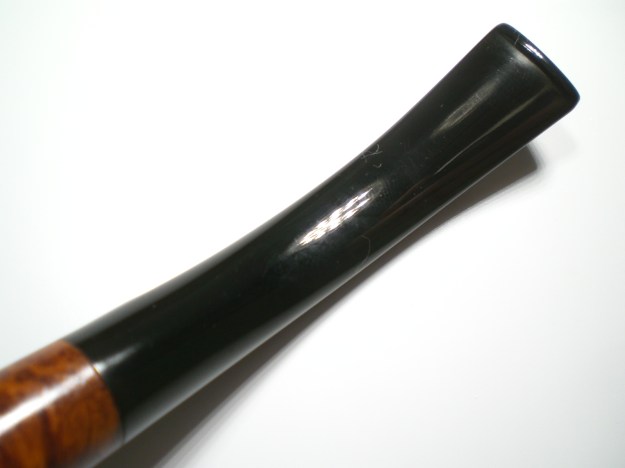
The stem was mounted and I removed the first layer of oxidation with 800 grit wet paper, followed by 1000 and 2000 grades. Next was 8,000 and 12,000 grade micromesh sheets. The stem was then buffed with White Diamond and Meguiars Plastic polish. The vulcanite on this one has a very high grade feel and is comparable to the few GBD’s that I have stamped “Hand Cut”.

As you can see in the “Before” photo’s, the stem had a slight gap on the top position. I warmed the tenon slightly with a heat gun and using a metal pin punch inserted into the tenon, I adjusted it slightly, then put the tenon in cold water to set the position. That worked nicely and the finished stem fitment was excellent

The bowl was polished with White Diamond and several coats of Carnuba wax. The nomenclature was in great shape, so I was careful to only hand-polish those areas.

Below is the finished pipe. I reluctantly posted this one for sale and a friend of mine grabbed it. I have to deliver it to him quickly, before I regret my decision!

gbd_5031_century_finish-1

gbd_5031_century_finish-4

gbd_5031_century_finish-2

gbd_5031_century_finish-5

gbd_5031_century_finish-6

gbd_5031_century_finish-7

gbd_5031_century_finish-3

gbd_5031_century_finish-8

?

?

?

?

Comoy’s Grand Slam 30D Restoration


By Al Jones

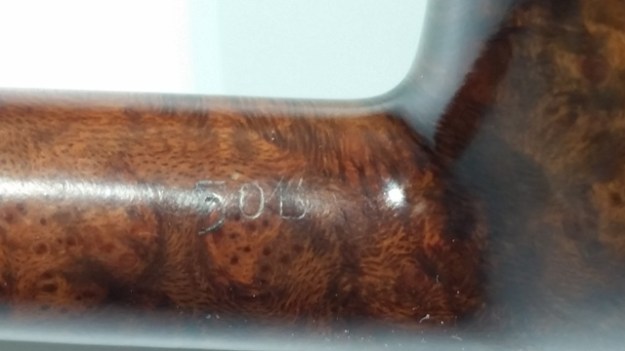
Update: Thanks to Sam’s comments below, we did confirm that the shape number is indeed a 30D. And, I found this shape chart page showing the shape 30. Thanks Sam!

comoys-shape-30

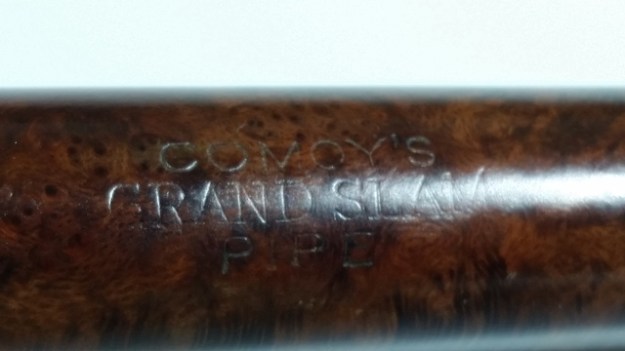
This is the second pipe sent to me by a PipesMagazine.com forum friend. Grand Slam pipes are fairly common and originally came with a complicated stinger with leather washers. Most of the stingers were discarded and was missing on this one as well.

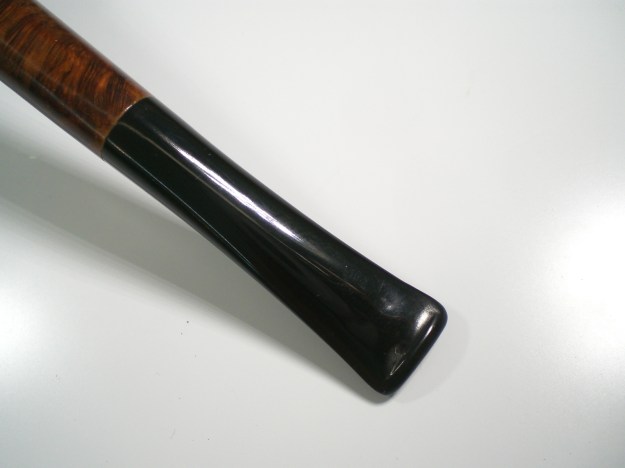
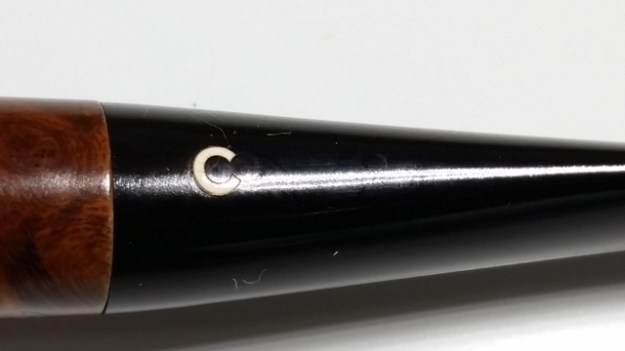
The pipe had a mildly oxidized stem, with some teeth indentions and a heavy tar build-up on the bowl top. I cleaned the bowl top with a cloth and some mild Oxy-Clean solution. As I removed the cake with my Castleford reamer, I unfortunately discovered that at some point, a previous owner had reamed it with a knife or other. The bowl was slightly out of round. I massaged that back as close as possible to round with some 320 grit paper. The bowl was then soaked with sea salt and alcohol. The stem was soaked in a mild Oxy-Clean solution, with a dab of grease on the 3 piece “C” logo.

The pipe as it was received. The stem was also very loose, to be dealt with later.

comoys_50b_grand_slam_before-1

comoys_50b_grand_slam_before-4

comoys_50b_grand_slam_before-3

comoys_50b_grand_slam_before-2

The briar was buffed with White Diamond and then several coats of Carnuba wax. I used a lighter flame to raise several of the dents on the stem. I used a tapered pin punch inserted into the tenon and then warmed with a flame to slightly enlarge the outer dimension. You can only slightly increase the tenon diameter in this way, but it was enough in this case. Typically smoking the pipe will tighten it even further. The stem was then mounted and the oxidation removed with 800, 1000 and 1500 grit paper. I then used 8000 grade micromesh before buffing with White Diamond and Meguiars Plastic Polish.

Below is the finished pipe. If anyone knows details about the 50D shape number, please add a comment.

comoys_50b_grand_slam_finish-1

comoys_50b_grand_slam_finish-3

comoys_50b_grand_slam_finish-2

comoys_50b_grand_slam_finish-5

comoys_50b_grand_slam_finish-4

comoys_50b_grand_slam_finish-7

comoys_50b_grand_slam_finish-6

?

?

?

?

?

?

Atwood 331C Restoration – Made by Comoy’s


By Al Jones

This pipe was sent to me for clean up by a recent convert to the joys of Comoy’s brand pipes. I had not heard of this maker before, and the owner shared some information about Atwood pipes, gleaned from Pipephil.eu

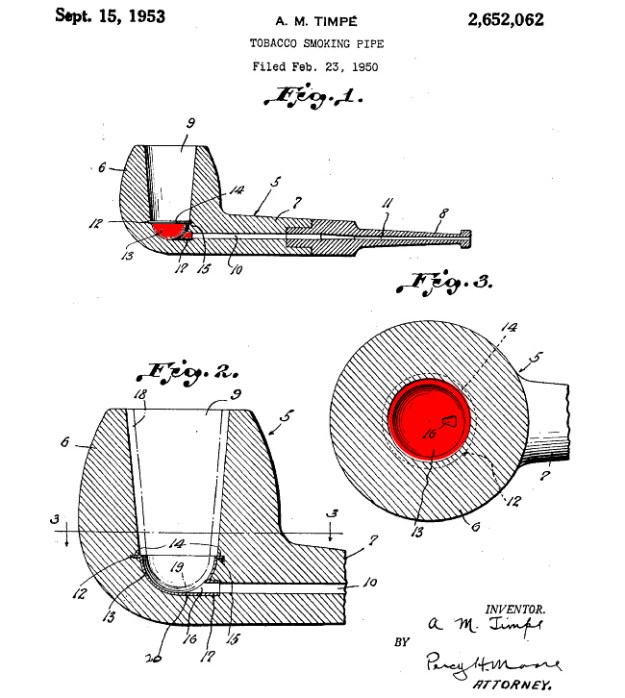
The Atwood pipes were equipped with a permanent aluminum cup at the base of the chamber, with a bore hole. Atwood M. Tempe (Los Angeles) invented the system about 1950. The patent (U.S. PAT. 2652062) was granted in 1953 and the author partnered with Comoy’s to produce the pipes. See drawings and description in document.

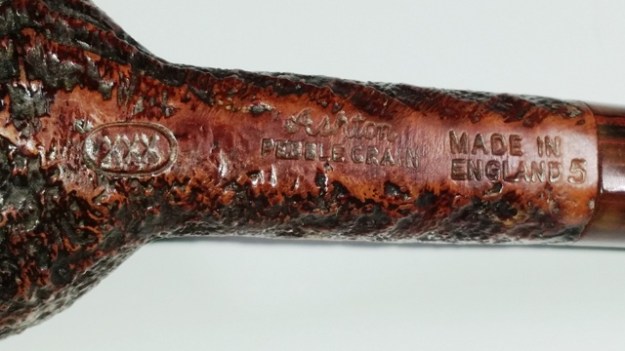
While researching this brand, I found that forum contributor, Robert M. Boughton, had restored an Atwood “Hall of Fame” pipe earlier this year. The pipe had a different Country of Manufacture mark, which is interesting (circle). This COM is a in a block format. The briar on tis piece also appears to be of a higher quality. I did not find any other refernces to Atwood pipes.

Below is a picture included with Atwood Timpe’ Patent which shows the design of the metal bowl cup. The nomenclature was a bit faded, but it appears to be a shape 331C, which is indeed a Comoy’s squat, quarter-bent bulldog.
atwood_patent_pix

The pipe had some build-up on the bowl top and the stem was heavily oxidized.

attwood_331c_before-1

attwood_331c_before-2

attwood_331c_before-3

attwood_331c_before-4

I used a cloth with some Oxy-Clean solution to remove most of the heavy buildup on the bowl top. Then, 2000 grit wet paper removed the remainder of the build-up and some mild scorching. I reamed the interior of the bowl down to the metal cup. The bowl was quite solid, as was the cup feature. I have no idea what the cup does for the smoking experience, but it is in there for good. I filled the bowl with Sea salt, put a cork stopper in the shank and filled it to the brim with 91% alcohol. While the bowl was soaking, the stem was soaked in a mildy Oxy-Clean solution.

Following the soak, I cleaned the stem shank with some wire brushes and fresh alcohol. I screwed a paper towel soaked in alcohol into the bowl, which did a nice job cleaning the metal cup.

I mounted stem on the bowl to clean the briar. It had a few minor dents, which I was able to lift with a flame from a lighter. The heavy oxidation was removed with 800 grit wet paper, than working my way through 1000 and 2000 grades. Finally, 8000 grade micromesh was used. The stem was the buffed with White Diamond and Meguiars Plastic Polish.

The bowl was somewhat grimy and I used a mild soap solution to clean it. The bowl was then buffed with White Diamond and then several coasts of Carnuba wax.

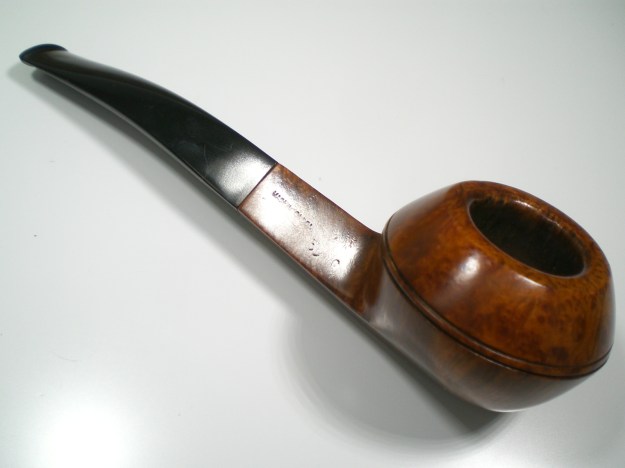
Below is the finished pipe. The light stain is quite handsome. Typically, I’m not a big fan of Comoy’s 2nd’s lines, as I find the pre-molded stems lacking. However this stem has a better feel to it compared to an Everyman, The Guidall, etc. I’m curious as to how the owner finds it smokes compared to his Comoy’s of a similar era.

attwood_331c_finish-1

attwood_331c_finish-5

attwood_331c_finish-2

attwood_331c_finish-3

attwood_331c_finish-6

attwood_331c_finish-7

attwood_331c_finish-4

?

?

?
?
?
?
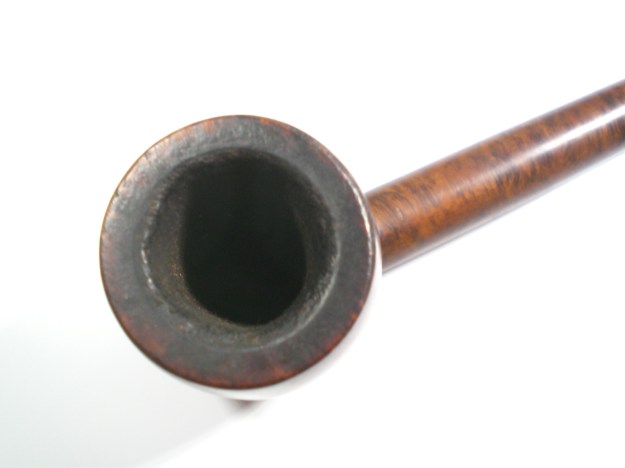
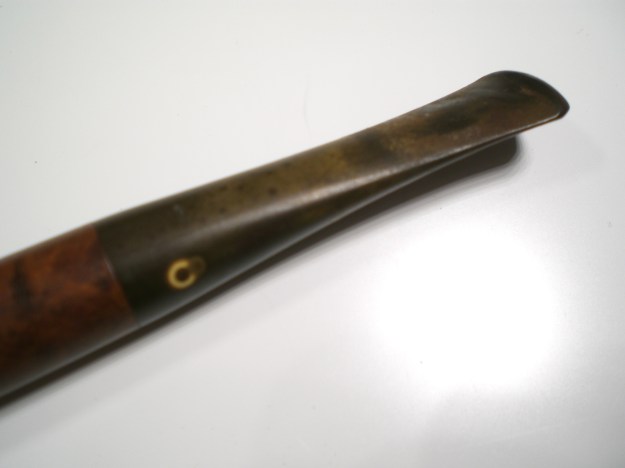
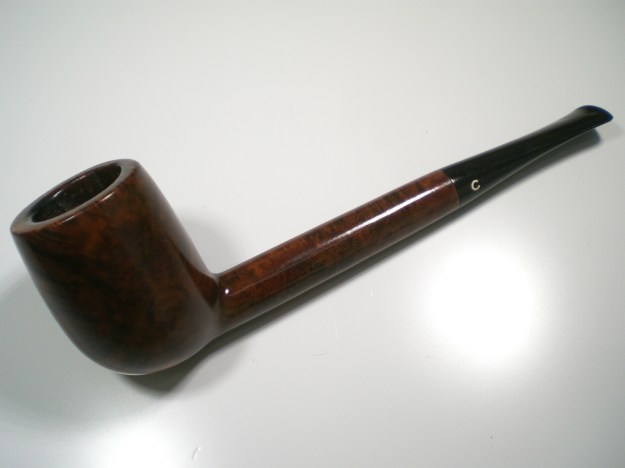
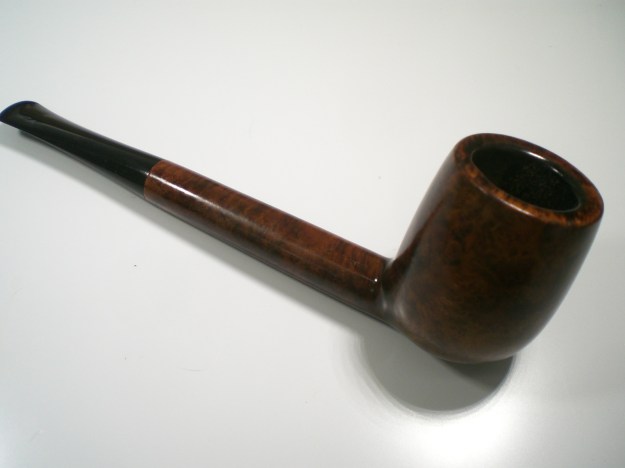
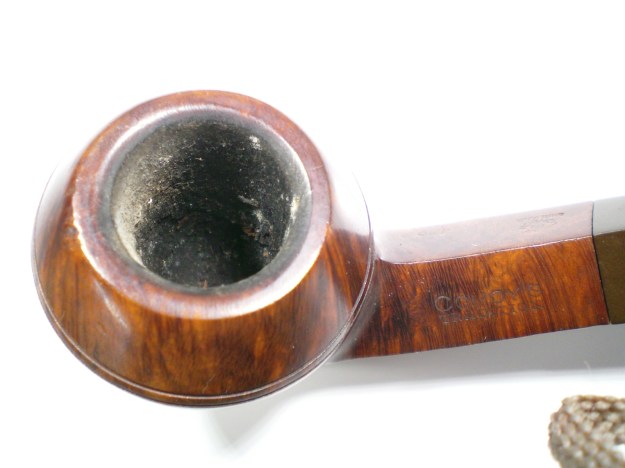
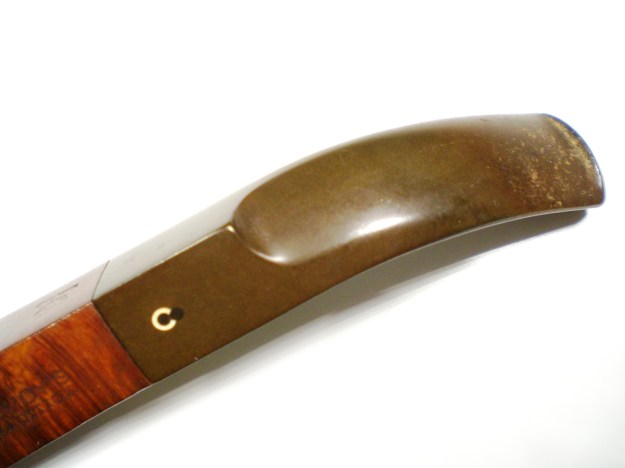
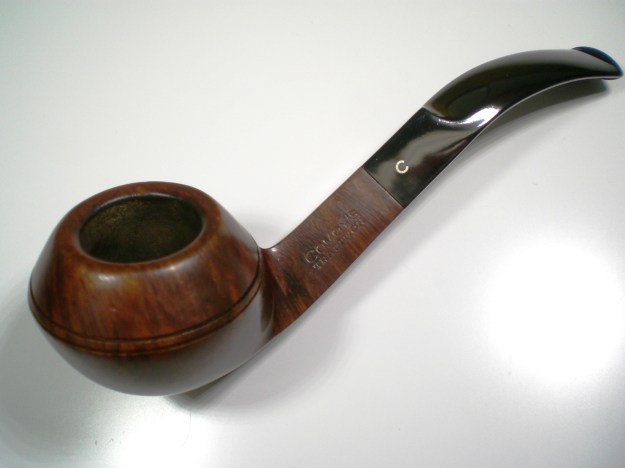
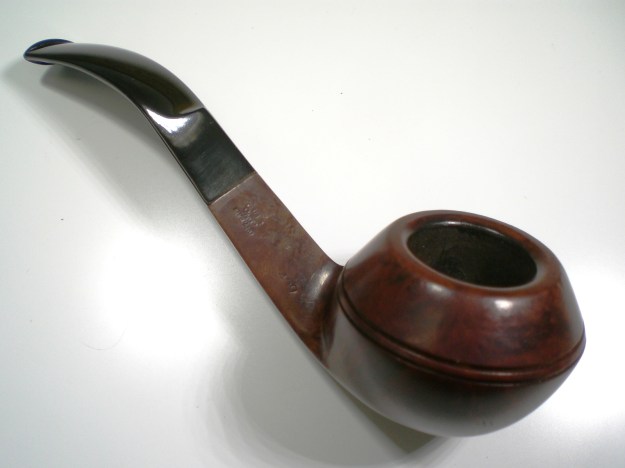
Comoy’s 409 Tradition Restored


By Al Jones

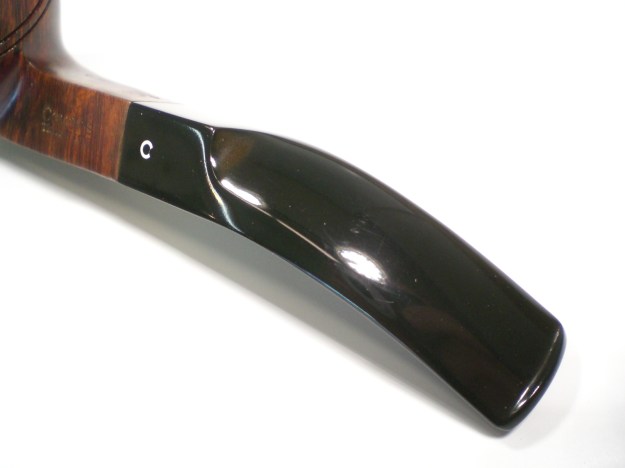
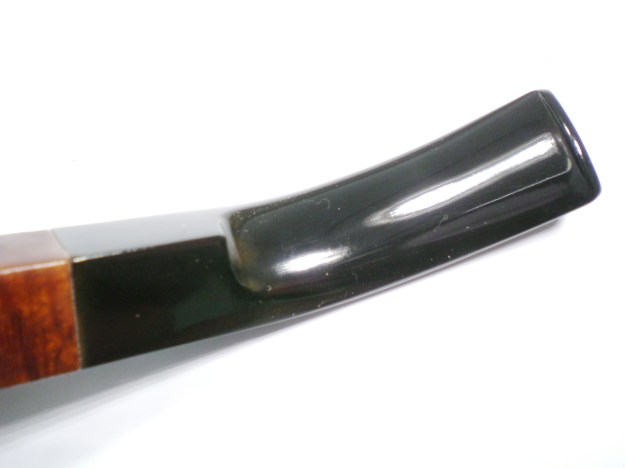
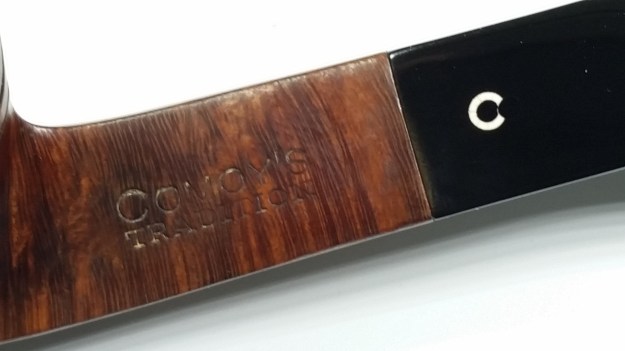
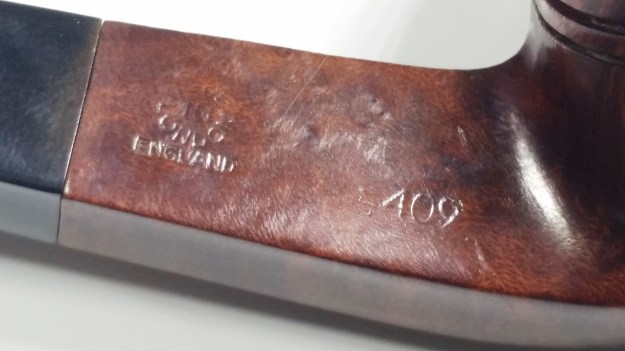
Here’s another pre-Cadogan (or merger if you prefer) Comoy’s. The 409 shape is Comoy’s traditional bent bulldog, so it is surprising that I didn’t have one in my collection. This one arrived in favorable condition and looked like a simple clean up. The stem was oxidized and some light teeth marks, but no dents. The bowl had a few dings that would have to be steamed out.

comoys_409_tradition_before-1

comoys_409_tradition_before-4

comoys_409_tradition_before-3

comoys_409_tradition_before-2

I used a solution of Oxy-Clean on a cloth to remove the build-up on the bowl top. After reaming, the bowl was then soaked with alcohol and sea salt. The stem was also soaked in this solution overnight, with a dab of grease on the C-logo. The interior of the bowl was in great shape.  There were a few dents on the bowl top, but they steamed out nicely with an iron set on “high” and a wet cloth folded double.

I used 800, 1000 and 2000 grit paper to remove the oxidation from the stem. I wrap it around a popsicle stick to keep the edges sharp. I then used 8000 grit micromesh, followed by buffing with White Diamond and Meguiars Plastic polish.

The bowl was polished with White Diamond and then several coats of Carnuba wax.

Below is the finished pipe.

comoys_409_tradition_finish

comoys_409_tradition_finish-2

comoys_409_tradition_finish-3

comoys_409_tradition_finish-4

comoys_409_tradition_finish-5

comoys_tradition_409_finish-7

comoys_409_tradition_finish-6

comoys_409_tradition_finish-7

comoys_tradition_finish-8

comoys_tradition_finish-10

comoys_409_tradition_finish