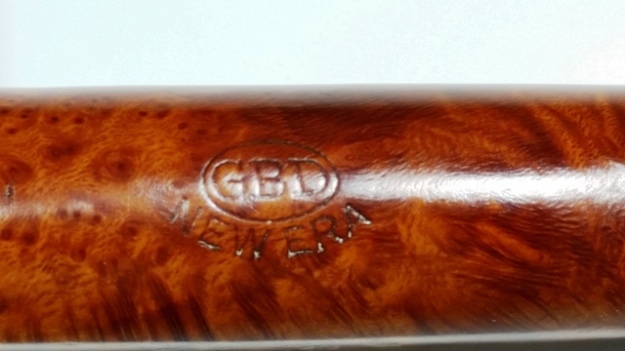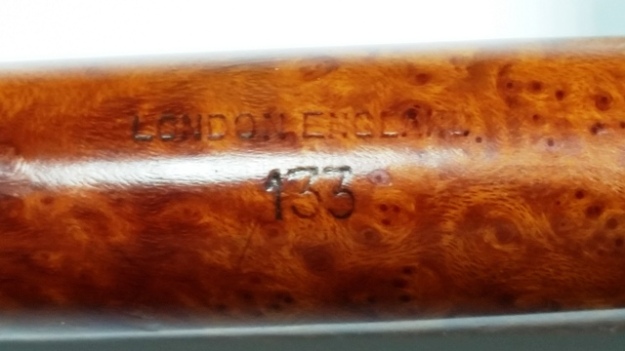
Author Archives: upshallfan

Unknown's avatar

About upshallfan

Moderator on the PipesMagazine forum since 2011. Guest contributor on the Reborn Pipes Blog by Steve Laug.

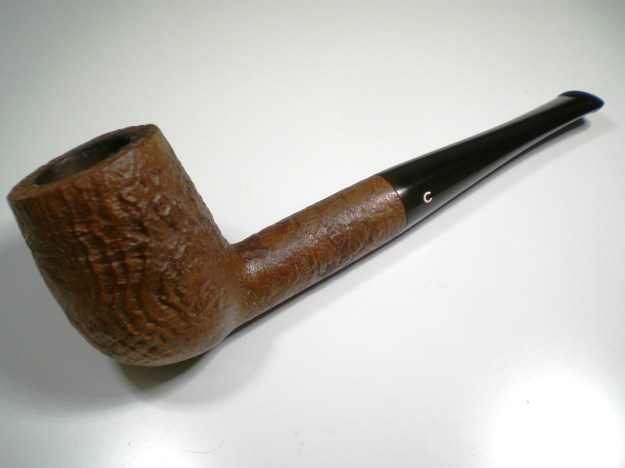
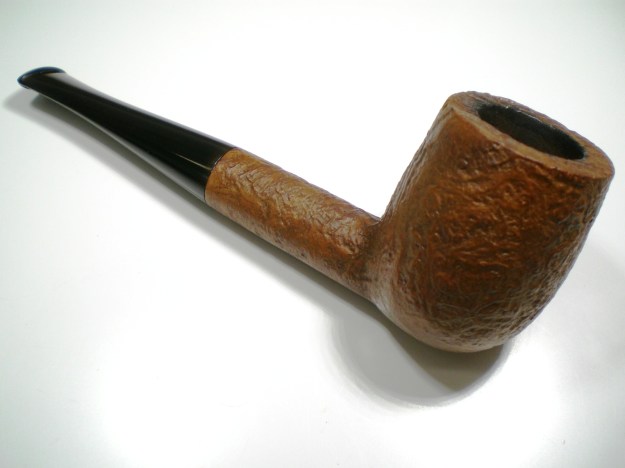
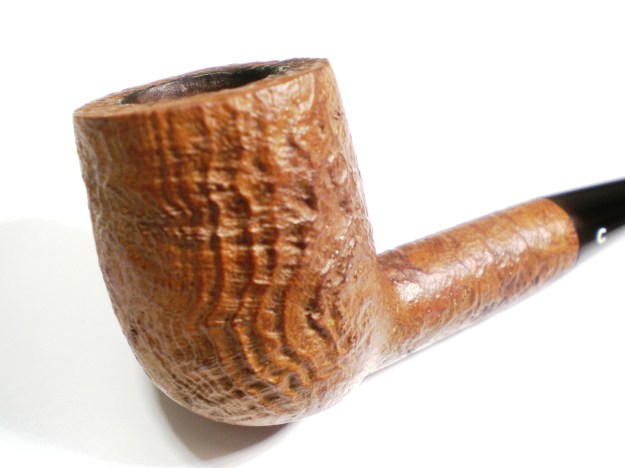
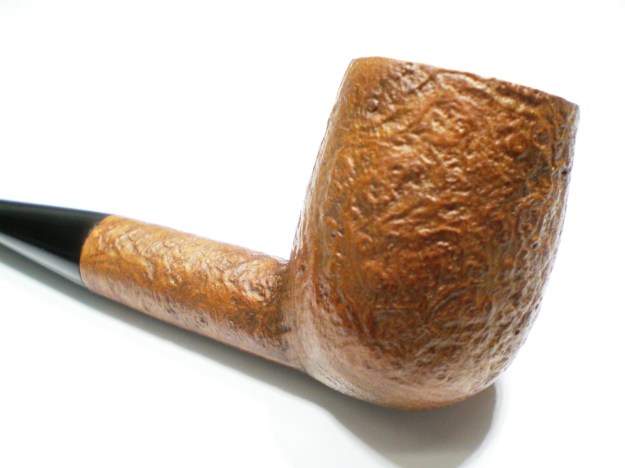
Comoy’s 185 Sandblast “Goldenbark” Restoration


By Al Jones
al_pipes_-85

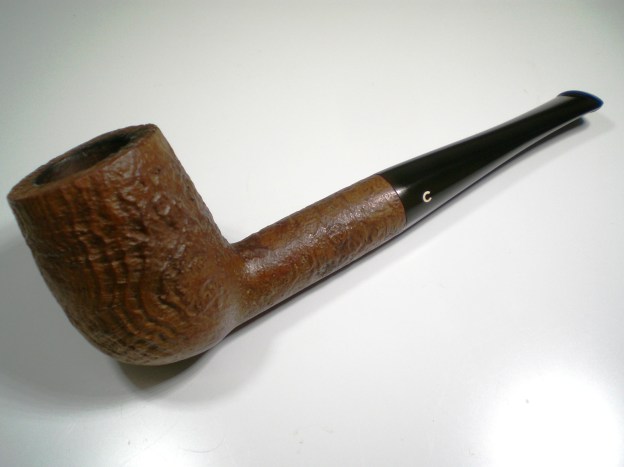
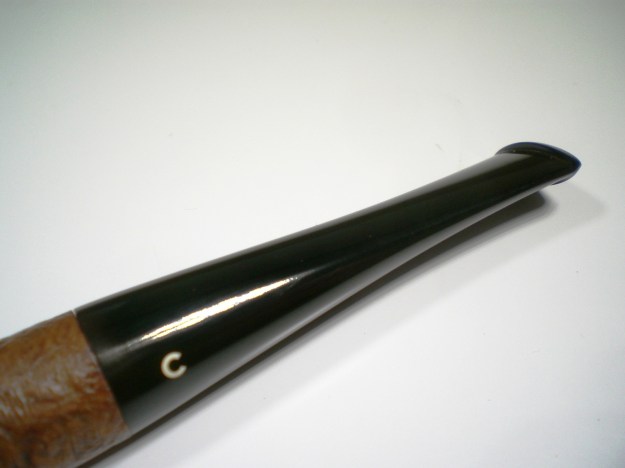
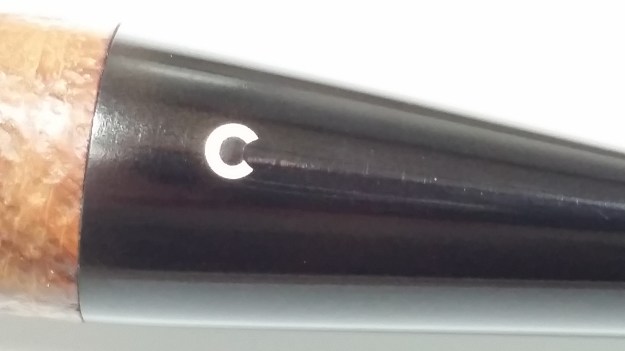
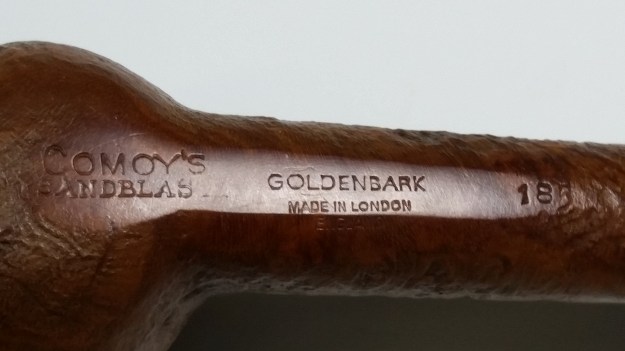
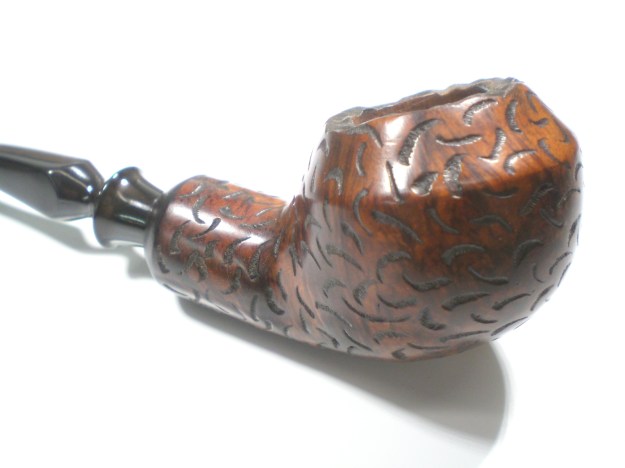
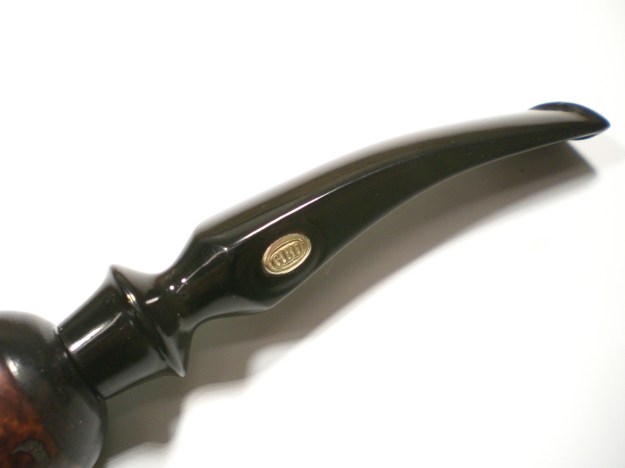
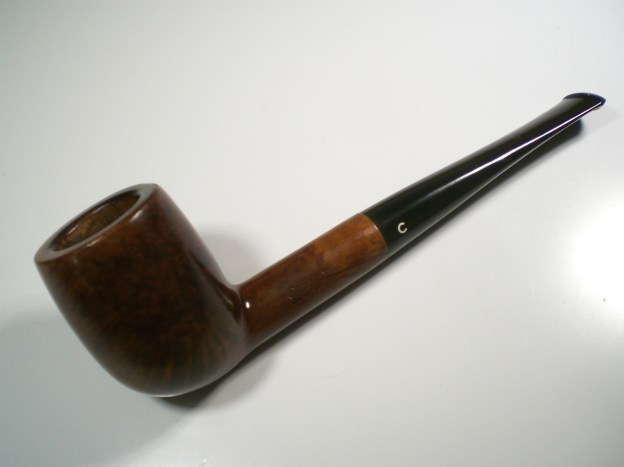
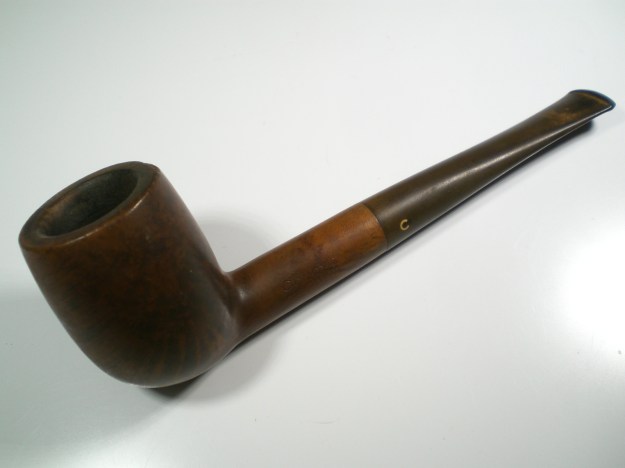
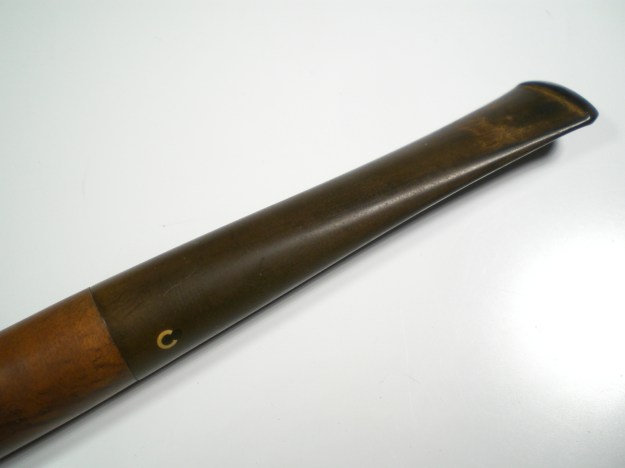
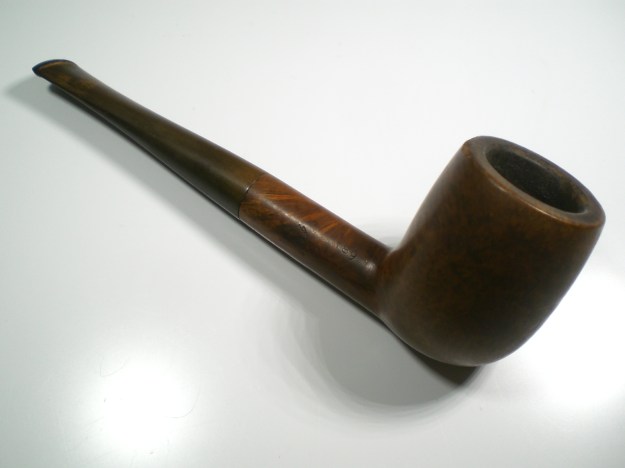
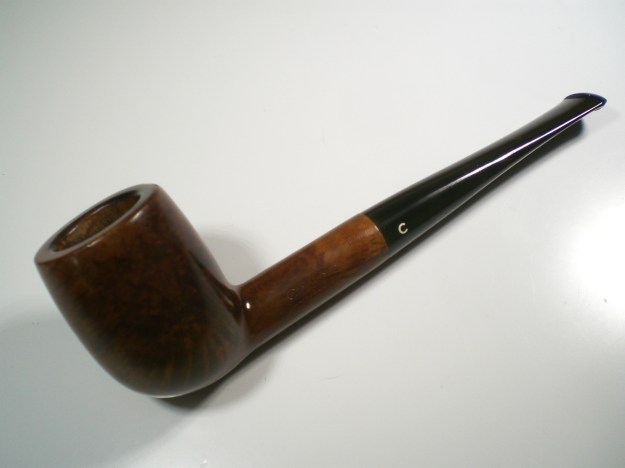
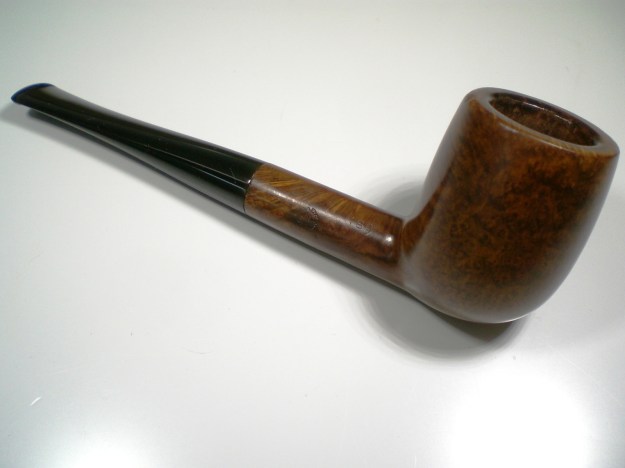
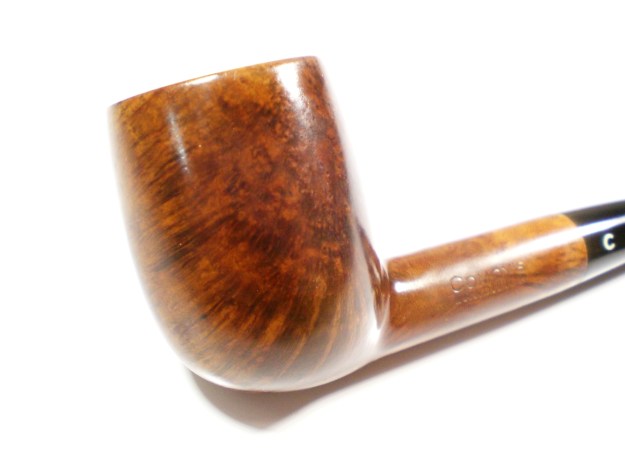
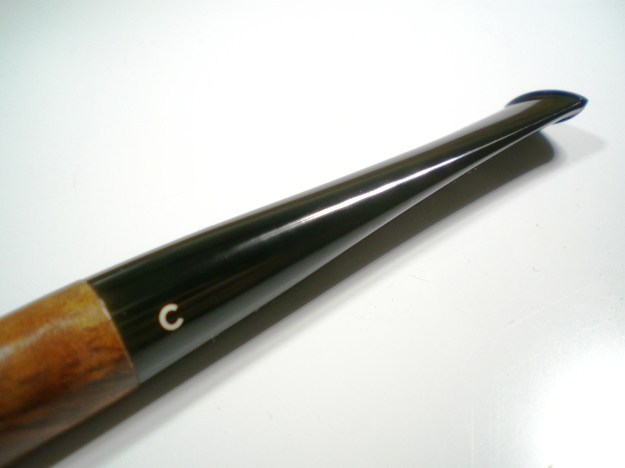
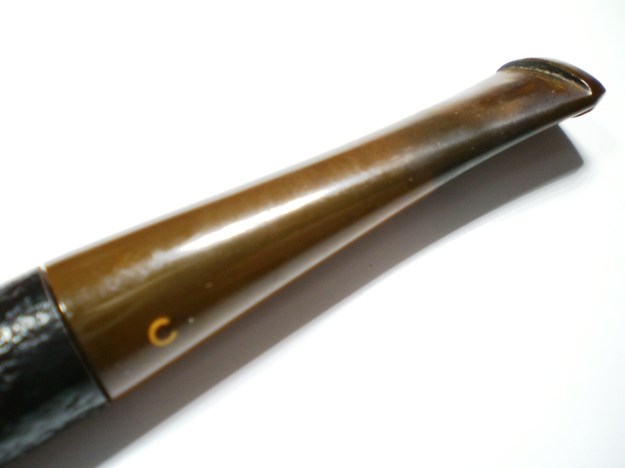
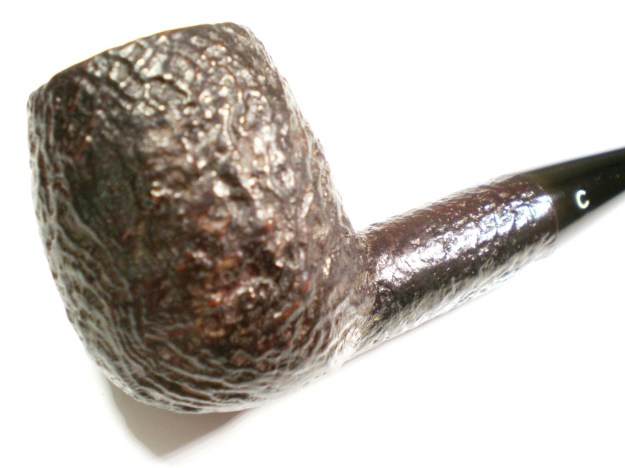
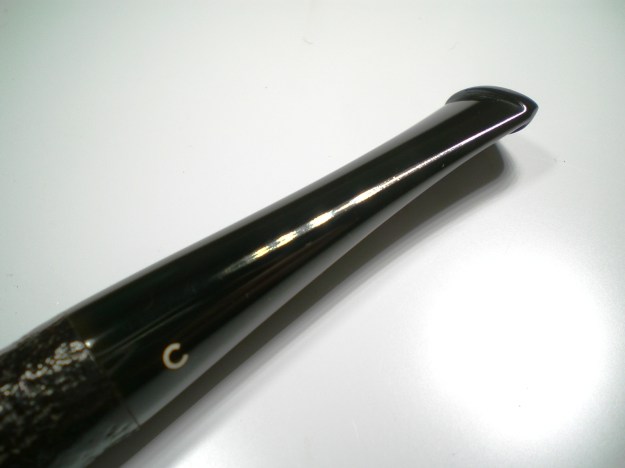
I’ve worked on a number of Comoy’s Sandblast pipes, but this is the first one that I’ve encountered with the “Goldenbark” stamp. A member of PipesMagazine posted one last year, but I found no online information about this finish. I assume it might have been Comoy’s answer to the Dunhill Tanshell finish? This one has the 3-part C stem logo indicating a pre-merger pipe and made before 1981.

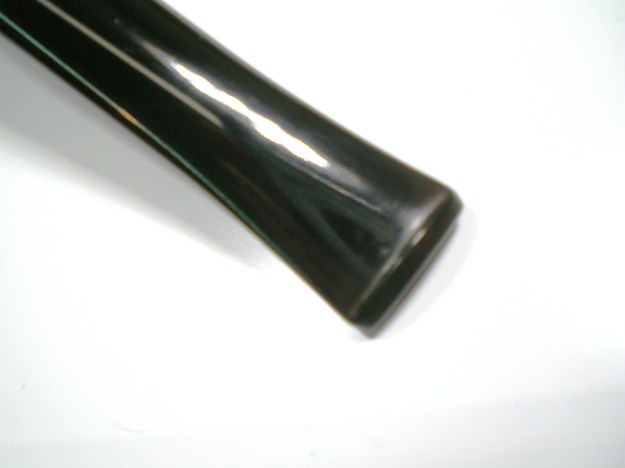
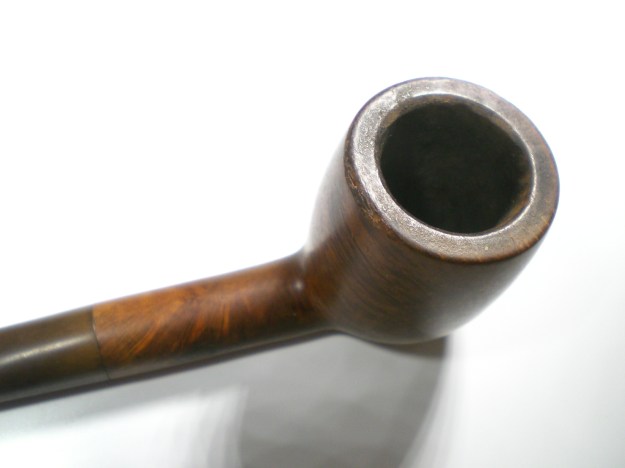
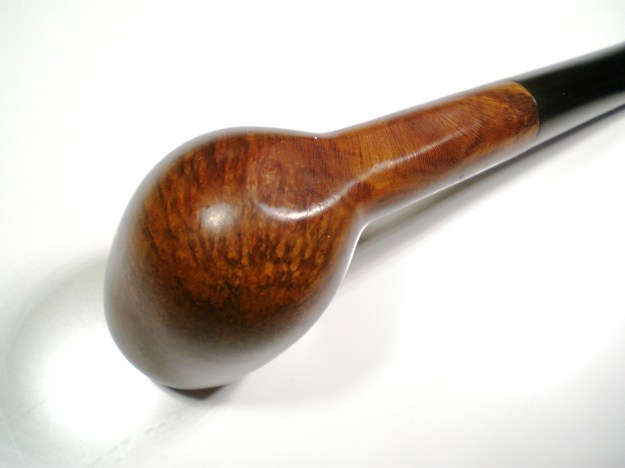
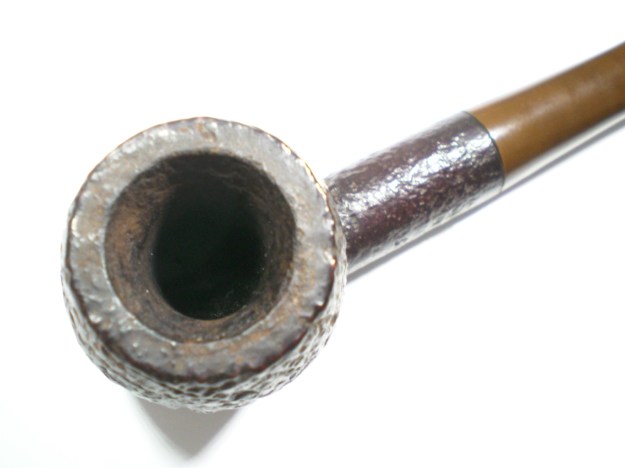
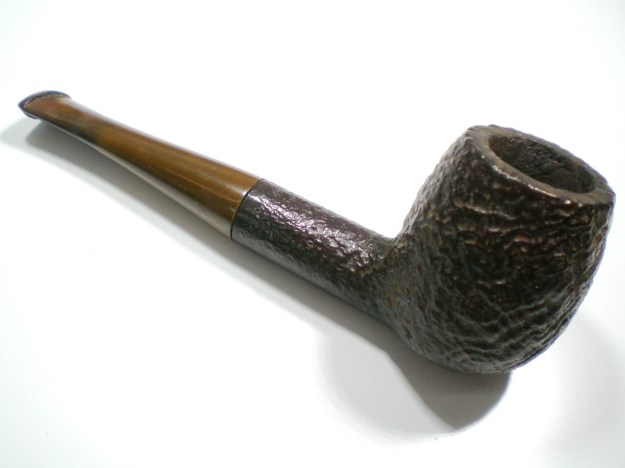
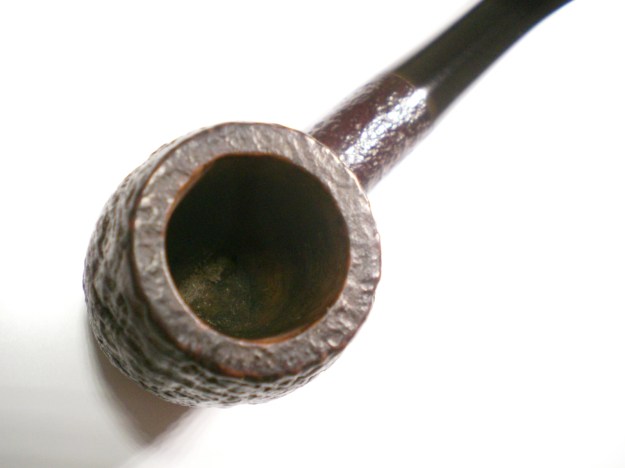
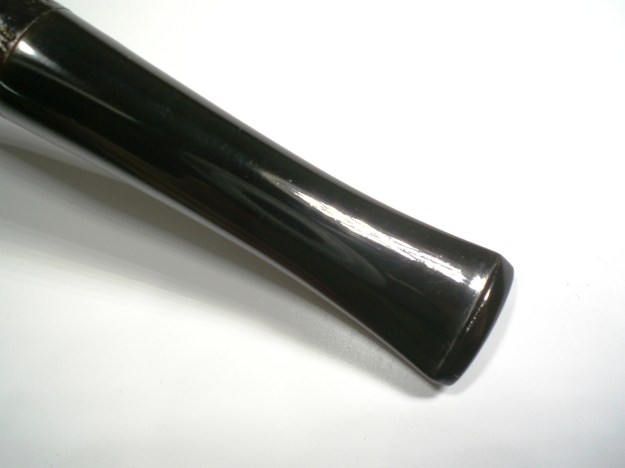
The pipe was in very good shape. The stem was heavily oxidized but it had very little teeth damage. The bowl top had some darkening.

comoys_185_sandblast_golden_bark_before-1

comoys_185_sandblast_golden_bark_before-4

comoys_185_sandblast_golden_bark_before-3

comoys_185_sandblast_golden_bark_before-2

The bowl had a heavy cake, which was reamed. I soaked the bowl with alcohol and sea salt. While it was soaking, I put a dab of grease on the C stem logo and soaked it in a mild solution of Oxy-Clean. The shank scrubbed with a brush dipped in alcohol, but I found it surprisingly clean. The bowl interior was also in excellent shape, having been protected by the cake. I used a rag dipped in water to remove the build up on the bowl top, which came off quite nicely. The stem had some very slight teeth marks, which lifted out nicely with heat from a lighter. One tiny tooth prick on the underside was all that remained.

I mounted the stem and removed the oxidation starting with 800, then 1,000 and finally 2,000 grit paper. Next up was the 8,000 and 12,000 grade micromesh. The stem was then buffed with white diamond and Meguiars Plastic polish. I waxed the bowl by hand with Halycon wax.

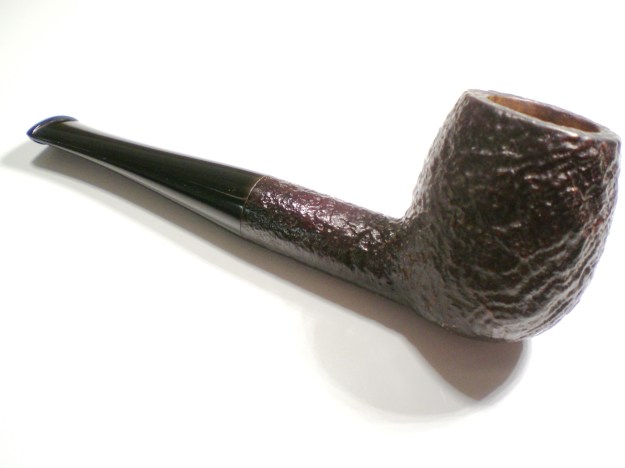
Below is the finished pipe.

comoys_185_sandblast_goldenbark_finish-1

comoys_185_sandblast_goldenbark_finish-5

comoys_185_sandblast_goldenbark_finish-3

comoys_185_sandblast_goldenbark_finish-6

comoys_185_sandblast_goldenbark_finish-4

comoys_185_sandblast_goldenbark_finish-2

comoys_185_sandblast_goldenbark_finish-7

comoys_185_sandblast_goldenbark_finish-9

comoys_185_sandblast_goldenbark_finish-10

1962 Barling’s Sandlast Bulldog Restoration


By Al Jones
al_pipes_-85

I’m not a collector of Barling’s pipes, but when I stumbled over this ebay listing, I thought it was an older, Family era model. We are fortunate on the PipesMagazine.com forum to have the participation and expertise of Jesse Silver. Jesse is one of the key contributors to the Barling’s Pipepedia page. I thought that the pipe was made after 1962, but Jesse was able to tell me that this pipe was made between the Spring and Fall of that year. His comments were:

Jesse Silver wrote:
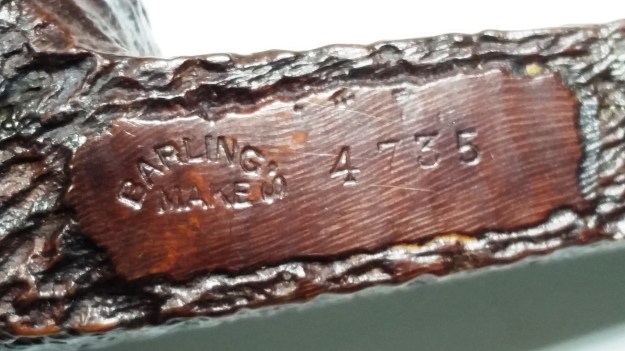
These particular Barlings with the Block lettered “Barling’s Make” in a smaller size and the revised 4 digit model code, appear in the 150th Anniversary Catalog.
My copy of that catalog includes a price list, dated to June 1962, that references the new model numbering system. Figuring that production of the catalog must have taken a month or more back then, and these pipes were made as early as May or April of 1962, and possibly earlier. They were in production as late as late September, based on a letter from Barling’s new American distributor to its dealer network, which describes the stampings, block Barling’s Make with the new model numbering system.
The completely new nomenclature appears in the Dealers Catalog that was published in November of 1962. So that gives me a range for dating these specific pipes.

I was also a bit puzzled by the meaning of the four digit shape number.  Once again, Jesse had the answer:

The first number indicates the chamber size. When the new 4 digit numbering system was set up, the first number replaced the old SS thru EXEXEL size stamps. The new number range went from 2 for the smallest size to 6 for the largest for the standard size range. Occasionally you will see a higher number for an oversized pipe.

The “4” on this pipe indicates that it is equal to the old “EL” stamp, or about a group 4.

The second and third numbers indicate the the bowl shape. In this instance, 73 indicates a Rhodesian shape.

The fourth number indicates the bit shape and length. In this instance, “5” indicates a tapered bit that is between 2 3/4″ and 3 1/4″ in length.

So 4735 would tell you that the pipe is similar to a Group 4 Rhodesian with a tapered stem that measures between 2 3/4″ and 3 1/4″ in length.

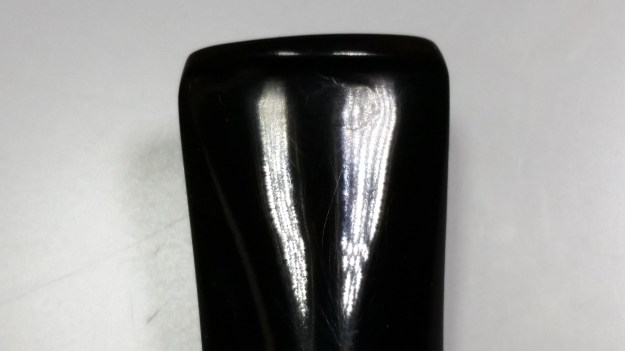
The stem was heavily oxidized and there was a deep teeth indention on the bottom of the stem. The briar looked in great shape. The crossed Barling’s stem logo was in poor condition.
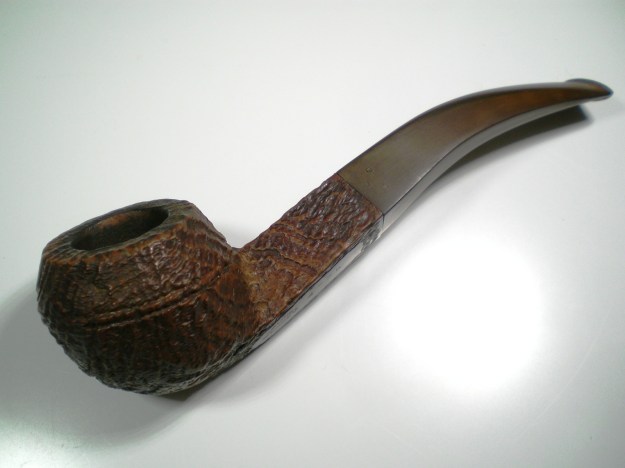
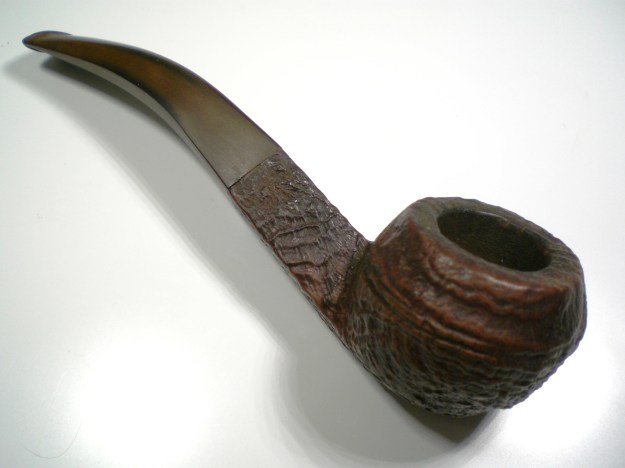
barlings_4735_sandblast_before-1

barlings_4735_sandblast_before-3

barlings_4735_sandblast_before-2

barlings_4735_sandblast_before-4

I tried using some heat on the teeth indentions and I was able to lift the top indention. The bottom indention was too deep, so I filled in the depression with the black super glue and accelerator product to cure it. I put a dab of grease on the stem logo and soaked it in a mild solution of Oxy-clean. The bowl had a very light cake, which was reamed and I found that the bowl interior was in great shape. The pipe was soaked with alcohol and sea salt. Following the soak, the shank was cleaned and I waxed the bowl by hand with Halycon wax.

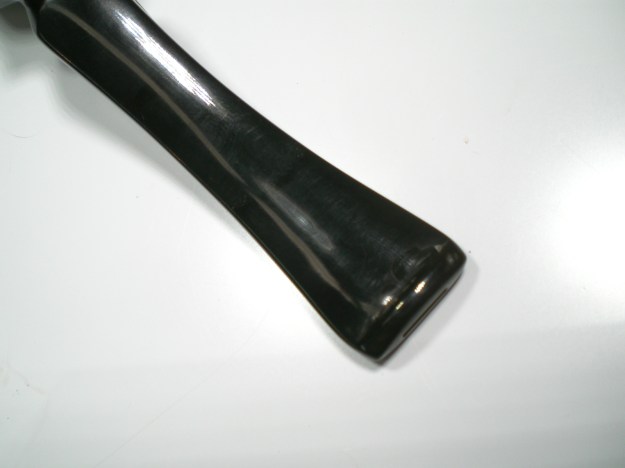
I removed the heavy oxidation with 800 grit paper. The area around the faded logo looked terrible, so I decided not to try and save the remnants. You can still see just a hint of the logo. Perhaps one day I’ll have a new Barlings stamped stem made by master repairman, George Dibos. The stem was then polished with 1,000 and 2,000 grade paper, then buffed with White Diamond and Meguiars Plastic Polish.

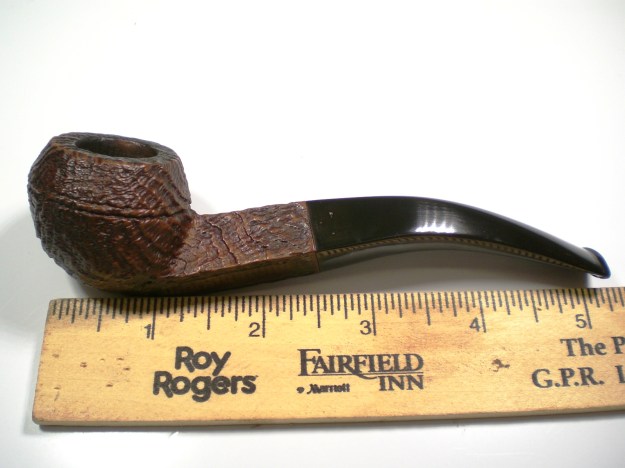
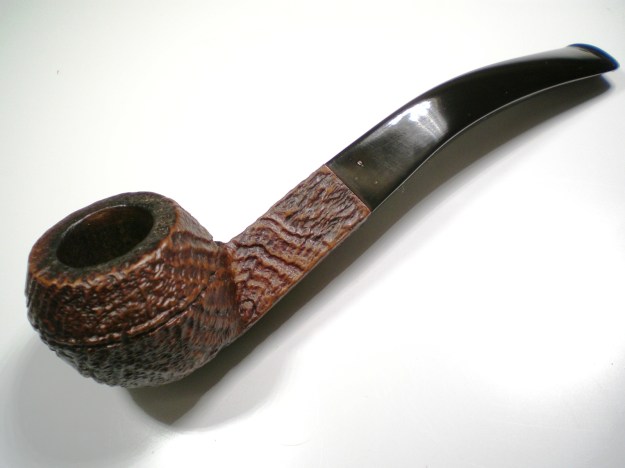
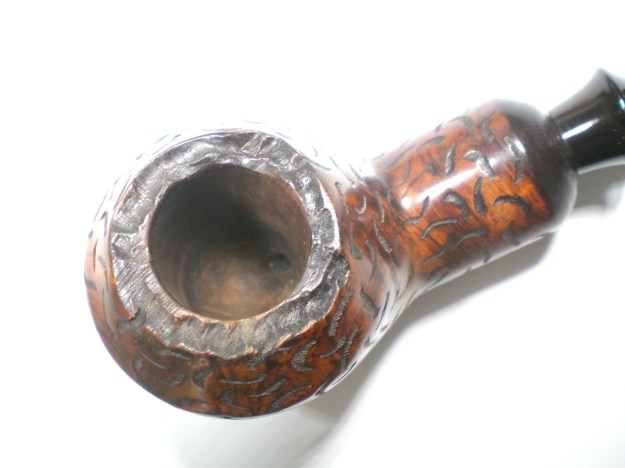
Below is the finished pipe, which is very compact and weighs 30 grams.
barlings_4735_sandblast_finish-1

barlings_4735_sandblast_finish-5

barlings_4735_sandblast_finish-4

barlings_4735_sandblast_finish-6

barlings_4735_sandblast_finish-3

barlings_4735_sandblast_finish-7

barlings_4735_sandblast_finish-2

20170128_140320

?
?
barlings_4735_sandblast_finish-9

Oddball 9438 – Legacy


By Al Jones
al_pipes_-85

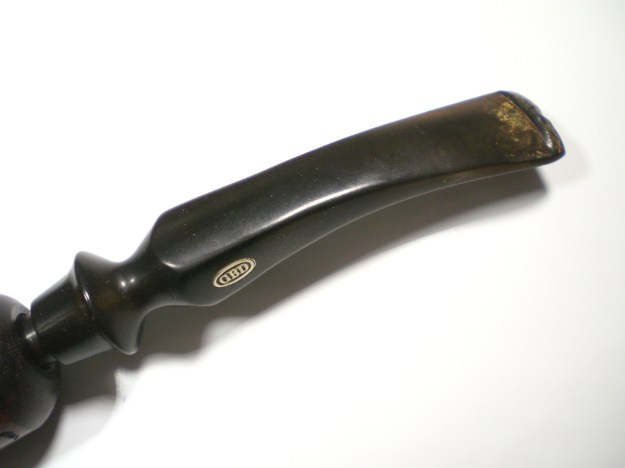
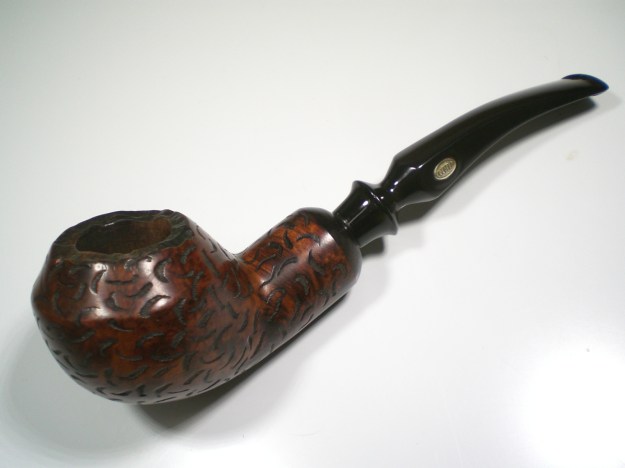
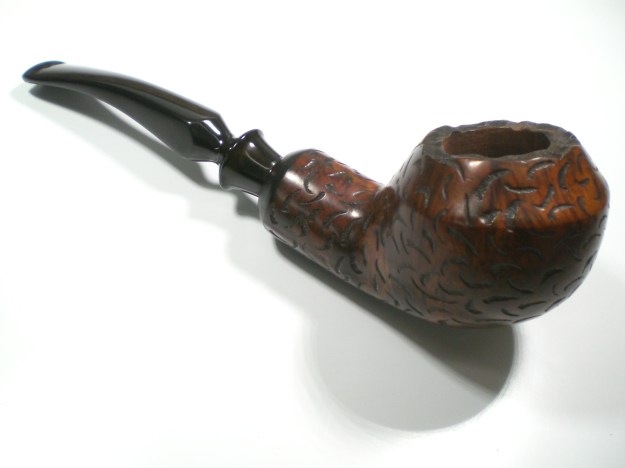
I have a number of GBD 9438’s in my collection and that is probably my most favorite shape. I thought that I had seen all of the different grades and finishes, but this Legacy model is a first. The Legacy finish is one of the lower grades. The Pipepedia site has the description of the Legacy, from the 1976 catalog as:

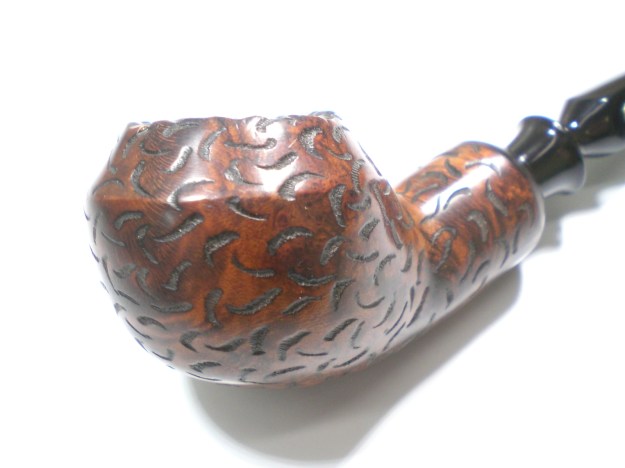
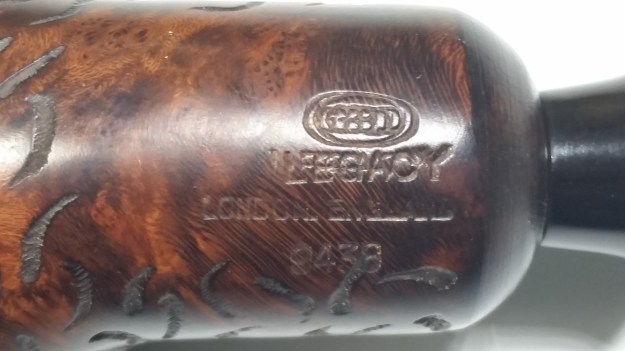
Legacy — England, unknown if also made in France: Oiled finish, matt “take off” stain, roughened rim, carved worm hole finish. Military style turned stem. -catalog ( 1976 )

At 60 grams, the weight is average for a 9438 but it is easily the longest 9438 in my collection.

The brass rondell and straight line “London, England” stamping identify as being made prior to the merger with Comoy’s in 1982 (or 1981). The pipe had some teeth marks on the stem, but the briar looked nearly new. The pipe was delivered with some mild cake and there were some small teeth indentions on the bottom of the stem.

gbd_9438_legacy_before-1

gbd_9438_legacy_before-3

gbd_9438_legacy_before-2

gbd_9438_legacy_before-4

I reamed the bowl and gave it a light buff with White Diamond and several coats of carnuba wax. The stem was soaked in a mild Oxy-Clean solution, with a dab of grease on the rondell. I used the Stew-Mac black super glue product and accelerator to fill the teeth marks on the bottom of the stem and one small nibble on the top button ride. Those areas were sanded smooth with 800 grade paper, followed by 1,000 and 2,000 grade paper. During this process, the rondell fell off, a first for me. I used a tiny drop of the black superglue to set it back in place. Once dried, the stem was buffed with White Diamond and Meguiars Plastic polish.

As shown in the “before” photos, the military style stem was not seated fully against the shank. After cleaning the interior of the shank, the stem was able to seat fully.

Below is the finished pipe.

gbd_9438_legacy_finish-1

gbd_9438_legacy_finish-4

gbd_9438_legacy_finish-3

gbd_9438_legacy_finish-5

gbd_9438_legacy_finish-2

gbd_9438_legacy_finish-7

gbd_9438_legacy_finish-6

gbd_9438_legacy_finish-9

gbd_9438_legacy_finish-8

Savory’s Argyll 608 Stand-Up Restoration


By Al Jones
al_pipes_-85

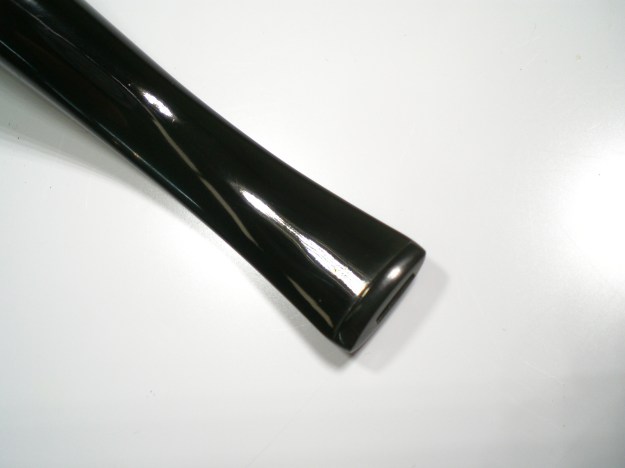
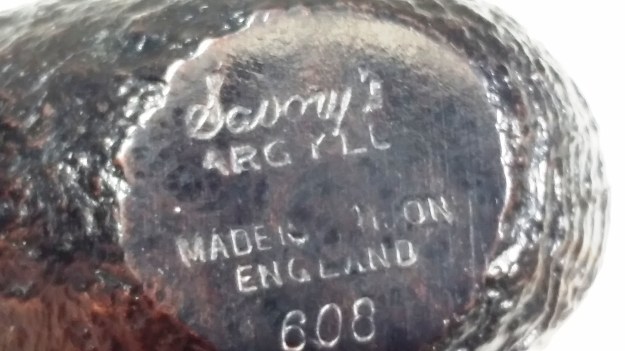
This is the second Savory’s Agryll to cross my bench in the past few months. This one, stamped as shape 608, caught my eye as it looked in great shape and the stand-up feature was interesting. Savory’s is known as a Dunhill 2nd’s line but not much else is written about the brand. The pipe was a little dirty had a mildly oxidized stem. Other than that, it looked like an easy restoration.

savorys_argyll_608_before-1

savorys_argyll_608_before-3

I put a dab of grease over the stem logo and soaked it in a mild-Oxyclean solution. Unfortunately, the logo paint came right off. It appeared to have just been painted on, with no impression. The briar had only a very mild cake, which was reamed and the pipe soaked with alcohol and sea salt.

The stem was mounted and oxidation removed with 800, 1,000 and 2,000 grade wet sandpaper. Next up was 8,000 and 12,000 grade micromesh sheets. The stem was buffed with White Diamond and Meguiars Plastic Polish. I hand waxed the bowl with Halycon II wax.

Below is the finished pipe (which nicely passes a cleaner, despite the bend).

savoryrs_argyll_608_finish-1

savoryrs_argyll_608_finish-4

savoryrs_argyll_608_finish-3

savoryrs_argyll_608_finish-5

savoryrs_argyll_608_finish-8

savoryrs_argyll_608_finish-9

savoryrs_argyll_608_finish-2

savoryrs_argyll_608_finish-6

?
?
Comoy’s 109 Tradition Restored


By Al Jones

al_pipes_-85

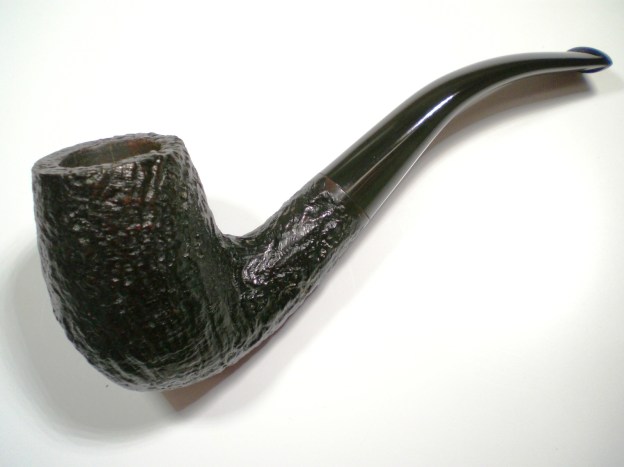
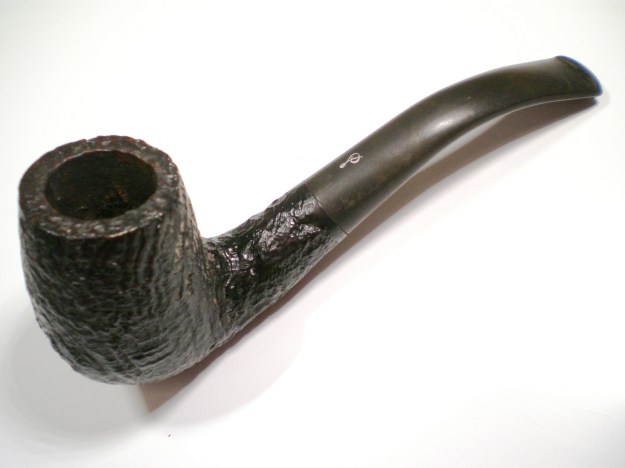
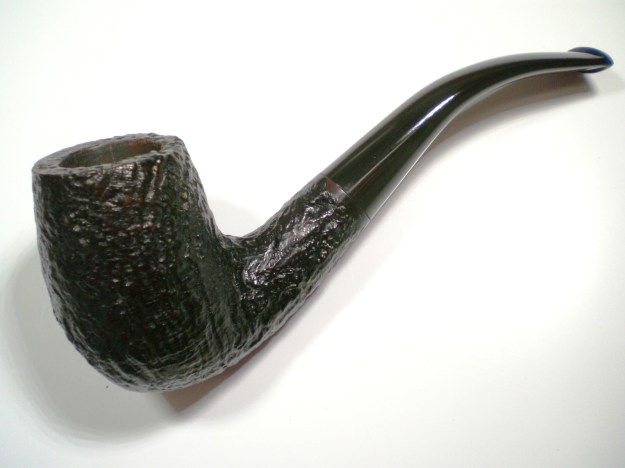
This Comoy’s was seemingly star-crossed. After two round trips to the US from Portugal, it finally made it to my mailbox on the 3rd mailing. I’d just about given up hope but after getting the pipe in hand, however it was worth the effort. The 109 shape is definitely a classic British billiard, with the nice feature of being a “sitter”. The 3 piece “C” logo and circular Country of Manufactur mark meant that the pipe was made before the merger of 1981.

comoys_109_tradition_before-1

comoys_109_tradition_before-2

comoys_109_tradition_before-3

comoys_109_tradition_before-4

The stem was mildy oxidized with only minor teeth marks. The briar had a few dings around the bowl and a little rash on the back of the bowl. I contemplated stripping the finish and making a superglue and briar dust repair to the bowl, but I wasn’t confident that I could replicate the finish and patina of the pipe. So, I chose a less evasive process.

The bowl was reamed and I found it to be in excellent condition. The bowl was soaked with alcohol and sea salt. While the bowl was soaking, I put a dab of grease on the stem and soaked it in a mild Oxy-Clean solution.

The stem was mounted and the outer layer of oxidation was removed with 800 grade wet paper, followed by 1,000 and 2,000 grades. Next up was 8,000 and 12,000 micromesh sheets. The stem was then buffed with White Diamond and Meguiars Plastic polish.

The build-up on the bowl top was removed with a damp cloth and then a piece of 8,000 grade micromesh. I smoothed the area of rash with some 2,000 grade paper and then an 8,000 micromesh sheet. The bowl was buffed lightly with White Diamond and several coats of Carnuba wax. The area of rash blended in nicely. Tradition grade Comoy’s usually have a nice, deep luster to the bowl finish and I’m glad that I decided to not strip and refinish this one.

comoys_tradition_109_finish-1

comoys_tradition_109_finish-6

comoys_tradition_109_finish-4

comoys_tradition_109_finish-7

comoys_tradition_109_finish-10

comoys_tradition_109_finish-8

comoys_tradition_109_finish-5

comoys_tradition_109_finish-9

?
?
?

?
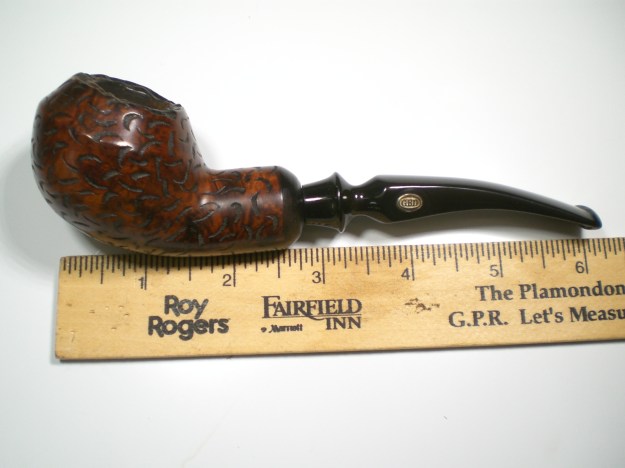
Blatter “Select” Gift


By Al Jones

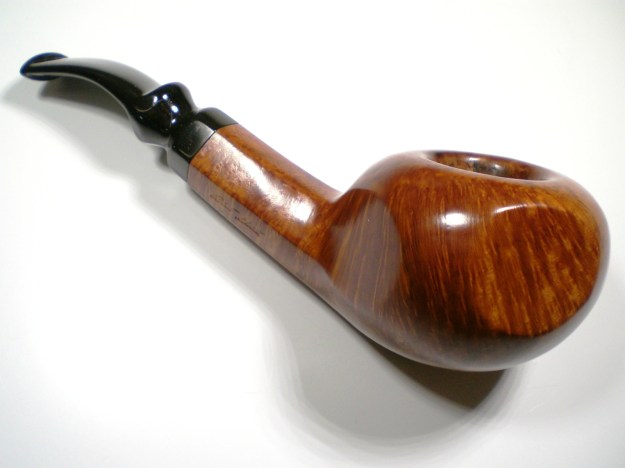
This pipe showed up in my mail the day after Christmas. It turns out that a friend in Canada, Pat Russell, knew that the shape would appeal to me. He sent it down the the U.S. along with Christmas greetings, a very nice surprise! I had read about the famous Blatter & Blatter shop in Montreal many times on the PipesMagazine forum and on several Reborn Pipes blog entries by Steve. However, until this point, I had never seen one of their pipes first hand.

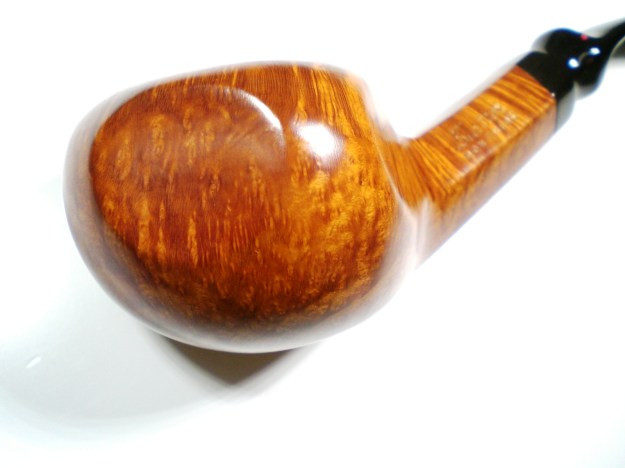
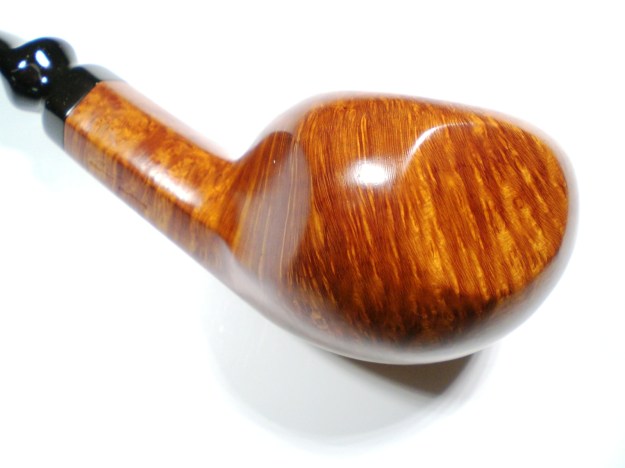
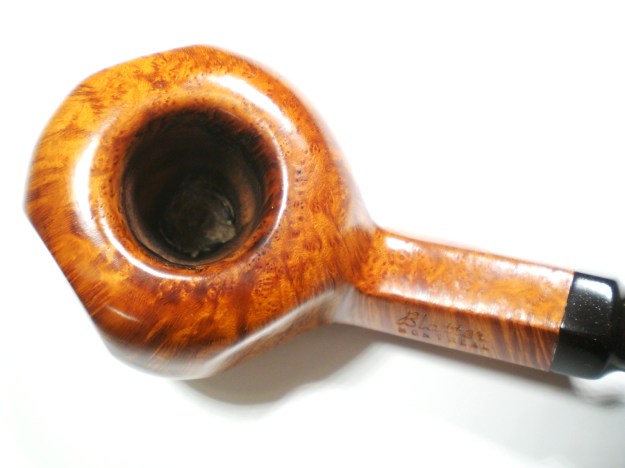
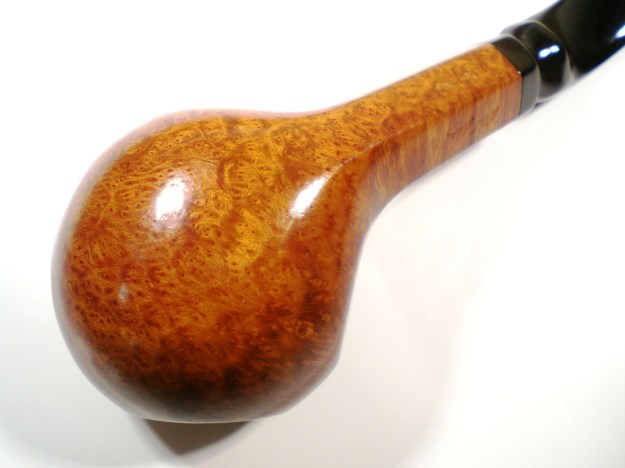
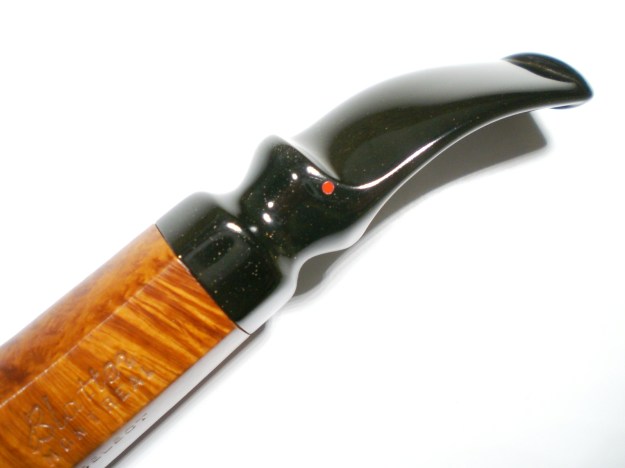
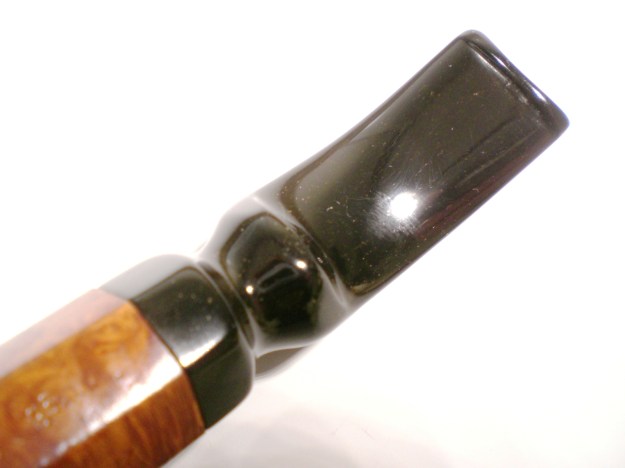
The pipe was in wonderful shape and quite large at 70 grams. There was some very mild oxidation and small teeth marks on the red dot stem. The bowl top had some darkening around the rim. The stem is a chair-leg style, similar to a GBD.

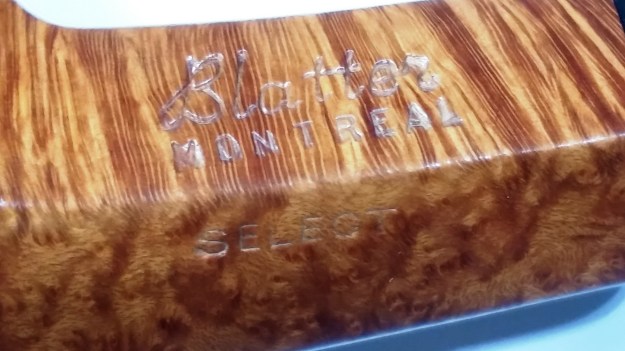
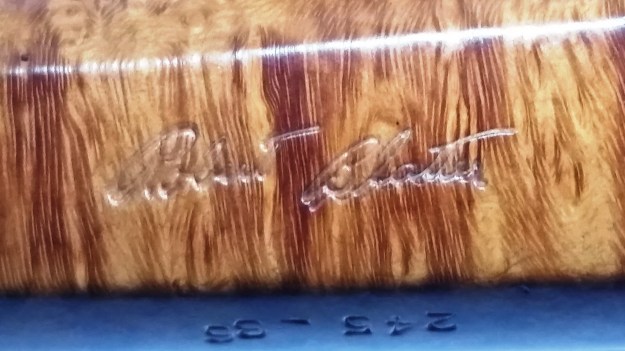
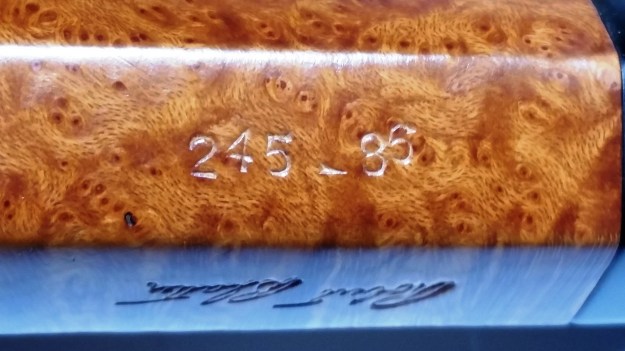
The stamping is still a bit of a mystery. Steve has previously posted the history of the Blatter & Blatter shop, but not much else is written about their pipes, grades, nomenclature, etc. This one is stamped “Select” and has a signature stamp for Robert Blatter. It appears that Robert Blatter may now be retired from the shop. It also has a number and dash stamped on one panel. If anyone knows the significance of the number sequence, please let me know.

From a PipesMagazine forum entry, one member wrote this about the Select stamping:

The interest, among their creations, is their Sélect line. You can’t miss them as the pipes are stamped “Sélect”. Very fine quality briar plateaux are used to create them and, obviously, the ebonite is of much better quality.

I’m a big fan of the Canadian rock band “Rush” and my wife had given me a copy of the 40th anniversary edition of their album “2112”. I thought it was appropriate to listen to it in my workshop as I worked on my first Canadian pipe.

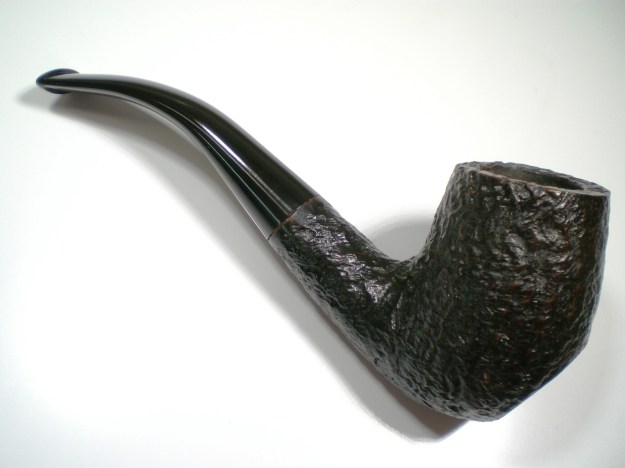
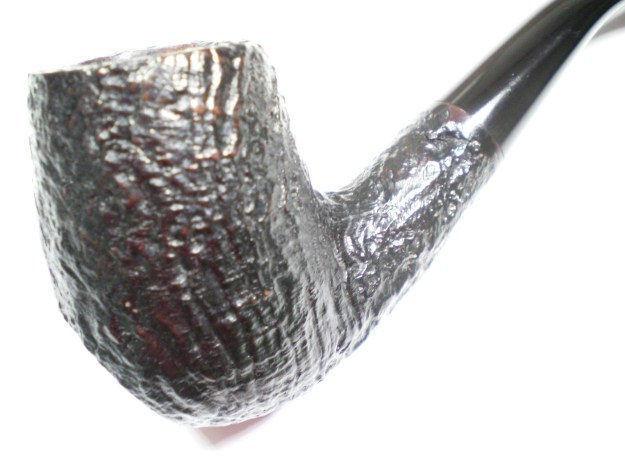
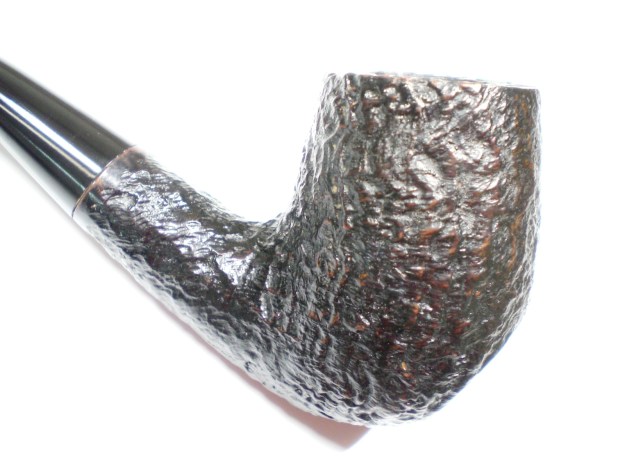
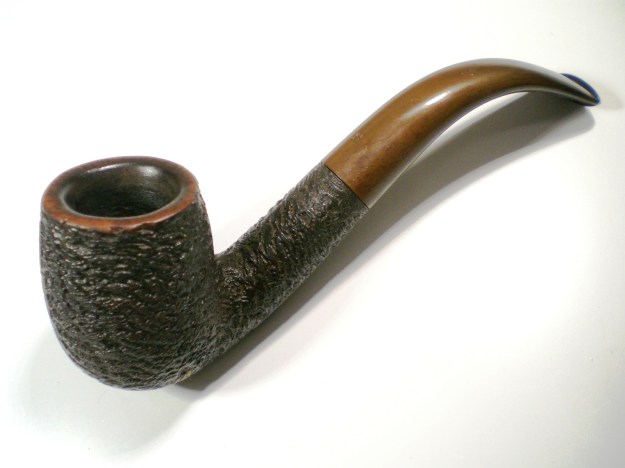
Here’s the pipe after touching up the bowl top and polishing the stem. Thanks for your thoughtful gift Pat!

blatter_select_finish-1

blatter_select_finish-4

blatter_select_finish-2

blatter_select_finish-5

blatter_select_finish-8

blatter_select_finish-6

blatter_select_finish-3

blatter_select_finish-7

?
?
?
?

?
?
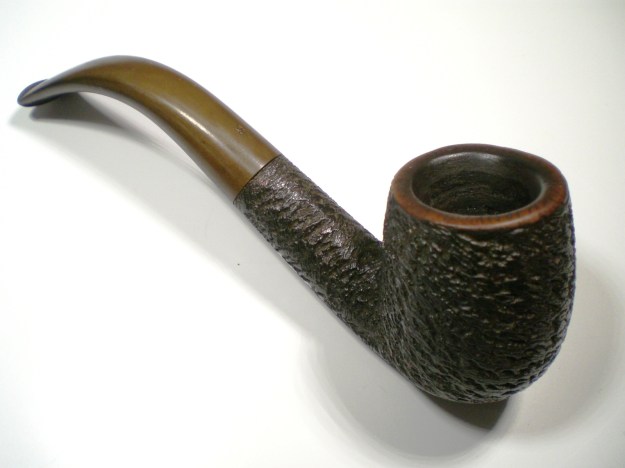
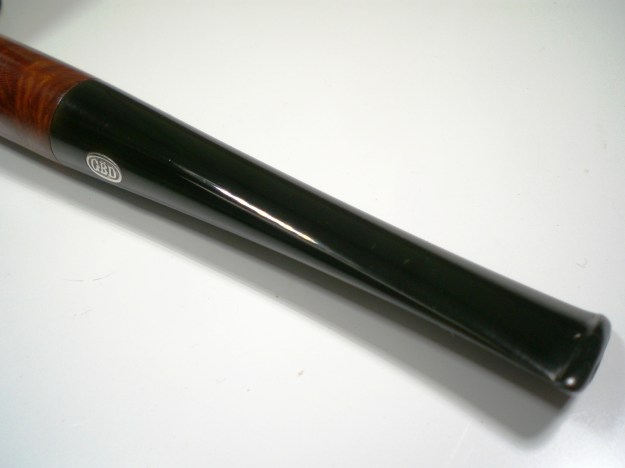
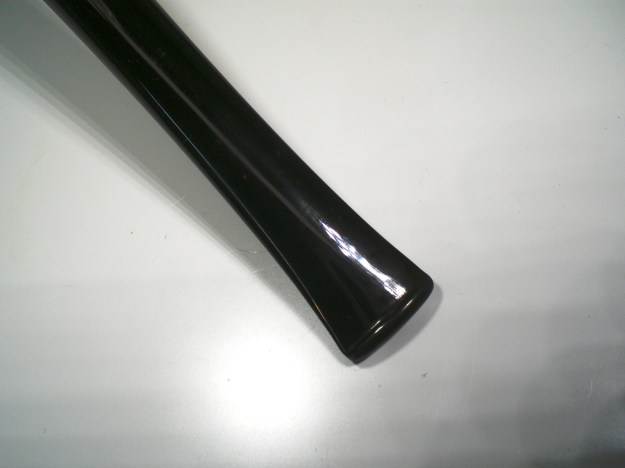
GBD 133 New Era Restored


By Al Jones

This GBD New Era looked like a simple restore. It held one surprise that was in the sellers photos, but something I had not noticed. At some point in it’s life, a previous owner had put a flat bottom on it, make it a “sitter”. The stem had some mild oxidation, but no teeth marks. There was some darkening of the rim.

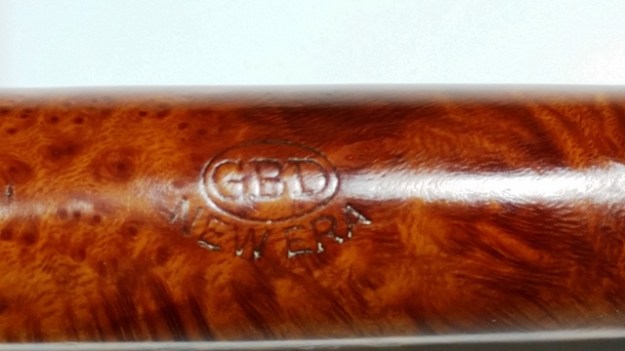
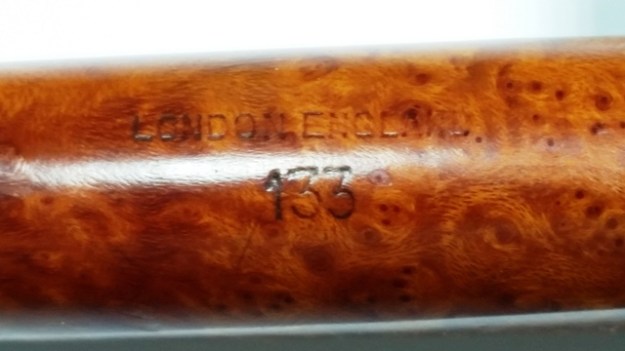
The rondell and stamping identified it as a pre-Cadogan era pipe. New Era grade GBD’s always have nice briar and are a step up from the typical New Standard grade that more often seen.

gbd_133_ne_before-1

gbd_133_ne_before-4

gbd_133_ne_before-2

gbd_133_ne_before-3

Here you can see the flat bottom. Fortunately, only a small portion of the briar had been removed and it should not effect the smoking of the pipe. And, it does sit nicely, which is always convenient.

gbd_133_ne_before-5

The mild cake was reamed and the bowl soaked with alcohol and sea salt. At the same time, the stem was soaked in a mild Oxy-clean solution with a dab of grease on the rondell.

I used some 2000 grade sandpaper to remove the bowl top build-up followed by 8000 micromesh. The stem was mounted and oxidation removed with 800, 1000 and 2000 grade paper. This was followed by 8000 and 12000 grade micromesh sheets. The stem was then buffed with White Diamond and Meguiars Plastic Polish. The briar was buffed lightly with White Diamond and then several coats of Carnuba wax.

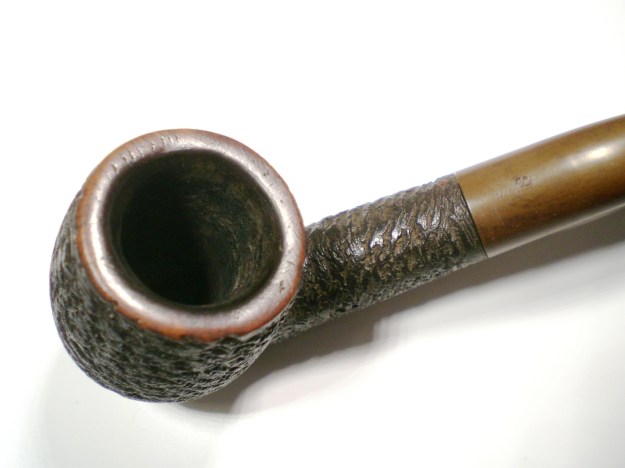
Below is the finished pipe, which is en-route to a new owner on the island of Corfu in Greece.

gbd_133_ne_finish-1

gbd_133_ne_finish-4gbd_133_ne_finish-3gbd_133_ne_finish-5gbd_133_ne_finish-6gbd_133_ne_finish-7gbd_133_ne_finish-2gbd_133_ne_finish-8gbd_133_ne_finish-12

gbd_133_ne_finish-web11

?
gbd_133_ne_finish-web10

?
Sasieni “Sashar” Restoration


By Al Jones

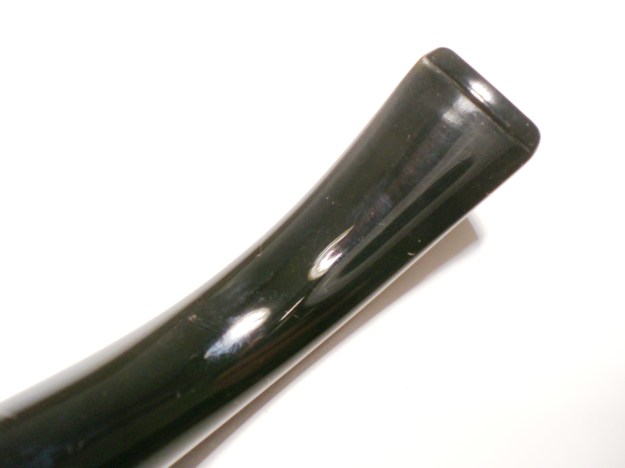
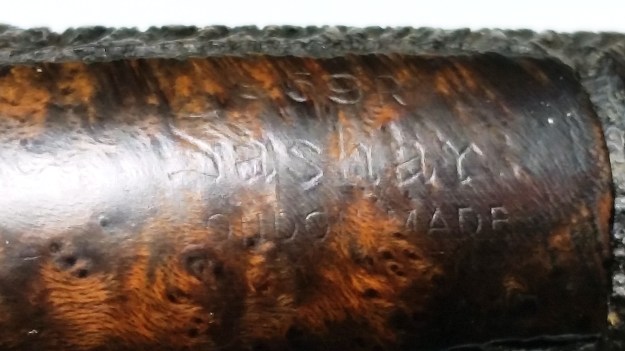
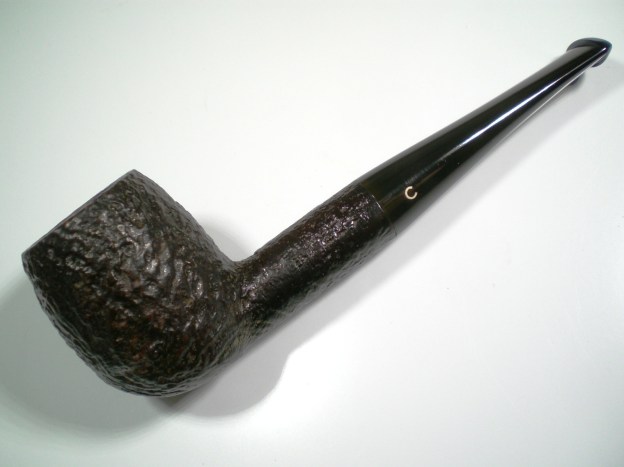
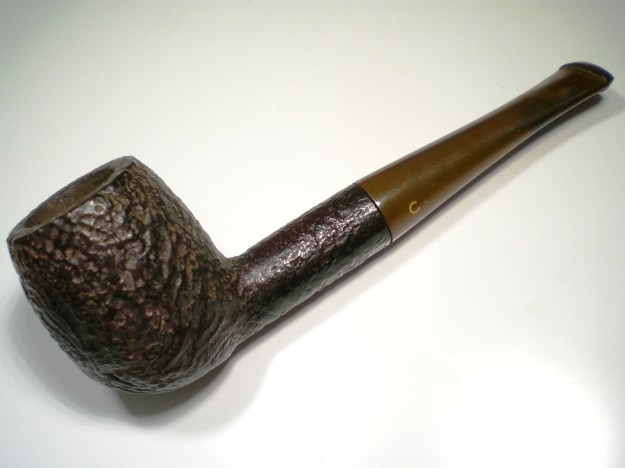
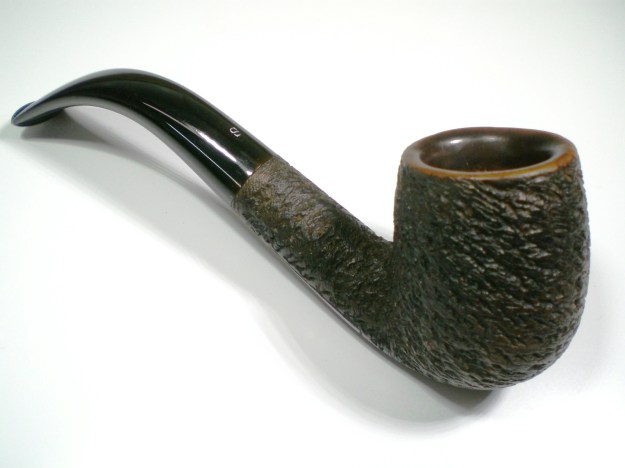
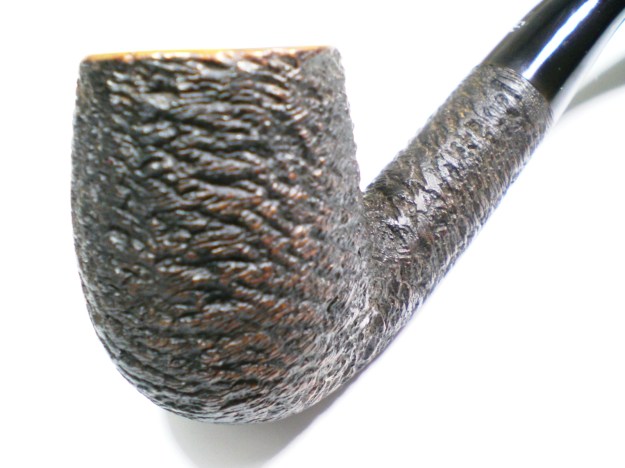
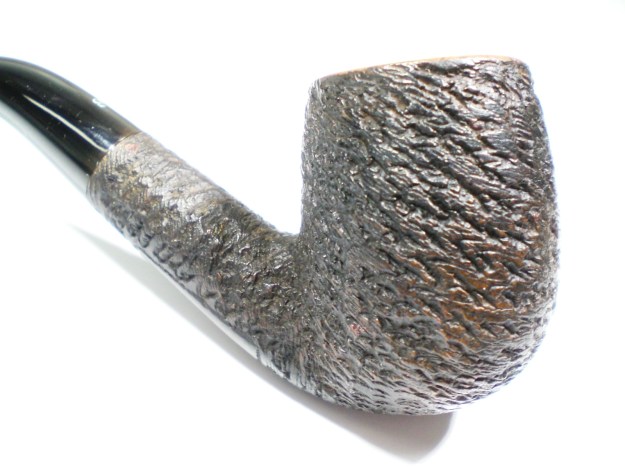
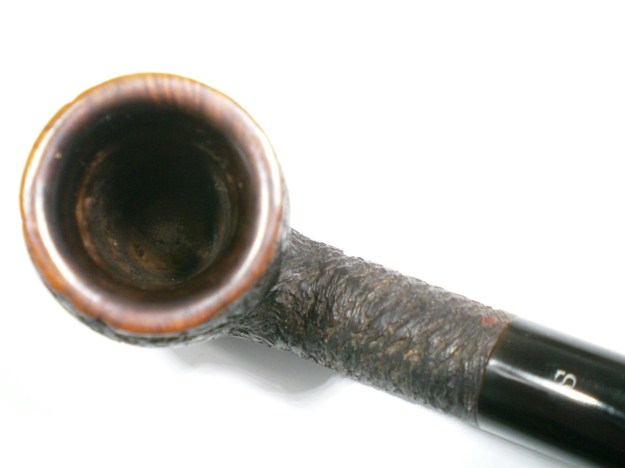
When I spied this pipe, I wasn’t familiar with the Sashar line or that it was a Sasieni 2nd’s line. The shape and style spoke to me as Sasieni and sure enough, the nomenclature read “London Made By Sasieni”. Upon receipt of the pipe, which came via England, I could see the stem also had a Sasieni feel. The pipe is rusticated, but with a texture and detail that I’ve not seen before. The rustication on Sasieni Rustic pipes is lovely, but I think this method may have a nicer hand feel. I’m familiar with the other Sasieni 2nd’s: Mayfair, Fantail and Olde English but Sashar was new to me. The pipe was stamped with the shape 959R. It is similar to the Viscount Lascelles, but on a slightly smaller scale. The nomenclature was lightly stamped, but completely visible. I didn’t capture it well on my photo below, but it reads:

959R
Sashar
London Made
By Sasieni
Made in England (straight line)

The pipe had a badly oxidized stem and some wear marks on the polished bowl top. The “S” stem logo imprint was still visible.

sashar_959r_before-1

sashar_959r_before-4

sashar_959r_before-3

sashar_959r_before-2

I reamed the slight cake from the bowl and found an interior in excellent condition. The bowl was soaked with sea salt and alcohol. The stem was soaked for several hours in a mild solution of Oxy-Clean, with a dab of grease on the logo.

I smoothed the nicks on the bowl top with some 800 grit, then 1000 and 2000 grade wet papers. The bowl top was buffed with White diamond and several coats of Carnuba wax.

The stem was mounted and heavy layer of oxidation removed with 800 grade paper, followed by 1000 and 2000 grades. That was followed with micro-mesh sheets in 8,000 and 12,000 grades. The stem logo was brightened with a dab of white Acrylic paint. After it started to harden, I wiped it off leaving paint in the recess. It was set aside to dry overnight. The stem was then buffed with White Diamond and Meguiars Plastic polish.

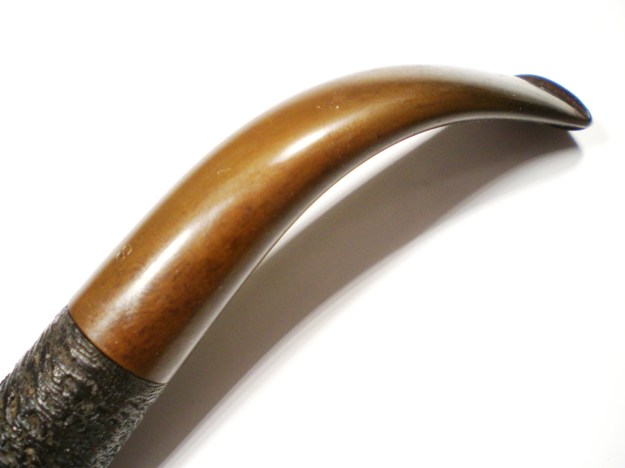
Below is the finished pipe. To my eye, the tapered stem Bent Billiard epitomizes the British briar pipe. I reluctantly packed up the pipe. It was sold and is now heading to a new owner on the Greek island of Corfu.

sashar_959r_finish-1

sashar_959r_finish-3

sashar_959r_finish-2

sashar_959r_finish-4

sashar_959r_finish-5

sashar_959r_finish-6

sashar_959r_finish-7

?
Comoy’s 168 Tradition Restored


By Al Jones

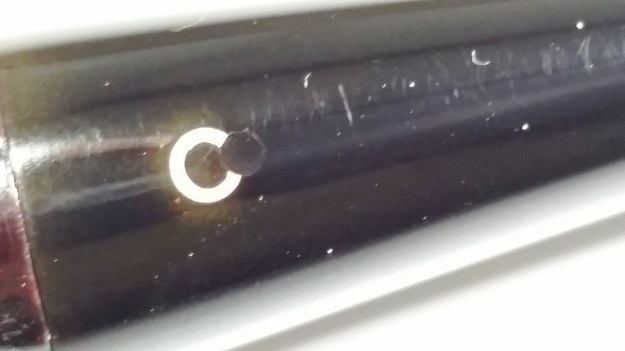
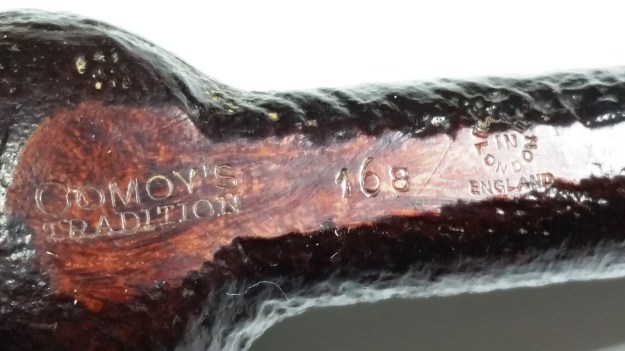
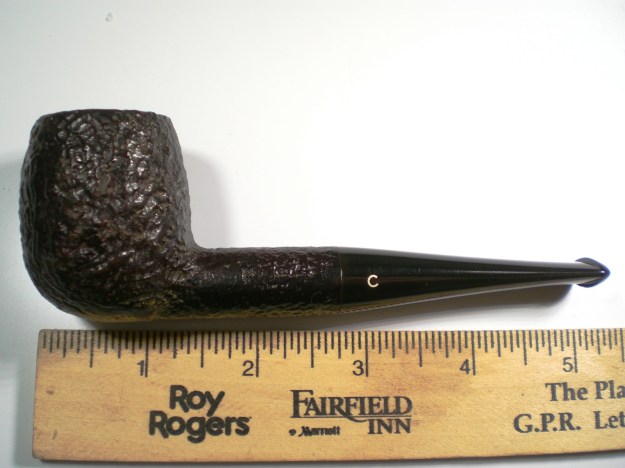
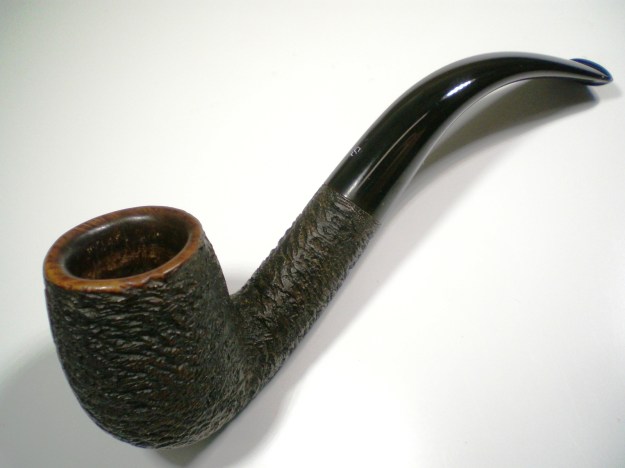
This little Comoy’s billiard caught my eye as it was stamped “Tradition” but is a sandblasted pipe. The shape is the 168, a tapered stem billiard. The COM (Country of Manufacture) mark is also the circular “Made in London”/England that is used on smooth Comoy’ spipes. This COM mark with the 3 piece drilled “C” stem logo was used in the early 1950’s onward to the merger point in 1981-1982.

The pipe had a heavily oxidized stem but otherwise appeared undamaged. The dark area near the button shows that a bit guard was used. The bowl had a very thick cake build-up.

comoys_168_tradition_before-1

comoys_168_tradition_before-2

comoys_168_tradition_before-3

comoys_168_tradition_before-4

Upon receipt, I found the stem impossibly stuck in place. It was so tight that I feared it may have been glued in place. Freezing didn’t work, so I filled the bowl with alcohol and stuck a cleaner thru to soak some alcohol into the shank/tenon area. After several hours, I was relieved to find the stem released, with a perfect tenon.

The bowl was reamed and I found the interior to be in perfect condition, protected no doubt by the cake. The bowl was soaked with alcohol and sea salt. While it was soaking, I put a dab of grease on the C logo and soaked the stem in a mild solution of Oxy-Clean to loosen the oxidation.

I used Halycon II wax applied by hand to shine the bowl. The mild build-up on the bowl top was removed using a combination of a cloth and worn scotchbrite pad. The shank was cleaned with a series of brushes and alcohol. A thorough cleaning of the shank is necessary to avoid tobacco ghosts.

The stem was mounted and oxidation removed with 400, 800, 1000 and 2000 grade wet sandpaper. Next, 8000 and 12000 micromesh sheets were used. The stem was then machine buffed with White Diamond and Meguiars Plastic Polish.

Below is the completed pipe.

comoys_168_tradition_finish-1

comoys_168_tradition_finish-4

comoys_168_tradition_finish-2

comoys_168_tradition_finish-5

comoys_168_tradition_finish-6

comoys_168_tradition_finish-3

comoys_168_tradition_finish-7

?
?
?
?
comoys_168_tradition_finish-10

GBD New Era 133 Restoration


By Al Jones

I love finding GBD “New Era” pipes, they are a definite step up the quality ladder, in contrast to the more commonly seen “New Standard” grade. This one is a Shape 133. It looked in decent condition, but held a few surprises. When the pipe was delivered, I discovered that a previous owner had filed the bottom flat to make it a sitter. There was also an issue with the button. The other issues were minor and typical of an estate pipe – bowl top build-up and an oxidized stem.

gbd_133_ne_before-1

gbd_133_ne_before-4

gbd_133_ne_before-2

gbd_133_ne_before-3

gbd_133_ne_before-5

The pipe was reamed and soaked with alcohol and sea salt. The stem was soaked in a mild Oxy-Clean solution. I used a cloth and warm water to rub off the majority of the build-up on the bowl top. The rim was slightly darkened, but I was able to lighten it with some 2000 grit wet paper. I buffed the bowl with White Diamond and several coats of carnuba wax.

The stem had a few dents that I was able to raise with some heat from a lighter. There was one sharp tooth impression that under magnification, showed it was a crack that went up into the edge of the button. I used some black Super-glue with accelerator to fill the tooth mark and over the top of the button. That was sanded flush with 800 grit paper, followed by 1,000 and 2,000. I removed the oxidation from the stem with with 800 grit, than working thru 1,000 and 2,000 grades. The final prep was with 8,000 and 12,000 grade micromesh followed by buffing with White Diamond and Meguiars Plastic Polish.

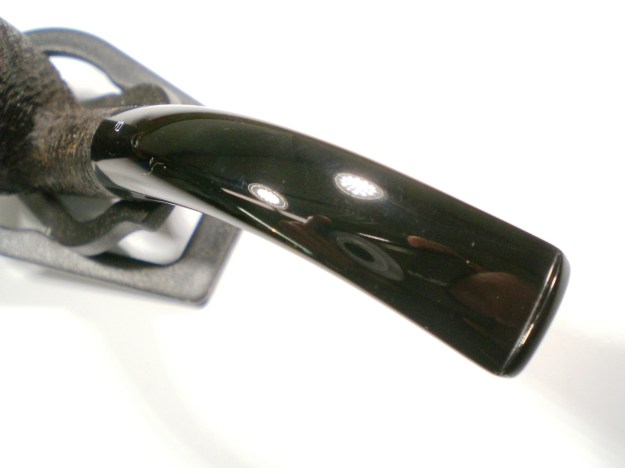
Below is the finished pipe. You can see from the tenon, that on New Era pipes, GBD spent a little more time on that detail as well.

gbd_133_ne_finish-1

gbd_133_ne_finish-4

gbd_133_ne_finish-3

gbd_133_ne_finish-5

gbd_133_ne_finish-6

gbd_133_ne_finish-7

gbd_133_ne_finish-2

gbd_133_ne_finish-8

gbd_133_ne_finish-12

?
?

?

?