Author Archives: upshallfan

Unknown's avatar

About upshallfan

Moderator on the PipesMagazine forum since 2011. Guest contributor on the Reborn Pipes Blog by Steve Laug.

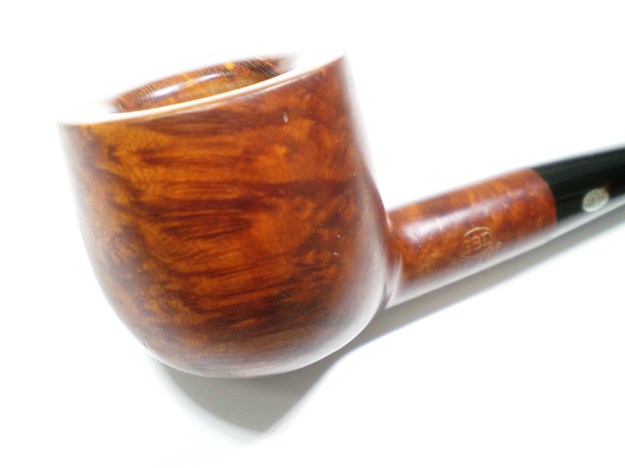
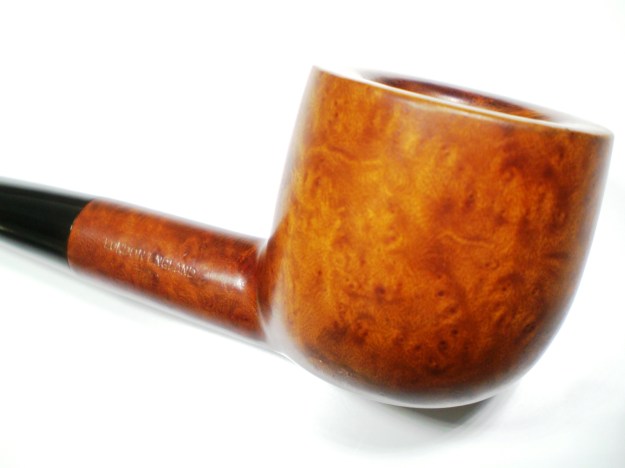
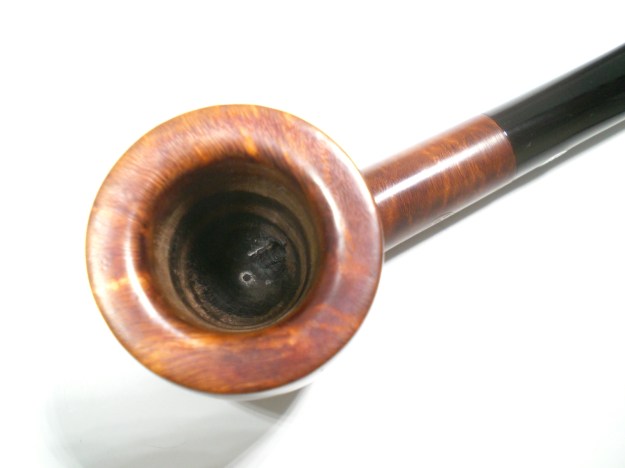
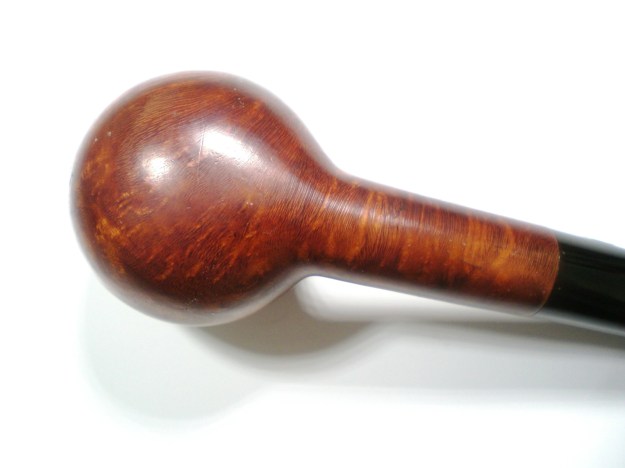
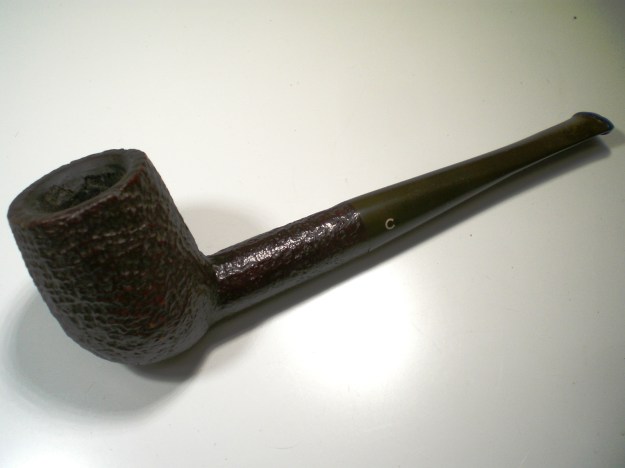
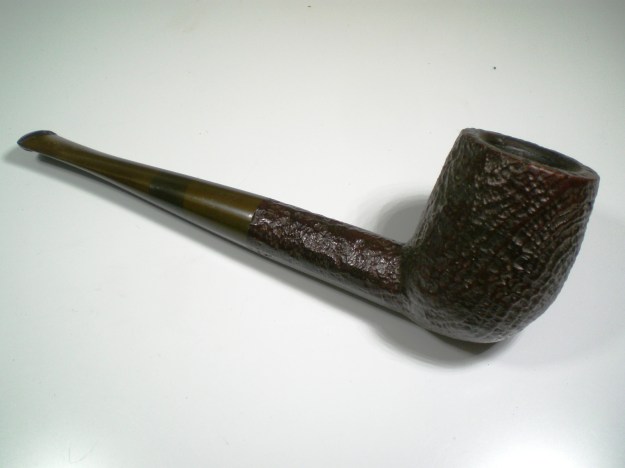
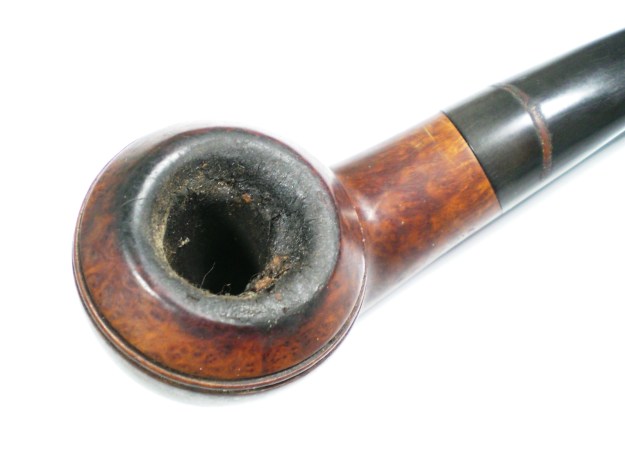
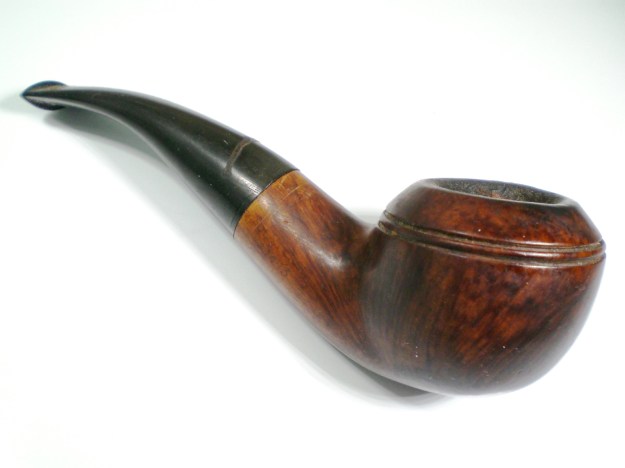
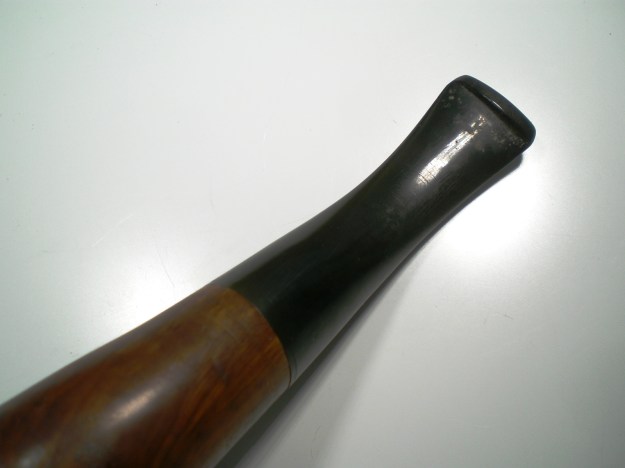
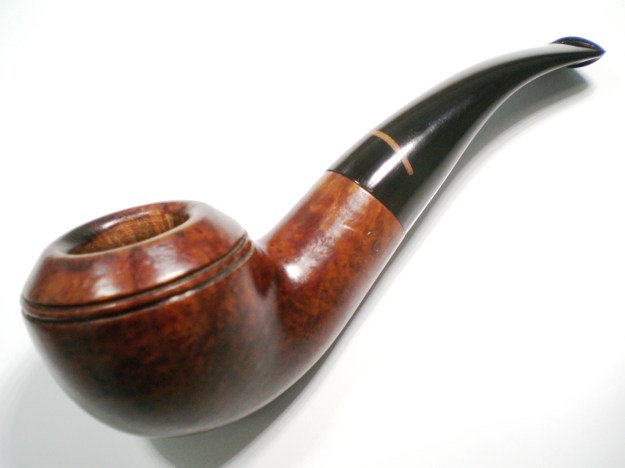
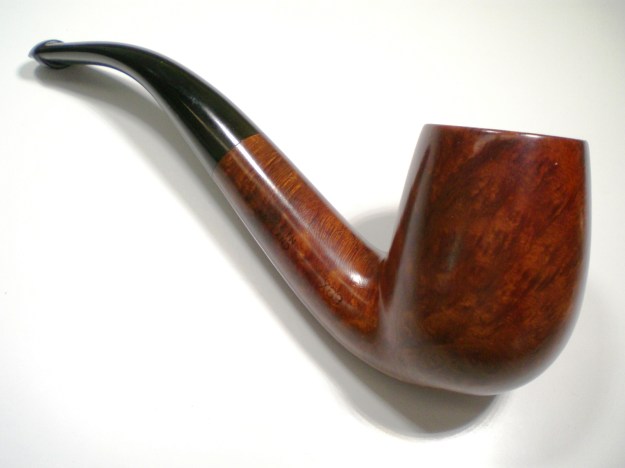
Finally: Comoy’s Old Bruyere 256 Restoration


By Al Jones

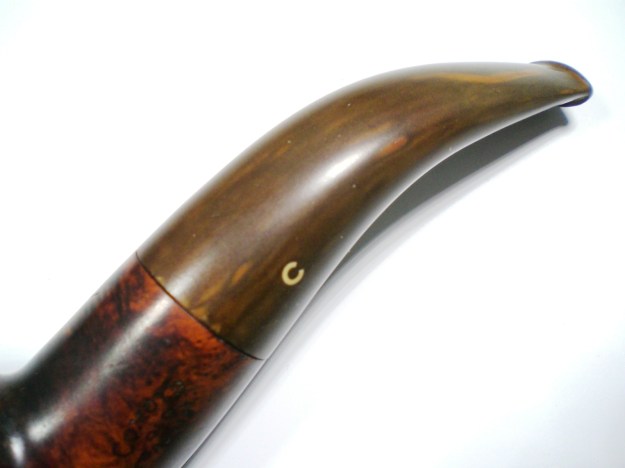
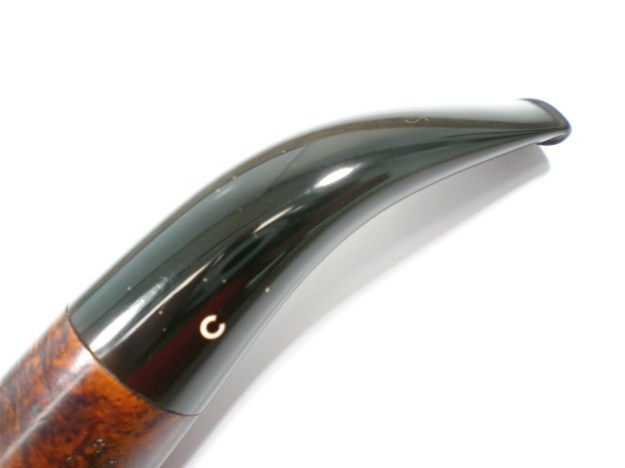
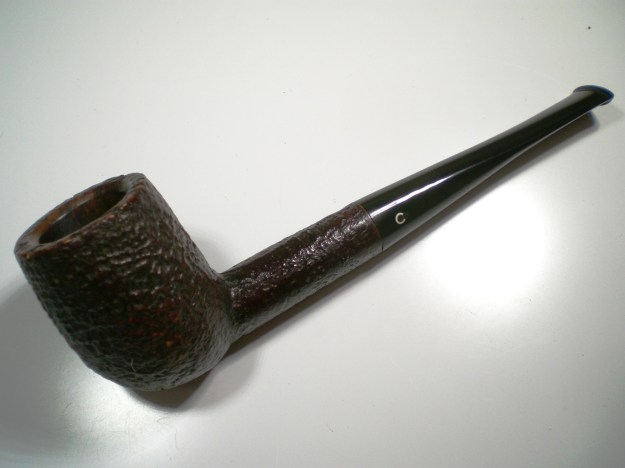
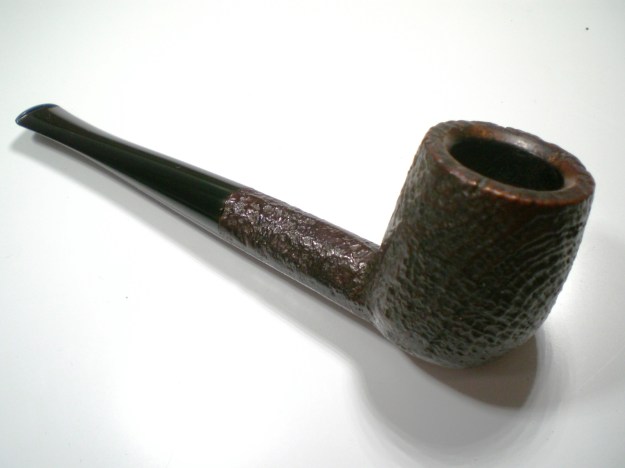
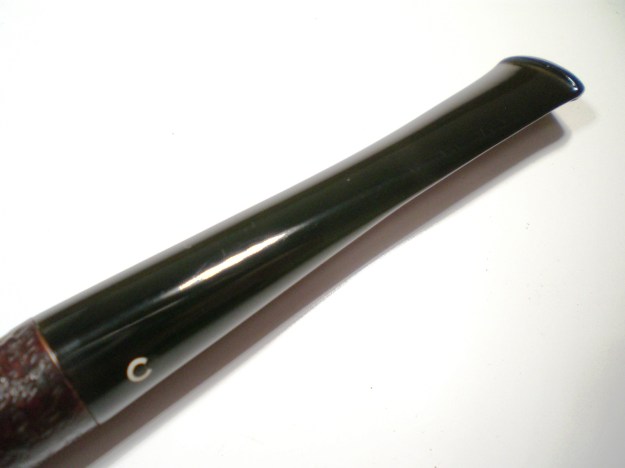
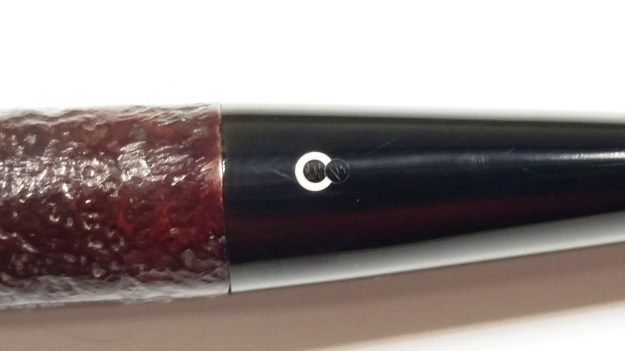
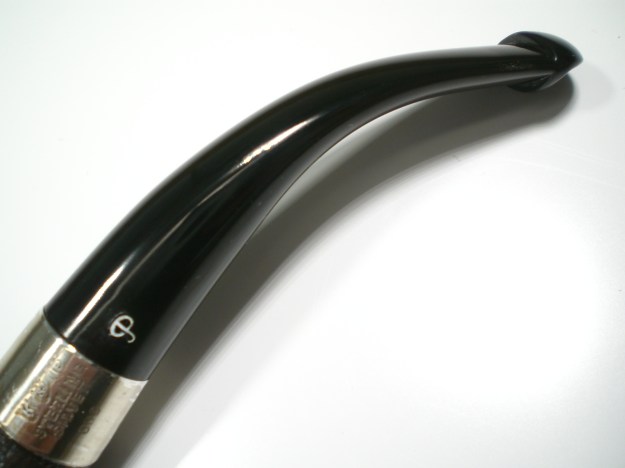
If you follow my contributions to this blog, you’ve heard me mention my “Holy Grail” list. I started this list six years ago and it was made up of specific brand shapes. Most were Rhodesians, Authors or Bulldogs. The list grew to fifteen pipes, with all British marquees, save for two Castellos. I’ves slowly but surely been able to find all but one piece. A few years ago, it appeared that securing a Comoy’s shape 256, the Author; was going to be challenging. Several shape 256 Comoy’s seconds were sold last year, but I was holding out for a Comoy’s with the beautiful 3-piece drilled “C” stem logo. The last Comoys 256 I can find on Ebay appears to have been sold in 2013.

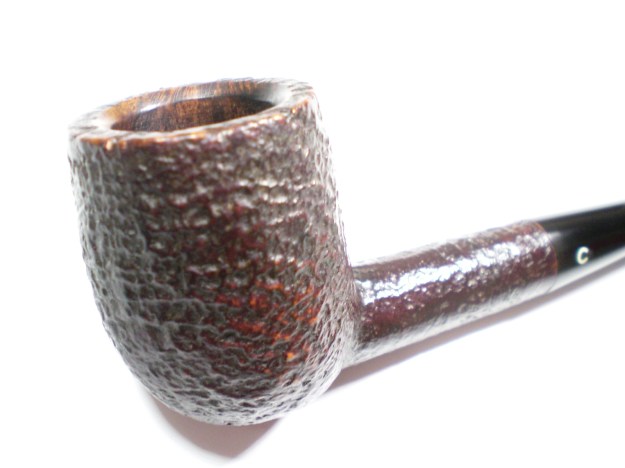
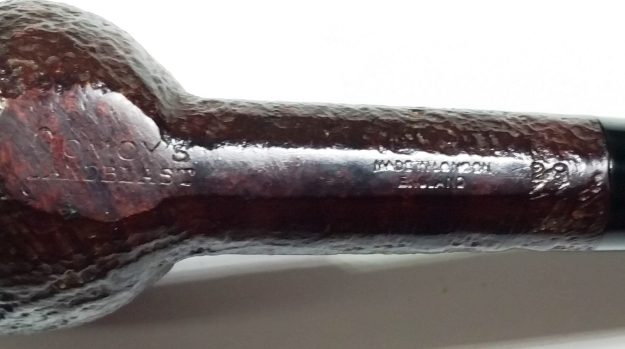
The Comoy’s logo and the country of manufacture mark indicate that the pipe was made between the early 1920’s and the 1930’s. Pipepedia describes the football (rugby) shaped COM as:

Made in England

This is stamped in a circle with “MADE” at the top, “IN” in the middle, and “ENGLAND” forming the bottom of the circle. This can be seen on a Cecil as early as 1910 and on an Old Bruyere of 1921 and more frequent from the 1930s. It can also appear as “MADE” arched, “IN” below, and “ENGLAND” arched the other way. These stamps are in an oval rugby-ball shape rather than a circle round shape.

In the Pipedia article on Comoy’s, the Old Bruyere finish is described as:

Old Bruyere. I have two Old Bruyeres dated 1921 and a 1931 sales leaflet that states, “Out of every gross of Bruyere pipe bowls made, only 4 are good enough to be called Comoy’s Old Bruyere.” At this time, therefore, it was definitely a high grade.
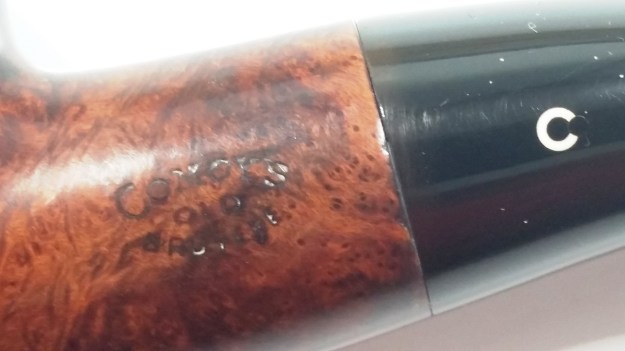
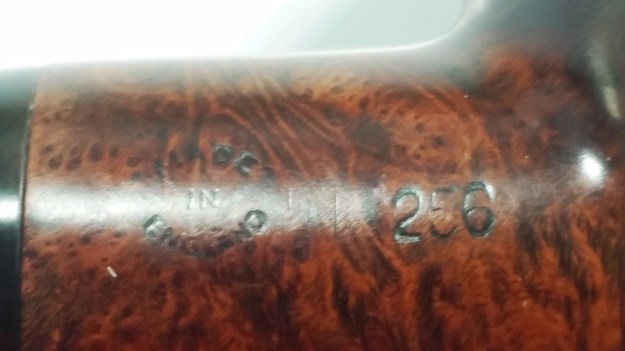
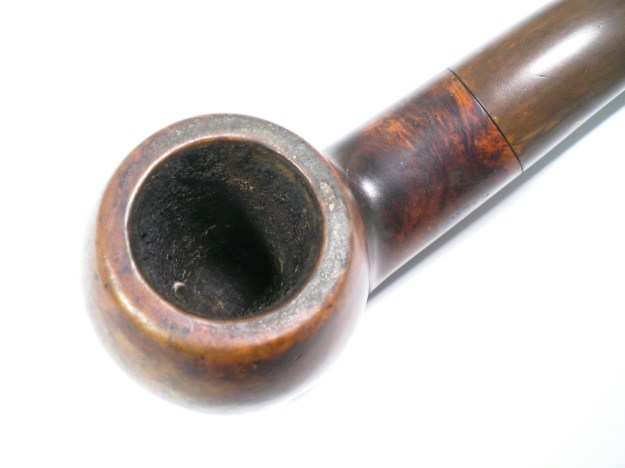
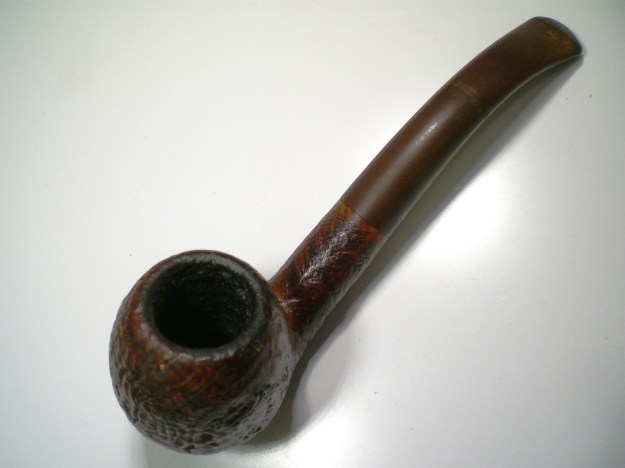
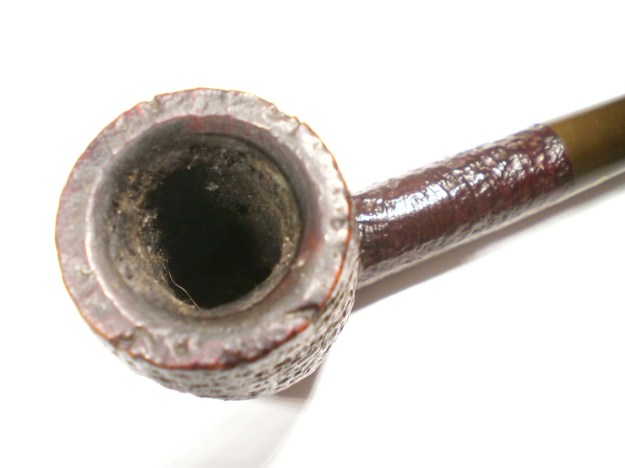
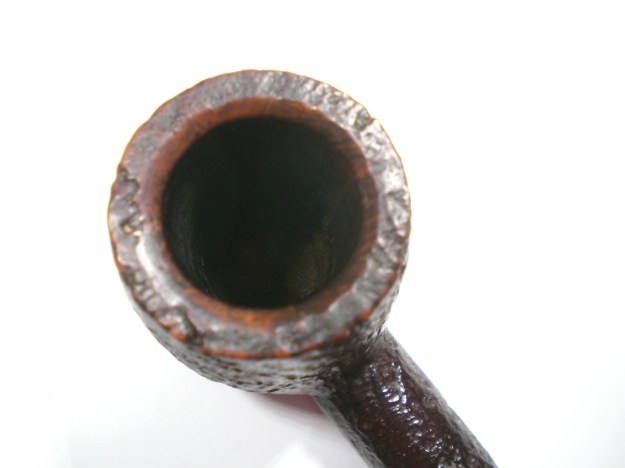
The pipe was heavy oxidized, but the stem looked to be in pretty decent shape. There was some build-up on the rim and a mild cake build-up. The briar was covered in grime but the nomenclature was legible. The pipe appeared to have been left in direct sunlight, as portions of the stain were faded.
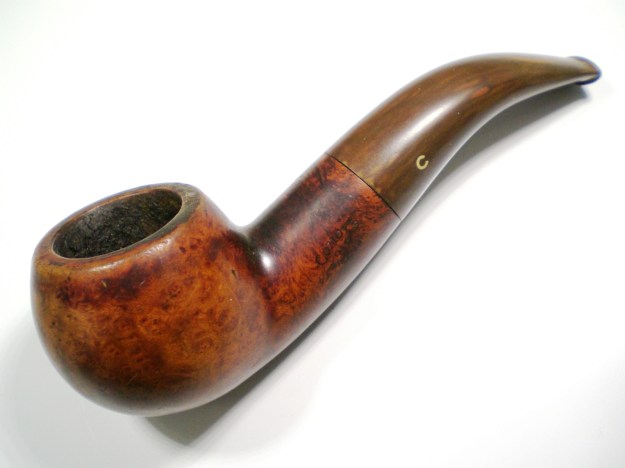
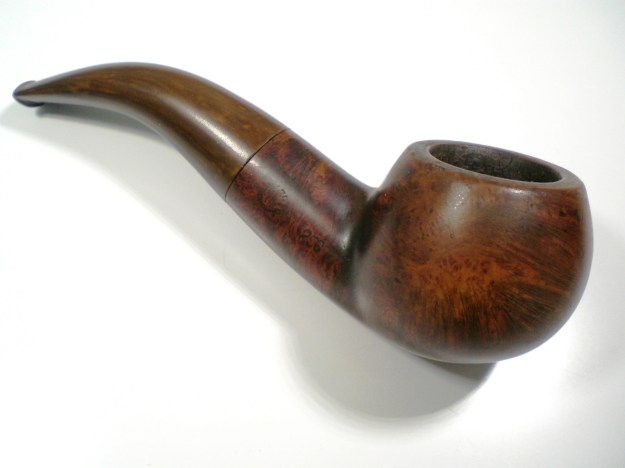
Using my Pipenet reamer, I carefully removed the cake. To finish, I wrapped a piece of 320 grit paper around a suitable bit, which is my preferred method of finishing a bowl. The bowl was in excellent shape, with no damage. I used a cloth with warm, mildy soapy water to remove the grime from the exterior of the briar. 6000 grade micromesh was used to remove the build-up on the bowl top. The bowl was filled with sea salt and alcohol, and left to soak for several hours.

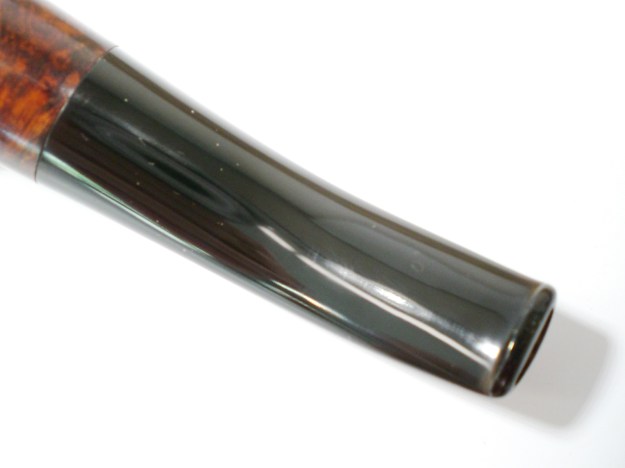
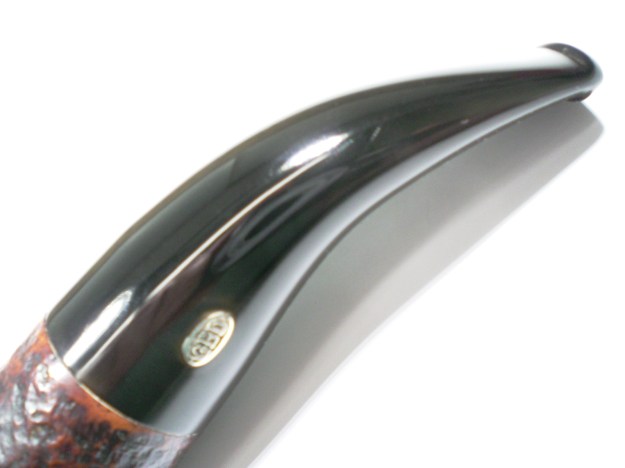
While the bowl was soaking, I put a dab of grease on the “C” stem logo and soaked it in a mild Oxy-Clean solution.

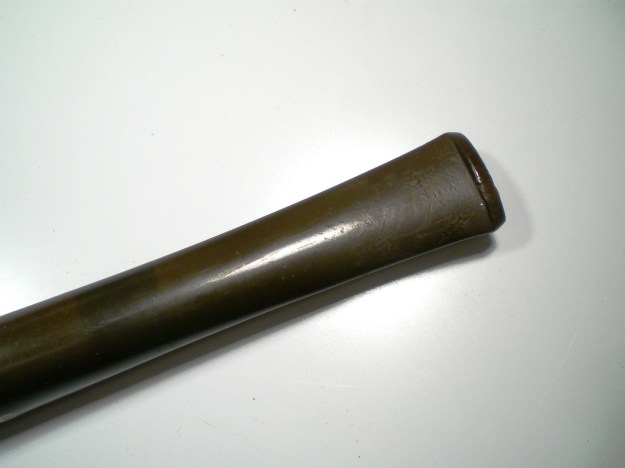
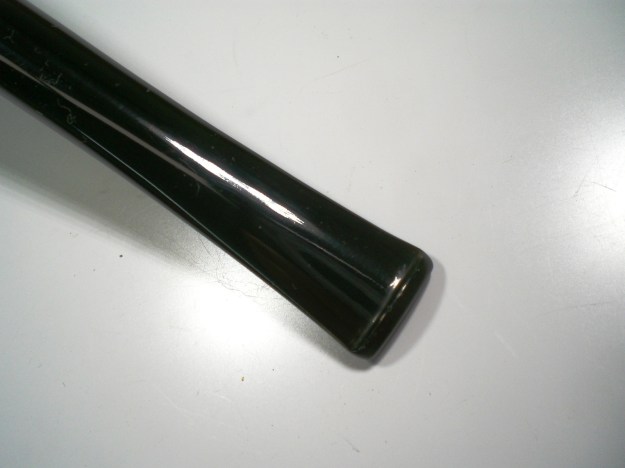
Following the soaks, I used a bristle brush to clean the shank and then mounted the stem to begin to use oxidation. I used a plastic colllar to get close to the stem edge and also to keep too much water from leaking over to the briar, which could further lighten the stain. There were a few teeth indentions and nearly all responded to heat from a lighter to raise them. I then used 400 grade wet paper to remove the heavy oxidation, then 800 grade, followed by 1500 and 2000 grade paper. 8,000 and 12,000 micromesh was then used as a final prep. The stem was then buffed with White Diamond and Meguiars Plastic polish. The briar was buffed with White Diamond, being careful to stay away from the nomenclature. This was followed by several coats of Carnuba wax.

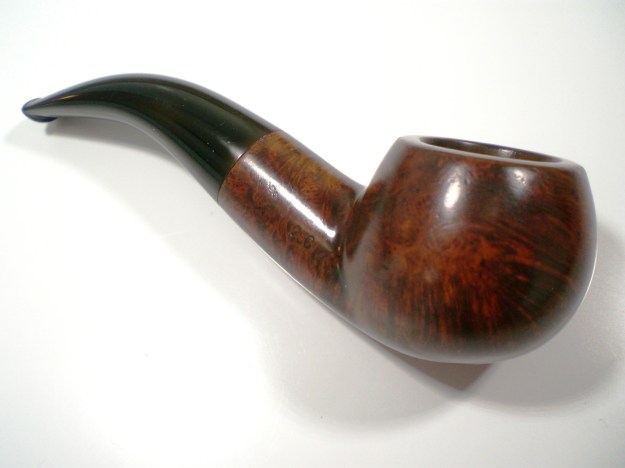
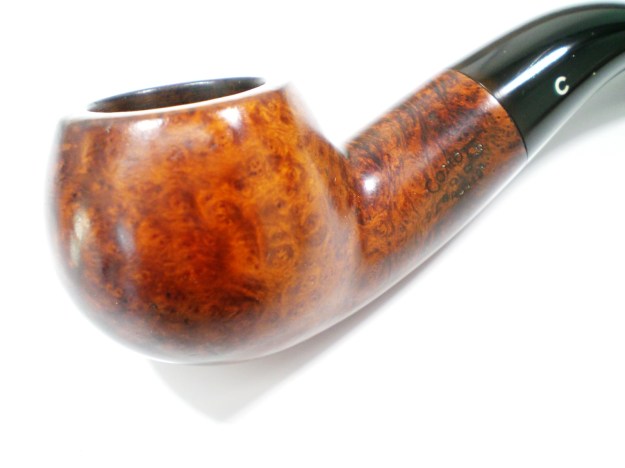
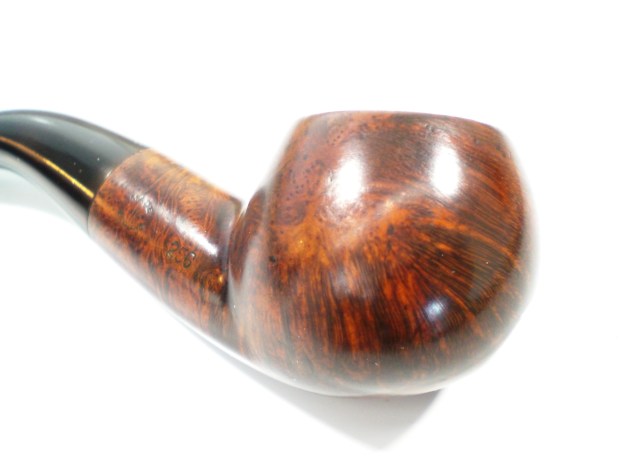
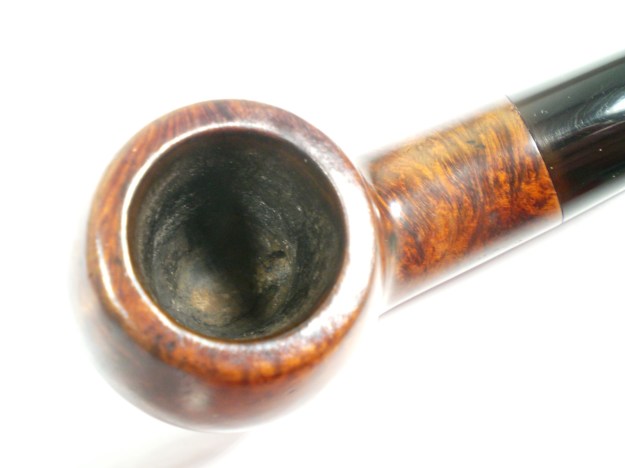
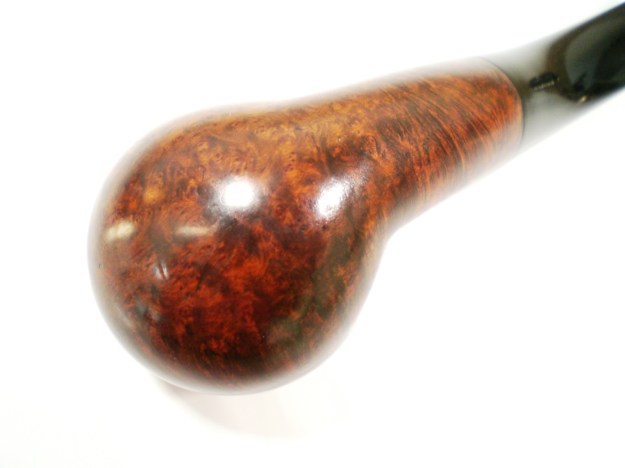
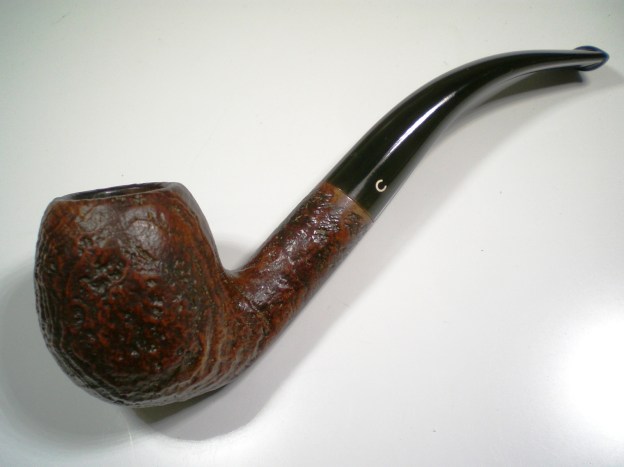
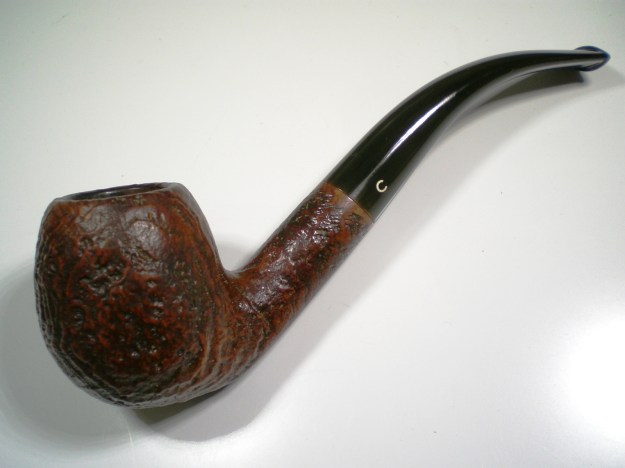
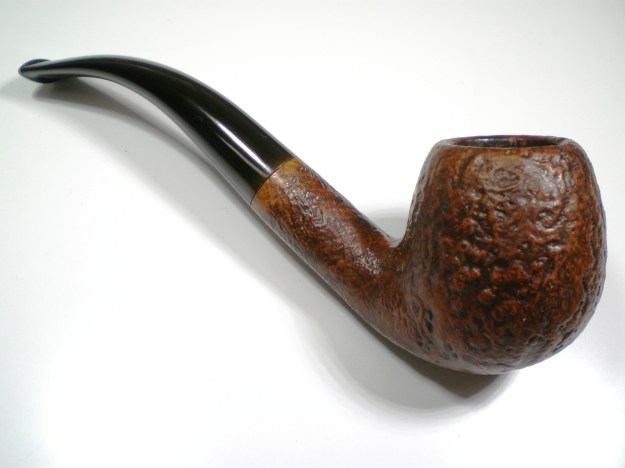
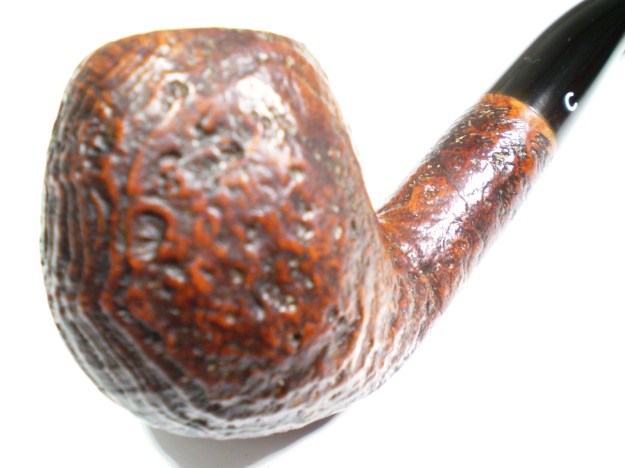
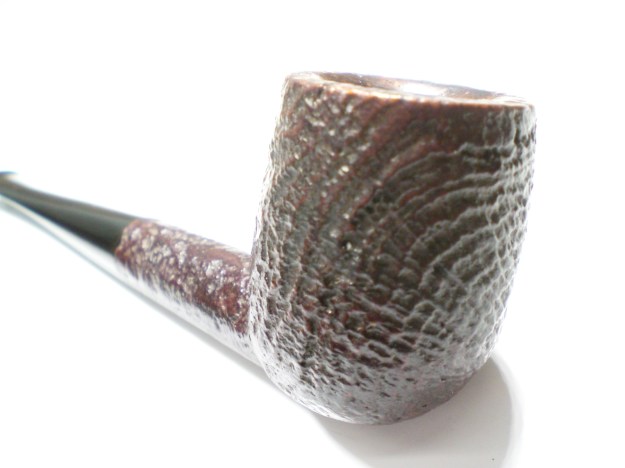
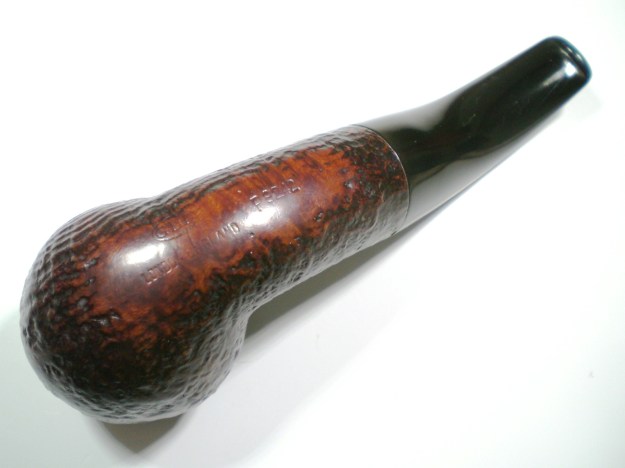
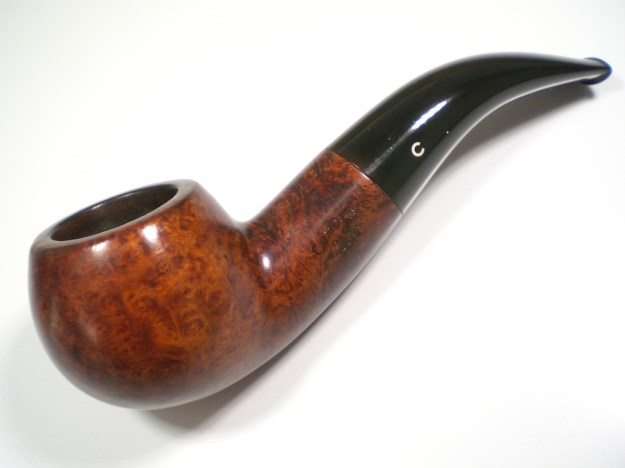
Below is the finished pipe, which will see regular use on my watch.
GBD Prehistoric Paneled Billiard Restoration


By Al Jones

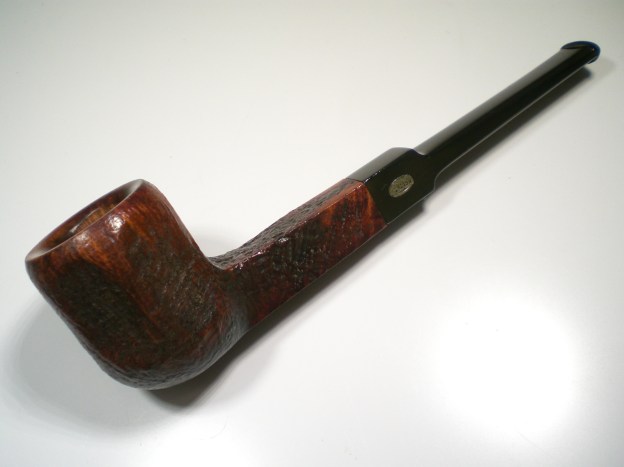
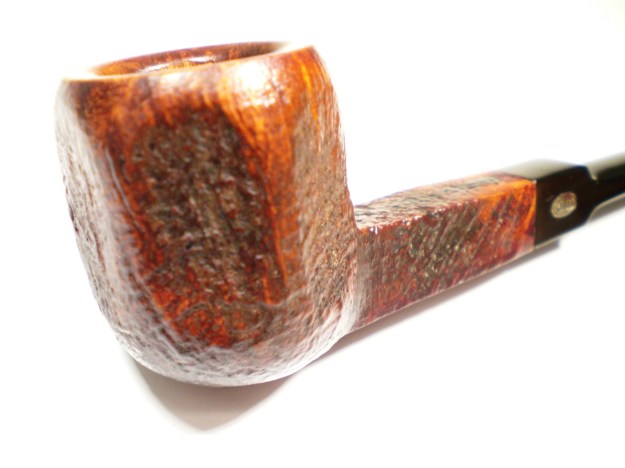
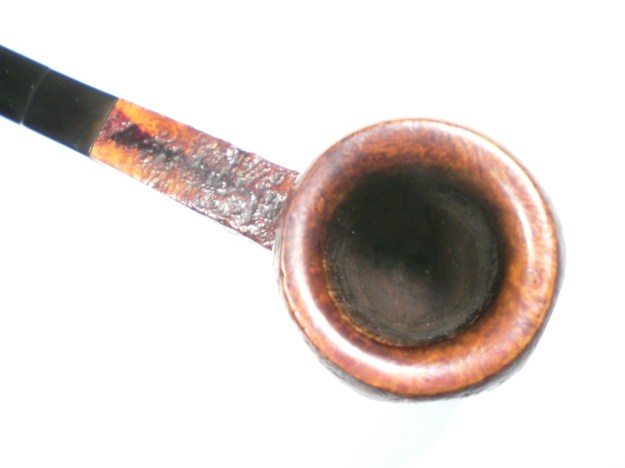
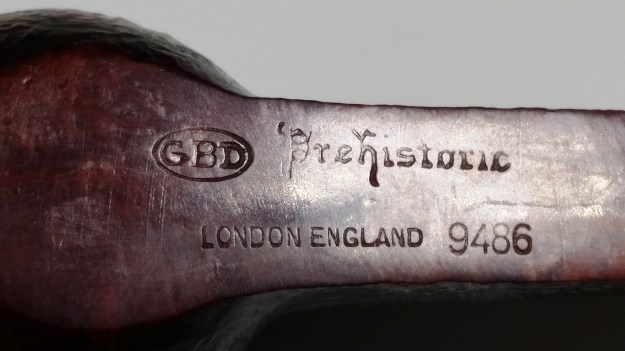
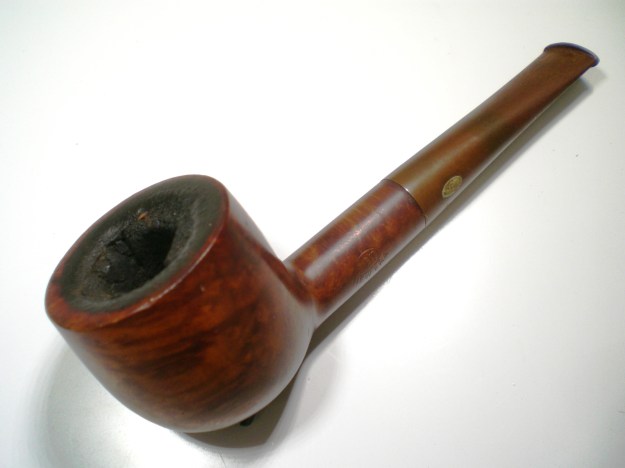
This Prehistoric GBD was in pretty decent shape, with some bowl-top build-up and a mildly oxidized stem. GBD Prehistorics usually have polished bowl tops that survive even the worst build-up abuse and restore beautifully.  This one is shape 9486.

I used my Pipenet reamer set to remove the cake. I used a wet cloth and then a worn piece of scotch-brite pad to remove the build-up on the bowl top. The top was finished with a worn piece of 8,000 grit micromesh. All of the build-up came off, without breaking the stain and it polished beautifully. I soaked the bowl with alcohol and sea salt. The interior of the bowl was in excellent condition.
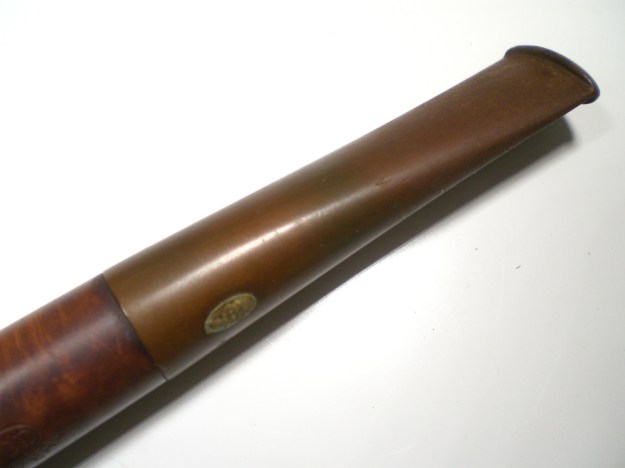
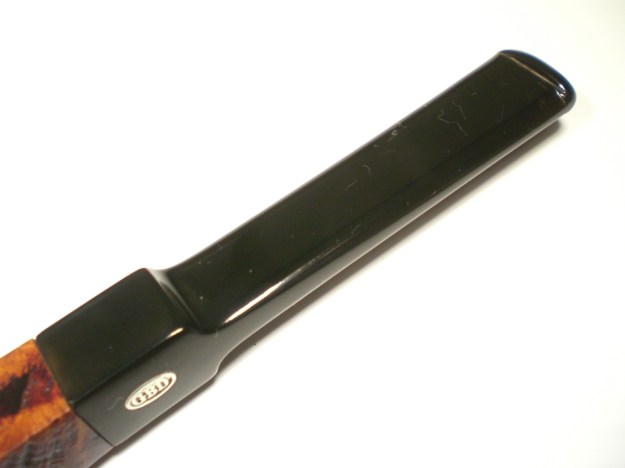
I put a dab of grease on the GBD rondell and soaked the stem in a mild Oxy-Clean solution. Mounted to the bowl, I used 800, 1500 and 2000 grade wet paper to remove the oxidation. The stem was finished with 8,000 and 12,000 grade micromesh. I wrap the sanding papers around a popsicle stick to keep the square shank edges sharp. The stem was buffed with White Diamond and Meguiars Plastic Polish.
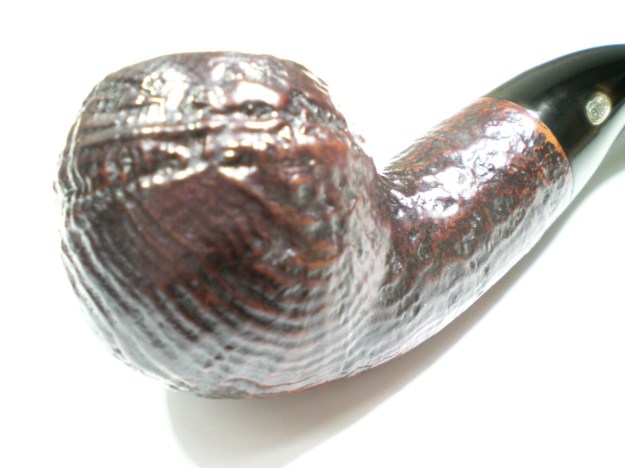
The bowl top was polished with White Diamond and several coats of Carnuba wax. The blasted part of the bowl was hand waxed with Halycon wax.

Below is the finished pipe.

Comoy’s 184 Pebble Grain Restoration


By Al Jones

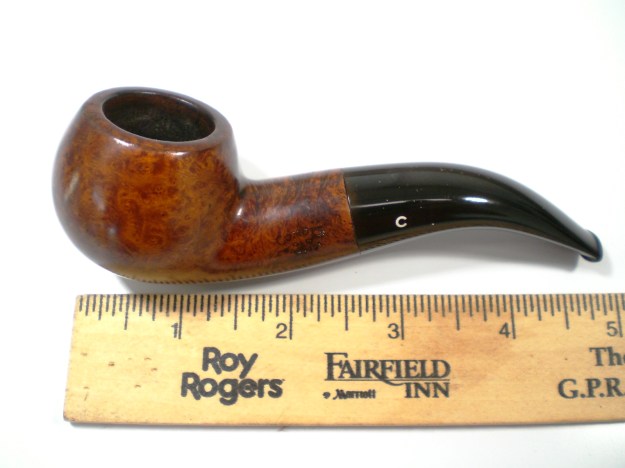
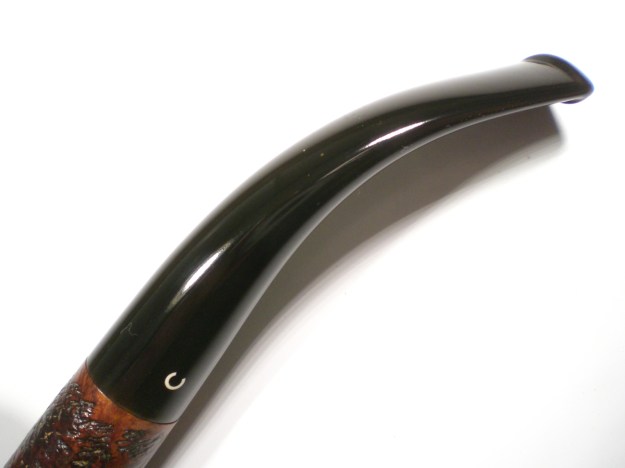
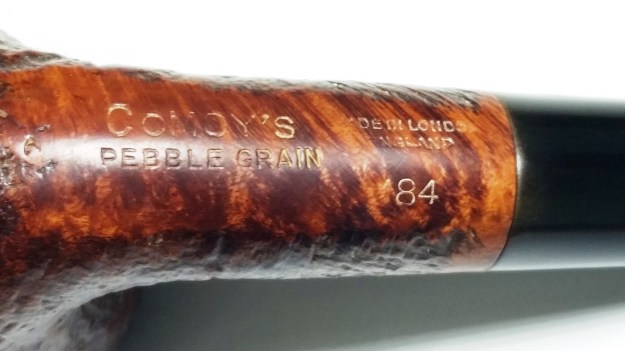
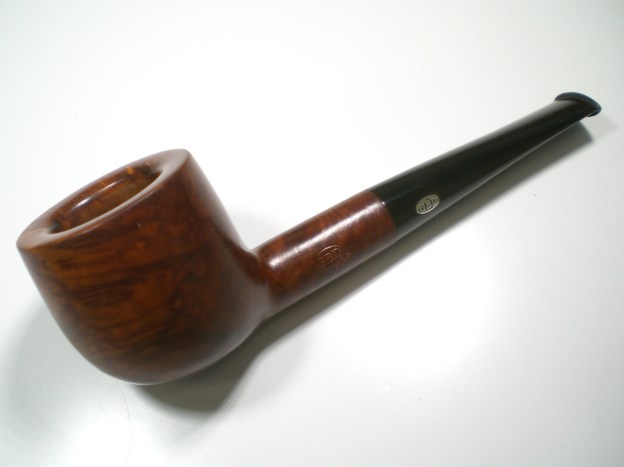
This was a simple clean up of a classic Comoy’s bent billiard, this one in Pebble Grain finish. The 3-piece, drilled “C” stem logo is from the pre-Cadogan era (1981 or earlier). I wasn’t able to determine when the Pebble Grain finish was introduced. The pipe was in overall very good condition, with a mildy oxidized stem and some build-up on the bowl top.

The bowl was reamed of the mild cake. I used a wet cloth and then a worn piece of scotch-brite pad to remove the build-up on the bowl top. I soaked the bowl with alcohol and sea salt. The interior of the bowl was in excellent condition.

A dab of grease was applied to the C on the stem, for the soak in a mild Oxy-Clean solution. After the stem and bowl were soaked, the stem was mounted to remove the oxidation. Wet paper in 800, 1,500 and 2,000 grade were used followed by 8,000 and 12,000 grades of micromesh. The stem was then buffed with White Diamond and Meguiars Plastic Polish. The bowl was hand waxed with Halycon wax.

Below is the finished pipe.

GBD 789 New Era Restoration


By Al Jones

This New Era shape 789 grabbed my eye for several reasons:
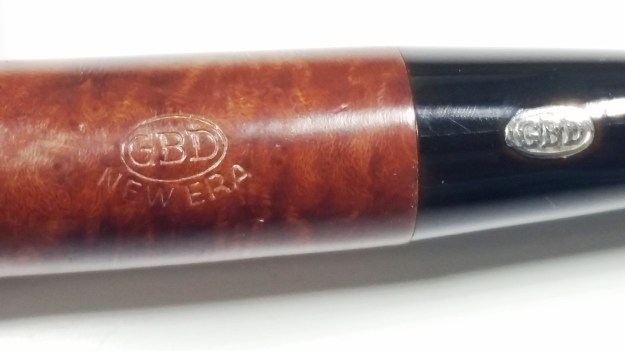
– New Era pipes are typically a nice step up from the typical New Standard grade pipes, in the grain and finish.
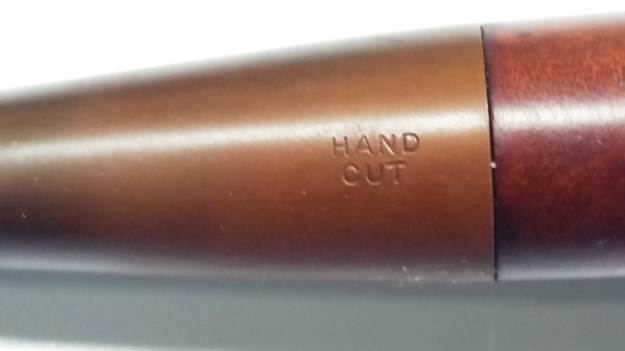
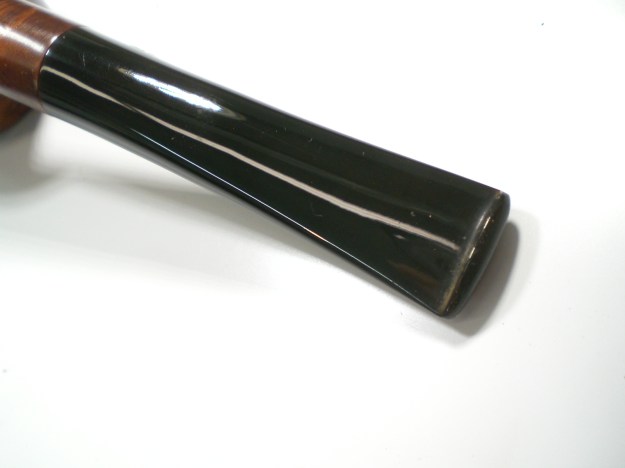
– The button on this one looked like it had the shape of GBD’s “Hand Cut” stems, although that stamp wasn’t mentioned or shown

The pipe needed plenty of work, but showed promise.

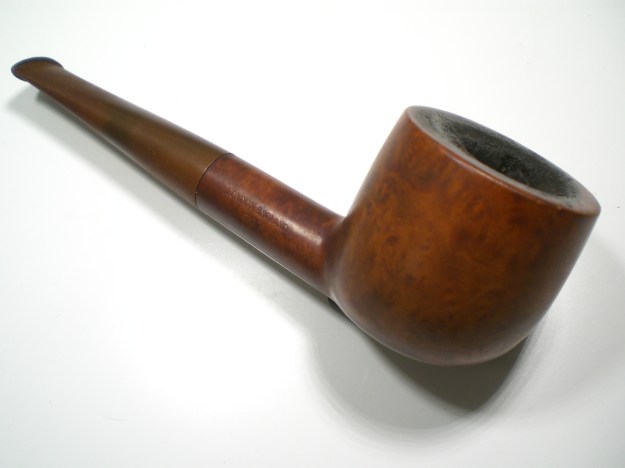
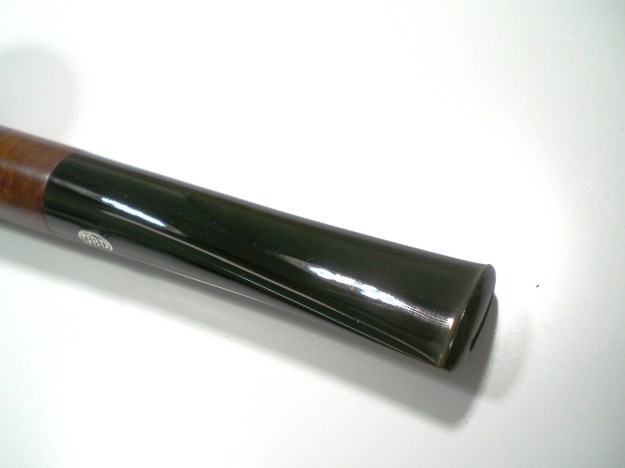
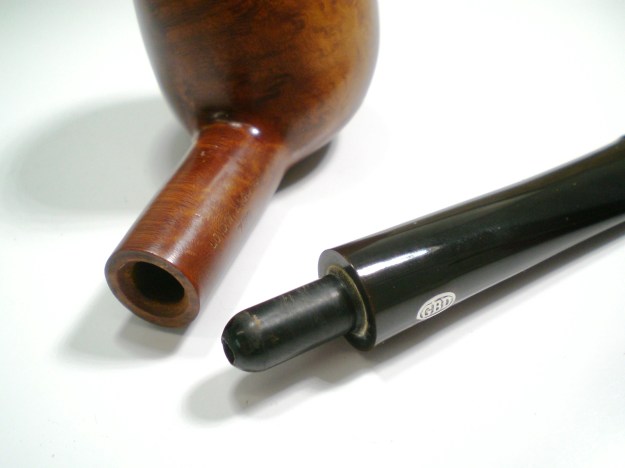
Sure enough, the stem did have the “Hand Cut” stamp! The bullet style tenon was first used by GBD in the early 1950’s (per Mike Hagley)

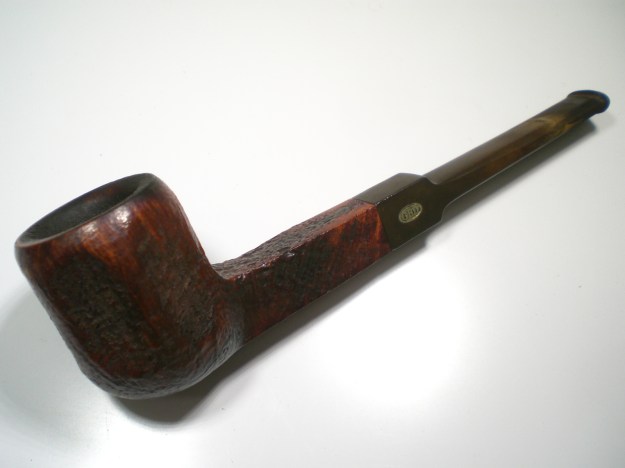
The stem was very heavily oxidized, so I put a dab of grease on the brass rondell and soaked it in a mild Oxy-Clean solution.

The bowl was reamed of the heavy cake. I used a wet cloth and then a worn piece of scotch-brite pad to remove the build-up on the bowl top. The top was finished with a worn piece of 8,000 grit micromesh. Nearly all of the build-up came off, without breaking the stain. I soaked the bowl with alcohol and sea salt. The interior of the bowl was in excellent condition. Thank goodness for a heavy cake, right?

I mounted the stem and started to remove the heavy oxidation. I typically start with 800 grit paper, but that didn’t make much of a dent, so I dropped down to 400 grit. I decided that it would be impossible to save the Hand Cut stamp and get the oxidation, so it was removed. The button is unmistakably of the Hand cut shape, so that would have to suffice.

I worked through 800, 1,500 and 2,000 grades of wet paper, then 8,000 and 12,000 grades of micromesh. The stem was then buffed with White Diamond and Carnuba Wax.

The bowl was buffed with White Diamond and several coats of Carnuba wax.

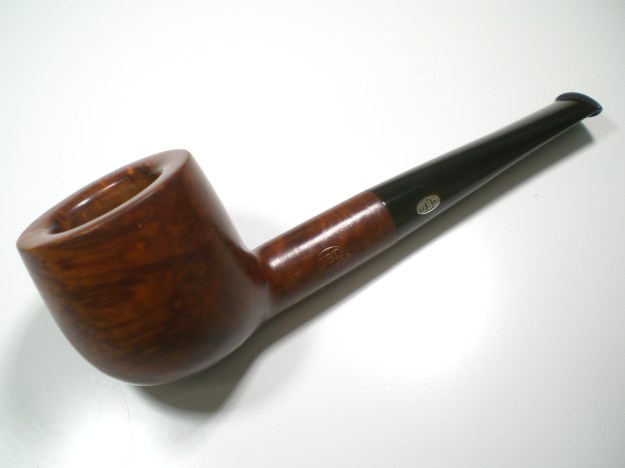
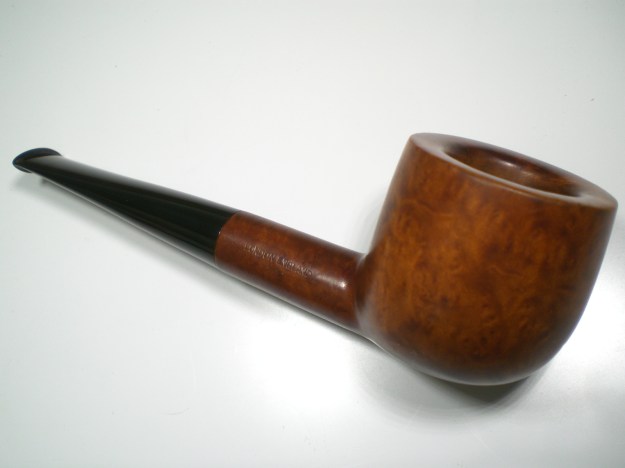
Below is the finished pipe.

[caption id="attachment_51866" align="alignnone" width="625"] ?

?

Comoy’s Billiard Sandblast Restoration


By Al Jones

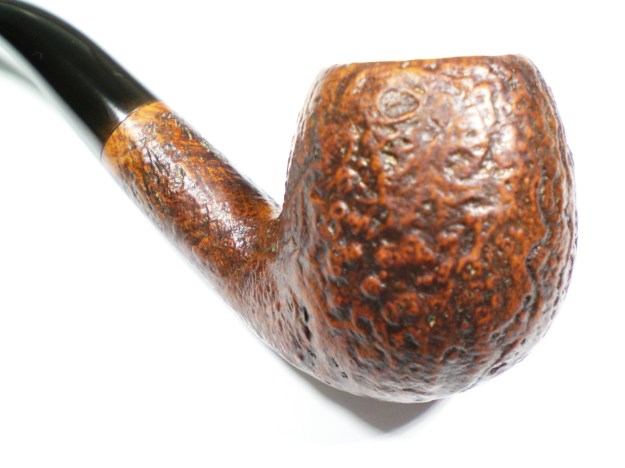
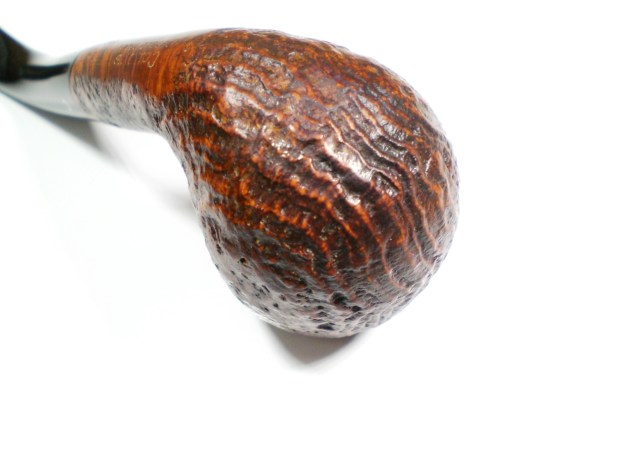
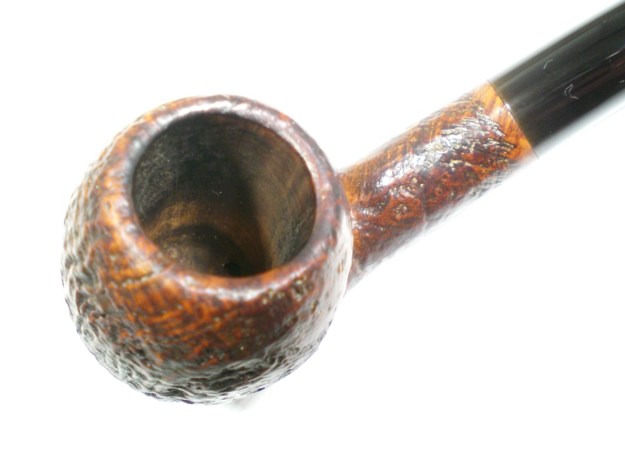
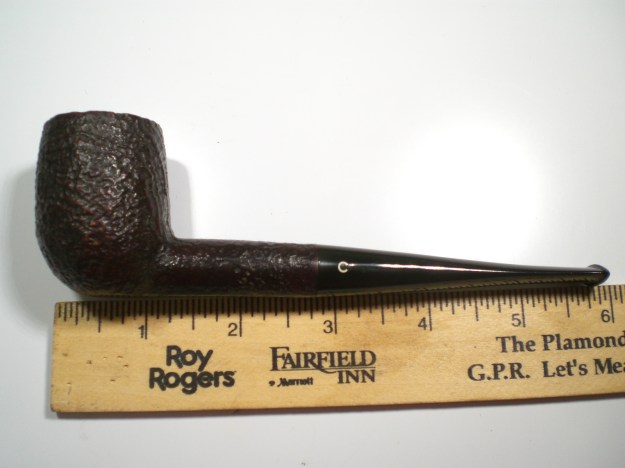
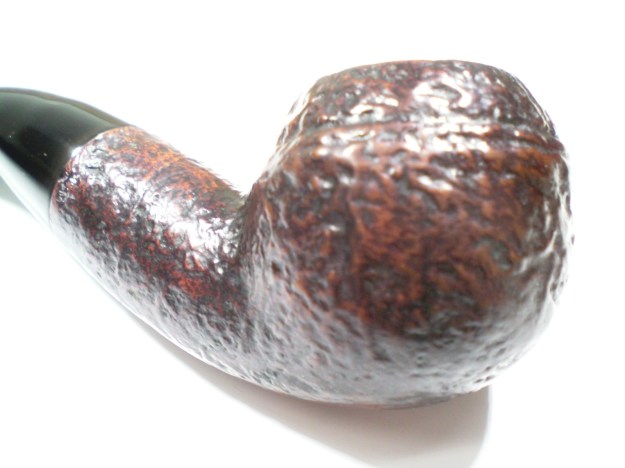
This Sandblast Comoy’s, a shape 28, from the pre-Cadogan era was in too good condition to pass up. The stem was only mildly oxidized and the rim bowl top showed some of the factory beveled edge was still visible. On delivery, all of this was confirmed. There was heavy cake, but the owner had never overfilled the pipe.

I reamed the cake with my Castleford set and finished with a piece of 320 grit paper around a slightly smaller bit. The interior of the bowl was in excellent condition. The bowl was soaked several hours with alcohol and sea salt. I used a wet rag to remove some of the bowl top buildup and a worn piece of scotchbrite on the polished beveled edge, followed by a piece of 8,000 grit micromesh. The bowl was then polished with Halycon wax, worked into the sandblast with an old toothbrush.

The stem was soaked for a few hours in a mild Oxy-Clean solution. Mounted to the briar, I used 800, 1000 and 2000 grade wet sandpaper to remove the oxidation and teeth abrasions. Fortunately, the marks were only minor. The stem was then buffed with white diamond rouge and then Meguiars plastic polish.

Below is the finished pipe, which has been sold to a member of the PipesMagazine.com forum. I’ve sold a number of these straight billiards over the years, many of where were Comoy’s. If I ever discover that I enjoy smoking a straight billiard shape, I’ll have many regrets, including this fine specimen.

?

Comoy’s “Royal Guard” 1453 Restoration


By Al Jones

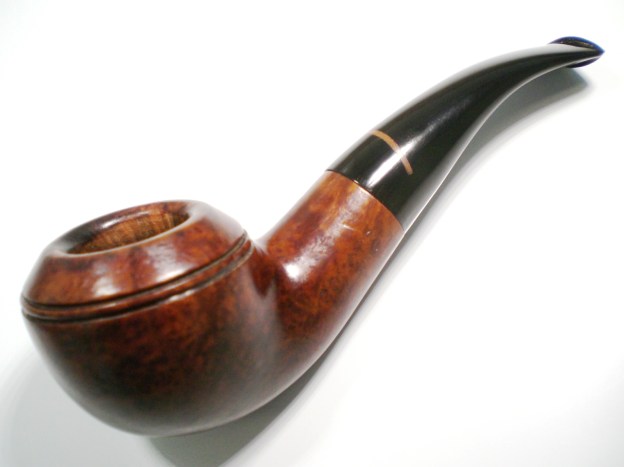
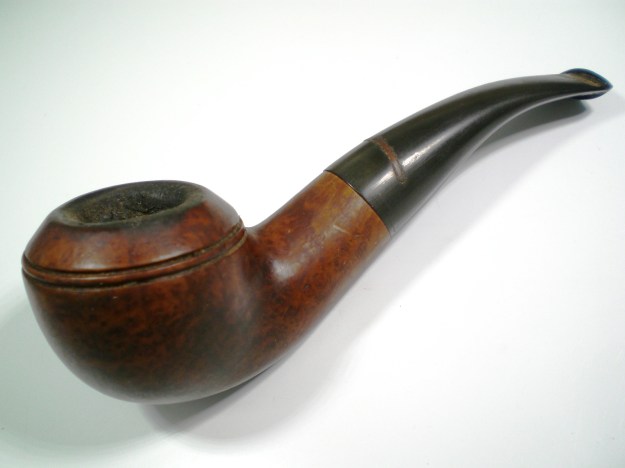
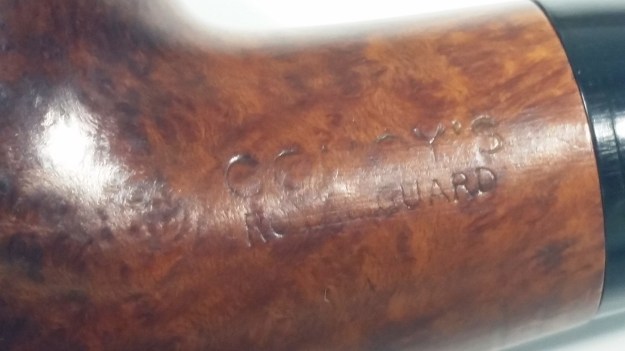
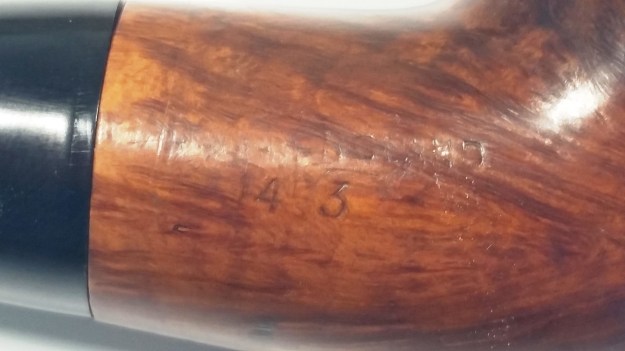
This Comoy’s “Royal Guard” caught my eye but I was not familiar with this line or shape number (1453). The pipe looked like an easy restoration, with the typical heavy cake and very minor stem issues.

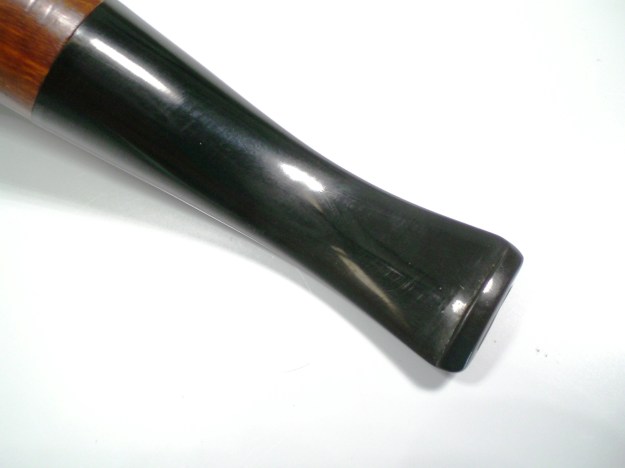
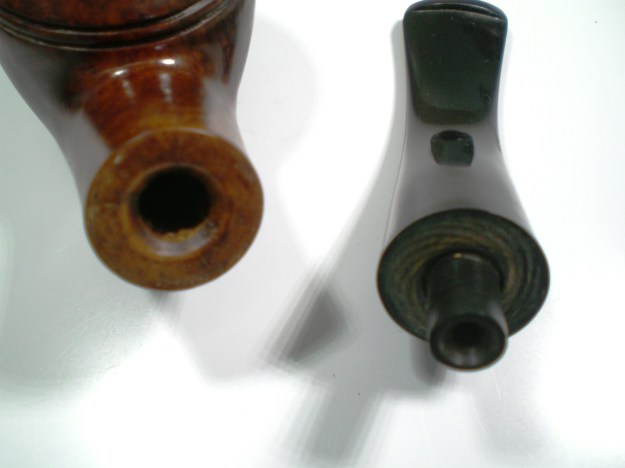
Below is the pipe as received. The stem was in great condition and fit snugly. The stem adornment was a bit of a puzzler to me. I assumed it was made of metal, like “The Guidall” pipes. However the during the restoration, and looking at the few few Royal Guards on the internet, I believe it is a thin sliver of wood, perhaps briar?

The pipe was reamed and I used a cloth dipped in water to remove the heavy deposit on the bowl top. After the heavy layer was removed by cloth, an 8000 micromesh sheet was used to diminish the rim darkening. I use a piece of 320 grit sandpaper wrapped around a Pipenet reamer bit to finish the inside of the bowl. The bowl was then filled with sea salt and soaked with alcohol.

I was afraid to soak the stem in Oxy-clean, as is my normal practice because I thought the adornment was made of metal and it appeared to be rusted. Instead, I used 800 grit paper which revealed what I believe is a a piece of wood. The Oxy-Clean solution would not have been kind to the wood, so I’m glad that I didn’t use that method. The rest of the stem only had very minor oxidation and it was easily removed with the 800 grit paper, followed by 1,000 and 2,000 grades. 8,000 and 12,000 grade micromesh was used to finish the hand steps. The stem was then mounted and buffed with White Diamond and Meguiars Plastic polish.

I buffed the bowl with White Diamond and then several coats of Carnuba wax, being careful to stay away from the nomenclature, which is faded but legible.

I find very little about the “Royal Guard” pipes, if anyone has insights to offer, please comment. Below is the finished pipe.

GBD 9242 P – NY Pipe Show Find


By Al Jones

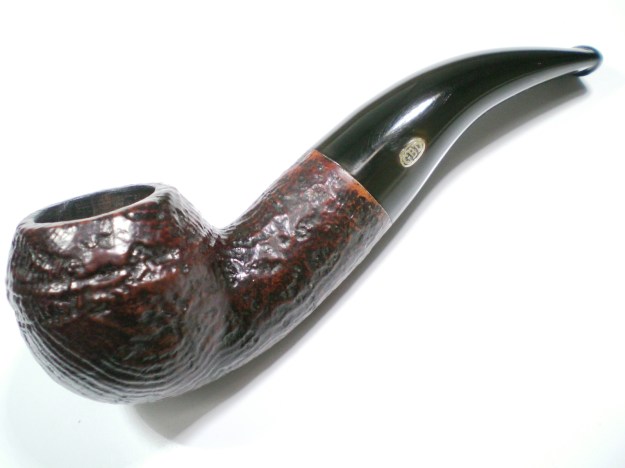
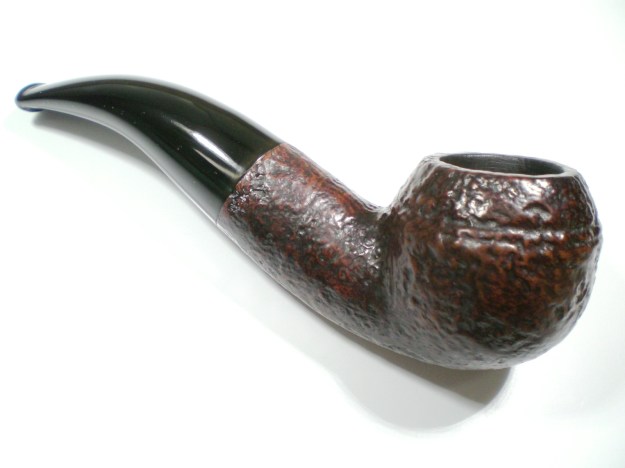
The iconic GBD 9242 is a highly sought after shape and one that rarely turns up on Ebay. I typically see one 9242 about every two years on Ebay and competition for it is fierce. A friend and I made the trek to the 2017 NY Pipe show, hosted by Rich Esserman. I like to get to pipe shows early, and make a quick sweep of the room. This pipe was on the table of Paige Simms, a collector from Baltimore and a member of the Chesapeake Pipe club. We struck a deal and the prize was mine. Paige wasn’t sure how long he had owned the pipe, but he thought it was fro the 1930’s and that it was a fine smoker. It is always a pleasure to chat with these long time collectors. I spent a long day on the road, getting to and from the show, but this find is a great reason why collectors should attend pipe shows.  To say that I was thrilled to find this one is an understatement.

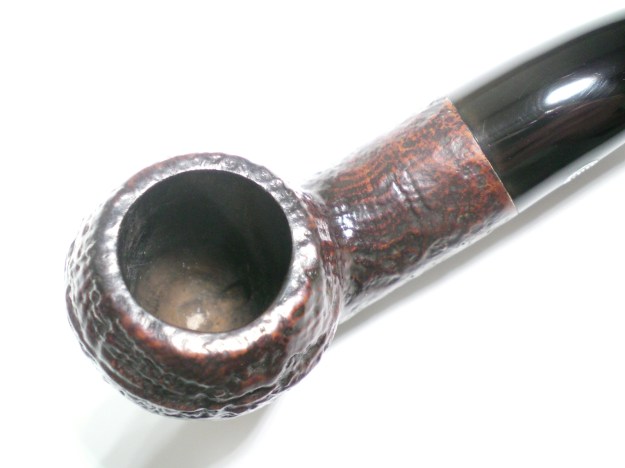
The pipe was in terrific shape, with some oxidation on the stem and one small tooth dent. The blasted finish was worn, and I’m not sure if that was from wear or just the way it was blasted.


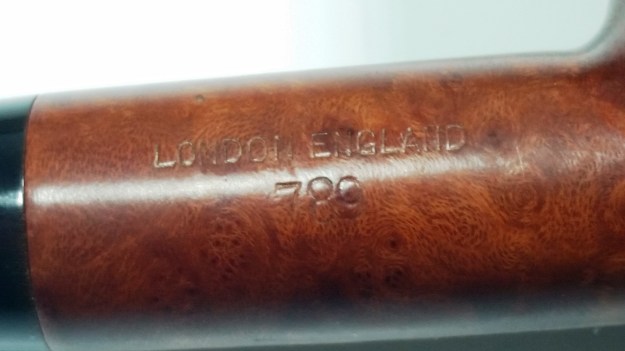
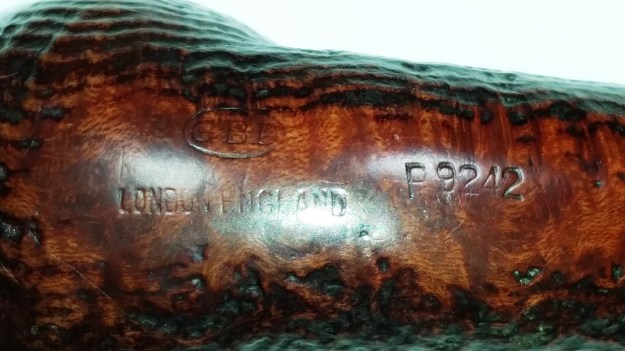
The pipe has the “London,England” country of manufacture mark that denotes a GBD made before 1981, but the orific (ovalized) stem and smaller GBD rondell make me think that the pipe is from the 1930’s, as Paige suggested. I have a silver hallmarked GBD that dates to 1937. I have noticed that in the older GBD’s that the rondell is slightly smaller. These measure 6 mm in width, while the rondells on other GBD’s in my collection measure 7.5 mm. This one has a very fat, bullet style tenon. I’ve seen this style tenon but only on stems stamped “Hand Cut”. (this one lacks that stamp)

?

?

?

Another curiousity about this pipe is the “P stamp beside the 9242 shape number. Most sand blasted GBD’s would be stamped in the Prehistoric finish. I cannot find anywhere when as to when GBD started using this finish name.

?

The pipe had a very slight cake and Paige said he smoked straight Virginias in the pipe. It was clean, but I did the bowl soak with alcohol and sea salt. There was one small tooth indention on the top of the stem. I was able to use heat from a lighter flame to light it out almost completely. While the bowl was soaking, the stem was soaked in a very mild Oxy-Clean solution, with a dab of grease on the rondell.

I removed the outer layer of oxidation with 800 grit wet paper, than 1,000 and 2,000 grades. Next up was 8,000 and 12,000 micromesh sheets. The stem was them buffed lightly with White Diamond and Meguiars Plastic Polish.

Below is the finished pipe and a comparison with my New Standard 9242. As you can see, the Sandblast pipe is a more compact stubbier shape.

GBD_9242-P_Finish (3)


Peterson 999 Meerschaum (Sterling) Restoration


By Al Jones
al_pipes_-85

This unusual Peterson came via Ebay. It wasn’t listed as a meerschaum pipe, but from the appearance, I thought it was from made from that material. The stem was mildly oxidized. Other than that, it appeared to have been only used lightly. To this point, I’ve not seen a Peterson 999 in this shape and meerschaum finish.

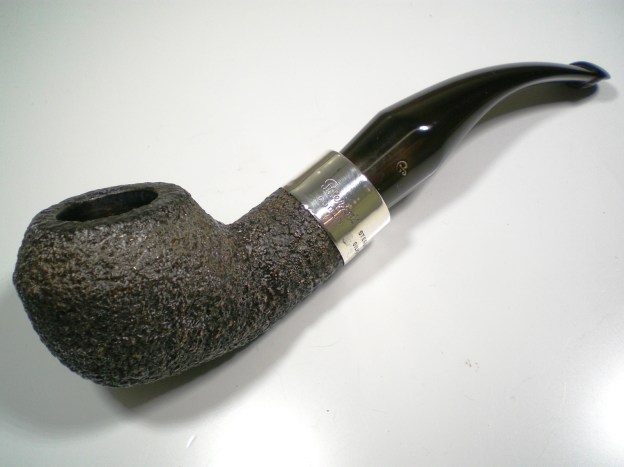
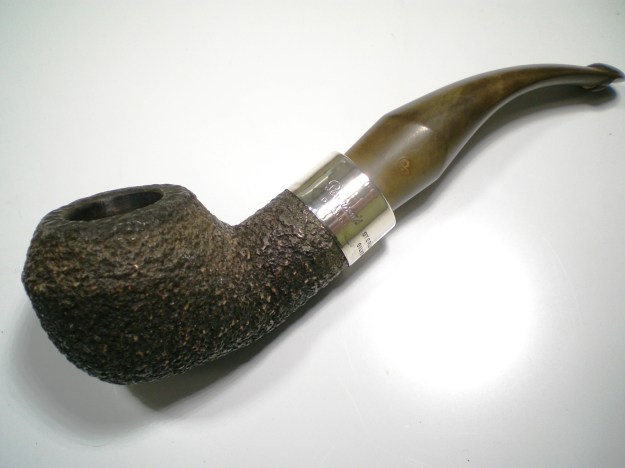
As always, Peterson authority Mark Irwin had some helpful comments about this piece. Mark told me that the pipe was African block meerschaum, made by Manxman on the Isle of Man, for Peterson. Peterson eventually bought out Manxman and moved production to Dublin. The hallmarked Sterling band (italicized, lower case h for 1975) denotes a quality piece, made during the Isle of Mann era. I found this on the Peterson Pipedia page:

The Peterson Manx (Laxey) Isle of Man factory partnership ceased operation about 1981 and the production of all African Meerschaum pipes was moved to Dublin and continued there until 1986.

Here’s the pipe as received.

peterson_999_sterling_meer_before-1

peterson_999_sterling_meer_before-2

I put a dab of grease on the stamped P stem logo and soaked it in a mild Oxy-Clean solution. I used the cleaning tutorial by Fred Bass, which is available on this blog entry:

Fred Bass’ Tutorial – Cleaning Estate Meerschaum Pipes

The oxidation on the stem was removed with 800, 1,000 and 2,000 grade wet sandpaper, followed by 8,000 and 12,000 Micromesh sheets. The stem was then buffed with White Diamond and Meguiars Plastic Polish. The Sterling band was brightened with a silver polish cream and a cotton cloth.

Following Fred’s instructions, I rubbed on some beeswax and melted it into the meerschaum with a heat gun.

Below is the finished pipe. I’m not a meerschaum pipe fan, so this one is available at the PipesMagazine.com Buy/Sell/Trade section.

peterson_999_sterling_meer_finish-1

peterson_999_sterling_meer_finish-4

peterson_999_sterling_meer_finish-5

peterson_999_sterling_meer_finish-2

peterson_999_sterling_meer_finish-6

peterson_999_sterling_meer_finish-3

peterson_999_sterling_meer_finish-8

peterson_999_sterling_meer_finish-9

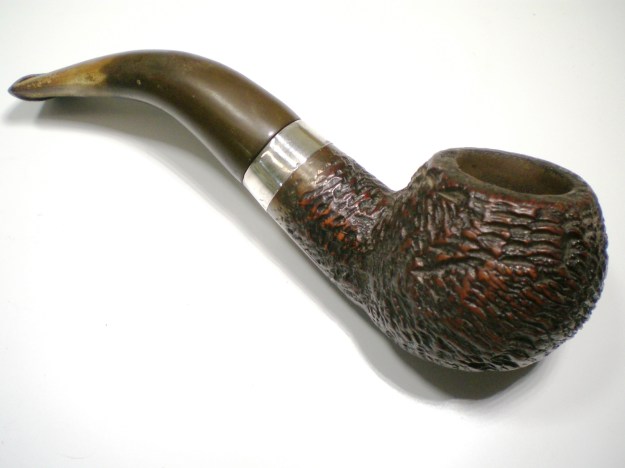
Windsor Ashford Restoration ( Sasieni 2nd)


By Al Jones
al_pipes_-85

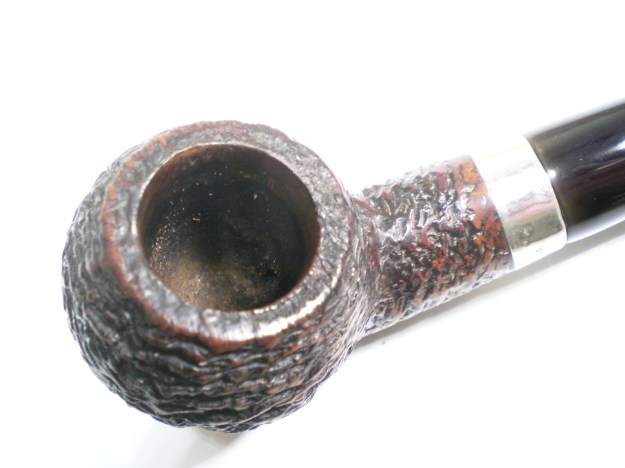
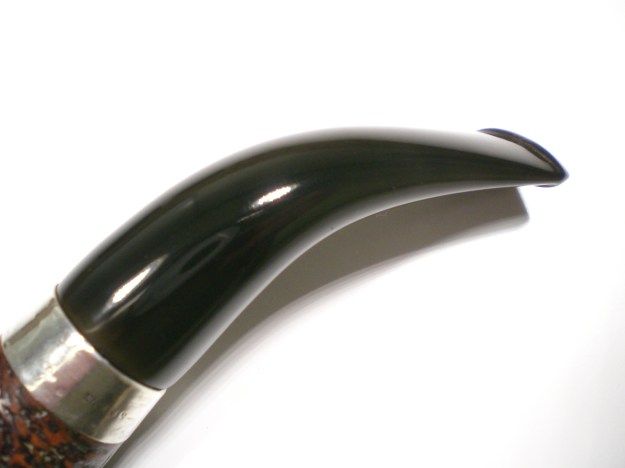
This pipe was listed as a Sasieni and indeed it had the Sasieni “Made in England” football COM stamp. Because of the rustification style, I knew it was a 2nd line from Sasieni. Of course it also didn’t have a Sasieni two or four Dot stem logo. The brand name wasn’t shown and it appeared similar to a “Shashar” I restored a few months ago. The Sterling silver band was not factory and I didn’t know what damage it might be hiding. The Sasieni Ashford is shape 88 in their catalog and this one was stamped 688, typical for a Sasieni 2nd’s line. The Ashford shape evolved through the different era’s of Sasieni and this one had the sharper bend that is usually seen on Patent era pipes.

Below is the pipe as delivered.

wingate_688_before-1

wingate_688_before-2

I posted a few pictures of the pipe in the British section of the PipesMagazine.com forum. Not surprisingly, Dave Cuneo was the first to respond. Dave is a moderator on the Pipe Smokers Unlimited forum and a frequent contributor to all things British on the PipesMagazine forum. Over the years, Dave has sent me various ebay links for pipes that I’ve added to my collection and he has a keen interest and expertise in the history of these storied brands. Dave has a theory on the unique rustication technique used by Sasieni:

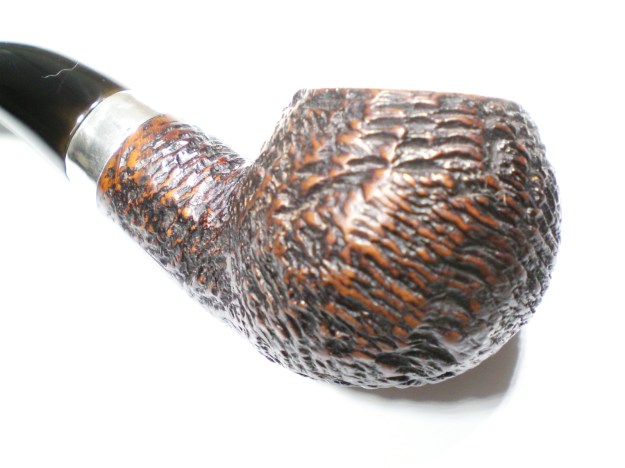
The most interesting thing about this pipe is the rustication. During most of the pre-war period, all of the “seconds” were smooth pipes, but at some point Sasieni began to experiment with rusticated finishes on some of their seconds, finally ending up in the post-war period with the rusticated finish on the Old England line. Having seen a few of these, I would date the pipe to somewhere between the late 1930’s ~ 1950. The stem also has that classic “chubby” pre-war look.

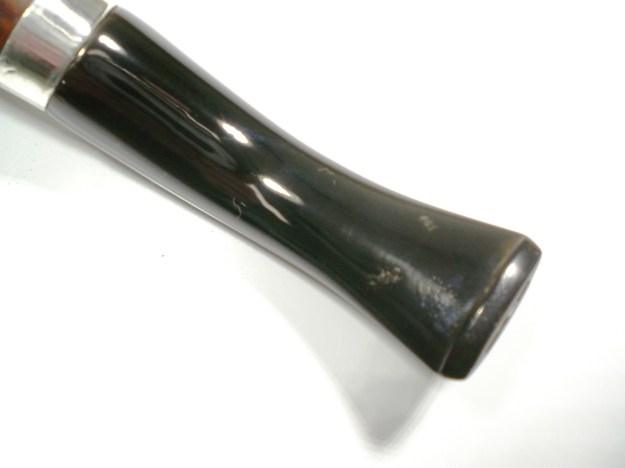
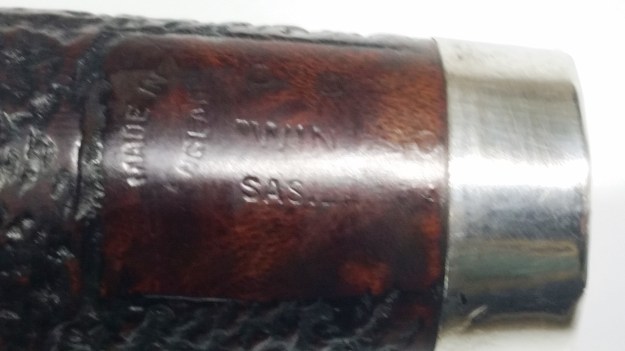
Upon receipt, and under magnification, I could see that the name started with a W. The letters IN and the word Sasieni are also legible. Not much else was legible and the silver band obscured the final letters. Curiously, the shank didn’t appear to have cracks and it didn’t appear to have been added for a repair. The stem was heavily oxidized but in pretty good shape. The bowl was in great shape and overall, I’d say the pipe didn’t see heavy use. Like most Ashfords, this one weighed 45 grams.

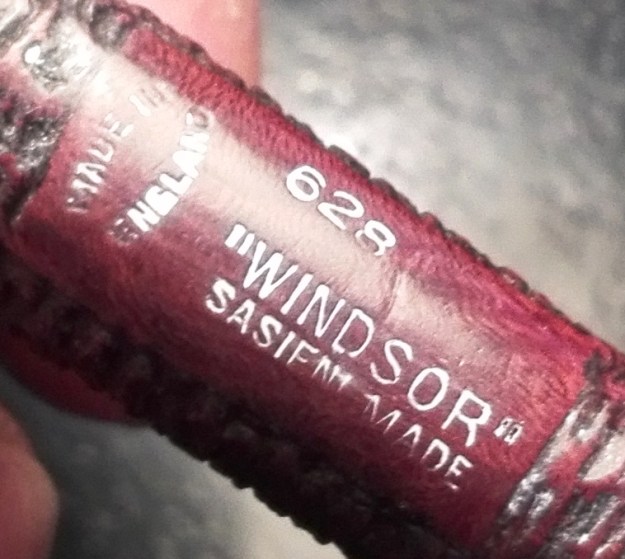
Update:  A Pipesmagazine.com forum member sent me a picture of the nomenclature for a Windsor.  After seeing this, I’m fairly certain that this is the brand.

windsor-stamp

The stem was soaked in a mild solution of Oxy-clean. While it was soaking, I reamed the bowl and soaked it with alcohol and sea salt. I removed the layer of oxidation first with 800 gri paper, then 1,000 and 2,000 grades. I then used 8,000 and 12,000 grade micromesh paper. AT this time, I discovered that the stem had a faint capital W stamp. Sasieni made no less than nine 2nd line pipes that started with a W. The best guess I can make is that it is a Wingate.

I hand waxed the bowl with Halycon wax and polished the silver band with some silver polish cream. The stem was then buffed with White Diamond and Meguiars Plastic polish.

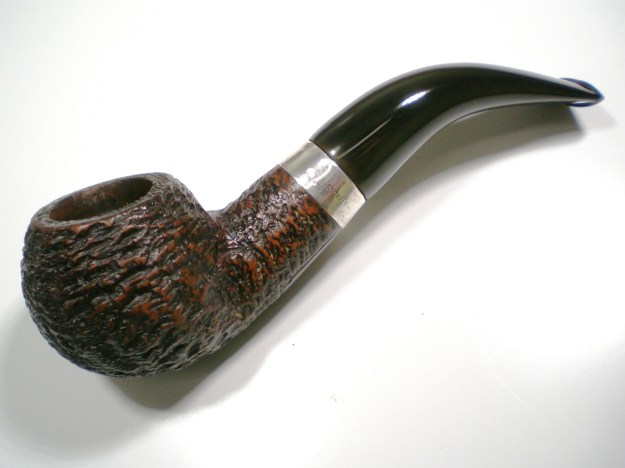
Below is the finished pipe. Dave expressed interest in the pipe and I was happy to make him the next owner.

wingate_688_finish-1

wingate_688_finish-4

wingate_688_finish-8

wingate_688_finish-9

wingate_688_finish-3

wingate_688_finish-5

wingate_688_finish-2

wingate_688_finish-6

?

?

wingate_688_finish-11

wingate_688_finish-12

Peterson Shape 69 – A Tale of Two Pete’s


By Al Jones
al_pipes_-85

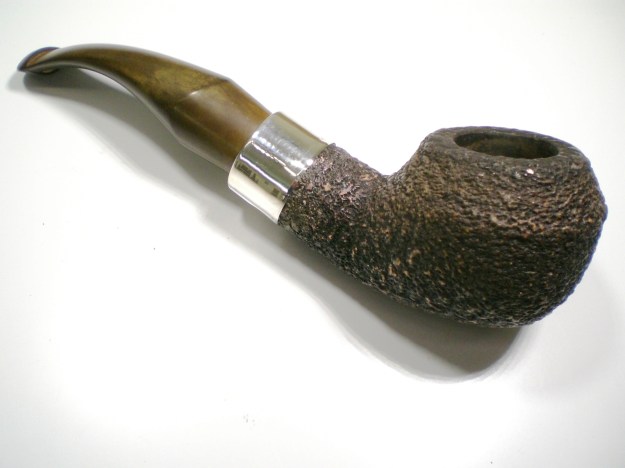
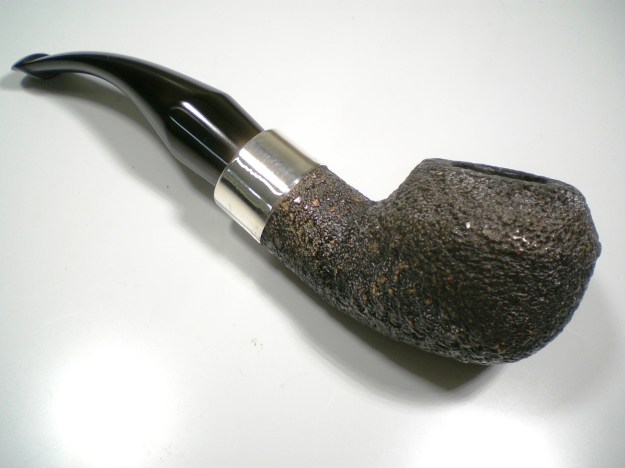
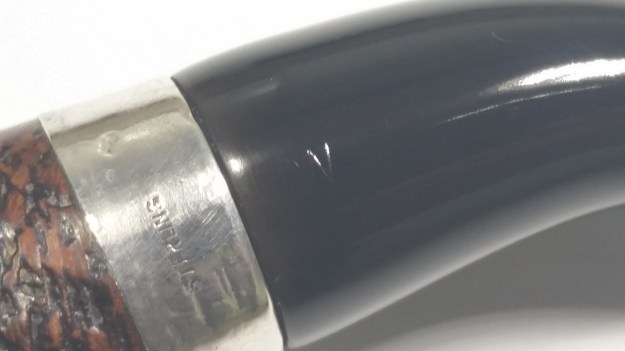
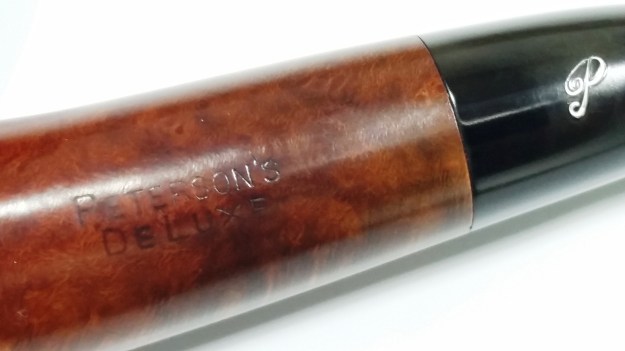
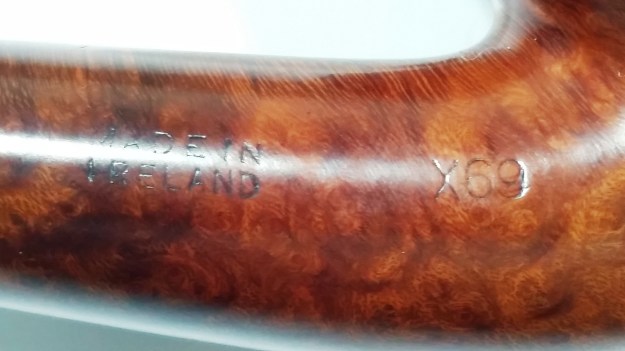
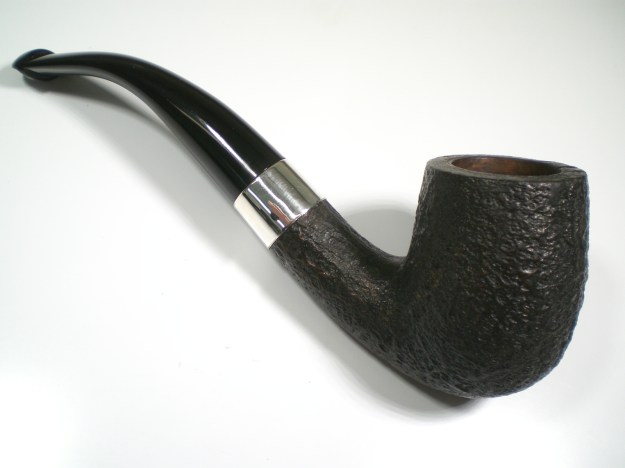
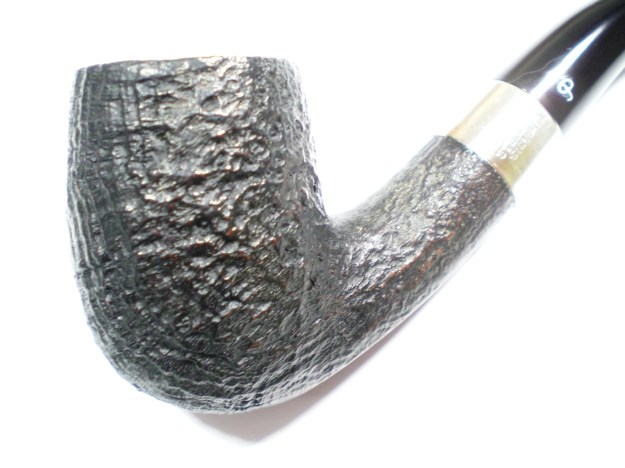
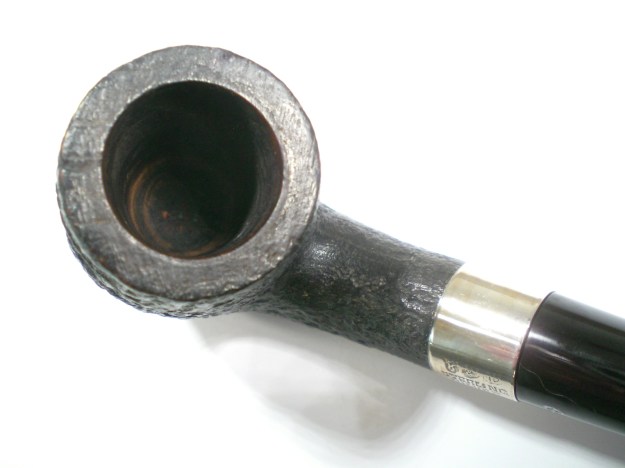
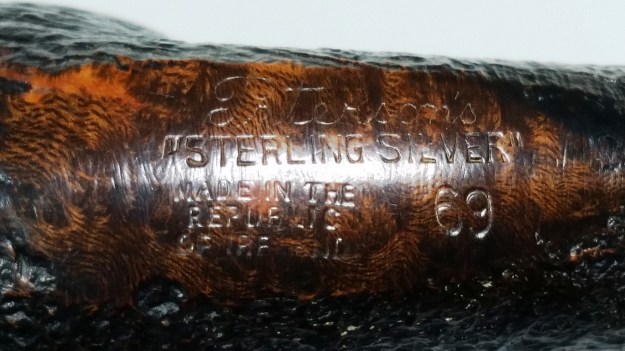
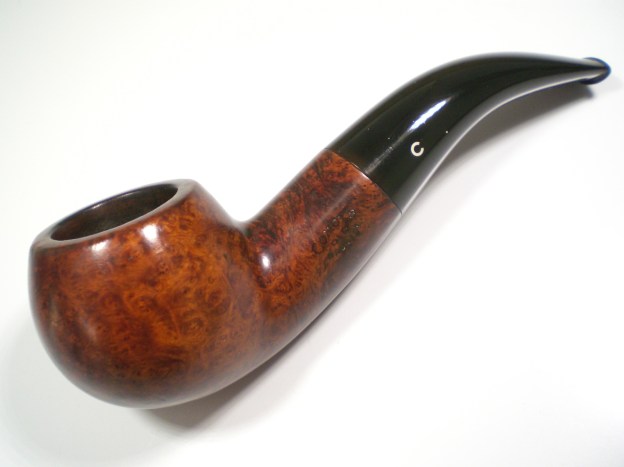
I recently acquired two Peterson shape 69 pipes. One was a 1974 hallmarked “Sterling” pipe and the other, a pre-Republic Deluxe pipe with the X69 stamp.

I was curious about the “X” designation and checked with Peterson authority and soon-to-be published author on the brand, Mark Irwin. Mark shared this with me about the X stamp.

I can only give you my educated guess regarding the “X” factor. In all the Petes I’ve compared, the “X” denotes the same chamber diameter, but a larger outside width and height of bowl. That is certainly the case with the 69 vs. the X69 shape in those I have measured.

The first appearance of the 69 number in the ephemera is in the 1937 catalog, which was not a complete shape chart. But the X69 doesn’t seem to ever appear in the catalogs, unlike some other X shapes, which appear with some regularity—X155, X221, XL339, etc. My belief is that on occasion the factory ordered the shape, and when it arrived, several were enough larger than the standard to justify placing the X in front of the shape.

In contrast, the two pipes are certainly different in size. The Sterling 69 weighs 43 grams and the X69 significantly larger at 61 grams. The bowl sizes are indeed identical.

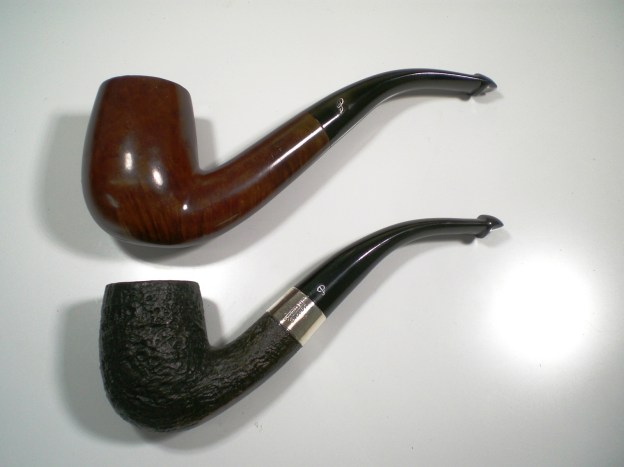
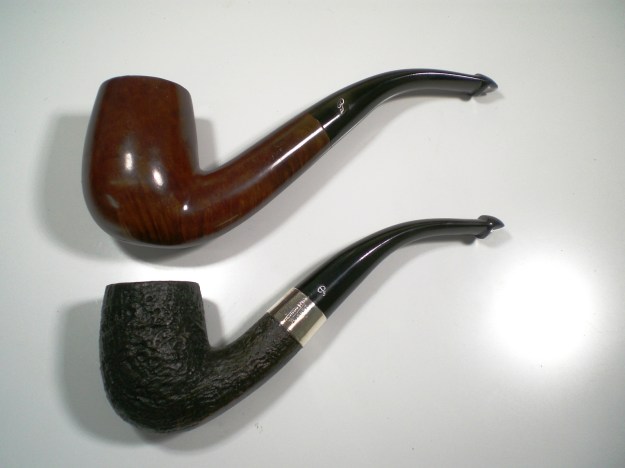
Here is a shot of both pipes in profile

peteso_x69-69

Neither pipe needed much work, just a mild tune-up to the stem with some higher grade paper and micromesh. Both stems were then polished with White Diamond and then Meguiars Plastic polish. Both bowls were cleaned with an alcohol and sea salt soak.

The pre-Republic Deluxe is a bit too large for my taste, so it will be resold.

Here are both pipes.

Deluxe X69 Pre-Republic

This has the block style “Made In Ireland” stamp that was used from 1947 to 1949, at the end of that era.

peterson_x69_finish-1

peterson_x69_finish-2

peterson_x69_finish-3

peterson_x69_finish-4

peterson_x69_finish-5

peterson_x69_finish-6

peterson_x69_finish-7

peterson_x69_finish-8

?

?

Sterling 69 (1974)

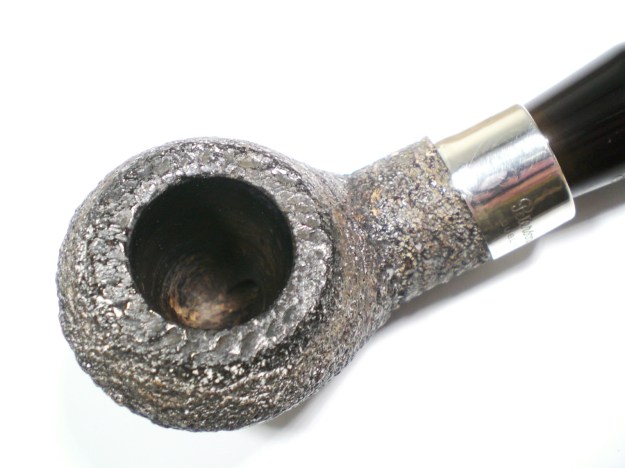
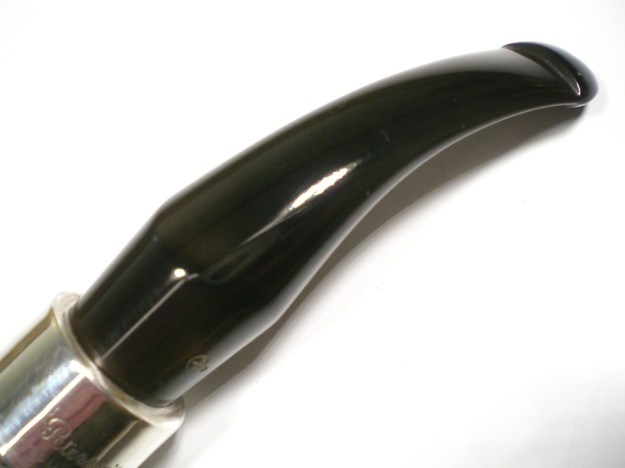
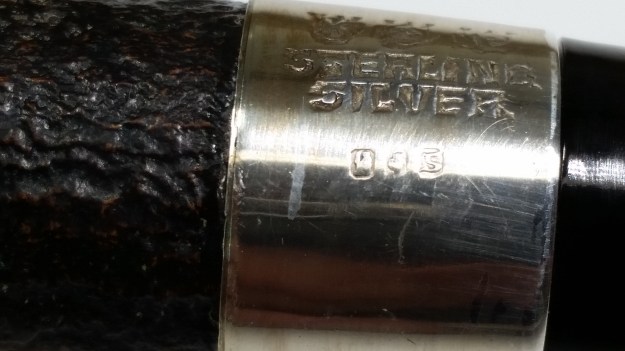
The italicized “g” hallmark denotes the year 1974.

peterson_69_sterling_finished-1

peterson_69_sterling_finished-2

peterson_69_sterling_finished-3

peterson_69_sterling_finished-4

peterson_69_sterling_finished-5

peterson_69_sterling_finished-6

peterson_69_sterling_finished-7

peterson_69_sterling_finished-8

peterson_69_sterling_finished-9

peterson_69_sterling_finished-12

?

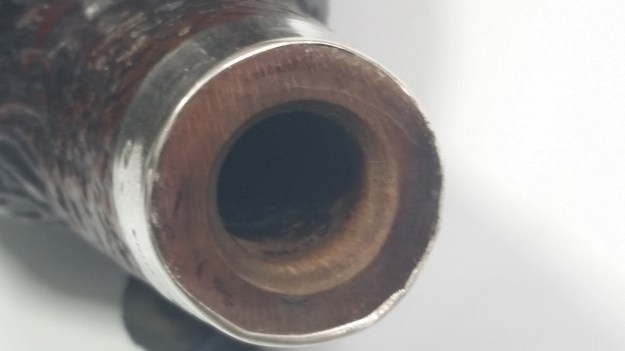
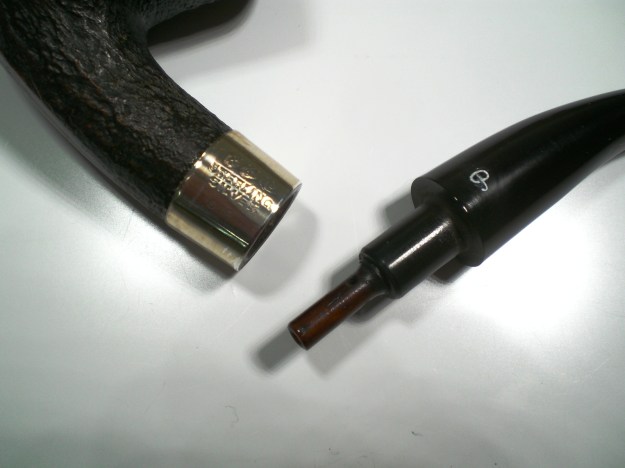
I was fortunate that this pipe still retains the “chimney” that screws into the tenon. The chimney is an important part of the system style pipe.

peterson_69_sterling_finished-11