
Blog entry by Al Jones
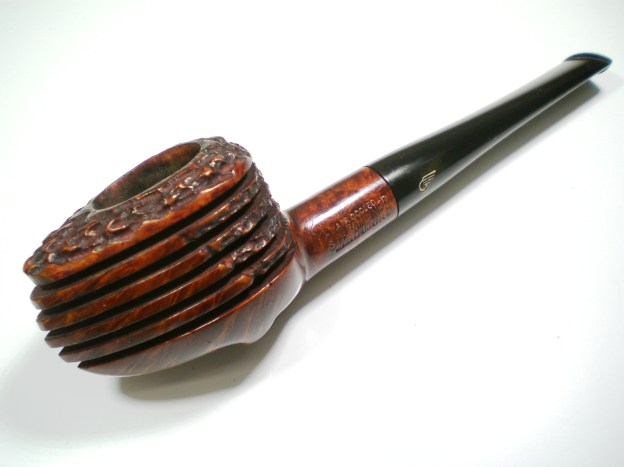
This Weber Streamliner was sent to me by a pipe friend from the Brothers Of Briar forums. Chris always picks up some interesting pieces and I enjoy working on his unique finds.
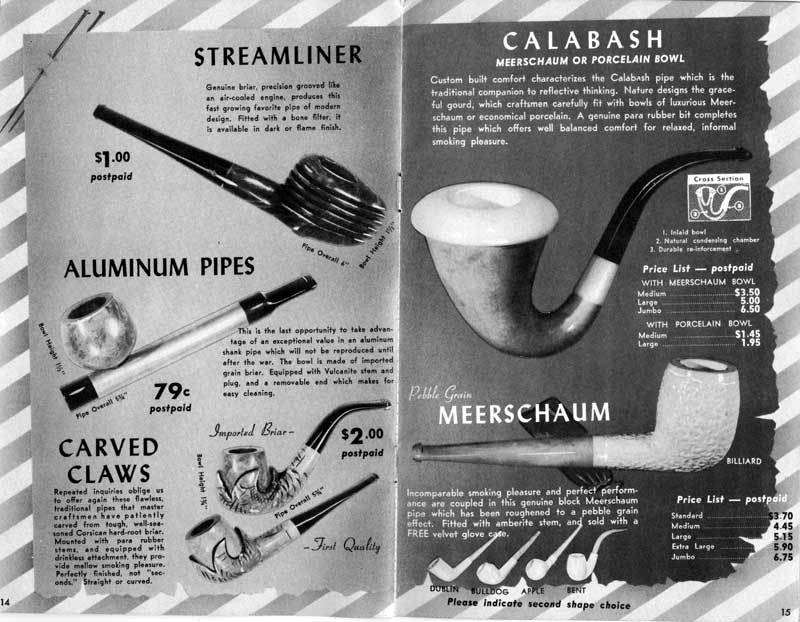
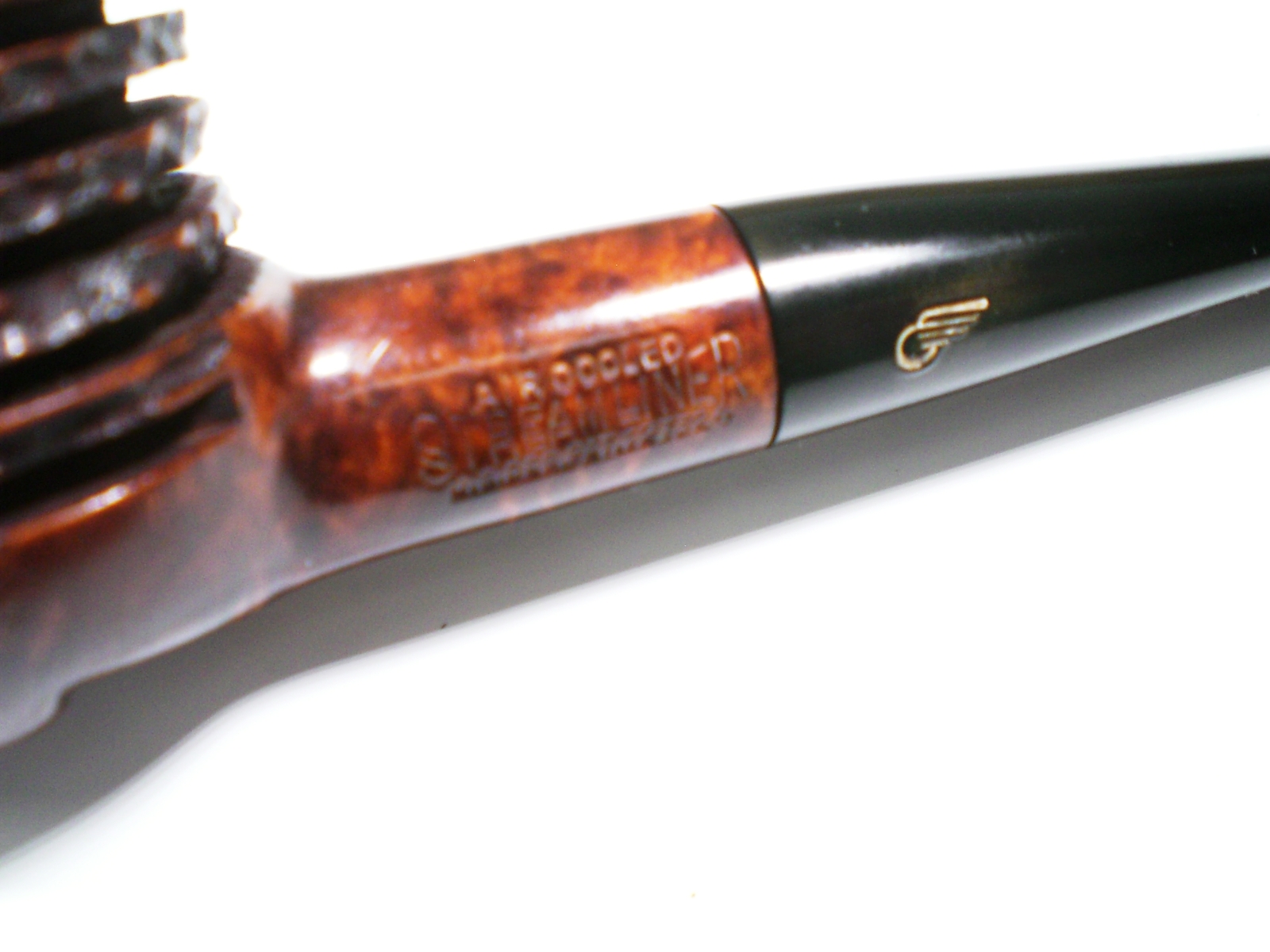
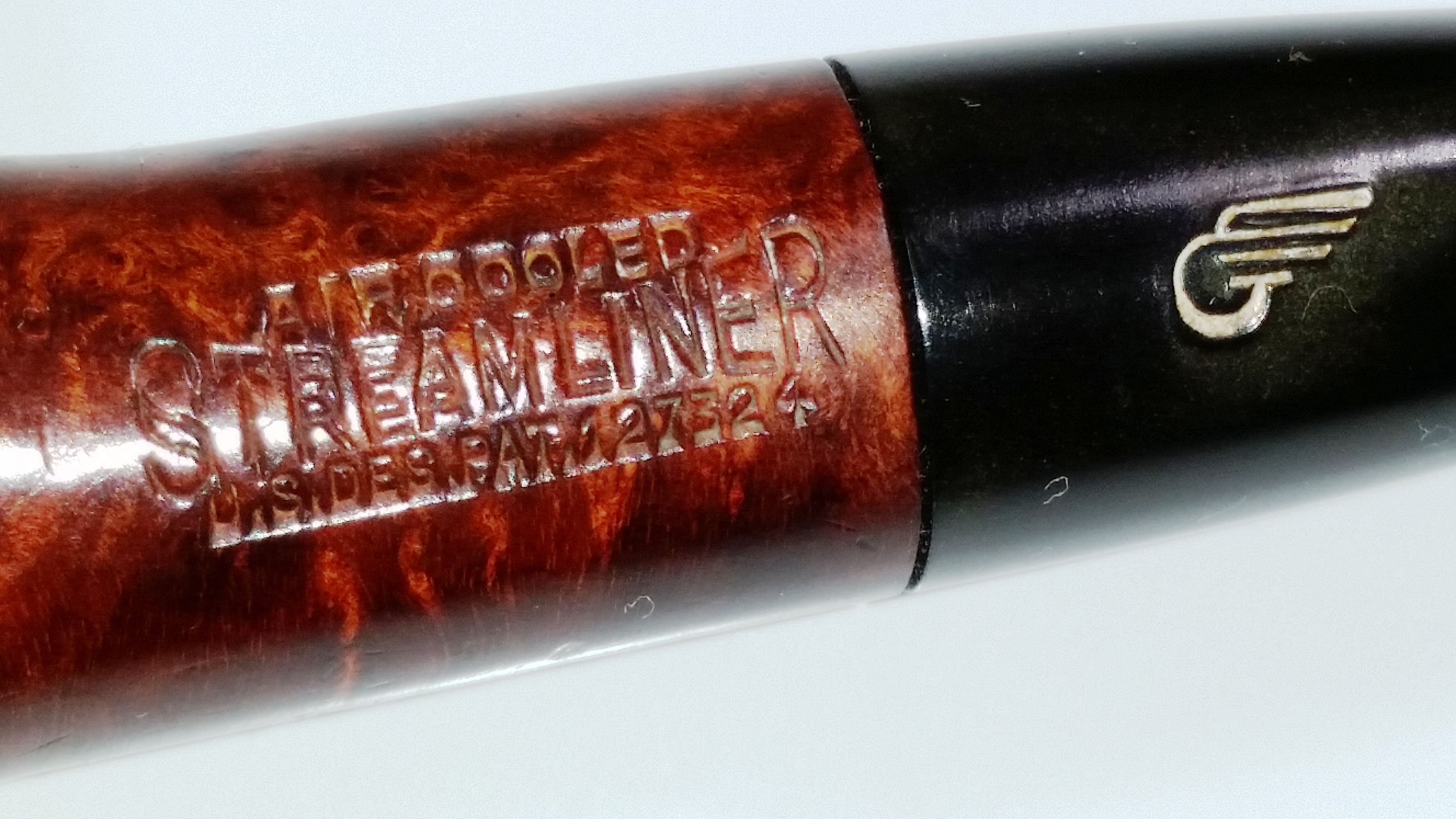
I didn’t find out much about this pipe, but Steve restored one in a blog entry from 2013. This pipe was in very good shape with the original stem. The nomenclature and stem logo are very crisp. Here is a George Yale Catalog ad from 1945.
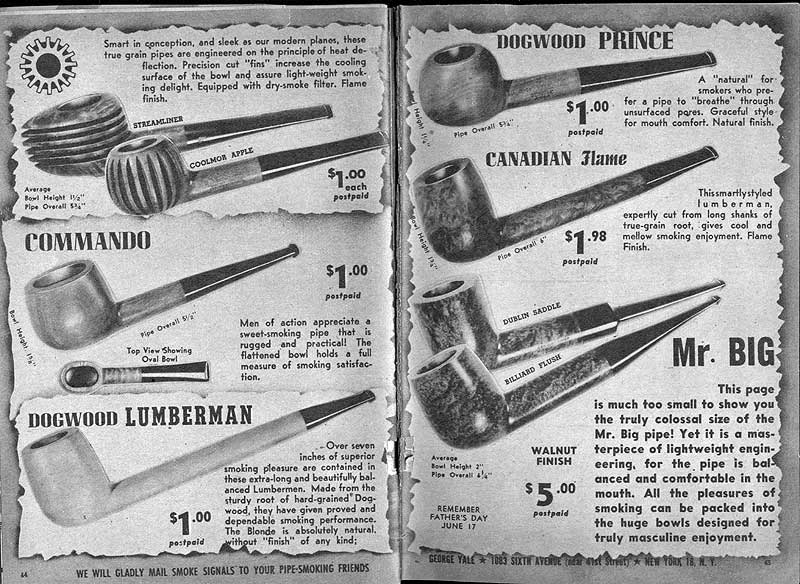
This 1941 George Yale catalog page (NYC vendor) describes the “bone” filter.
The bowl had a slight cake and the prow had some missing pieces of the strakes. The stem was a bit dull. Steven mentions in his restoration that the stem was reputed to be made by something other than vulcanite. I suspect it is some kind of plastic as it wasn’t oxidized. More on that later.
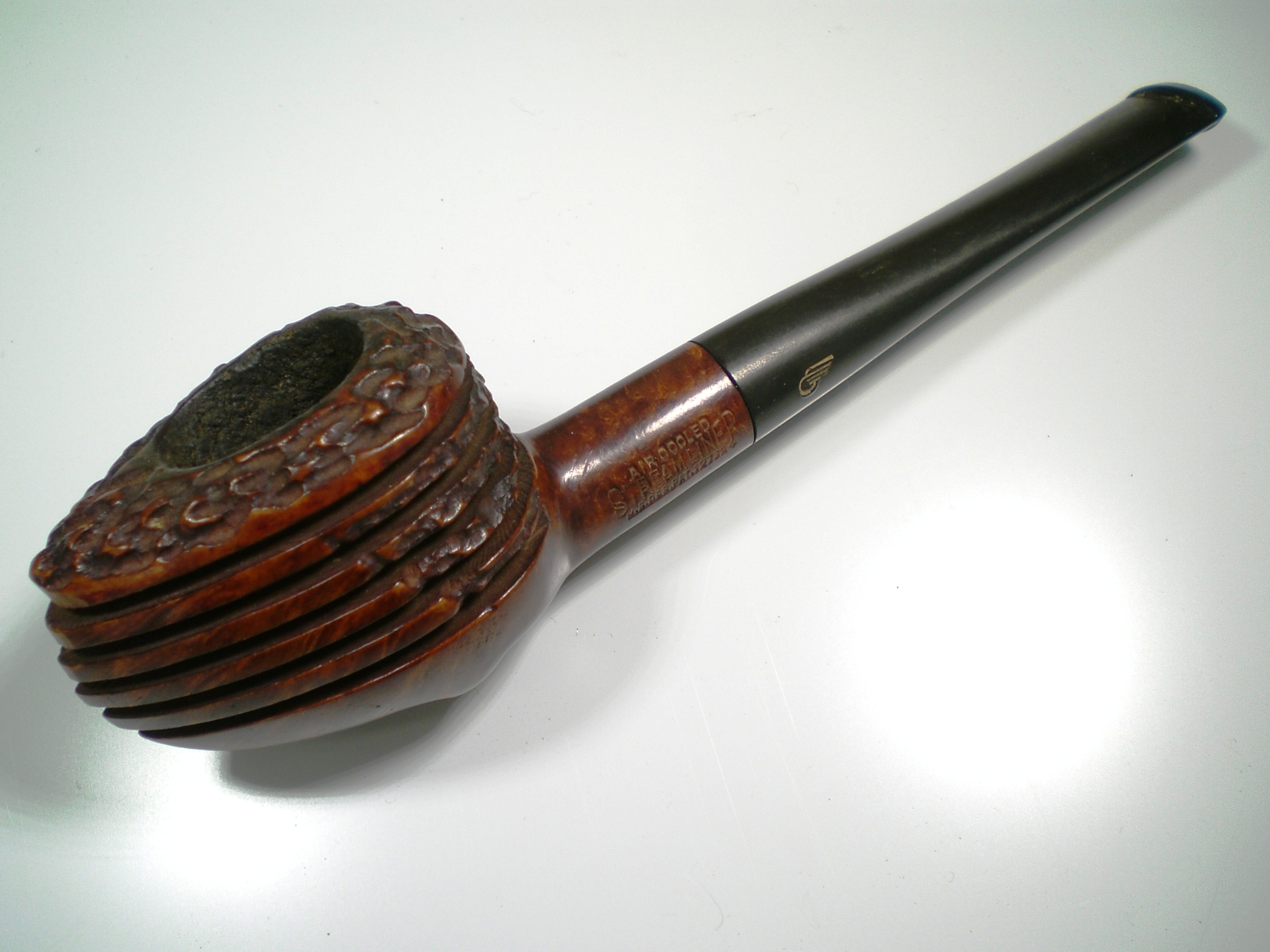
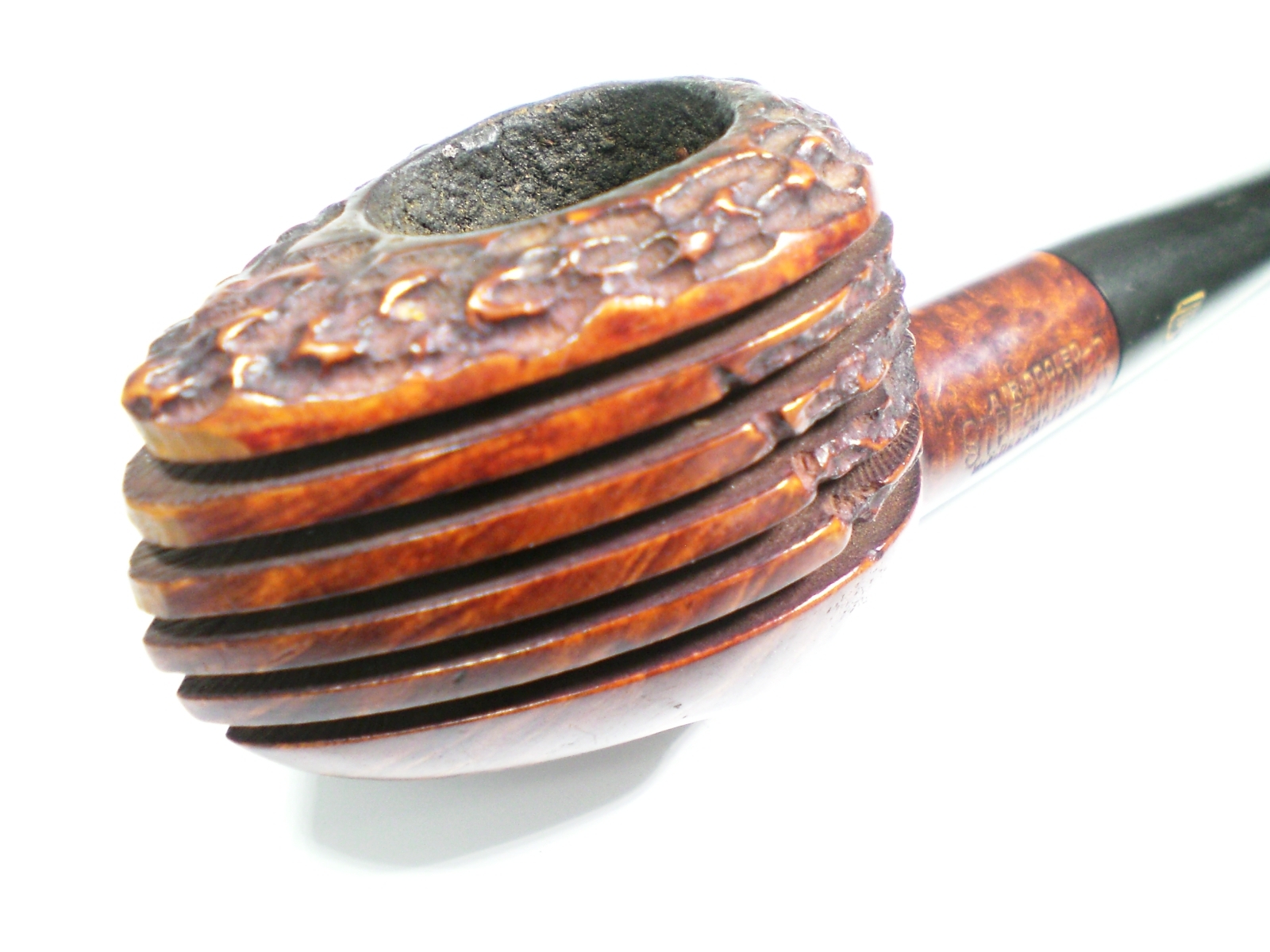
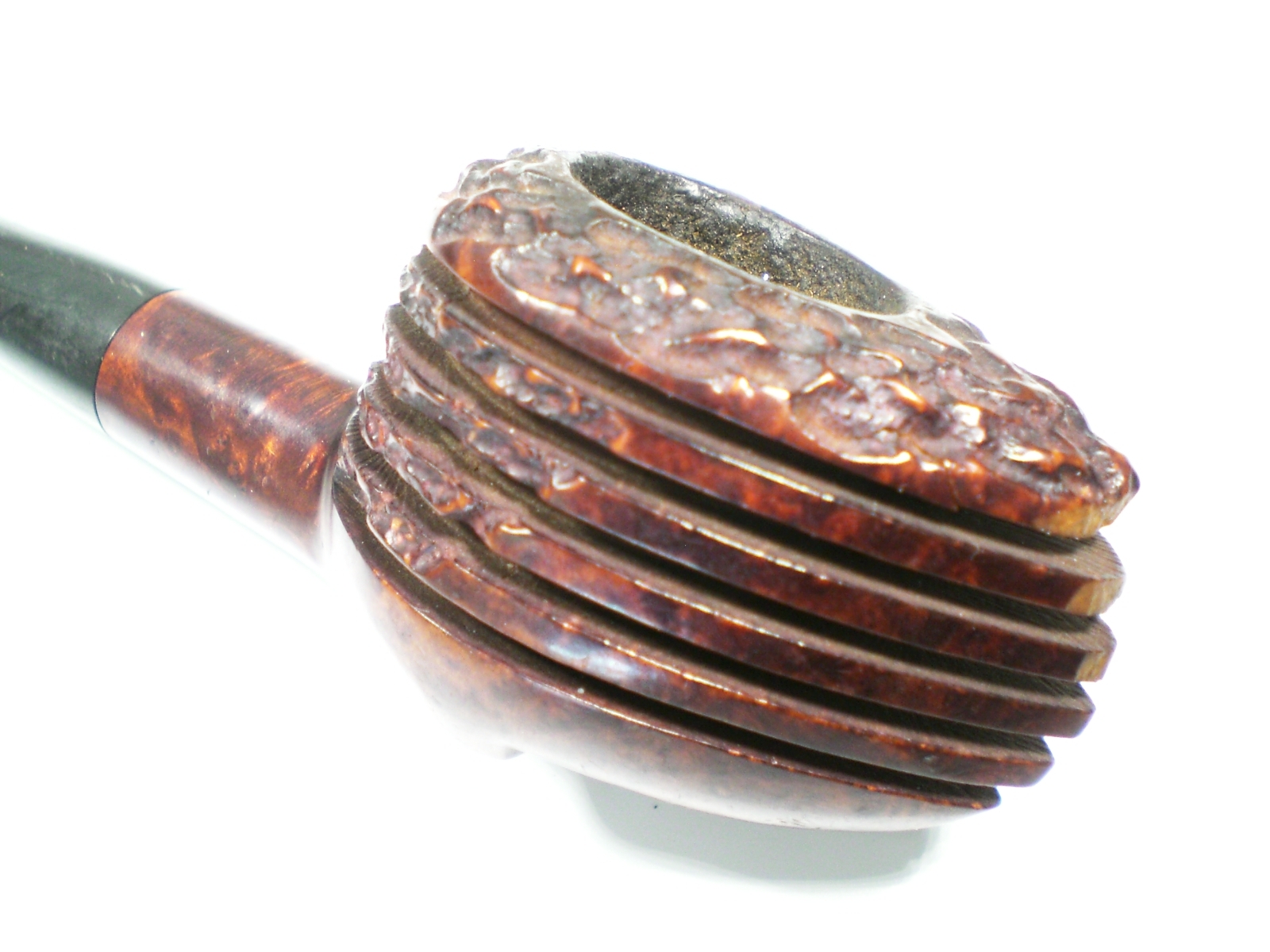
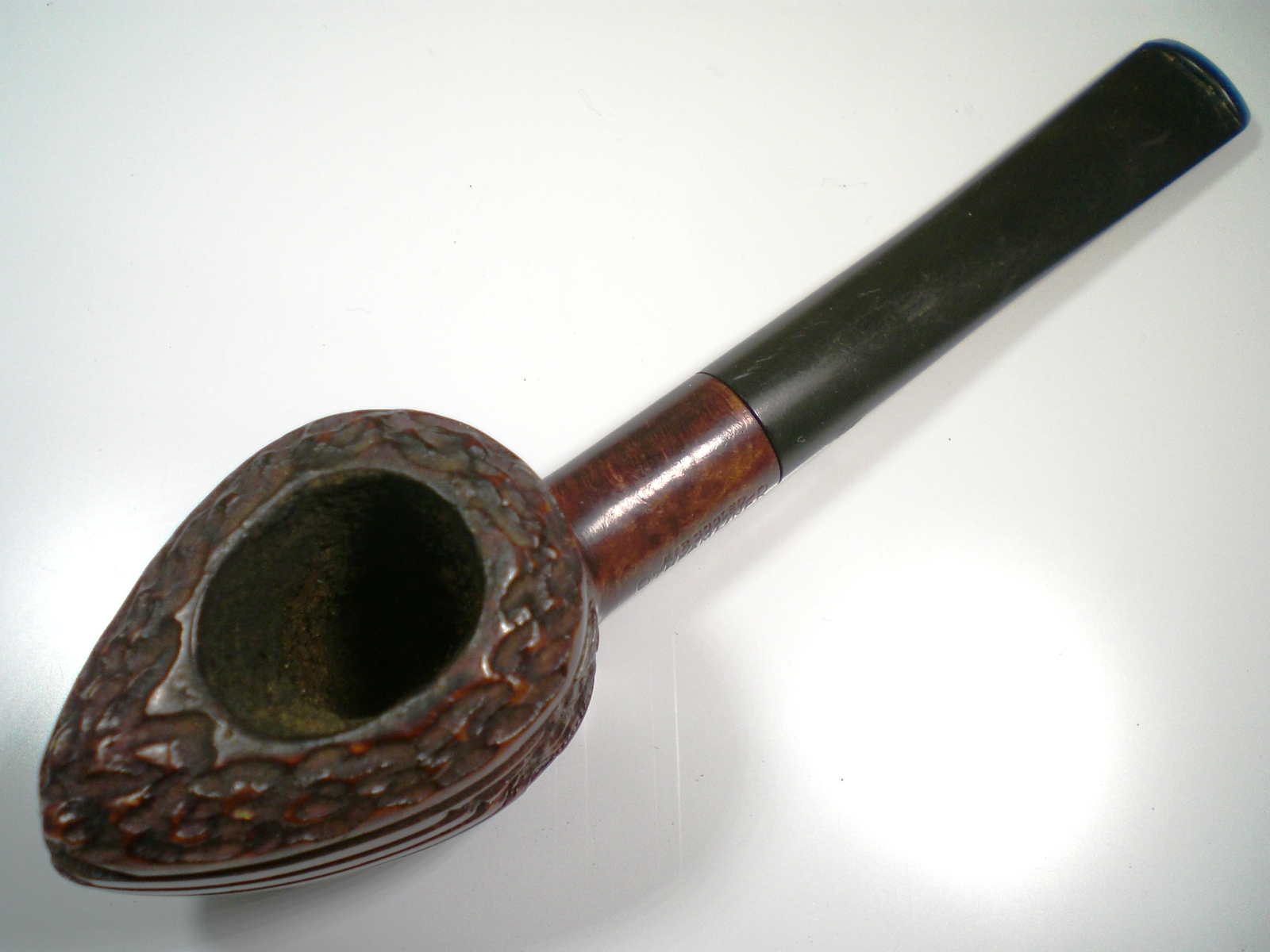
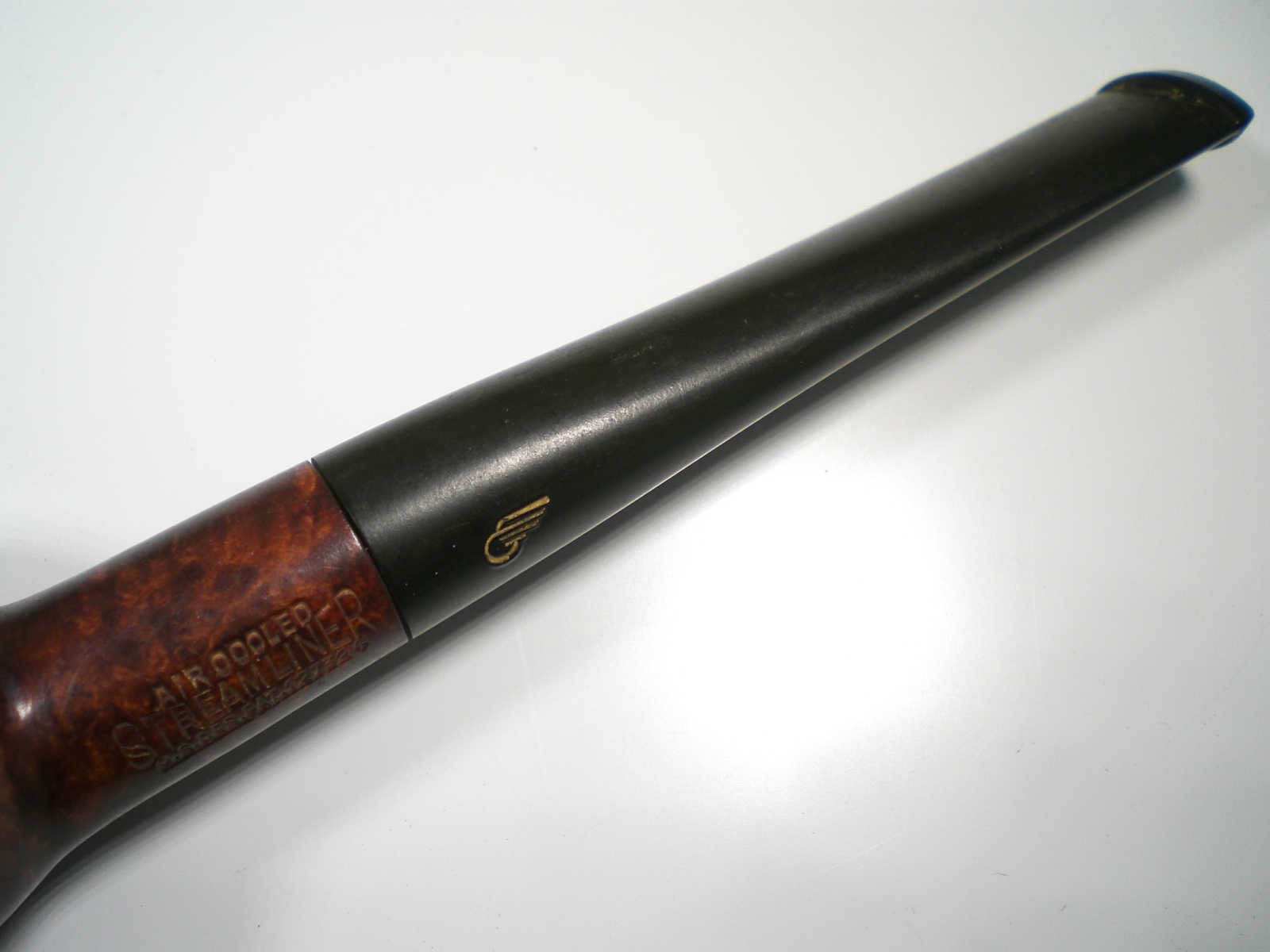
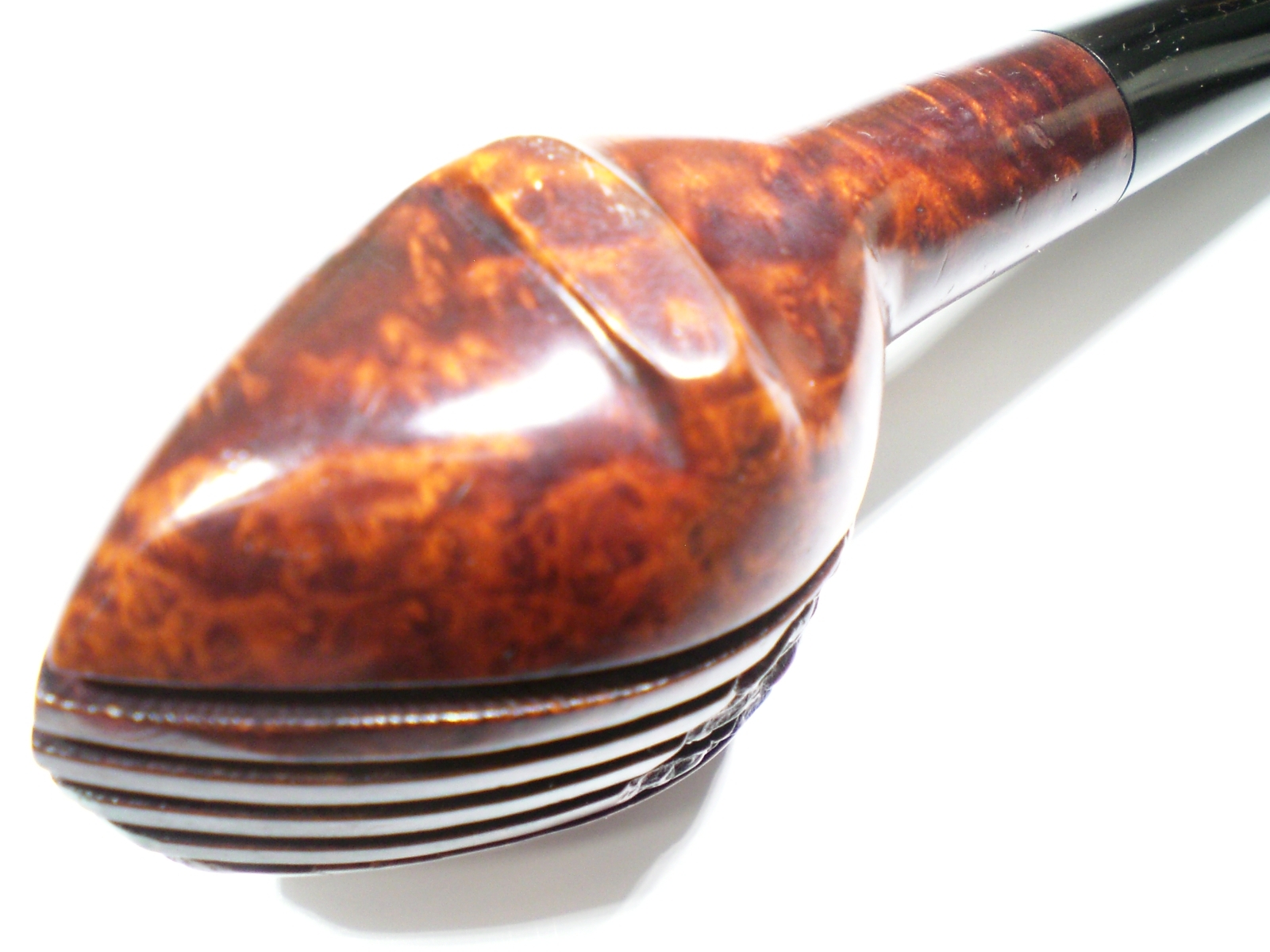
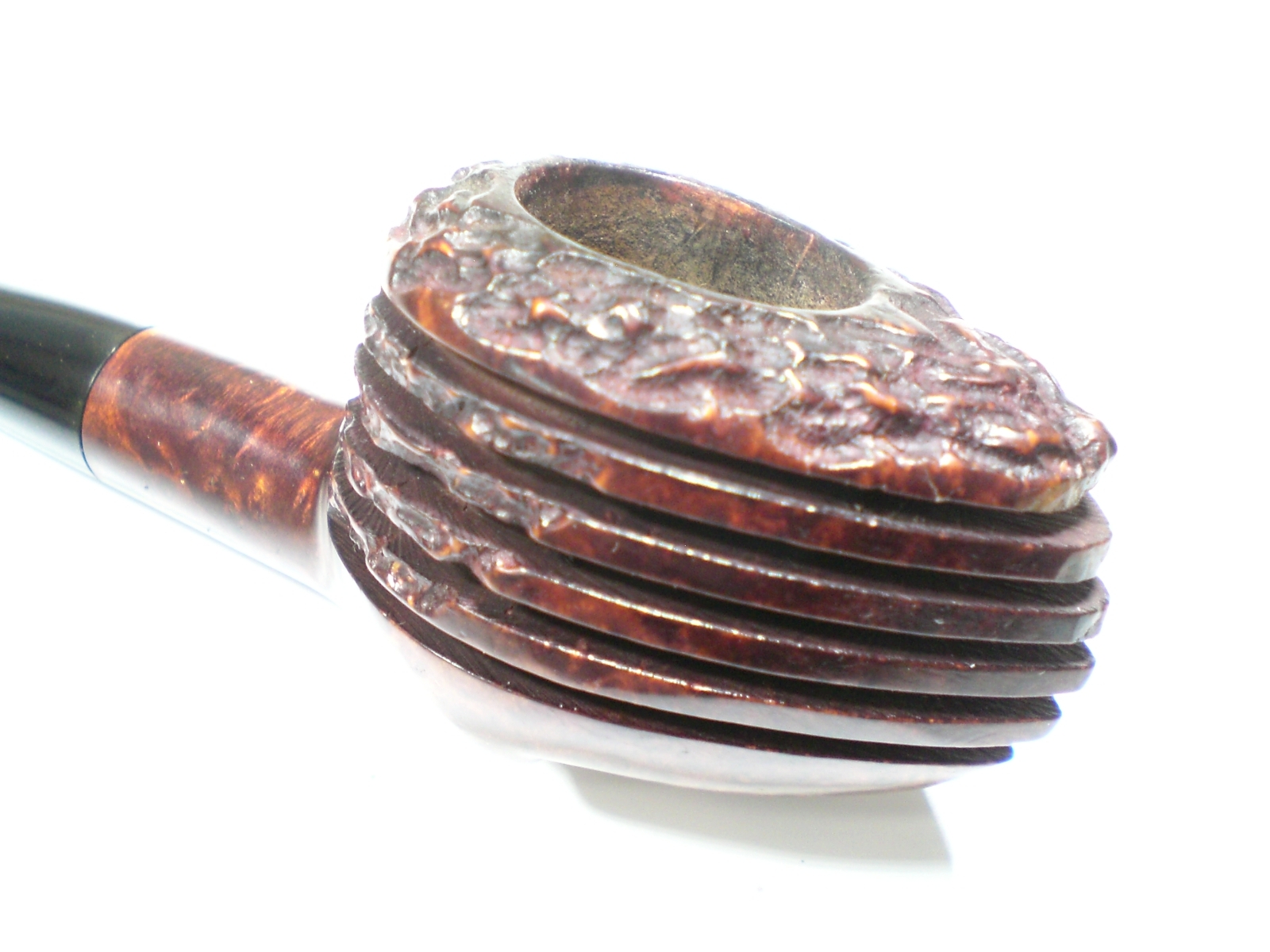
The strakes looked so fragile, I thought the briar would best be polished by hand with some Halycon wax. This turned out to be good move as during that process, a small piece of one strake broke off. I usually examine a fragile pipe like this with a jewelers loupe and look for damaged areas. In this case, I didn’t go downstairs to my pipe bag and get the loupe. So, I can’t say if it was damaged or my cloth pulled the piece loose. Fortunately, it was a clean brake and the piece fit back in nicely and I used some wood glue to make the repair. It is almost invisible. You can just make out the crack line on the top strake, near the right hand side.
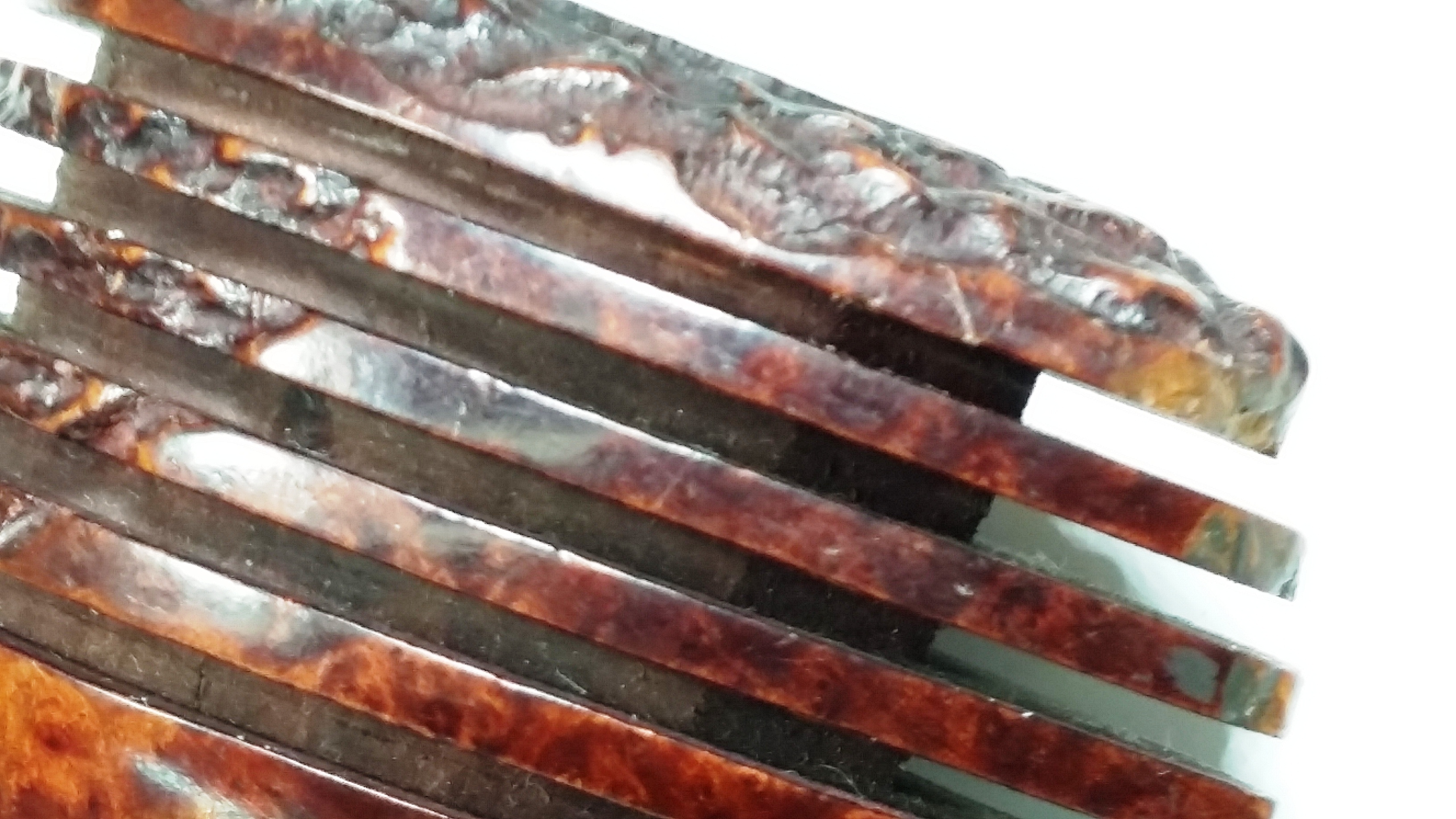
I reamed the slight cake and gave the pipe a soak with alcohol and sea salt. The pipe and bowl was very clean.
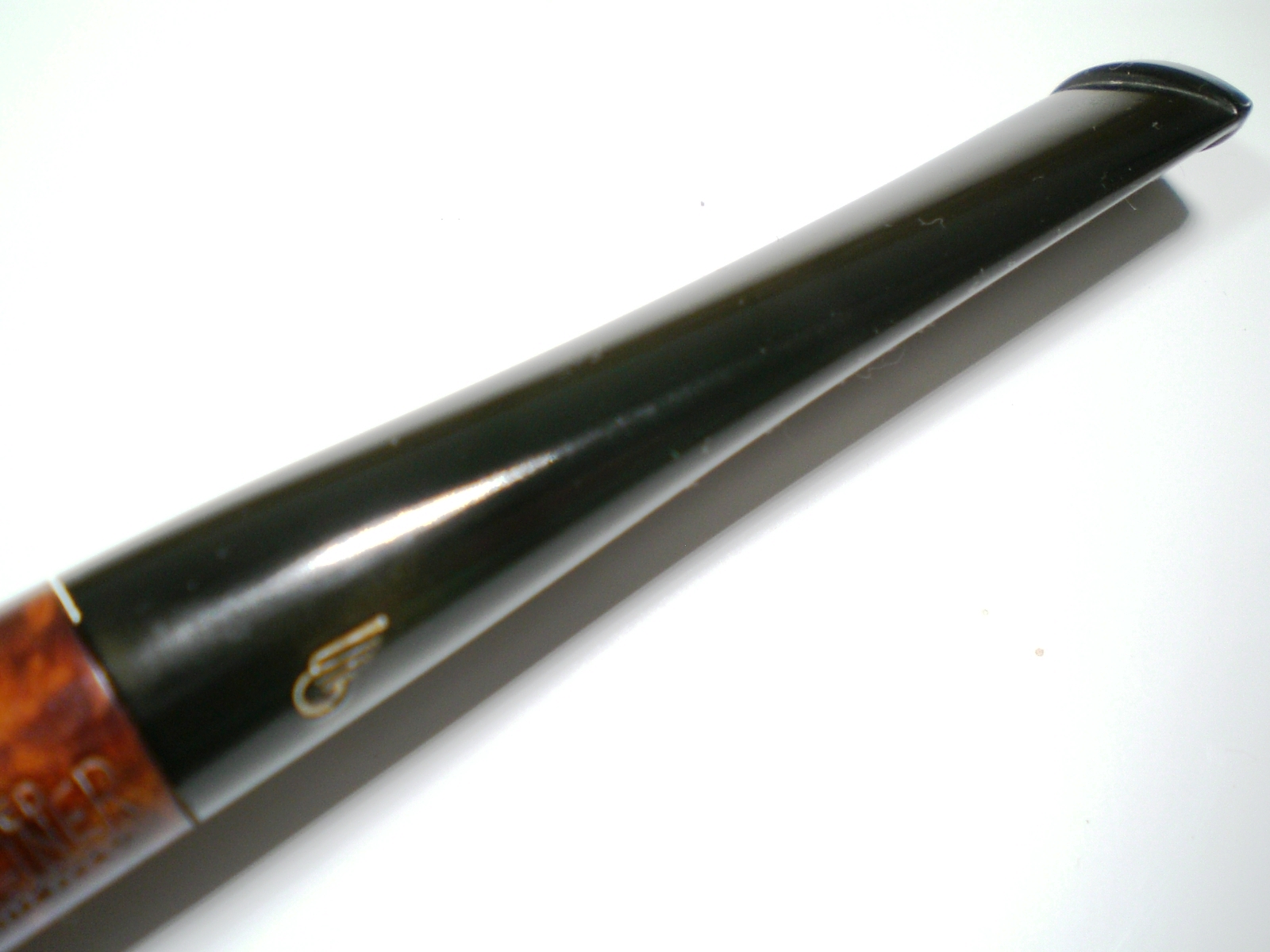
As mentioned earlier, I don’t think the stem material is vulcanite. It didn’t respond to the usual application of 800>1500>2000 grades of wet paper like vulcanite stems. I used the 8000 and 12000 grades micromesh and then buffed it with White Diamond. Only when I used the buffing wheel with some Meguiars Plastic Polish did the stem shine return.
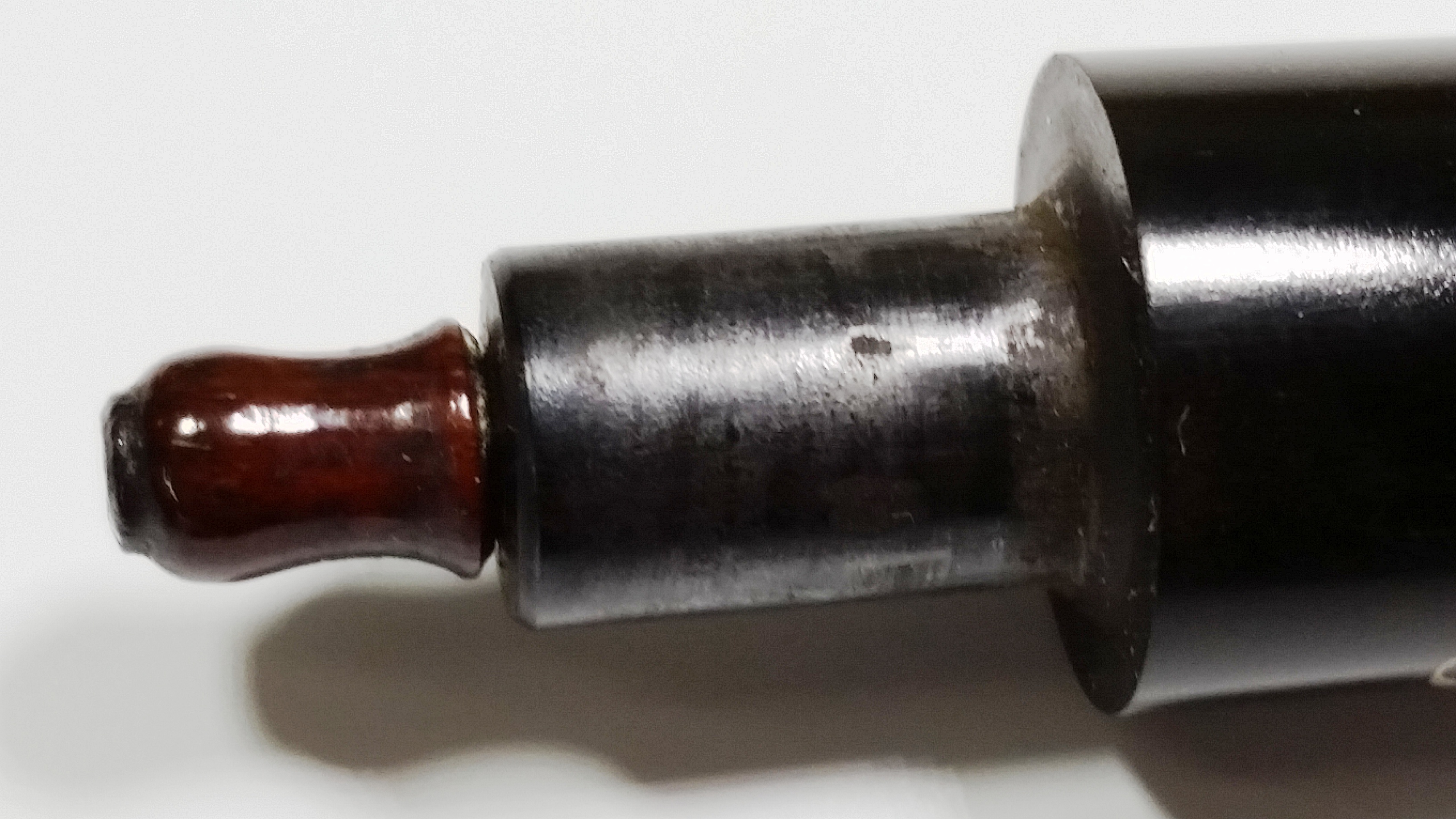
The stem has an oddly shaped stinger, that is easily removable. It appeared to have some type of coating and which was not affected by metal polish. I gave the shank a good cleaning with bristle brushes and alcohol. The stem fit better after this work, but won’t completely fit flush. I was afraid to force it.
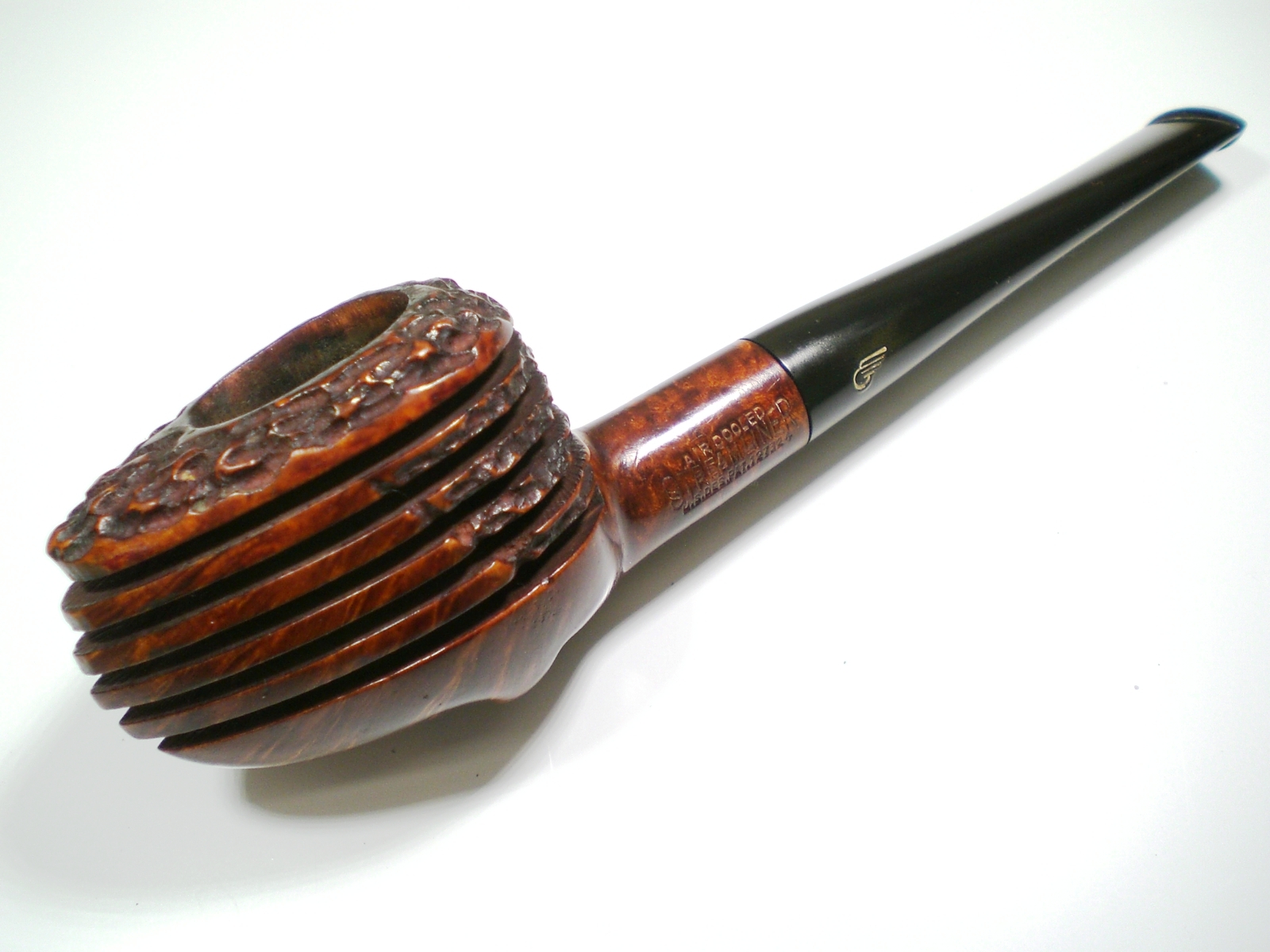
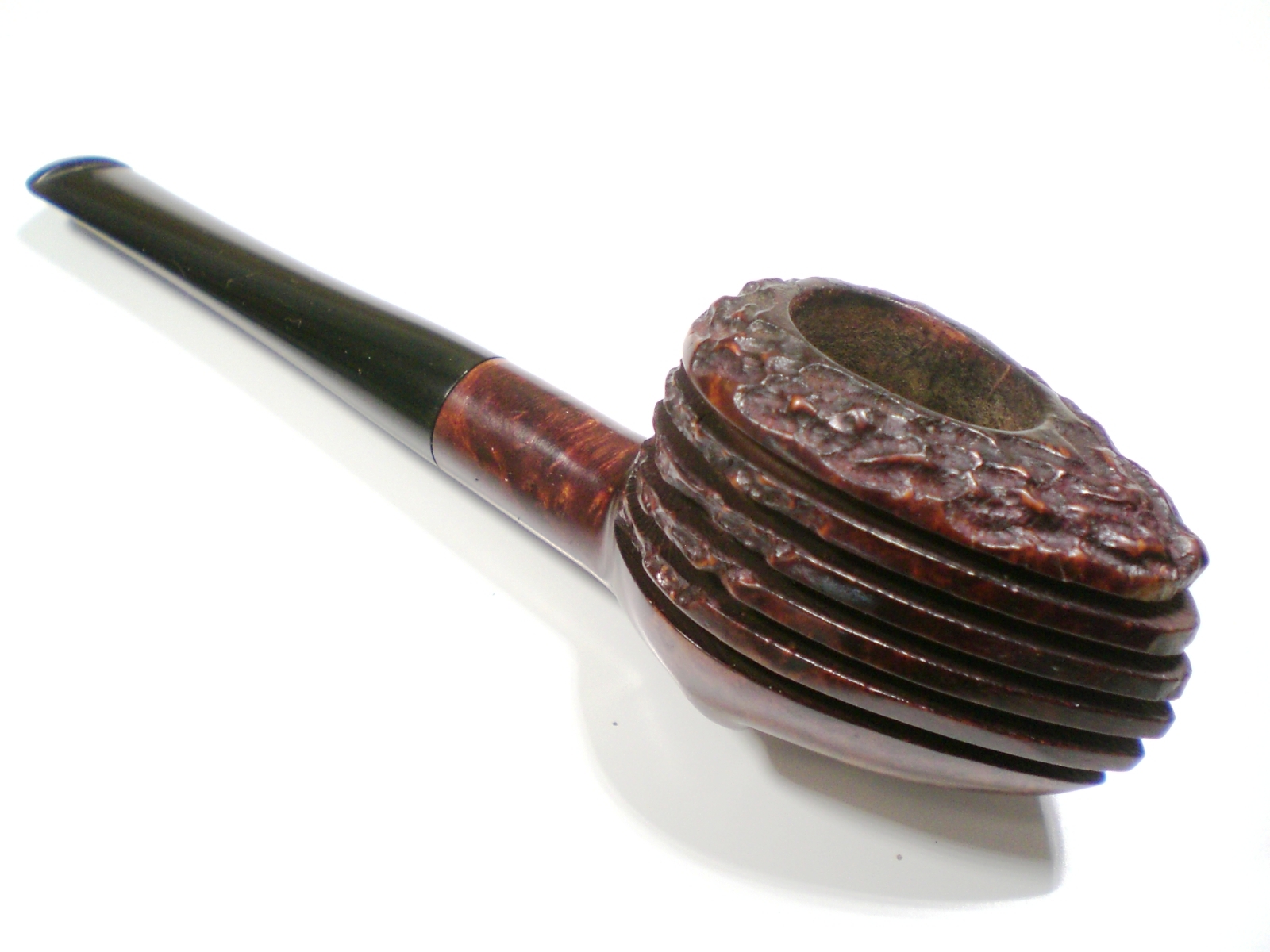
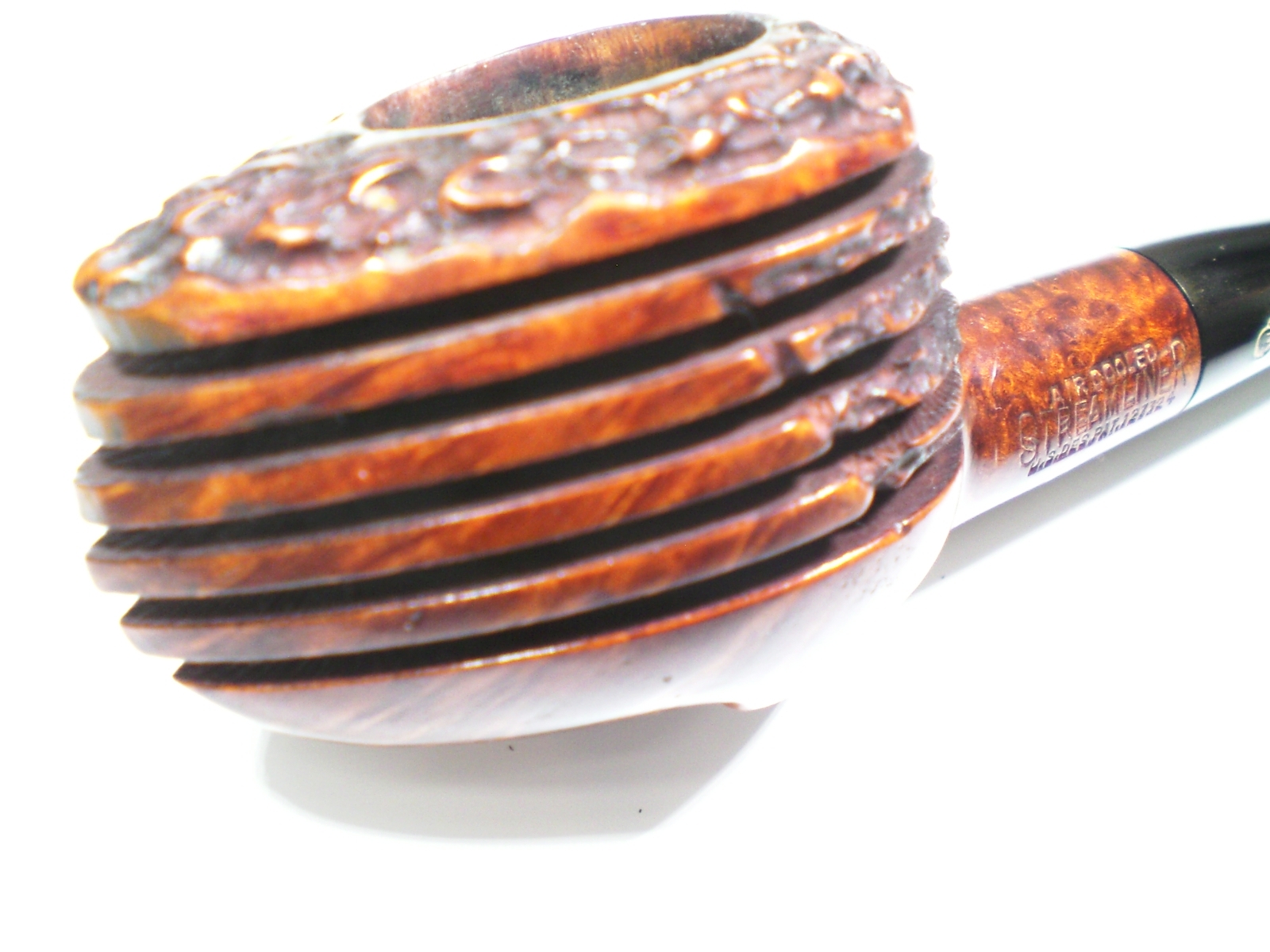
Here is the finished pipe.
 rebornpipes
Based on the stem, this isn’t a $50 pipe. $1 in ’42 = $15 in 2015. That’s closer to the mark.
LikeLike
That is the most amazing Weber I’ve ever seen. Beautiful work!
LikeLike
Looks good Al. Check the end of the stinger apparatus. The one I had like that had a buildup that was hard as rock on the end that kept the stem from fitting tightly in the shank… Great work.
LikeLike
Thanks!. The stem fitment is the same with or without the stinger.
LikeLike
use a sharp knife and bevel the inner edge of the mortise at the end of the shank. It generally has a slight bevel, deepen the angle slightly and you should be good.
LikeLike
Thanks, I wondered if that might work. I’ll check with the owner before making that fix.
LikeLike
As Steve suggested, I trimmed the bevel of the tenon fitment and now the stem fits slightly better. Now, I suspect it never fit perfectly, after all, they were only $1.
LikeLike
Again, you did really good work on that amazing pipe. But remember inflation, Al. To compare the two ads you showed, a 1941 dollar was equal to $15.97 today with a cumulative inflation rate of 1496.7%. In 1945, the rate was actually less, with $1 being $13.04 today, but still the total inflation was 1204%. Considering that almost nothing costs as little as a dollar today, which was a common price for pipes back then, and $50 is the more typical low price for a pipe, that comes to $798.37 from ’41 or $652.01 from ’45. Just something to mull over!
Robert
LikeLike