
Blog by Steve Laug
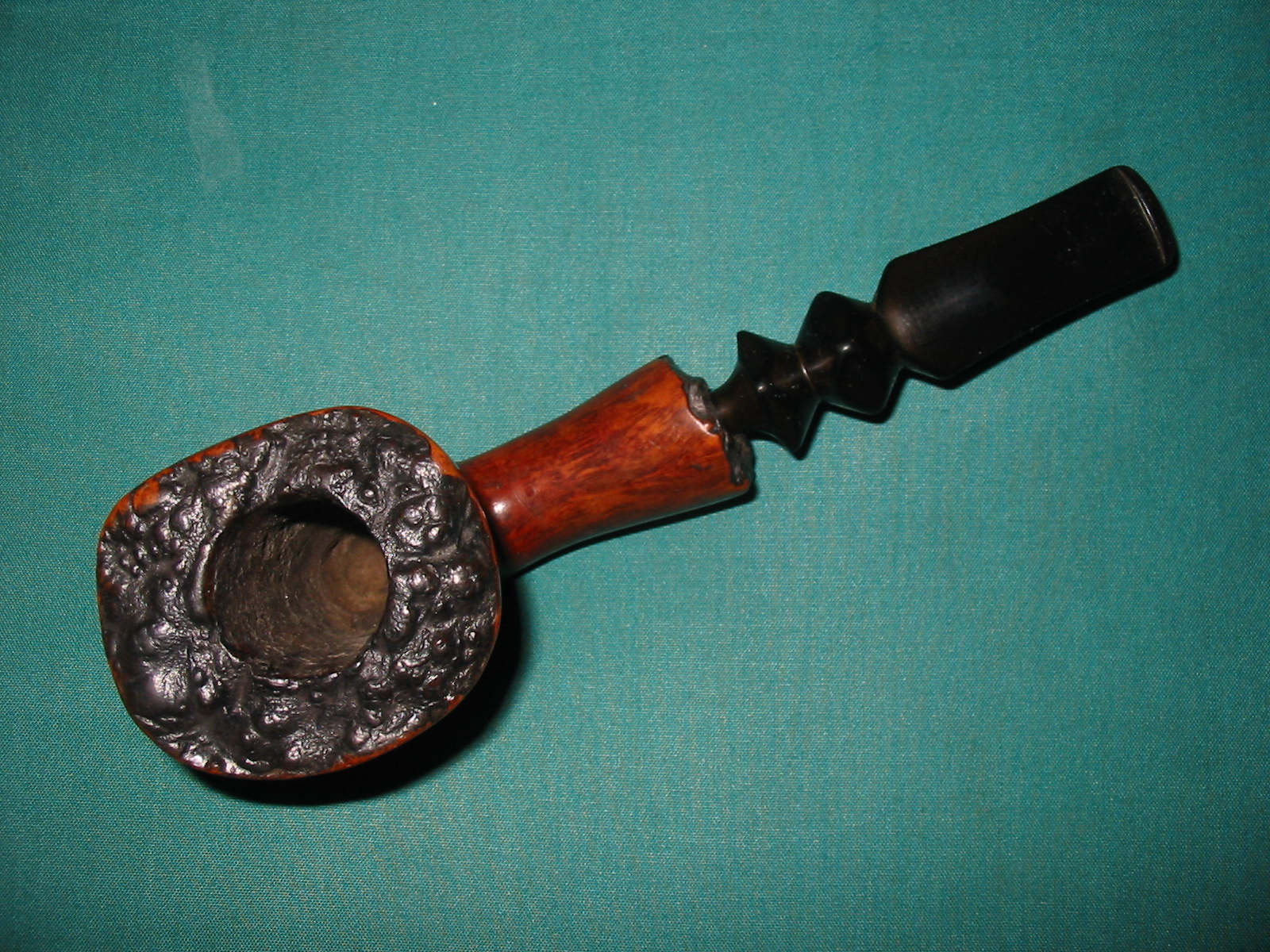
I was chatting with a friend on one of the pipe forums that I frequent and he asked me about restemming an older 60’s vintage Zettervig freehand for him. I had a couple of stem possibilities sitting here so I figured why not. He sent the following pictures to show how the previous owner had pressed a Dr. Grabow metal mortise into the mortise of the Zettervig and then cut back a Grabow screw on tenon and added a metal washer as a spacer and screwed in the Grabow stem. He had reamed the pipe and done an internal cleaning before he sent it to me. But the externals looked pretty much the same as it does in the photos below. The plateau on the shank end was dirty and faded and the plateau on the rim was the same with a buildup tars that made the crevices and grooves in the plateau almost non-existent. It too was faded and worn looking.
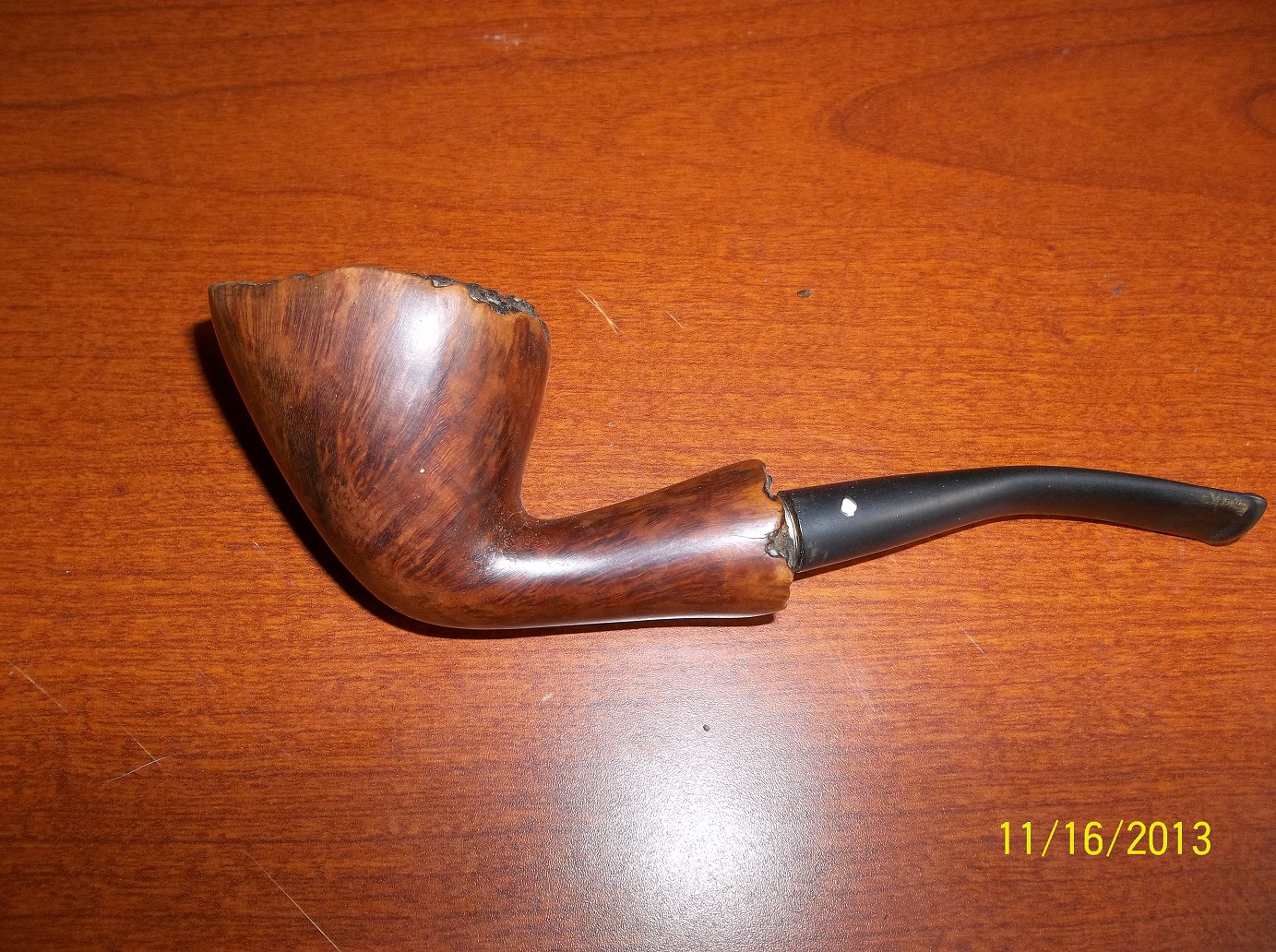
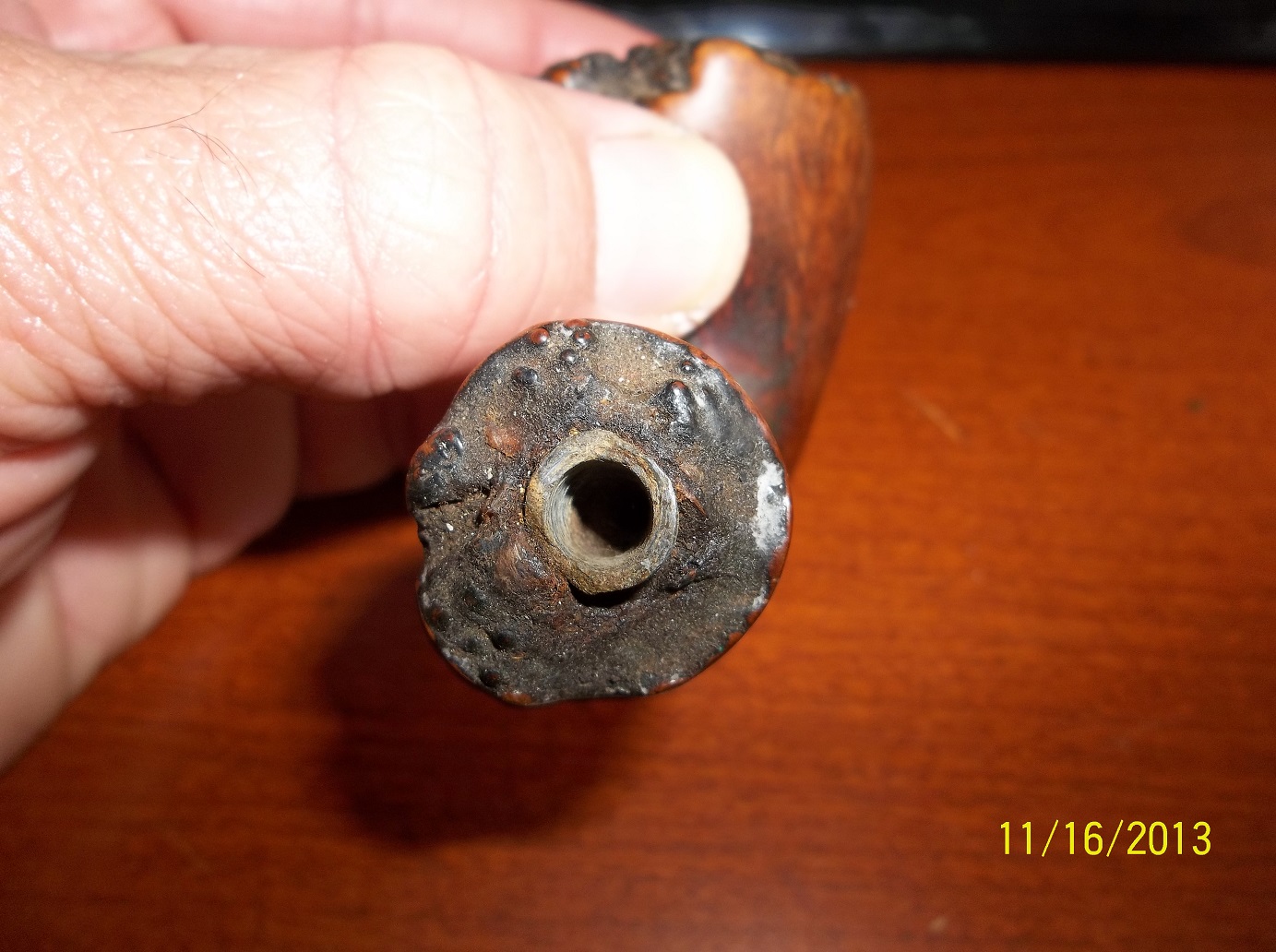
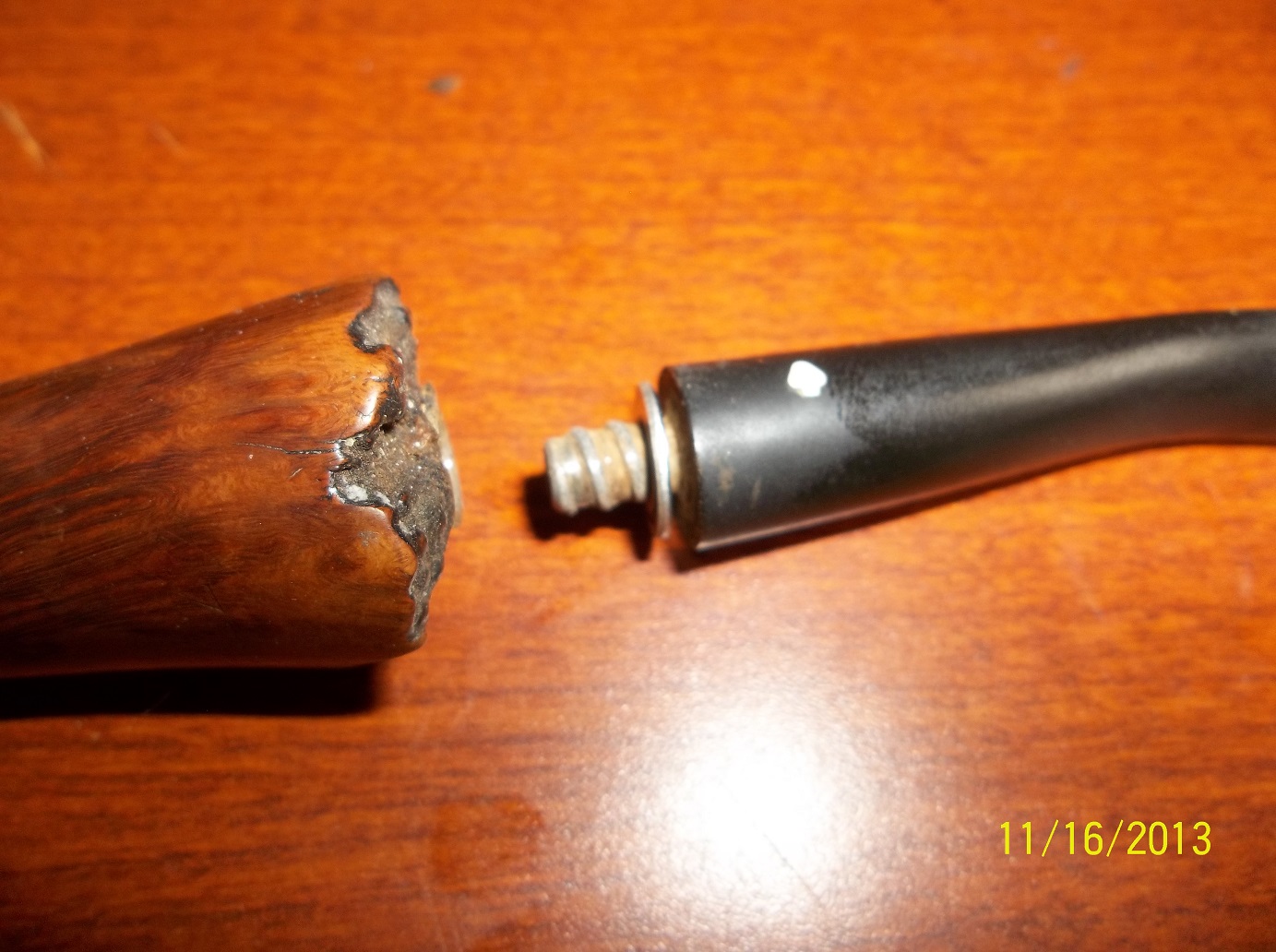
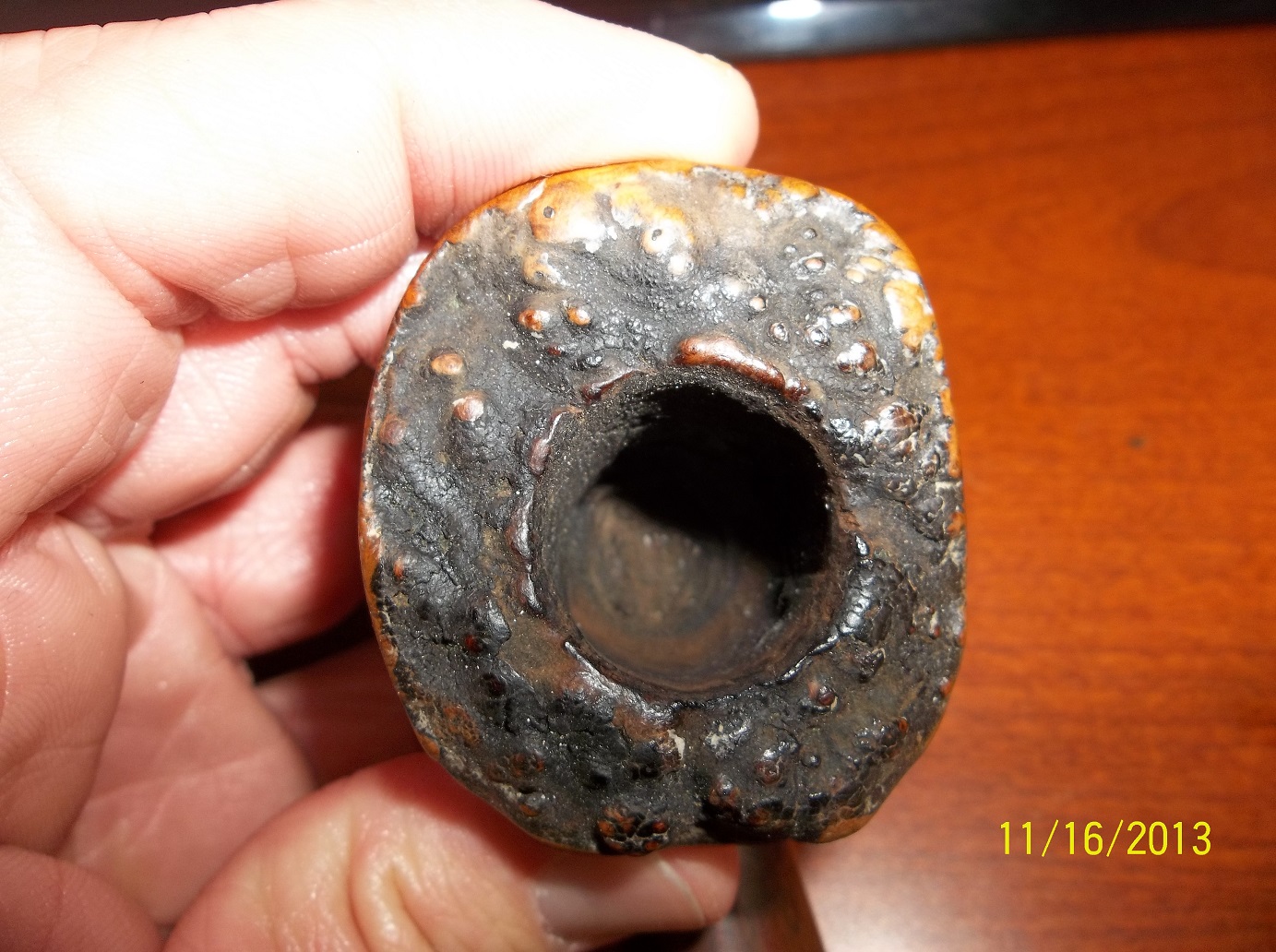
I had no idea about the brand and not read anything about it. I did a bit of digging to see what I could learn about it. I am always curious about learning about brands that are unfamiliar to me. The following comes from Pipedia
“In the 1960’s and into the early 1970’s Ole Zettervig had a shop in Copenhagen, Denmark where he was carving high quality pipes equal to Stanwell, Larsen, Anne Julie, Thurmann, Bang and others. These early pipes were marked “Copenhagen” and are very collectible. He sold his shop at some point in the 70’s and moved to Kolding and continued to produce pipes as a hobby, but the quality of briar and workmanship is said to not equal the early production. The later pipes he now marked as Kobenhaven rather than Copenhagen, and these were sold by Ole at flea markets throughout Europe.” http://www.pipedia.org/wiki/Zettervig
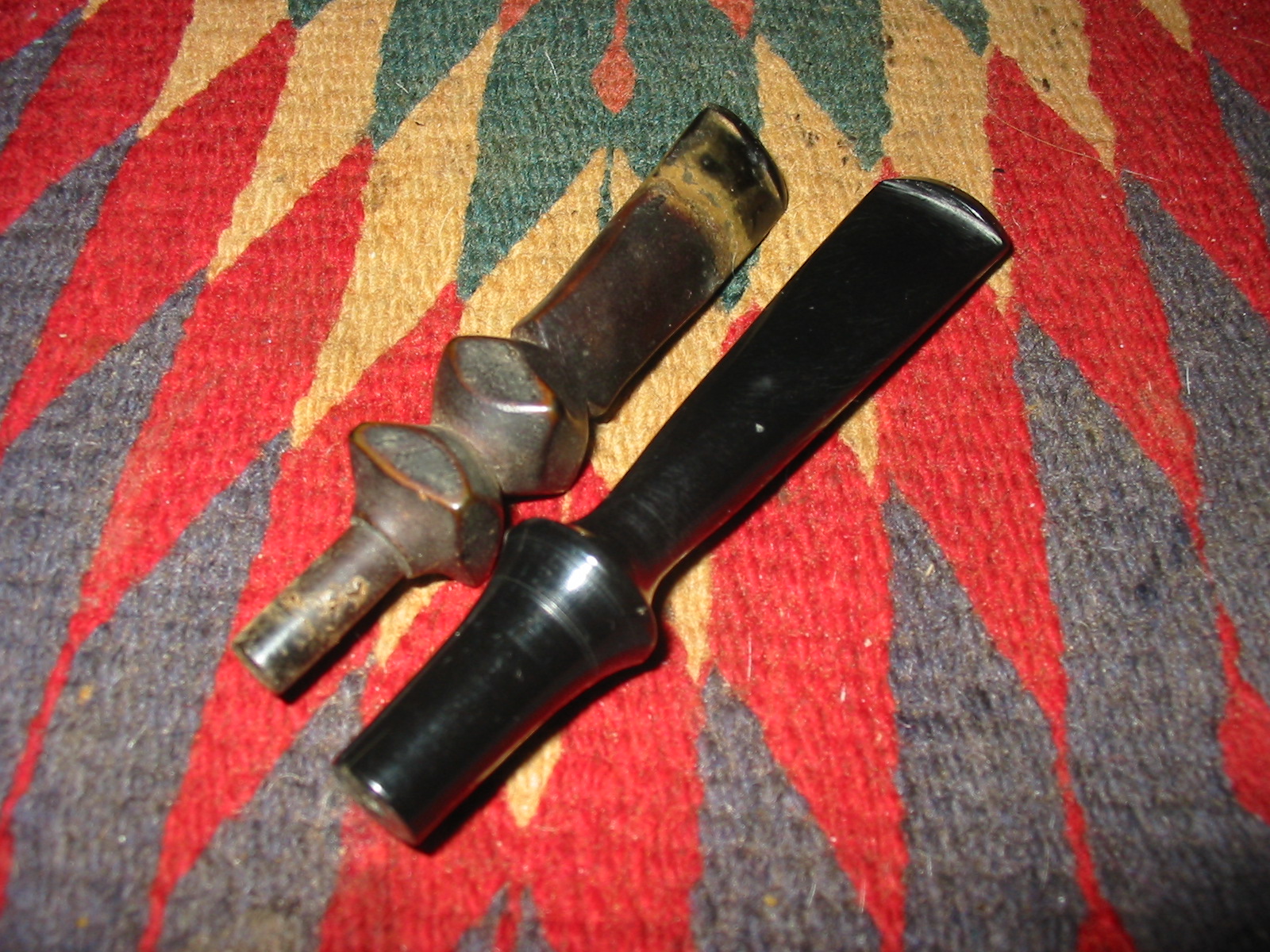
When it arrived I drilled out the metal insert in the shank and cleaned up the shank with pipe cleaners and cotton swabs. I then sorted through my stems and found several possibilities. I sent him the following two photos of the stem options and he chose the one that is inserted in the pipe. It actually came from a Danish Freehand that I had here and restored. I like less chunky stems so this one went to the parts bin. He liked it so it was the stem that I would work on for this pipe.
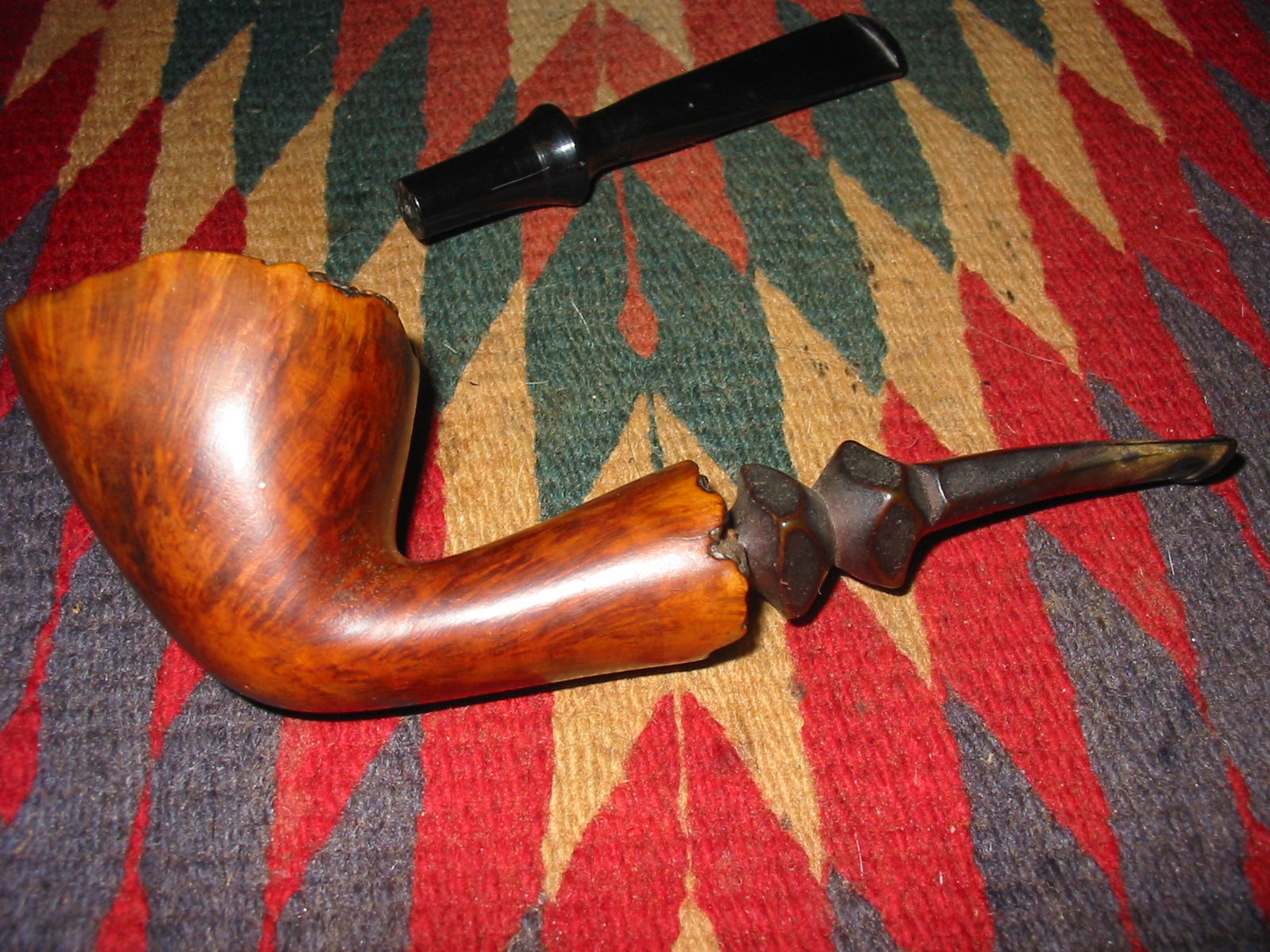
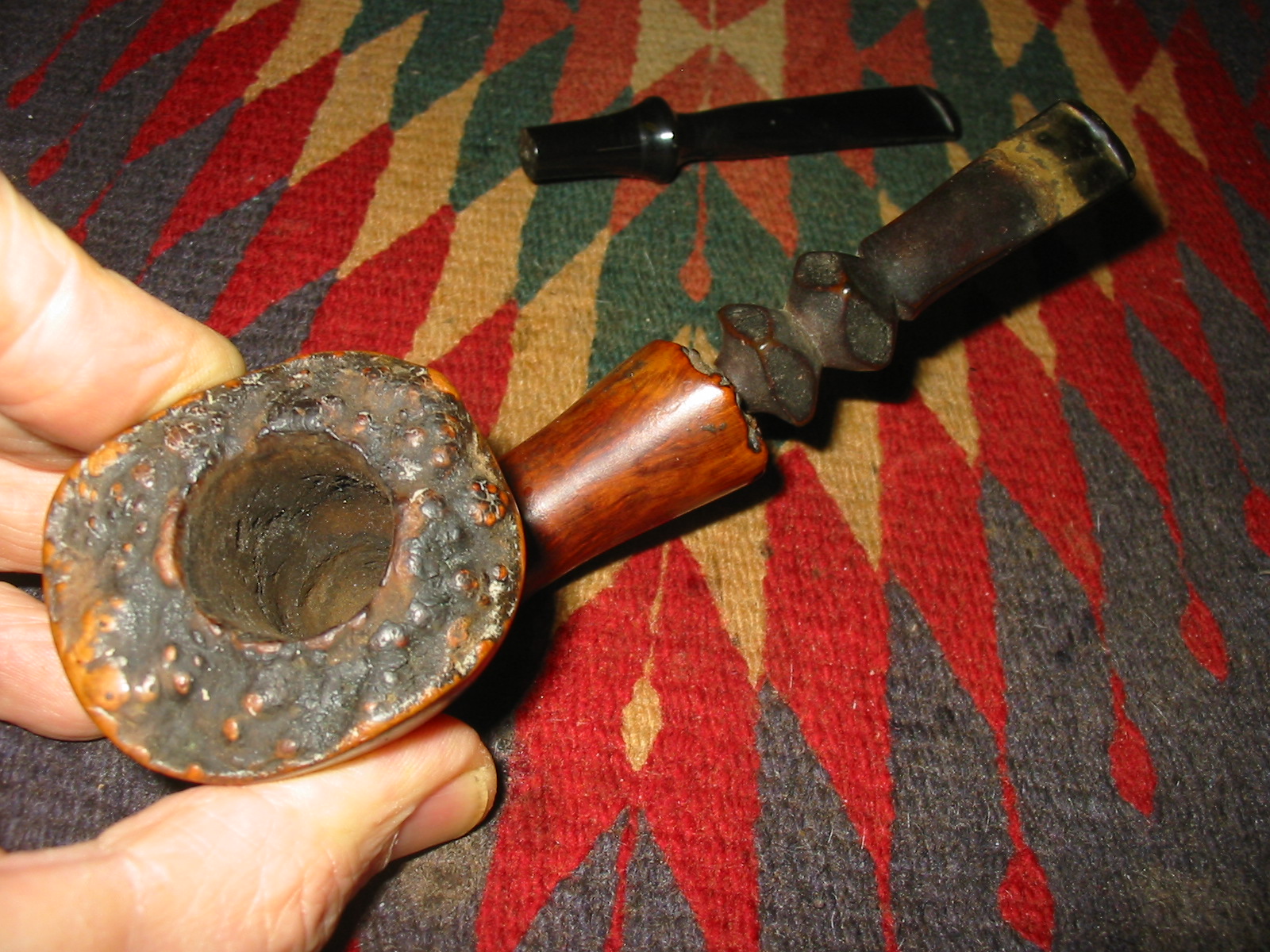
I gave the pipe a cleanup reaming with the PipNet reamer and cleaned out the shank one last time. I scrubbed the bowl and the plateau on the shank and rim with Murphy’s Oil Soap and a brass tire brush to break away the tarry buildup. I rinsed it under running water to remove the soap. I wiped the bowl down with acetone on a cotton pad to remove the remaining finish and then sanded the bowl and the shank with micromesh sanding pads 1500-2400 grit to polish the minute scratches that were present. I stained the plateau portions of the pipe with a black aniline stain and then wiped them down with a cotton pad wetted with Everclear to give the black a little transparency. I gave the rim and shank end a light buff with White Diamond. The newly stained plateau is visible in the photos below.
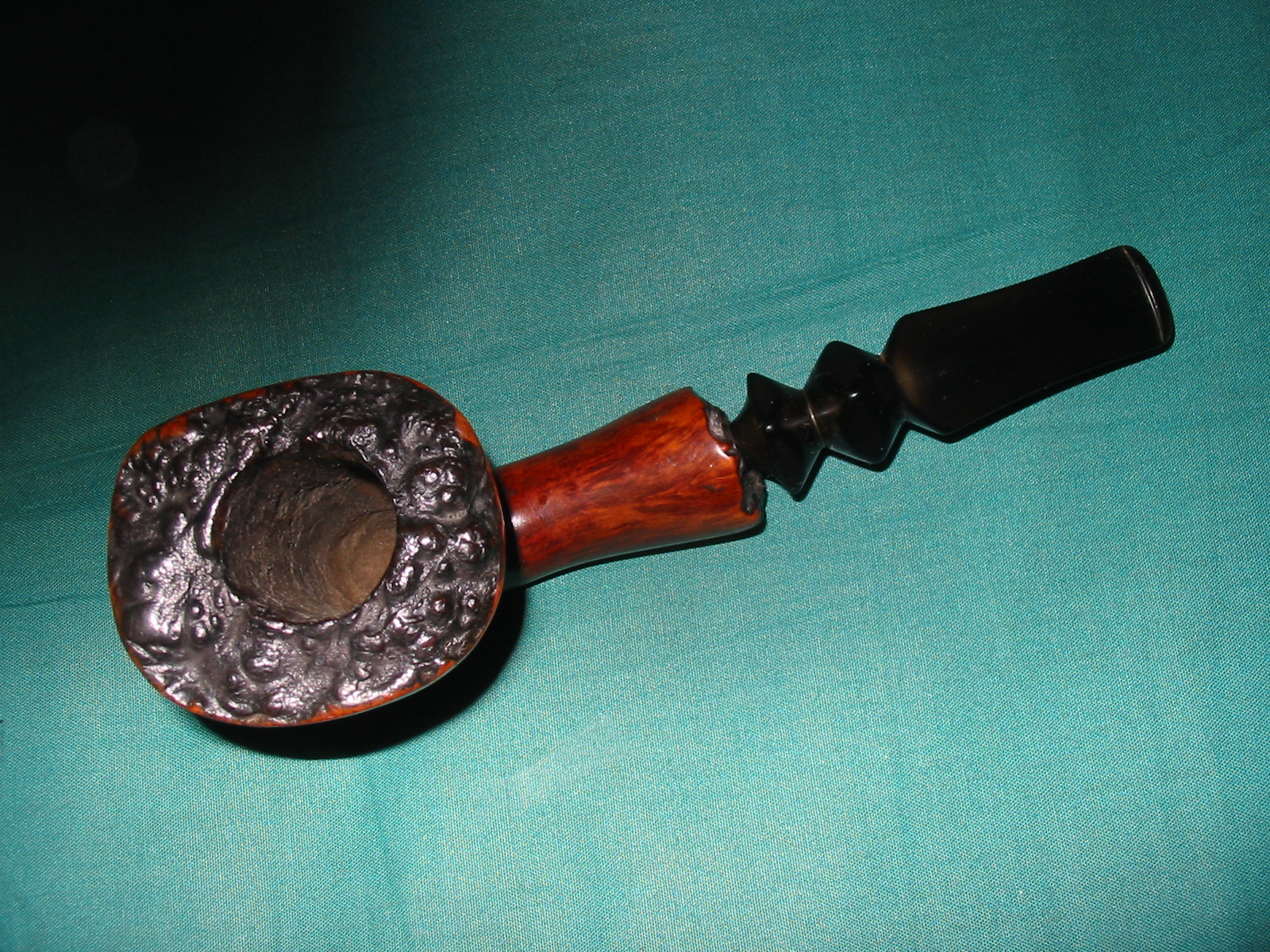
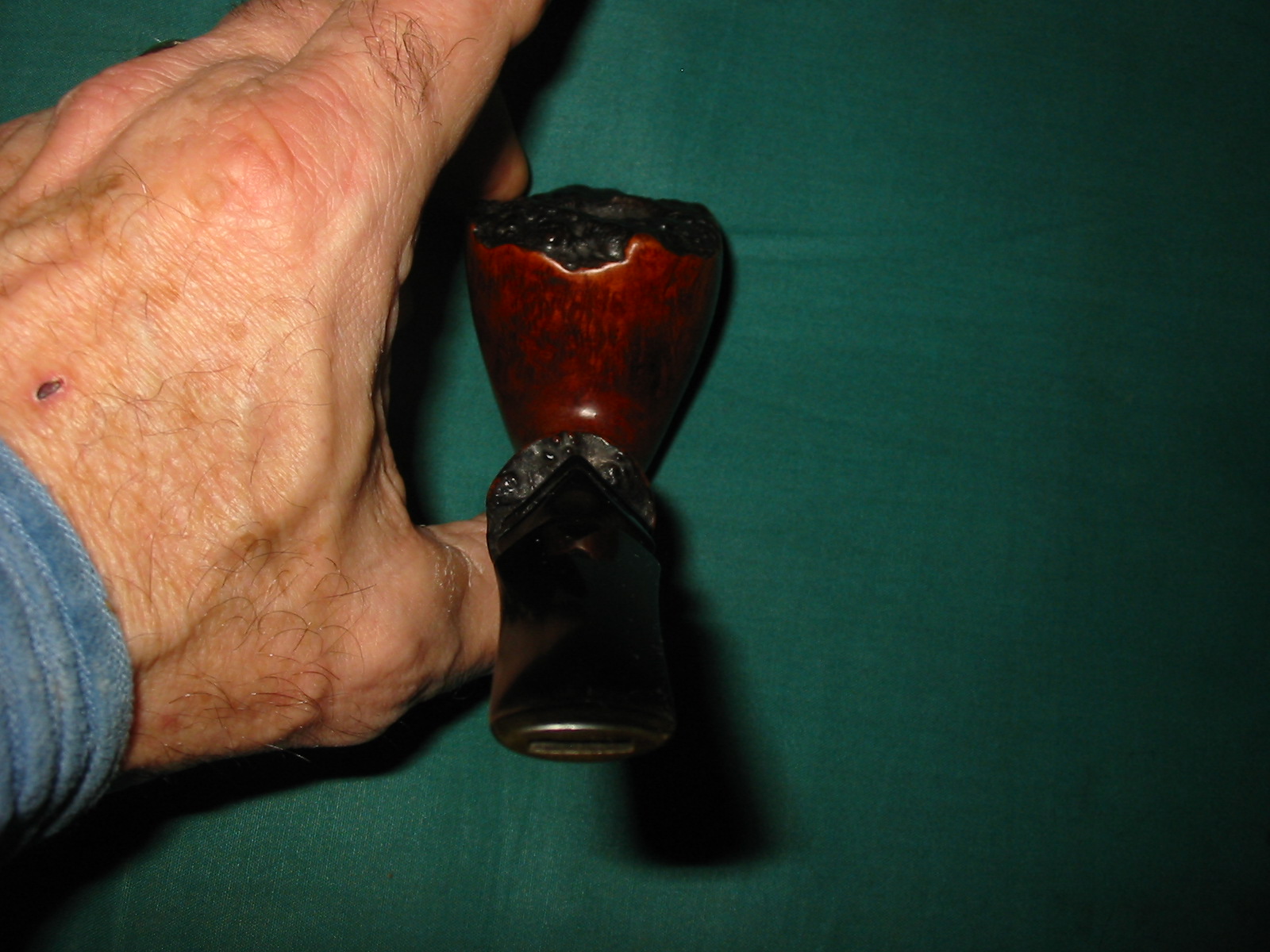
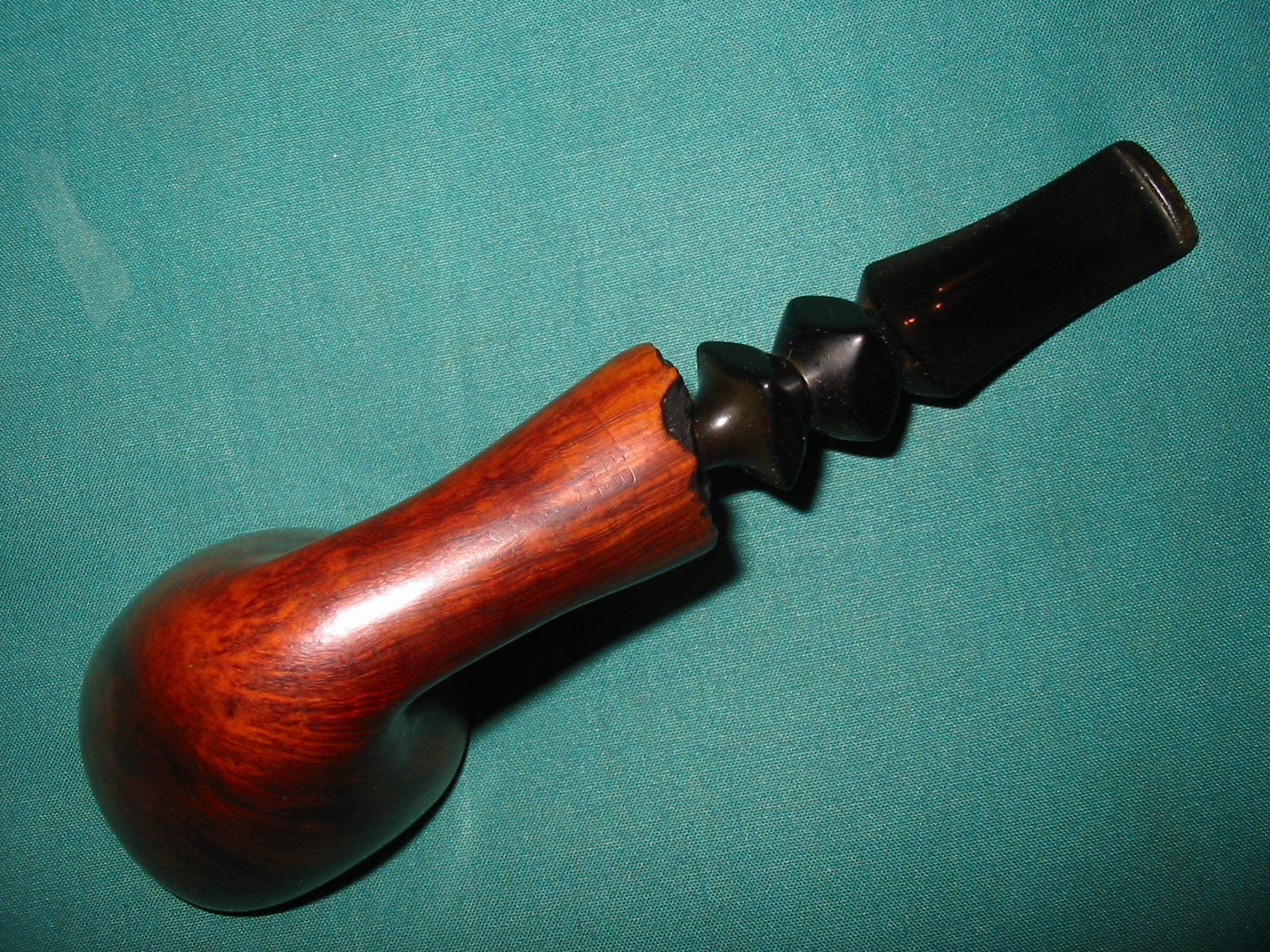
I also stained the bowl with an oxblood aniline stain. I applied and flamed it and reapplied and reflamed until I had the coverage that I wanted on this pipe. The photo below gives a side view of the pipe.
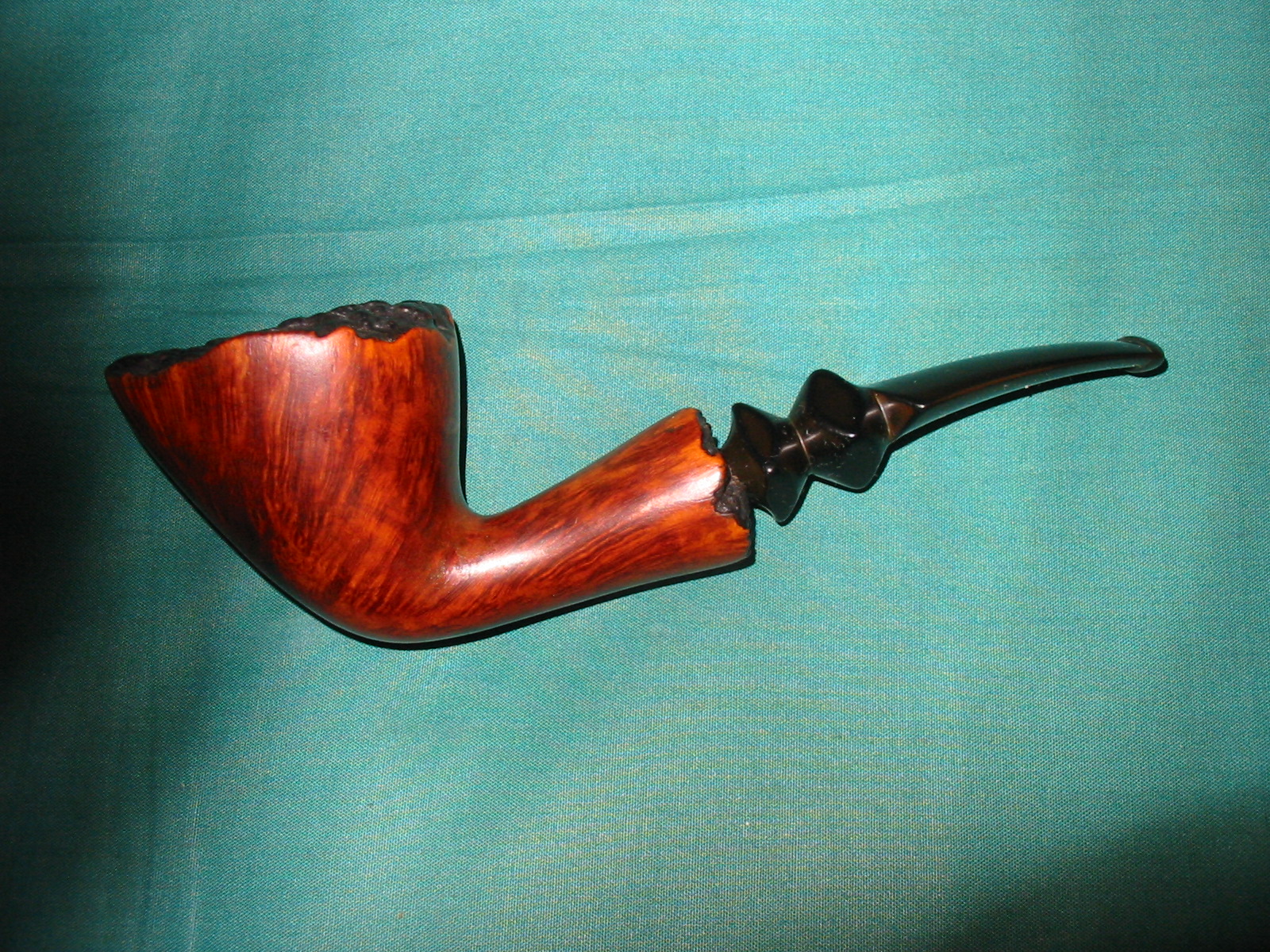
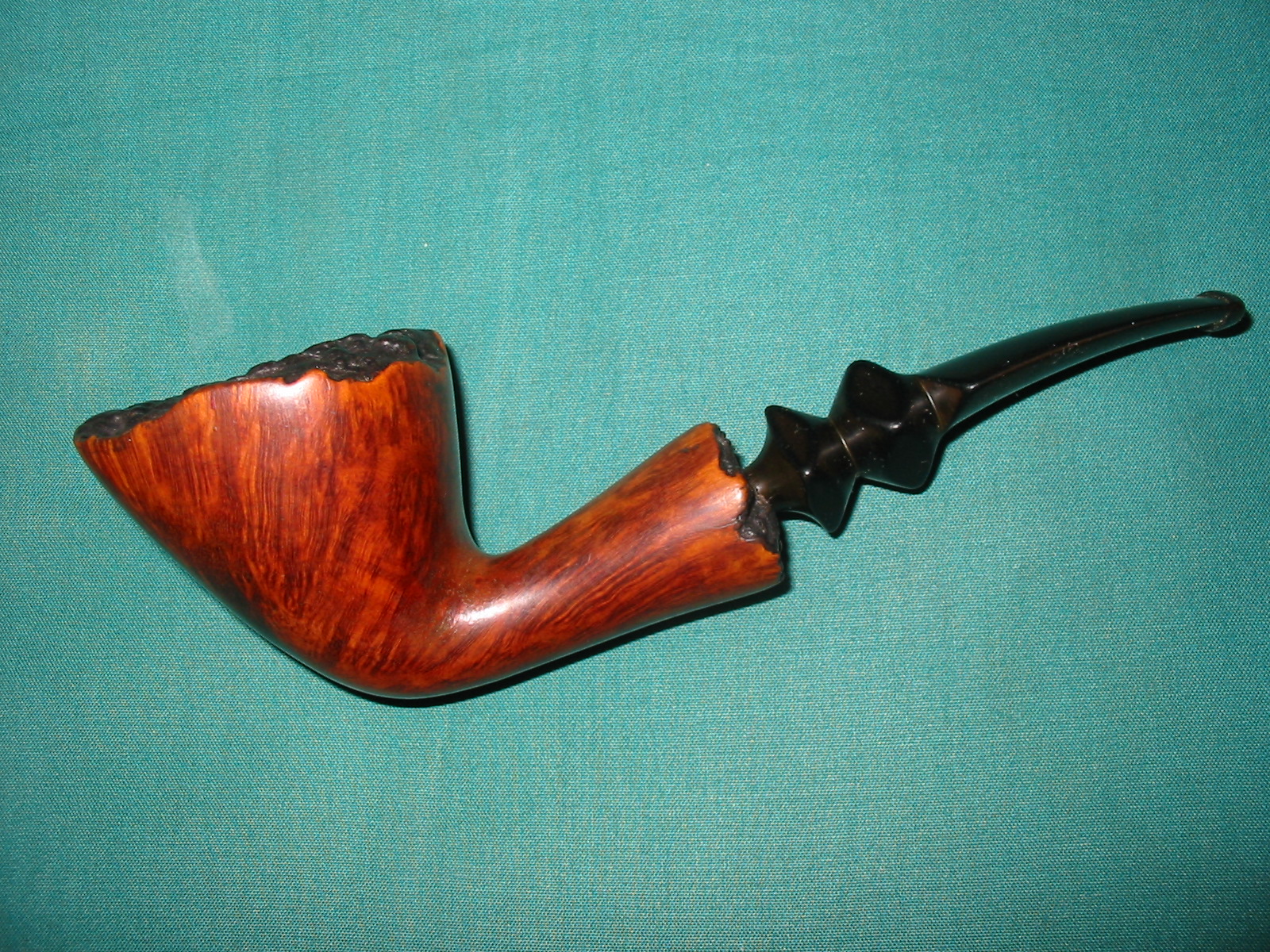
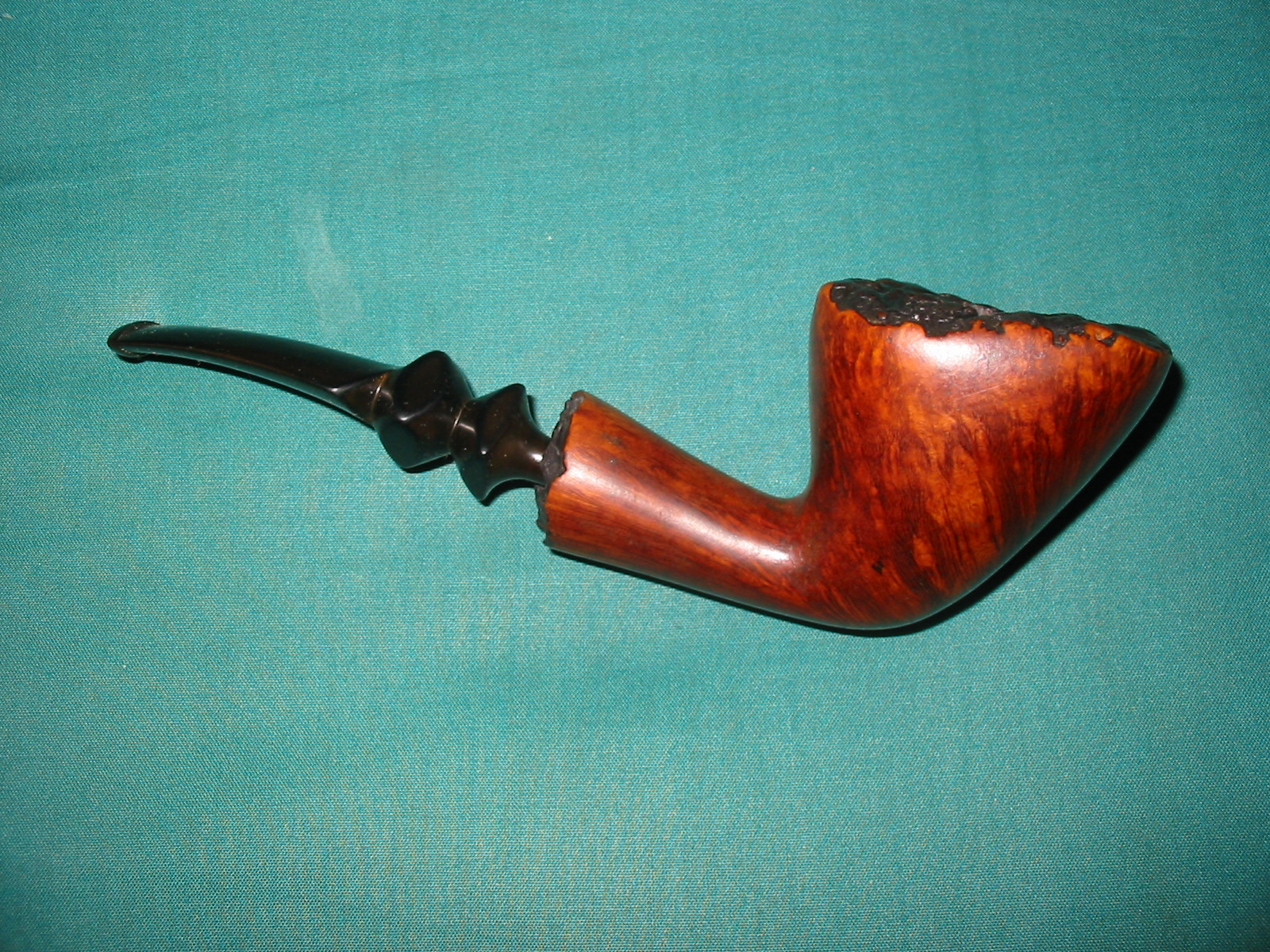
I buffed the bowl and stem with White Diamond. I then took it back to the work bench and sanded the stem and the bowl with micromesh sanding pads from 1500-12,000 grit to give the finish on the stem and bowl a deep shine. Once I had finished that I took to the buffer and gave it multiple coats of carnauba wax to protect and shine it even more. The finished pipe is in the photos below. It is now on its way back to its owner.
 rebornpipes
Pingback: Restemming & Restoring a Zettervig Copenhagen Hand Made 900 Egg | rebornpipes
Well done, Steve. The stem you both chose is unique, and fits the “feel” of this pipe. The stem, the attention given to clean-up, and re-stain has brought this free hand back to life.
LikeLike
Very nice work Steve. That is a great looking freehand, it deserved better than that old Graybow stem.
LikeLike
Nice job! I restained a free hand and didn’t wipe the black like you did. Is it too late to go back and do a wipe down of the plateau?
LikeLike
Thanks Mark. No it is not too late to do that… just be careful in the application and the wipe down so you don’t damage the finish on the bowl.
LikeLike