Daily Archives: December 26, 2012

Restemming a Custombilt Look Alike


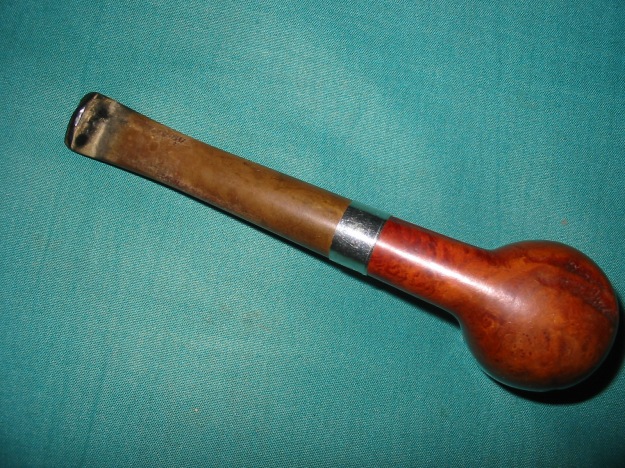
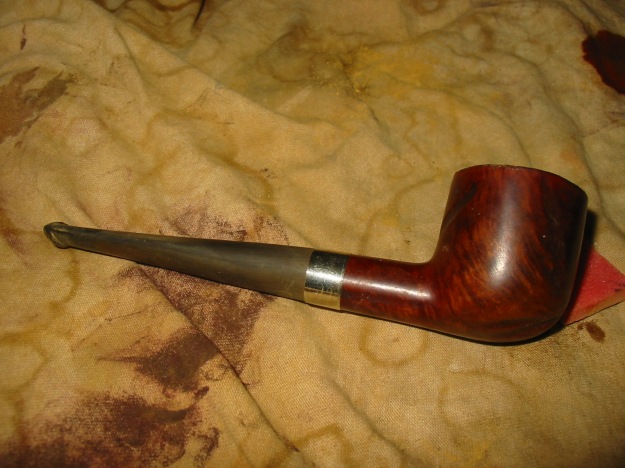
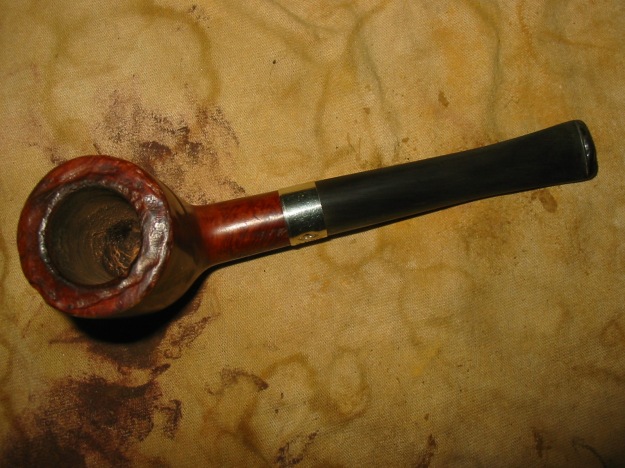
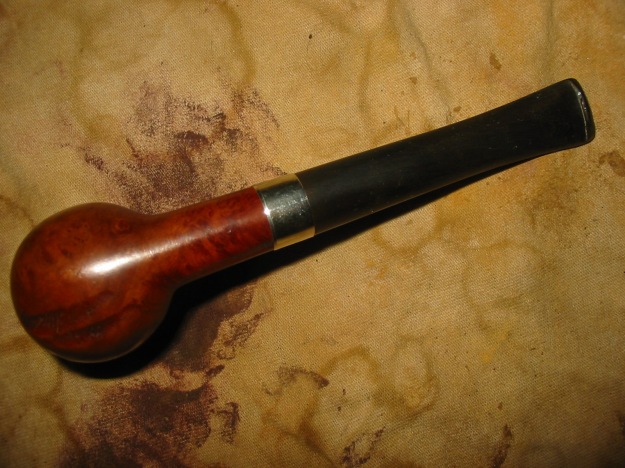
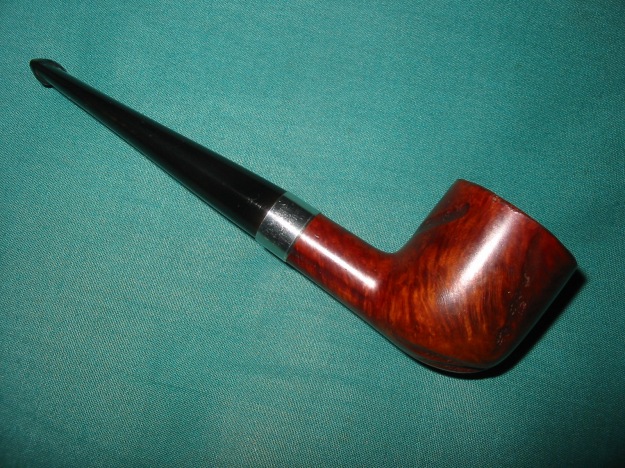
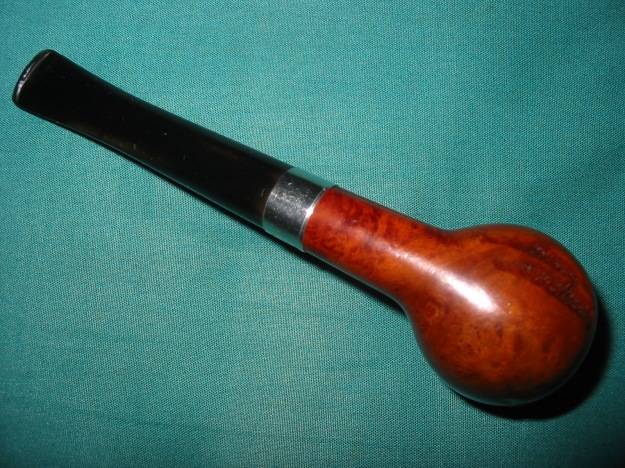
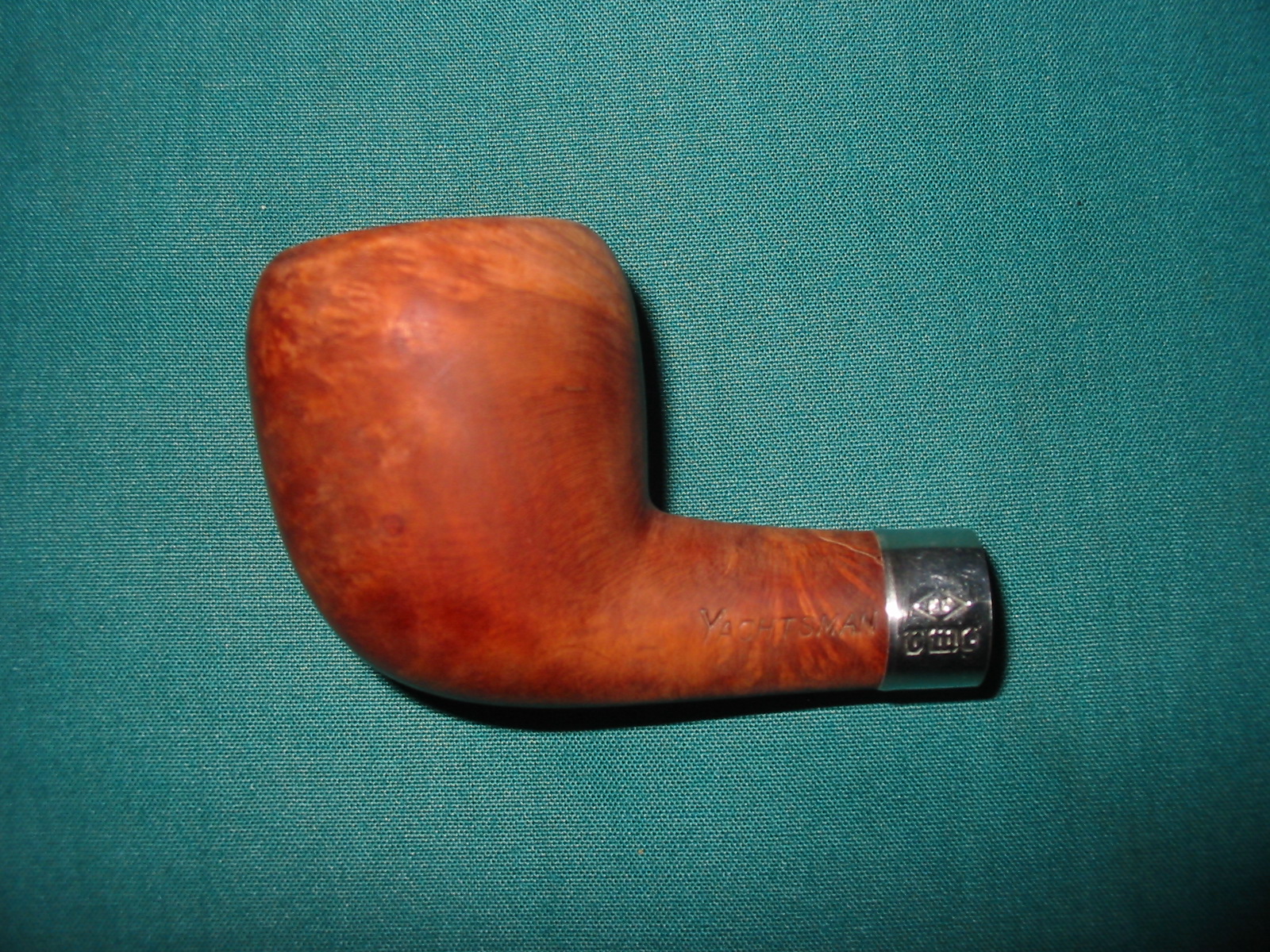
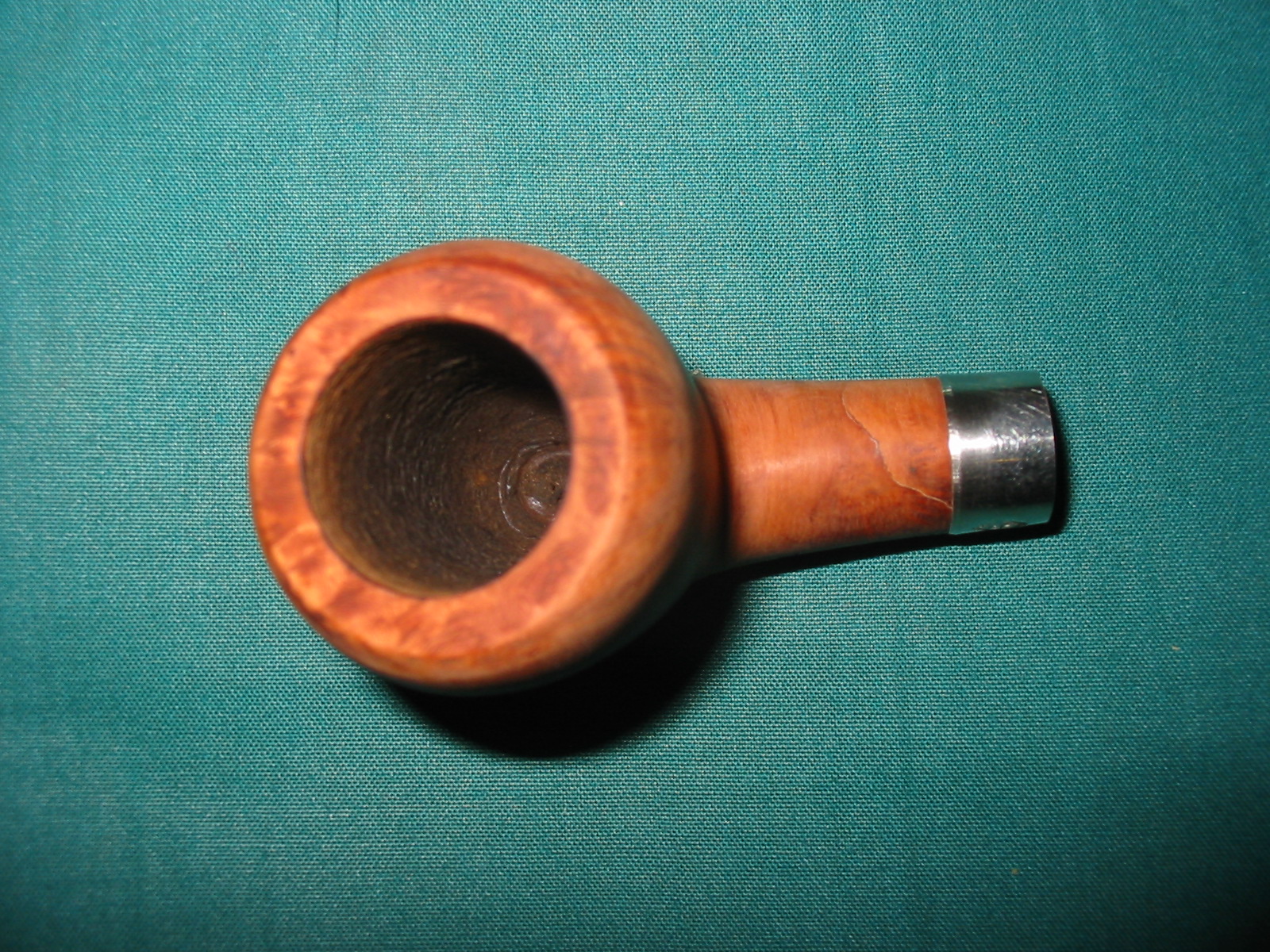
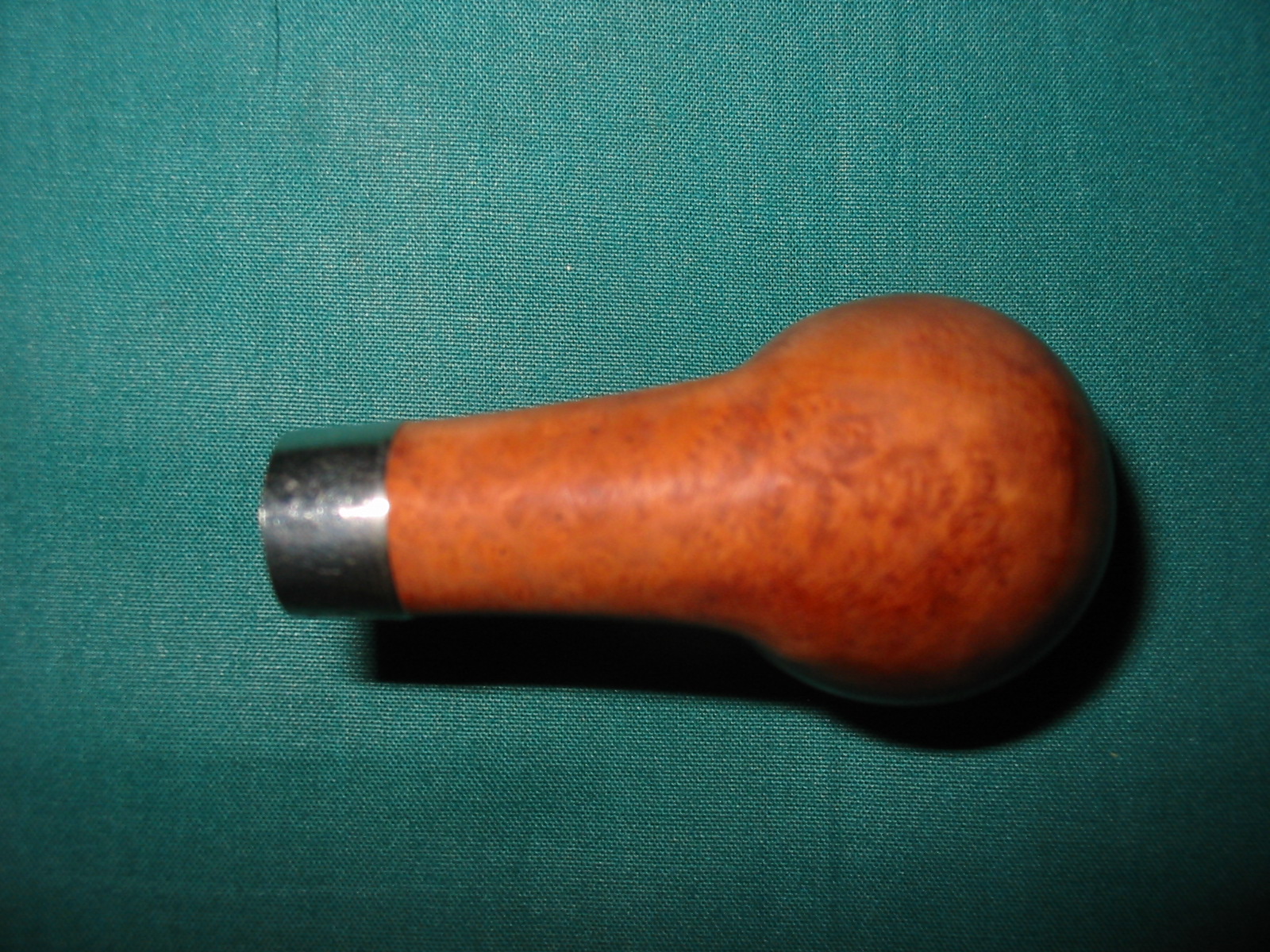
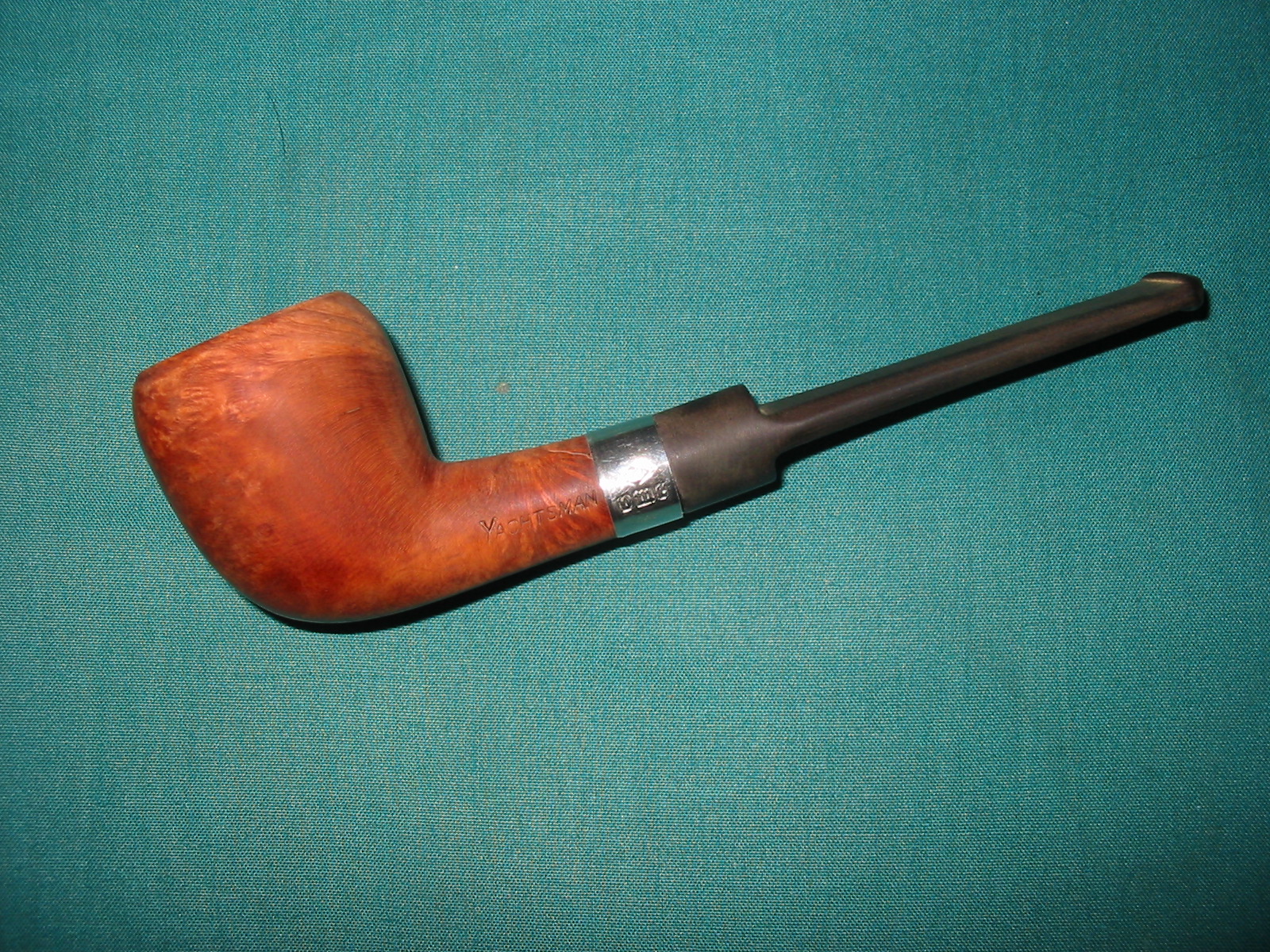
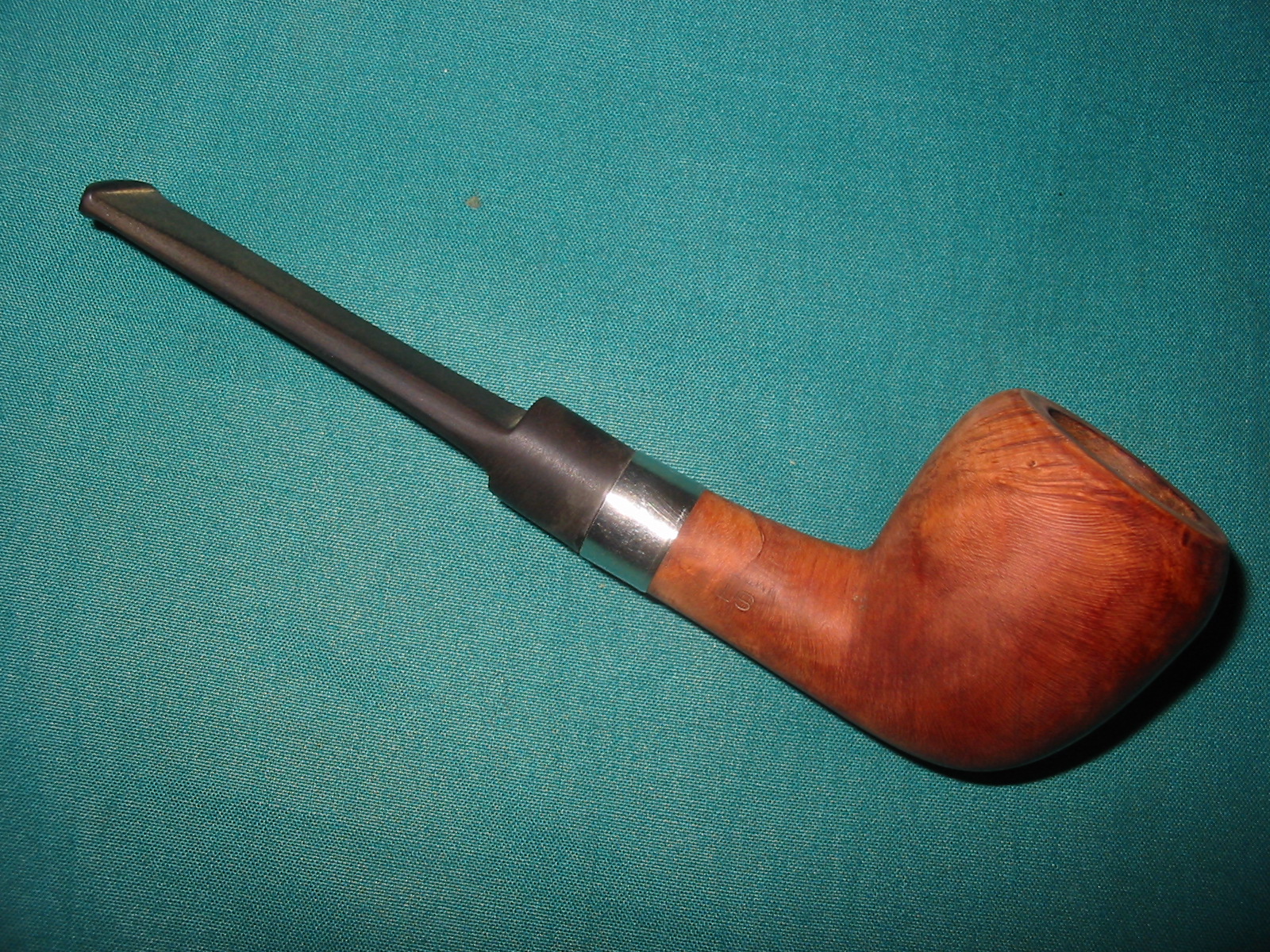
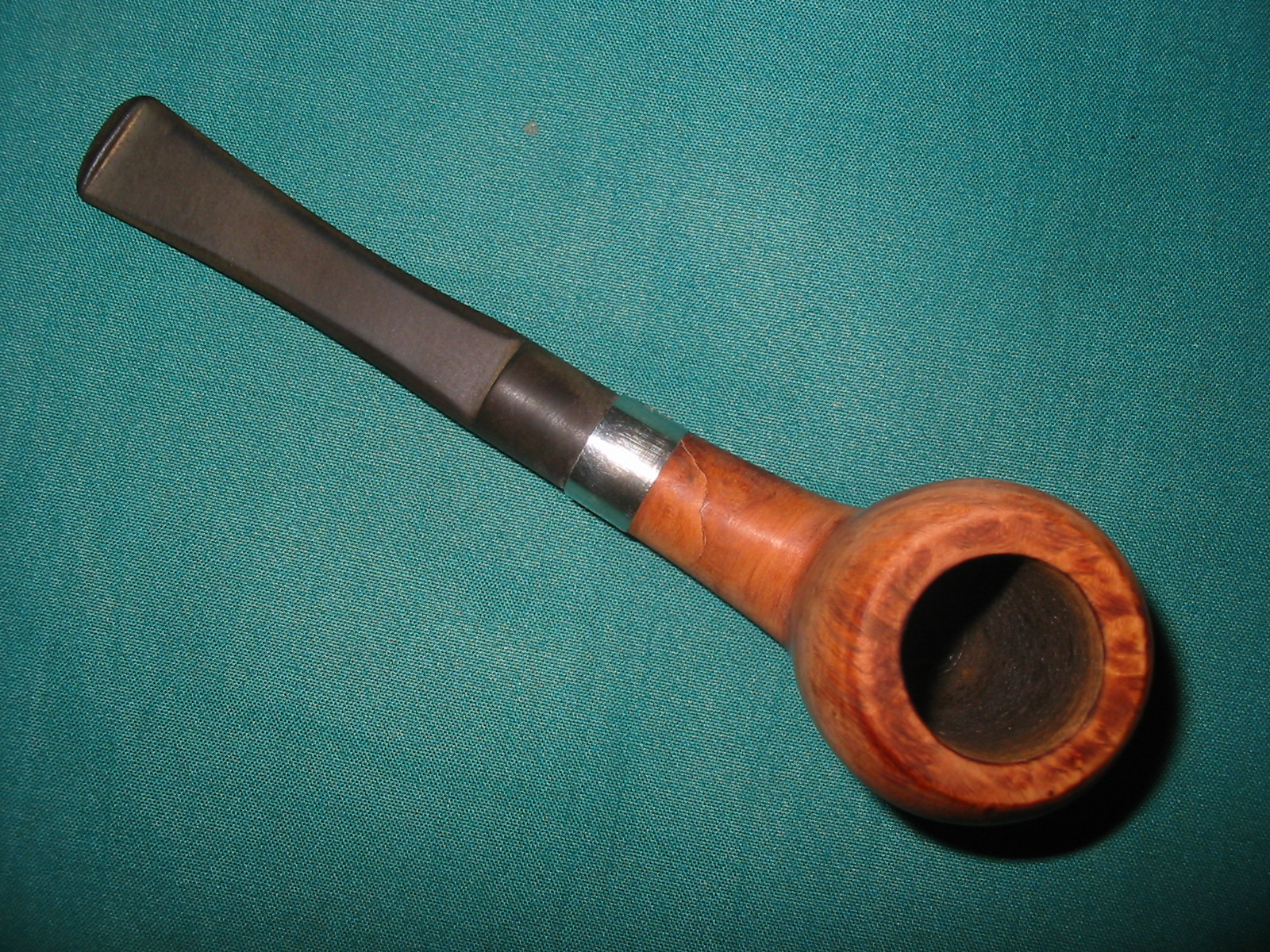
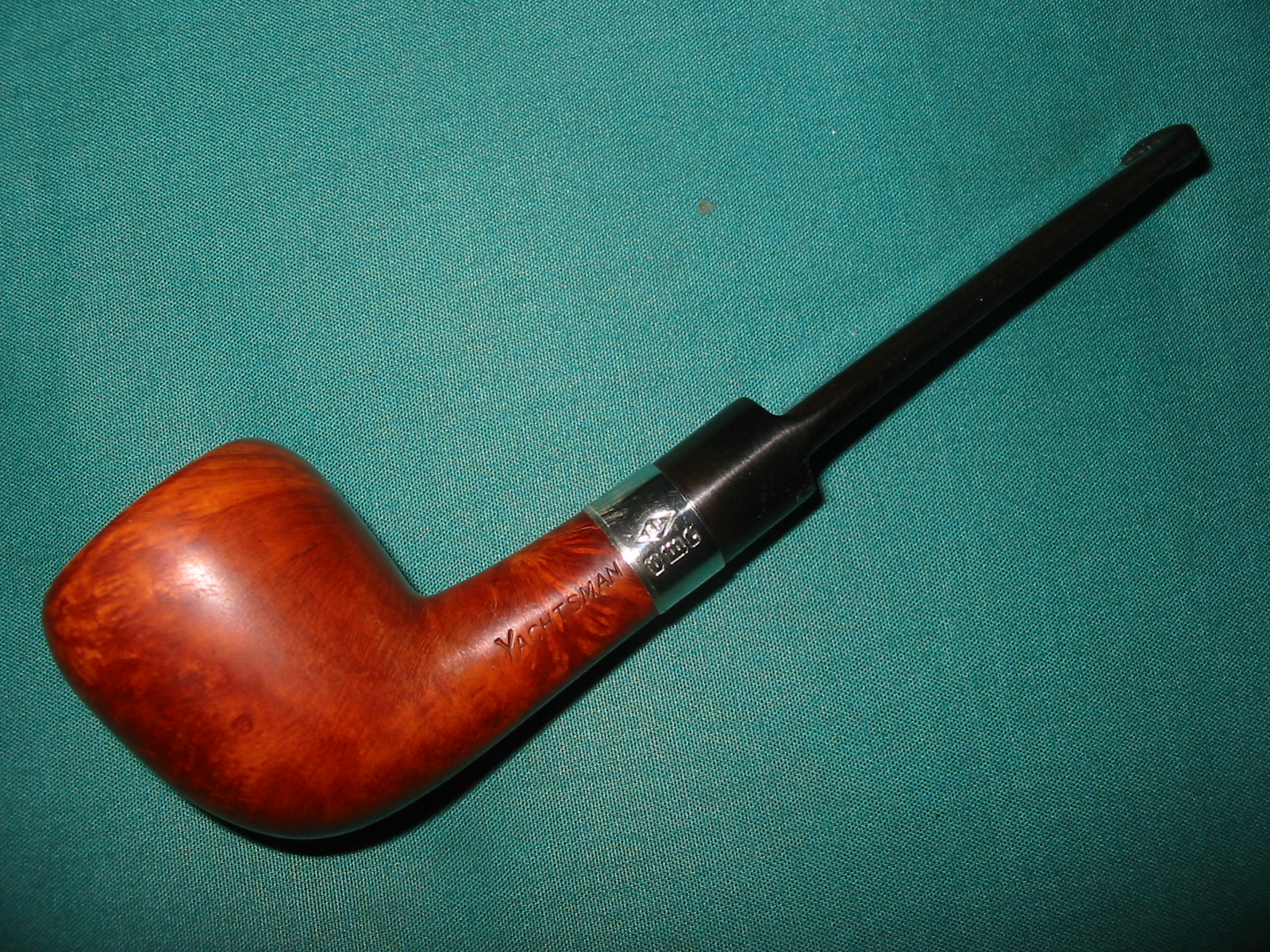
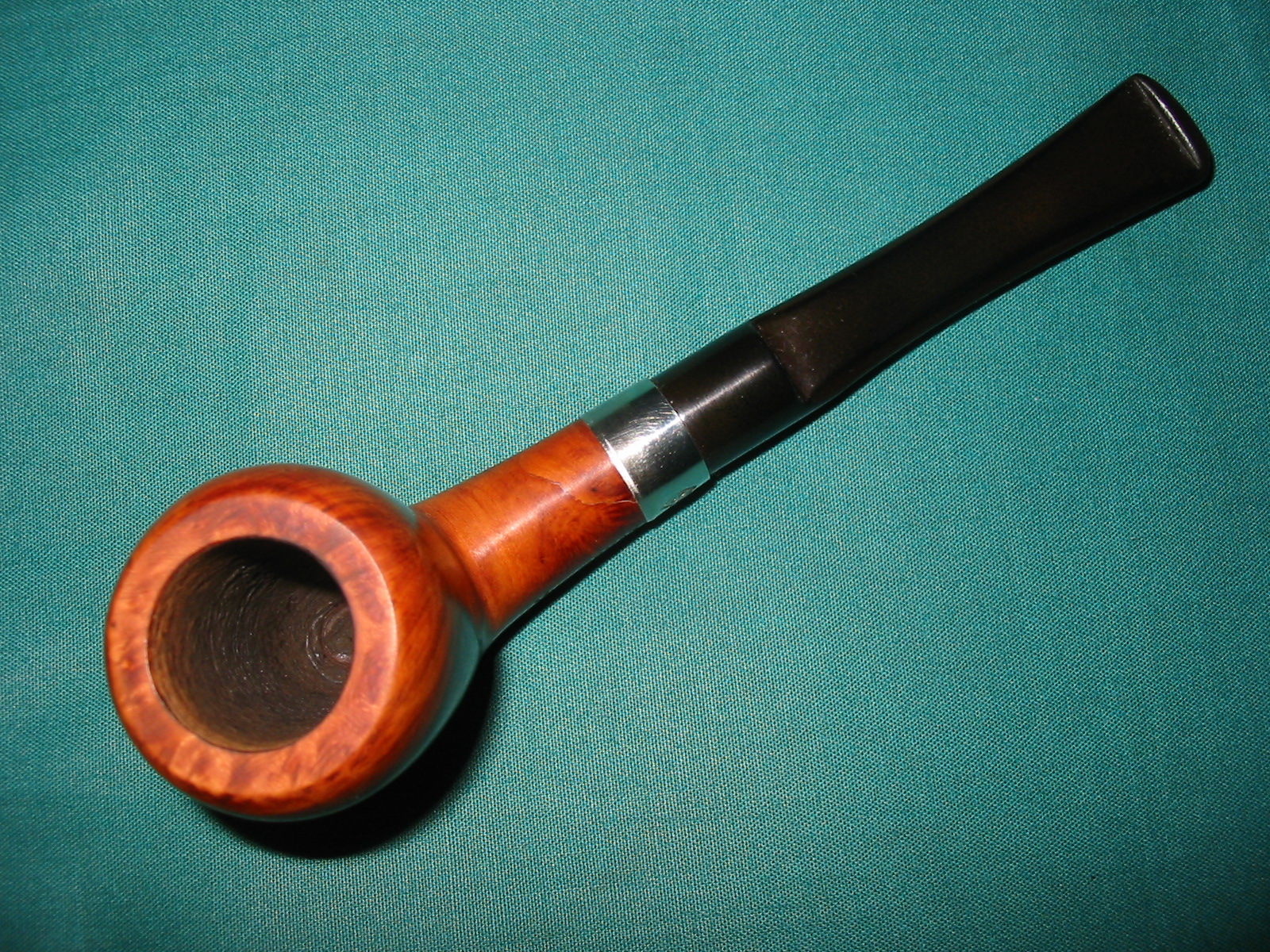
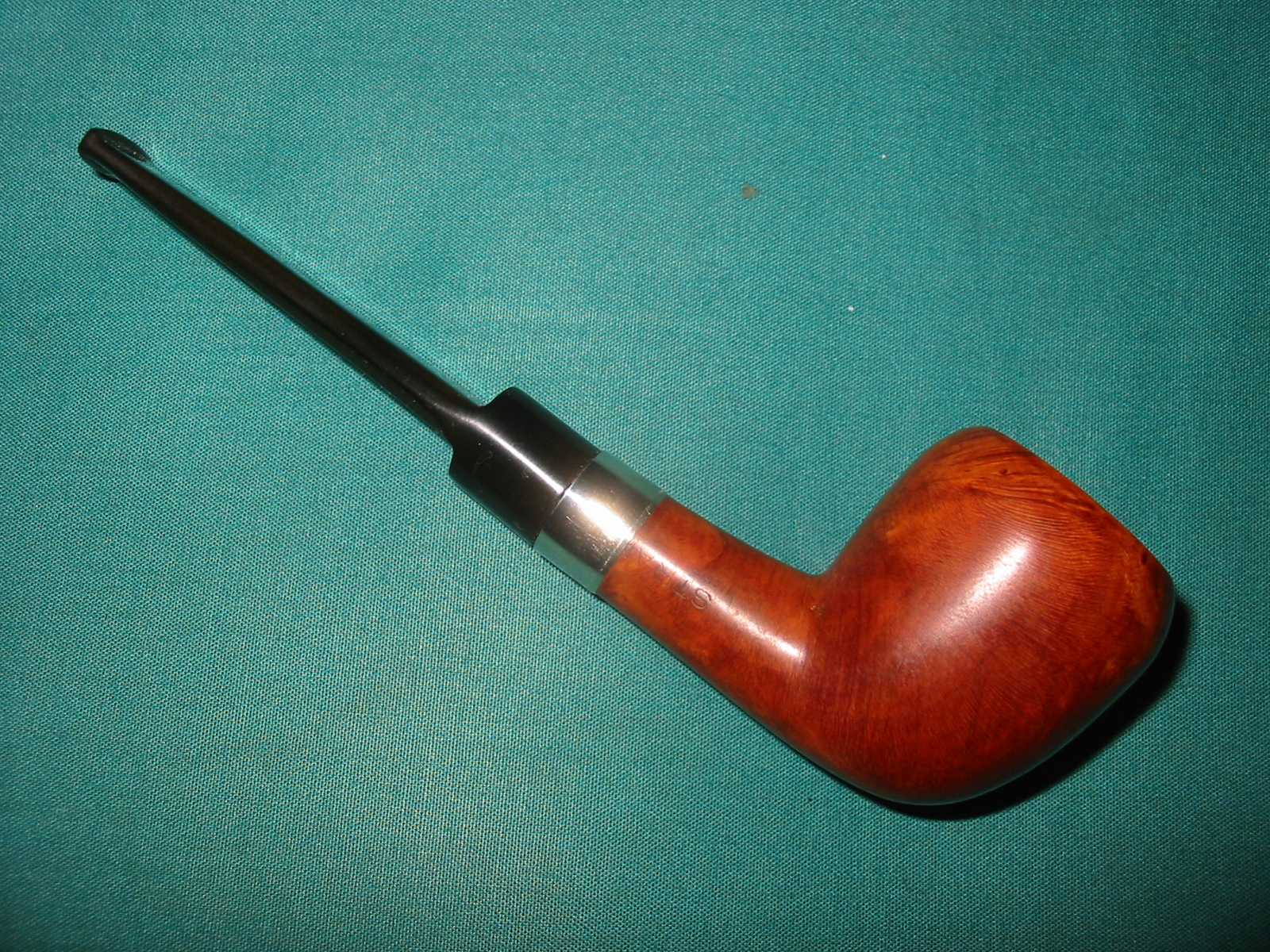
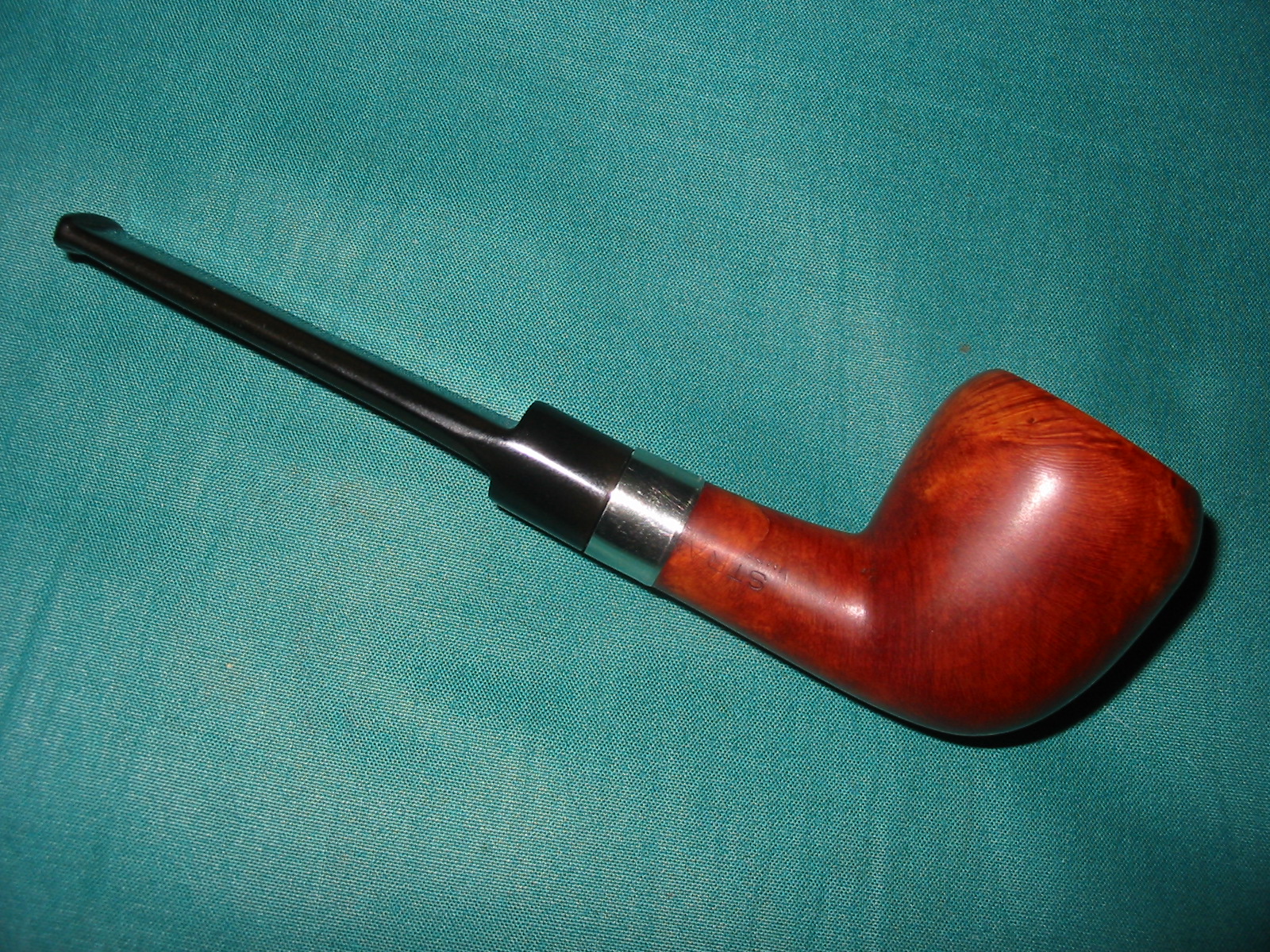
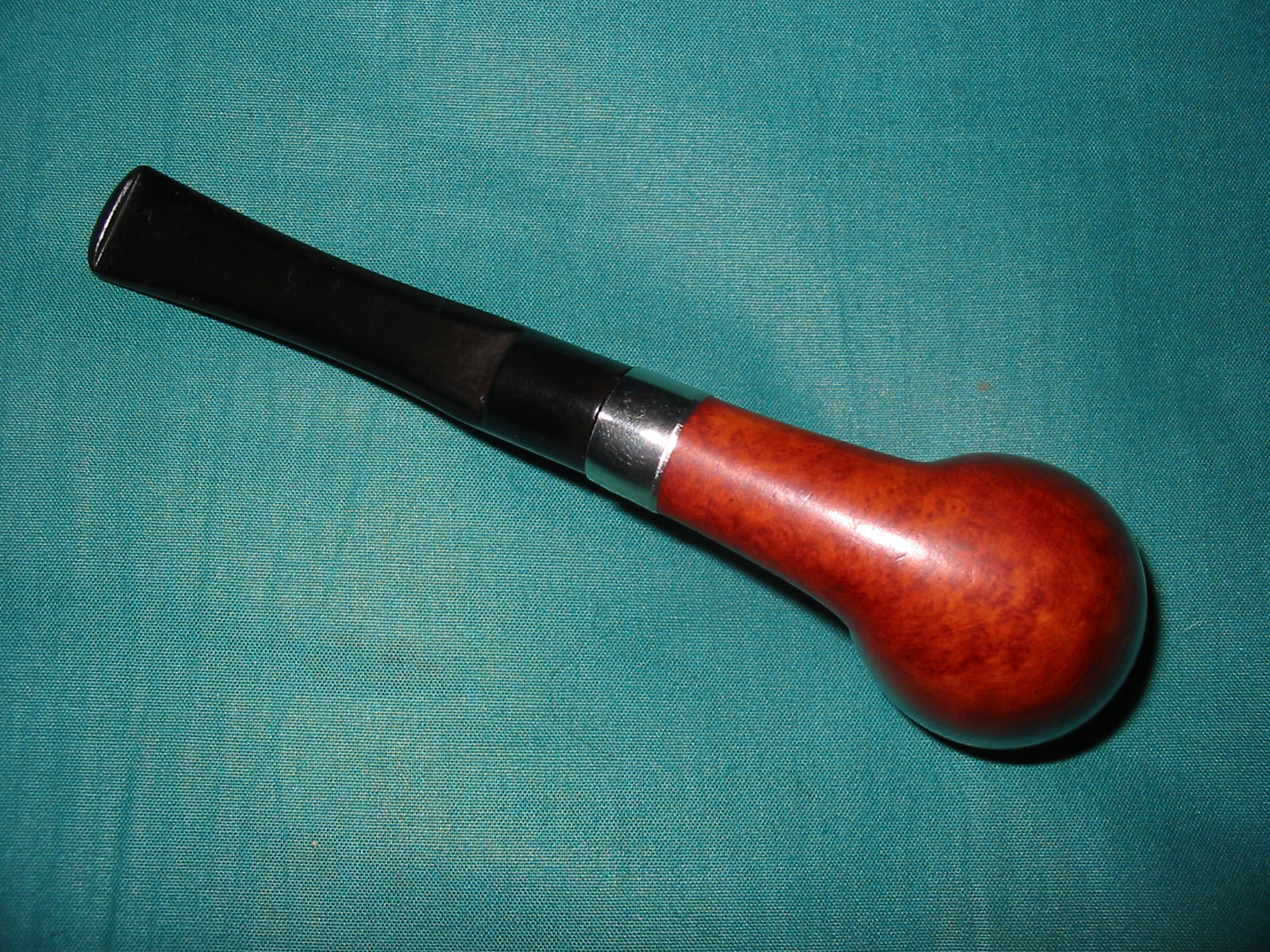
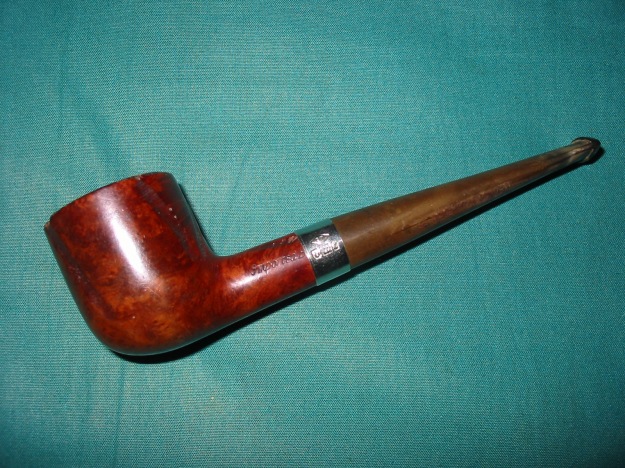
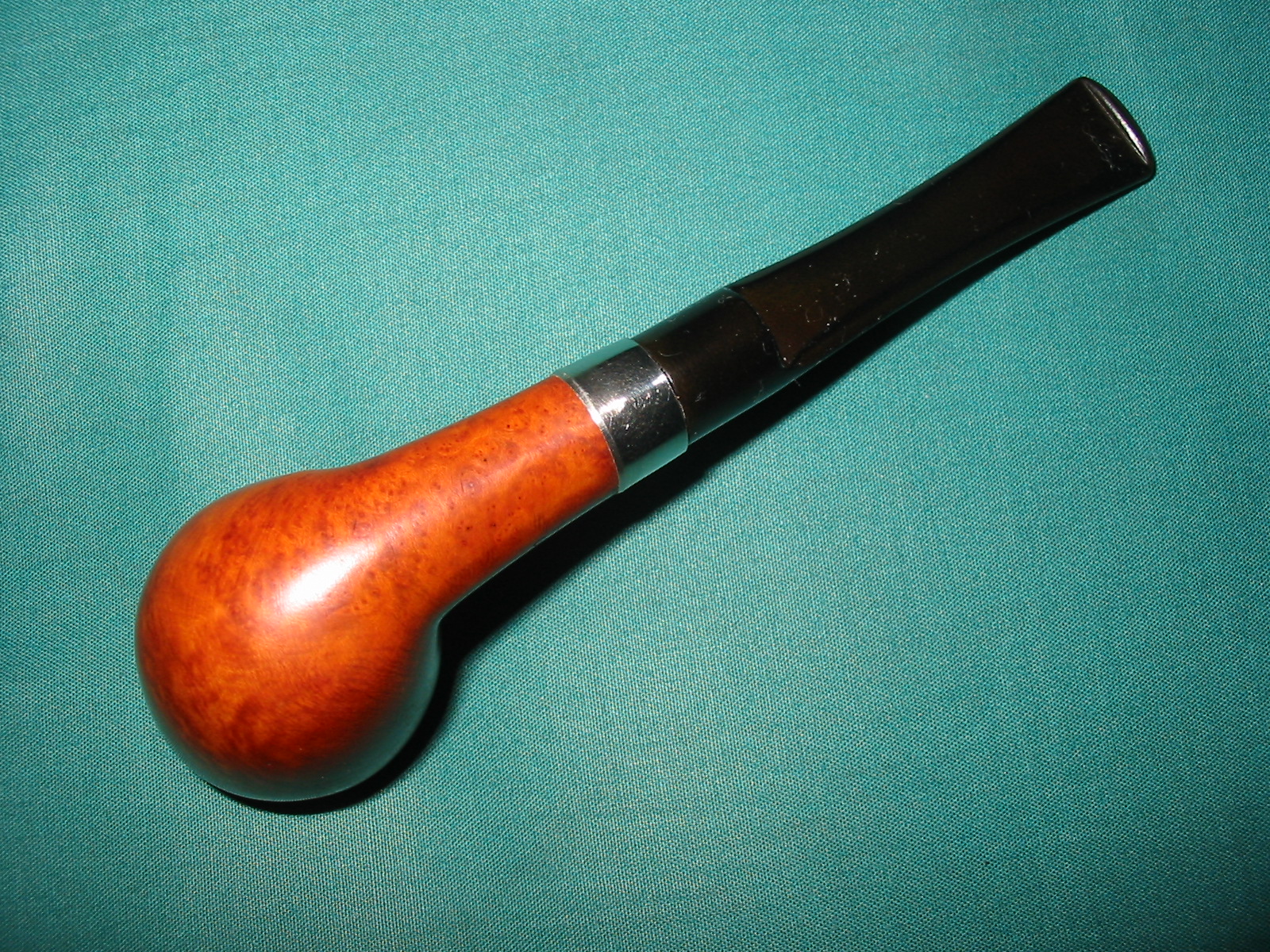
This morning I decided to restem an old Custombilt look alike pot that I had in my box of pipes for repair. I am getting down to only twenty or so pipes left so it is the pipes I have left until the end. Some of these I left because they had no charm to me and others because I just was not ready to work on them. This old no name pot was one of the ones that held no charm for me. The rim was pretty covered with grit and grime. The finish was not in too bad a shape. There was a small crack in the shank which would need to be banded and then the matter of matching a stem to the pipe hung in the air. This morning I went through my can of pipe stems and found an old cast off taper stem that was the right diameter to match the shank. The tenon would need to be sanded to fit the mortise. I set it aside and reamed the pipe and cleaned the shank before fitting the stem. I opened the crack in the shank a bit with some pressure from a dental pick and dripped some super glue into the crack and held it tight until it set. I then heated a nickel band and pressure fit it to the shank. I sanded the tenon by hand with 240 grit sandpaper until the fit was snug.

IMG_9311 IMG_9312 IMG_9313IMG_9314

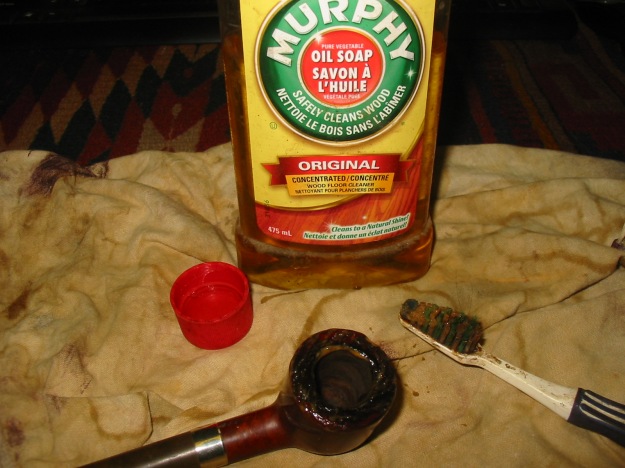
Once the stem was a good snug fit I went to work on the bowl. I cleaned the bowl with Murphy’s Oil Soap and a soft bristle tooth brush. I wanted to remove as much of the grim from the rim as possible and clean up the rustication on the rim surface without damaging the finish. I repeated the process by applying the soap, scrubbing and wiping it off with a cloth.
IMG_9315

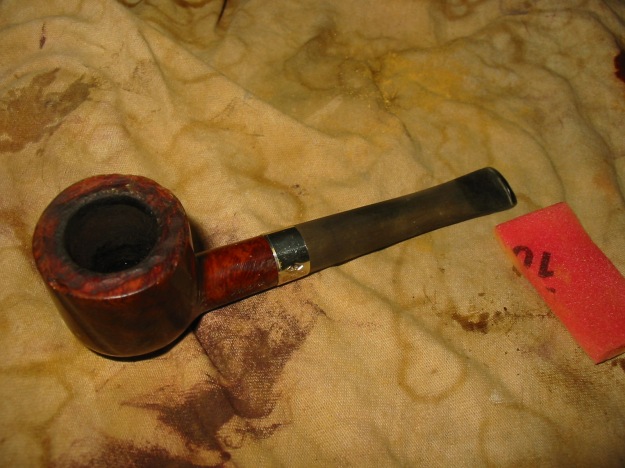
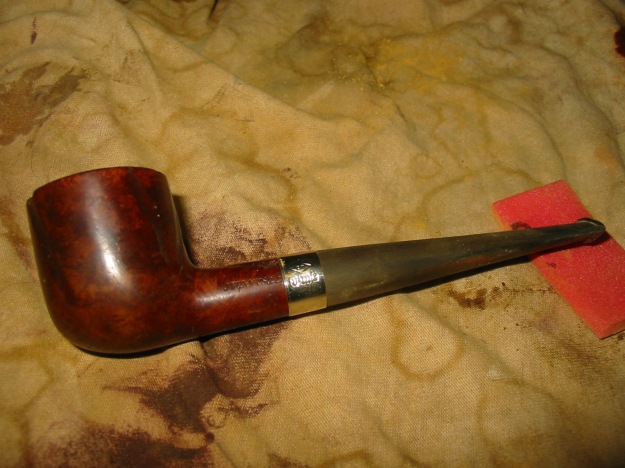
When the rim was clean I wiped down the outside of the bowl with the Oil soap as well and removed the grime that remained on the surface. I then wiped the entire bowl down with some acetone on a cotton pad to even out the stain colouring. Once it was dry I took the pipe to the buffer and buffed the pipe and stem with Tripoli and White Diamond.
IMG_9316IMG_9317 IMG_9318

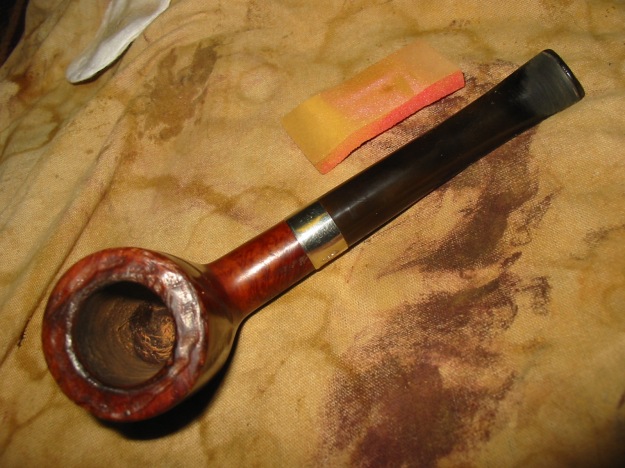
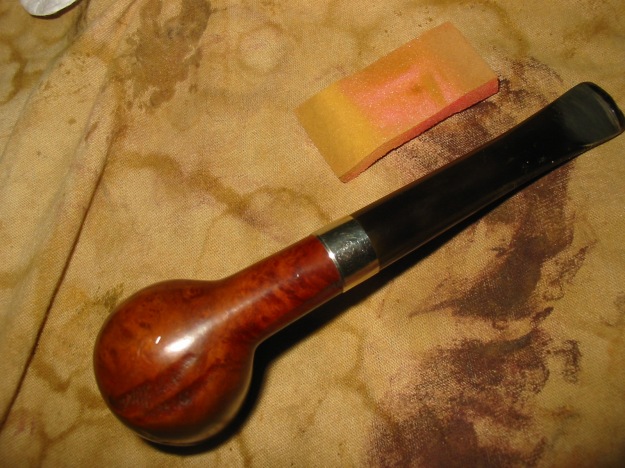
I sanded the stem with a sponge backed medium grit sandpaper. I find that this allows me to get into the crevices on the button and to follow the shape and taper of the stem well. At this point the two photos below show the stem after the buffing and sanding. I spent a bit of time working on some tooth marks along the edge of the button on both the top and the bottom of the stem. You can see the work that has been done near the button in the photos below.
IMG_9319 IMG_9320

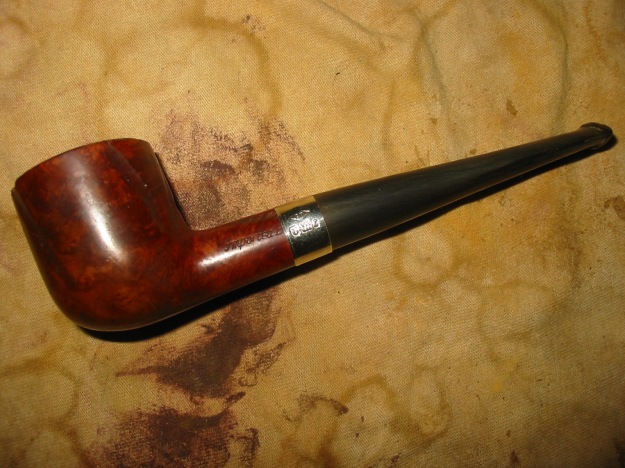
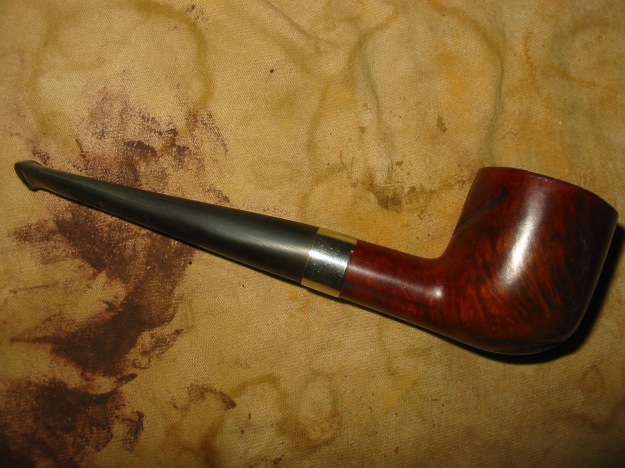
I worked on the stem with the micromesh sanding pads using the 1500, 1800 and the 2400 grit with water to sand out the scratches and the remaining oxidation. At the conclusion of this process the stem was a nice matte black and the oxidation was basically history as can be seen in the photos below.
IMG_9321 IMG_9322 IMG_9323 IMG_9324

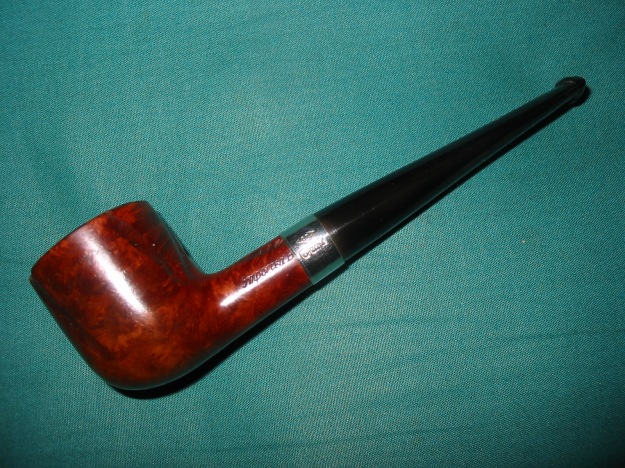
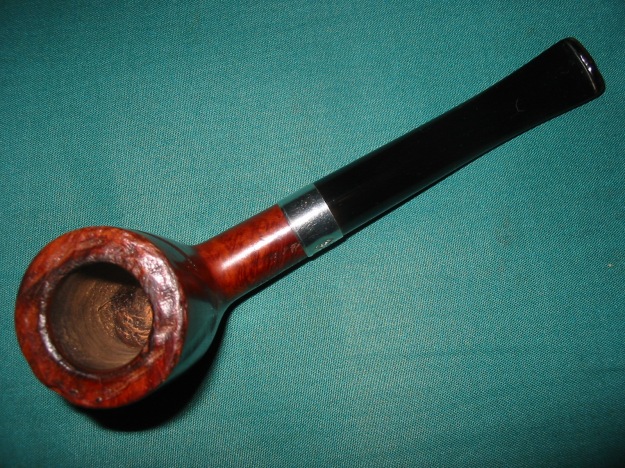
At this point in my stem rejuvenating process I rub the stem down with Maguiar’s Scratch X 2.0 a fine scratch and blemish remover intended for cleaning and polishing plastic headlight lenses. I rub it on by hand and then scrub it off with a cotton pad until the stem is clean. When I finish with the polish I move on to the next grits of micromesh 3200-12,000 grit and sand until the finish is a polished black with a depth to it. I dry sand with these grits of micromesh. Between the 4000 and 6000 grit pads I took it to the buffer and gave it a buff with White Diamond. I found that the oxidation at the shank end of the stem was still present after the buffing and would require some more work with the earlier grits of micromesh. I buffed that end with some Tripoli and then decided to try the Bic Lighter method to address the remaining oxidation. Once that was finished I sanded the stem with the higher grits of micromesh 4000-12,000 and then coated the stem with Obsidian Oil. I buffed the stem with White Diamond and then reinserted it in the pipe and gave the entire pipe a final buffing with multiple coats of carnauba wax. Here is the finished pipe.
IMG_9325 IMG_9326 IMG_9327 IMG_9328

Charatan After Hours


Blog by Al Jones

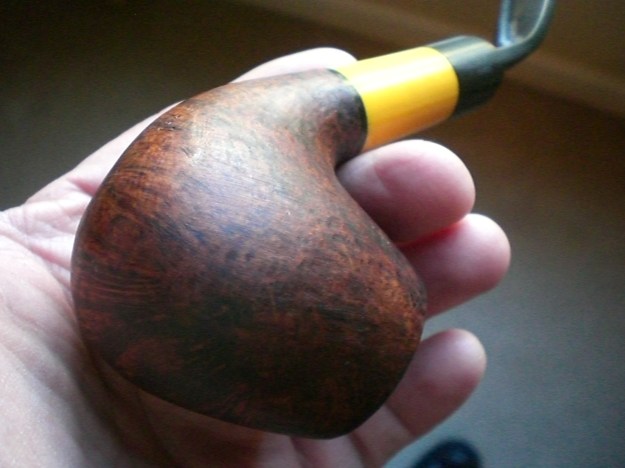
I found this large, Charatan After Hours Bent Billiard at Wingenroths shop in Lebanon, PA.  The owner, Mel, is a fine gentleman and if you are in the area, his shop shouldn’t be missed. I always find something interesting in his estate dresser or downstairs on his work bench.

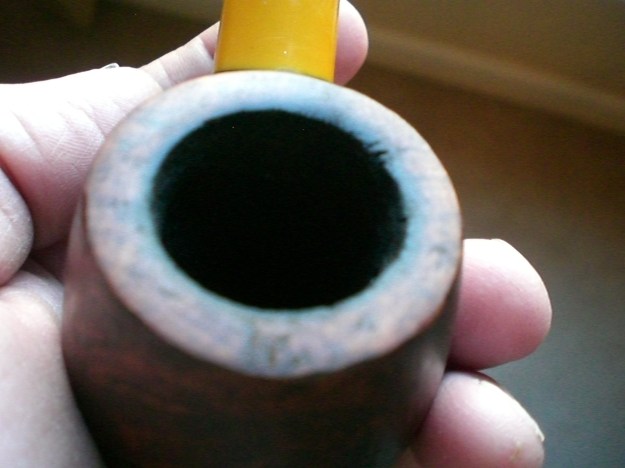
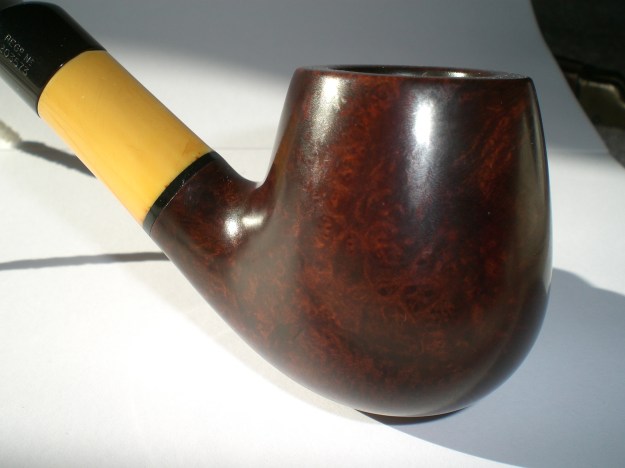
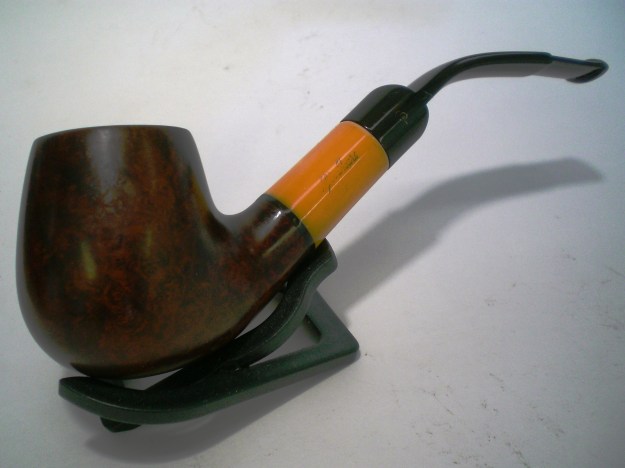
Charatan_After_Hours Bent Billiard - BEFORE (5)     Charatan_After_Hours Bent Billiard - BEFORE

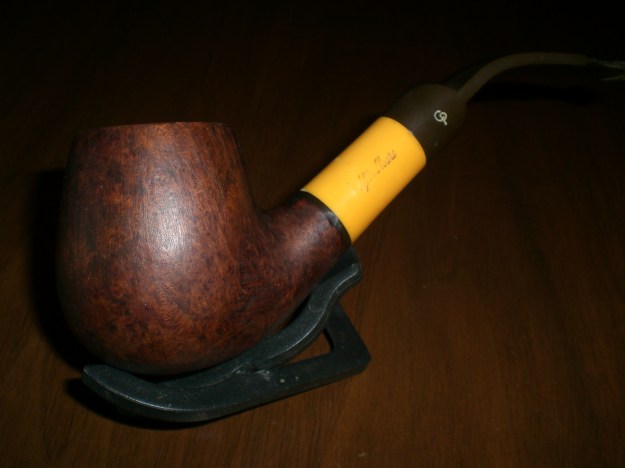
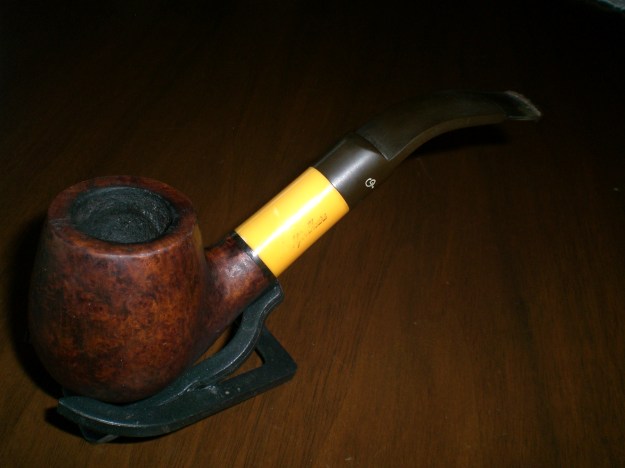
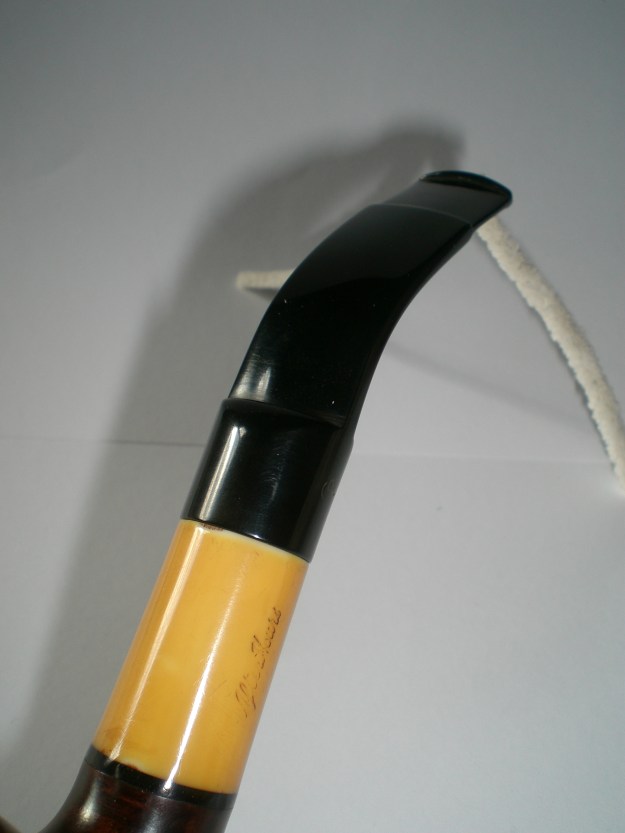
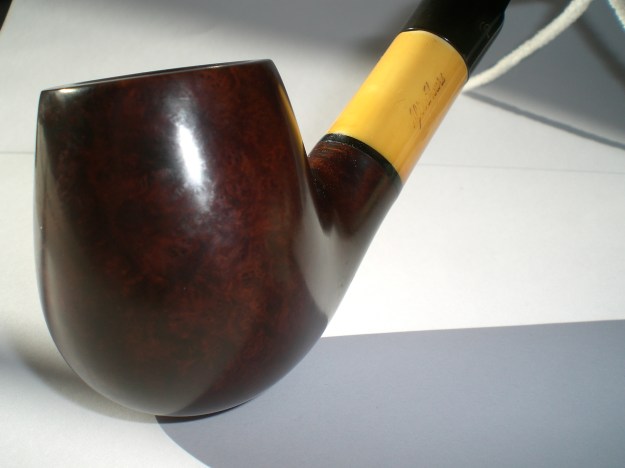
The After Hours line was a clever move by Charatan to use a strummel that had some sort of flaw.  The flawed area was cut off and an acrylic piece was screwed to the shortened shank.  Early pipes had horn extensions and later acrylic was used.  This pipe uses an acrylic piece.  The wood for After Hours is reported to be of a “Selected” quality grain.  At the time, I had another After Hours pipe, a straight billiard.  I enjoy bent pipes much more than straights and this one looked worthy of restoration.  The “After Hours” stamp was still legible as was the CP on the double-comfort stem while badly oxidized was free of any bite marks.  The stem on my first After Hours pipe was one of the most comfortable as the rubber is quite soft and pliable.  I bet is that it is difficult to find one free of tooth indention’s.    This large billiard looked similar to a Charatan shape 44, a favorite of mine.

The bowl was in decent shape and showed the florid “L” of a Lane era pipe.  Unfortunately the bowl has some strange striation like marks on the bowl and it has a very rough texture.  It’s as of someone made an attempt to rusticate the bowl.  The bowl was so large I thought it would have plenty of wood to sand smooth and restain.

Charatan_After_Hours Bent Billiard - BEFORE (3)

Charatan_After_Hours Bent Billiard - BEFORE (4)

I started sanding the bowl with 320 grit paper than moved up thru the grades to 1500.  The striation marks came off, but unfortunately so did the “L”.  But, the bowl looked great with a smooth finish.

This was my first attempt to restain a pipe and I was a little apprehensive in lighting the stain.  I decided to wrap masking tape around the acrylic extension to protect it.   I chose medium brown Fieblings stain which I thought was lightened significantly.  Later, I learned it was still too dark.  Unfortunately I had used too much stain and when it was lit to set the stain, I was horrified to find the masking tape also caught on fire!  I snuffed that out quickly and was relived to find no damage was done too the extension.  A valuable lesson was learned there.  The bowl was darker than I had desired, but I decided to let well enough alone.

While working on the bowl, I had soaked the stem in a mild solution of Oxyclean. I put a dab of grease on the CP stamp to protect it.  I used 1500 and then 2000 grit wet paper to remove the heavy layer of oxidation.  Getting the oxidation out of a stepped double-comfort bit is always an added challenge.  I then used the final three grades of micromesh (6000>8000>12000) to finish the stem. It was then buffed lightly by machine and pad with white diamond and a plastic polish.

Charatan_AF_Bent_Billiard_AFTER (1)

I had intended to resell this pipe, but after smoking it a few times, it earned a permanent spot on my rack.  The Double-Comfort stem didn’t disappoint.  A few months ago, after chatting reading about some of Steve’s stain jobs, I decided to lighten the stain with an alcohol wipe and then rebuff.  That worked well and I’m pleased with the present finish.   The pipe smokes very well with a nice, open draft and easily passes a cleaner.  My only issue with this pipe is that it is so large, it doesn’t easily fit into my racks.

Charatan_AF_Bent_Billiard_AFTER (2) Charatan_AF_Bent_Billiard_AFTER (3) Charatan_AF_Bent_Billiard_Gallery 2

Redeeming a Disaster – A Repair with a Happy Ending


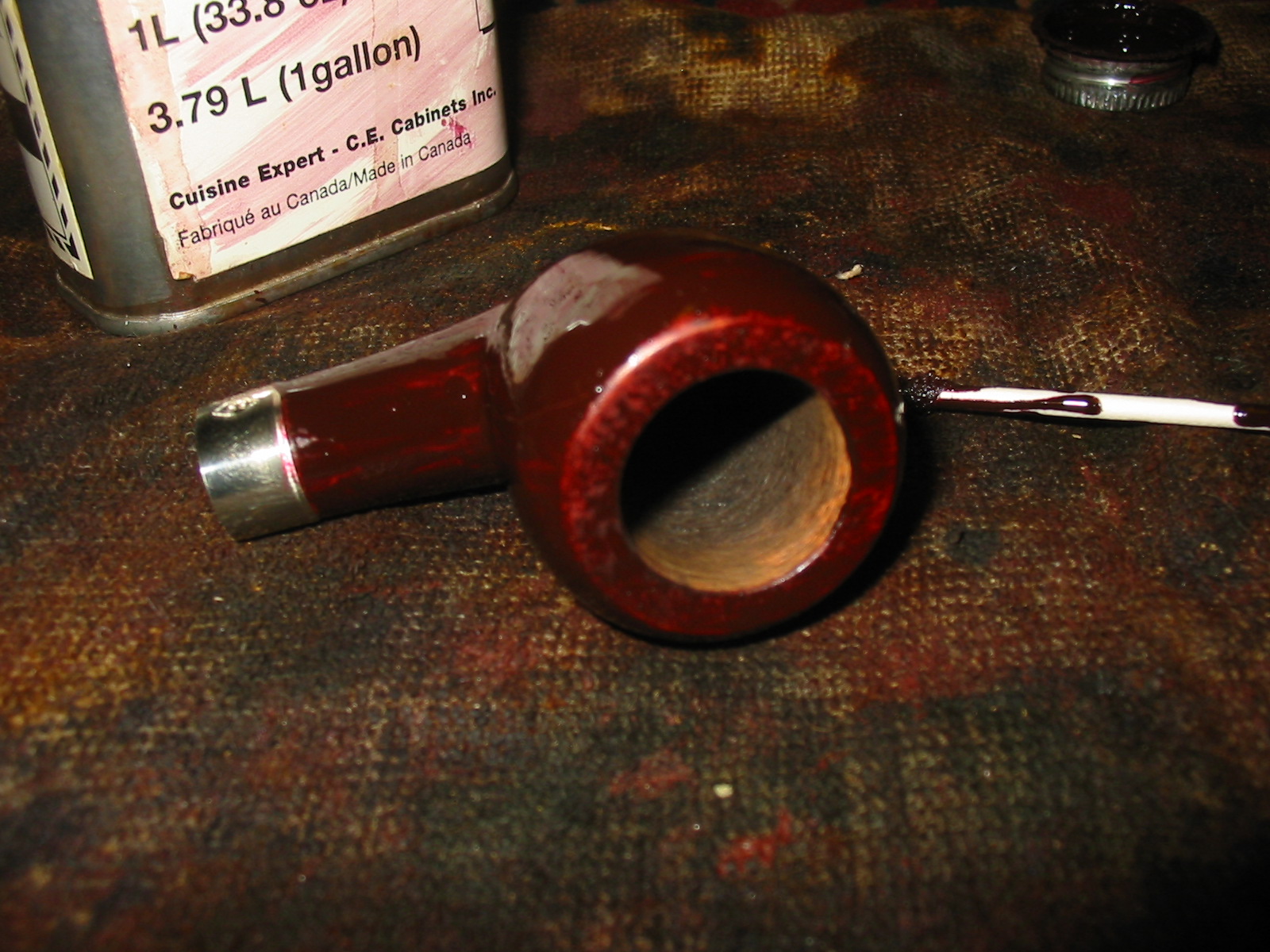
On Christmas Eve I decided to start working on a little acorn shaped pipe bowl that I have had here for quite awhile. It sat in my repair box in wait for the right moment for me to take it to the work table. It needed a stem and the shank was set up for a metal screw in tenon. I did not have any metal threaded tenons that fit the shank well or I could have made a stem for the pipe and inserted the threaded tenon. The time was right and I wanted to try something a bit different on this one. It did not matter if it worked or not really as it was truly a disposable pipe. With that freedom in mind I decided to fit the bowl with a push tenon stem. To make that work involved removing the metal insert from the shank. I reamed the bowl and cleaned out the shank to get it ready for removing the insert. I tried to twist if out as I figured that it was screwed into the shank. No such luck. It was tight and I could not remove it after using heat or putting it into the freezer to cause it to contract and loosen. I made a decision at that moment that did not end well – at least in the short term.

I set up my cordless drill with a bit that would open up the shank. My thinking was that if I could not removed the insert I would drill it open and smooth so that it would take a regular push tenon with no problem. I started with a drill bit virtually the same size as the airway and then planned on moving up to larger drill bits as the work progressed. The initial drilling worked well and the threads were smoothed out. So far so good! I was pretty excited to watch the airway smoothing out and opening up. Then I changed the drill bit for the next size up and drilled it a second time. I progressed slowly holding the bowl in my hand as I drilled the shank. I have done this before and did expect any problems. You know the thinking right – it worked well in the past so I could expect it to work the same this time around. So with full confidence I worked away. Then disaster struck. A few moments after starting to drill with the slightly larger bit the shank literally shattered in my hand. I was left holding four pieces of broken briar in my hand. The bottom half of the shank remained intact but the upper half was in three pieces. The metal insert remained unmovable in the bottom portion of the shank.

I was a bit stunned and almost binned the broken briar. What had at first appeared to be a good idea was reduced to something that I was ready to throw away and write off as a learning experience. However, I stopped and looked at the pieces for awhile. I thought about cutting the shank off and adding a shank extension to do one of Piet’s Hot Rods. I weighed the pros and cons of that and still was not certain whether I wanted to go to that trouble for this pipe. I took the pieces and puzzled them together to see what the damage looked like when it was put back together. I examined it closely and could see that the break was at least very clean and the surface was not chipped or damaged. I used a dental pick to remove the metal insert from the shank. I decided to get out the super glue and put the pieces back together for a look. With all the pieces in place the pipe looked okay. I sanded off the excess glue from the shank and used some acetone to clean off the stain that was on the shank and bowl. It looked like there was some promise. I decided to strengthen the bond with a nickel band. I heated a nickel band with my heat gun and carefully pressure fit the band on the shank. The repaired pipe was going to be workable.

ImageImageImageImage

I sanded the bowl and the shank and wiped it down repeatedly with acetone. The idea was to remove all of the remaining lacquer finish and even out the stain. I wanted to get the bowl back to bare wood as much as possible before restaining. Once I had it clean I sanded it again with a fine grit sponge backed sanding pad. I continued to sand it with the micromesh sanding pads from 1500-12,000 grit to prepare it for staining.

I had an old saddle stem that would fit the shank dimensions in my box of scavenged stems. I turned the tenon to fit the newly cleaned shank and did the initial sanding to remove the oxidation on the stem. I used the same sponge back sanding pad I used on the bowl as it allows good access to the saddle areas of the stem. The photos below show the newly fit stem. I have quite a bit more work to do on the stem and bowl to bring the pipe to a finished condition but the promise is definitely there. In the second and third top view photo below you can see the repaired shank. I am pretty confident that it will be pretty well hidden by the staining.

ImageImageImage

Before restaining the bowl I decided to work on the stem and get it polished and smooth. I used the 1500 and 1800 micromesh pads to do the sanding and polishing before using the Maguiar’s polishing compound. I have started to use it after the first two or three micromesh sanding grits. I rub it on by hand and then scrub it with a soft cotton pads before wiping it off. I repeat this polishing process with the compound two times before proceeding to working through the remaining micromesh grits. I sanded the stem with 2400 and 3200 grit and took it to the buffer and used Tripoli to buff away the scratches and the oxidation that remained at this point in the process. I also buffed the bowl with the Tripoli. Once back to the work table I used 3600 and 4000 grit before giving the stem a rub down with Obsidian Oil. The four pictures below show the pipe as it looks at this point. The bowl is ready to stain and the stem is getting close to the finished look. There is still some oxidation around the saddle area that will need some more work.

ImageImageImageImage

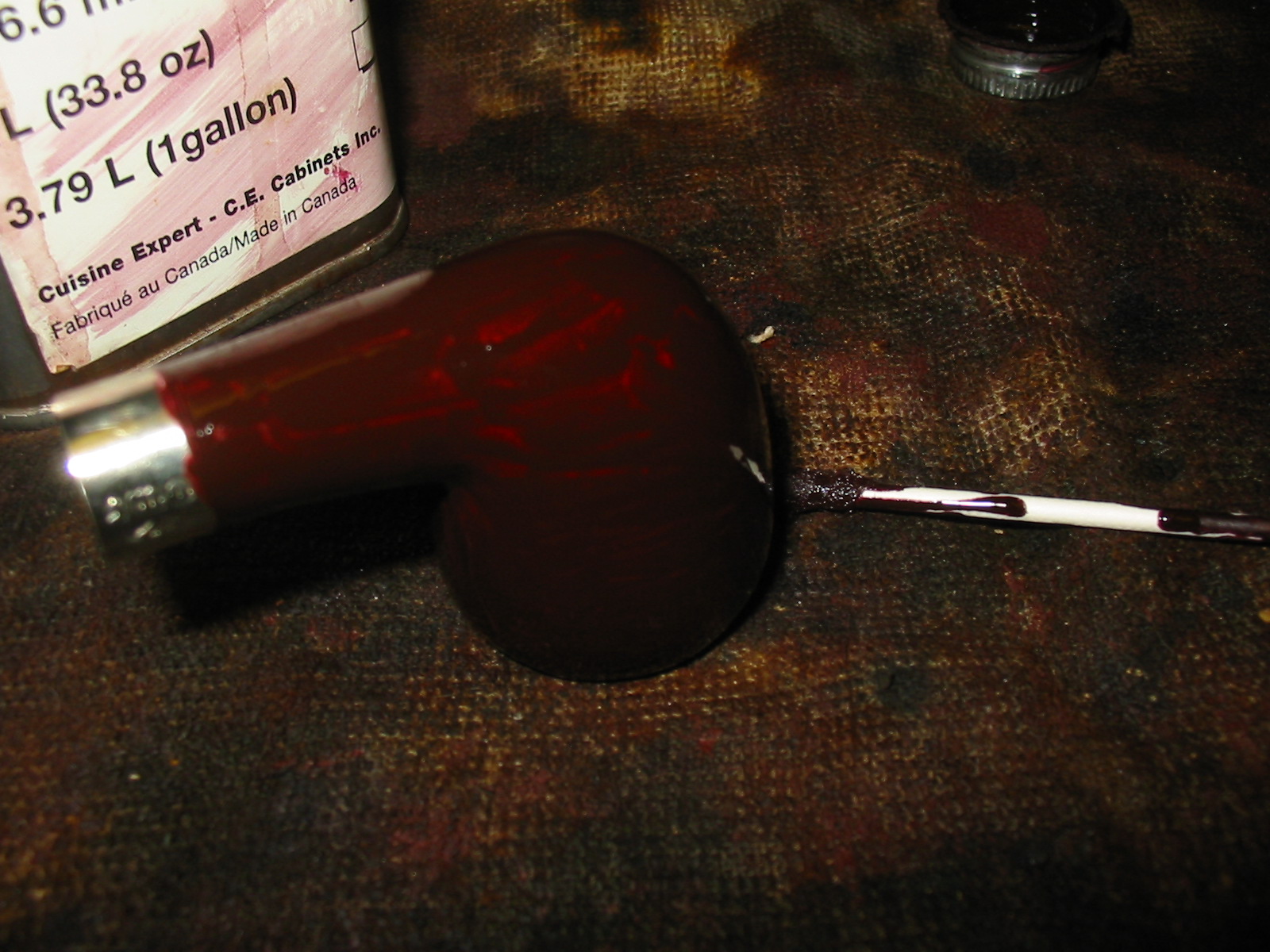
I decided to use an oxblood coloured aniline stain on the pipe to try to minimize the visibility of the repair to the shank. I used a cotton swab to apply the stain, flamed it and then buffed it off with a soft cotton cloth before taking it to the buffer and buffing it with White Diamond. After buffing I waxed it with several coats of carnauba wax to give it a shine.

ImageImageImageImageImage

I also finished the polish on the stem using White Diamond on the buffer before finishing with the remaining three grits of micromesh pads – 6000, 8000 and 12,000. I gave it a final buff with White Diamond and then rubbed it down with some Obsidian Oil. I finished the stem with several coats of carnauba wax. The four photos below show the finished pipe. The repair to the stem is visible if you look closely but the redemption of this broken pipe is complete and it is ready to smoke.
ImageImageImageImage