Tag Archives: rusticating a rim

My Process for Re-Rusticating a Rim


Blog by Steve Laug

I recently wrote a blog on how I put a rusticated finish on a rim of a Savinelli Capri 121 pot. I thought it might be helpful to pull out the process of that rustication because the process is the same I used on this one as well as others that I have done. It is the simplest way I know to approximate the look/feel of a previously rusticated rim. It works on rims that have been topped as well as on damage or worn rims. The process is identical and you as the refurbisher make the decision how deep and how rustic you want the finish to look.

Process: For this example I will begin with a bowl rim that had been topped. The bowl happened to have been a rusticated Capri. Somewhere in its life someone had topped it. The job was well done but I wanted to bring it back to the original state.

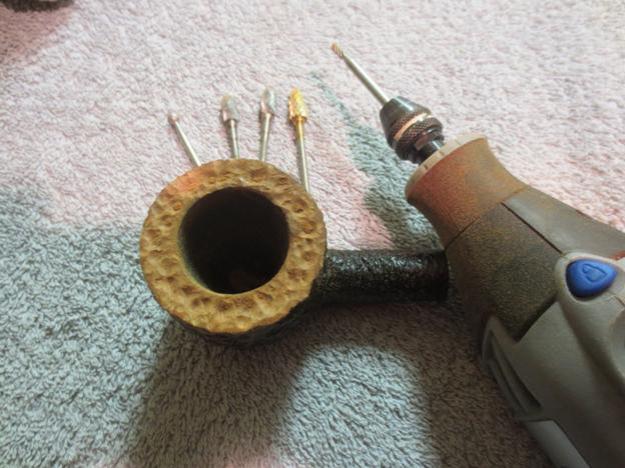
1. I set out the Dremel and the various burrs that I use for the rustication. Two of them are standard Dremel burrs. Three of them are dental burrs that I got from a friend of mine.Capri14
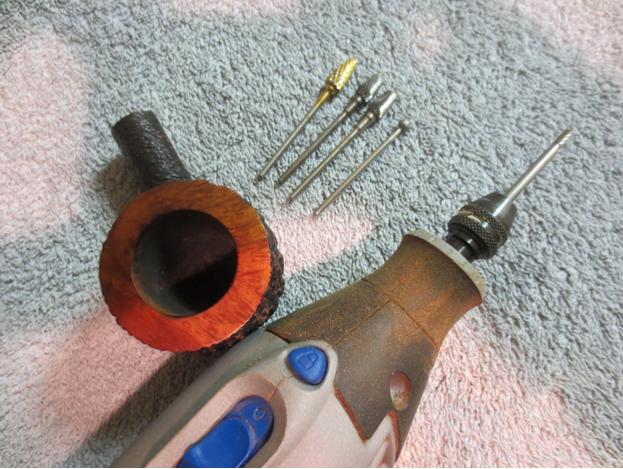
2. I always start with a cylindrical burr. It is a cylinder with diagonal lines cut into the tip. The burr can be used straight on, on the side or diagonally. I used it on the diagonal to begin the process. I used it to scroll on the surface. I made swirls across surface of the topped rim. I always avoid the edges of the bowl – both inner and outer edge – with this first burr. The photo below shows the rim after these first cuts.Capri15
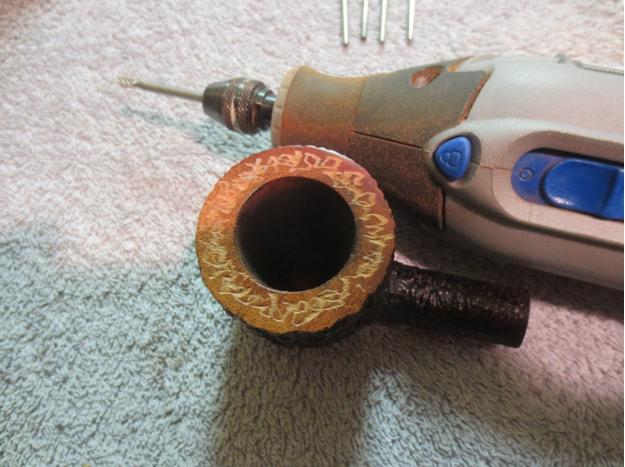
3. I changed burrs for the ball shaped burr. I used it deepen the grooves and trails and to move to the inner and outer edges of the rim. I roughened the surface and tried to randomize the rustication look. There are still smooth spots at this point but the finish is beginning to look as rough as the bowl sides.Capri16

4. I changed the burr again for a cone burr with a “pineapple like” cross hatch pattern. I worked over the surface of the rim randomizing the divots that I did with the ball burr and also cutting grooves and cross hatch patterns in the briar.Capri17
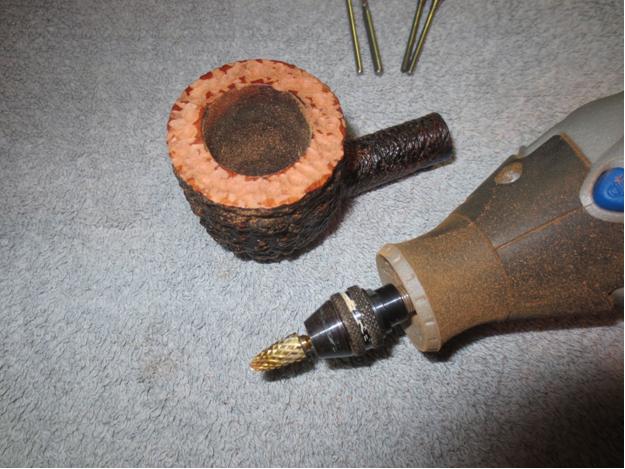
5. I changed the burr again for another cone burr – this one with a spiral pattern. I used it diagonally across the surface of the rim cutting grooves, connecting patterns. All of the switching and changing of burrs was to rusticate and randomize the pattern on the surface of the briar. I was working to get a pattern similar (yet different – almost a reverse of the bowl rustication) to the bowl.Capri18
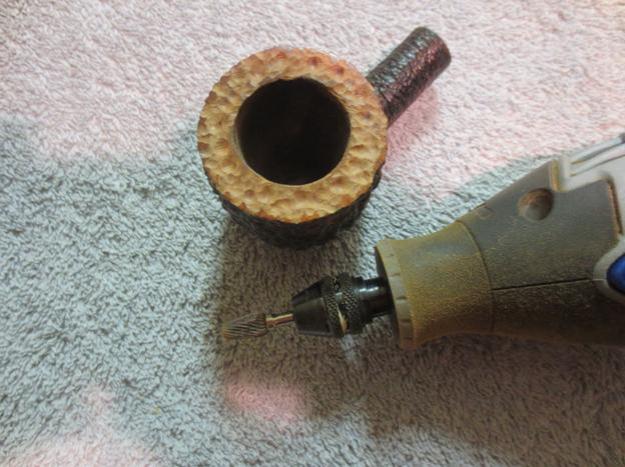
6. I changed the burr again this time for a spiral that spun the opposite direction from the previous one. I worked over the rim using the burr straight on, diagonally and in places almost horizontally. At this point the rustication pattern shown below is getting close to the point where I will finish.Capri19

7. I put the cylindrical burr back in the Dremel and worked it diagonally between the low spots on the rim to connect the dots so to speak. I also roughened the inner and outer edge of the rim. Capri20
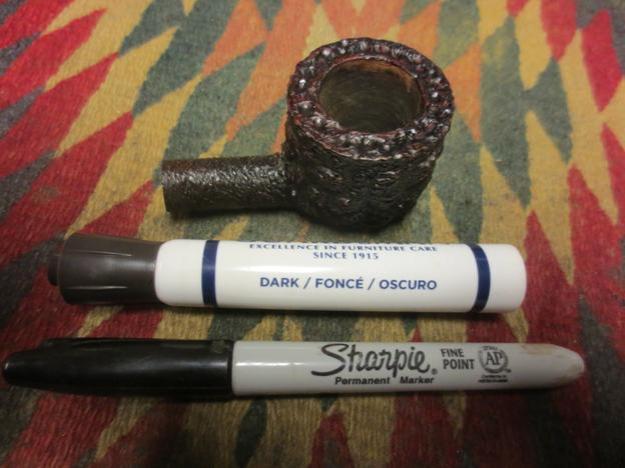
8. I used a medium brown stain pen to stain the high spots on the rustication.Capri21
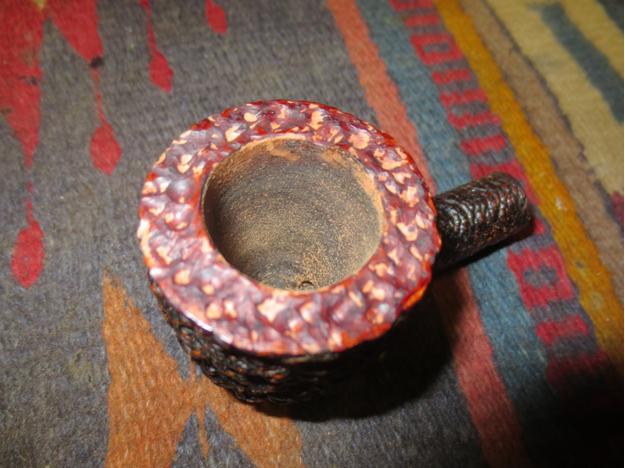
9. I used a Sharpie Black permanent marker to stain the low spots on the rim surface and provide some contrast to the rim. The variation in colour would eventually match the stain on the bowl and give depth to the rustication.Capri22
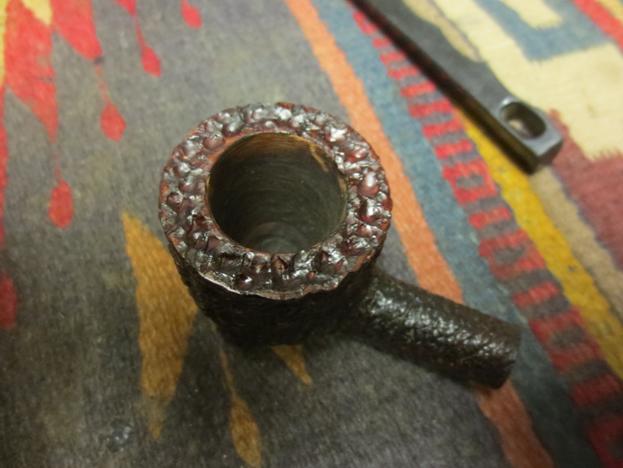
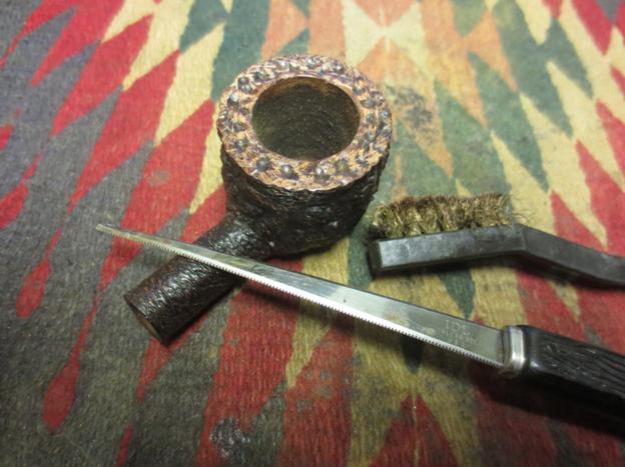
10. I used a brass bristle tire brush to brush the surface of the rustication and knock off high points and loose briar. It also gives the surface a feathering look that smooths the rustication to match more closely that on the bowl sides.Capri23
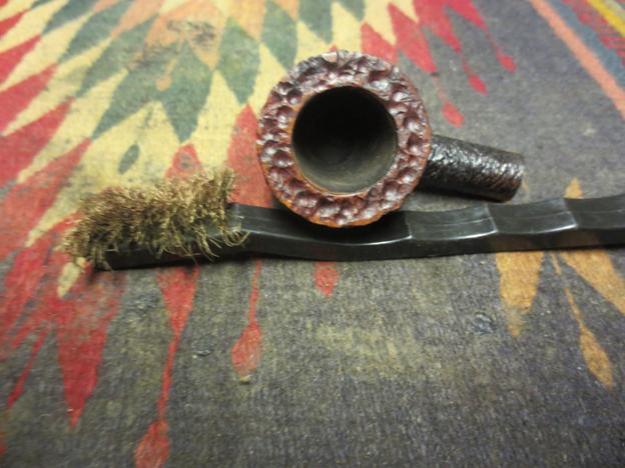
11. I used the black Sharpie again to touch up the scratches left behind to add more depth.Capri24
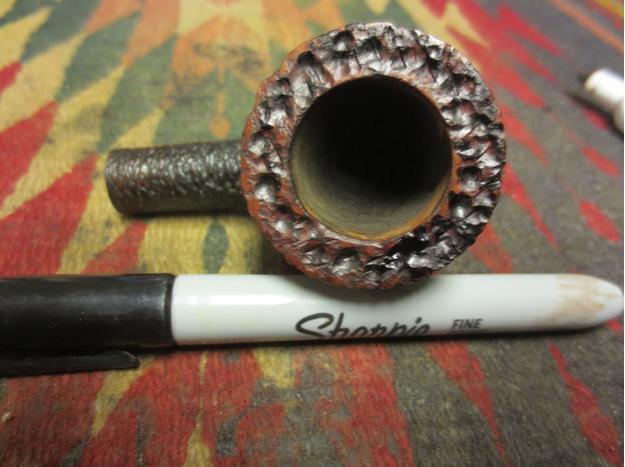
12. I stained the rim with a dark brown stain pen thus adding the third stain colour to the rim surface. At this point I still was not quite happy with the look of the rim. The colour was right and the rustication was fine but there was something missing. On the bowl sides it was almost as if the maker had used a wire brush on a drill or wheel to cut fine lines in the surface of the briar over the rustication.Capri25
13. I would need to improvise as I did not have a stiff wire wheel or brush to use. I did have a serrated edge letter opener that would cut patterns across the surface easily enough and if I went at it from a variety of directions I could possibly achieve the look I was going for. So I used the letter opener and went to town to cut a stressed look to the briar on the rim. I followed that by lightly brushing it with the tire brush. Capri26
14. I repeated the stain process noted above using the three colours of stain in the same pattern to get the desired effect.Capri27

15. I gave the rim several coats of Conservator’s Wax and hand buffed it with a shoe brush. The finished rim is shown below. It has the look that I was aiming for when I started the process noted above. I have used this process on many pipes and it generally follows the same pattern. The difference lies in the depth and tightness of the pattern and the burrs that I choose to use to approximate the bowl rustication.Capri37
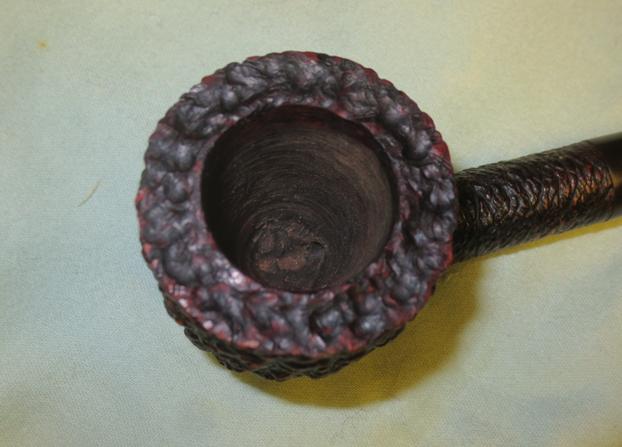
Conclusion: If you vary the burrs or introduce other burrs you can get a completely different pattern in the briar. I have used just the ball burr in the past to create a different look. The cylindrical burr creates a very tight pattern. The cross-hatched or pineapple burr can be used to create a light a deep cross hatched pattern. All of the burrs cut different patterns according the angle against the wood. You can use the burr vertically, horizontally or diagonally and create a wide variety patterns. Give it a try and see what you can create. Really the options and looks are as varied as you want to make them.
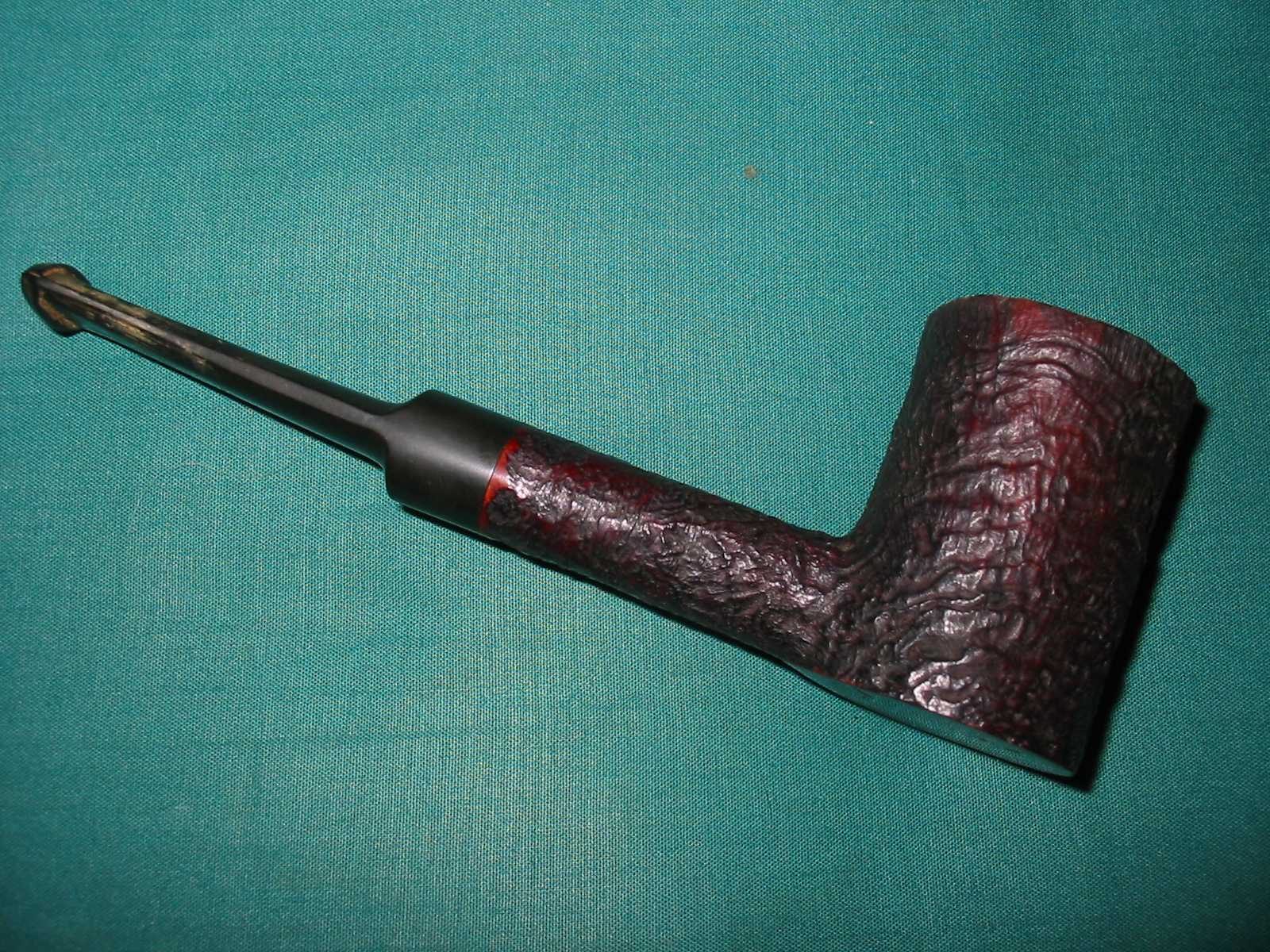
 

A No Name Sandblasted Poker Restored


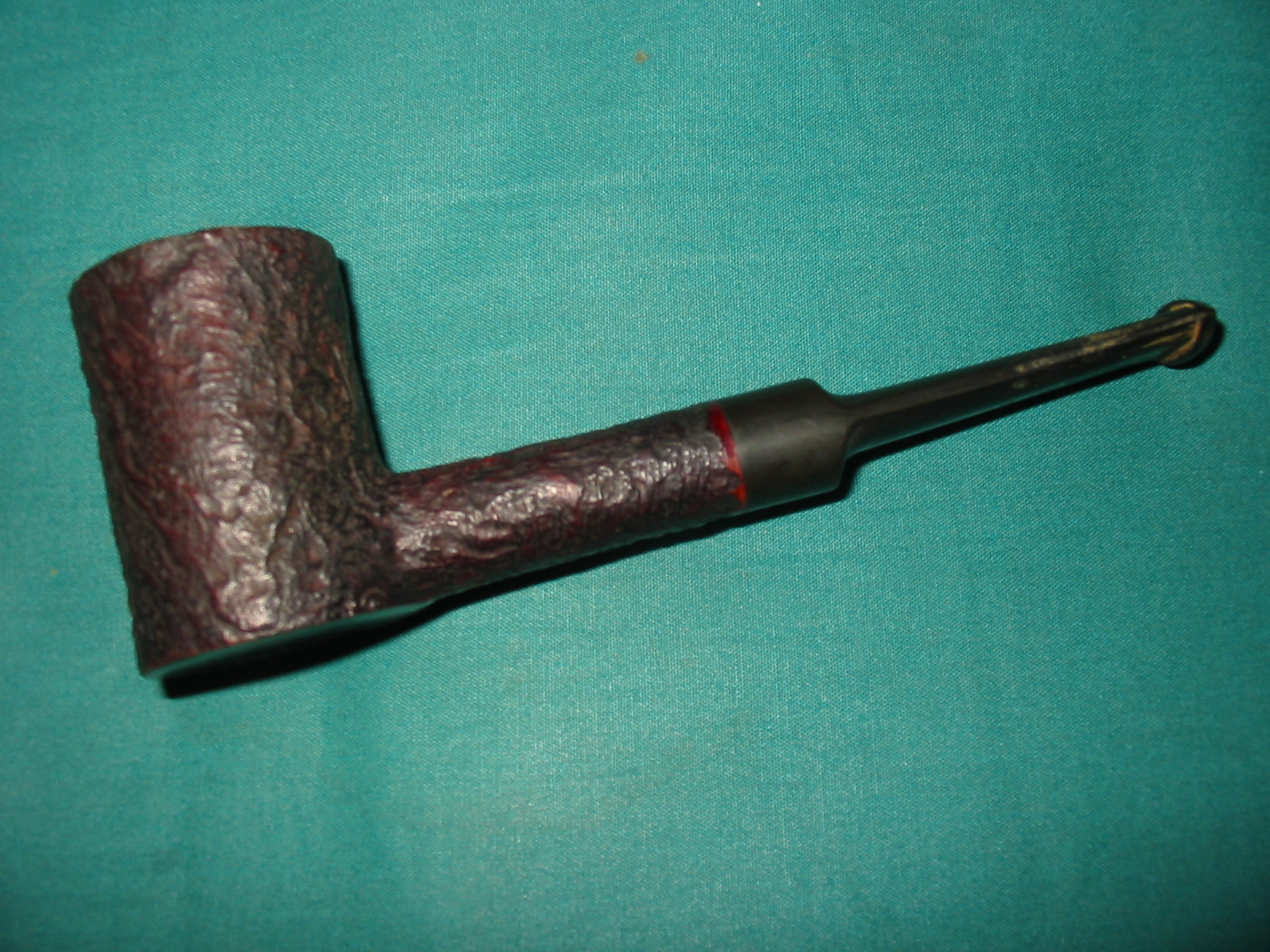
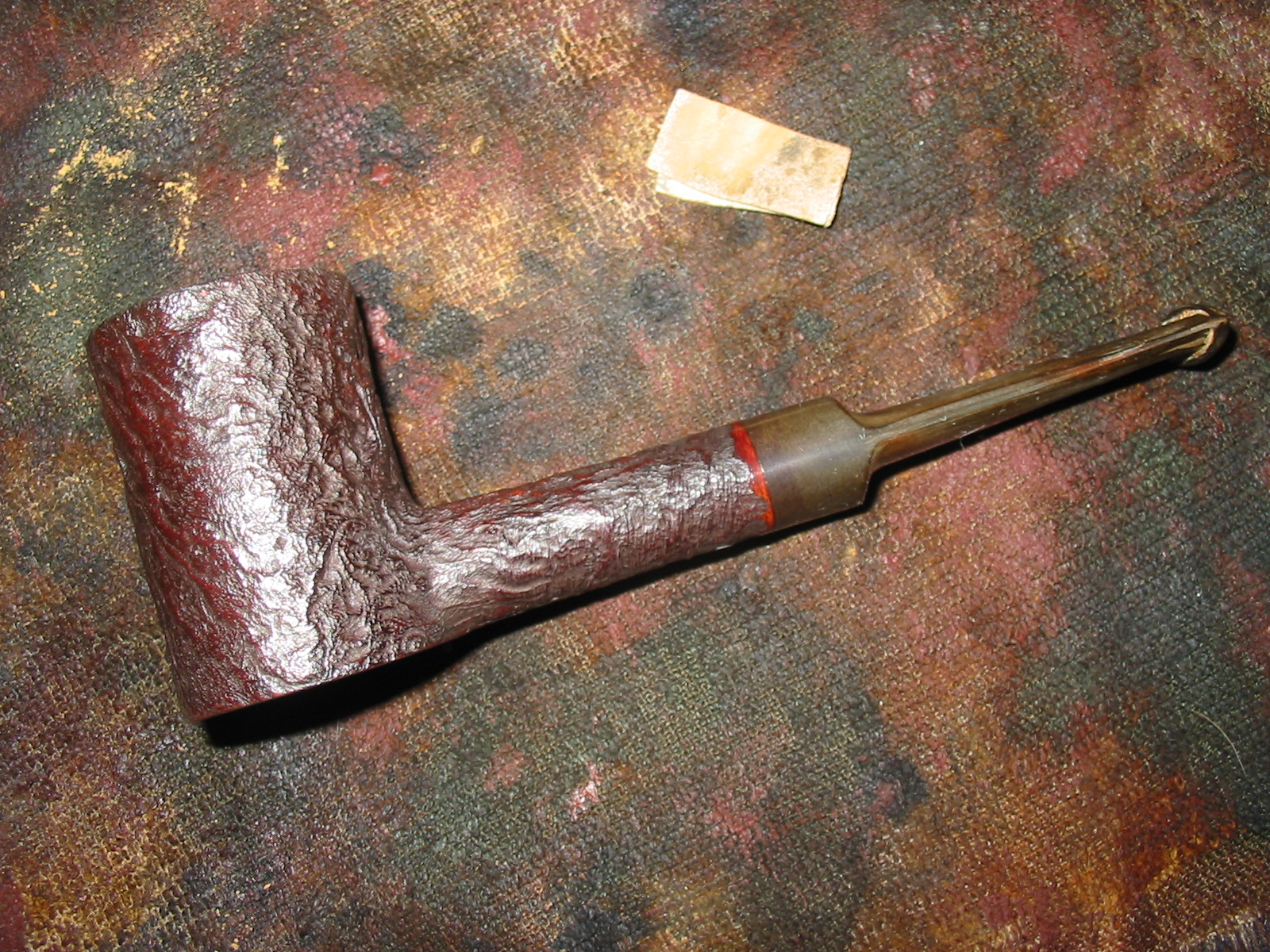
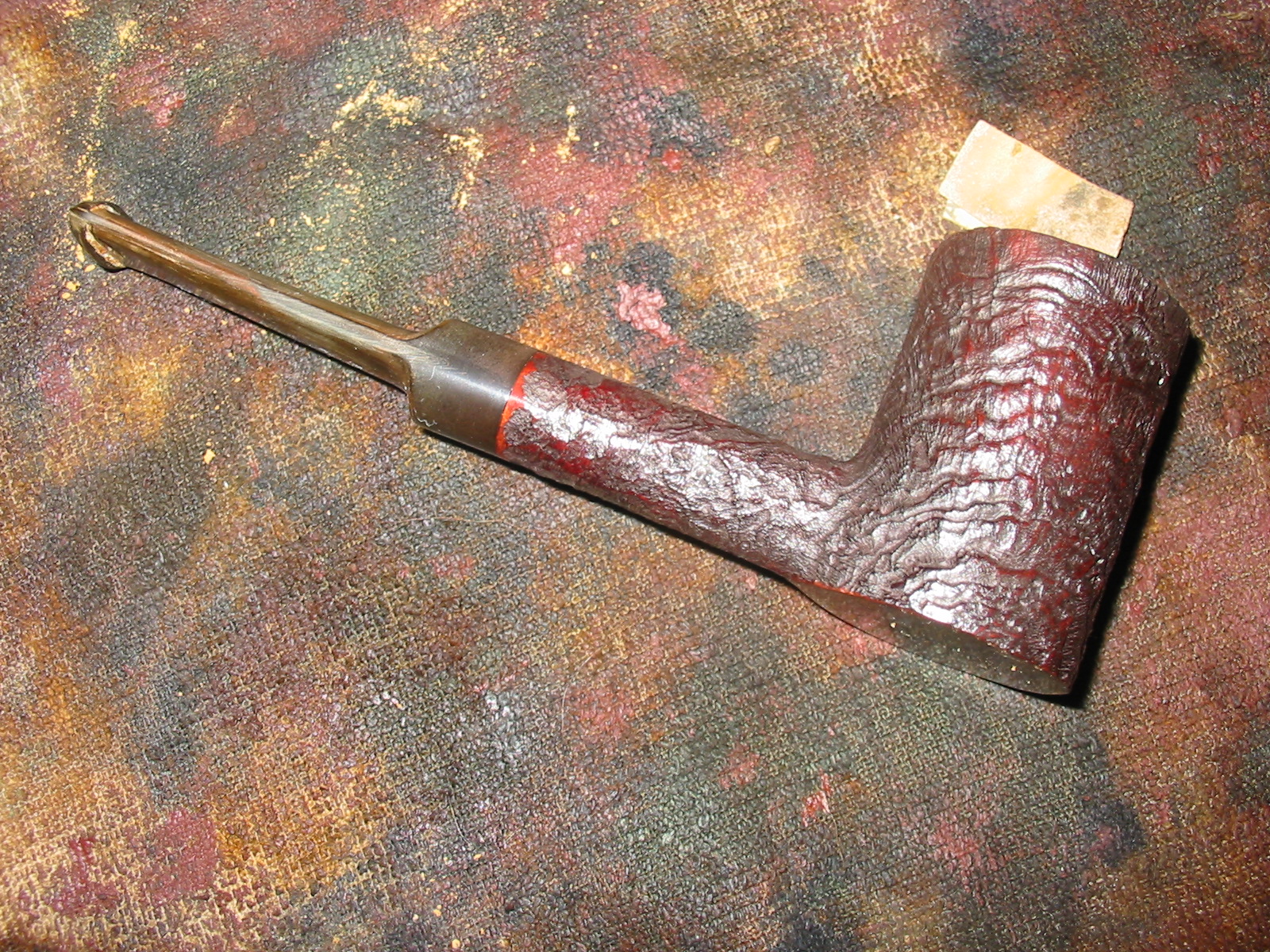
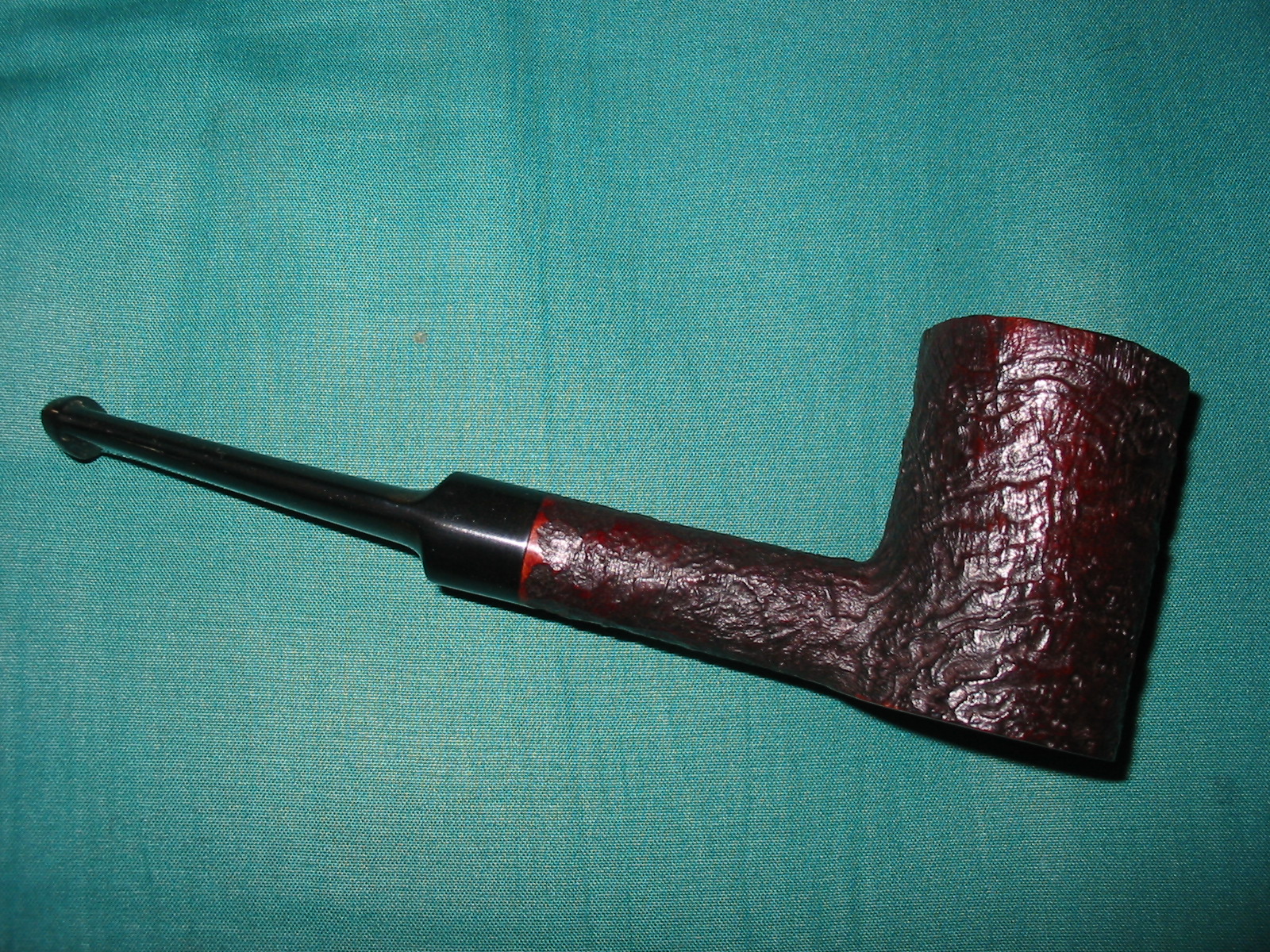
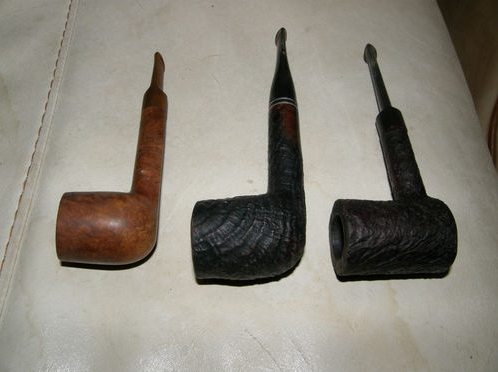
I picked up this threesome pictured below on EBay. The first photo is the one posted by the seller to show the pipes that were for sale. I bid and won the auction. The threesome arrived this week and I decided to tackle the refurb on the poker first. Something about it grabbed my interest.

Image

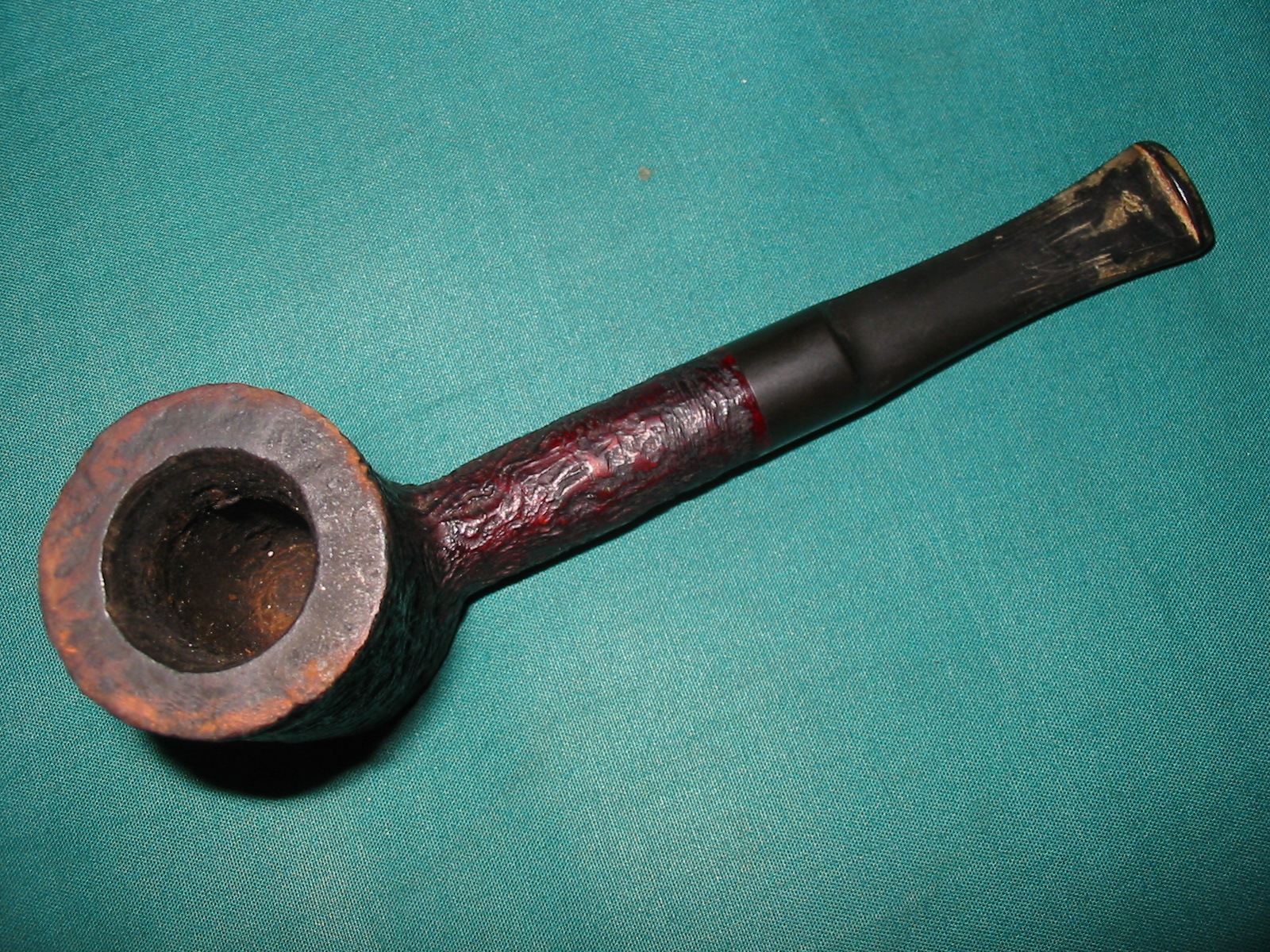
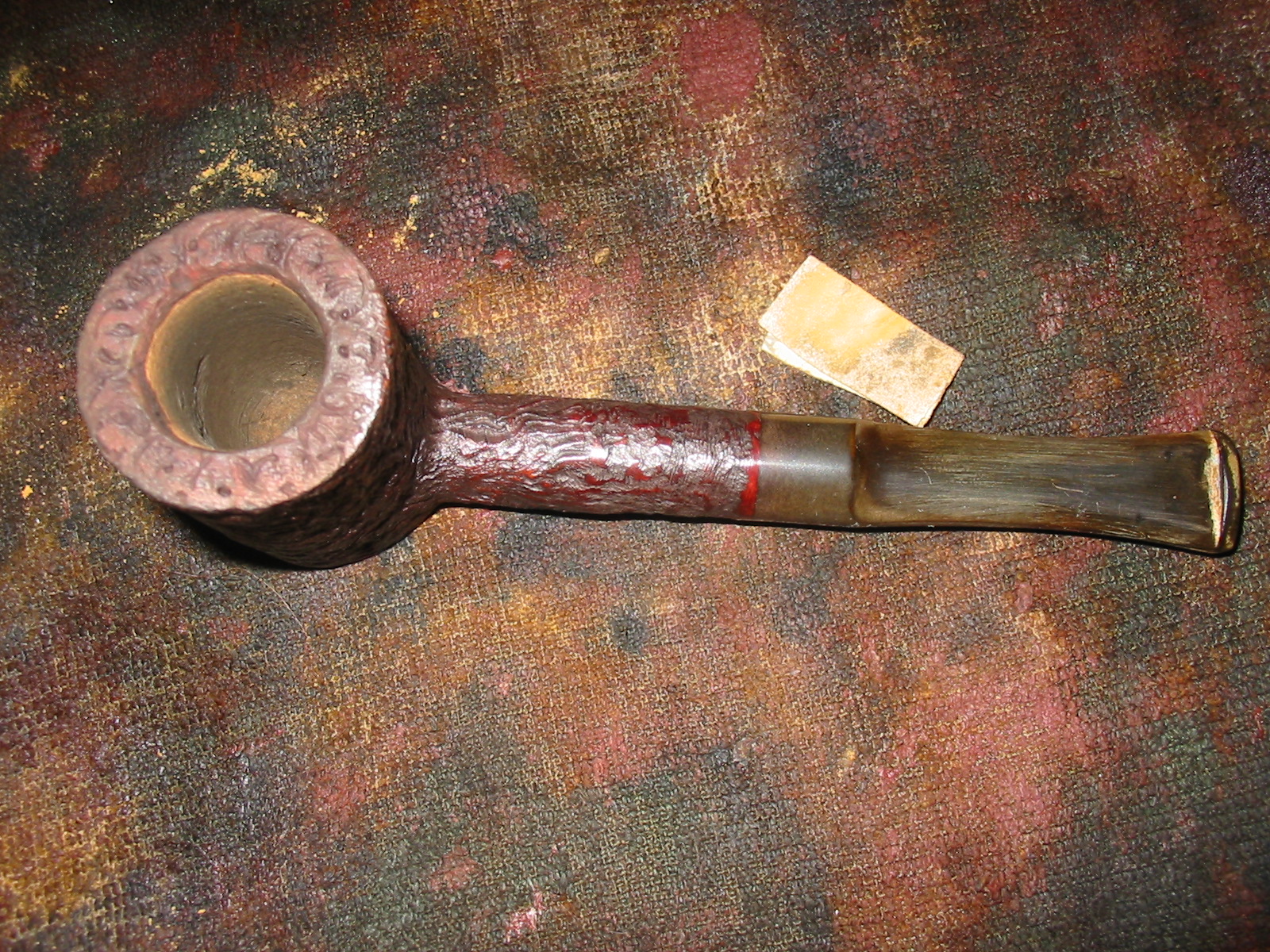
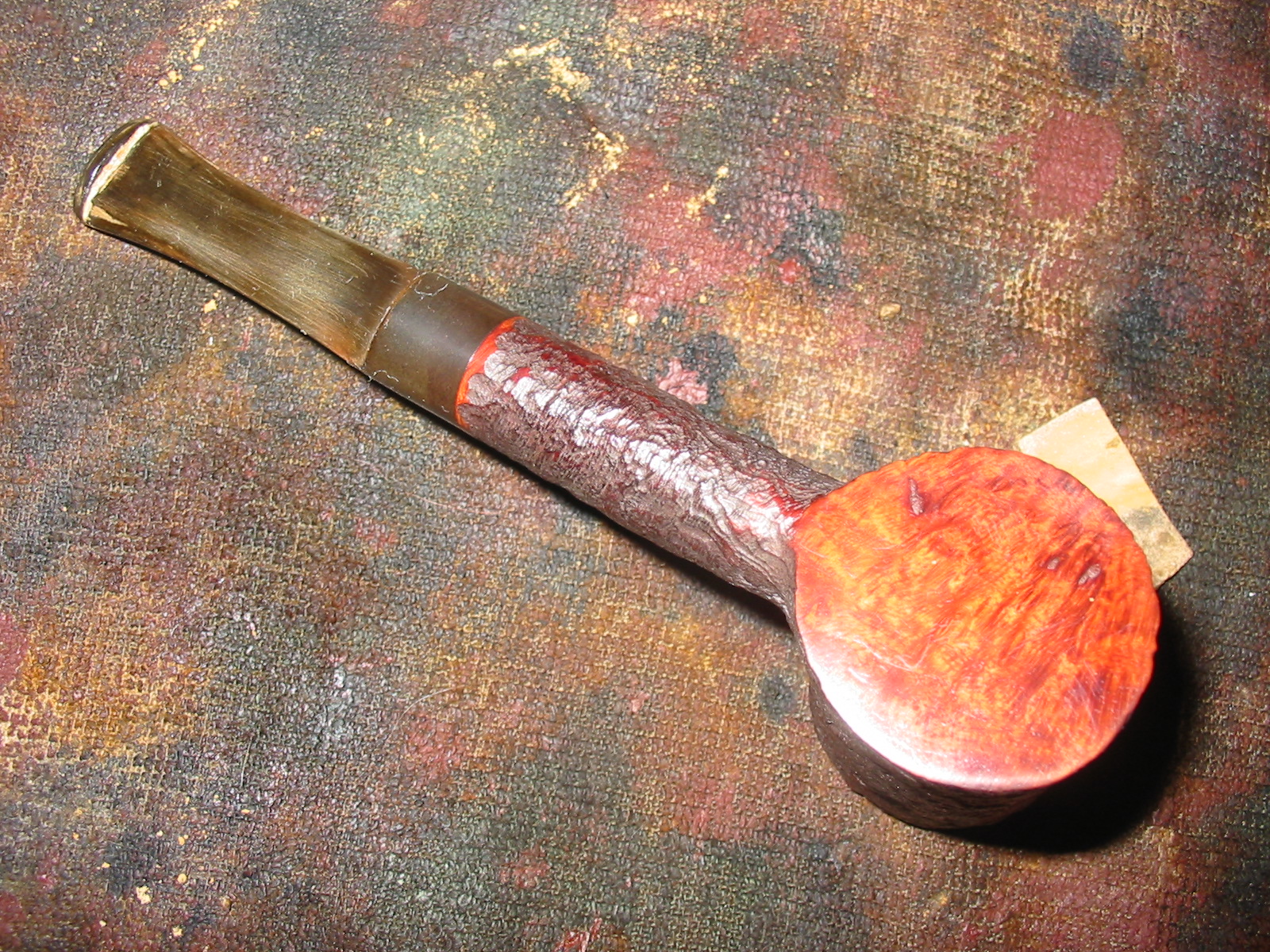
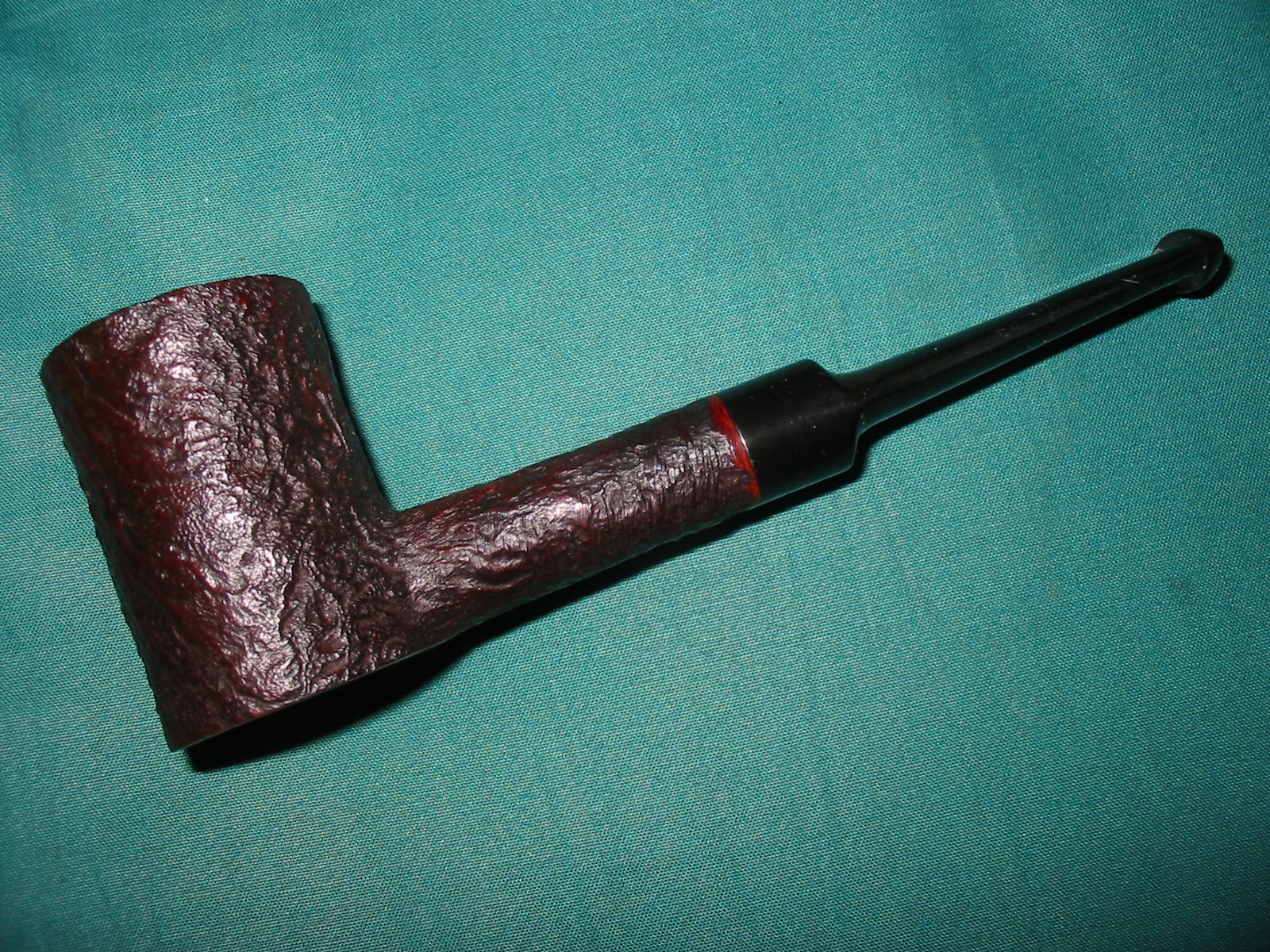
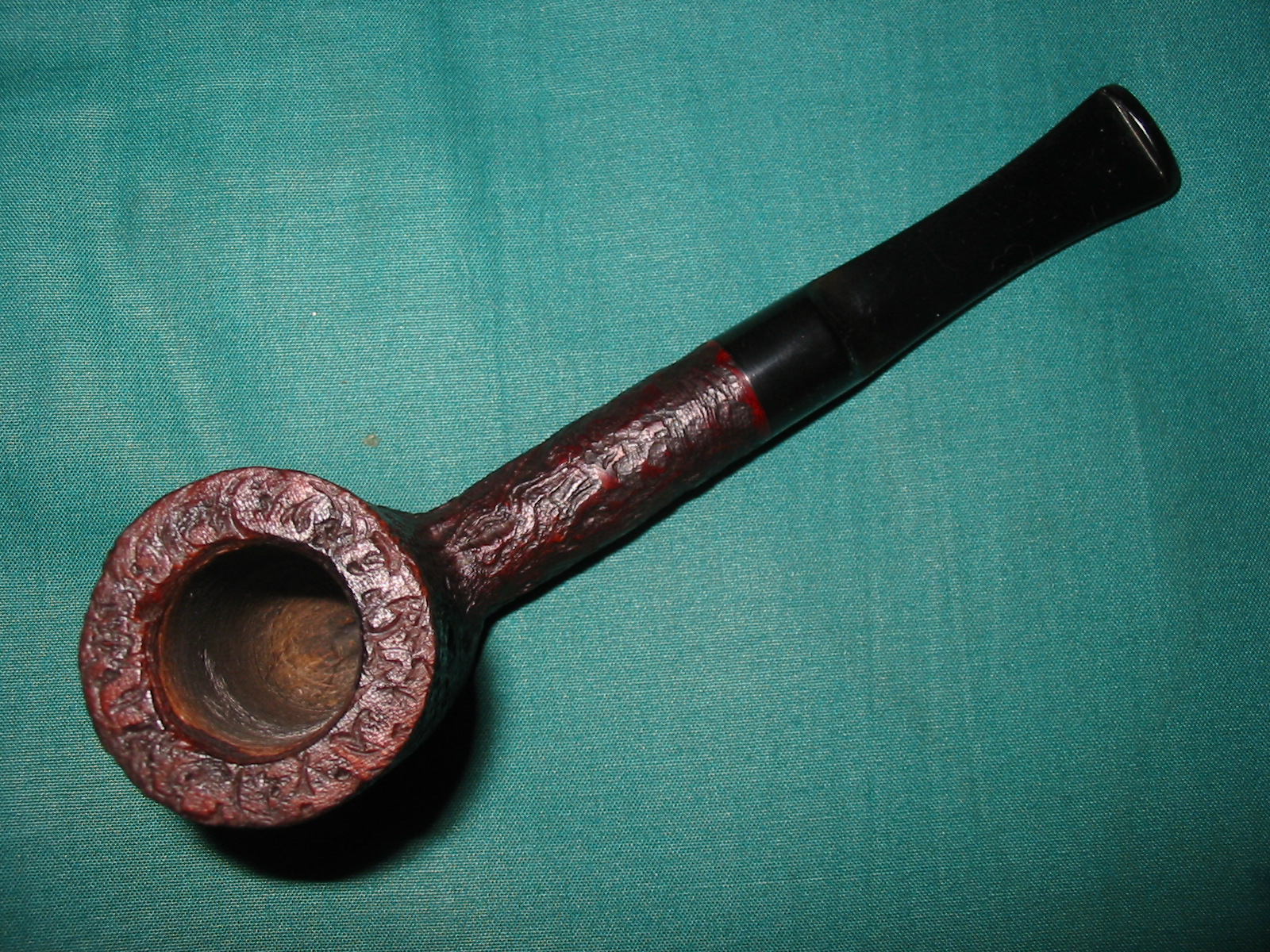
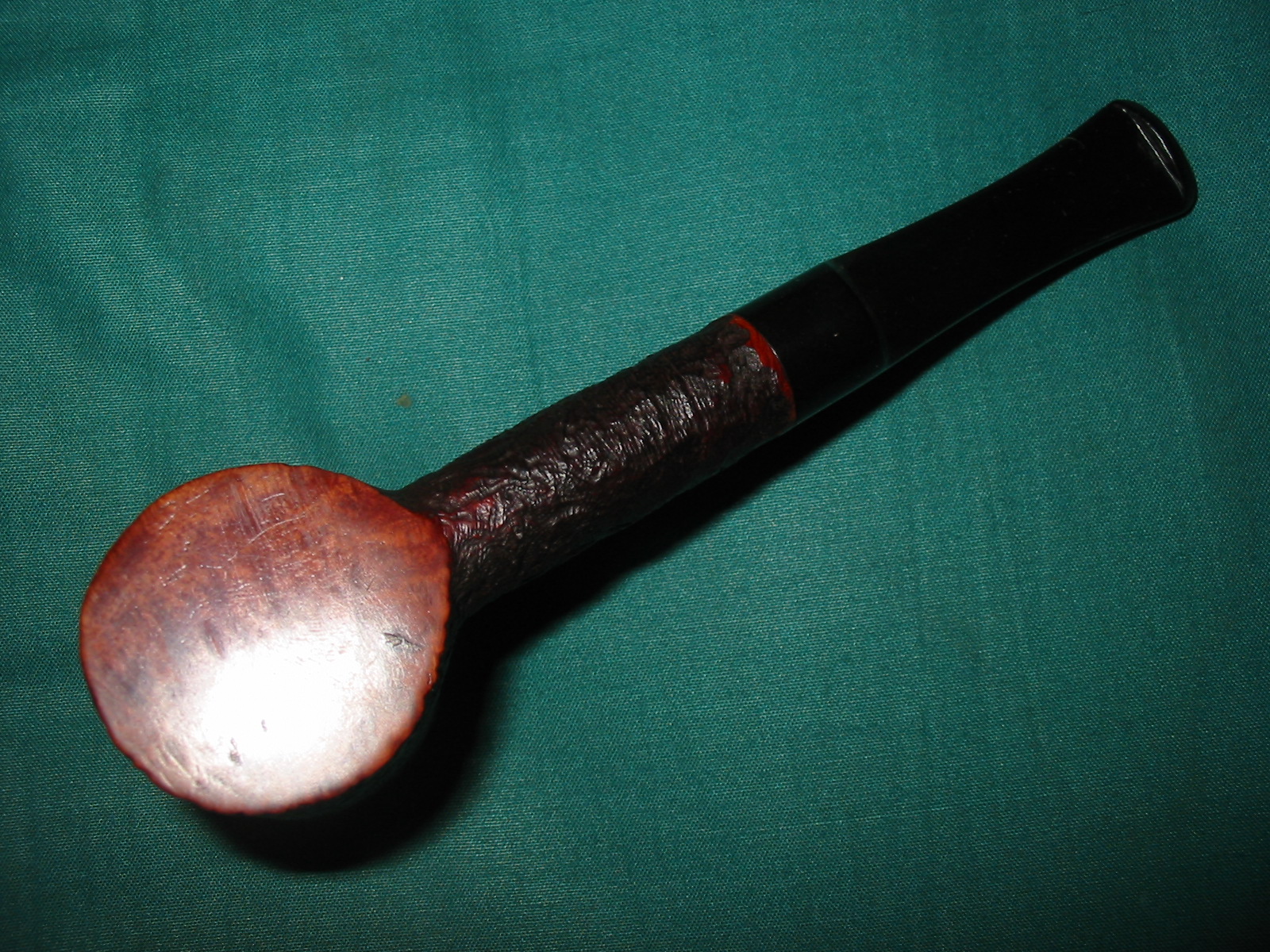
When it arrived I unpacked the box to find that the three pipes were a bit worse for wear than the original picture above. The side shot of the photo obscured the tooth marks and oxidation of the stems. The poker had a white build up on the stem, almost a calcification that was rock hard and would need a soak to deal with. The finish was not too bad on the bowl – just a little spotty and dirty. The finish is a sandblast on the bowl that is quite deep and nicely done. The shank has a combination sandblast and rustication on it. The bottom of the bowl is smooth and there is a small ring of smooth briar next to the stem on the shank. The rim had originally been rusticated but appeared to have been sanded virtually smooth. It had a slight build up of tars and oils on it. There was a faint rustication pattern but the stain was gone under the grime. It looked as if the owner had sanded the rim clean and then left it to smoke it as it was.

ImageImageImage

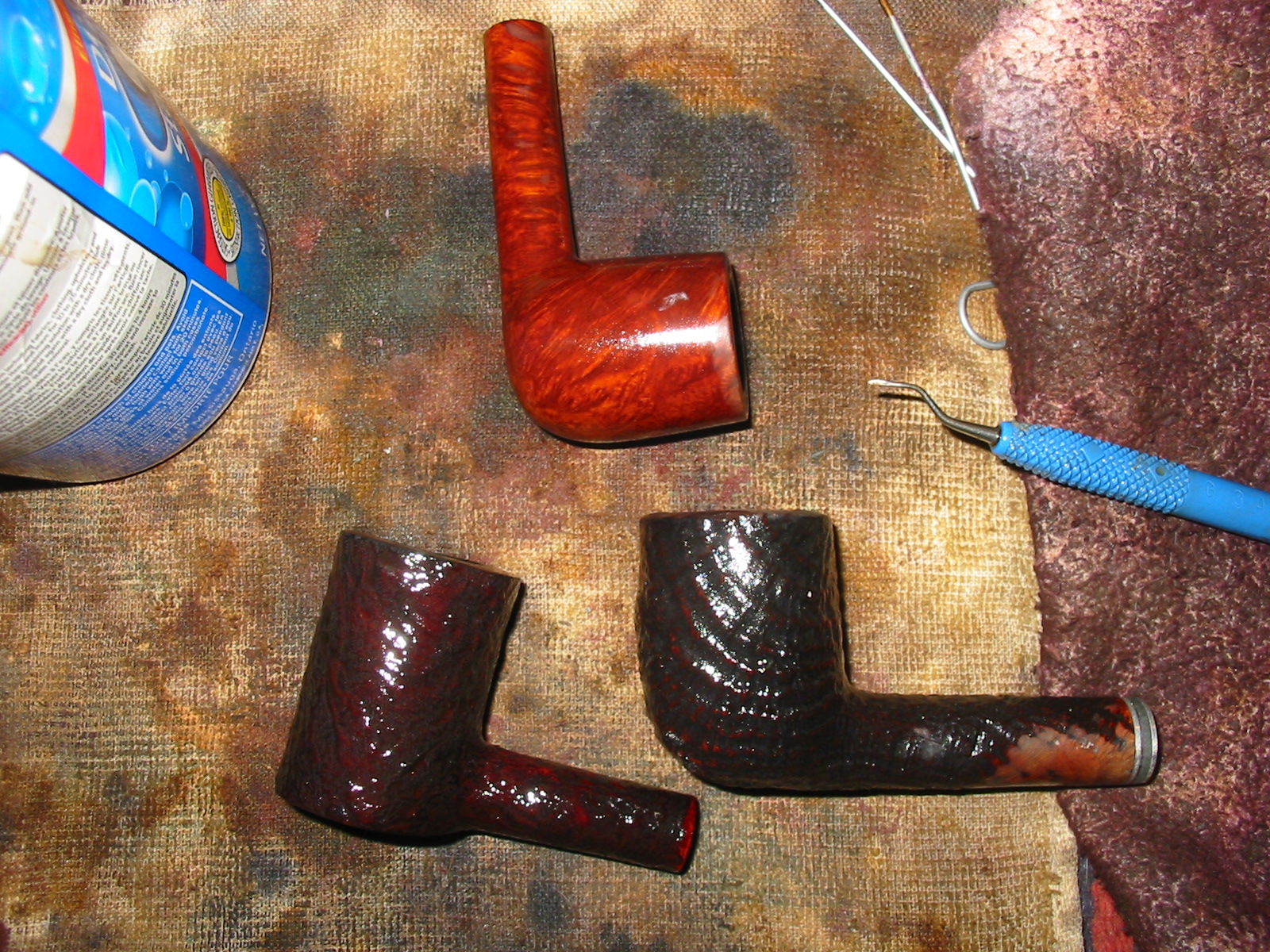
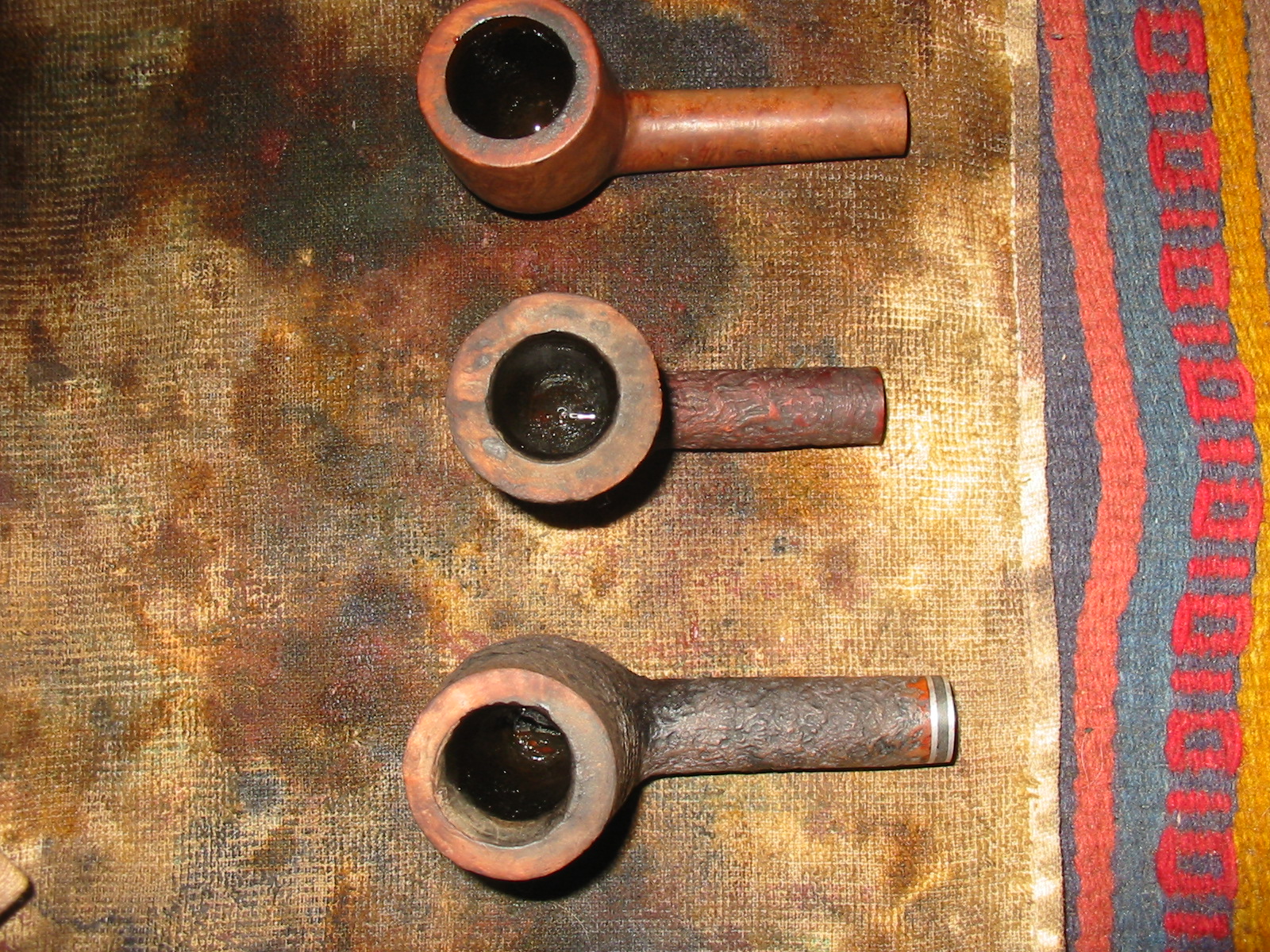
I decided to ream the bowls on all three pipes. Once that was done I put all three in an alcohol bath – a jar with isopropyl alcohol. I leave the alcohol and replenish it as it evaporates or is used up. Once a month I pour it off and clean out the sediment in the bottom of the jar. The alcohol is dark and seems to give the briar a good patina as it soaks in it. It removes the stain a bit and also the grime and grit of the finish. I let all three bowls soak for several hours and then removed them and dried them off before setting them aside for the night. I also soaked the stems in a bath of Oxyclean while the bowls soaked. I find that this soak softens the calcification on the stems and also loosens the oxidation making it easier to deal with once I work on the stems. The picture below shows the bowls just after I removed them from the bath and had not dried them off.

Image

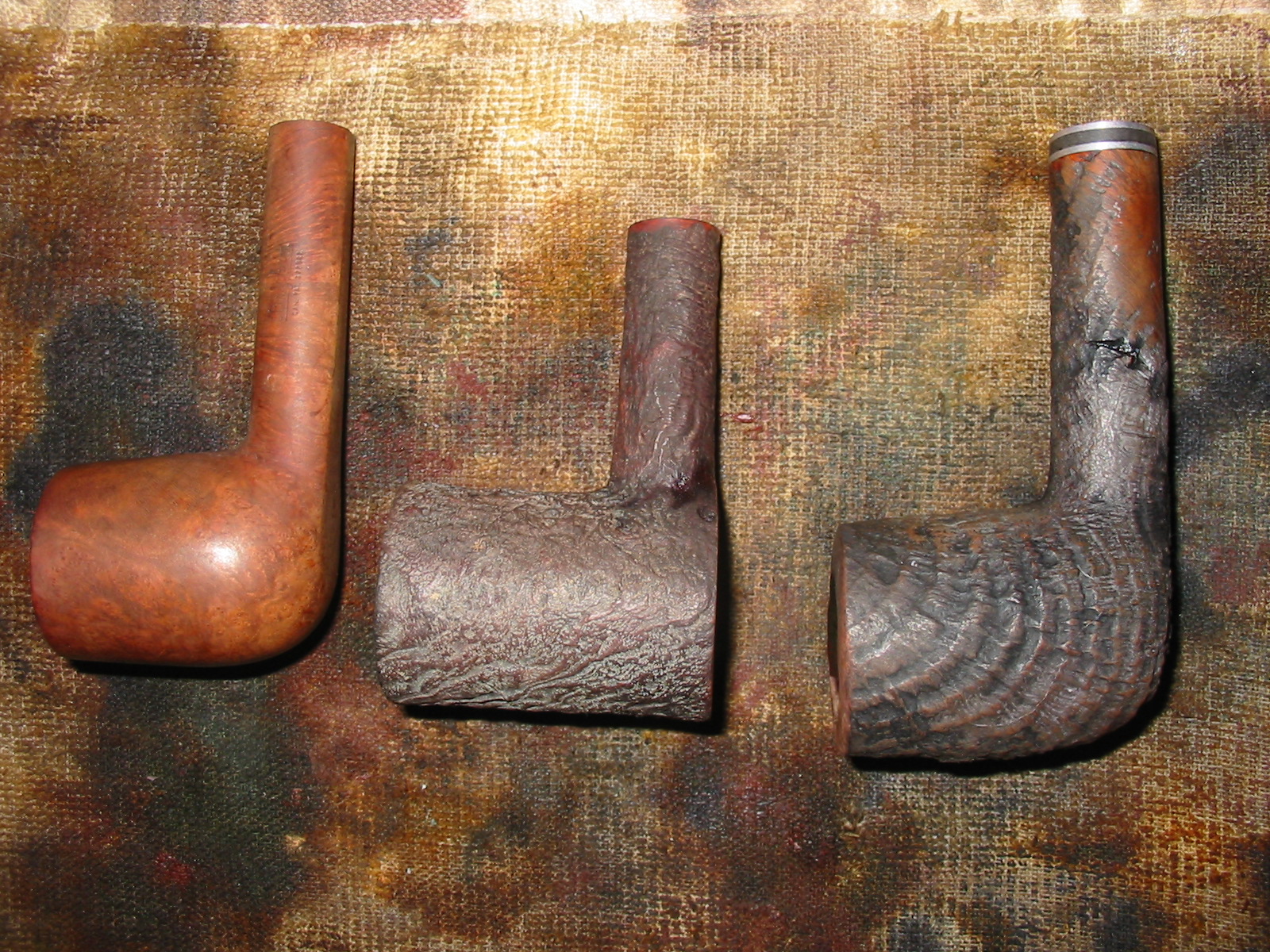
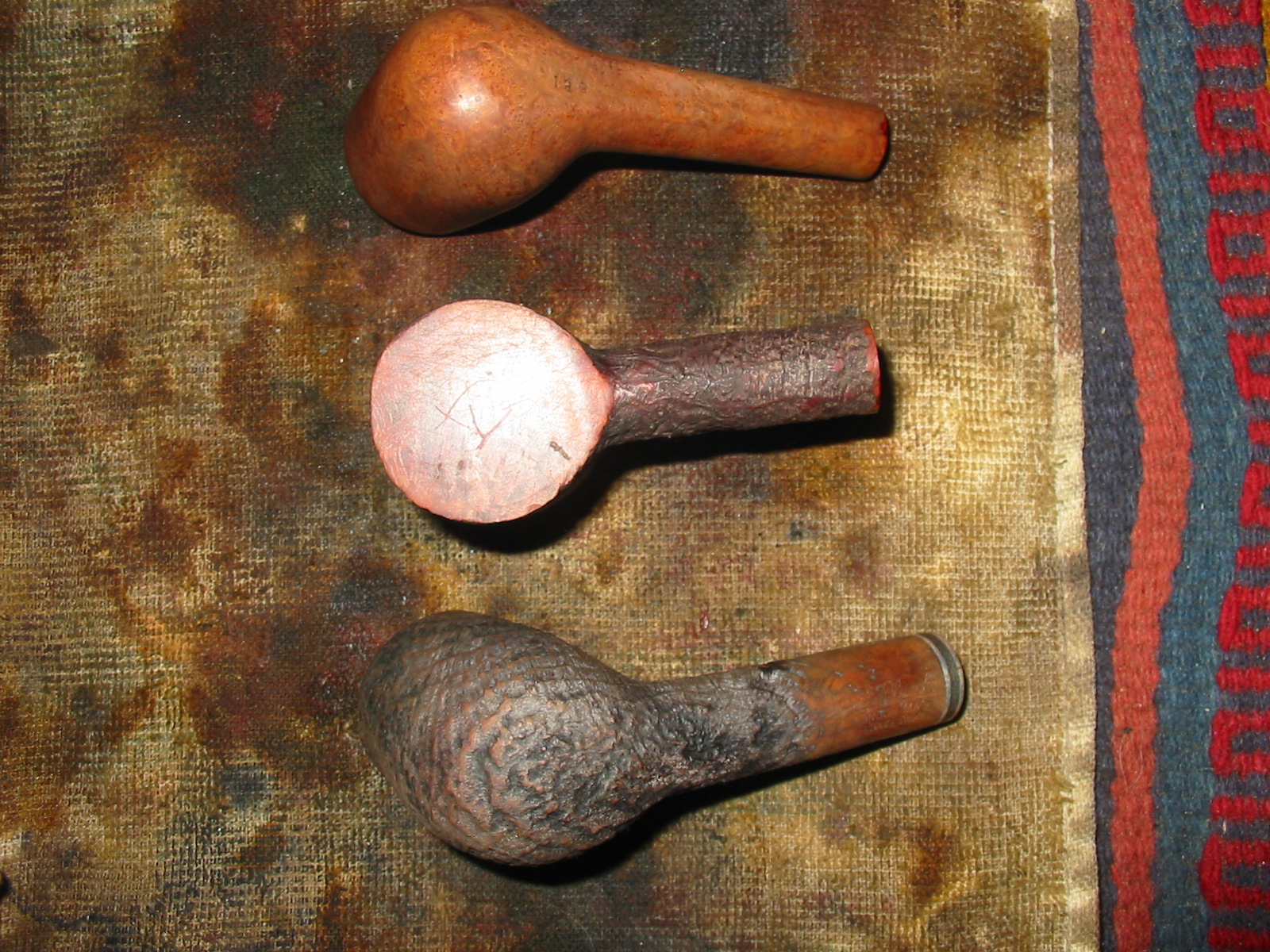
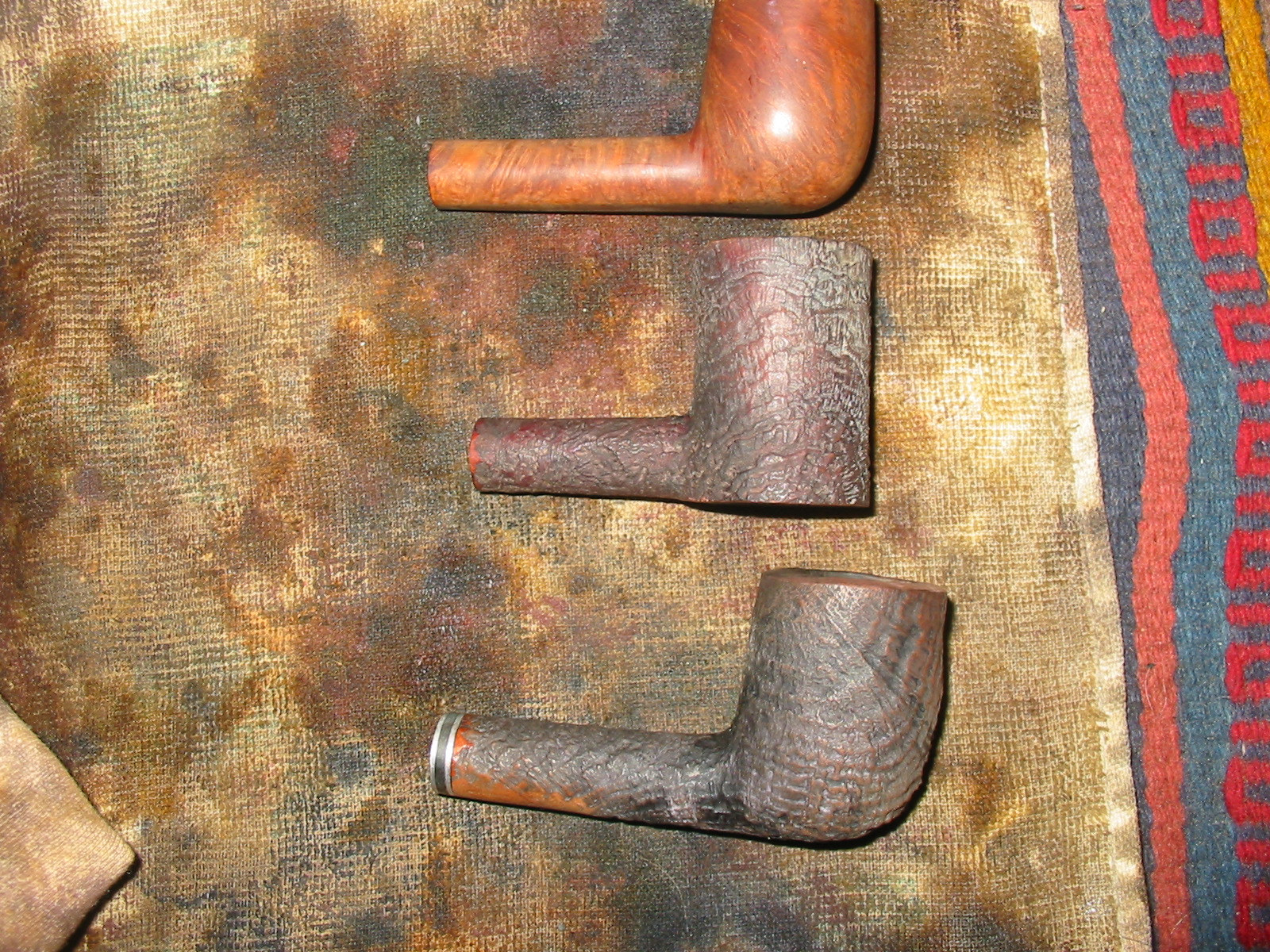
The next four pictures show the bowls after they have been dried off and you can see the state of the finish on each of the pipes. The first one on the left side of the first picture is the little patent Brigham Lovat. The finish is clean and ready to work on. The middle pipe is the no name poker. The last pipe on the right is the Dr. Plumb Statesman long shanked billiard.

Image

The poker came out very clean. The finish was ready to rework. The bowl had an undercoat of oxblood stain that is clearly visible and would pretty much determine the colour I would use in restaining it. In the photo below you can see the bowl rim of the poker in the middle. The faint rustication is visible and you can see that the rim had been sanded. In the second photo below you can see the smooth bottom on the poker and see the scratches in the briar that will need to be dealt with.

ImageImageImage

I used my rustication tool, the modified Philips screwdriver and reworked the rustication on the rim following the faint pattern that was visible. Once I had it way I wanted I worked on teh scratches on the bottom of the bowl. I sanded the bottom with micromesh pads 1500, 1800 and 2400 as the scratches were not deep. When I was finished and they were smooth I decided to restain the bowl with oxblood coloured aniline stain. I applied the stain with the dauber that came with the stain, making sure to get the stain in all of the crevices of the blast and the rustication. Once it was applied I flamed the stain and then set it aside to dry. I took it to the buffer once it was dry and buffed the bowl with Tripoli and White Diamond to polish the stain and give some depth to the finish. At this point in the process the pipe bowl was laid aside and I worked on the stem.

ImageImageImageImage

The stem took quite a bit of work. Not only was it calcified at the bit end but it also had some fairly deep scratches on the top of the stem. These needed to be sanded out to remove them. The stem also had some of the bevel of what appears to be a replacement stem blank. It may not be but it has all the look of one. It fits well but the edge bevels on the sides of the stem rather than a smooth transition from top to edge show the lack of finish to me. I wanted to sand out the scratches and the bevels and smooth the transition to a smooth edge with no bevels. I used some 280 grit sandpaper to begin with and progress through a medium grit sanding pad, a fine grit sanding pad, 400 and 600 wet dry sandpaper and water. Once I had the finish smooth and the bevels removed I then worked on the stem with the micromesh sanding pads from 1500 – 12,000 grit. I used 1500 – 2400 grit with water and was able to remove the remaining scratches. After that I used the Maguiar’s Scratch X2.0 polish on a cotton pad and rubbed the stem until it was smooth. I wiped off the polish and then proceeded to use the remainder of the micromesh pads. I gave the stem a coat of Obsidian Oil and set it aside to dry. I then used some Halcyon II wax on the bowl and hand polished it with a soft cotton buff. Once I finished that I wiped down the stem and gave it a buff with White Diamond and then gave the entire pipe multiple coats of carnauba wax until it glowed.

ImageImageImageImage