
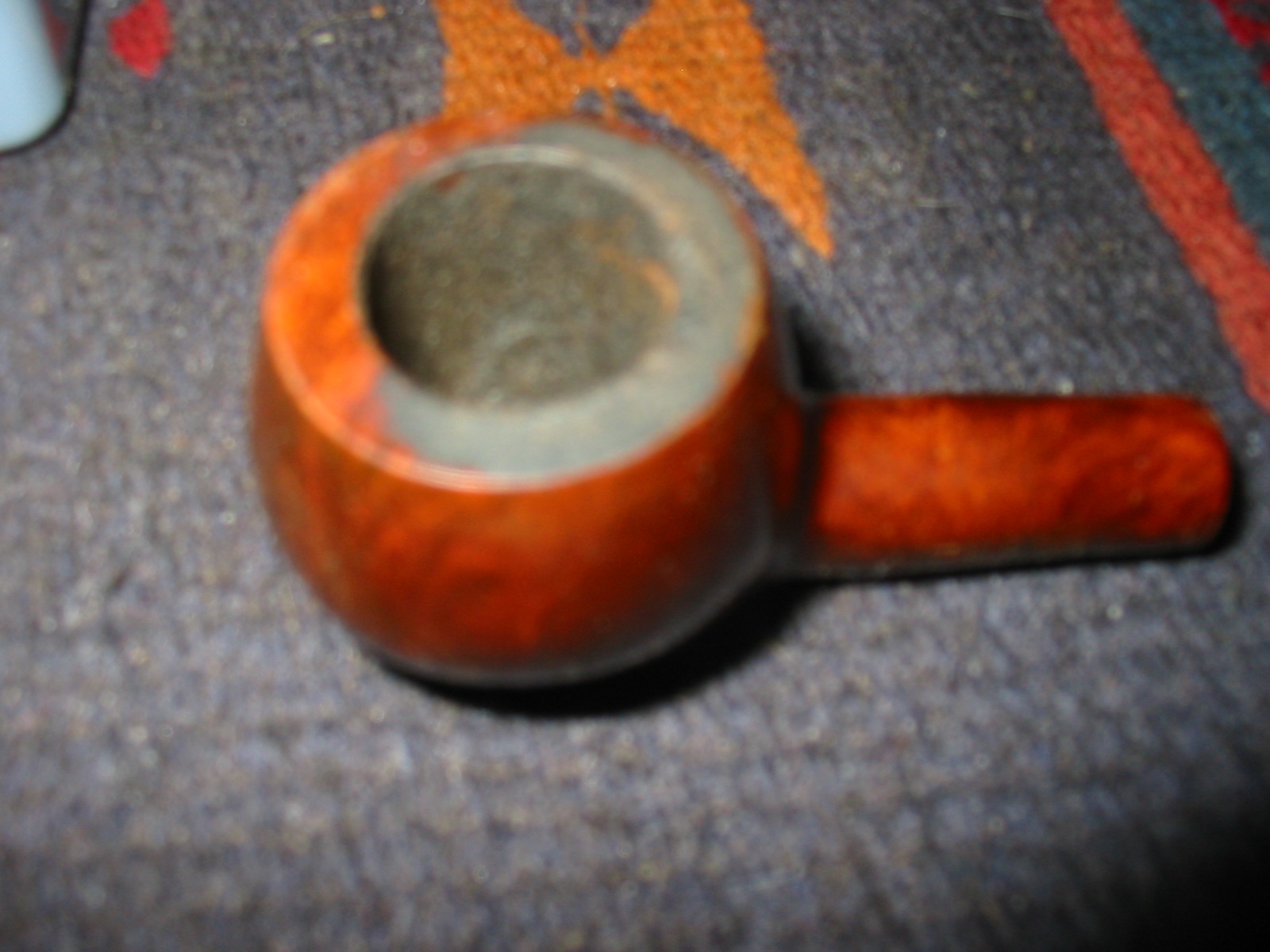
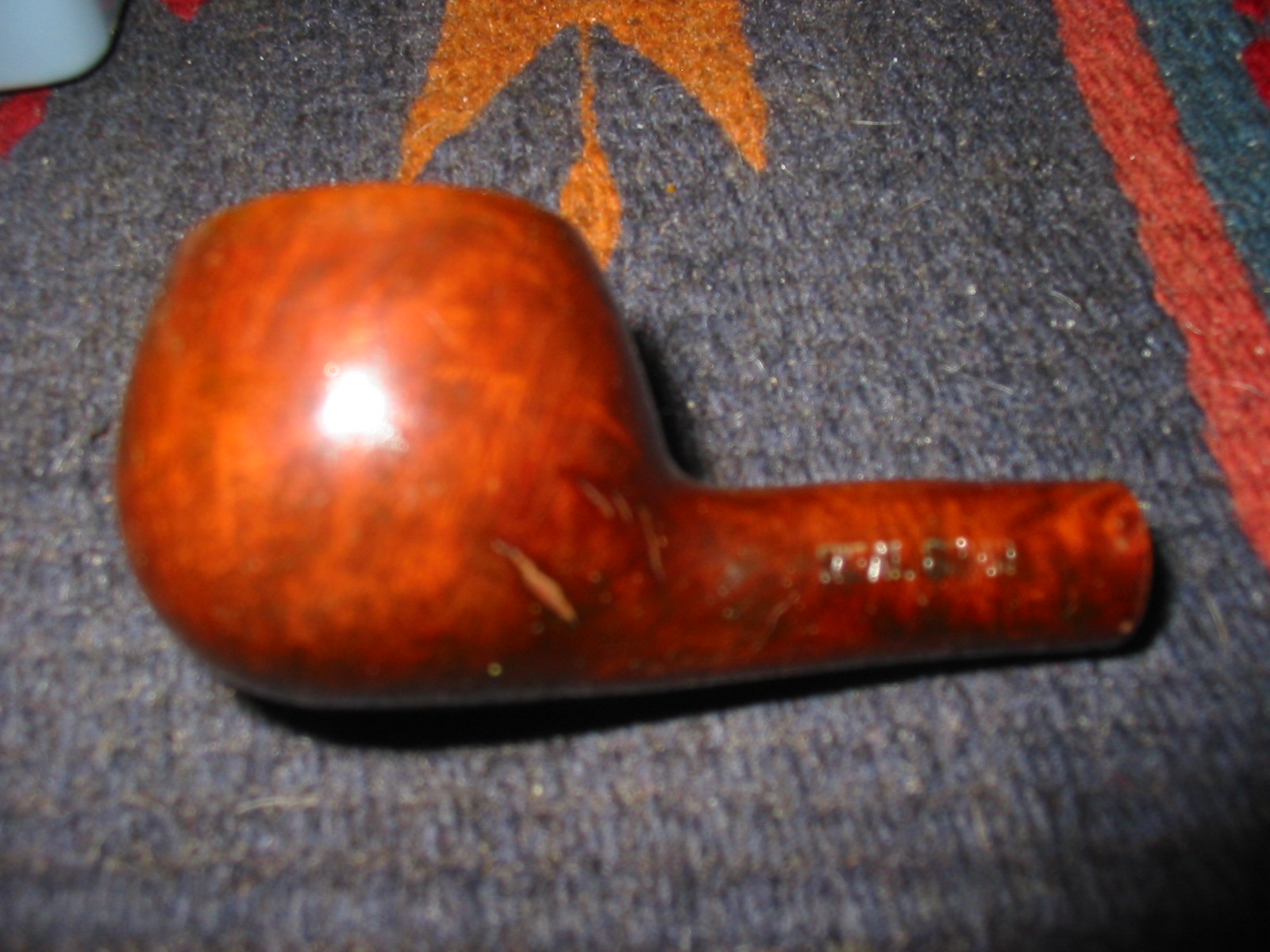
Quite a few of the old stummels in my box for restemming are stamped Real Briar over Made in Italy. This one caught my eye. It had a great classic shape of a Prince. I dug through my can of stems and found an old stem that would work on this little prince with some work. The bowl was coated with tars and needed to be reamed. The rim was tarred and the cake overflowed the bowl onto the rim. On the bottom left side of the bowl near the shank were several fills that were visible and ugly. The shank was plugged with tars and oils and I could not pass a pipe cleaner through it. The old stem I picked had the right shape but was also badly oxidized and coated with a calcification that was white and hard. The button had a single hole drilled in the centre but it had been damaged and had been worn toward the top of the button. This one was going to be a challenge but it was something I wanted to give a shot.
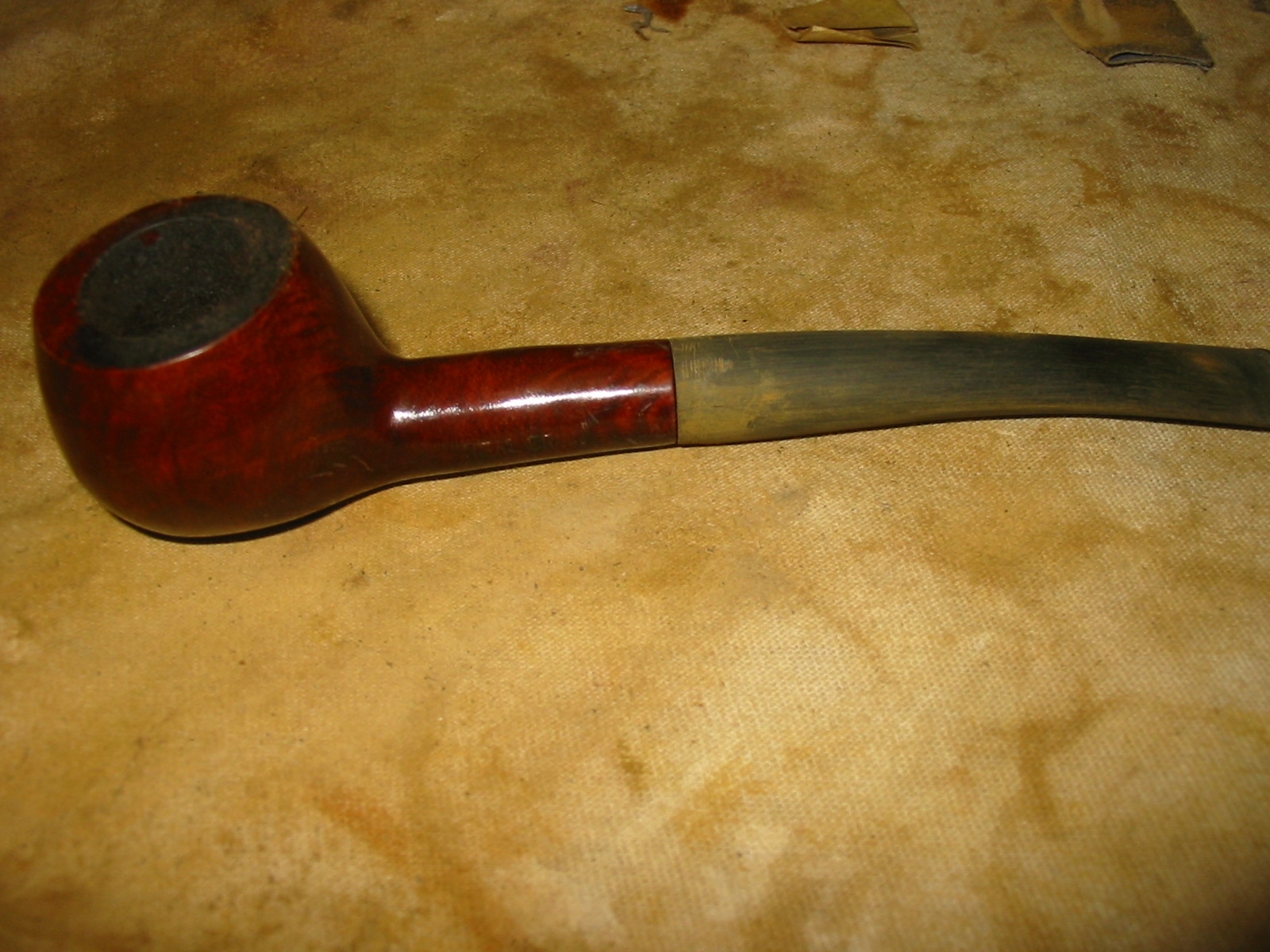
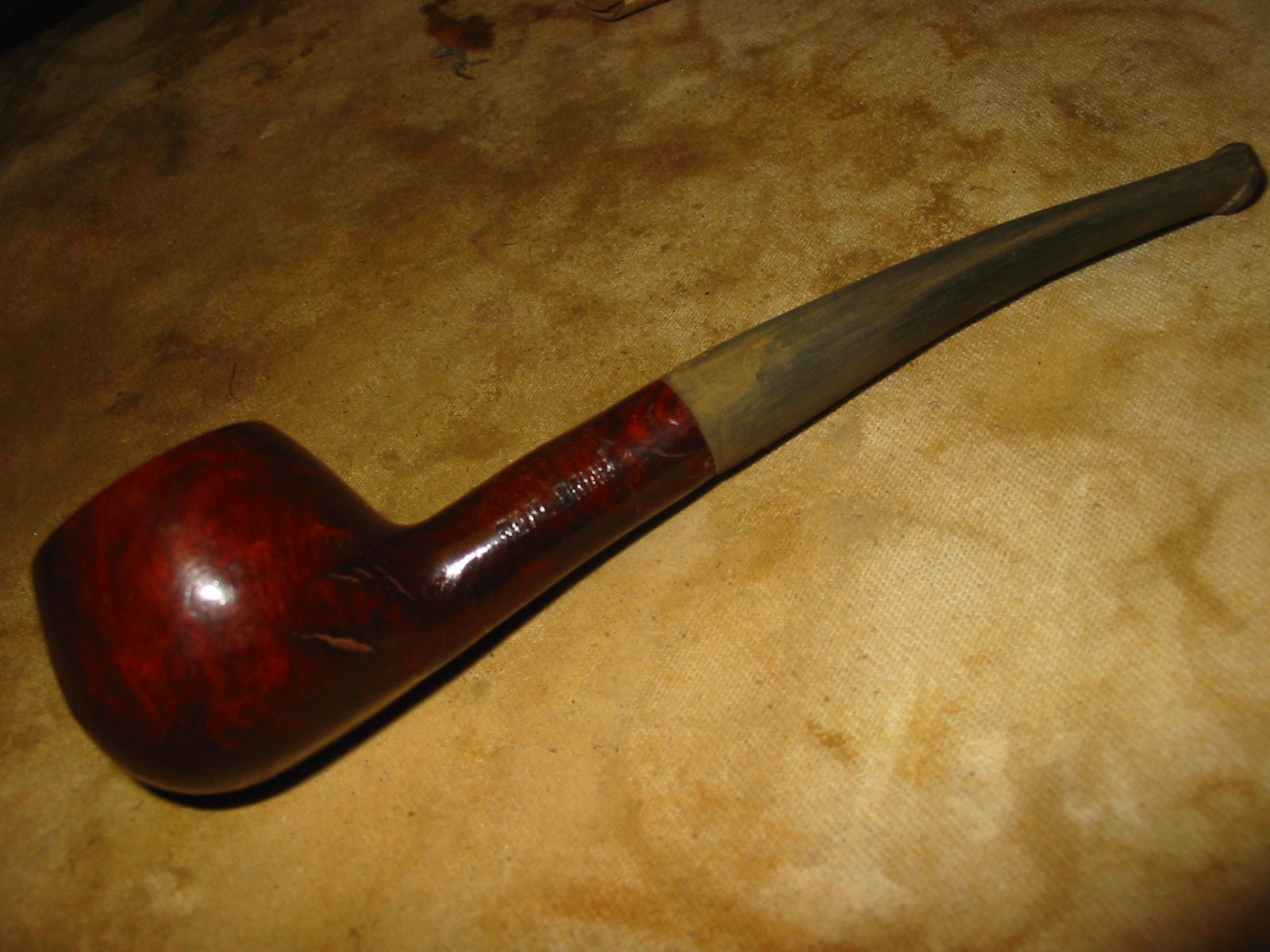
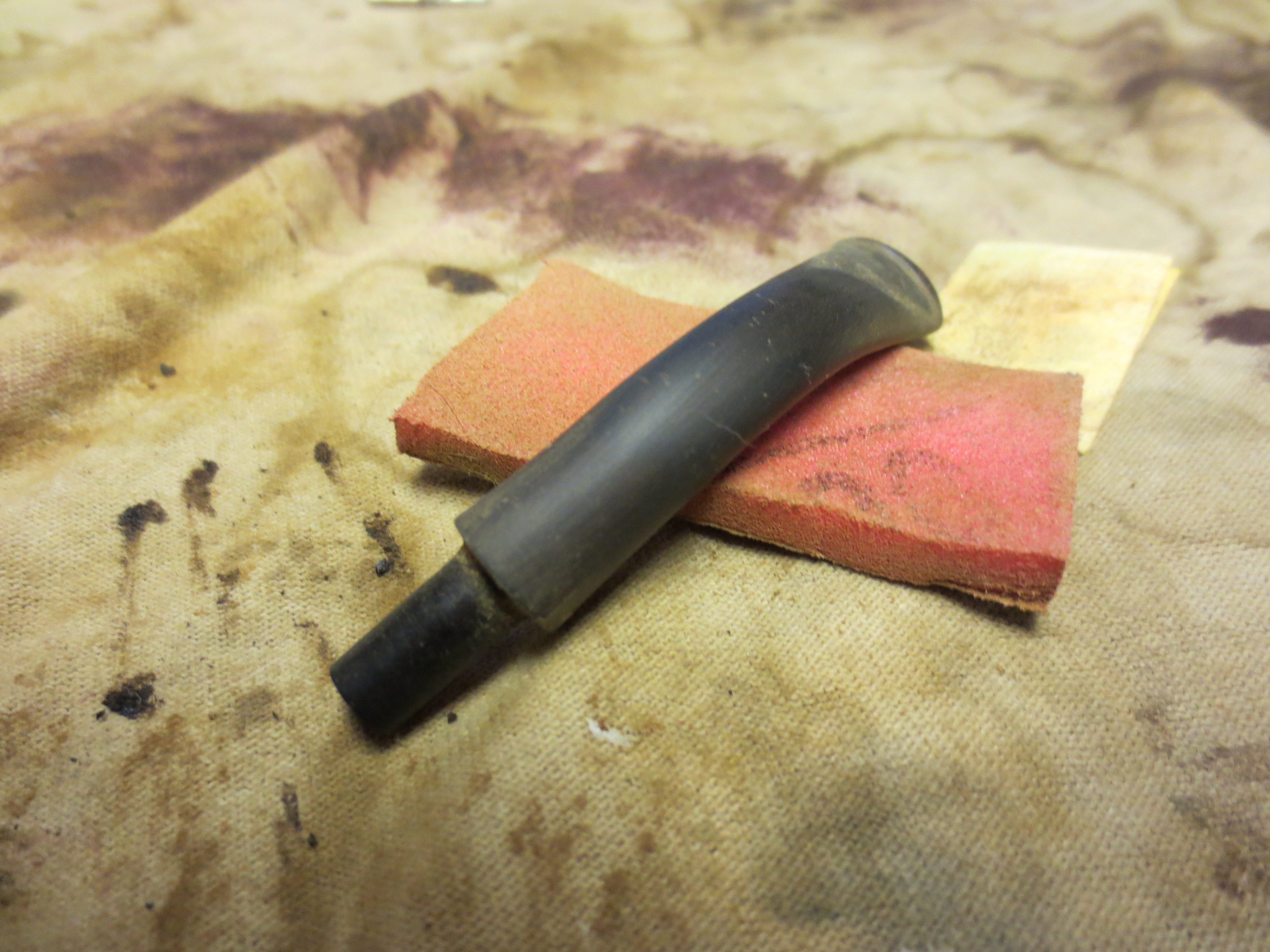
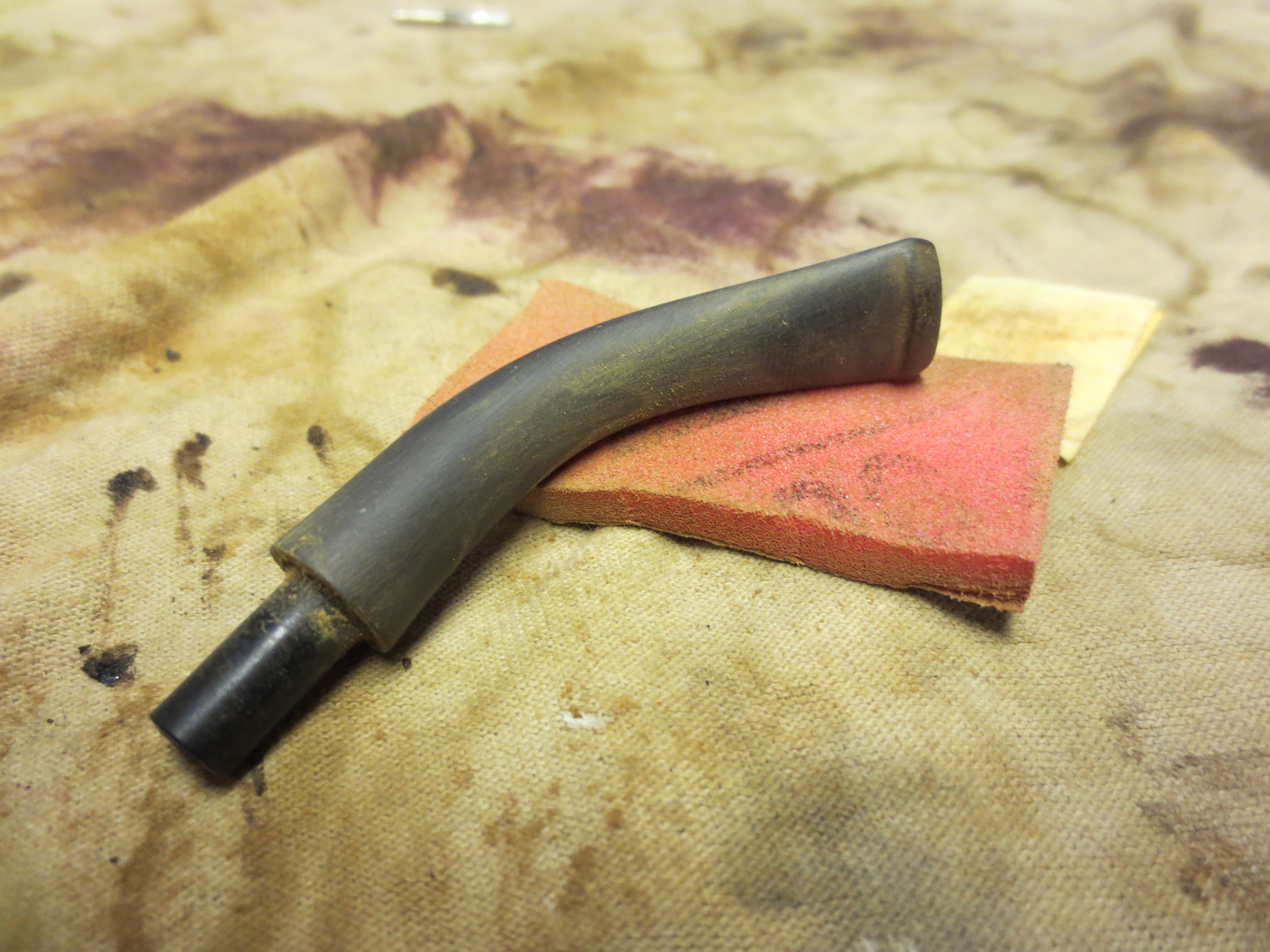
I used my Dremel with the sanding drum to cut away the excess material on the diameter of the stem. The next three photos show the stem after it has been shaped to close to the diameter of the shank. The rest of the work would have to be done by hand. The first one shows the state of the stem when I started with it. The second and third photos show the stem after I had sanded it with emery paper to remove the oxidation and the calcification.

I wiped down the bowl with acetone and in doing so found a hairline crack in the shank on the underside of the pipe. I don’t believe this was done in fitting the stem as the fit is actually very precise and smooth. There was no stress on the shank from the new stem. The look of the crack also was dirty and showed that it had been there for awhile. The next two photos below show the crack in the shank on the underside.
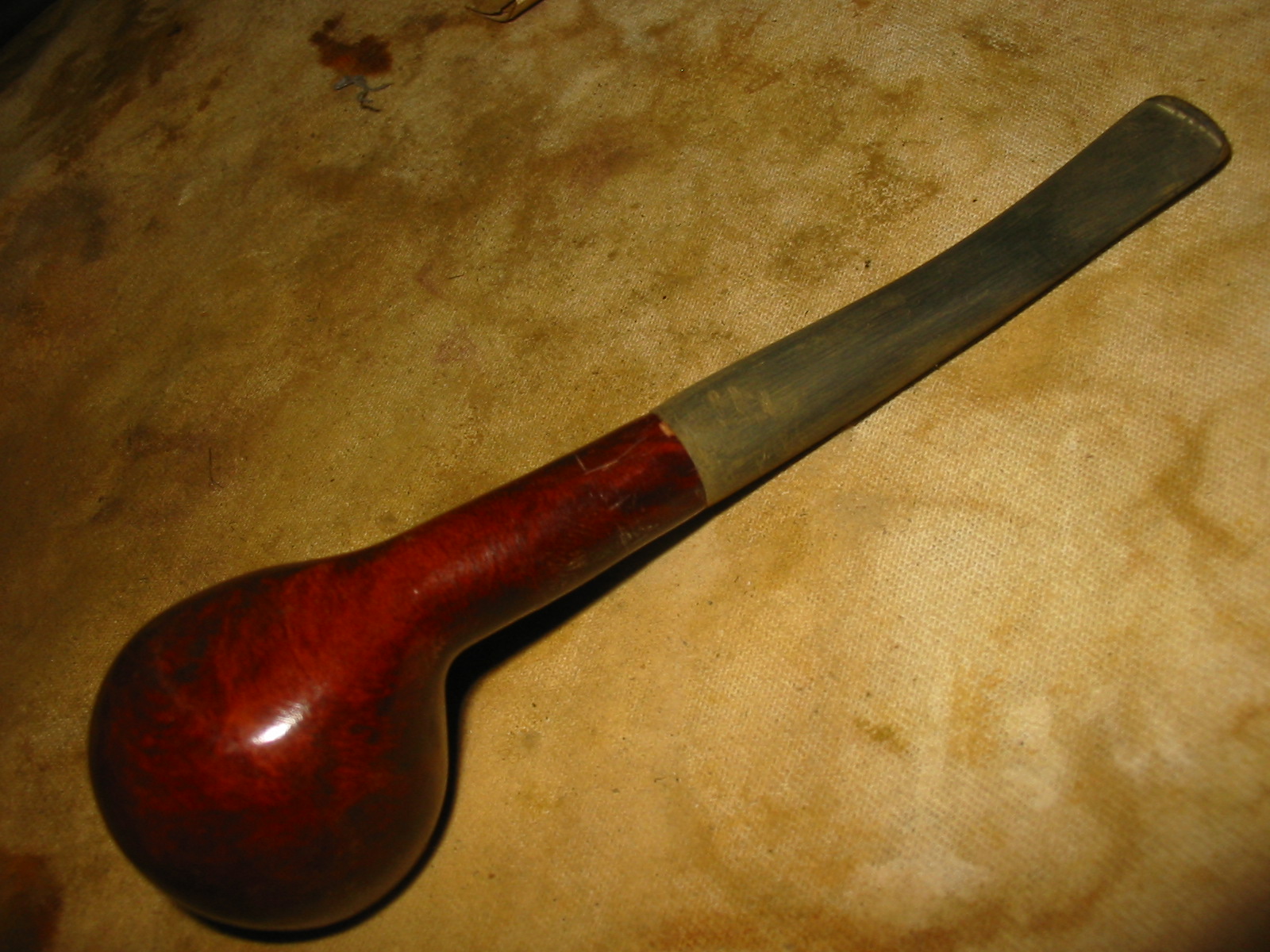
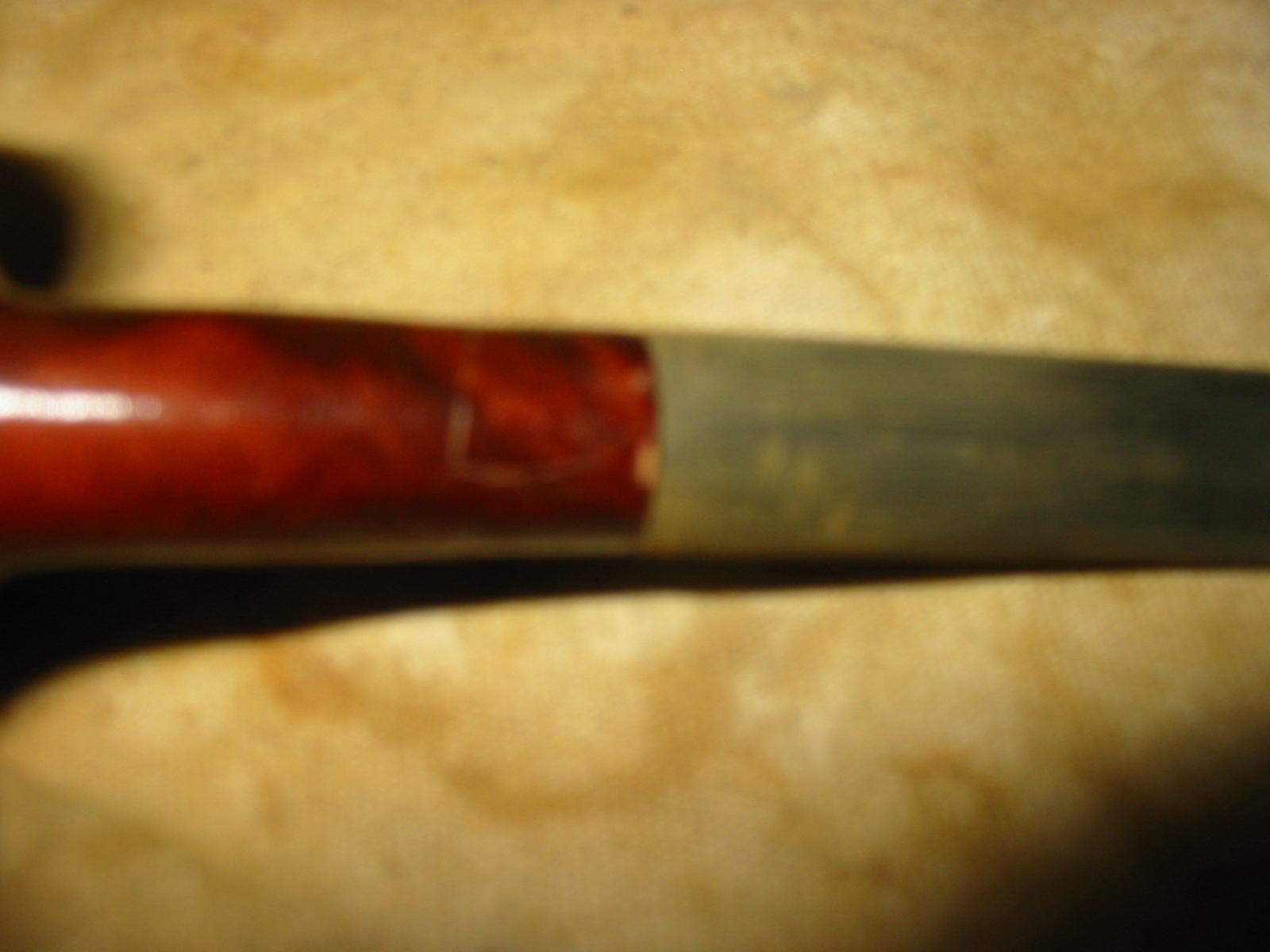
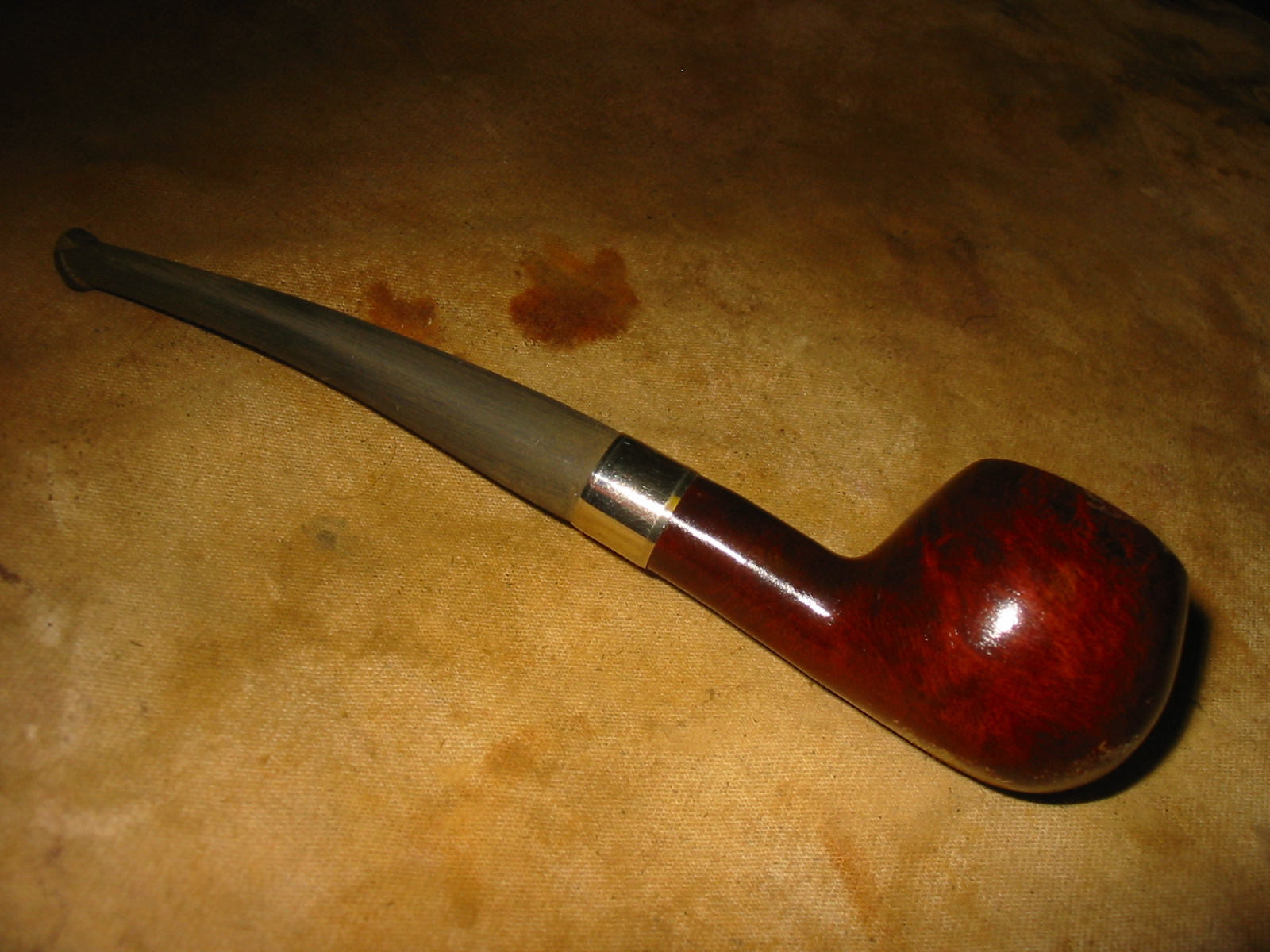
I dripped some superglue into the crack and then heated a nickel band and pressure fit it on the shank. I then took a little more of the stem material off so that the fit to the band would be smooth and not bulge. The next two photos show the band and stem fit. The band seems to really dress up this old Real Briar Prince.
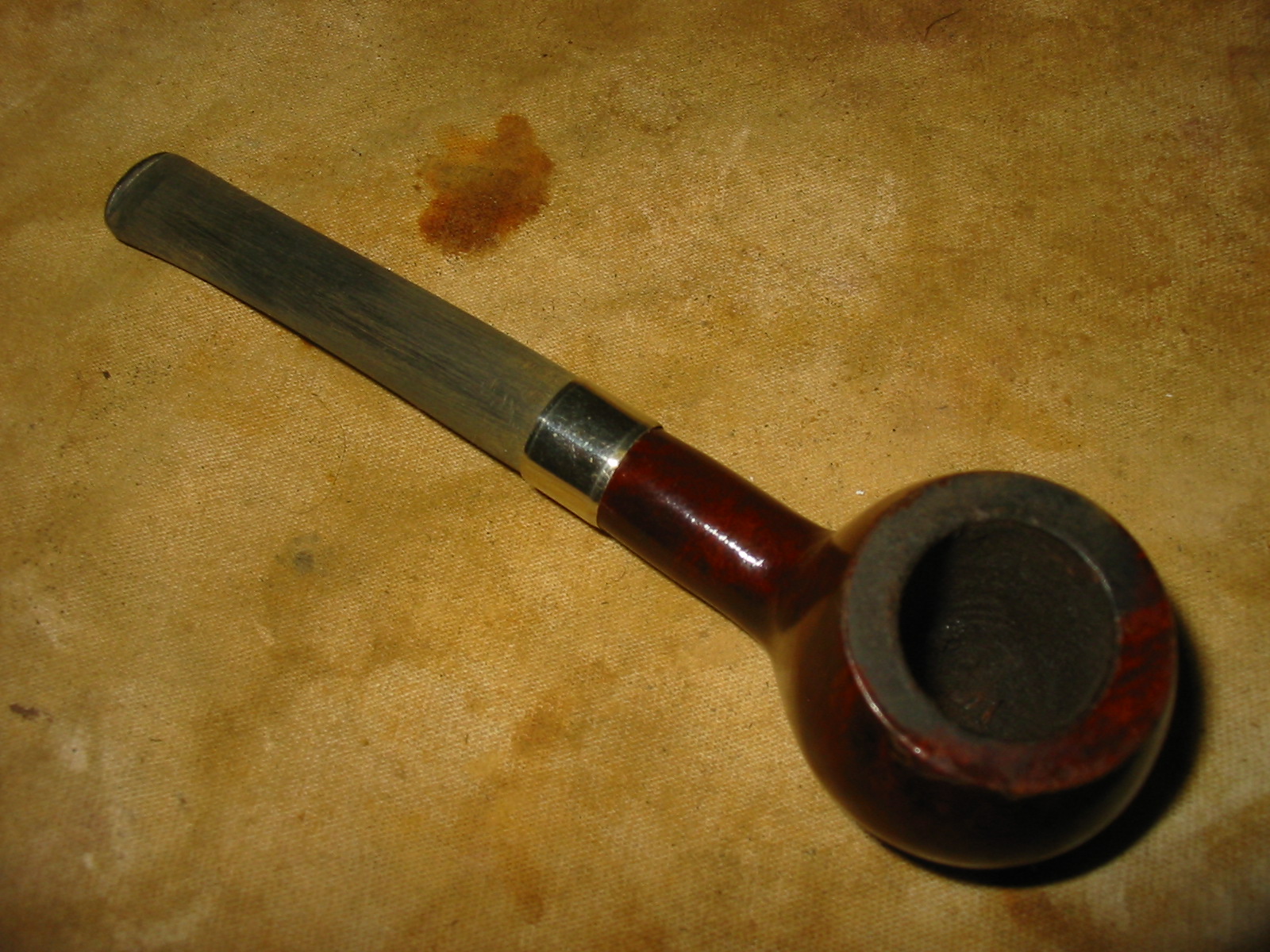
I wiped the bowl down with several more wipes of acetone on a cotton pad to break up the varnish coat. I have found that the acetone softens the varnish and makes it easier to sand off with sand paper. I also decided to sand off the rim to get rid of the hard tars. The next two photos show the process I use for sanding the rim. In this case since I was restaining the pipe anyway I did not care if the finish was removed from the rim.
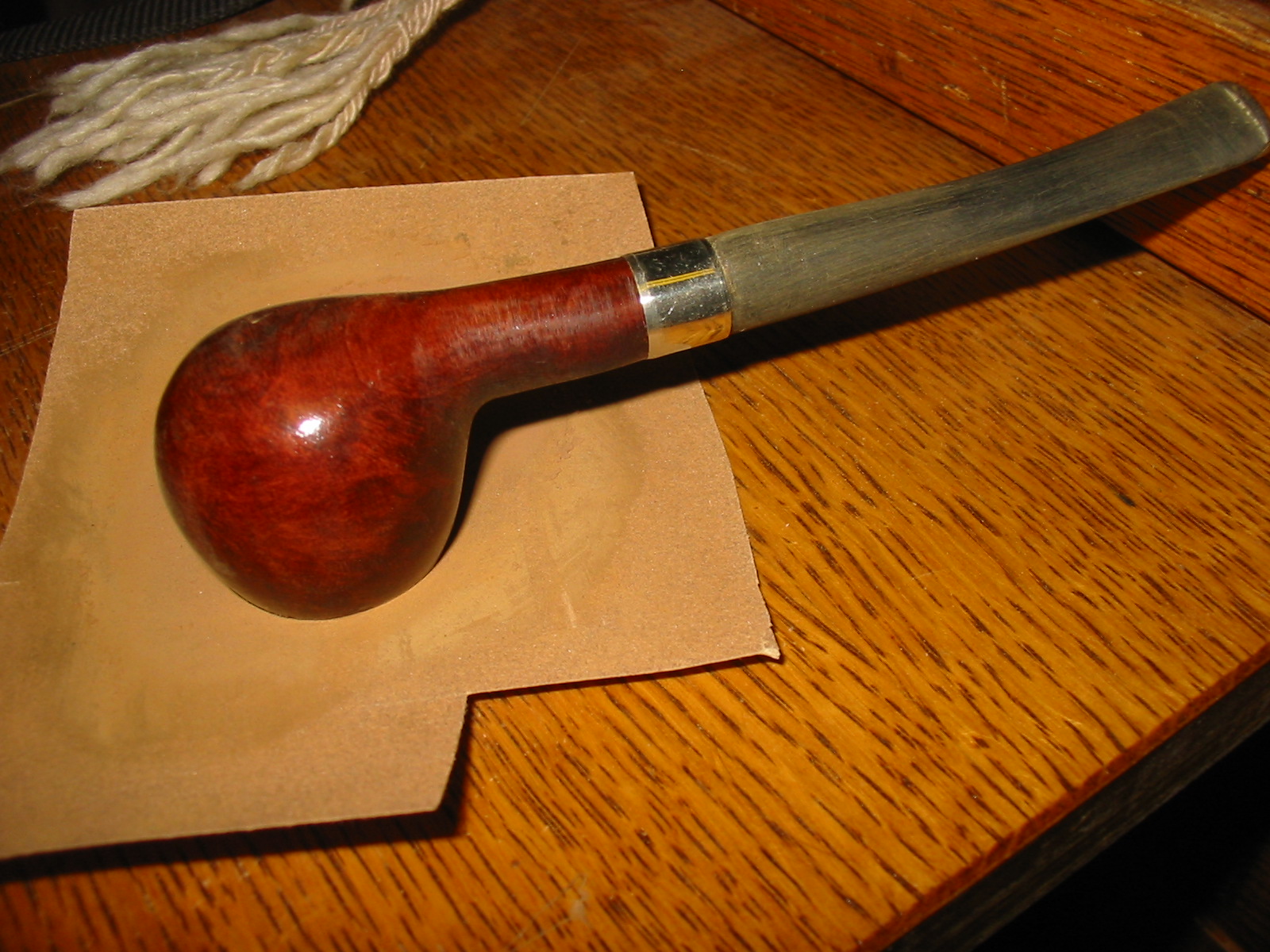
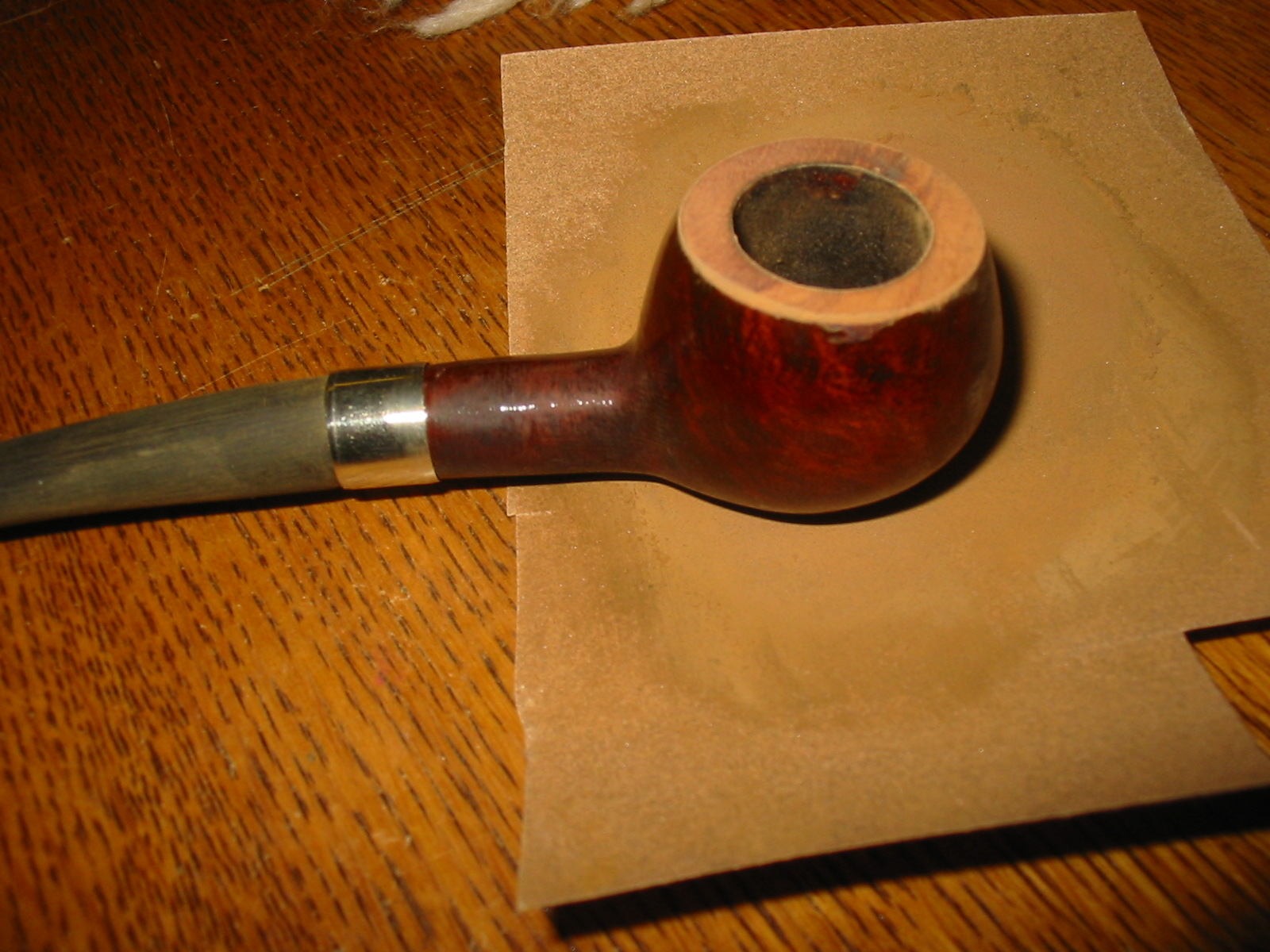
I then sanded the bowl and shank with a foam back medium grit sanding pad to remove the varnish coat. I sanded it until the bowl finish was foggy looking and then I wiped it down with acetone once again on a cotton pad. The next three photos show the result of the sanding and washing with acetone. The finish is finally beginning to break up and the briar is down to the stain coat.
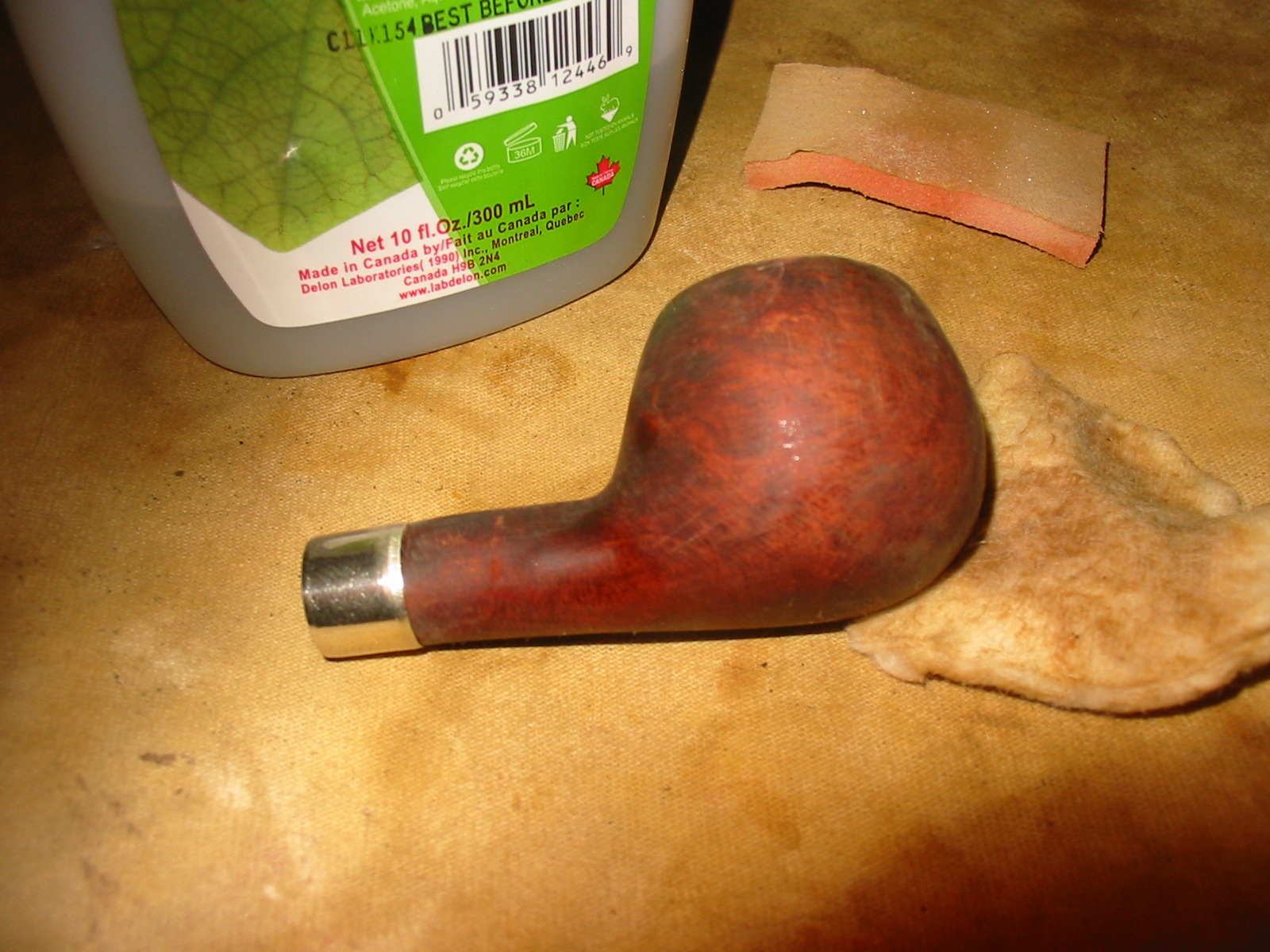
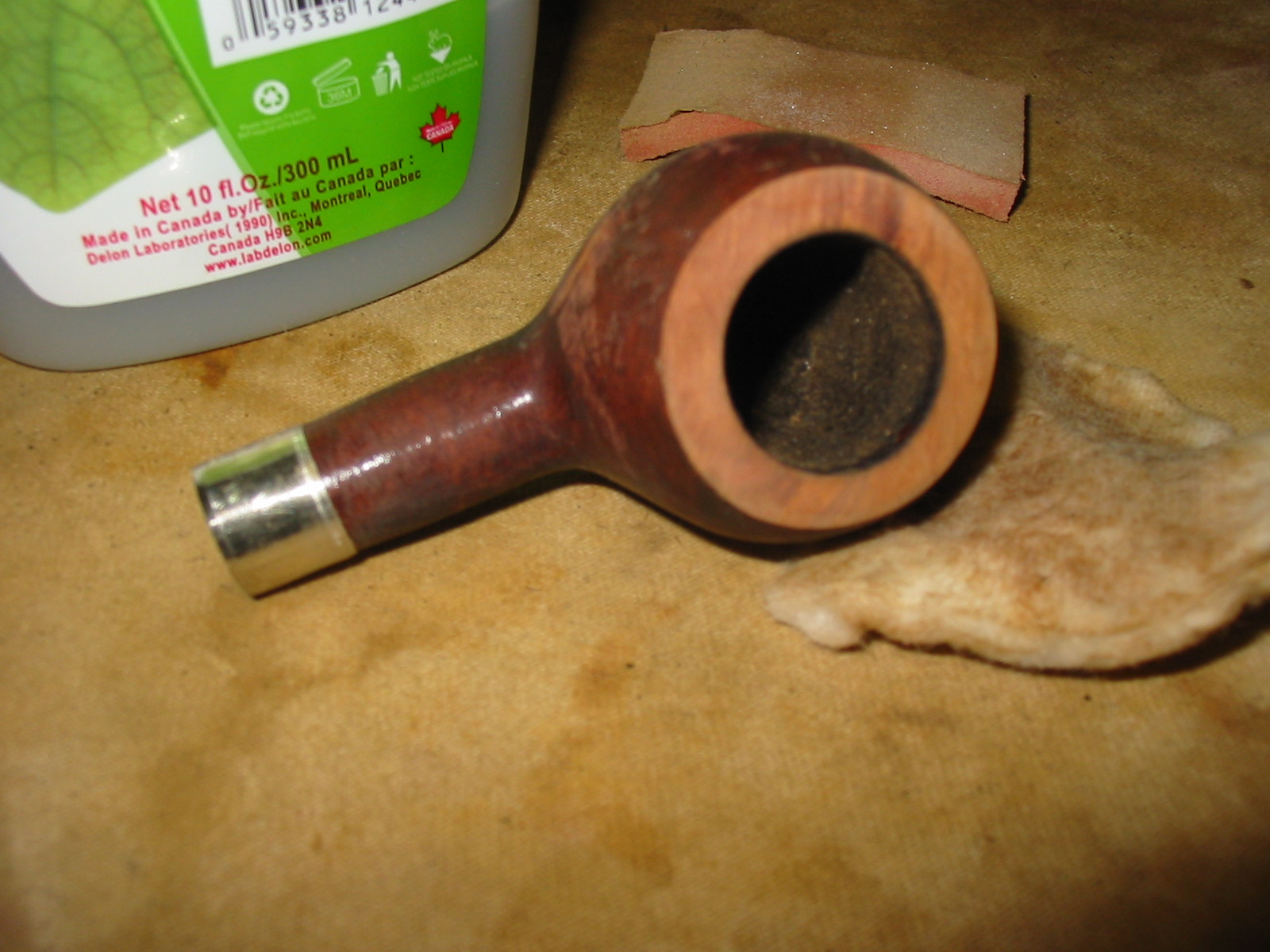
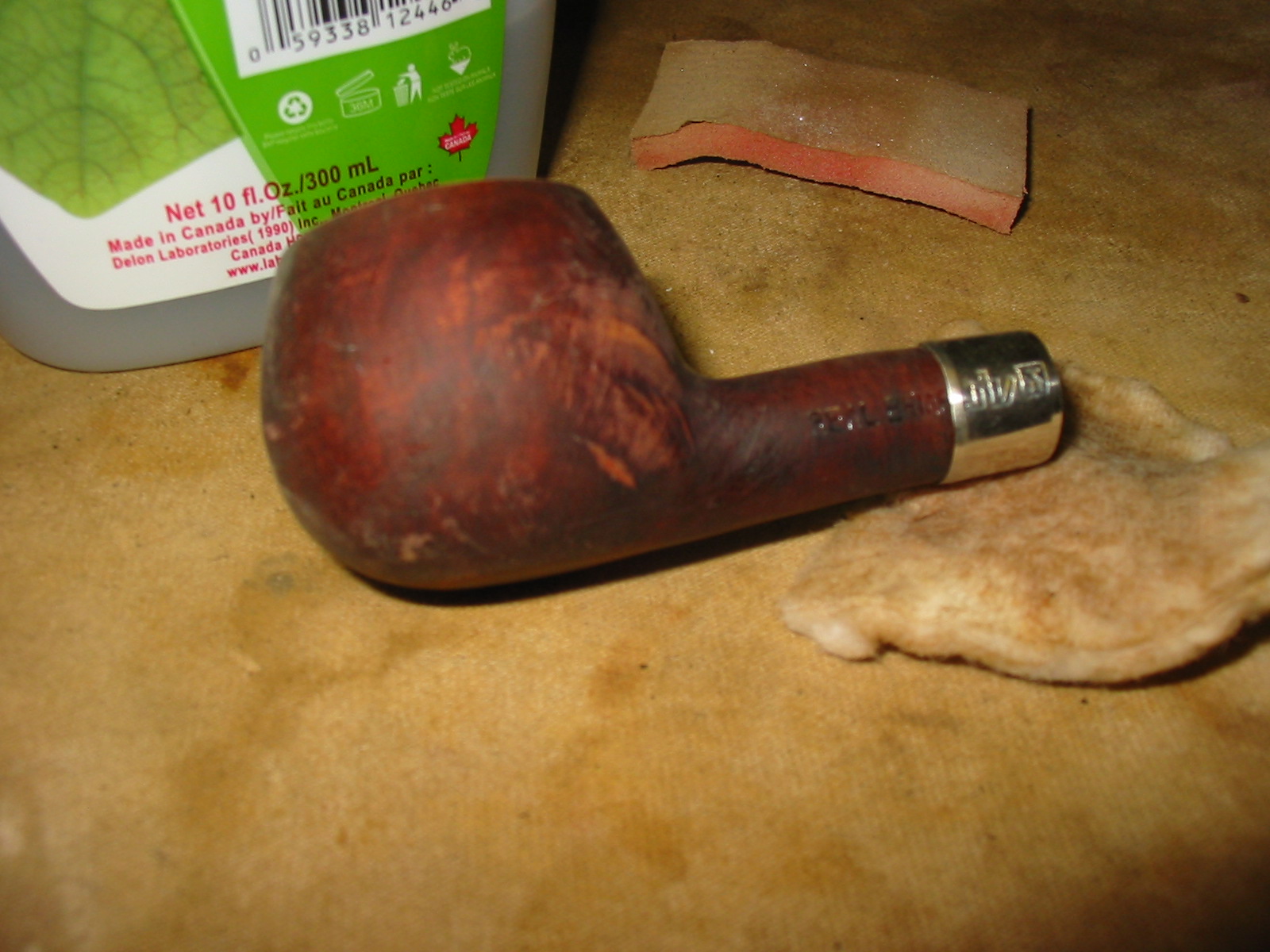
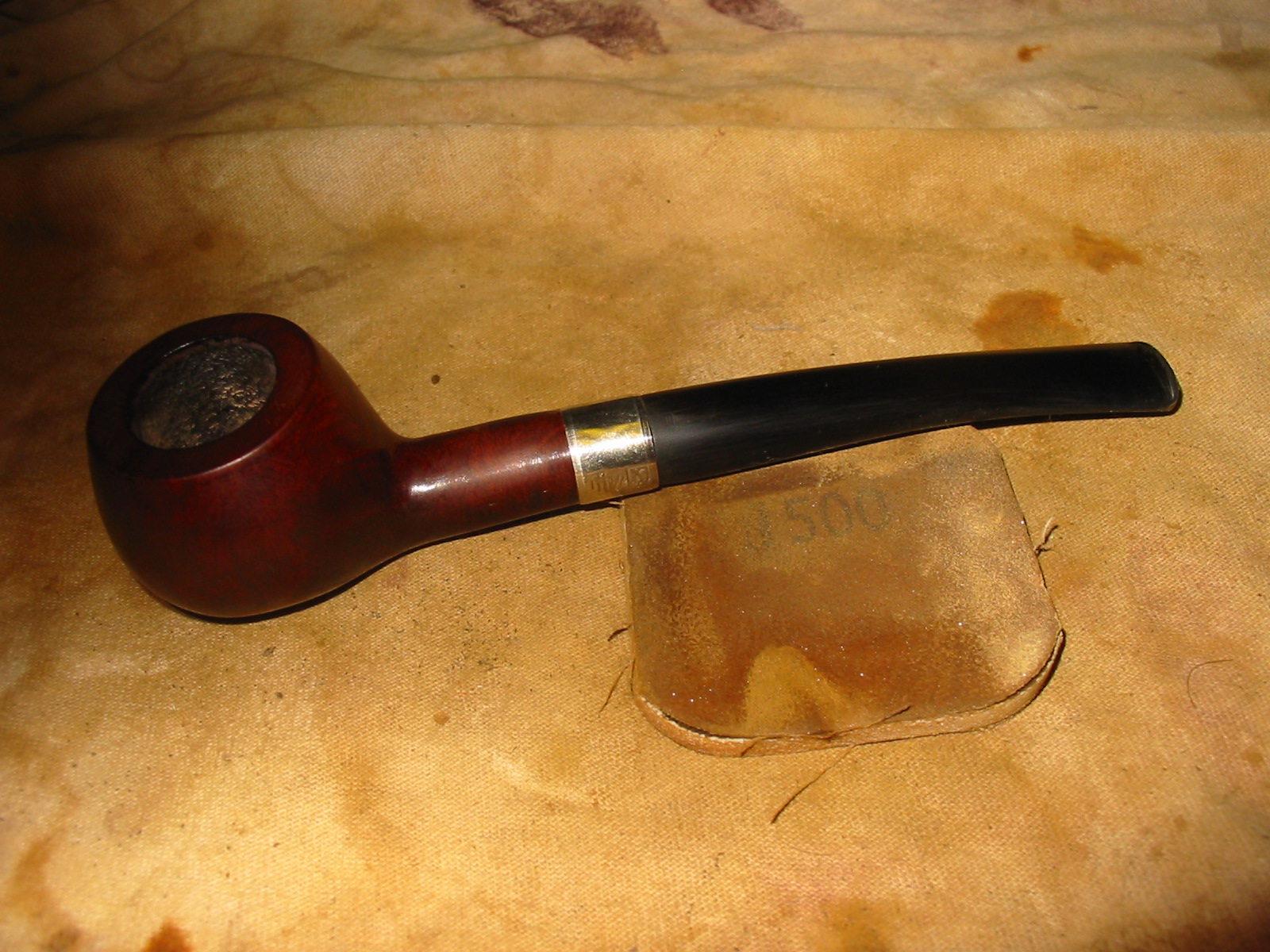
I put the stem on the bowl and continued to sand the stem and the bowl with the sanding sponge that is pictured with the pipe. The next three photos show the progress of the sanding. Once I was finished the sanding I wiped it down a final time with the acetone and cotton pad to prepare it for restaining.
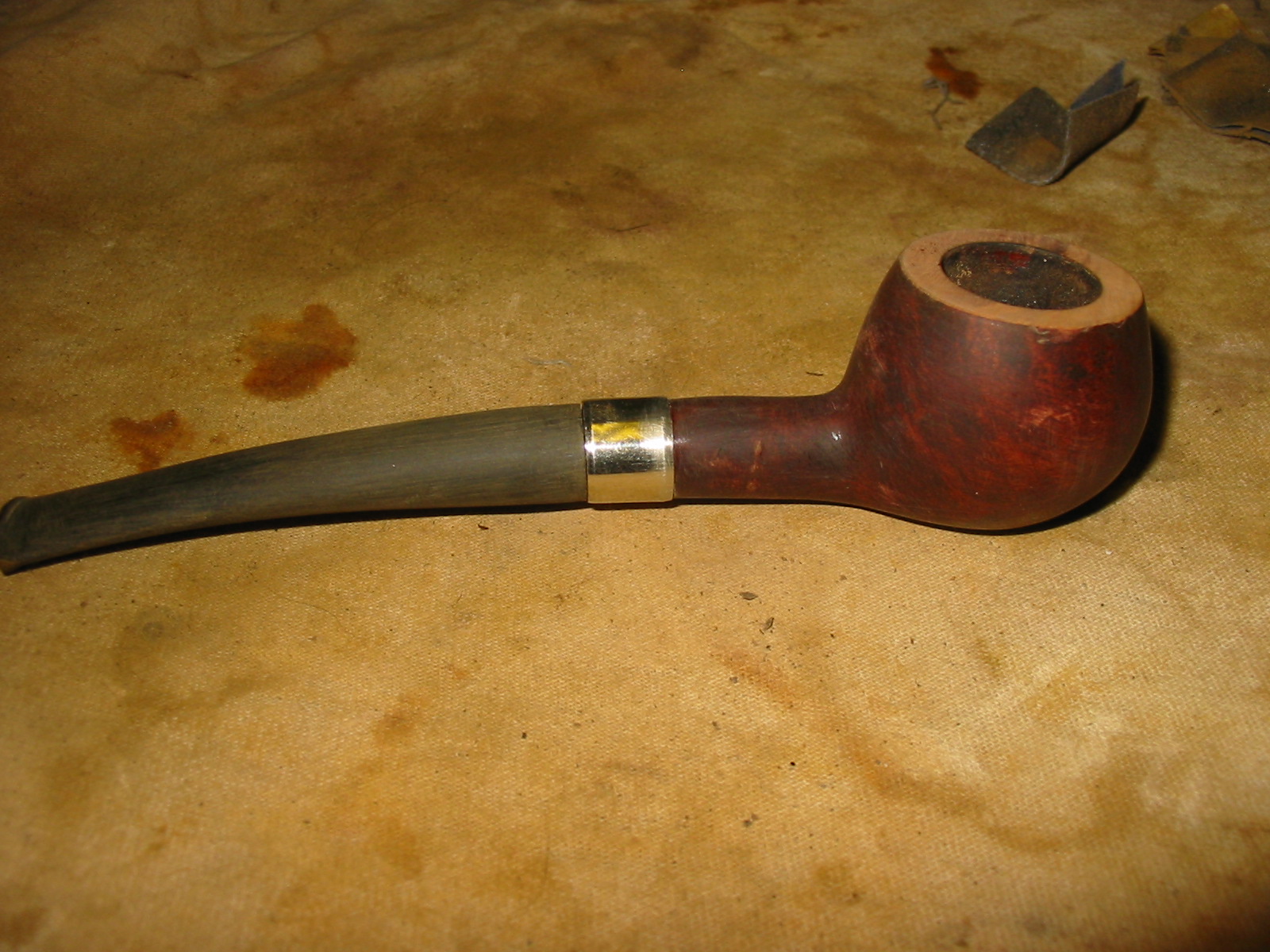
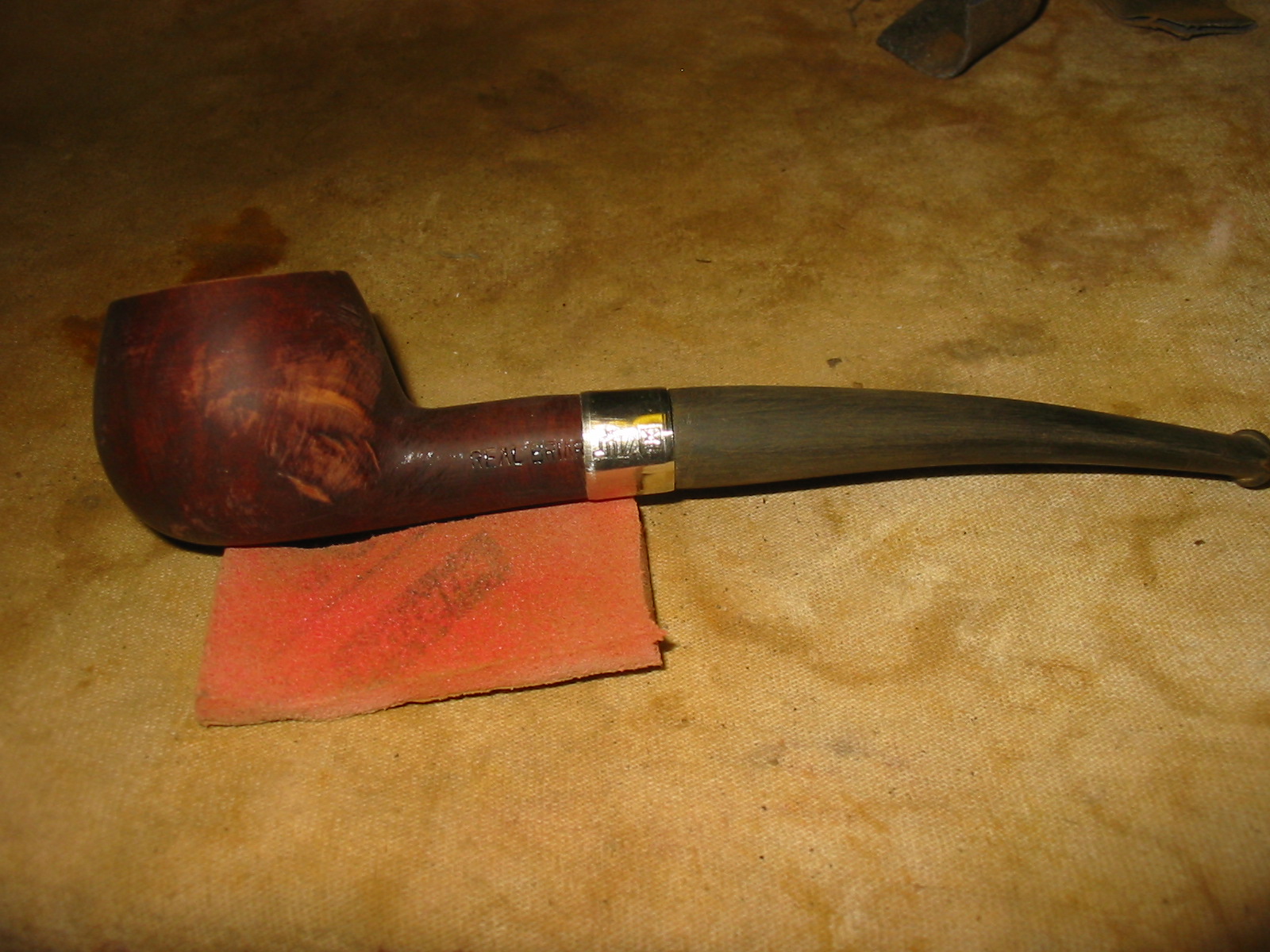
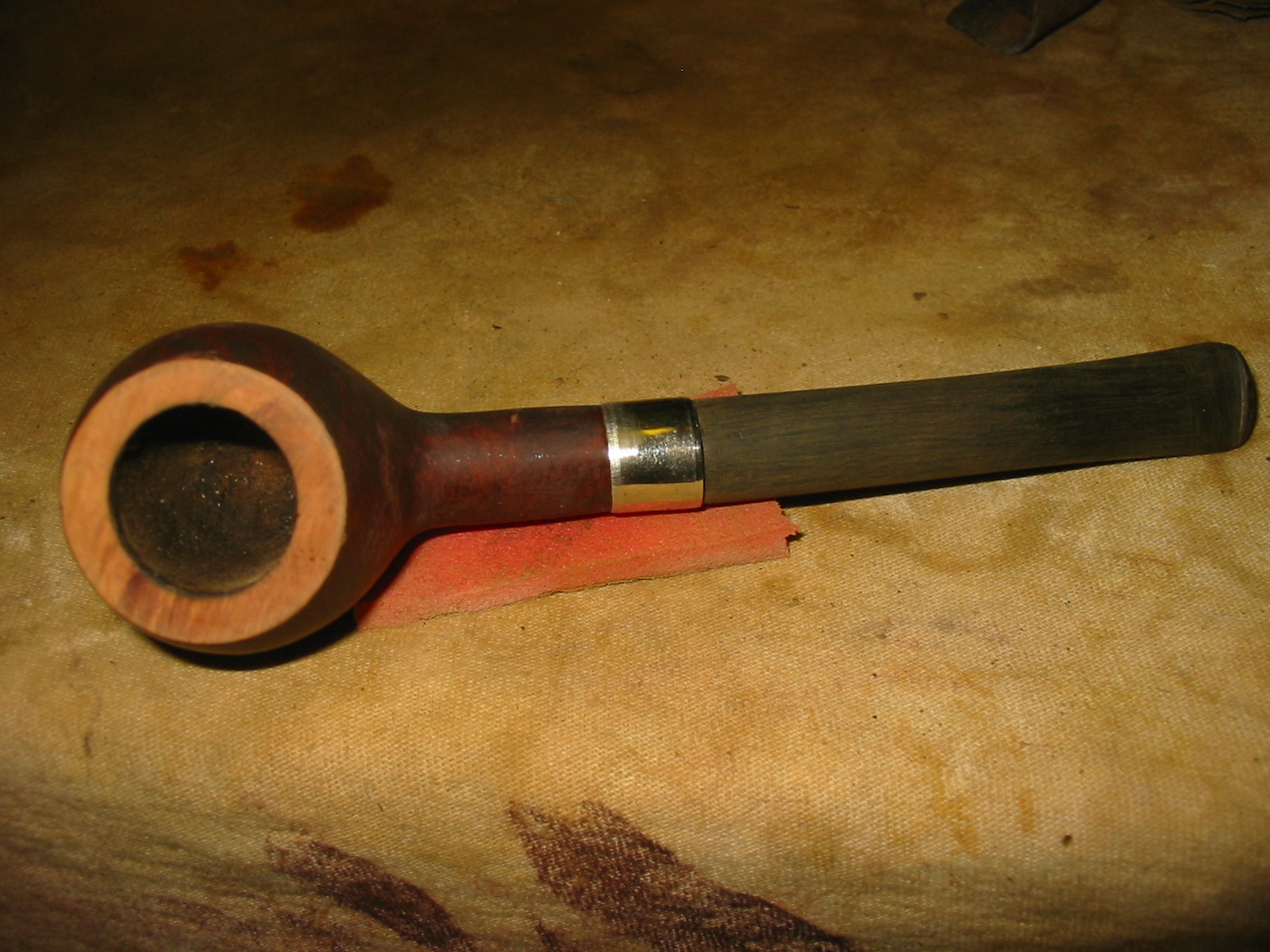
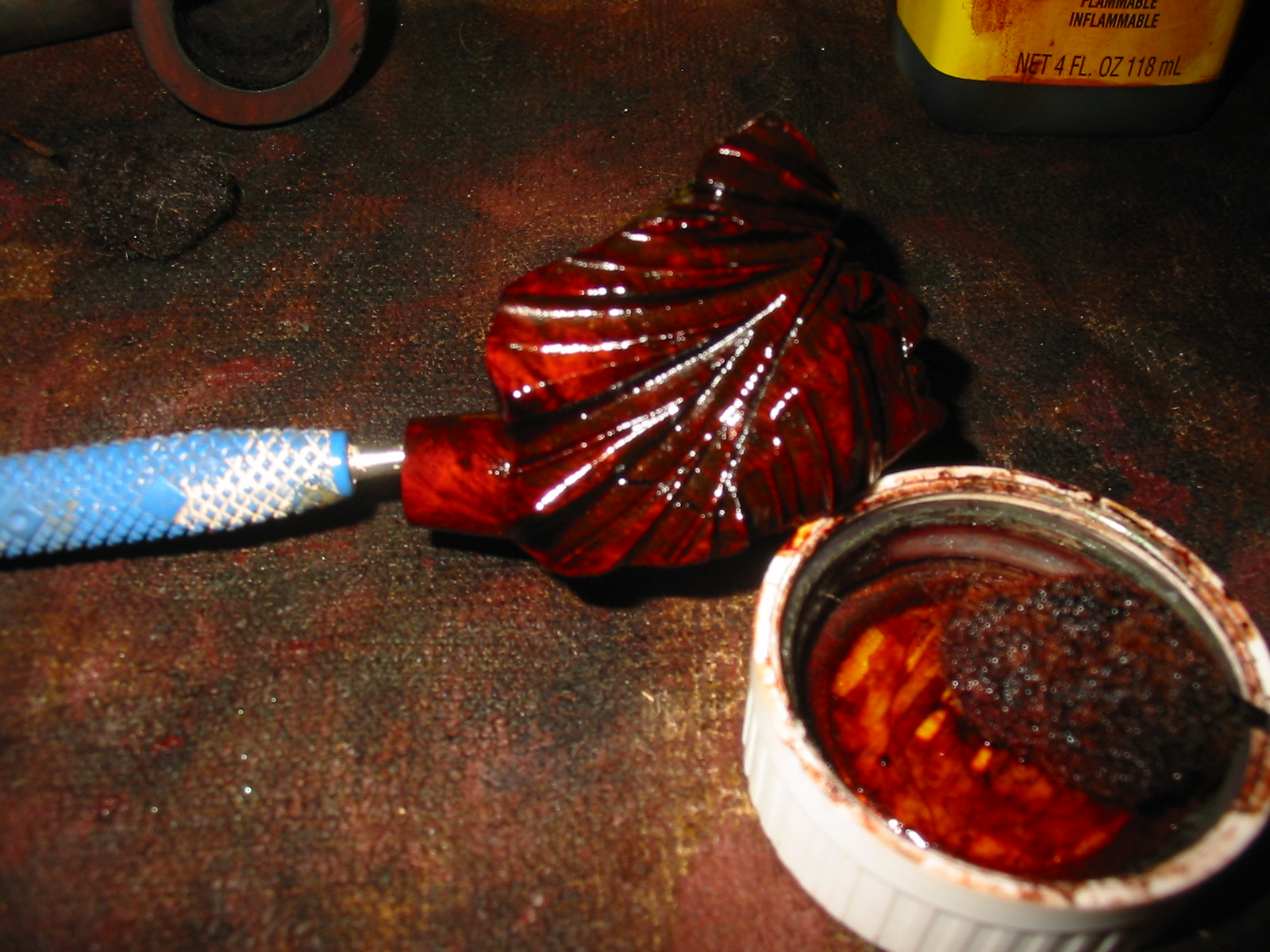
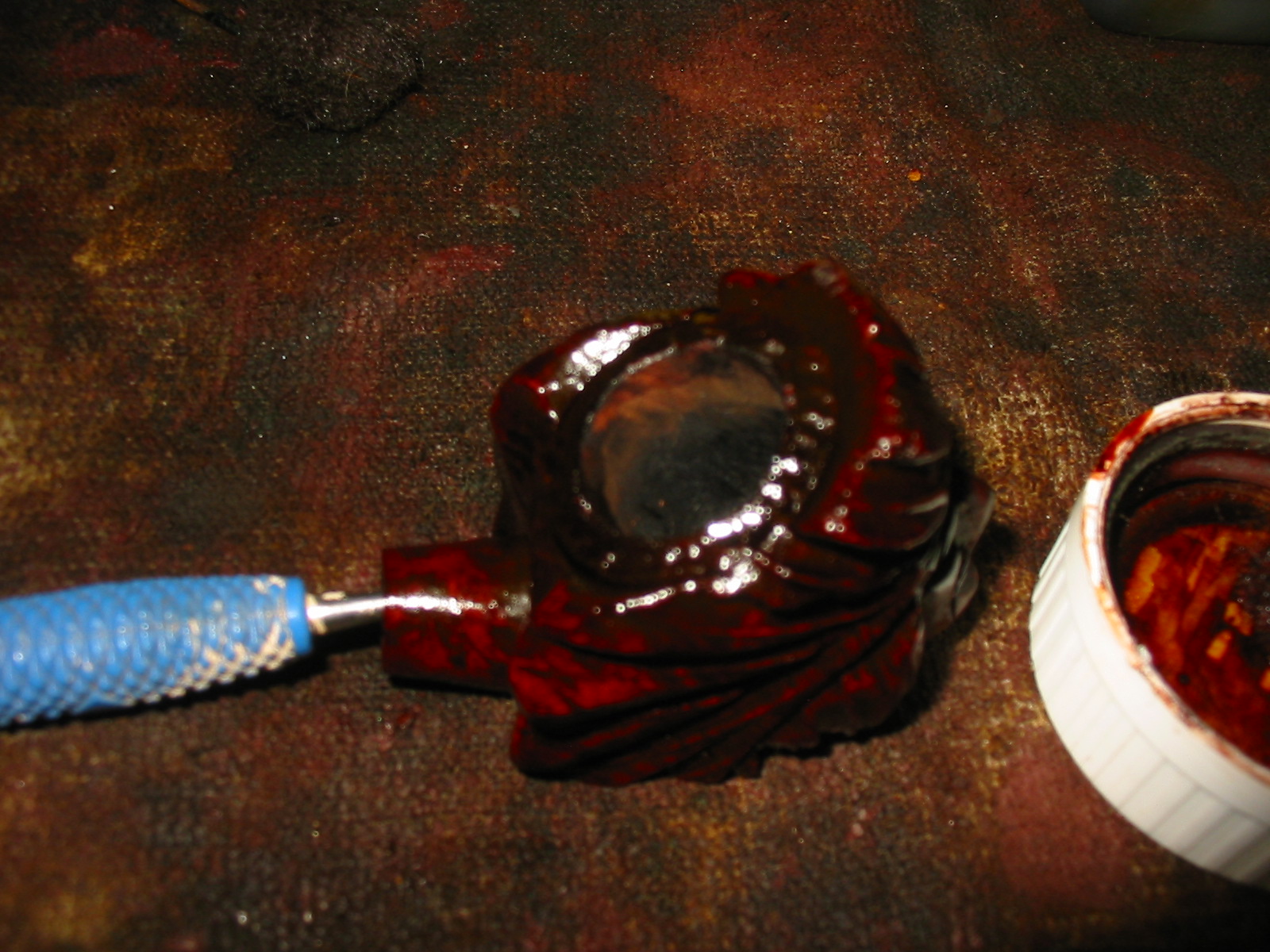
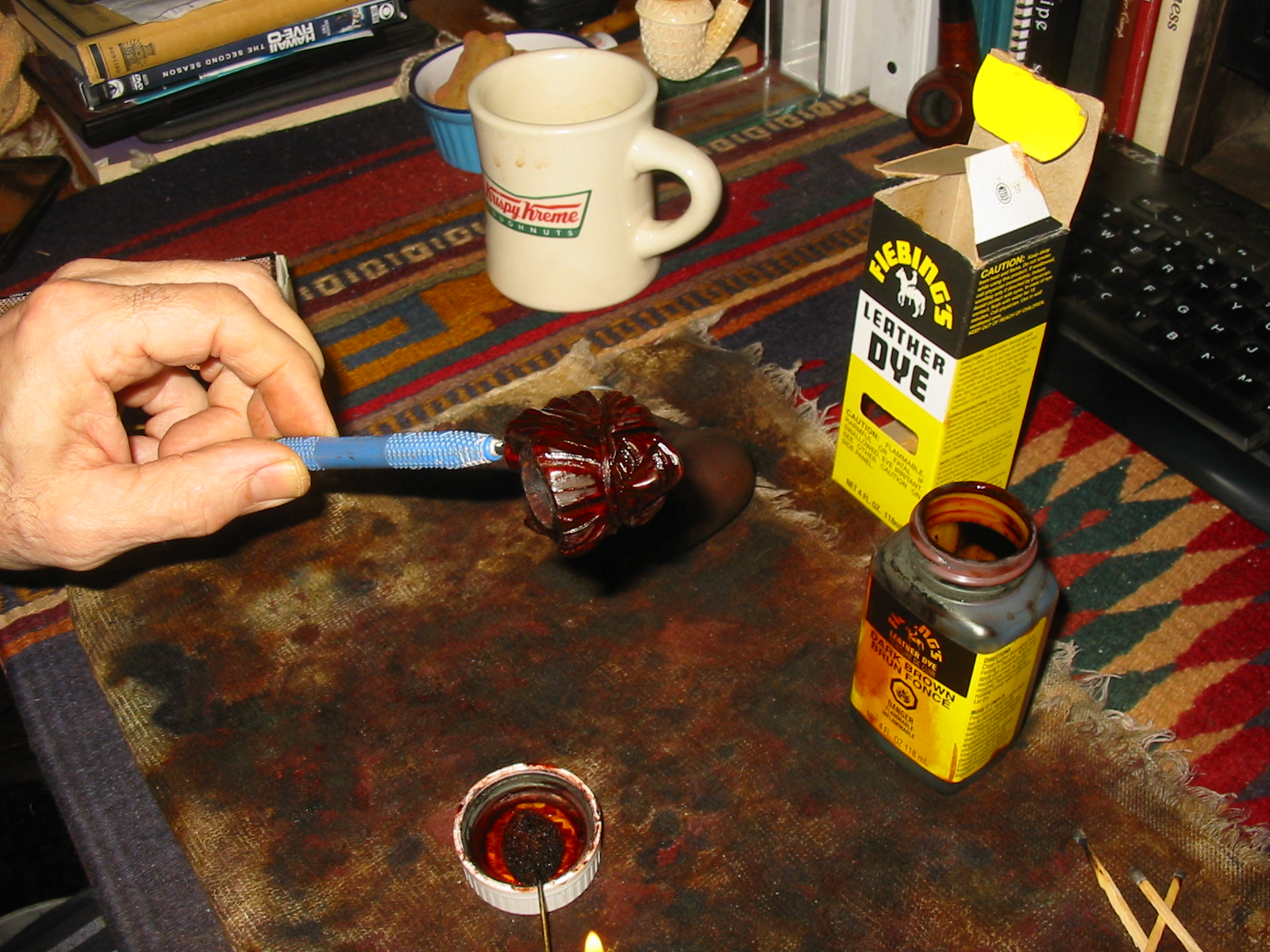
The next three photos show the bowl after I have stained, flamed, restained and flamed it again. I stained the rim three times to get it to be the same colour as the bowl. It took a bit of work to get the colours to match. I used a dark brown aniline stain mixed in a 2:1 ratio with isopropyl alcohol to attain the colour that I wanted for this pipe. I have learned that the mix is great for hiding unsightly fills and blending them into the rest of the bowl.

I removed the bowl and went to work on the button. The airway in the button was actually quite large and had been cut very close to the edge of the button. I examined it and could see that the damage was fairly surface. The airway inside the button was centered in the button so the edge would need to be built up to accommodate the new slot that I would cut into the button. I used a two part 5 minute epoxy that I mixed and inserted into the damaged edge of the airway with a dental pick. This took a bit of time to get it to the point that I was happy with. The first photo below shows the airway when I started on the repairs.
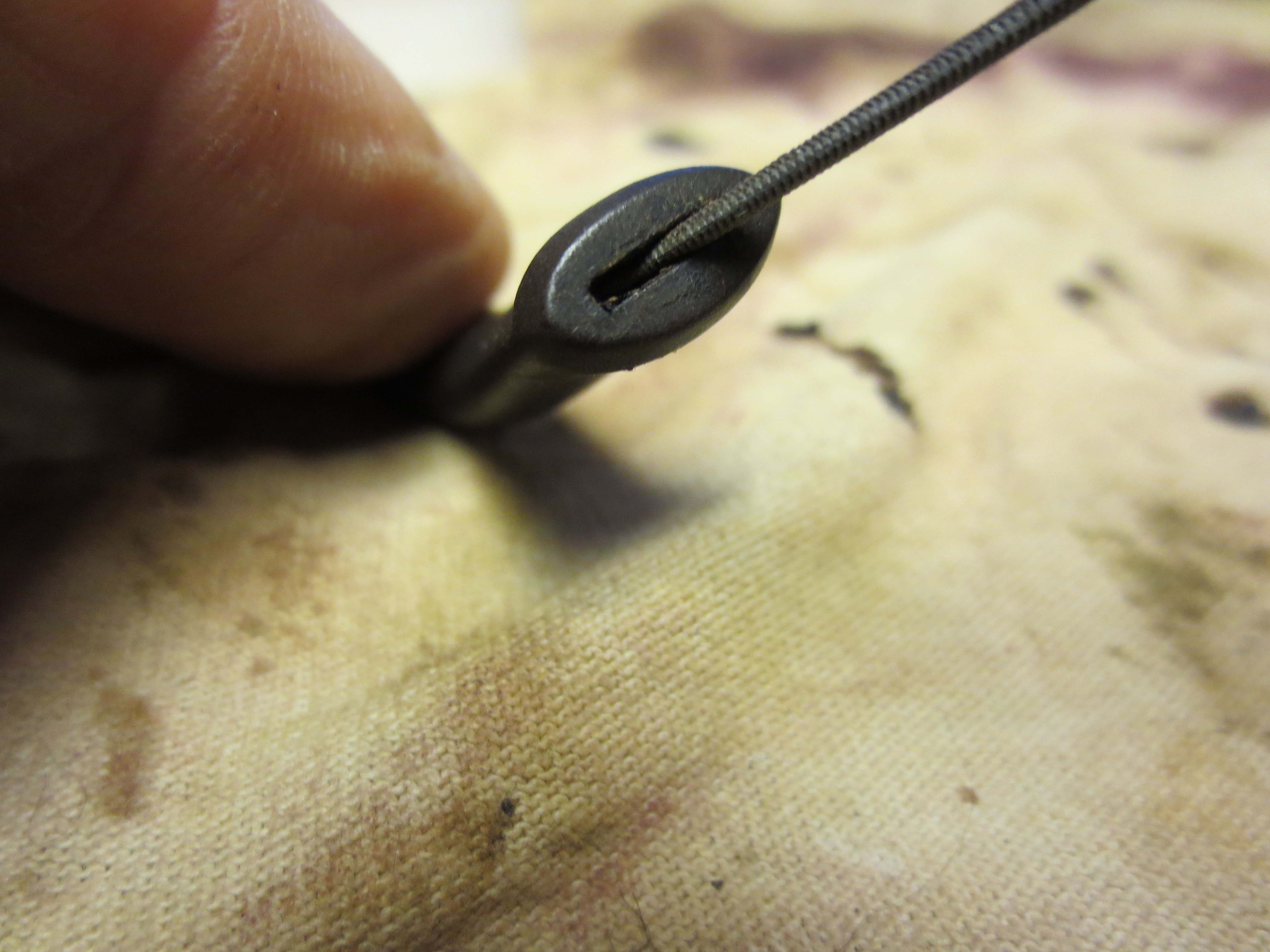
The next three photos, though a little blurry show the repair in process. To start with I used my needle files to open up the airway into a slot. I wanted to provide a straight edge to build up to on the airway so that I that the epoxy would stay put in the right place. The epoxy is wet and shiny in these photos and is visible on the bottom edge of the stem photos. The slotted airway is very clearly visible in these photos showing the process of rebuilding the airhole.

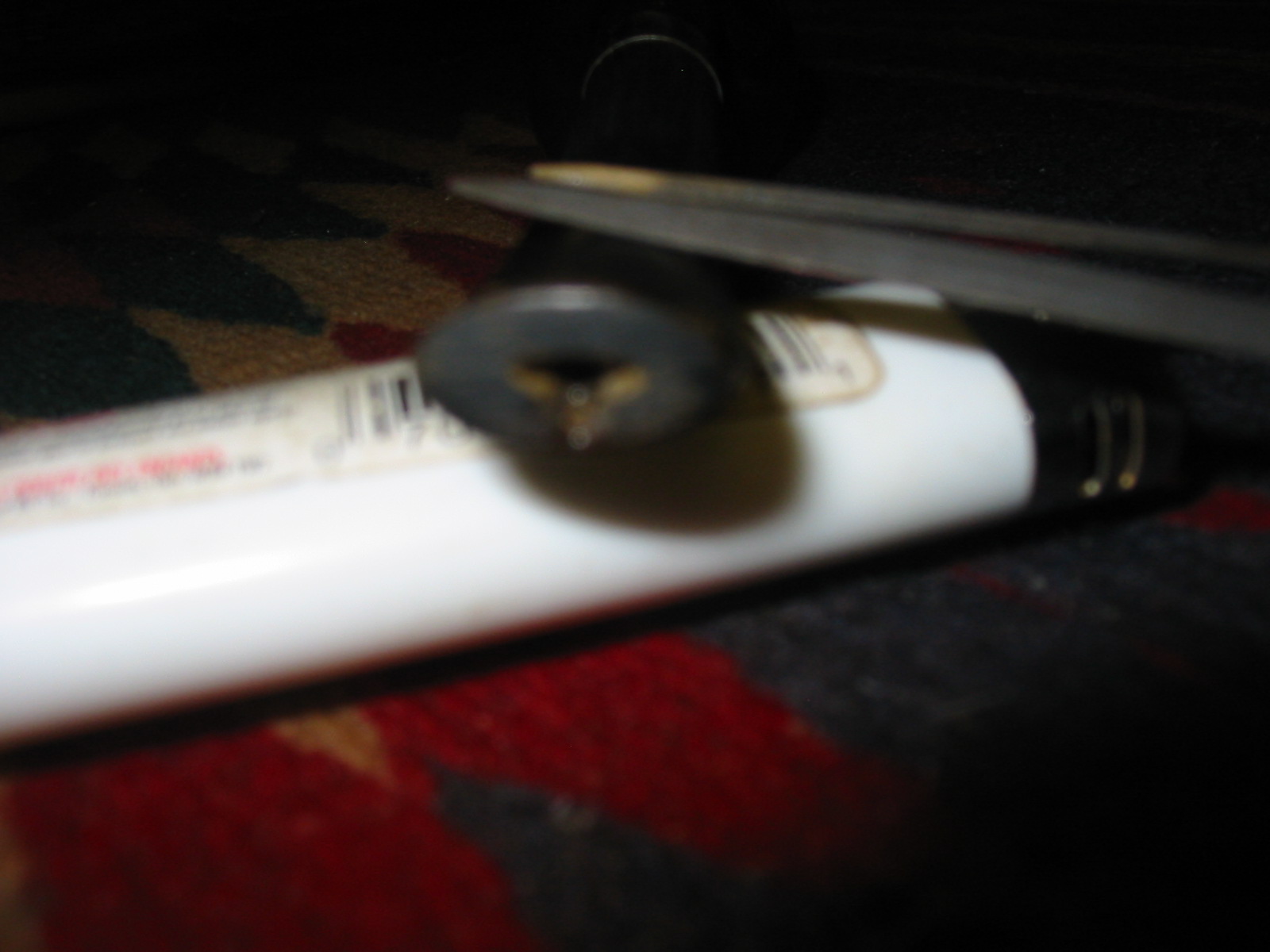

The next photo shows the dried patch in the airway and the even slot that is present in the button. I needed to let the epoxy harden before I finished the shaping of the slot to an oval that easily took a pipe cleaner.

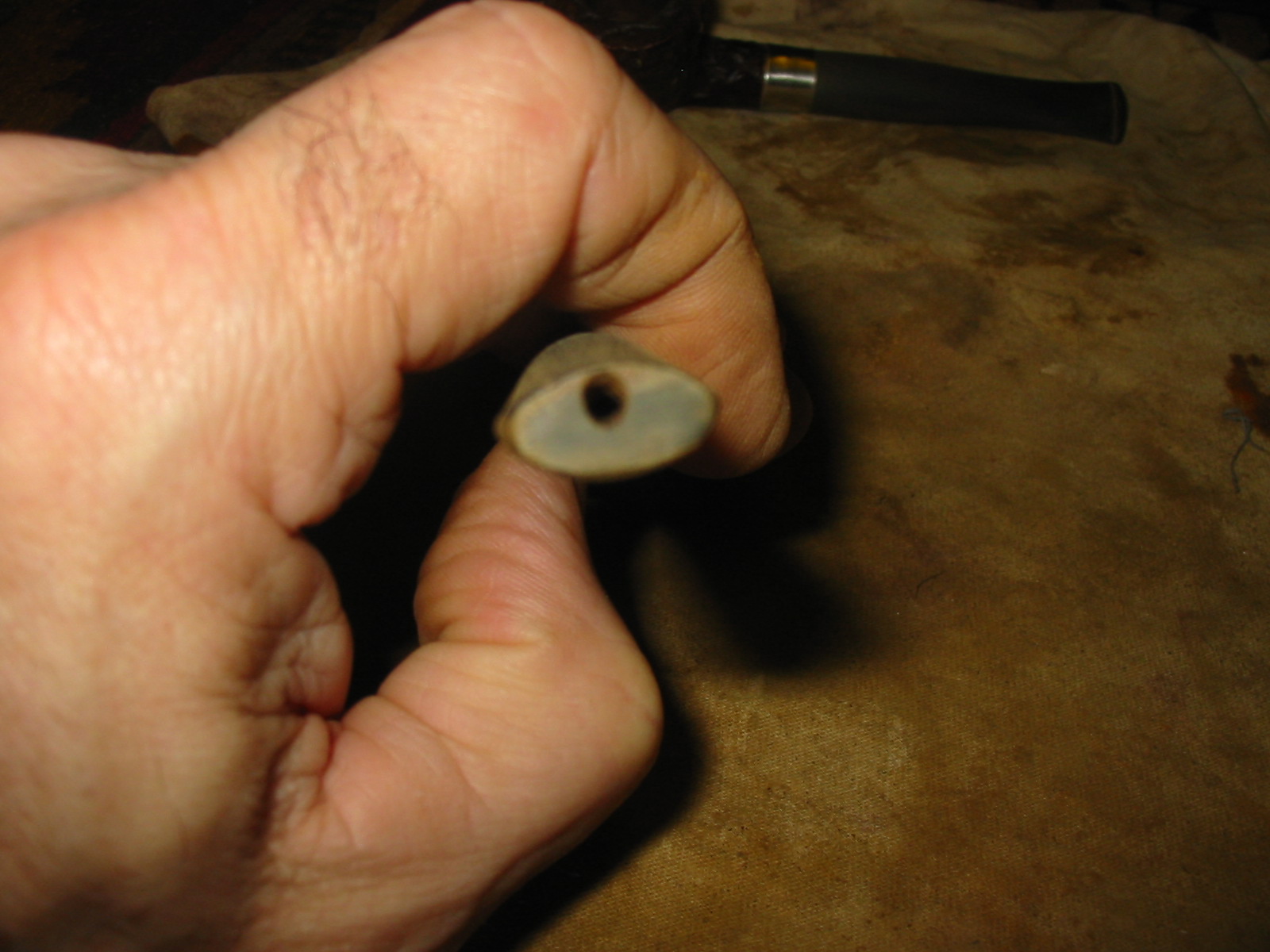
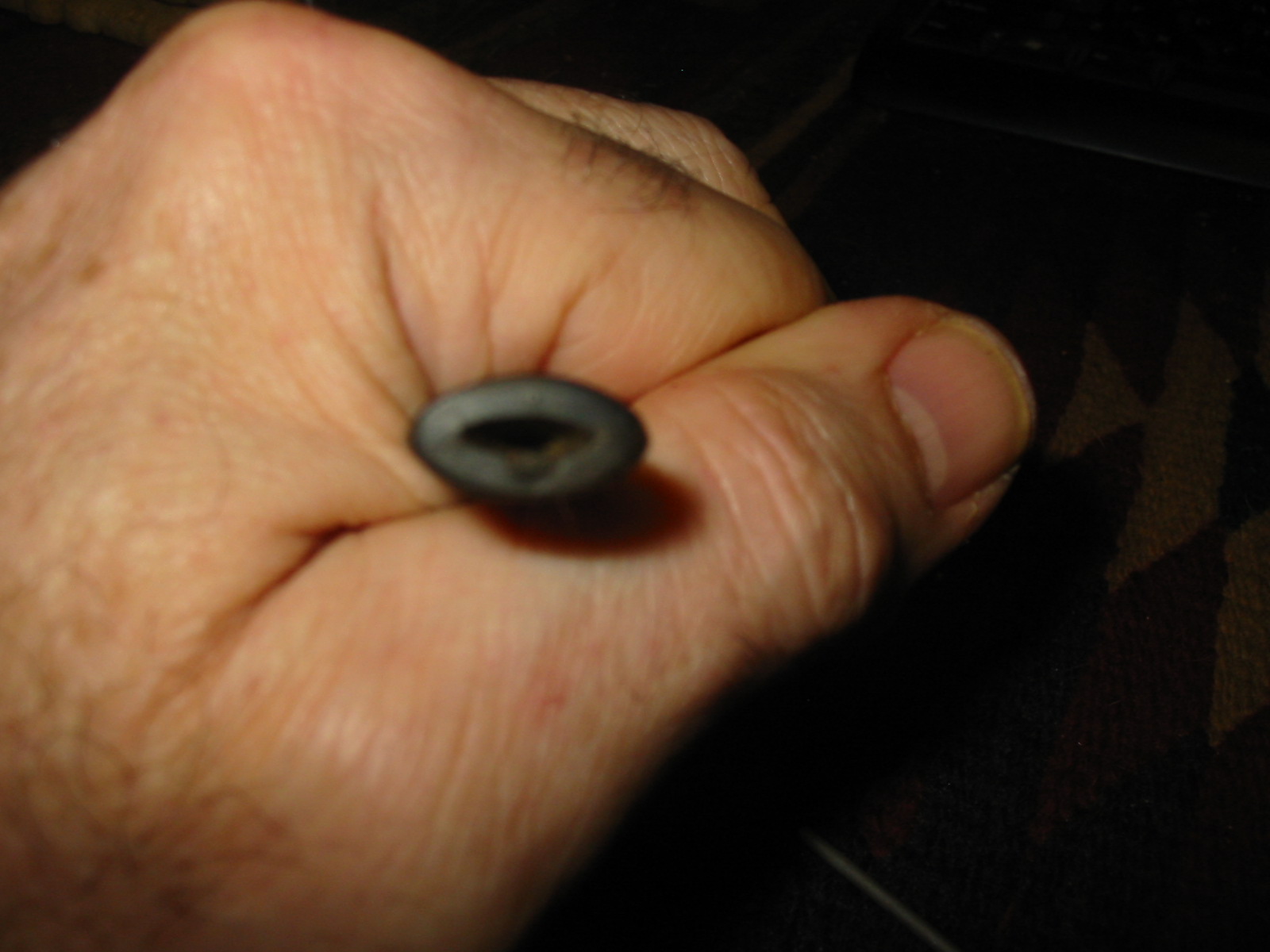
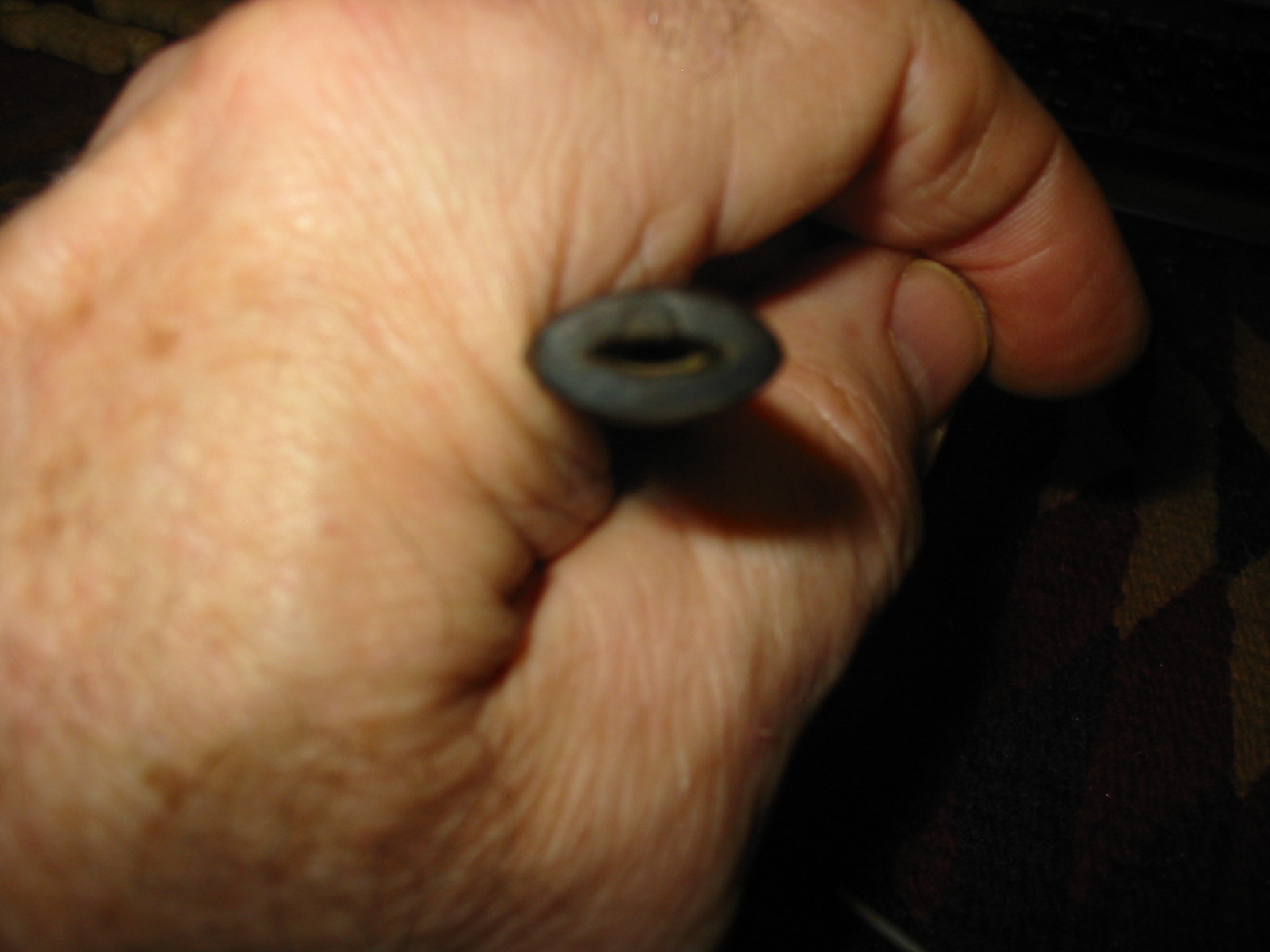
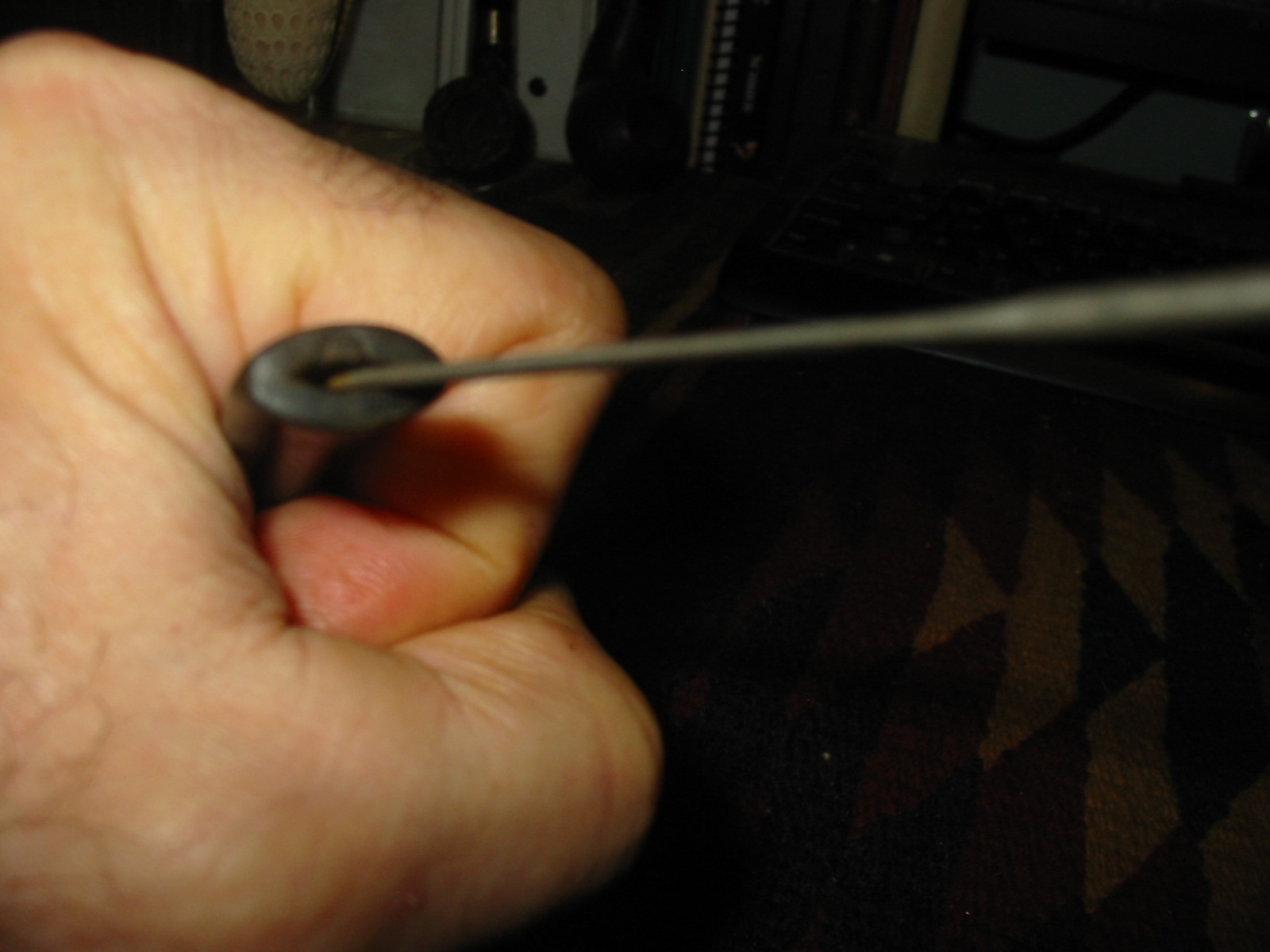
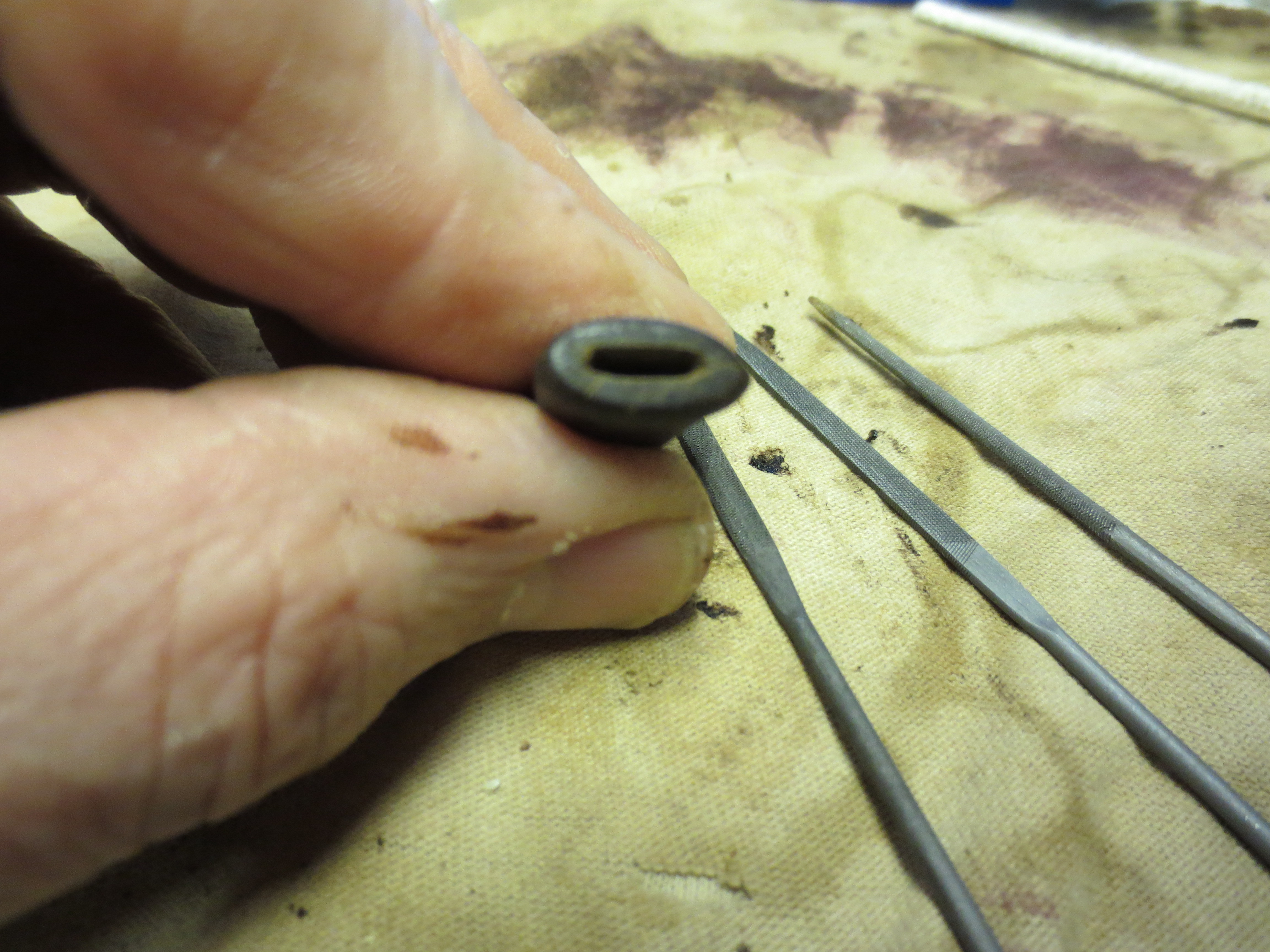
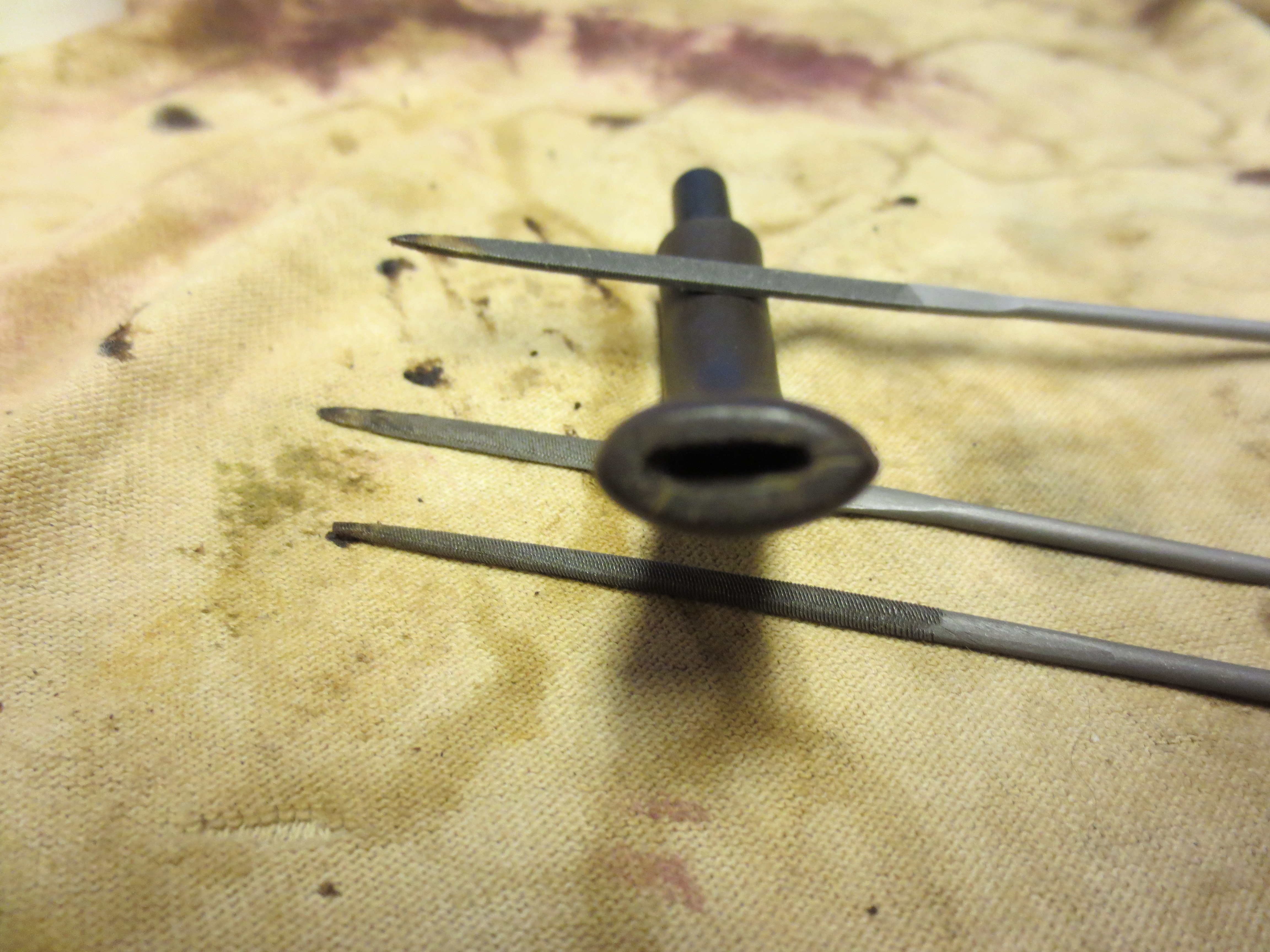
The next three photos show the repaired airhole and the newly cut slot in the button. The first photo shows the stem held in my hand upside down. The repair is visible at the 6 o’clock position in the picture and looks like a small divot in the slot. The slot itself is smooth and the divot is the patch. The second photo shows the stem right side up and the repair is visible at the 12 o’clock position. The final of the three photos shows the small oval needle file that I used to open the airway. I inserted it into the slot to give an idea of the size of the files that I use to do the work on these slots.
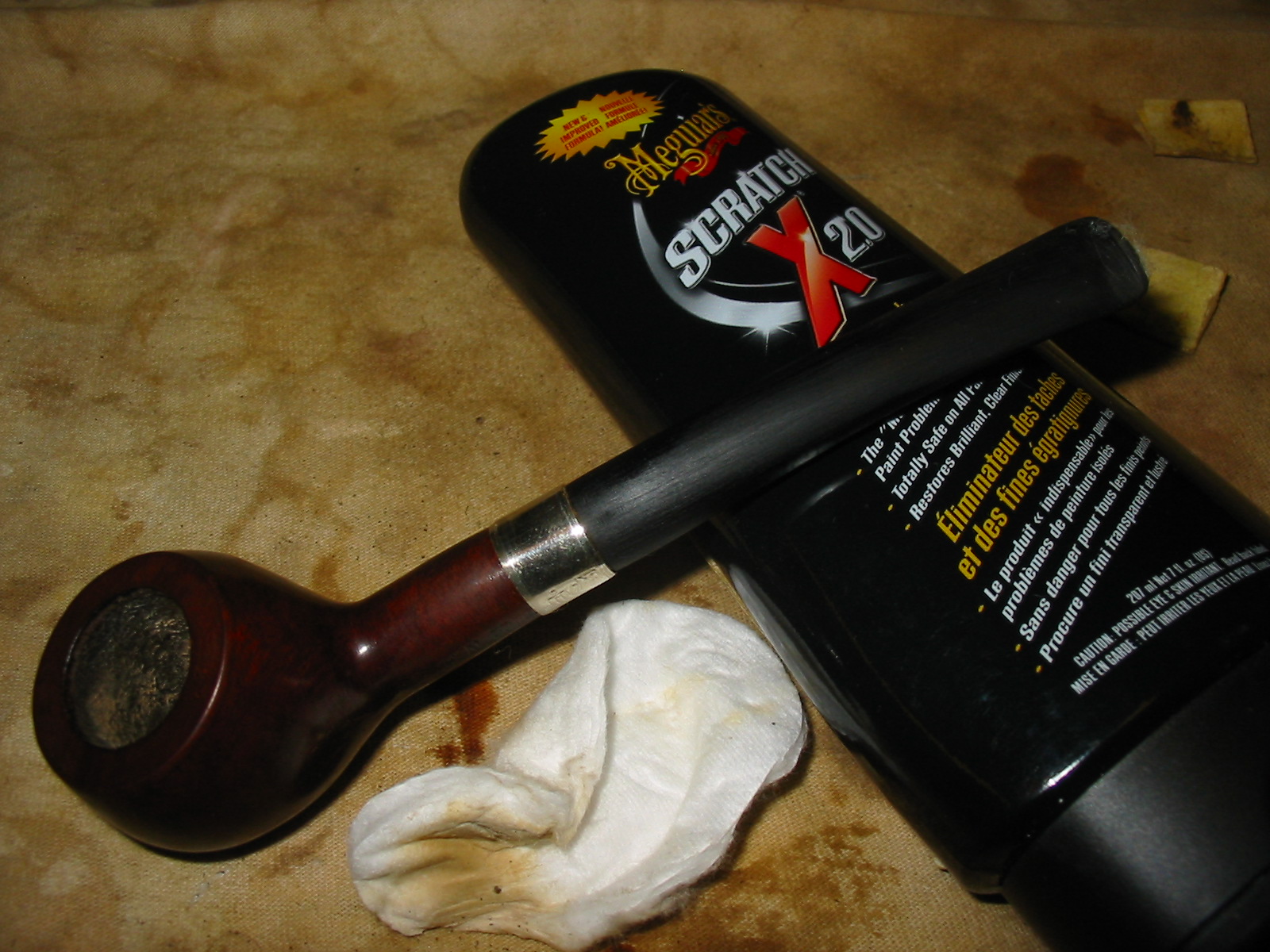
I then turned my attention to the stem itself. It needed a lot more sanding to clean it up and bring out a clean shine. The first photo below shows the polish that I gave it with the Maguiar’s Scratch X2.0. I rub this on with my fingers and then scrub it off with the cotton pad. The polish is white and when I rub it off it is the brown colour that stains the cotton pad in the picture below. Once I had finished with the polish I then sanded it with the micromesh sanding pads. I only took one photo (the second one below) to show the sanding process. I used 1500-12,000 grit micromesh sanding pads to remove the scratches and shine the stem.
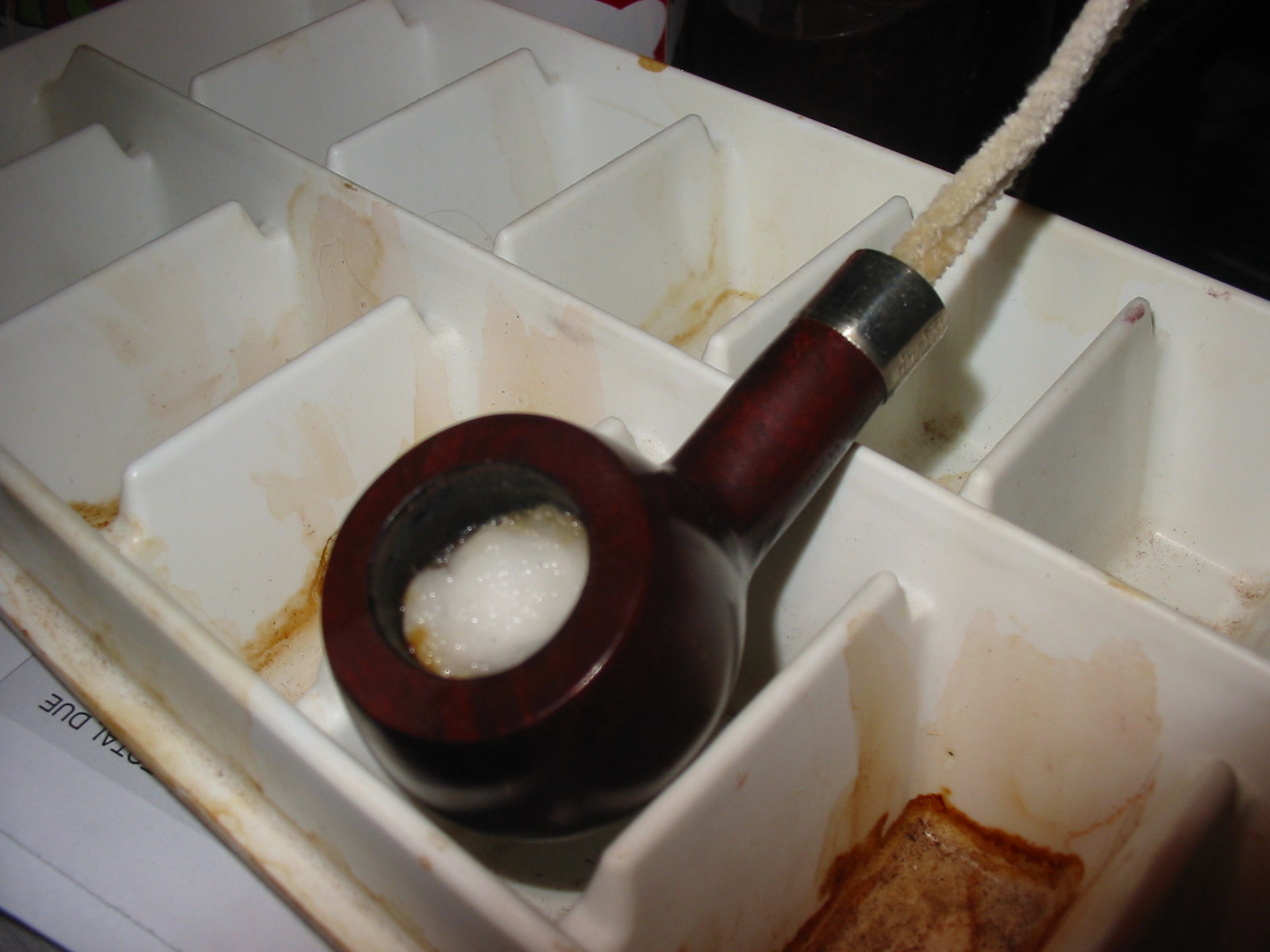
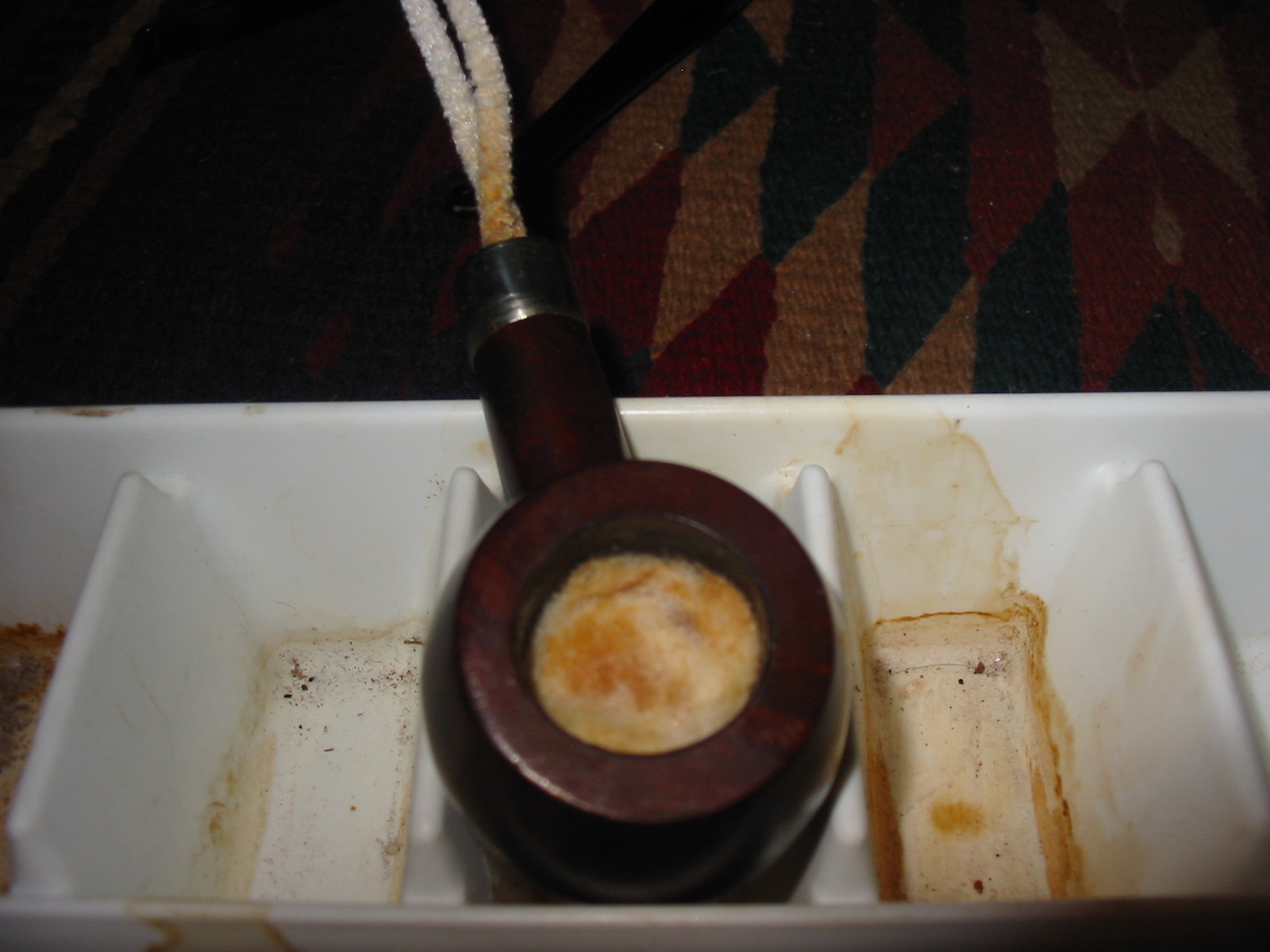
I continued to work on the stem but removed it from the bowl and gave the bowl a cotton bole and alcohol treatment to remove the strong sour smell that came from the bowl. I stuffed the bowl with a cotton bole, put a pipe cleaner in the shank and used my ear syringe to fill the bowl with Everclear. I left it to sit on the ice cube tray while I went hunting at the flea market. It sat for about 4 hours before I removed the cotton bole and flamed the bowl to remove the remaining alcohol. The first photo shows the pipe when I first set it up. The second one is how it looked four hours later when I returned home and removed the cotton.
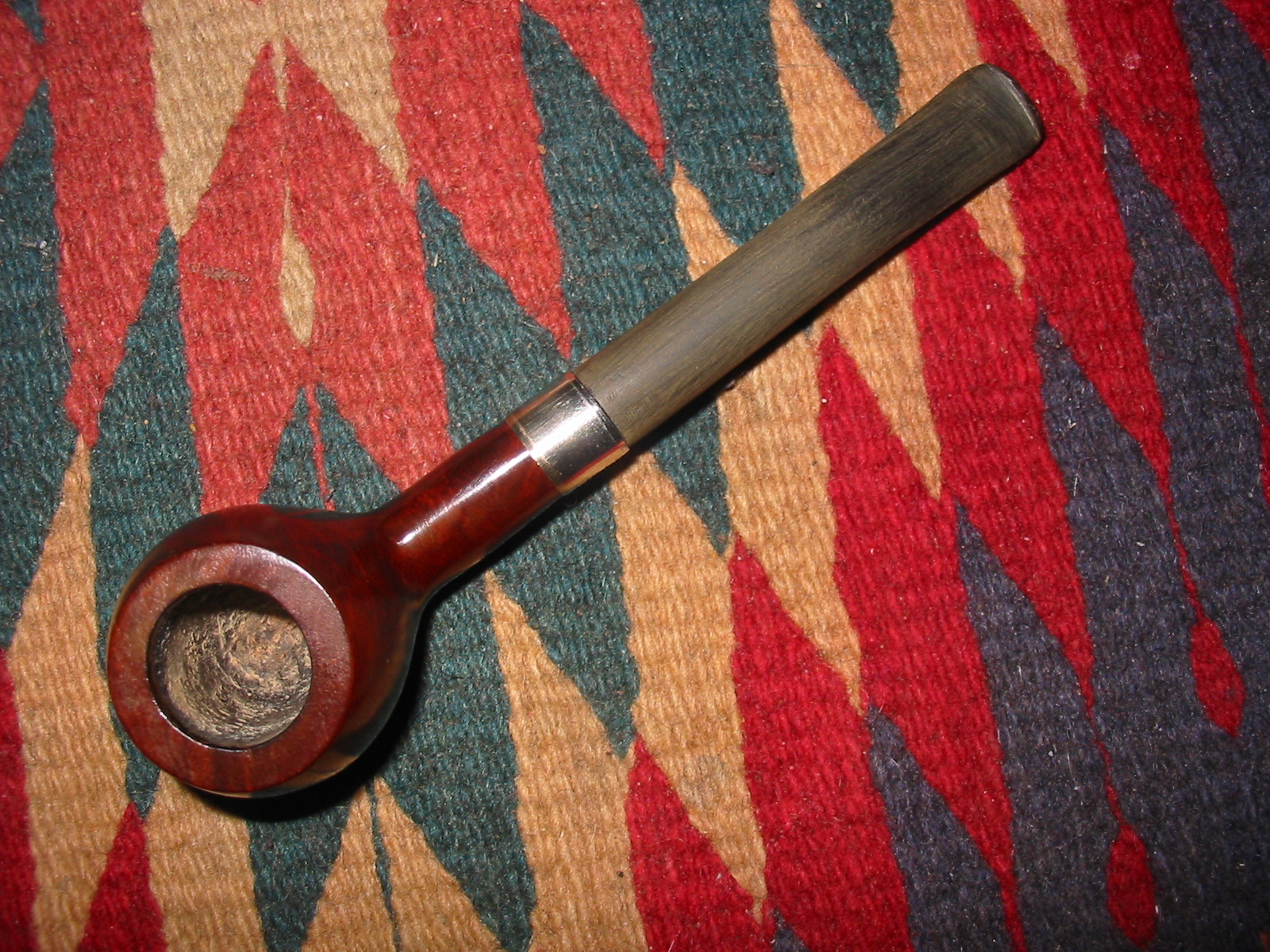
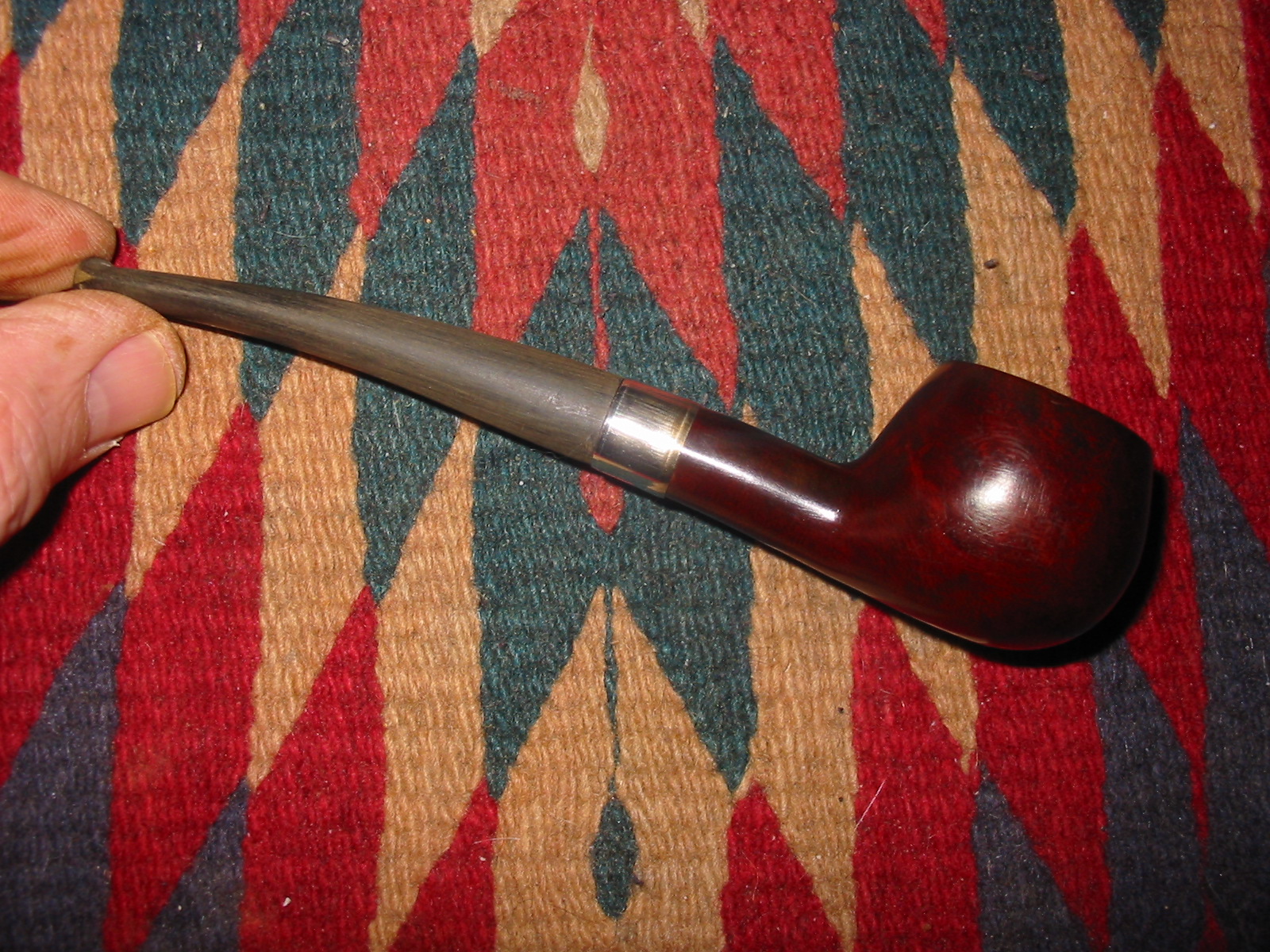
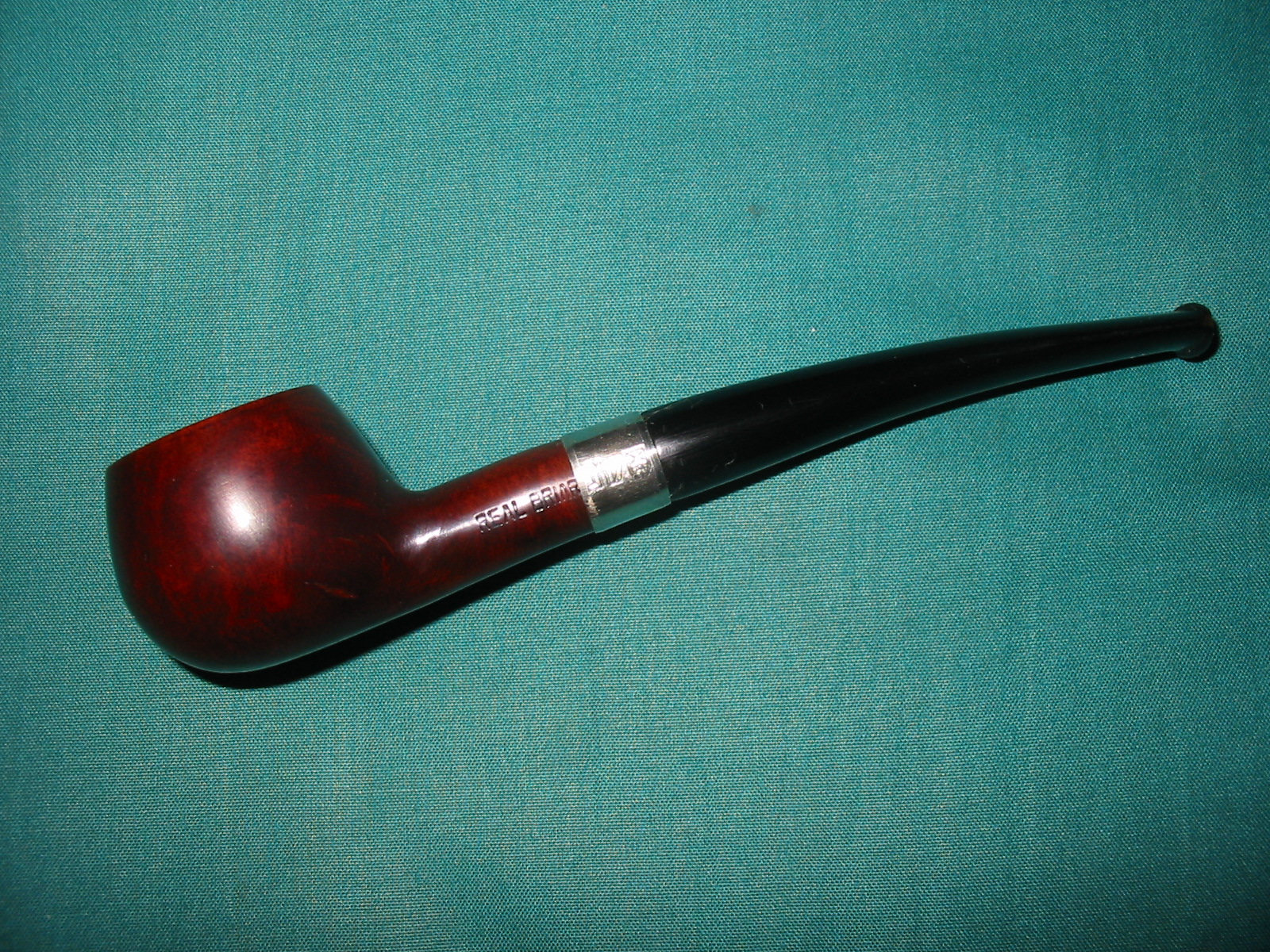
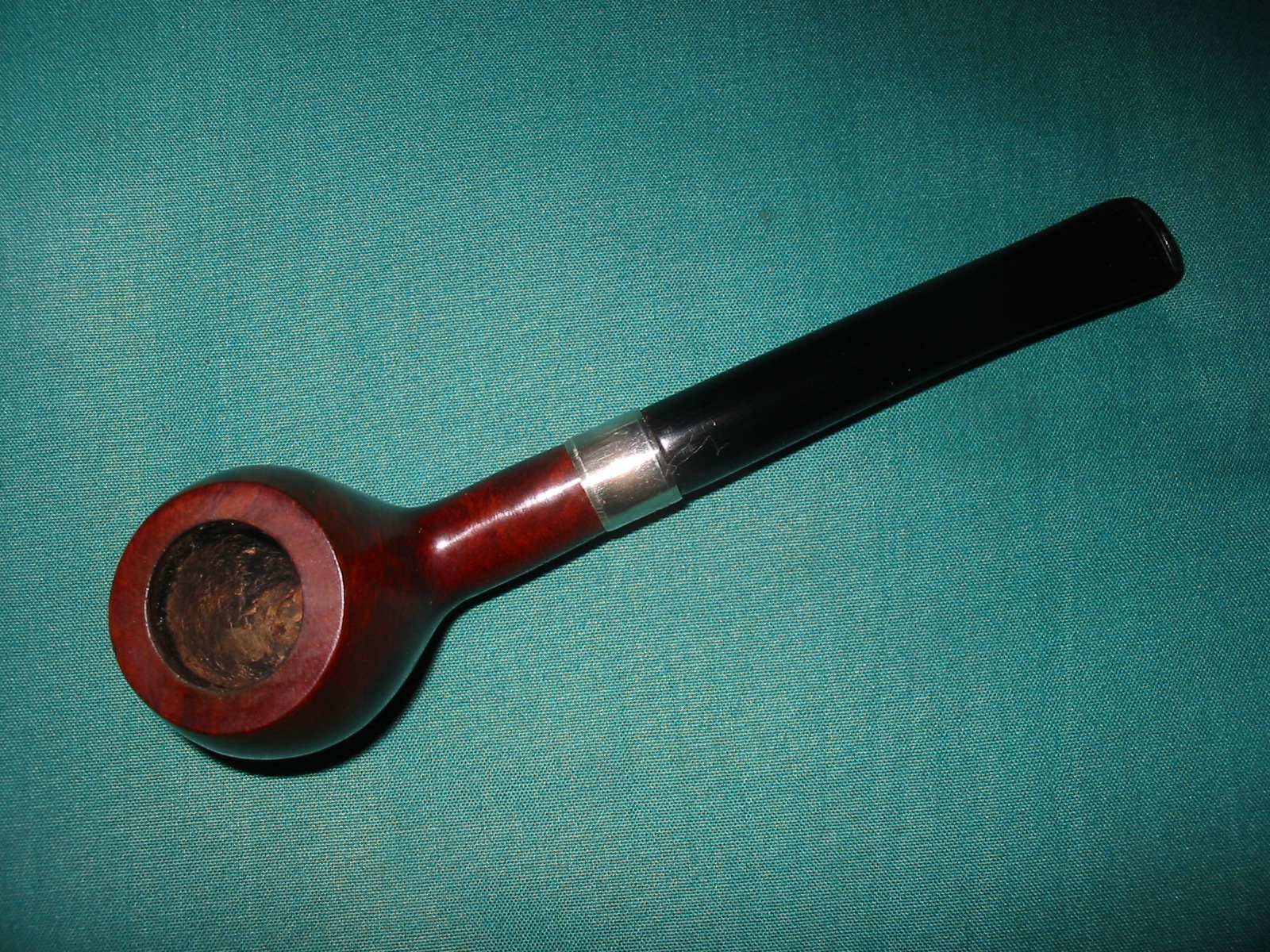
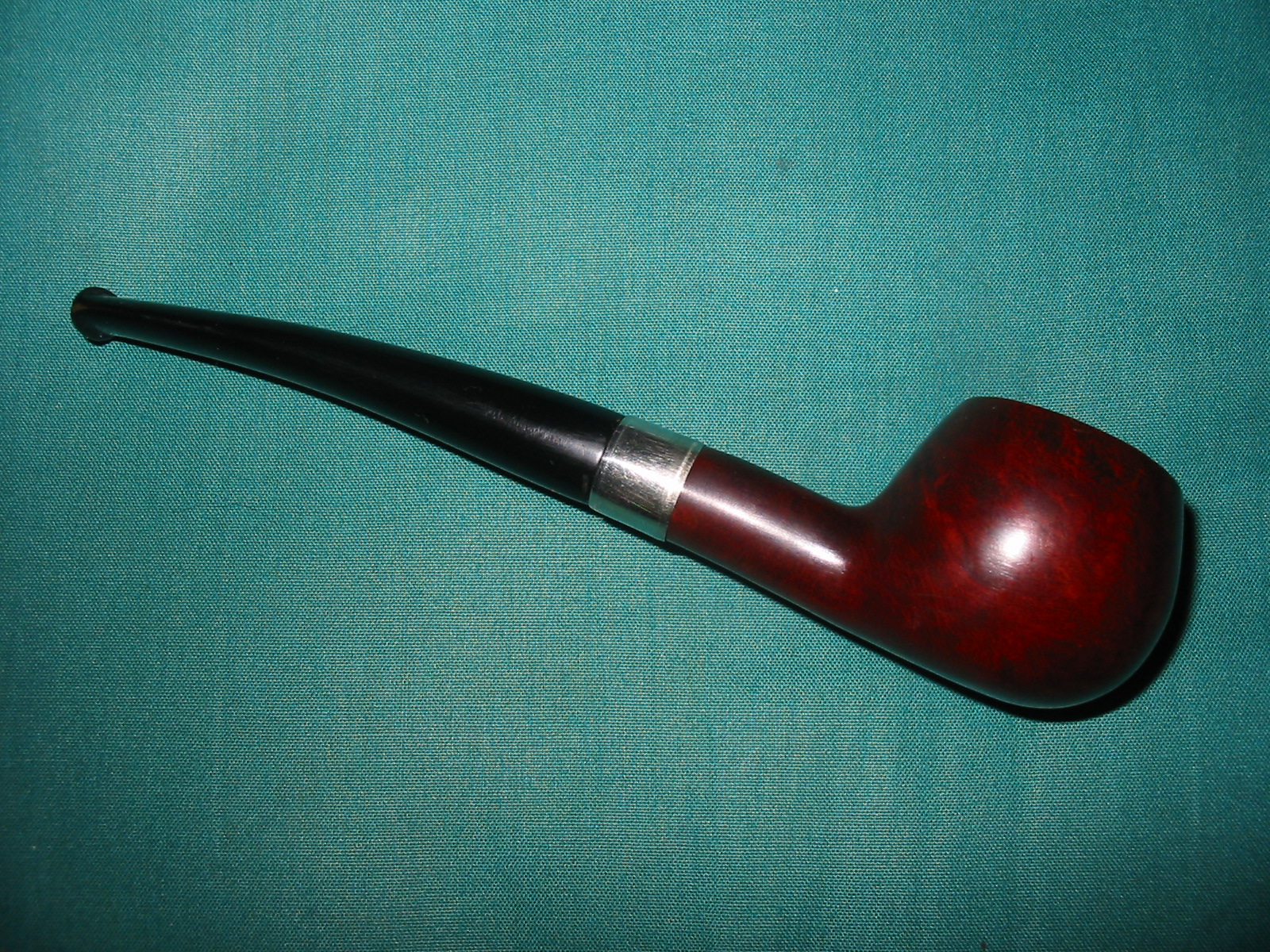
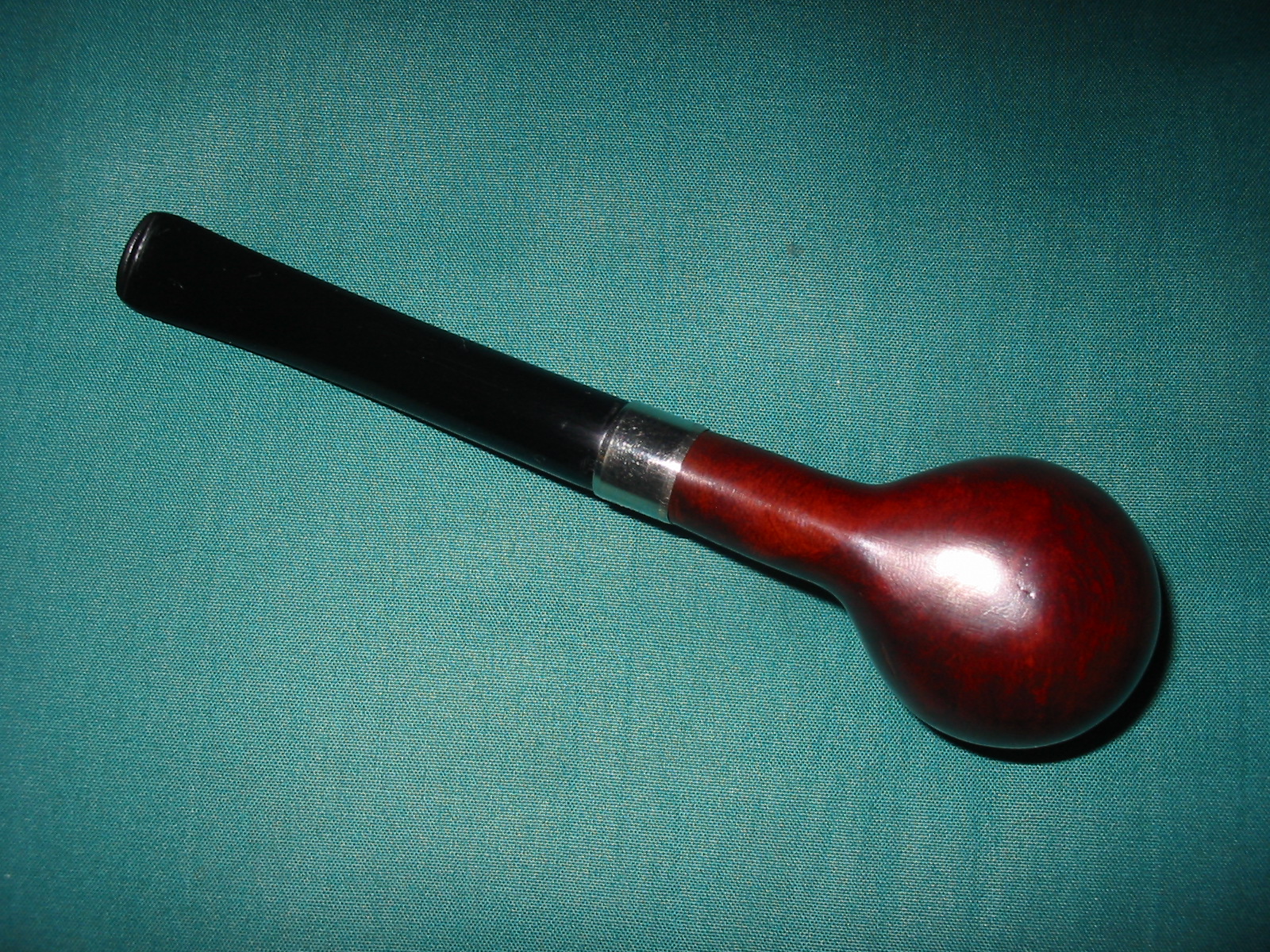
I cleaned the bowl and shank with pipe cleaners. I used my Kleen Reem drill bit to clean out the softened tars in the airway in the shank. The amount of gunk that came out is astonishing. I wiped it and ran the bit through several times to get the airway back to the briar. Then I used many pipe cleaners dipped in Everclear to finish cleaning the shank. Once I was finished I reinserted the finished stem on the bowl and gave it a coat of Obsidian Oil and then multiple coats of carnauba wax to give the pipe a finished shine. The next four photos show the finished pipe.

 rebornpipes