Author Archives: upshallfan

Unknown's avatar

About upshallfan

Moderator on the PipesMagazine forum since 2011. Guest contributor on the Reborn Pipes Blog by Steve Laug.

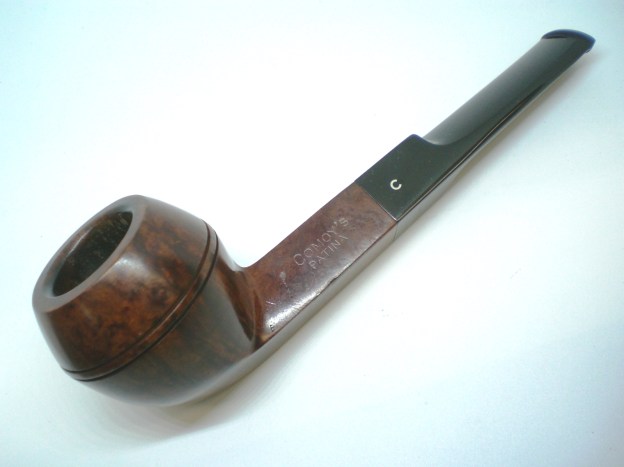
Comoy’s “Patina” Bulldog Restoration


By Al Jones

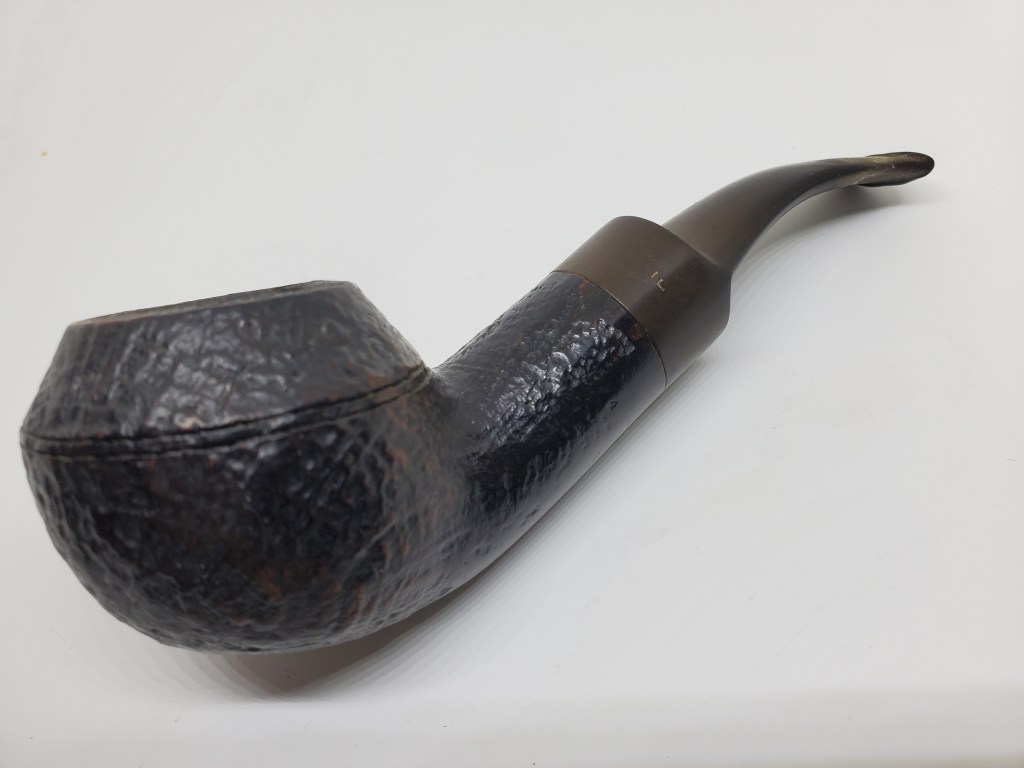
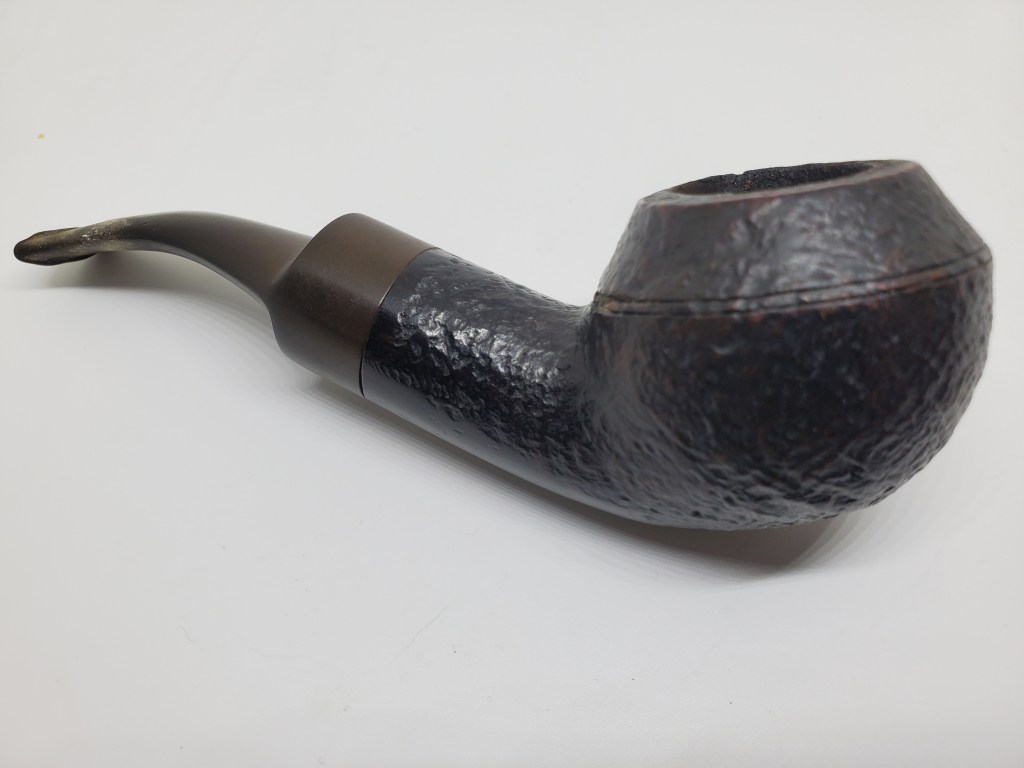
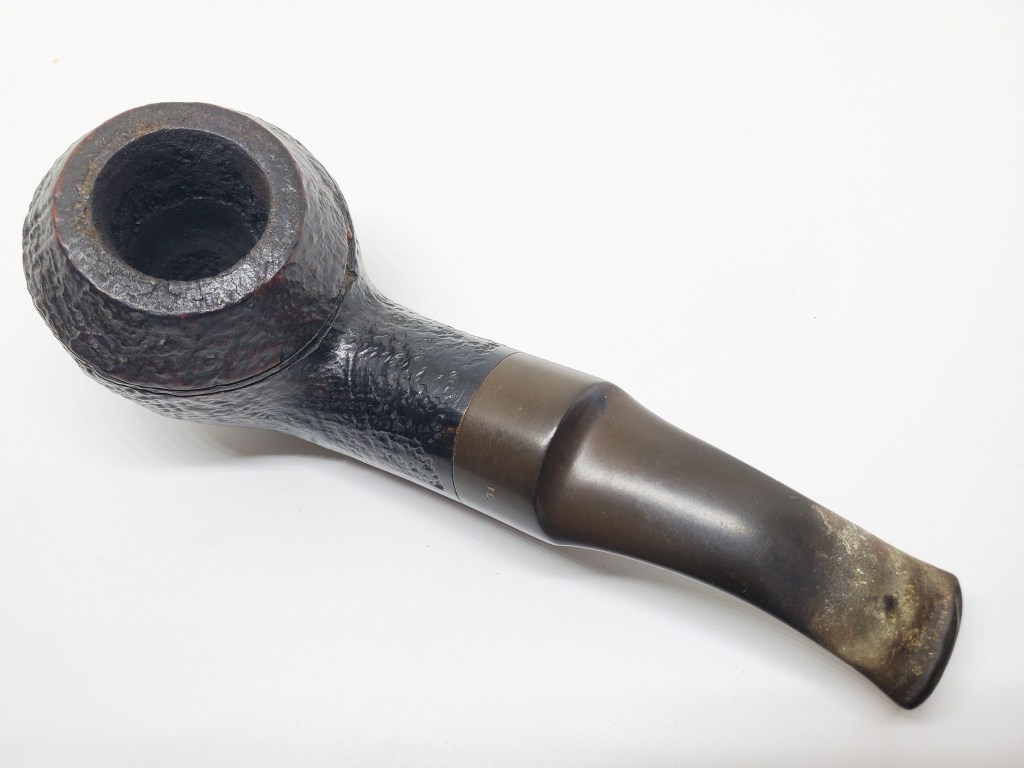
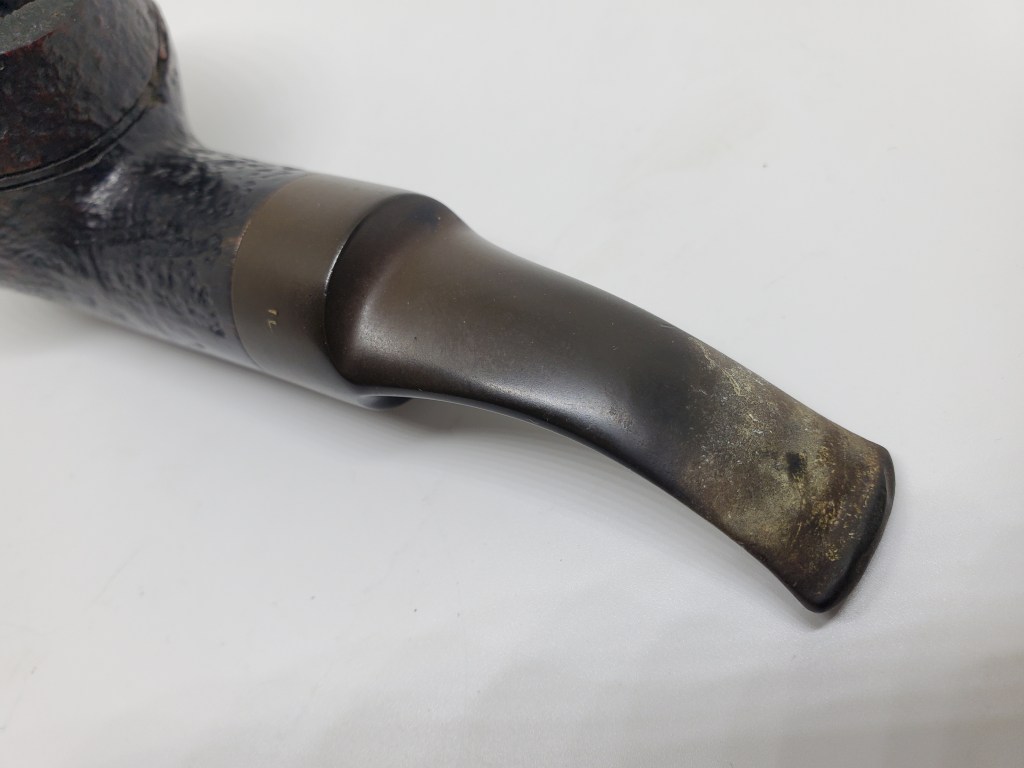
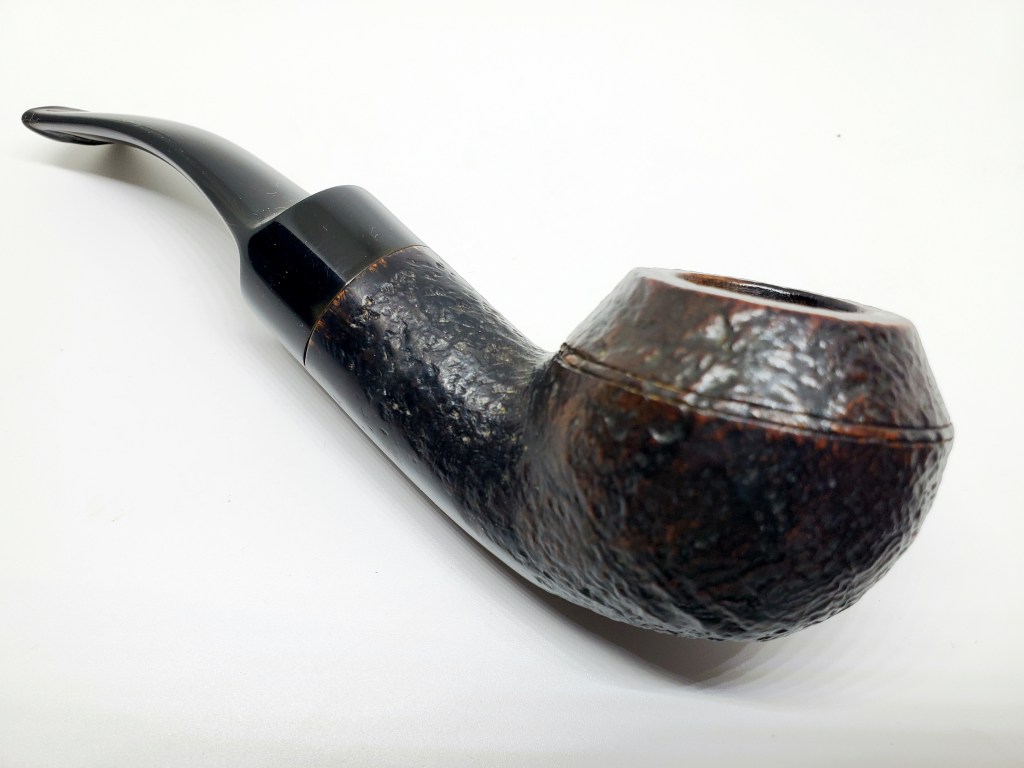
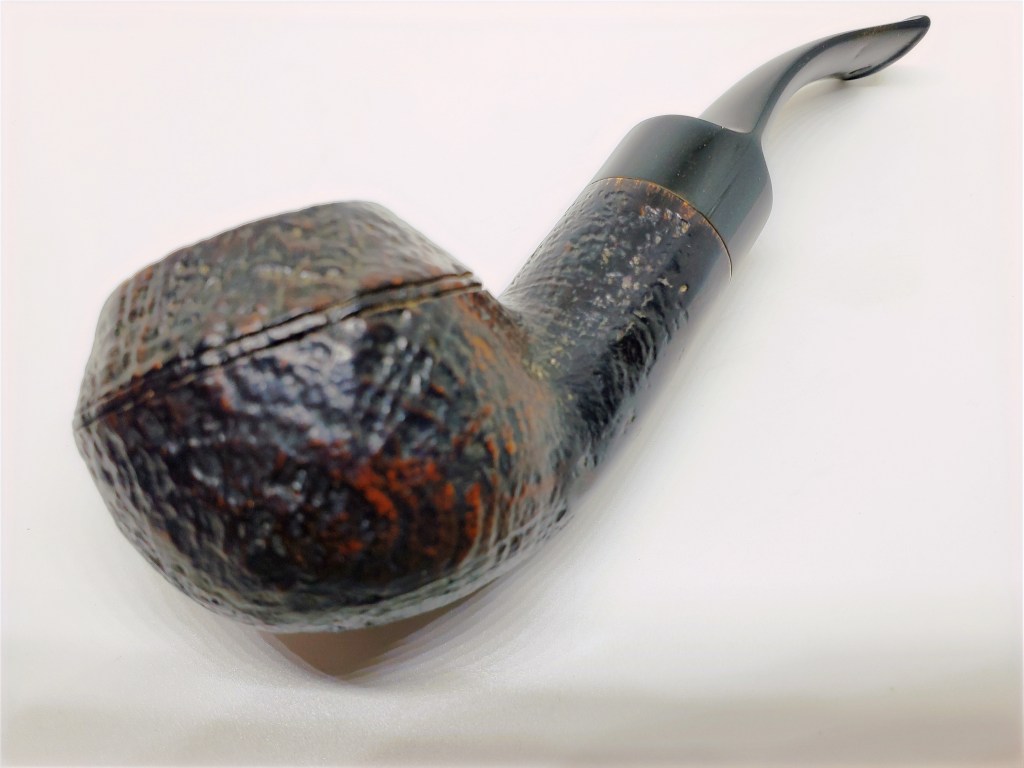
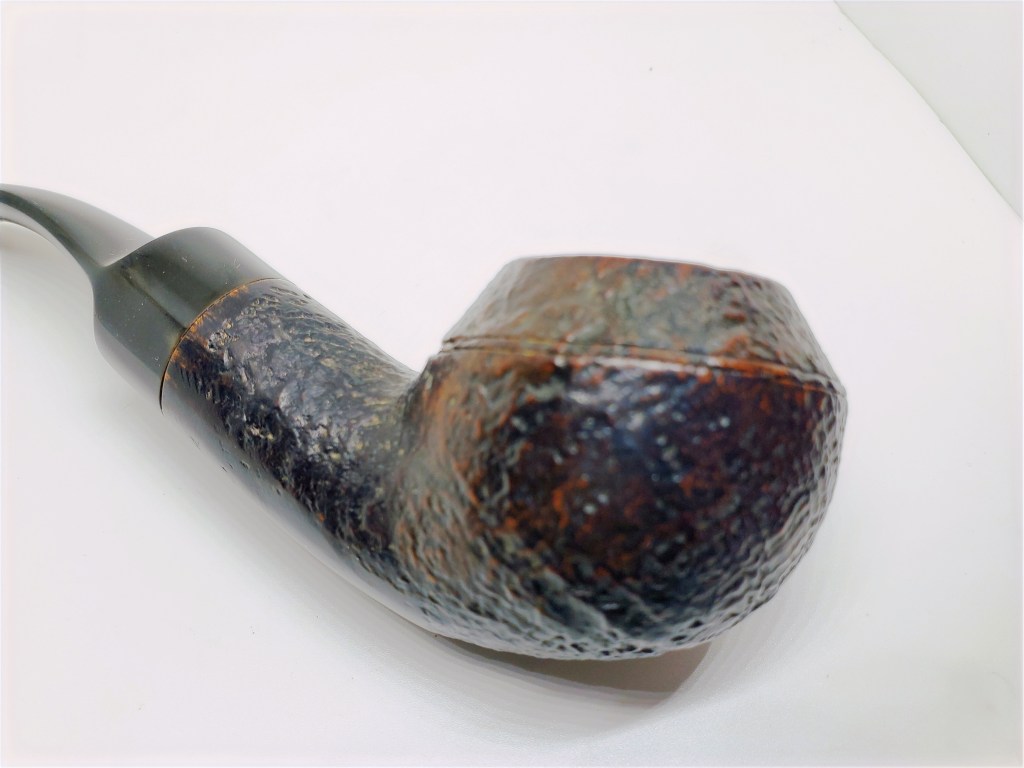
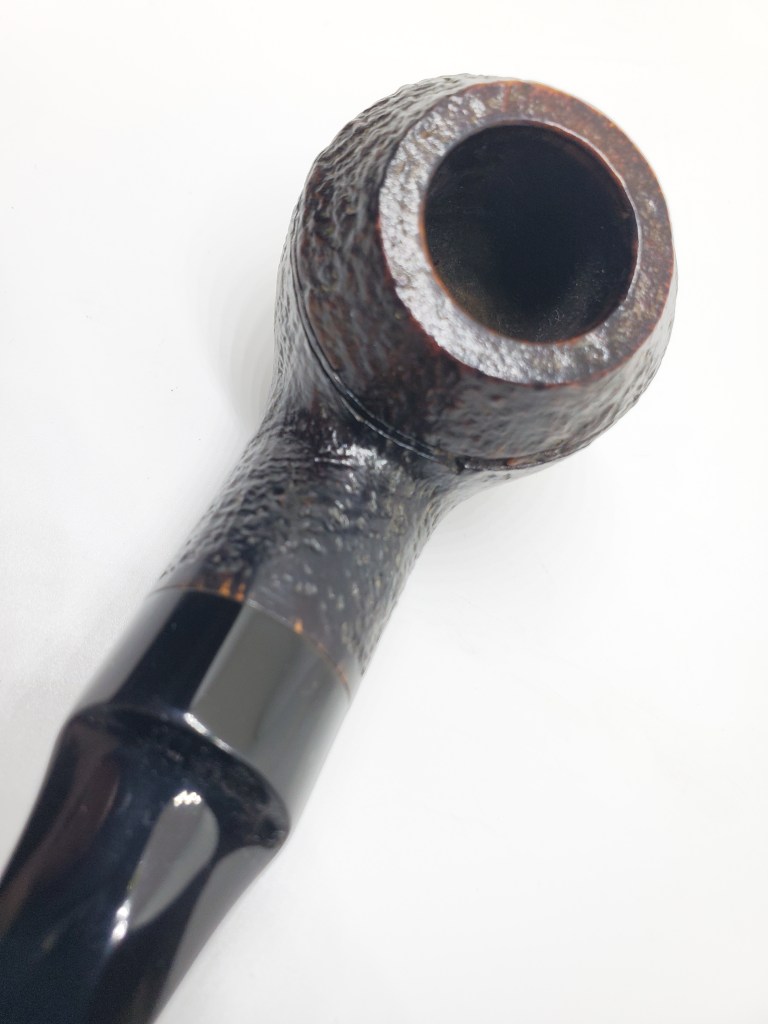
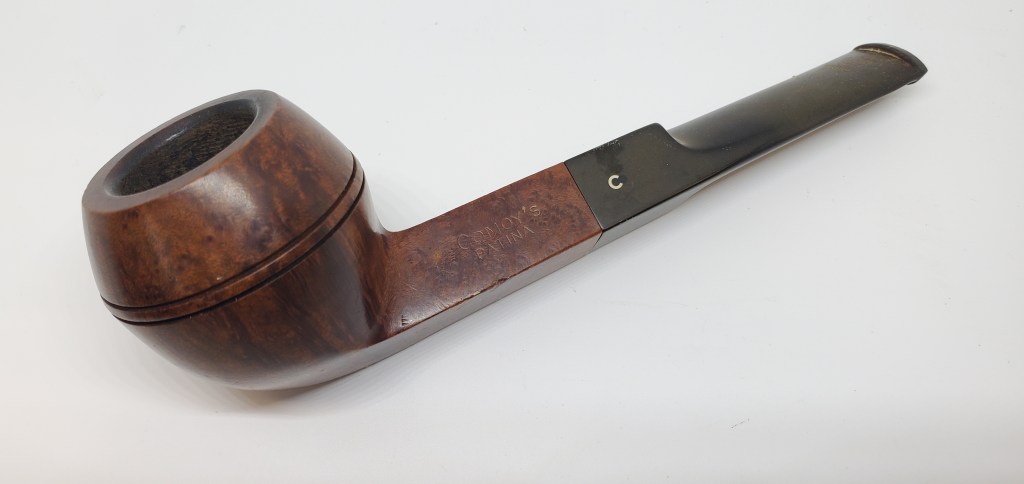
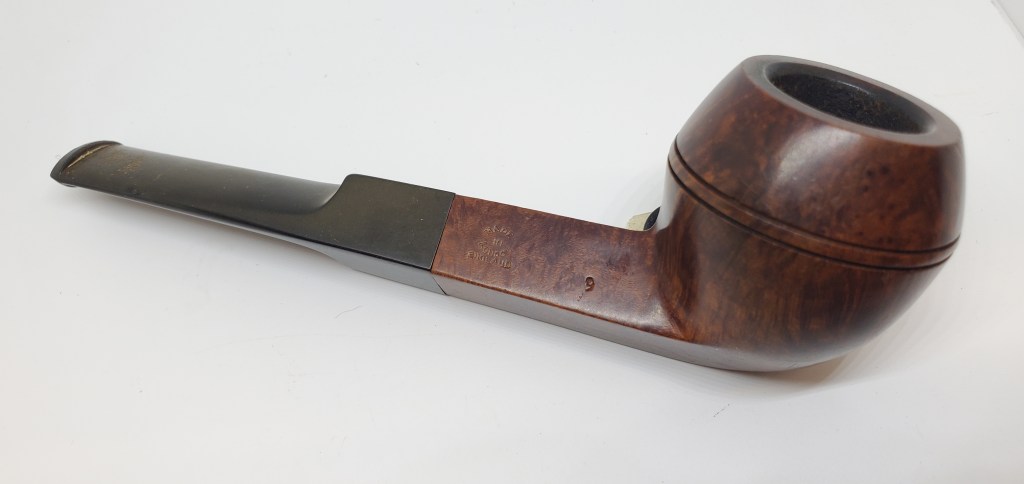
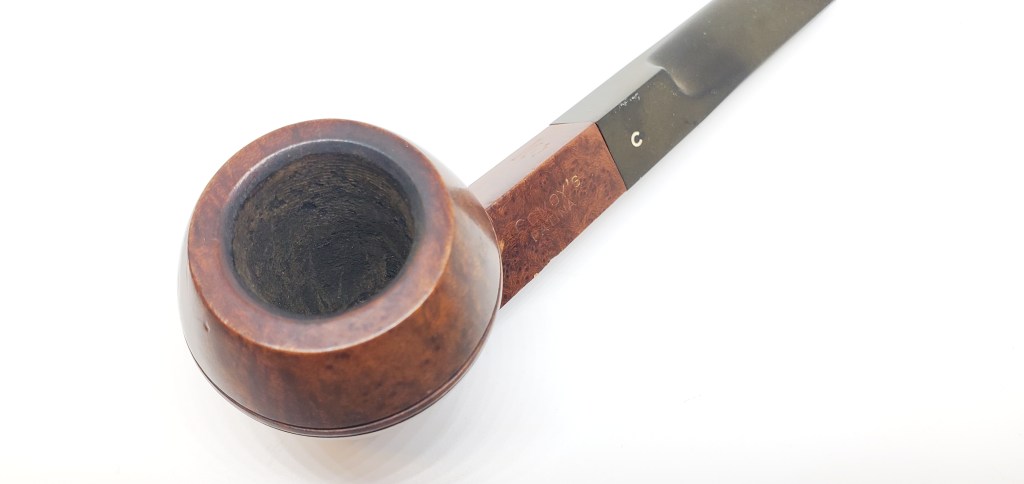
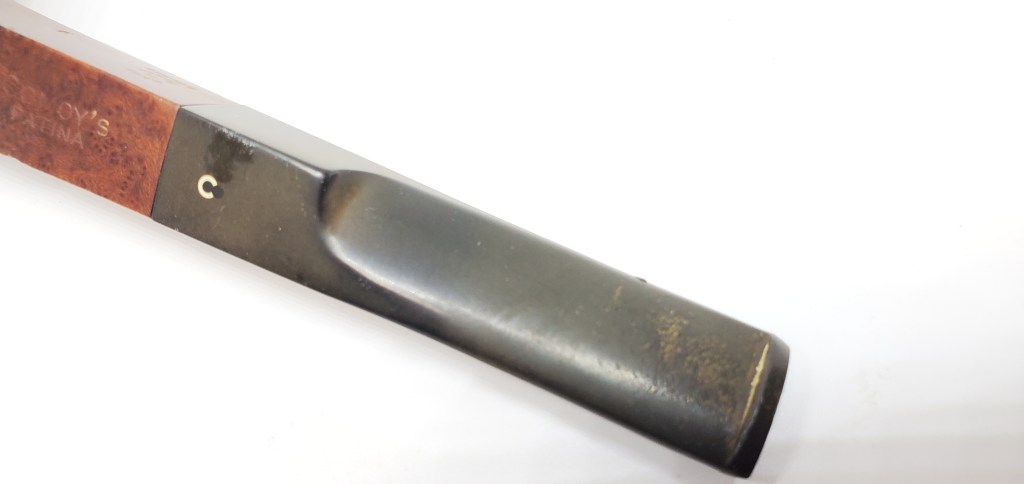
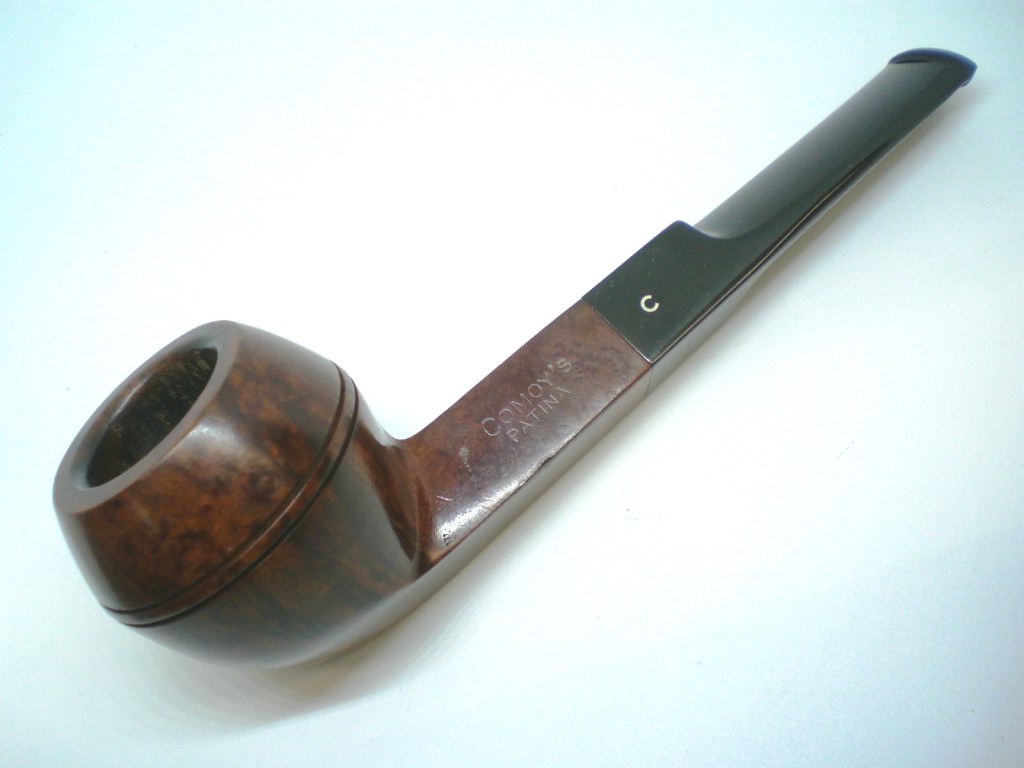
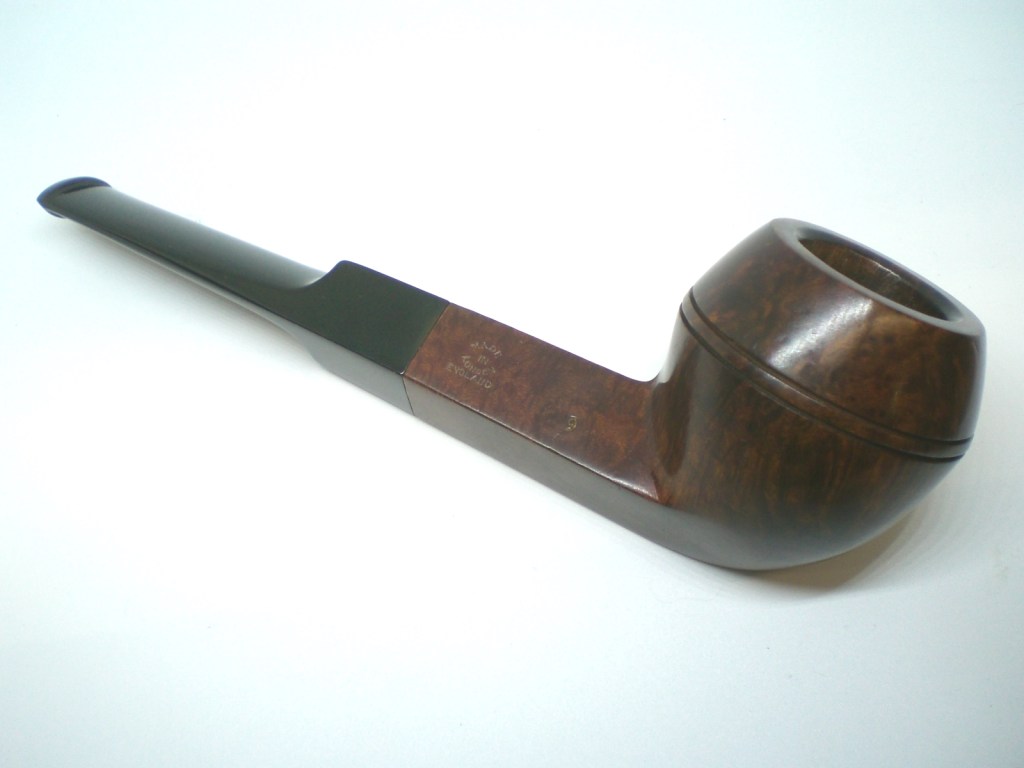
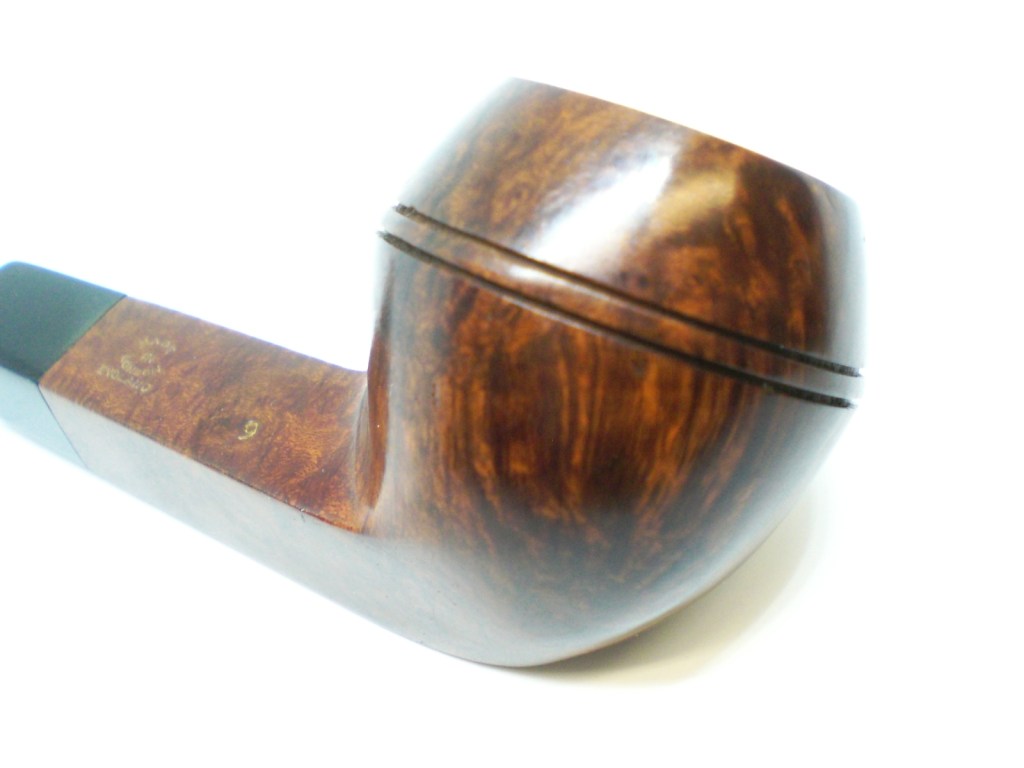
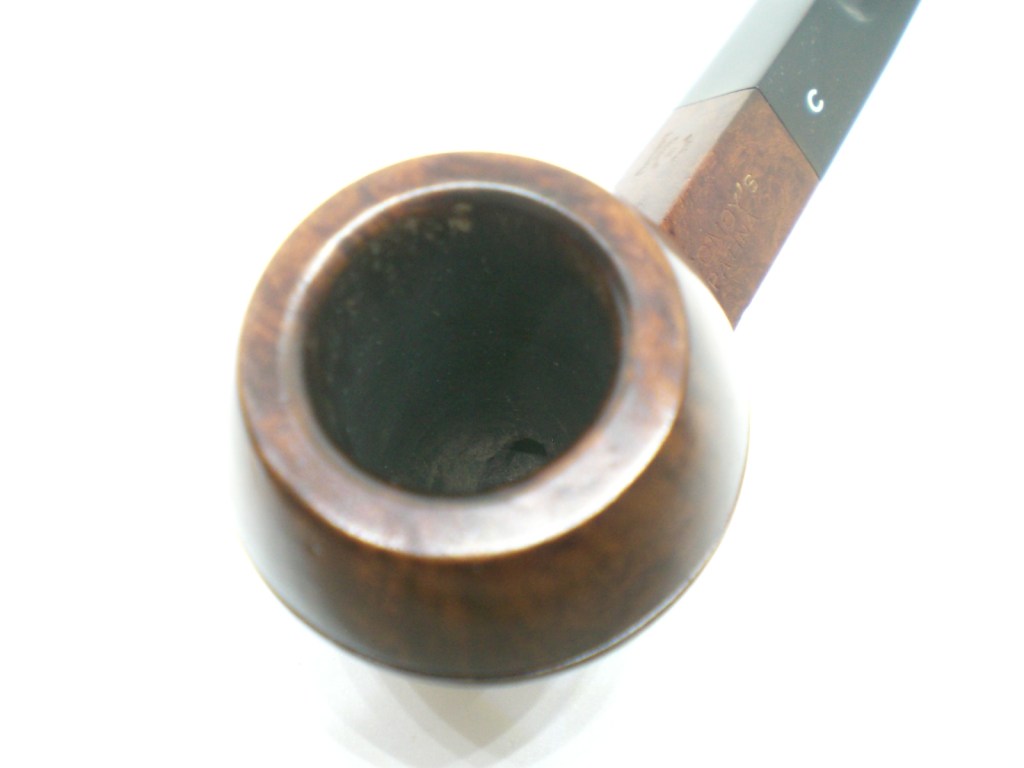
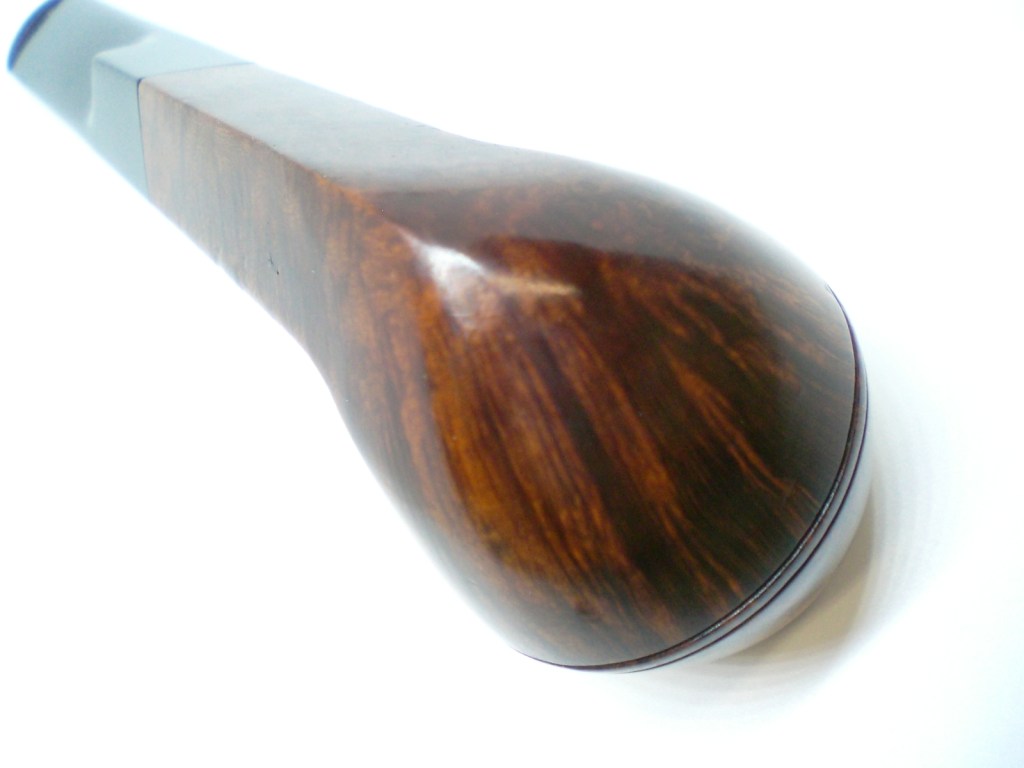
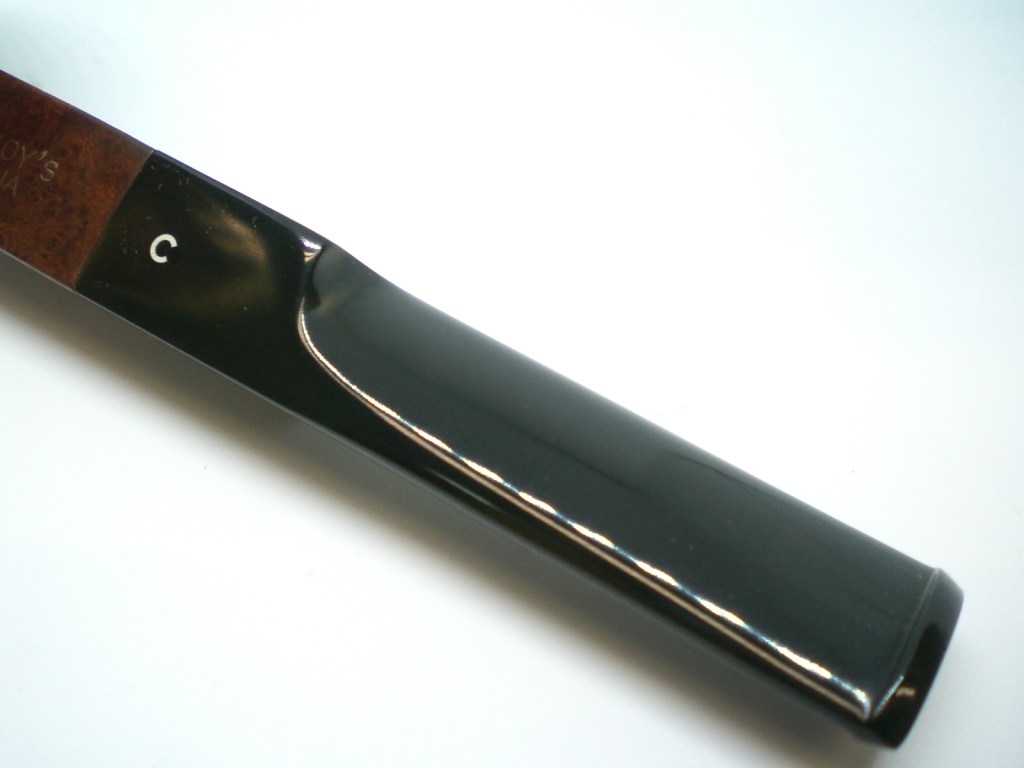
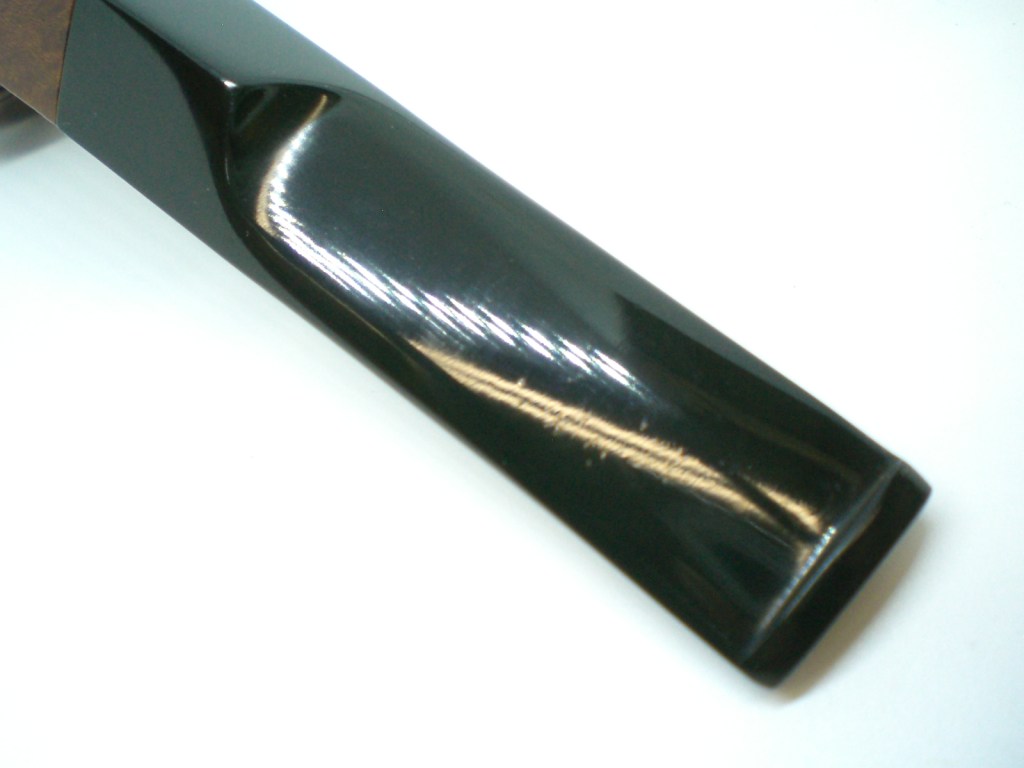
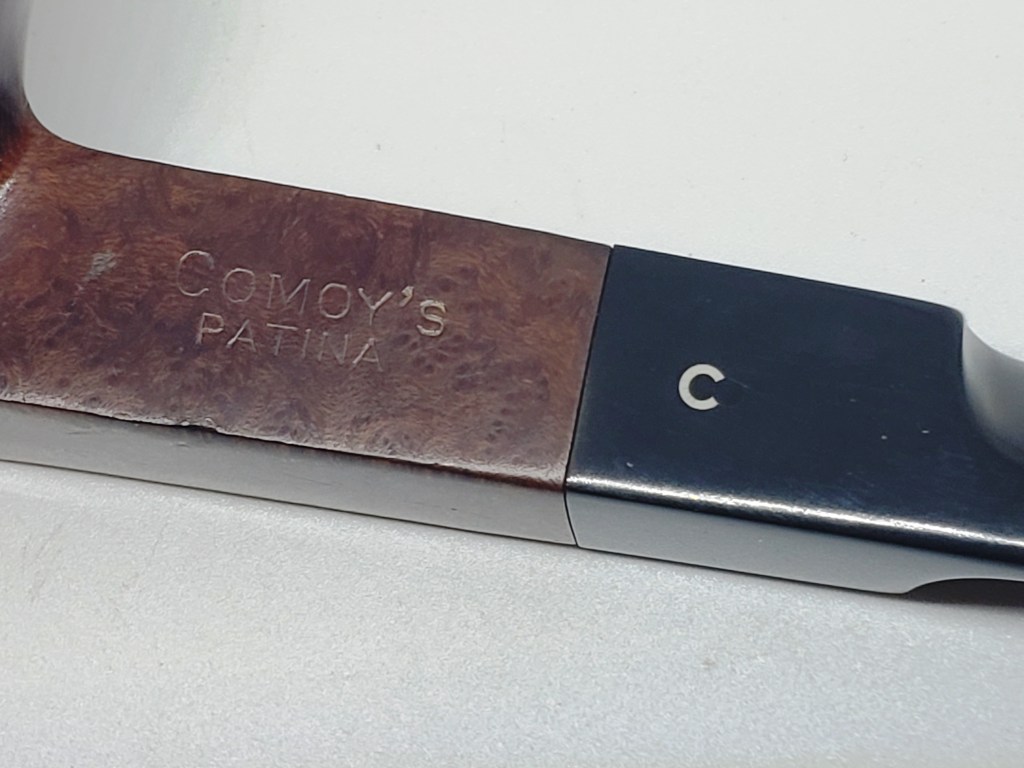
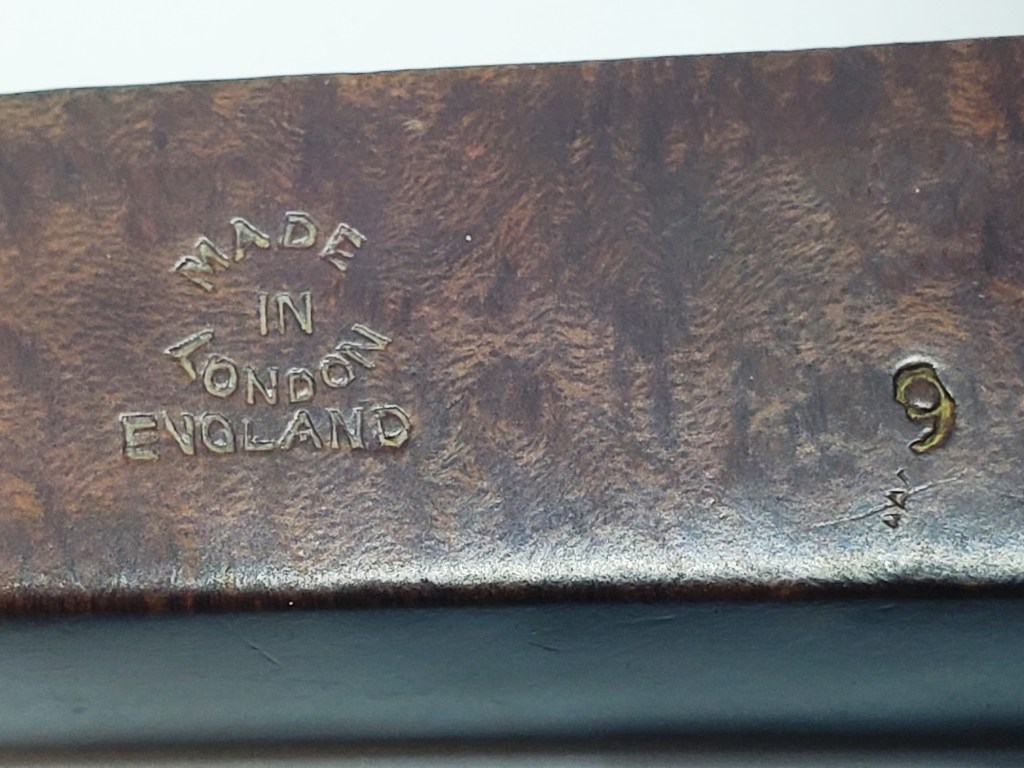
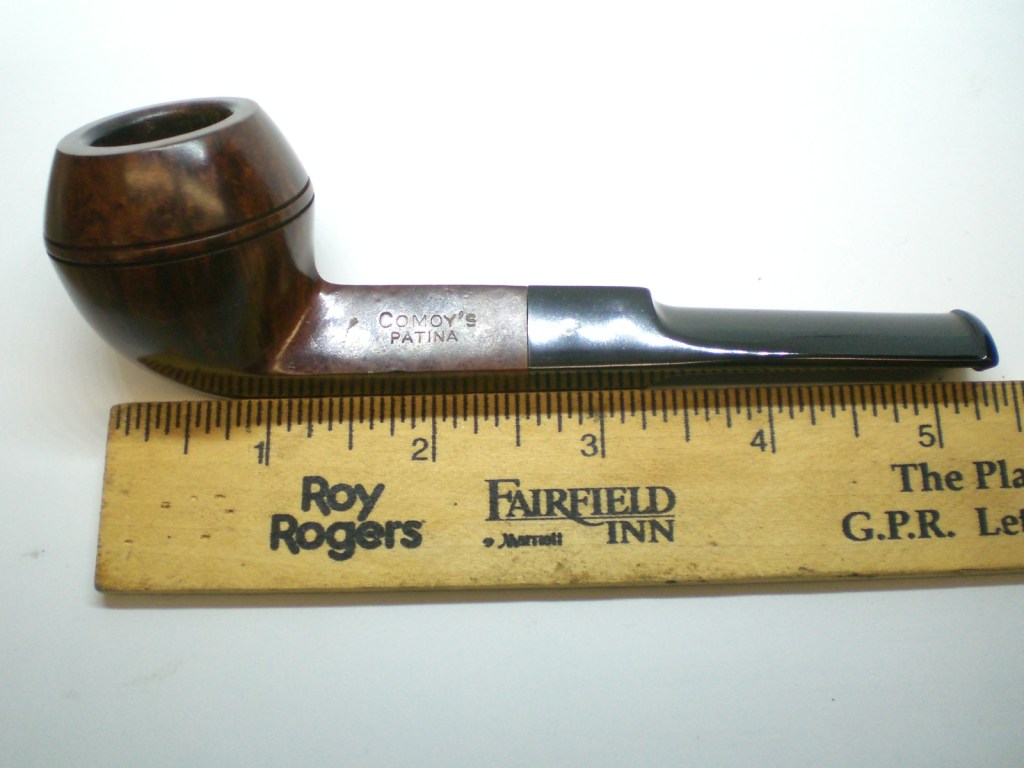
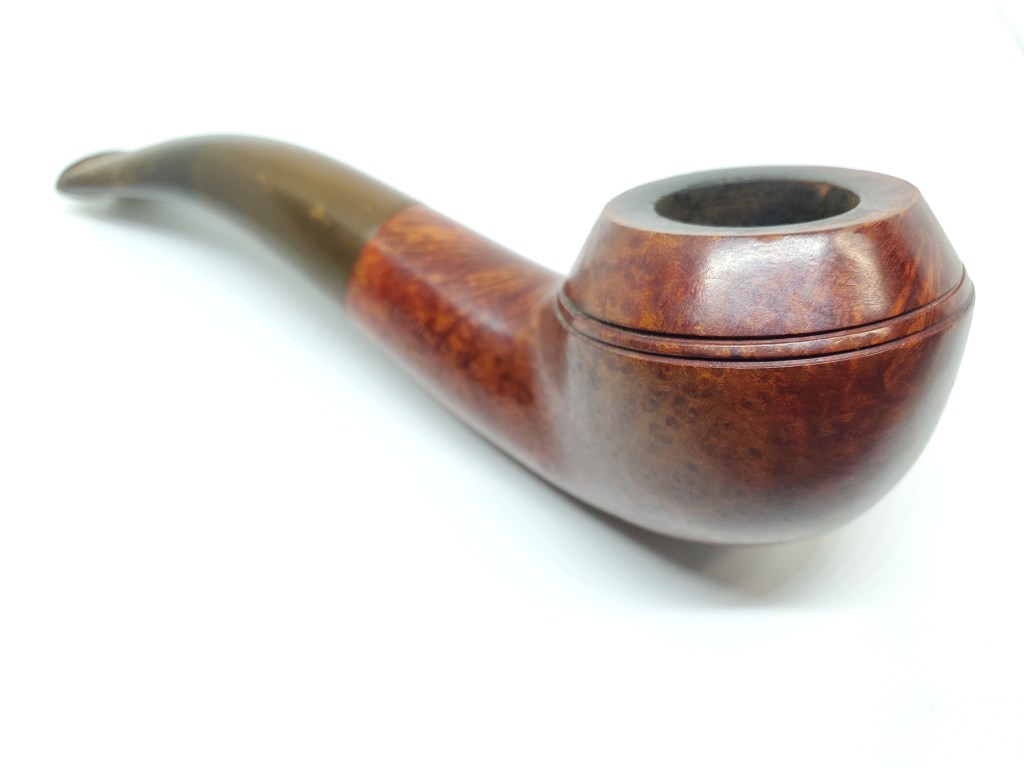
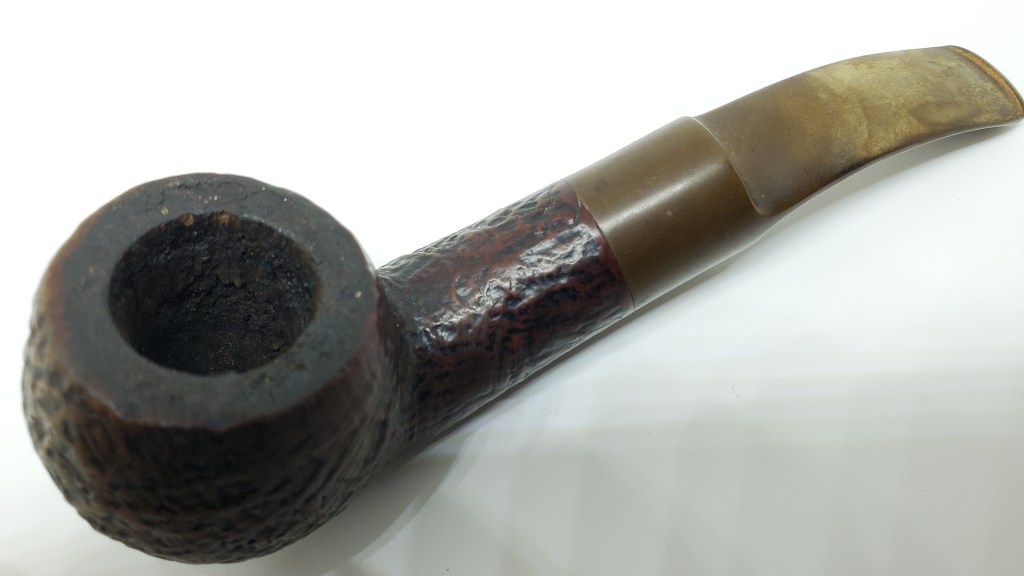
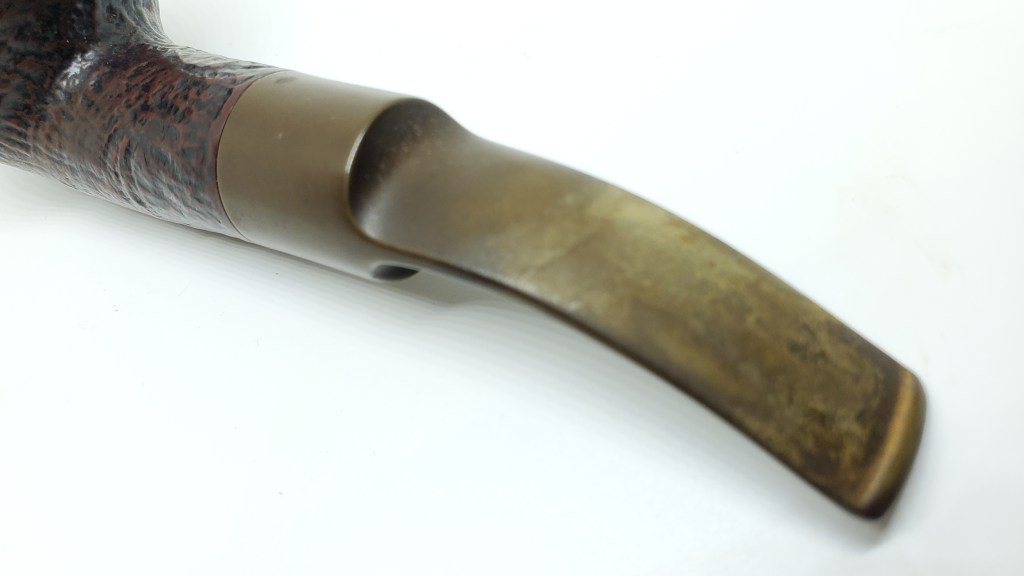
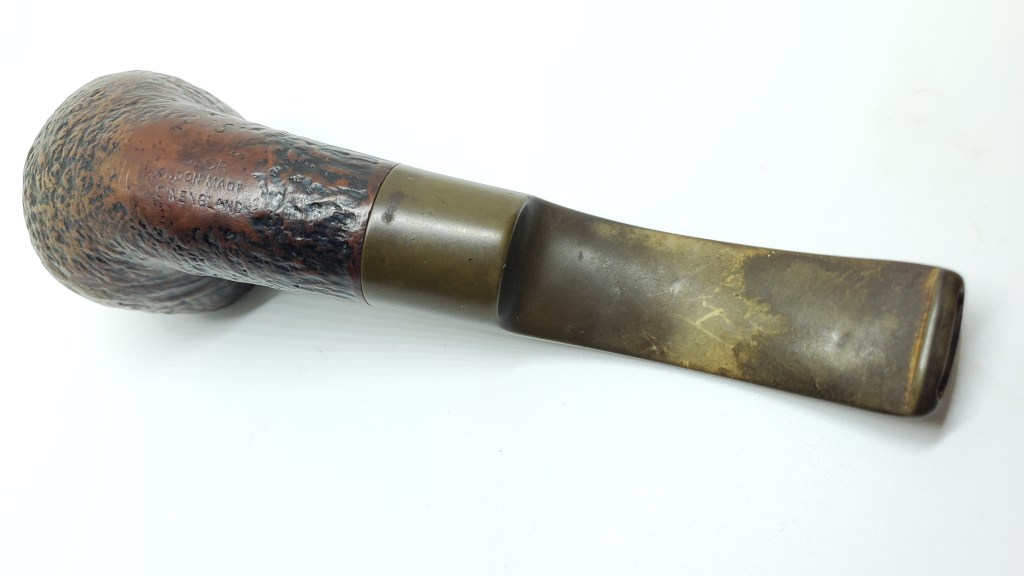
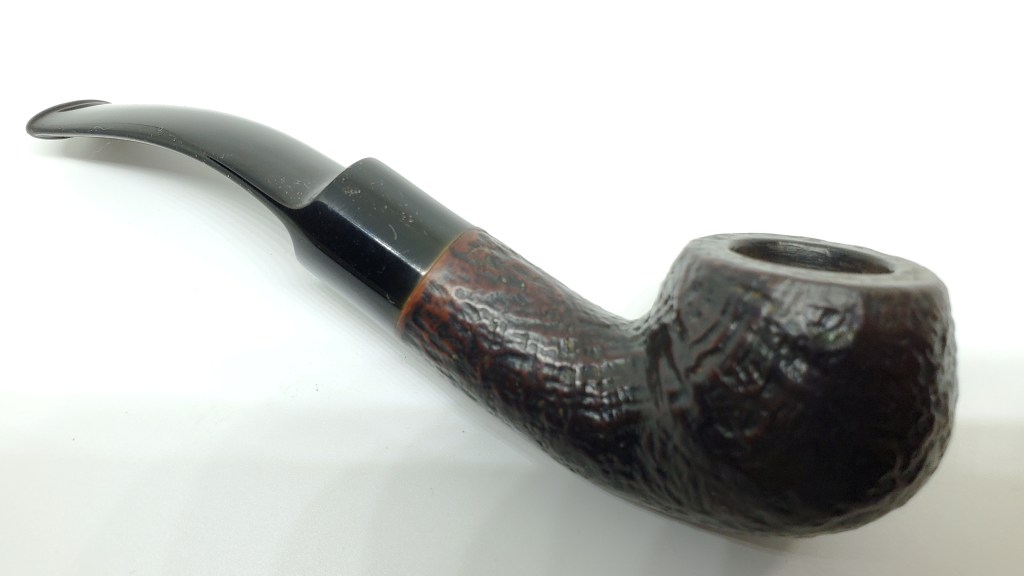
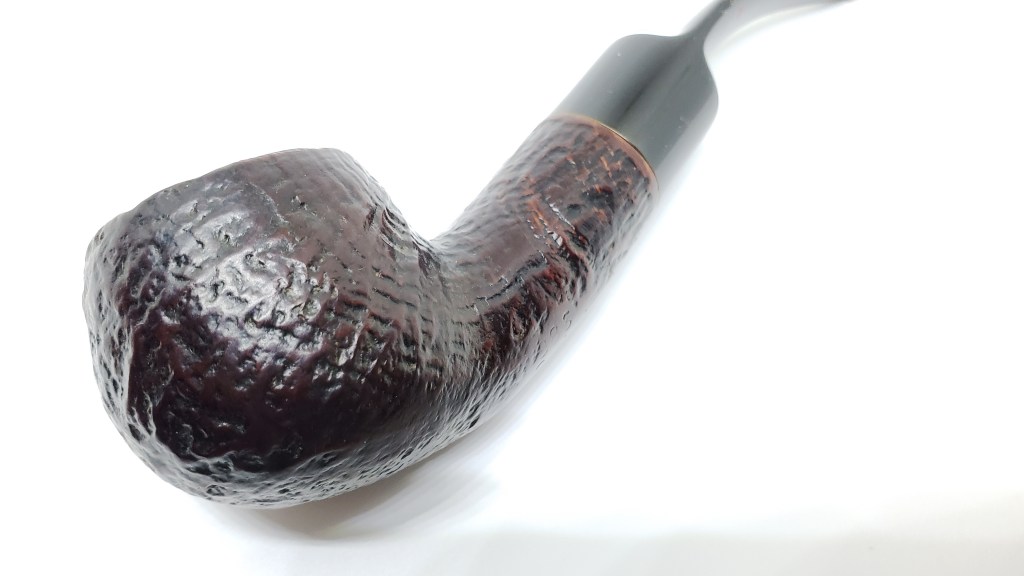
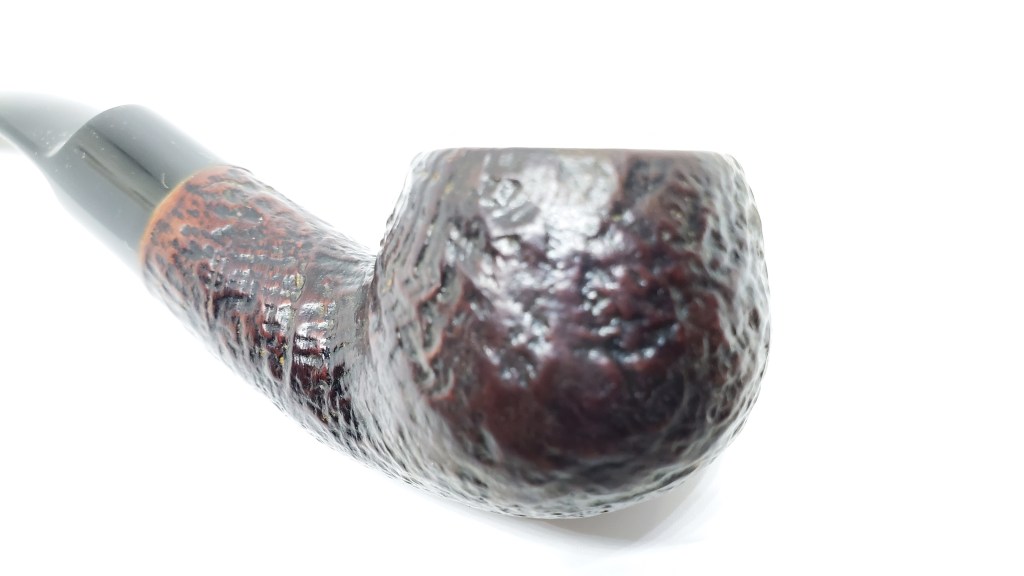
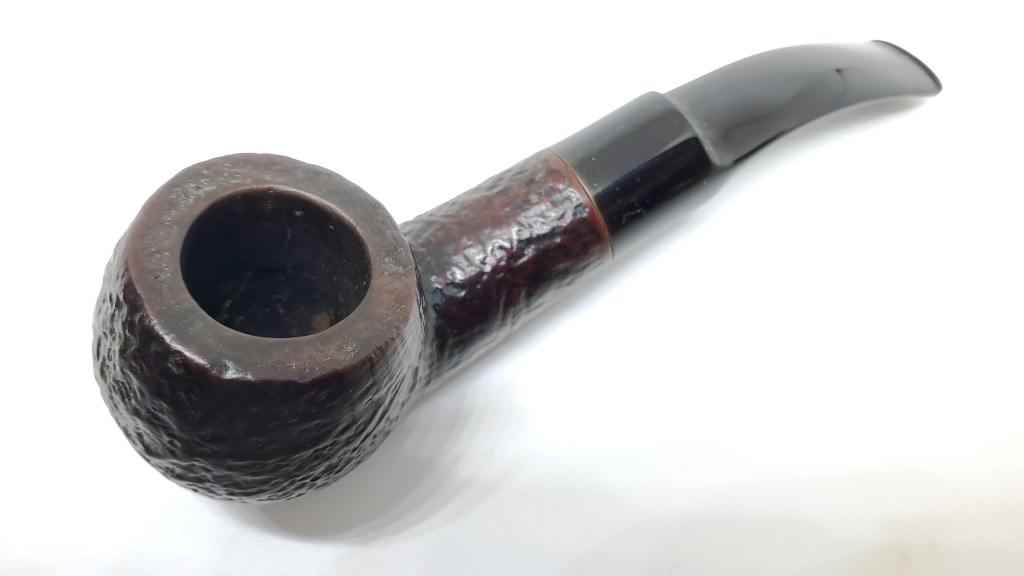
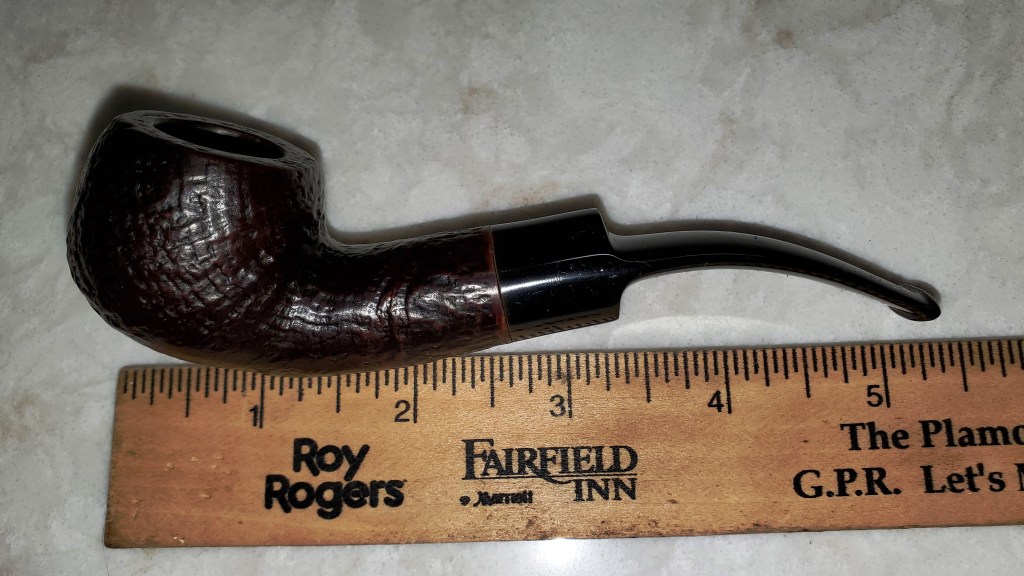
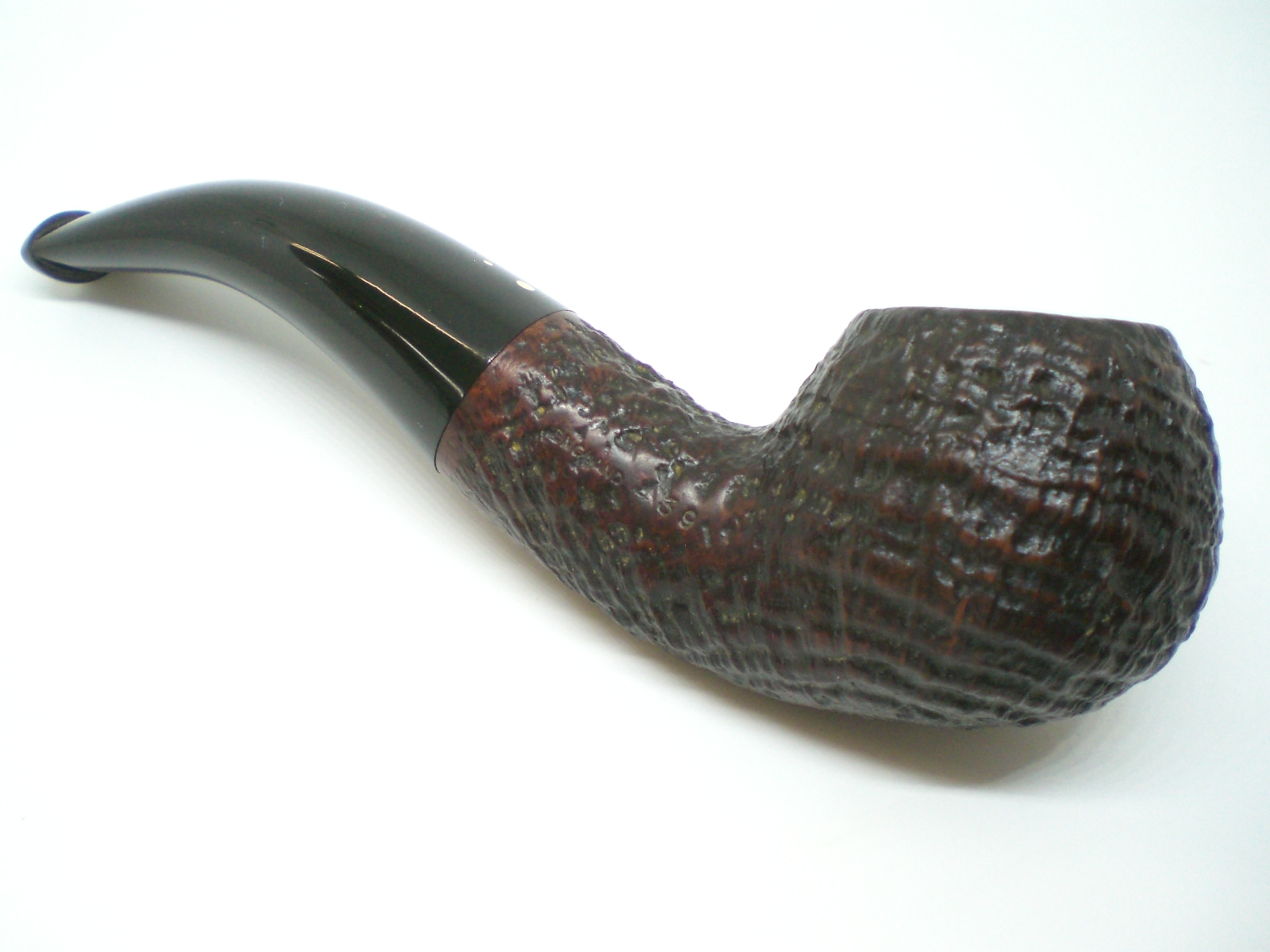
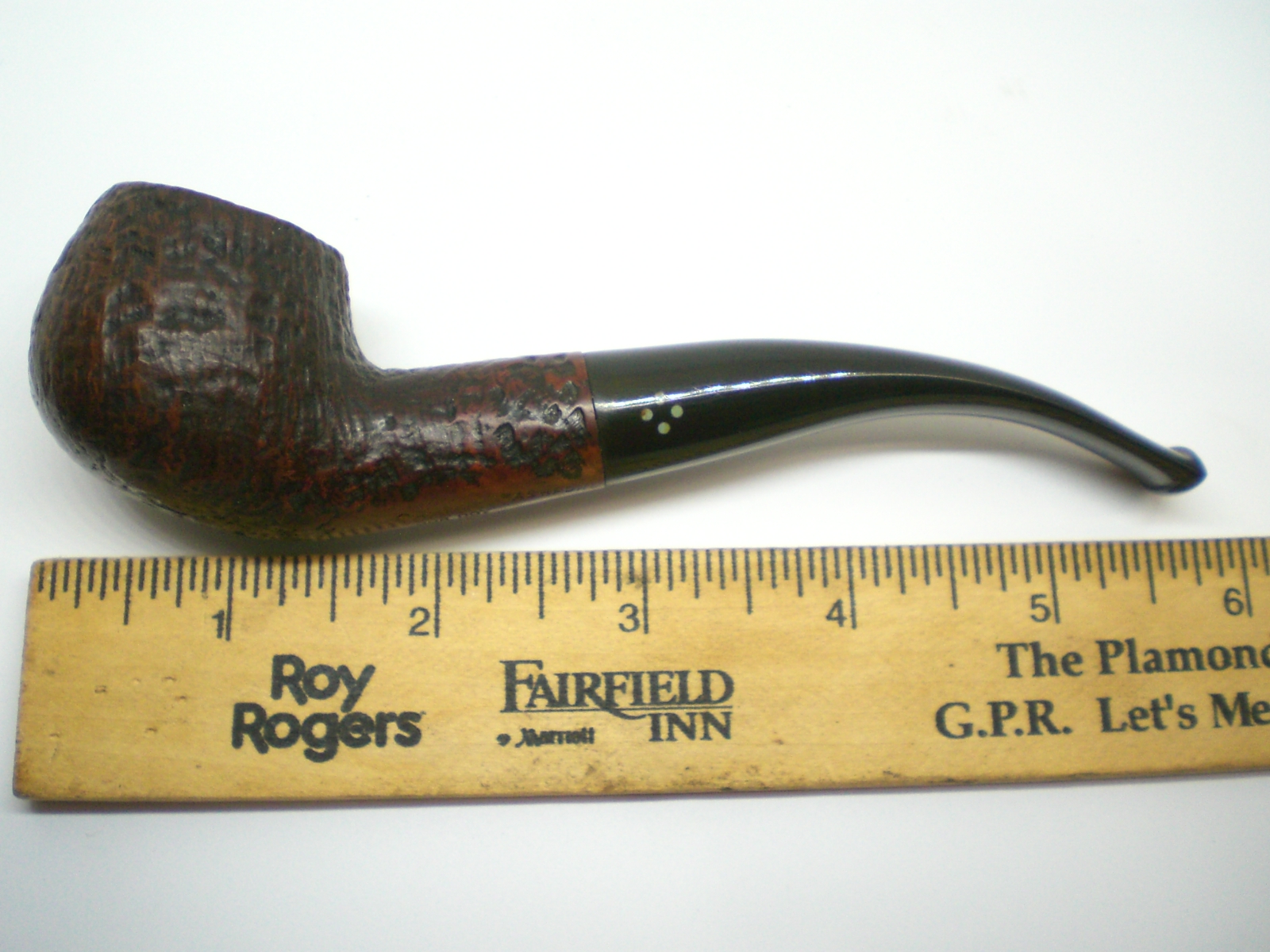
This is only the second “Patina” grade that I’ve encountered since 11 years previous. I don’t find the Patina listed anywhere in any of the Comoy’s catalogs that I’ve seen. The COM stamp and 3 piece “C” stem logo date it from the late 1940’s to the 1981 merger. The pipe was very lightly smoked and it looked like it would be an easy restoration. The Below is the pipe as it was received.

The Shape 9 has been seen several times on this blog. Below is a catalog shot, from one of Steve Laug’s restoration of this shape.

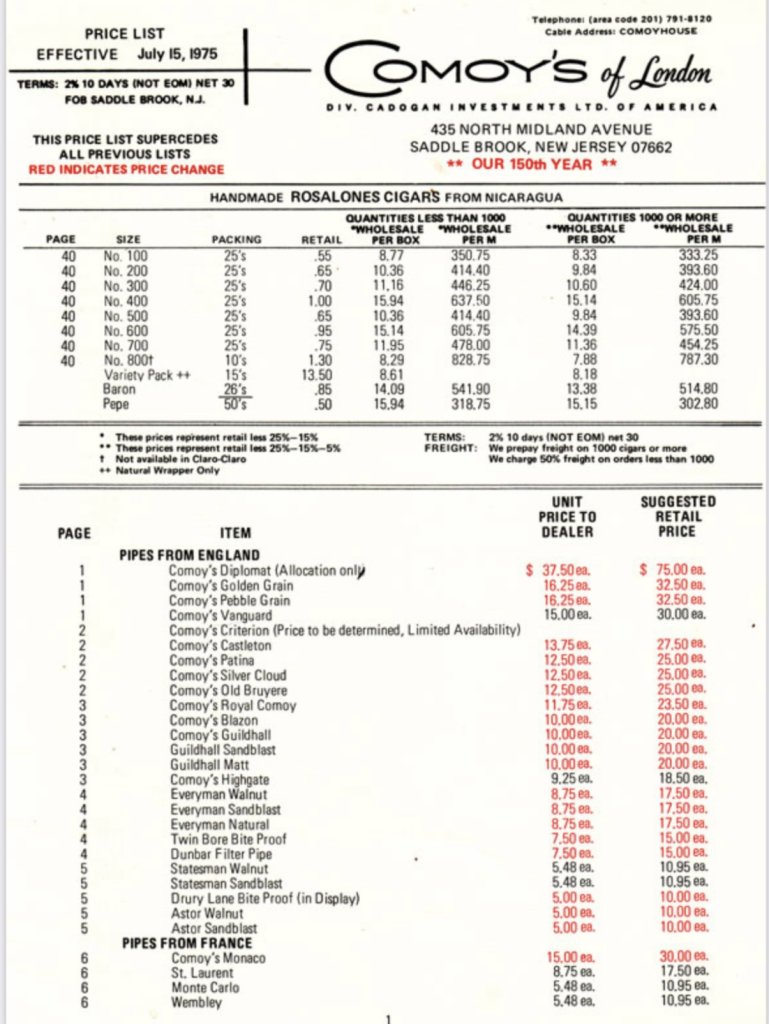
When I first published this entry, I knew very little about the “Patina” grade. I posed the blog article to the Restoration section of the PipesMagazine.com forum. Forum member and noted tobacciana historian, Jon Guss replied and provided some additional information about the Patina grade. He shared the information below, and price list, from a 1975 catalog.

Hi Al, I can tell you a little about the Patina but only a very little. It was in the middle to lower tier of Comoy’s branded models, introduced in 1973 and withdrawn in the early Eighties. There are a number of 1970s Comoy catalogs floating around and anyone who has one (I don’t) can transcribe the entire copy for you. I’m pretty sure advertisements and/or catalogs referred to the briar as “specially selected” and “aged”, and to the “reddish walnut color” stain as a special selling feature (hence Patina). At least one ad labeled the pipe as “moderate in price, exceptional in looks”. In 1975 the Patina was retailing at $12.50. Cheers, Jon

I reamed the very slight cake, and the bowl was soaked with Sea salt and alcohol. I used a bristle brush dipped in alcohol to scrub the interior of the shank. I used some micromesh to remove the darkening of the rim. The stem was mounted, and the bowl was buffed lightly with White Diamond and several coats of Carnuba wax.

With the stem mounted, I removed the oxidation with 800, 1,500, and 2,000 grade wet sandpaper. That was followed by 8,000 and 12,000 micromesh sheets. The stem was then buffed with White Diamond and Meguiars plastic polish.

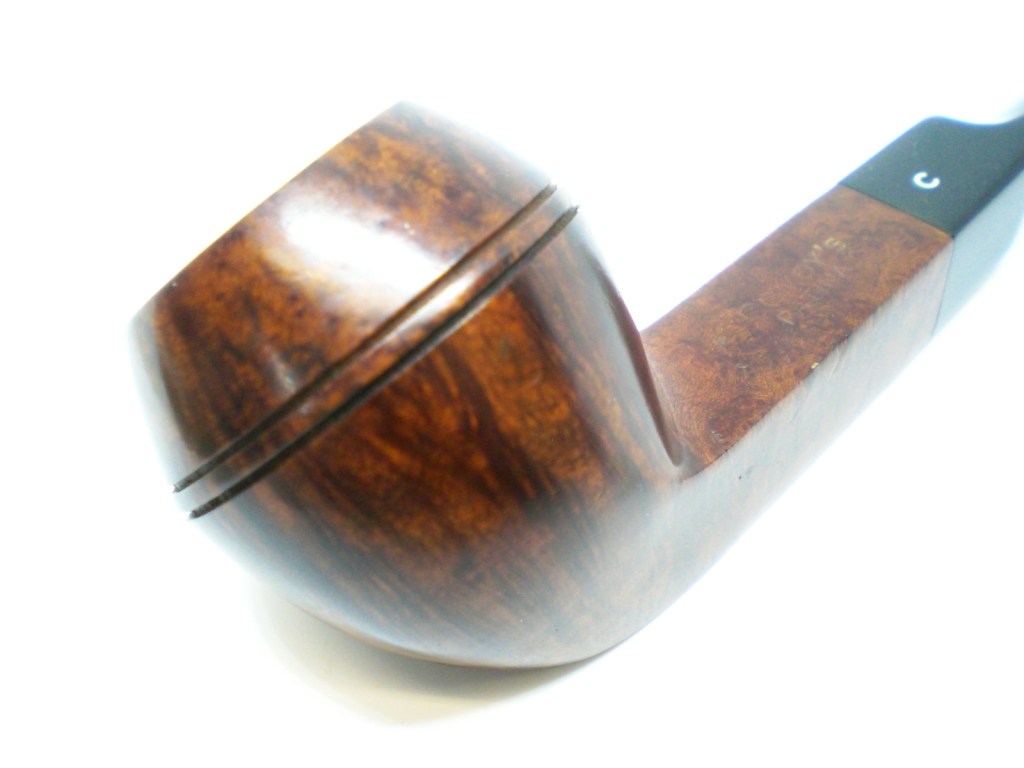
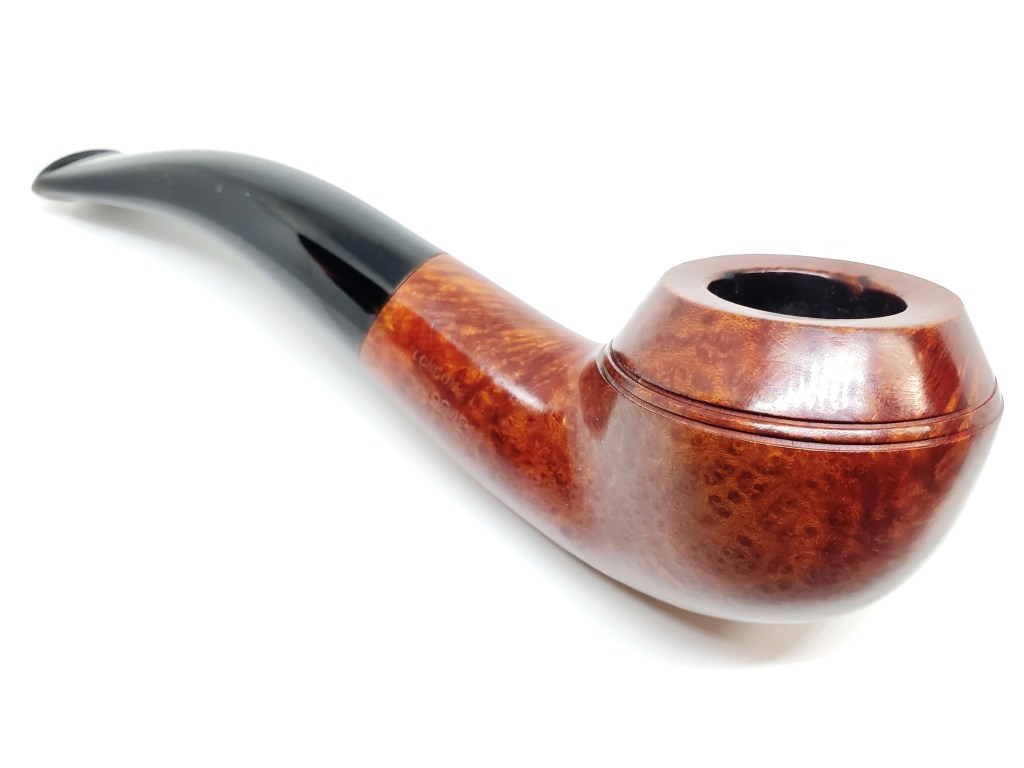
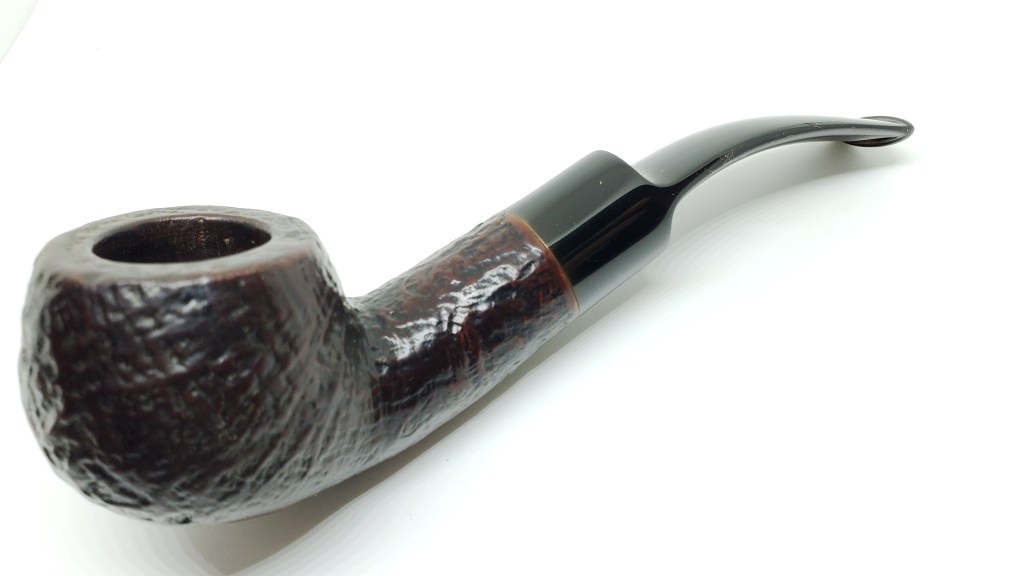
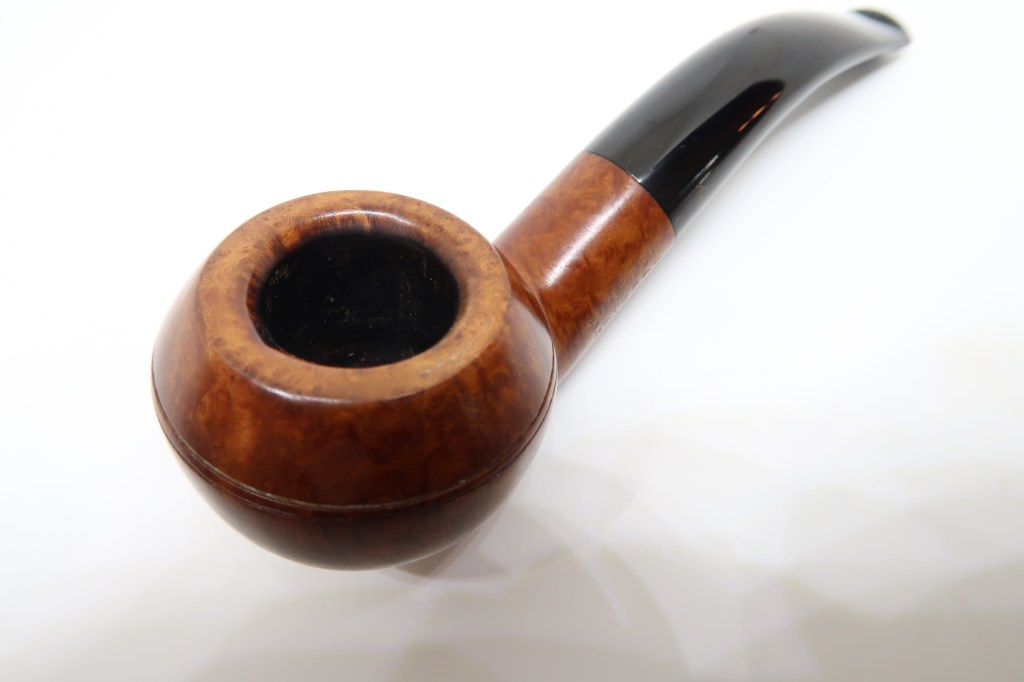
Below is the finished pipe.

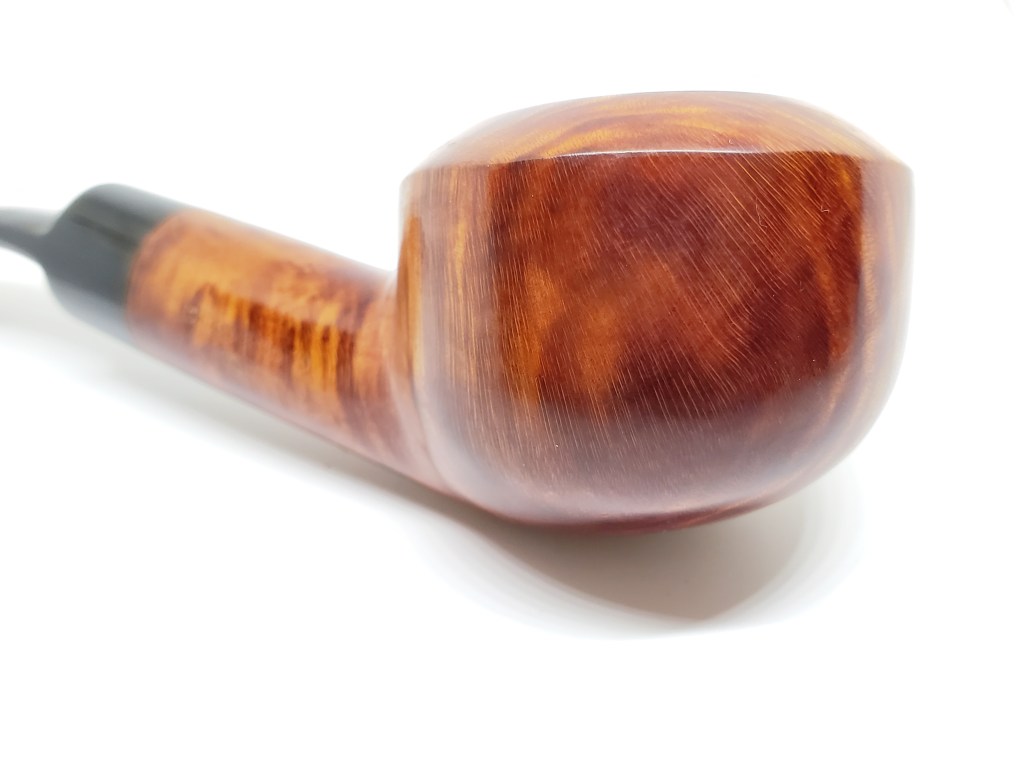
Grail Acquisition & Restoration: GBD 9242 New Standard


By Al Jones

The GBD shape 9242 was one of the first few shapes on my “Holy Grail” list of British pipes. Over the years, I’ve managed to acquire a few and this one is currently the fourth in my collection.

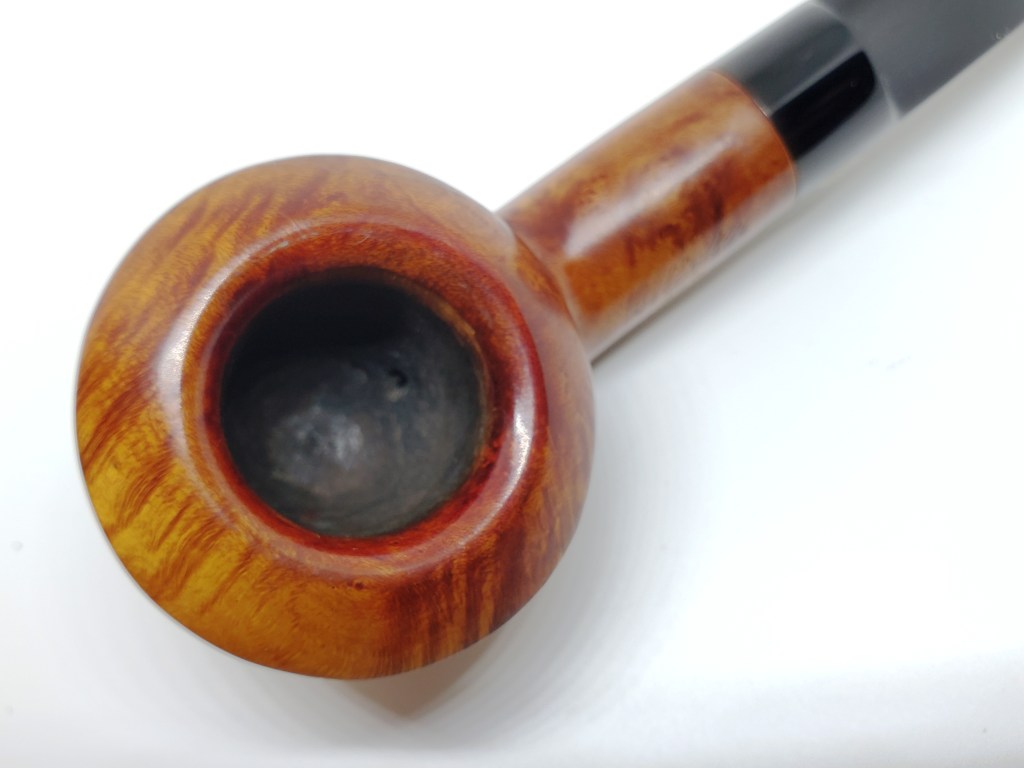
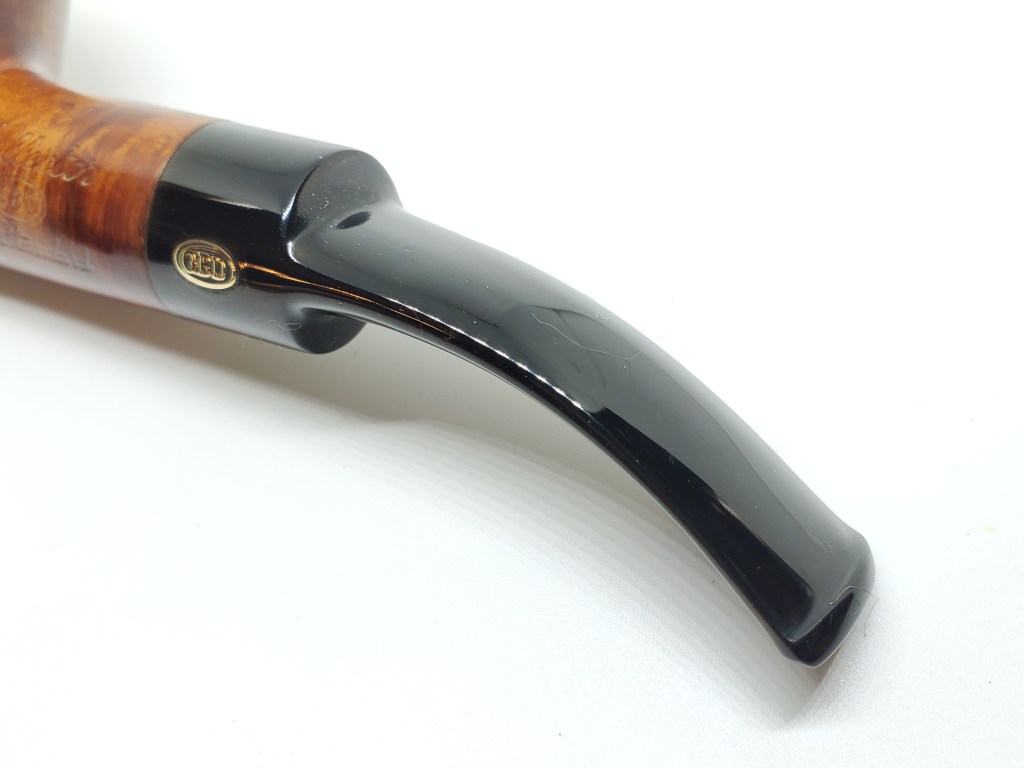
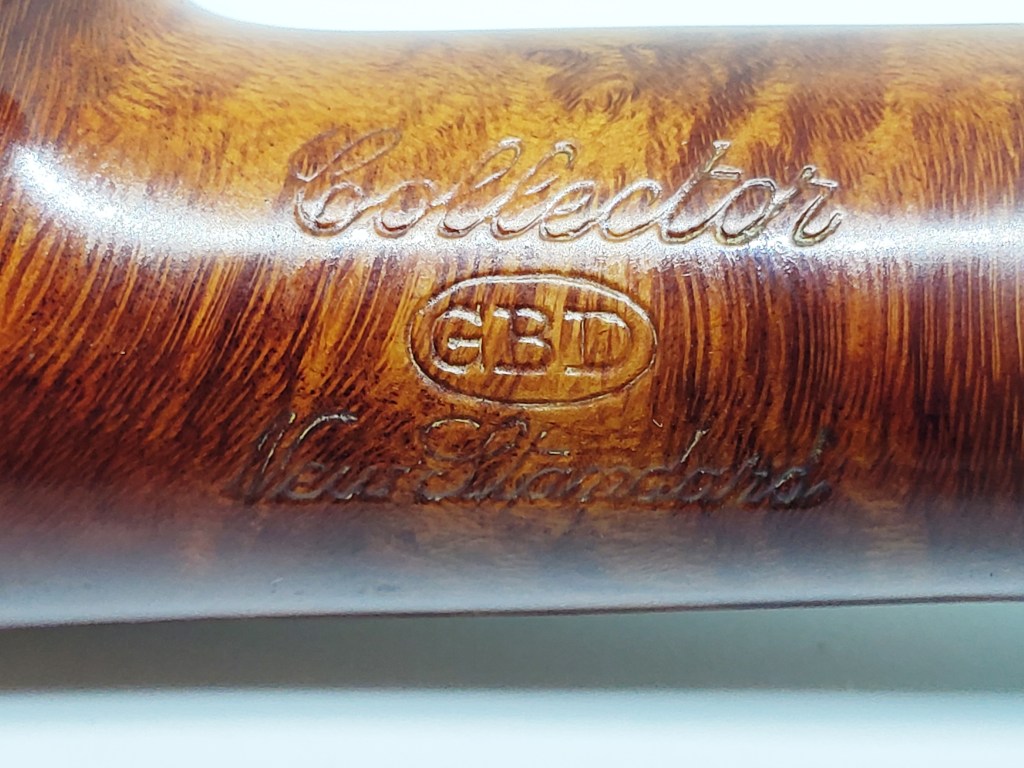
This example appeared to be in very good condition and on delivery, it was even better than the modest eBay pictures showed. The bowl had some darkening on on the rim, with some dings around the bowl and the finish was faded. There was one nick on the inside of the bowl edge. The stem was in excellent shape, only oxidized. The bowl rings were in perfect condition. This example has the reddish stain, as opposed to the brown stain on my other New Standard 9242’s. The nomenclature looks like the day it was made.

Below is the pipe as it was received.

I removed the very slight cake with my reamer set and found the bowl in excellent condition. The bowl was filled with sea salt and alcohol to soak. I found a set of small rubber plugs that I now use to plug the shank end.

I used a worn piece of Scotch-Brite to remove the rim darkening. This lightened the stain, so I mixed up some Medium Brown and Oxblood Feibings Leather Dye and applied that to the bowl top. It matched the reddish stain perfectly.

I used and electric iron and wet cloth to steam out some of the handling marks around the bowl. The bowl was then buffed lightly with White Diamond and then several coats of Carnuba wax.

The stem was mounted and oxidation removed with 600, 800, 1,500 and 2,000 grit wet sandpaper, followed by 8,000 and 12,000 micromesh sheets. The stem was then polished with White Diamond and Meguiars Plastic Polish.

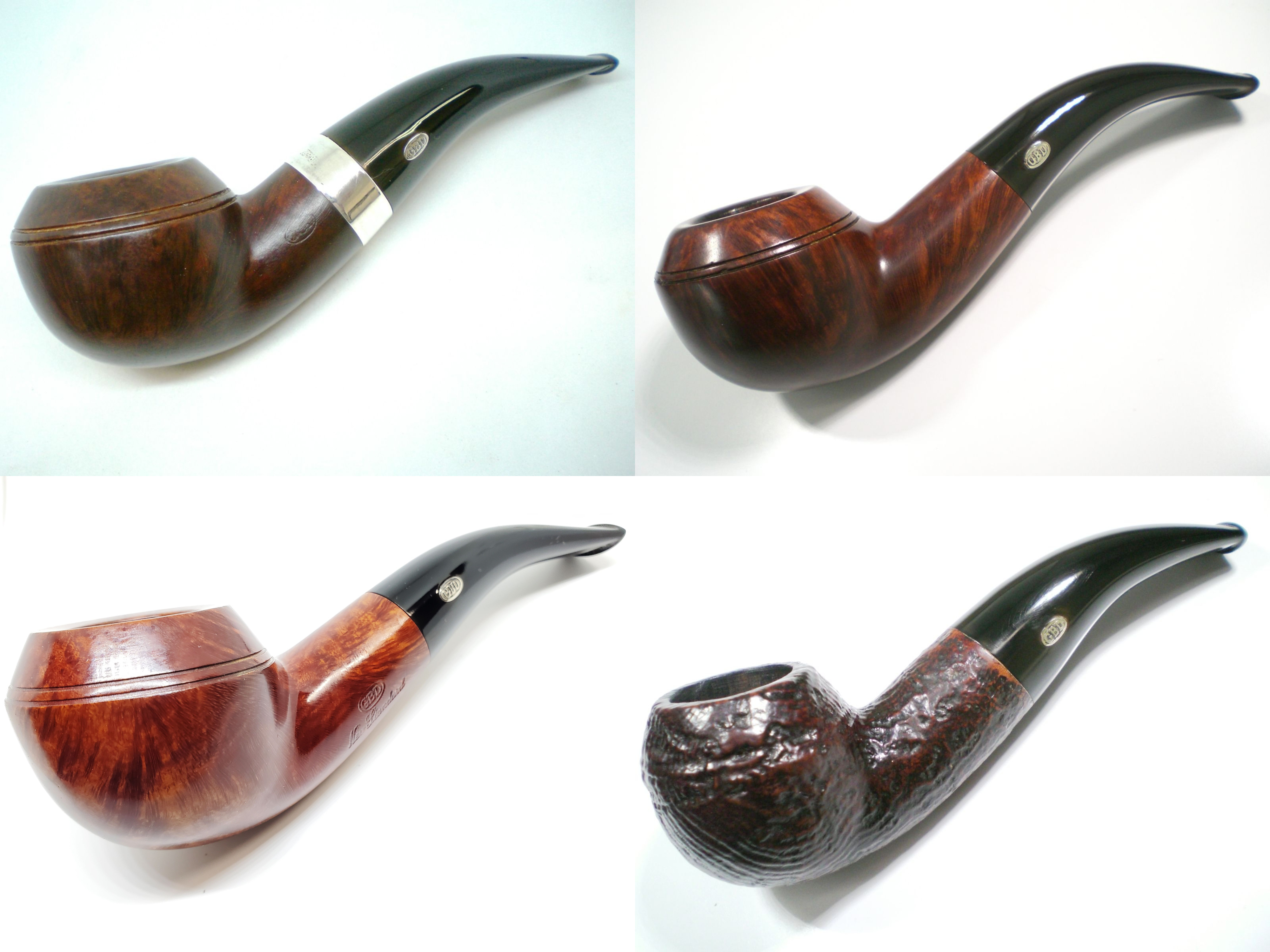
Below is the finished pipe. I also include a collage with the current 9242 shapes in my collection.

Pictured clockwise:

9242 Silver Band (No Grade stamp) 1950 Hallmark

New Standard – Brown stain

New Standard – Red stain (featured pipe)

9242 P Sandblast

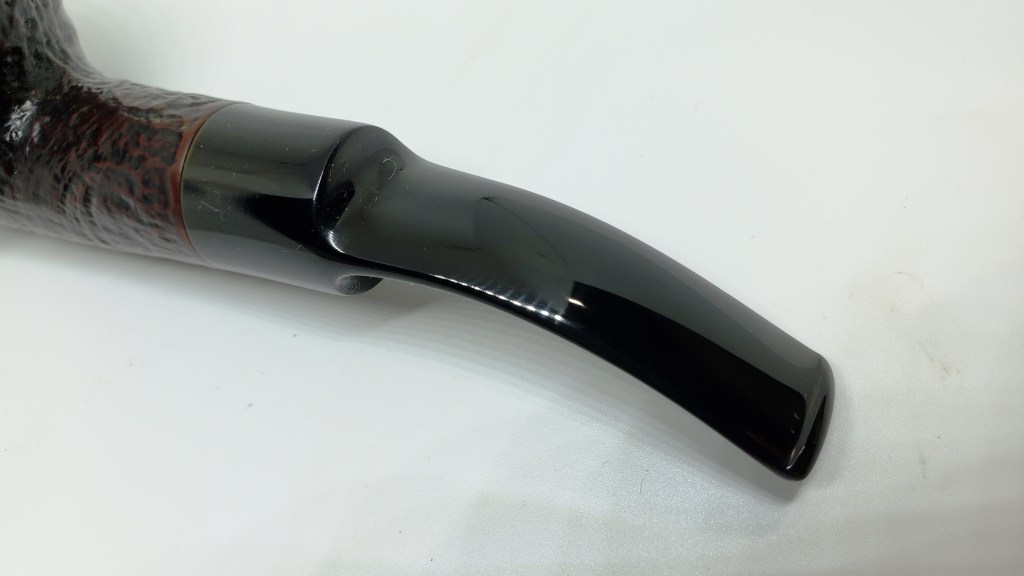
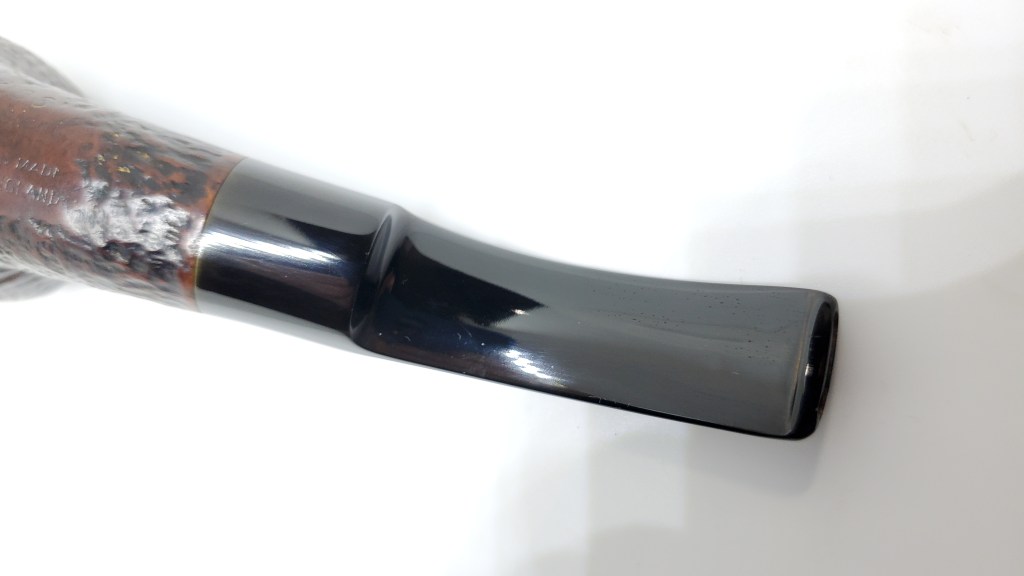
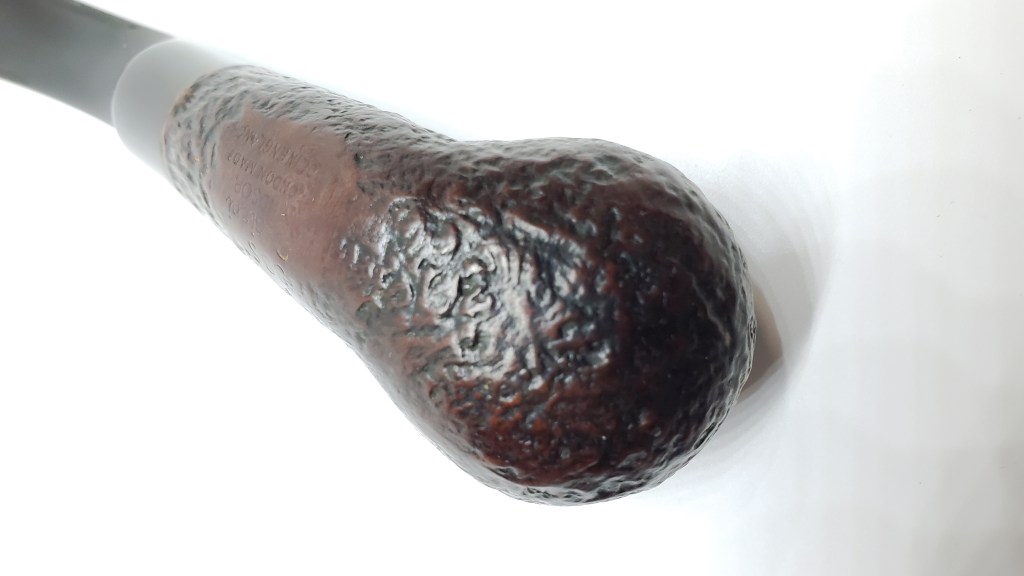
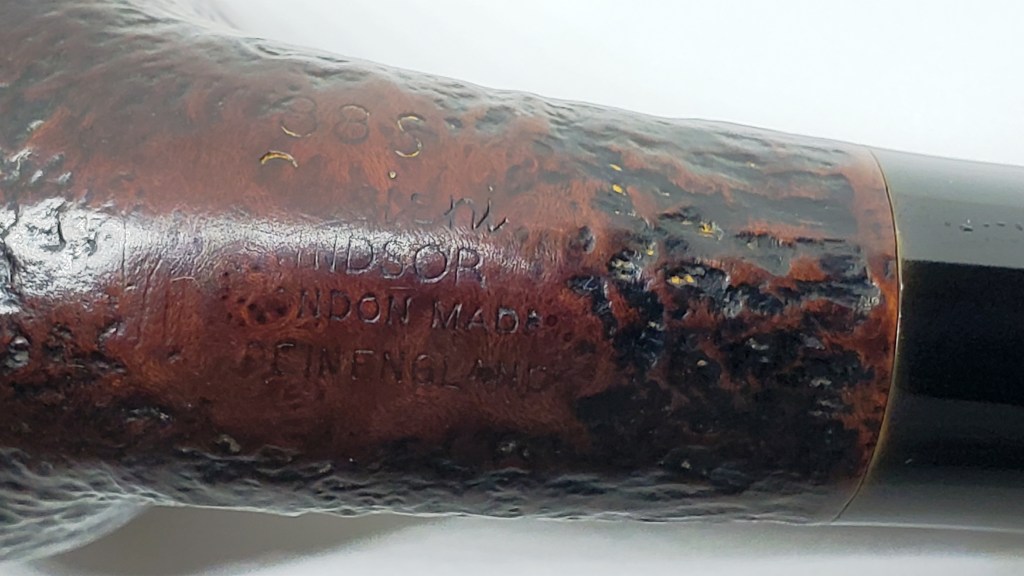
Windsor 88S Restoration (Sasieni 2nd)


By Al Jones

I love Sasieni second line pipes, they mimic the Four Dot shapes and typically have very good stems. The shape 88 is the “Ashford” Author shape of the Four Dot line and the “S” denotes a saddle stem.

This one looked like it would only require a minimal amount of work, it was in great shape. The finish was faded and the stem, while oxidized had no other damage. The bowl top has the typical build-up. Below is the pipe as it was received.

I reamed the very light cake and used a piece of worn scotchbrite to remove the cake. The bowl was then soaked with alcohol and sea salt. Following the soak, the stem was mounted and oxidation removed with 600, 800, 1500 and 2000 grit wet paper, followed by 8000 and 12000 grade micromesh sheets. The stem was buffed with White Diamond and Meguiars Plastic Polish.

I gave the bowl a “wipe” of medium brown stain using a paper towel. I buffed the bowl lightly with Carnuba wax to bring back the finish.
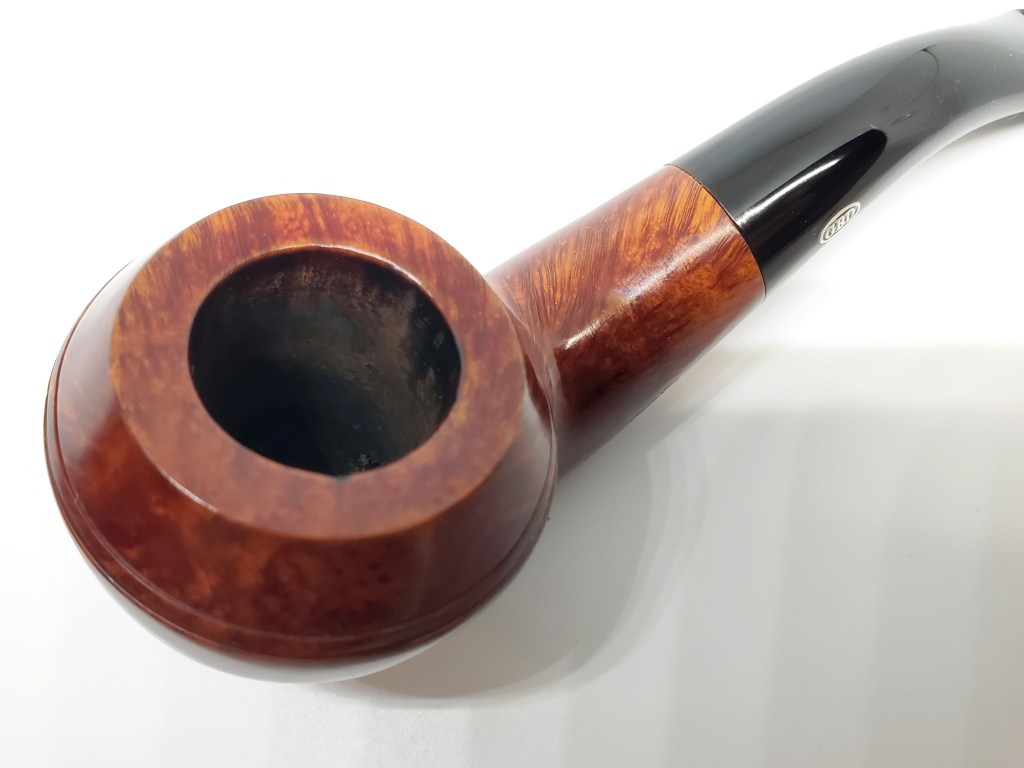
Below is the finished pipe.

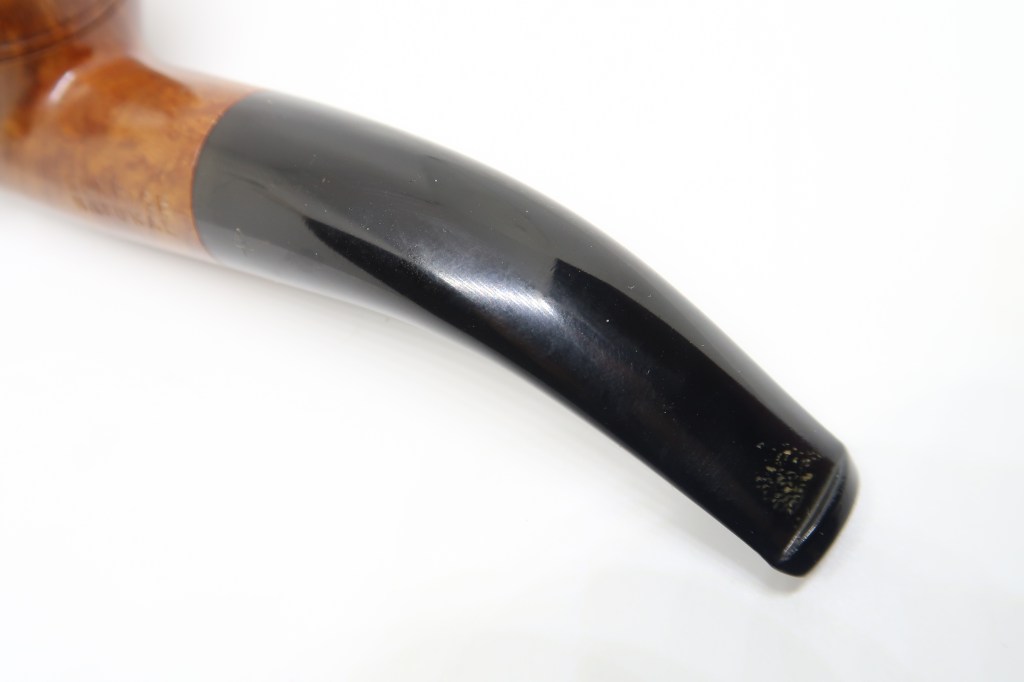
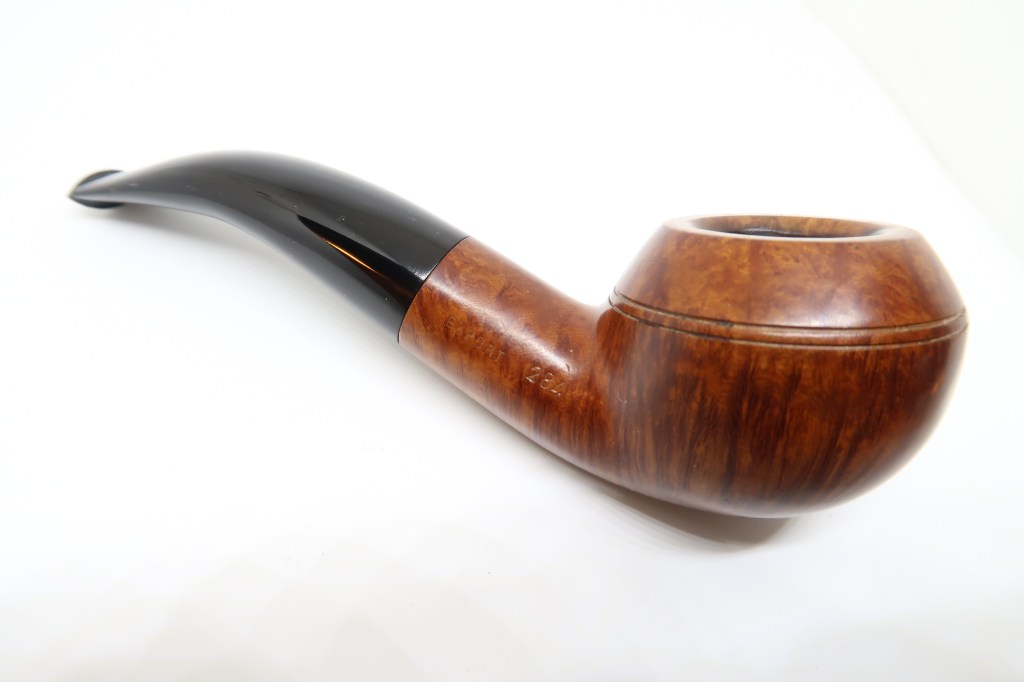
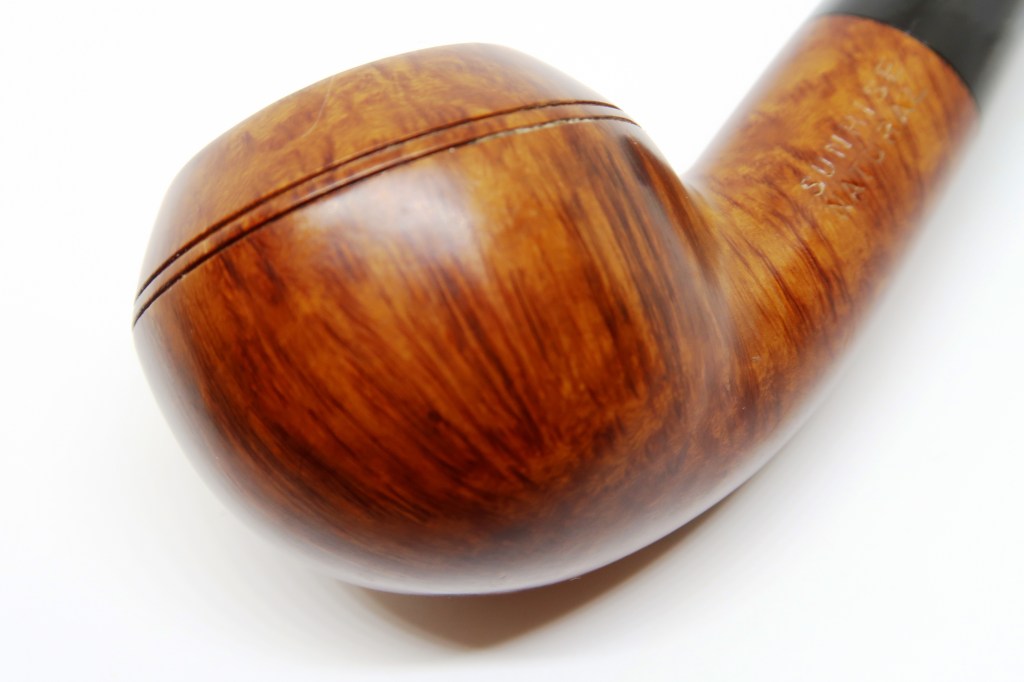
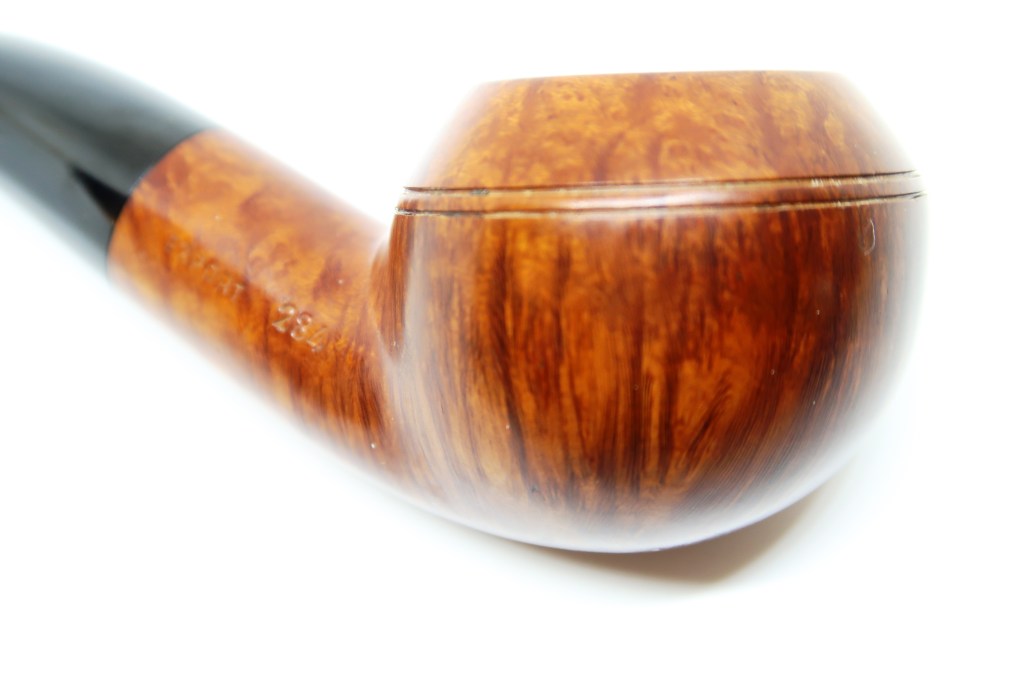
Sunrise 284 Rhodesian Restoration (Comoy’s 2nd)


By Al Jones

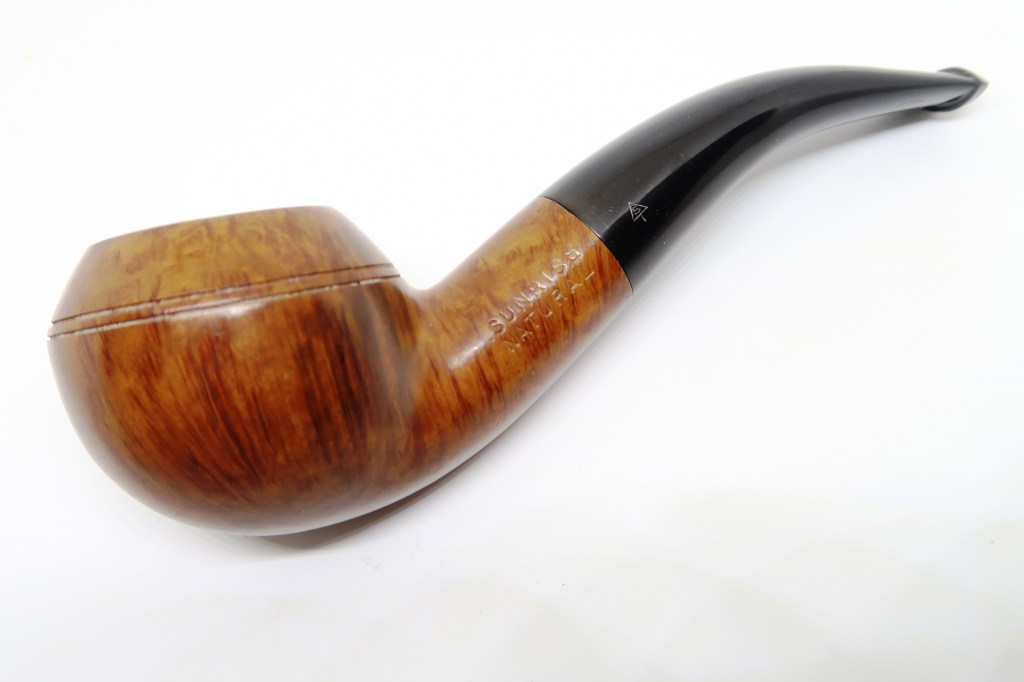
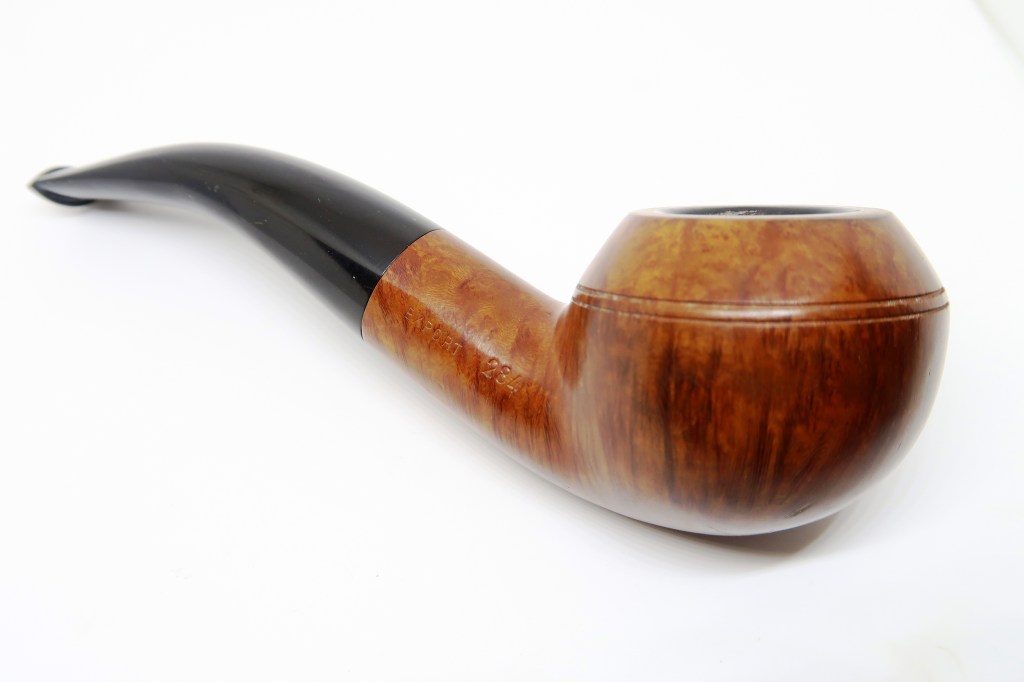
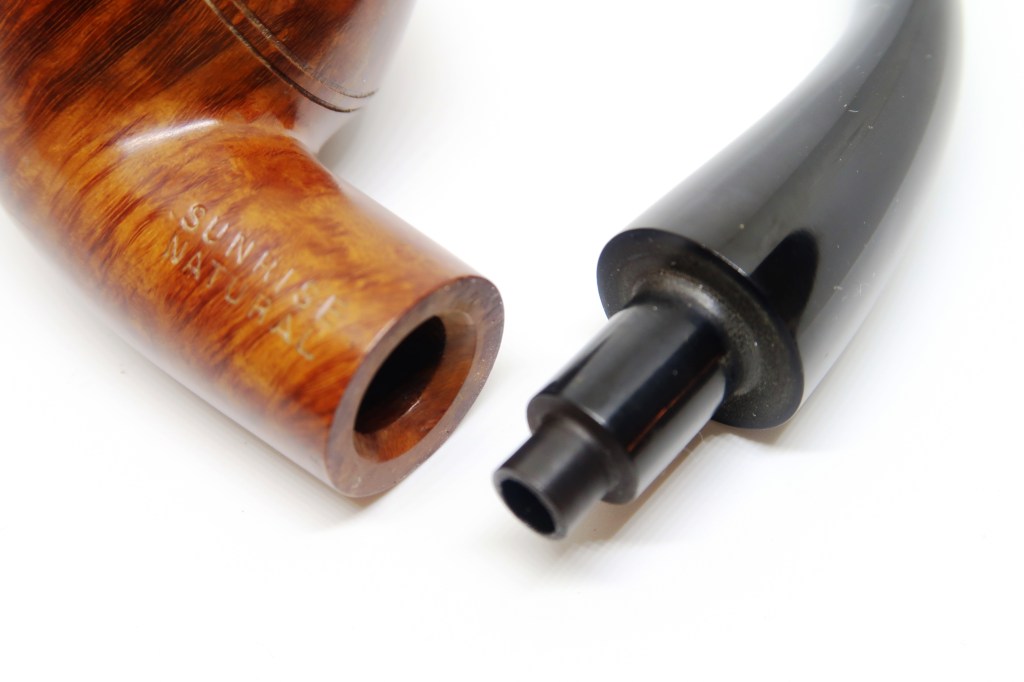
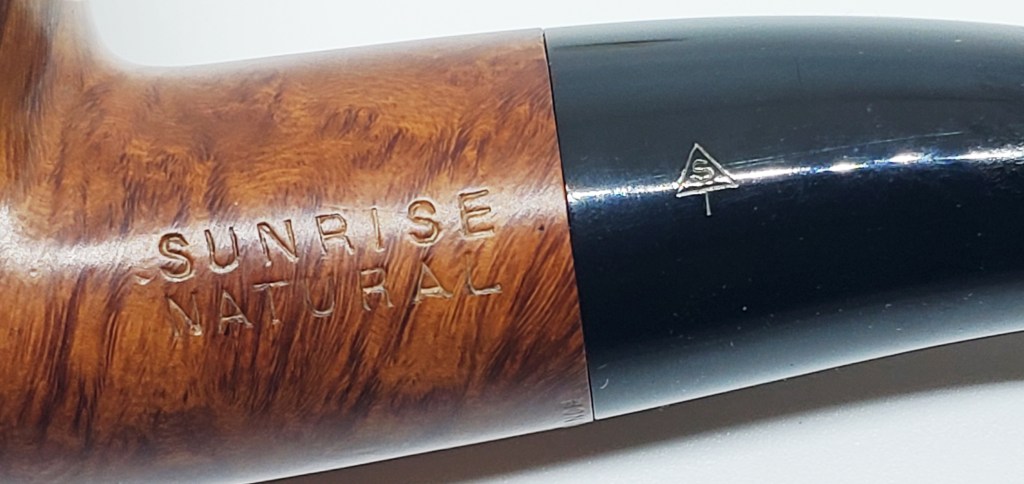
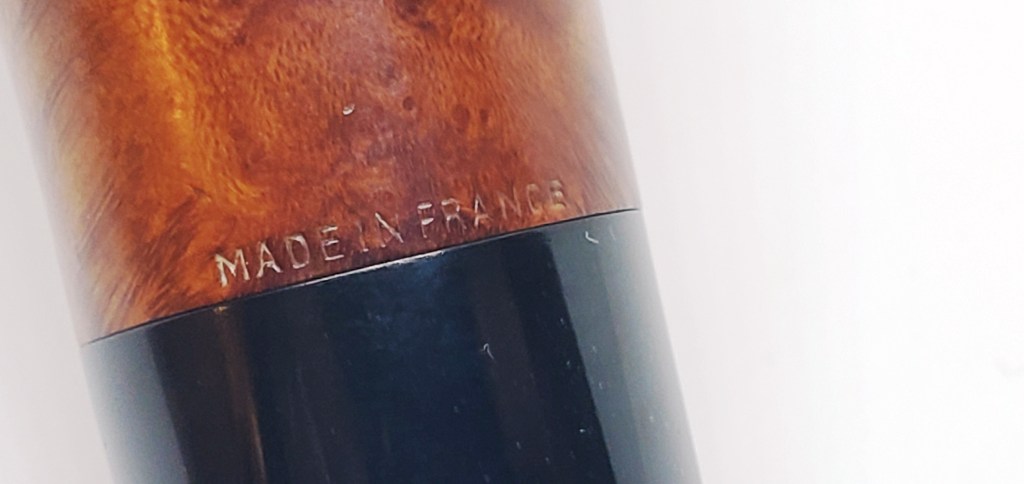
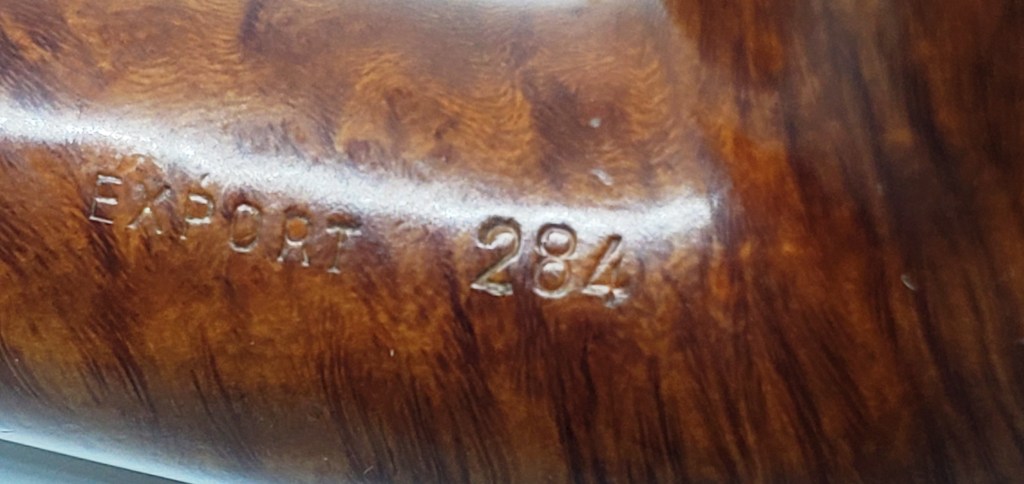
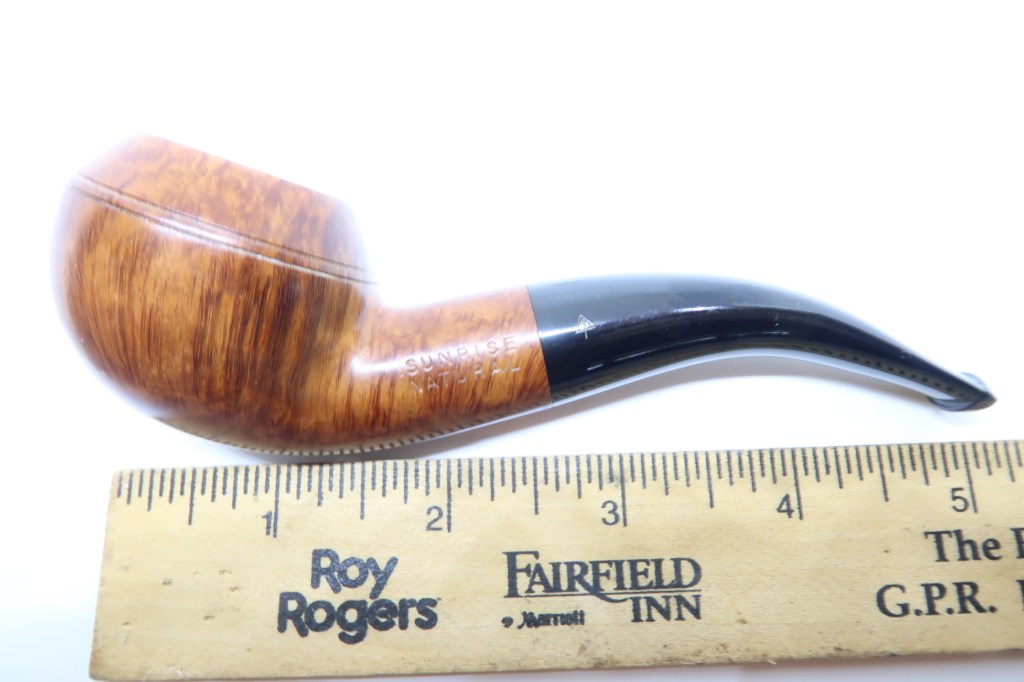
The 284 shape from Comoys is one their iconic and beloved shapes. This one is stamped “Sunrise”, one of the numerous 2nd lines from that brand. This one is also stamped “Natural”, so they produced the line in different finishes. A previous Sunrise on my workbench was in the Amber finish. The grain lines were really nice and it holds no noticeable flaws. I suspect the stem once held a stinger, as the tenon is quite large (it has a great draught!)

Here is an excerpt about the Sunrise line, courtesy of Pipepedia:

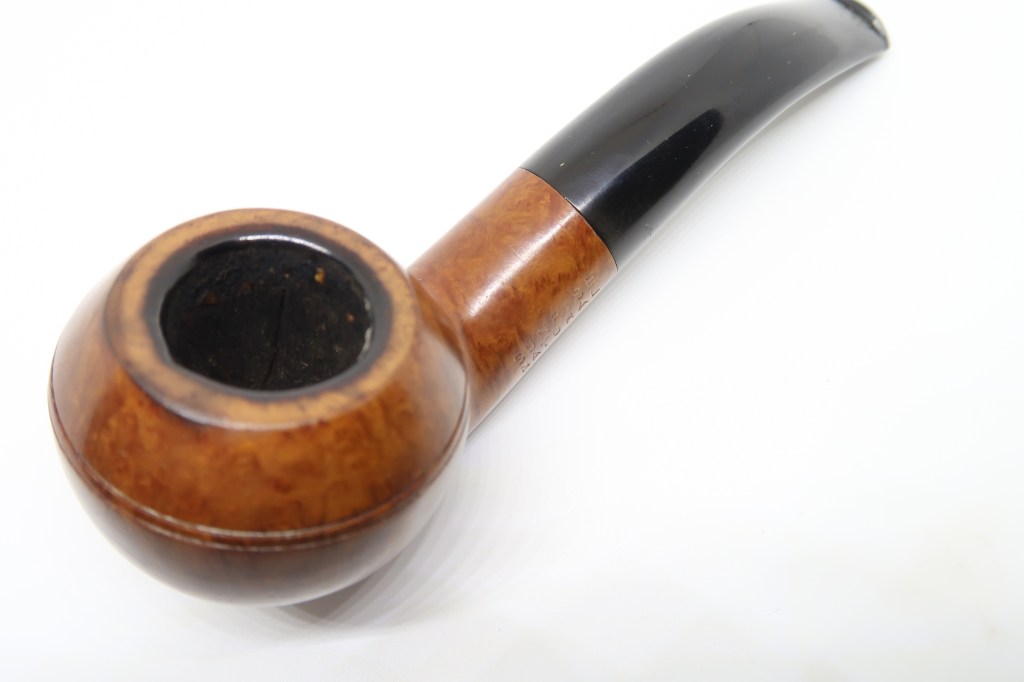
Below is the pipe as it was received. It had some darkening on the rim and the beveled edge would also need work. The stem was in very good condition, with minor teeth marks and mild oxidation.

I reamed the mild cake and soaked the bowl with sea salt and alcohol. Once the overnight soak was completed, I cleaned the shank with a bristle brush dipped in alcohol, until it came out clean.
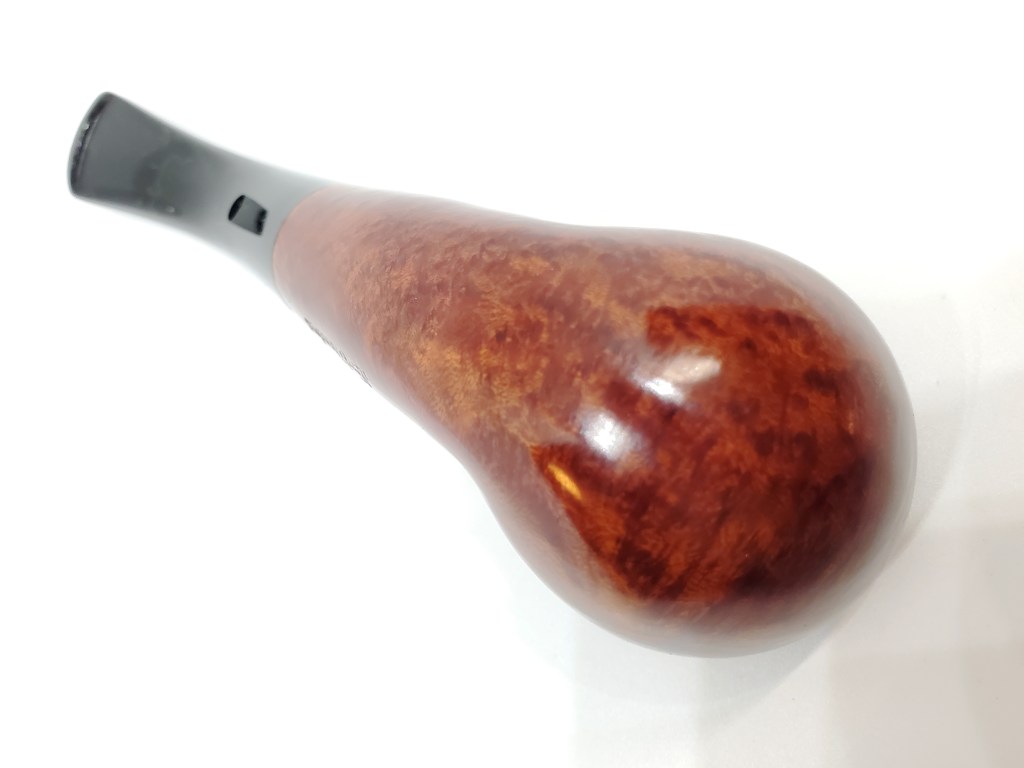
I used some 800 grit wet paper on a block to remove the burn mark from the bowl top. I used a small wine stopper bowl with a piece of 600 grit paper to remove the burn marks from the beveled edge, while still keeping the bezel. Don’t tell my wife I commandeered one of her decorative wine stoppers.
The bowl top was then finished with 1500 and 2000 grit paper. There were a few dents and marks on the bowl. I used a wet towel with an electric iron to steam out the marks.
The stem was finished with 800, 1500 and 2000 grit paper, followed by 8,000 and 12,000 micromesh sheets. I then polished it with White Diamond and Meguiars Plastic polish on my buffer.

The bowl was polished with White Diamond and several coats of Carnuba wax.

Below is the finished pipe.

Delacour “Knotty” Author Restoration


By Al Jones

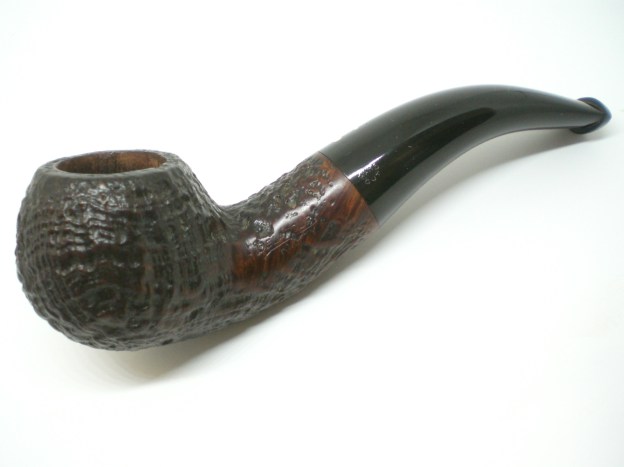
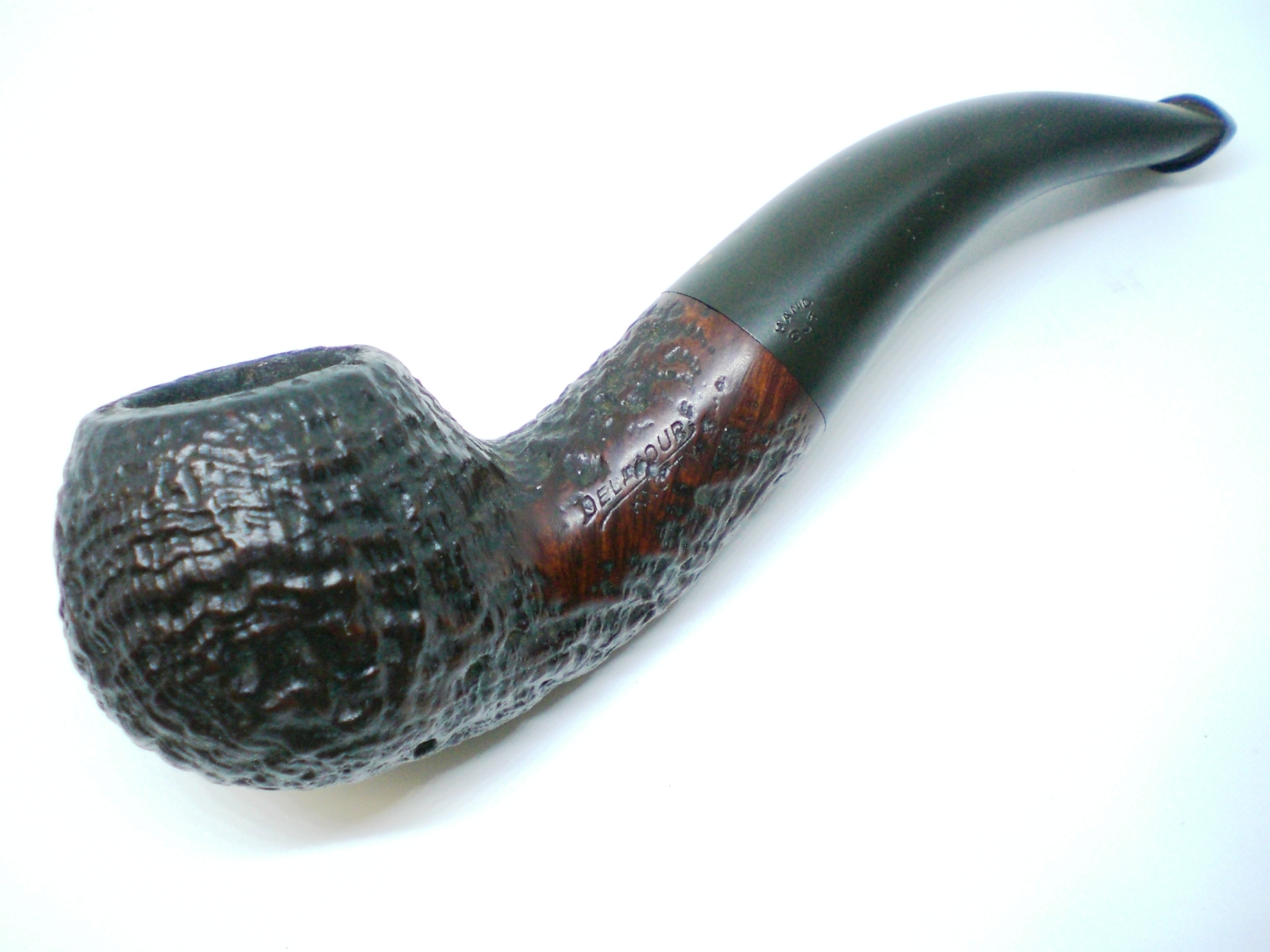
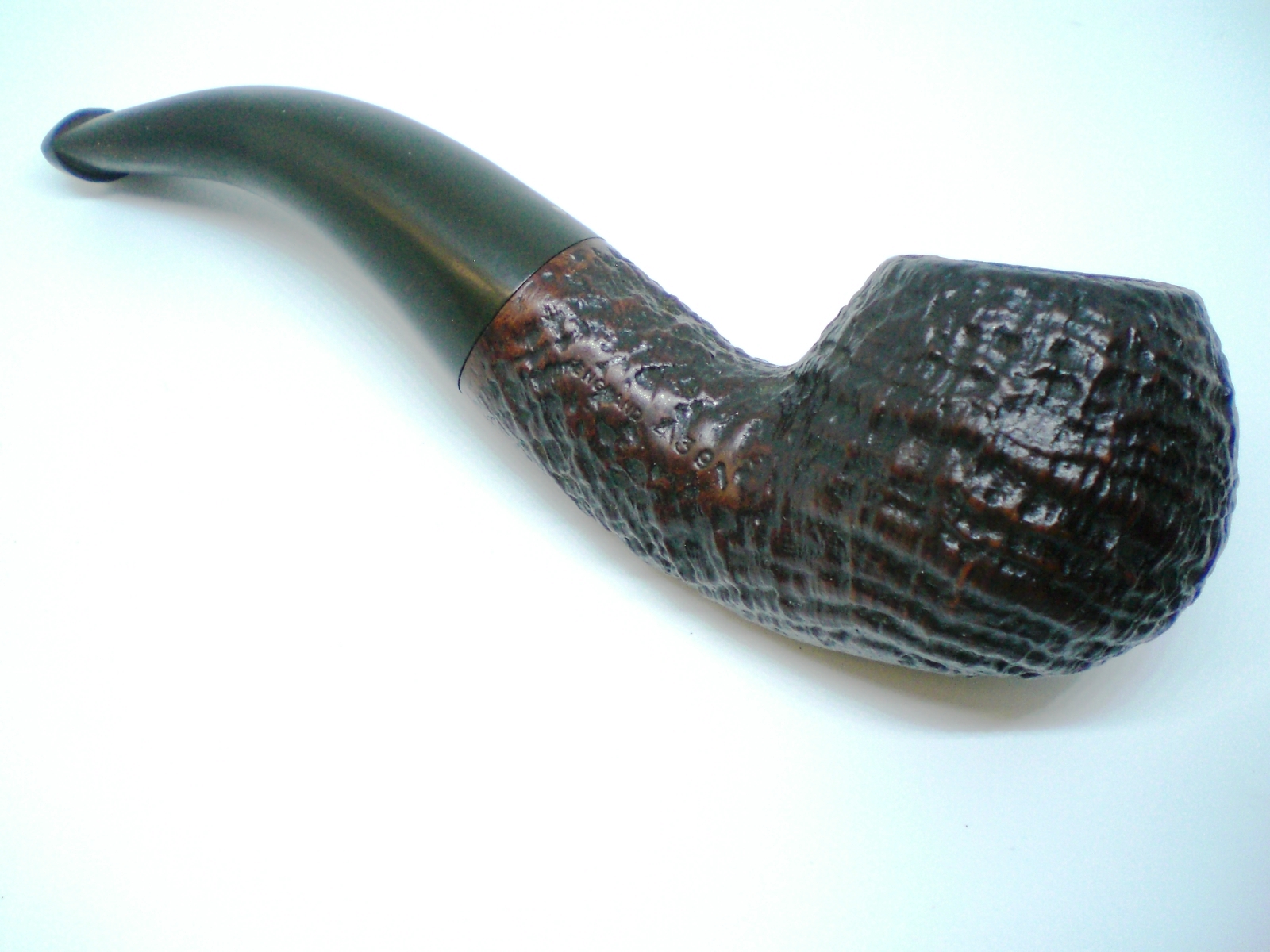
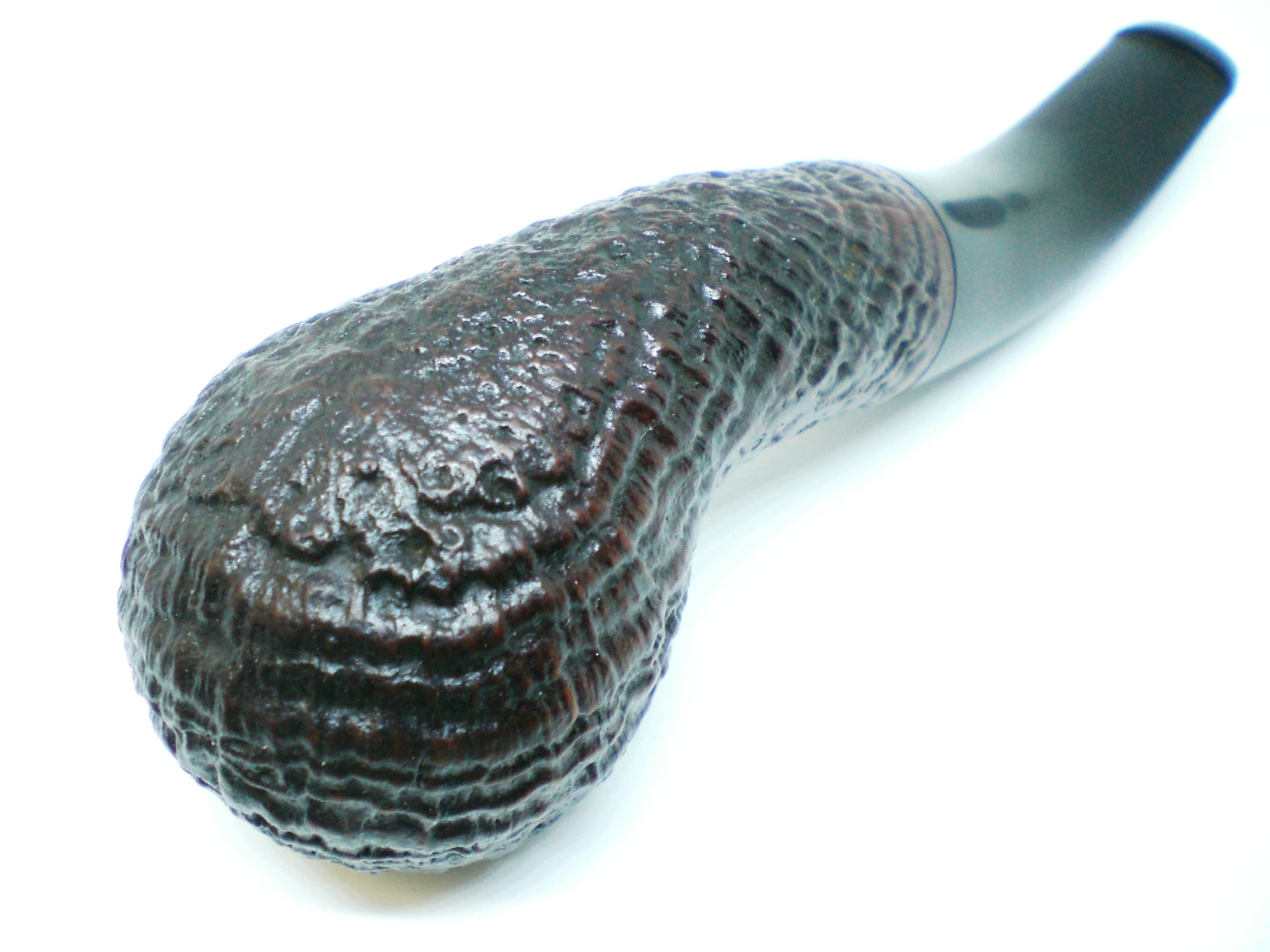
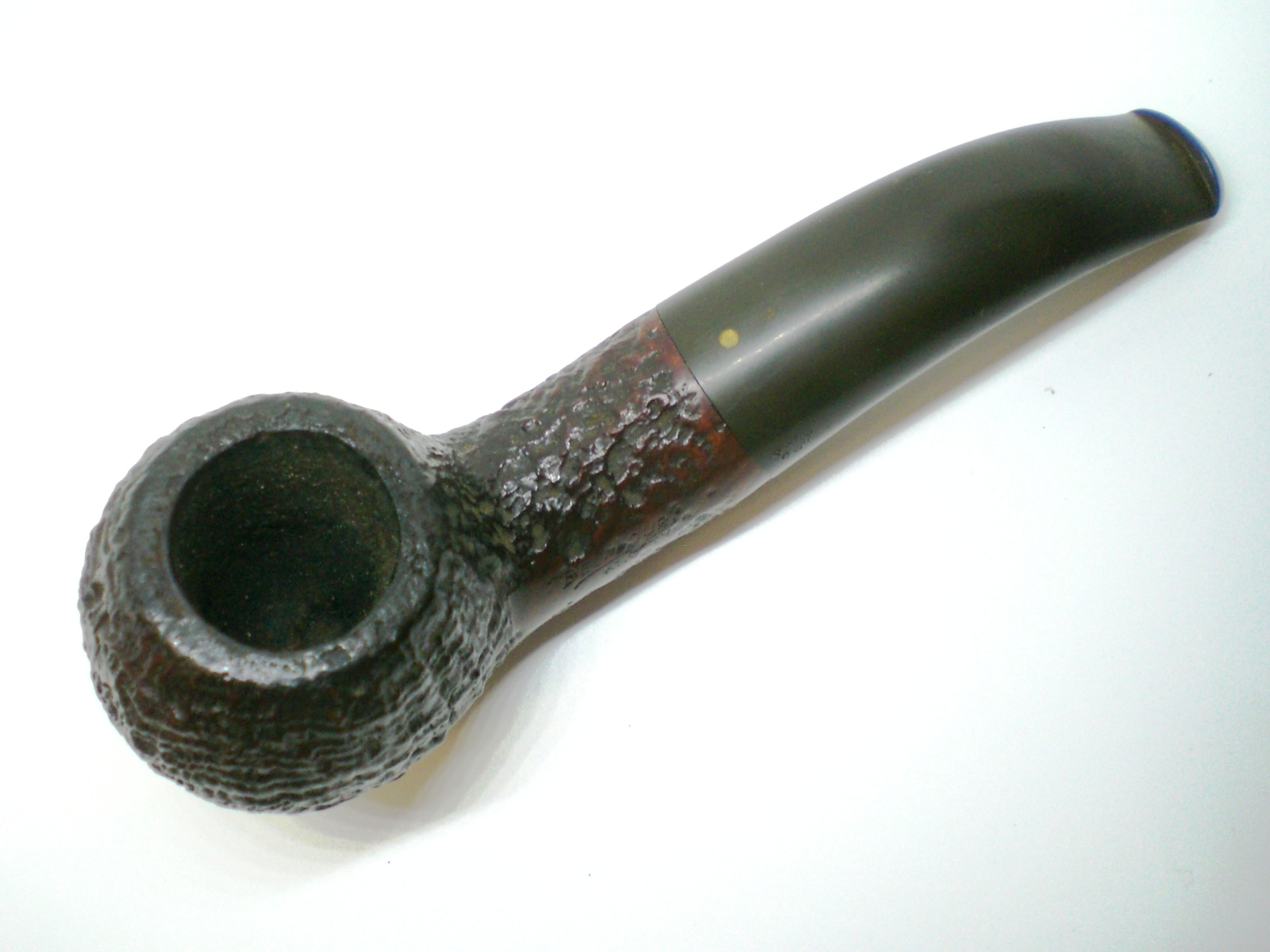
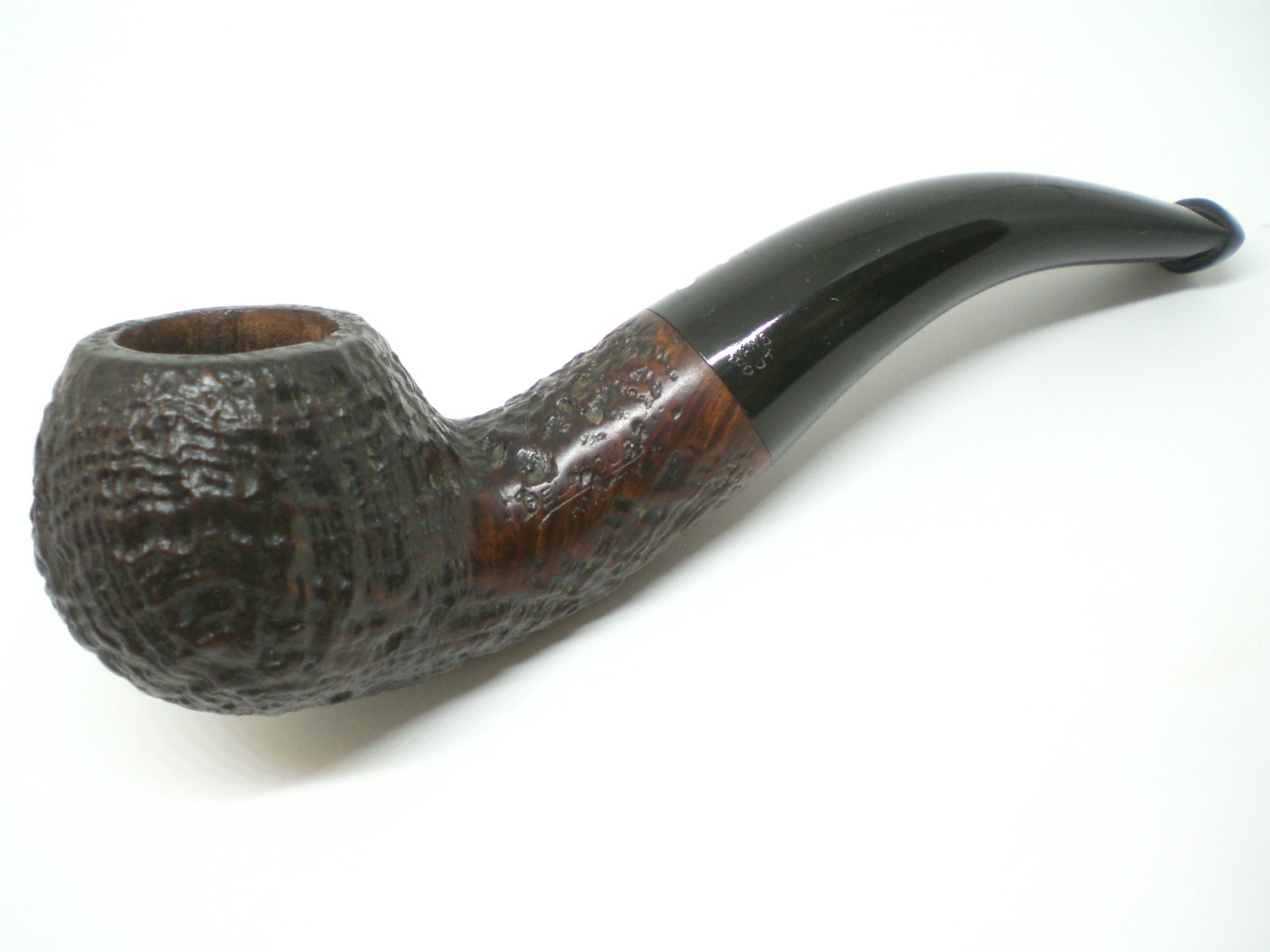
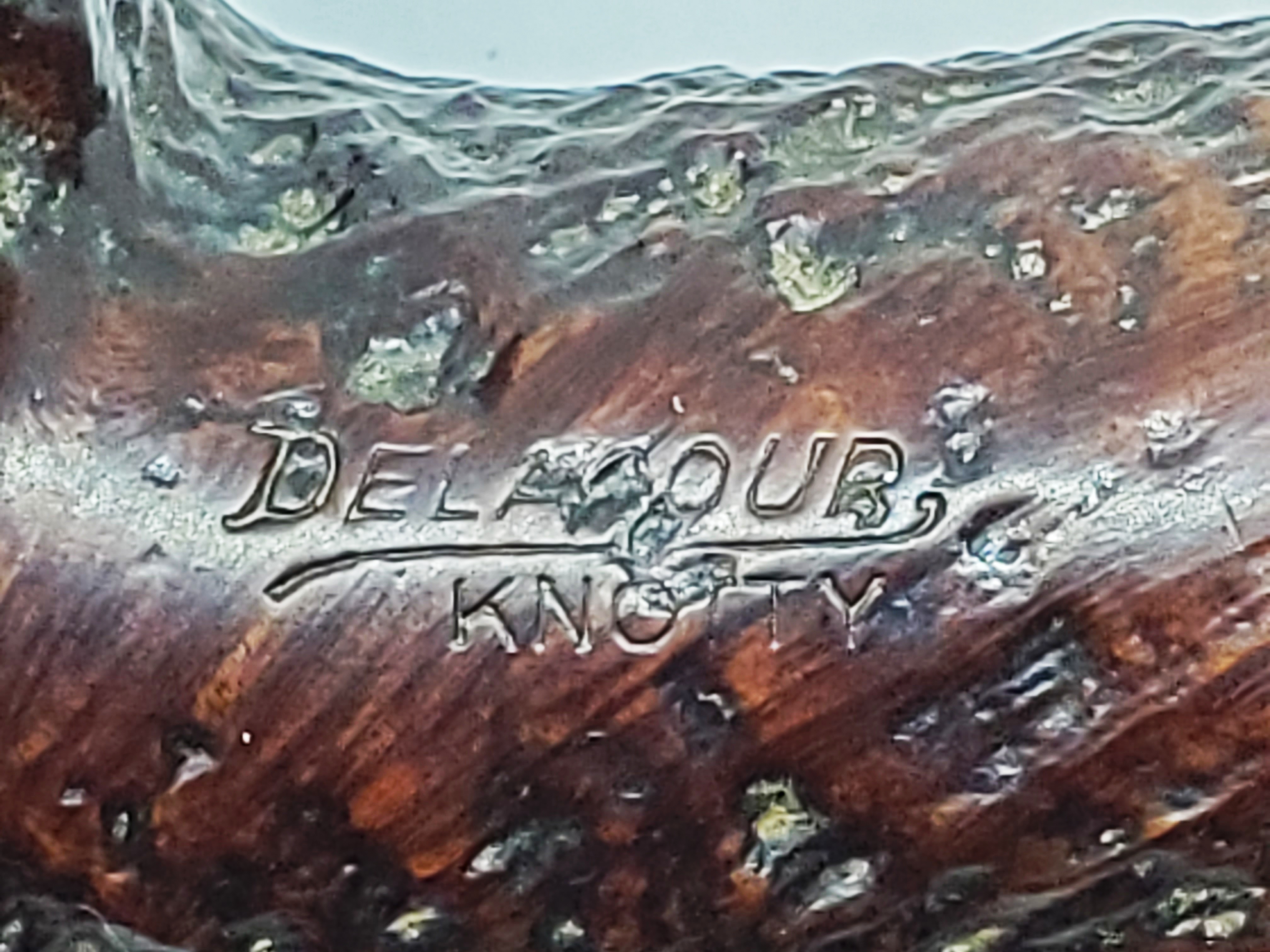
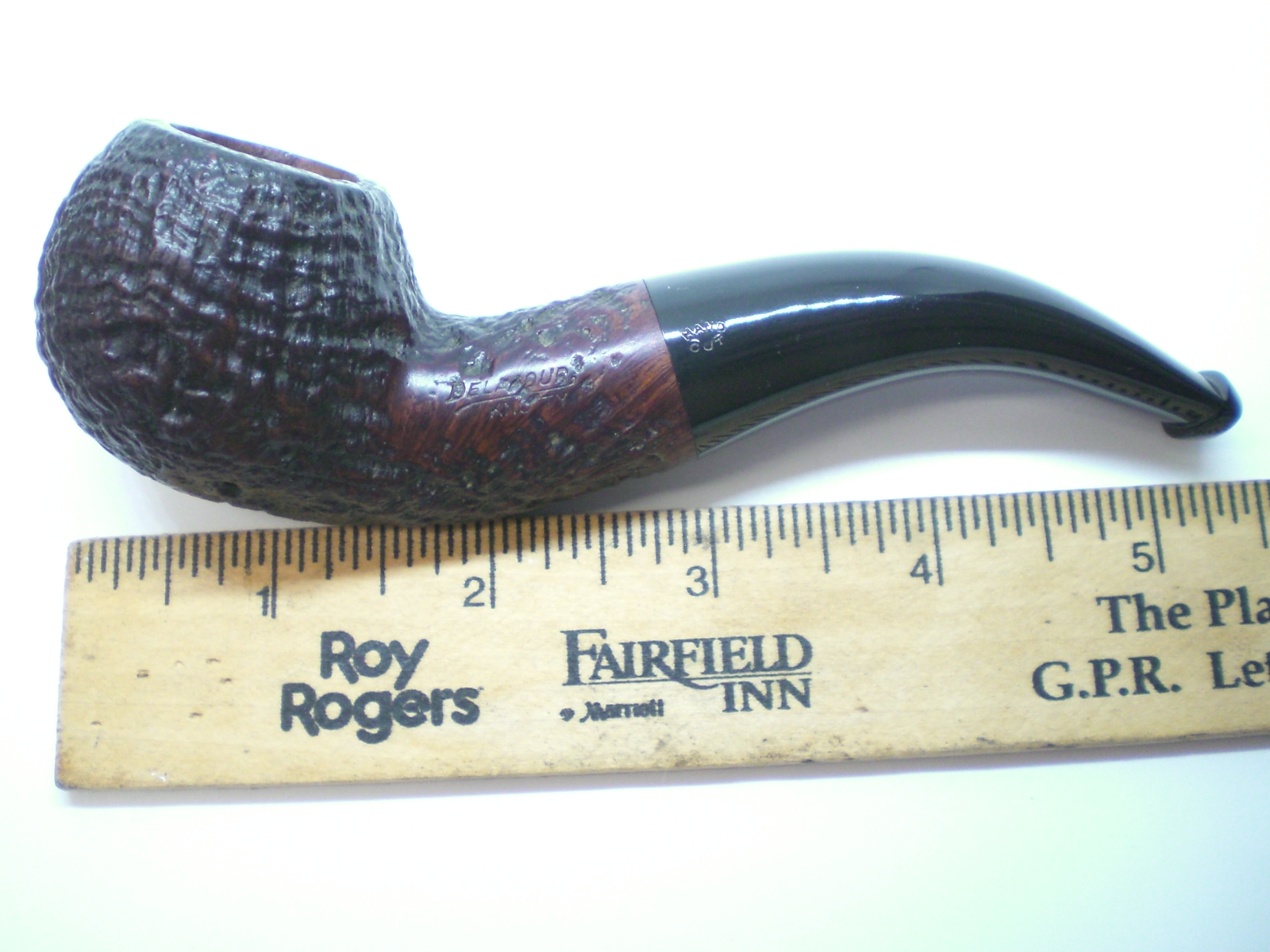
This shape immediately caught my attention – but the maker “Delacour” was not very familiar to me. I put in a meager eBay bid and won the pipe. While it was in transit, I found a bit more about the maker, but information was sparse. I learned that Delcaour was a French brand but also had operations in England. Steve has posted several older hallmarked examples on this blog. This one is a very nice sandblast and the only example of this finish that I can find.

I posted the pipe to the “Interesting British Ebay Auctions thread on the PipesMagazine forum. Several members pointed me to a post that pipe historian Jon Guss had posted on another Delacour pipe. Jon adds these details in a reply below, and I now include them in the here:

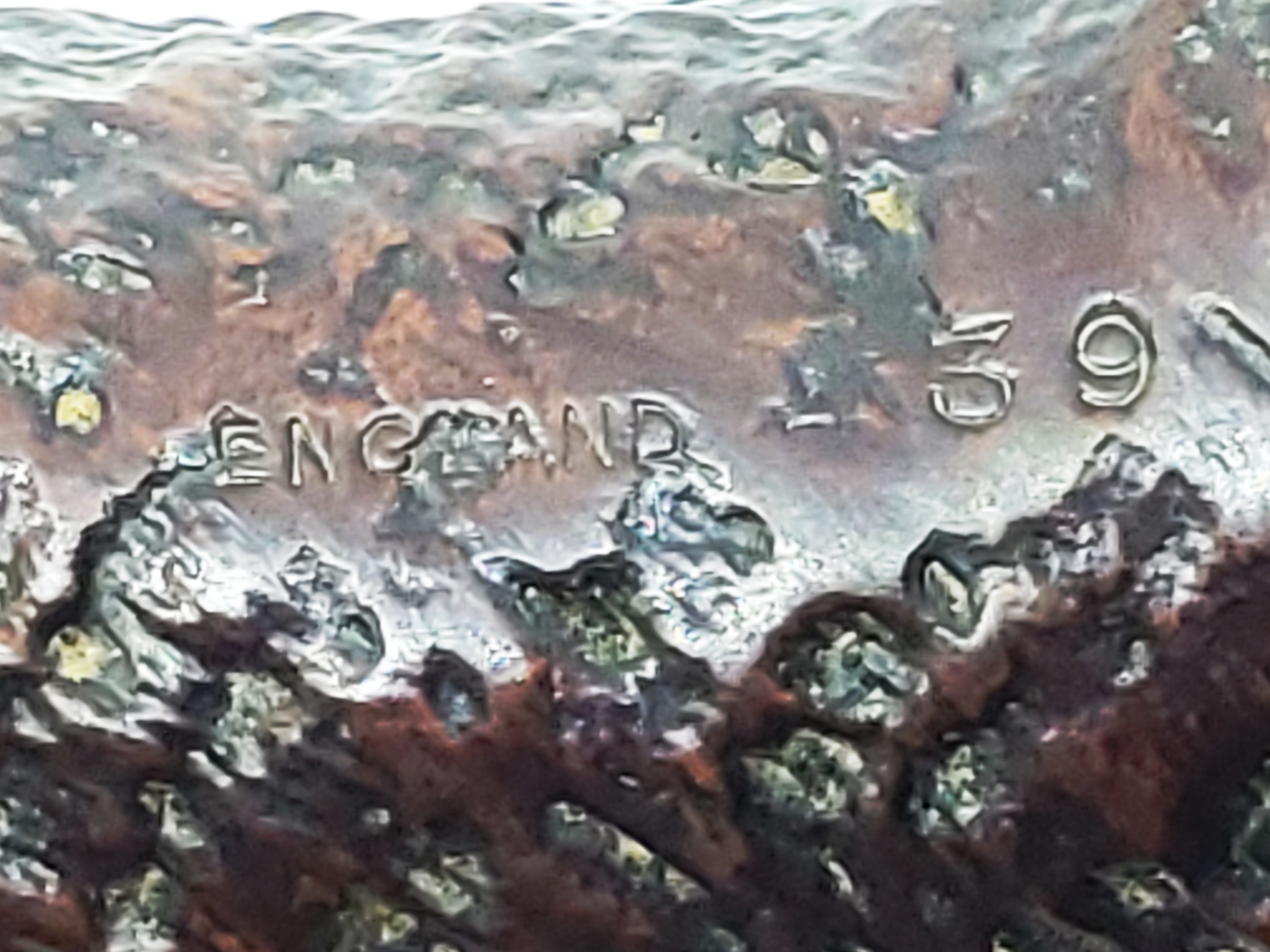
The factory destroyed in the 1935 fire was located in London on Salusbury Road. Delacour had made pipes in its London factory for over 30 years. I haven’t spent time on Delacour since I looked into the company about 9 years ago but my guess is that pipes made before the fire were stamped London and those afterward stamped England as COM. If true this could suggest either an owned factory or more likely a third party factory (perhaps Orlik) used for contract manufacturing outside of London.

This example is stamped “England” so based on Jon’s information, I assume that the pipe was made between after the 1935 fire. The company was dissolved around 1955. In the meager information available, I found no reference to the “Knotty” grade. Scott Thile add my pictures to the Delcacour page at Pipepedia:

https://pipedia.org/wiki/Delacour

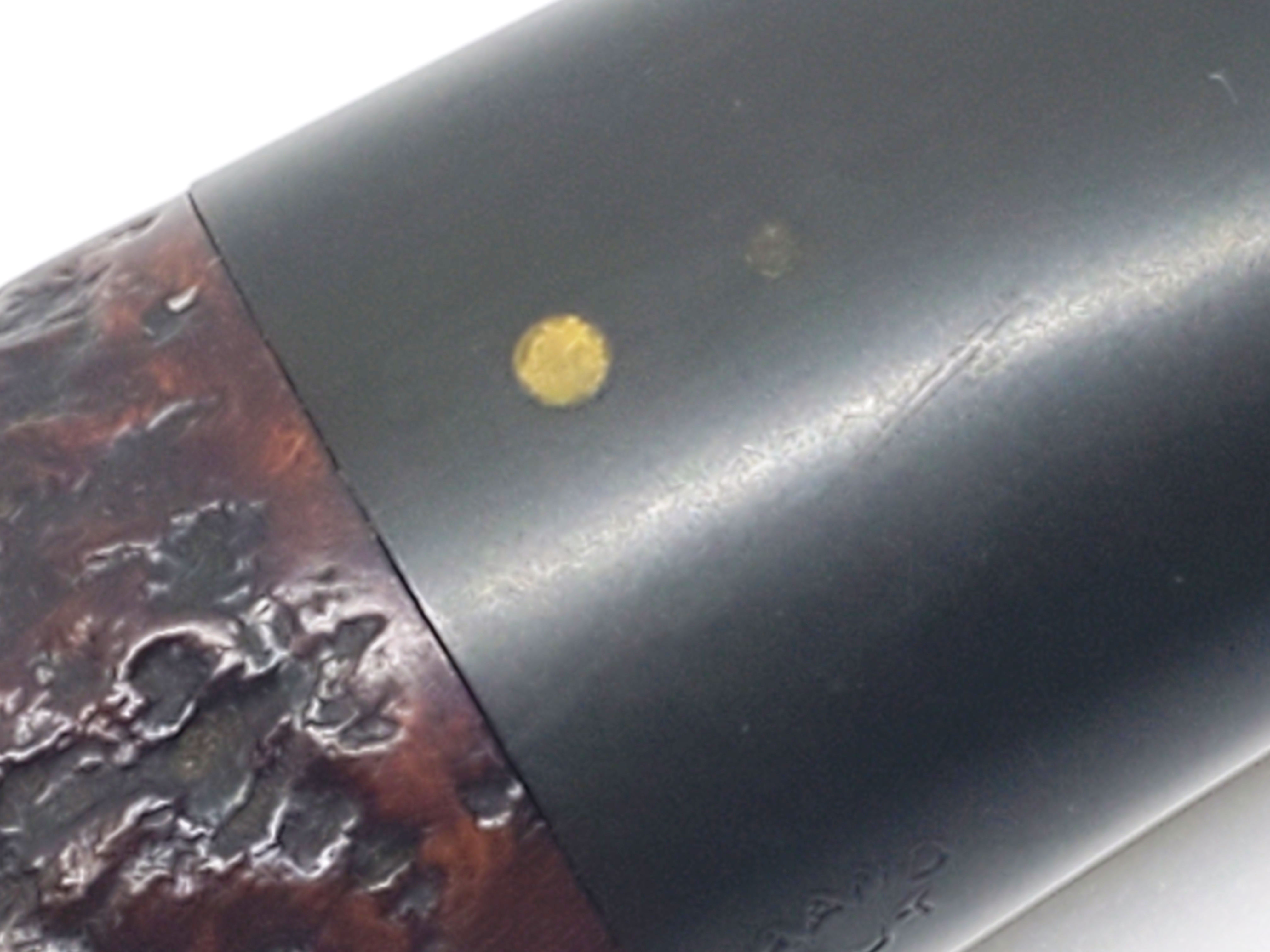
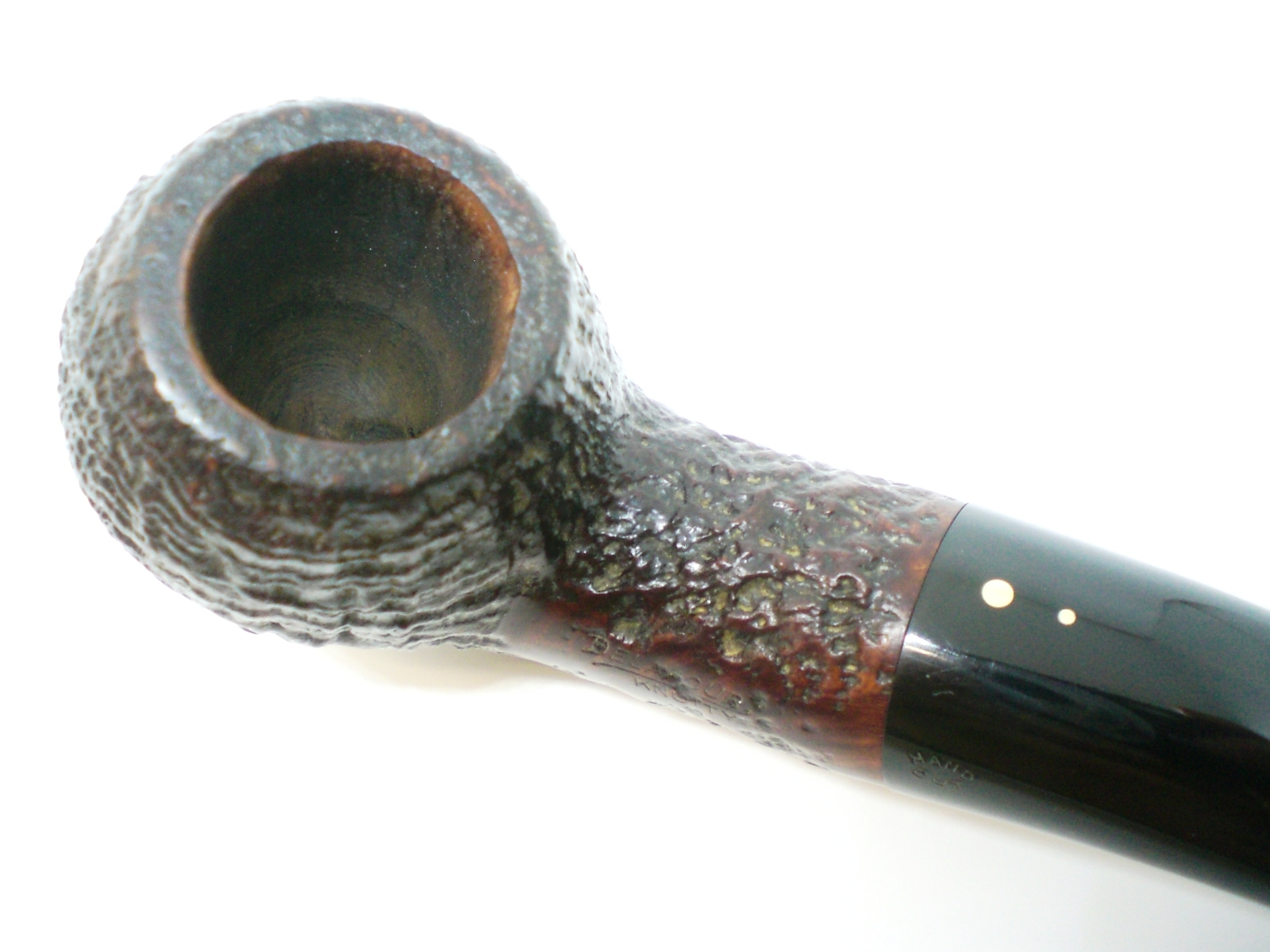
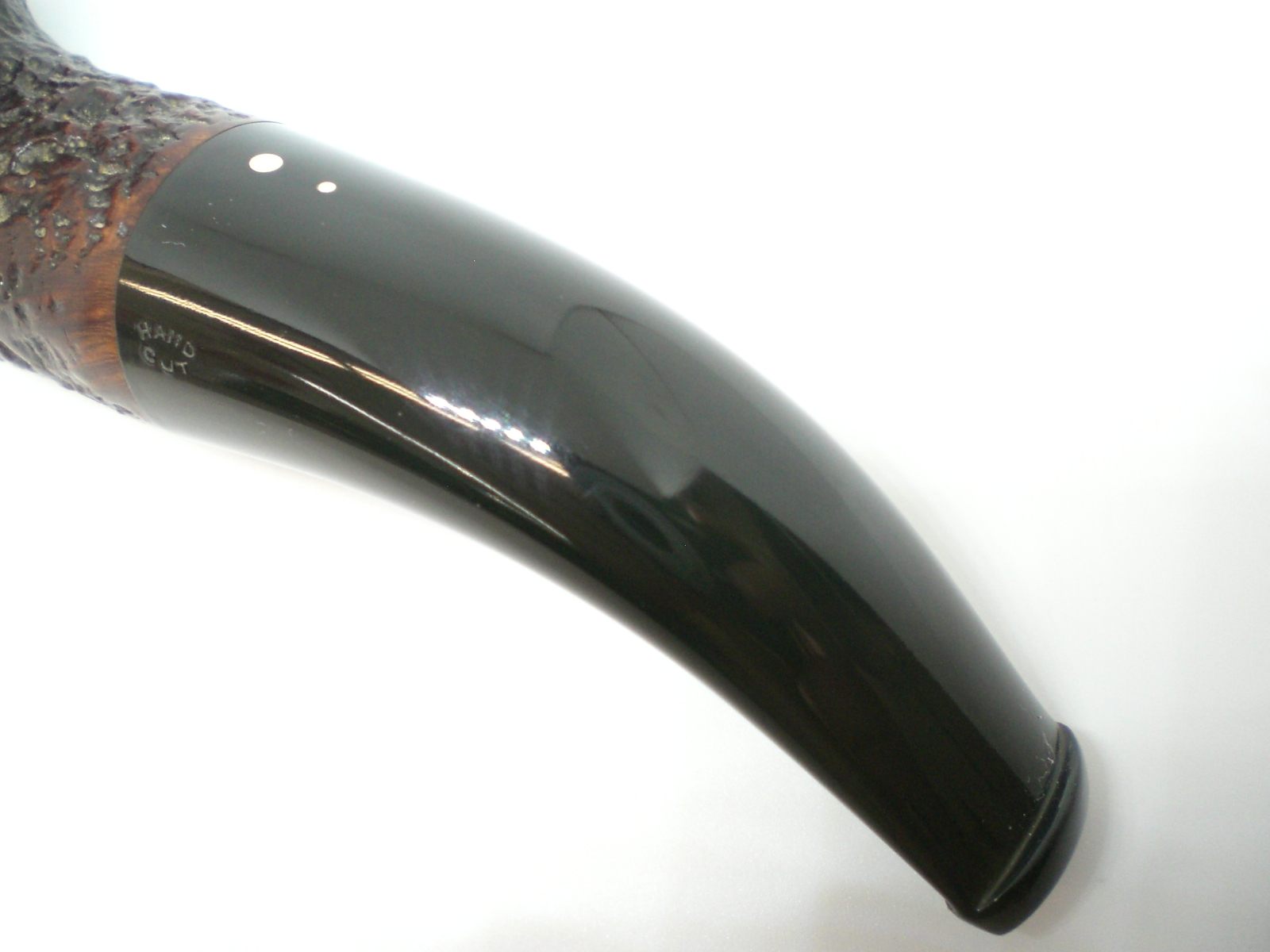
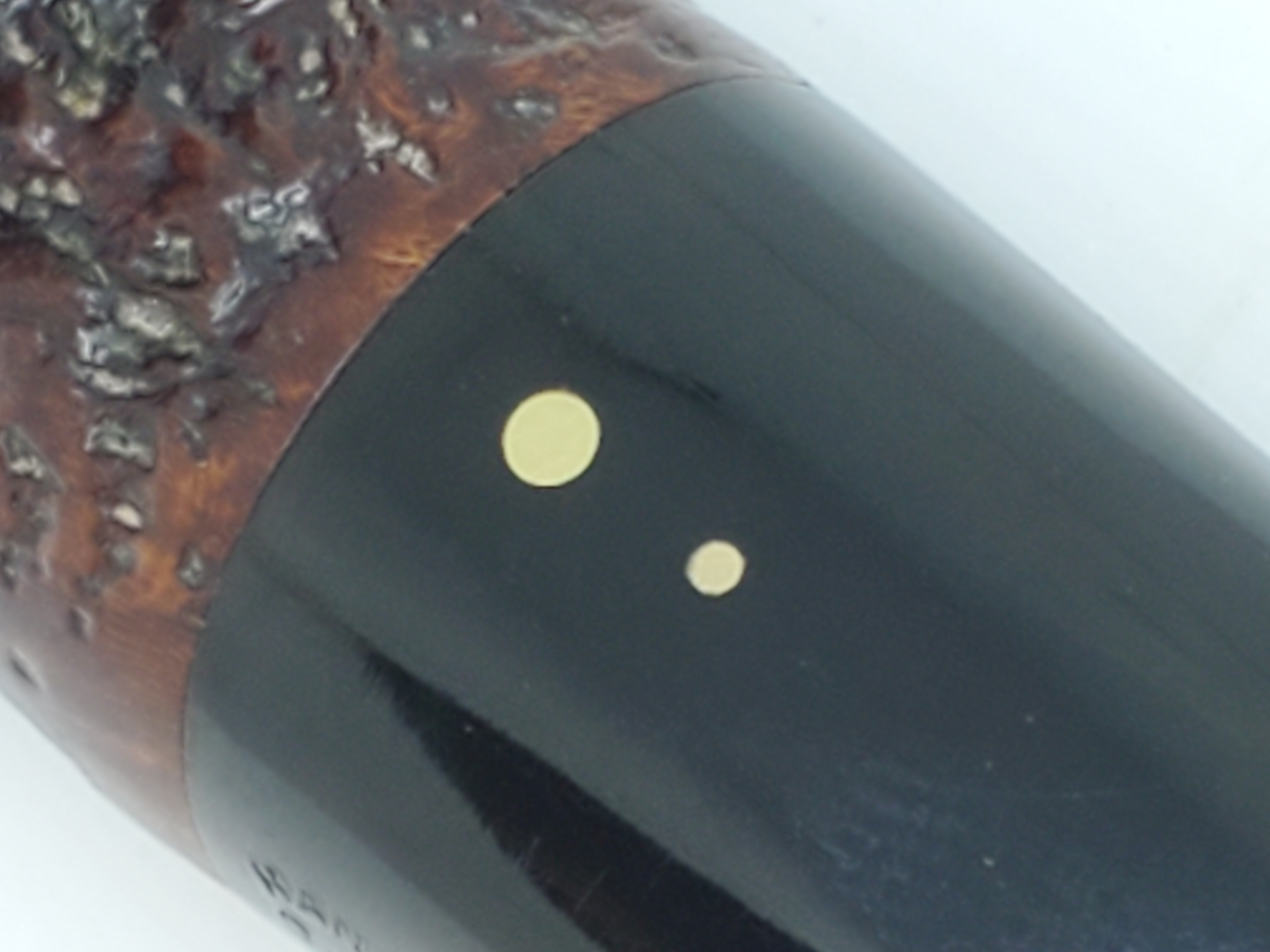
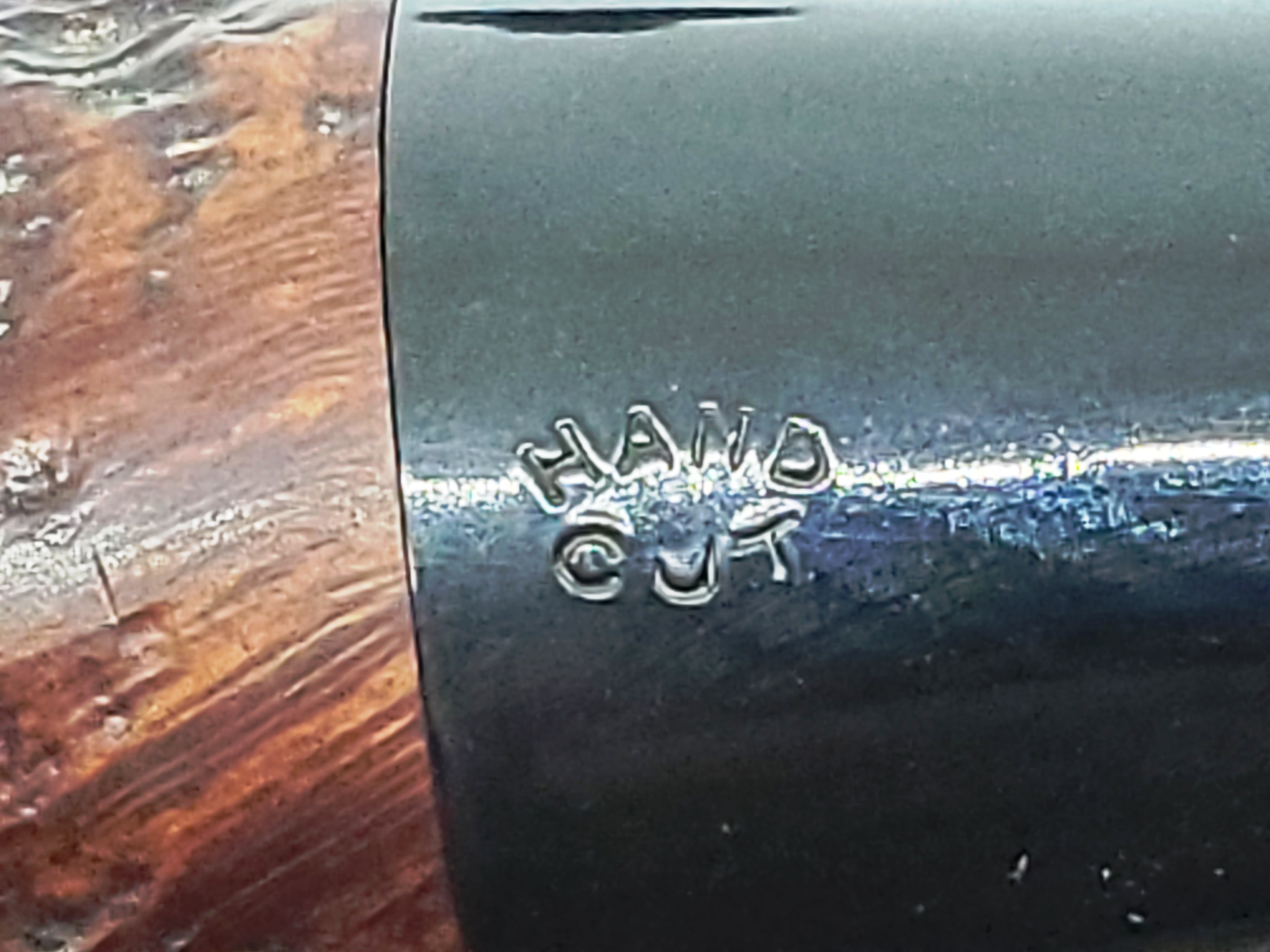
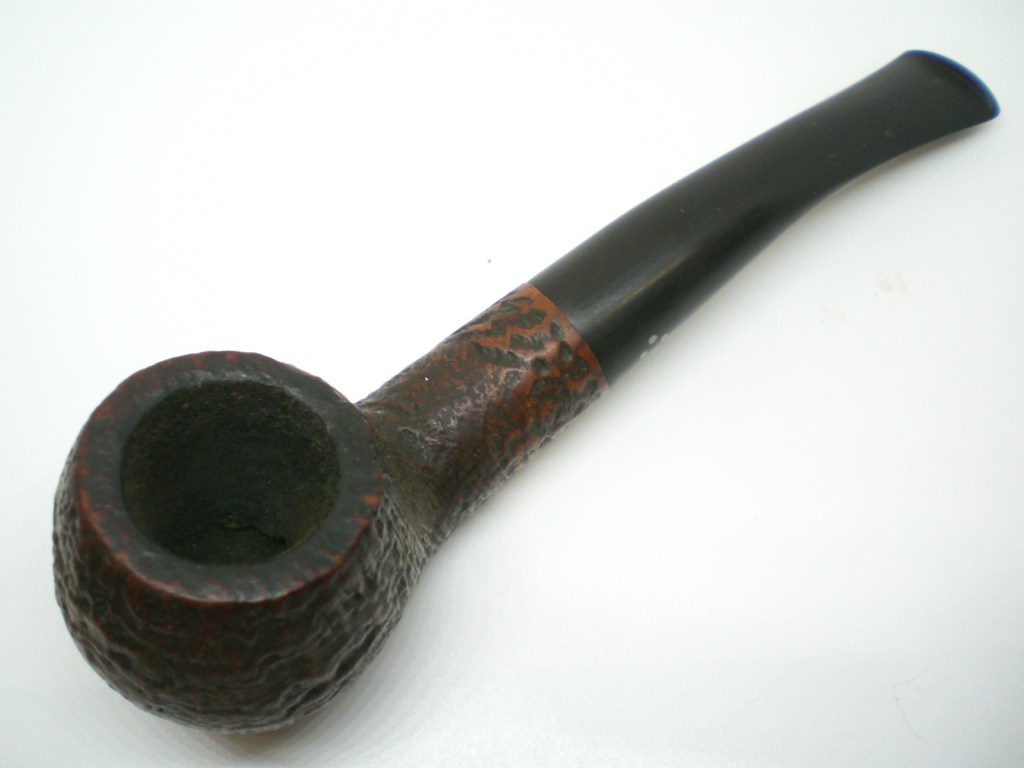
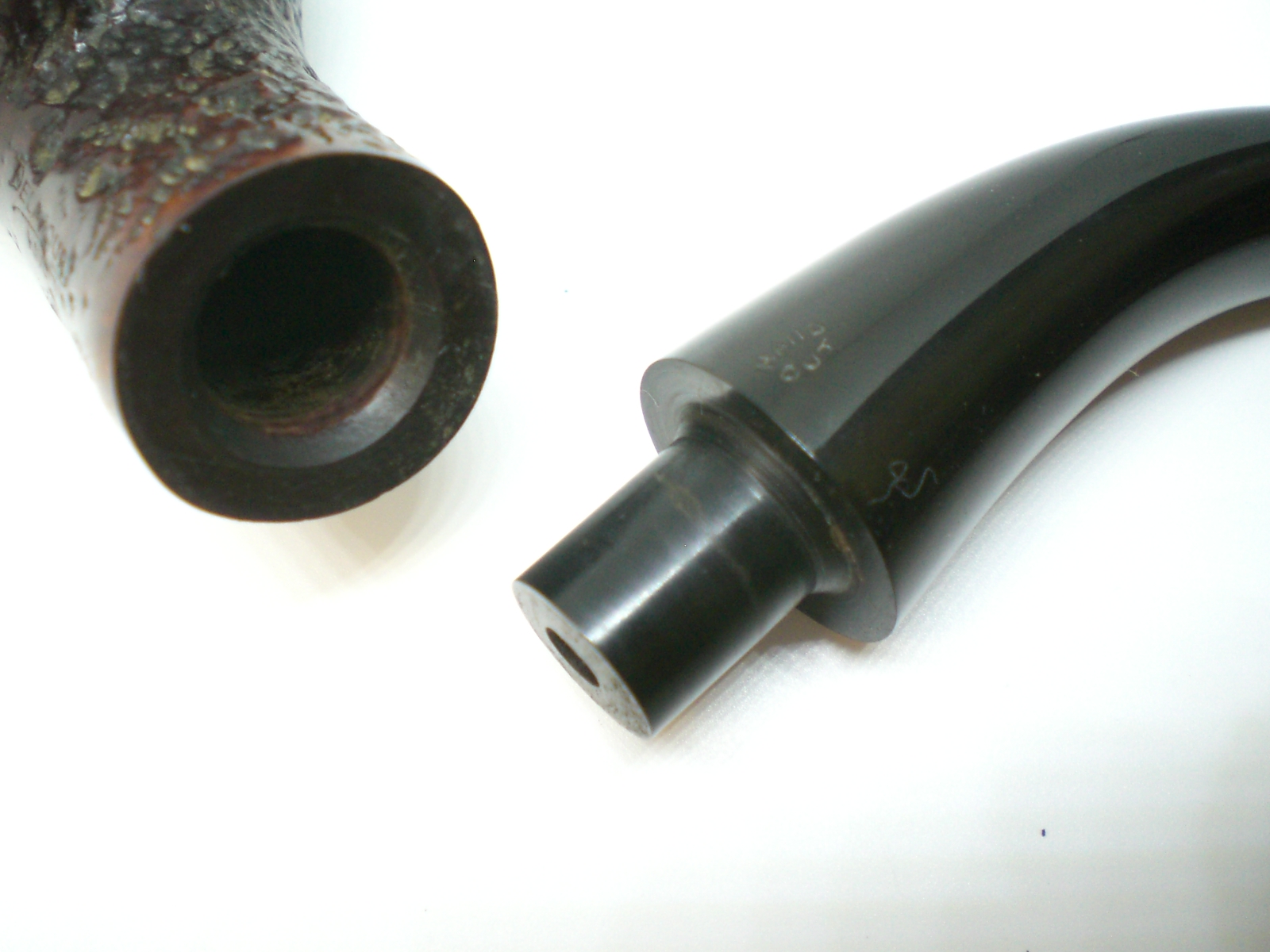
The grain and sandblast really caught my attention. The stem has a “Hand Cut” stamp and what appeared to be one brass dot. The pipe arrived with some mild oxidation on the stem but was overall terrific condition. Below is the pipe as it was received.

I reamed the very slight cake from the bowl and soaked it with sea salt and alcohol. Following the soak, the shank was scrubbed with a bristle brush dipped in alcohol, until it came out clean.

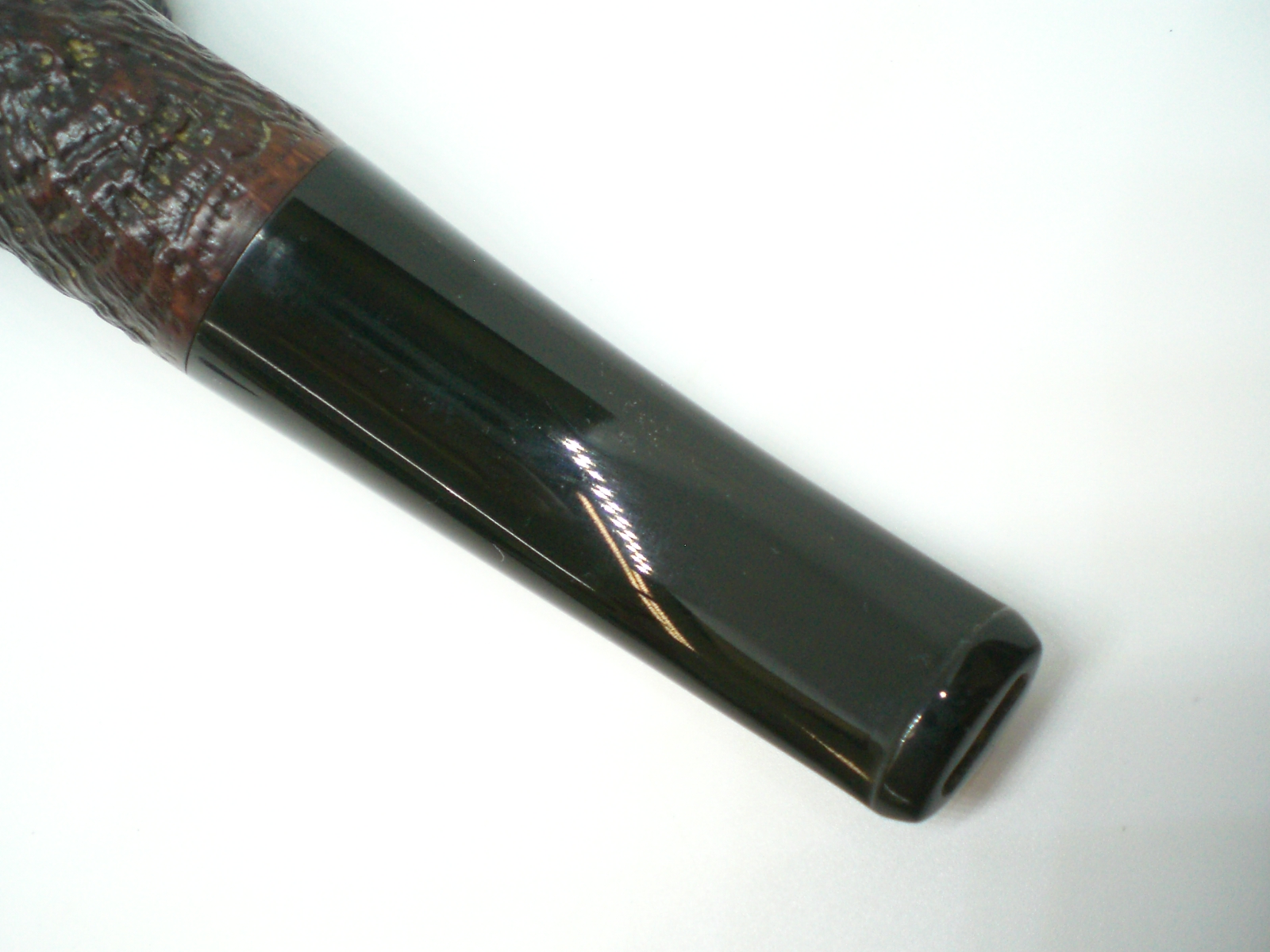
The stem was inserted and I removed the oxidation with 800,1500 and 2000 grit wet paper. I was surprised to find two brass dots. I then used 8000 and 12000 grade micromesh sheets. The stem was then buffed with White Diamond rouge and Meguiars Plastic polish. I used a wet “Magic Eraser” sponge around the “Hand Cut” stem, to avoid diminishing the stamping.

I used Halycon on the bowl, followed by a very light buff with Carnuba wax on a loose cloth wheel.

Below is the finished pipe, which I’m excited to add to my British collection of Author and Rhodesian shapes.

Weight: 53 grams

Sasieni Four Dot Ashford “Ruff Root” Restoration


By Al Jones

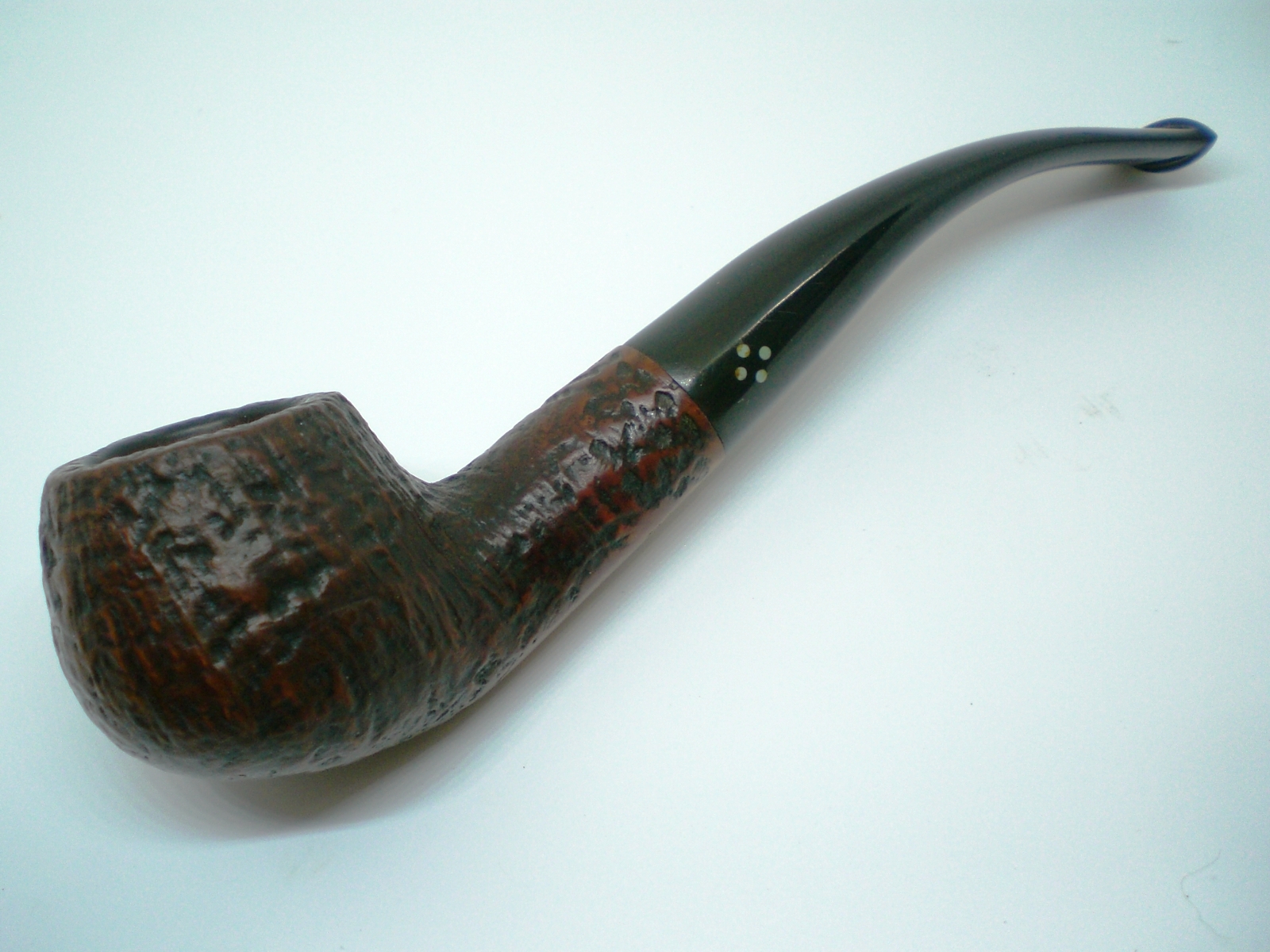
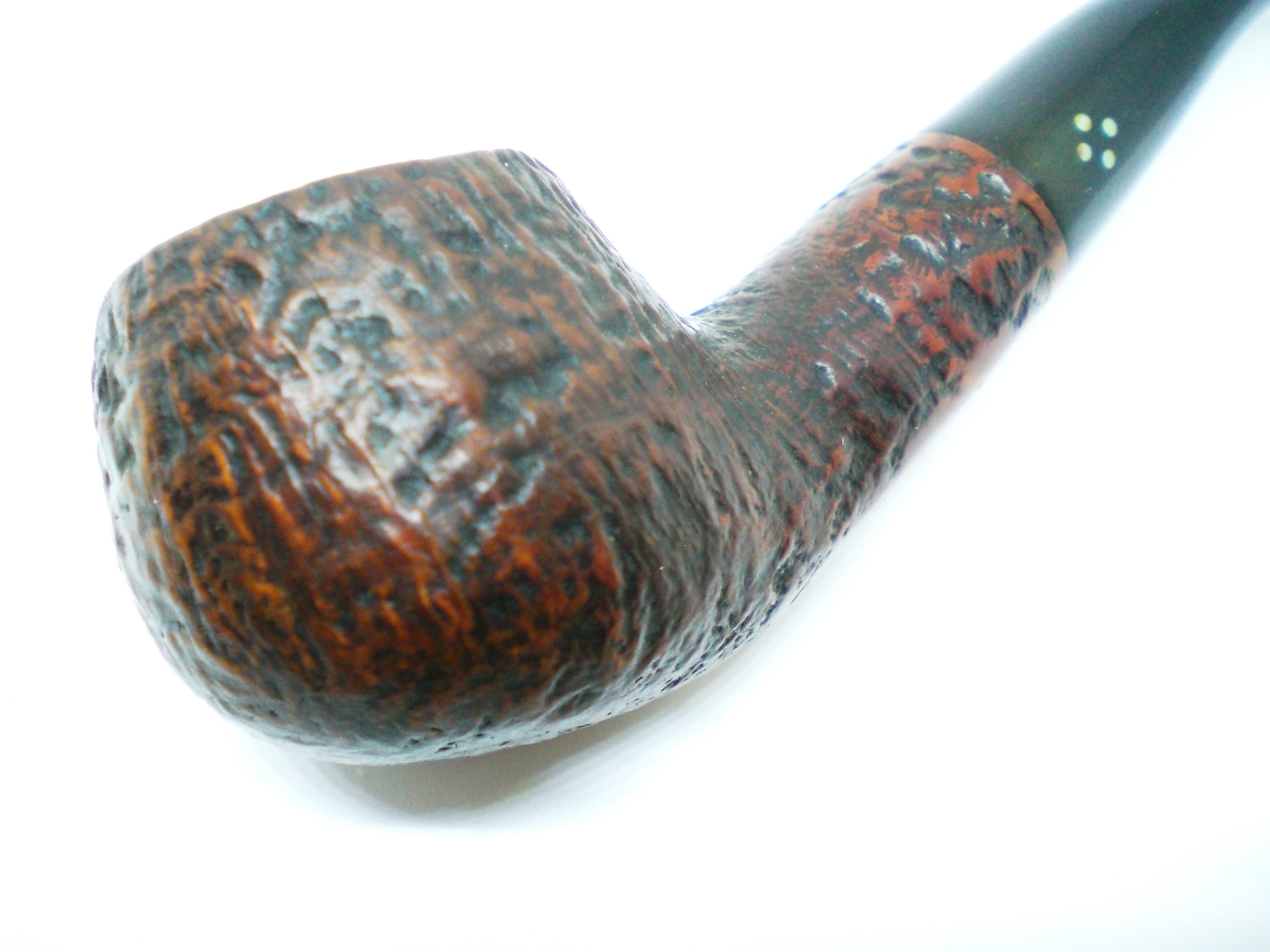
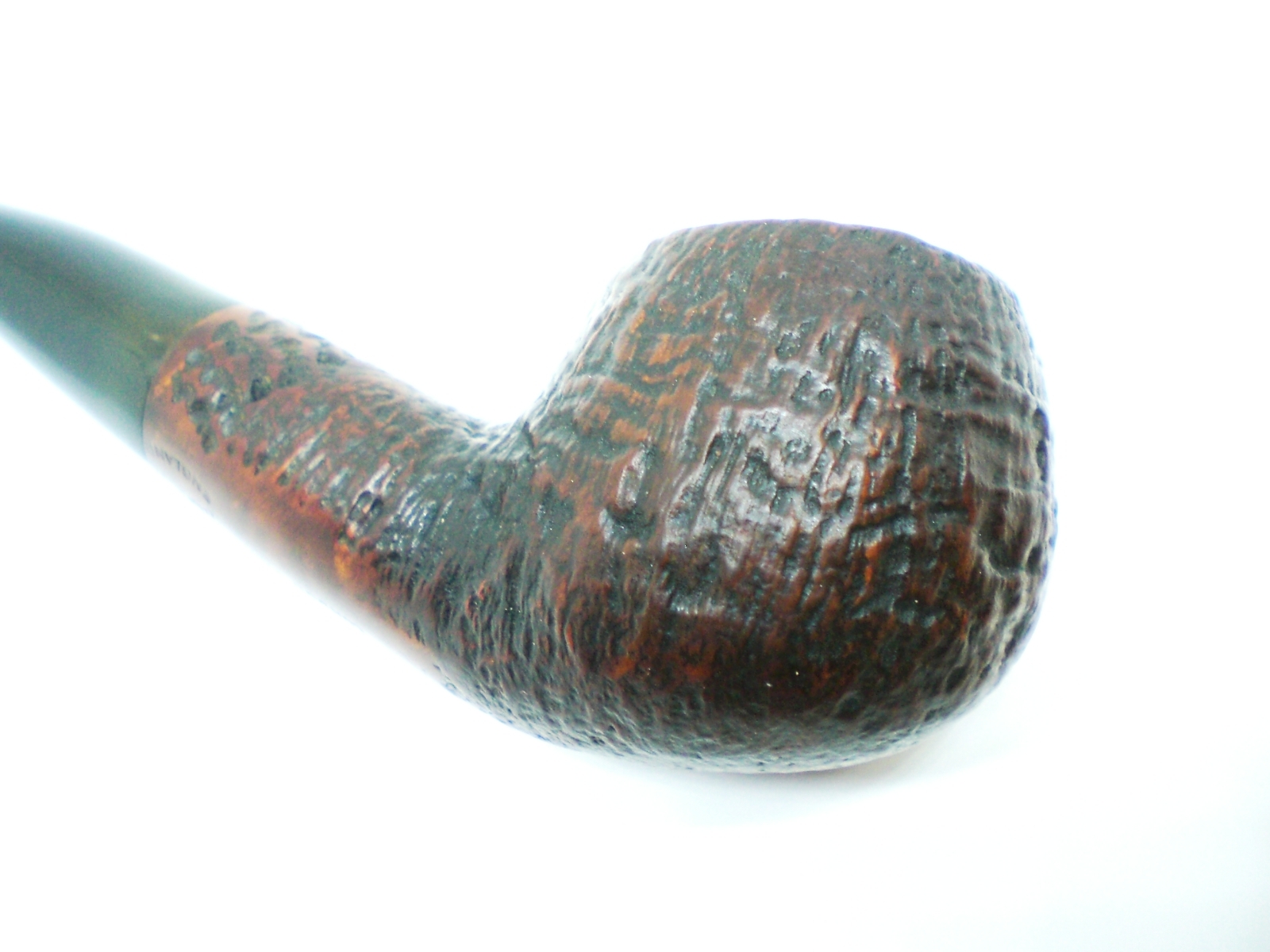
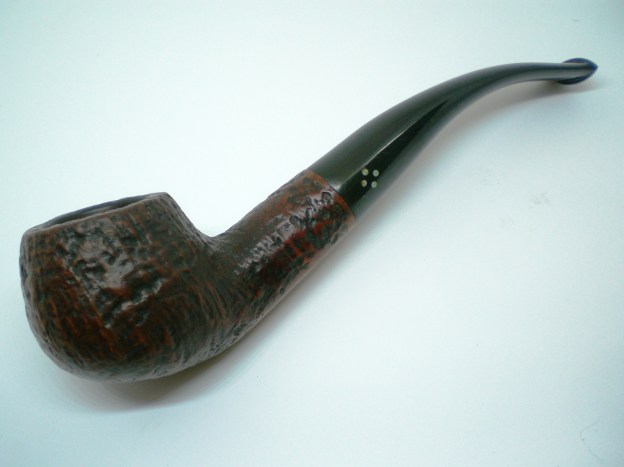
The Sasieni Ashford author is a favorite shape from the classic British makers. This one is in Ruff Root finish, which is Sasieni’s sandblast finish. Since the pipe has the town name, but no patent number, it is from the 1946 to 1979 era. Like the Peterson 999, the shape evolved slightly over the decades it was made by Sasieni. This one is a bit longer than some of my other Ashfords, and my hunch is that it was from the end of the family era. I have nothing to prove that statement – it is just a hunch.

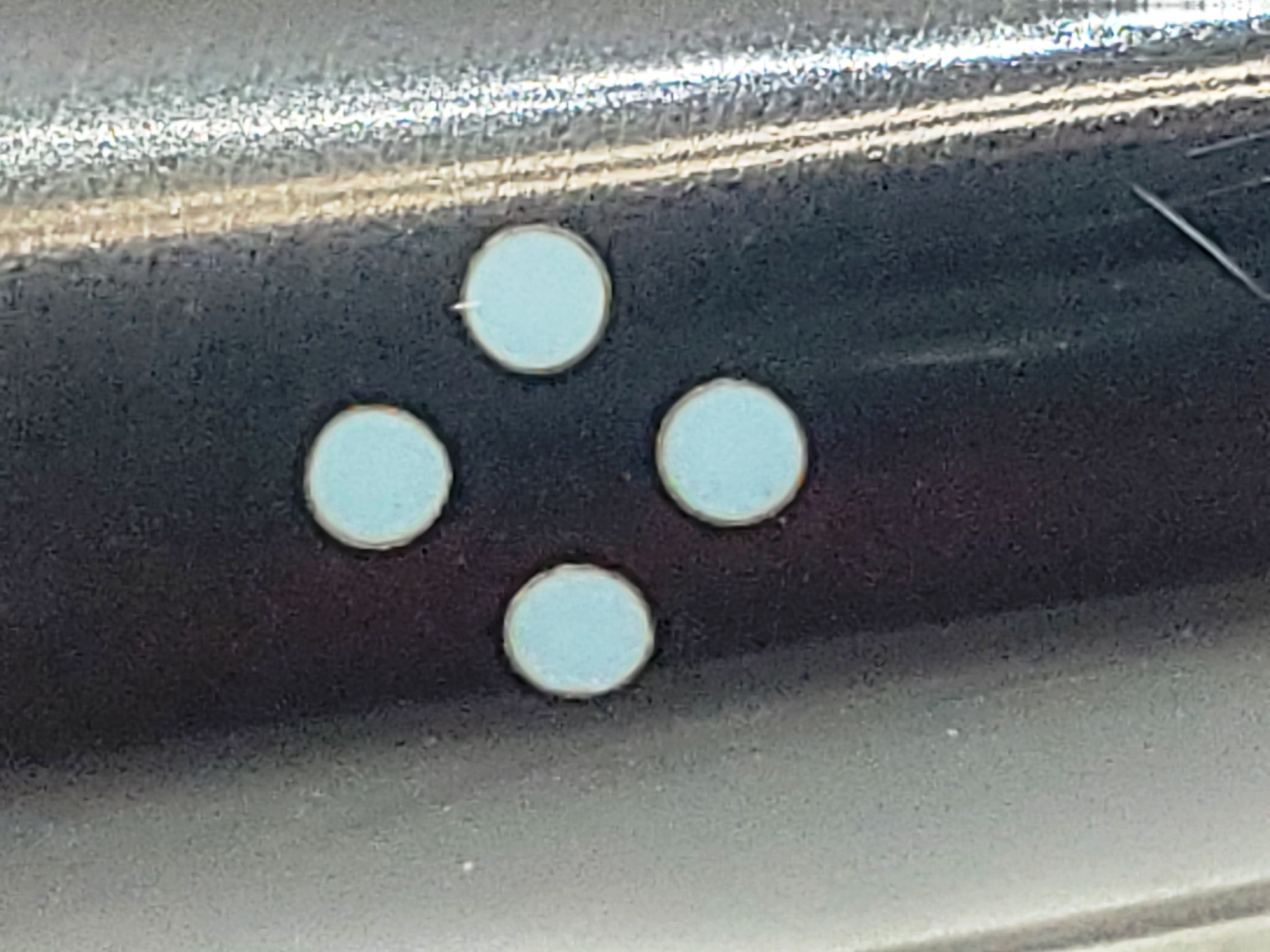
The pipe was in decent shape on delivery, some light oxidation on the stem. The classic Four Dots were a lovely shade of robin’s egg blue, a plus. On many older Sasieni’s, the color fades. There was very slight cake and the stem had lost some of the sensuous curve. Below is the pipe as it was received.

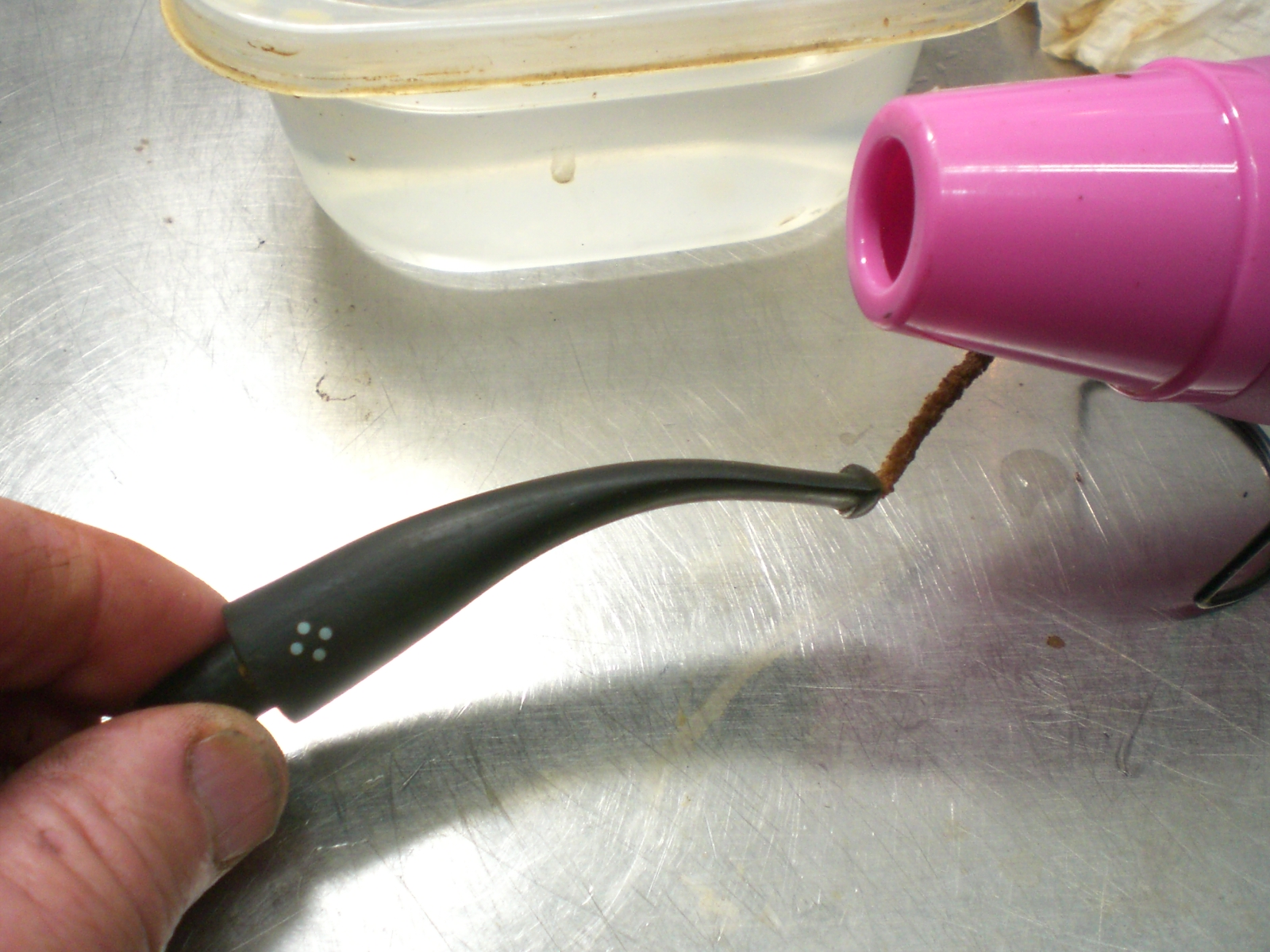
I put a bristle cleaner in the stem, and heated it with a hobby heat gun. I used a piece of briar to put the factory bend back in the stem, then dipped it in cold water to set the shape.

With the stem mounted, I removed the slight oxidation with 800, 1500, and 2000 grit wet paper, followed by 8,000 and 12,000 micromesh sheets. The stem was then buffed with White Diamond rouge and Meguiars plastic polish.

I removed the cake in the bowl with my reamer set, and finished with a piece of 320 grit paper wrapped around a reamer bit. The bowl was soaked with sea salt and alcohol. I hand polished the briar with Halycon wax.

Below is the finished pipe.

GBD “Special Shapes” 686 Restoration


By Al Jones

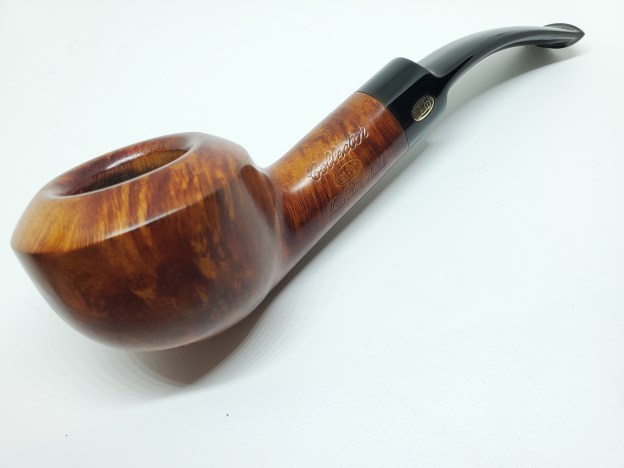
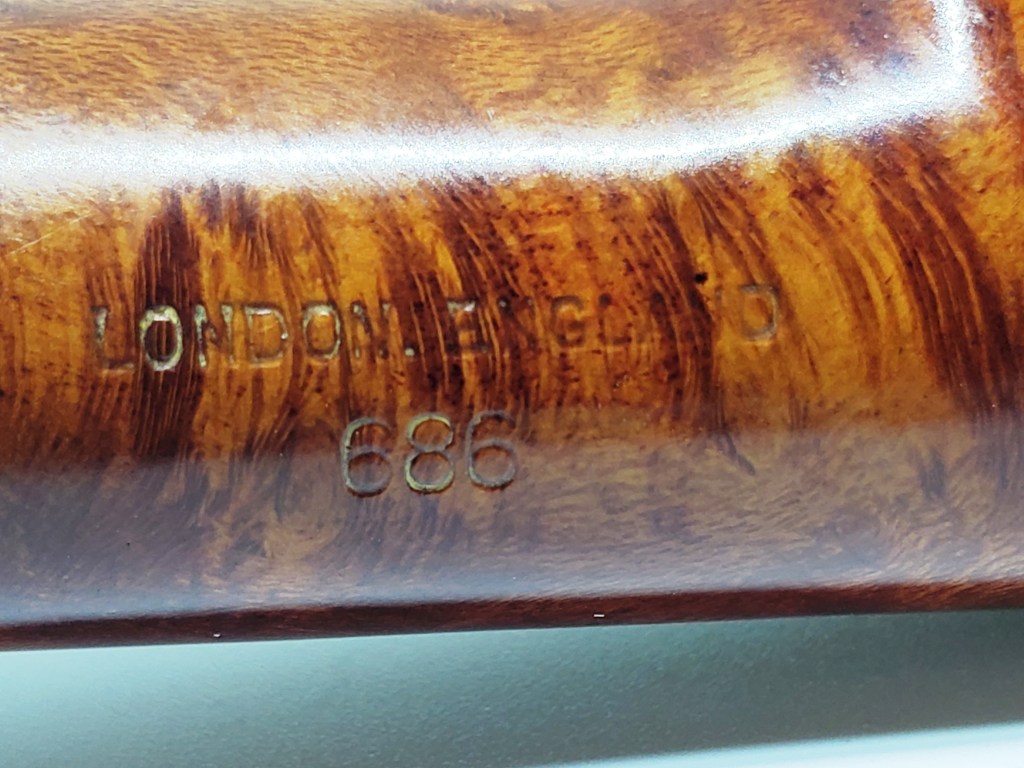
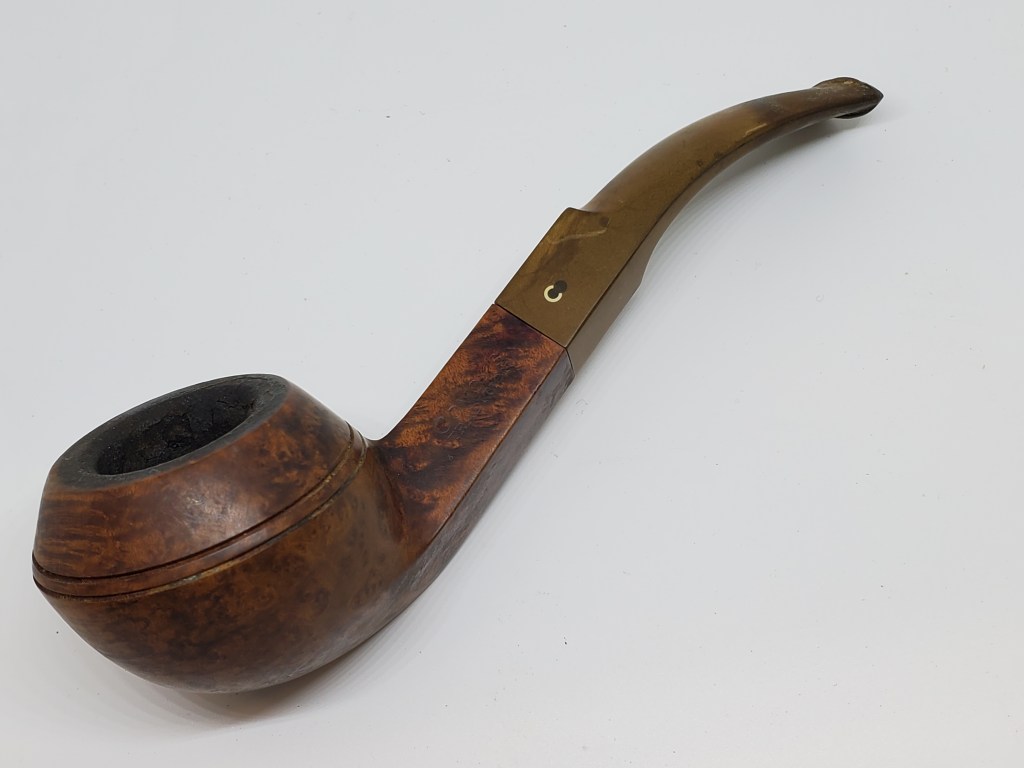
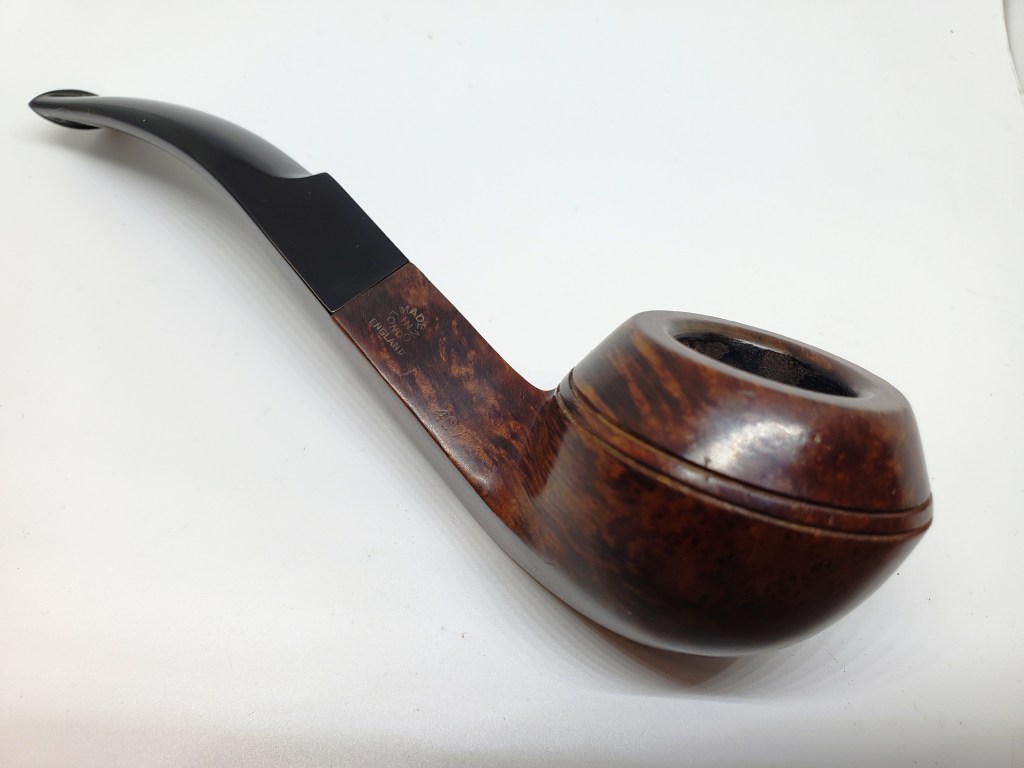
This 686 shape popped on on Ebay, incorrectly listed as a 646. I worked a deal with the seller and it was on it’s way to my work bench. This was a shape I had never encountered previously. John Fetter, the admin of the growing GBD PIpes Facebook, page collects these shape and shared this “Special Shapes” catalog page, that include below. If you are a GBD fan, you may wish to check out this passionate fan group page. Of the other pipes shown, I’ve had two 755 shapes in the past. John is currently looking for a 755, is anyone has one available. These shapes come in two of three over-sized pipes designations (Collector, Conquest and Colossus). The 686 is a Collector size, and at 57 grams, only slightly larger than a typical 9438. I guess that it would be considered a Rhodesian shape. Curiously, this one is in the New Standard finish, which is not listed as an available finish for the shape. The mysteries of GBD!

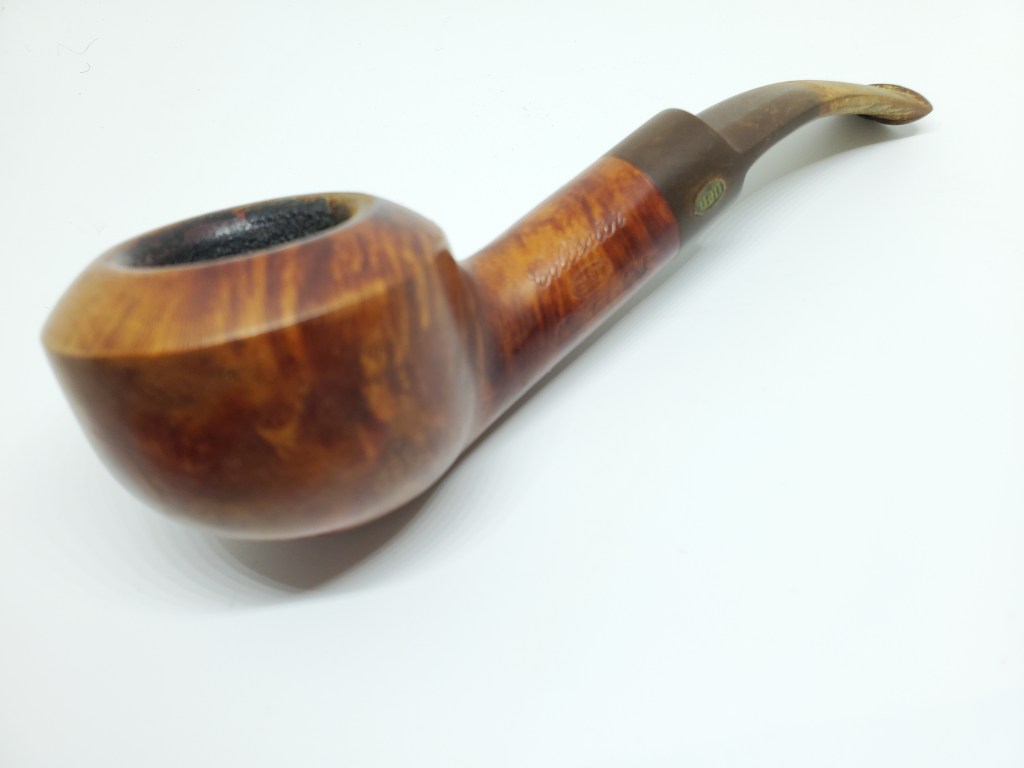
Below is the pipe as it was received. It had some slight build-up on the bowl top and a few handling marks on the briar. The nomenclature was in excellent shape, as was stem fitment. The stem was heavily oxidized, with one tooth prick that was revealed when the oxidation was removed. It has the brass rondell and straight line COM stamp of the pre-Cadogan era.

I used a worn piece of scotch-brite to remove the bowl top build-up. The bowl was reamed and soaked with alcohol and sea salt. I steamed out the minor handling marks on the bottom of the bowl.

The stem was fitted and oxidation removed with 600, 800, 1,500 and 2,000 grade wet sandpaper. I used a popsicle stick to get up against the button crease. I used a tiny drop of black superglue to fill the tooth prick near the button, the sanded smooth. The stem was buffed with White Diamond and Meguiars Plastic polish.

The bowl was buffed lightly with White Diamond and multiple coats of Carnuba wax, which brought back the color finish nicely.

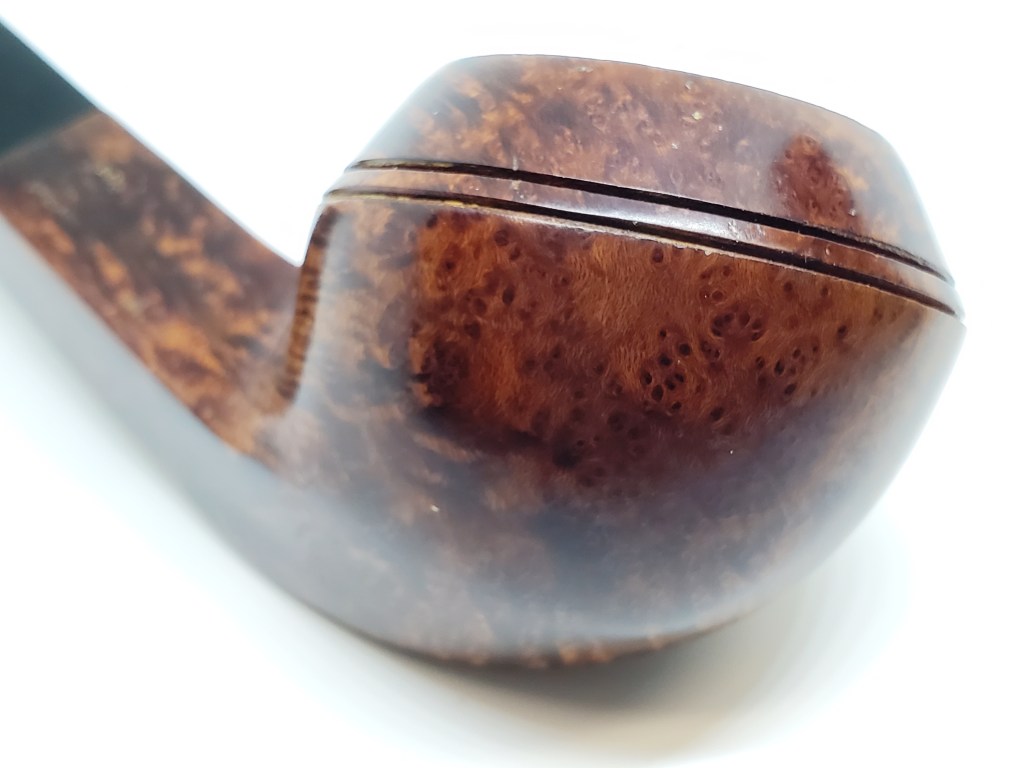
Below is the finished pipe.

Comoy’s 409 Tradition Restored


By Al Jones

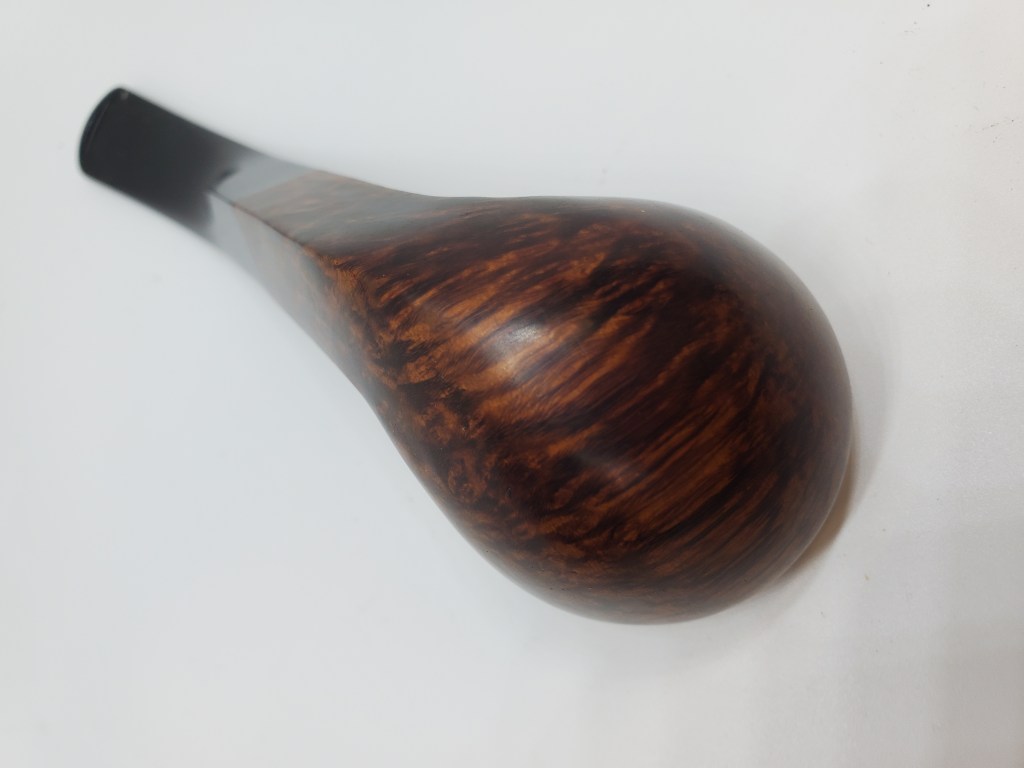
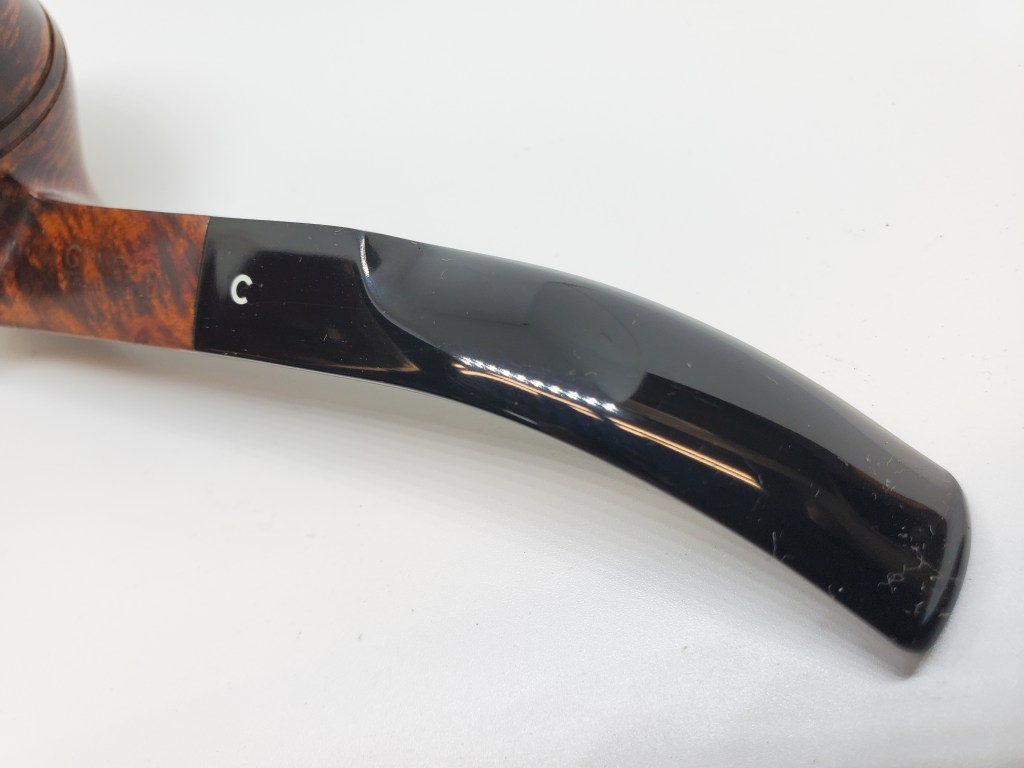
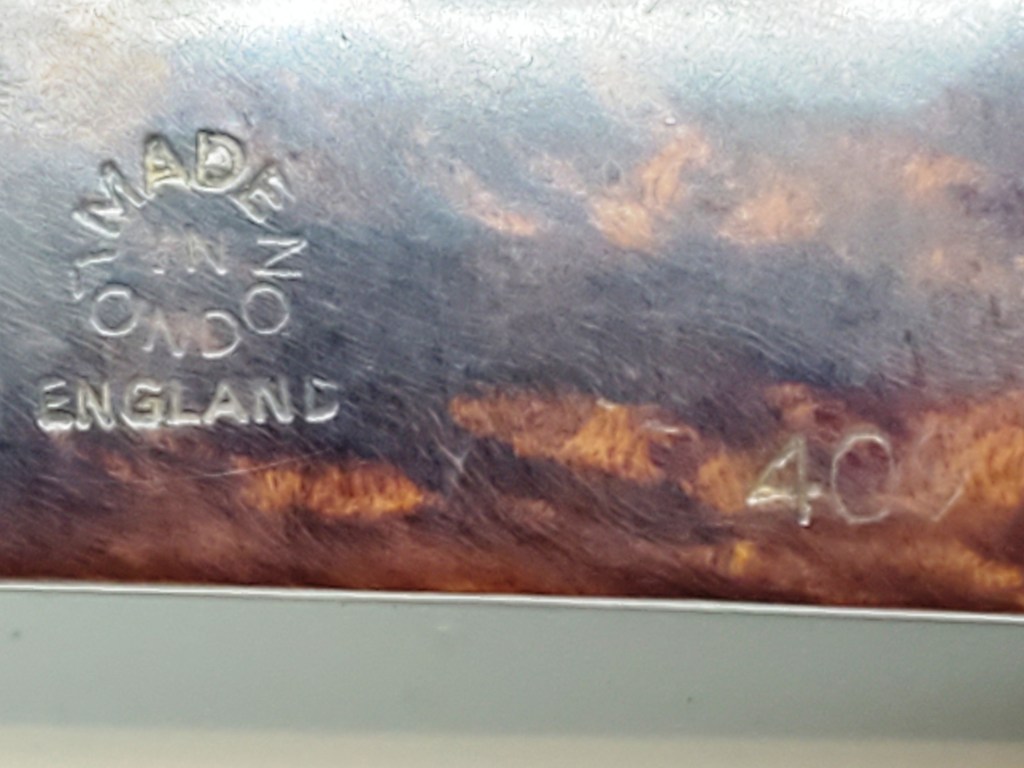
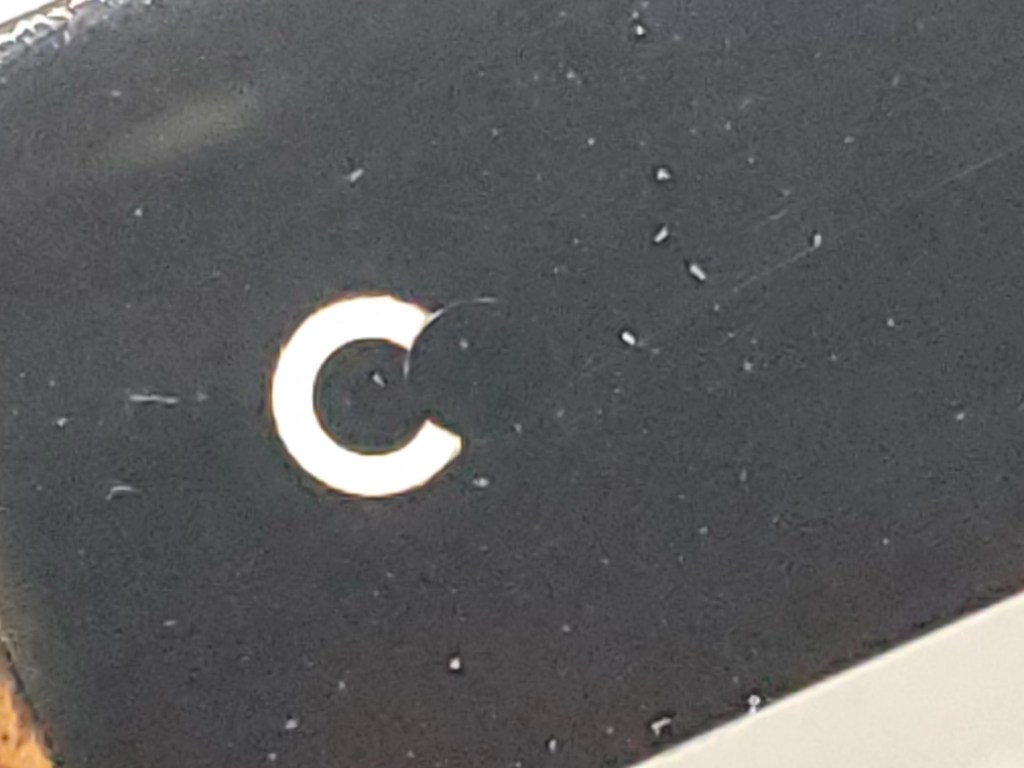
Over the past 10 years, I’ve restored four Comoys of this shape 409 and the third Tradition finish. I’ve sold the others, but perhaps this one stays in my collection? The drilled, 3 piece stem dates it to the 1946 to 1981 pre-Cadogan era.

This one was in great shape, with an oxidized, but otherwise, nearly perfect stem. There was a heavy cake in the bowl and some build-up on the bowl top. Below is the pipe as it was delivered.

I reamed the cake from the bowl, and found a very nice bowl interior, with no issues. The bowl was soaked with alcohol and sea salt. Following the soak, I scrubbed the shank with a bristle brush dipped in alcohol. I used a piece of worn scotch-brite to remove the build-up on the bowl top.

The stem was mounted and I removed the oxidation with 600, 800, 1500 and 2000 grade wet paper, followed by 8,000 grade micromesh (sheet). The stem was then buffed with White Diamond and Meguiars Plastic polish.

The briar was buffed lightly with White Diamond and several coats of Carnuba wax.

Below is the finished pipe.

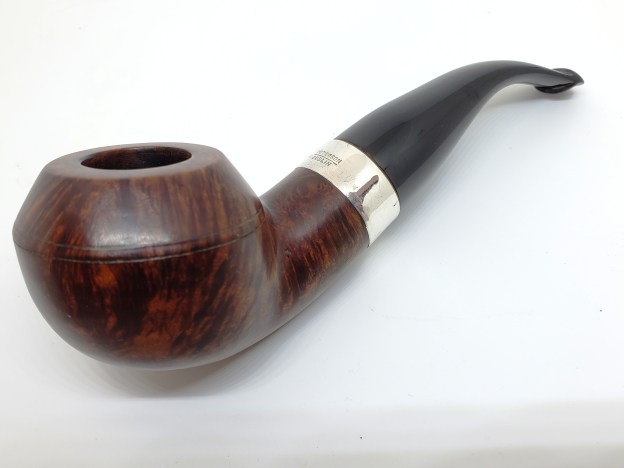
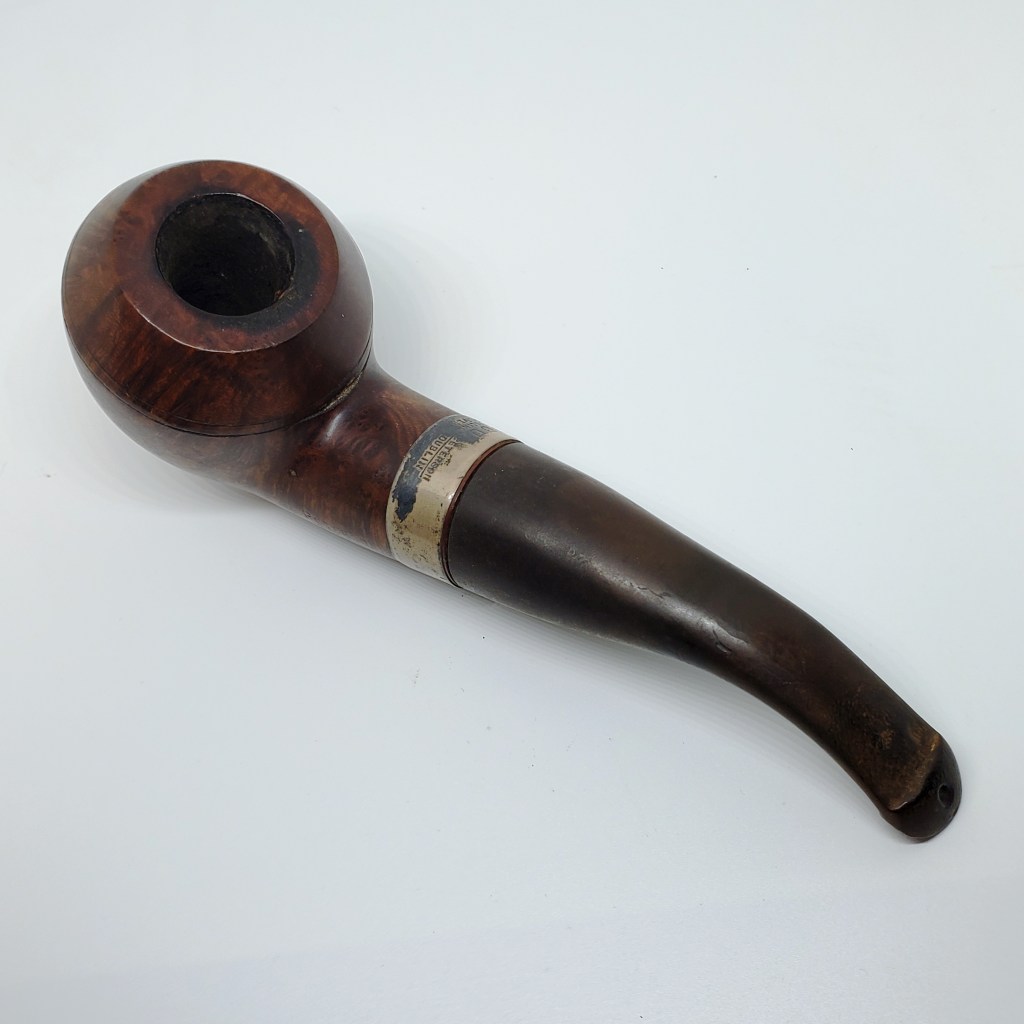
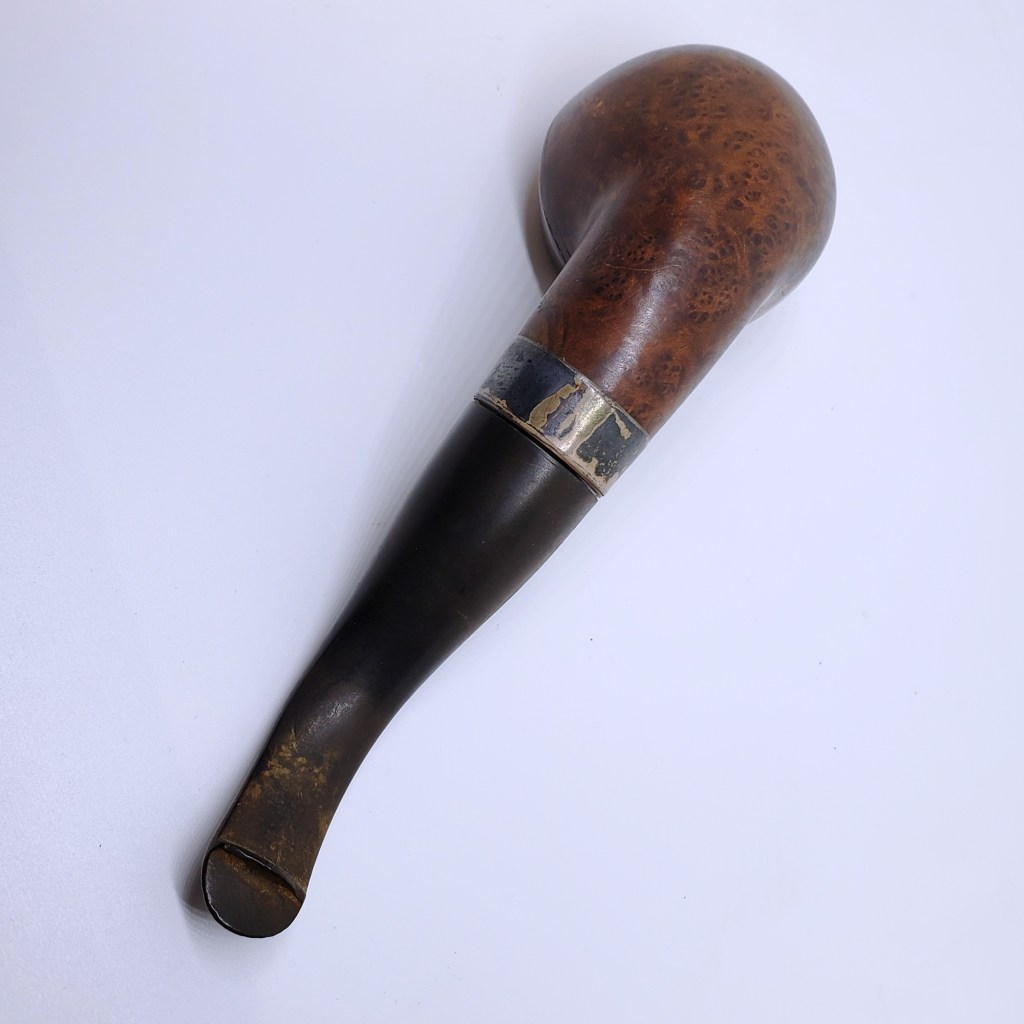
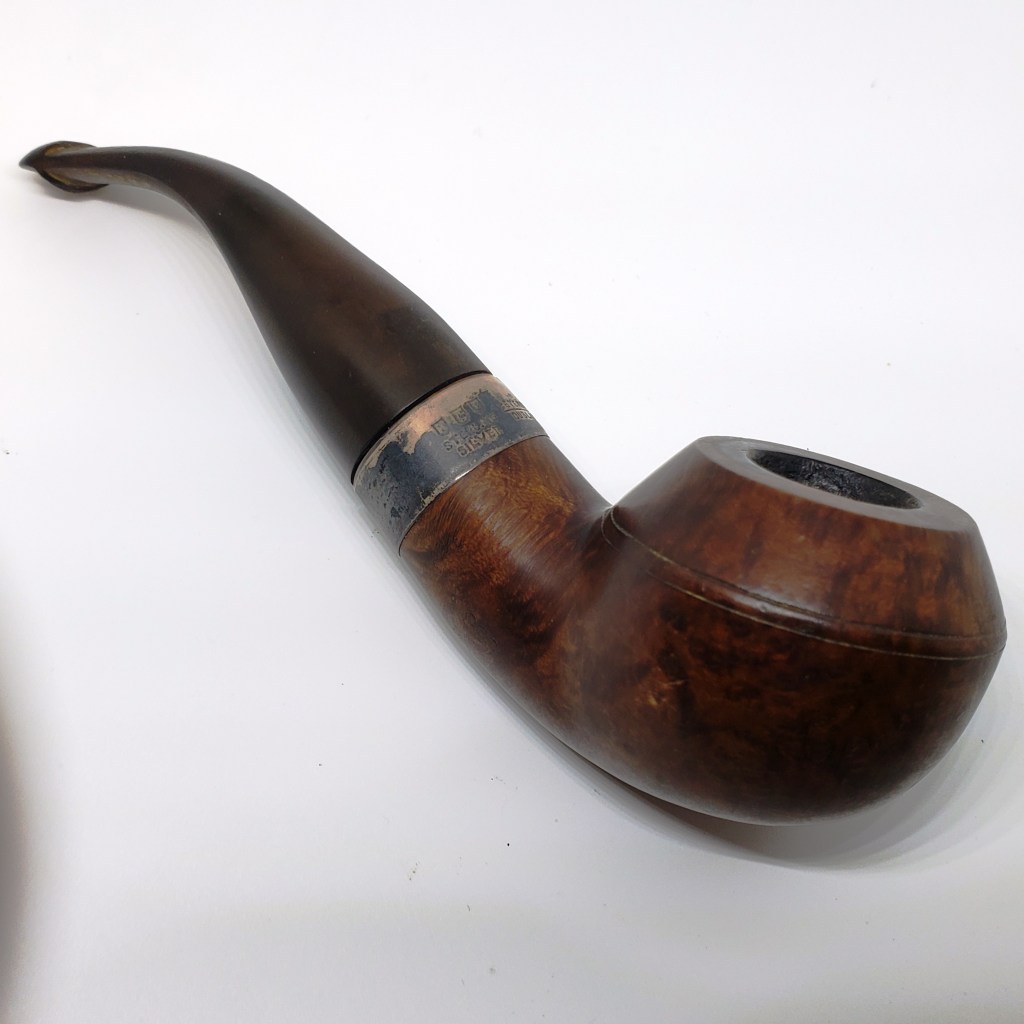
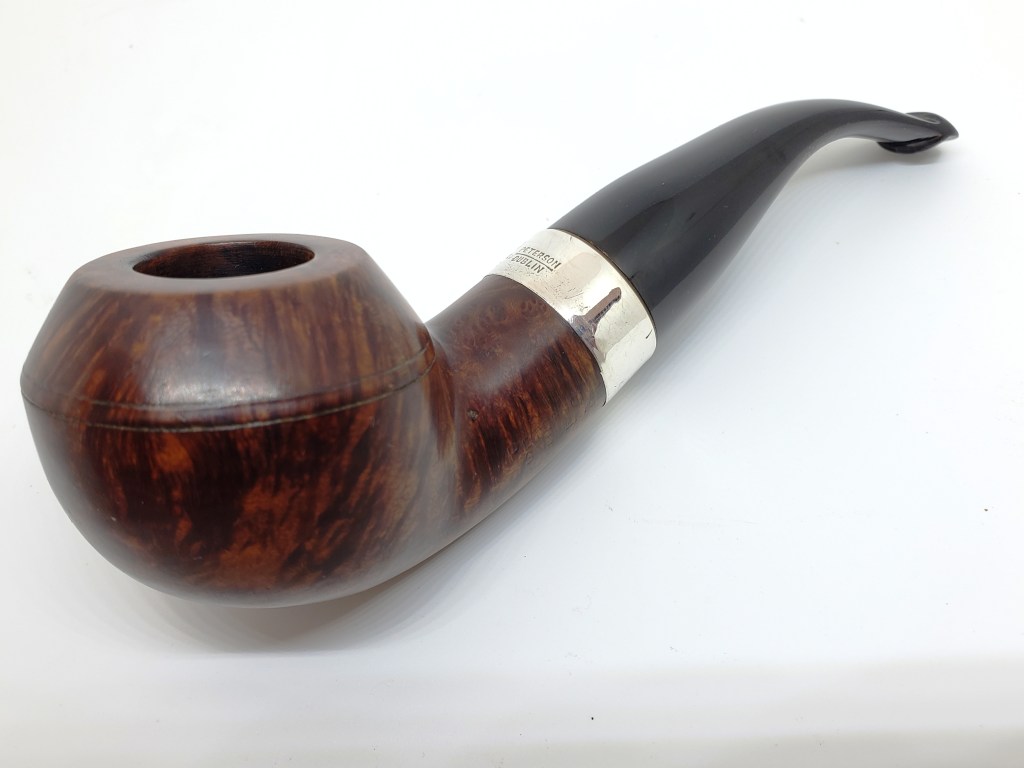
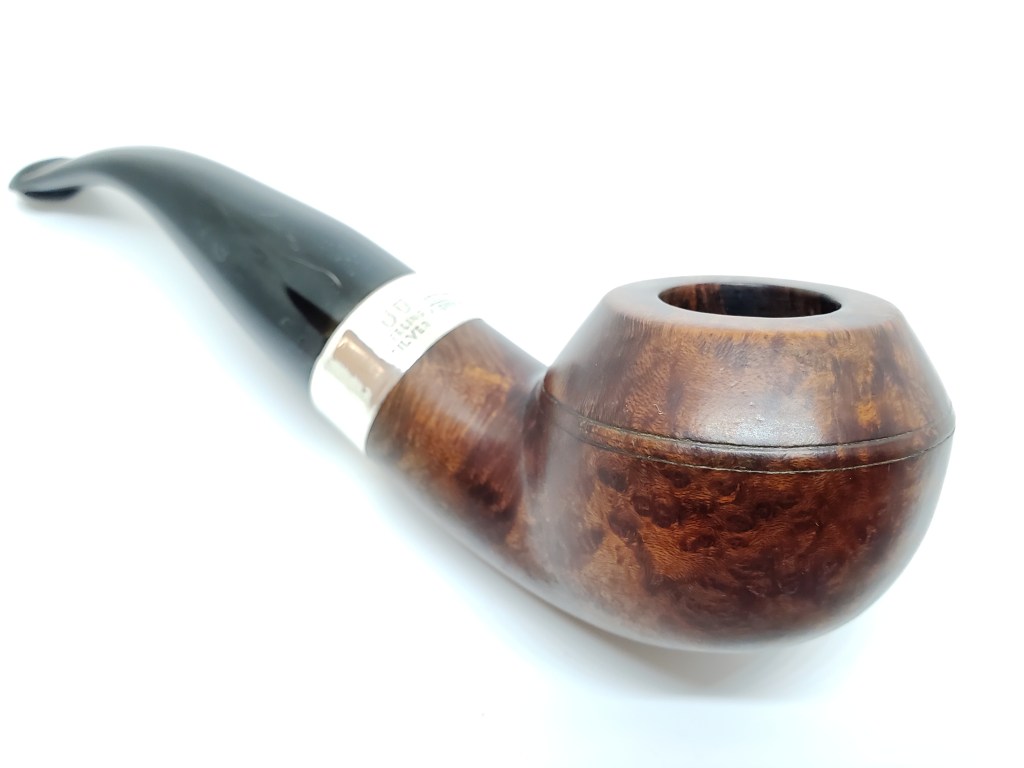
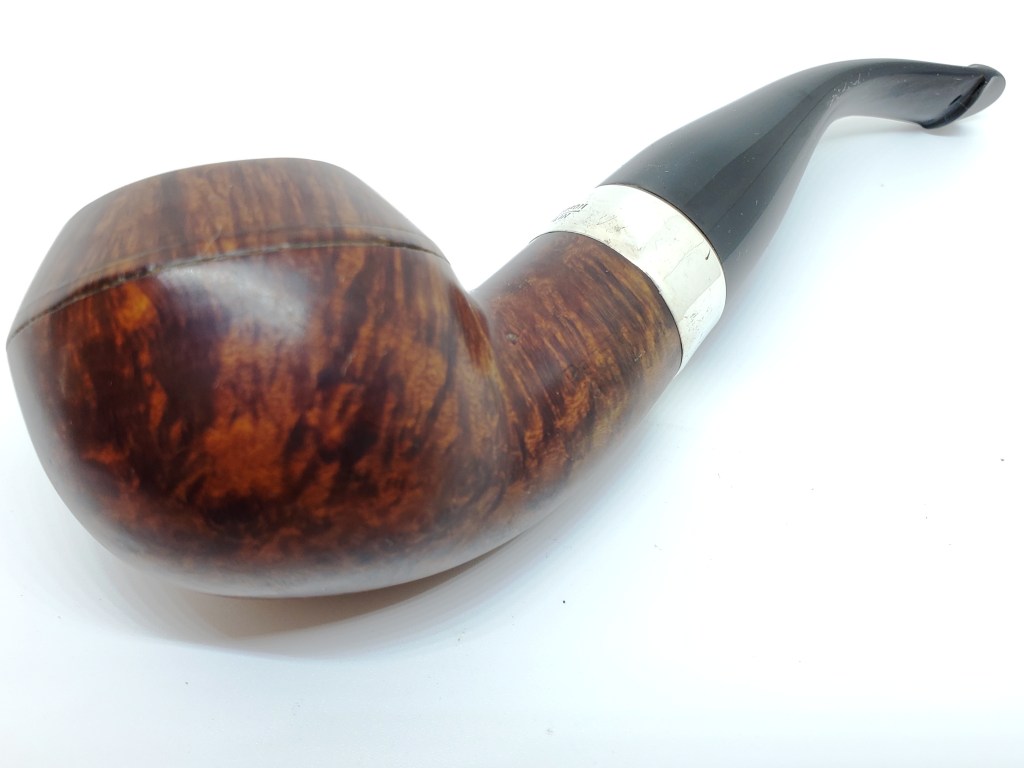
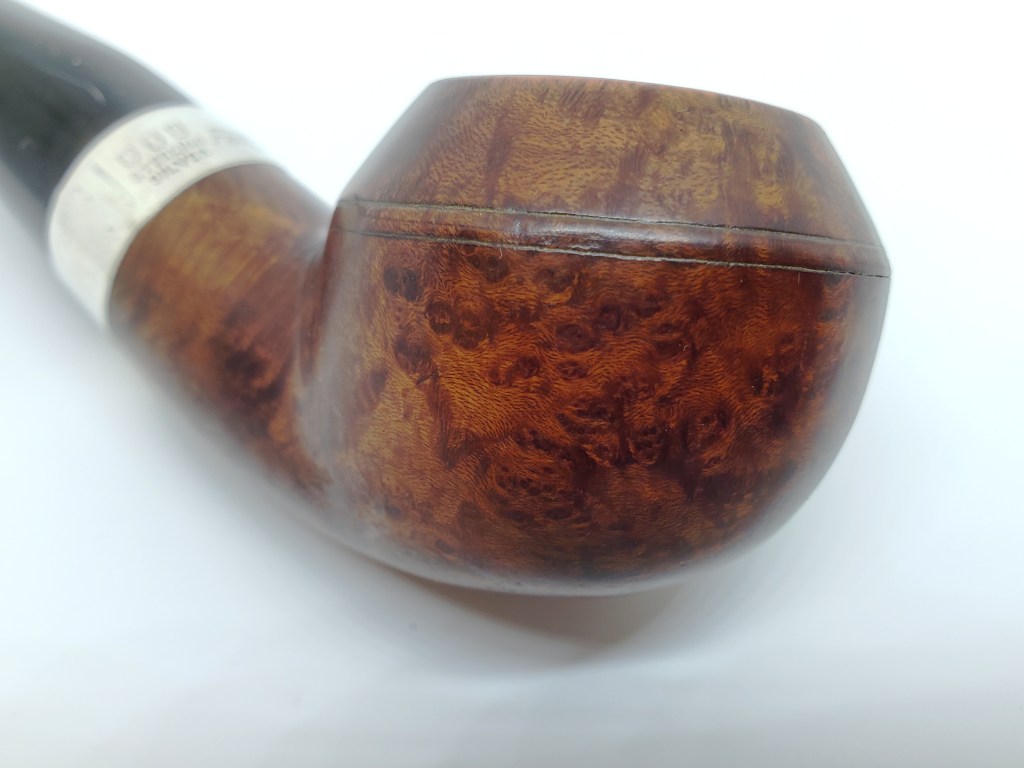
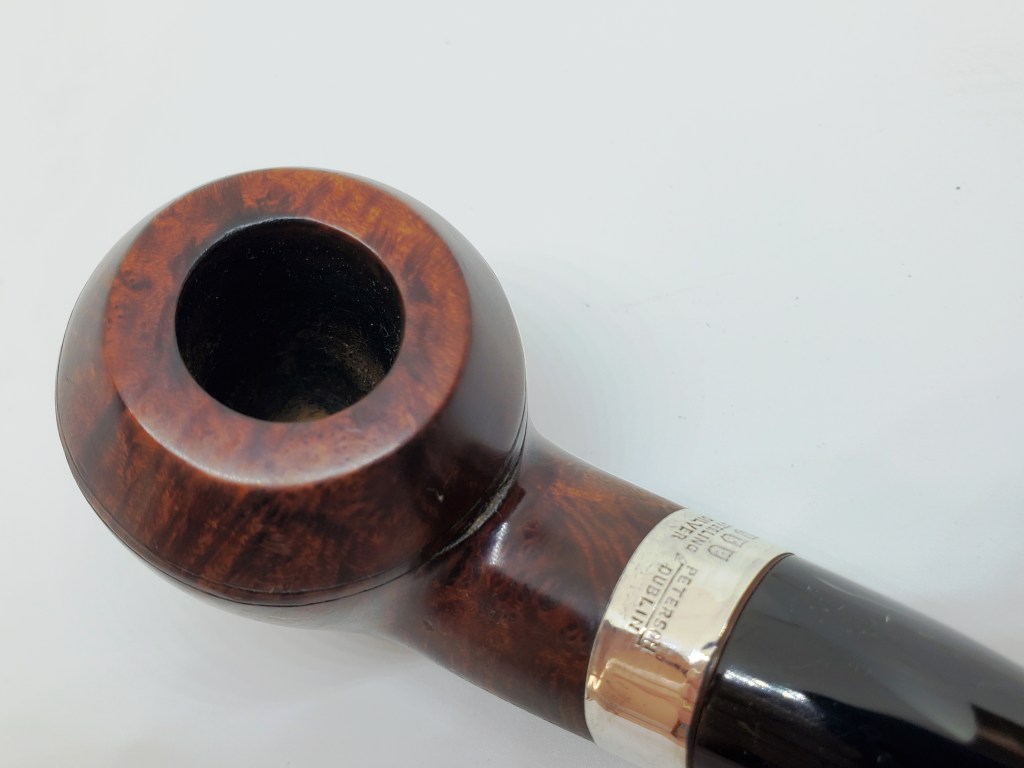
Peterson Pre-Republic 999 Sterling Restored


By Al Jones

This tired Peterson 999 Sterling showed up on eBay, with four very poor, dark photos, sold by a non-pipe vendor who didn’t take returns. These auctions always carry a bit of risk with them. However, the pipe appeared solid enough that I took the risk.

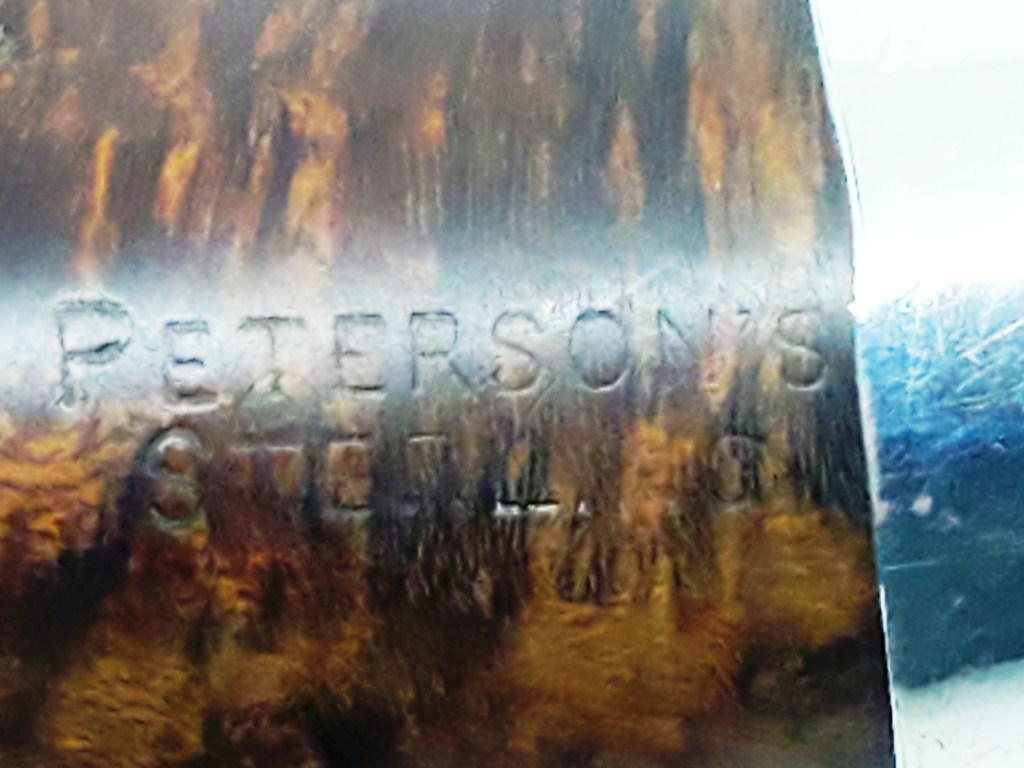
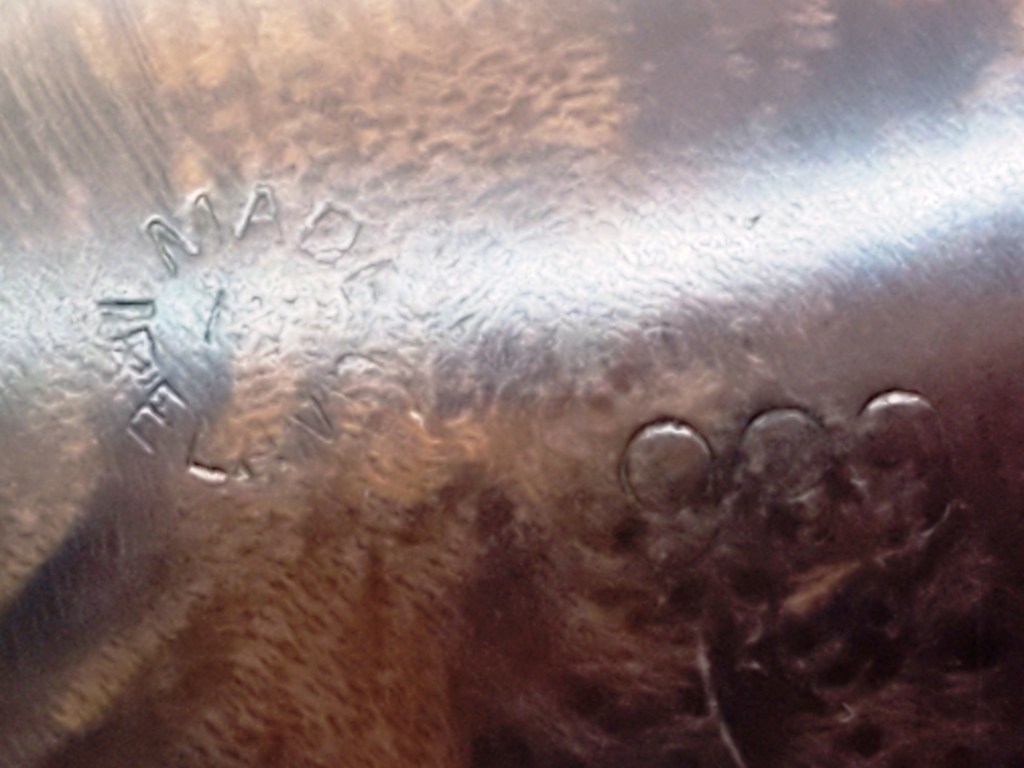
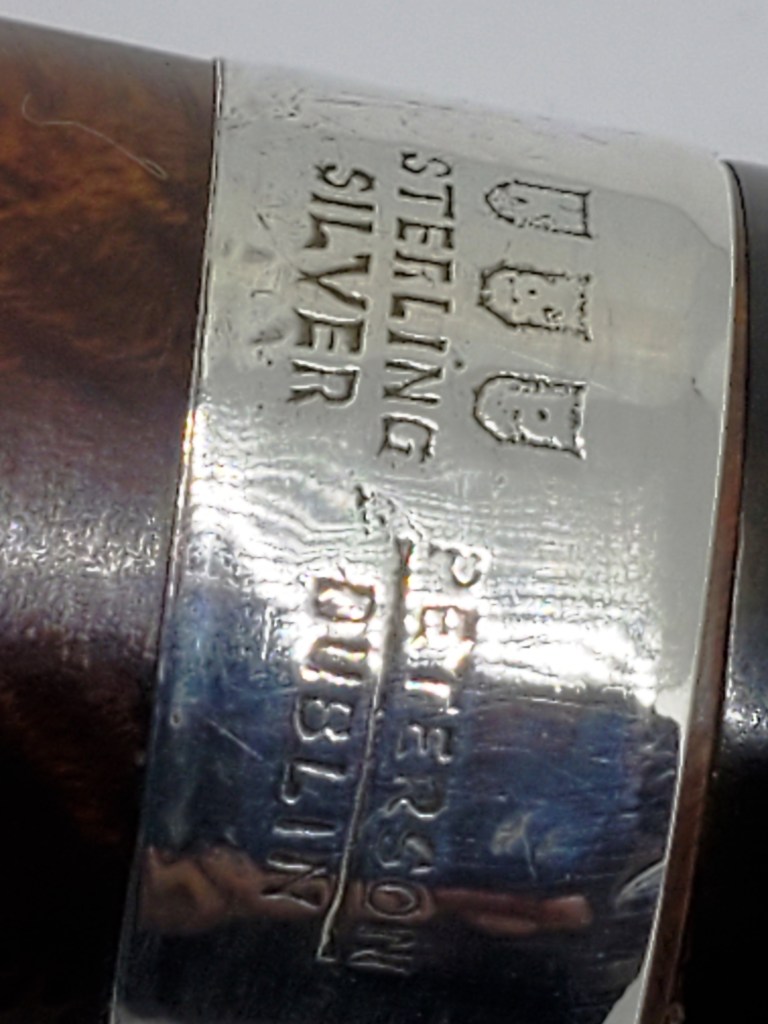
I was quite pleased opening the well-packaged pipe. The stem was solid, and the bowl showed no structural issues. Sterling grade Petersons often come with faux hallmarks, and sure enough, that was the case. I was quite pleased to see the round “Made In Ireland” country of manufacture stamp that was used for a short period of time from approximately 1945 to 1947. The rest of the nomenclature was solid.

Below is the pipe as it was received.

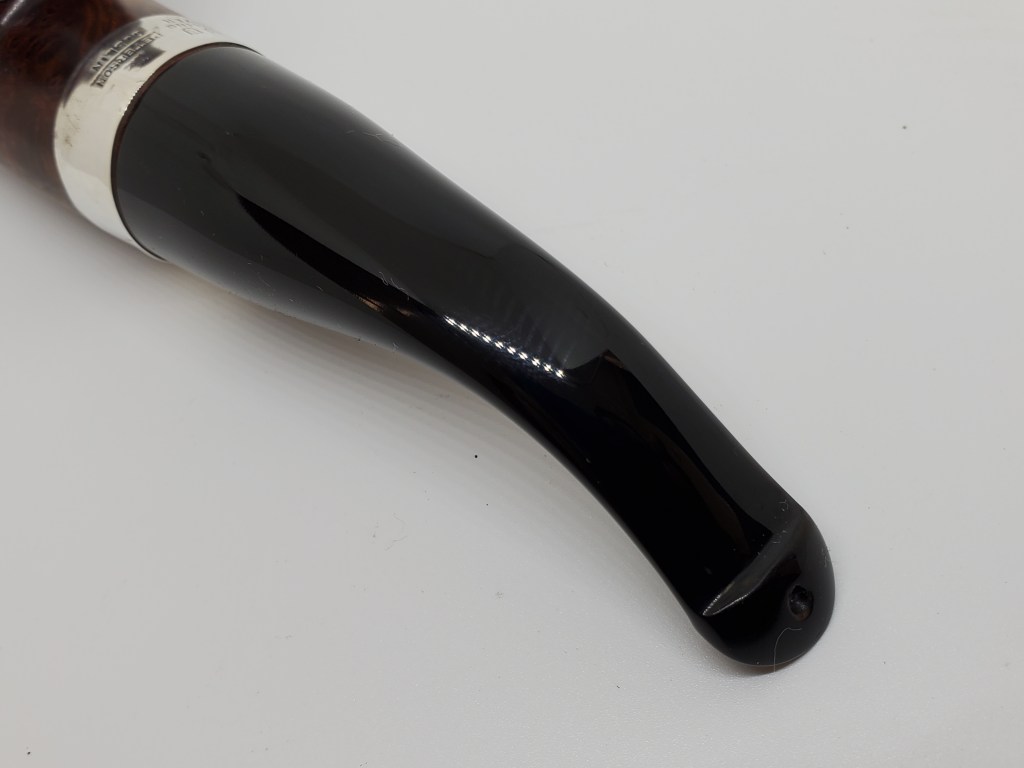
The pipe had heavy oxidation, two teeth indention’s and some chatter underneath the P-lip button. The silver band was heavily oxidized and the bowl top had some mild build-up.

I used my reamer set to remove the mild cake, and found the bowl interior to be in excellent condition. The bowl was then soaked with sea salt and alcohol. I used a micromesh sheet to remove the build-up on the bowl top.

Following the soak, I mounted the stem to restore it. I used a lighter to lift out the two teeth indention’s. The oxidation and chatter was removed with 600, 800, 1500 and 2000 grade wet sandpaper, followed by 8000 and 12000 grade micromesh sheets. The oxidation around the P-lip button was particularly stubborn, and I wrapped paper around a small needle file to completely remove it from the profile. The stem was then buffed with White Diamond and Meguiars Plastic Polish.

I used some Stainless polishing creme to remove the tarnish on the band. The band sits a millimeter below the end of the shank. It has picked up a few handling marks over 70 plus years, but I think they add to the character of the pipe and no doubt they were well earned.

I’m very pleased to add this one to my Peterson collection. Below is the finished pipe.

Weight: 63 grams

Restored – Plymouth 88 – Sasieni Ashford 2nd


By Al Jones

The Sasieni Shape 88, more commonly known by it’s town name in Four Dot nomenclature, is the “Ashford”. It is one of my favorite British pipe shapes. The Shape 88 is Sasieni’s version of the classic Author shape.

This pipe came via Ebay, where the seller had it listed as a Peterson 2nd. Indeed, “Who Made That Pipe” does list Plymouth as a Peterson 2nd line. To my knowledge, Peterson never made a true Author shape and when I asked for additional stamping detail, the seller said it had the “88” stamp as well the “Made in England” COM. The 88 is of course a Sasieni shape and when received, it matched up well with my other Ashfords. The button definitely looks Sasieni made. I’ve found Sasieni 2nd line stems are quite good. Is this a true Sasieni 2nd line or a pipe made by Sasieni for a shop called “Plymouth”. Google didn’t yield any info on such a shop, so it’s likely lost to time. In a few days, this one will travel with me in to Louisiana for Thanksgiving. I’ll leave it at my daughters home for our frequent visits with her family and my two grandchildren.

Below is the Sasieni Ashford/88 shape, from a 1951 catalog and pictures of the pipe as it was received.

The pipe had a mildly oxidized stem, but no dents or button issues. The bowl had a very mild cake and the briar had a few bruises and numerous factory fills and flaws.

I reamed the cake and soaked it with alcohol and sea salt. The bowl was in great shape. I used a bristle cleaner soaked in alcohol to clean the stem internal. Upon completion of the salt soak, I used a bristle brush dipped in alcohol to thoroughly clean the shank.

The stem was mounted and the oxidation was removed with 800, 1,500 and 2,000 grade wet sandpaper, followed by 8,000 and 12,000 grade micromesh. I buffed the stem with White Diamond rouge and Meguiars Plastic Polish.

The bowl was buffed with White Diamond and several coats of carnuba wax.

Below is the finished pipe, soon to resume it’s proper function in Louisiana.