
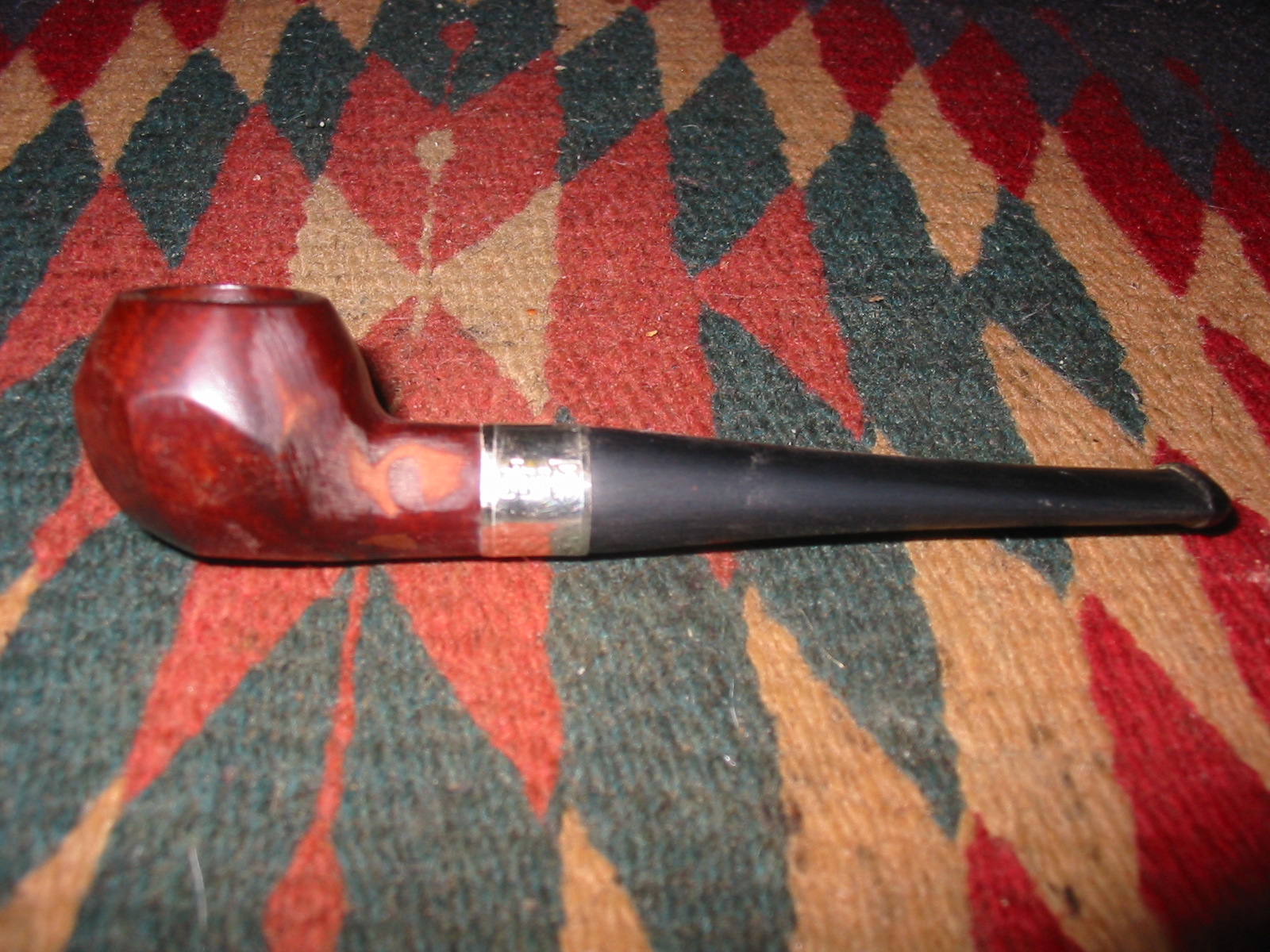
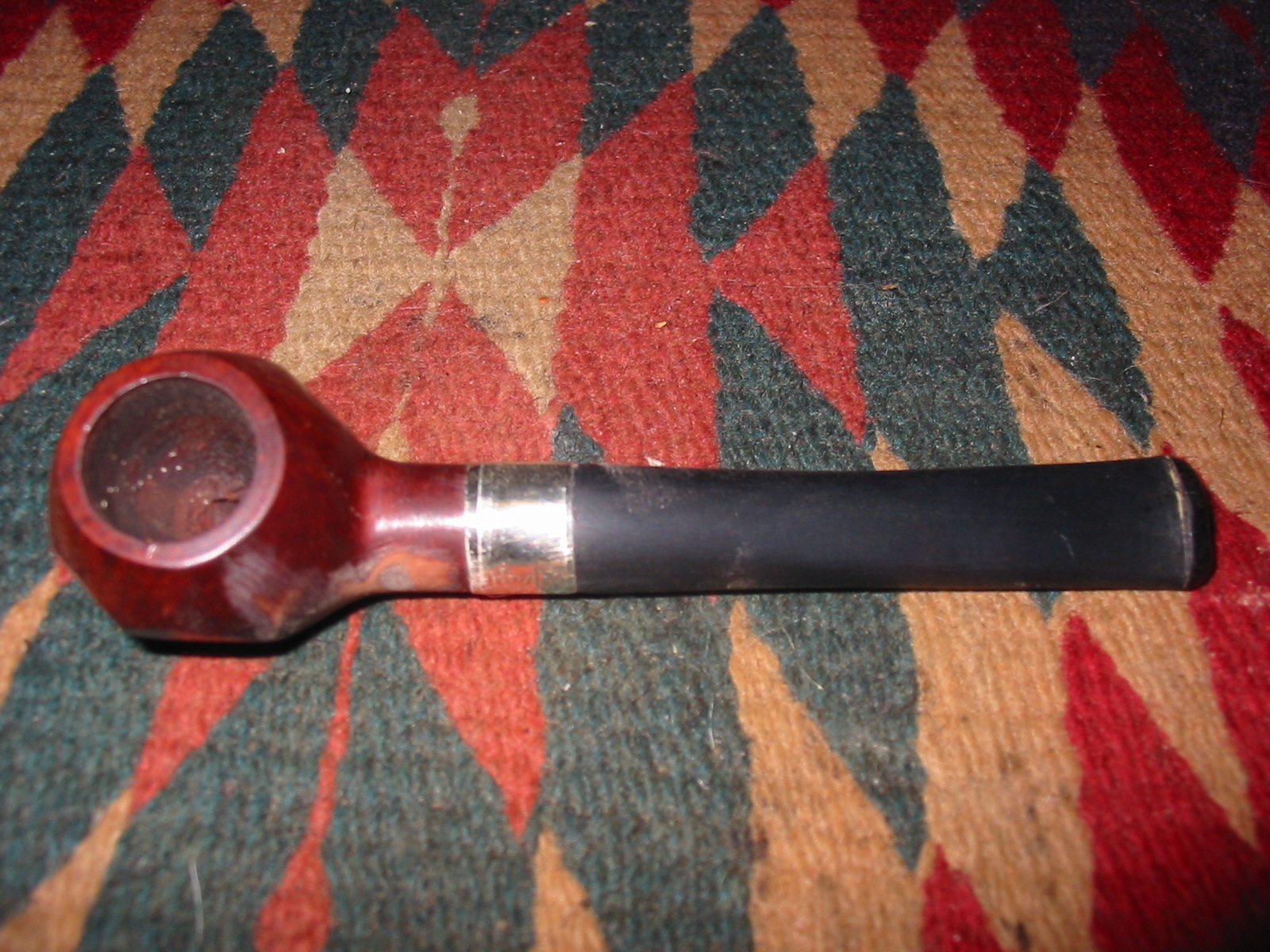
Here is another pipe from the bottom of the refurbishment box. It is a little Rhodesian that I had ignored for a while. It measures 4 3/8 inches long stem included. The bowl is 1 ¾ inches long and 1 inch tall. The inner diameter of the bowl is ½ inch and the bowl depth is ¾ inch. The bowl was in pretty decent shape and was unsmoked. There was a fill on the left side of the bowl and a slight divot on the shank next to the bowl. The end of the shank had some pretty deep nicks in it and would make a tight fit between stem and shank impossible. Half the battle in restemming these small pipes is finding a stem that will work and then turning the tenon to fit the small mortise. This one was no exception. I had a stem that would work it was 2 5/8 inches long and was made out of nylon. It was an old WDC pipe stem. The shoulders were well rounded and the tenon was short.
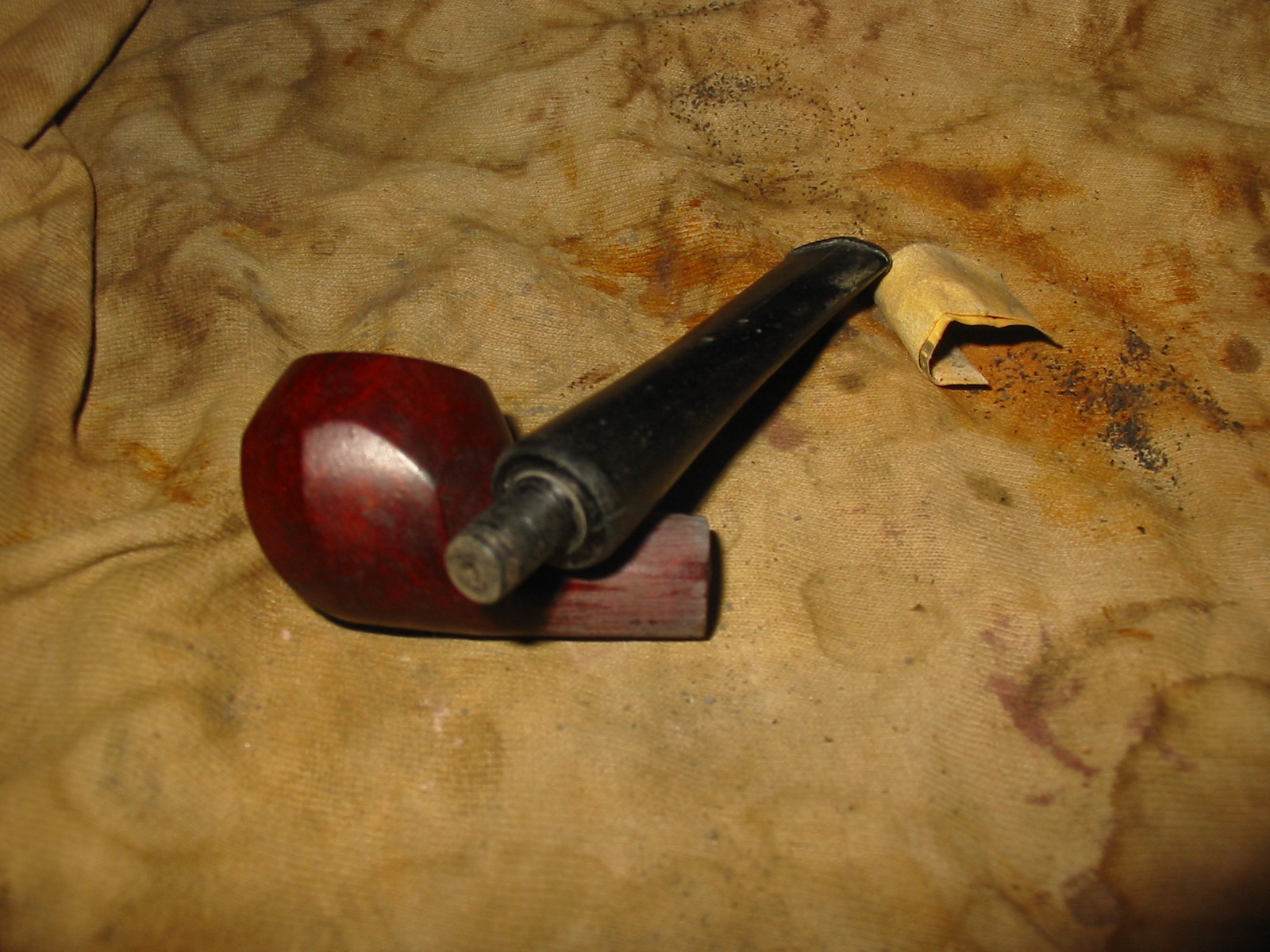
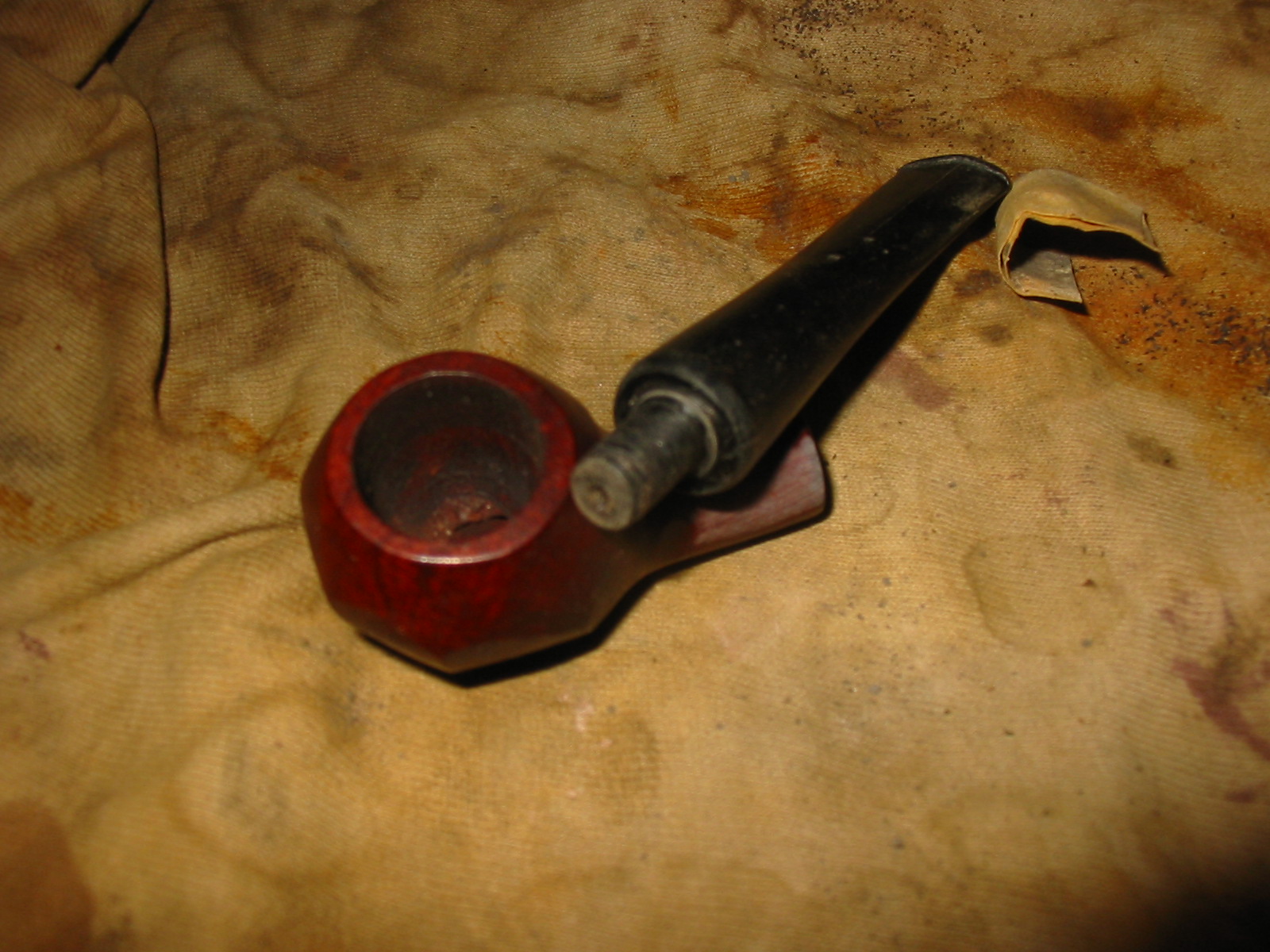
I reduced the diameter of the tenon with a sanding drum on a Dremel. I laid the sanding drum against the surface of the tenon and let it ride around the tenon until the diameter was close. Then I sanded it until the fit was snug. The mortise was not that deep due to the size of the pipe so I needed to shorten the tenon to the same depth as the mortise. I used the Dremel and sanding drum to achieve that as well.
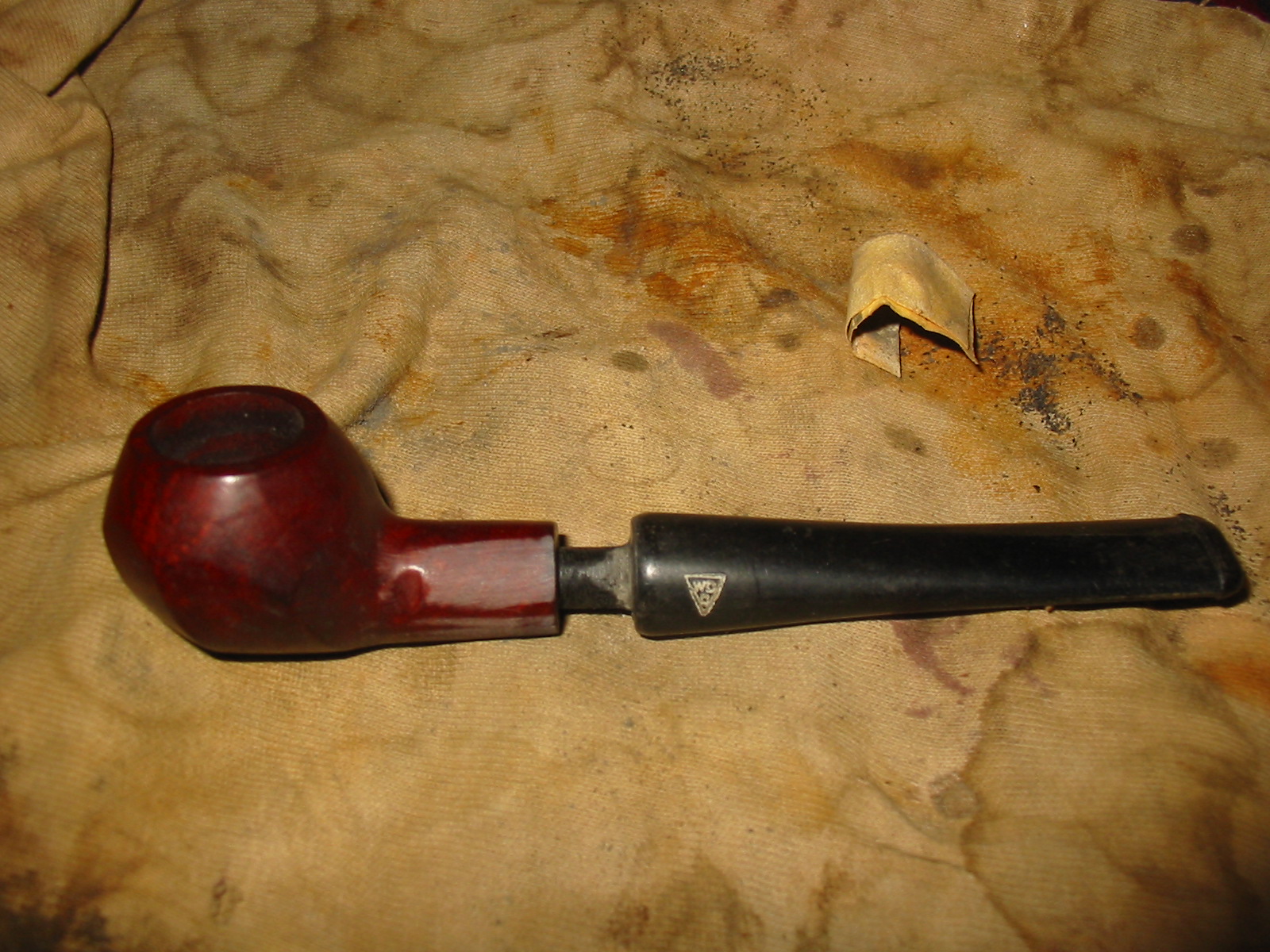
Once I had a good tight fit on the stem I sanded down the bowl and wiped it down with acetone on a cotton pad to remove the finish. I pressure fit a small nickel band on the shank to provide a smooth transition between the bowl and stem and to cover the deep nicks or gouges on the end of the shank. I sanded the stem with 220 grit sandpaper to remove the excess material on the diameter and make a good fit against the end of the tenon.
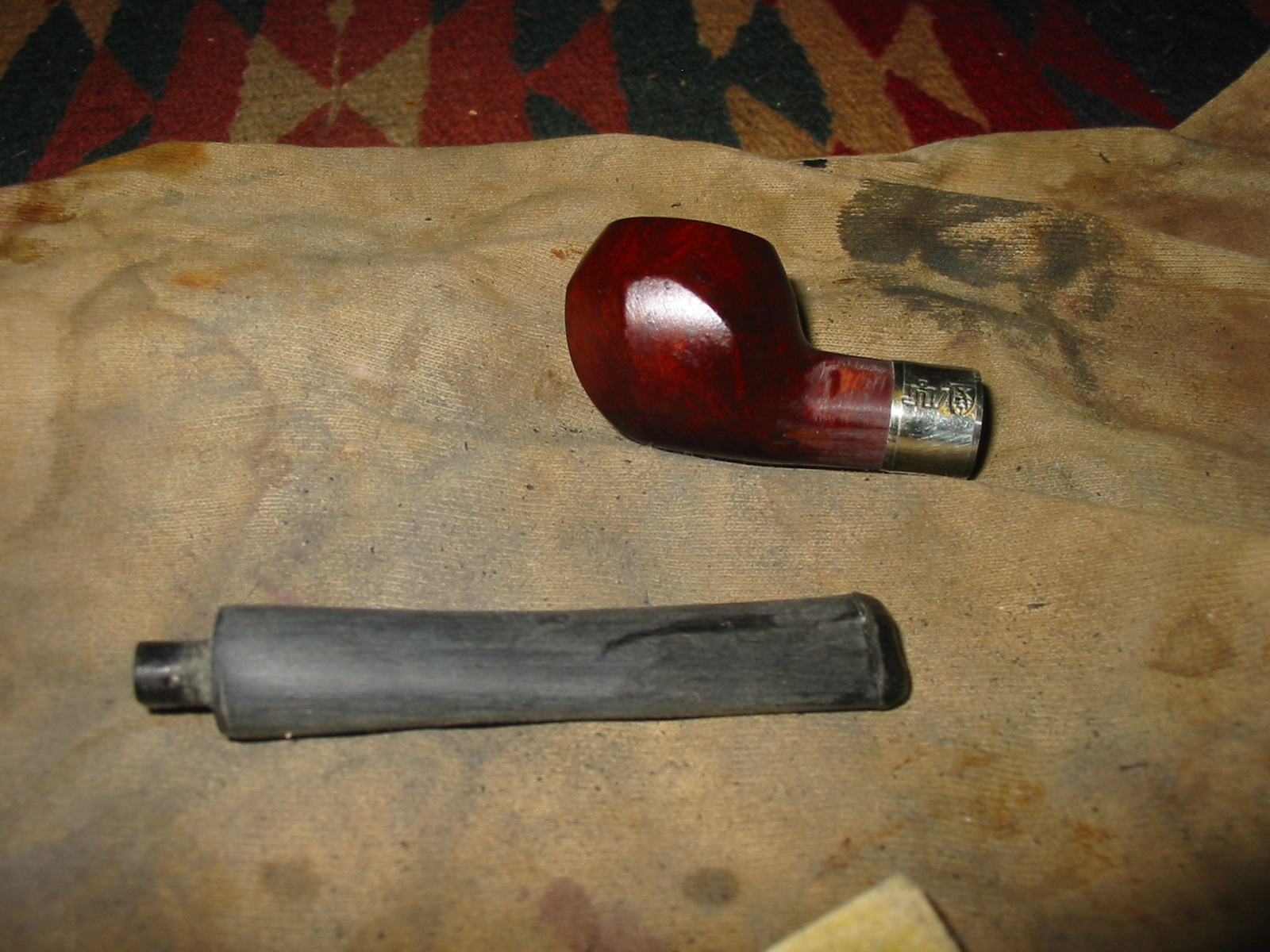
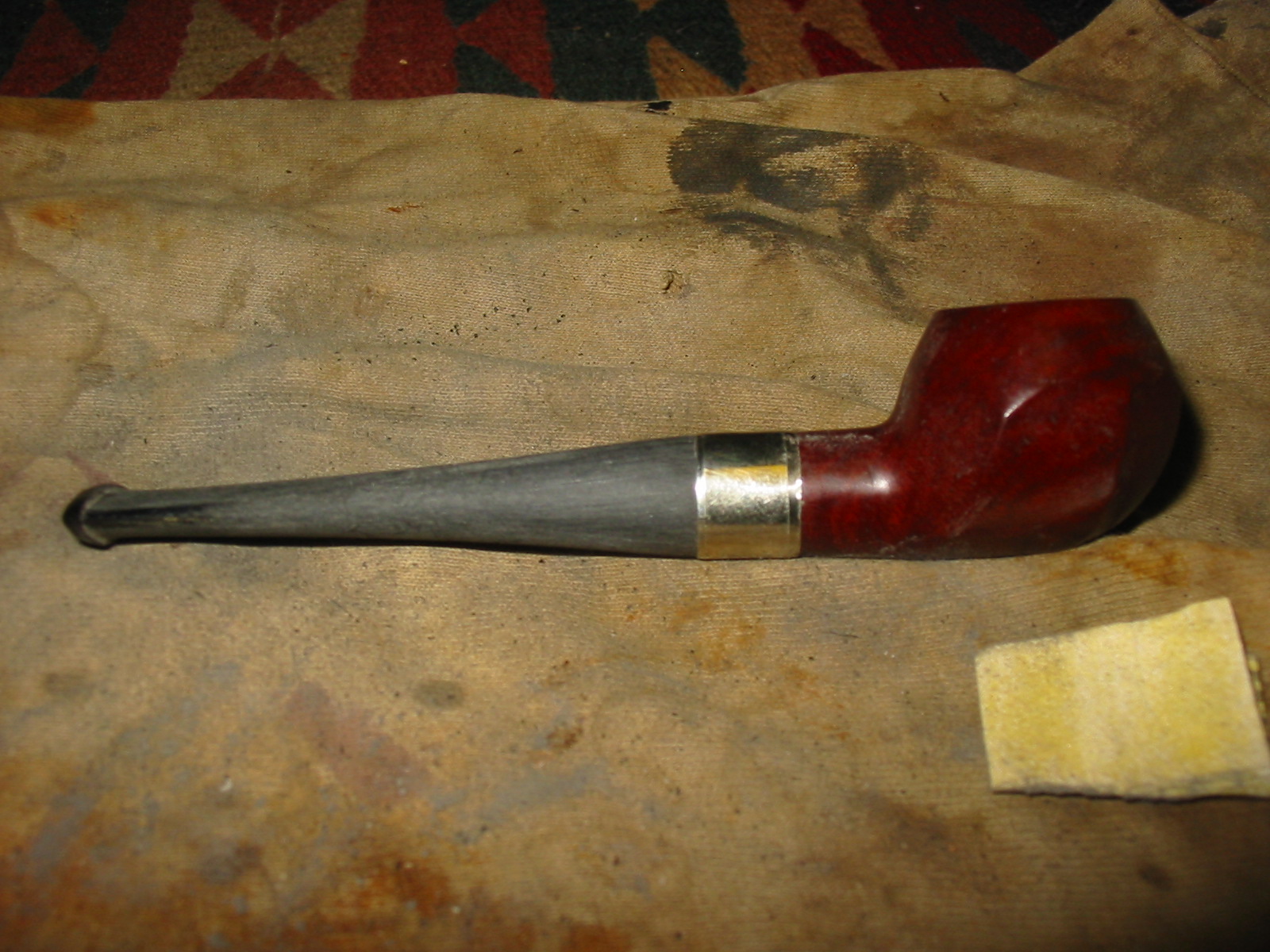
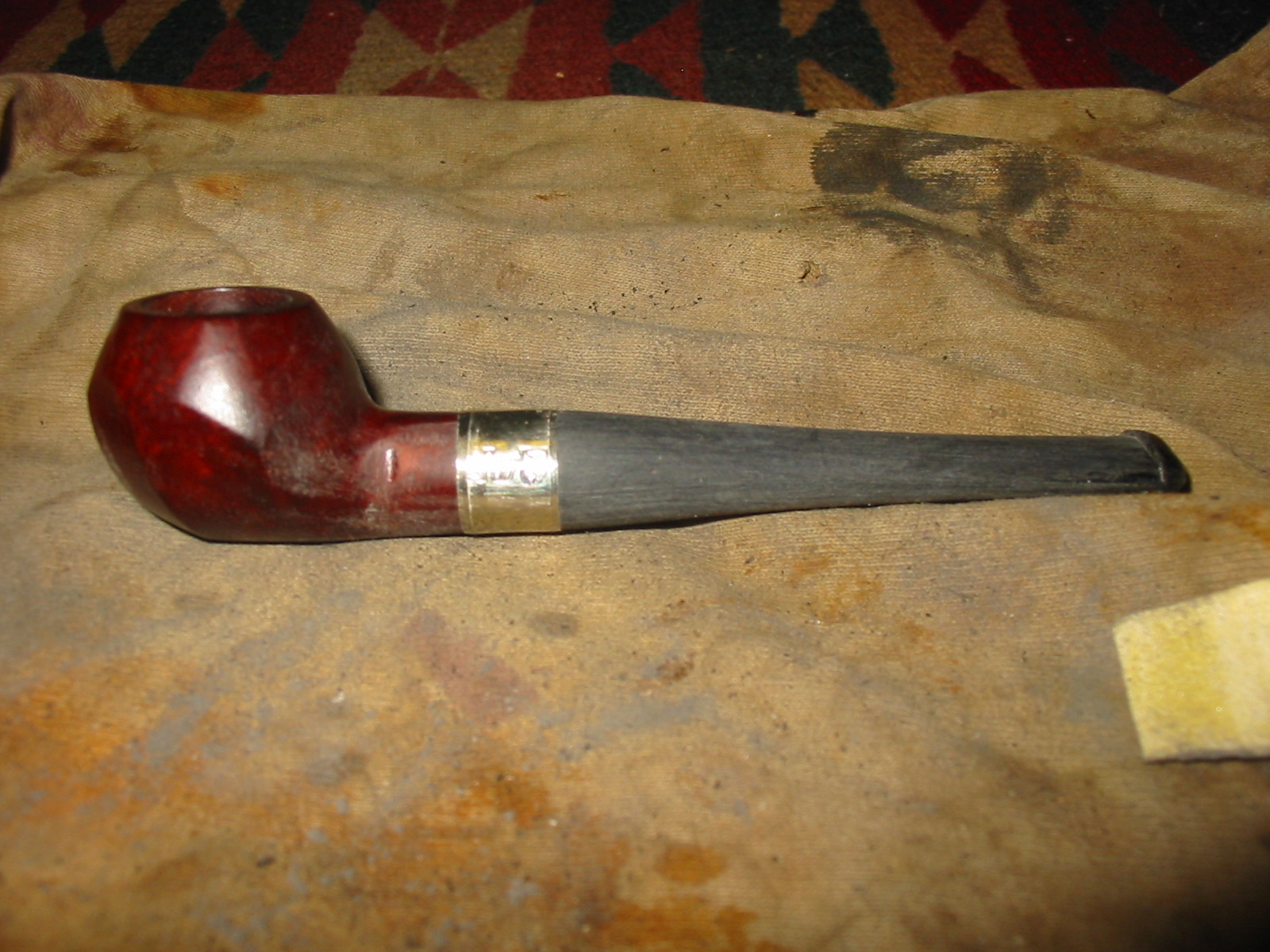
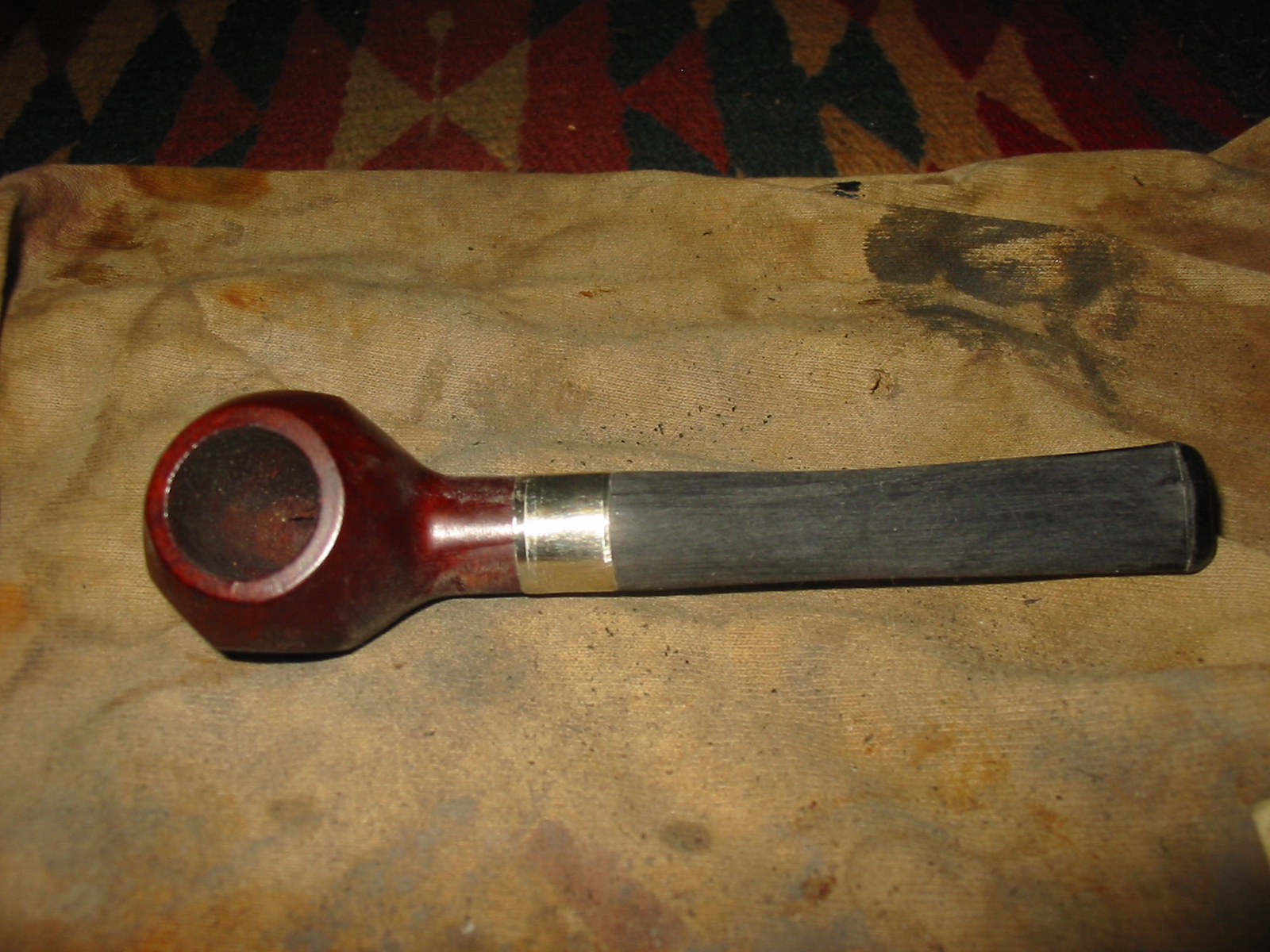
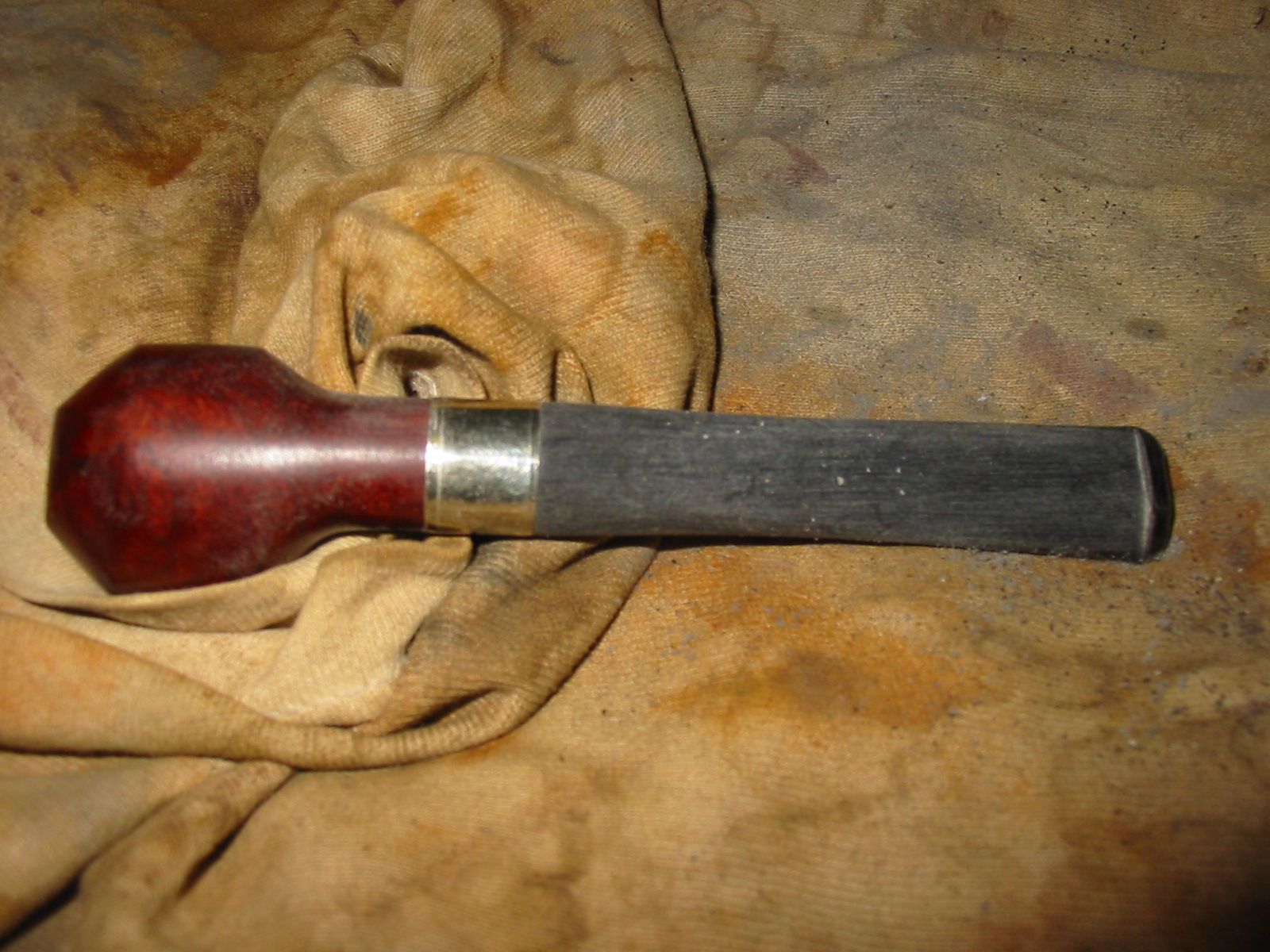
I sanded the area around the divot in the shank and cleaned it with acetone. I then filled the divot with clear superglue and sanded it again once the glue had dried. I wanted to have a smooth transition between the bowl and shank without the divot showing. I sanded it with 220 grit sandpaper and then with a medium grit sanding sponge. I also sanded the stem at the same time and then wiped the entirety down with acetone.
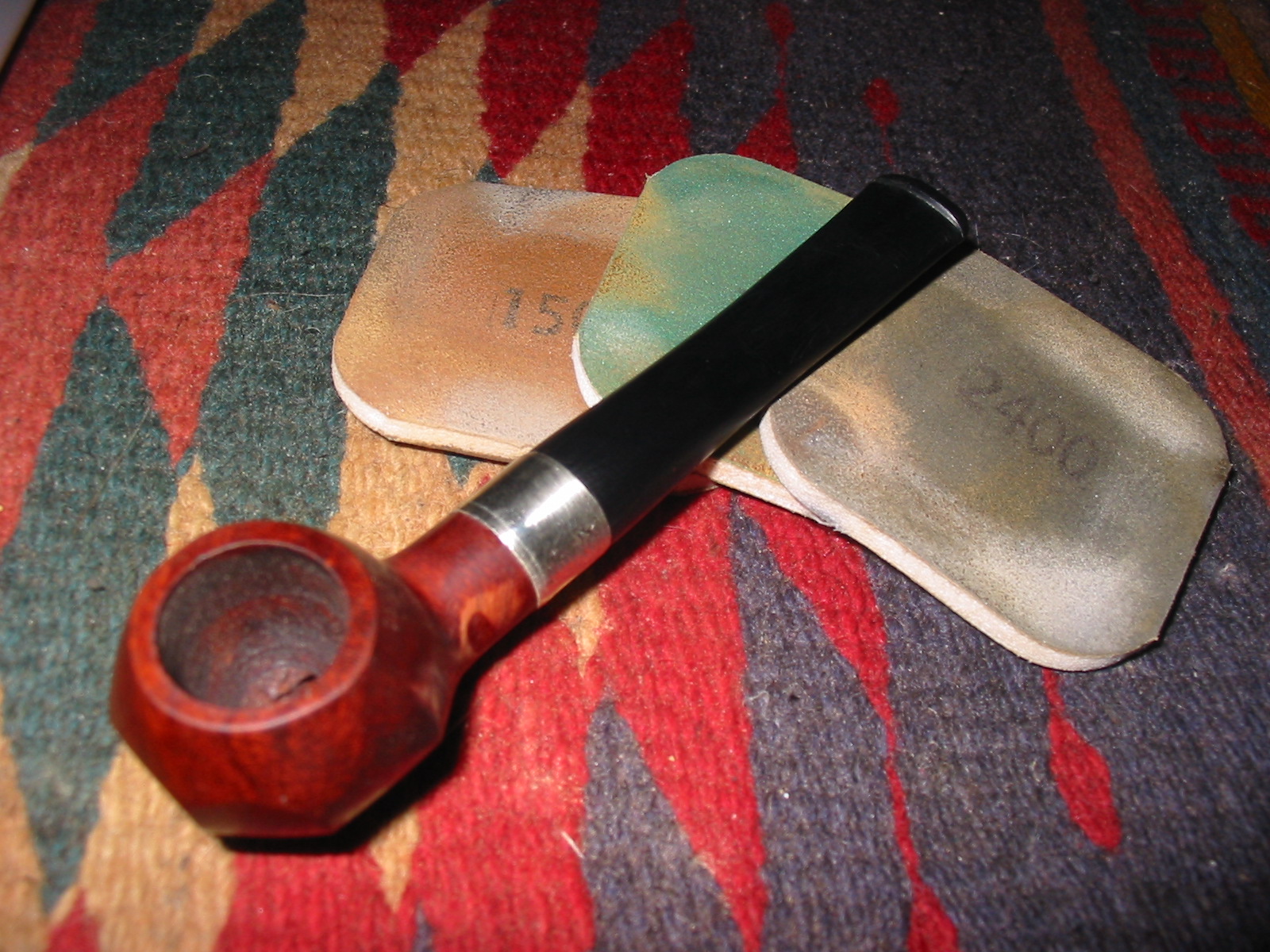
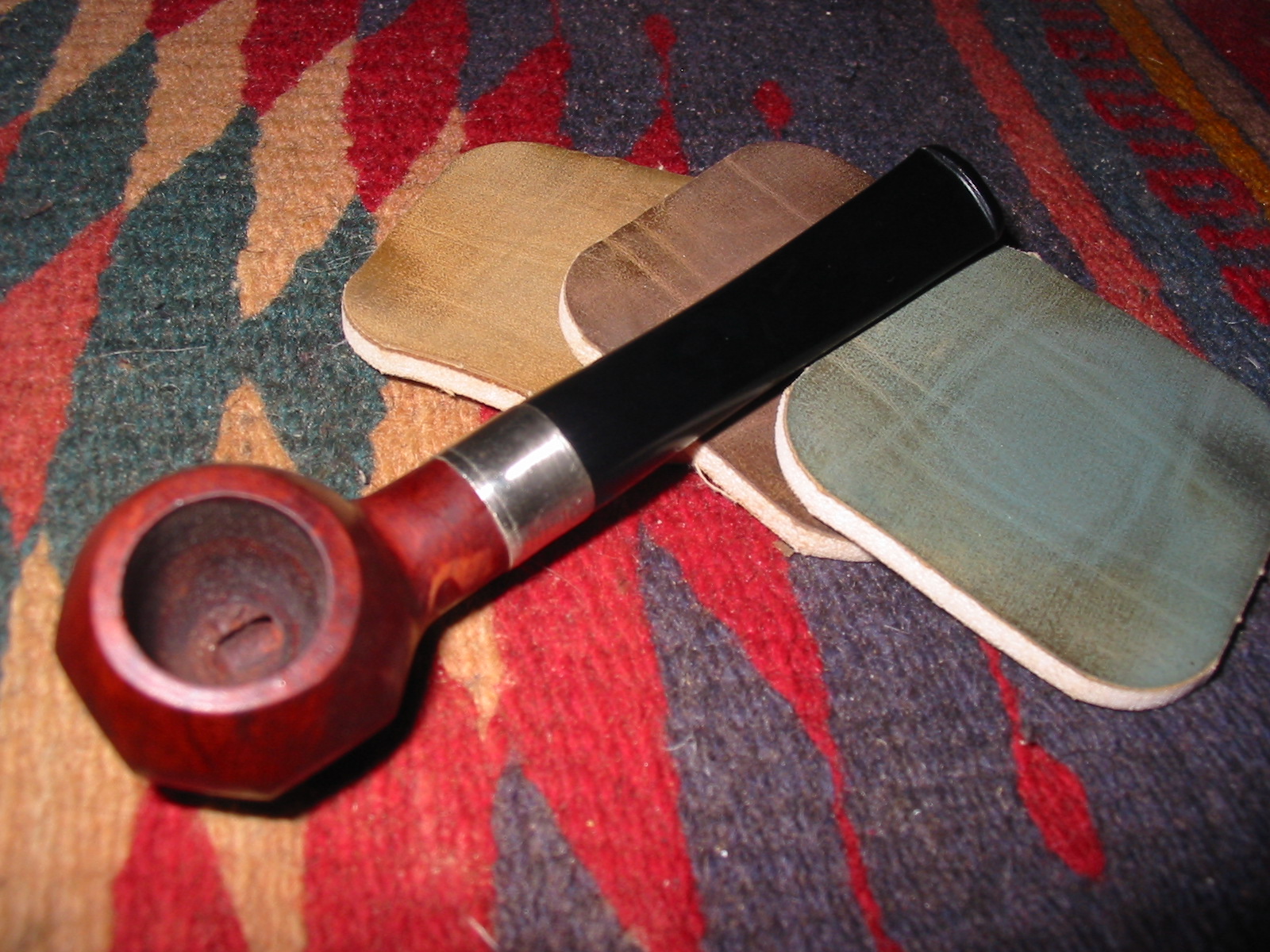
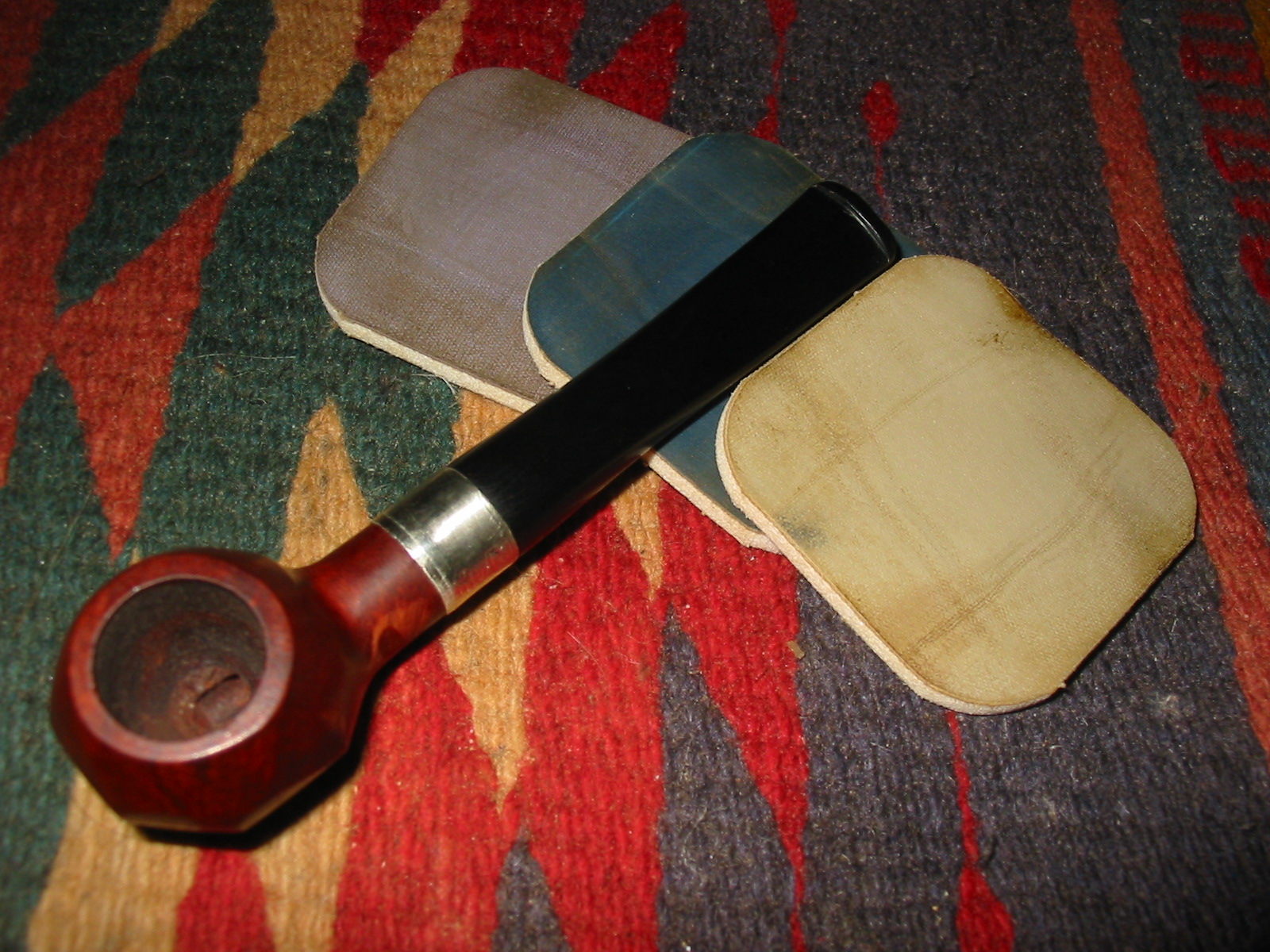
I sanded the bowl and the stem with micromesh sanding pads. I wet sanded with 1500-2400 grit pads and dry sanded with the 3200-12,000 grit pads. When finished I rubbed it down with Obsidian Oil and then took it to the buffer and lightly buffed the stem with White Diamond. I say lightly because I have learned that a heavy hand on the buffer will make a mess out of a nylon stem and you will have to start over with the sanding process.
I took the pipe back to the worktable and stained it with a dark brown aniline stain. I applied the stain and flamed the pipe several times until I had an even coverage on the sanded areas and they blended in well with the rest of the pipe.
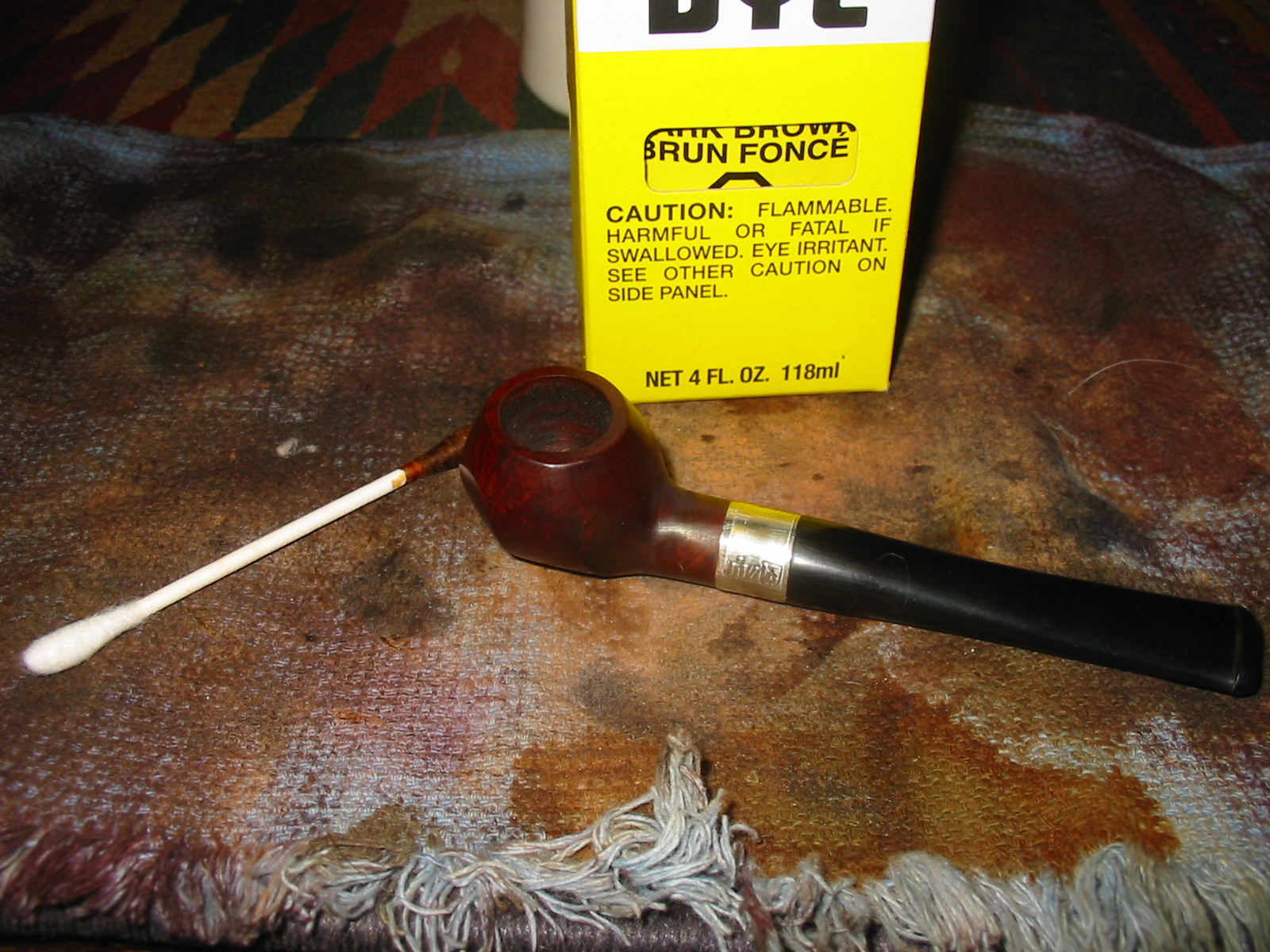
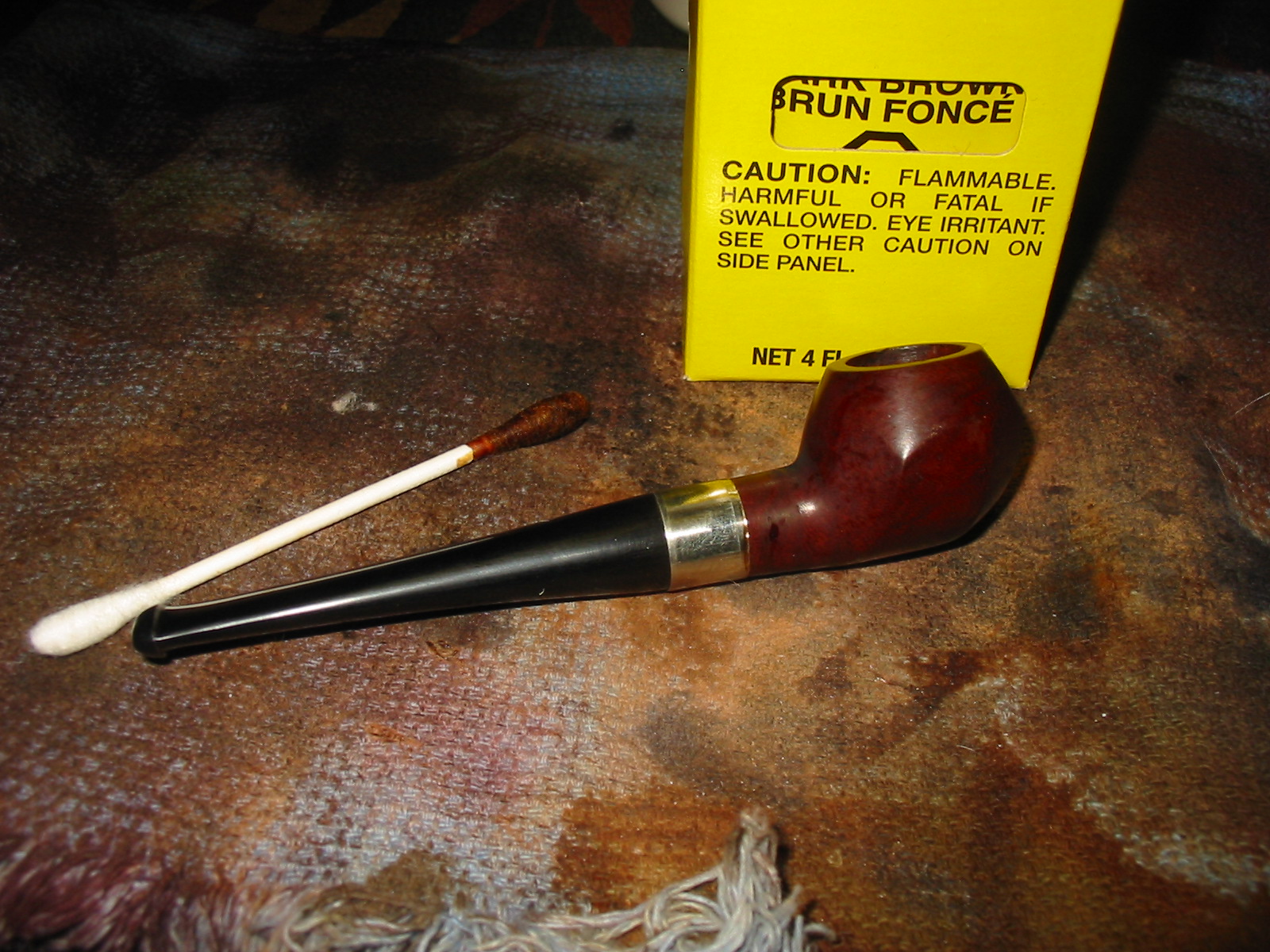
I buffed it with White Diamond and then gave it a top coat of oxblood stain. I have found that the combination of the two stains helps hide the fills that were present as well as the repairs that had been done with superglue.
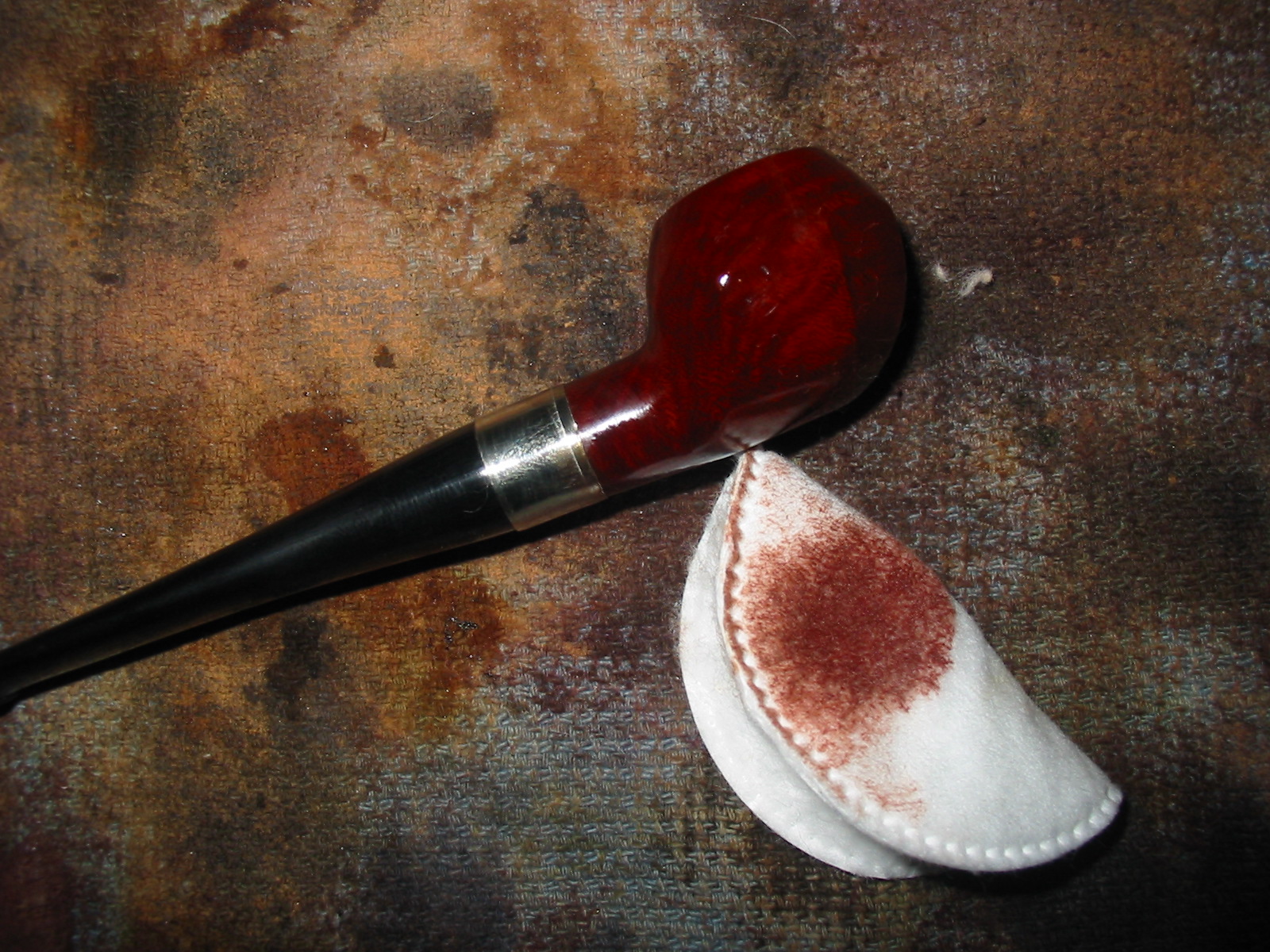
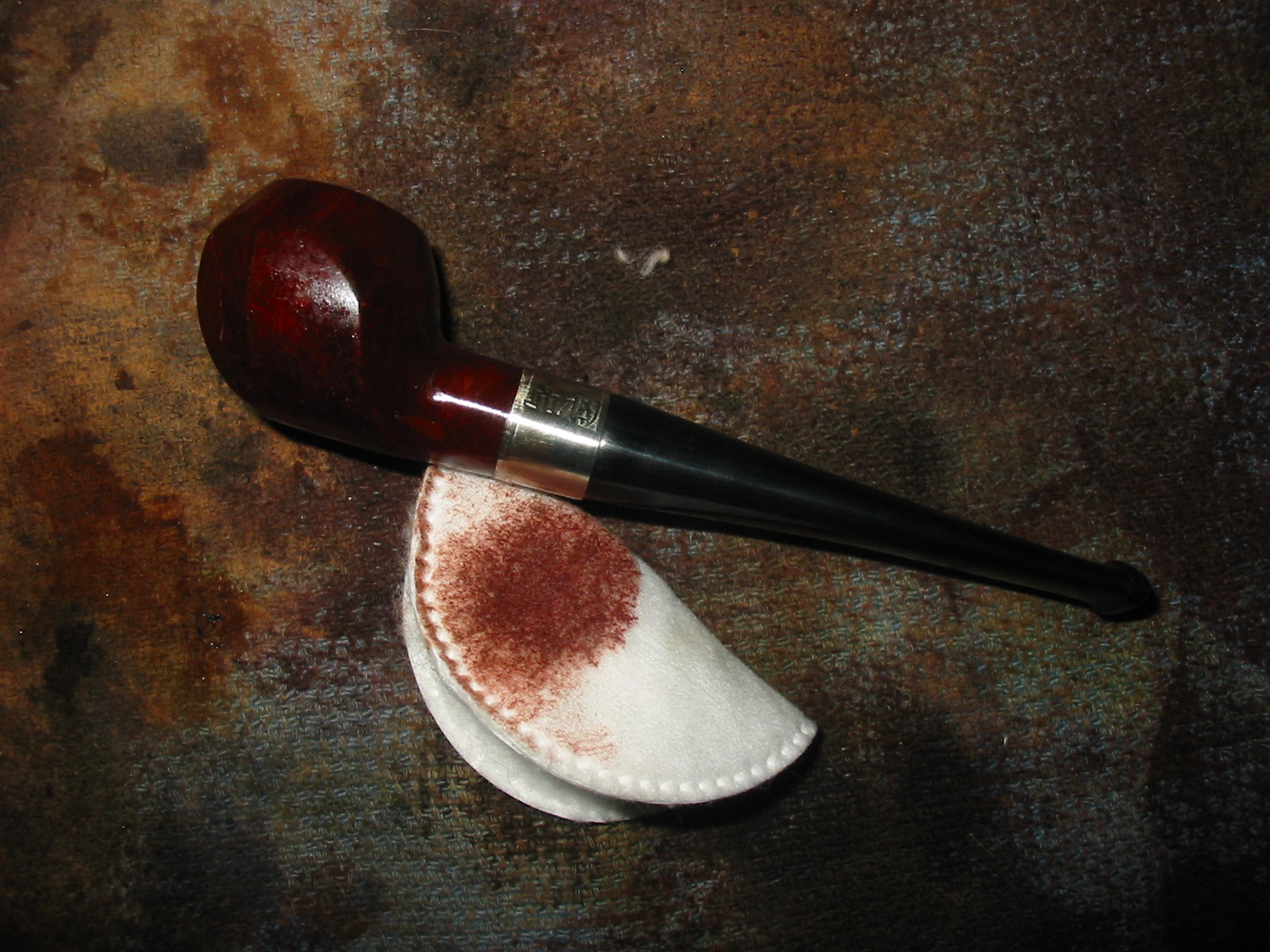
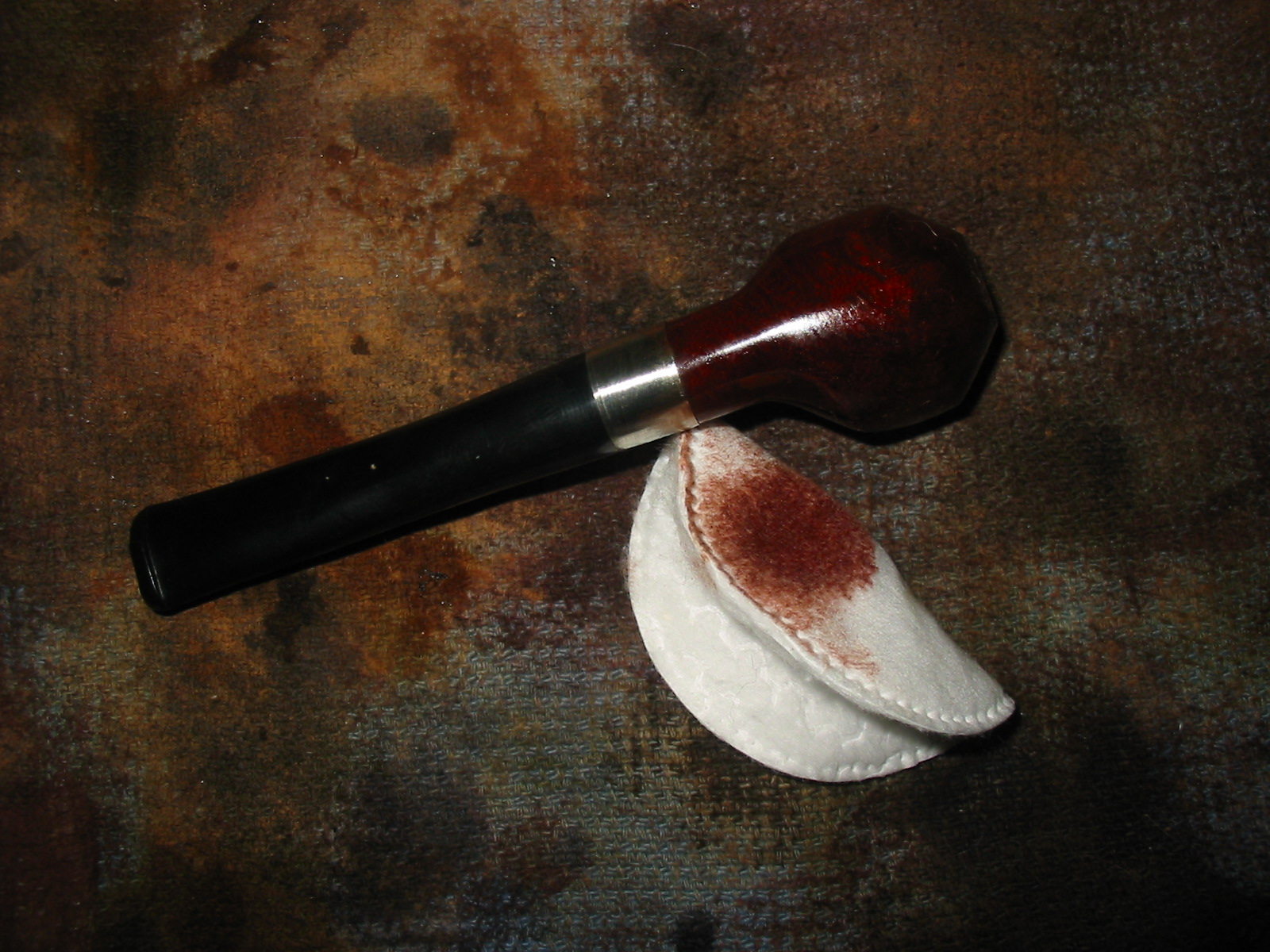
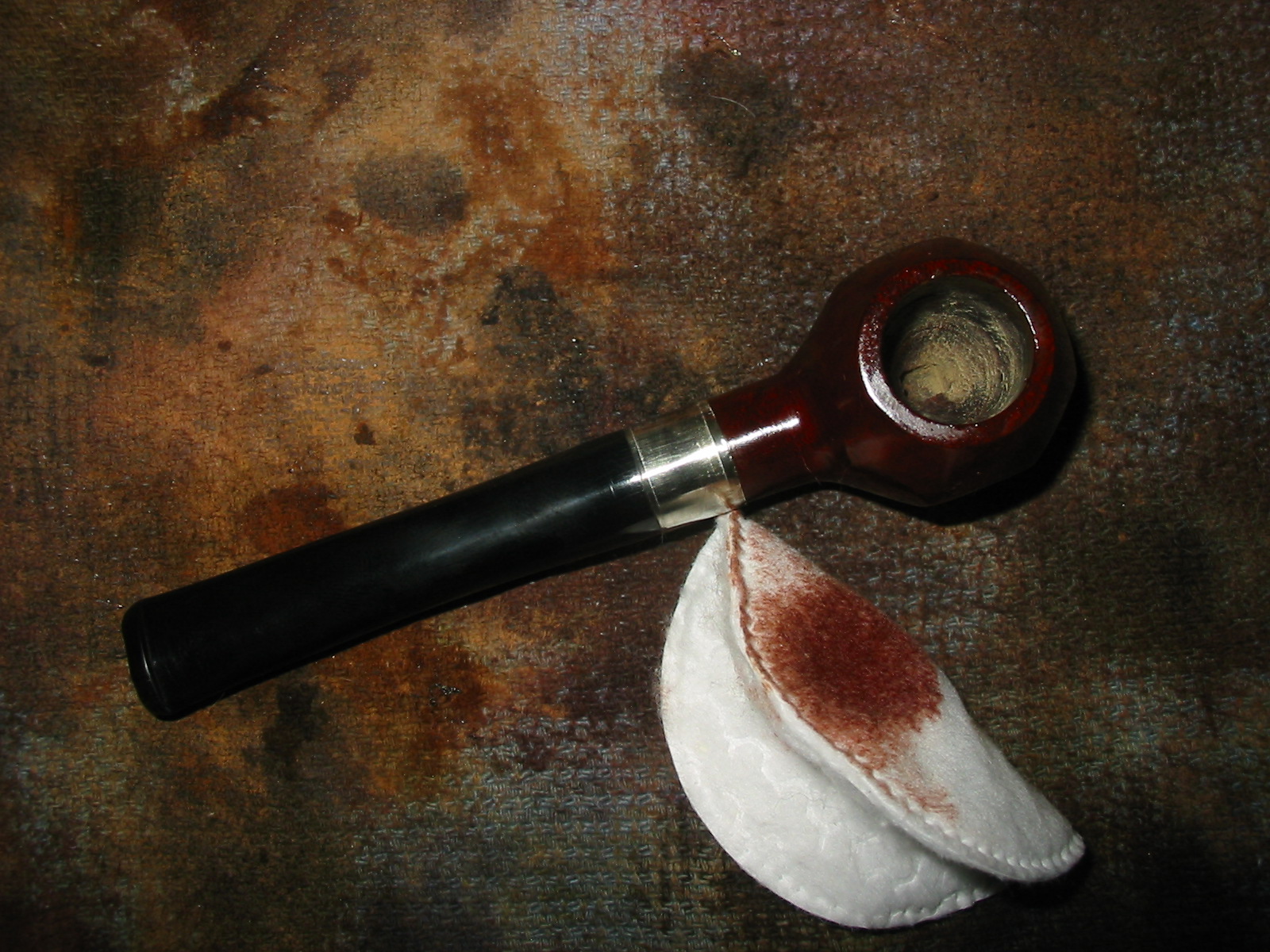
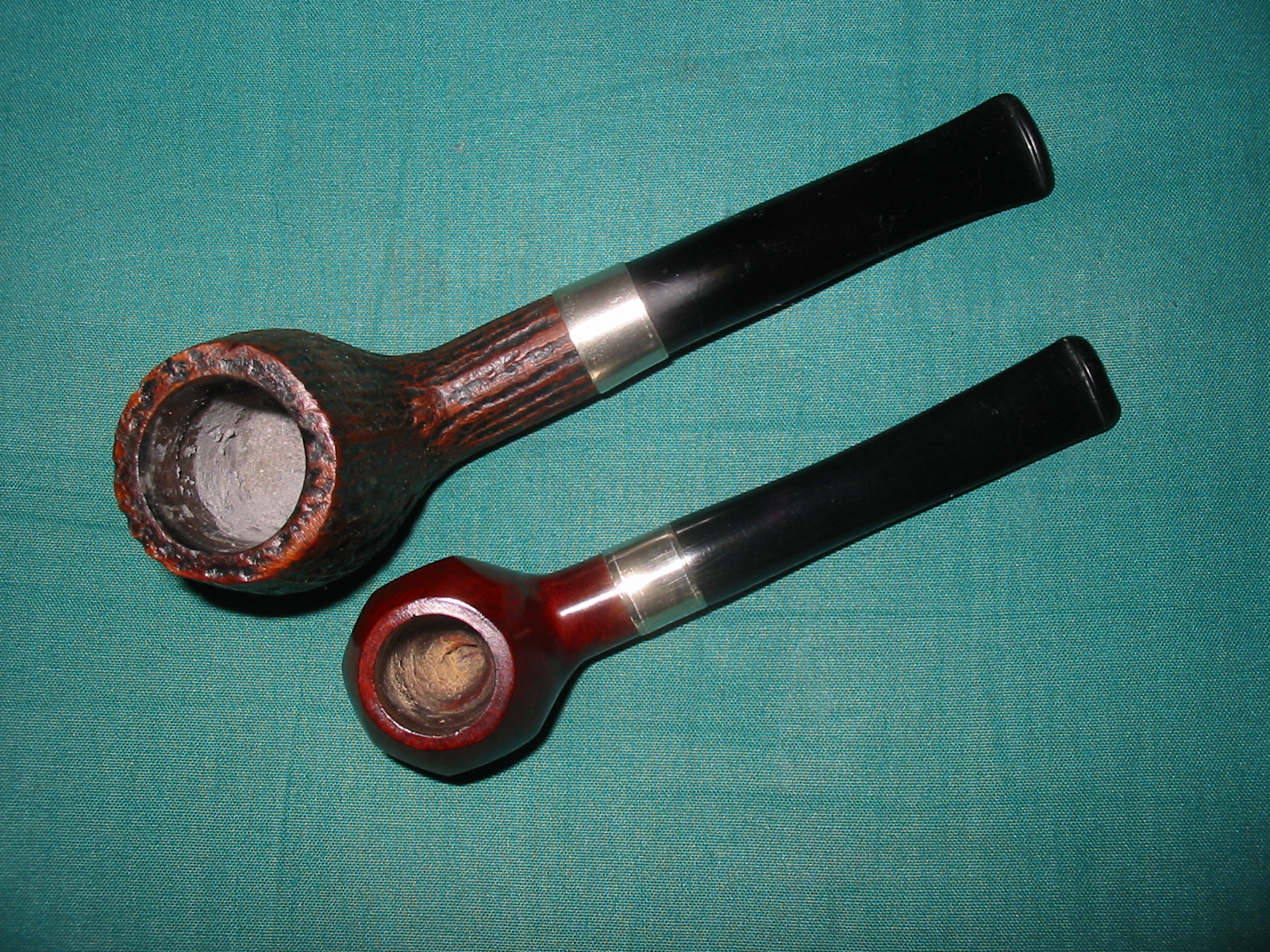
I buffed the entire pipe again with White Diamond and then gave it multiple coats of carnauba wax to bring the shine out on the pipe. In order to help you appreciate the small size of the pipe I have included the next two photos. The top pipe in the photos is group 4 sized. In contrast, the tiny Rhodesian is a group 1.
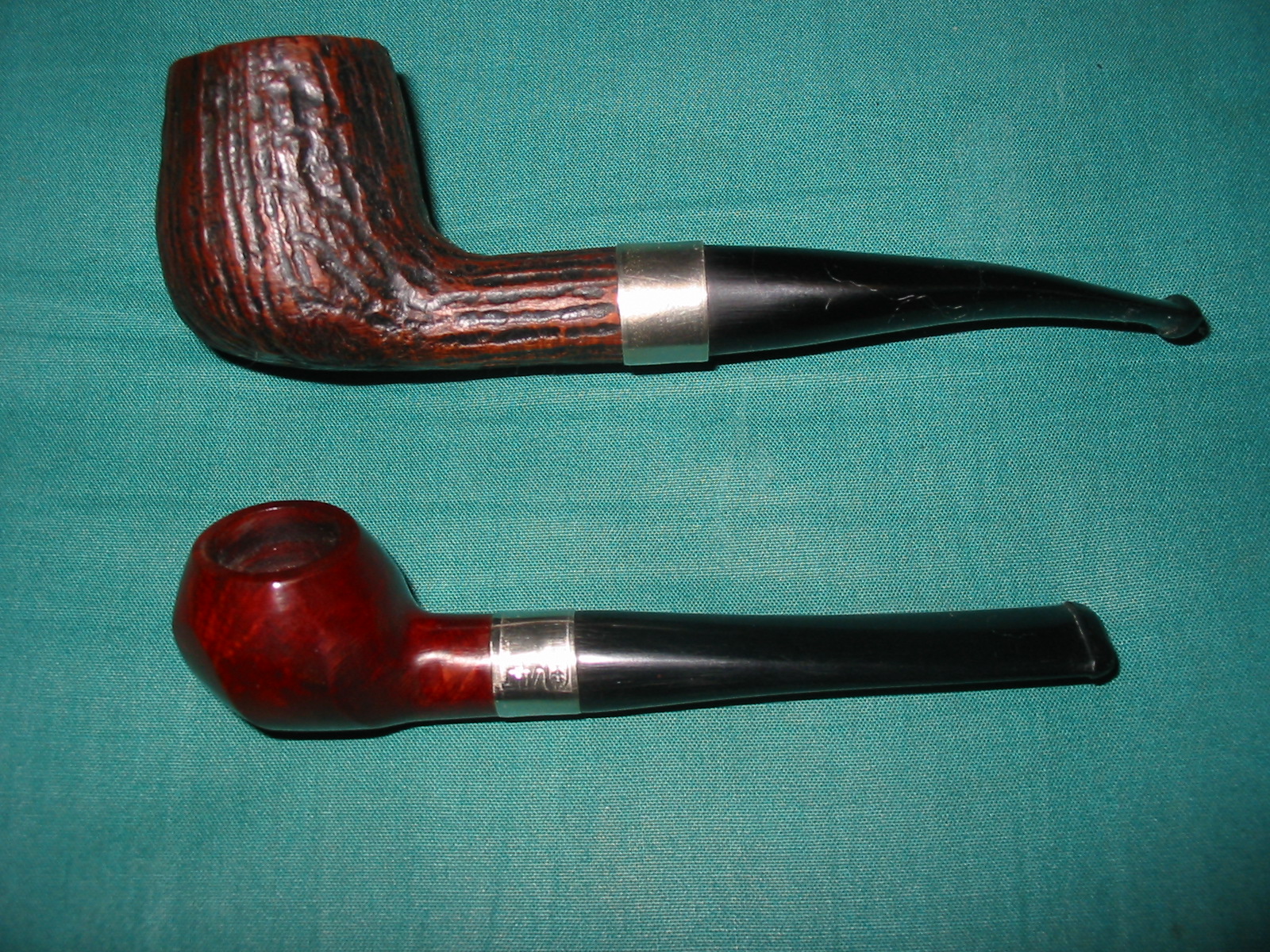
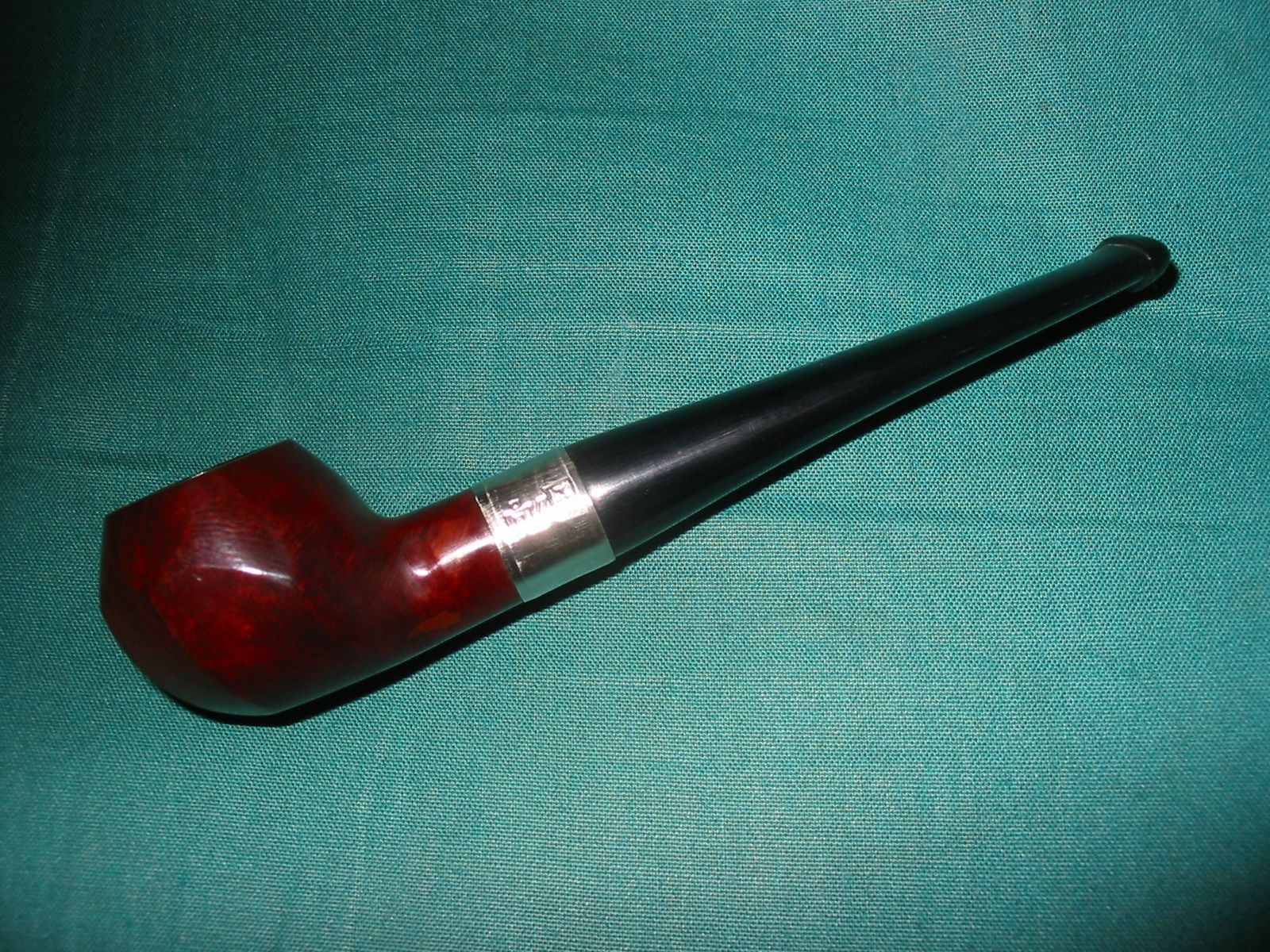
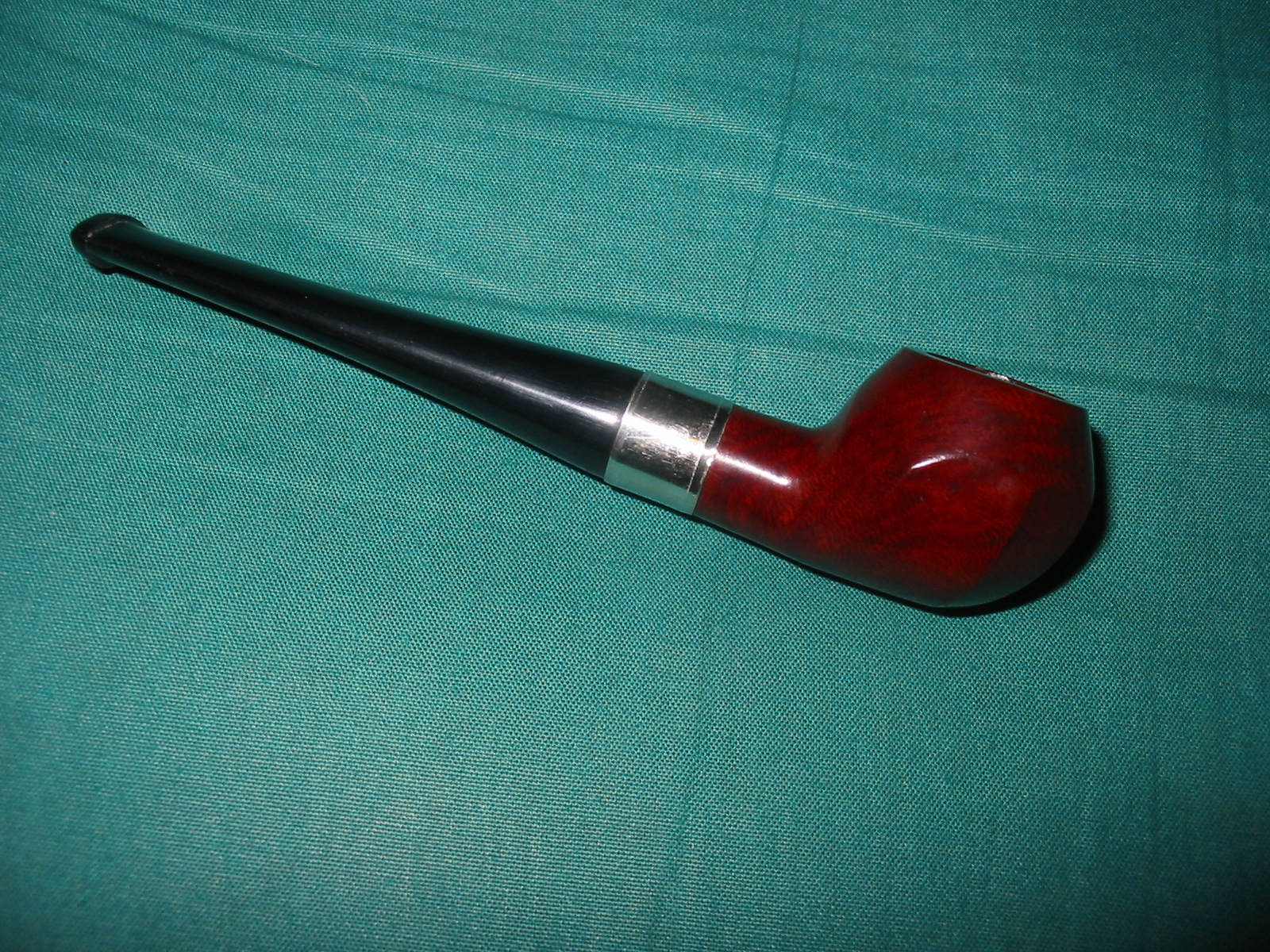
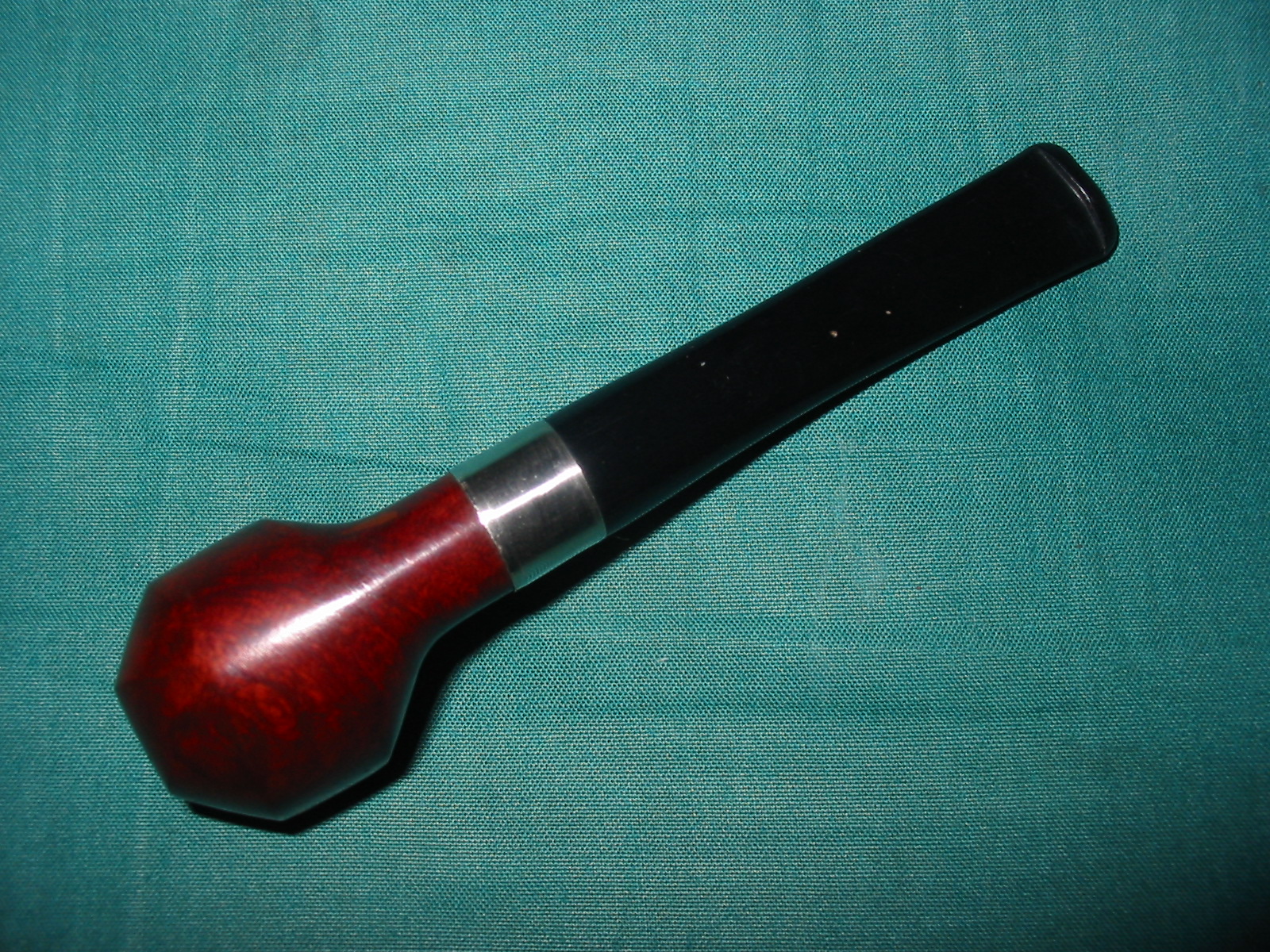
The finished pipe is pictured below and I think it will be a nice little flake pipe for the Virginia smokers in the lot.
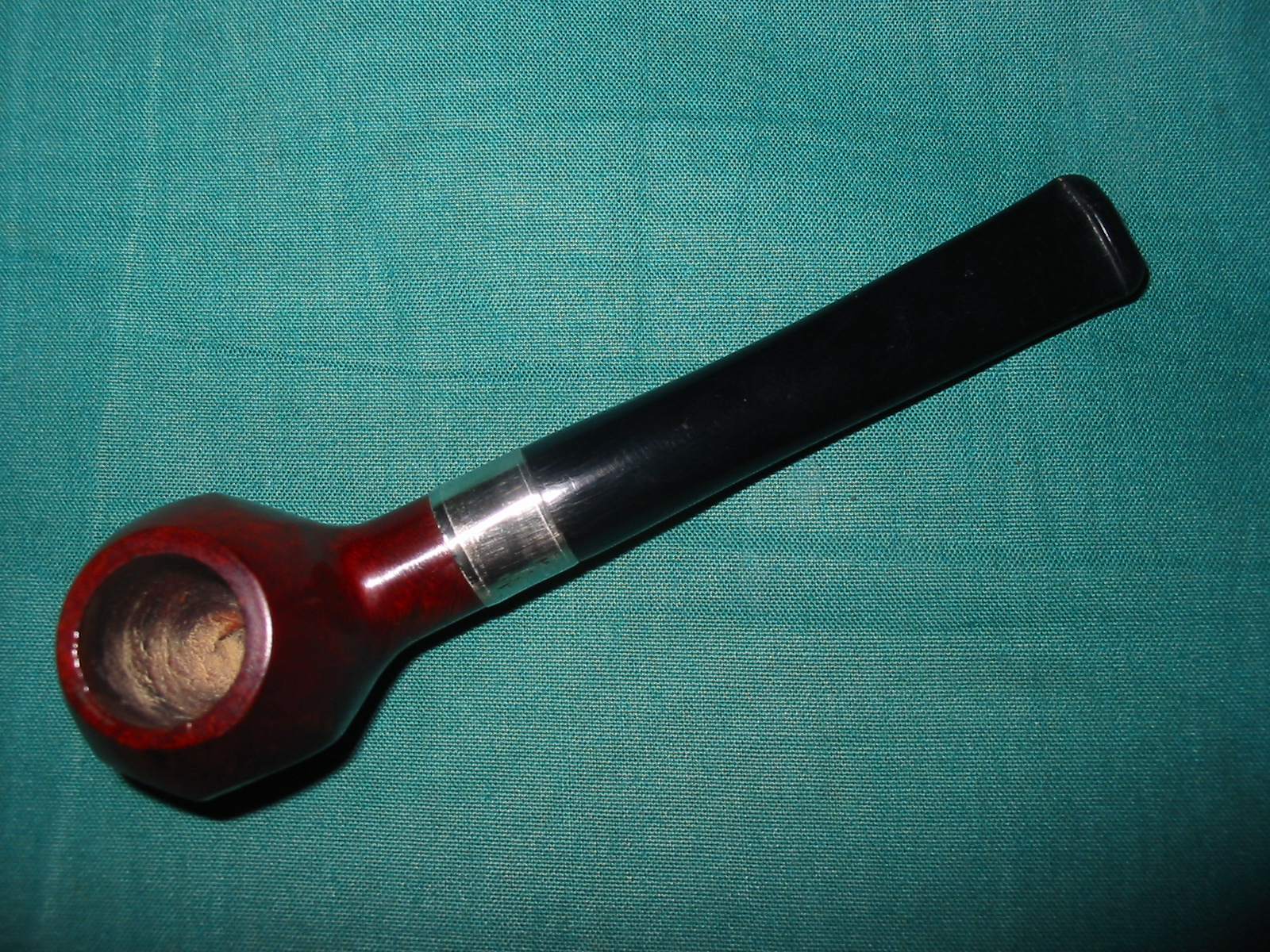
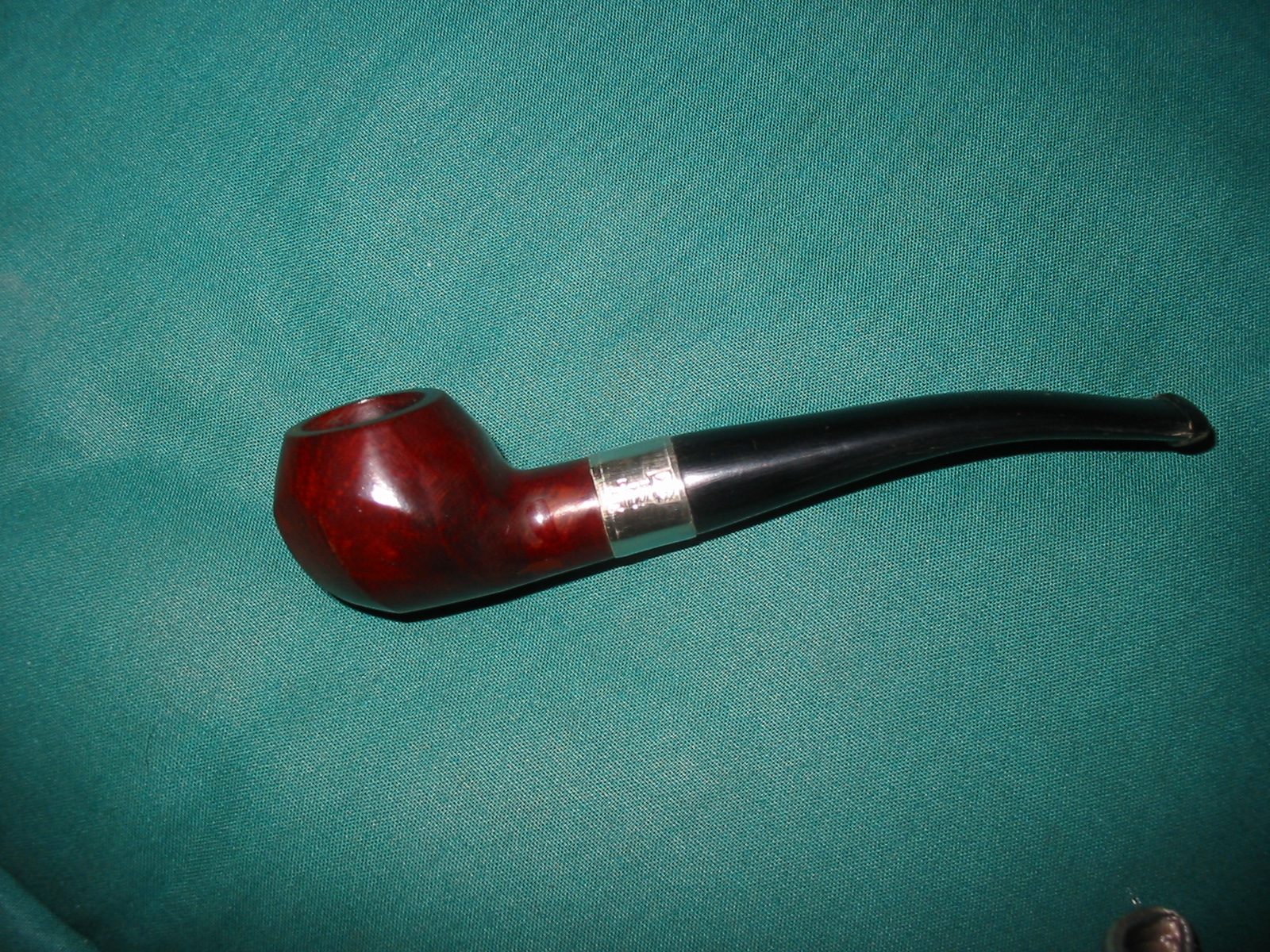
I received two comments below about giving the stem a slight bend so this morning I did just that. Below is a photo of the new look! Thanks Greg and Chiz.
 rebornpipes