
The many comments about how lucky I am to find old estate pipes in the variety of places that I do has led me to write this piece. I am convinced that by and large, it is not a matter of luck but rather a matter of a well-defined strategy of the hunt. Over the years I have developed a pattern in my pipe hunt that I rarely vary when I am out looking for pipes. That pattern has served me well and I have come home with some nice pipes that need varying degrees of work. Whether the shop I enter is an antique shop, antique mall, flea market, garage sale, thrift shop, rummage shop the pattern remains the same.
For me the hunt begins before I walk in the door. I am not looking for yuppified businesses that have a strident non-smoking policy and seem to carry that over to the items sold in their shops. I am looking for a slightly chaotic shop or mall, where there are lots of places that pipes and such can disappear into the raft of stuff for sale. I also eye the sales people to see if they are smokers (often standing outside here in Vancouver having a smoke). If so that is a good sign. I also find that one of the telltale signs of this kind of shop is overcrowded windows and stuff for sale on the sidewalk. When I see all those things I almost always find a pipe or two in the shop. I may not buy any as I am getting picky these days but I will find pipes there.
When I get in the door I am on the alert for all the spots that I have found pipes in shops like this – in boxes, cans, tobacco tins, cigar boxes, jars, pitchers, behind humidors, inside humidors. You get the picture. They are not always obvious to a cursory look so as I do a quick walk through the shop noting where the pipes may be I look literally in and behind many items. I look through locked cases, on the bottom shelves of display cases, behind crammed shelving in cabinets. Many times even these items are relegated to either the top shelf or the bottom shelf throughout the store. At this point in the hunt I usually do not pick up anything as I don’t want to carry it with me through the shop. I merely note the places I see the pipes; I quickly look through them to see if there are any worth more attention and keep moving. I also keep an eye out for tobacciana – tins, reamers, racks, tampers, etc. The idea for me is to get an overview of the shop and its pipe and tobacco contents.
After the quick walk through I will make a second pass through the store if the first walk turns up anything of interest. If not I will often check a few spots in the store that have been fruitful to me in the past. If I have seen things that interest me I will start the second walk through. It is a more slowly paced walk through specifically looking through the pipes that I found on the first pass. What always amazes me is that no matter how well I look on that first walk about it is this second that seems to turn up pipes that have appeared after I walked through the first time. The idea on this walk is to take time to pick up the pipes and examine them carefully. The first walk takes me very little time, but the second one is longer by virtue of the objective.
On this walk remember to look behind items on the shelves, move things to see what you can find. To me this is the fun of the hunt. I think it is also what drives my wife nuts about our stops at shops, antique malls, flea markets and the like. I walk through the shop at least twice. I go back to the places/stalls where I had noted the pipes that I wanted to take a bit more time looking at. I pick each one up and assess its condition. I look at the stampings, the stem fit, the rim and the finish, the stem condition (bite marks, etc.) and try to estimate the amount of work it will take to bring it back to life. I then look at the price and estimate the value when I add the cost of my work on the pipe to see if it is one that can be sold to recoup the cost. Often, even if the pipe is a wreck, there is something in the look of the pipe that grabs my attention. That “call of the pipe” seems to be something that is inexplicable to me. It takes no regard of the stamping, brand or condition, but it calls me to make this pipe my own. Sometimes I think it is the story that seems to come through in the condition of the briar, or the tobacco that is still in the bowl. Whatever it is it is a part of at least some of the pipes that make their way back to the sales counter.
If the display cases are locked, I note the number on the case and enlist the help of the sales staff to open the cases for me. I get them to walk with me through the various locked cases that I found. I take advantage of having them with me on this part of the walk and while I have their attention I ask about other pipes that may be in the back room, in boxes at home or just somewhere in the shop that I have not seen. Often they will tell me about the same ones that I have seen already, but it has happened often enough that I have missed something so I ask every time. When I find a pipe in one of the cases that I want to buy I give it to the sales person and have them carry it to the front for me. Once I have finished with them I continue looking at the other areas that I had noted at first. I have found quite a few full tins of tobacco – ranging from Dobie’s Four Square to Prince Albert. The tobaccos in the tins are often well preserved and ready for smoking. Some of them need to be rehydrated, but even those smoke well for me. I have also picked up pipe rests, tampers and reamers in the process of the hunt.
Once I have finished looking through the store I take my haul to the cashier. Usually there is a counter that I can lay the pipes on to go through them all again to make sure that I have not missed anything. I do this because in the past I have gotten home and taken the pipes out of the bag only to find some surprises, cracks or damage that I had not paid attention to in the store. I sort them into two piles – the “have to have pile” and the “want to have pile”. This takes a bit of time but I have found that it is worth the effort as it keeps me from buying things on impulse. I check out the nomenclature of the pipes and if they are screw mount stems I check out the threads and the stinger apparatus. I look more closely for cracks in the bowl, shank or stem. Shank cracks and stem cracks don’t disqualify a pipe for me, though a cracked bowl does. These go into the “want to have pile”. When I finish the sorting I always ask the sales clerk if there are any other pipes that I may have missed. I learned to do this because often they have some under the counter or in the back that may have been overlooked. I add those to the piles and then make a final decision as to what I am taking home with me.
Before I leave I usually give them my phone number and ask them to call me if they find any pipes at home or if someone brings some in. Not everyone will call, but many will. I also make sure to pick up a business card and add it to my business card file. I make it a habit to call the productive shops and malls regularly and ask if they have any pipes that have come in. Doing this makes it more likely that they will call me when some come in. I have had them call and have called myself as an estate has come in. Because I have taken the time to call and build a bit of a relationship with the staff I have picked up some nice older pipes. Sometimes in doing this I find that it is necessary to take the whole lot even if there are some useless pipes there. I do not want to jeopardize the connection as it is those calls that have brought me some of the best pipes I have found.
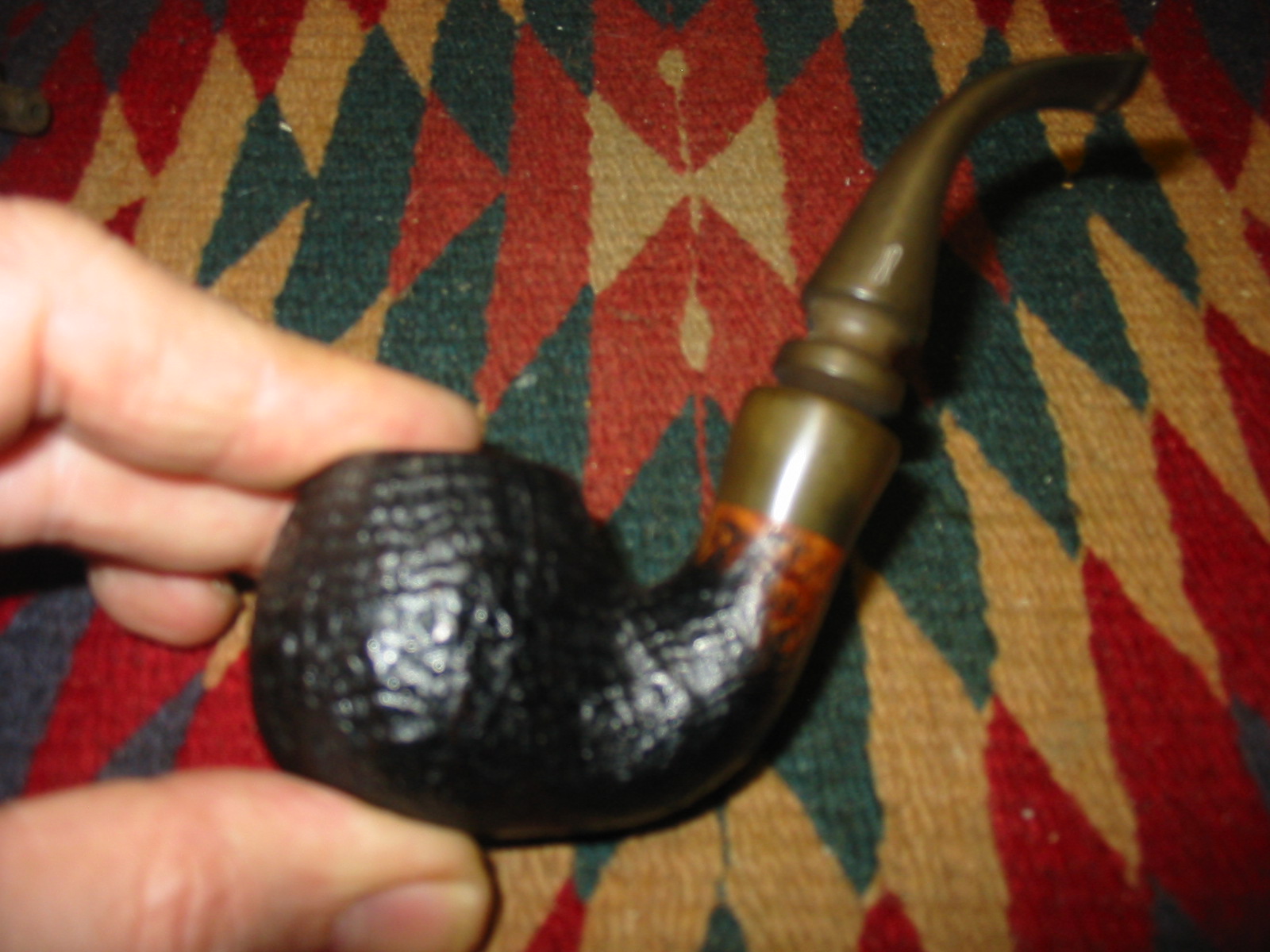
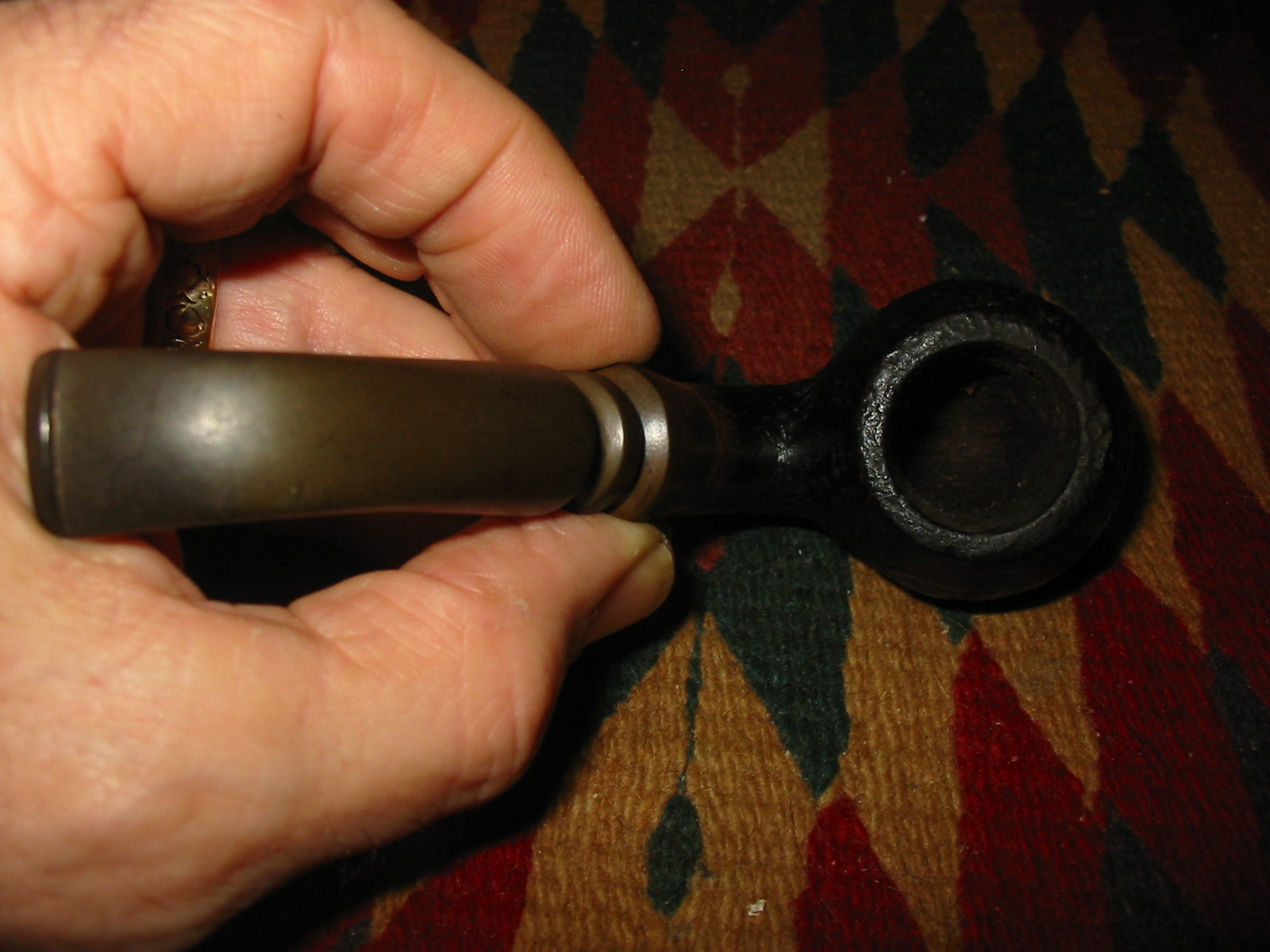
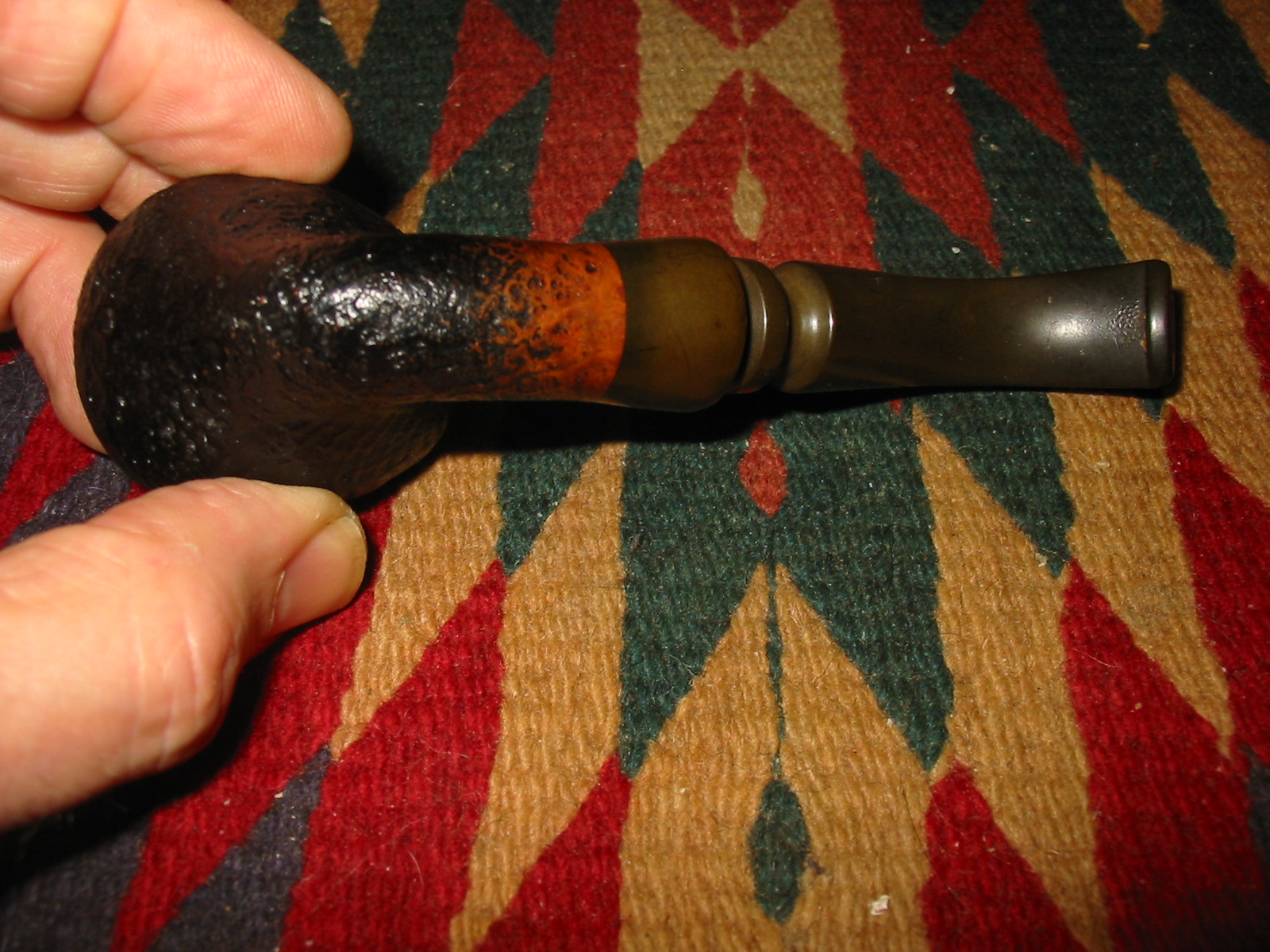
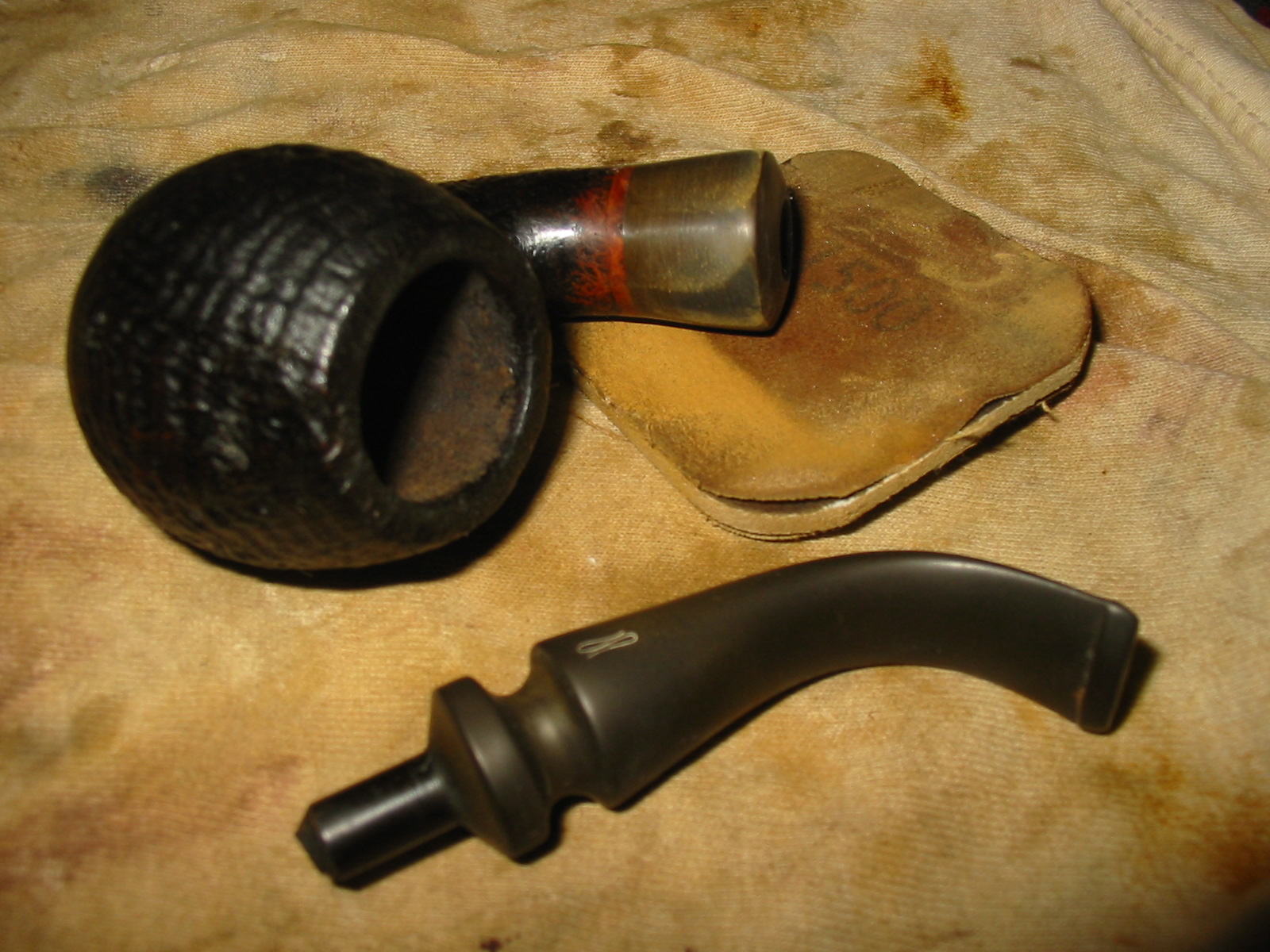
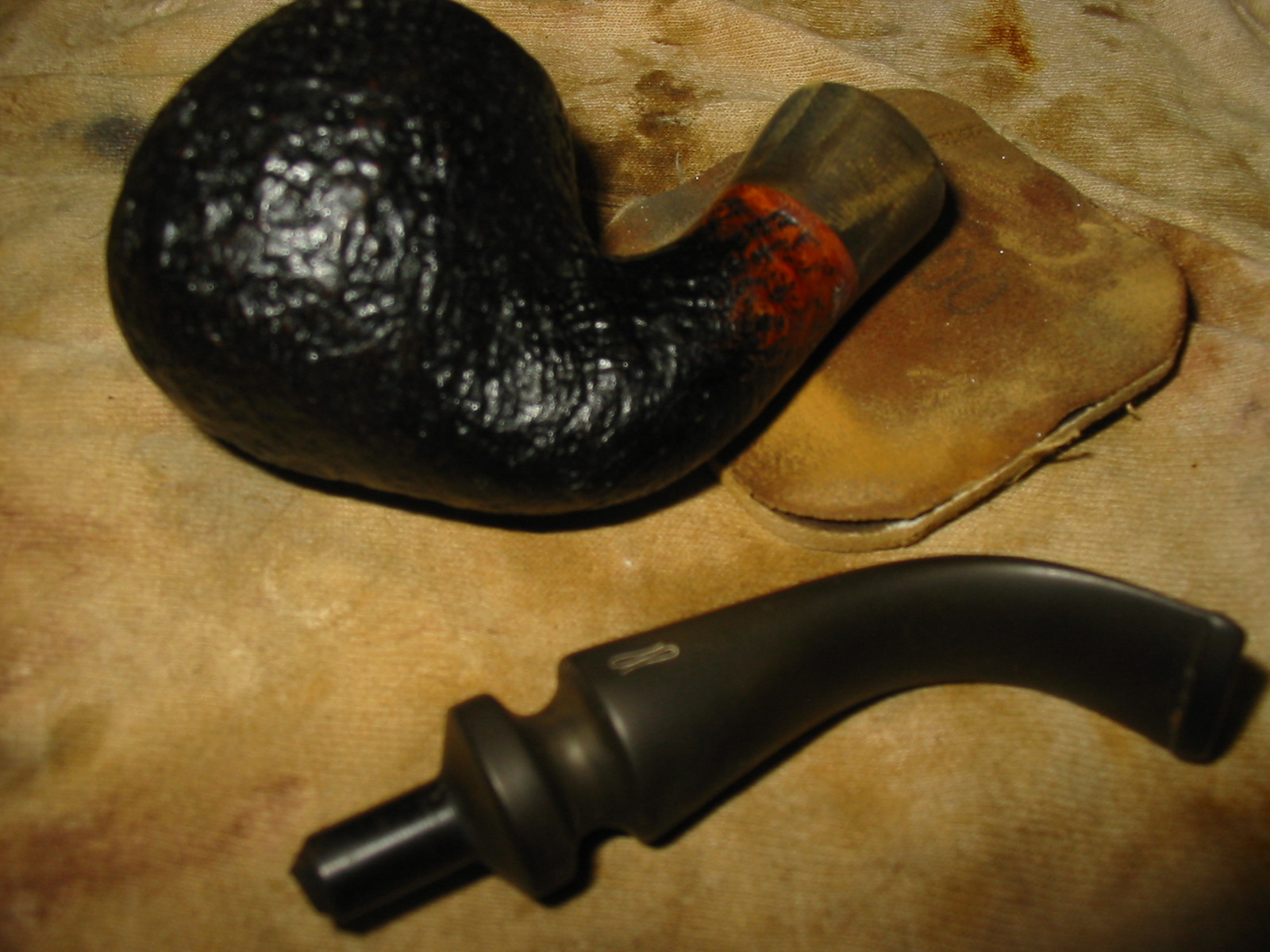
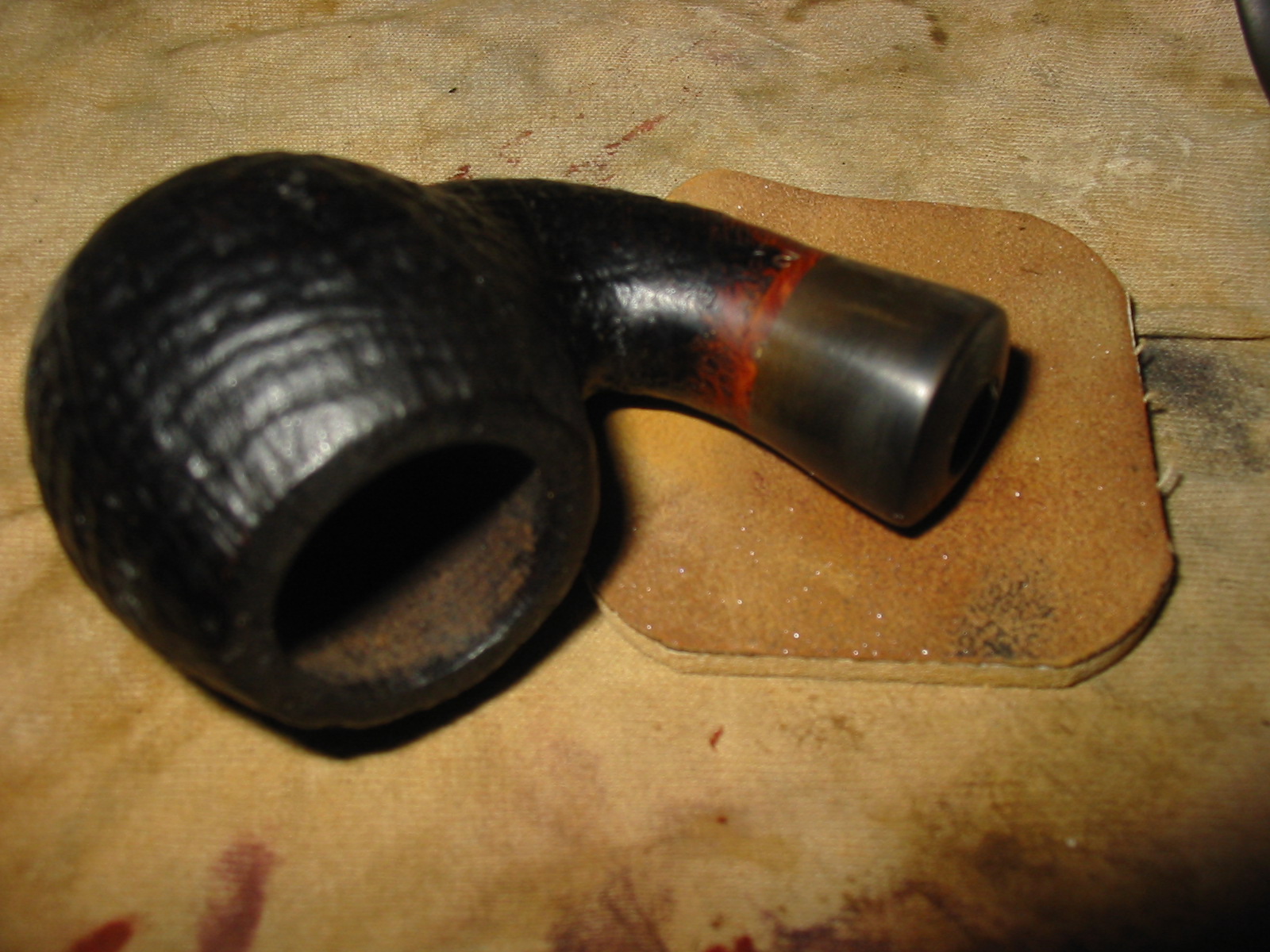
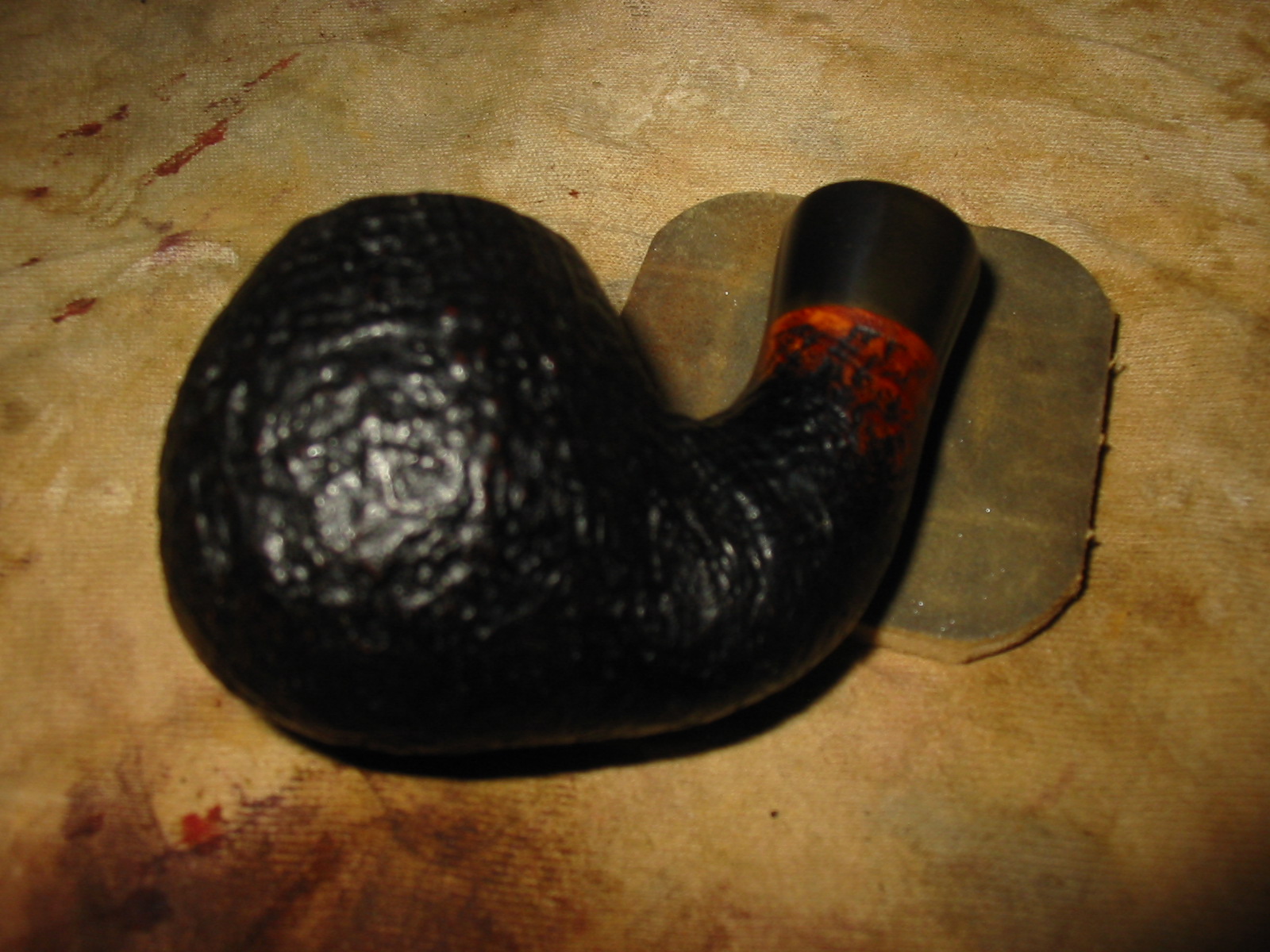
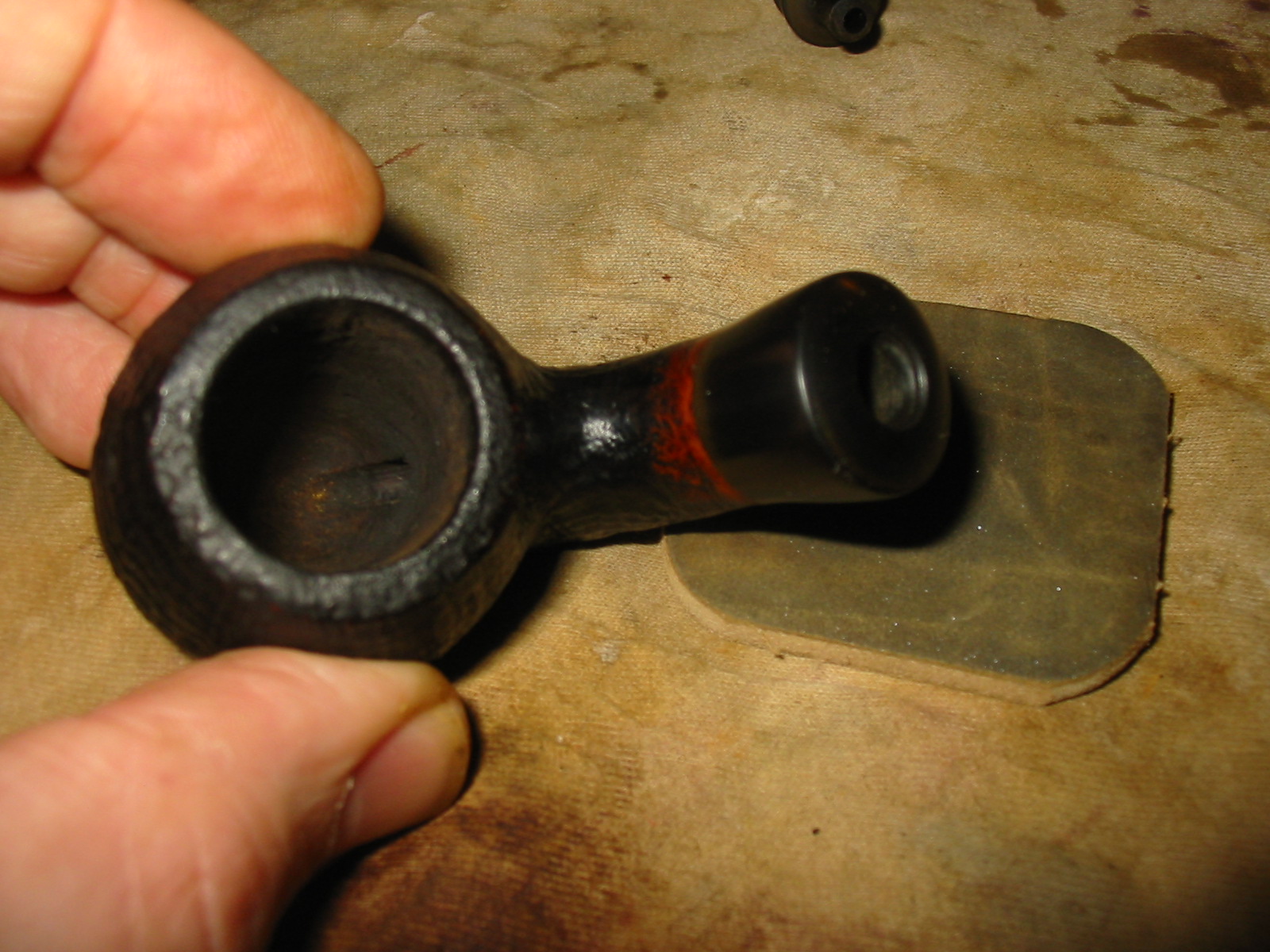
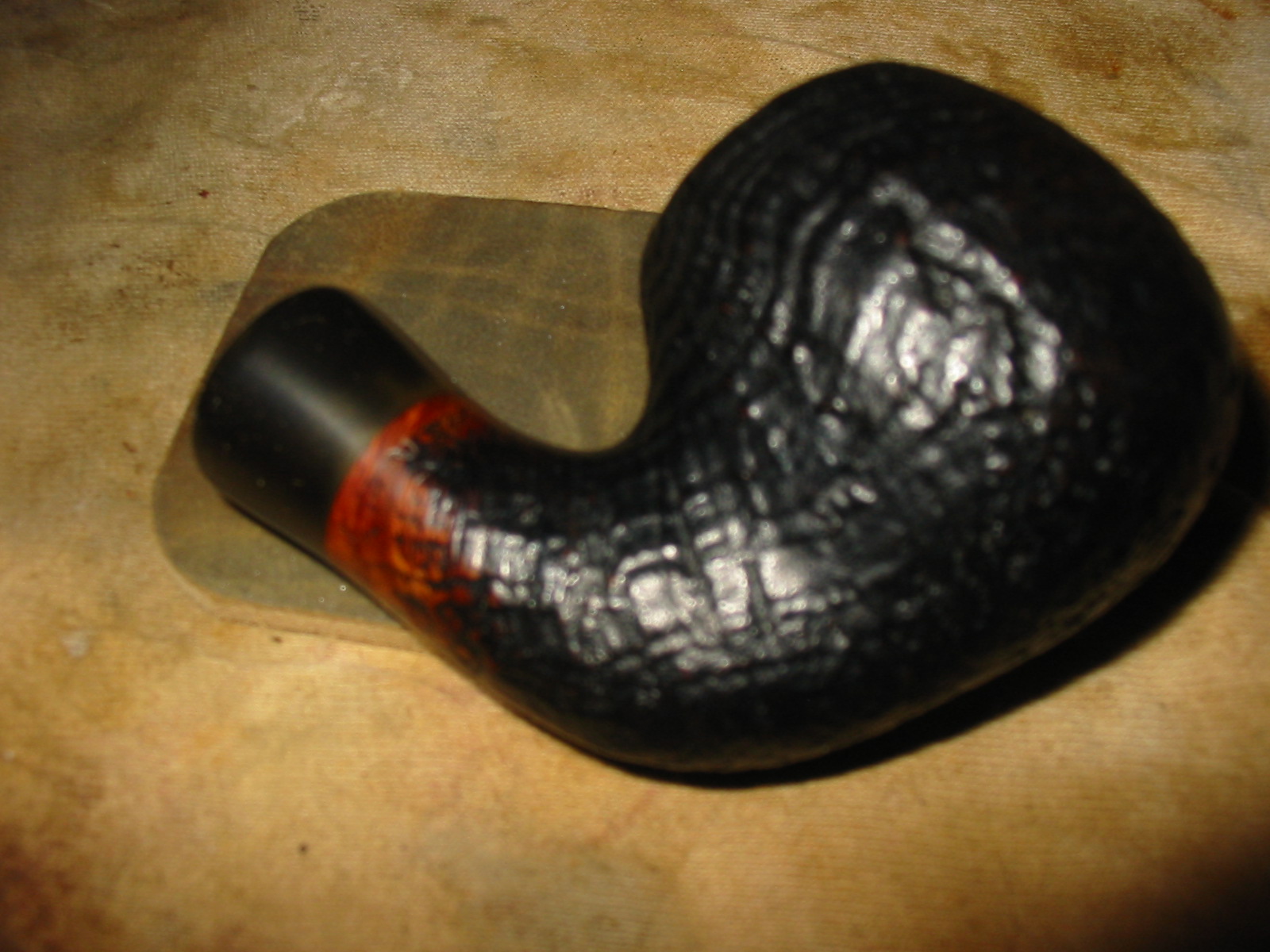
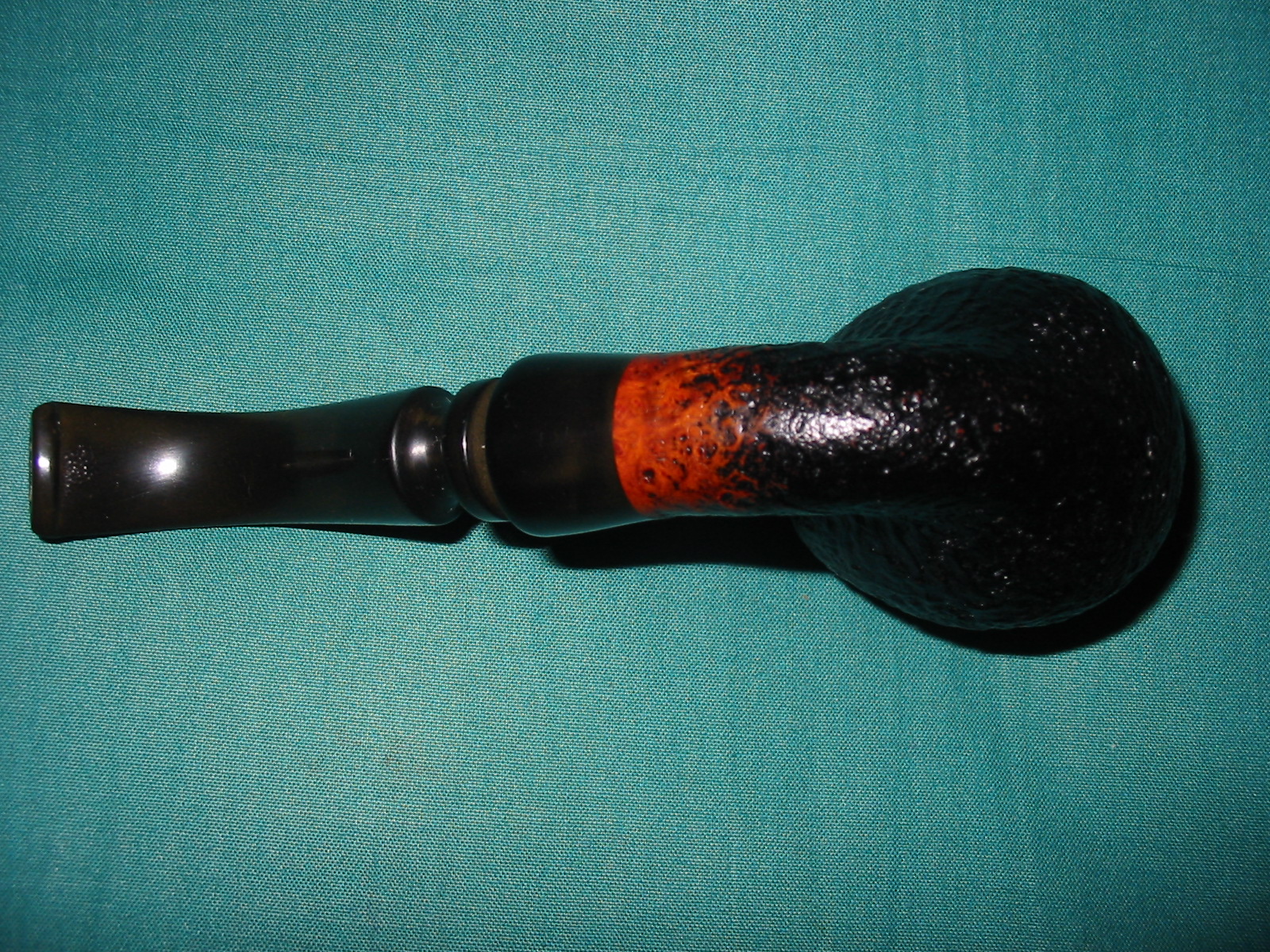
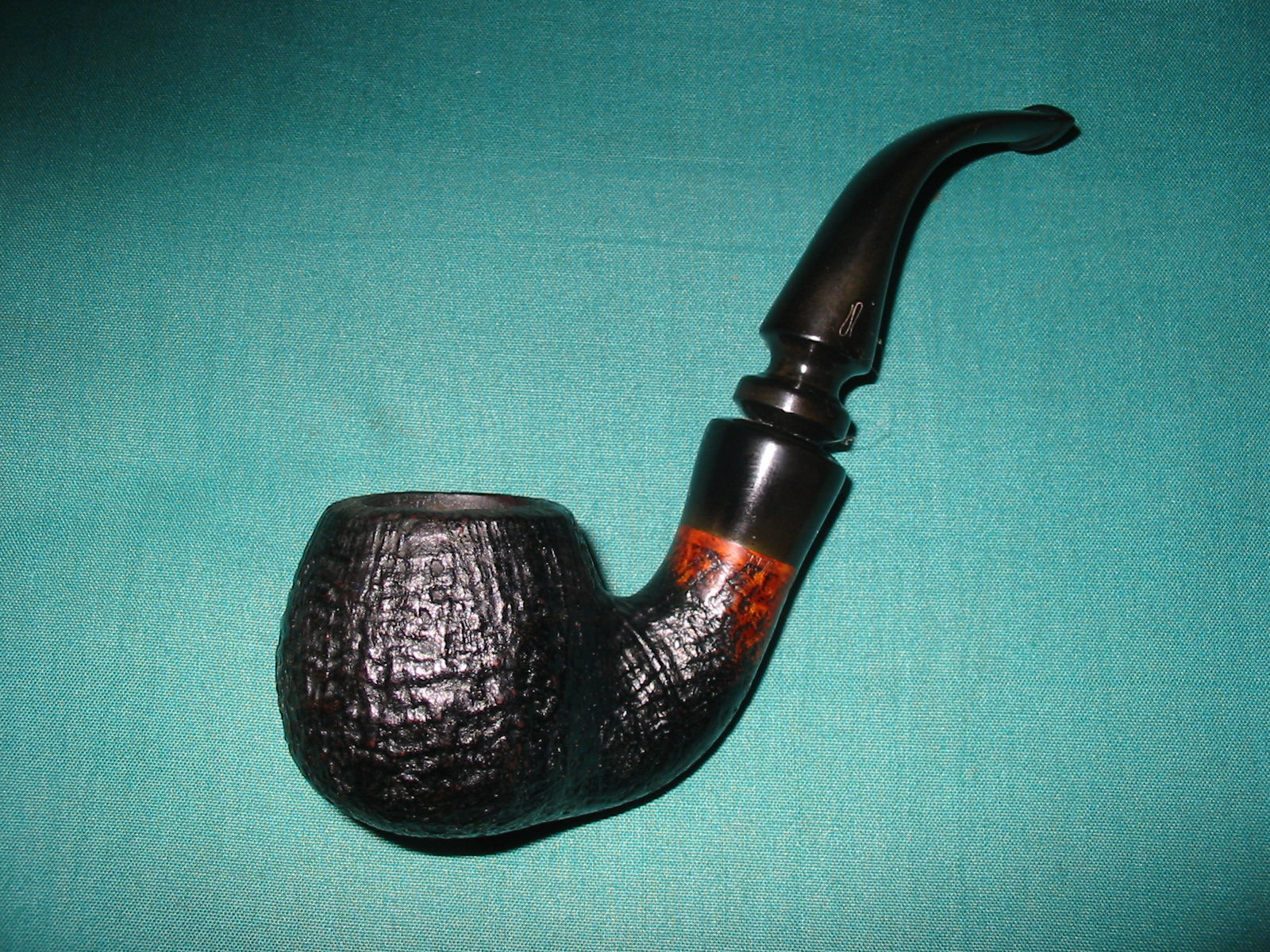
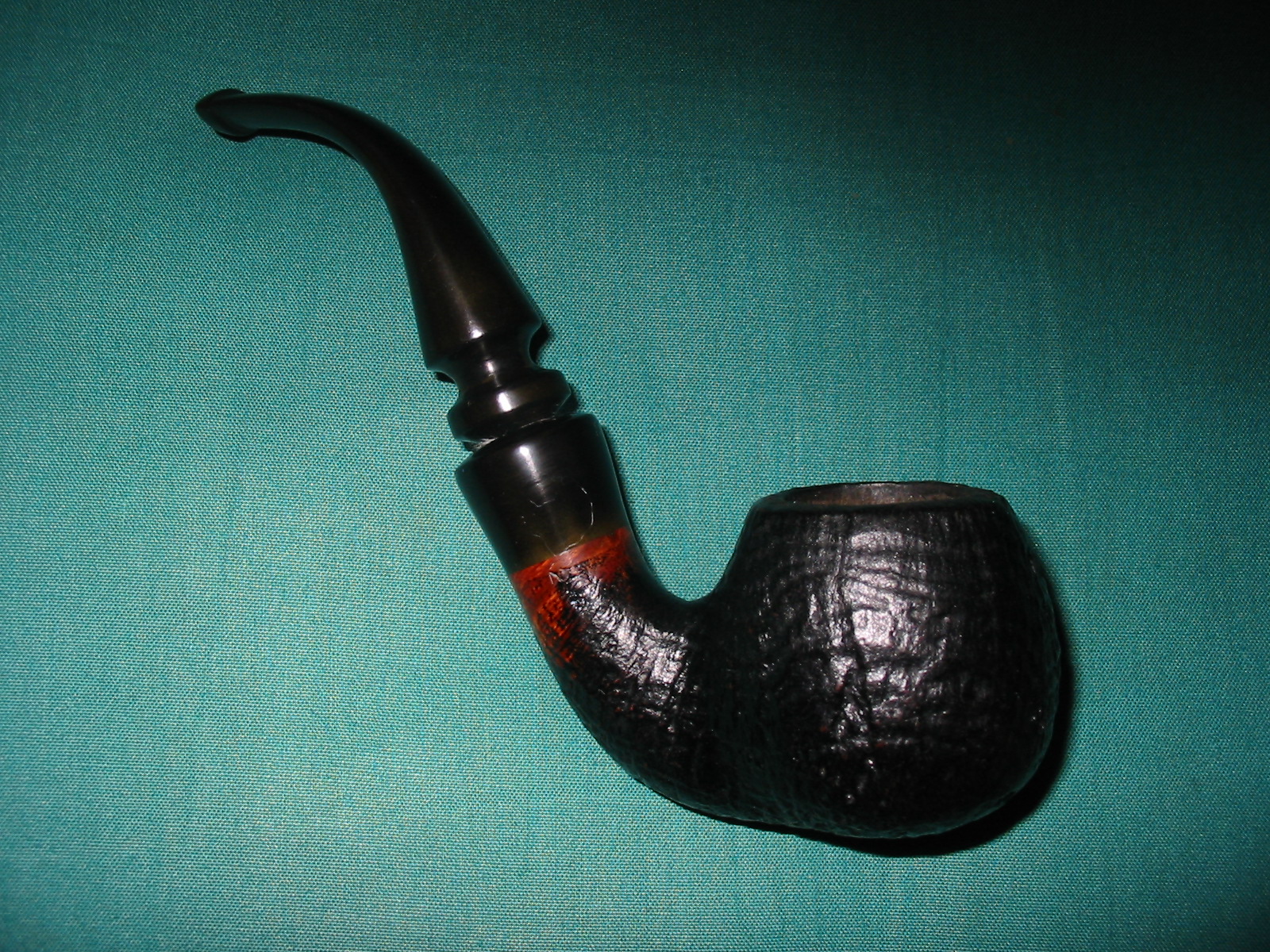
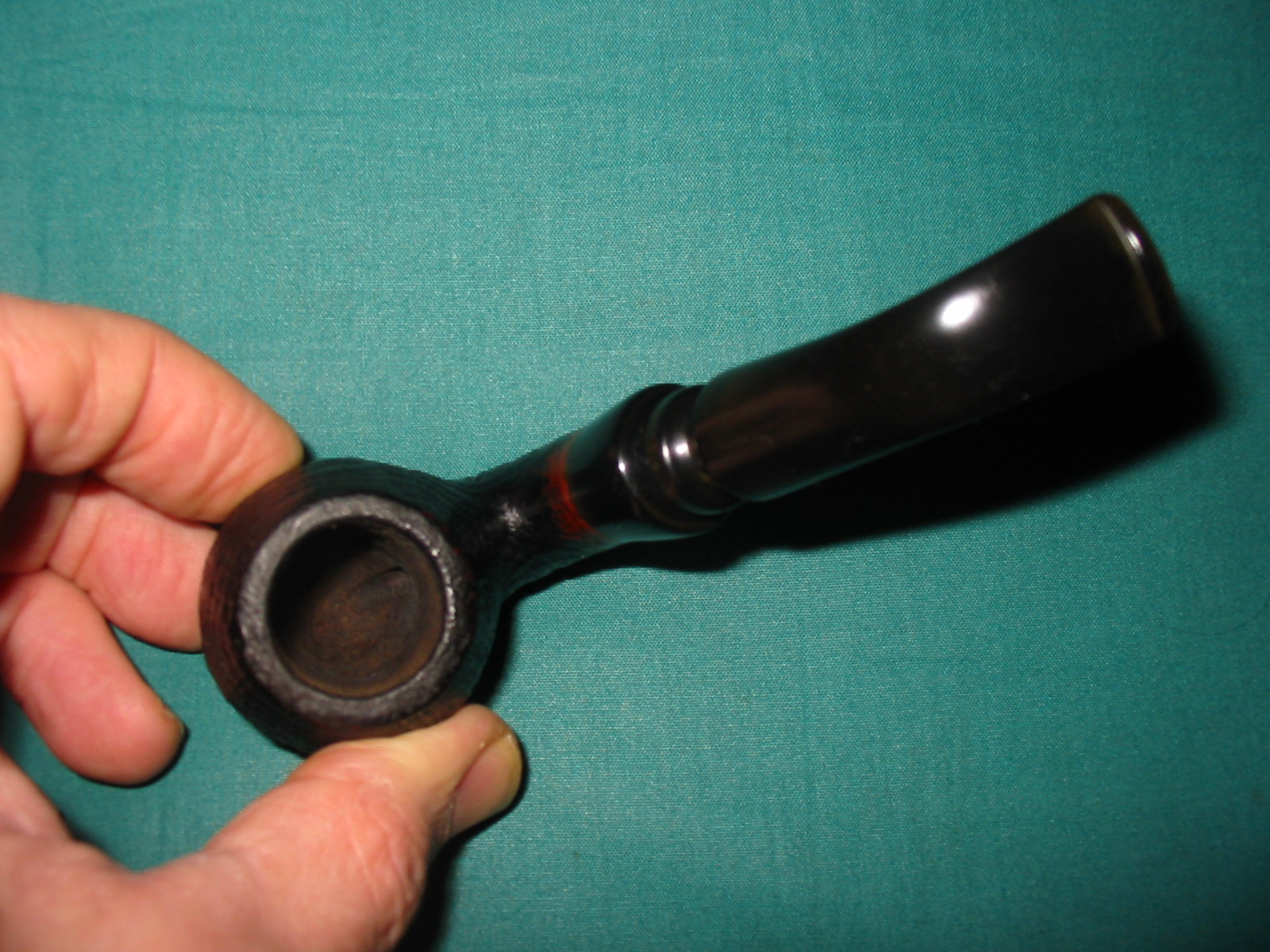
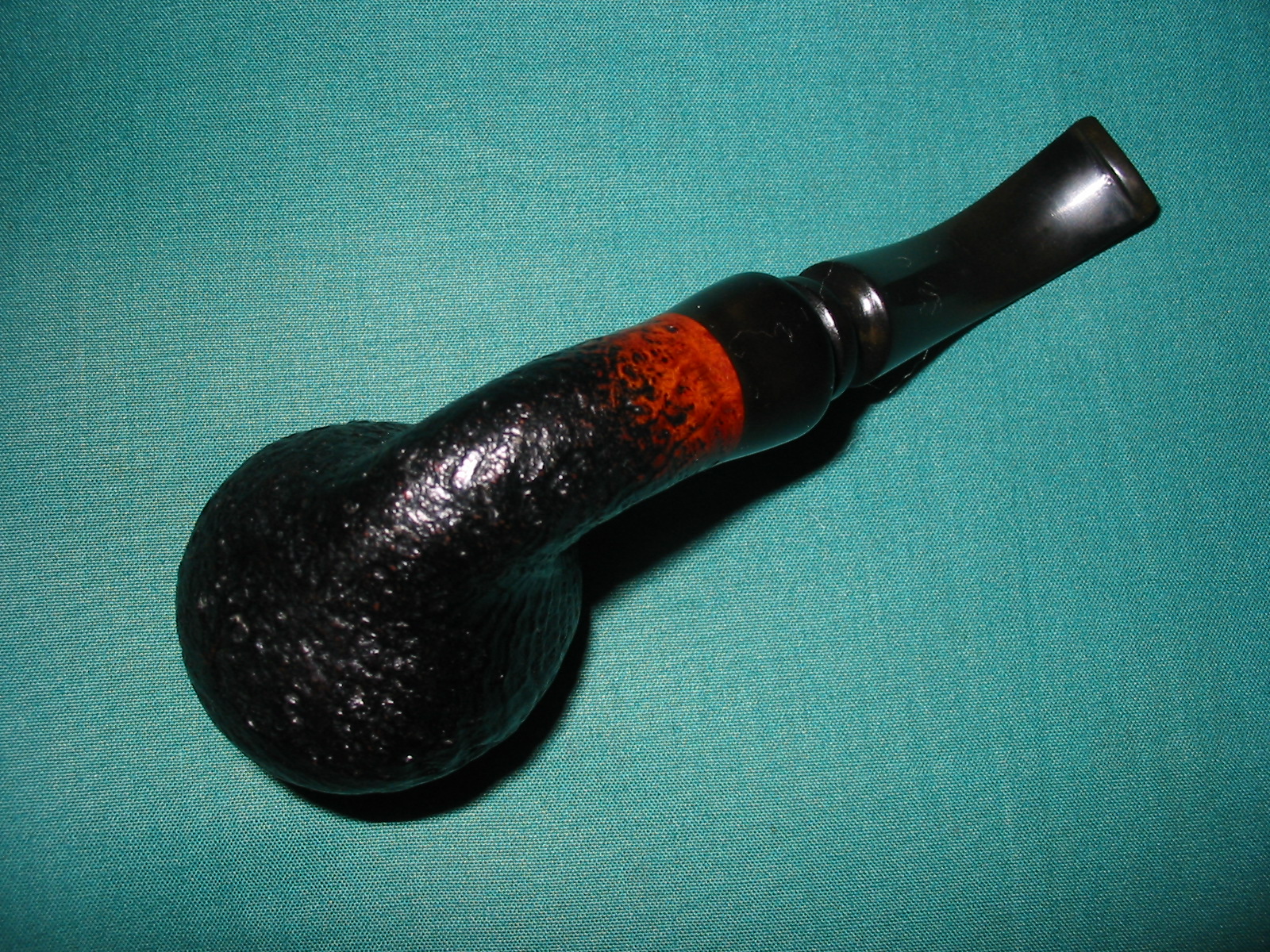
My hunting has turned up some beautiful older estates for me to work on. I have found Kaywoodies, Yello Boles, Lees, Stanwells, Brighams, Loewes, Bertrams, Dunhills, Larsens, Kriswell, Savinellis, Bewlays, Comoys, Barlings, GBDs and others that escape my memory. For example I have found 12 or more Dunhills over the years – the best one being an unsmoked 1962 Tan Blast Billiard and the oldest being a 1932 Shell Bent Billiard. I have cleaned up and sold many of the pipes I have found and still have over a hundred that I need to sell. I have added many to my own collection as well. The hunt goes on and will continue as long as I have breath. The joy of the hunt and the amazing finds keep me looking.
 rebornpipes