
Blog by Steve Laug
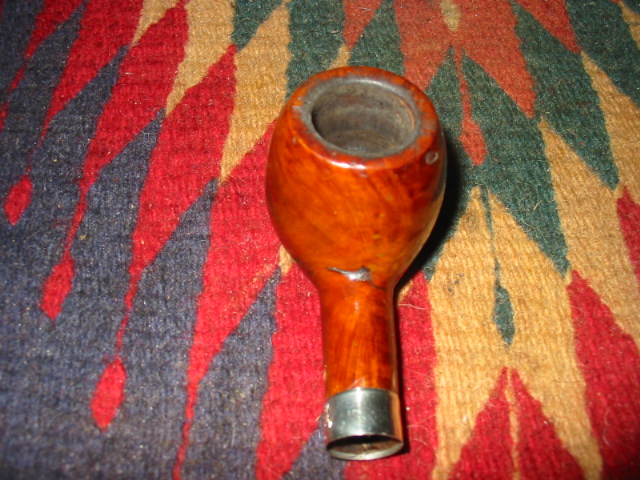
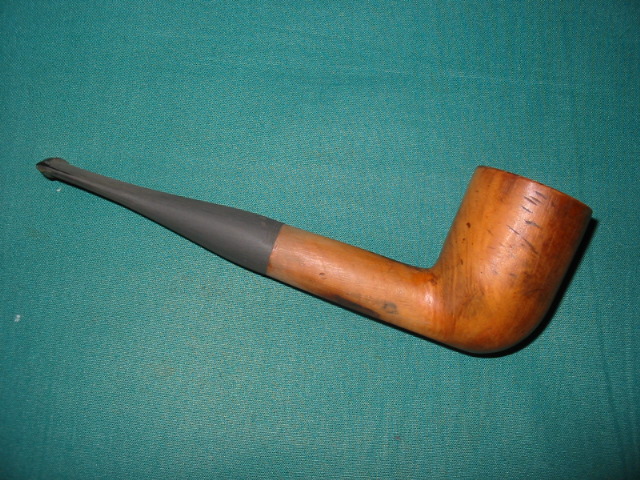
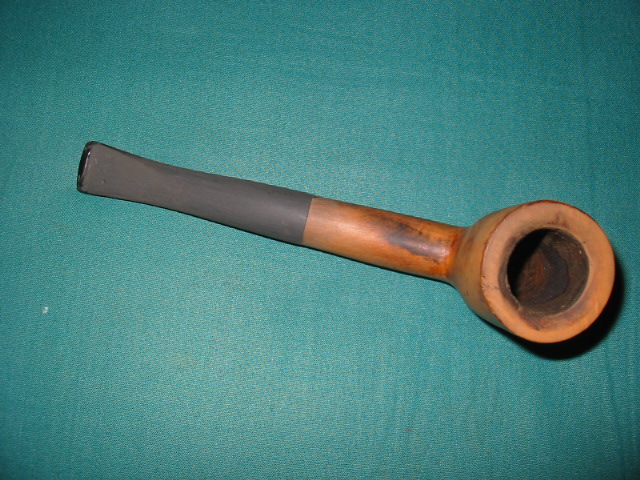
I have been looking through my box of pipes for refurbishing for a second one to rusticate with the new tool. I had several laid aside as potential candidates for this treatment but had not gotten around to doing it yet. Then this week I received a box of pipes and pipe parts from a purchase on EBay. In the box was this little apple shaped pipe. It had a large split in the shank that is visible in the photo below. The bowl was also extremely caked and needed to be reamed and cleaned. I always do that field dressing before I go to work on the deep clean and refinishing. Before I could do anything with the finish on this pipe I would need to repair the cracked shank. I cleaned the surface of the shank and used a dental pick to remove the grit that had built up in the crack. I wanted the surface to be clean so that the glue would adhere correctly and bind the two sides of the crack cleanly together. I then filled the split with superglue and squeezed the crack together with a pair of pliers. After the glue dried I banded the shank with a pressure fit nickel band. I reworked the tenon so that the stem fit correctly.
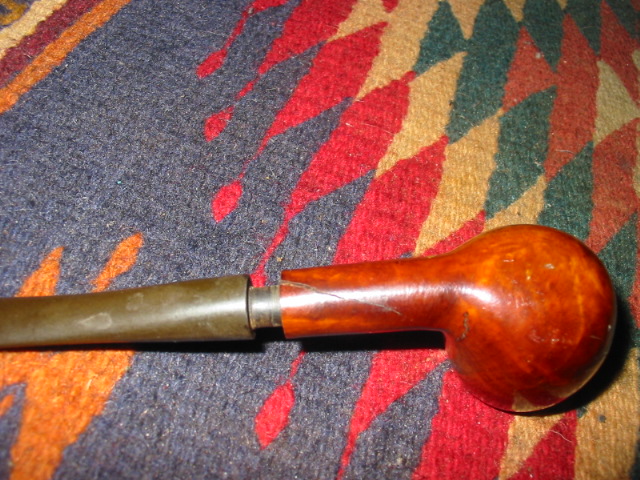
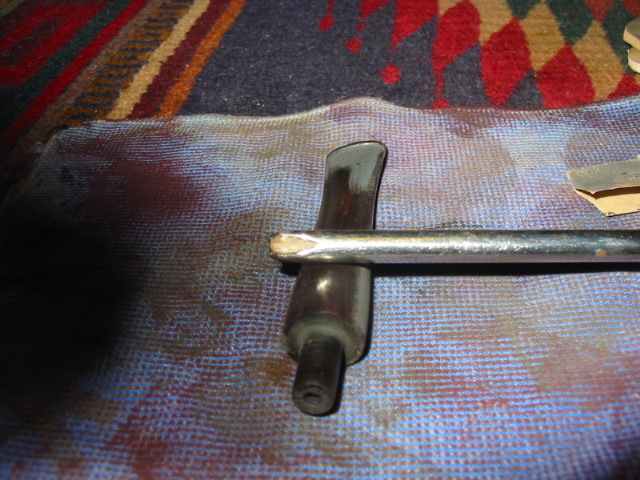
When I had repaired the pipe I examined the bowl to see what choices I might have regarding refinishing. The shape is one of my favourites so I would have like to just do a clean and re-stain of the bowl. However, the closer I looked the more I realized that my only option, if I were to hide the fills and crack well, was a rustication. So my choice was made and I decided to rusticate it with the new tool I had crafted from the Philips screwdriver. I also decided to give it a bit of a different rusticated look than the previous one I have posted here. I wanted to see if the tool would give a bit of versatility in the rustication pattern that it created. With that mission in mind I attacked the bowl seen in the pictures below.


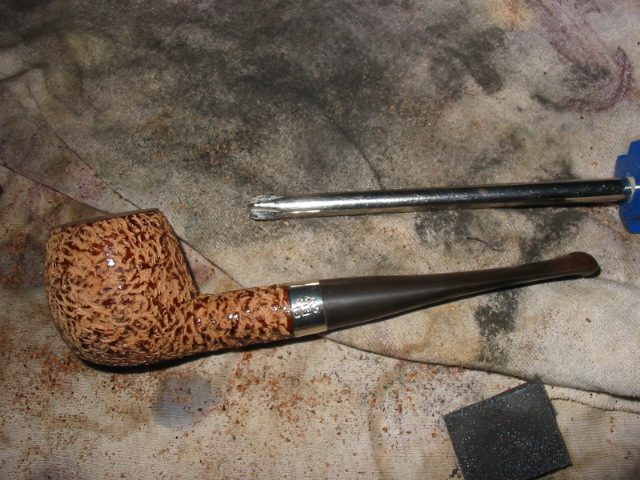
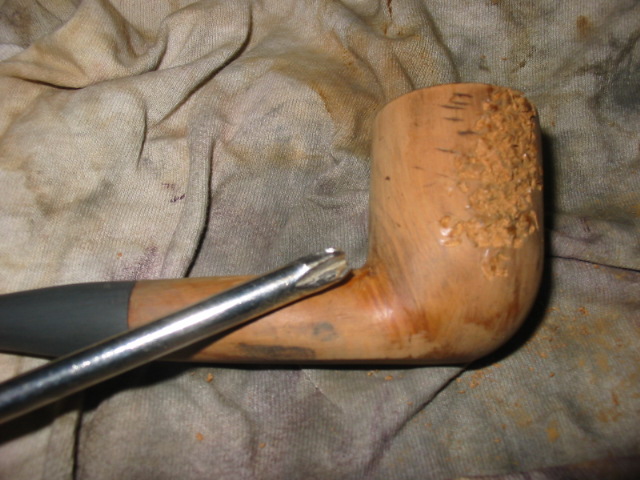
I wiped down the outside of the bowl with some acetone to clean off the grime and give me a fresh surface to work on. I spread out a cloth on my work table to collect wood chunks that came out in the rustication. I have found that it is easier to clean up after my work this way as I merely have to fold up the cloth and shake it out when I am finished. From the last time I used the tool I had learned that the handle was hard on the palm of my hand so I also wrapped it with a thick cotton cloth to act as a pad. This additional padding would add a cushion of comfort for me as I pressed and twisted the shaft into the briar of the bowl. The picture below shows the beginning of the process of rustication. I generally start with the side of the bowl while holding the bowl in my hand and pressing the shaft of the tool into the wood and twisting it and moving across the surface of the wood. I often move from the side of the bowl to the shank. In this case I did a portion of the bowl and then moved to the shank and did the rustication all the way around the shank and on the bottom of the bowl before moving on to finish the bowl.

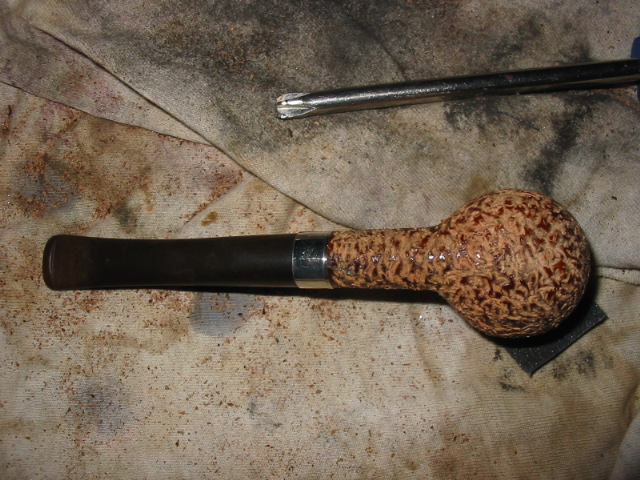
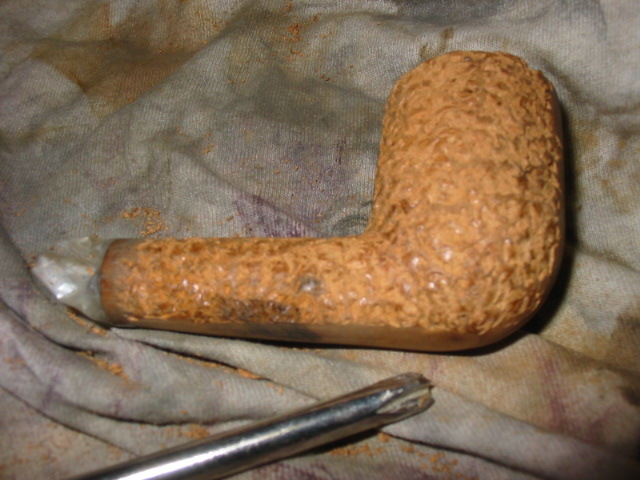
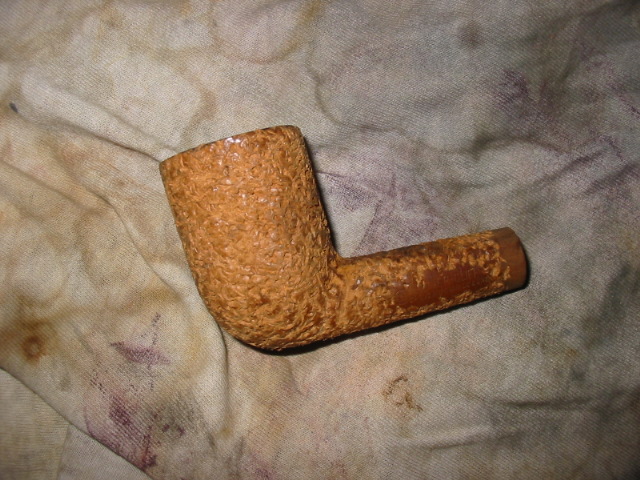
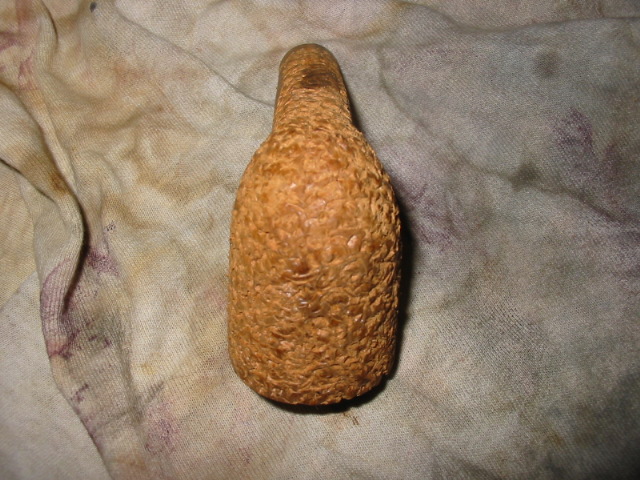
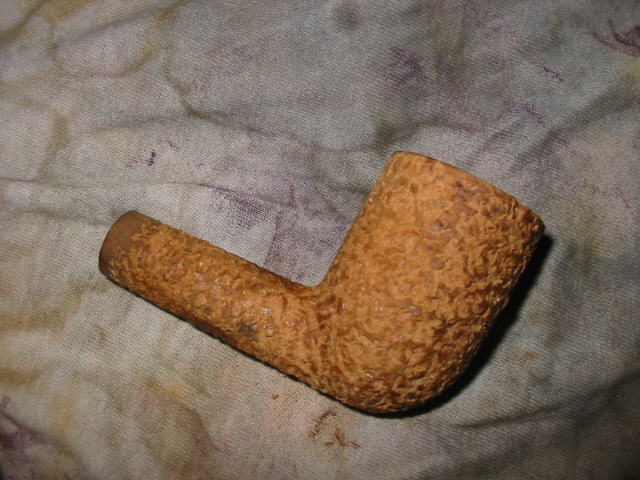
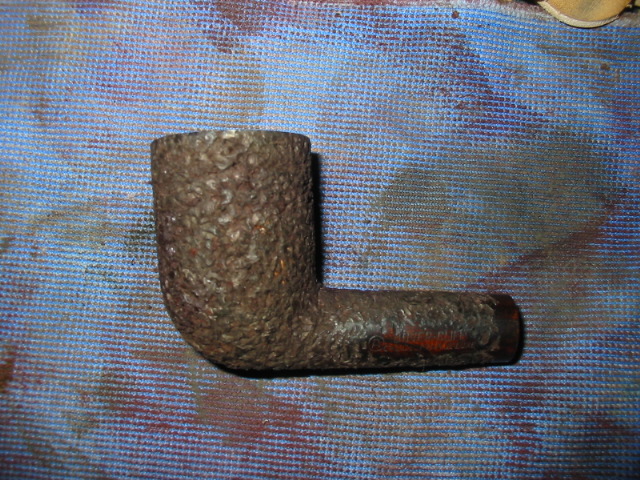
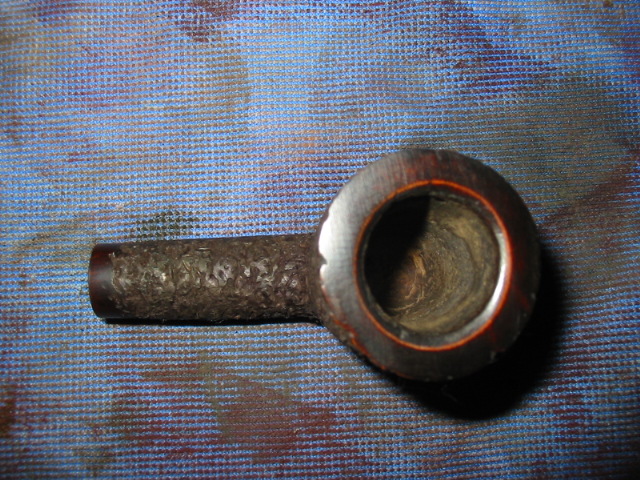
This rustication pattern is slightly different than the previous one. I was aiming to experiment with the versatility and it was working well in my opinion. I decided to go over the surface of the bowl only one time before checking and roughing up sections that needed further roughening. I wanted the finish to have a softer look on this bowl than the first one I did. I also wanted to leave some high spots that could be polished to give a contrast finish rather than a matte finish. I think the feature I like the most in the new tool is the ability to navigate the tip very close to the band without damaging it. It is very easy to control in tight spaces on the pipe. The four pictures below show the pipe after the rustication is completed. Above and to the right in each picture is the blade of the tool that I use in the process of rustication.

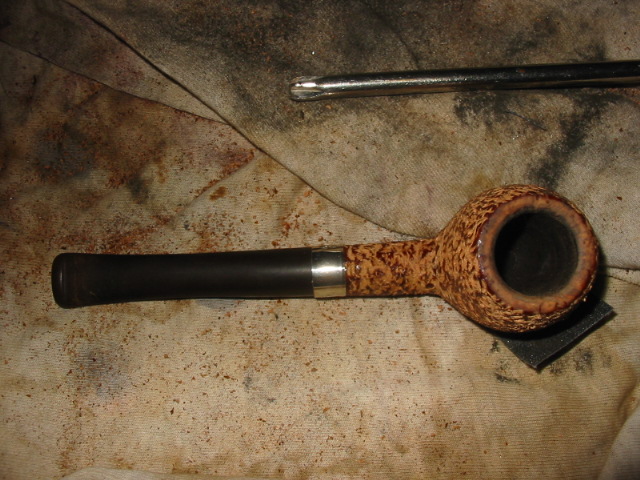
Once the rustication was completed I used some 240, 400, and 600 grit sandpaper to sand the top of the bowl and clean it of stain and dark spots. My goal for the rim was to be able to see the grain patterns once it was stained as it would serve as a contrast to the rough surface of the bowl.
The pipe was ready to be stained. I decided to use a dark brown stain on this one, knowing full well that when I gave it a buff it would lighten considerably. I applied the Fiebings stain with the dauber that came with it. I find that the wool ball on the end of the dauber is thick enough that it carries the stain into the nooks and crannies of the rusticated surface. When I stain a pipe bowl, I always start on the bottom of the bowl as the stain will run toward the top. I follow it up the sides with good coverage and finish with a coat on the rim of the pipe as the last thing. It seems to also help keep the stain on the outside of the bowl. I generally stain the shank once the bowl is completed.
When the entirety is stained I light it with a match to flame the stain. The flame burns off the alcohol with a blue flame that sets the stain more deeply in the briar and helps it dry it quickly. The fire is short-lived and there is no concern of setting your bowl on fire. Be sure however to remove the open jar of stain so that you do not inadvertently set that on fire. I then re-stained the pipe a second time following the same pattern, flamed and set it aside while I work on the oxidation on the stem. I let the stained bowl dry for two hours before taking it to the buffer and giving a light buff with Tripoli and White Diamond. I decided to buff this bowl instead of just leaving it rough like the previous one because I was trying to achieve a different look.
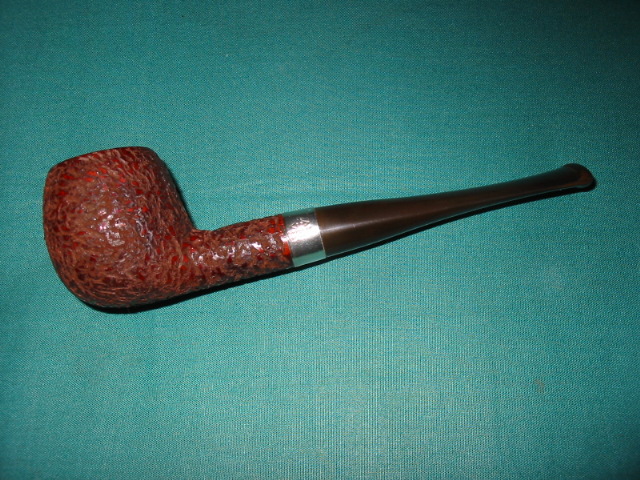
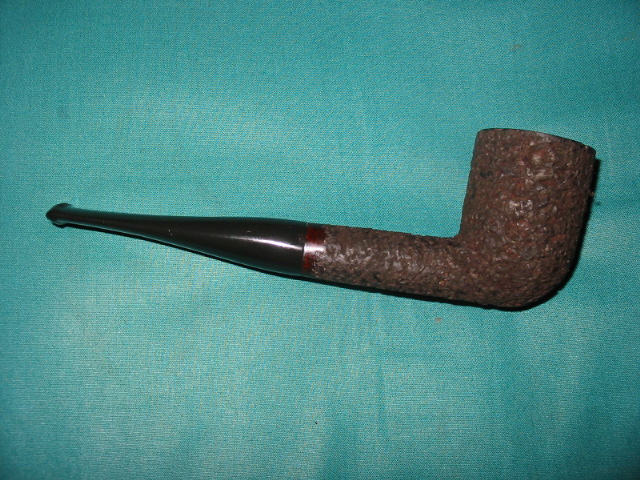
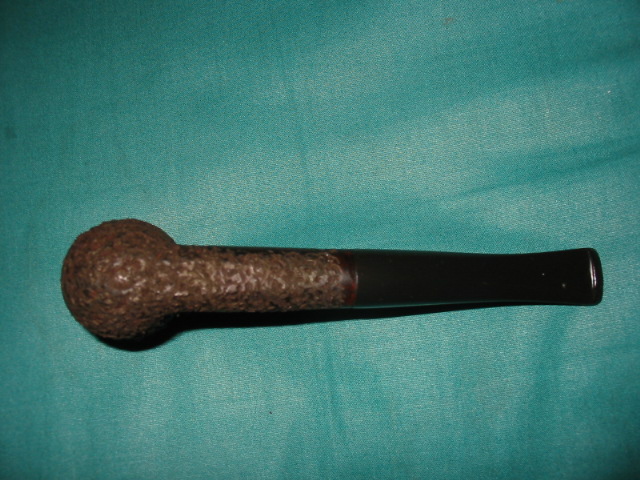
I finished the buffing by giving it a light buff with carnauba wax. I am happy with the finished pipe and the look that it has. It is very different from the previous pipe I rusticated with the tool and demonstrates the capacity of the tool to work different finishes.
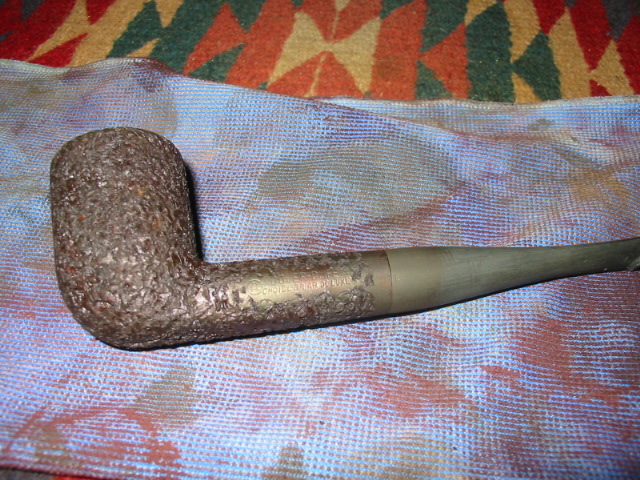
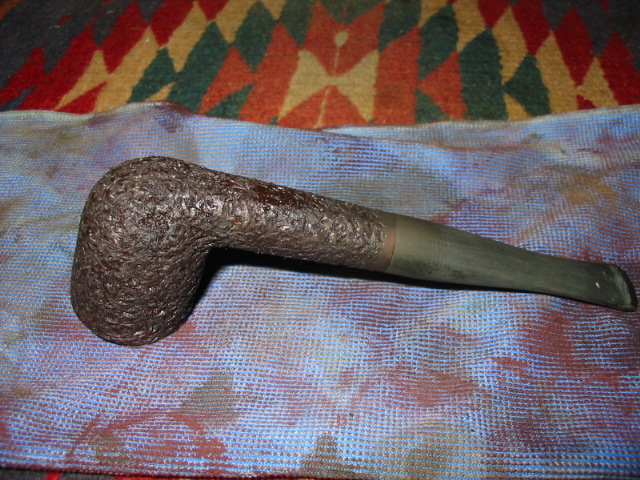
The final four pictures below show the finished pipe.













 rebornpipes