Category Archives: Pipe Related Essays

Short and not so short essays on pipes and tobacciana

New Life for an Israel Made Long Canadian


by Steve Laug

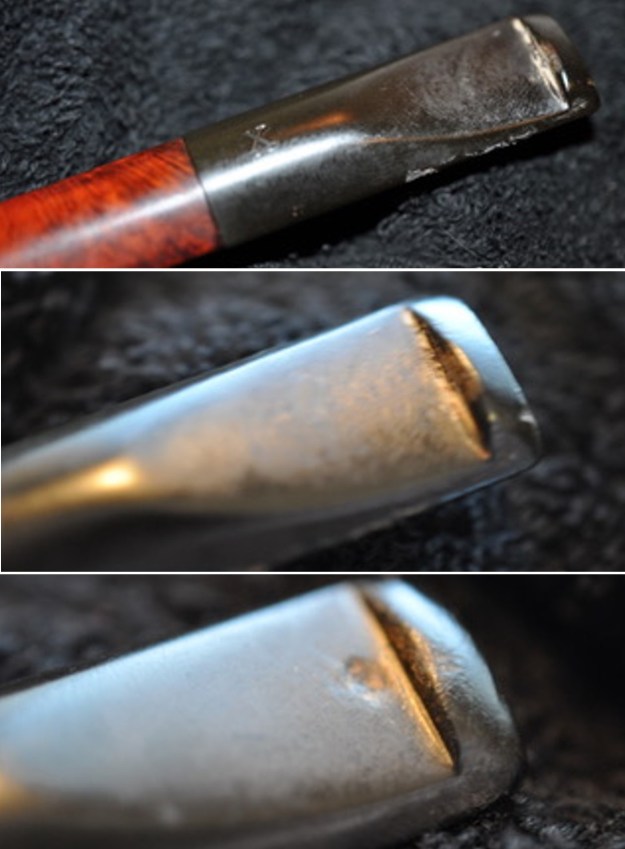
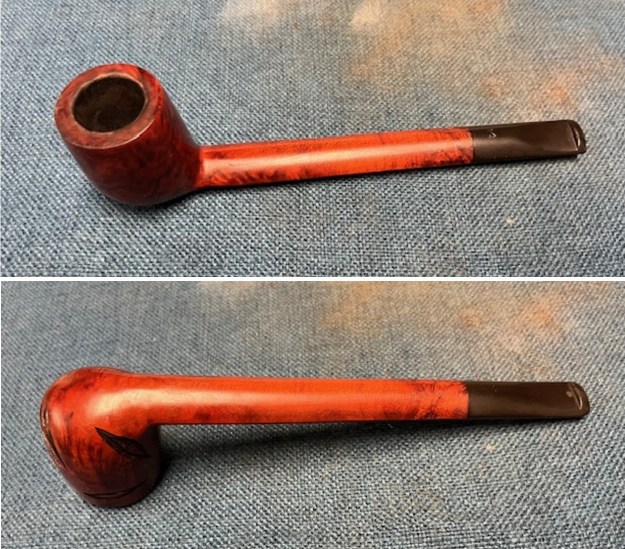
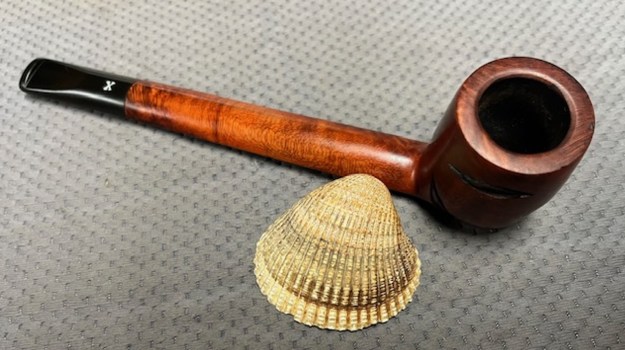
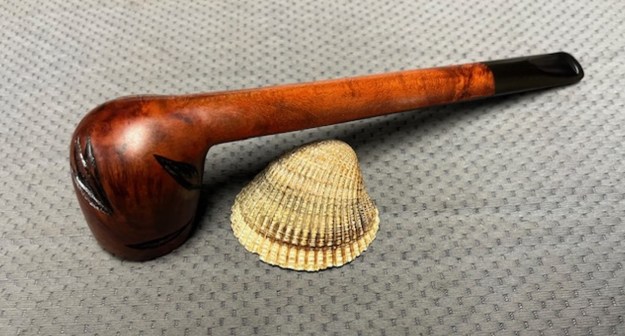
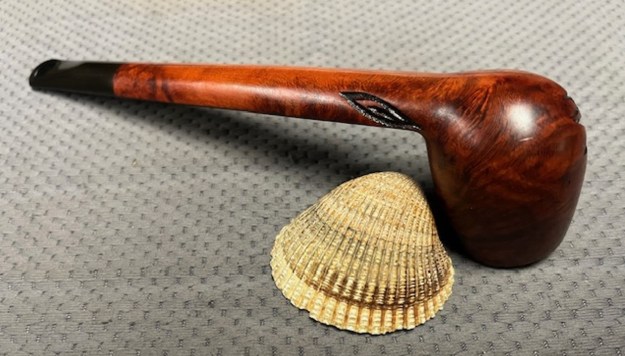
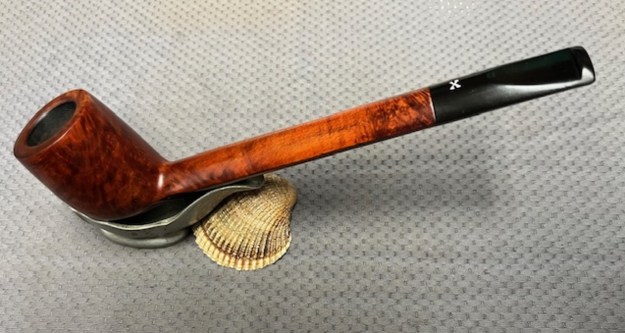
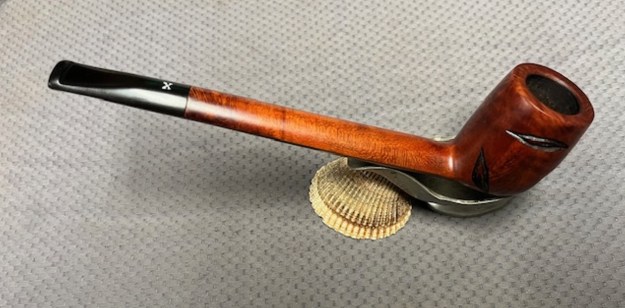
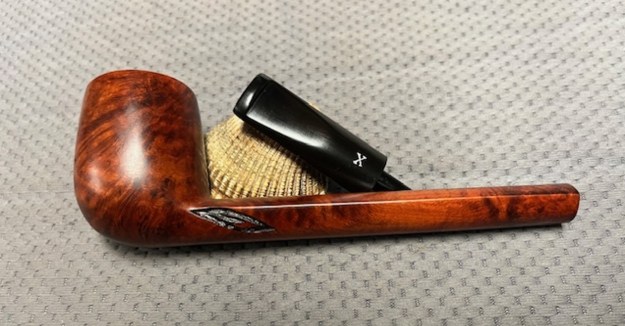
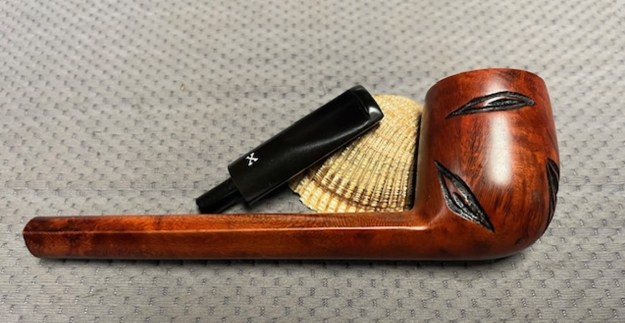
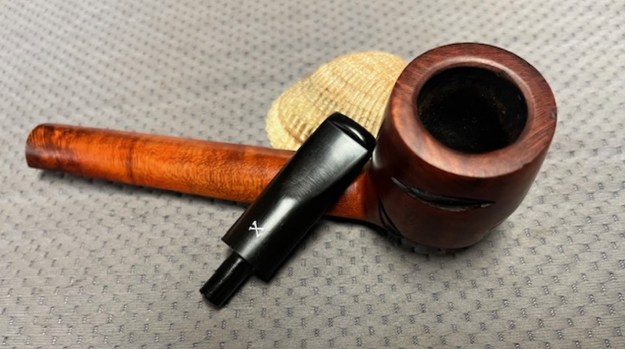
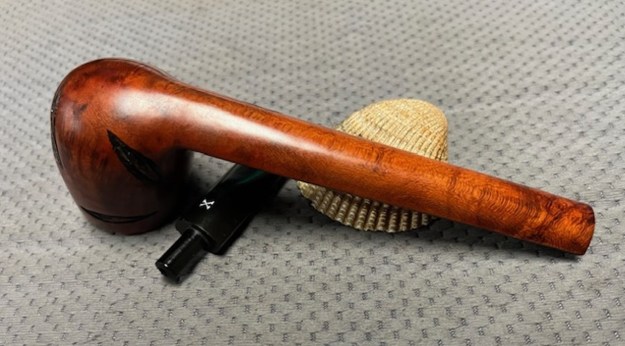
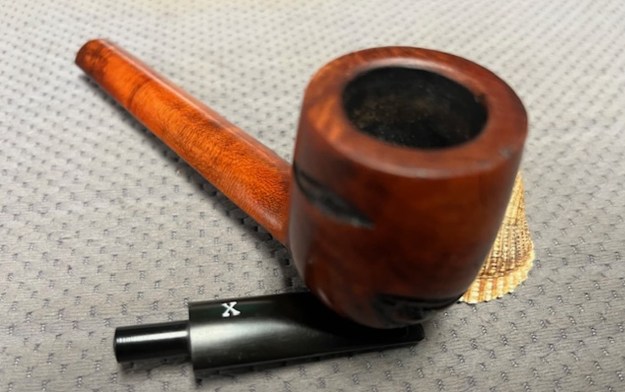
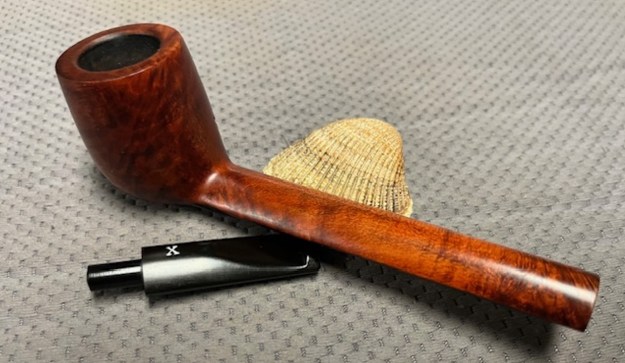
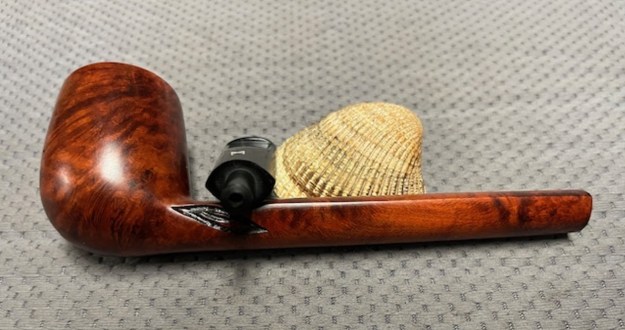
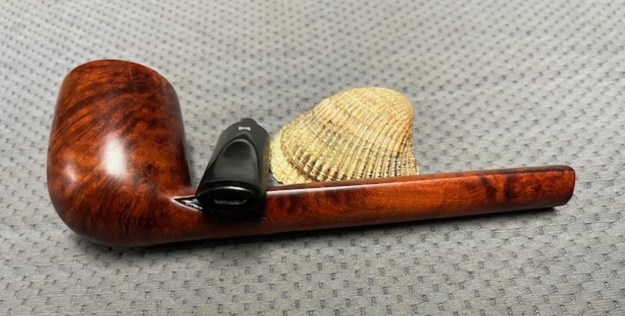
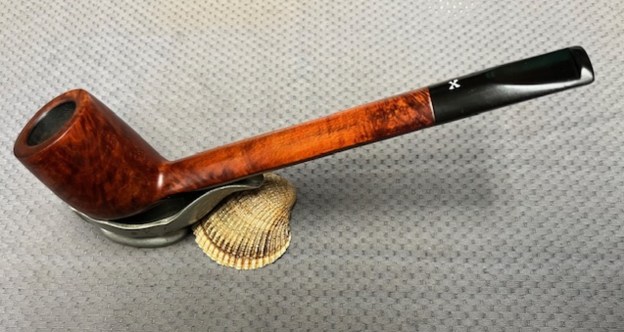
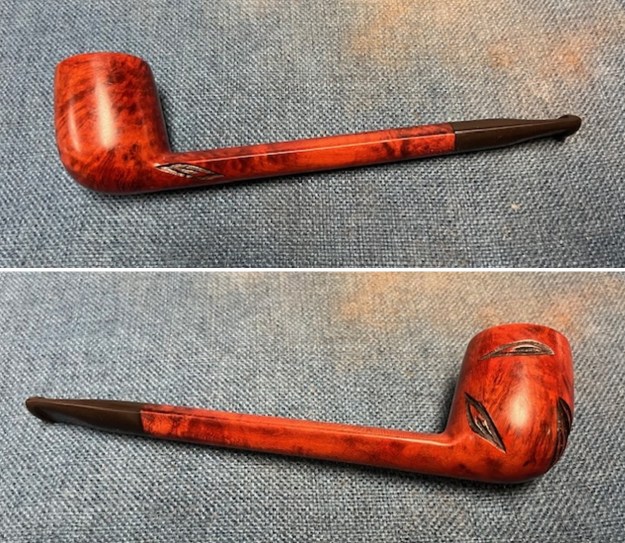
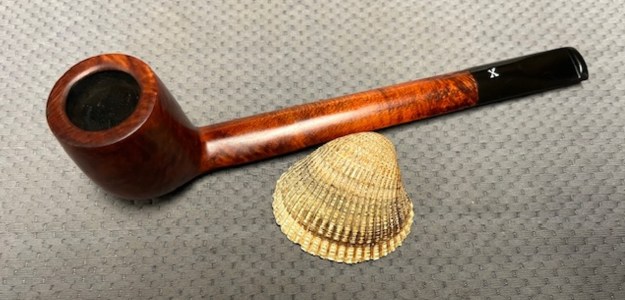
The next pipe on the table is a great looking long Canadian that Jeff picked up on 12/17/2020 from an auction in Cramerton, North Carolina, USA. The finish is smooth around the bowl and shank with some leaves carved into the finish. There is one on the left side of the shank and there are three on the right side with one of them on bottom right and front. The bowl had been coated with a varnish coat that was spotty in places and would need to be removed. It is a great looking pipe. It is stamped on the underside at the shank/stem junction it reads Israel. The finish was dirty and had a lot of grime and grit ground into the rustication and the smooth portions. The rim top and inner edge of the bowl is dirty with a heavy lava flow on the edge and the top. There is a thick cake in the bowl. The taper stem has an X logo on the top. It is lightly oxidized and there were tooth marks and chatter on the surface. Jeff took photos of the pipe before he started his clean up work. It showed a lot of promise.He took close up photos of the bowl and rim top from different angles to show the condition of the bowl and the rim top. You can see the lava on the rim top and on the inner edge of a caked bowl flowing onto the top. He took photos surface of the vulcanite stem which is lightly oxidized and dirty. It has tooth marks on both sides as well as chatter. He took photos of the sides and heel of the bowl to show the rich reddish finish and the carved leaves around the right side and shank. There is great grain peeking through the grime on the shank and the sides of the bowl. Jeff took photos of the stamping on the underside of the shank to capture it. It was clear and readable as noted above. He also took a photo of the X logo on the stem top. I turned to both Pipephil and Pipedia to see if I could find any information on the stamping on the pipe. There was nothing stamped with both Israel on the shank and X on the stem top. I am pretty convinced that the pipe was made by the Shalom Pipe Company in Israel and the makers of Alpha pipes. The shape and the conformation of the pipe remind me of other Shalom pipes. While I will never know the maker for certain I am fairly confident it as noted above. It is a neat looking pipe.
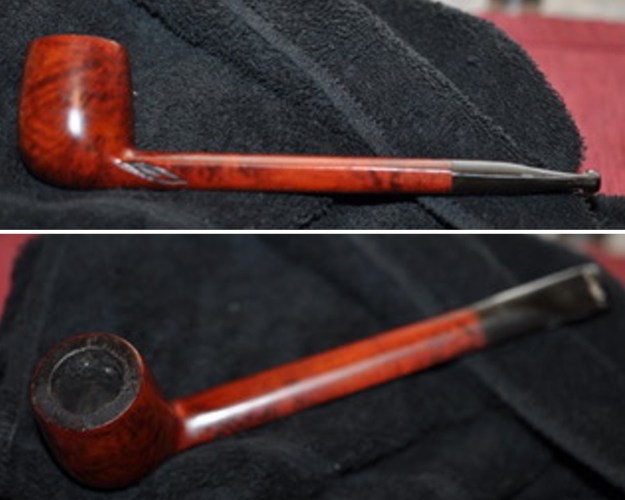
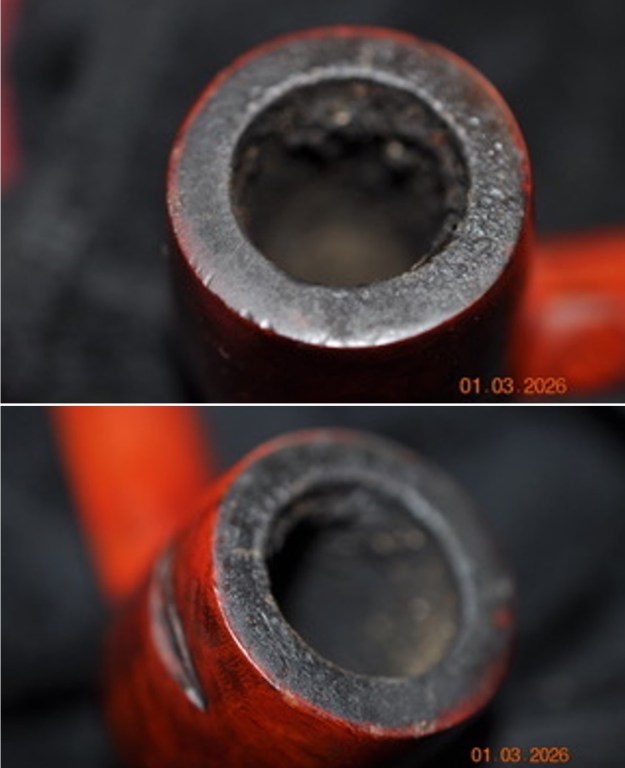
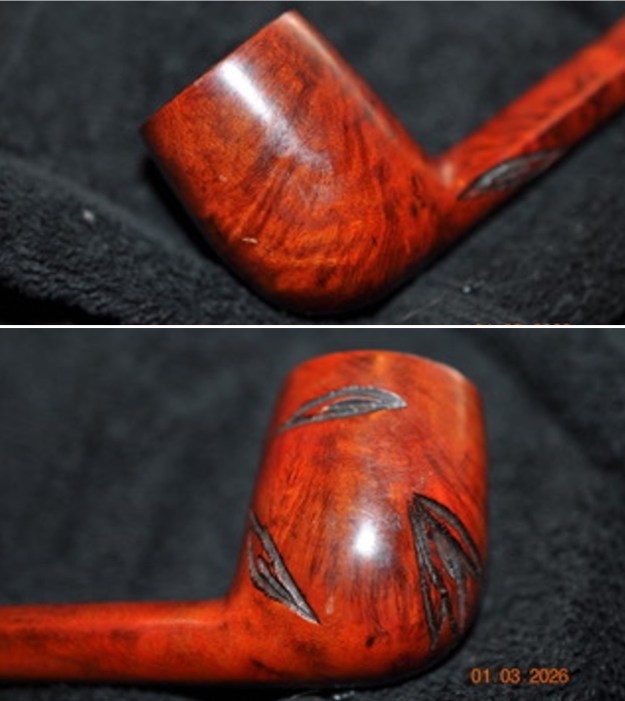
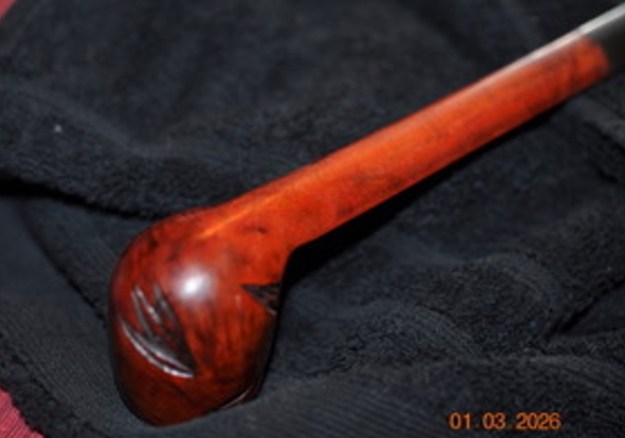
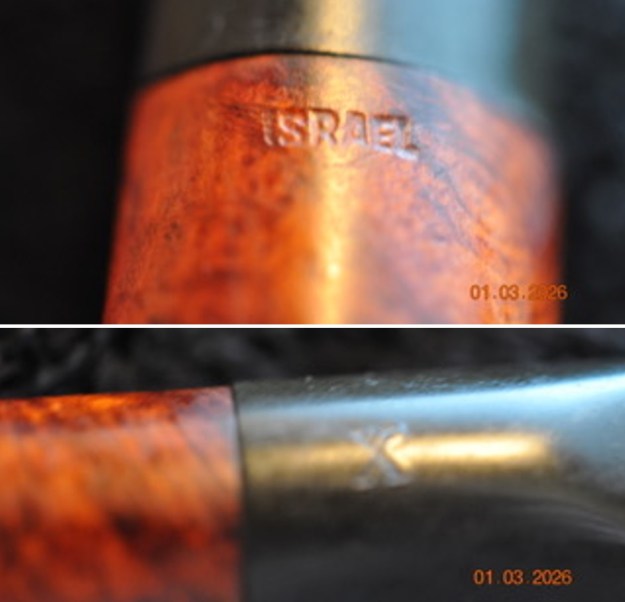
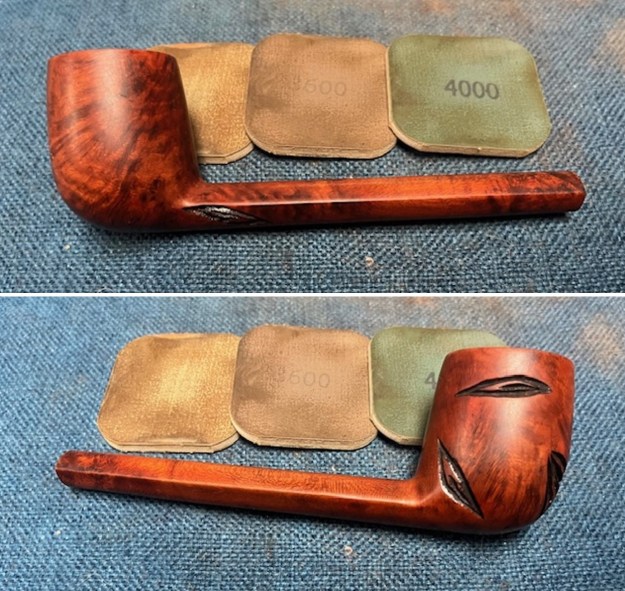
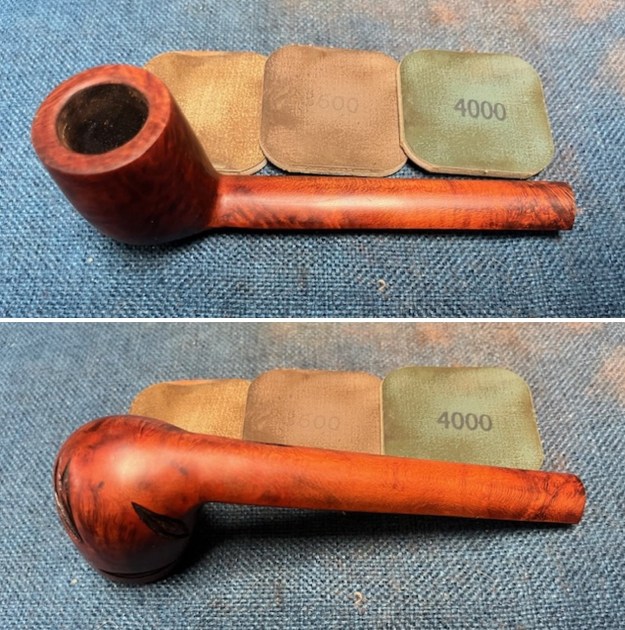
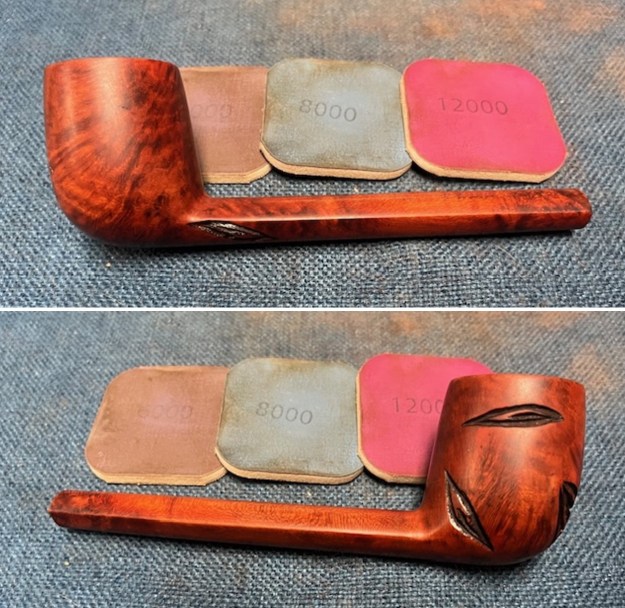
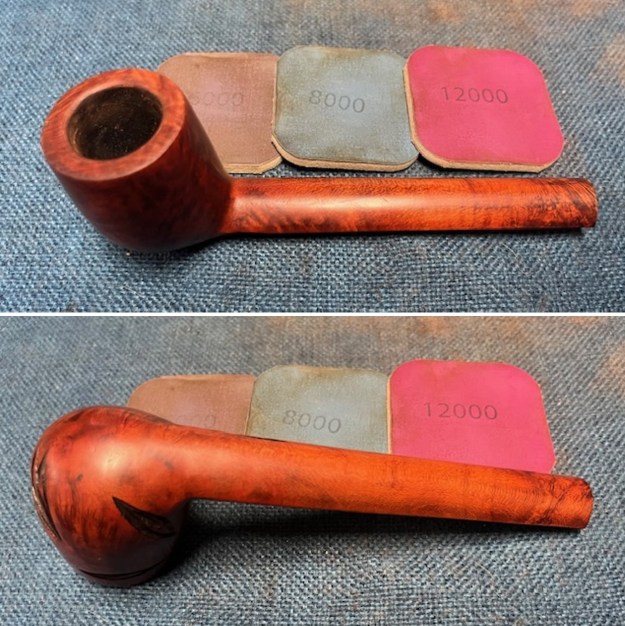
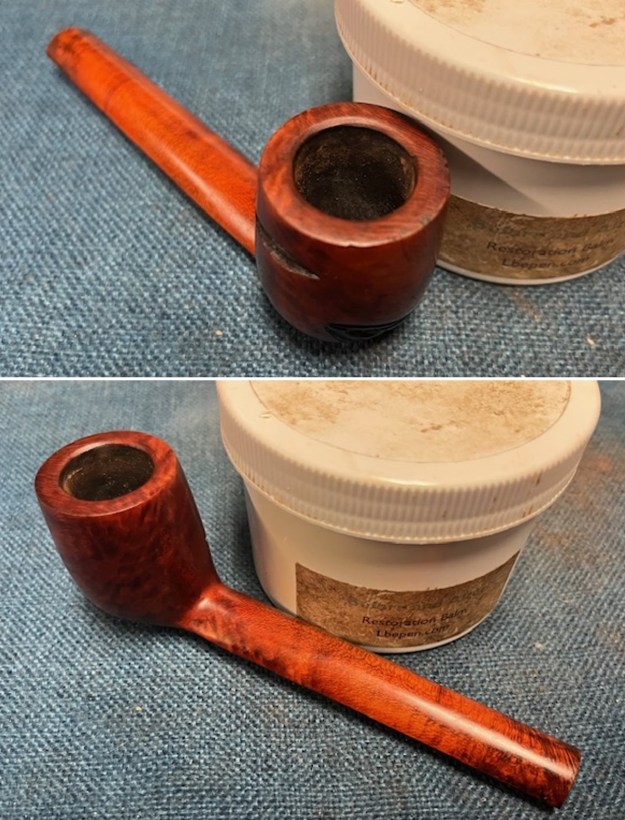
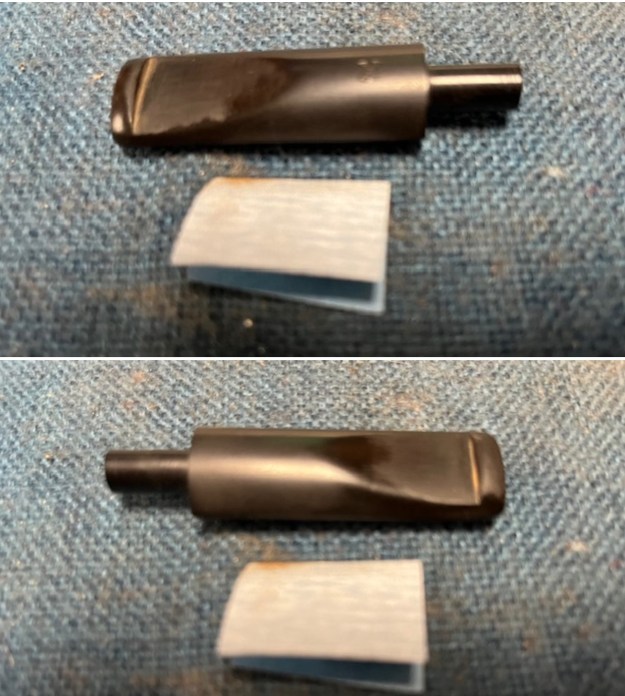
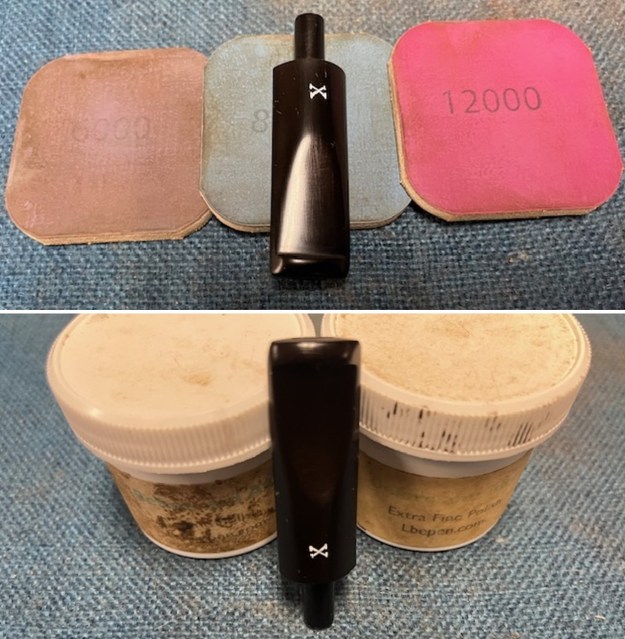
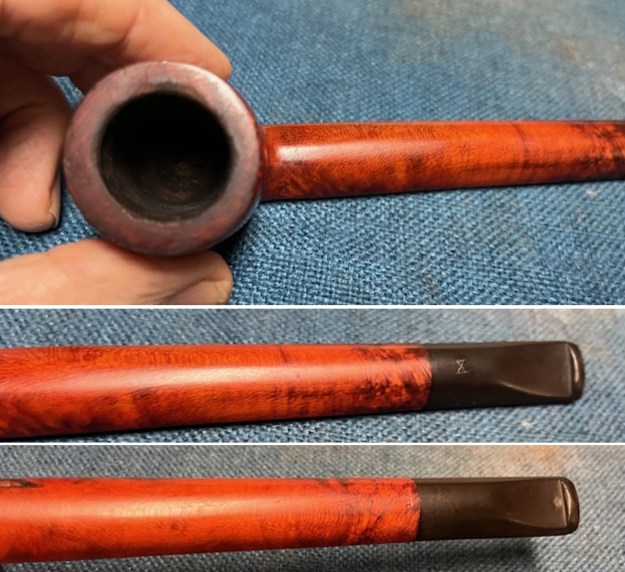
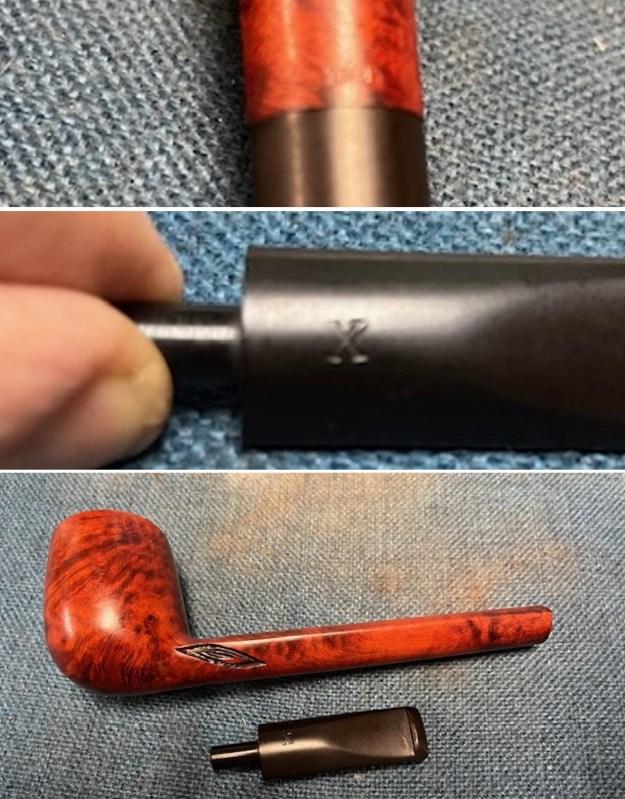
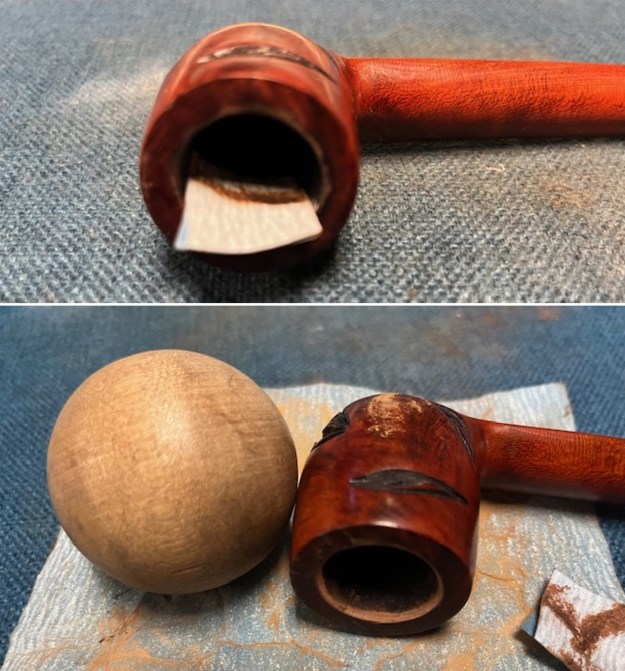
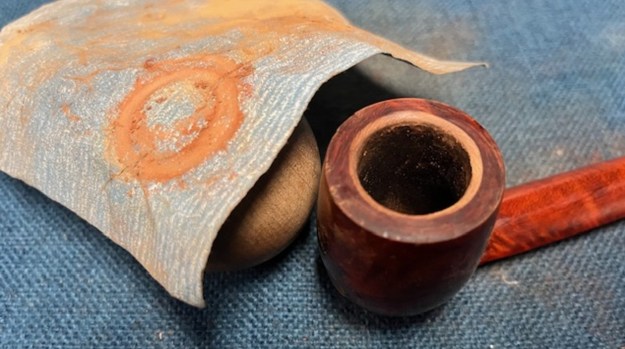
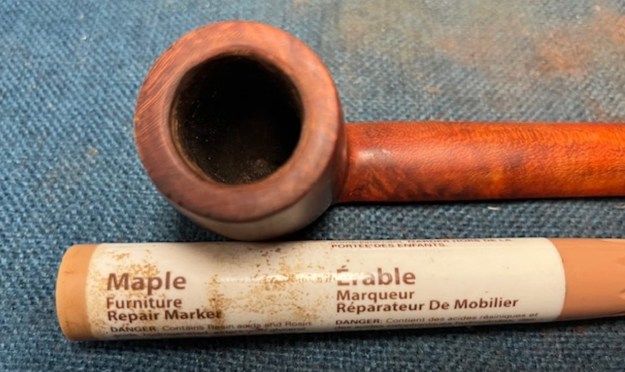
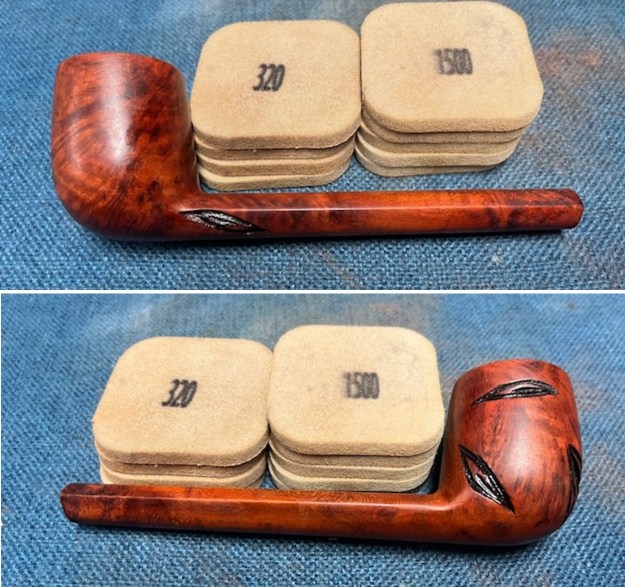
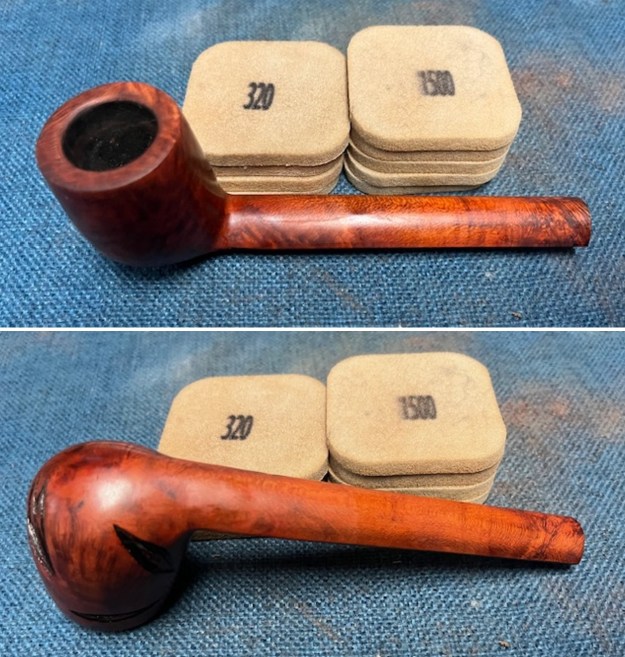
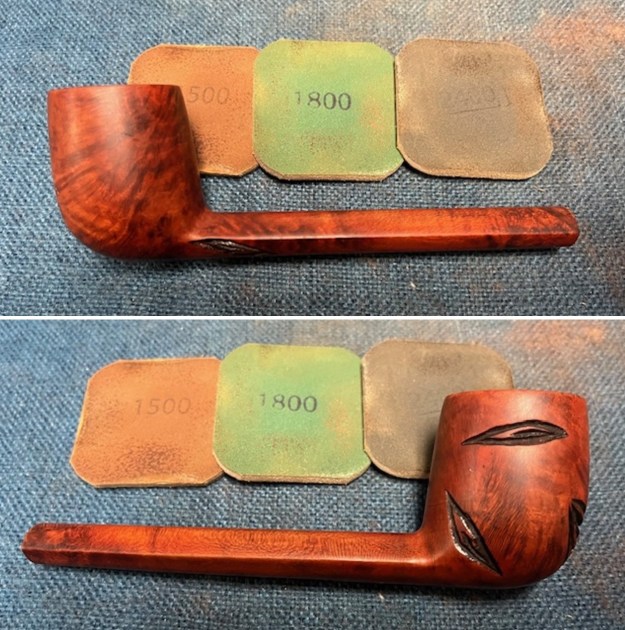
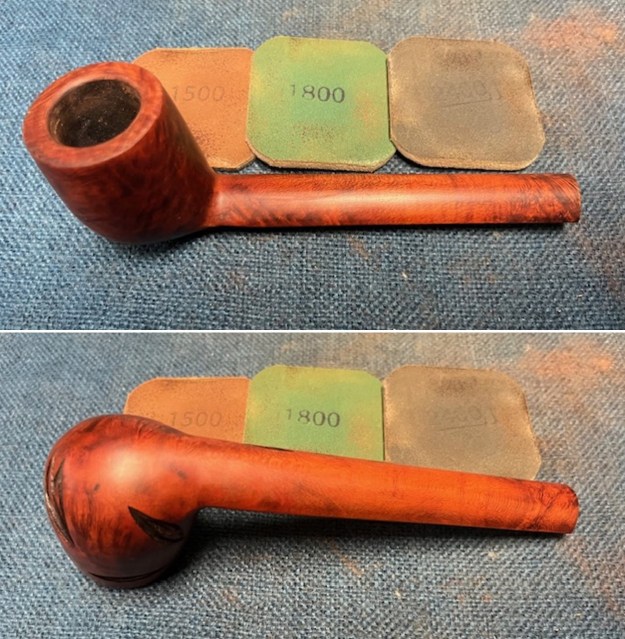
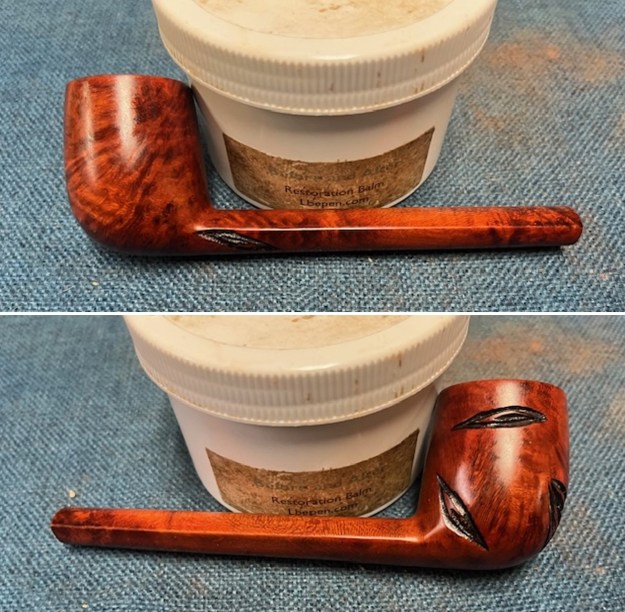
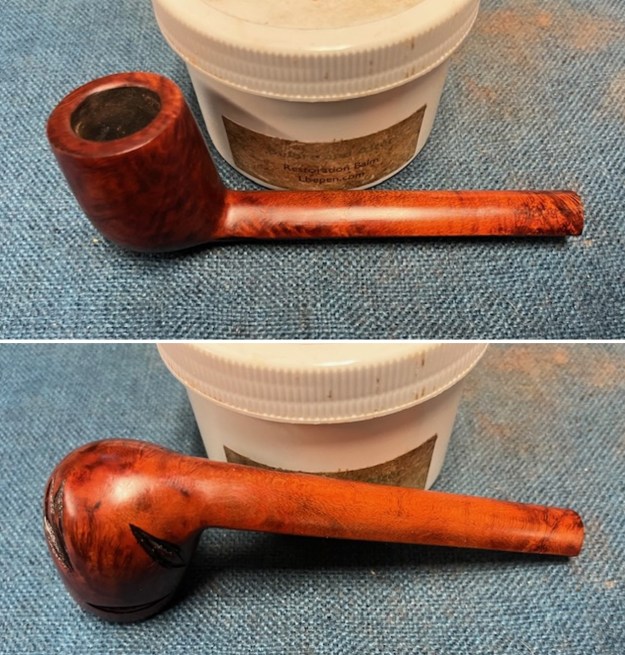
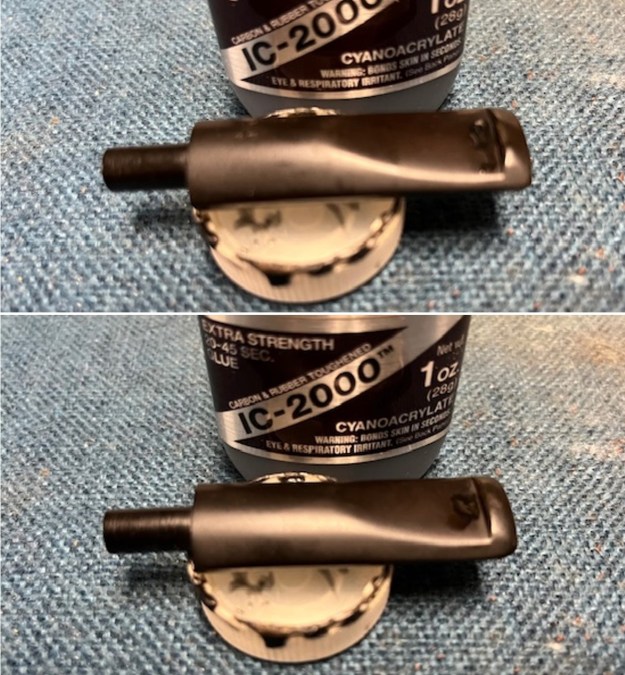
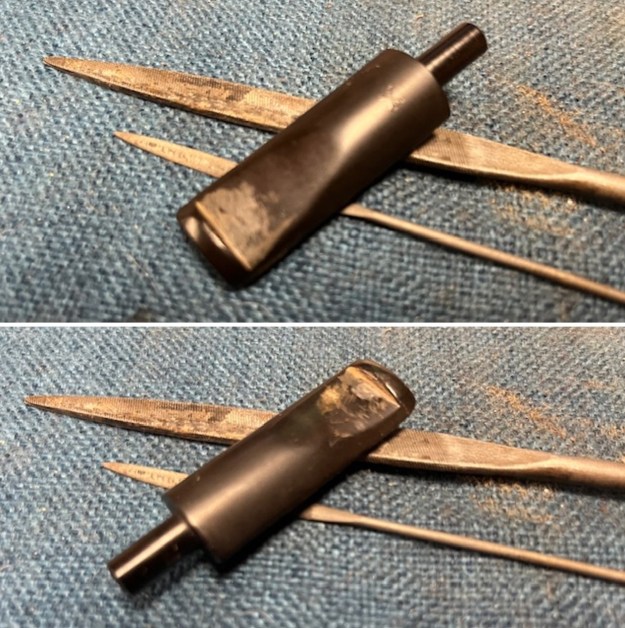
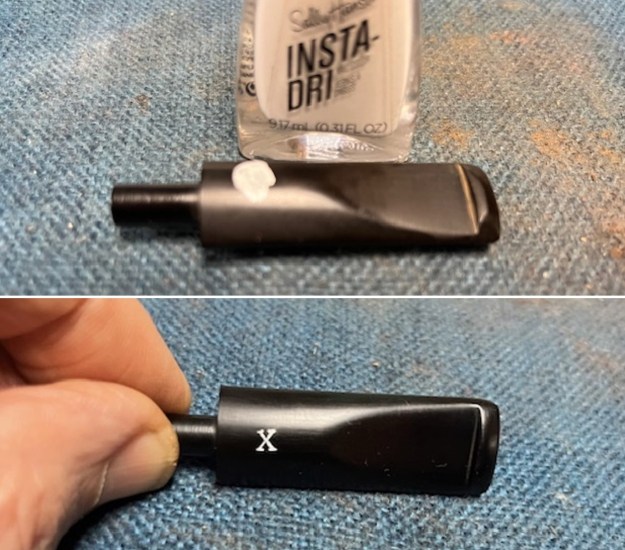
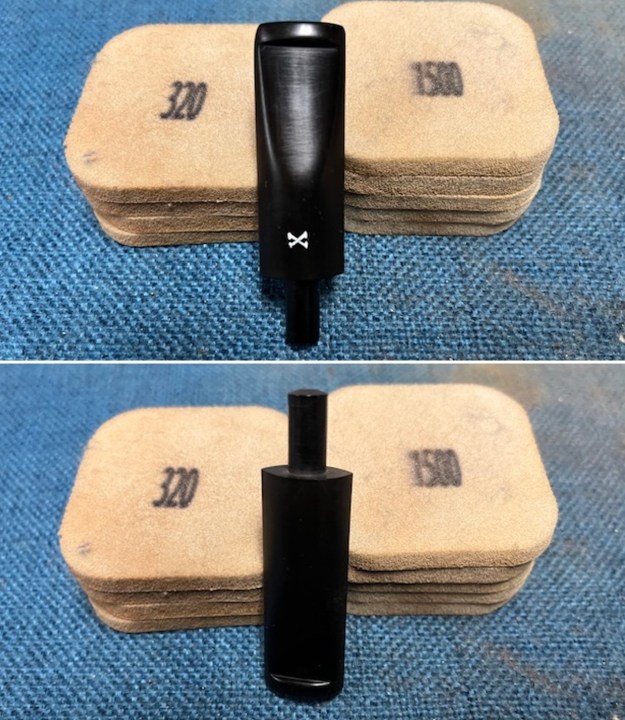
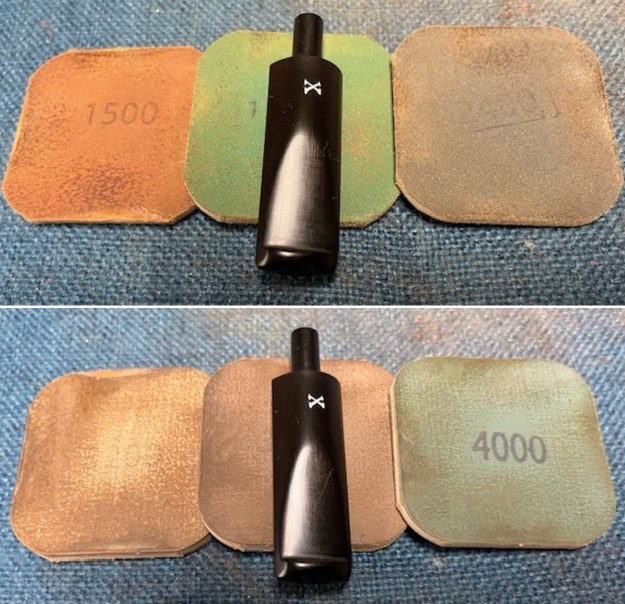
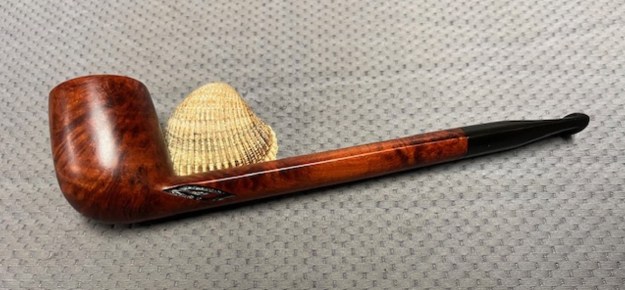
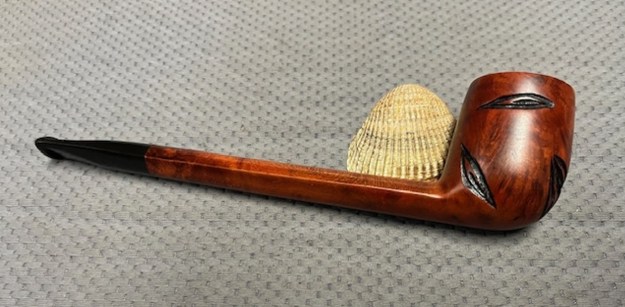
When I received it from Jeff it did not look like the same pipe. It was clean and the finish had life. He reamed it with a PipNet pipe reamer and got rid of the cake. He cleaned up the reaming with a Savinelli Fitsall Pipe Knife so that we could see the walls of the bowl and assess for damage. It was in good condition. He cleaned the internals of the shank and stem with cotton swabs, pipe cleaners and alcohol. He scrubbed the exterior with undiluted Murphy’s Oil Soap and a tooth brush. He rinsed the pipe under warm water. He dried it off with a cloth and then let it air dry. He scrubbed the stem with Soft Scrub and soaked it in Briarville’s Stem Deoxidizer. He rinsed it with warm water and dried it off with a soft cloth. It came out looking very good. The finish on the bowl and the rim top cleaned up nicely. I took pictures of the pipe to show how it looked when I unpacked it.  I took some photos of the rim top and stem to show the condition of them both when the pipe arrived. Overall it looked good. There is some damage and darkening to the inner edge of the bowl. The stem looked good even with the tooth marks on the top and underside ahead of the button.I took a photo of the stamping on the underside of the shank and reads Israel. It is clear and readable and in great condition. The X stamp on the topside of the stem is faded but readable. I removed the stem from the shank and took a photo of the pipe to show the look of the pipe.I cleaned up the inner edge of the bowl with a folded piece of 220 grit sandpaper. To remove the damage on the inner bevelled edge I used a wooden sphere and 220 grit sandpaper. It looked much better. I touched up the stain on the rim top and inner edge of the bowl with a Maple stain pen to match the rest of the briar.I sanded the sides of the rim top and bowl with 320-3500 grit 2×2 inch sanding pads to remove the varnish coat. I wiped it down after each pad with a damp cloth. It really began to have a more natural shine. I polished the bowl and the high points on the plateau with micromesh sanding pads – wet sanding with 1500-12000 grit pads. I wiped the briar down after each pad with a damp cloth. The bowl is starting to look very good. I worked some Before & After Restoration Balm into the surface of the briar with my fingertips and into leaf patterns with a horsehair shoe brush to clean, enliven and protect it. I let the balm sit for a little while and then buffed with a cotton cloth to raise the shine. The photos show the bowl at this point in the restoration process. I set the bowl aside and turned my attention to the stem. I filled in the deep tooth marks on the top and underside of the stem ahead of the button with a rubberized/carbon extra strength Black CA glue. Once it cured I used some small flat files to blend the repairs into the surface of the vulcanite. I sanded it with 220 grit sandpaper to finish blending it into the stem surface. I touched up the X stamp on the topside of the stem with some white acrylic fingernail polish. I let it harden and then scraped off the excess and went over it with a 1000 grit sanding pad. It looked very good at this point.I set the bowl aside and turned my attention to the stem. I sanded the stem with 2 x 2 inch sanding pads – dry sanding with 320-3500 grit pads and wiping it down after each pad with an Obsidian Oil cloth.I polished the stem with micromesh sanding pads – wet sanding with 1500-12000 grit sanding pads. I wiped it down after each sanding pad with some Obsidian Oil. I finished polishing it with Before & After Pipe Stem Polish – both Fine and Extra Fine and buffed it off with a cotton cloth. This beautiful mixed finish Israel Long Shank Canadian with carved leaves, probably made by the Shalom Pipe Company with a slightly bent vulcanite stem has a great look and feel. I polished the stem and the bowl with Blue Diamond polish on the buffing wheel. I gave the bowl and the stem multiple coats of carnauba wax. I buffed the pipe with a clean buffing pad to raise the shine. I hand buffed it with a microfiber cloth to deepen the shine. The pipe polished up pretty nicely. The rich combination of browns and blacks in the smooth and carved leaves took on life with the buffing. The rich colour of the briar works well with the polished vulcanite stem. I like the grain and finished look of this Israel Long Shank Canadian. Have a look at it in the photos below. The shape, finish and flow of the pipe and stem are very well done. The dimensions are Length: 7 ½ inches, Height: 2 inches, Outside diameter of the bowl: 1 ¼ inches, Chamber diameter: ¾ of an inch. The weight of the pipe is 52 grams/ 1.83 ounces. This Israel Long Canadian is a real beauty. Thanks for walking through the restoration with me as I worked over another beautiful pipe. This one will be going on the rebornpipes store in the Pipes from Various Makers Section shortly if you would like to add it to your collection. Thanks for your time.
A Thank You and Reminder of the Purpose and Value of rebornpipes


by Steve Laug

I thought it was time to take some time to think back to the birth and work of rebornpipes. I spelled out my vision of dream for the blog in the section on the home page entitled ABOUT REBORNPIPES (https://rebornpipes.com/about/). The blog has been active for almost 14 years, a bit of a record I believe. It is good to take time to reflect on this and to thank each of you who have been faithfully following the blog. Thanks also go out to the contributors who have sent their articles on their restorations. It is great to be part of a global network of folks who are restorers and those who love working on their own pipes.When I started the rebornpipes blog back in 2012 my goals were twofold. First, I wanted to keep a record of the pipes that I restored and repaired and a record of my journey in learning the art of refurbishing and repair. Second, I wanted to provide a record of the process of refurbishing pipes that would give room and record of growth and improvements along the way. I think that rebornpipes has moved forward along way toward meeting both of my goals.

It has continued to be a repository of pipe refurbishing and restoration information that has grown from just my work to the work of many contributors from around the world – Canada, US, Great Britain, Hungary, Bulgaria, South Africa, India, Brazil and other countries. It also continues to provide information to pipemen and women around the globe. Not a day goes by that I do not receive emails from pipe folk thanking me and the team for what we have provided. I also receive many emails seeking for advice on how to proceed in their own restoration work.

Another aspect of the blog was I added later as a way of moving pipes that I have restored and repaired. I added a section called the rebornpipes store (https://rebornpipes.com/rebornpipes-store/). The link takes you to the section on the blog where the store is housed. It is organized by country of origin. You can click on any of the links below and you will be taken to page listing the pipes that are available for purchase. Sending me a simple email expressing interest in a particular pipe and include your mailing address so that I can determine postage. Once I have a total for the pipe/pipes and the postage payment can be sent to my PayPal address which I will supply to you. In the years past I have been shipping pipes globally and have received good responses on the pipes purchased.

PIPE RESTORATION GRAB BAGS & TOOLS

PIPES MADE BY AMERICAN PIPEMAKING COMPANIES

PIPES MADE BY CANADIAN PIPEMAKING COMPANIES

PIPES MADE BY BRITISH PIPEMAKING COMPANIES

PIPES MADE BY DANISH PIPEMAKING COMPANIES

PIPES MADE BY IRISH PIPEMAKING COMPANIES

PIPES MADE BY FRENCH PIPEMAKING COMPANIES

PIPES MADE BY ITALIAN PIPEMAKING COMPANIES

PIPES MADE BY POLISH PIPE MAKERS

MEERSCHAUM PIPES – CALABASH, SMOOTH & FIGURALS

PIPES FROM VARIOUS MAKERS – CZECH, BELGIAN, GERMAN, ISRAELI, SPANISH PIPEMAKERS & ASSORTED METAL PIPES

PIPE ACCESSORIES – ASH TRAYS, HUMIDORS, RACKS & PIPE RESTS, ETC.

All pipes (Other than the grab bags) have been cleaned and restored and are ready for you to smoke with a tobacco of your choice. You can read the details on each one by searching for them on the blog. All pipes are described in terms of condition. The price is included for each pipe. The cost of the postage will be added when I am contacted with your mailing address. If you are interested in any of these pipes or others you may see on the blog contact me at slaug@uniserve.com. You can also post questions or make offers in the comments box below each pipe that is offered.

I invite you to spend some time exploring all the sections of the rebornpipes site. You might be surprised by what you find. Have a look and enjoy yourself in the process.

Pipe Socks for YOU!


by Katharina and Juliana Lieblich

Hello, readers of rebornpipes. We are Katharina and Juliana, the teenage daughters of Kenneth Lieblich, and pipe-sock seamstresses of Knights of the Pipe. Last year, Mr. Laug kindly let us write an article, introducing our soft, 100% wool felt pipe socks (and Etsy shop). We are back to thank you all for your gracious support over the last year. Our little business has taken off, and we have been blown away by your generosity.

For those who weren’t aware of our pipe socks and Etsy shop, you can read our previous article here. We happily accept bulk orders and custom-size orders too. We have also added a number of vintage pipe stands (racks, rests, whatever you want to call them) to our Etsy shop. We frequently add more – so please check back on a regular basis!

If pipe socks and/or pipe stands interest you, we would love to hear from you. You can buy directly from us at emporium@knightsofthepipe.com or visit our Etsy shop: https://knightsofthepipe.etsy.com. You can also email our dad at kenneth@knightsofthepipe.com. Thank you for reading, and again, thank you to Mr Laug for giving us this opportunity!

Cleaning up a Second Beautiful MORABB Pipe Tool for my collection


by Steve Laug

In August of 2025 I received an email from Paul in England regarding a Morabb pipe scraper that he had in his possession from his grandfather’s estate. He sent me the following email regarding the tool. It goes to show you that you never can underestimate the reach and readership of the rebornpipes blog. I have included his first email below in full.

Hello Steve,

First a big ‘thank you’. I have a ‘Morabb’ pipe scraper but didn’t know its purpose. It originally came from my grandfather’s house, he was a wire-drawer by trade and naively I thought it might have something to do with that! So, I type ‘The Morabb’ into my search engine, your site pops up and therein is all the information I need. Makes sense too, my grandfather was an avid pipe smoker.

Speculative enquiry this, I don’t suppose anyone in your pipe restoration circle would be interested in obtaining the scraper? As it belonged to my grandfather, I would prefer it went to someone who would really appreciate the item and perhaps even use it. I don’t smoke myself and I don’t have anyone to pass it on to.

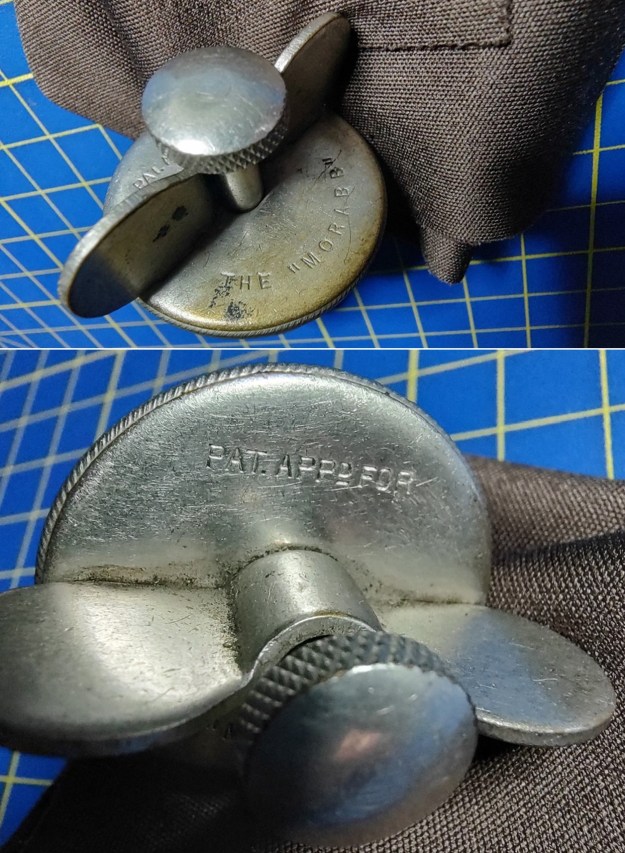
Age wise I believe it may be slightly older than the one you have; it has ‘Pat. Appd For’ stamped on the case rather than showing an actual patent number. Condition is good on the outside, but way dirtier than yours on the inside. It has no box or instructions. 

To give the scrapers’ age some context, my grandfather was born in the 1890’s and, to my knowledge, he smoked his entire life.

If it might be of interest let me know and I will send some photographs.

Oh, and please be aware I live in the UK.

Kind regards, Paul

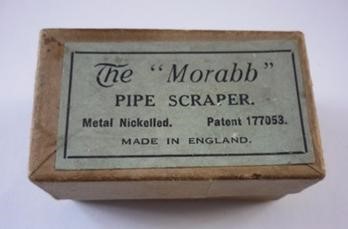
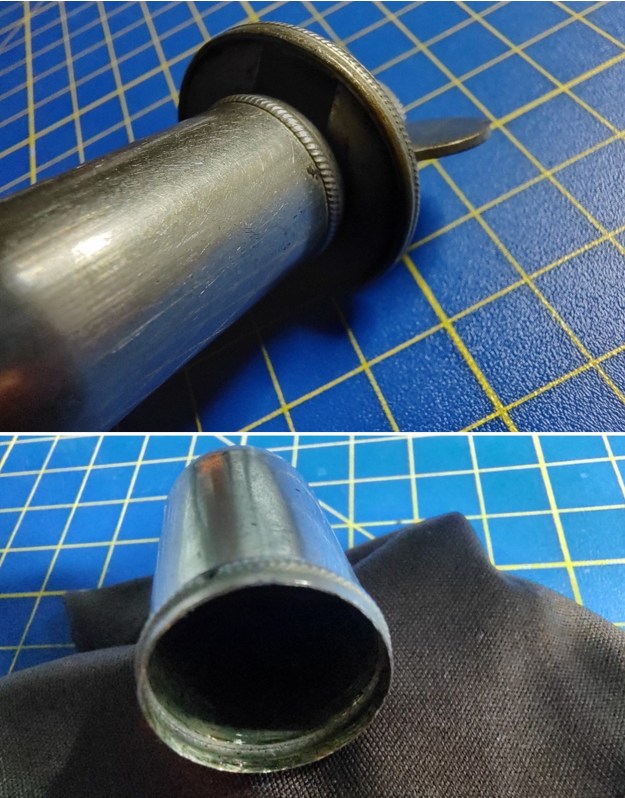
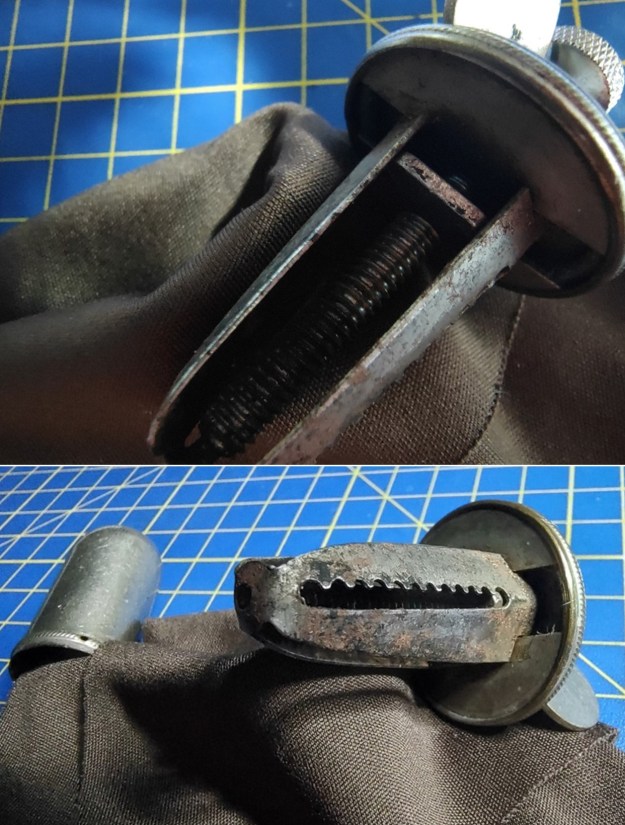
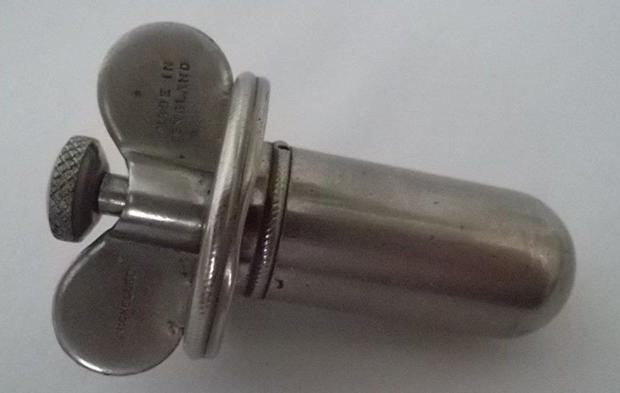
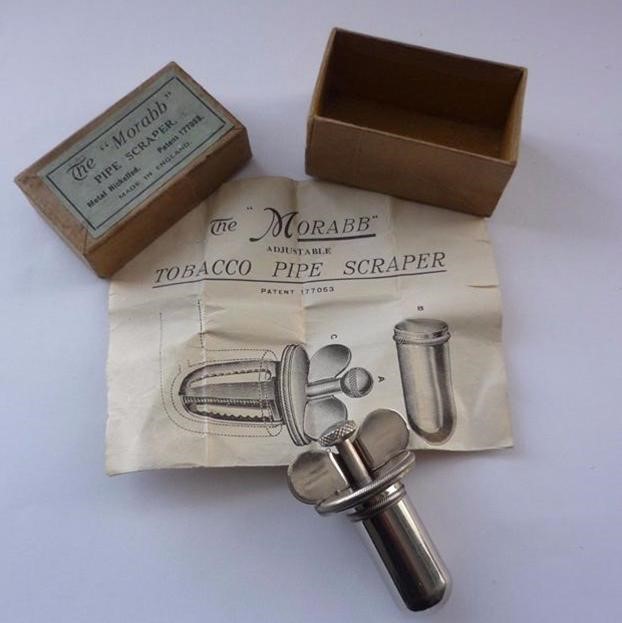
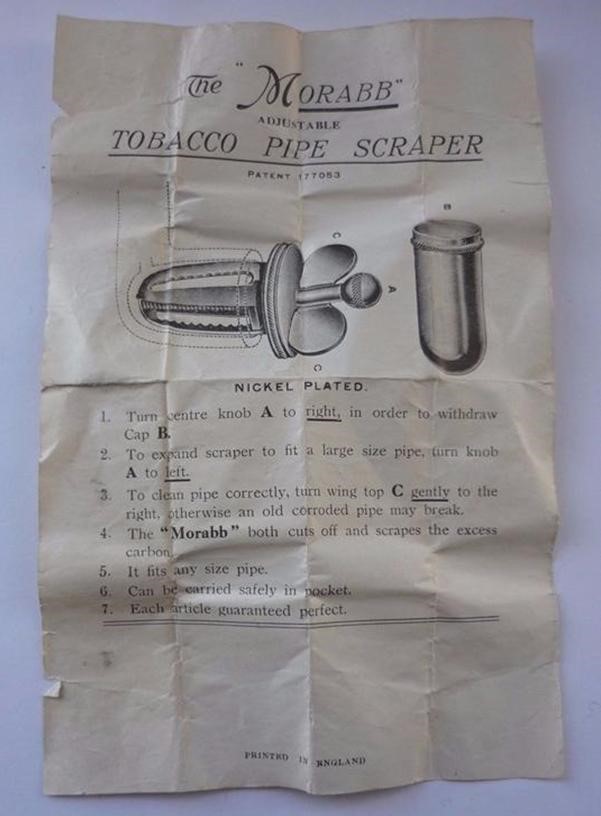
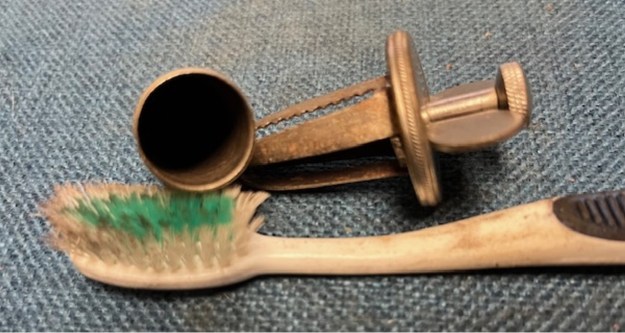
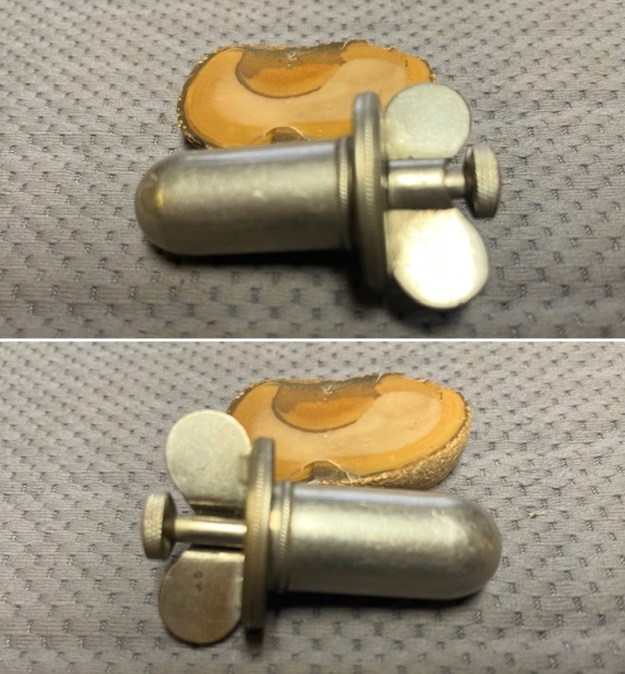
I replied to Paul that I was indeed interested in purchasing the Morabb from him. I asked him for photos of the tool that he had so that I could compare it with the one I have here. Paul kindly sent the photos to me and I have included them below. The show the stamping on top of the tool and it reads as Paul noted above. It is also dirty and oily as he noted as well. We made arrangements regarding purchasing the tool and I sent the payment to him. I headed out on a trip and while I was away the package arrived. Before I left on my trip I went back and read the blog I had written on the previous Morabb scraper purchased from and English seller back in 2019. I have included the link as follows: (https://rebornpipes.com/2017/09/30/just-added-a-new-reamer-to-my-collection-the-morabb-pipe-scraper/). I included a photo of the pipe scraper from that blog below as well as the previous seller’s description of the tool.The seller described it as follows and his description set the hook for me. “This little item is a classic 1930s example of the Pipe Smoker’s paraphernalia and was used to ream out the bowl of the pipe to clean it. It is approximately 6cms long and is adjustable to different bowl sizes. A nice addition to a collection of smoker’s requisites. The piece is stamped on the handles as follows: The “Morabb” original vintage 1930s adjustable tobacco pipe scraper/reamer. Nickelled (nickel plated) metal. Made in England. It has a UK Patent Number: 177053/22. It is a rare collectible item in very good condition (vgc)…

I am also including the research that I had done on the previous Morabb as well as pictures. I quote:

Since I had not heard of the brand and was unfamiliar with how it worked I did a bit of hunting on the internet. I wanted to see if I could find more information. I tried a UK data base search and was unable to find anything of help. No matter how I entered the Patent number I did not find any listings. However, I did find several listings for the same kind of reamer on the web. There was one that was still boxed on Worthpoint and on eBay. I am pretty sure it was the same piece. I scrolled through the photos and did screen captures of one that showed the box that the scraper came in and the contents of the open box. I also found a photo of the instruction sheet that came in the original package. The first reamer was stamped as follows: The “Morabb” original vintage 1930s adjustable tobacco pipe scraper/reamer. Nickelled (nickel plated) metal. Made in England. It has a UK Patent Number: 177053/22. The new addition from Paul was as he noted an earlier version of the reamer. It is stamped on the top “THE MORABB” and also PAT. APPD FOR. It is not stamped with the UK Patent Number, Made in England or with the Nickelled stamp.

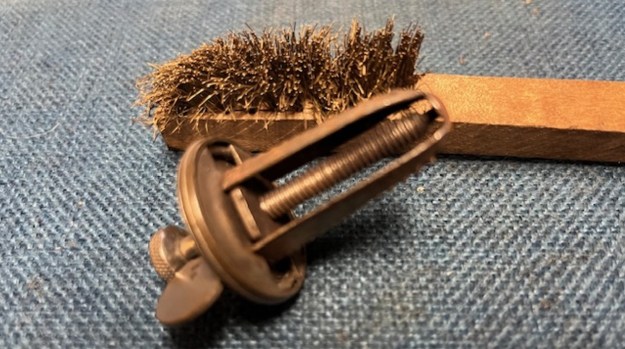
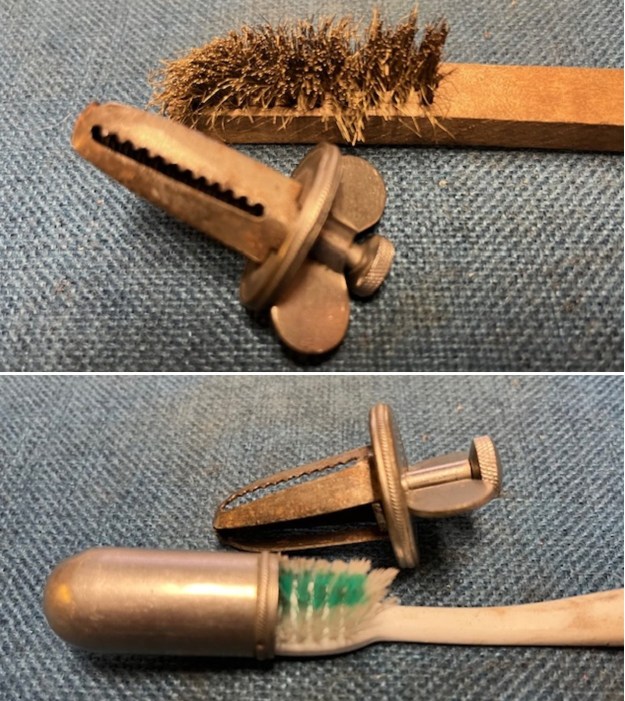
Now that I had that information I cleaned up the Morabb with a brass bristle wire brush to knock off the thick spots of grease on the surface and a tooth brush to clean out the inside of the case. I wiped it down with a damp cloth. It began to look significantly better. I polished the pipe scraper with a soft cloth to raise the shine. There are some worn spots by it really looks very good. The nickel has some small scratches and marks but they in no way ruin the appearance of the piece. The knurling on the edges of the cap, the lid and the turning screw are in excellent condition. The piece will make a great addition to my collection. Thanks Paul.

An interesting find – a Comoy’s Compact Boxed Tamper


by Steve Laug

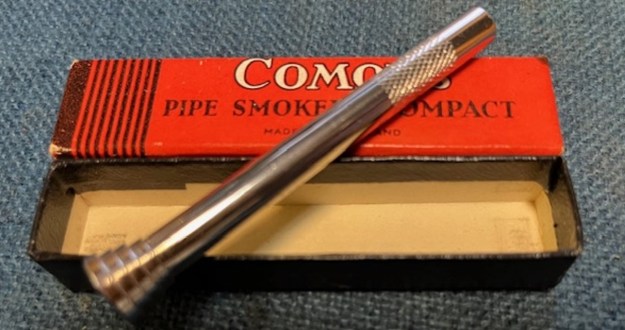
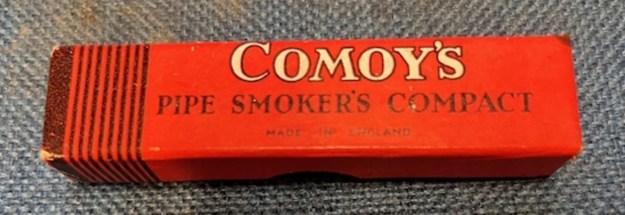
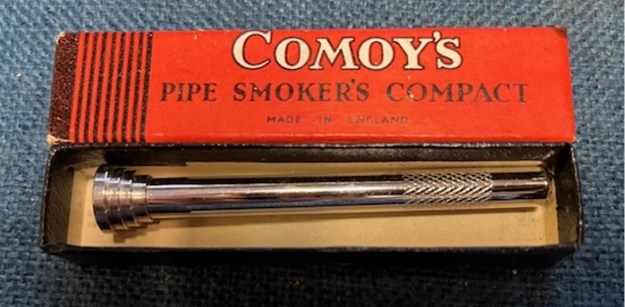
Jeff and I are always on the look out for interesting tampers and other pipe related items in our hunts. This little red box with the label Comoy’s Pipe Smoker’s Compact caught our eye and we added it to the collection. We purchased it on April 16, 2024 from Tacoma, Washington, USA as part of a lot of pipes from Facebook marketplace. Opening it up we found and interesting tamper with a stepped base. My first thought was that it was telescoping like a mechanic’s magnet. It was not it was just a stepped foot on the tamper. The inside of the box read Comoy’s of London “The Oldest Name in Pipes”. I took the tamper out of the box and took a photo of the tamper. It is not a big piece. The length of the tamper is 3 inches, diameter of the tamp end is 3/8 of an inch. It is stamped Comoy’s Made in England in a circle around the edge. This is a great piece of pipe history that I will enjoy using with a pipe on my front porch. I look forward to the feel of the tamper in my hand. Still trying to figure out the age of the pipe tamper but no success yet. Anyone seen one of these before? Any help would be appreciated.

We’ll Knock Your Socks Off


I have been using the pipe socks made by these two young ladies for quite awhile now and really like them. I have many for my own pipes and always included them when someone purchases a reborn pipe. They are well made and durable. I asked them to do a write up on their product with links so others could purchase and enjoy them. Without further intro by me here is their article. Thank you Katharina and Juliana.

by Katharina and Juliana Lieblich

Hello, readers of rebornpipes. We are Katharina and Juliana, two of the daughters of Kenneth Lieblich, whose articles you may have read here on rebornpipes. Recently, Mr. Laug graciously offered to let us write a blog post about our little pipe-related business — thank you, Mr. Laug!

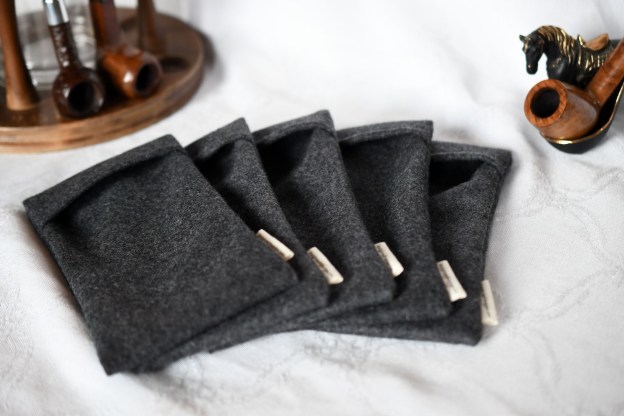
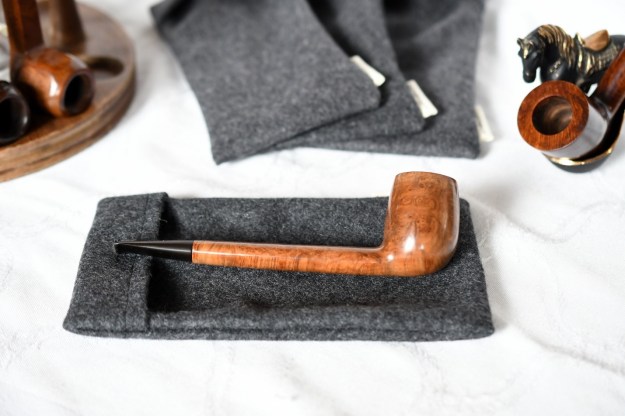
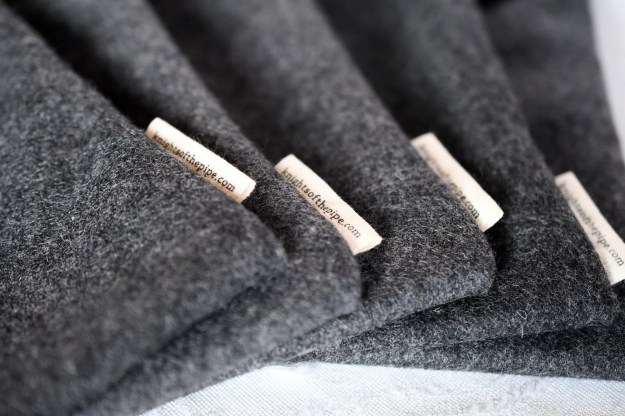
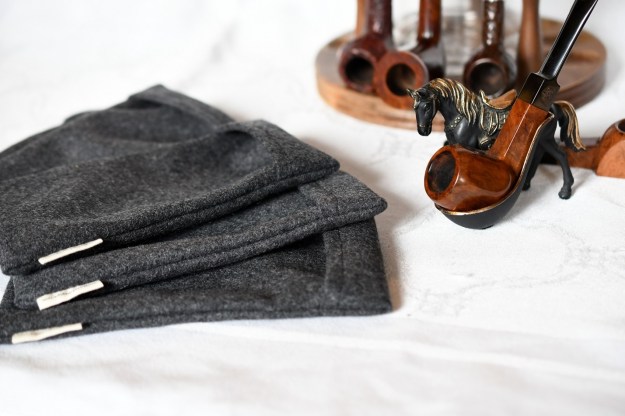
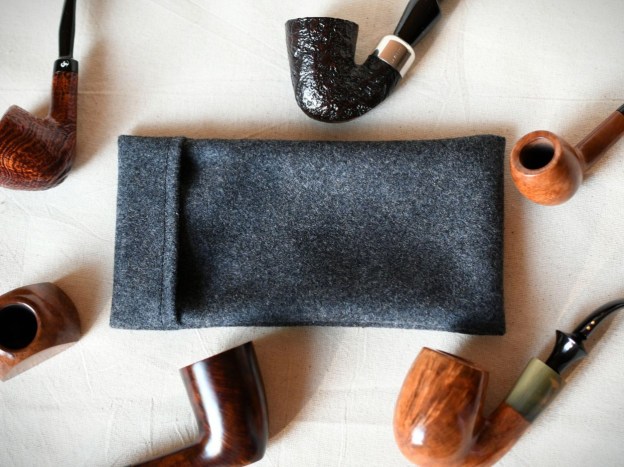
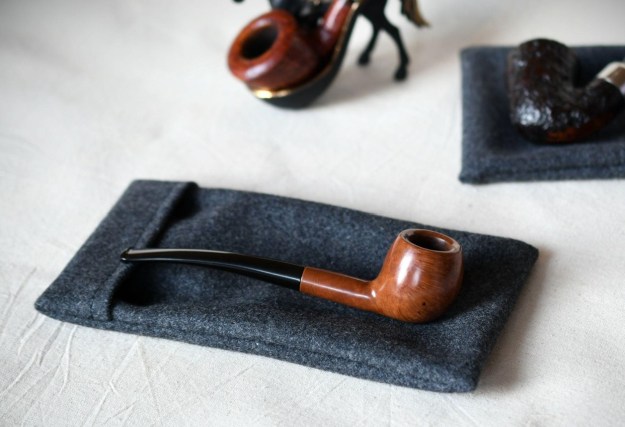
A couple of years ago, Mr. Laug asked Juliana to make him some pipe pouches, and she sewed up a few drawstring bags from some scrap corduroy. She then moved to various other fabrics she could lay her hands on. We soon discovered how useful these socks were, so Katharina joined in, and this marked the birth of our small, kid-business. Since then, we have refined and updated our method and design. Today, our pipe socks are made of 100% Melton wool felt, hand-sewn by us. You can see real examples of our socks in the photos above and below. In fact, if you have purchased a pipe from Mr. Laug (or our dad) in recent times, it may have come with one of our own pipe socks!

Now, you may be wondering, “What on earth is a pipe sock?” Good question! It is simply a little pouch for maintaining your pipe’s beautiful finish while out and about. Rattling around in your pocket, the wood can get dented, nicked, scratched or worse. A soft and thick wool-felt pouch will protect your precious pipe for years. Each sock measures approximately 3¾ in (9.25 cm) by 7¼ in (18 cm) and can easily fit into a pocket, glove compartment, or bag. You can also contact us for custom-made pipe socks.

“Wonderful!” we hear you say. “Where can I get one?” We are so glad you asked! If you are interested in supporting our little business, you can email us at emporium@knightsofthepipe.com or visit our Etsy shop, https://knightsofthepipe.etsy.com. You can also email our dad at kenneth@knightsofthepipe.com. Thank you for reading, and again, thank you to Mr. Laug for giving us this opportunity!


Sometimes you win when searching for pipes and tobacco


by Steve Laug

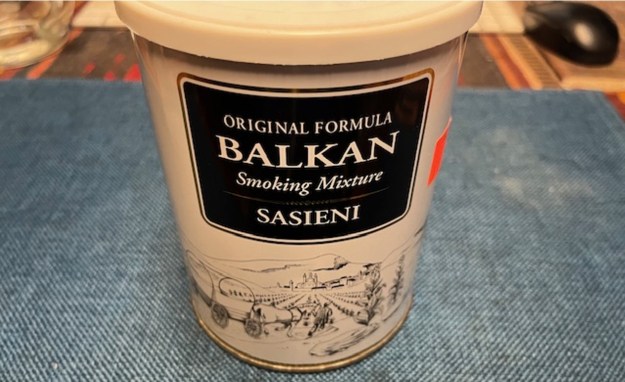
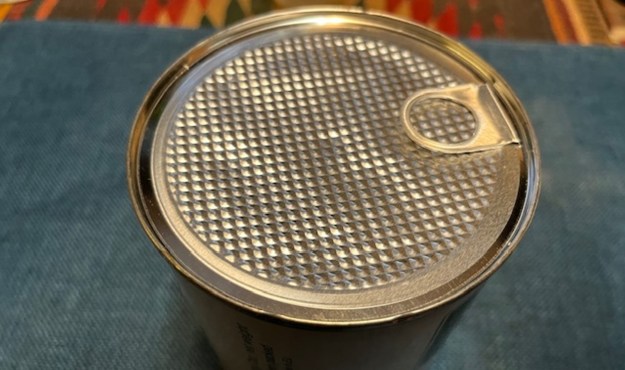
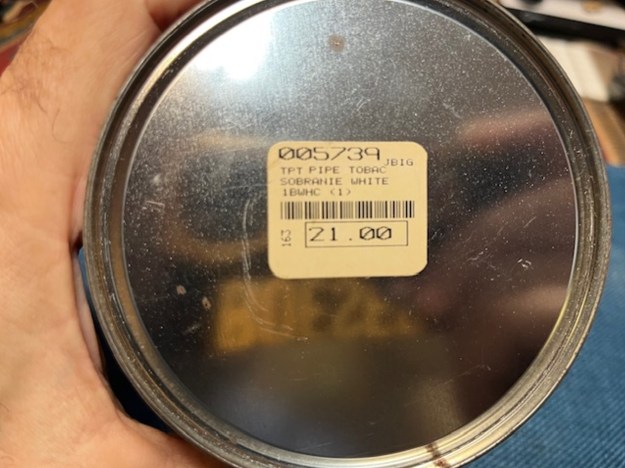
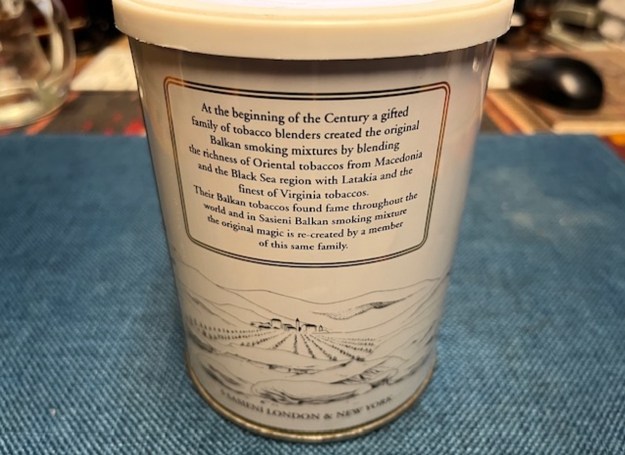
It does not happen very often but once in a blue moon I strike it lucky when I am out on a pipe hunt. I am not talking about finding pipes as that happens often enough. What I am talking about is finding tins of unopened tobacco. Over the years I have found some nice ones Condor Slices, Capstan, Balkan Sobranie, Mac Barens Navy Flake and Condor Long Cut to name just a few. The find I am writing about happened on a hunt up the Washington Coast on Sunday, August 25. We parked in front of a decrepit Antique Mall that was almost falling down. It was jammed with things to look at. It was so packed that it was overwhelming. I made my way down the first aisle on my right as I entered and there among a lot of junk cans – coffee, jam, lubricant, empty tobacco tins I saw a 200 gram white tin of Sasieni Balkan Mixture. I picked it up and to my surprise it was full. I expected it to rattle with dry tobacco. I lifted the plastic lid and found that the tin was sealed. It was going to be a nice tin full of Balkan mixture that I plan to enjoy. I examined the tin carefully and saw that it was labelled as US Distributors James B. Russell Inc. 25 Parkway Upper Saddle River, New Jersey 07458 USA. That might help me date this tin of tobacco. The price on the tin was original $21 on sale tag on the bottom of the tin. The Mall was selling the tin for $15.I turned the tin over in my hands and read the back of the tin. It described the tobacco as follows:

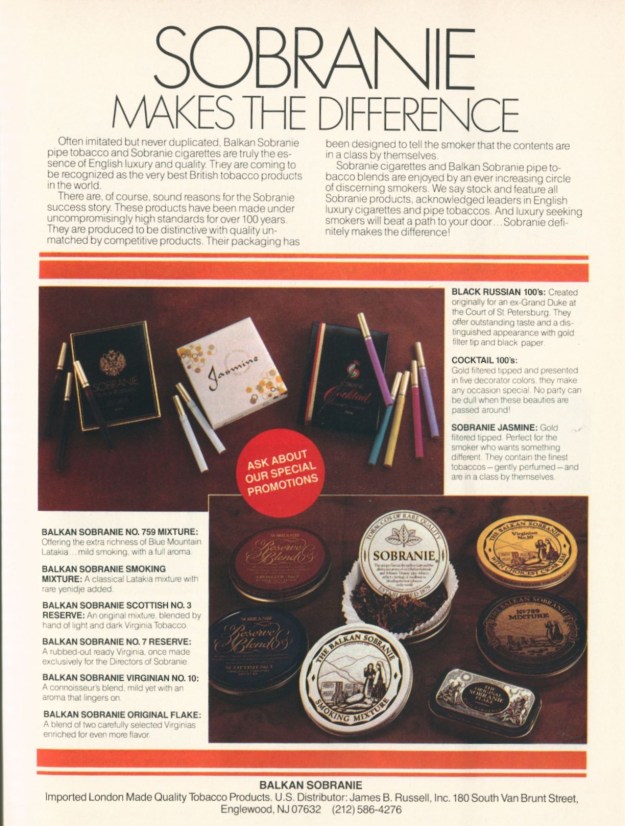
At the beginning of the Century a gifted family of tobacco blenders created the original Balkan smoking mixtures by blending the richness of Oriental tobaccos from Macedonia and the Black Sea region with the Latakia and the finest of Virginia tobaccos. The Balkan tobaccos found fame throughout the world and in Sasieni Balkan smoking mixture the original magic is re-created by a member of this same family.I did a google search for the brand linking it to James B. Russell Distributors and found a catalogue from 1981. I am including the page on Sobranie below that gives the date on the bottom of the page (https://pipedia.org/images/4/4a/Smokeshop-Sep-1981.pdf). It also confirms that this tobacco was made in England originally by Sobranie. The address for James B. Russell is different from that found on the can.I did a bit of research on when the brand closed down in England. I found a link on Wikipedia (https://en.wikipedia.org/wiki/Sobranie) that gave the history of the brand. I quote a section of the article regarding the closure:

 Albert’s young cousin Isaiah Redstone (1884–1963) joined him in the business and registered the “Balkan Sobranie” trademark, later shortened to Sobranie.[5] By 1910, Albert was manufacturing at 34 Glasshouse Street, London.[6] After Albert’s death, Isaiah Redstone and his sons Charles Coleman Redstone (1911–1994) and Dr. Isidore Redstone (1925–2022) continued to own and manage the business. In the early 1980s, the Sobranie trademarks were sold to Gallaher Group, which continued production with a modified formula at various locations in Europe. Gallaher was subsequently purchased by Japan Tobacco in 2007.

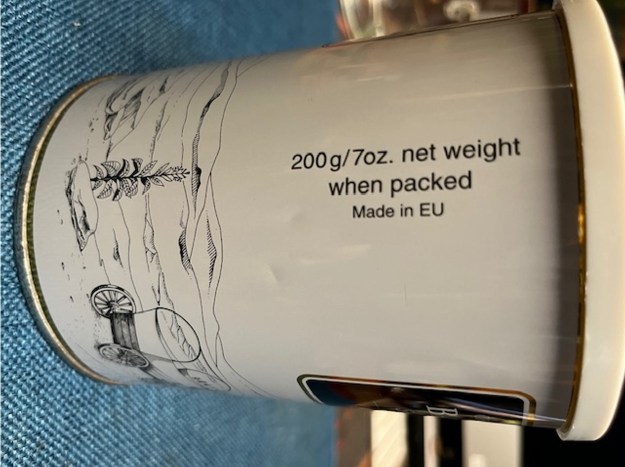
I am including a photo of the side of the tin showing it is packed in the EU. This tells me that the tin was packed and sold before the sale of the Gallaher Group to Japan Tobacco in 2007. Now I wanted to understand some more about the brand. I googled and found a link to a description on Pipes And Cigars site (https://www.pipesandcigars.com/product/balkan-sasieni-pipe-tobacco/BLA-TP-1000.html?yoReviewsPage=6). I quote:

A blend of tobacco leaves from Macedonia and the Black Sea region mixed with Latakia from Northern Cyprus and the finest Virginia tobaccos establish the foundation of this Balkan Sasieni English type mixture. Satisfying yet not overwhelming, Balkan Sasieni progresses into an interesting Latakia blend with a smoky aroma. The high content of Latakia provides the Balkan Sasieni tobacco with its unique character and room note making this Balkan blend a one-of-a-kind tobacco experience that is a must-try for pipe enthusiasts alike. Enjoy Balkan Sasieni here at Pipes and Cigars.

Now all that remained was to crack the tin and enjoy a smoke. Thanks for taking time to read this blog.

Time Travelling with a NOS Car Boy Pipe Holder


by Steve Laug

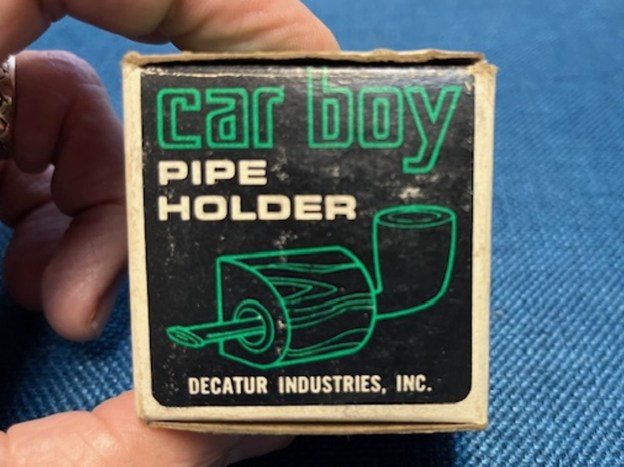
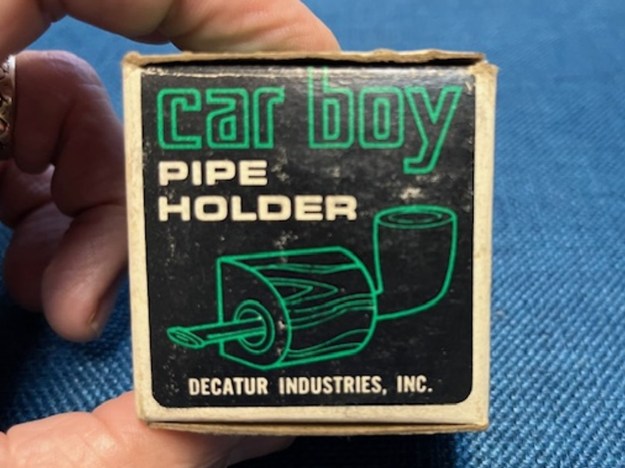
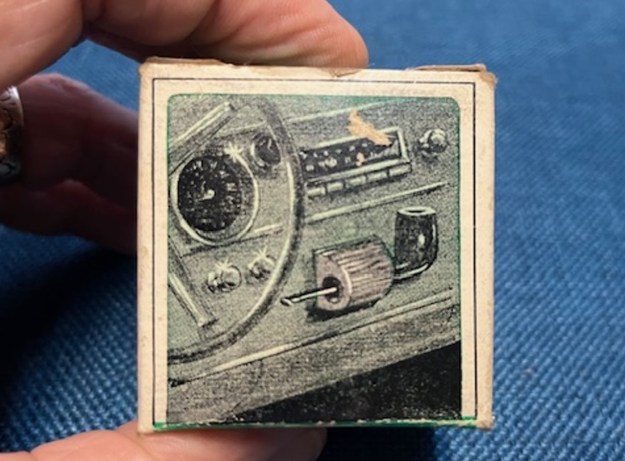
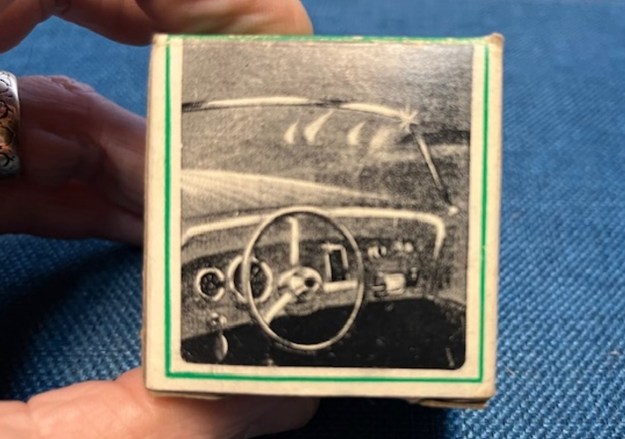
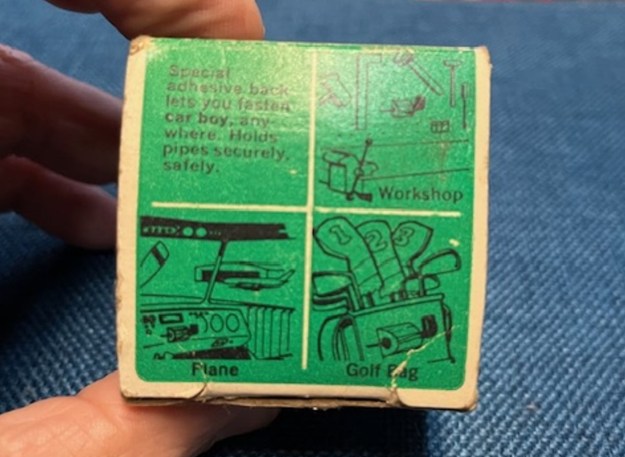
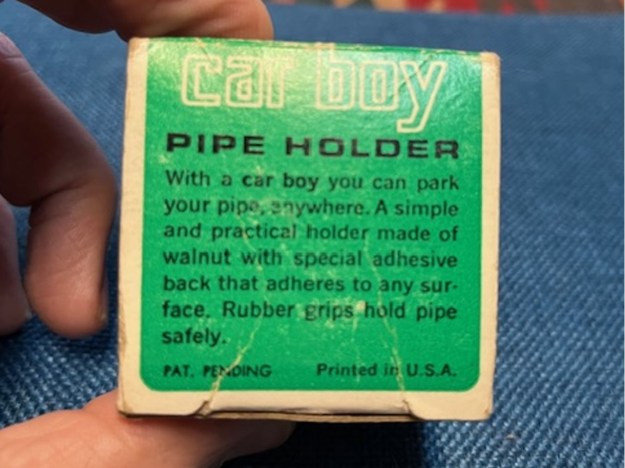
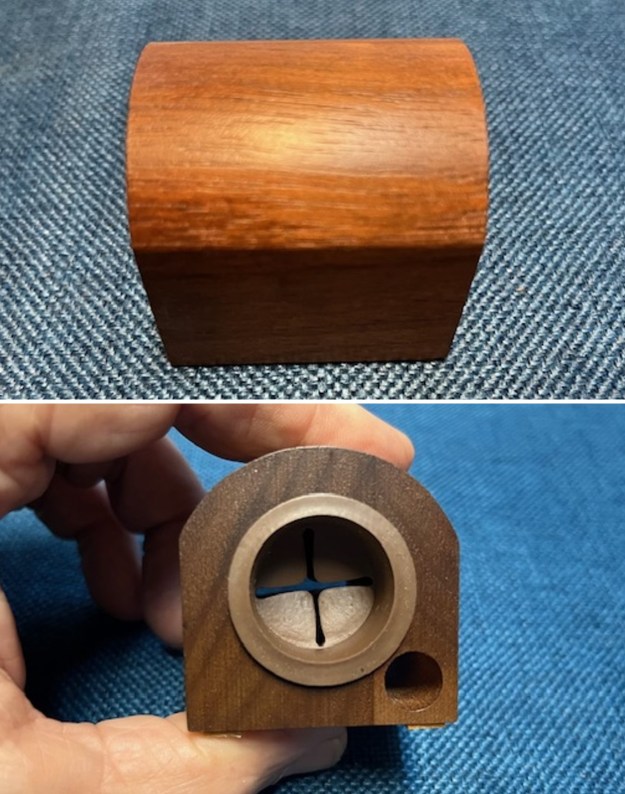
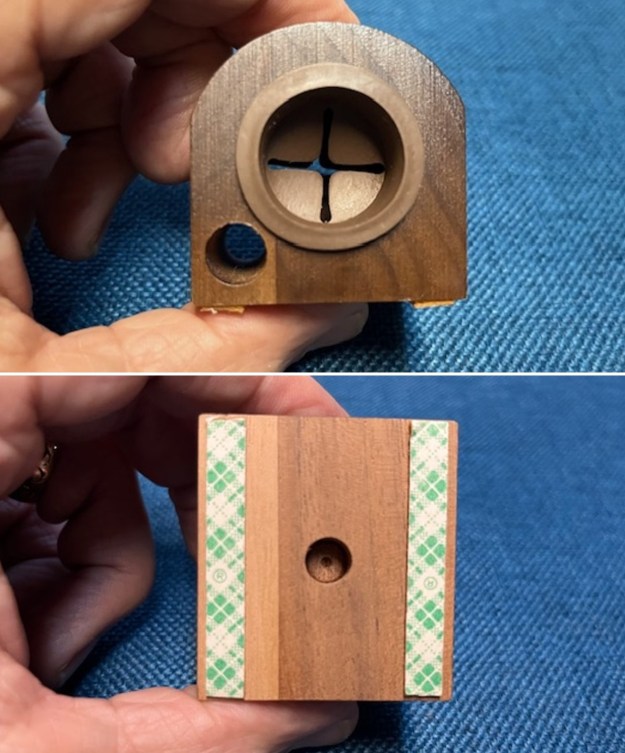
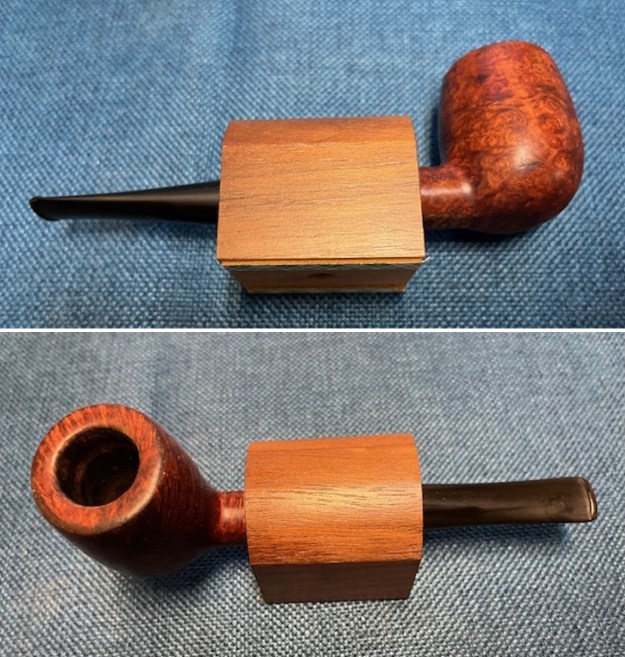
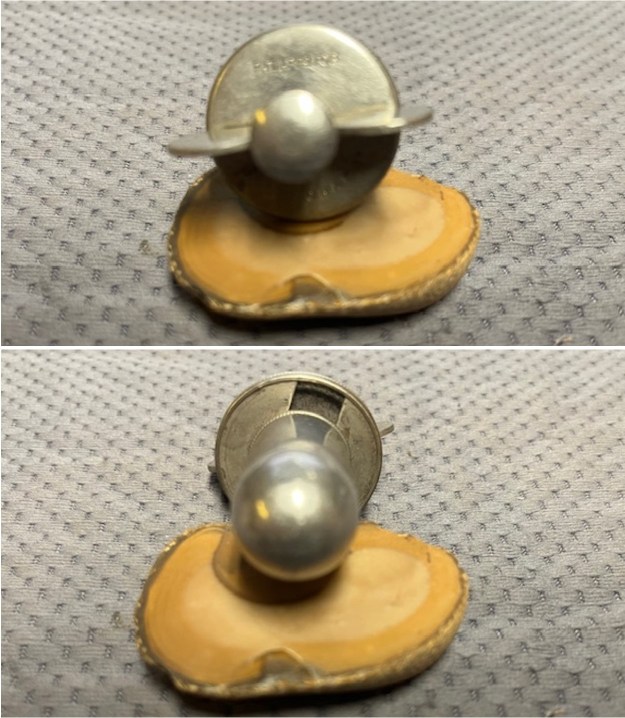
I was going through some of my pipe paraphernalia that I have collected for a lot of years and found this new old stock Car Boy Pipe Holder still in the original box. It is a unique piece that brings back memories for me and also is a quick trip to the past as I turn it over in my hands. These walnut pipe holders were made by the same Decatur Industries that made pipe racks and rests. It is fun to read the advertising on the box as part of a trip to the past. I am holding the box with the front facing me (back is the same). It is simply marked Car Boy Pipe Holder with a line drawing of the holder and a pipe in place in it.I turned the box around in my hands and took photos of the drawings and advertising around the box sides. Turning the box to the right shows a close up of the pipe in place in the Car Boy holder. It is stuck on the metal dash board of a car that looks familiar to me. It is nicely drawn. The crazy thing is that I vaguely remember my Uncle Gene having one of these in his VW delivery van for his tailor/dry cleaning shop. Turning the box left from the Car Boy front is a drawing of a convertible with the pipe holder stuck on the day again to the right of the steering wheel below the push button radio. Subtly the ad is saying that the holder will fit in any car and add a touch of class for the pipe man. On the top of the box it shows how the pipe holder can be used and how it is installed. The description says that there is a Special adhesive back that lets you fasten car boy anywhere. Holds pipes securely, safely. There are three drawings that show it in a workshop, a plane and on a golf bag. This pushes the horizons of the Car Boy to multiple uses. Your imagination is the only limitation.On the bottom of the box there is a printed description of the Carboy Pipe Holder. It reads: With a car boy you can park your pipe anywhere. A simple and practical holder made of walnut with special adhesive back that adheres to any surface. Rubber grips hold the pipe safely. Pat. Pending. Printed in U.S.A.I opened the box and took a photo of the end of the Pipe Holder. You can see the rubber grommet in the larger hole that reminds me of the old church communion cup holders that I grew up with as a kid. We used to stick our fingers in them and play with them during particular tedious services. In this case you can see that it is cut in an X or cross and the pipe is pushed stem first into the holder. It is the same on both sides and it holds a full pipe, a smoldering pipe or even and empty one. You will notice that the top is curved and rounded. There is also a hole drilled to the left of the pipe hole. It is made to hold pipe cleaners ready to be used. Travel with me back in time as I take it out of the box and take photos of it to show the style and design of the Car Boy. From the top it looks like a treasure chest. Gentle cures and well finished Walnut. The photos of each end of the holder show the rubber insert that holds the pipe stable and the hole drilled for pipe cleaners to be securely held. The photo of the underside shows the adhesive peel an stick double sided tape that holds the Car Boy to the dash board or any other surface of your choosing. I thought to complete our trip to the past I would add a pipe to the Car Boy and take a photo of how it works. The rubber inserts fit just about any stem and shank. I can tell you with certainty that pipe is solidly in place and very stable. It will not tip over with sudden braking!This is certainly a nostalgic piece from another time! It is a great idea and certainly one that could be used almost anywhere you set down your pipe. I guess it is time to reenter our won time. Sometimes I think I was born into the wrong era. Ah well, thanks for the time to take this little time travel trip with me. Cheers.
Our loss could be your gain…


by Steve Laug

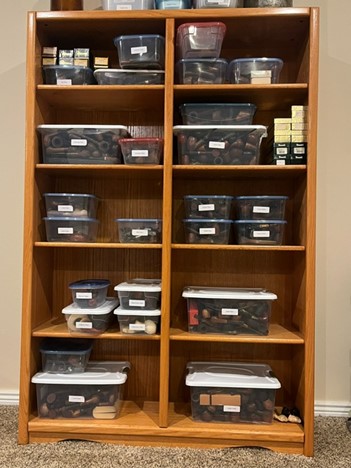
I went to visit my father in Idaho at the end of June for his 96th birthday celebration. I stayed with my brother Jeff who many of you have met in our online pipe groups, sales and purchases here on rebornpipes. We got to talking about the sheer volume of pipes we have in boxes for restoration. We went to his basement where they are stored by country in bins on his shelves. I am not sure you can feel the impact of the volume of pipes that were on the shelves in front of us. It really was overwhelming and honestly, I felt a sense of the impossibility of the work ahead. Jeff and I looked at the boxes of pipes in front of us and it began to dawn on us that neither of us would live long enough to finish all of the pipes we had waiting there. If you also consider the fact that we keep buying pipes because we love the hunt and sense of being able to help families liquidate their loved one’s pipes. You would think that we could just stop. However, the fact is that we continue to both enjoy the hunt and rush of finding that illusive pipe that we have been searching for as well as interacting with the families of pipe men who have left behind some beautiful and unique collections. So, the short answer is that we have no plan on stopping until someone else picks up where we have left off.

We decided to go through our collection of pipes to restore and get a clear picture of what we had. Our method was to go through them by country and have a look at each pipe and decide if we wanted to work on it or let it go. I know that this sounds relatively simple to many of you. But you must understand that we sorted through these pipes many times and put together over one hundred pipe grab bags through the past four years. Many of you have bought bags of pipes to restore that came from us because of our regular sorting of these pipes. We still have hundreds (dare I say thousands) of pipes that needed our attention. The problem for us was that each pipe we looked at had a story about the previous owner or the store or estate we purchased it from. As we held them those stories rolled through our mind. We had sorted them already several times and we were quite satisfied with the lot that remained. But the niggling reality of the volume of pipes, the time needed to restore them and the number of years of life we have left called us to face reality and be rigorously honest. To put it simply, the fact is that even if we both live for 10 more years we will never finish restoring this entire collection of pipes.

I was going to be in Idaho for almost two weeks so we made a plan that while I was here, we would go through all the pipes. Our plan of attack was clear, and we began the sorting process. We would look through all the pipes in our collection – going through each country group one pipe at a time. We would divide them into pipes we would keep and those we would pass on to those of you who want them. We committed to processing them for a portion of each day until we were finished. I know this is a first world problem – so many pipes and so little time! Many of you probably laughed at what I have described and just shook your heads at our simple problem. I am sure some have said that we should get rid of all of them. I am certain though that some of you understood the dilemma we were in and would offer to have us send them to you as a solution to our problem. Whatever you think I know that my wife and daughters and Jeff’s wife and sons were happy that we were reducing our collection.
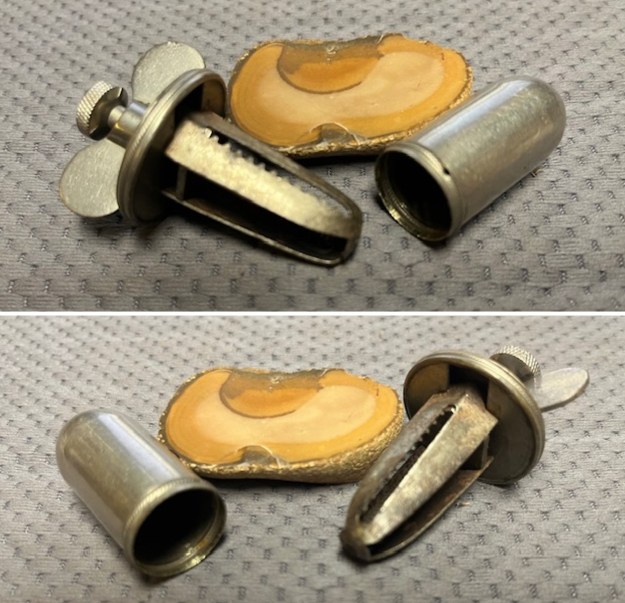
The process began in earnest on the first weekend I was here. We carried each set of boxes up to Jeff’s office and poured the contents on the desktop. Each of us went through the pipes and sorted them into keepers and ones we would pass on to folks here. Jeff would have two piles in front of him. Once he finished a box I would go through both piles and continue the sort. We tried to be merciless and honest as we looked at each pipe. We had to leave behind the story of each one, the sentimental attachment to the pipe, even our feelings about the shape and finish of the bowl that had originally caught our eyes. These were hard decisions and ones we worked through together. By the end of each box, we concluded that we had done well in our sort. The number of pipes was going down and the number we would pass on to you was growing.

Now what have we put together? I think we can safely say that you will find some amazing pipes for sale on the rebornpipes store in the country-of-origin sections. All of them are in need of various levels of restoration and refurbishing but all of them show real promise. They were hard for us to let go of. Once we had a pile of pipes for the country we were sorting we divided them into groups of eight pipes. Each group was bagged and given a full description of the stamping, condition and any specific areas that were issues. We also included photos of the pipes for you to have a look each bag’s contents. The pipes are for sale for $96USD per bag of eight which breaks down to $12USD per pipe. Not a bad deal for sure!

Today we finished the last of the pipes remaining to be sorted. We have added these bags of 8 pipes to each of the following country pages on the store:

England – 9 bags

Denmark – 4 bags

Italy – 5 bags

France – 3 bags

Holland – 1 bag

USA – 5 Bags

You should go to the store section noted above that you are interested in and read what pipes are included. We will not re-sort them to include what each one wants and realize that each lot has some higher demand pipes than others.

Once the briar pipes were finished we turned to go through our metal pipes – these included a surprising number of both English and American made Falcon pipes as well as a couple Dr. Grabow Viking pipes. There were a few bents and a lot of straight pipes. The bowls are Dublin and Billiard shaped with smooth and rusticated finishes. They are well worth having a look at if you are in the market for them. Each bag contains 7 pipes and we have them listed at $72USD or roughly $10.28USD per pipe. Also a good deal!

Metal Pipes – 2 bags

We finished our sorting with our boxes of Meerschaum pipes both smooth and carved figurals and were able to add some cased pipes and uncased pipes that include some real interesting pipes. Each of the bags has 4 meerschaum pipes in it. The price for these is $60USD or $15USD per pipe. Yet another good deal. Go have a look at what is there.

Meerschaum pipes – 2 bags

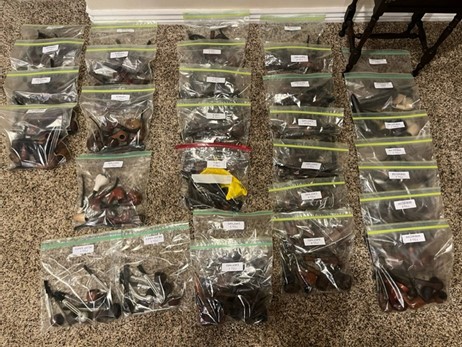
Jeff took the following photo of the bags laid out in his basement and ready to be shipped to those who make an order. It is an amazing number of pipes.

Don’t miss out on the deal. Thanks for helping us through this painful process of saying goodbye to pipes that we wanted to work on. If you have more than one pipe you know what we are experiencing in thinning our collection. Thanks for reading this rambling!

Join us on a Quick Pipe Hunting Adventure


Blog by Steve Laug

Sometimes the best adventures happen with minimal drama and planning. On Thursday Jeff and I chatted on Facetime. He said that he and Sherry were heading up to Seattle to meet a fellow about some stamps and asked if Irene and I would like to meet up in Bellingham, Washington on Saturday and take our aunt for breakfast. After breakfast we talked about doing a bit of a pipe hunt in Bellingham antique stores and malls. The decision was made and yesterday morning Irene and I and two of our daughters got up early and headed across the Pacific Truck Crossing border between the Canada and the US for the adventure.
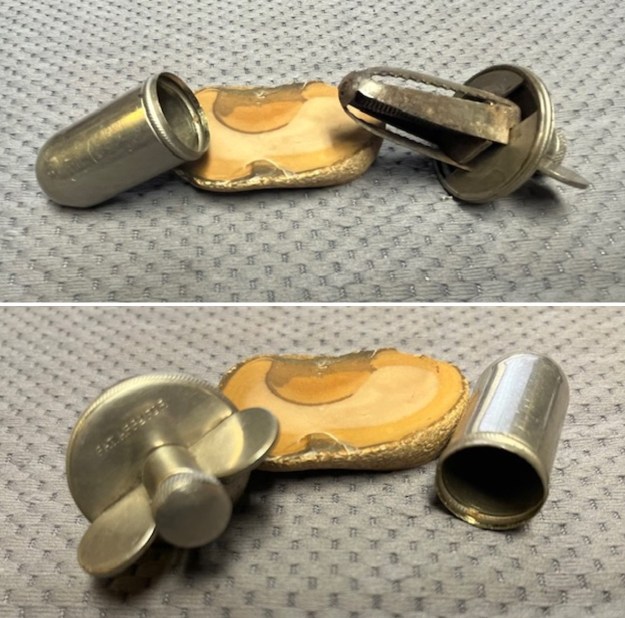
We met up at a local eatery and had a great breakfast together with our aunt. We took her to her residence afterwards and visited with her for most of the morning. Together we headed to Old Town Bellingham to begin our pipe hunt. We visited three of my favourite antique malls and worked out way through the aisles of wares for sale. Jeff and I tend to divide and conquer, each walking through the aisles of the shop looking for pipes. The rest of the family moves through looking for their own treasures. In the first shop Jeff and I picked up two pipes – a Sasieni Mayfair Apple and a Sasieni Royal Stuart Billiard. Both were dirty but both contained the Sasieni Magic – classic shapes and nice briar.The second shop is a treasure trove of items from the past and one that I could spend a lot of time working through. As we went through the aisles of treasures I found a case with carved animal pipes and a Ropp Cherrywood, really none of them captured my interest this time around. I looked them over and set them aside. Then I saw an interesting pipe standing in the back of the case. It was called The Pedestal Pipe and was made in Israel – presumably by the Shalom Pipe Manufacturing company. We left the shop with this addition to the hunting bag. We walked down the street to the next shop. It is one that I have visited for over 20 years and come to know the owner. We generally have a great chat on our visits and spent some time chatting and catching up on life. By the time we finsihed chatting we came away with five additional pipes to the hunt bag. These included a Savinelli Sherwood Rock Briar 316KS, a Sir Winston Bellingham WA, a Kensington Made in London England Pot, Genuine Block Meerschaum Opera pipe, and last of all an Oval shank 1/4 Bent pot no name but great grain.We left the shop worked our way to a new shop that I had not visited before. We walked into a nicely laid out shop and I asked the clerk if there were any pipes available. He walked us back to a display case and took out a circular pipe rack. There in the rack were two pipes remaining in it. The first was a square shank Irwin’s (GBD made) London Made London England 9487 shape and the second was an older WDC Royal Demuth Imported Briar Root 25. Both were great and were added to the hunt bag. We called it a day and headed to our favourite Mexican Restaurant for dinner before heading home. It was a great hunt and a great visit with the family. When I got home I went through all the pipes we had found and took photos of the group. There were some great pieces there and some great pieces of pipe history. I made a list of the pipes according to the order in the photos below.
The left column in the photo below:  

1. The Pedestal Pipe Mediterranean Briar Israel
2. The Kensington Made in London Englamd
3. Sasieni Mayfair London Made
4. Irwin’s (GBD) London Made London England 9487
5. Sasieni Royal Stuart Made in England London Made 55

The right column in the photo below:

6. Savinelli Sherwood Rock Briar 316KS
7. Sir Winston Bellingham WA
8. Genuine Block Meerschaum Opera
9. WDC Royal Demuth Imported Briar Root 25
10. Oval shank 1/4 Bent pot no name but great grain

These were going to be a great batch of pipes to work on. Certainly, they would need to be deep cleaned, stems reworked and some replaced and some refinished. It was really going to be a great time gradually chipping a way at the lot. Thanks for coming with us on this pipe hunt. It was a great time to have you with us and the only thing that would have made it better would have been to walk through the hunt together. Enjoy your pipes!